ThenDesign Architecture Relocates to Memorial Junior High School

ThenDesign Architecture Relocates to Memorial Junior High for New Offices in Willoughby
With the completion of the renovation project, ThenDesign Architecture moves to their new home in Downtown Willoughby.

ThenDesign Architecture Relocates to Memorial Junior High in Willoughby

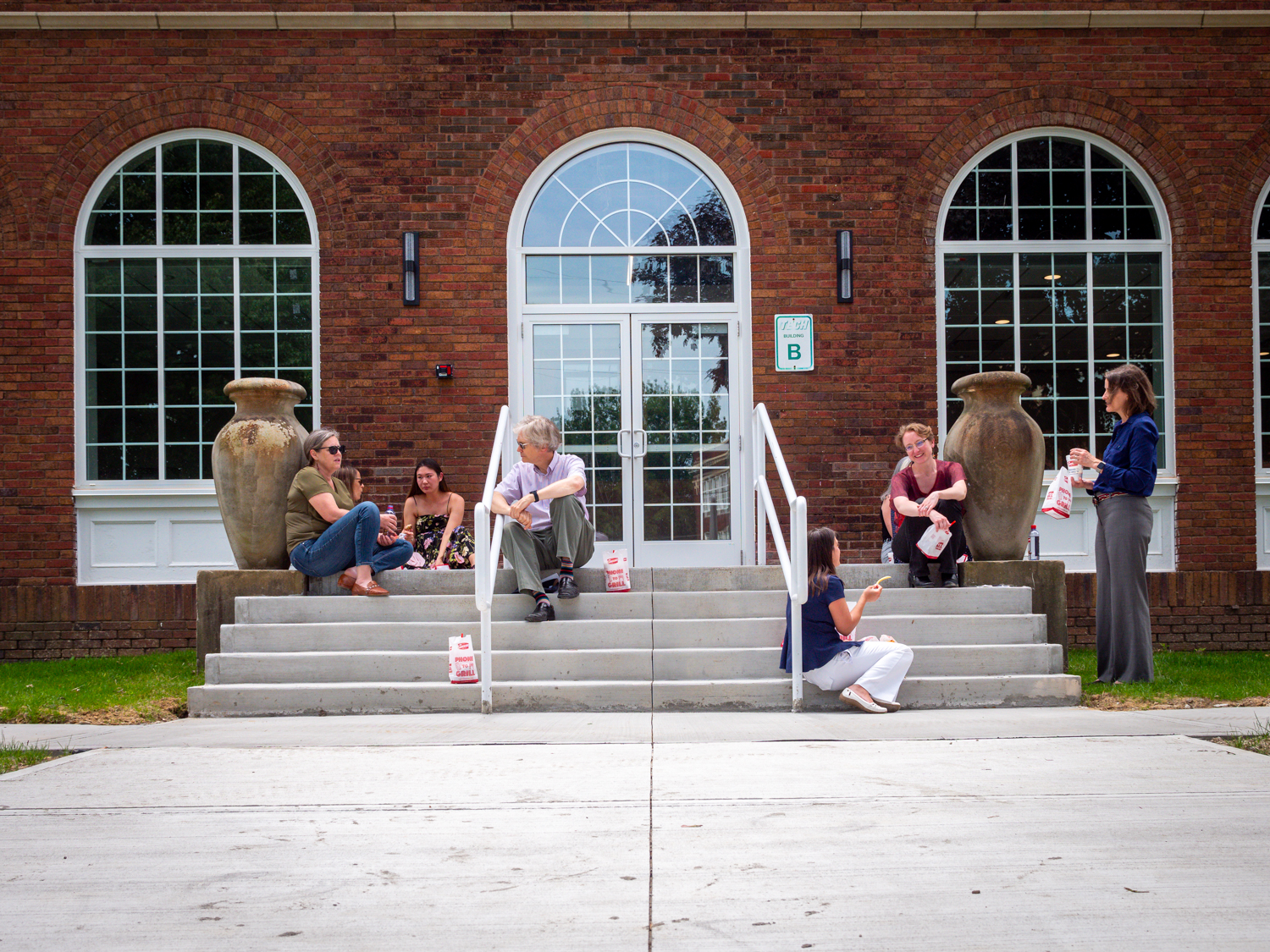
In 2017, ThenDesign Architecture undertook the challenging task of breathing new life into the historic Memorial Junior High in downtown Willoughby. Committed to the economic development of the Willoughby community, Bob Fiala, the founding partner of TDA and Executive Chairman and Chris Smith, the President and CEO, decided to reimagine the former school and develop it to become the new headquarters for an “education focused,” architectural firm. In early 2021, ThenDesign Architecture relocates to Memorial Junior High in Willoughby Ohio for their new offices.

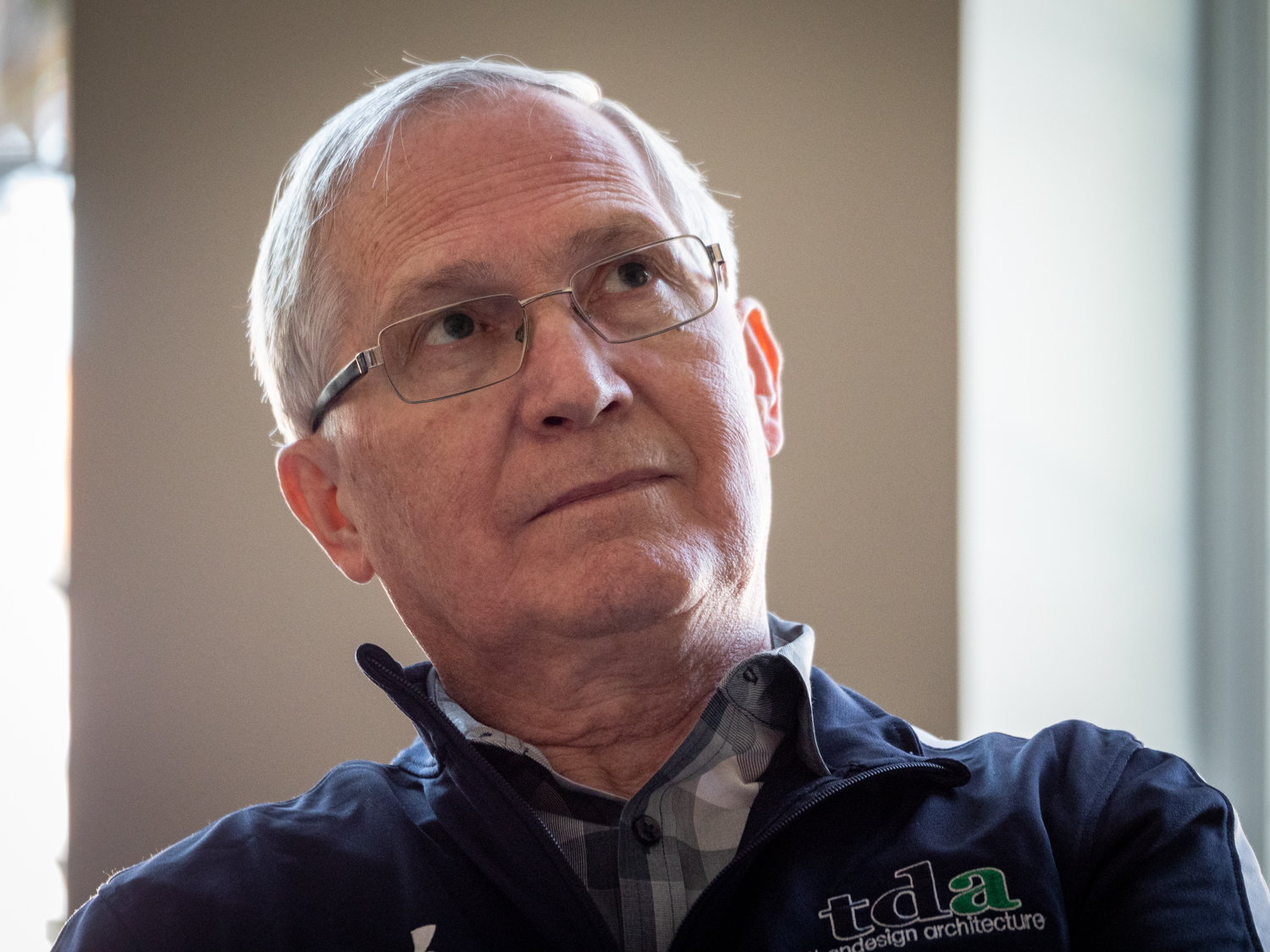
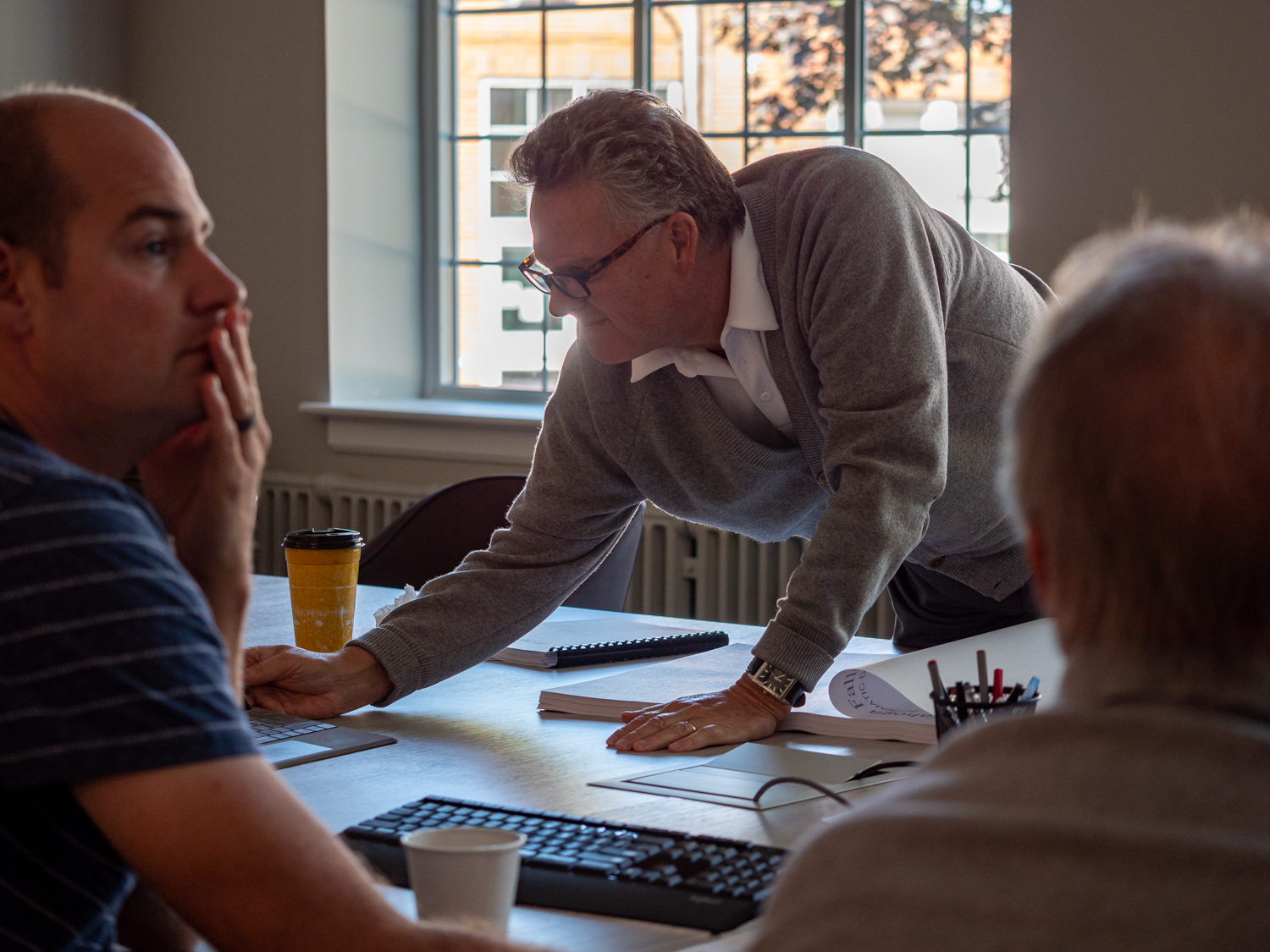
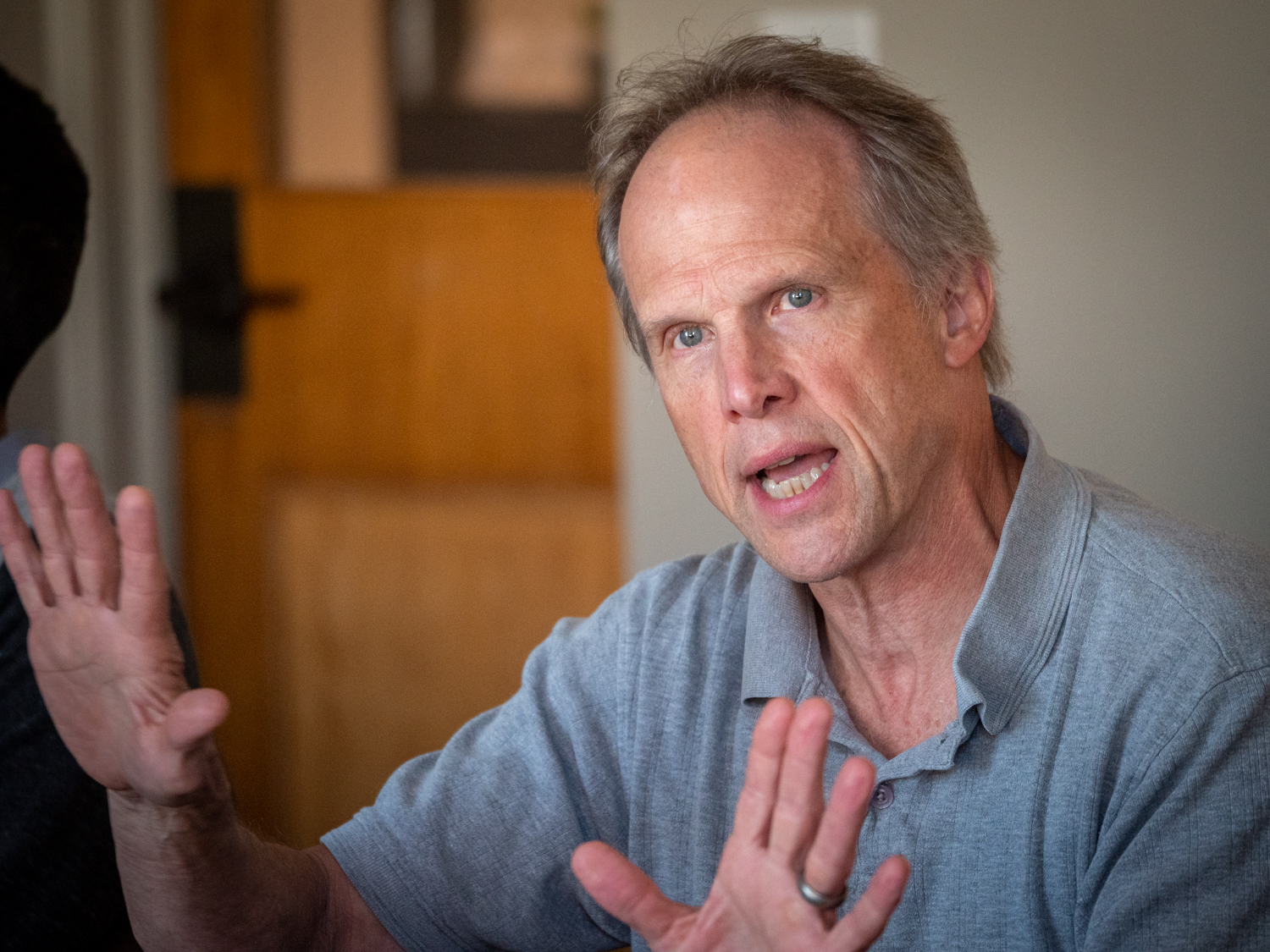
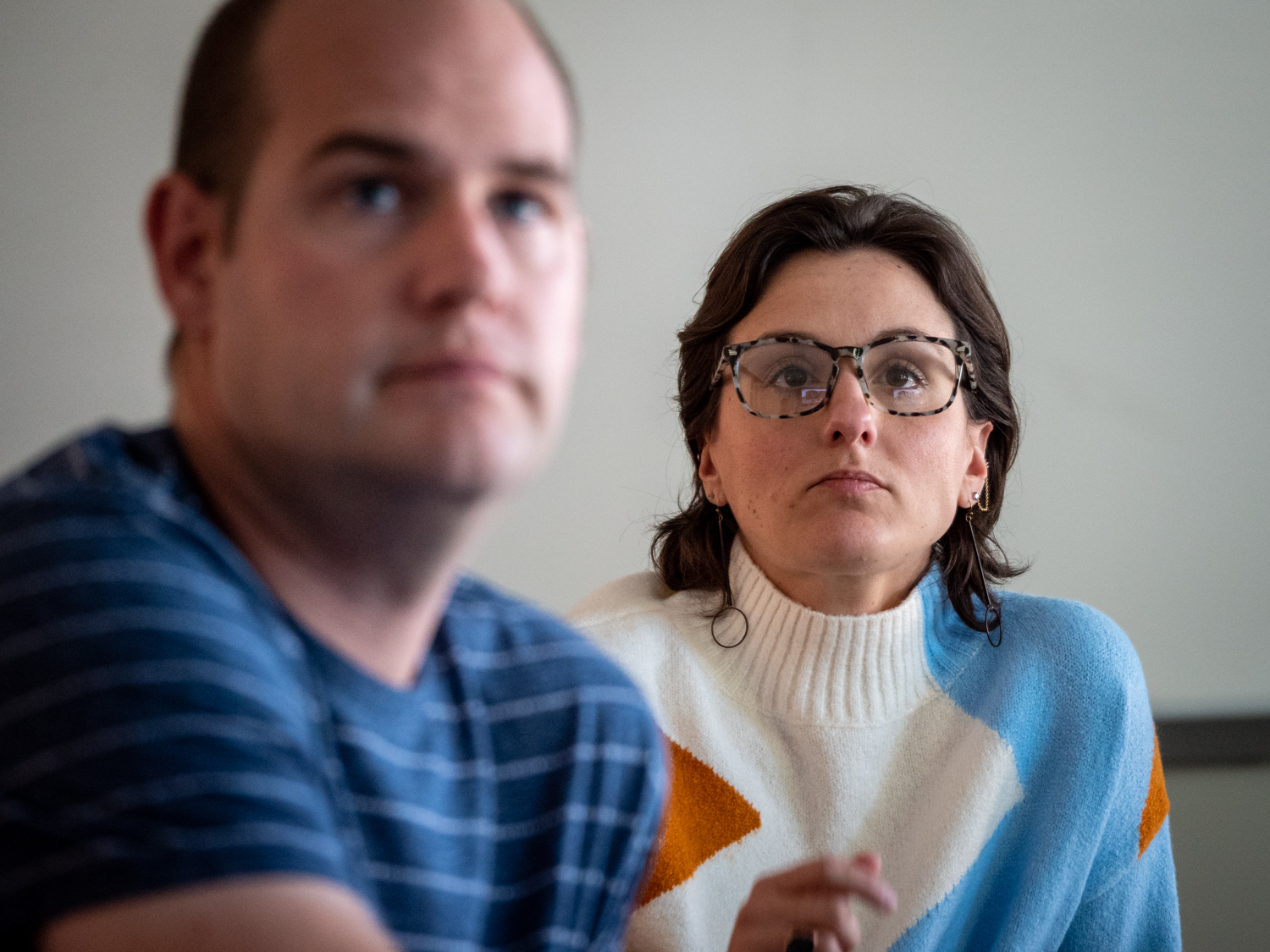
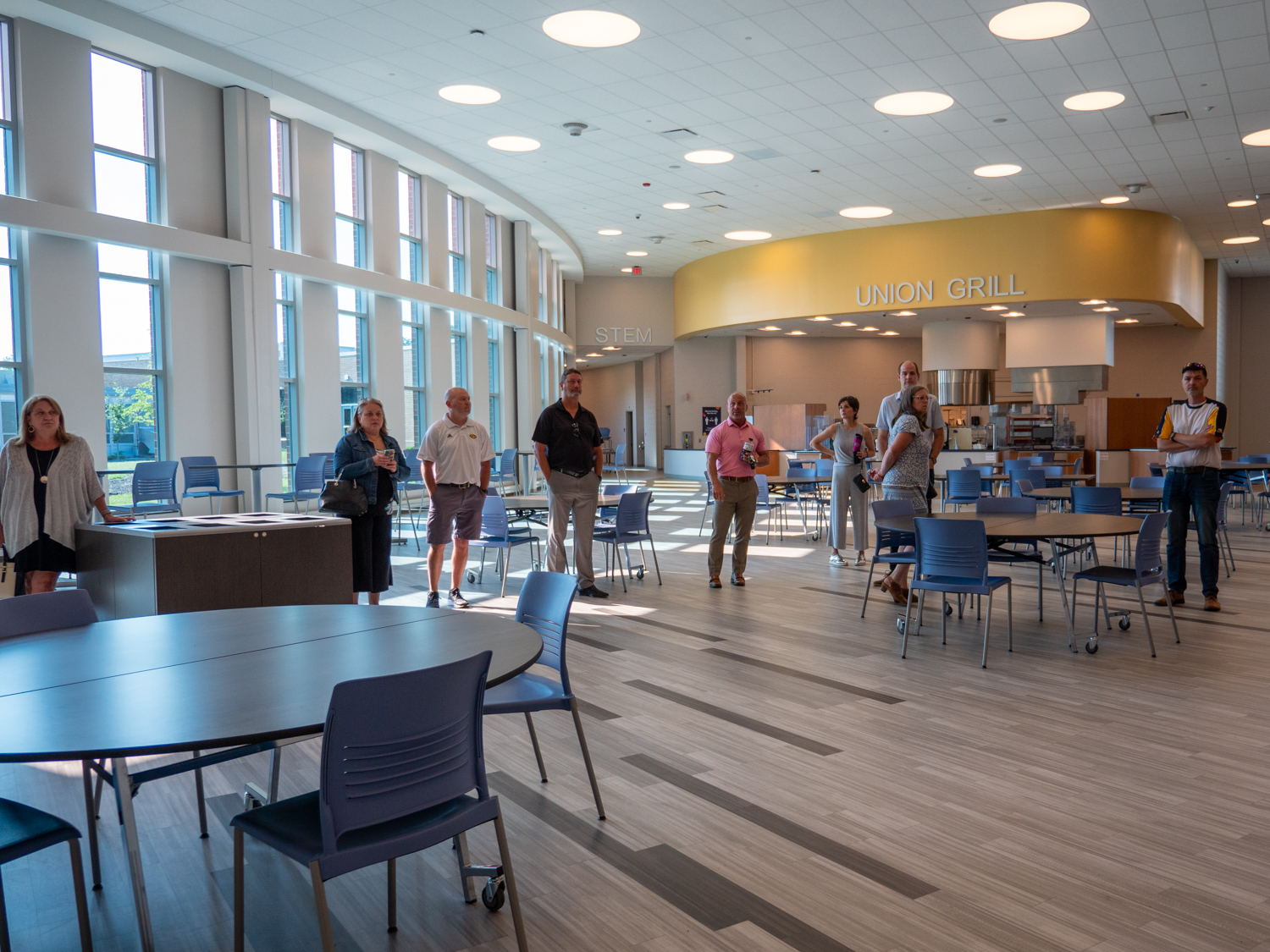
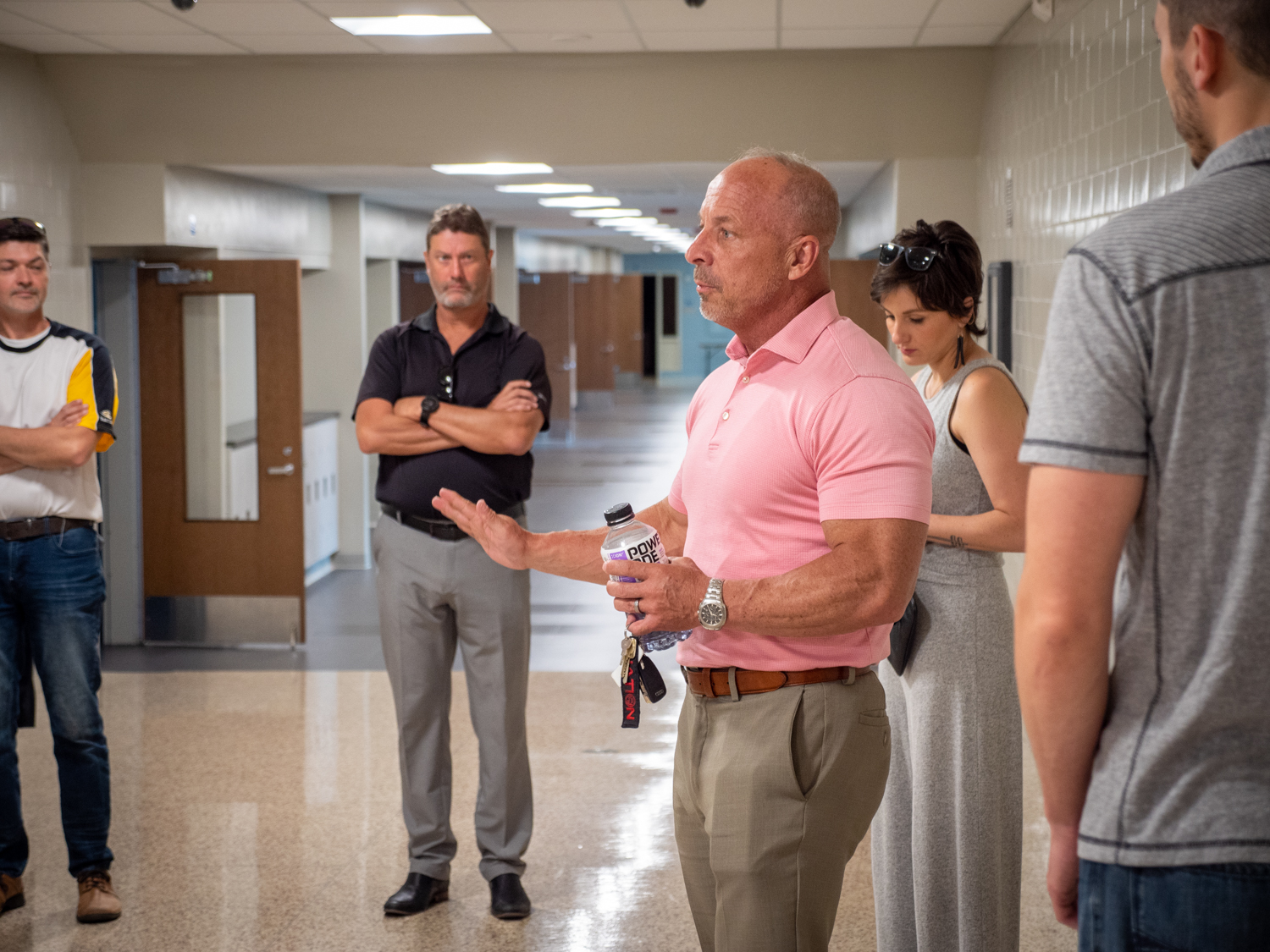
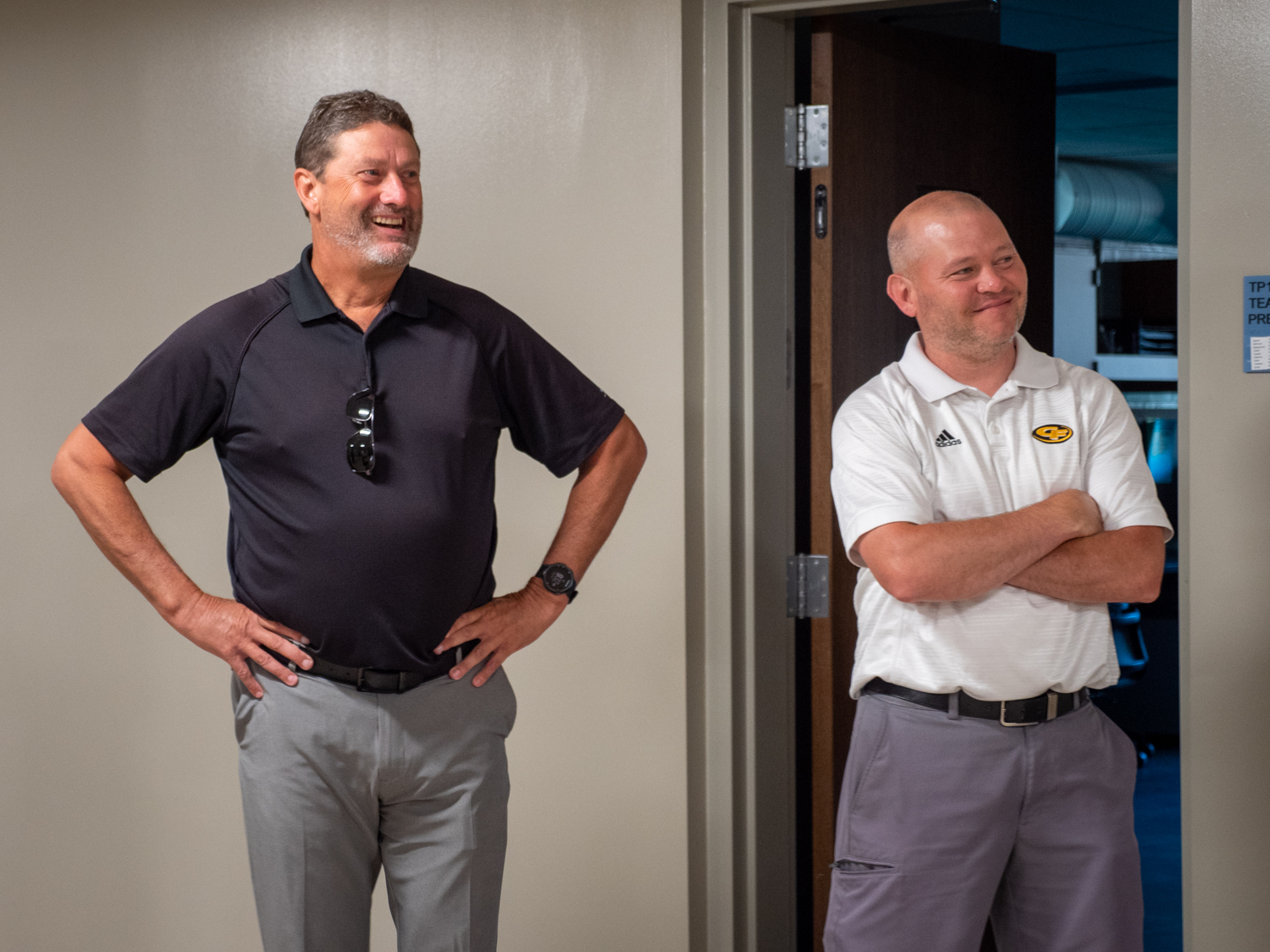
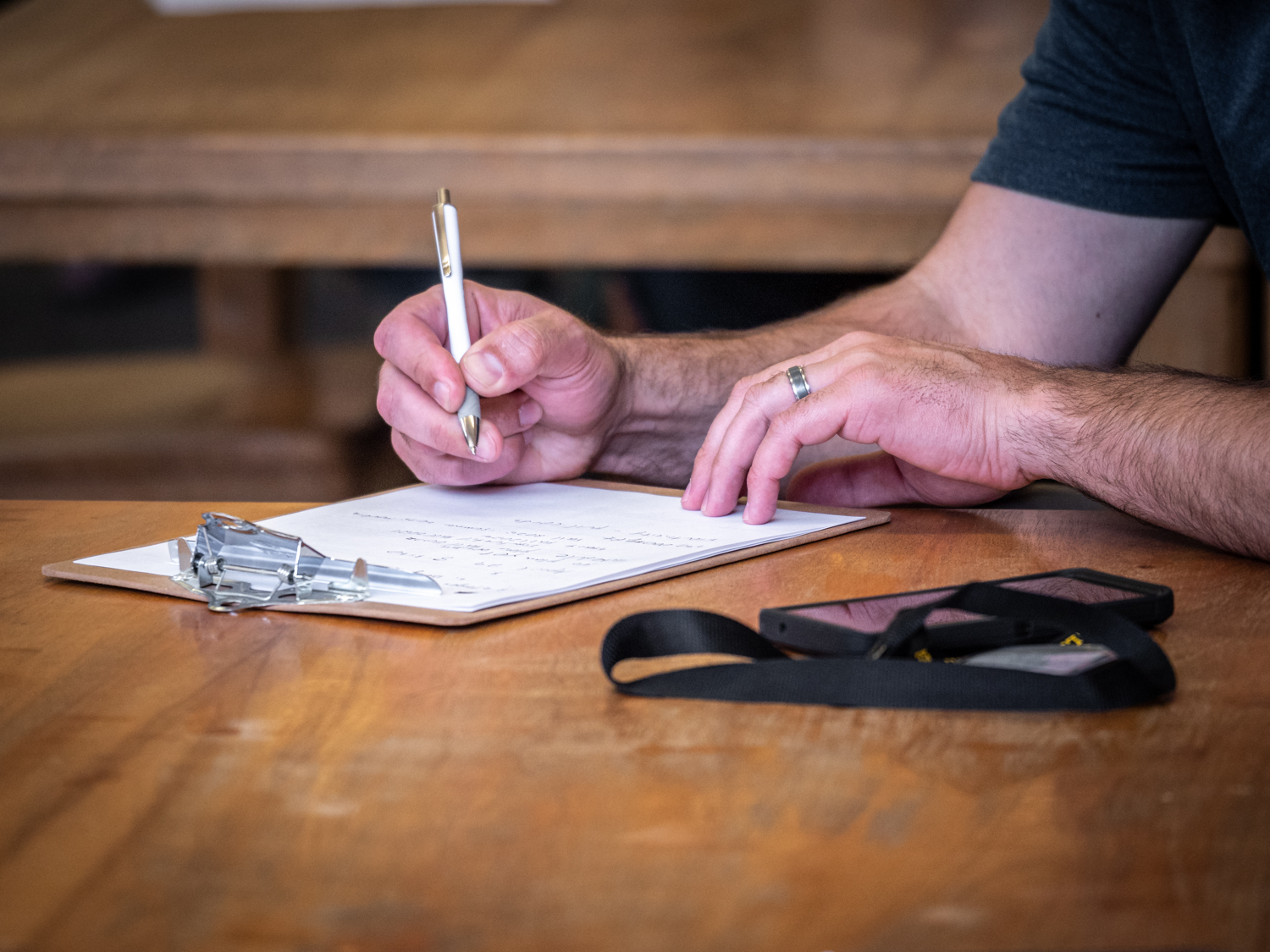
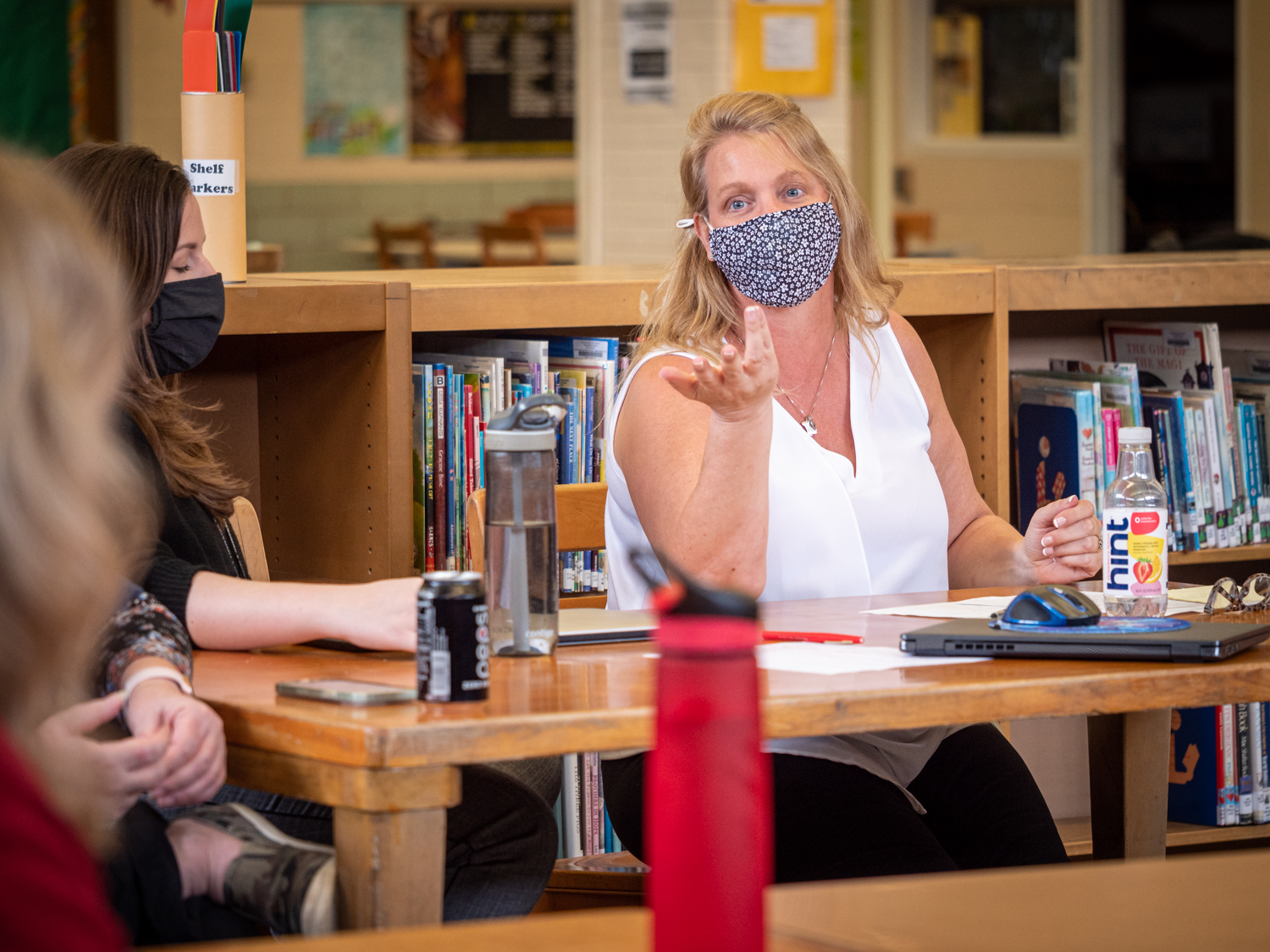
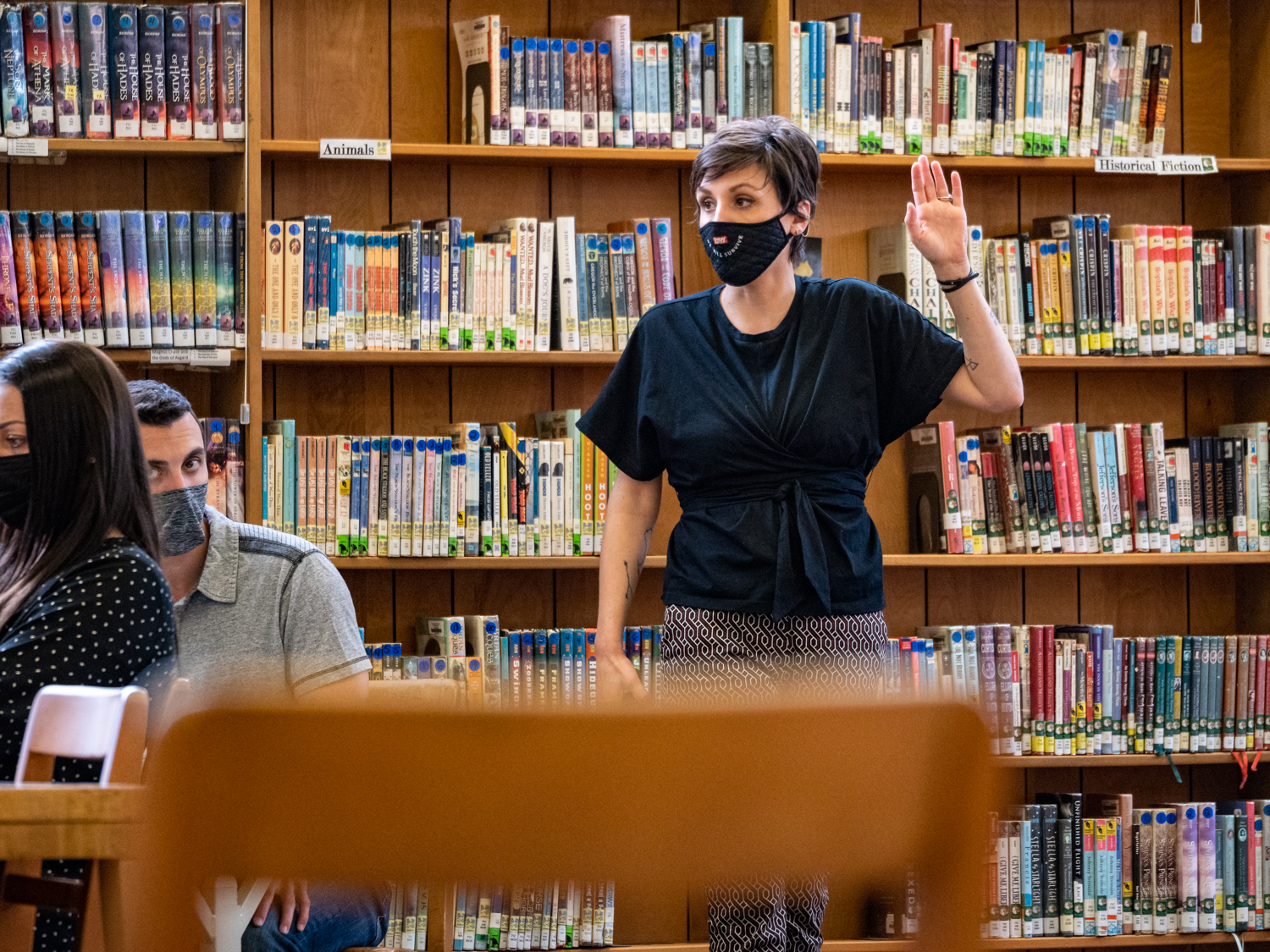
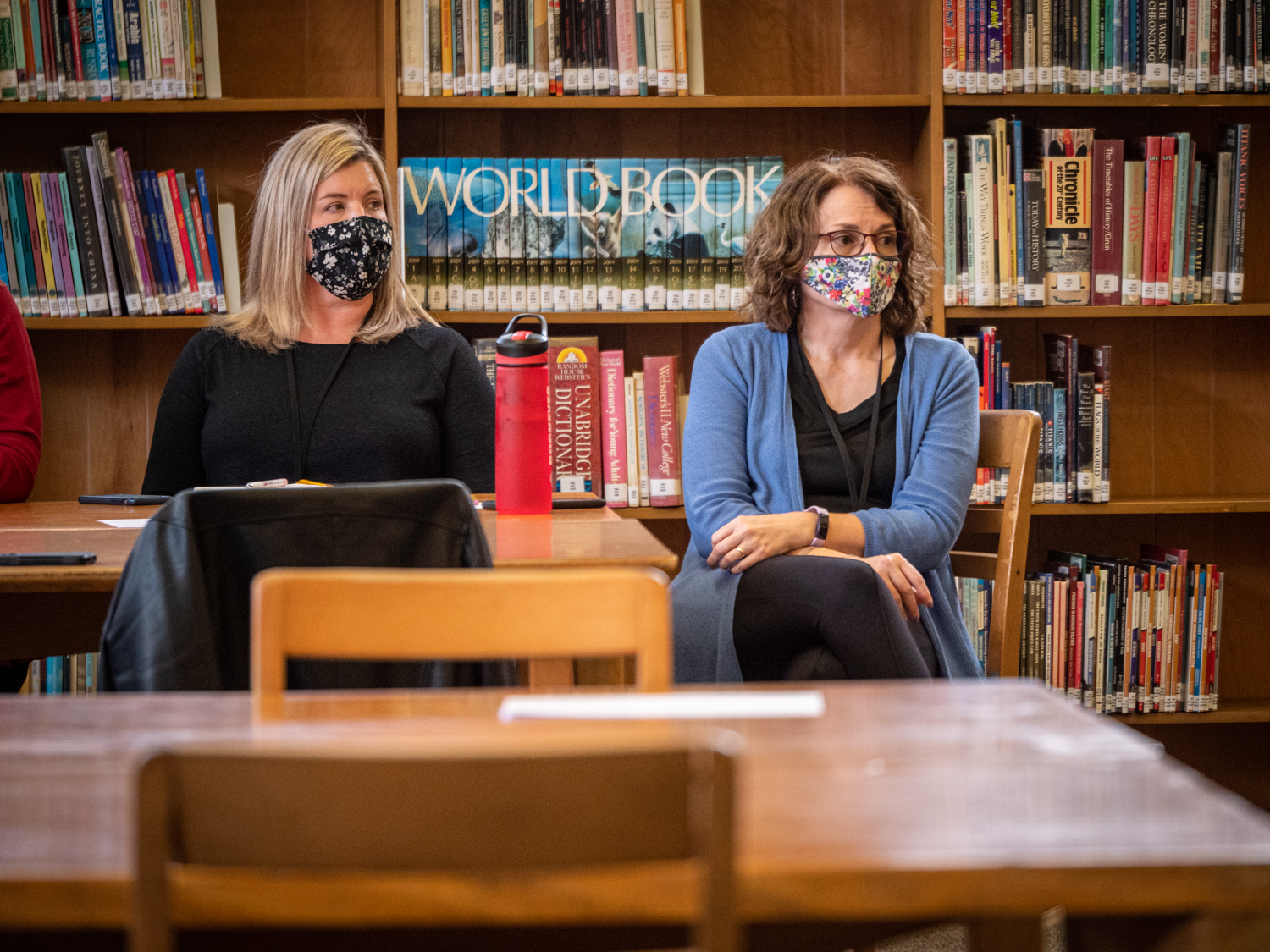
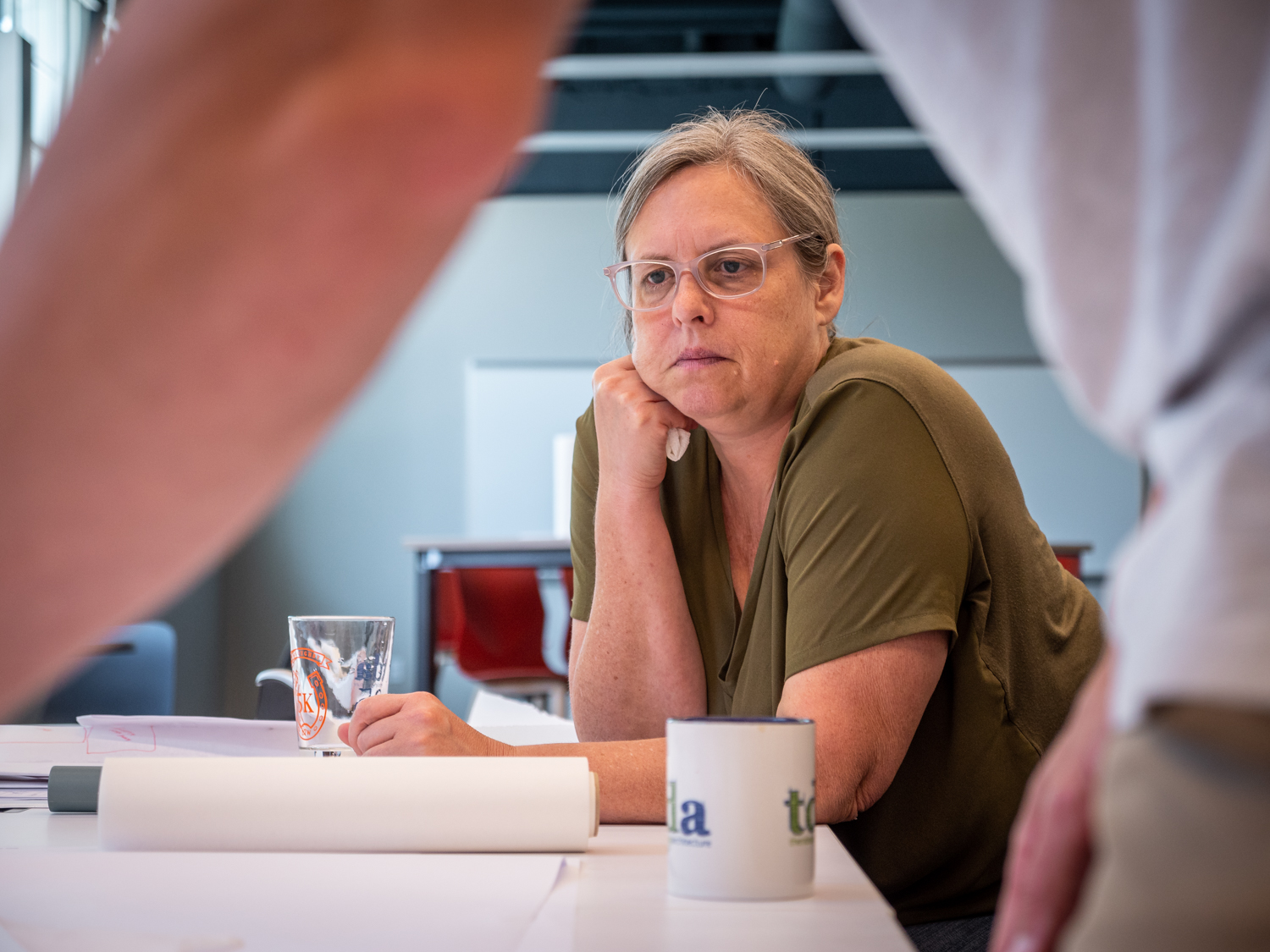
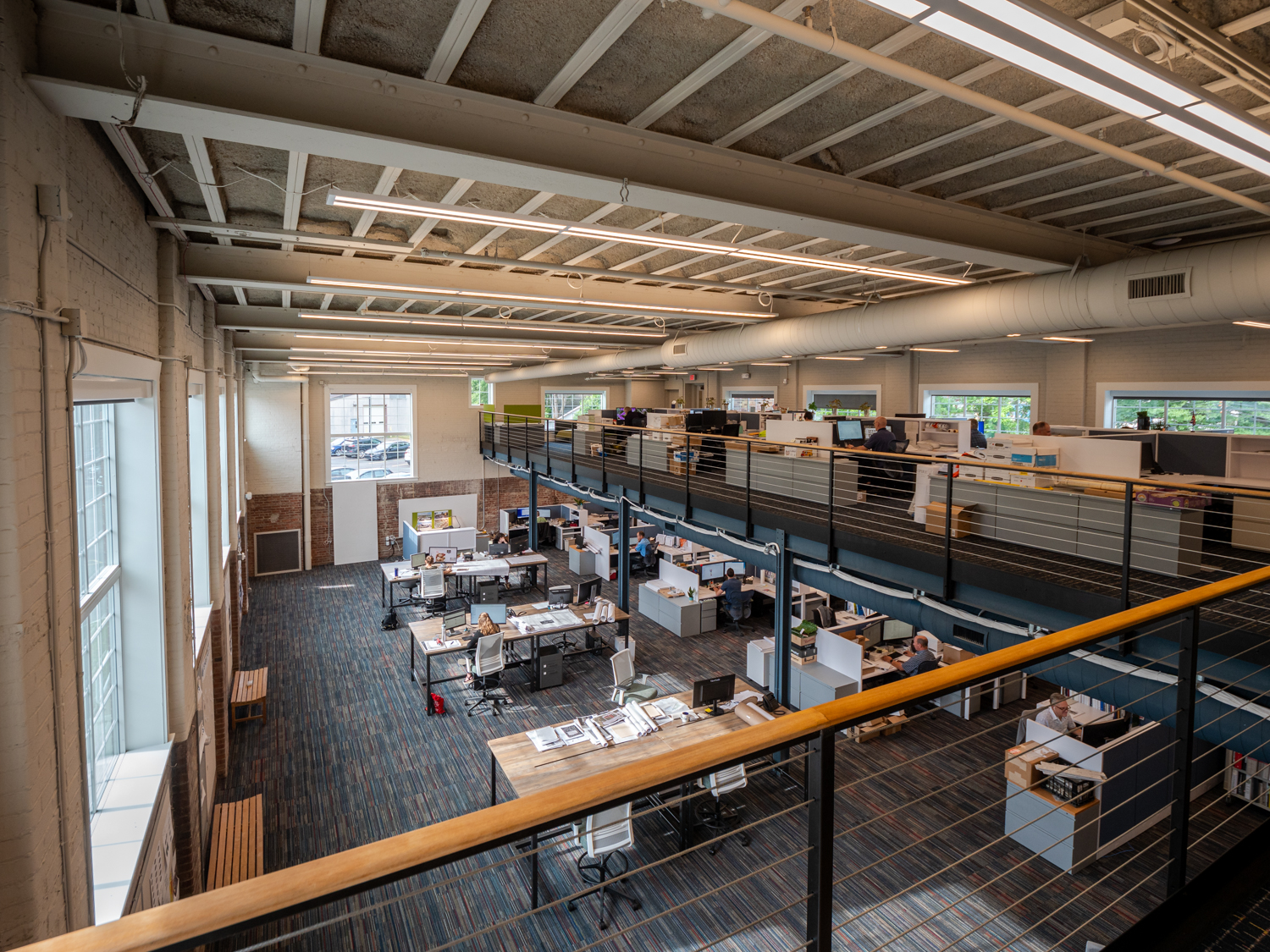
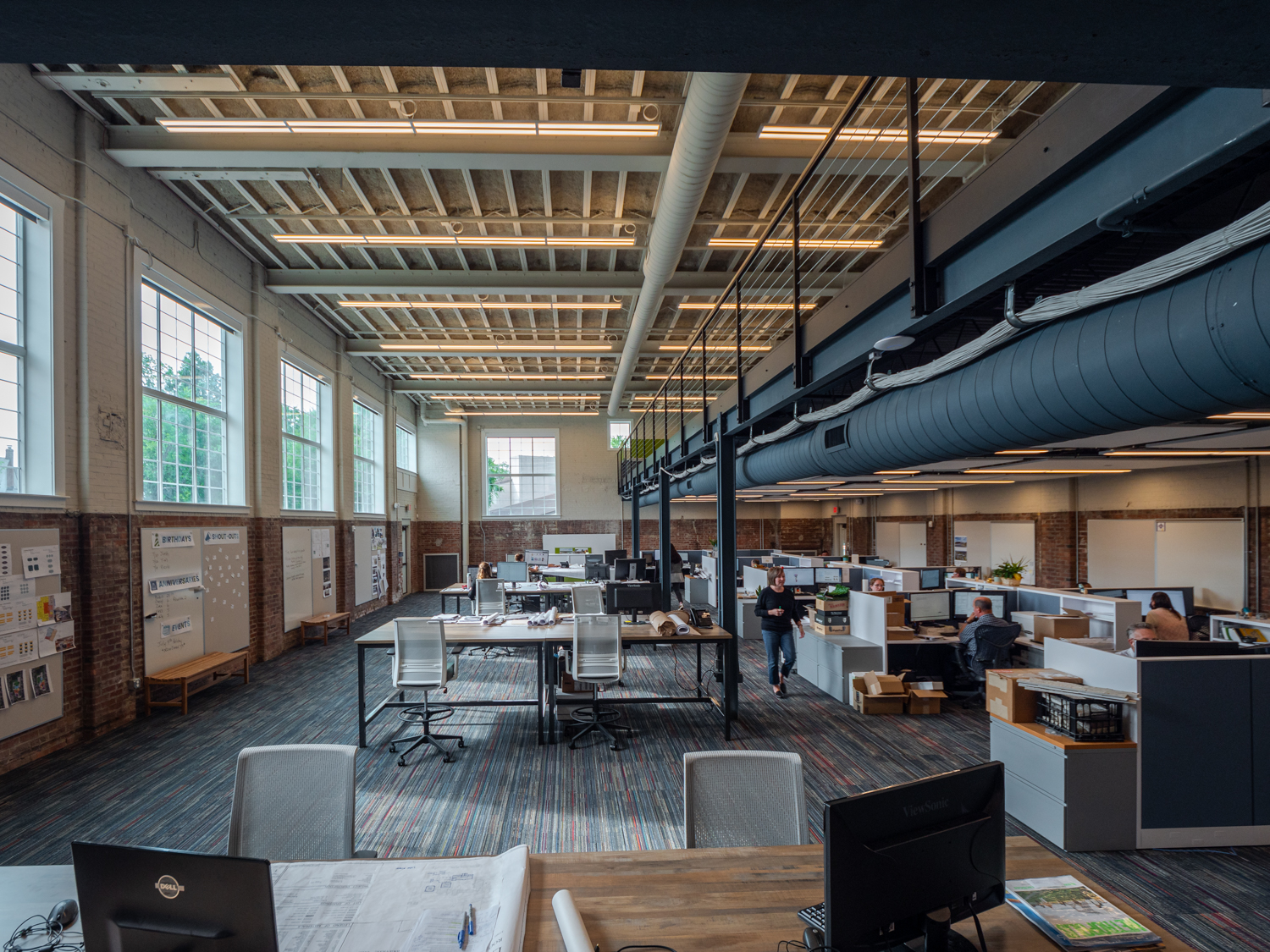
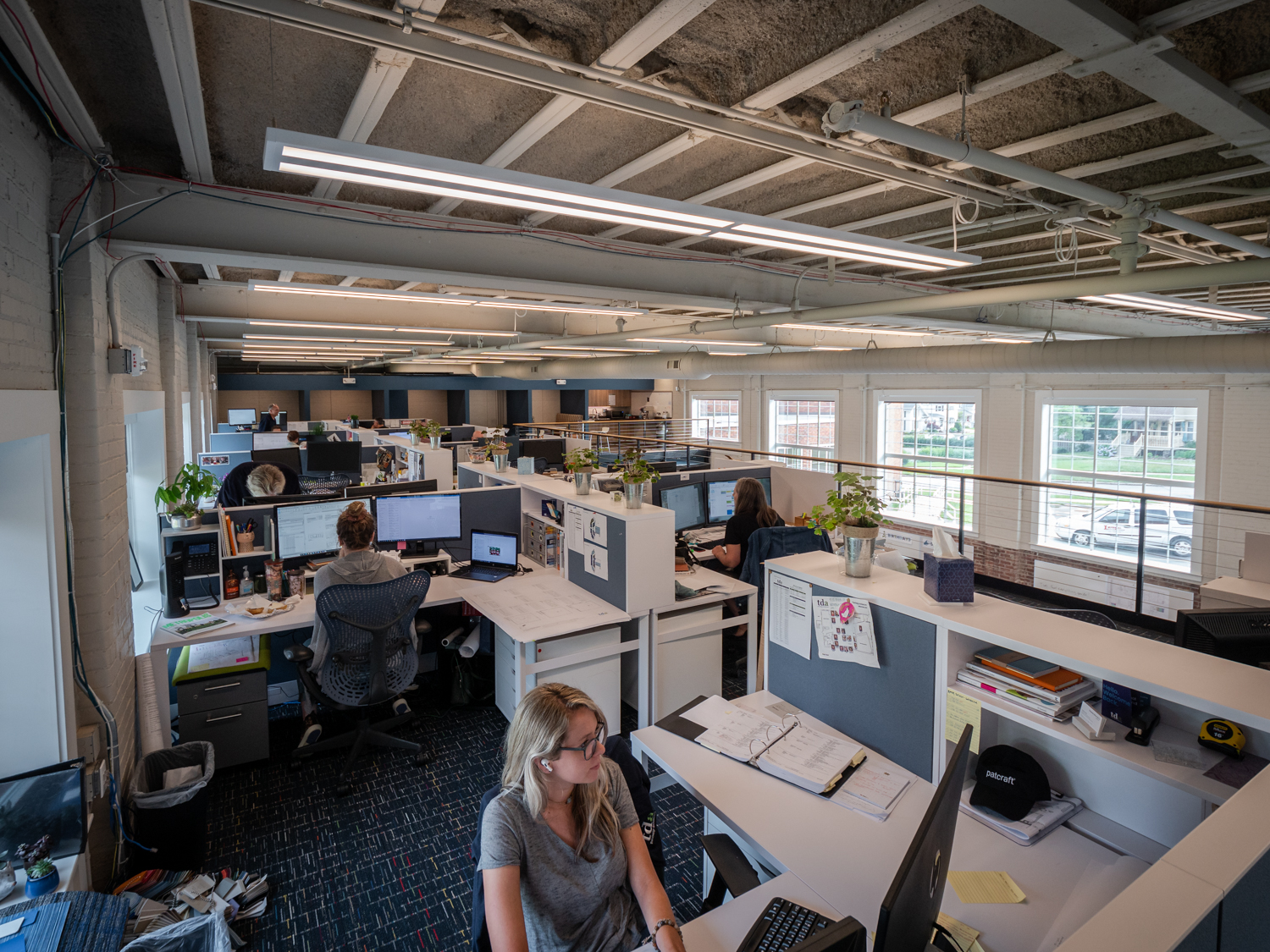
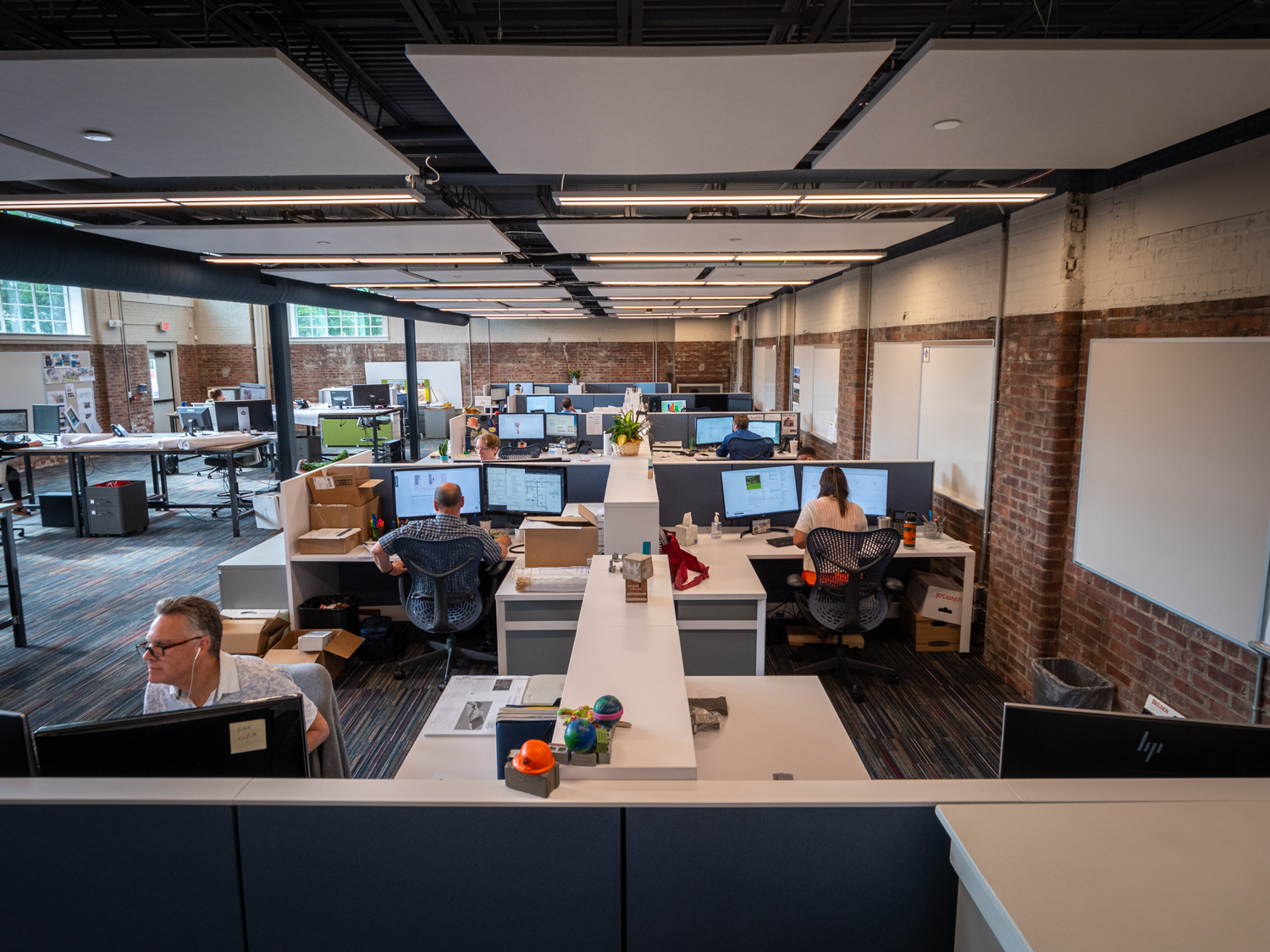
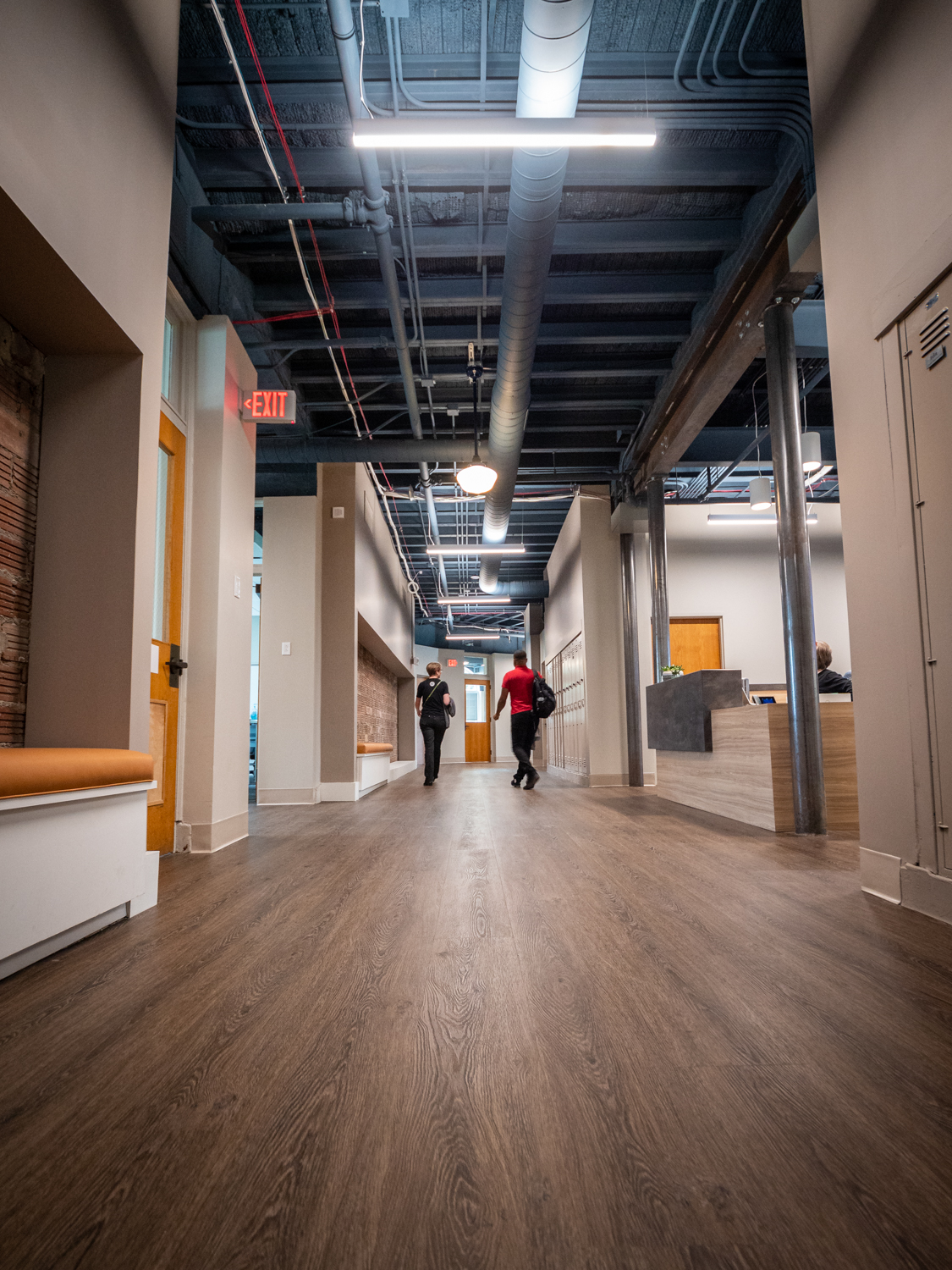
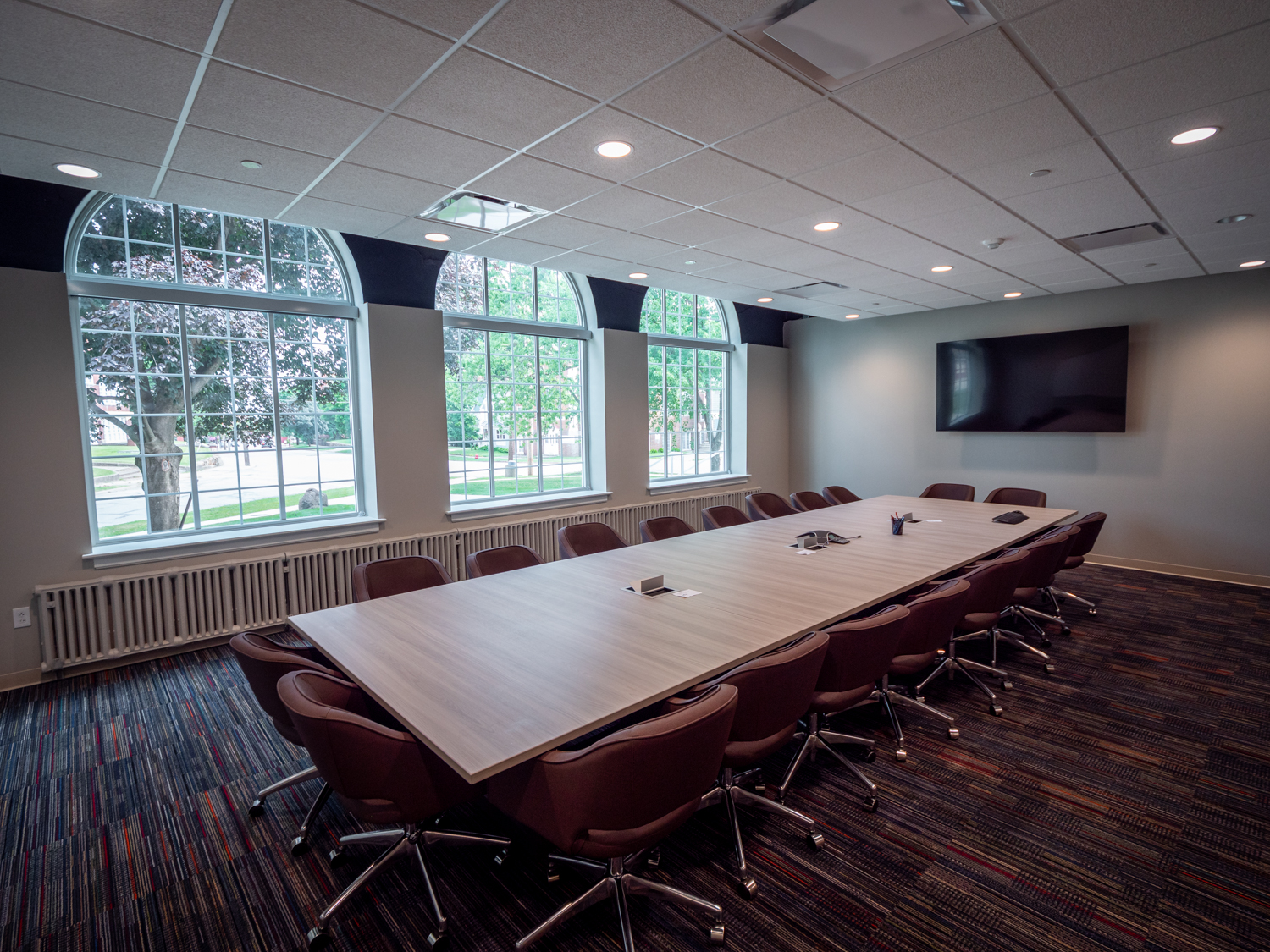
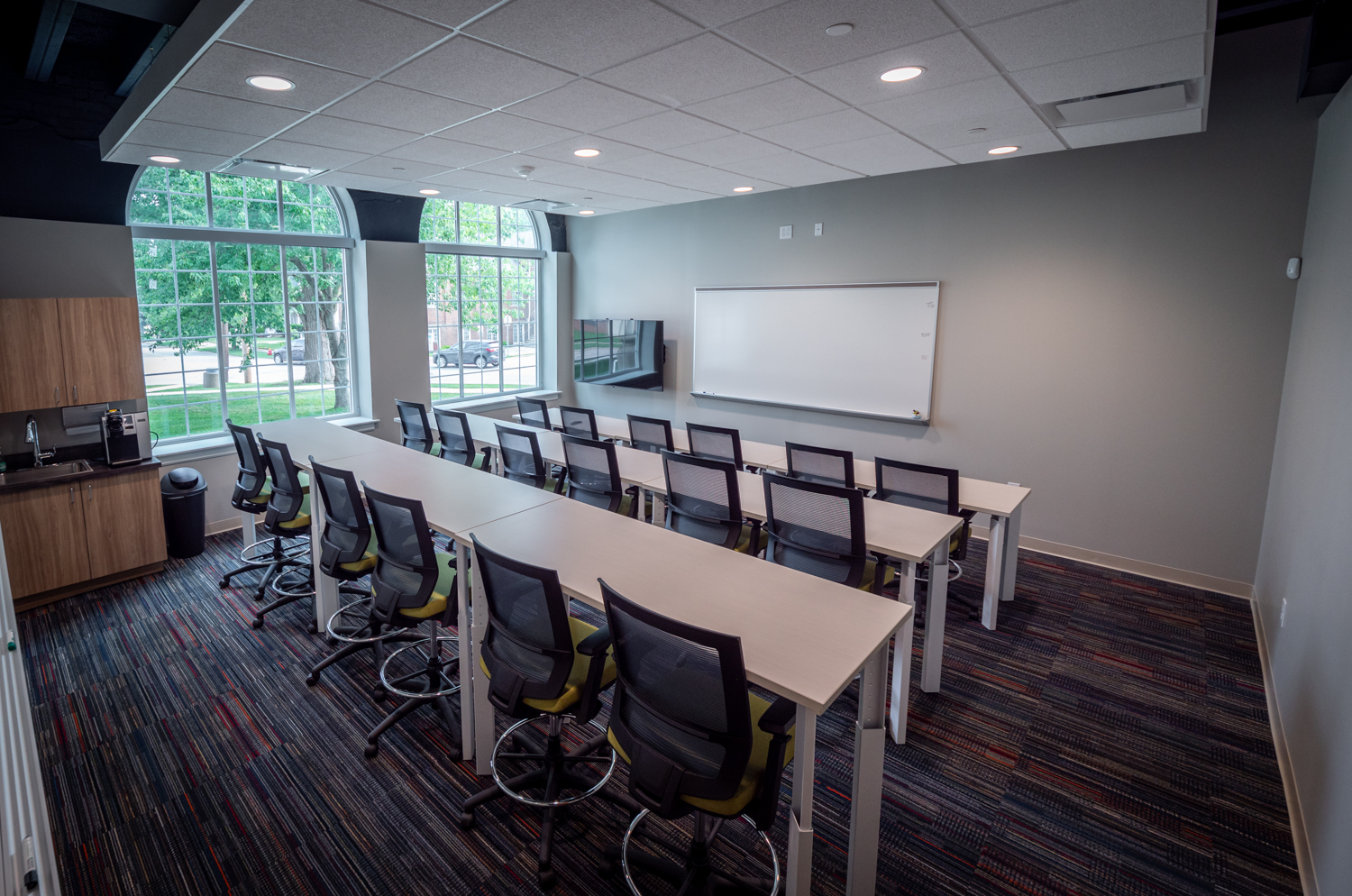
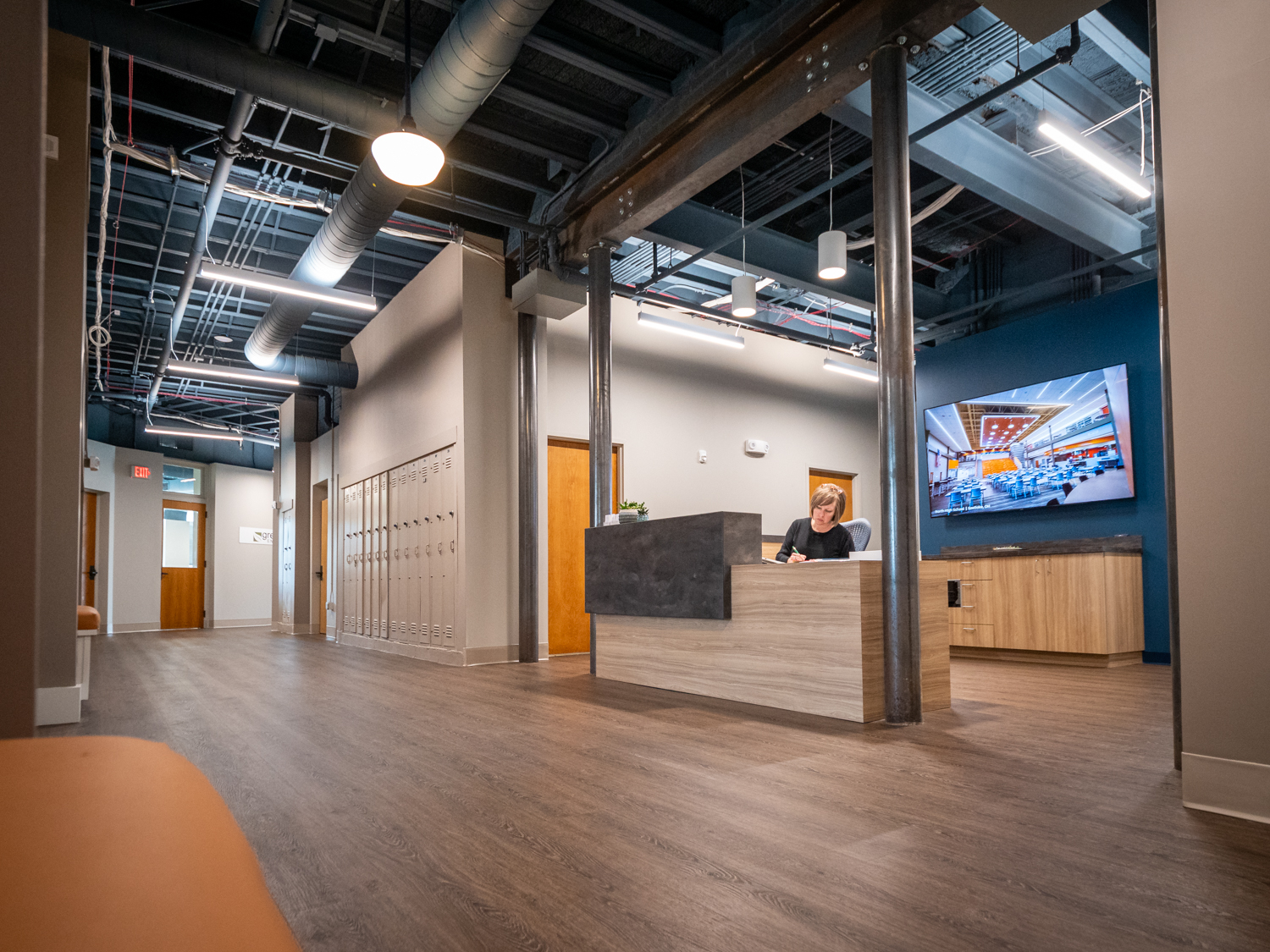
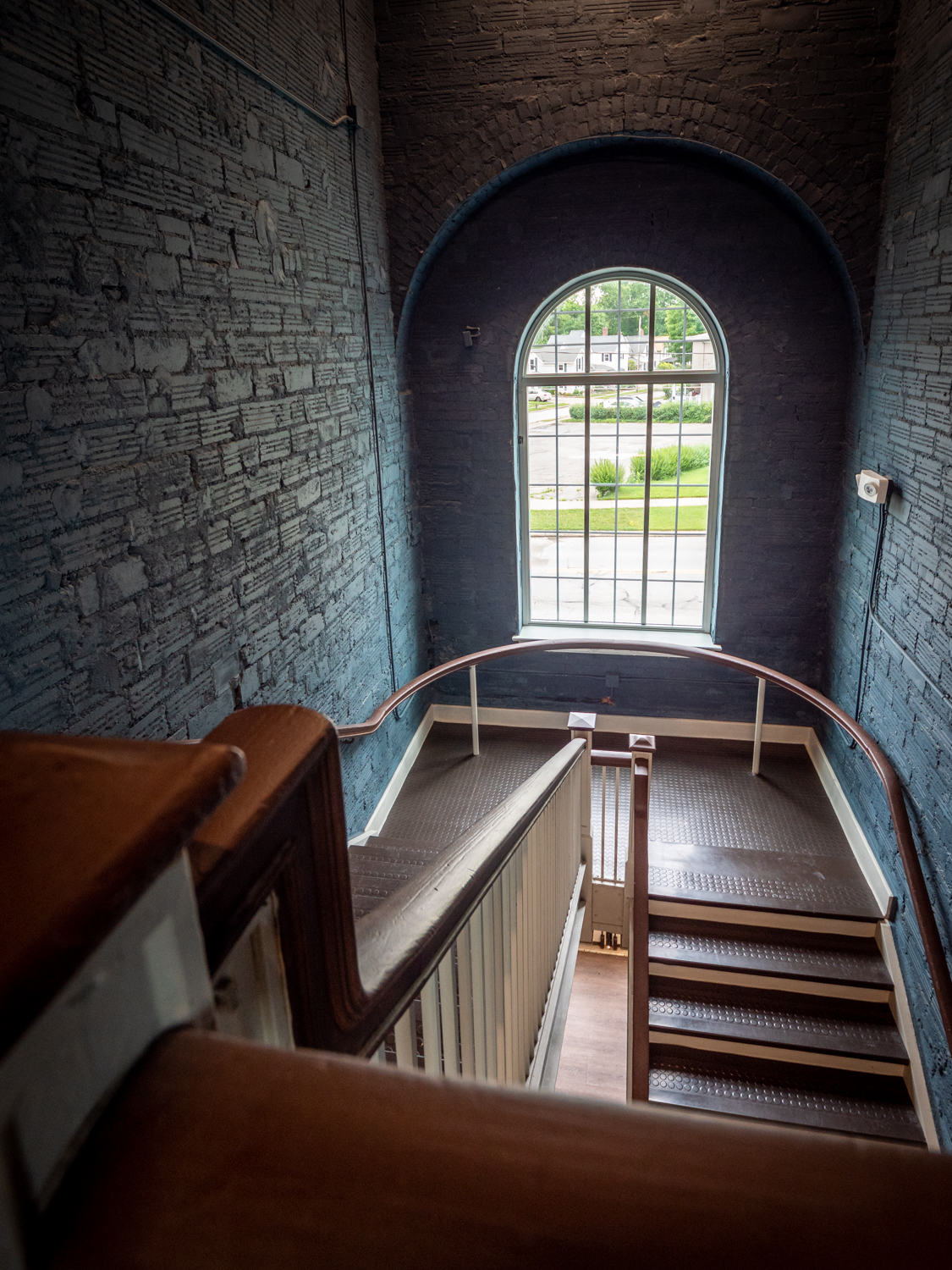
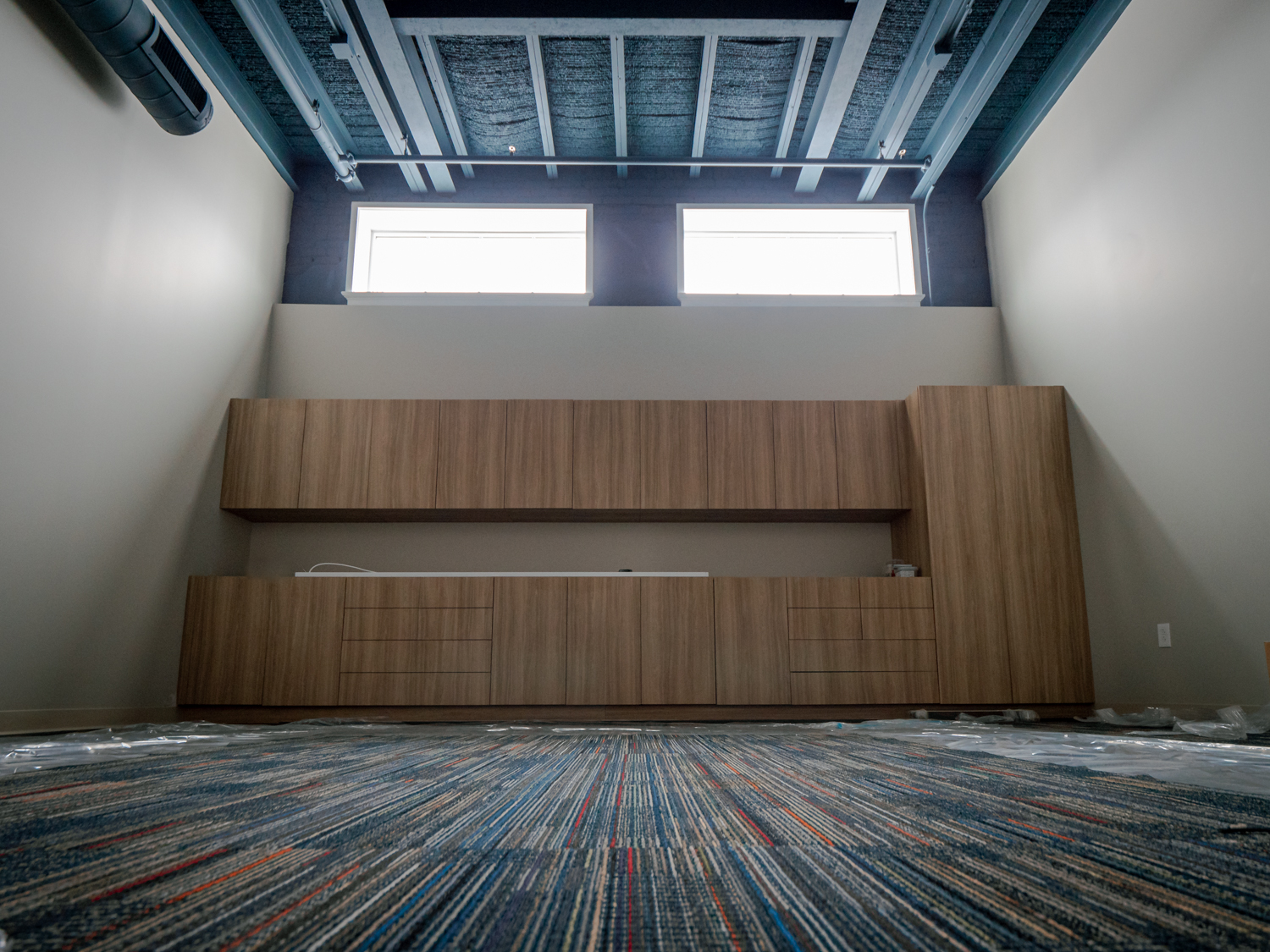
Interior Photos - ThenDesign Architecture

"There is nothing more valuable than seeing everybody together in the same building at the same time. This is where true collaboration begins, and where it exists."
Robert Fiala
Founding Partner and Executive Chairman of ThenDesign Architecture

Economic Development in Willoughby

“This is a story about economic development.” said Bob Fiala, of TDA. While Bob is not involved in the “day to day” operations of the firm, due to his role as Mayor of the City of Willoughby, he is passionate about giving back to the larger community. Having always been located in Willoughby, with a legacy reaching back to 1951, Bob has been intricately involved in TDA’s development over the years. “It’s the story of a “home grown” firm, that was founded in the city, grew in the city and made a significant investment in the city. This whole organization is about economic development, and it’s happening right here.”

Currently, with over $300 million dollars in educational construction across Northeast Ohio, an historic school seemed like the best home to design the new educational facilities of the future. “We are heavily vested in the educational marketplace, schools, sports facilities and performing arts centers,” commented Chris Smith. “Designing from an historic school made so much sense for us. In fact, Jeff Henderson, a lead designer on the project actually went to school here years ago.”

School projects are very public, and we developed an engagement process with educators, administrators and the community. We wanted to carry that same idea forward in our new space.
Jeff Henderson
Architect

Defining Space Usage for Memorial Junior High School

The design process to reimagine the historic school was parallel to the process TDA uses to engage its clients when designing their new facilities.

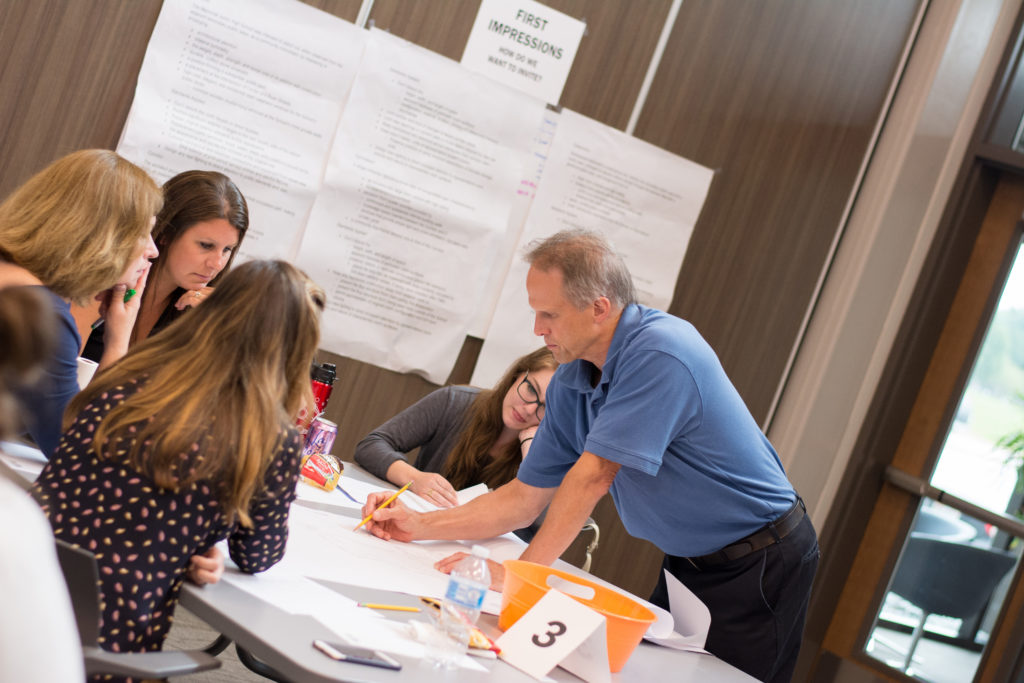
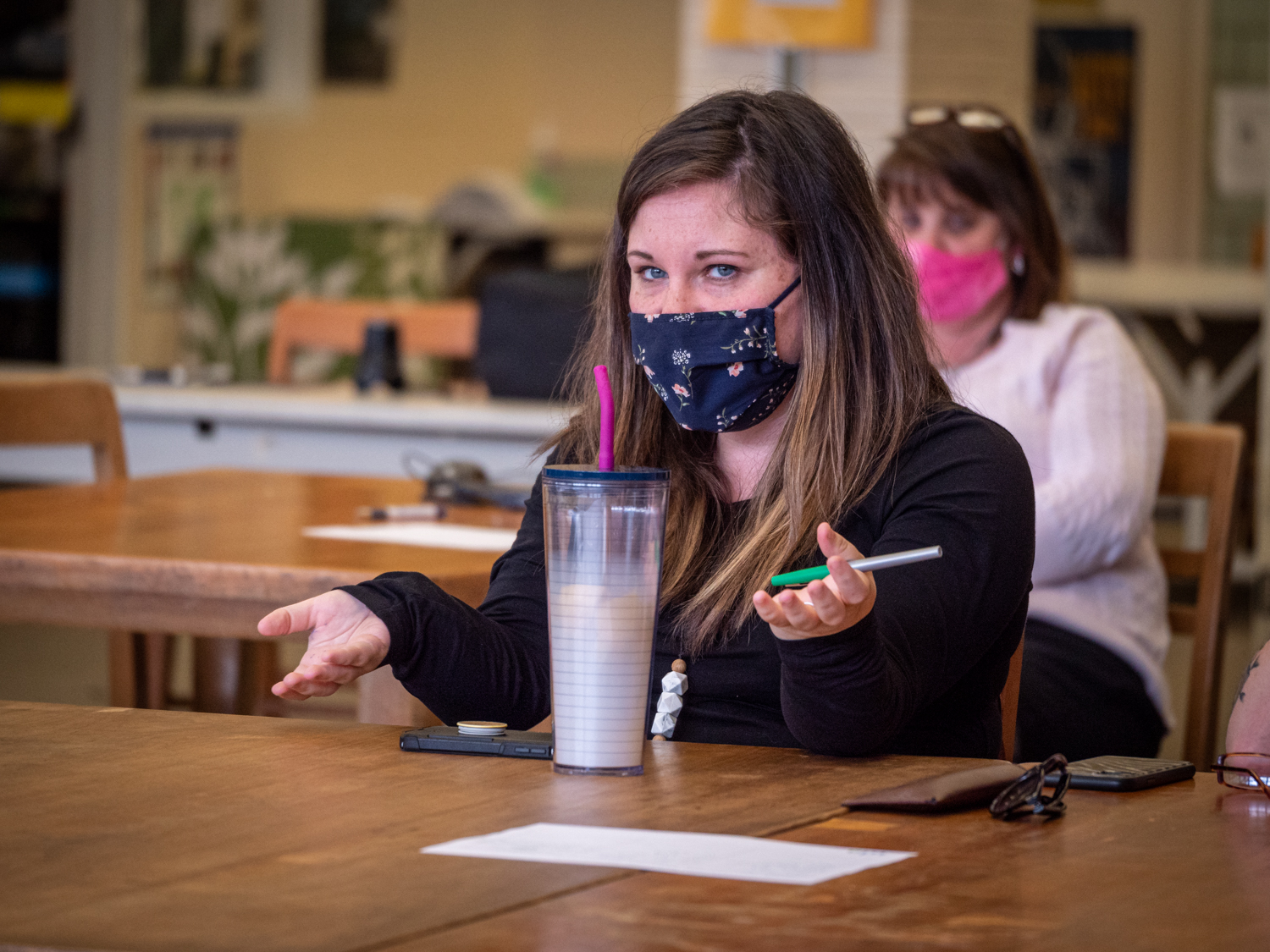
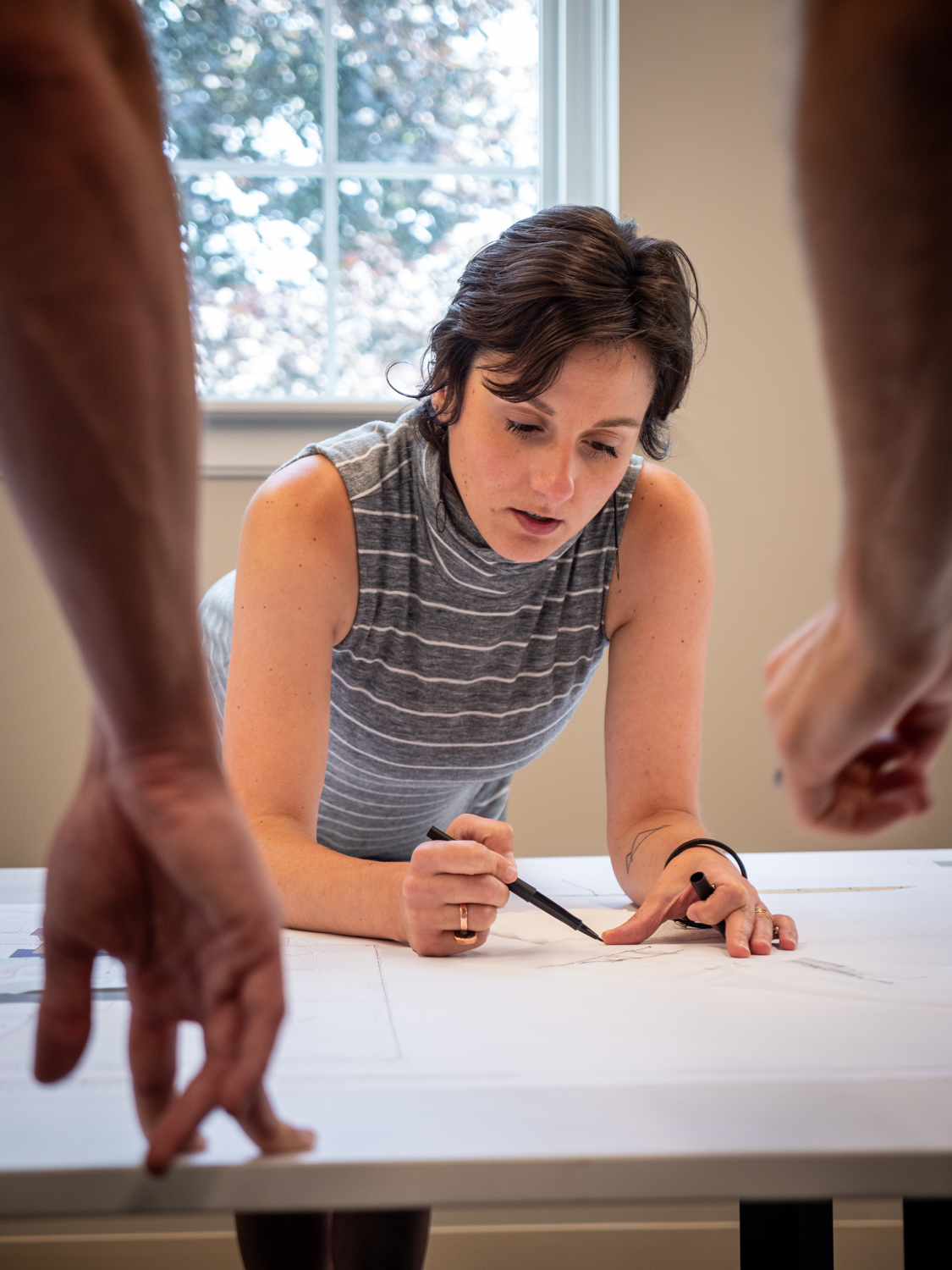
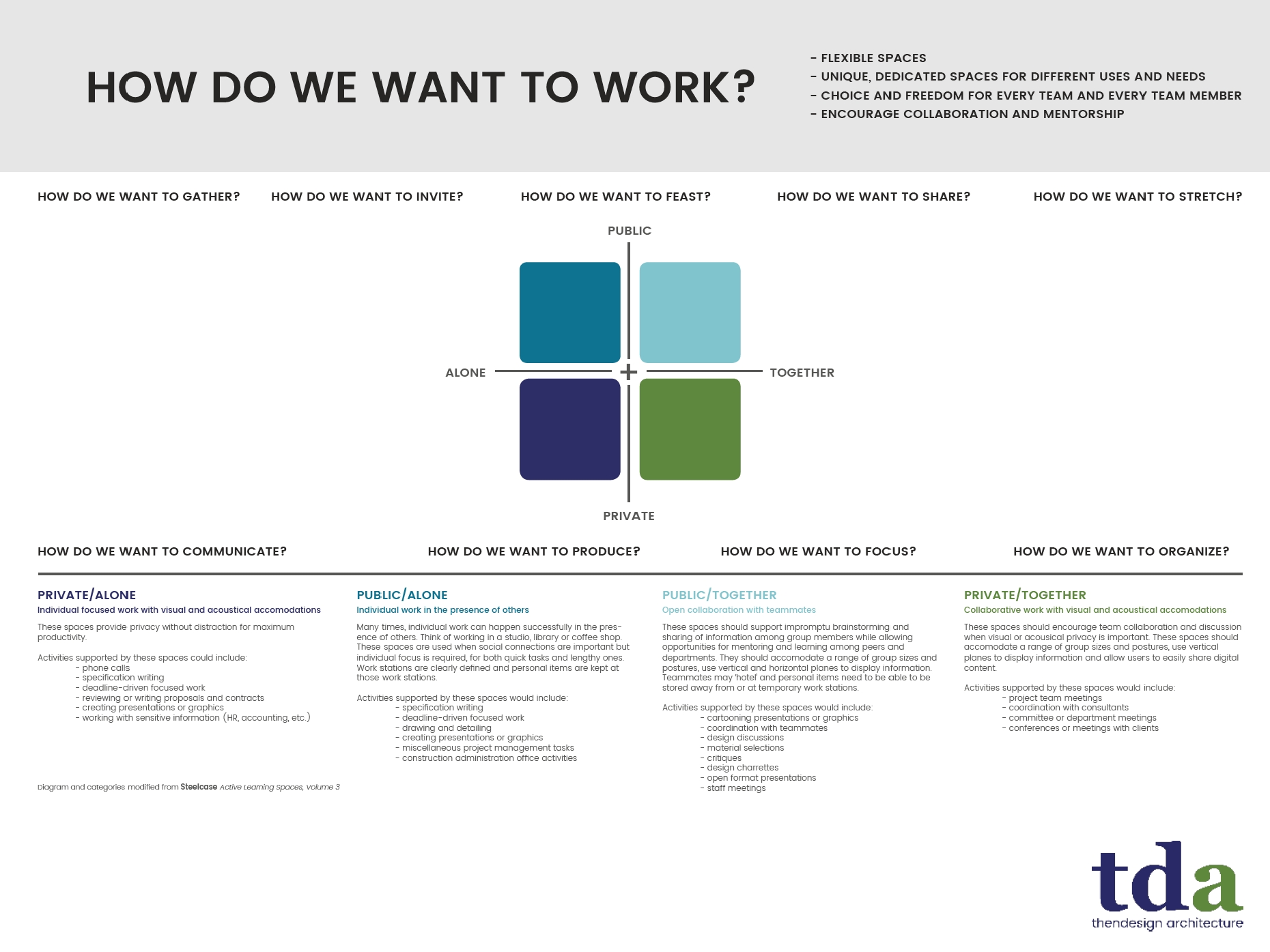
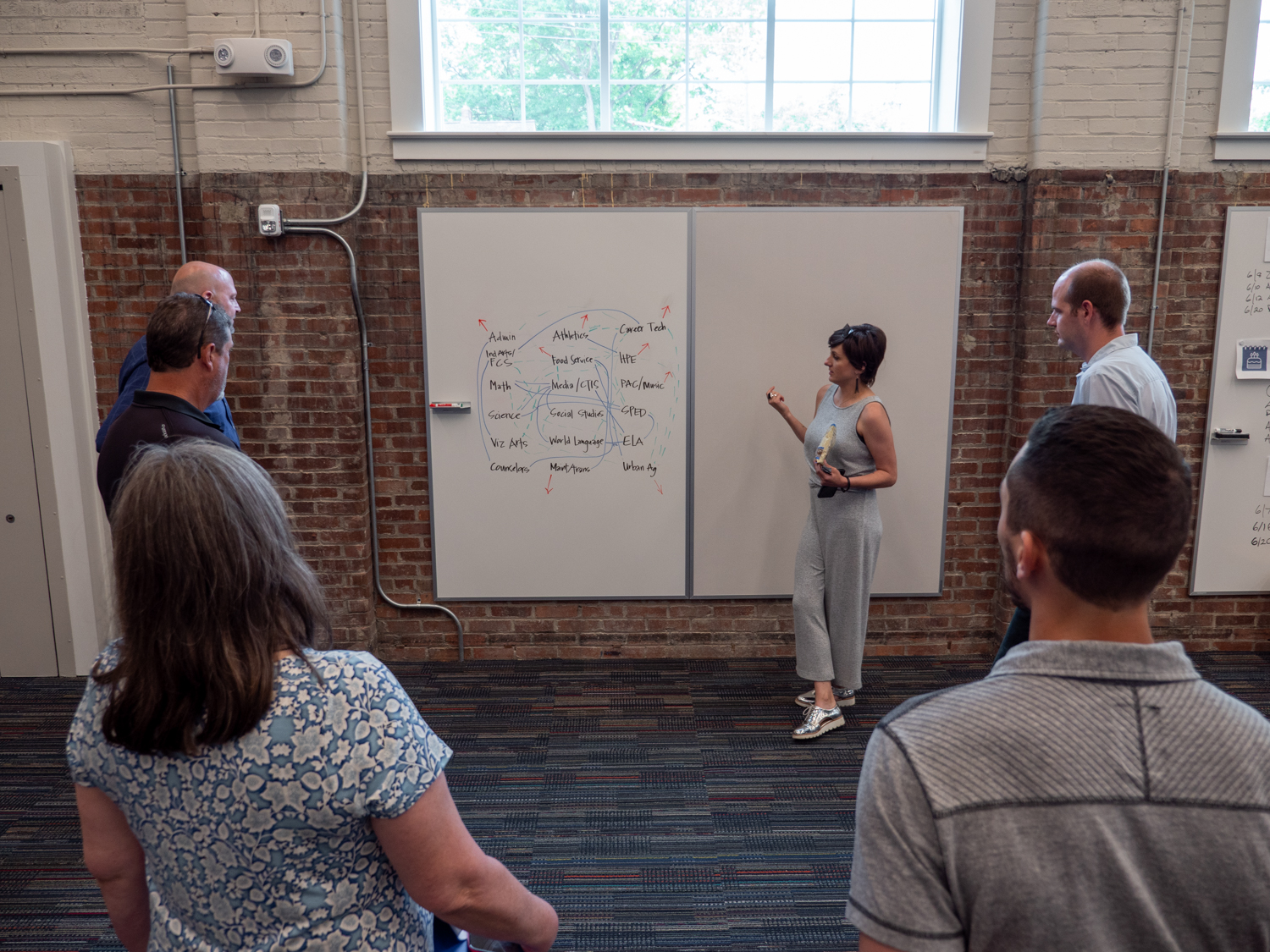
“We began with a series of questions to our entire staff. How do we want to work? How do we want to collaborate? How do we want to feast? How do we want to celebrate?,” explained Educational Design Lead, Abby Rainieri. “We engaged the staff through a “Visioning Session,” to gather feedback from the staff on how to use the space.”

Spaces in the building were then organized into 4 distinct groups, each one encouraged collaboration and productivity in different ways. “You have public space, private space, working alone and working together. Those are the four types of spaces on the axis. We really found that through that division, all the spaces we needed fell into one of those four quadrants,” explained Abby.

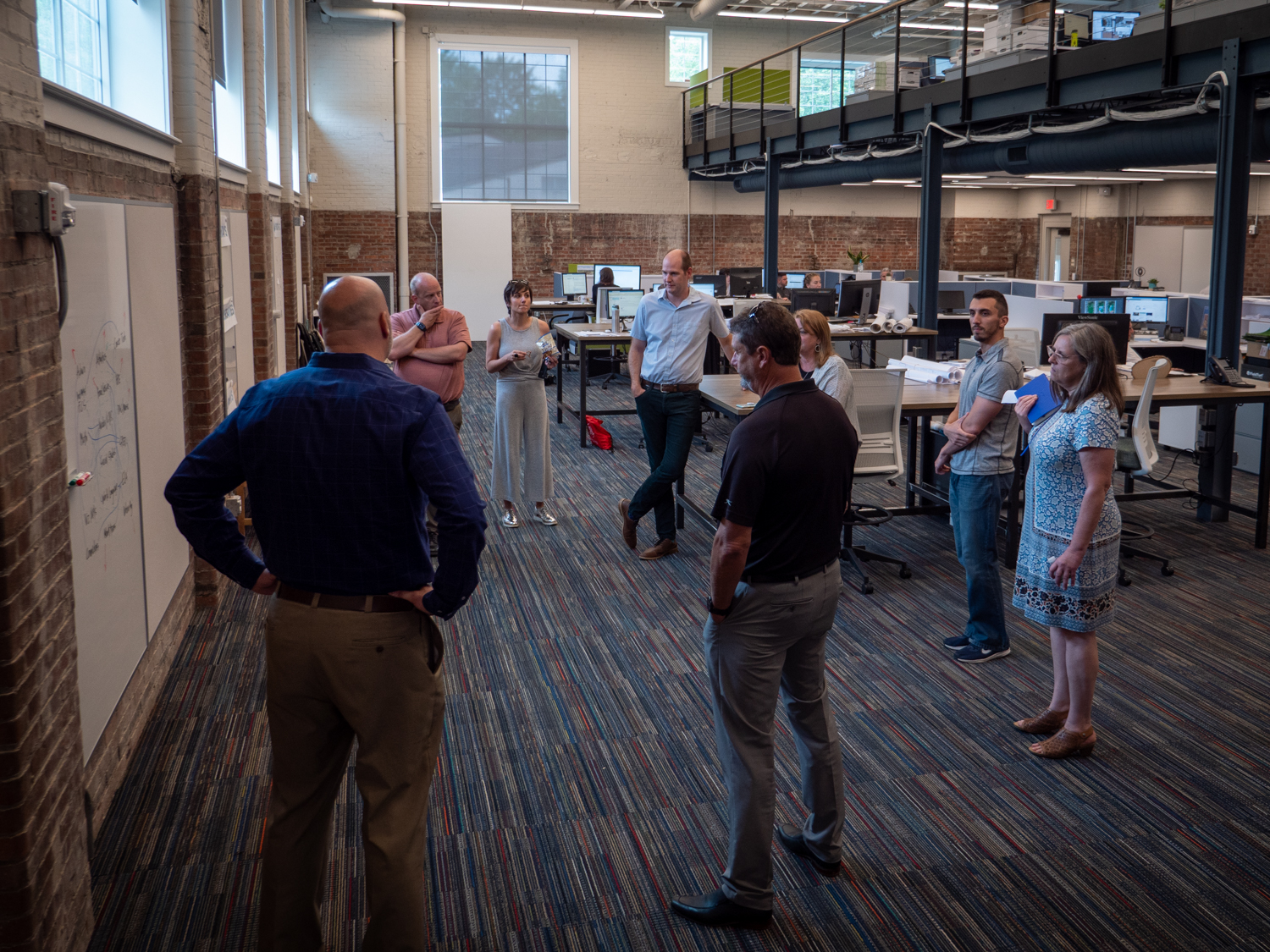
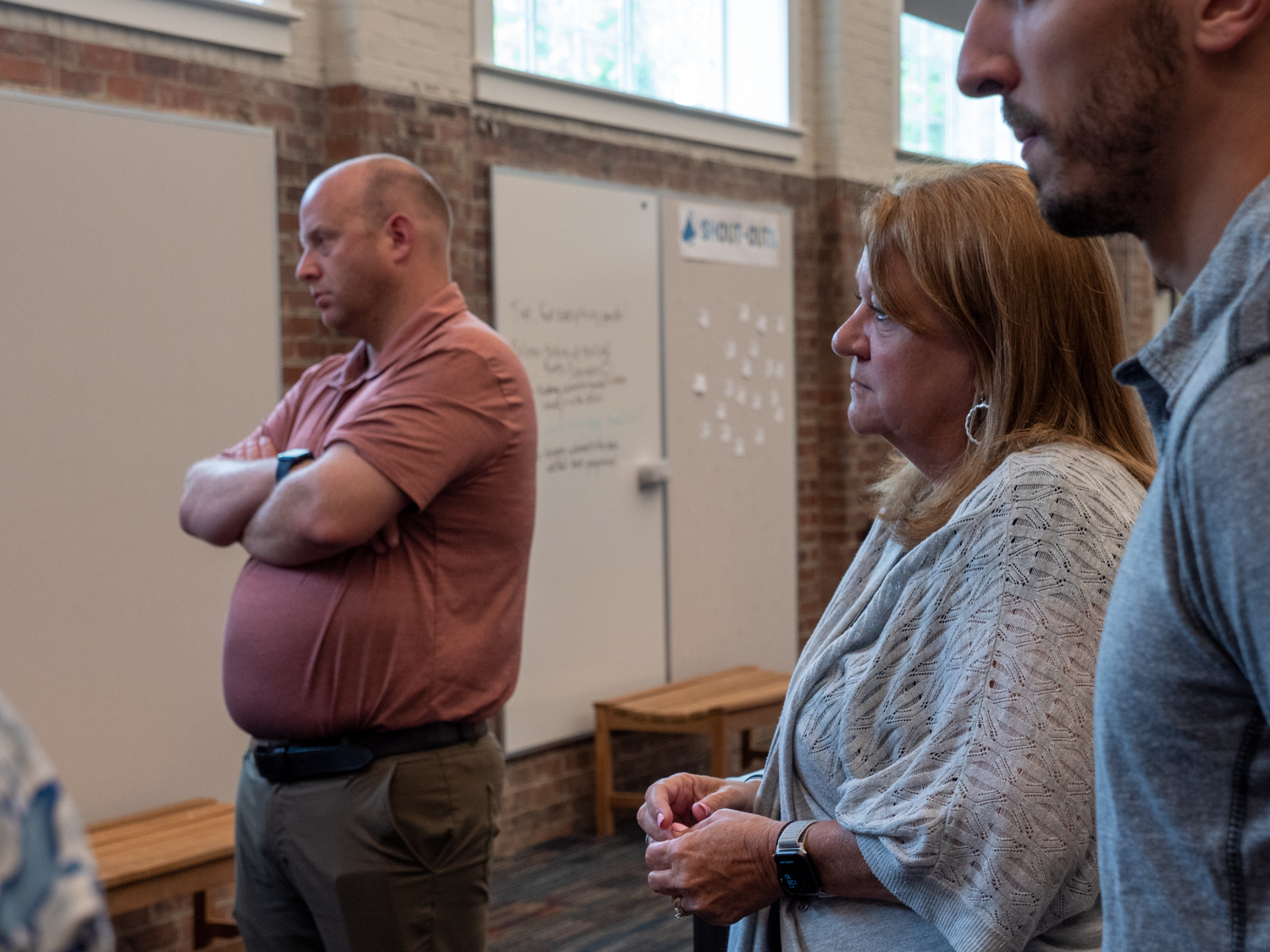
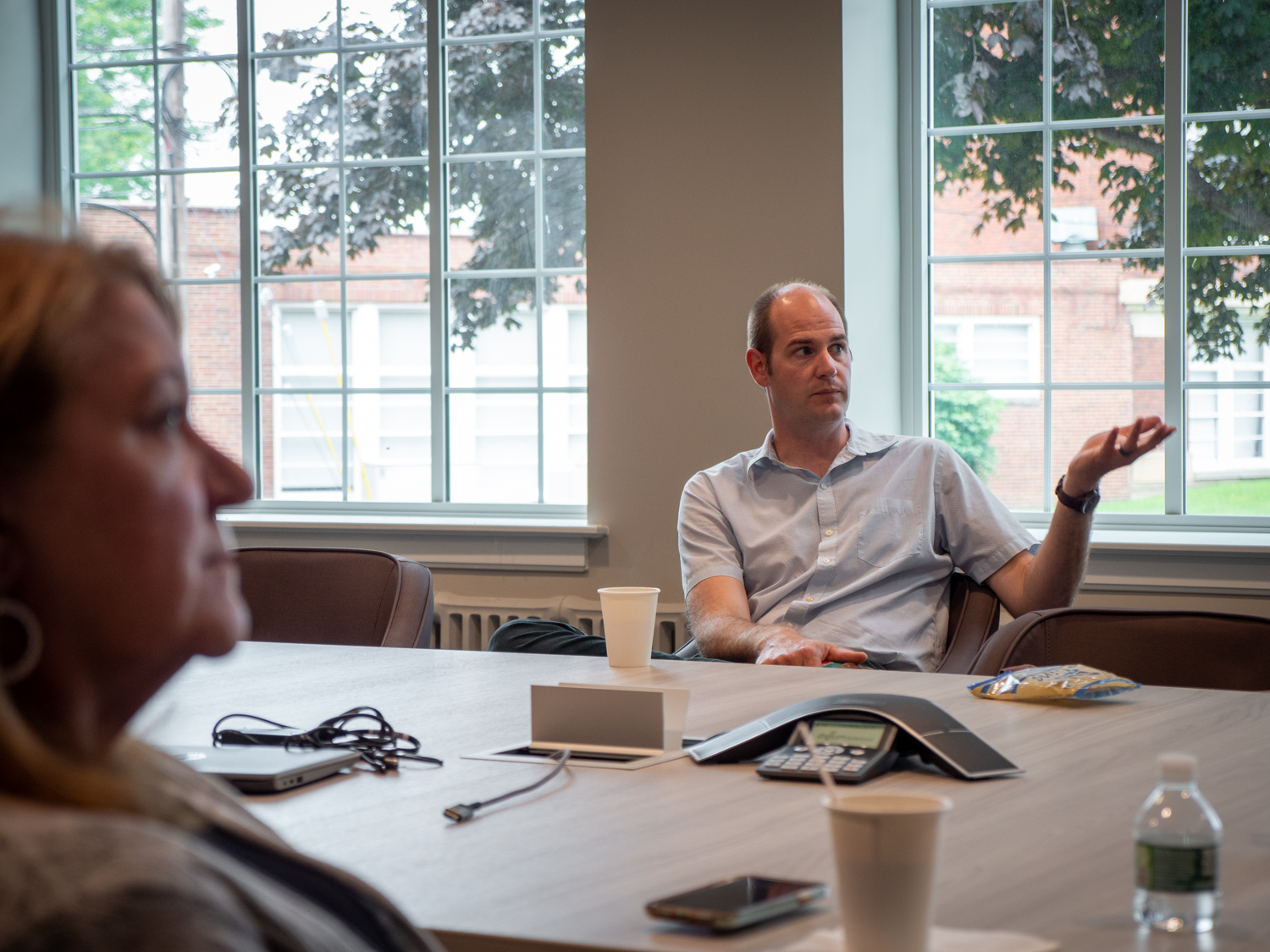
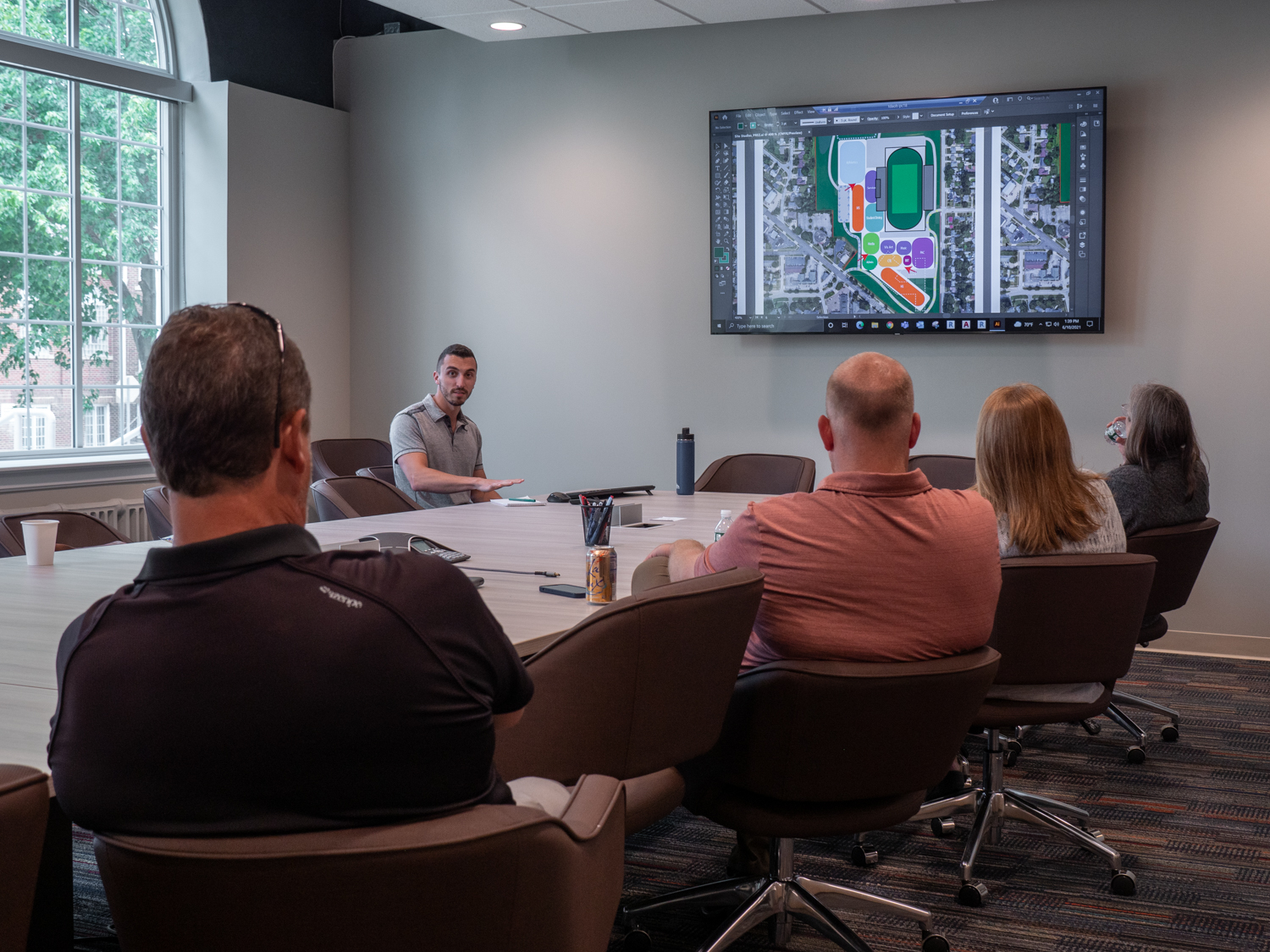
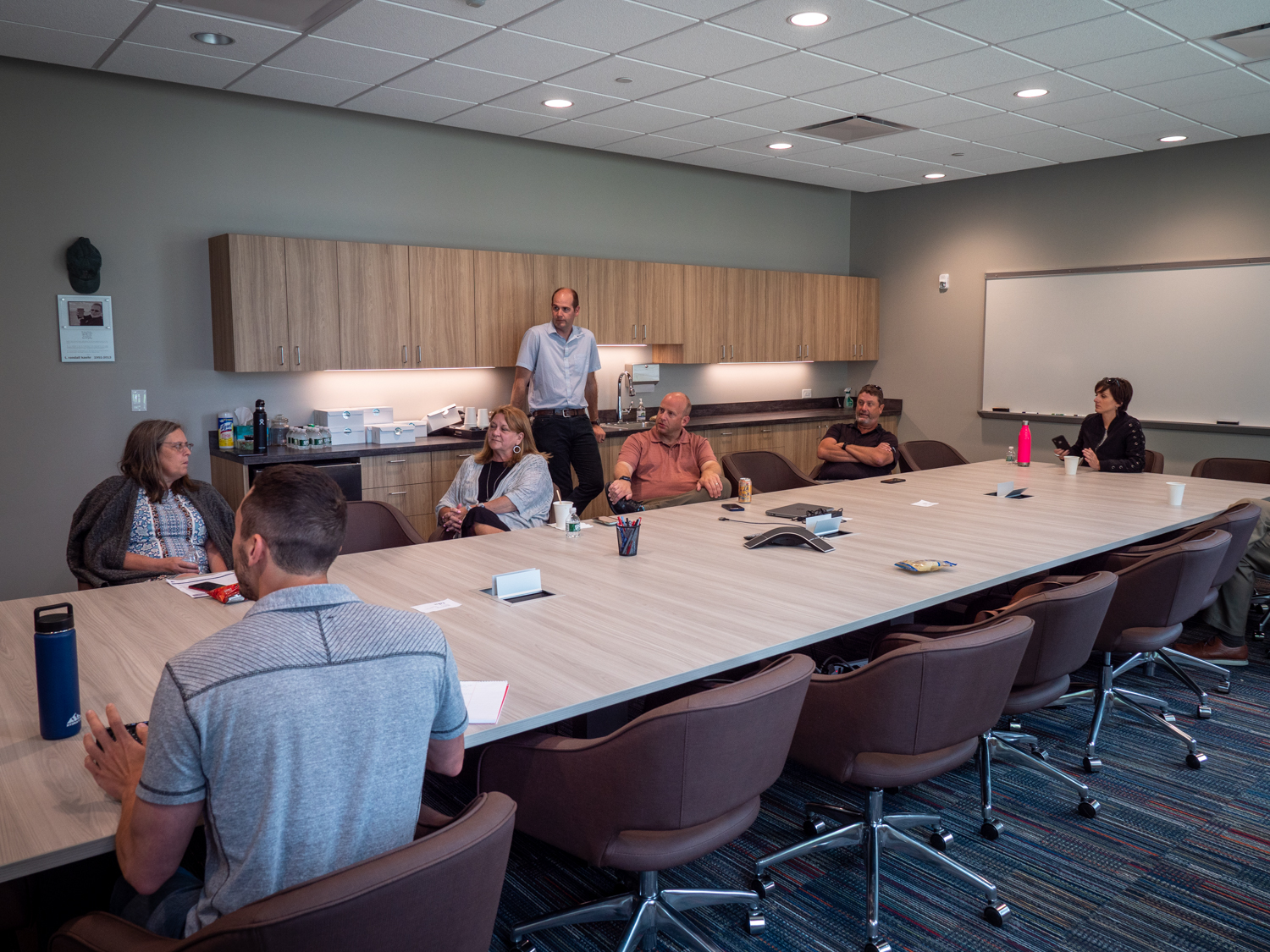
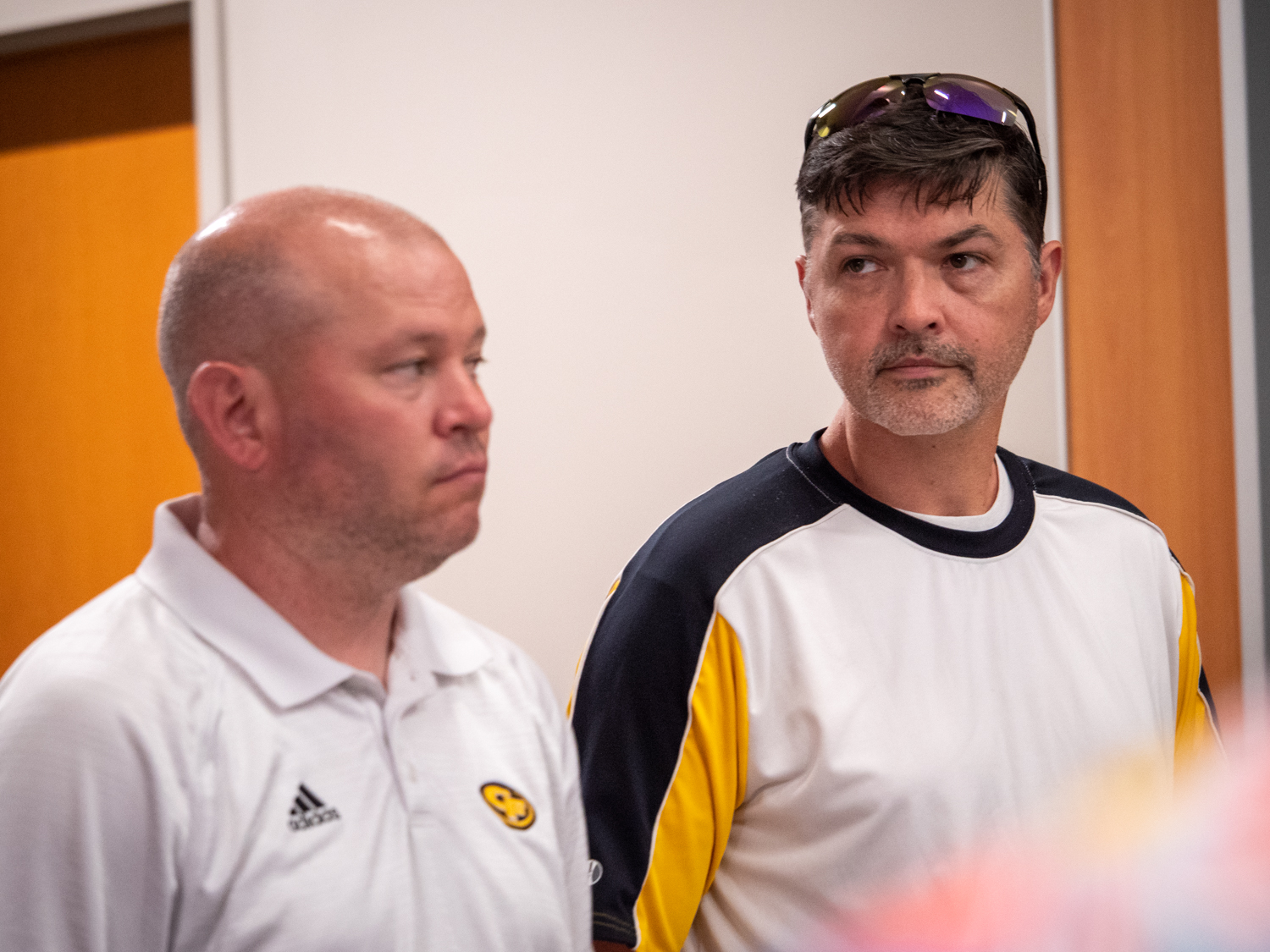
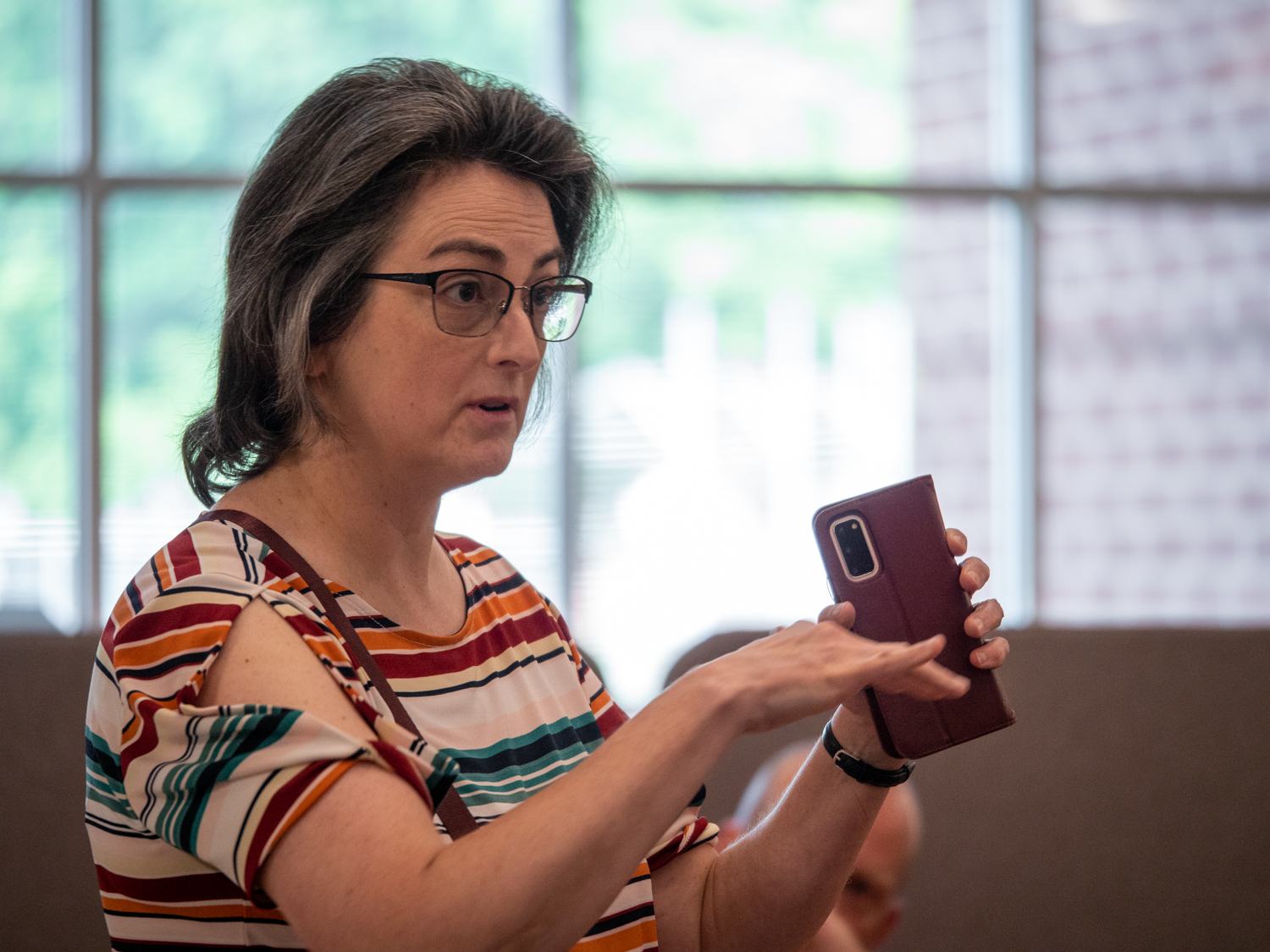
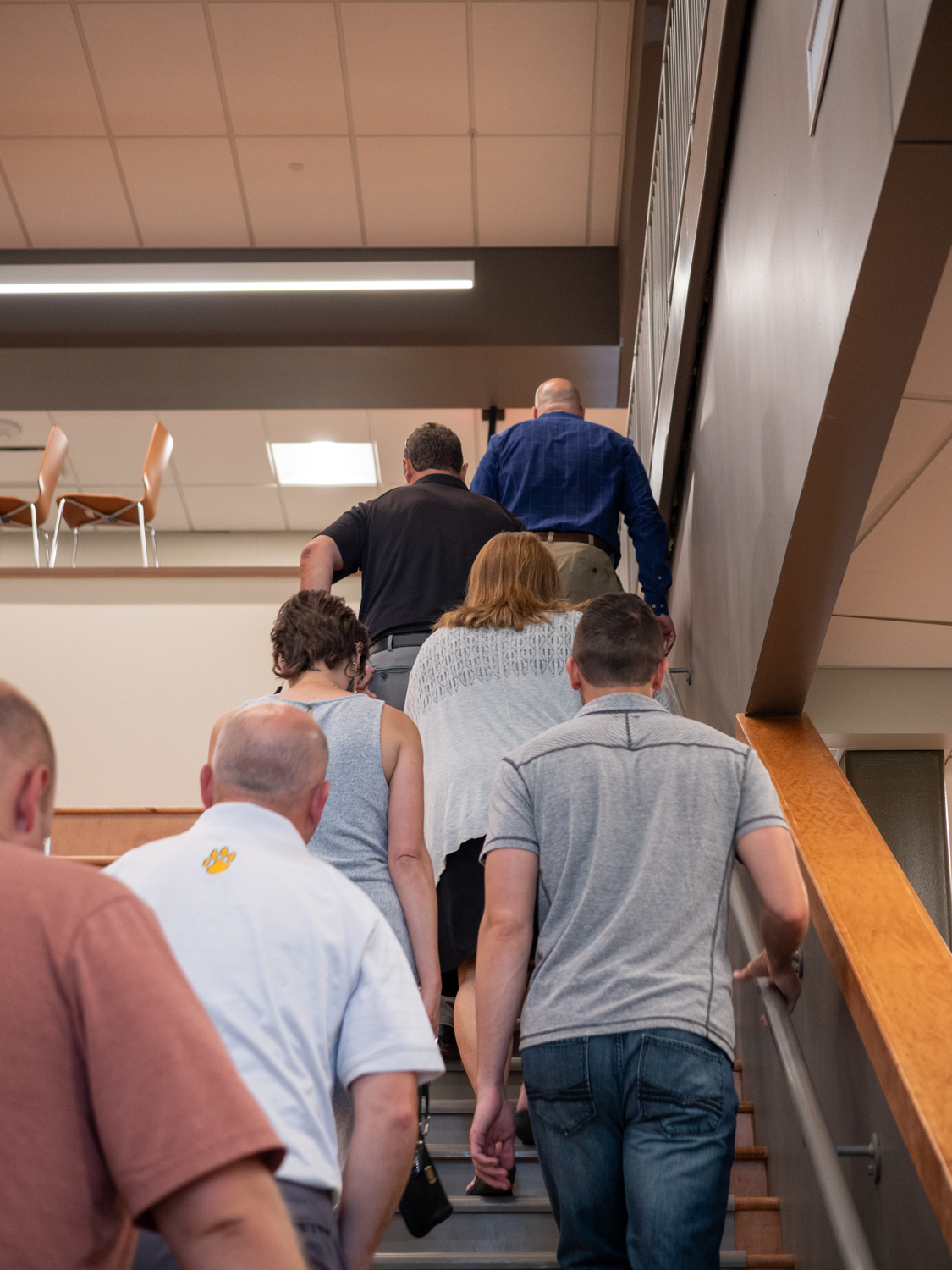
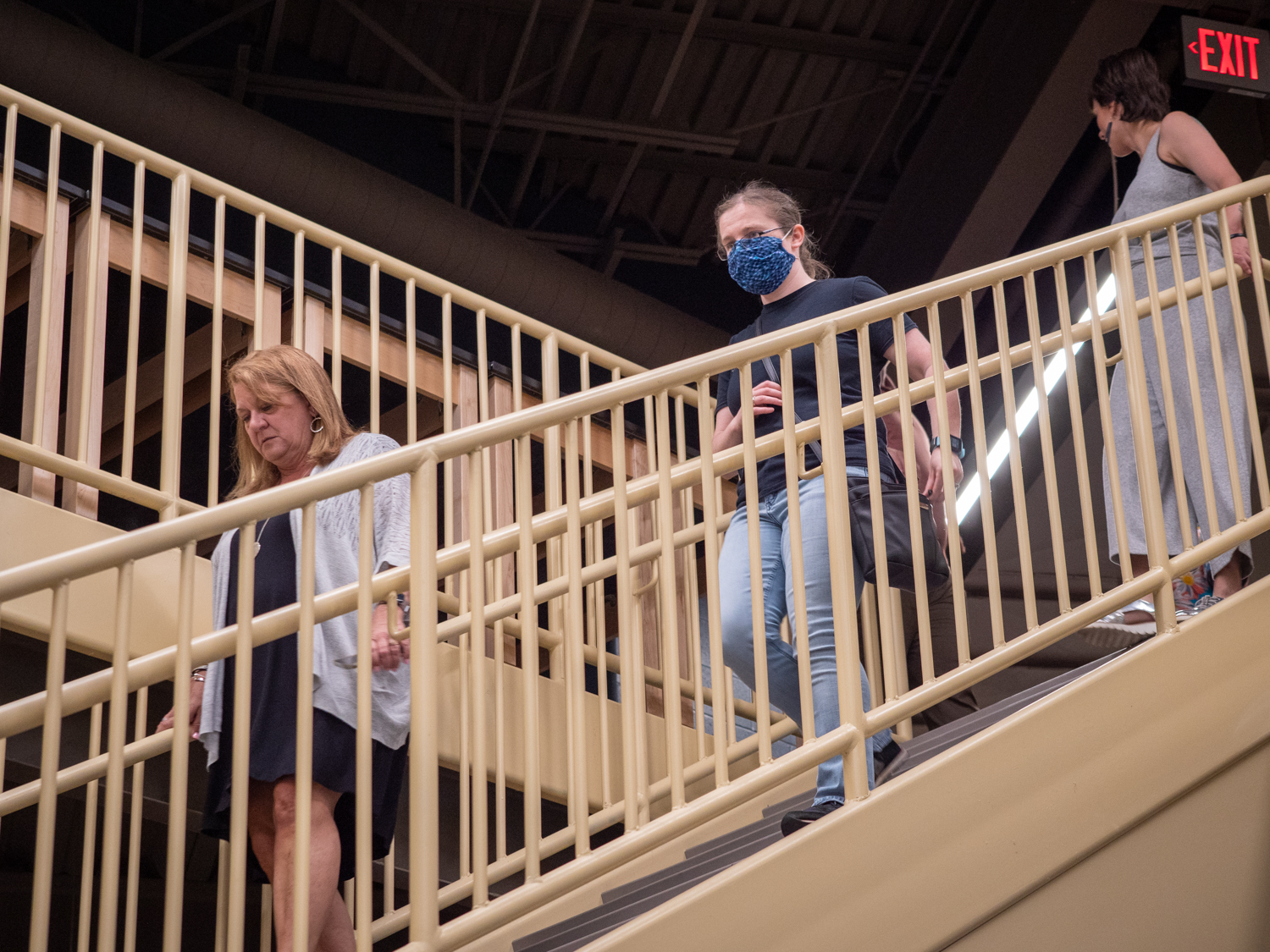
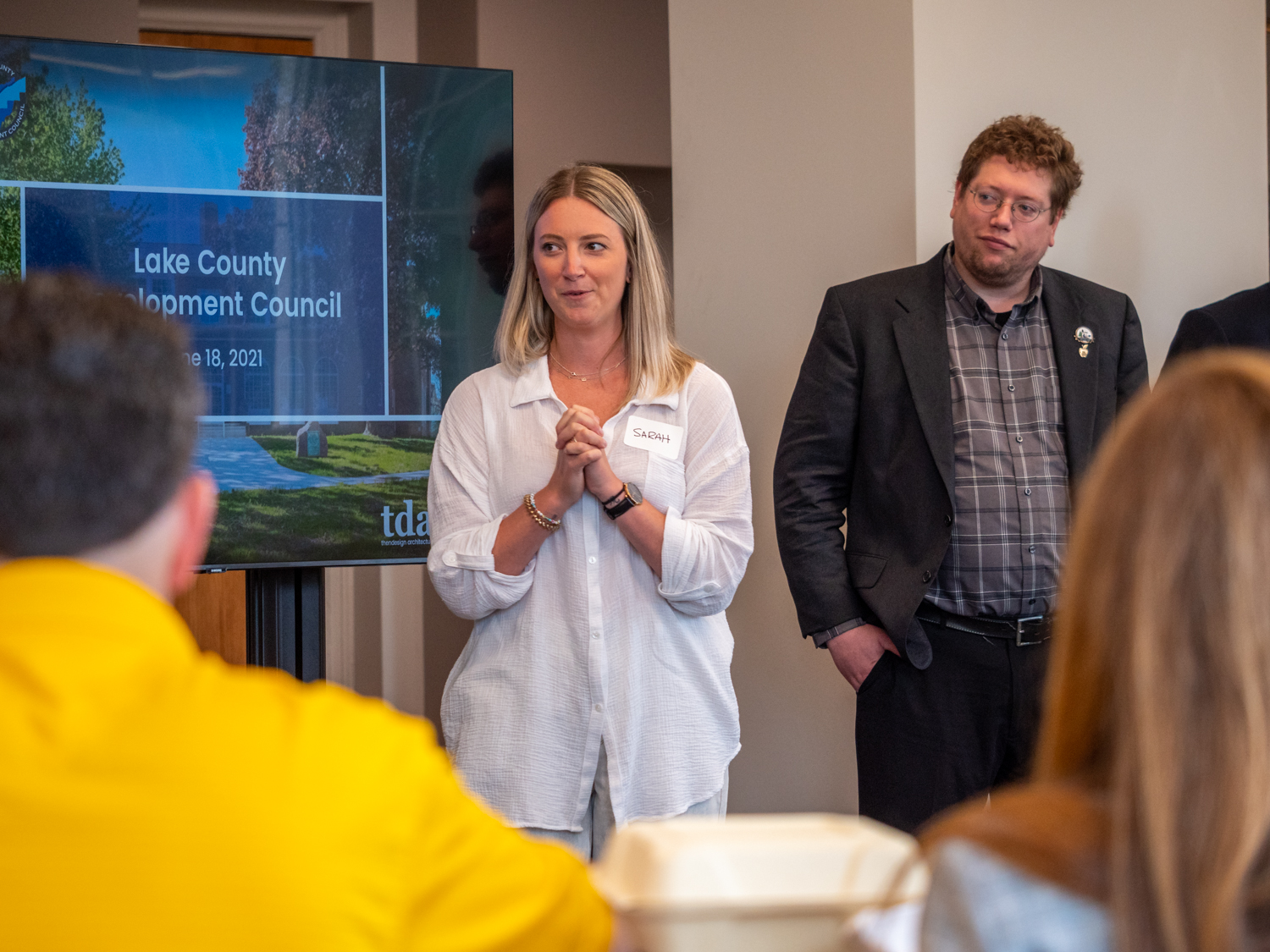
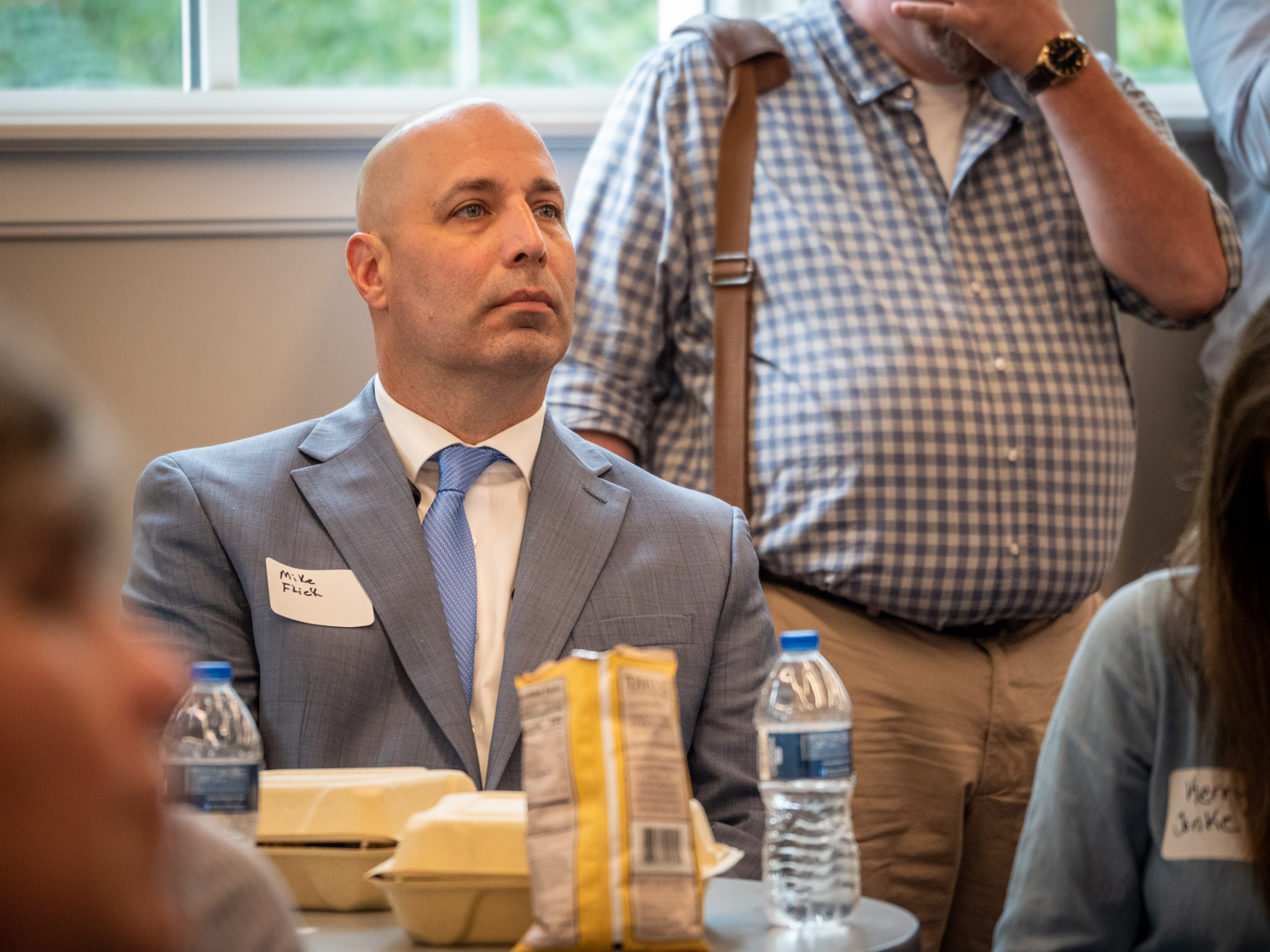
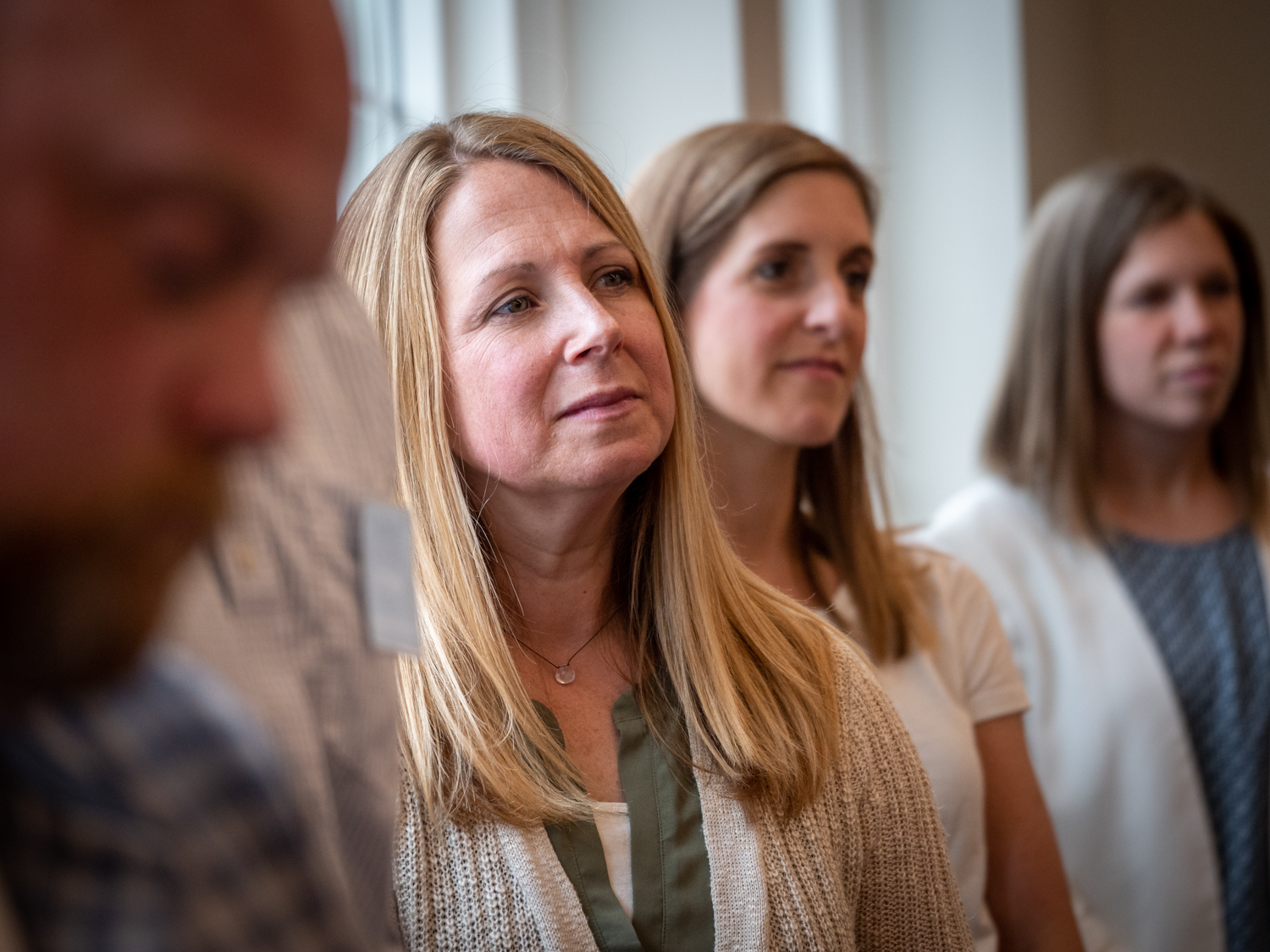
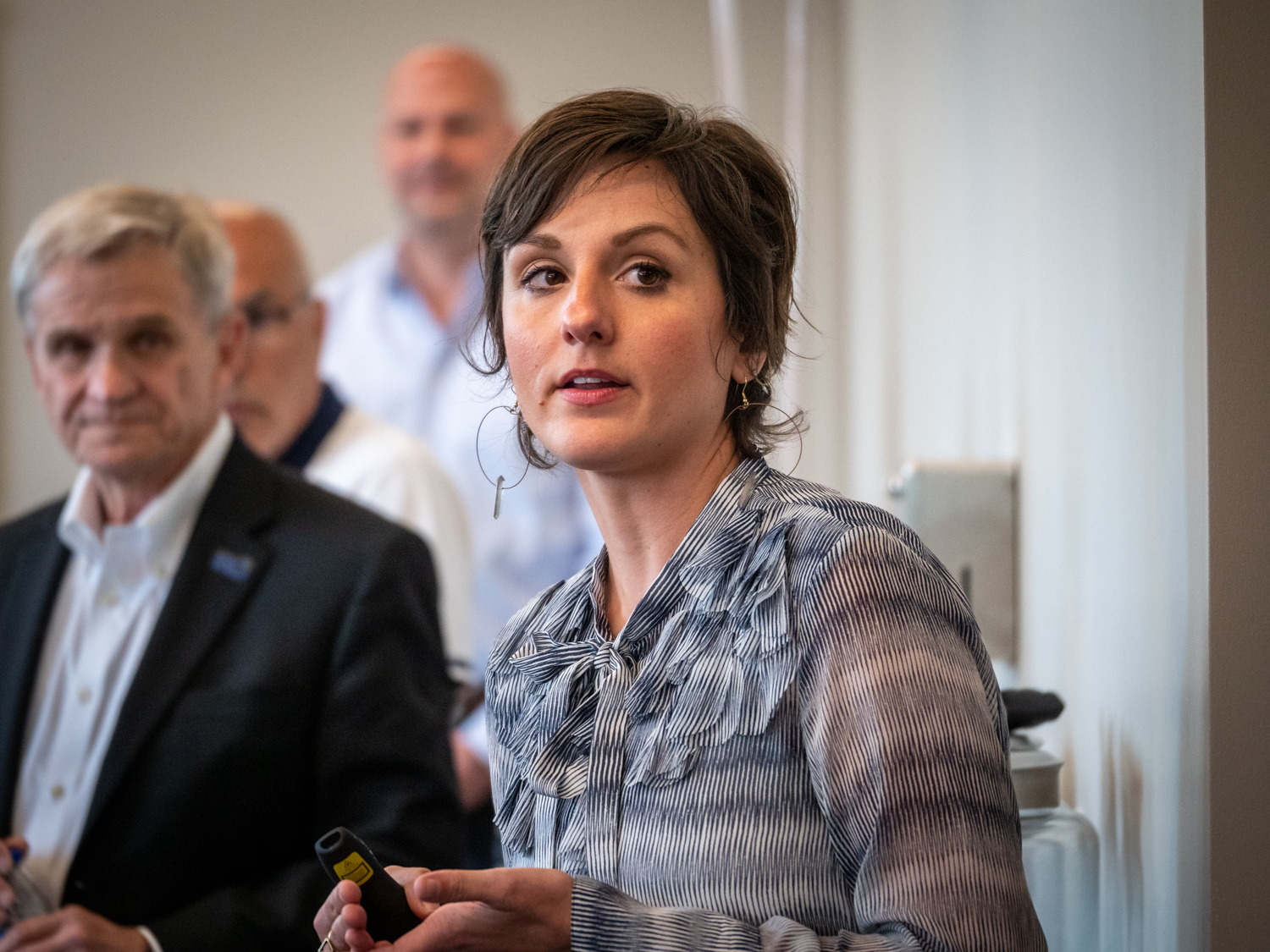
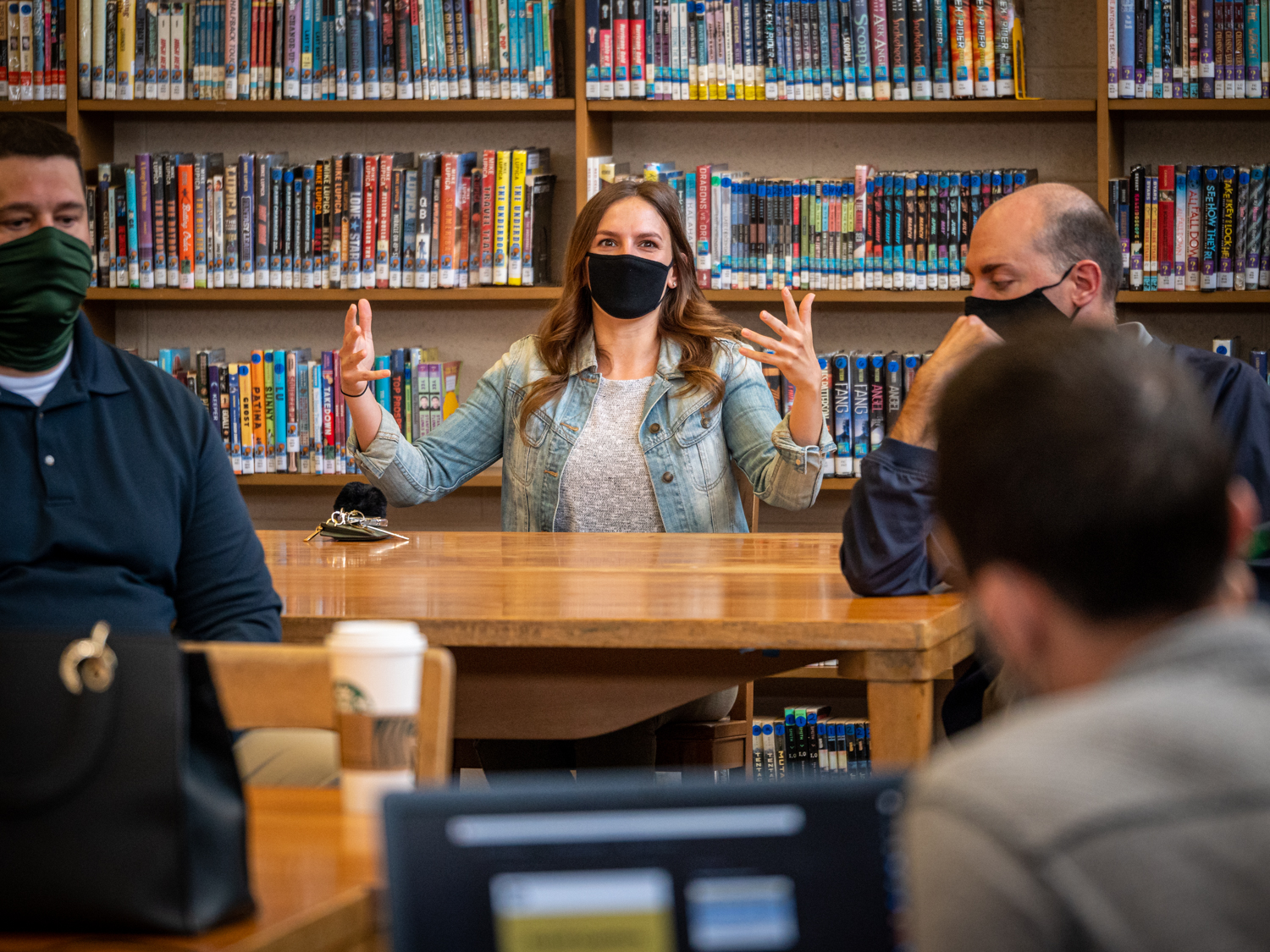
Lake County Development Council's, first "In-Person Meeting" - ThenDesign Architecture

“TDA was always successful but now they have moved from success to significance. We're very proud of them and pleased to have them downtown."
David Anderson
Former Mayor of the City of Willoughby

ThenDesign Architecture Relocates to Memorial in Willoughby

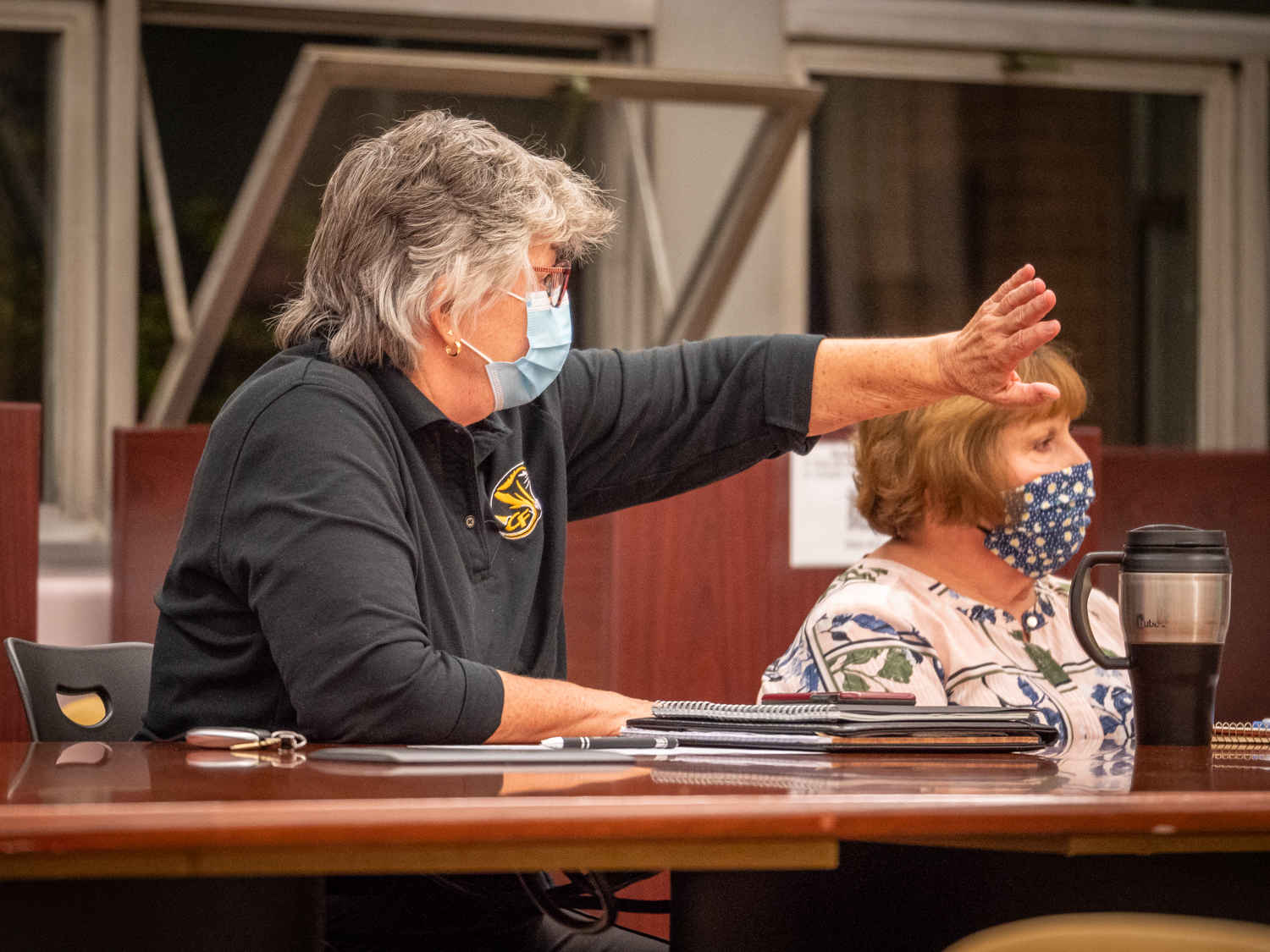
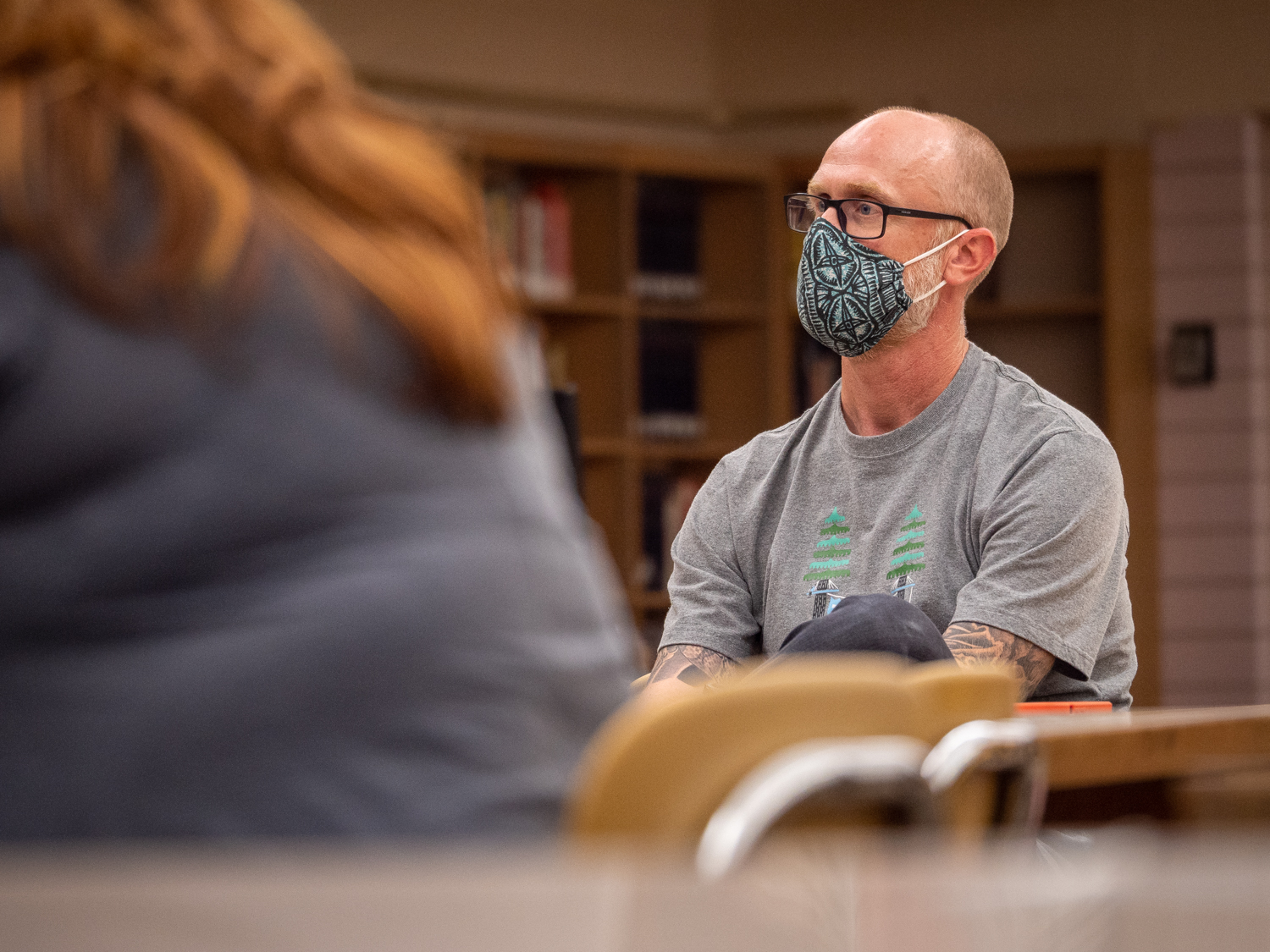
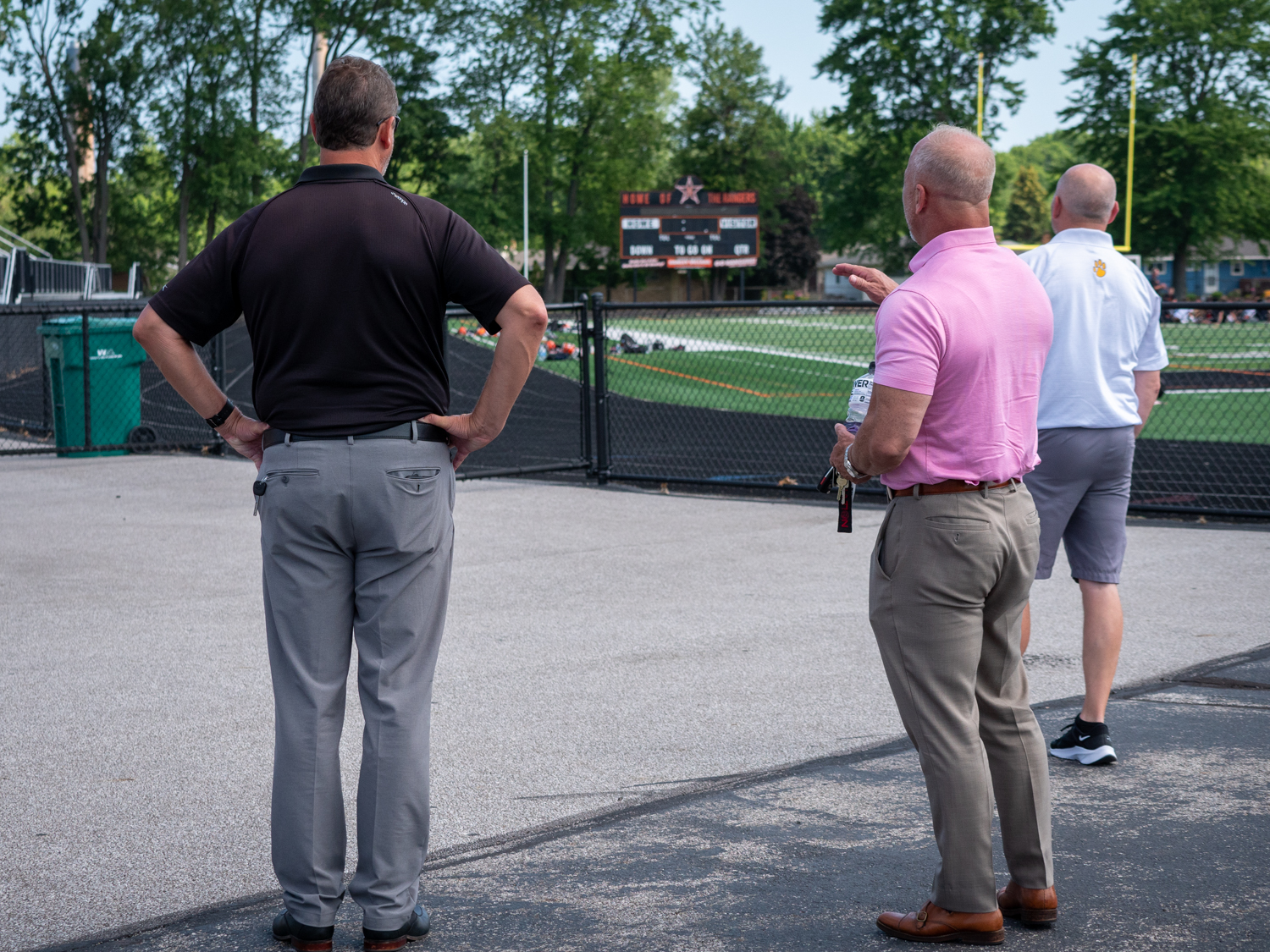
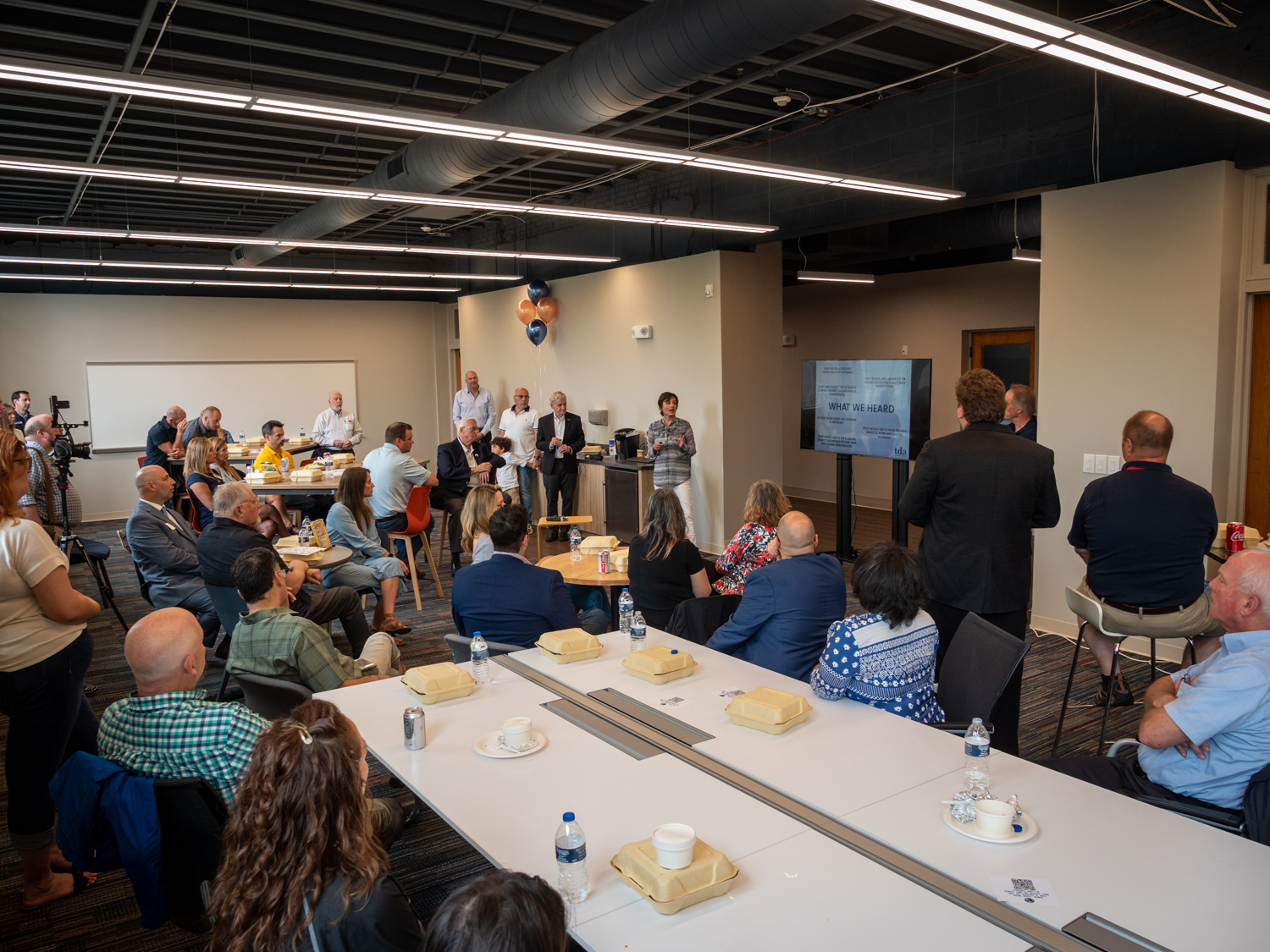
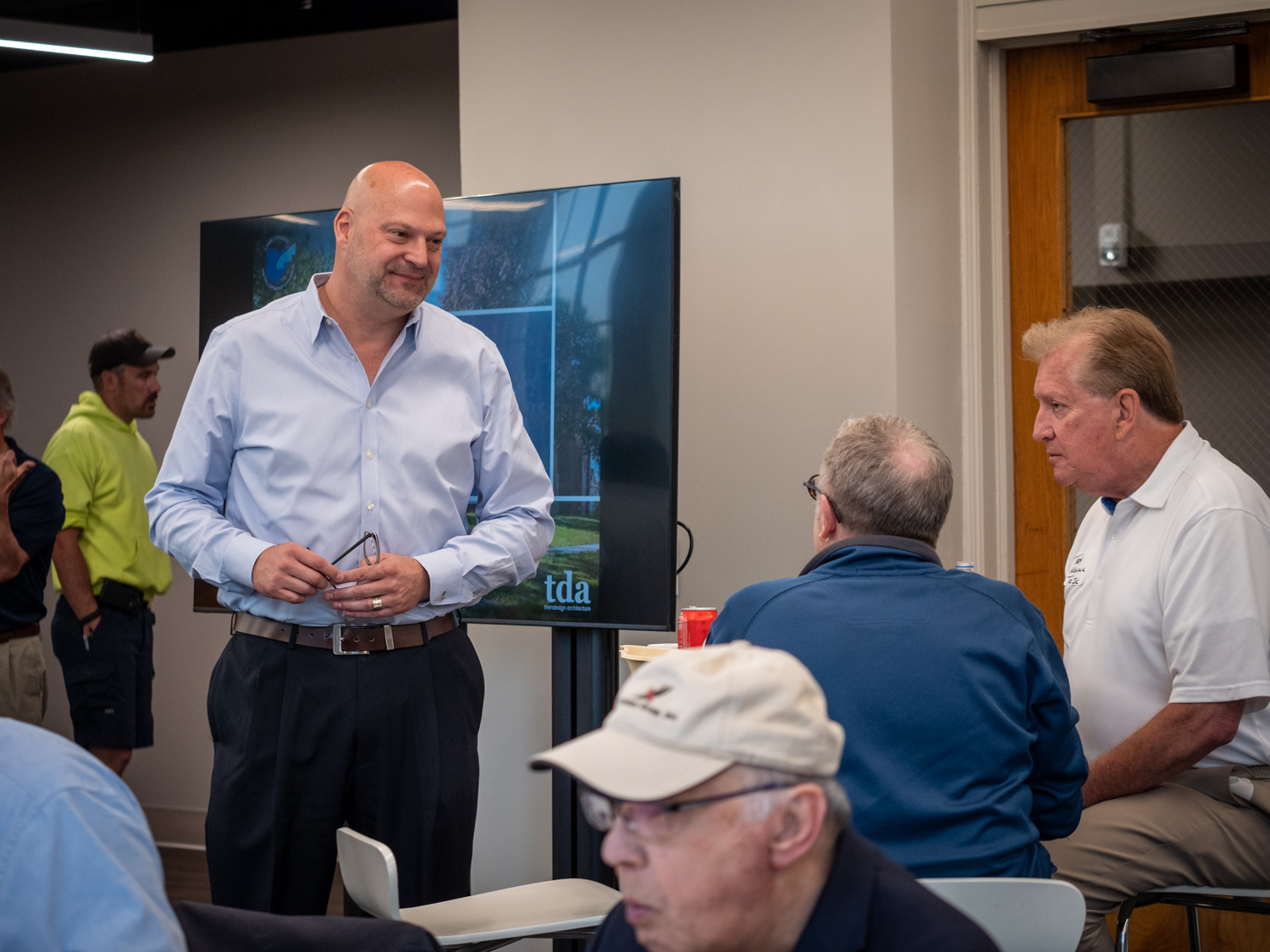
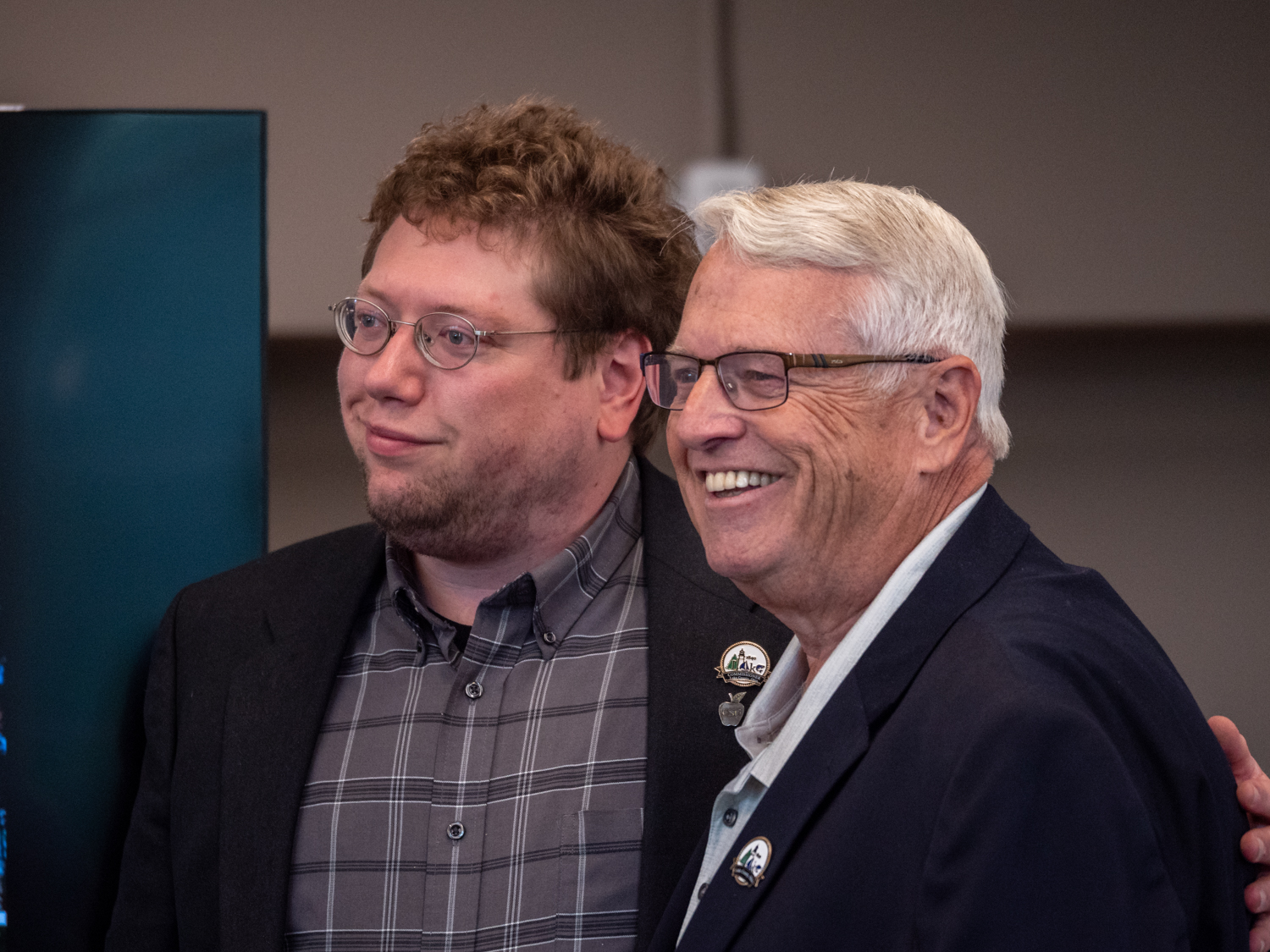
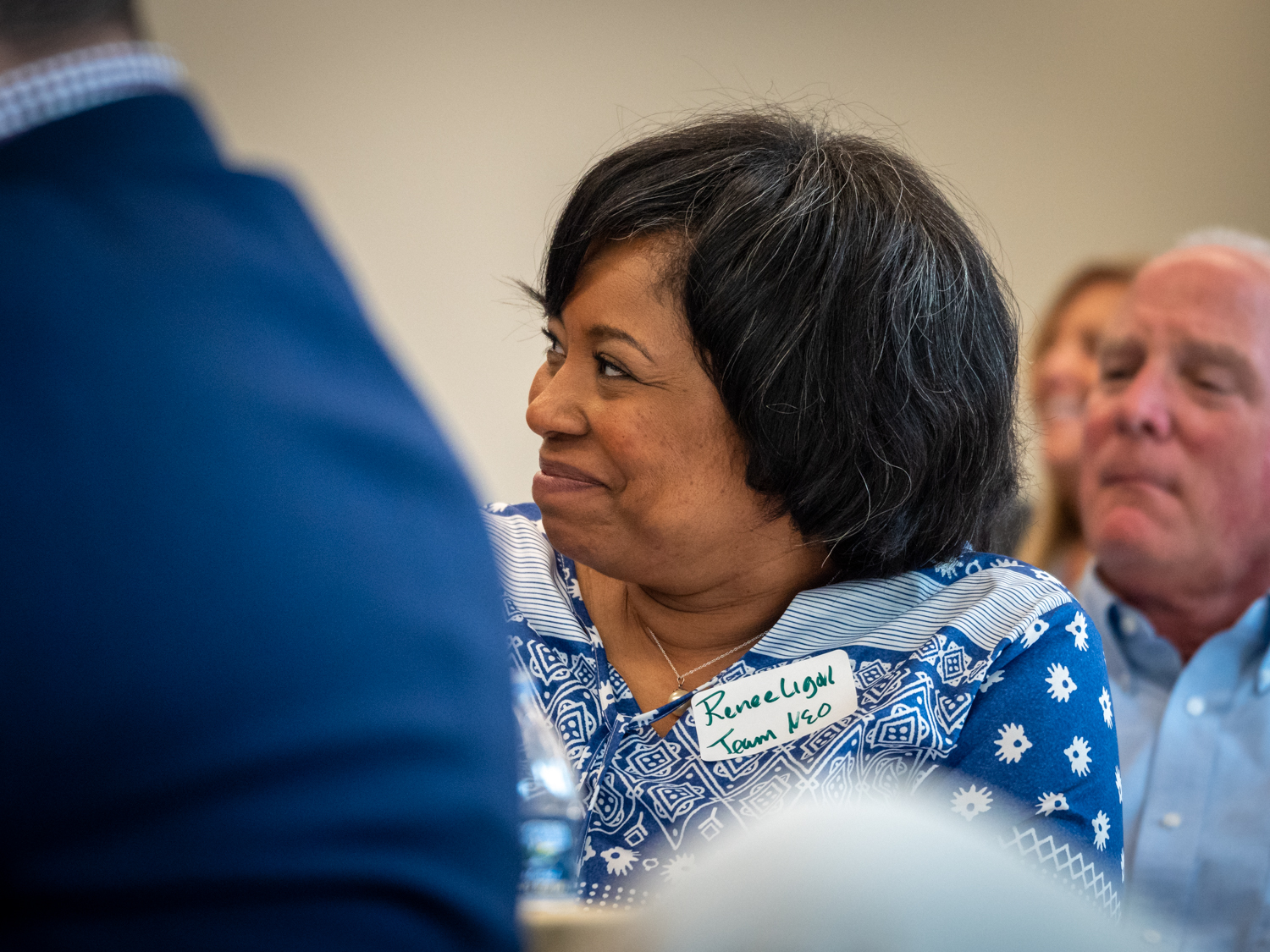
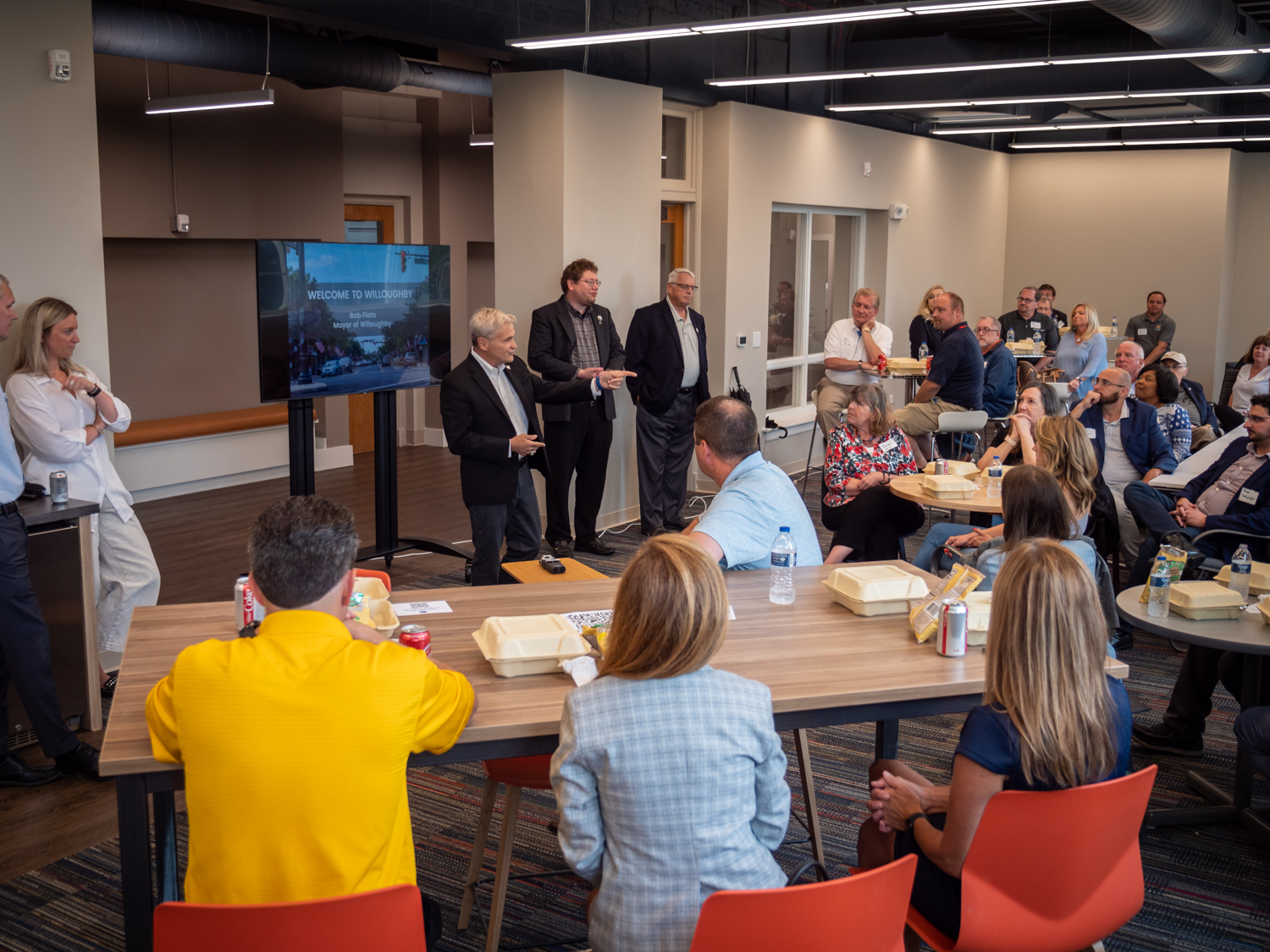
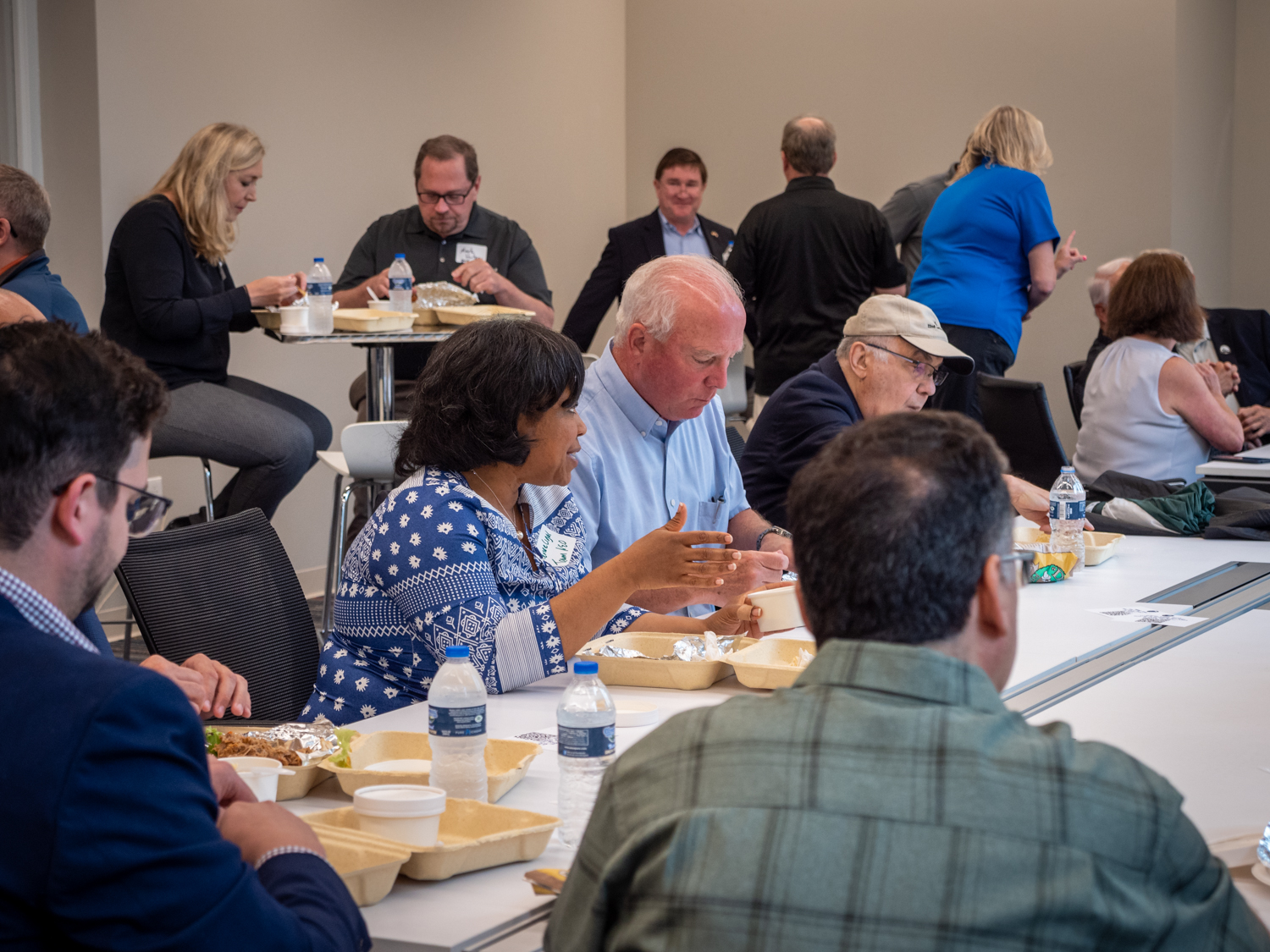
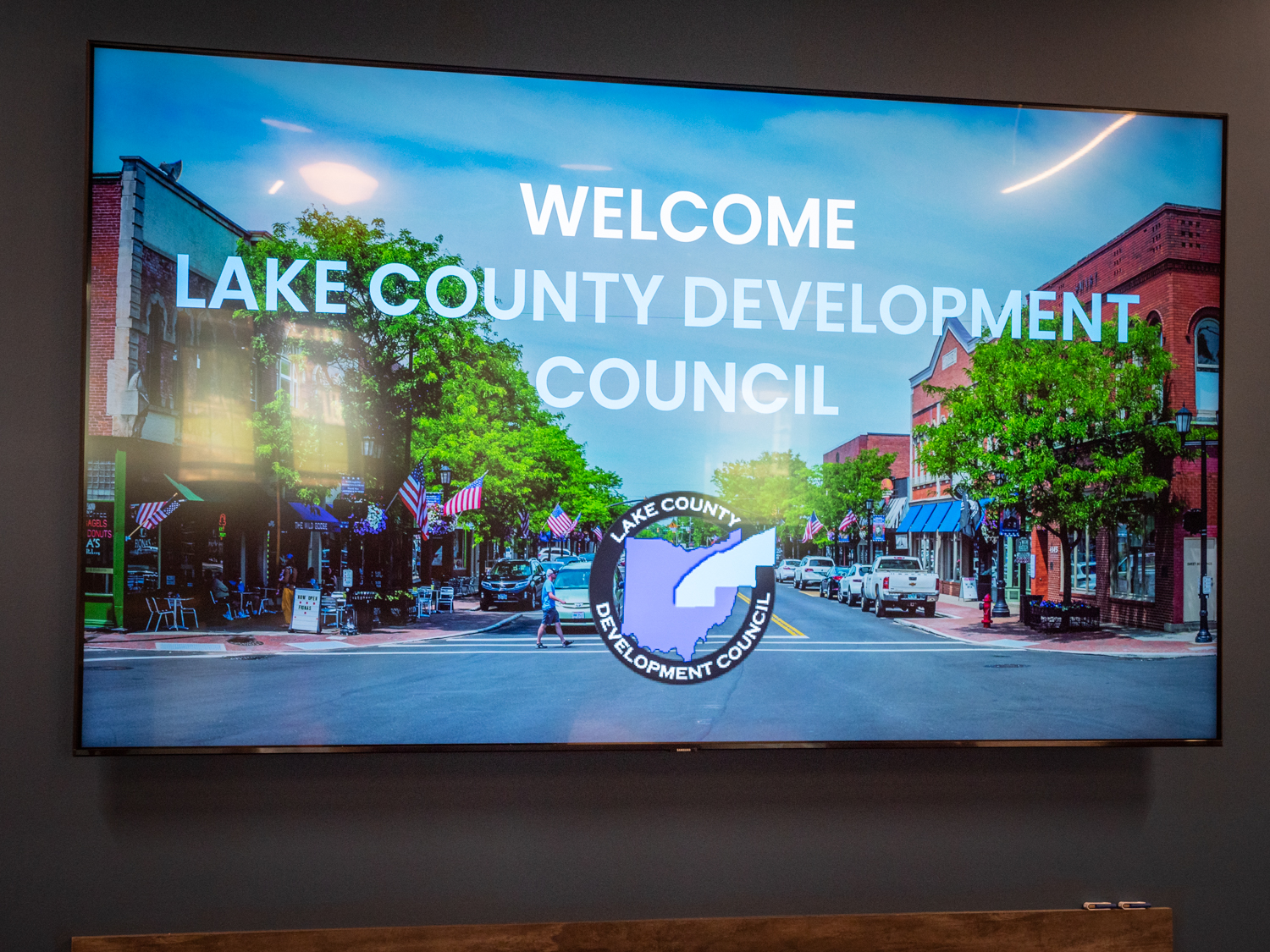
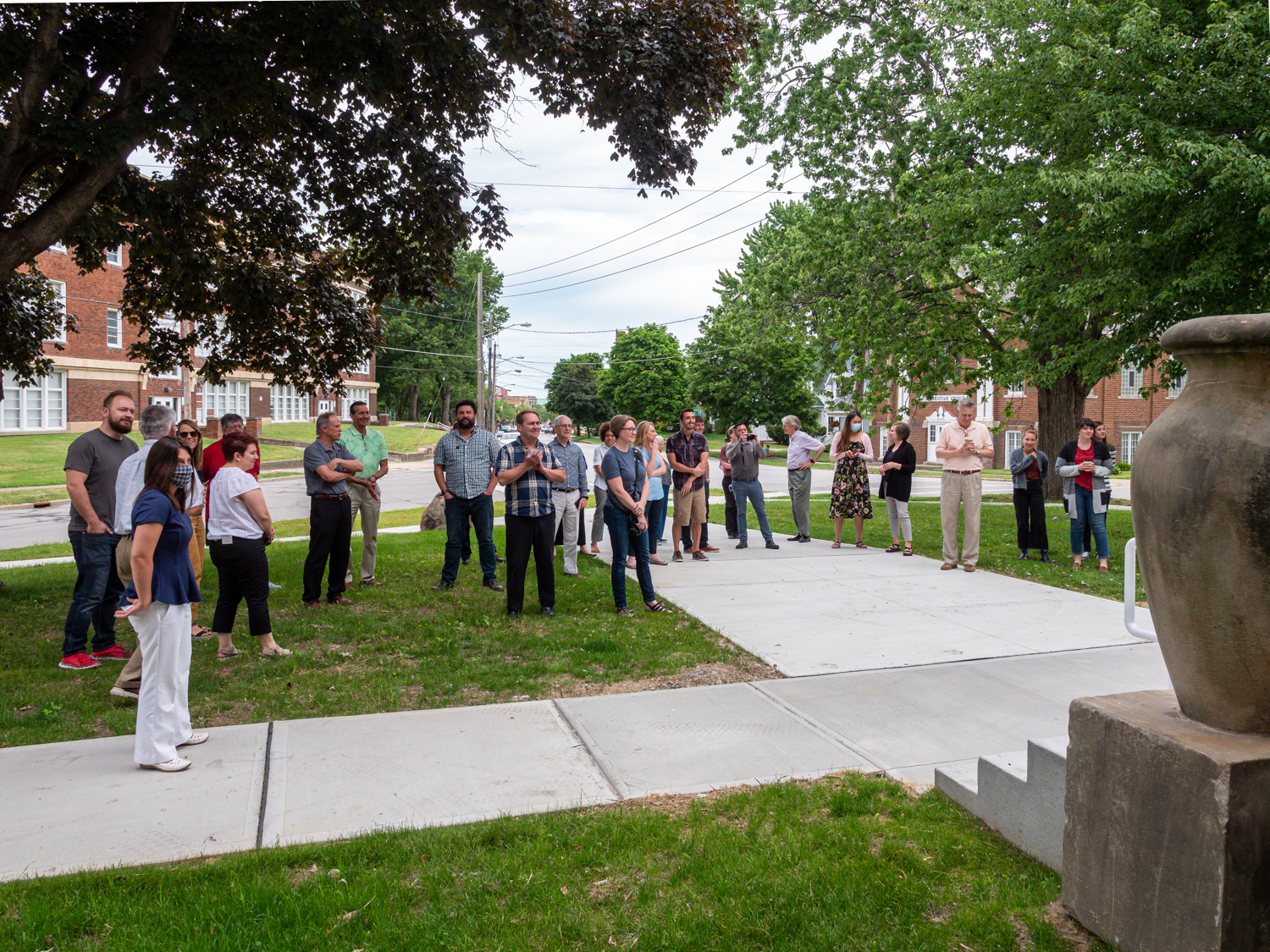
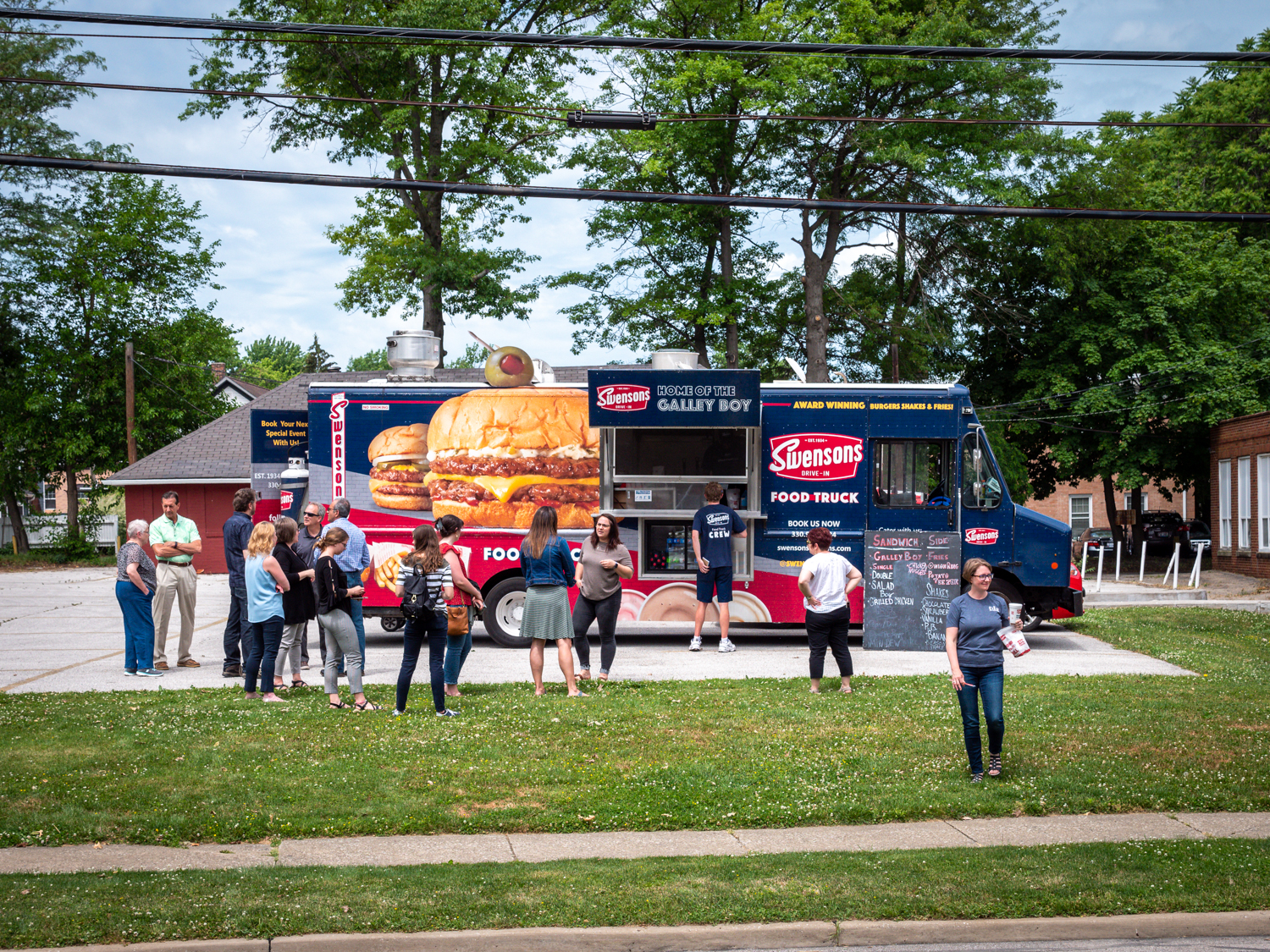
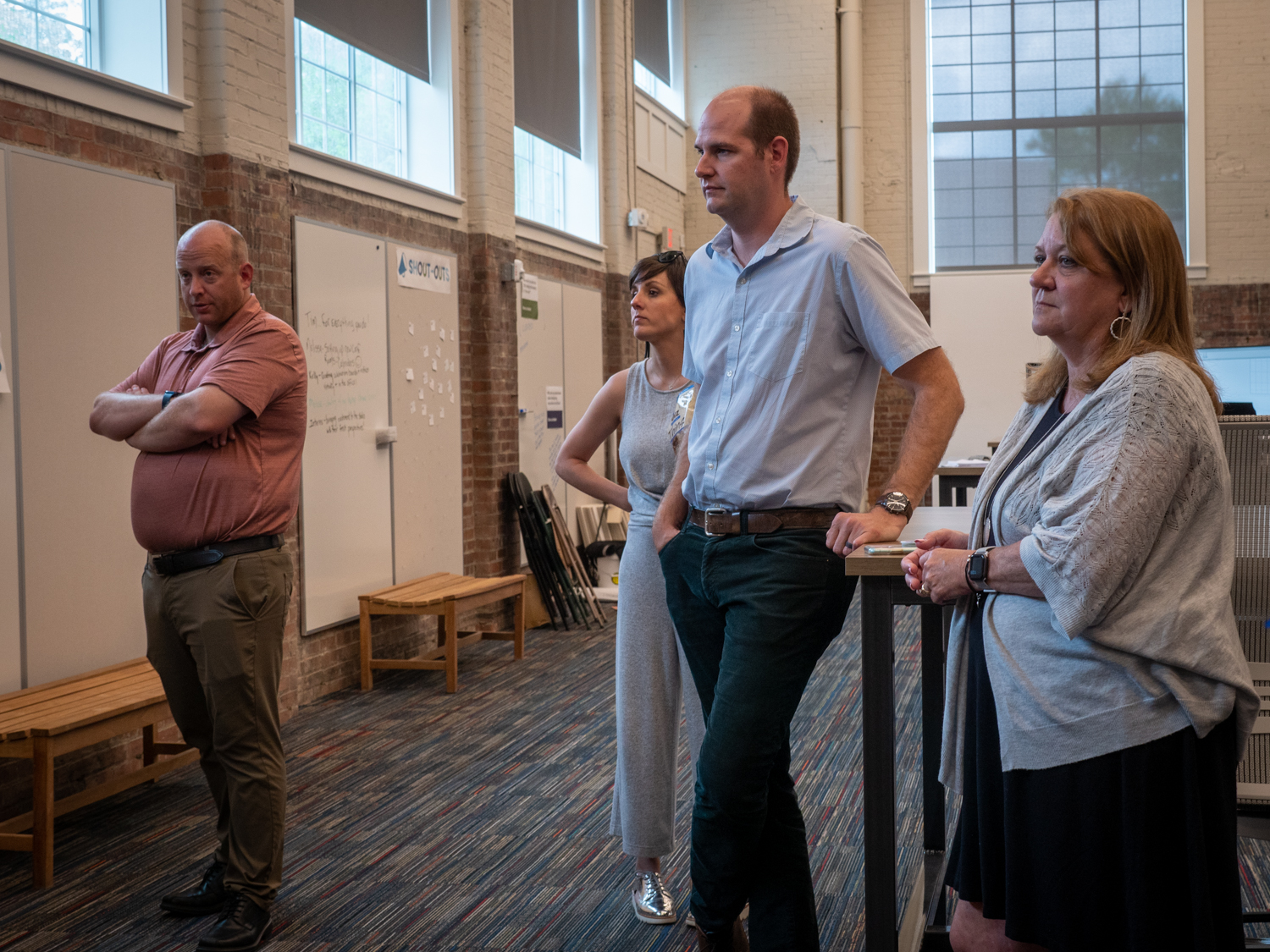
The finished project has surfaced fond memories from Memorial Junior High School alumni, who attended at the school years ago. It has been received well by county leadership, business owners and community members. In late June, Lake County Development Council held their first in-person meeting, hosted at TDA’s new building.

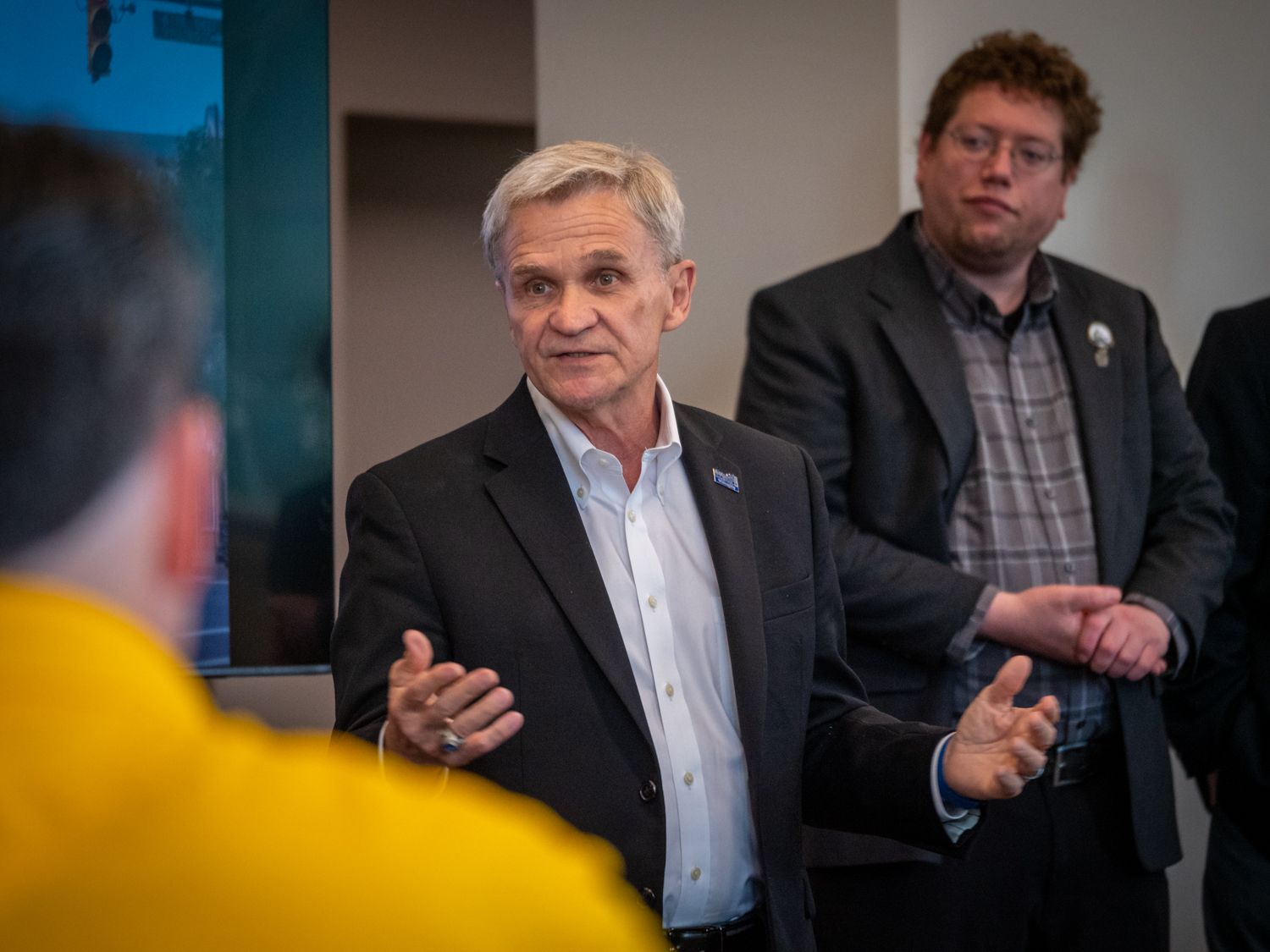
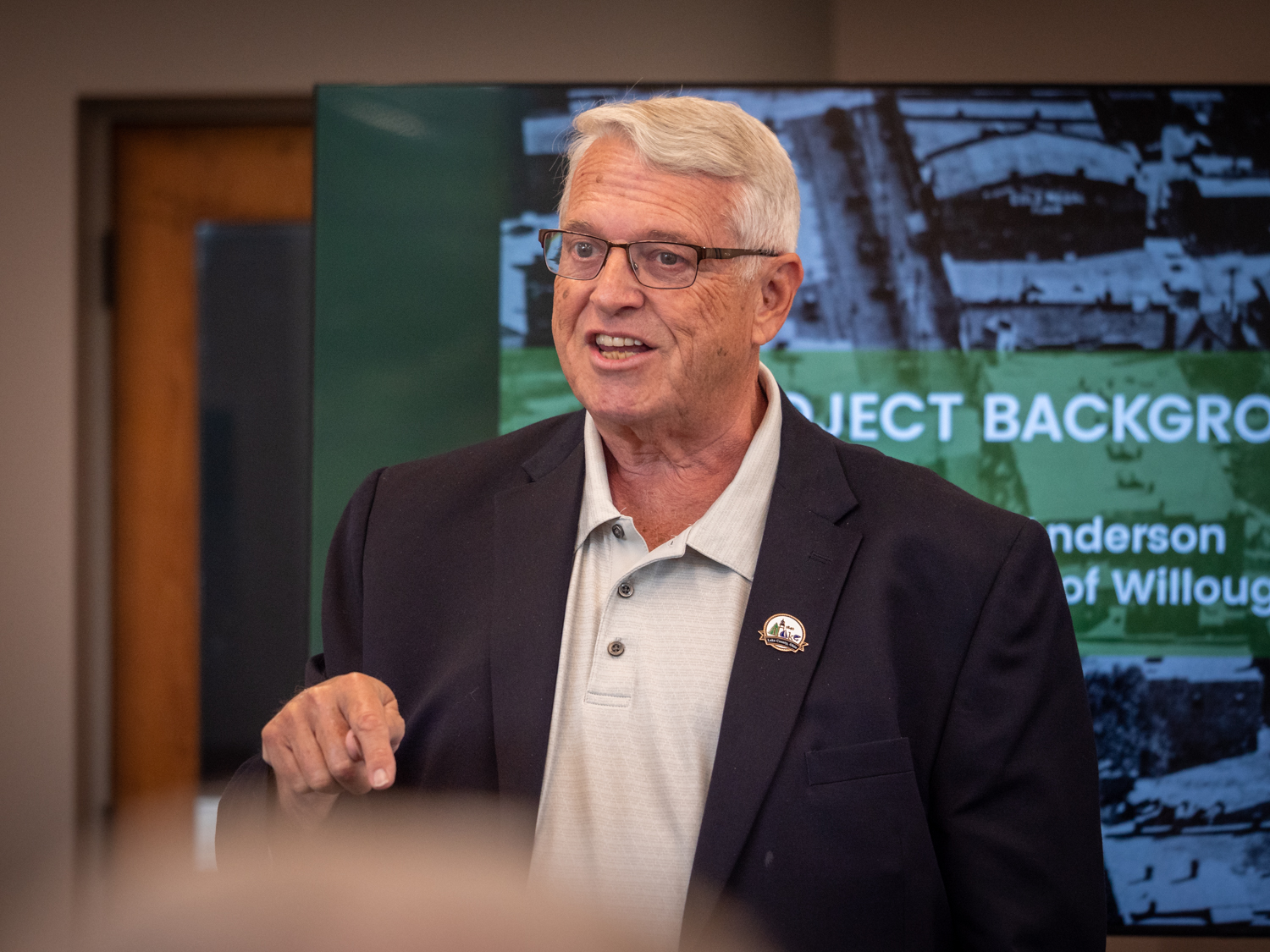
At the event, former Mayor Dave Anderson commented: “We are so proud of TDA. They were a big part of downtown in the Carrel building, and will continue to be with this building here.” With his experience working to develop Willoughby’s downtown during his tenure, those comments were particularly impactful. “TDA was always successful but now they have moved from success to significance. We’re very proud of them and pleased to have them downtown.”

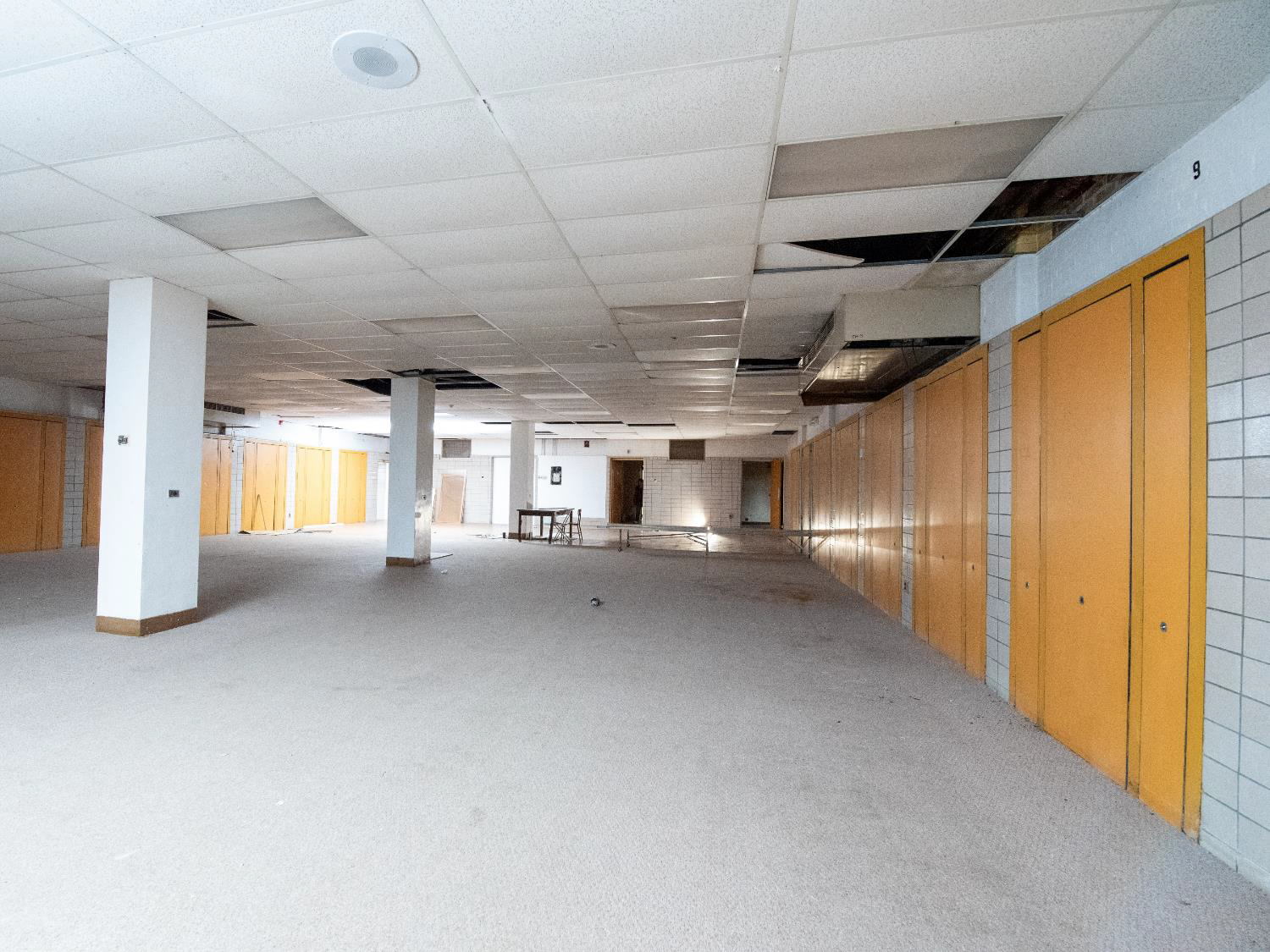
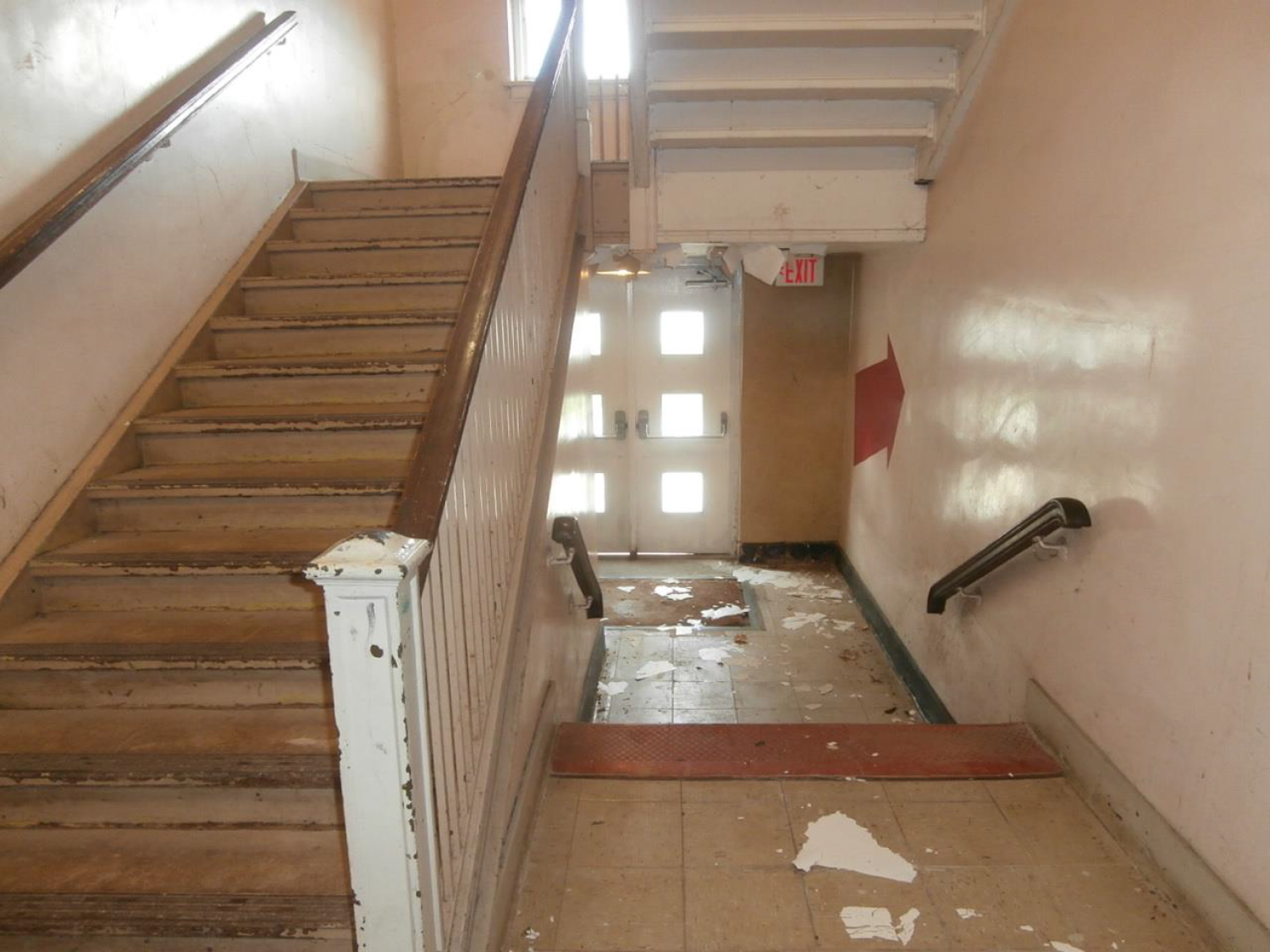
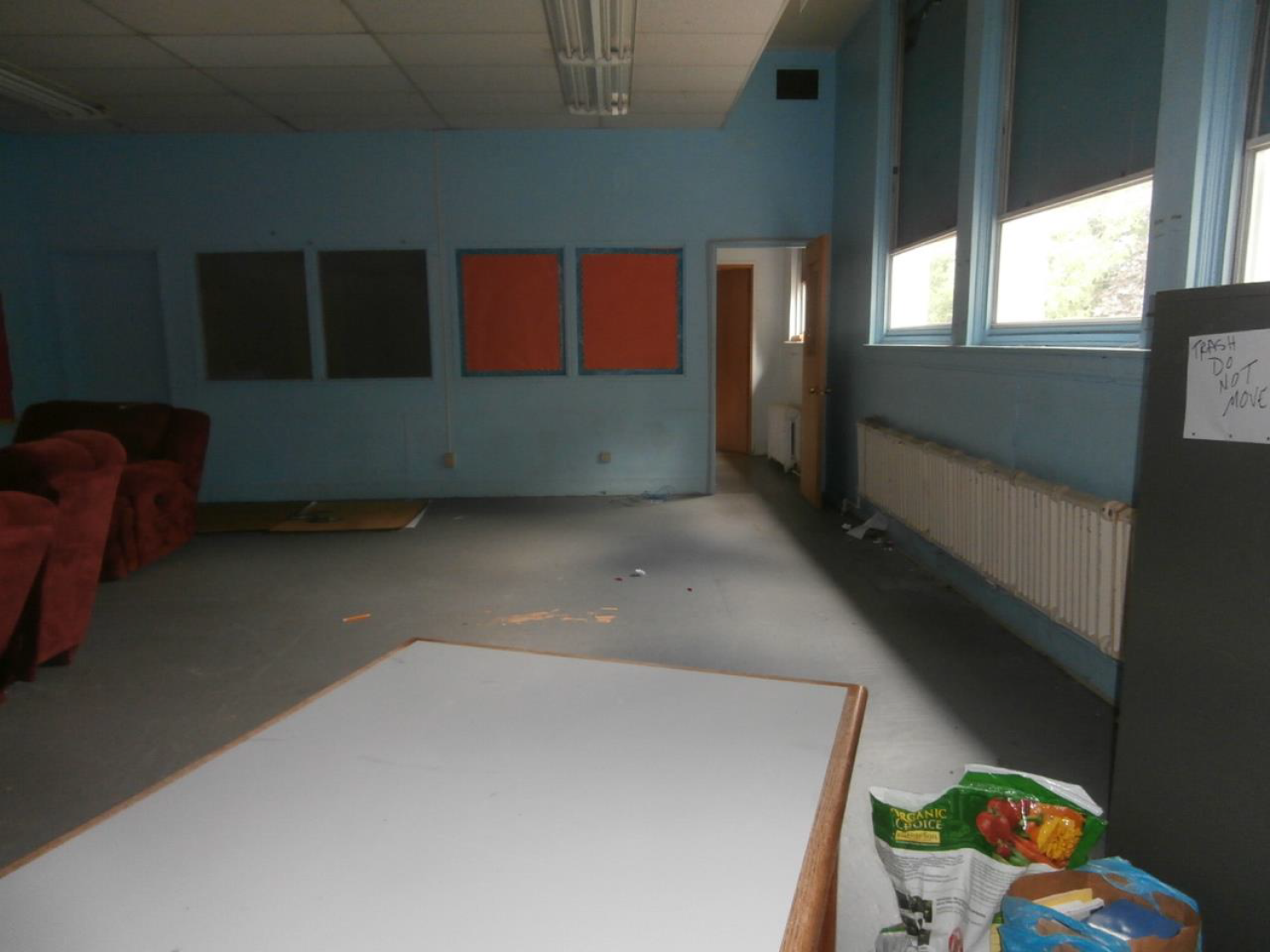
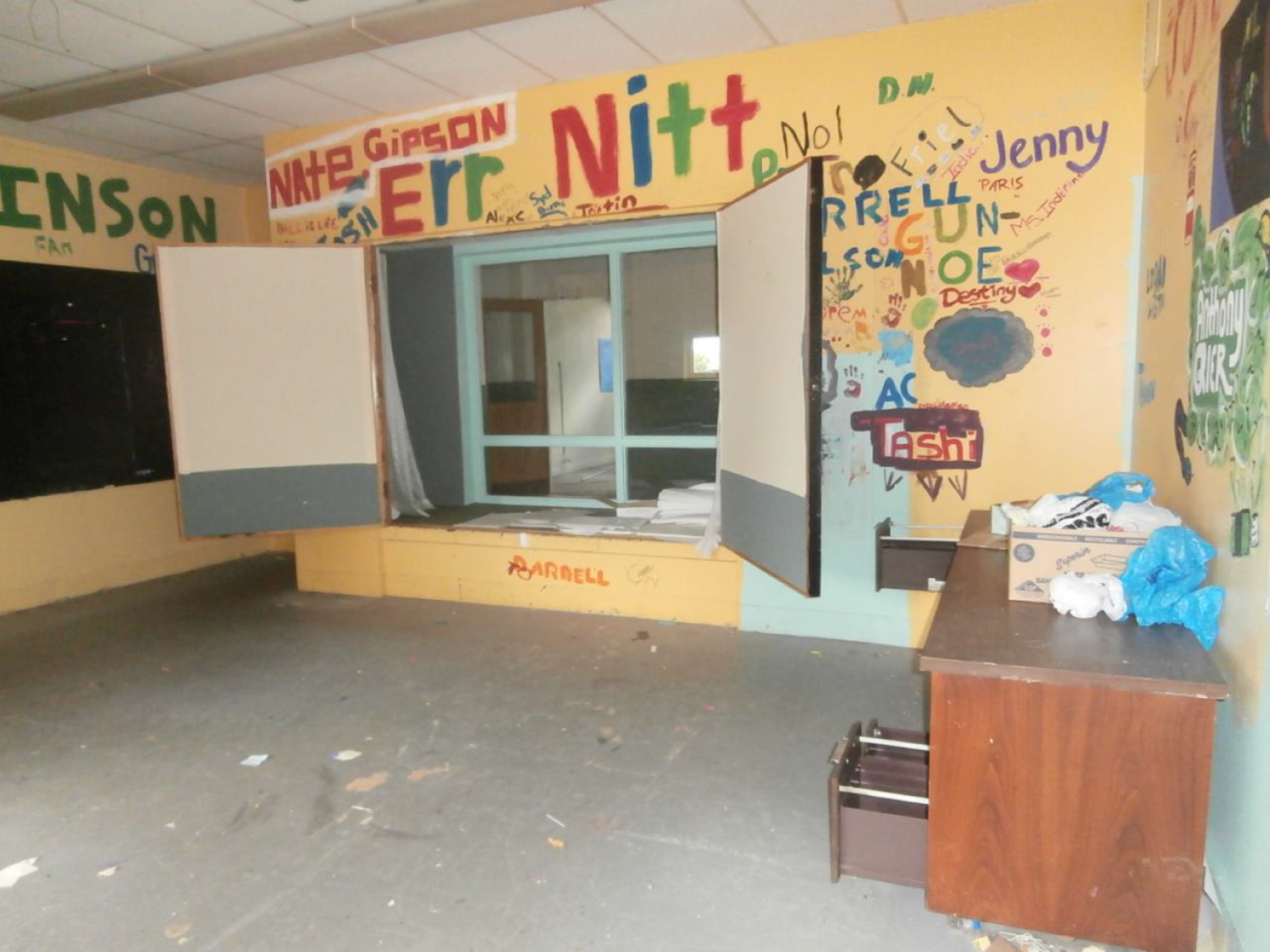
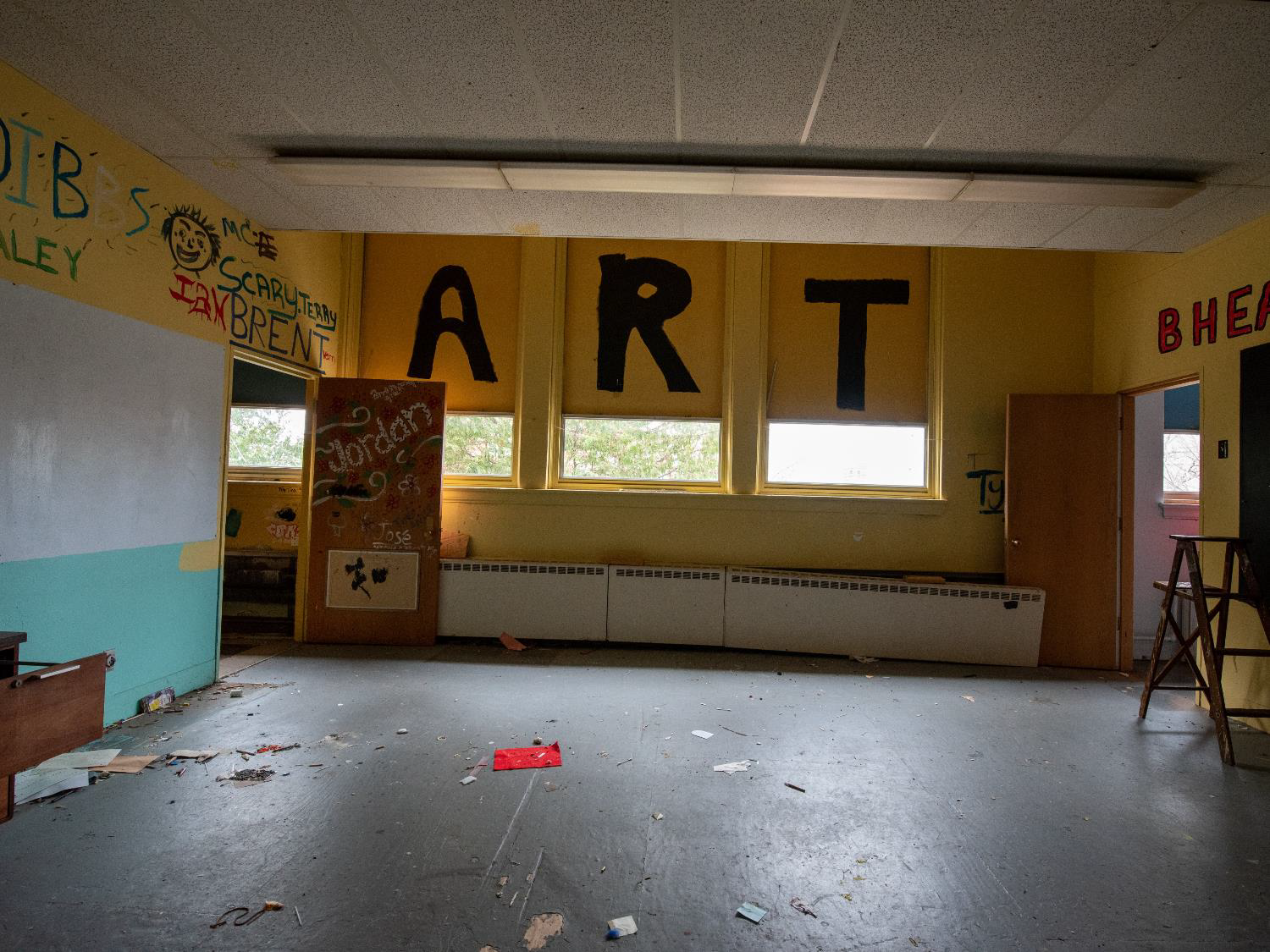
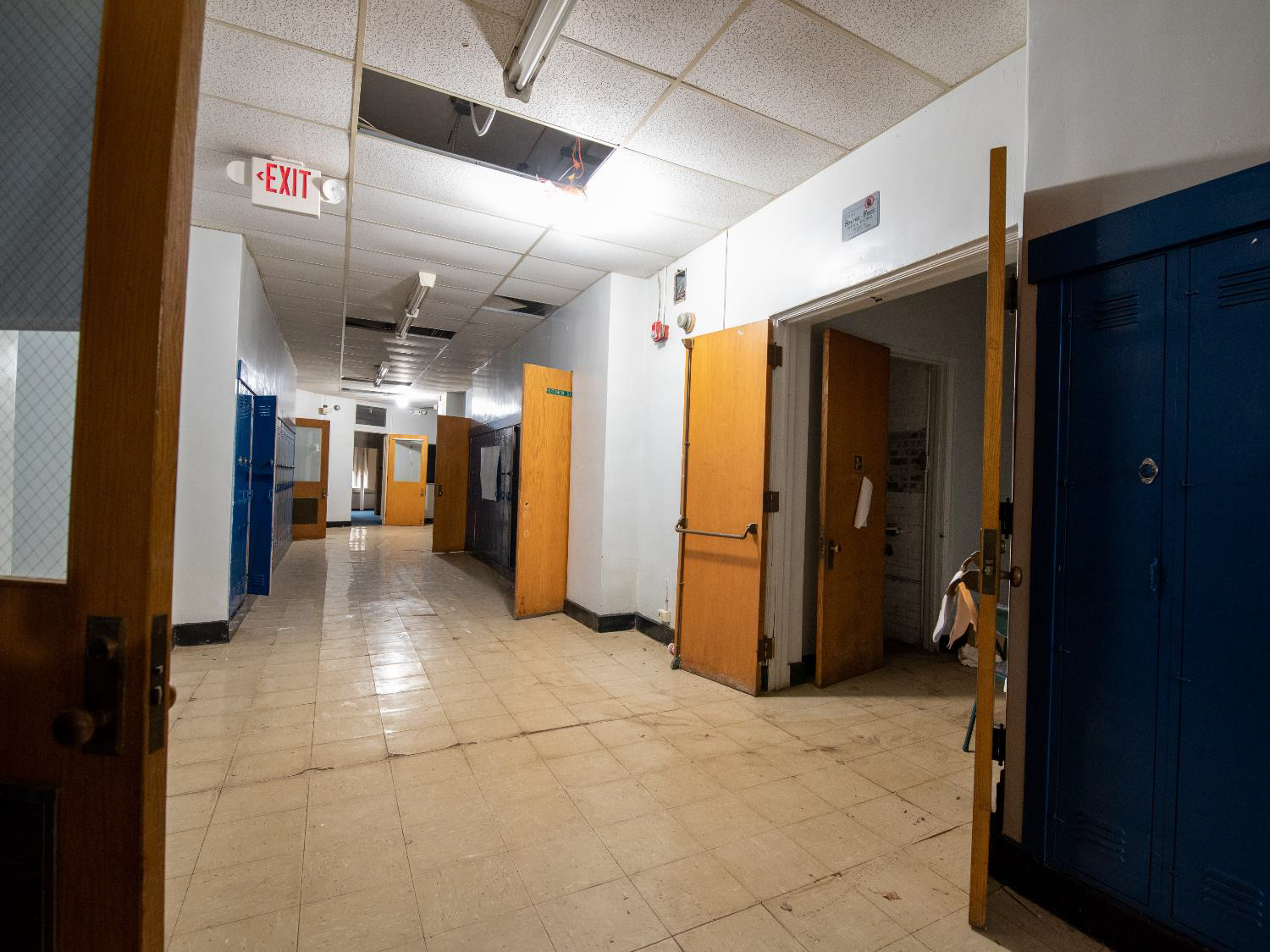
Memorial Junior High School, Prior to Renovation - ThenDesign Architecture

Acquiring Memorial Junior High School

“Back when the Willoughby/Eastlake School system moved their Vocational Tech Center, they had no further need of these two buildings,” explained Mr. Anderson. “As mayor at the time, I knew Willoughby faced a significant challenge.”

When the Willoughby/Eastlake school system had to divest itself of property, they had two options, either put the property, which was in the heart of Willoughby’s downtown up for auction, or transfer it to another government entity.

Knowing this, the School District decided to transfer two vacant properties to the City of Willoughby who then appraised the properties and took proposals from developers for both Buildings A and B, while retaining the property which is now Wes Point Park. ThenDesign Architecture purchased the site known as “Building B” to renovate and relocate their offices to.

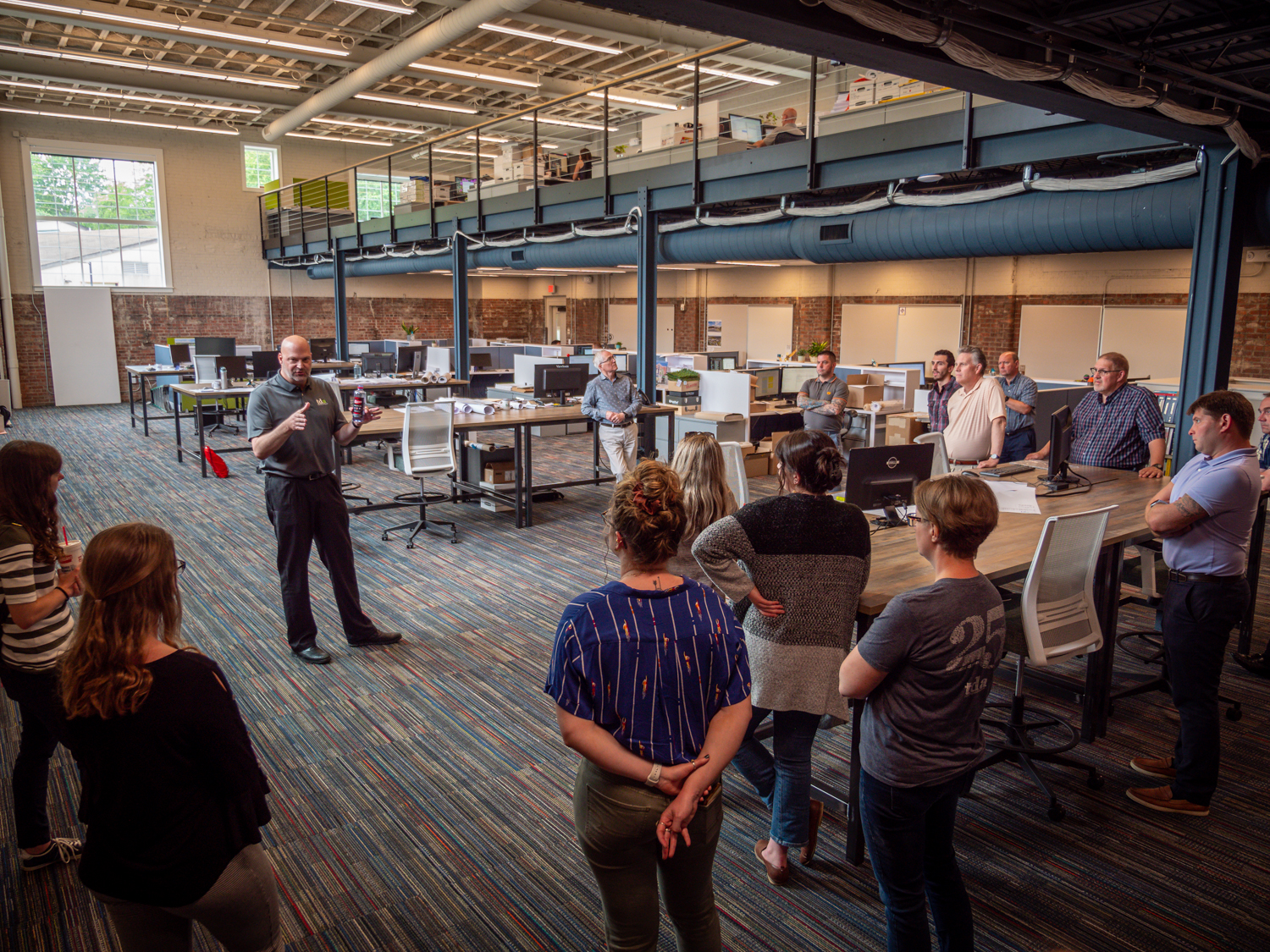
Since then, the building has become a hub of architectural activity, designed for project work and group collaboration, it includes flexible areas for team meetings and other creative work.

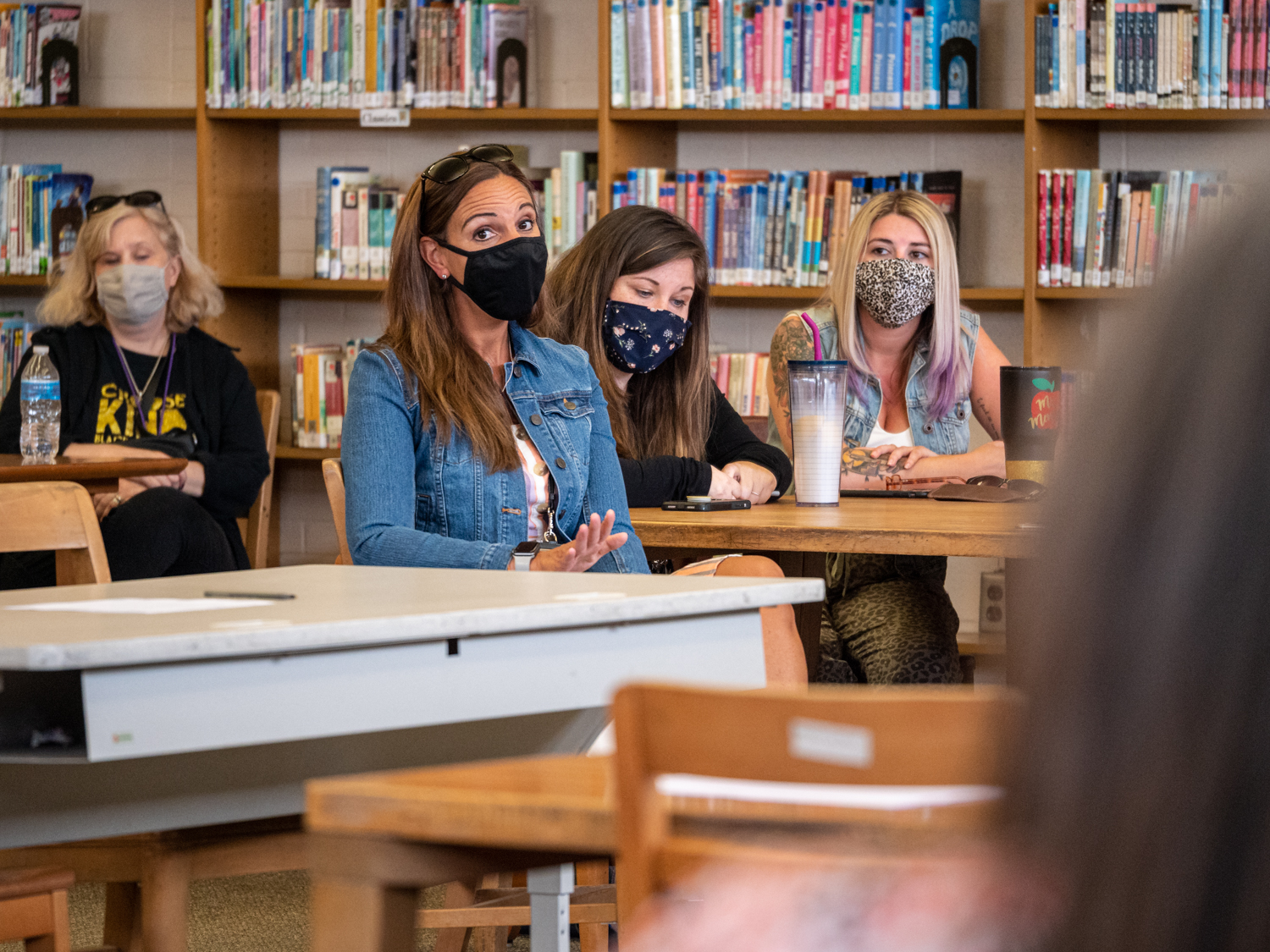
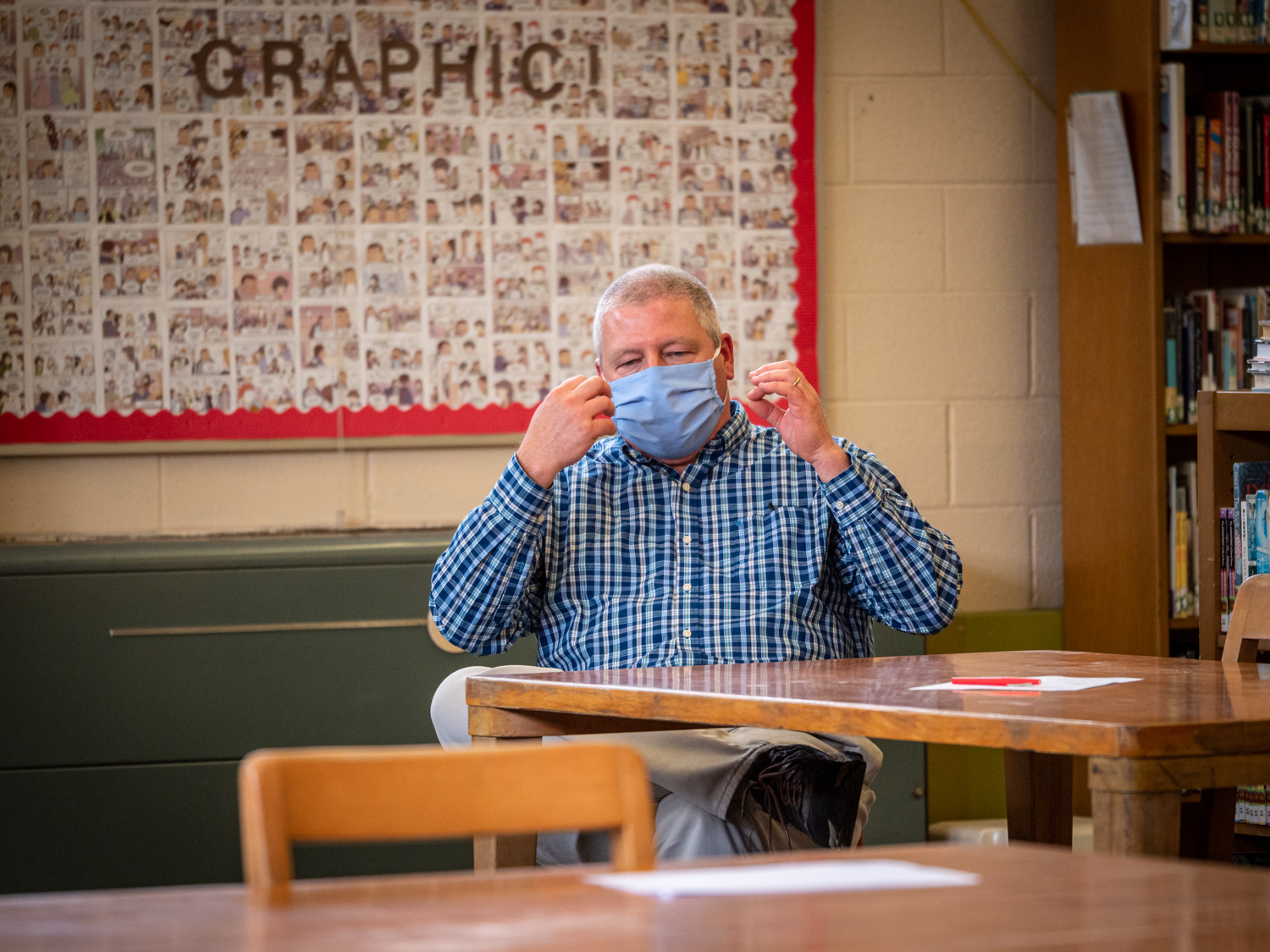
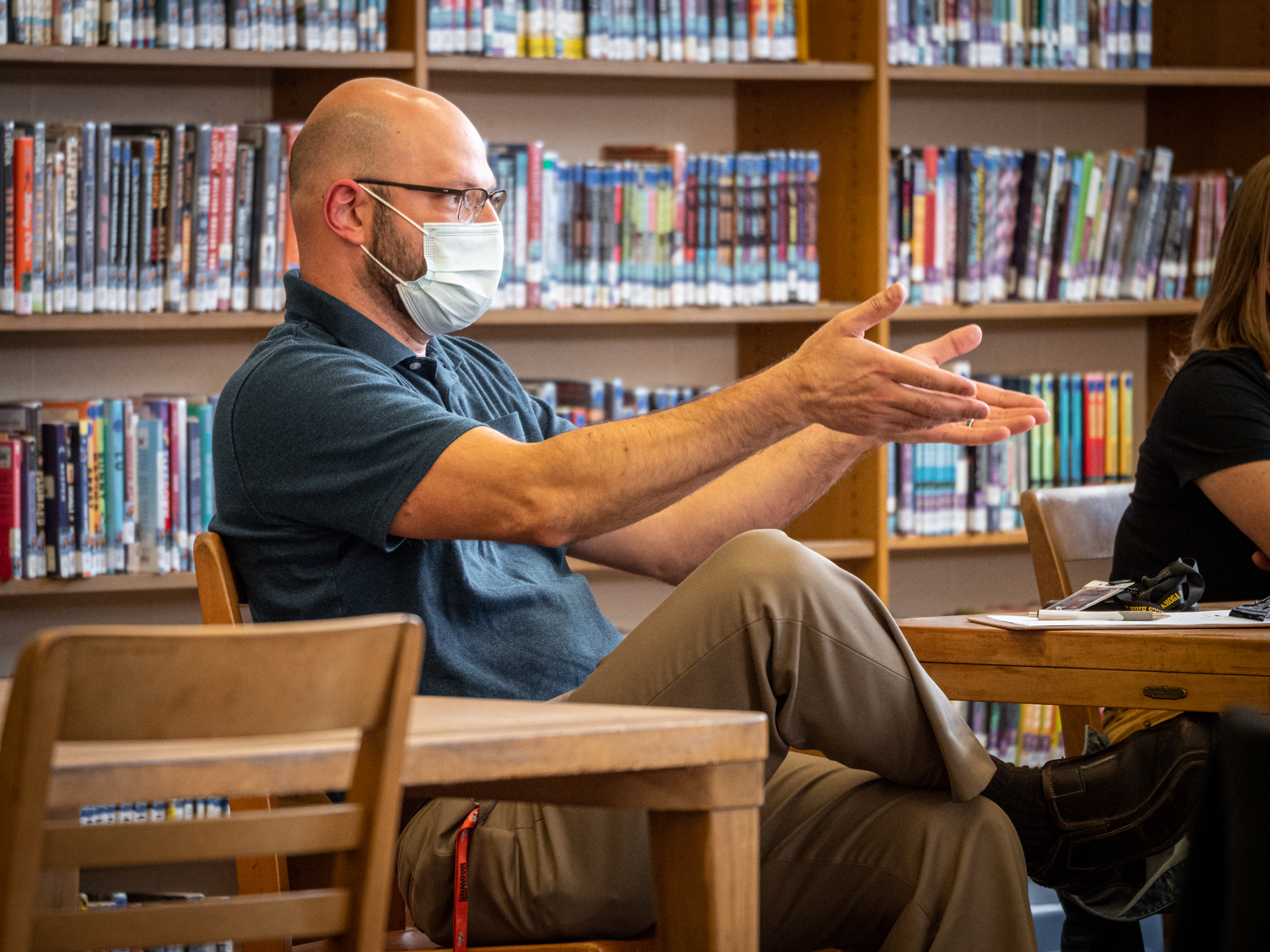
"Welcome Back" Staff Event - ThenDesign Architecture

"It’s an awesome day here for all of us at TDA."
Chris Smith
President and CEO of ThenDesign Architecture

ThenDesign Welcomes Staff Back to the New Relocated Office

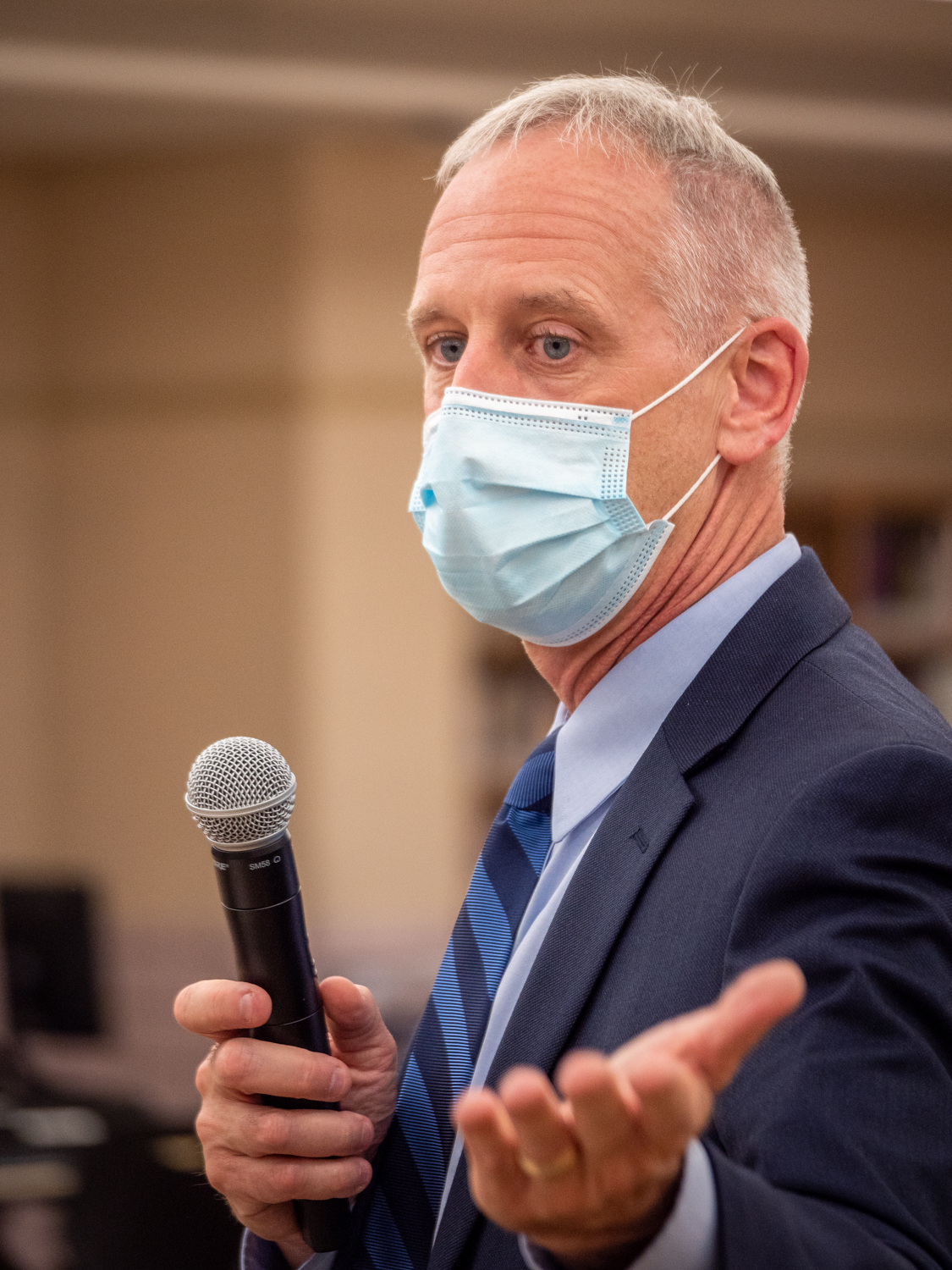
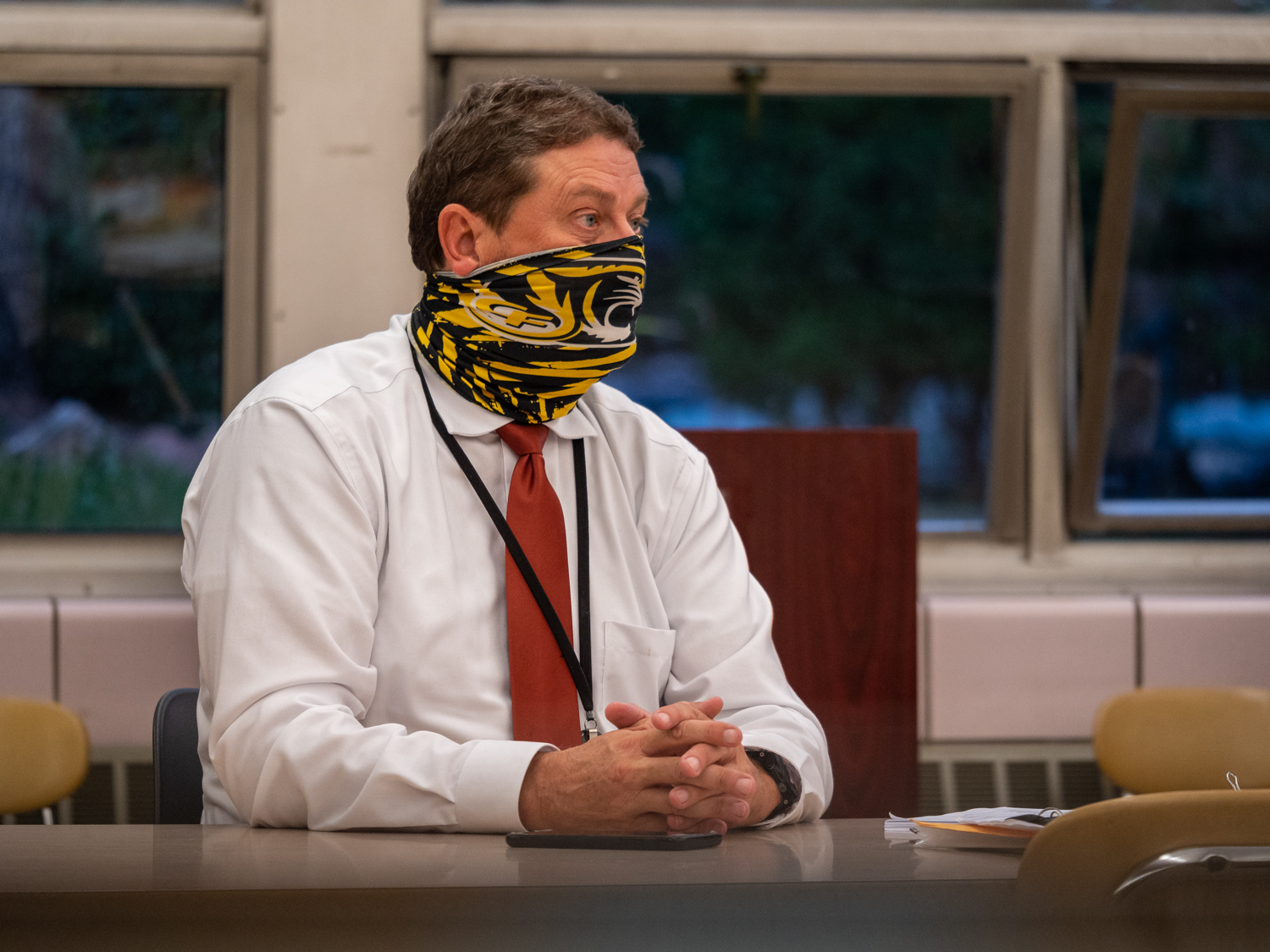
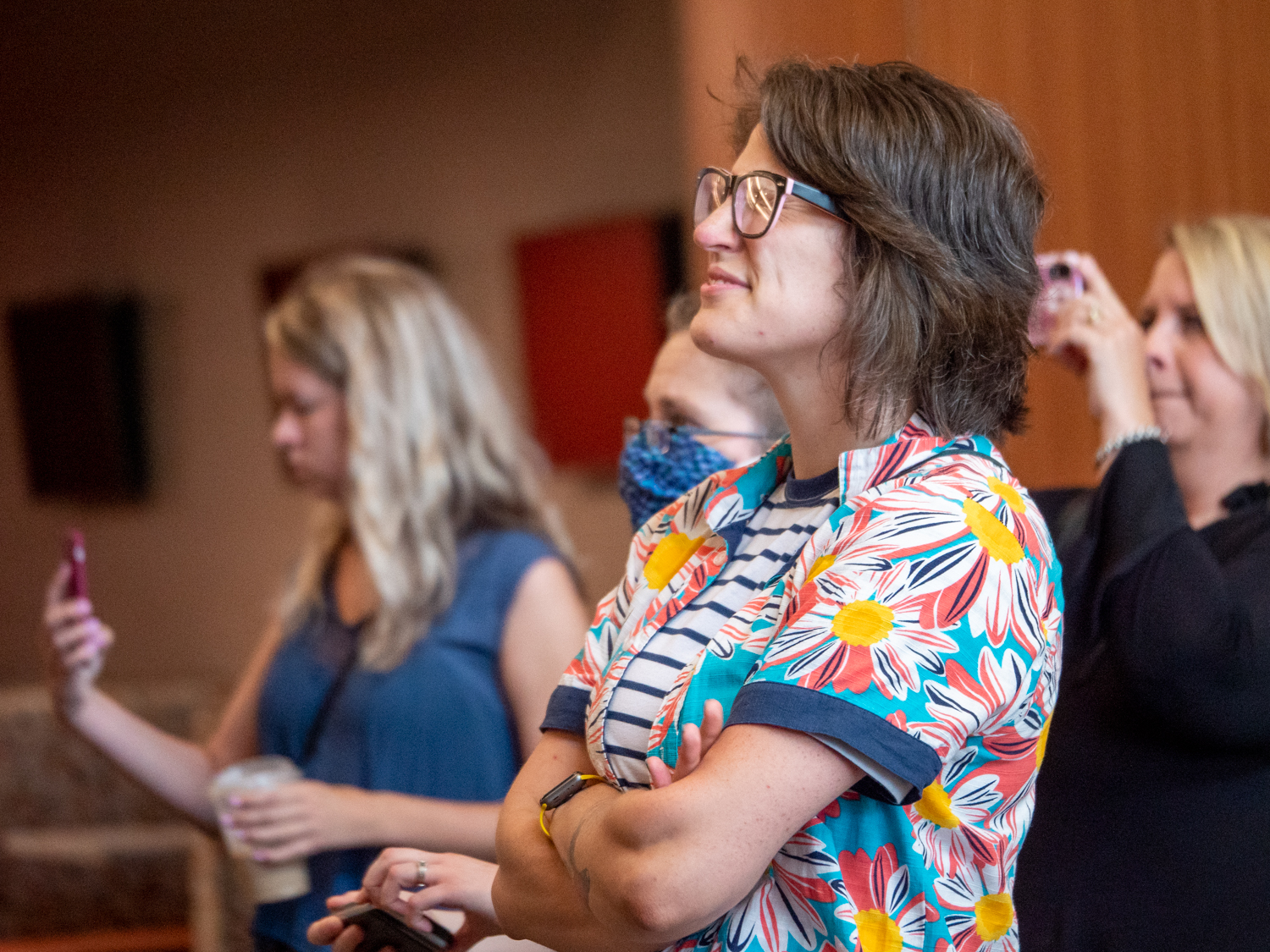
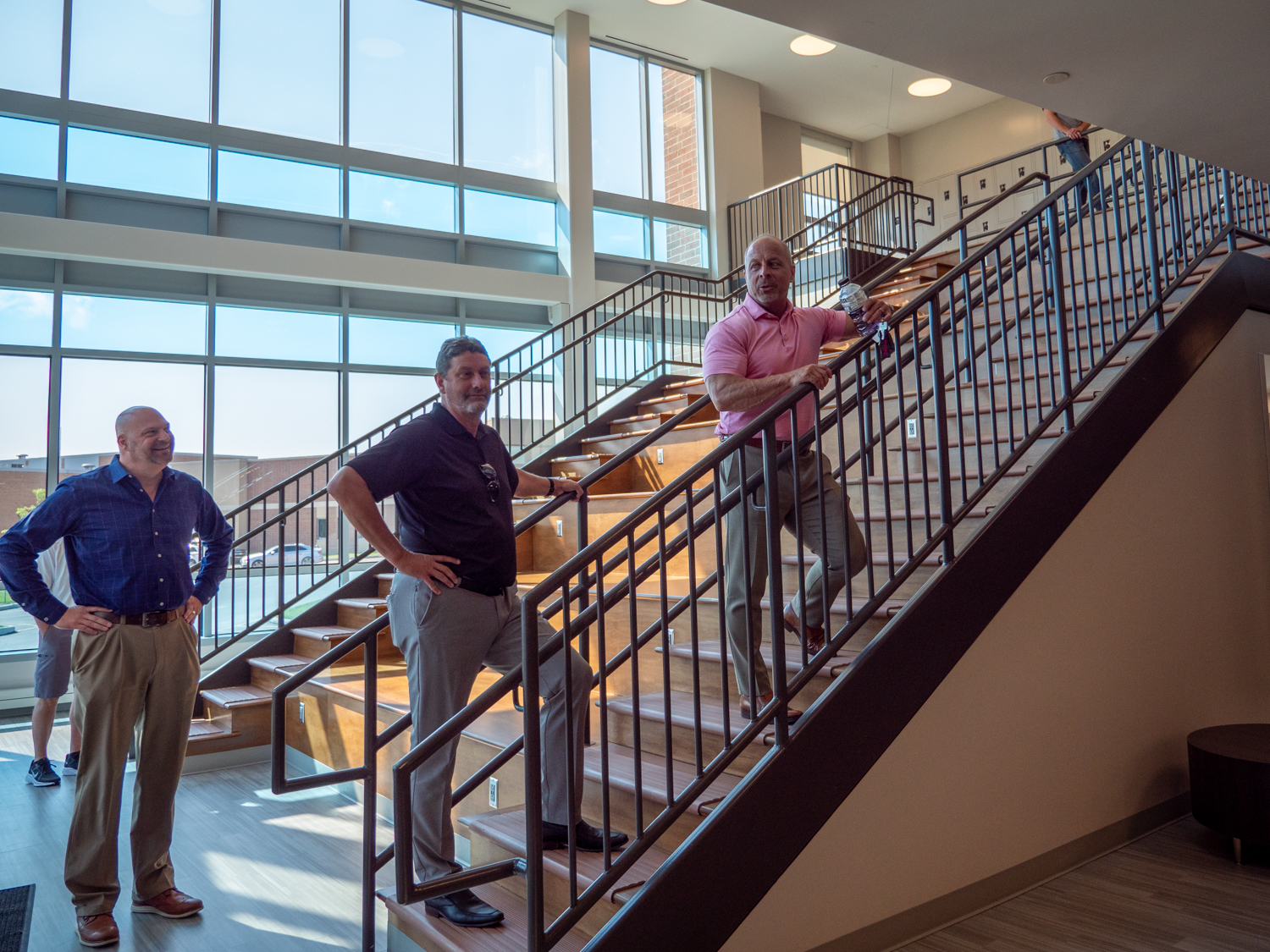
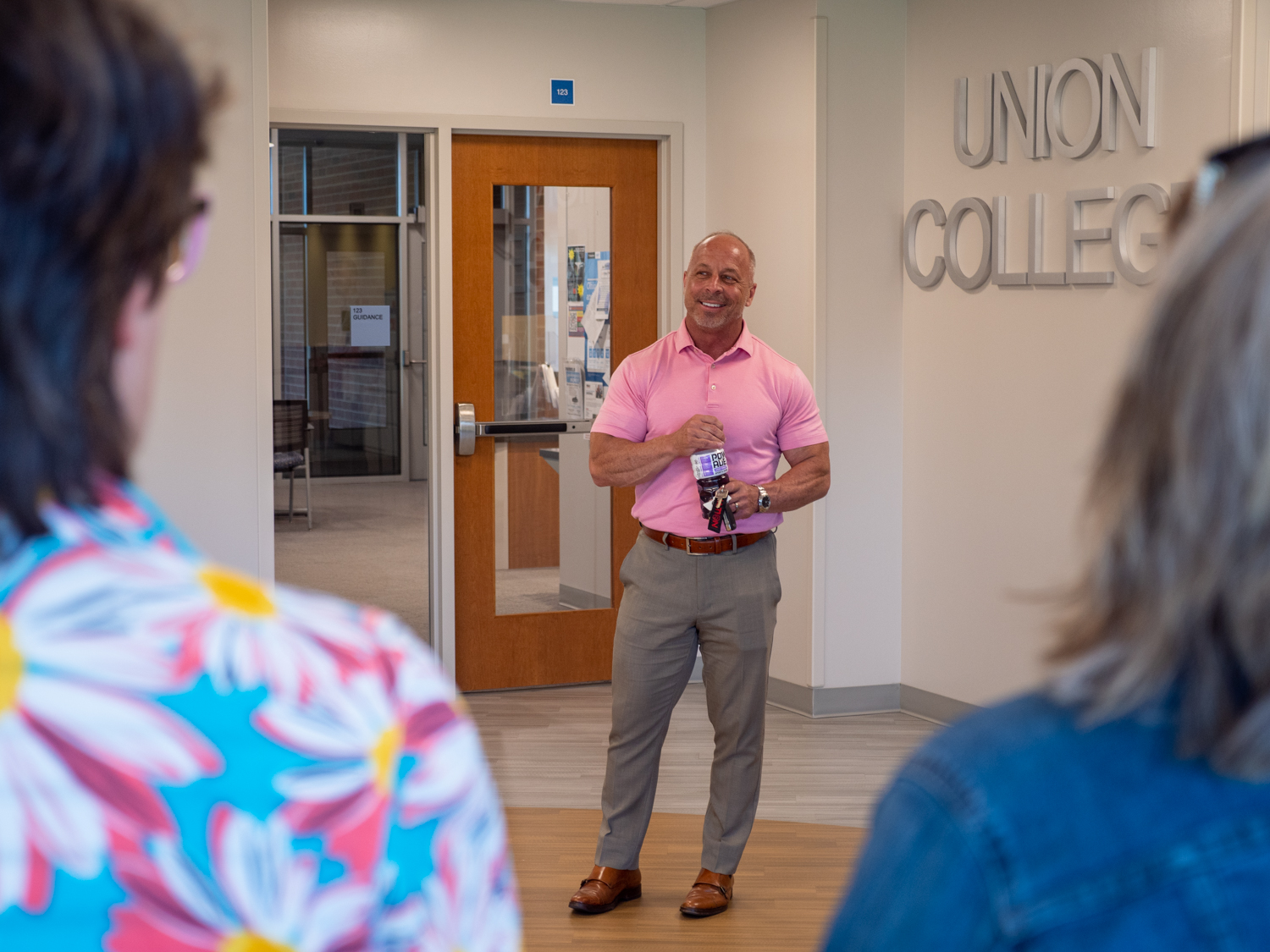
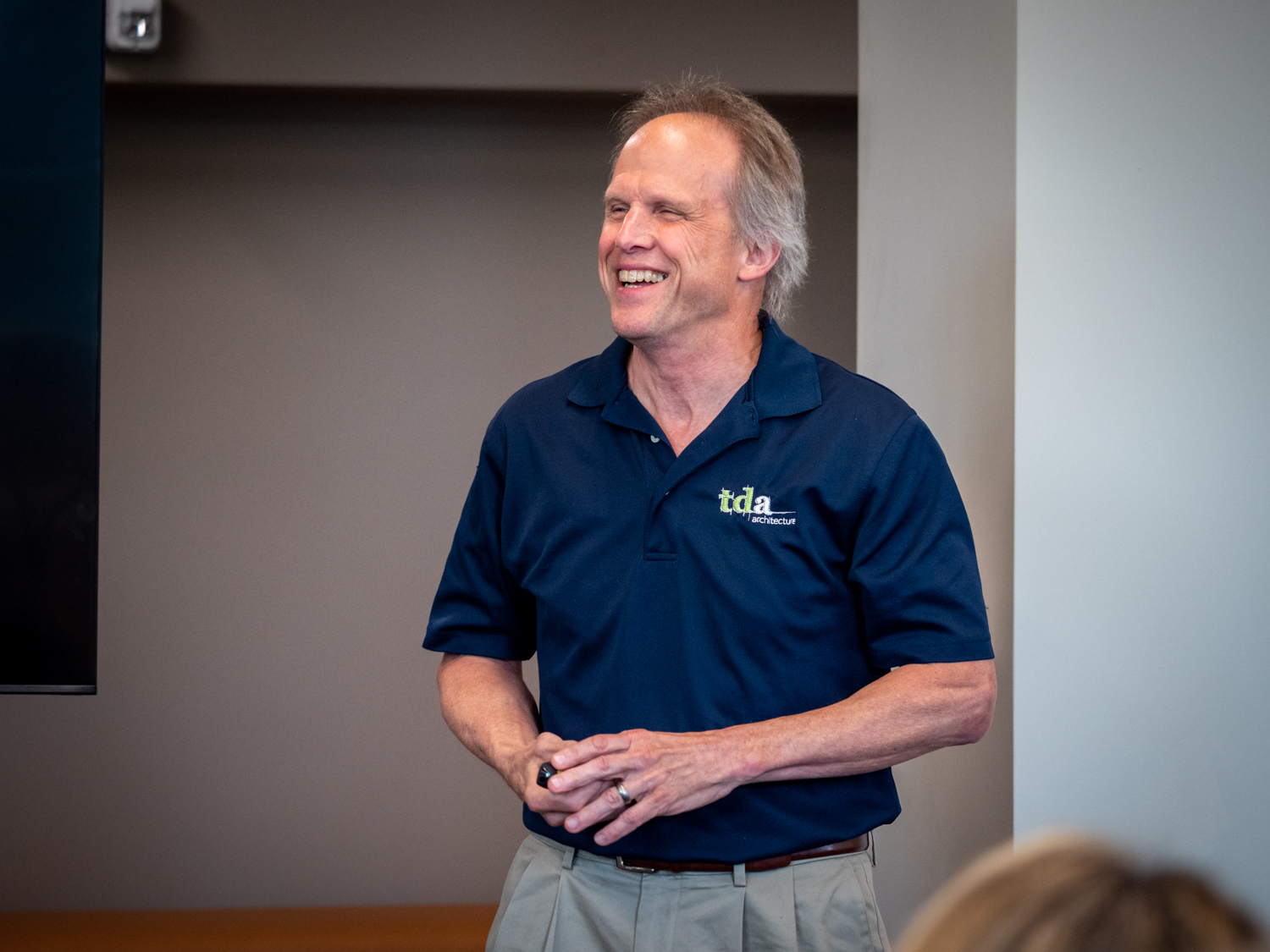
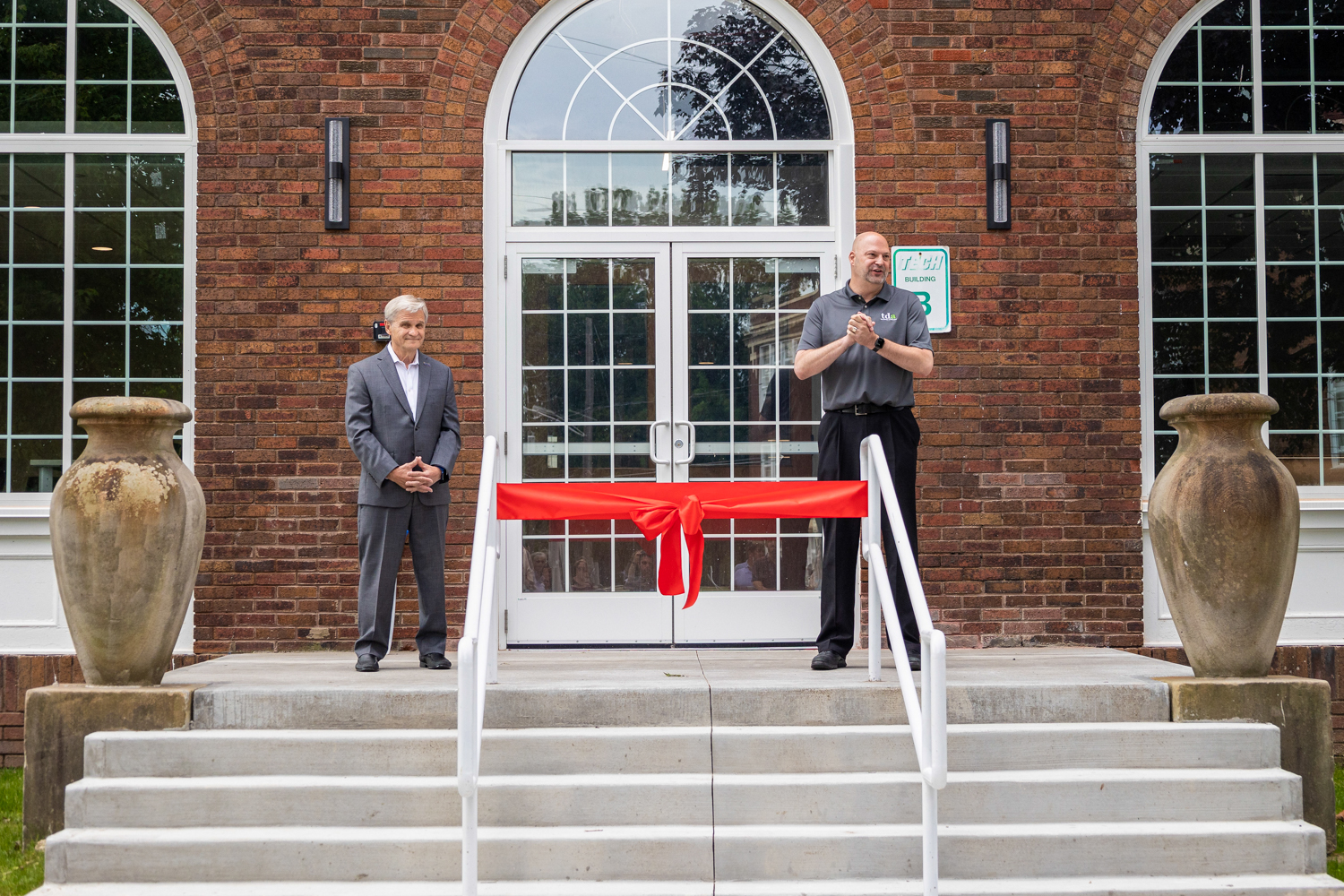
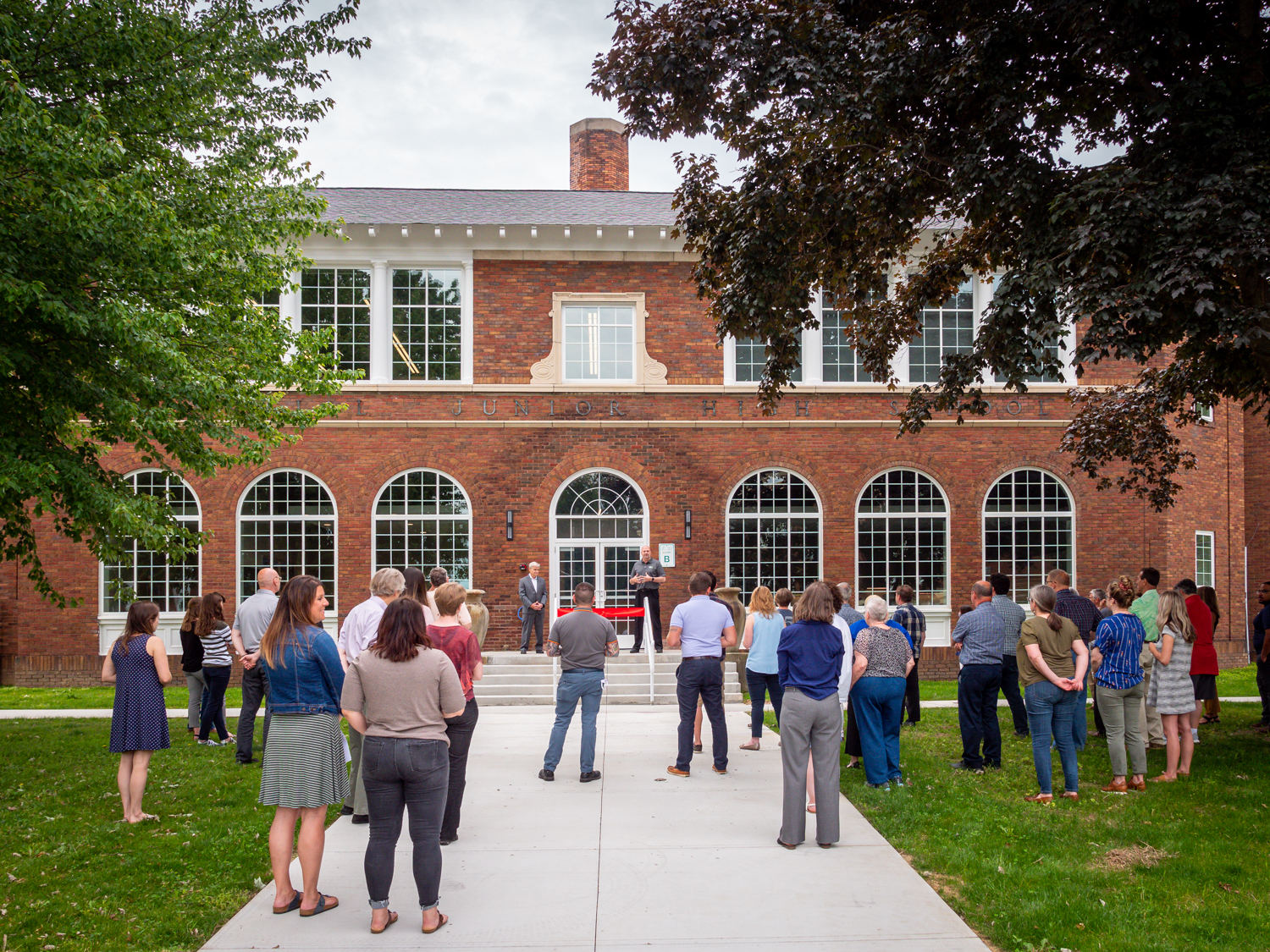
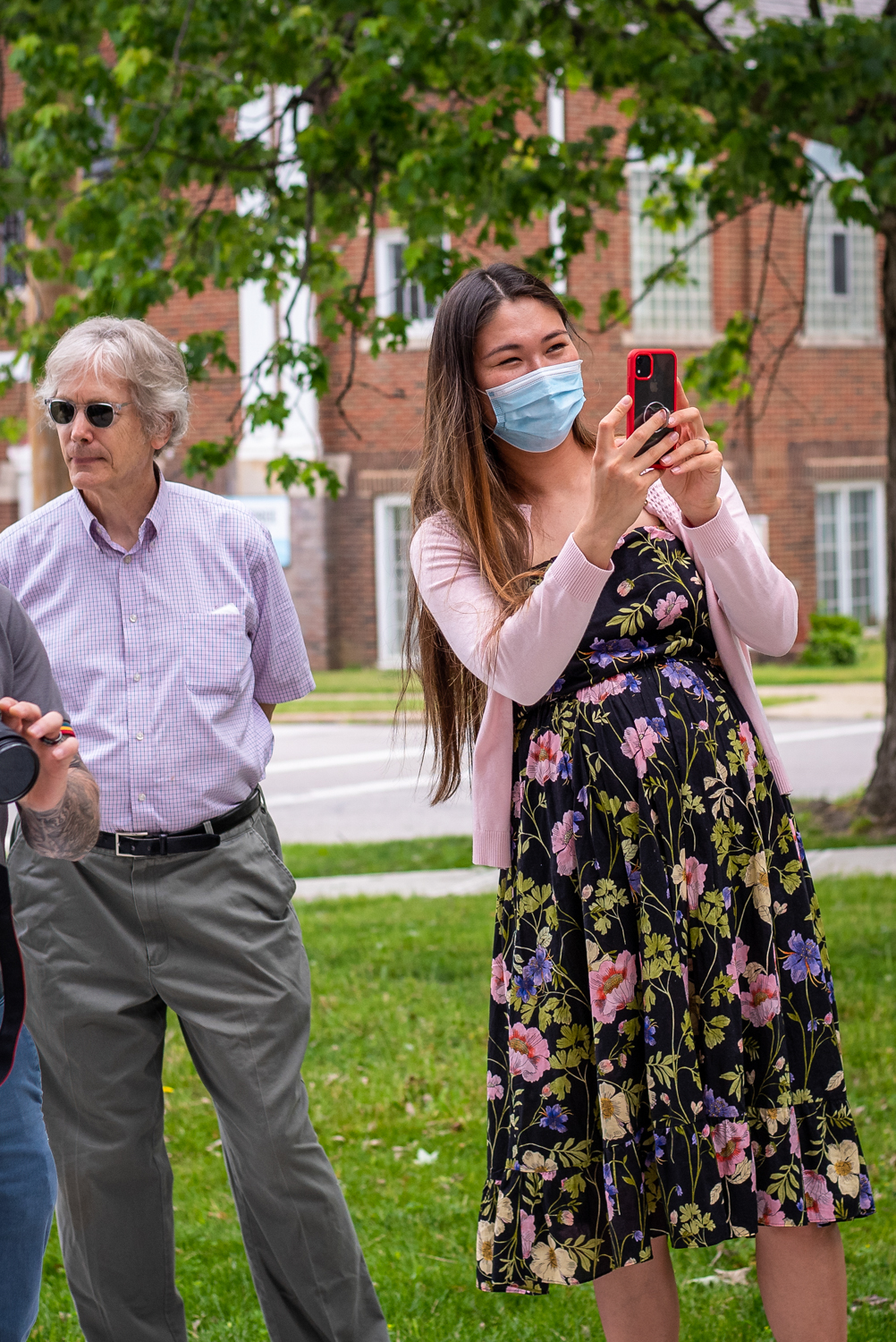
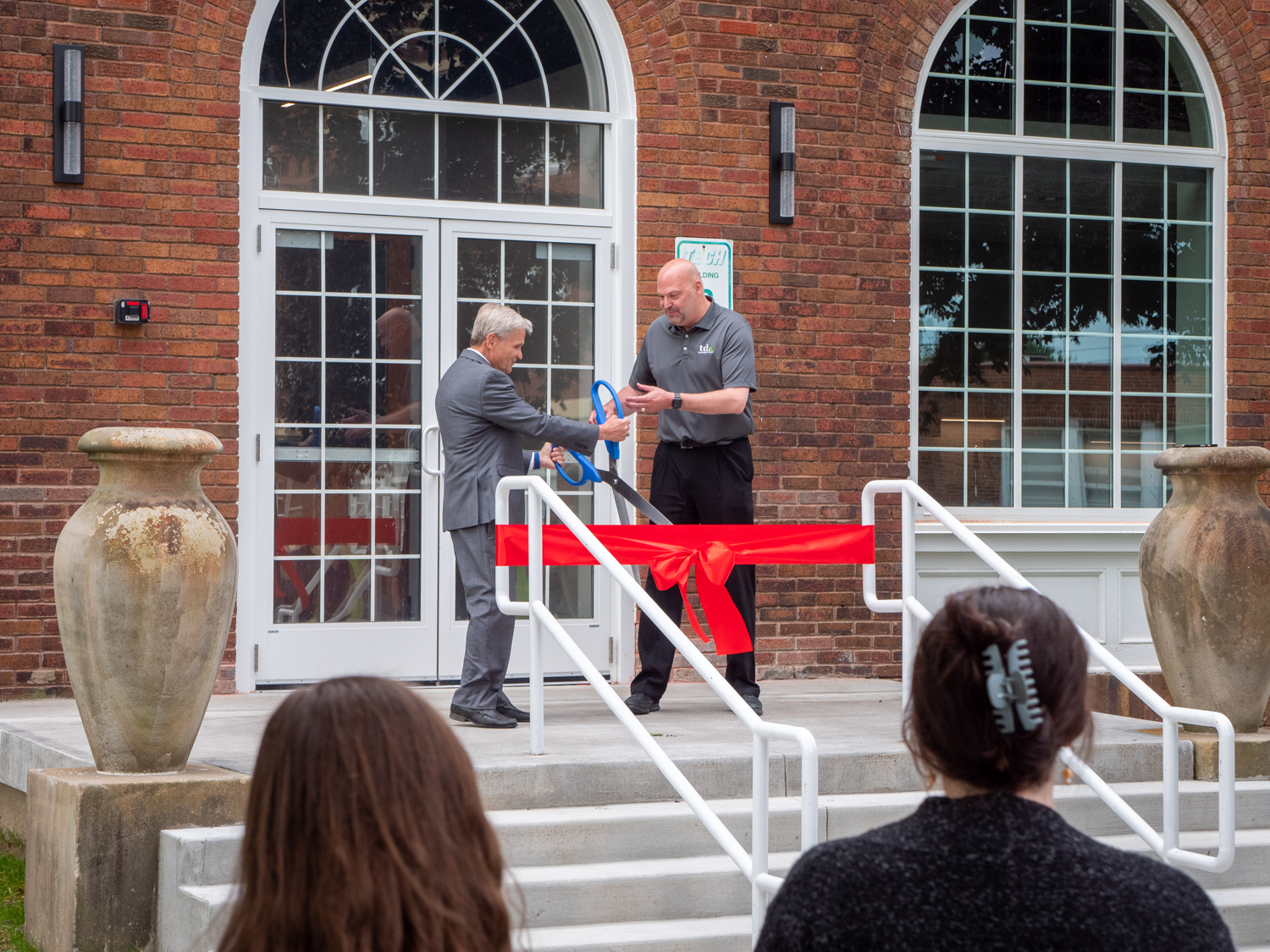
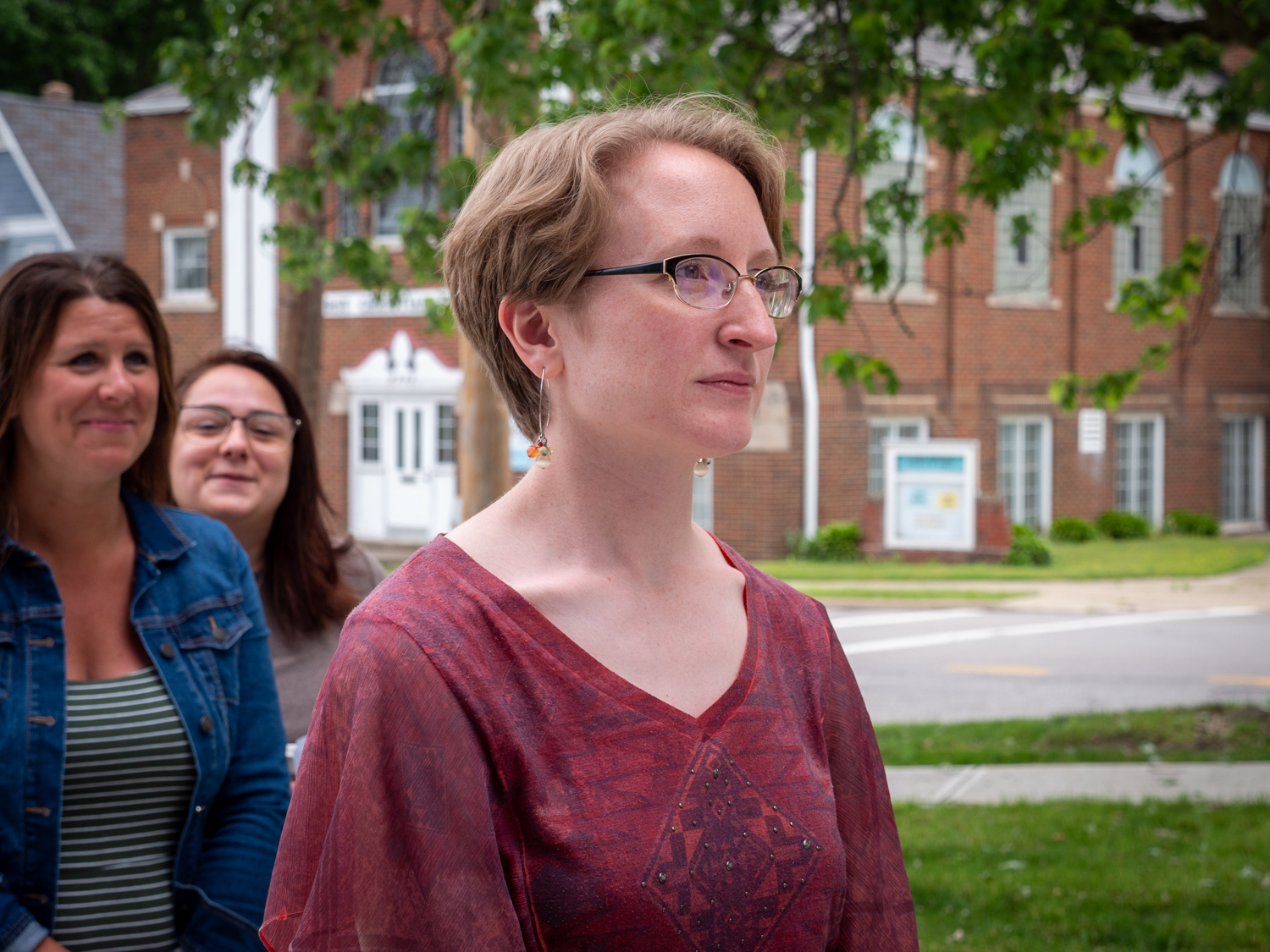
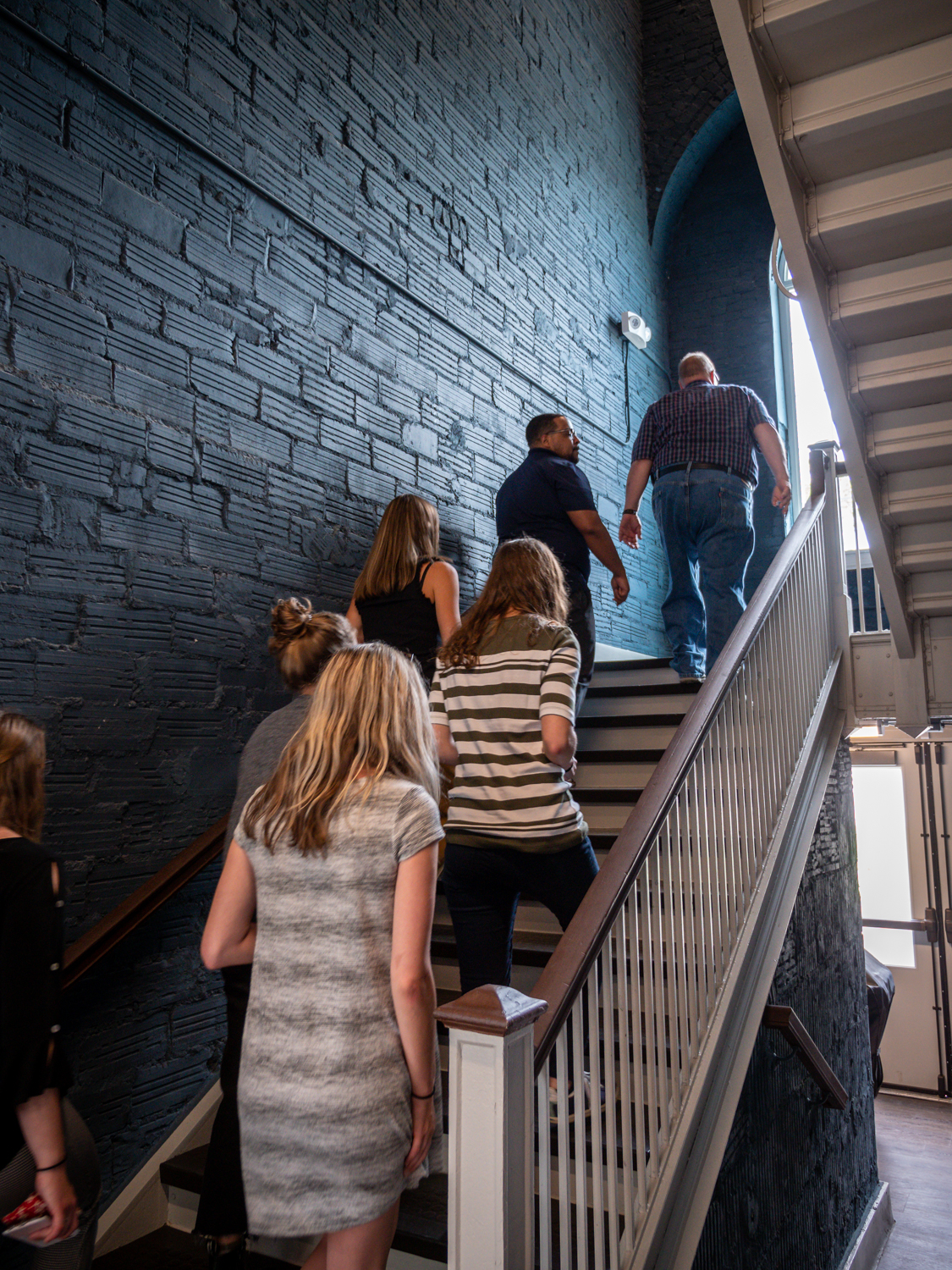
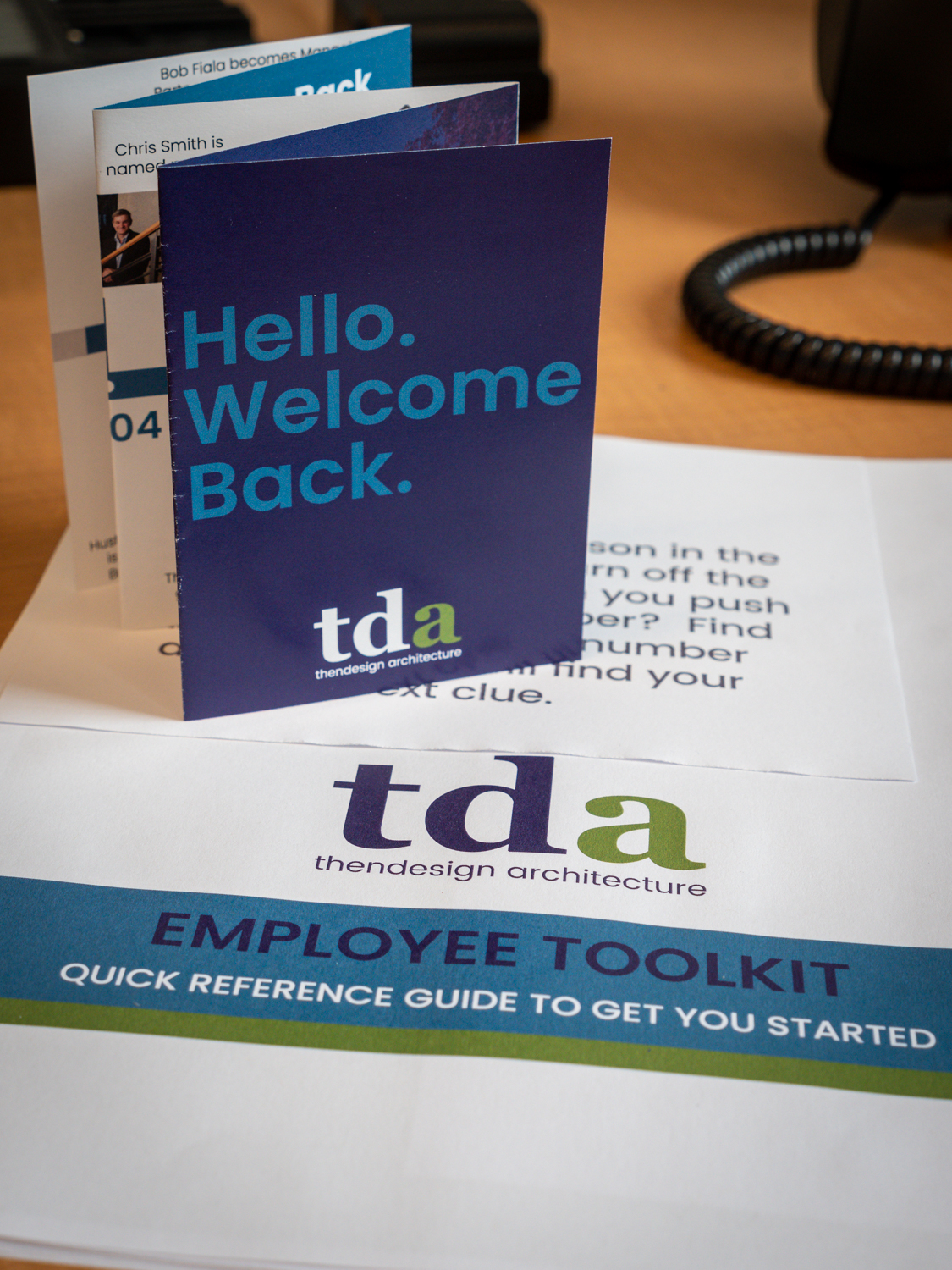
In early June 2021, the building was officially opened, and administrative and architectural staff were welcomed back after 16 months of remote work during the Covid-19 pandemic. Both Chris Smith and Bob Fiala participated in a ceremonial ribbon cutting and activities at this “Welcome Back” event.
Speaking at the Ribbon Cutting, Chris addressed the staff, “It’s an awesome day here for all of us at TDA. This whole idea and concept was Bob’s idea. And I don’t think there’s anybody more committed to their community, that I know of. This is both gratifying for him, not only as a new home TDA, but also, as a major reinvestment in our community.”

Understanding the significance of this building in the local community, ThenDesign Architecture looks forward to hosting a community focused “Ribbon Cutting Event.” This is tentatively planned for the end of 2021 and all of those who are interested in seeing the finished space, are encouraged to see the reimagined Memorial Junior High School.

In the meantime, we would love to hear from you. If you are an alumni and have memories from the space, we would love to hear about your experiences.

Mayor Fiala recognized the challenges of both the construction project and the stresses of remote work during the Covid-19 pandemic but looks forward to what will be done at the new office. “There is nothing more valuable than seeing everybody together in the same building at the same time. This is where true collaboration begins, and where it exists.”

Let’s work together to make education better. Interested in speaking with us? Get in touch!

New Cuyahoga Falls 6-12 Campus – Meet the Architect & Construction Manager

New Cuyahoga Falls 6-12 Campus - Meet the Architect & Construction Manager
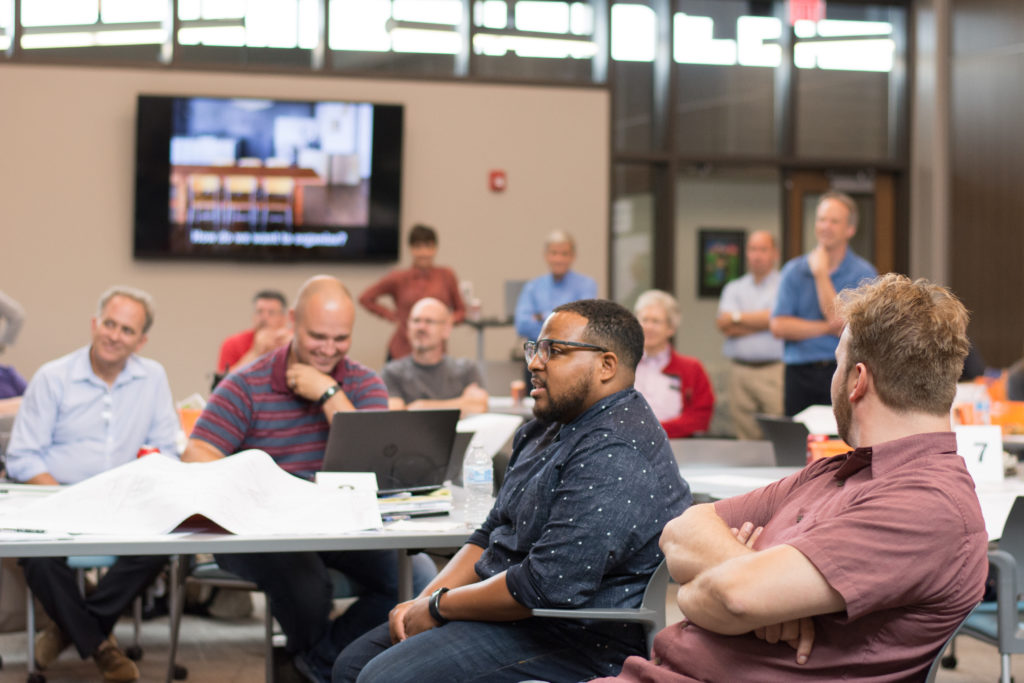
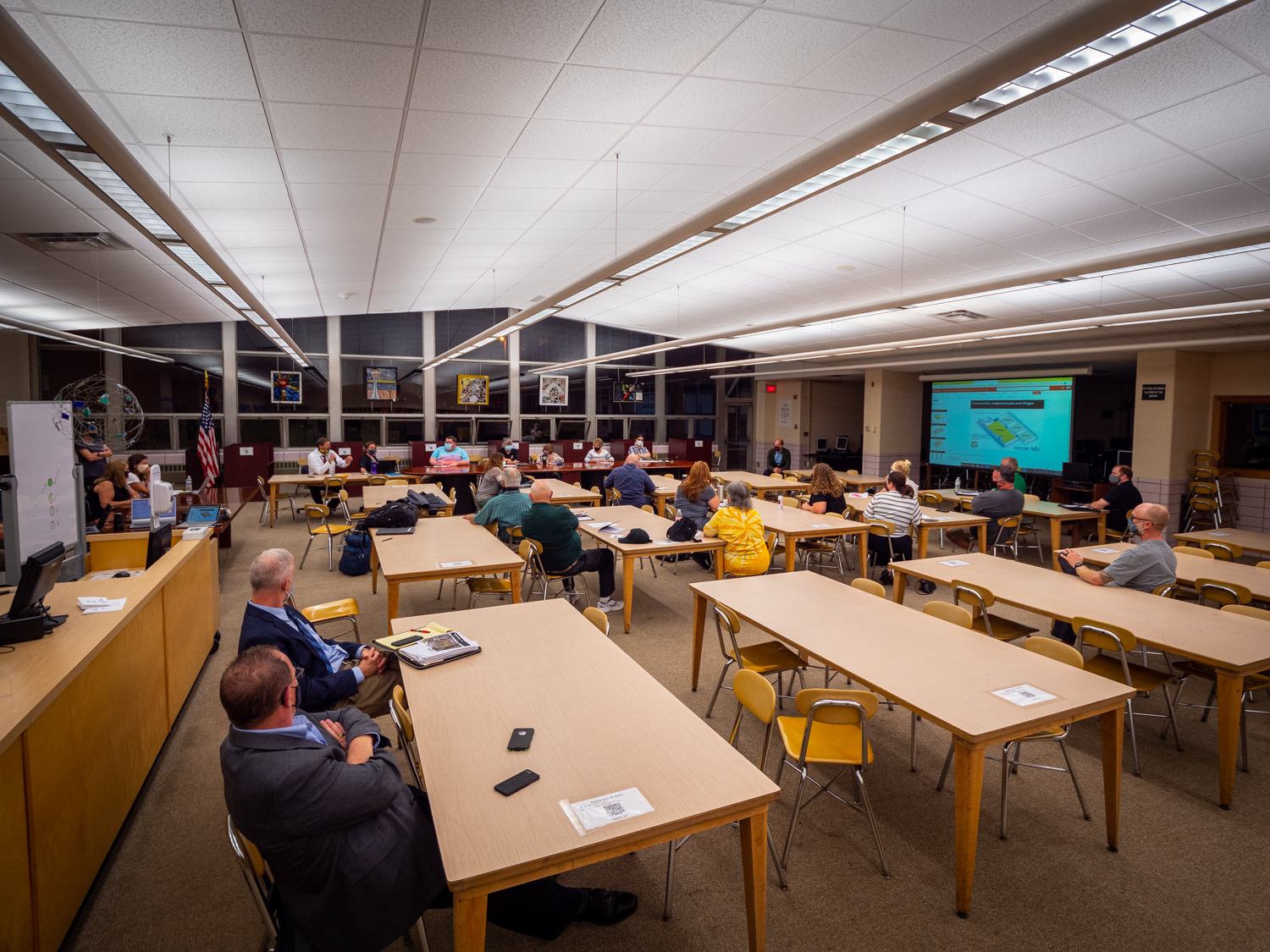
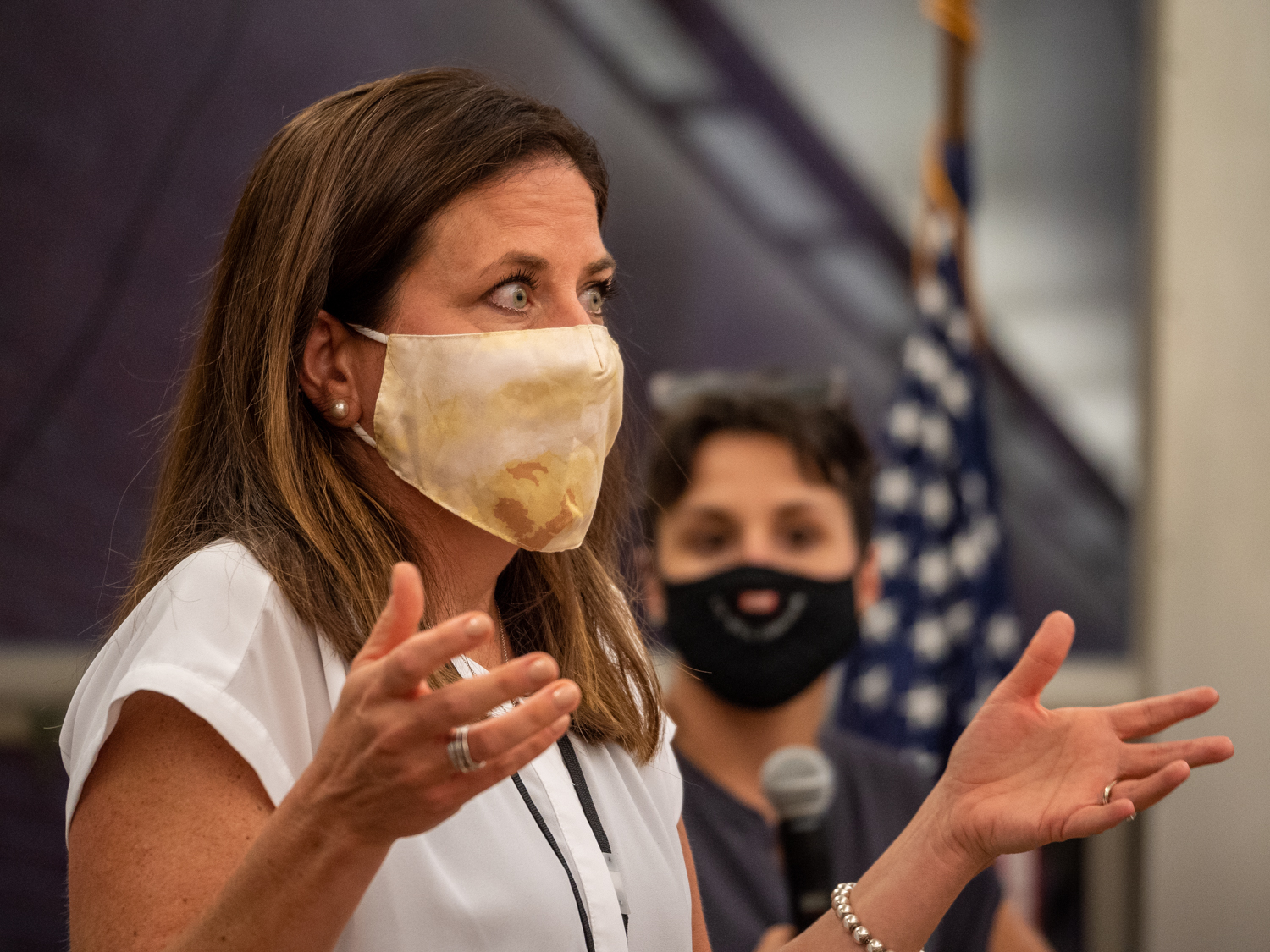
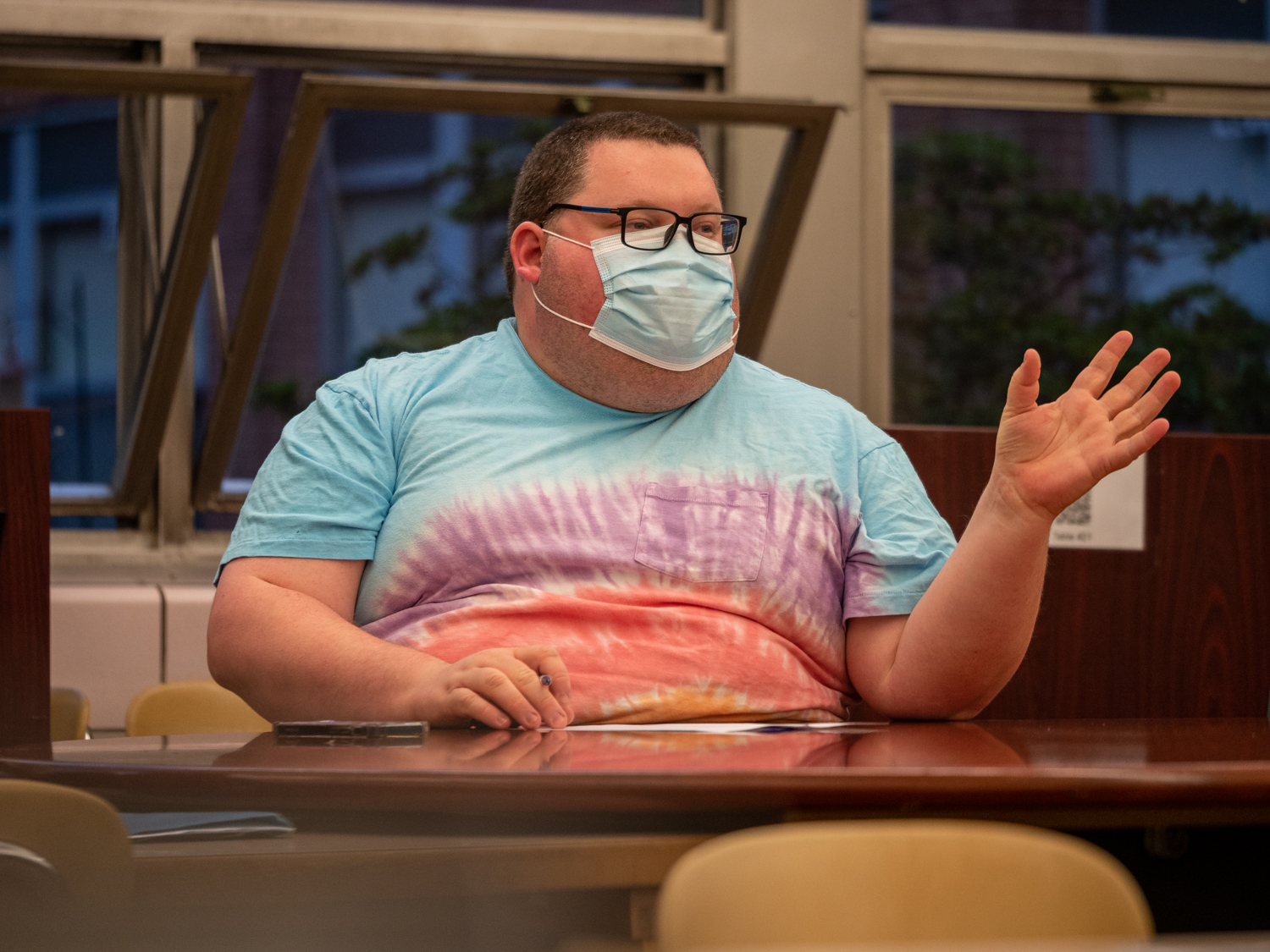
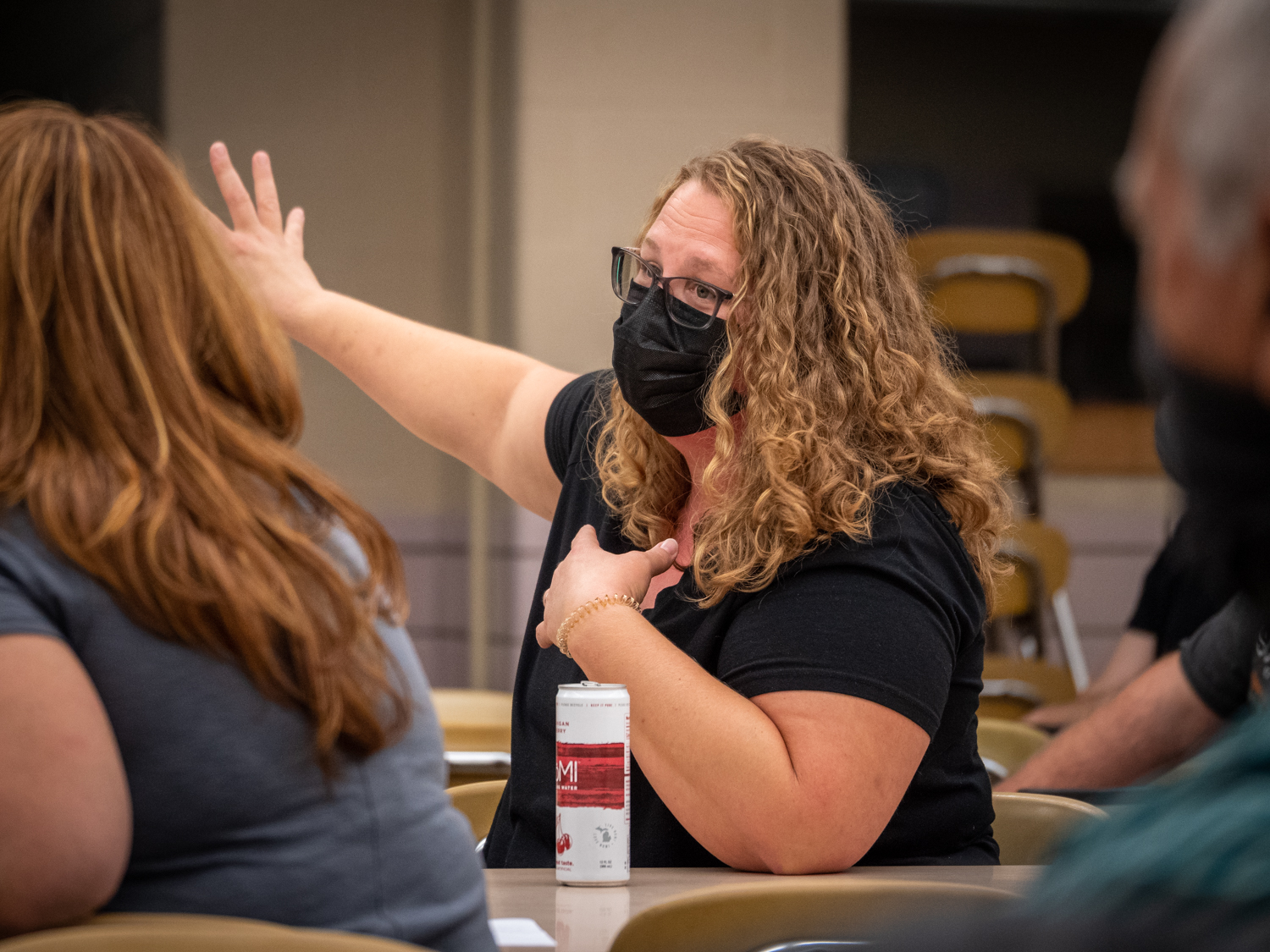
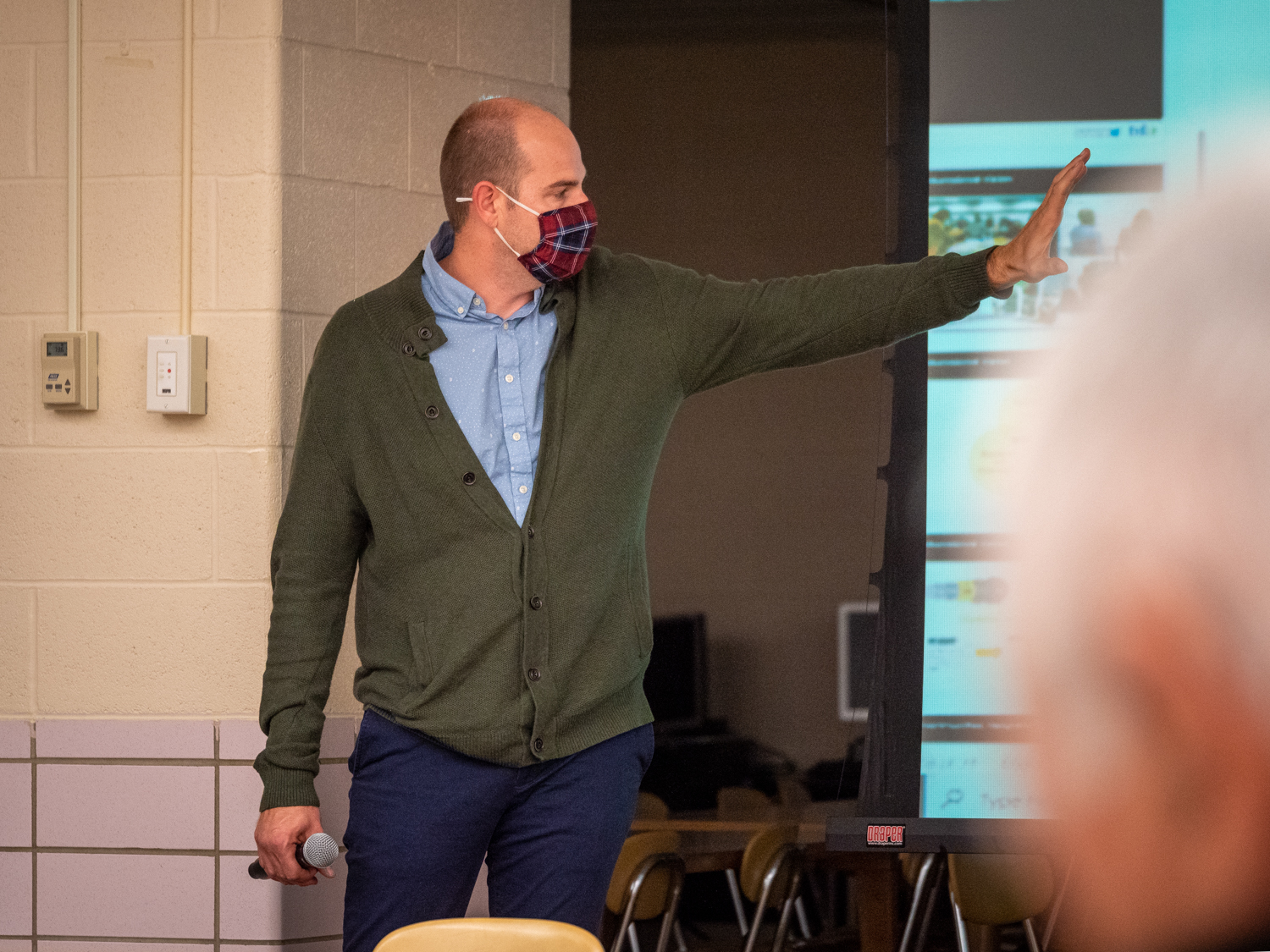
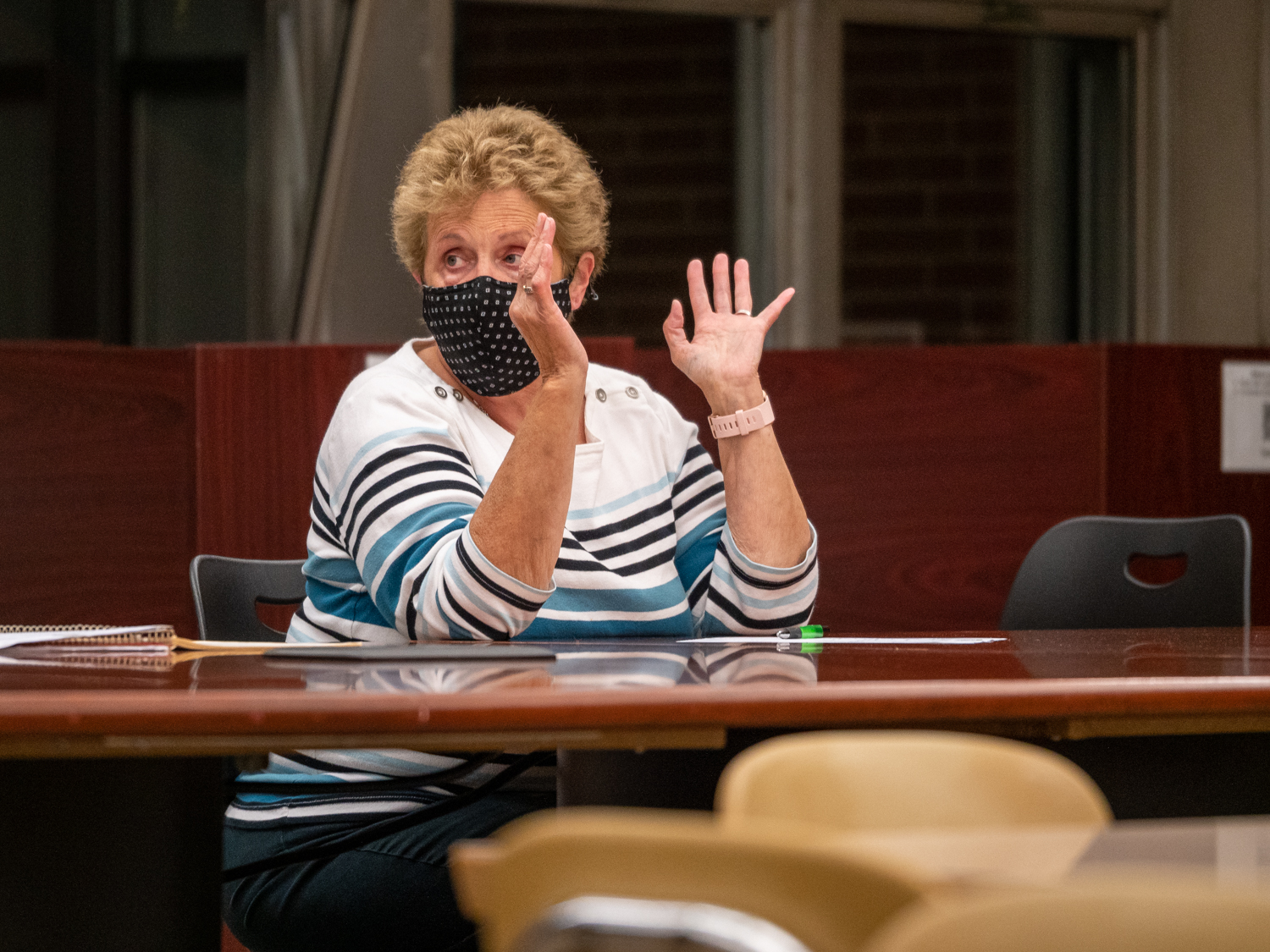
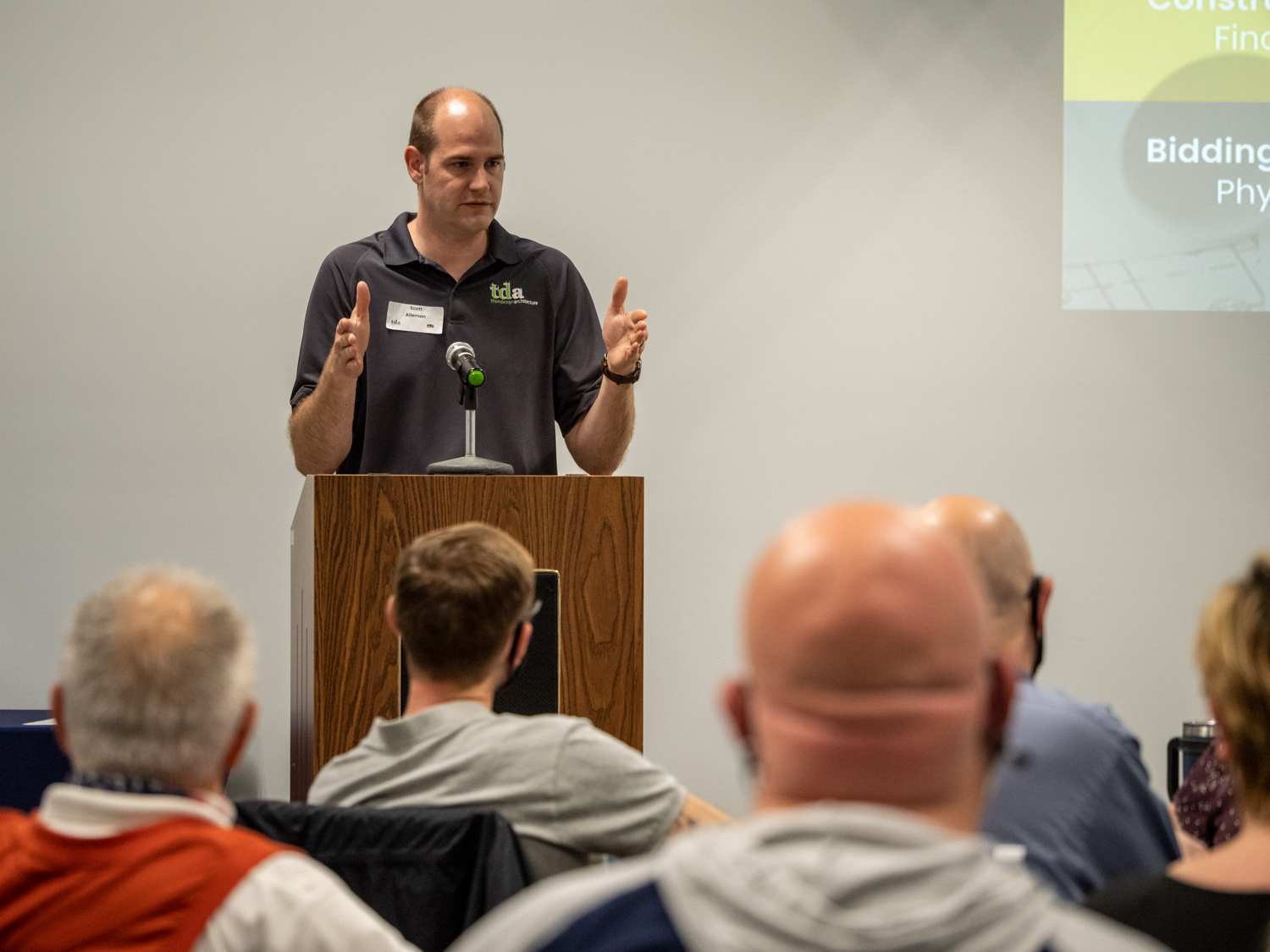
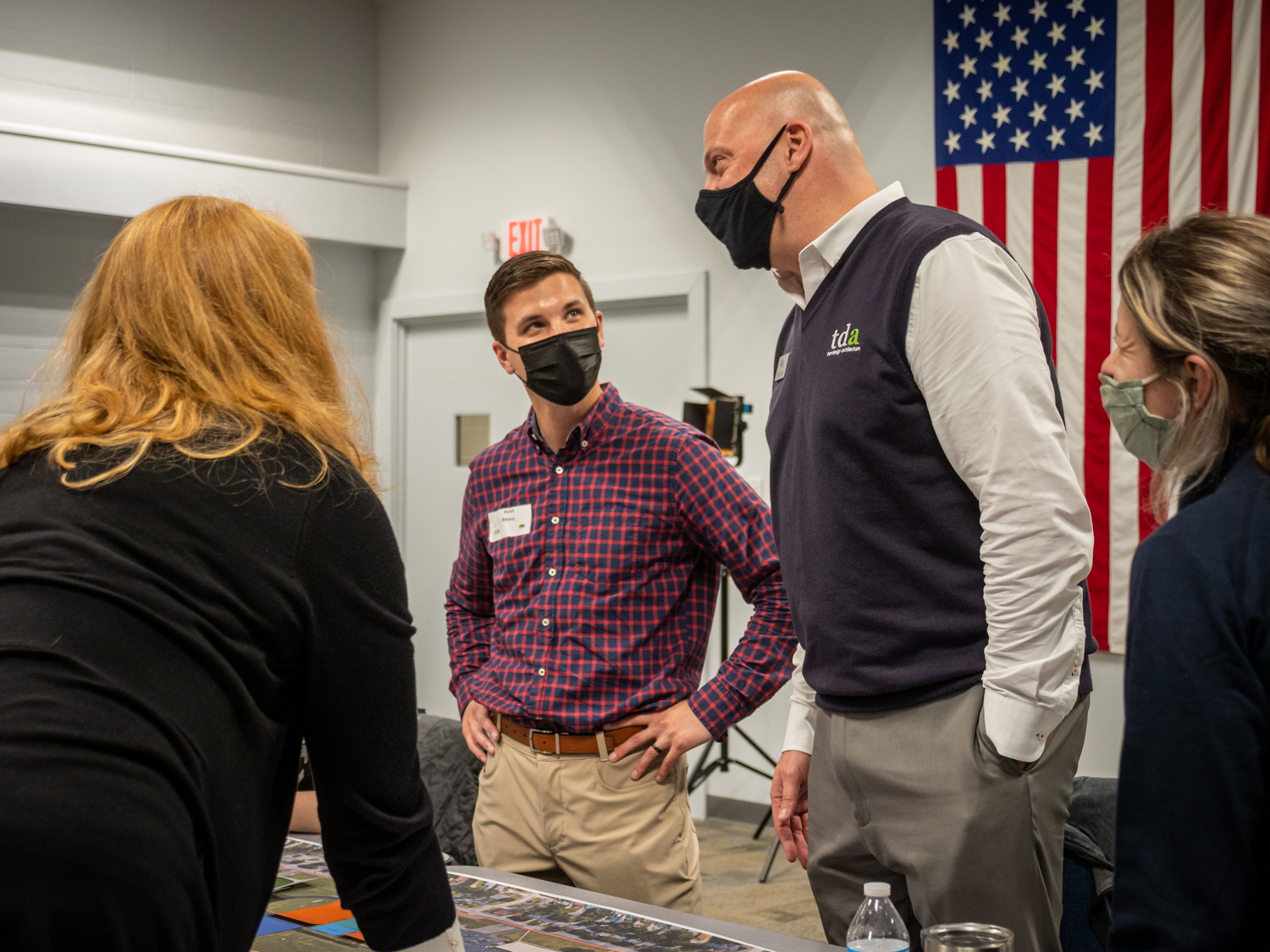
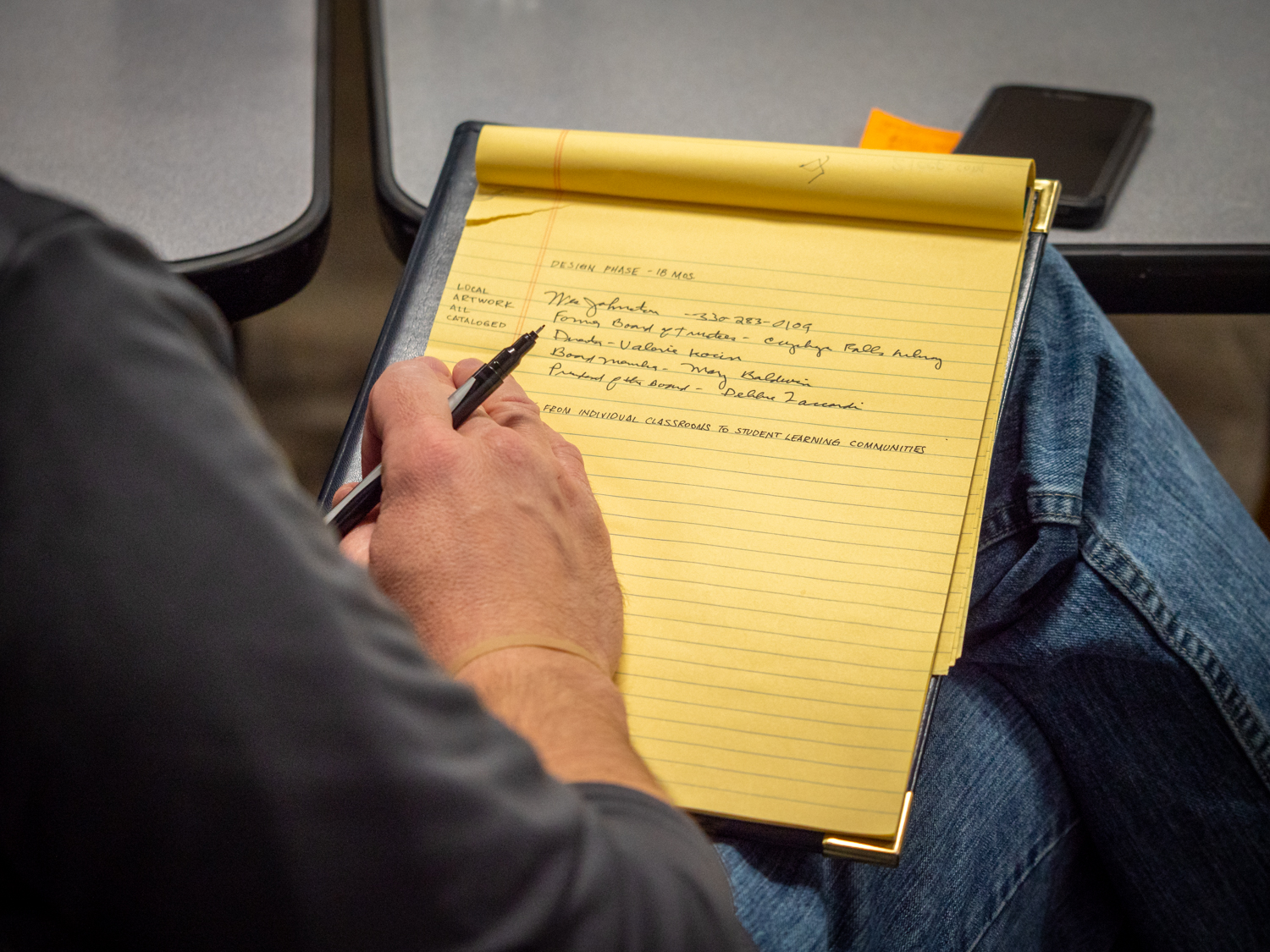
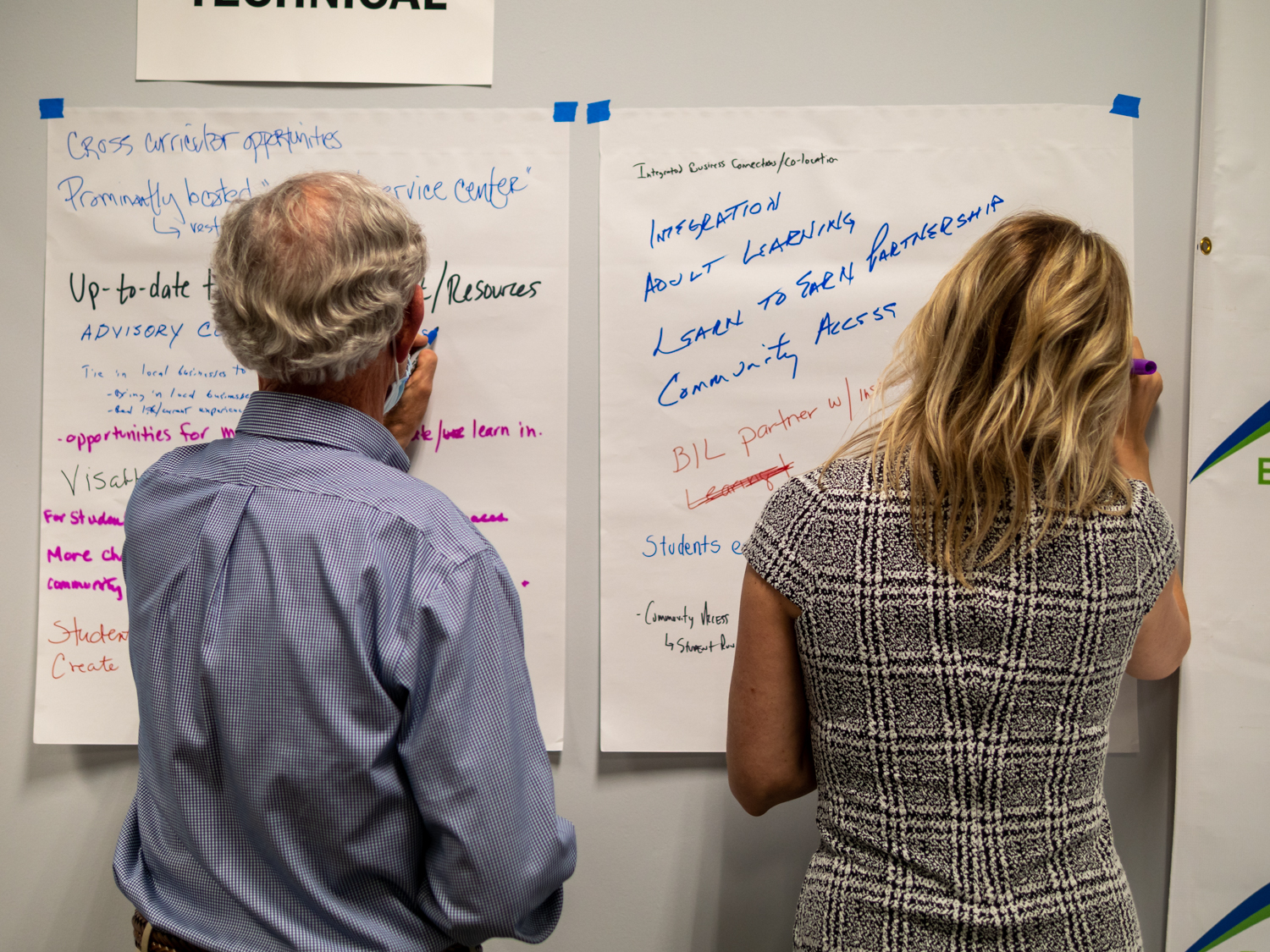
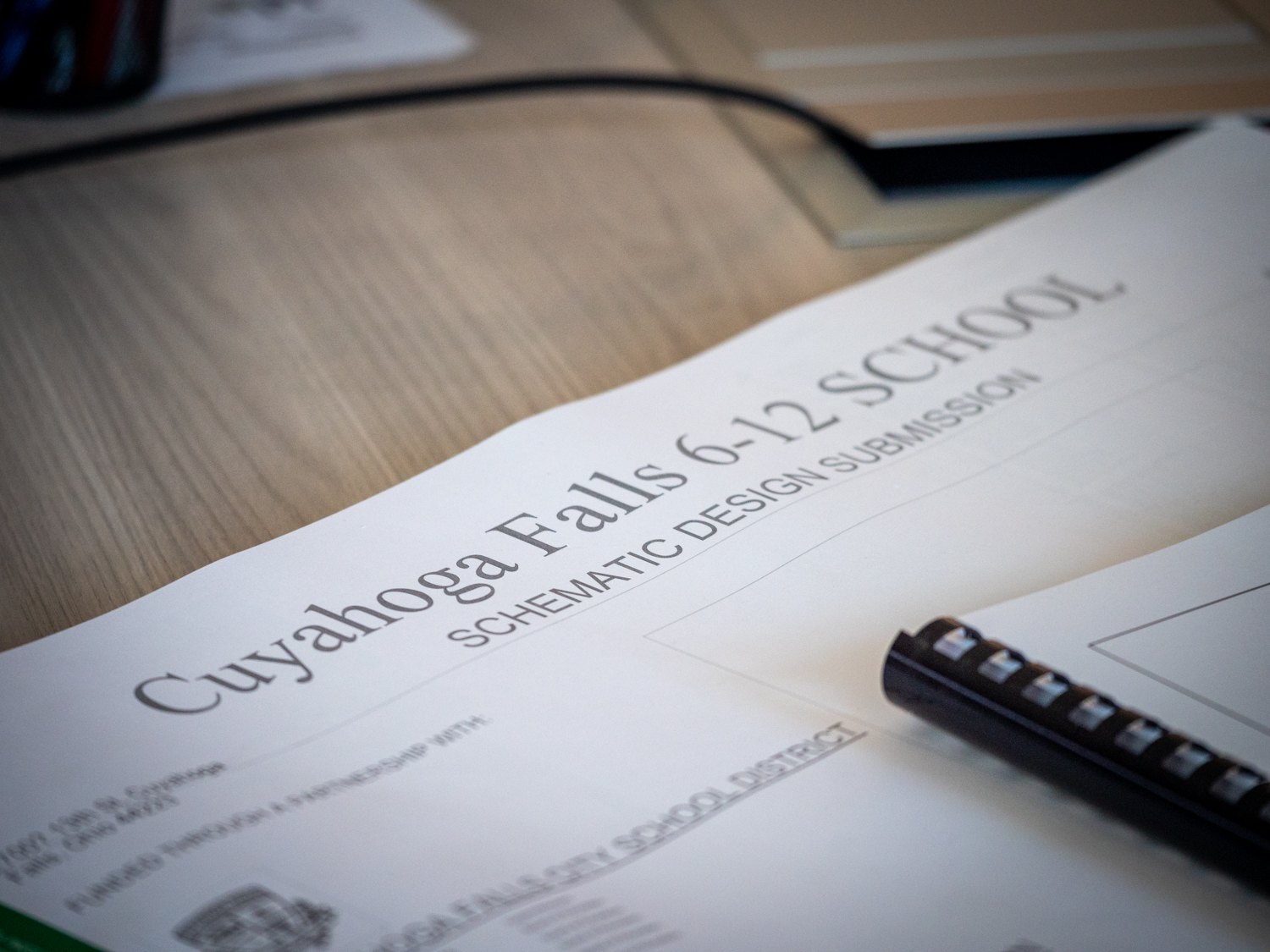
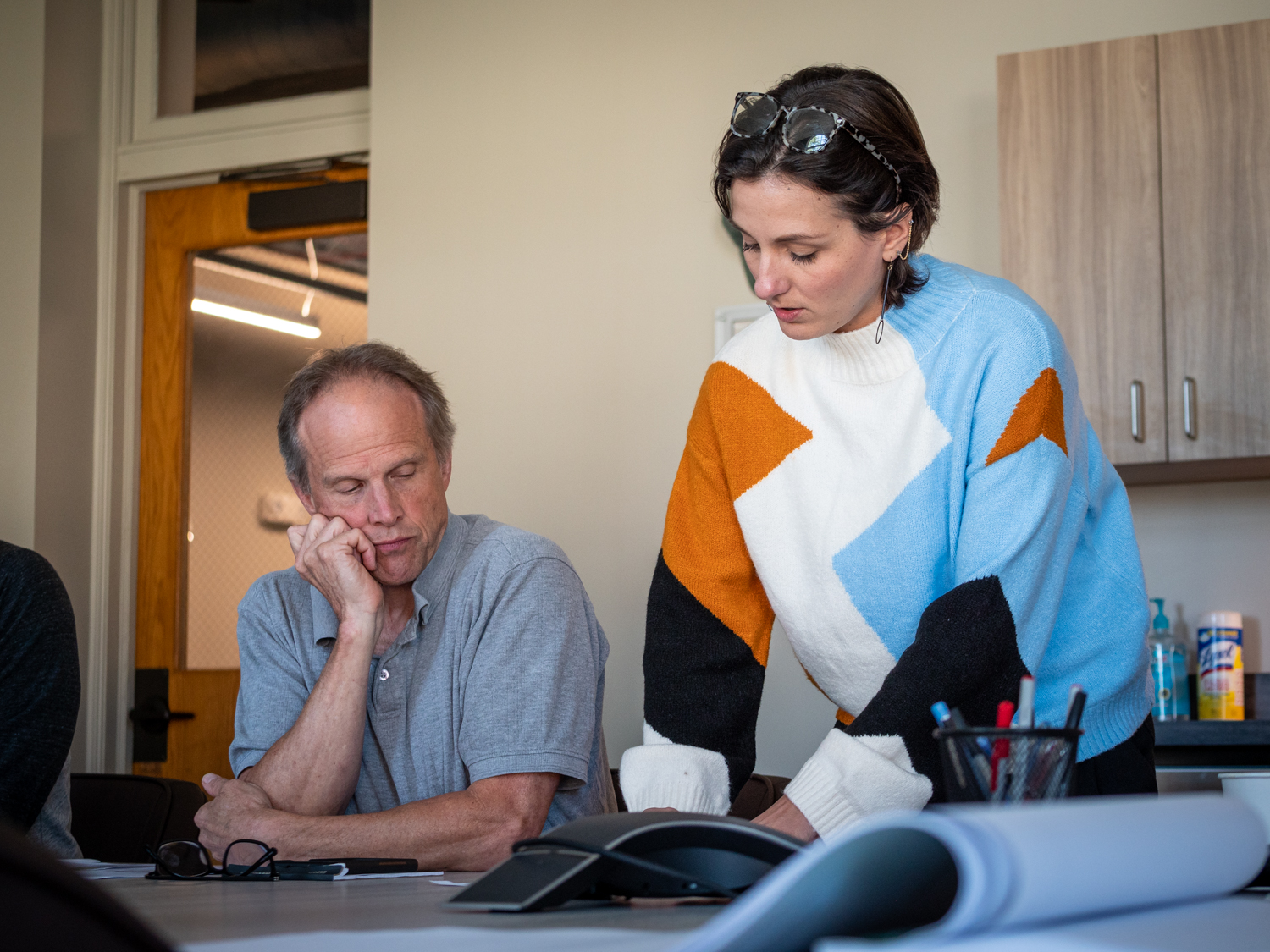
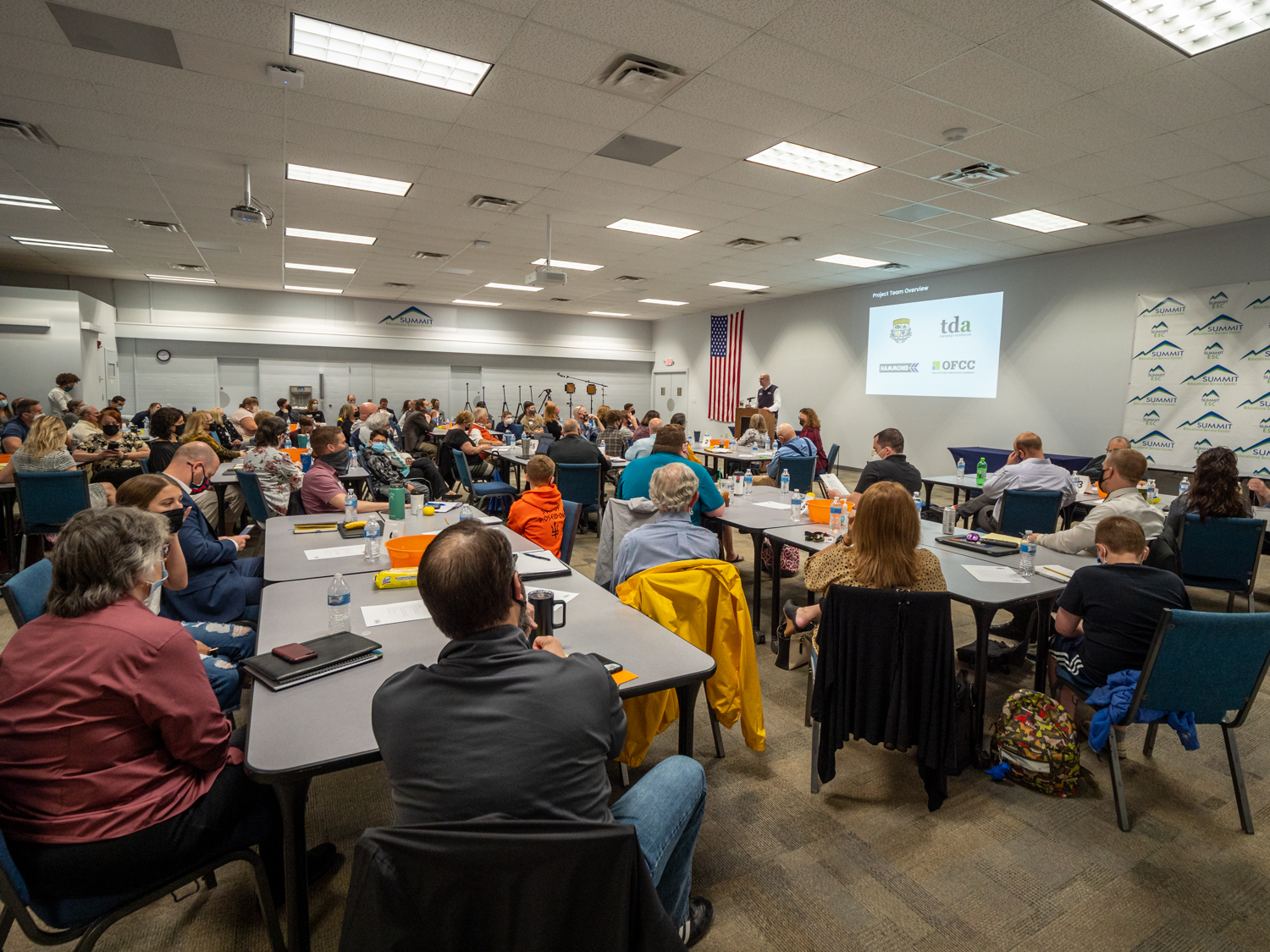
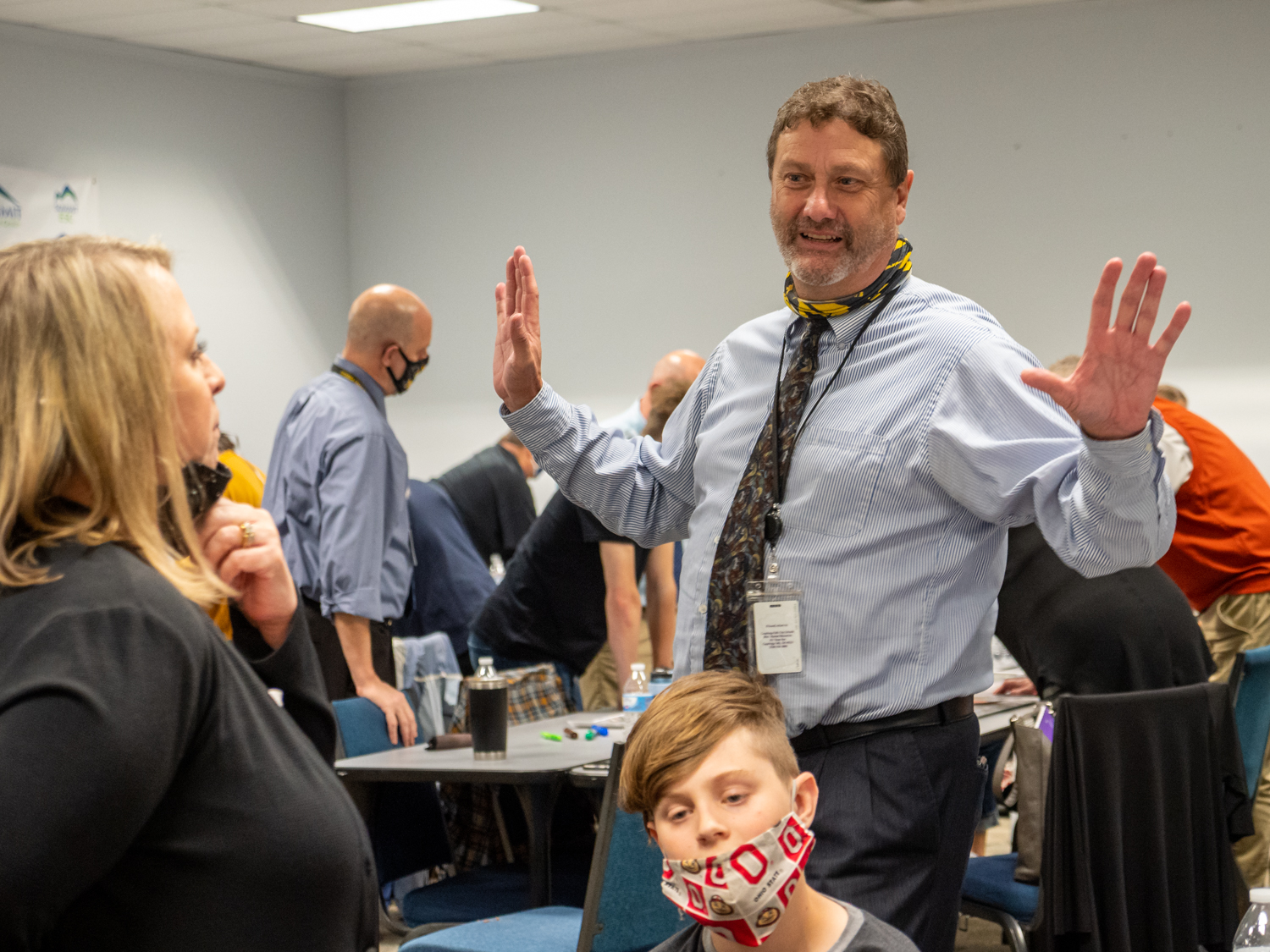
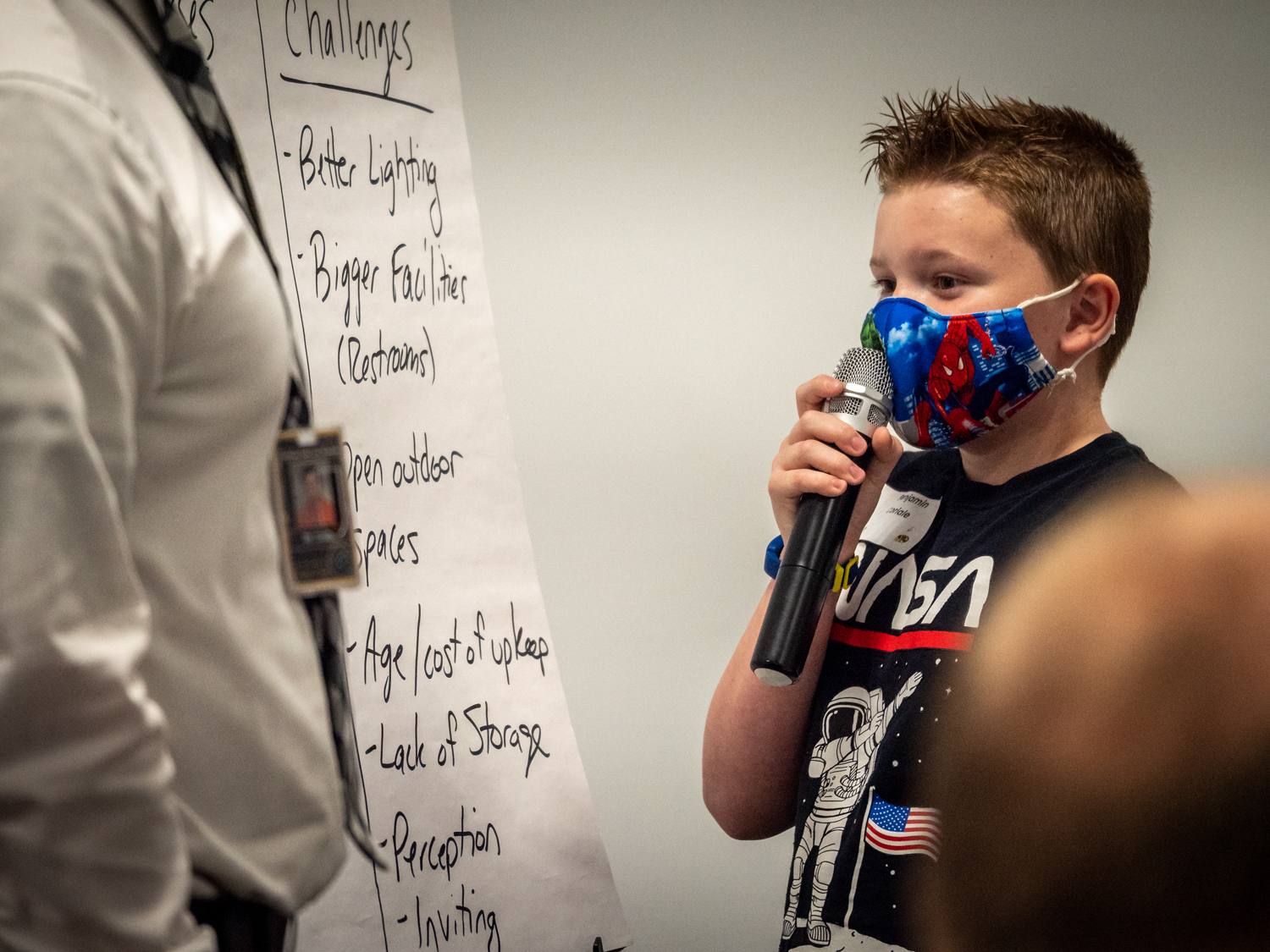
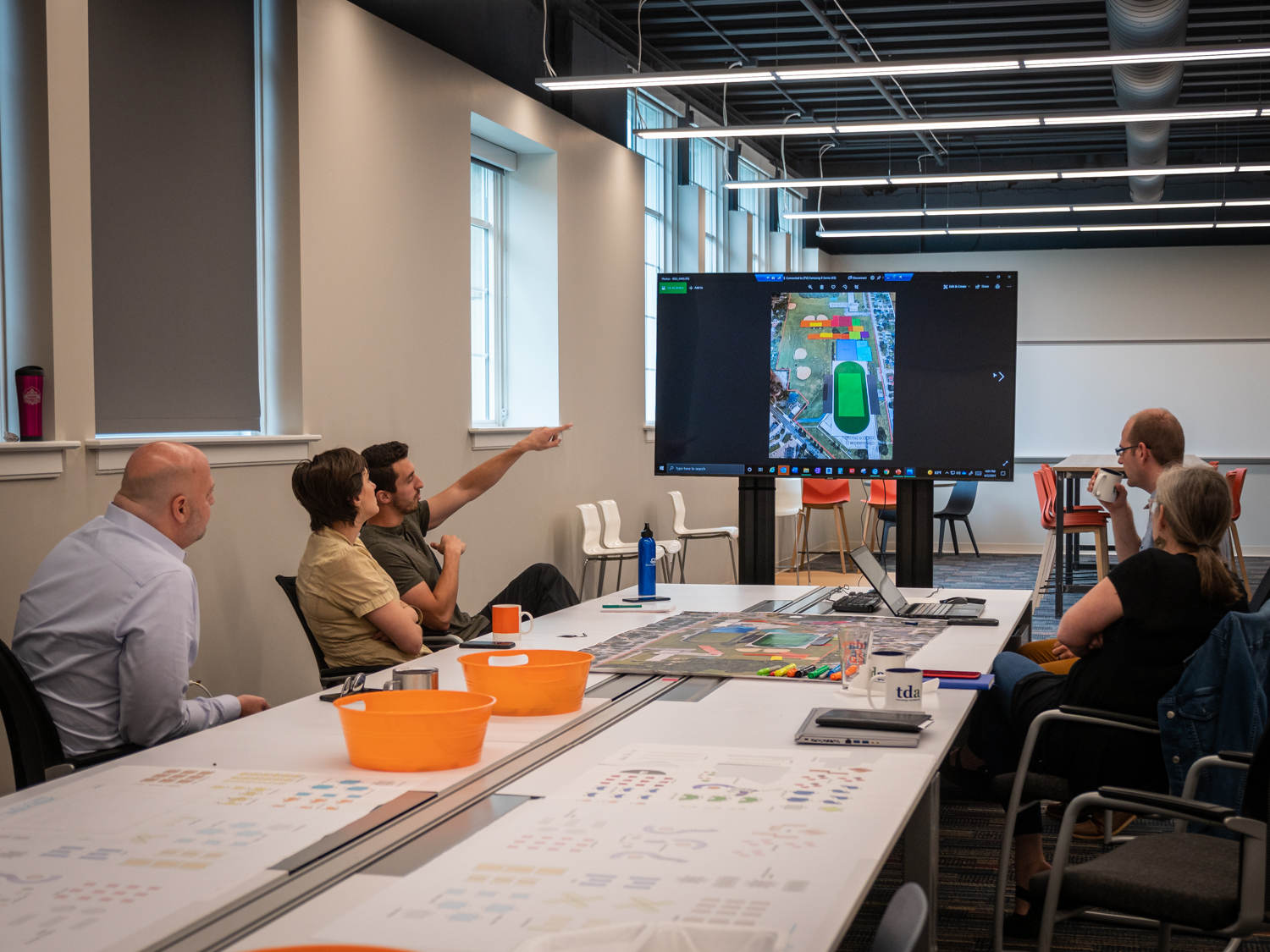
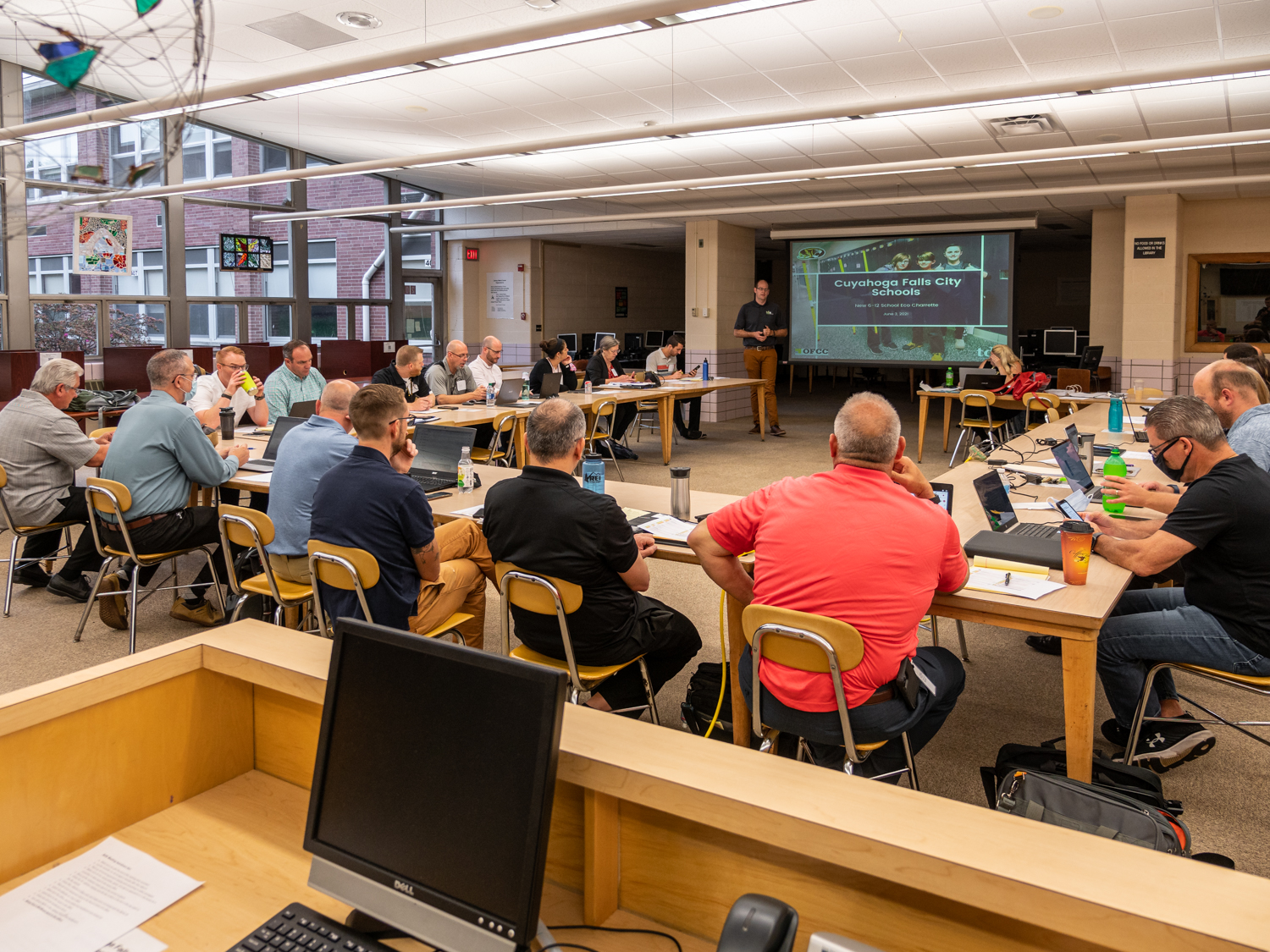
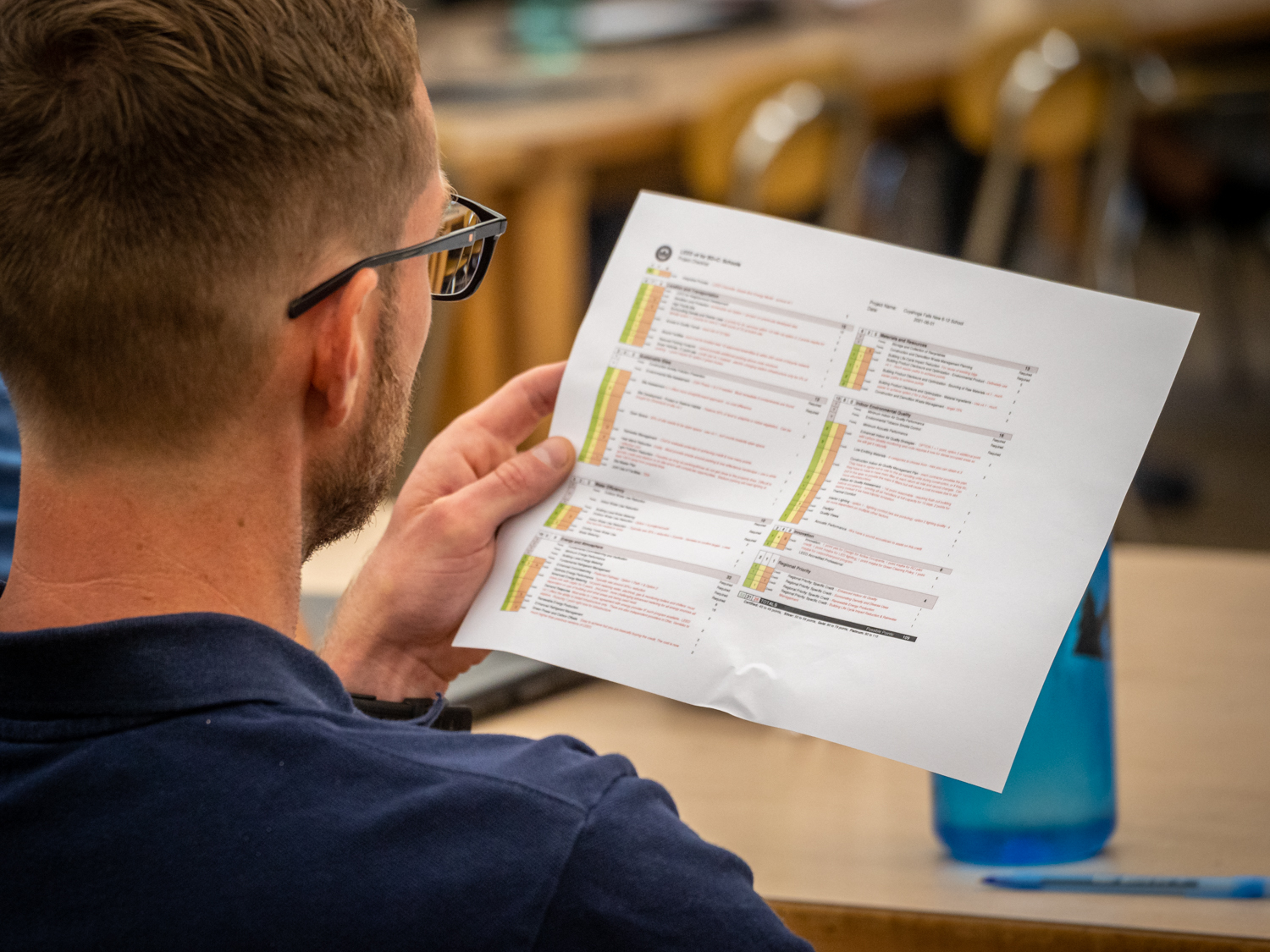
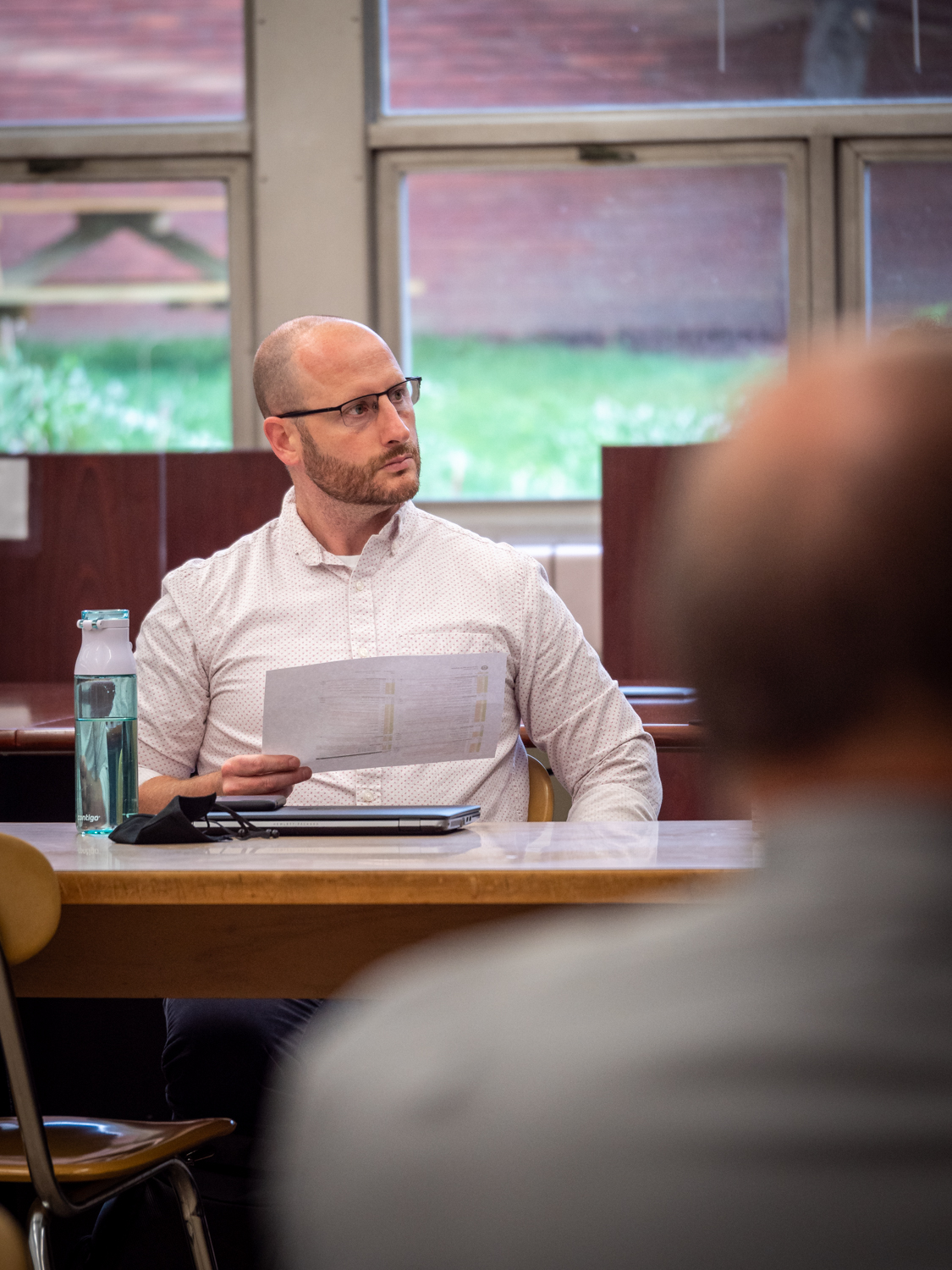
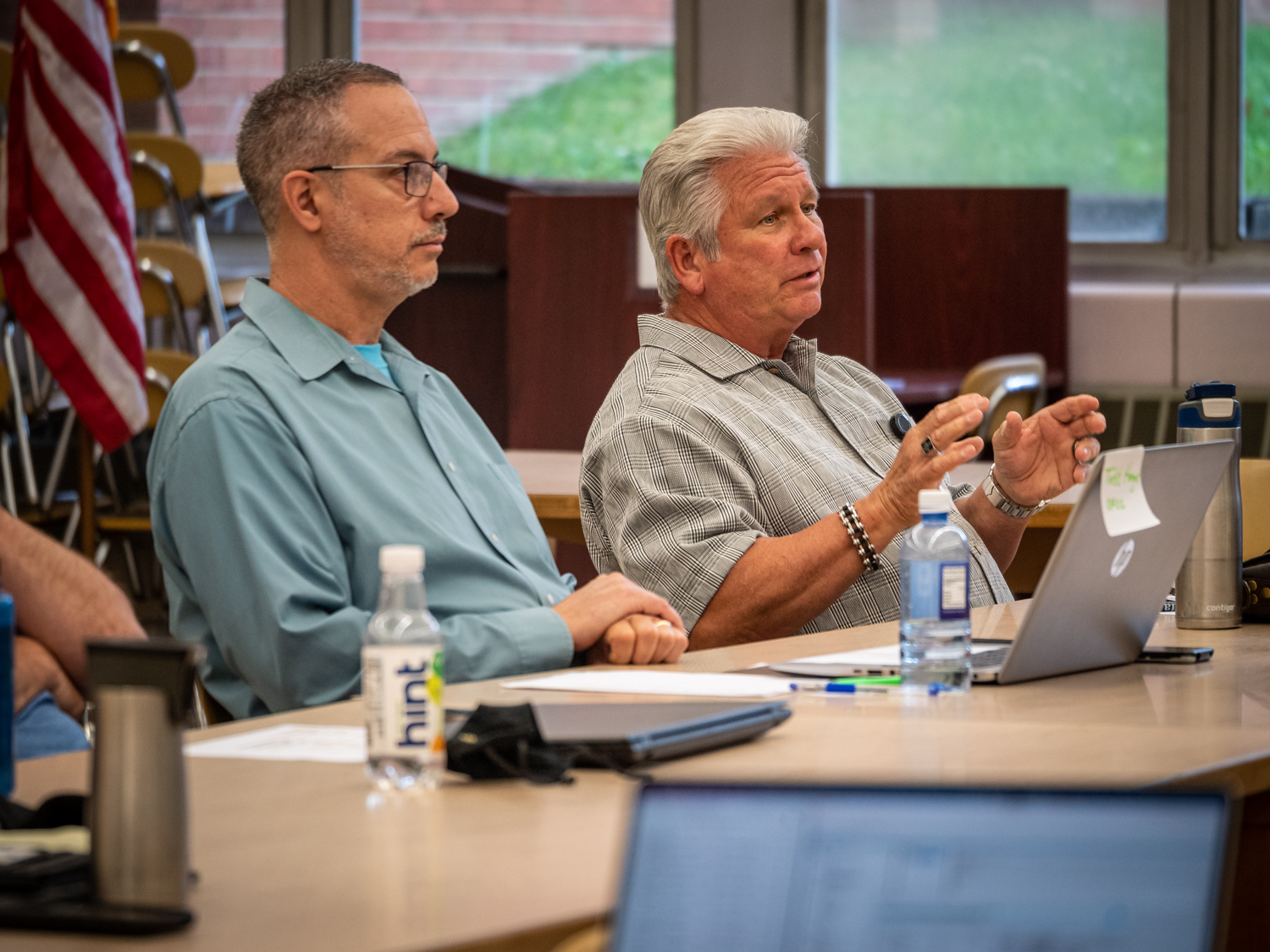
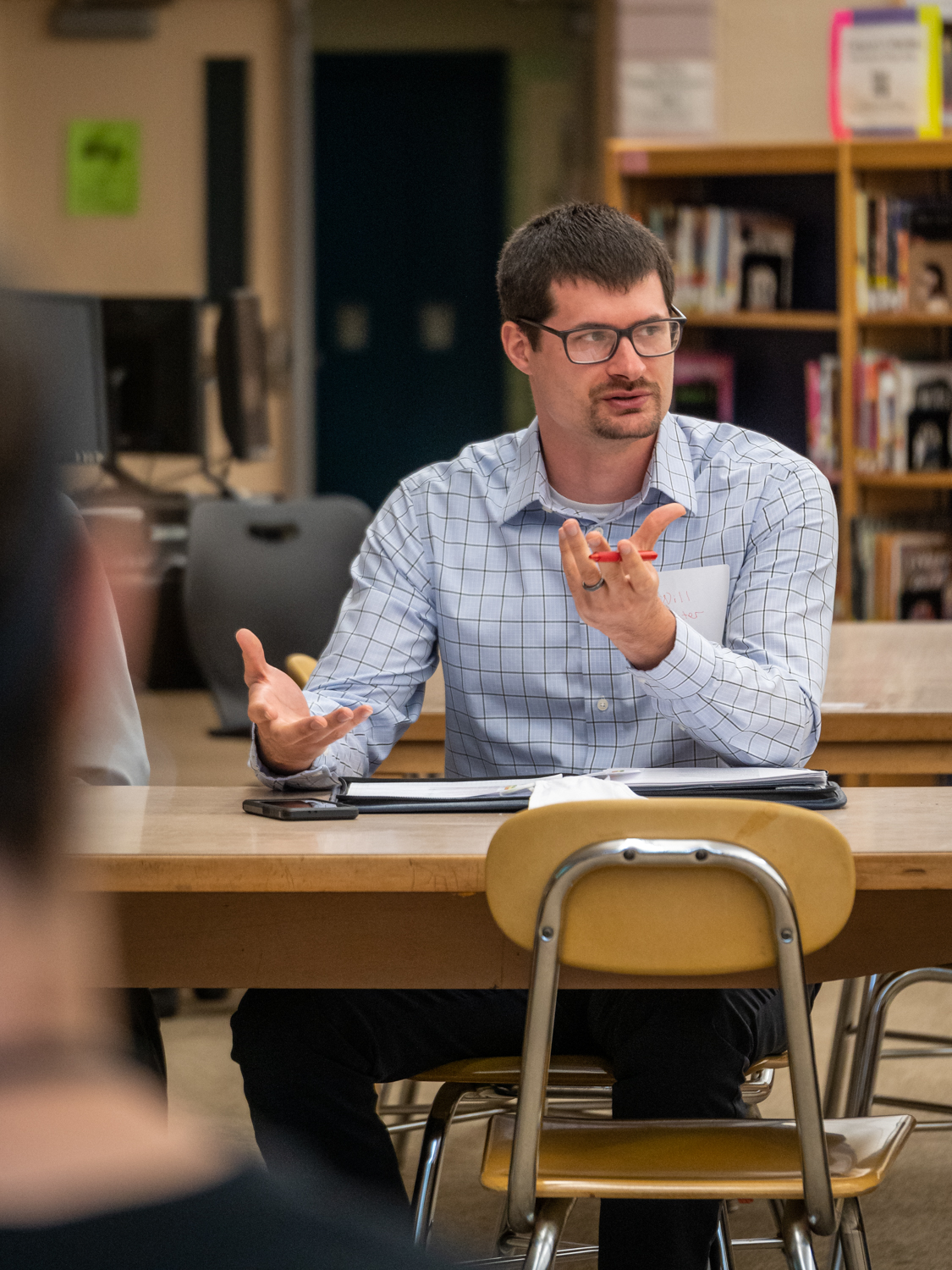
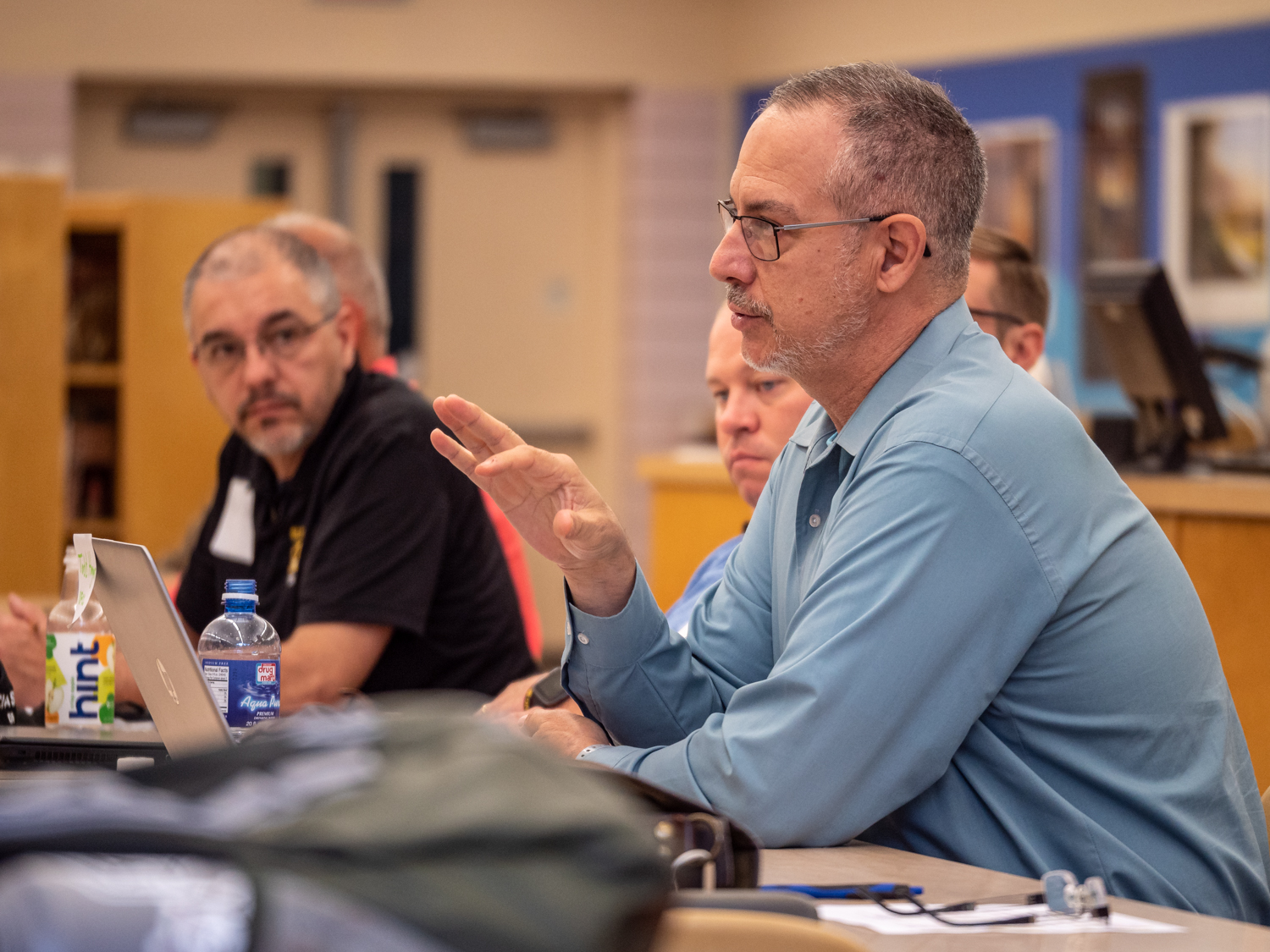
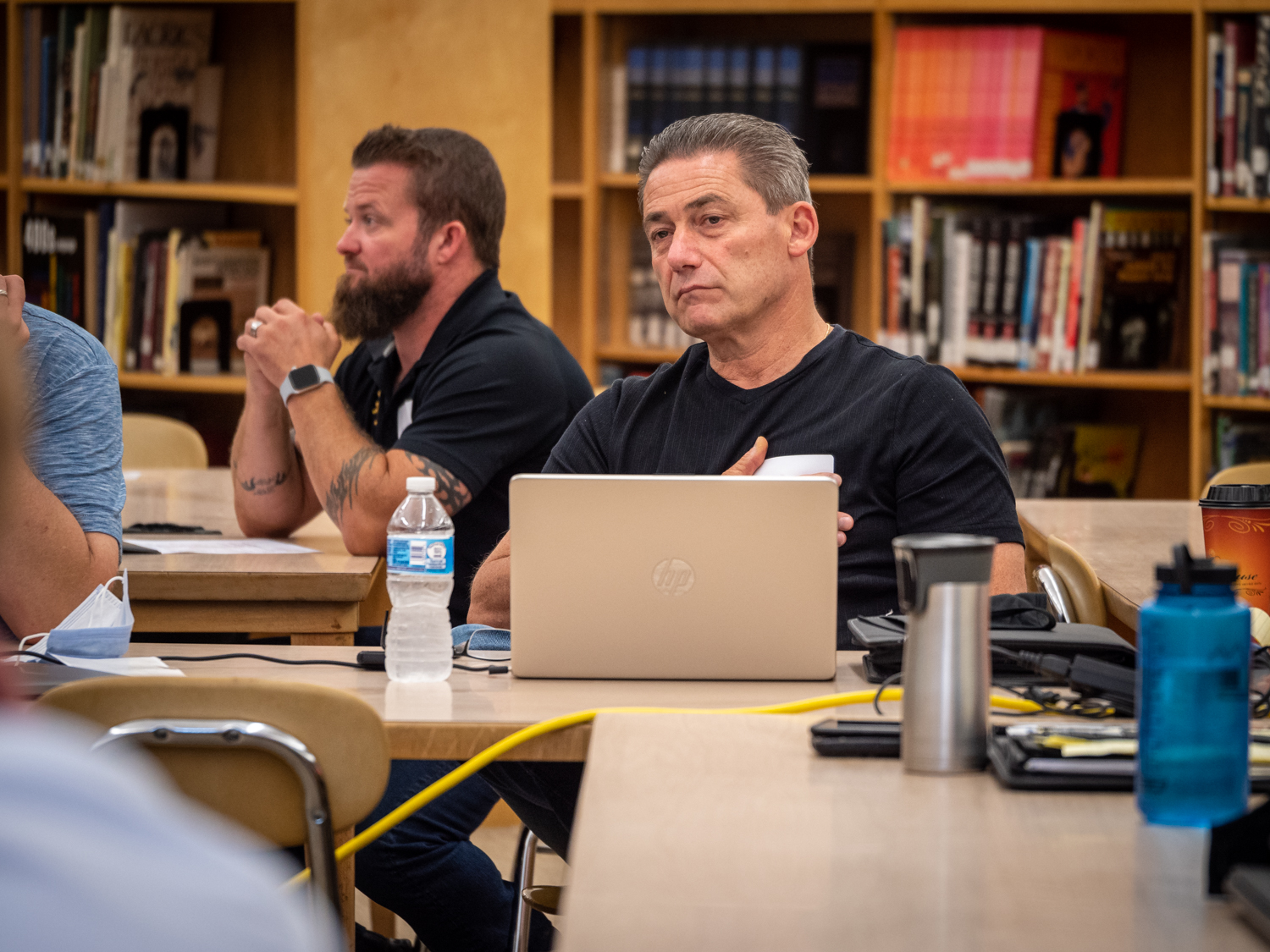
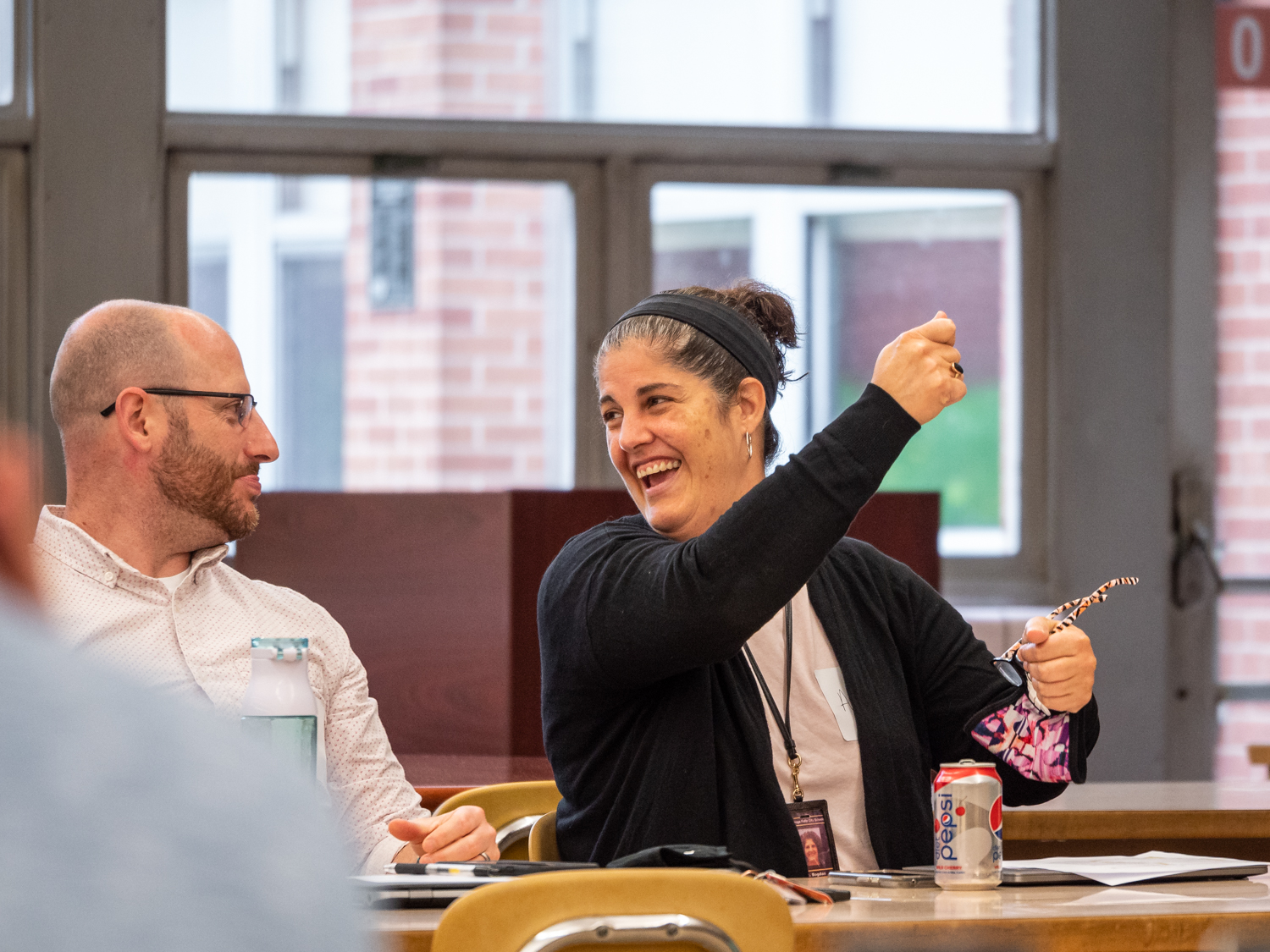
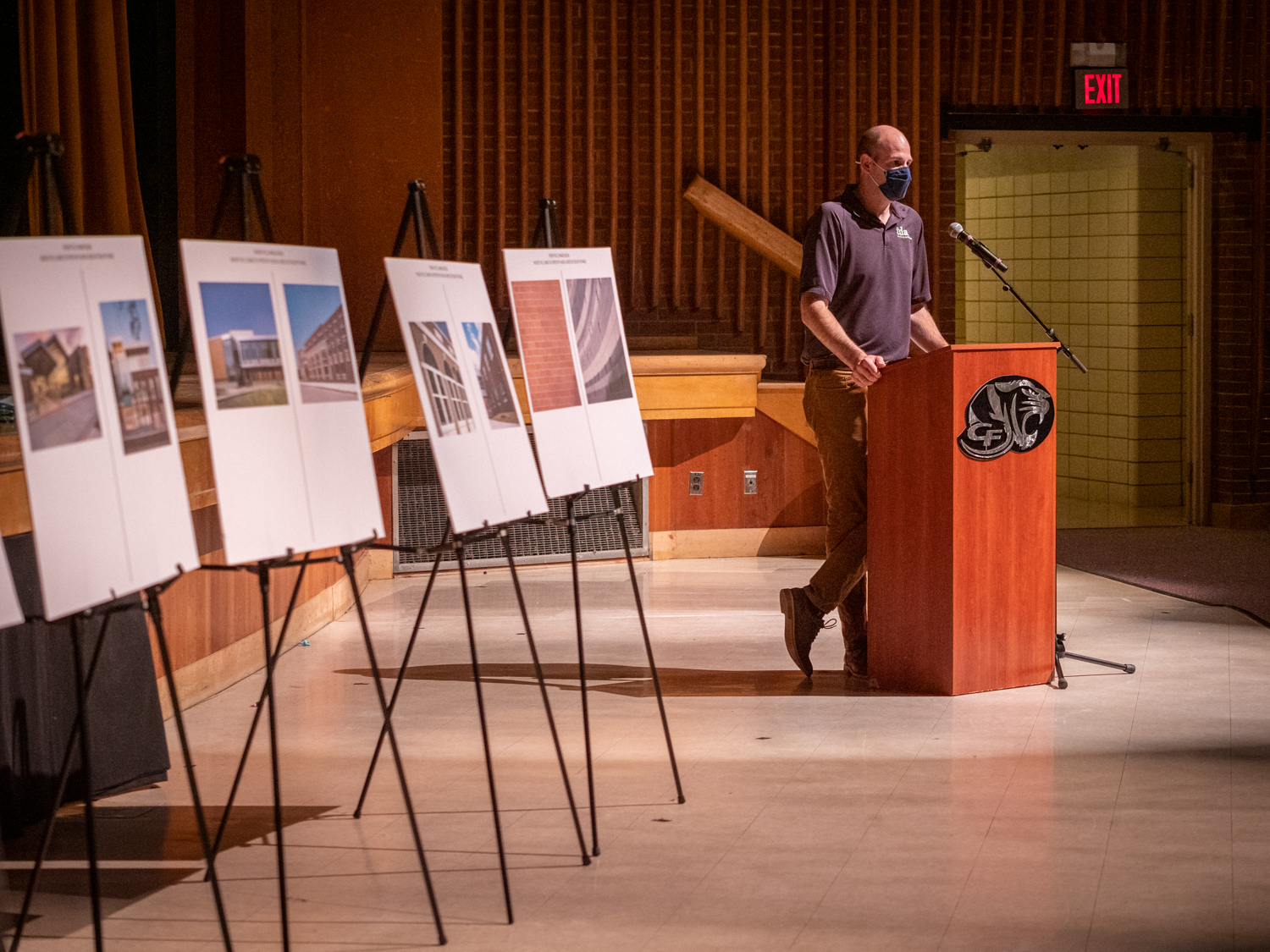
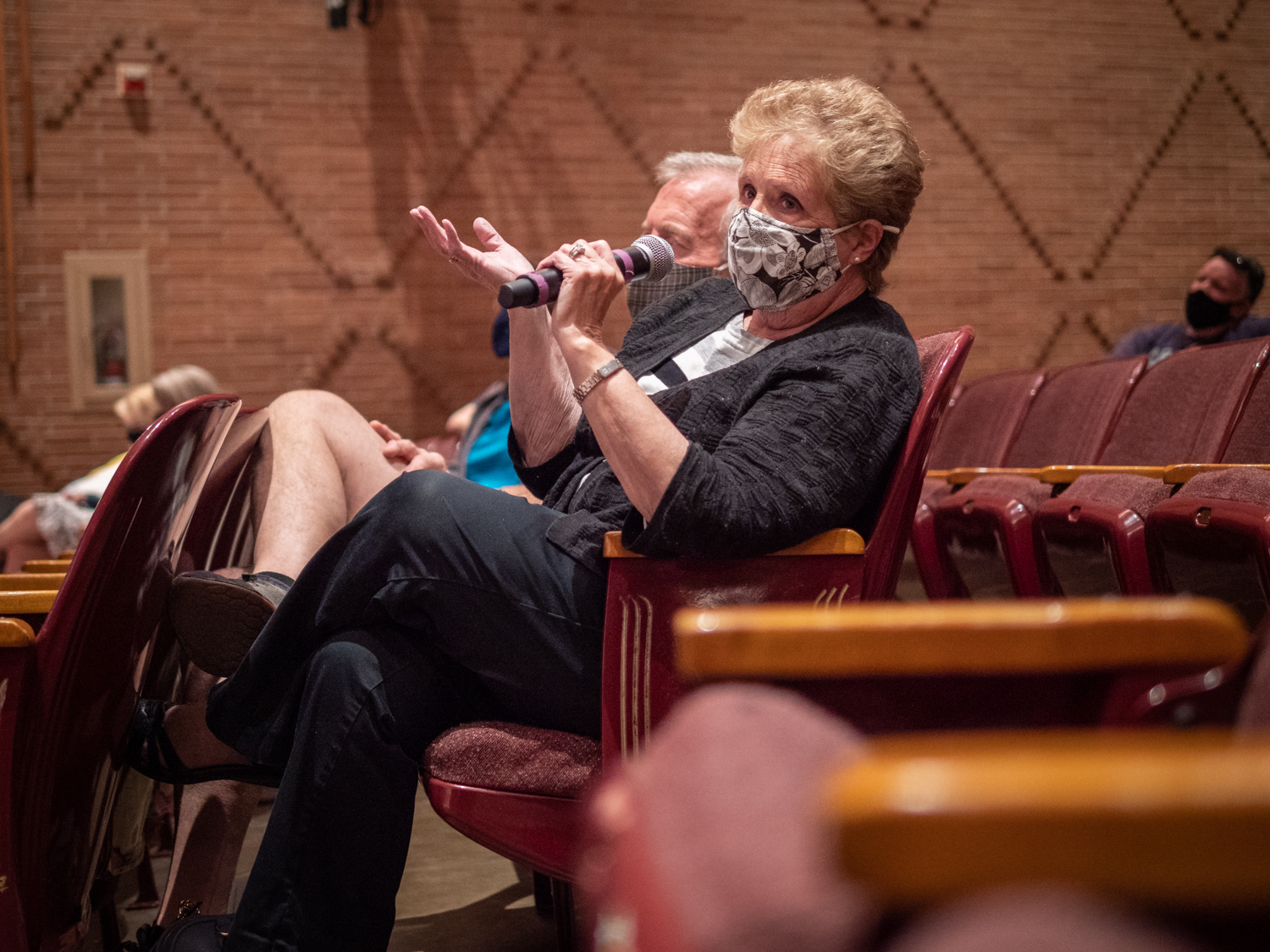
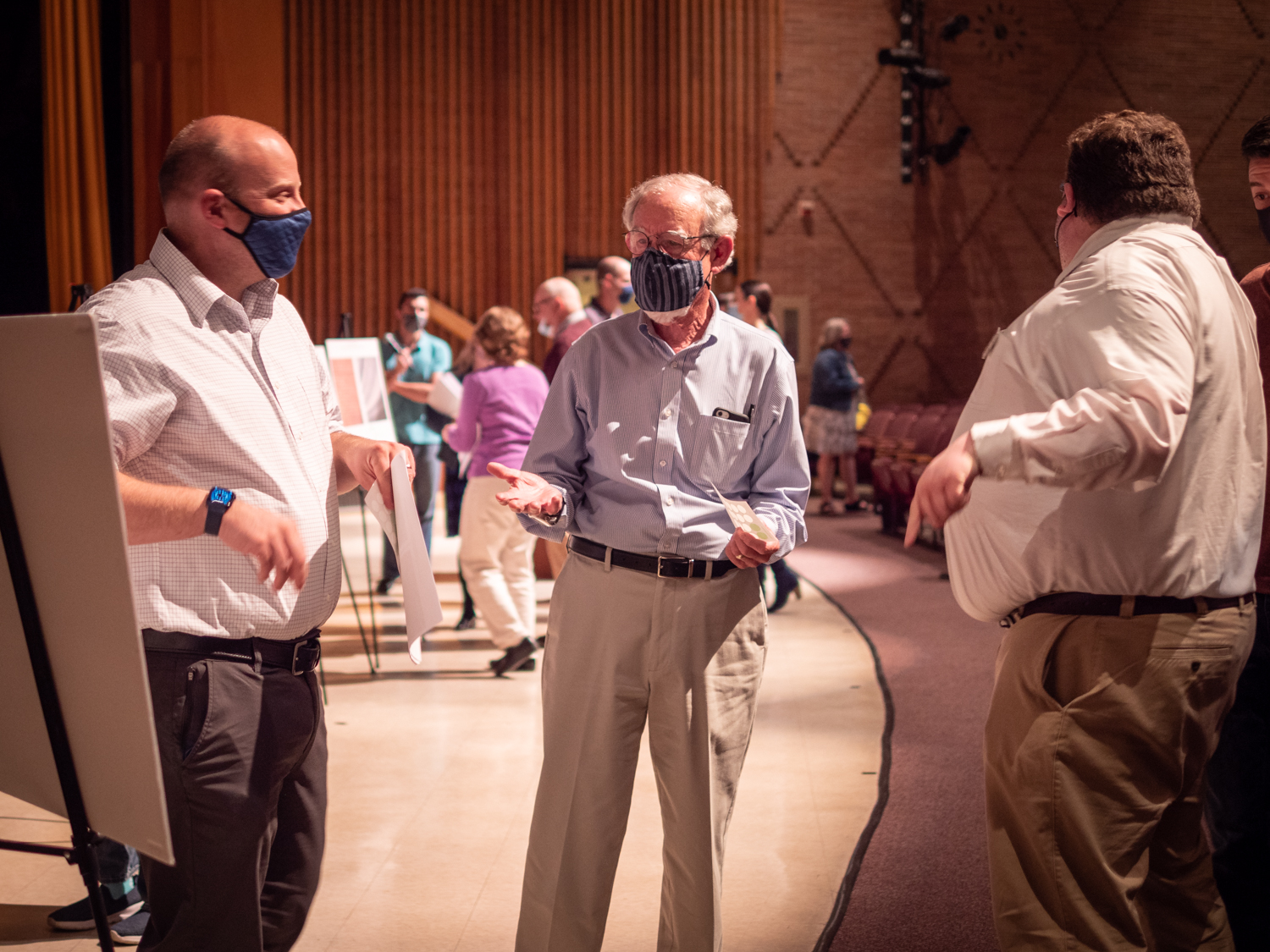
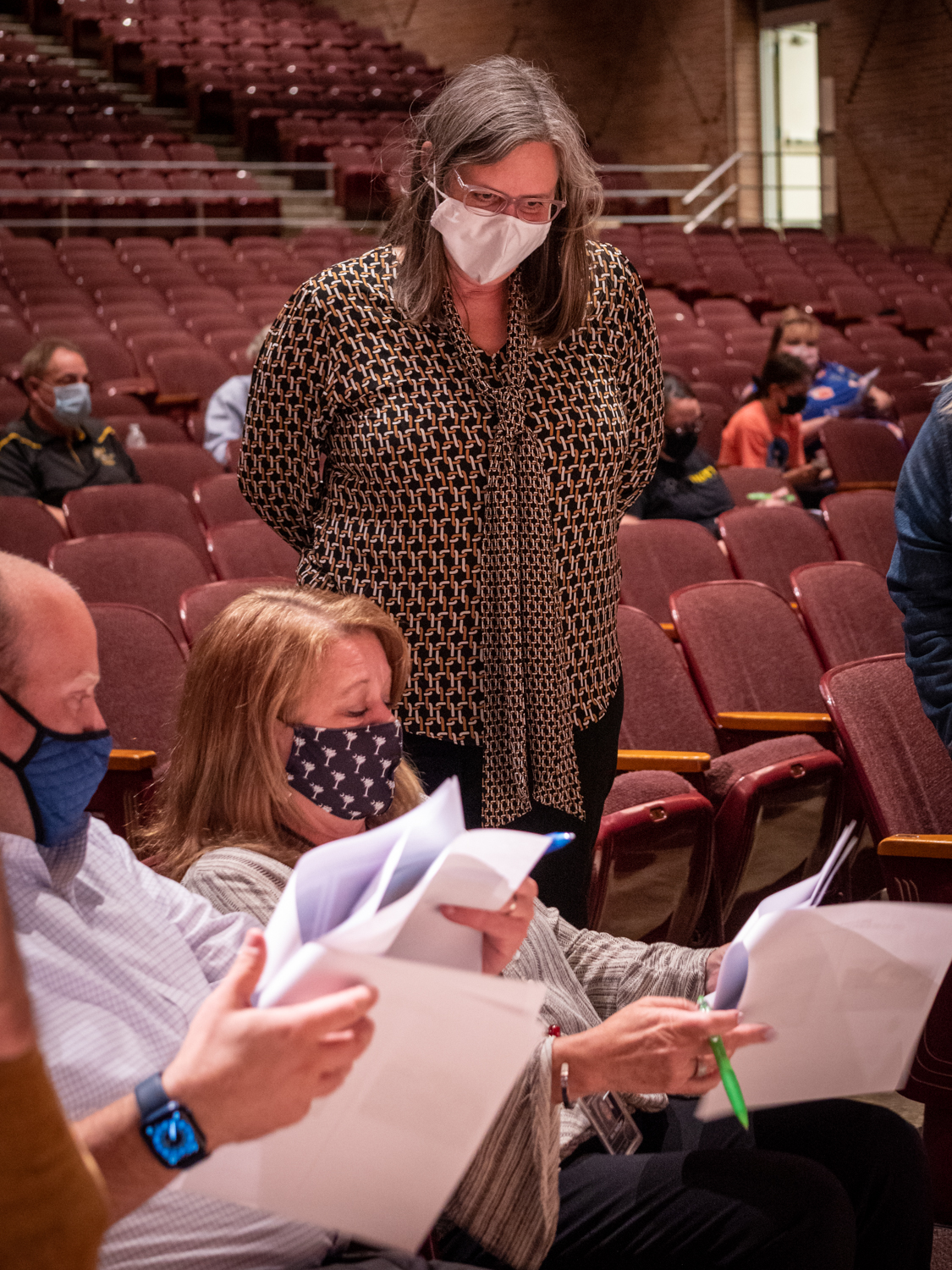
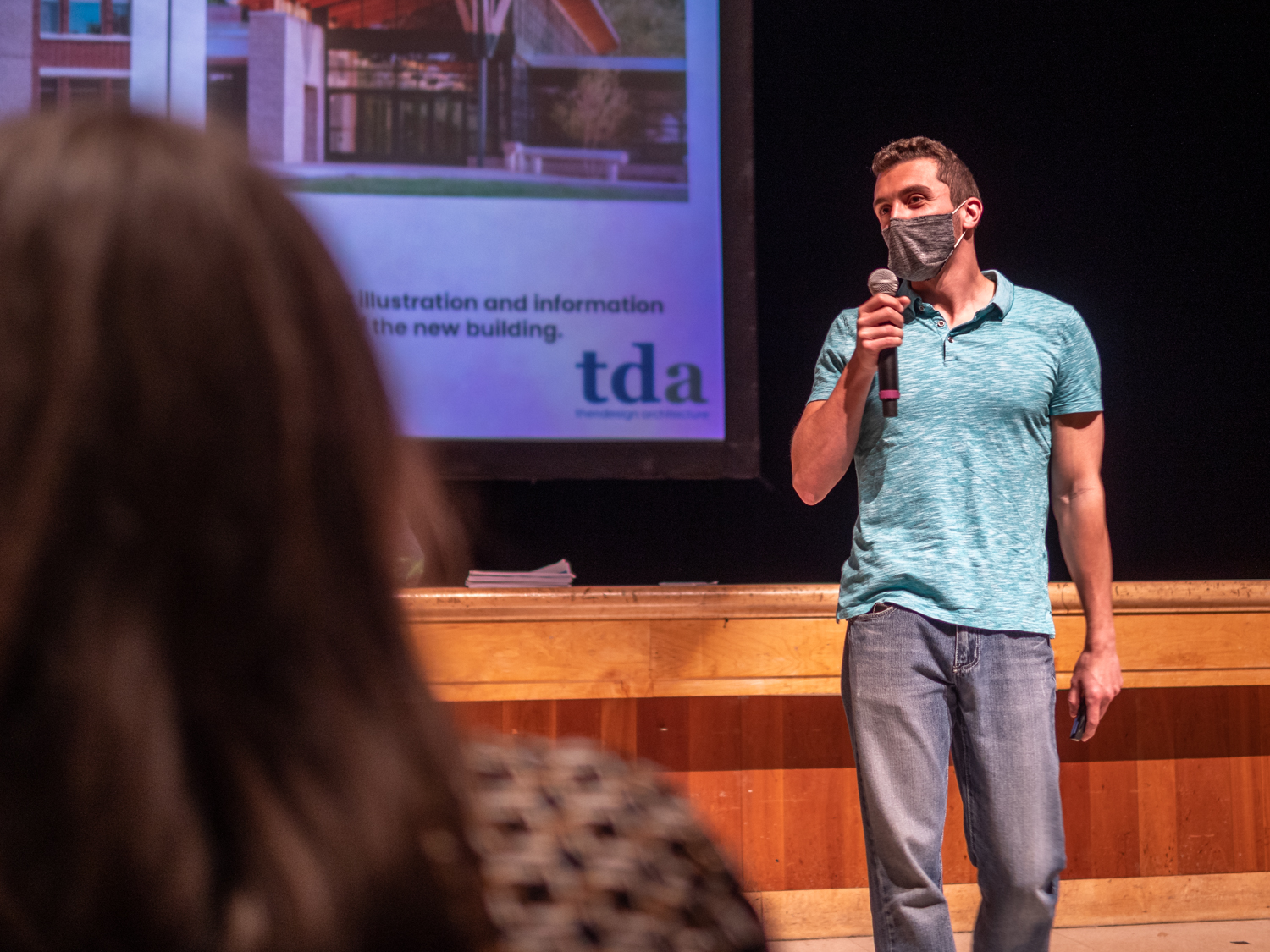
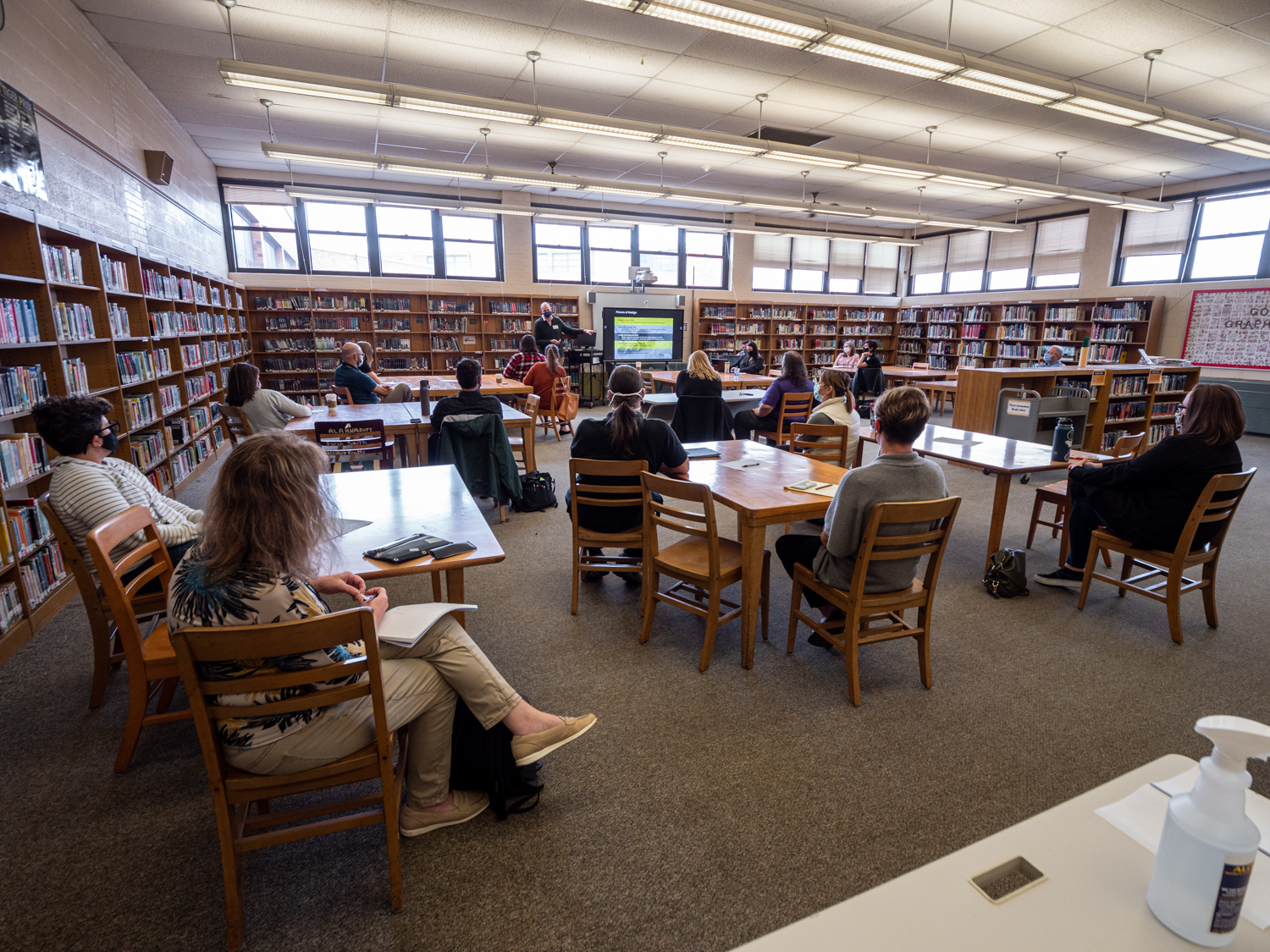
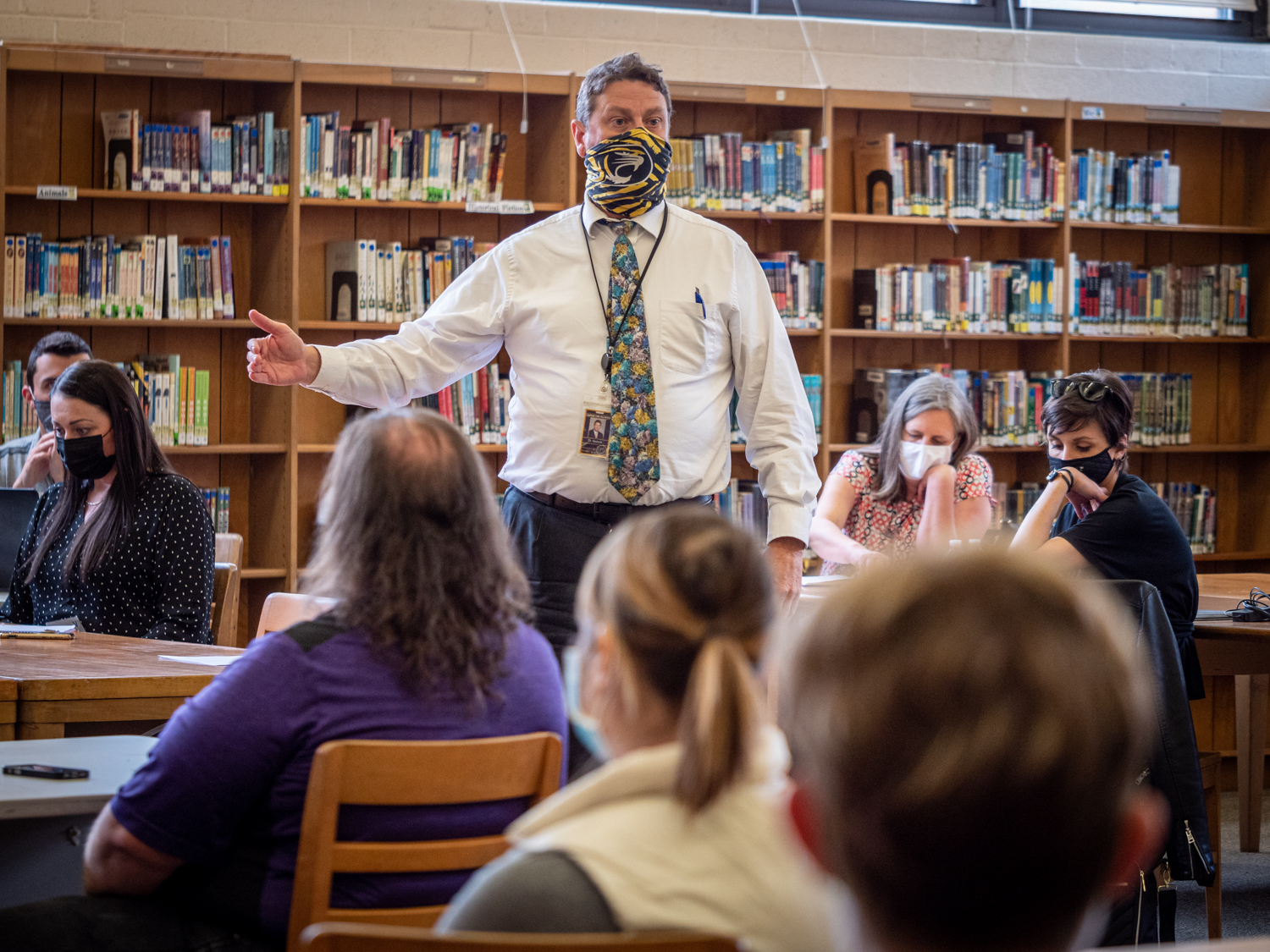
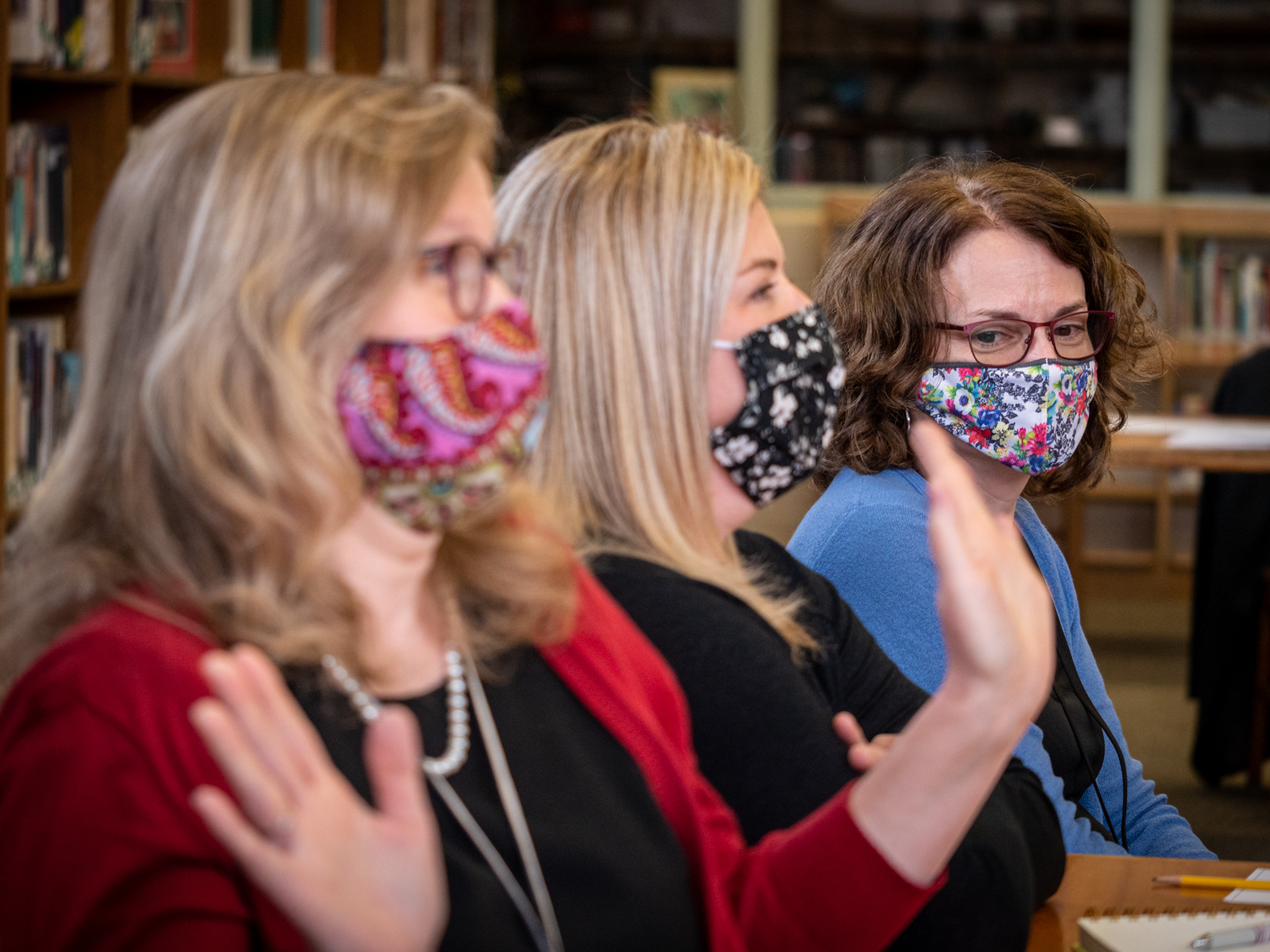
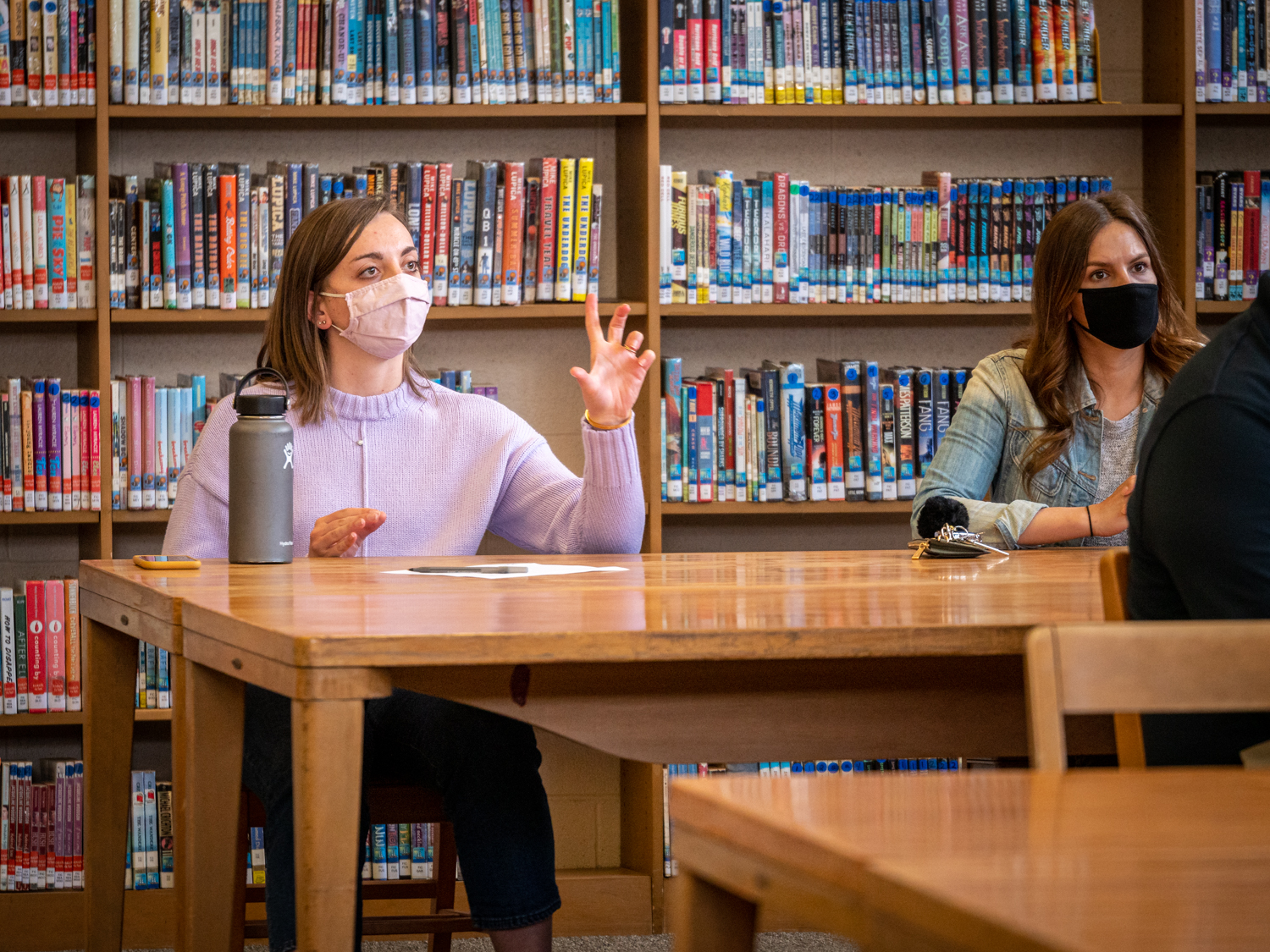
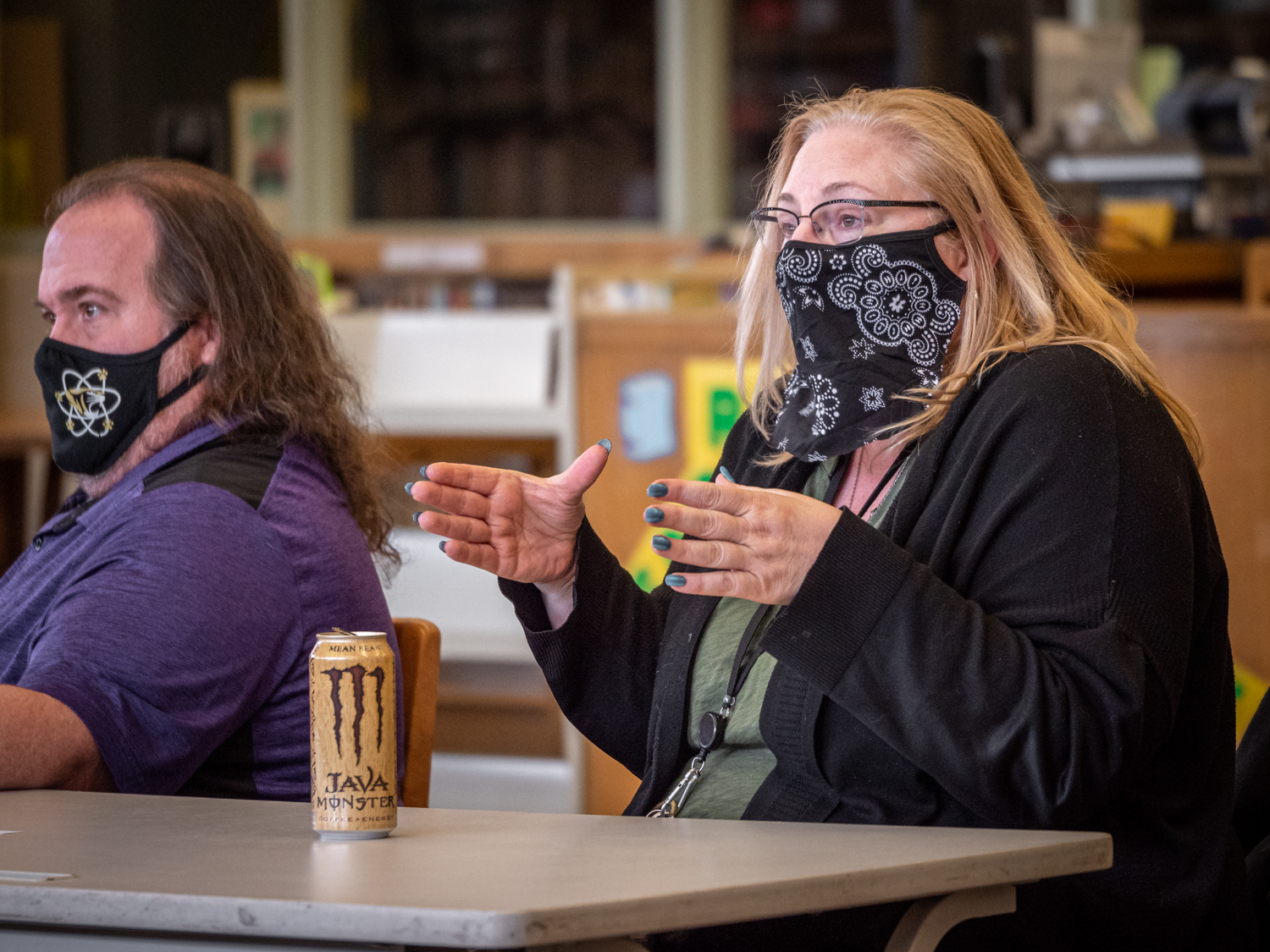
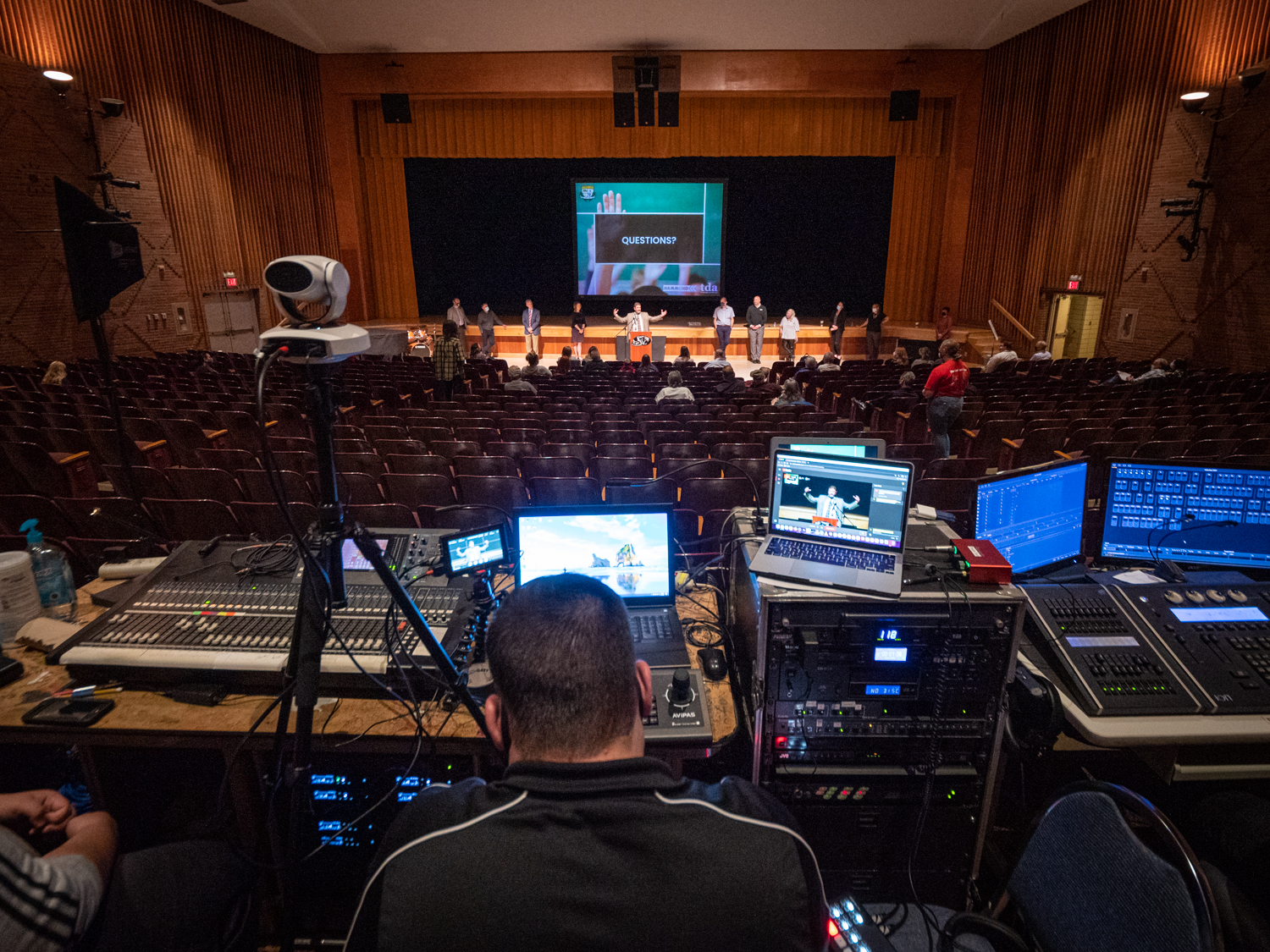
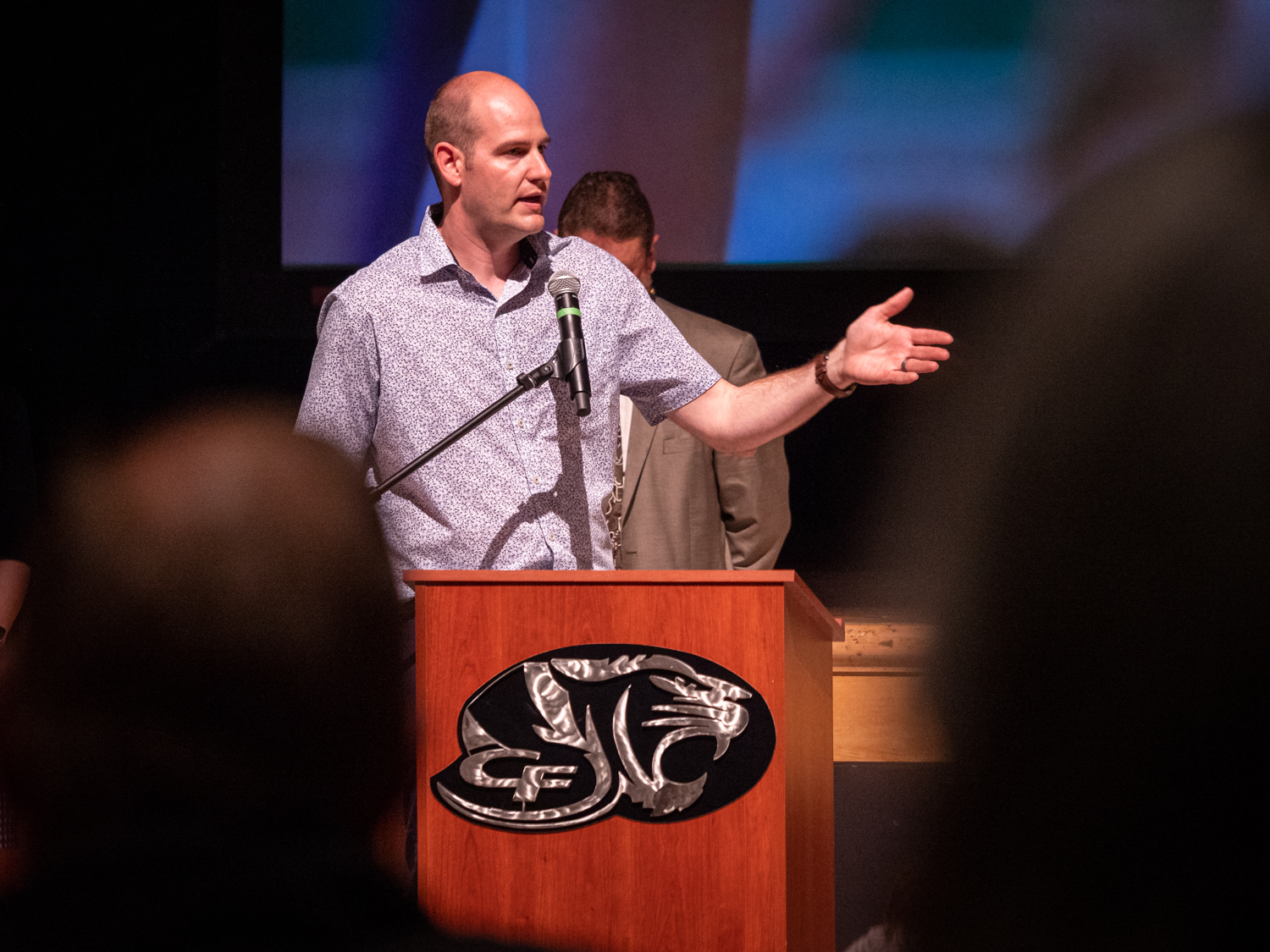
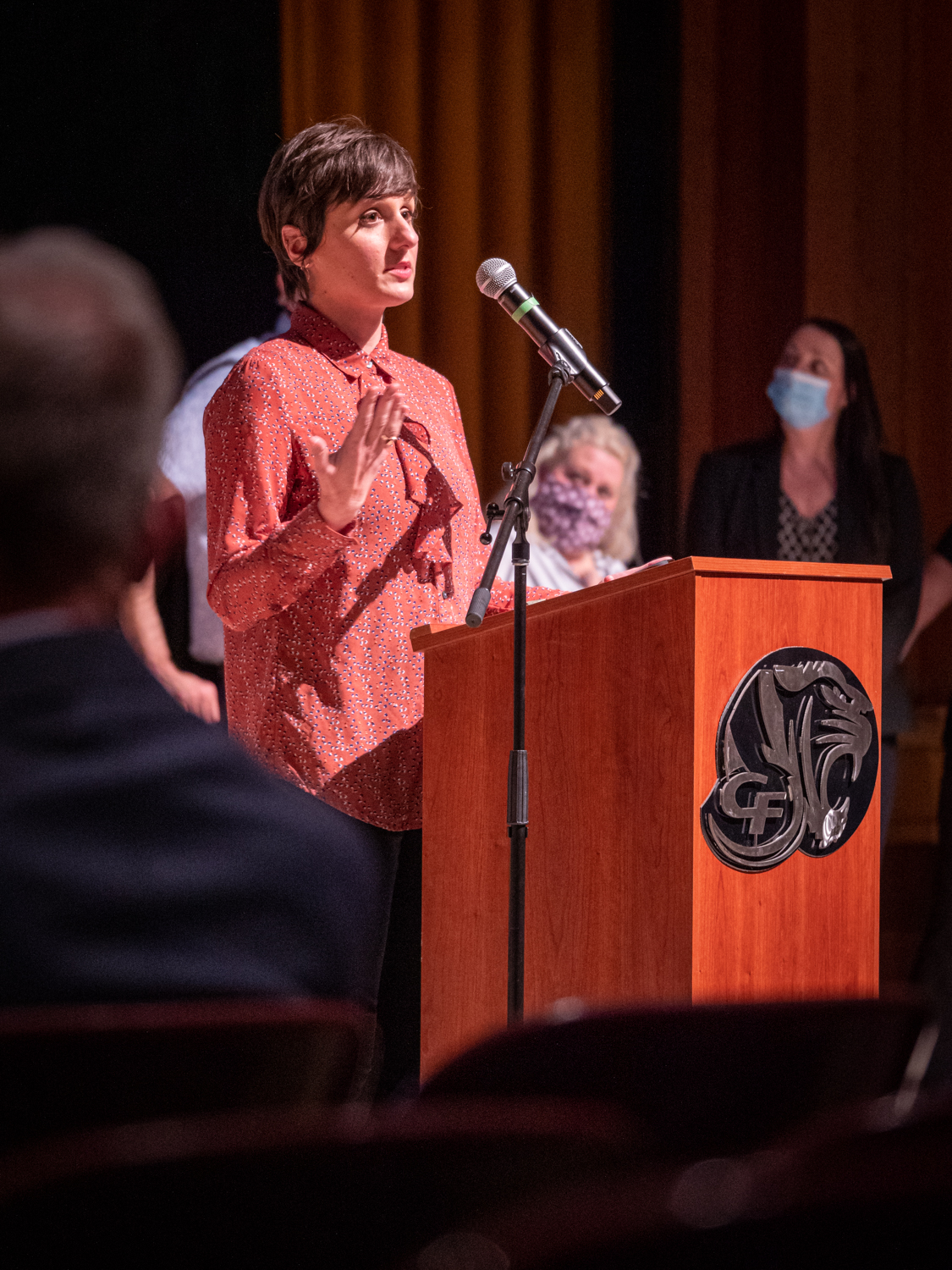
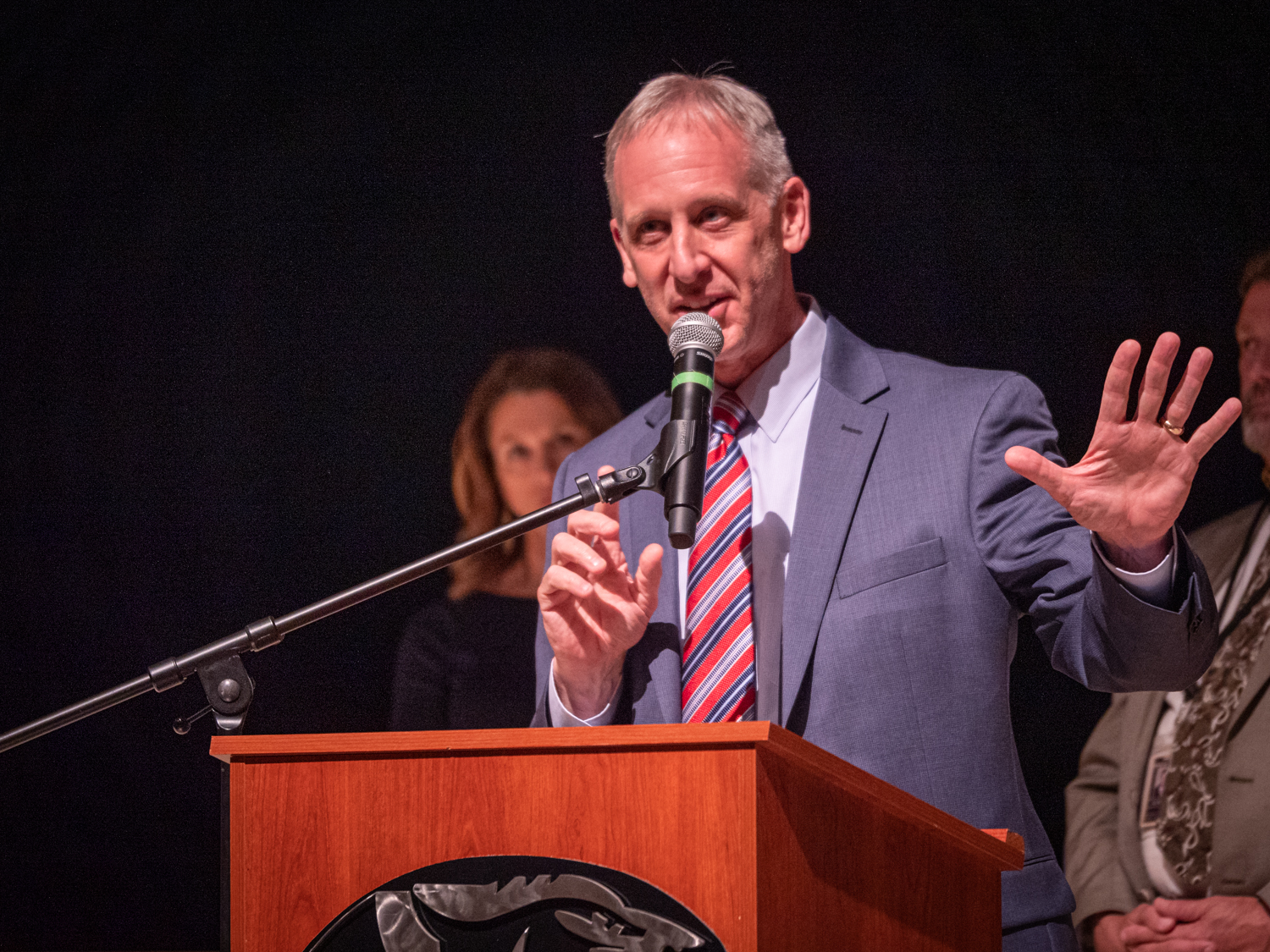
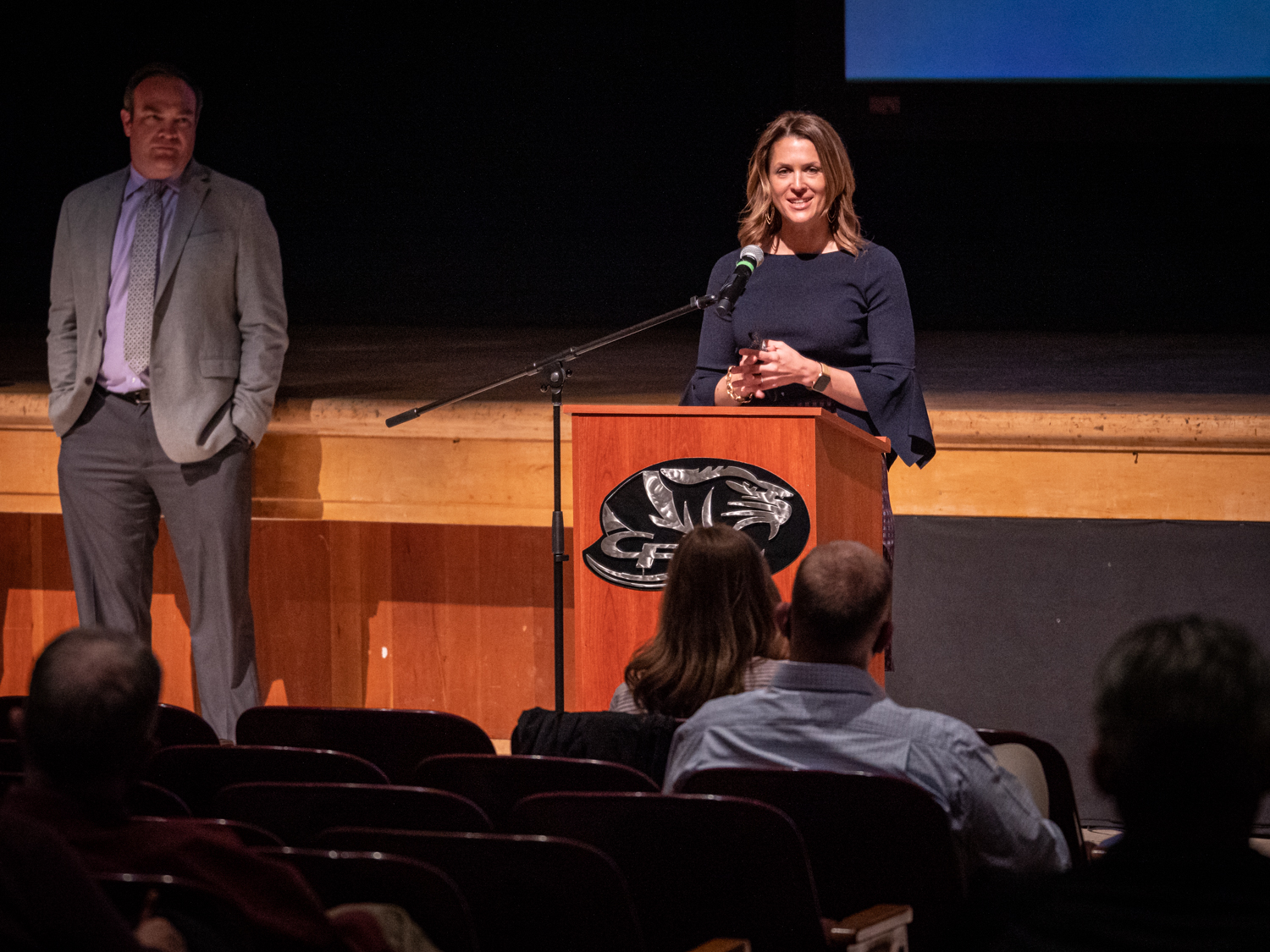
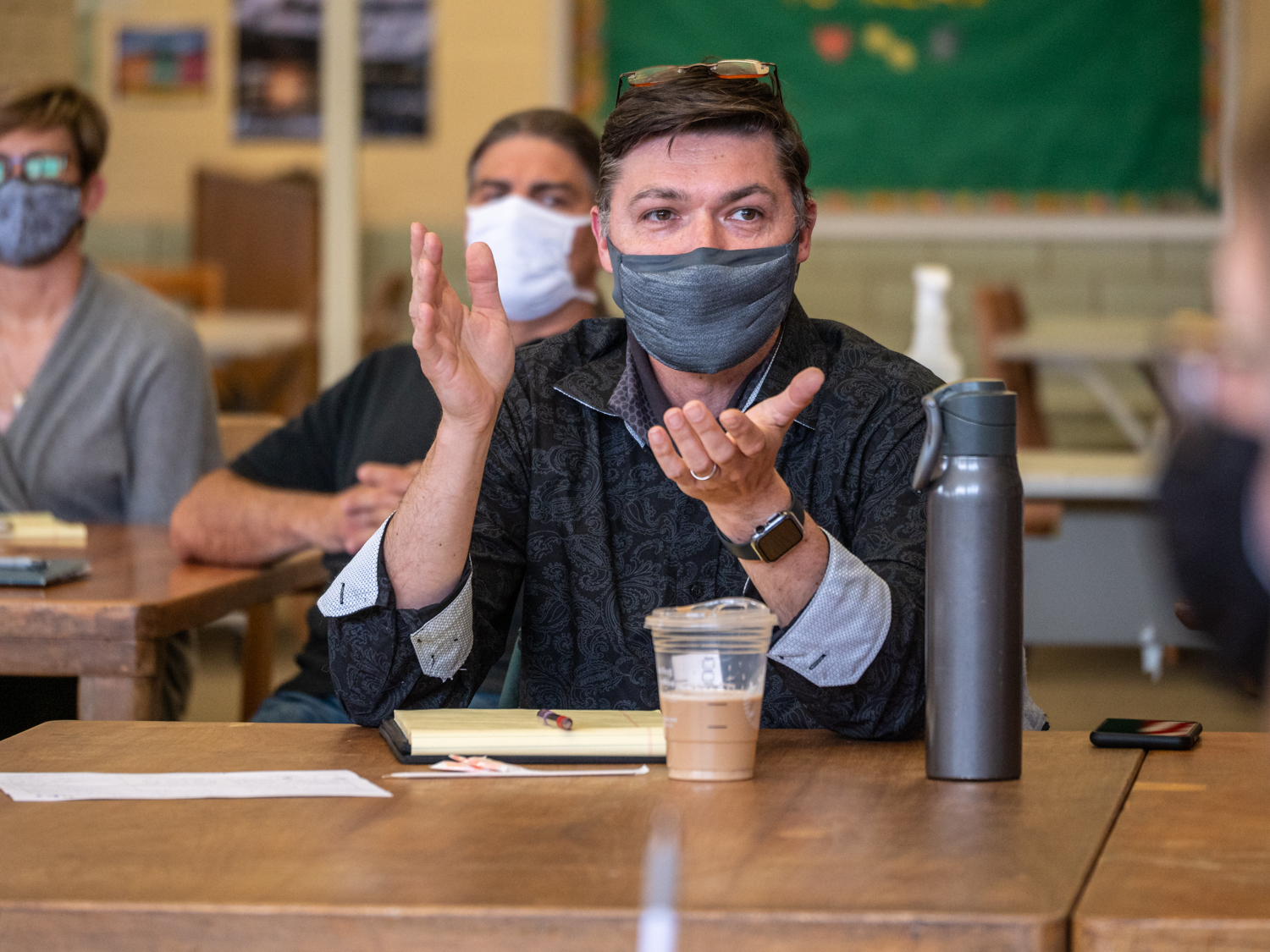
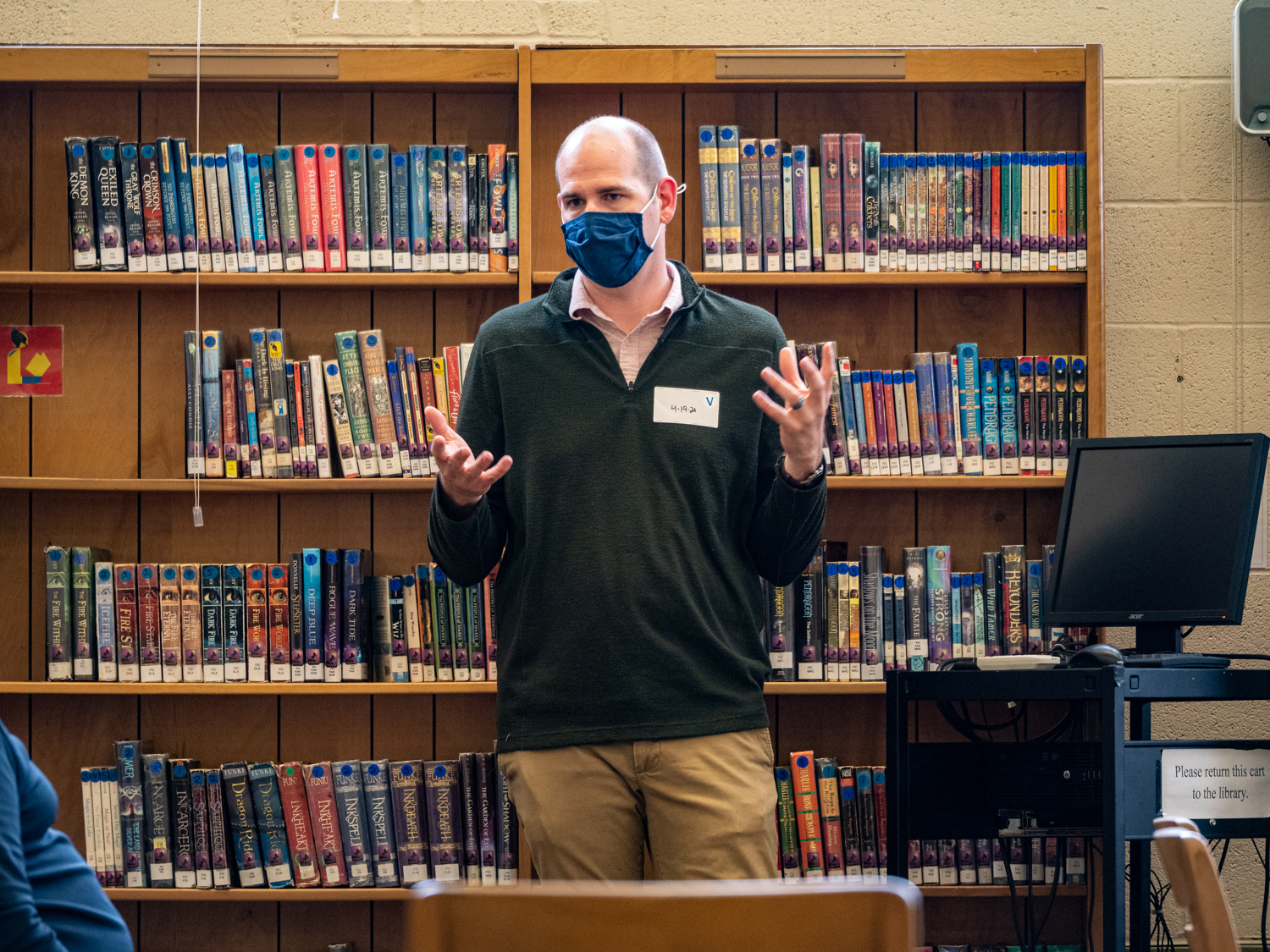
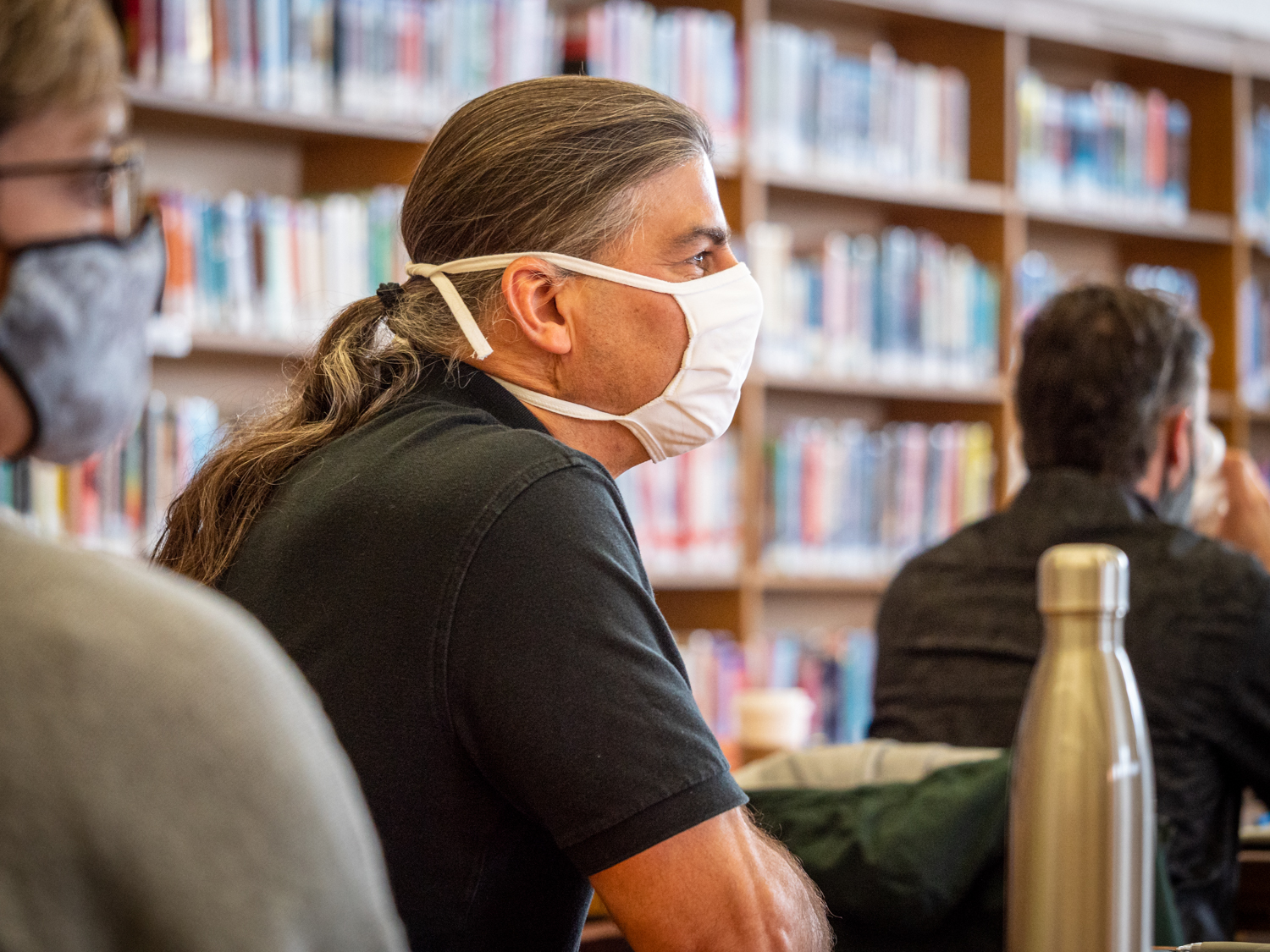
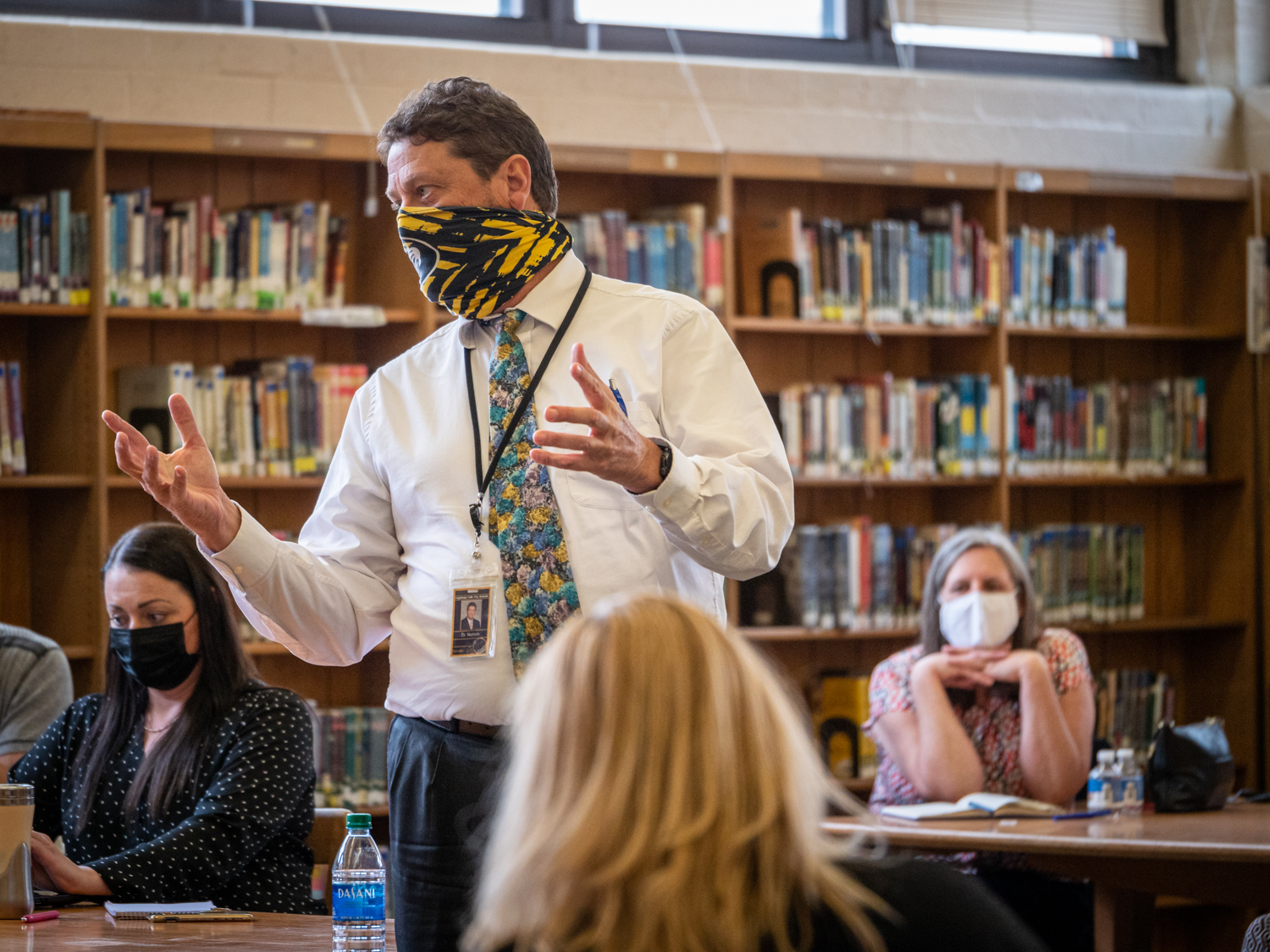
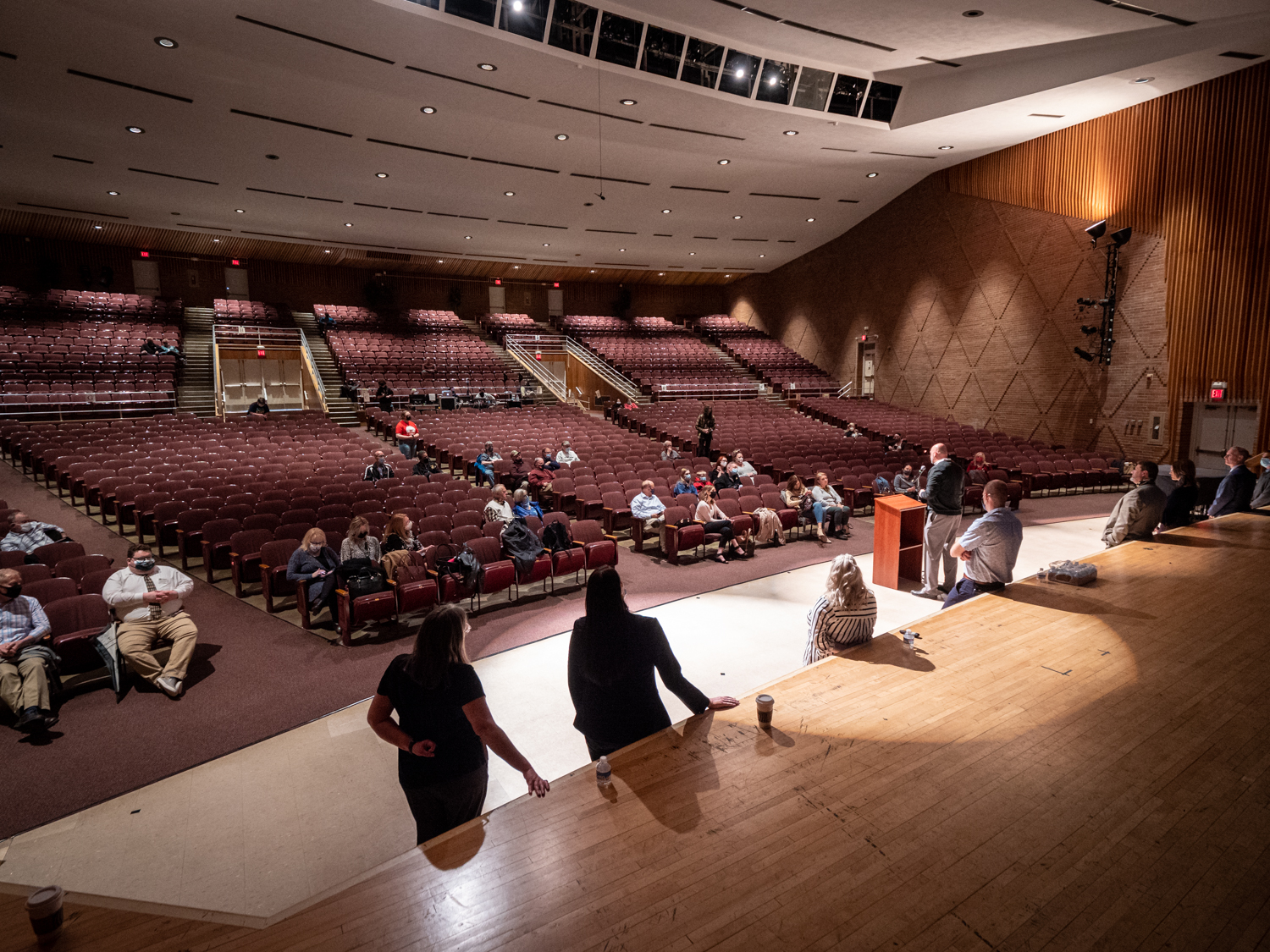
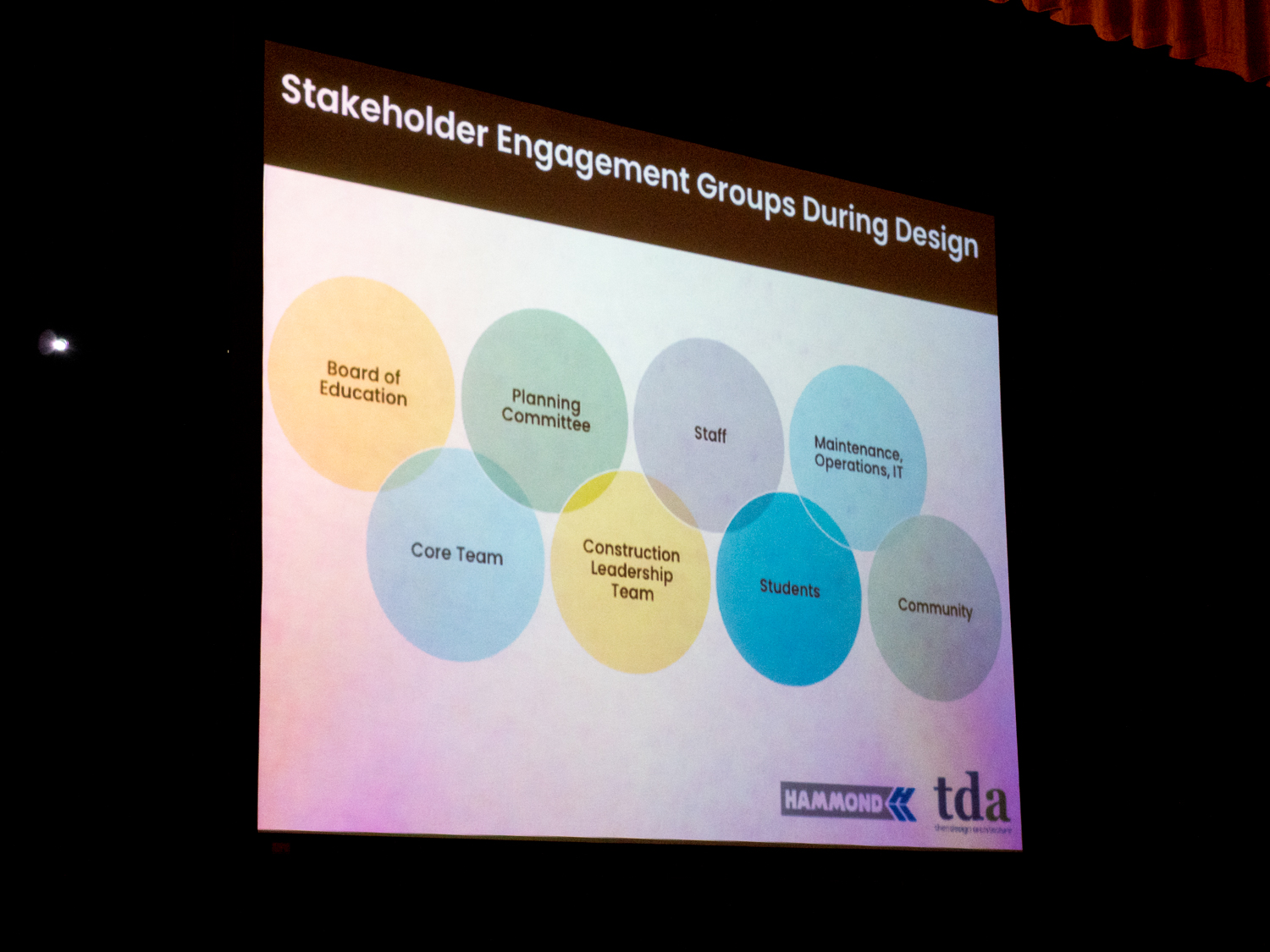
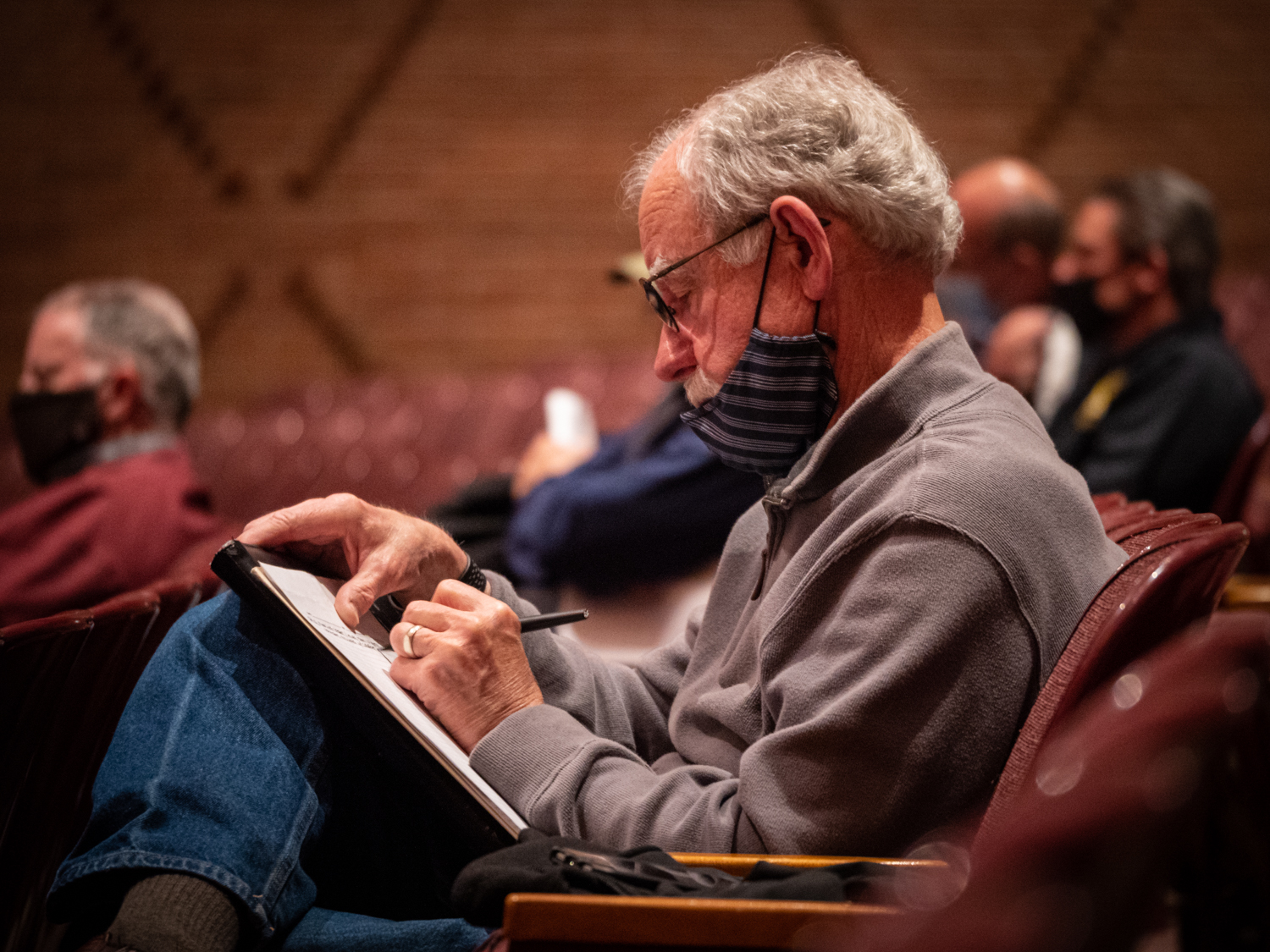
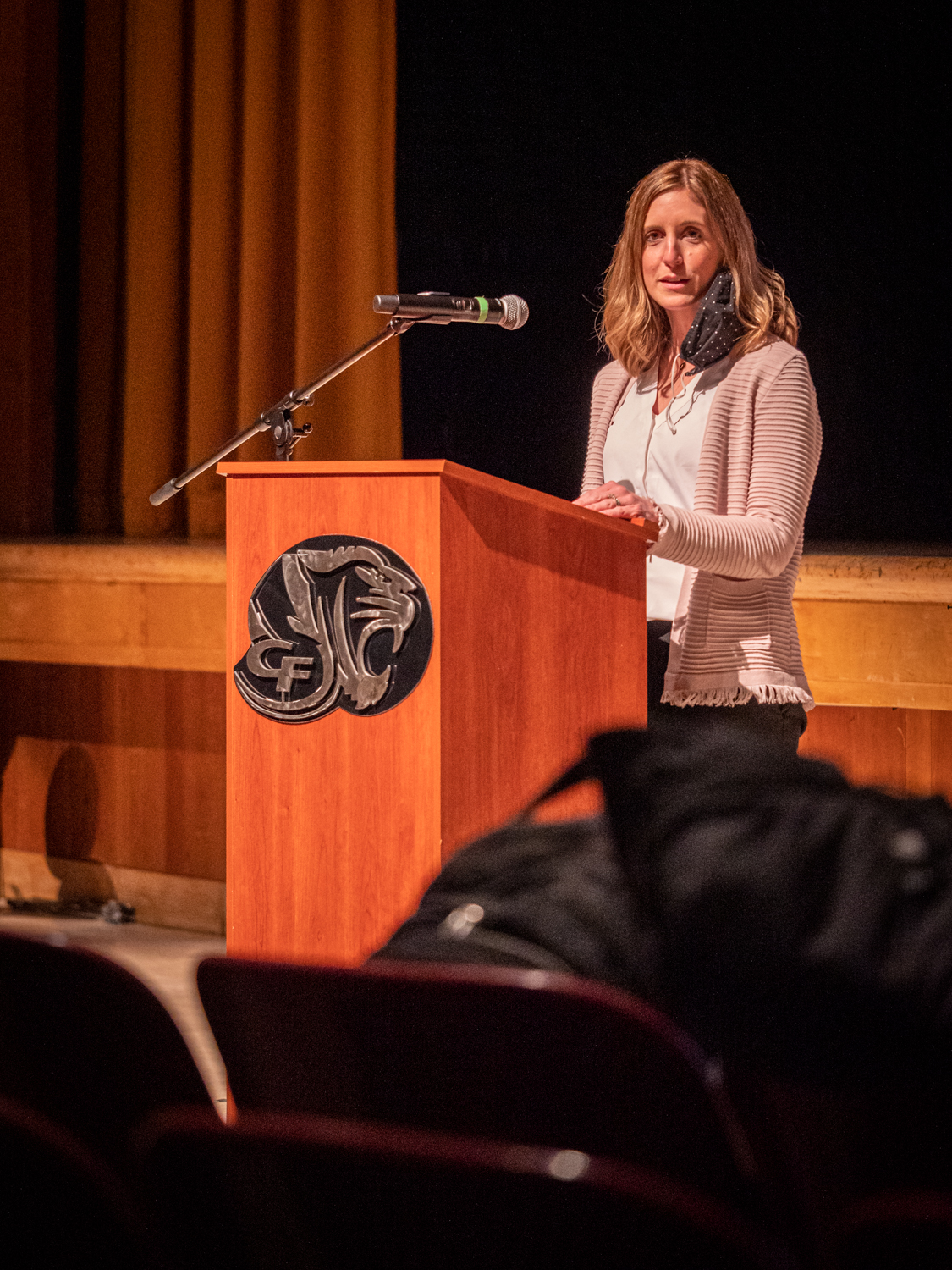
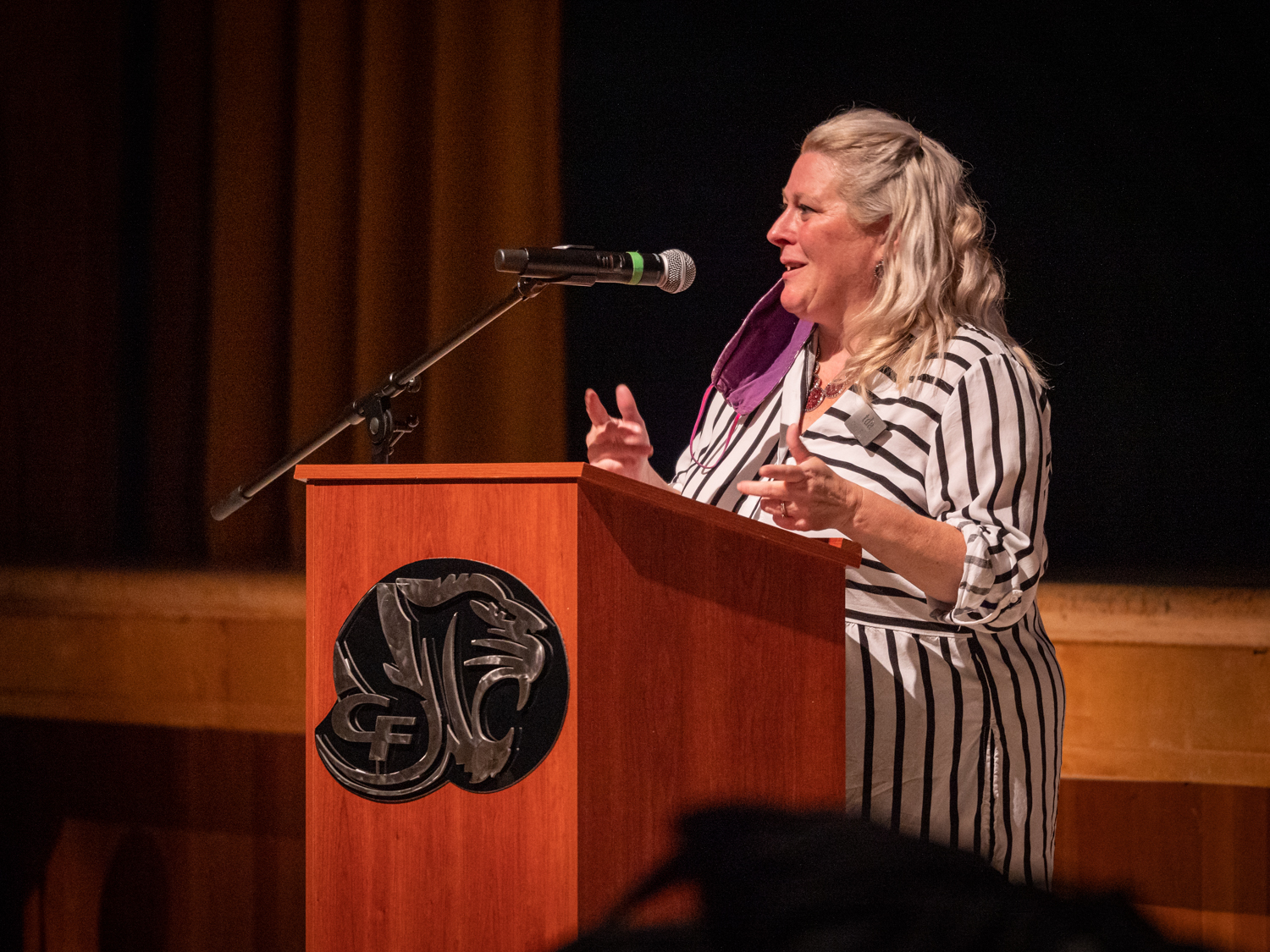
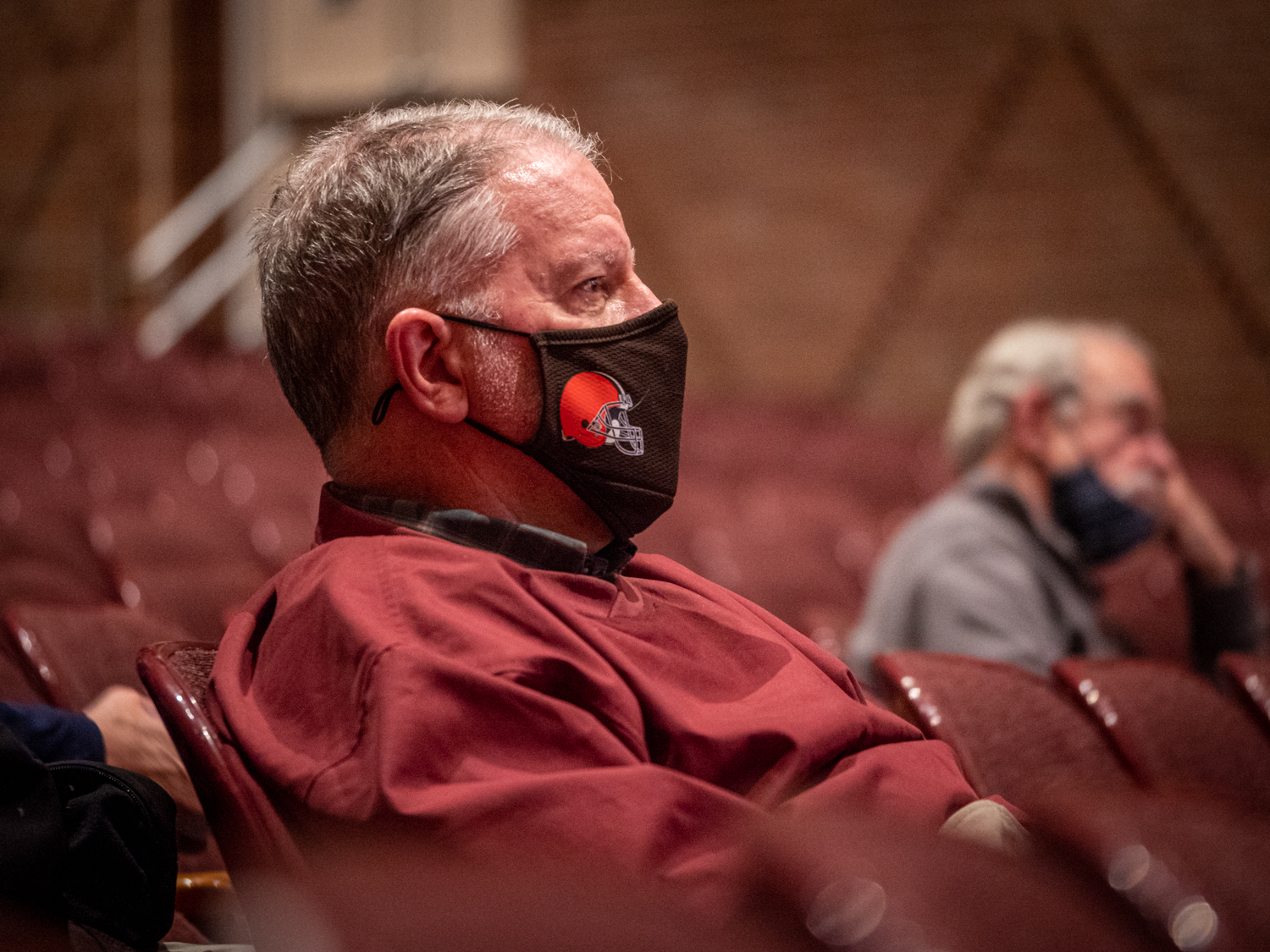
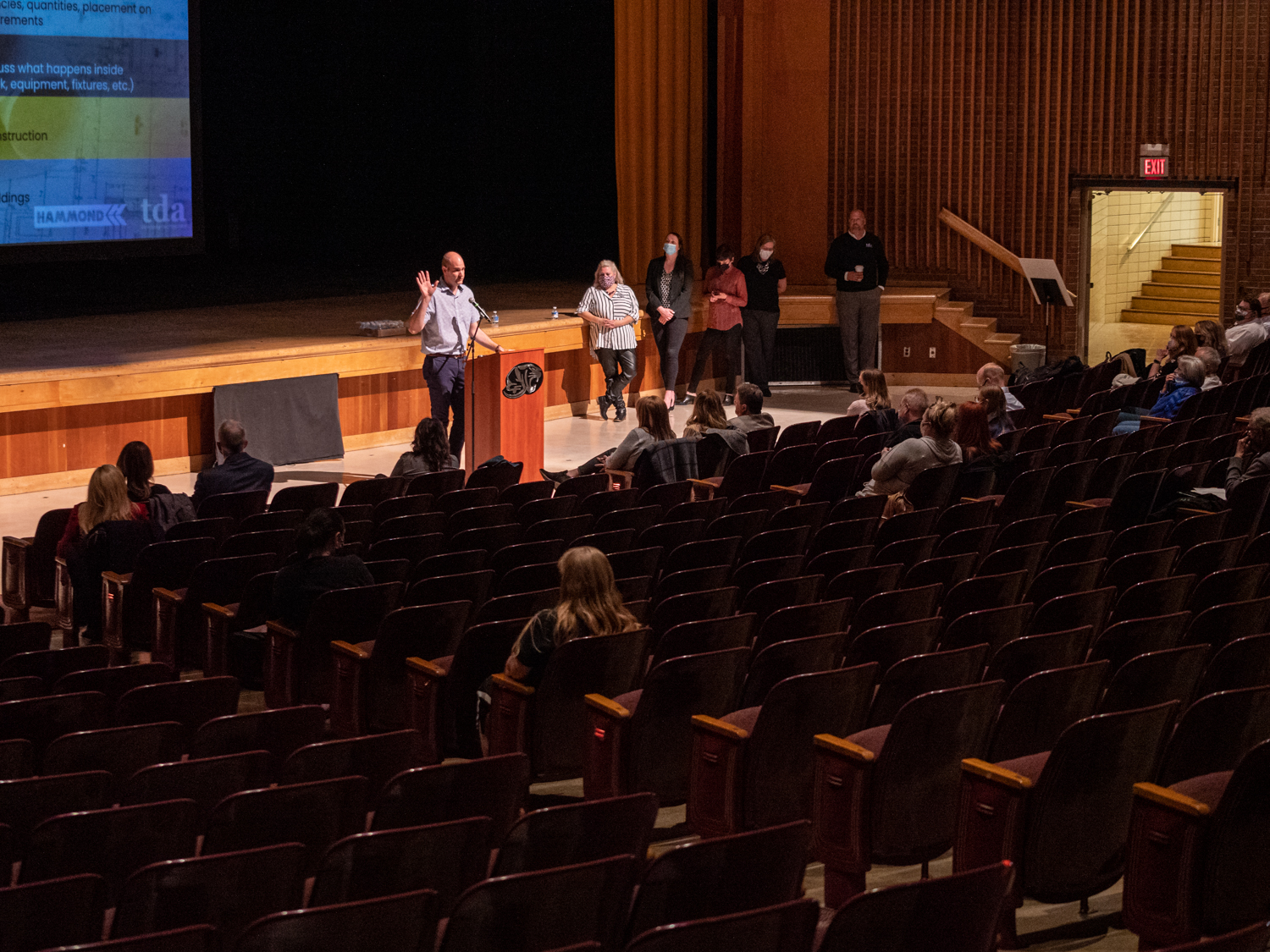
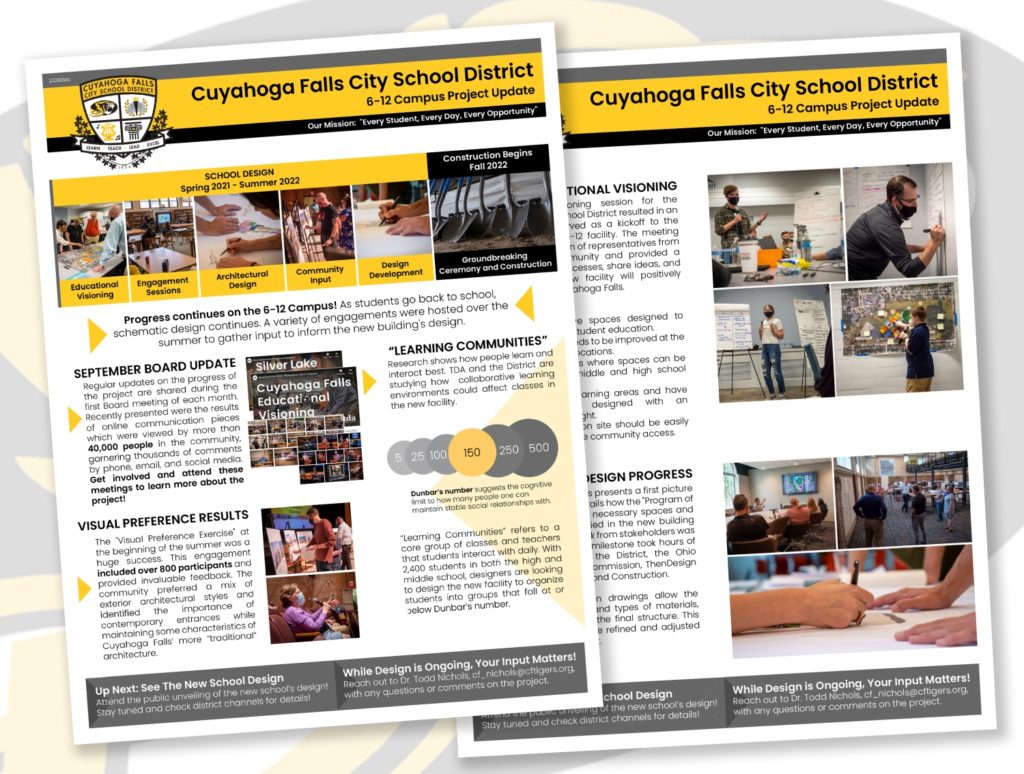
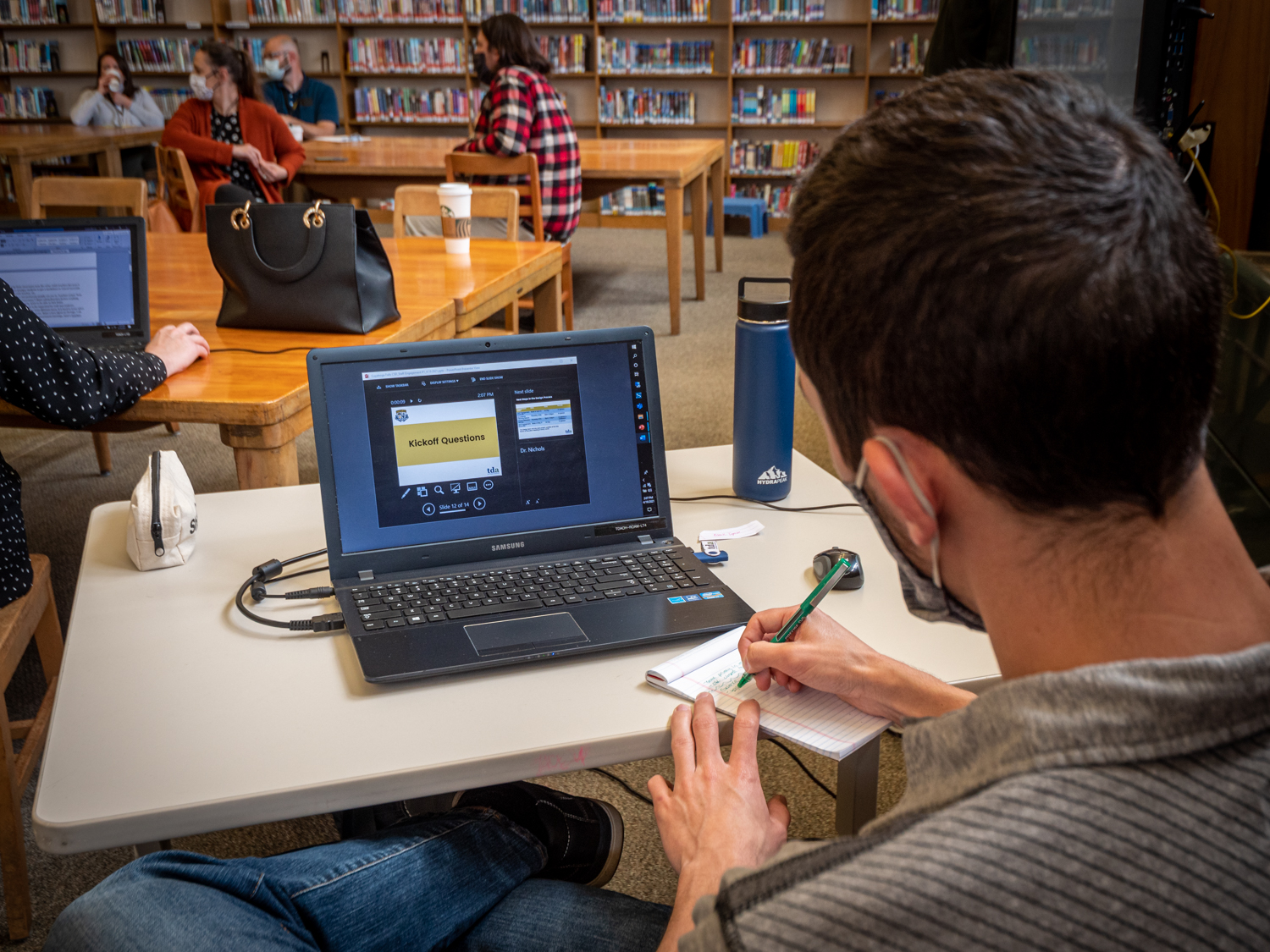
As design commences for the new Cuyahoga Falls 6-12 Campus, the school district conducted it's first "in-person" engagement with ThenDesign Architecture, Hammond Construction and members of the community on April 15th. The team met to introduce themselves, describe the scope of the project, answer questions and talk about how this new facility will impact education in the community.

New Cuyahoga Falls 6-12 Campus

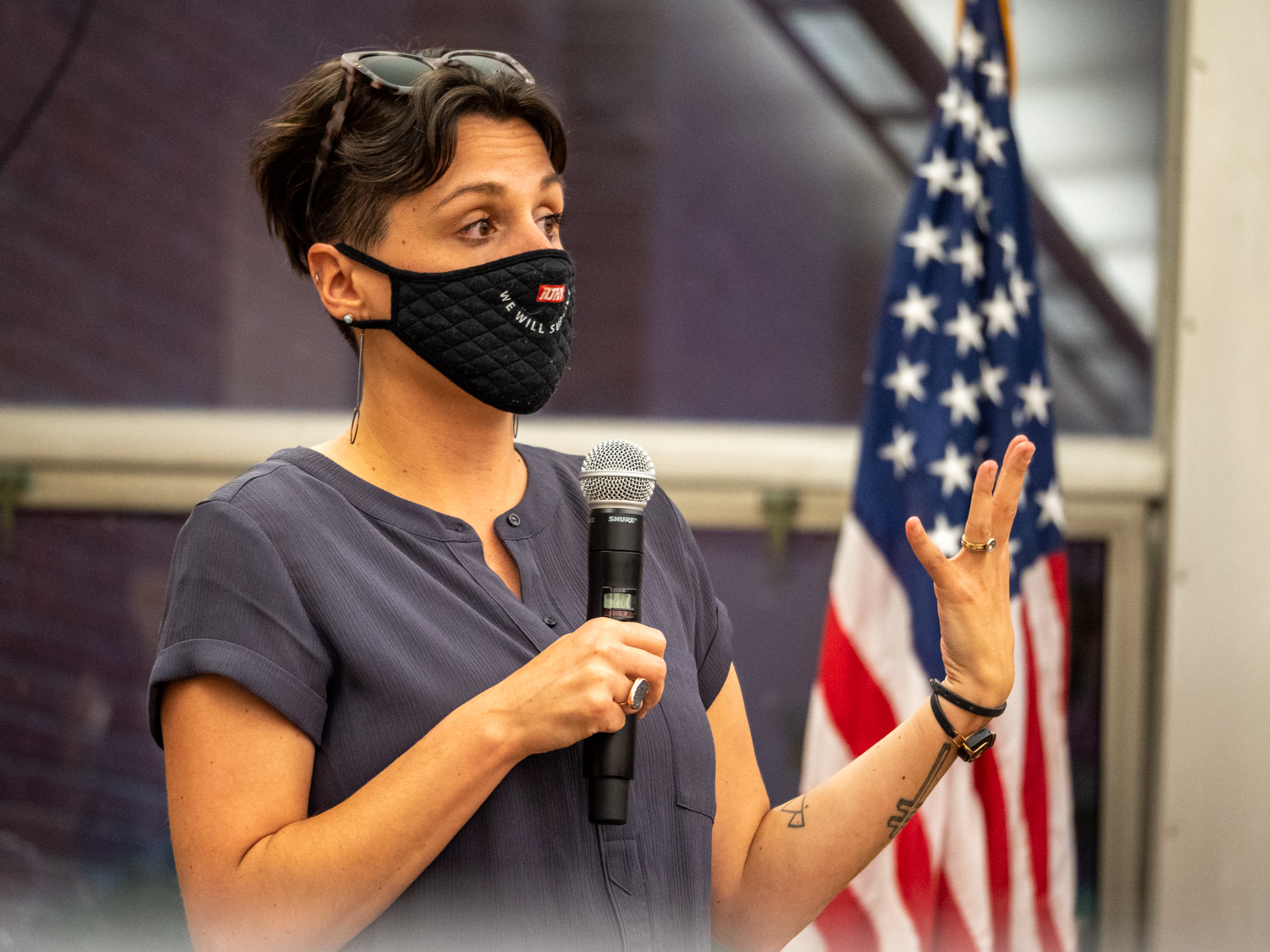
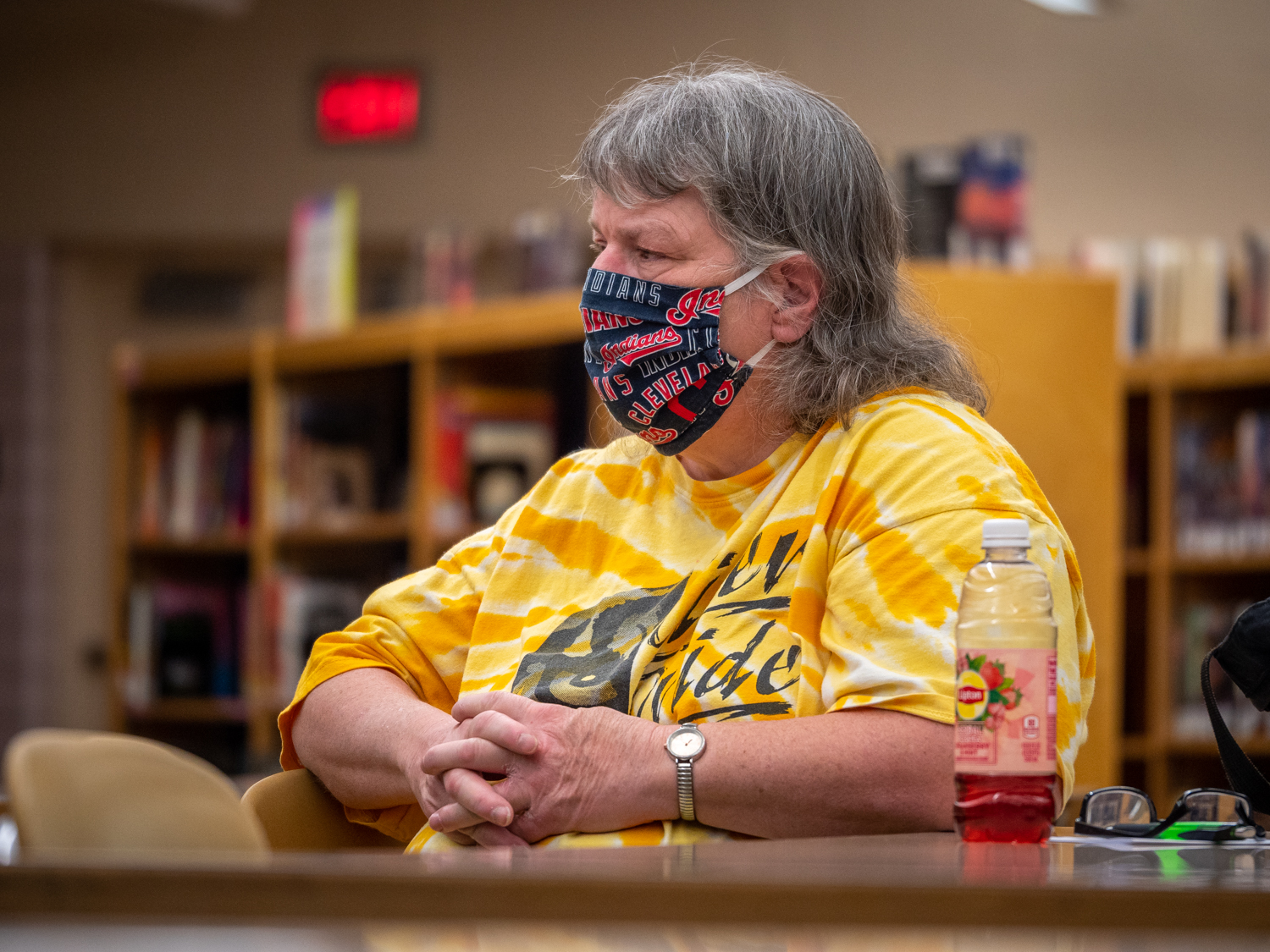
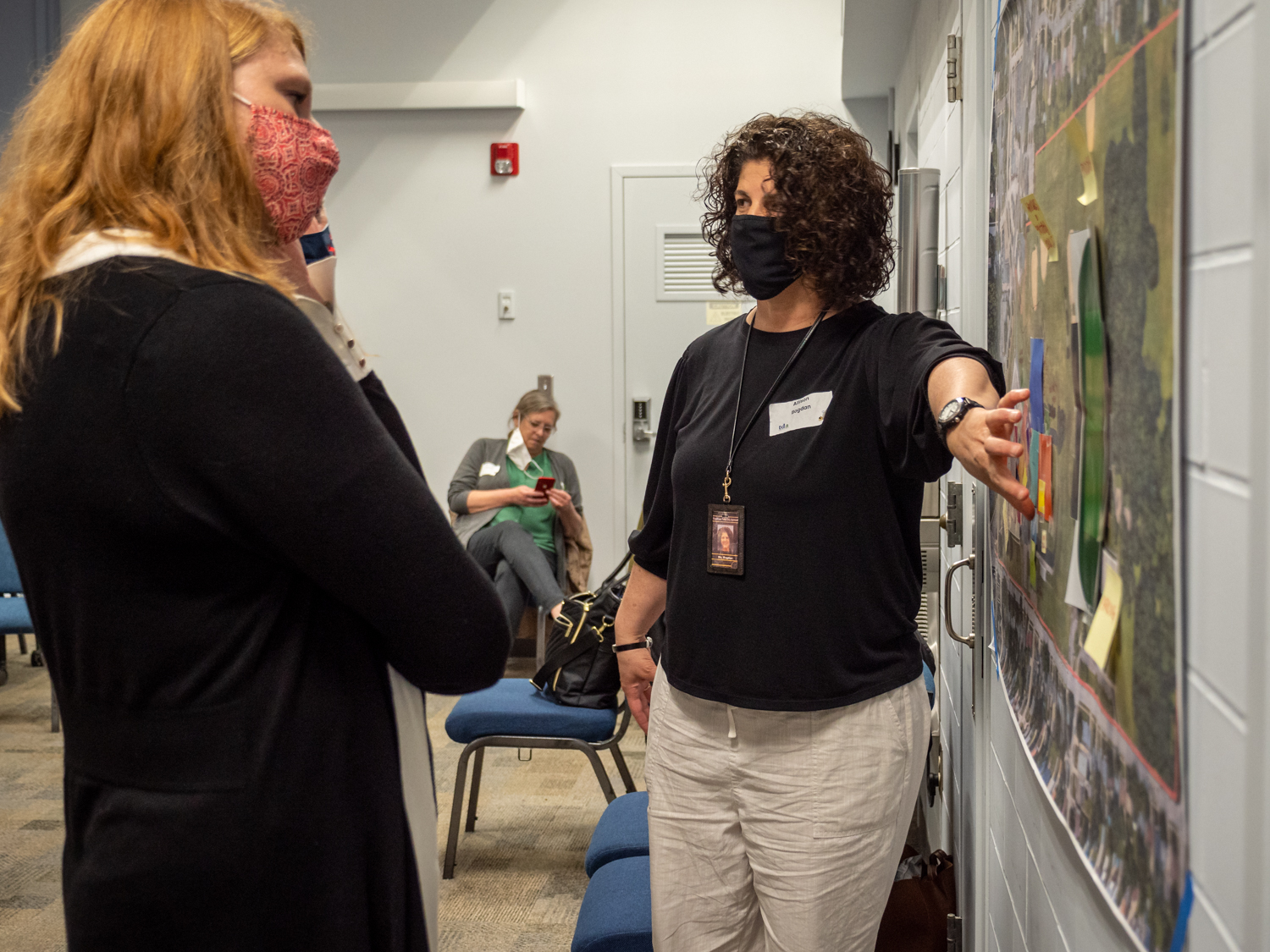
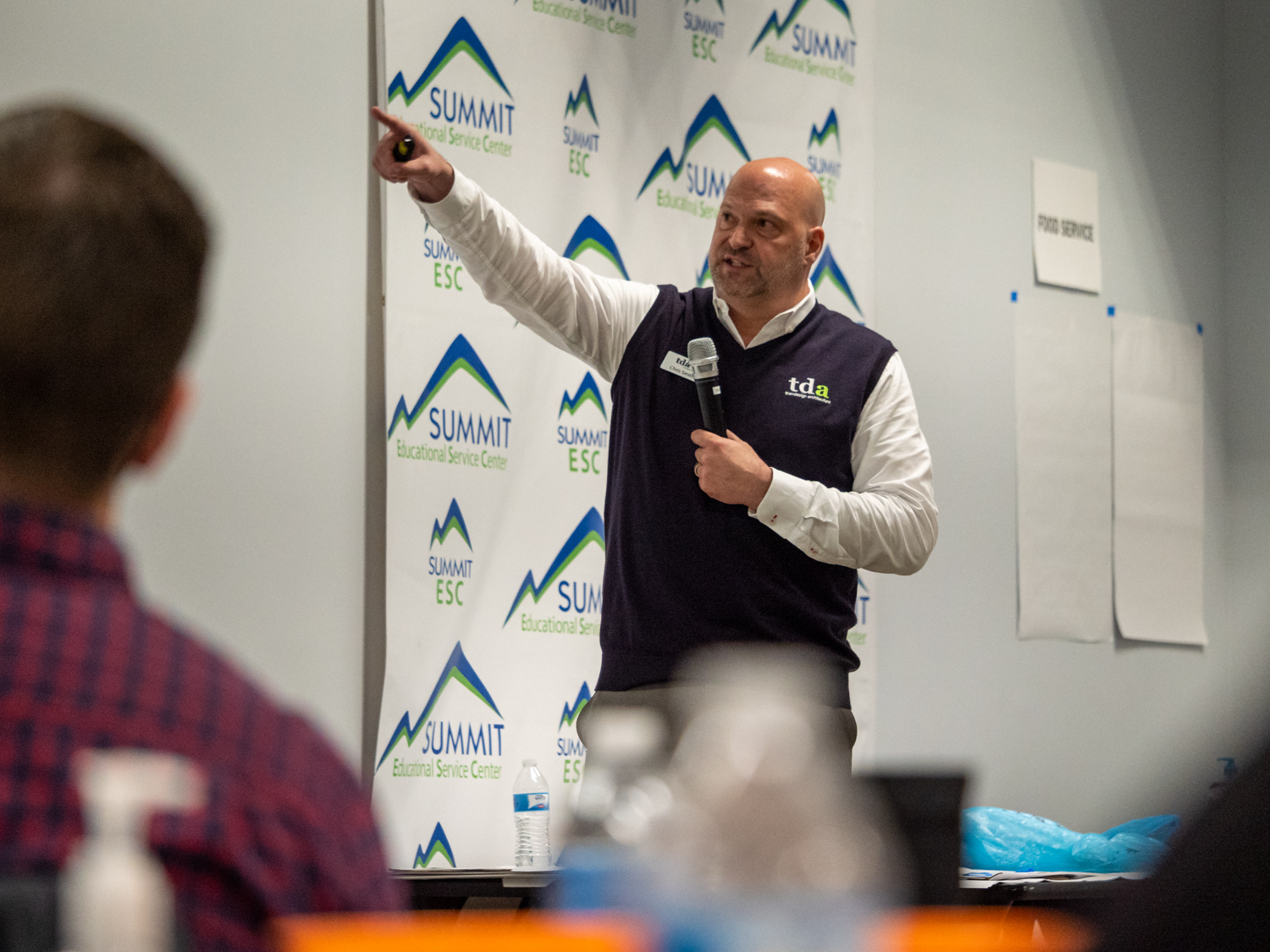
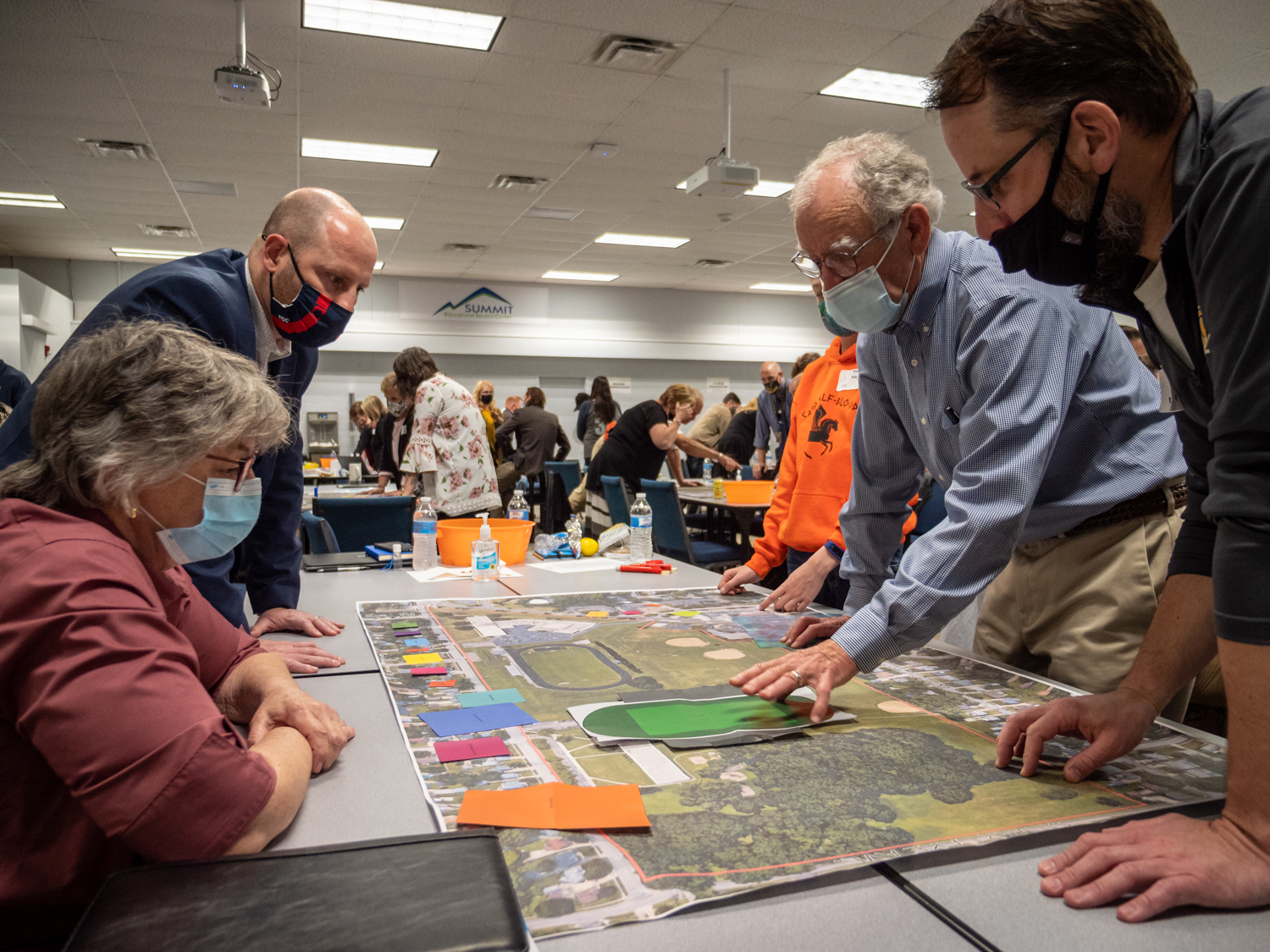
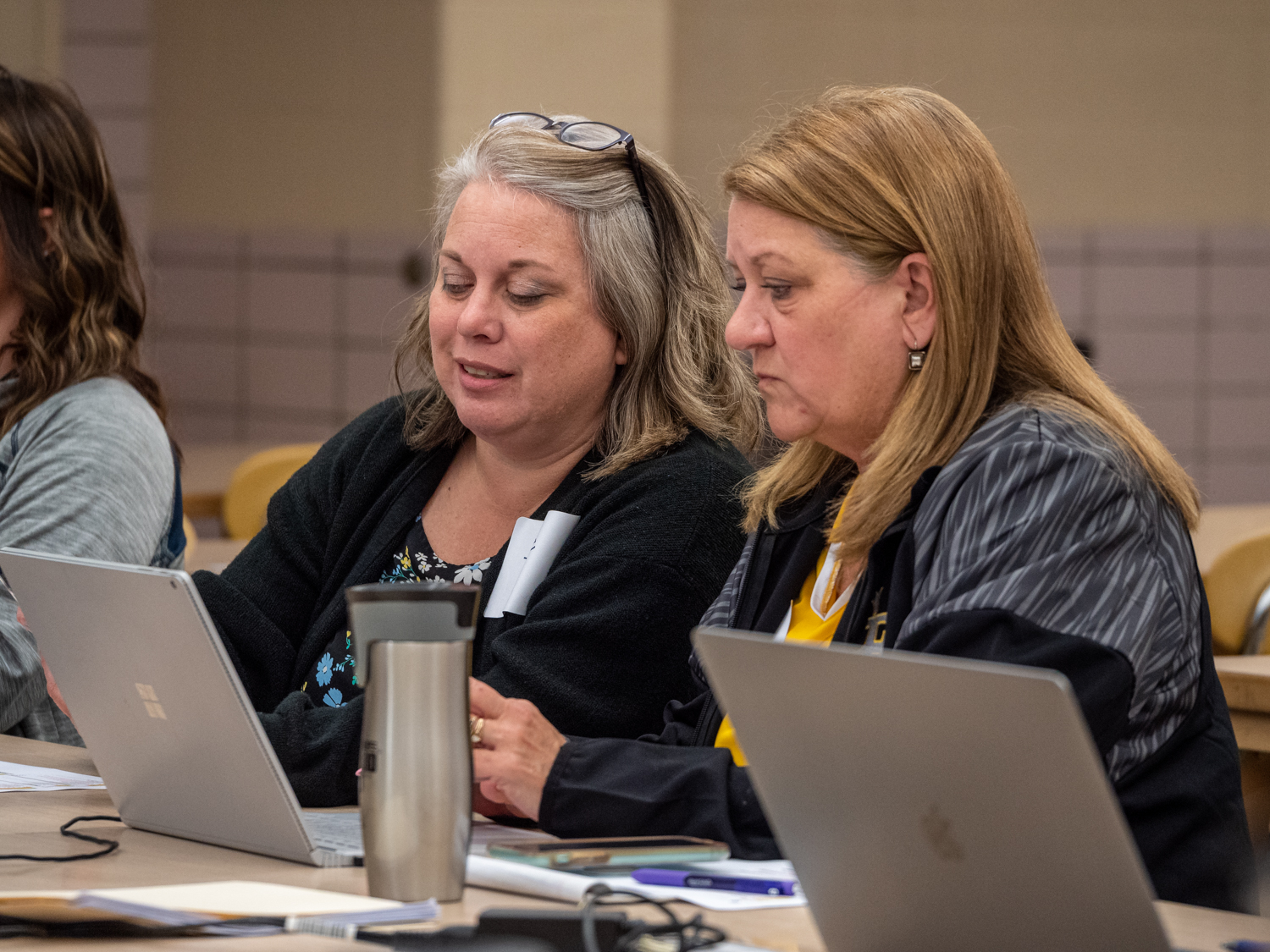
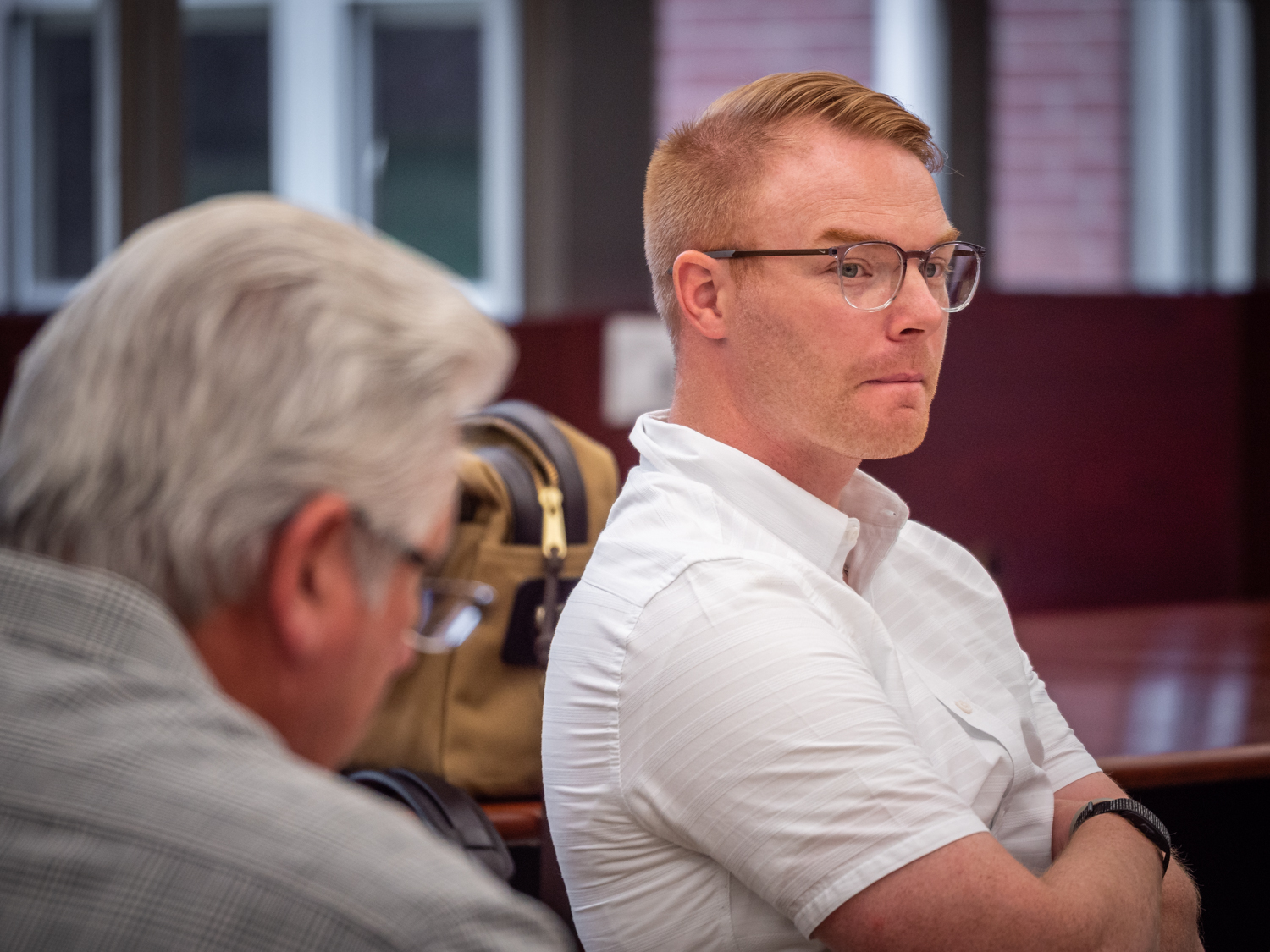
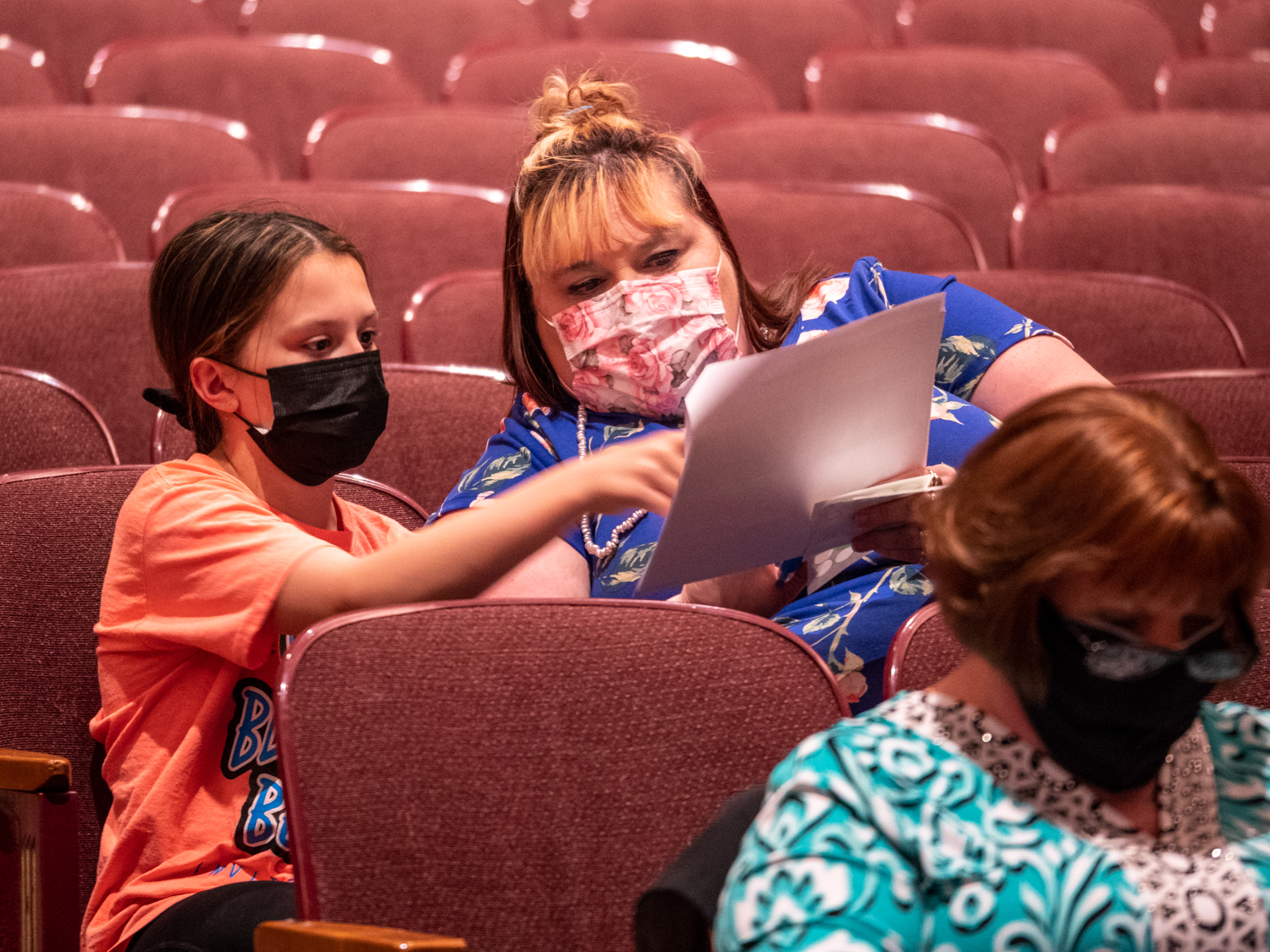
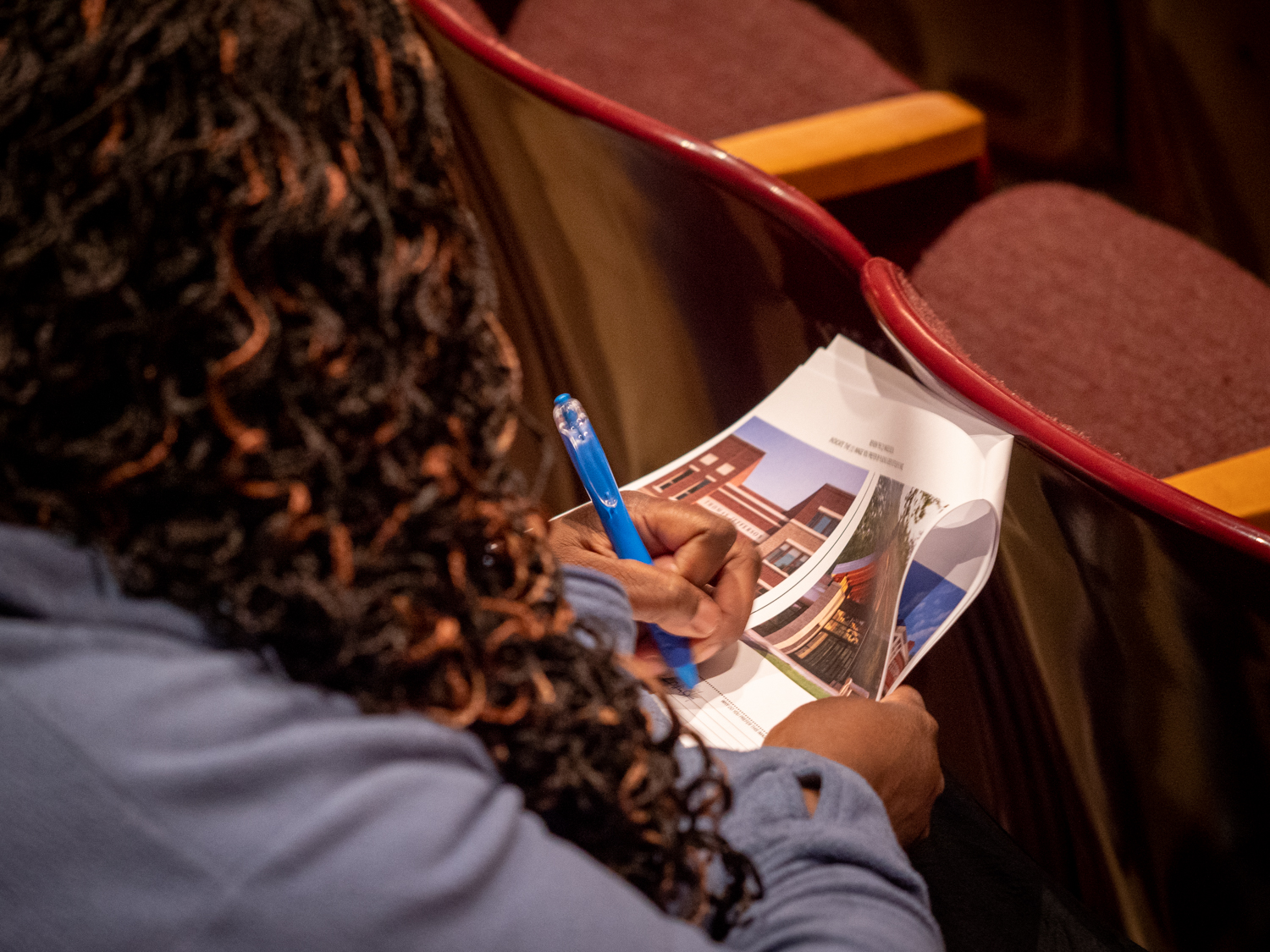
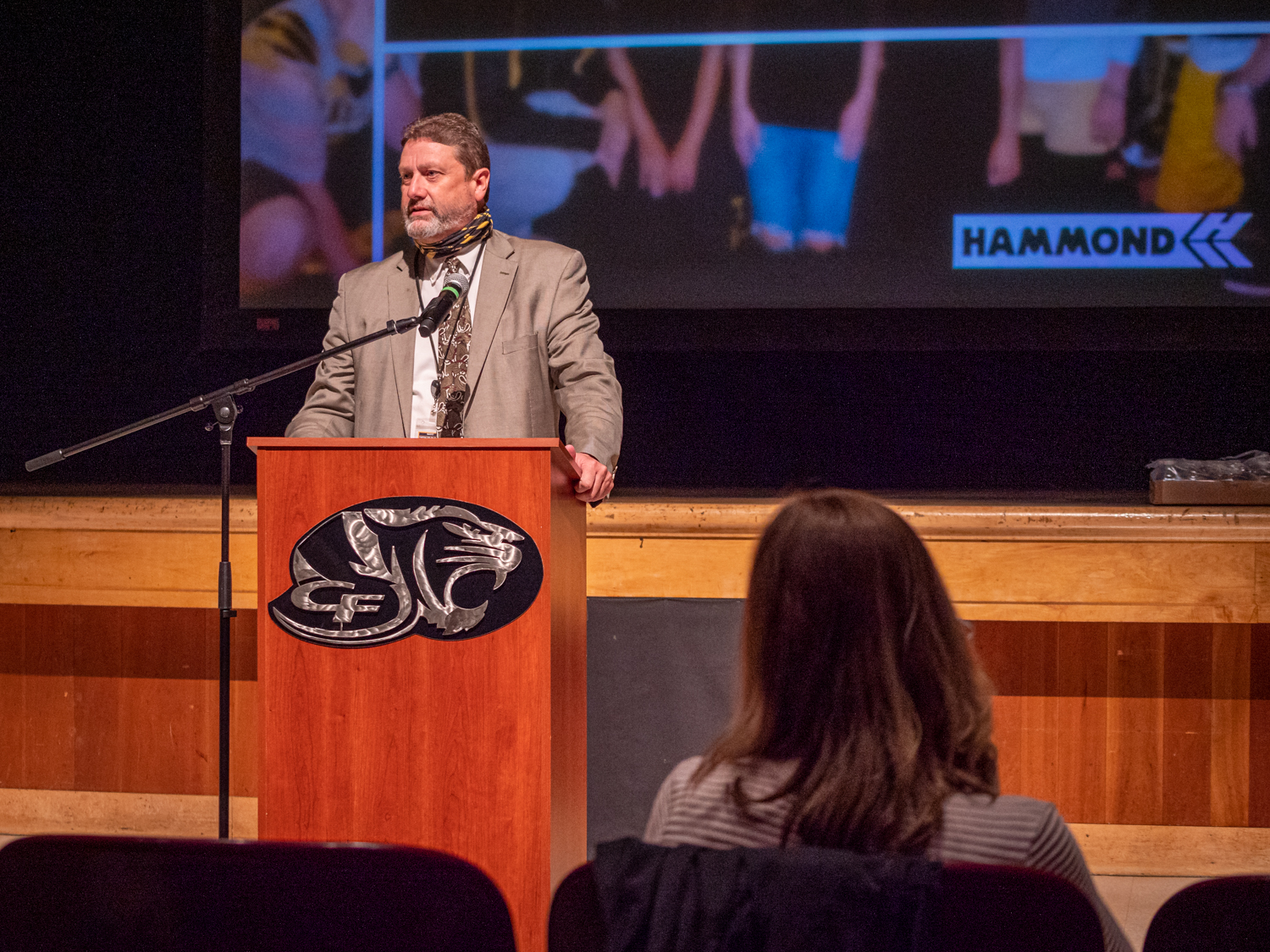
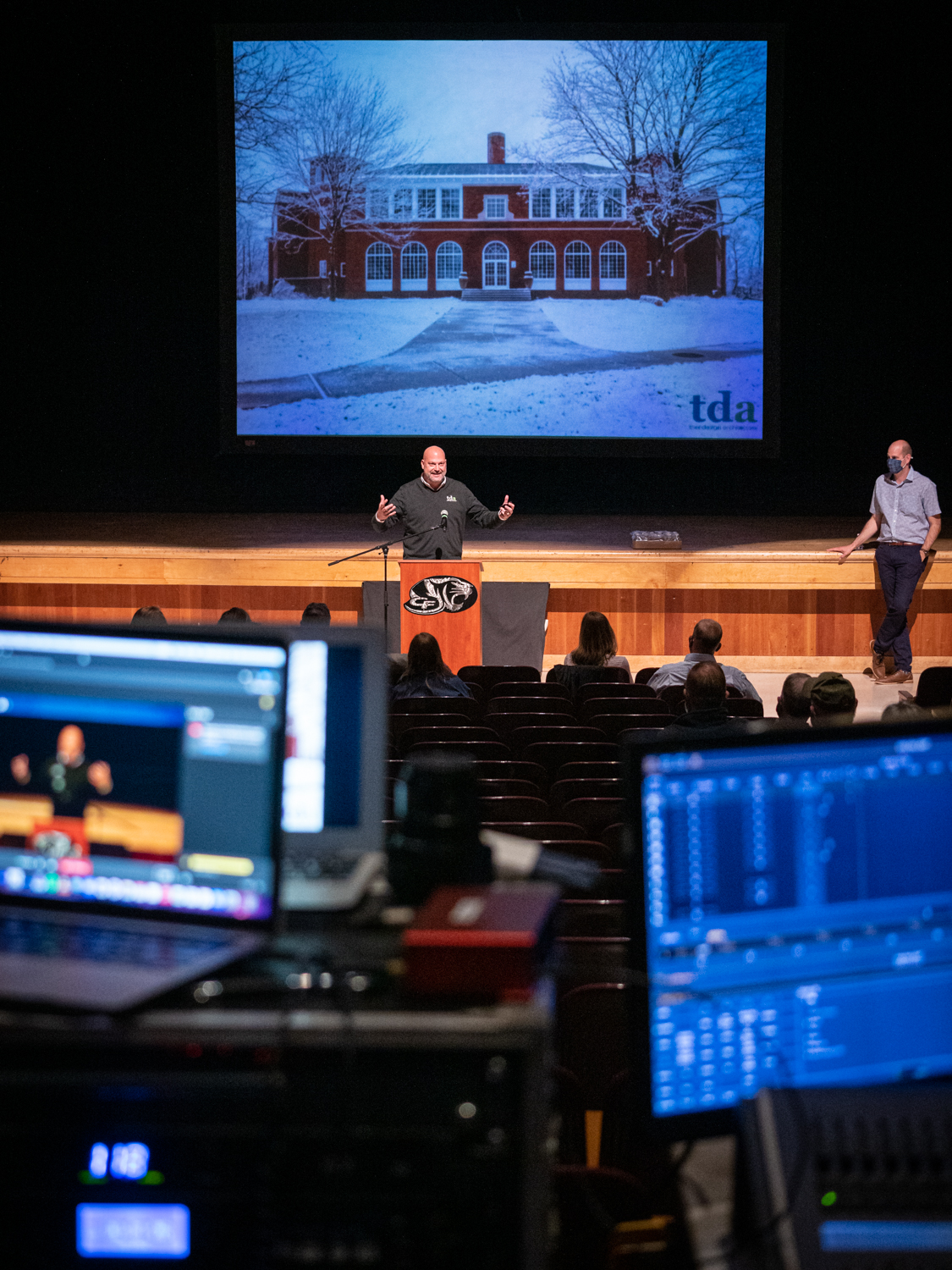
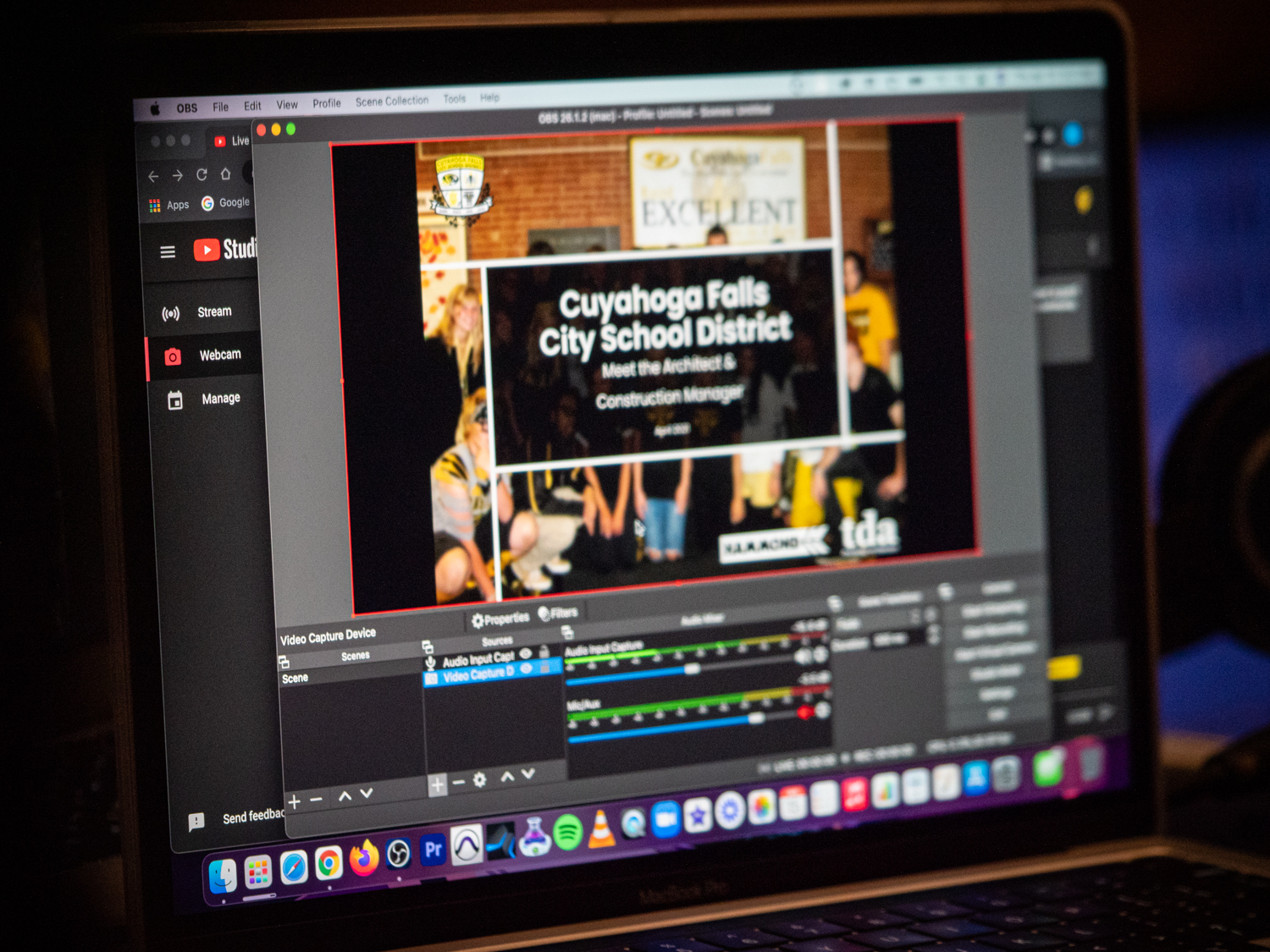
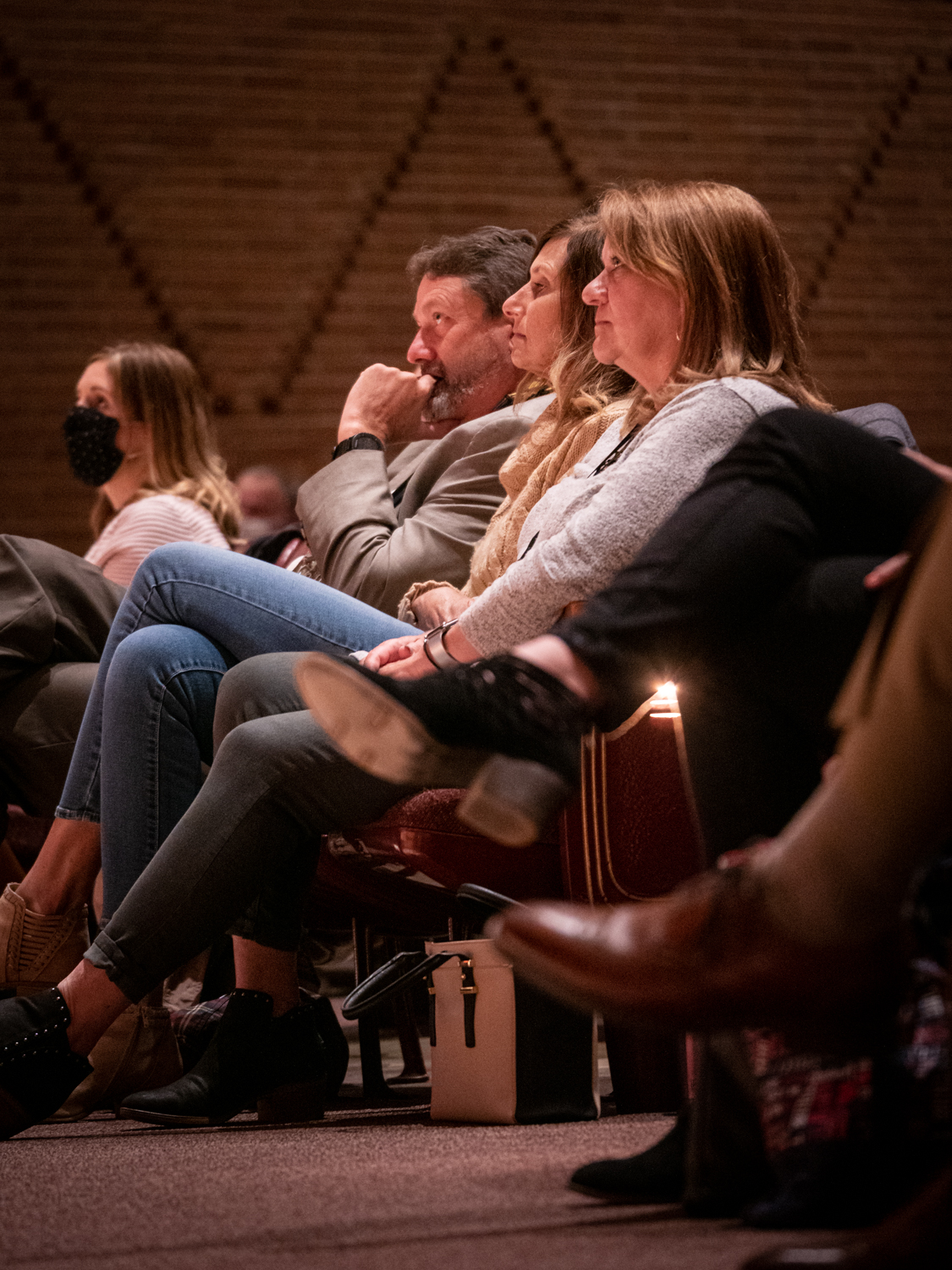
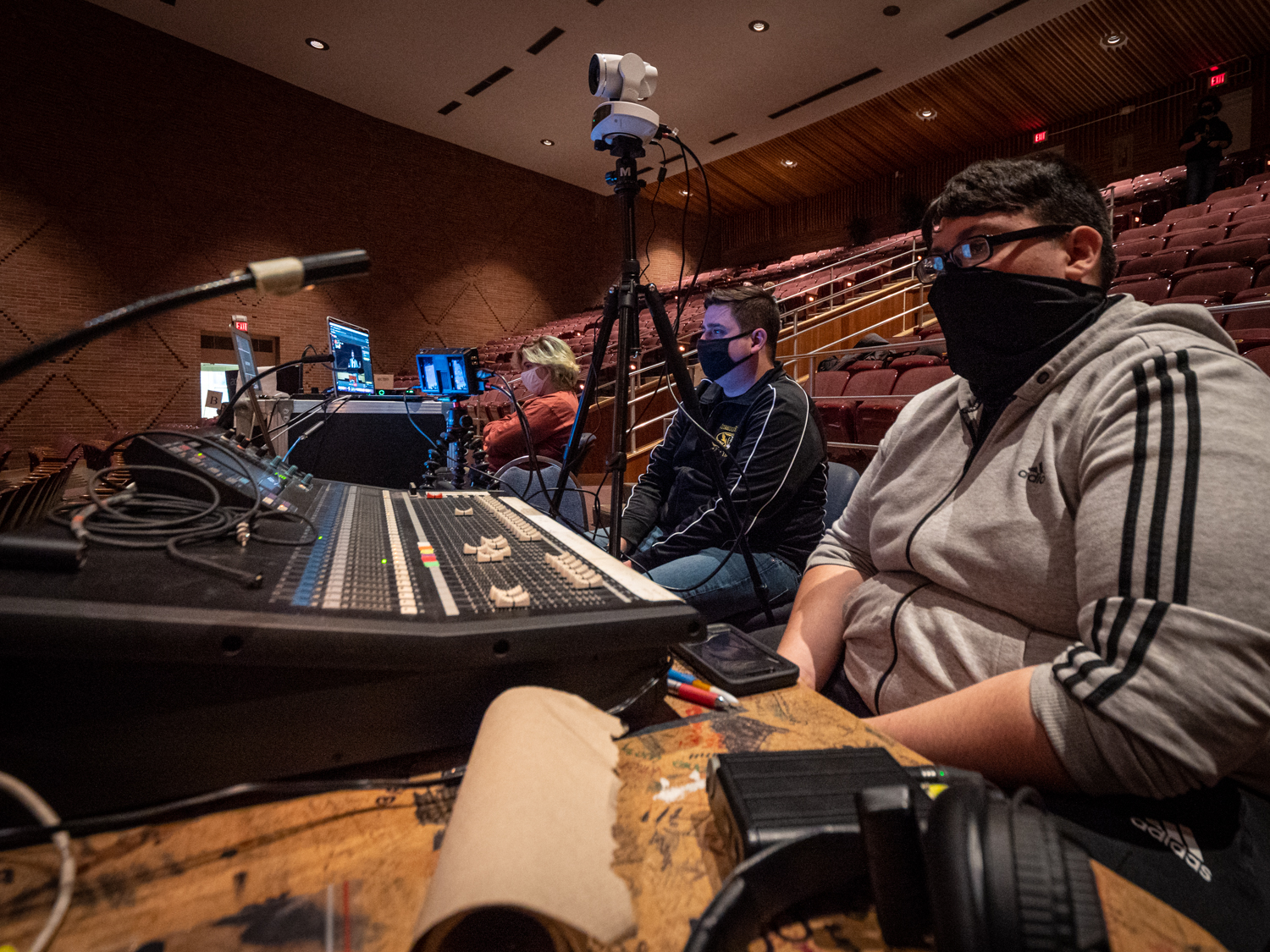
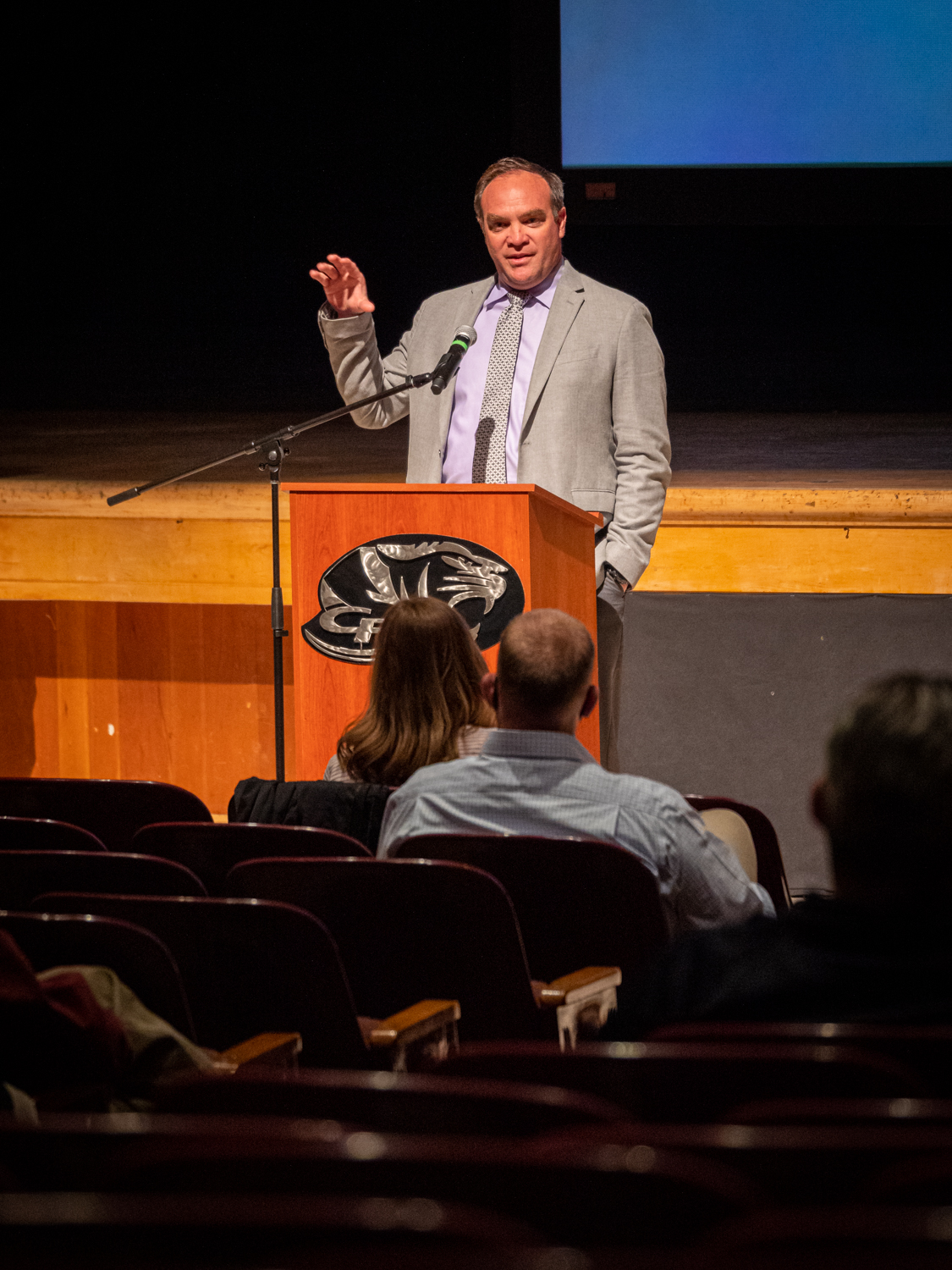
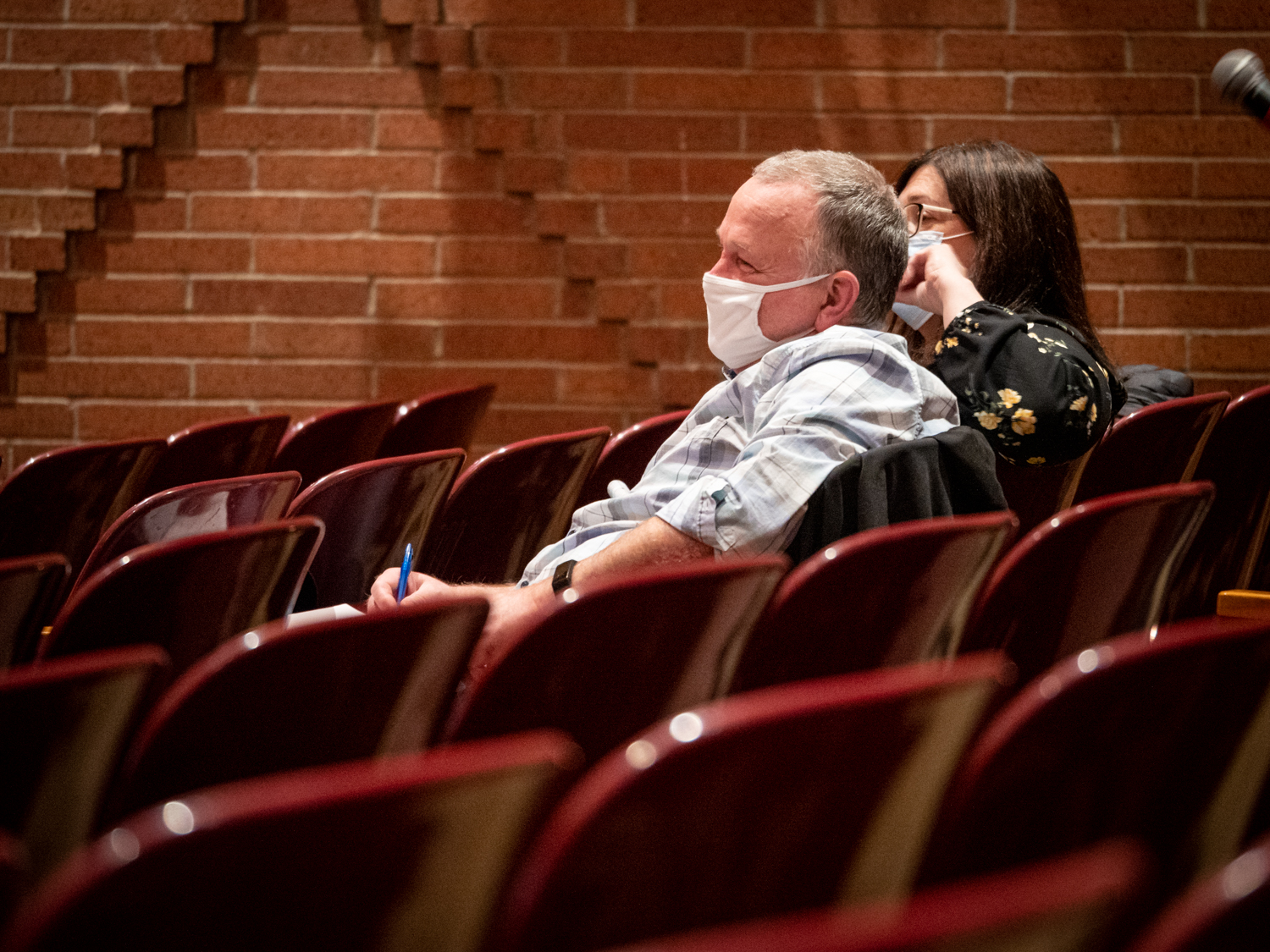
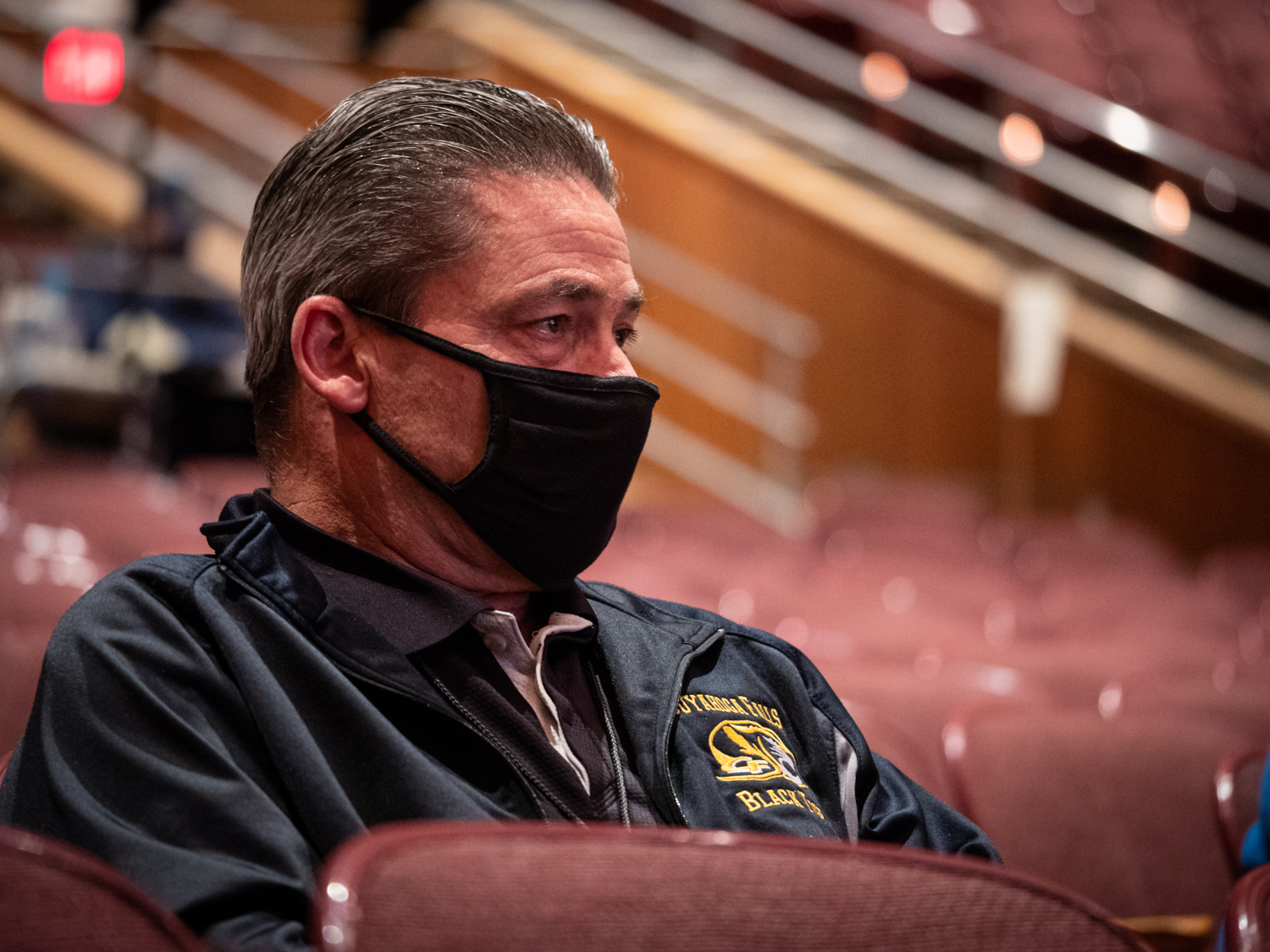
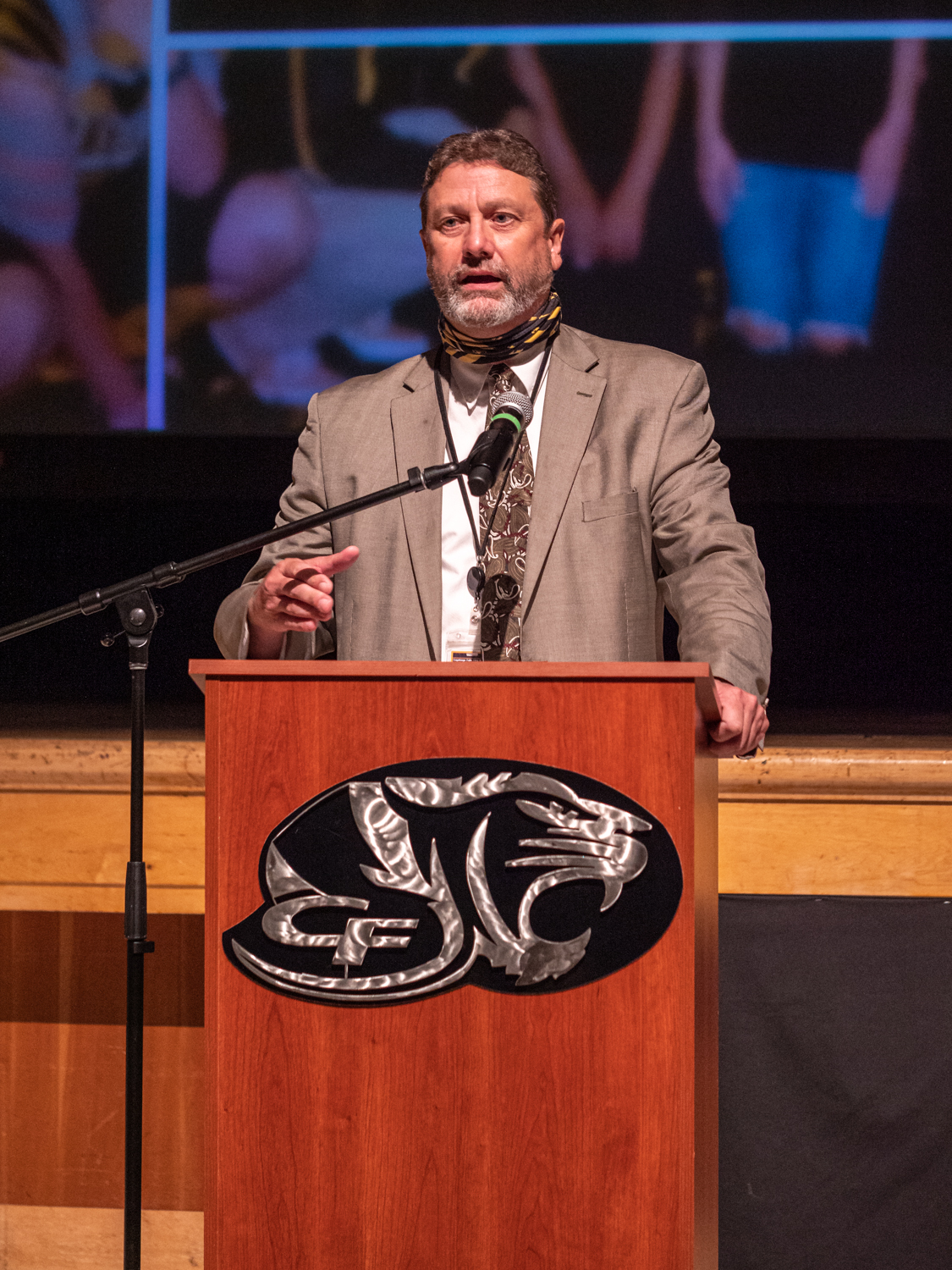
As design commences for the new Cuyahoga Falls 6-12 Campus, the Cuyahoga Falls City School District conducted its’ first “in-person” engagement with ThenDesign Architecture, Hammond Construction and members of the community on April 15th. The team met to introduce themselves, describe the scope of the project, answer questions and talk about how this new facility will impact education in the community. Held in the Cuyahoga Falls High School Auditorium, the interactive session was offered for both in-person attendees and via livestream video for the community. The team provided an inside look on how buildings are designed and presented the next several milestones to look forward to. While this is only the first of many engagement opportunities, many community members came out to support the project, offer ideas for the future school and better understand what opportunities this facility will bring in the years ahead.

The Project Scope

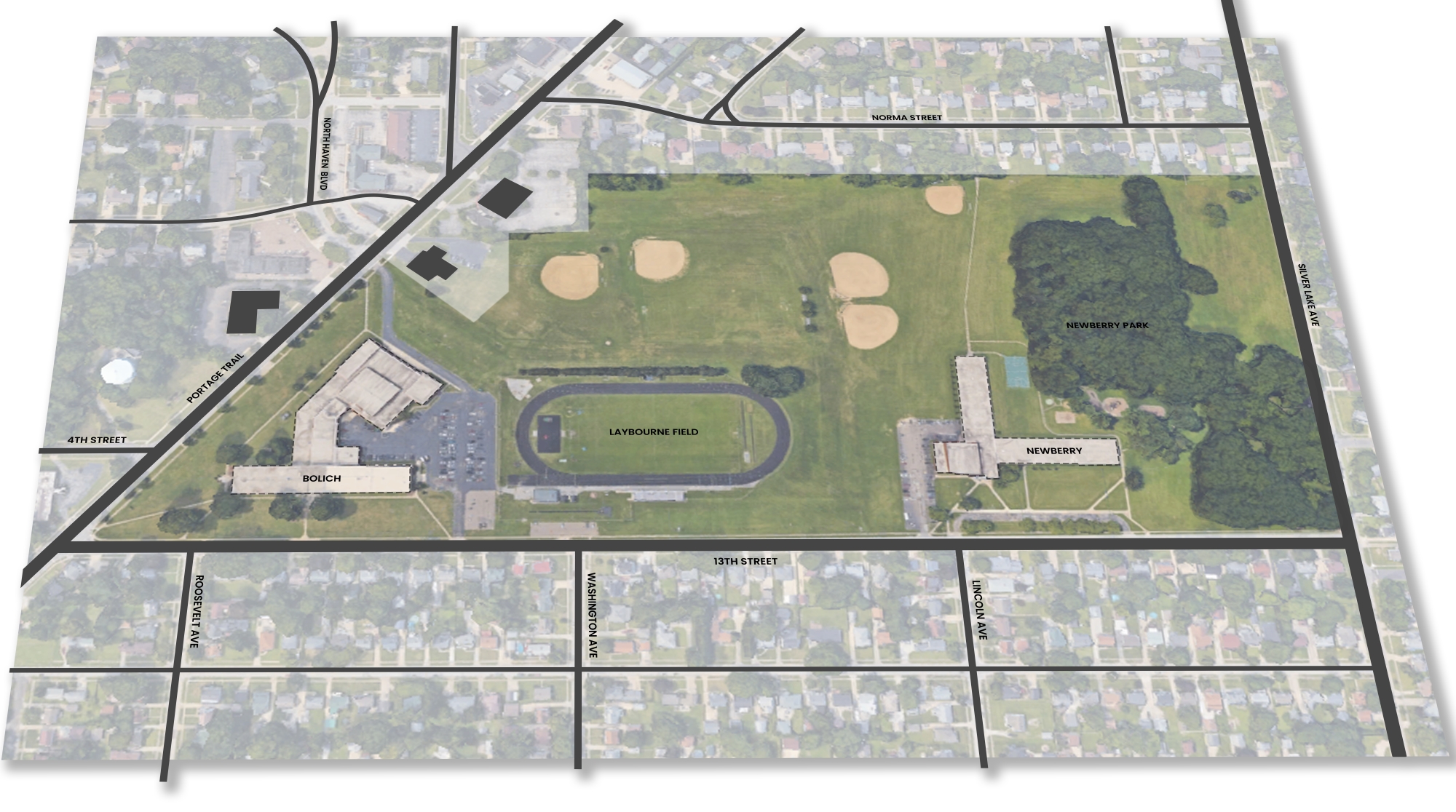
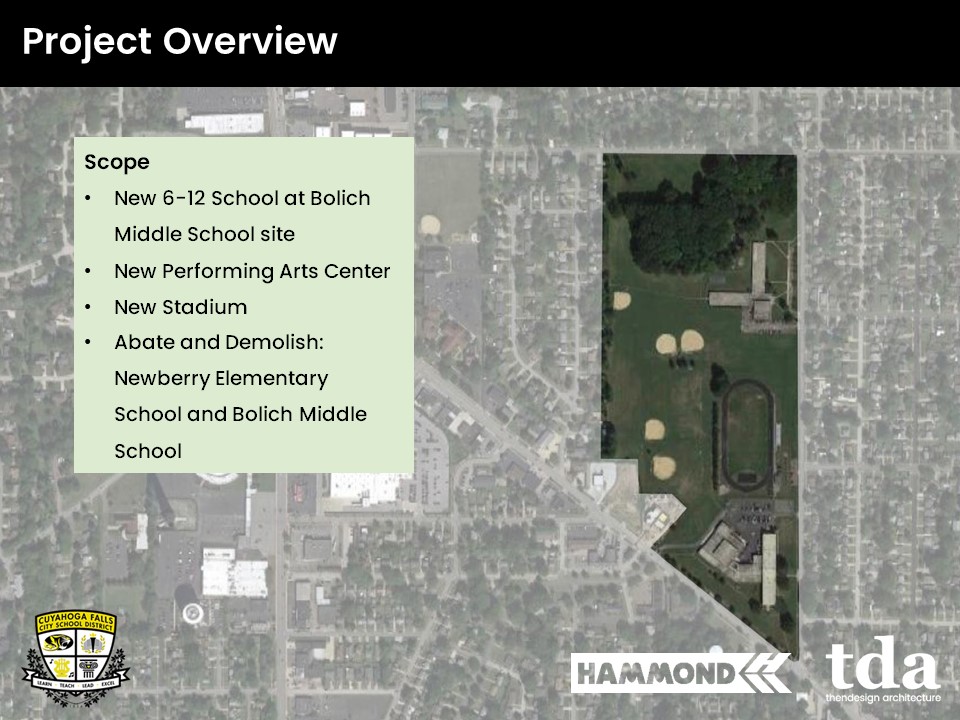
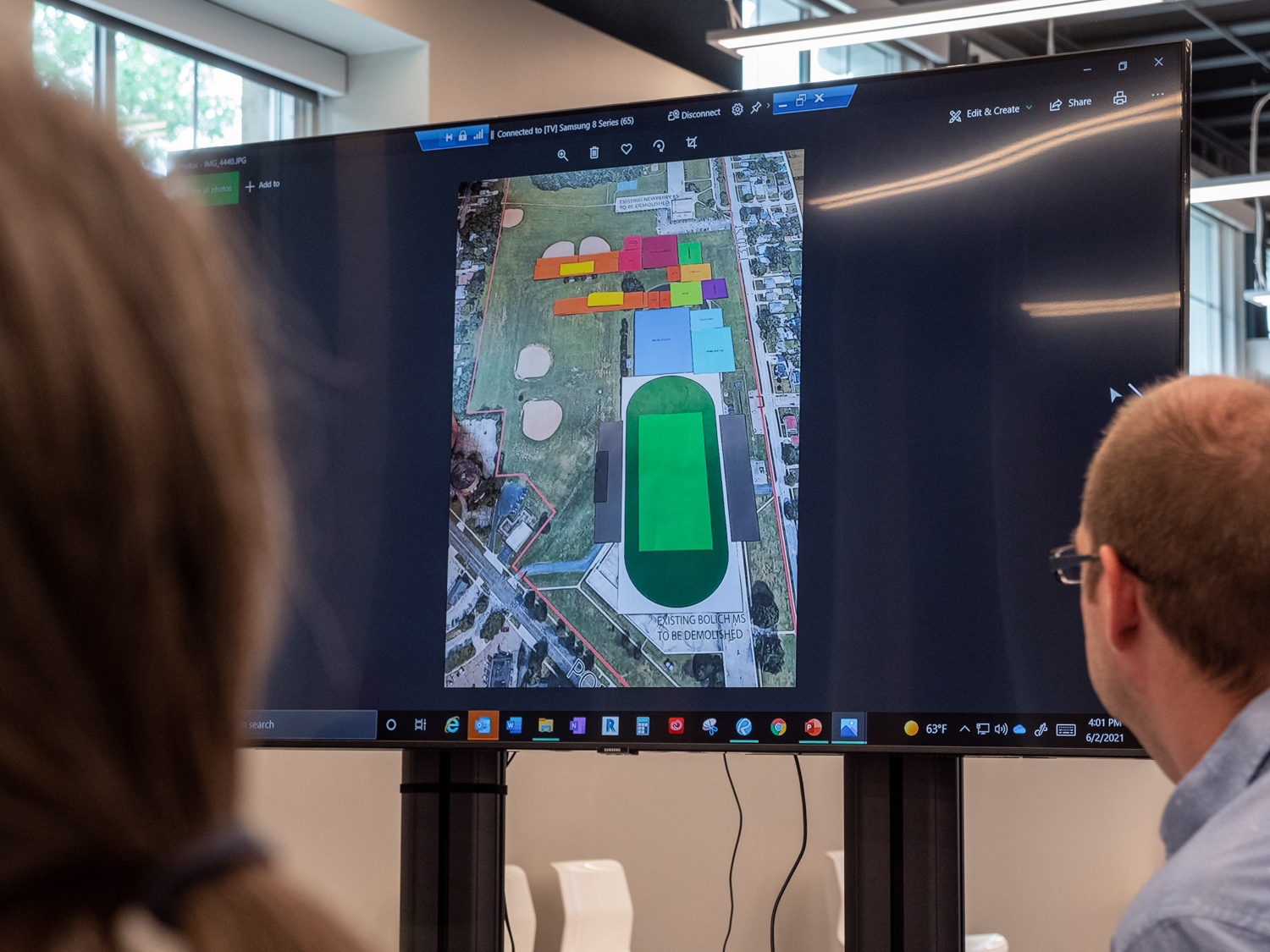
The project scope includes the design and construction of a new 370,000 sf building that houses grades 6-12. The building will ultimately sit on the site currently occupied by the Bolich Middle School and will host a performing arts center and 5,000-seat sports stadium. This innovative facility will open up a range of new possibilities for academic programming and collaboration, larger athletic events and a streamlined education experience for students.

In a recent interview Cuyahoga Falls City Mayor Don Walters recently commented, “This will be the ‘missing piece’ to our City and everything will be complete because the campus environment is perfect.” He continues, “It’s just time [for this new school], and once that is built, and we get the old high school redeveloped and every piece is covered in the City. We will have a good economic base, we have good school systems and everything is complete. So, we are really, really excited to see that.”

Similar sentiments were echoed by those at the community meeting, many of whom supported the bond process in 2019.

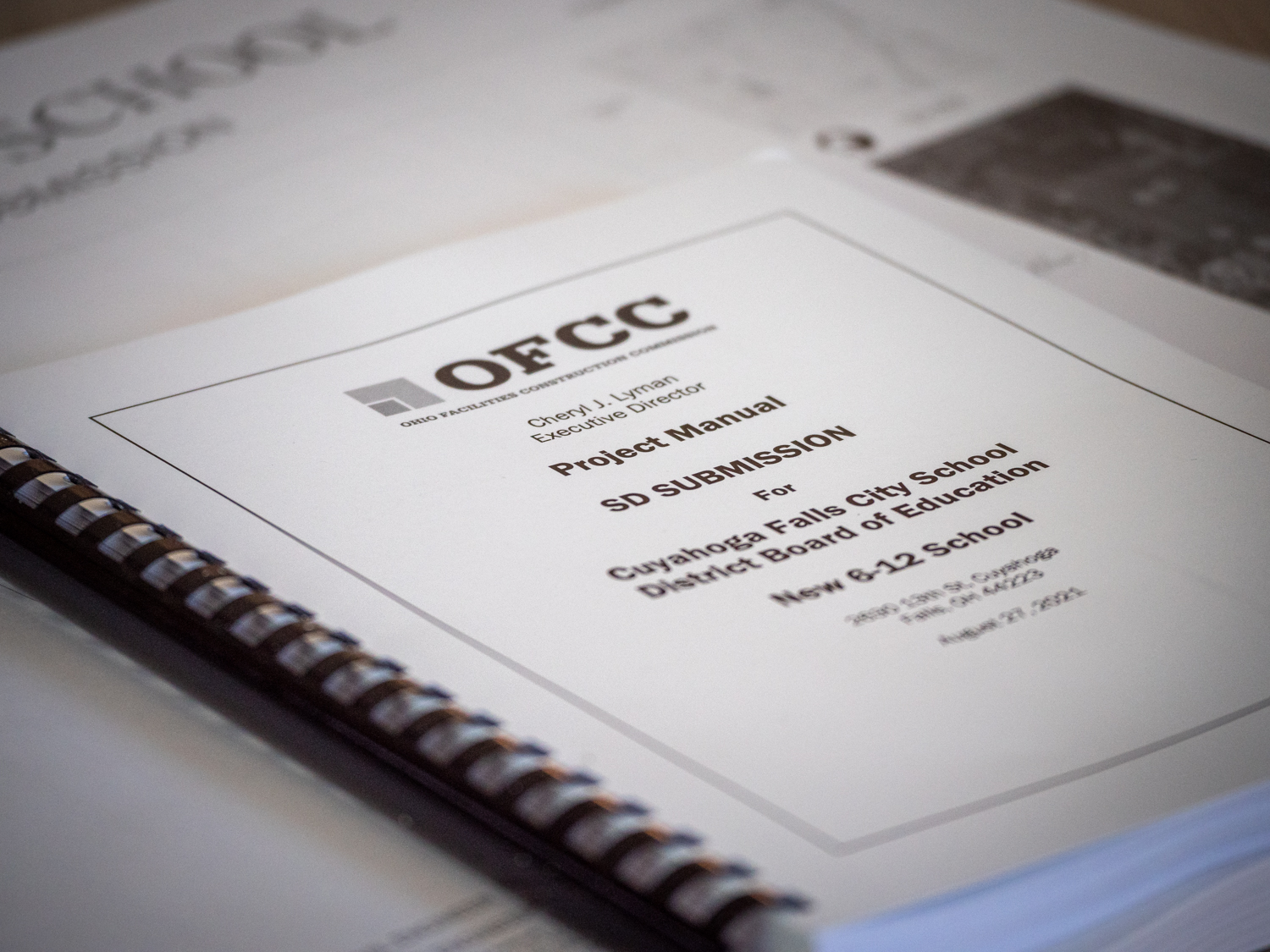
The project is estimated to cost $113.8 million, with the district funding $80.6 million, from the bond issue, while the state of Ohio through the Ohio Facilities Construction Commission (OFCC), is contributing $33.2 million. That amount goes directly towards the new construction of a 6-12 building, stadium complex and demolition of Bolich Middle School and the Newberry Elementary School.

"We're going to be meeting with our staff and we'll be listening to what they have to say to inform the design. We are beginning with an "educational vision" and designing a building to meet those needs."
Dr. Todd M. Nichols
Superintendent/CEO

Cuyahoga Falls New 6-12 Campus Design Process

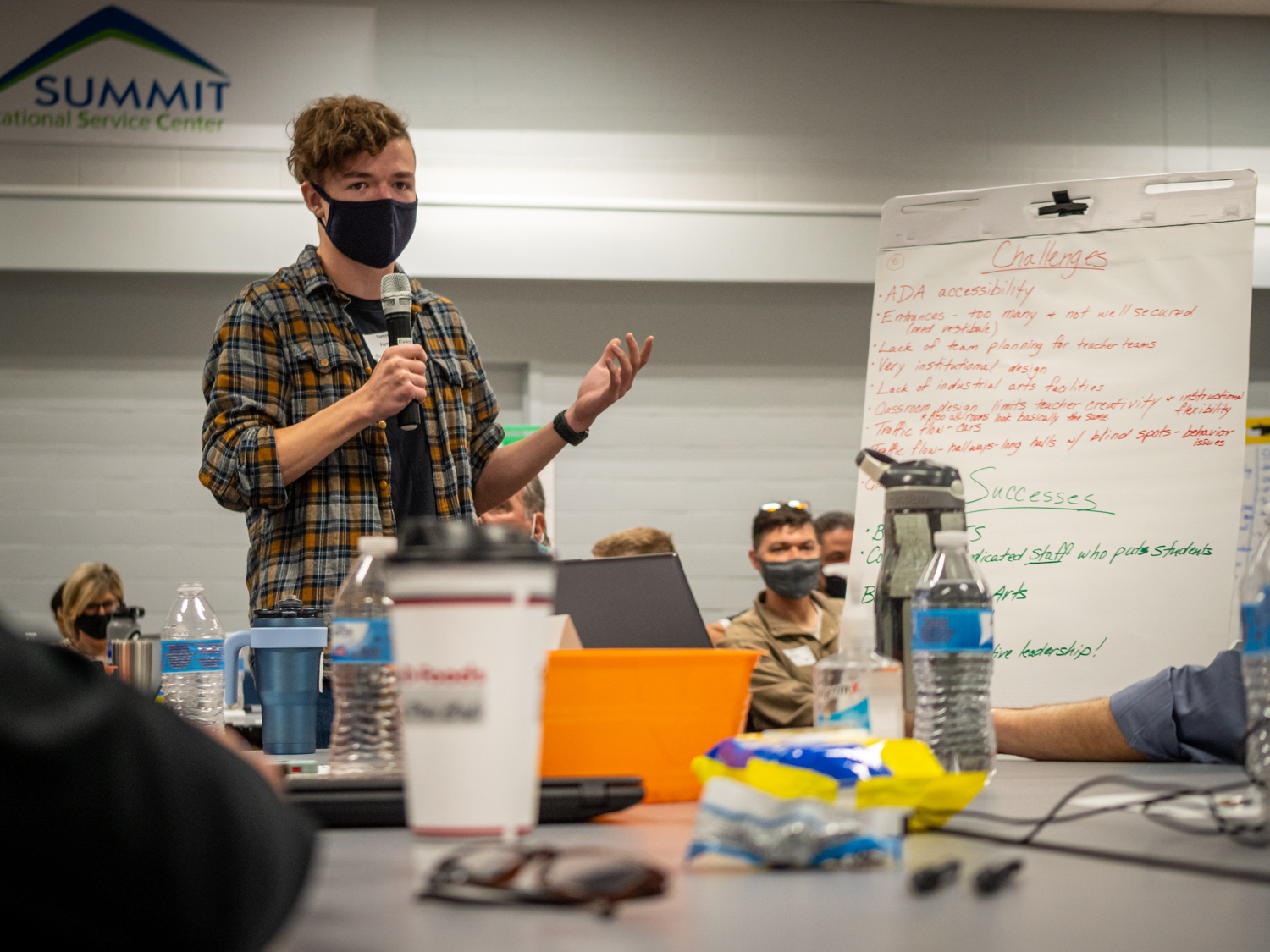
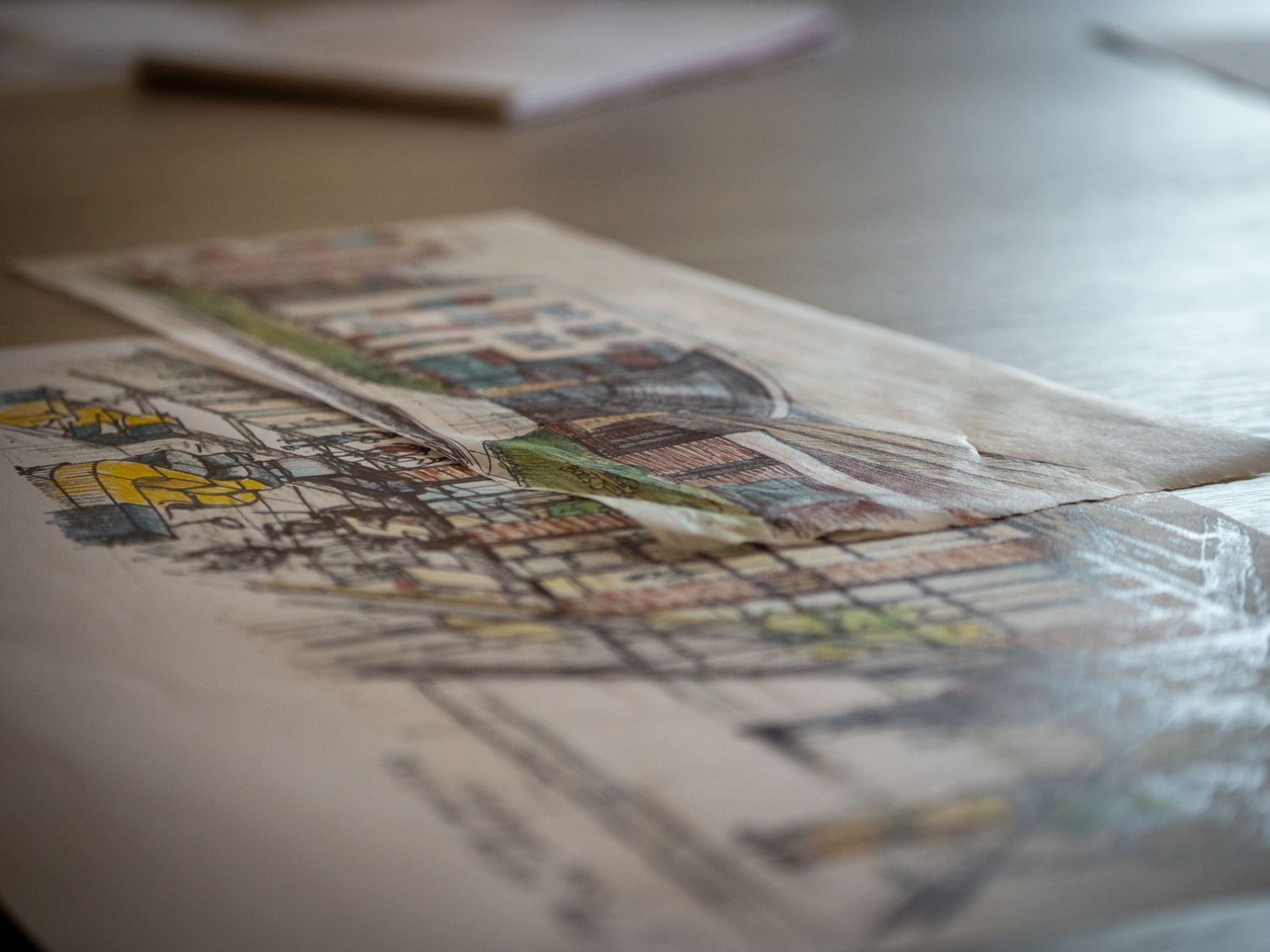
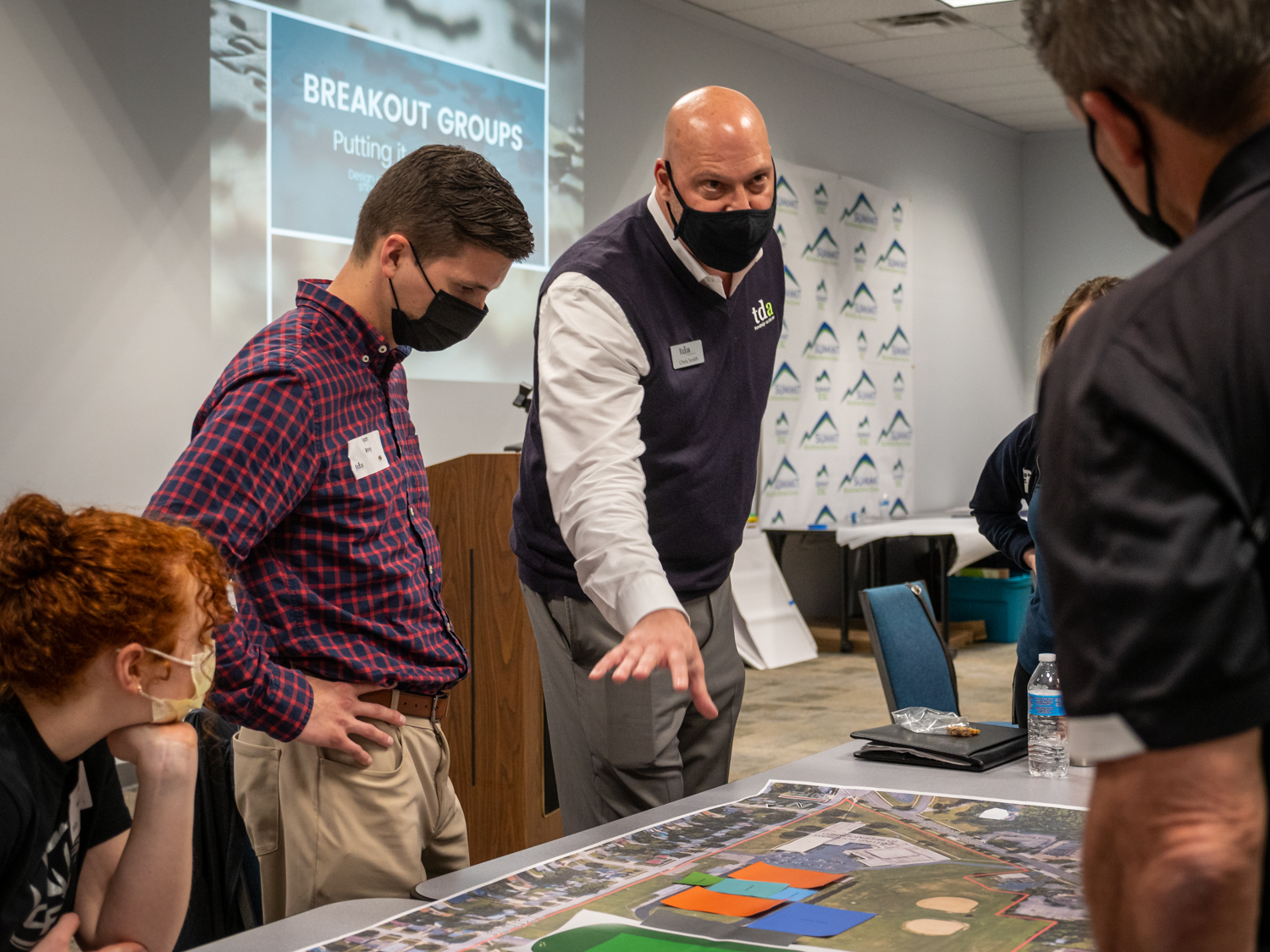
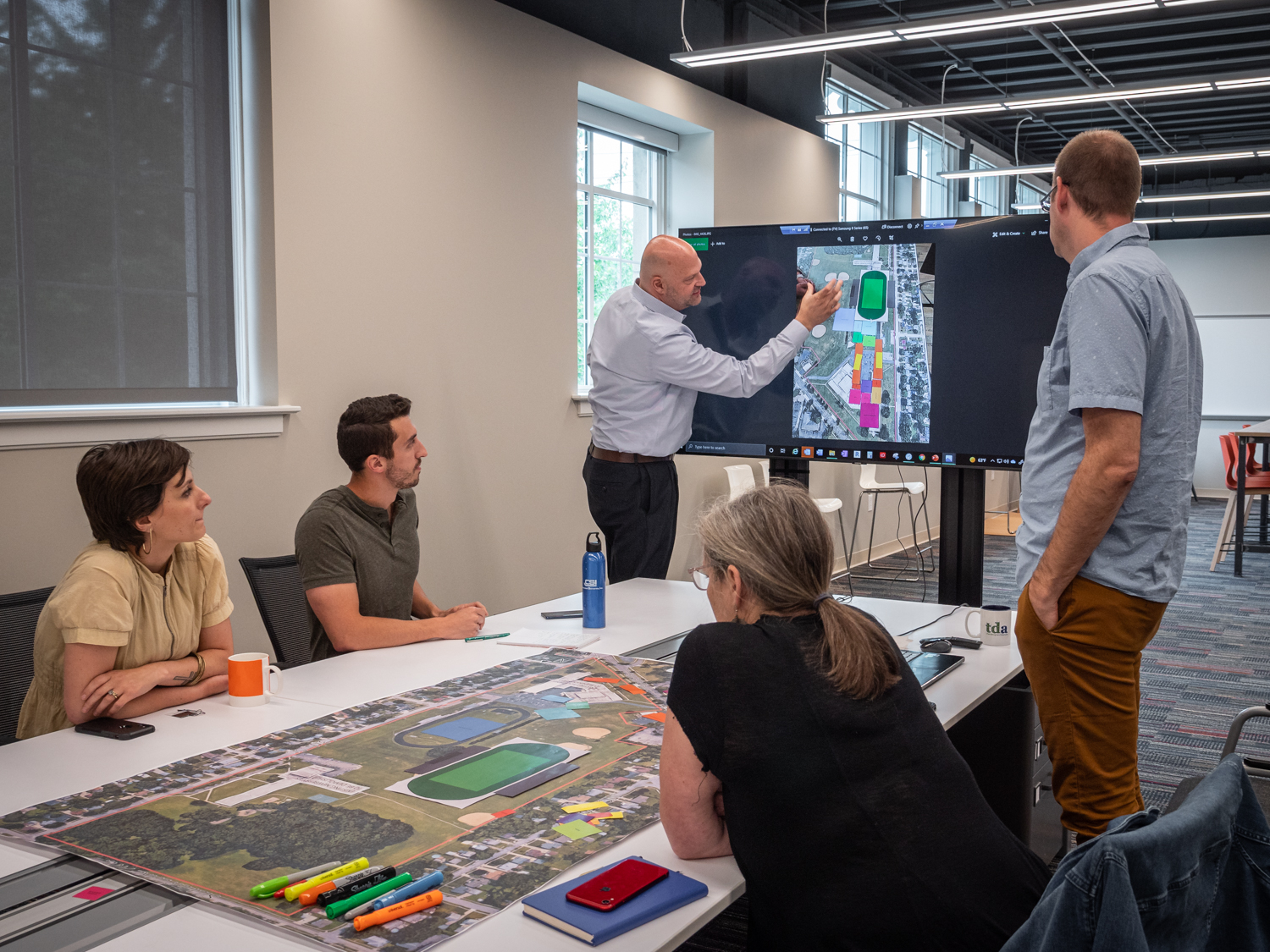
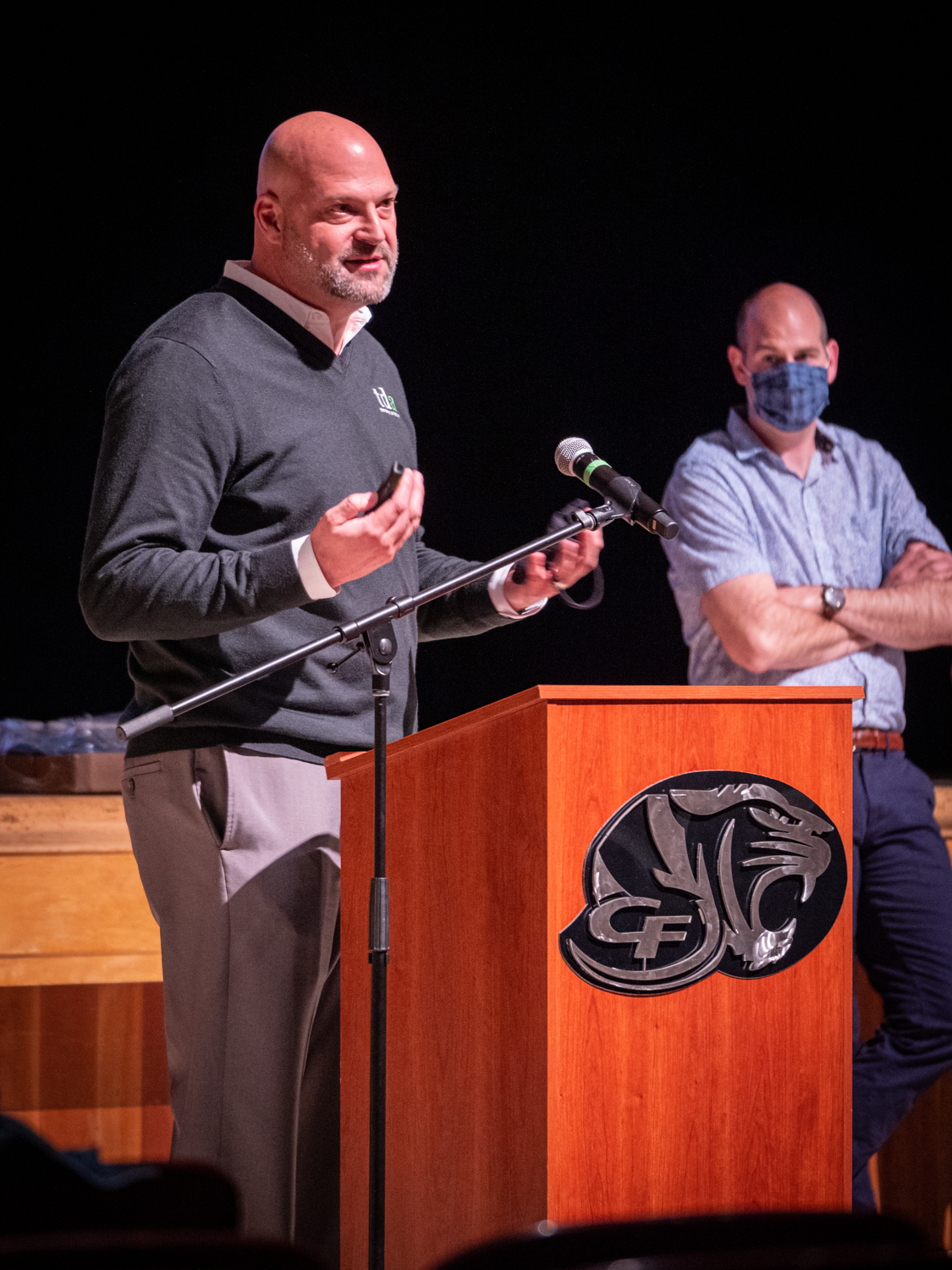
In order to kick off the design process, ThenDesign Architecture, along with the district, has planned a series of engagements crafted to inform the overall design of the project during initial schematic and programming phases. Chris Smith, president of TDA, commented on Thursday night, “We’re in the thinking business, not simply the drawing business. We don’t believe our “name” should be on the door, our nature is to be collaborative, it’s not about us, we don’t dictate design. Our buildings reflect the communities where they reside and I think you’ll be proud to call this your design, your building.”

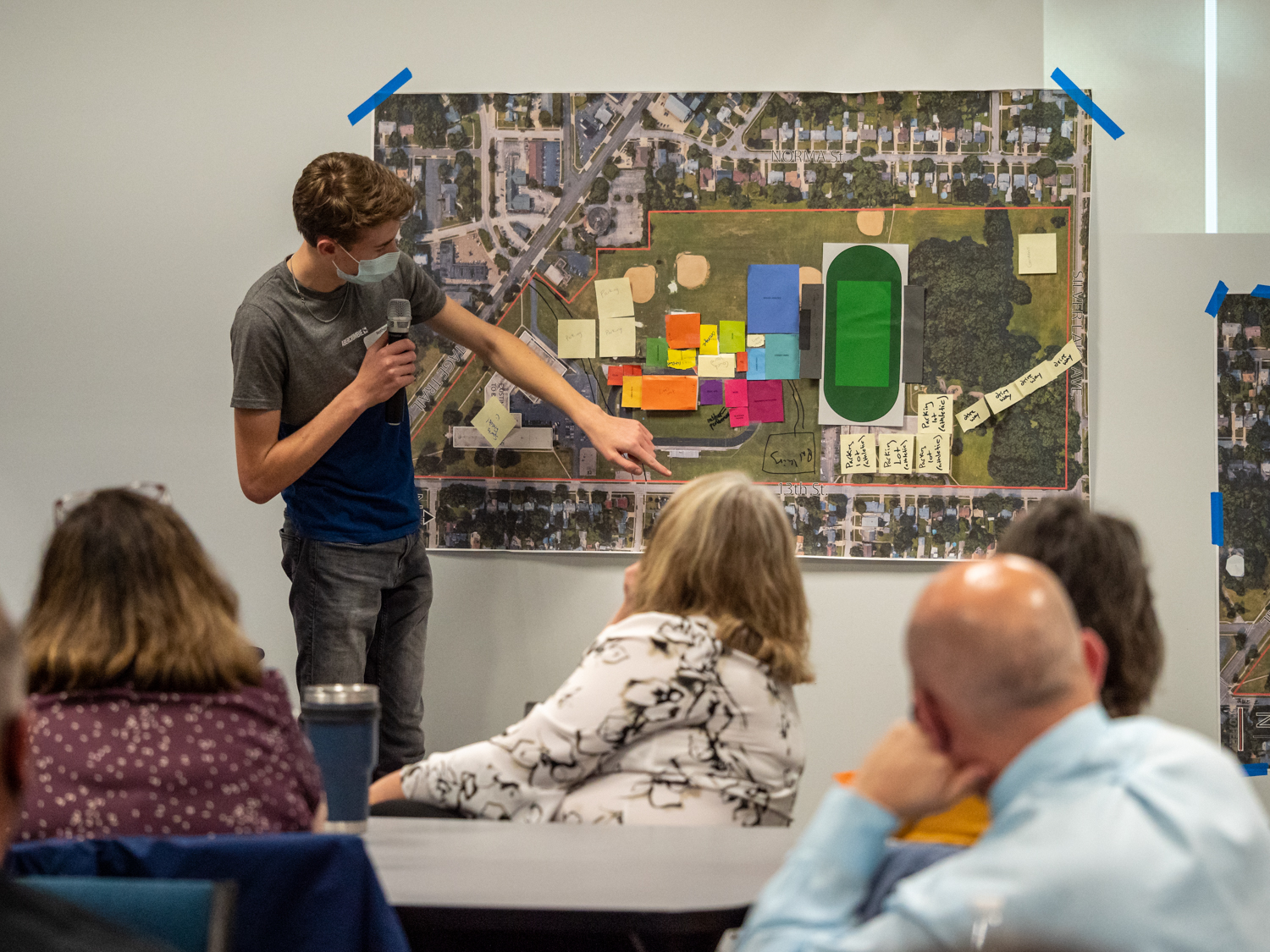
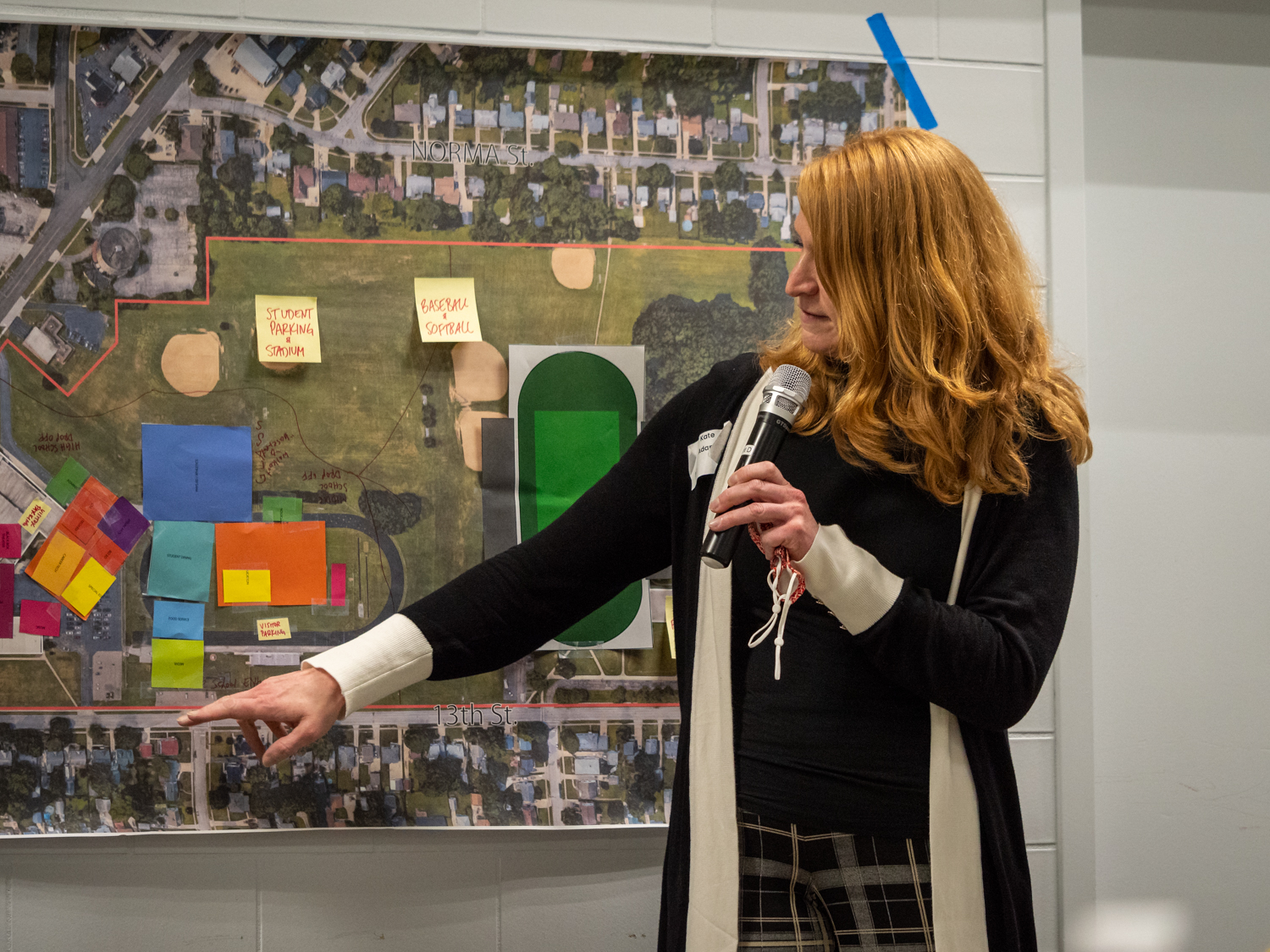
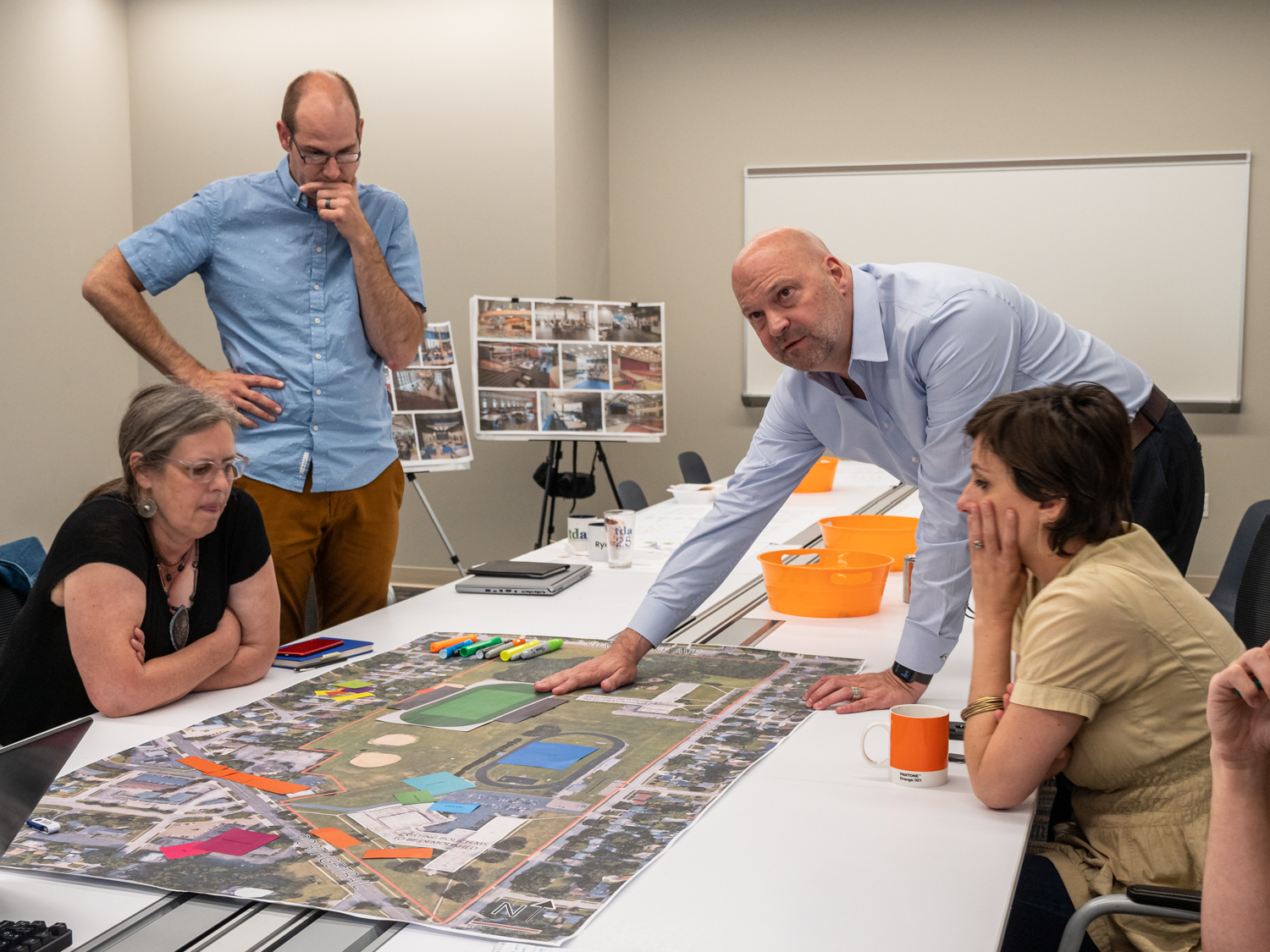
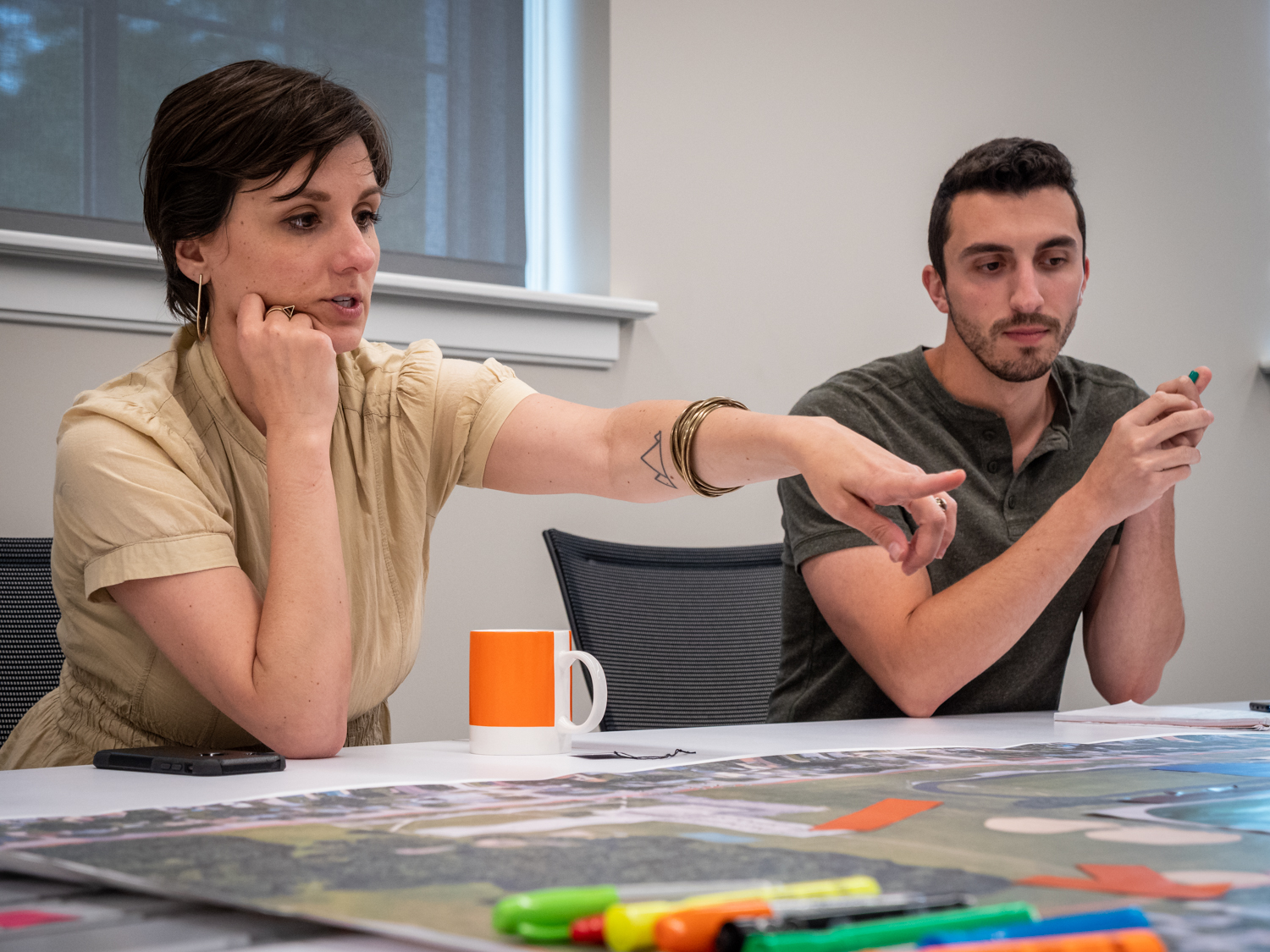
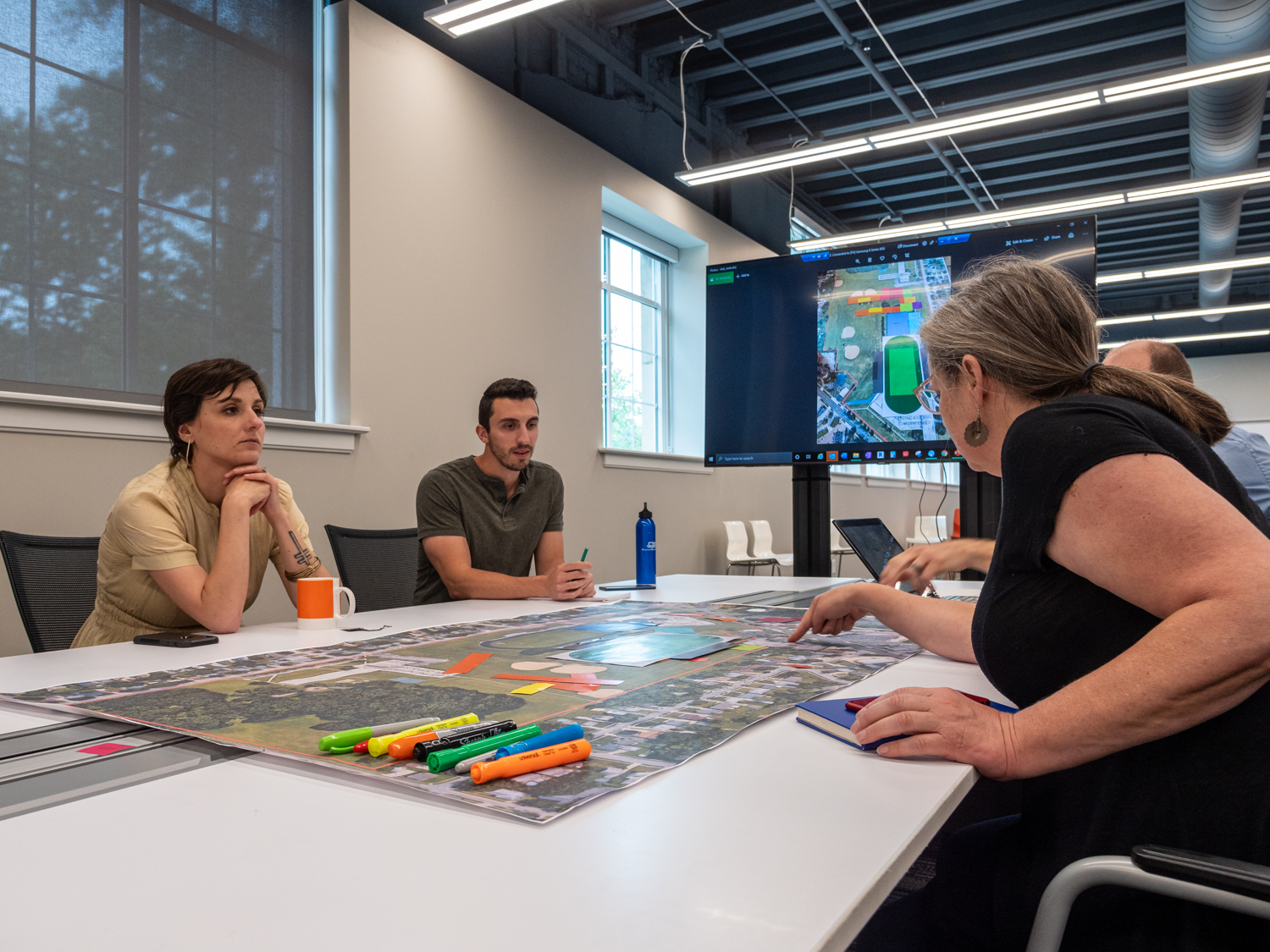
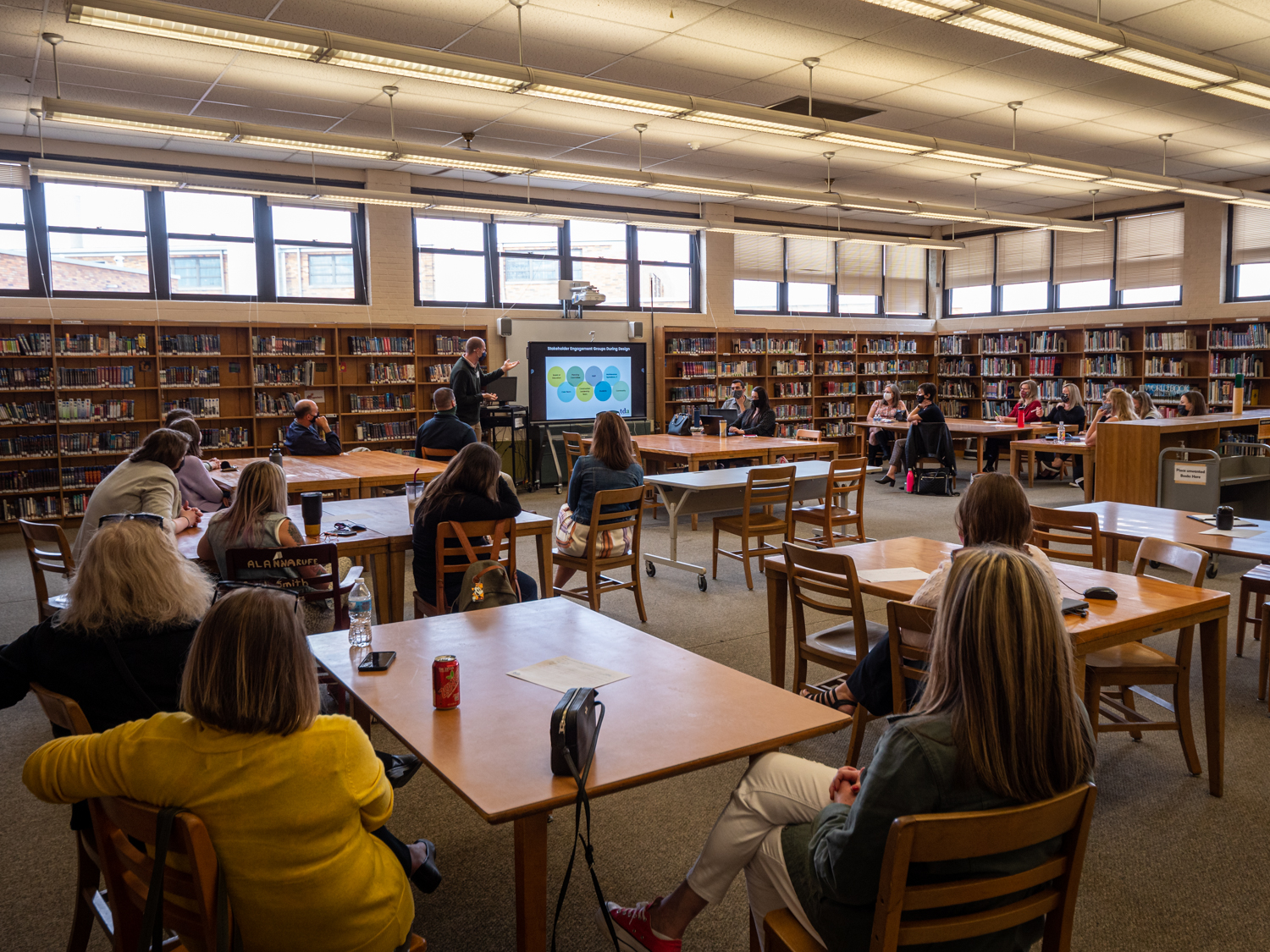
Architects have also begun speaking with educators from the High School, along with Bolich and Roberts Middle Schools for input on the interior layout. Teachers are asked to discuss their educational needs, while imagining new ways their initiatives can be improved by this new space. Ideas generated from these sessions are used to inform the interior adjacencies, classroom sizes, collaborative areas and furniture needs. This type of engagement will continue throughout the summer. These initial sessions allow current staff to expand their minds on how their new building can improve their efforts.

Cuyahoga Falls New 6-12 Campus and 21st Century Design

A major element of this project is combining the high school and middle schools together into one campus. This arrangement brings a variety of benefits.

While a physical separation between the two schools is still maintained, efficiencies are achieved by having both schools share major spaces such as athletics areas and the performing arts center. In addition, bringing all educators under one roof allows for collaboration which simply wasn’t possible before. With better access to a variety of educators, middle school students can potentially take advantage of accelerated programs offered at the high school. Finally, young students often find that the crucial transition from middle to high school is much easier, since they are in the same familiar building, now just in a different wing.

Even though the building is still in the early stages of design, Dr. Nichols made it clear that an important aspect of this project is to create a nurturing environment where 6th graders can gently transition into their new environment, providing them a safe environment and autonomy to prepare for their future education.

This mixture of educational collaboration, flexibility and autonomy are all hallmarks of good 21st century design.

"We firmly believe that we have to trust our professional educators to design the inside of the building. Then we believe that the community at large, lends a leading hand in helping us design the exterior of the building, how it interfaces with community playgrounds, parent drop-offs and pickups. So there is a trust there."
Chris Smith
President TDA

Cuyahoga Falls Community Feedback and Questions & Answers

For many longtime residents, who have been through the Cuyahoga Falls school system, they look forward to the new campus. One attendee commented: “We’re very excited for the school district, for Cuyahoga Falls and for property values. We feel that Mayor Walters has done so many good things for this City and that Dr. Nichols has done good things too.” They continue, “the school is like the “pièce de résistance.” It’s the final touch. We need it, and we have to do it.”

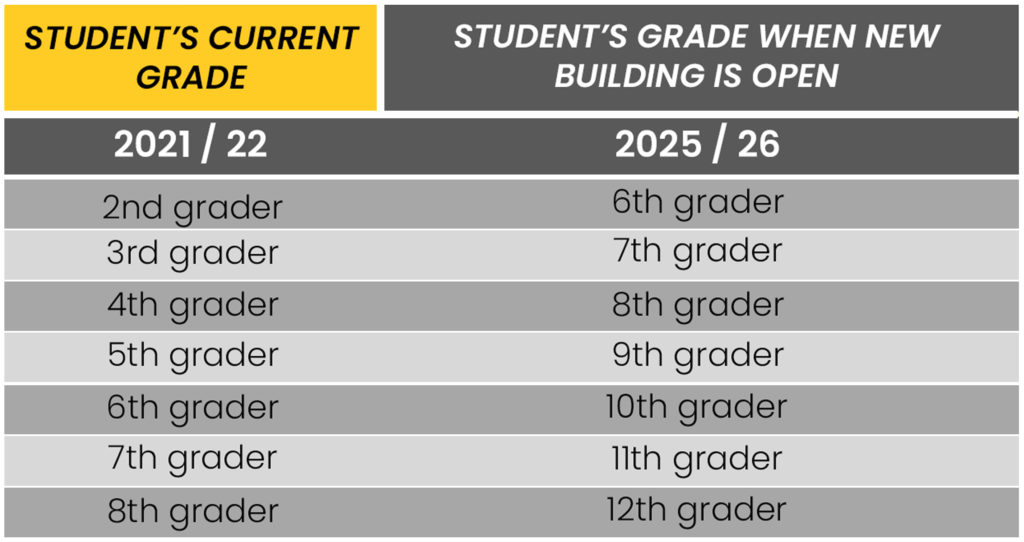
Speaking to when the project will be completed, Bill Schurman, President of Hammond Construction commented, “We are committed to the new building being occupied in August [2025]. So that means we turn it over in the summer, allowing for a transition period for staff. These dates will be fine-tuned as the design evolves.” Residents can look forward to future updates as the design process progresses.

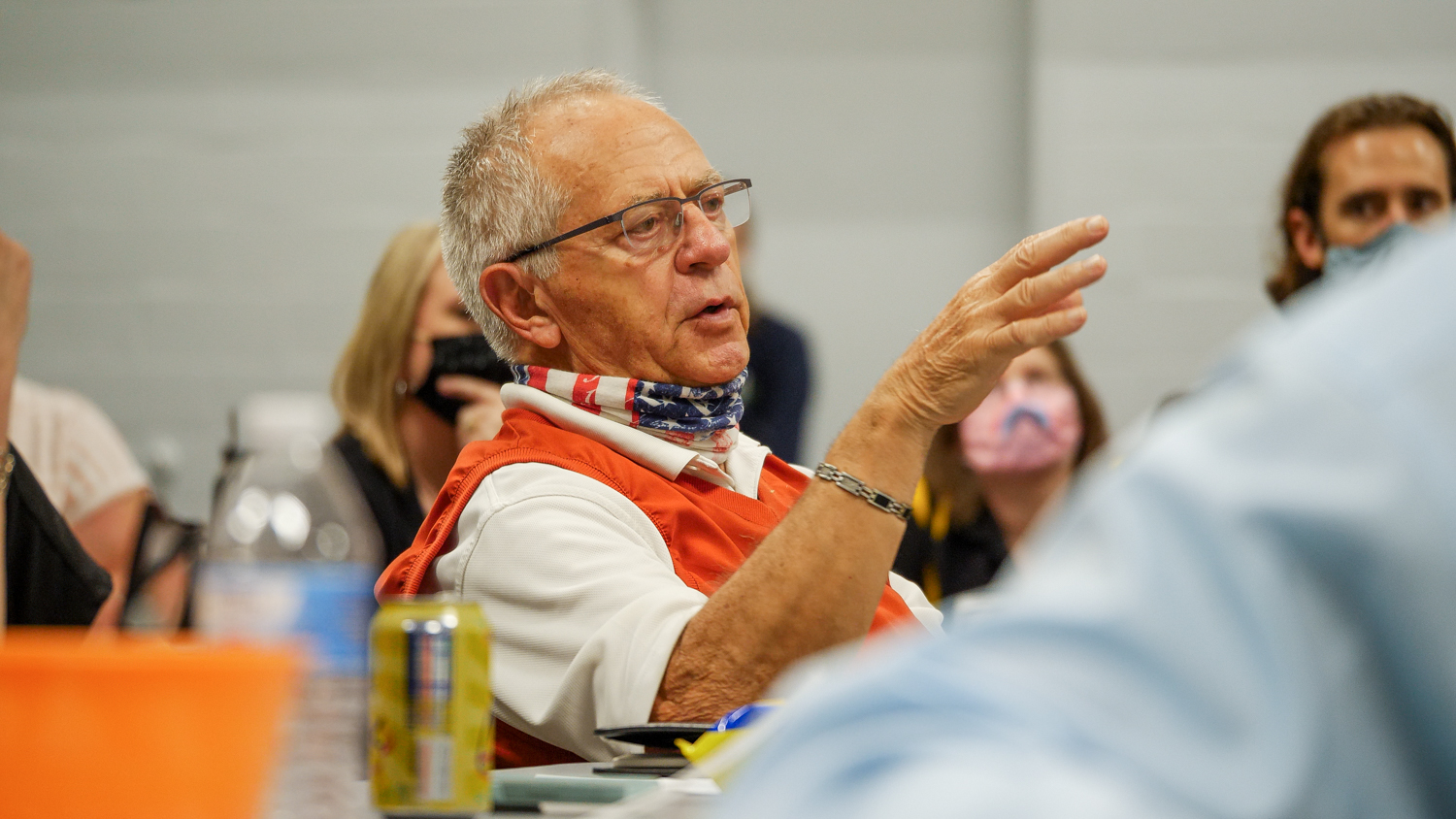
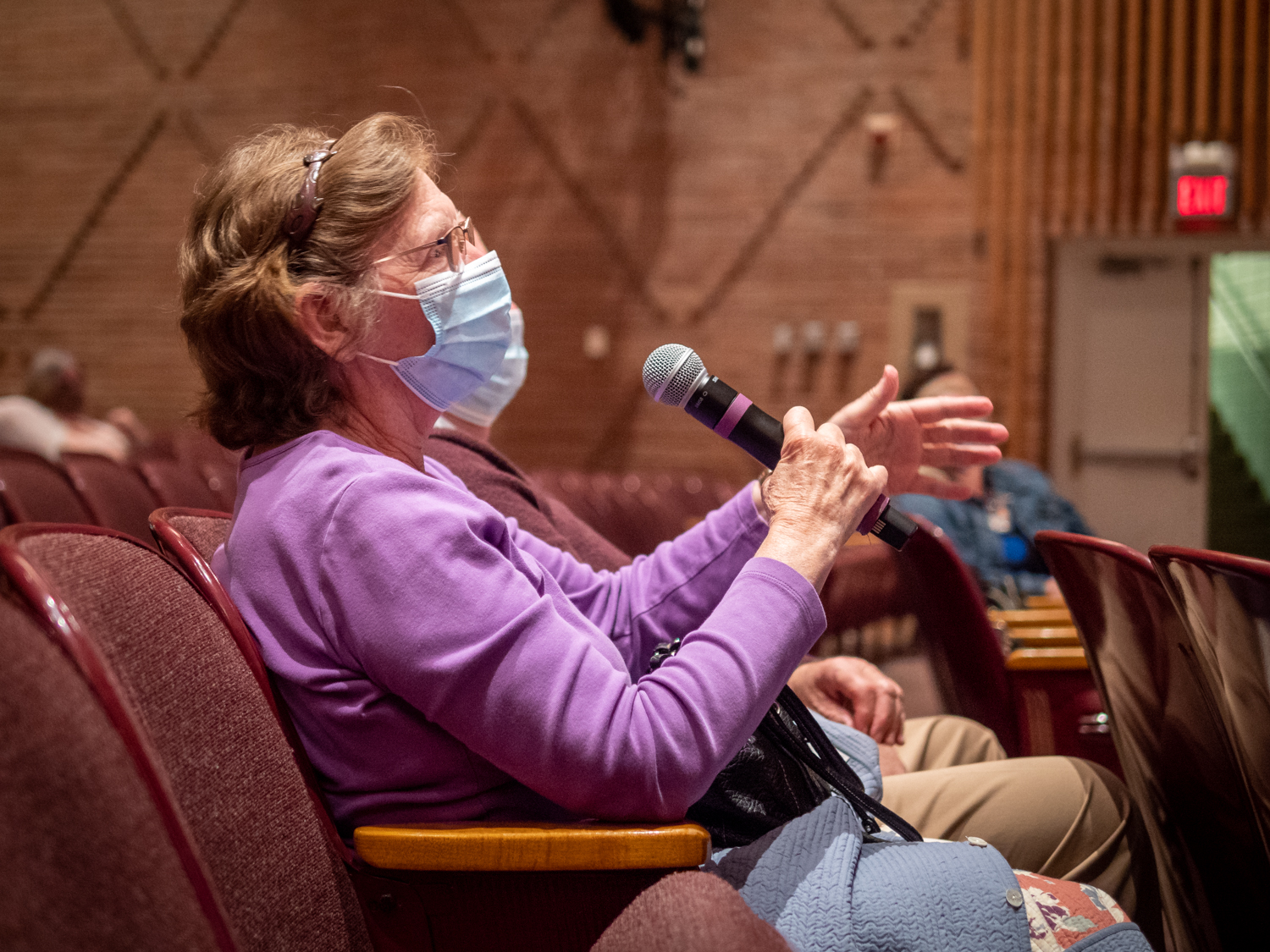
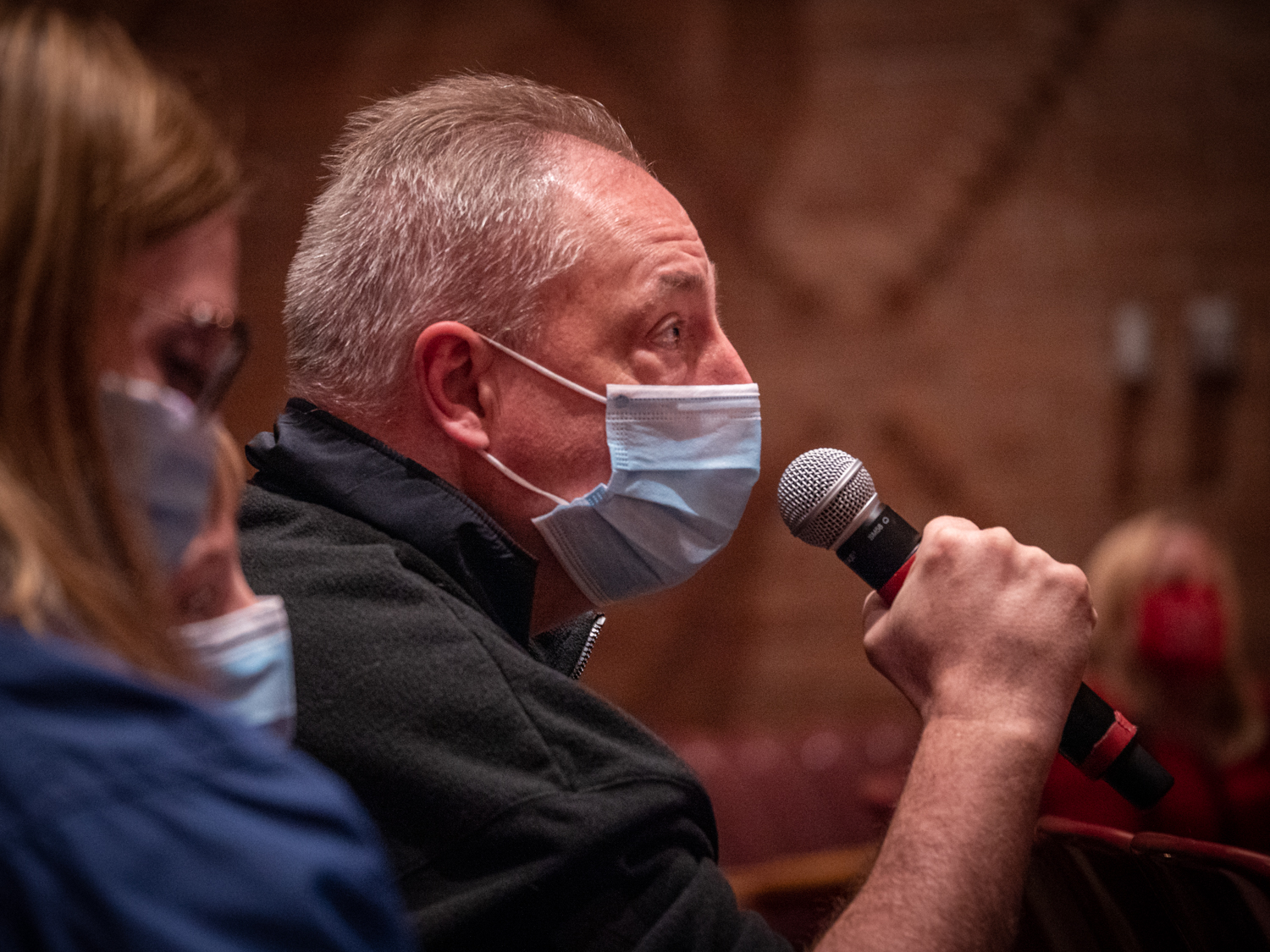
After the presentation, the district, TDA and Hammond held a Q+A session. Questions ranged from project construction phasing, how the construction process worked, what separation between the middle school and high school would look like, how much time was lost by the Covid-19 pandemic and how safety measures will be implemented in a school of that size.

Some questions revolved around the site usage, and whether traffic flow would negatively impact the surrounding neighborhoods. Mr. Smith responded, “Part of our philosophy in facility design is to get all the school traffic off the street. This is so all of that is contained on our site, we want to get it off the street. The same goes when managing storm water. this is key in the low areas by Newberry Elementary School.”

Dr. Nichols encouraged those with questions to submit them to the district for further consideration. The district is committed to keeping the community updated on the project throughout the process on their construction focused website: “Building Community.”

Homework Assignment for Cuyahoga Falls Community Members

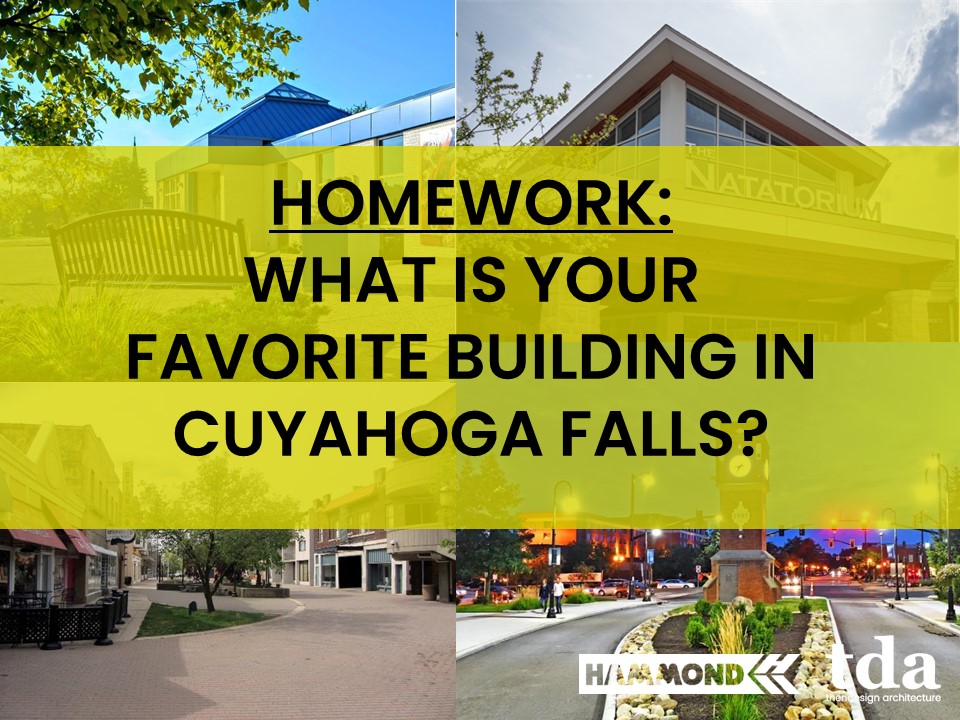
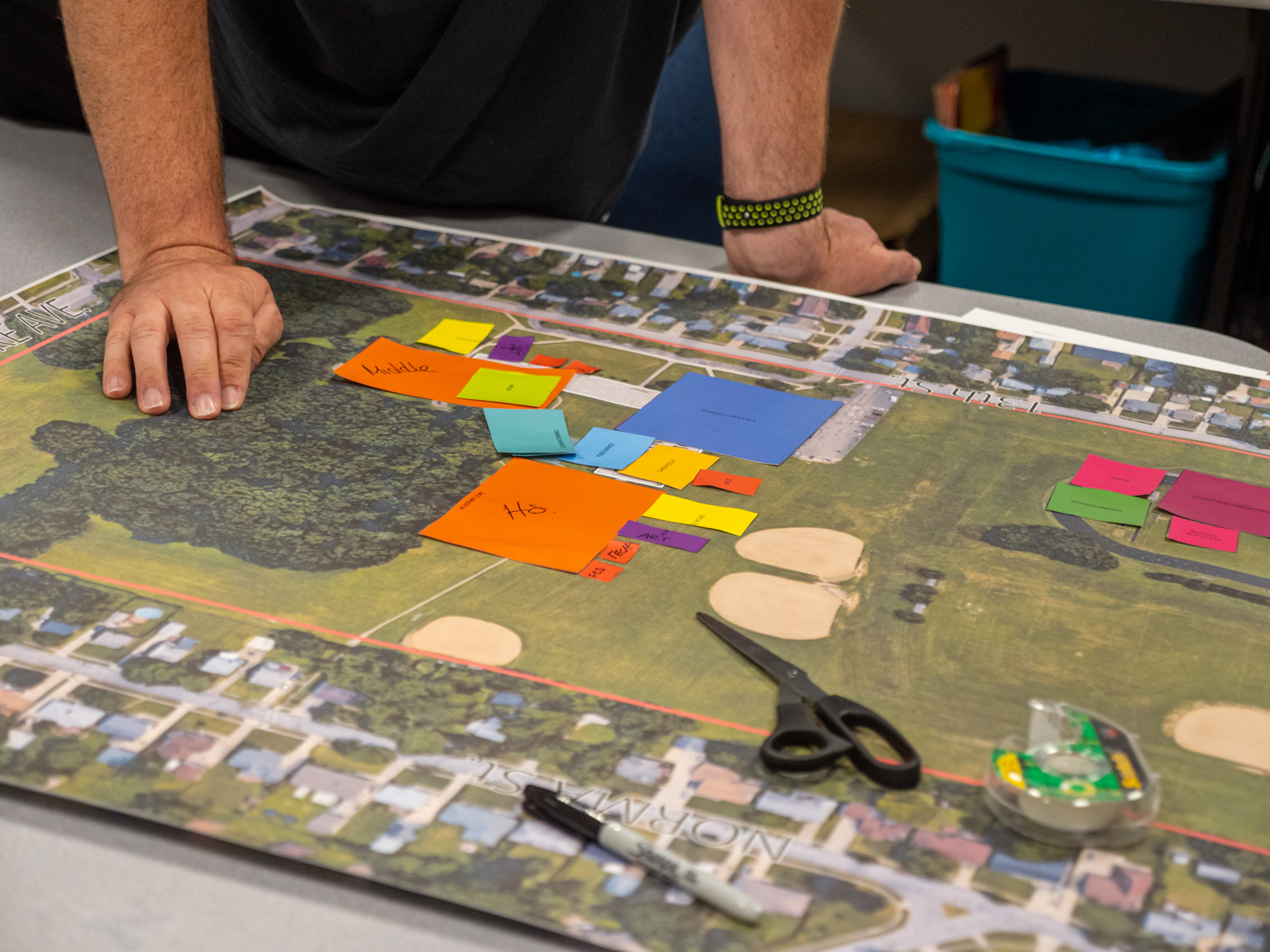
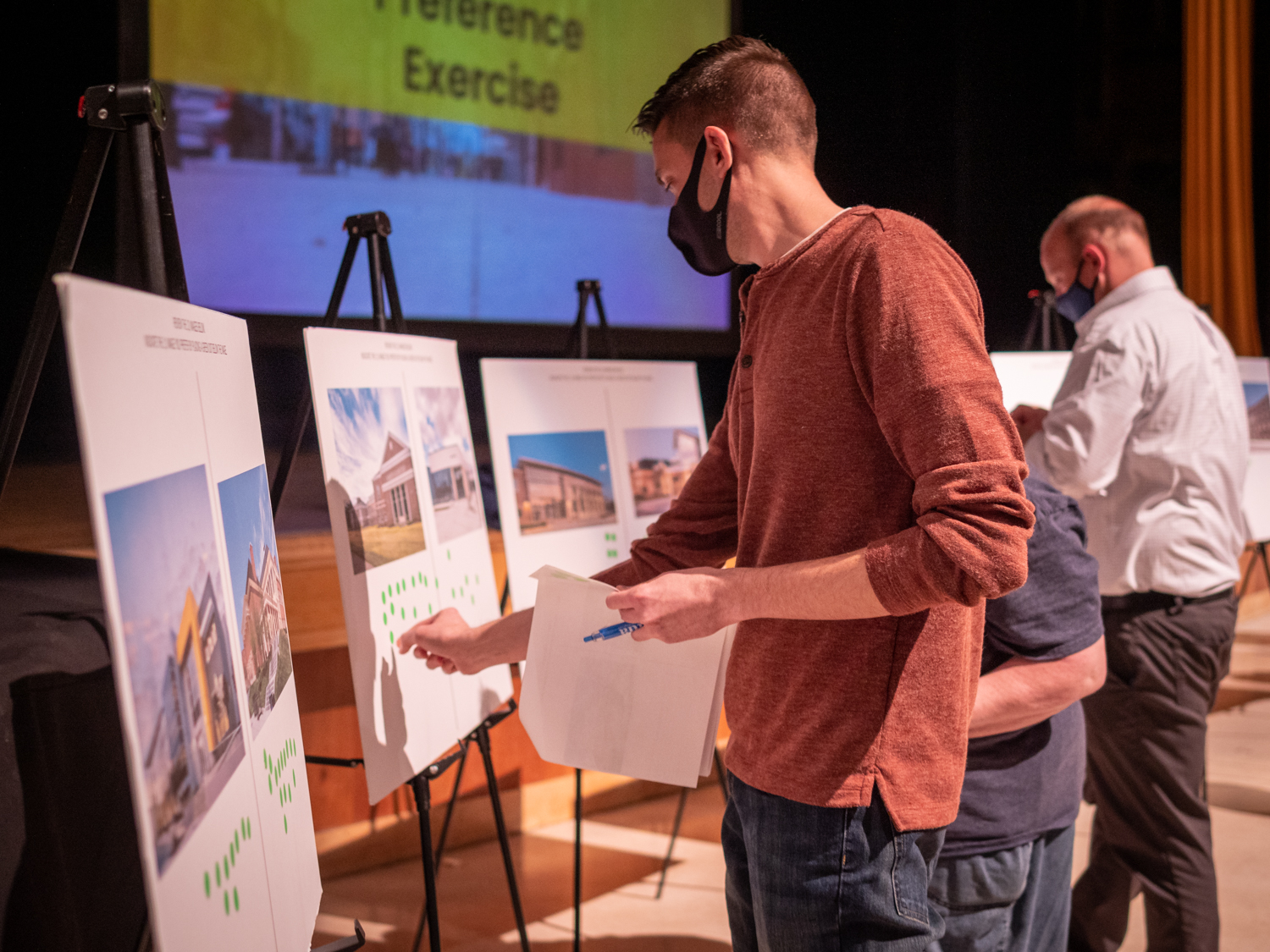
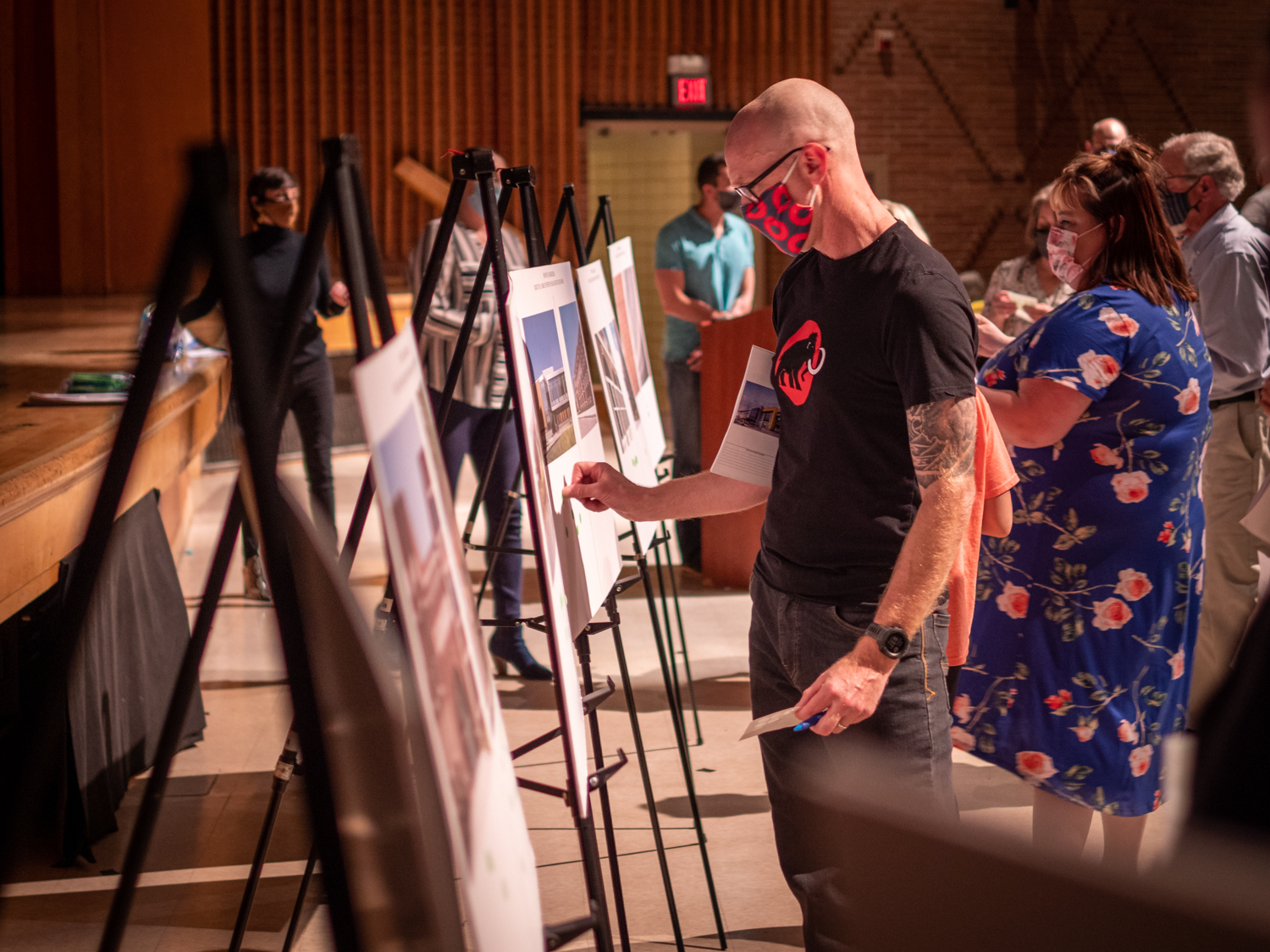
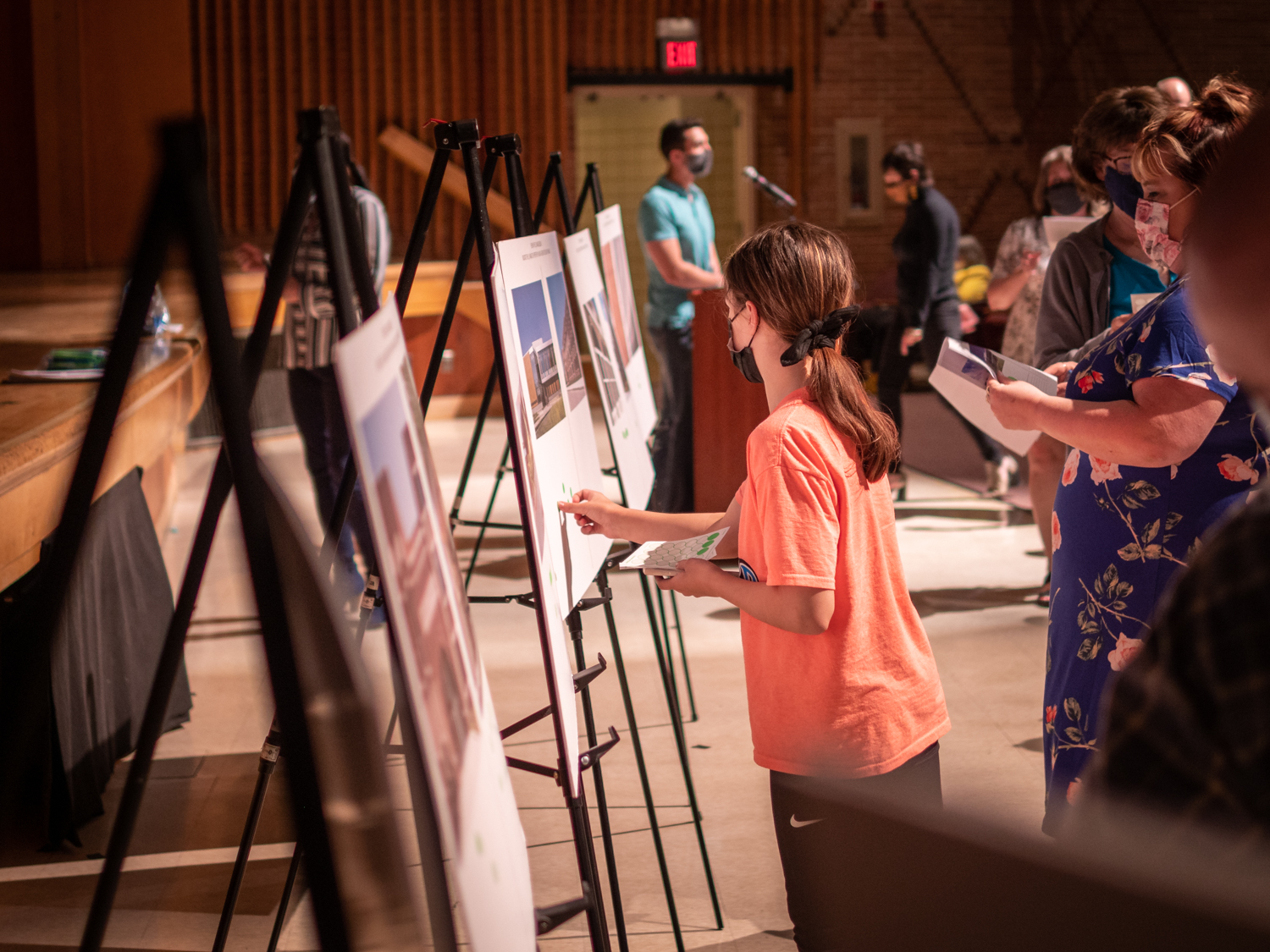
The next engagement session for community members will be held on May 13th, focusing on a “Visual Preference Exercise.” They were encouraged to think about their favorite building in Cuyahoga Falls and why. This can then start to establish a common aesthetic trend for what the exterior of the building could look like. Scott Alleman, Project Manager for TDA commented, “Examples for this could be the Natatorium, or the church down the street, but think of something that is your favorite piece of architecture and why you feel that reflects the community. Keep that in mind when we come back on May 13th for the visual preference exercise!”

What is your favorite piece of Cuyahoga Falls Architecture and why? Drop us a line and let us know!

Reach Out to Learn More

Closing out the engagement, Dr. Nichols embraced the collaborative spirit in the community and the team making this new facility possible. He looks forward to the process continuing, “I want to thank you all so much for being here this evening. Talk to your neighbors, talk to your friends, engage more and more of the community. We’re going to be meeting with our staff and we’ll be listening to what they have to say, to inform the design, because we are beginning with an educational vision and designing a building, to meet those needs.”

If you are interested in learning more about this project, visit the Cuyahoga Falls page “Building Community.” If you have ideas or questions surrounding the process, reach out to John Wasylko, Community Relations at Cuyahoga Falls City School District at cf_wasylkoj@cftigers.org.

Also, let us know what your favorite piece of architecture in Cuyahoga Falls is and why! Send your pictures to Ryan Caswell at rcaswell@thendesign.com. We want to hear from you and incorporate that feedback into the exterior design!

Let’s work together to make education better. Interested in speaking with us? Get in touch!

Ryan Caswell

Ryan Caswell

Ryan is a communications specialist who is passionate about using digital media to further the goals of organizations and communities in Northeast Ohio. With a background in construction and a degree in architecture, he spent over a decade in corporate video production and brings this mindset to videography, editing, photography and content marketing. He is passionate about supporting the arts, and can be found hiking in the parks system.

Coming Together, Despite Being Apart

Coming Together, Despite Being Apart
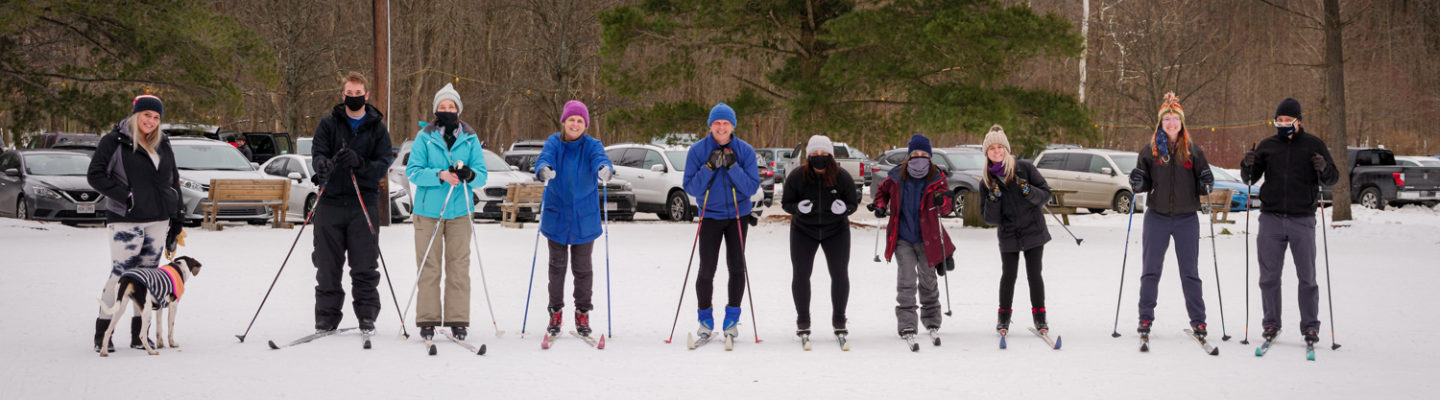
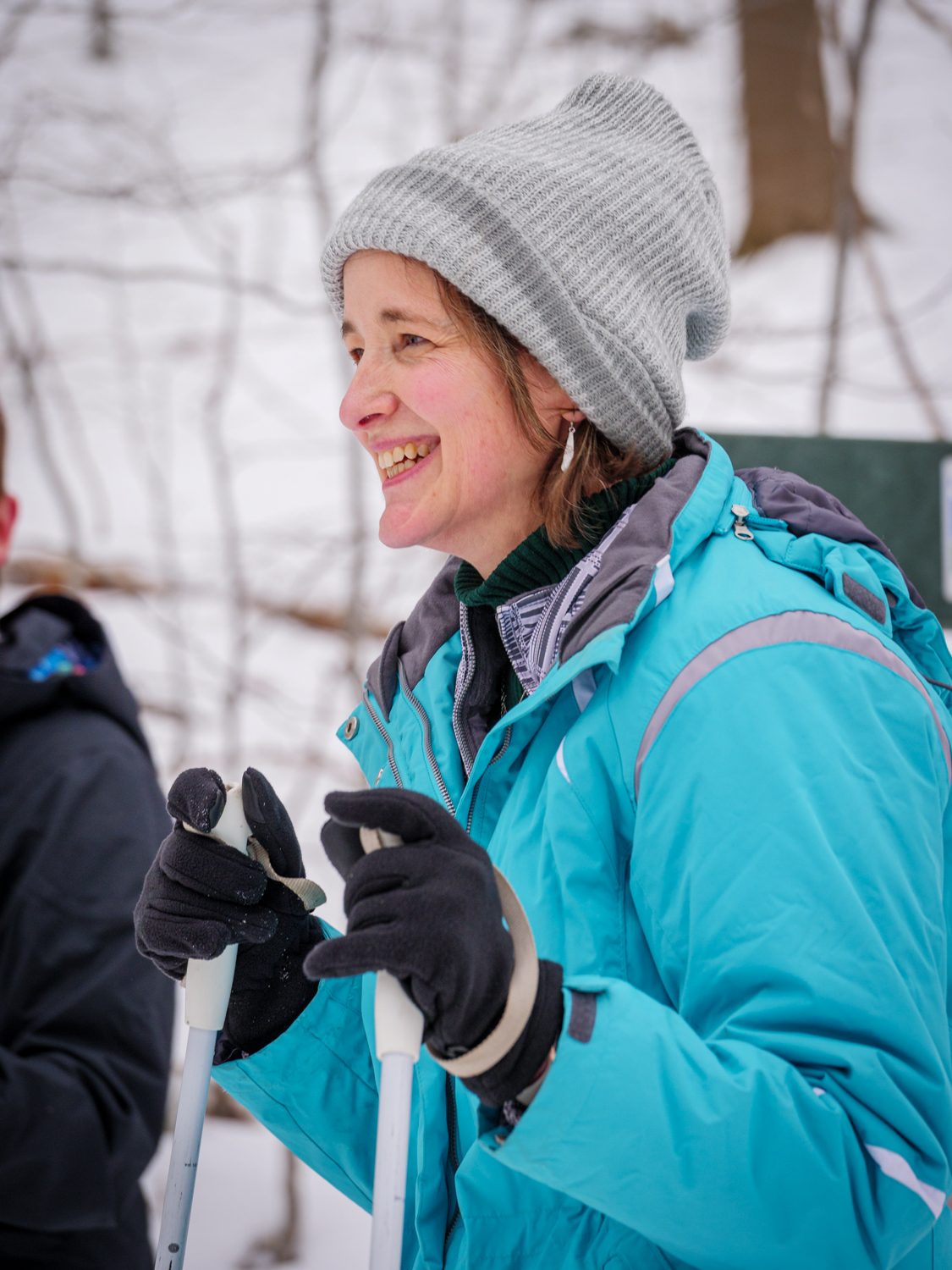
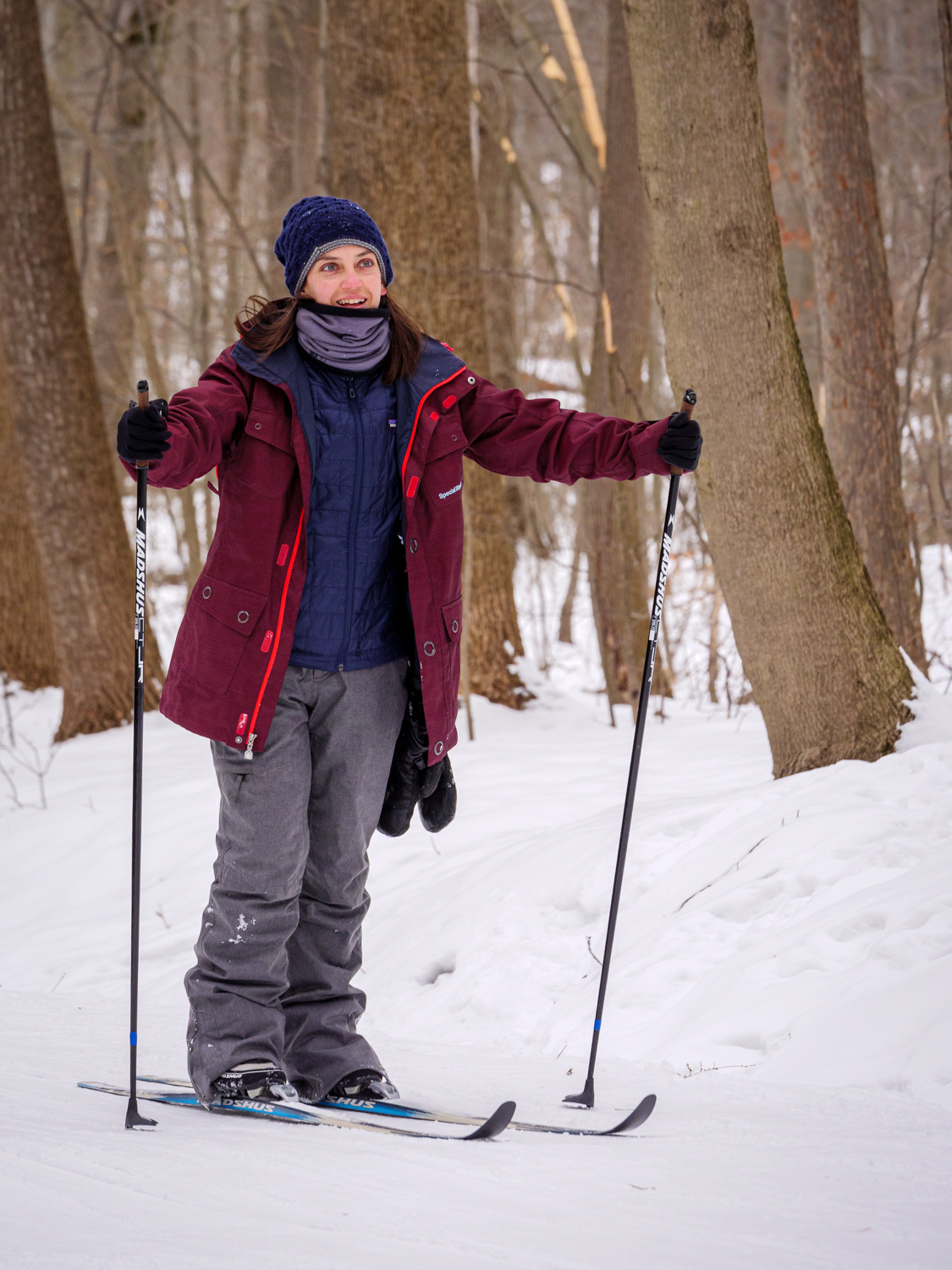
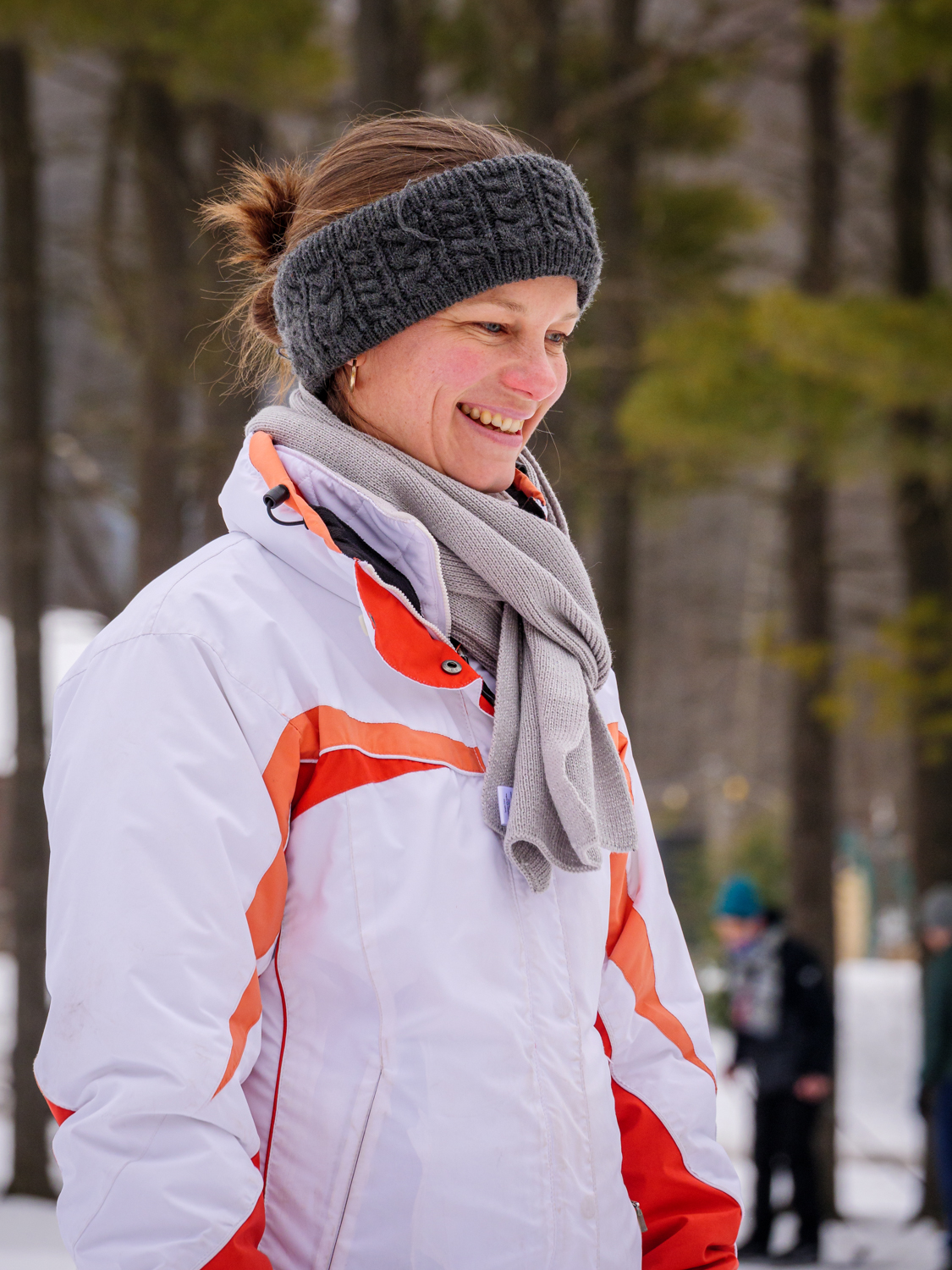
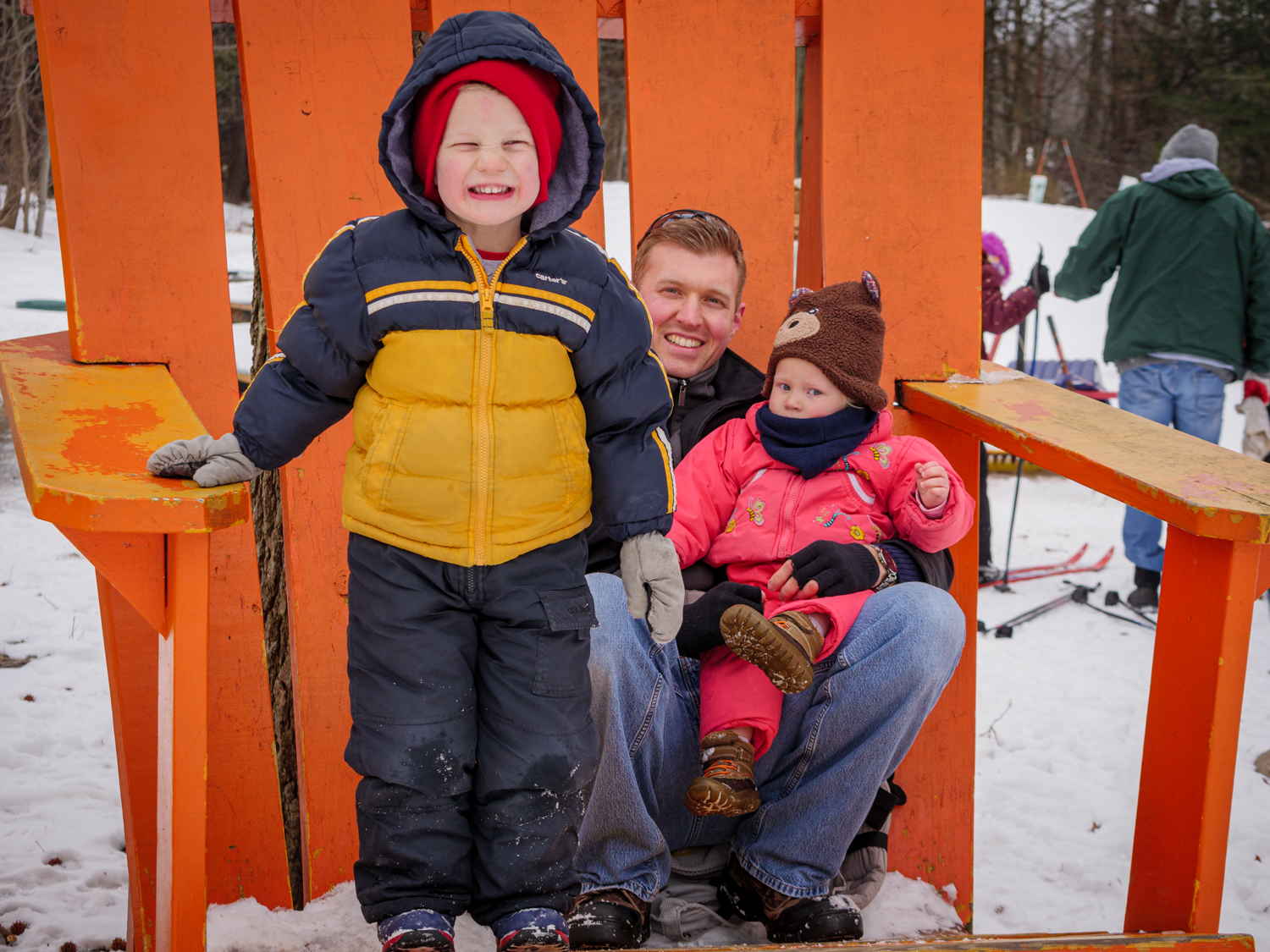
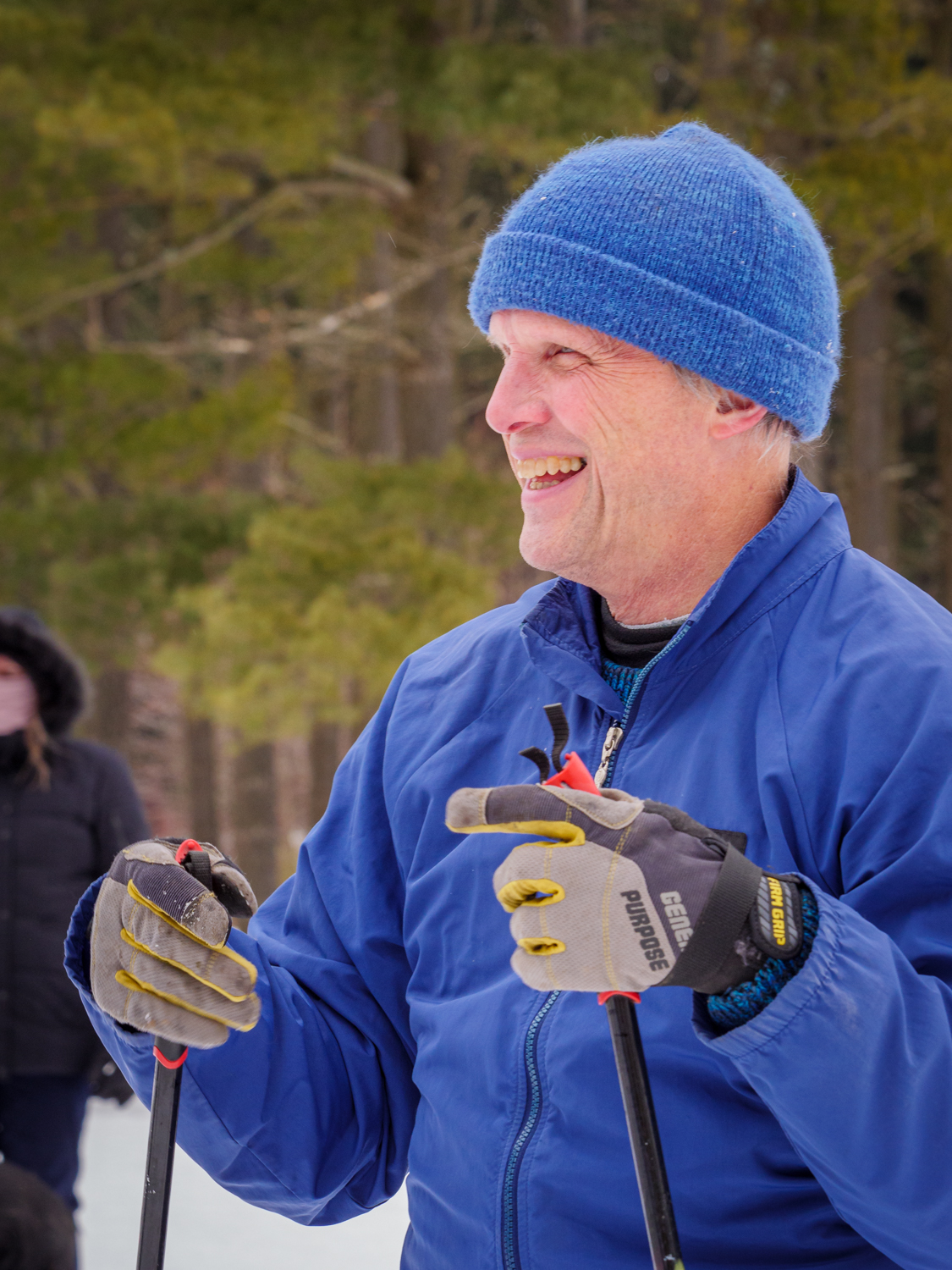
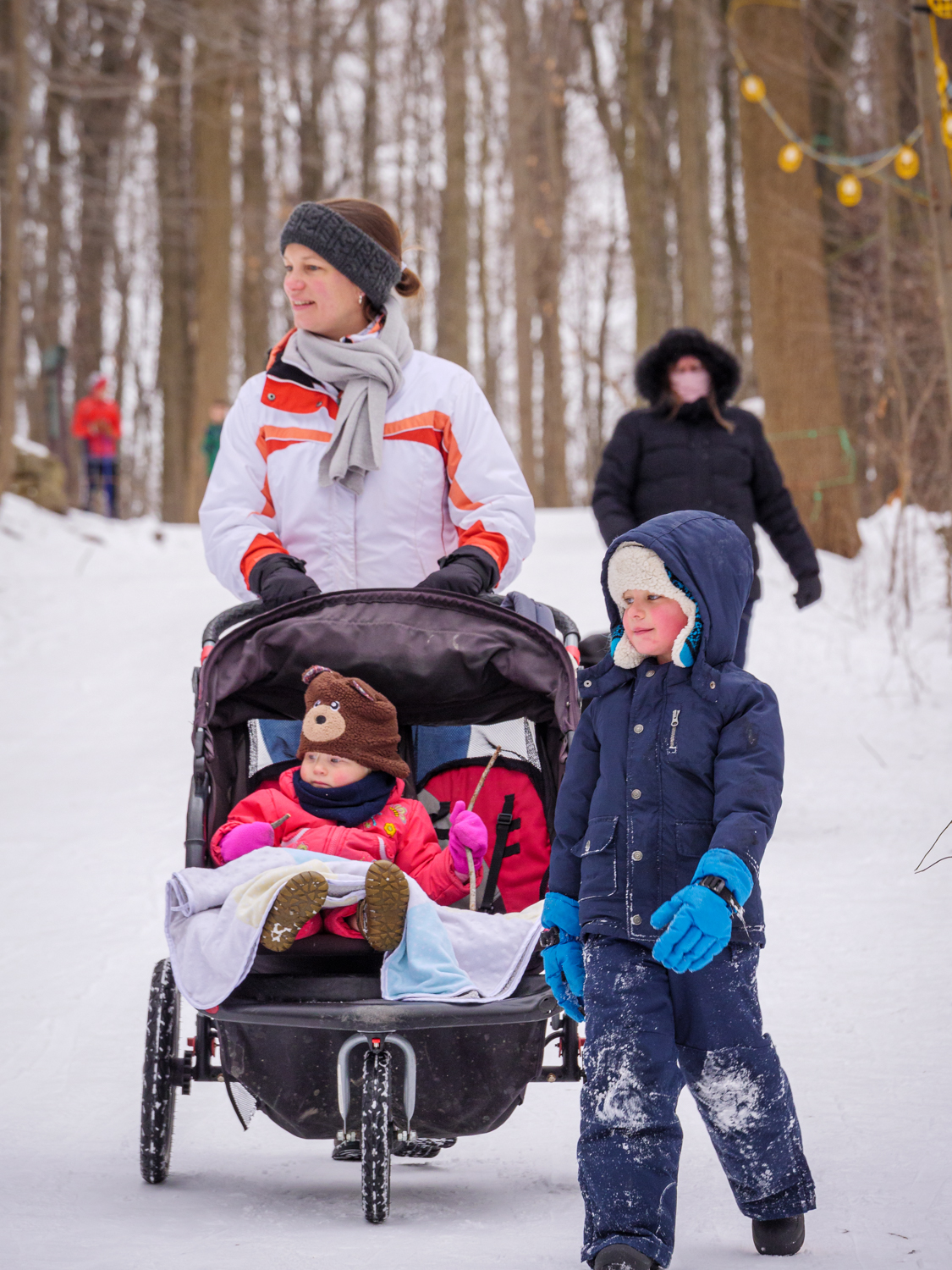
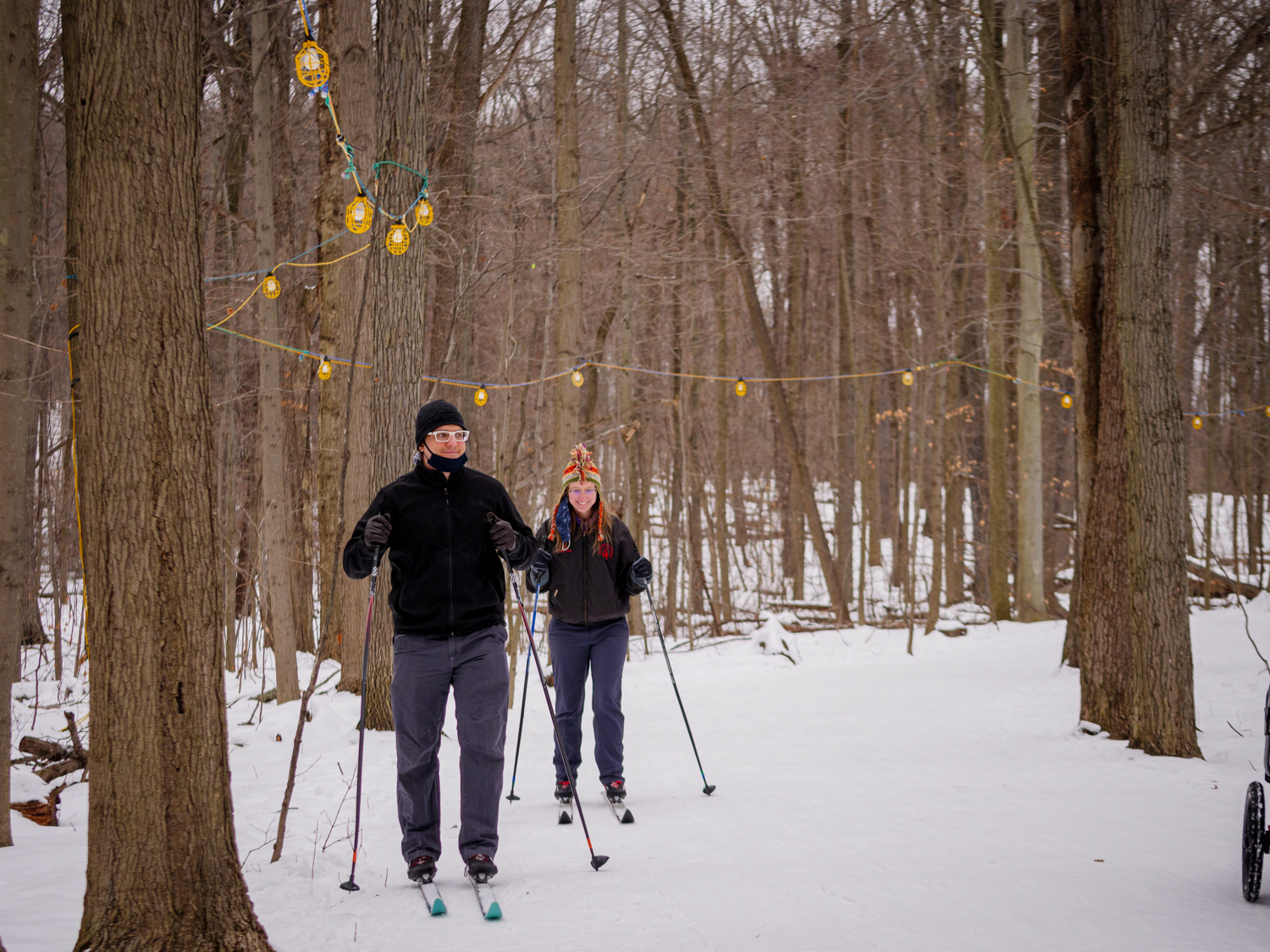
Despite the social isolation and challenges that faced our creative team in 2020, ThenDesign Architecture continues to find ways to come together, despite being apart. In mid-February our team got together for cross country skiing and enjoying the winter weather in Chapin Forest, which is one of the Lake Metroparks in Ohio. The multipronged approach of being outside, getting exercise, and seeing familiar faces is an example of our culture in action: collaboration, exploration and discovery.

Coming Together, Despite Being Apart

Despite the social isolation and challenges that faced our creative team in 2020, ThenDesign Architecture continues to find ways to come together despite being apart. In mid-February we got together for cross country skiing, hiking and to enjoy the winter weather in the unique forested environment of Chapin Forest, of Lake Metroparks in Ohio.

While we are known for regularly hosting in-person activities, over the last year we have committed ourselves to the safety of our staff and have largely worked remotely. However, as we are able, we still enjoy participating in outdoor activities that reinforce our culture of collaboration, exploration and discovery. Even though we are still largely separated, we strive to find ways to come together, despite being apart.

TDA and Greenland Cross Country Skiing and Hiking at Chapin Forest

The Challenges of Isolation

Social Isolation is a killer … literally. In 2017, the Oxford Academic ranked the “lack of social connection” against a variety of established lifestyle risk factors. While the report was revisited in 2020, they found that the effects of “isolation” are similar to that of obesity, physical inactivity, air pollution and in some cases, it exceeds the health risks associated with smoking 15 cigarettes a day.

There is no doubt that “social distancing” has impacted the efforts of creative teams, especially those in the Architecture, Construction and Engineering industries. The sudden lack of in person meetings, not showing up at “the office” and talk face-to-face with colleagues has posed many communication challenges.

Furthermore, remote work often means a disrupted home schedule. If we are parents, we automatically became full-time teachers, cafeteria workers and crisis managers, juggling learning schedules, lunch breaks, and work-related deadlines. Seriously, how many times have we had our own “quarantined co-workers” (spouses, children, and the occasional dog or cat) “helpfully” join our client meetings to provide their opinions? The lines between work and home are blurring and we have to remember to find ways to practice self-care and manage these new sources of stress.

This informs our multipronged approach of combatting these challenges, so we strive to get outside, get exercise, and see familiar faces. That only helps our creative teams.

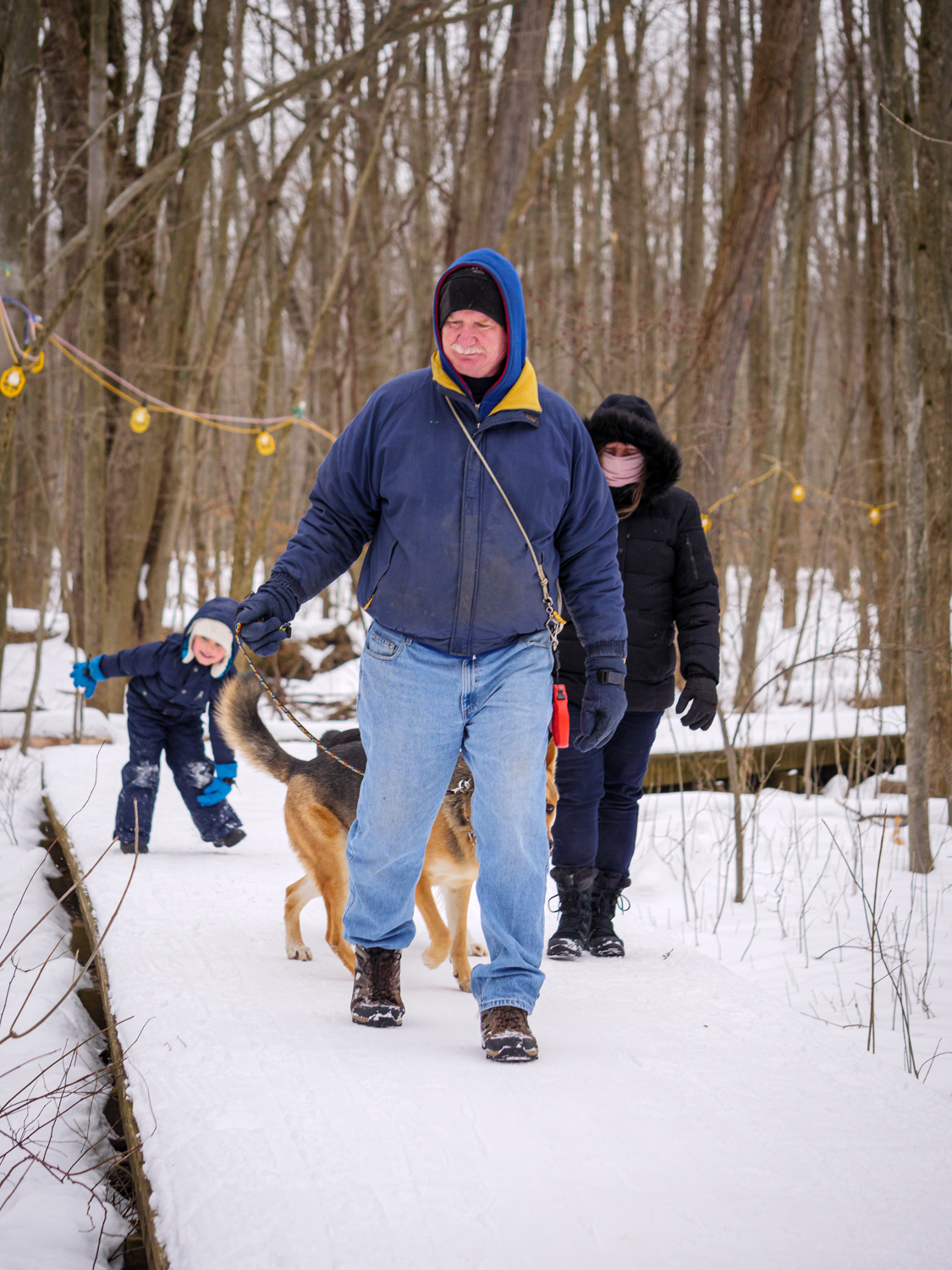
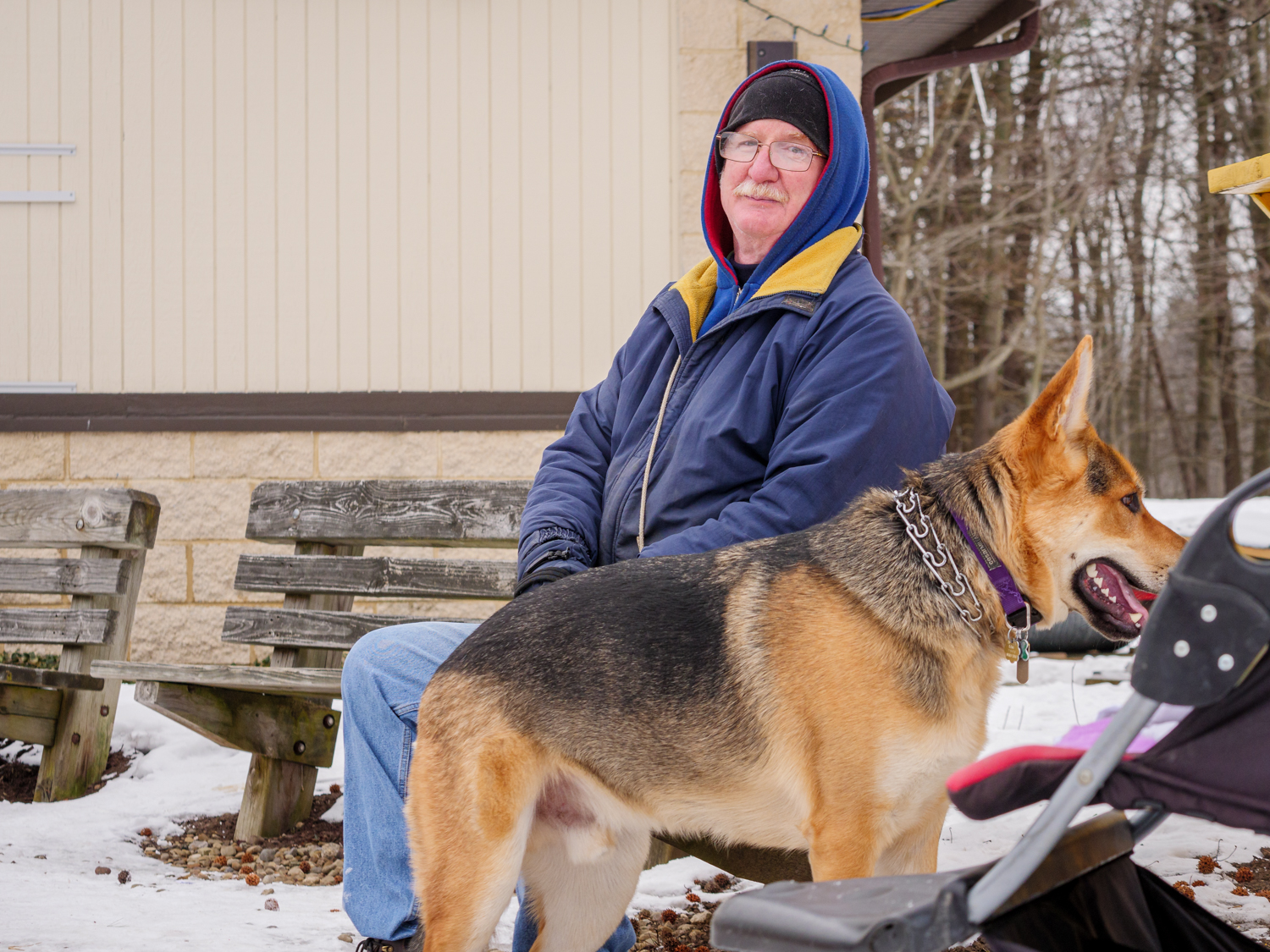
Our Team Along with Family Were Included

Chapin Forest

Located in Lake County, as a part of Lake Metroparks, Chapin Forest features 6 miles of trails through mature forests full of beach, maple, oak, tulip and hemlock trees. Initially the park was purchased in 1949 by Frederic Chapin, who donated it to the State of Ohio and under a lease agreement, with the Ohio Department of Natural Resources, it is now managed by Lake Metroparks. The rocky outcroppings of Sharon Conglomerate were formed 300 million years ago, and guided hikes are regularly offered for guests to see some of the restricted ledges.

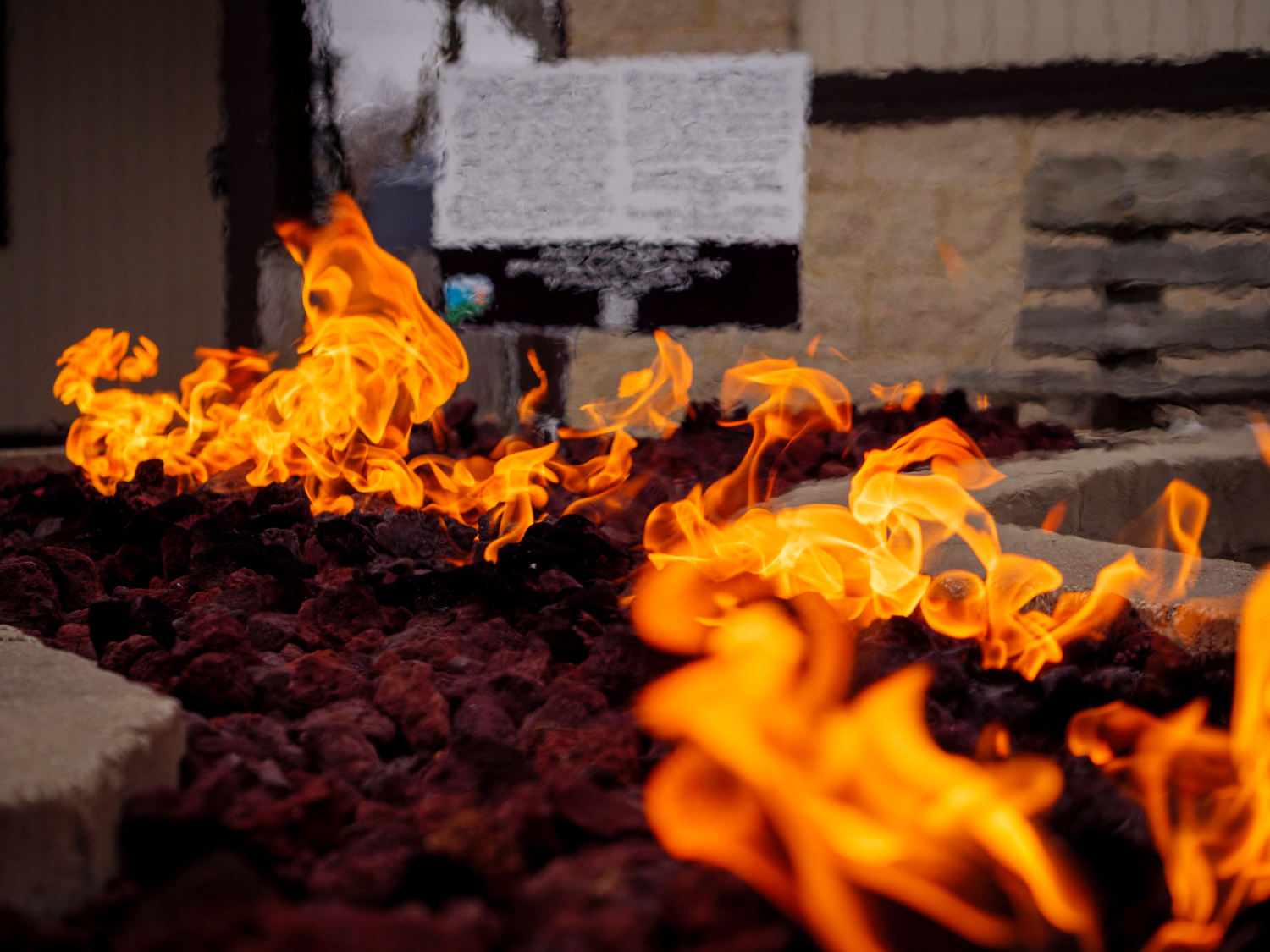
Hiking in the park allows visitors to experience the “Sharon Conglomerate ledges,” from where Lake Erie and the Cleveland Skyline are visible on clear days. This winter, in the evenings the “Arbor Lane Loop Trail” is lit which is a 1-mile trail for evening walks. During the day, snowshoe and cross-country ski rentals are available at the lodge and an outdoor fire allows guests to warm up and enjoy snacks.

So, when the team decided to explore this natural environment, it was nothing new for us. Led by a number of our experienced outdoor trailblazers, and a skiing instructor, it was natural to continue getting together, despite being apart.

"People come to TDA to find community and make a difference. People stay here because they know that they are contributing to a greater purpose."
Angie Staedt
Human Resources

A Company Culture That Promotes Collaboration, Exploring and Discovery

Angie Staedt, the Human Resources Director at TDA, cites our company culture as a major factor driving the business and staff growth. She states, “People come to TDA because they know that there’s a purpose here. The vision of “enriching lives through design” came a long time ago by the partners of our firm, Chris Smith and Bob Fiala. Bob particularly had the vision years ago to set our culture before many companies emphasized it. That culture remains today.”

It’s not just the shared vision improving the lives of teachers, students and education through architectural design, but improving ourselves by engaging with each other, building on one another’s strengths.

Angie continues, “At TDA, individuals get together as a group and in team building exercises or other group events. We try to mix individuals in teams that they don’t usually work with to get broader experiences. We spend a lot of time collaborating in group activities, design charrettes or other outdoor activities. One of our favorite events is our staff patio lunches, where we come together to cook a meal which may be a Hawaiian Luau theme or something similar. We love those opportunities to bond and enjoy good food.”

Collaboration is embedded into the fabric of what makes us successful.

“People come to TDA to find community and make a difference” says Angie. “The most successful individuals are the ones who chart a path for success in serving our clients by building relationships and on expanding their own careers. People stay here because they know that they are contributing to a greater purpose.”

We invite you to engage with us and see what makes our team different.

Let’s work together to make education better. Interested in speaking with us? Get in touch!

Memorial Junior High – An Adaptive Reuse Project

Memorial Junior High School - An Adaptive Reuse Project
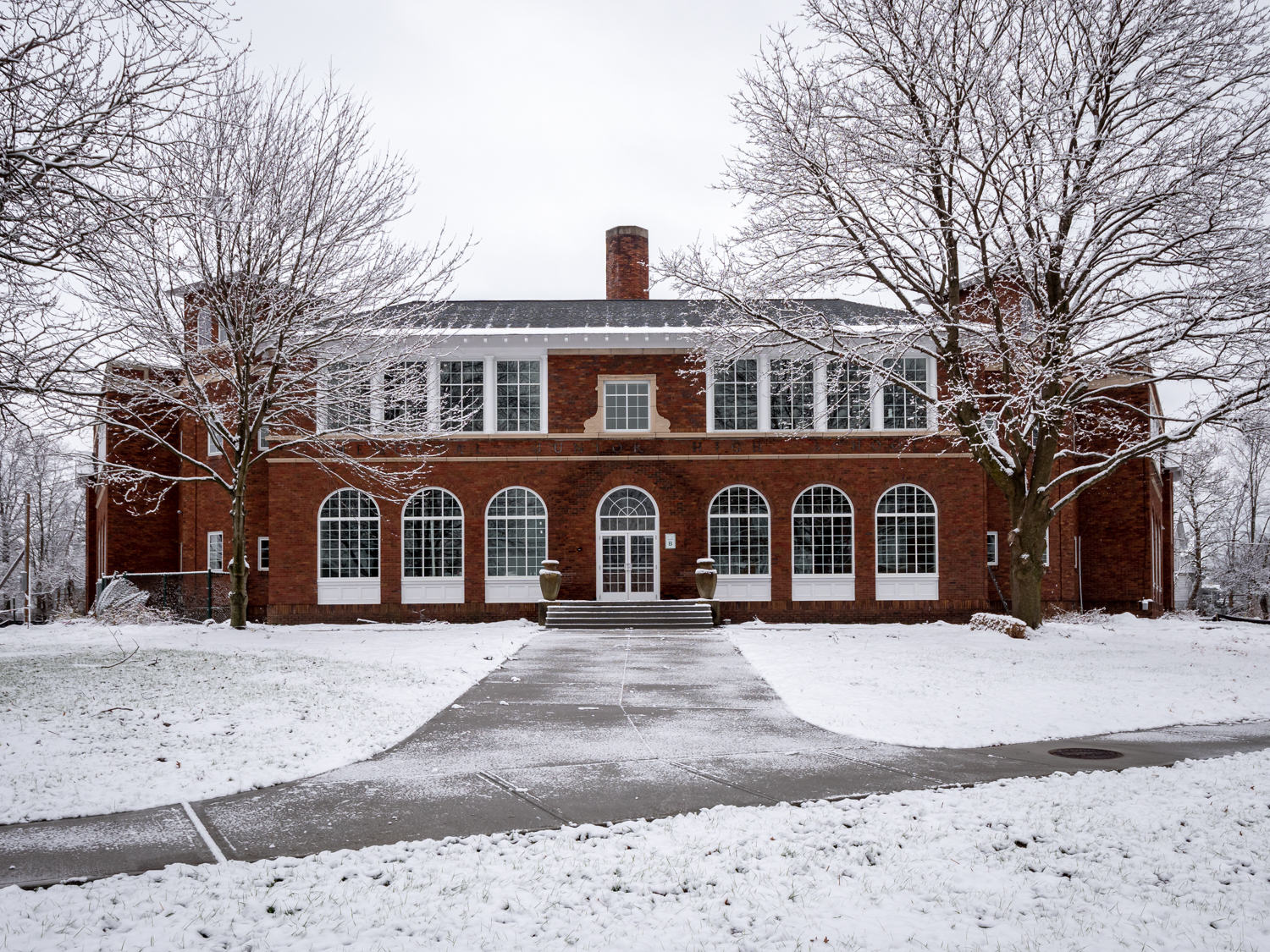
Downtown Willoughby is home to many historic structures, some of them going back to the 1800’s. Memorial Junior High School is one such building. Built in 1925, ThenDesign Architecture is adaptively re-using this building for our future headquarters. Understand what goes into the decision between renovating a historic structure or building something brand new.

“As architects, we have a professional responsibility to design environmentally sensitive buildings.  We also believe strongly in investing in our community.  Rehabilitating a historic school building for our new headquarters provided the opportunity to accomplish both.” stated Chris Smith, president of ThenDesign Architecture.  Specializing in educational design, and having extensive experience in historic preservation, TDA is perfectly suited to rehabilitate a historic school.  The project involved an adaptive reuse of Memorial Junior High School which was originally constructed in the 1920’s into TDA’s new offices.  Not only did TDA’s designers have to address concerns around costs, working with the city, planning commission and community, but had to consider the fine line between respecting the historic nature of the building and designing a modern office space.

Tough Decisions

TDA has operated out of historic buildings near Downtown Willoughby, for most of their history. The first building was the St. John House, an old home which the firm moved into in 1991. Then as growth continued, moved to the Carrel Building (1885) in 1998, and now the decision to repurpose and move to Memorial Junior High School (1925) in 2021. The team has always appreciated these spaces and both the aesthetic and historic quality they bring to the fabric of the community.

Memorial, or “Building B,” as many affectionately call it, sat empty for years. It being reimagined, the target of an adaptive reuse project, to become TDA’s new headquarters.

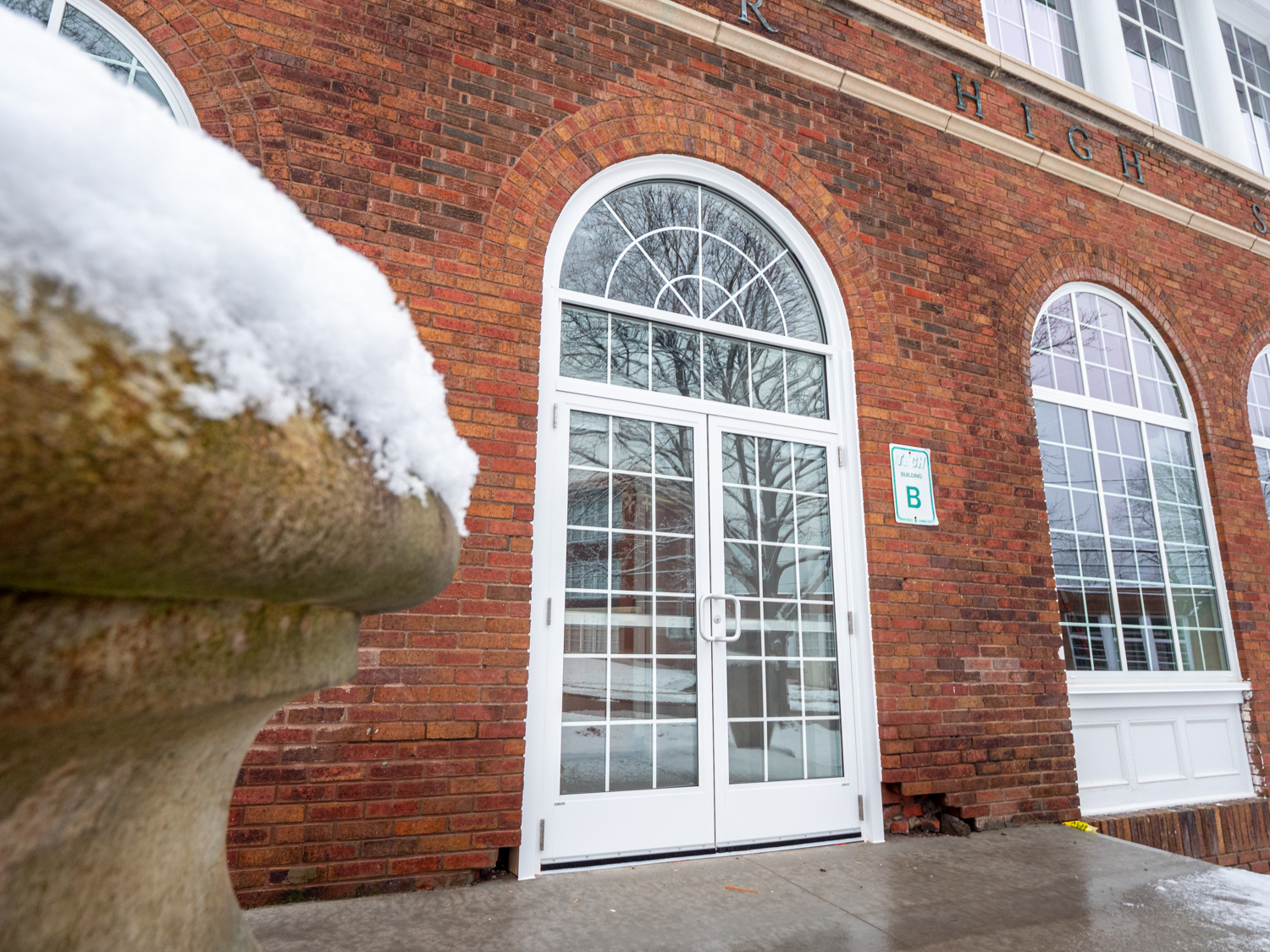
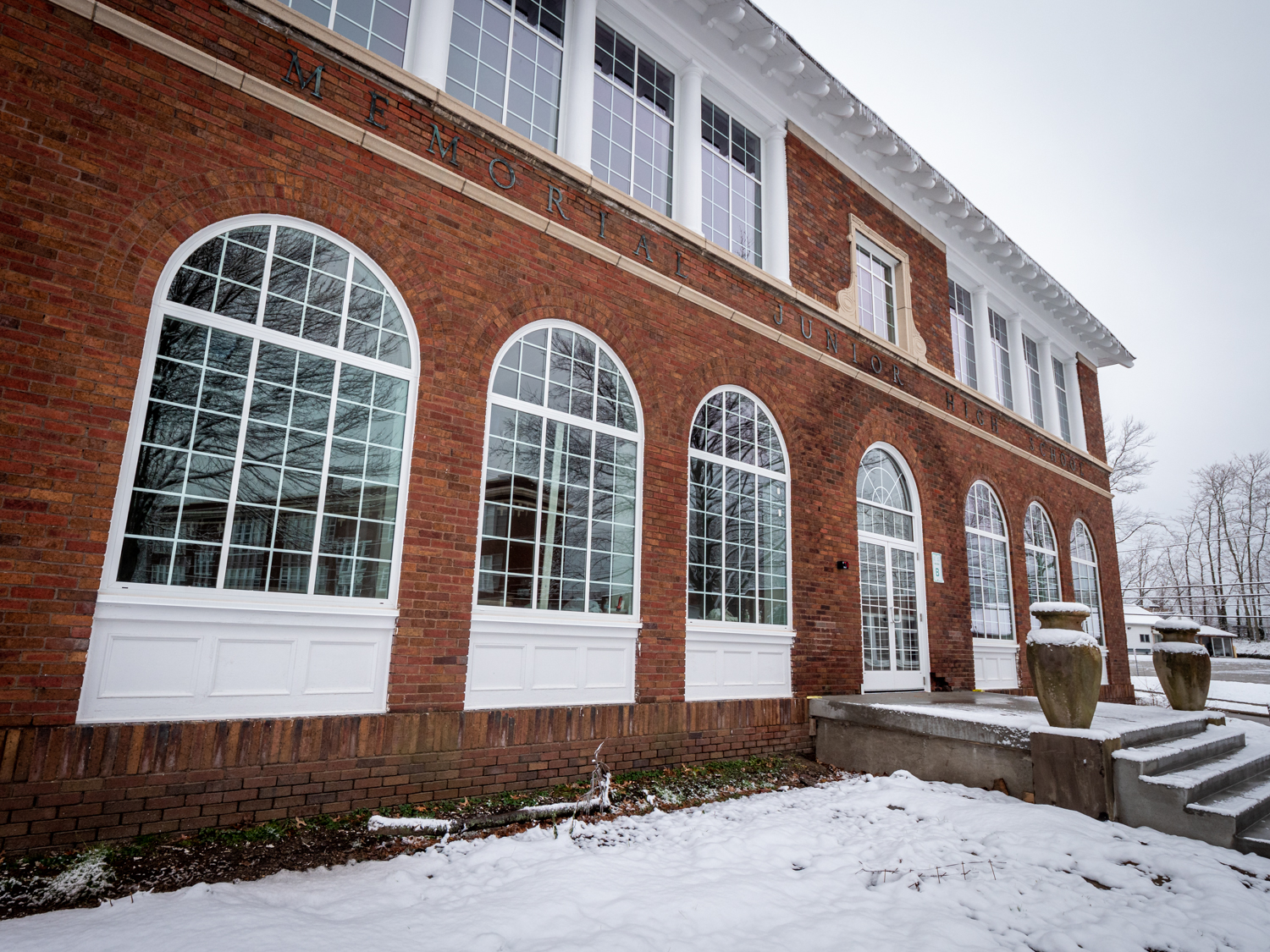
Exterior Photos - ThenDesign Architecture

However, when construction commenced and progressed, community interest has skyrocketed as did public support for the project. We greatly appreciate the outpouring of comments we have received since the beginning of the project.

  • “Thank you, TDA Architecture! I went there for 9th Grade, and my father-in-law attended the old Willoughby Union High School in the building. Beautiful structure and so many memories!”
  • “I have respect for any company that takes on such a monumental task to preserve and repurpose a school that is an important part of our city’s history. Thank you!”
  • “I’m so grateful this lovely, memory-filled bit of Willoughby is being given another opportunity to be a contributor to this charming city. It breaks my heart to see one representation after the next of the design and workmanship of American days gone by torn down and replaced by structures that have no heart nor character. Thank you to all of you who’ve made this happen.”
  • “So nice to see the building is being repaired and will be occupied by people who appreciate the historical value of the building.”
  • “What a wonderful way to share your enthusiasm with all of us who care about Willoughby’s charming perseverance! This was such a special place for so many people — including my late dad and brother. Thank you for update!!”

Early on, our staff studied the building and thought deeply about how this existing school could be reimagined and used as a headquarters by an educationally focused architectural firm. This thinking informed the interior spaces, finishes and the construction details. While the construction and renovation process has been challenging, keeping this landmark in the city, reusing the structure, and extending its life through good design has brought many concrete opportunities and intangible benefits for our firm.
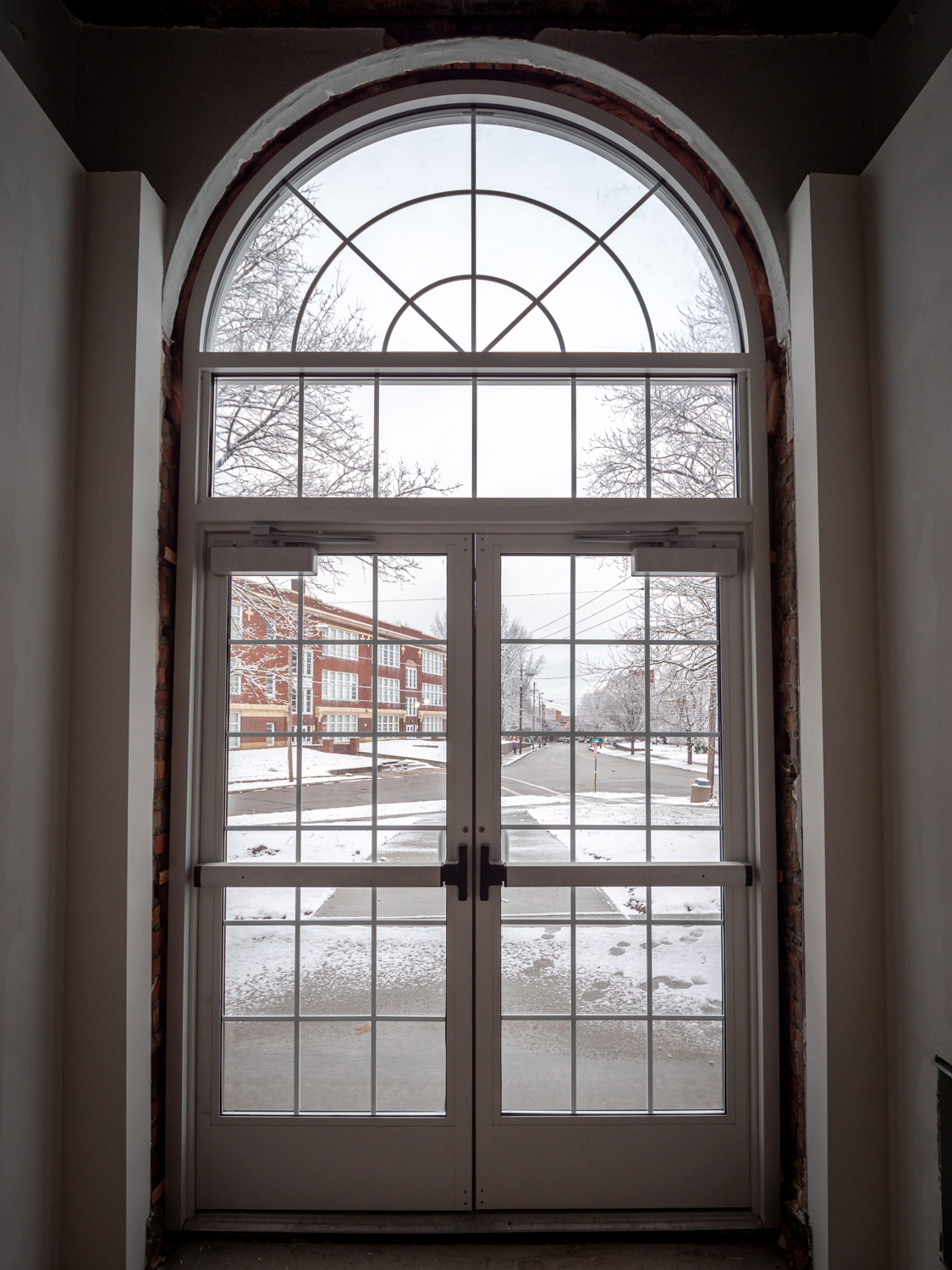
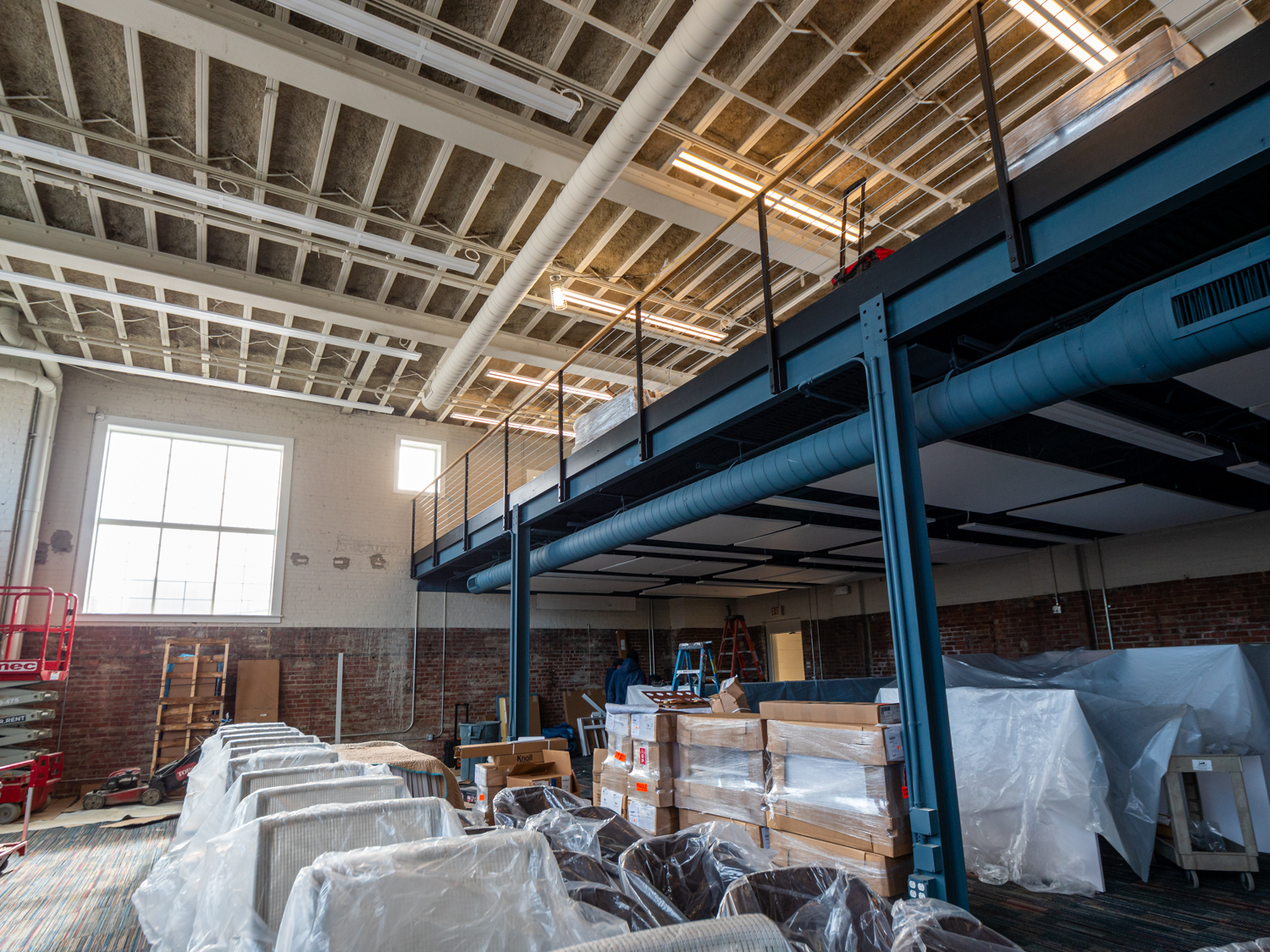
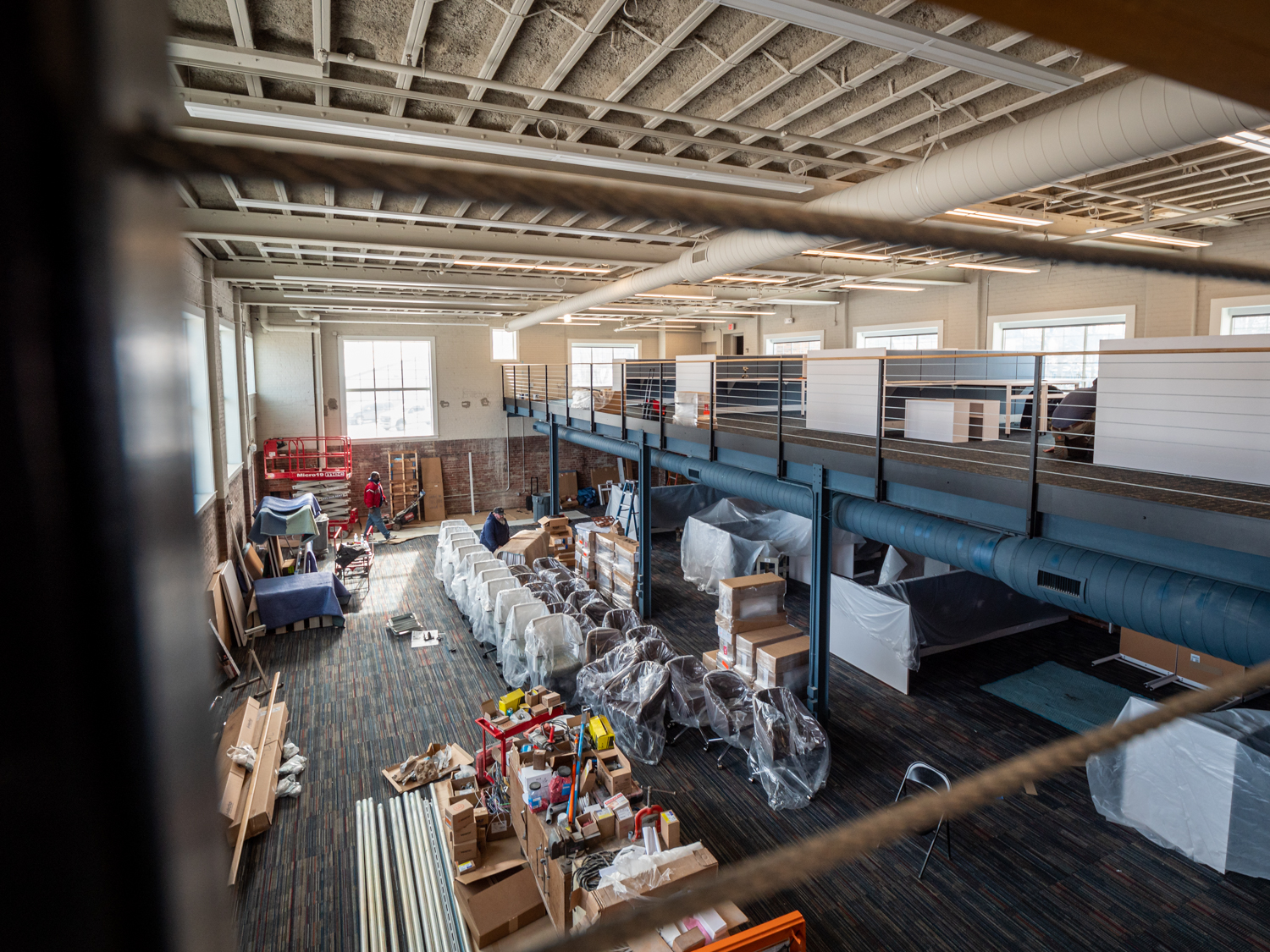
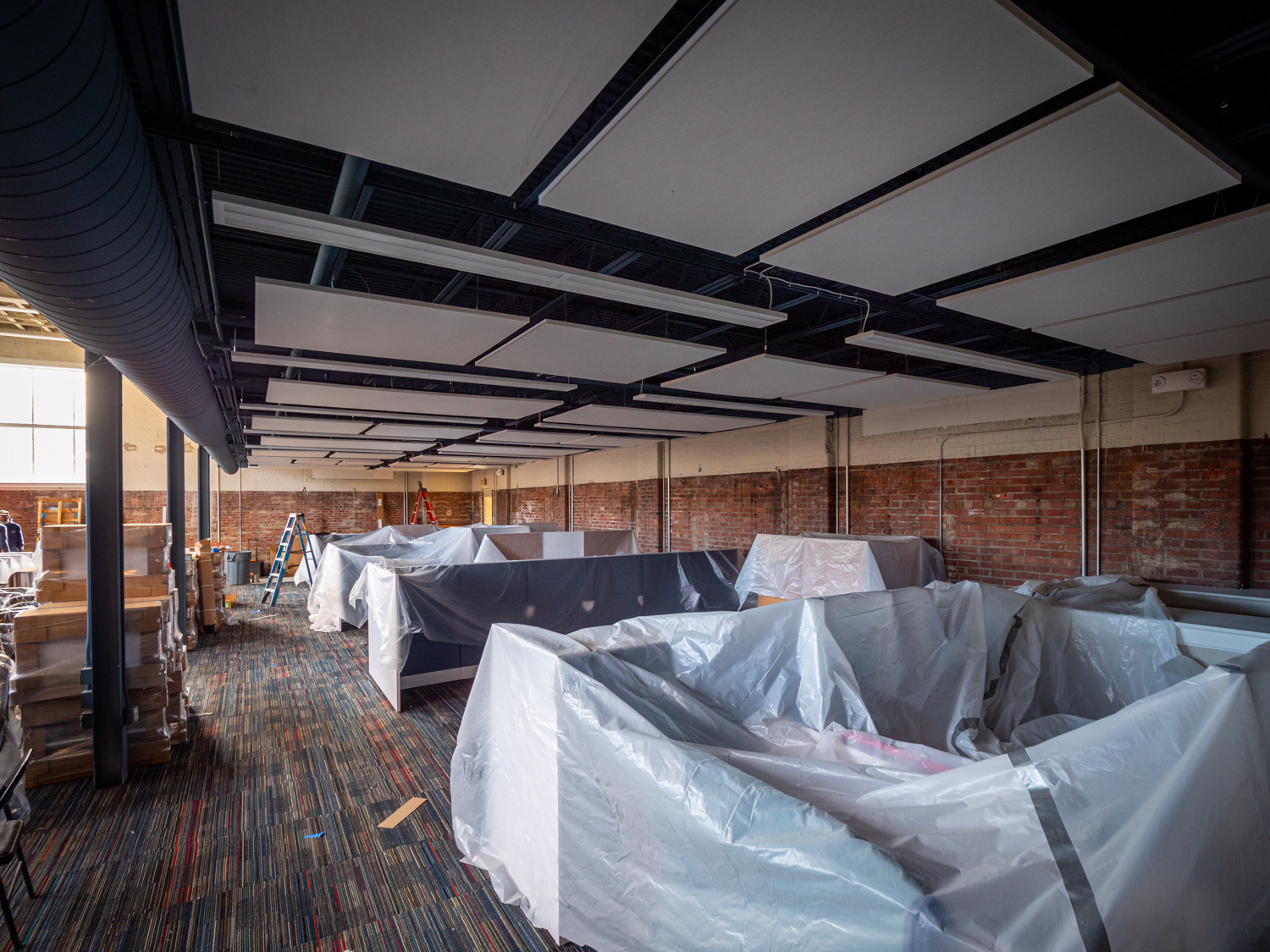
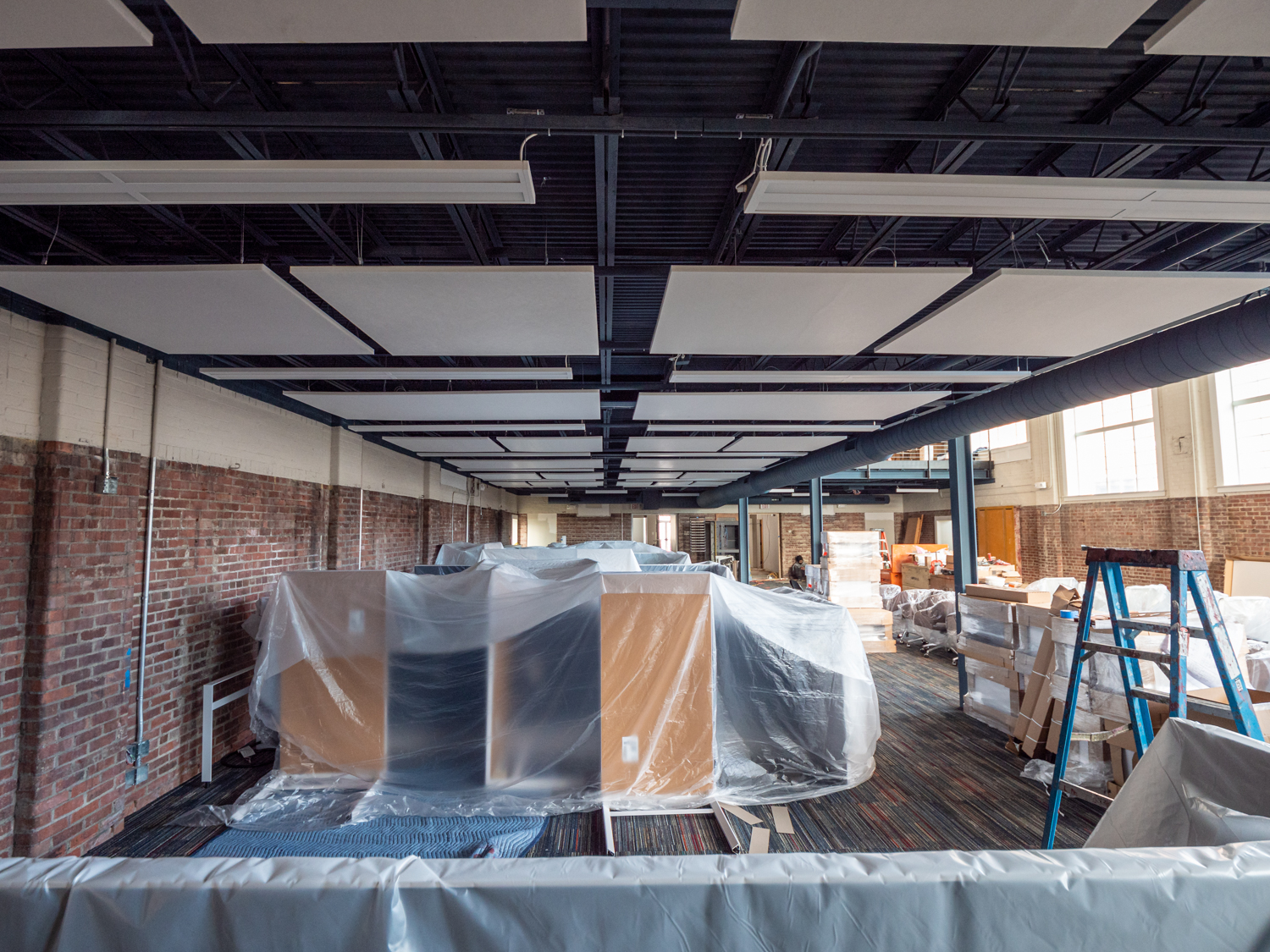
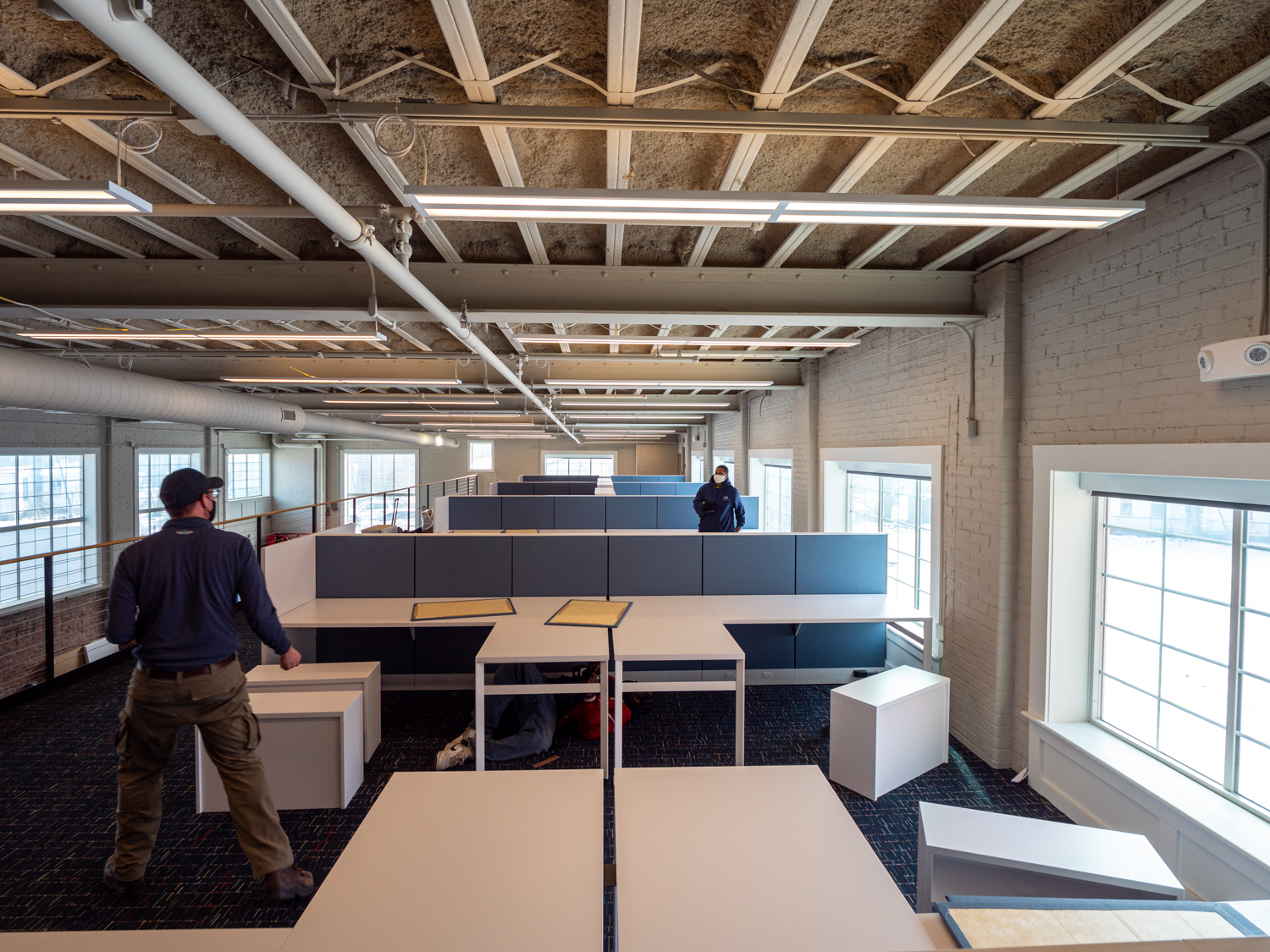
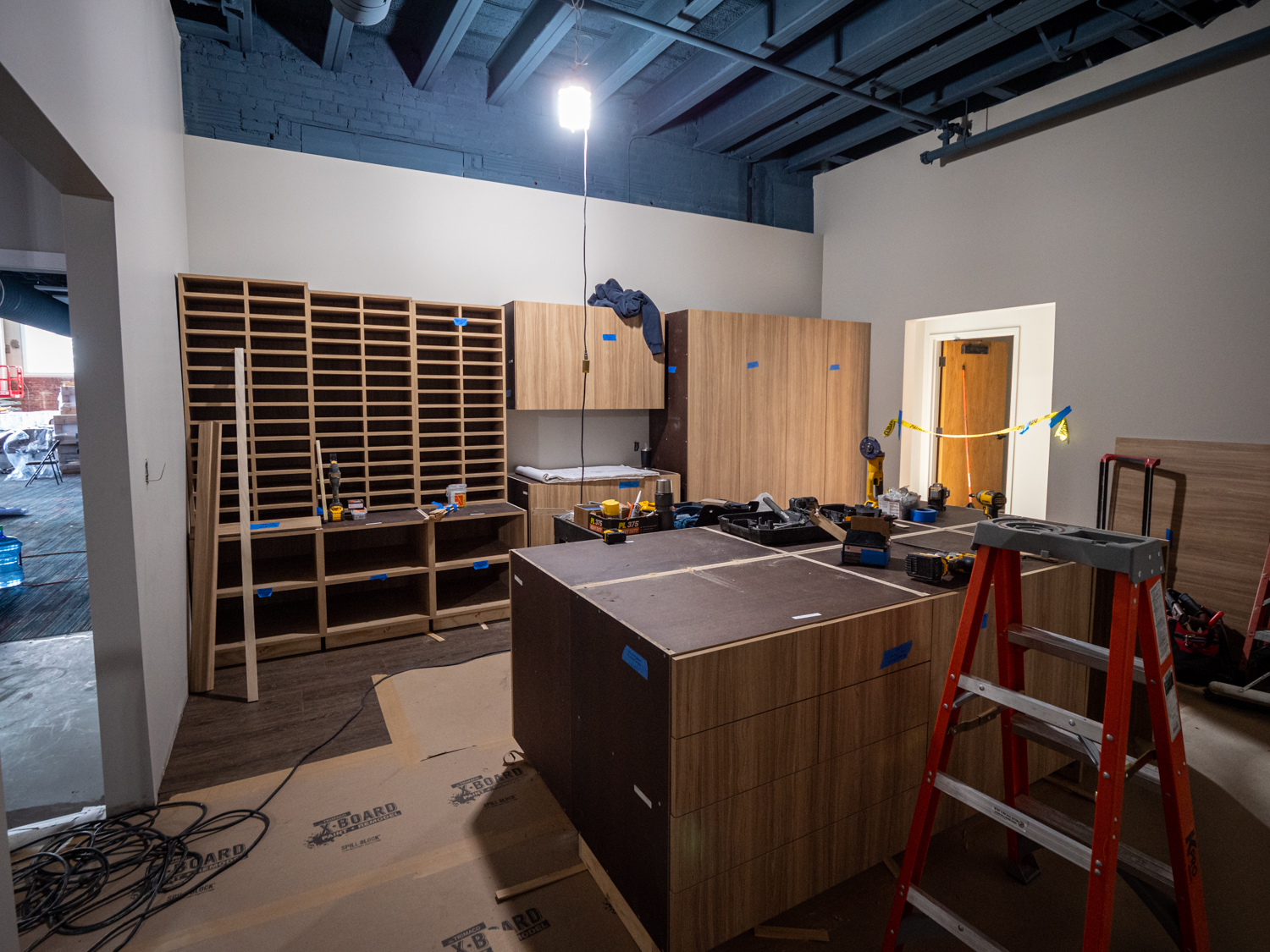
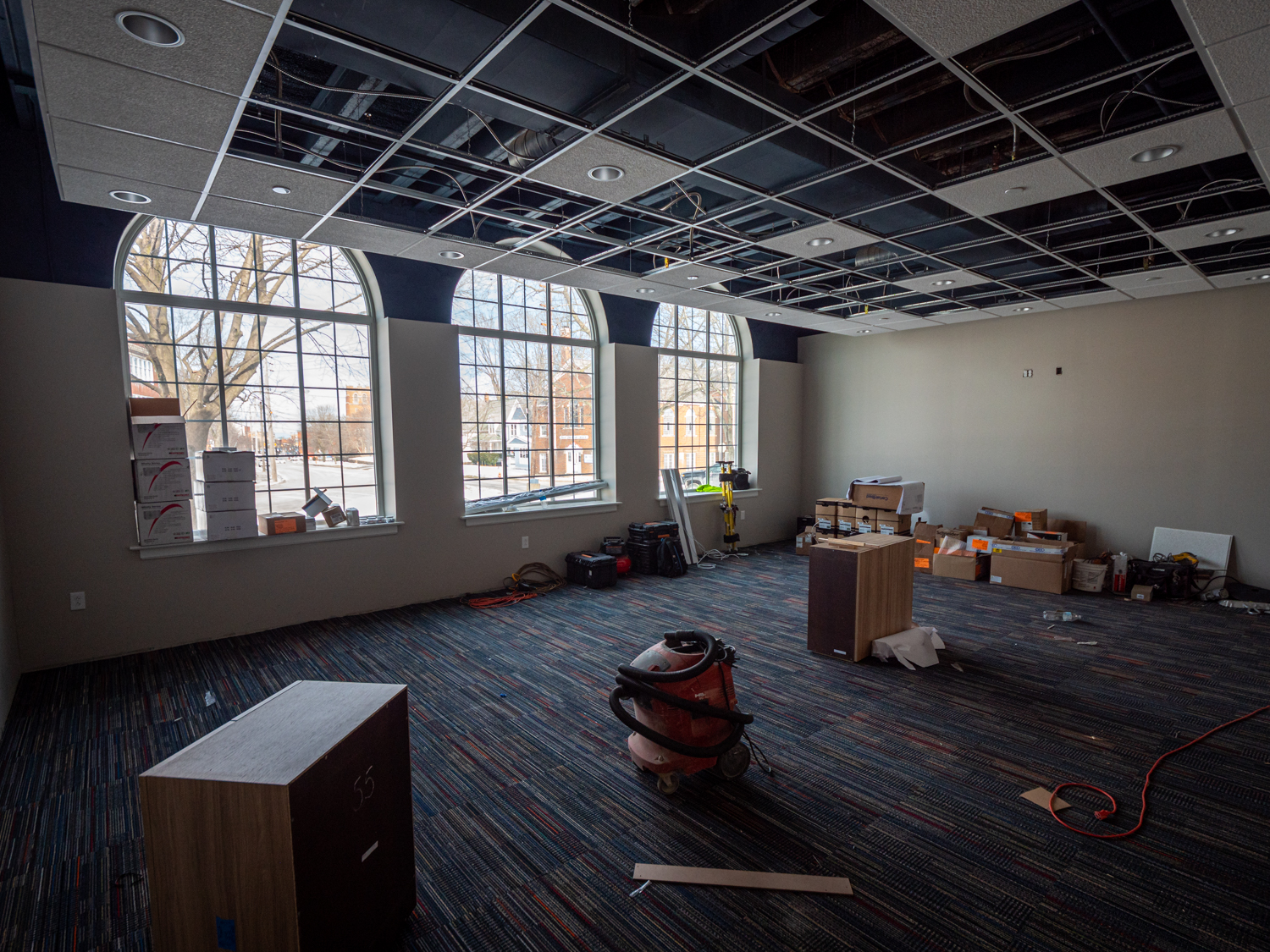
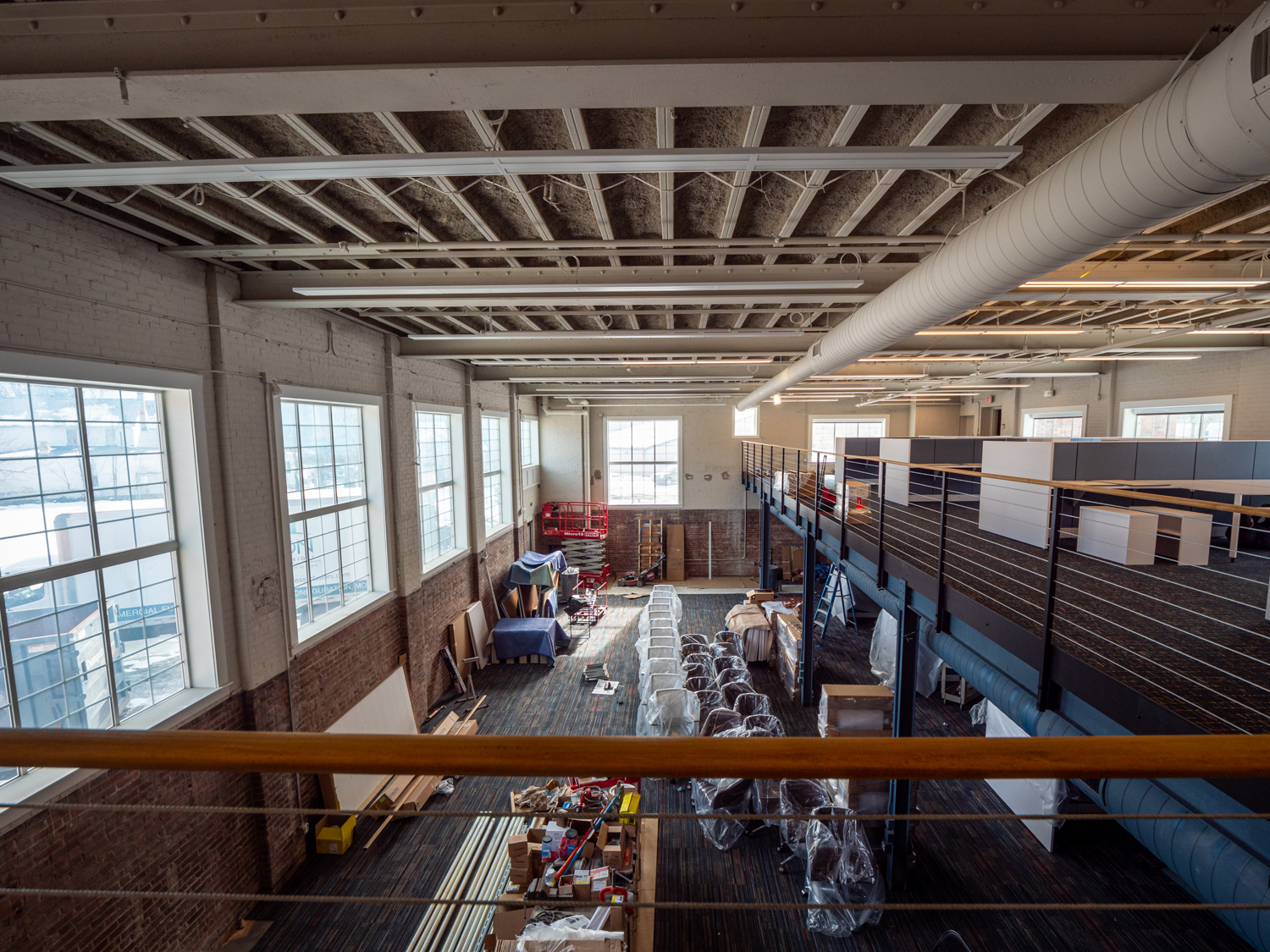
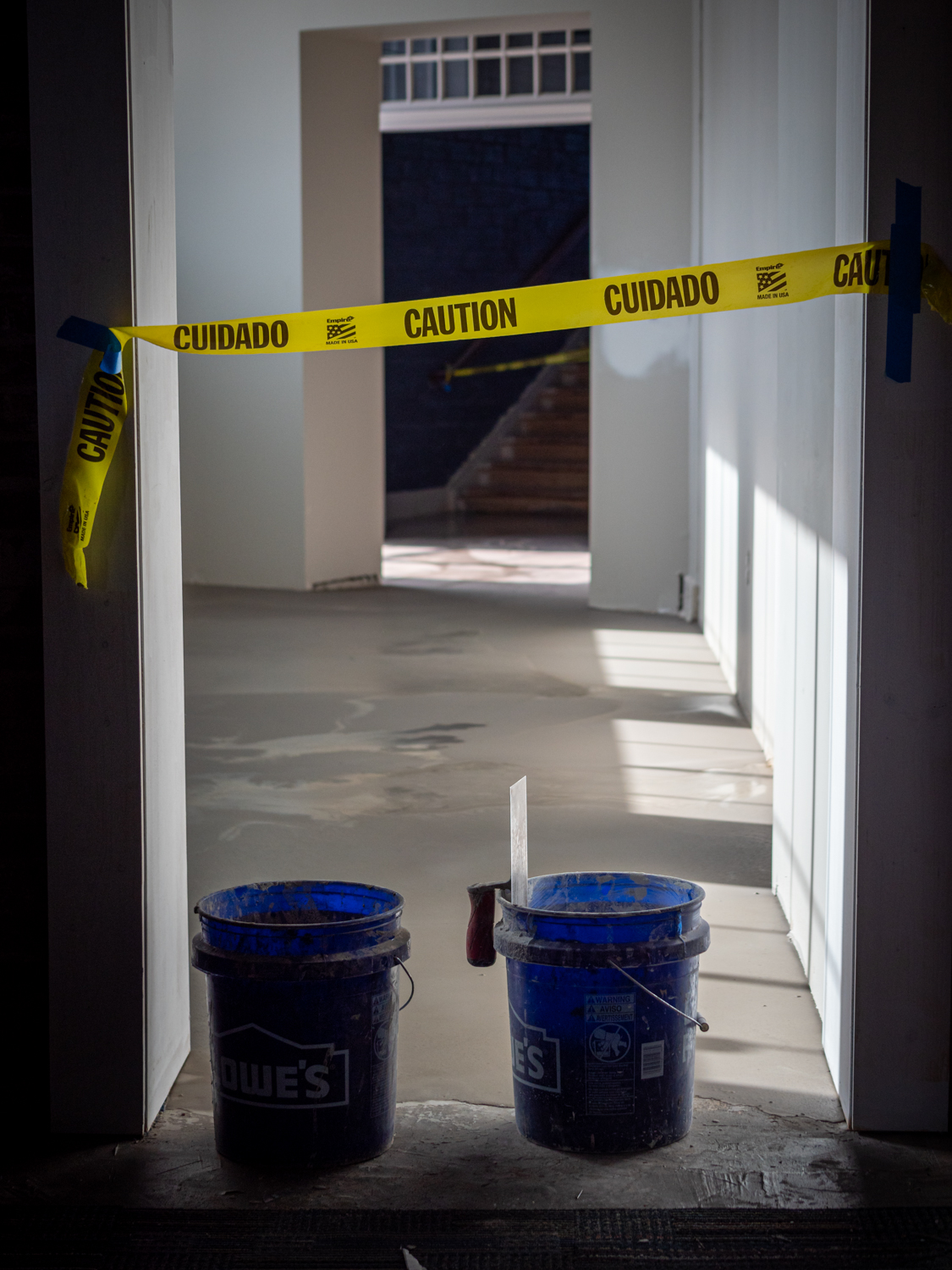
Construction Photos - ThenDesign Architecture

"There's something very special about educational designers being able to repurpose an historic school. This is something symbolic for our team for sure."
Chris Smith
President of TDA

Construction Updates

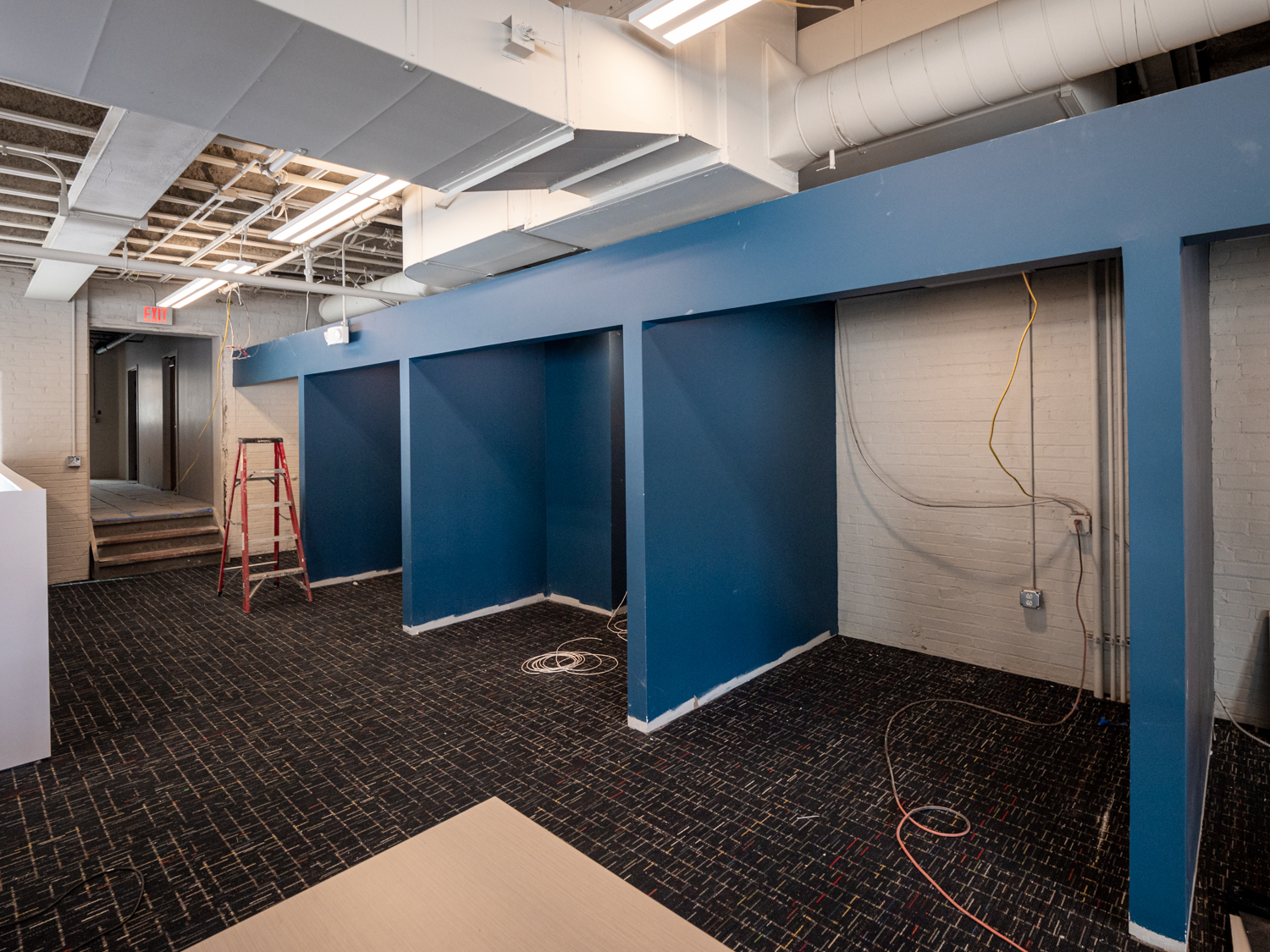
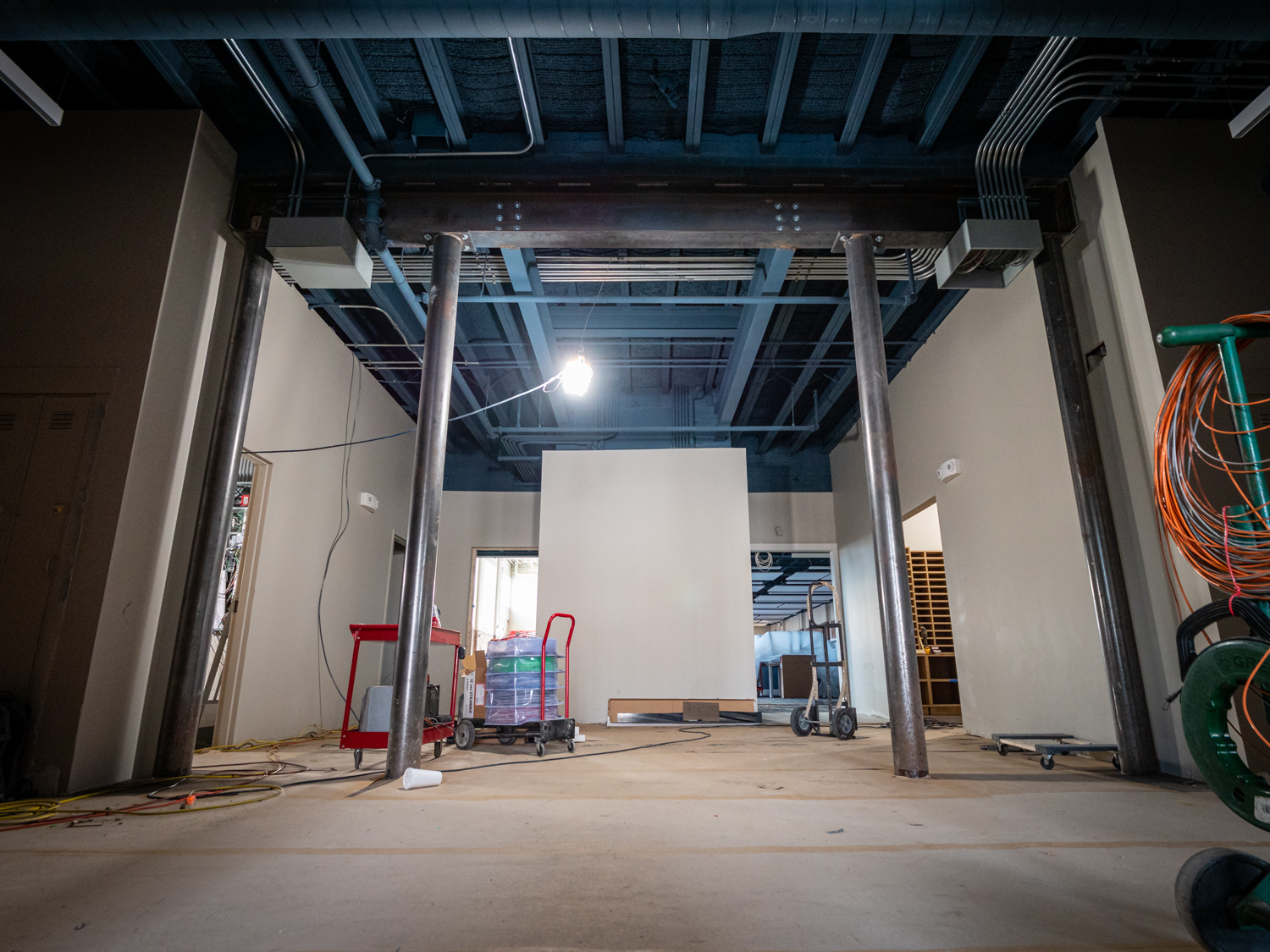
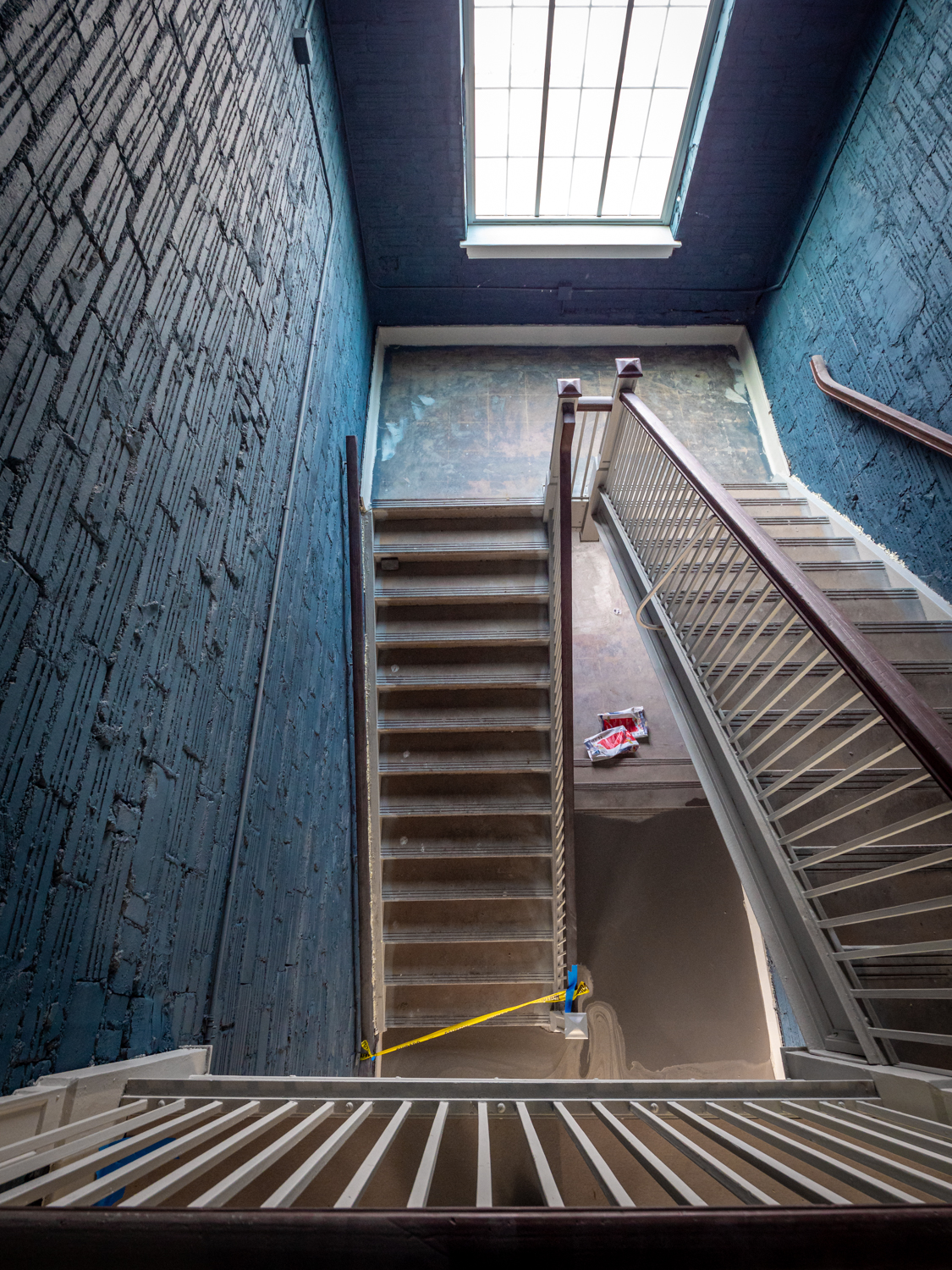
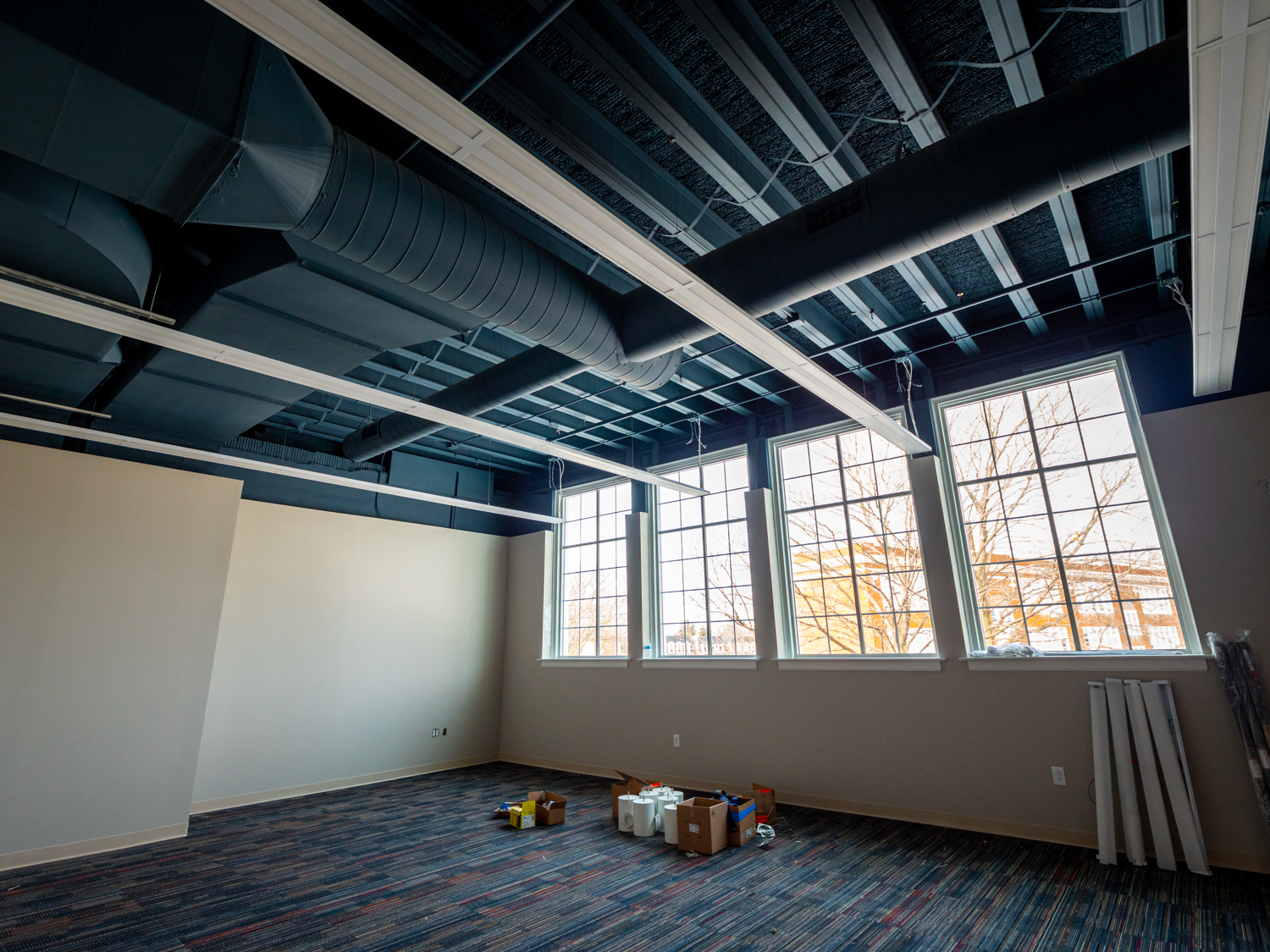
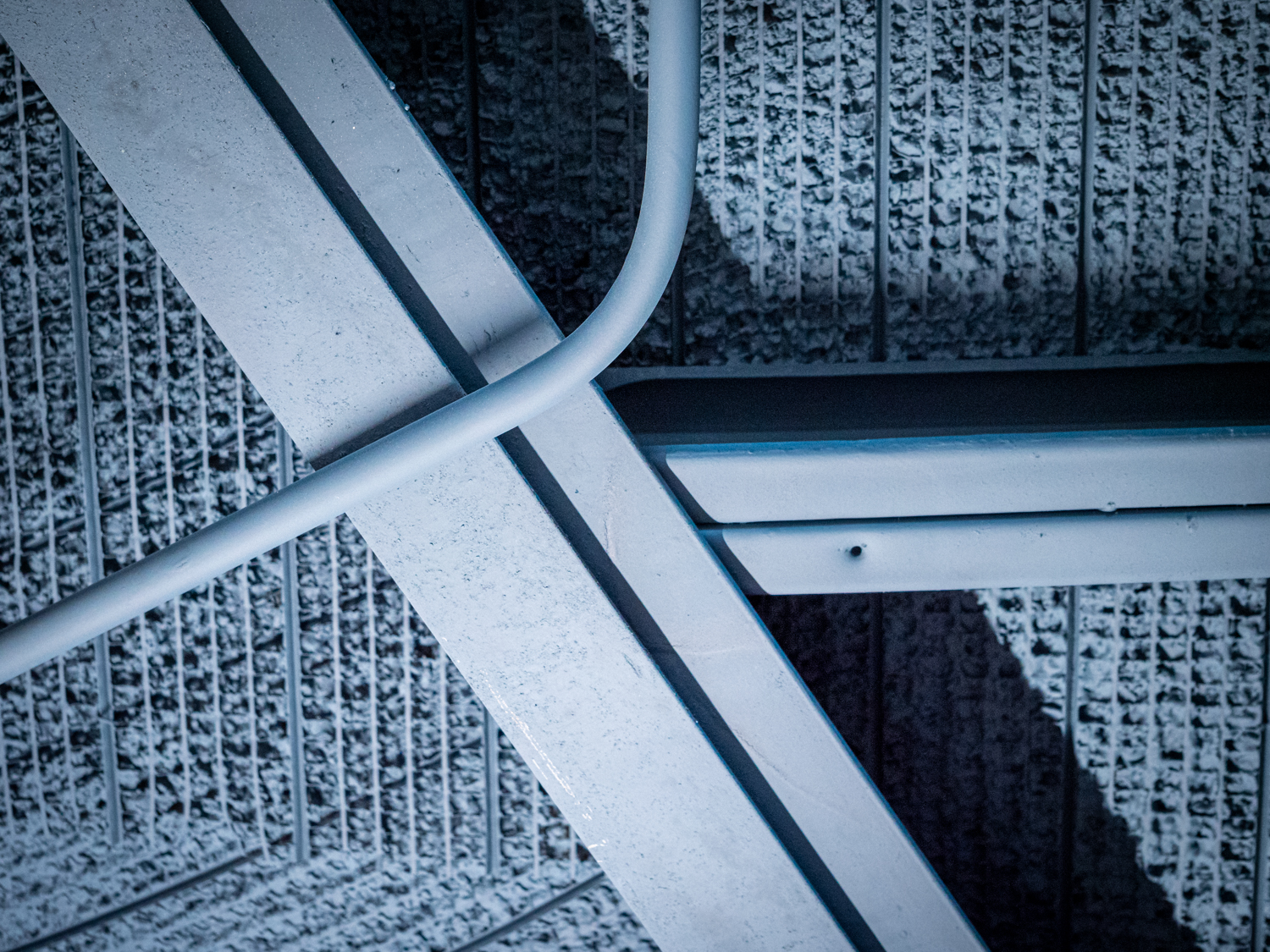
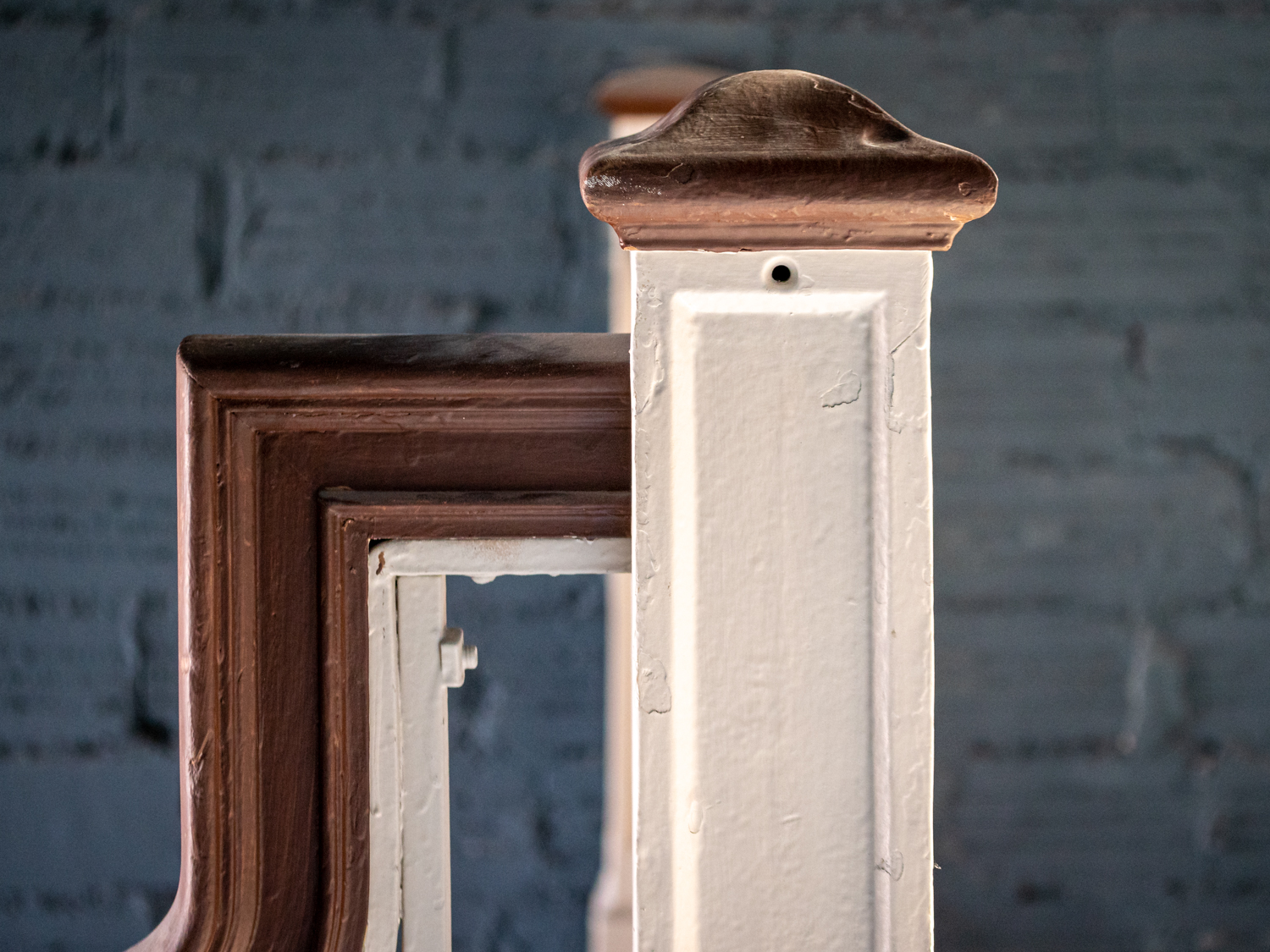
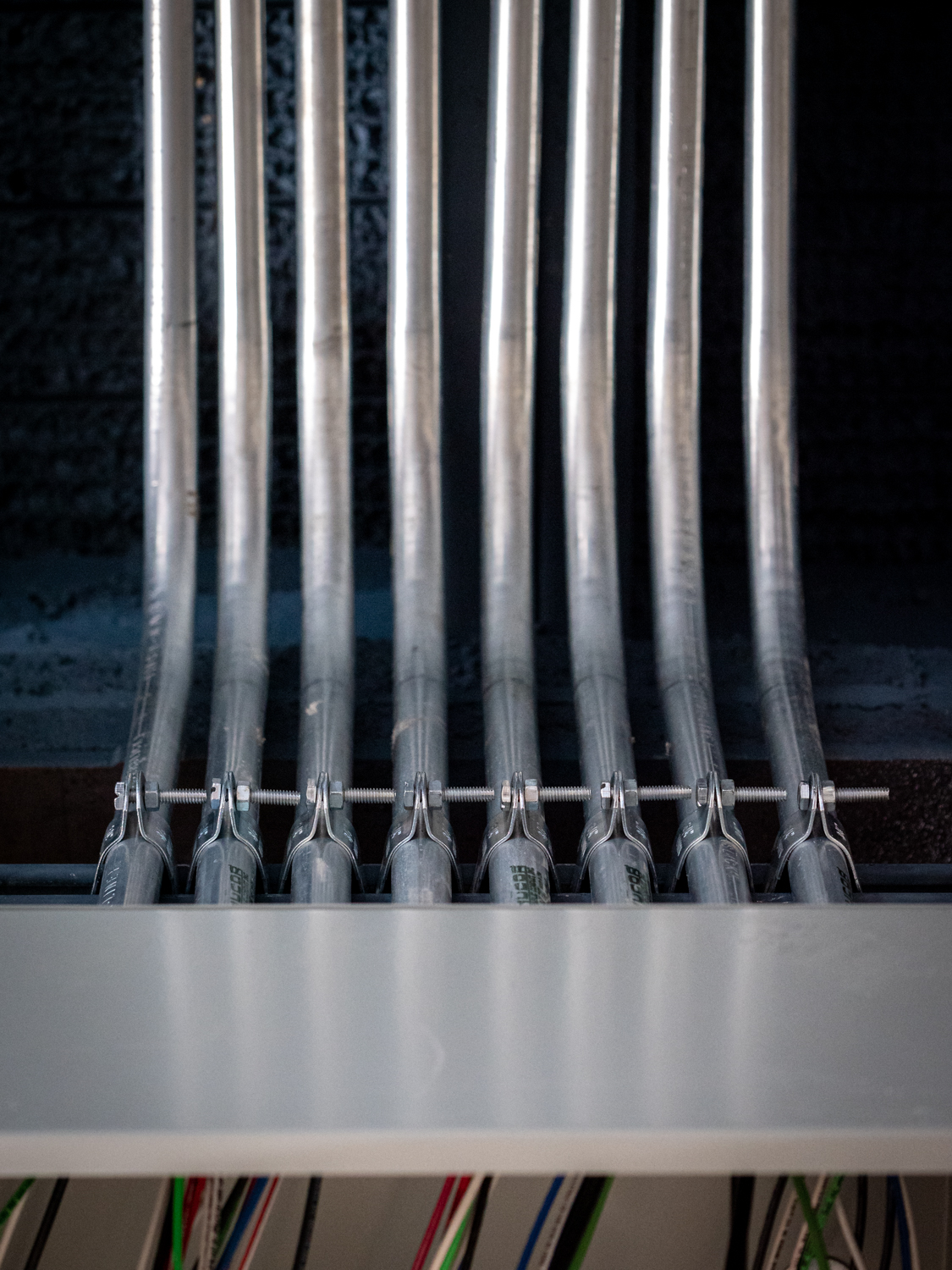
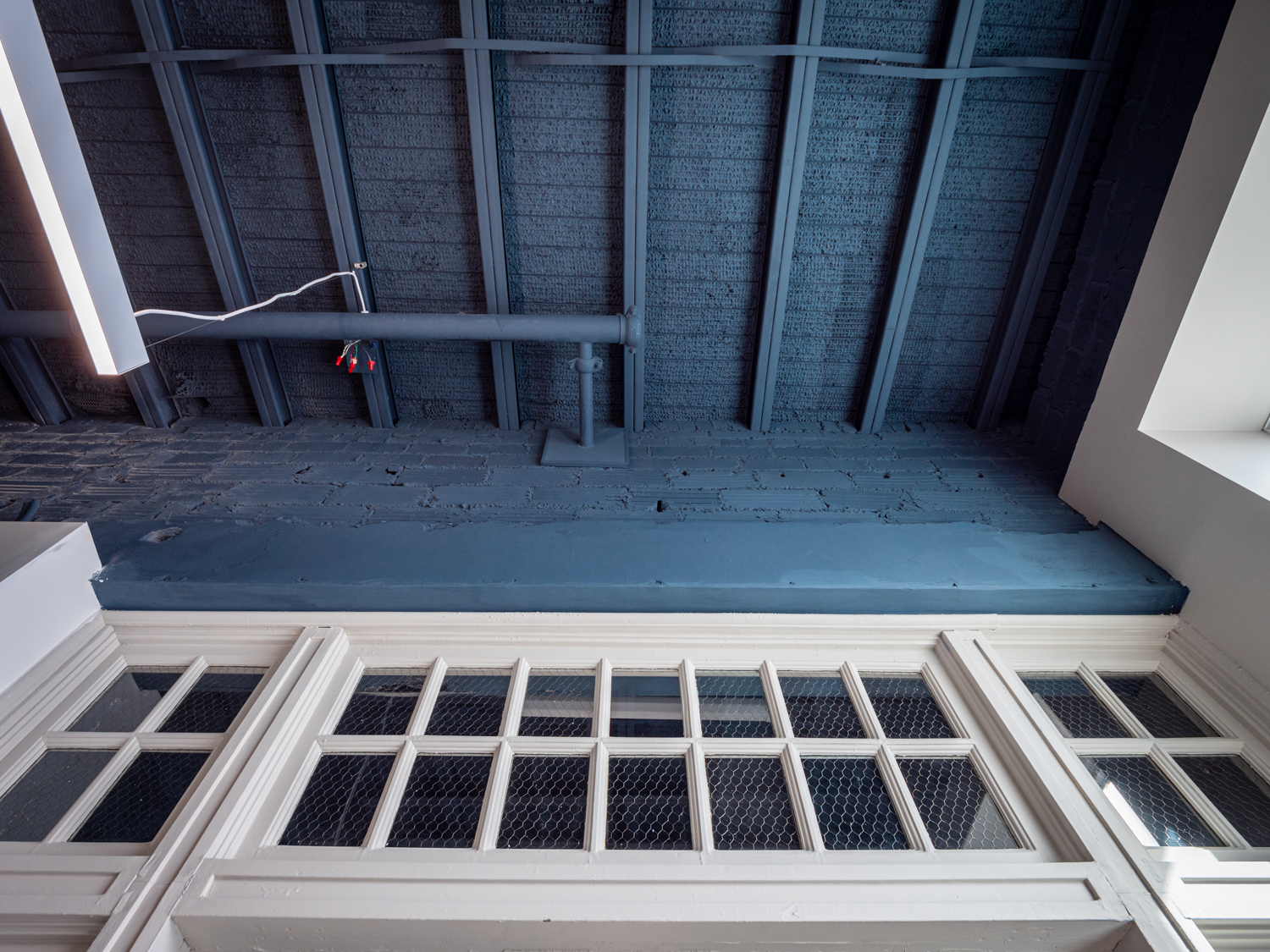
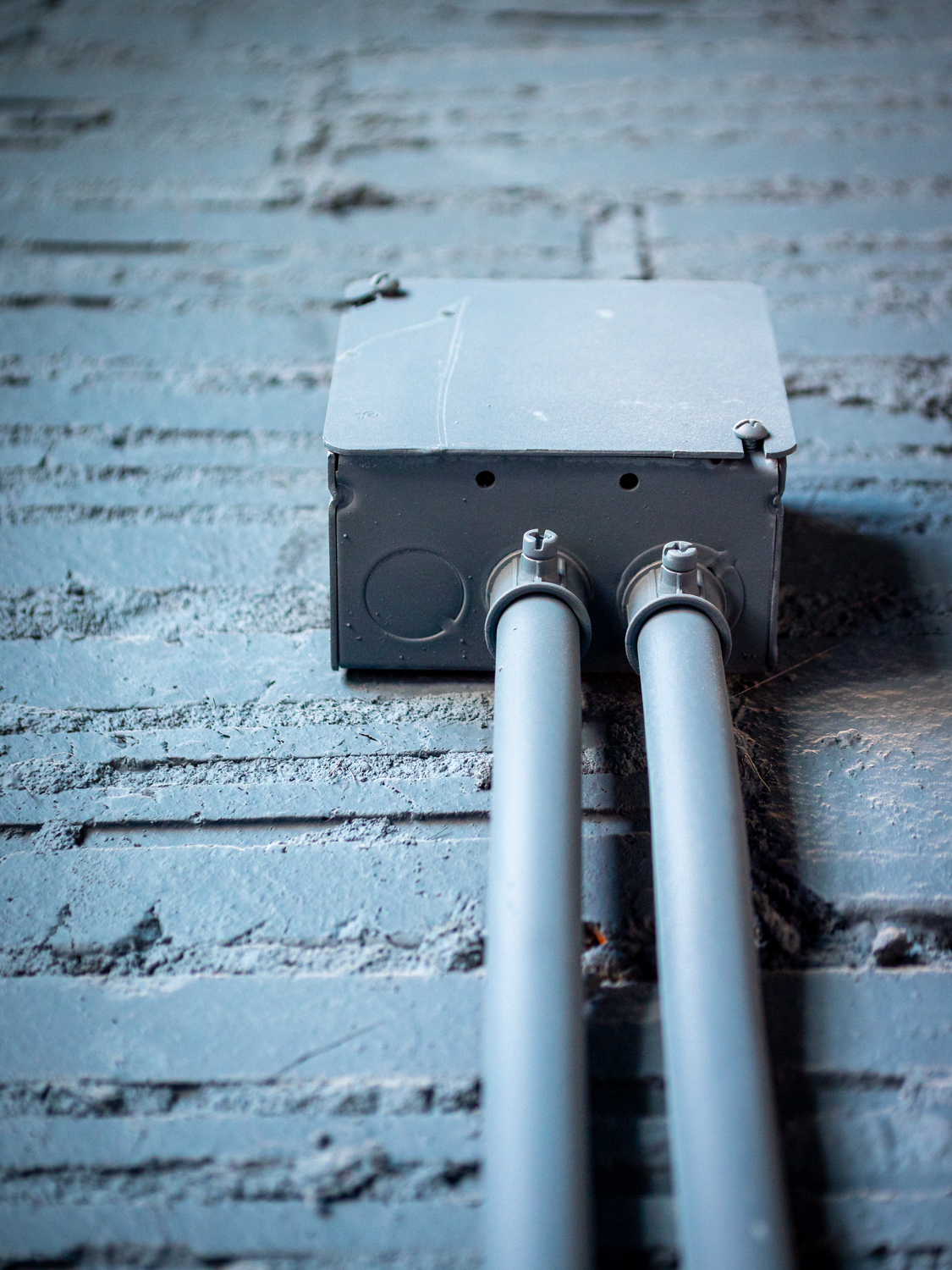
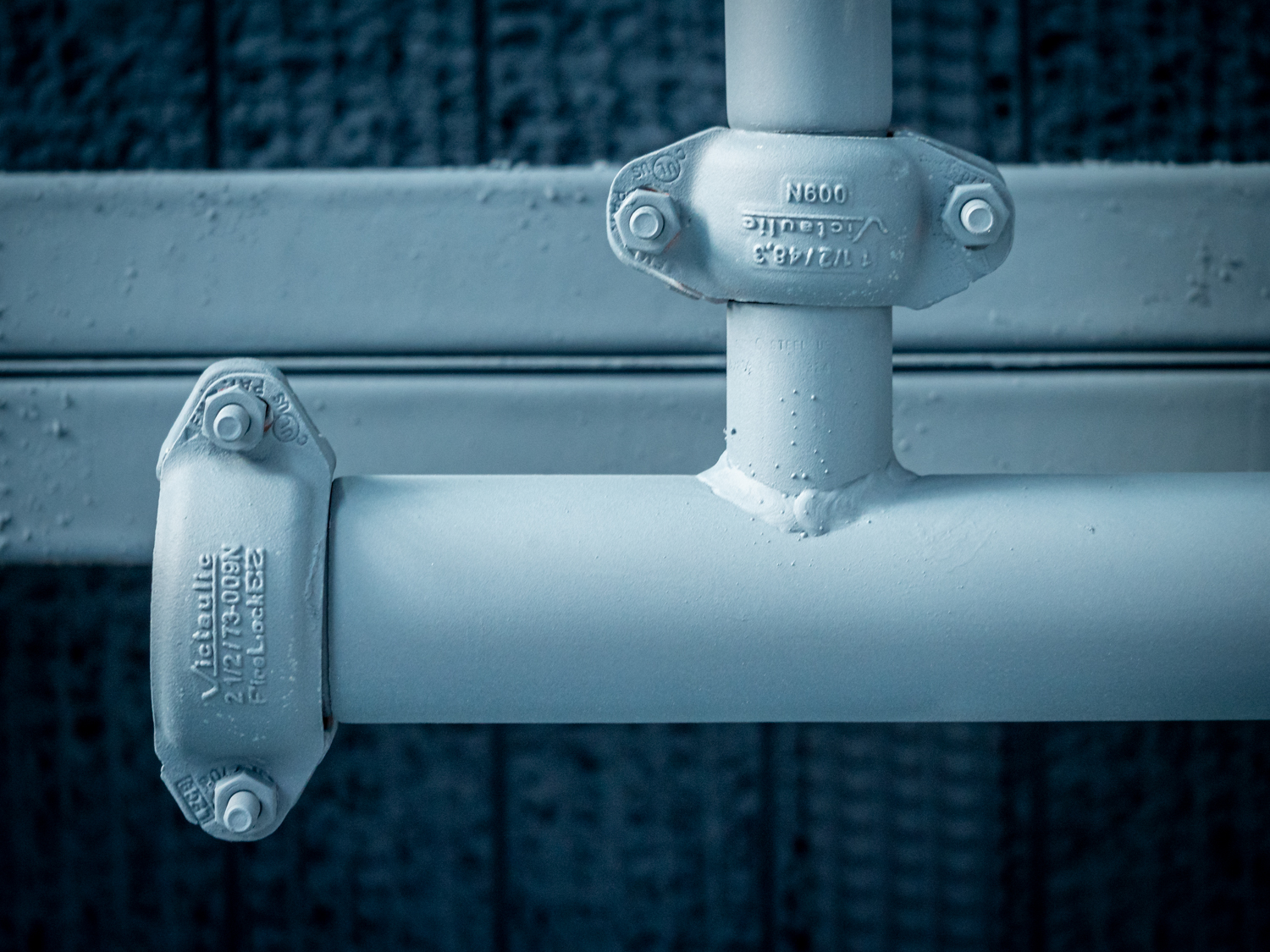
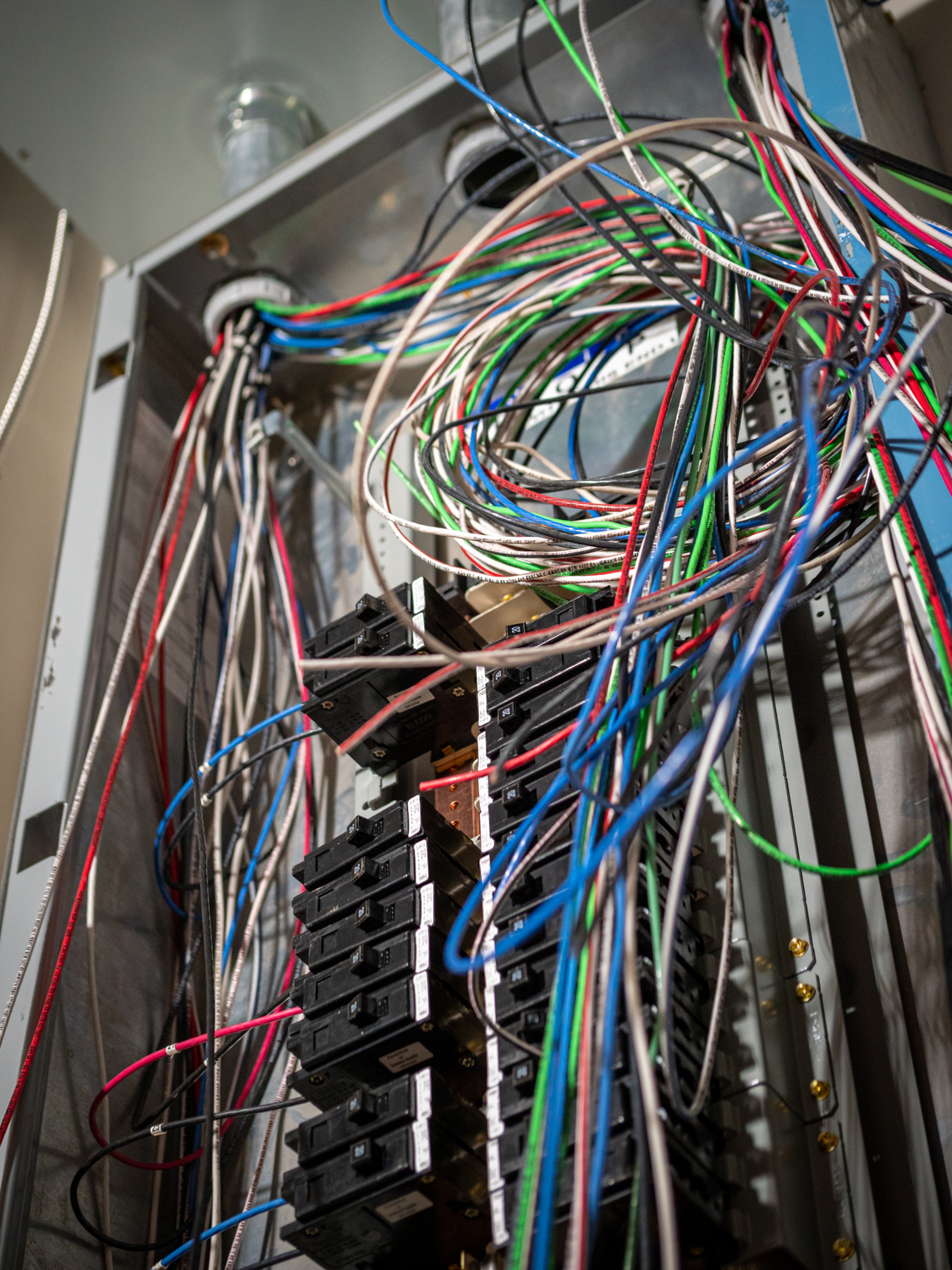
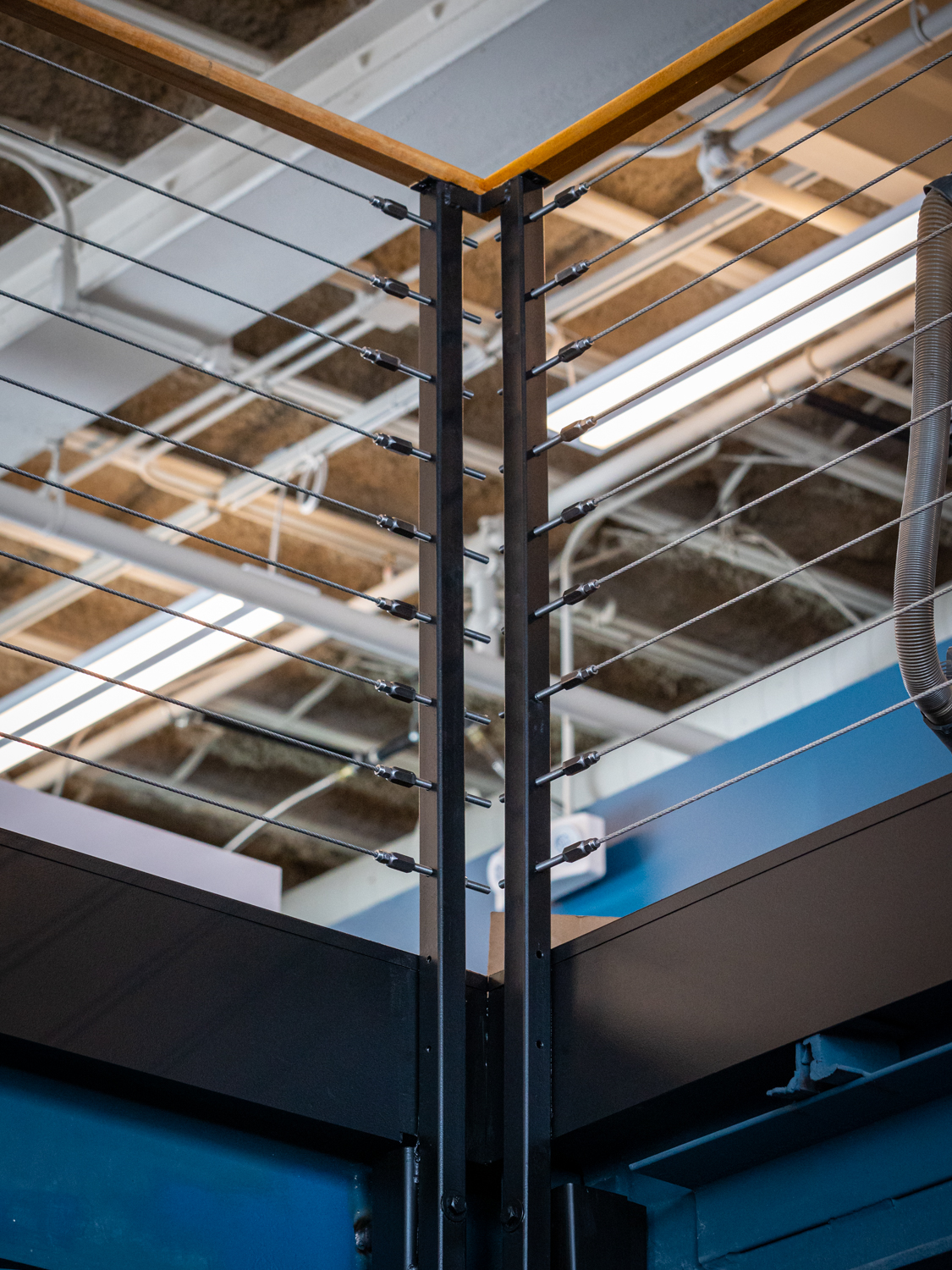
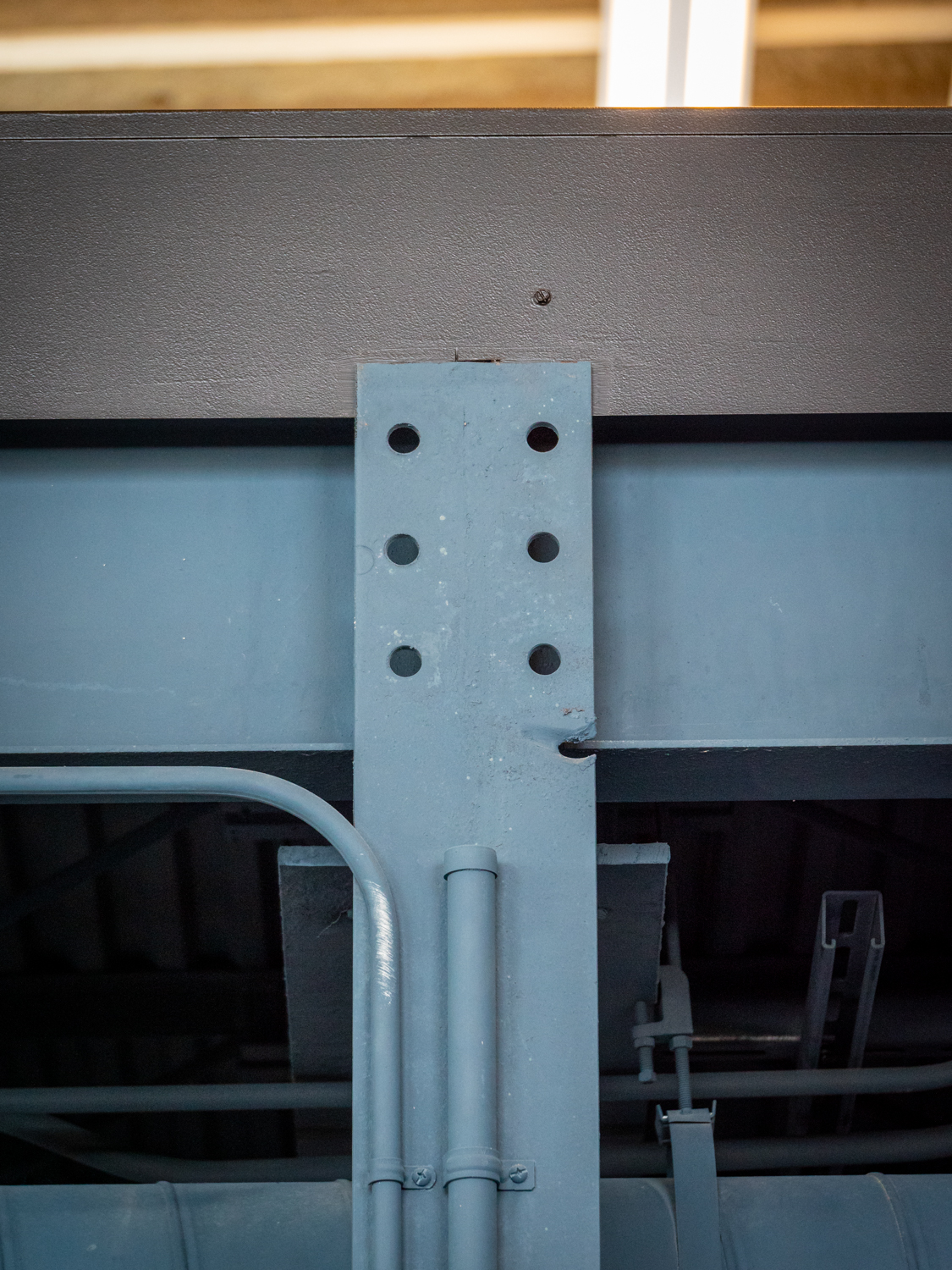
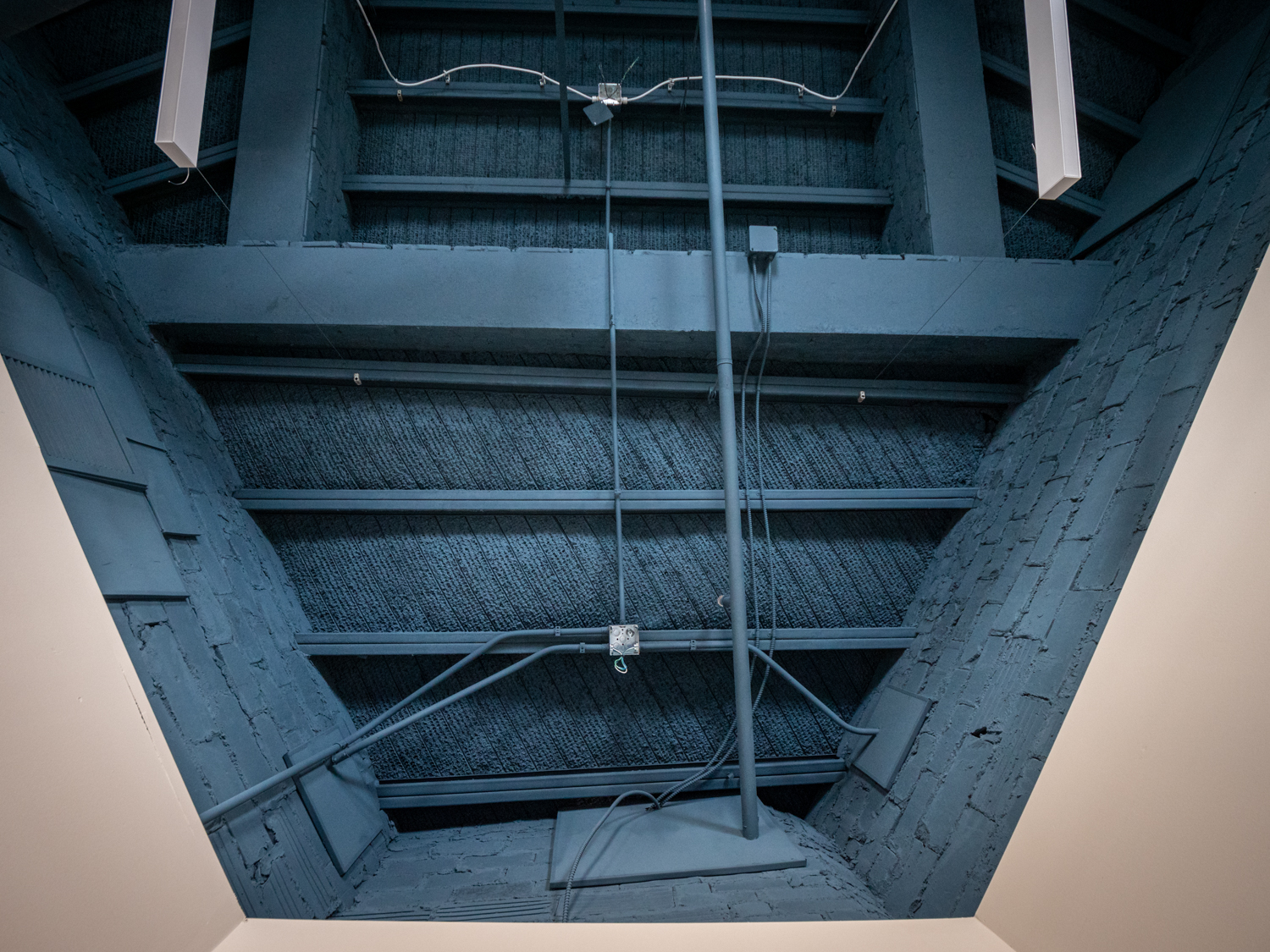
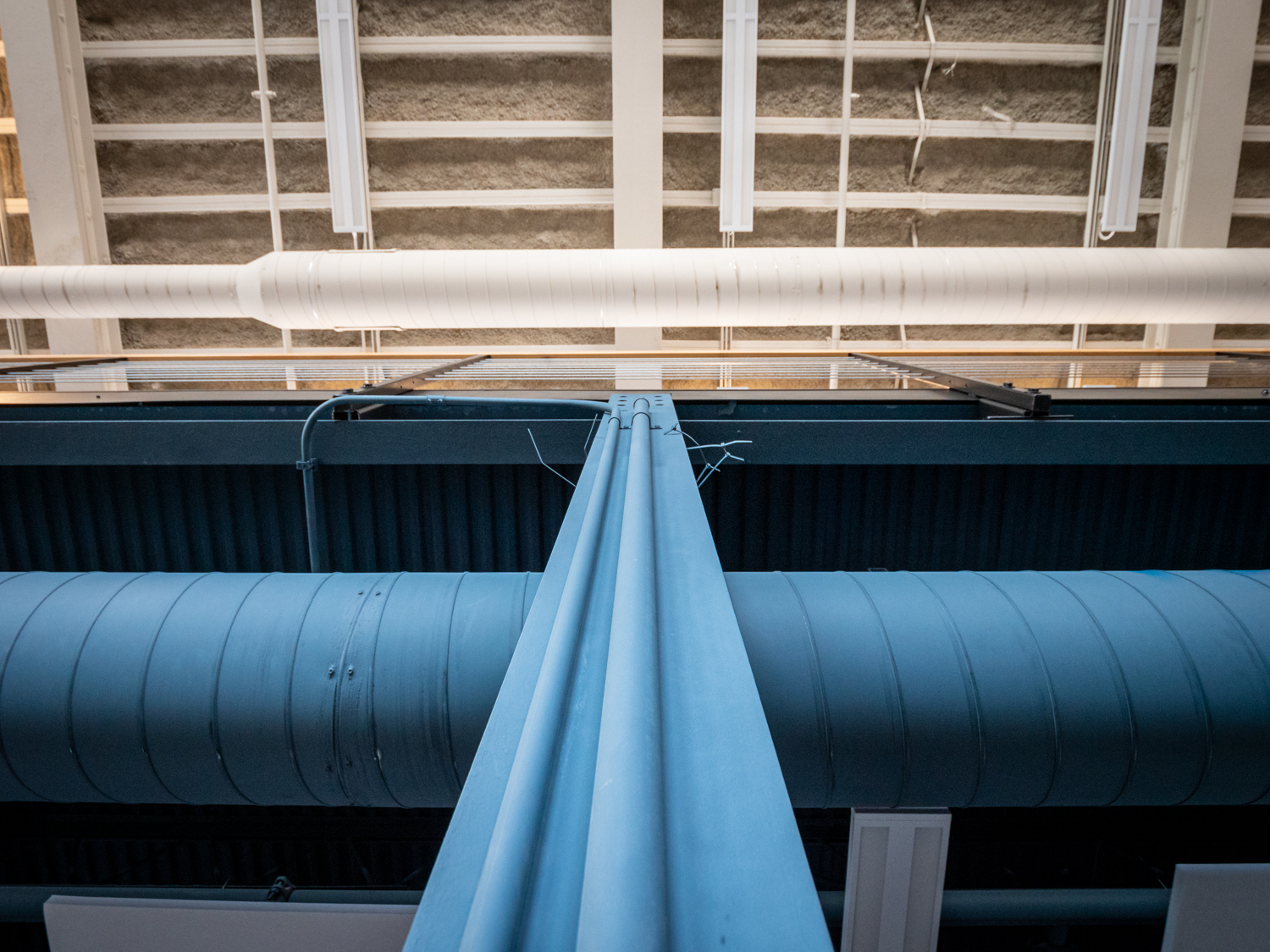
A tremendous amount of progress has been made since work commenced in early 2020. After an office wide “Visioning Session” in 2015, the architectural staff worked closely with our interior designers taking feedback from the staff and transforming that into architectural designs. Incorporating technology, expanding workspaces for the designers, adding flexible meeting rooms for collaborative work, and individualized spaces for solitary work, greatly impacts how we can perform educational, planning, and architectural work in the 21st century. Focusing on a concept of education within the building, designers left the structure and utilities exposed. This allows occupants to experience it as a “living architectural museum,” understanding both historic and modern construction techniques.

The “Architectural Studio” is a two-story open space that houses our design teams. This open area supports both collaborative and individual work with room for expansion. Additional offices support additional departments such as Construction Administration, Accounting, Human Resources and Communications. Each one plays a crucial role in educational public design and architecture.

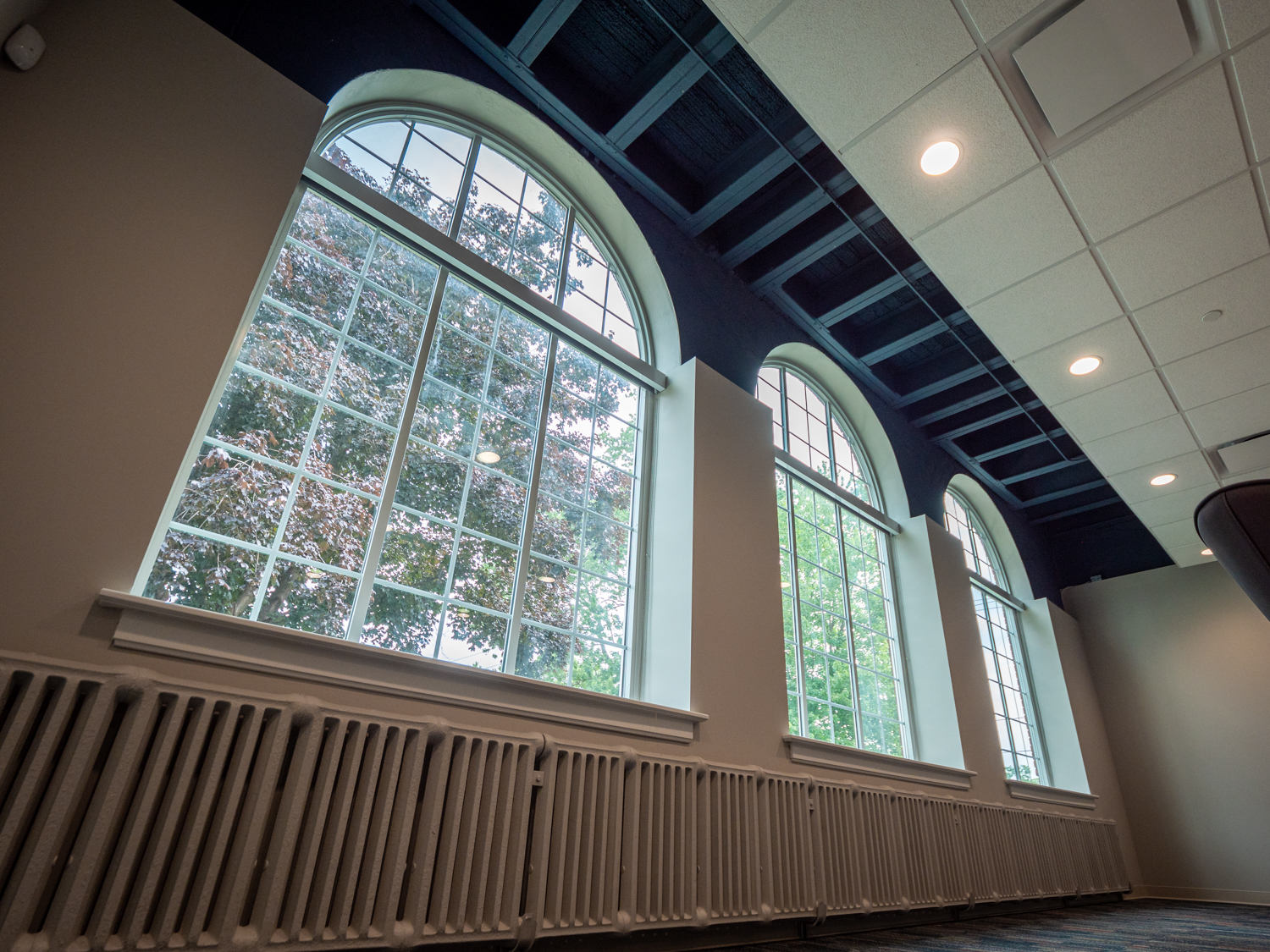
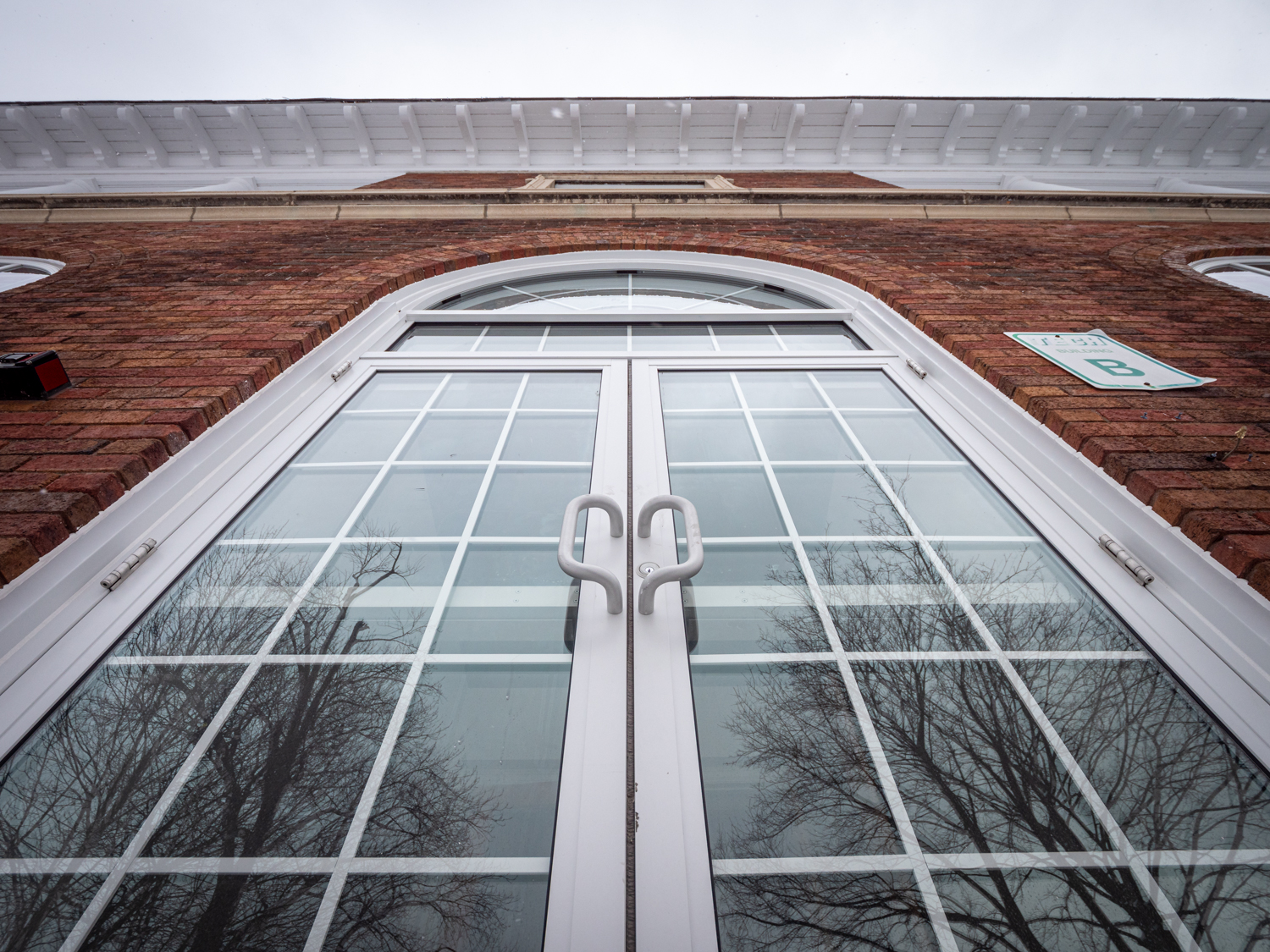
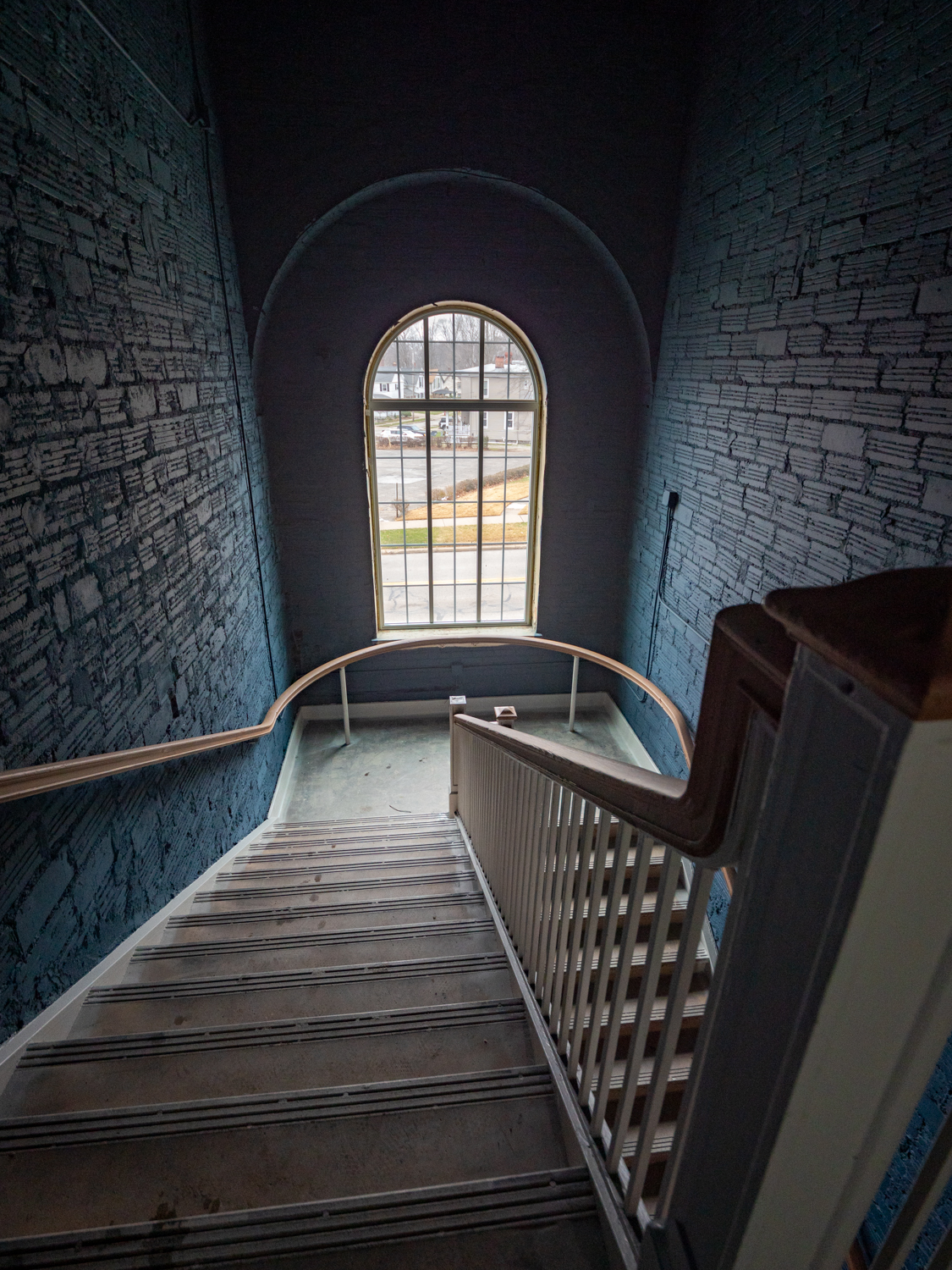
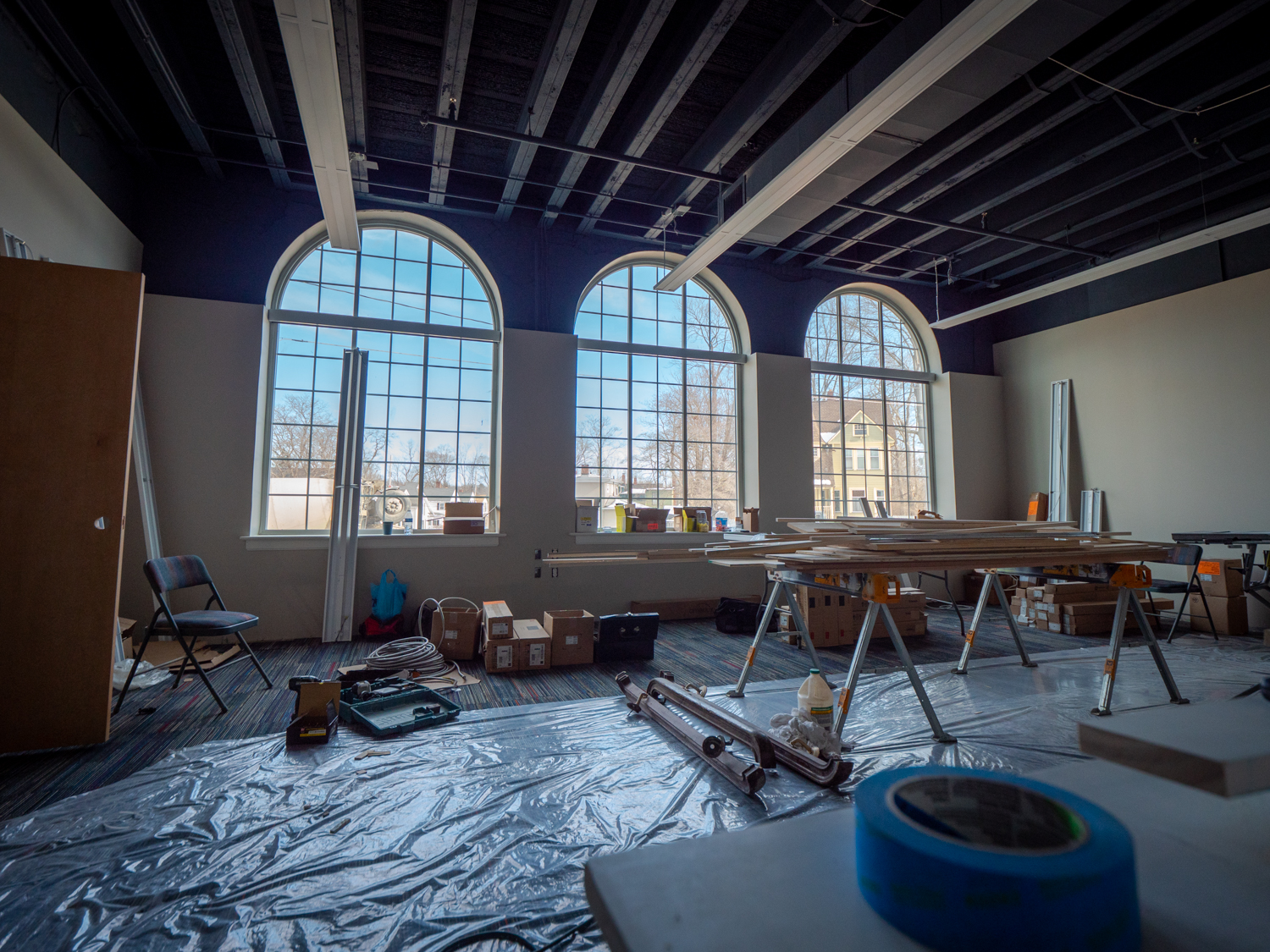
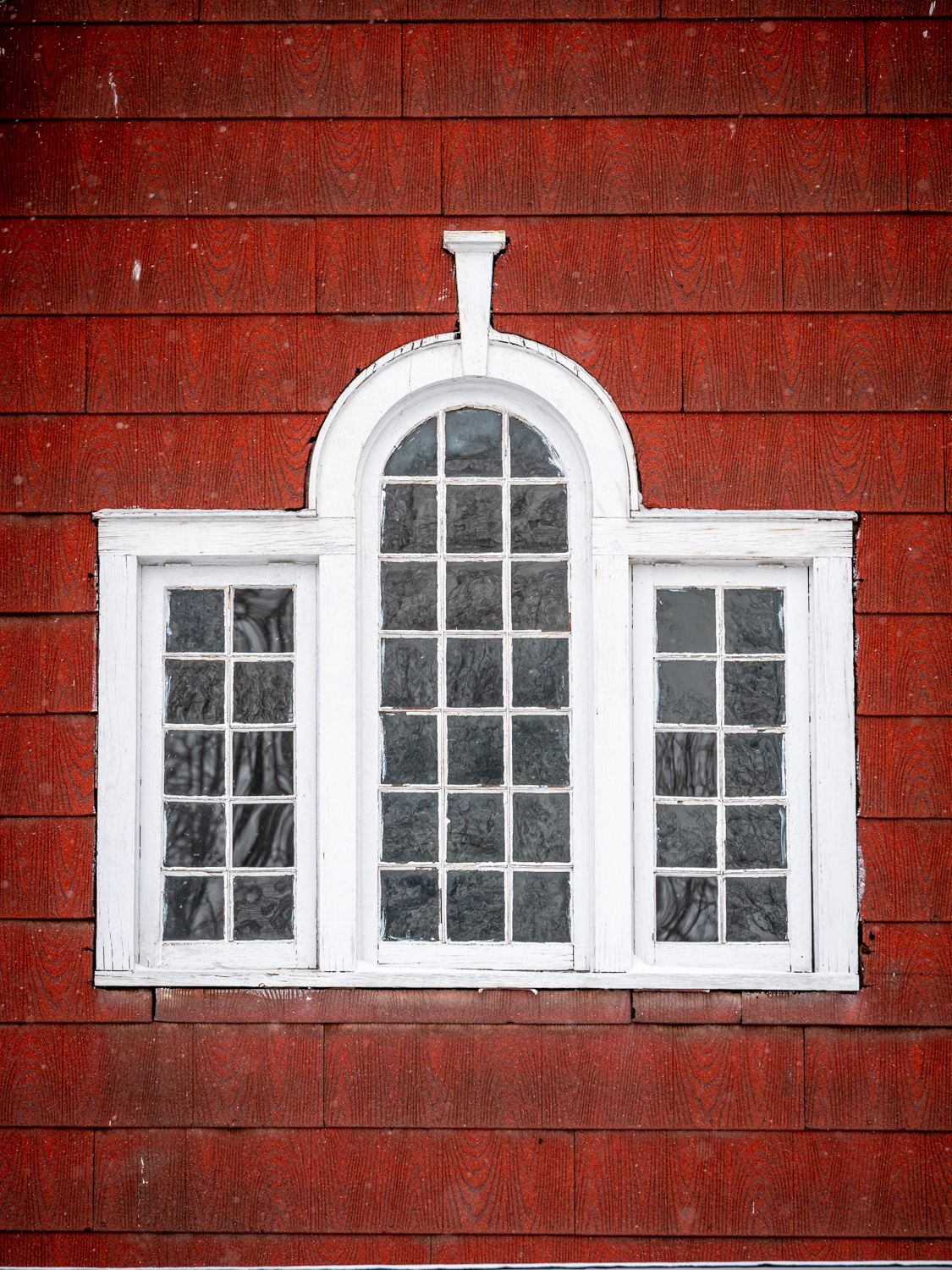
Windows on the façade were upgraded and restored to their original design, featuring rounded half arches. They provide additional insulation against the elements and replace the dated glazing installed in the early 70’s. This brings the building back to its original aesthetic. Utilities such as water, electric and data have been upgraded to support the growing activities of the staff.

An expanded “Flex Café” space provides the flexibility for large or small team meetings, video production and recording, design charettes, along with on-site client meetings that can take place safely when socially distancing.

While the space is nearing completion, the decision to renovate wasn’t an easy one. The team wrestled with whether to use this historic structure in their plans. Ultimately, Chris summed it up well, “Why would we do a renovation rather than just build a new office, especially in this area? Right now, it actually costs us more to renovate the building than it would have to build new, but I think it shows our commitment to the community and to Willoughby…Just because something is new doesn’t mean it’s better.”

Seeing the final renovated space come together, the impact of the reuse is striking.

The decision to renovate an old structure versus build new is a huge decision and one that we have helped many other communities face.

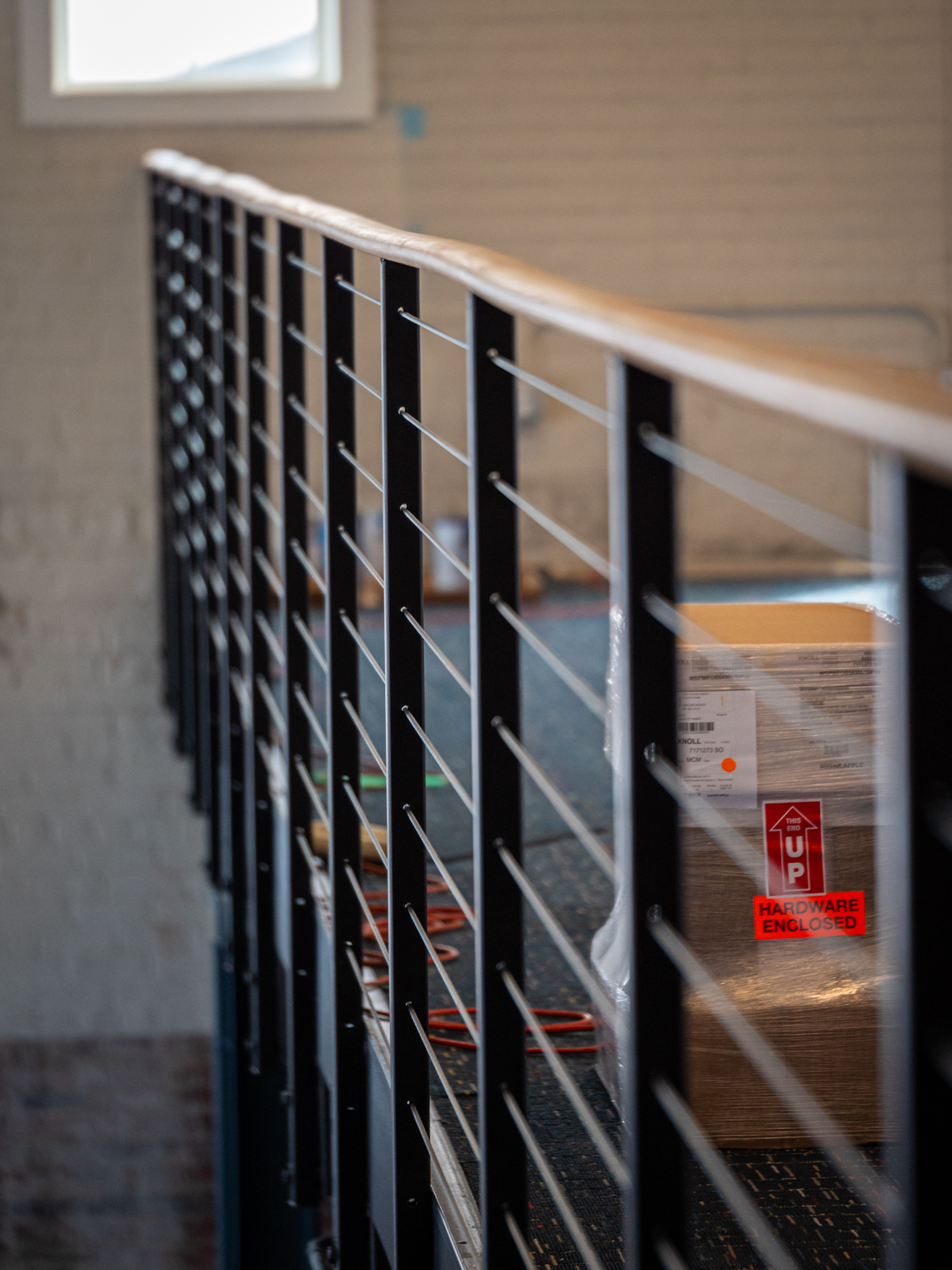
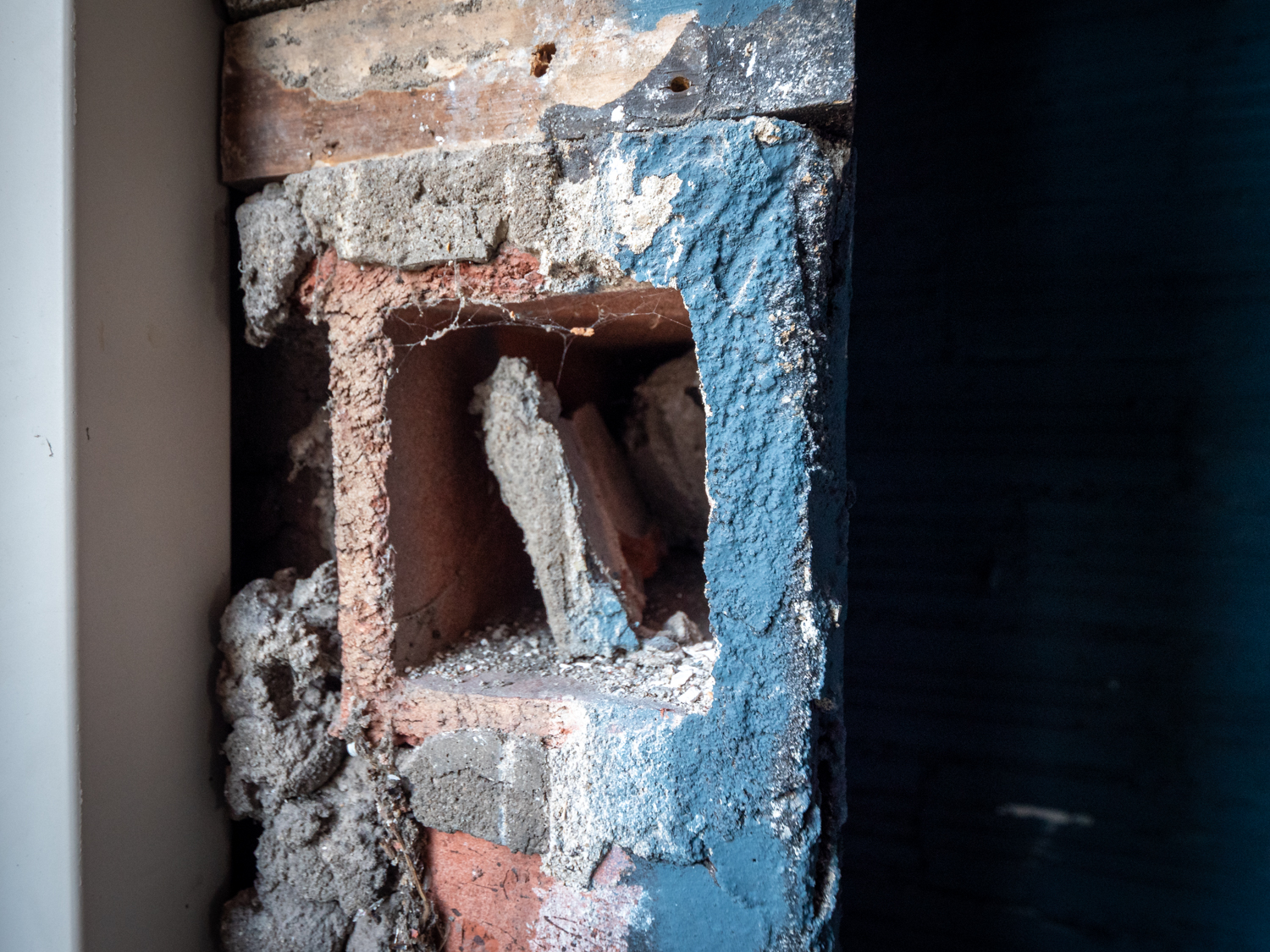
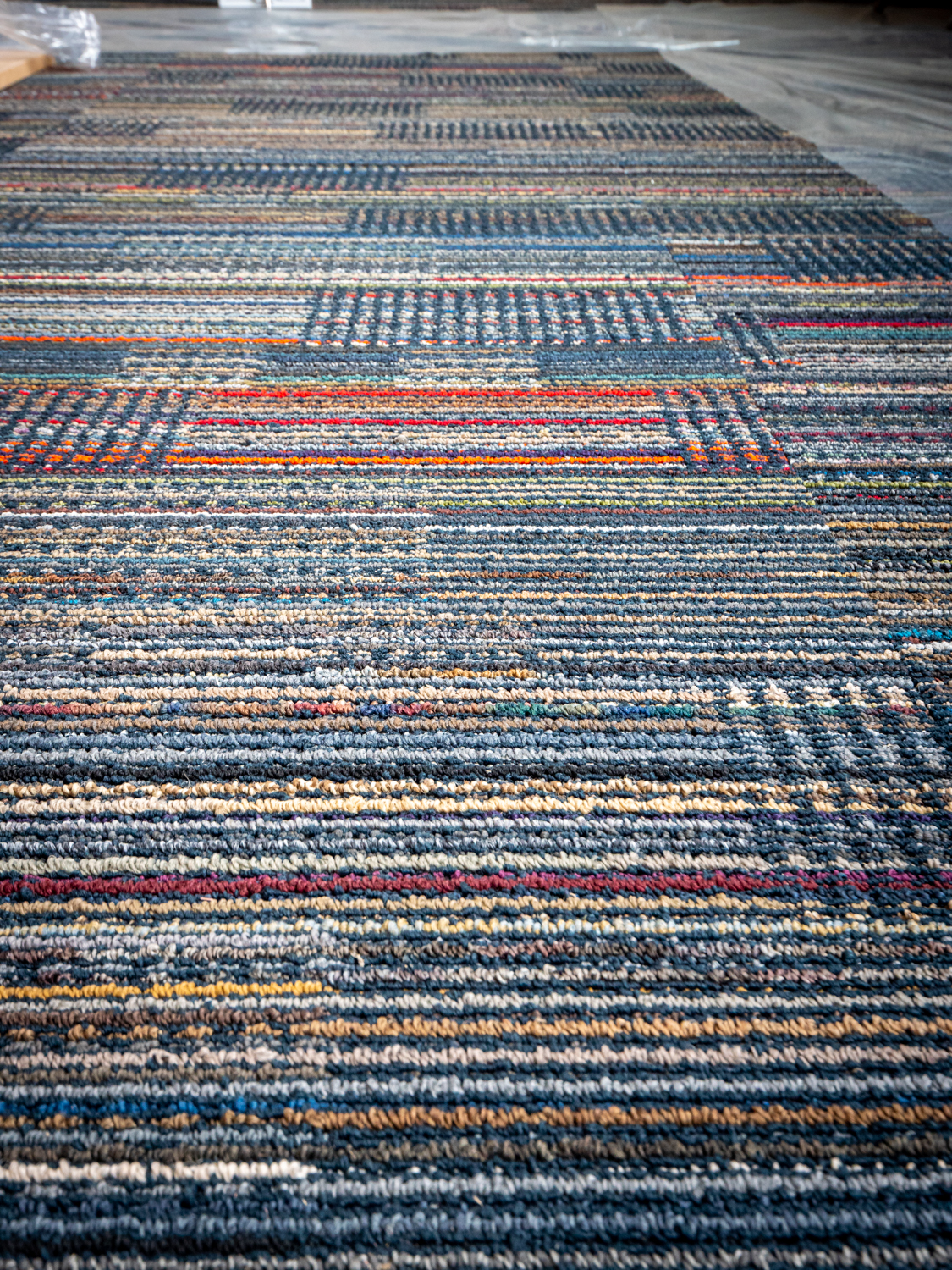
Construction Details - ThenDesign Architecture

Renovate or Adaptive Reuse versus New Construction?

In our K-12 educational design practice, we often collaborate with school districts who are facing the same question we did: “Should we renovate our existing facilities or construct a brand-new building?” This is a difficult question and one that’s not easily answered. However, facilities assessments are one of the many tools we have developed to help districts with this question.

The myriad of considerations are dizzying, but there are a number of overall points to consider.

Bob Orovets, a project architect with TDA, explains there are often three considerations in school design when deciding between renovation or new construction: “The decision sometimes comes down to cost, sometimes it’s the availability of land and sometimes it’s about timing.” He continues: “Often, the cost to retrofit and maintain a building exceeds that of a brand-new building. However, if you want to build a new building, its usually hard to find a piece of land big enough for a school and if you can, the question is, “Is it in the right spot to meet the neighborhood’s needs?”

In addition, architectural technologies have advanced drastically in the last 60 years. Systems for heating and cooling are now high tech, insulation in the walls and windows are much better with new construction and the longevity of roofing membranes is more durable using todays construction methods. Since many schools in Ohio were built in the 50’s and 60’s, environmental factors didn’t play as much of a role and the masonry walls weren’t built with energy efficiency in mind. These structures often lacked heating or cooling systems, so a portion of our renovation work consists of simply installing air conditioning systems into these historic structures. While this can be done successfully, aging building envelopes often leak conditioned air more readily. So, while cost savings happen through retrofitting, maintenance over the years can outweigh savings.

When it comes to both land and timing considerations though, it is a challenge to satisfy both of those at once. Bob recounts, “A lot of times we do schools on the same property, possibly in one corner of the site, so the existing school can operate and then when the new building is done, you can switch over because the school owns the land, and the new building is now finished. Then, the old school is demolished, and you can build sports facilities on this later.” Renovations to a school would mean moving students to an alternate facility to continue their education and if delays happen, it puts educators in a bind. He continues, “So sometimes it’s money-driven, sometimes it’s land-driven, and sometimes its timing-driven. If you are buying land for a new building, be prepared for a wait. It takes time to acquire enough parcels of land and consolidate them into larger portions. You might have to go through rezoning to get the school in a certain area and this could take years.” When it comes to educational design, finding a partner who has done it before is key. Bob, having been through many adaptive reuse, as well as new construction projects sums it up well: “It’s true that nothing’s easy!”

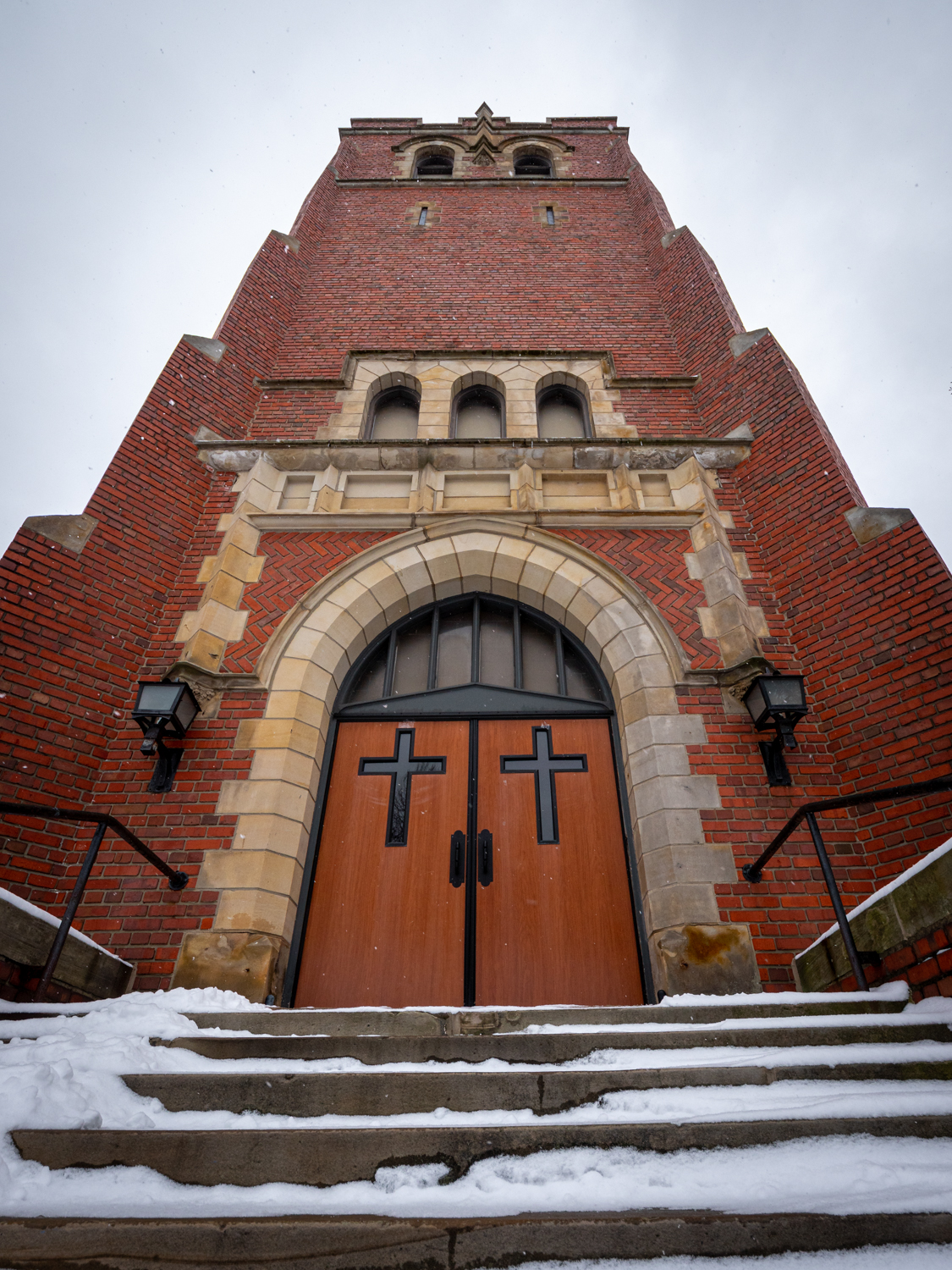
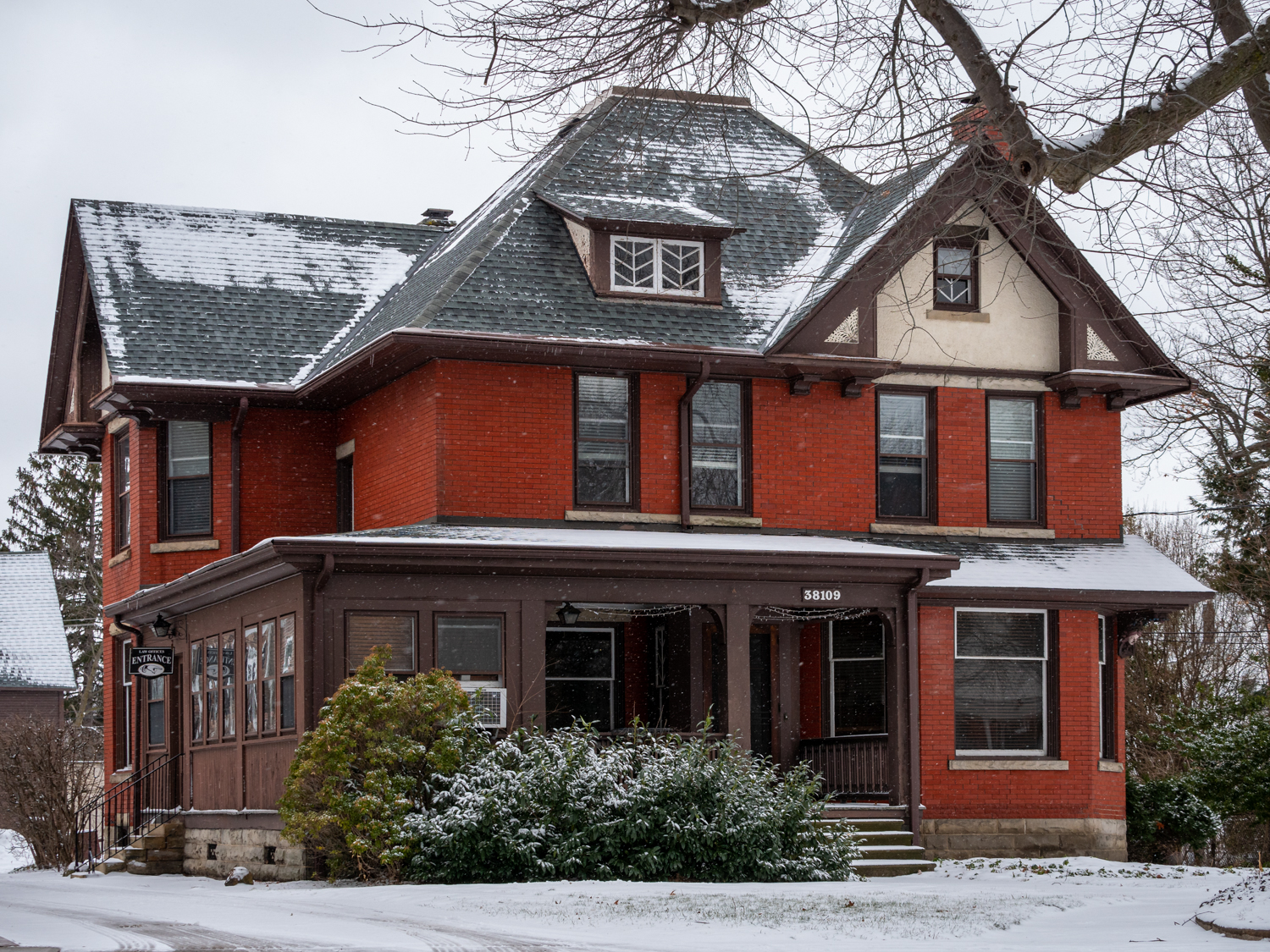
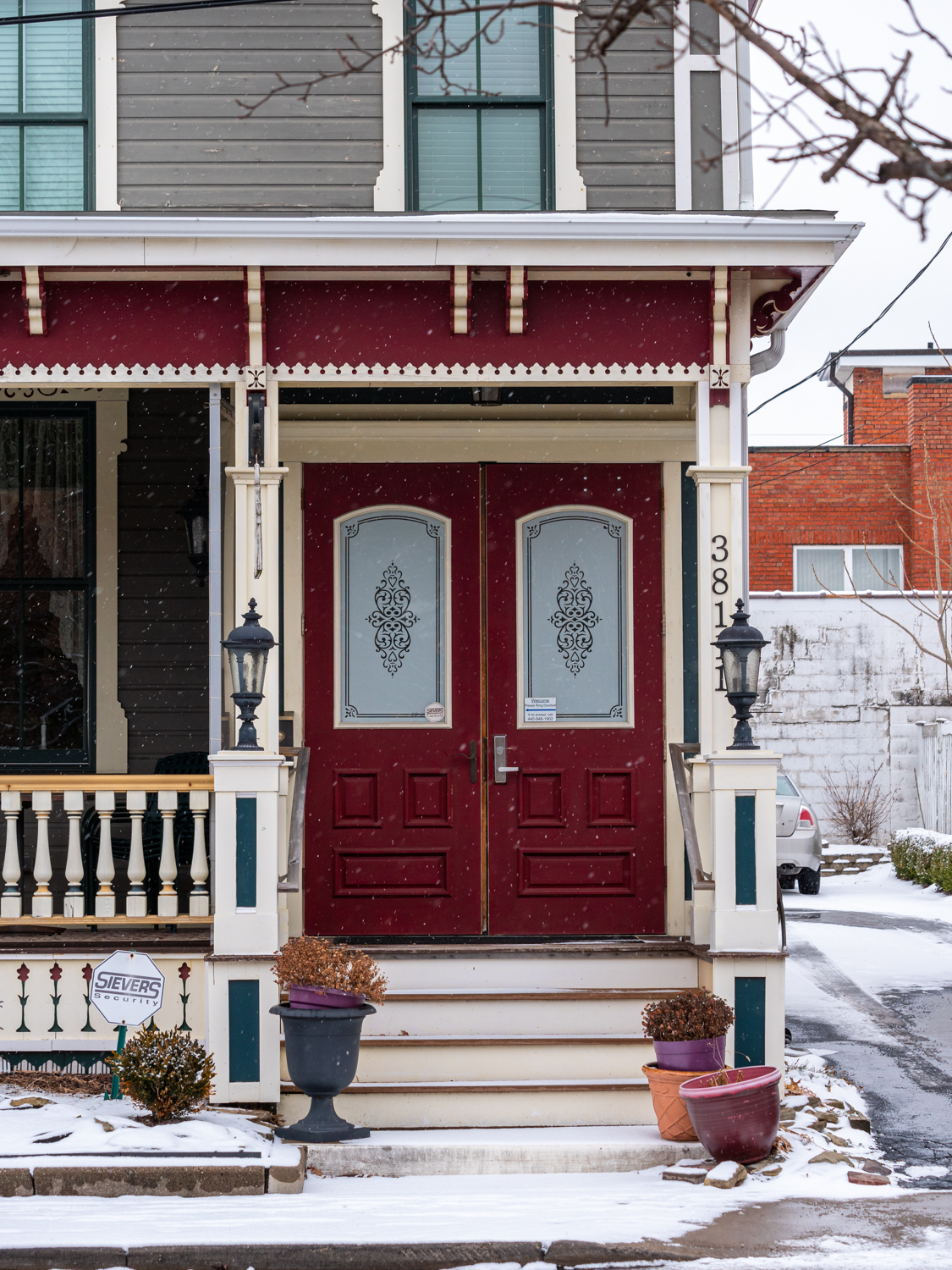
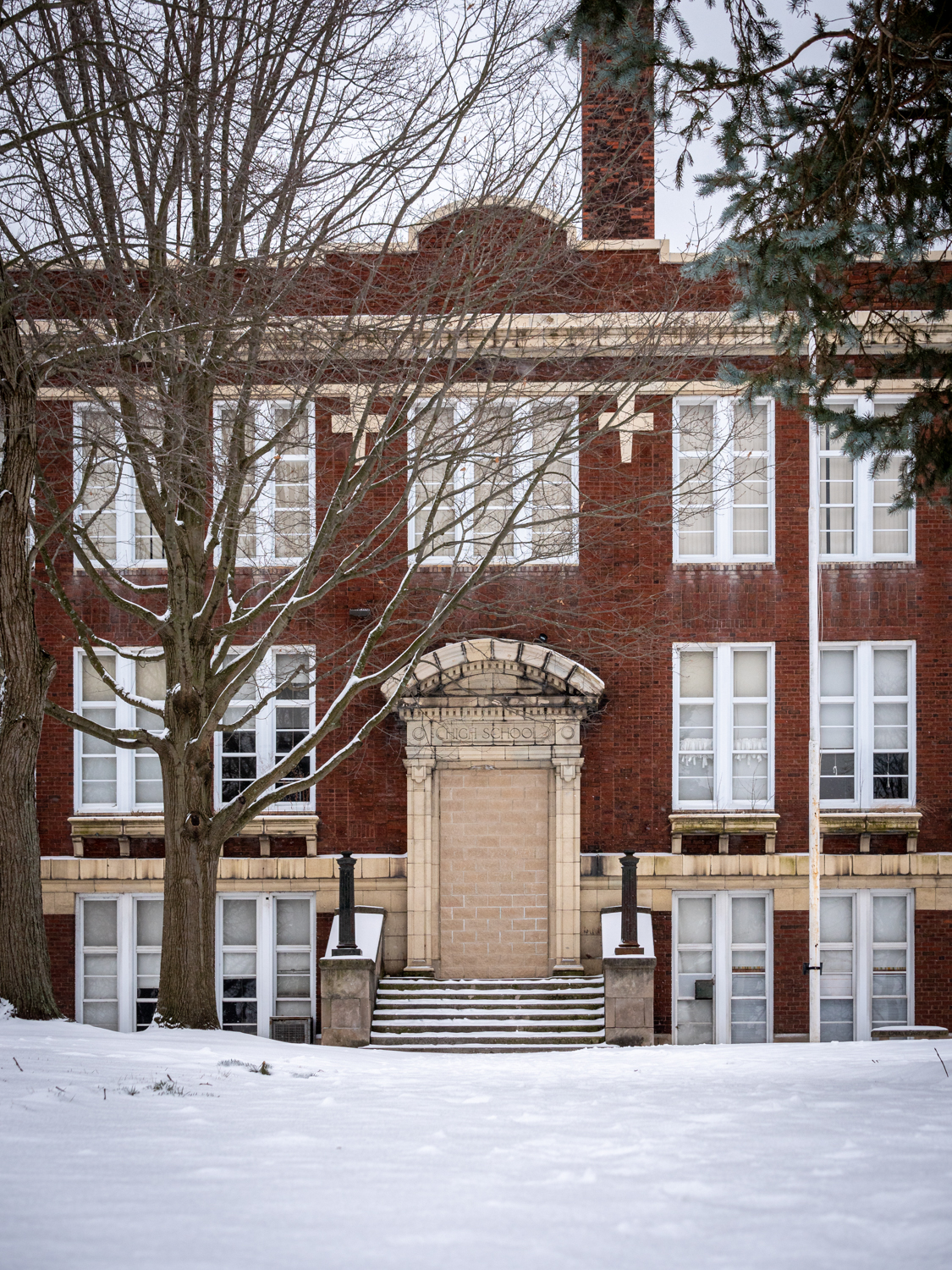
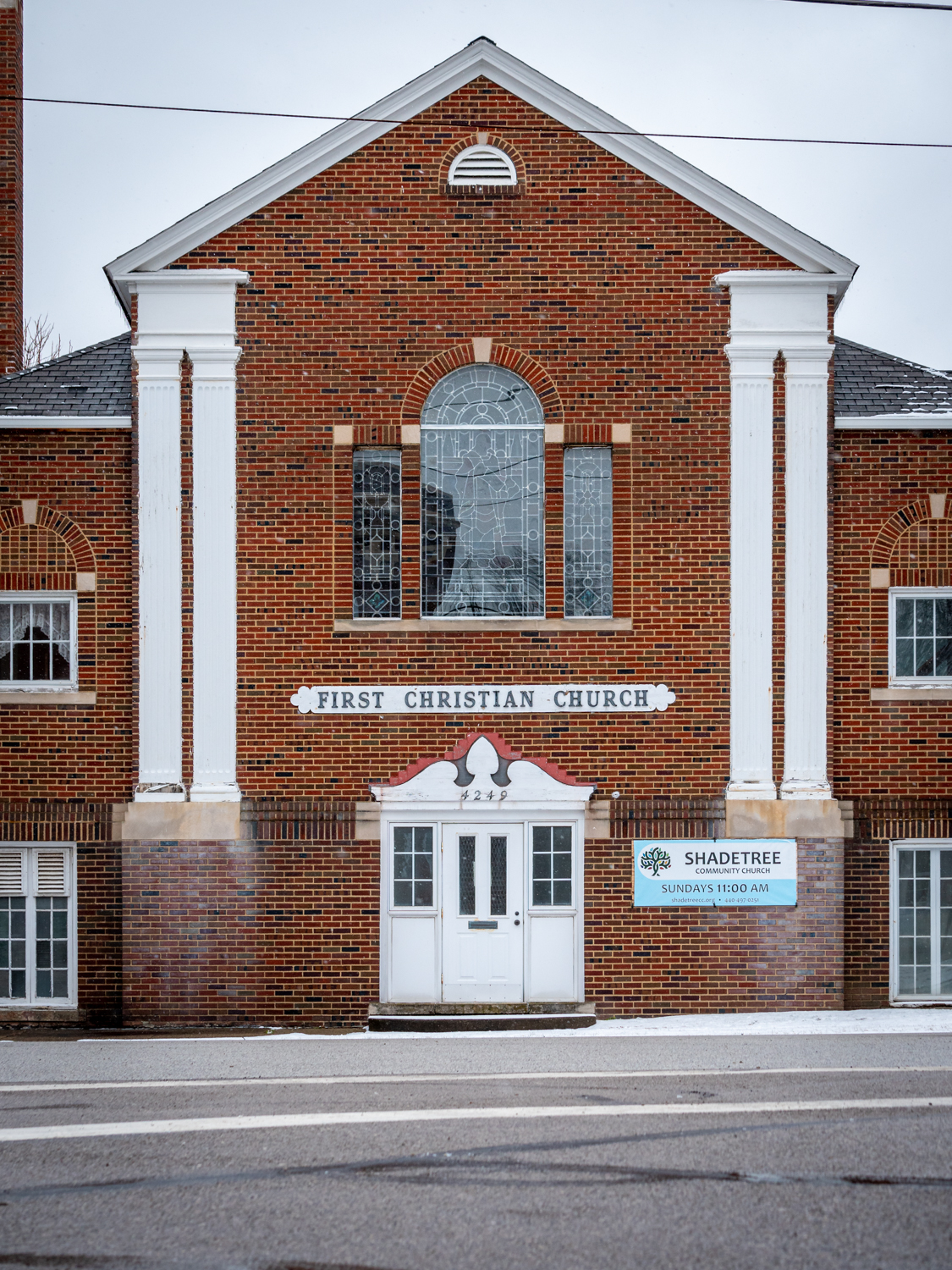
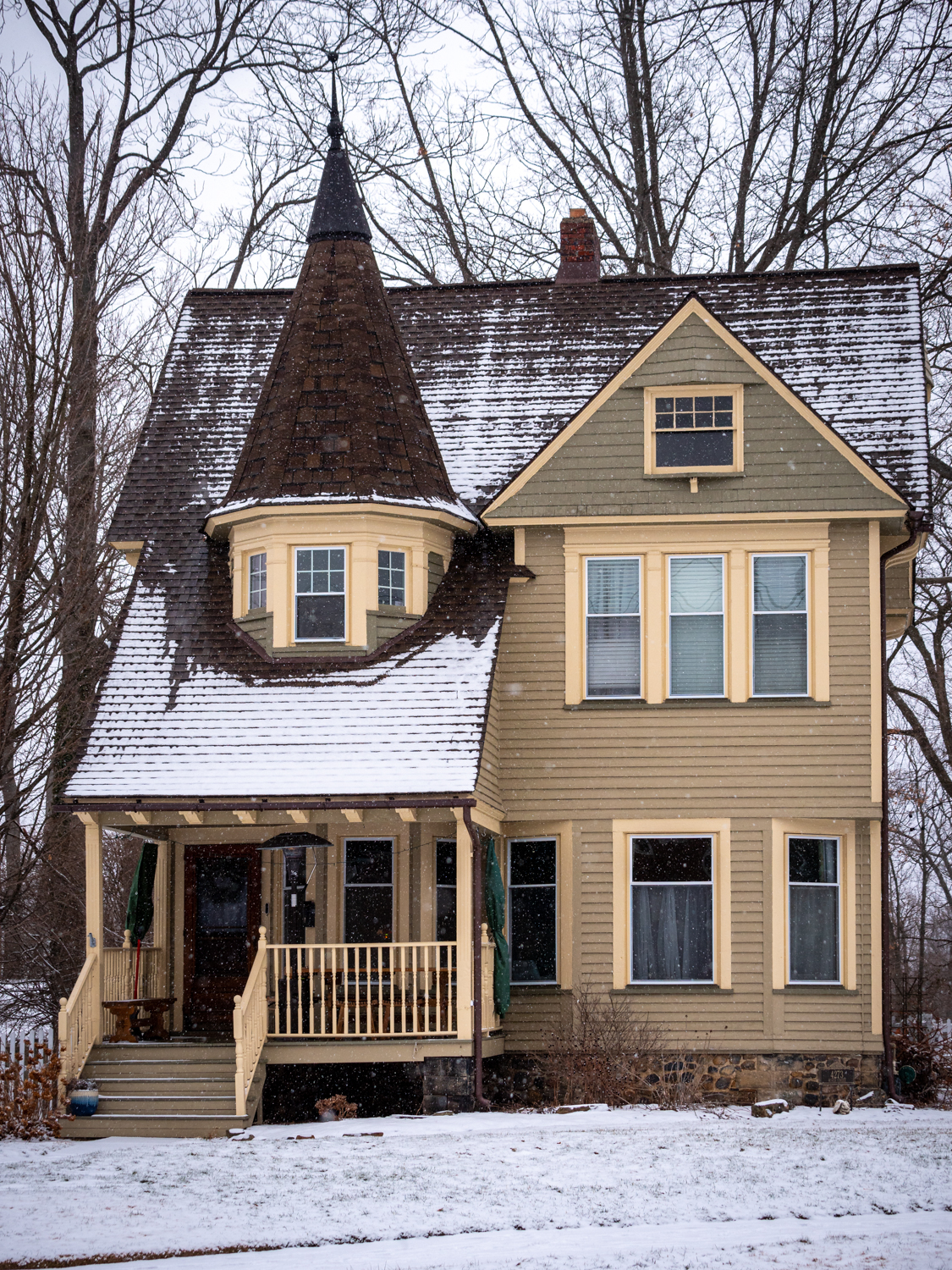
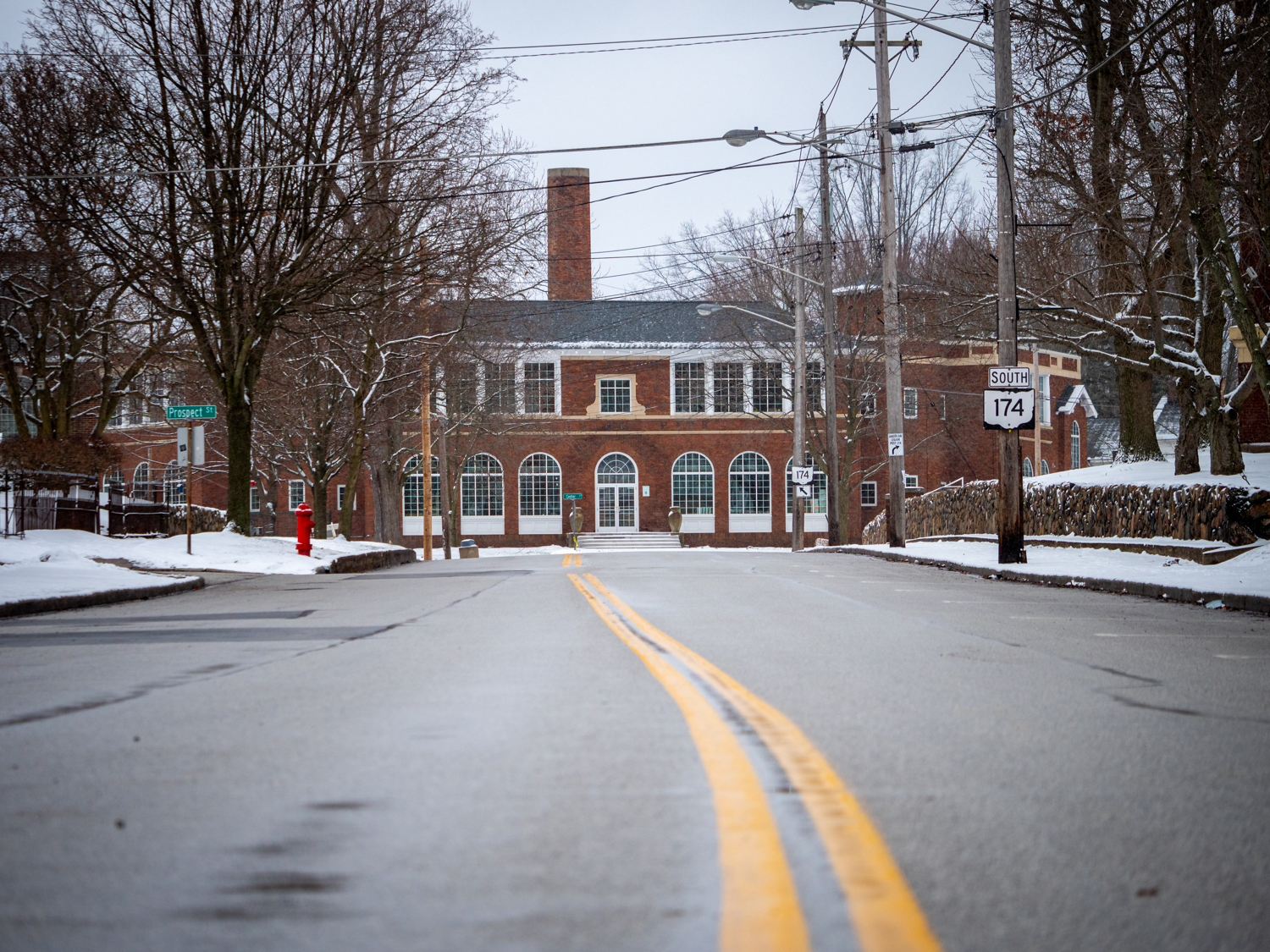
Architectural Character in the City of Willoughby - ThenDesign Architecture

"The project is a significant investment in our city, keeps a great group of professionals in our community and allows for future growth of this expanding design firm. This is a great adaptive reuse of a building that had no other practical use."
Robert Fiala
Mayor of the City of Willoughby,

Benefits of Rehabilitation, Renovations and Adaptive Reuse

Even though the renovation work at Memorial Junior High School has been challenging, there are several benefits.

Adaptively reusing a historic structure, breathes new life into a “place” in the community. Not only is it more environmentally friendly since there is less waste from demolition, it will potentially attract new activities to an area where they weren’t present before. For Memorial, we seek to extend the activity and energy from the downtown environment further south past Wes Point Park. For this area, it’s just a continuation of our efforts in developing and reenergizing this part of Willoughby.

Speaking about the rehabilitation project, Mayor Fiala of the City of Willoughby and founding partner of TDA who supports continued preservation of the downtown area, commented: “Memorial Junior High School was built in the 1920s. The building was purchased by TDA and is now being renovated. The project is a significant investment in our City, keeps a great group of professionals in our community and allows for future growth of this expanding design firm. This is a great adaptive reuse of a building that had no other practical use.

Buildings like Memorial are part of the historic and cultural fabric community. The construction materials match other surrounding historic buildings creating a cohesive “story” of the City. Since Memorial Junior High School was often photographed, the history of this building will be told well into the future. Many of Willoughby’s residents attended this school going back to the 50’s, 60’s and 70’s, and appreciate the investment in. They view this adaptive reuse project as a way to keep a landmark in Willoughby well into the future.”

While those benefits may seem intangible, the impact on the architects designing future schools, in an historic school holds special significance for the designers. Chris concludes: “Just because something is new doesn’t mean it’s better. In a sense there is an obligation, a responsibility as an architect to be responsible environmentally and responsible towards our community, to retain that history if possible. And let us be honest, there’s something very special about educational designers being able to repurpose an historic school. This is something symbolic for our team for sure.”

Construction Details - ThenDesign Architecture

Key Takeaways:

Let’s work together to make education better. Interested in speaking with us? Get in touch!