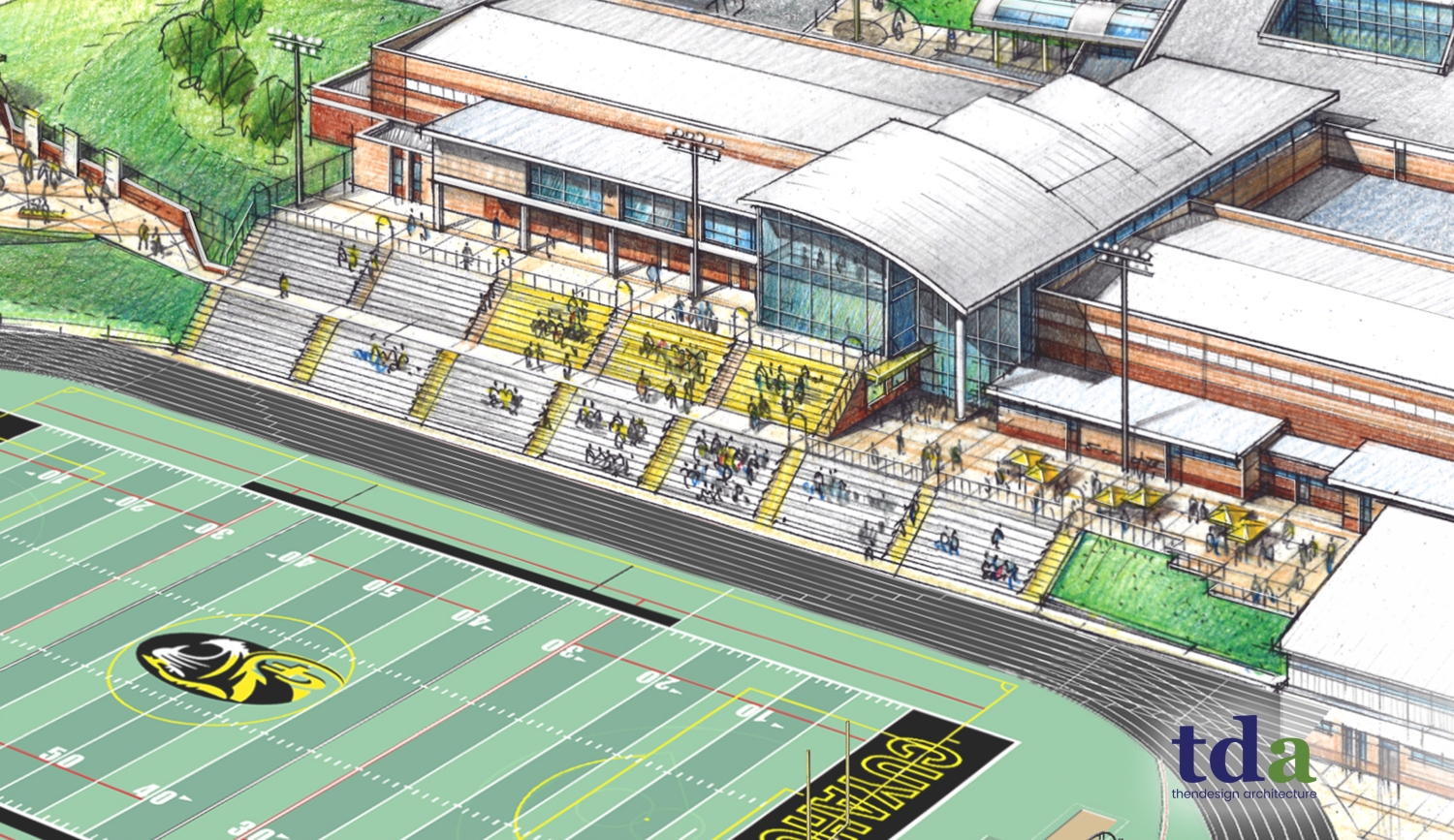
Willoughby South High School At Union Village: 4 Entities Under 1 Roof

Willoughby South High School at Union Village: 4 Entities Under 1 Roof
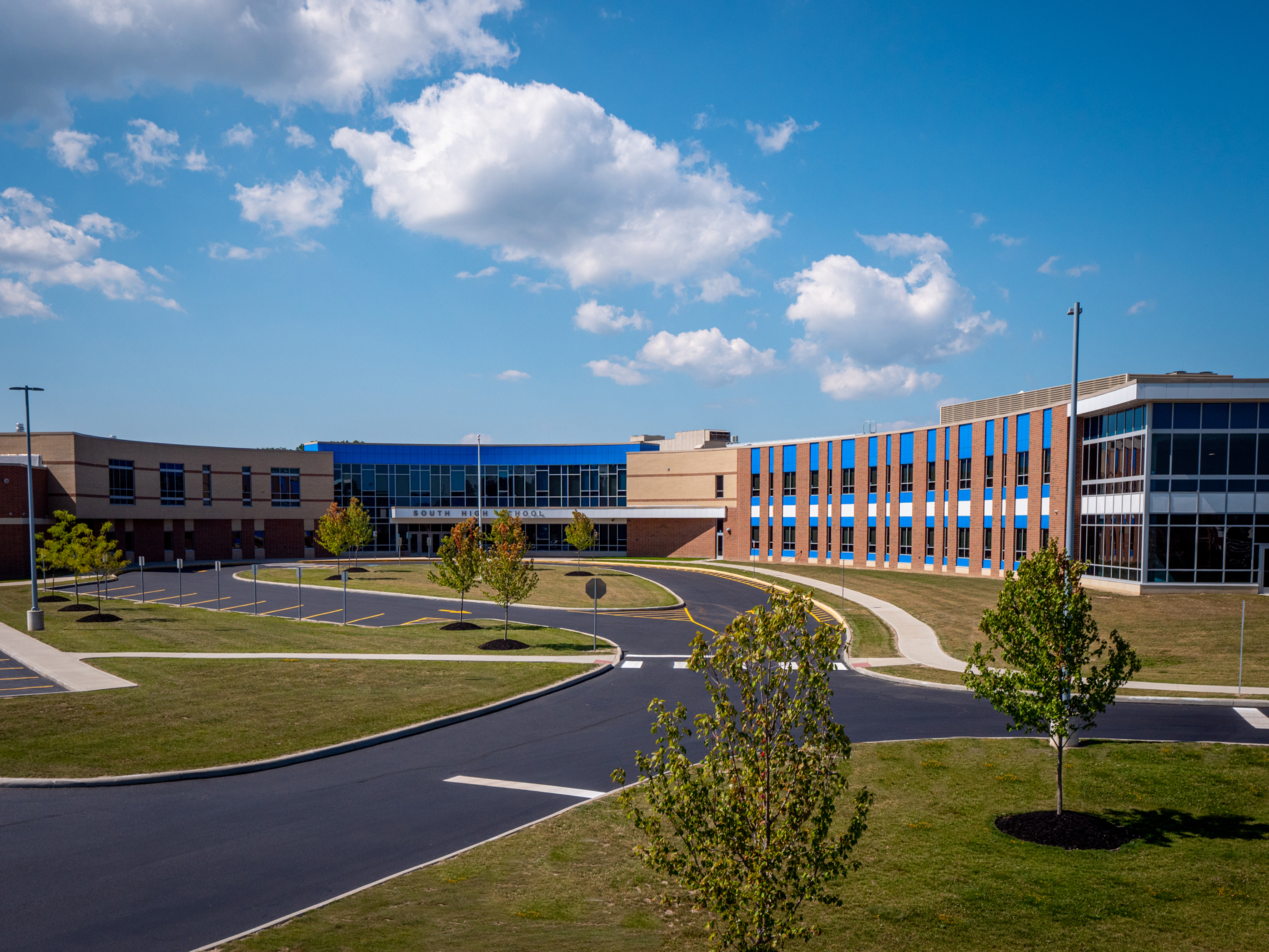
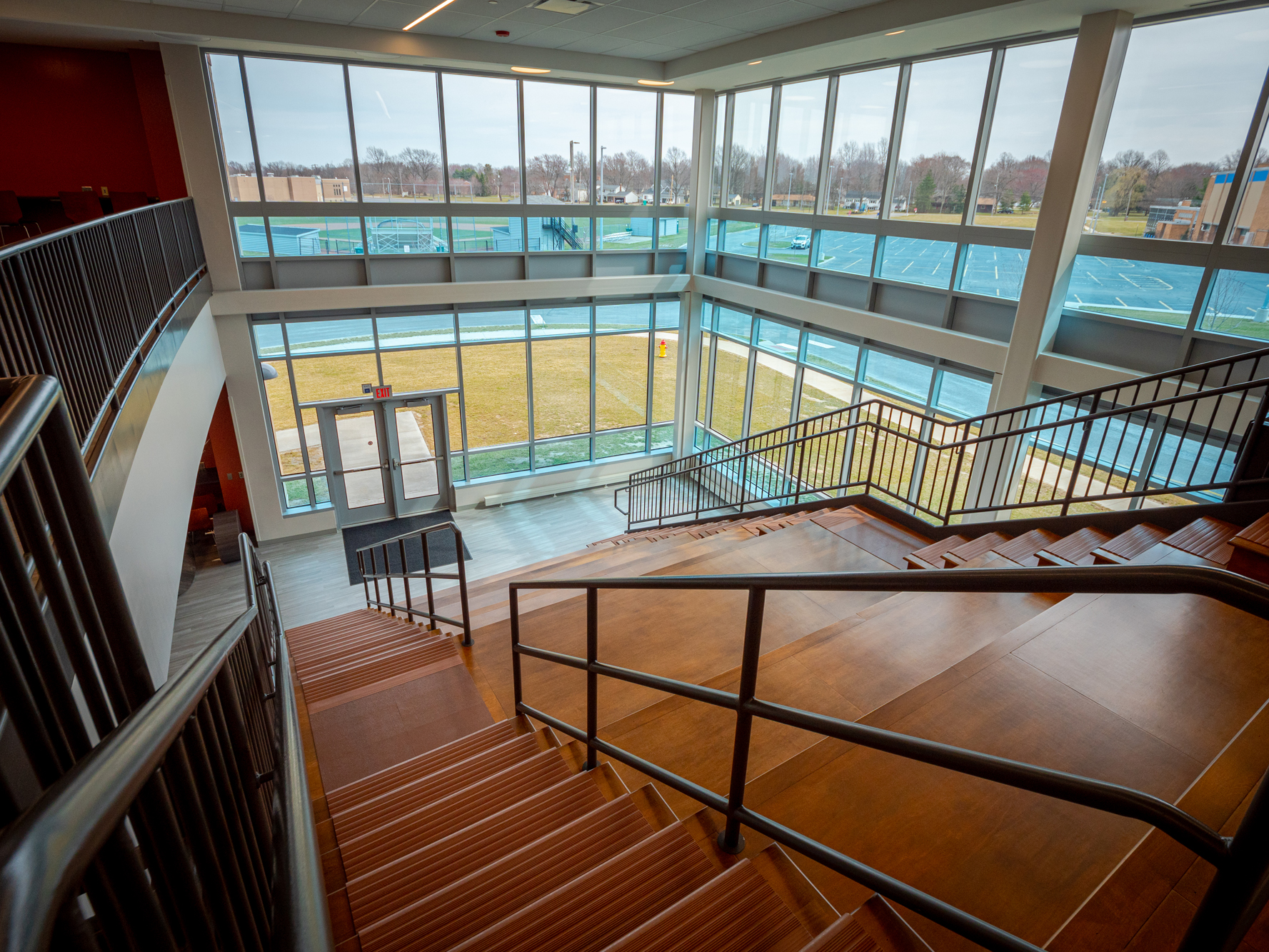
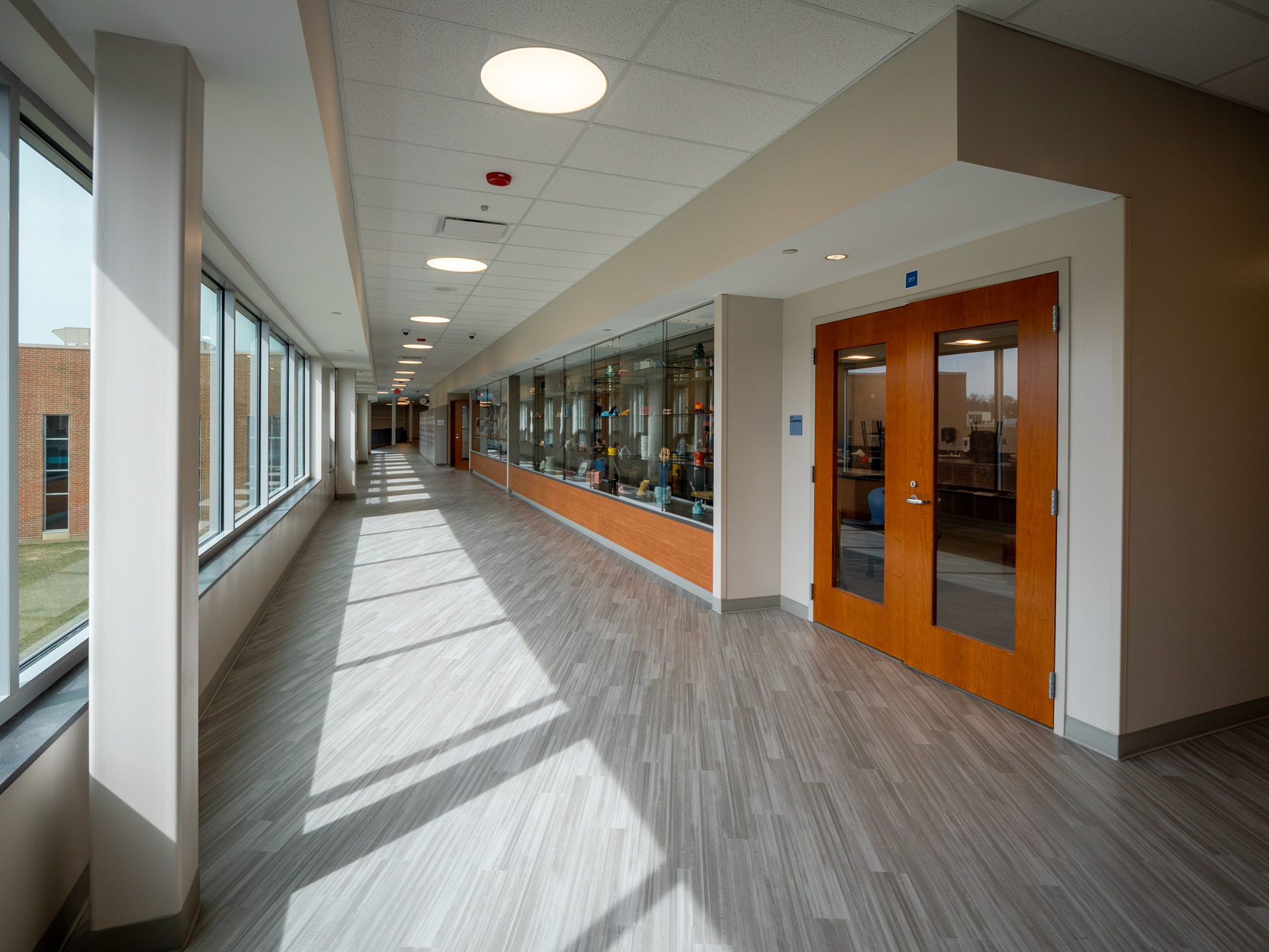
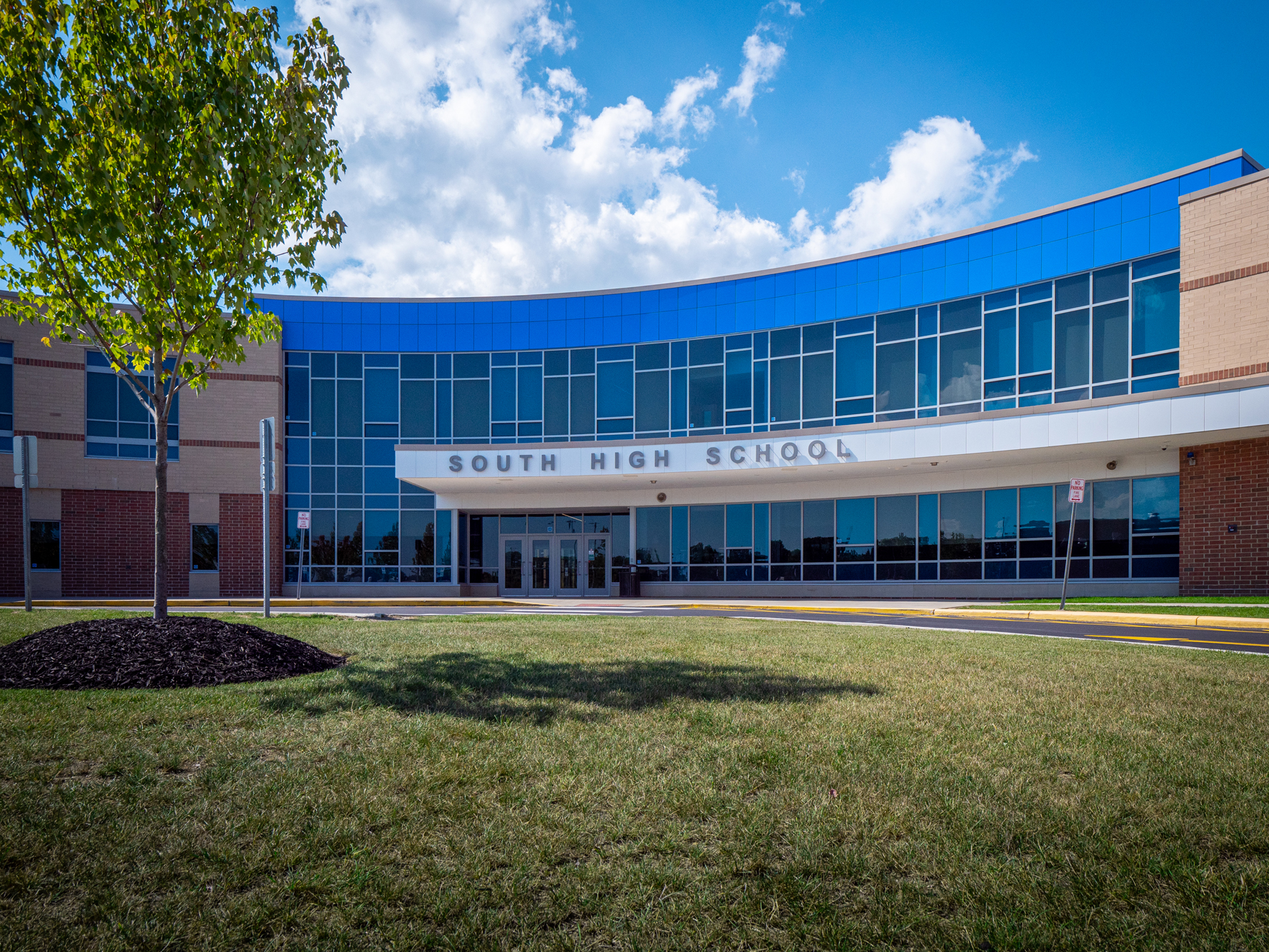
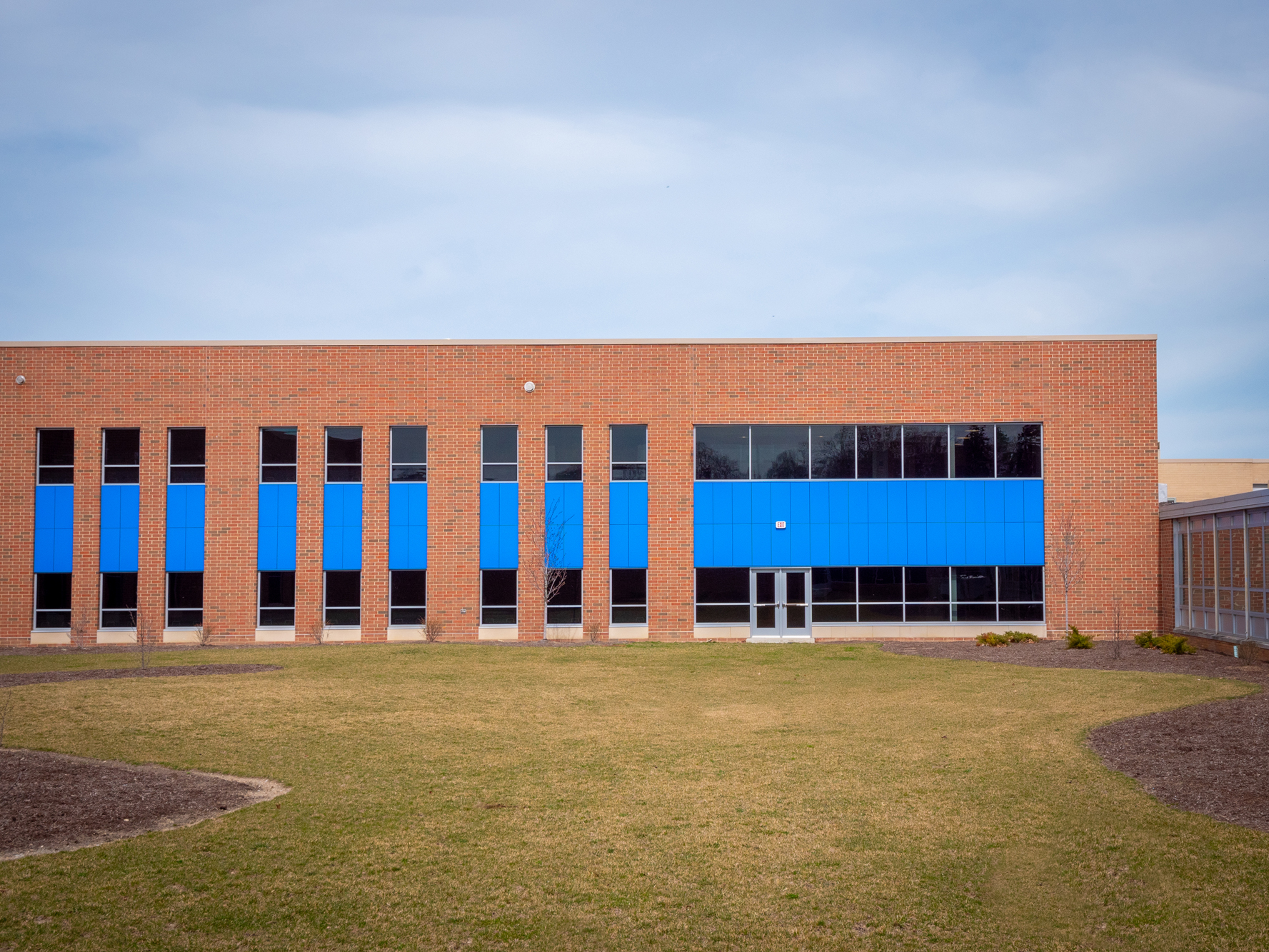
South High School in Willoughby, Ohio, also known as Union Village, incorporates four separate entities into a single building. Jeff Henderson of ThenDesign Architecture (TDA) explains the challenges of creating a structure to host different organizations under one roof, sharing common spaces, yet having each retain their identity.

Willoughby South High School at Union Village: 4 Entities Under 1 Roof

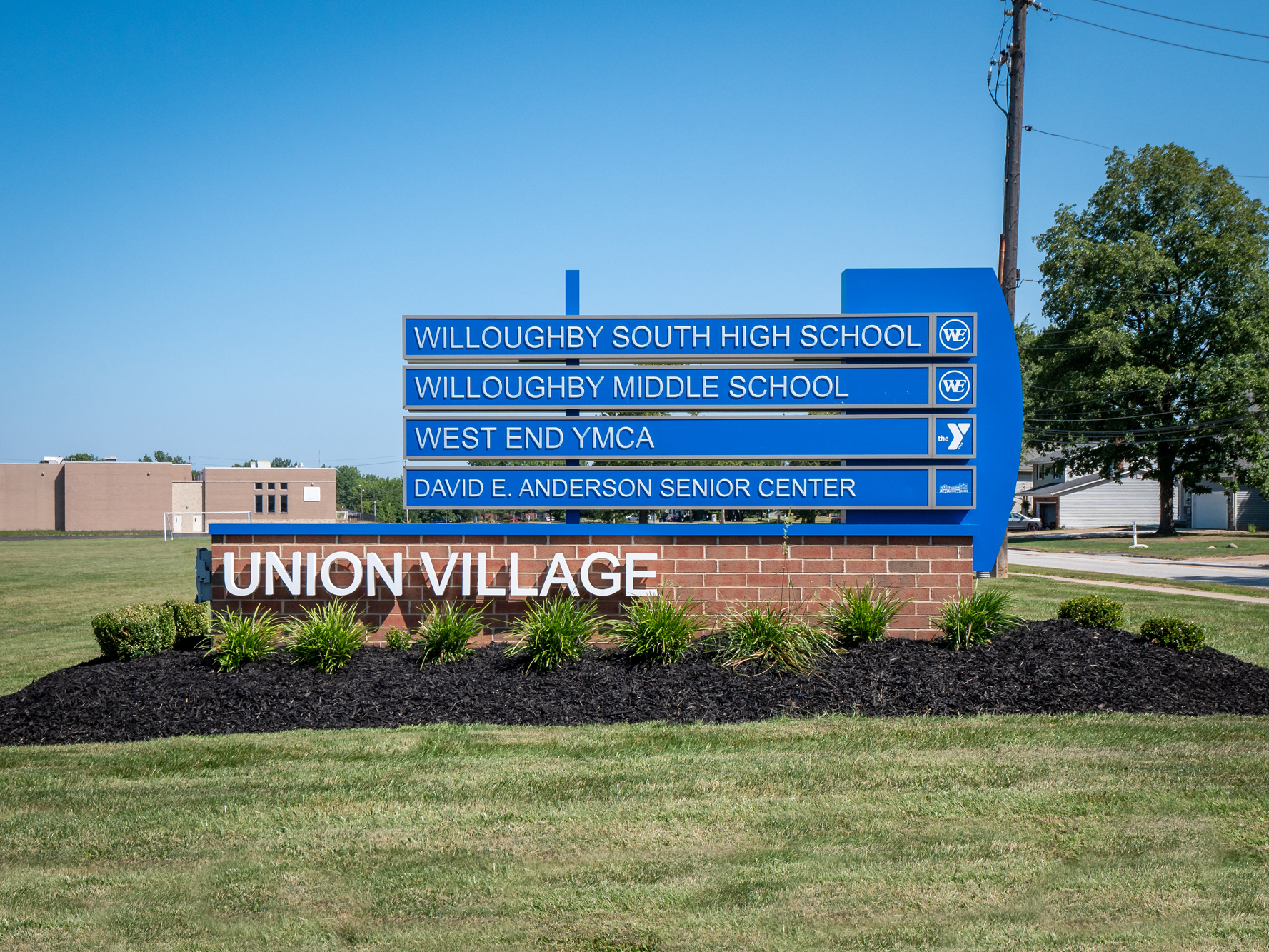
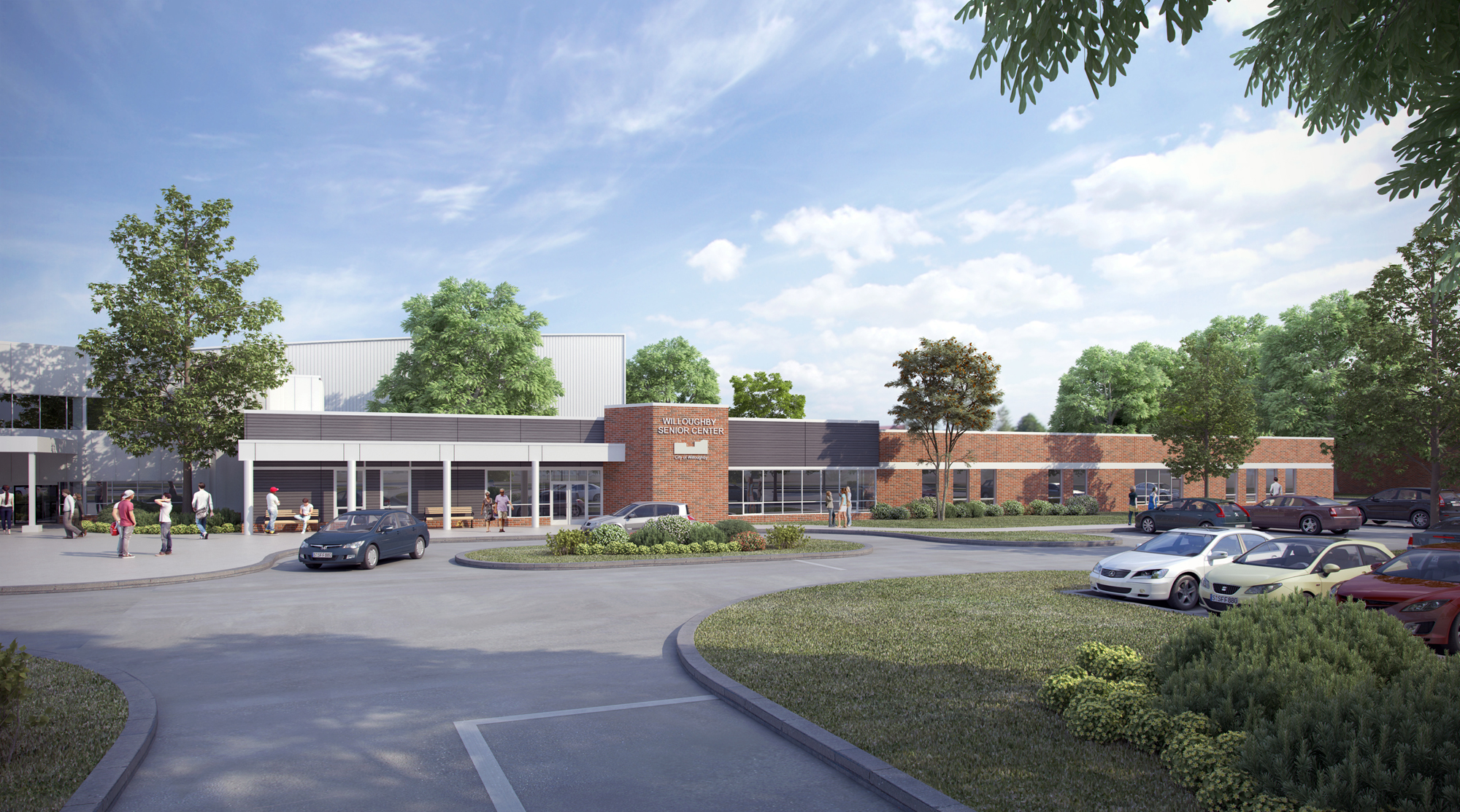
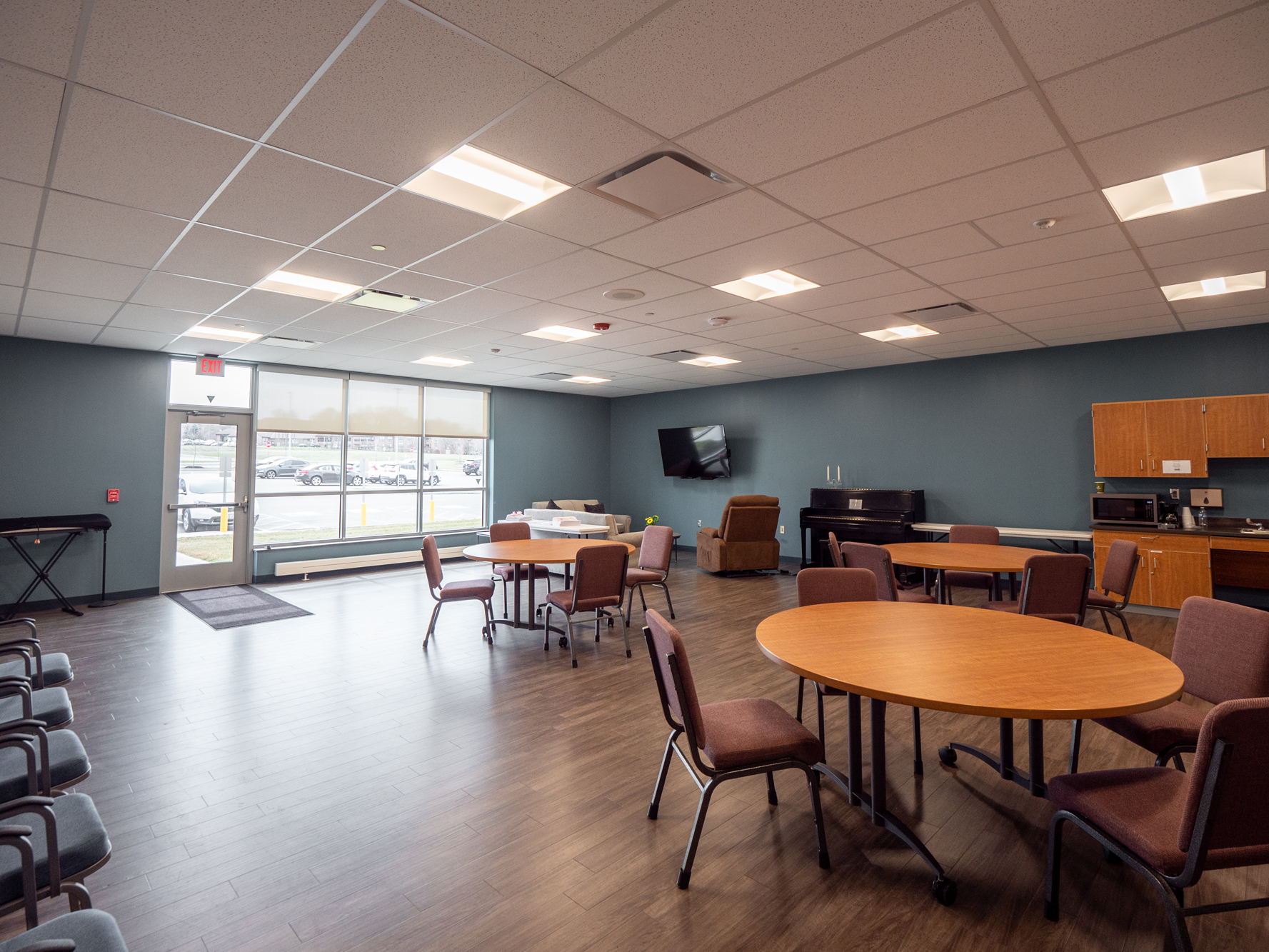
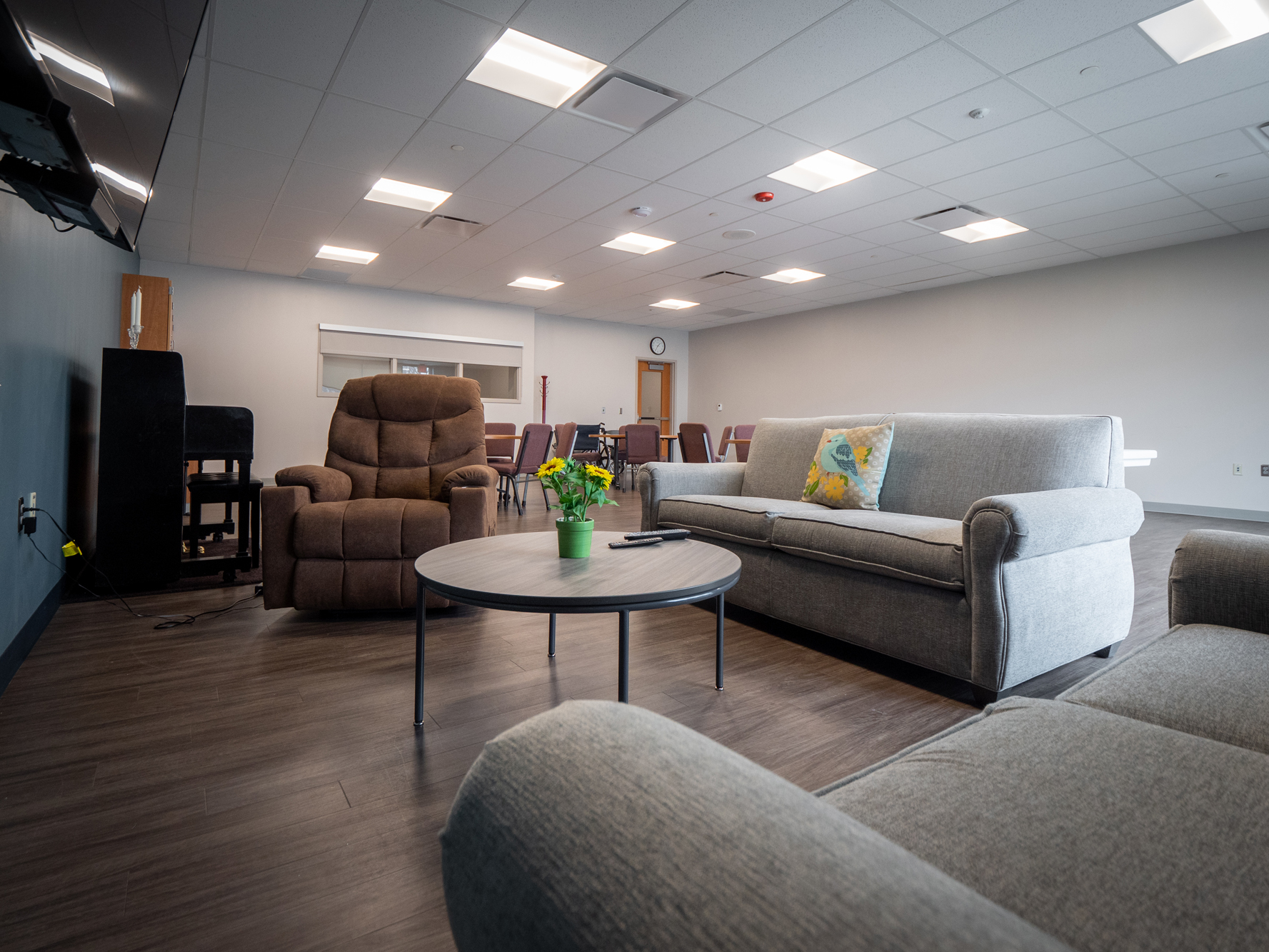
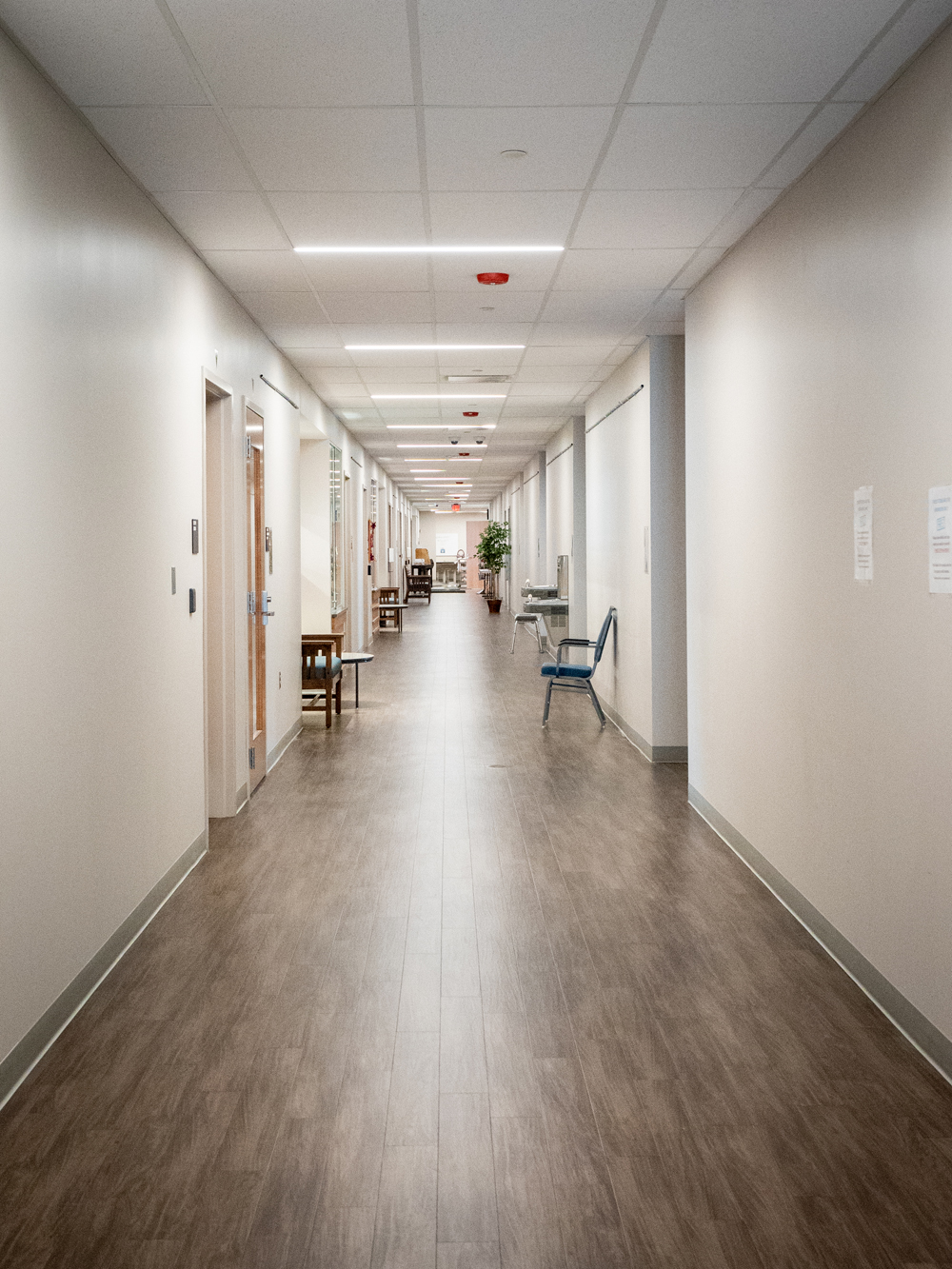
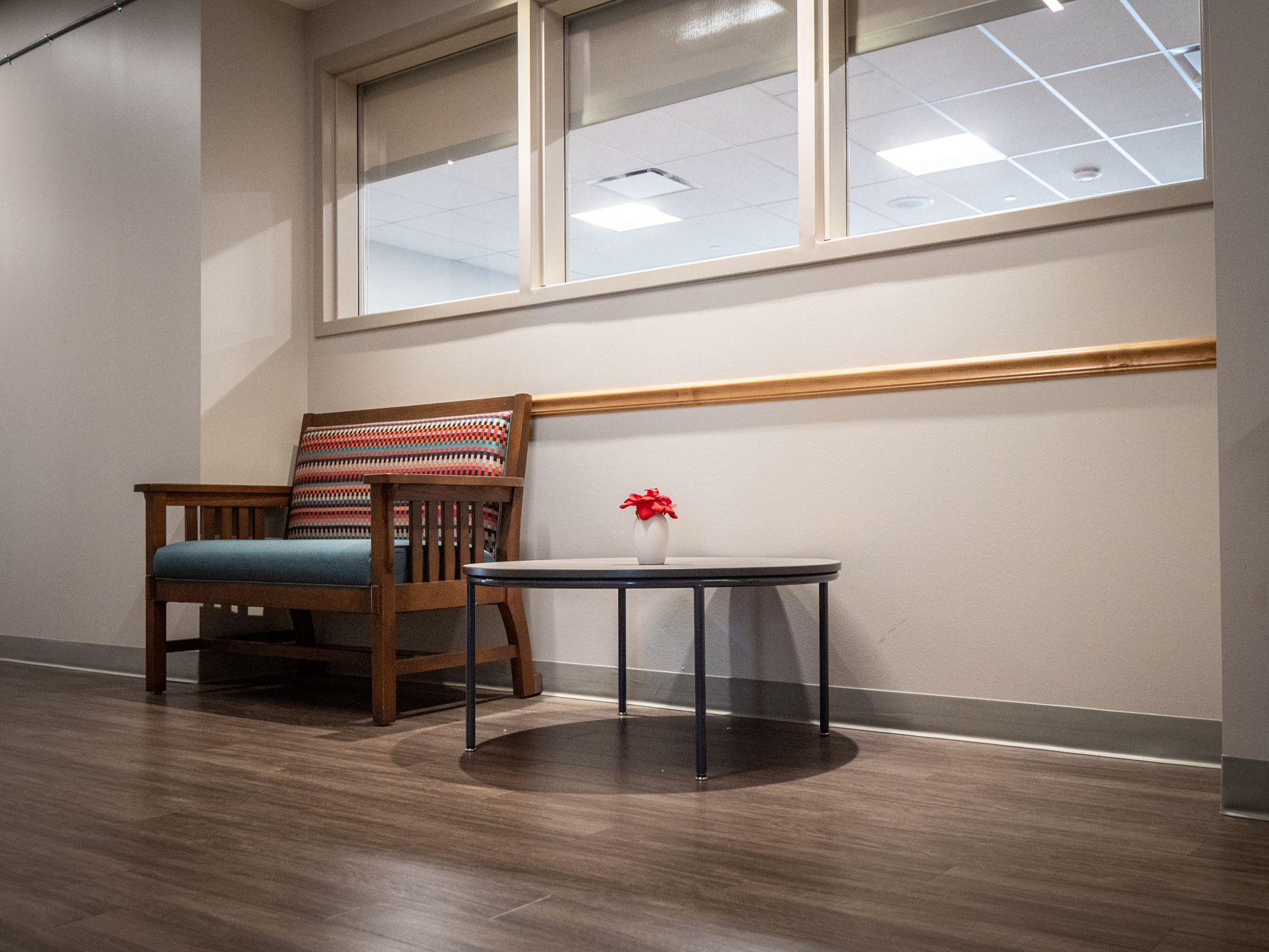
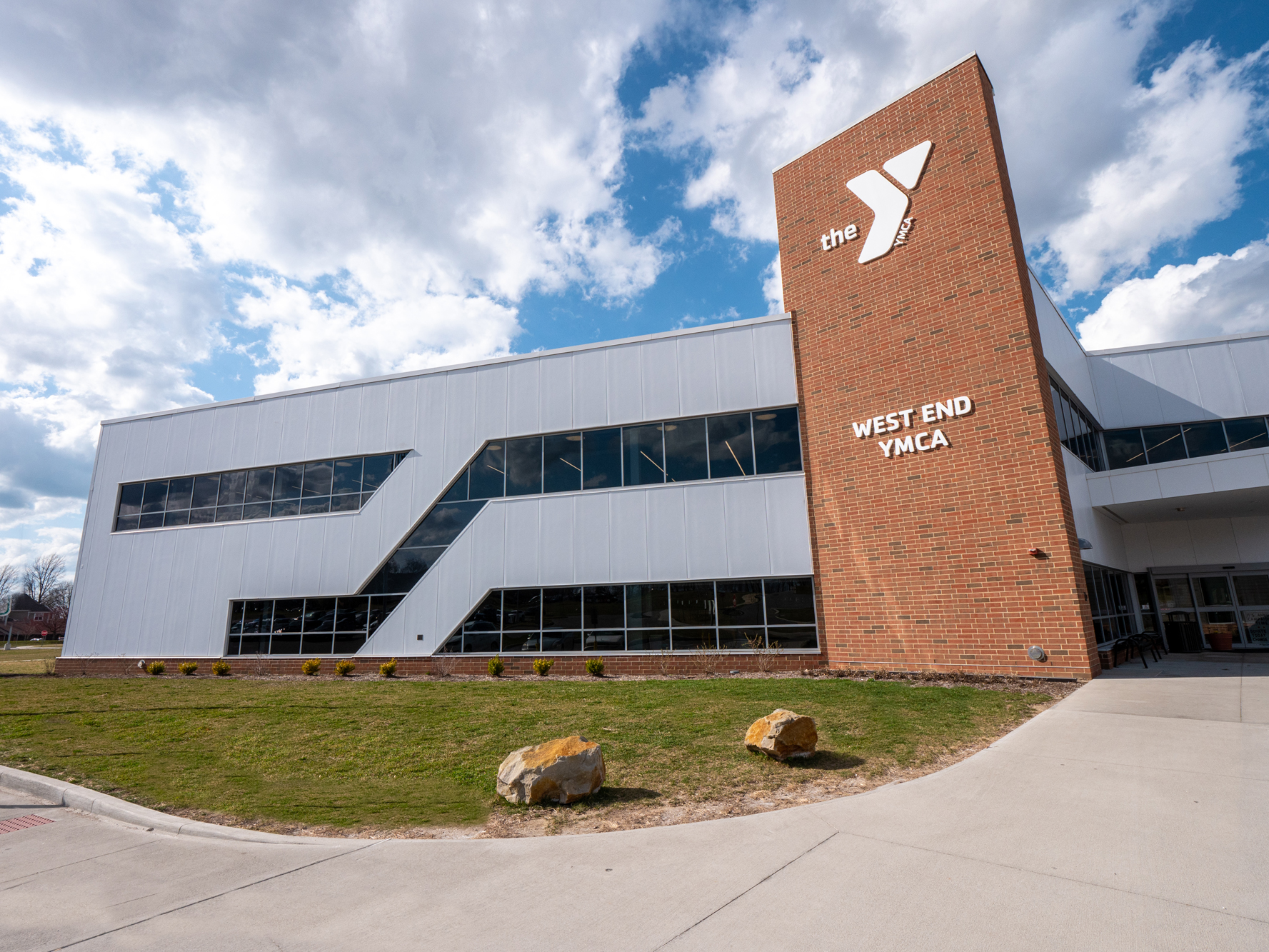
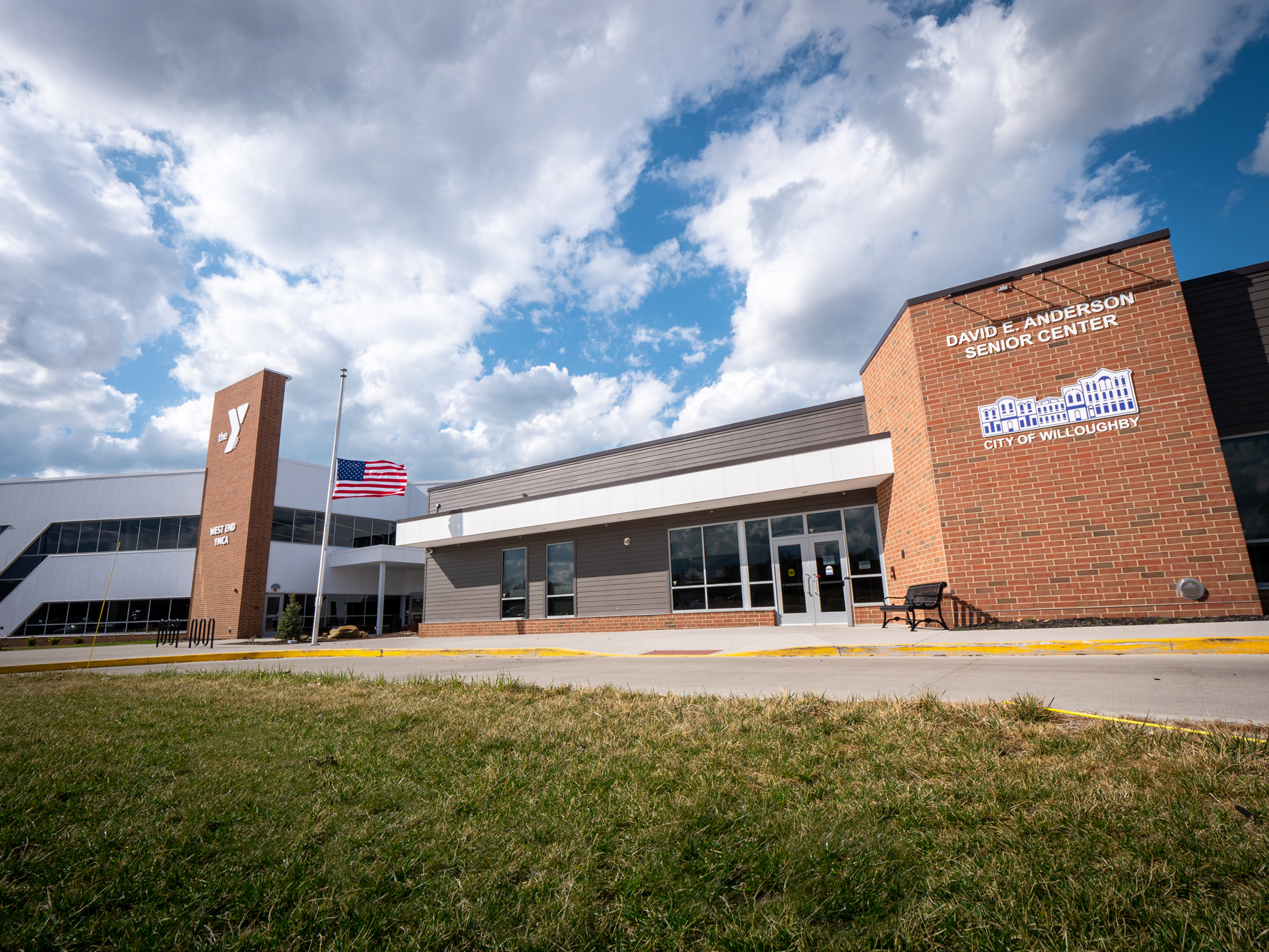
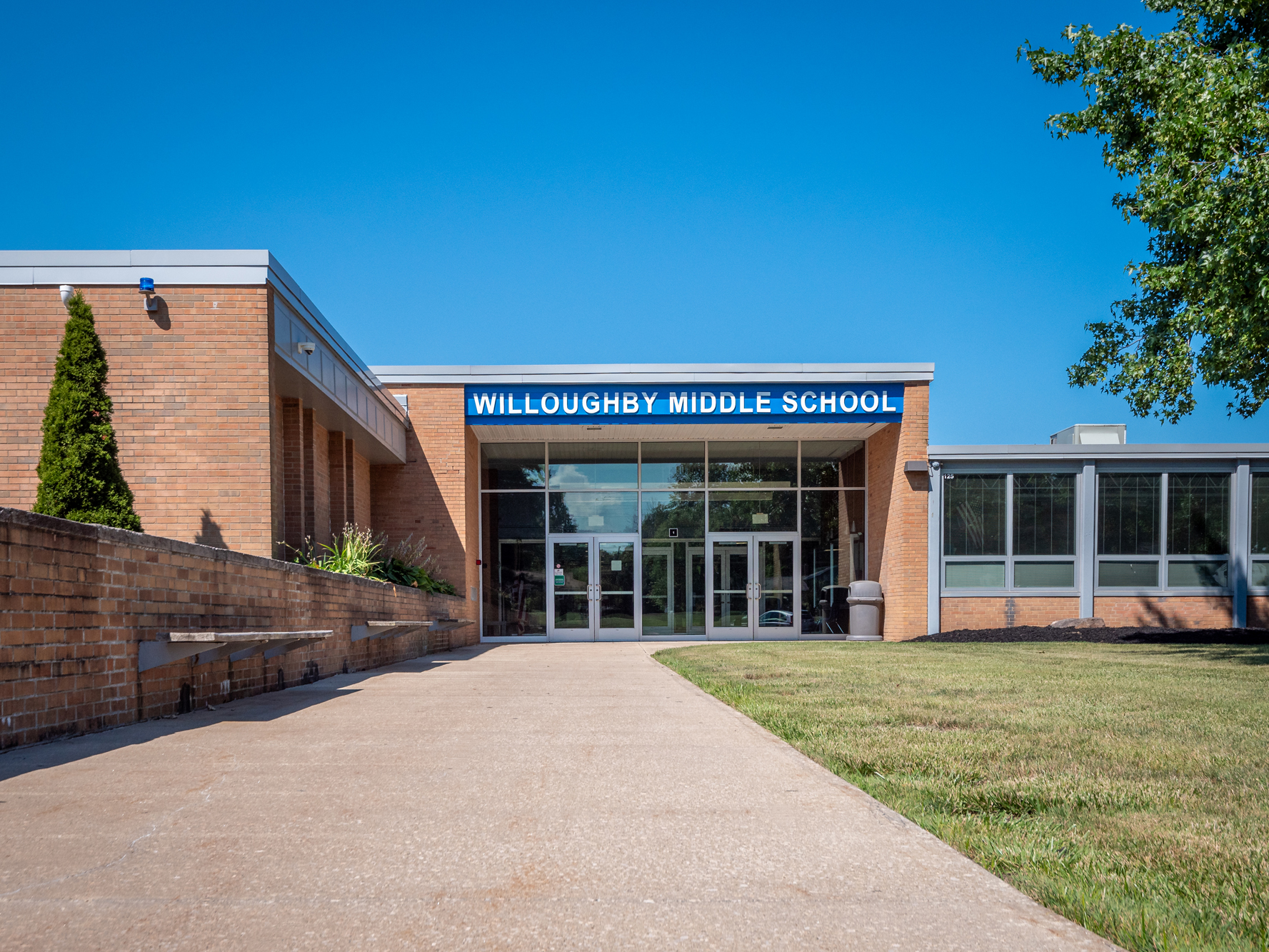
Union Village in Willoughby, Ohio, incorporates four entities into a single building. This includes Willoughby South High School, Willoughby Middle School, the Lake County West End YMCA, and the David E. Anderson Senior Center, which are all now operating under the same unified structure since the $39,000,000 addition and renovation project was completed in September 2019. 

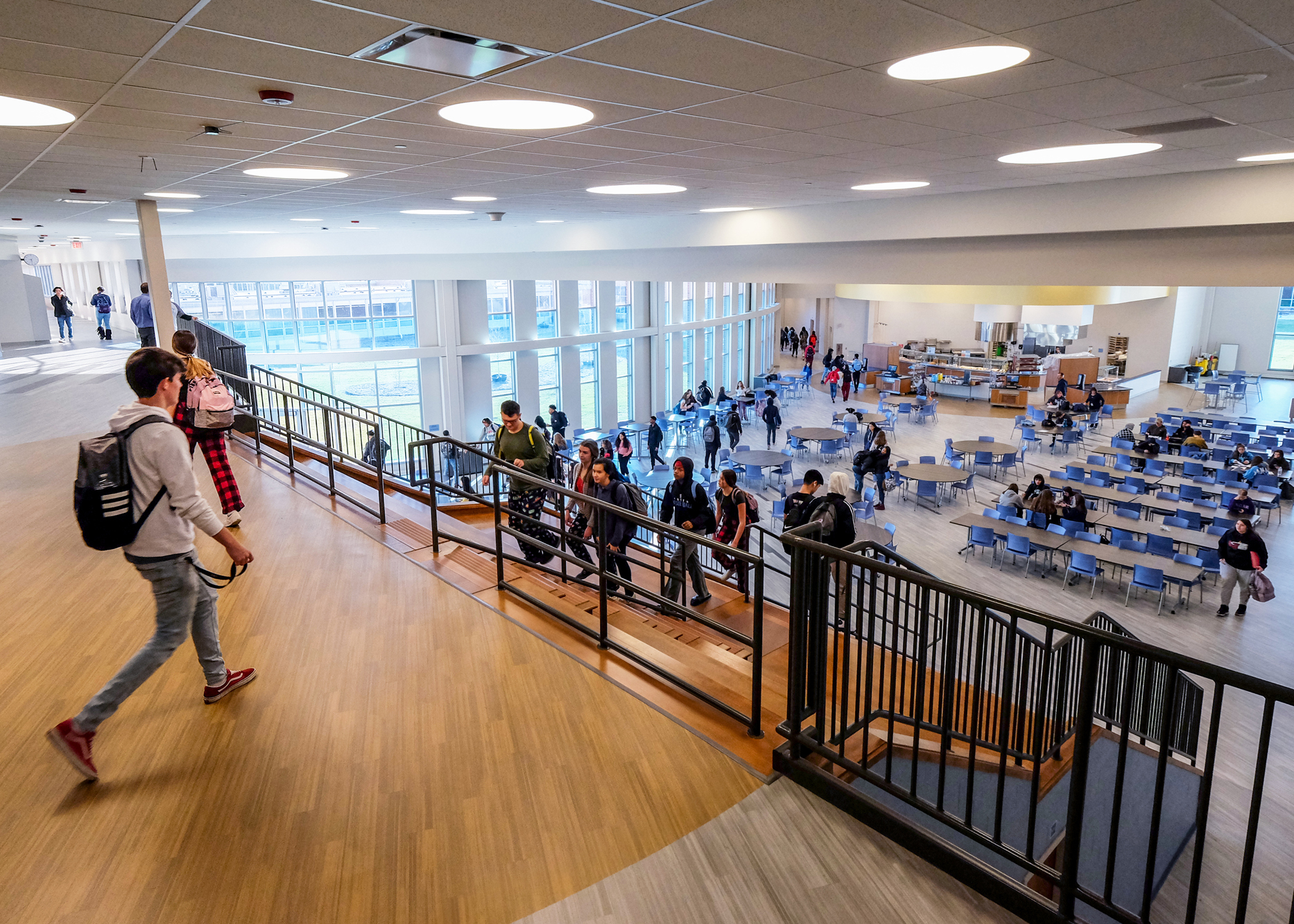
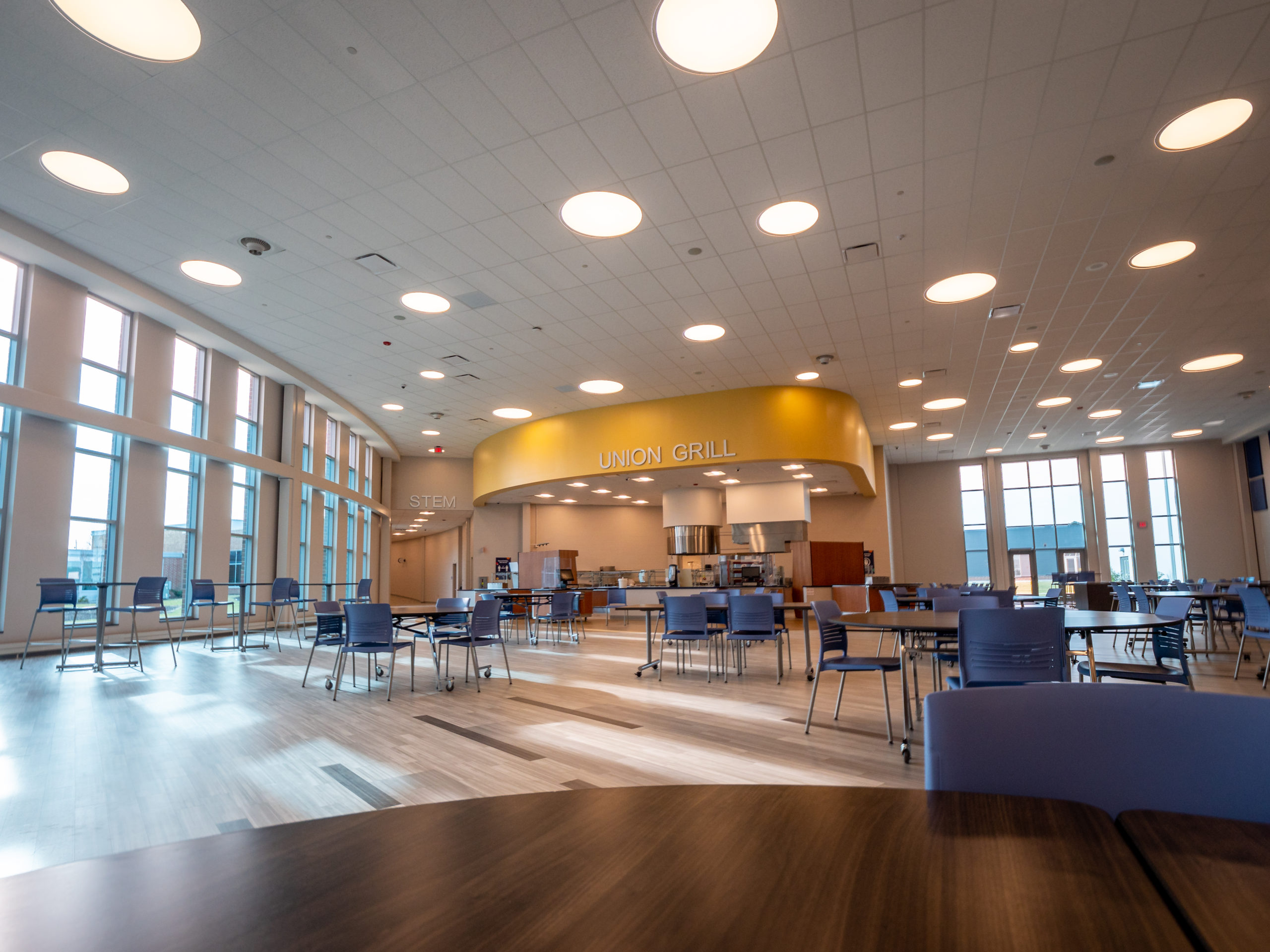
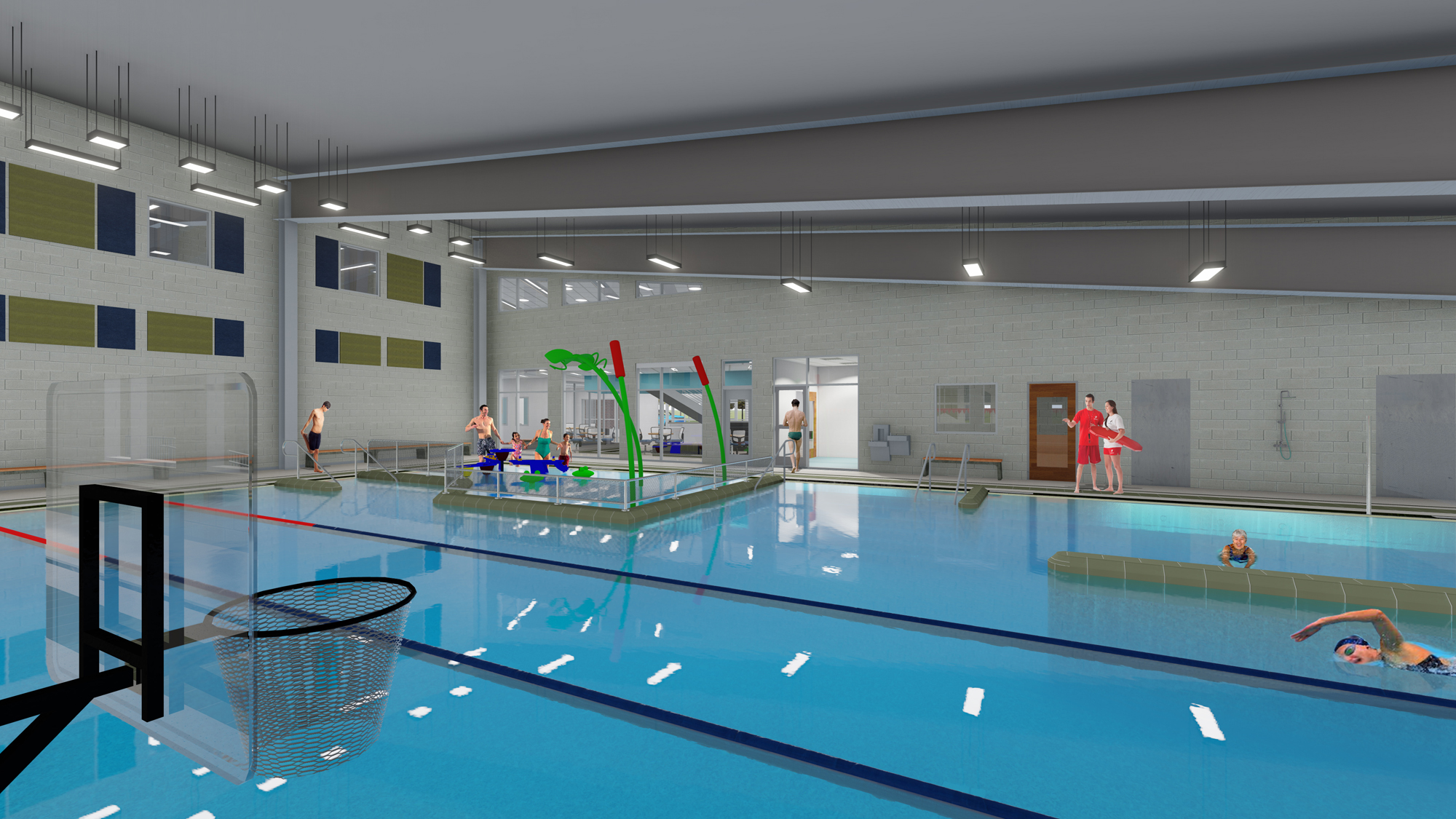
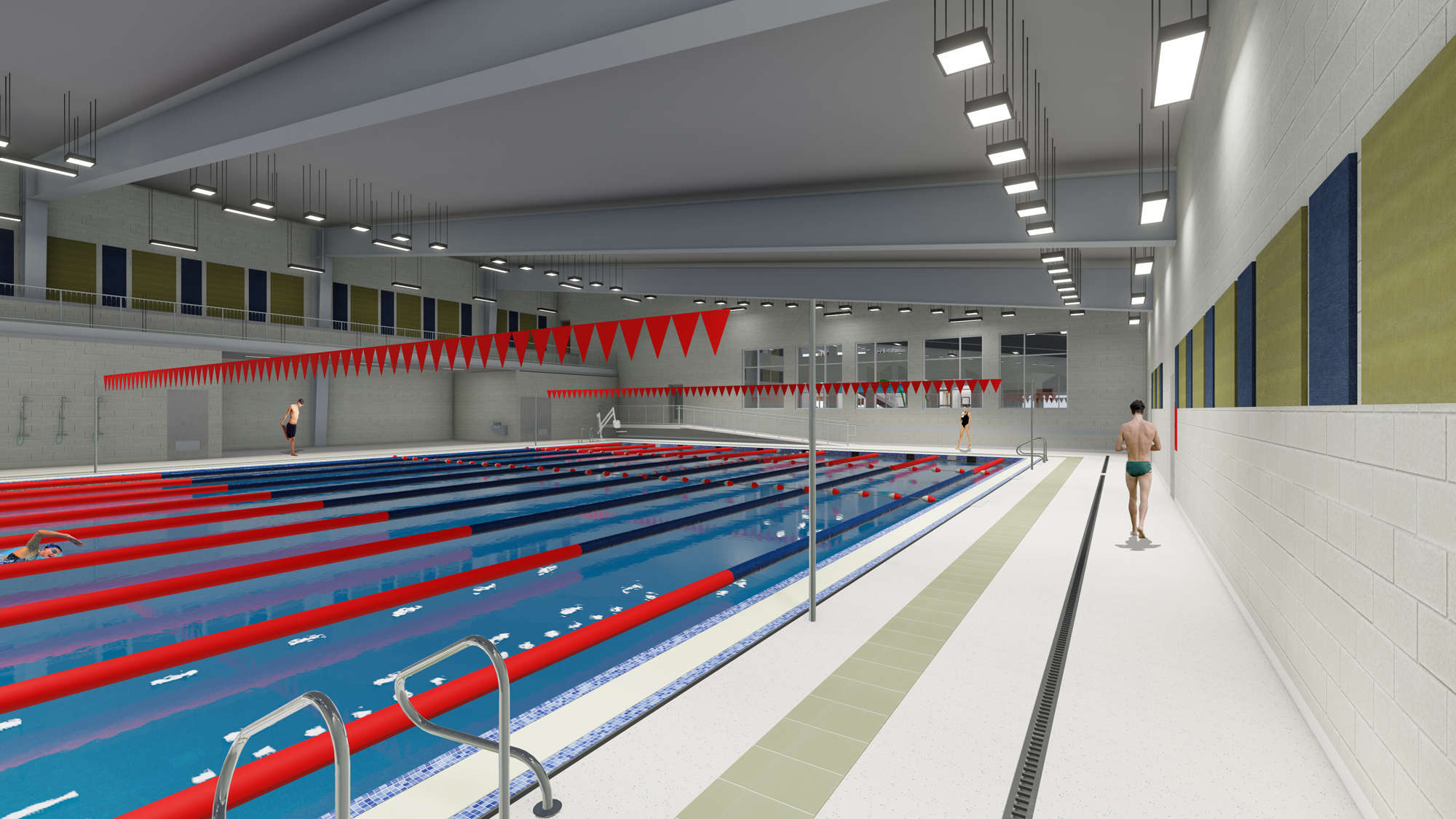
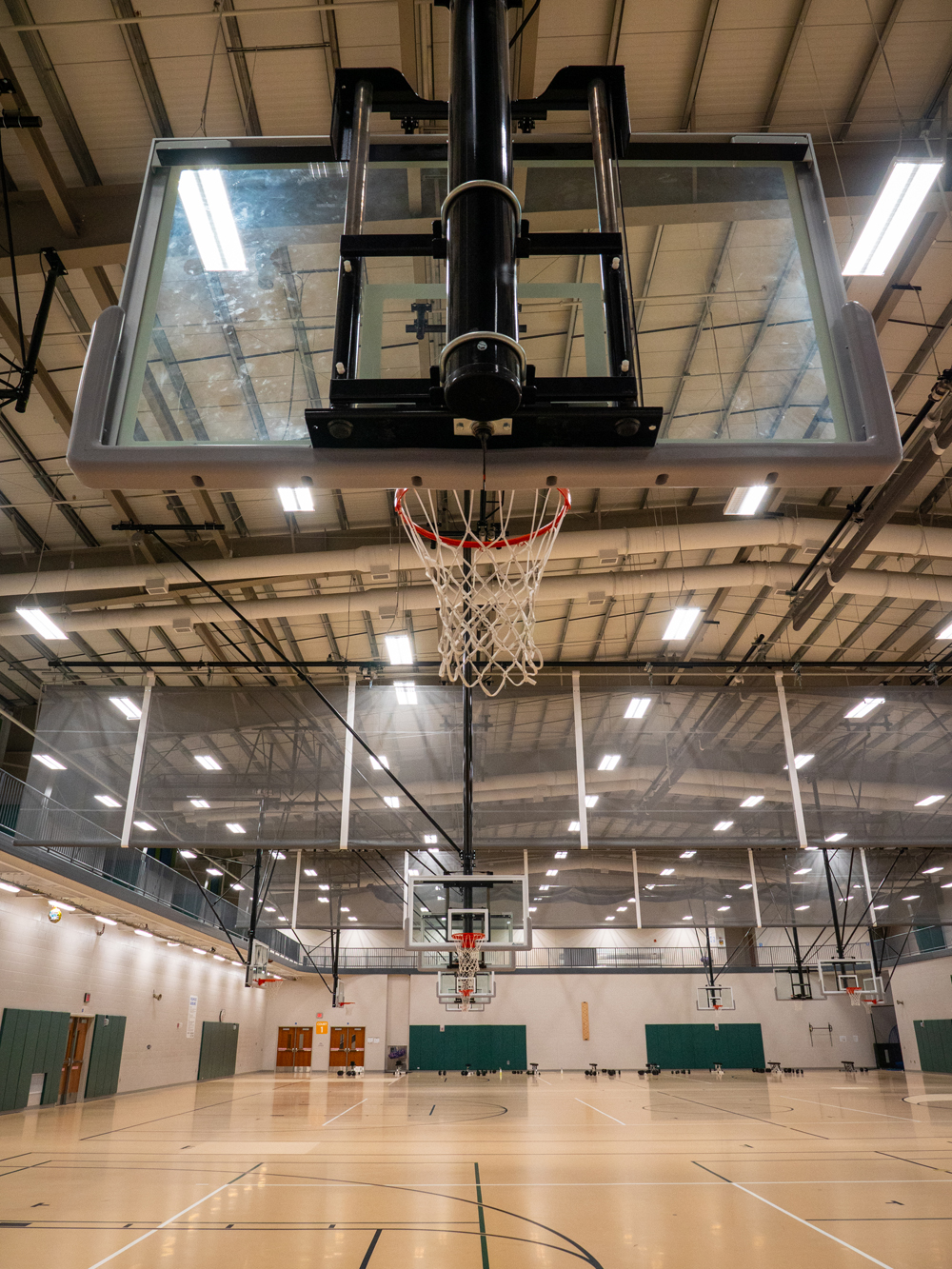
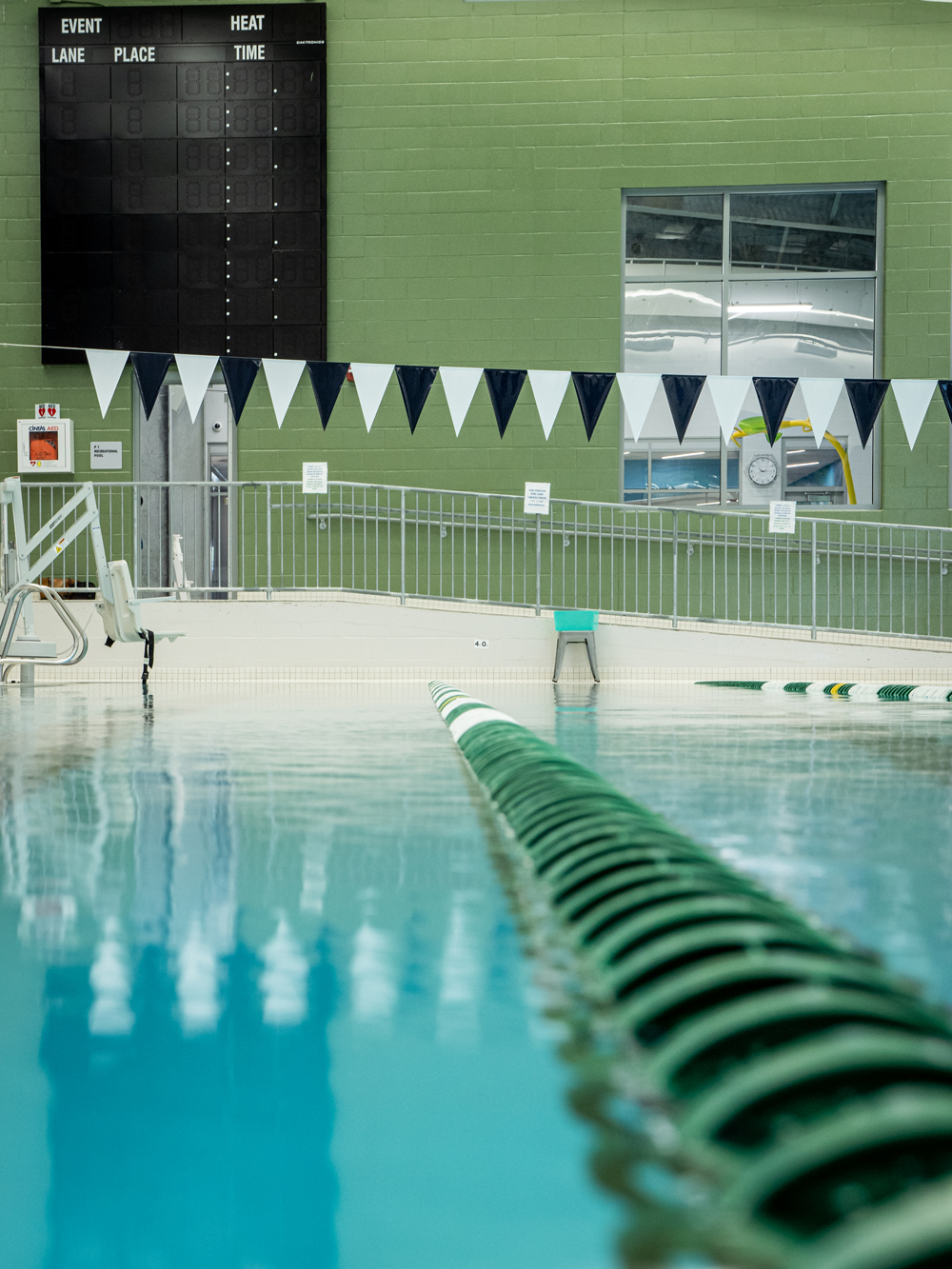
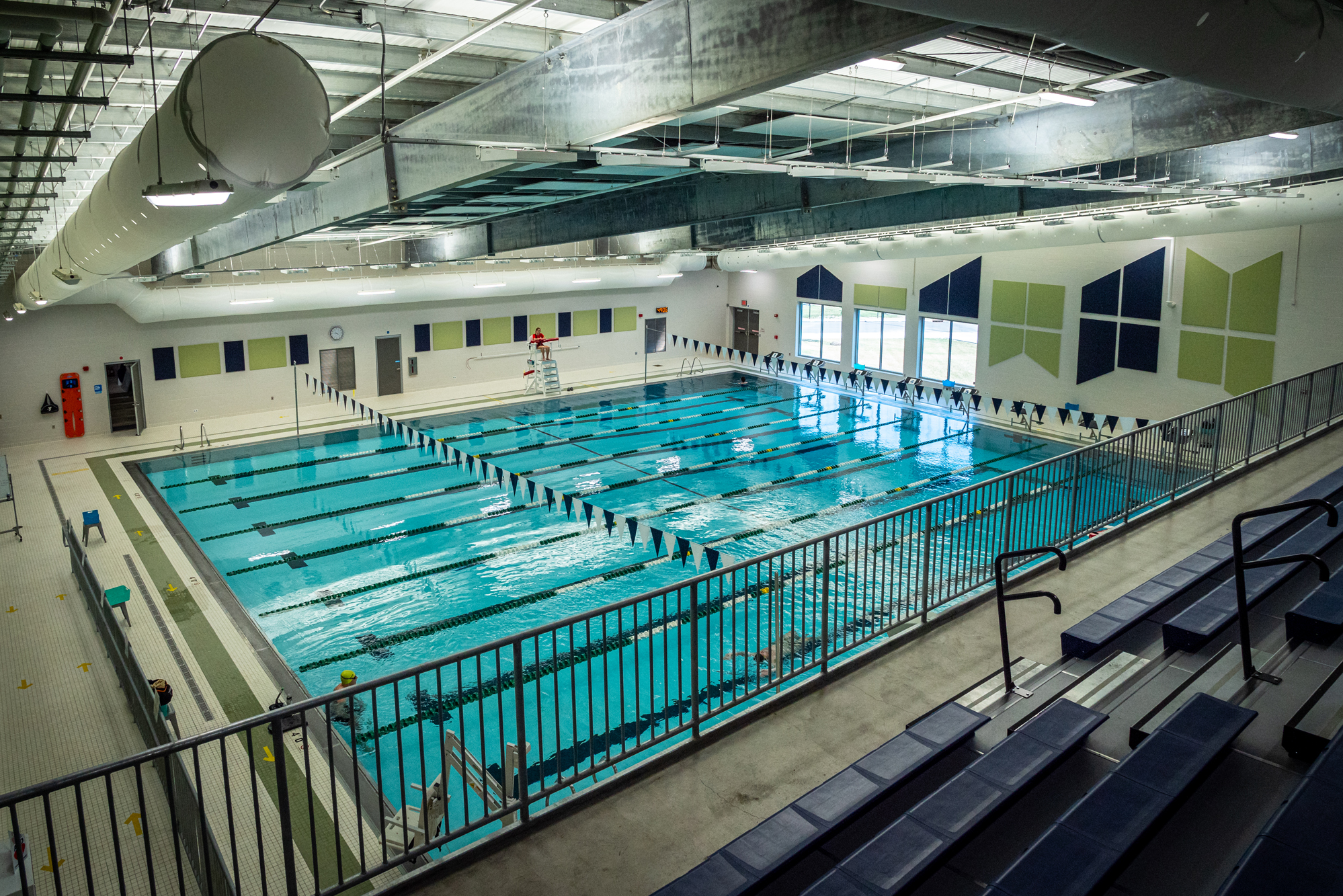
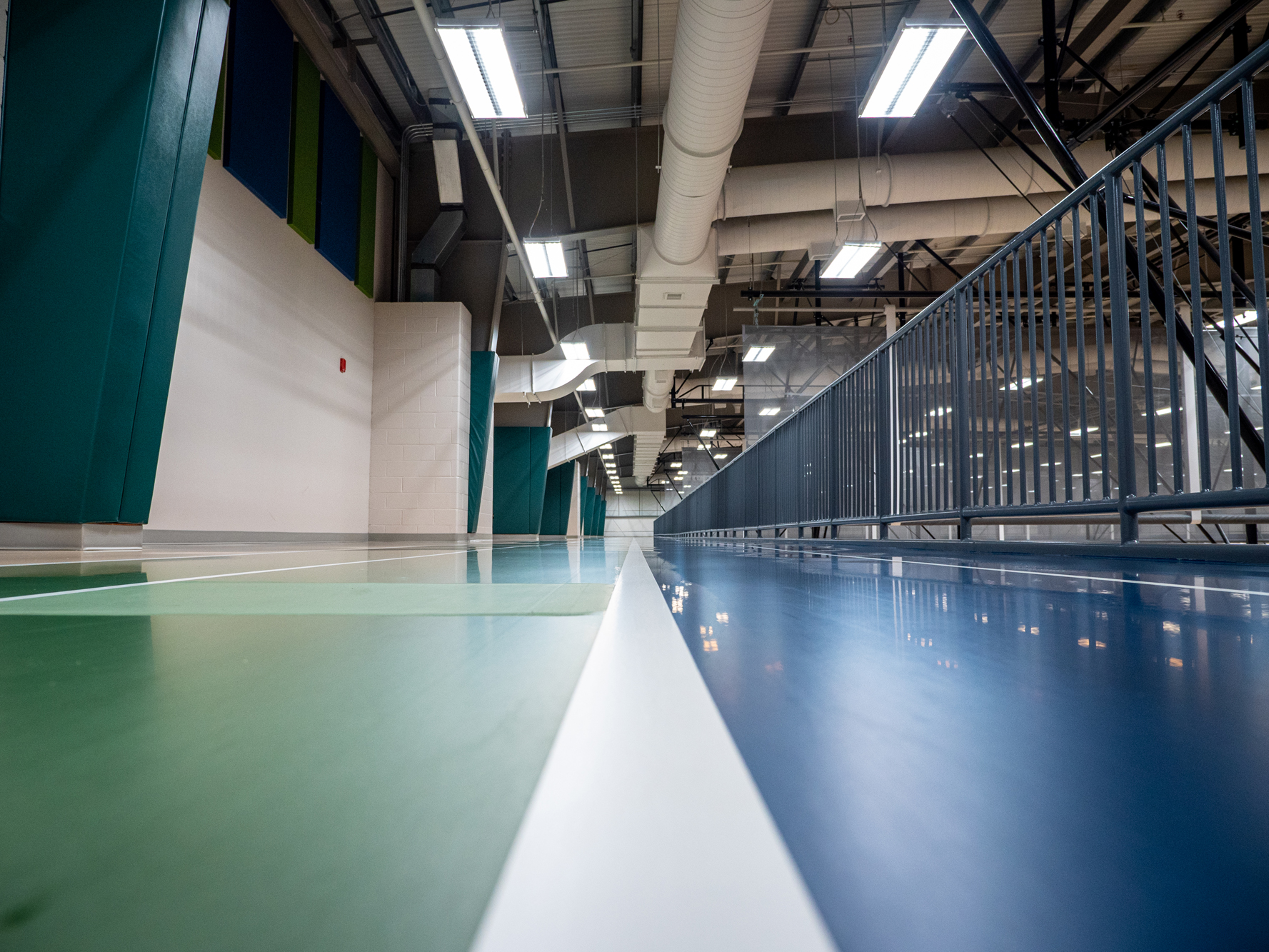
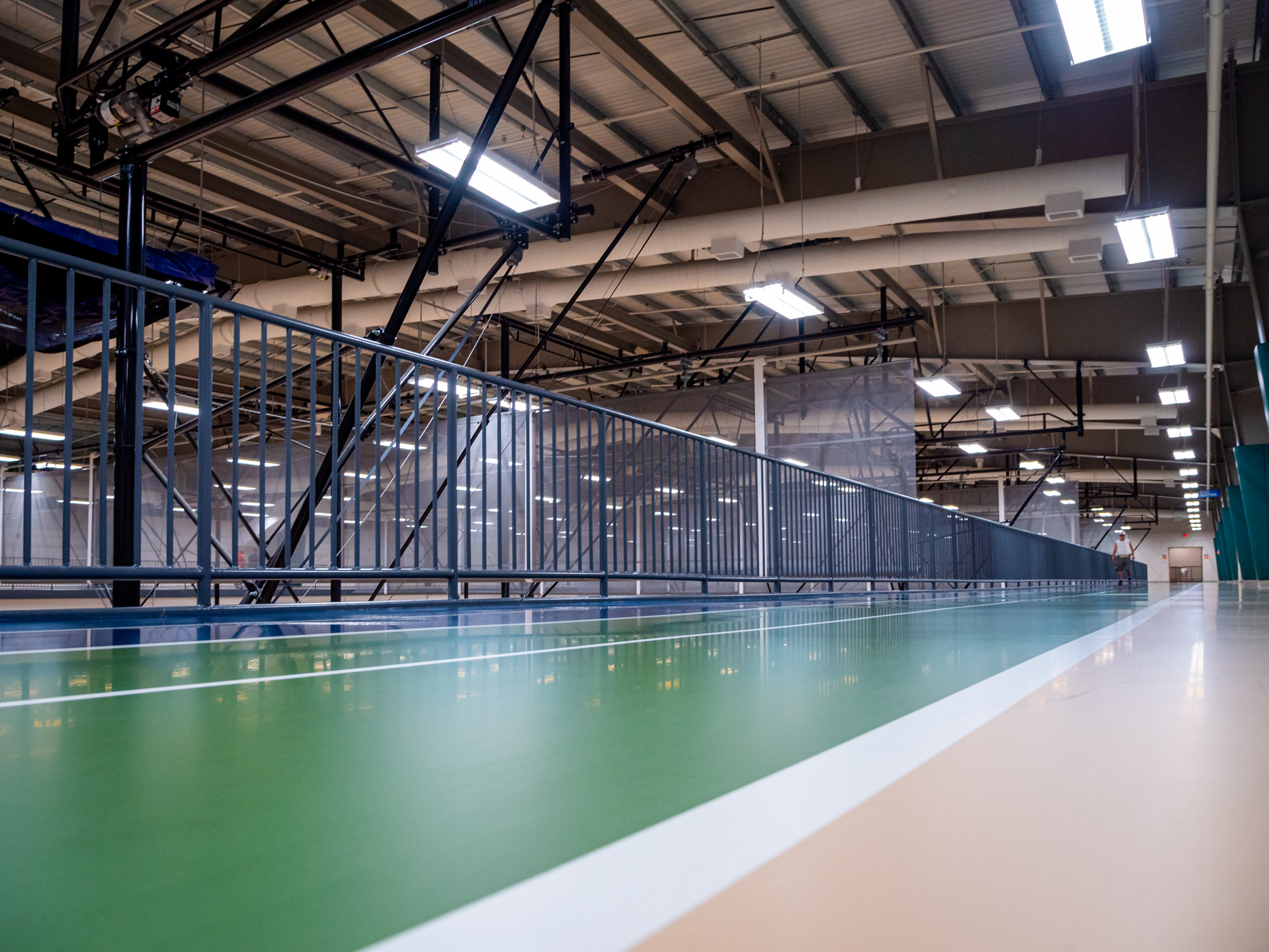
The updated 198,100 SF facility serves 1,700 students (1,200 in grades 9-12 and 500 in grades 6-8), local senior citizens, the community, and YMCA members. Merging these entities into a shared structure maximized the efficient use of space and budget due to three different organizations sharing amenities, a field house that includes gymnasium space, an elevated track, and pool facilities.

Willoughby South High School at Union Village

“This was one of the more complicated projects I have ever worked on. But it was fun.”
Jeff Henderson, RA
ThenDesign Architecture

A Vision of Physical Collaboration

ThenDesign Architecture (TDA) Project Manager Jeff Henderson explained the challenges of planning and constructing such a complex project. 

“The Willoughby-Eastlake City School District knew they wanted to update the middle school and high school, while at the same time, the YMCA and Senior Center were making the same types of plans. Since the high school had been next to the YMCA for about 40 years, [Former] Superintendent Steve Thompson had the idea to approach the YMCA to see if they were interested in collaborating on a new building. He suggested they should work together and share the same spaces rather than duplicate facilities.” 

The concept of collaboration with physical space built momentum with the David E. Anderson Senior Center joining the partnership. Jeff recalled, “Once they all agreed to work together, they came to us and said, ‘This is what we want to do.’ And we thought, ‘Okay, how are we going to do this?’ It was a great idea, but it certainly would have its challenges.”

“The process demanded honest and ongoing communications with the ability to compromise to reach the best solutions.”
Robert Fiala, AIA, NCARB, APA
Mayor of Willoughby

Identifying Mutual Challenges

Three separate collaborators having different sources of funding needed to be timed together. A bond issue funded the construction project for the Willoughby-Eastlake City School District. The YMCA relied on membership fees and donations. The Senior Center was funded through membership fees and the city of Willoughby. 

After the three parties came together and agreed on which areas of the interconnected building they would operate, their needs were relayed to the architecture team. 

“Each wanted their own parking lot, entry, and face of the building so that visitors could clearly identify where they were going. That’s very reasonable,” Jeff said, “but the interesting challenge was having three organizations with separate identities in the same complex and still having a sense of unity. It was a creative problem we were excited to solve. 

“On top of that, some had strict design standards we had to adhere to. The YMCA is a national brand and had to feel like all the others. Willoughby South High School had a sister campus on the north side, and they needed to feel related. Balancing those stipulations to make everyone happy took a lot of time and many discussions.”

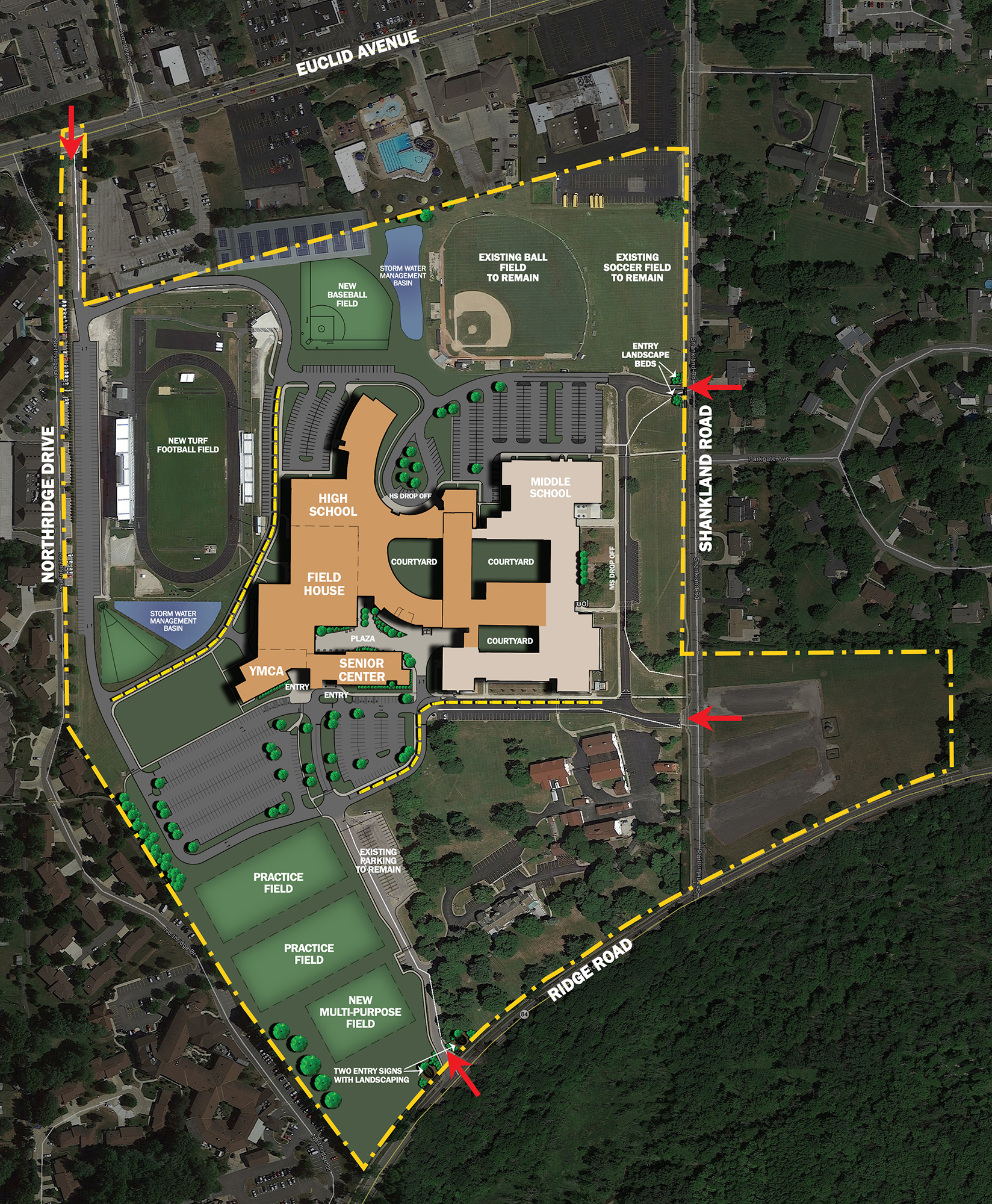
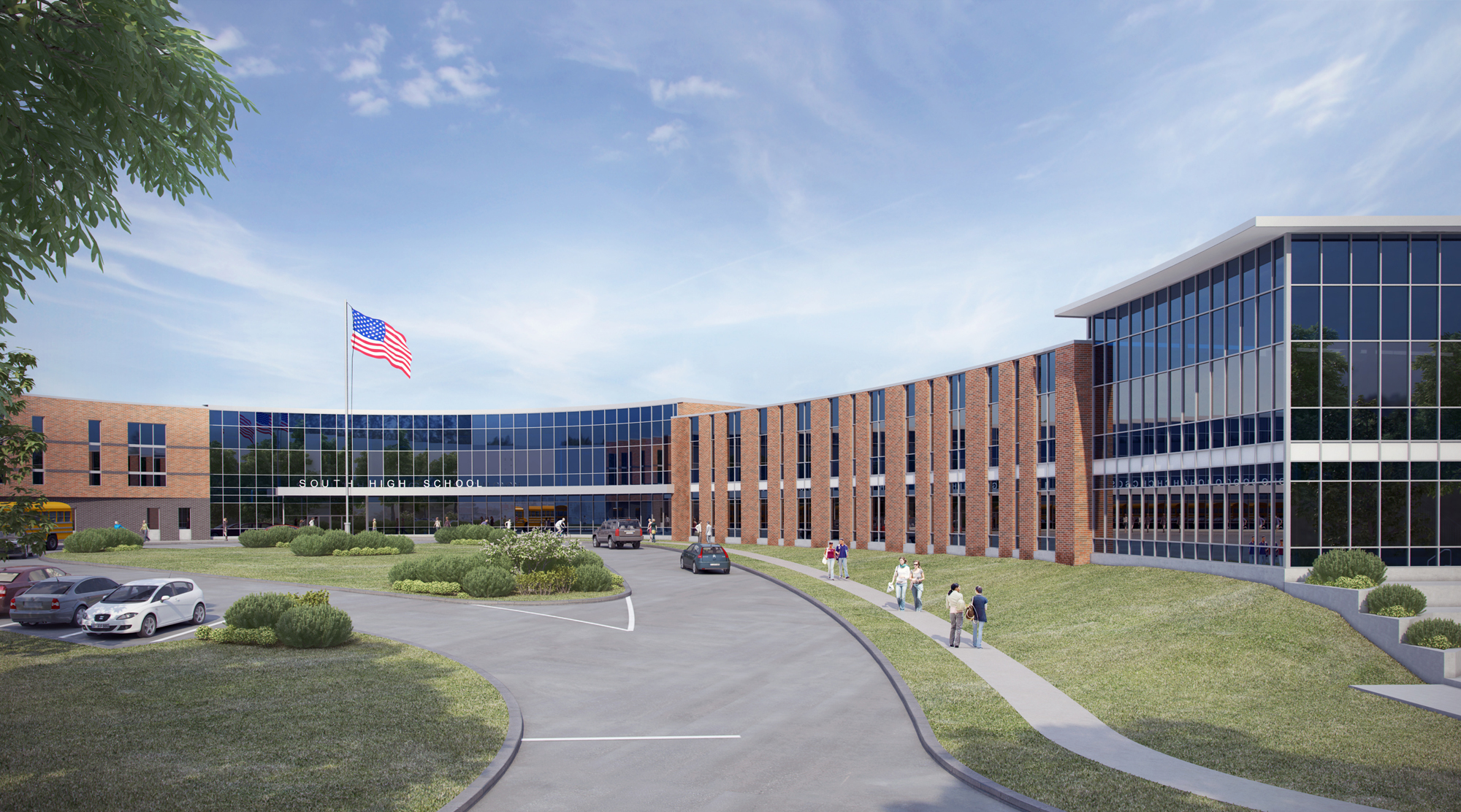
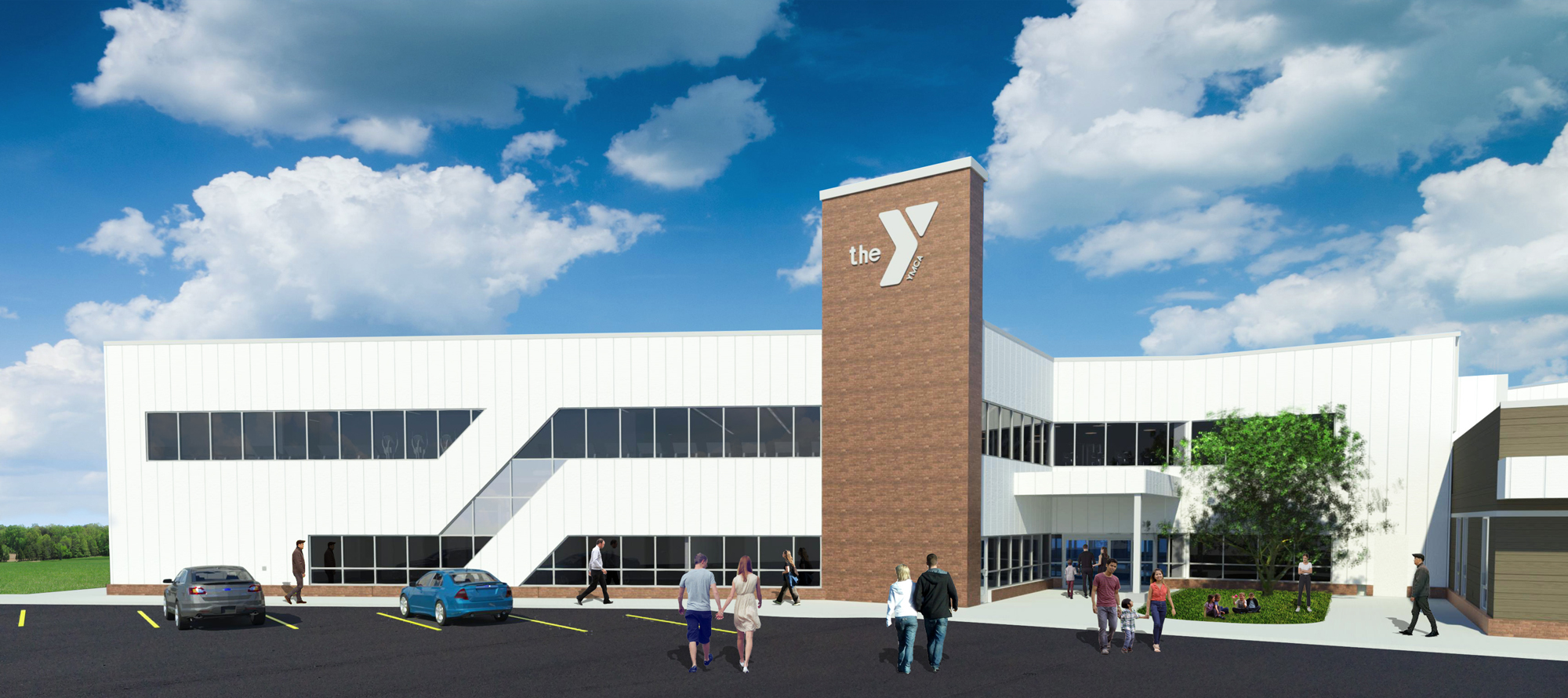
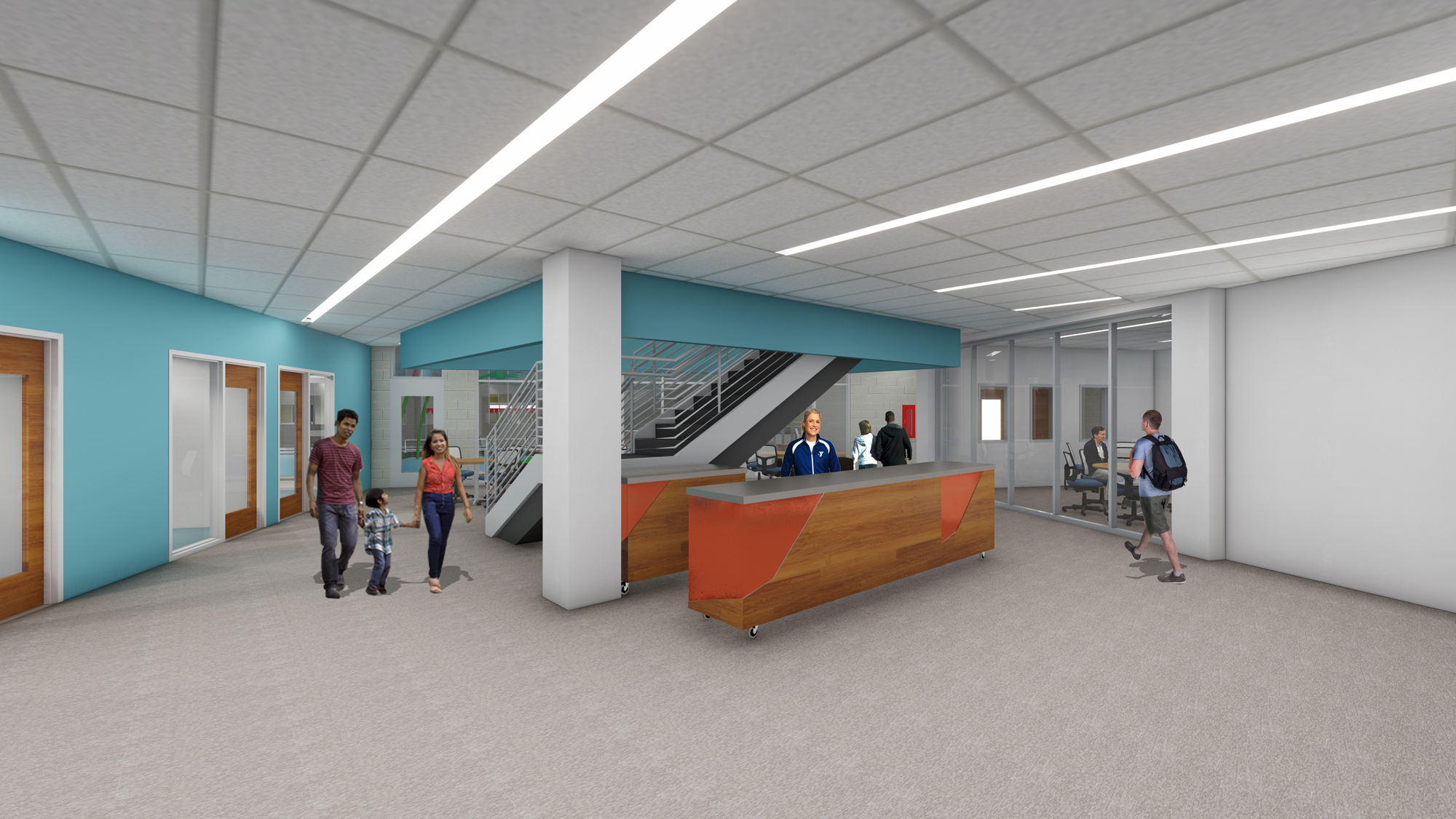
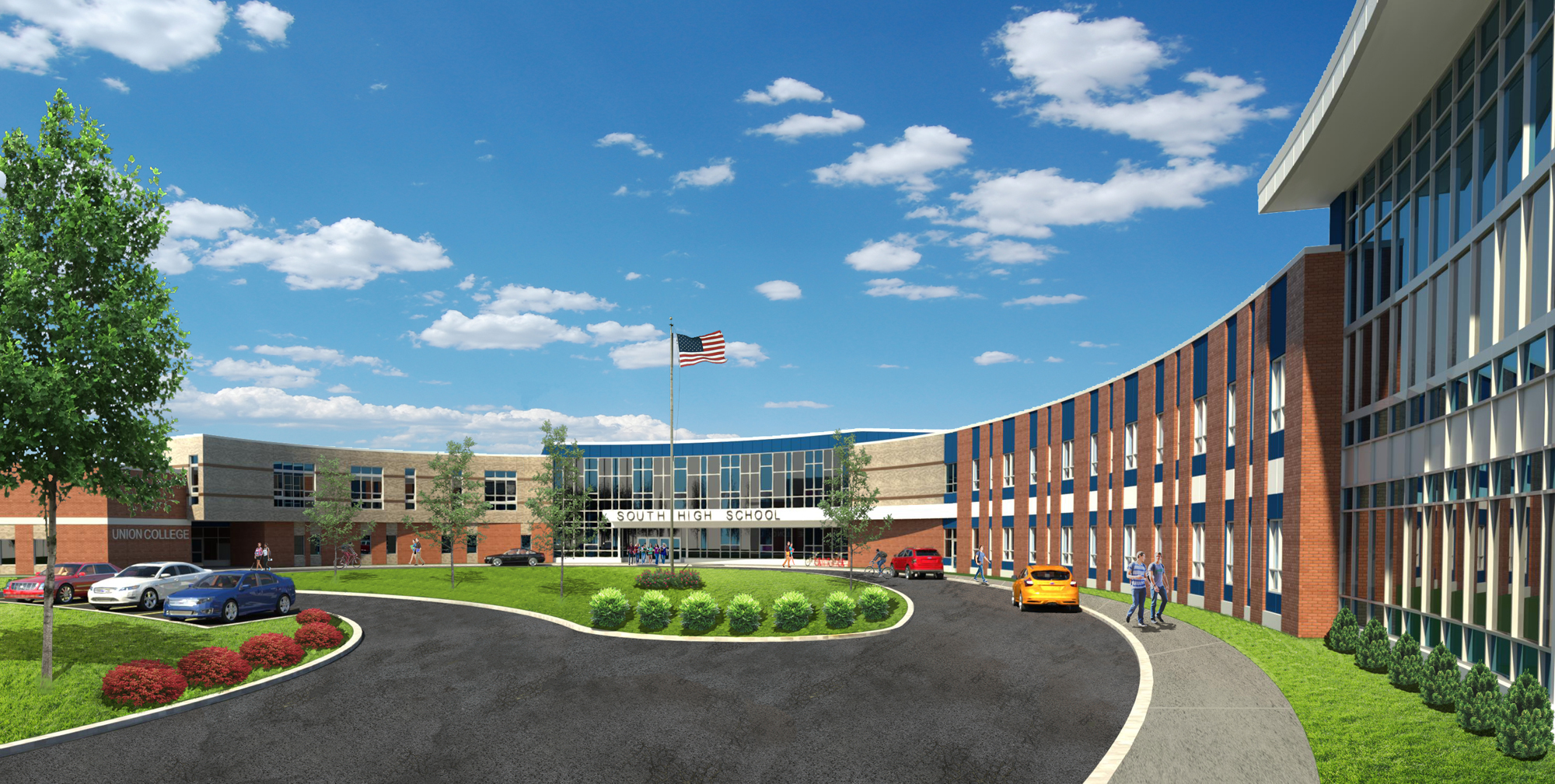
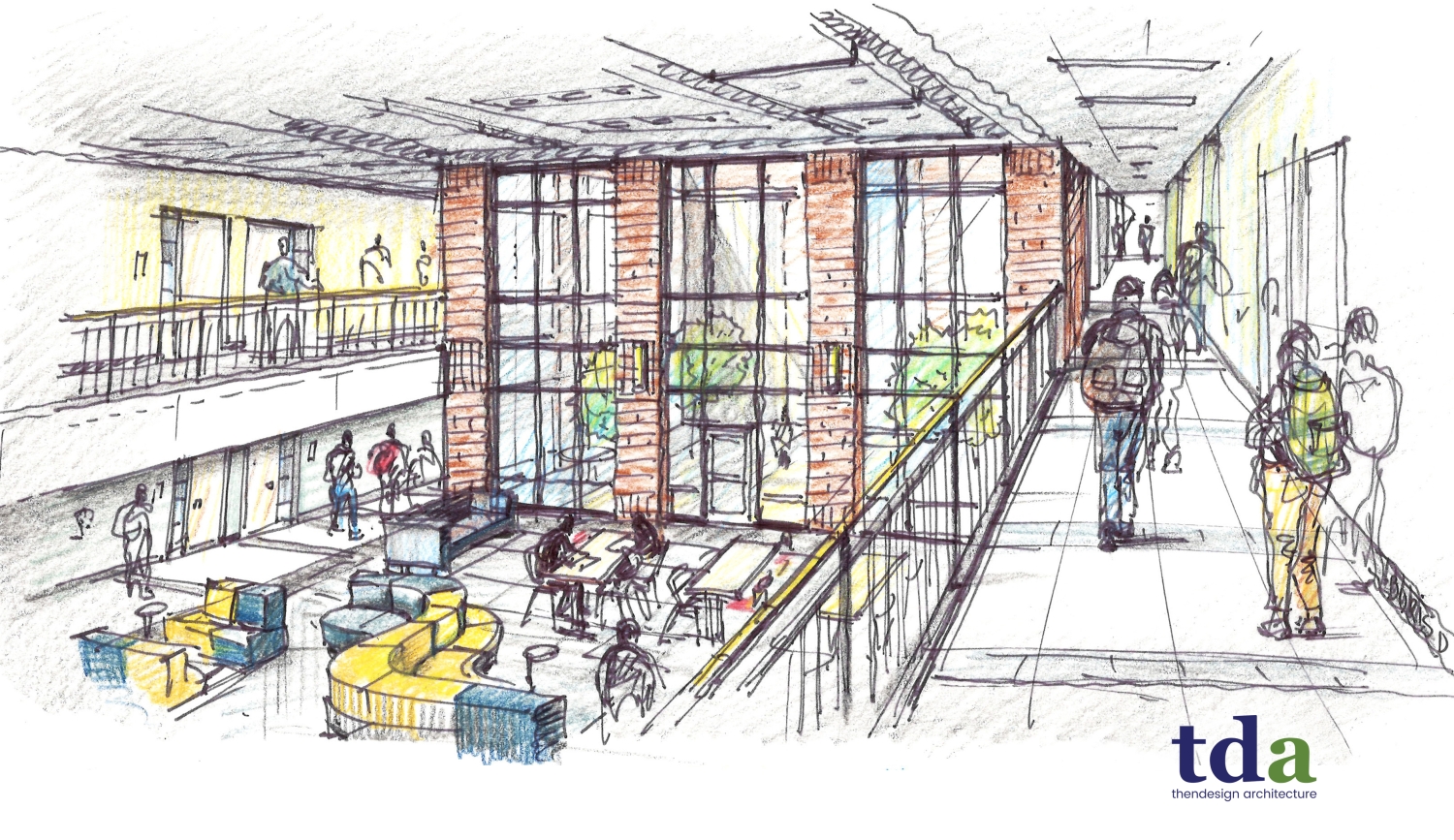
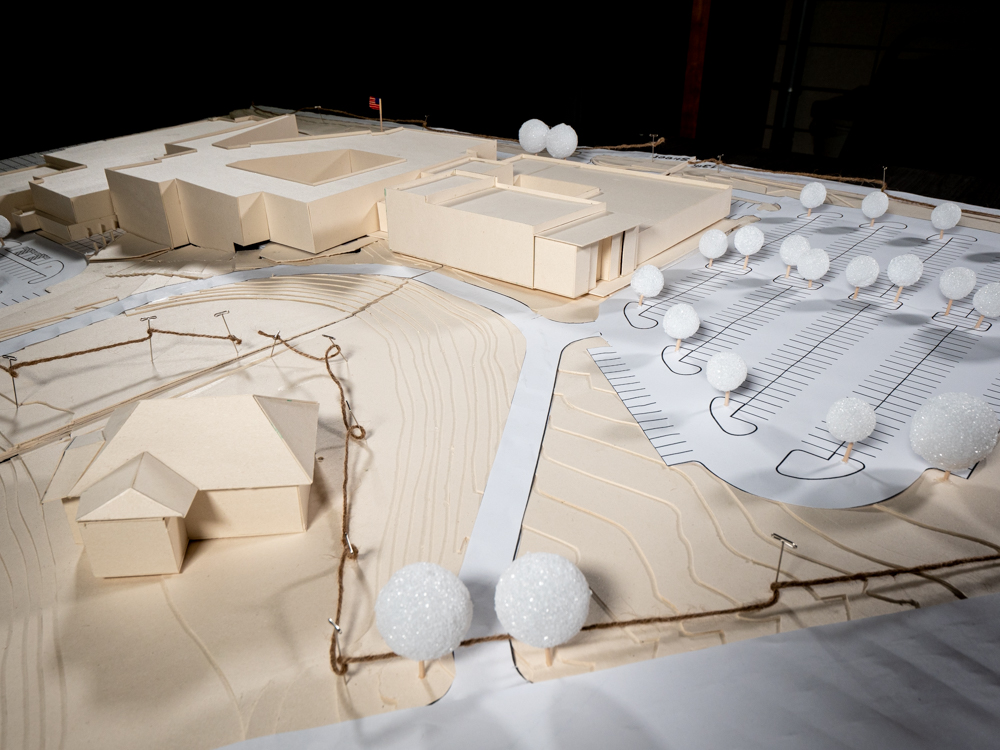
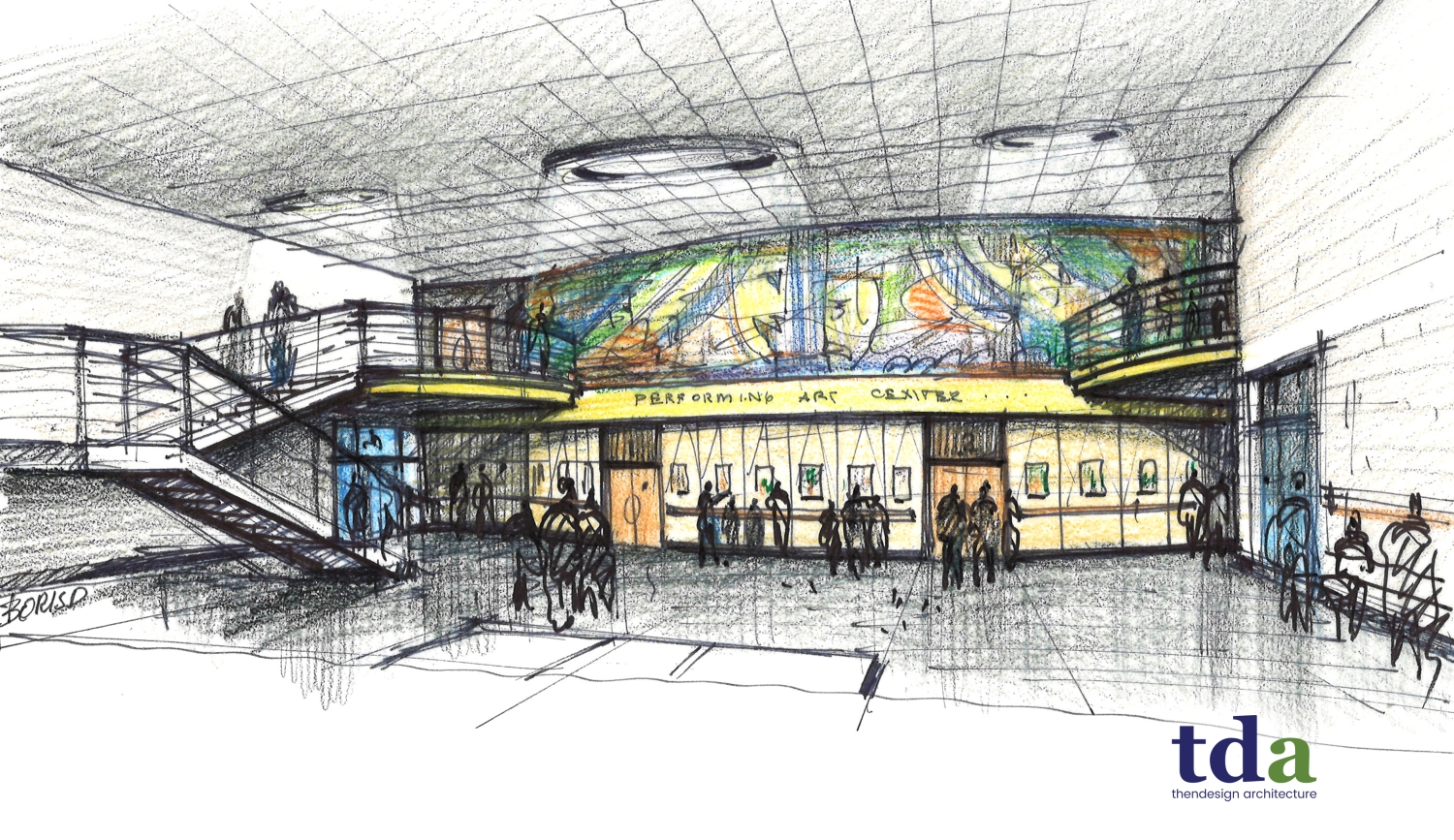
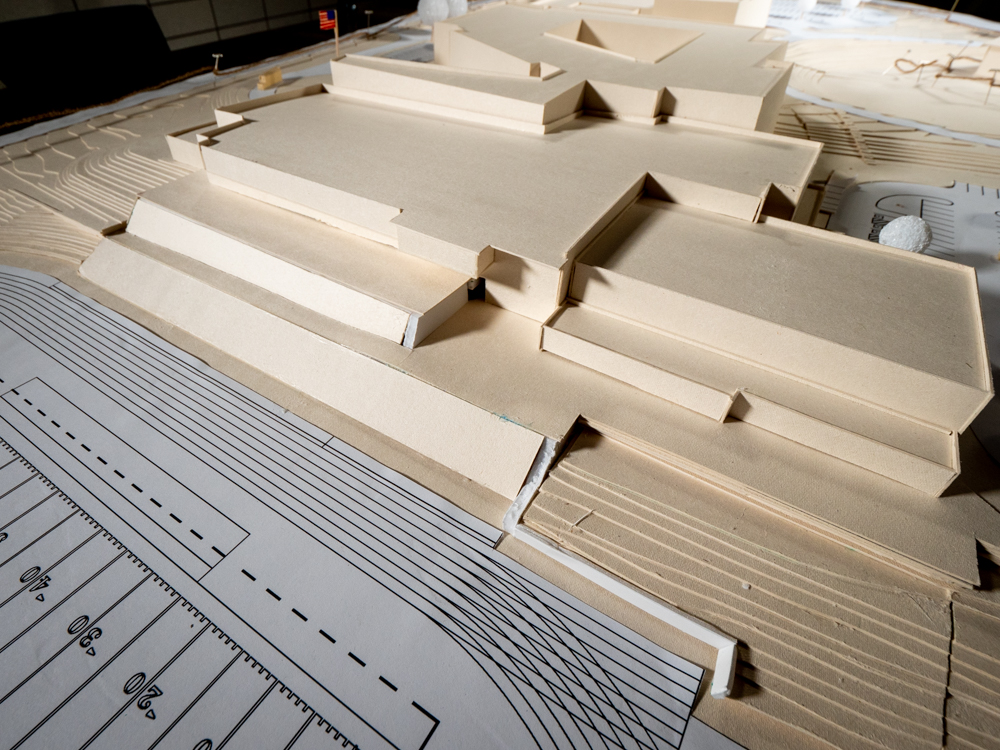
Union Village Building Layout Renderings

“The biggest lesson: You can’t have too many meetings with your client.”
Jeff Henderson, RA
ThenDesign Architecture

Sharing the Field House

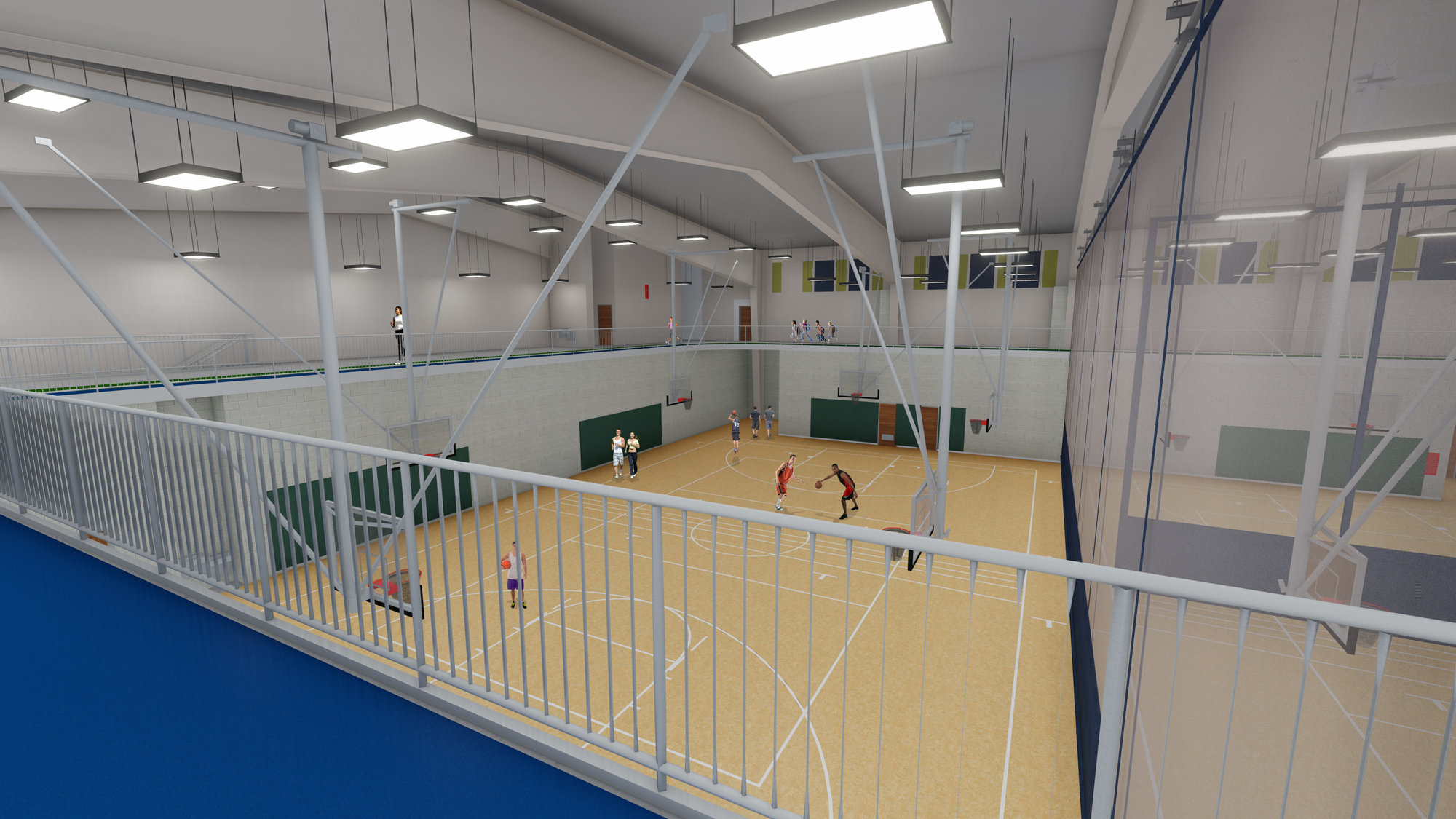
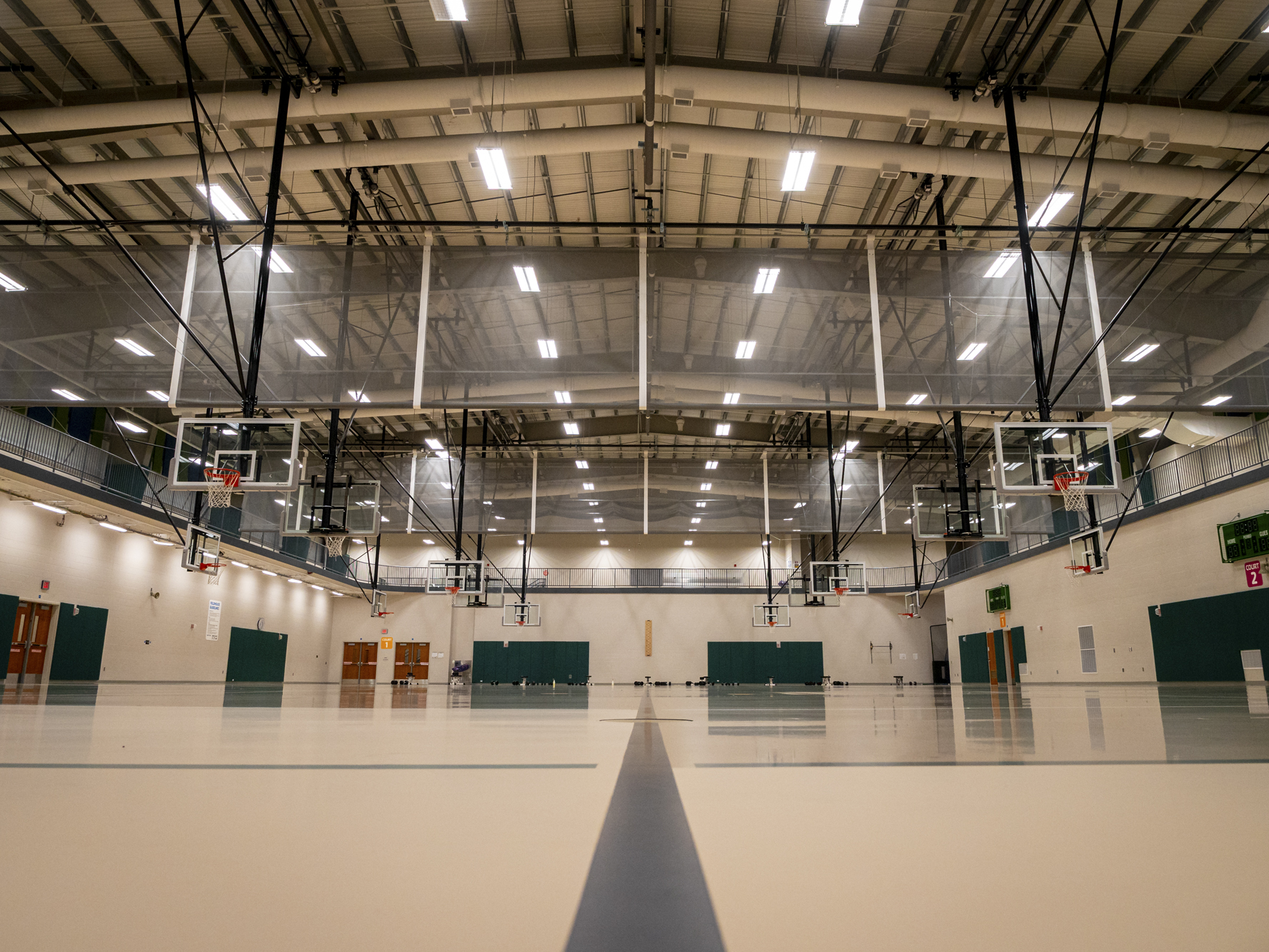
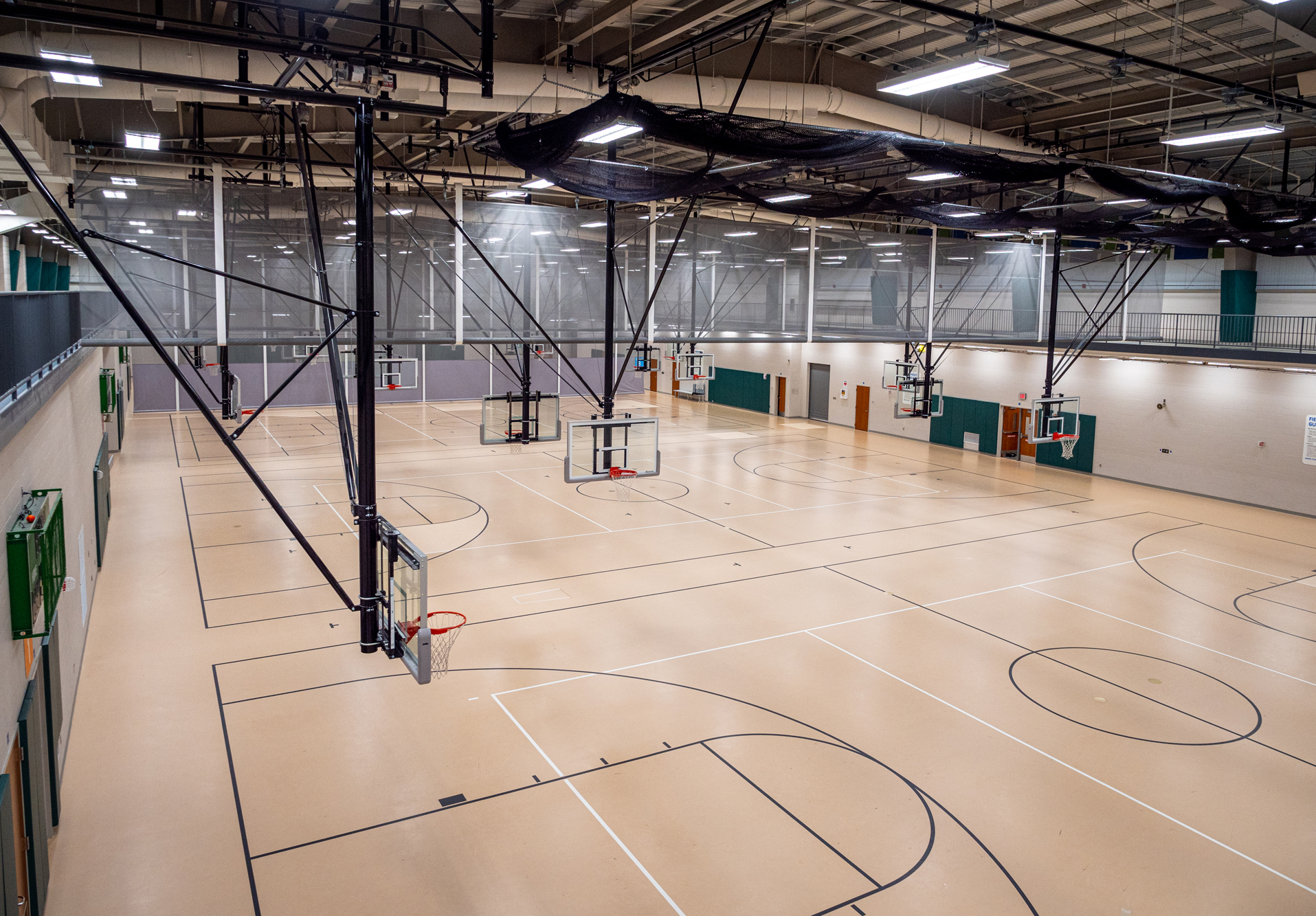
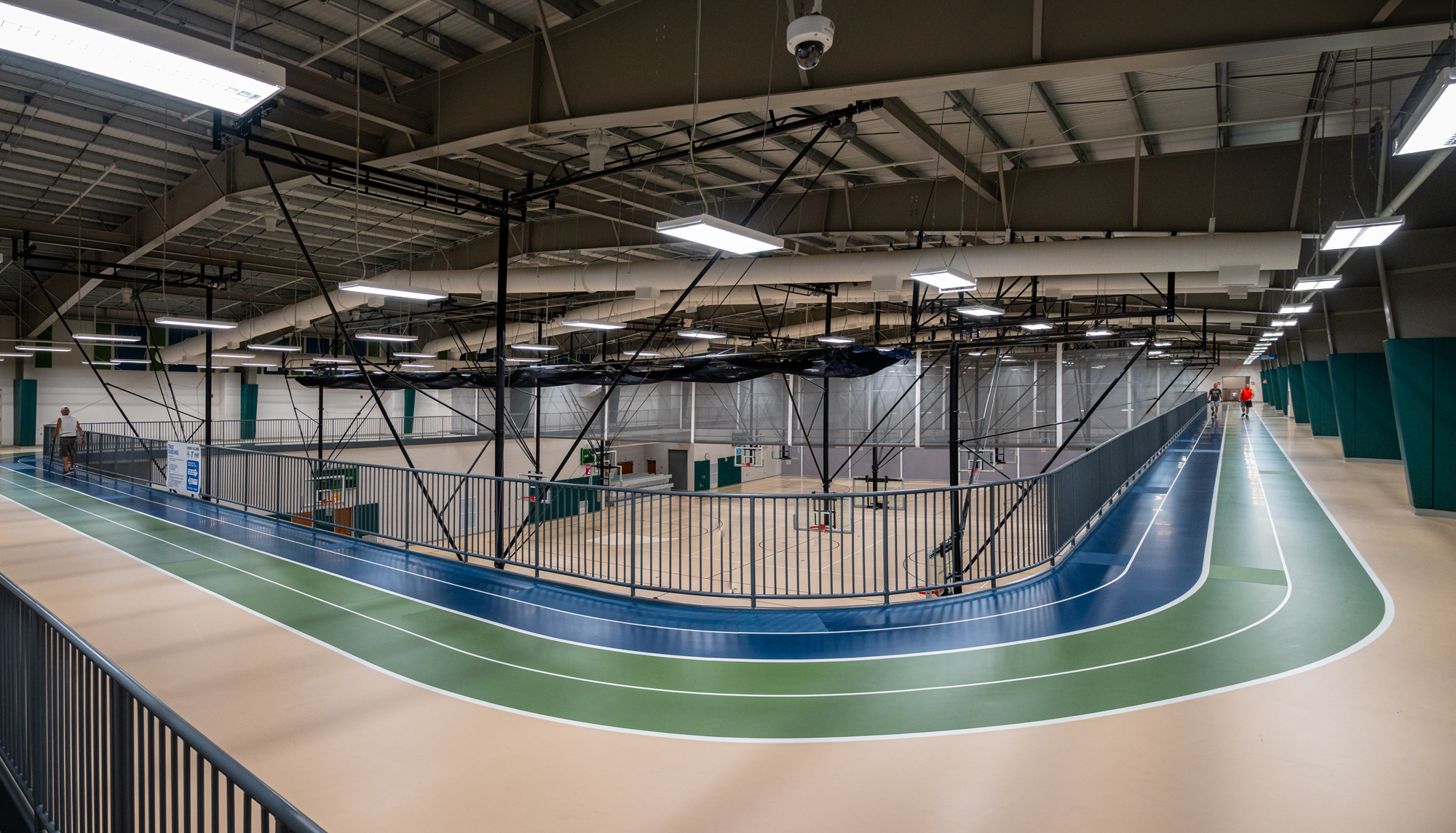
The biggest functional space of Union Village is the Field House, located in the center of the structure. This shared space connects the high school, the YMCA, and the Senior Center. It contains four full basketball courts and an elevated track. 

Sharing a common area required that each party had direct access to the facilities, which meant they were physically connected to the Field House. “Some problems cannot be solved strictly by architecture,” Jeff pointed out. “Each participant had to take on some responsibility for administration because you can only do so much with design. You didn’t want a high school student accidentally wandering into the Senior Center. The seniors needed to reach the pool but not the other areas of the YMCA. So, there were a lot of conversations about security and safety. It was up to the three different parties to manage that.” 

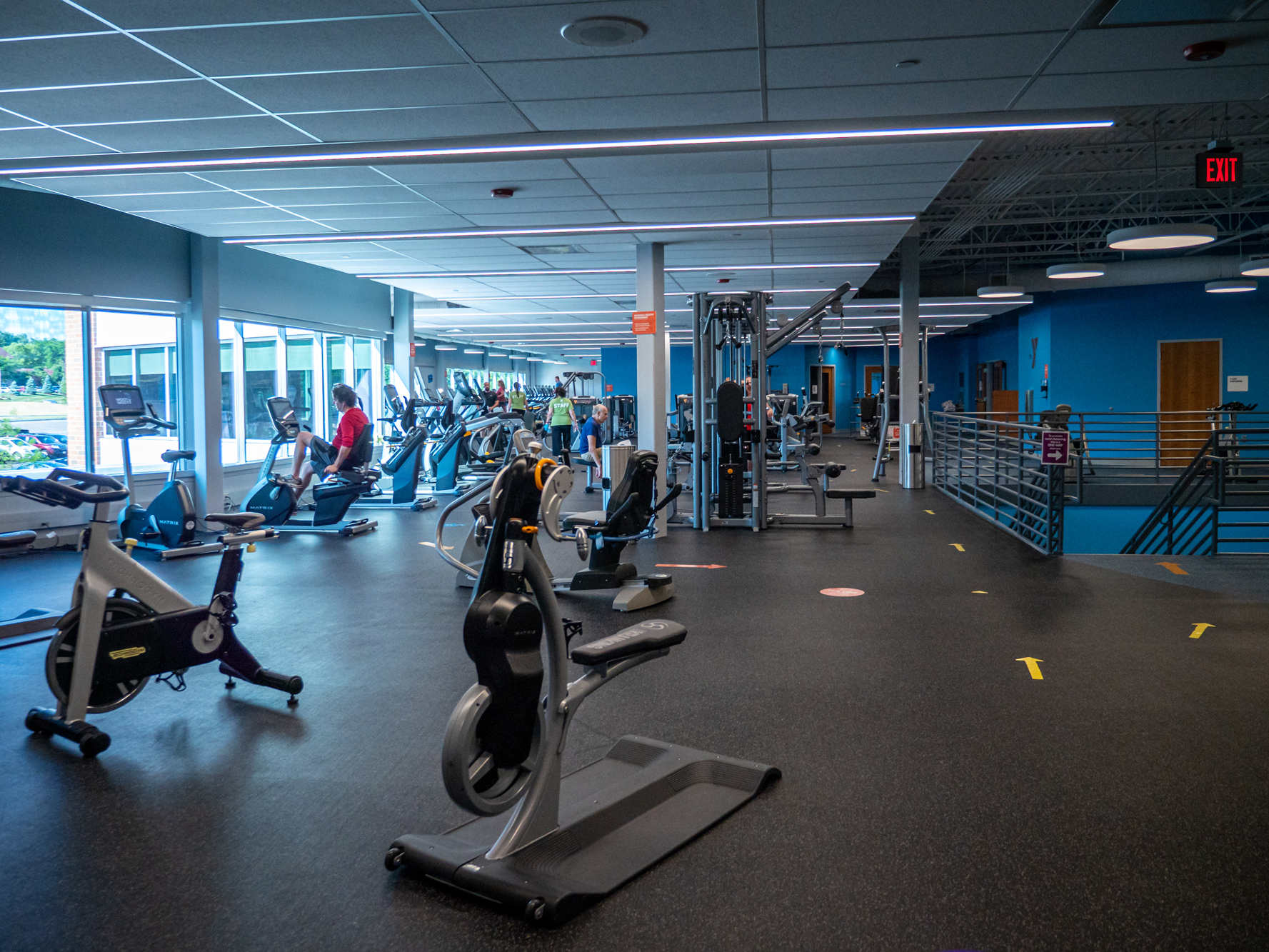
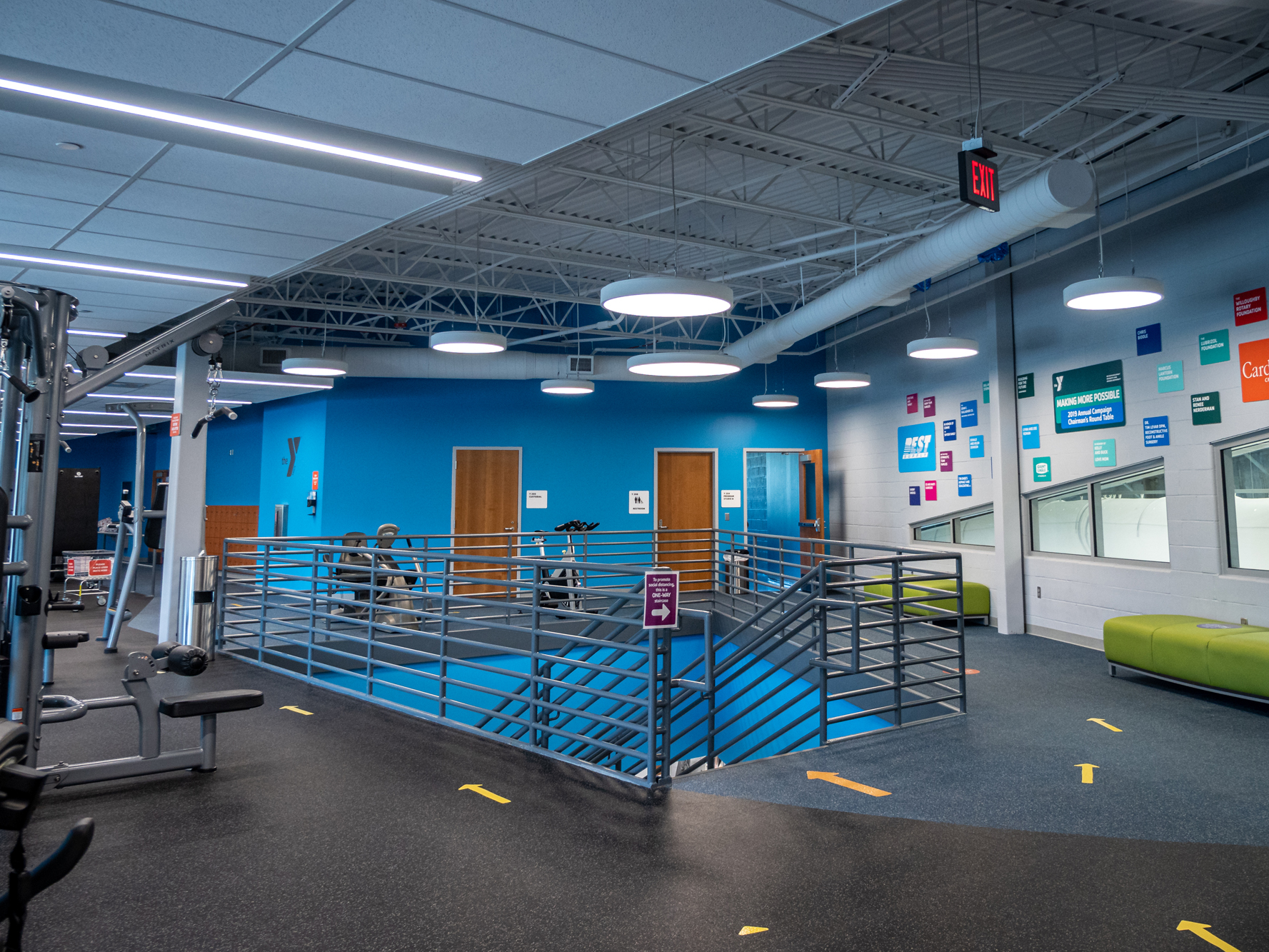
Union Village Field House, YMCA, and Senior Center

A Renovation, Not a Re-creation

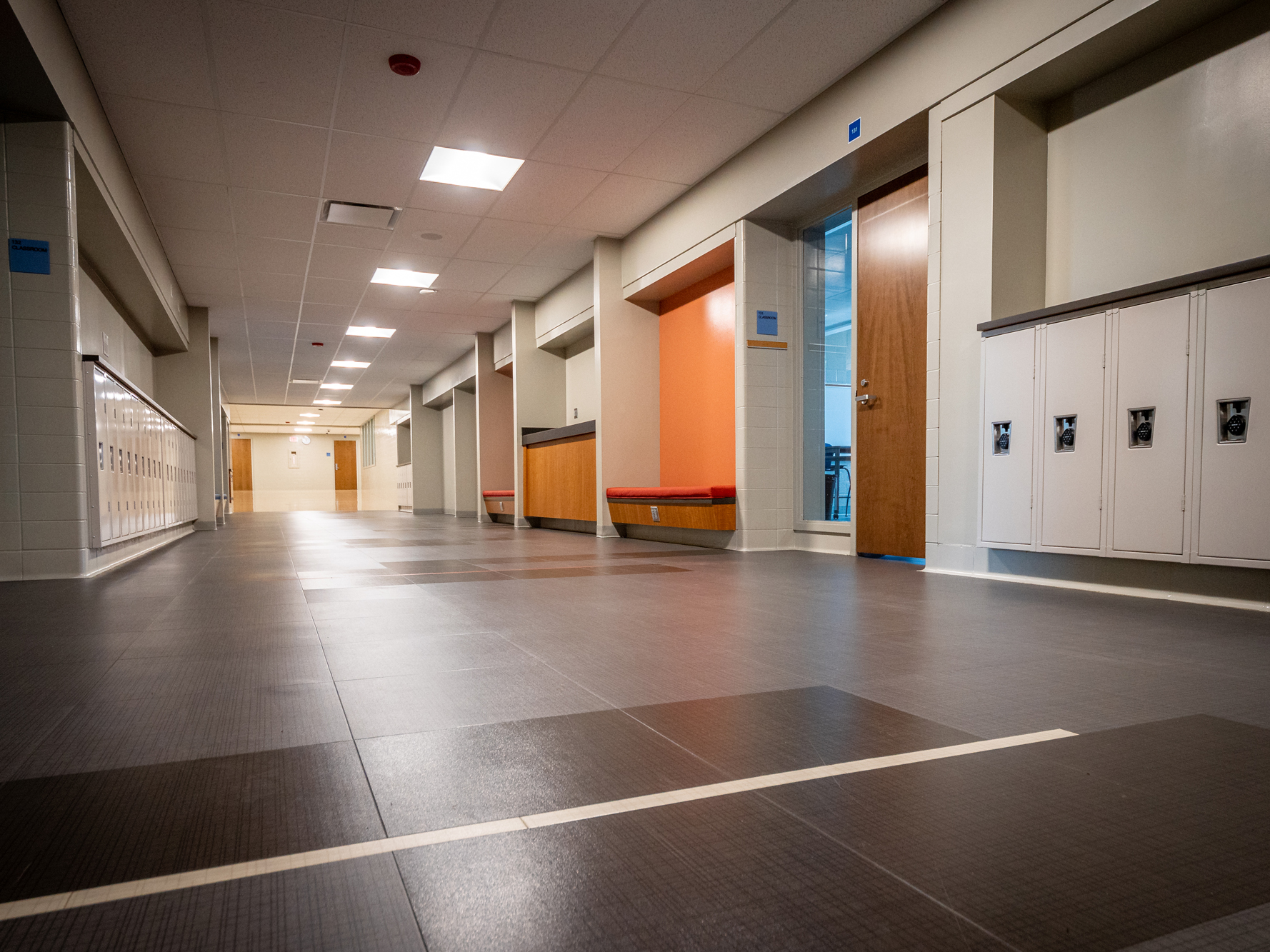
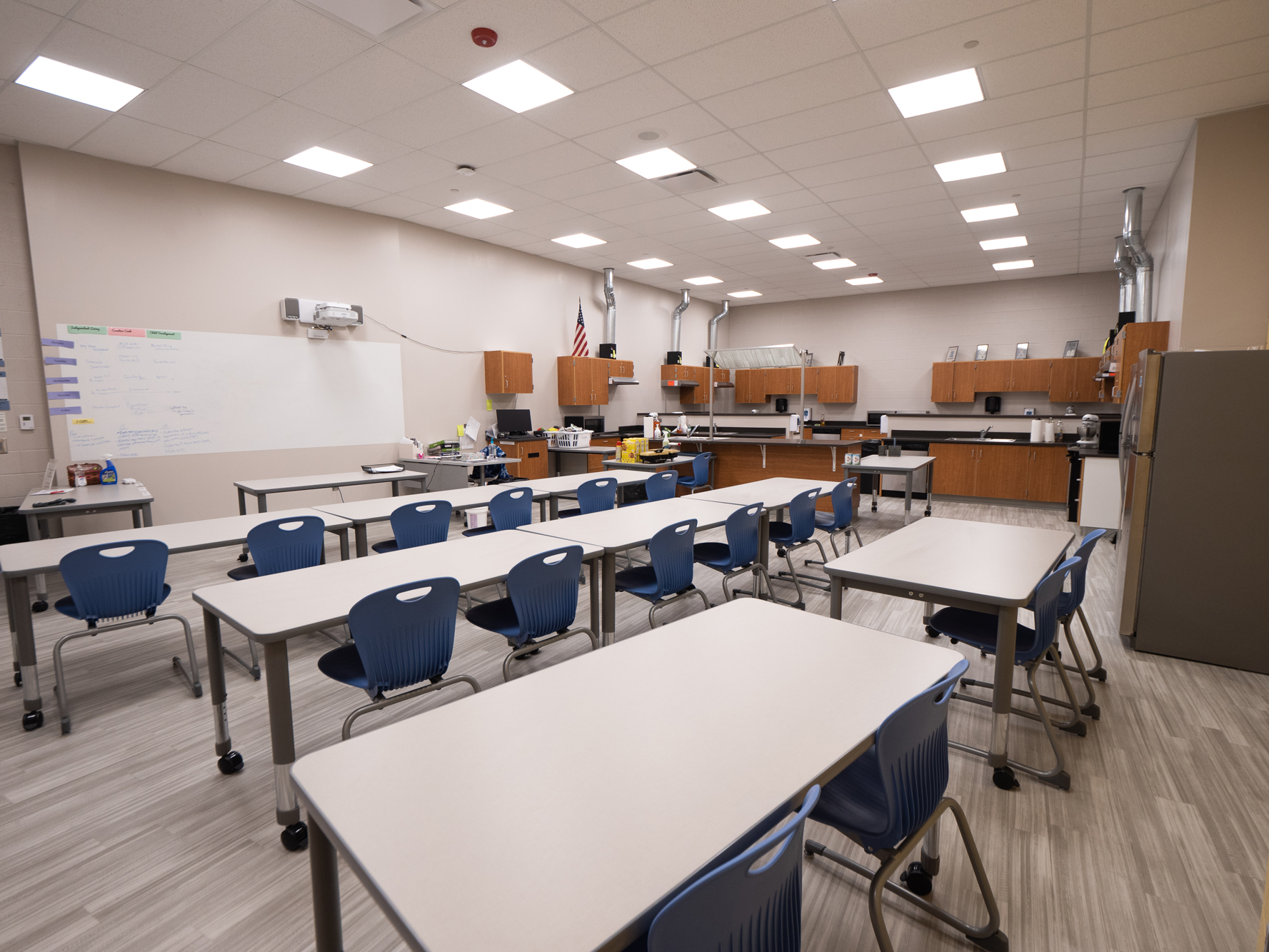
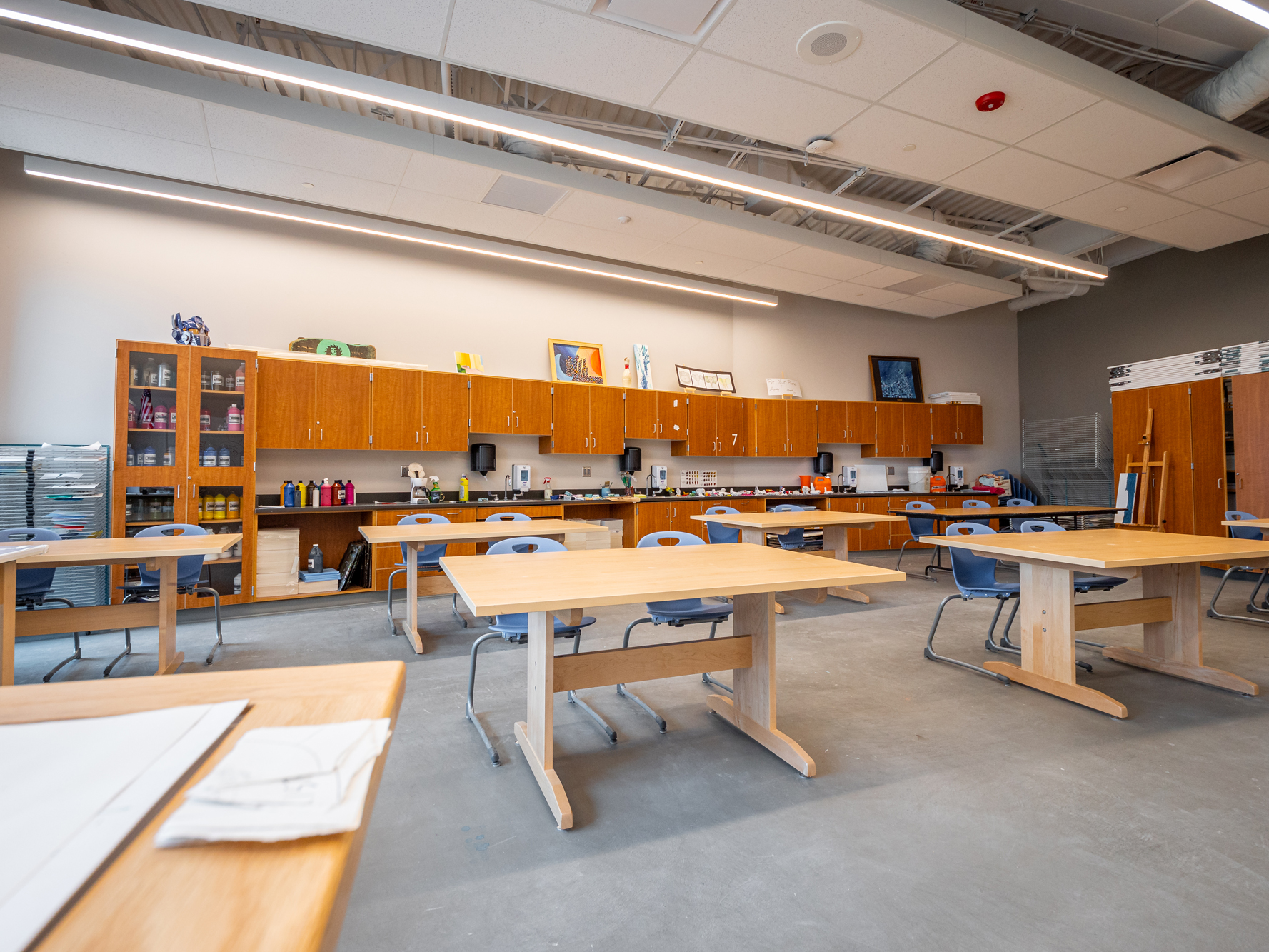
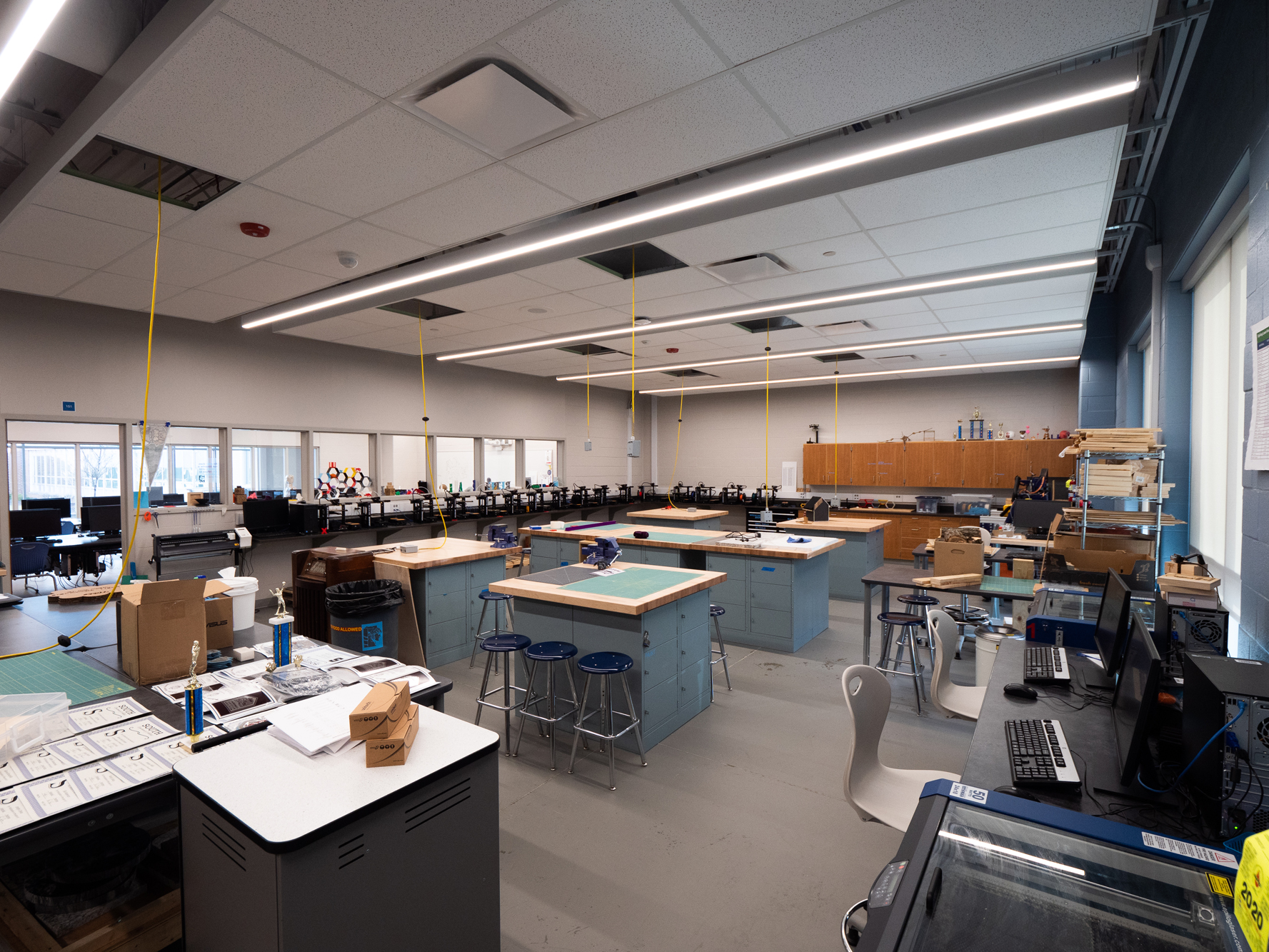
“The high school was a renovation, not an entirely new build,” Jeff commented. “We incorporated some additions to the structure based on the needs of the district but also to give us the room to fully incorporate the principles of student-centered learning into the existing space. The forward-thinking design included collaborative areas and open classrooms, which could be done without tearing all the buildings down and starting over.”

Developed in parallel with its sister school Willoughby North, South High School at Union Village is a 21st-century learning facility that exemplifies the district’s goals of modernizing its curriculum and provides flexible spaces to support student-centered learning.

The two high schools were designed in tandem, with both teams meeting regularly as designs progressed. The Willoughby-Eastlake School District planned to spread the athletic and arts spaces across their high schools. South High School received expanded athletic facilities, while North High School enjoyed a large performing arts and music space. Students can choose which high school they want to attend based on personal interests.

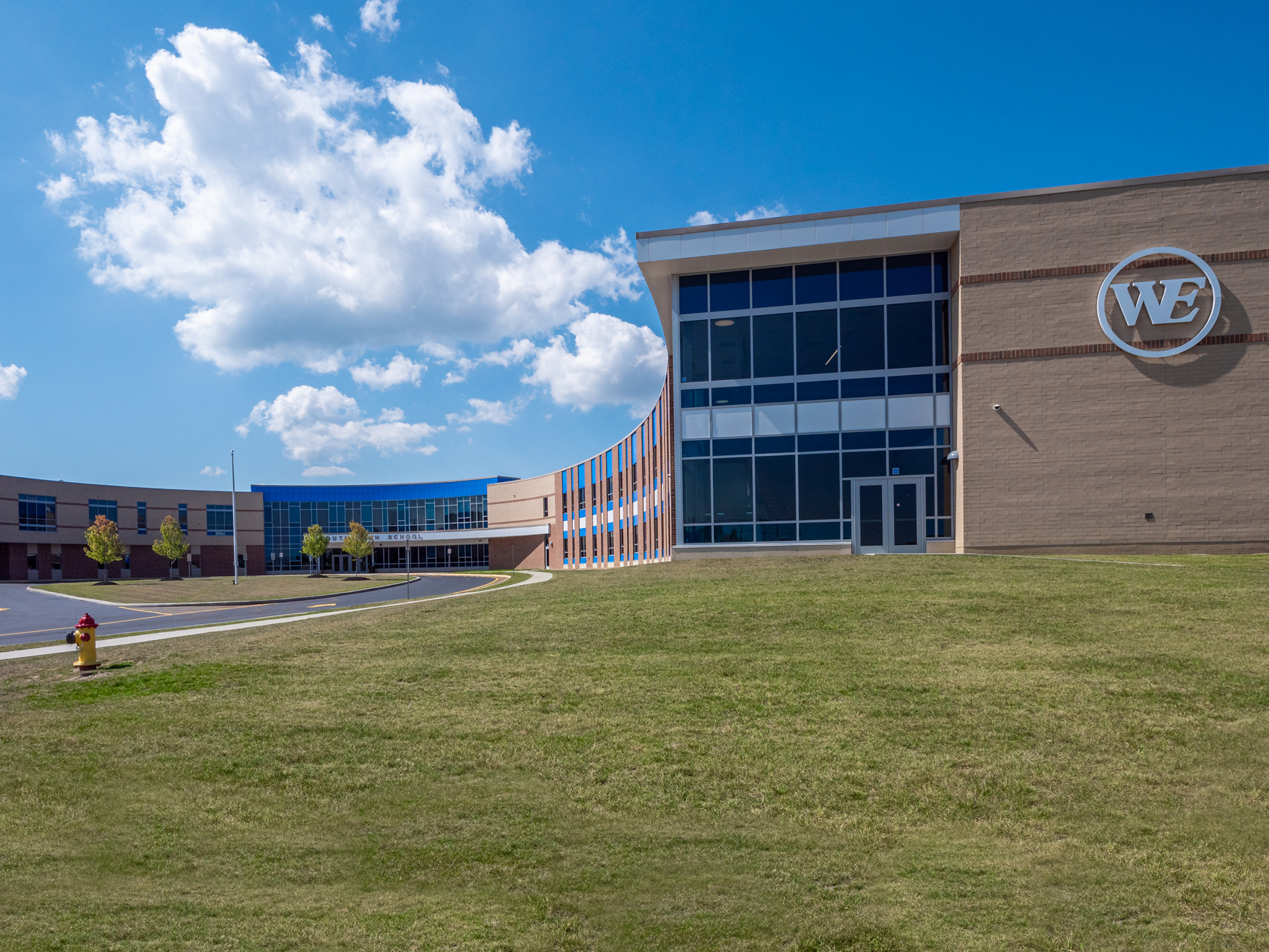
“Due to where the football field was and where the Field House needed to be, we found that the best place to put the new high school was at the back of the old one,” Jeff continued, “but then we have the front door at the back of a building. We had to figure out a way to signal, ‘Hey, I’m back here.’ The answer was found with curves.

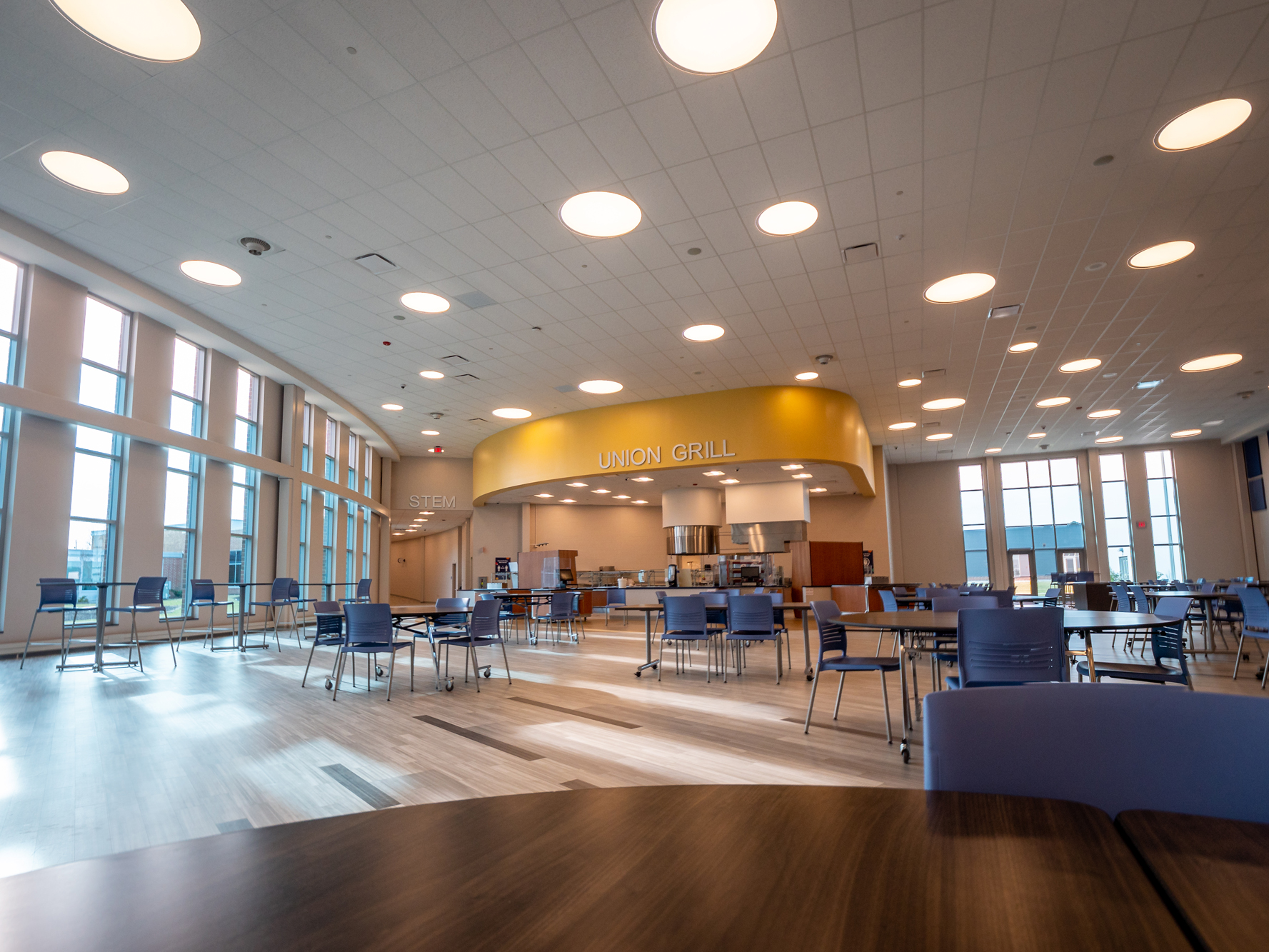
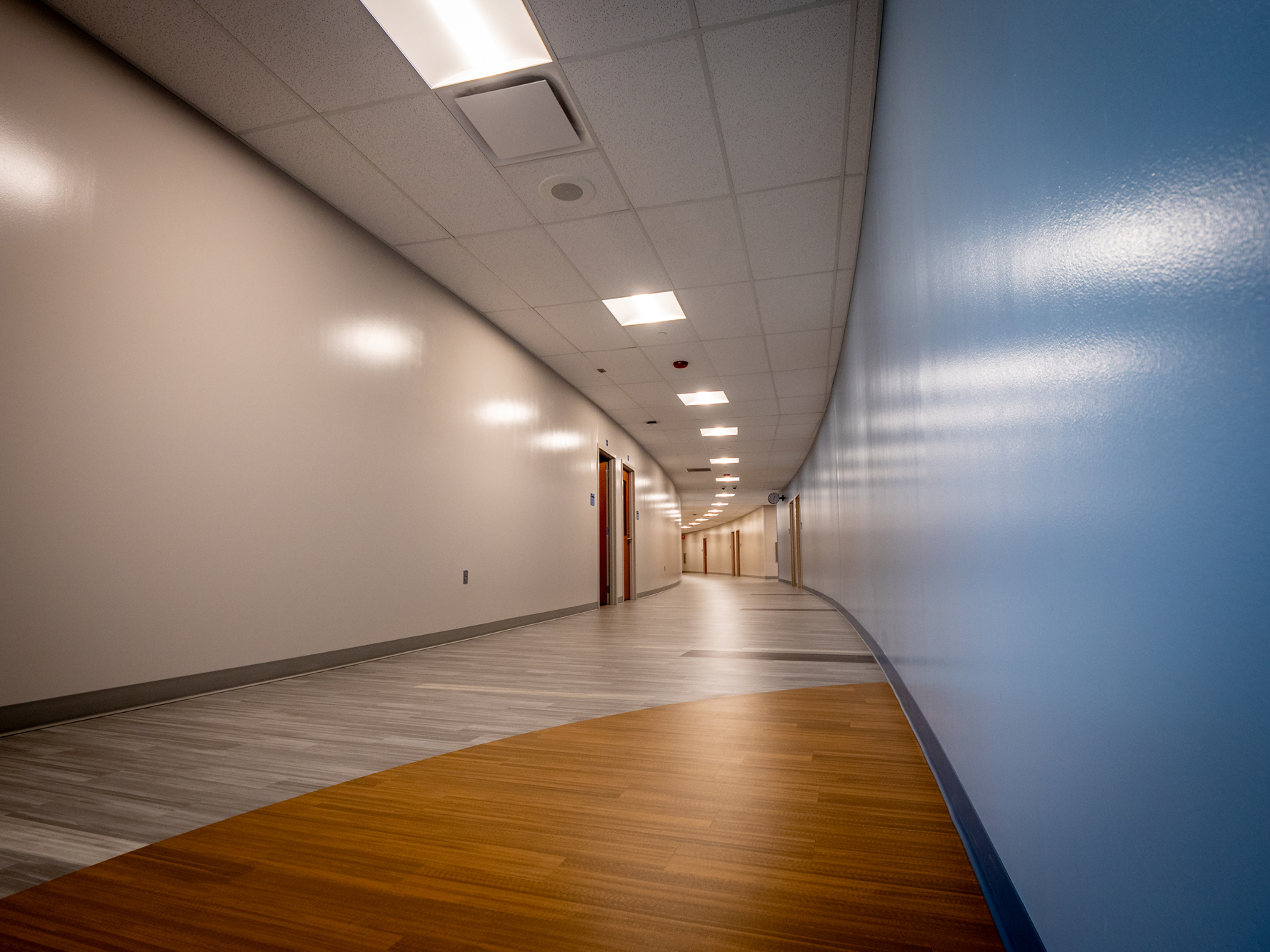
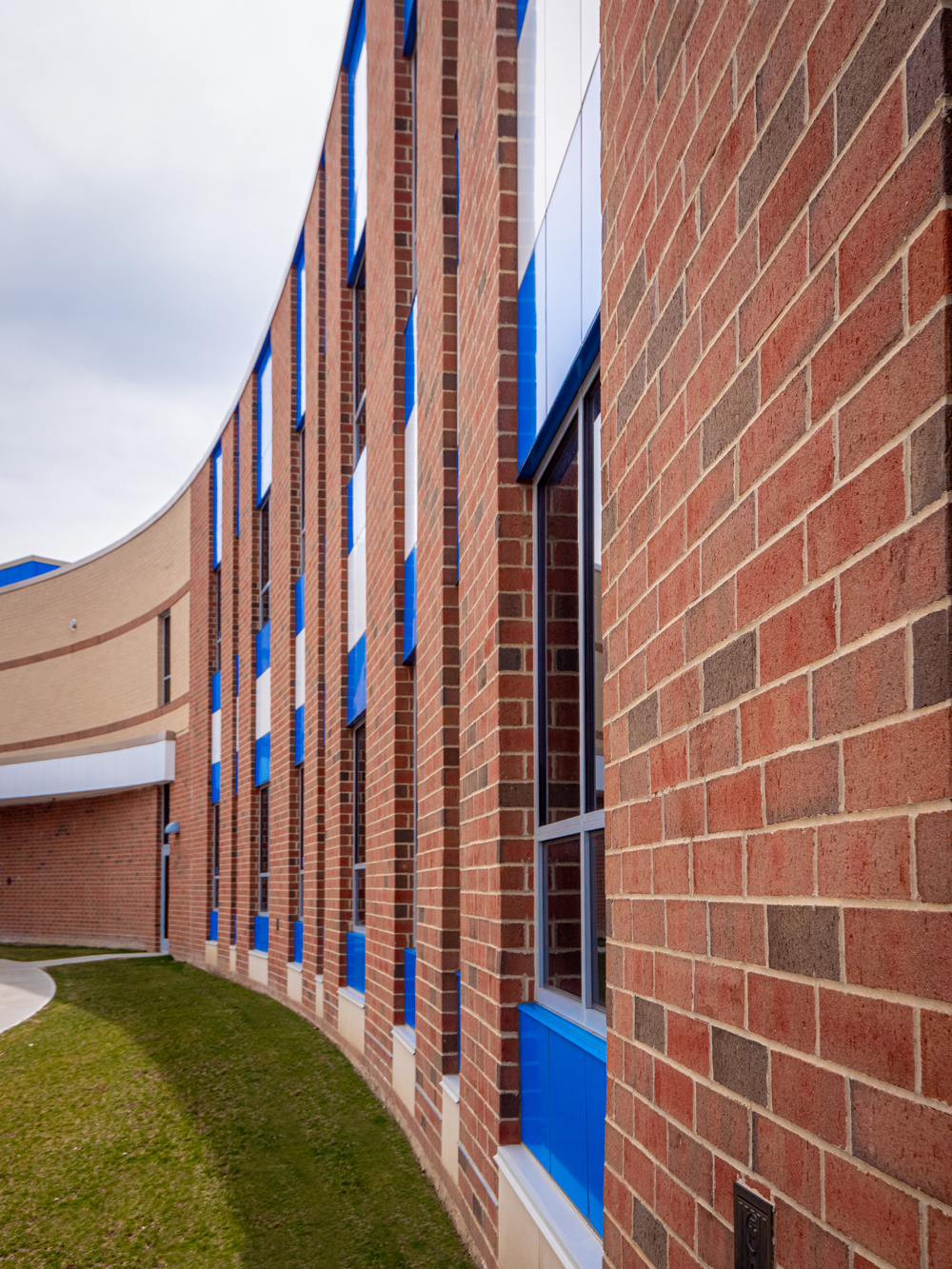
“Educational design is no longer about a series of industrial rectangles. The school has curved hallways, curved walls, and other curved spaces. This smooth flow encourages motion. So, for the exterior, we generated geometries that would lead people by peeking around curves that would guide them to the high school entrance. They needed to know, ‘I’m in the right place,’ and we accomplished that.”

Willoughby South High School at Union Village

Bricks Become the Mortar

Jeff explained the unification problem, “The YMCA felt more high-tech with metal siding. The Senior Center wanted to feel comfortable, like a home. Then, you had an education design for the high school. The way to maintain their identities, but still communicate they’re linked together was by using materials.” 

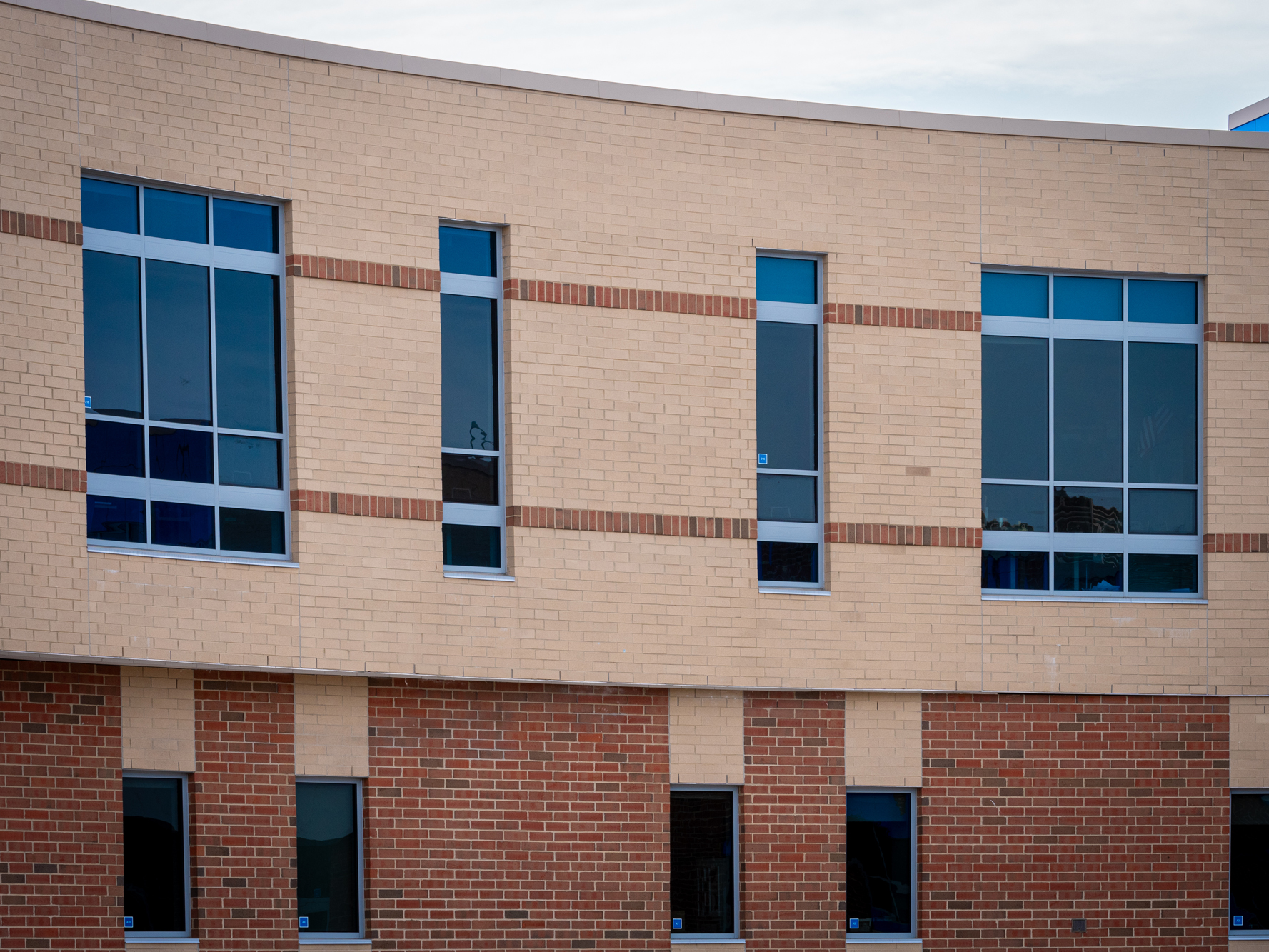
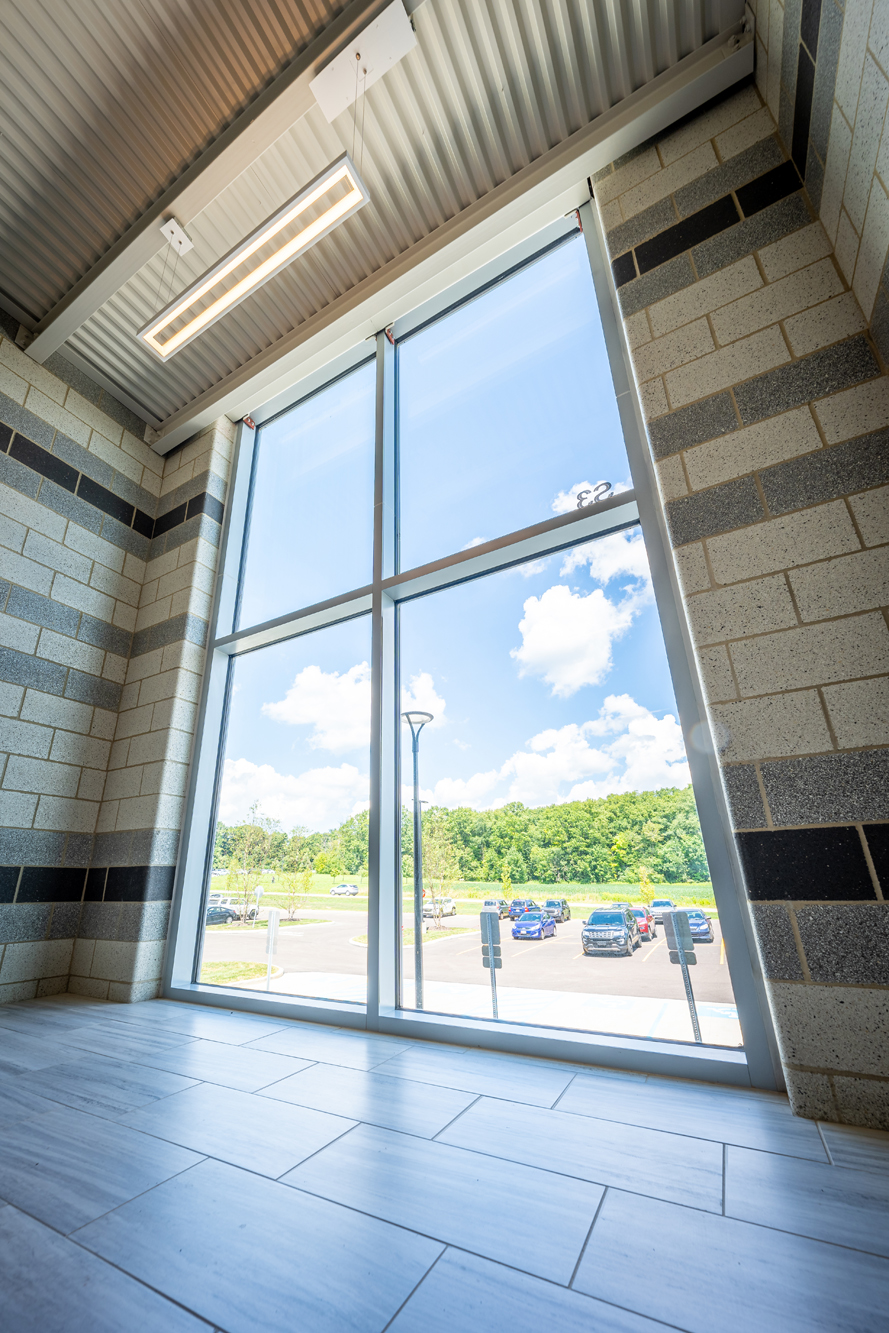
Jeff noted that a common, unifying element across the building exterior was the use of bricks. “They shared a roof, but by adding the same brick layout along the base of the Senior Center, YMCA, and high school, we created a material commonality that pulled the different spaces together. Each organization was not only physically joined, but now visually joined.”

Union Village Unified with Bricks

Benefits Beyond Being a Building

Robert Fiala, the founding partner of ThenDesign Architecture and current Mayor of Willoughby, Ohio, was heavily involved in the planning process. He reflected on the intangible benefits of such a facility, “Beyond the unusual collaboration of a public school district, a faith-based non-profit, and the city, the Union Village project offered a unique cross-generational opportunity. Adjacent to a daycare center and both schools, it became a place where seniors, students, and children could interact with each other. The kids benefit from the wisdom and experience of the seniors, and the seniors have companionship and a chance to share their lifelong stories.

“Three very different entities with different goals, different types of funding, and different aesthetic requirements coming together in the same space doesn’t happen every day. But we did it.”
Jeff Henderson, RA
ThenDesign Architecture

A New Name for a New Era

To honor the previous occupant of the space, Union High School, and acknowledge that three different organizations came together to create what is akin to being a village, the building was given the new name “Union Village.” 

The Union Village Ribbon Cutting Ceremony took place on August 10, 2019. The project was completed a month later. 

Jeff noted how rewarding it was to participate in such an undertaking. “Considering the complexities involved, I think we were successful. We achieved all the goals our clients had and that we had. It was neat to watch people using the spaces as we intended.” 

Robert noted that the measure of accomplishment is how visitors receive it. “Our joint-use project has been applauded by many,” he said. “Other cities and school districts visit the building, talk with our administrators, and see function and that the collaborations succeeded.” 

Union Village continues to provide services for thousands in the Willoughby area each year. 

“We hope it will be viewed as an example of how collaboration can save money, enhance programming, and provide a significant community benefit.”
Robert Fiala, AIA, NCARB, APA
Mayor of Willoughby
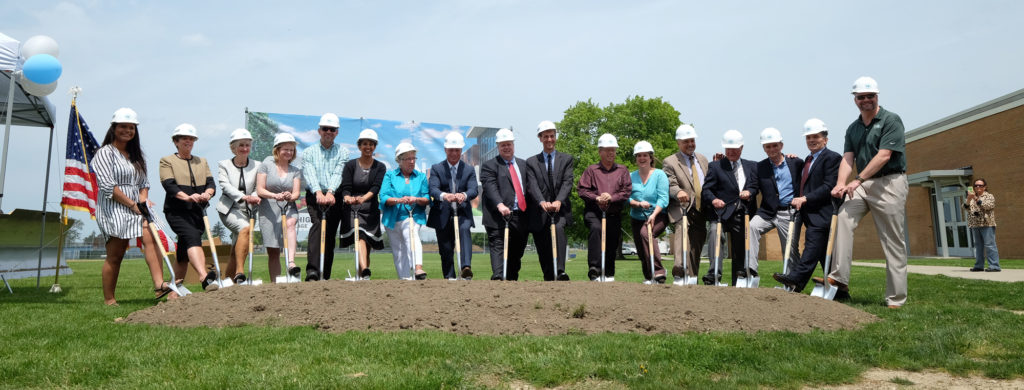
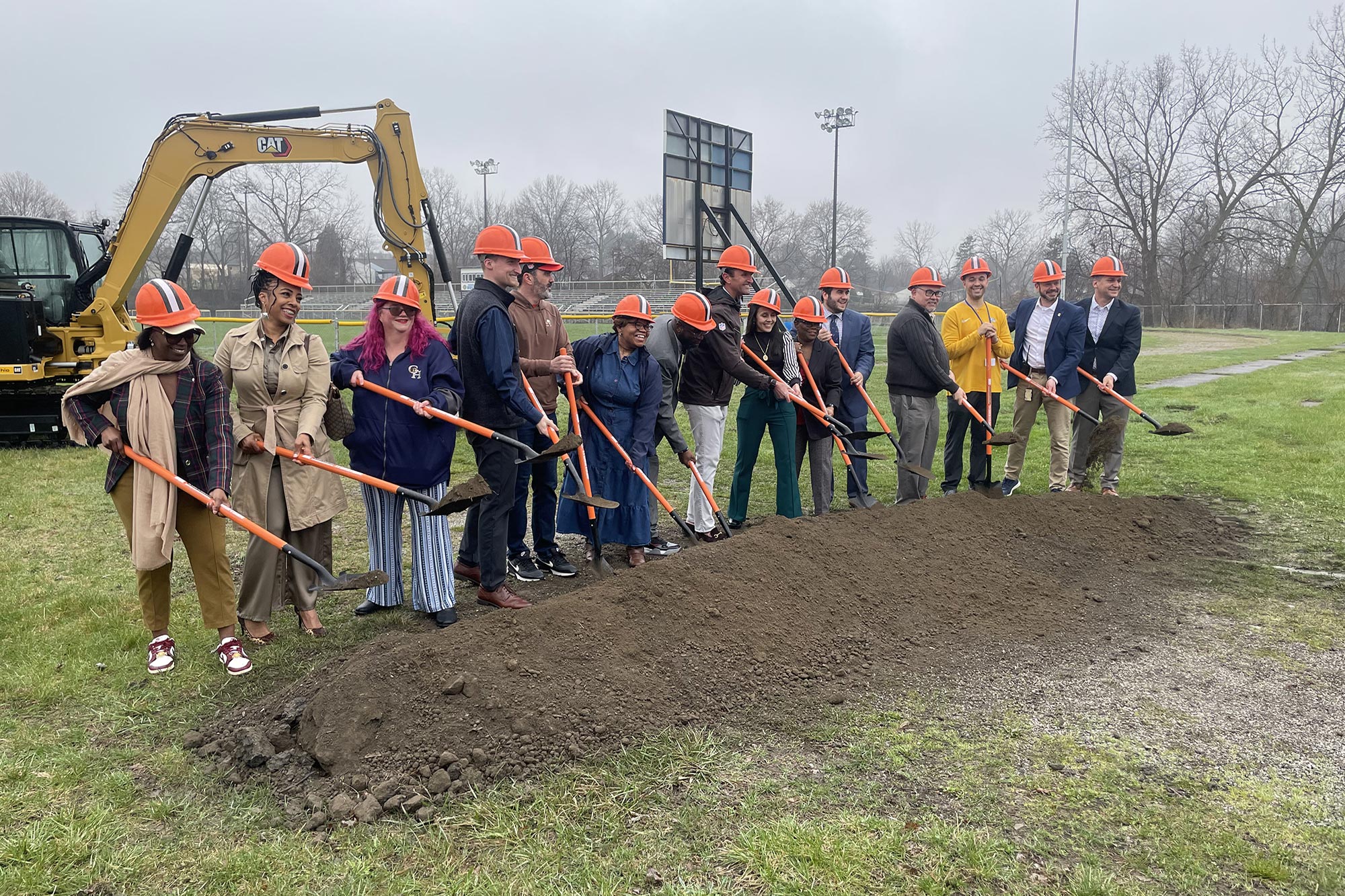
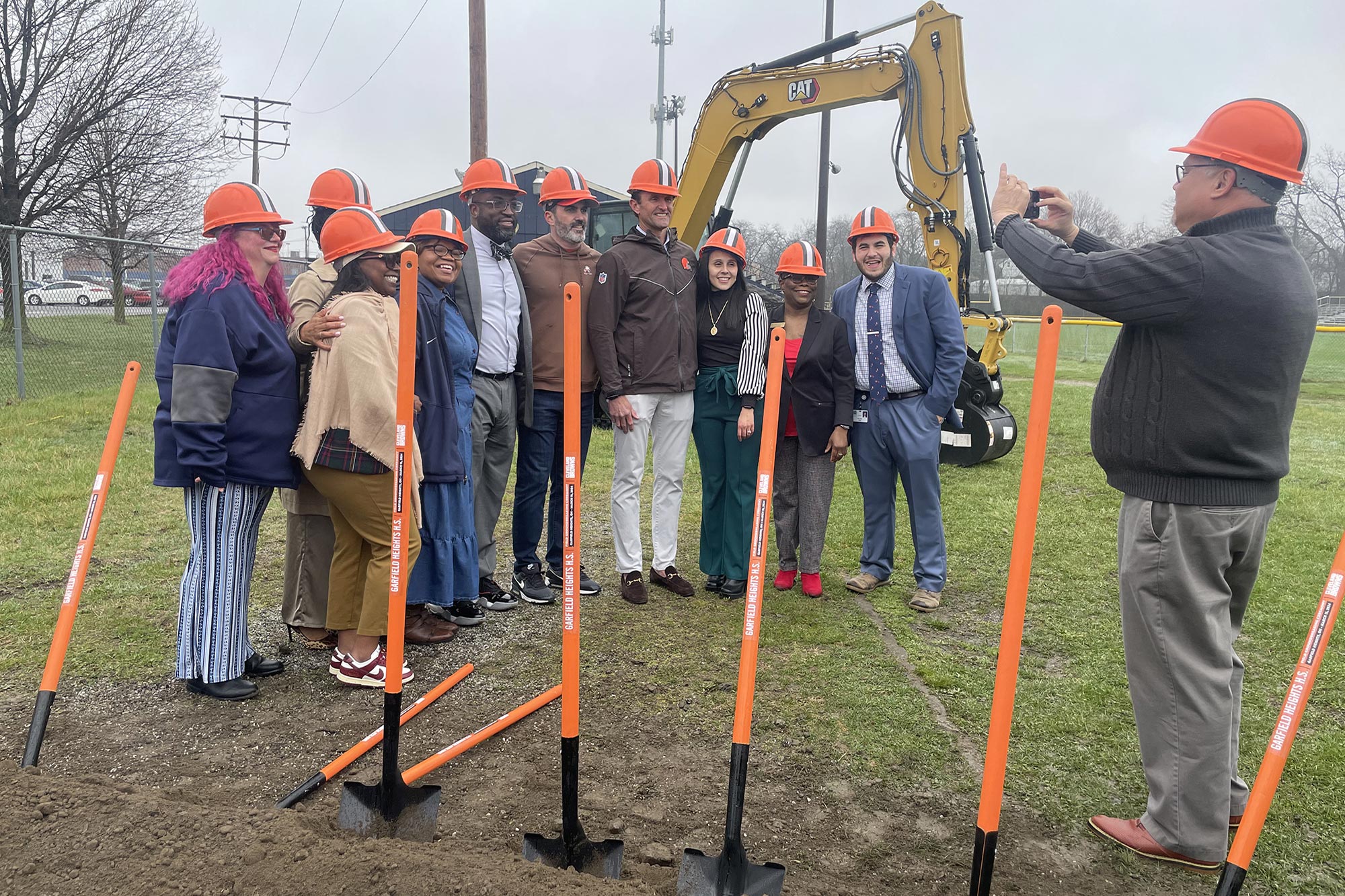
Union Village Groundbreaking Ceremony
New Geauga County Office Building To Serve The Community For Decades

New Geauga County Office Building To Serve The Community For Decades
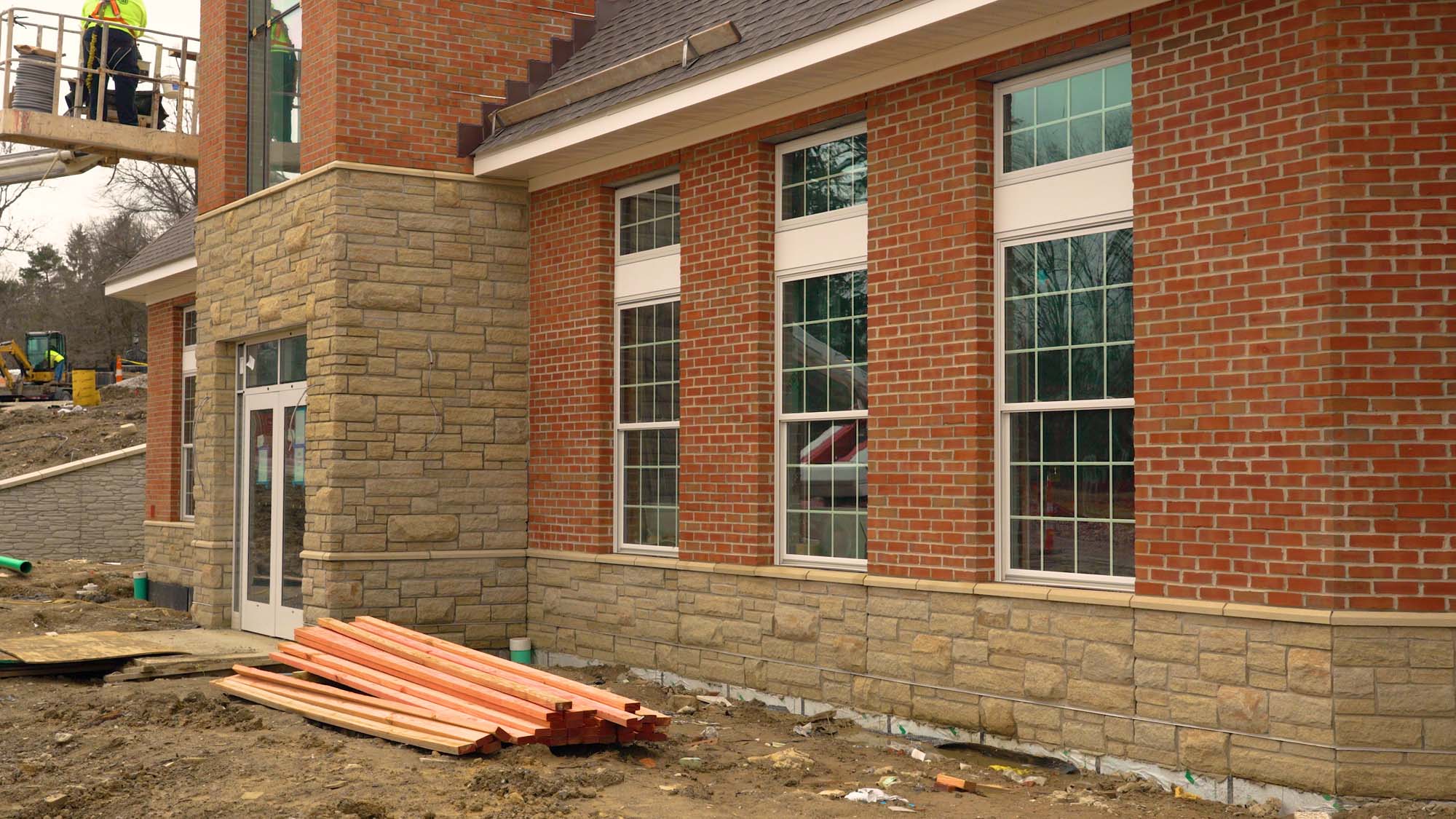
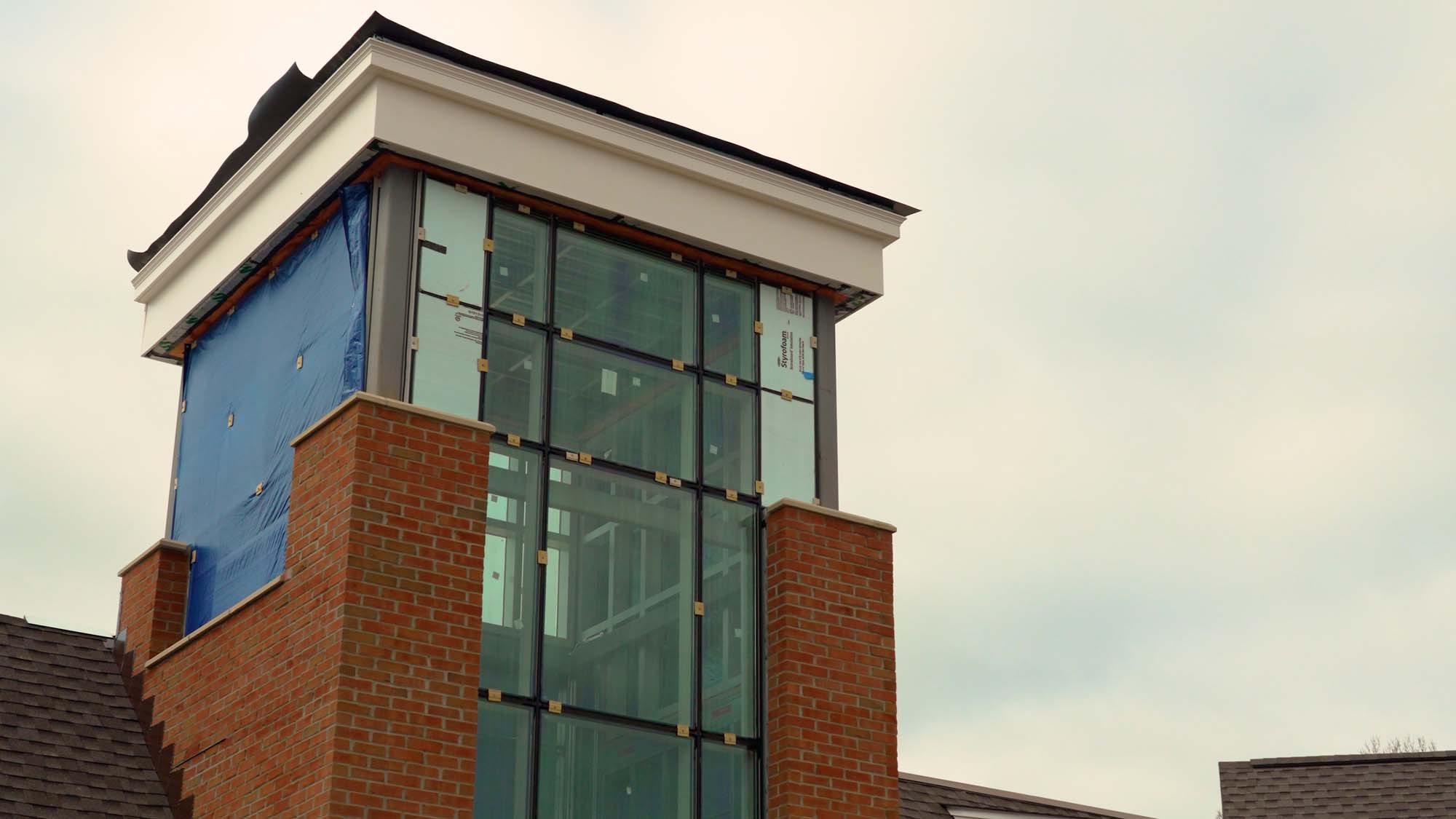
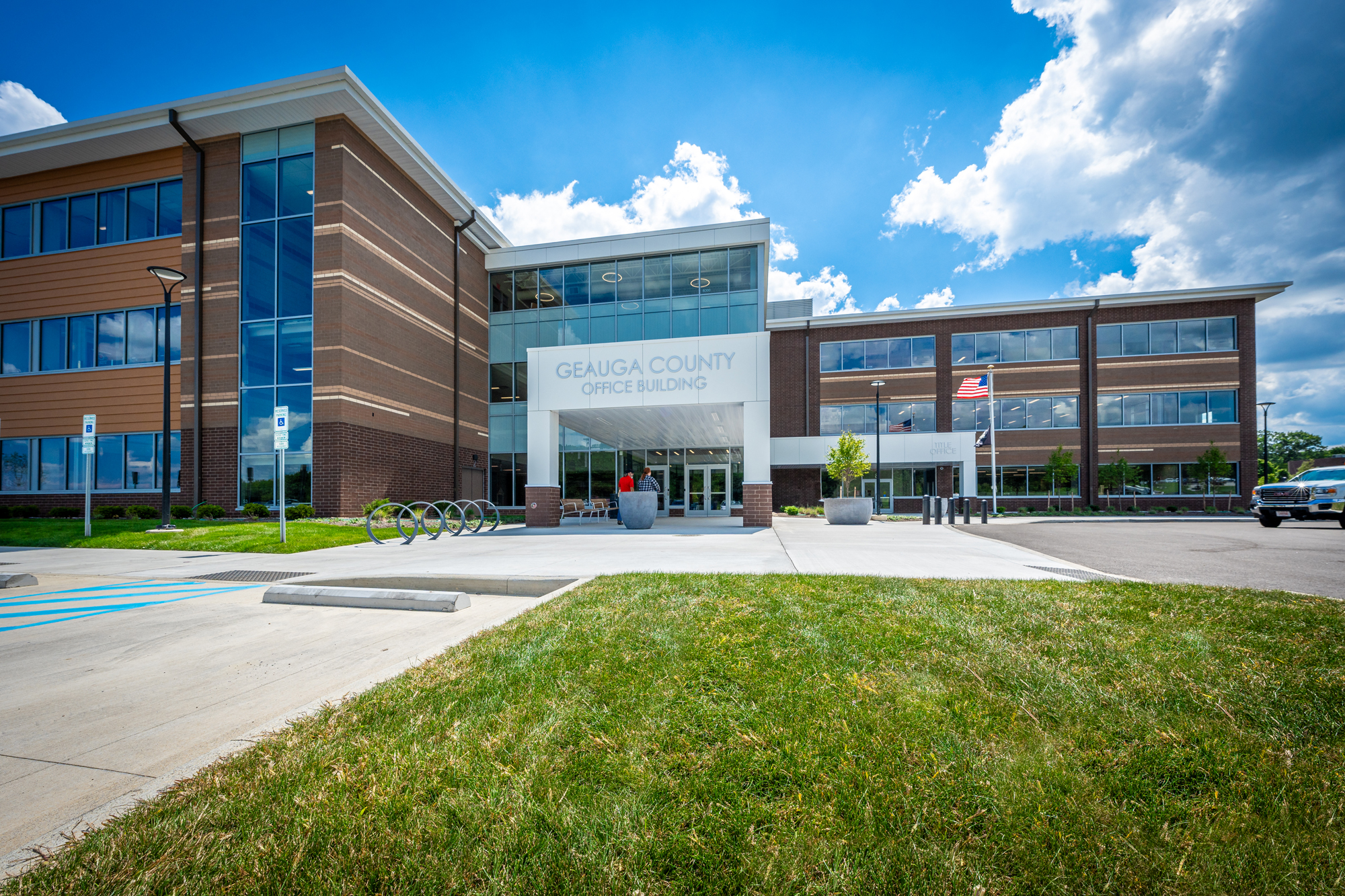
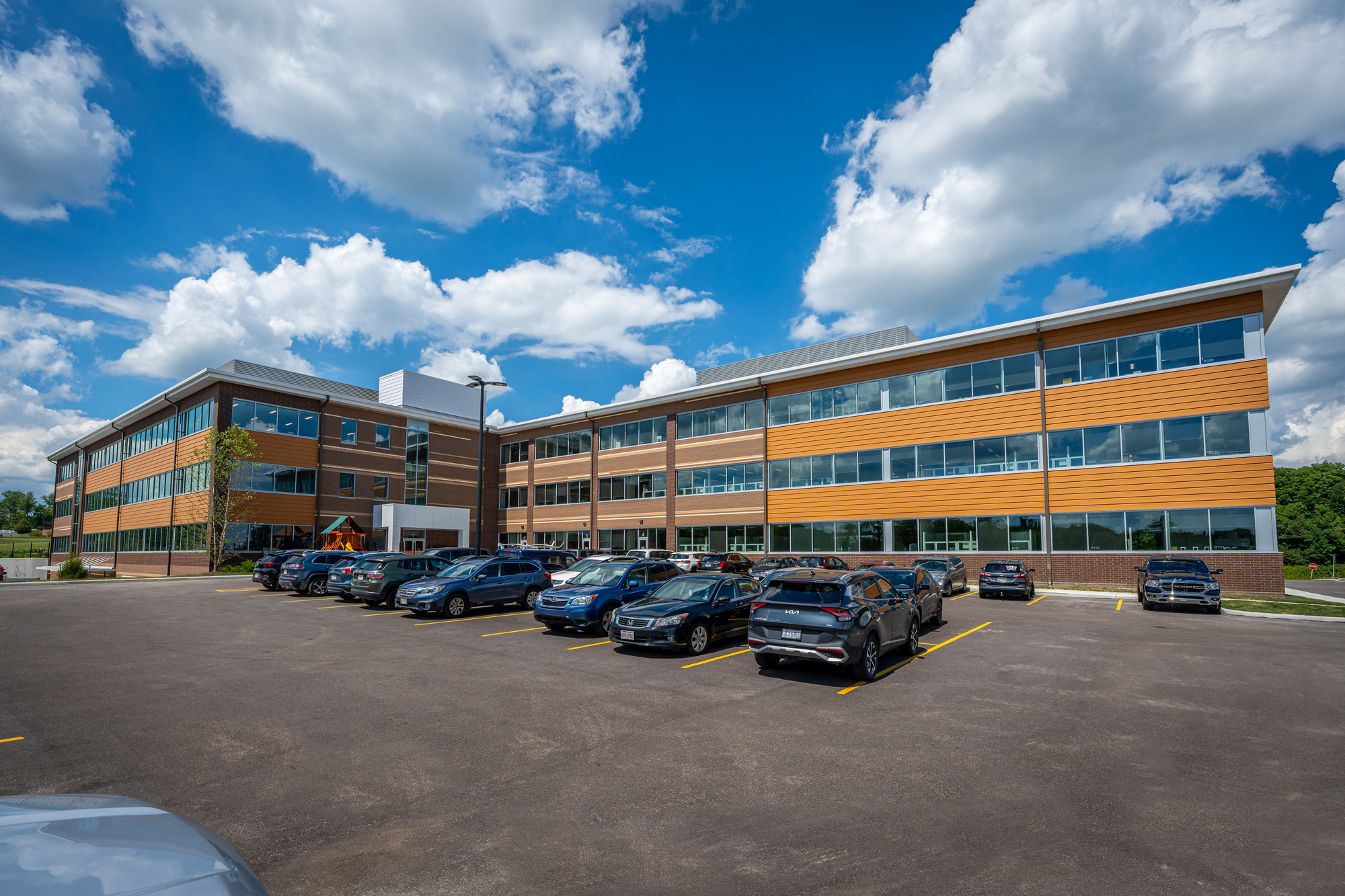
The 115,700 SF facility in the geographic center of rural Geauga County consolidated fifteen departments to provide a streamlined experience for residents seeking assistance from various county services. It was designed to blend with Geauga County’s natural surroundings and beauty.

A Product of Wise and Thoughtful Planning

The new Geauga County Office Building is a 115,700 SF facility in the geographic center of rural Geauga County that will serve the community for decades. Designed to house the Board of Commissioner’s offices and consolidate county services into one building, it blends the surrounding landscape with a functional, modern aesthetic while incorporating sustainable features in a timeless nod to Geauga County’s natural resources and beauty.

The three-and-a-half-story building has a partial ground floor in the rear. It is situated on the larger Claridon Township campus, near the sheriff’s office, the University Hospital site, the Geauga County Public Library, and the Geauga Board of Mental Health. The new campus provides valuable resources and brings additional jobs and revenue to the area. 

This project was conceived and budgeted years ago because of wise forethought and thoughtful planning by past and current Geauga County Commissioners. The land for the building was purchased in the 1970s, and the commissioners began saving money to support the new construction. Upholding this vision, the County kept an essential promise to residents that they would fund the project from a capital fund, not a new tax. 

New Geauga County Office Building to Serve the Community for Decades:

“Due to fiscally conservative leadership, past and present commissioners, and all of the elected officials and department heads, this building will serve the residents of Geauga County for many years to come.”
Timothy Lennon
Geauga County Commissioner

Planning and Design

ThenDesign Architecture (TDA) planned and programmed the county building with the commissioners and multiple department stakeholders, representing various aspects of Geauga County and the community they serve.

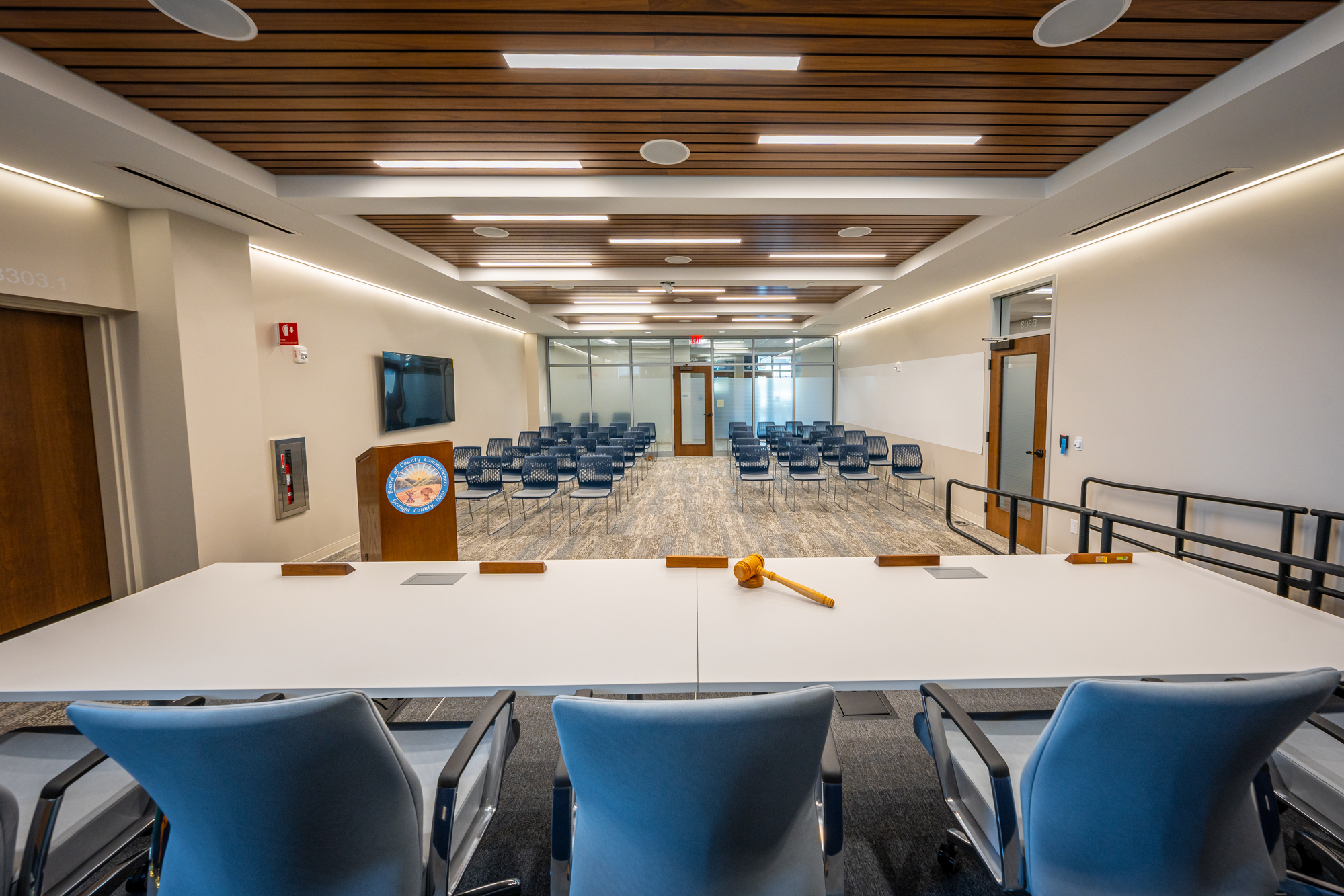
The new building houses offices for County Commissioners James W. Dvorak, Ralph Spidalieri, and Timothy C. Lennon. The space also includes offices of the Archives and Records Center, Auto Title Office, Board of Elections, Building Department, Community and Economic Development, Department on Aging, Health District, Job and Family Services, Ohio License Services, Planning Commission, Veteran Services, Water Resources, and more.

After many programming and design meetings, the architects archived a timeless aesthetic that responded to the forests surrounding the site. This way, the spaces would reflect the natural beauty of the county and mimic the color scheme of the nearby Geauga County Public Library Administrative Offices.

The New Geauga County Office Building Fly-Through Animation:

Community Benefits

“I can envision this area to be more than just a hospital and some county buildings,” commented Timothy Lennon, one of three Geauga county commissioners. “This can be a destination for residents of Geauga County and beyond, providing not only healthcare and county services but potentially business opportunities, as well.”

Residents are now better served by having a single facility that houses the many agencies that represent them, as opposed to needing to visit each one in their own building. Also, with these agencies under one roof, it is far easier for employees to collaborate.

The county commissioners placed high importance on keeping the community informed throughout the multi-year design and construction process of the new office building. Due to this, Geauga County created a website for community members and taxpayers to stay educated regarding project funding and status.

Ribbon Cutting Ceremony

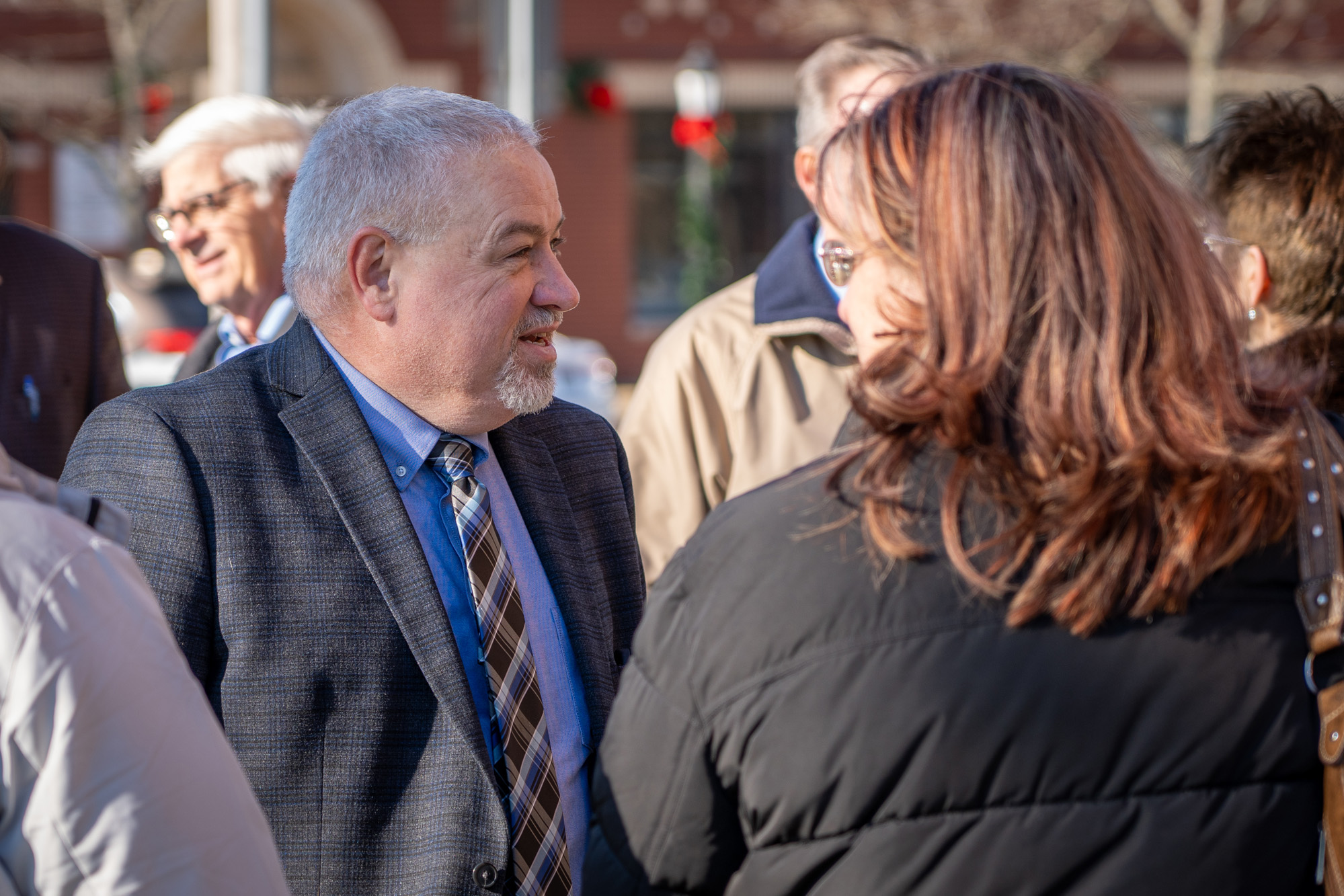
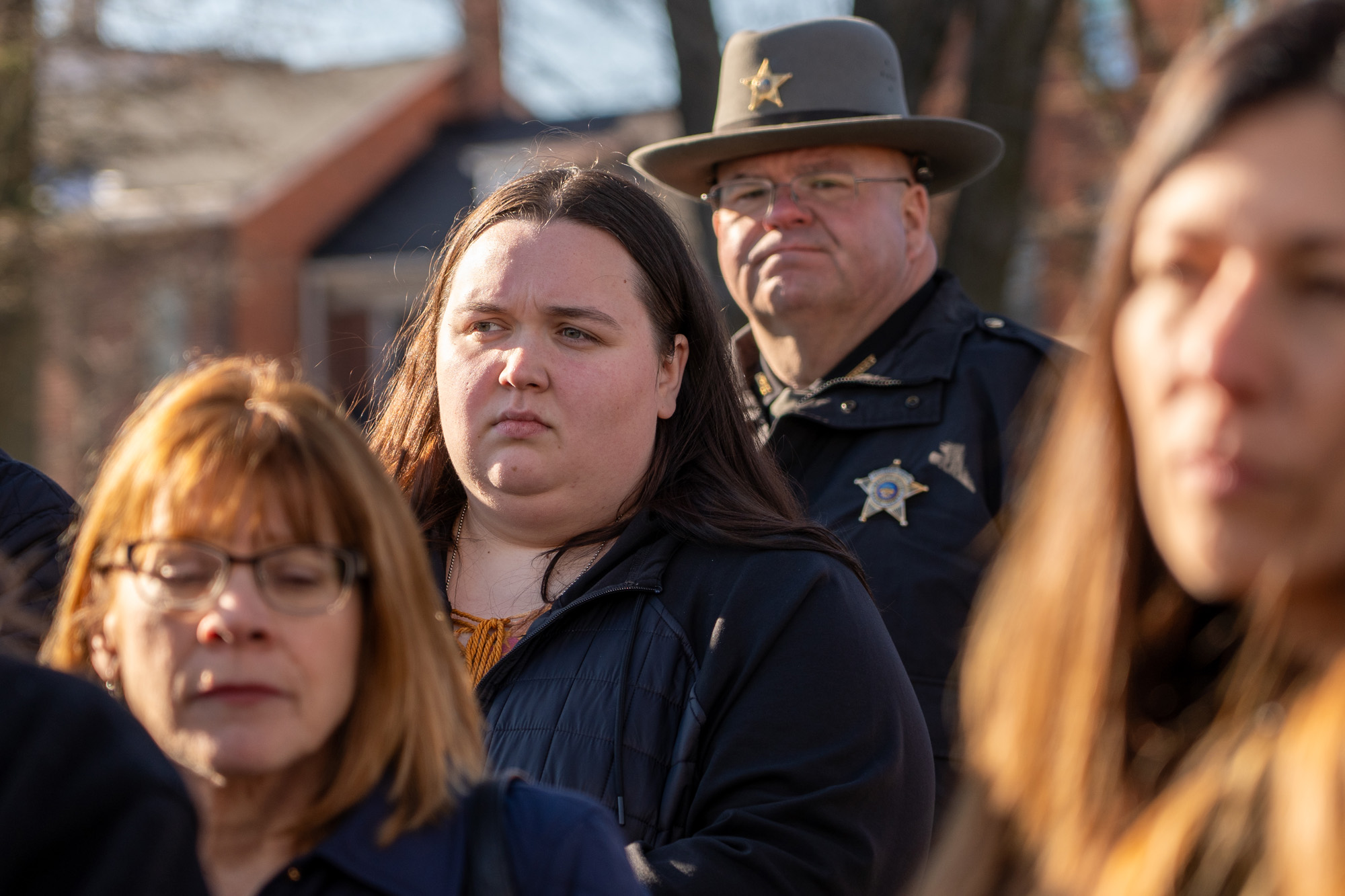
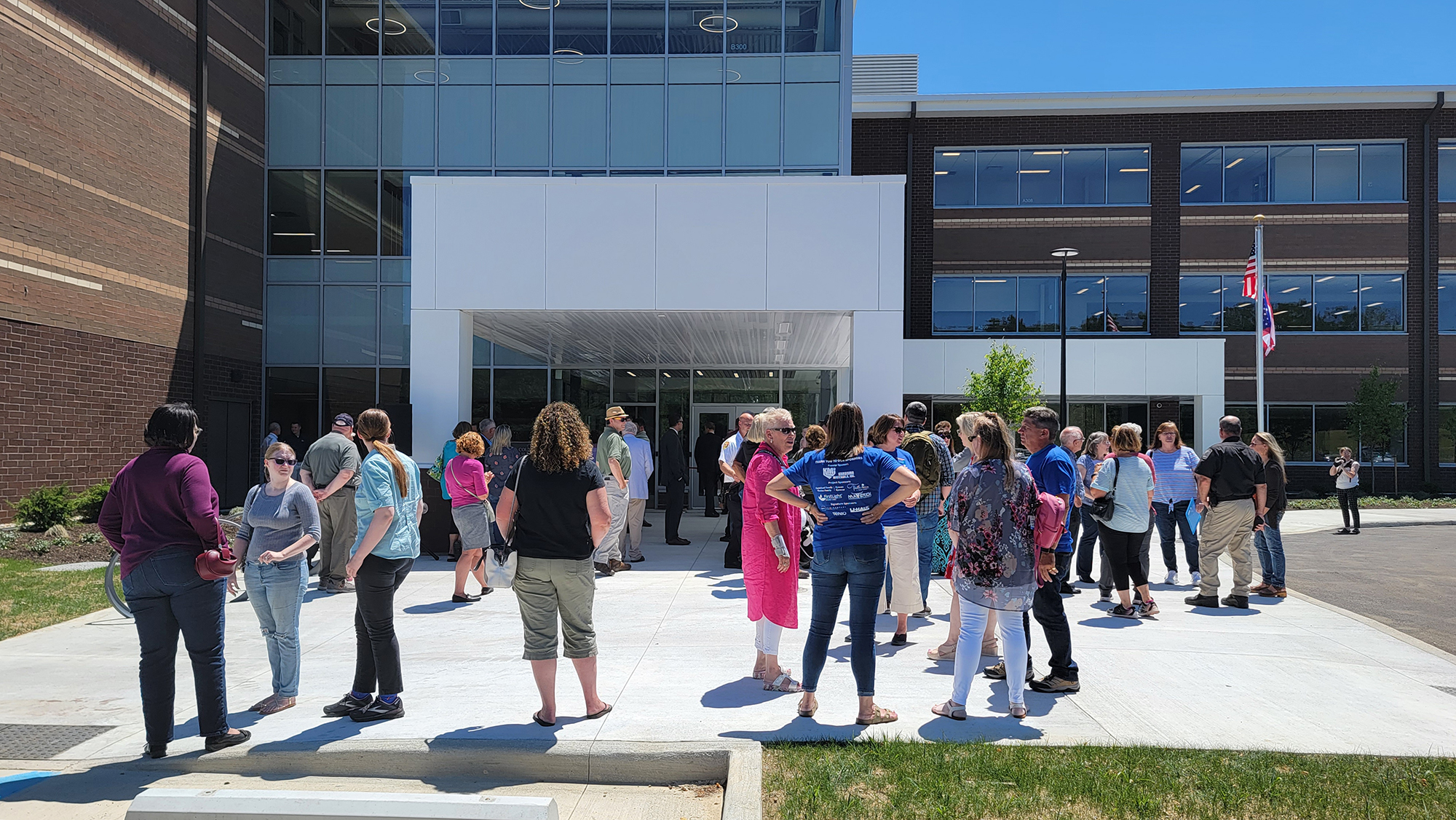
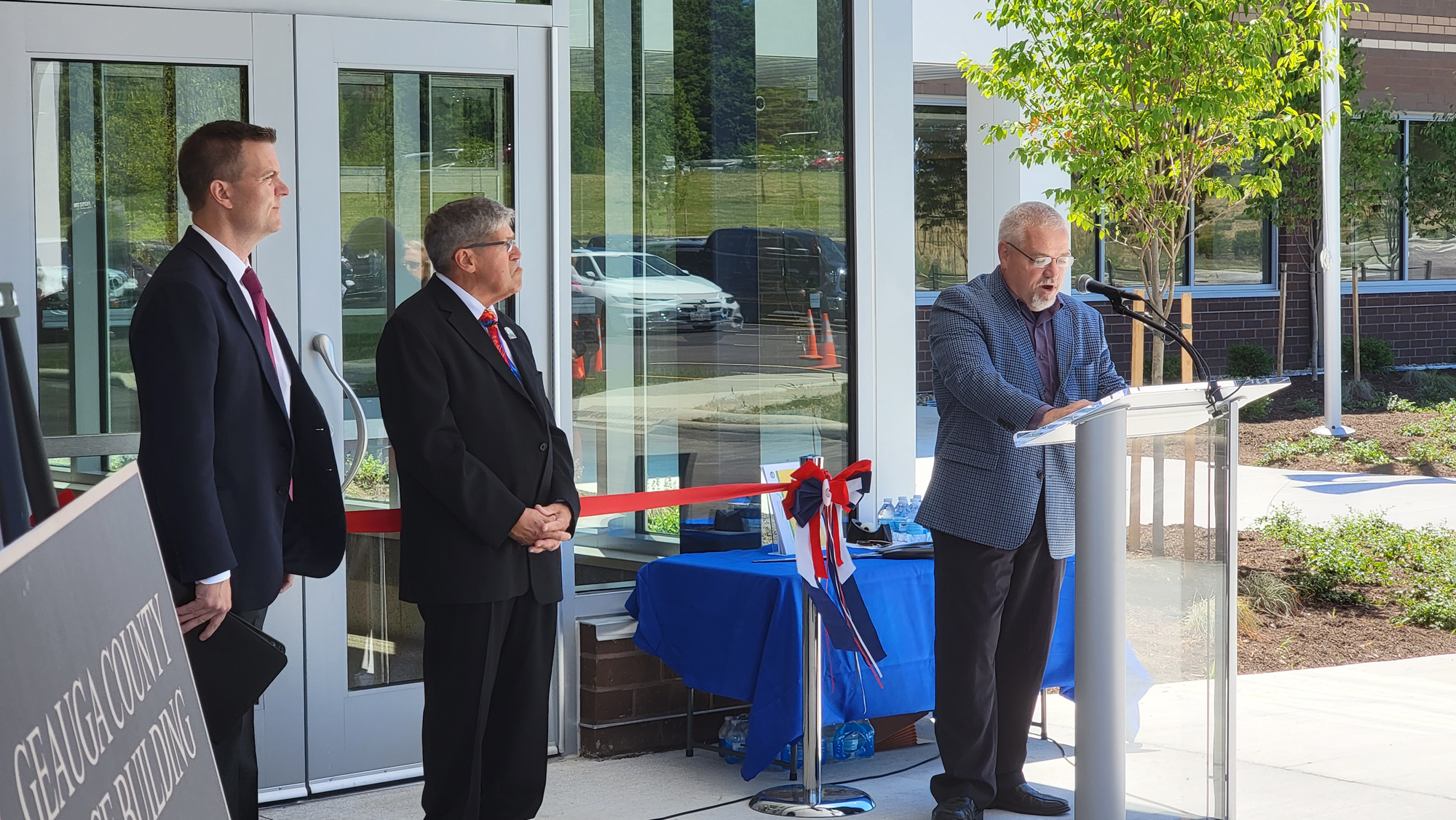
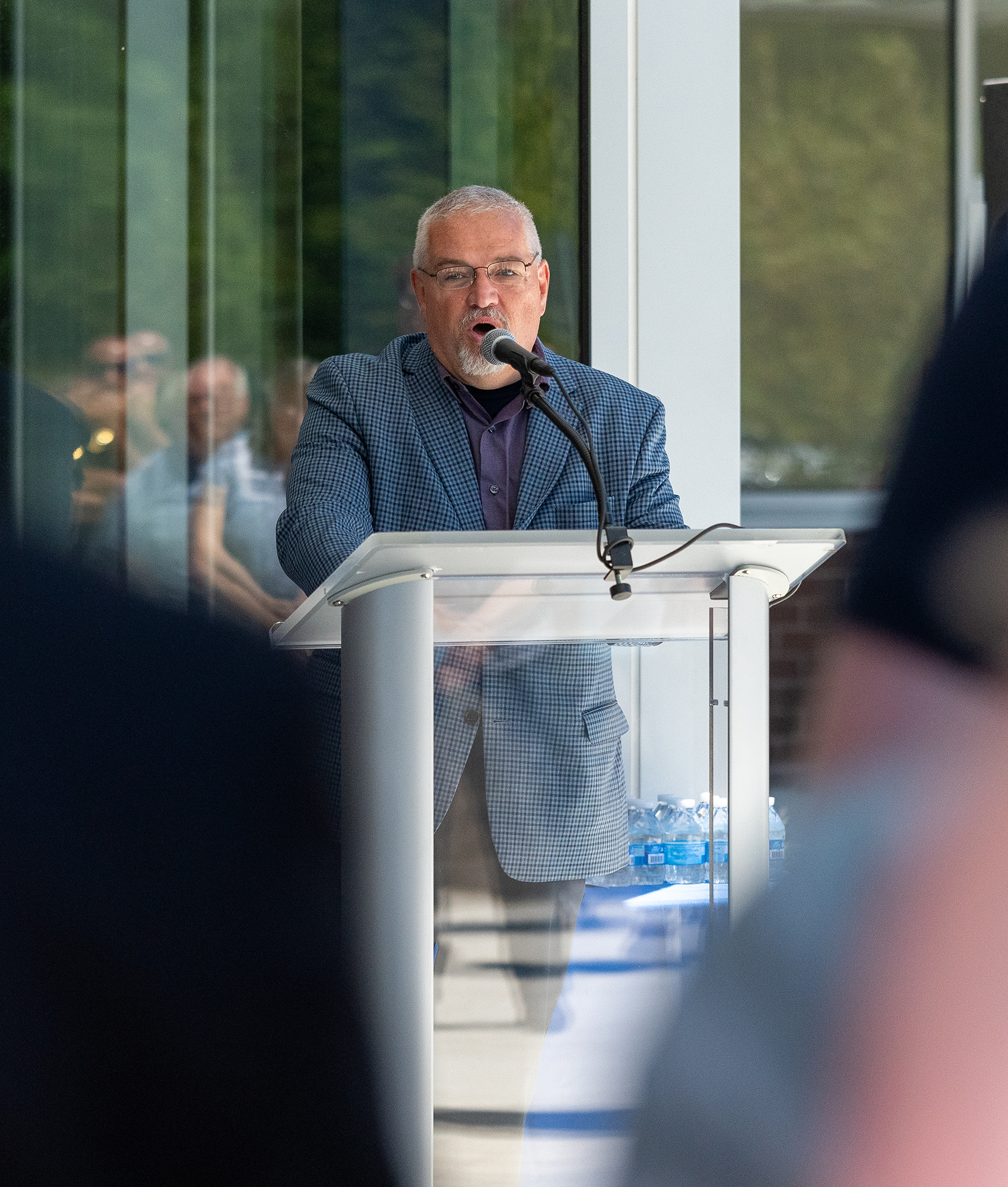
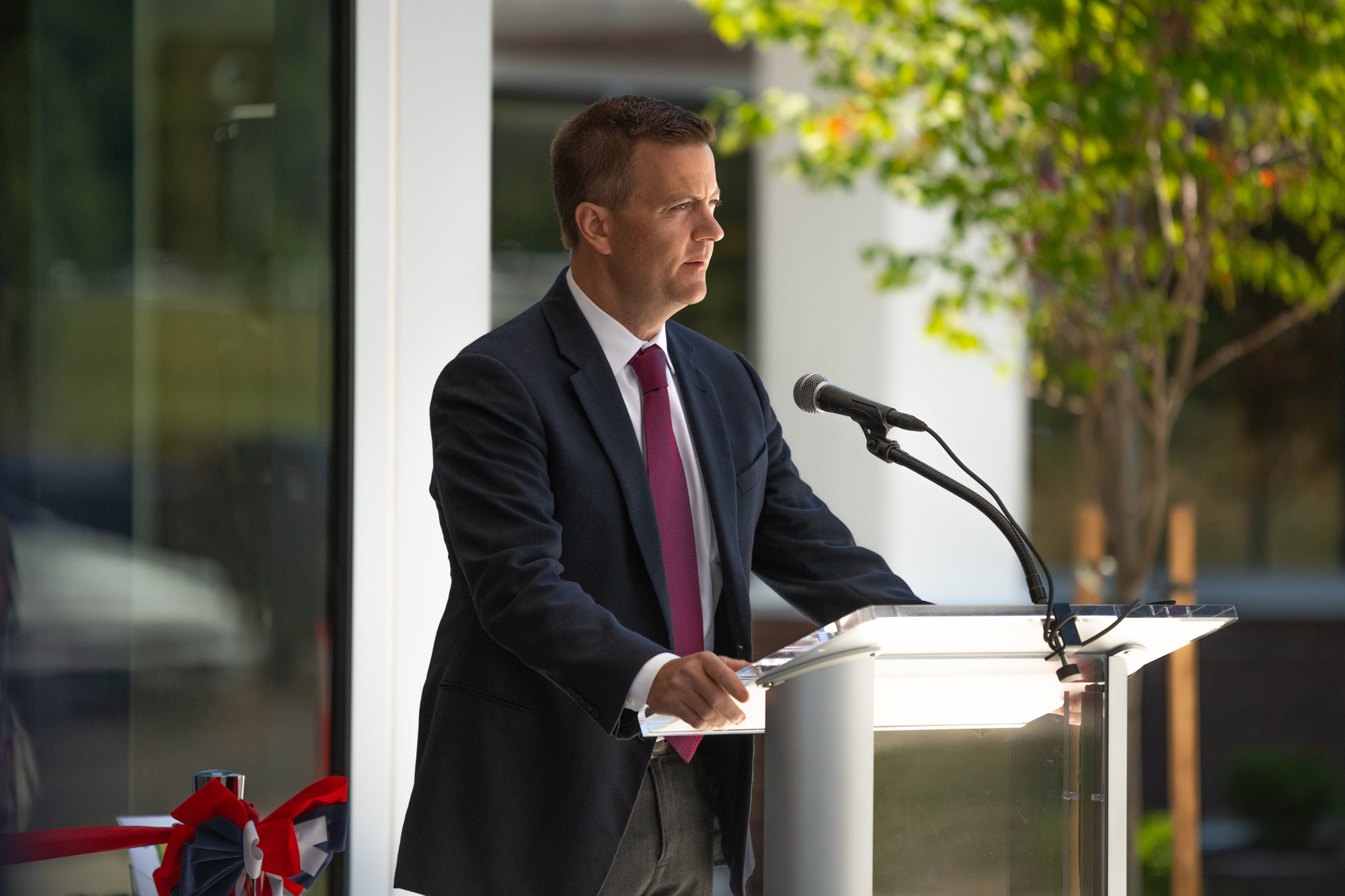
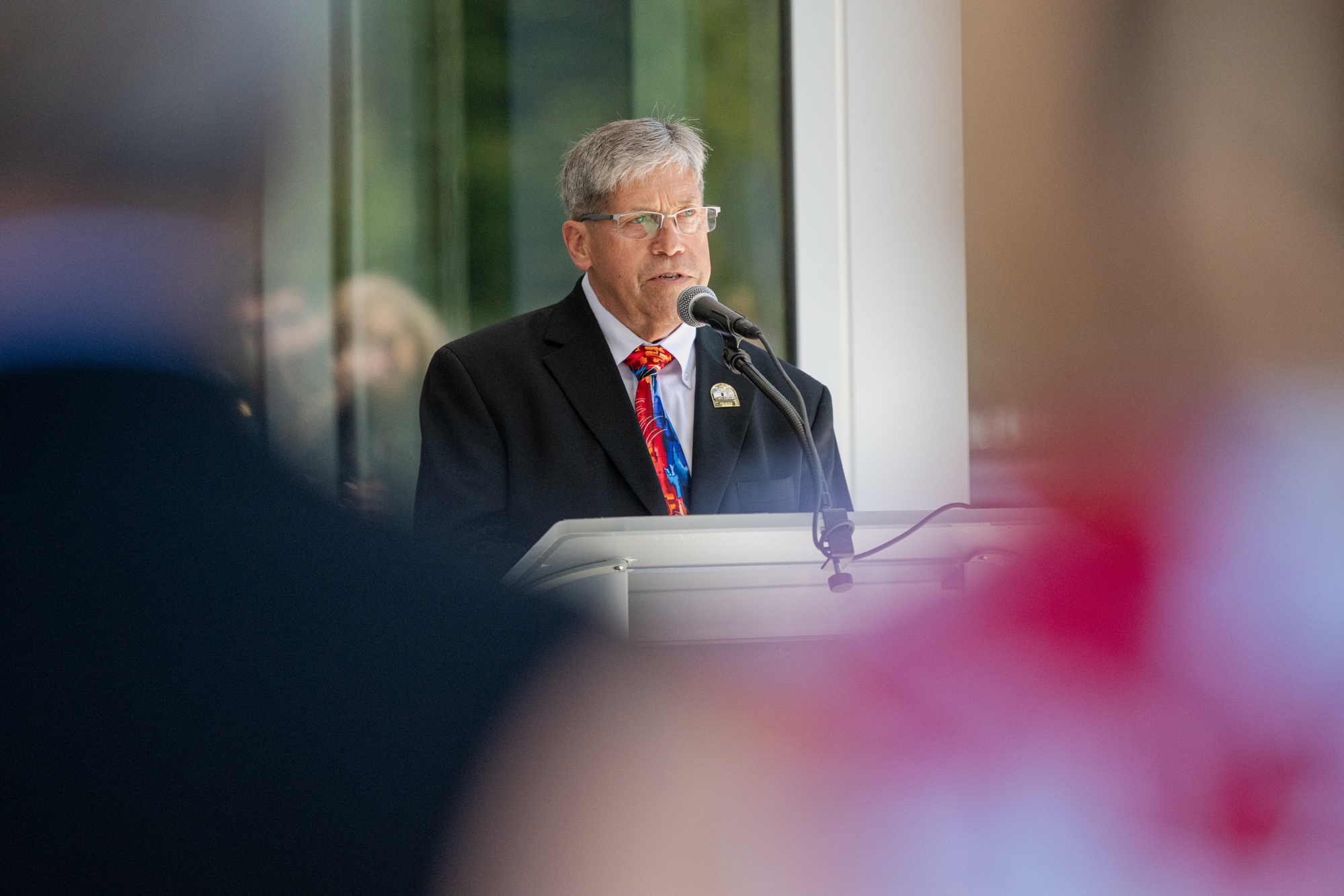
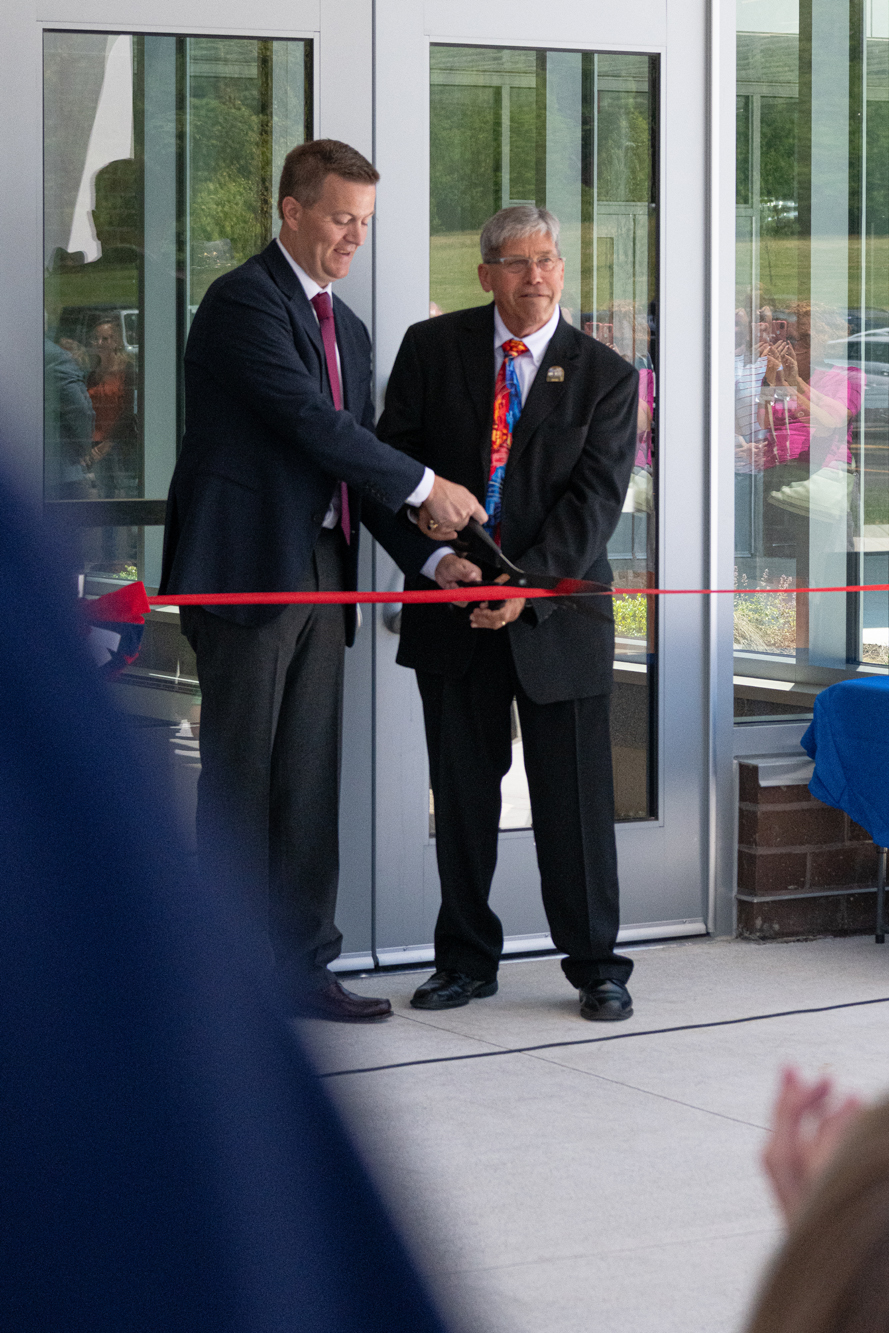
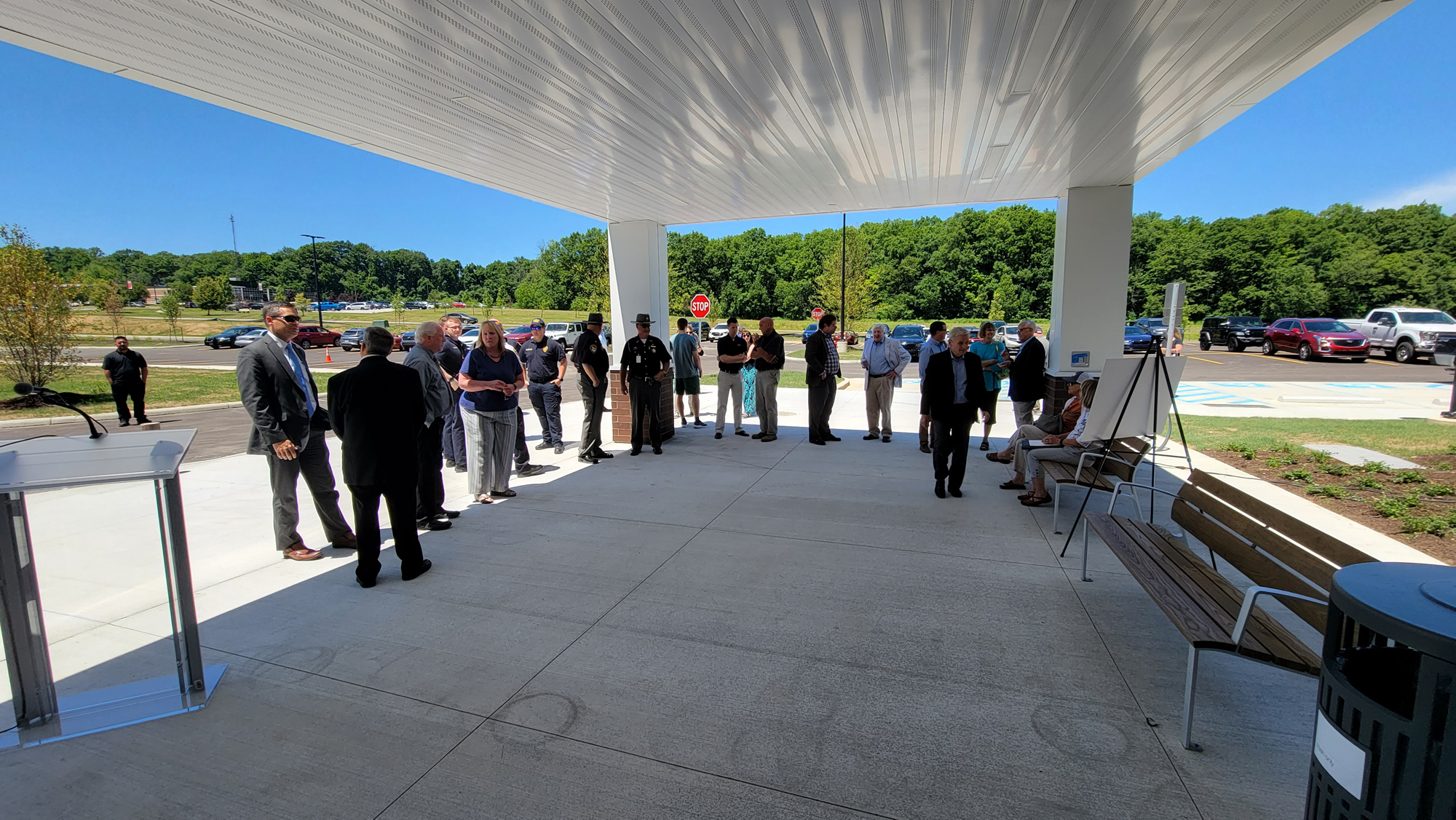
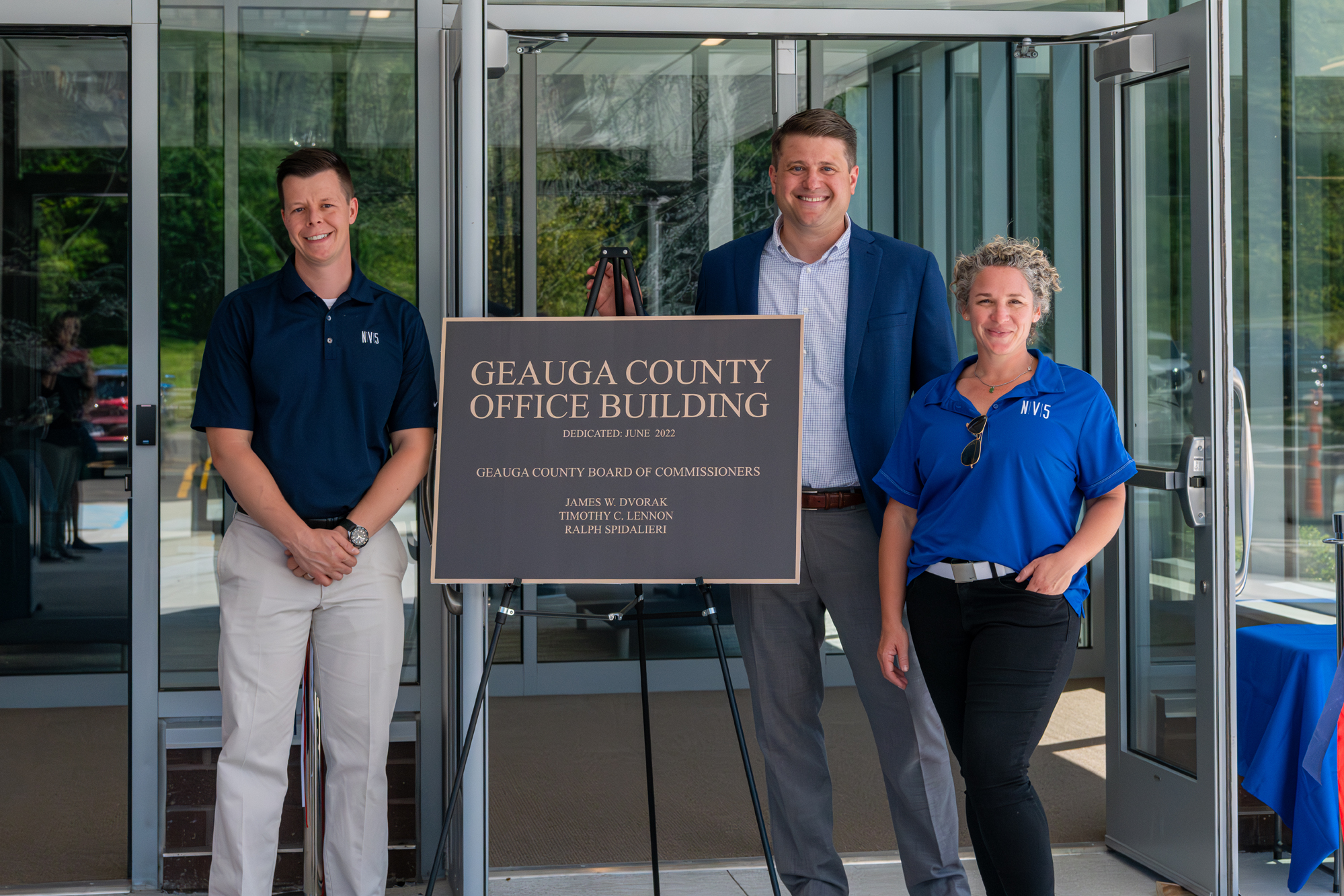
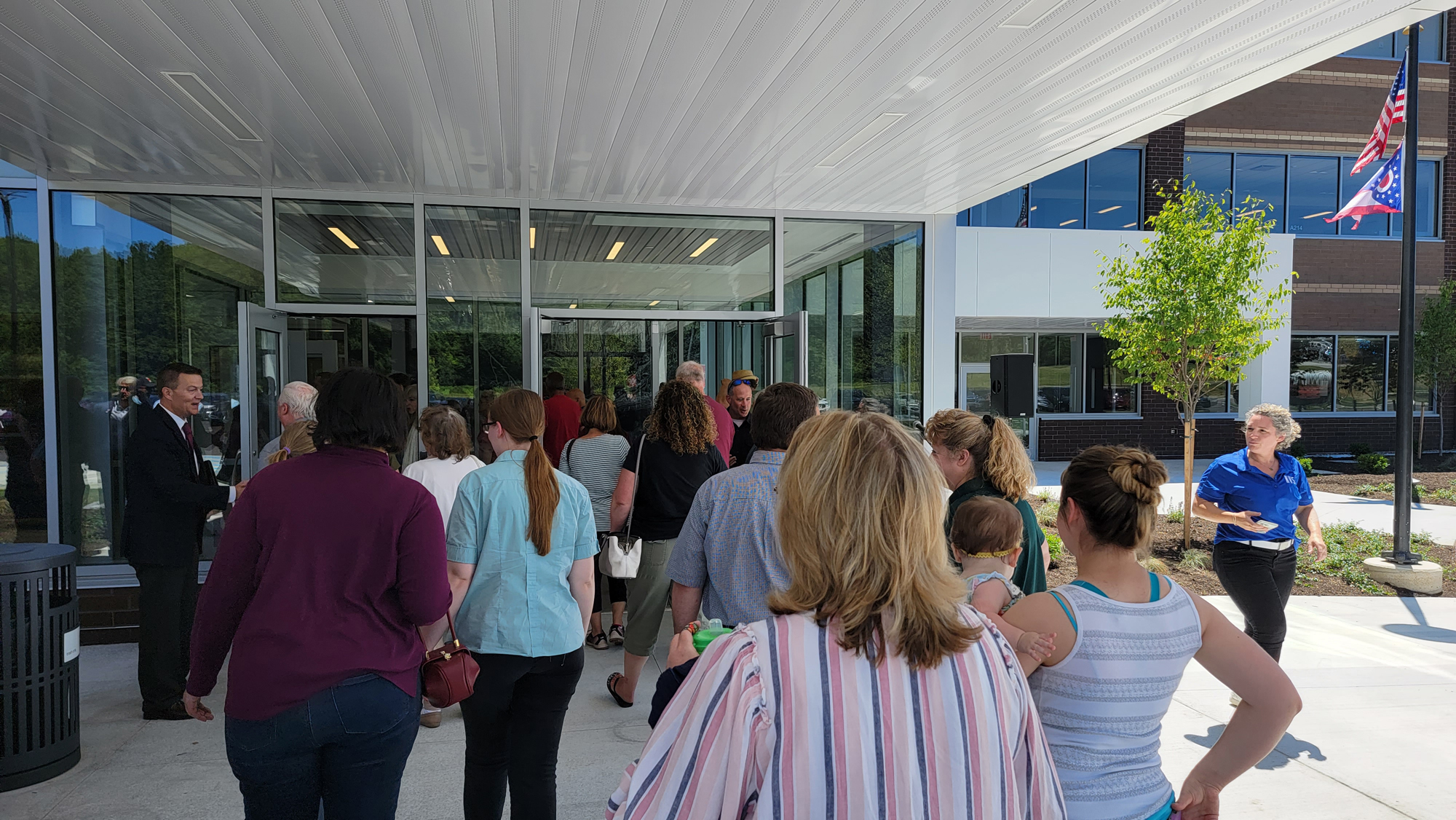
The Geauga County Office building officially opened its doors with a celebratory Ribbon Cutting Ceremony on June 24, 2022. County Administrator Gerry Morgan gave opening comments and introduced the two attending commissioners. Among those in the audience were representatives of ThenDesign Architecture, NV5, and Donley’s Independence Construction.

"This is truly a humbling and exciting moment to stand before all of you at this incredible facility today. To accomplish a project of this magnitude takes collaboration, foresight, input, and dedication from many stakeholders."
Timothy Lennon
Geauga County Commissioner

Watch the New Geauga County Office Building Ribbon Cutting Ceremony:

"The team that we put together: ThenDesign Architecture, NV5, and Donley’s Independence Construction, to me was a dream team because everything they did was spot-on."
James Dvorak
Geauga County Commissioner

Project Manager Brad Gellert commented, “The design team is thrilled to have been given the opportunity to bring to life the Commissioners’ vision of a new multi-department building with modern, flexible workspaces and an open, inviting environment that serves all Geauga residents.”

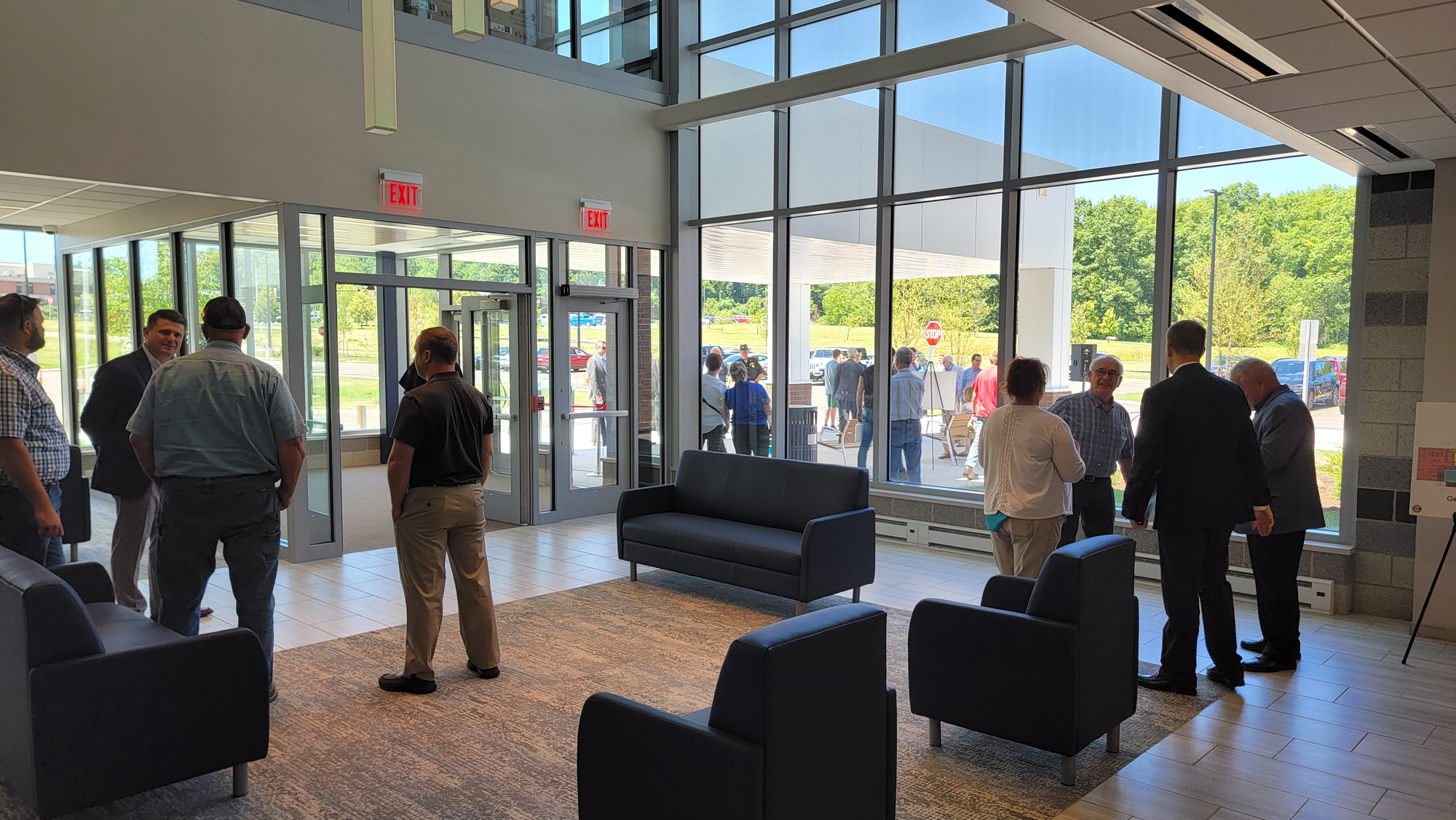
Photos of the Ribbon Cutting Ceremony on June 24, 2022:

Exterior Aesthetic and Sustainable Features

The exterior boldly exhibits an organic brick pattern, while wood grain metal siding is reminiscent of the neighboring woodland. These exterior design elements better integrate the building into the landscape and preserve the spirit and aesthetic of the valuable wetlands. 

One of the key features of the new office building is its energy efficiency. The building has been designed to be energy efficient and reduce operating costs. To optimize energy savings and reduce solar glare, the narrow building footprint is oriented north to south to conserve energy for heating and cooling while maximizing the amount of daylight that deeply penetrates the building.

Additionally, materials used on the exterior are easy to maintain. LED lighting and sophisticated temperature control systems throughout the building lead to additional cost savings. 

Interior Design Elements

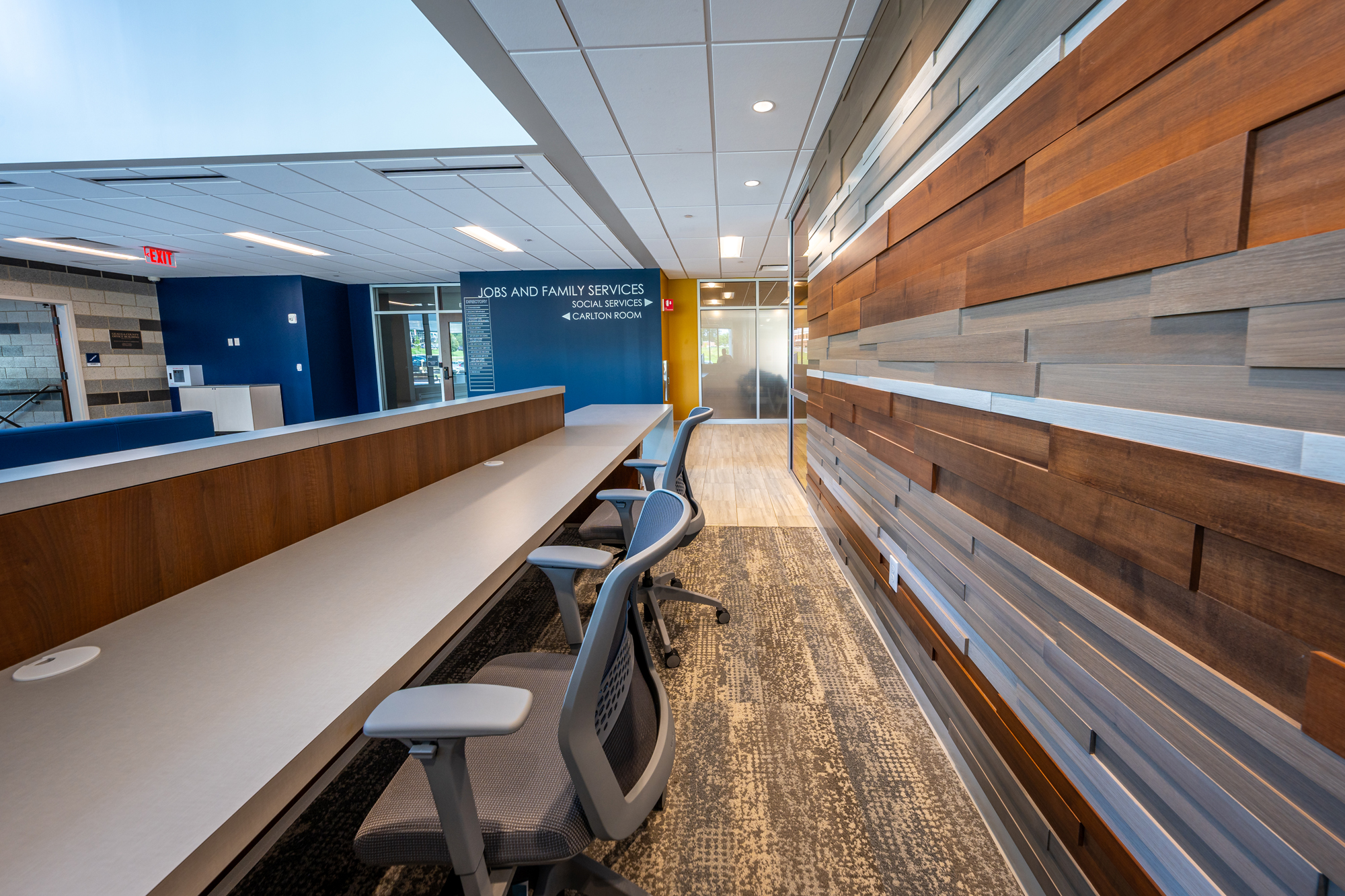
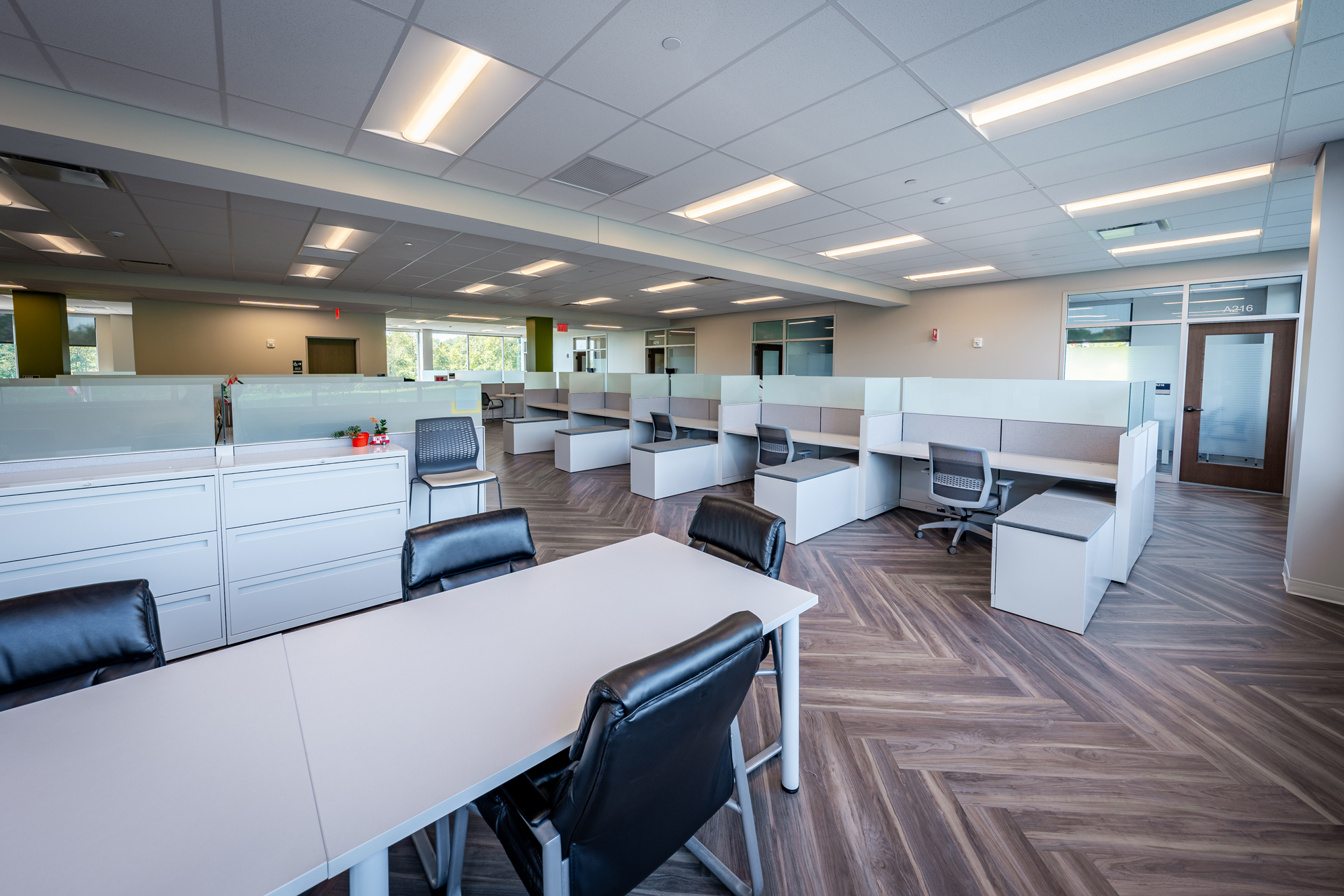
Jennifer Murray, NCIDQ, a Geauga County resident, was the interior designer for the facility. She worked to create a modern, functional environment for Geauga County staff and inviting spaces for Geauga County residents. Working closely with the commissioners, the interiors team developed material finish palettes, furniture packages, and custom signage throughout.

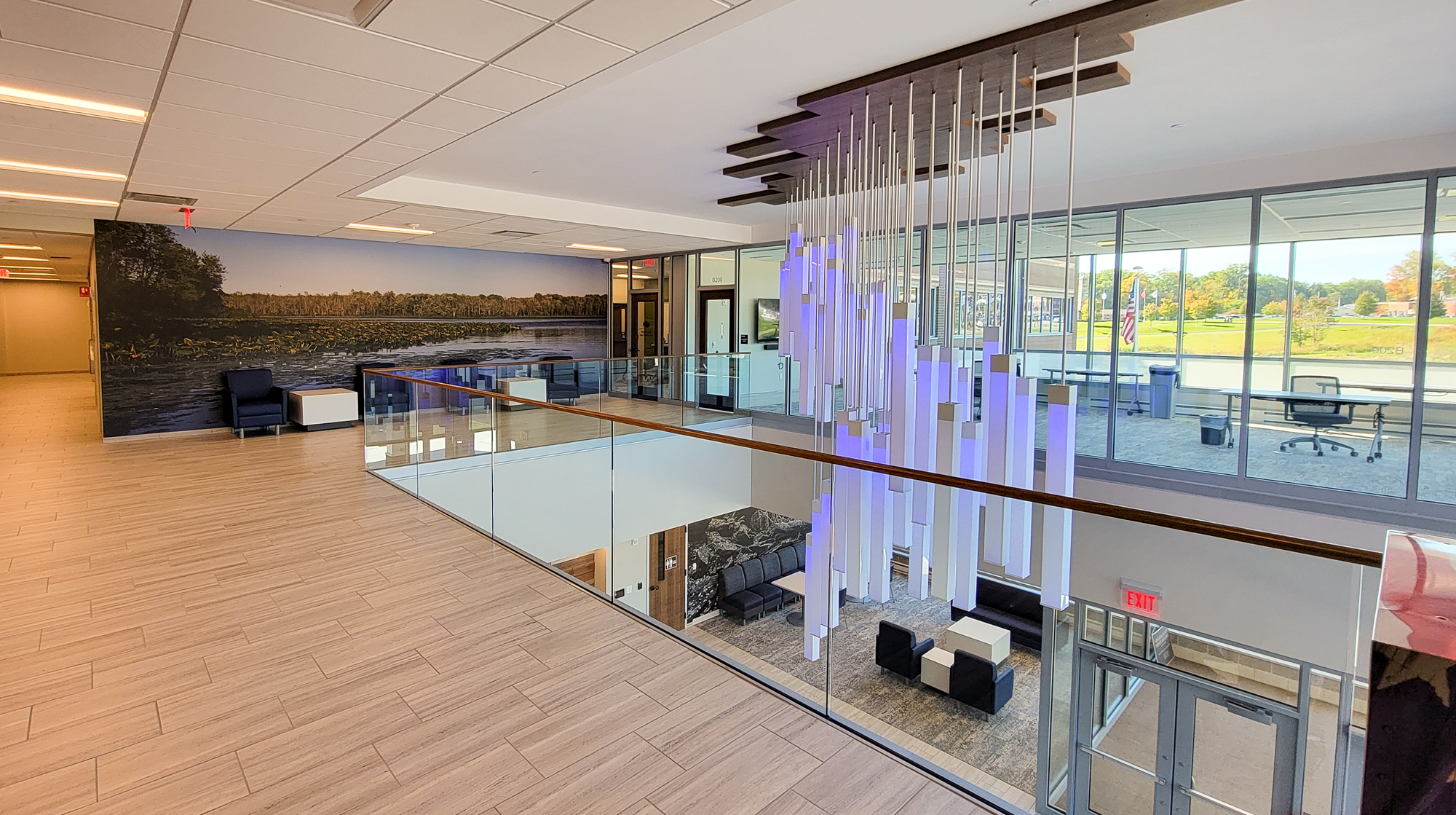
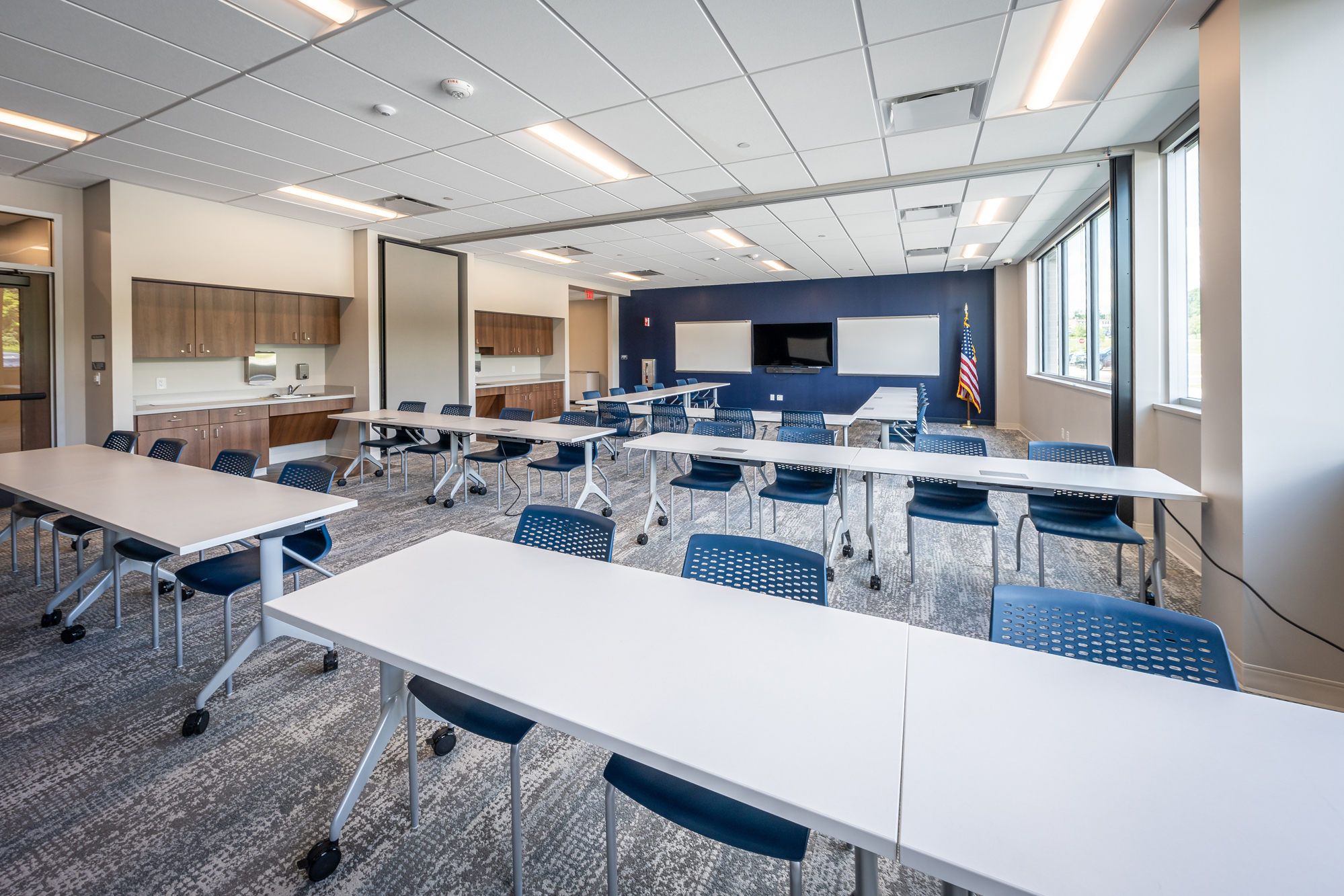
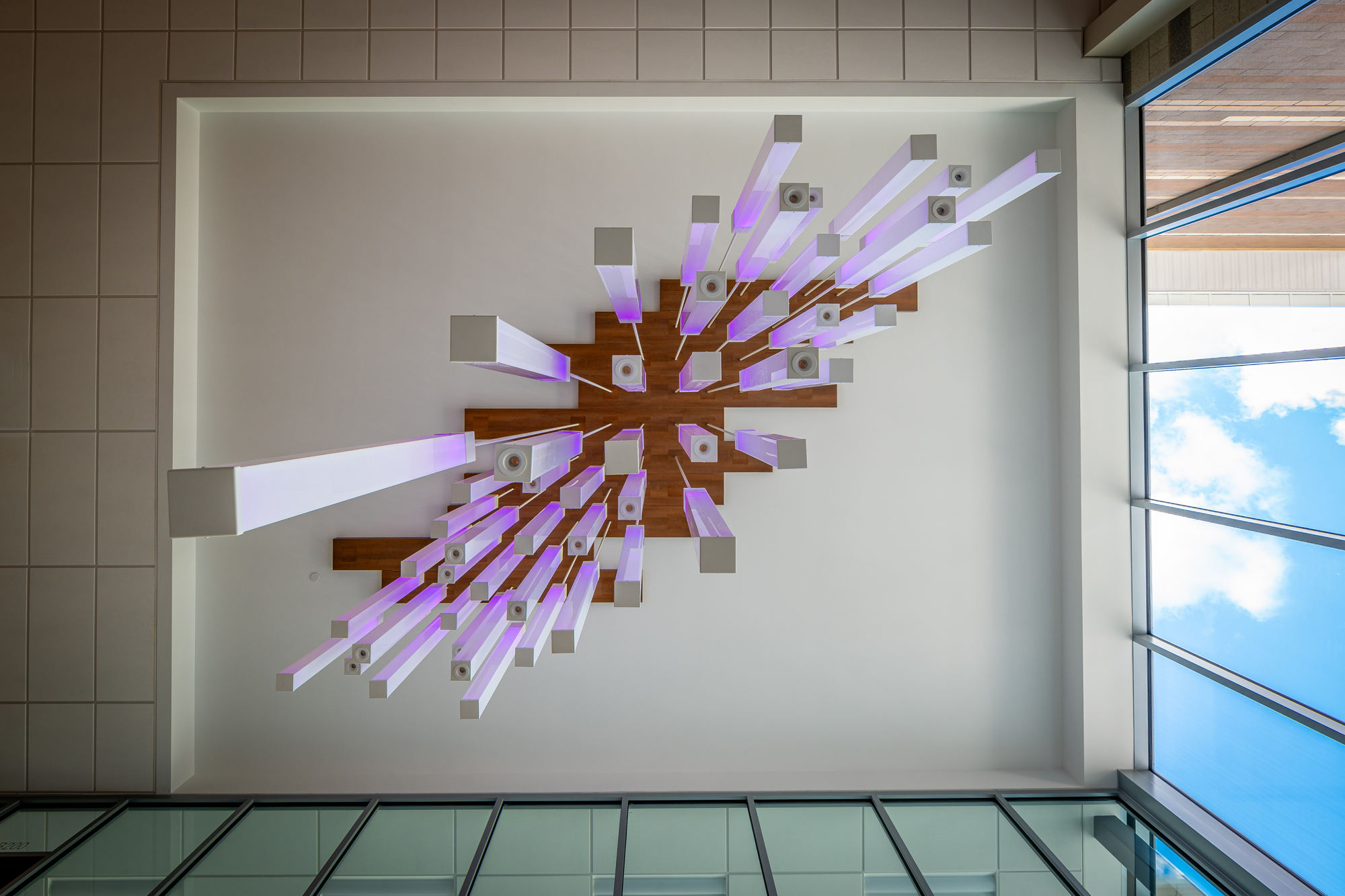
The sizeable two-story lobby includes a custom-designed LED chandelier that provides functional lighting and color, allowing another opportunity to combine the interior environment with the surrounding landscape. 

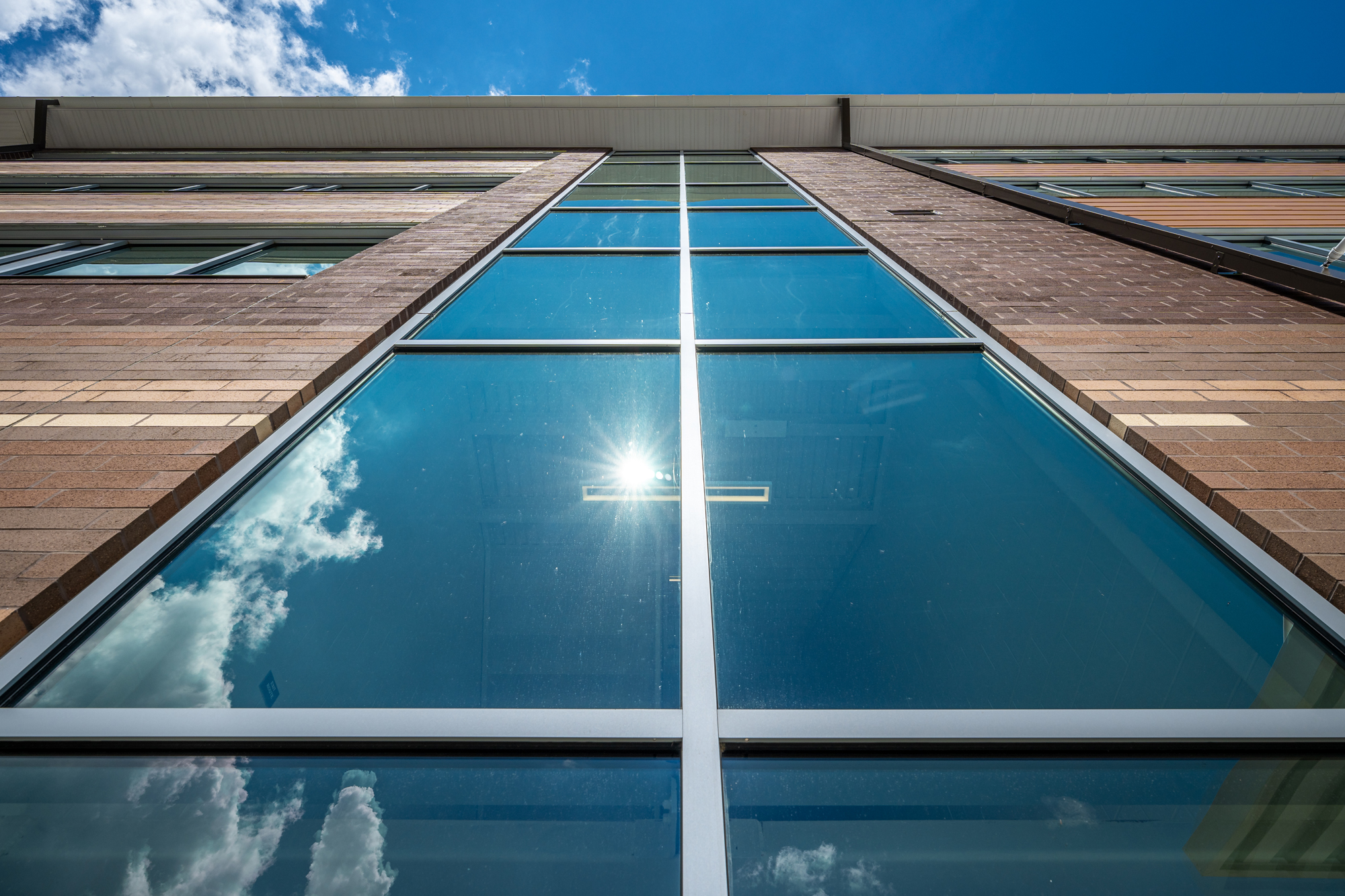
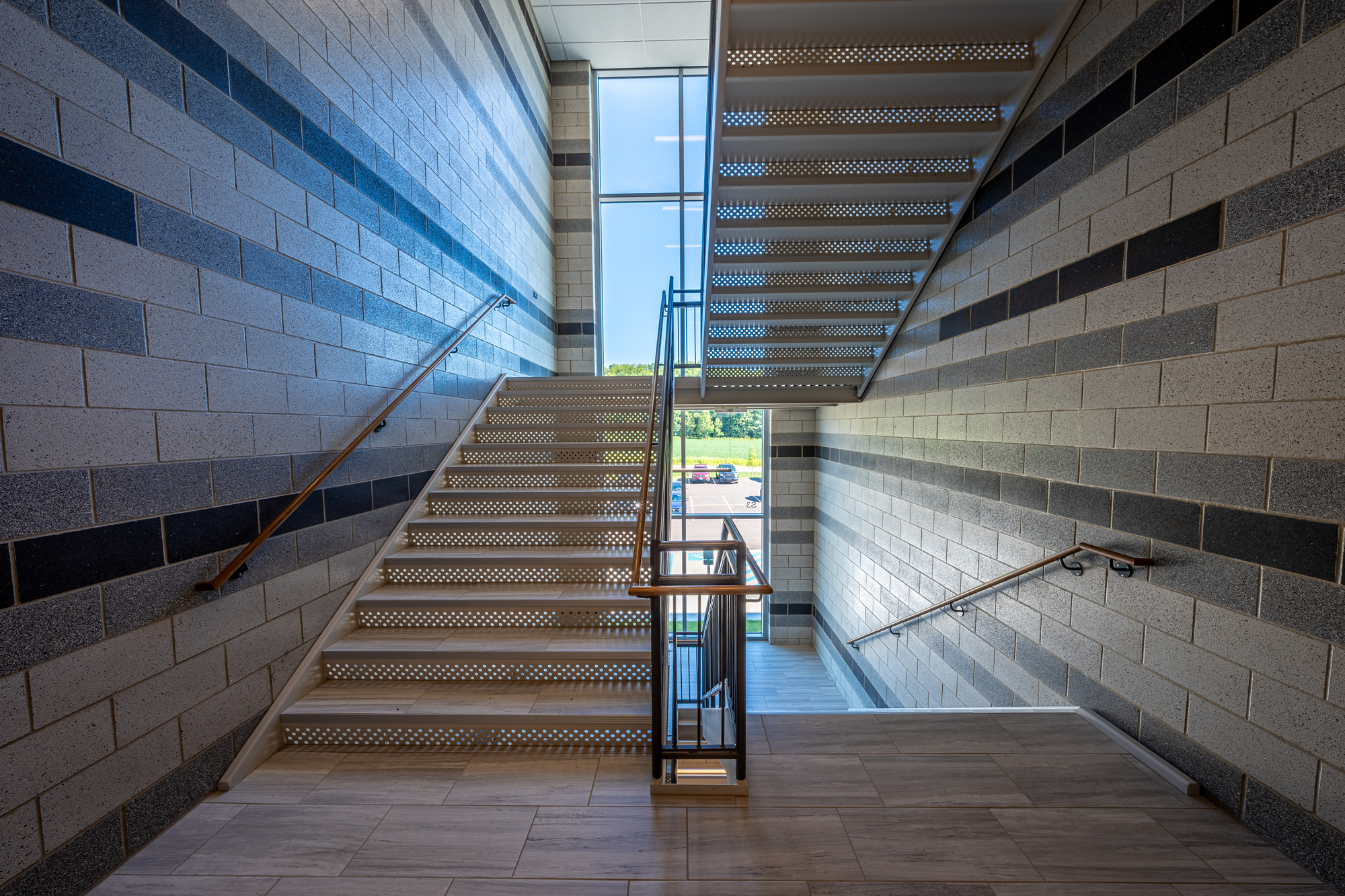
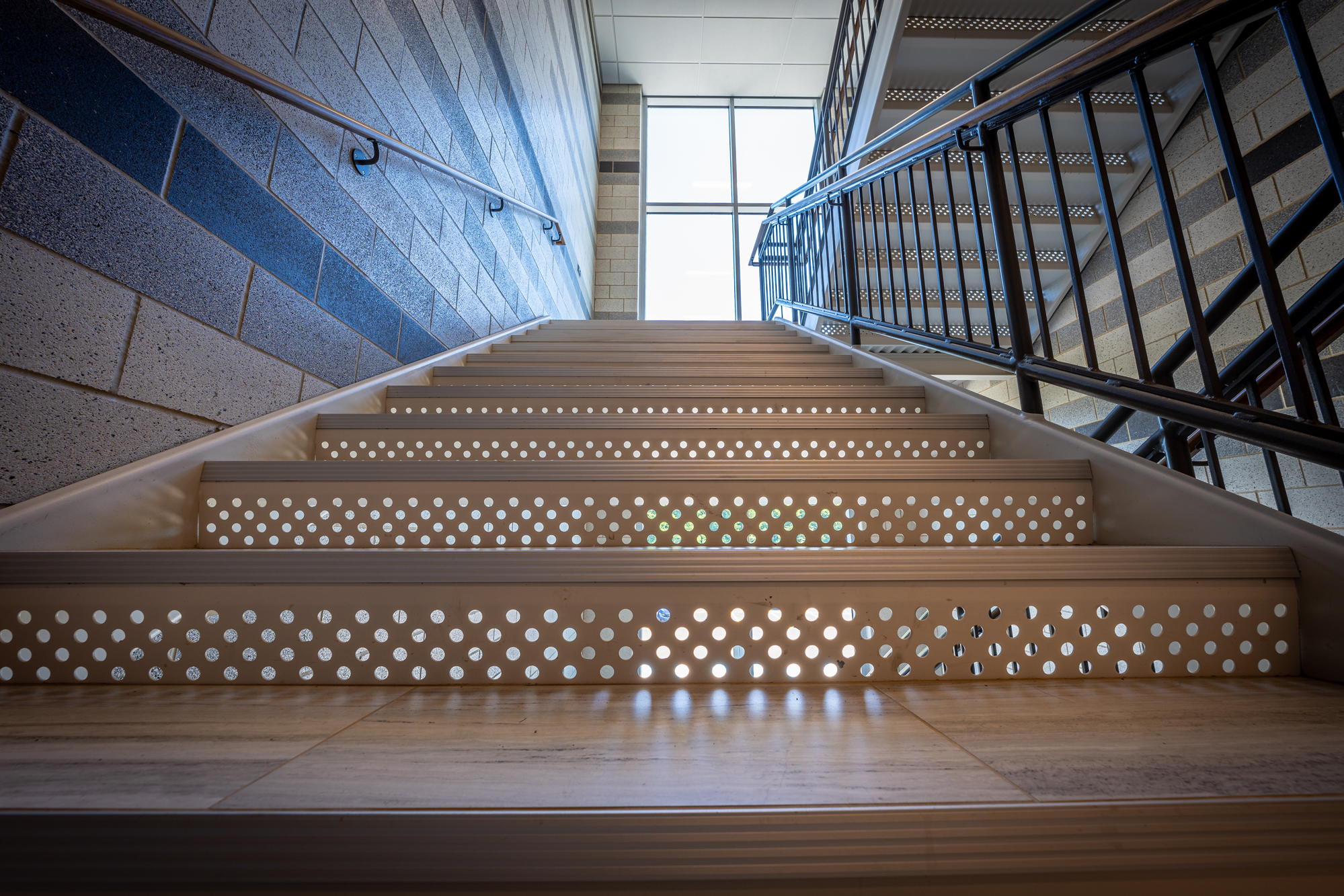
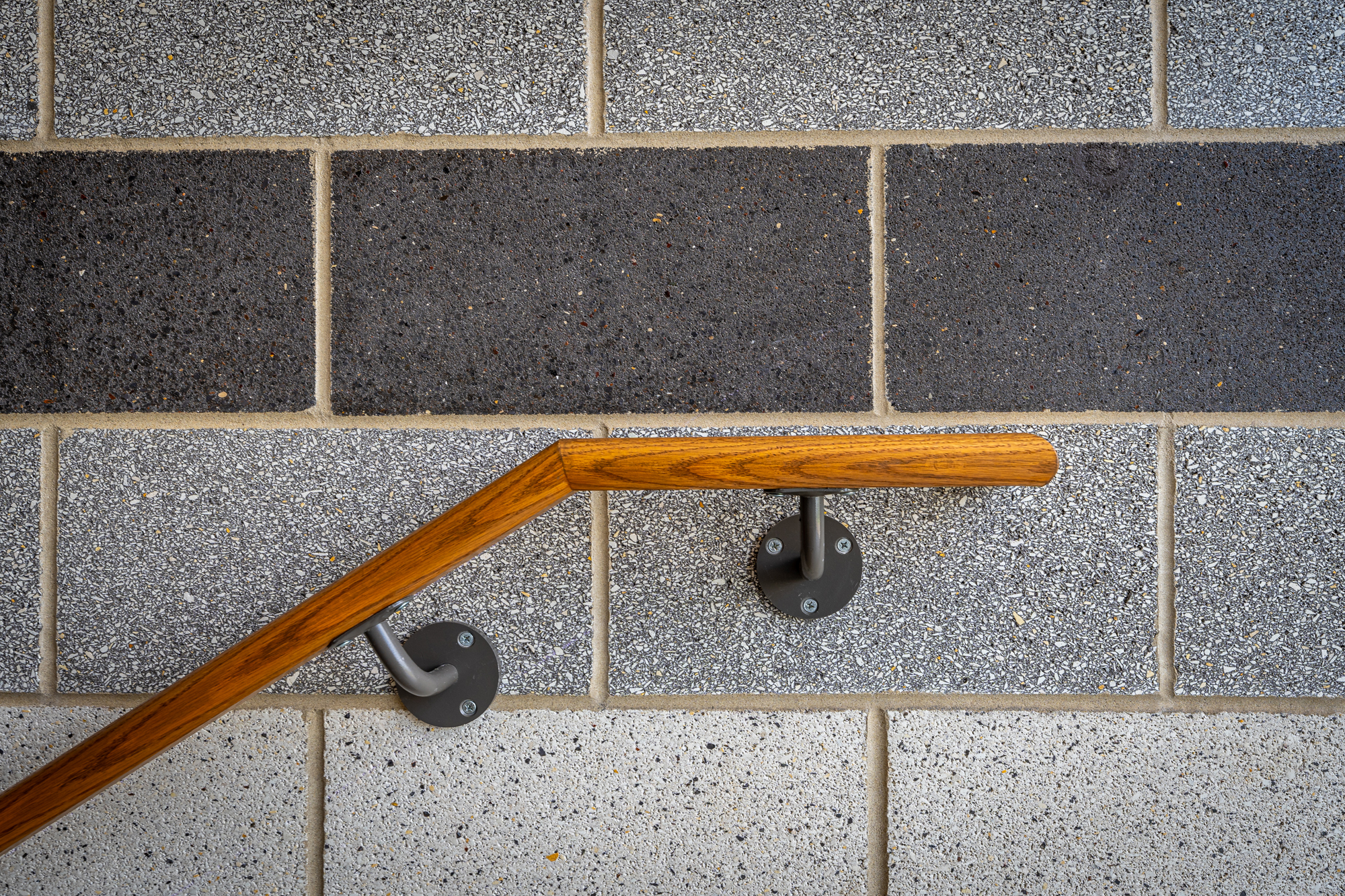
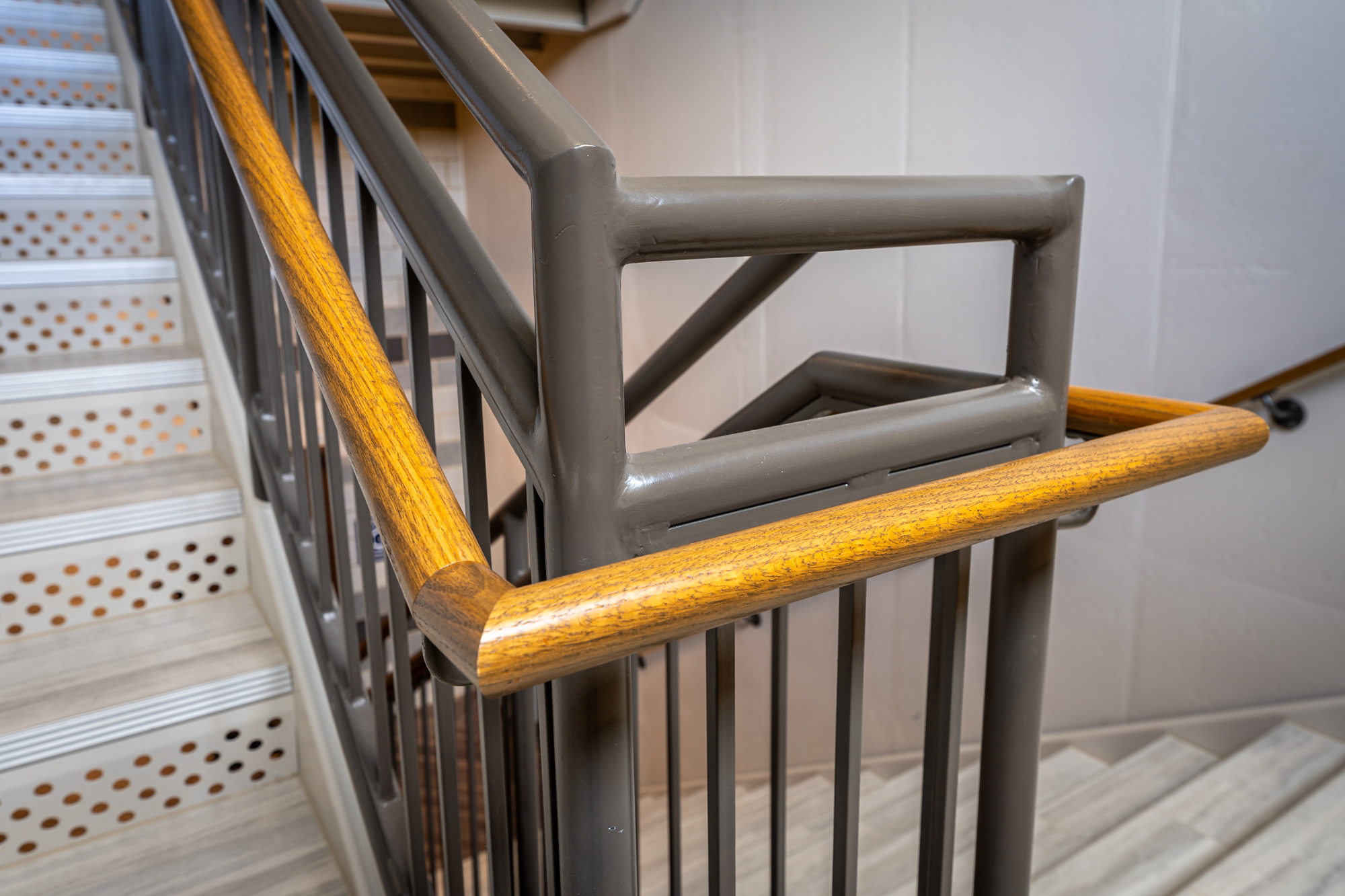
The main staircase, accessible from the lobby, was designed to encourage pedestrian use through various methods. The perforated metal stair treads allow natural light through them, complementing the large exterior windows. It creates a much more welcoming environment than most simple egress stairways. The interior was finished with ornamental masonry mimicking the exterior brick pattern, giving off a natural feeling and warming the space.

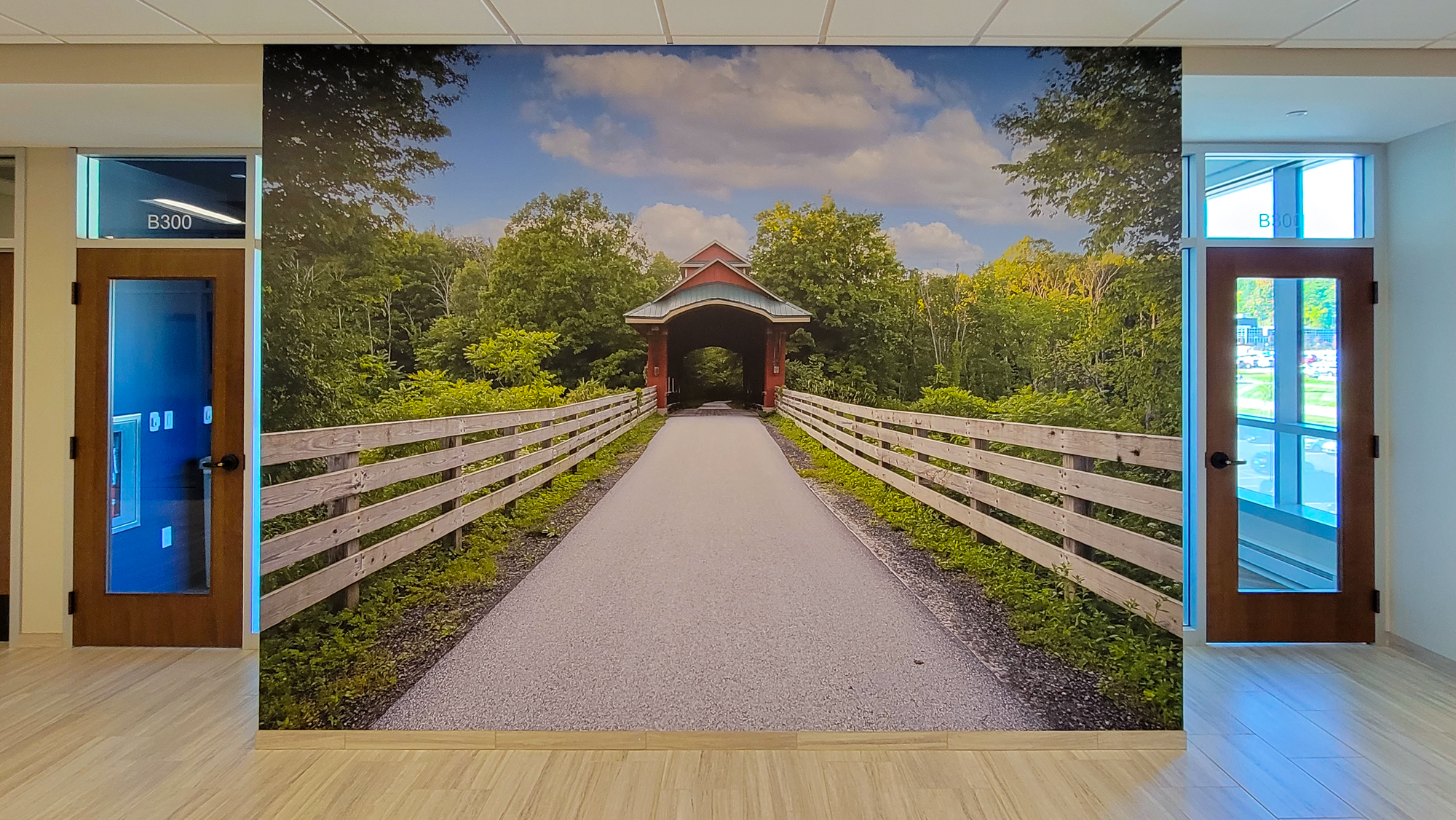
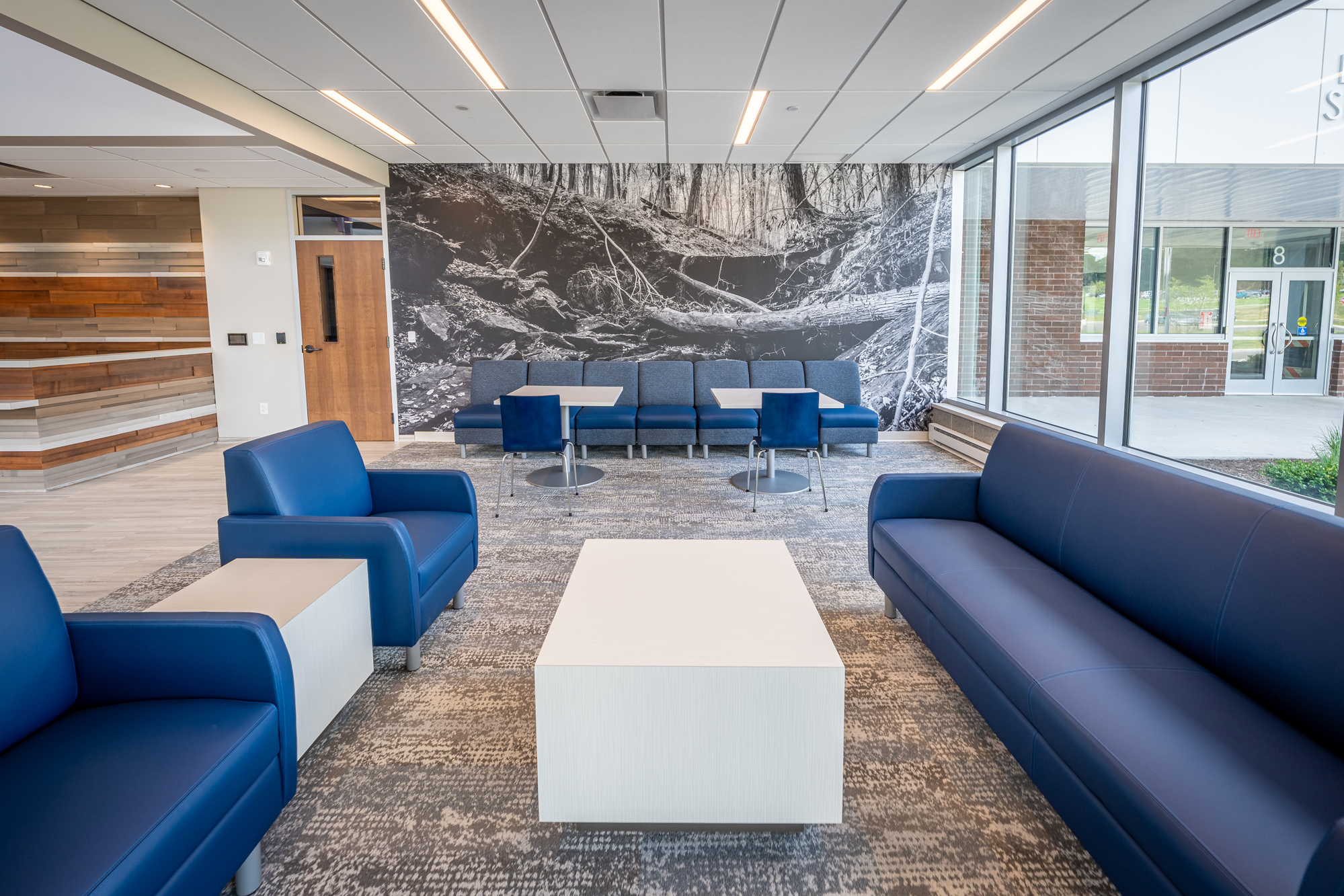
In all the common spaces, three life-sized murals depicting local landmarks further bring the exterior into the space and celebrate Geauga County’s natural beauty.

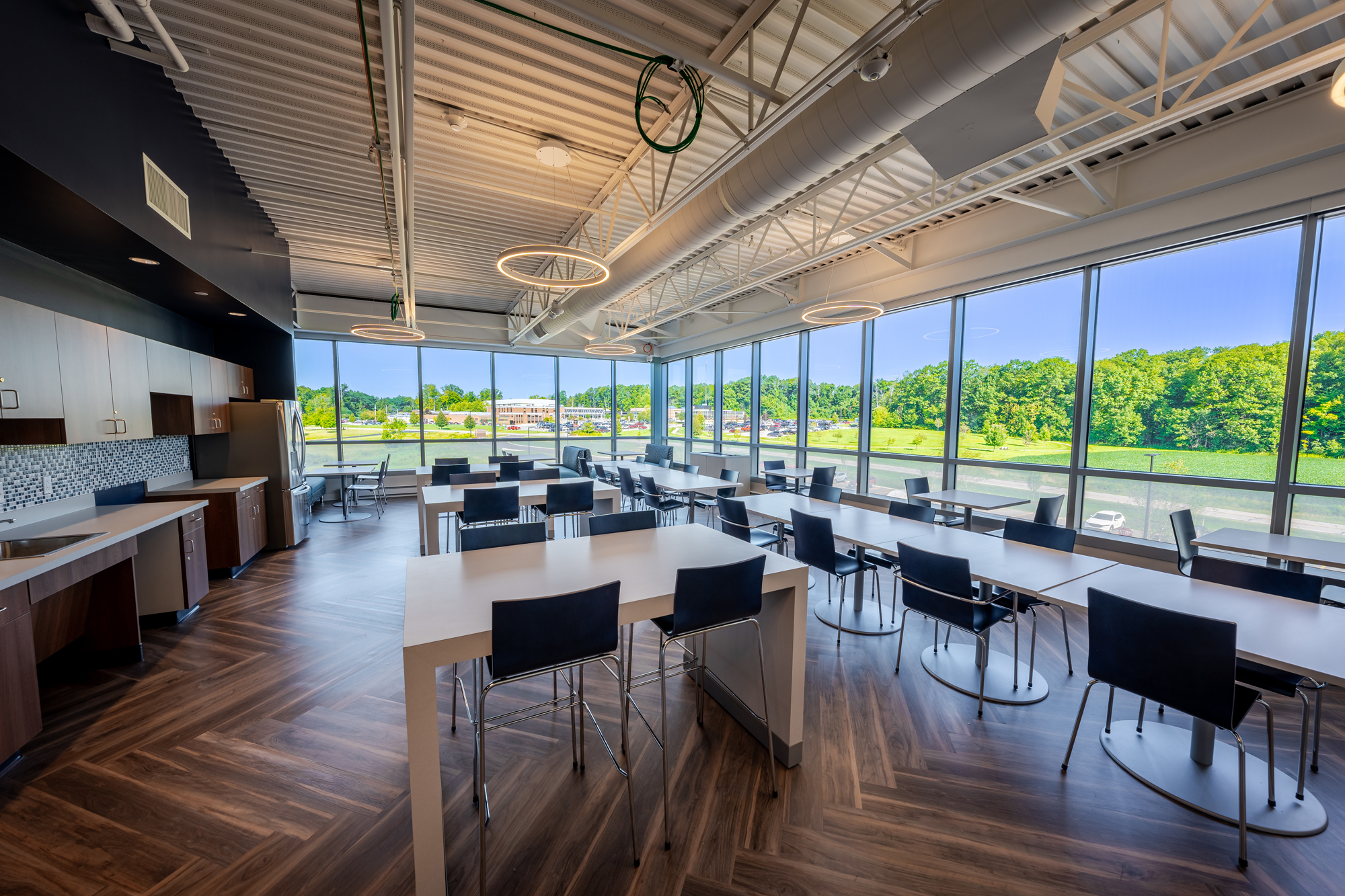
Photos of the Finished Geauga County Office Building's Interior Details:

A Path to Success

The new Geauga County Office Building is an efficient way to serve the residents of Geauga County by consolidating previously separated services into one building. Consolidating services allows for collaboration between departments, lower facility maintenance costs, and ease of use for visitors. With the project completed on time and within budget during the challenging coronavirus pandemic, the commissioners, staff, and community have a modern facility that will serve the county’s needs for decades to come. 

"A milestone of brick and mortar. This building will be a building of service to the people, and it will show a sense of community, a sense of pride, and it will help produce the Geauga way of life."
James Dvorak
Geauga County Commissioner

Project Design Challenges

  1. The Geauga County Office Building seamlessly integrates into the surrounding landscape and evokes the natural beauty of Geauga County. It maximizes its connection to the outside while employing a variety of sustainability features.
  2. The new facility consolidated fifteen departments under one roof. This provides a streamlined experience for residents seeking assistance from various county services.
  3. Design and construction were conducted during the challenging coronavirus pandemic. Staff accomplished engagements remotely, seeking input and providing updates to residents and stakeholders.

Cuyahoga Falls 6-12 Campus Groundbreaking and Site Construction
Cuyahoga Falls 6-12 Campus Groundbreaking and Site Construction
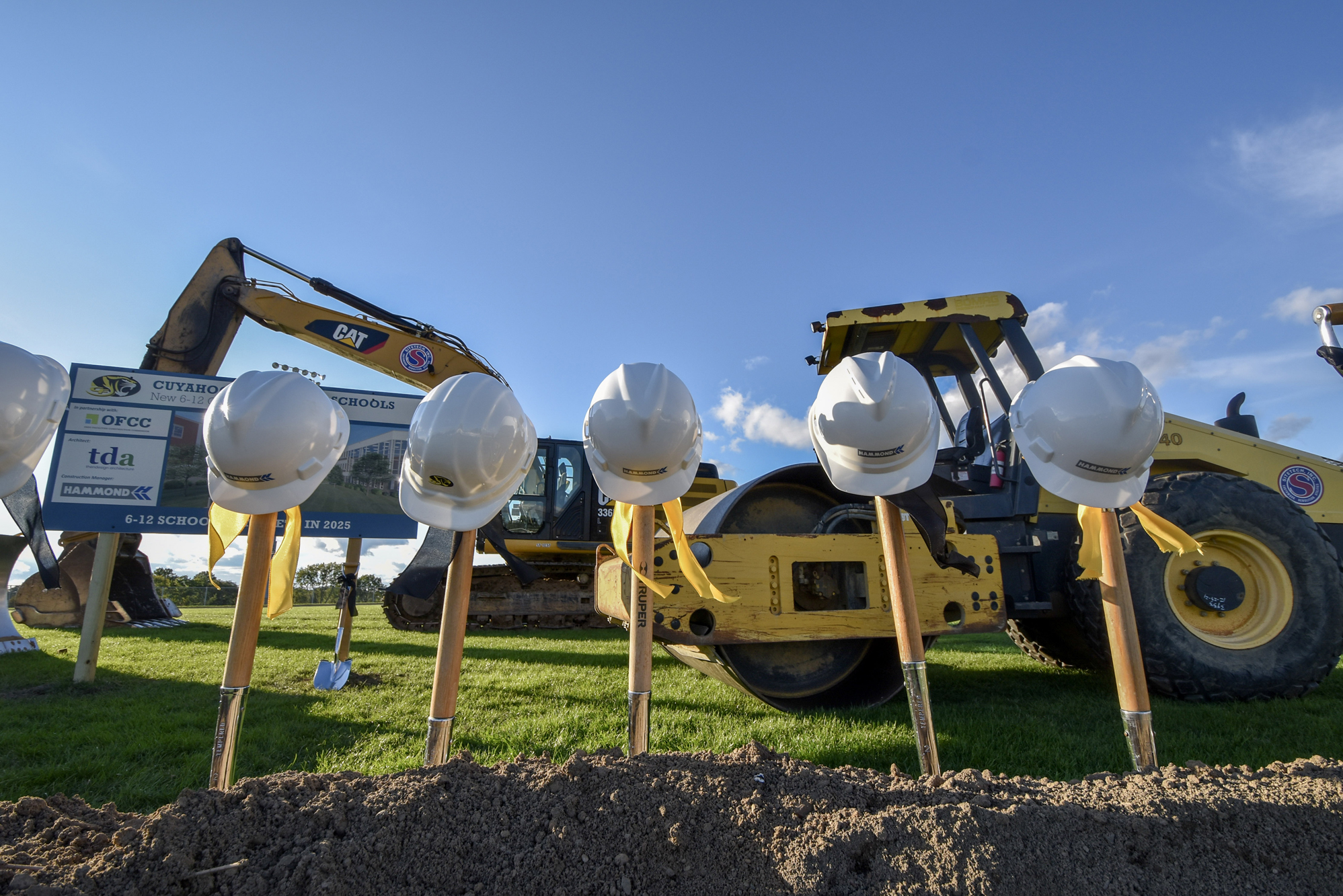
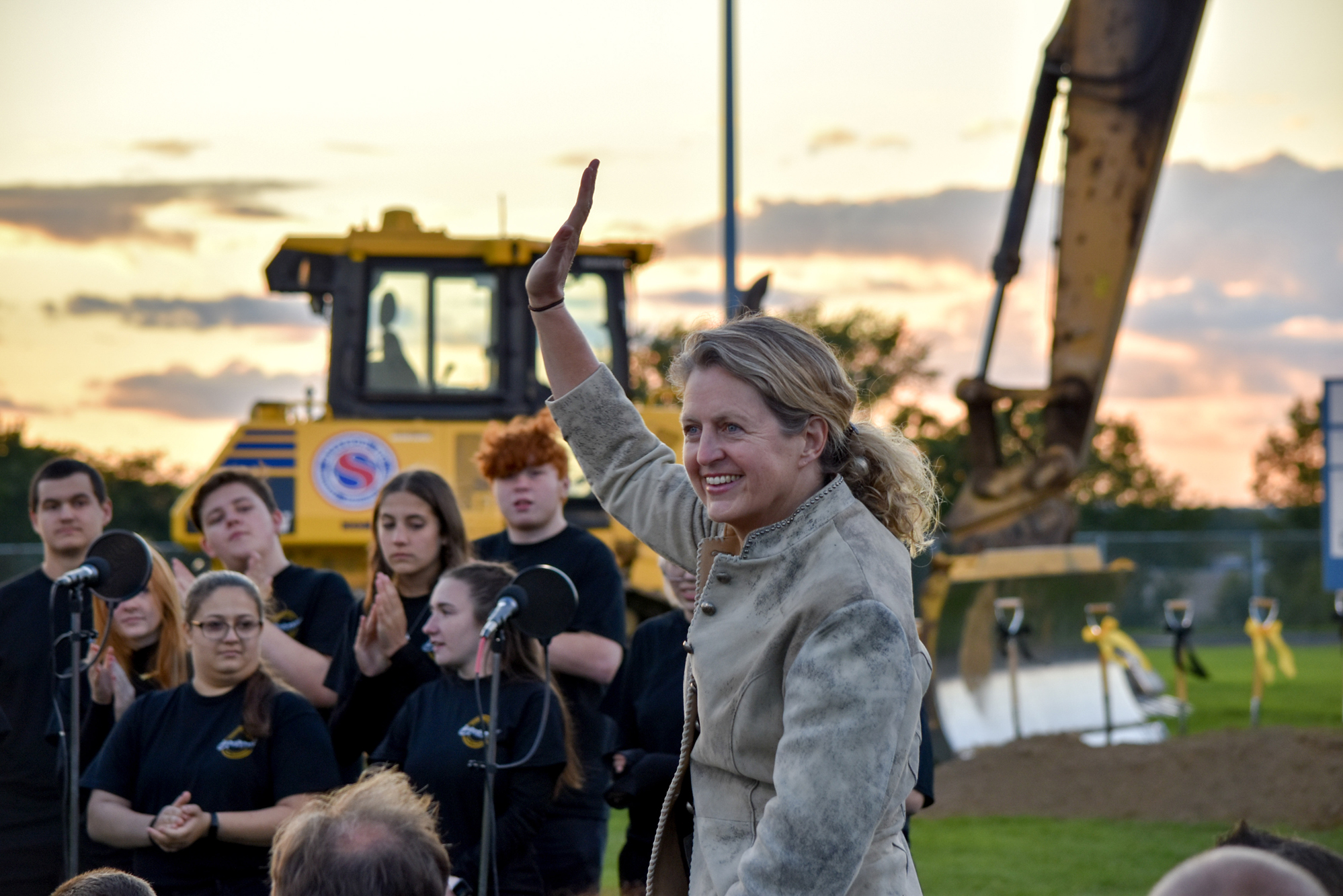
At the groundbreaking ceremony in September 2022, the Cuyahoga Falls City School district began constructing its new 6-12 campus. The groundbreaking celebration was attended by over 1,000 people, which included staff, students, and the surrounding community.
Cuyahoga Falls Celebrates A Milestone

At the groundbreaking ceremony on September 27, 2022, the Cuyahoga Falls City School district began constructing their new 6-12 campus. This multi-year project will culminate in the completion of a campus that will be home to a 365,000 SF 6-12 school with an auditorium, black box theatre, attached stadium, and practice fields. Built on the Newberry and Bolich schools’ site, this capital project totals $113 million, with $33.6 million of that coming from the State of Ohio, via the Ohio Facilities Construction Commission (OFCC) and being built by Hammond Construction. This state-of-the-art facility provides students and faculty with new technology, expanded academic space, and opportunities for collaboration in a modern, secure environment. 
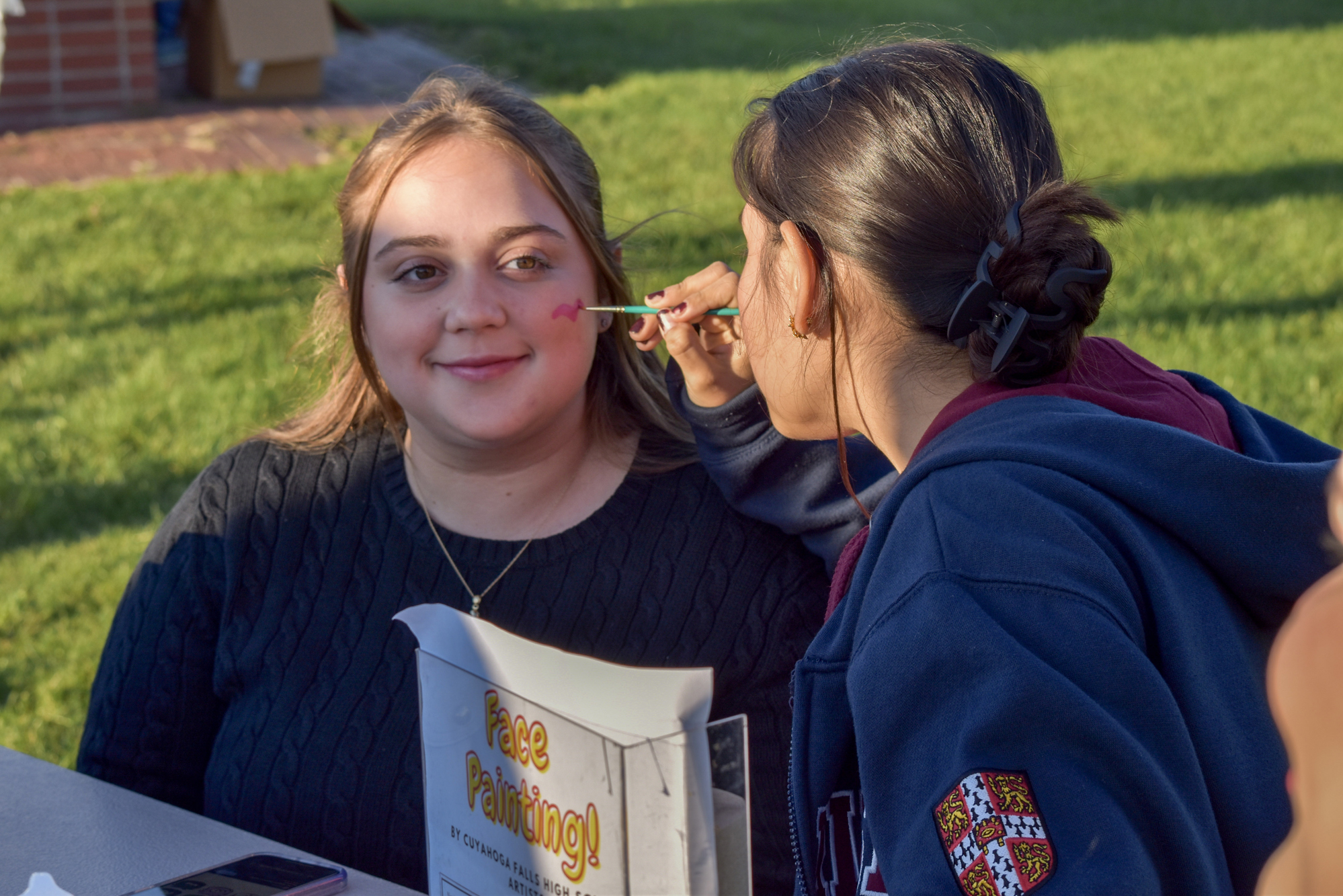
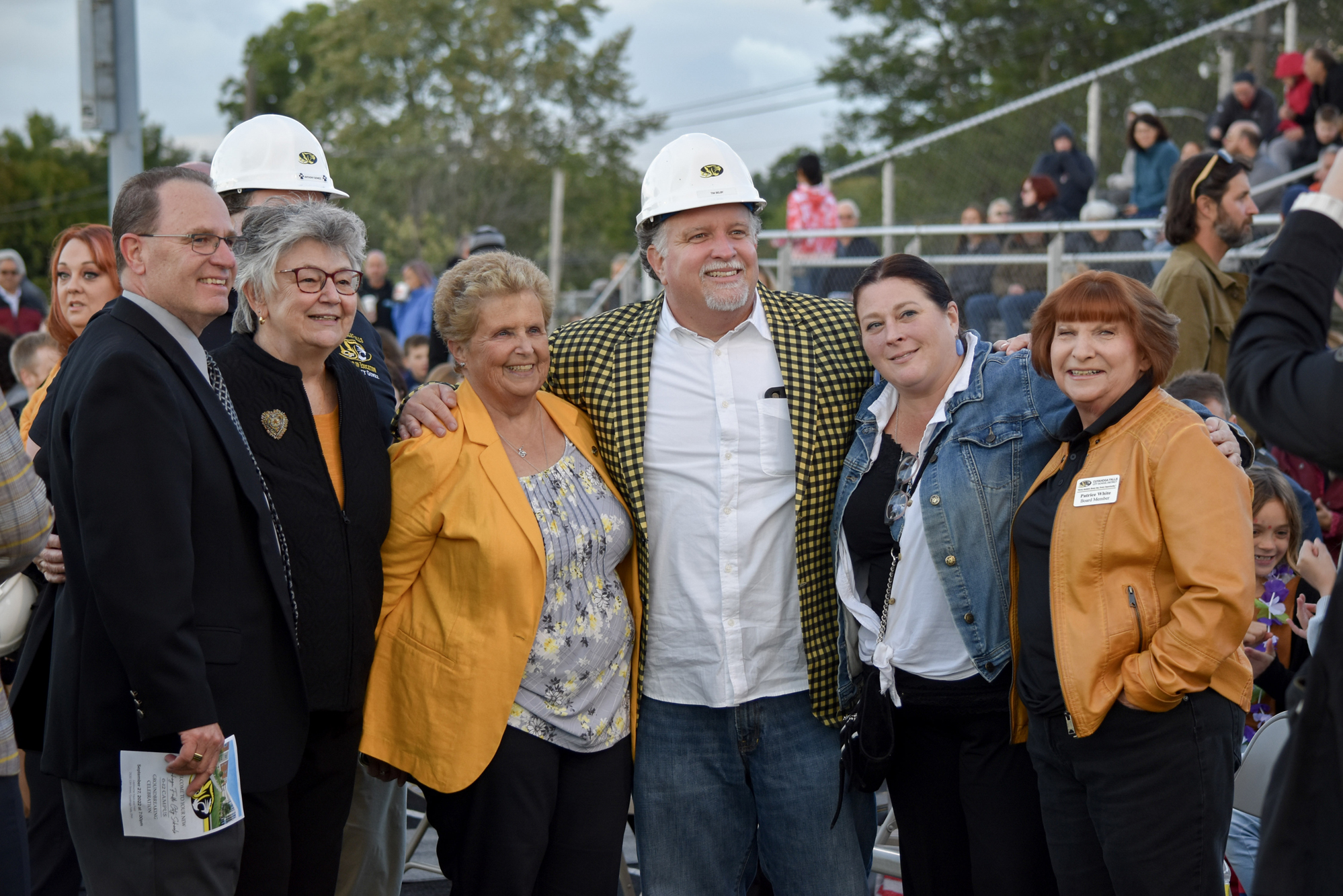
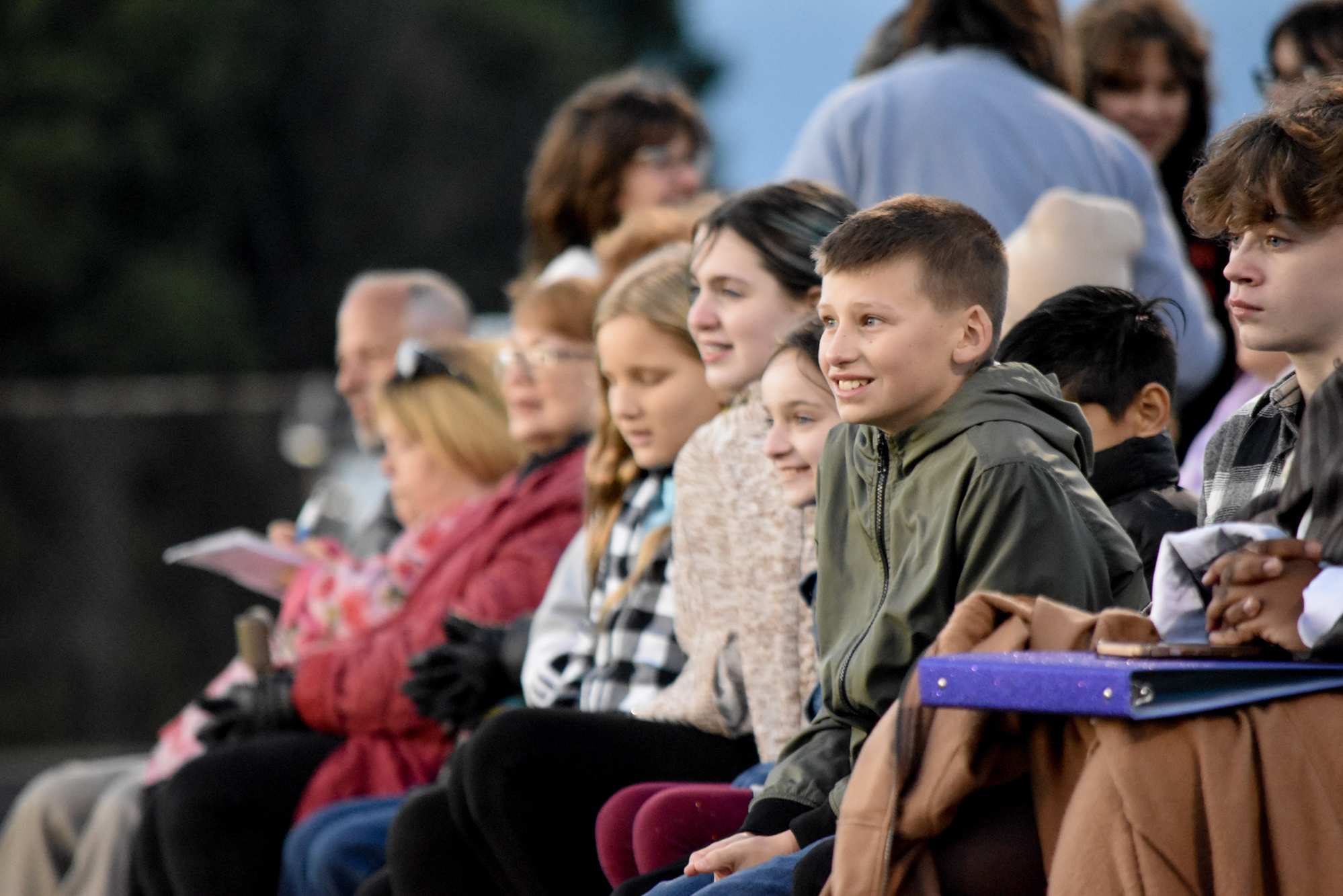
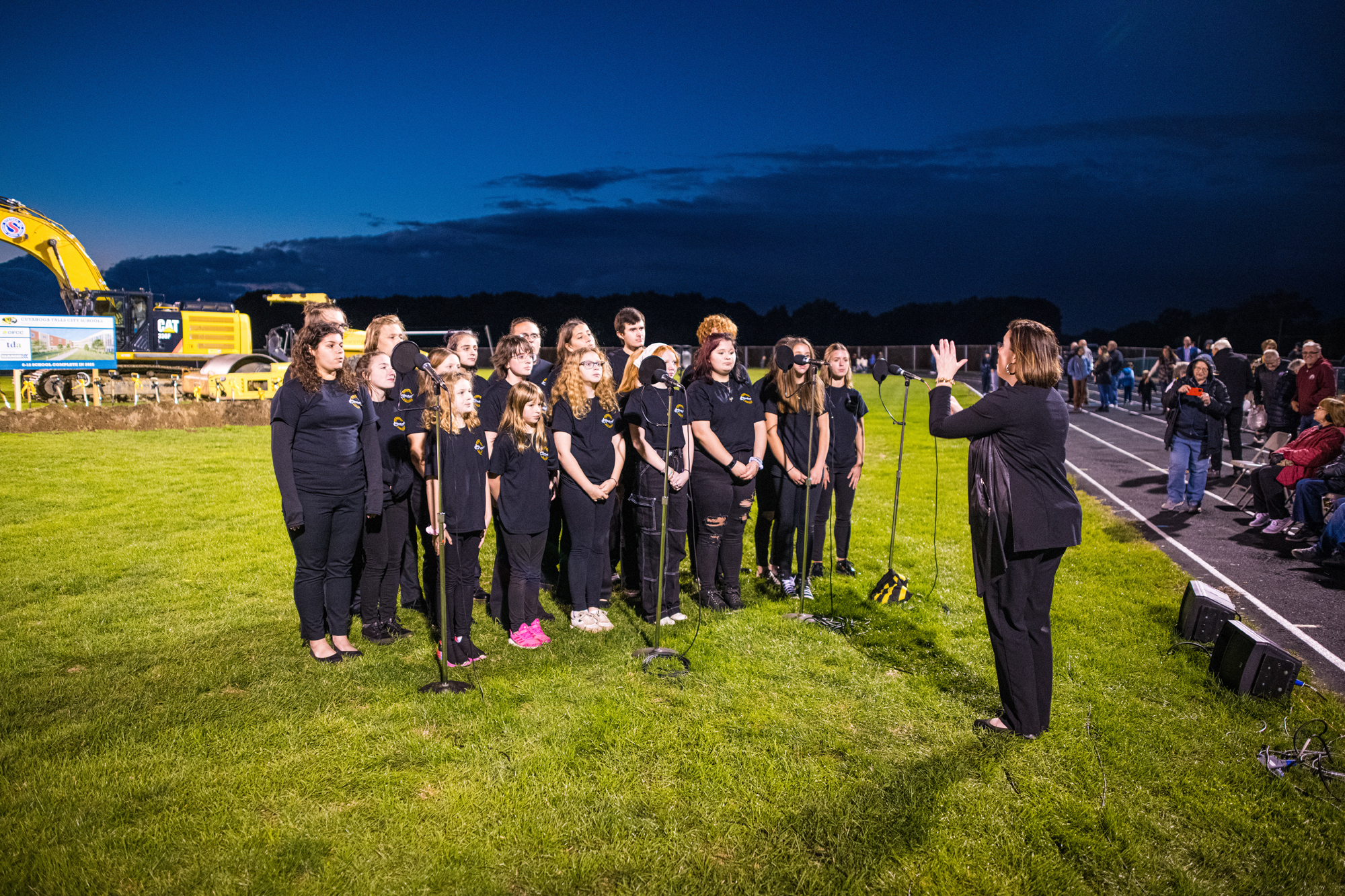
The groundbreaking celebration was attended by over 1,000 people of all ages, which included staff, students, neighbors, and the surrounding community. Dignitaries who attended and spoke included Mayor Don Walters from the City of Cuyahoga Falls, Representative Casey Weinstein, State Senator Kristina Roegner, and Board of Education Members, including board president Anthony Gomez and Superintendent Dr. Andrea Celico. Special activities included demonstrations from the Cuyahoga Falls High School band, an acapella choir, and the Art Sparks TNT XD dancers. Complimentary refreshments were served, and attendees could take their pictures with hard hats, get their faces painted and “turn a spade of soil” themselves. The night culminated in a formal groundbreaking that ended with fireworks. 
"This night is about who we are as a community. We believe that the students of our community deserve more than what they have had for the past 100 years at Cuyahoga Falls High School."
Anthony Gomez
Board of Education President

Cuyahoga Falls 6-12 Campus Groundbreaking Celebration (Courtesy of Hammond Construction):
"This groundbreaking event is symbolic of our city's commitment to educational excellence for every child in Cuyahoga Falls and marks the beginning of a new era in how we educate children in our community."
Dr. Andrea Celico
Superintendent of Cuyahoga Falls City School District

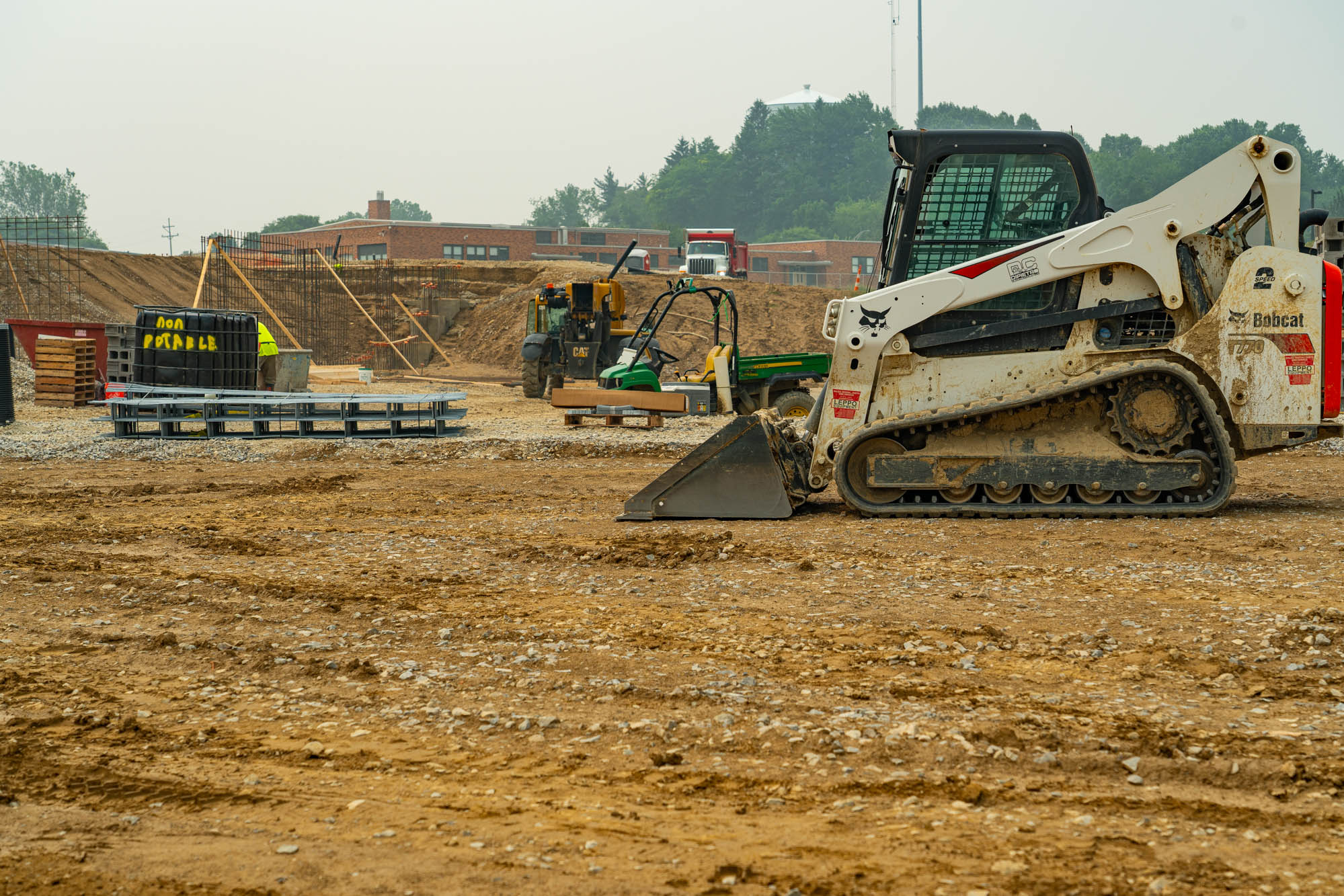
Completed Site Work

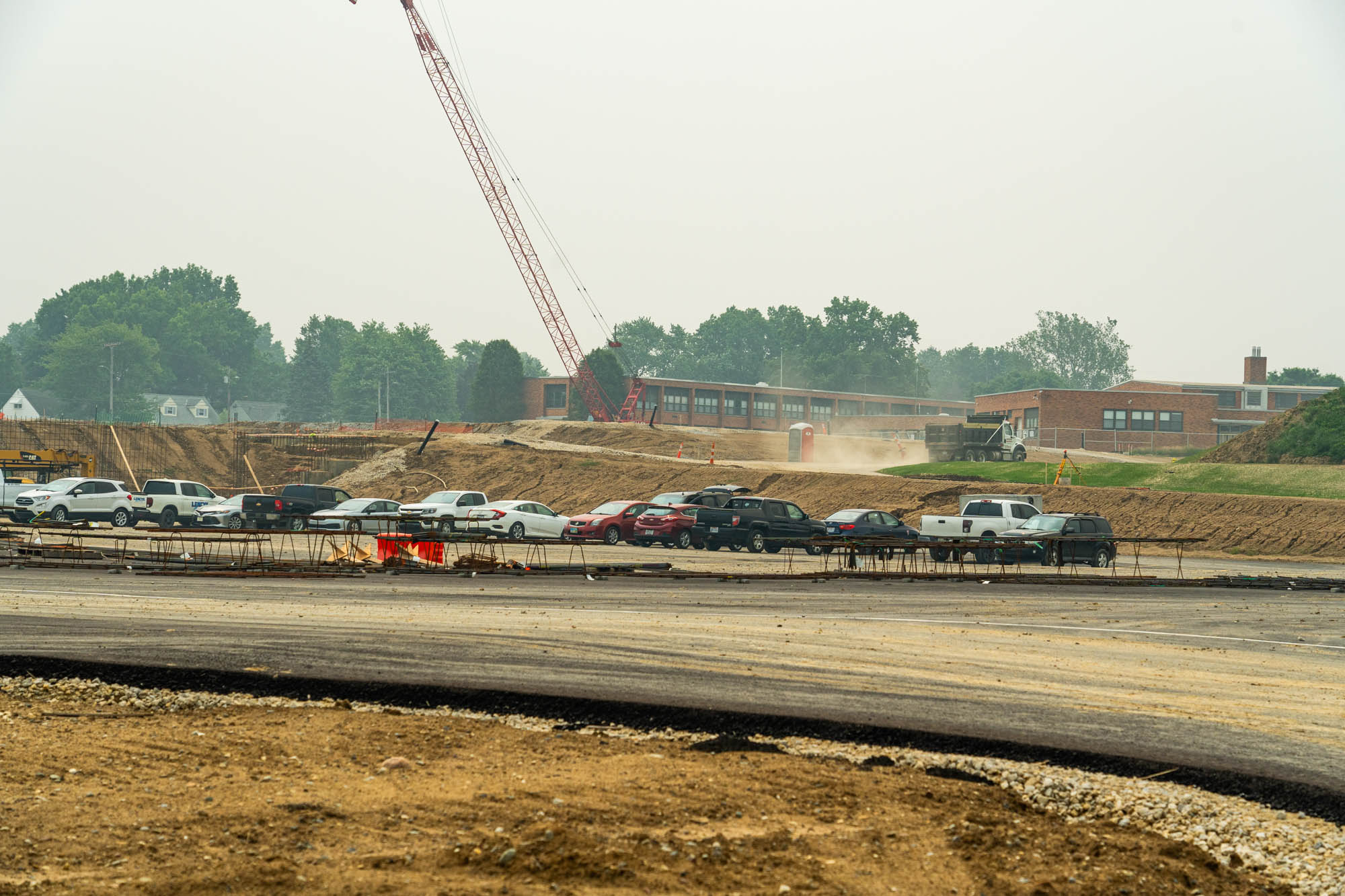
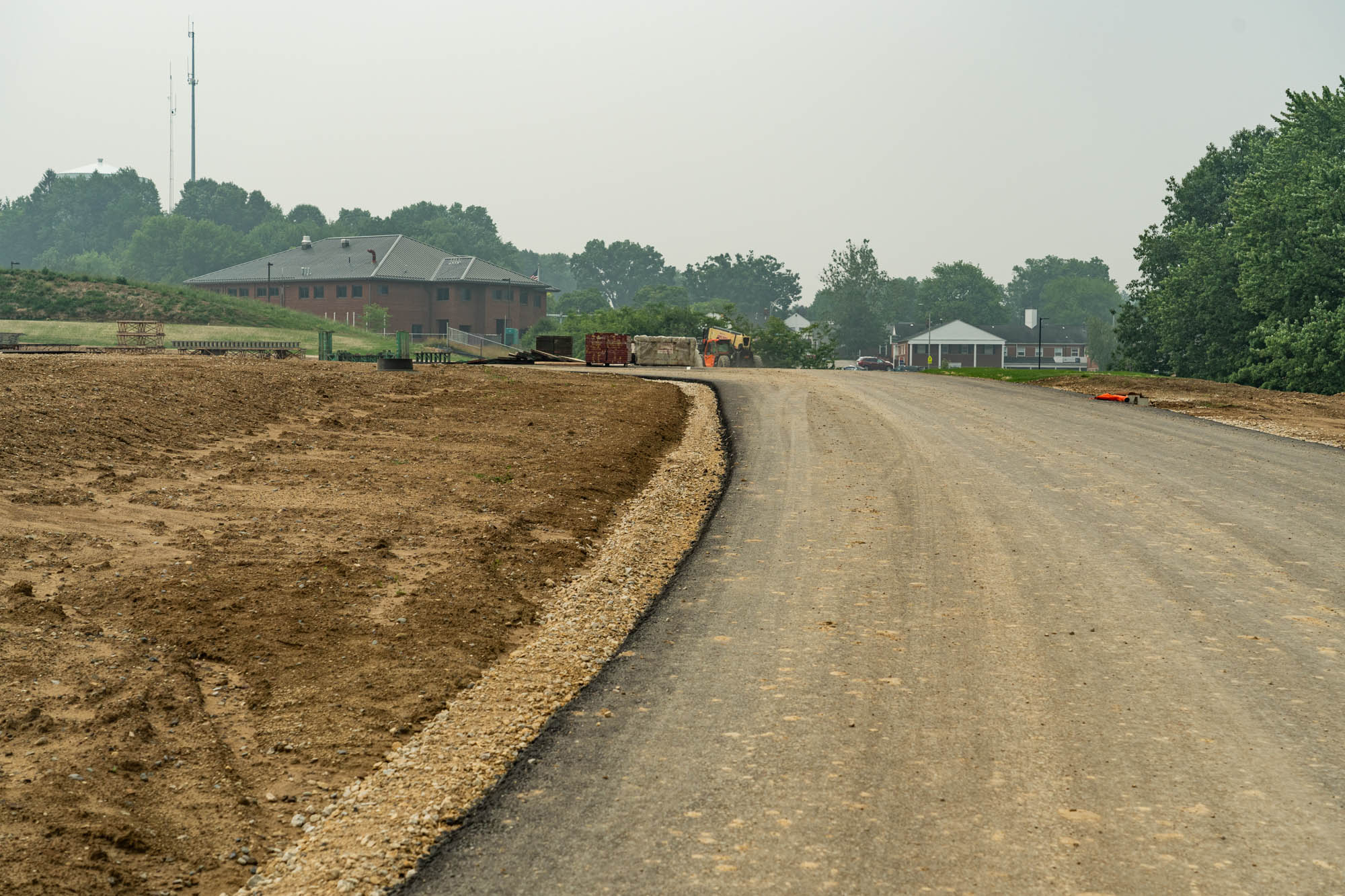
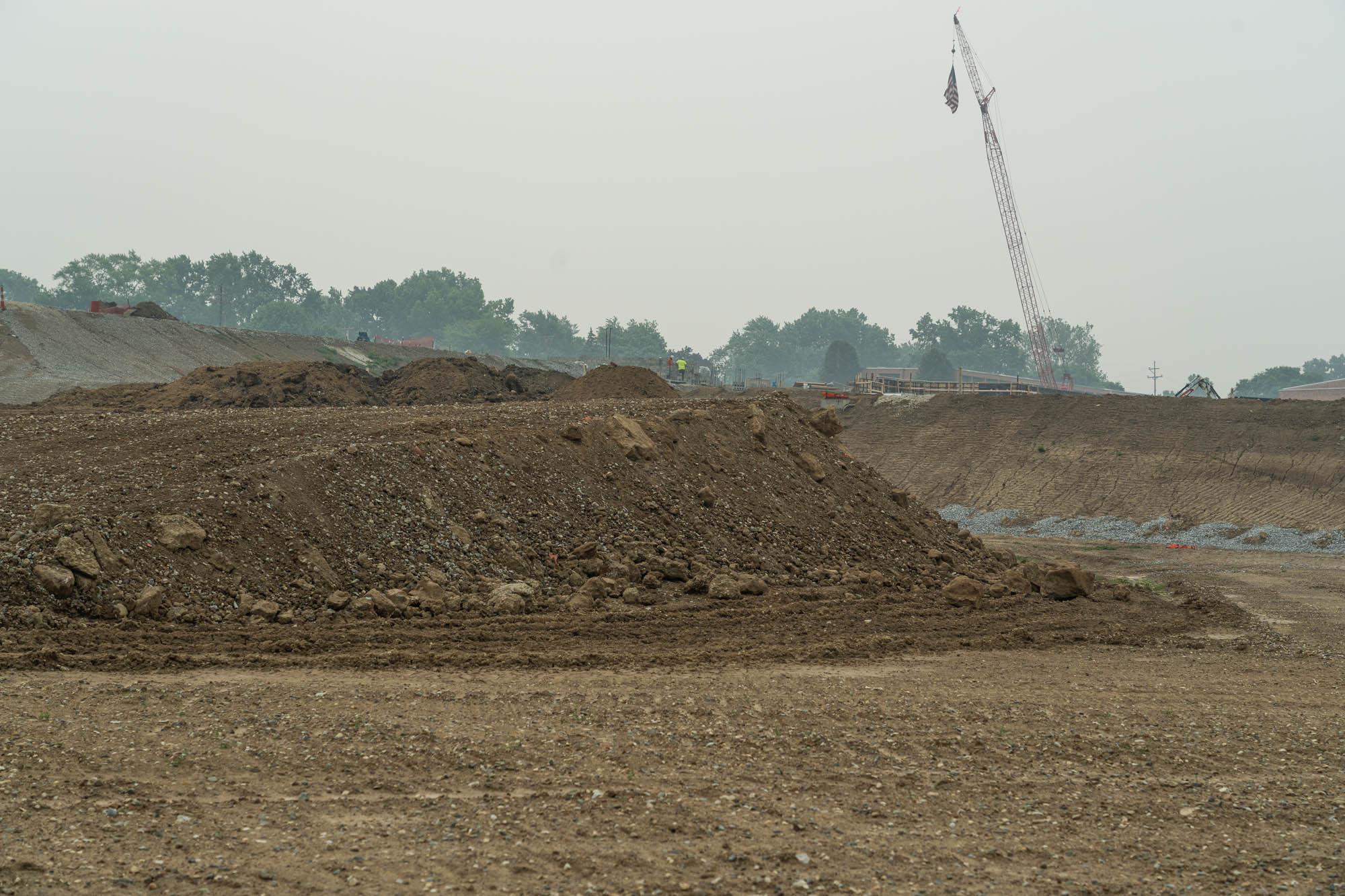
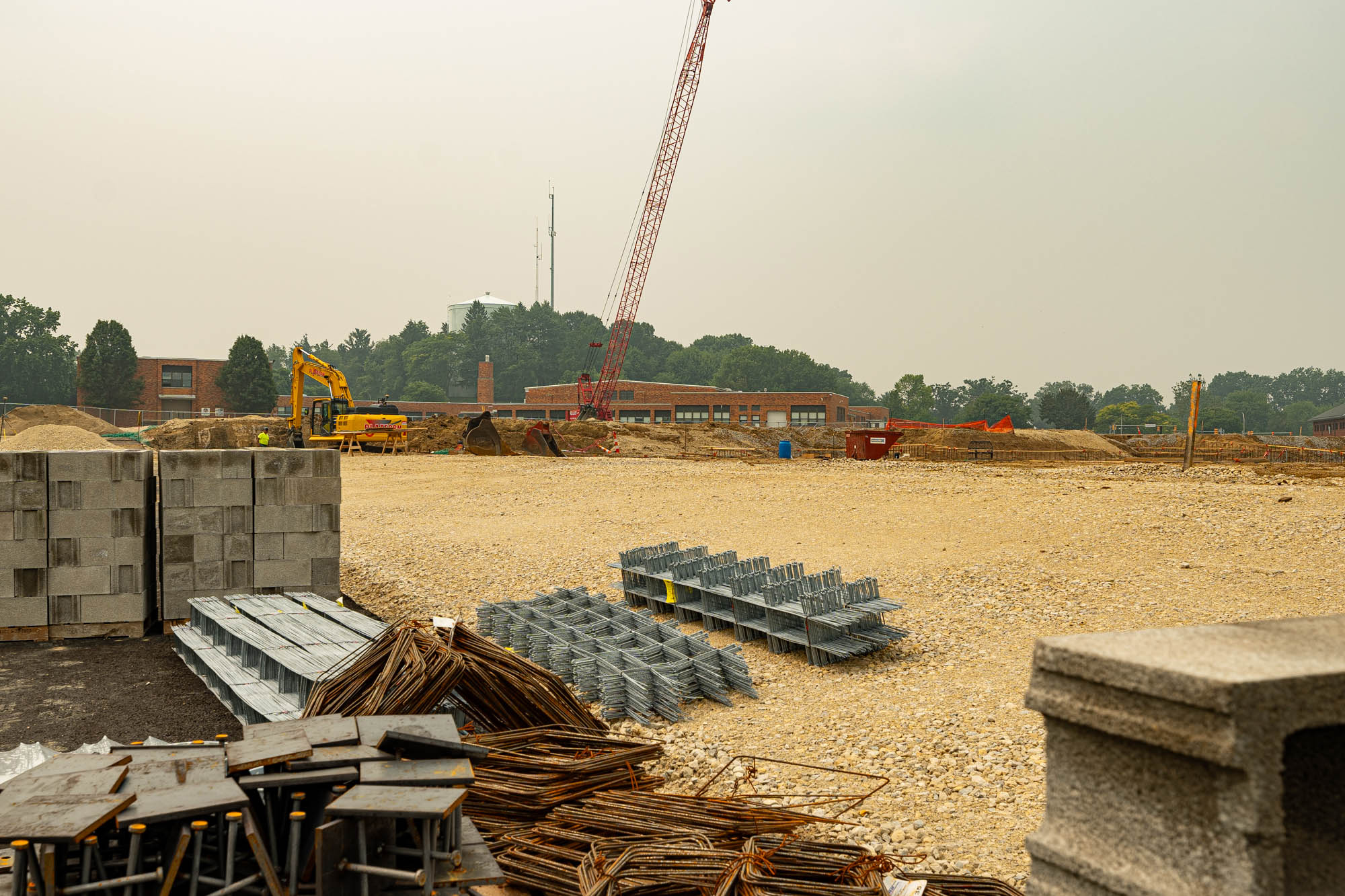
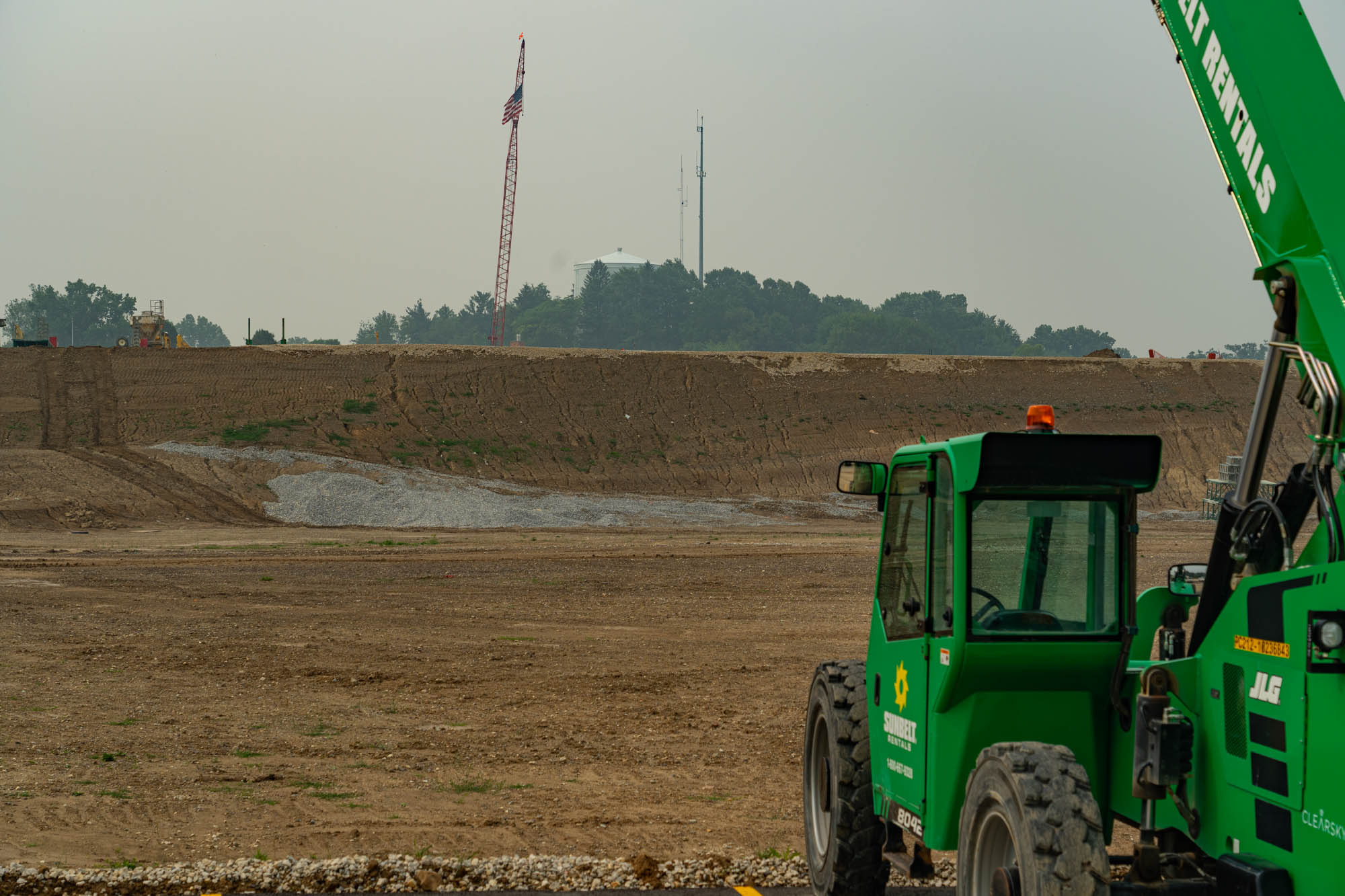
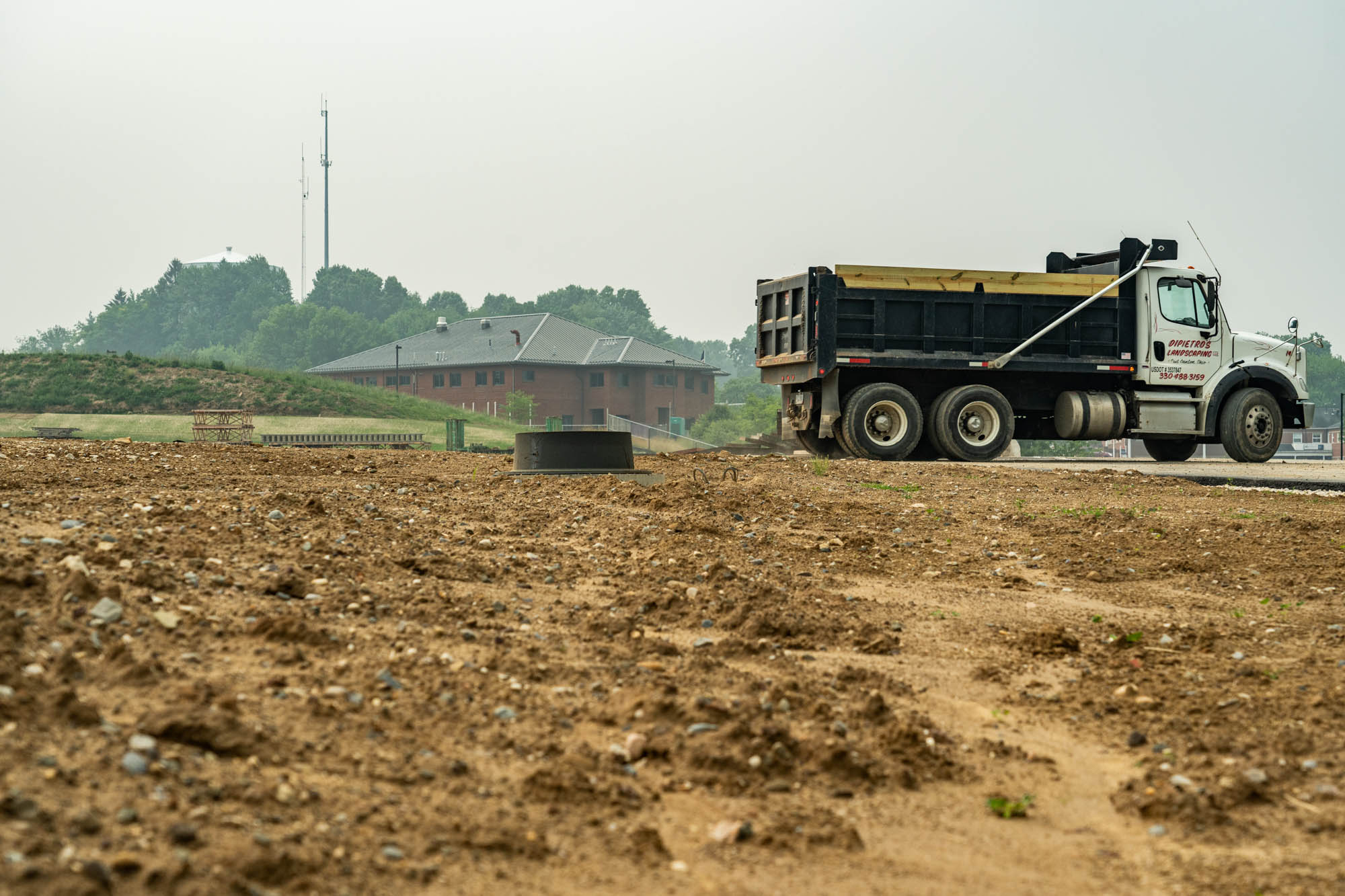
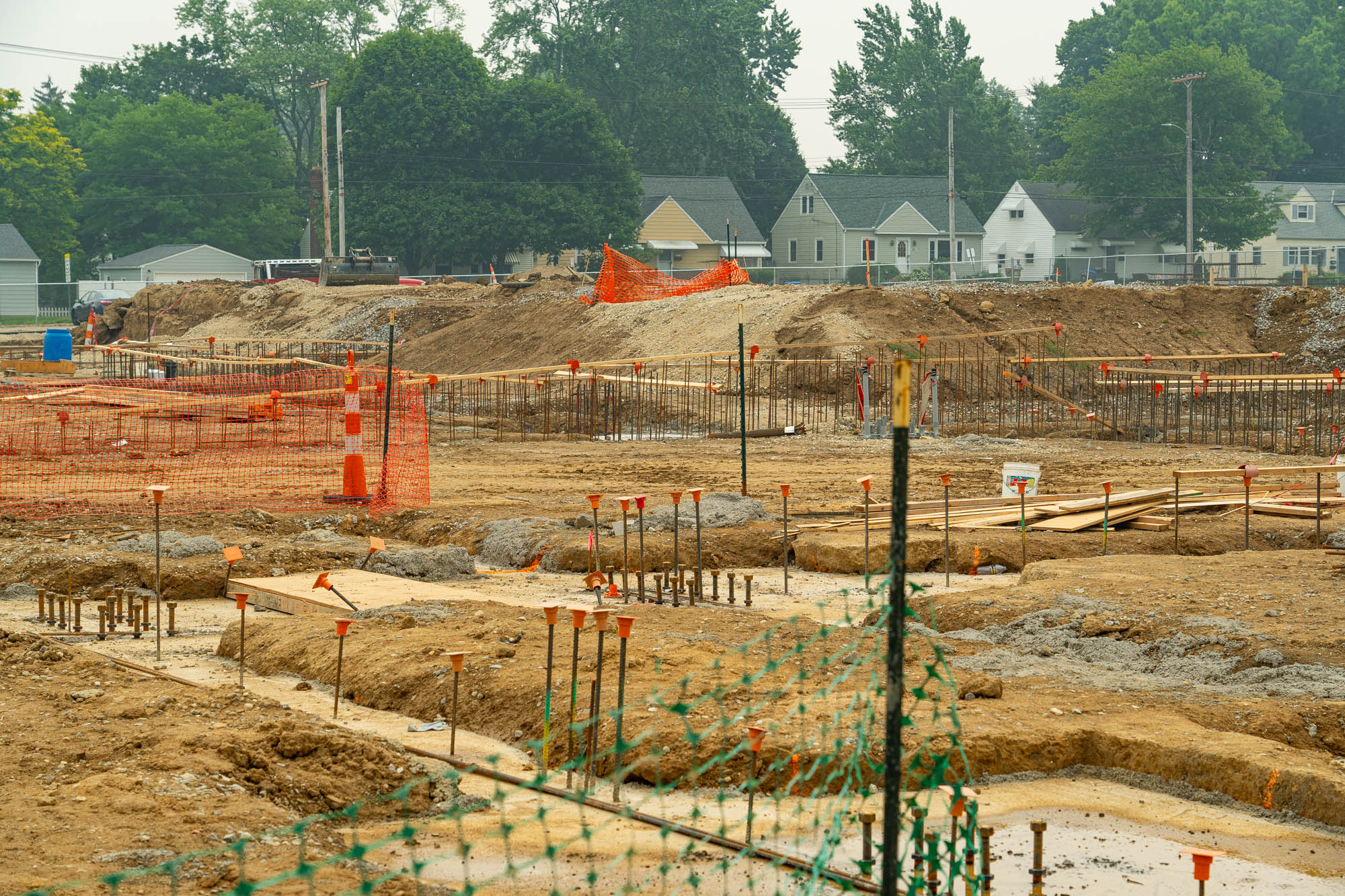
Since the groundbreaking eight months ago, construction teams have busily prepared the site before pouring foundations and erecting the school’s superstructure. While progress may not be evident viewing the site from the street, a tremendous amount of work has been completed. Site engineers have shaped the contours of the site, smoothing, removing, and adding soil in various places to support the building’s footprint. Additionally, a ring road and access lots have been created to aid construction. Now that the primary site plateaus where the building will sit are finished, viewers can see how the mass of the building steps down over the entire footprint. 
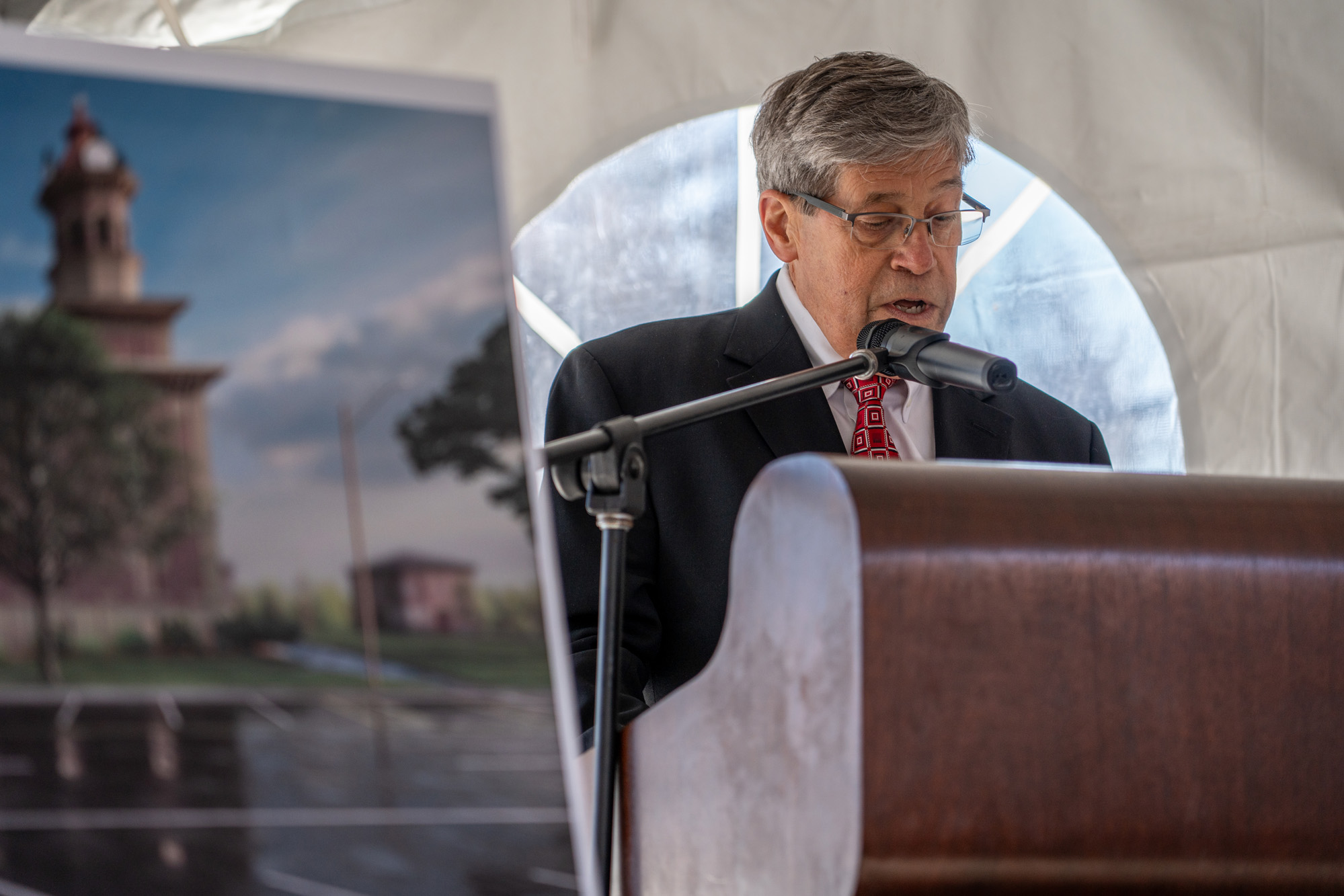
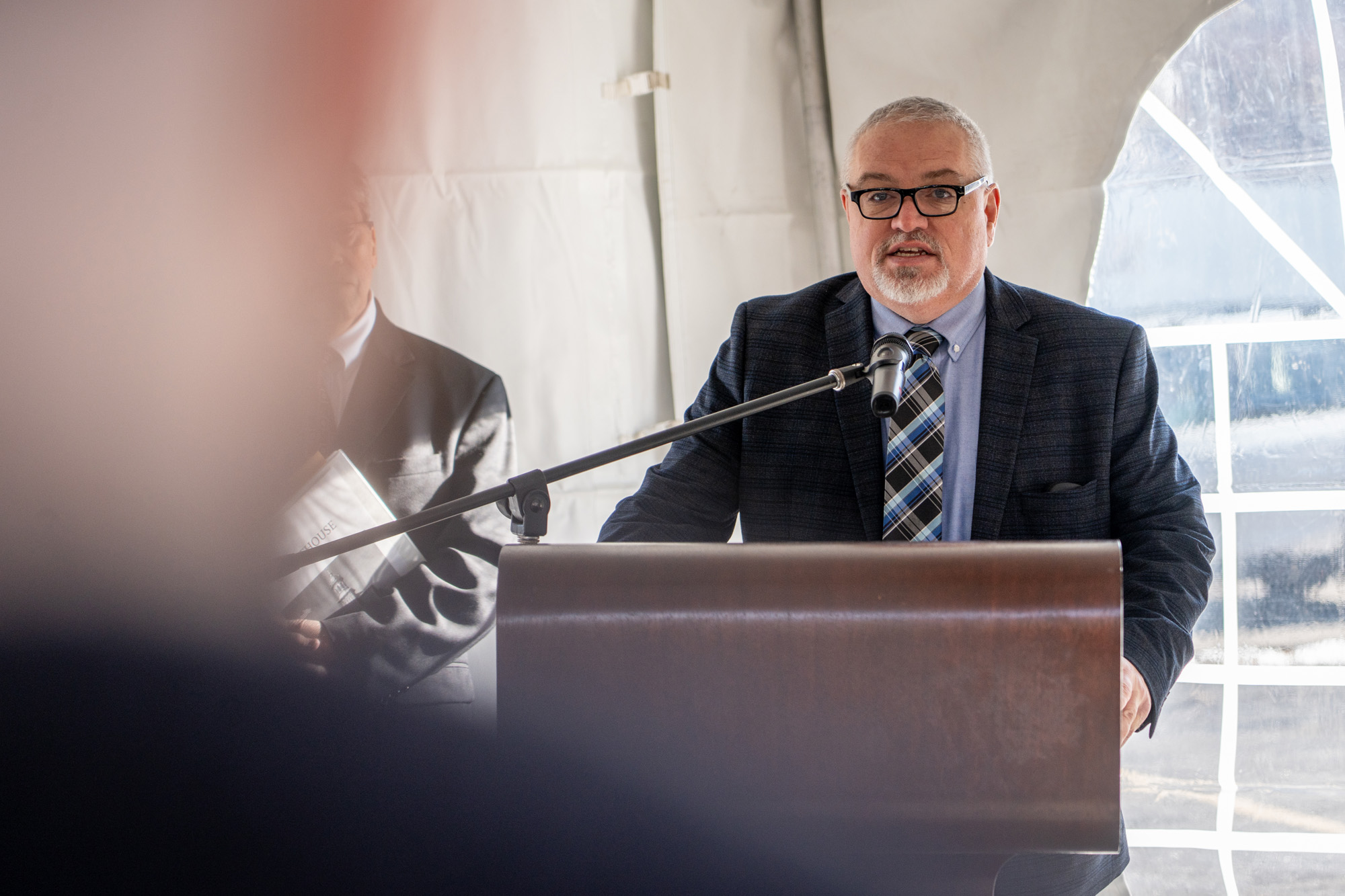
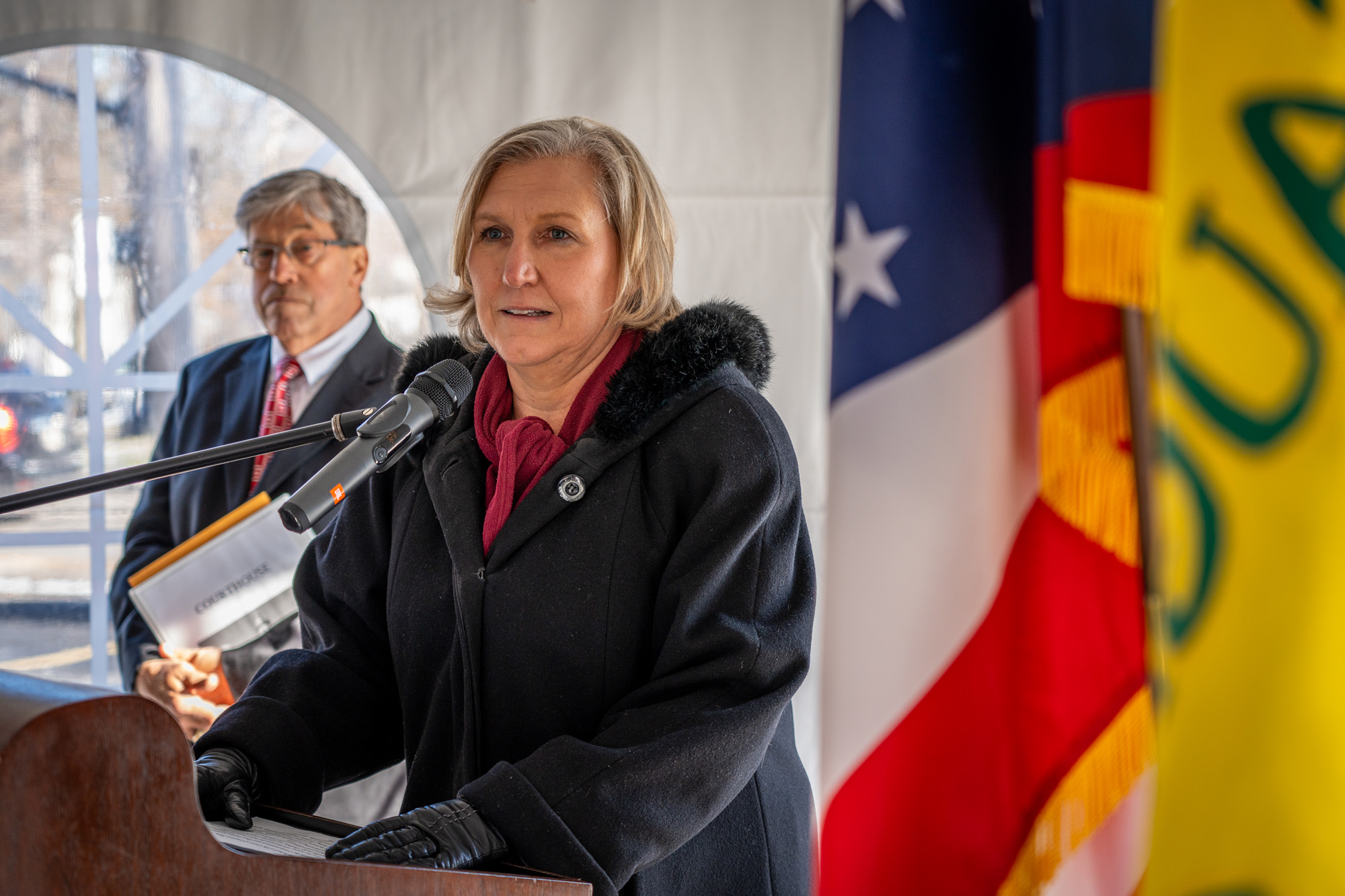
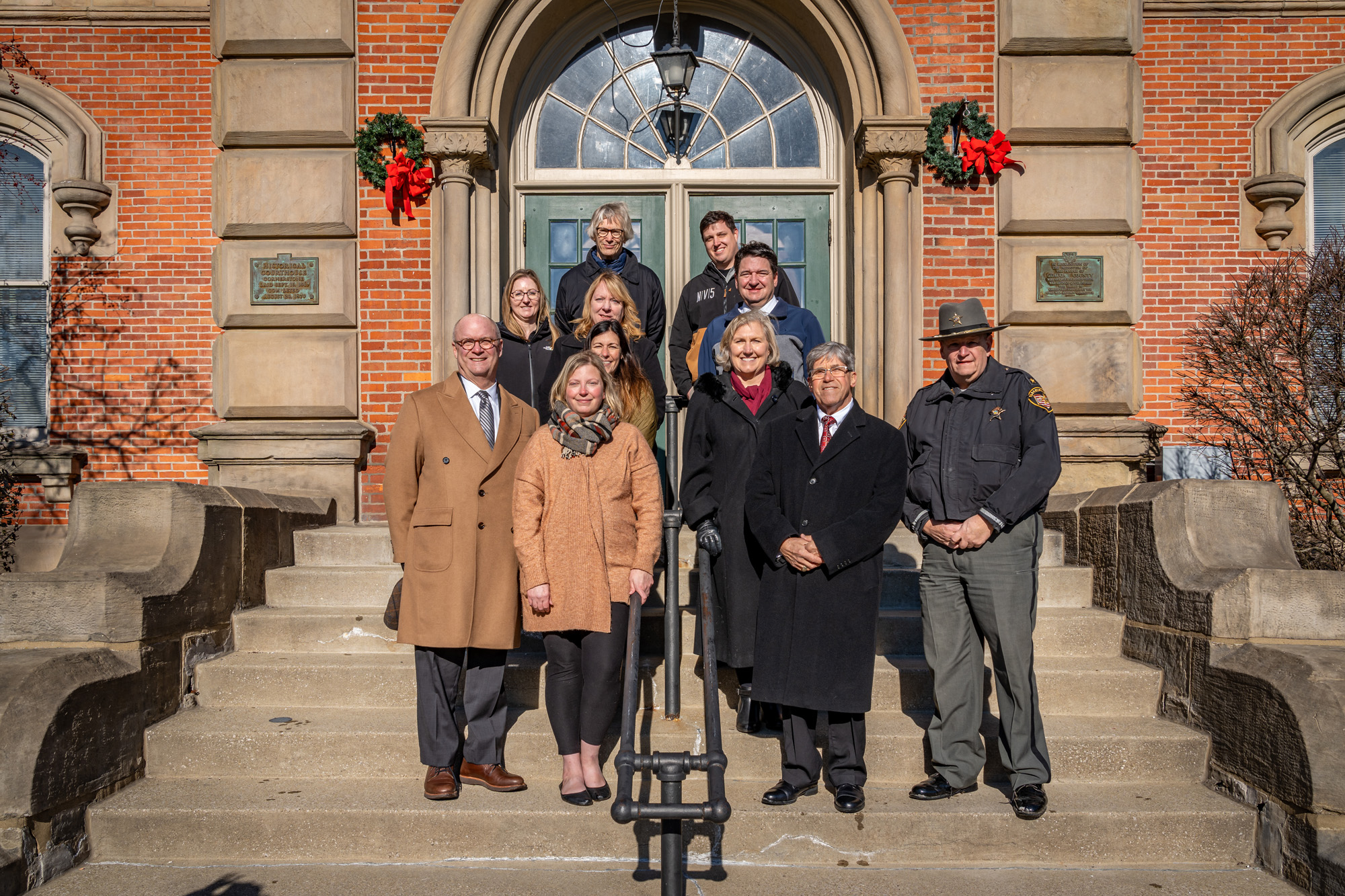
View a Design Animation of the new 6-12 Campus:

A Challenging Construction Environment

Scott Alleman, the architectural project manager from ThenDesign Architecture, is familiar with site challenges that could arise from a project of this scale.   

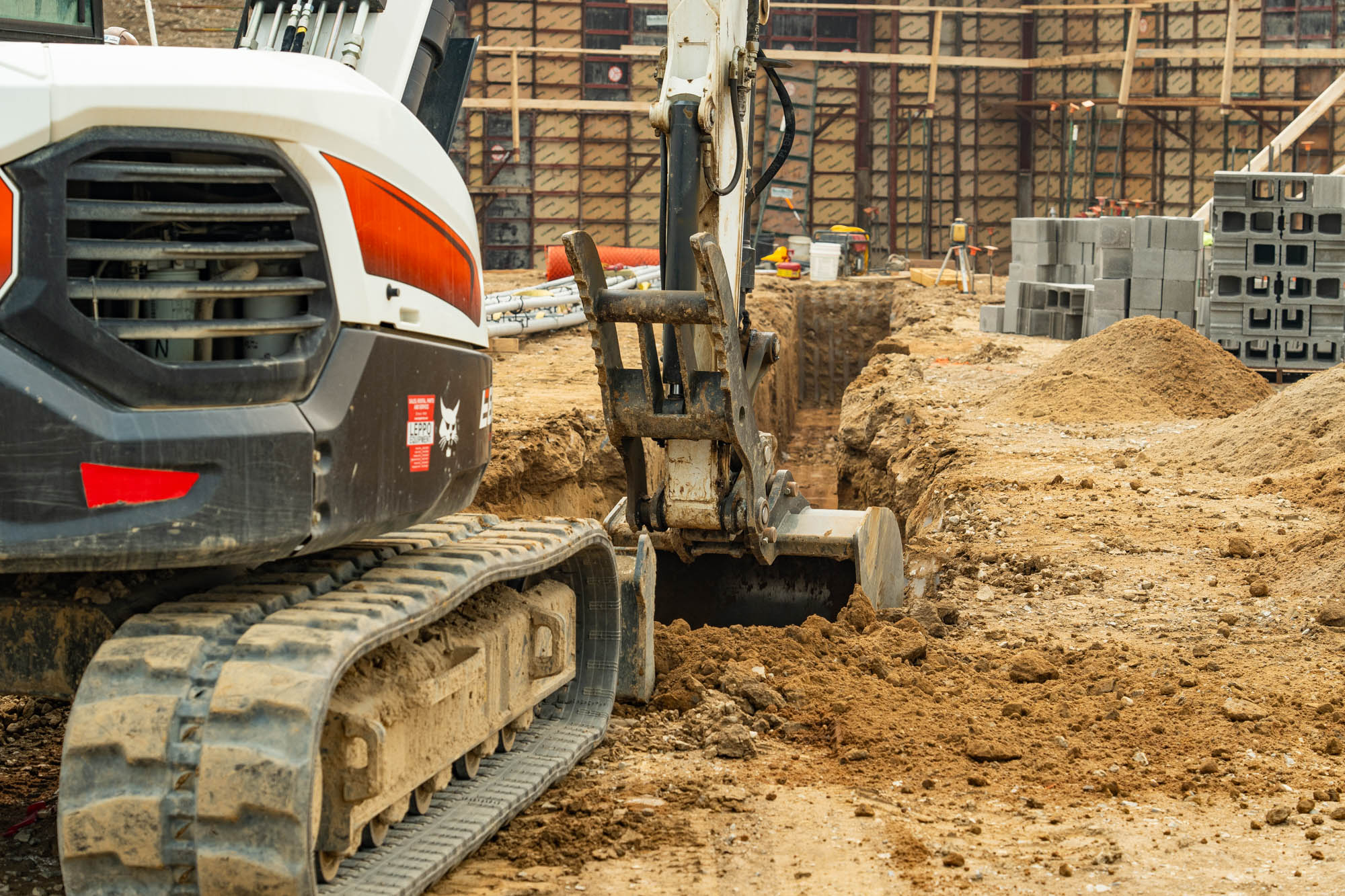
“Working with the soil is the biggest challenge at this point. The team works hard to ensure we are balancing the ‘cut and fill’ when developing site plans. This minimizes how much earth we are moving. It can get expensive when you need to move soil offsite.”

While the soil is being prepared, the team sometimes needs to stabilize and remediate weak soil to support the weight of parking lots and the buildings’ structure. This ensures that as construction progresses, there is a strong foundation. Scott continues, “You often spend a lot of money solving problems with soil, stabilizing the substructure, putting in foundations, and bringing utilities through. Unfortunately, you don’t ‘see’ the money you are investing here. You are literally burying it. It is necessary, though.”

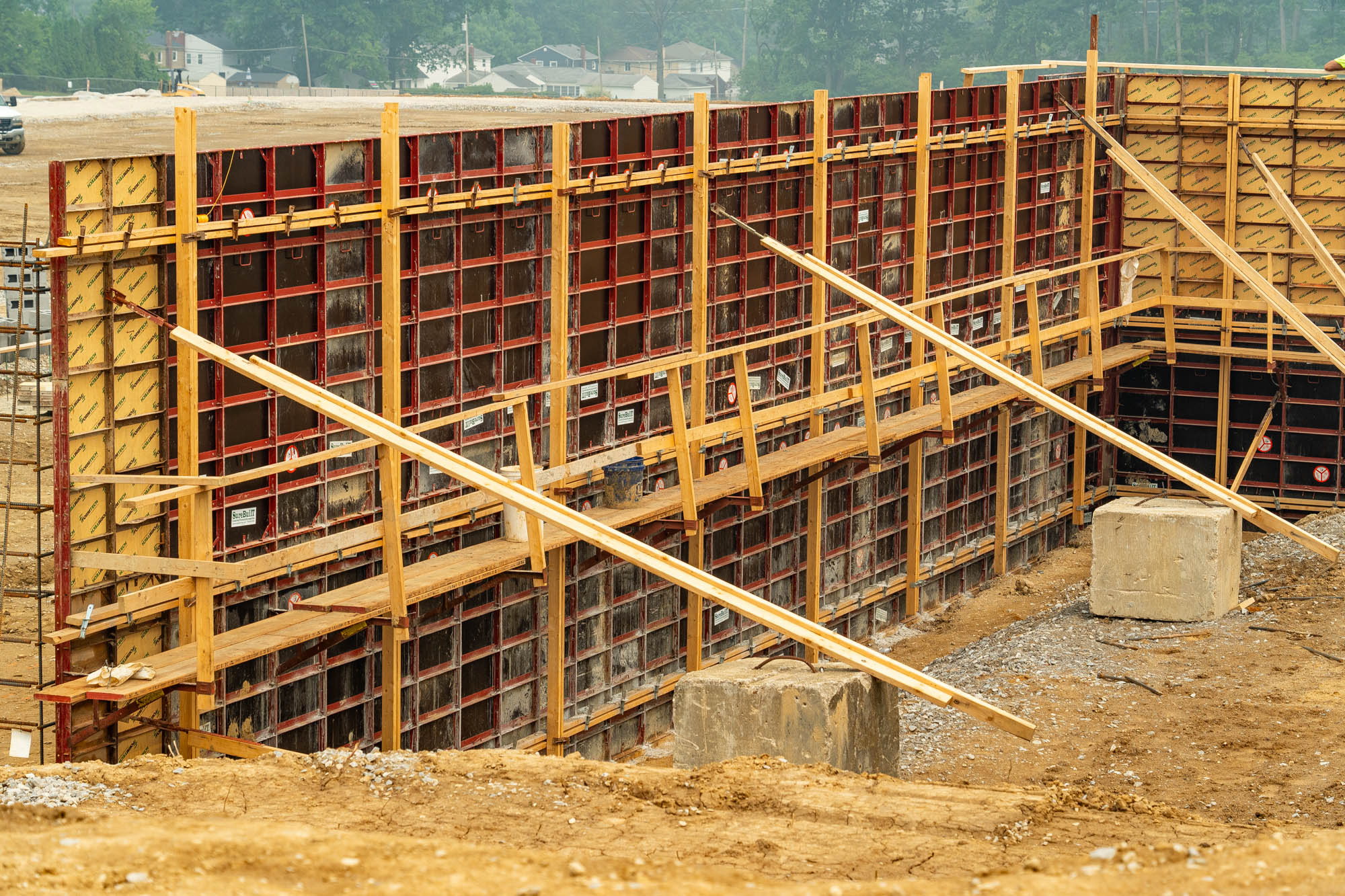
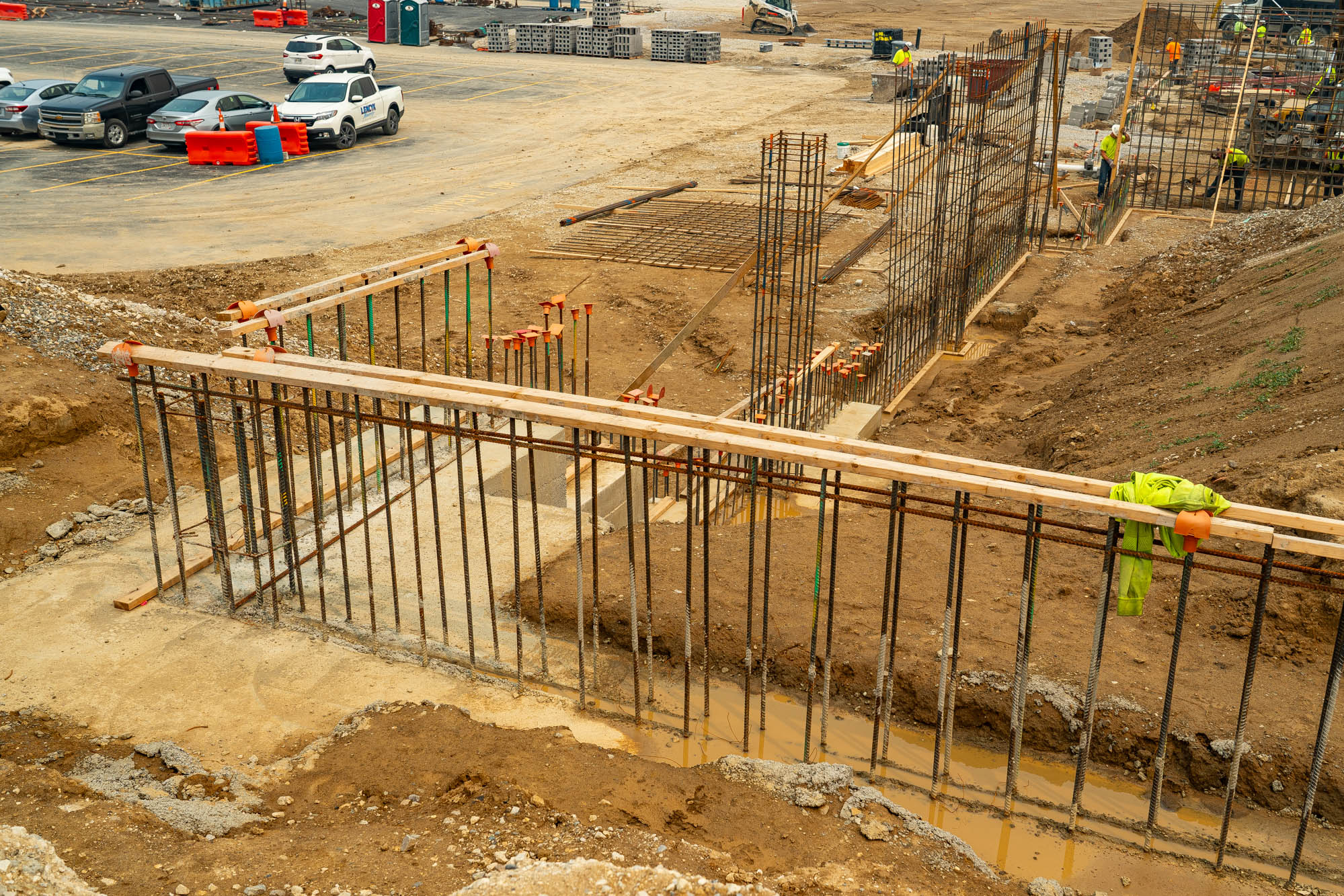
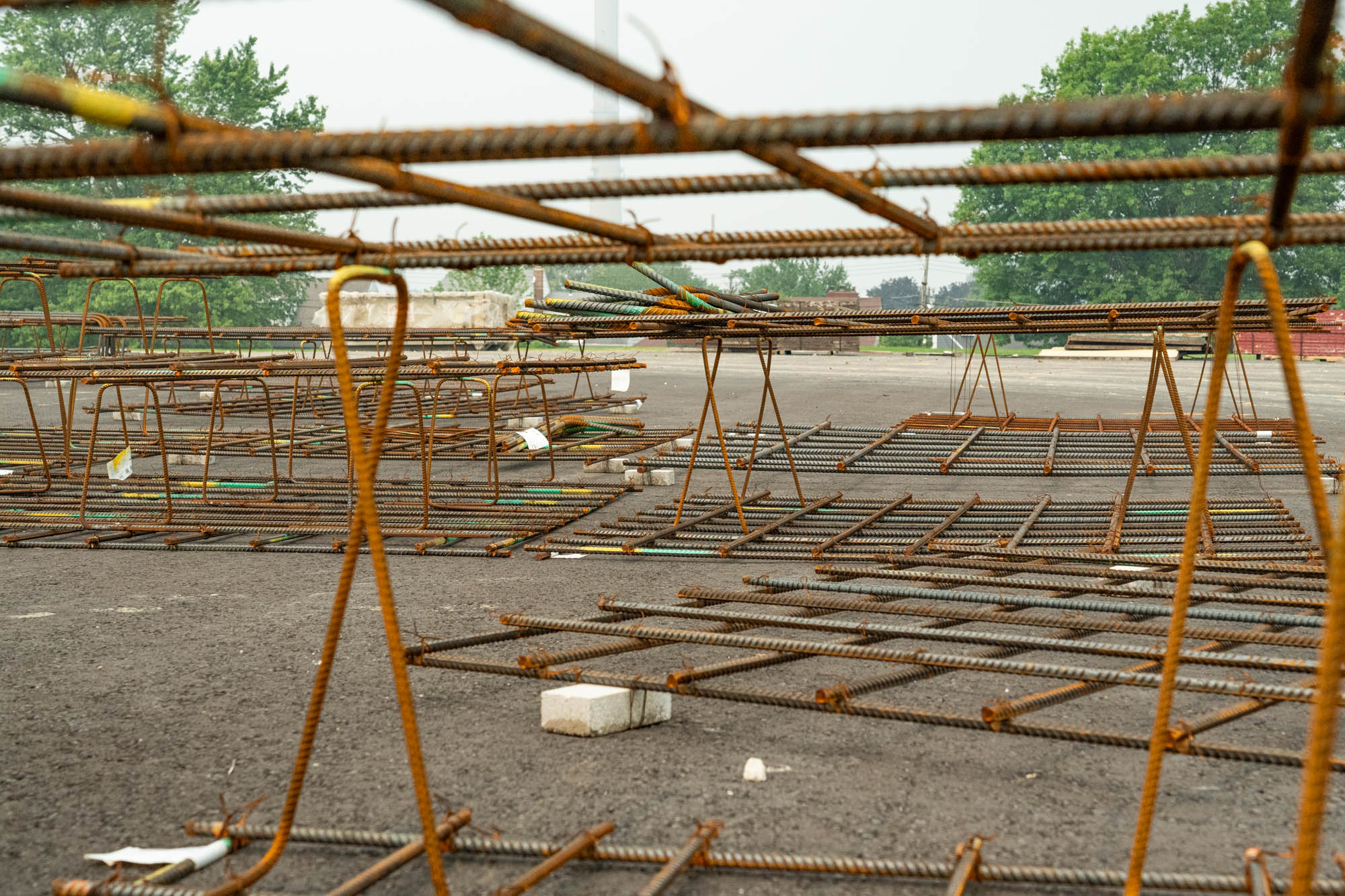
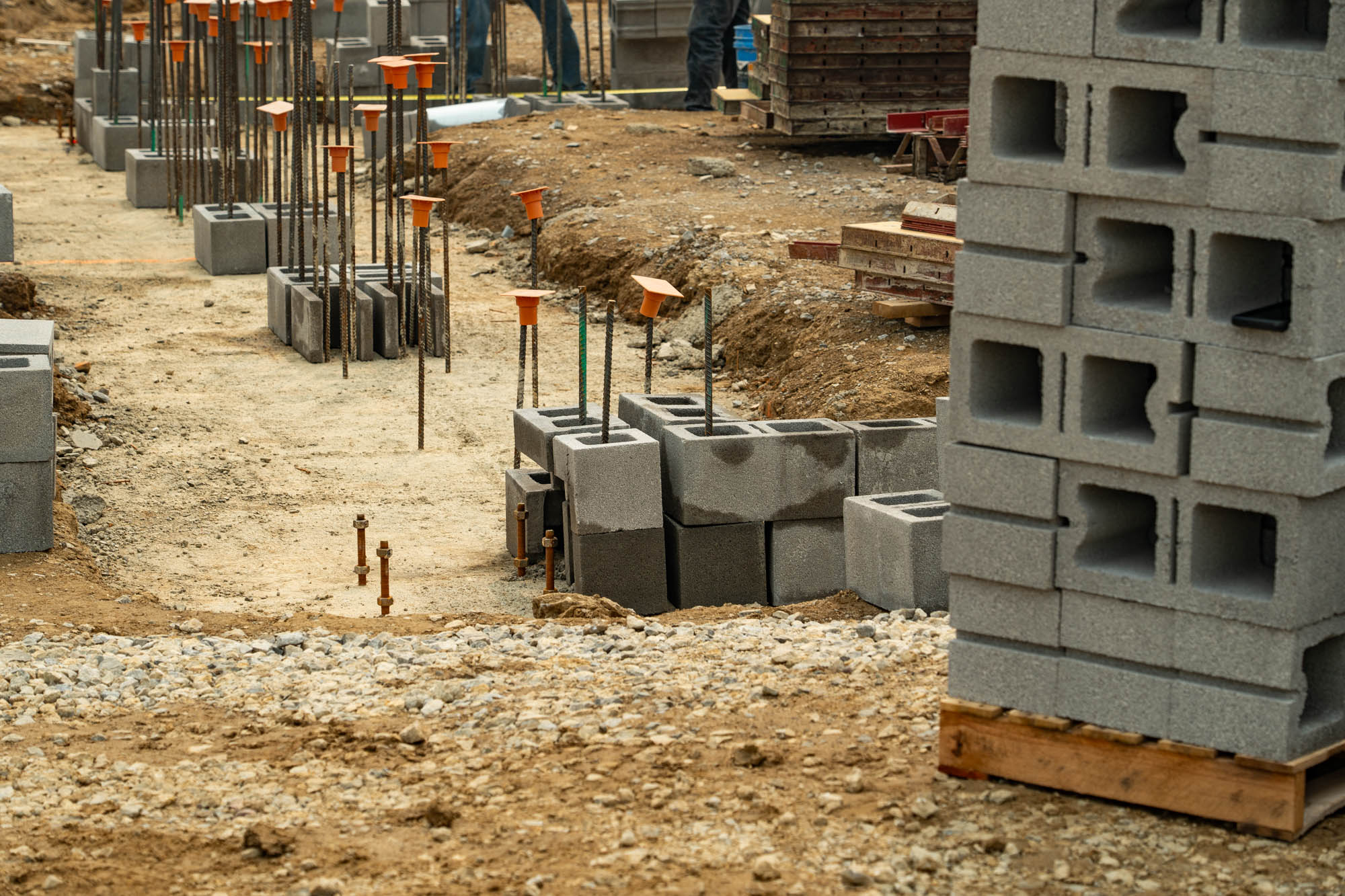
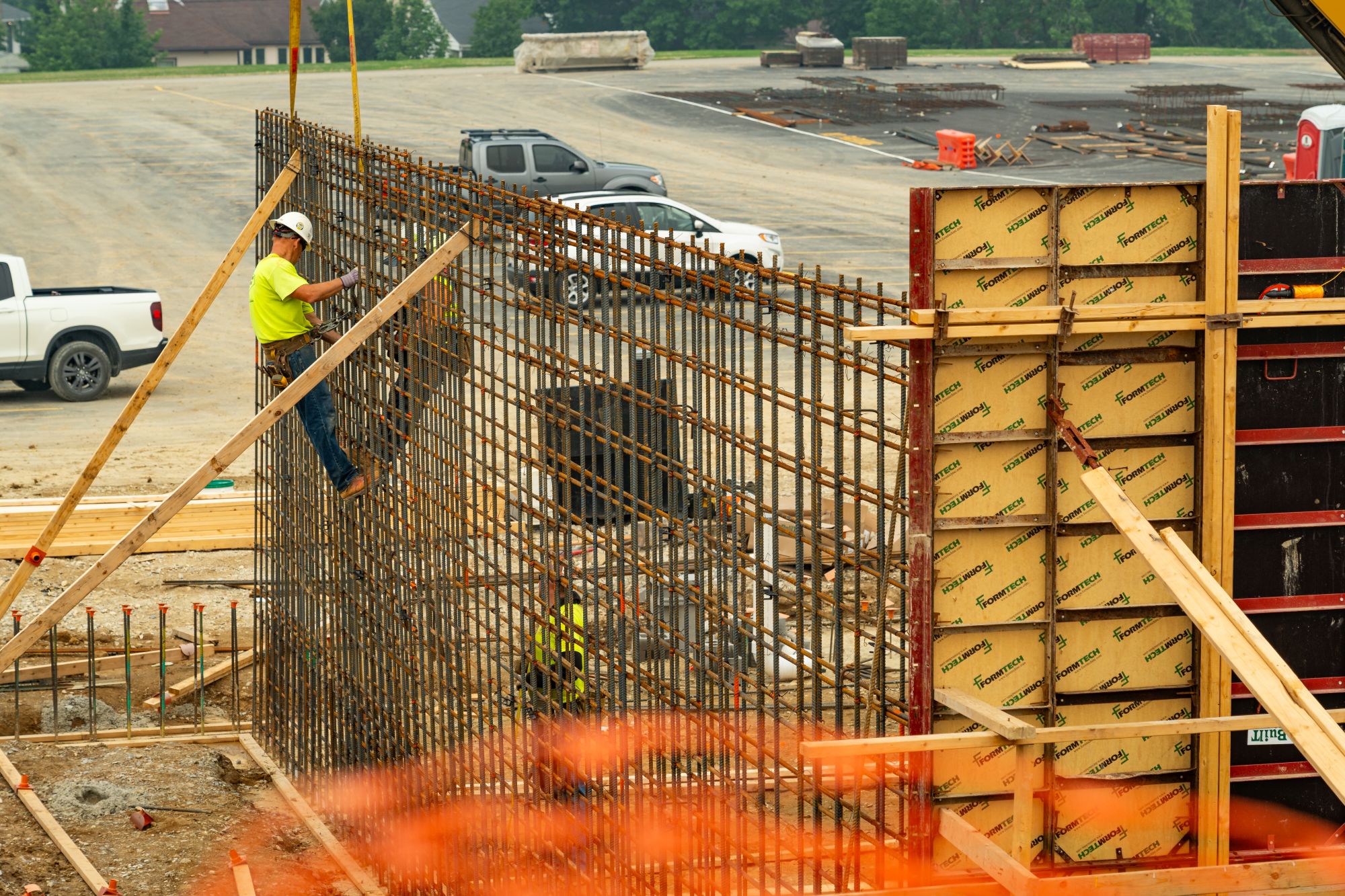
With the site prepared, construction teams will focus on finishing retaining walls, underground electrical and plumbing channels, and structure foundations. Scott continues, “We started in the fall, which isn’t a great time, but the weather has cooperated, and the crew works well together. There are invariably little issues here and there, but we solve those as a team.”

Site Work Progress:

Looking Forward to the New Cuyahoga Falls 6-12 Campus

With the site work wrapping up, construction progress will become much more evident.

“The site work is exciting because it is such a big change,” Scott added, “but soon we are going to see the building take shape. Once the foundations go in, then the walls will start coming up, and the steel roof will go in. While we are still a little way off, progress will start progressing very quickly.”

Cuyahoga Fall City Schools looks forward to the completion of the new facility. Not only will students have greater access to modern technology but also a range of spaces that will enhance their educational experience.

The new campus is set to open during the 2025-2026 school year.  

Cuyahoga Falls 6-12 Campus – Preliminary Design Unveiled

Cuyahoga Falls 6-12 Campus - Preliminary Design Unveiled
On Thursday January 13th, the community, school district and professionals from ThenDesign Architecture and Hammond Construction met to deliver an update on designs for the new 6-12 Campus.

Cuyahoga Falls 6-12 Campus - Preliminary Design Unveiled

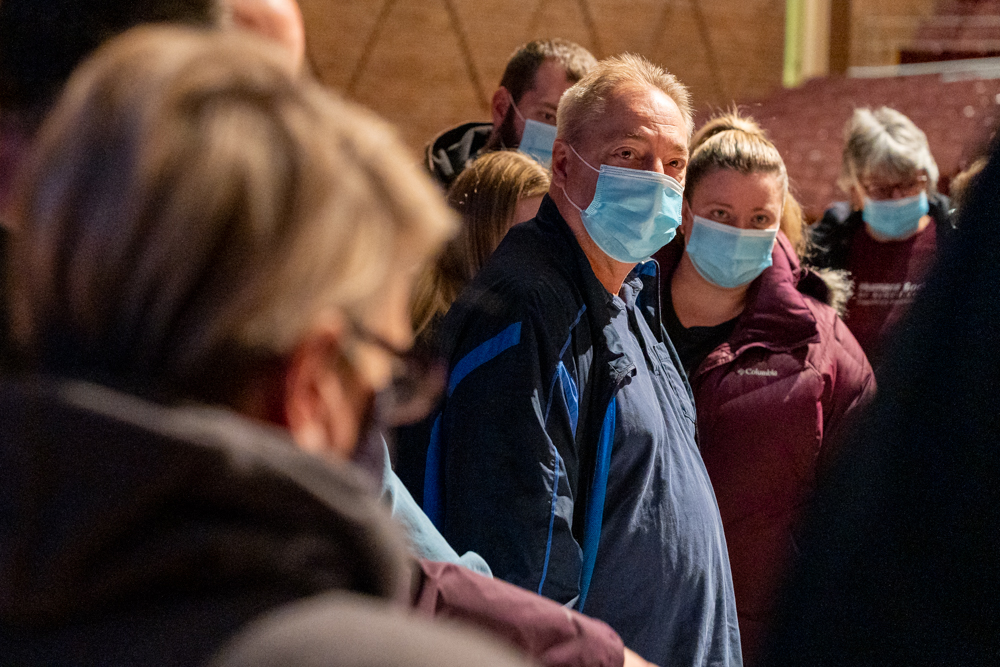
On Thursday, January 13th, the community, school district and professionals from ThenDesign Architecture and Hammond Construction met to deliver an update on designs for the new 6-12 Campus. This presentation gave an overview of the schedule and provided a glimpse into key spaces for the new building. Inside the Cuyahoga Falls High School Auditorium, over 200 community members attended either in-person or online to hear the update and ask questions about the project.

The new $113 million, 365,000 square foot facility will serve grades 6-12 and was funded by a voter approved Bond-issue in 2019 along with funding from the state of Ohio, through the Ohio Facilities Construction Commission. The goal of the project is to create a facility that provides strong, innovative programs for students, a safe and secure learning environment, and work as a gathering place for the Cuyahoga Falls community.

At this event, conceptual renderings and a site plan were shown and discussed with the community.

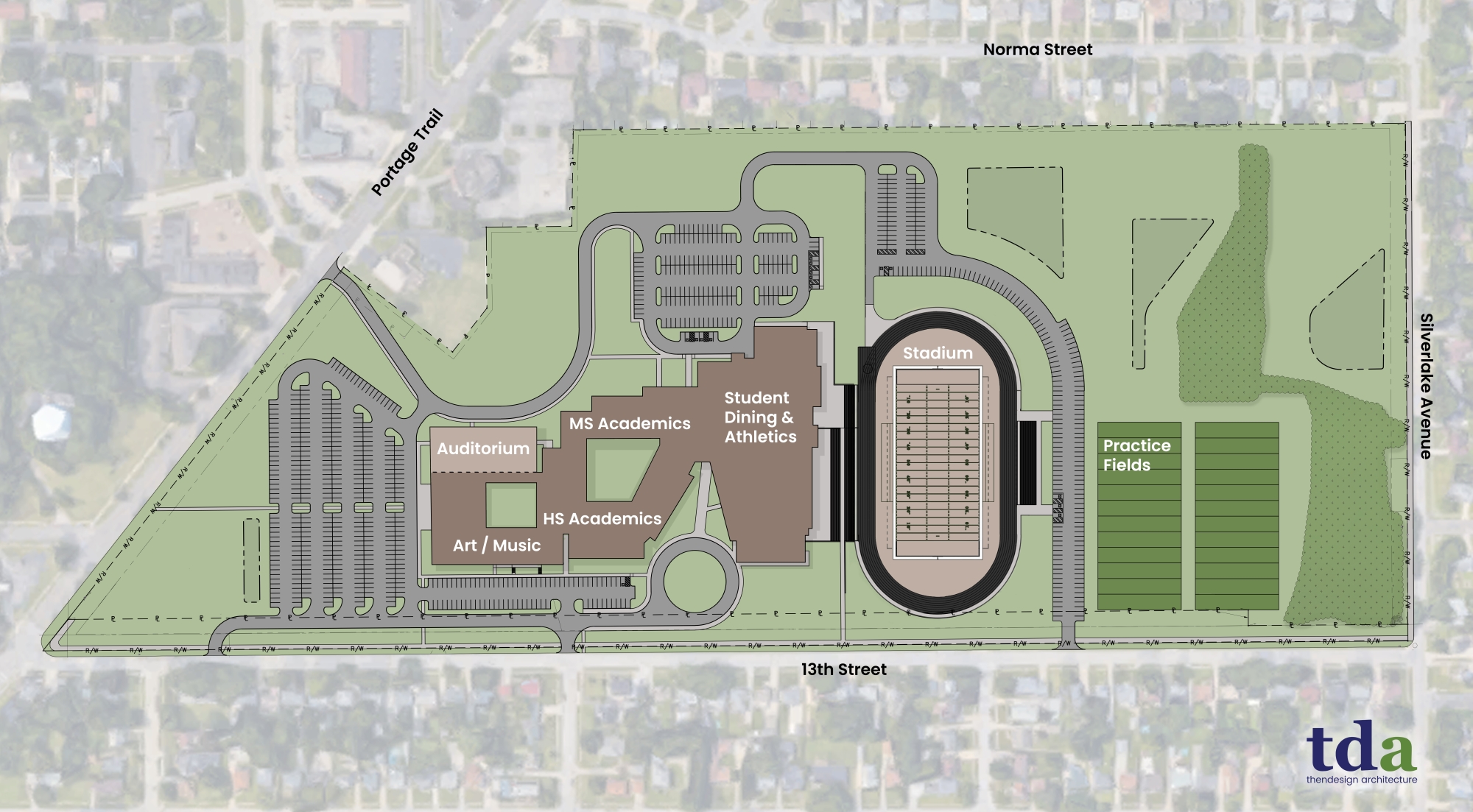
Cuyahoga Falls 6-12 Campus Preliminary Site Plan
“This design puts academics first, and that's the most important part of the project. We are building new facilities because we believe they will help us provide better education to our students."
Anthony Gomez
Board of Education President

Project Timeline

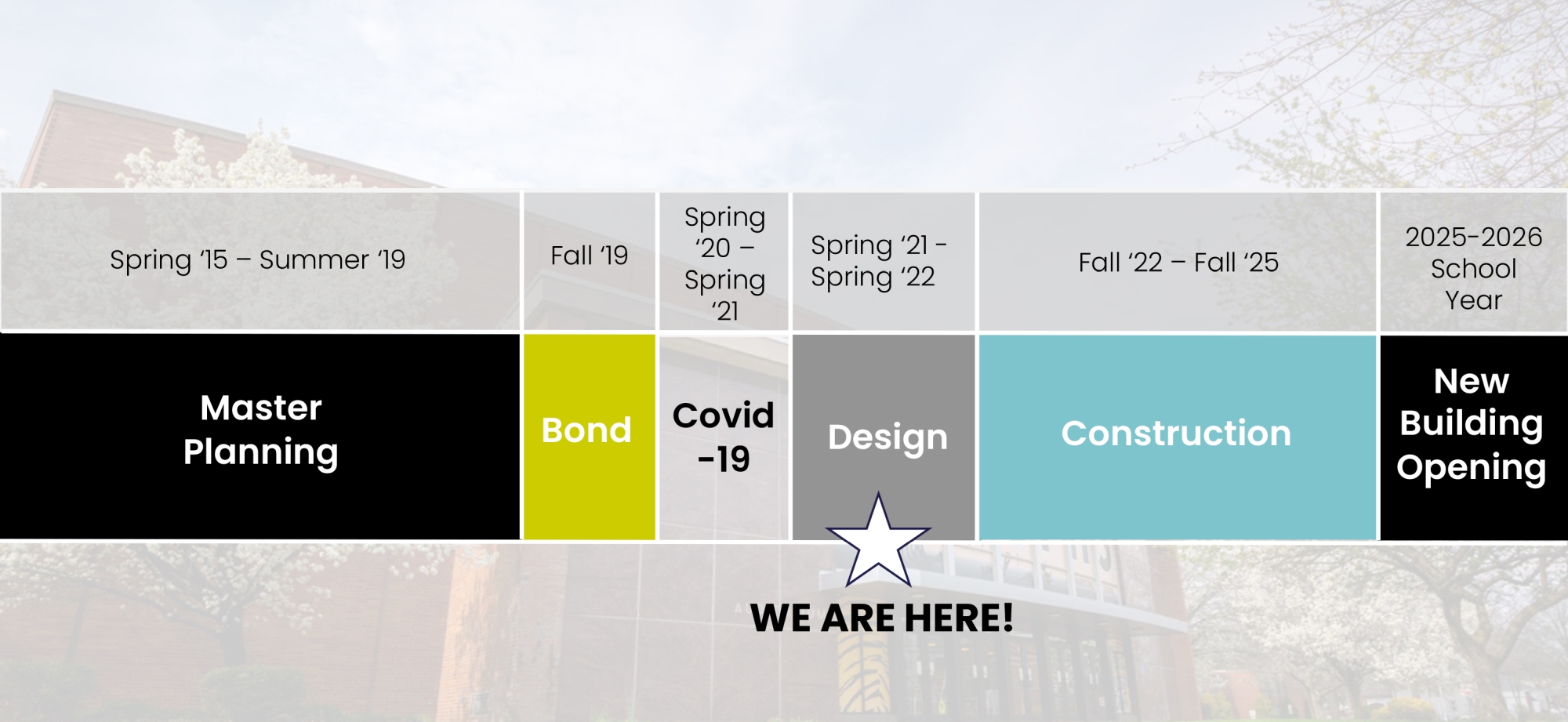
In 2015, the Cuyahoga Falls City School District laid the foundation for future buildings by assembling a master plan. Planners examined the existing conditions of school buildings, student enrollment projections, and the needed square footage to serve future populations. This was then submitted to the OFCC in a report that is used to assess funding options for the District.

Then, in fall of 2019, community members approved a Bond issue that would provide $80.6 million for the project and the state would commit $33.6 million. As the Covid-19 pandemic swept the country in early 2020, the state froze funding for new projects and the team was forced to delay until early 2021.

This is when design officially started with Educational Visioning happening in April.

Cuyahoga Falls 6-12 Campus Project Timeline
“This project will mean the world for Cuyahoga Falls. This current building has been here a long time, and has its challenges. Having a new facility will be a huge shot in the arm for this community.”
Russell Chaboudy
Interim Superintendent of Cuyahoga Falls City School District

A Challenging Construction Environment

Due to the Covid-19 pandemic, construction material prices are inflated across the country. It is not unique to Cuyahoga Falls, or the state of Ohio. All school districts currently involved in a building improvement program have been affected. Supply chain shortages, labor scarcity and market conditions haven’t existed like this in recent history and challenge school construction projects everywhere.

In August of 2021, as schematic design was completed, TDA acquired two cost estimates for the project. One was from Hammond Construction, the Construction Manager at Risk and another from an independent provider. While both estimators agreed on costs, due to market conditions, initial designs were 20-25% over budget.

The team spent the next several months refining designs and making the building more efficient. A variety of design strategies were used to alleviate costs. A few examples of cost cutting measures included minimizing site work by incorporating the natural slope of the land in the stadium, reducing the building footprint by grouping some academic spaces into a 3-story structure rather than a 2-story structure and developing a more efficient building exterior. These modifications have lowered costs significantly from the initial estimate.

Board of Education President Anthony Gomez commented: “I think the community is concerned about the cost overages but recognizes the reality of the economic situation we’re in due to Covid-19.” He continues, “They feel that when you say something, you do something about it. We have to continue to look at our options that will make a difference in this project.”

While significant progress has been made on initial designs, the current 10% overage resulting from the Covid-19 pandemic is still being addressed.

“In Cuyahoga Falls we have always faced challenges; our current buildings present some of those. This building project is a big deal for us and we will do it right. And we have to make the public understand that we're doing it for the benefit of future students."
Cuyahoga Falls Resident

Moving Through Design Development

Over the last several months, the District and design team have been outlining three pathways to solve the budgetary challenge. All three elements will be pursued simultaneously and evaluated through the next two phases of design.

  1. Examine alternate phasing and bid strategies for the locally funded initiatives (LFI’s). This means, bidding out locally funded initiatives separately, possibly at different times, to capitalize on construction efficiencies and capture potentially lower material prices when construction begins.
  2. Identify additional funding options that may be available to the District to help with overages. This could include grants, additional funding by the state or creative methods of leasing equipment and other items during the construction process.
  3. Continue to refine the current scheme in terms of design and construction methods to implement value engineering, making the school design as efficient as possible.

At this time, the building is being designed to its full scope, with all the academic elements of the building, along with the auditorium and stadium. By focusing on these 3 simultaneous pathways the District is hopeful to provide a path forward, solving the uniquely challenging budget conditions.

“I'm a Cuyahoga Falls graduate and now a freshman at Akron University and I think this is a really cool opportunity which is long overdue. I love the Falls, but I would love to see this plan built. It makes me want to go back to high school!”
Cuyahoga Falls Graduate

A Glimpse of Key Spaces in the Cuyahoga Falls 6-12 Campus

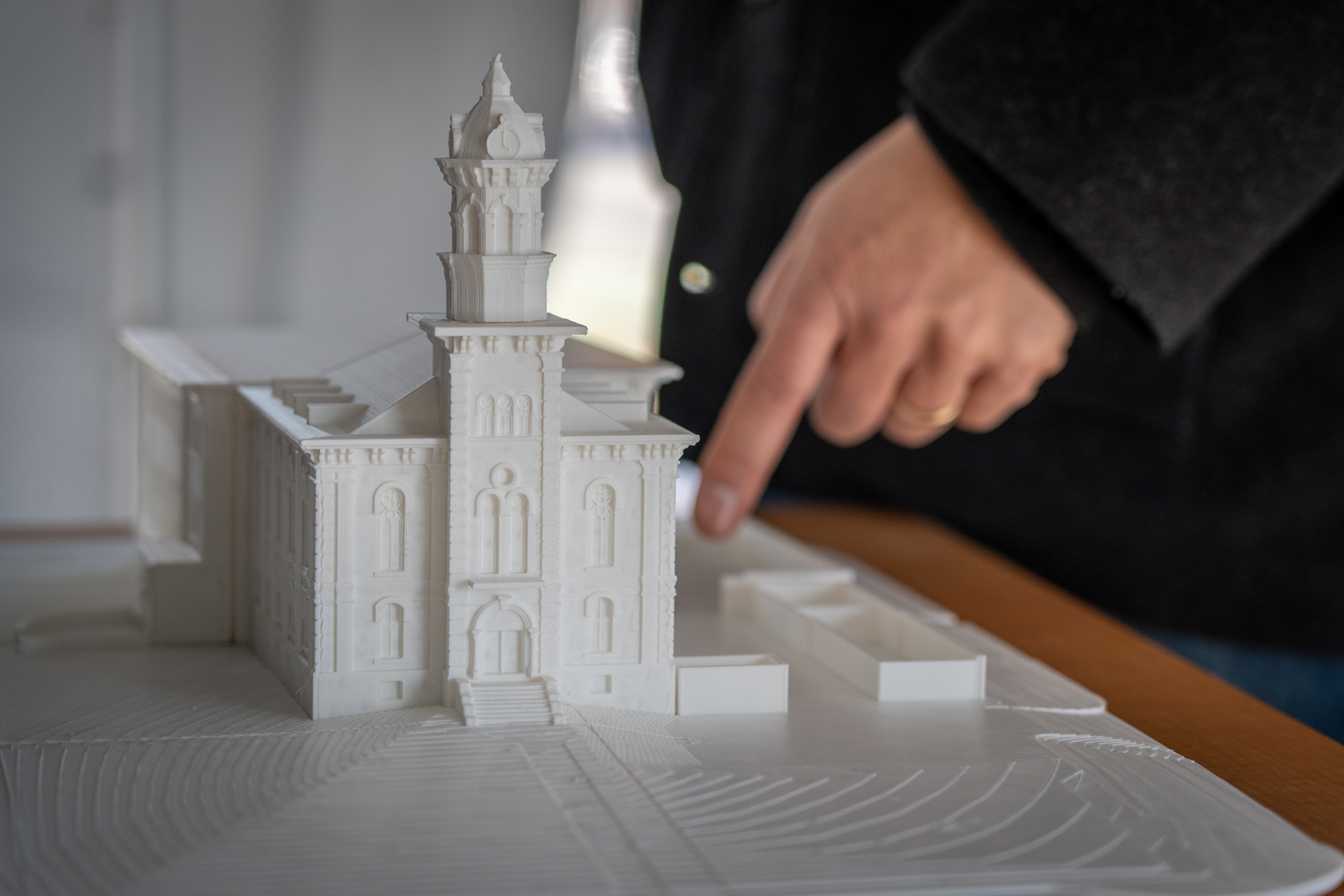
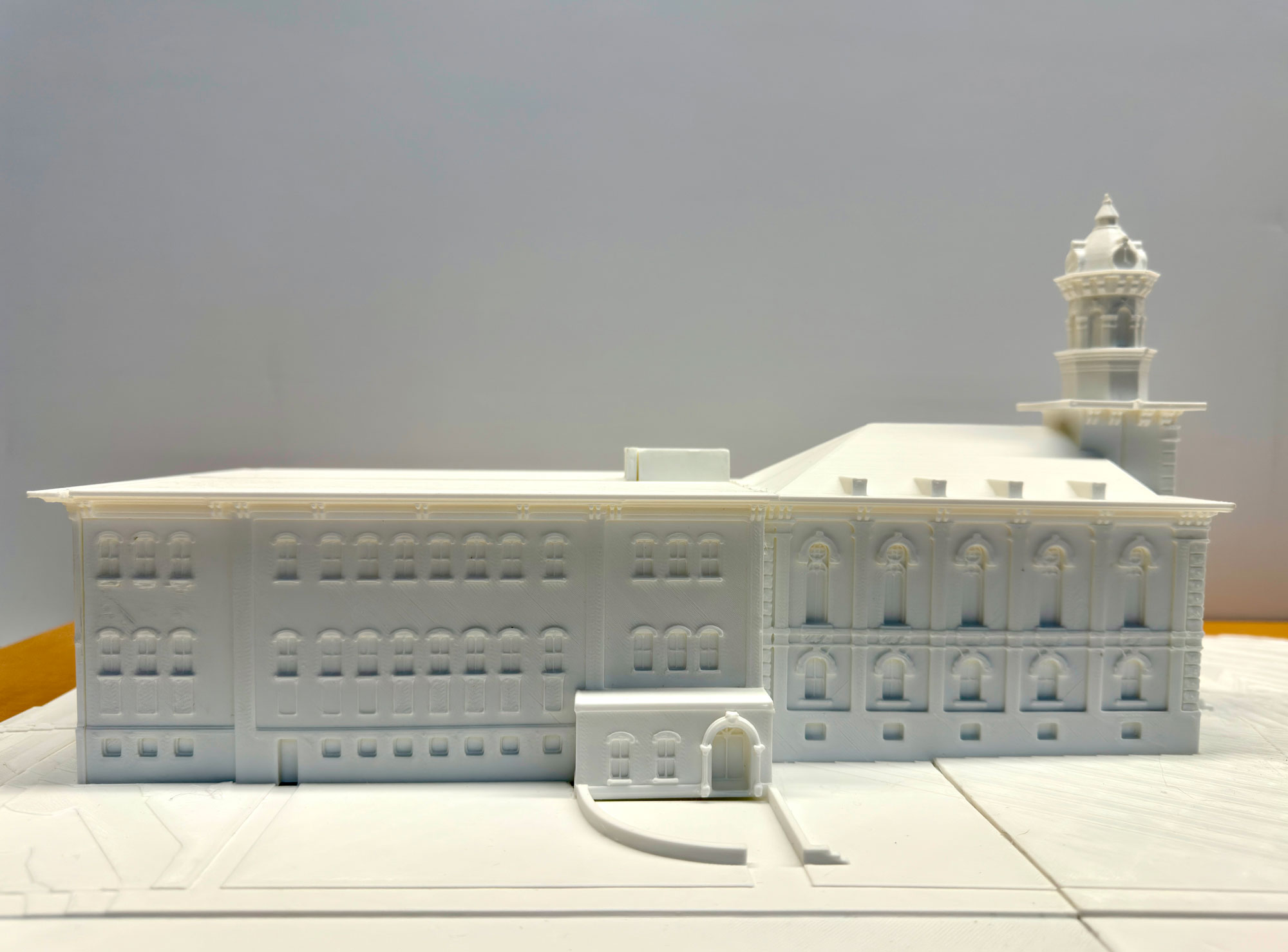
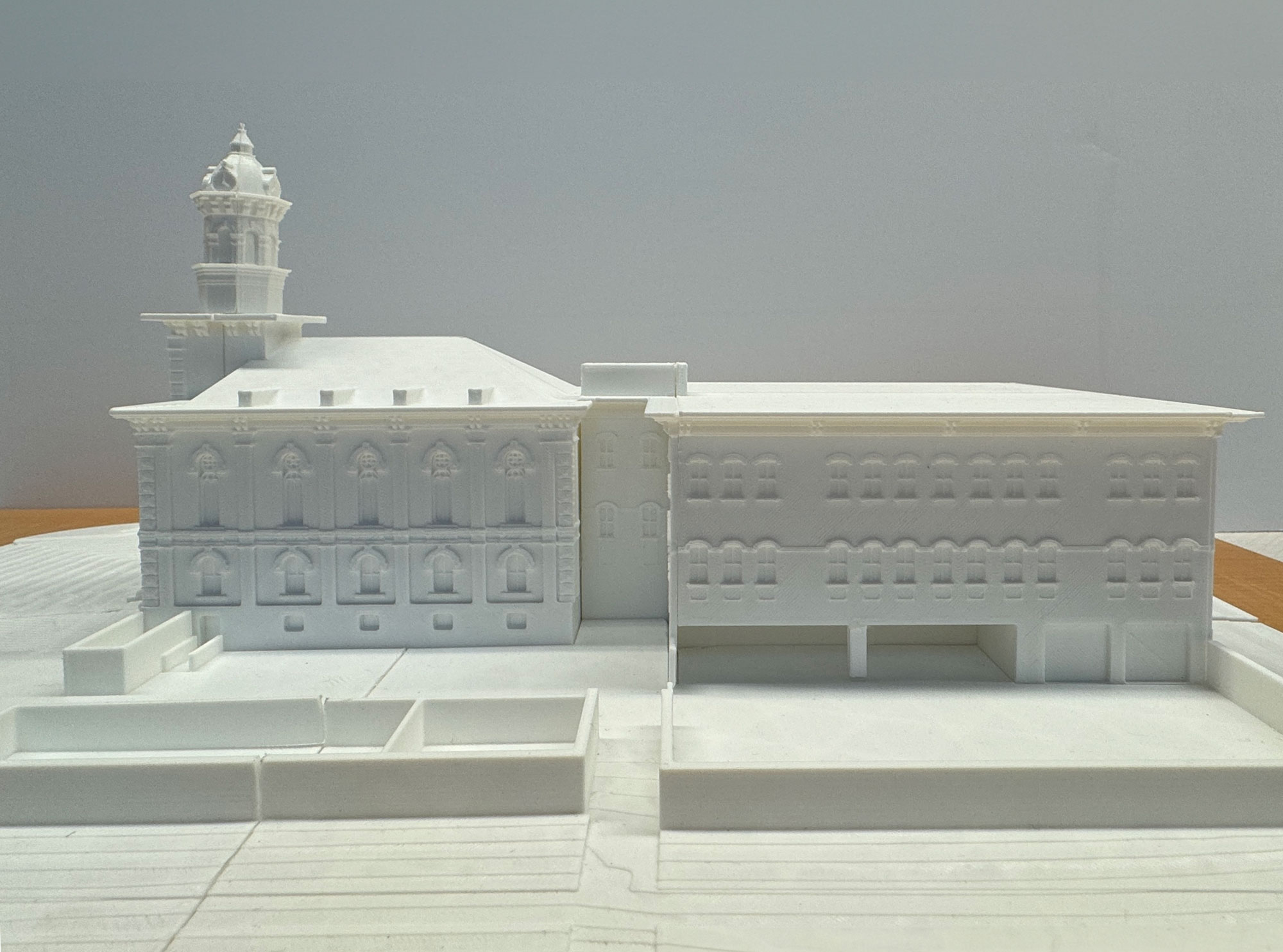
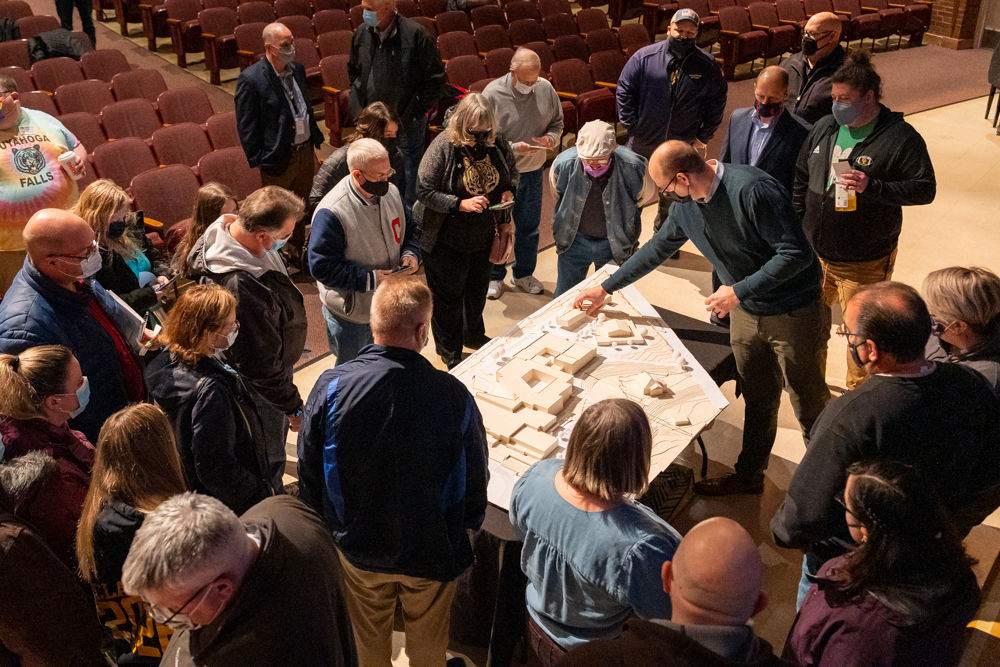
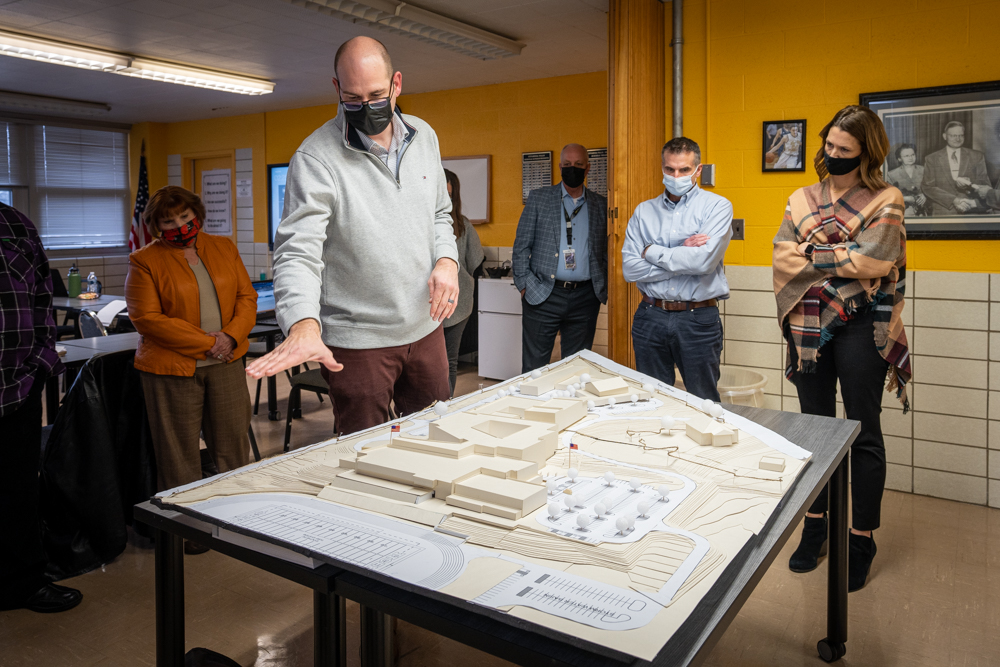
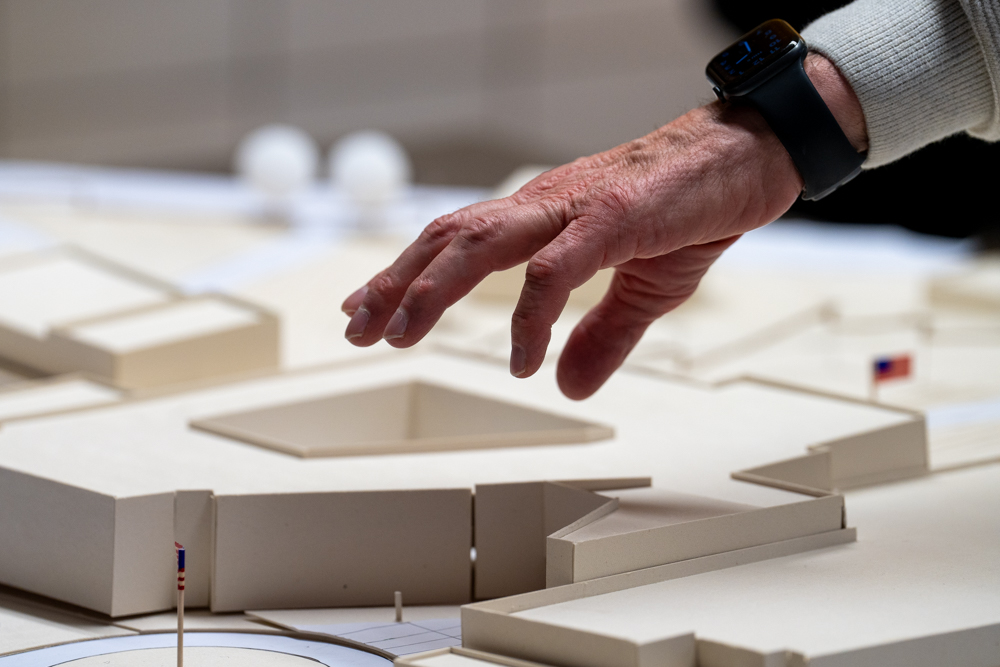
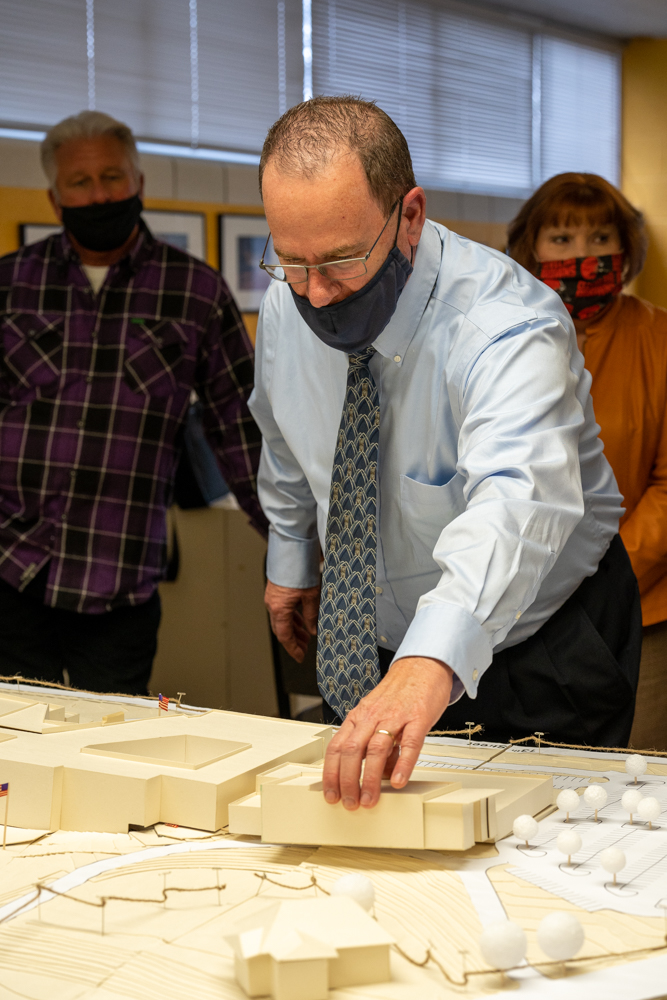
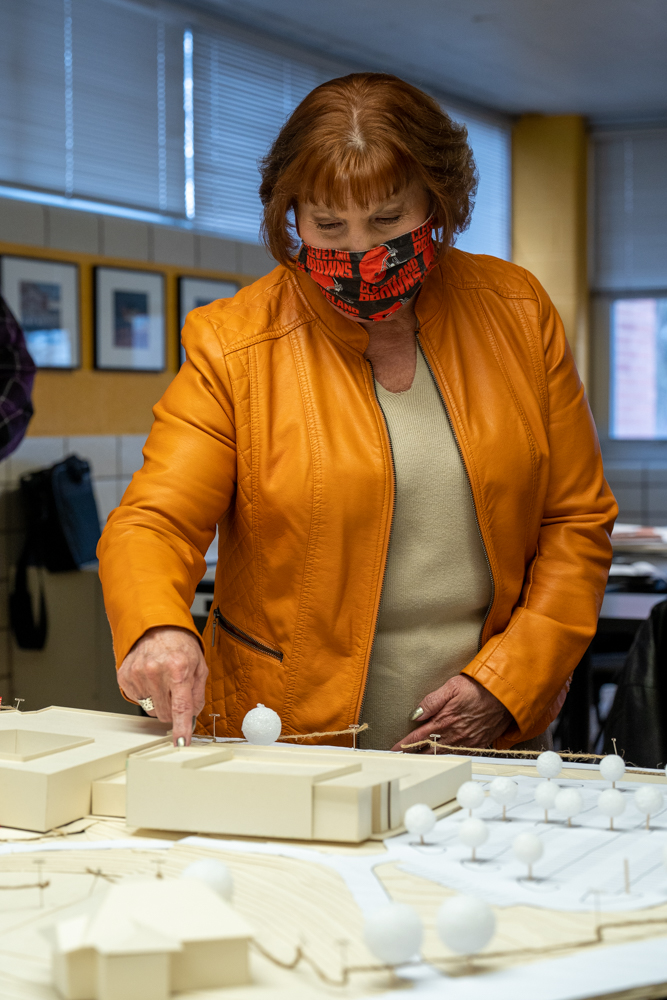
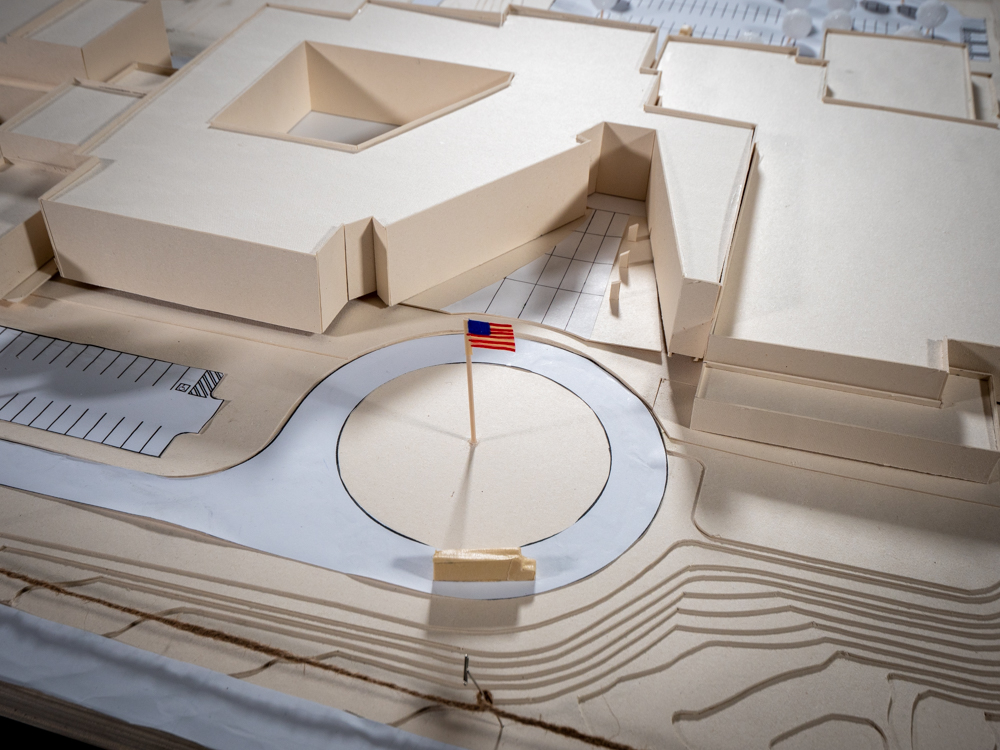
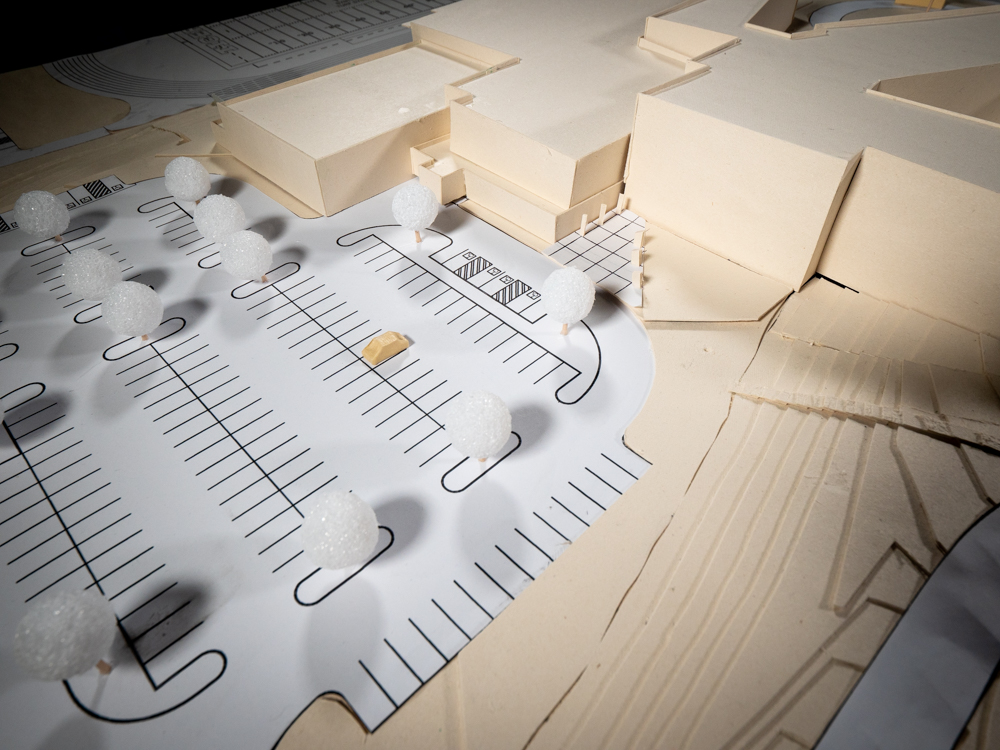
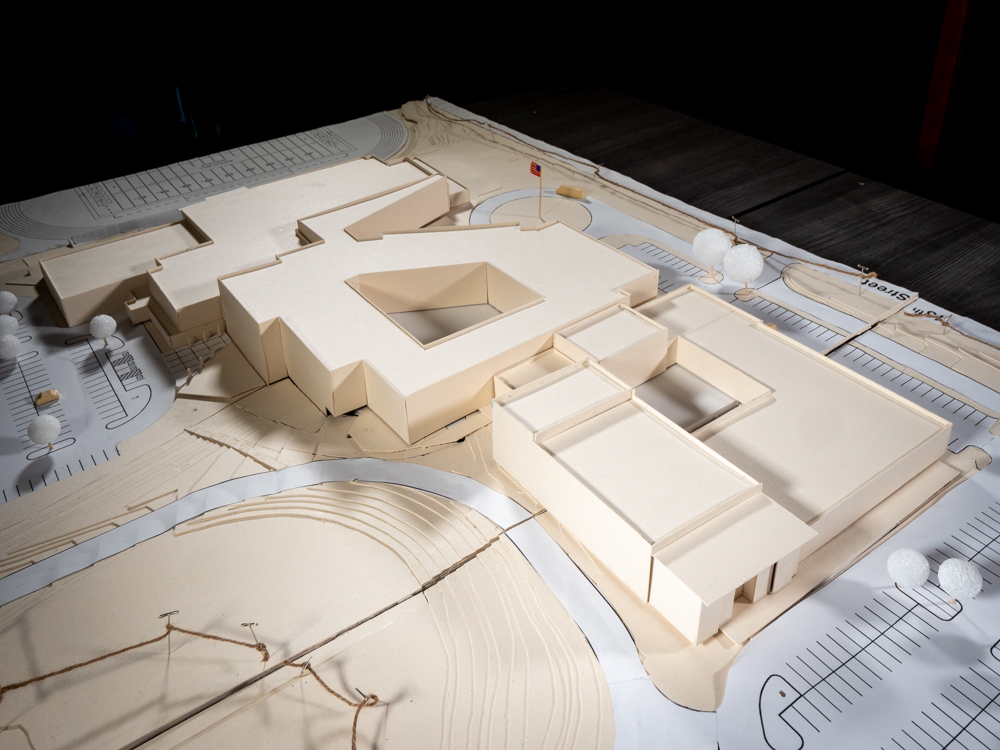
To better understand the site and design, the team developed a scaled model to display the current building scheme. This rough model has been a valuable tool to quickly assess site conditions, building massing, spatial relationships, and site visibility.

Interim Superintendent of Cuyahoga Falls City School District, Russell Chaboudy commented, “From my experience, a new building will bring people back to our schools and it creates new excitement for the teaching staff and students. I think it will benefit the student’s education and will mean so much to the kids in the community. You will see good things happening as a result.”

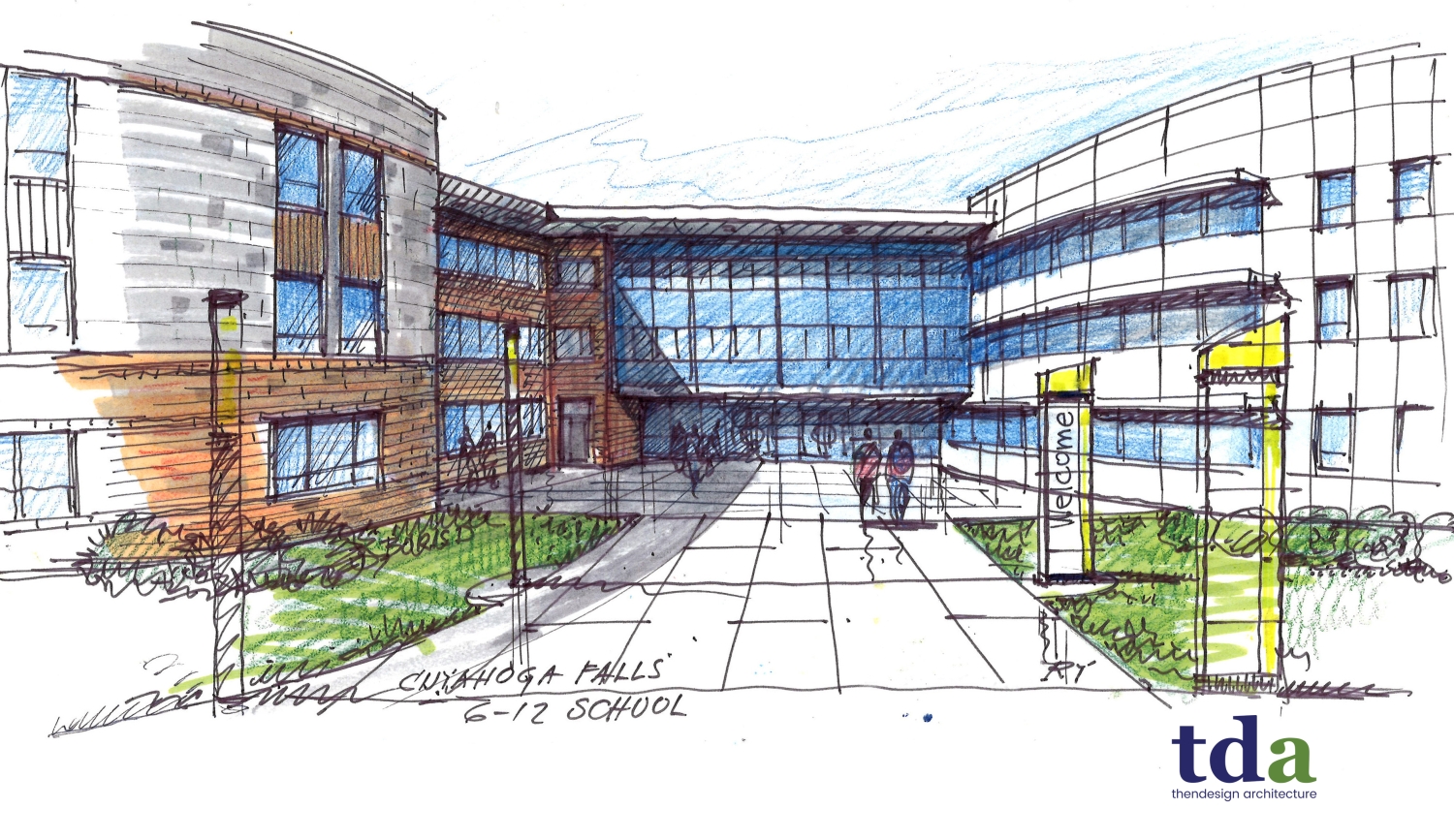
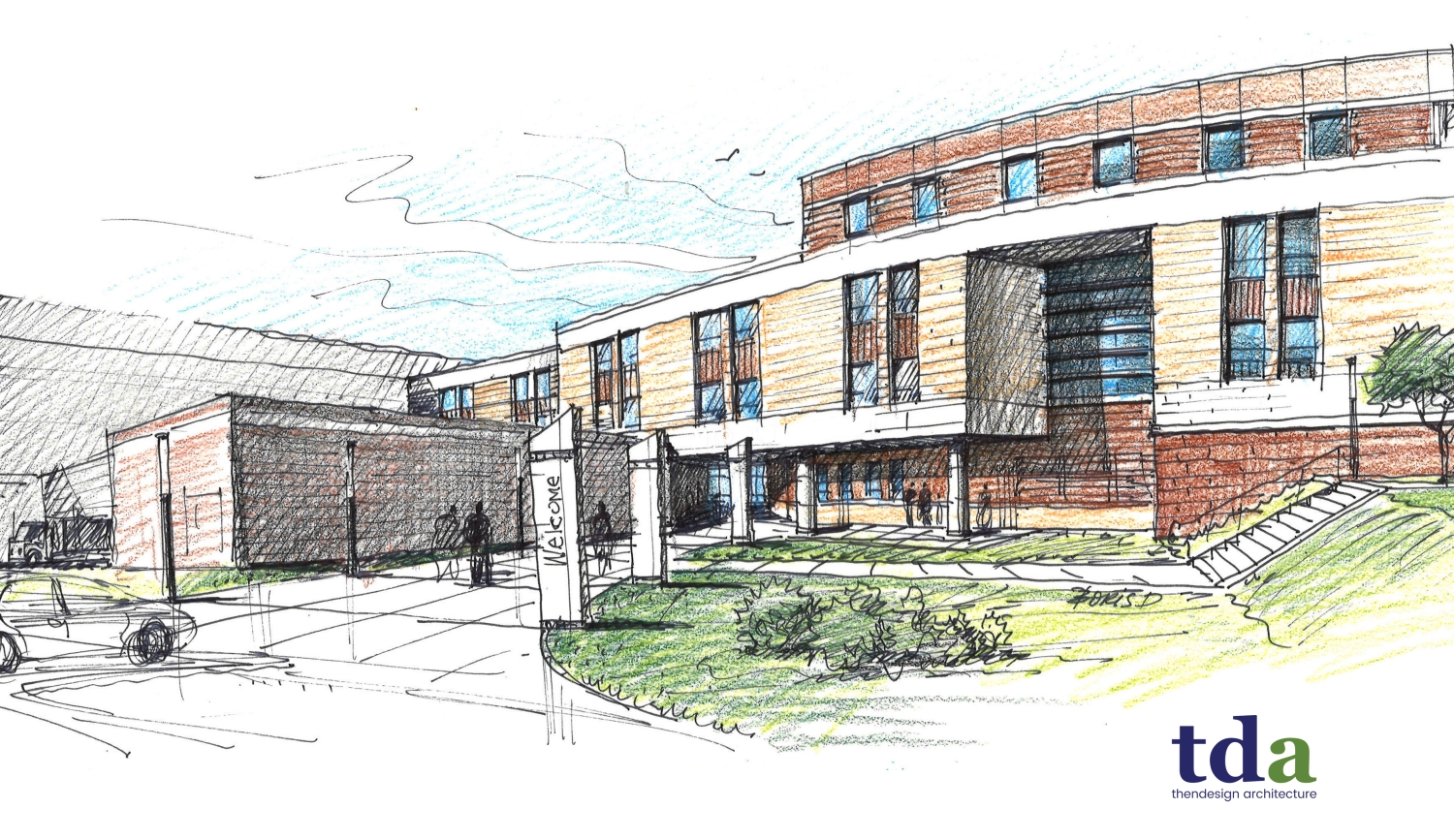
By working quickly between a massing model and conceptual renderings of the building, we can begin to imagine what the final building will look like. While imagery is still conceptual and being refined, the following perspectives provide a glimpse into the final design.

13th Street Entrance

West Entrance

Academic Space

Auditorium

Stadium

“It is exciting to see the ideas of having outside areas and courtyards for student dining, learning areas and these beautiful plazas. Isn’t that what we learned with COVID-19? You should be outside as much as possible to benefit your mental health.”
Cuyahoga Falls Parent

Next Steps for the Cuyahoga Falls 6-12 Campus

Over the next several months, the District and architectural team will be meeting with educators to continue developing the interior of building. This will include the layout of academic areas, shared and collaborative spaces along with discussing interior finishes and furniture.

The whole team is committed to developing the best facility to provide greater educational value for Cuyahoga Falls City School Students and meet the needs of the community.

Let’s work together to make education better. Interested in speaking with us? Get in touch!
Ryan Caswell

Ryan Caswell

Ryan is a communications specialist who is passionate about using digital media to further the goals of organizations and communities in Northeast Ohio. With a background in construction and a degree in architecture, he spent over a decade in corporate video production and brings this mindset to videography, editing, photography and content marketing. He is passionate about supporting the arts, and can be found hiking in the parks system.

Cuyahoga Falls 6-12 Campus, Academic Design and Construction Estimation

Cuyahoga Falls 6-12 Campus, Academic Design and Construction Estimation
Progress continues on the Cuyahoga Falls 6-12 Campus. Learn about the schematic intent behind the academic design and how cost estimations play a part of the architectural process.

Academic Design and Construction Update

Since the October 19th “schematic intent” event was cancelled, below is a brief snapshot from that presentation.

Progress continues on plans for Cuyahoga Falls’ new 6-12 school and stadium complex. The Cuyahoga Falls City School District, the Ohio Facilities Construction Commission (OFCC), Hammond Construction and ThenDesign Architecture have been engaging with the school district administration and staff, board members, community members, city officials, and various specialists through meetings, engagement sessions, surveys, and presentations. Each of these parties have helped to shape the design of the new school and are committed to creating a facility that provides strong, innovative programs for students, safe and secure learning environments, and a gathering place for the Cuyahoga Falls community.

The design process involves three major phases: schematic design, design development and producing the final construction documents. Schematic design involves the overall look of the building, preliminary floor plans and the layout of the building on the site. The design development phase includes refining the look, selecting materials, and designing the building systems.

A Cuyahoga Falls 6-12 Campus Planning Committee Meeting

Site Plan

The site is a 45 acre plot in Cuyahoga Falls, where the Bolich Middle school, the old Newberry Elementary, LayBourne Field and Newberry Park are located. Bolich Middle School (opened in 1954) was the first junior high school in the Cuyahoga Falls City School System. It became a middle school in 1983 and since then has housed grades 6, 7 and 8. Newberry Elementary School, which was originally built in 1956, is a single-story building that has been leased by Summit Christian School and Summit County Educational Services since 2005.

Bolich, Newberry and Laybourne Field are scheduled to be demolished with the new 6-12 building planned to occupy the site, along with a Performing Art Center and new athletic facility. During Educational Visioning, the community identified goals for the site, which included maintaining some of Newberry Park and allowing the new building to have a visual presence on Portage Trail, with athletic facilities being located towards Newberry Park. These ideas are being incorporated into the design.

The Existing Site for the Cuyahoga Falls 6-12 Campus
The District does a great job with their facilities, but this will be the "missing piece" to our city. Everything will be complete because the campus environment is perfect."
Don Walters
Mayor of Cuyahoga Falls

The Bond Process and Educational Visioning

While design officially started in April after an Educational Visioning Session, this project stretches back to the Spring of 2015, when the school District filed a master plan with the Ohio Facilities Construction Commission. In November 2019, the Cuyahoga Falls community approved a Bond issue that provided $80.6 million of the project, while the OFCC will contribute $33.2 million to the overall project. State funding was released to the district in May 2021, another large milestone that allowed all the team members to officially begin design.

The new facility is scheduled to open for the 2025-2026 school year. The Mayor of Cuyahoga Falls, Don Walters has called this project, “the missing link of the city,” in an interview earlier this year. The much-anticipated project will offer residents and students a modern environment and expanded educational opportunities.

Cuyahoga Falls City School District Educational Visioning

Architectural Design is an Iterative Process

Starting in April 2021, ThenDesign Architecture, the Cuyahoga Falls City School District and the OFCC have been developing schematics for the new structure. Throughout the spring and summer, a variety of engagements with community groups and educators have taken place. This has allowed the team to receive feedback from community members, teachers, and administrators that are being actively incorporated into the design process.

Architectural design is an iterative process. It involves generating many potential solutions, then quickly refining and testing the best ones, while dismissing those that don’t satisfy projects goals. For those working in the creative fields, this is a familiar process, and the development of the new school is no different. A variety of schemes have been developed, tested, and refined to best understand if they meet the needs of the district, while staying within budget.

We look forward to sharing more specifics on the 6-12 campus in the coming months.

Development for "The Whole Child"

Developing the "Whole Child"

Educational Foundation of Building

A great deal of time has been spent on the inner workings of the building with the schematic intent for the academic design being outlined. Classrooms follow a “pod” structure, with various grades broken down into small communities known as “neighborhoods,” “villages” and “communities.” Each of these differently sized pods represents a self-contained learning environment where students will spend most of their time. “Neighborhoods” are the smallest and contain classrooms, an open collaborative space and small group room. “Villages” and “communities” are larger but contain a similar academic design.

Educational research indicates that each person can maintain 150 meaningful social relationships at once. Dividing spaces in this way allow students to remain with a core group of their peers. This diminishes the overall building scale, while allowing all grades to efficiently share the common areas such as student dining, the gymnasiums, and performing arts center.

Examples of the neighborhoods include the three-6th grade learning “neighborhoods.” These small educational pods are separated from the middle and high school. This way sixth graders enjoy a welcoming and safe environment as they navigate the crucial transition out of elementary school. This new pod environment allows them to acclimate naturally to the new educational environment, while eliminating another jarring facility transition in future grades.

Similarly, the middle school “villages” are separated from the high school pods and the middle and high school have separate entries. It is best to think of this complex as two separate buildings under one roof. While there are opportunities for to share common spaces, students will remain separated in their academic areas but still benefit from pooled educational resources in a single building. This is the direction that many school districts are moving in and a lot of research demonstrates its effectiveness in public education.

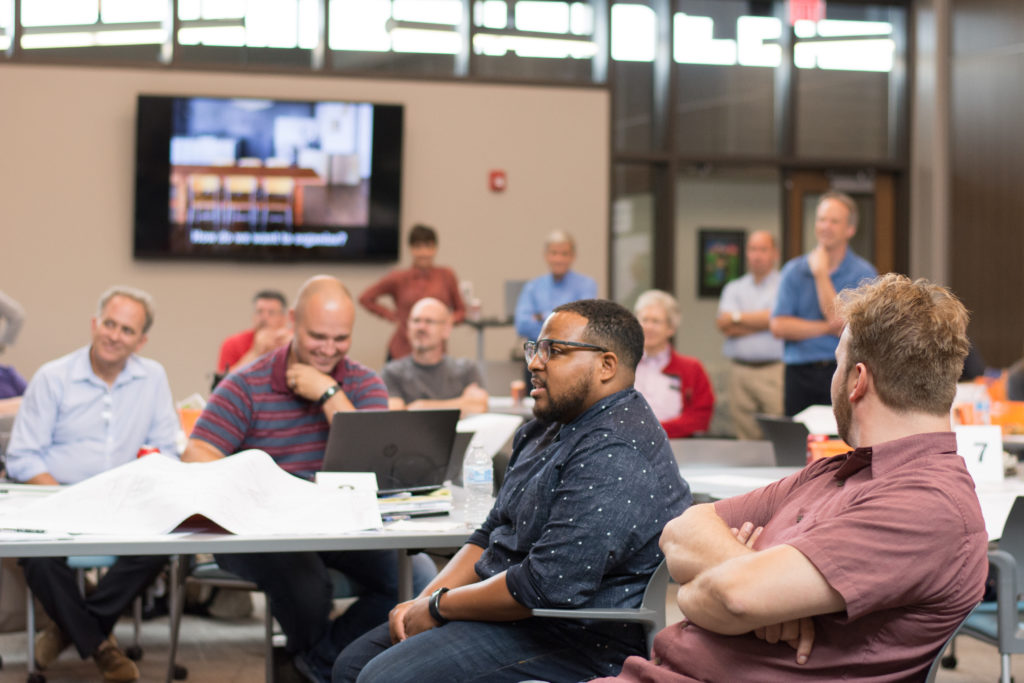
A Design Team Meeting

The Role of a Construction Manager

As we move through the phases of design, Hammond will provide cost estimate analyses, ensuring the design stays within the financial commitment made to the community.  With the current economic climate, the construction industry is facing several supply chain issues, labor shortages and inflationary concerns. Our team is currently working to identify all potential risks to the project, and will develop mitigation strategies into the final plan.

You will soon see activity on the site, starting with abatement of the Newberry School. In the next few months, the district will be hosting an online auction to sell various loose items in the buildingThe abatement of the building will follow, which includes the removal of specific materials prior to demolition of the facility.  Once abatement is complete, the building services will be discontinued, and the school will be locked and secured through the remainder of the winter months. Final demolition of the building will be a part of the full campus site development work to be completed next year.

When will my child be in the new building?

Next Steps:

We look forward to releasing more information on the building as details around the floor plan, interior spaces and exterior renderings are developed. In the meantime, if you have specific questions, feel free to reach out to: cf_nichols@cftigers.org.

Let’s work together to make education better. Interested in speaking with us? Get in touch!
Ryan Caswell

Ryan Caswell

Ryan is a communications specialist who is passionate about using digital media to further the goals of organizations and communities in Northeast Ohio. With a background in construction and a degree in architecture, he spent over a decade in corporate video production and brings this mindset to videography, editing, photography and content marketing. He is passionate about supporting the arts, and can be found hiking in the parks system.
Cuyahoga Falls 6-12 Campus – Summer Design Update

Cuyahoga Falls 6-12 Campus: Summer Design Update
Over the summer, the design team continued to hit milestones in the design of the new Cuyahoga Falls 6-12 Campus. A variety of recent engagements have allowed the team to develop initial “schematic design drawings” that will be further developed in the months ahead.

Cuyahoga Falls 6-12 Campus: Summer Design Update

Since Educational Visioning in late April, the Cuyahoga Falls City School District, construction professionals, the Ohio Facilities Construction Commission and the design team at ThenDesign Architecture (TDA) have been working to develop solutions for the new 6-12 Campus. After initial engagements with the community and educators, the team has been busy cataloging and incorporating feedback into strategies for the new school. Now, after hundreds of hours of meetings, conversations and collaboration over the summer, they are hard at work integrating that input from stakeholders and drafting plans for the new facility.
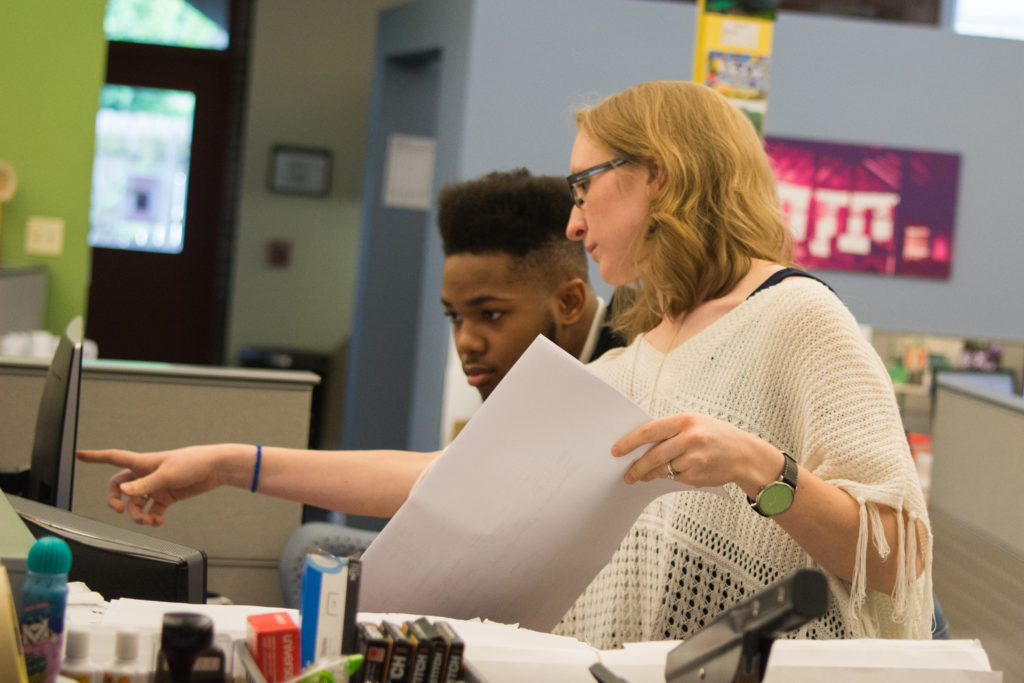
District officials met with designers from ThenDesign Architecture at their office in Willoughby Ohio, for design meetings.

Important Aspects of Design from Educational Visioning

The Educational Visioning session in early May was critical to lay the “conceptual foundation” for the new school. At this event, around 100 attendees from the community, district and the design fields outlined key design points for this new “hub of the community.” These findings were outlined in the Educational Visioning Report, released in June.

A Recap of Those Key Points:

    • Flexible, collaborative spaces designed to promote independent student education.
    • Traffic circulation needs to be improved at the high school and other locations.
    • Identify opportunities where spaces can be shared between the middle and high school students.
    • Integrate outdoor learning areas and have collaborative spaces designed with an abundance of natural light.
    • Building entrances on site should be easily identifiable and promote community access.
    • Integrate athletic facilities with the building to maximize usage.

An Education Visioning Session in Cuyahoga Falls in early May.

"We had a great cross section of our community at Educational Visioning. We will have a building that provides the absolute best opportunities for our students."
Dr. Todd M. Nichols
Superintendent/CEO

Partnership with the Ohio Facilities Construction Commission

To build the school, the district is funding $80.6 million of the project, which was generated from a 2019, community approved 9.83-mill tax levy, that included a 5.33-mill, 36-year bond issue. Additionally, the district is participating in the Ohio Facilities Construction Commission (OFCC), Classroom Facilities Assistance Program (CFAP). By participating in this program, the OFCC will provide an additional $32.8 million in project costs and participate in building’s design.

To qualify for this assistance, designers will follow guidelines from the OFCC that ensure the educational needs of the building are met. These guidelines come in the form of a “Program of Requirements” (POR). This is essentially a checklist of spaces and square footage that must be met inside the building.

This way, the OFCC ensures key academic spaces are included, sustainability goals are met, along with a variety of other priorities.

There are several standard POR options to choose from. One is the “Traditional POR.” This is the most rigid in terms of how square footage can be allocated, another is a “Partial Order Reduction POR,” this allows some flexibility in spatial requirements in how square footage is allocated. Another type is the “High Performance Learning Environment (HPLE) POR,” which is the most flexible design plan.

For the Cuyahoga Falls 6-12 Campus, the district is working off the High-Performance Learning Environment POR, based on Educational Visioning and academic feedback. Doing so, ensures maximum spatial flexibility with how spaces are arranged to deliver a collaborative and modern curriculum. Using this POR allows designers more freedom to program collaborative, student-centered spaces alongside core academic areas.

Designers at ThenDesign Architecture incorporated feedback from the Educational Visioning Session into the new facility.

"We heard how welcoming and central the school is to parents, students and residents. So we really are designing it to become a "hub of the community."
Abby Rainieri
Educational Design Lead

Sustainability Features and the Eco-Charette

Each project the OFCC funds is required to meet the U.S. Green Building Council’s (USBGC) LEED Silver rating. The USBGC oversees Leadership in Energy Efficient Design (LEED) standards which is the most widely used green building rating system in the world. LEED provides a working framework for healthy, efficient, and cost-saving buildings.

Within the program, there are several tiers that a building can achieve by employing eco-friendly features. The four tiers are: certified, silver, gold and platinum and are determined by a structure’s ability to achieve points on LEED project scorecard. This scorecard is designed to measure how the building responds to its location and transportation options, sustainable site features, water efficiency, energy and atmosphere, materials and resource usage, indoor environmental quality, and other innovative design elements.

To determine the 6-12 Campus’ desired environmental features, the design team met early in the summer for an “eco-charrette.” Here the team outlined a strategy to meet the LEED Silver Rating.

Project Manager, Scott Alleman describes the eco-charrette, “It’s a work session where the district, educators, designers and construction professionals set our goals for the environmental and sustainability items we want to pursue.”

Specific features could range from adjusting the buildings orientation and windows to take advantage of daylight, minimizing windows on southern exposures to prevent excessive heat intake, better insulation in the building envelope, improved exterior lights to limit light pollution and rainwater management systems.

Alleman continues, “Sustainability is important to school projects. When you have a 350,000 sf building, we want to make sure it’s designed to be as thermally optimal as possible while making sure mechanical systems are laid out and operating as efficiently as possible.”

For Cheryl Fisher, an educational planner on the project, achieving this rating is a balance between managing costs and the districts goals for sustainability.

“I’m impressed at the level of detail that goes into this part of planning,” Fisher notes, “the manual guiding these scorecards are 600+ pages. We want to achieve the district’s goals for sustainability, while scoring points that make the most budgetary sense. It’s a challenge.”

Engaging early on sustainability goals affects the building’s early design.

Cheryl continues, “We want to gain all the points we can while protecting the overall budget. To achieve all the points, would impact the budget greatly. If we decided to add underground parking, covered by greenspace, that would significantly impact both the design and budget. We need to be realistic about what we can achieve.”

An eco-charrette was hosted in the Cuyahoga Falls High School to set sustainability goals for the new 6-12 Campus.

"Sustainability is important to school projects. When you have a 350,000sf building, it needs to be designed to operate as efficiently as possible."
Scott Alleman
Architect

Visual Preference Exercise

Early in the summer, the design team held a “Visual Preference Exercise” to receive input from the community on how they think the exterior of the building should look. During this engagement, over 800 community members provided feedback on various exterior styles for the building.

Many participants expressed a strong affinity to various buildings in Cuyahoga Falls. Notably, the Natatorium and downtown Clock Tower were beloved architectural examples.

The design team found the community preferred a mix of exterior architectural styles, while identifying the importance of defined, “contemporary entrances” while maintaining some characteristics of Cuyahoga Falls’ more “traditional” architecture.

A "Visual Preference Exercise" was held in the Cuyahoga Falls High School Auditorium to gather input on the exterior design of the new facility.

"I love this city, I moved back to the Falls recently and can't wait to see this project built. The buildings down on Portage Trail are my favorite, they have so much character."
Cuyahoga Falls Resident
Visual Preference Exercise

Building Tours and Educator Engagement

Also over the summer, the district and representatives from the construction leadership team had the opportunity to tour schools in neighboring communities that have transitioned to new, more collaborative, student centered facilities. Facilities toured included schools in the Willoughby/Eastlake District and North Ridgeville City Schools among others. They walked through collaborative spaces, classrooms, and student dining areas, while hearing educators’ overall impressions of them in use.

Visiting these facilities provide valuable insight into the spatial layout of 21st century educational environments and how other districts planned and executed their building projects.

District officials and TDA designers toured educational facilities in the Willoughby-Eastlake City School District.

The design team facilitated a series of engagements with educators from the Cuyahoga Falls High School, Bolich and Roberts Middle Schools designed to gather input on the new school’s interior layout. Teachers discussed their current classrooms, assessed storage needs, and adjacencies between departments. These sessions allowed staff to explain key points for inclusion in the new building and helped the district understand better how curriculum can be advanced in the new facility.

Some key findings included:

    • A desire to collaborate more among educators. There was excitement over consolidating into one facility that would make collaboration between educators easier.
    • An interest in interconnected rooms that could make co-teaching a possibility for classes in the same department.
    • Using the architecture itself as a teaching tool by exposing building systems in limited areas for students to examine and explore.
    • Including flexible spaces outside the classroom so students could divide up for a variety of activities in small groups.
    • Connecting some science classrooms to exterior space for outdoor experiments. Possibly integrating exterior courtyards into the building for natural lighting and access.
    • More options for equipment storage and space for some long-term science experiments.
    • Organizing the new facility by department, instead of classrooms spread out across the school.
    • Flexible spaces big enough to host 2 different classes to interact and have mixed assignments.

Educators were engaged early in the process to better understand how they could use space in the new facility.

Schematic Design Continues

With Educational Visioning, OFCC input, educator feedback, visual preferencing, and sustainable features outlined, this has allowed designers to put “pencils to paper” and develop a building layout. This initial set of conceptual designs are known as “schematic drawings” and helps the process in a variety of ways.

First, these drawings detail how the “Program of Requirements” (or list of necessary spaces and square footage) is applied in the new school. This milestone took hours of collaboration among the Cuyahoga Falls City School District, the Ohio Facilities Construction Commission, ThenDesign Architecture and Hammond Construction. Areas of the building such as classrooms, collaborative spaces, athletics, student dining and other keys spaces are all incorporated into the design.

Secondly, these drawings allow the team to begin exploring building materials, colors, and textures for the final structure. This submission also shows how feedback from the early informational gathering process has been applied. This will continue to be refined and adjusted with further conversation.

Thirdly, the initial drawings allow the team to better examine building costs and validate budget decisions. While “rule of thumb” costs have been applied throughout the process, these drawings can be analyzed by the construction manager to provide more accurate feedback on material availability and project cost breakdowns.

The schematic drawings will continue to be developed as the design project continues.

Countless hours have been spent developing schematic drawings for the Cuyahoga Falls 6-12 Campus.

"This building is a reflection of the community, the district's educational goals and input from many other stakeholders. We are excited to present what we have developed."
Scott Alleman
Architect

Next Steps in the Design Process

With this information gathered and schematic designs in development, the team looks forward to providing an early glimpse of the conceptual design of the building in late October. These designs will be refined in the months ahead and this initial release will give community members a glimpse into the direction of the design.

Your input on this project matters! Feel free to reach out to Dr. Todd Nichols, cf_nichols@cftigers.org, with any questions or comments on the design’s progression. Watch the Cuyahoga Falls City School District channels for details on when the schematic designs will be released. Currently this is planned as both an in-person and online event on October 19th. We look forward to seeing you there!

Let’s work together to make education better. Interested in speaking with us? Get in touch!

Ryan Caswell

Ryan Caswell

Ryan is a communications specialist who is passionate about using digital media to further the goals of organizations and communities in Northeast Ohio. With a background in construction and a degree in architecture, he spent over a decade in corporate video production and brings this mindset to videography, editing, photography and content marketing. He is passionate about supporting the arts, and can be found hiking in the parks system.

ThenDesign Architecture Relocates to Memorial Junior High School

ThenDesign Architecture Relocates to Memorial Junior High for New Offices in Willoughby
With the completion of the renovation project, ThenDesign Architecture moves to their new home in Downtown Willoughby.

ThenDesign Architecture Relocates to Memorial Junior High in Willoughby

In 2017, ThenDesign Architecture undertook the challenging task of breathing new life into the historic Memorial Junior High in downtown Willoughby. Committed to the economic development of the Willoughby community, Bob Fiala, the founding partner of TDA and Executive Chairman and Chris Smith, the President and CEO, decided to reimagine the former school and develop it to become the new headquarters for an “education focused,” architectural firm. In early 2021, ThenDesign Architecture relocates to Memorial Junior High in Willoughby Ohio for their new offices.

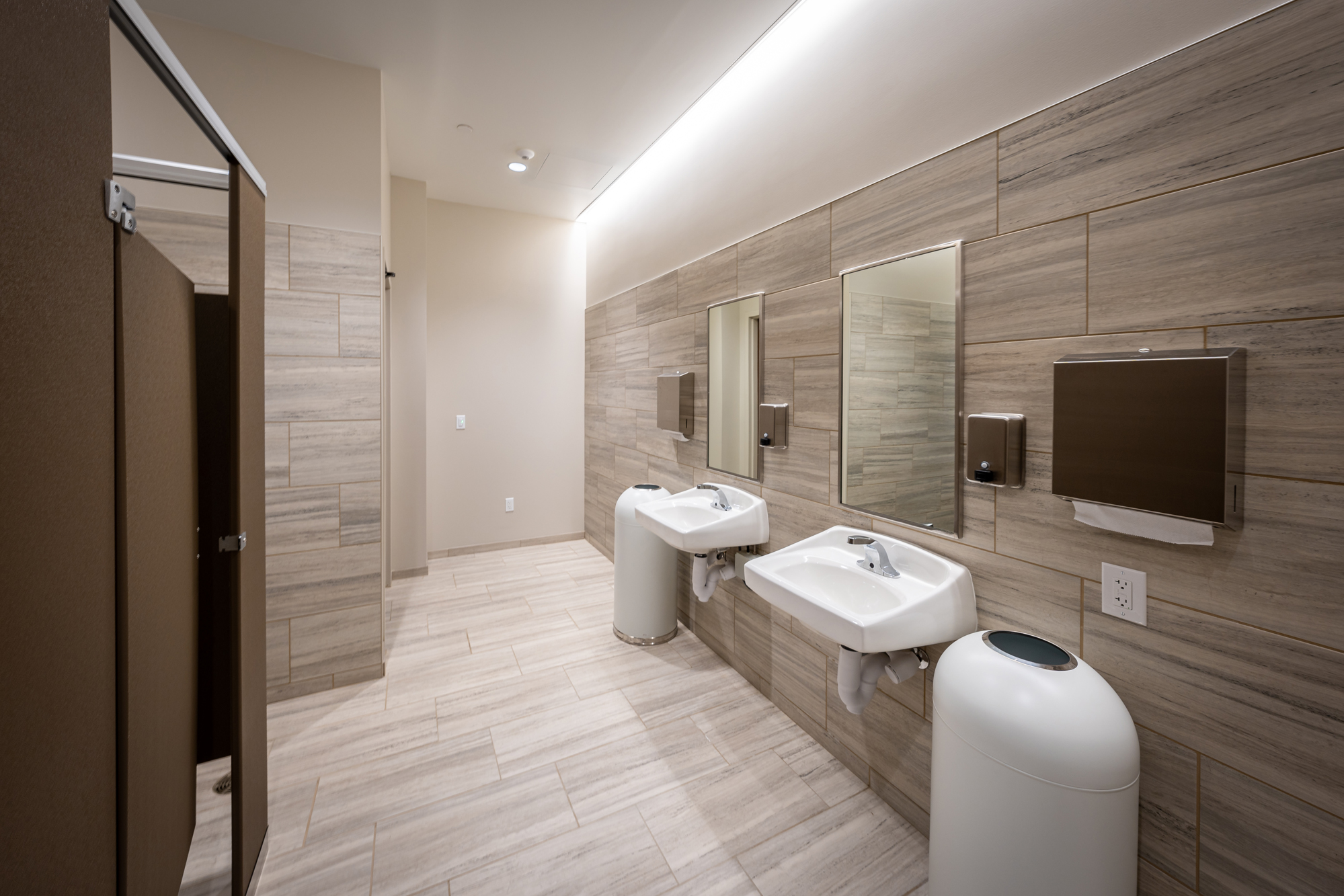
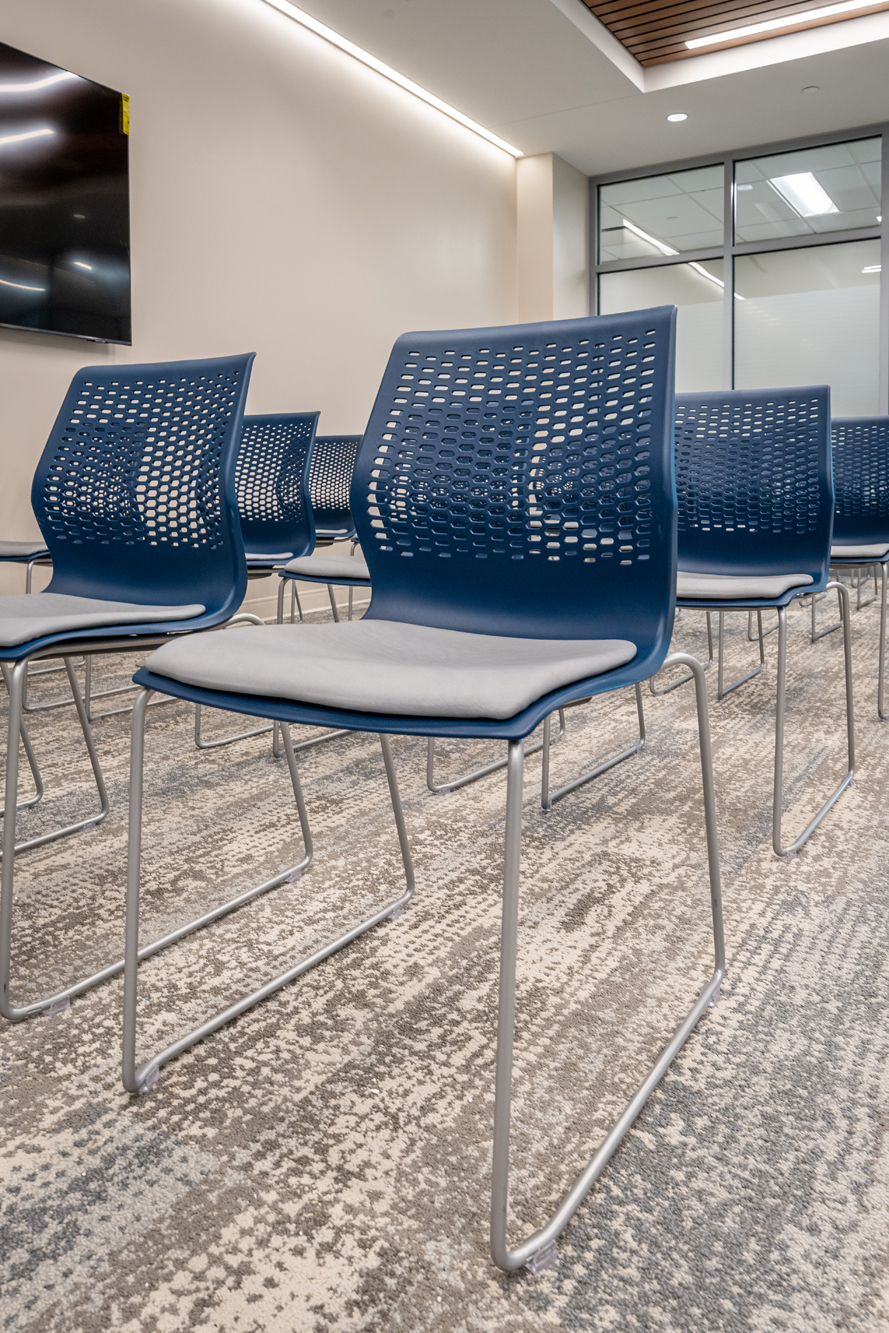
Interior Photos - ThenDesign Architecture

"There is nothing more valuable than seeing everybody together in the same building at the same time. This is where true collaboration begins, and where it exists."
Robert Fiala
Founding Partner and Executive Chairman of ThenDesign Architecture

Economic Development in Willoughby

“This is a story about economic development.” said Bob Fiala, of TDA. While Bob is not involved in the “day to day” operations of the firm, due to his role as Mayor of the City of Willoughby, he is passionate about giving back to the larger community. Having always been located in Willoughby, with a legacy reaching back to 1951, Bob has been intricately involved in TDA’s development over the years. “It’s the story of a “home grown” firm, that was founded in the city, grew in the city and made a significant investment in the city. This whole organization is about economic development, and it’s happening right here.”

Currently, with over $300 million dollars in educational construction across Northeast Ohio, an historic school seemed like the best home to design the new educational facilities of the future. “We are heavily vested in the educational marketplace, schools, sports facilities and performing arts centers,” commented Chris Smith. “Designing from an historic school made so much sense for us. In fact, Jeff Henderson, a lead designer on the project actually went to school here years ago.”

School projects are very public, and we developed an engagement process with educators, administrators and the community. We wanted to carry that same idea forward in our new space.
Jeff Henderson
Architect

Defining Space Usage for Memorial Junior High School

The design process to reimagine the historic school was parallel to the process TDA uses to engage its clients when designing their new facilities.

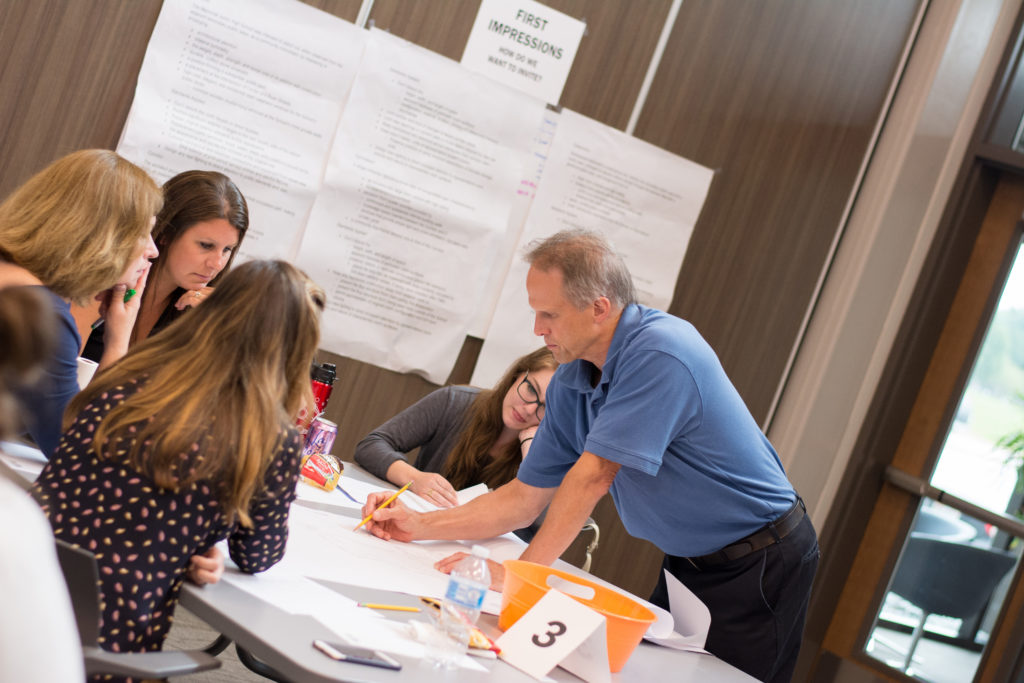
“We began with a series of questions to our entire staff. How do we want to work? How do we want to collaborate? How do we want to feast? How do we want to celebrate?,” explained Educational Design Lead, Abby Rainieri. “We engaged the staff through a “Visioning Session,” to gather feedback from the staff on how to use the space.”

Spaces in the building were then organized into 4 distinct groups, each one encouraged collaboration and productivity in different ways. “You have public space, private space, working alone and working together. Those are the four types of spaces on the axis. We really found that through that division, all the spaces we needed fell into one of those four quadrants,” explained Abby.

Lake County Development Council's, first "In-Person Meeting" - ThenDesign Architecture

“TDA was always successful but now they have moved from success to significance. We're very proud of them and pleased to have them downtown."
David Anderson
Former Mayor of the City of Willoughby

ThenDesign Architecture Relocates to Memorial in Willoughby

The finished project has surfaced fond memories from Memorial Junior High School alumni, who attended at the school years ago. It has been received well by county leadership, business owners and community members. In late June, Lake County Development Council held their first in-person meeting, hosted at TDA’s new building.

At the event, former Mayor Dave Anderson commented: “We are so proud of TDA. They were a big part of downtown in the Carrel building, and will continue to be with this building here.” With his experience working to develop Willoughby’s downtown during his tenure, those comments were particularly impactful. “TDA was always successful but now they have moved from success to significance. We’re very proud of them and pleased to have them downtown.”

Memorial Junior High School, Prior to Renovation - ThenDesign Architecture

Acquiring Memorial Junior High School

“Back when the Willoughby/Eastlake School system moved their Vocational Tech Center, they had no further need of these two buildings,” explained Mr. Anderson. “As mayor at the time, I knew Willoughby faced a significant challenge.”

When the Willoughby/Eastlake school system had to divest itself of property, they had two options, either put the property, which was in the heart of Willoughby’s downtown up for auction, or transfer it to another government entity.

Knowing this, the School District decided to transfer two vacant properties to the City of Willoughby who then appraised the properties and took proposals from developers for both Buildings A and B, while retaining the property which is now Wes Point Park. ThenDesign Architecture purchased the site known as “Building B” to renovate and relocate their offices to.

Since then, the building has become a hub of architectural activity, designed for project work and group collaboration, it includes flexible areas for team meetings and other creative work.

"Welcome Back" Staff Event - ThenDesign Architecture

"It’s an awesome day here for all of us at TDA."
Chris Smith
President and CEO of ThenDesign Architecture

ThenDesign Welcomes Staff Back to the New Relocated Office

In early June 2021, the building was officially opened, and administrative and architectural staff were welcomed back after 16 months of remote work during the Covid-19 pandemic. Both Chris Smith and Bob Fiala participated in a ceremonial ribbon cutting and activities at this “Welcome Back” event.
Speaking at the Ribbon Cutting, Chris addressed the staff, “It’s an awesome day here for all of us at TDA. This whole idea and concept was Bob’s idea. And I don’t think there’s anybody more committed to their community, that I know of. This is both gratifying for him, not only as a new home TDA, but also, as a major reinvestment in our community.”

Understanding the significance of this building in the local community, ThenDesign Architecture looks forward to hosting a community focused “Ribbon Cutting Event.” This is tentatively planned for the end of 2021 and all of those who are interested in seeing the finished space, are encouraged to see the reimagined Memorial Junior High School.

In the meantime, we would love to hear from you. If you are an alumni and have memories from the space, we would love to hear about your experiences.

Mayor Fiala recognized the challenges of both the construction project and the stresses of remote work during the Covid-19 pandemic but looks forward to what will be done at the new office. “There is nothing more valuable than seeing everybody together in the same building at the same time. This is where true collaboration begins, and where it exists.”

Let’s work together to make education better. Interested in speaking with us? Get in touch!

New Cuyahoga Falls 6-12 Campus – Meet the Architect & Construction Manager

New Cuyahoga Falls 6-12 Campus - Meet the Architect & Construction Manager
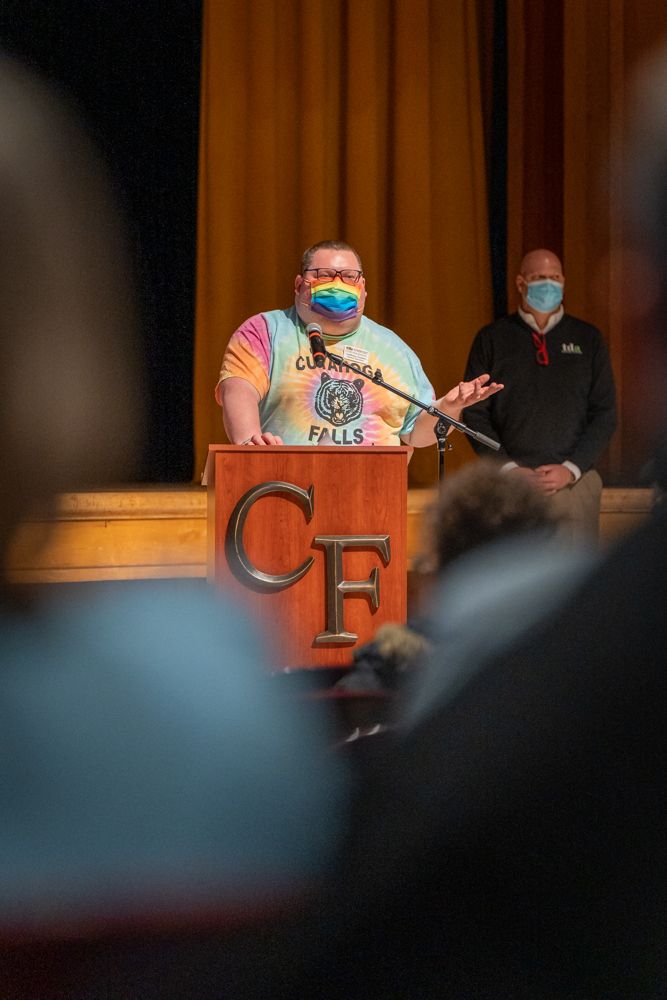
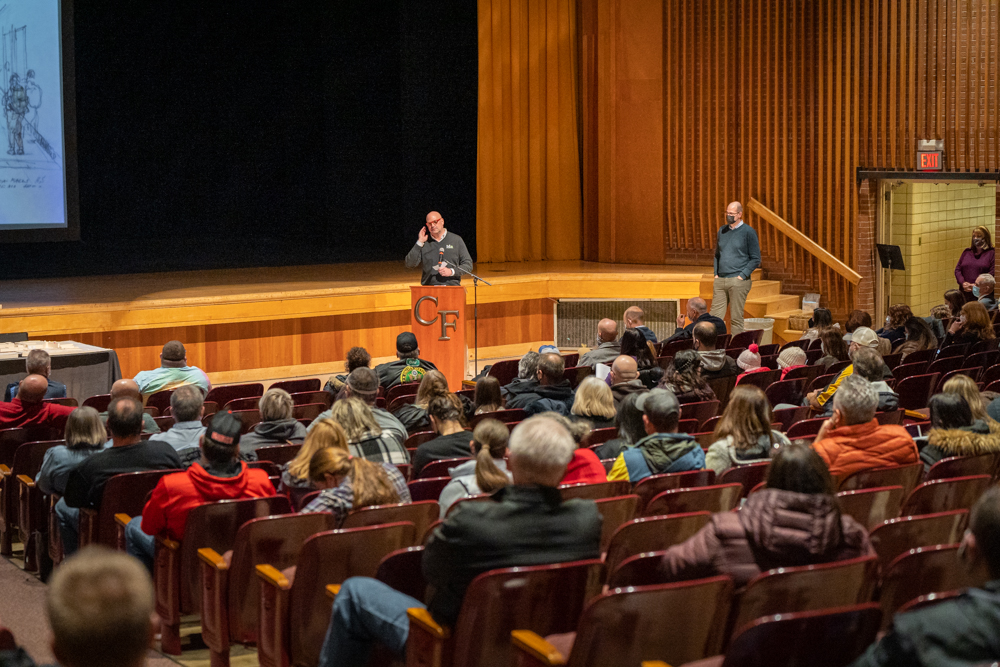
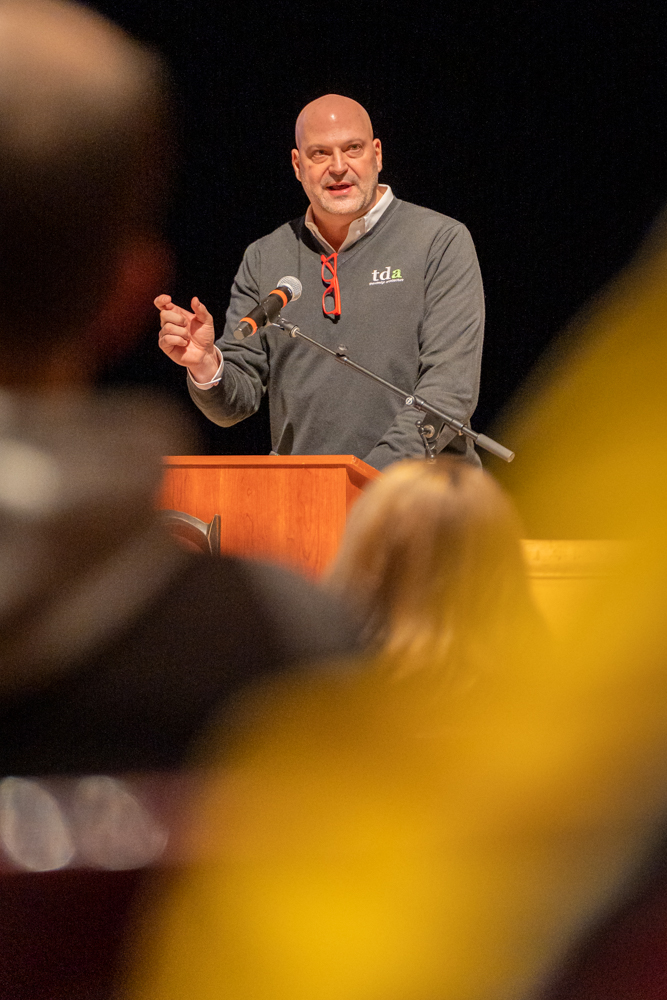
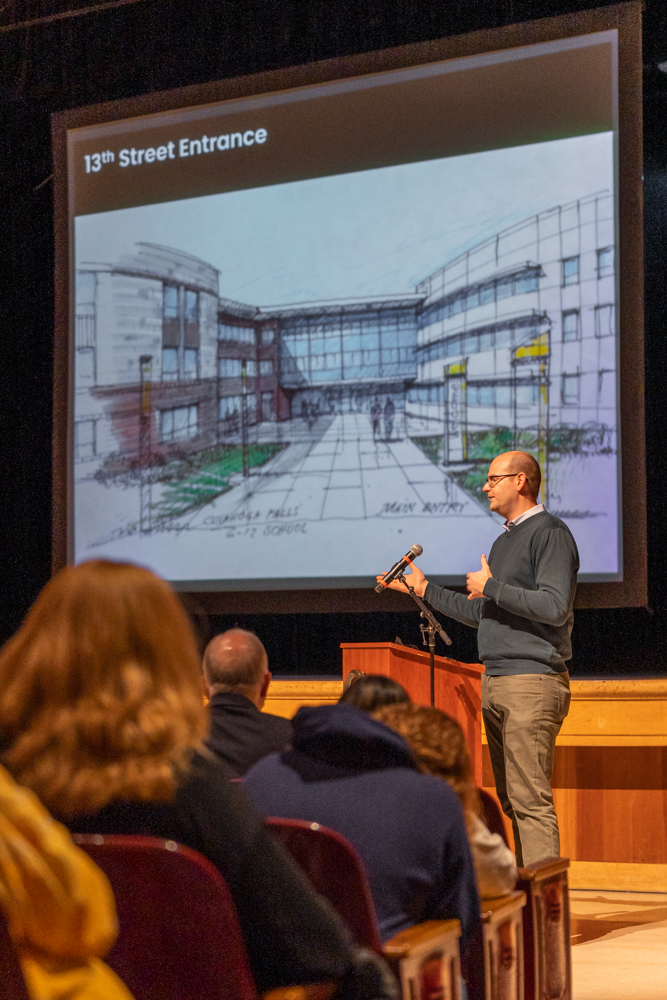
As design commences for the new Cuyahoga Falls 6-12 Campus, the school district conducted it's first "in-person" engagement with ThenDesign Architecture, Hammond Construction and members of the community on April 15th. The team met to introduce themselves, describe the scope of the project, answer questions and talk about how this new facility will impact education in the community.

New Cuyahoga Falls 6-12 Campus

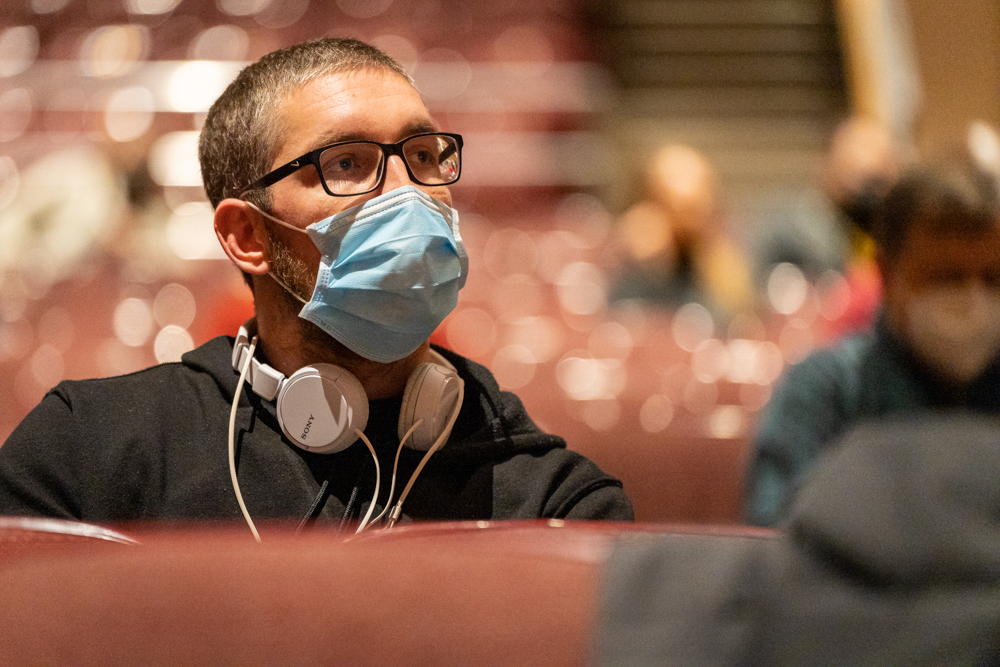
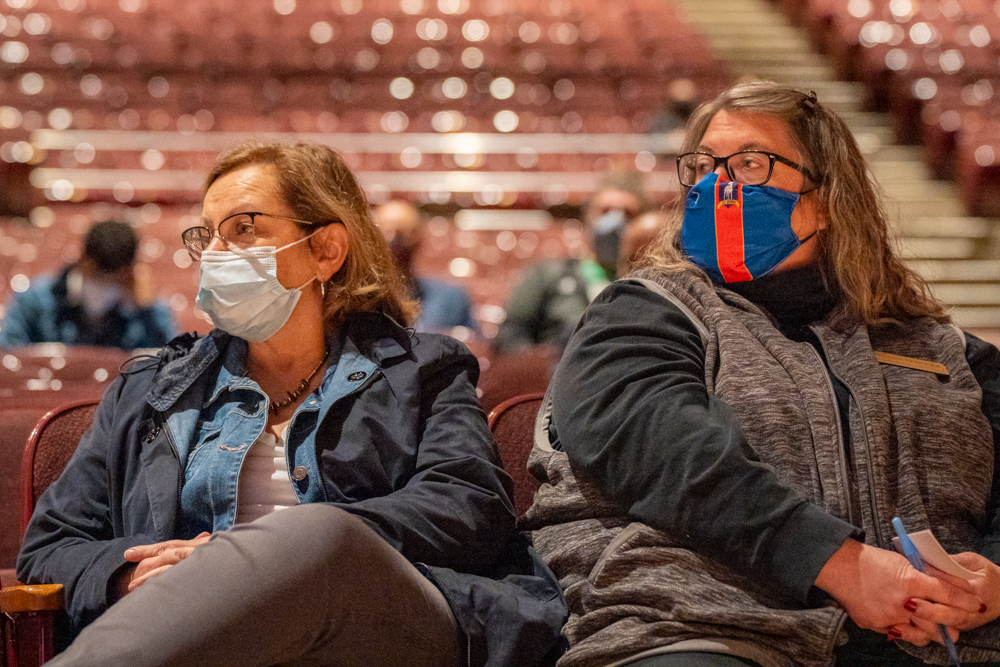
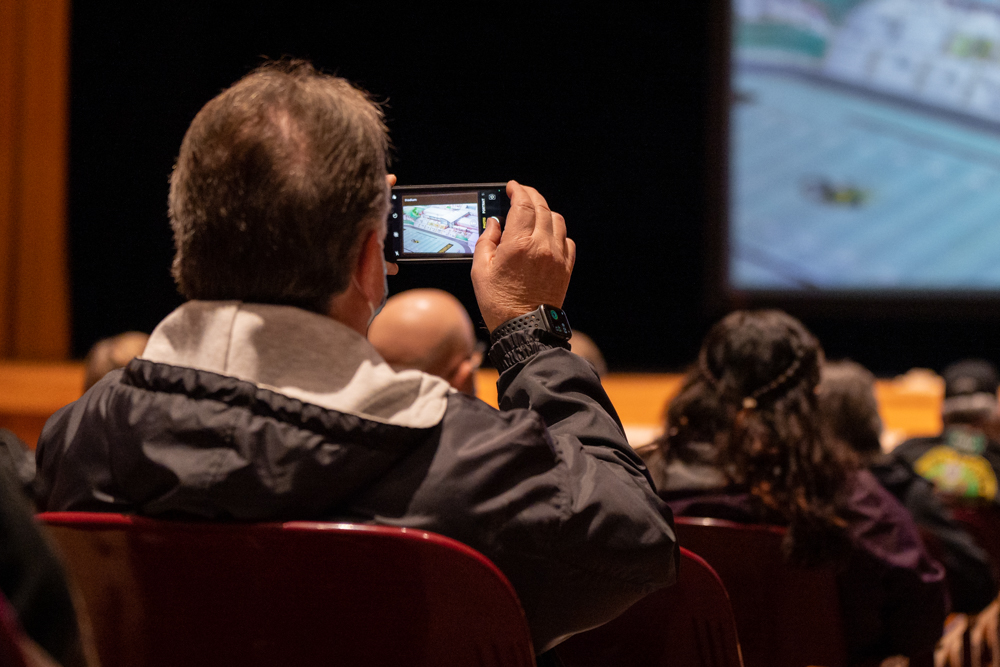
As design commences for the new Cuyahoga Falls 6-12 Campus, the Cuyahoga Falls City School District conducted its’ first “in-person” engagement with ThenDesign Architecture, Hammond Construction and members of the community on April 15th. The team met to introduce themselves, describe the scope of the project, answer questions and talk about how this new facility will impact education in the community. Held in the Cuyahoga Falls High School Auditorium, the interactive session was offered for both in-person attendees and via livestream video for the community. The team provided an inside look on how buildings are designed and presented the next several milestones to look forward to. While this is only the first of many engagement opportunities, many community members came out to support the project, offer ideas for the future school and better understand what opportunities this facility will bring in the years ahead.

The Project Scope

The project scope includes the design and construction of a new 370,000 sf building that houses grades 6-12. The building will ultimately sit on the site currently occupied by the Bolich Middle School and will host a performing arts center and 5,000-seat sports stadium. This innovative facility will open up a range of new possibilities for academic programming and collaboration, larger athletic events and a streamlined education experience for students.

In a recent interview Cuyahoga Falls City Mayor Don Walters recently commented, “This will be the ‘missing piece’ to our City and everything will be complete because the campus environment is perfect.” He continues, “It’s just time [for this new school], and once that is built, and we get the old high school redeveloped and every piece is covered in the City. We will have a good economic base, we have good school systems and everything is complete. So, we are really, really excited to see that.”

Similar sentiments were echoed by those at the community meeting, many of whom supported the bond process in 2019.

The project is estimated to cost $113.8 million, with the district funding $80.6 million, from the bond issue, while the state of Ohio through the Ohio Facilities Construction Commission (OFCC), is contributing $33.2 million. That amount goes directly towards the new construction of a 6-12 building, stadium complex and demolition of Bolich Middle School and the Newberry Elementary School.

"We're going to be meeting with our staff and we'll be listening to what they have to say to inform the design. We are beginning with an "educational vision" and designing a building to meet those needs."
Dr. Todd M. Nichols
Superintendent/CEO

Cuyahoga Falls New 6-12 Campus Design Process

In order to kick off the design process, ThenDesign Architecture, along with the district, has planned a series of engagements crafted to inform the overall design of the project during initial schematic and programming phases. Chris Smith, president of TDA, commented on Thursday night, “We’re in the thinking business, not simply the drawing business. We don’t believe our “name” should be on the door, our nature is to be collaborative, it’s not about us, we don’t dictate design. Our buildings reflect the communities where they reside and I think you’ll be proud to call this your design, your building.”

Architects have also begun speaking with educators from the High School, along with Bolich and Roberts Middle Schools for input on the interior layout. Teachers are asked to discuss their educational needs, while imagining new ways their initiatives can be improved by this new space. Ideas generated from these sessions are used to inform the interior adjacencies, classroom sizes, collaborative areas and furniture needs. This type of engagement will continue throughout the summer. These initial sessions allow current staff to expand their minds on how their new building can improve their efforts.

Cuyahoga Falls New 6-12 Campus and 21st Century Design

A major element of this project is combining the high school and middle schools together into one campus. This arrangement brings a variety of benefits.

While a physical separation between the two schools is still maintained, efficiencies are achieved by having both schools share major spaces such as athletics areas and the performing arts center. In addition, bringing all educators under one roof allows for collaboration which simply wasn’t possible before. With better access to a variety of educators, middle school students can potentially take advantage of accelerated programs offered at the high school. Finally, young students often find that the crucial transition from middle to high school is much easier, since they are in the same familiar building, now just in a different wing.

Even though the building is still in the early stages of design, Dr. Nichols made it clear that an important aspect of this project is to create a nurturing environment where 6th graders can gently transition into their new environment, providing them a safe environment and autonomy to prepare for their future education.

This mixture of educational collaboration, flexibility and autonomy are all hallmarks of good 21st century design.

"We firmly believe that we have to trust our professional educators to design the inside of the building. Then we believe that the community at large, lends a leading hand in helping us design the exterior of the building, how it interfaces with community playgrounds, parent drop-offs and pickups. So there is a trust there."
Chris Smith
President TDA

Cuyahoga Falls Community Feedback and Questions & Answers

For many longtime residents, who have been through the Cuyahoga Falls school system, they look forward to the new campus. One attendee commented: “We’re very excited for the school district, for Cuyahoga Falls and for property values. We feel that Mayor Walters has done so many good things for this City and that Dr. Nichols has done good things too.” They continue, “the school is like the “pièce de résistance.” It’s the final touch. We need it, and we have to do it.”

Speaking to when the project will be completed, Bill Schurman, President of Hammond Construction commented, “We are committed to the new building being occupied in August [2025]. So that means we turn it over in the summer, allowing for a transition period for staff. These dates will be fine-tuned as the design evolves.” Residents can look forward to future updates as the design process progresses.

After the presentation, the district, TDA and Hammond held a Q+A session. Questions ranged from project construction phasing, how the construction process worked, what separation between the middle school and high school would look like, how much time was lost by the Covid-19 pandemic and how safety measures will be implemented in a school of that size.

Some questions revolved around the site usage, and whether traffic flow would negatively impact the surrounding neighborhoods. Mr. Smith responded, “Part of our philosophy in facility design is to get all the school traffic off the street. This is so all of that is contained on our site, we want to get it off the street. The same goes when managing storm water. this is key in the low areas by Newberry Elementary School.”

Dr. Nichols encouraged those with questions to submit them to the district for further consideration. The district is committed to keeping the community updated on the project throughout the process on their construction focused website: “Building Community.”

Homework Assignment for Cuyahoga Falls Community Members

The next engagement session for community members will be held on May 13th, focusing on a “Visual Preference Exercise.” They were encouraged to think about their favorite building in Cuyahoga Falls and why. This can then start to establish a common aesthetic trend for what the exterior of the building could look like. Scott Alleman, Project Manager for TDA commented, “Examples for this could be the Natatorium, or the church down the street, but think of something that is your favorite piece of architecture and why you feel that reflects the community. Keep that in mind when we come back on May 13th for the visual preference exercise!”

What is your favorite piece of Cuyahoga Falls Architecture and why? Drop us a line and let us know!

Reach Out to Learn More

Closing out the engagement, Dr. Nichols embraced the collaborative spirit in the community and the team making this new facility possible. He looks forward to the process continuing, “I want to thank you all so much for being here this evening. Talk to your neighbors, talk to your friends, engage more and more of the community. We’re going to be meeting with our staff and we’ll be listening to what they have to say, to inform the design, because we are beginning with an educational vision and designing a building, to meet those needs.”

If you are interested in learning more about this project, visit the Cuyahoga Falls page “Building Community.” If you have ideas or questions surrounding the process, reach out to John Wasylko, Community Relations at Cuyahoga Falls City School District at cf_wasylkoj@cftigers.org.

Also, let us know what your favorite piece of architecture in Cuyahoga Falls is and why! Send your pictures to Ryan Caswell at rcaswell@thendesign.com. We want to hear from you and incorporate that feedback into the exterior design!

Let’s work together to make education better. Interested in speaking with us? Get in touch!

Ryan Caswell

Ryan Caswell

Ryan is a communications specialist who is passionate about using digital media to further the goals of organizations and communities in Northeast Ohio. With a background in construction and a degree in architecture, he spent over a decade in corporate video production and brings this mindset to videography, editing, photography and content marketing. He is passionate about supporting the arts, and can be found hiking in the parks system.