Fairport Harbor EVSD Celebrates Groundbreaking for Their New School

Fairport Harbor EVSD Celebrates Groundbreaking for New School
The new PreK-12 school will be located on the existing Harding High School site. It will provide a modern educational environment for future generations of Fairport Harbor students.

Fairport Harbor EVSD Celebrates Groundbreaking for Their New School

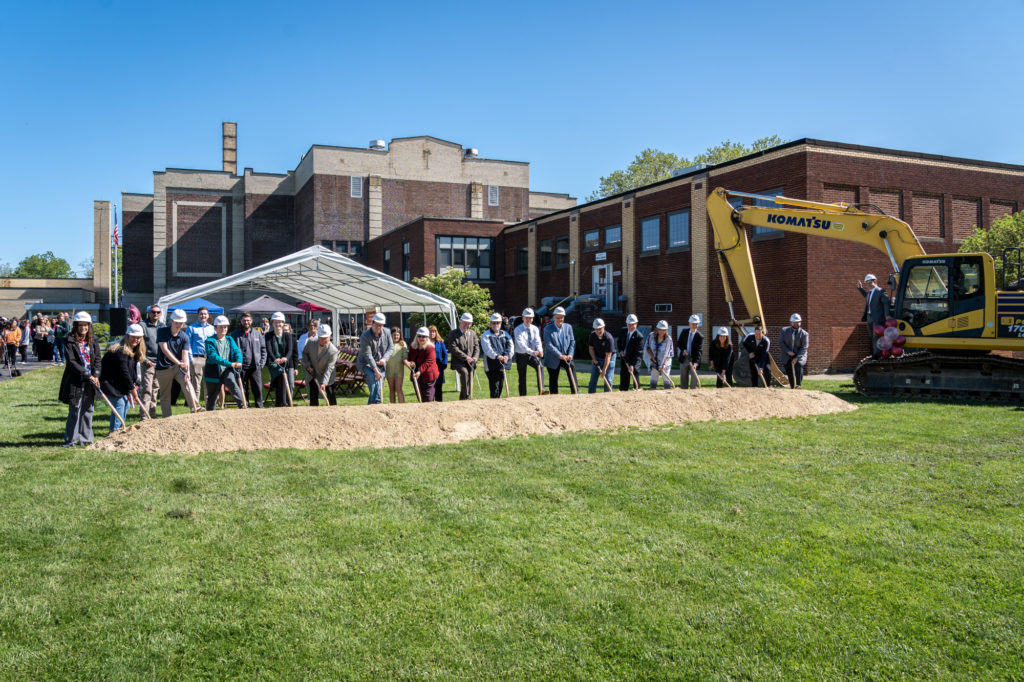
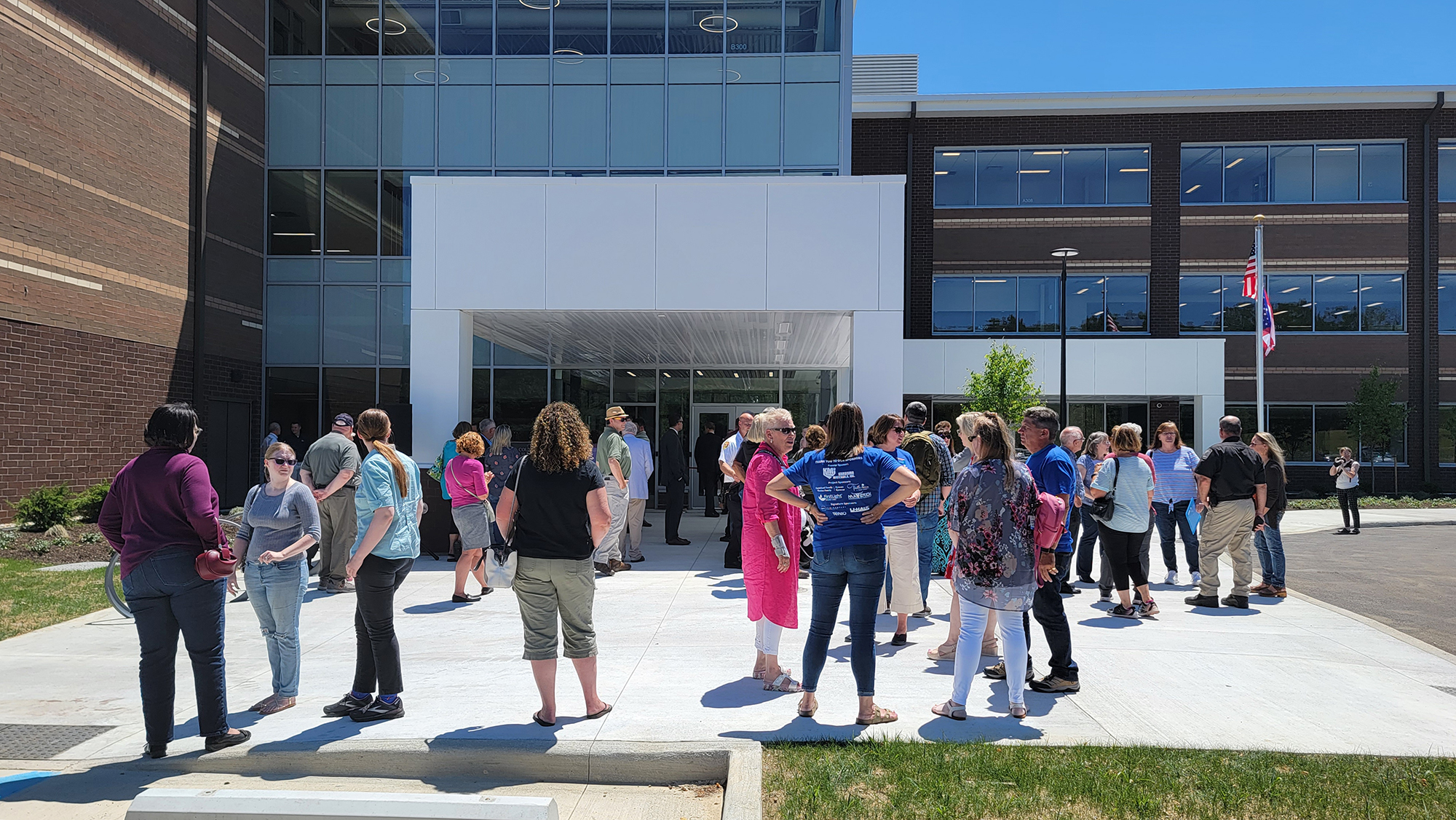
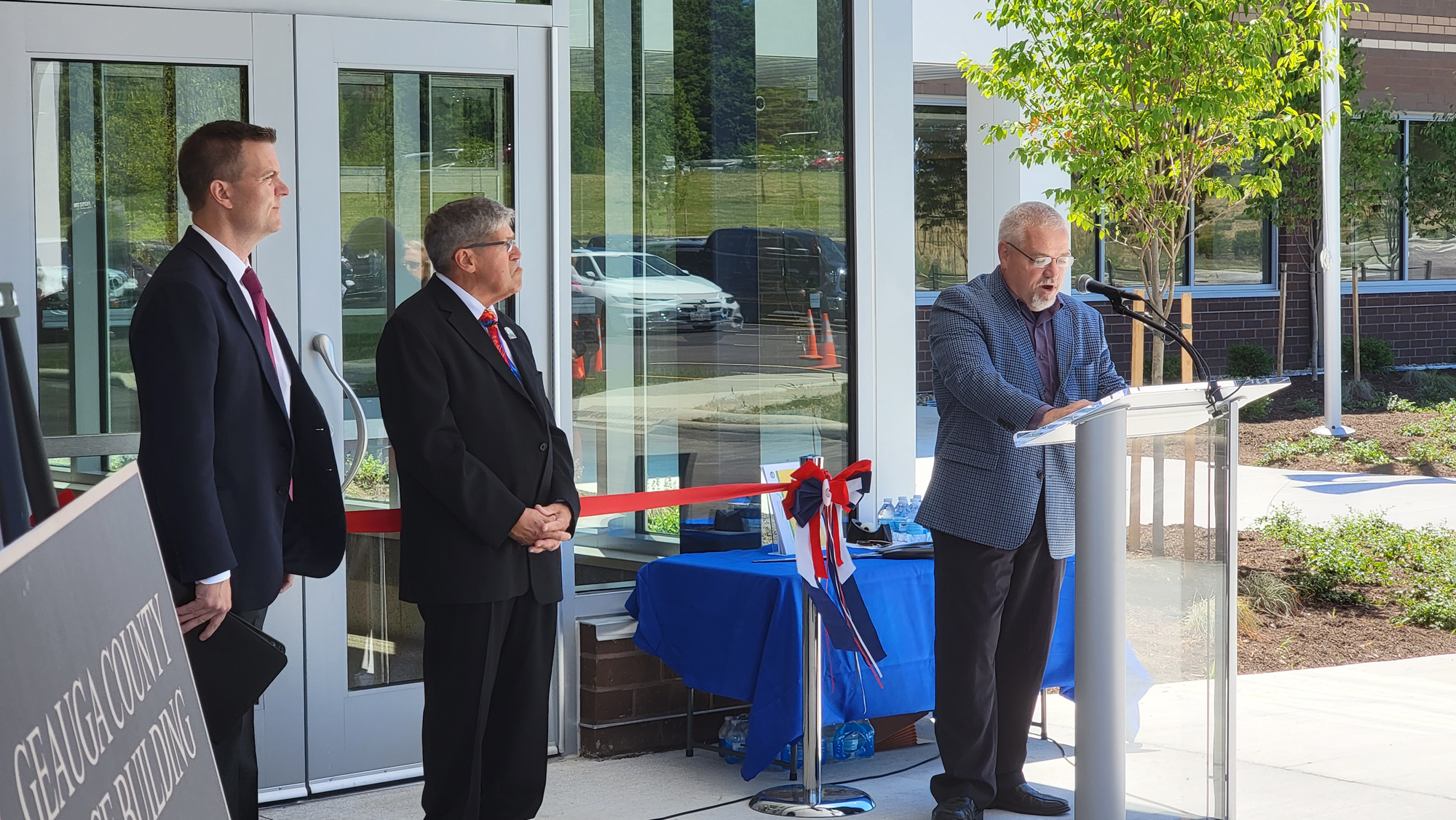
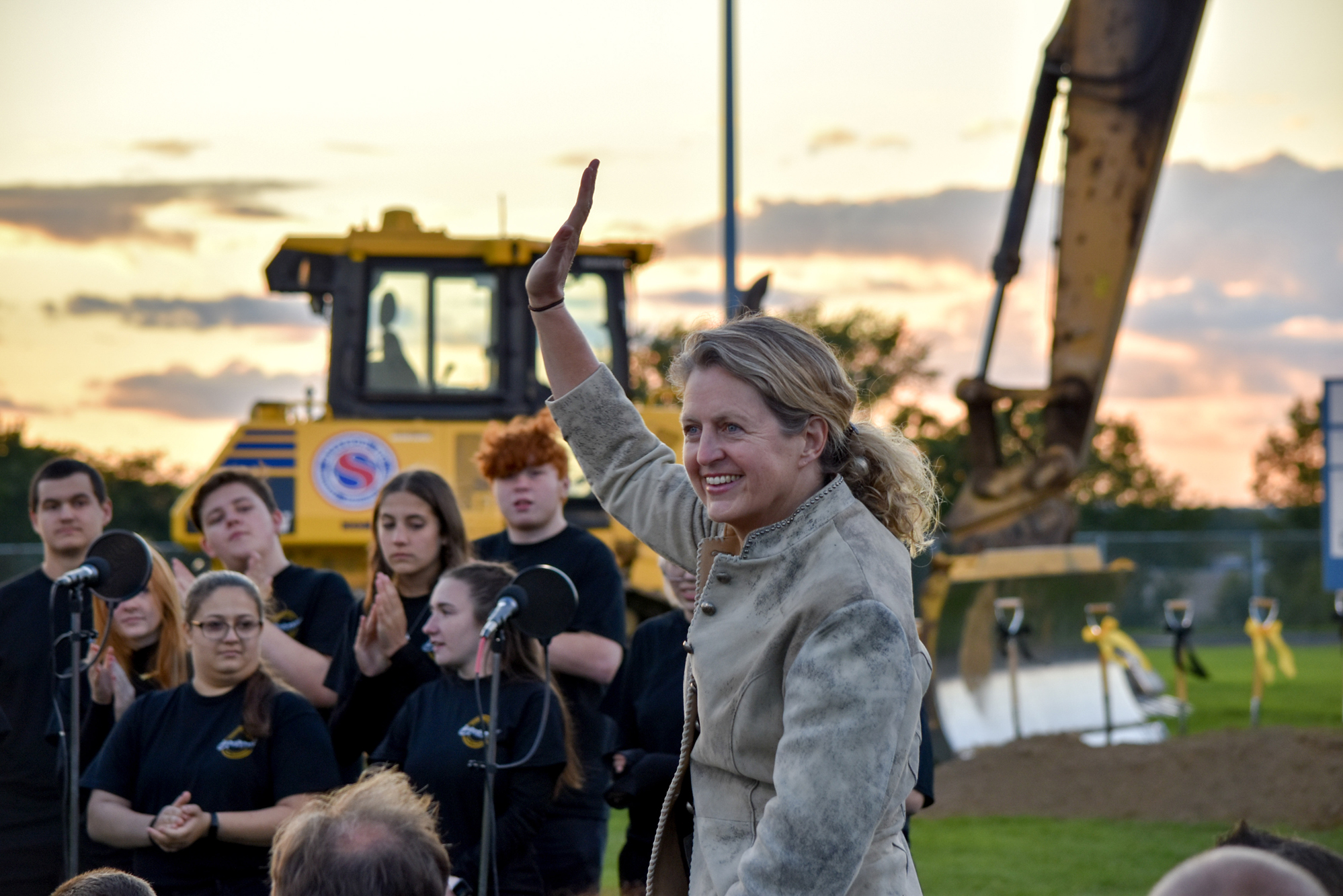
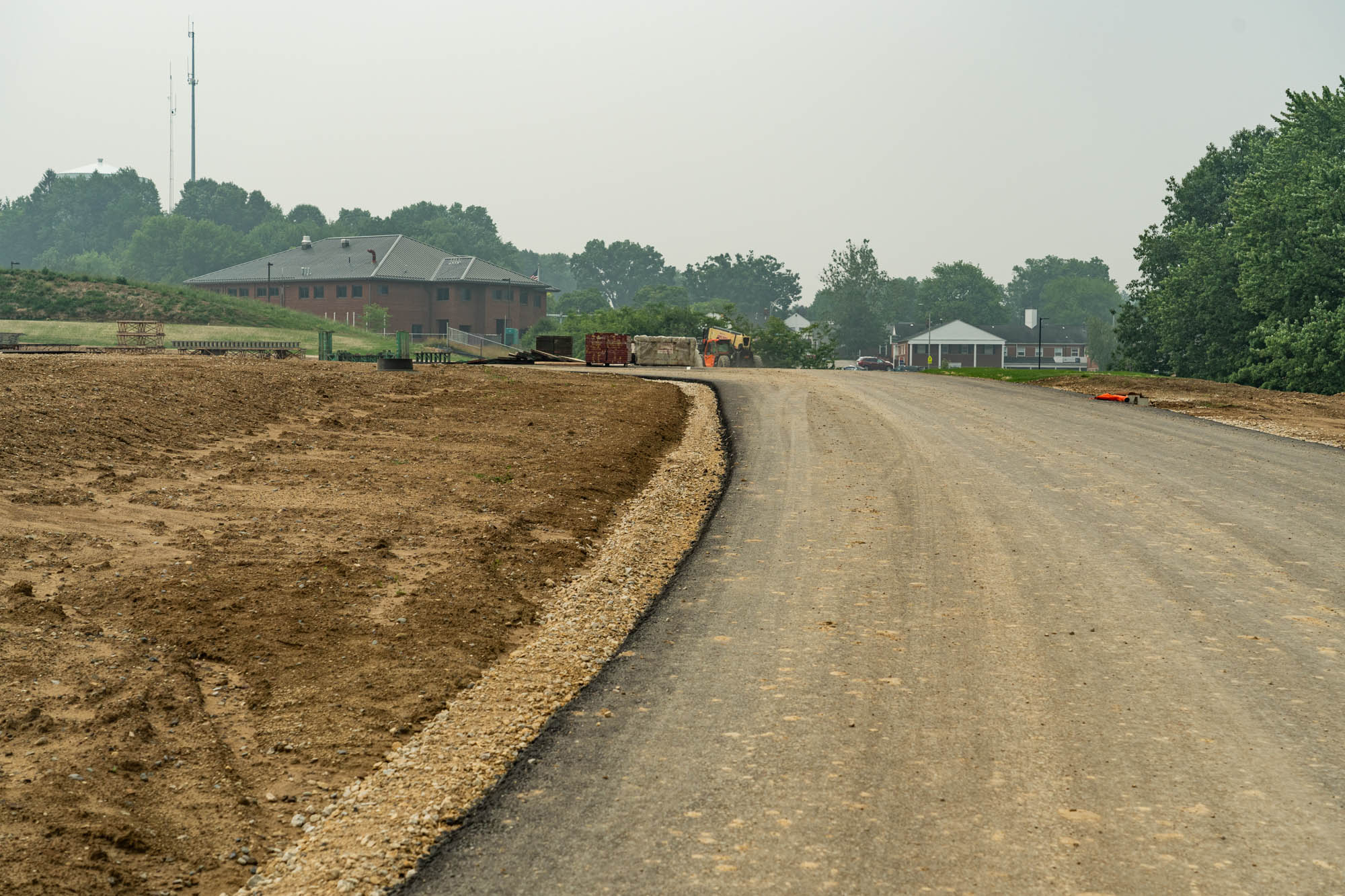
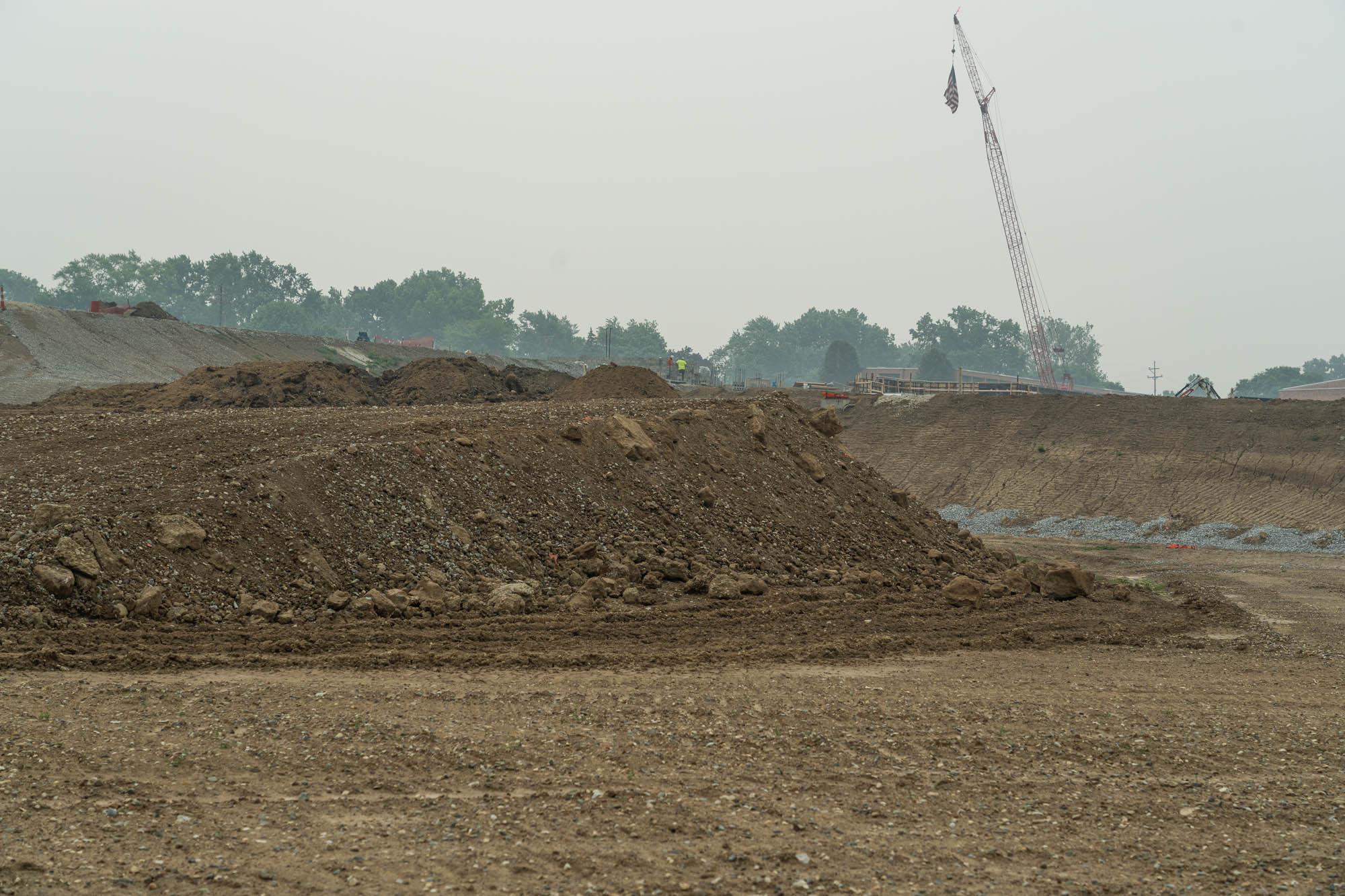
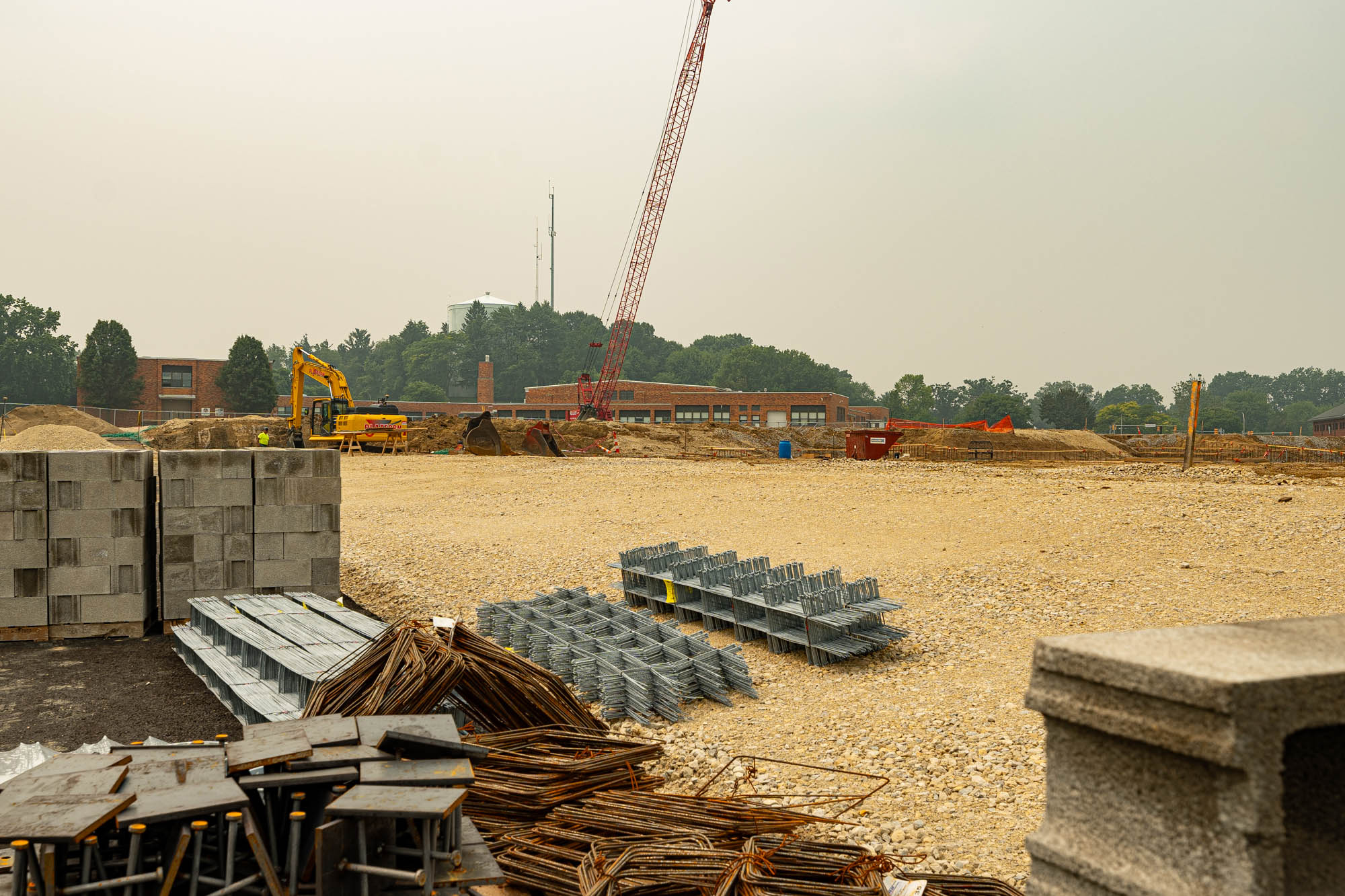
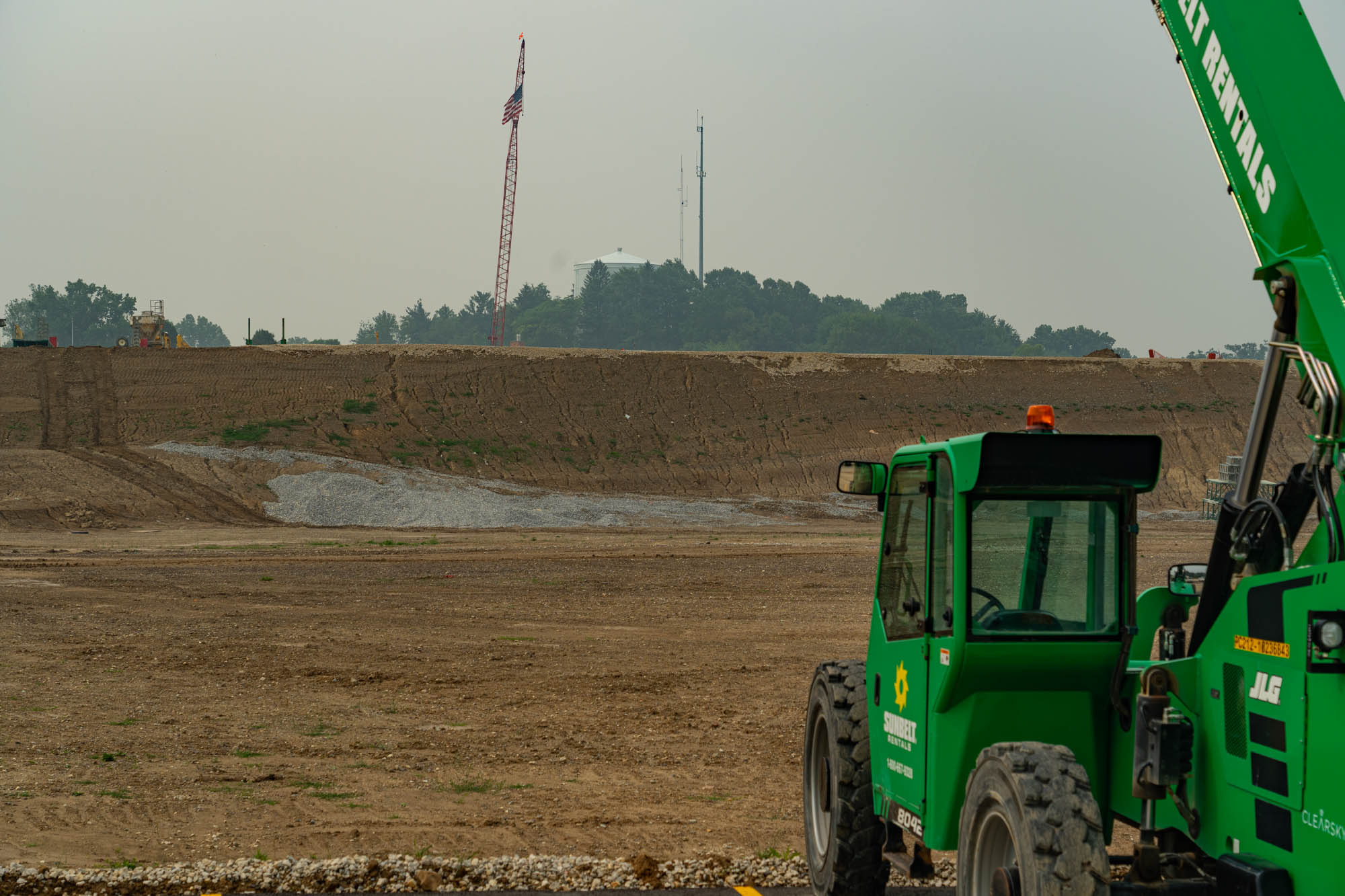
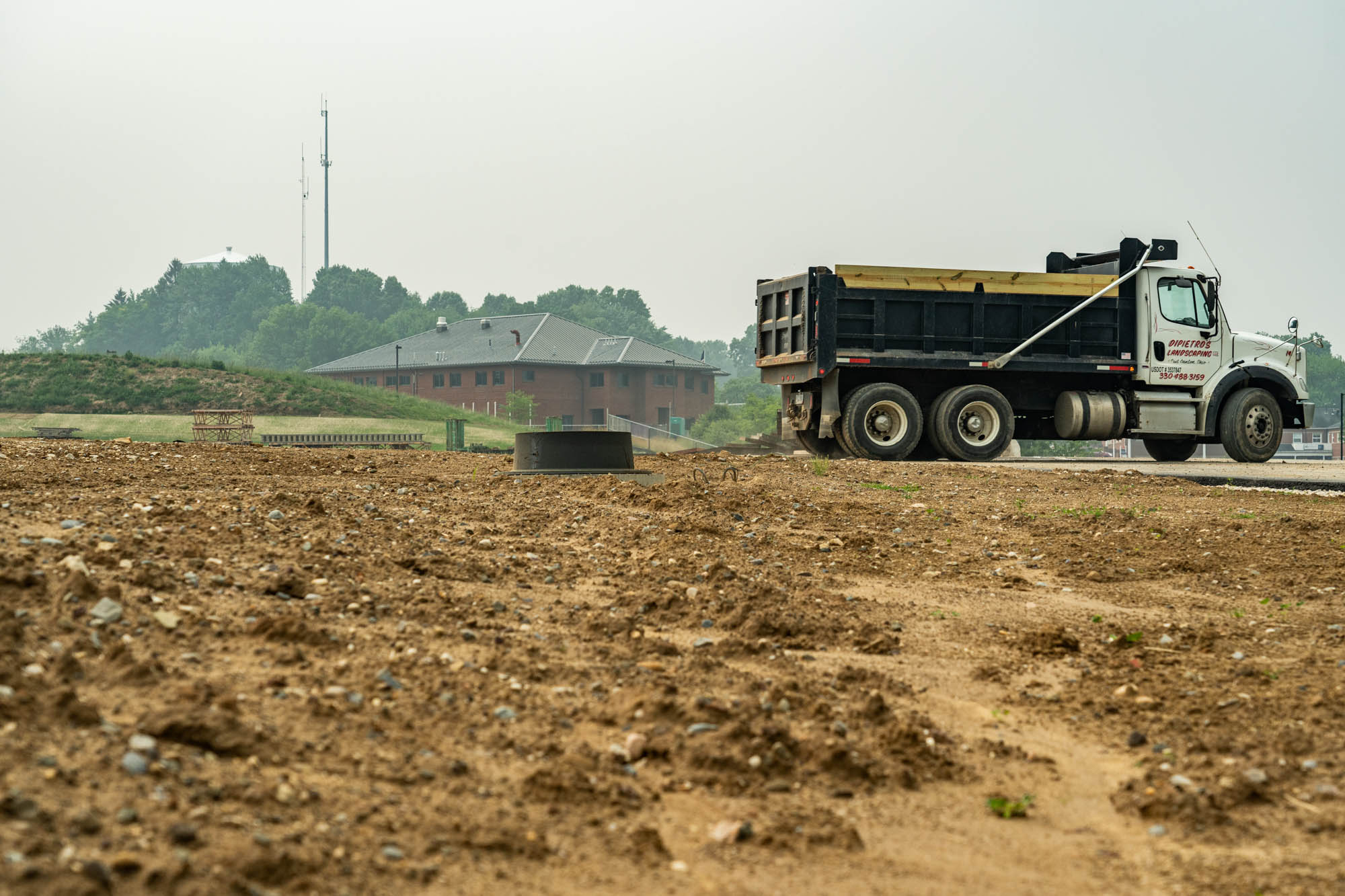
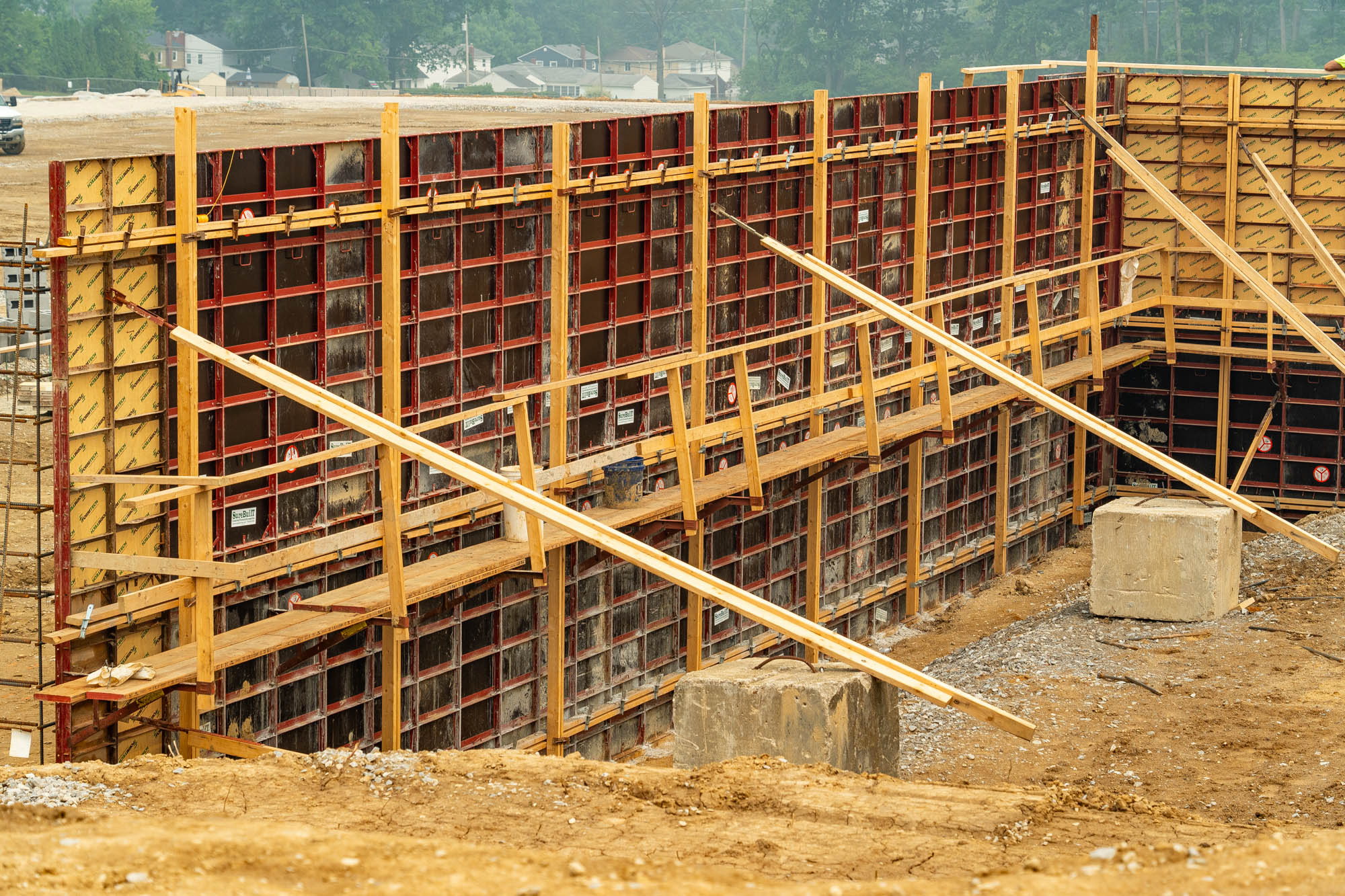
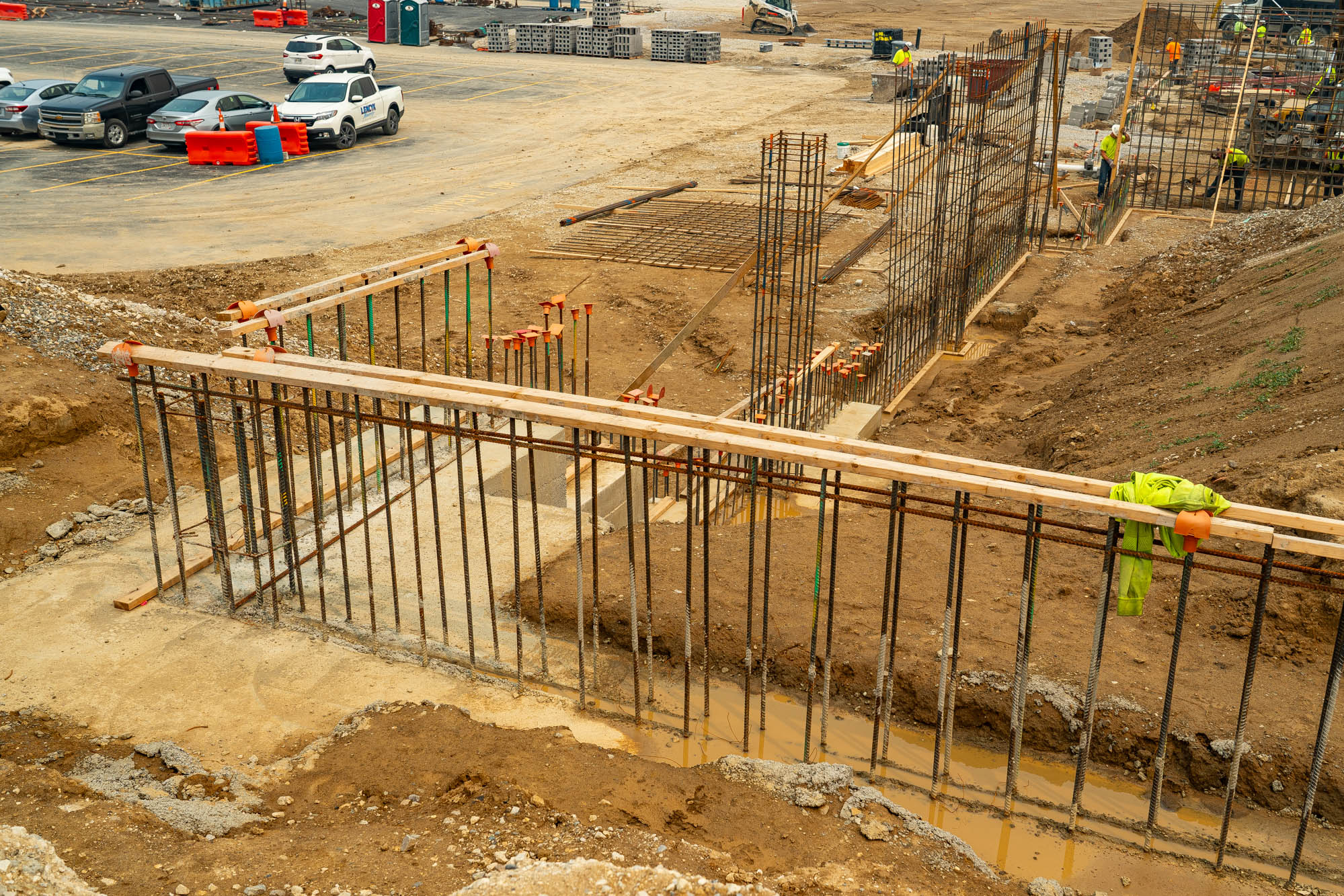
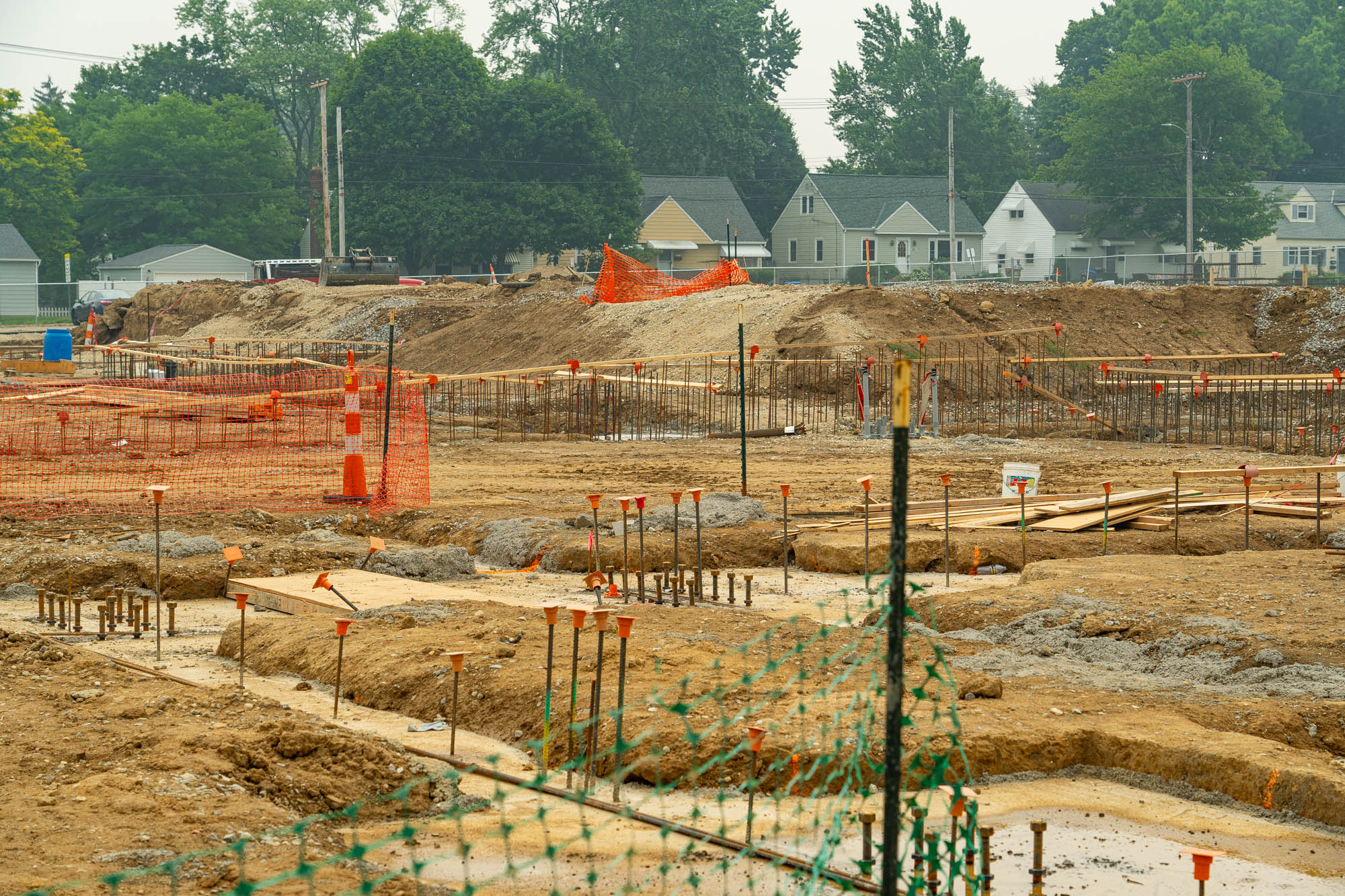
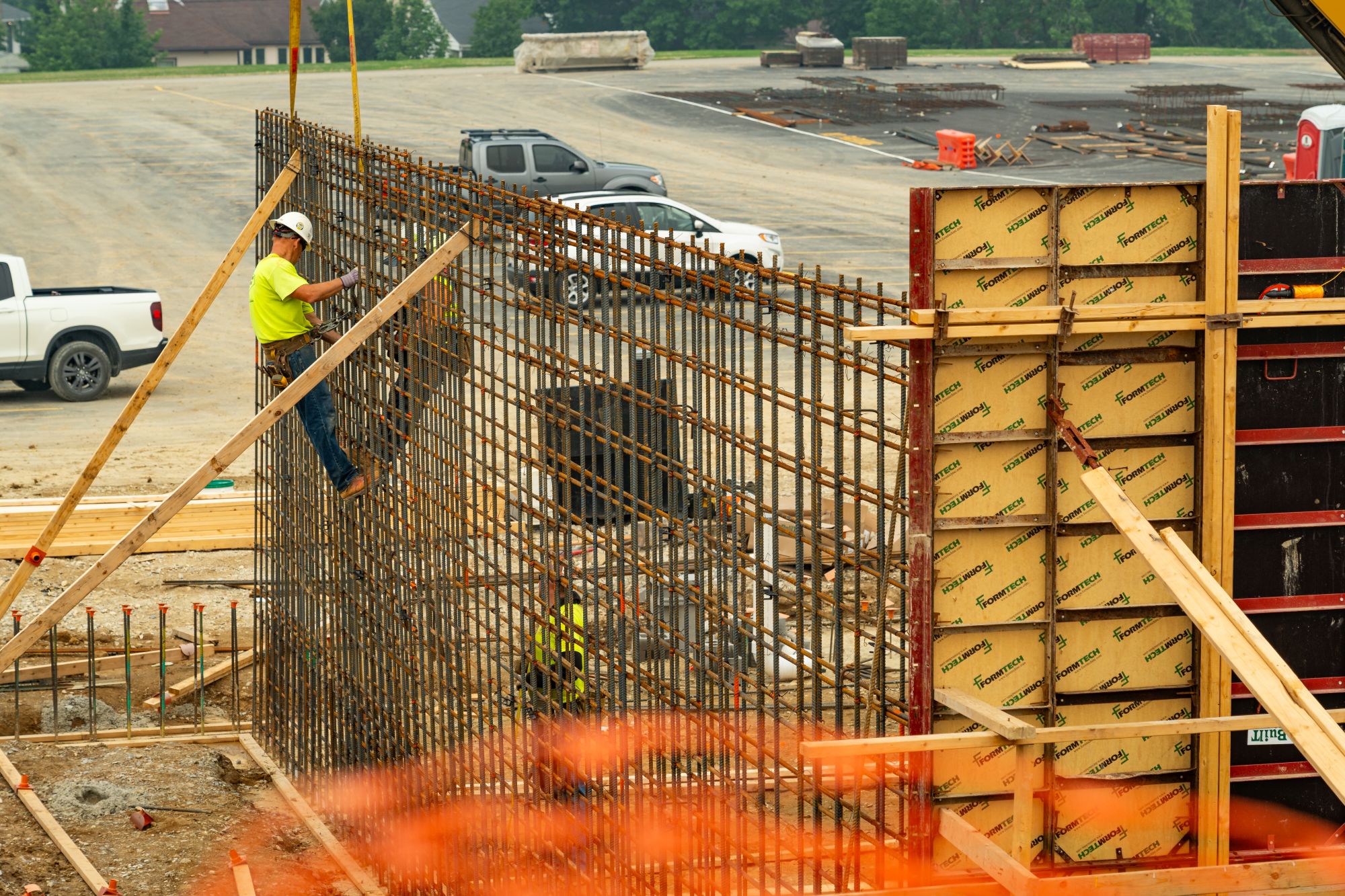
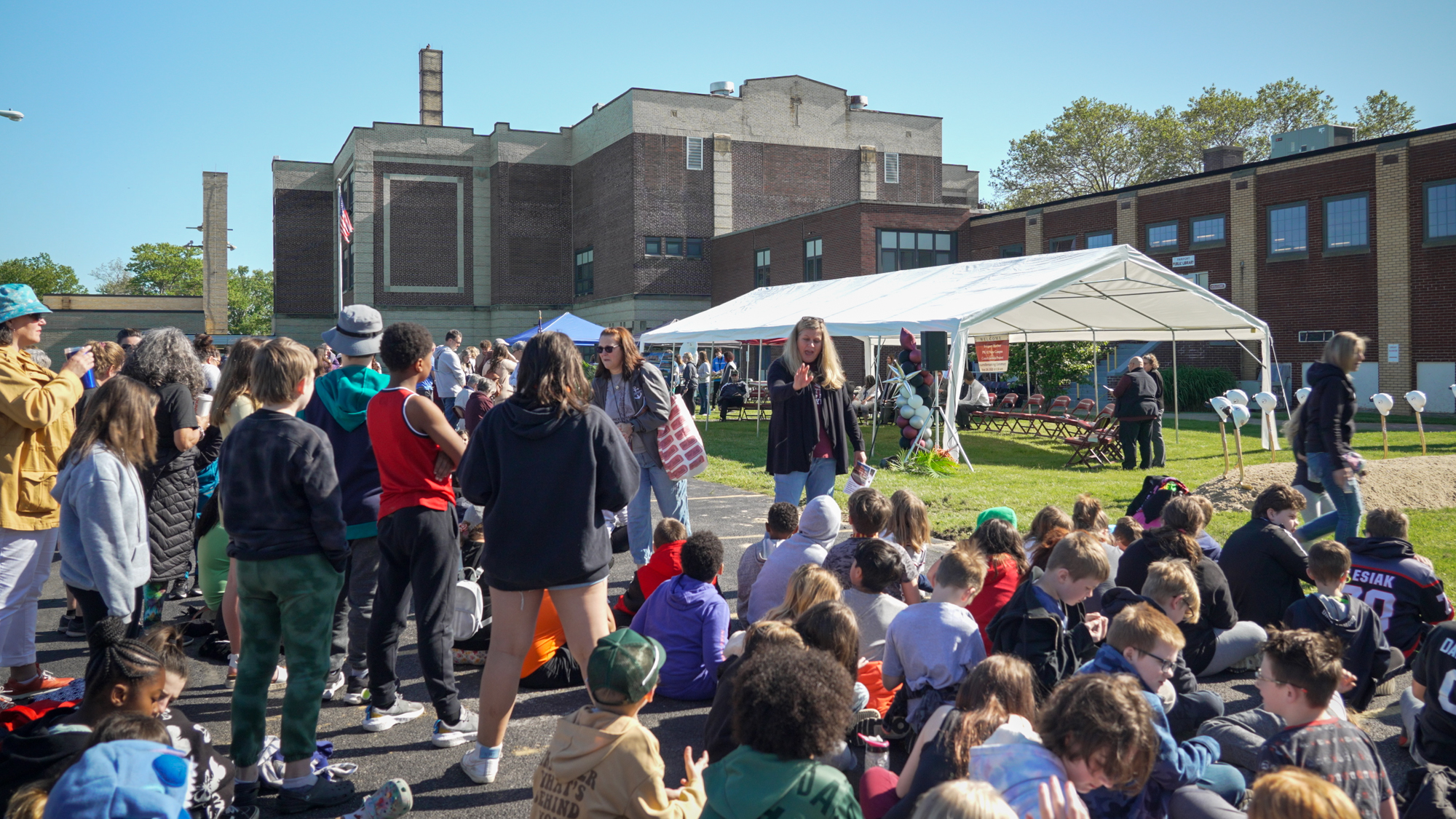
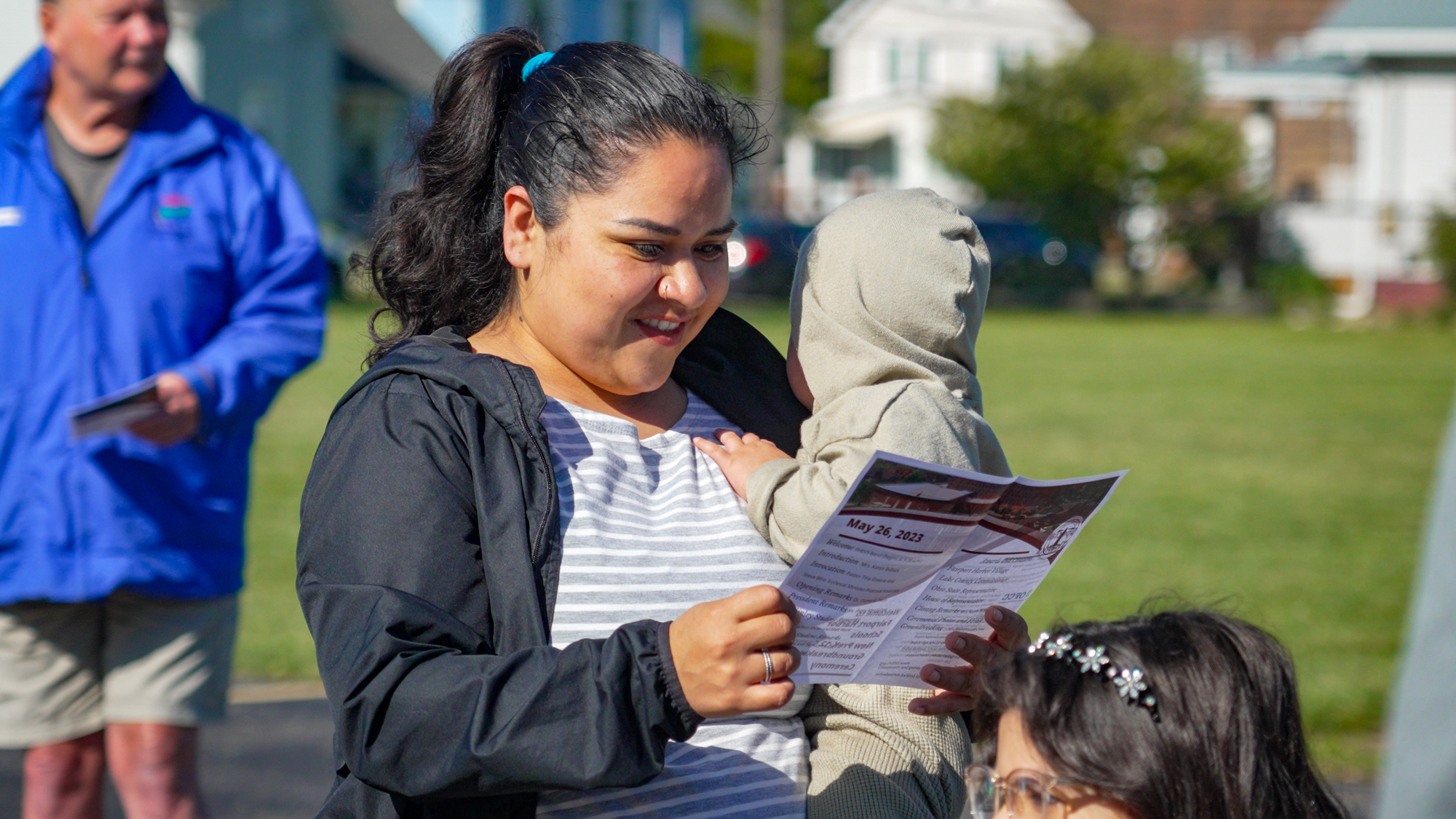
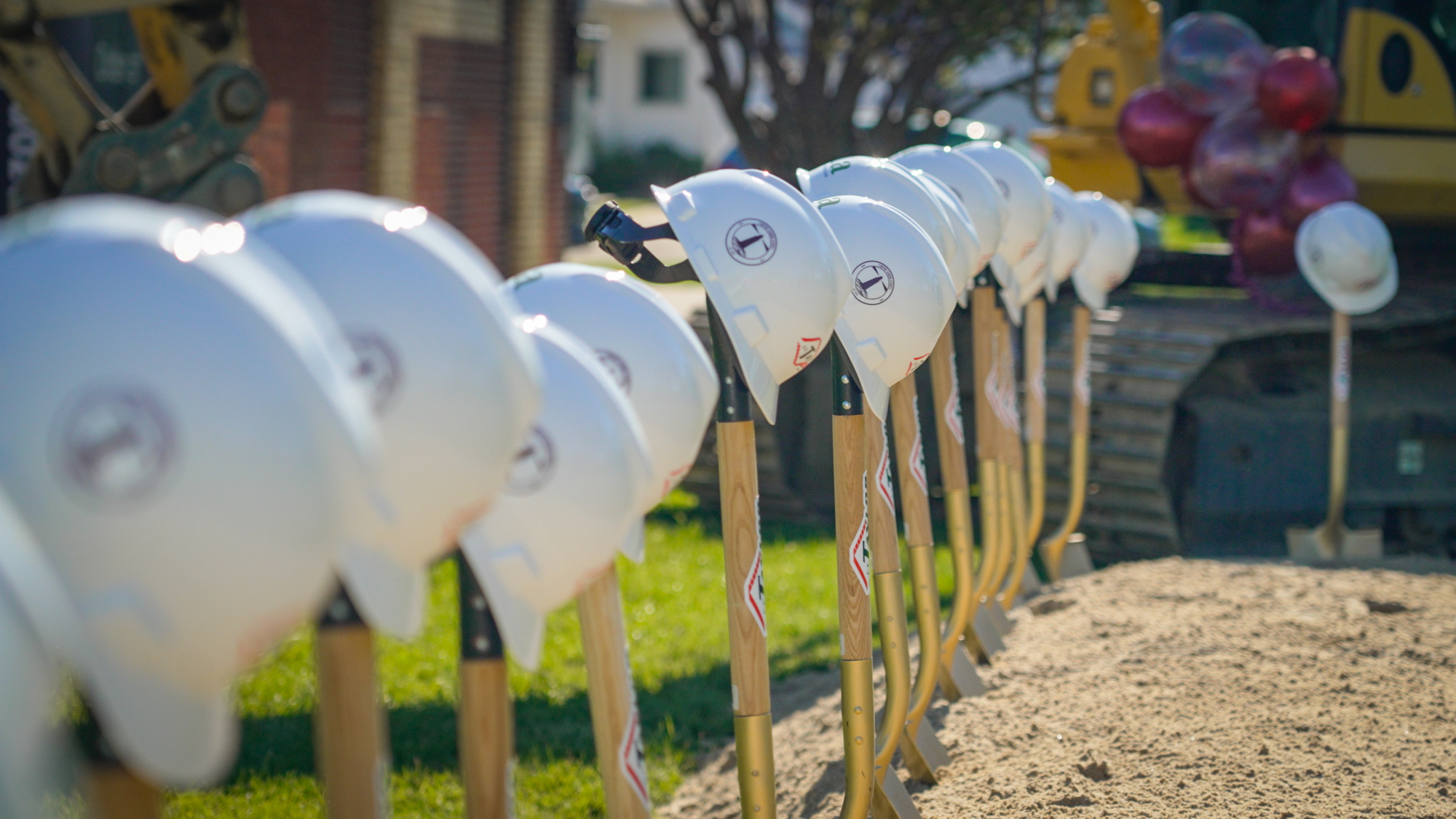
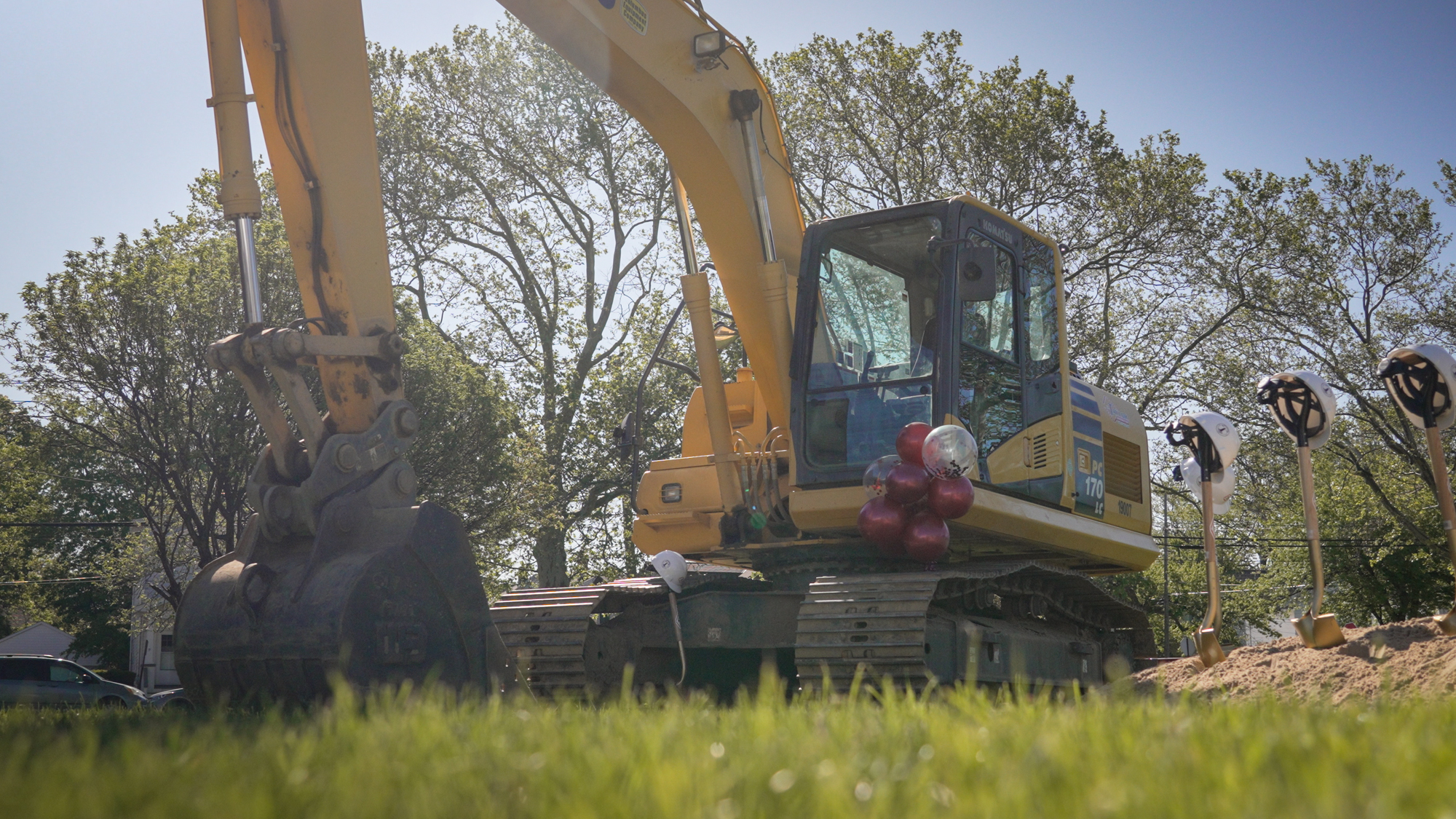
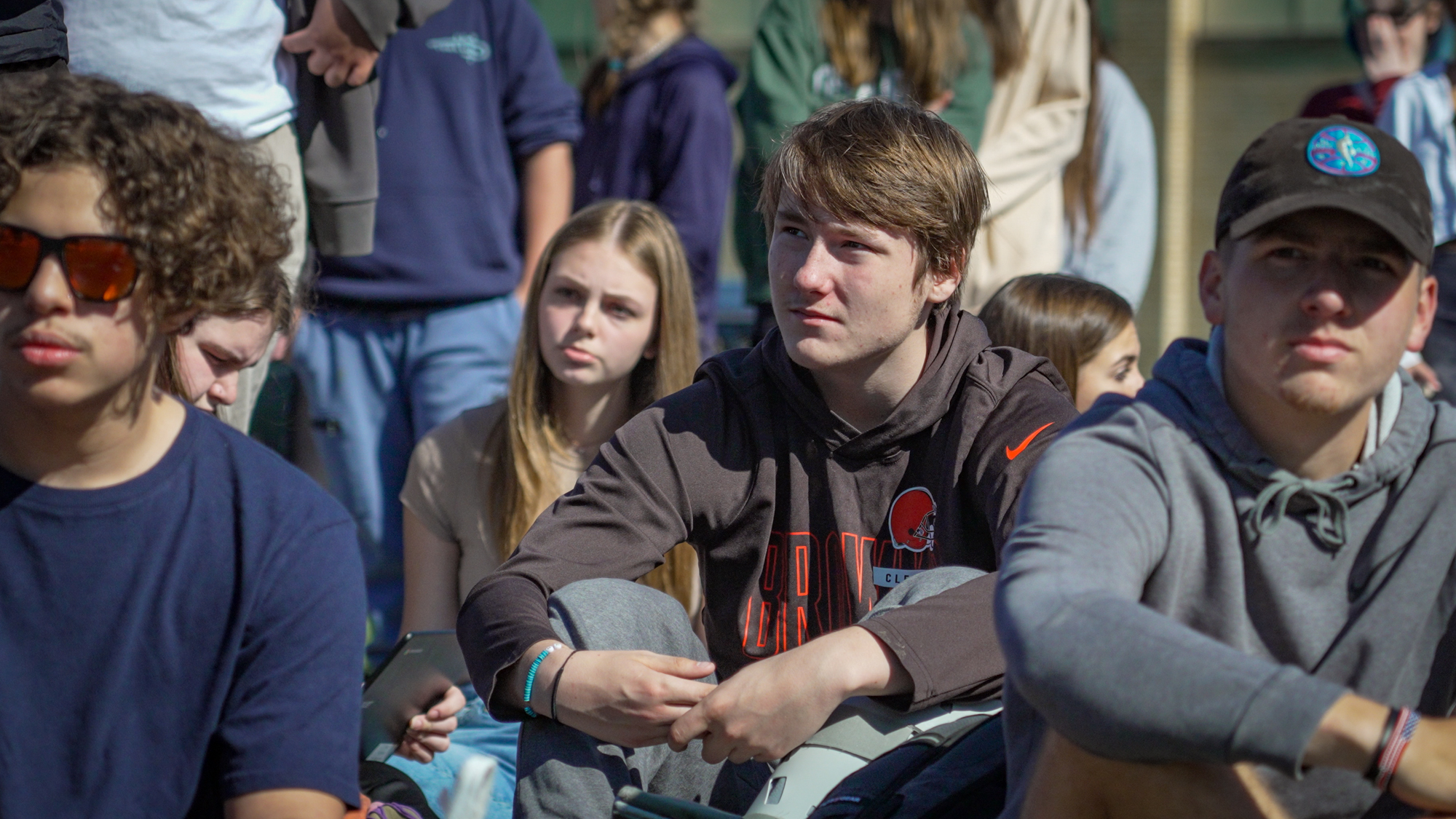
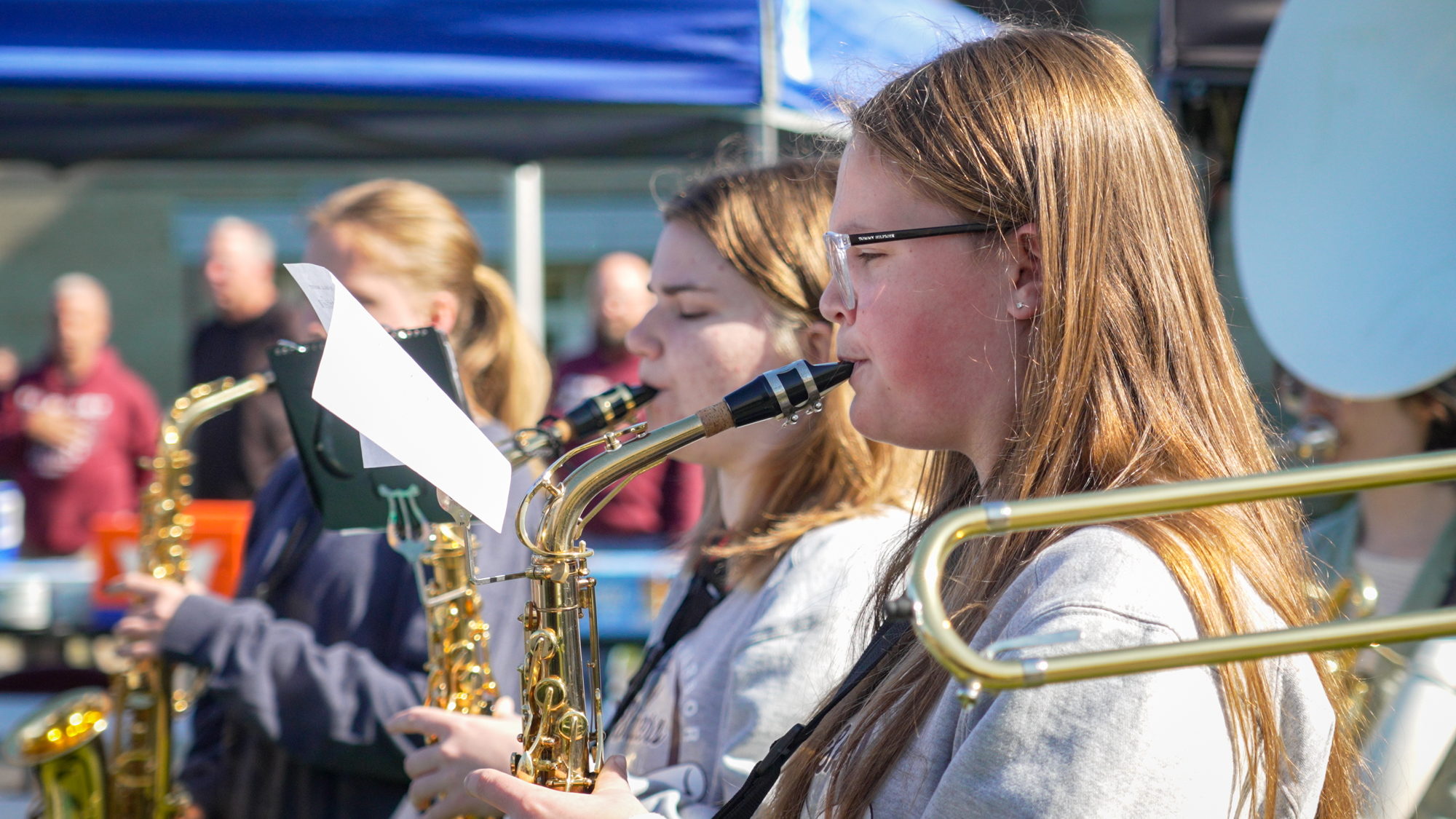
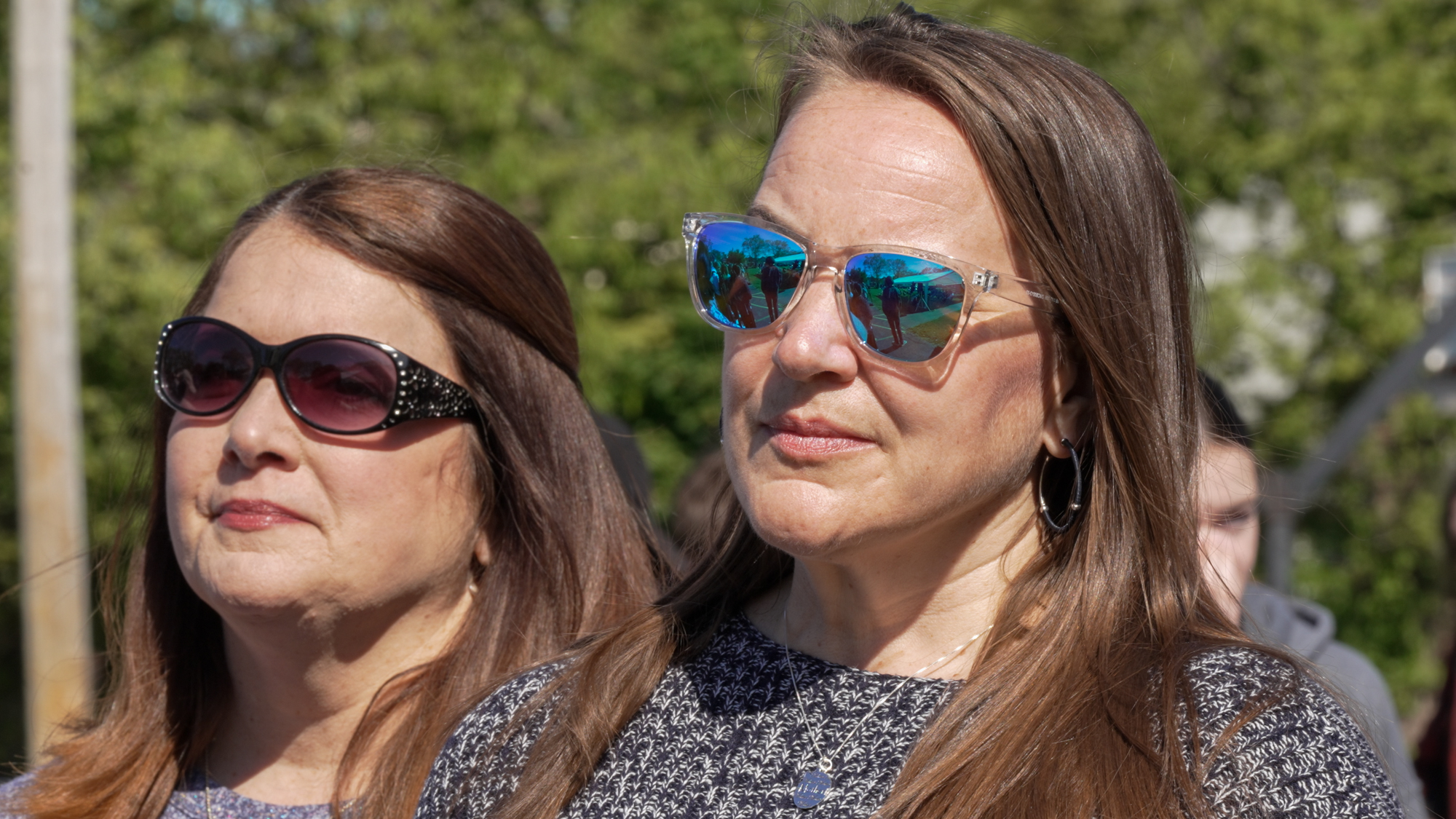
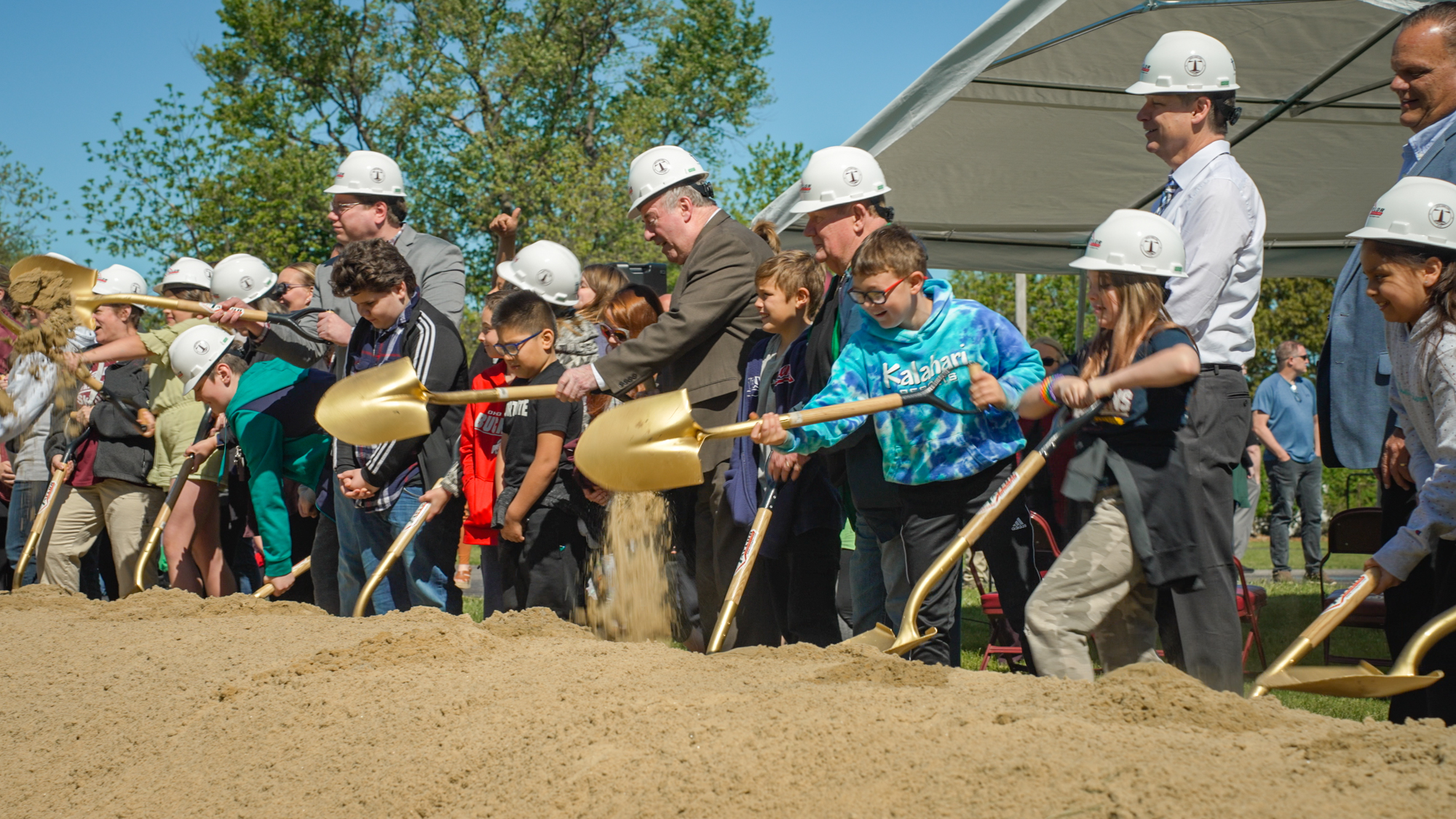
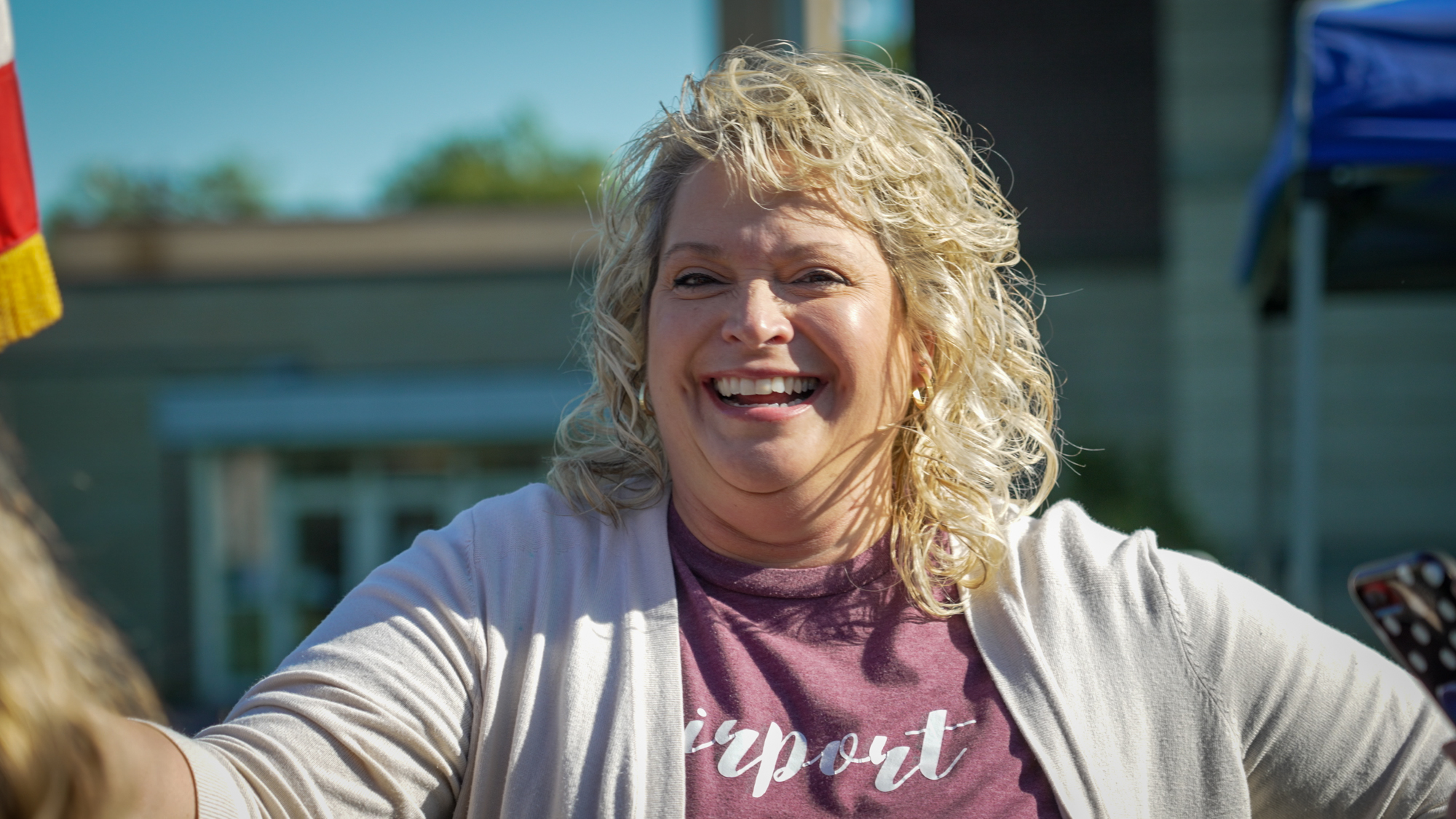
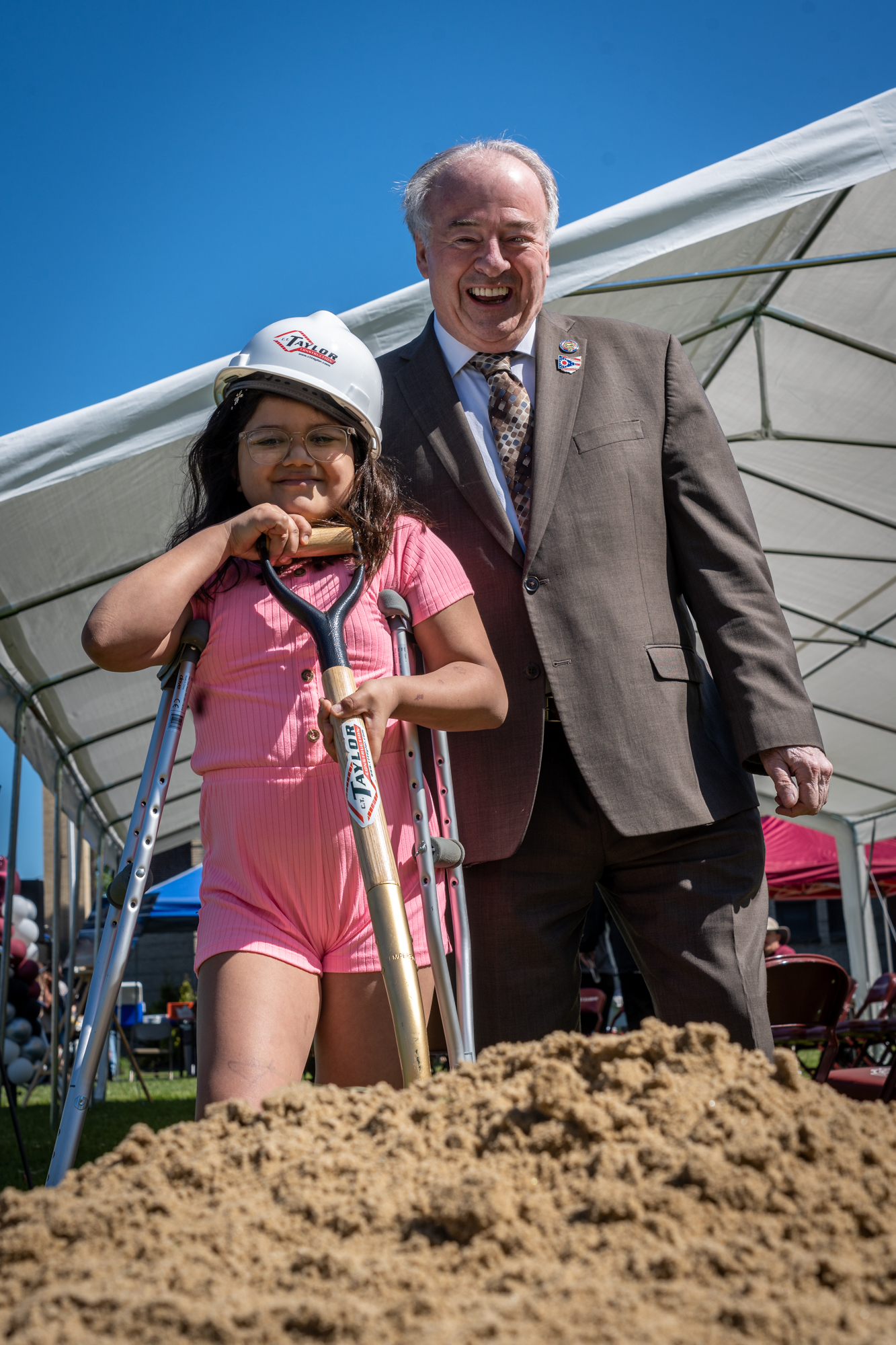
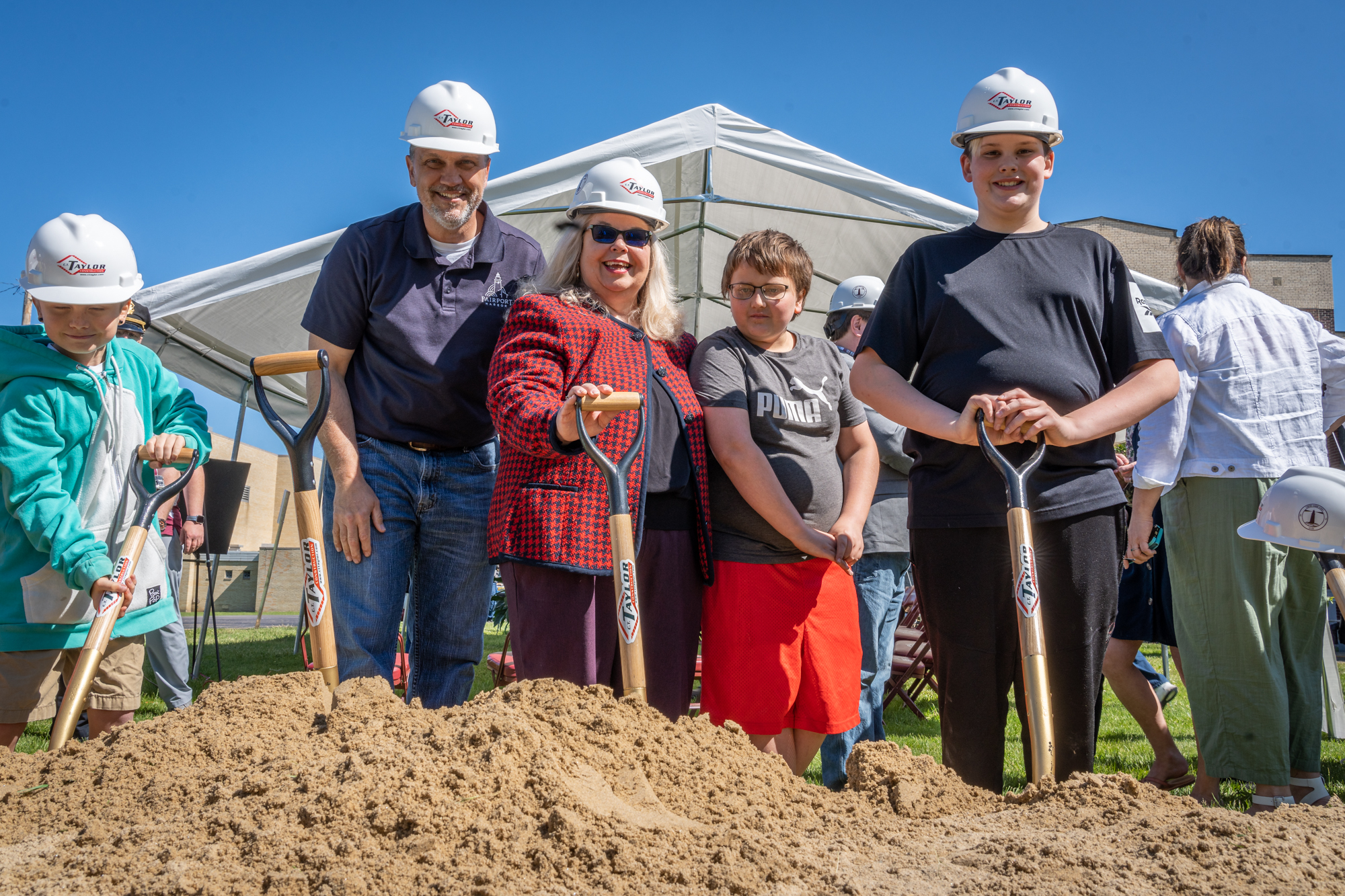
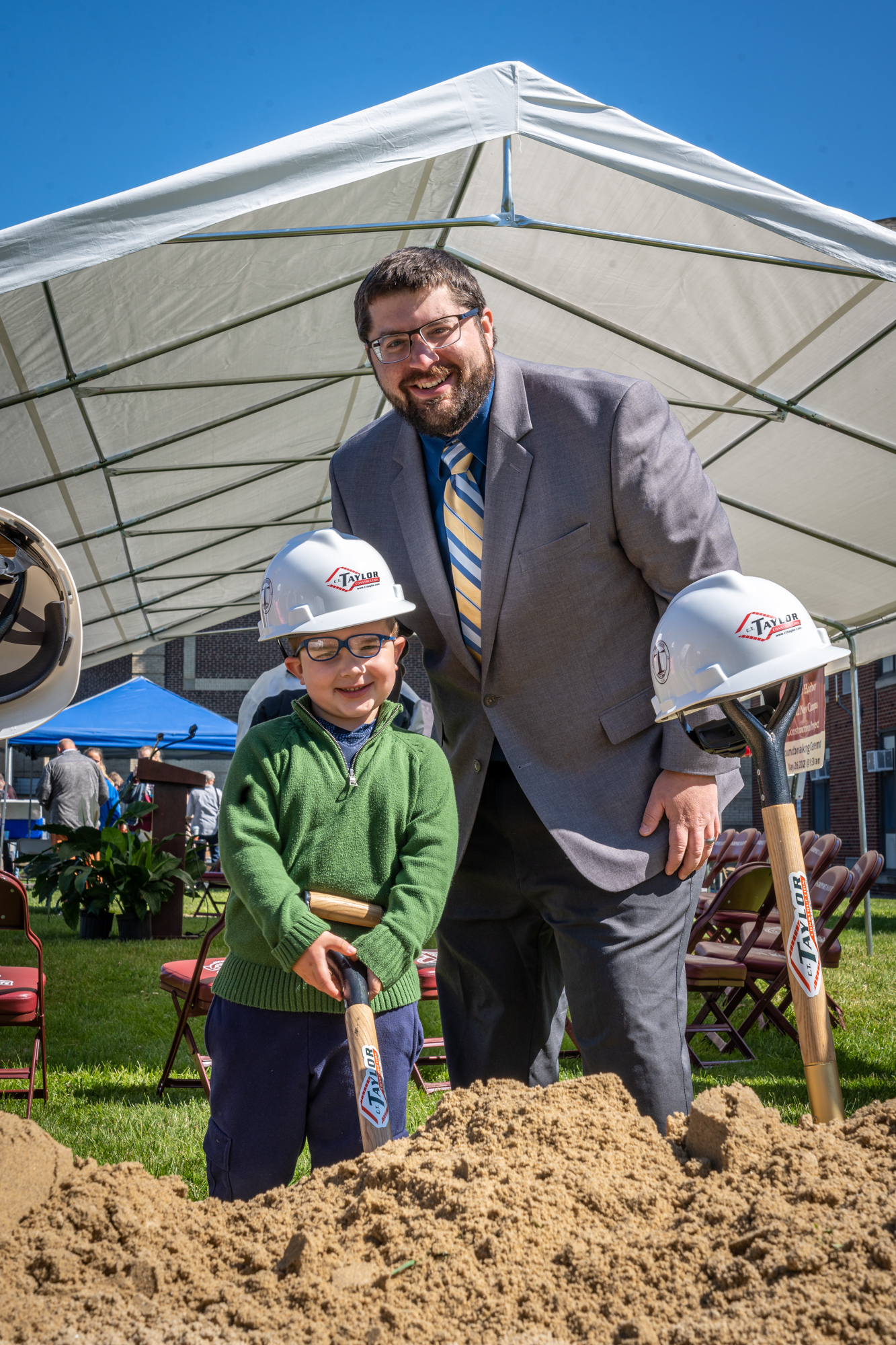
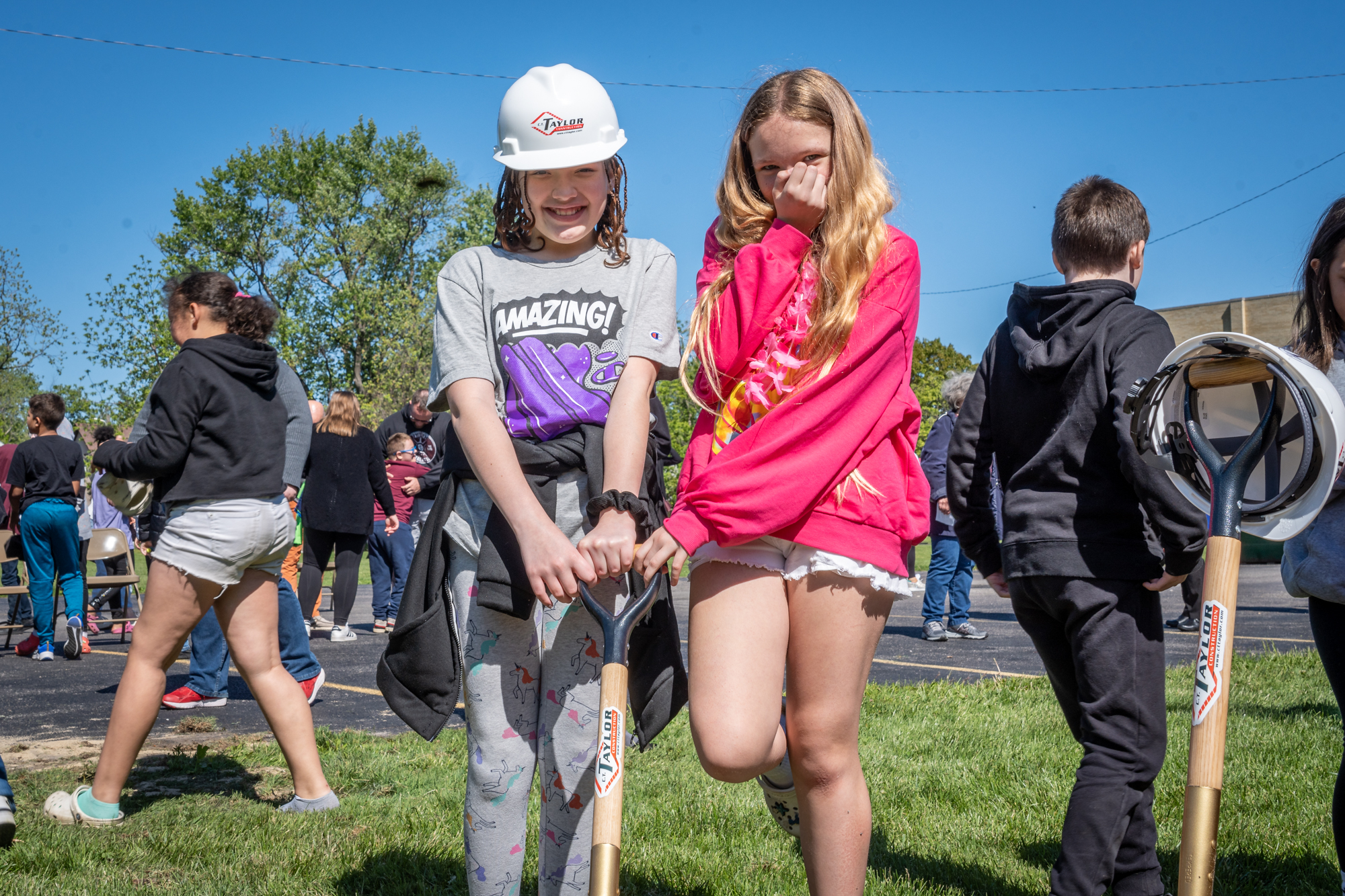
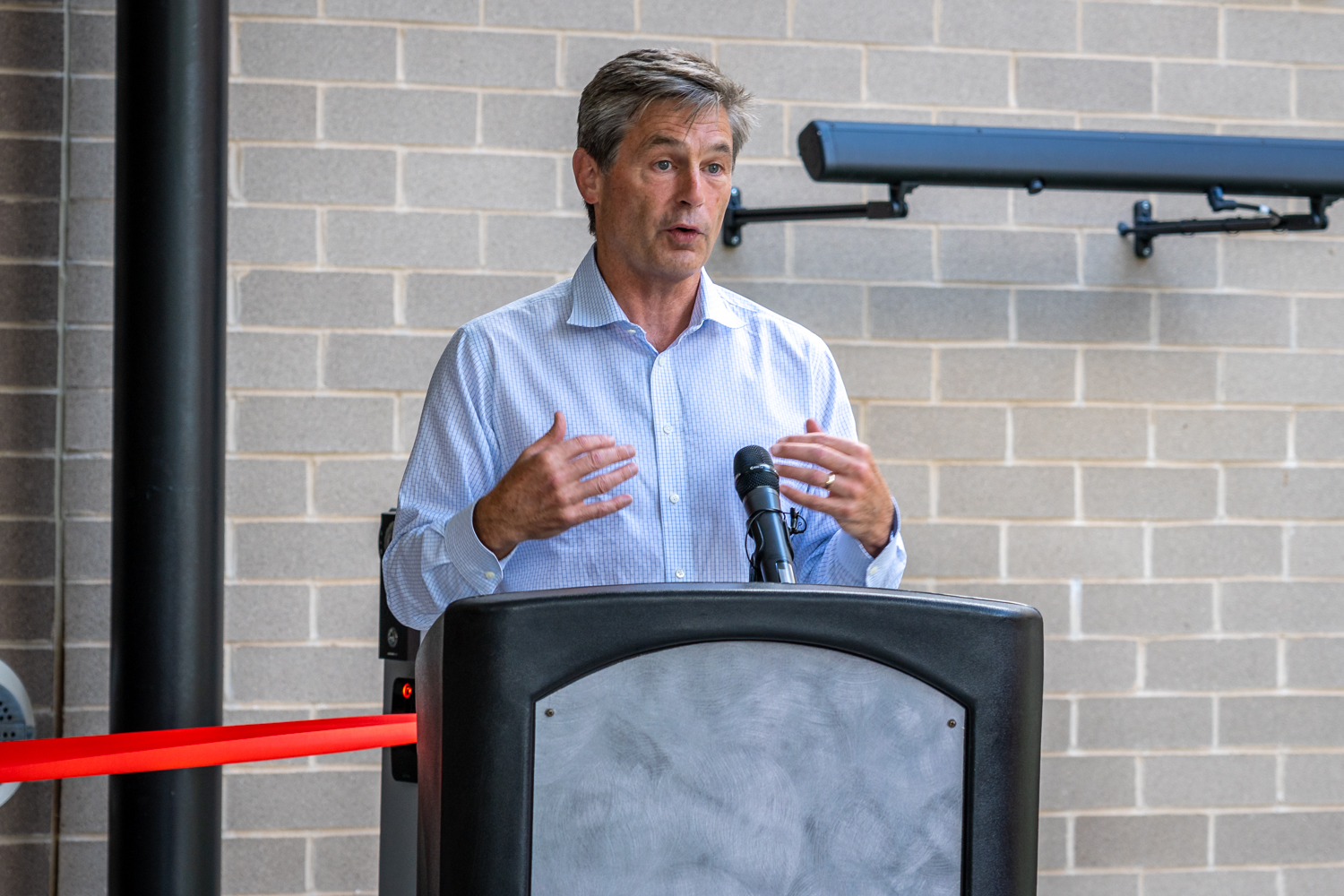
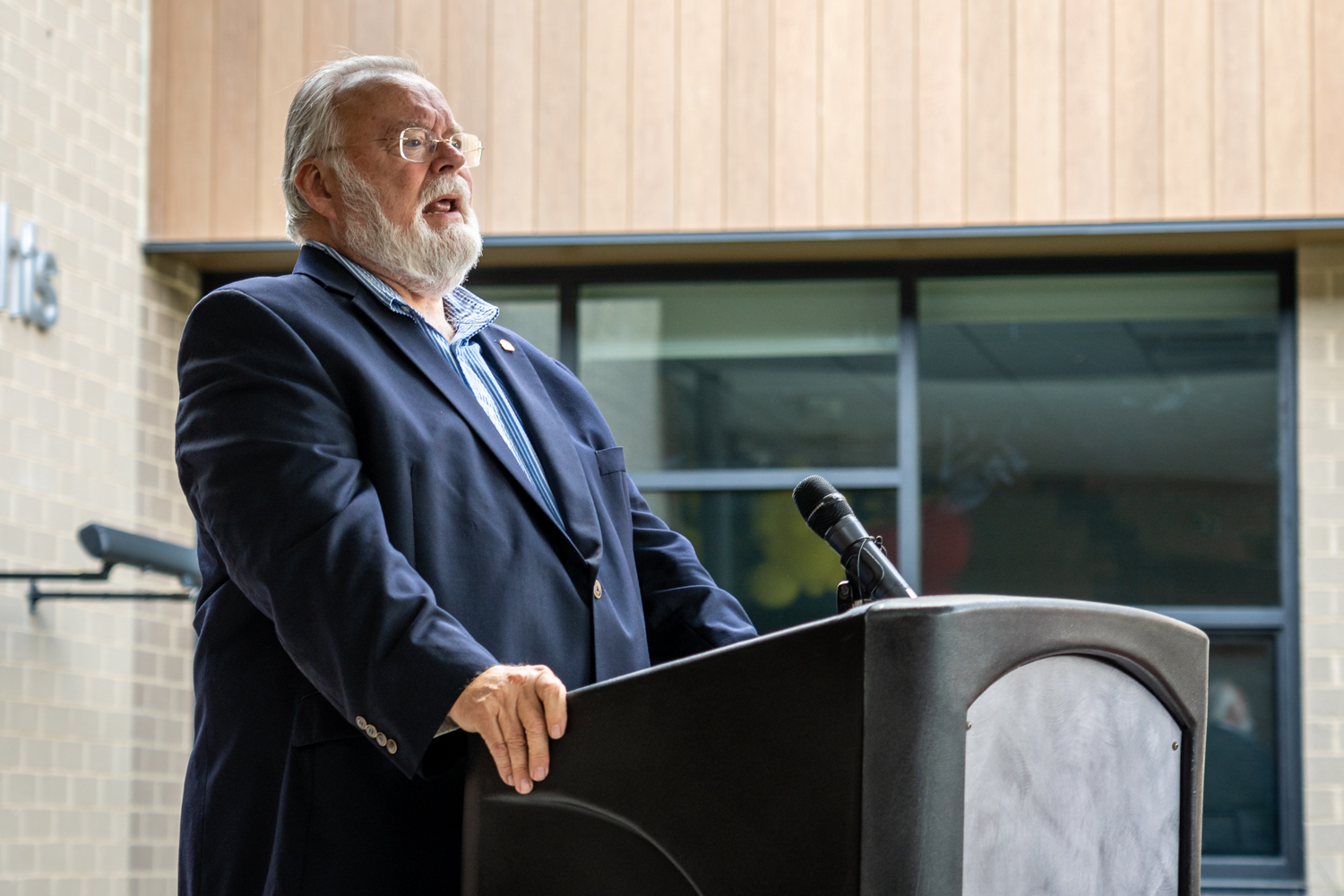
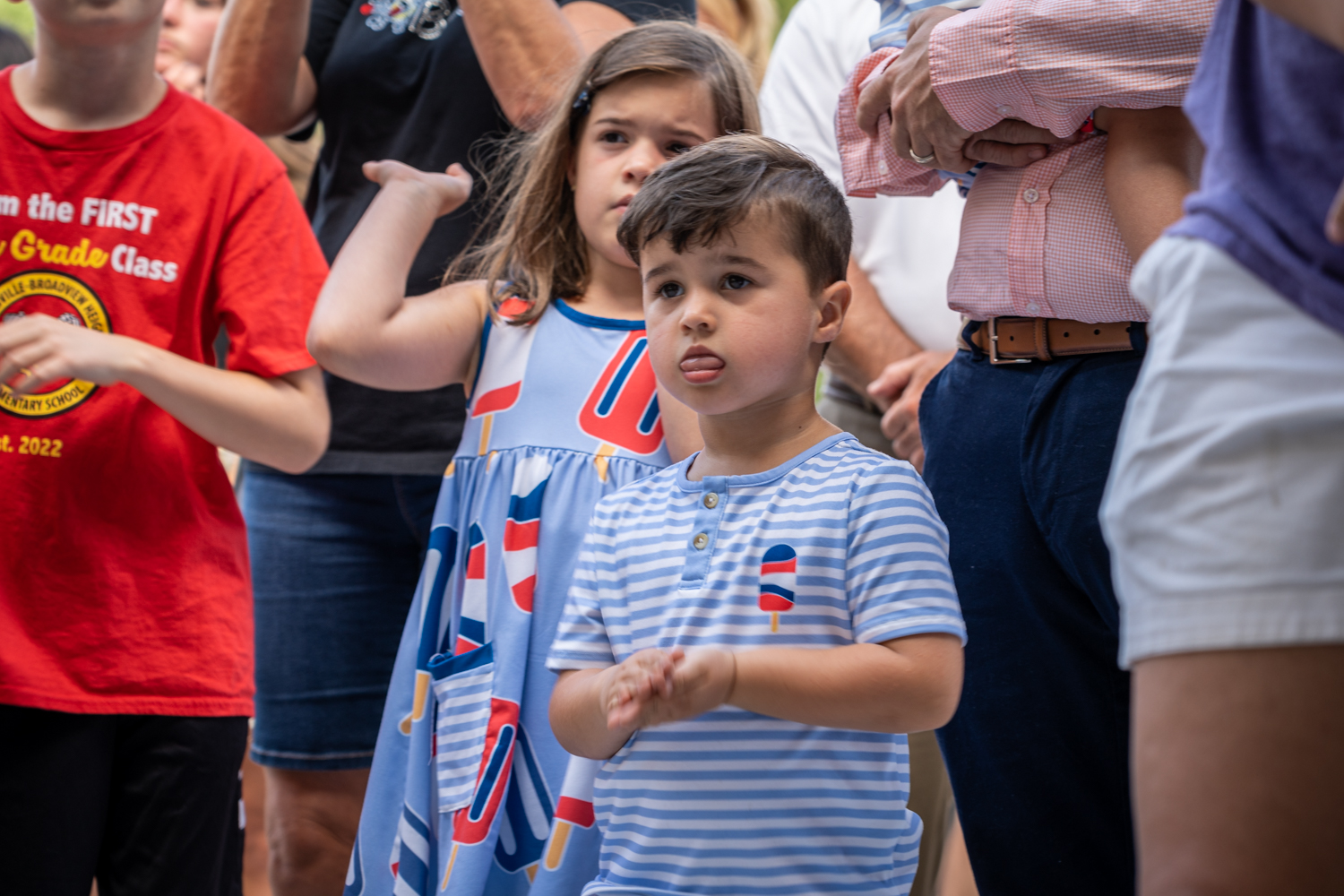
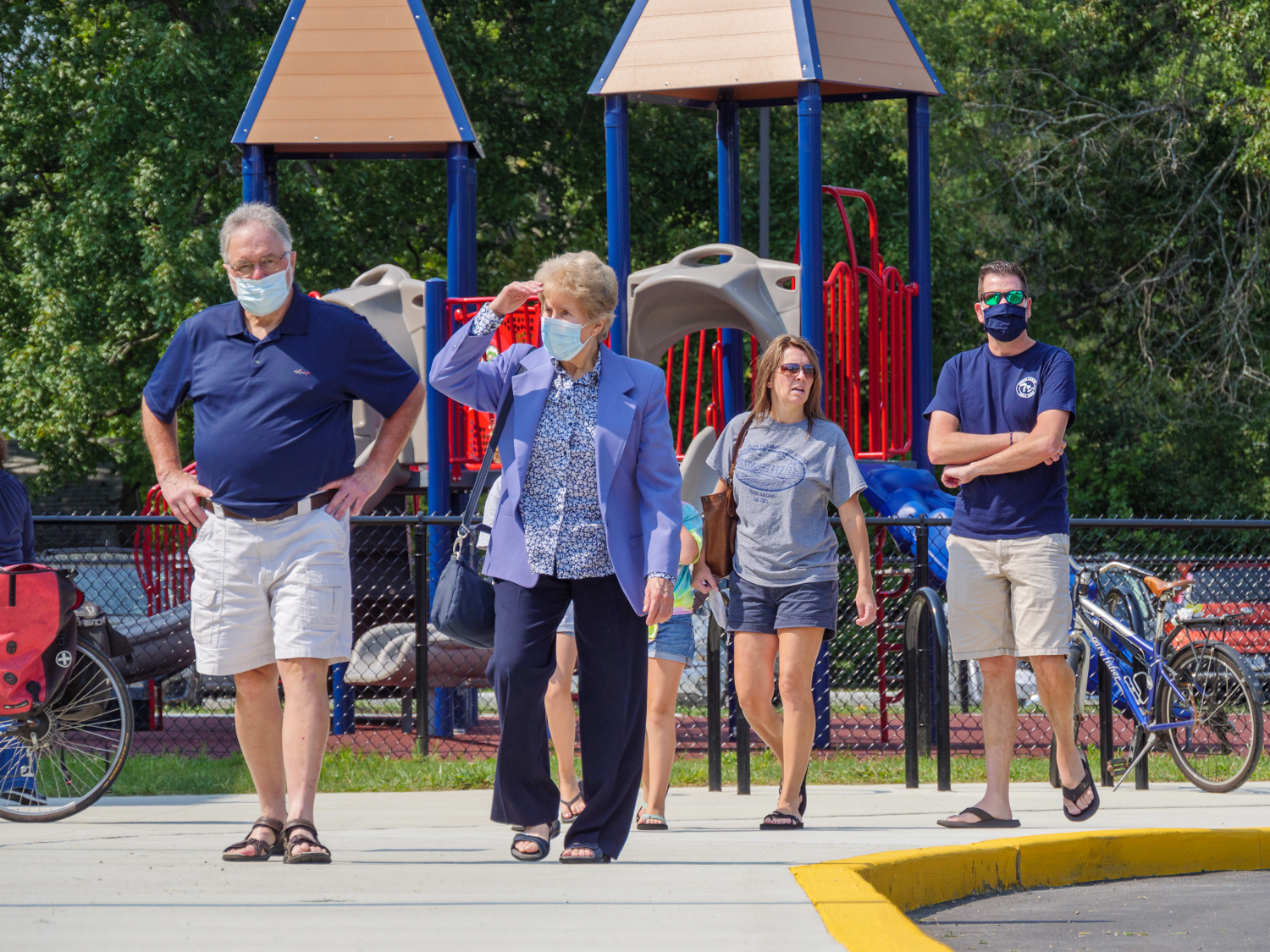
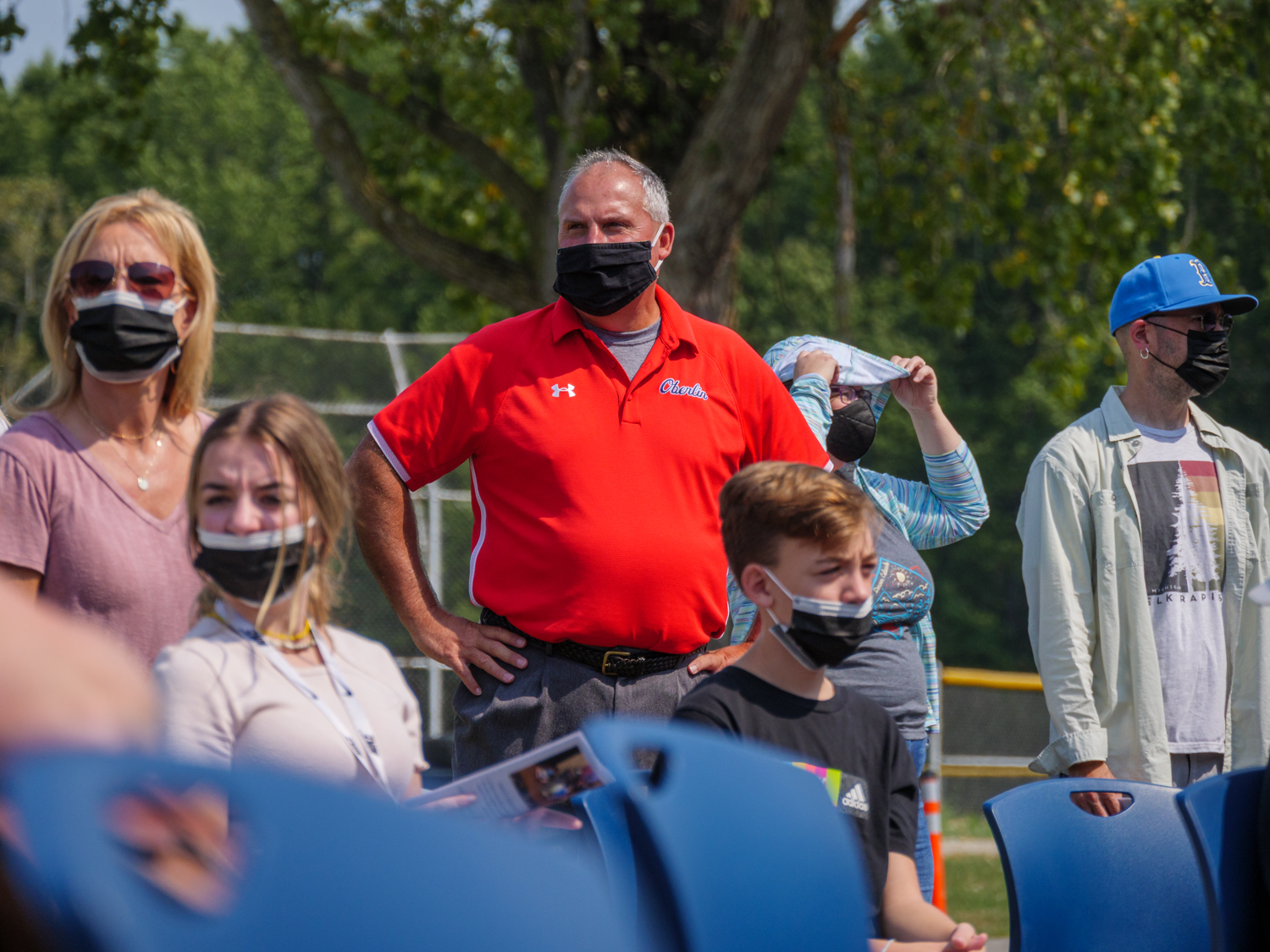
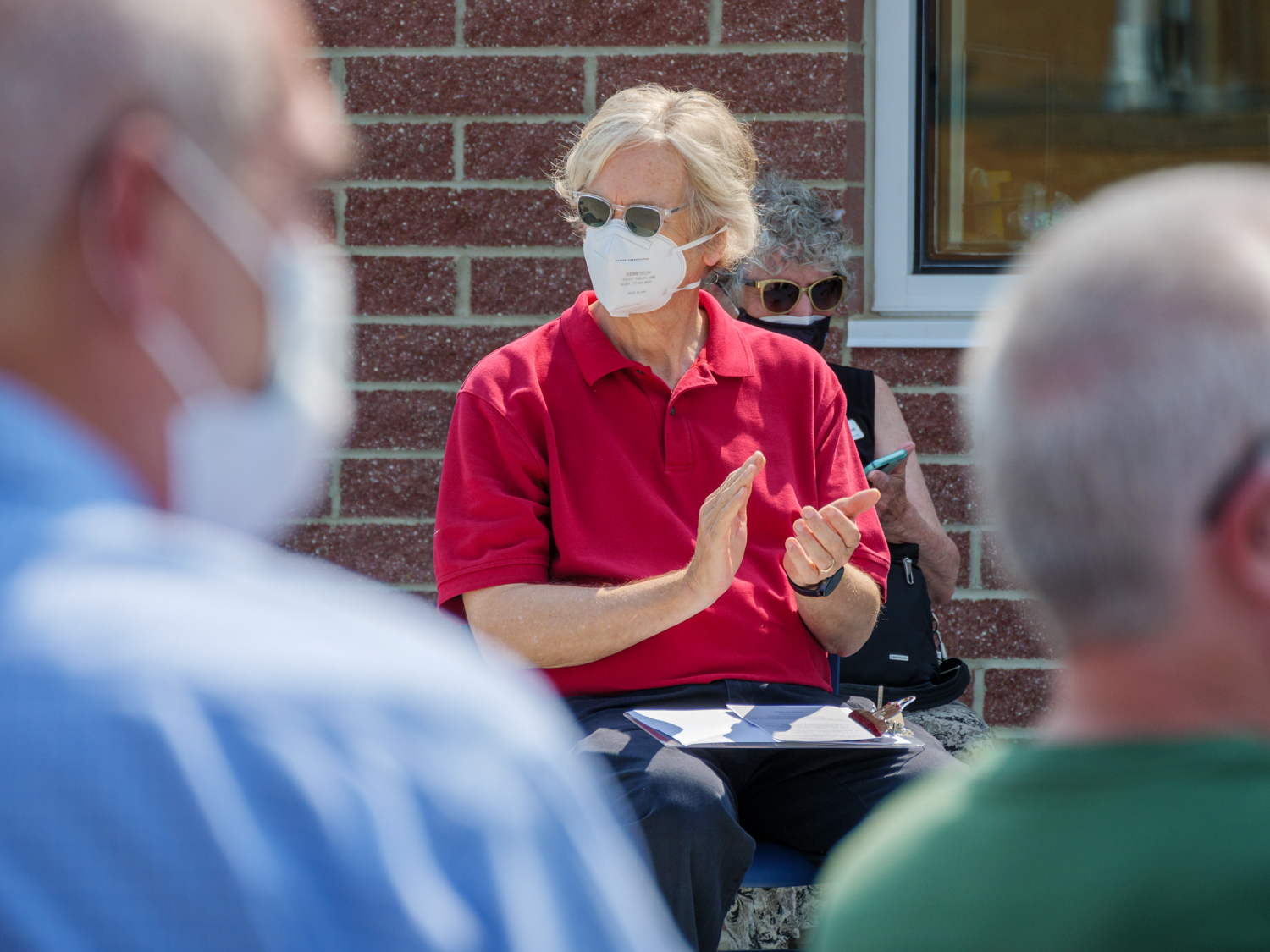
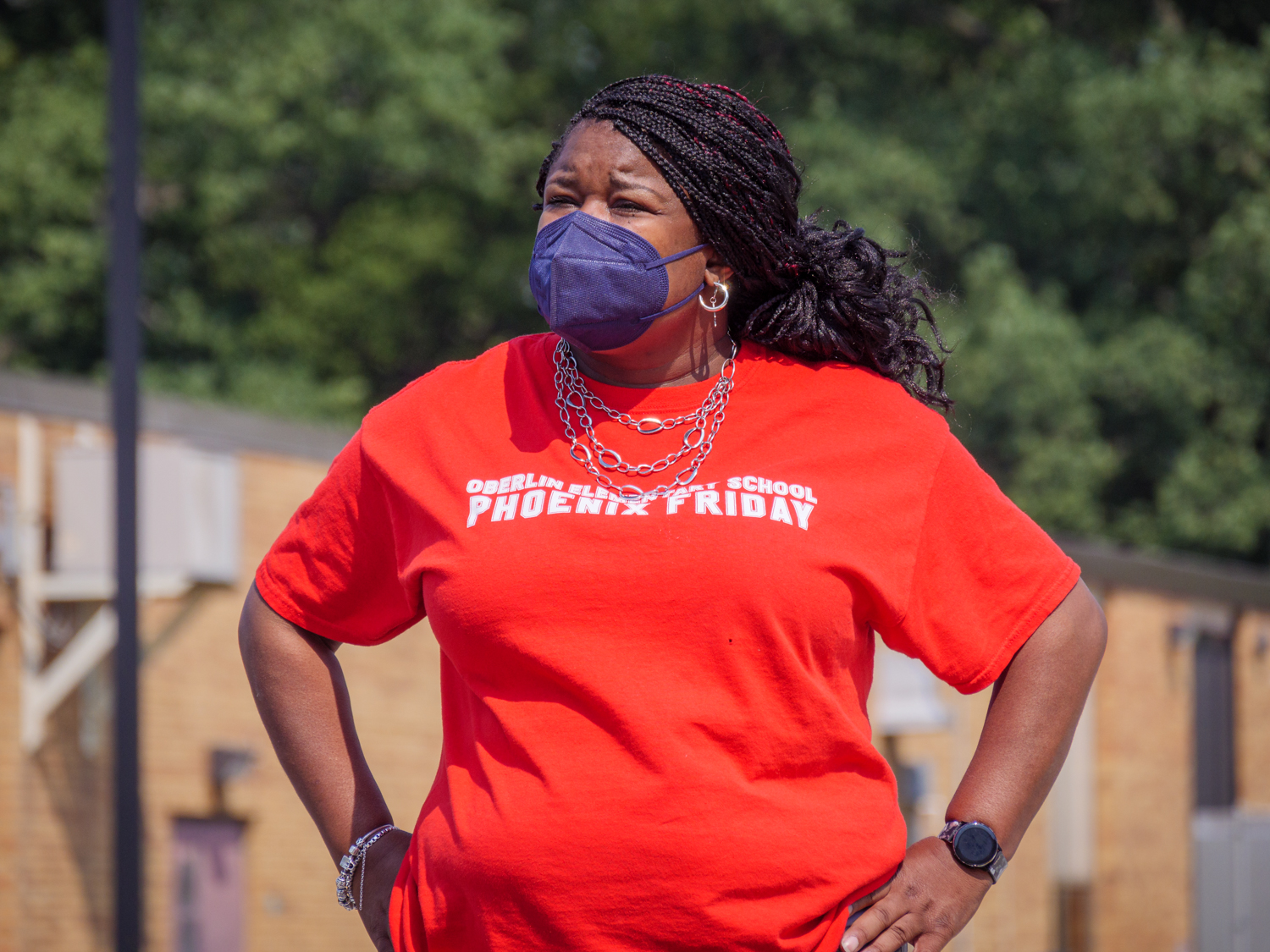
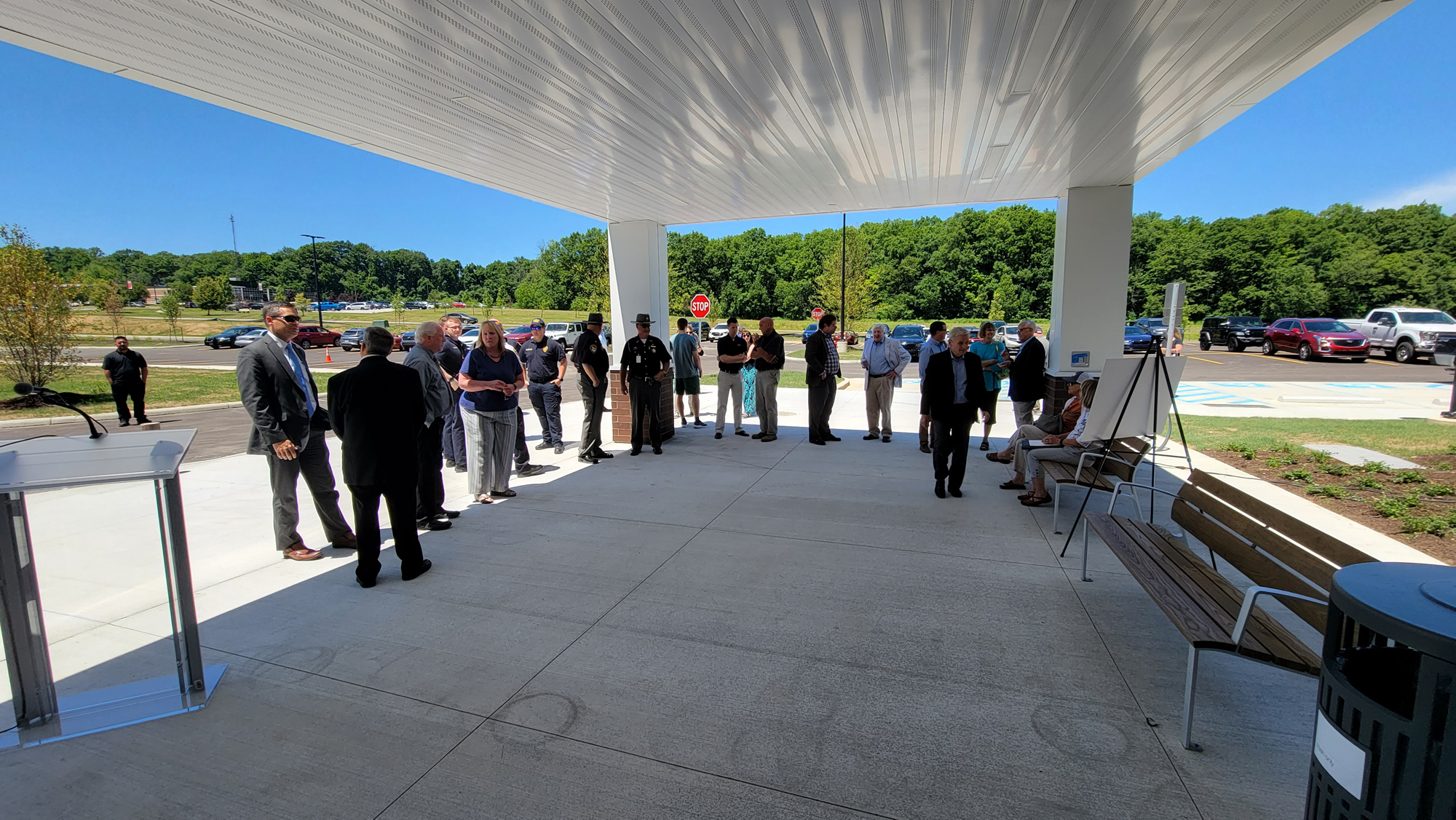
Residents, students, teachers and neighbors from Fairport Harbor gathered on May 26th to commemorate the Groundbreaking Ceremony of the school district’s new 116,000 SF PreK-12 facility. This new school, which is located on the existing Harding High School site, will provide a modern educational environment for future generations of Fairport Harbor students.

"A school is more than just bricks and mortar. It’s the people within it that truly bring it to life."
Sherry Maruschak
School Board President

A Culmination of Efforts

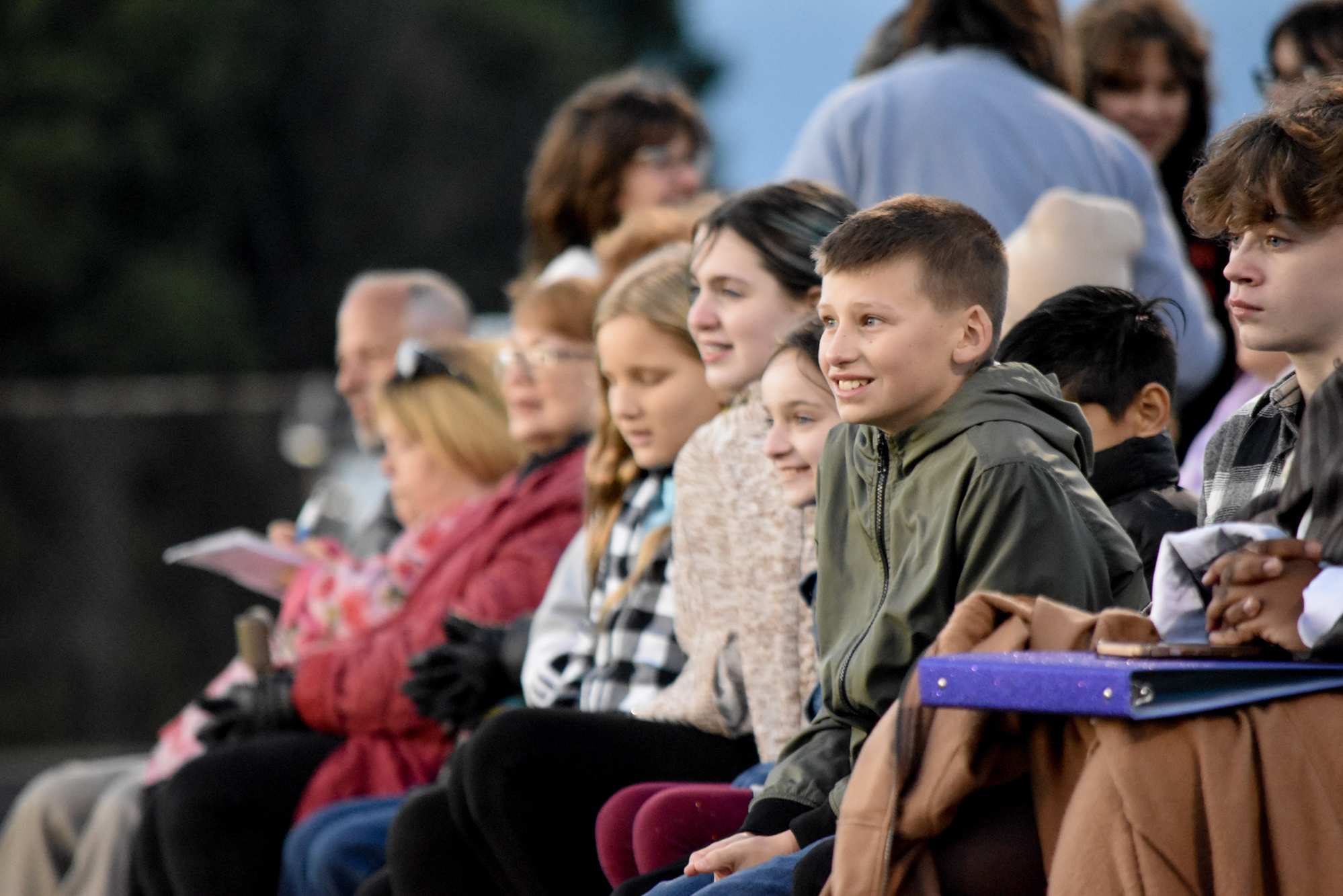
This event was the culmination of over ten years of effort led by the district and supported by the local community, teachers, and government officials. The aroma of barbecued hotdogs added to the celebratory atmosphere for the over 200 attendees.

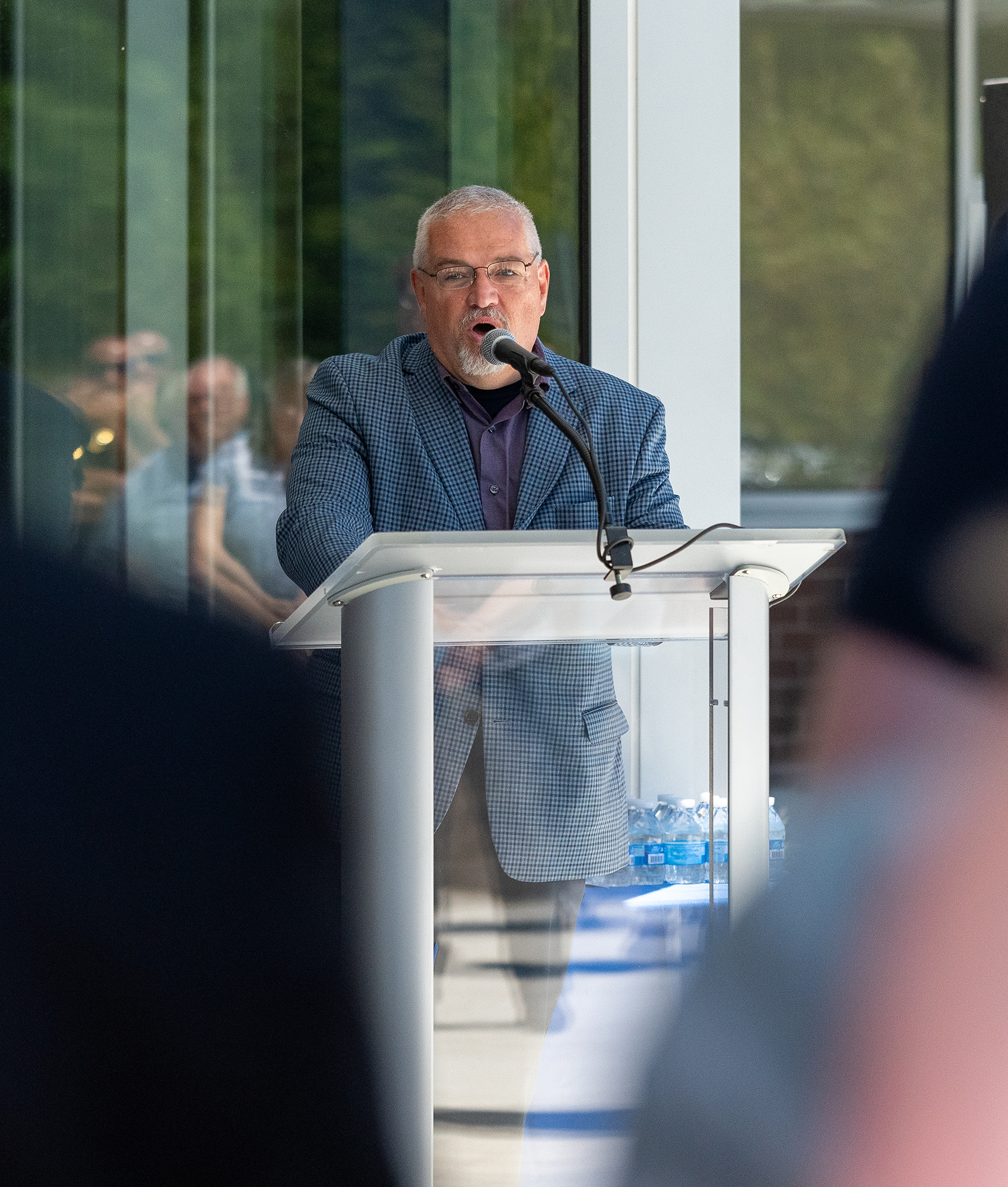
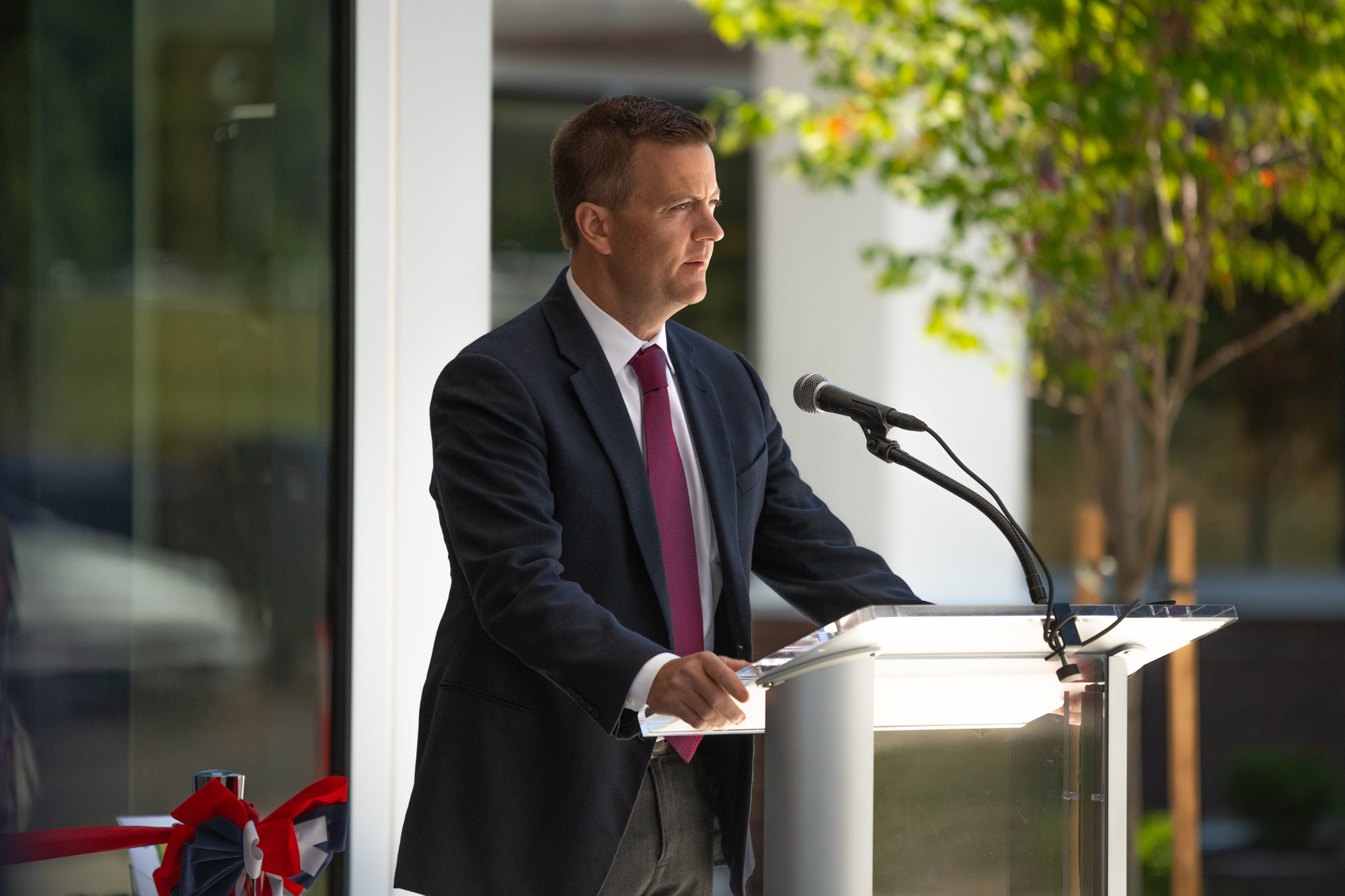
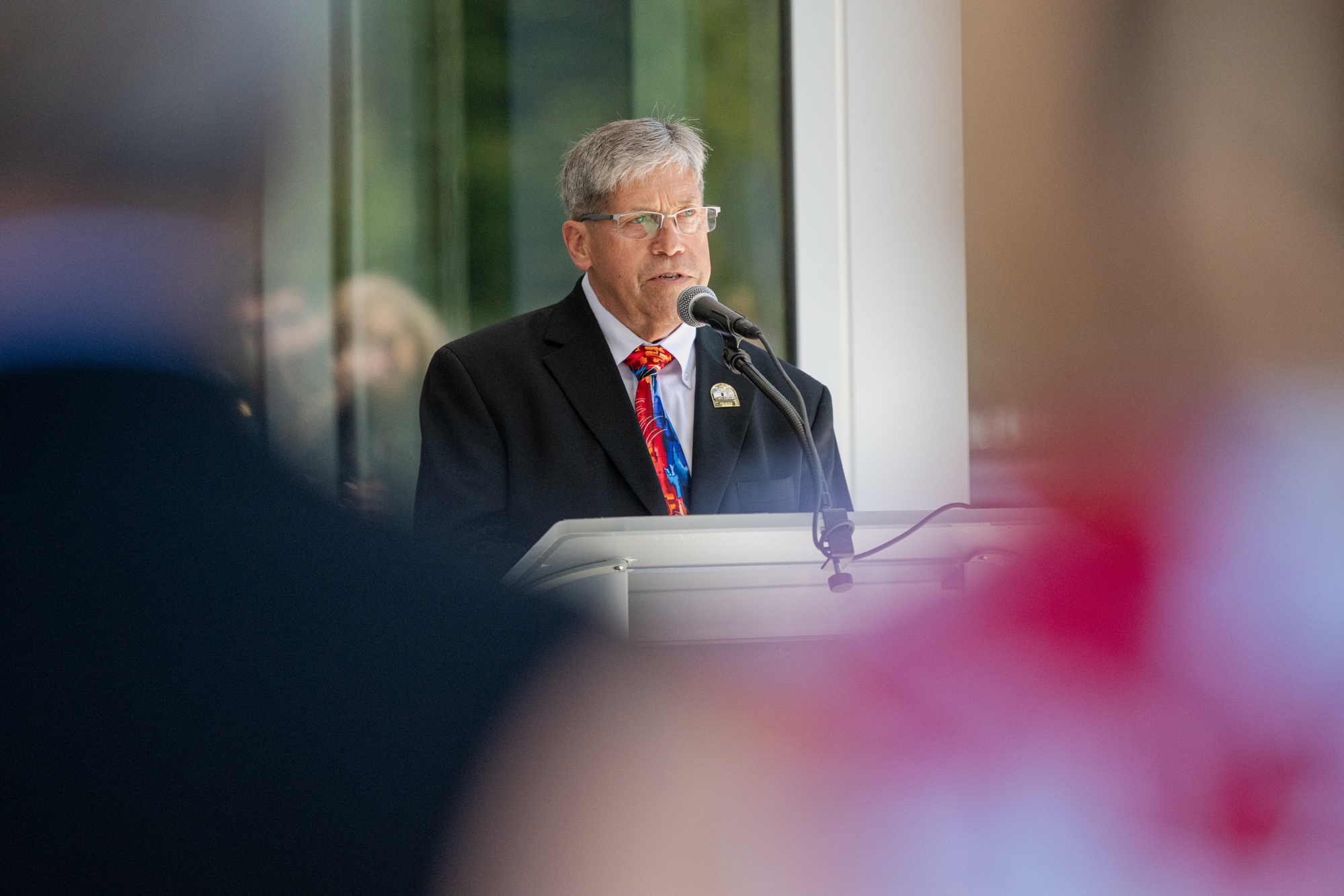
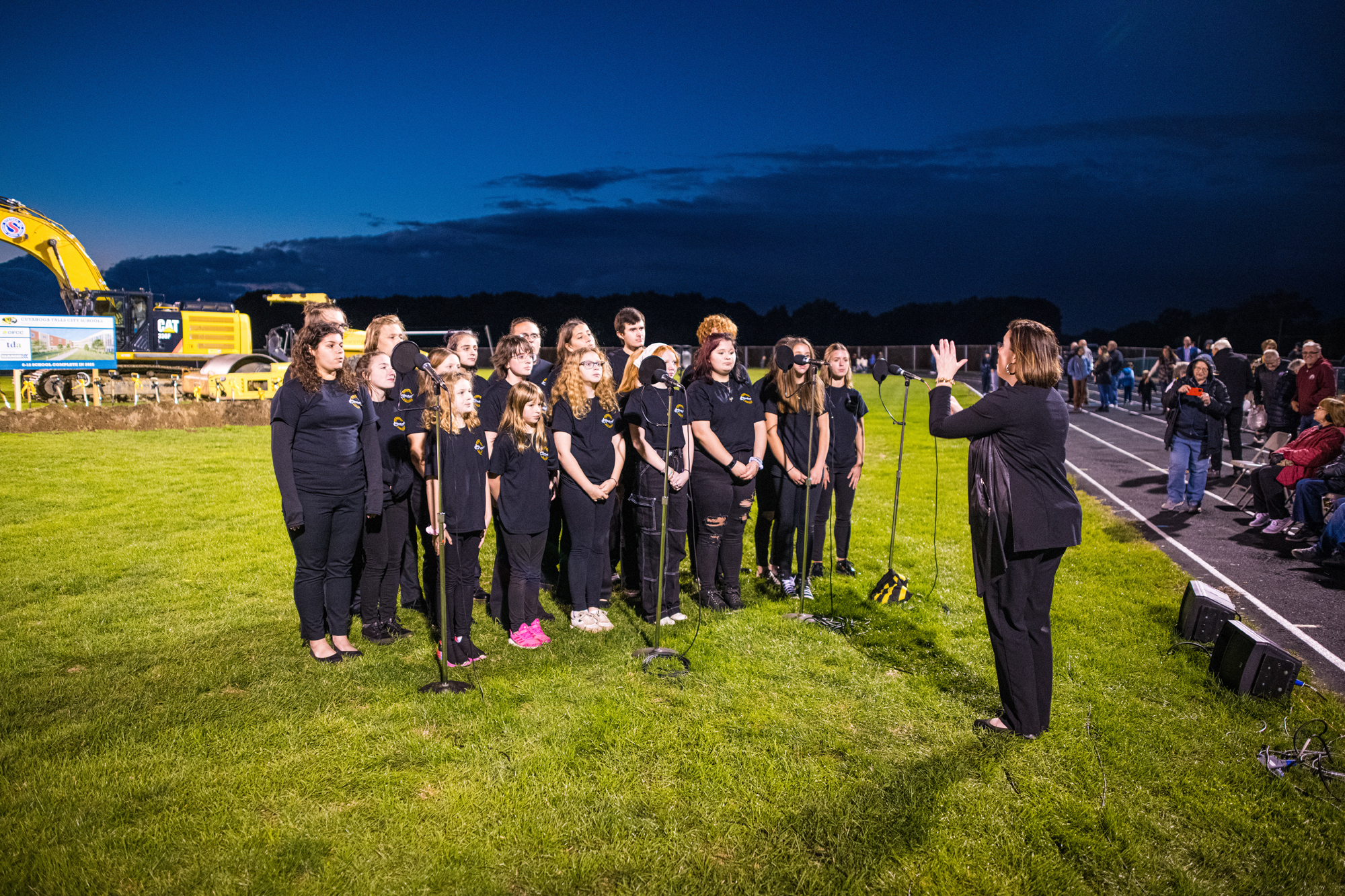
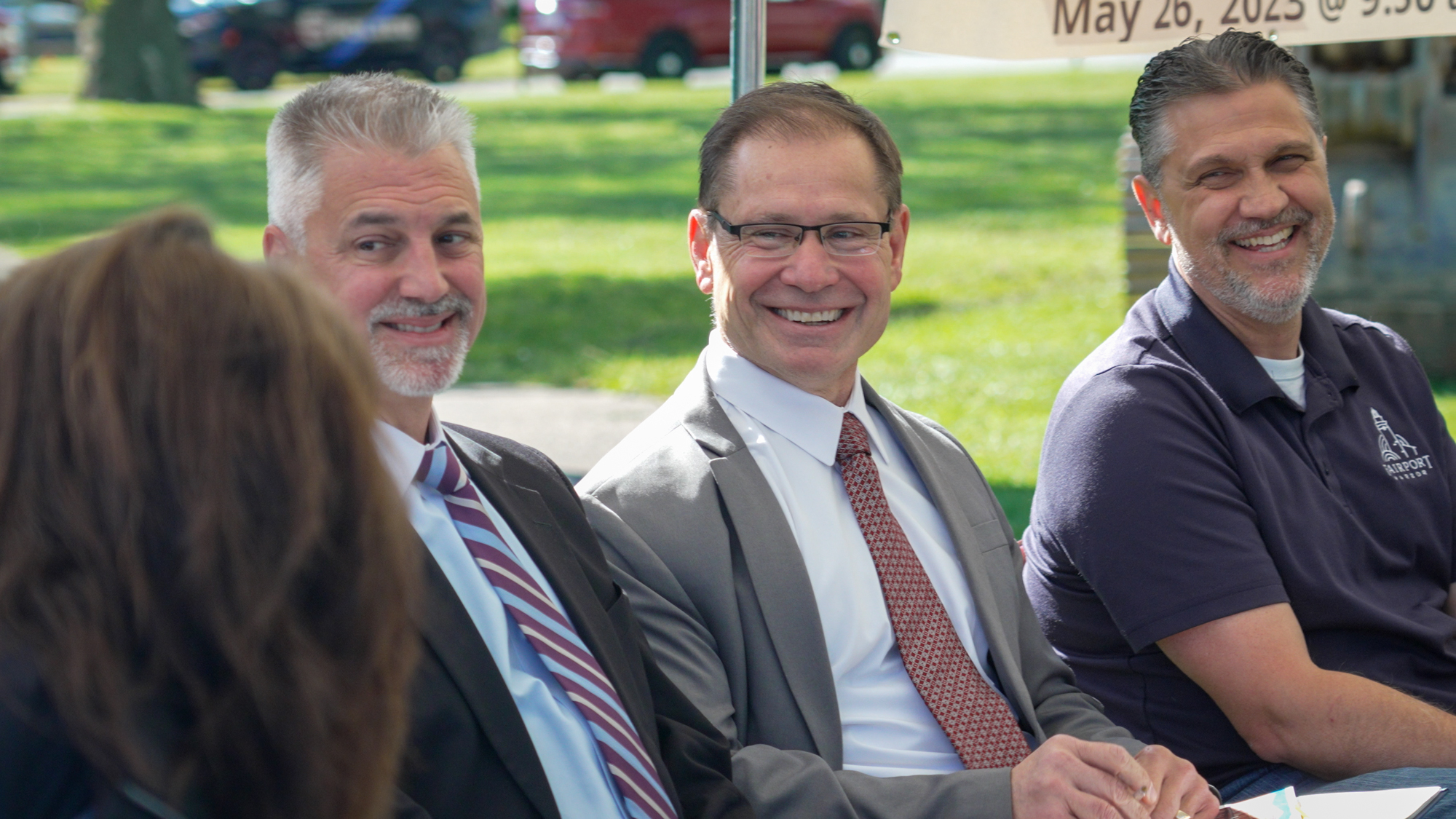
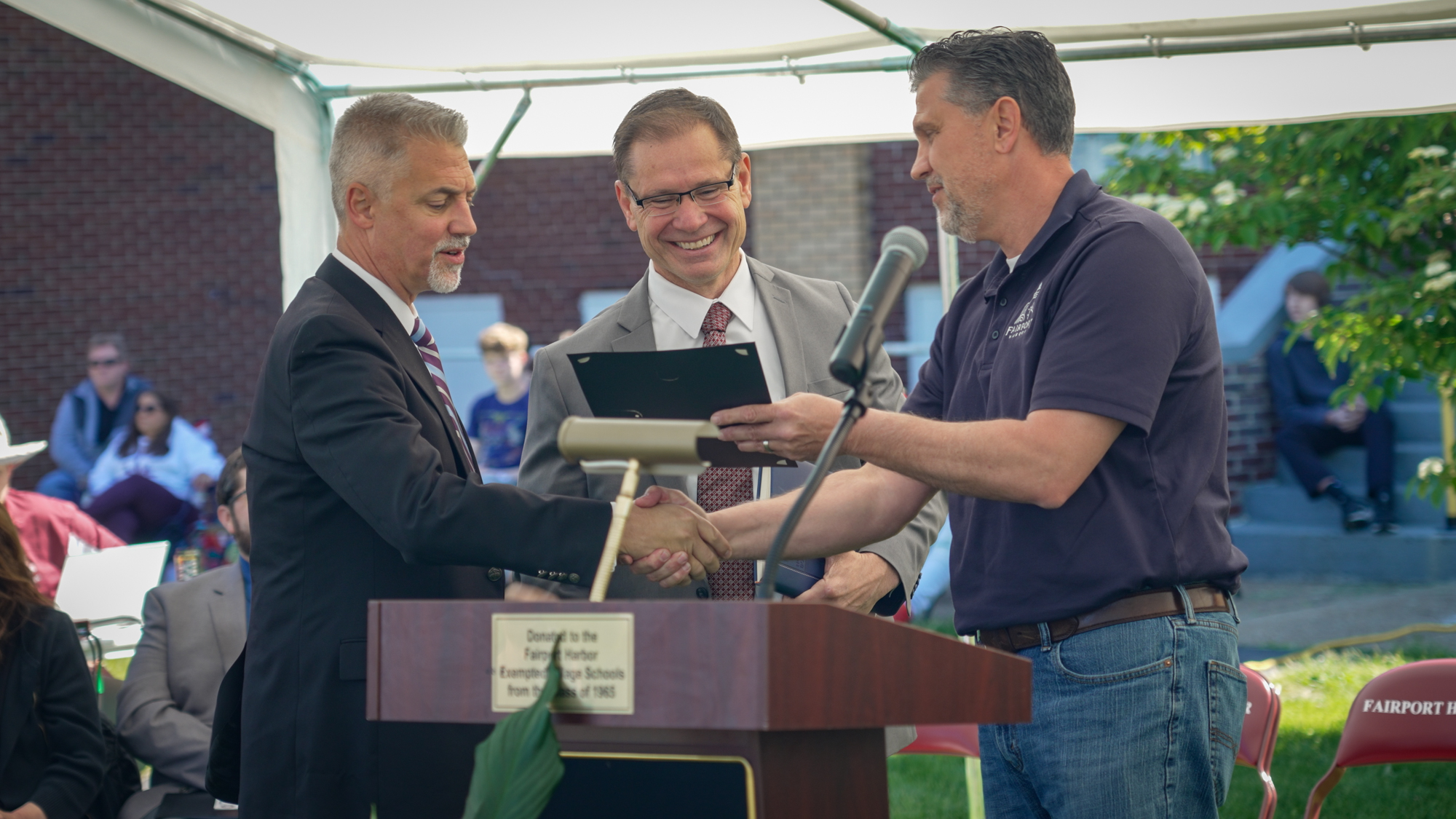
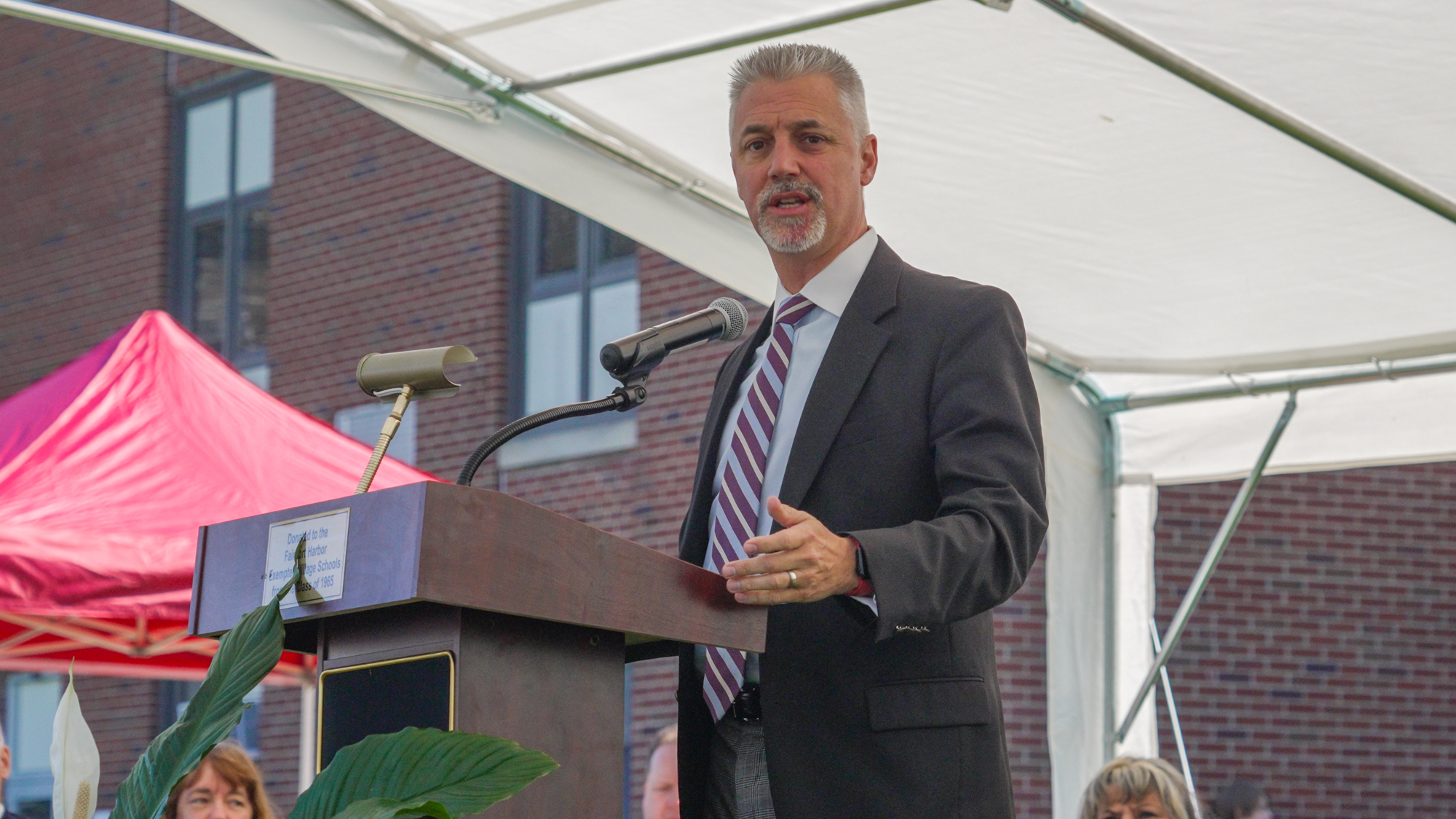
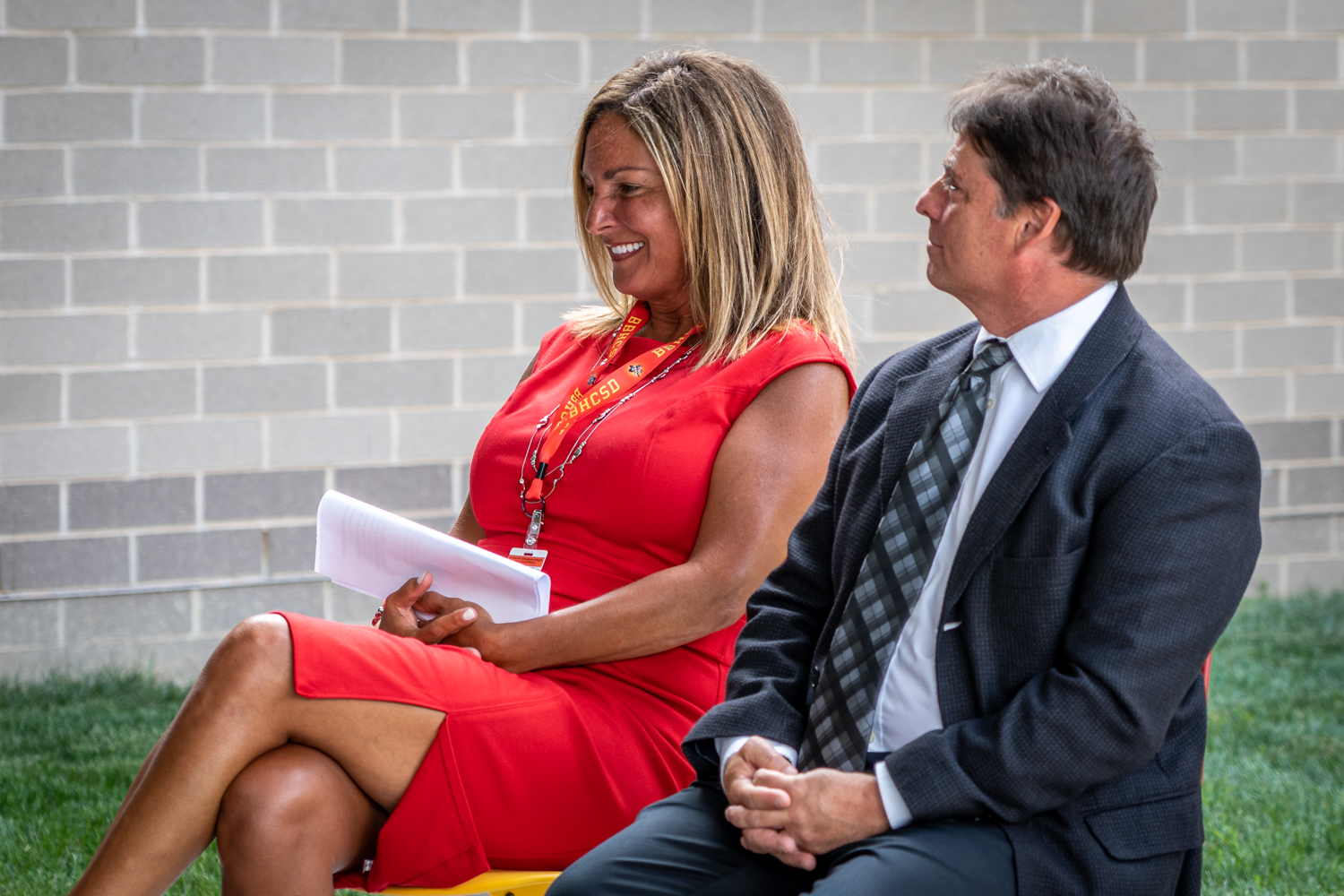
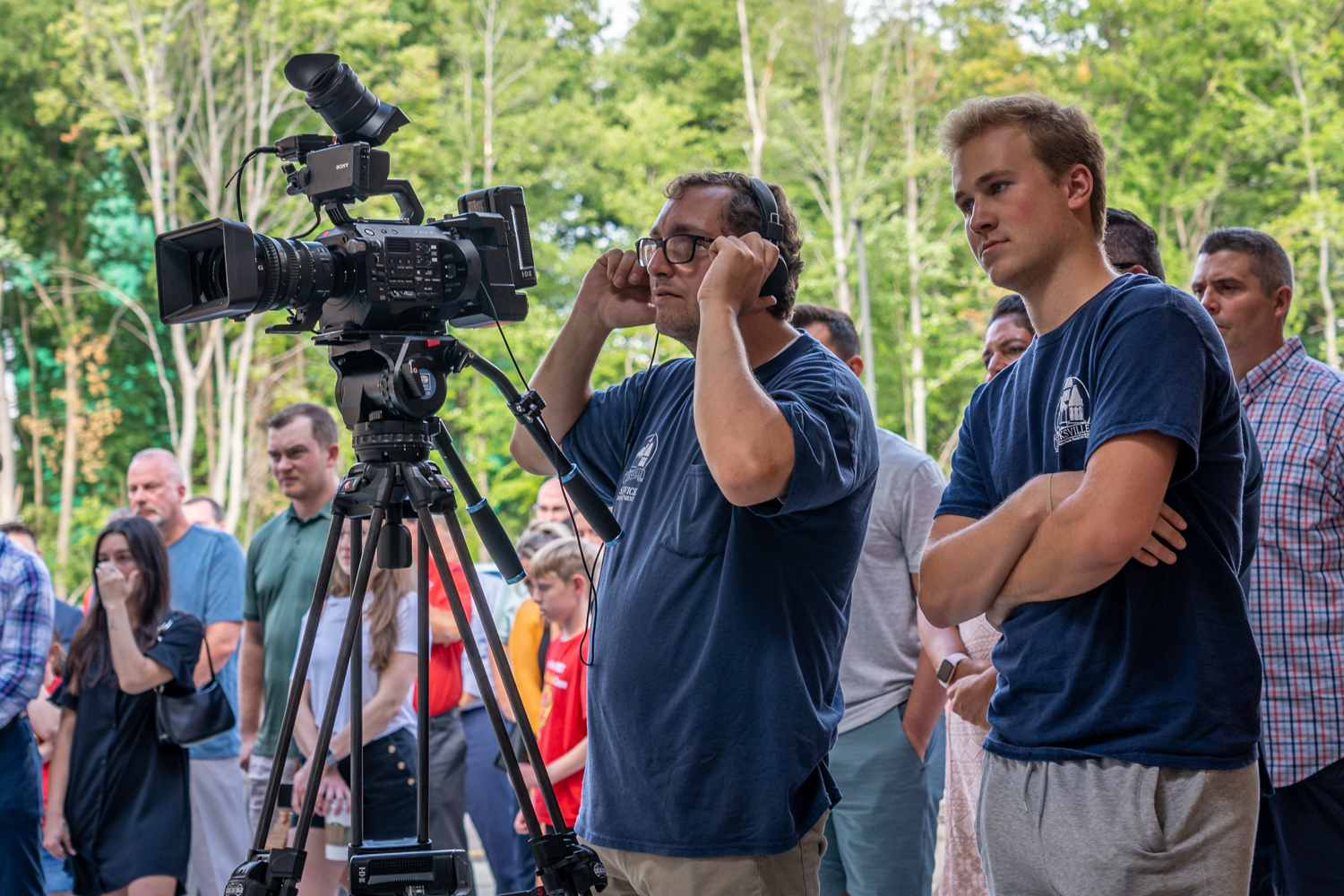
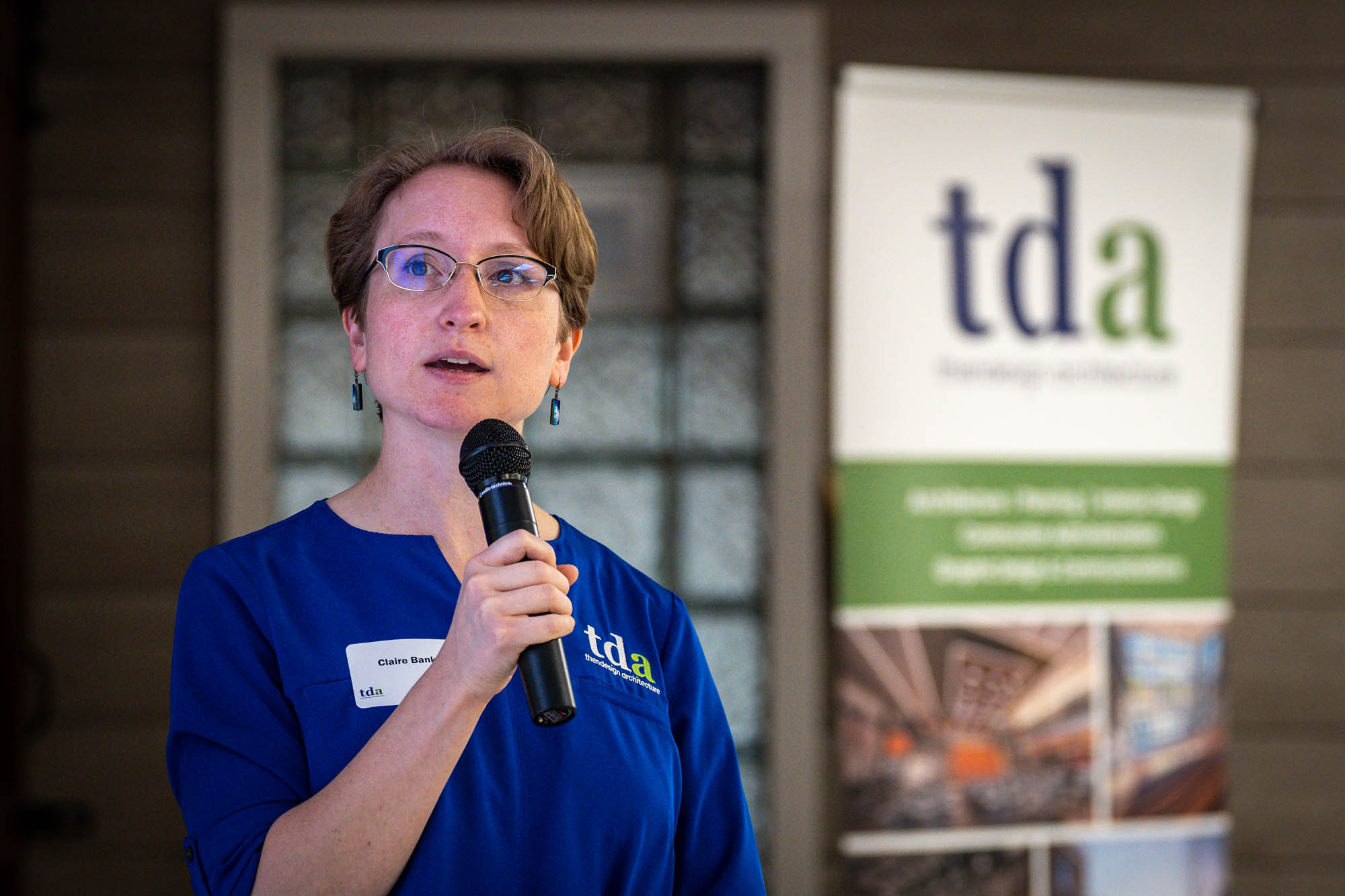
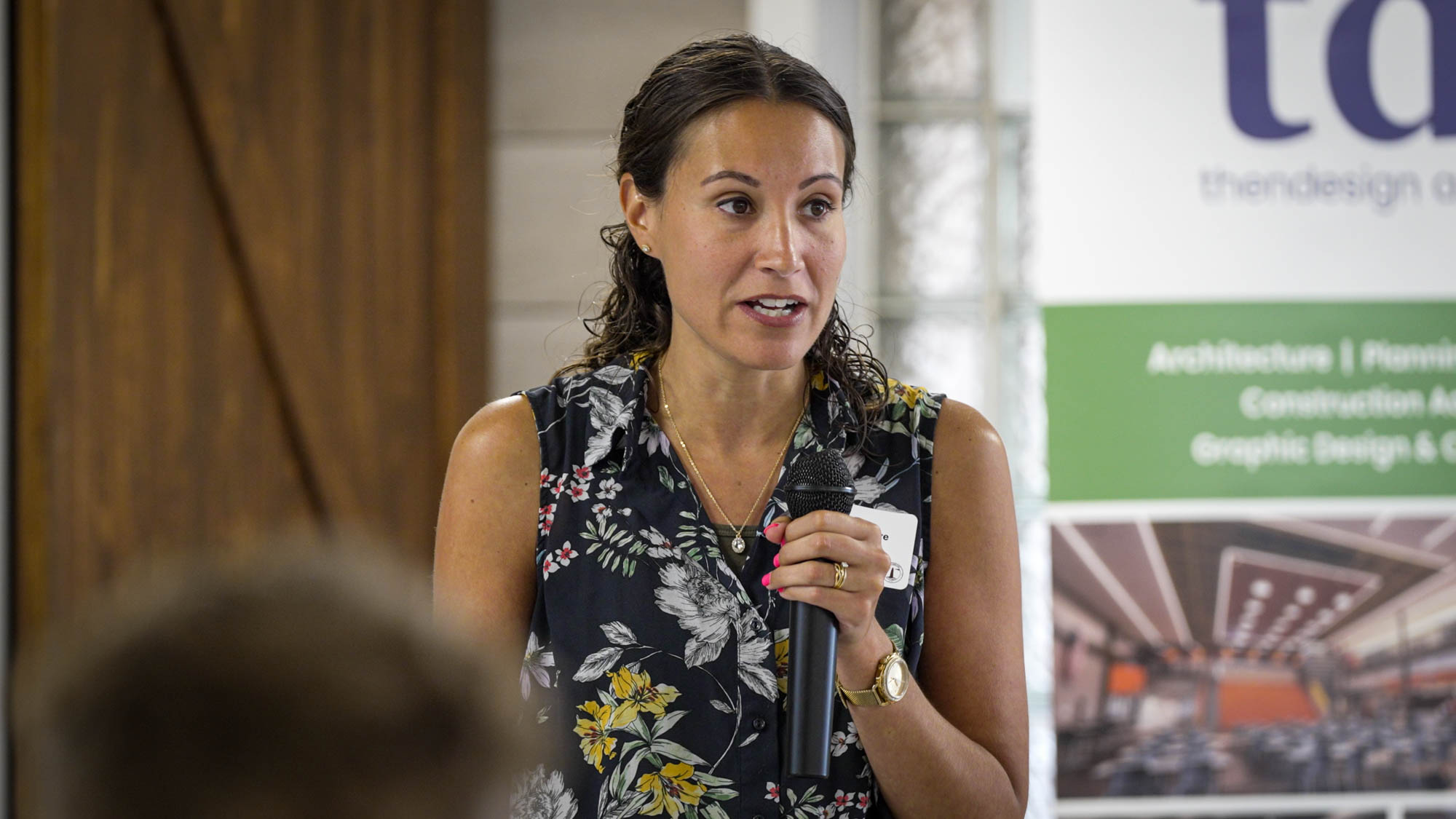
A variety of speakers gave encouraging remarks to memorialize the special occasion, including Harding High School students, and students from McKinley Elementary. Distinguished guests in attendance included FHEVS Board members Karen Bidlack, Justin Levine, and Board VP William Lukshaw, representatives from C.T. Taylor Construction, Project Manager Dennis Kaplan from the Ohio Facilities Construction Commission (OFCC), Lake County Treasurer Michael Zuren, Lake County Commissioners Richard Regovich, John Hamercheck, and John Plecnik, and representing ThenDesign Architecture was Adam Parris along with members of the communications team who were on site to record the event in video and take photographs. 

School Board President Sherry Maruschak commented, “A school is more than just bricks and mortar. It’s the people within it that truly bring it to life.”

Fairport Harbor EVSD Celebrates Groundbreaking

"This is what this community came together to support. To set the next hundred years in this village."
Timothy Manross
Mayor of Fairport Harbor

Benefits for the Community

The needs of the Fairport Harbor students have eventually outgrown the over 100-year-old buildings, which have stood in the village for generations. Ohio State Representative Daniel Troy noted, “You are able to improve the learning atmosphere for your students with a new modern facility … and I salute you for voting for the bond issue that made this possible.”

Timothy Manross, Mayor of Fairport Harbor, observed, “This is what this community came together to support. To set the next hundred years in this village.”

The citizens of the Fairport Harbor EVSD community funded this monumental effort by taking on 7% of the cost, with the State of Ohio covering the remaining 93%.

The Fairport Harbor EVSD  Groundbreaking was a celebration, and inspiring, as Superintendent Domenic Paolo announced that he was proud to serve as a conduit between Fairport’s first superintendent R.A. Greig and its newest superintendent Bill Billington, who will begin his position in July. “I am very excited for this opportunity, and I’m very excited to work with all of you.”

Once the project is complete, it will include a new Fairport Harbor Public Library, which will be attached to the main building and is tentatively scheduled to open for the 2025-2026 school year.

View a Building Animation of the new PreK-12 School:

Brecksville-Broadview Heights CSD Opens New Elementary School

Brecksville-Broadview Heights City School District Opens New Elementary School
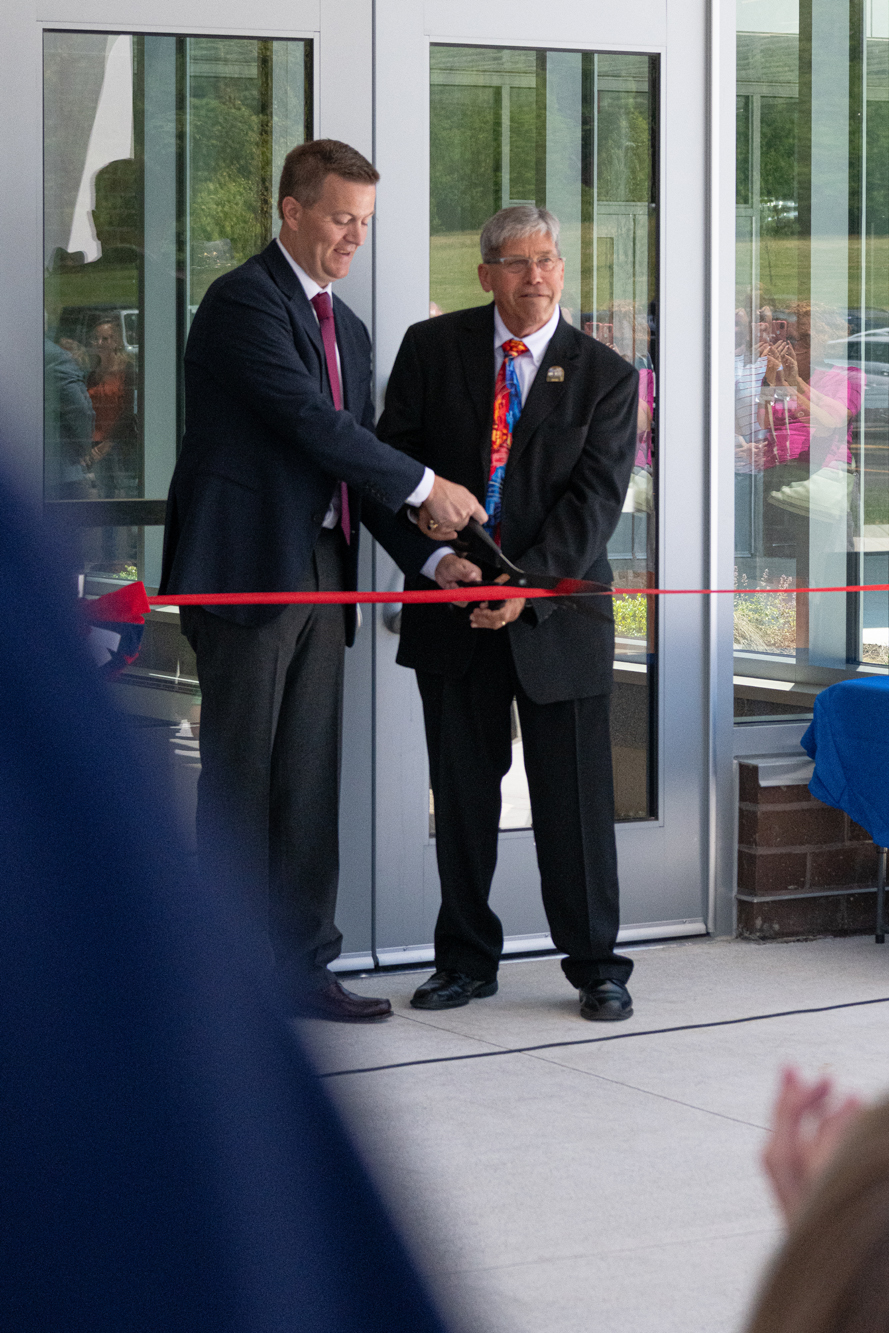
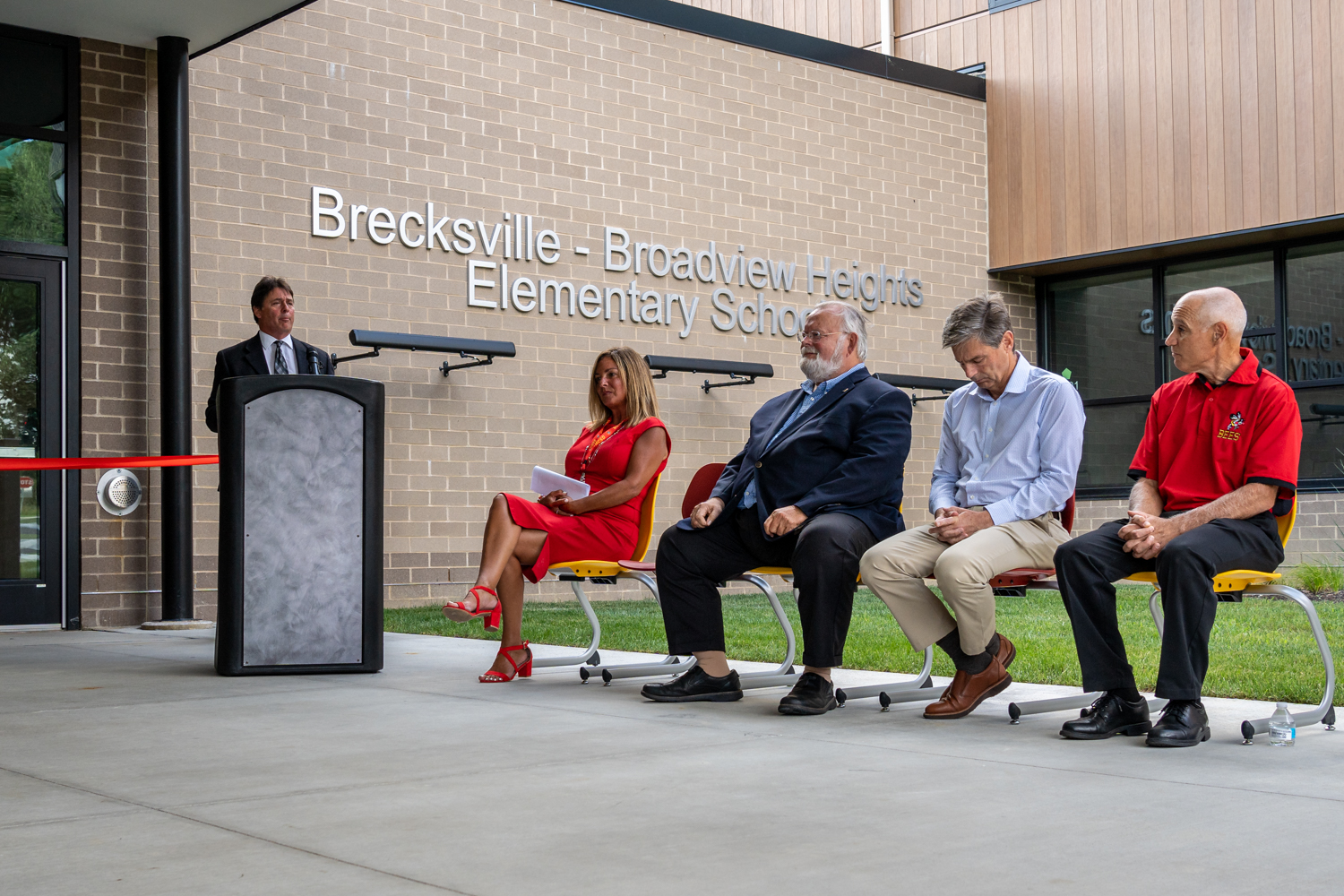
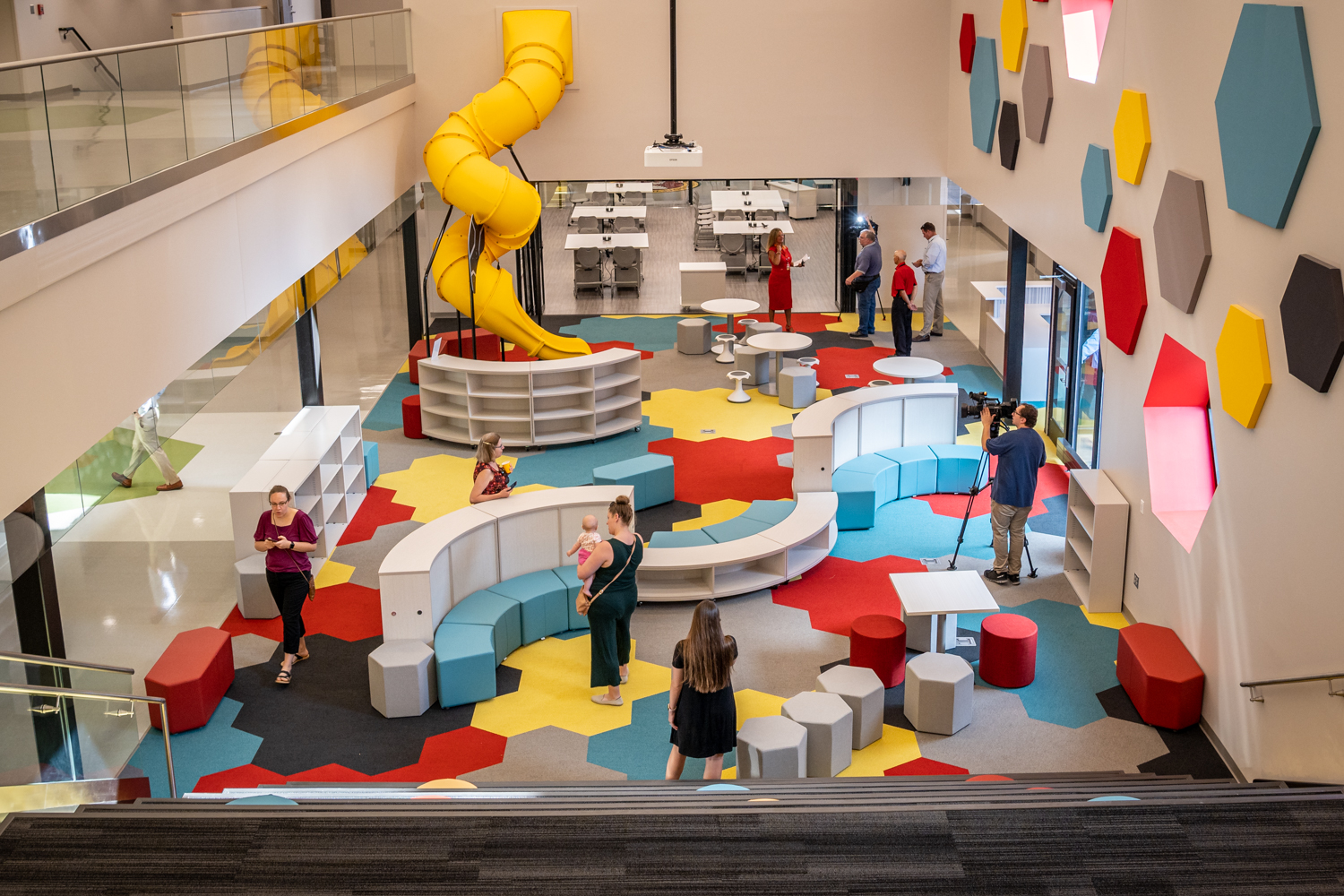
In early August, the Brecksville-Broadview Heights City School District hosted a ribbon cutting to celebrate the opening of their new PreK-5 Elementary school for the 2022-2023 academic year. Housing over 1,500 students, the new school employs state-of-the-art technology, collaborative learning spaces and enhanced safety and security measures.

Brecksville-Broadview Heights City School District - Elementary School Celebration

In early August, the Brecksville-Broadview Heights City School District hosted a ribbon cutting to celebrate the opening of their new PreK-5 Elementary school for the 2022-2023 academic year. Housing over 1,500 students, the new school employs state-of-the-art technology, collaborative learning spaces and enhanced safety and security measures. It replaces Central, Chippewa, Highland and Hilton elementary schools. Due to a partnership between the school district and the city of Brecksville, it features an attached fieldhouse which can be used by the community and students.

Superintendent Joelle Maygar, who has a background in elementary school education, commented, “The intent behind this school was to design a space where kids wanted to come every day. It needed to be kid-friendly, welcoming, and scream elementary school.”

“I think we’ve achieved every goal we set out for with this building.”

“We wanted to provide students as many learning opportunities as possible, many of which can’t be found in more traditional buildings.”
Joelle Maygar
Superintendent of Brecksville-Broadview Heights City Schools

Brecksville-Broadview Heights Elementary School Unique Features

In 2018, the Brecksville-Broadview Heights community passed a 2.2-mill bond issue to build the new school. It consolidated the 4 existing elementary schools into one facility. The new school includes a robotics lab, makerspace with 3D printers, an E-Sports program, multiple playgrounds, a selfie wall, lego wall and Lite Brite station.

“We wanted to provide students as many learning opportunities as possible, many of which can’t be found in more traditional buildings.” Superintendent Maygar also emphasized the safety features in the new building. “We also put a lot of thought into safety and security for this building. Parents can feel very safe when their kids are here.”

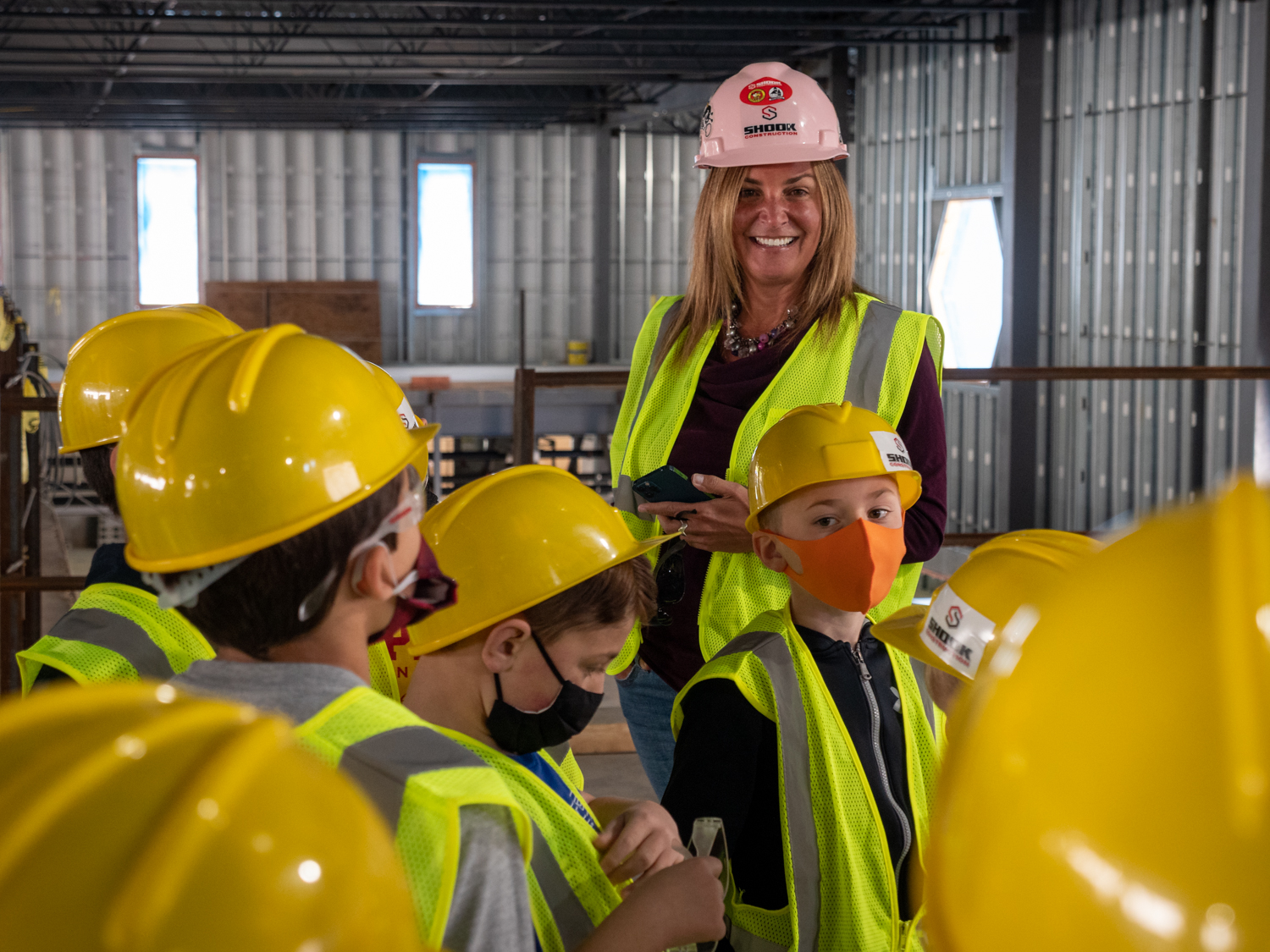
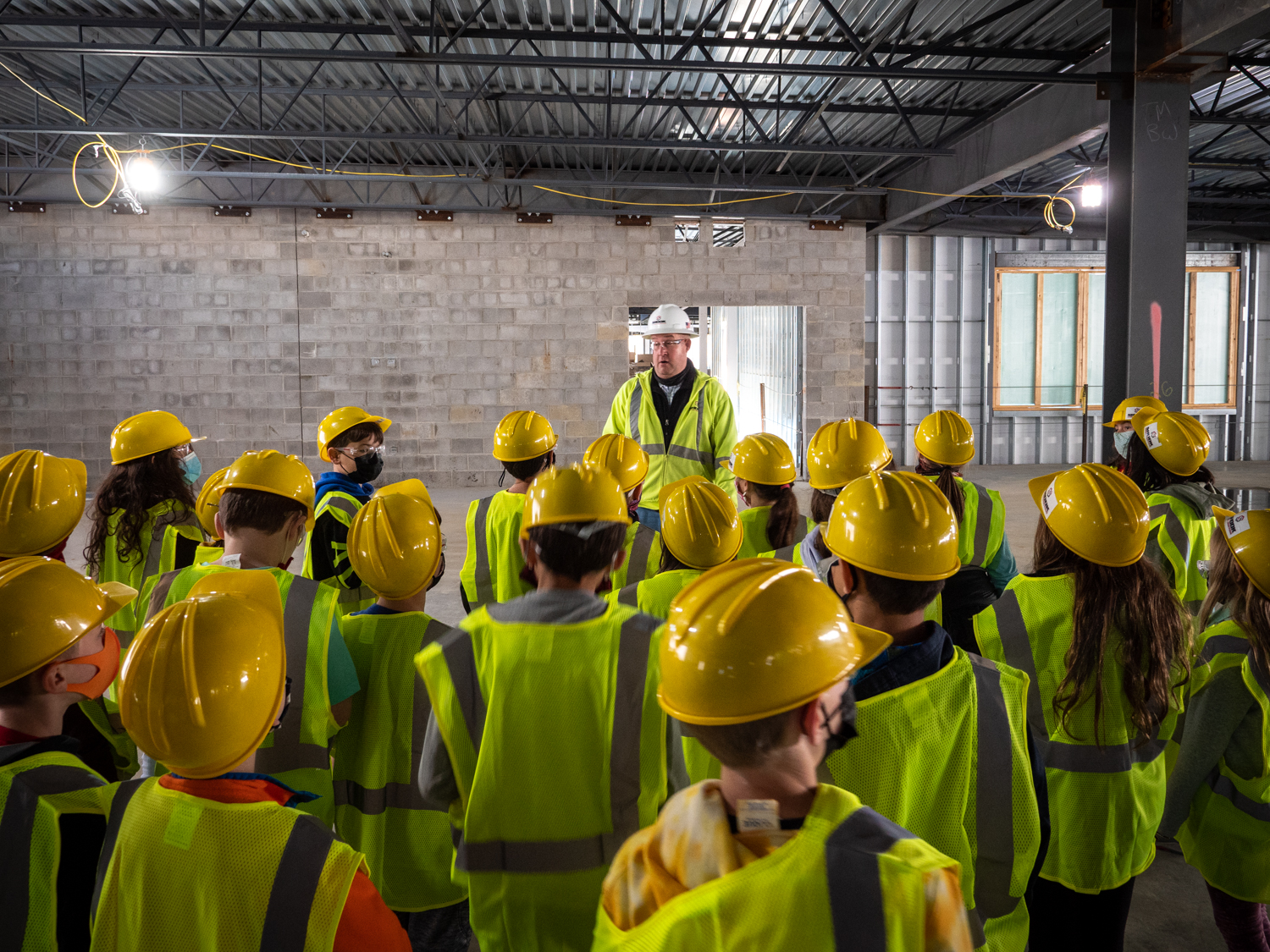
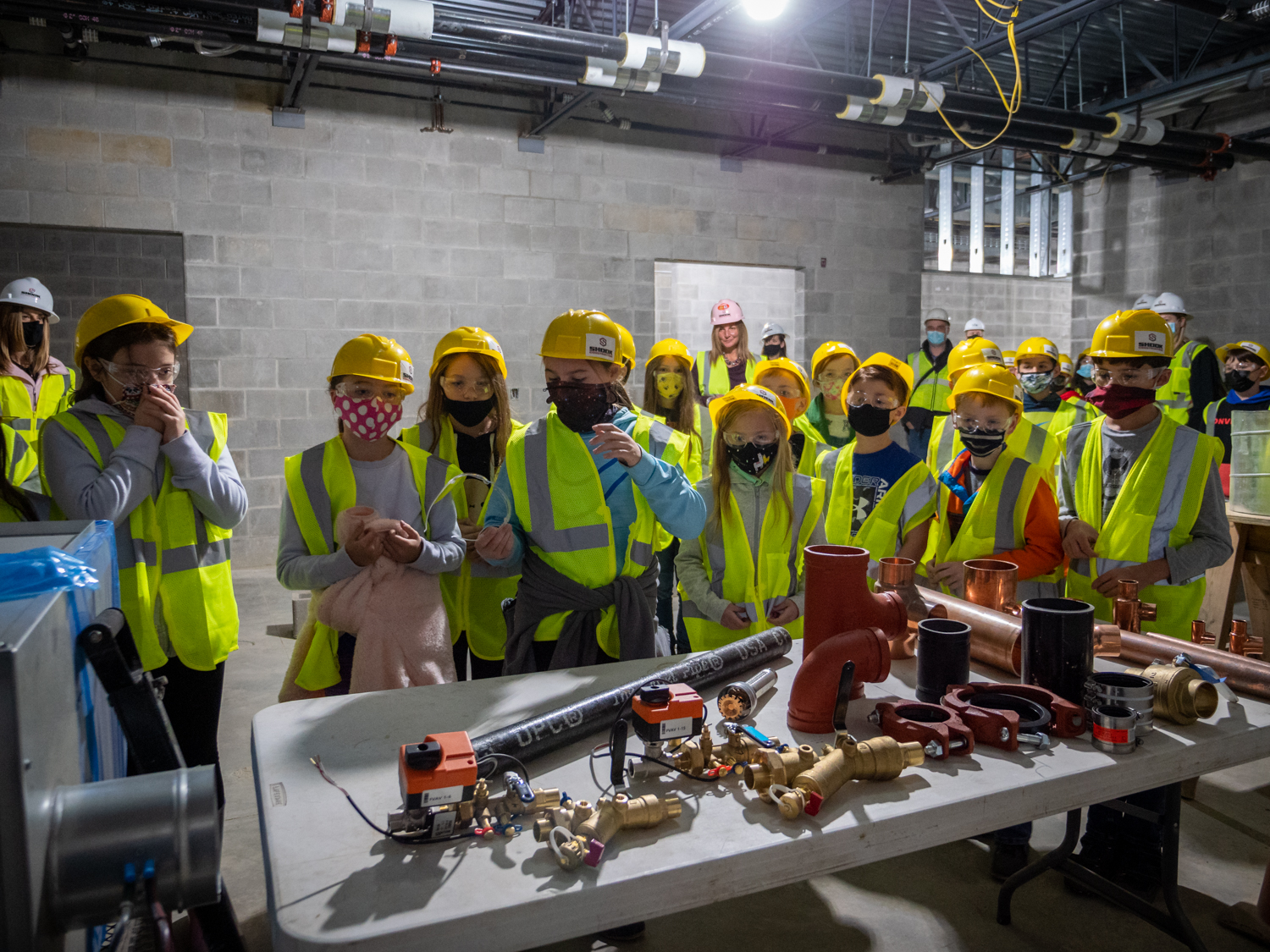
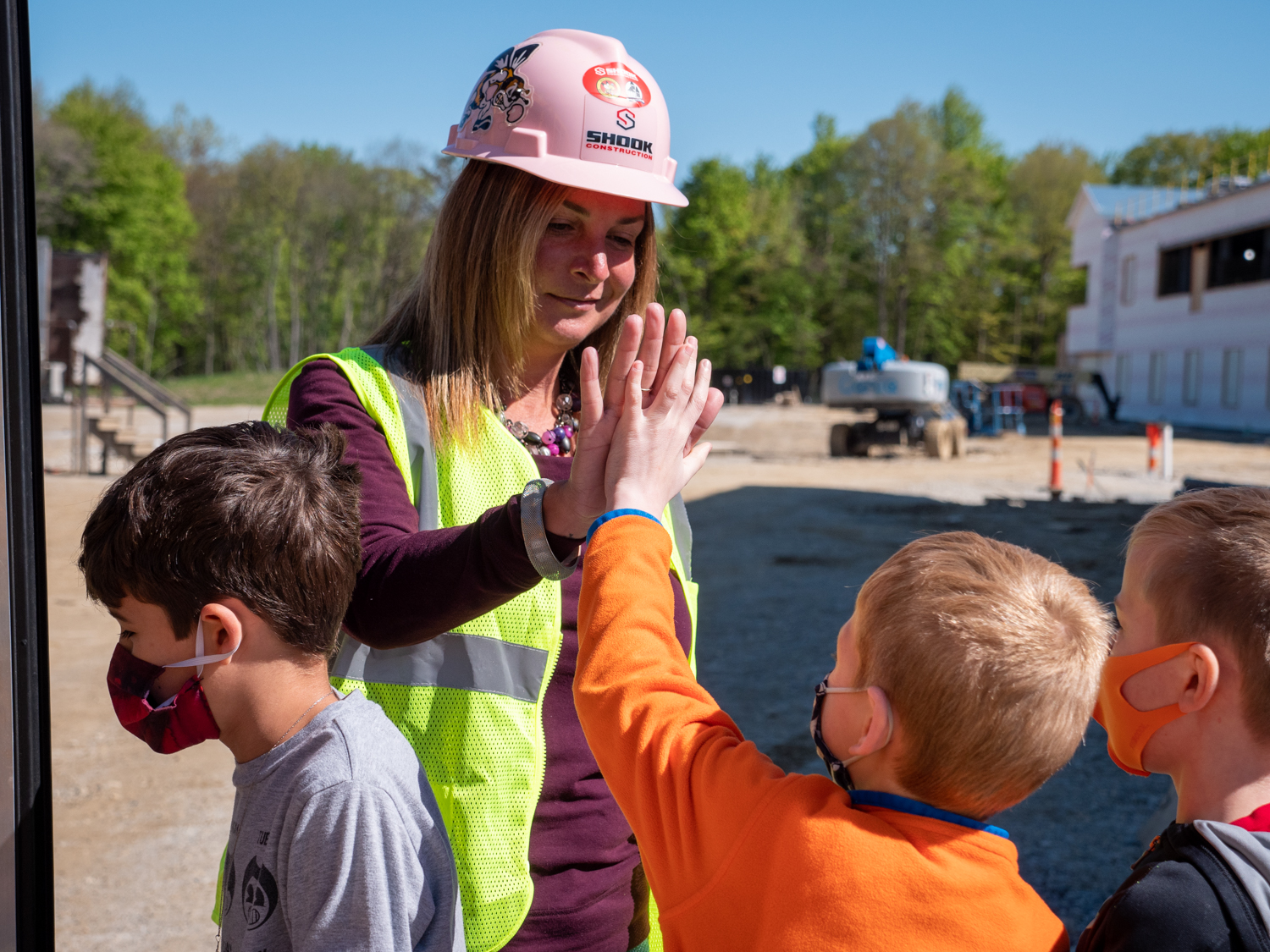
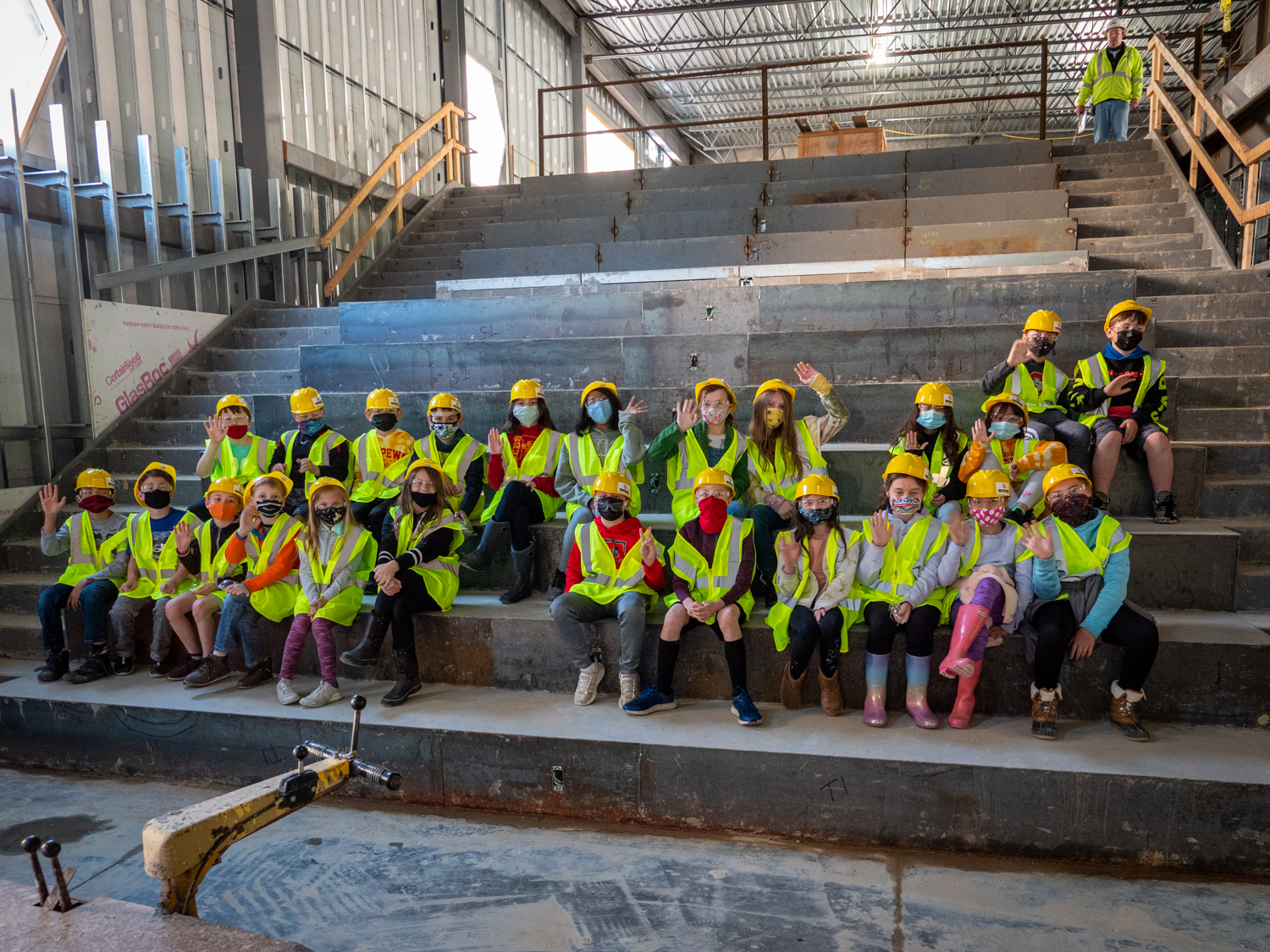
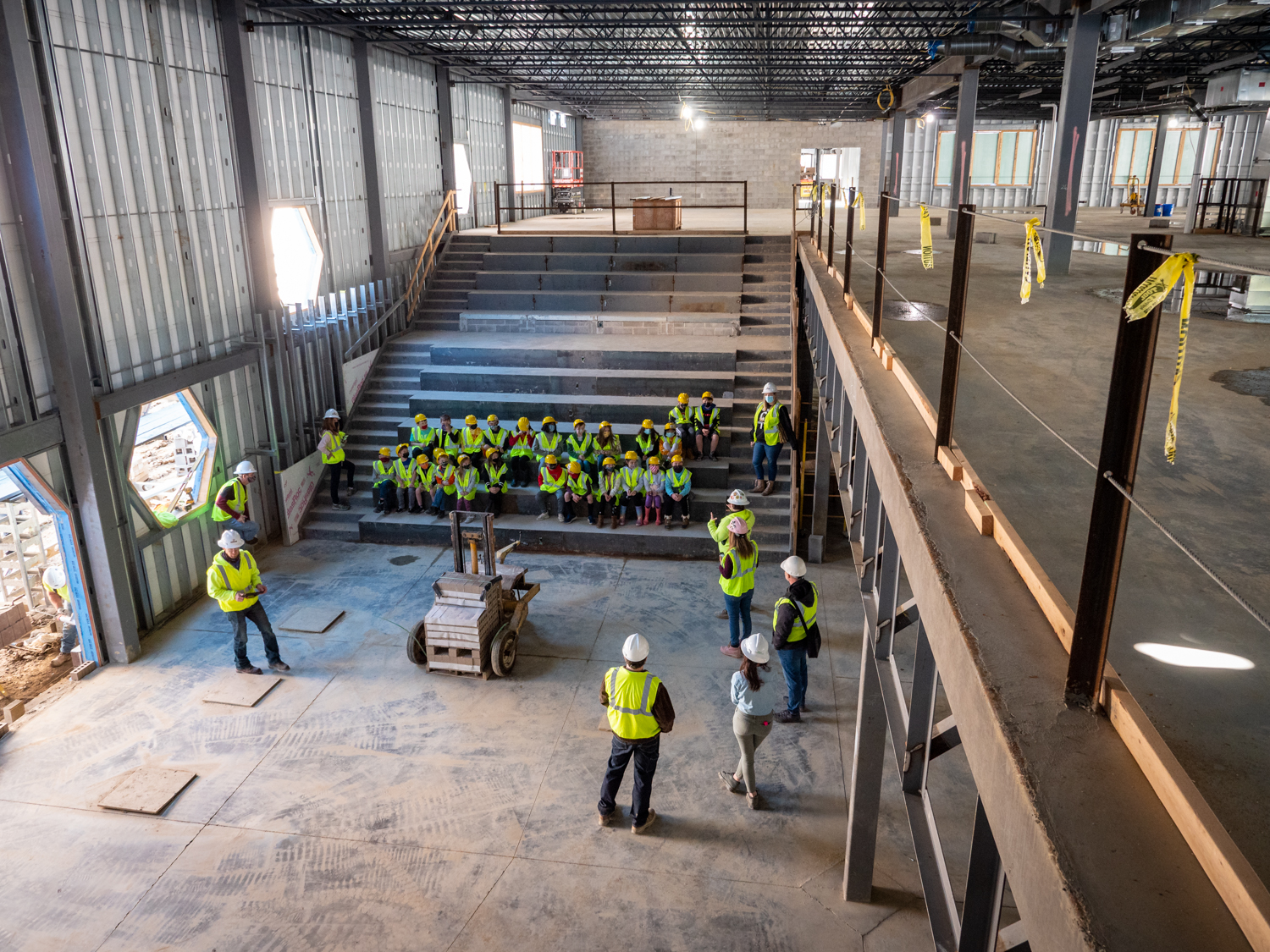
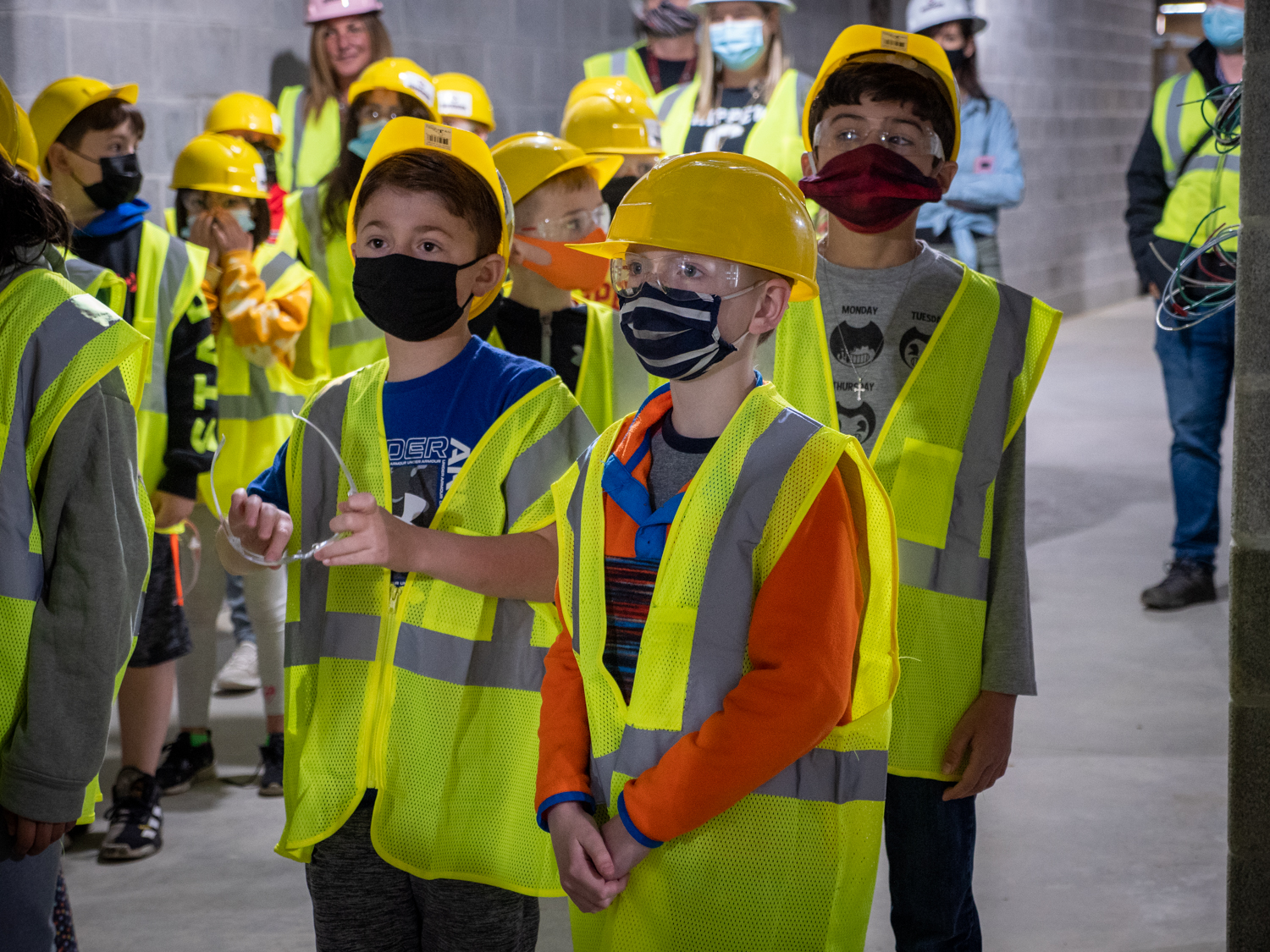
Brecksville-Broadview Heights City School District students visited the school while it was under construction in 2021.

“The intent behind this school was to design a space where kids wanted to come every day. It needed to be kid-friendly, welcoming, and scream elementary school.”
Joelle Maygar
Superintendent of Brecksville-Broadview Heights City Schools

Construction Process

Construction on the school began in 2020, which was designed by ThenDesign Architecture and built by Shook Construction. Despite challenges posed by Covid-19, including supply chain issues and labor cost increases, the school was completed on time and under budget. Throughout the school’s construction, students visited to learn more about the architecture and construction industries and new features they could look forward to.

Superintendent Maygar is optimistic for the year ahead, “All the students who have visited are really excited to learn here and can’t wait to come.” She continues, “It is also a great facility for community use.”

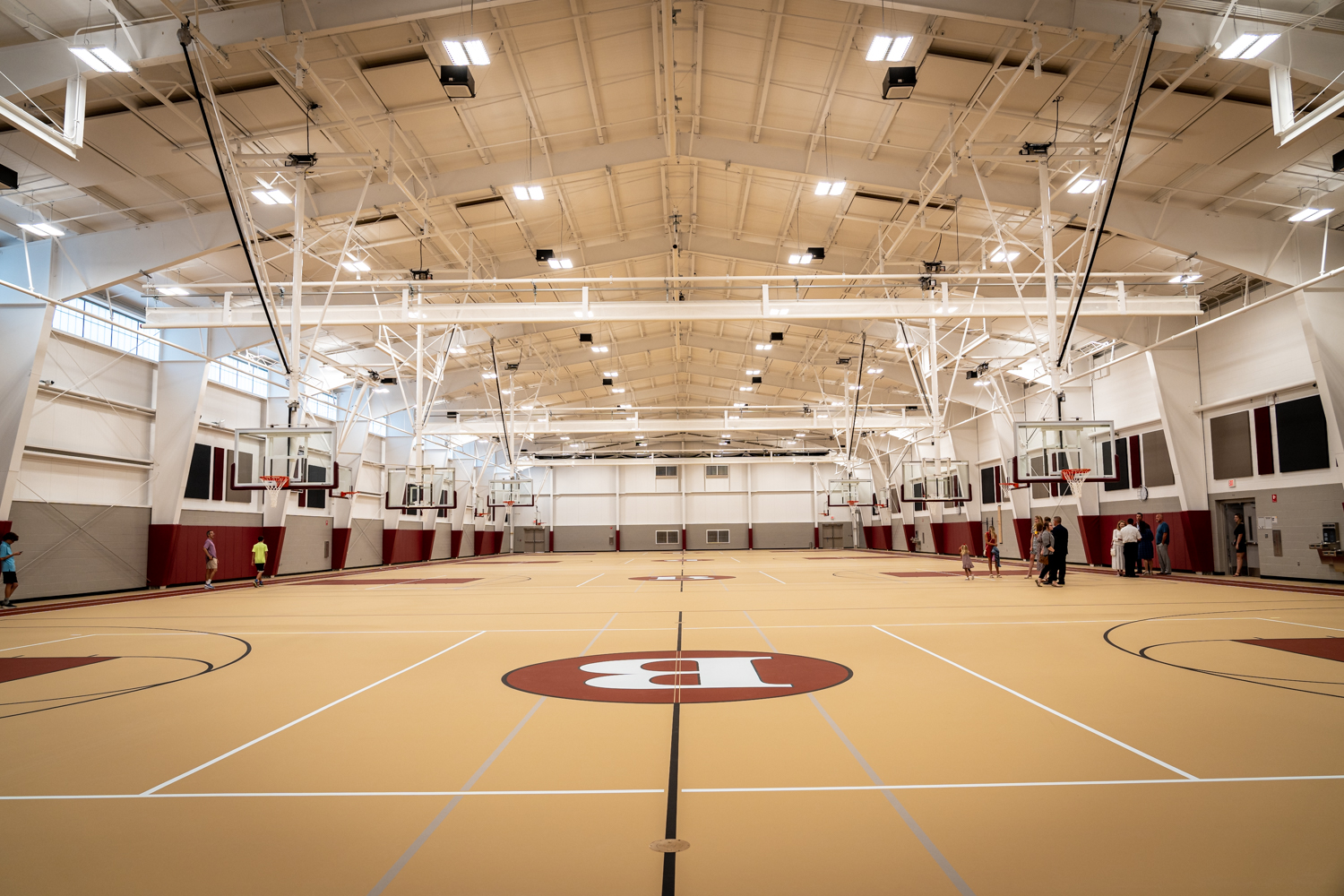
The separate but connected athletic fieldhouse features 4 indoor basketball courts and a running track. They can be shared by both the school and city for community use. It is a unique feature for a school of this type.

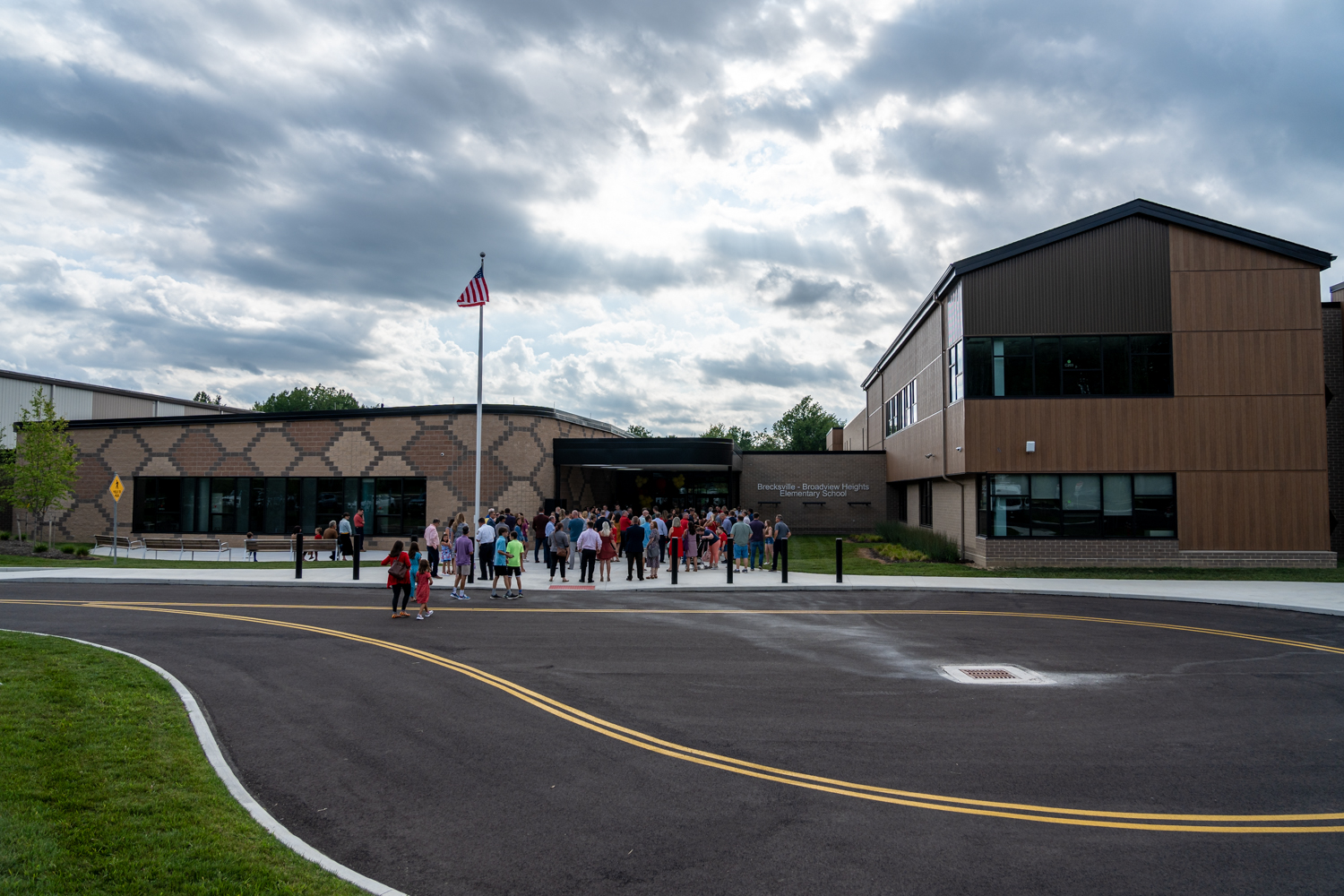
Brecksville-Broadview Heights City School District Elementary School Ribbon Cutting on August 1, 2022.

The project has come a long way since the groundbreaking in the middle of 2020.

The ribbon cutting was attended by members of the community, district staff and city officials. After the ceremony, the building was open for general tours of the new spaces. Over a 1,000 people have seen the building through tours and is opening for the 2022-2023 year.

Rock Fest at Bolich Middle School – Cuyahoga Falls CSD

Rock Fest at Bolich Middle School
The team isn’t just working on drawings and cost estimates for the new building. Scott Alleman, project manager for the new school commented, "While we are working really hard to make deadlines, every once in a while, we take a break from our desks to engage with students during the process."

Bolich Rock Fest

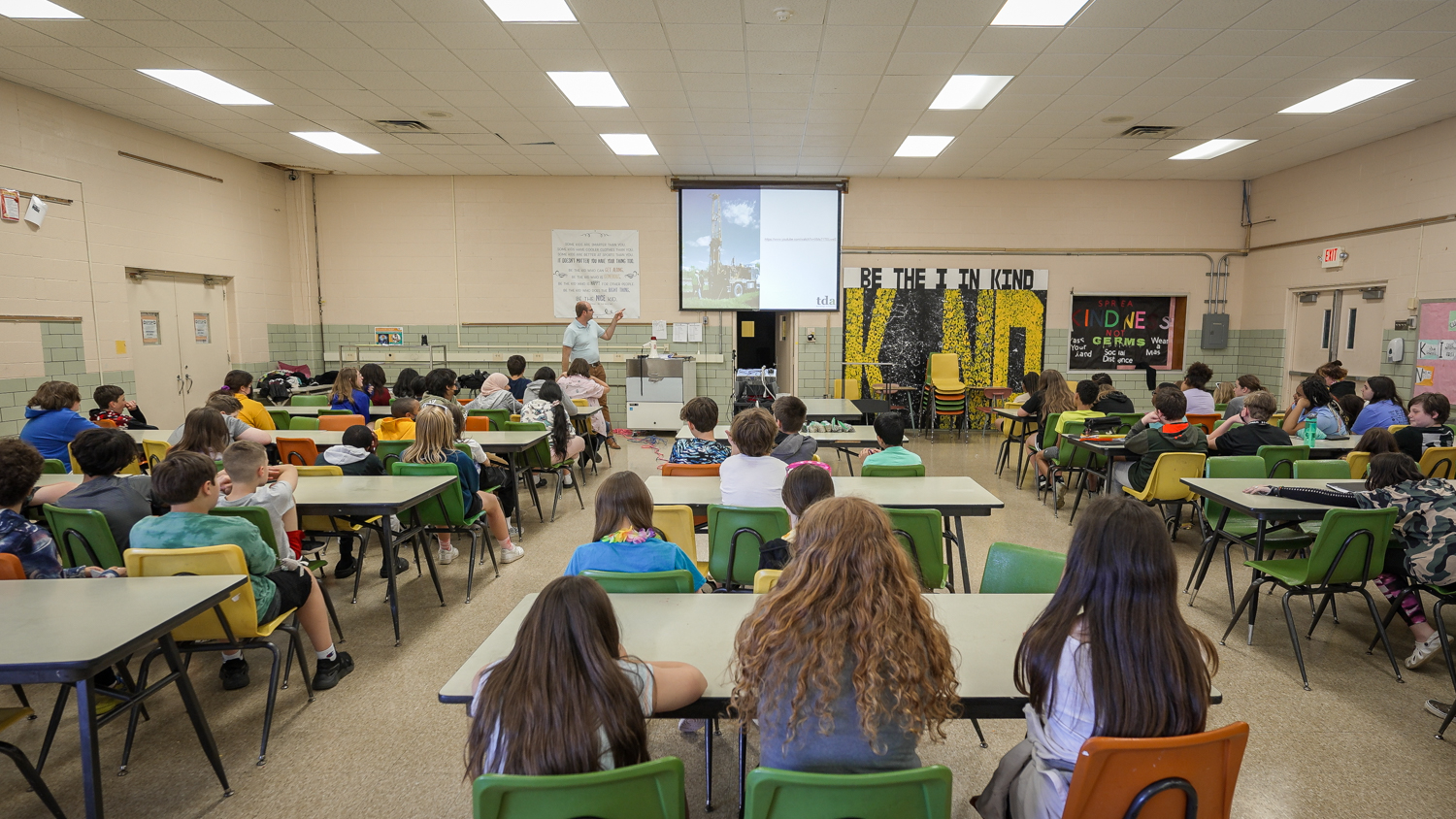
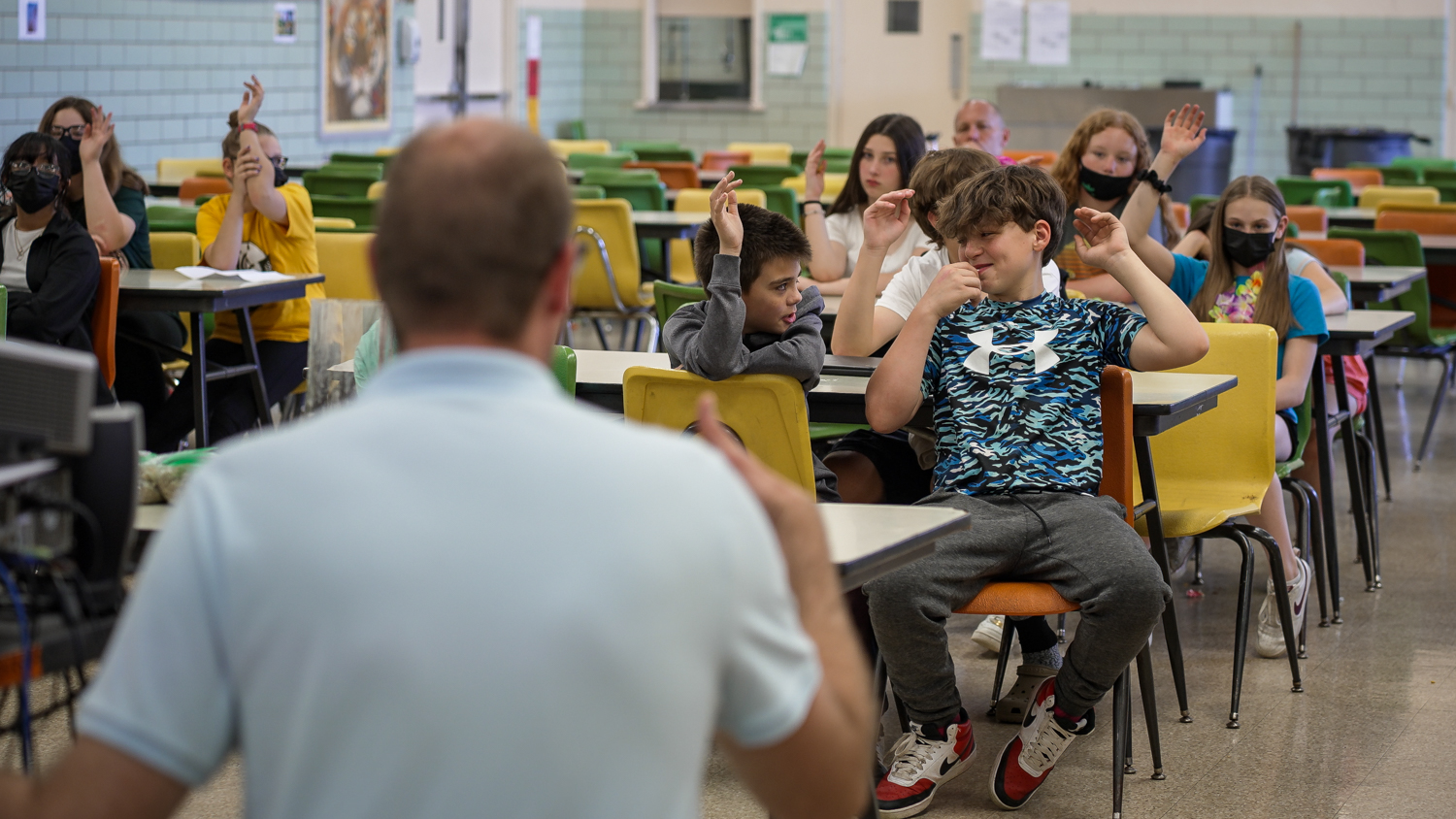
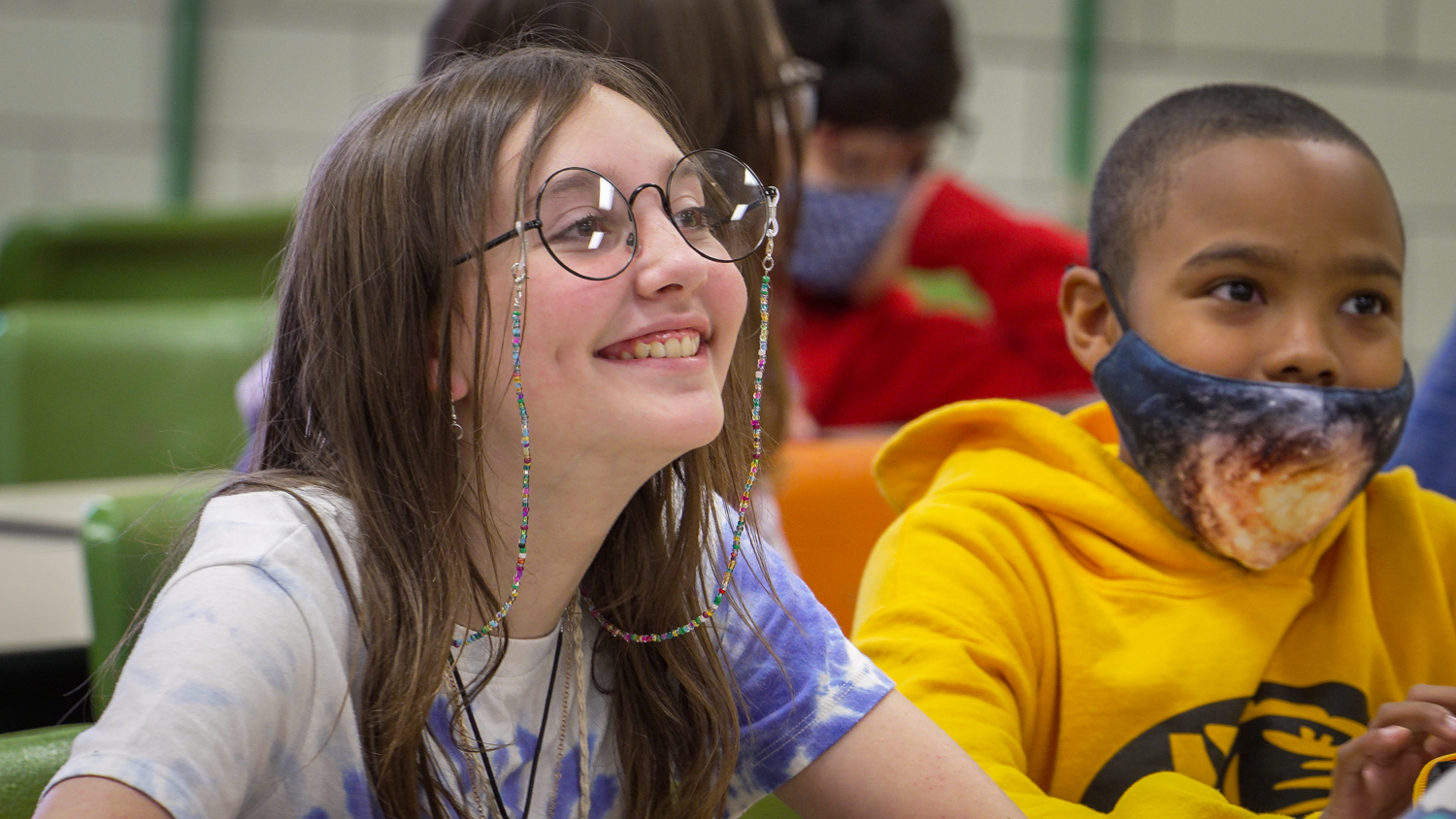
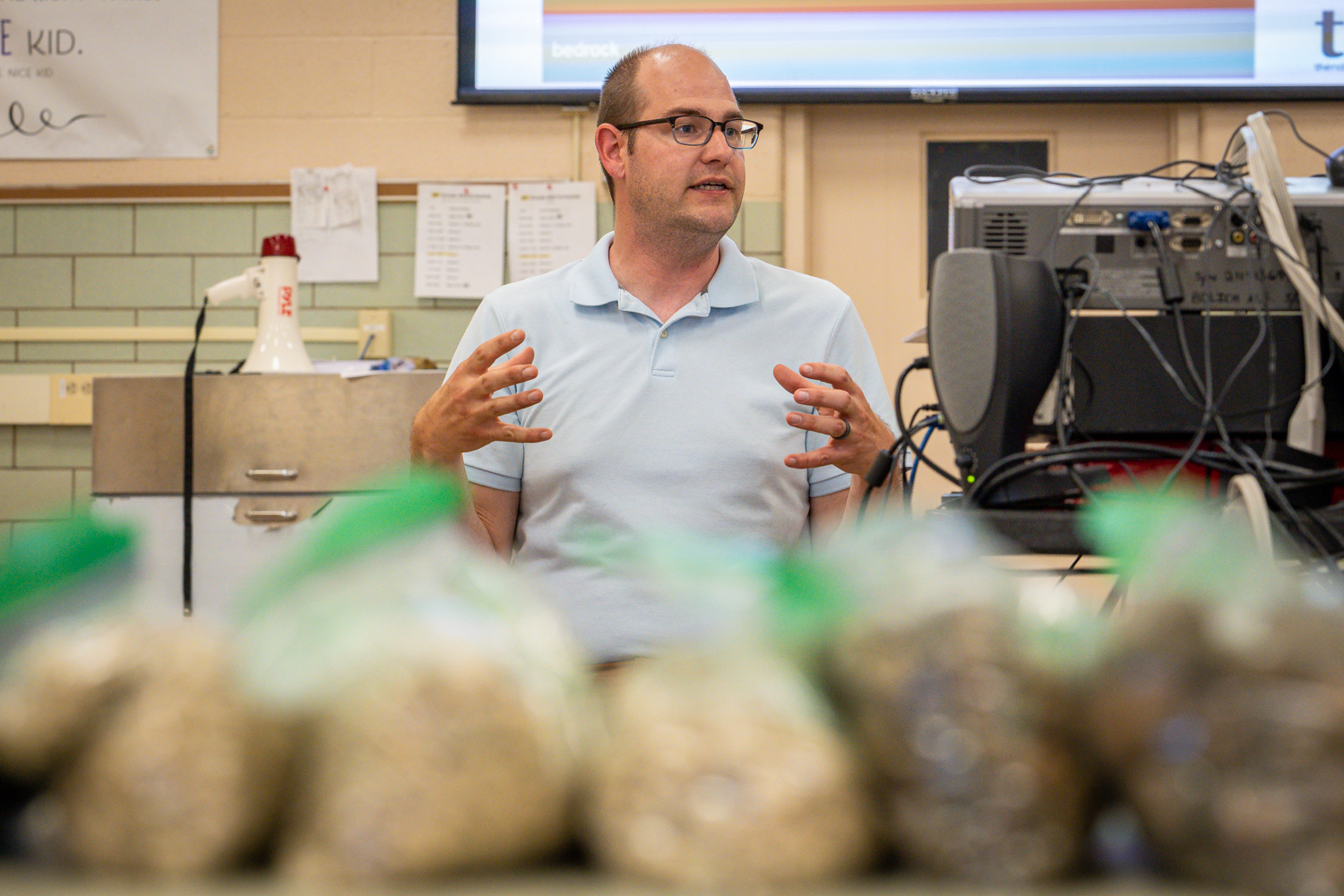
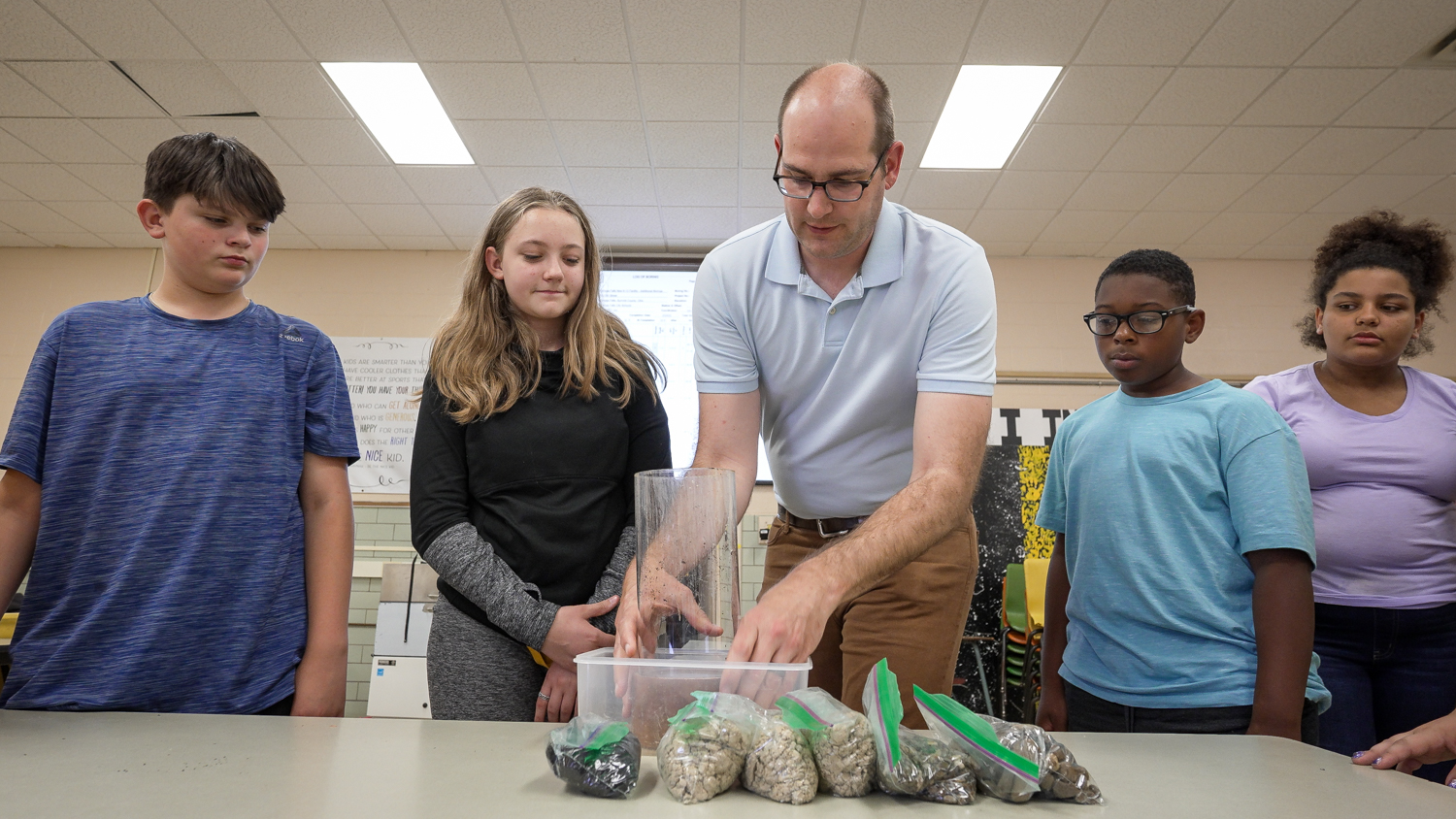
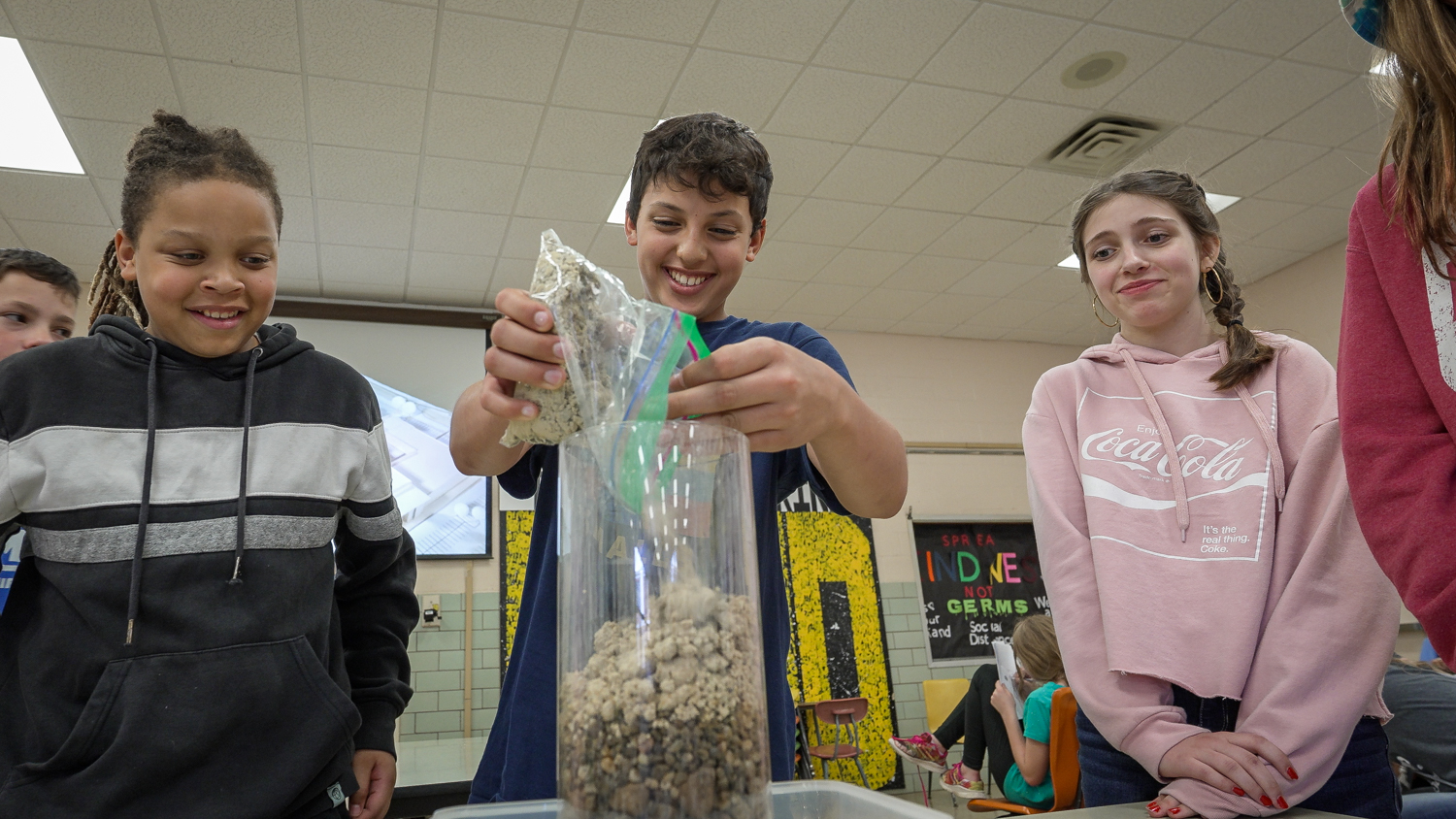
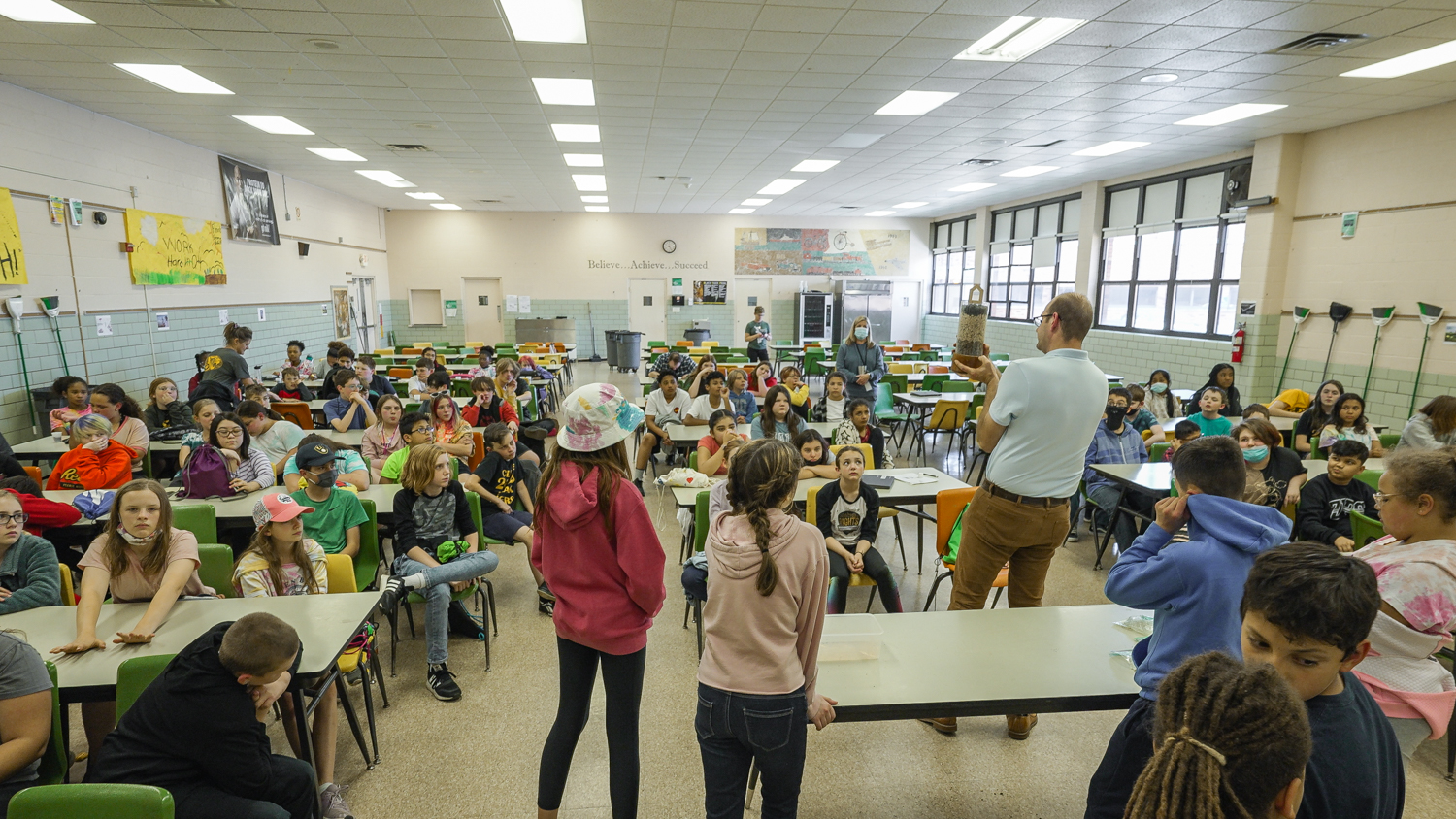
On May 24th, during “Rock Fest” at Bolich Middle School, designers met with two groups of 6th graders to explain the importance of geotechnical borings. Project Manager Scott Alleman for the new Cuyahoga Falls 6-12 school commented, “Understanding the soil makeup and how it supports new buildings is an integral part of the design and construction process.”

The team isn’t just working on drawings and cost estimates for the new building though. “While we are working really hard to make deadlines, every once in a while, we take a break from our desks to engage with students during the process.”

"I am really excited to explain this process to them, I am not a geotechnical engineer, but I think we can make it relatable and fun."
Scott Alleman
Project Manager

Rock Fest and Soil Borings

“Rock Fest” was an event hosted in Bolich Middle school, where educators in the science fields focused on earth science, rocks, and soil for several days towards the end of the school year. The timing tied in well with the design and construction process of the new school.

Recently consultants were conducting soil borings on the new campus site to better understand how the soil on the site will affect construction. If soil can’t support the building, then expensive stabilization methods will need to be used.

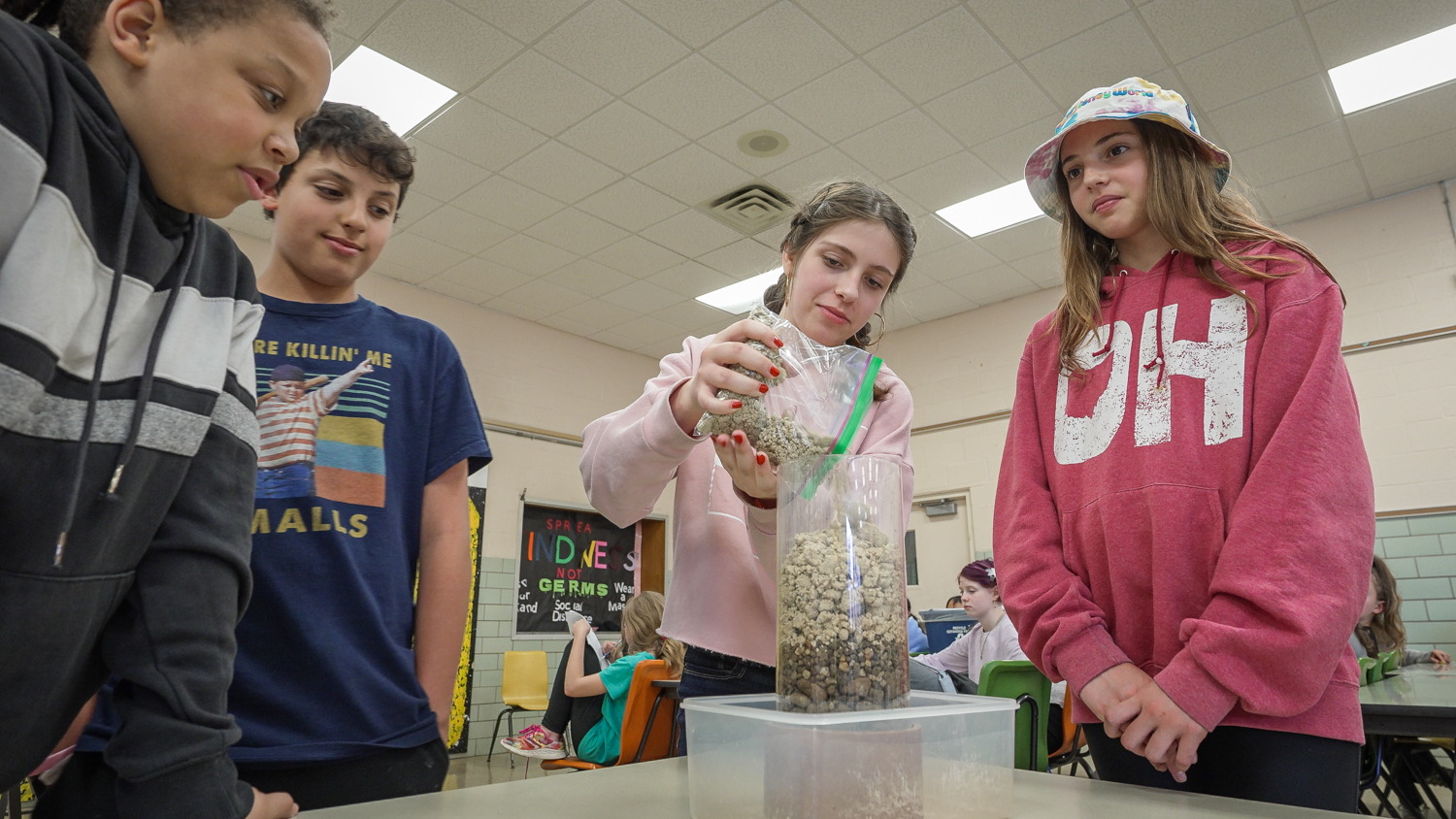
“Without the proper soil support, the building could collapse. Having a good foundation, ensures it will stand for a very long time.” Each session ended with groups of students making their own soil sample.

“I am really excited to explain this process to them, I am not a geotechnical engineer, but I think we can make it relatable and fun.”

Students at Bolich Middle School had an opportunity to "model" a soil sample and better understand their project site.

"While we are working really hard to make deadlines, every once in a while, we take a break from our desks to engage with students during the process."
Scott Alleman
Project Manager

After the session, students asked questions about the size, design, and layout of their new school. Questions ranged from the building’s cost, to how they will enter, to whether it will have air conditioning. Students enjoyed proposing new names for the school and are looking forward to seeing further work on the Bolich site this fall.

Scott concludes, “I think it’s important to teach students about everything that goes into their new school. It’s a big change for the District, and these sorts of opportunities make the process more real to them.”

Attending classes were all in 6th grade. They will be the first high school class to use the new building.

Fairport Harbor EVSD Participates in an Educational Visioning Session

Fairport Harbor EVSD Members Participate In An Educational Visioning Session
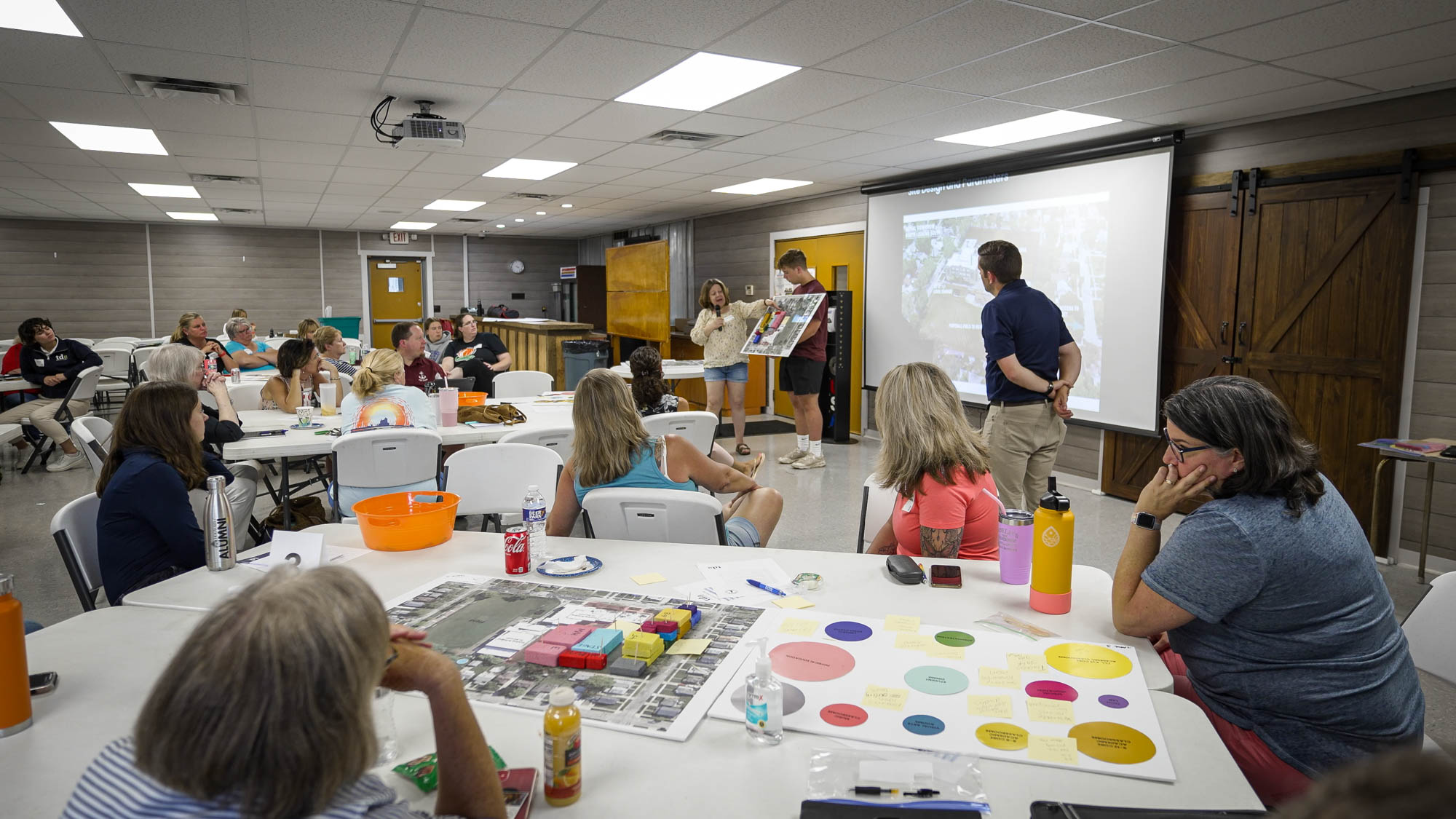
Fairport Harbor EVSD administration members, educators, parents, and students attended an Educational Visioning Session hosted by ThenDesign Architecture.

Fairport Harbor EVSD – Educational Visioning Update
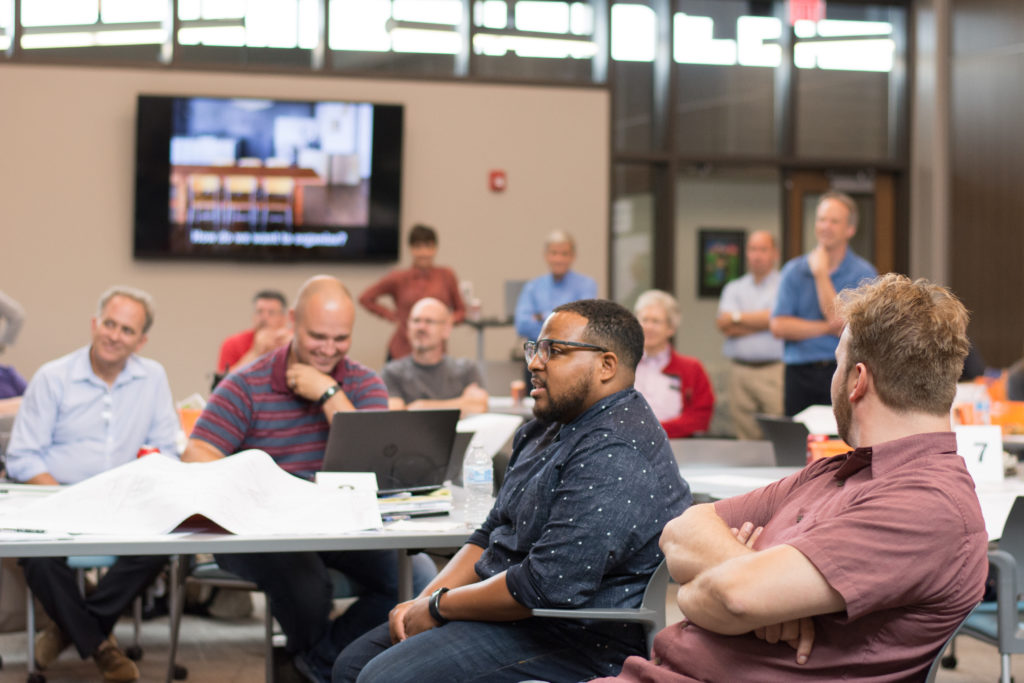
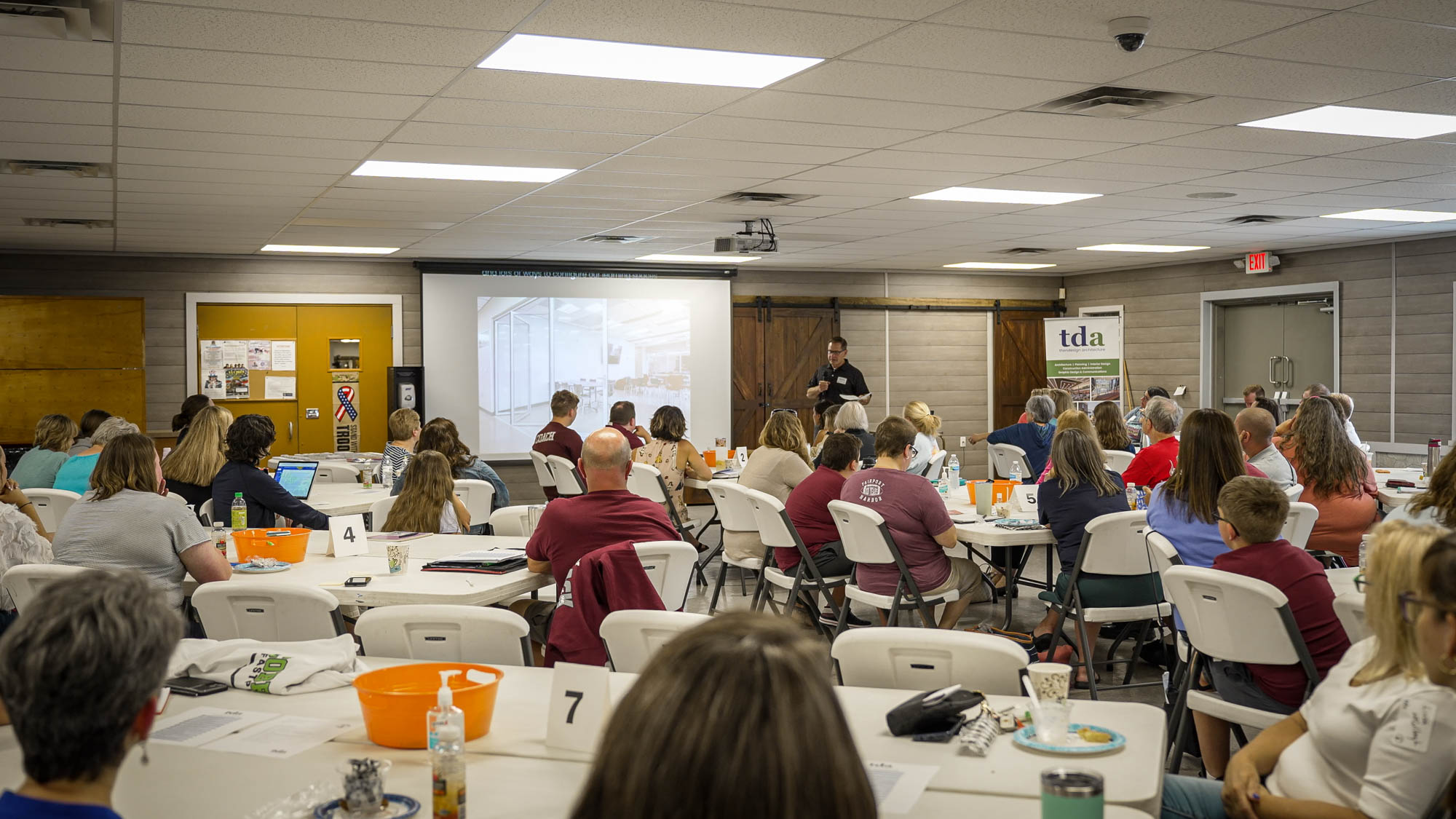
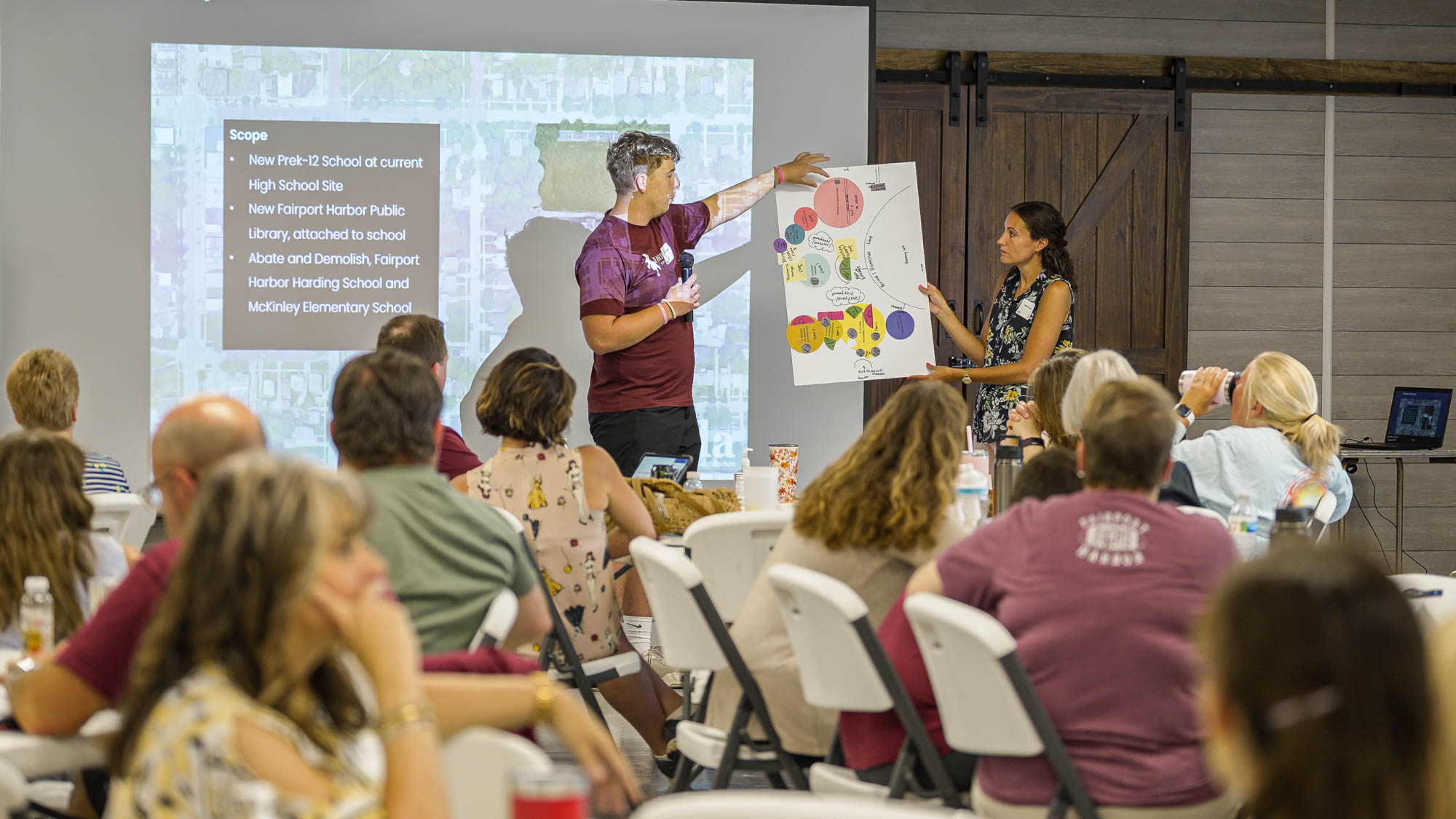
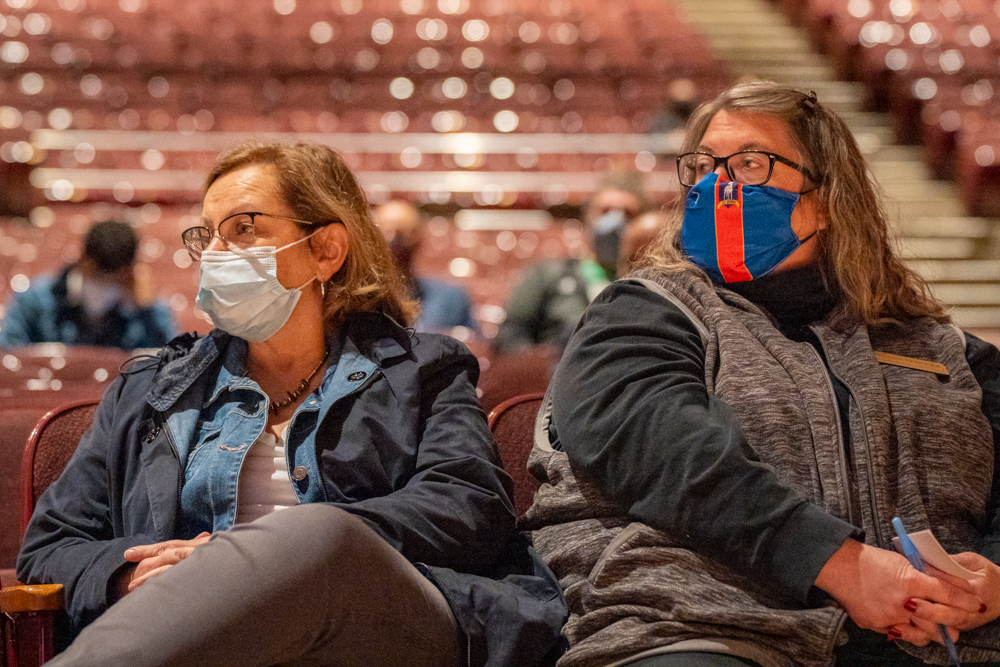
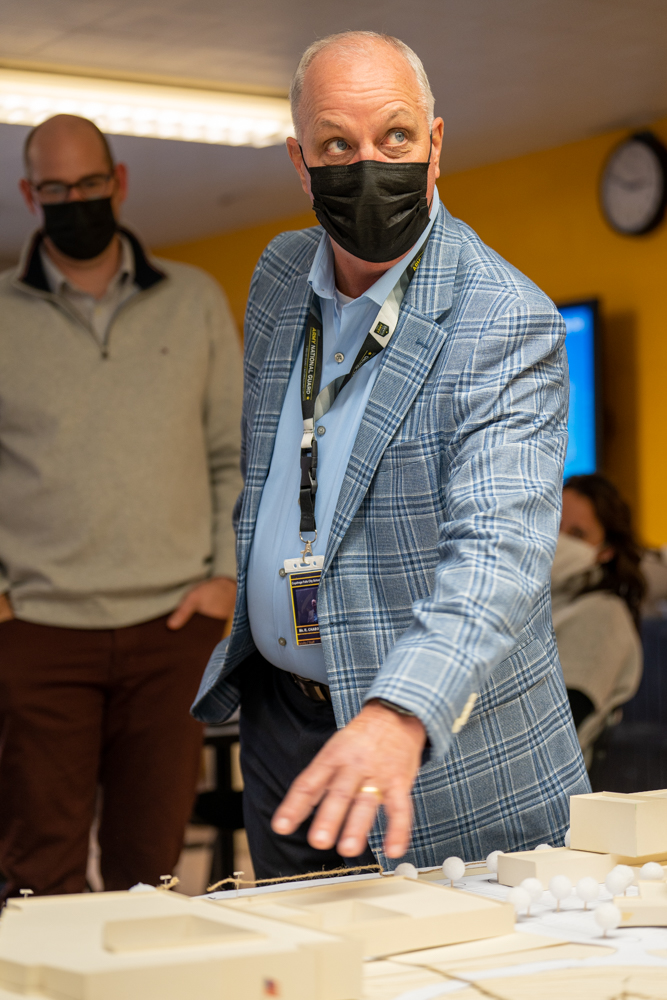
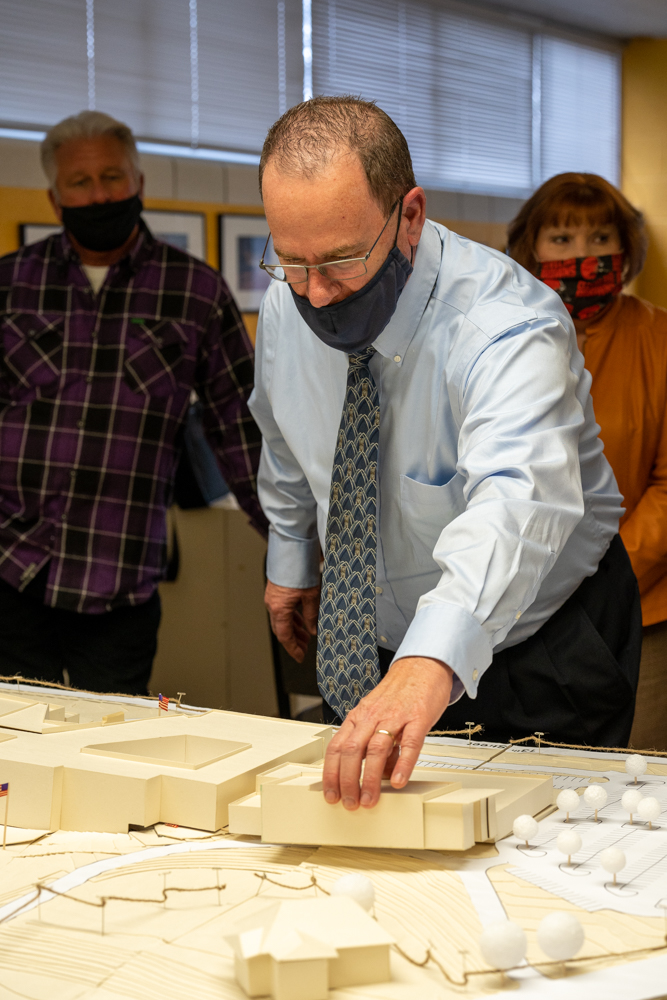
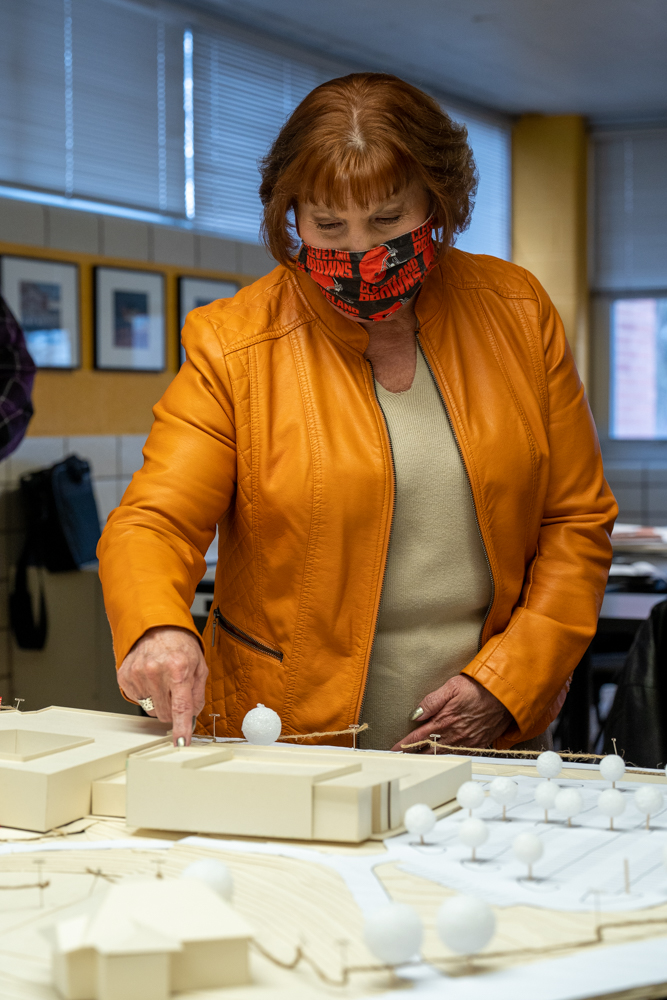
On June 6th, Fairport Harbor EVSD administration members, educators, village services, parents, and students gathered to attend an Educational Visioning Session hosted by ThenDesign Architecture. This all-day session focused on collaboration and brainstorming on designs for their new school, its impact on the community, and how it will improve student’s education in the District.

Superintendent Domenic Paola commented: “Today, we came together with members of the community and stakeholders in this project to begin the process of creating a vision for this school.”

With over 70 in attendance, everyone had a say in the design activities throughout the day. “Collaboration is how we make progress in Fairport Harbor. I often refer to it as the engine that drives us. Everything we have accomplished in the District is a result of it, and with Visioning today, that is definitely the case.”

The new 116,000 sf PreK-12 will be located on the existing Harding High School site. It will replace the two aging buildings in the District and provide a modern educational environment better positioned to accommodate personalized student needs and foster learning and collaboration.

Today, we came together with members of the community and stakeholders in this project to begin the process of creating a vision for this school.
Domenic Paolo
Superintendent of Fairport Harbor EVSD

Fairport Harbor Educational Visioning Process

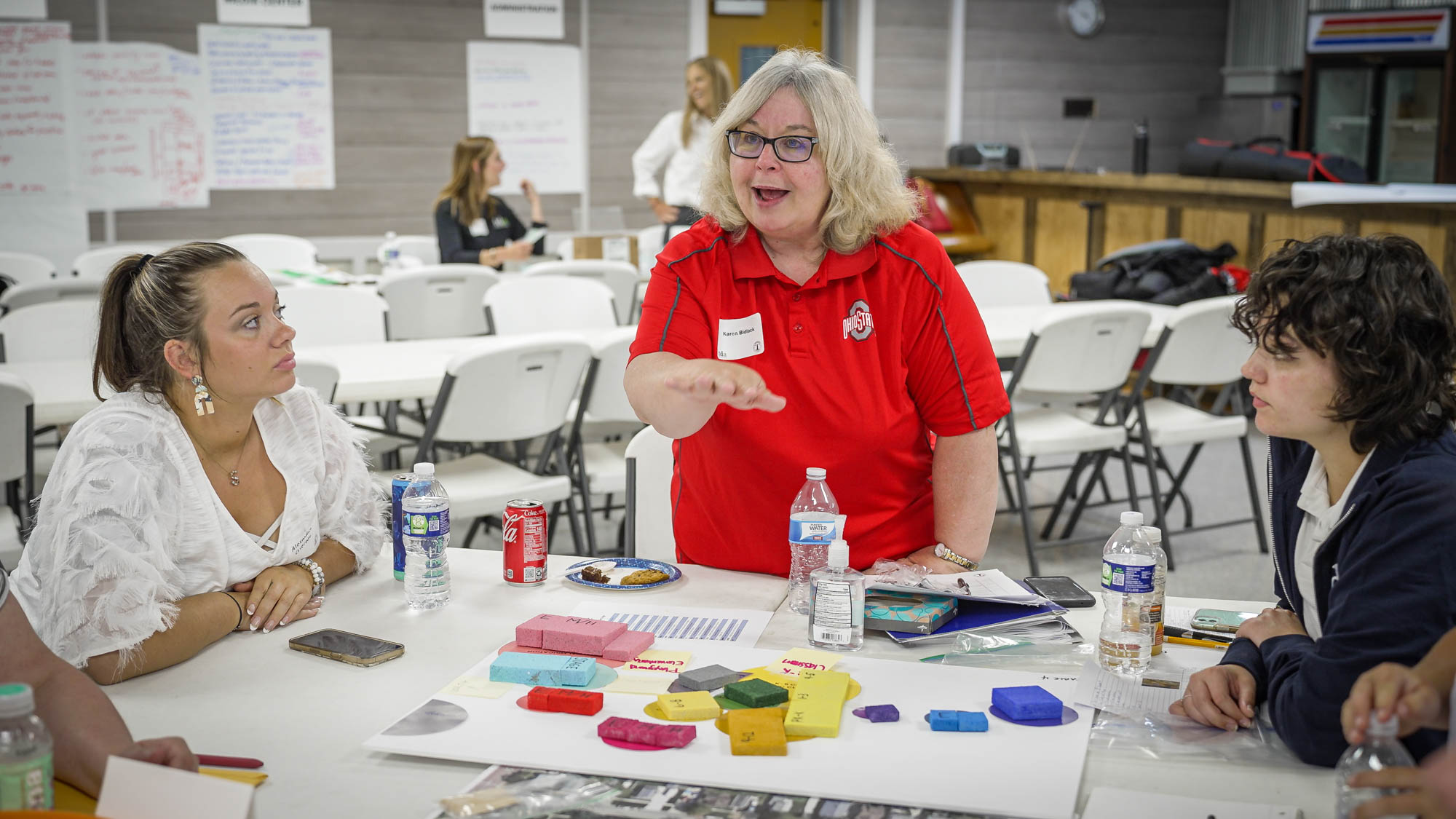
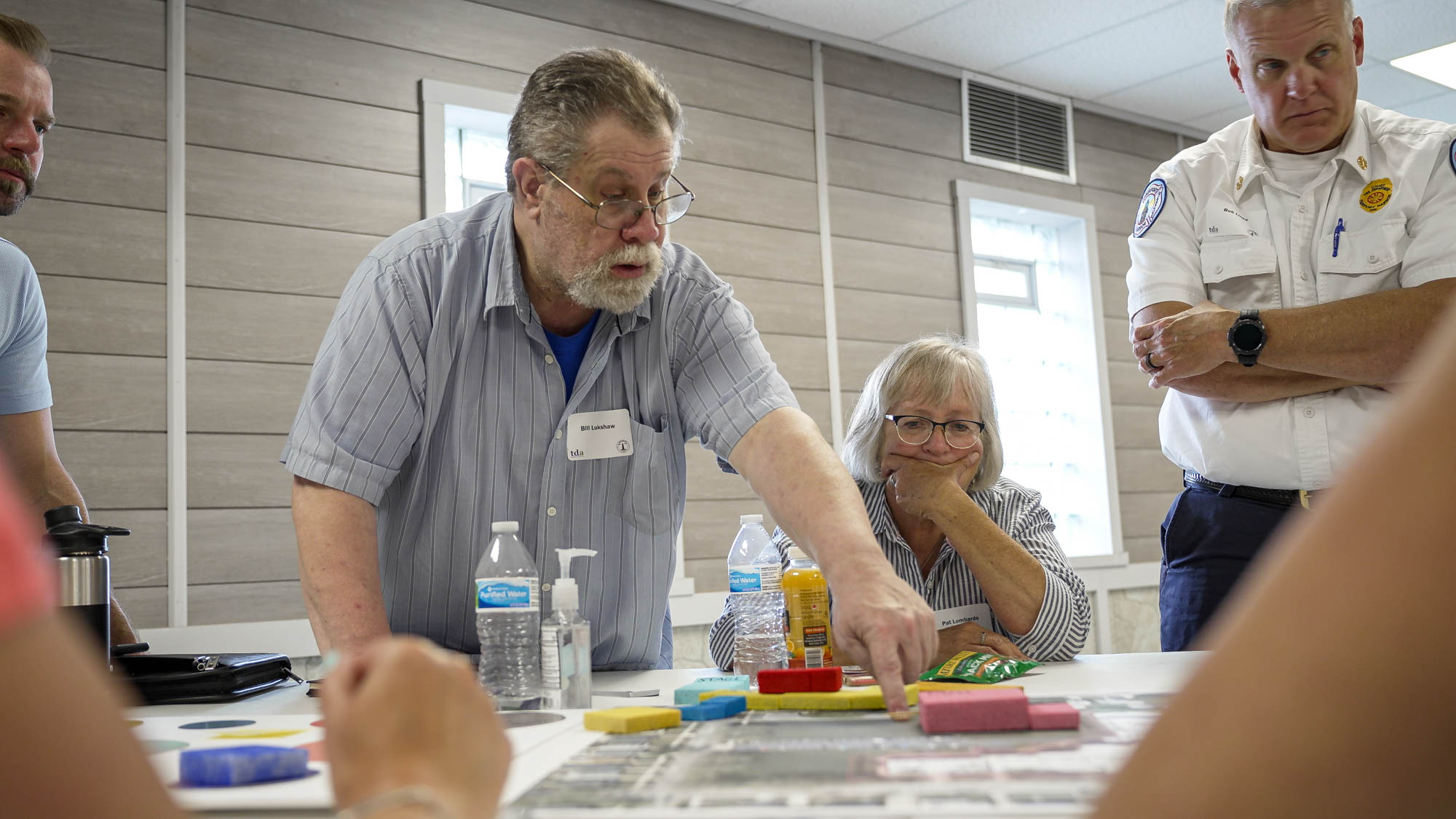
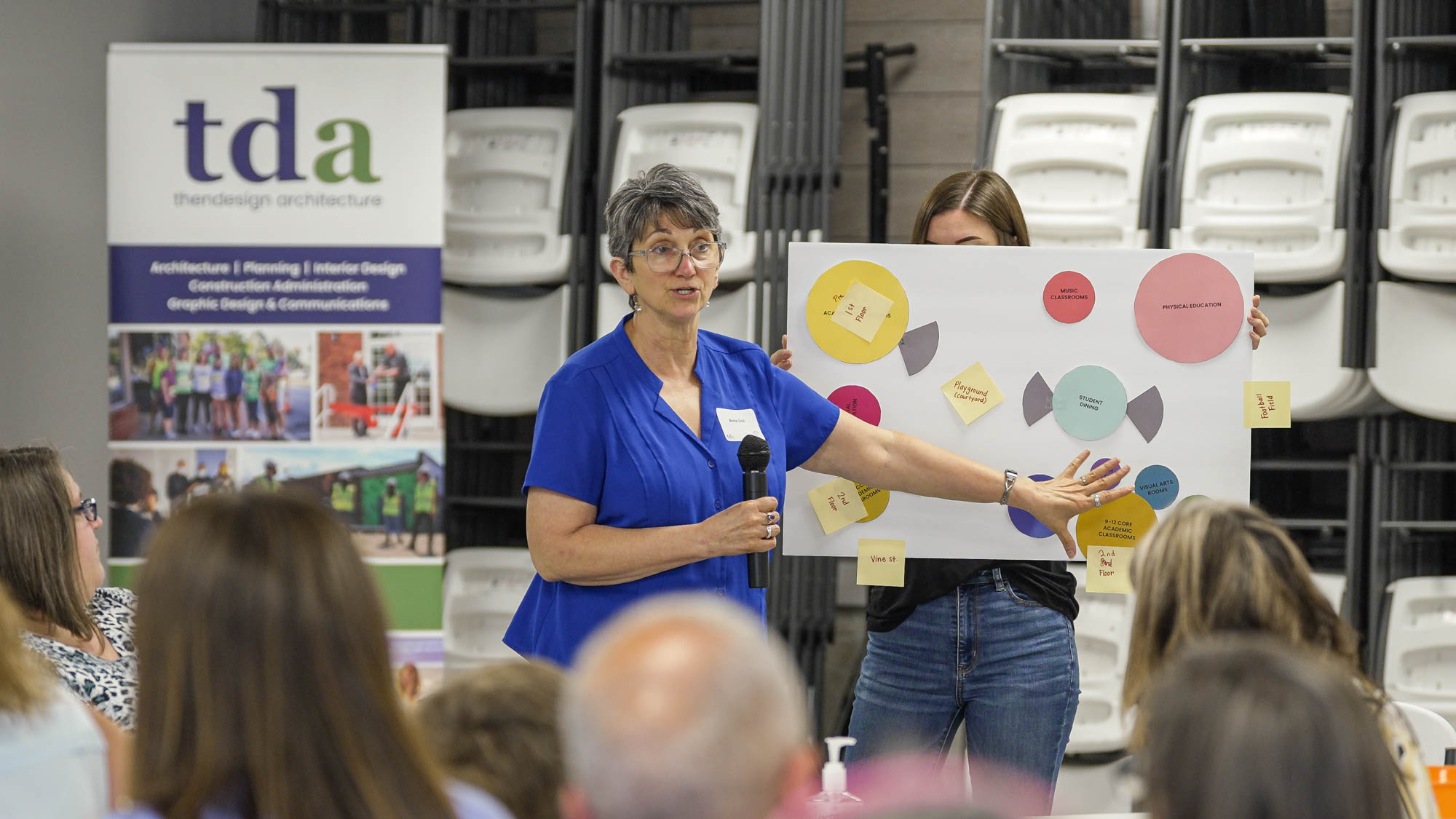
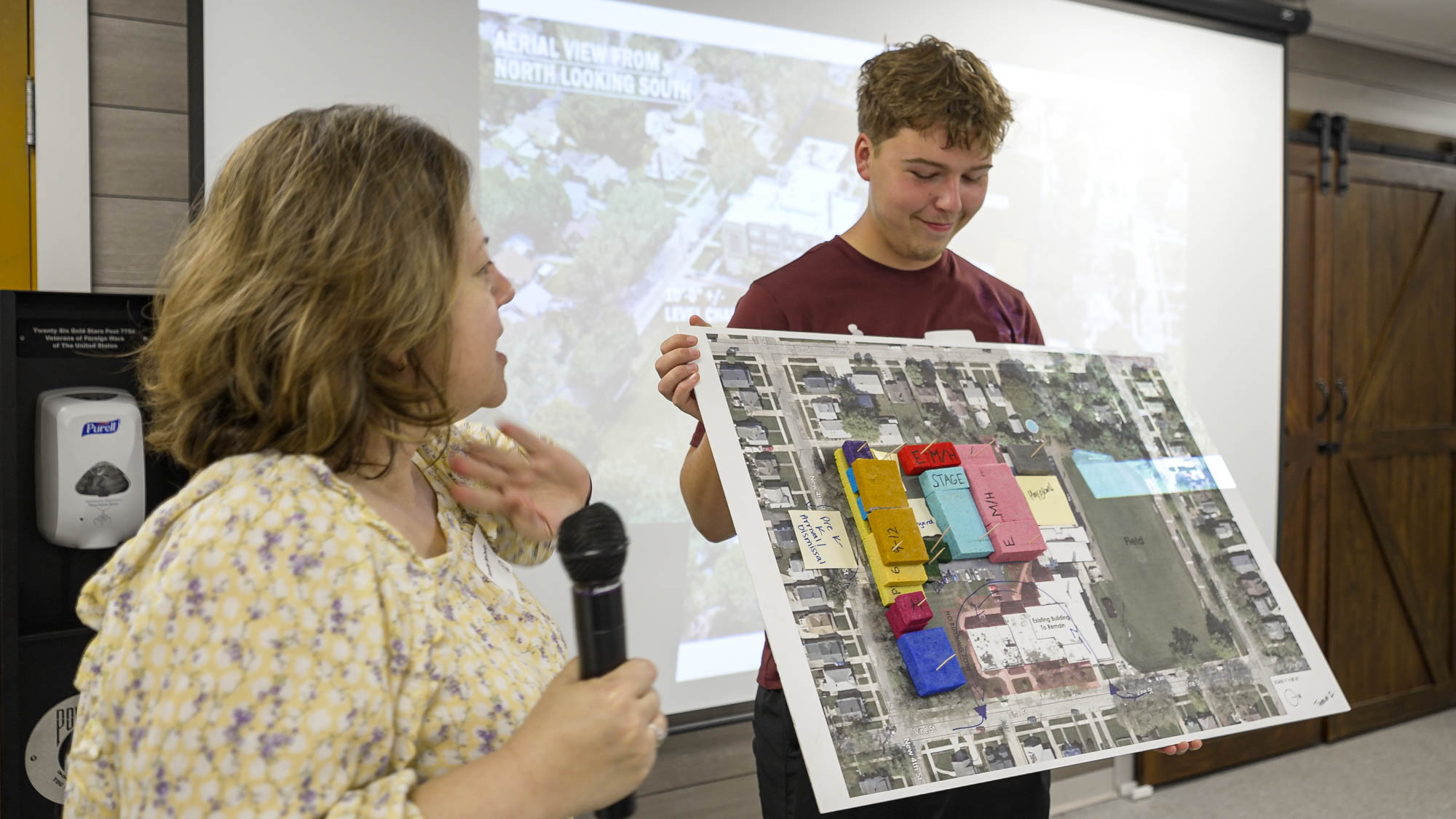
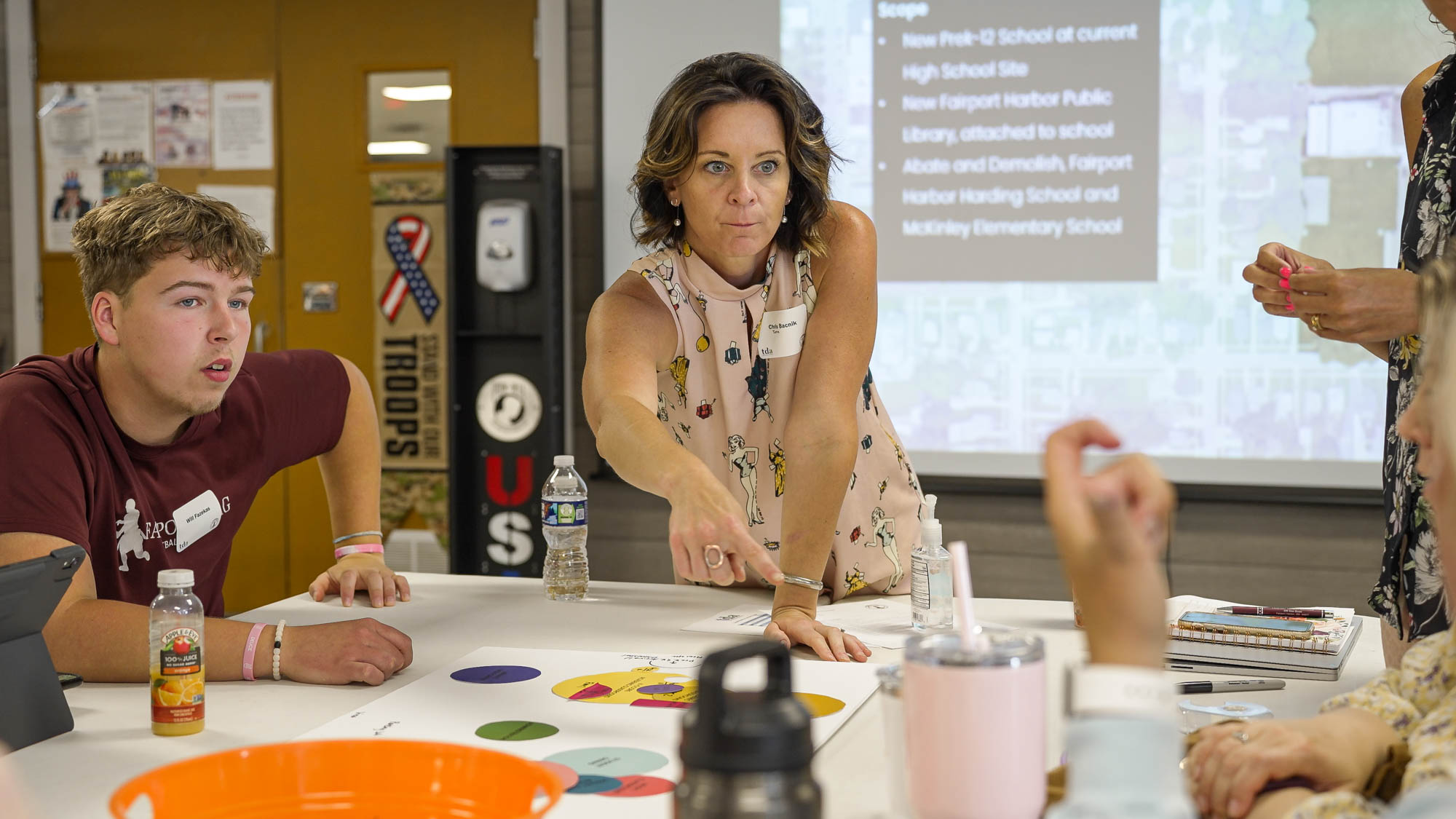
The day was broken up into various exercises geared towards educating stakeholders on the challenges and successes of existing facilities and drawing out their feedback on design priorities. Attendees experimented with spatial relationships inside the building and attempted to organize the major building sections on the site.

Early in the day, principals from Fairport Harbor, Katie Rumbarger, the Harding High School Principal, and Heidi Elmore, the McKinley Elementary School Principal, covered limitations of the over 100-year-old buildings, then the Superintendent, followed by encouraging attendees to think differently about how different sized spaces can be better used for personalized learning. This stands in contrast to having the same-sized classrooms throughout. Programs such as art, technology, and robotics can all benefit from this.

Fairport Harbor EVSD Visioning Session

Students will have state-of-the-art facilities which will help individual students go farther in their education ... I wish I had those same opportunities with technology and specialized learning. Perhaps I would have gone farther, but now, I am determined to provide that for others."
William Lukshaw
School Board Board Member

Katie commented, “In our school District, we focus on personalized learning. We focus on what every student needs, and I feel like our spaces aren’t now adaptable for that.” Educators are looking forward to having different spaces to tailor their educational approach. “What we are doing in the classroom every day doesn’t fit our environment. So, by going through this process, we can personalize our spaces to fit the needs of our students.”

Scenes from the Fairport Harbor EVSD Visioning Session

Design Activities

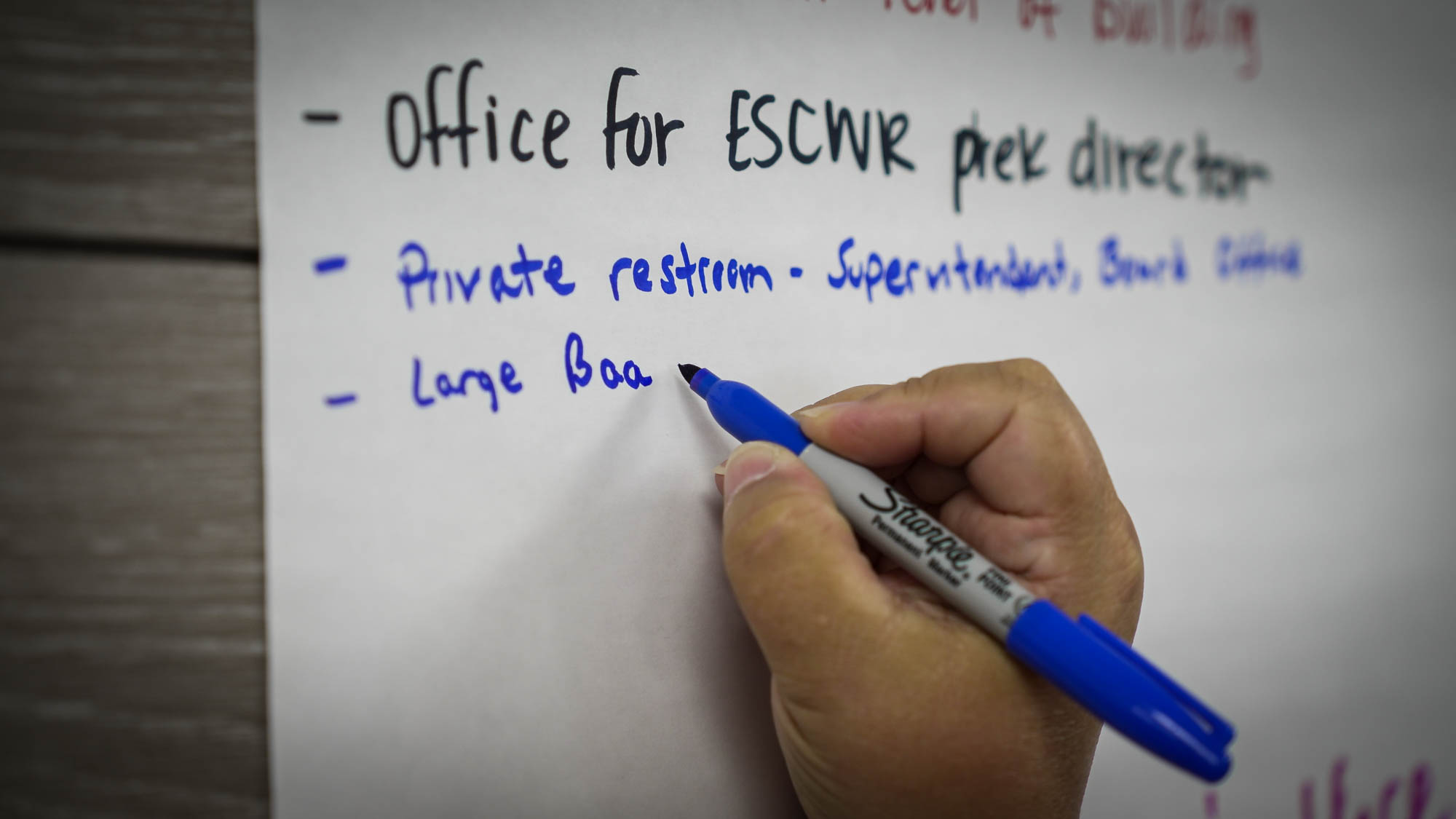
Activities throughout the day were designed to build off one another, each informing the next activity in the layout of the new school. This information is invaluable to the architectural design process since it demonstrates the stakeholder priorities on spatial relationships, building massing, and space usage.

Heidi Elmore, Principal of McKinley Elementary, shared, “It was a great first step to get different people’s perspectives. This is a starting point but helpful to hear a variety of ideas and understand what is important to the different groups.”

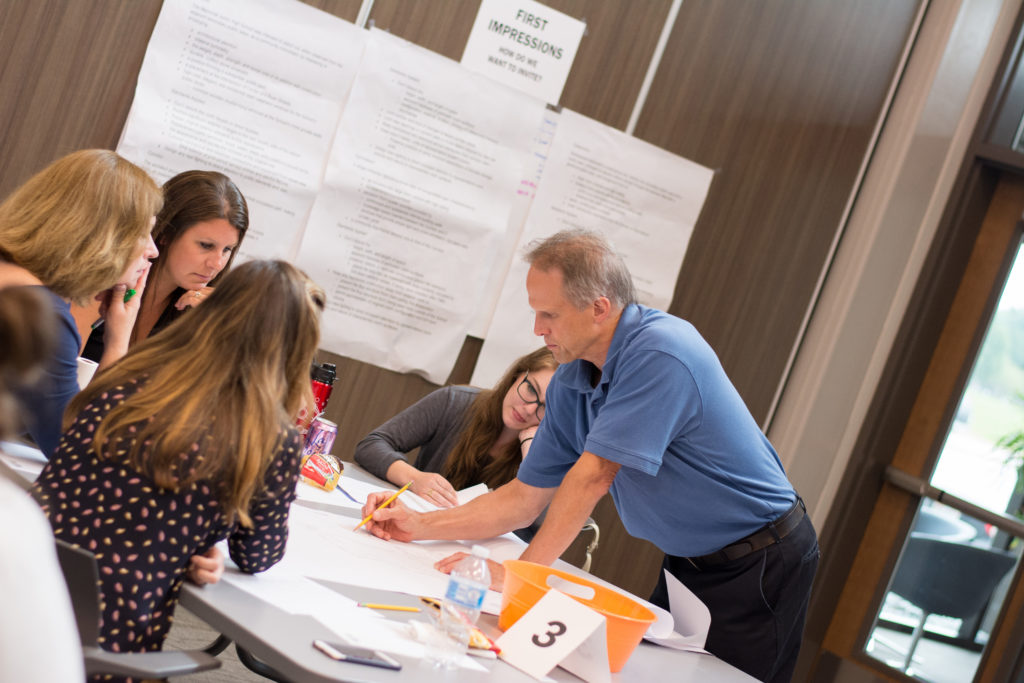
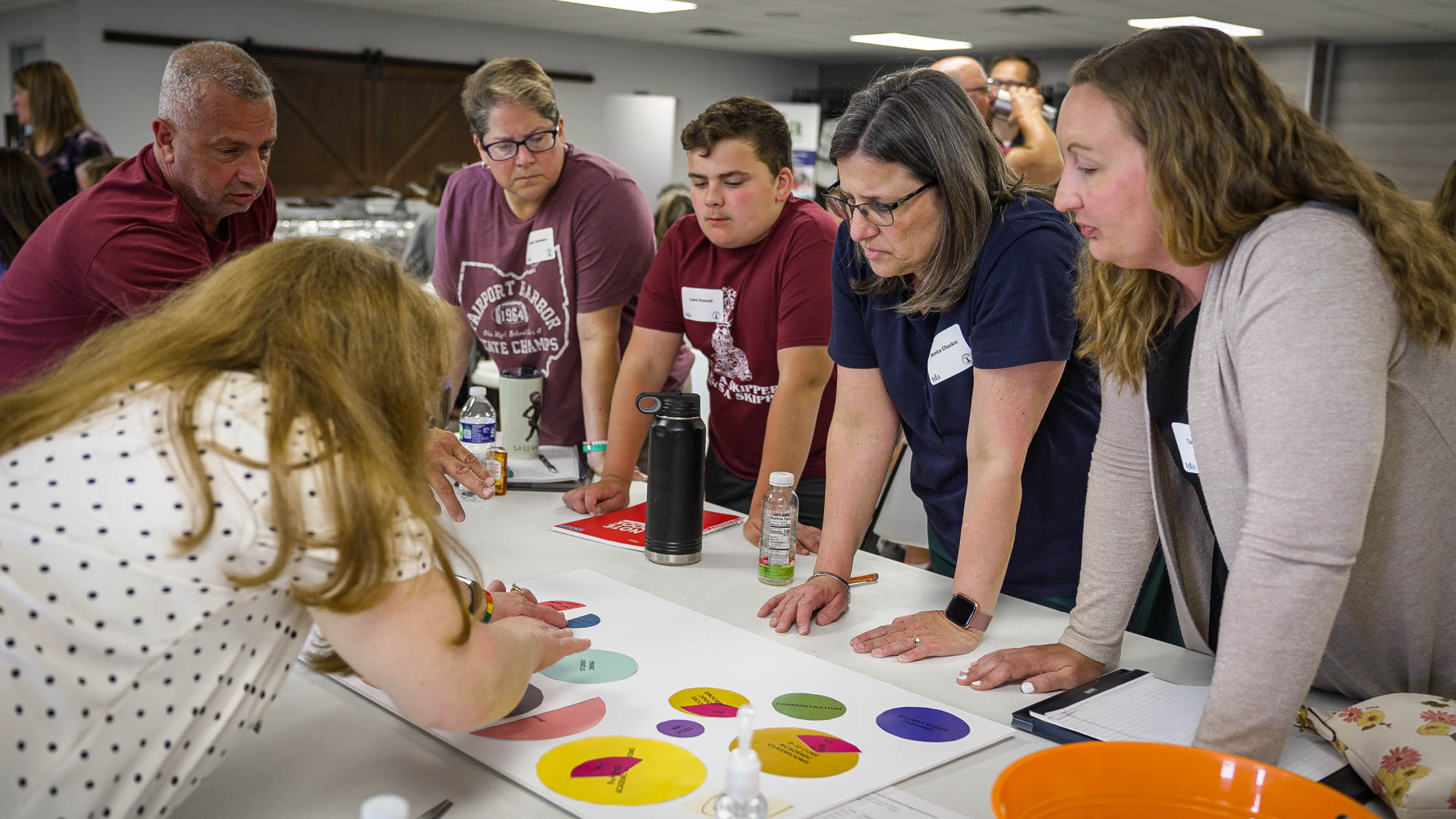
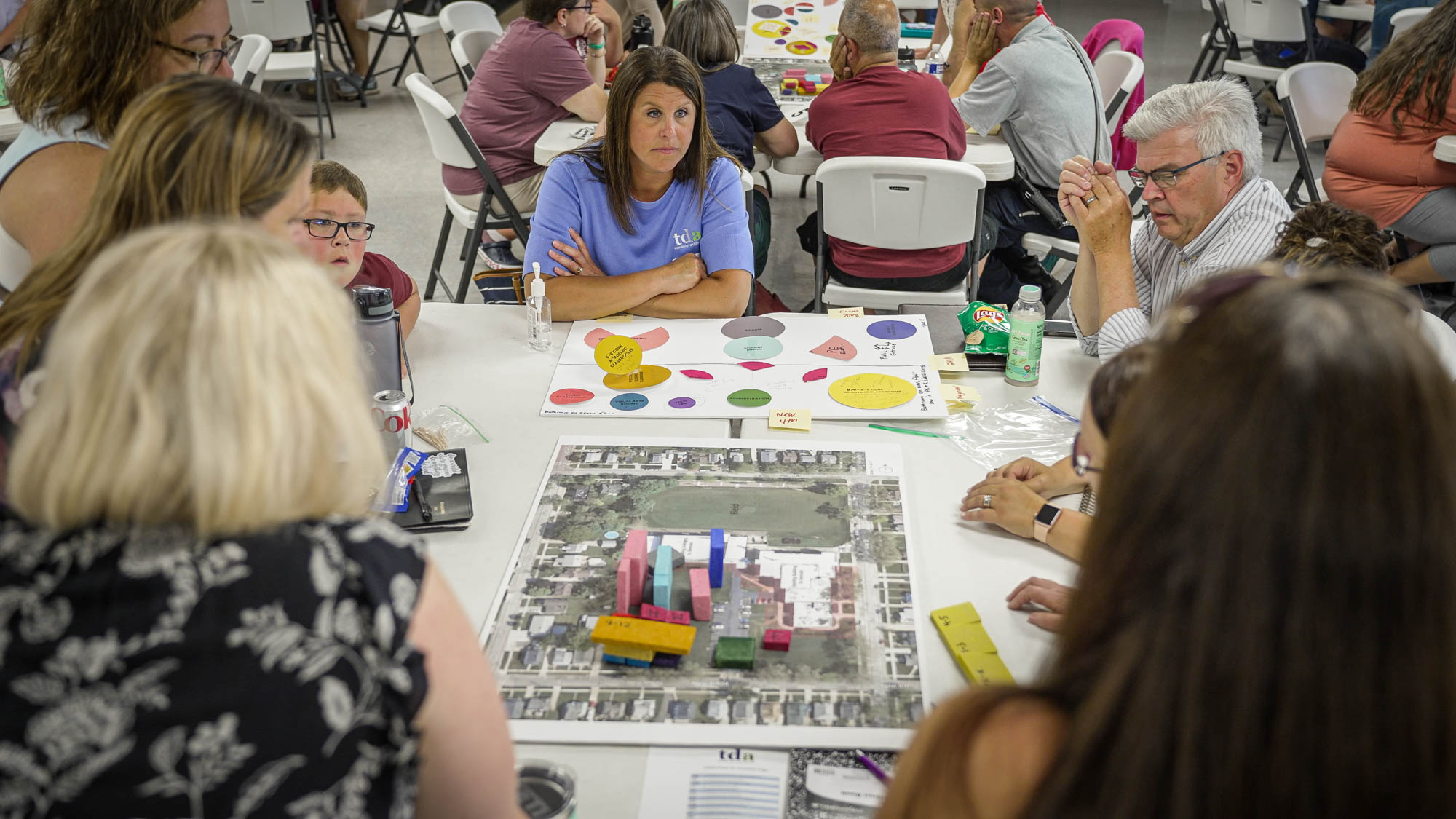
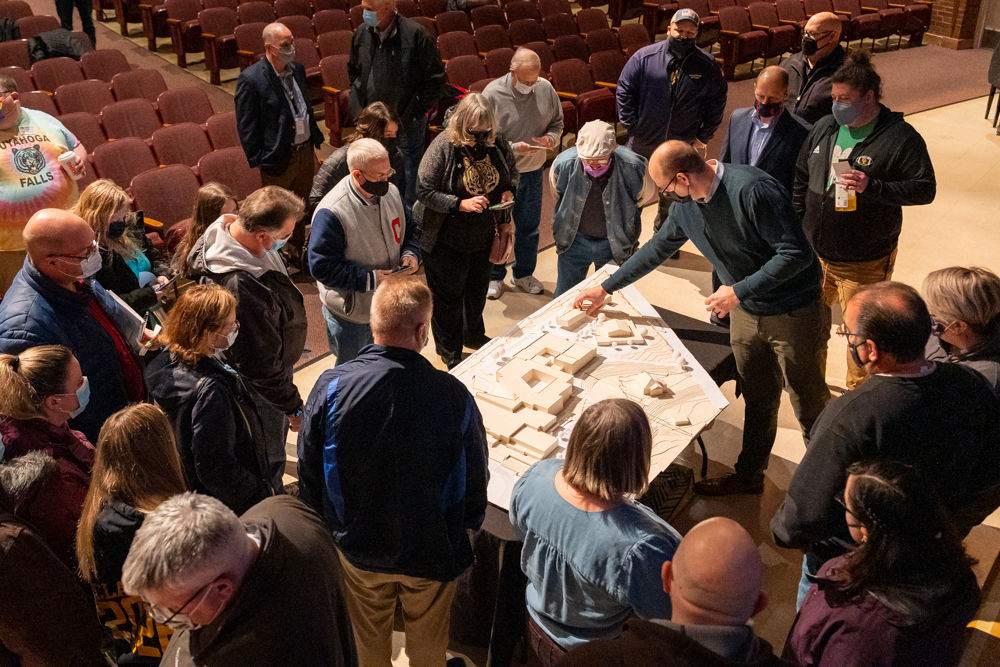
Attendees were split up into tables of 8 and given the opportunity to organize the interior layout of the school. Using paper cutouts scaled in relation to each other and the new school, the groups discussed how the pieces could be arranged to best suit how they saw the school functioning. They then reported the decision to the group and took questions from designers. This activity was designed to spark conversation about how they saw spaces interacting in their PreK-12 school.

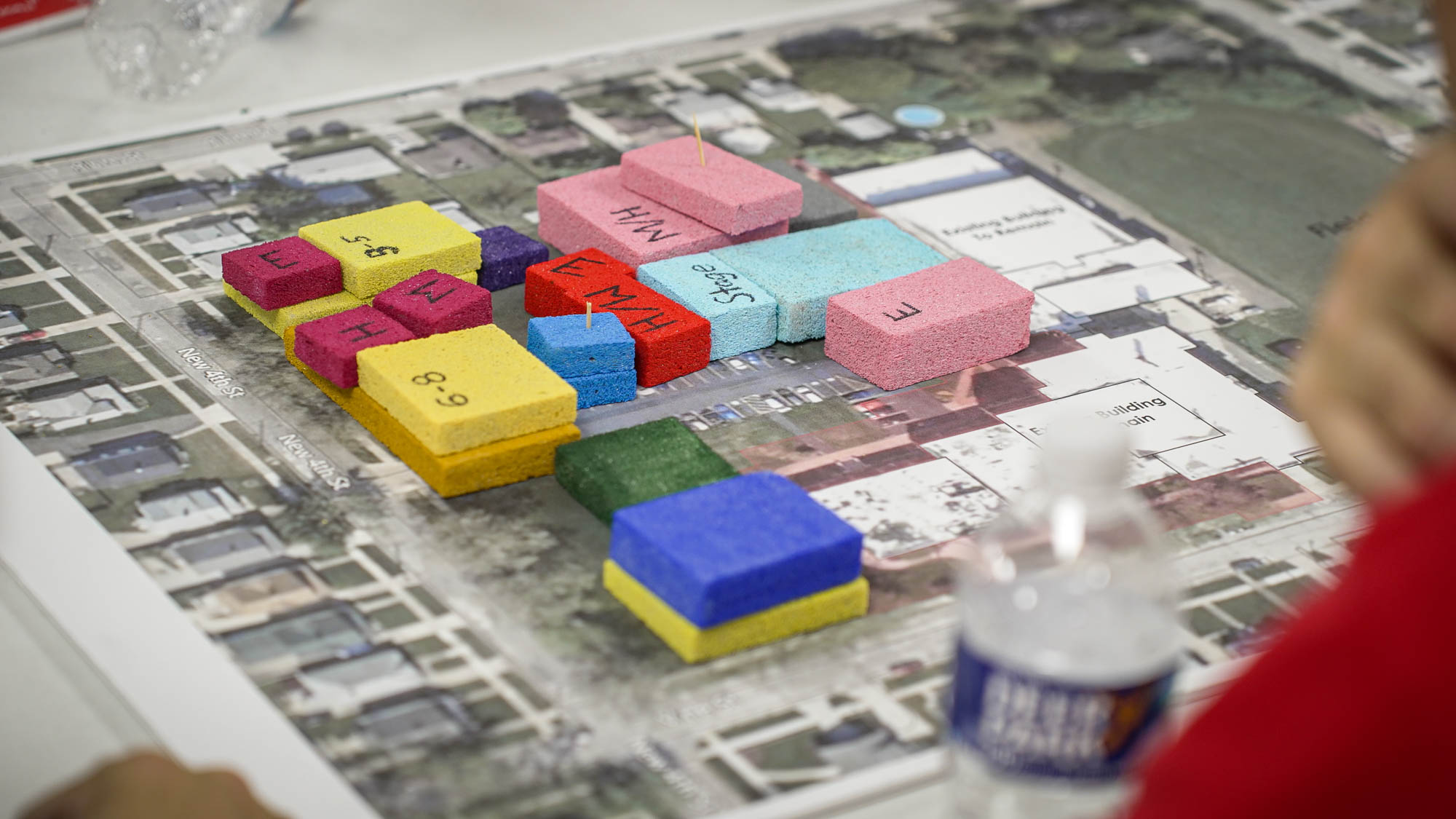
Another activity allowed the groups to arrange that spatial diagram in 3D. Using colored blocks representing the school program’s square footage, they try to fit their building on the site while maintaining the spatial relationships from the earlier activity. This was a challenge for many.

Also attending the meeting was the Village Mayor, chief of police, and fire chief, who provided input on safety and security issues, traffic flow, building a presence in a residential neighborhood, and the importance this project represented to the community.

Building Animation of the new PreK-12 School:

Next Steps After Educational Visioning

With Educational Visioning complete, the design team is compiling a summary of the day’s activities and outcome report to be viewed by the community. The outcomes of these activities help inform the new school’s design.

Many were optimistic about how this new building would help educators expand their current programs.

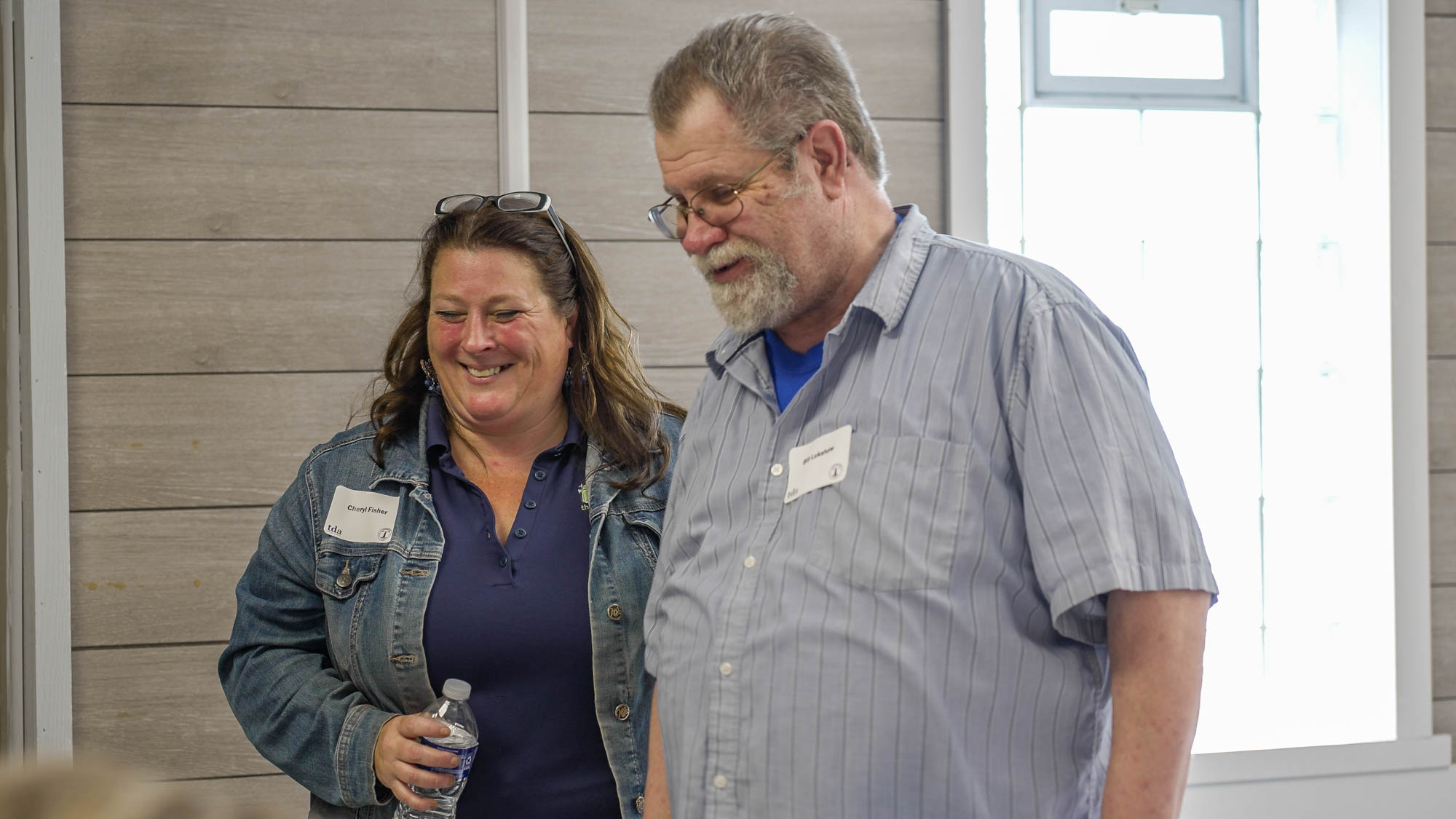
Bill Lukshaw, a Board of Education member deeply involved in the process, commented, “When I joined the Board, I wanted to make sure every student had the opportunity for a quality education. This new school building will further this mission.”

For students who are used to buildings over 100 years old, the upgraded environment and new technology will be a welcomed change.

“Students will have state-of-the-art facilities which will help individual students go farther in their education.” Reflecting on his time in school, Bill commented, “I wish I had those same opportunities with technology and specialized learning. Perhaps I would have gone farther, but now, I am determined to provide that for others.”

This summer, architects will begin the schematic design phase. During this phase, initial plans are developed, which can be used for cost estimation.

Later this fall, the team plans to engage with educators to better understand their individual needs for inclusion in the new plans.

View the report from the visioning session to better understand the findings of the group that day. 

Fairport Harbor EVSD Groundbreaking Ceremony

Cuyahoga Falls 6-12 Campus – Preliminary Design Unveiled

Cuyahoga Falls 6-12 Campus - Preliminary Design Unveiled
On Thursday January 13th, the community, school district and professionals from ThenDesign Architecture and Hammond Construction met to deliver an update on designs for the new 6-12 Campus.
Cuyahoga Falls 6-12 Campus - Preliminary Design Unveiled

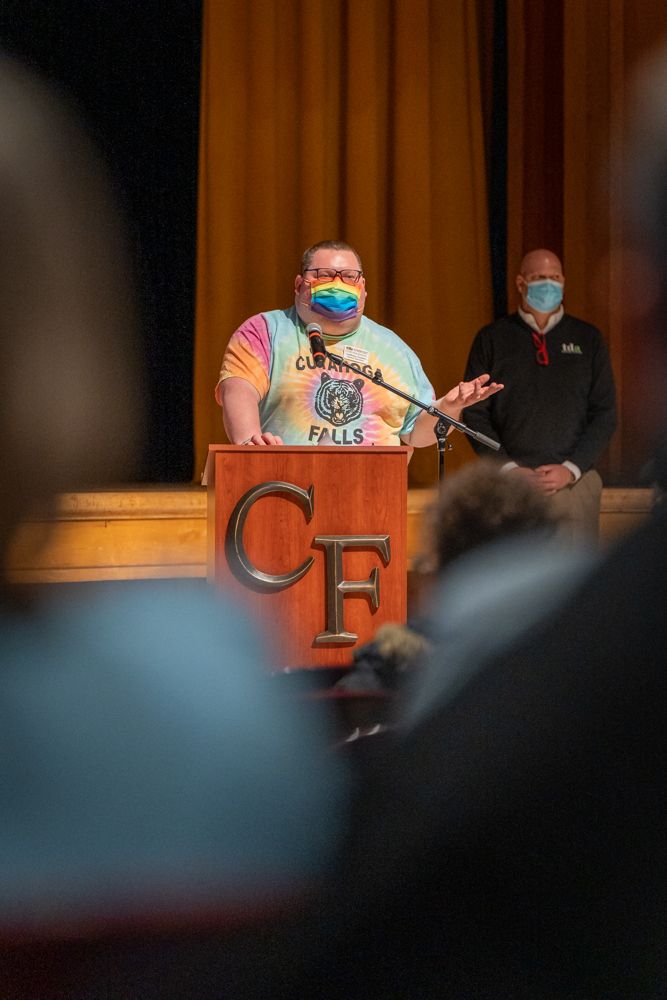
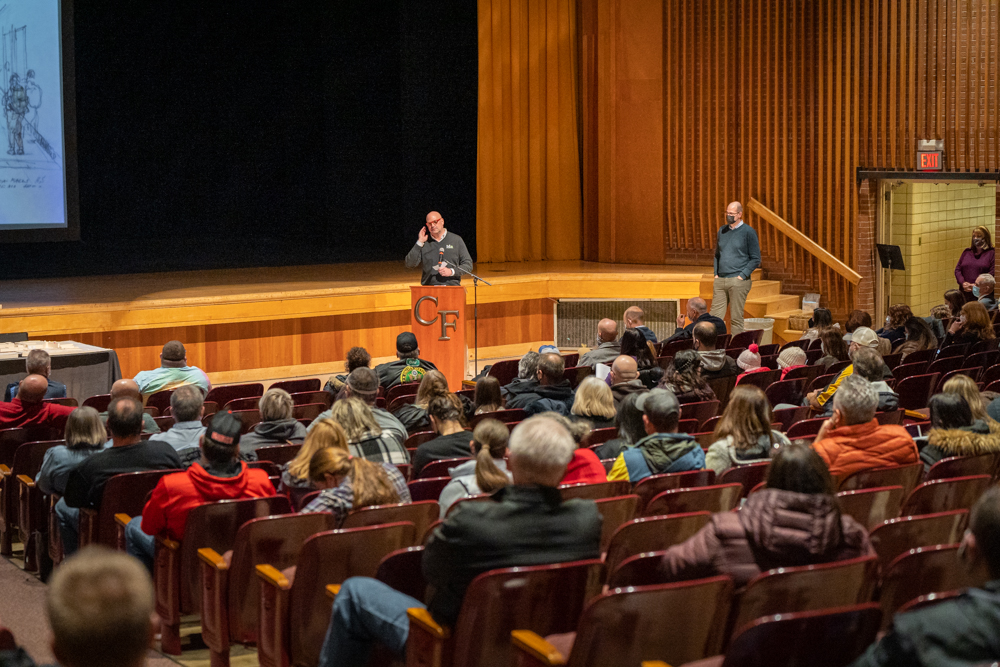
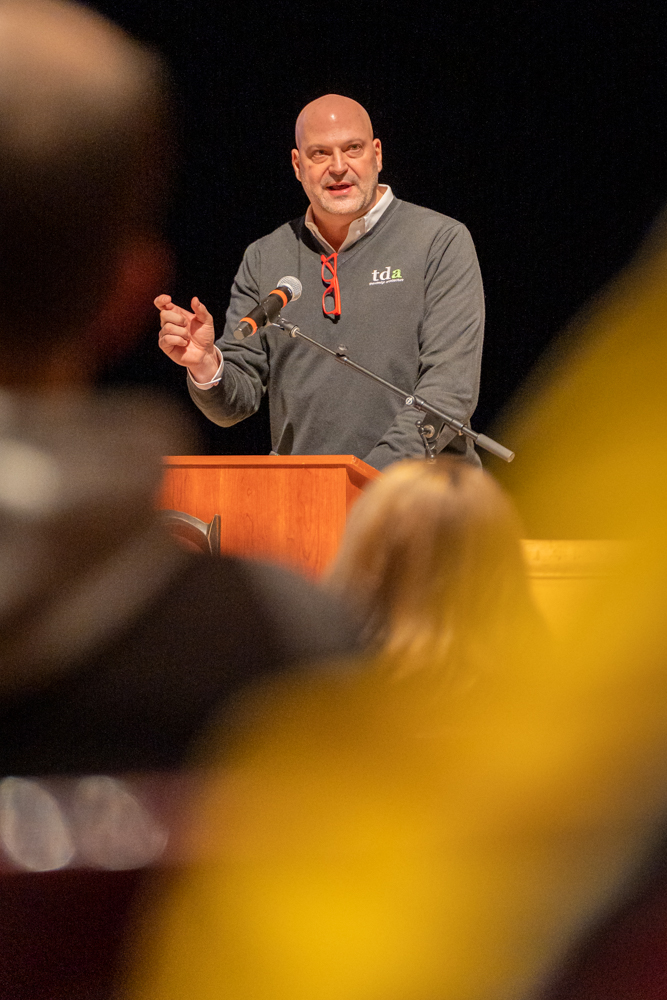
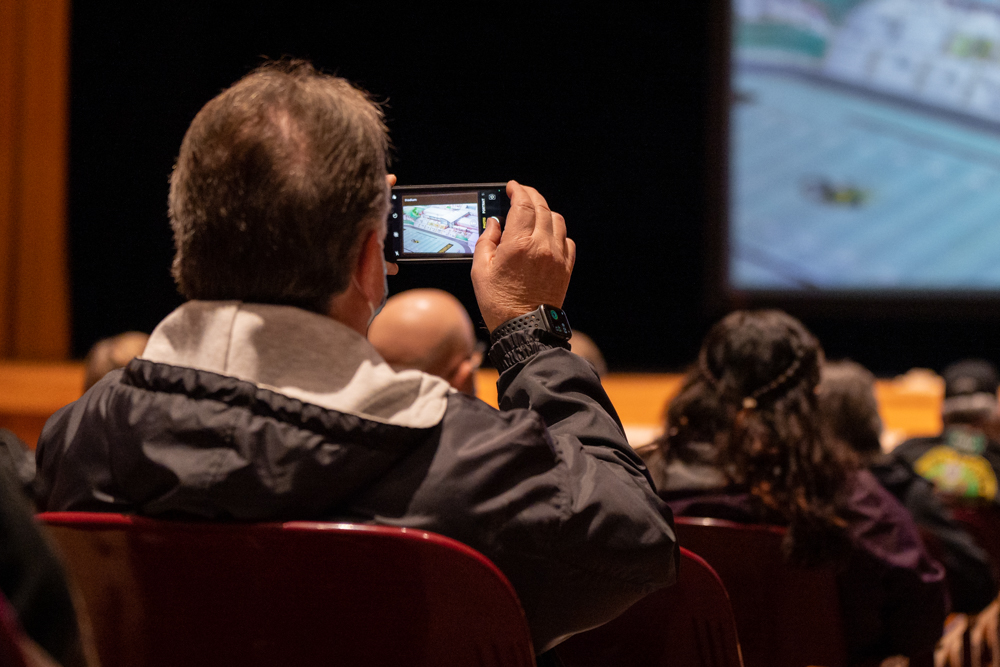
On Thursday, January 13th, the community, school district and professionals from ThenDesign Architecture and Hammond Construction met to deliver an update on designs for the new 6-12 Campus. This presentation gave an overview of the schedule and provided a glimpse into key spaces for the new building. Inside the Cuyahoga Falls High School Auditorium, over 200 community members attended either in-person or online to hear the update and ask questions about the project.

The new $113 million, 365,000 square foot facility will serve grades 6-12 and was funded by a voter approved Bond-issue in 2019 along with funding from the state of Ohio, through the Ohio Facilities Construction Commission. The goal of the project is to create a facility that provides strong, innovative programs for students, a safe and secure learning environment, and work as a gathering place for the Cuyahoga Falls community.
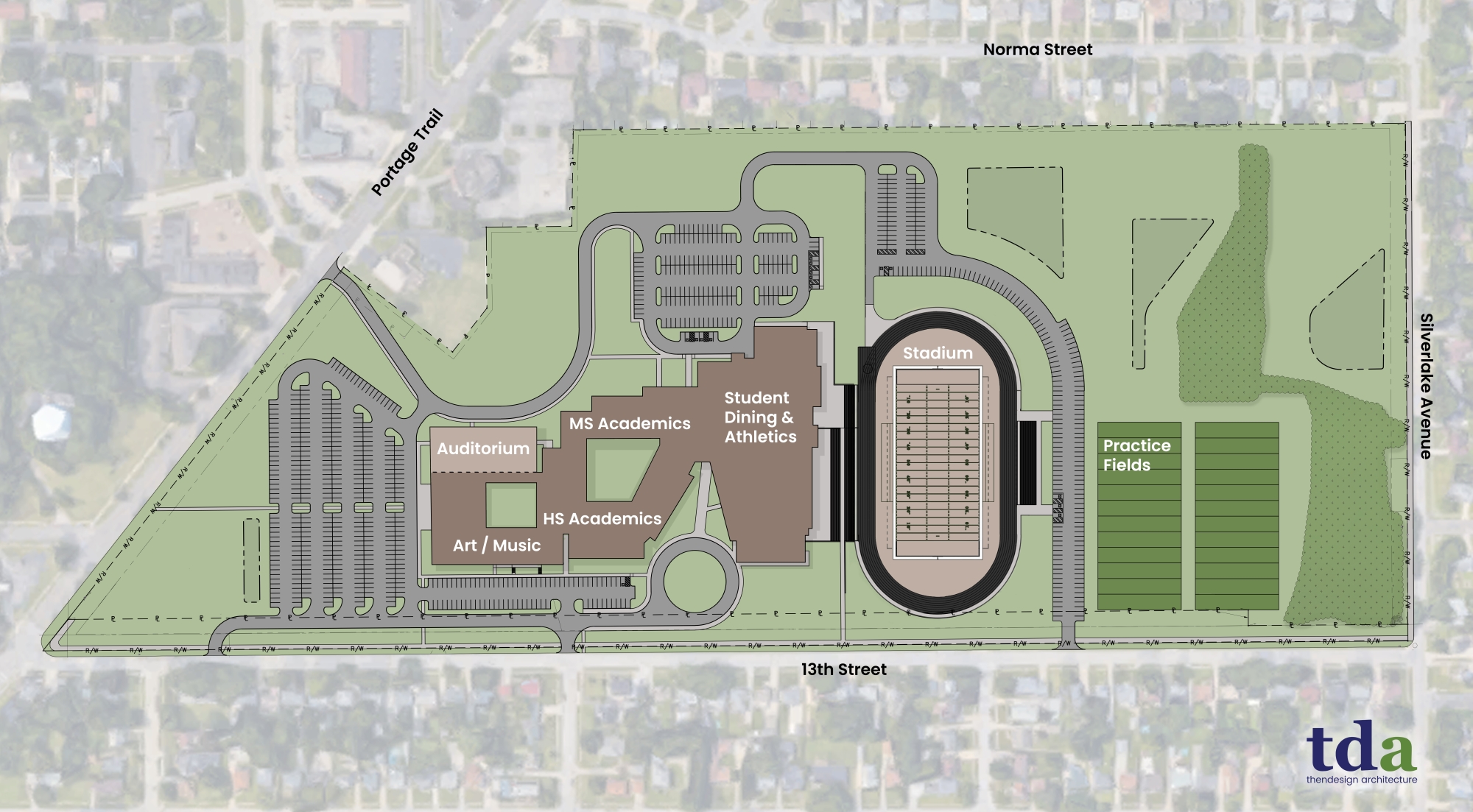
At this event, conceptual renderings and a site plan were shown and discussed with the community.
Cuyahoga Falls 6-12 Campus Preliminary Site Plan
“This design puts academics first, and that's the most important part of the project. We are building new facilities because we believe they will help us provide better education to our students."
Anthony Gomez
Board of Education President

Project Timeline

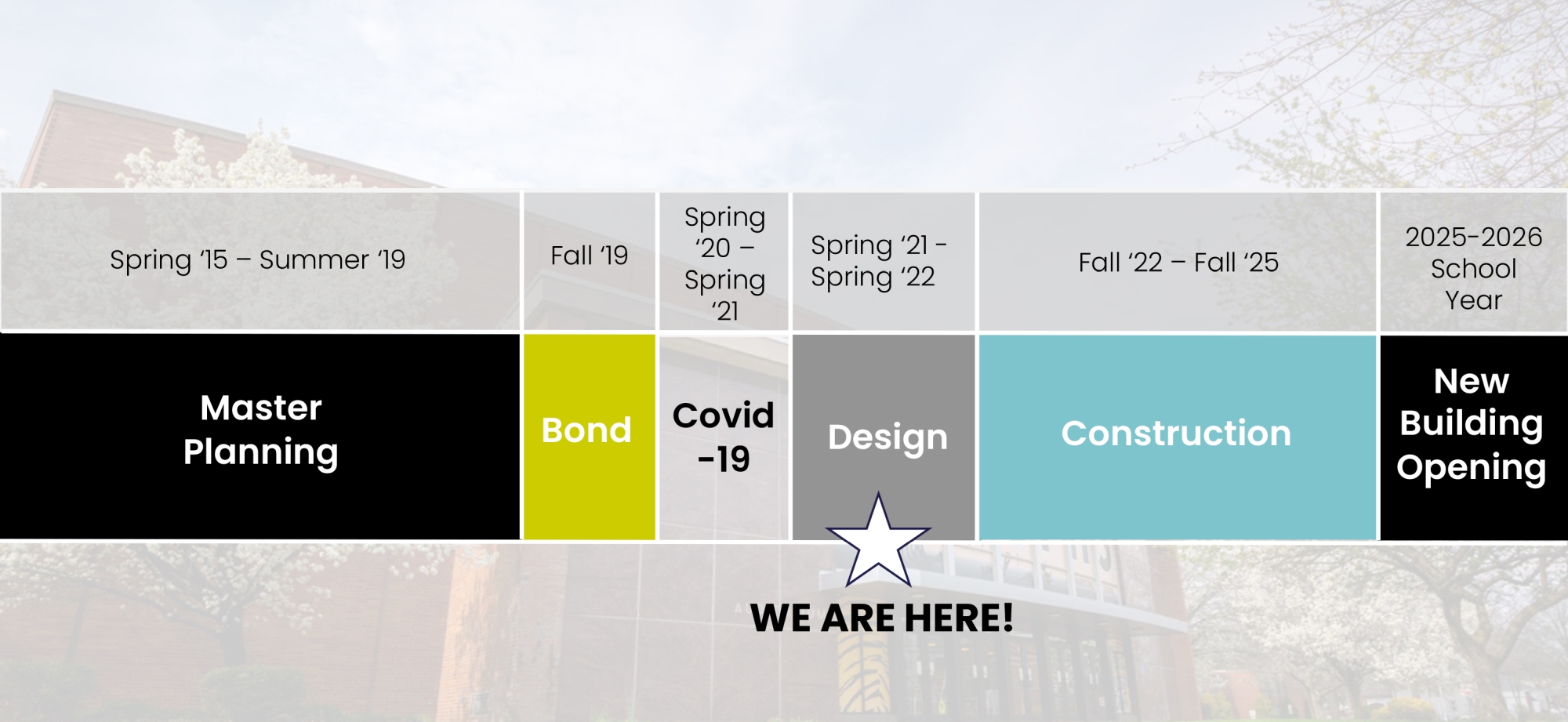
In 2015, the Cuyahoga Falls City School District laid the foundation for future buildings by assembling a master plan. Planners examined the existing conditions of school buildings, student enrollment projections, and the needed square footage to serve future populations. This was then submitted to the OFCC in a report that is used to assess funding options for the District.

Then, in fall of 2019, community members approved a Bond issue that would provide $80.6 million for the project and the state would commit $33.6 million. As the Covid-19 pandemic swept the country in early 2020, the state froze funding for new projects and the team was forced to delay until early 2021.

This is when design officially started with Educational Visioning happening in April.

Cuyahoga Falls 6-12 Campus Project Timeline
“This project will mean the world for Cuyahoga Falls. This current building has been here a long time, and has its challenges. Having a new facility will be a huge shot in the arm for this community.”
Russell Chaboudy
Interim Superintendent of Cuyahoga Falls City School District

A Challenging Construction Environment

Due to the Covid-19 pandemic, construction material prices are inflated across the country. It is not unique to Cuyahoga Falls, or the state of Ohio. All school districts currently involved in a building improvement program have been affected. Supply chain shortages, labor scarcity and market conditions haven’t existed like this in recent history and challenge school construction projects everywhere.

In August of 2021, as schematic design was completed, TDA acquired two cost estimates for the project. One was from Hammond Construction, the Construction Manager at Risk and another from an independent provider. While both estimators agreed on costs, due to market conditions, initial designs were 20-25% over budget.

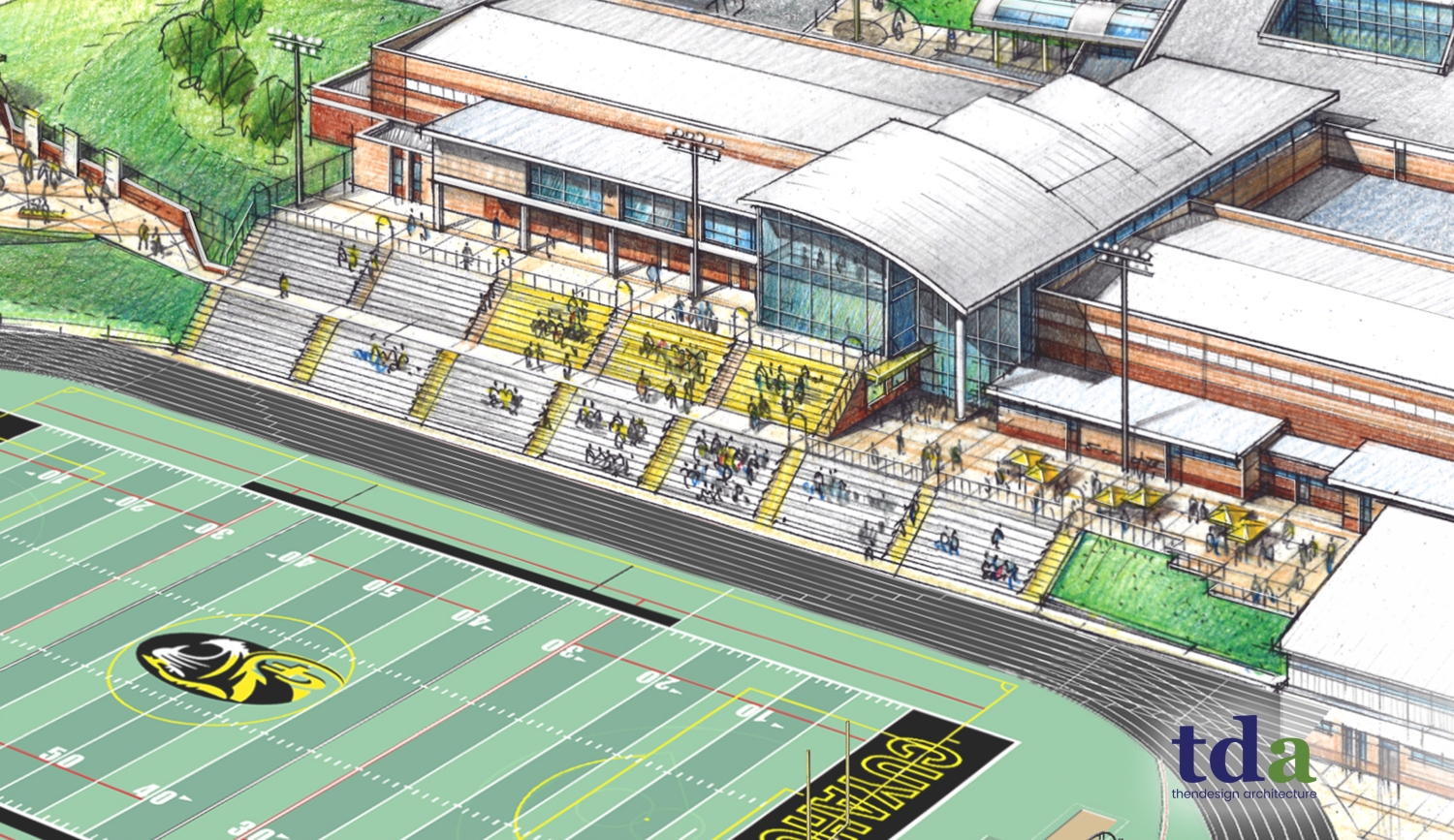
The team spent the next several months refining designs and making the building more efficient. A variety of design strategies were used to alleviate costs. A few examples of cost cutting measures included minimizing site work by incorporating the natural slope of the land in the stadium, reducing the building footprint by grouping some academic spaces into a 3-story structure rather than a 2-story structure and developing a more efficient building exterior. These modifications have lowered costs significantly from the initial estimate.

Board of Education President Anthony Gomez commented: “I think the community is concerned about the cost overages but recognizes the reality of the economic situation we’re in due to Covid-19.” He continues, “They feel that when you say something, you do something about it. We have to continue to look at our options that will make a difference in this project.”

While significant progress has been made on initial designs, the current 10% overage resulting from the Covid-19 pandemic is still being addressed.

“In Cuyahoga Falls we have always faced challenges; our current buildings present some of those. This building project is a big deal for us and we will do it right. And we have to make the public understand that we're doing it for the benefit of future students."
Cuyahoga Falls Resident

Moving Through Design Development

Over the last several months, the District and design team have been outlining three pathways to solve the budgetary challenge. All three elements will be pursued simultaneously and evaluated through the next two phases of design.

  1. Examine alternate phasing and bid strategies for the locally funded initiatives (LFI’s). This means, bidding out locally funded initiatives separately, possibly at different times, to capitalize on construction efficiencies and capture potentially lower material prices when construction begins.
  2. Identify additional funding options that may be available to the District to help with overages. This could include grants, additional funding by the state or creative methods of leasing equipment and other items during the construction process.
  3. Continue to refine the current scheme in terms of design and construction methods to implement value engineering, making the school design as efficient as possible.

At this time, the building is being designed to its full scope, with all the academic elements of the building, along with the auditorium and stadium. By focusing on these 3 simultaneous pathways the District is hopeful to provide a path forward, solving the uniquely challenging budget conditions.

“I'm a Cuyahoga Falls graduate and now a freshman at Akron University and I think this is a really cool opportunity which is long overdue. I love the Falls, but I would love to see this plan built. It makes me want to go back to high school!”
Cuyahoga Falls Graduate

A Glimpse of Key Spaces in the Cuyahoga Falls 6-12 Campus

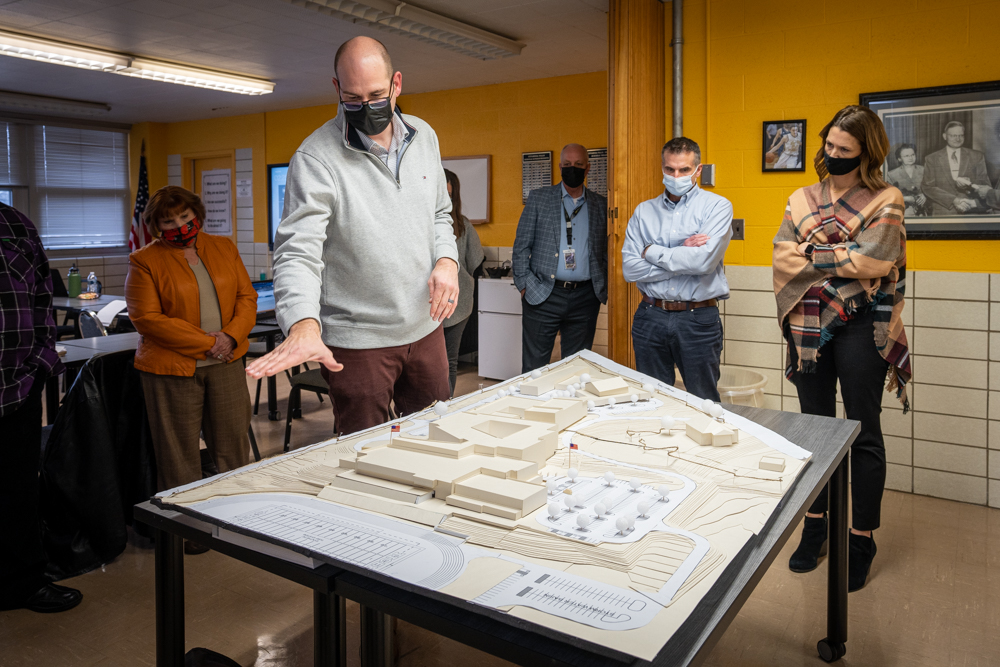
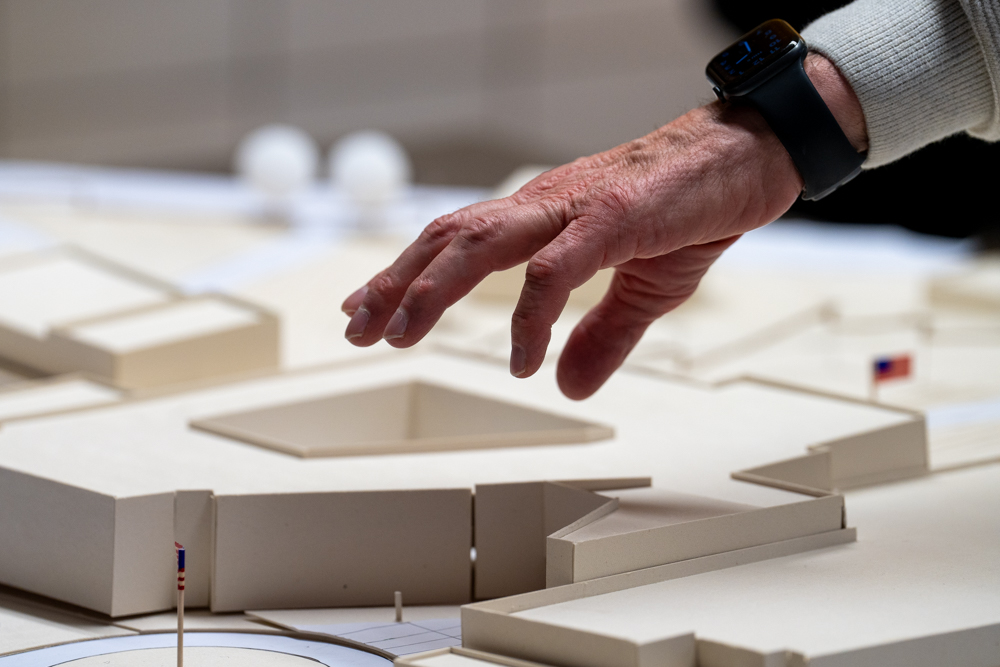
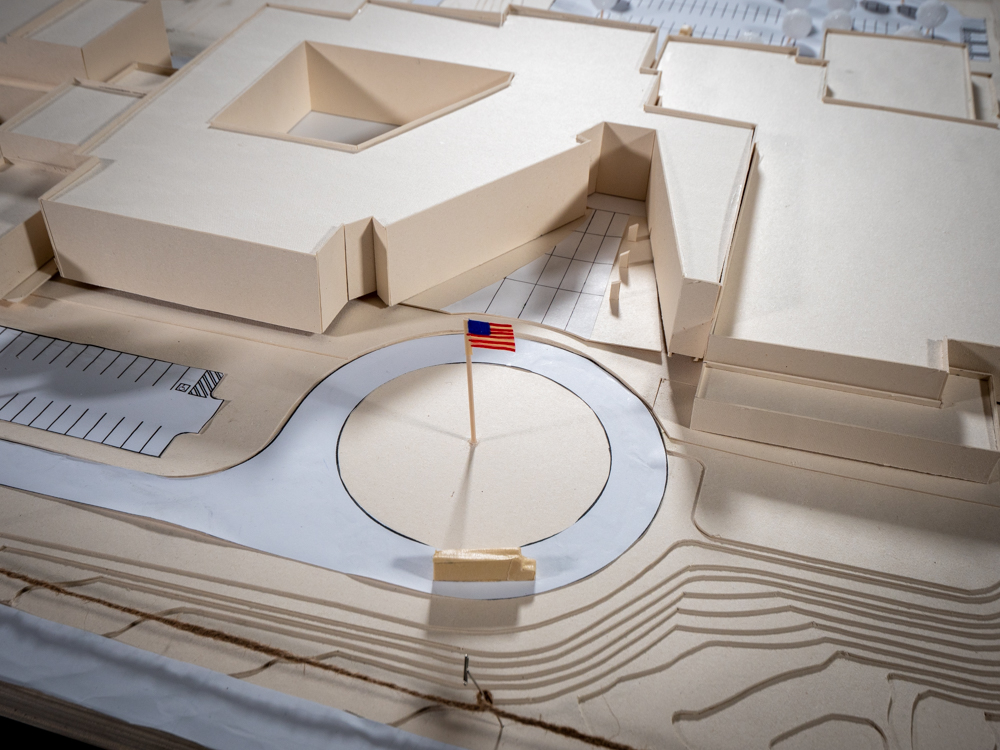
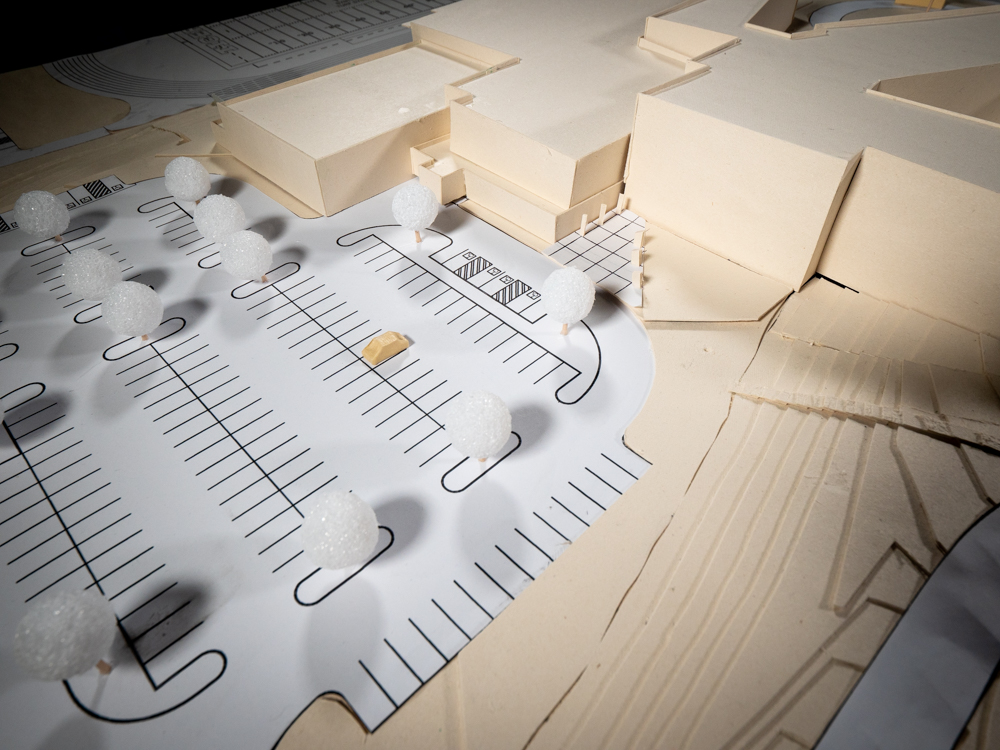
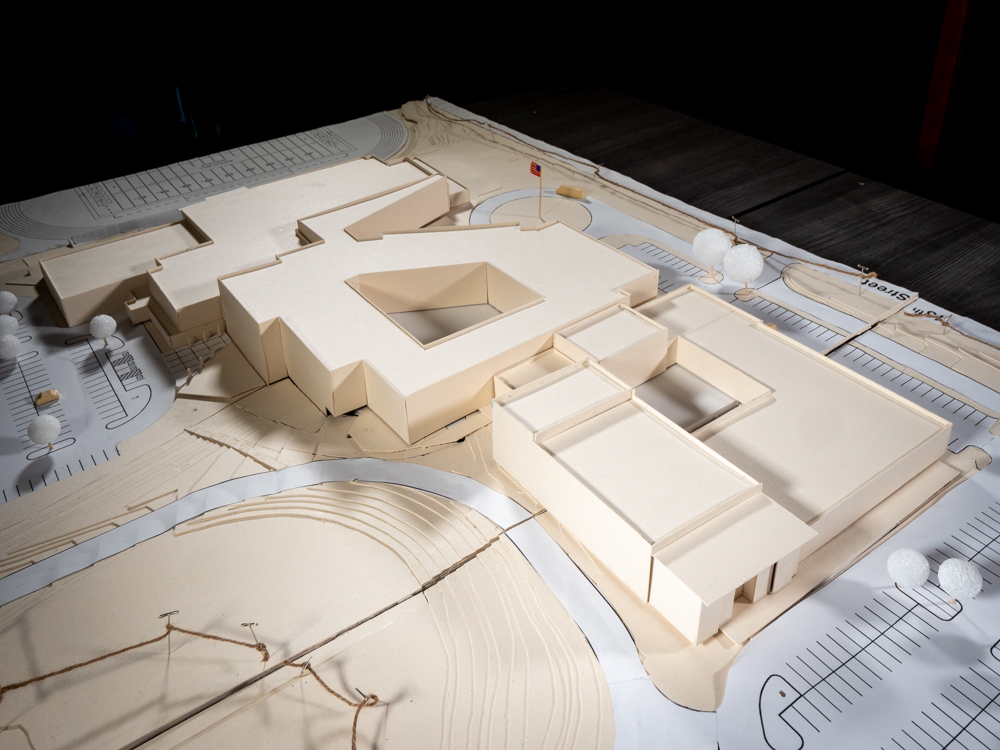
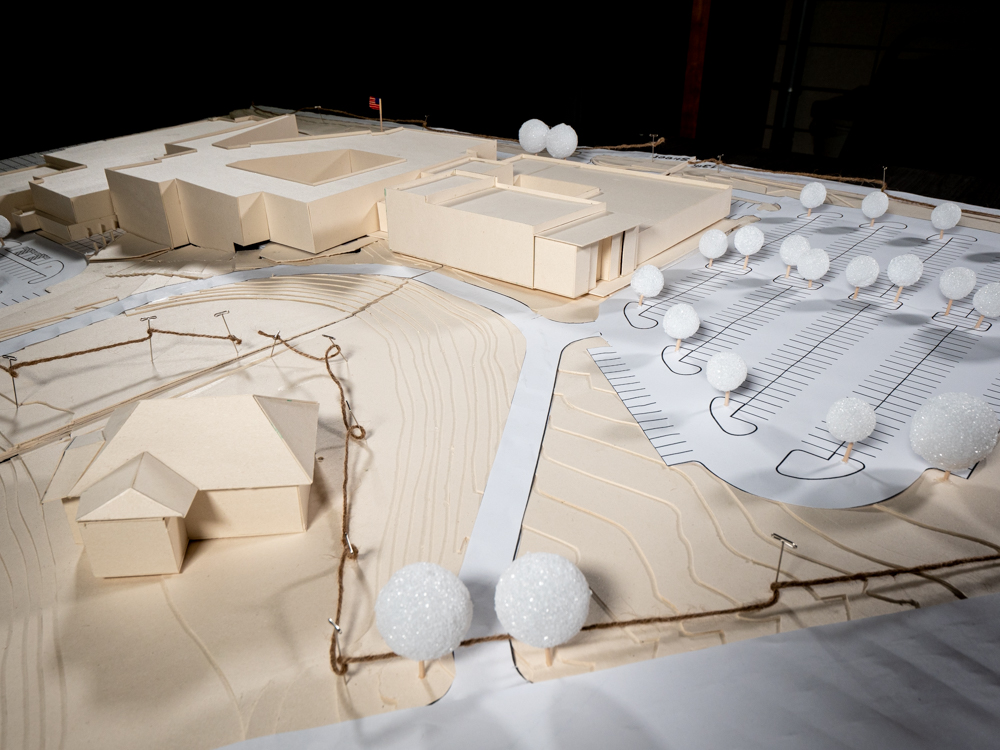
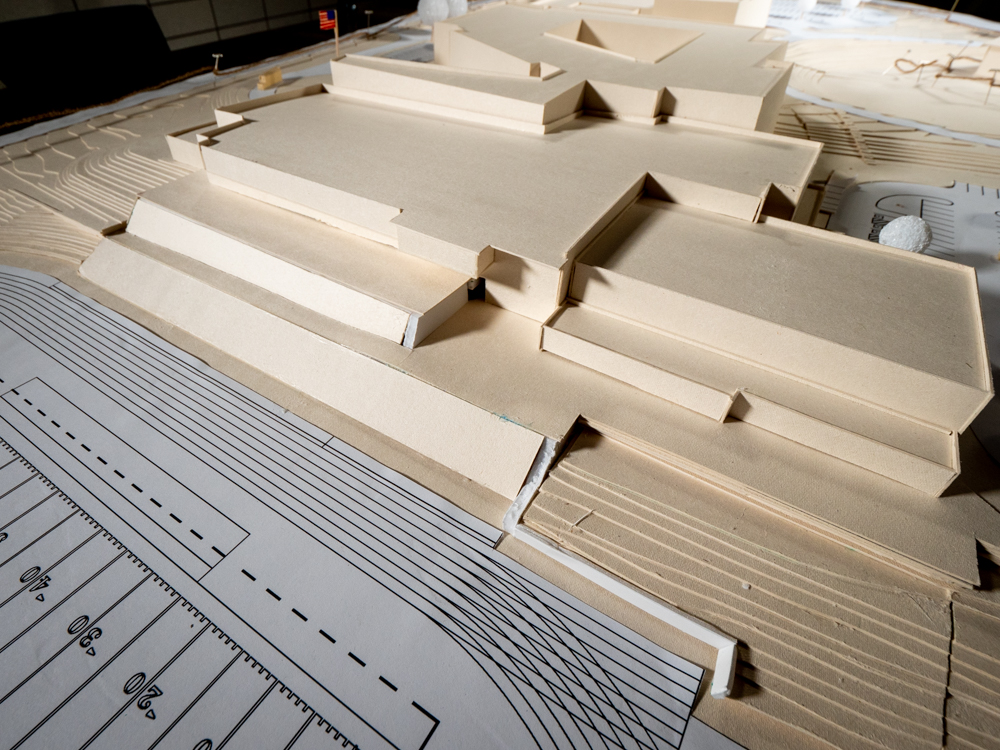
To better understand the site and design, the team developed a scaled model to display the current building scheme. This rough model has been a valuable tool to quickly assess site conditions, building massing, spatial relationships, and site visibility.

Interim Superintendent of Cuyahoga Falls City School District, Russell Chaboudy commented, “From my experience, a new building will bring people back to our schools and it creates new excitement for the teaching staff and students. I think it will benefit the student’s education and will mean so much to the kids in the community. You will see good things happening as a result.”

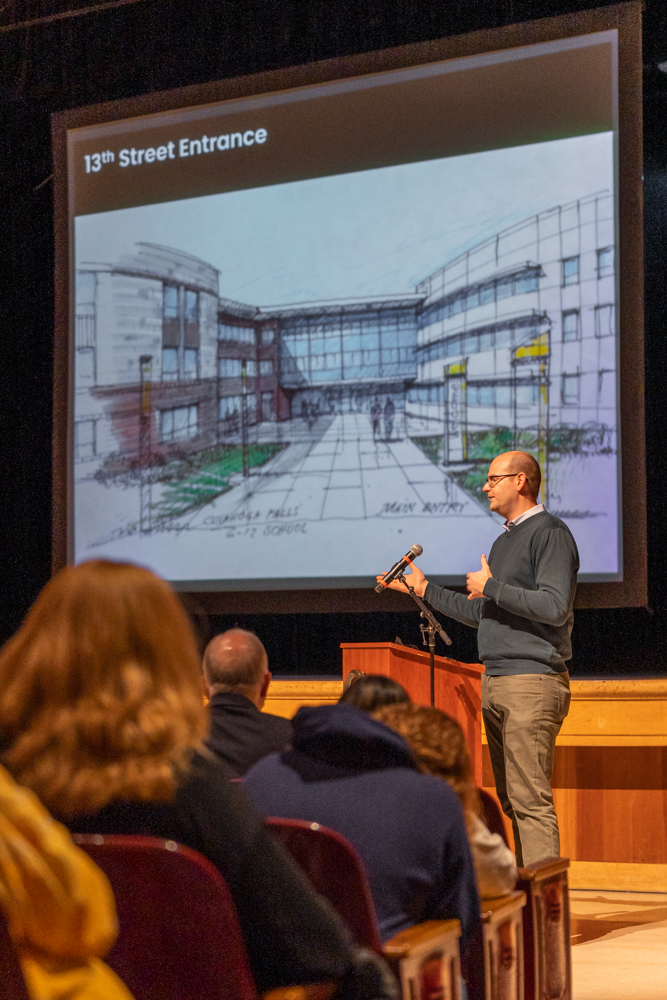
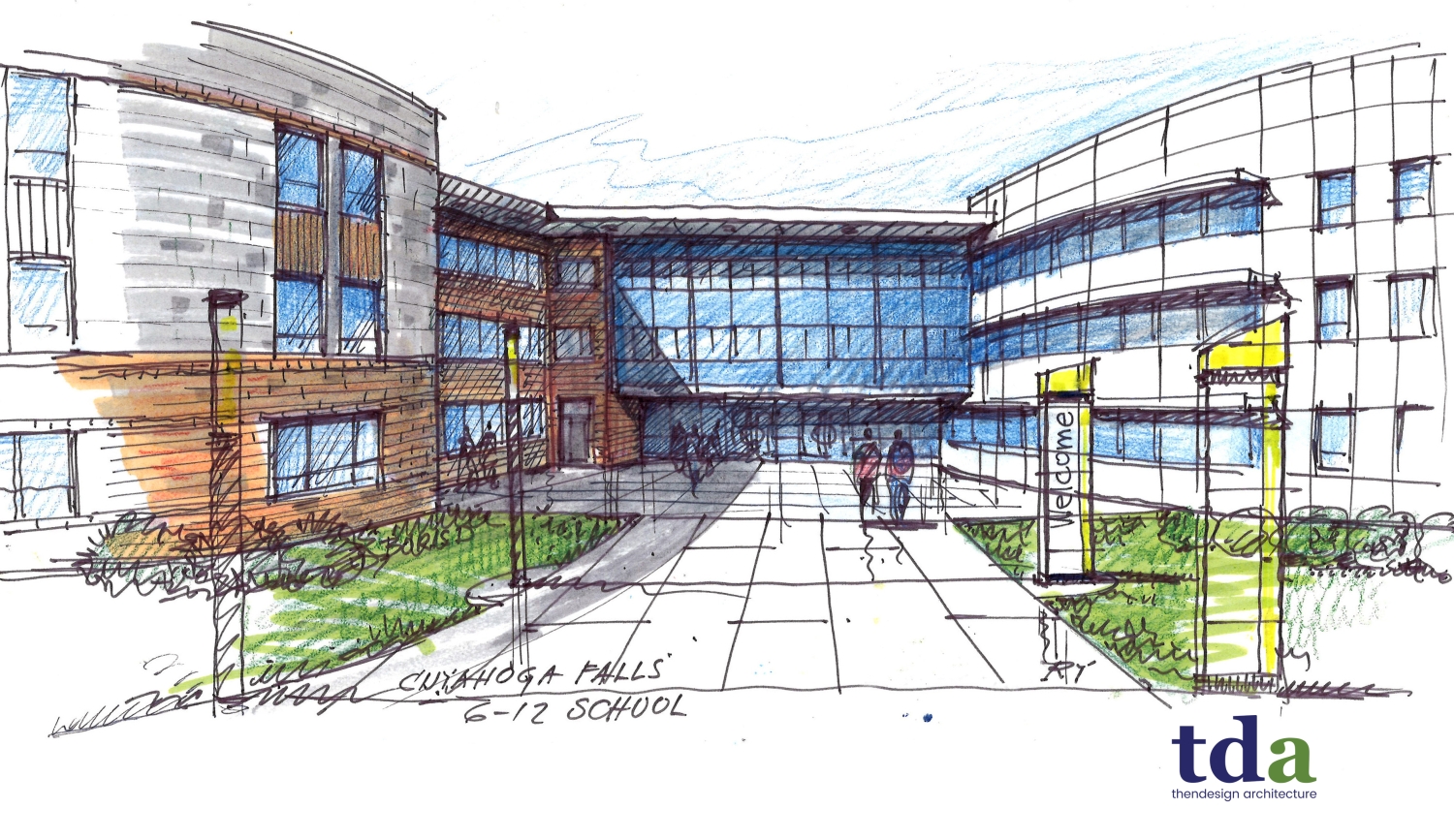
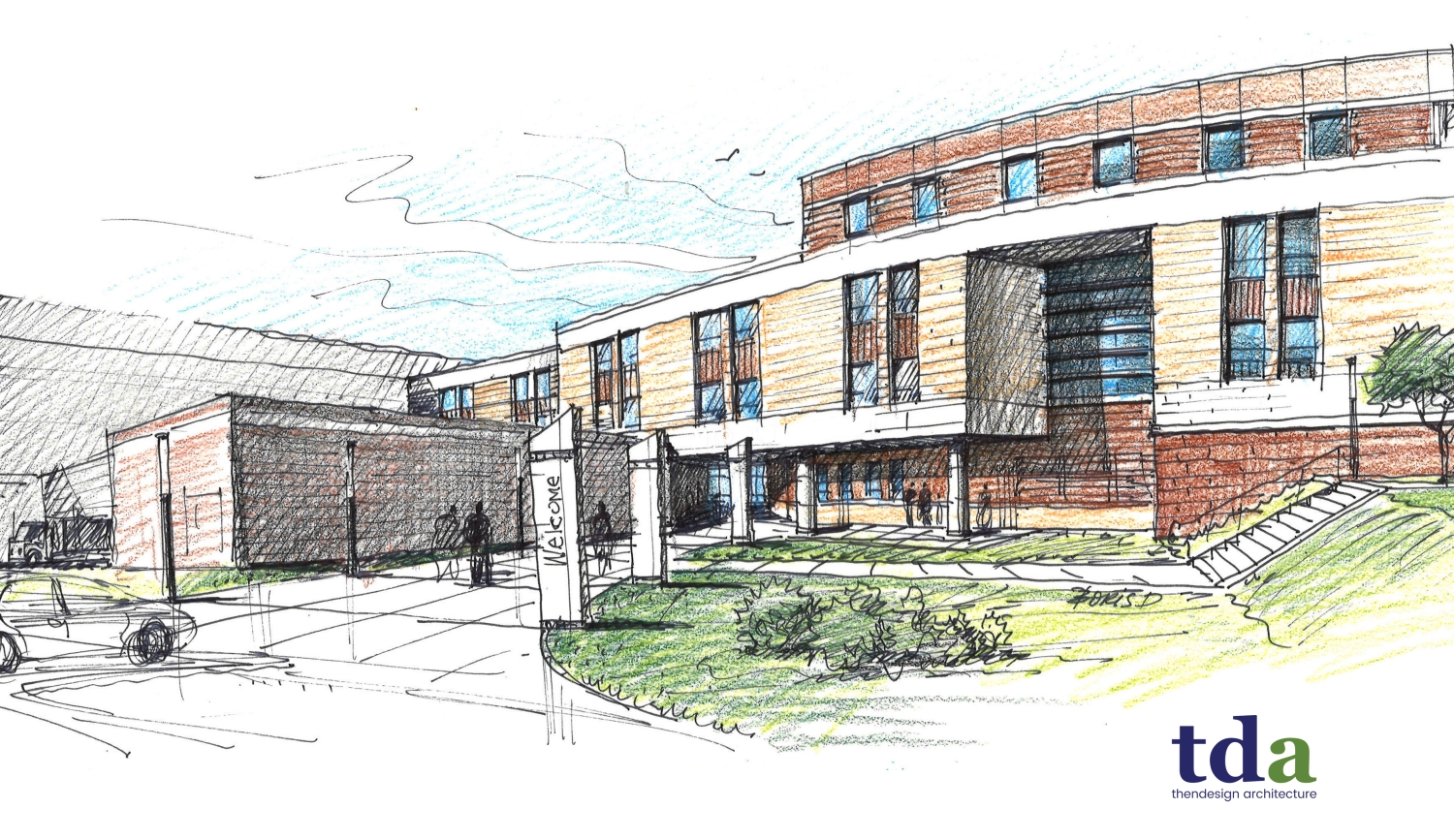
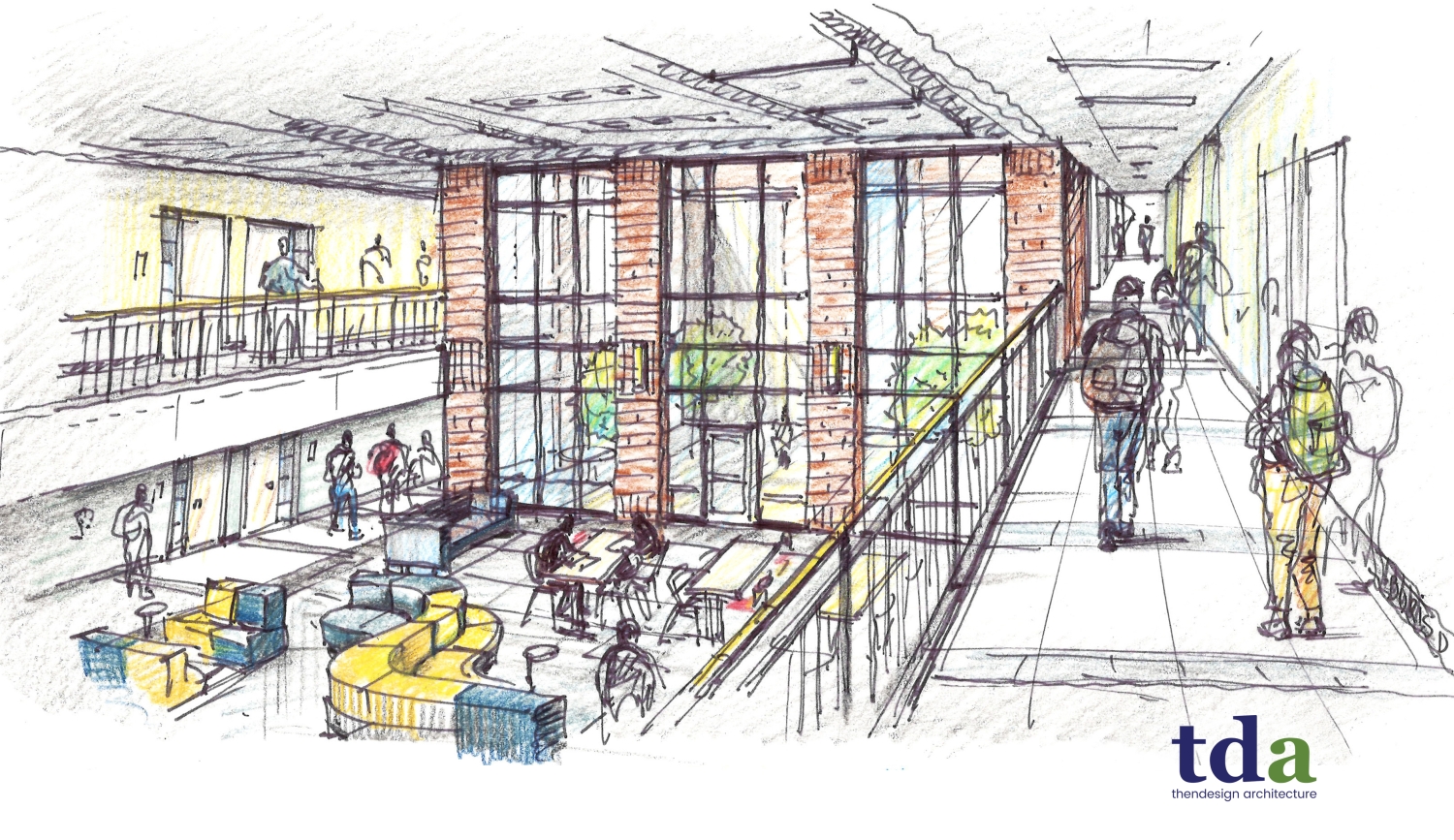
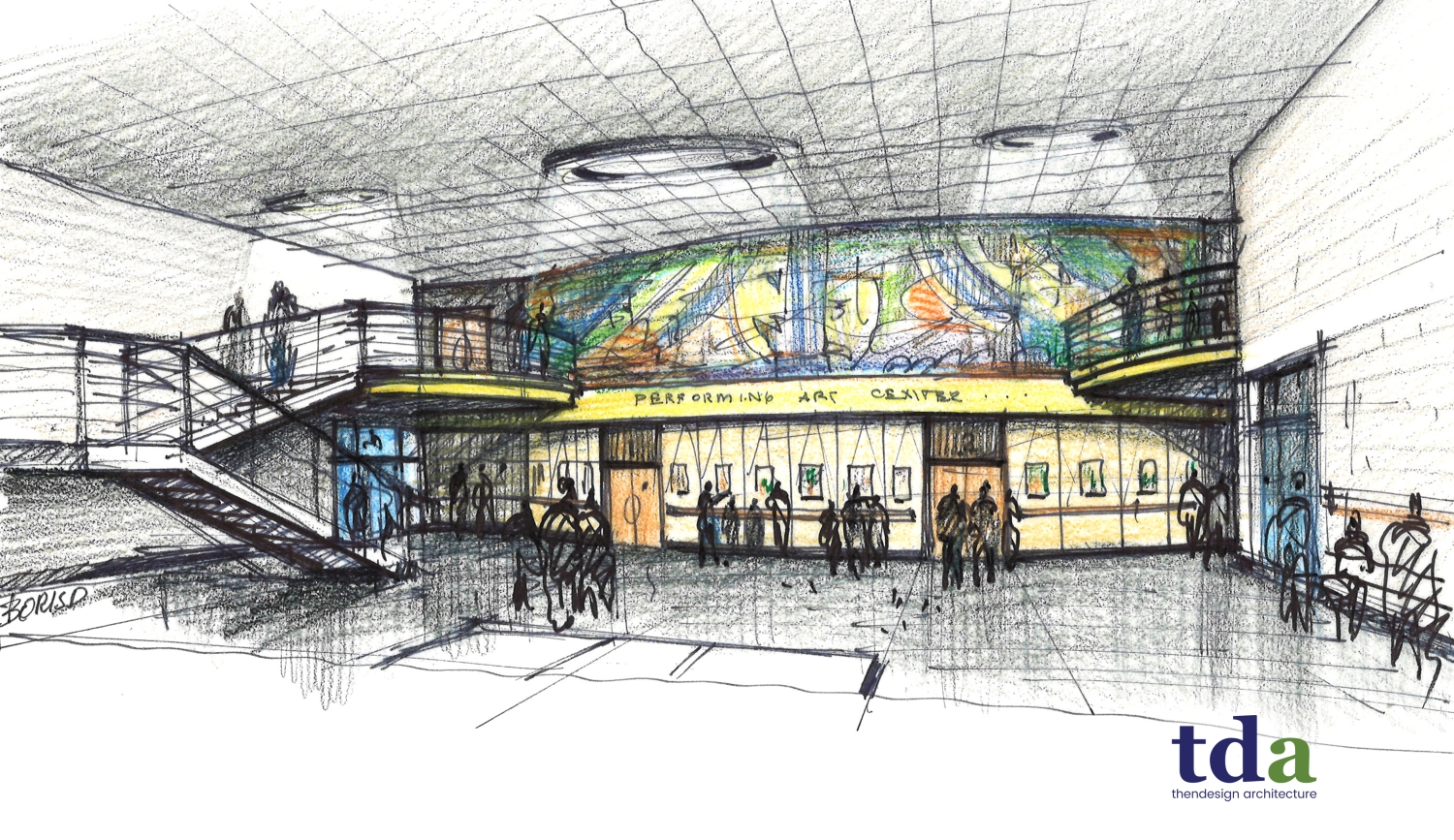
By working quickly between a massing model and conceptual renderings of the building, we can begin to imagine what the final building will look like. While imagery is still conceptual and being refined, the following perspectives provide a glimpse into the final design.

13th Street Entrance

West Entrance

Academic Space

Auditorium

Stadium

“It is exciting to see the ideas of having outside areas and courtyards for student dining, learning areas and these beautiful plazas. Isn’t that what we learned with COVID-19? You should be outside as much as possible to benefit your mental health.”
Cuyahoga Falls Parent

Next Steps for the Cuyahoga Falls 6-12 Campus

Over the next several months, the District and architectural team will be meeting with educators to continue developing the interior of building. This will include the layout of academic areas, shared and collaborative spaces along with discussing interior finishes and furniture.

The whole team is committed to developing the best facility to provide greater educational value for Cuyahoga Falls City School Students and meet the needs of the community.

Let’s work together to make education better. Interested in speaking with us? Get in touch!

Ryan Caswell

Ryan Caswell

Ryan is a communications specialist who is passionate about using digital media to further the goals of organizations and communities in Northeast Ohio. With a background in construction and a degree in architecture, he spent over a decade in corporate video production and brings this mindset to videography, editing, photography and content marketing. He is passionate about supporting the arts, and can be found hiking in the parks system.

Oberlin City Schools Elementary School Ribbon Cutting

Oberlin City Schools Elementary School Ribbon Cutting
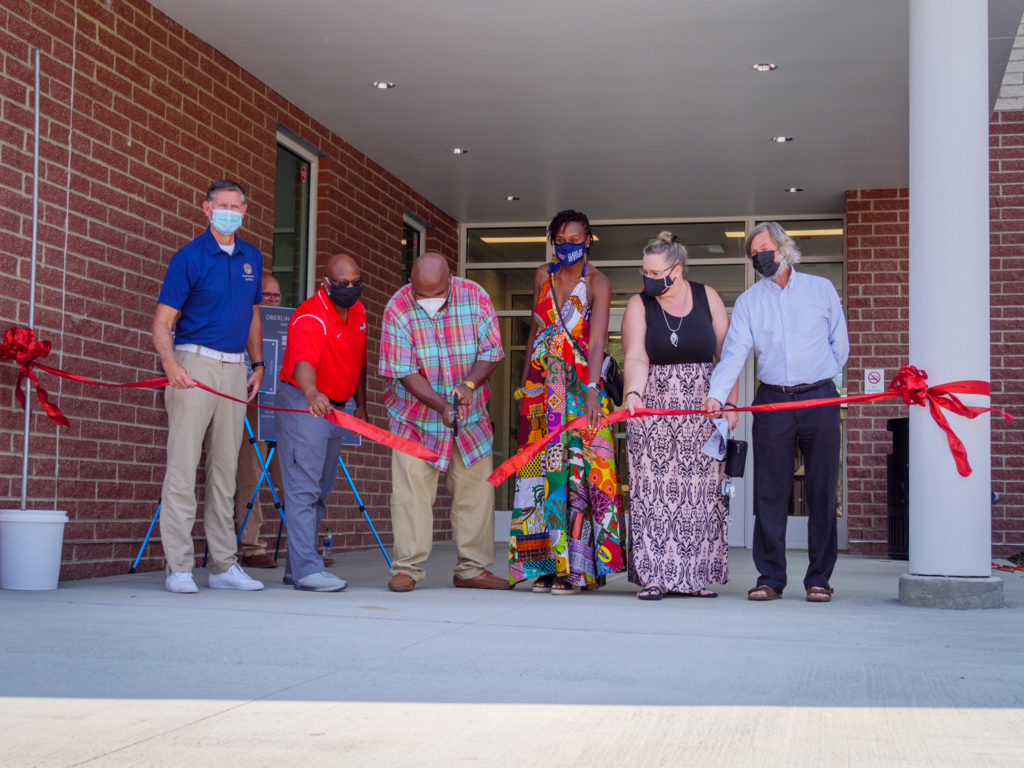
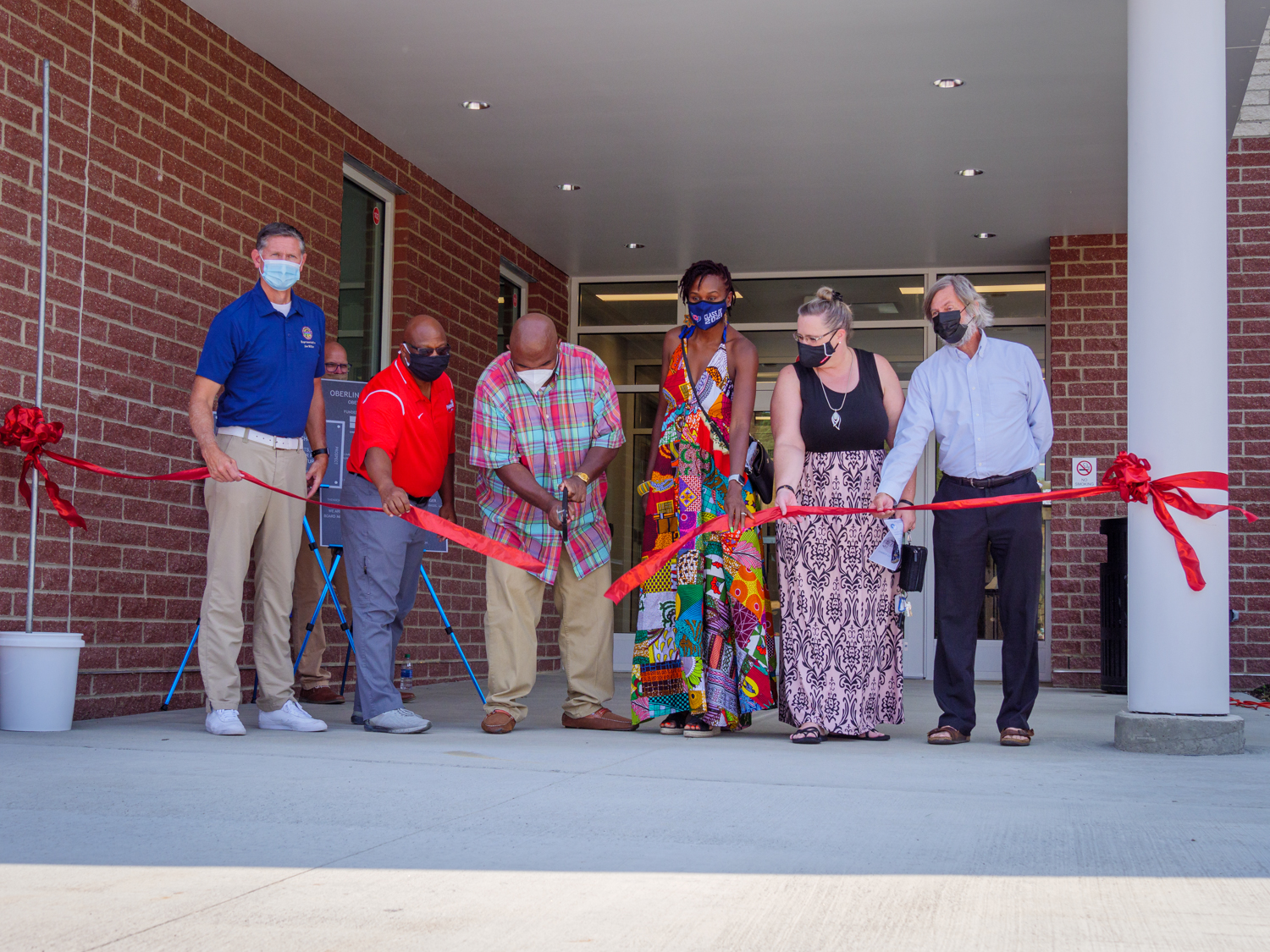
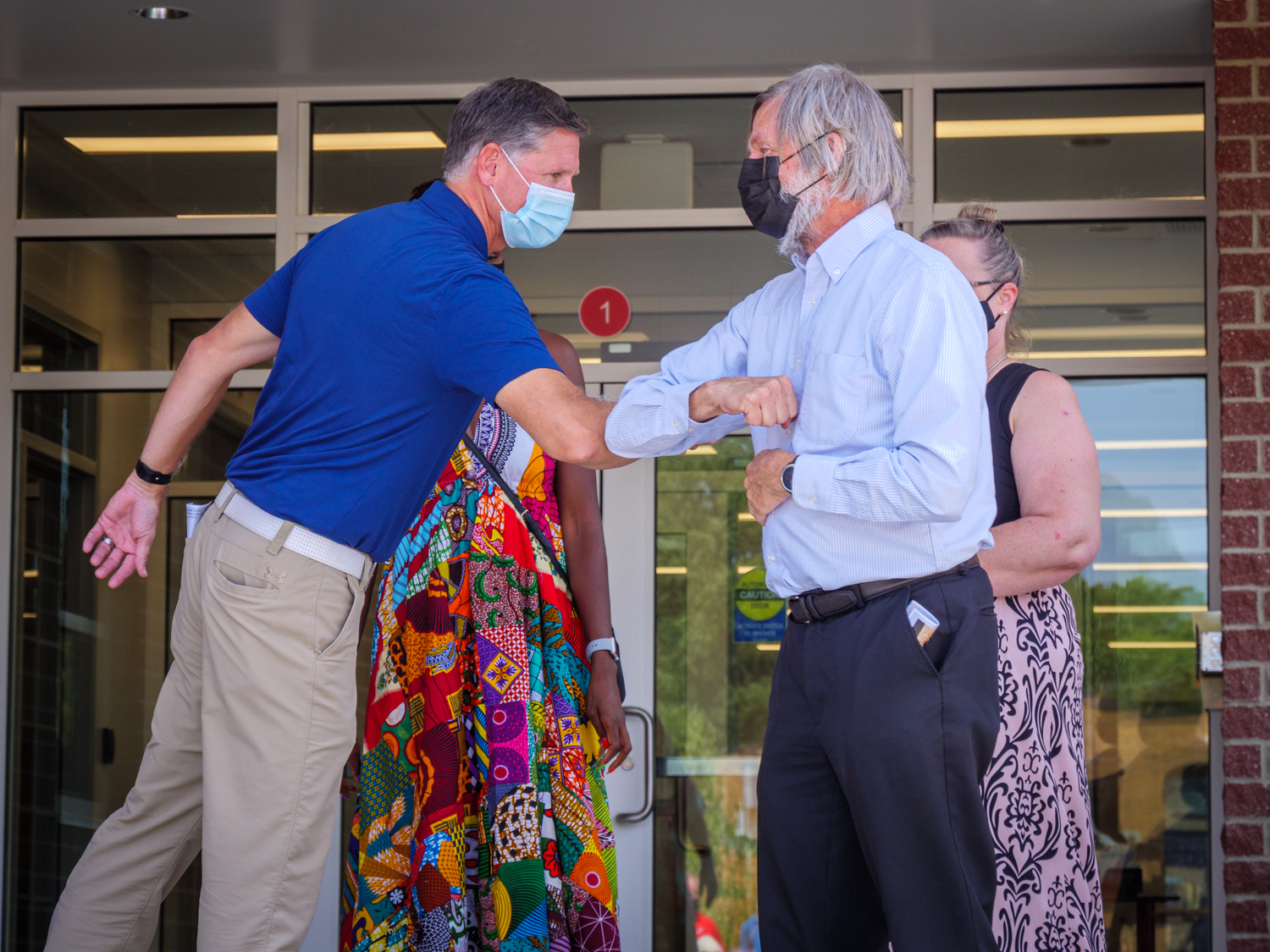
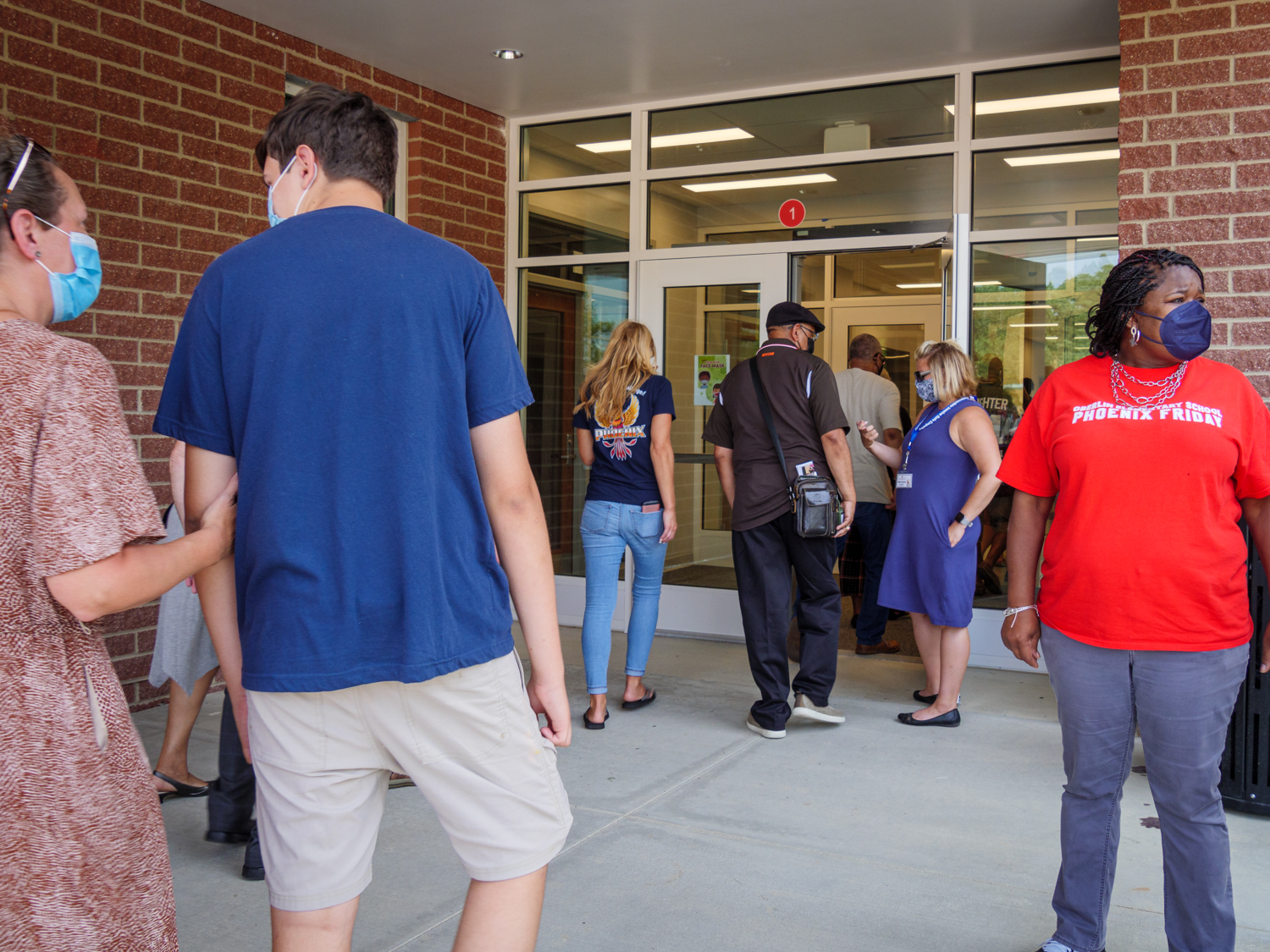
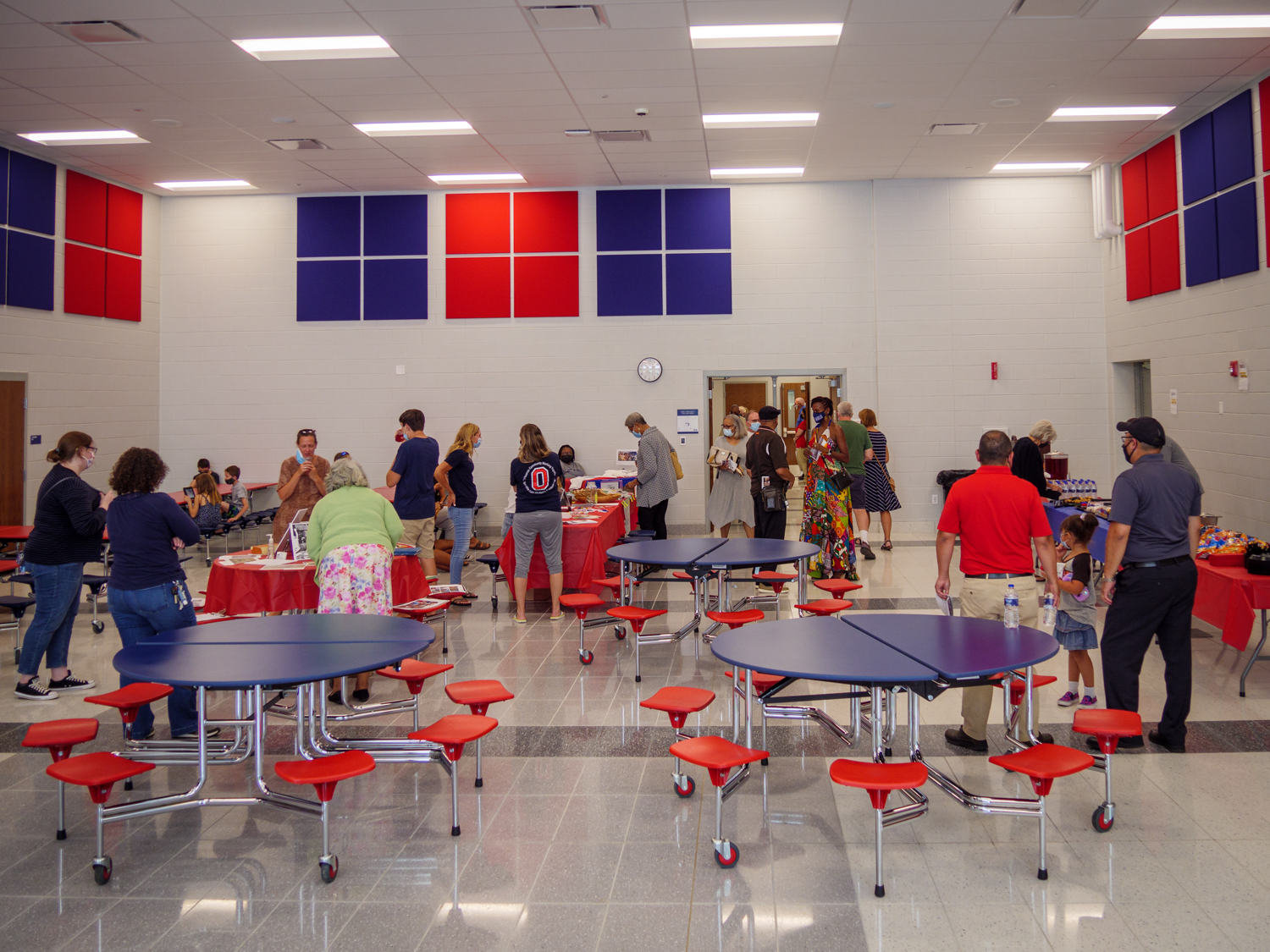
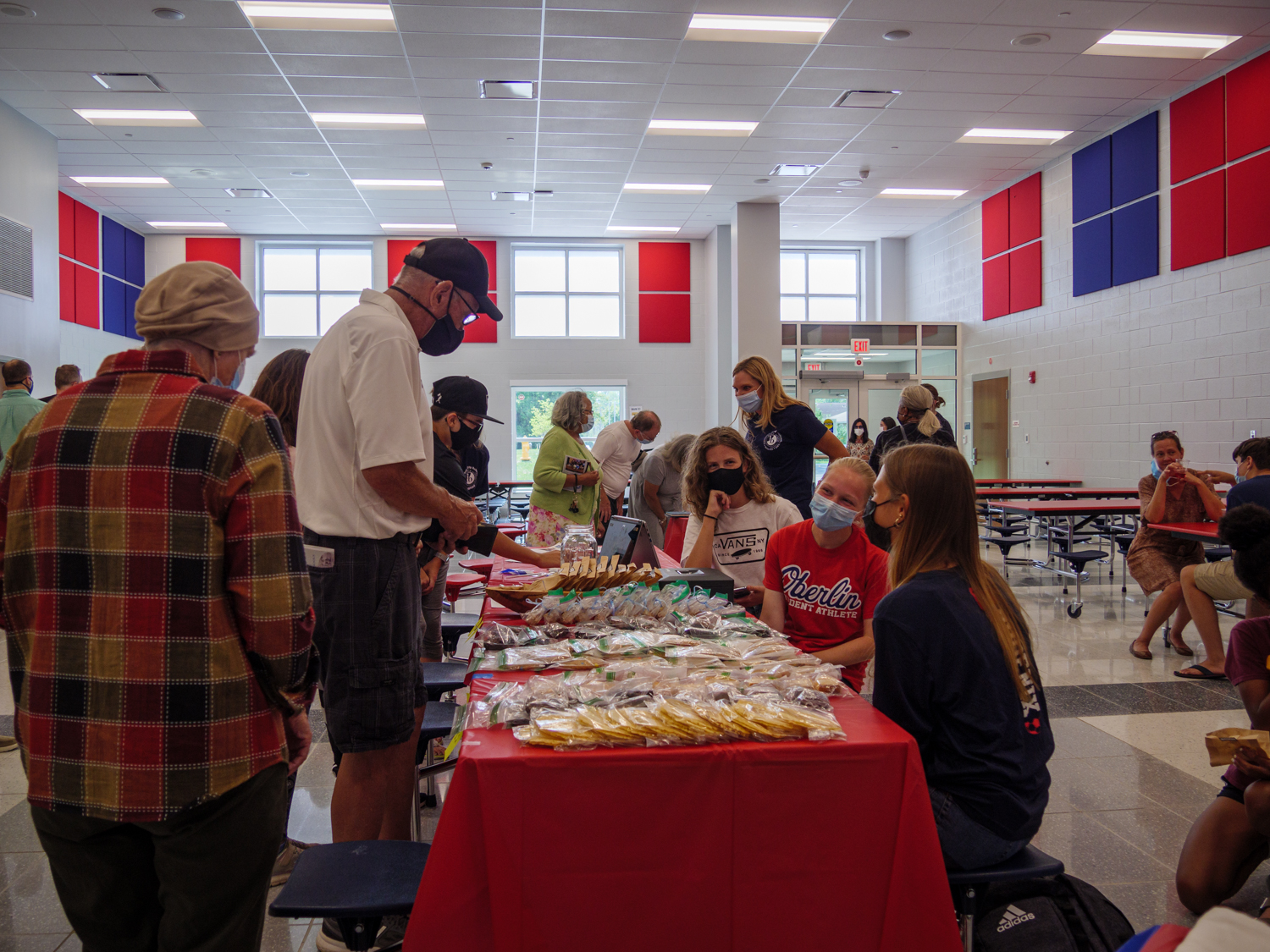
The Oberlin City School District celebrated a Ribbon Cutting Ceremony for their new Pre-K through fifth grade elementary school. Attended by the community, district officials and other dignitaries, the new elementary school provides a modern, collaborative learning environment and features environmentally friendly features that make it a model for sustainable school design.

Oberlin City Schools Elementary School Ribbon Cutting

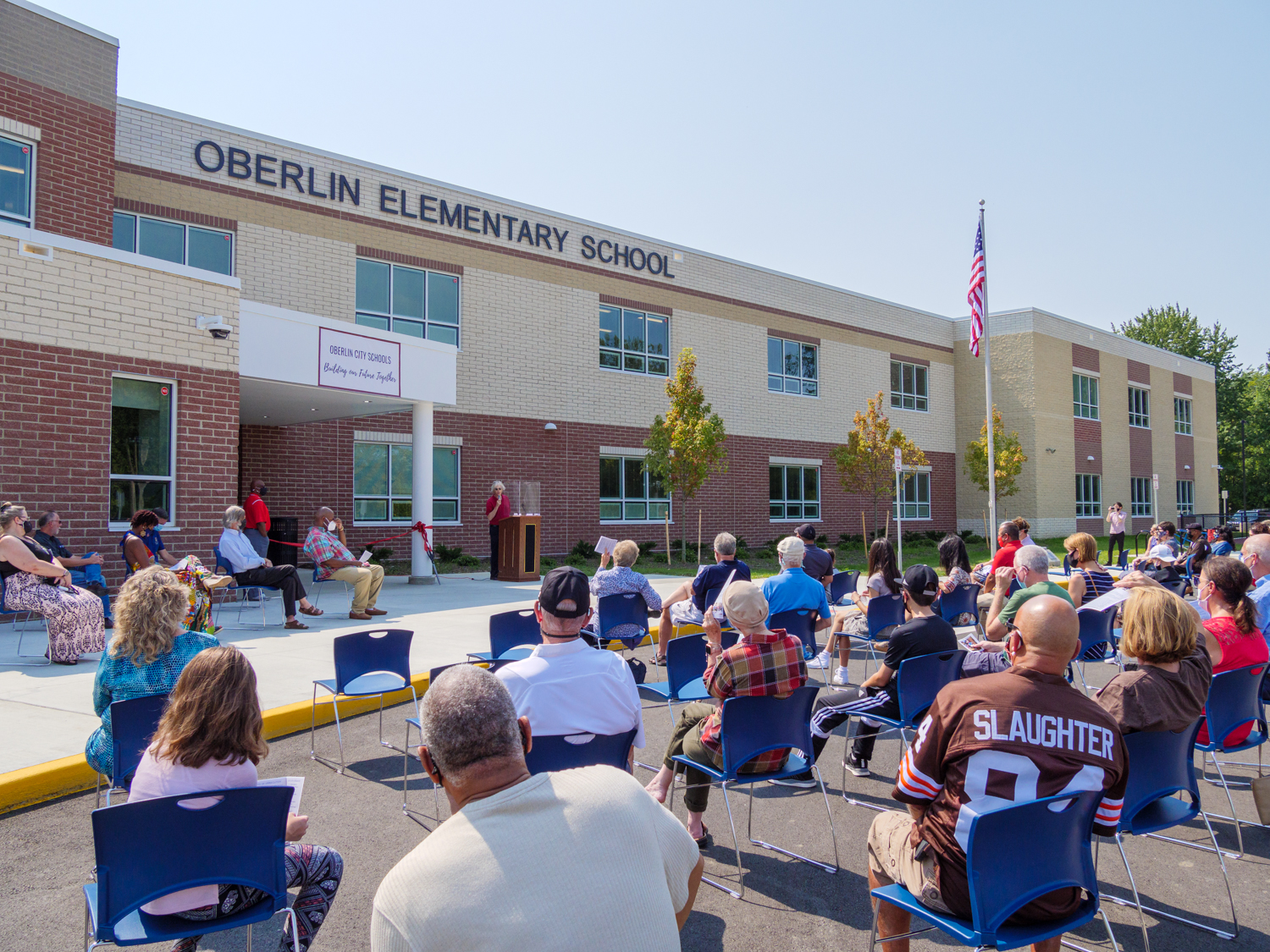
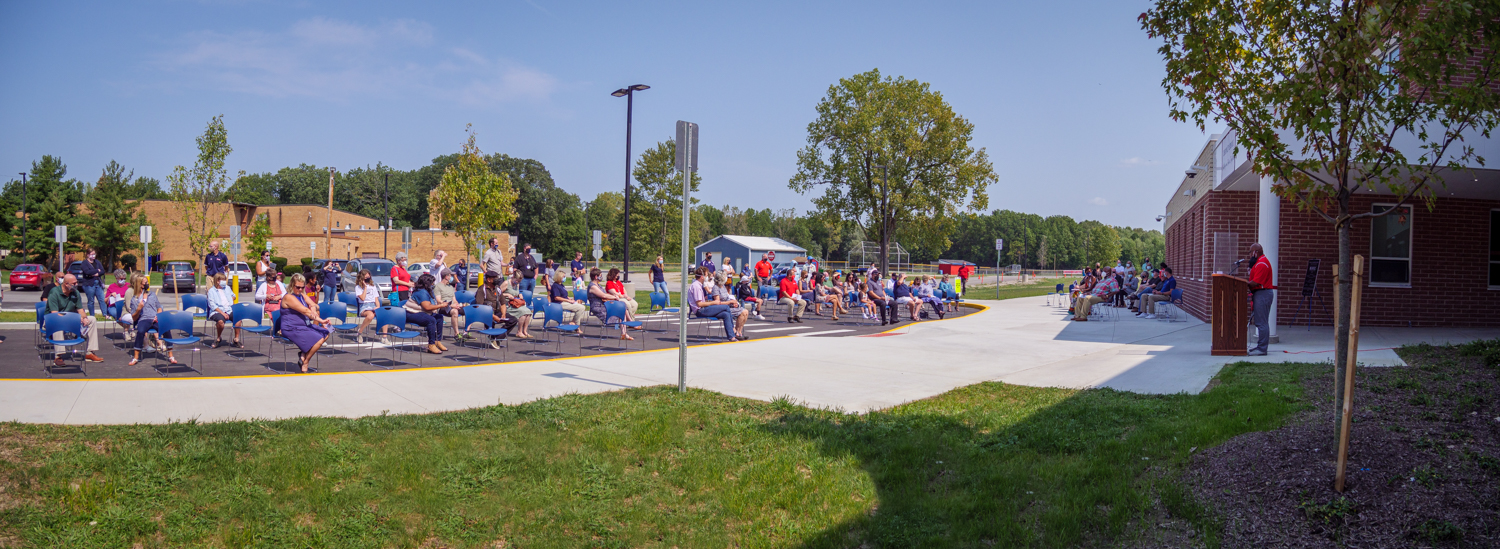
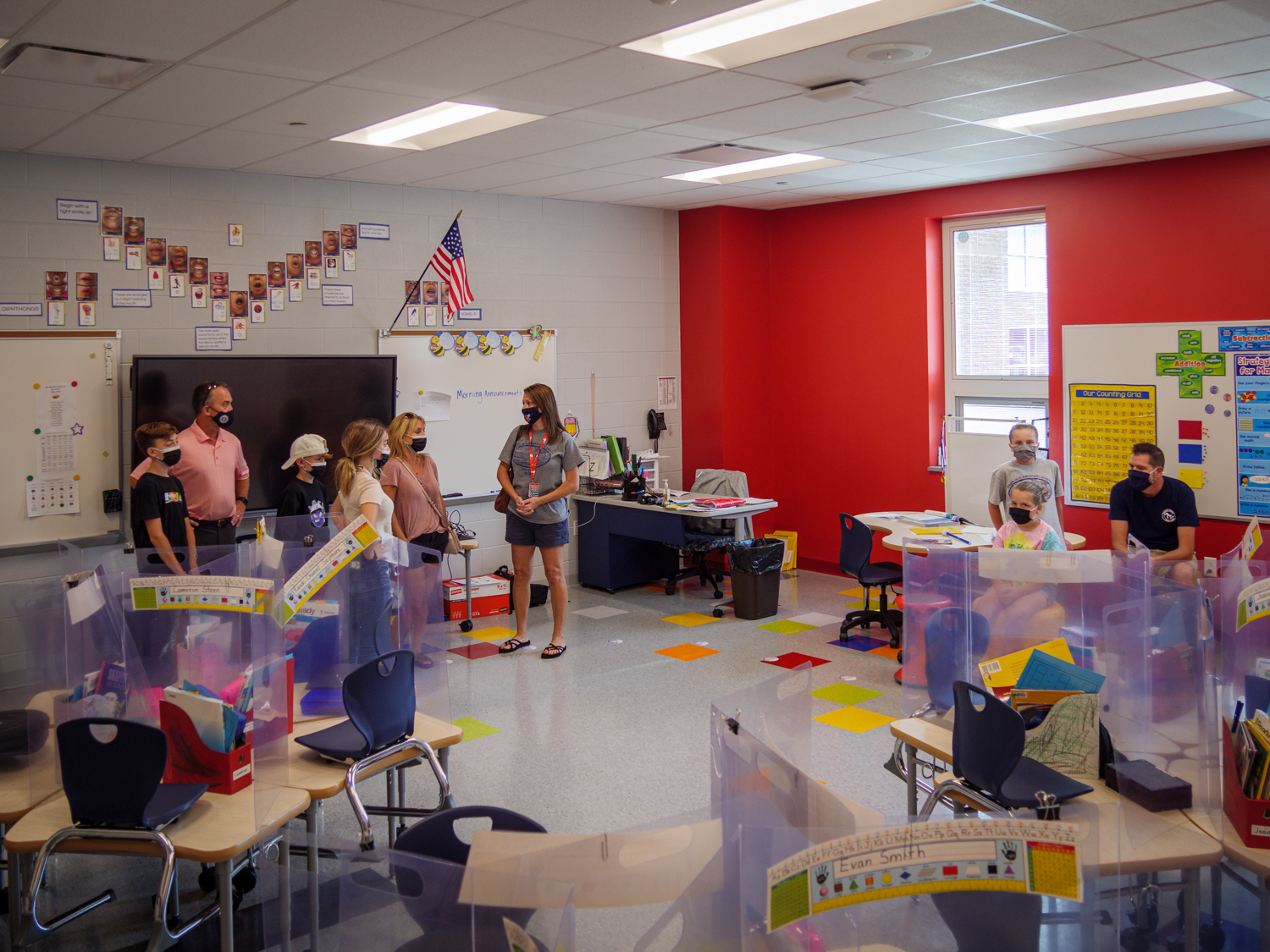
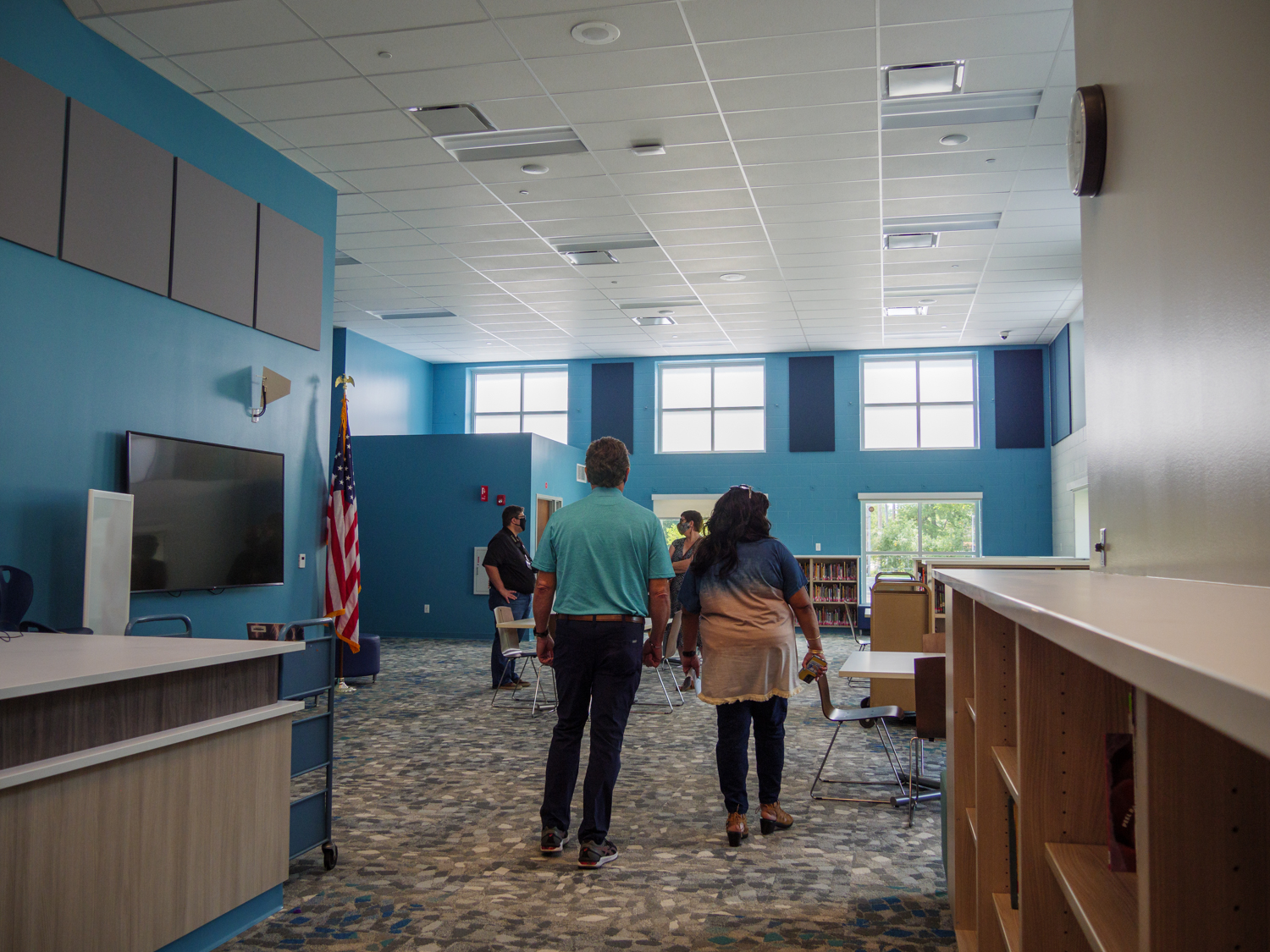
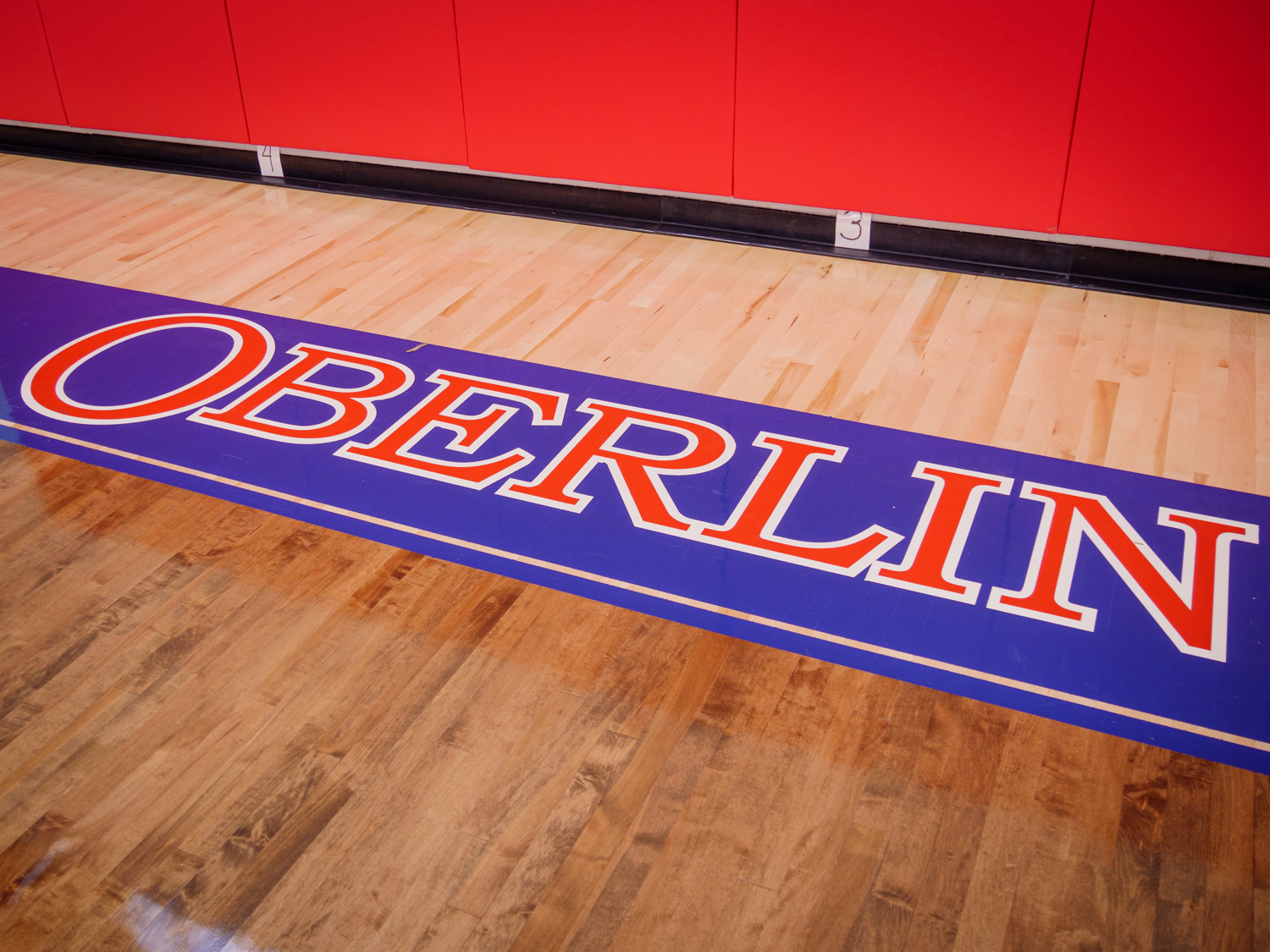
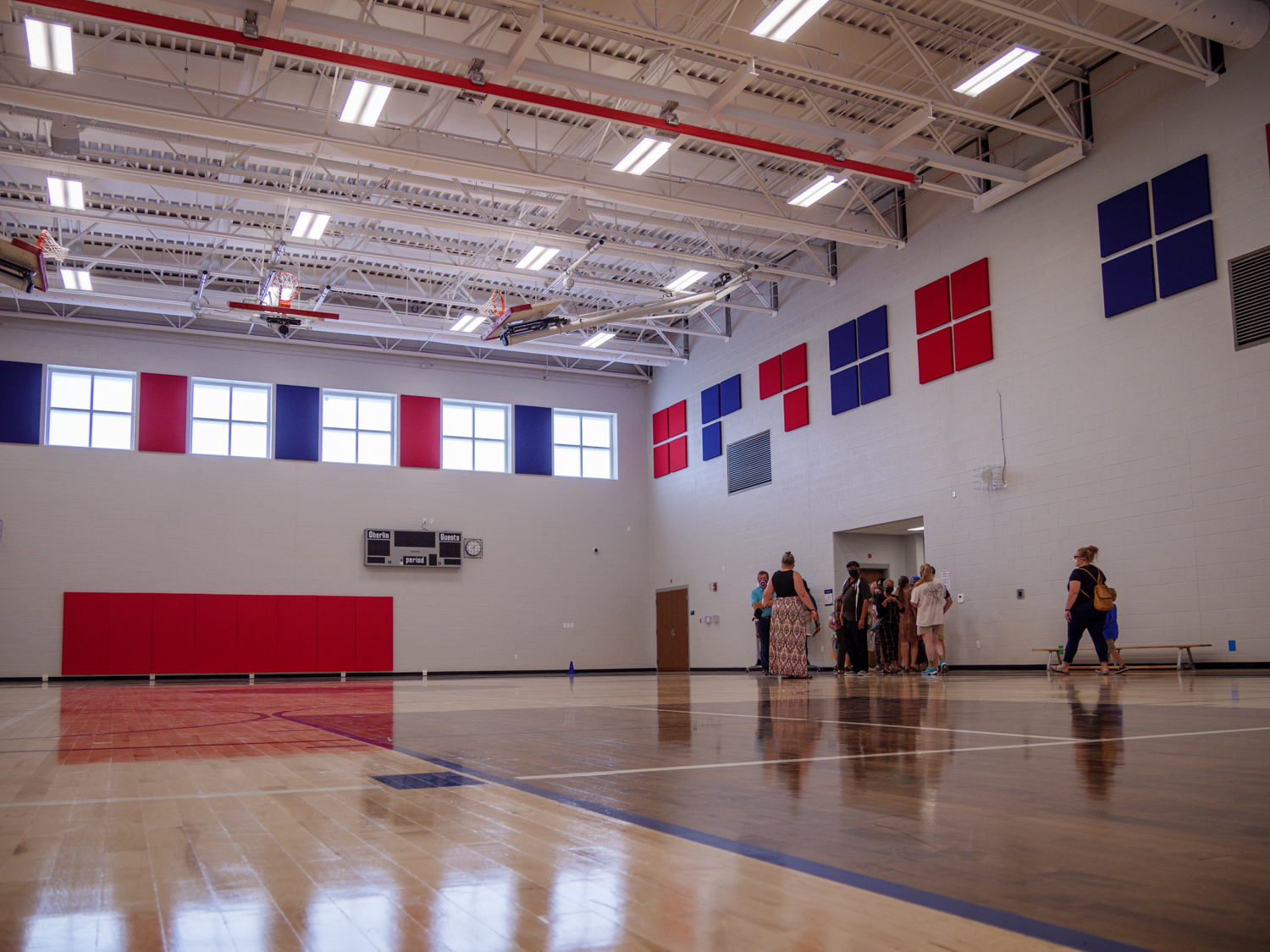
The Oberlin City School District, community, dignitaries along with construction and design professionals gathered on September 12th, to celebrate the opening of the new Oberlin elementary school. This 62,000 sf, 21st century learning facility, features collaborative spaces and advanced environmental control systems. Interior spaces can be reconfigured to meet the changing needs of the district and provide educational opportunities for students of all ages.

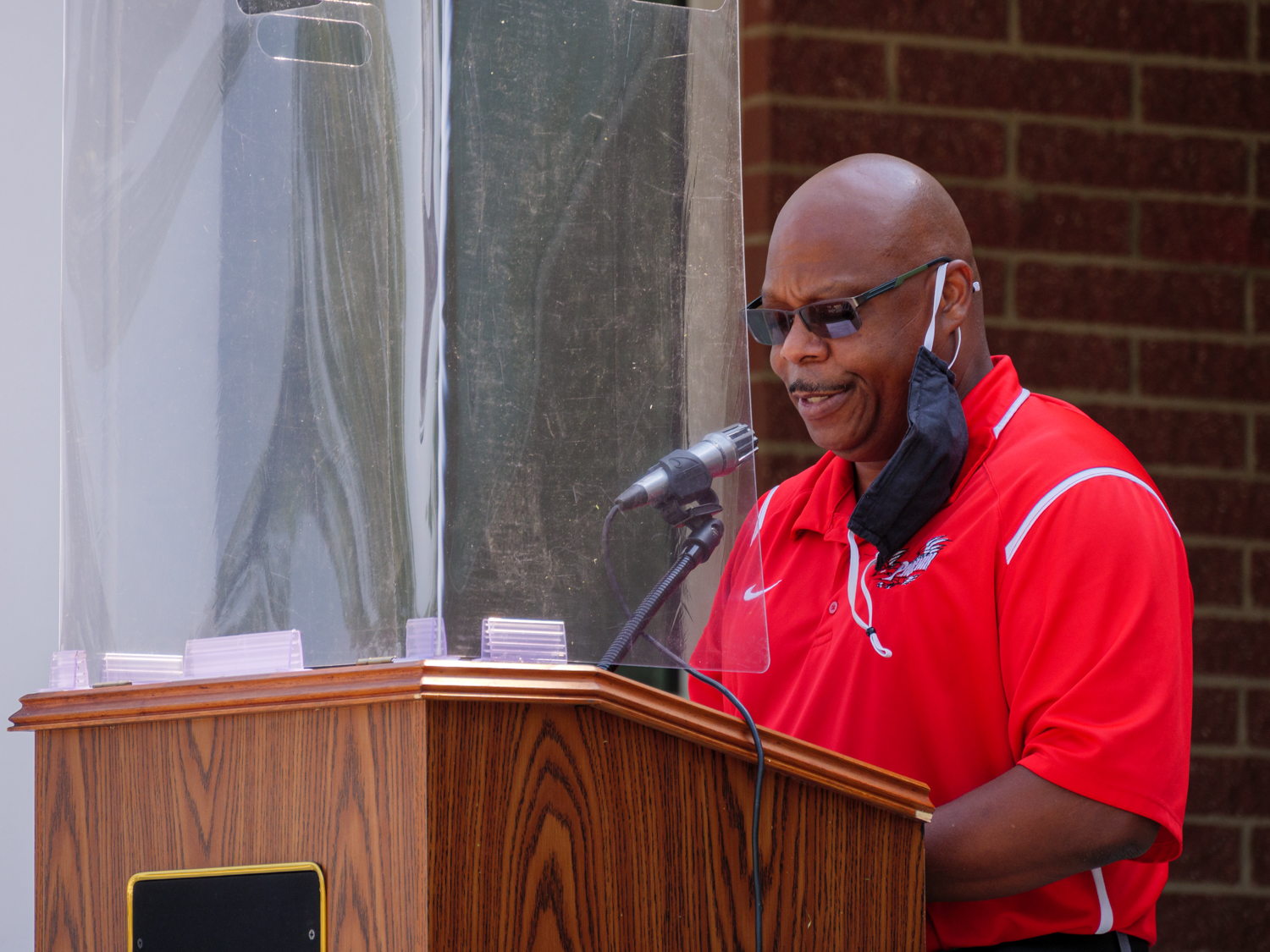
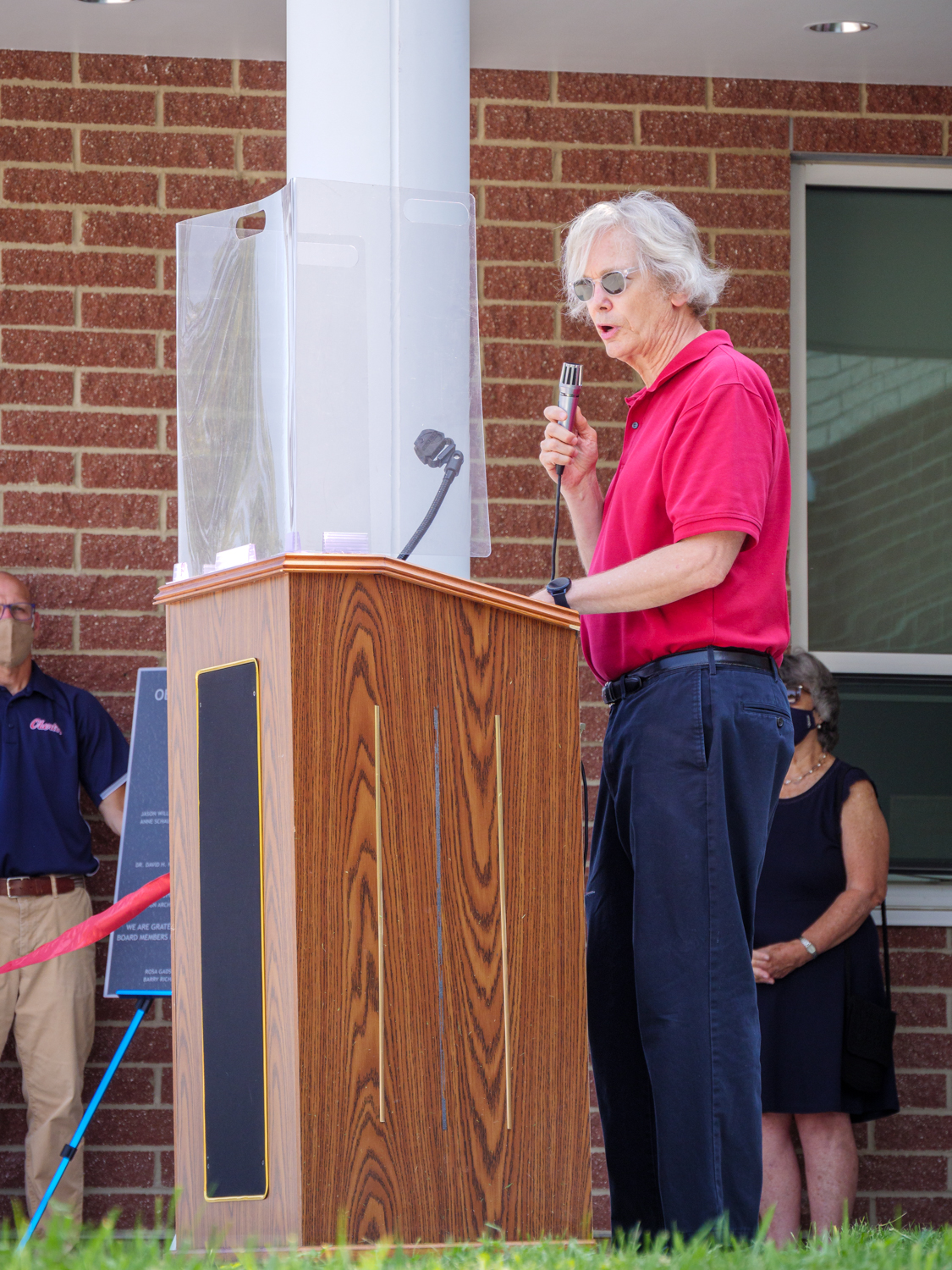
Speaking at the ceremony, Dr. David Hall commented, “Oberlin City Schools embarked on a journey almost 10 years ago to redesign our pre-K 12 facilities. This journey was led by instrumental community leaders,” referring to previous superintendent John Schroth and former OCS Board President Barry Richards. “A facilities team was formed consisting of community members, staff, parents and administrators to make that vision a reality. It implements 21st century teaching strategies across a new facility and all of these stages were critical points to move the district forward.”

Dr. Hall thanked the community for their support of the longtime project.

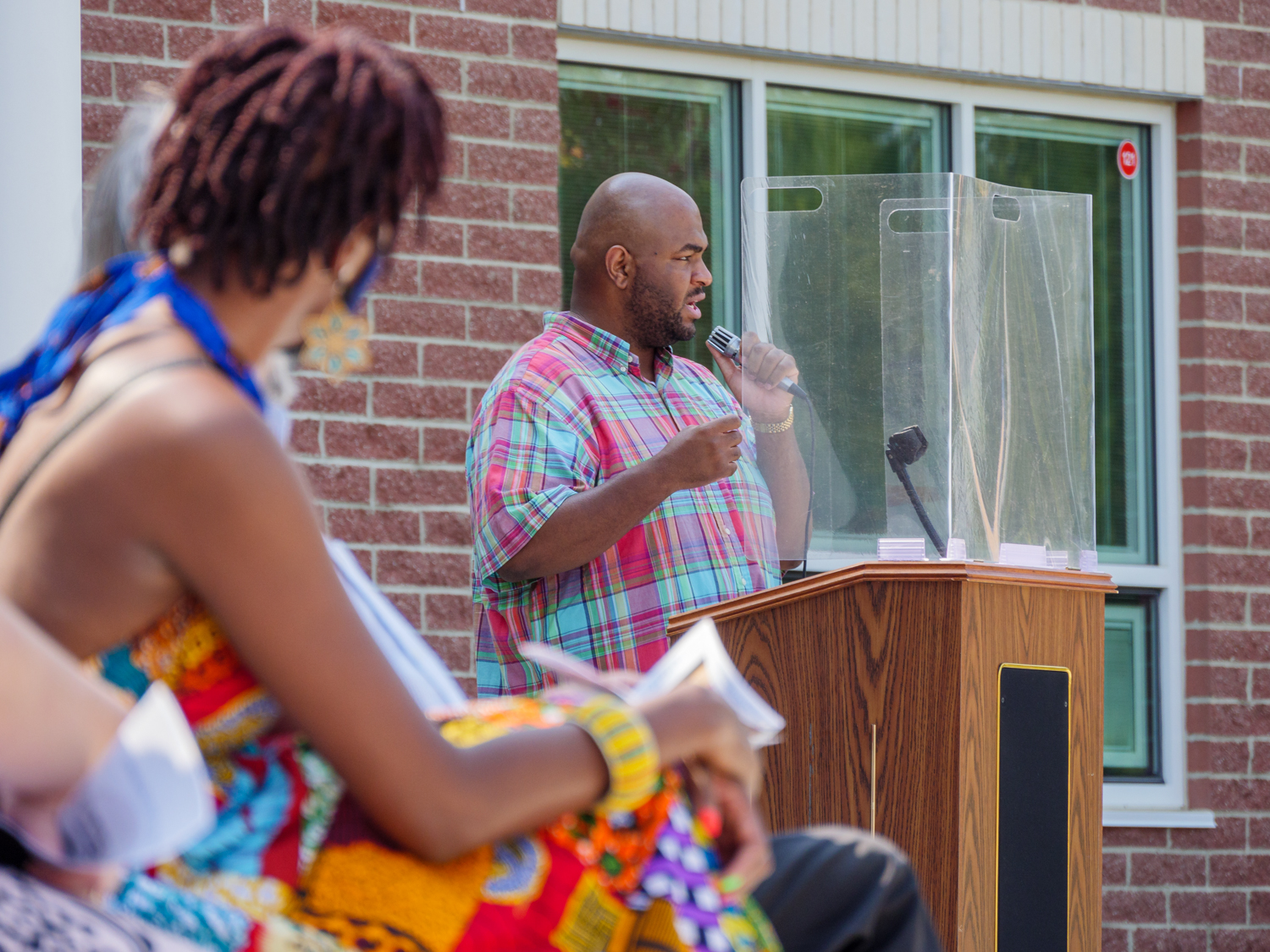
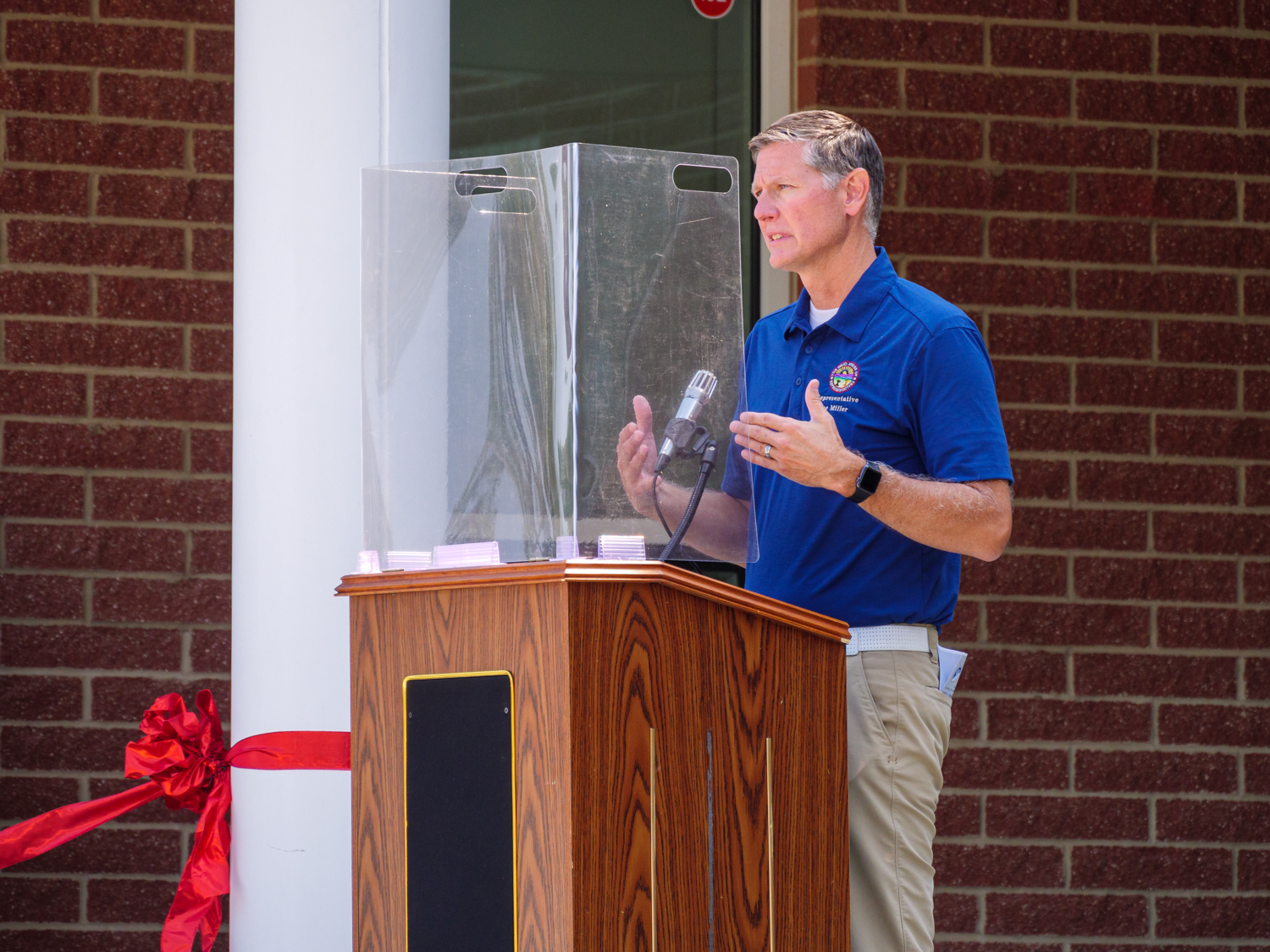
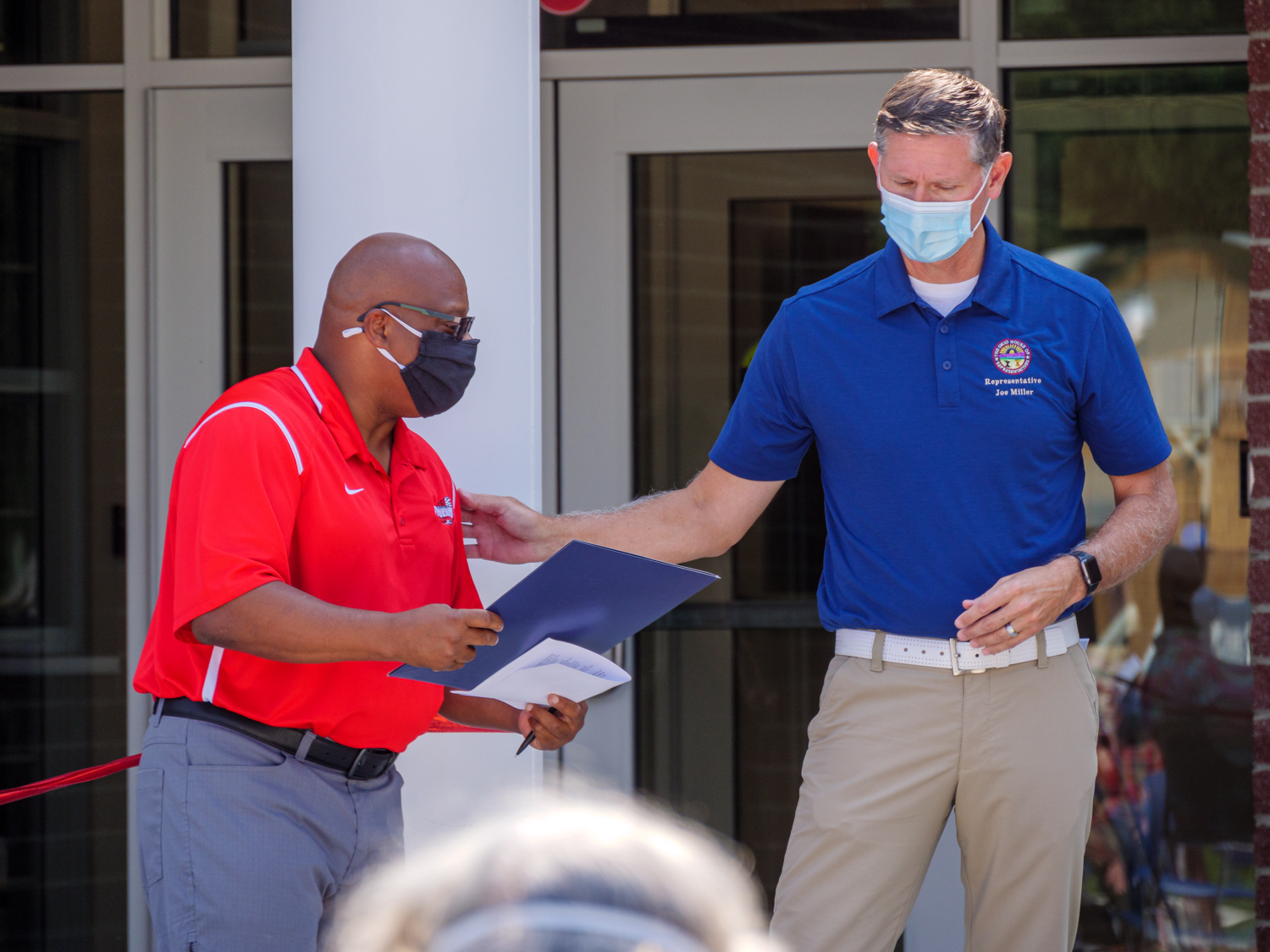
Superintendent of Oberlin City Schools, Dr. David Hall, gave an opening address, along with Oberlin City Schools Board President, Jason Miller and Ohio State Representative Joe Miller and architect, Brad Gellert.

"Oberlin City Schools embarked on a journey almost 10 years ago to redesign our pre-K 12 facilities. This school implements 21st century teaching strategies across the new facility and all of these stages were critical points to move the district forward."
Dr. David Hall
Superintendent of Oberlin City School District

Celebrating a New, Sustainable Elementary School

The facility cost $17.8 million dollars and was a collaborative project that brought together Oberlin residents, Oberlin City School Staff, the Ohio Facilities Construction Commission, City Government, Oberlin College, Greenspace Construction, and ThenDesign Architecture. The project responds to the schools IB curriculum and includes a number of forward-thinking design elements.

Project Manager, Brad Gellert commented, “The district and community had a goal in mind of creating a building that met current the needs of Pre-K through 5th grade students and also the future student needs by constructing a building that could be reconfigured due to changing conditions.”

As a result, the building features a STEAM (Science, Technology, Engineering, Arts, Mathematics) Lab, an extended gymnasium space, open and flexible classroom spaces, advanced environmental controls, and an emotional sensory room.

Dr. Hall spoke about the importance of the building’s environmental impact, “Sustainability is important to the district and our community.” Continuing the theme of a collaborative design project, Dr. Hall recalled, “We created a sustainability committee which provided valuable information on our new Pre-K-5 sustainability initiatives.” These initiatives included, a solar installation that provides 80% of the building’s energy needs, electrical power vehicle charging stations and an environmental dashboard that monitors energy use.

This environmental dashboard, which was partially funded by a grant from Oberlin College Green Edge Fund, can be used by future students to better understand how the building’s energy use affects the environment.

Other low-cost sustainability measures included enhanced insulation in the building’s envelope, orienting the building so its longest side faces north, while also adding larger windows to that façade. This minimizes heat gain and the need for greater cooling.

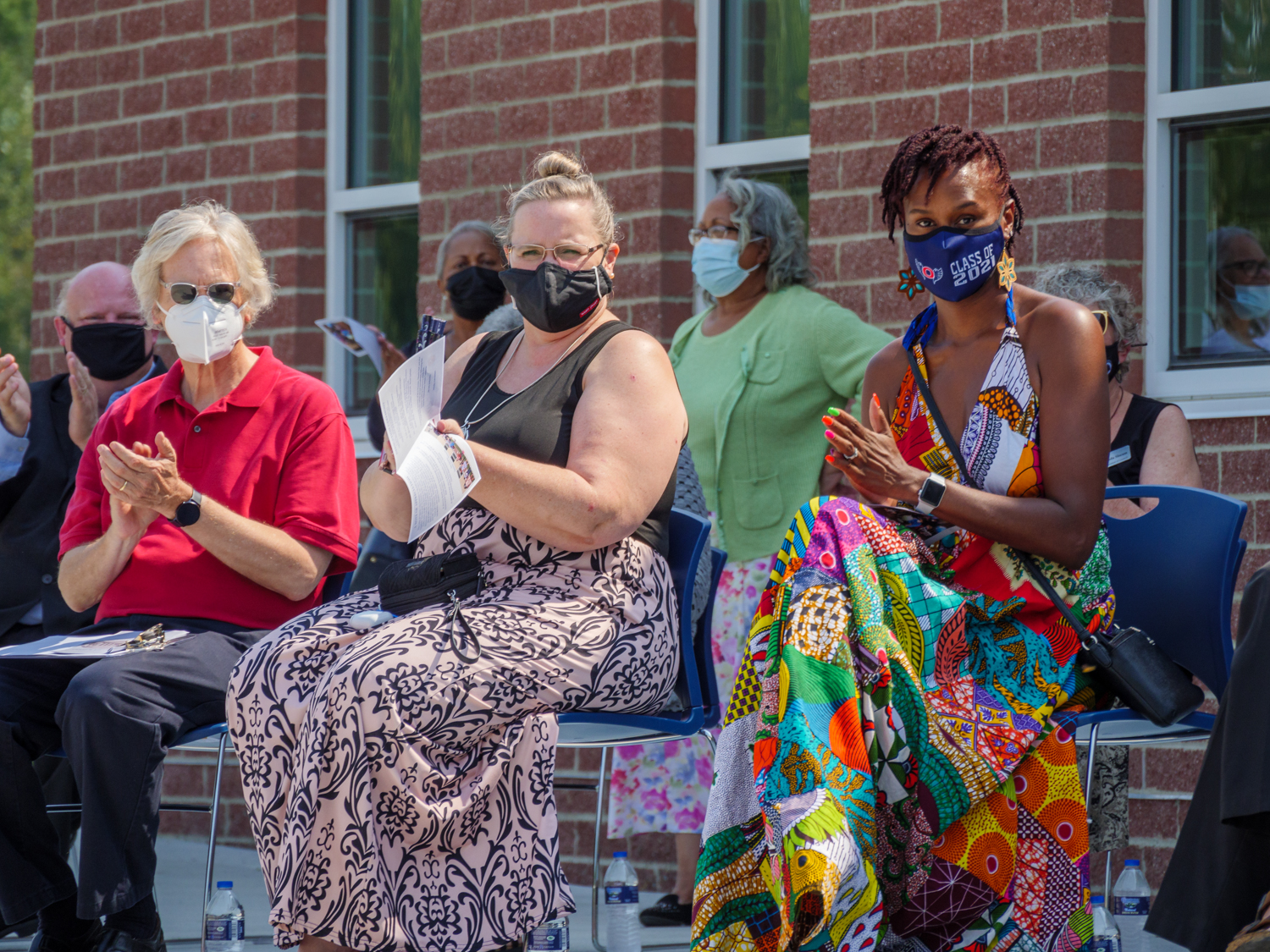
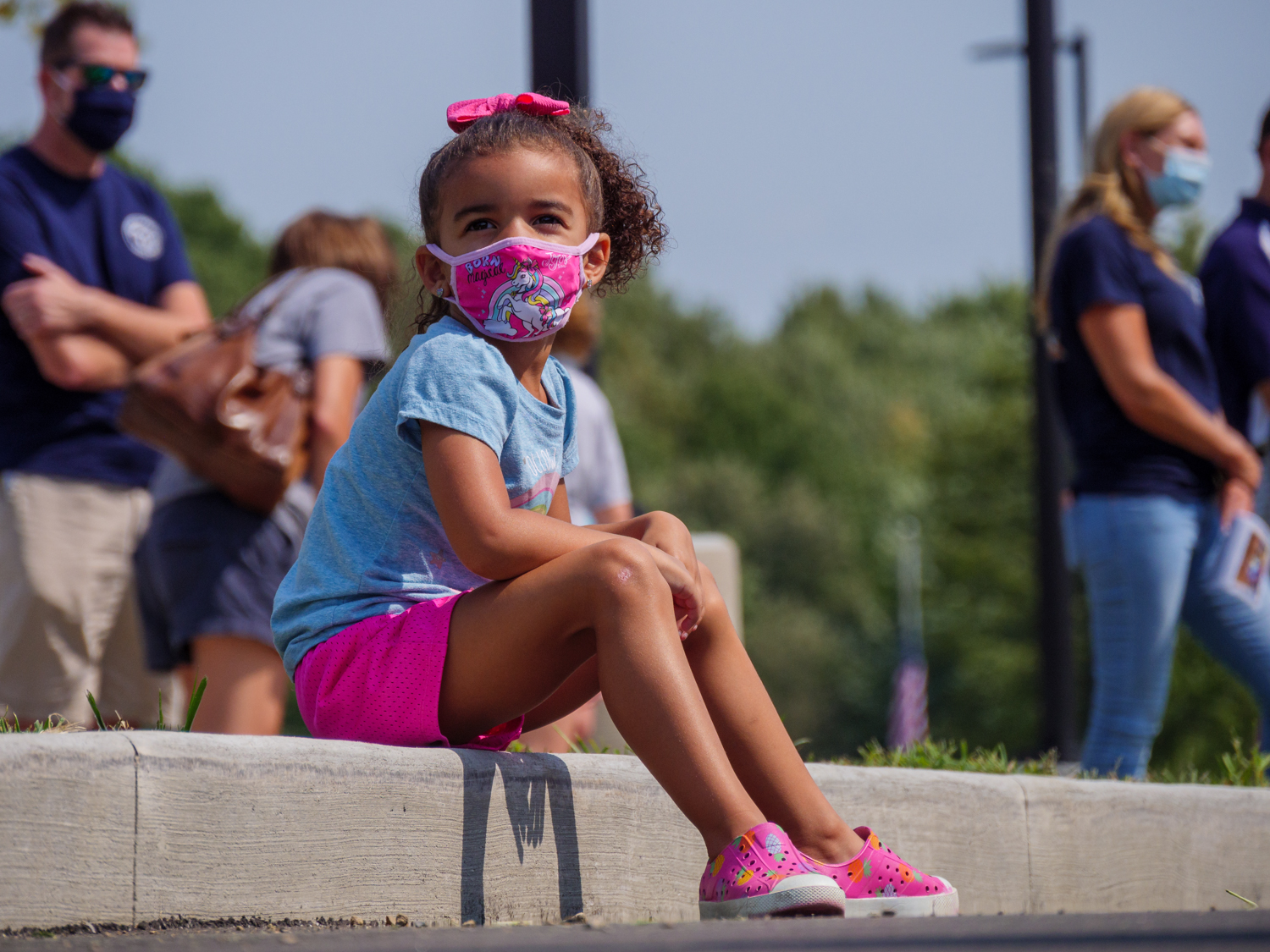
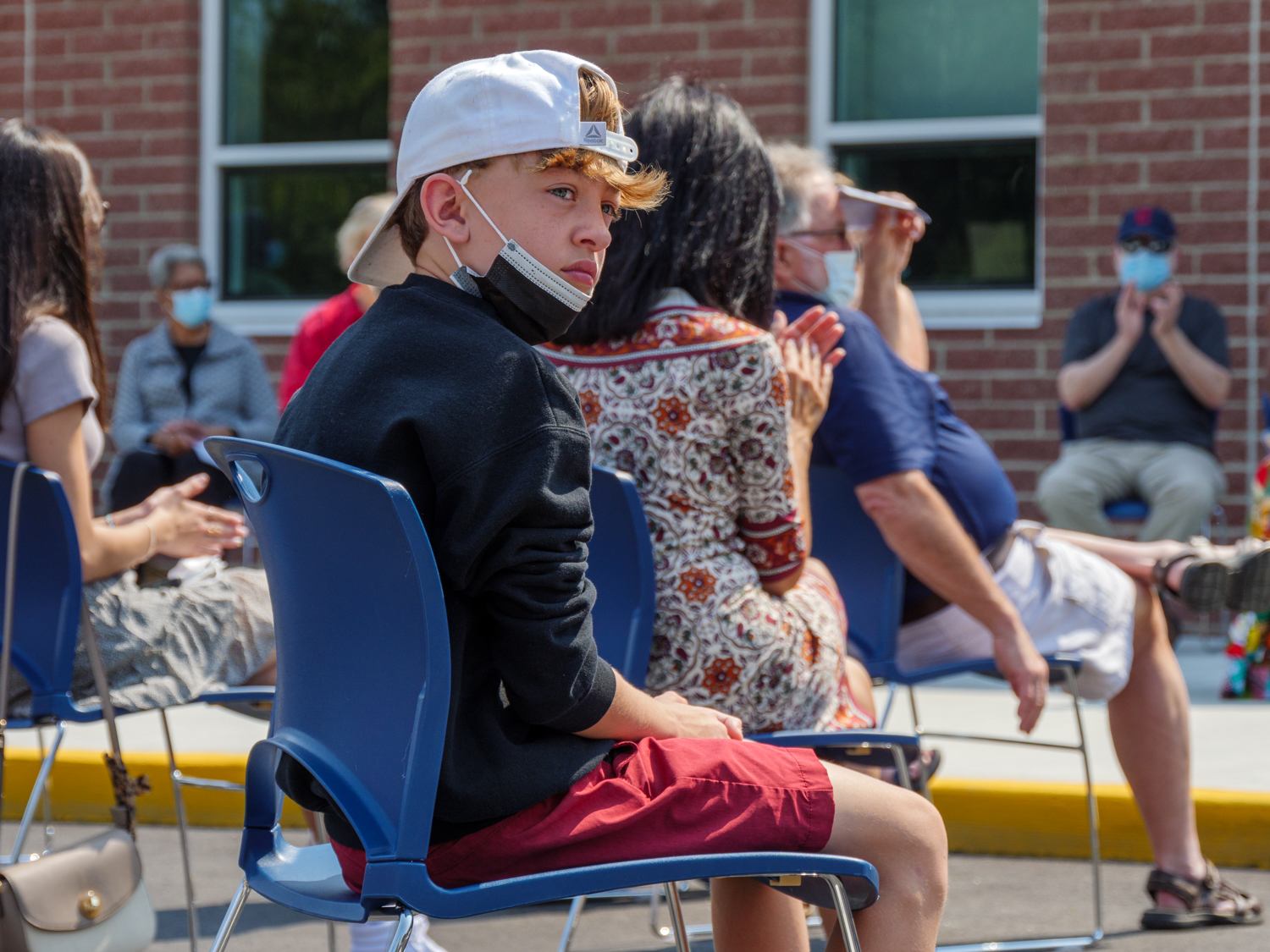
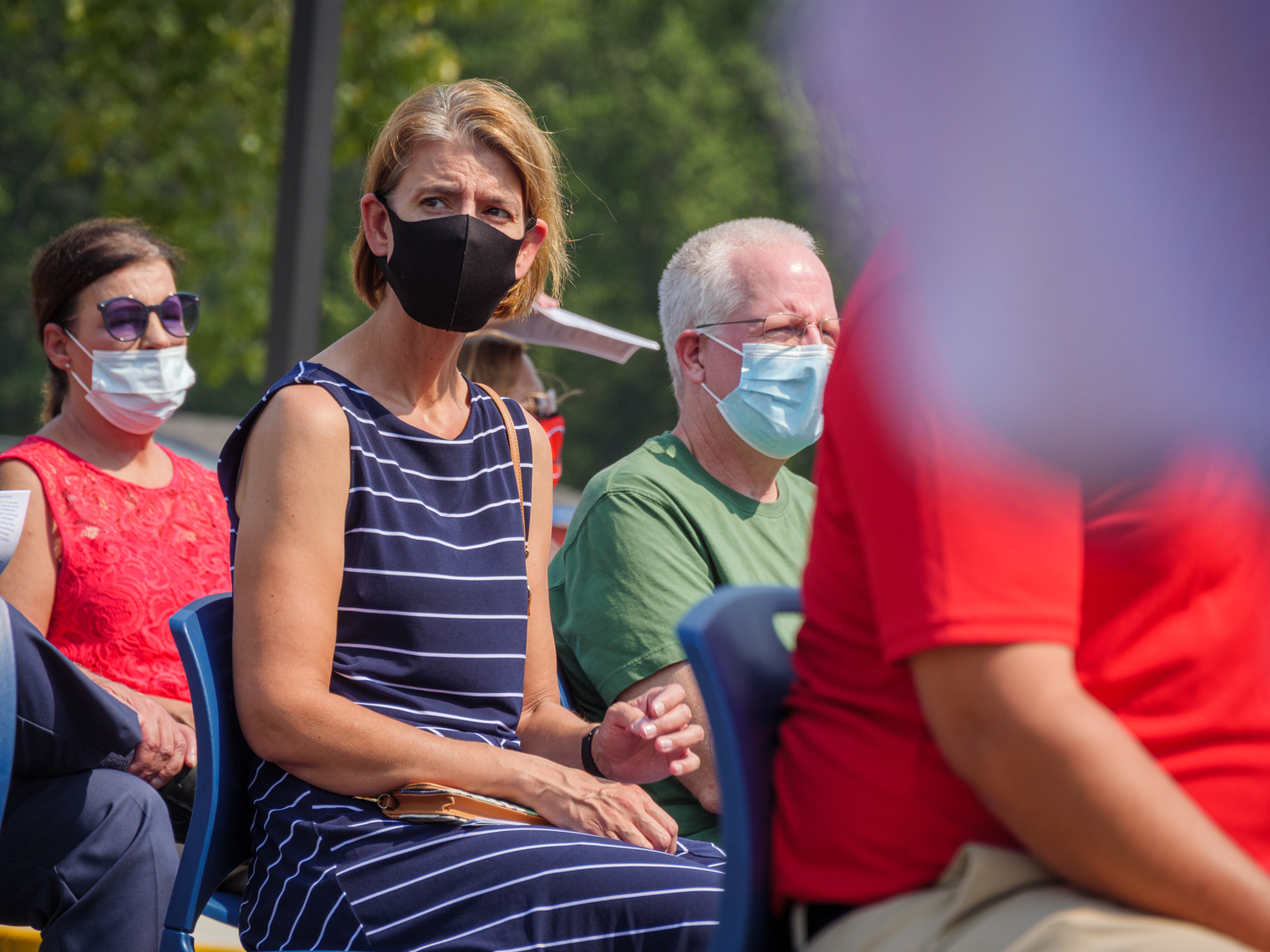
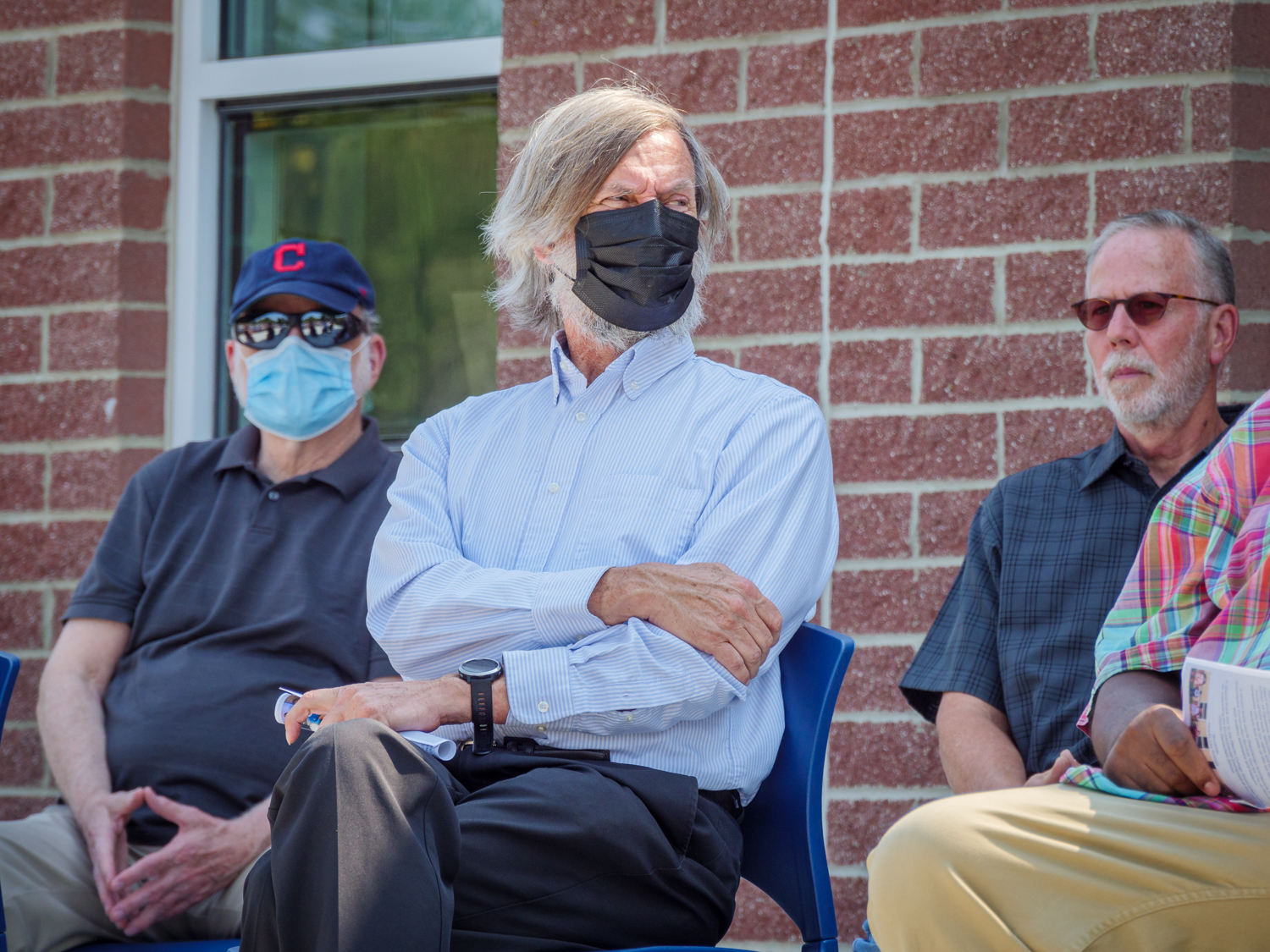
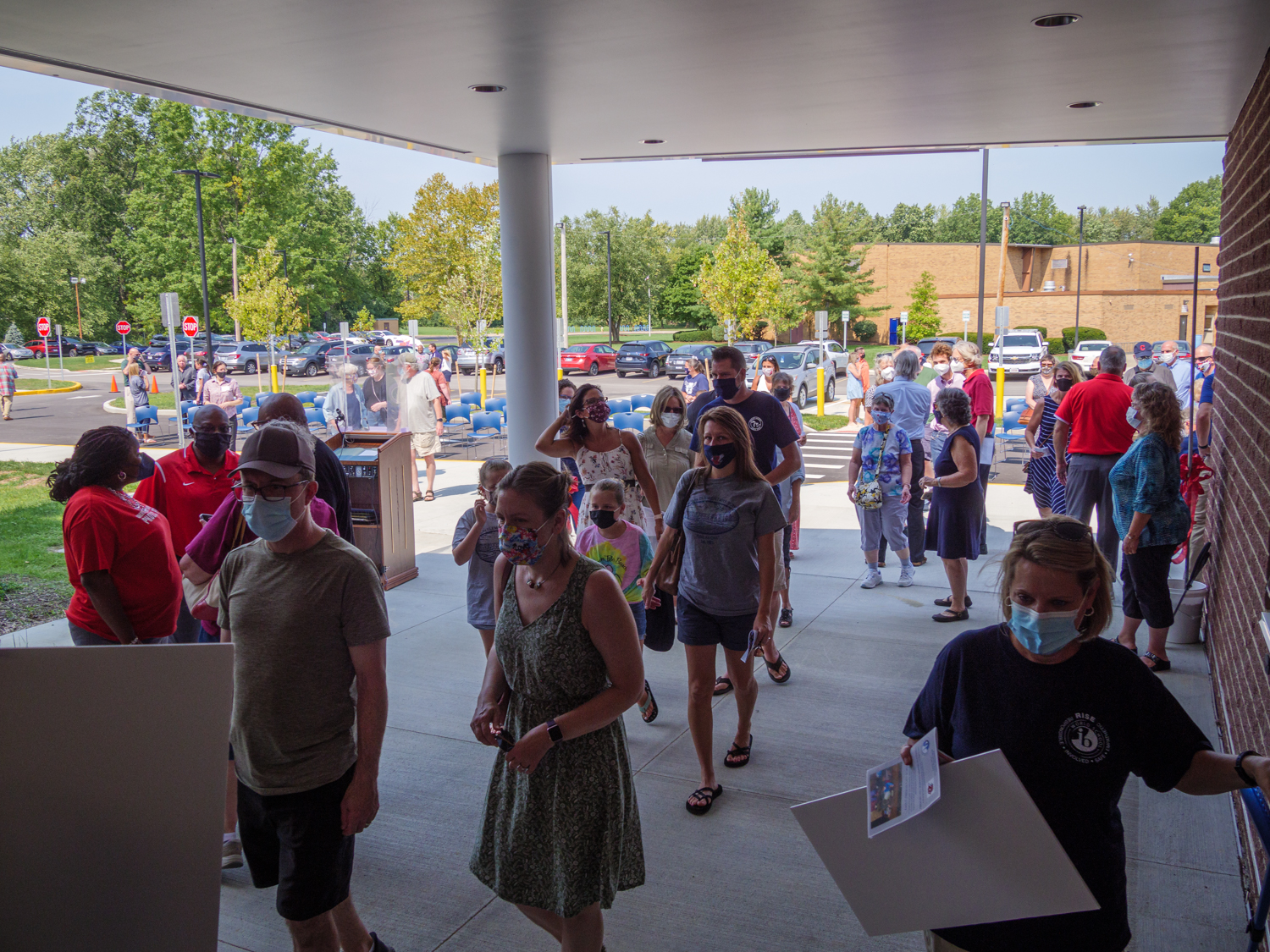
Attendees included community members, dignitaries, school administration and students.

"This is a prime example of what we can accomplish together, not by working in silos, but working in unison. No one person or institution has the answer, but the unity of the whole is needed for success."
Jason Miller
Oberlin City Schools Board President

Oberlin's "All Inclusive" Public Education

The ceremony was also attended by Ohio State Representative, Joe Miller. Miller, who also attended the building’s groundbreaking ceremony commented on the historic importance Oberlin placed on public education, “It didn’t matter whether students were black or white, Christian or Jewish, it just didn’t matter.” Miller continued, “The Oberlin community said, “We will educate all (185 years ago),” this was public education at its best, they pioneered it and that’s something to be proud of.”

Miller, a former high school social studies teacher, is a strong advocate of public education, and felt Oberlin’s example of inclusion and diversity was admirable.

“Together we will provide education for all children, their zip code doesn’t matter, their socioeconomic status doesn’t matter, where they’re from originally doesn’t matter. They all have an equal shot. You have provided a facility to meet everyone’s needs. I’m so proud of you for doing that.”

After the Ribbon Cutting Ceremony, Dr. Hall who is passionate about educating Oberlin’s students commented, “I’m blessed, this is the job I want to do, and can’t think of anything else I would rather do. The last year has been an obstacle, it’s been challenging, but we are overcoming that and looking forward to the future.”

The New Oberlin City Schools Elementary School Opened for Tours

"These designs are a long-term commitment. It's not like writing a book report, it's a 10-year effort. Oberlin stuck with it and when you tour the building, you will see the results."
Brad Gellert
Architect

Oberlin City Schools conducted a dedication ceremony for the new Oberlin Elementary School on Sept. 12. From left: Ohio State Rep. Joe Miller, Oberlin City Schools Superintendent Dr. David Hall, Oberlin City Schools Board President Jason Miller, and board members Farah Emeka, Anne Schaum, and Oberlin City Schools Vice-President Dr. Ken Stanley.

A Successful, "Forward-Thinking" Project

Brad Gellert, the architect on the project commented on why it was successful, “We built it on a very tight budget and during the COVID-19 pandemic. We were able to introduce many new sustainability features like a solar array that powers 80% of the building, the electric vehicle charging stations and the environmental dashboard. These are all very innovative initiatives for a school.”

Sustainability and collaborative learning are the hallmarks of this new educational facility and display how elementary schools can embody these principles.

“To create positive change in the world, you must work collaboratively with others,” said Brad Gellert adding “spending years assisting the district with this project is personal. We are proud to be part of that collaboration, and know you will enjoy the building for many years to come.”

Silver Lake Elementary Playground Engagement

Silver Lake Elementary Playground Engagement
In early May, students at the Silver Lake Elementary School in Cuyahoga Falls, Ohio gathered with architects, teachers, and district administrators to design a new playground for their school. While it may be easy to overlook such a small project, seeing a playground through a student's eyes helps designers deliver a project that fits the needs of the district and students.

Silver Lake Elementary Playground Engagement, Cuyahoga Falls

In early May, students at the Silver Lake Elementary School in Cuyahoga Falls, Ohio gathered with architects, teachers, and district administrators to design a new playground for their school. This new playground, which is a part of the capital improvement program in Cuyahoga Falls, adds updated equipment for the young students at this longstanding neighborhood school.

Since collaboration is a foundational principle of TDA’s architectural design process, including the stakeholders who use it most—in this case, elementary school students—is important. This collaboration allows them to enjoy their new playground and take pride in having a hand in its design.

See the students "in action" during the playground engagement:

"I love being able to work on the playground with my friends. I know we won't get all of this [equipment], but it's so cool to be involved in this project!"
Silver Lake Elementary School Student
Fourth Grade Student

Interactive Design Activities

To get feedback from students, architects held a design “charrette” to gather information and jointly develop a site layout with students for this project.

A design “charrette” is a collaborative activity, where stakeholders gather to map solutions on a challenge they face. In this project, the stakeholders were the elementary students and educators, and the challenge was deciding on playground equipment and how it would lay out on their site.

Silver Lake Elementary Playground Engagement

Designers created three primary activities to work out solutions with the group.

  • The first activity focused on surveying students on their favorite games at recess. These conversations provided valuable insight into what types of activities the students liked doing on their playground. Questions like, “Do students use equipment like swings and climbing walls the most or do they prefer open space for games of tag and other outdoor activities?” guide overall layouts.
  • The second activity was designed to gather information about students’ favorite equipment and how these would be used alongside their favorite outside games. Using sticky dots, students identified what equipment they preferred and whether it promoted climbing, swinging, jumping, or running. This allows designers to select equipment that will be used most.
  • Finally, the third activity challenged students to think like designers and develop their own playgrounds. Then, they would present their solutions to their peers. Using simple materials in small groups, they built a version of their playground on their site. This gave them the chance to think “outside the box” with equipment types, color, texture, and ground materials. With this information, architects could more easily understand spatial relationships between pieces and what types of materials students preferred.

These three activities provided valuable feedback to guide the overall design of the playground. It gives these young “stakeholders” a chance to take responsibility for their environment and how they could best use the space on their site.

While students may not get all the equipment they planned for, such as swimming pools, pirate ships or rocket blasters, they can think creatively about space and how they would use it for themselves.

Silver Lake Elementary School students designed their own playgrounds and presented to their peers.

"I'm looking for climbing things, stuff you can flip on, and hanging equipment too!"
Silver Lake Elementary School Student
Second Grade Student

Value of Collaboration

Gathering input from a variety of perspectives and ages better informs the layout of architecture, site plans, educational design and even playgrounds. Like Educational Visioning, where community members provide feedback on their priorities for a new or renovated school, this idea also applies on a small scale, as with playgrounds or sports fields.

While it may be easy to overlook stakeholder engagement in such a simple design, seeing a playground through a student’s perspective helps designers more effectively plan the space, and address both budget and time constraints.

This helps architects deliver a playground that fits the needs of the district, the surrounding community and the kids who will be using it the most.

ThenDesign Architecture Relocates to Memorial Junior High School

ThenDesign Architecture Relocates to Memorial Junior High for New Offices in Willoughby
With the completion of the renovation project, ThenDesign Architecture moves to their new home in Downtown Willoughby.

ThenDesign Architecture Relocates to Memorial Junior High in Willoughby

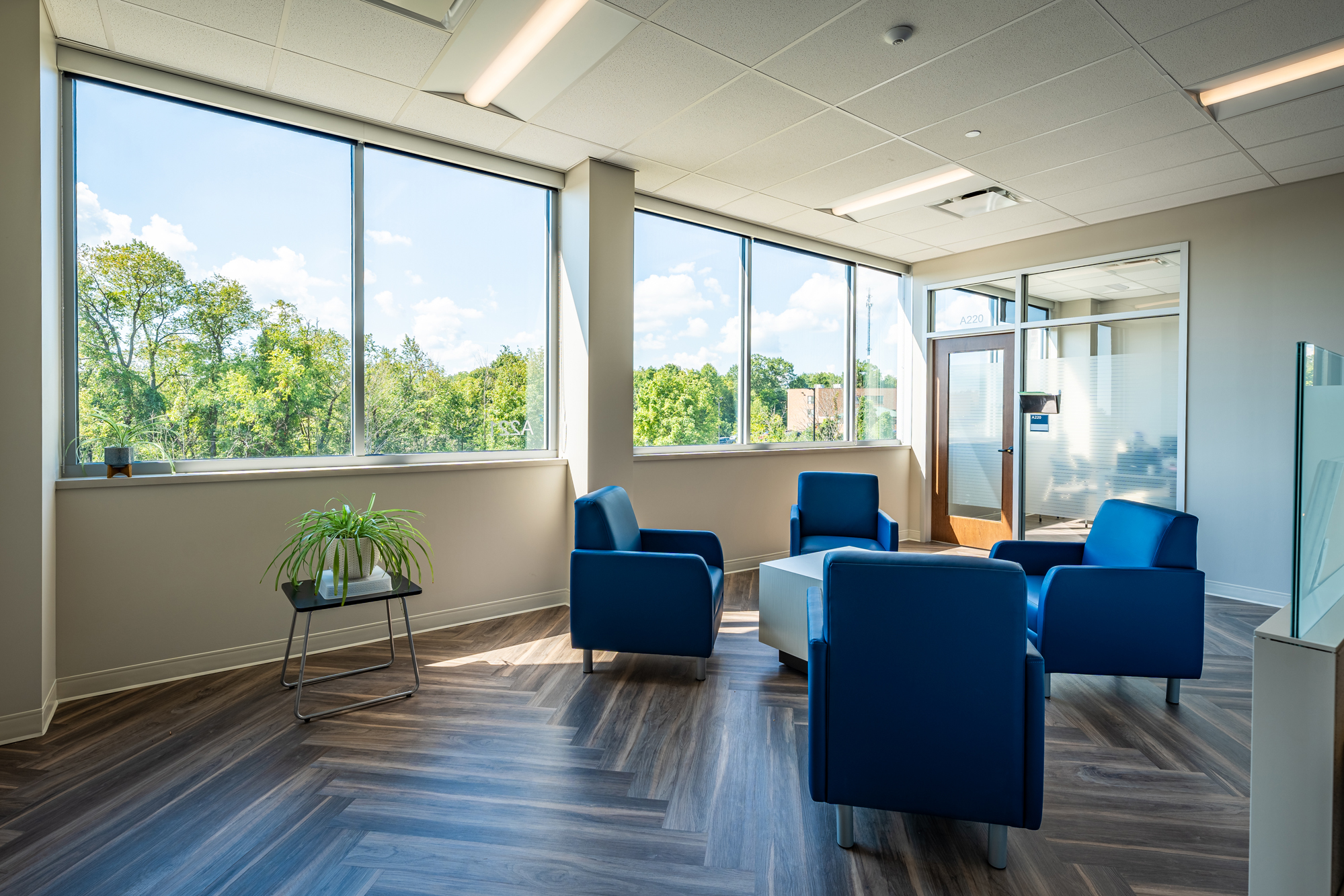
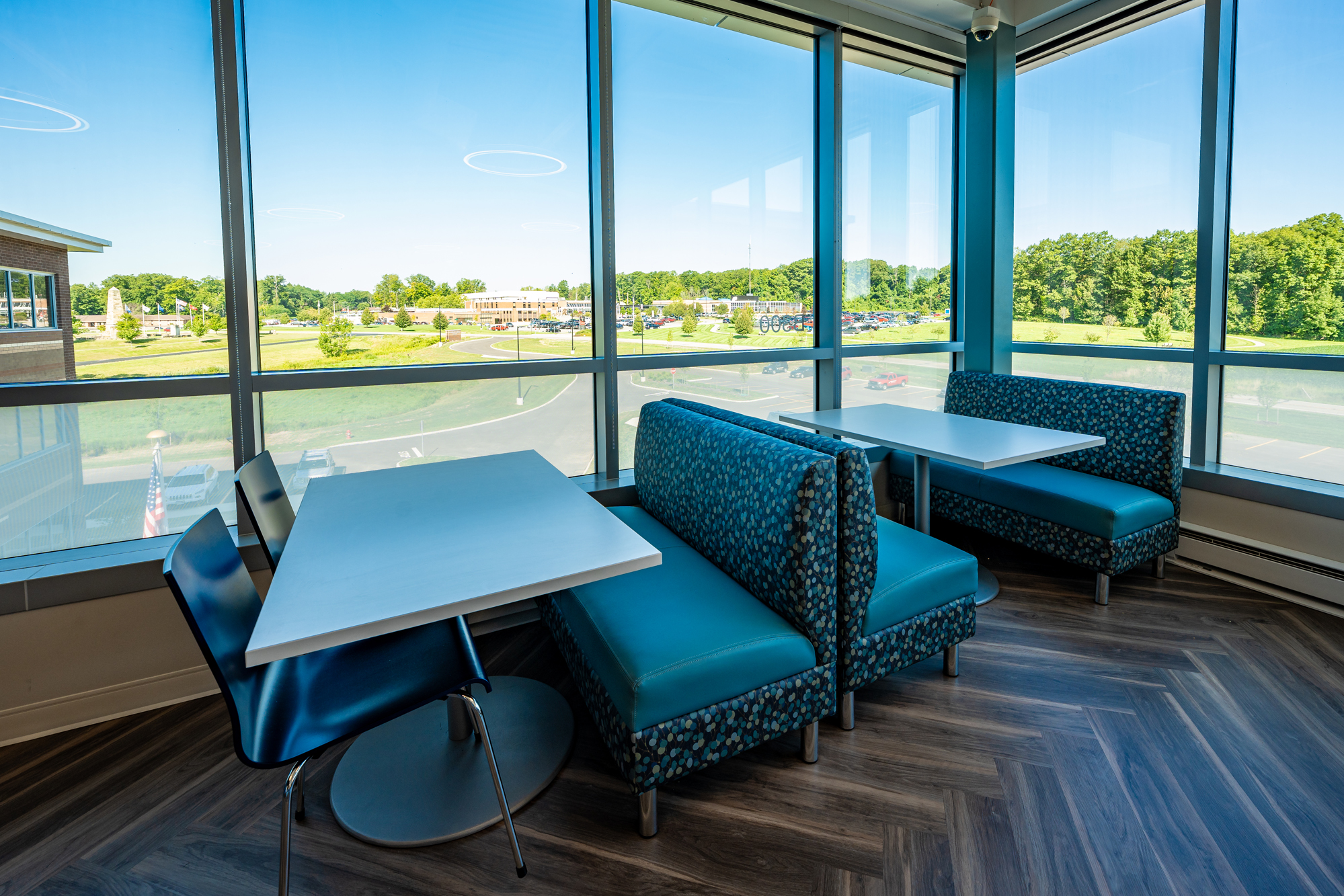
In 2017, ThenDesign Architecture undertook the challenging task of breathing new life into the historic Memorial Junior High in downtown Willoughby. Committed to the economic development of the Willoughby community, Bob Fiala, the founding partner of TDA and Executive Chairman and Chris Smith, the President and CEO, decided to reimagine the former school and develop it to become the new headquarters for an “education focused,” architectural firm. In early 2021, ThenDesign Architecture relocates to Memorial Junior High in Willoughby Ohio for their new offices.

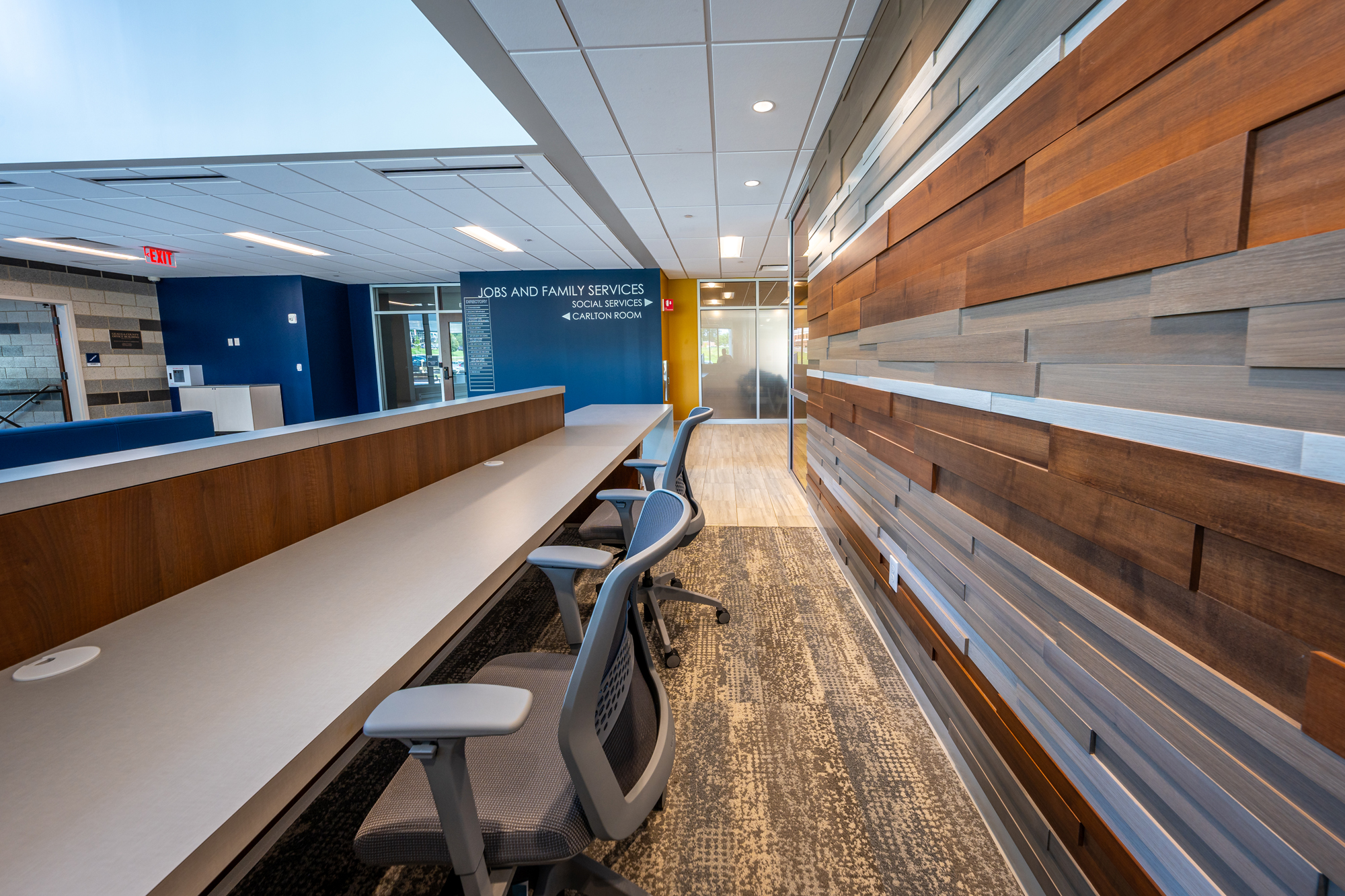
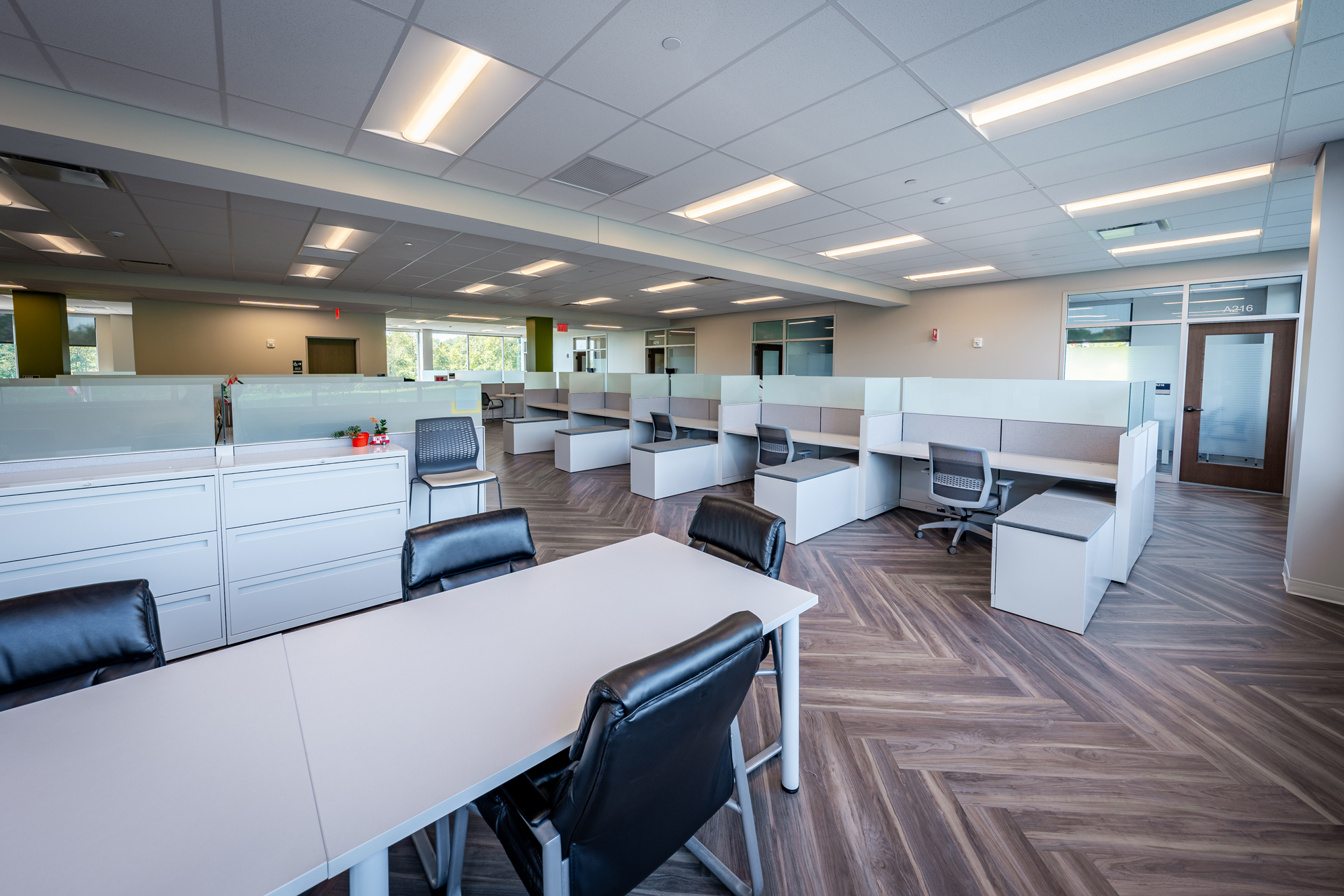
Interior Photos - ThenDesign Architecture

"There is nothing more valuable than seeing everybody together in the same building at the same time. This is where true collaboration begins, and where it exists."
Robert Fiala
Founding Partner and Executive Chairman of ThenDesign Architecture

Economic Development in Willoughby

“This is a story about economic development.” said Bob Fiala, of TDA. While Bob is not involved in the “day to day” operations of the firm, due to his role as Mayor of the City of Willoughby, he is passionate about giving back to the larger community. Having always been located in Willoughby, with a legacy reaching back to 1951, Bob has been intricately involved in TDA’s development over the years. “It’s the story of a “home grown” firm, that was founded in the city, grew in the city and made a significant investment in the city. This whole organization is about economic development, and it’s happening right here.”

Currently, with over $300 million dollars in educational construction across Northeast Ohio, an historic school seemed like the best home to design the new educational facilities of the future. “We are heavily vested in the educational marketplace, schools, sports facilities and performing arts centers,” commented Chris Smith. “Designing from an historic school made so much sense for us. In fact, Jeff Henderson, a lead designer on the project actually went to school here years ago.”

School projects are very public, and we developed an engagement process with educators, administrators and the community. We wanted to carry that same idea forward in our new space.
Jeff Henderson
Architect

Defining Space Usage for Memorial Junior High School

The design process to reimagine the historic school was parallel to the process TDA uses to engage its clients when designing their new facilities.

“We began with a series of questions to our entire staff. How do we want to work? How do we want to collaborate? How do we want to feast? How do we want to celebrate?,” explained Educational Design Lead, Abby Rainieri. “We engaged the staff through a “Visioning Session,” to gather feedback from the staff on how to use the space.”

Spaces in the building were then organized into 4 distinct groups, each one encouraged collaboration and productivity in different ways. “You have public space, private space, working alone and working together. Those are the four types of spaces on the axis. We really found that through that division, all the spaces we needed fell into one of those four quadrants,” explained Abby.

Lake County Development Council's, first "In-Person Meeting" - ThenDesign Architecture

“TDA was always successful but now they have moved from success to significance. We're very proud of them and pleased to have them downtown."
David Anderson
Former Mayor of the City of Willoughby

ThenDesign Architecture Relocates to Memorial in Willoughby

The finished project has surfaced fond memories from Memorial Junior High School alumni, who attended at the school years ago. It has been received well by county leadership, business owners and community members. In late June, Lake County Development Council held their first in-person meeting, hosted at TDA’s new building.

At the event, former Mayor Dave Anderson commented: “We are so proud of TDA. They were a big part of downtown in the Carrel building, and will continue to be with this building here.” With his experience working to develop Willoughby’s downtown during his tenure, those comments were particularly impactful. “TDA was always successful but now they have moved from success to significance. We’re very proud of them and pleased to have them downtown.”

Memorial Junior High School, Prior to Renovation - ThenDesign Architecture

Acquiring Memorial Junior High School

“Back when the Willoughby/Eastlake School system moved their Vocational Tech Center, they had no further need of these two buildings,” explained Mr. Anderson. “As mayor at the time, I knew Willoughby faced a significant challenge.”

When the Willoughby/Eastlake school system had to divest itself of property, they had two options, either put the property, which was in the heart of Willoughby’s downtown up for auction, or transfer it to another government entity.

Knowing this, the School District decided to transfer two vacant properties to the City of Willoughby who then appraised the properties and took proposals from developers for both Buildings A and B, while retaining the property which is now Wes Point Park. ThenDesign Architecture purchased the site known as “Building B” to renovate and relocate their offices to.

Since then, the building has become a hub of architectural activity, designed for project work and group collaboration, it includes flexible areas for team meetings and other creative work.

"Welcome Back" Staff Event - ThenDesign Architecture

"It’s an awesome day here for all of us at TDA."
Chris Smith
President and CEO of ThenDesign Architecture

ThenDesign Welcomes Staff Back to the New Relocated Office

In early June 2021, the building was officially opened, and administrative and architectural staff were welcomed back after 16 months of remote work during the Covid-19 pandemic. Both Chris Smith and Bob Fiala participated in a ceremonial ribbon cutting and activities at this “Welcome Back” event.
Speaking at the Ribbon Cutting, Chris addressed the staff, “It’s an awesome day here for all of us at TDA. This whole idea and concept was Bob’s idea. And I don’t think there’s anybody more committed to their community, that I know of. This is both gratifying for him, not only as a new home TDA, but also, as a major reinvestment in our community.”

Understanding the significance of this building in the local community, ThenDesign Architecture looks forward to hosting a community focused “Ribbon Cutting Event.” This is tentatively planned for the end of 2021 and all of those who are interested in seeing the finished space, are encouraged to see the reimagined Memorial Junior High School.

In the meantime, we would love to hear from you. If you are an alumni and have memories from the space, we would love to hear about your experiences.

Mayor Fiala recognized the challenges of both the construction project and the stresses of remote work during the Covid-19 pandemic but looks forward to what will be done at the new office. “There is nothing more valuable than seeing everybody together in the same building at the same time. This is where true collaboration begins, and where it exists.”

Let’s work together to make education better. Interested in speaking with us? Get in touch!