Brush High School – A Dynamic Renovation Project

Brush High School – A Dynamic Renovation Project
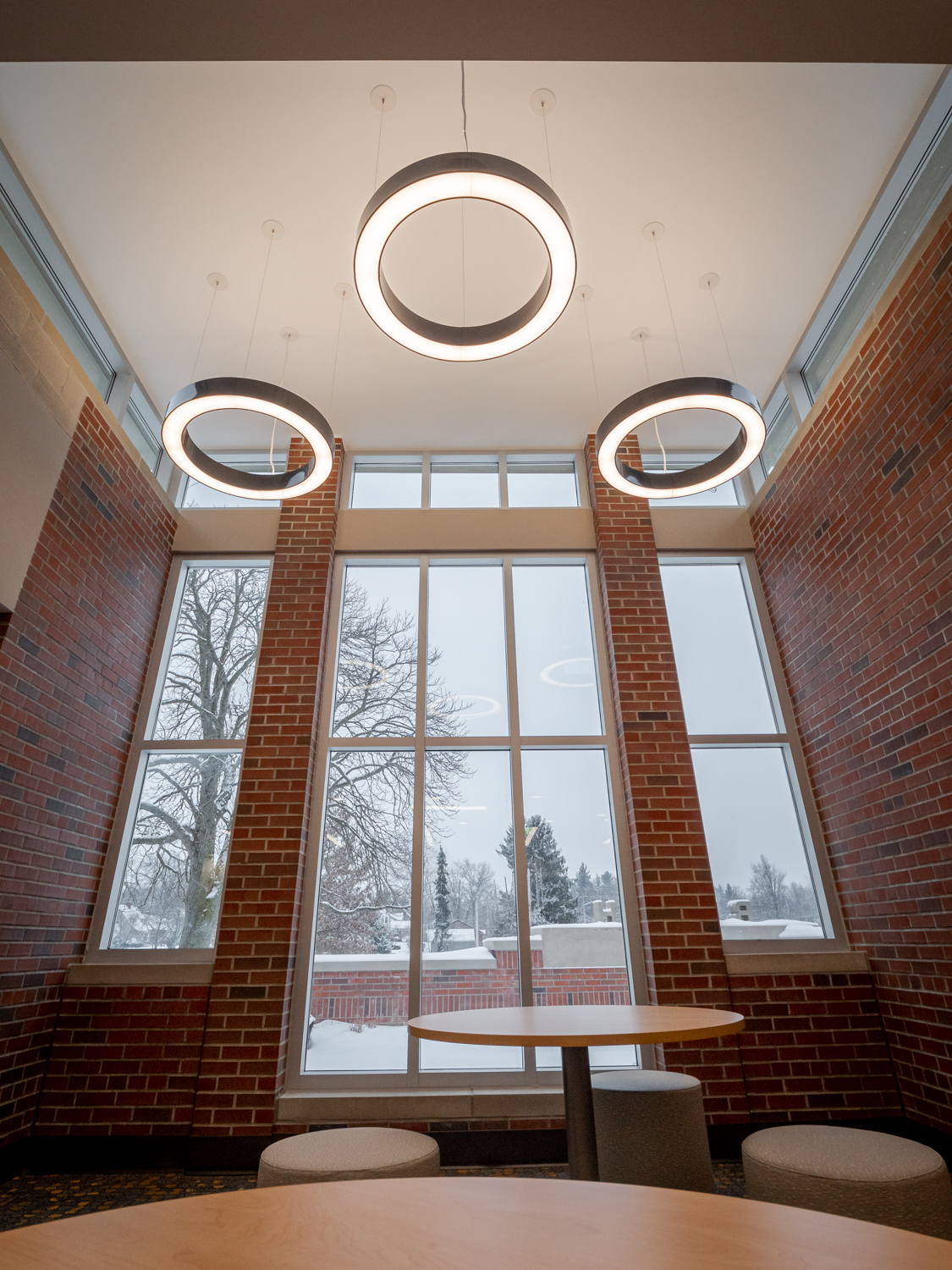
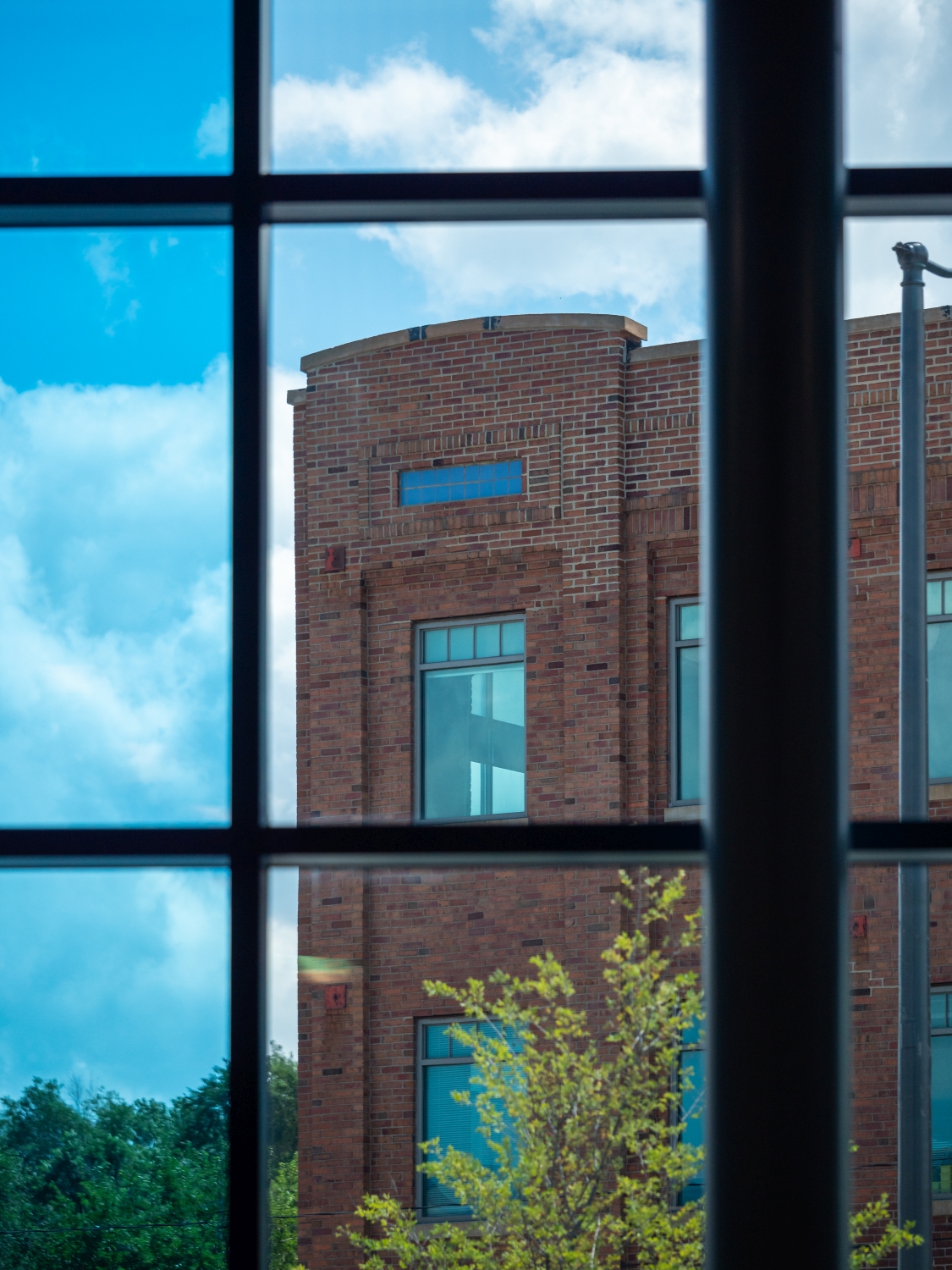
The South Euclid Lyndhurst School District had a clear vision for how to adapt their historic Brush High School and renovate it for the demands of a modern educational environment. The result, is a large school built in 1927, being modernized through strategic renovations to serve the community for years to come.

Brush High School – A Dynamic Renovation Project

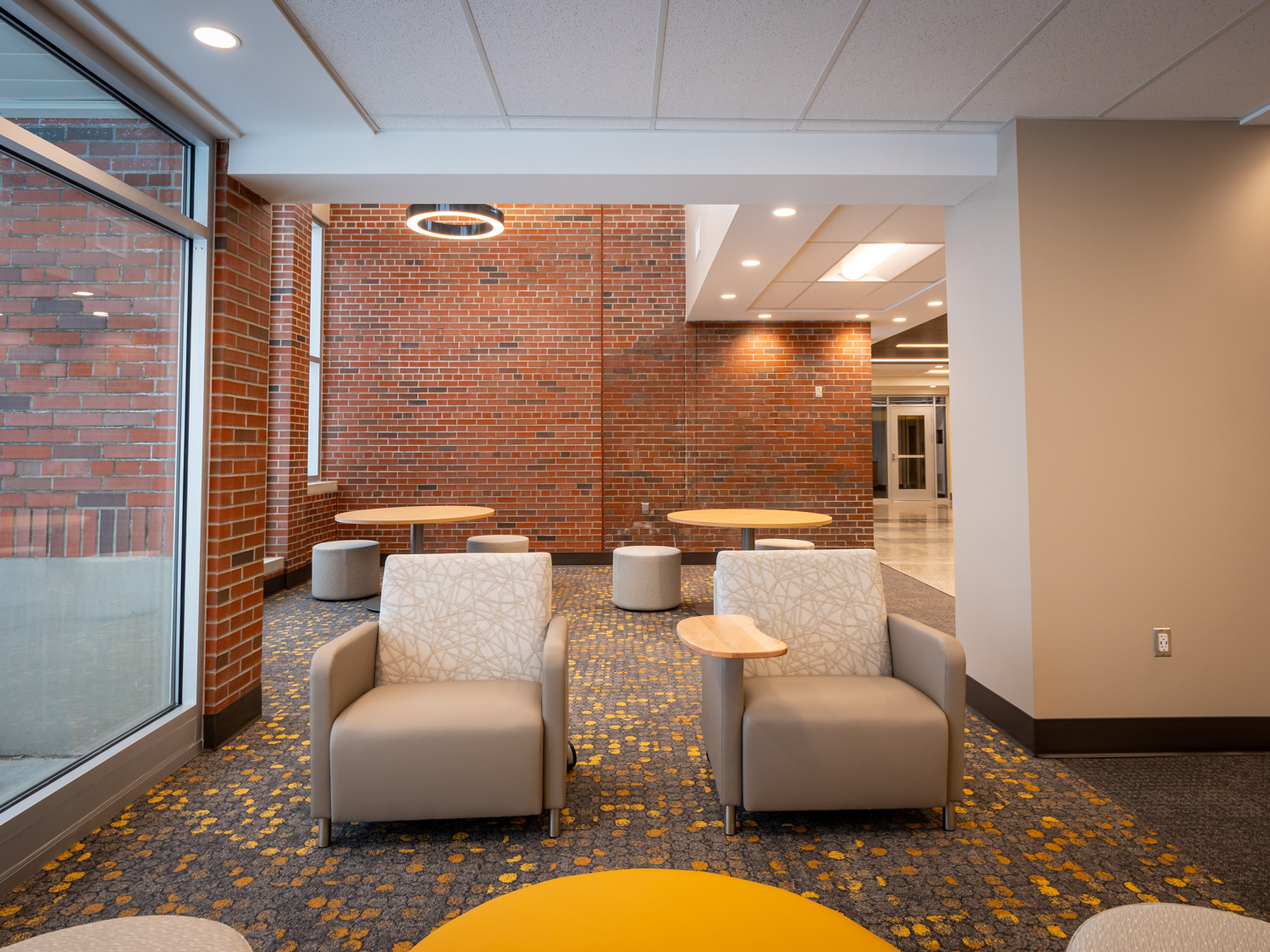
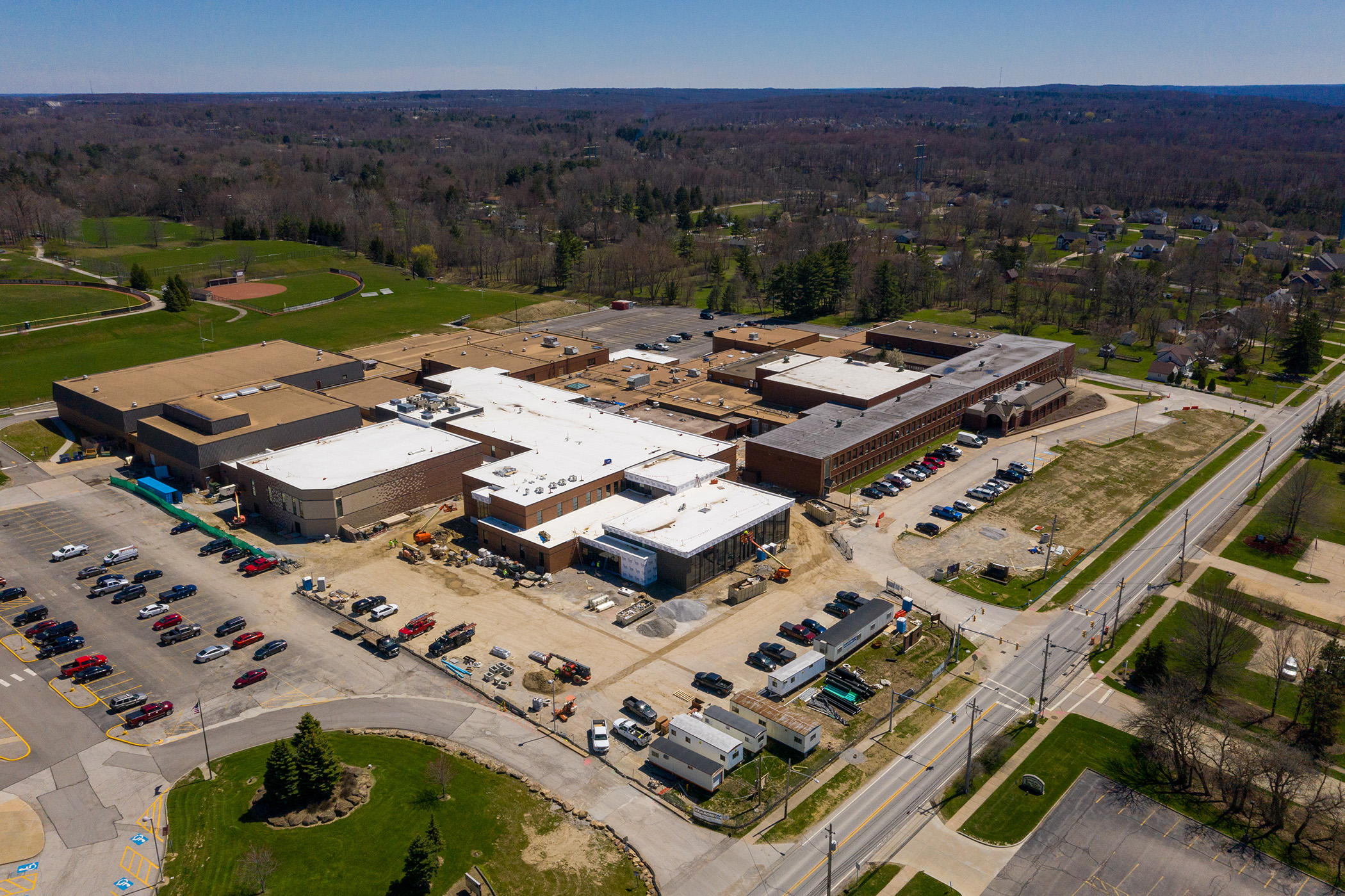
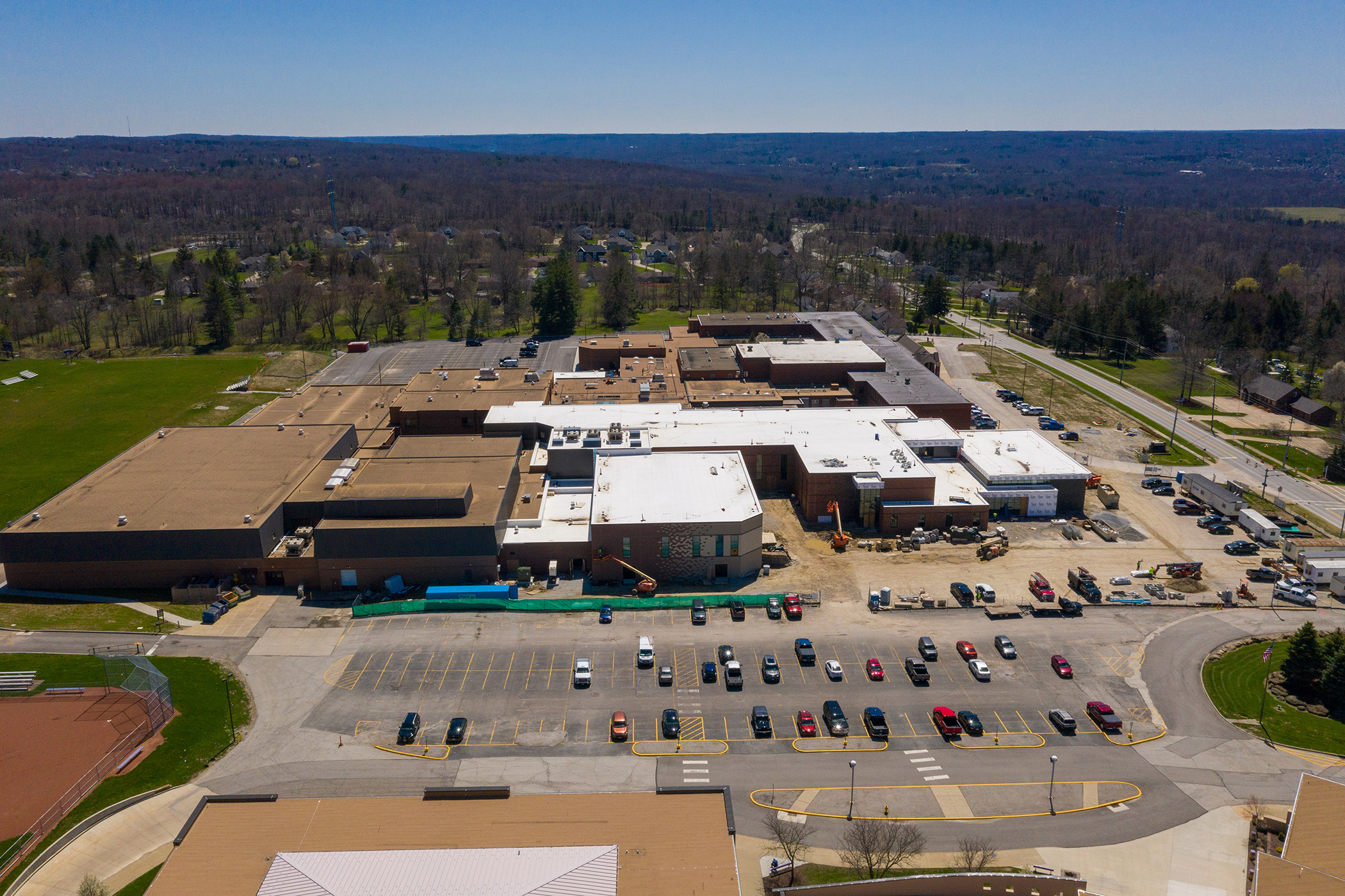
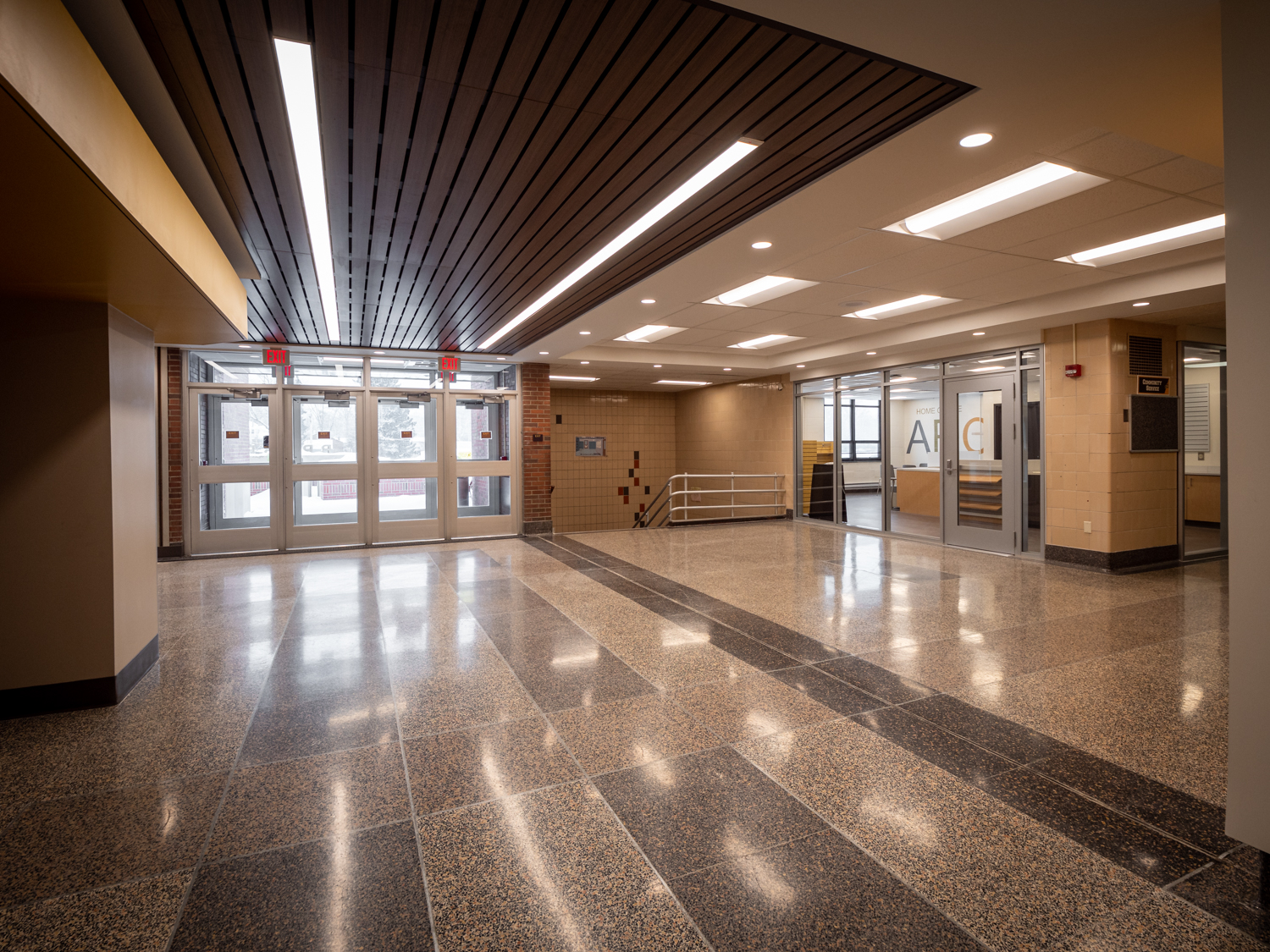
The Brush High School Renovation Project provides a dramatic update to this beautiful, historic school in Lyndhurst, Ohio. It brings an architectural refresh, new spaces and services to this iconic structure in a neighborhood setting. This $8.5 million dollar renovation addresses 45,000 sf of the almost 300,000 sf building, redeveloping its media center, student dining, athletic facilities and innovation lab, restores unused classrooms and infuses a new graphic approach throughout the building’s corridors and shared spaces. These improvements allow the South Euclid Lyndhurst School District to better utilize this historic school for years to come.

Brush High School was originally built in 1927, having undergone multiple additions as the community has expanded. At the population’s height in the 1970s and 1980s, the school served over 3,000 students. More recently, the district developed a strategic plan that outlined a goal of becoming a “destination community,” and to update all their learning facilities by 2023. TDA partnered with the district to turn this vision into reality, further developing the plans for Brush High School, focusing on education and athletic spaces.

Major Improvements

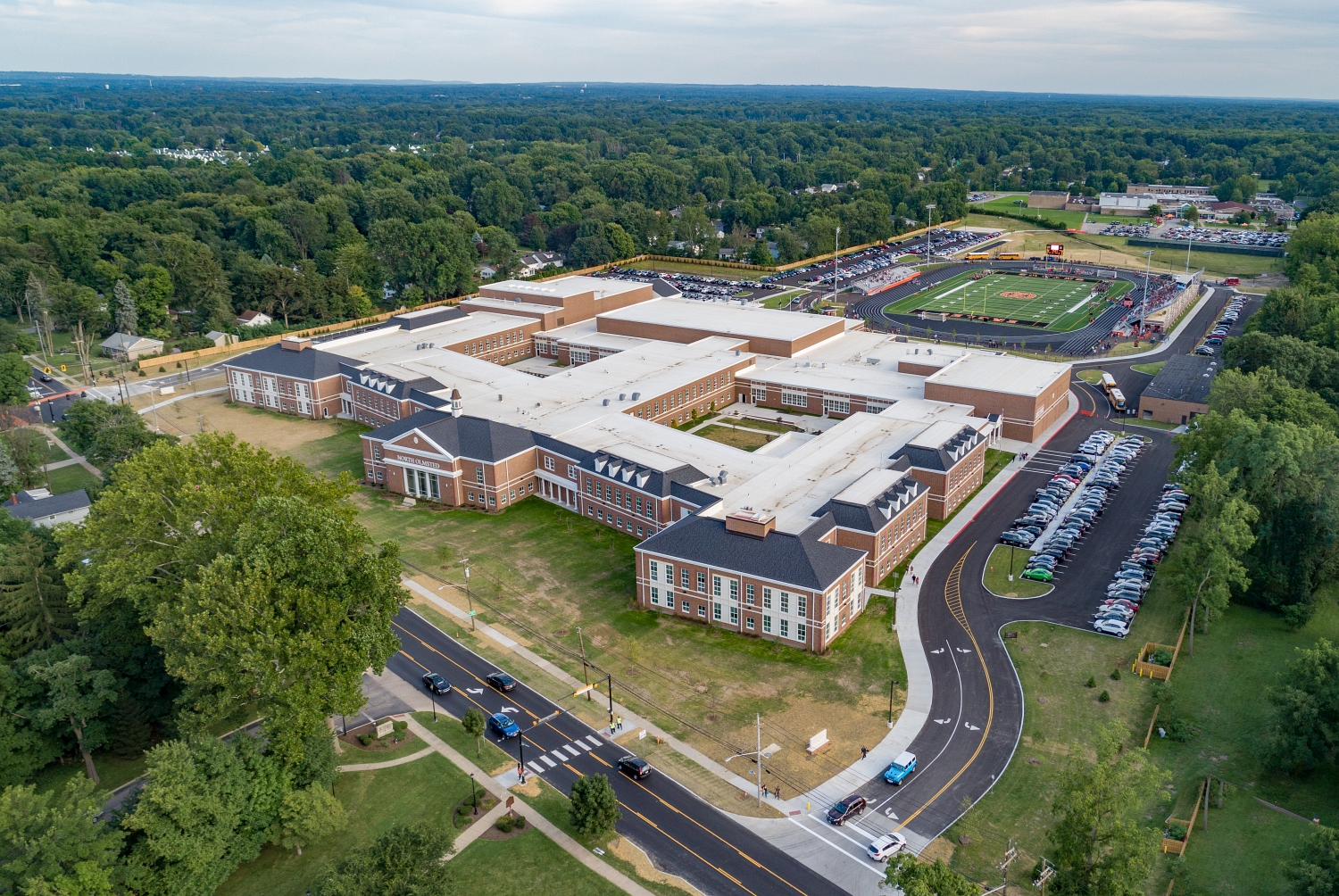
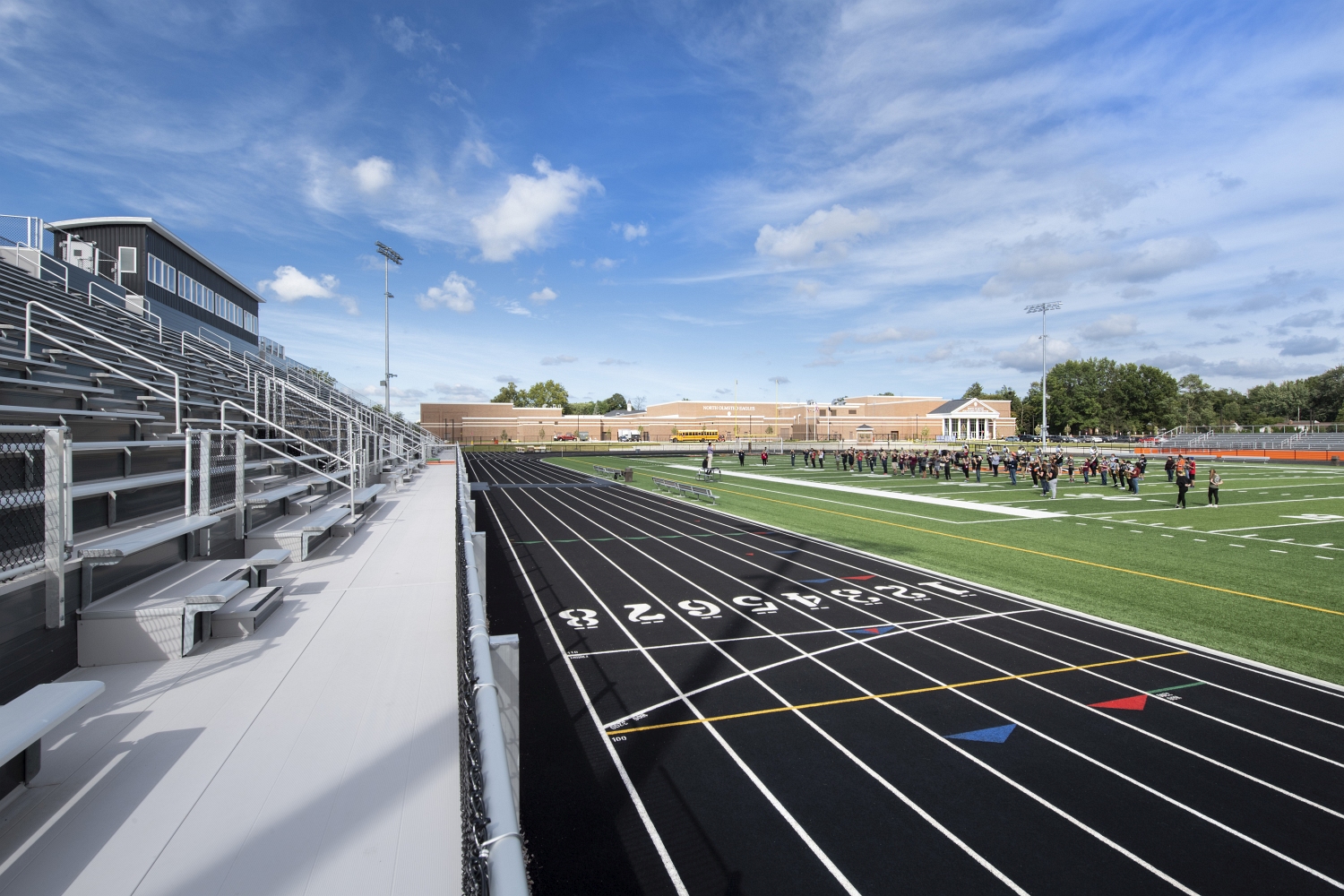
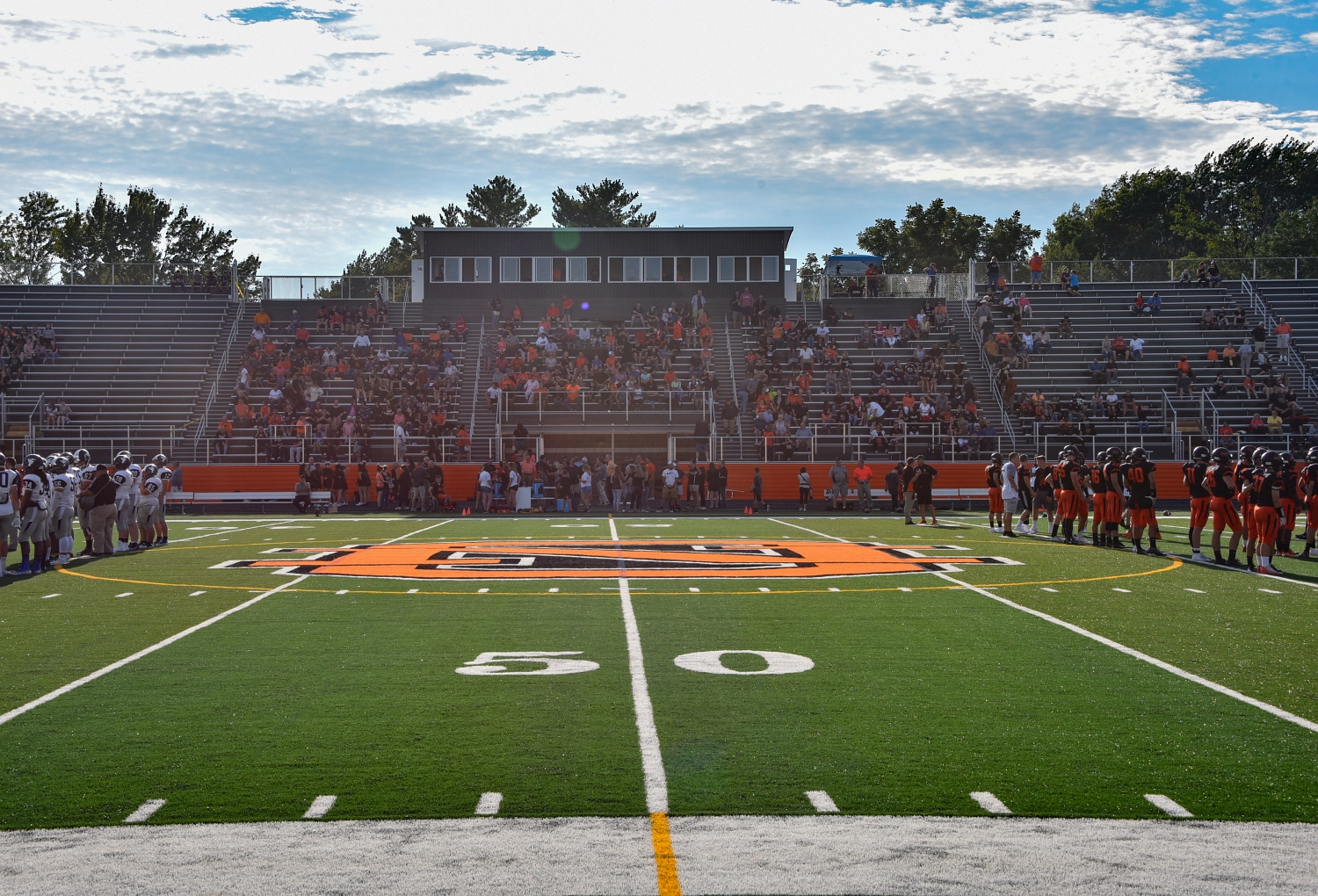
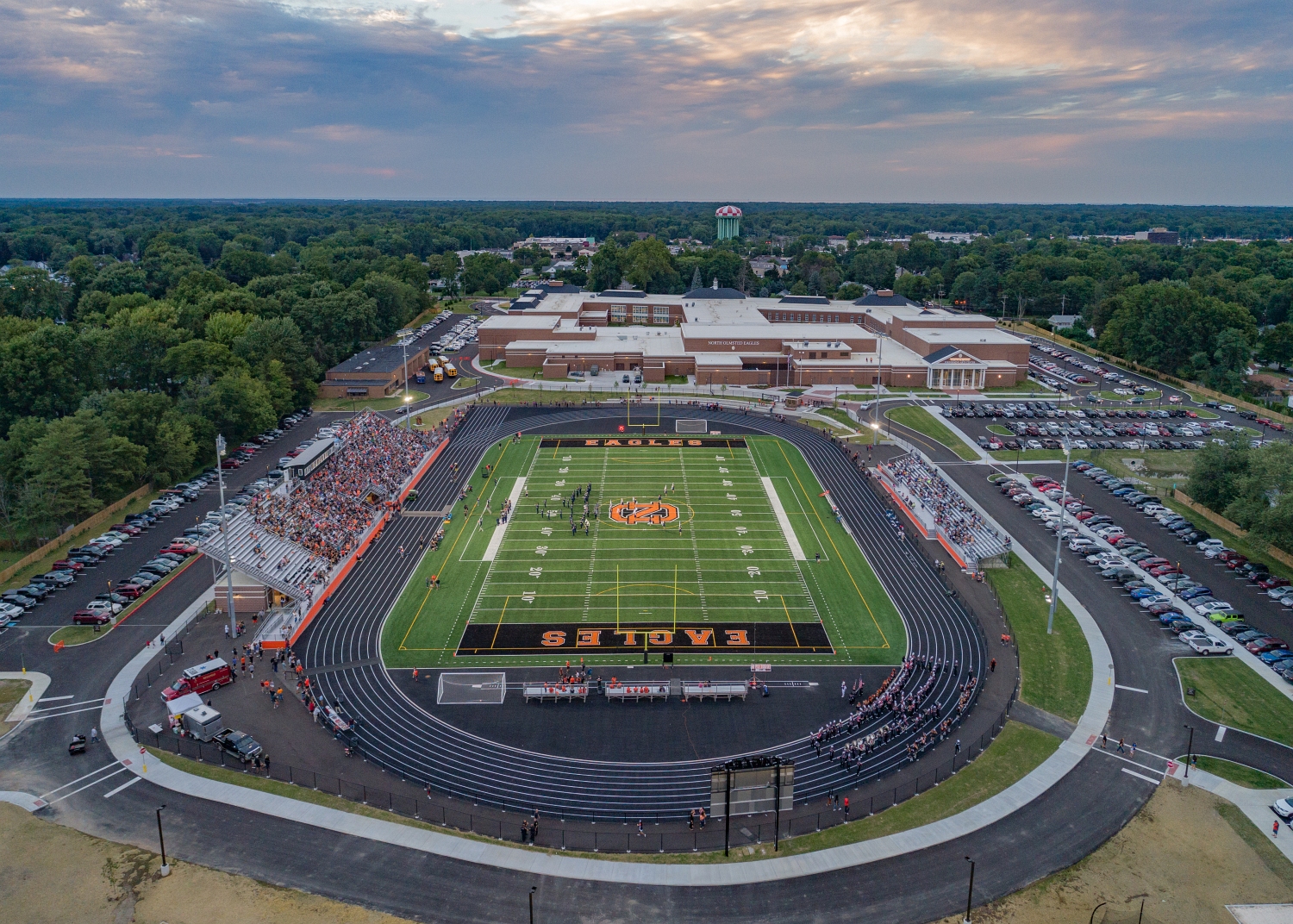
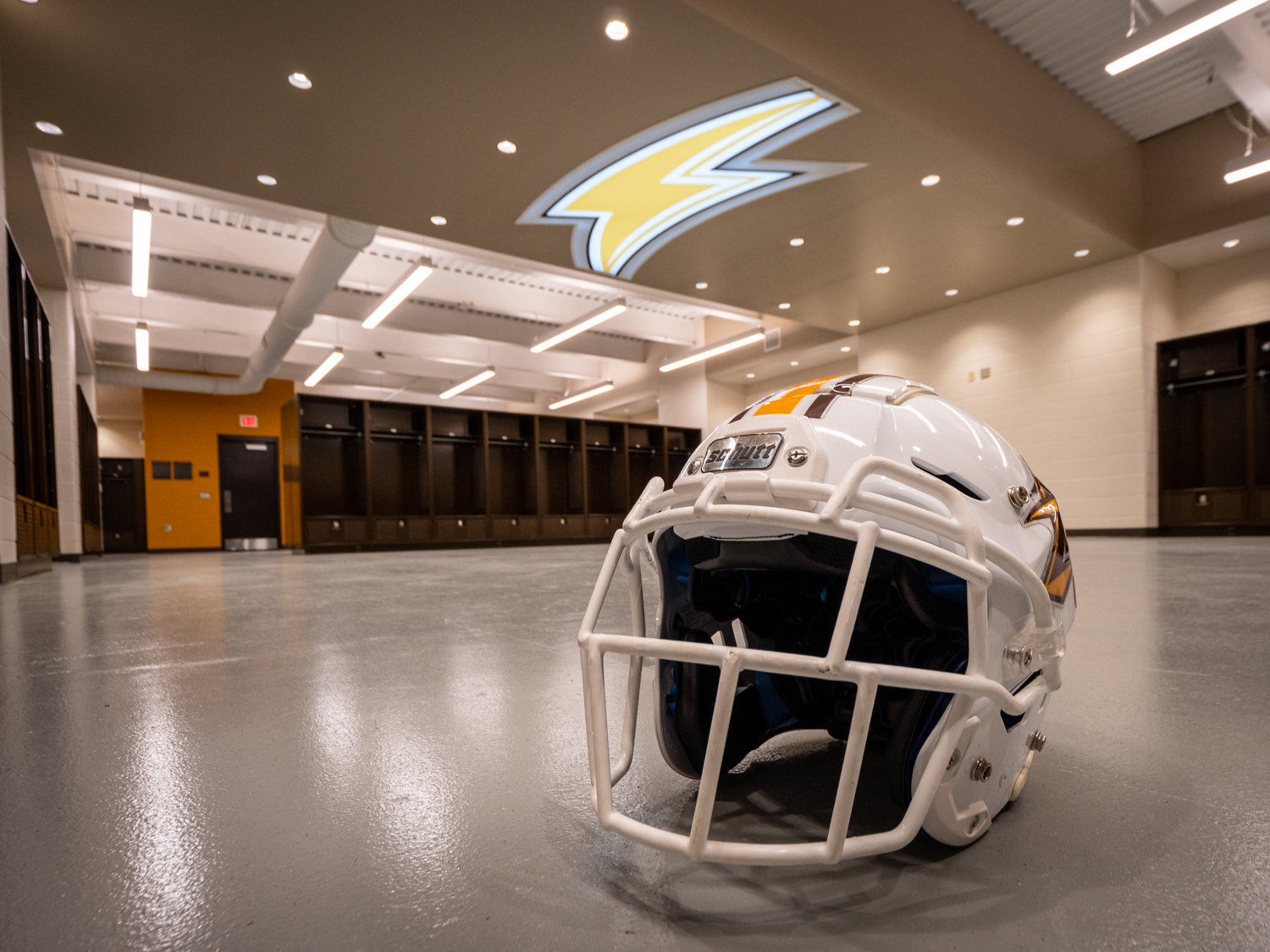
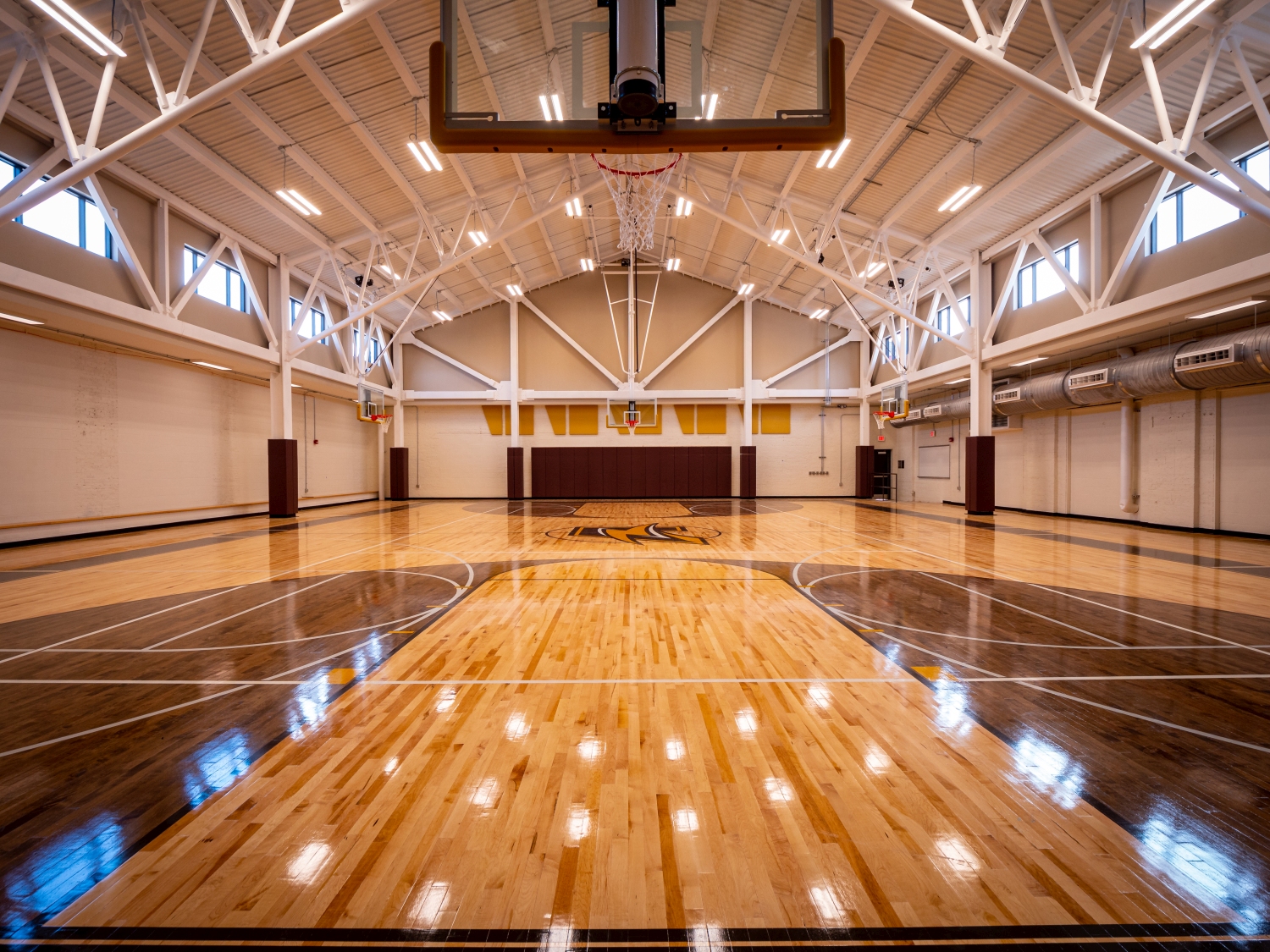
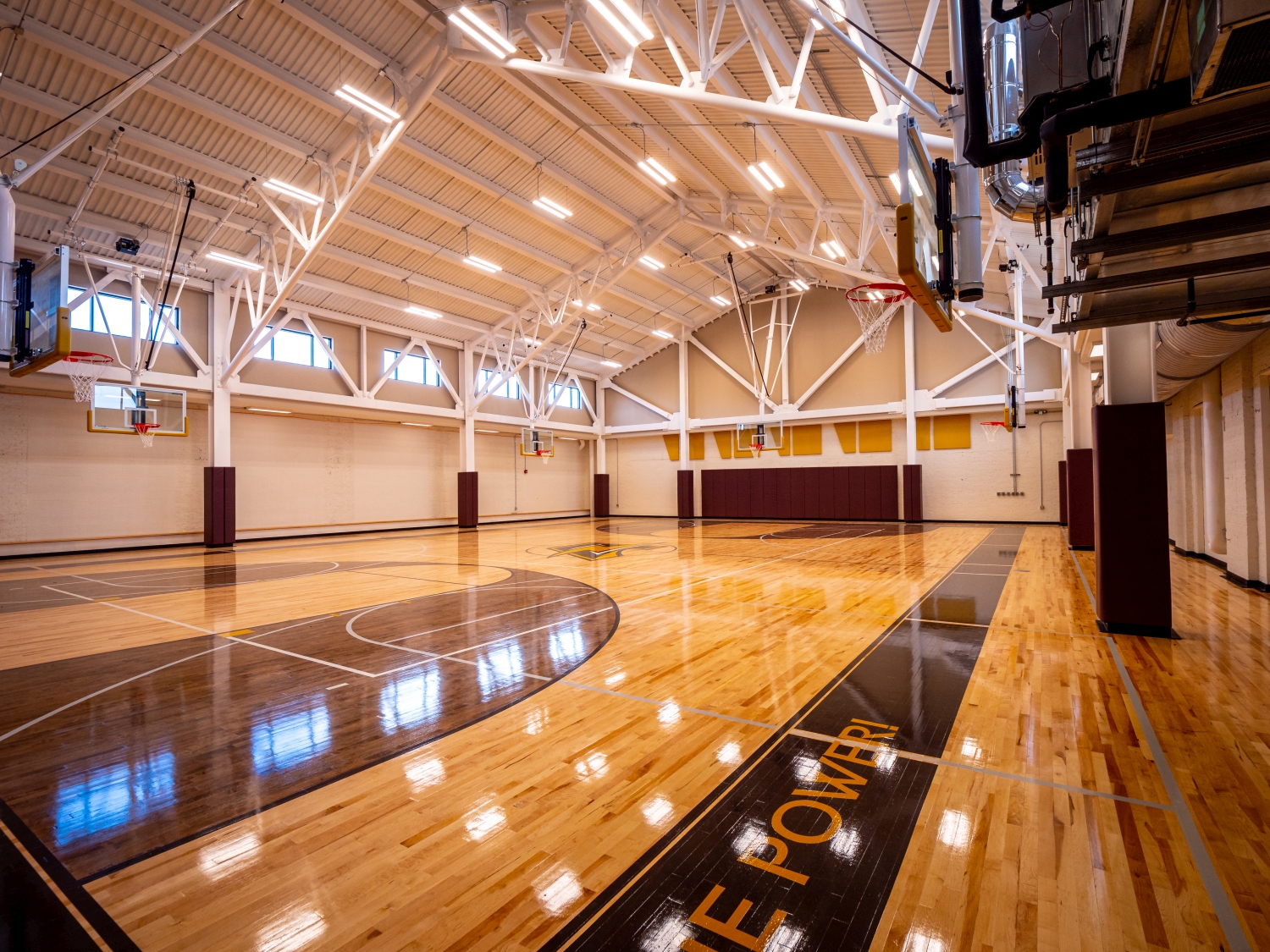
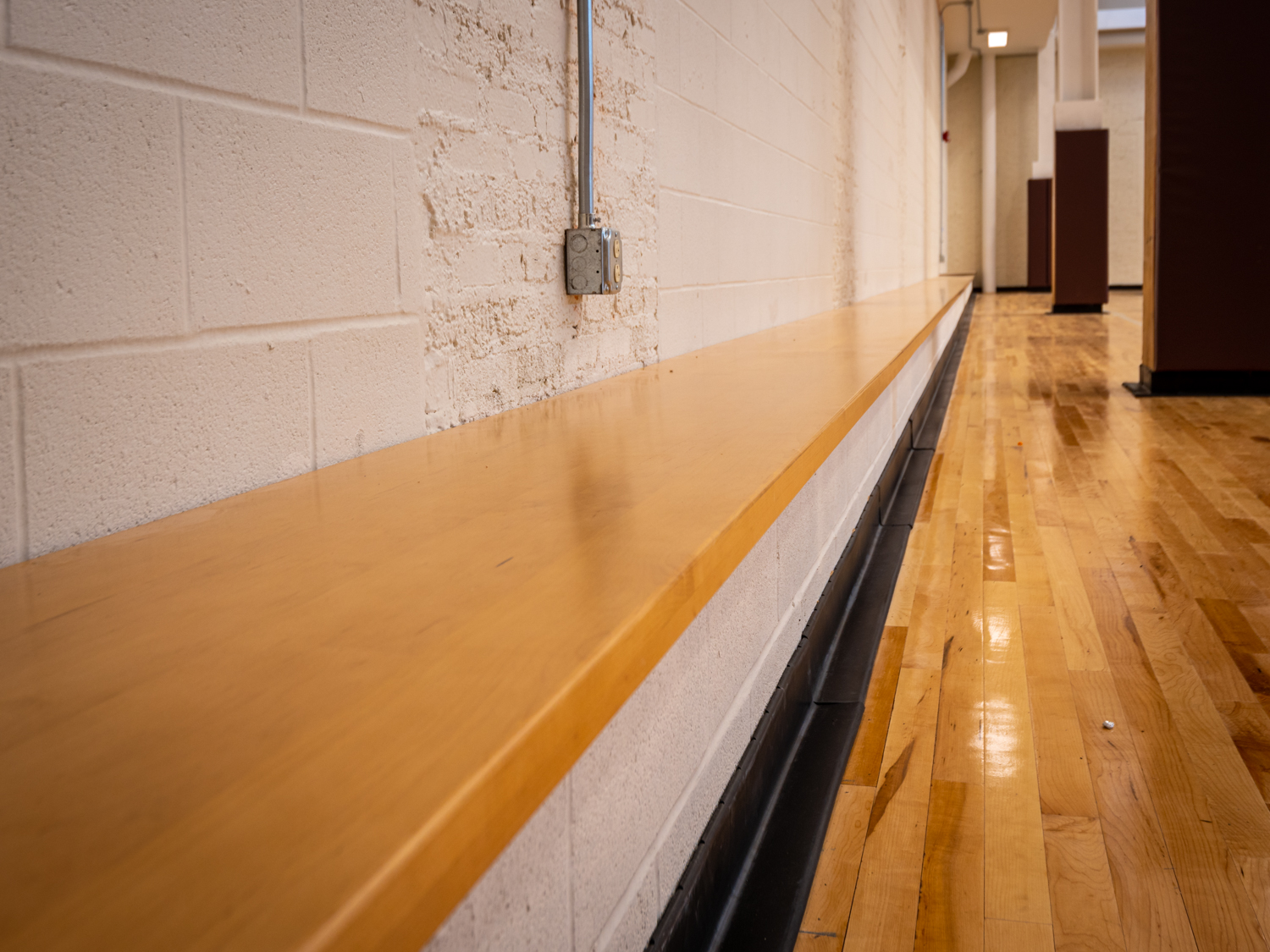
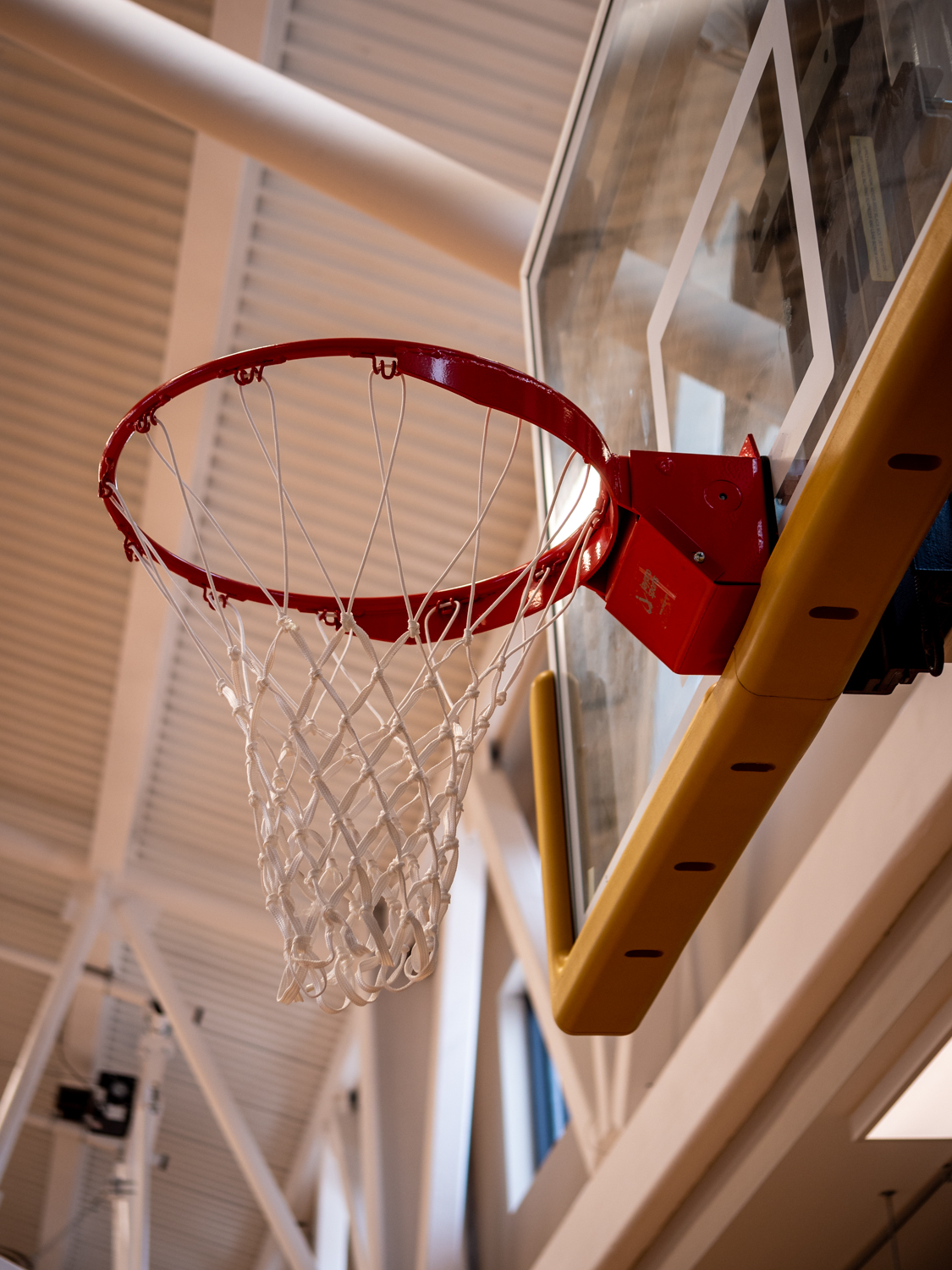
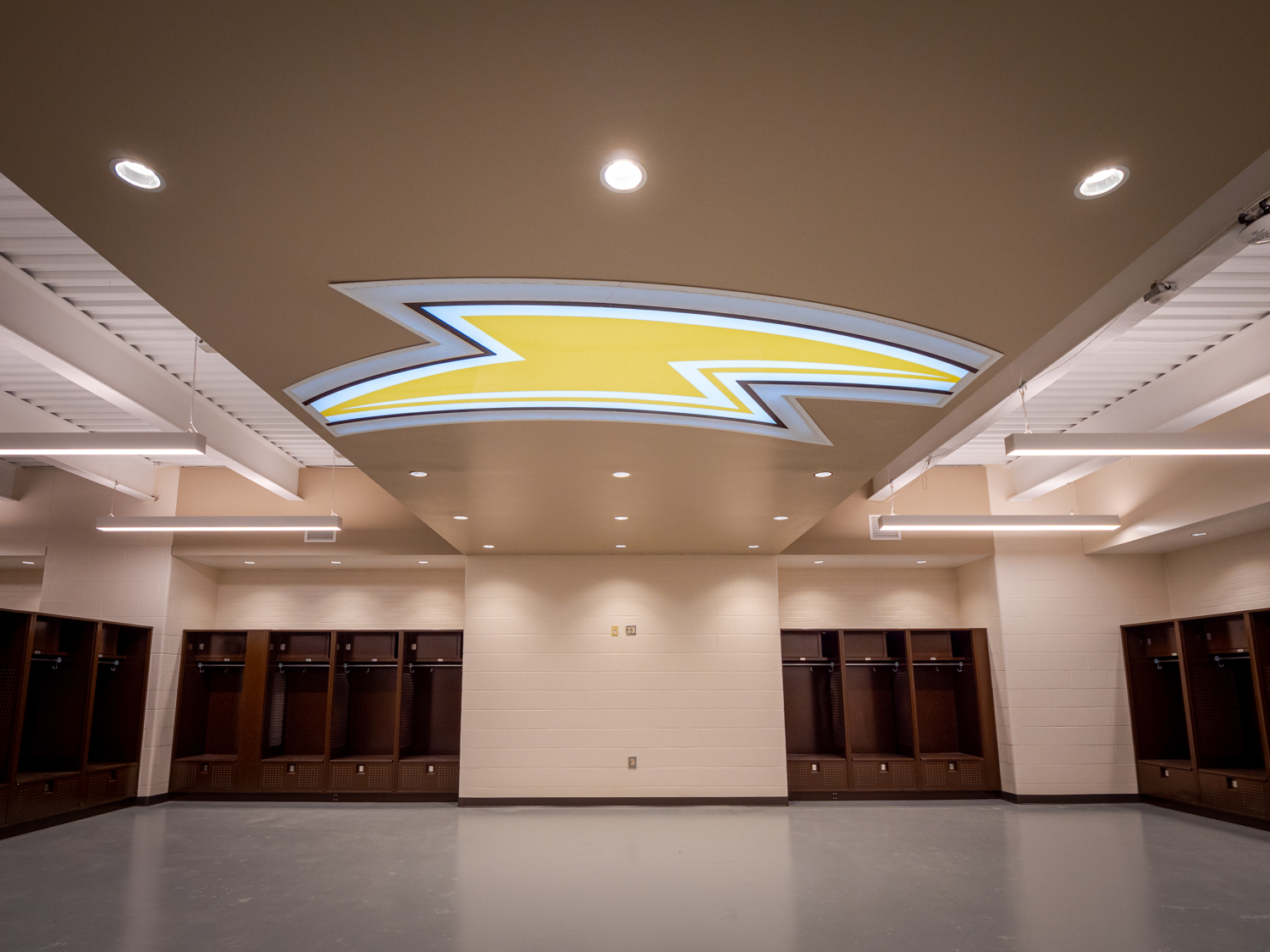
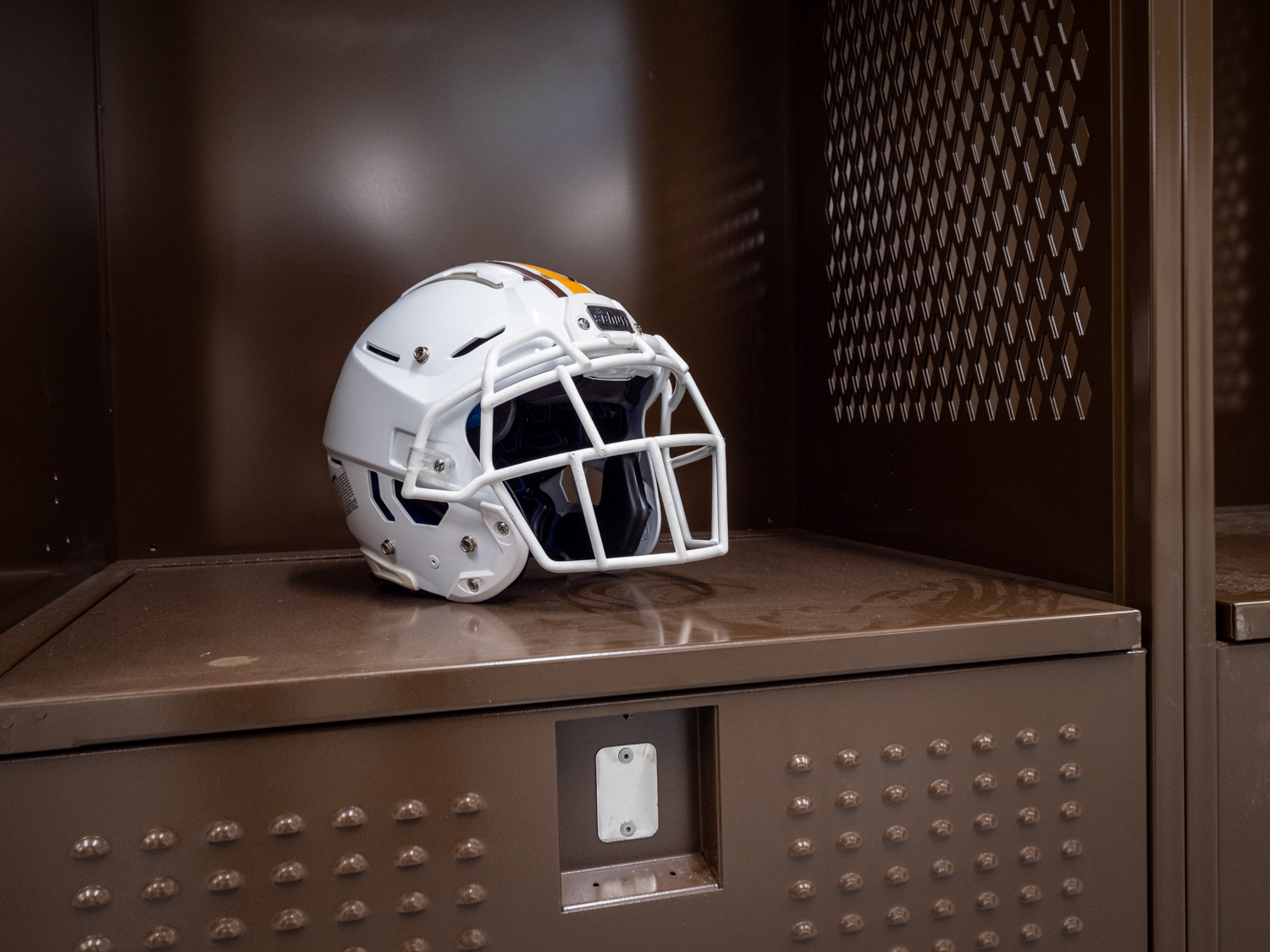
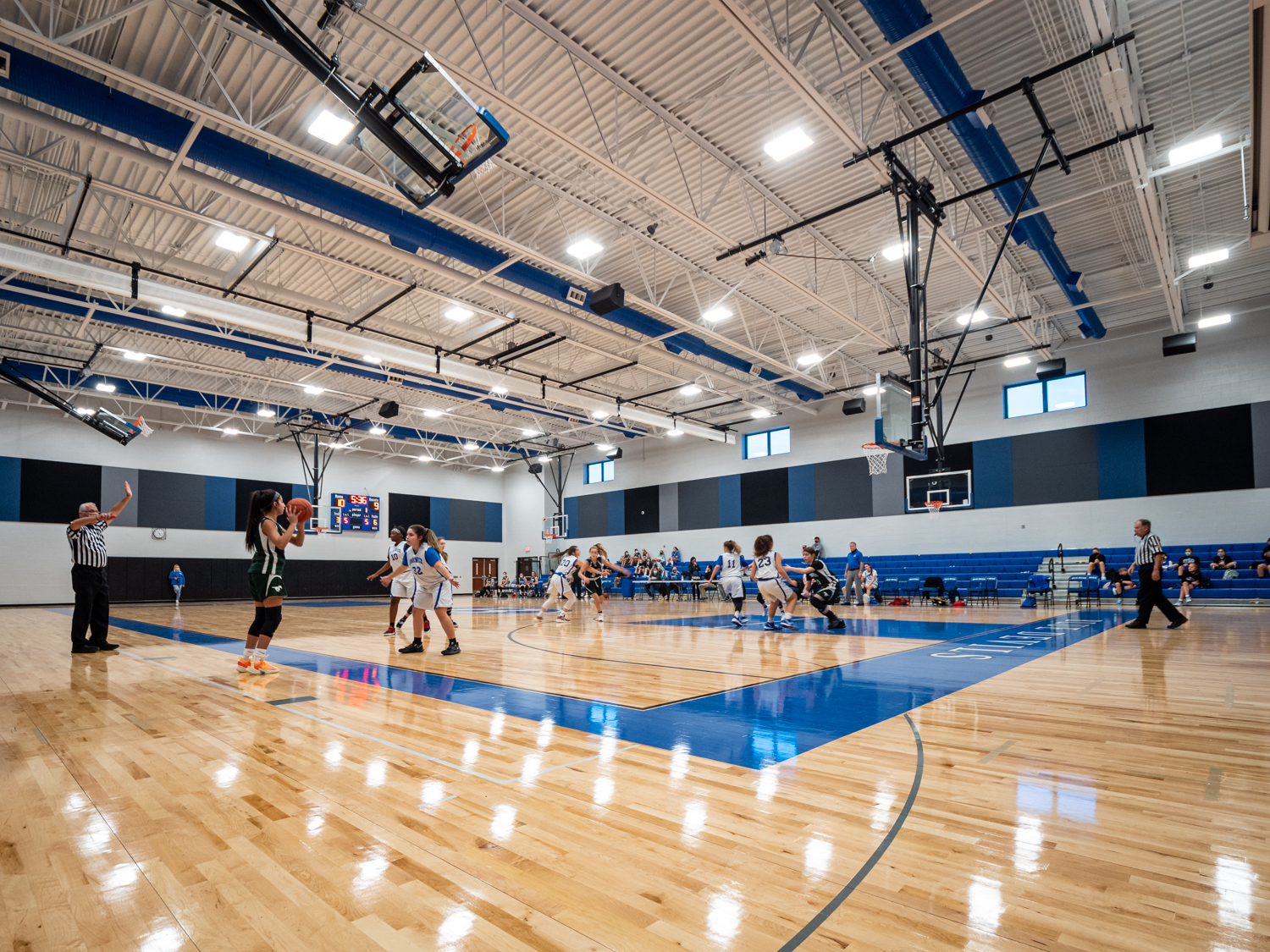
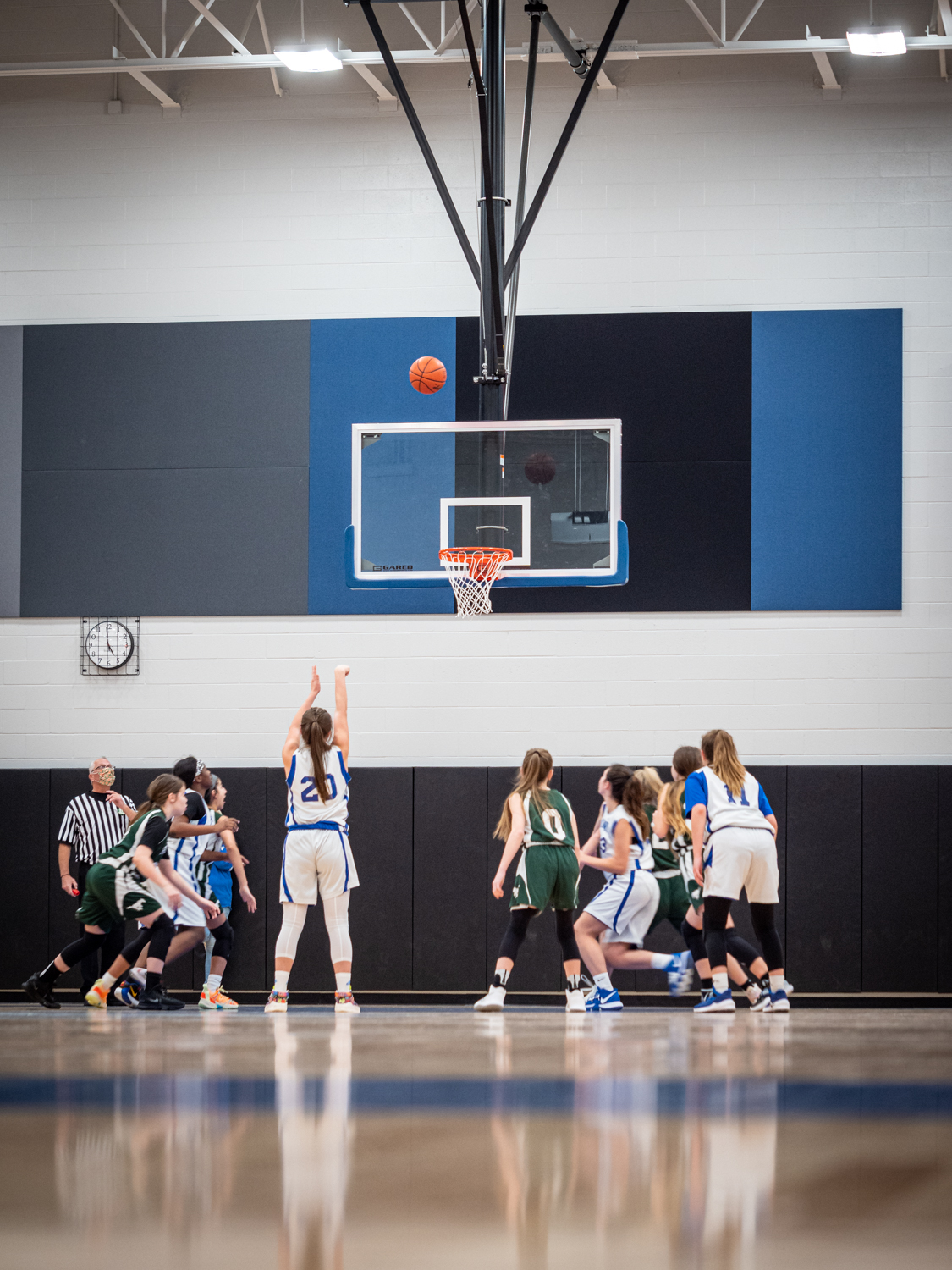
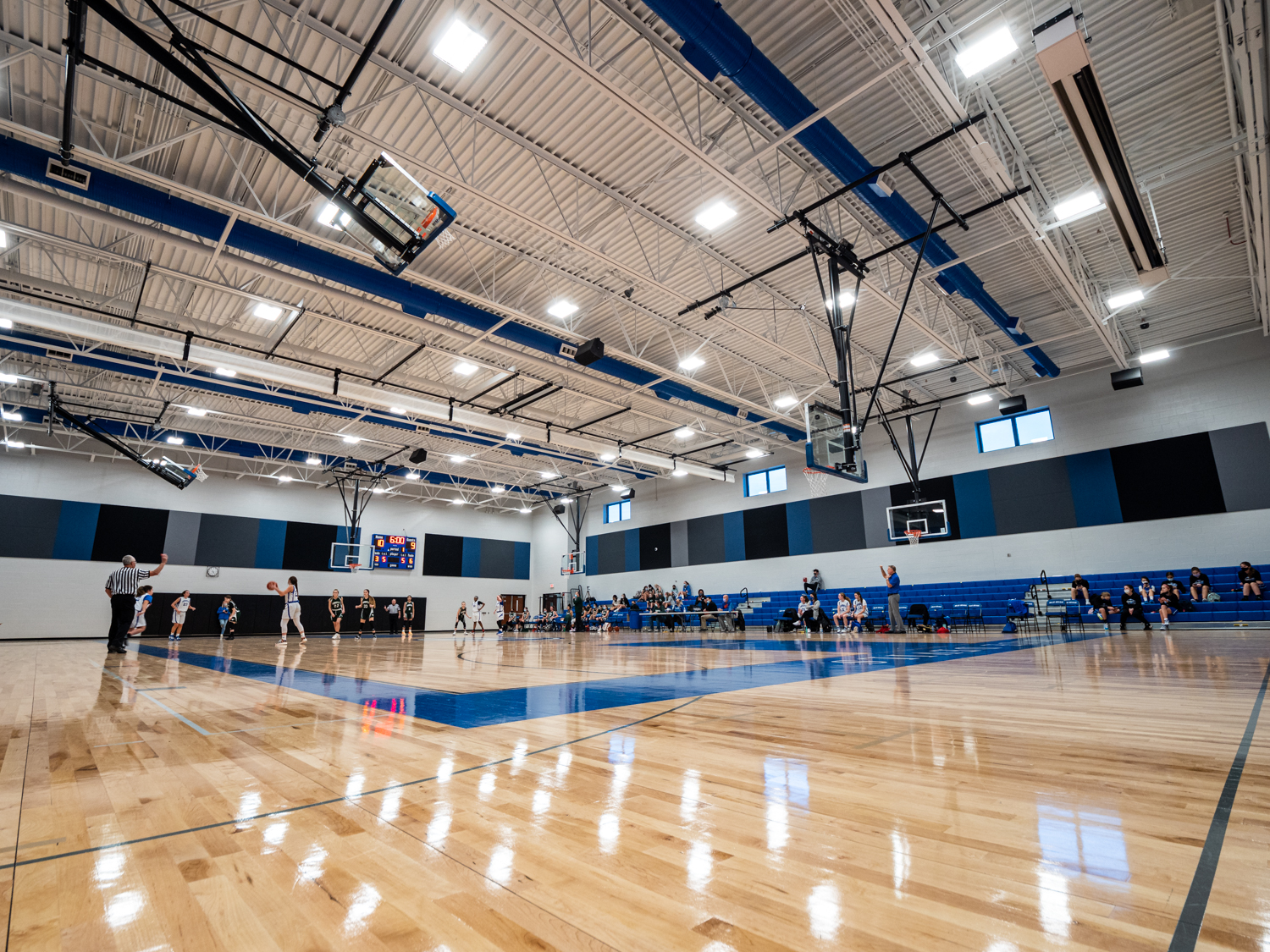
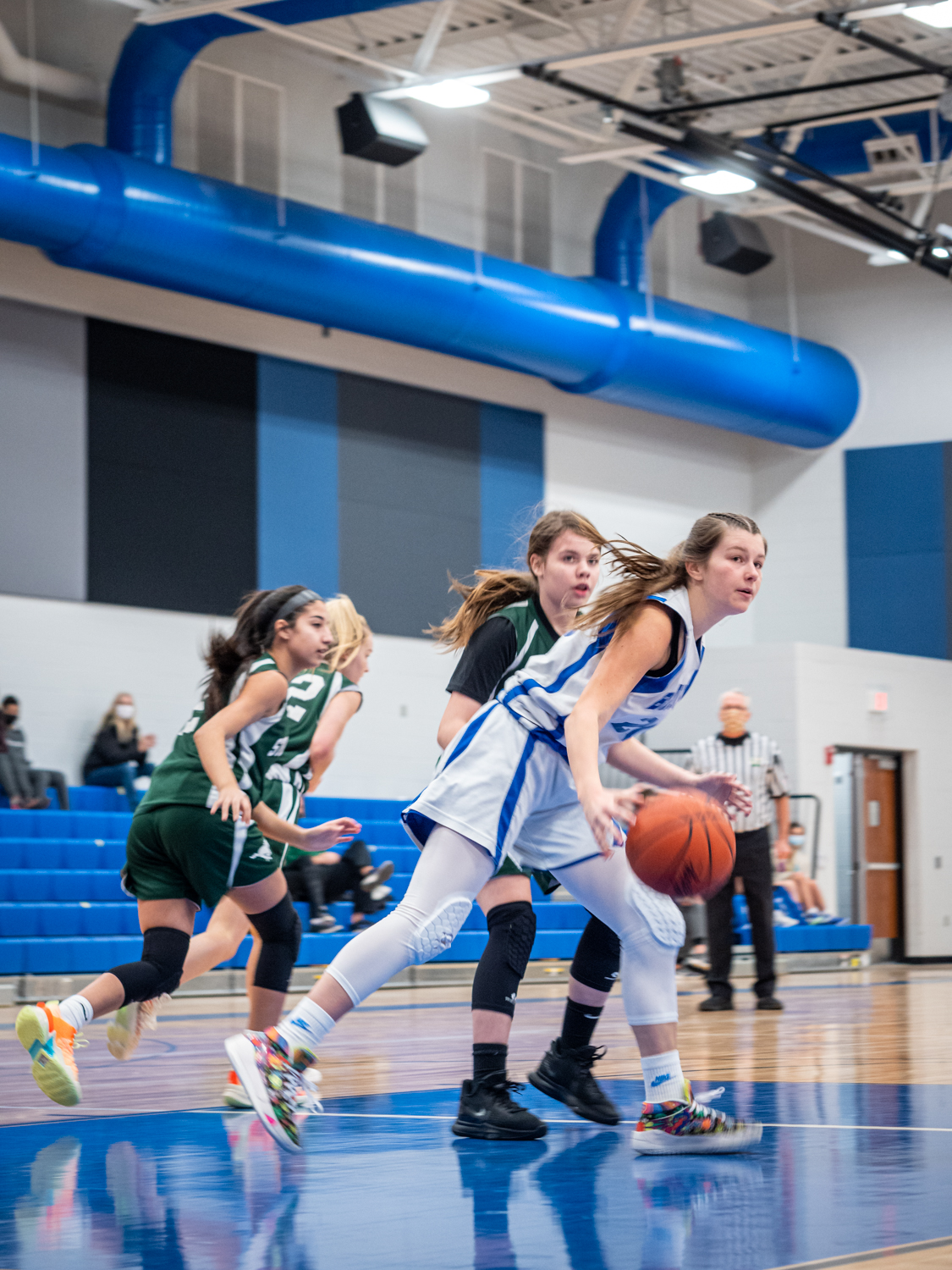
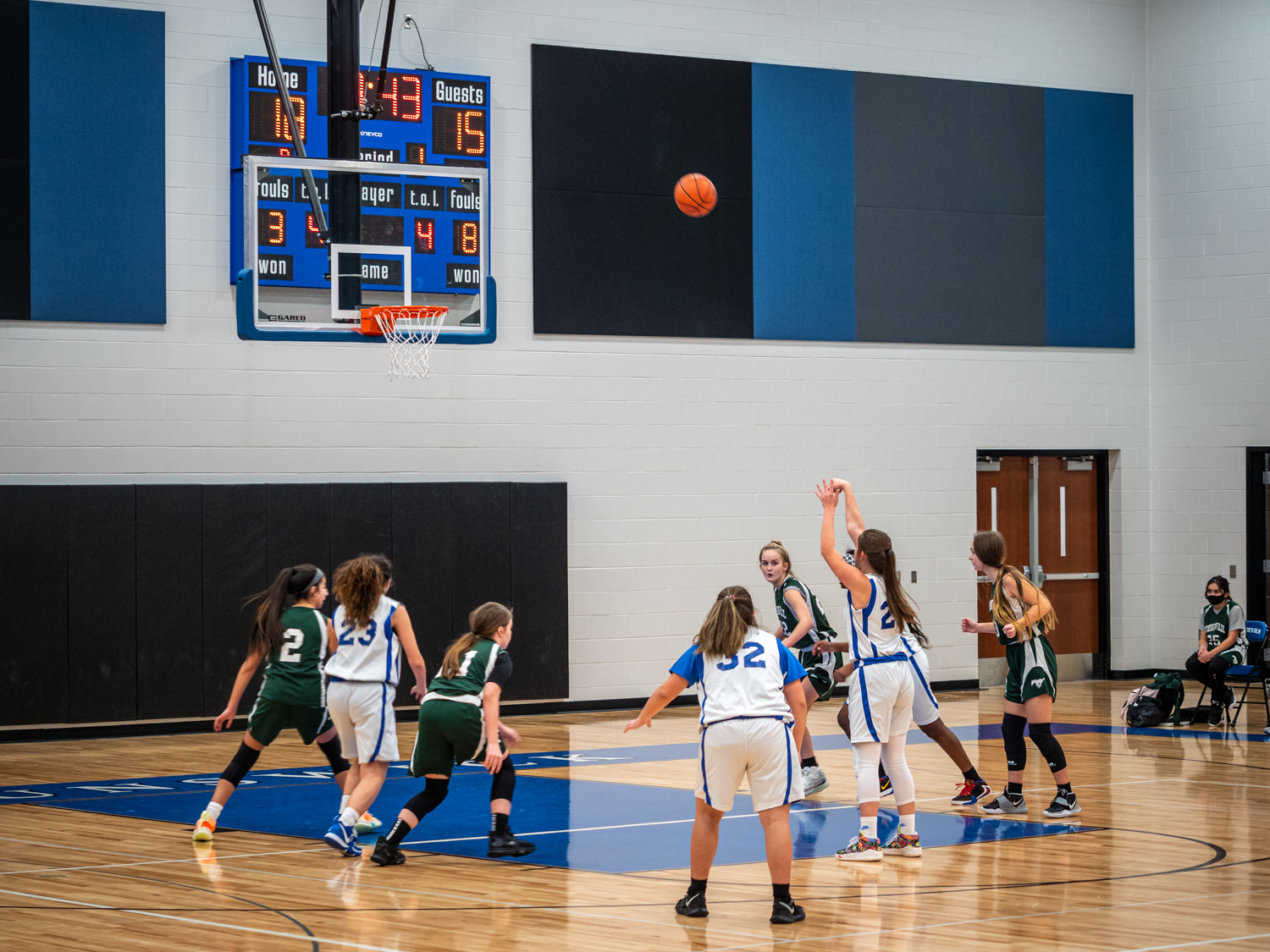
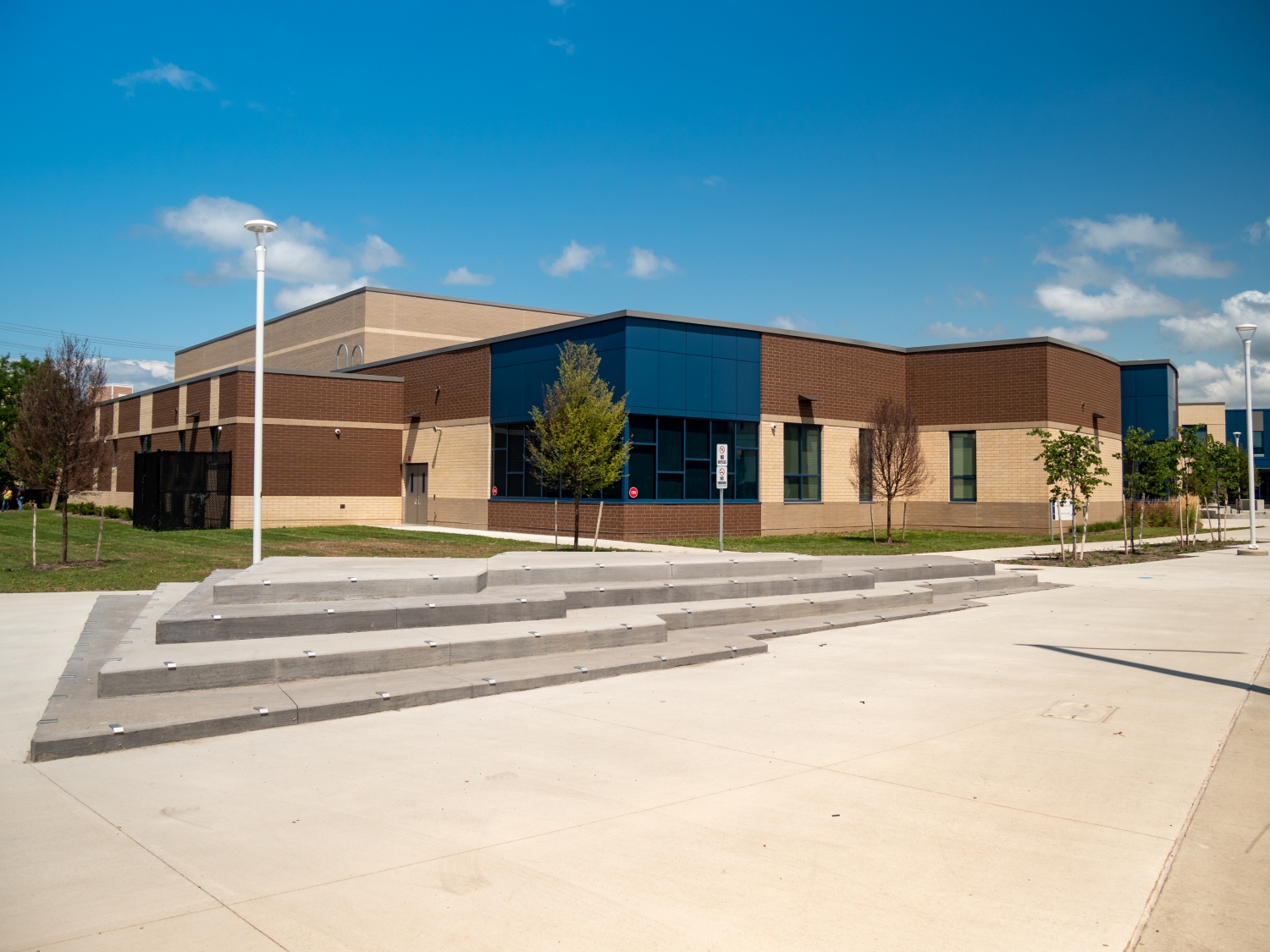
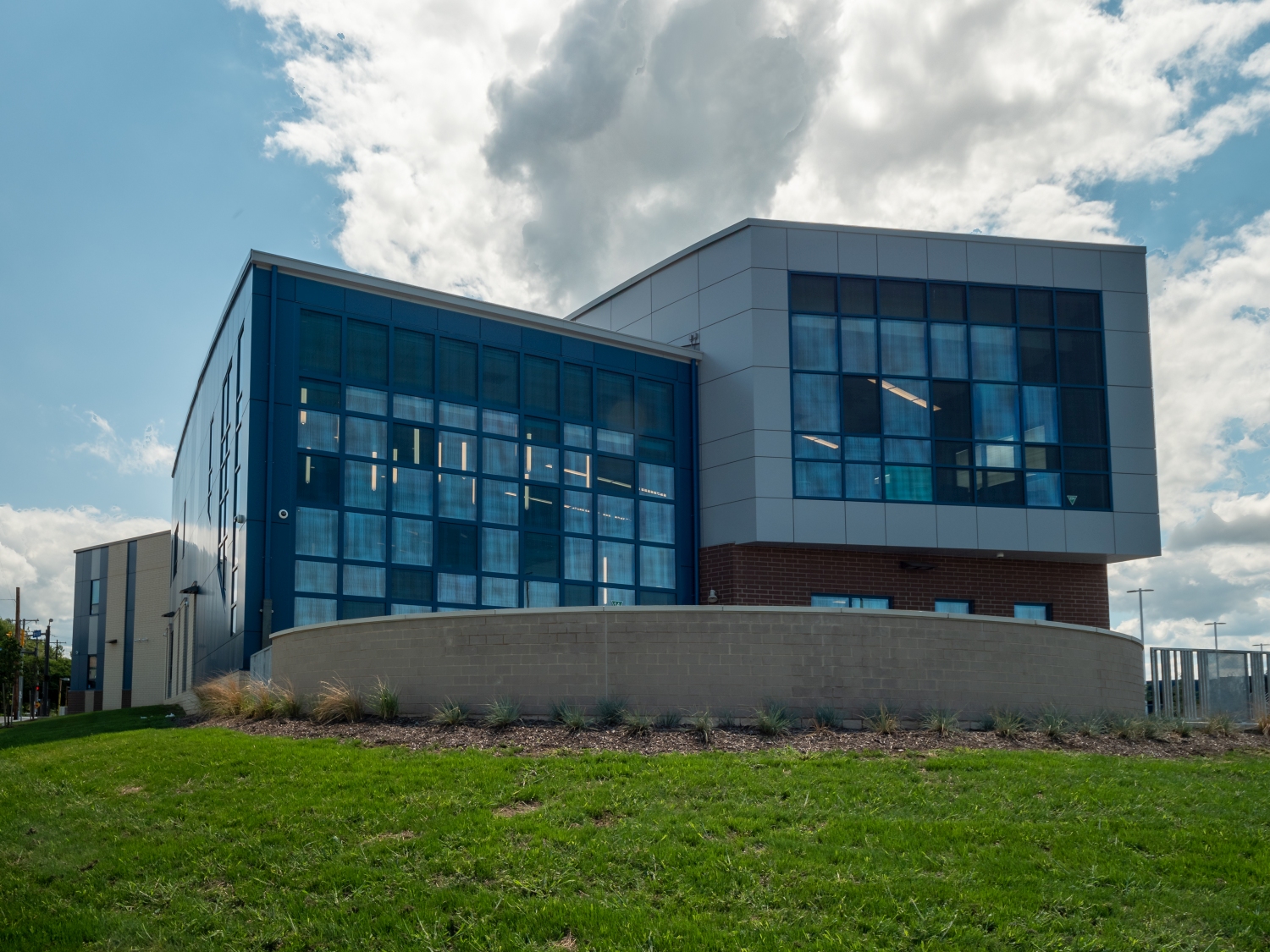
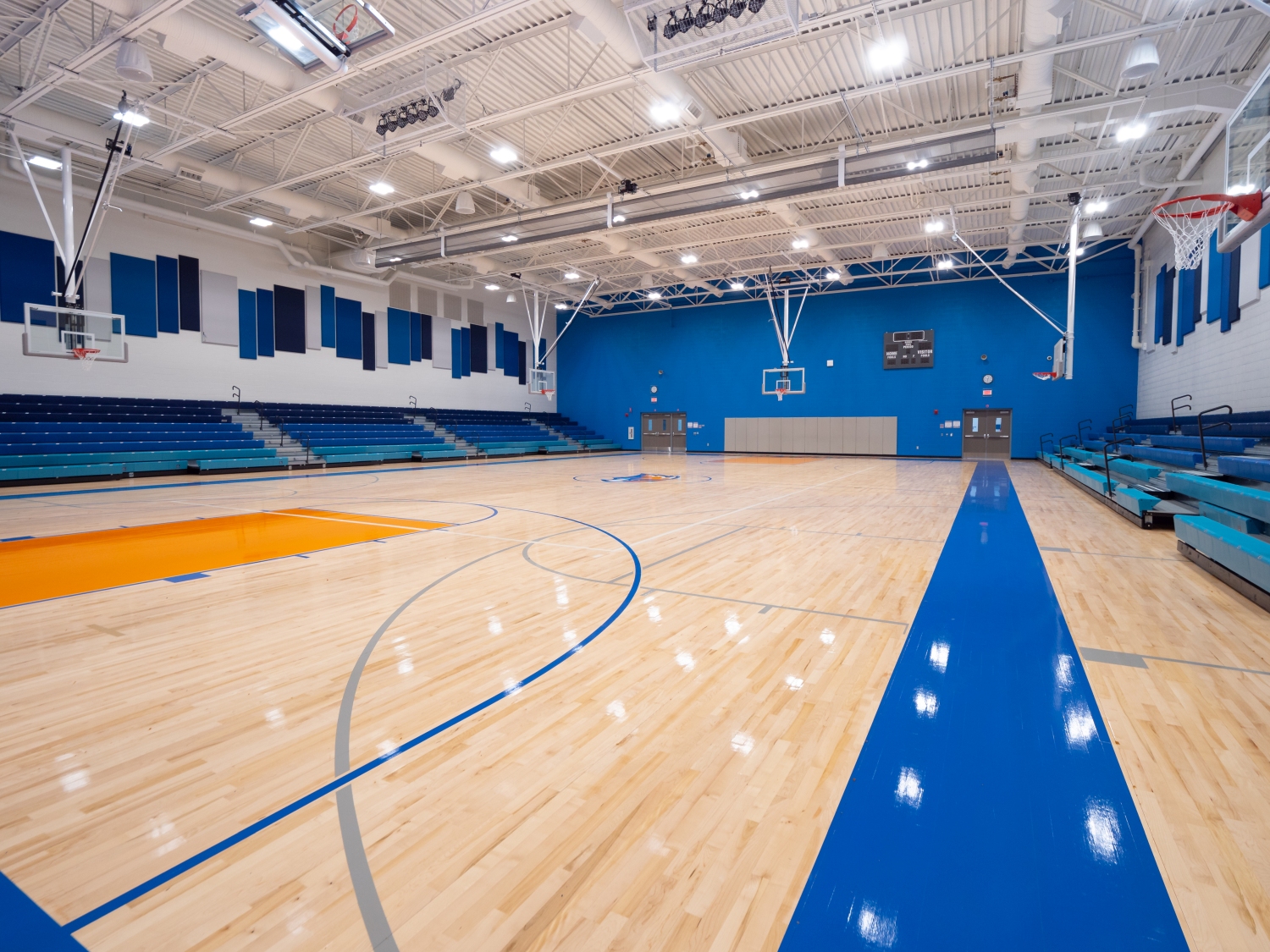
A highlight of this construction project was to reorganize the athletic spaces. In order to better utilize the Korb Field, new locker rooms for football, track and soccer were added adjacent to the stadium by raising the existing gymnasium one floor and inserting the locker facilities beneath it. This solution allowed the new locker facilities to be used by the gymnasium above and the sports field just outside. Teams could then enter and exit these facilities directly from an outdoor public plaza, instead of needing to use locker rooms on the other side of the school. With this new configuration, both home and traveling teams could more easily engage with the new facilities, streamlining future athletic events. While it was a structural challenge to raise the gym, the floor was refinished and the space expanded, becoming the new auxiliary gym/multipurpose space for the school.

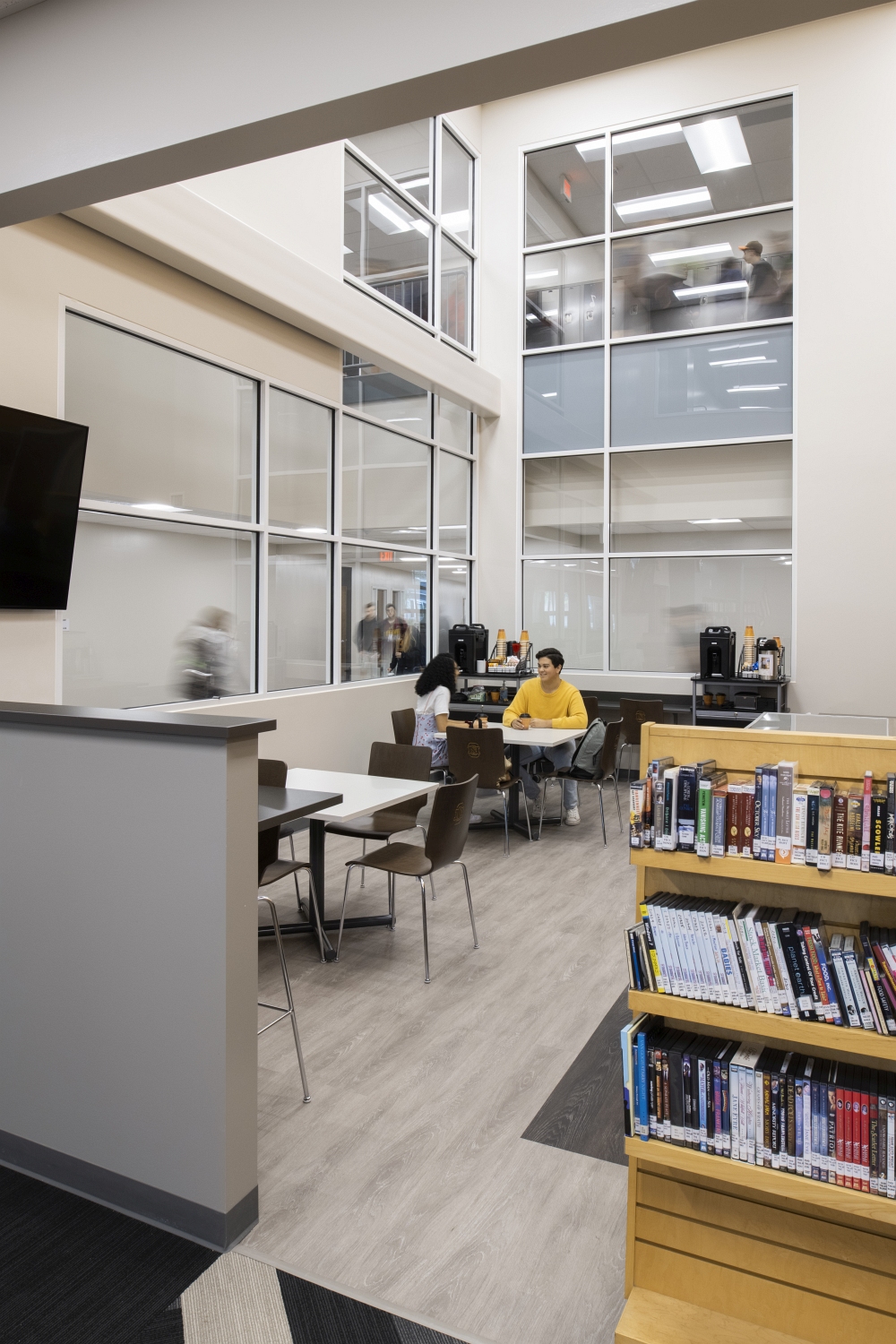
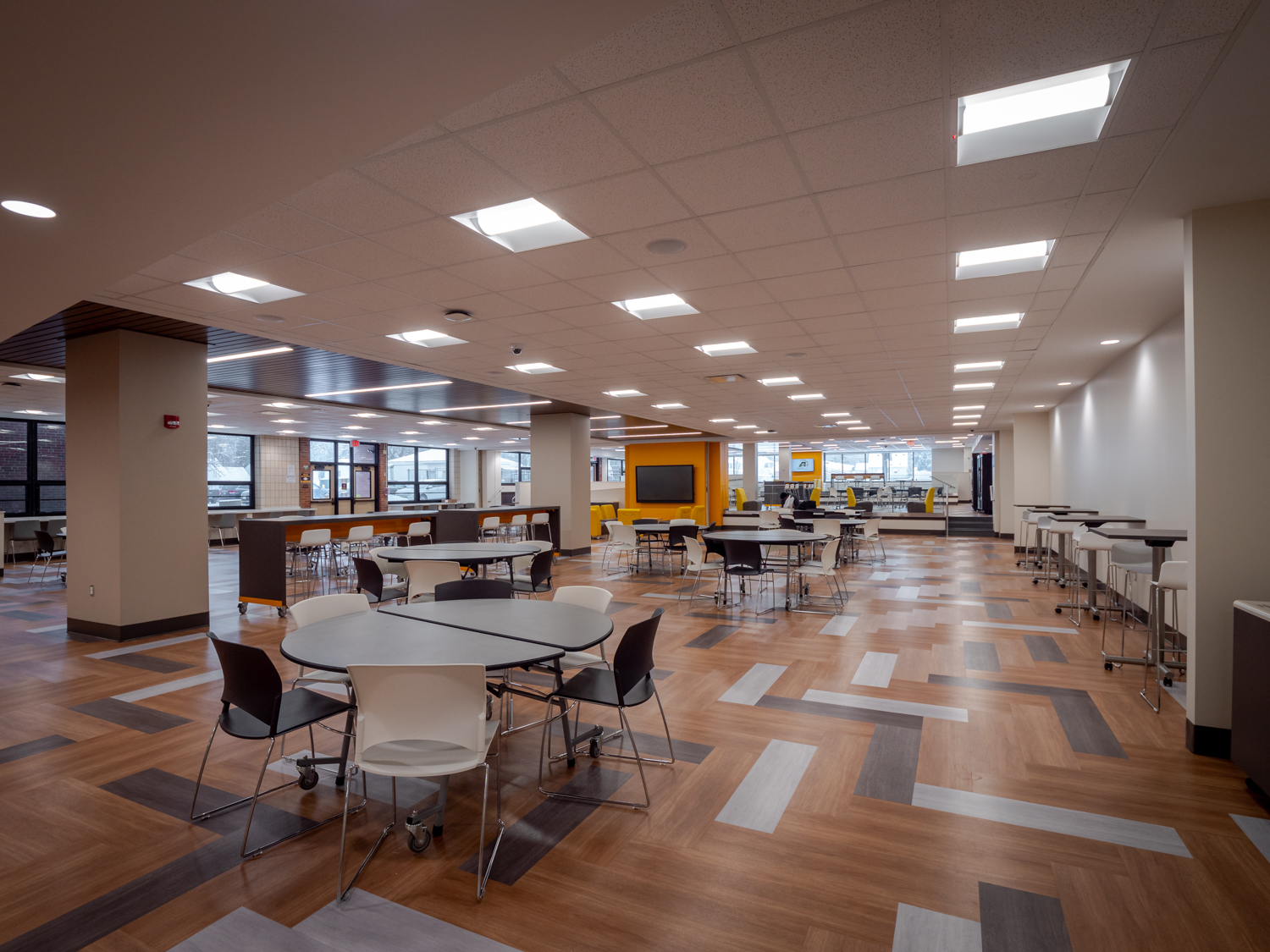
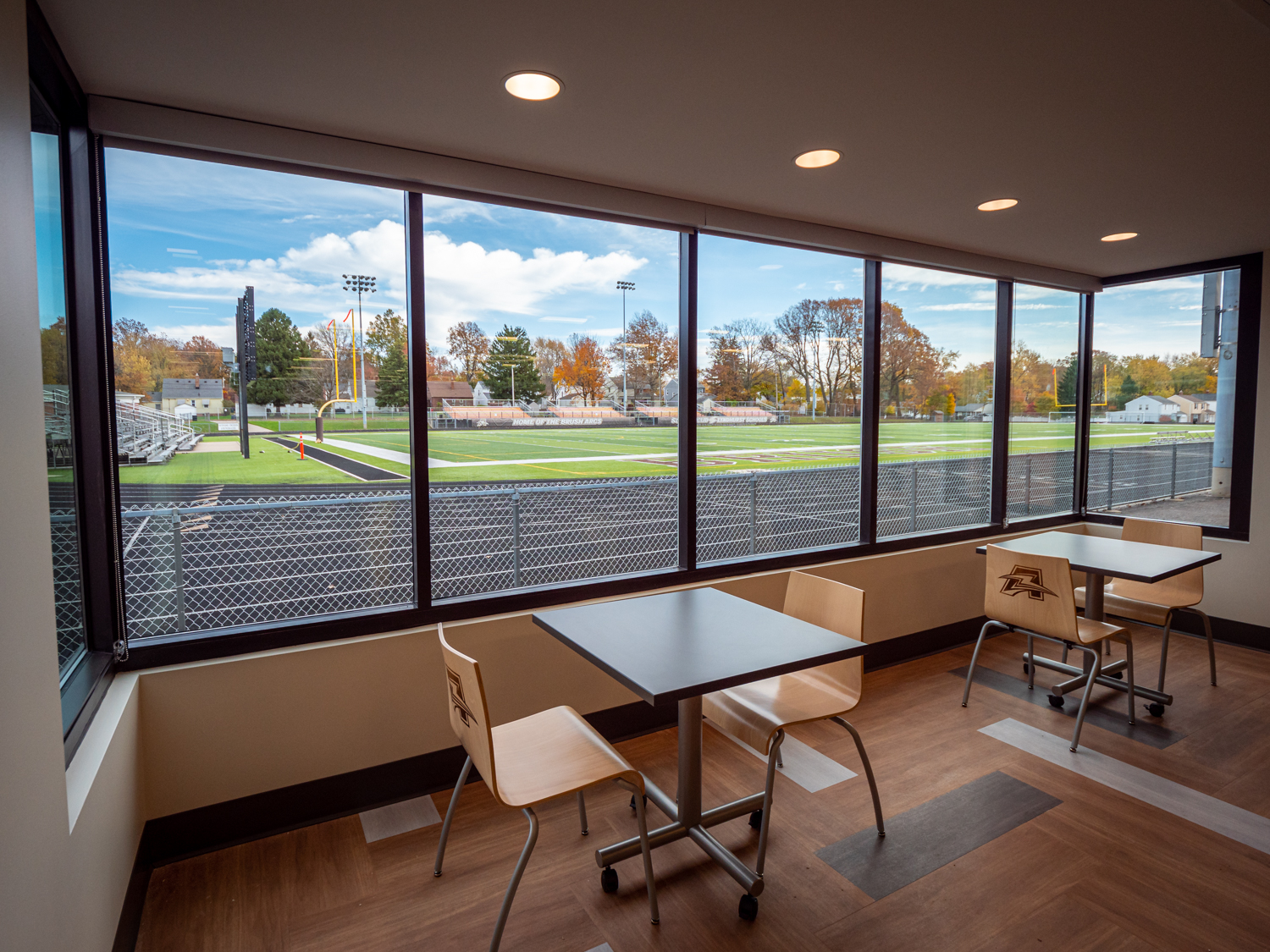
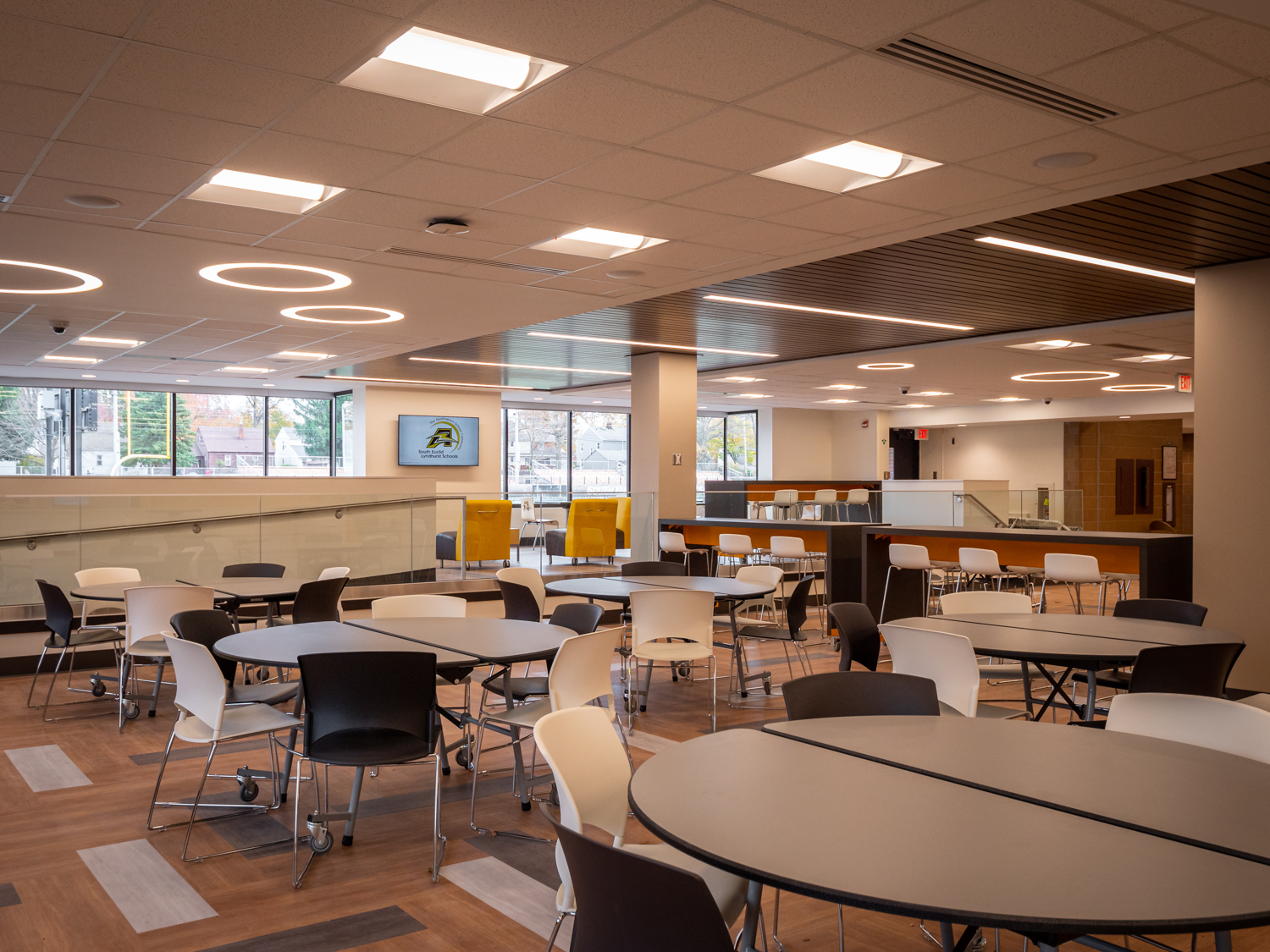
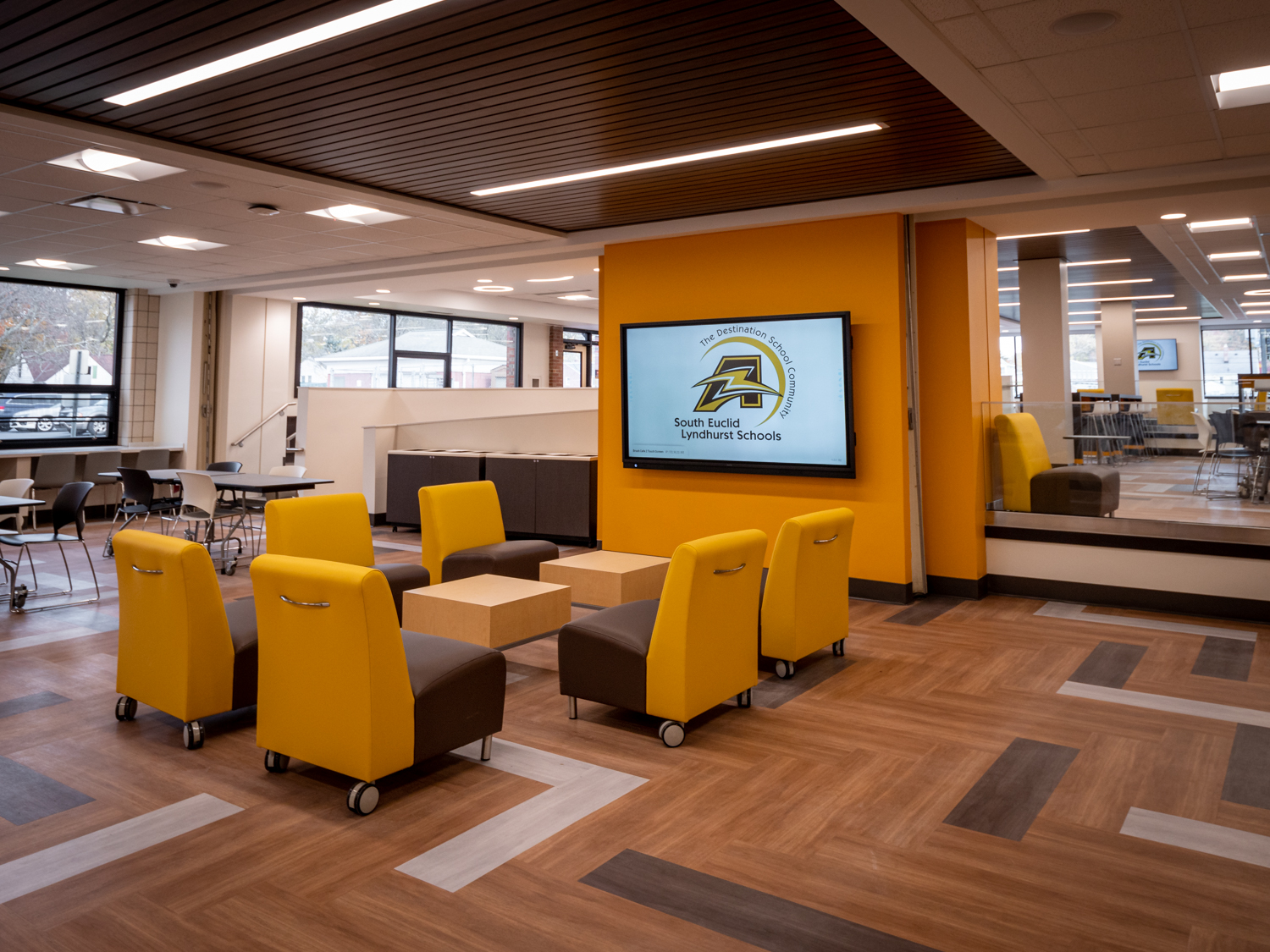
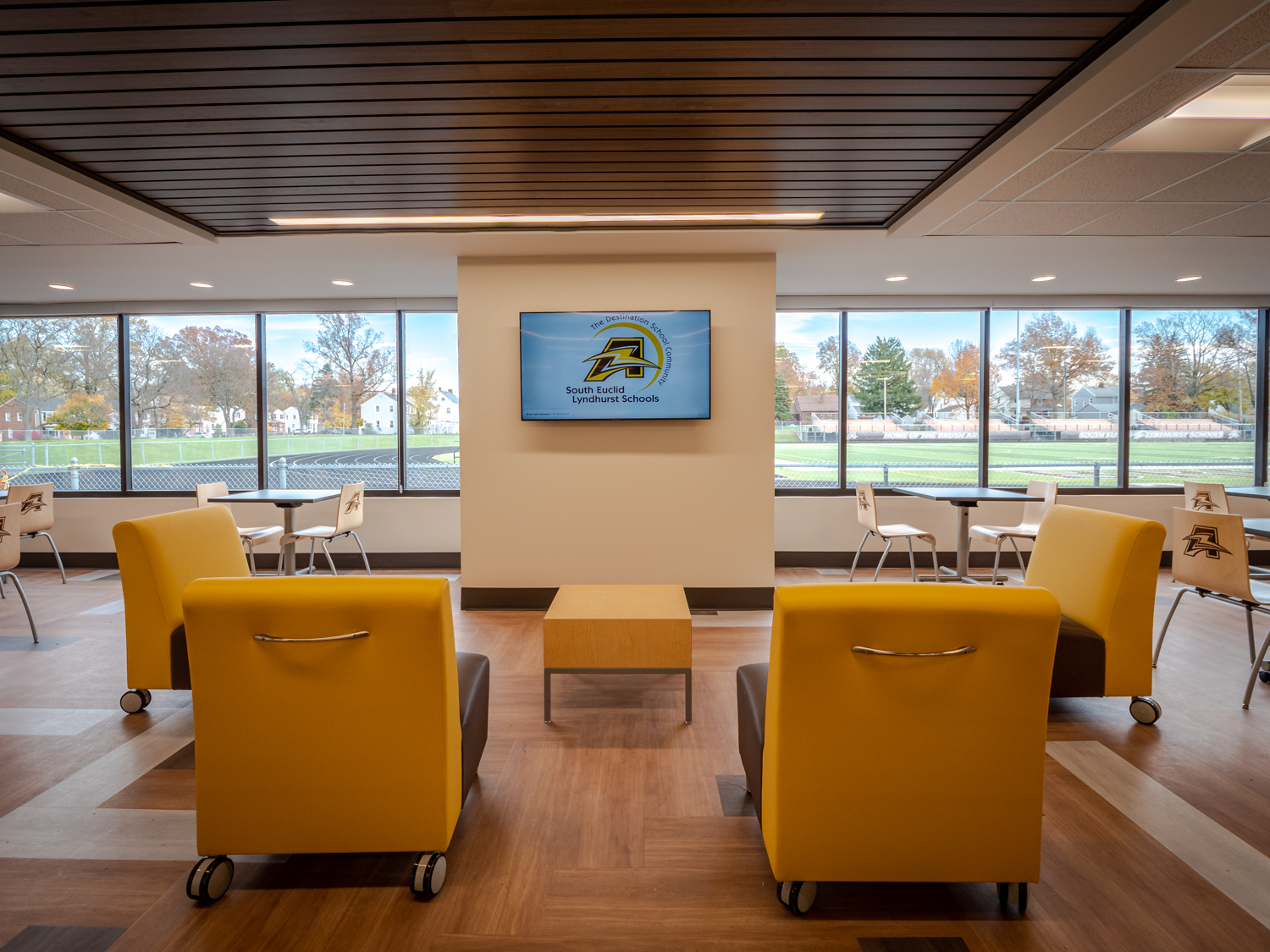
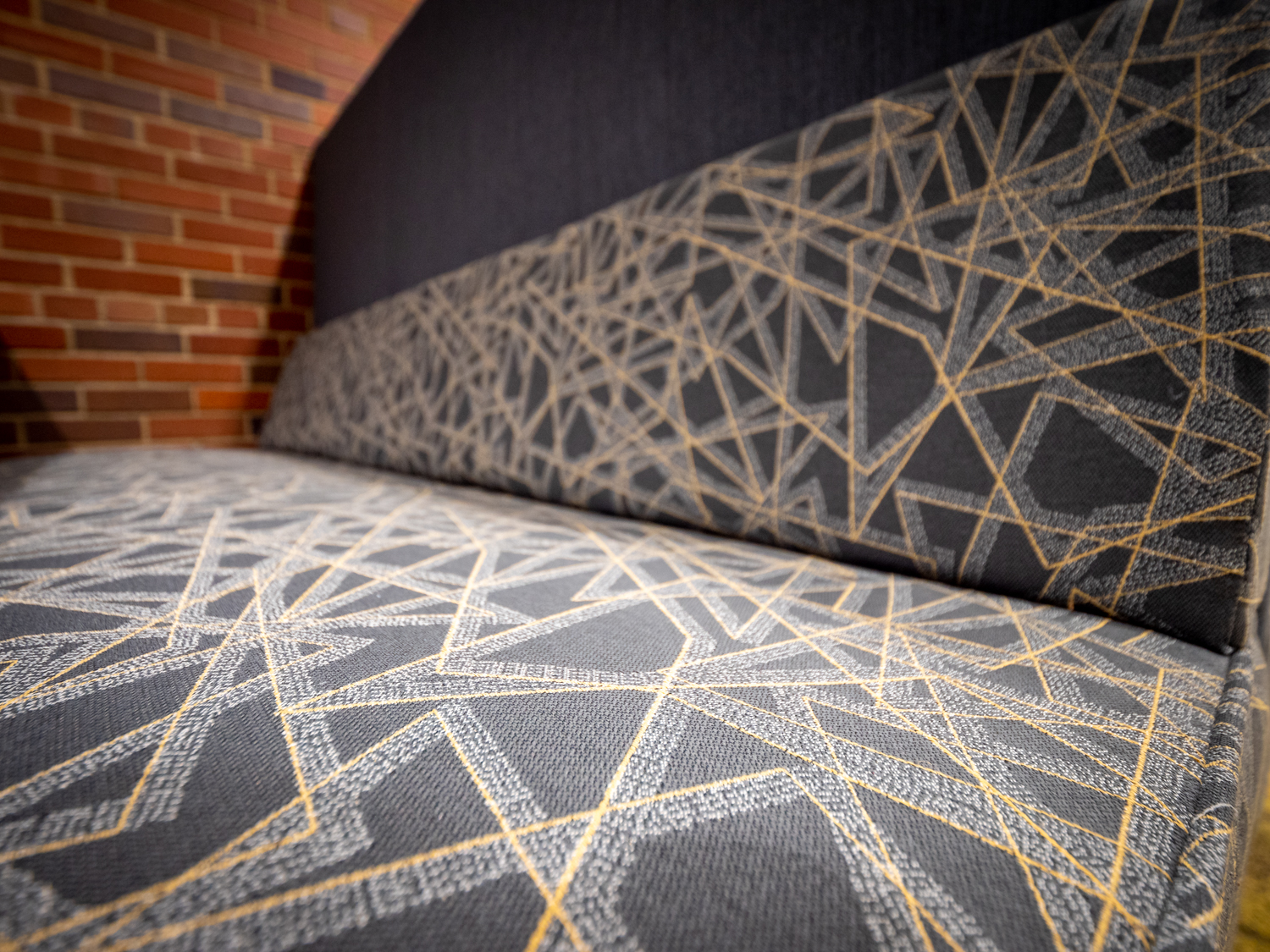
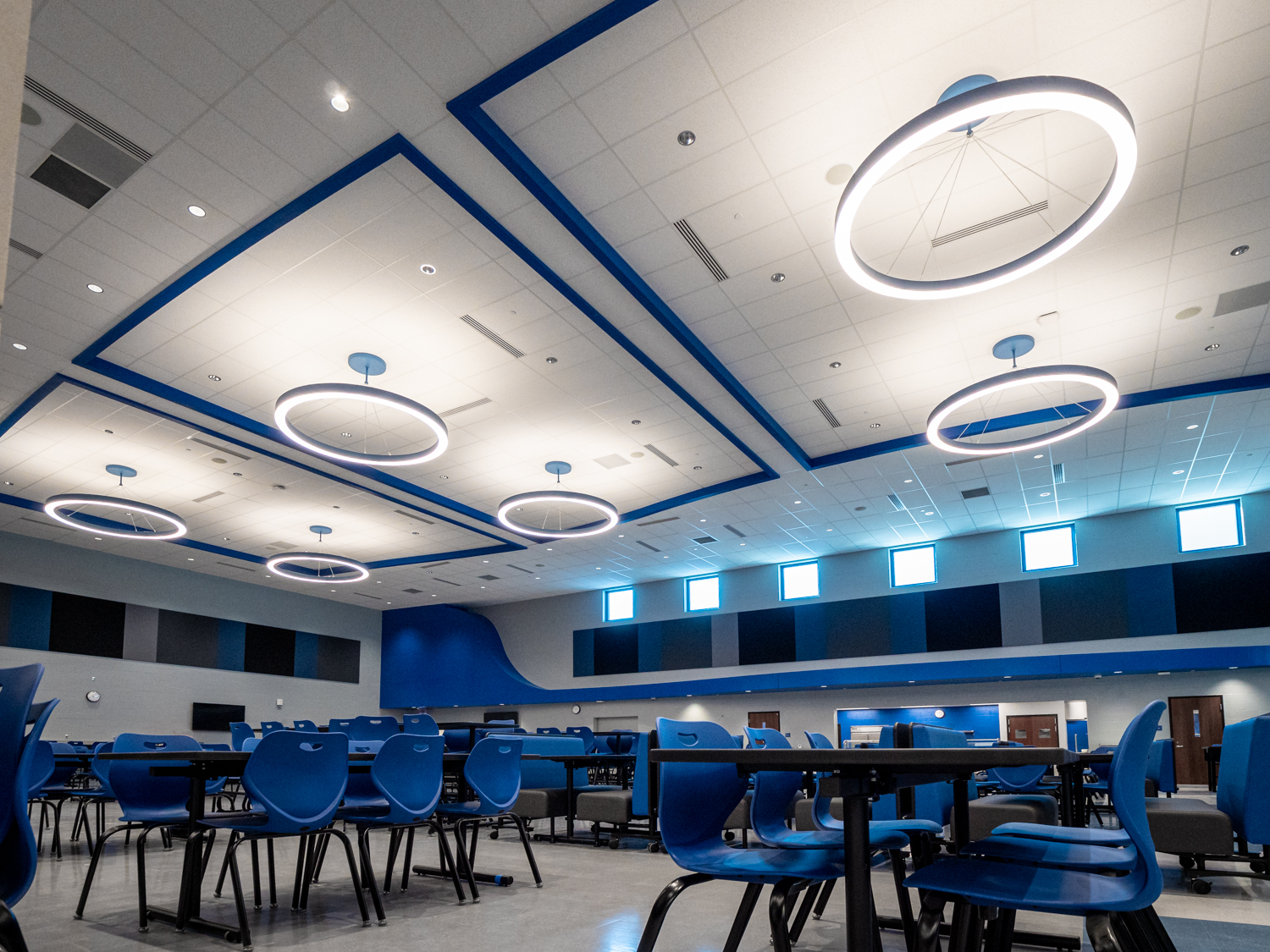
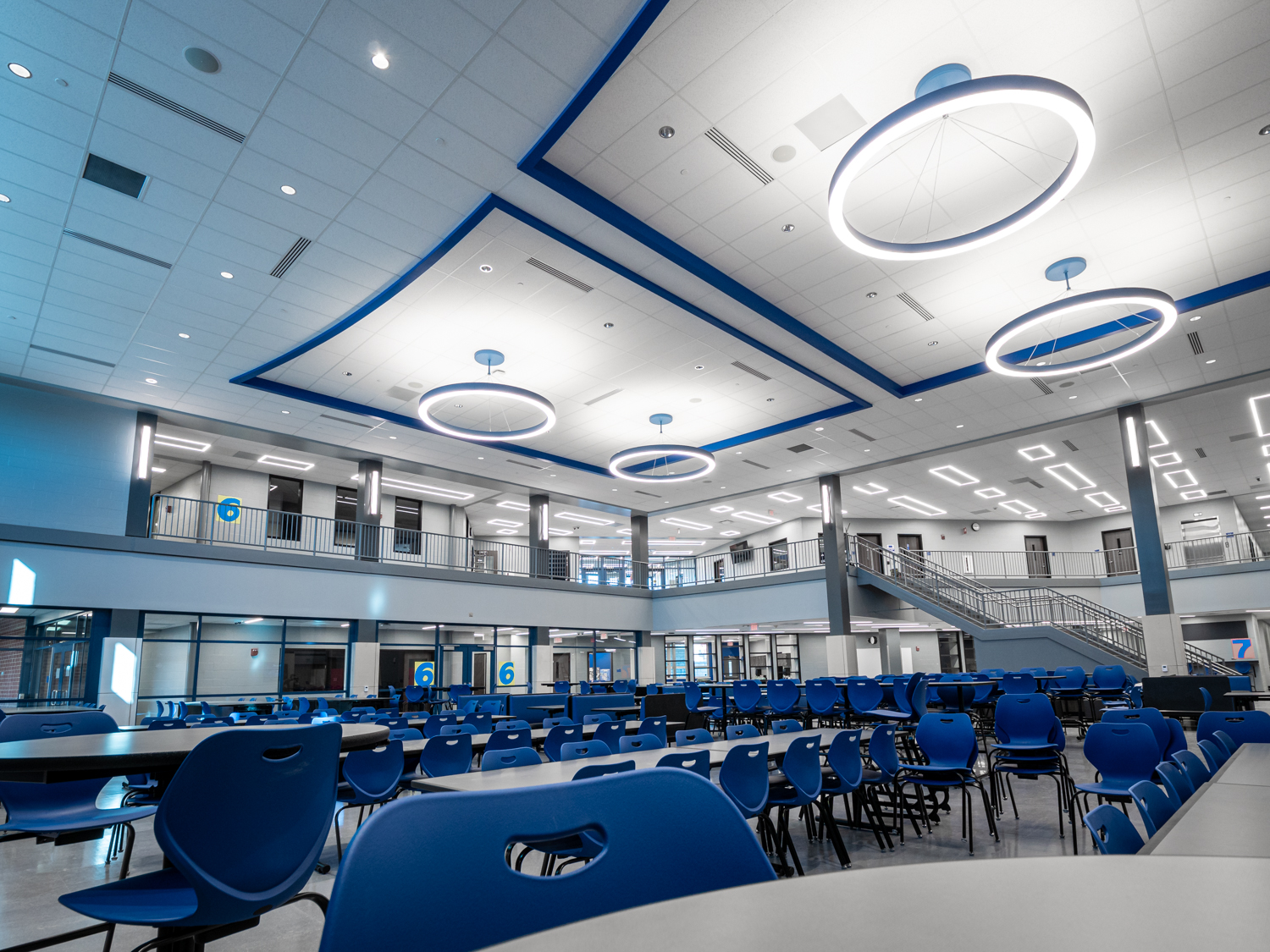
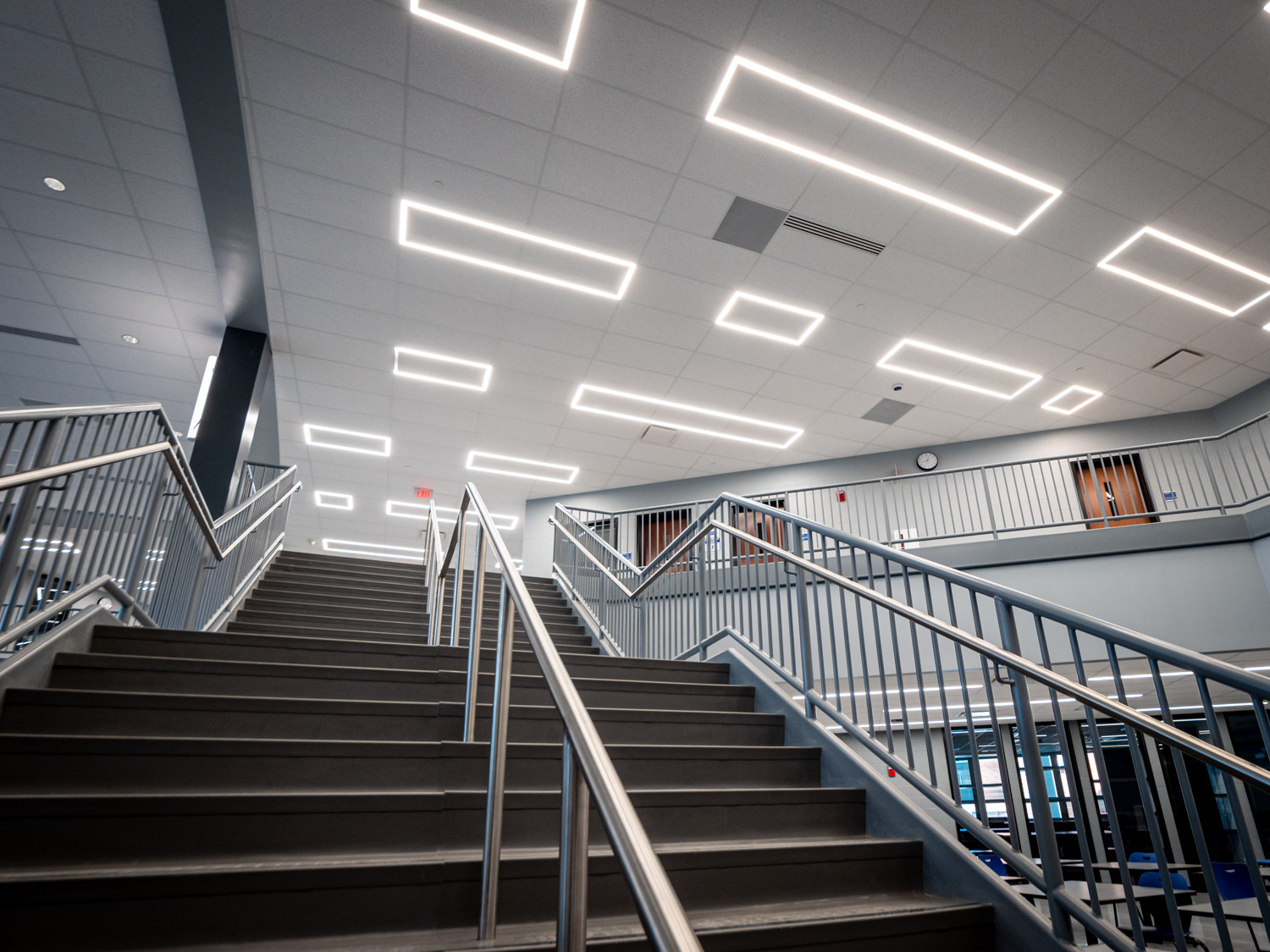
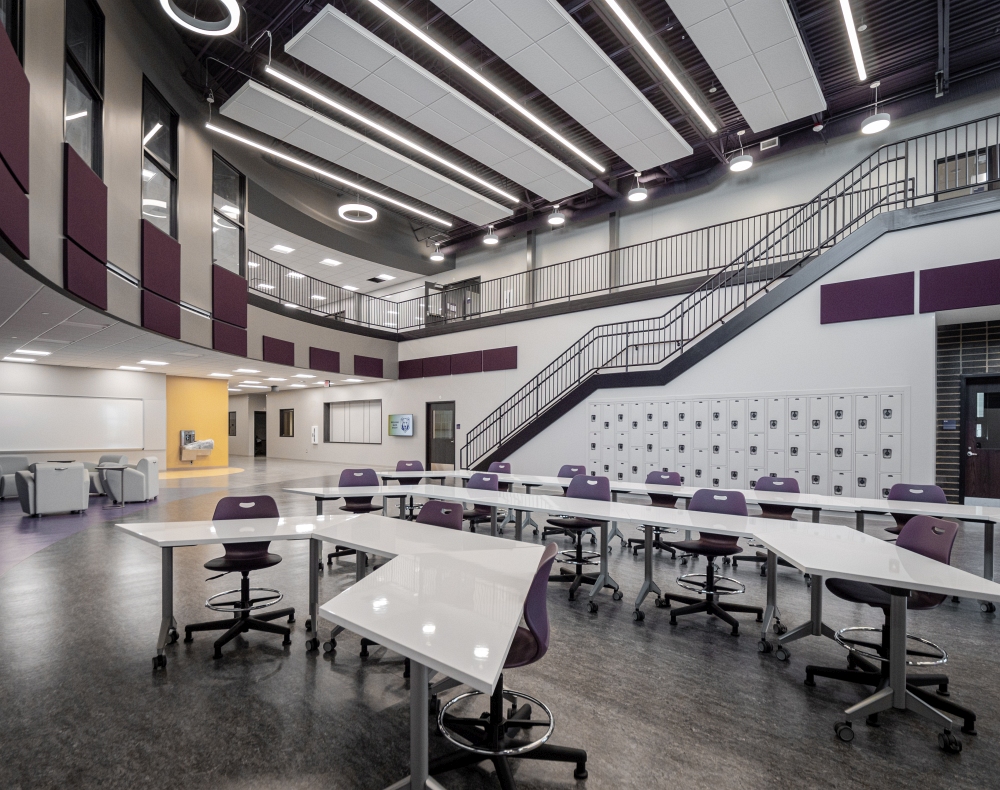
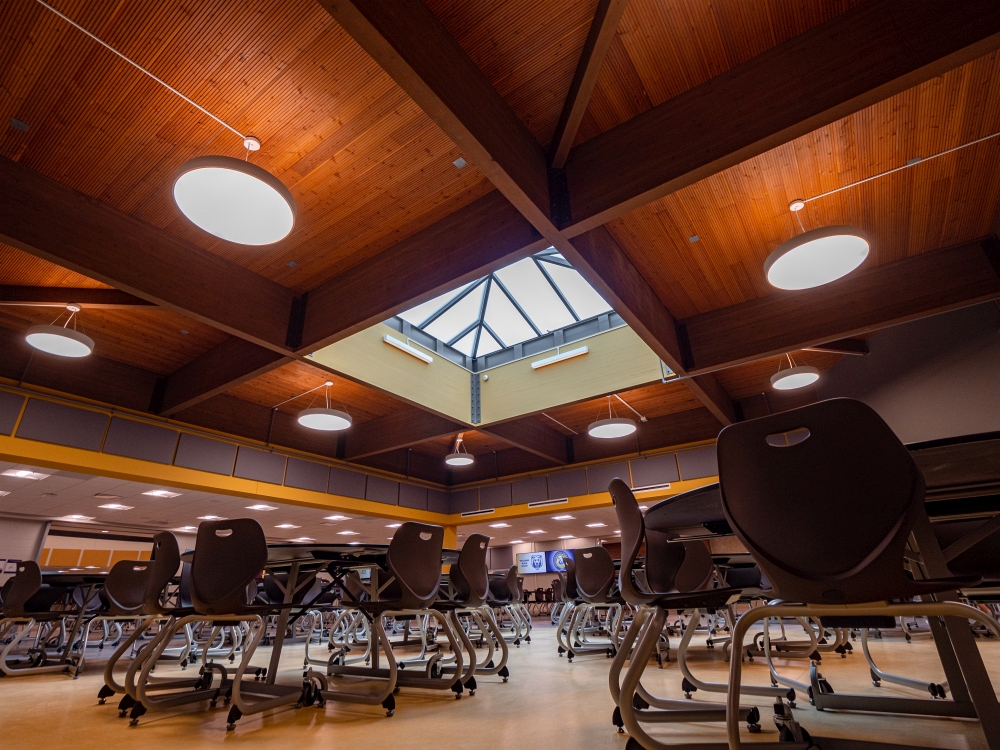
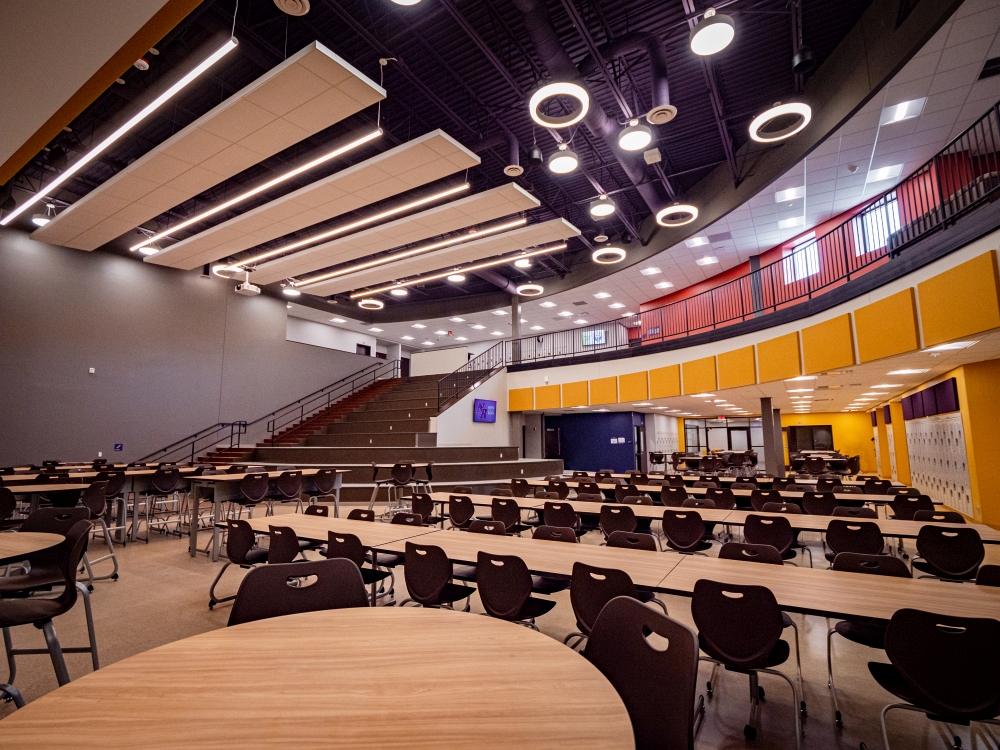
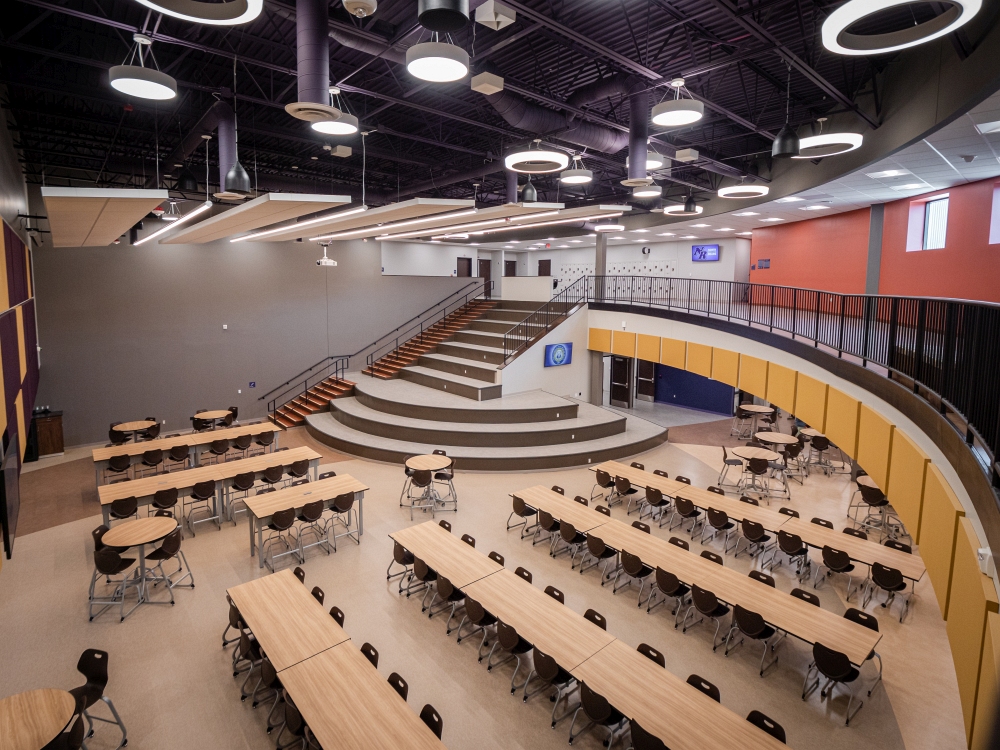
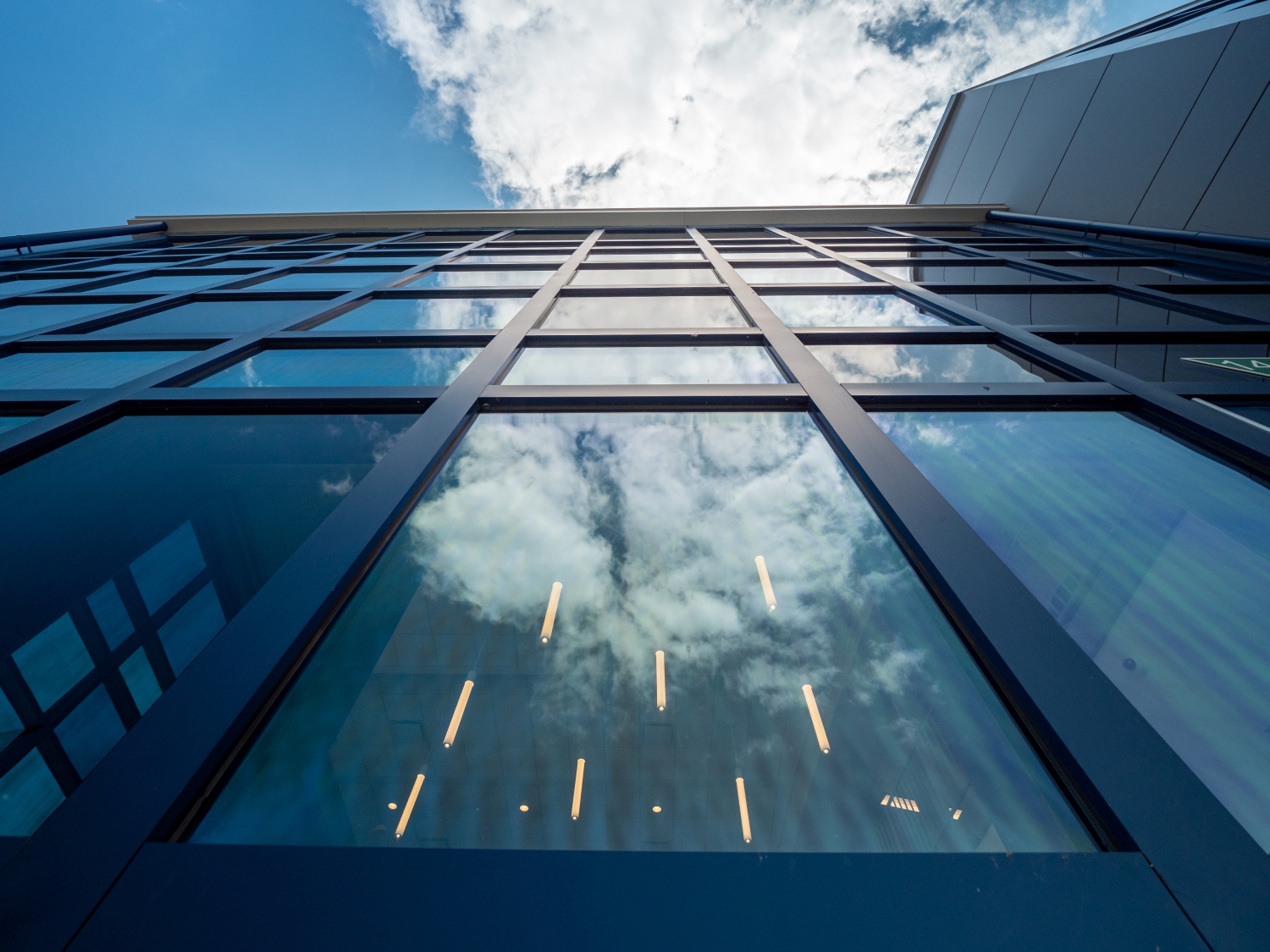
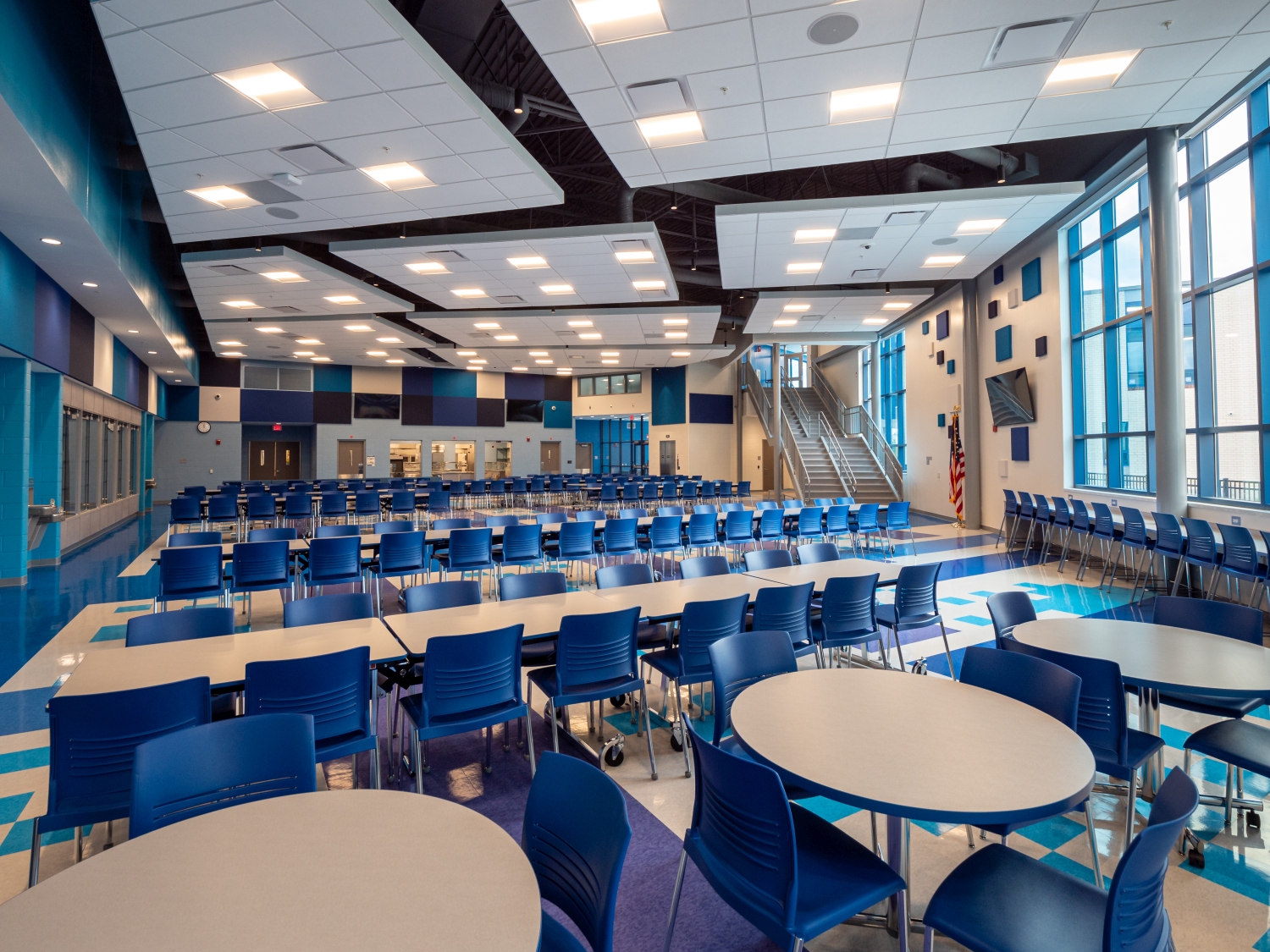
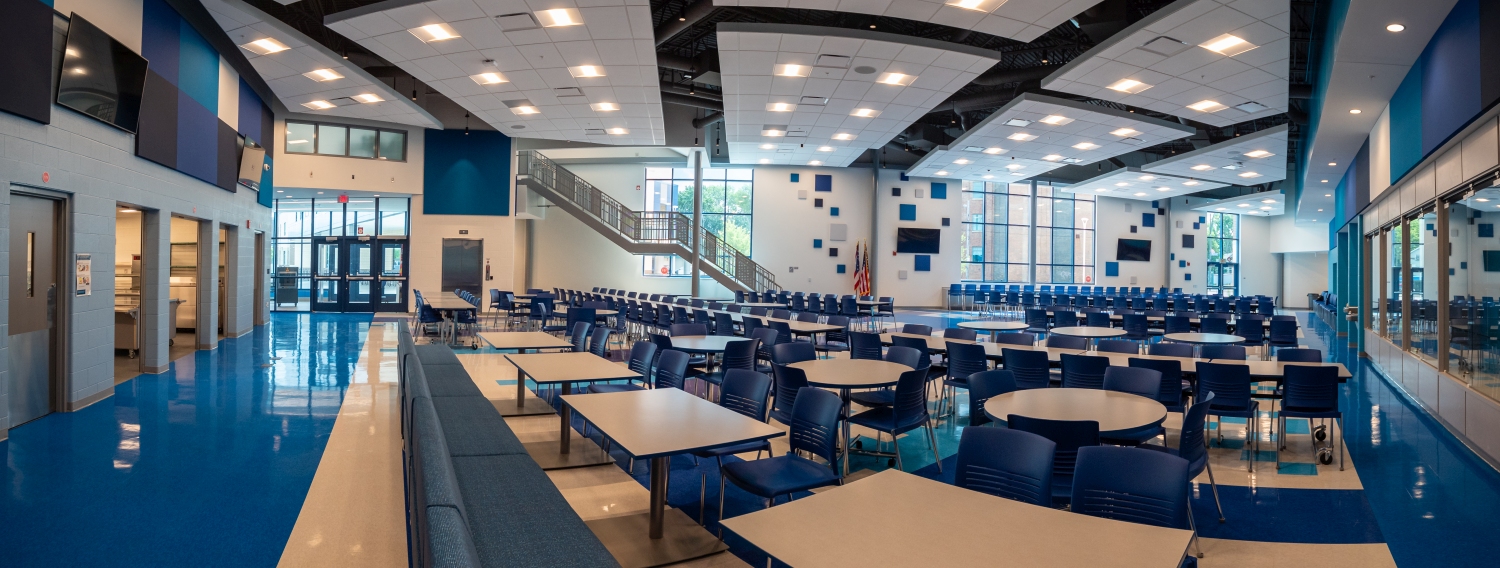
Student Dining was another major area addressed. First, the serving and point of sale areas were separated, allowing for a more modern and efficient approach. This eliminated heavy traffic during lunch periods and organized the cafeteria around an “a la carte” model. Second, large bay windows were added to the east elevation and energy efficient LED’s were installed to create a much brighter and healthier indoor environment. Third, the upper level of the cafeteria was redesigned to include modern, soft, bench seating that overlooked the sports field. This café style space served students during the day but then served the community at other times, since it provided excellent views of athletic events and could become a hub for future community events.

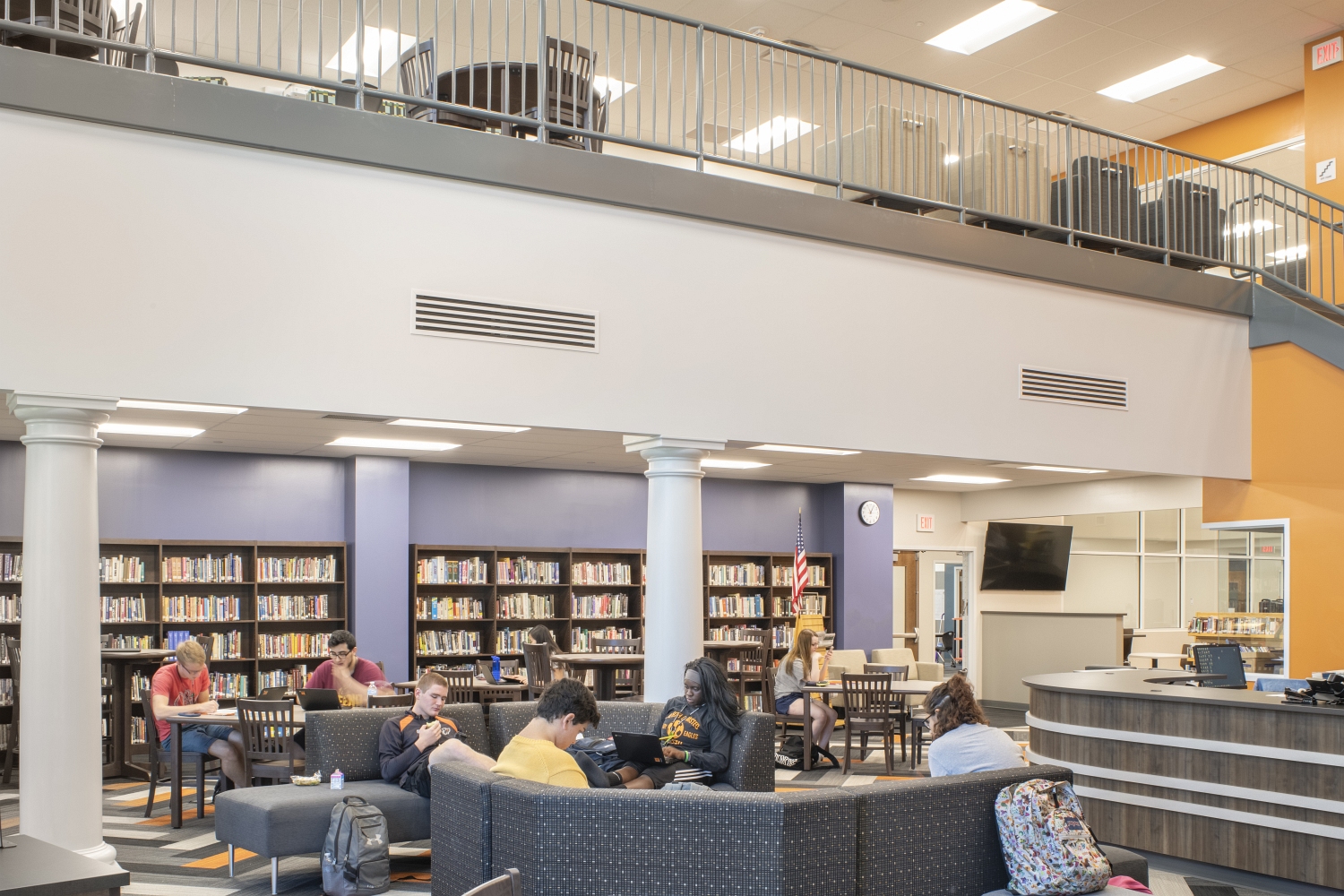
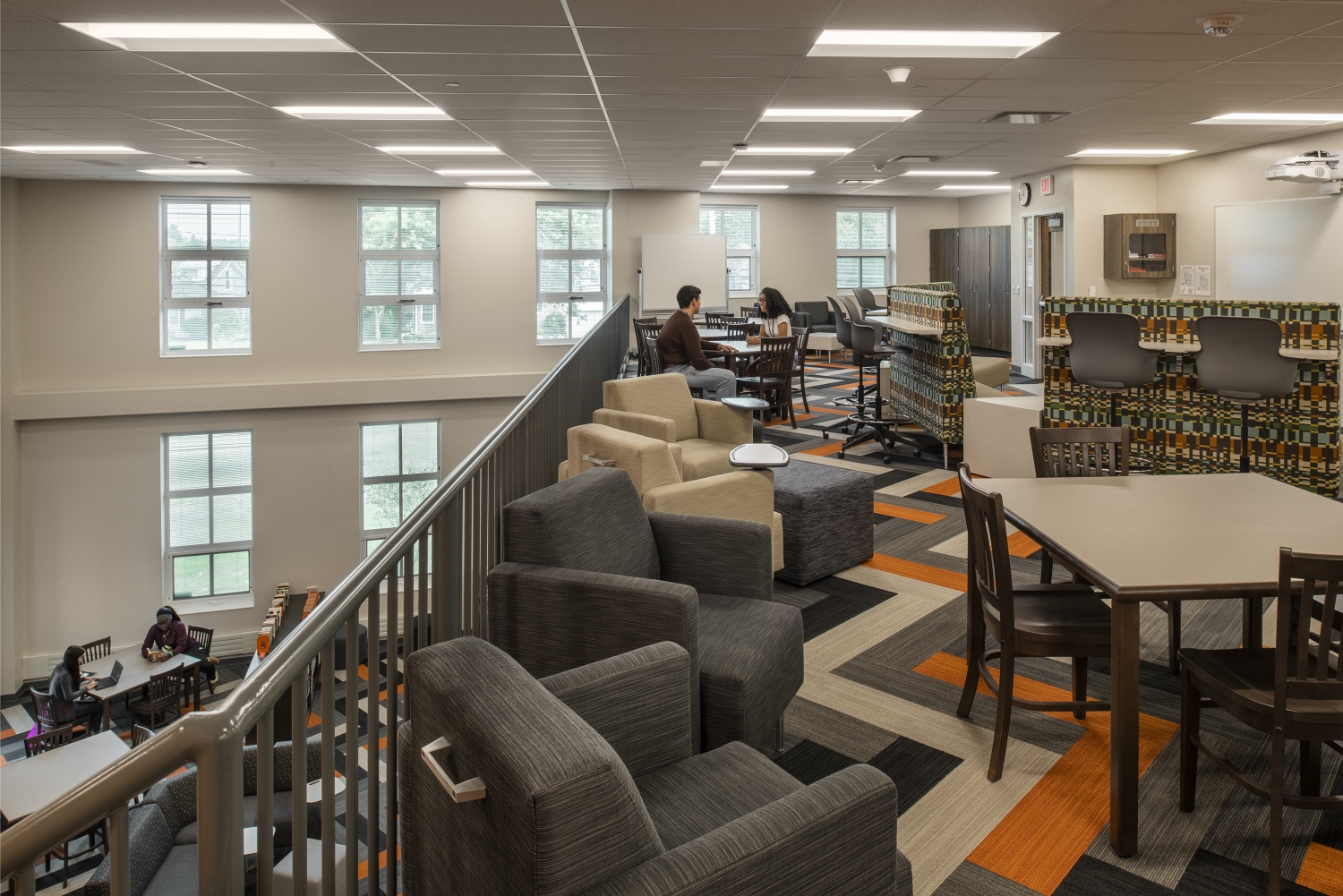
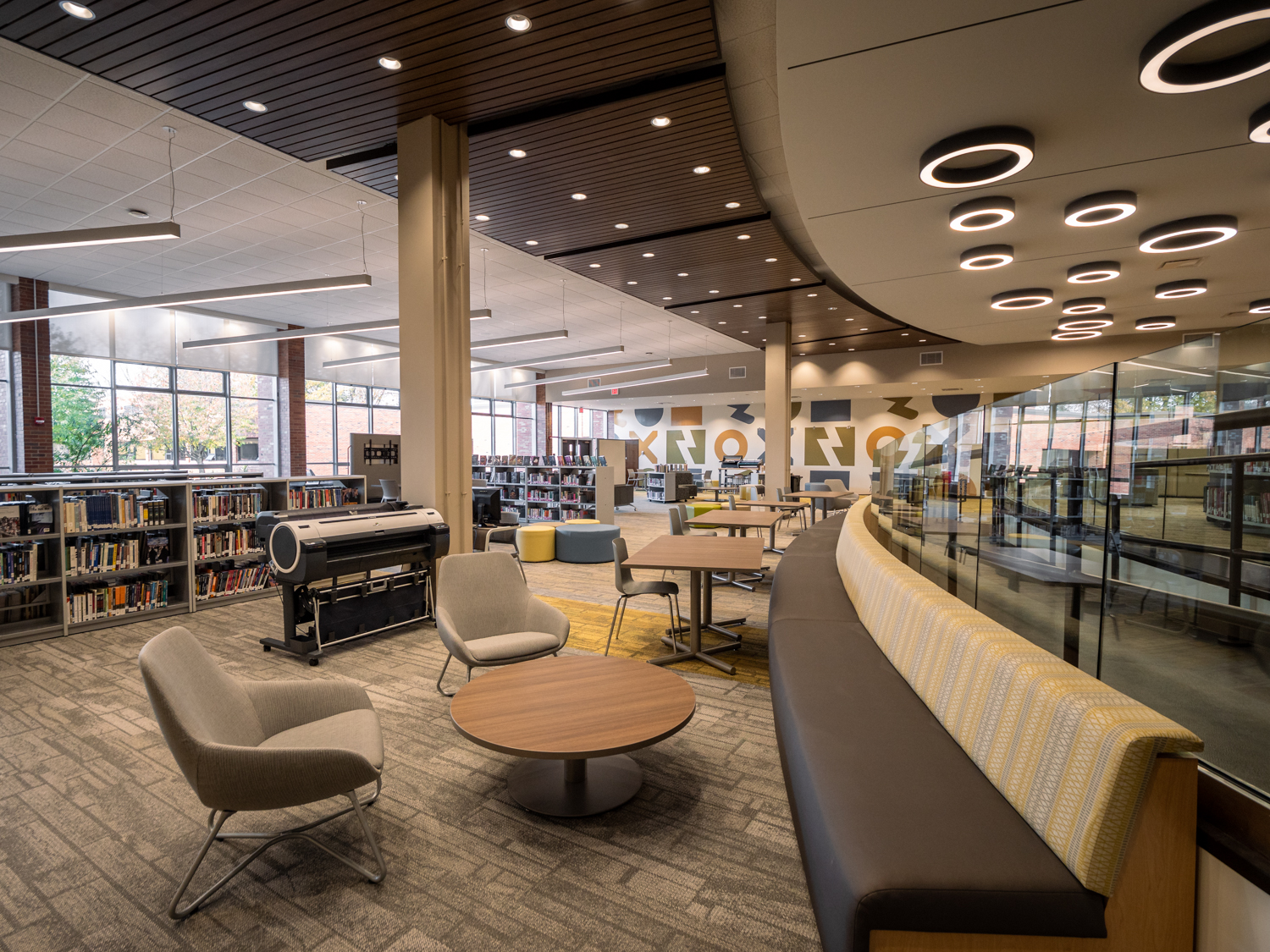
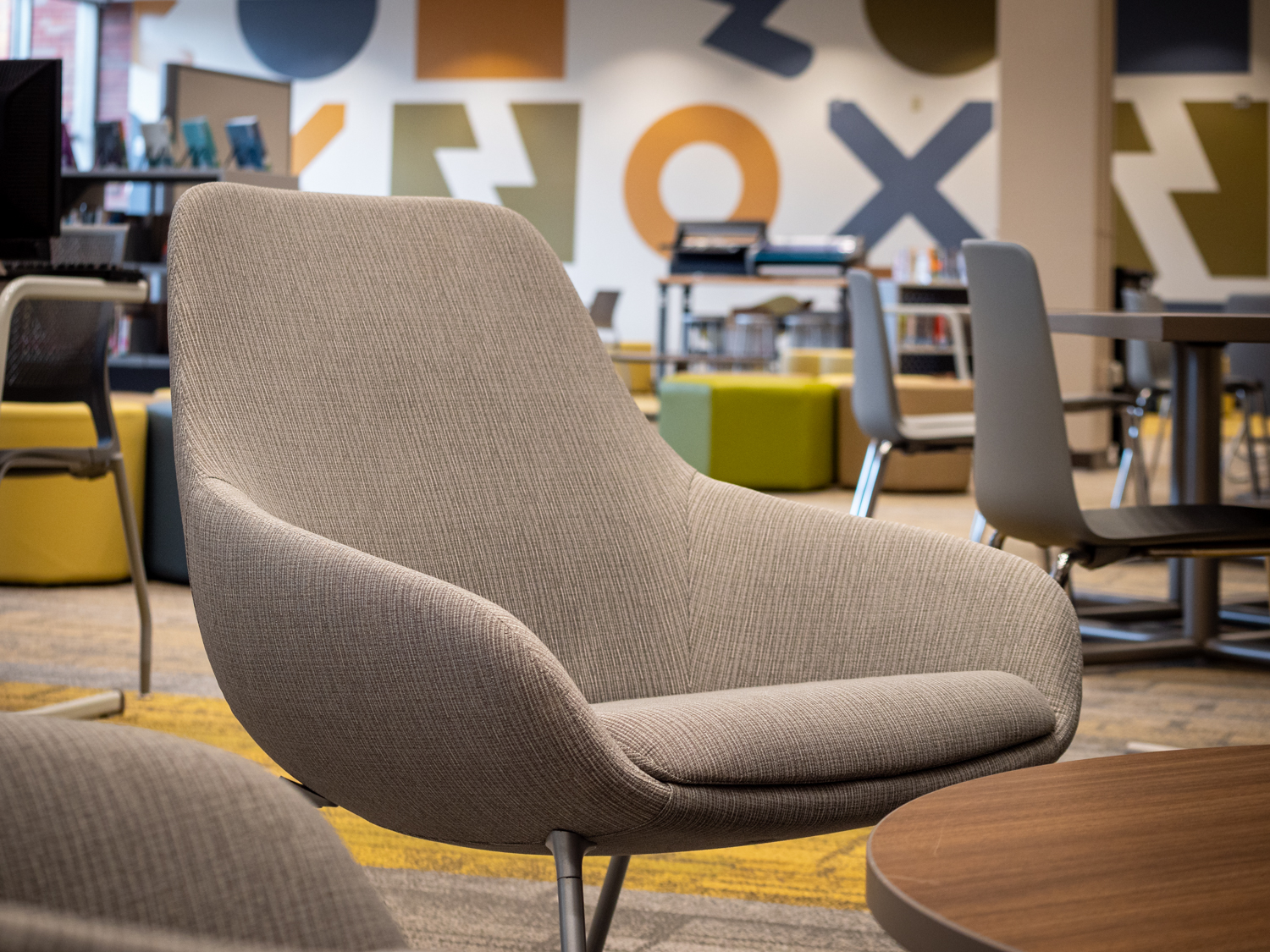
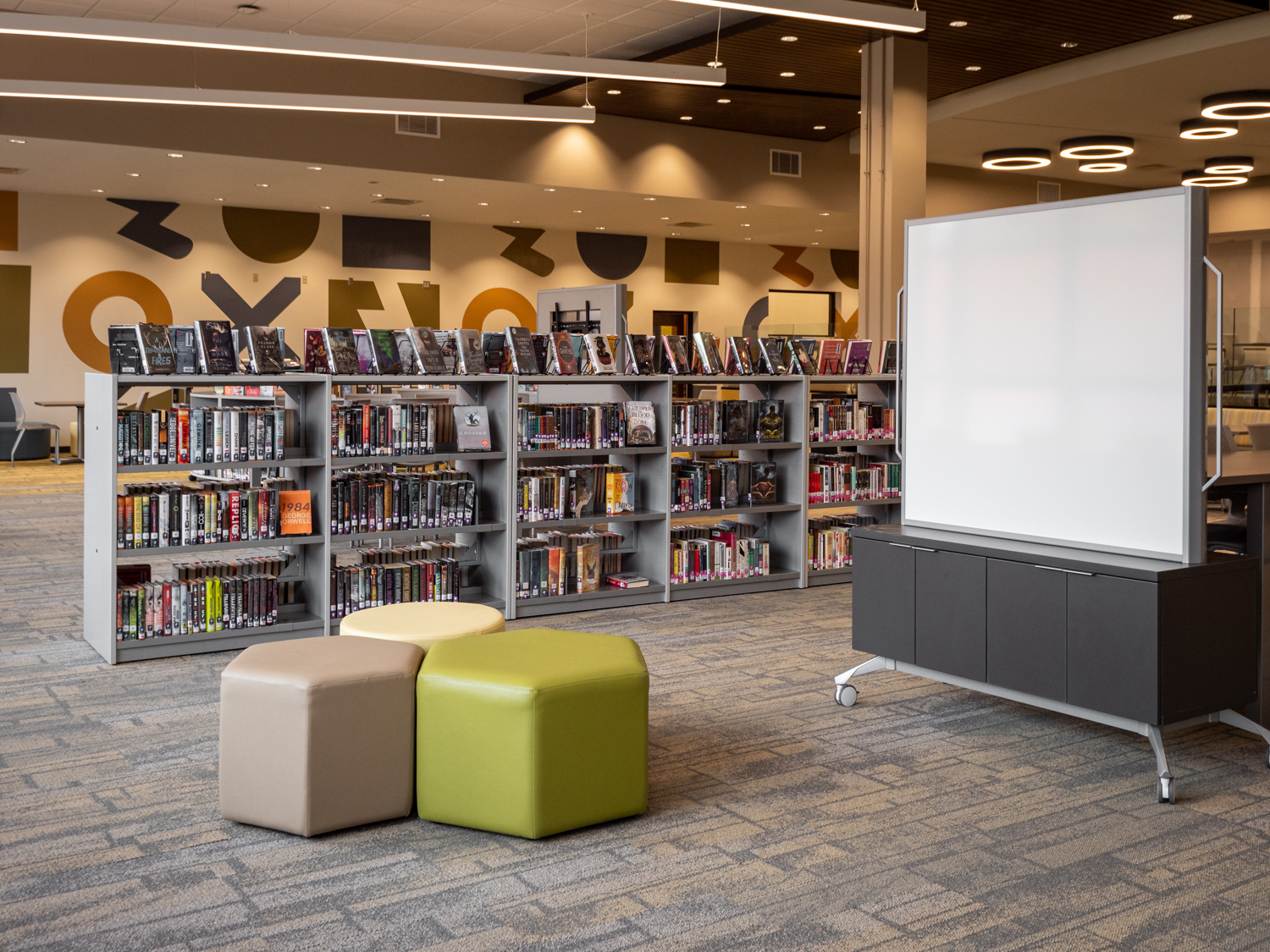
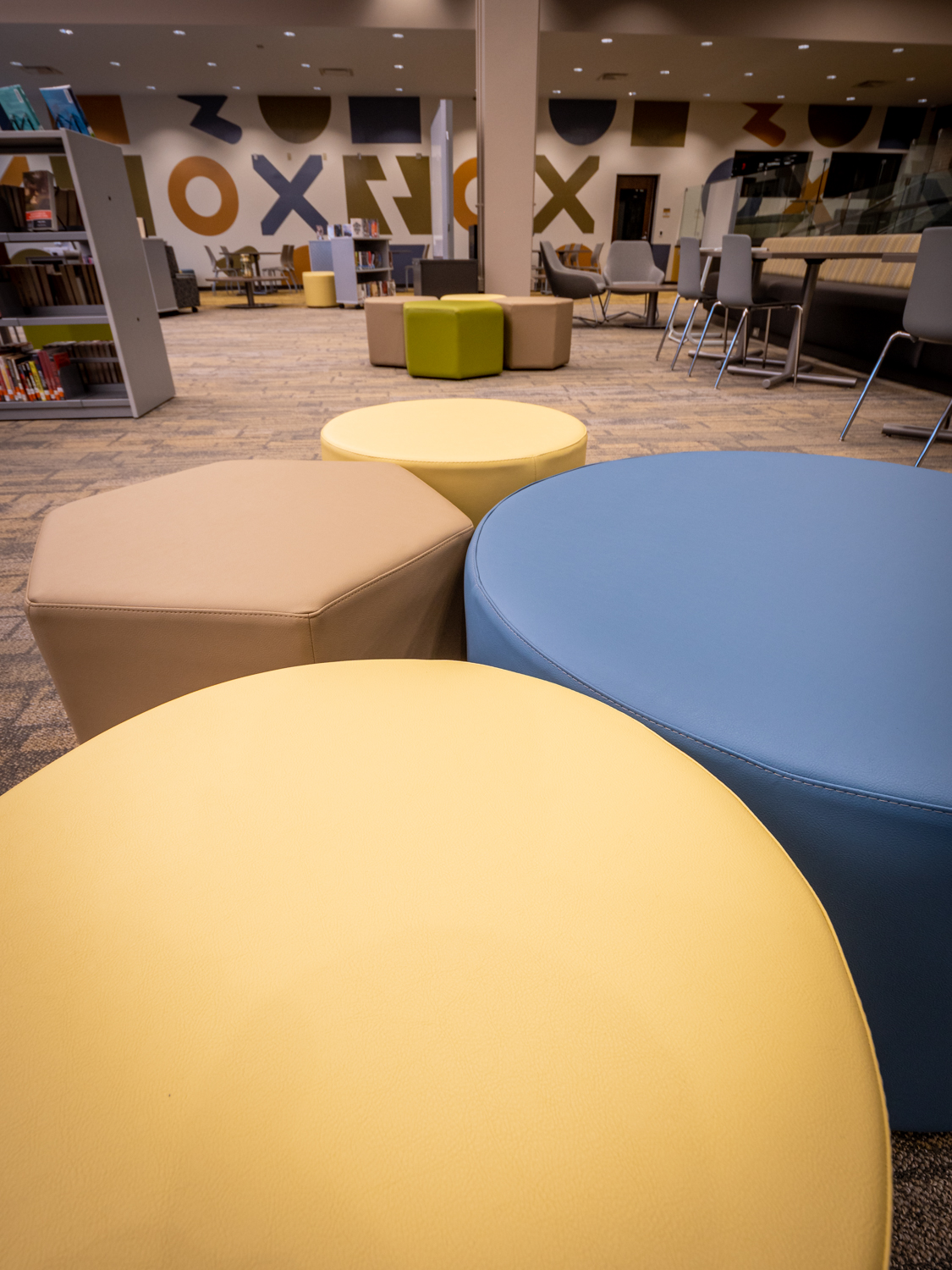
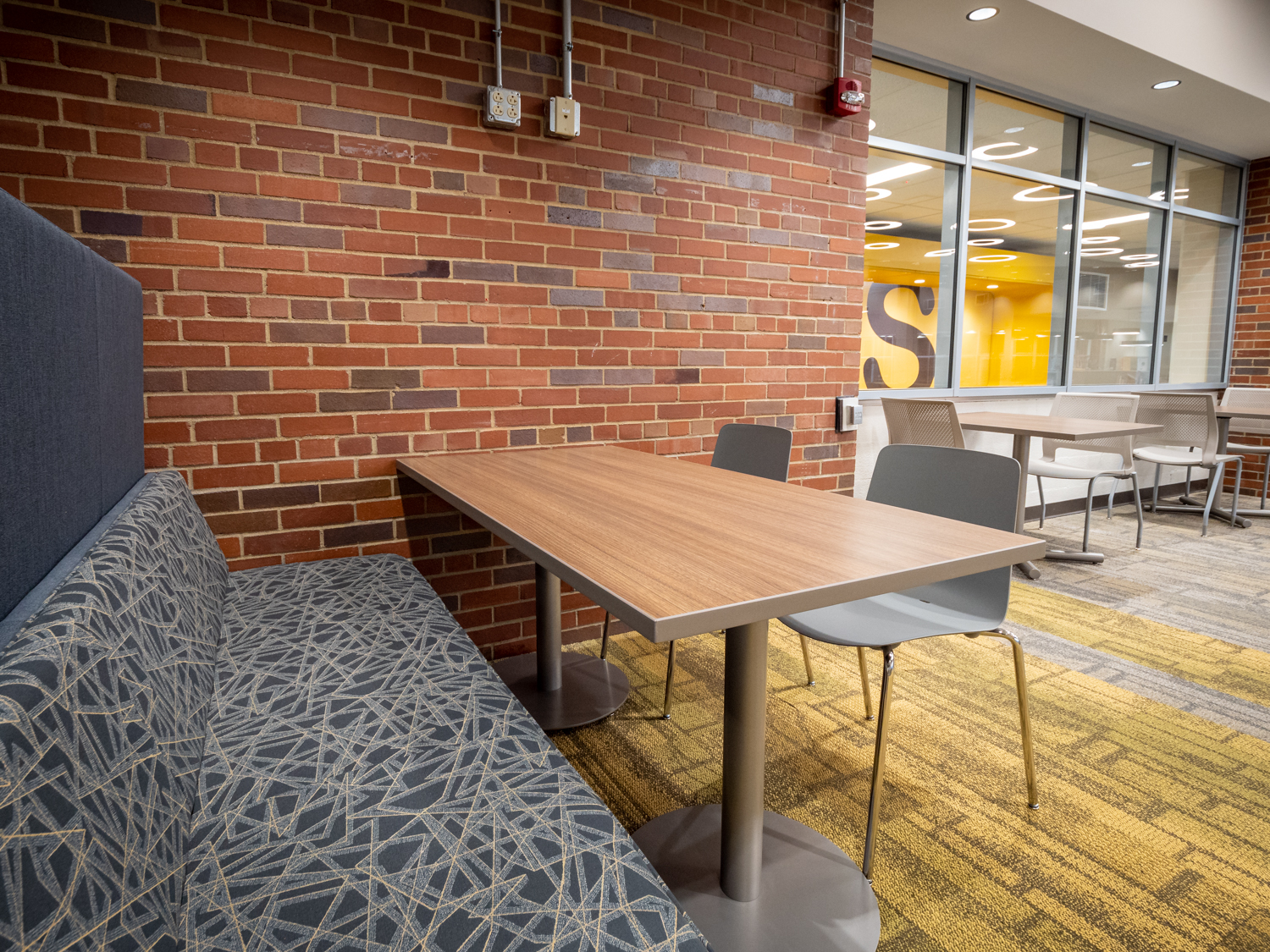
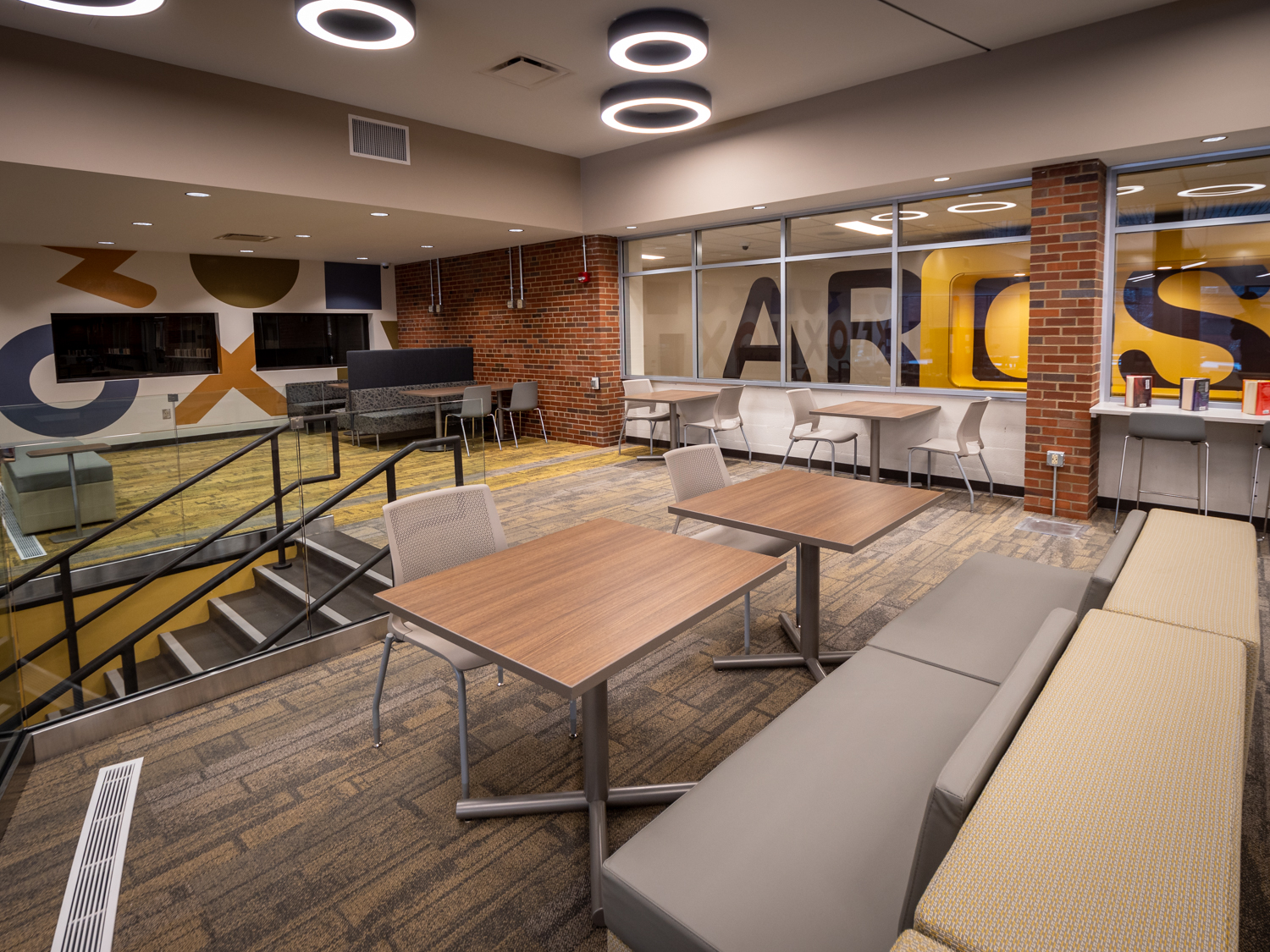
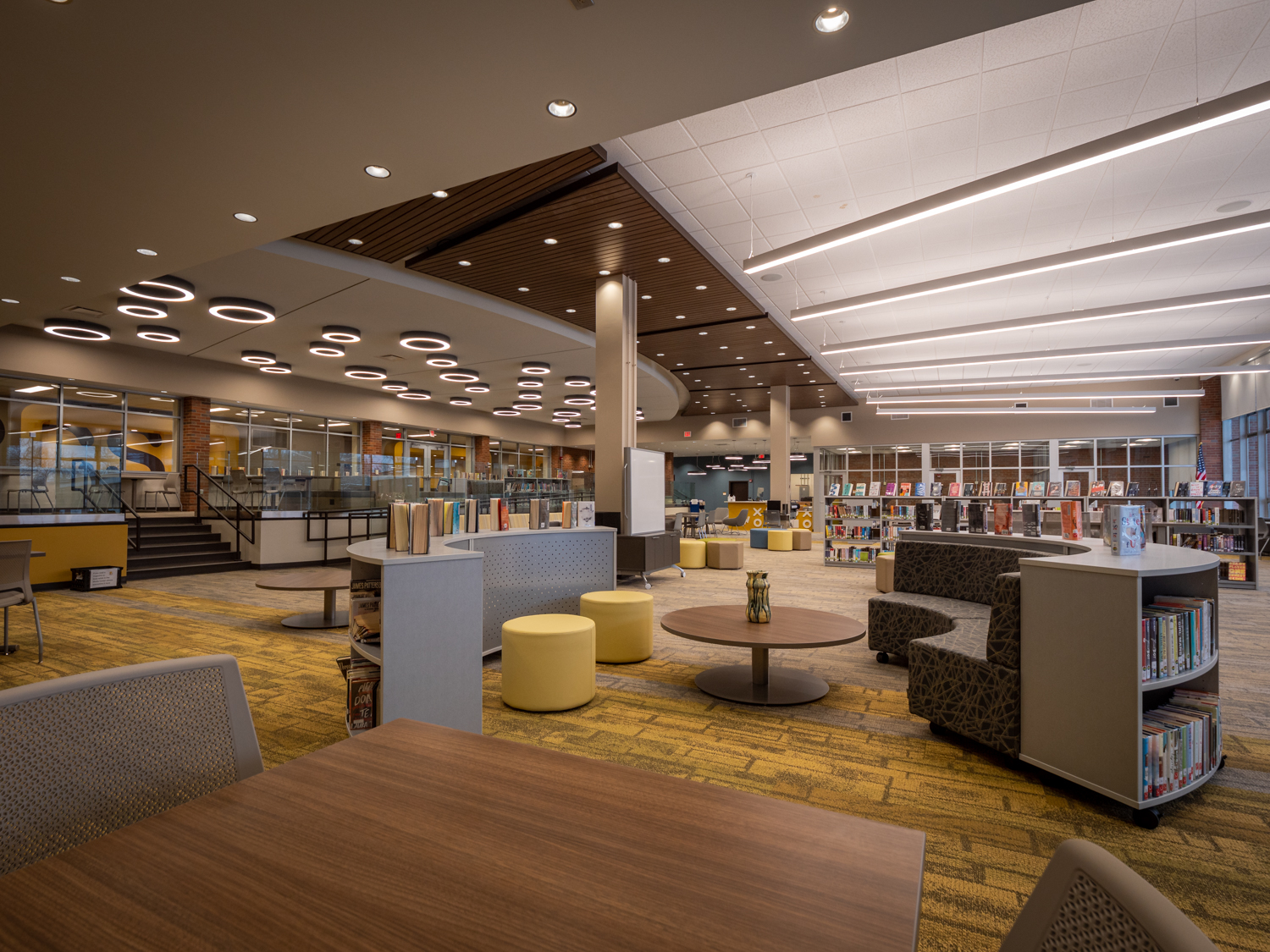
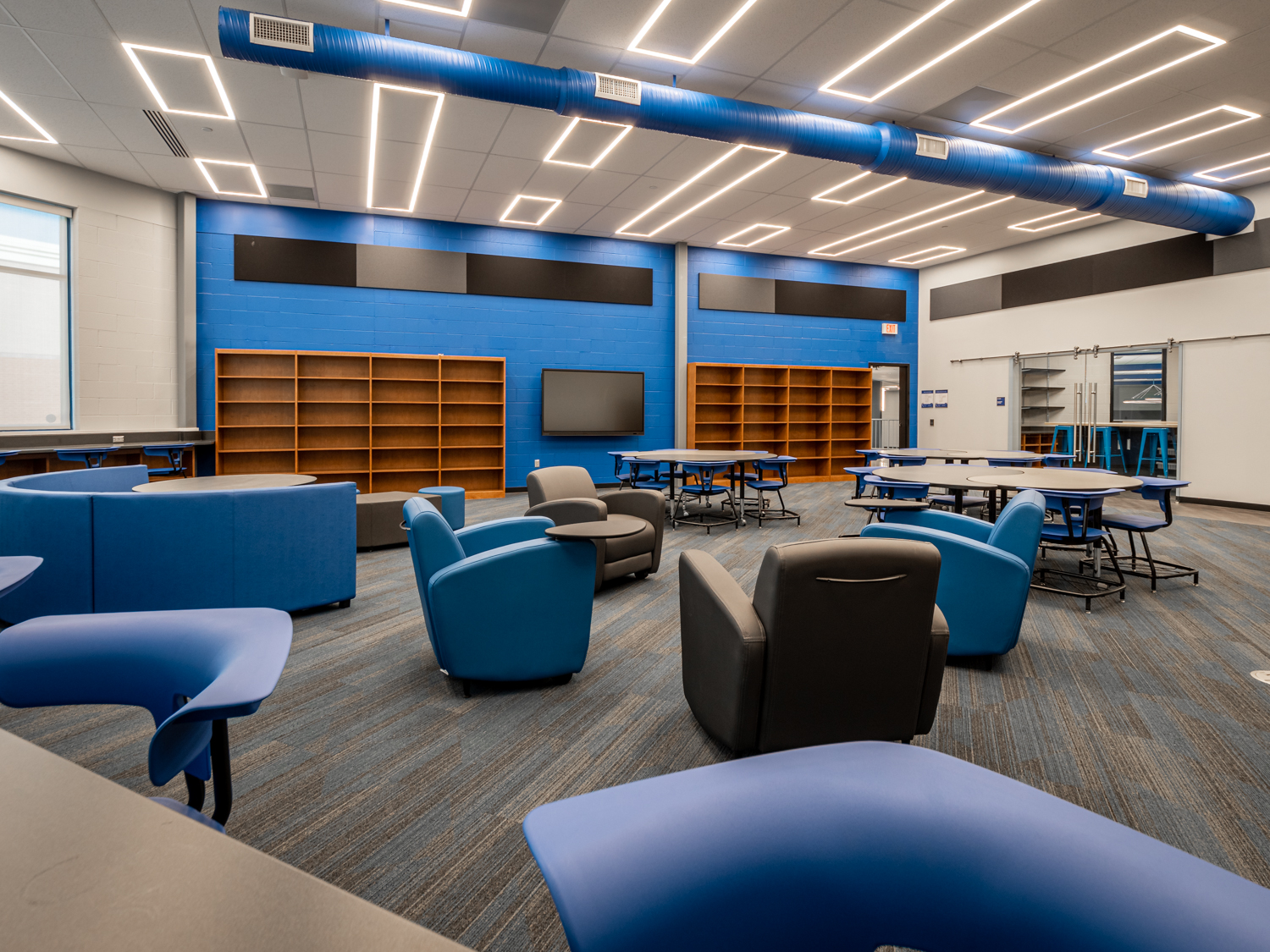
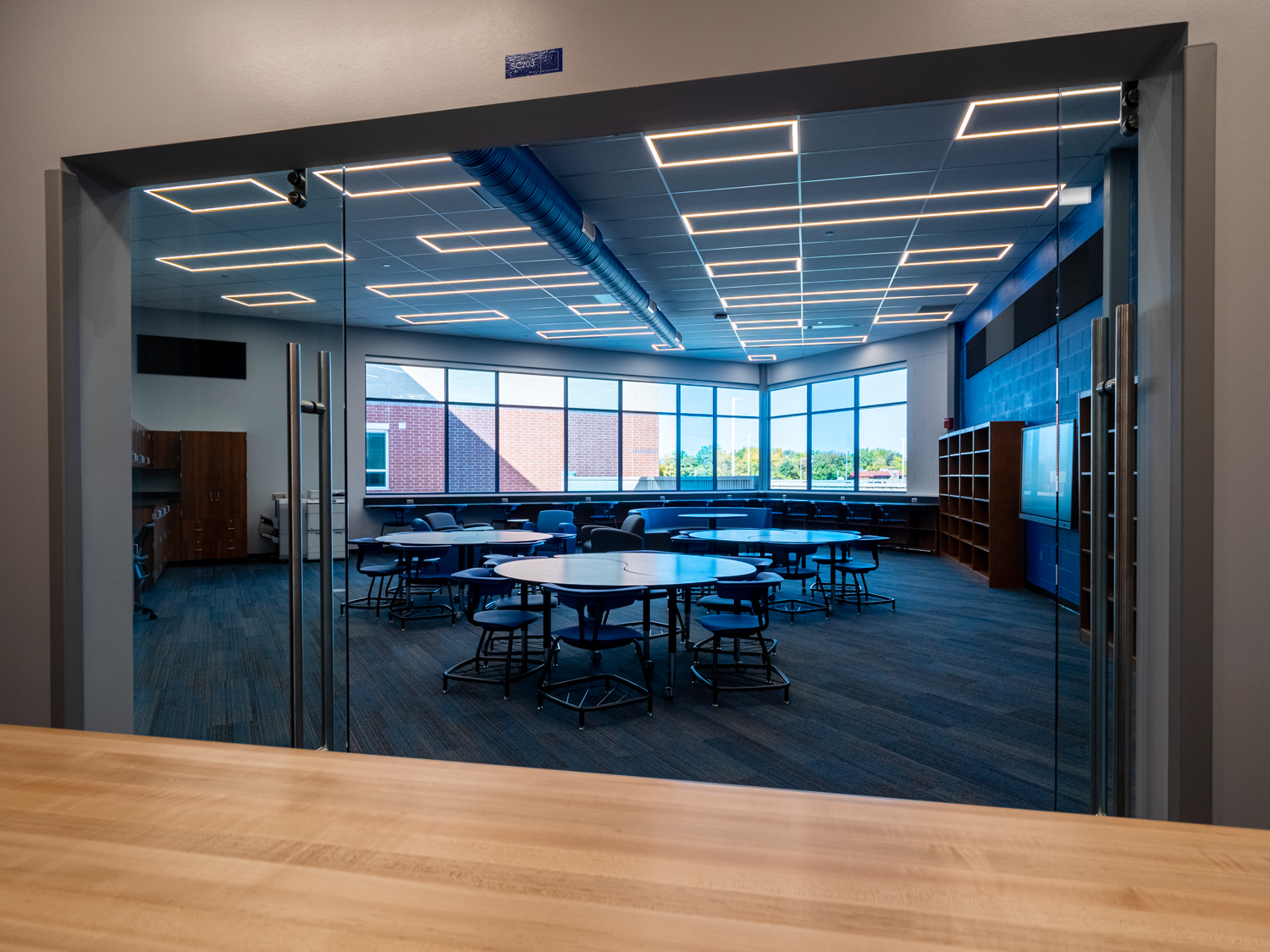
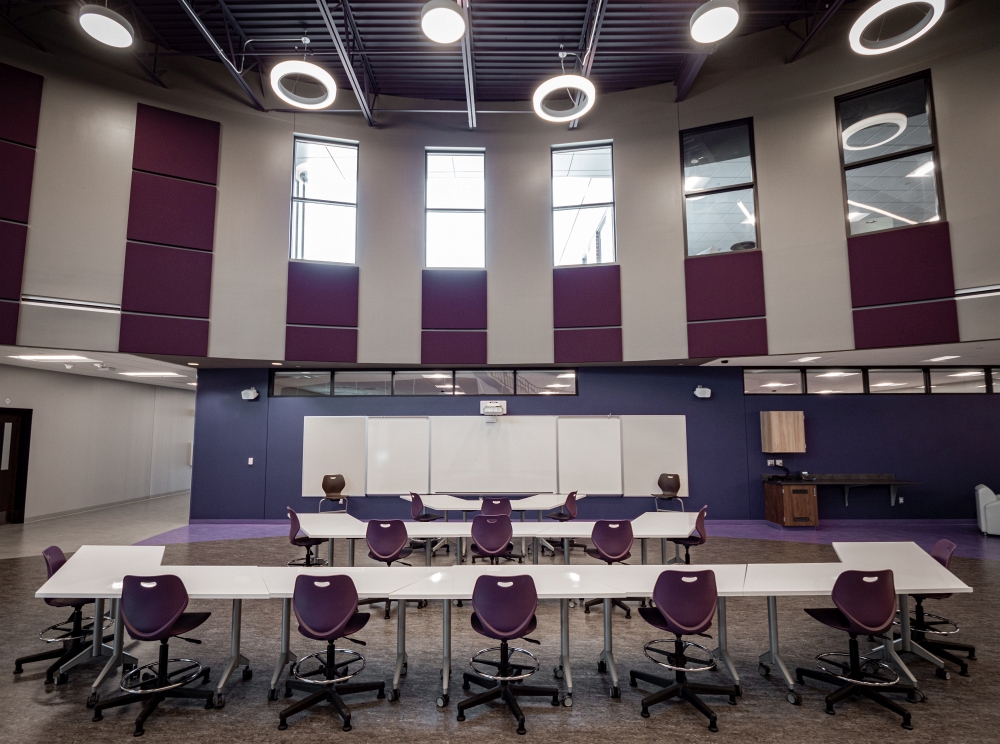
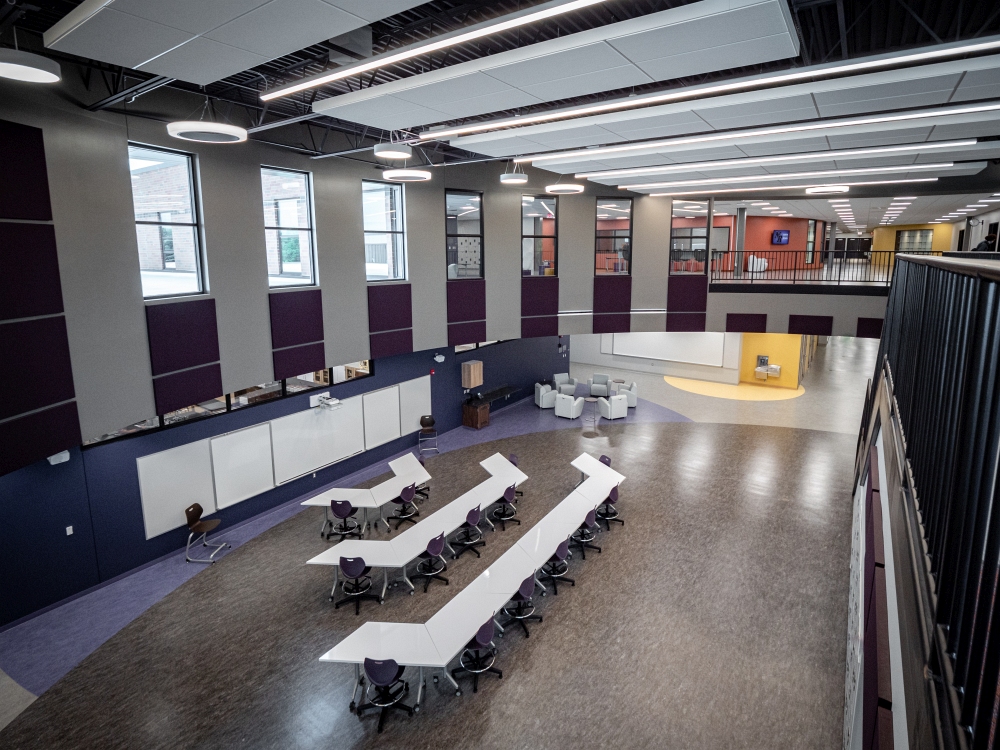
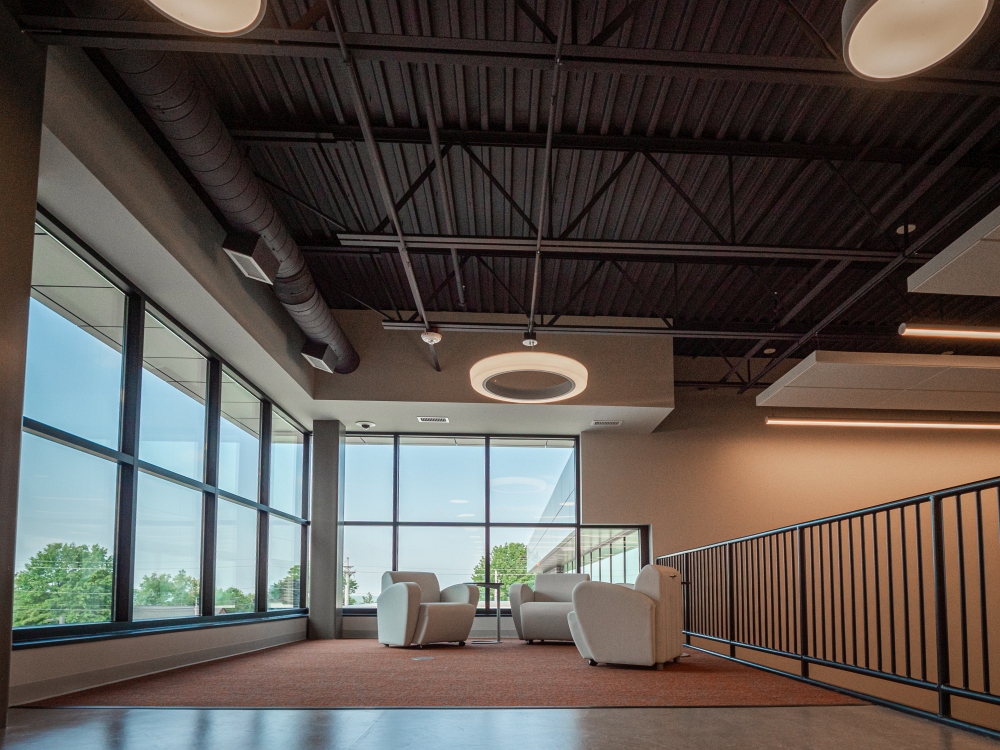
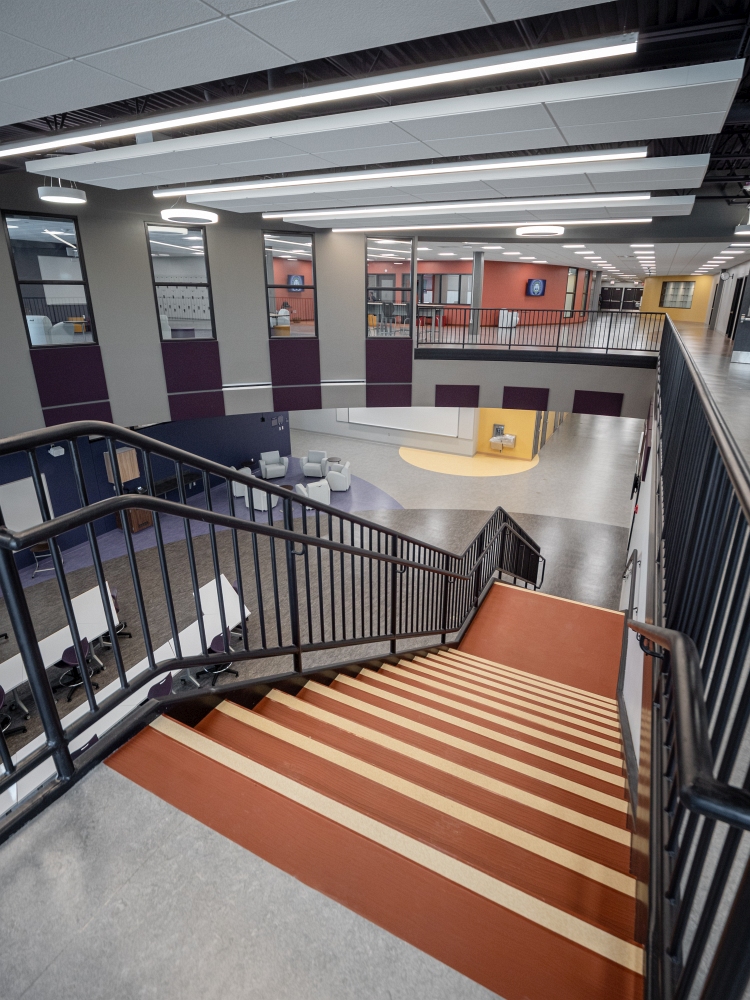
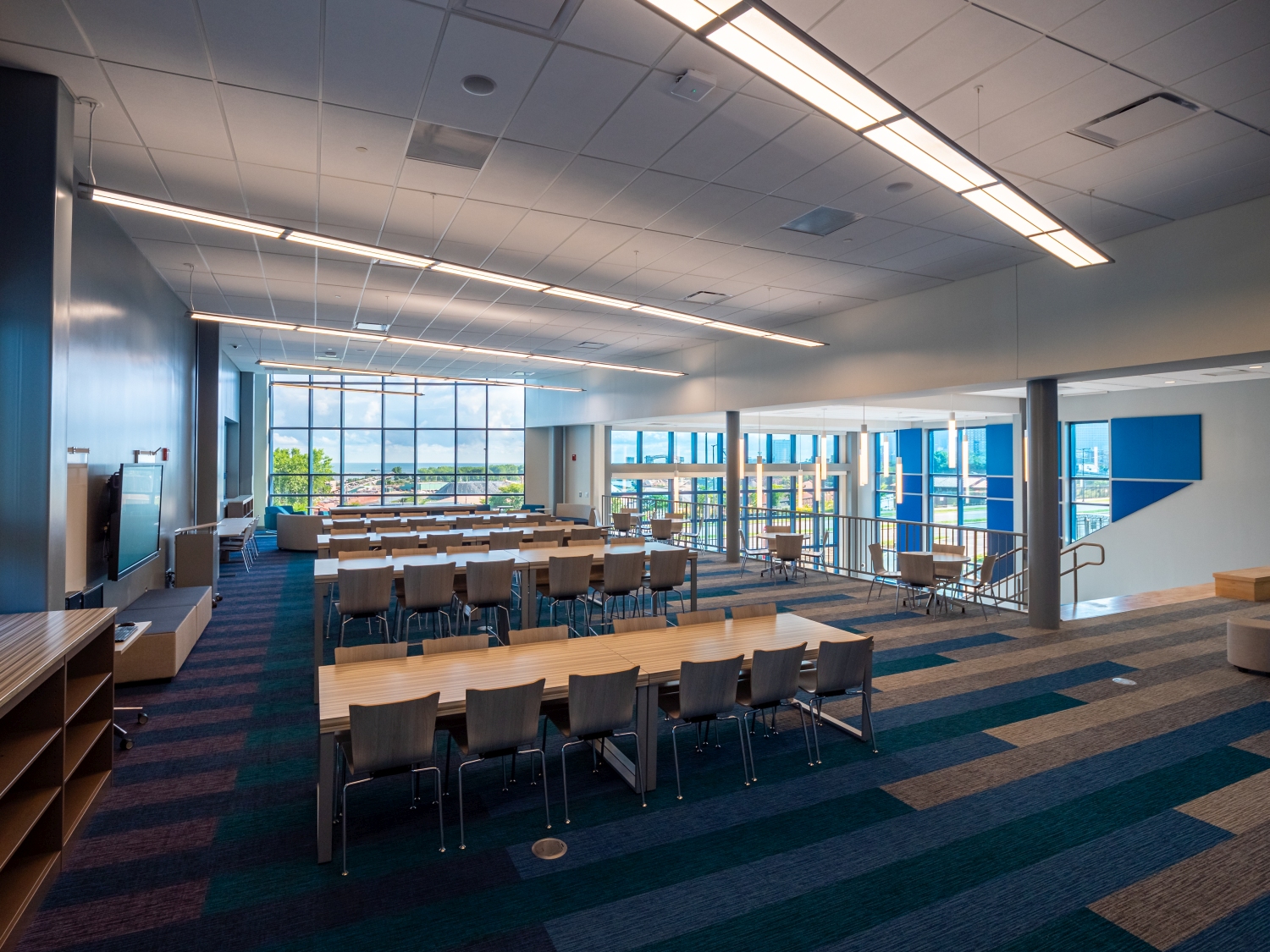
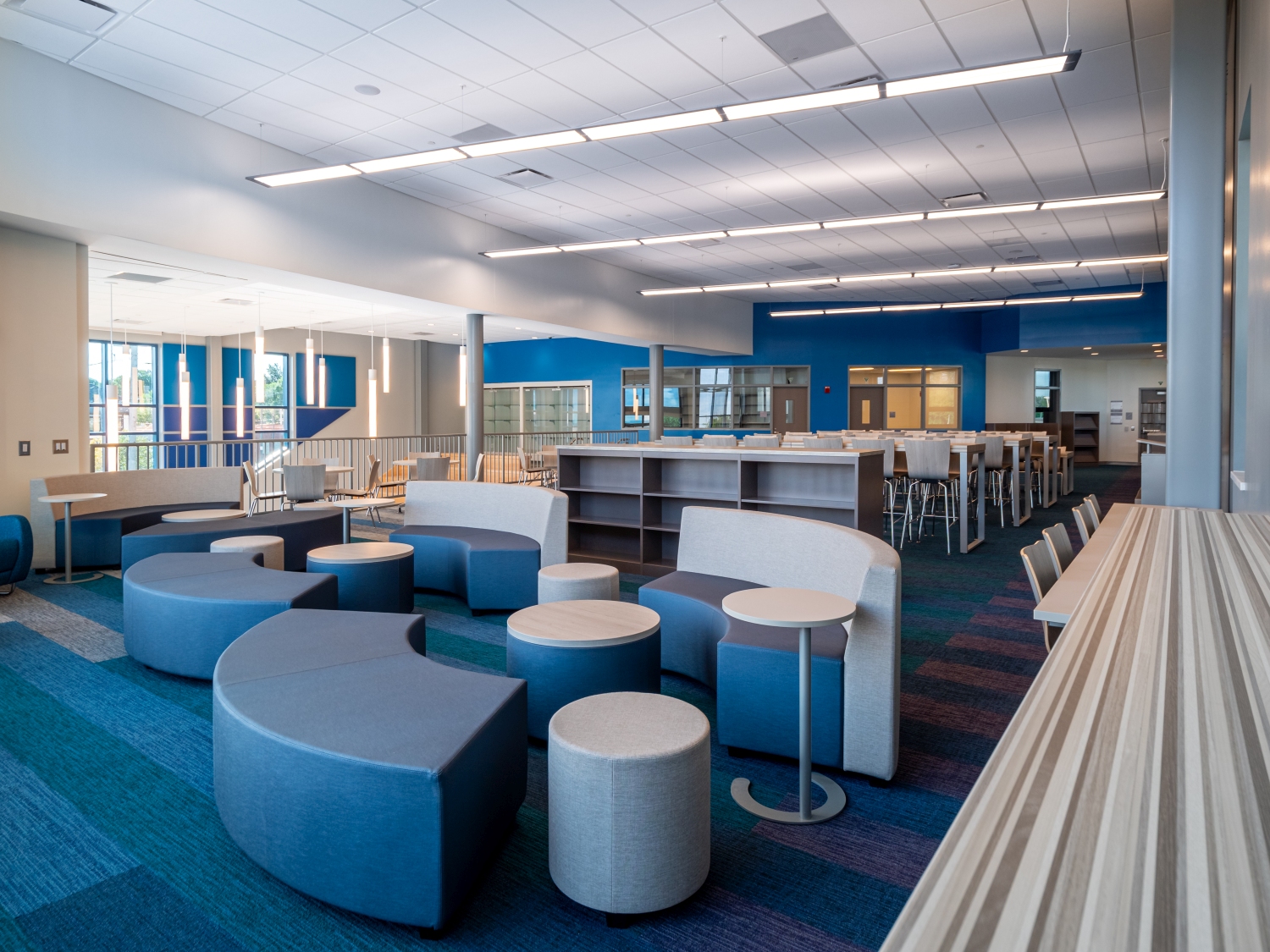
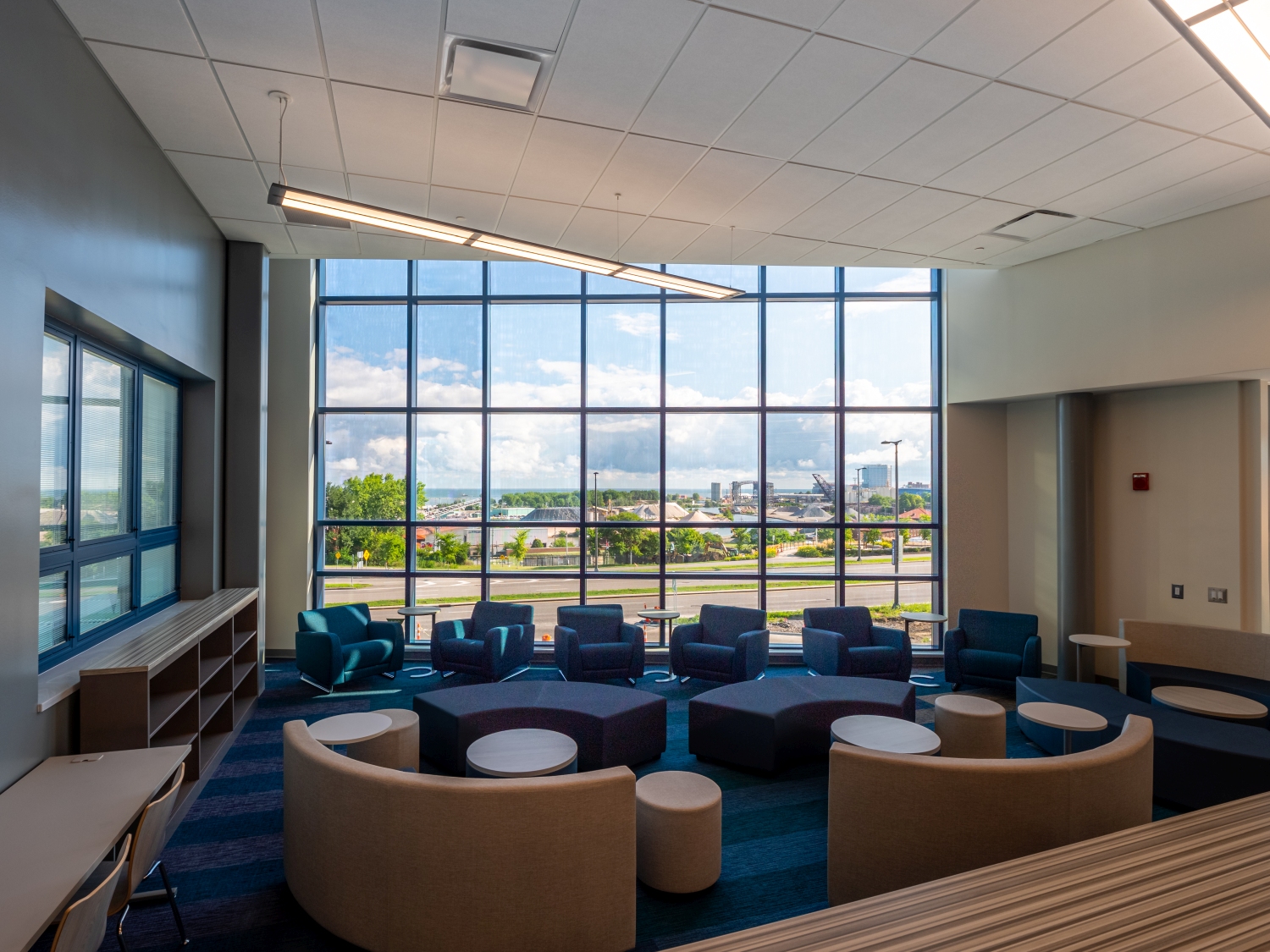
The Media Center was completely redesigned, having been transformed into a vibrant, multileveled space that serves as a school library and an inviting area for independent or collaborate work. Now, ADA accessible, it dramatically reorganizes the books into a more sophisticated and approachable manner, having eliminated the wall mounted shelving. The upper level has comfortable seating for individual work, while the lower section houses physical media and large tables for group work. In addition, 3 separate meeting rooms with technology hook-ups can be used by educators or students for presentations or research work. A reclaimed space adjacent to the media center is a new “tech repair center.” This becomes a learning resource for students to perform repairs on laptops and other educational technology.

A New Entrance for Navigation

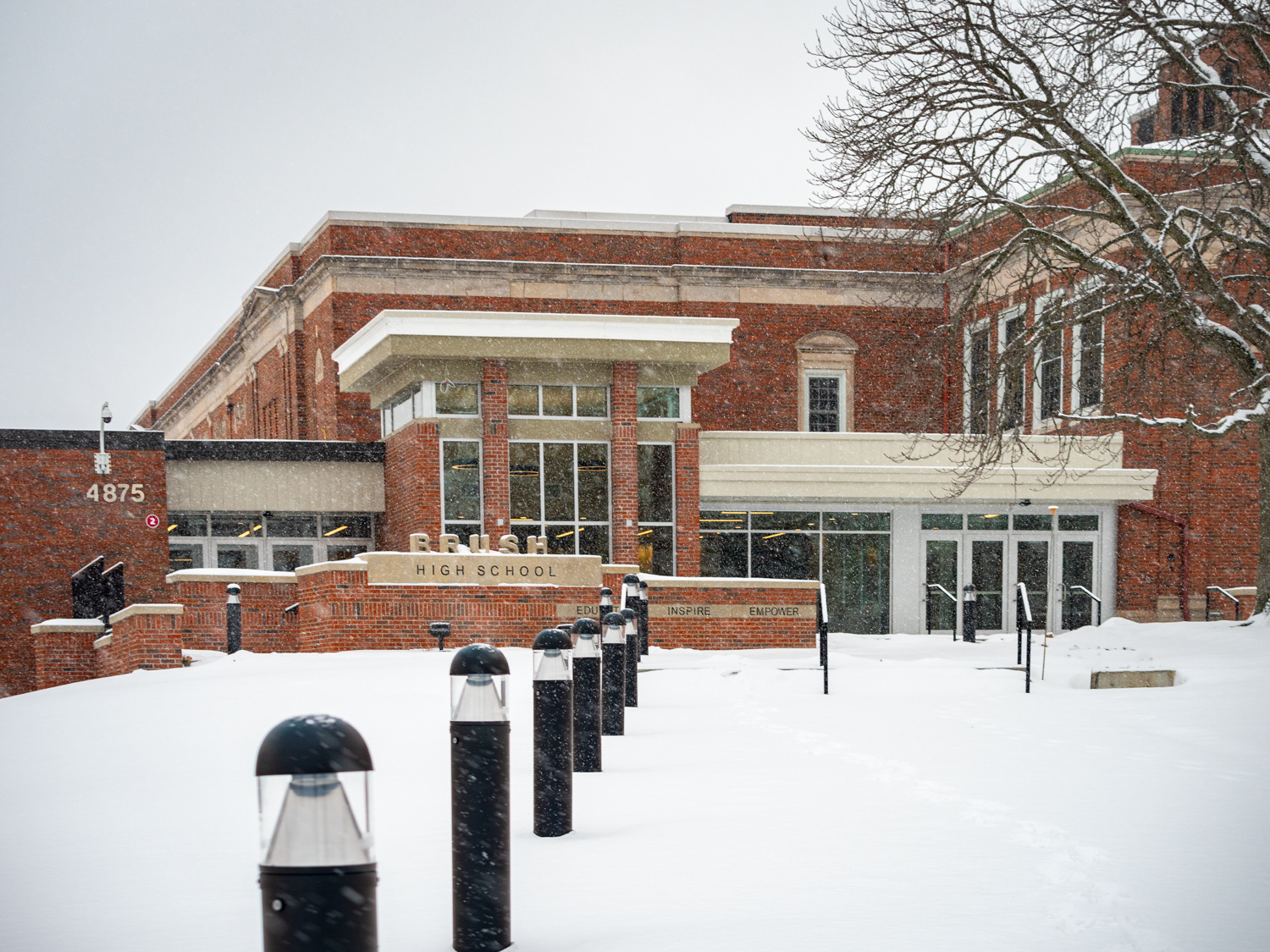
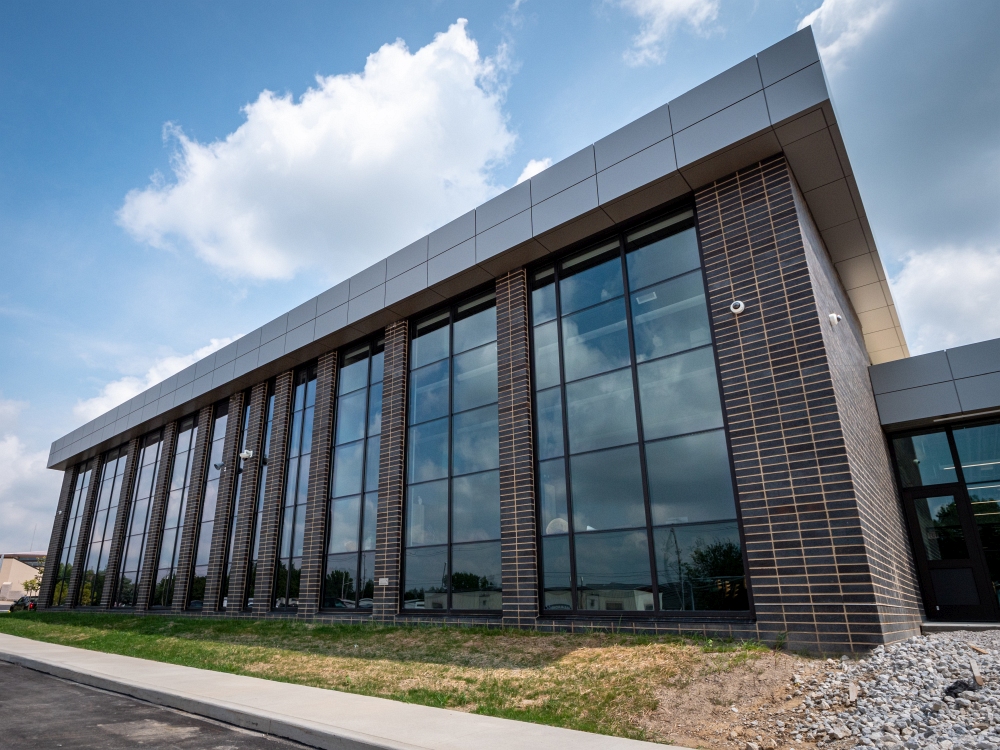
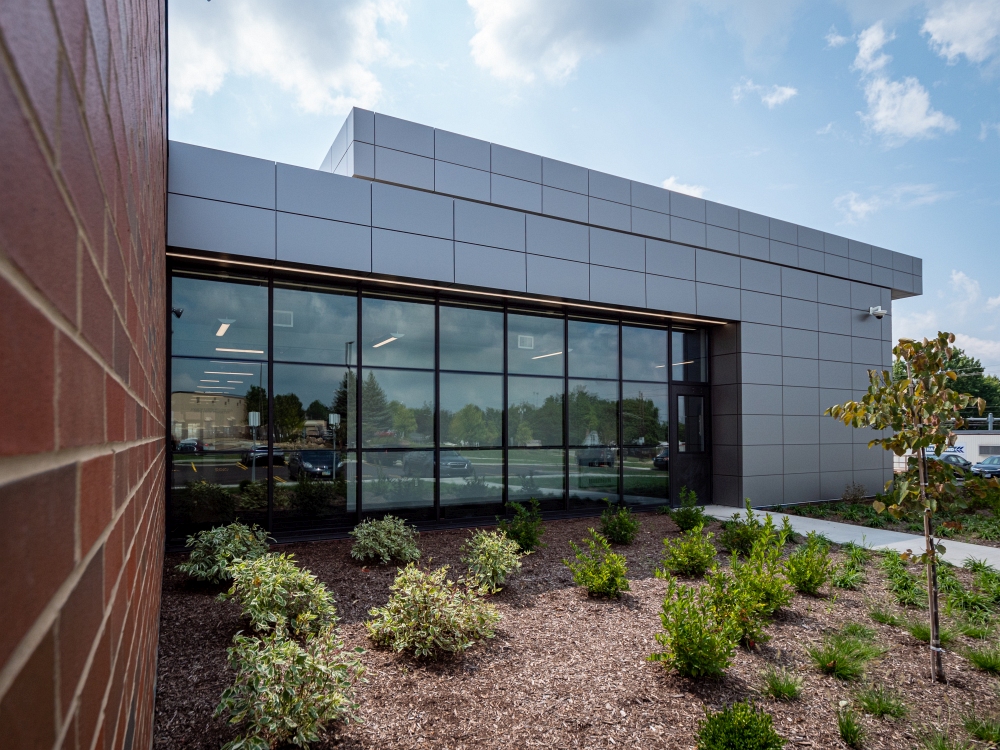
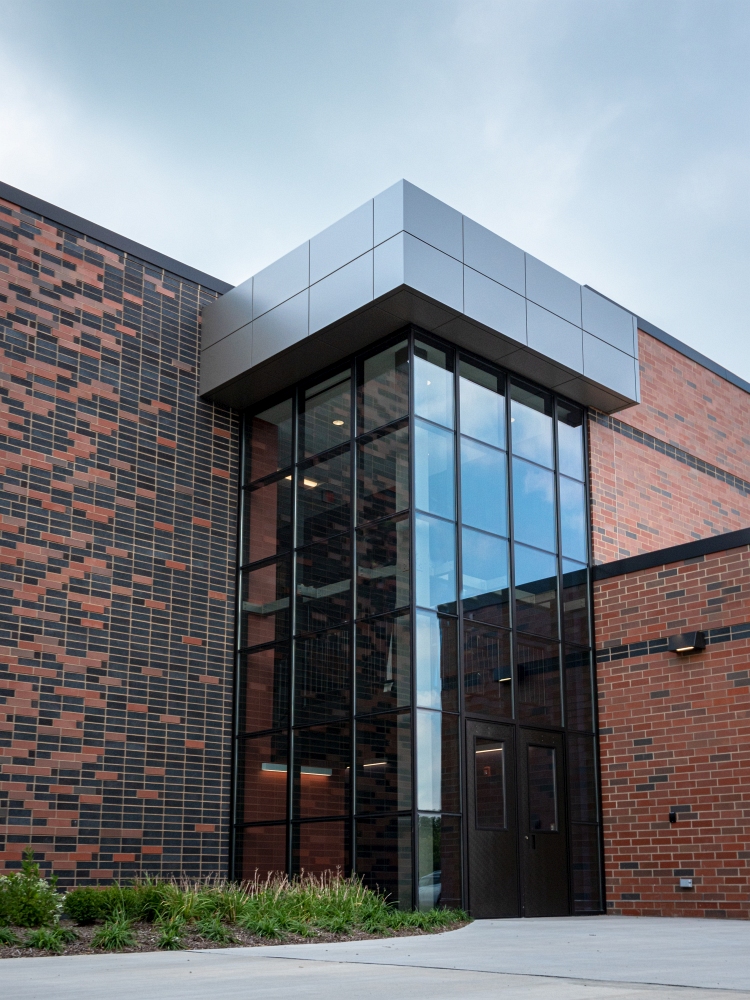
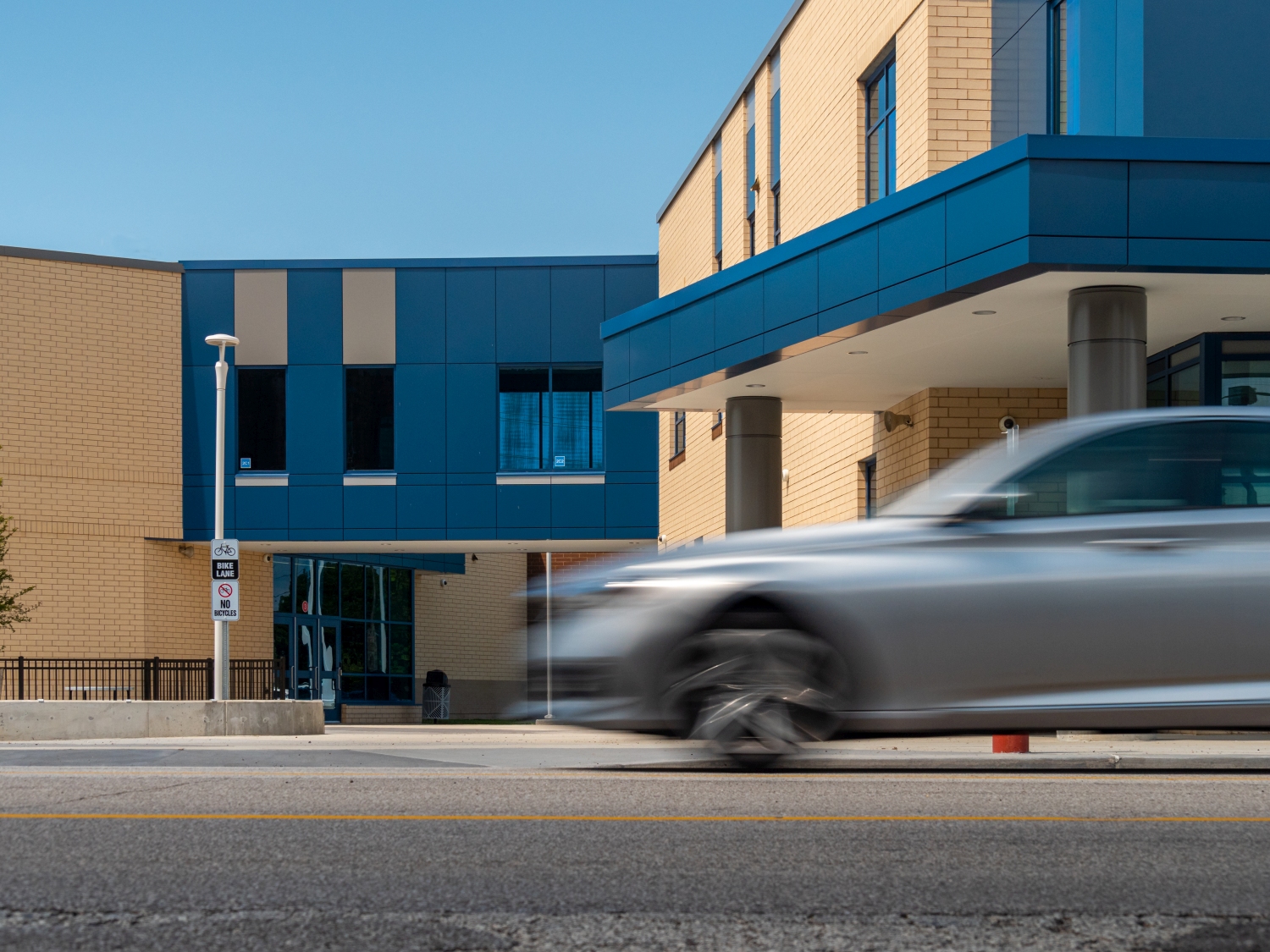
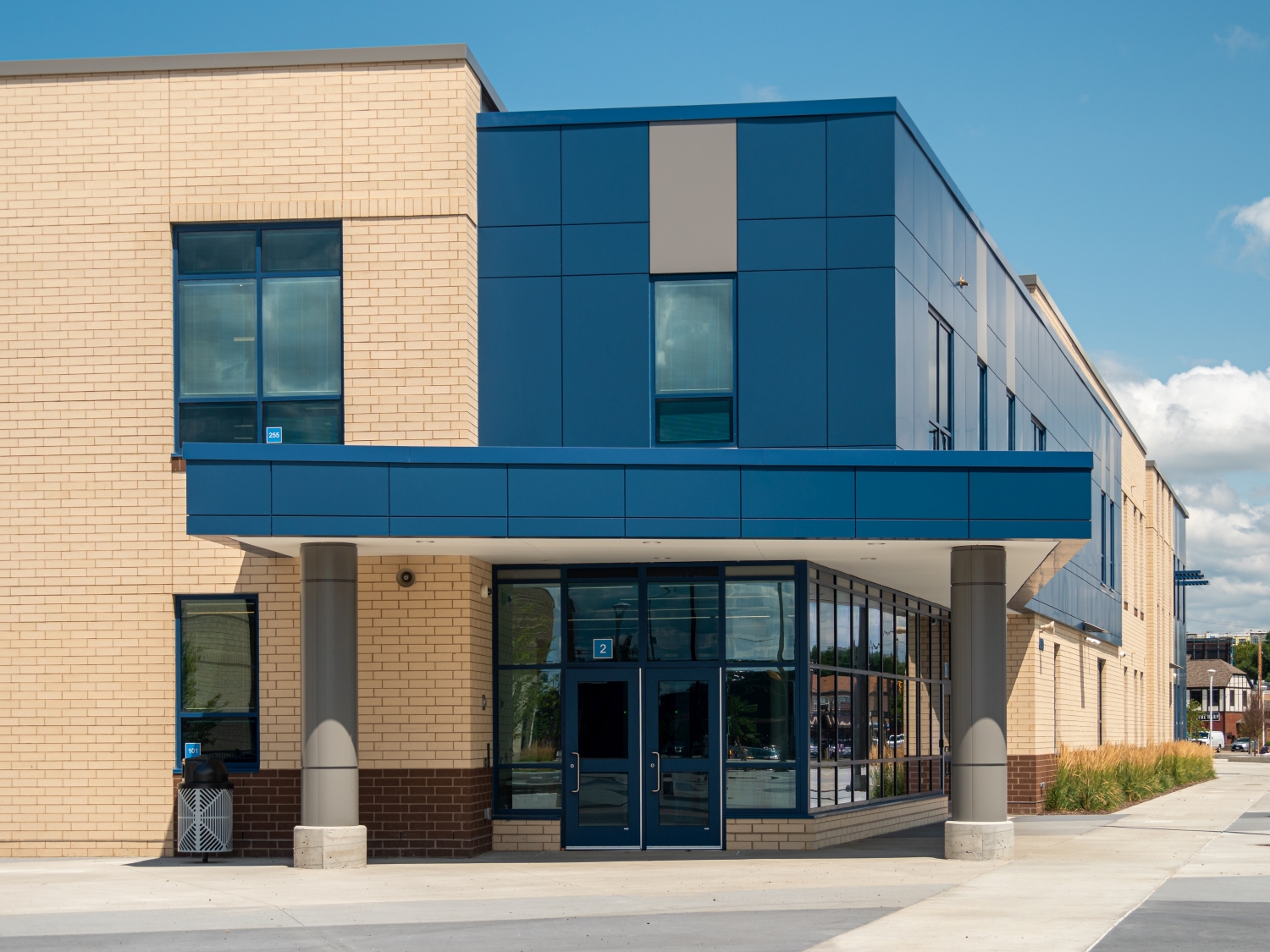
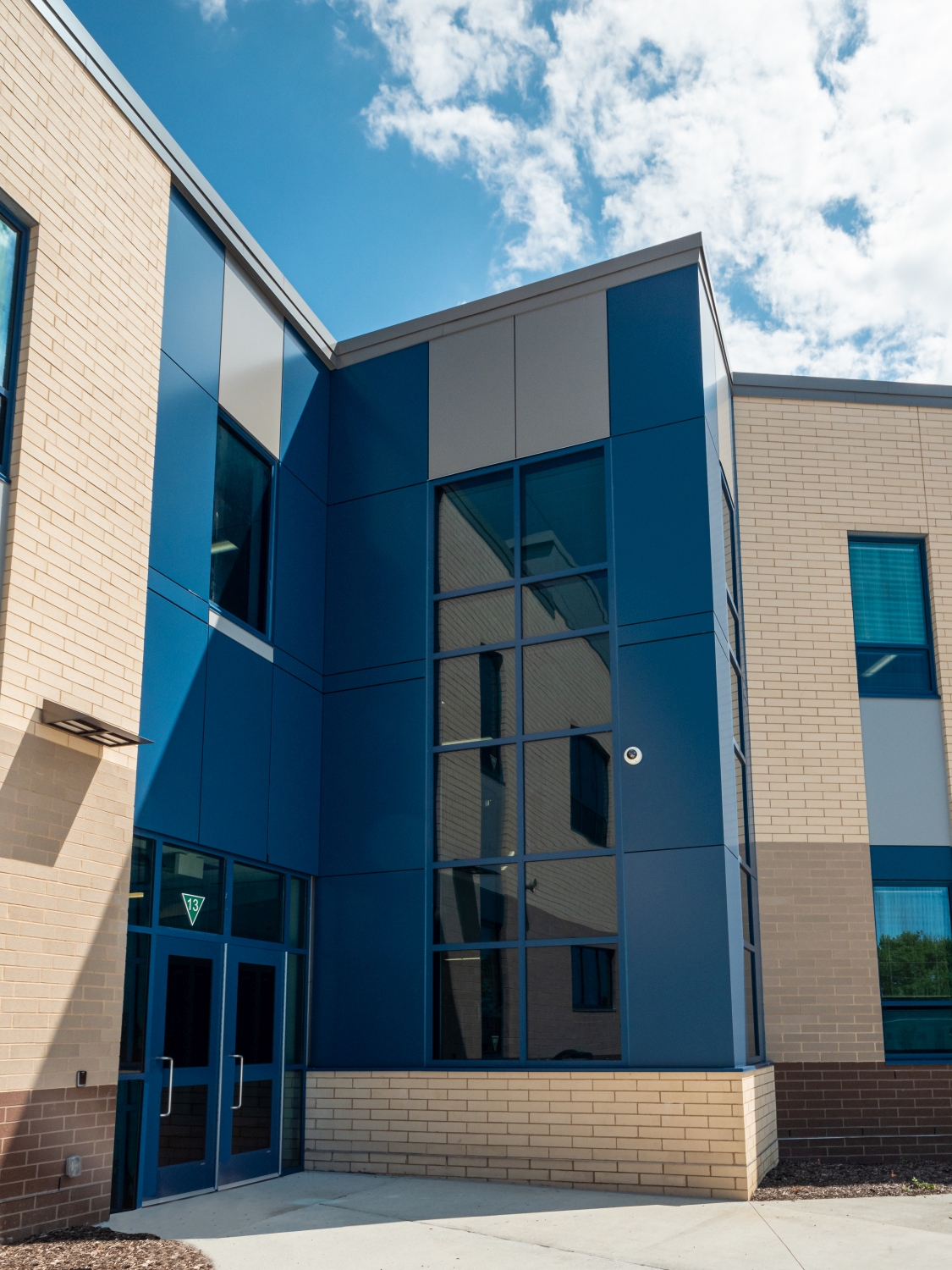
In order to provide greater security and easier navigation, a new front entry was developed to serve as the primary entrance for the school. In the original building, the entry could have been easily overlooked, a simple set of double doors under a low overhang, which led directly into an academic hallway. This arrangement presented a variety of challenges for security and wayfinding. The new entry is a small tower, offset from the historic facade and drawing design elements from the main building. Proportionally and aesthetically, it resonates with the existing architecture without detracting. It incorporates a secure vestibule and visitor entrance where students and parents can easily sign in before admittance.

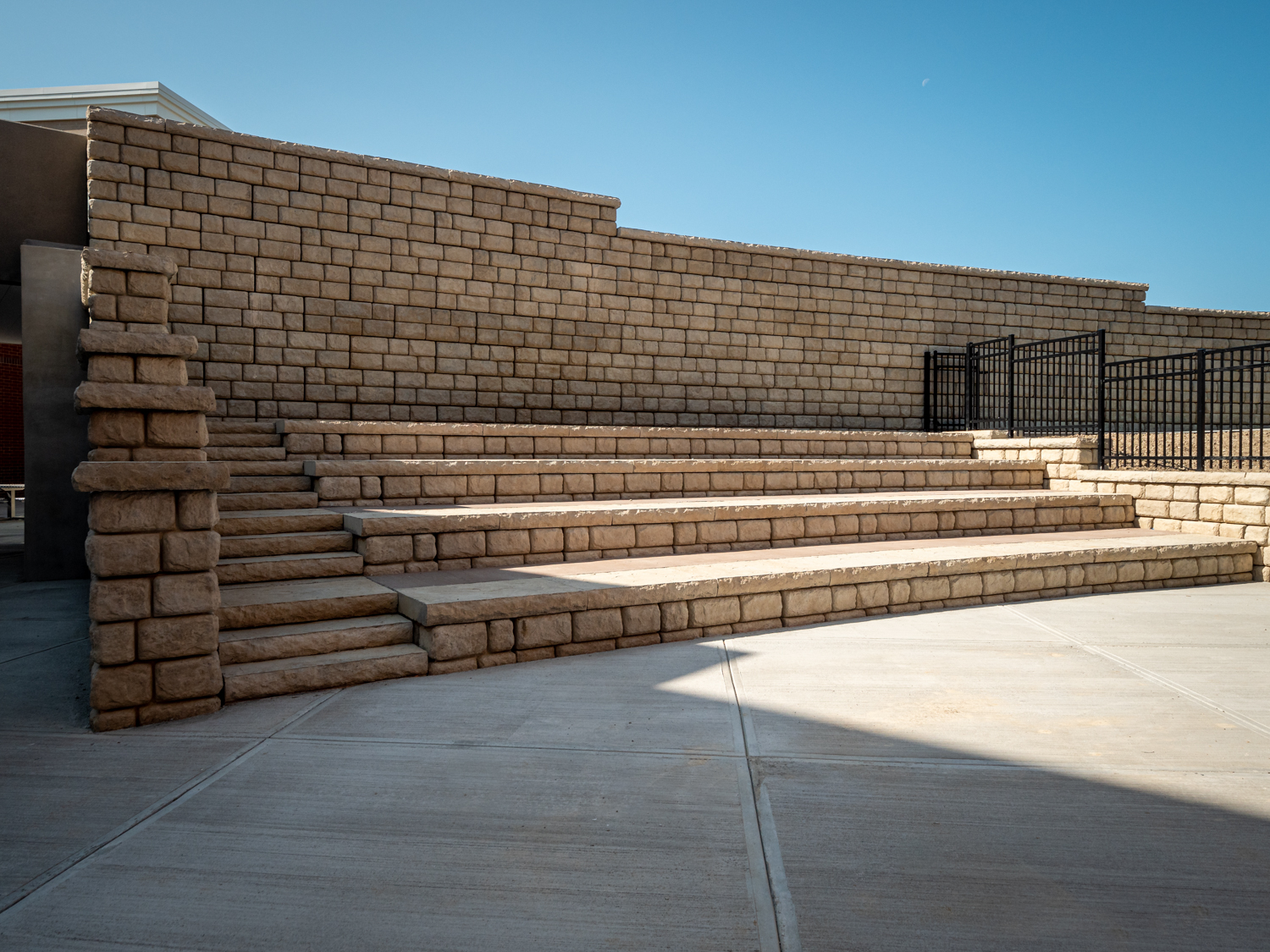
Along with the rearranged entrance, the new site design creates a visitor parking lot by the entry, with 13 new parking spaces and 3 ADA spaces. This lot is adjacent to a new entry loop staircase which connects a main lower parking lot with the public plaza, featuring Brush High School engraved values, “Educate, Inspire, Empower.”

Corridors and Graphics

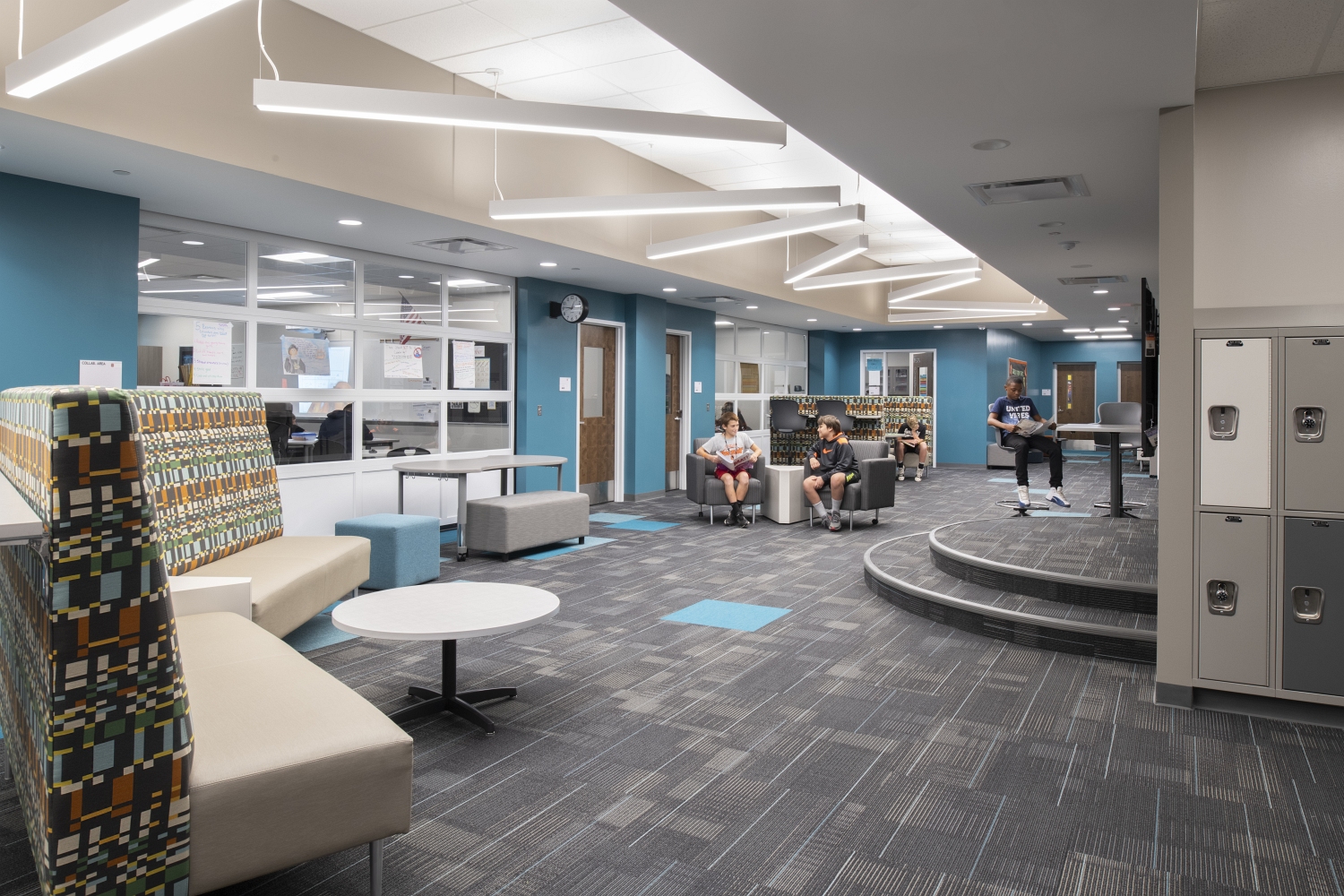
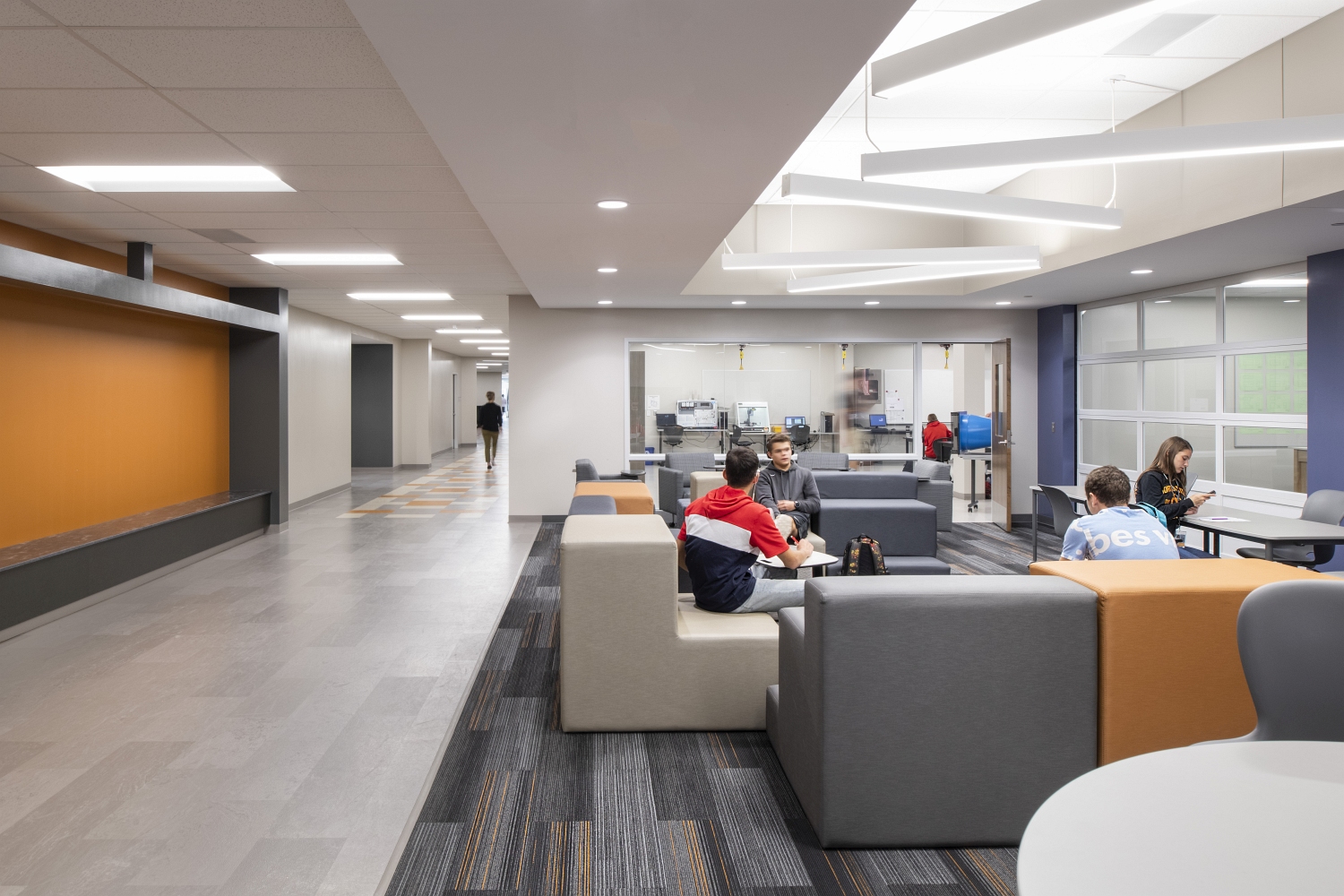
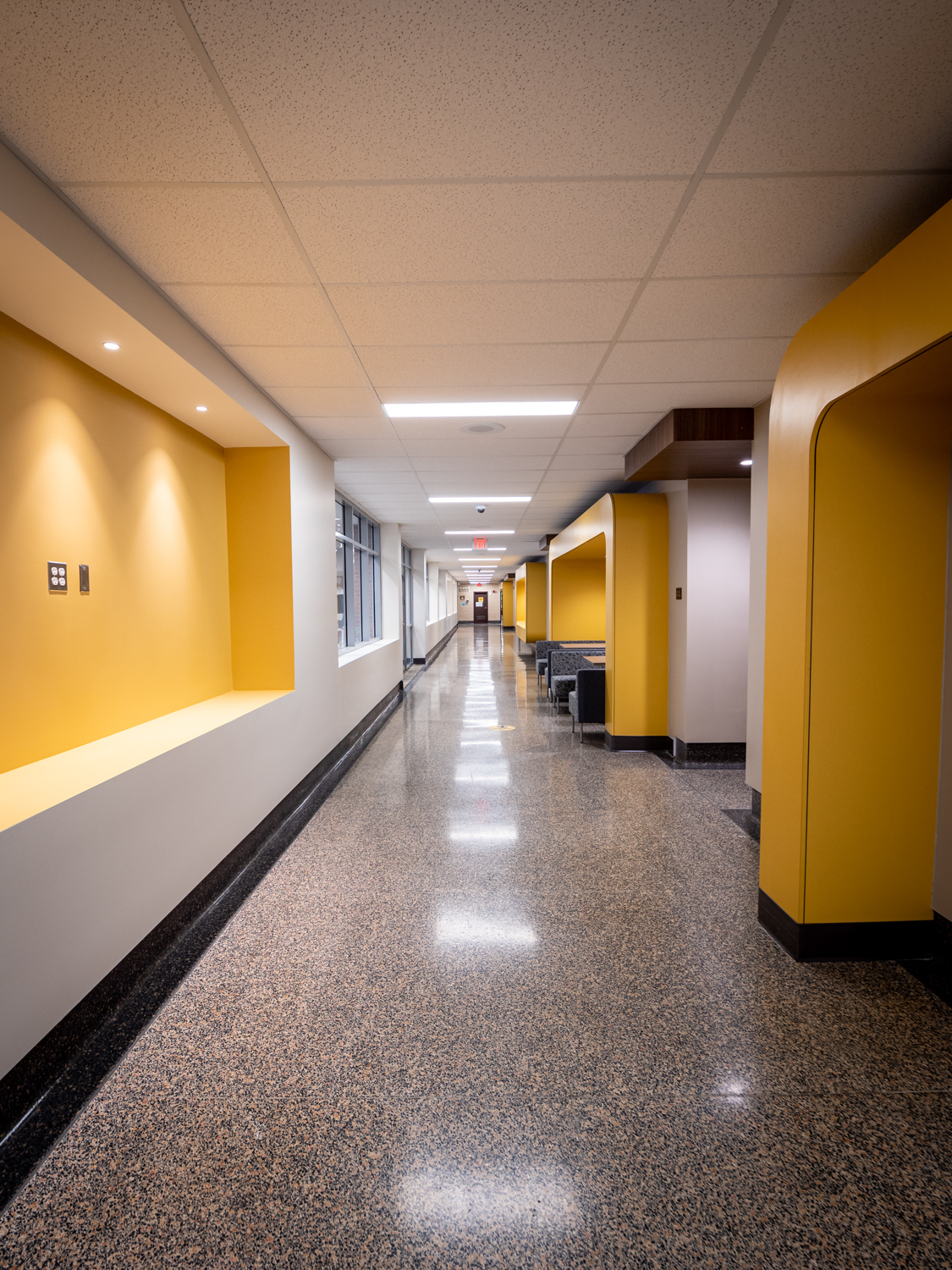
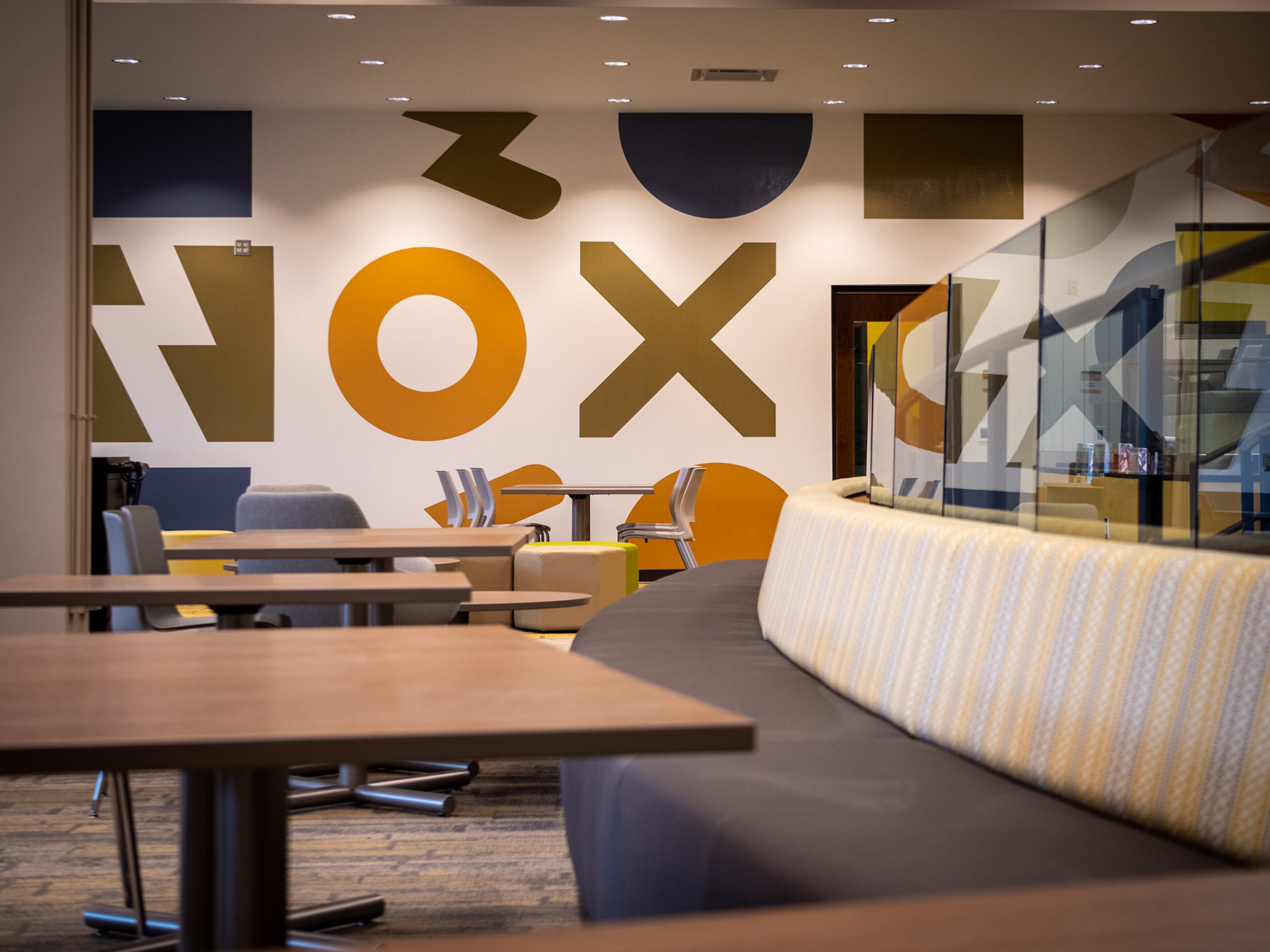
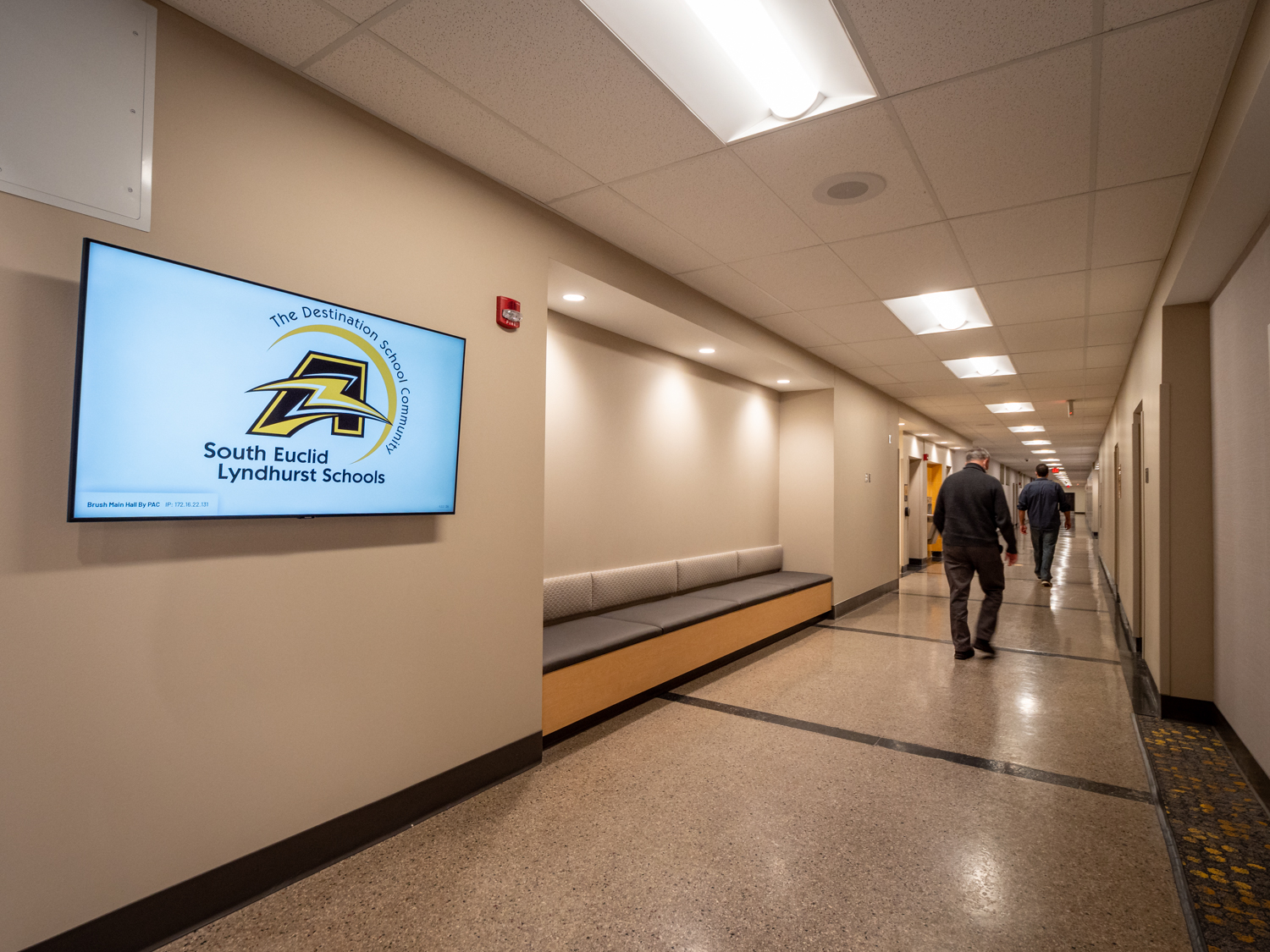
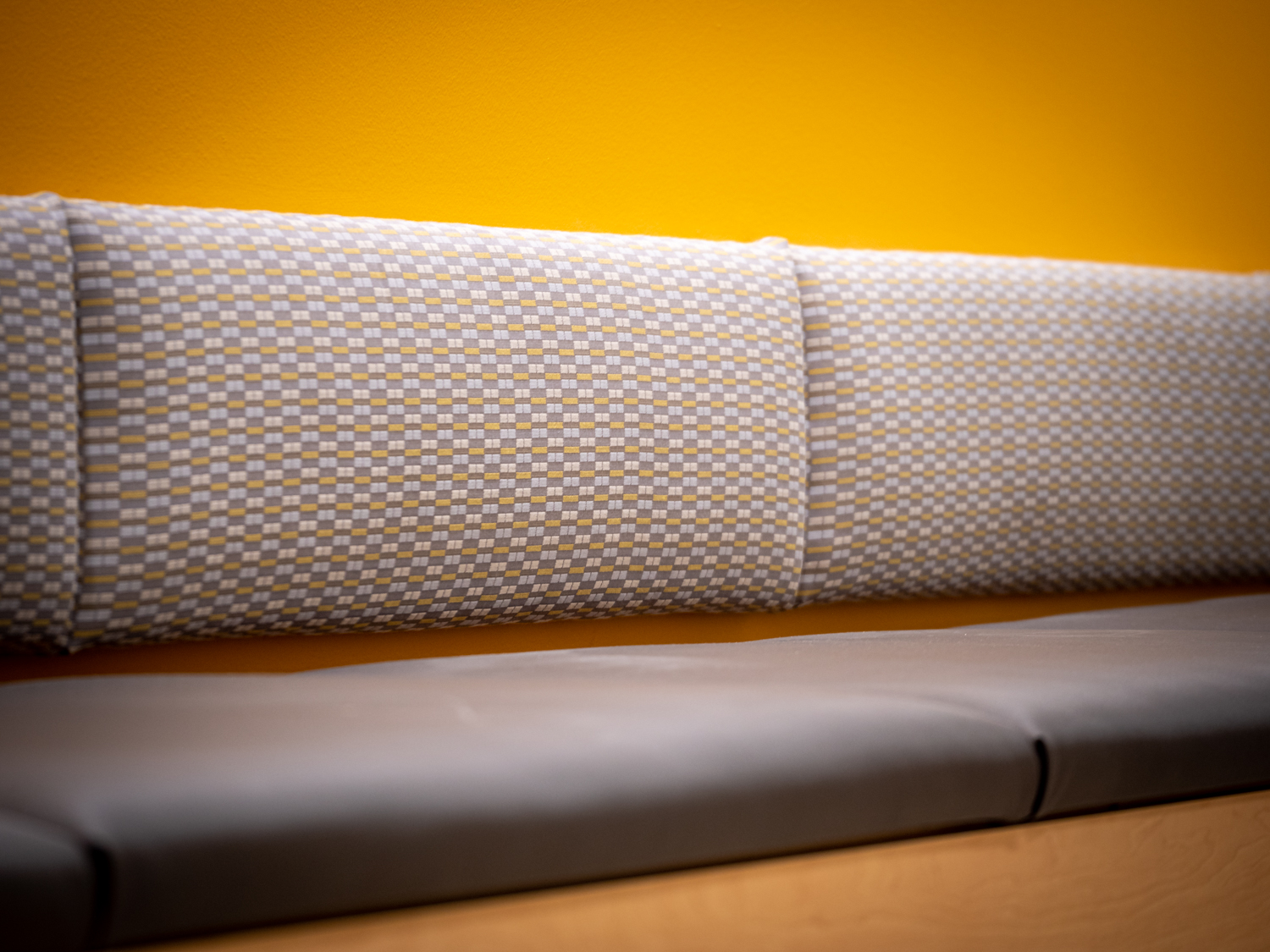
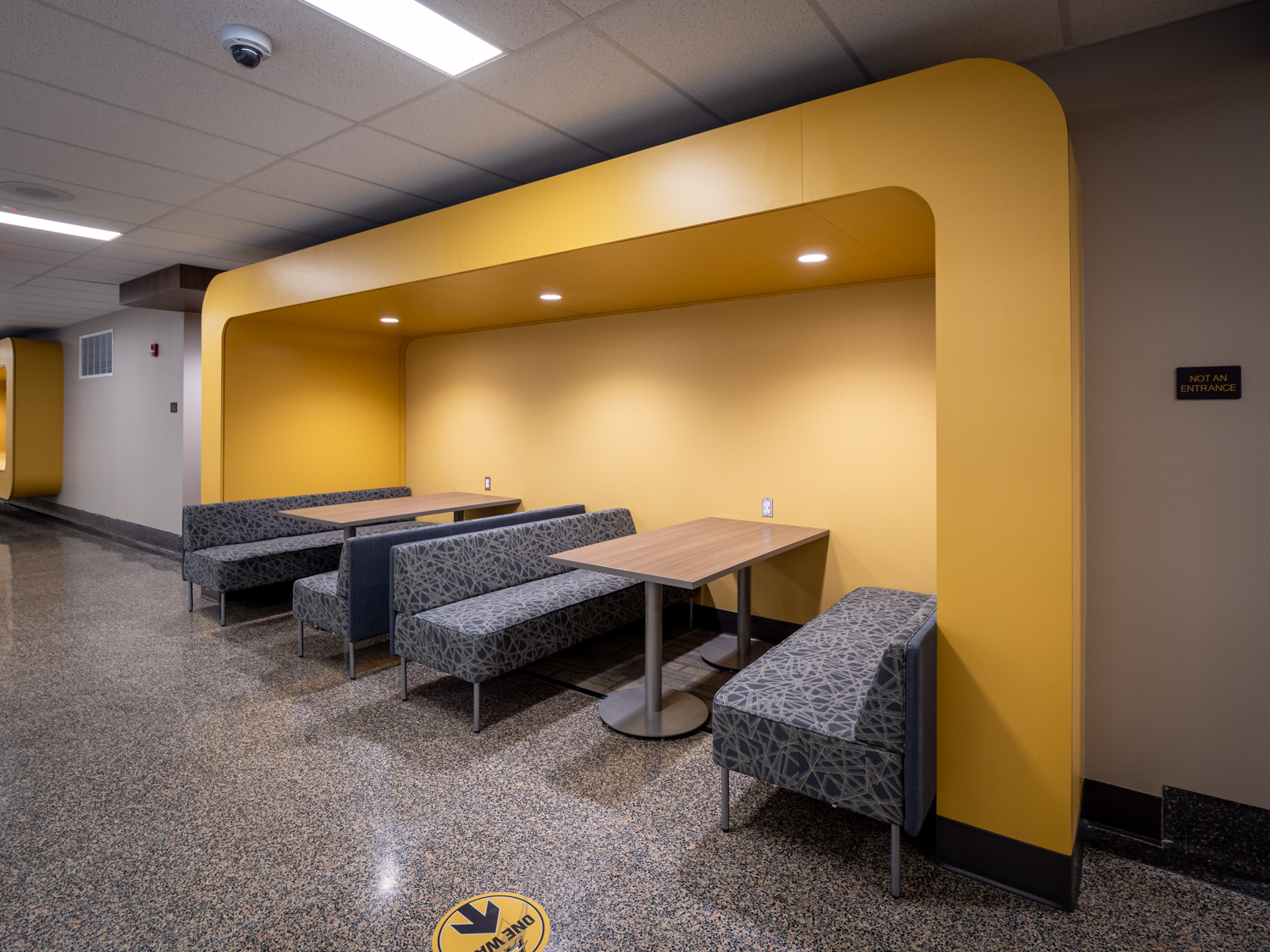
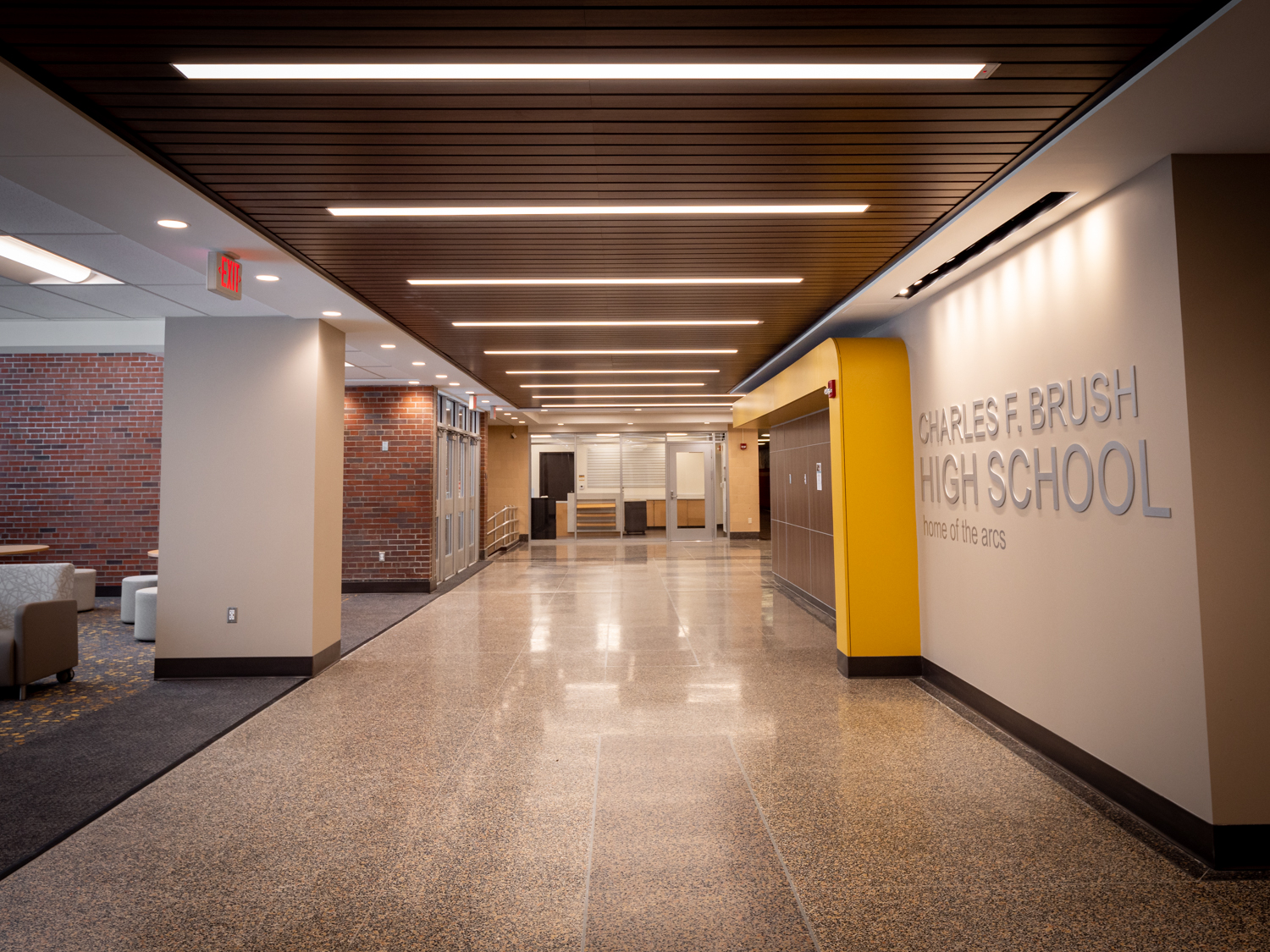
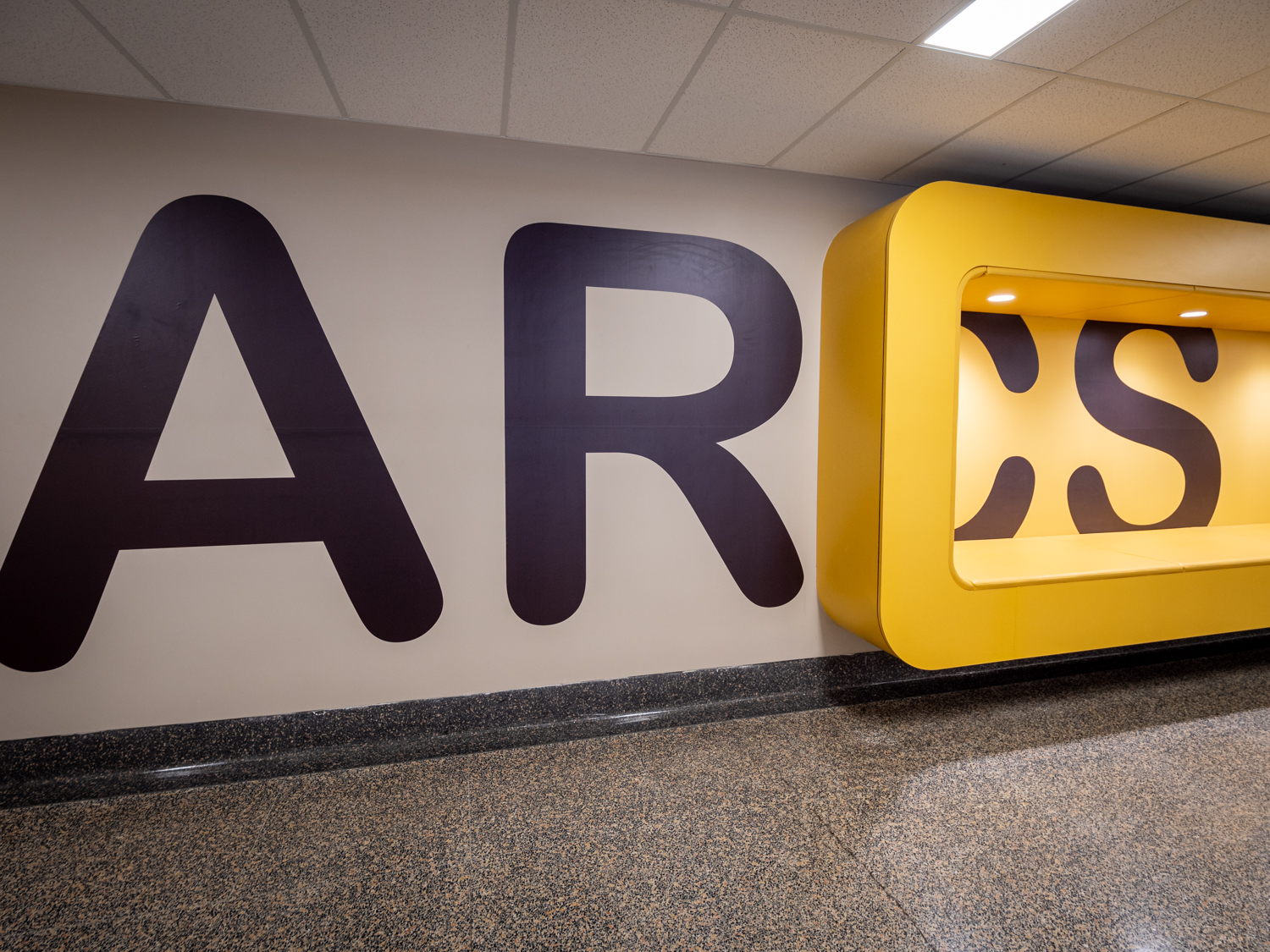
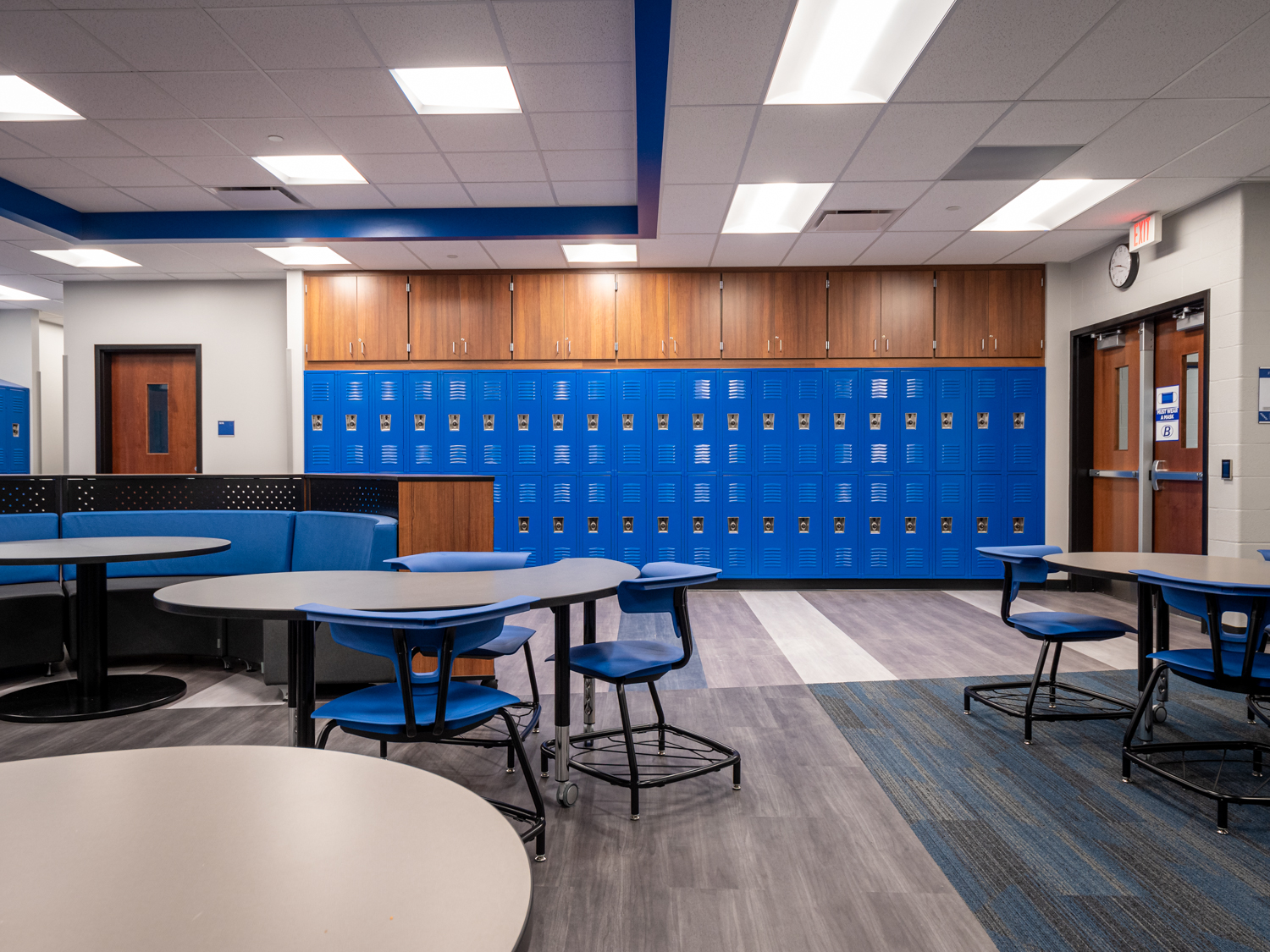
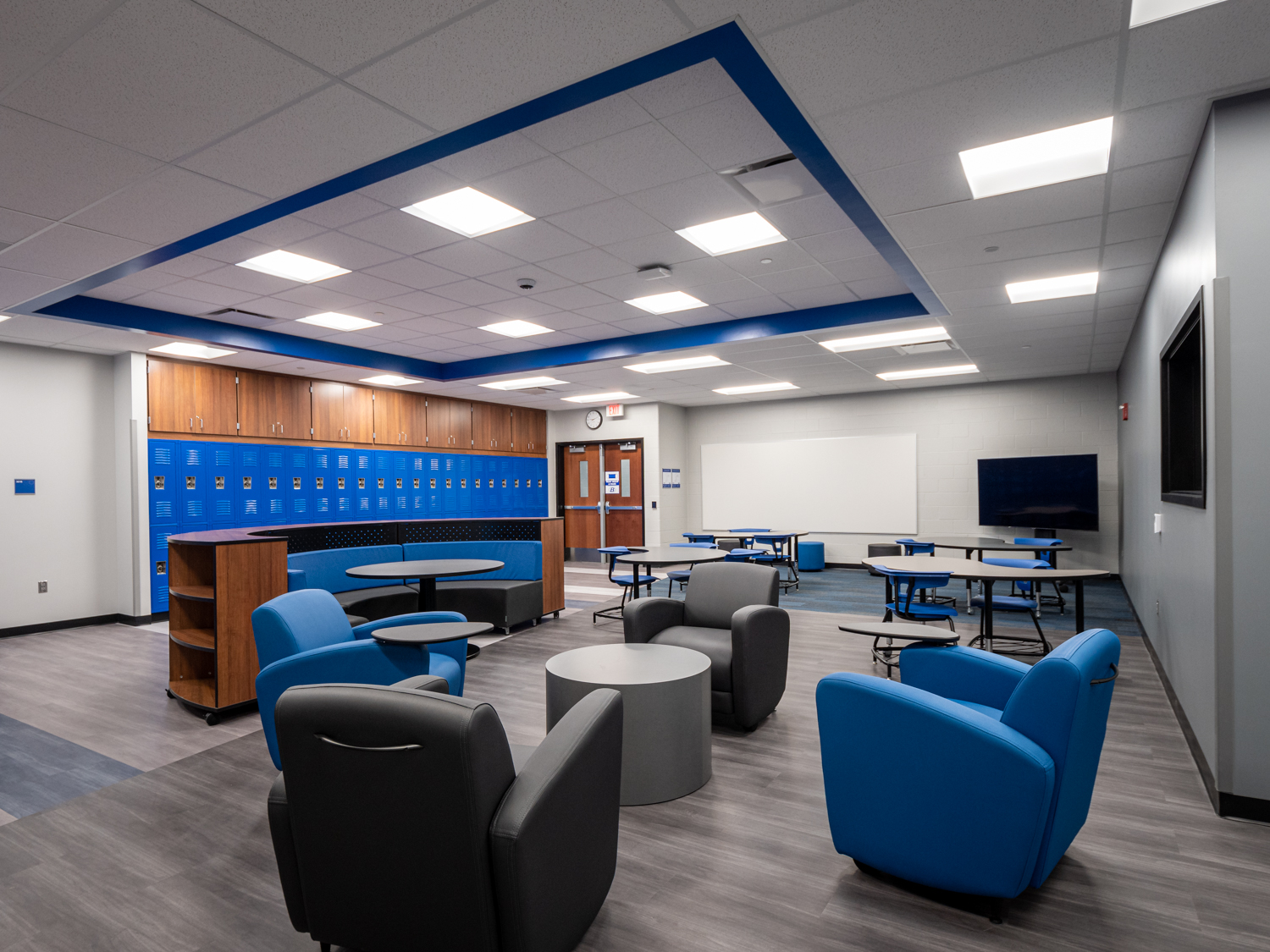
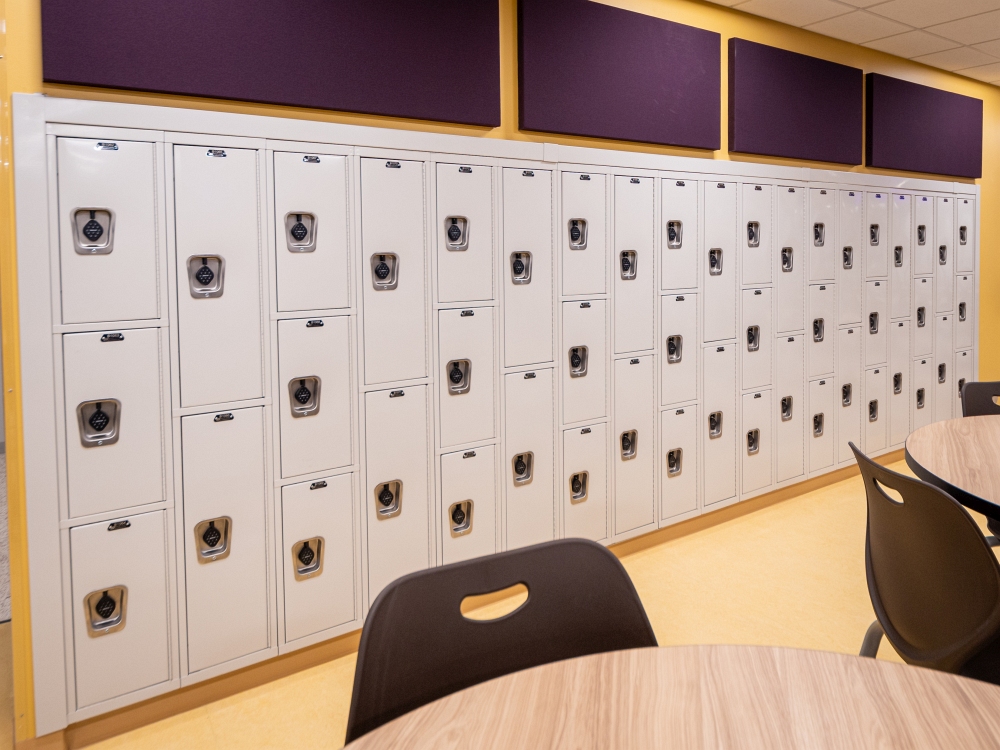
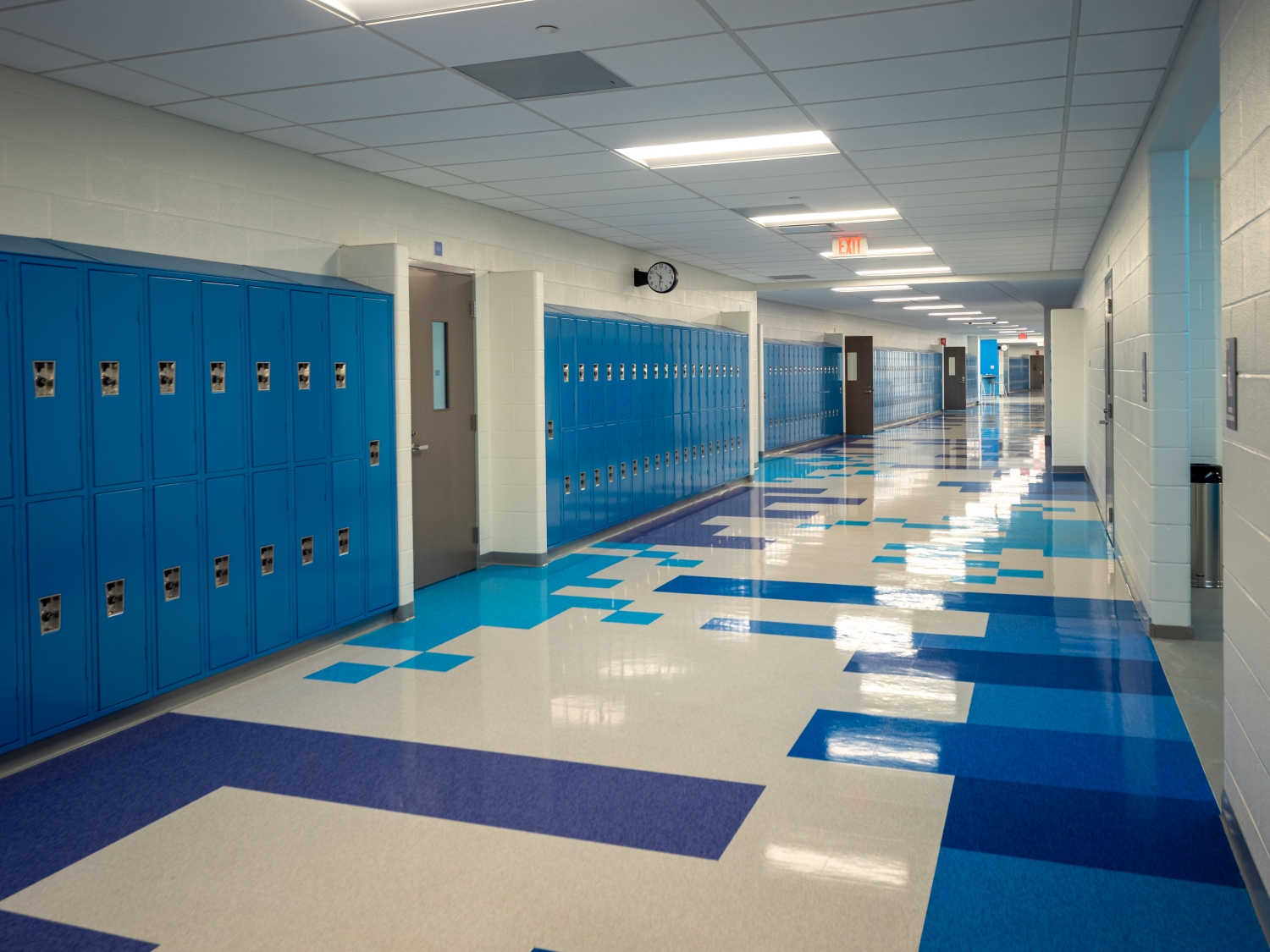
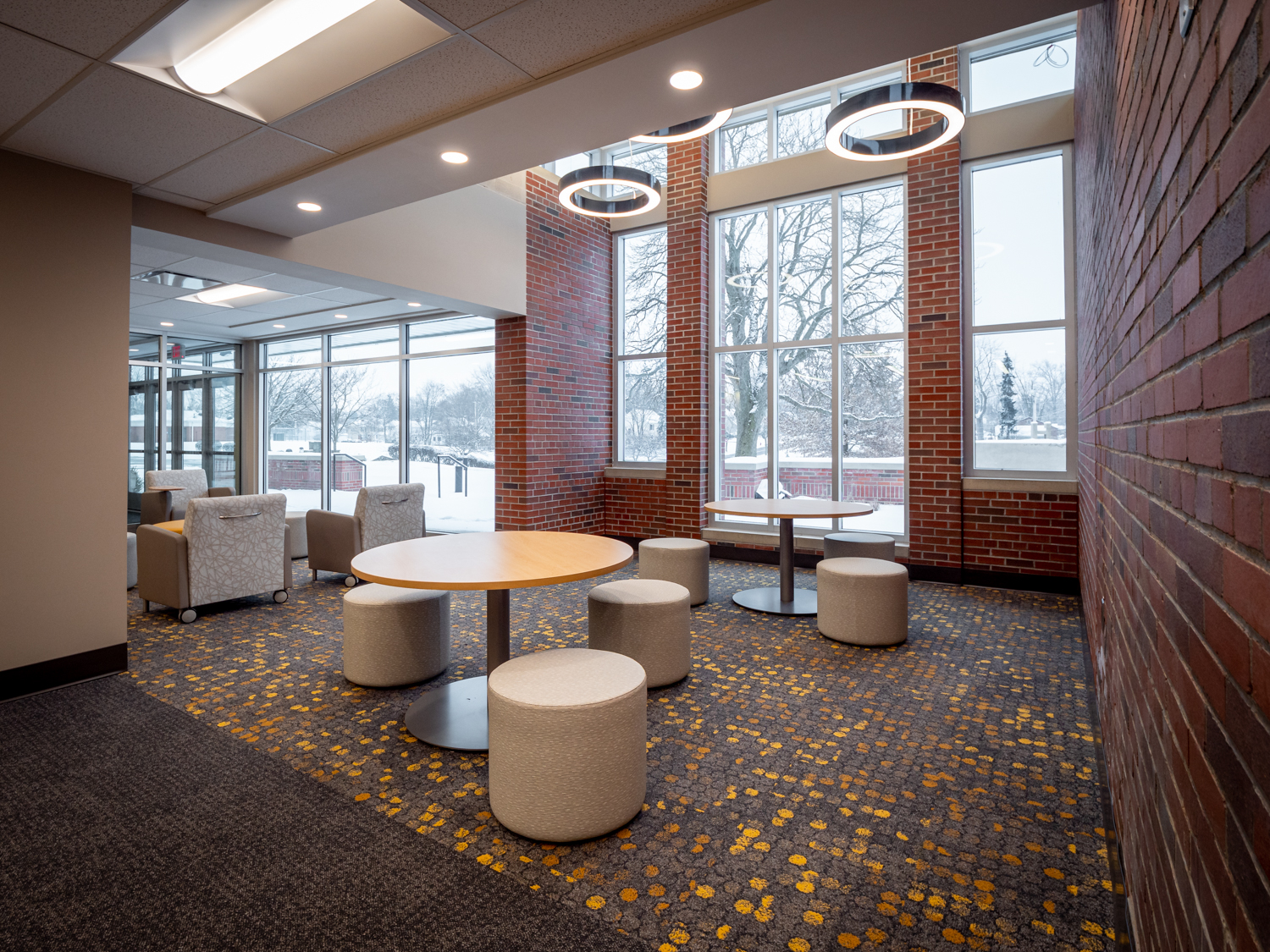
Since the Brush High School is such a large structure, addressing the many long corridors was another main component of the renovation. Due to the changing nature of education, few physical lockers are needed for students. As a result of the renovation, approximately 1/3 of the lockers were eliminated, widening the hallways by four feet in some areas. While some of this space was absorbed into new renovations, in other areas, the extra four feet was used for trophy and display cabinetry, art installations and colorful collaborative seating. The display space further underscores the graphic approach used throughout the school.

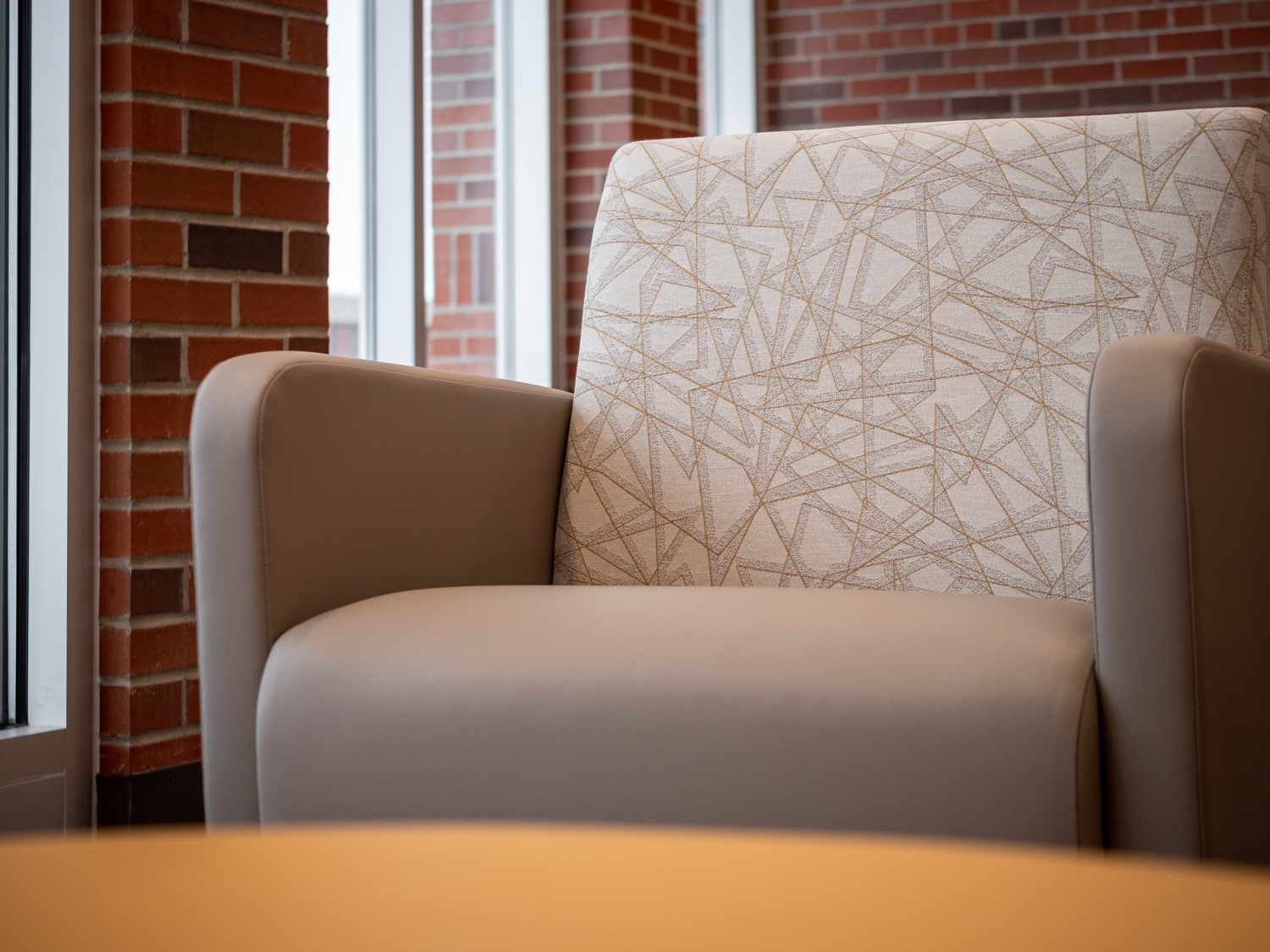
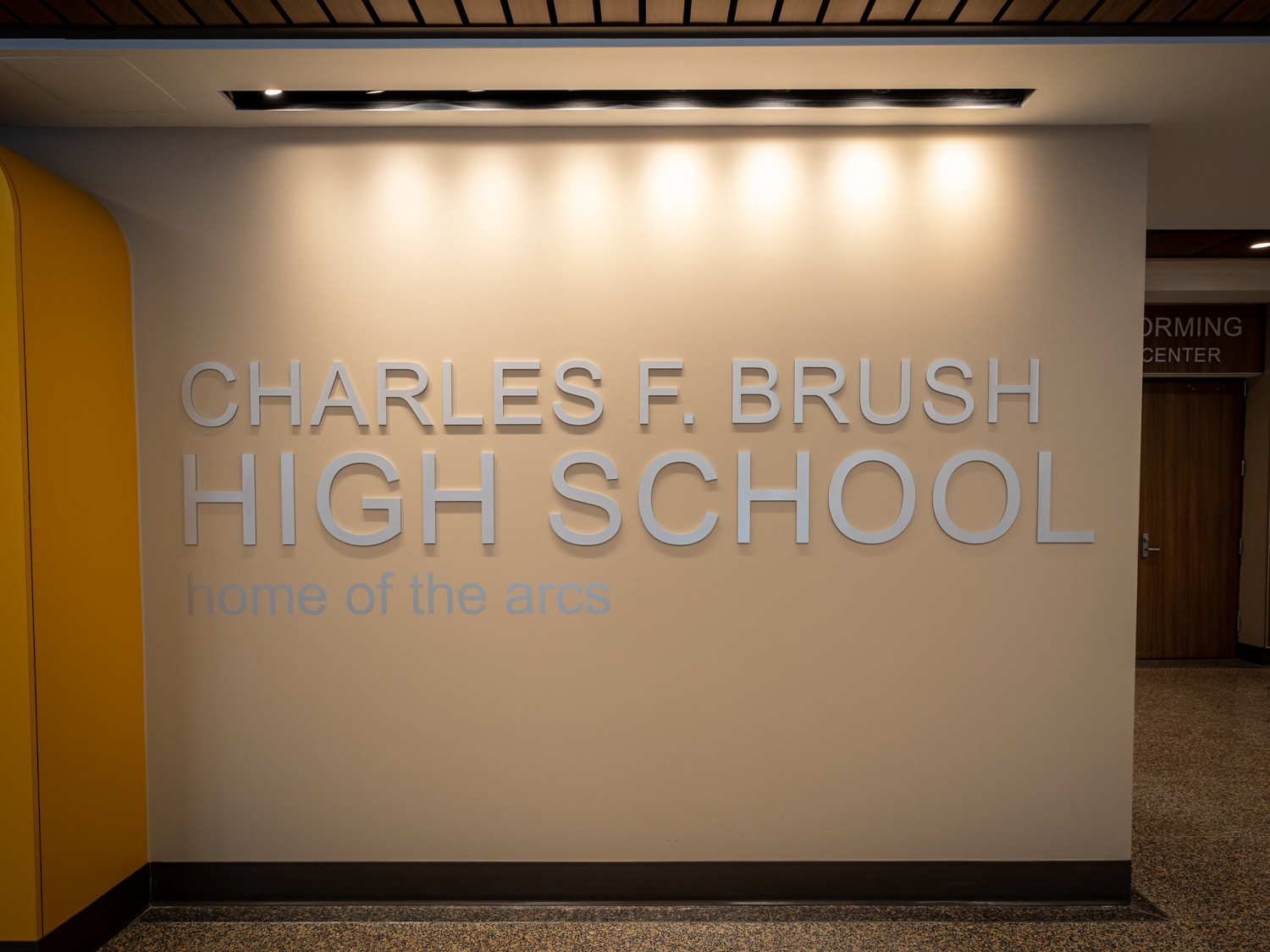
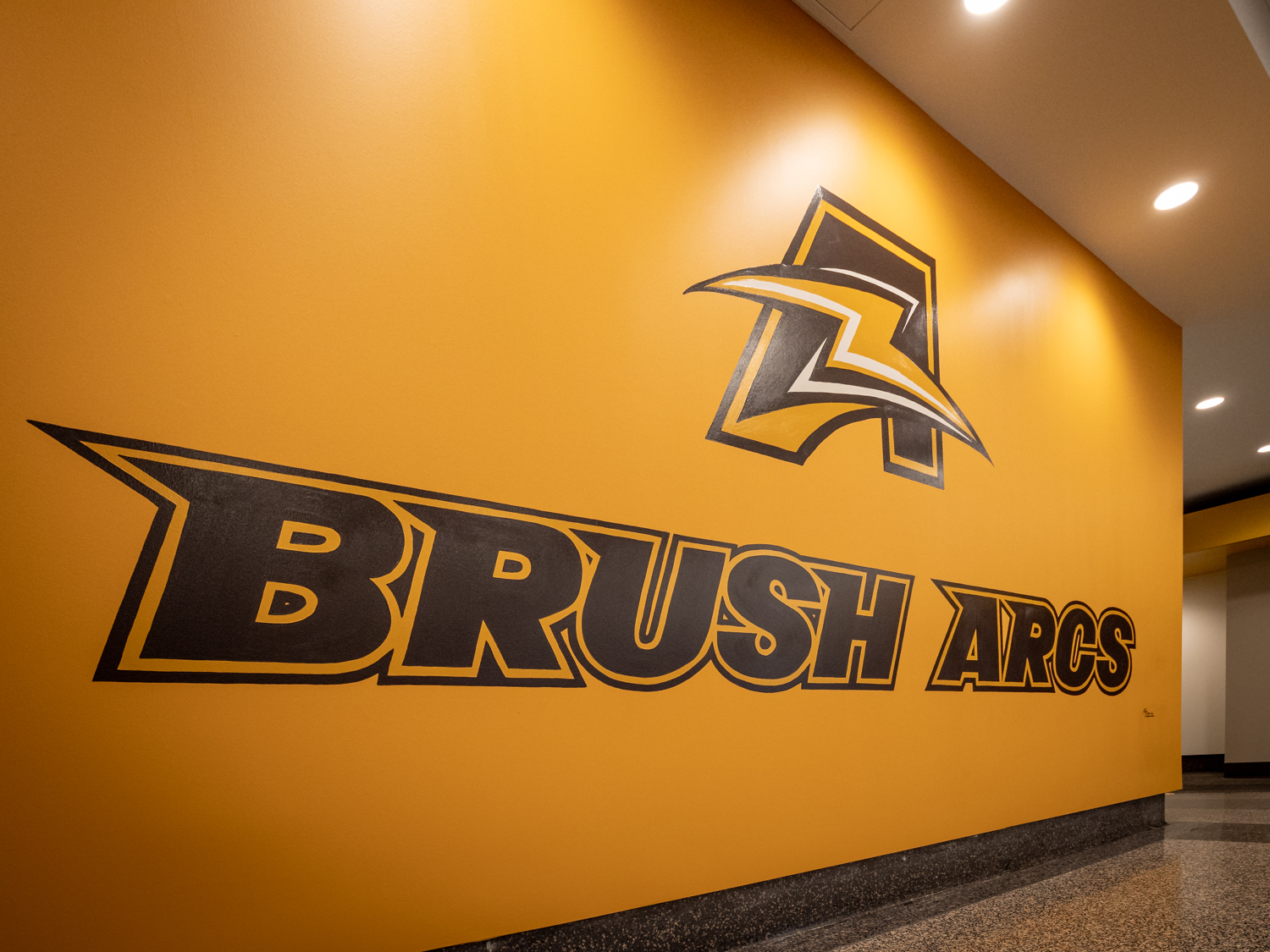
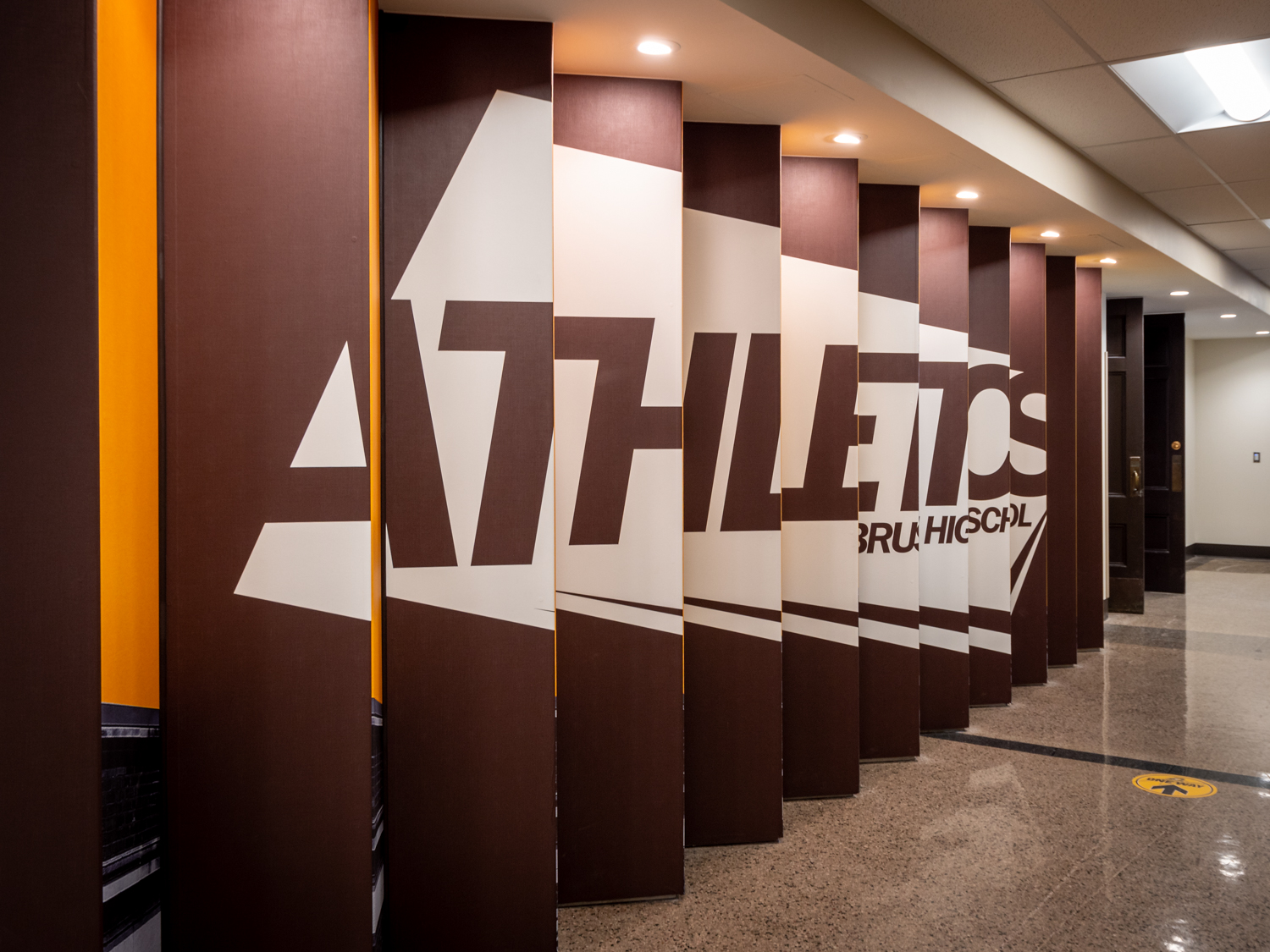
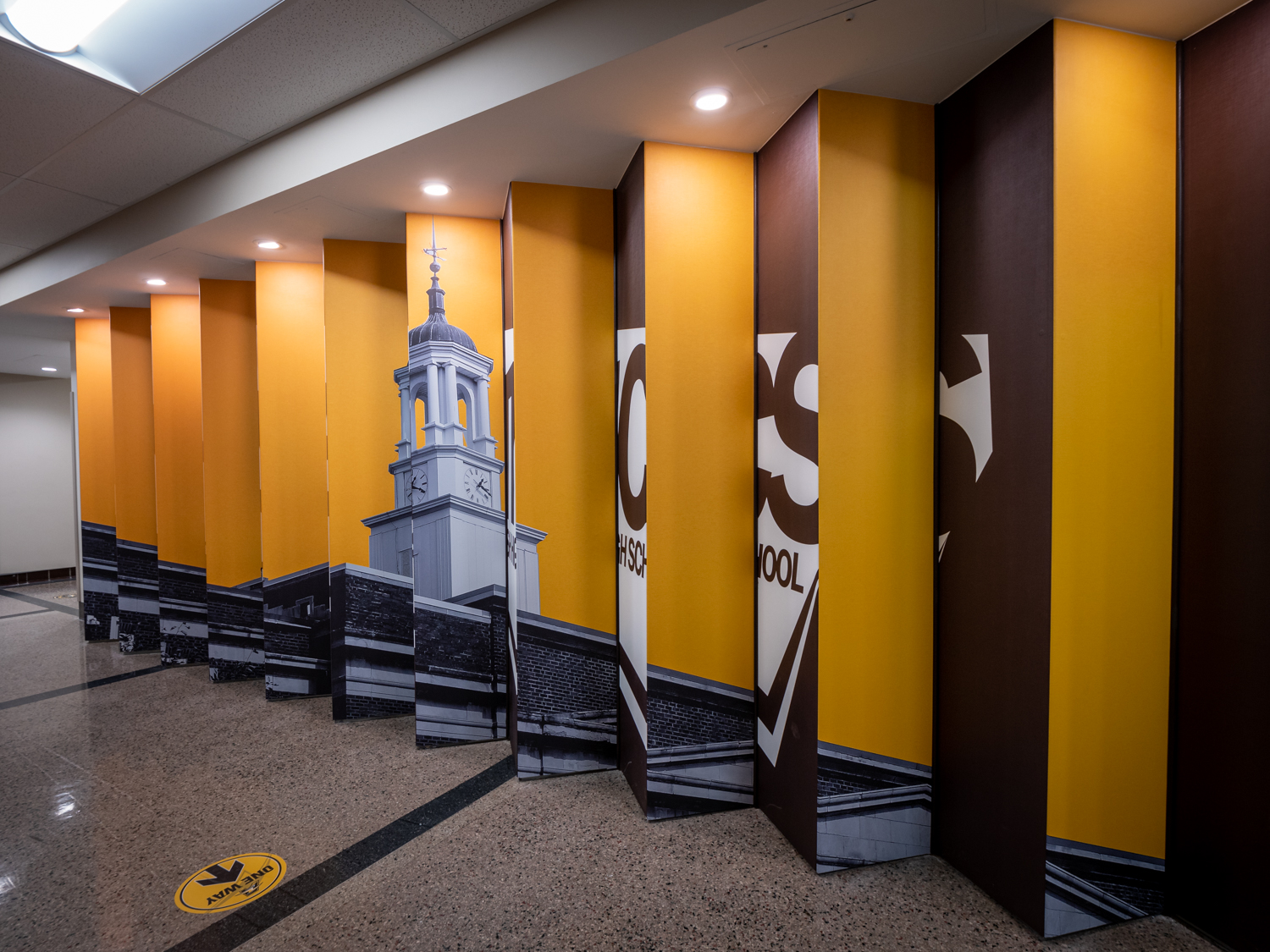
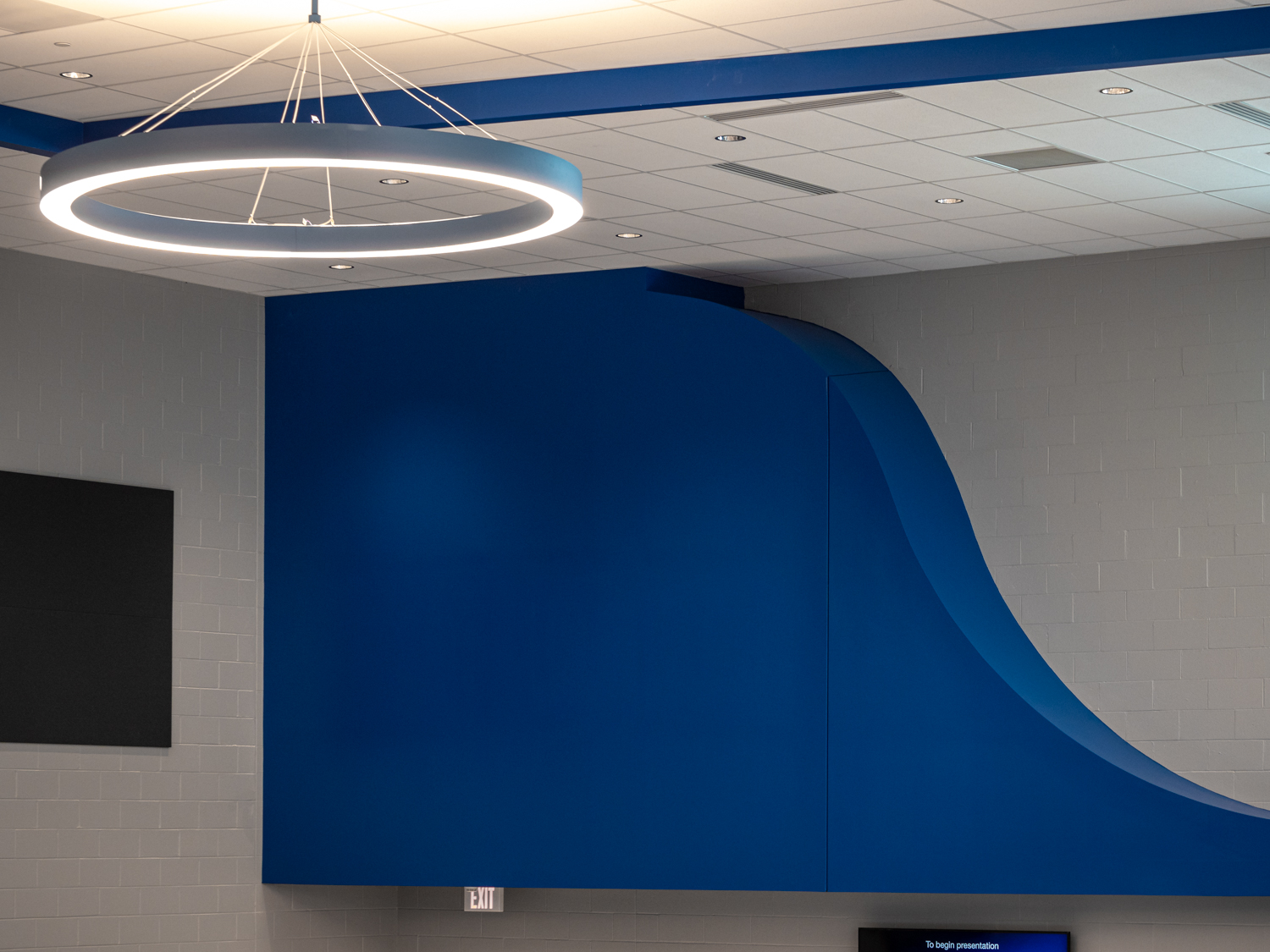
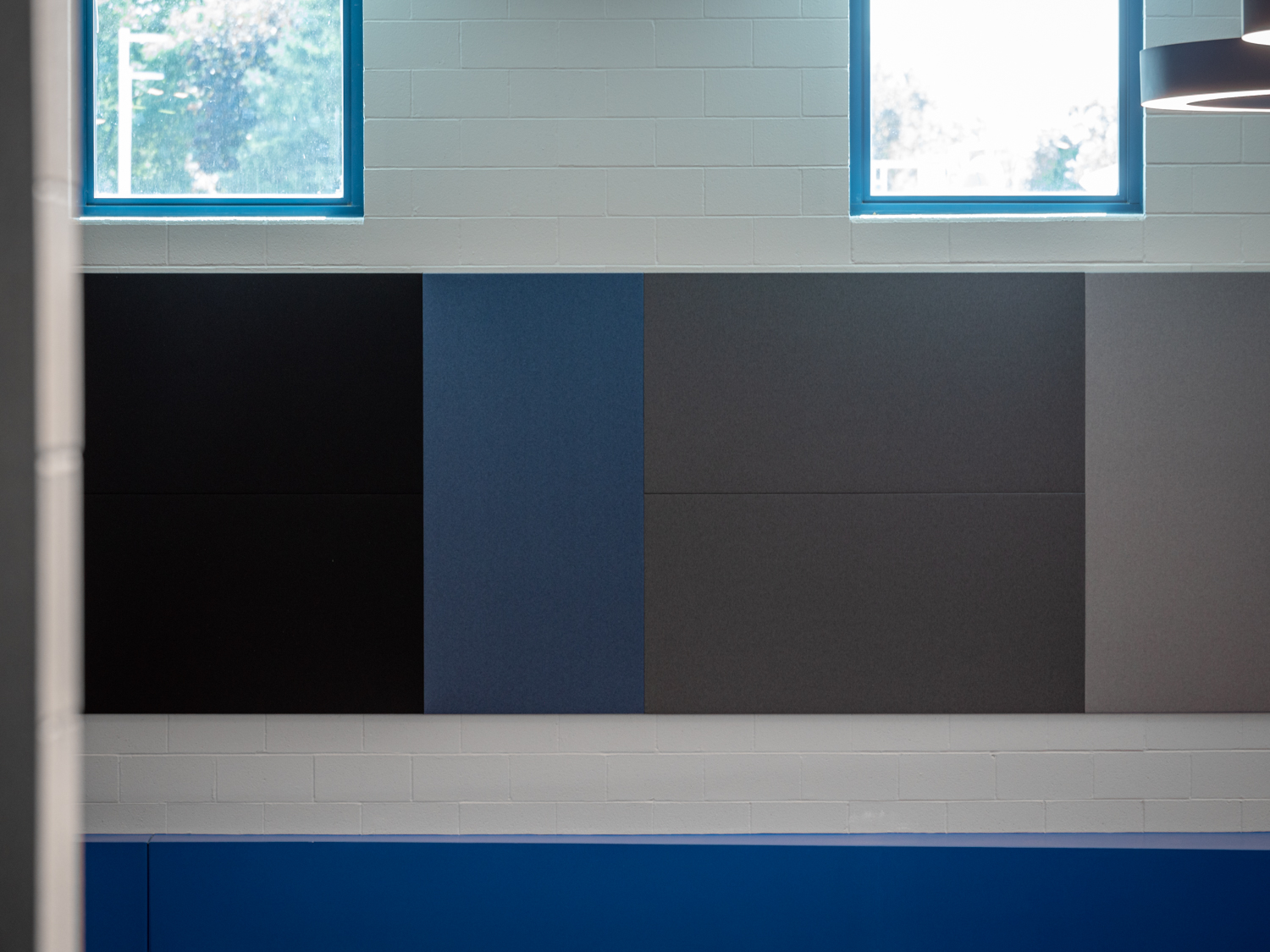
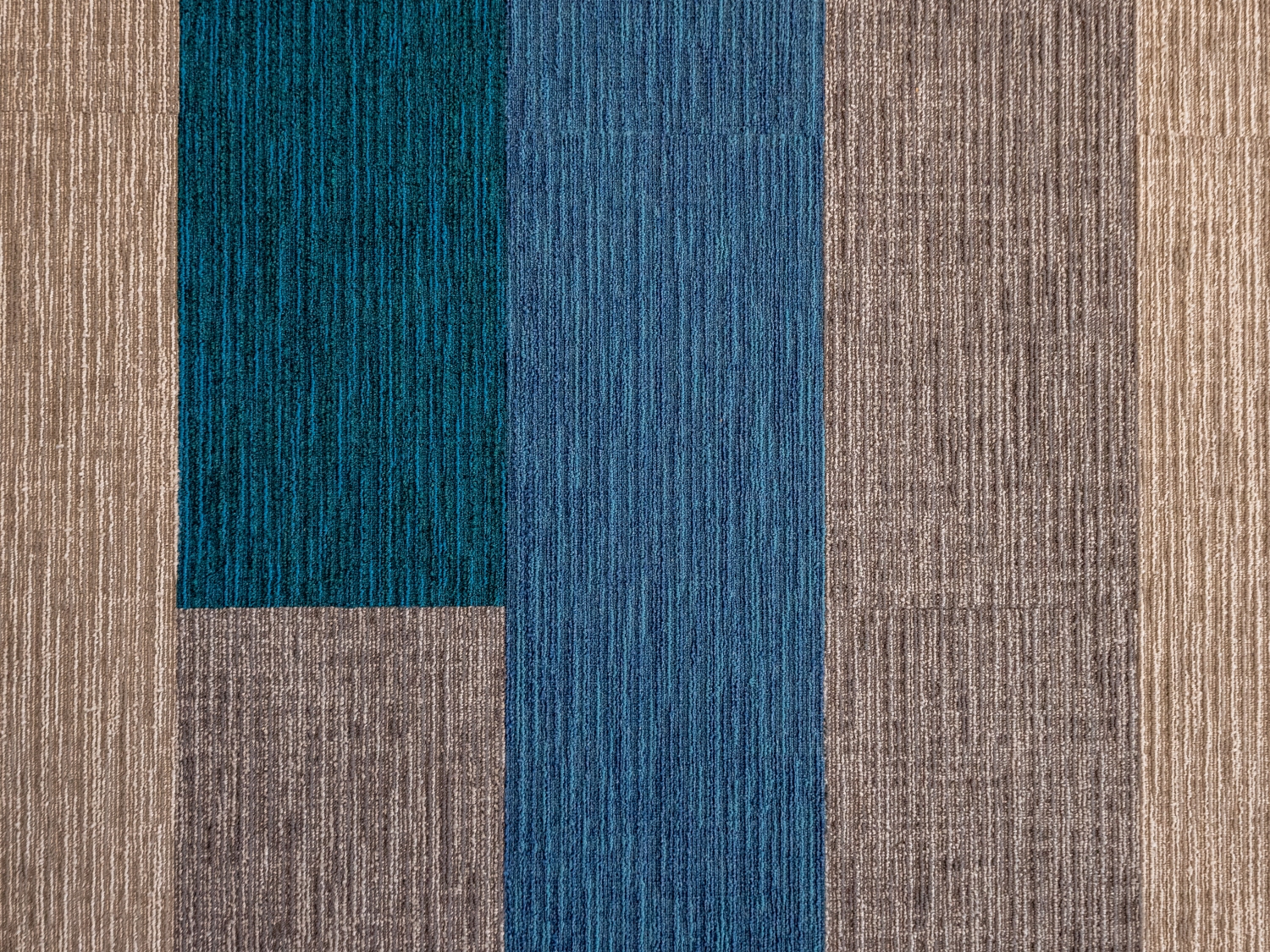
New wall graphics and furniture installations were integrated throughout, emphasizing school colors and updating the existing artwork and color palette. New signage was added in the lobby and ties the older historic building to the new renovations.

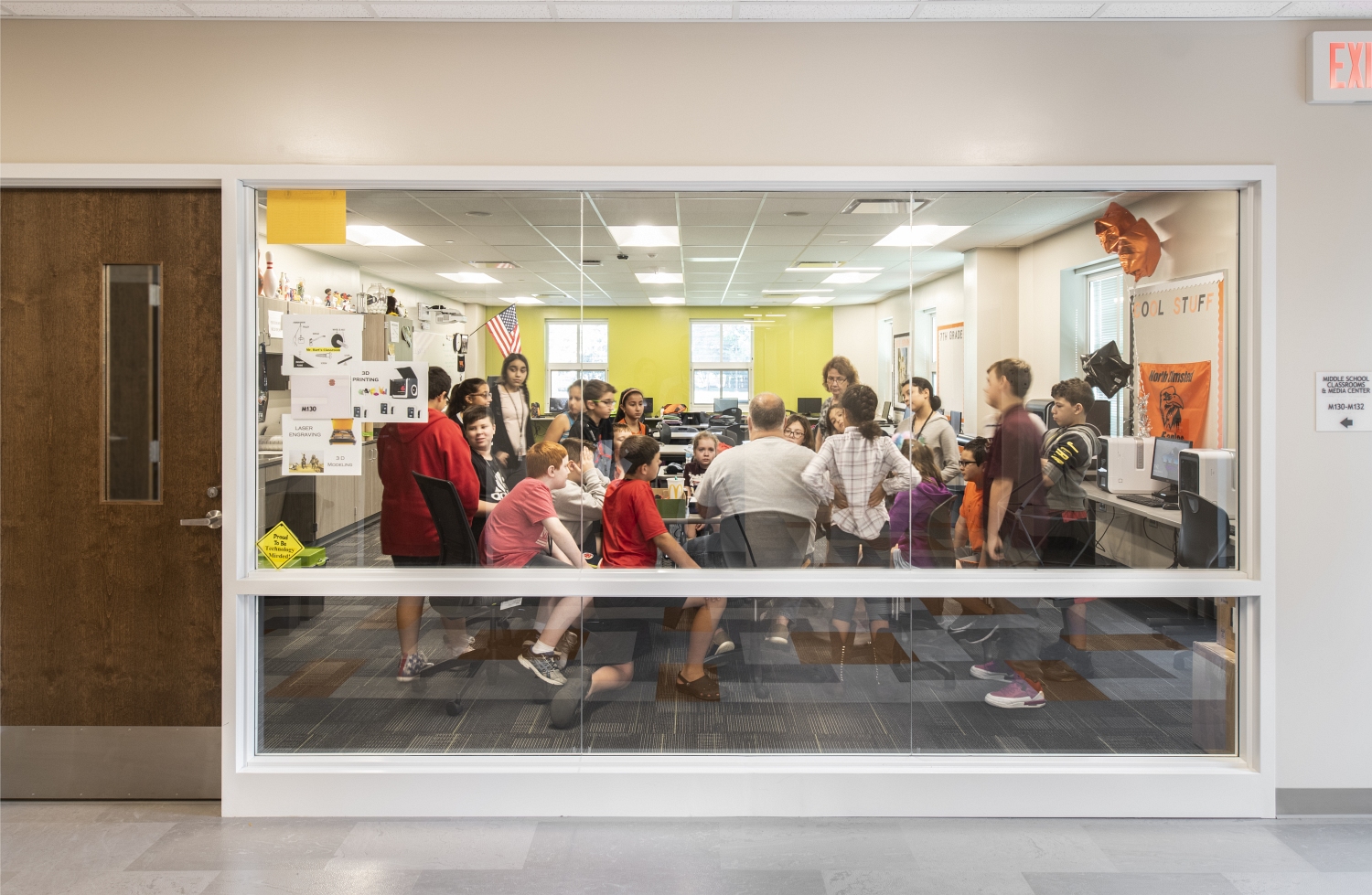
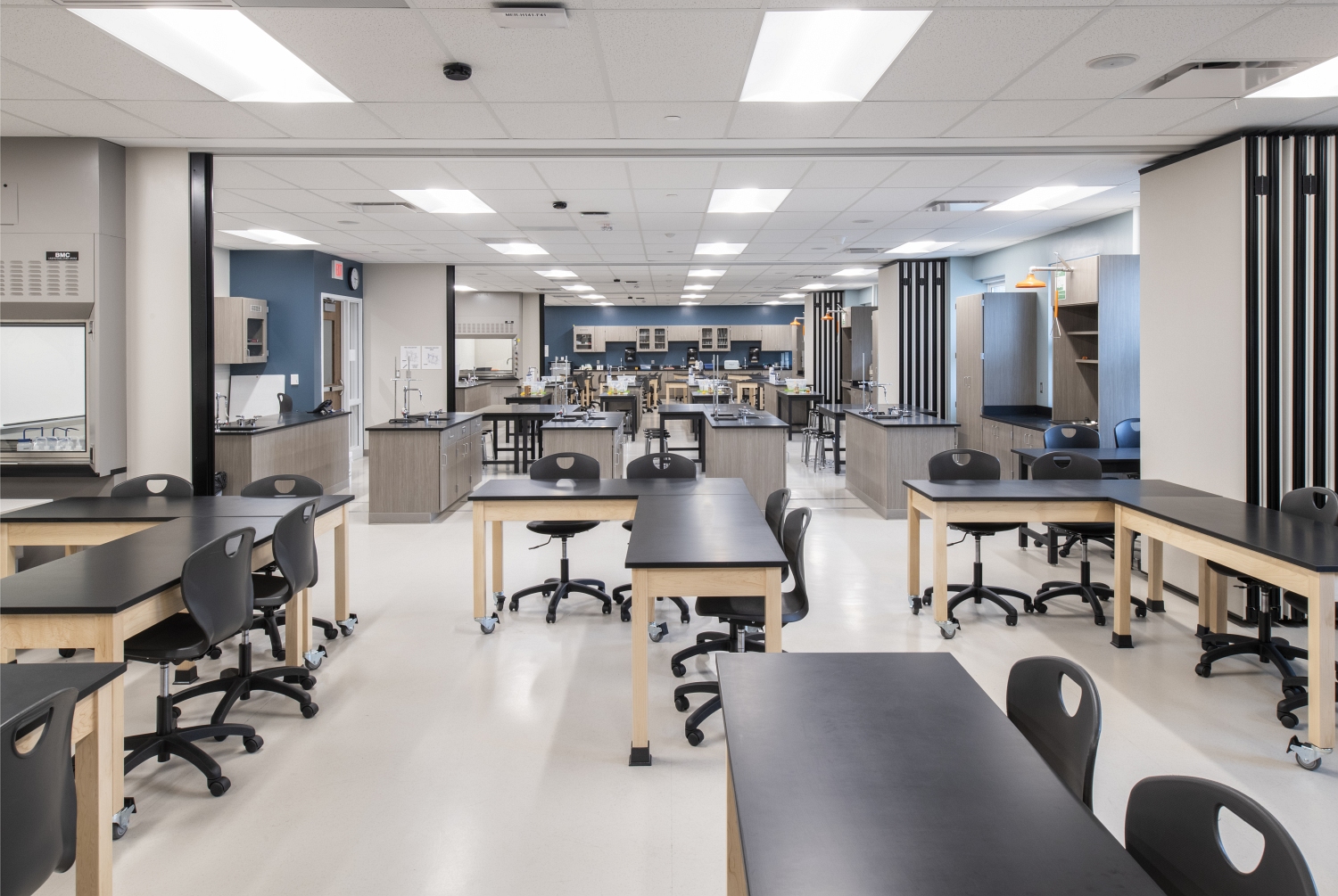
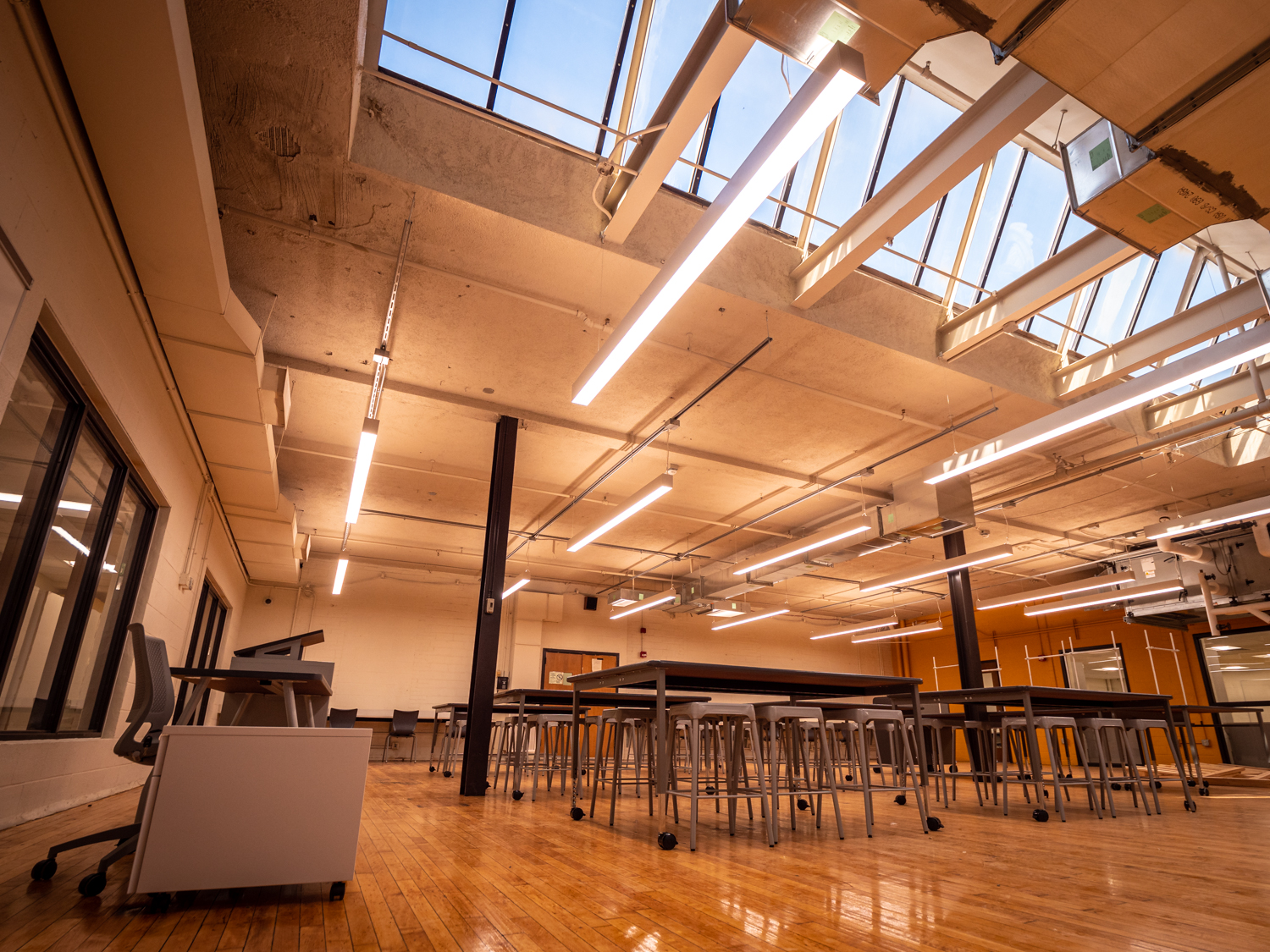
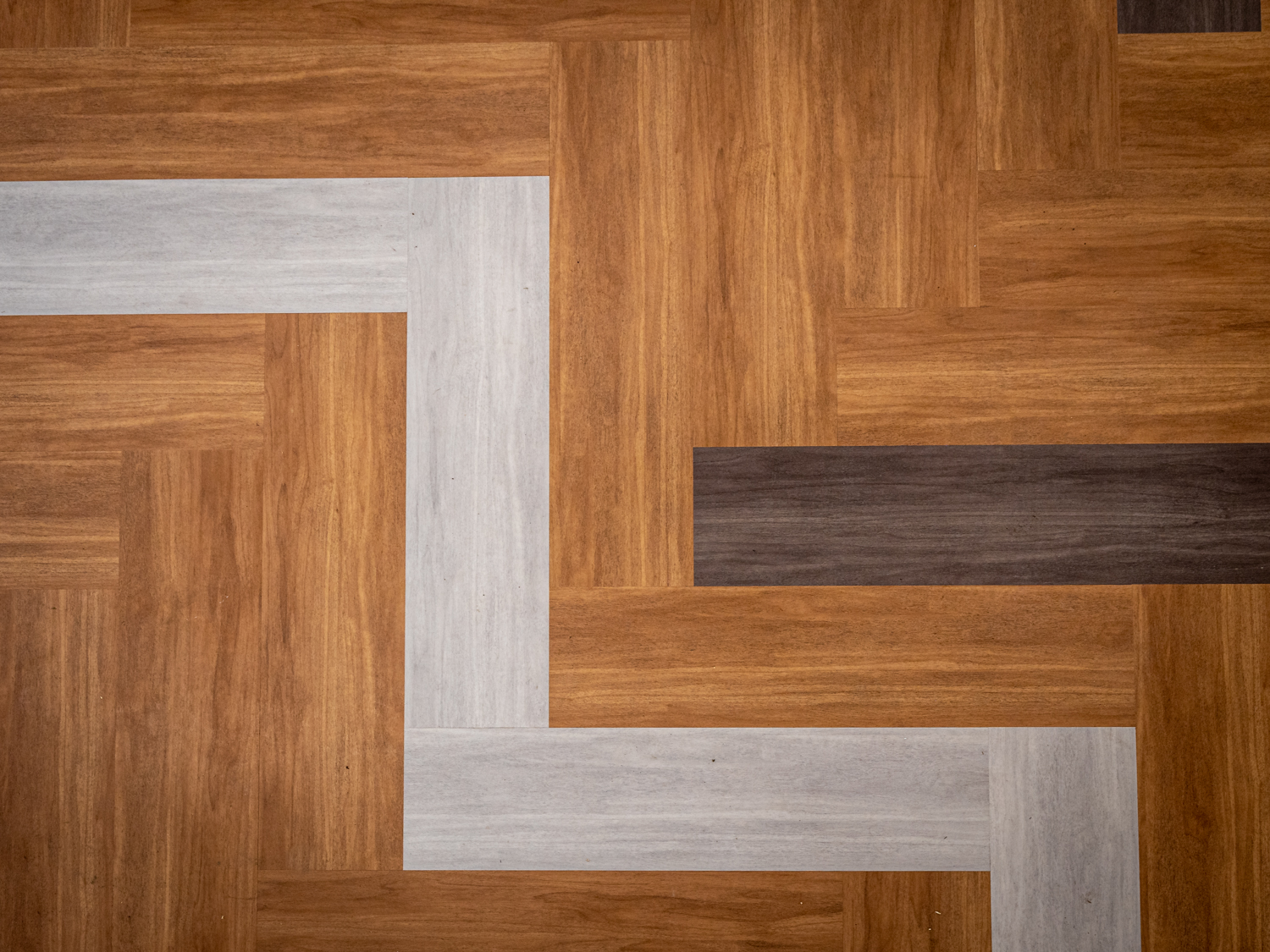
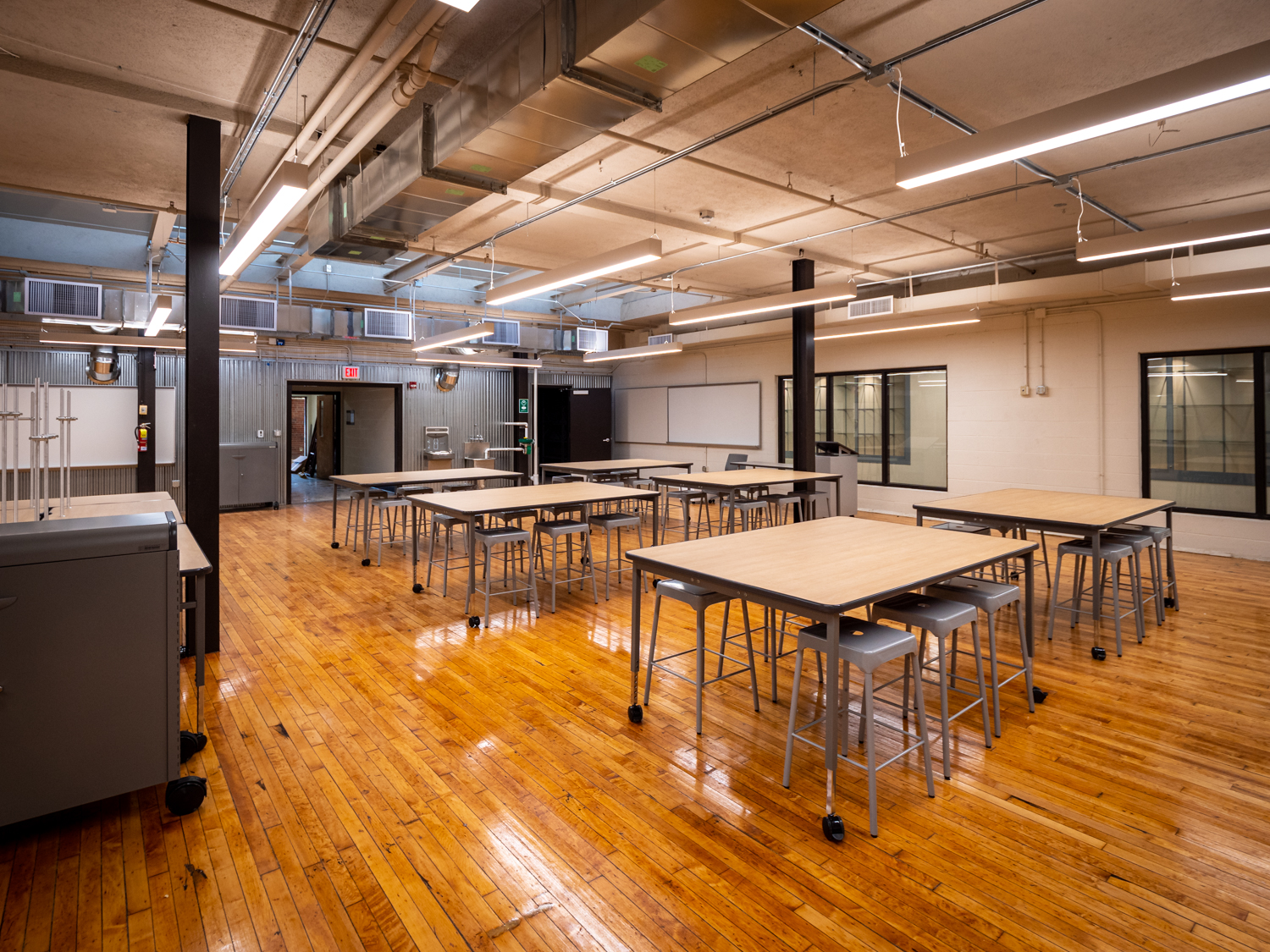
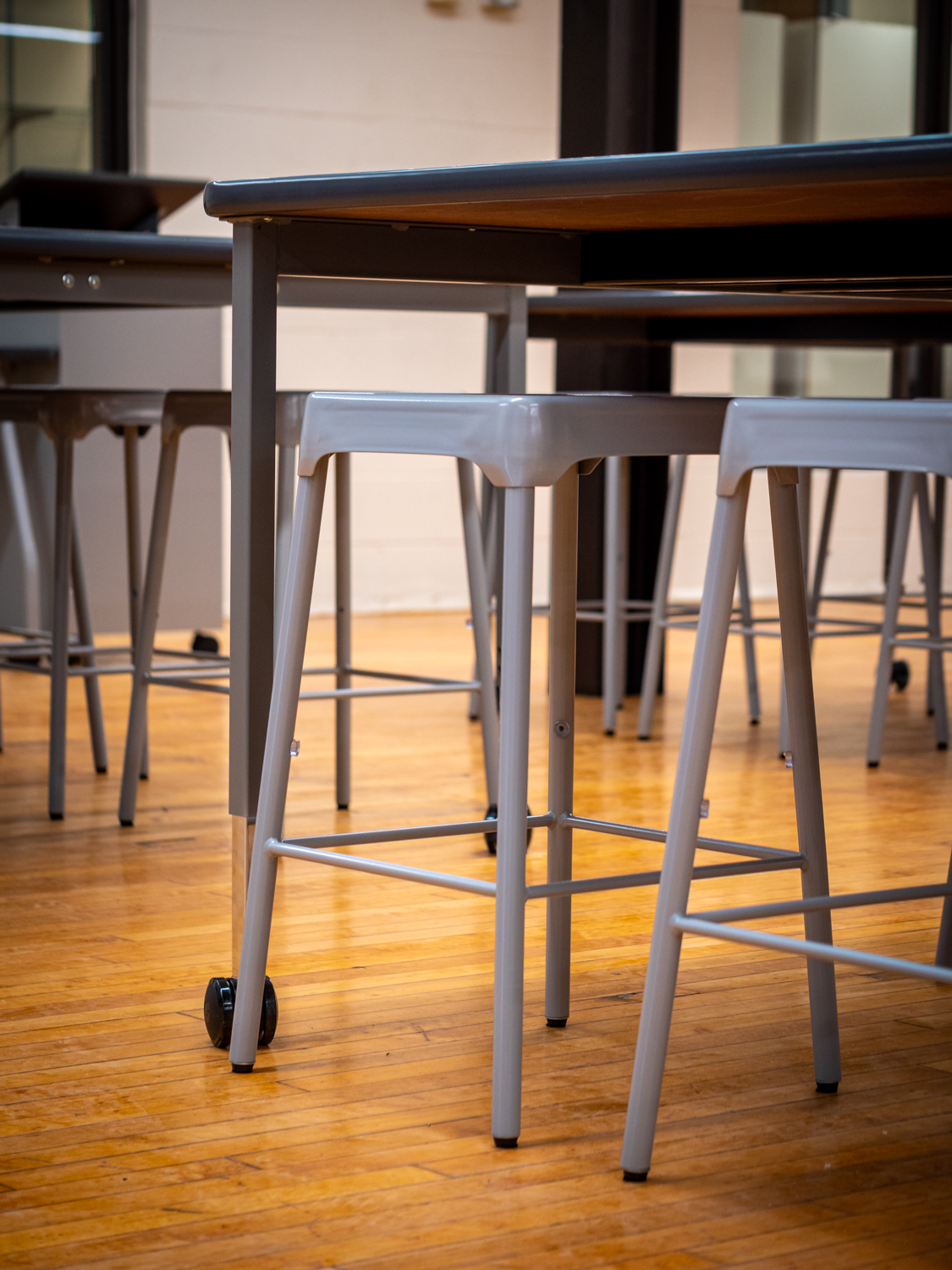
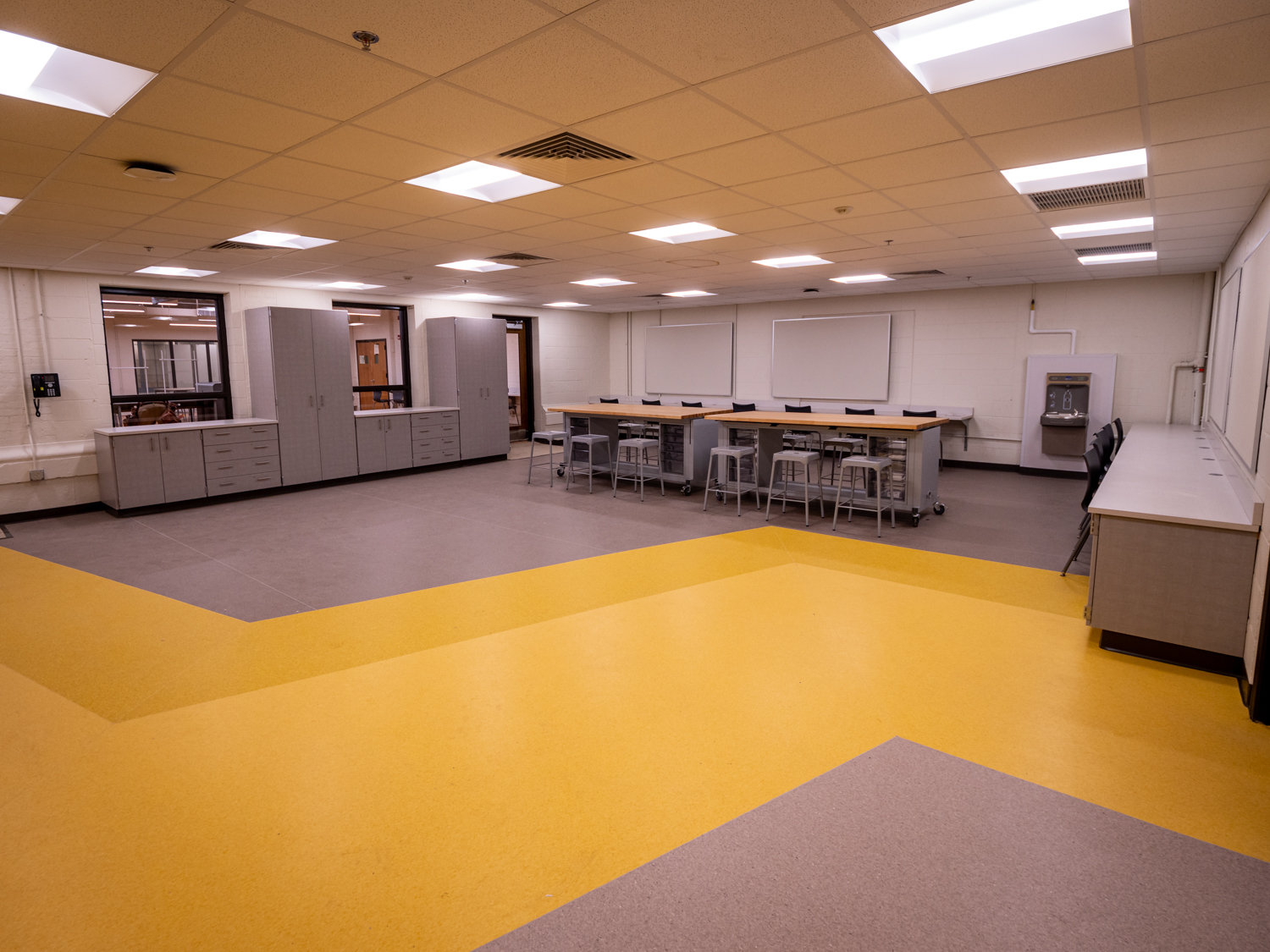
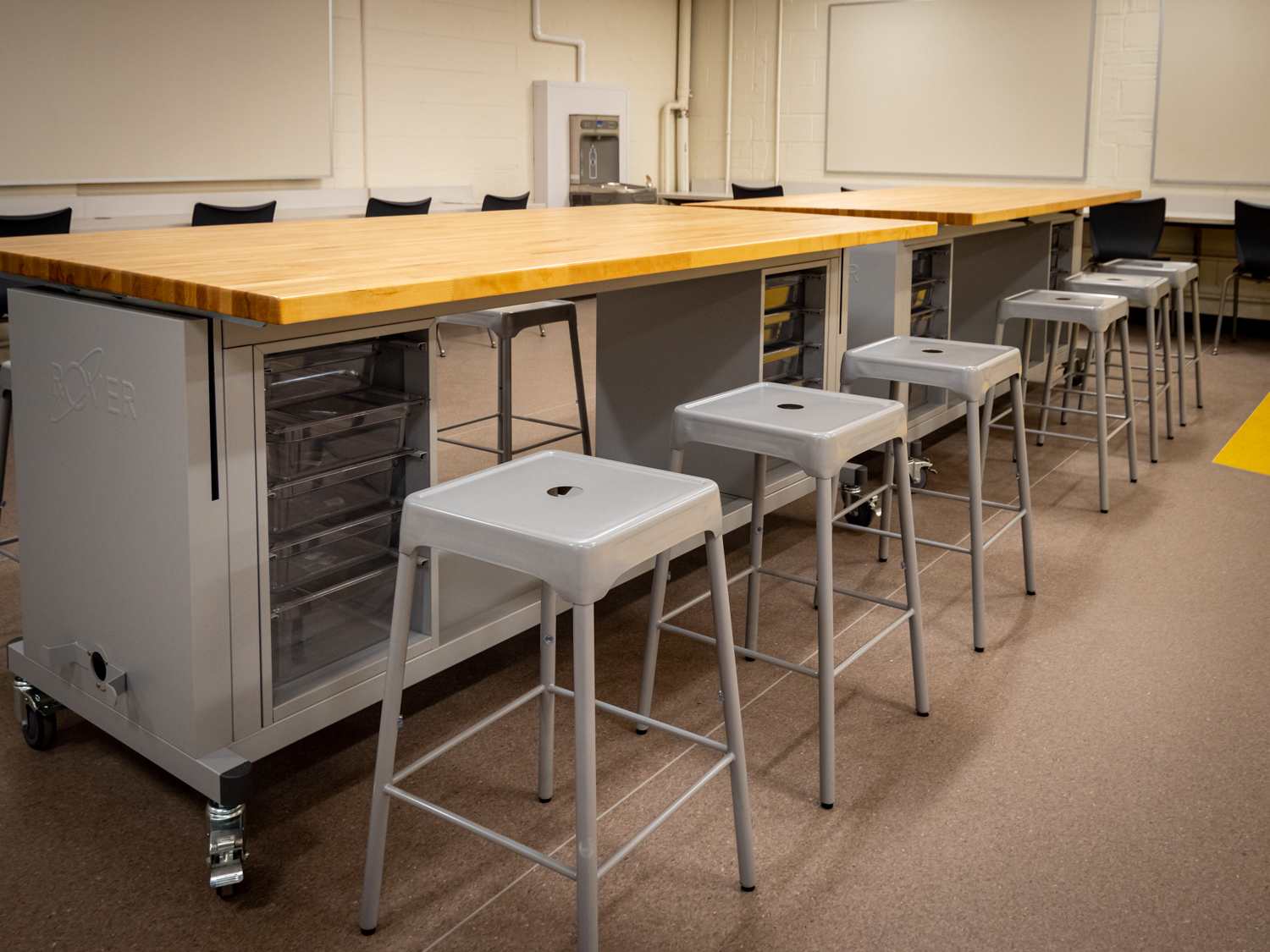
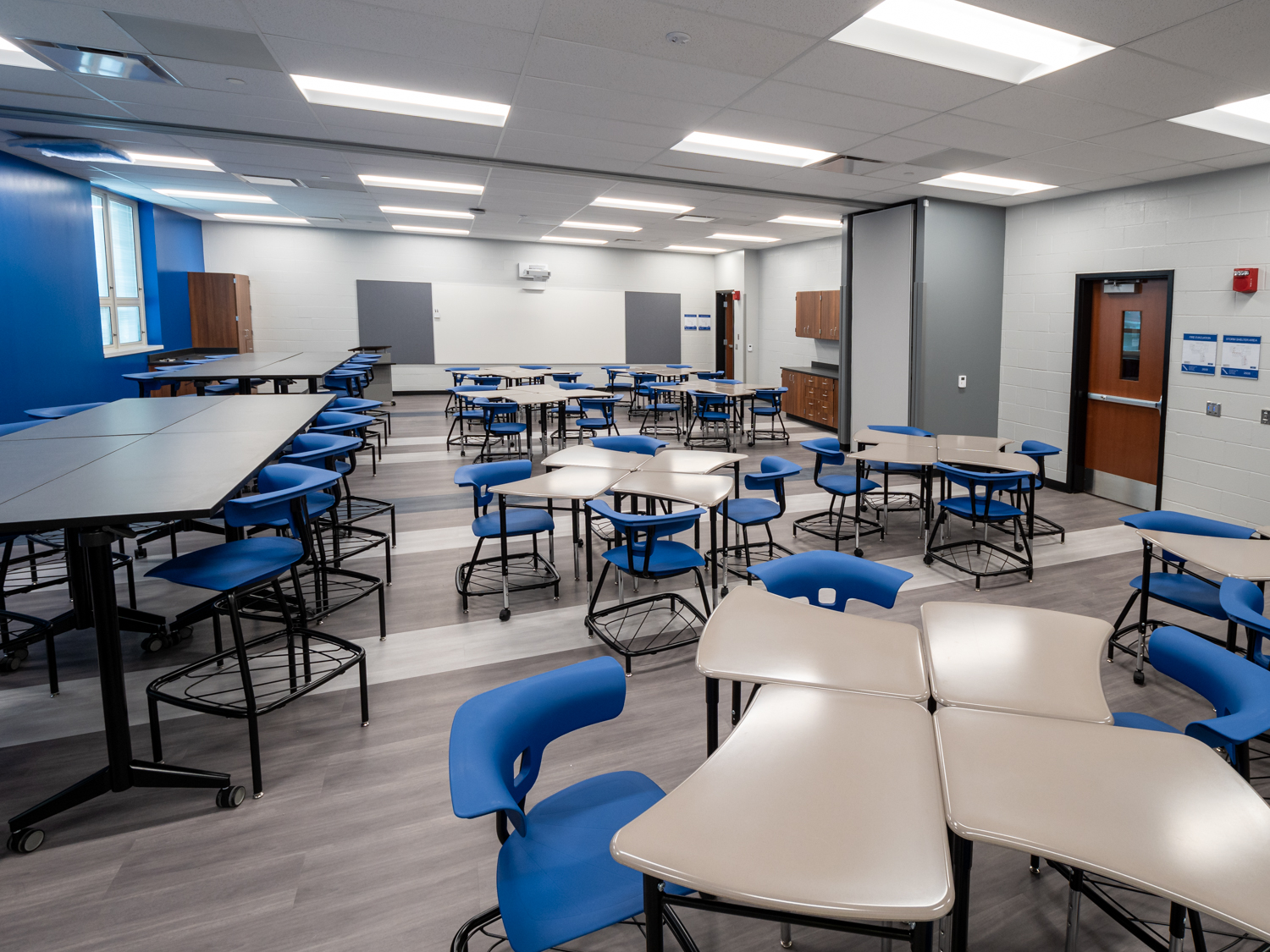
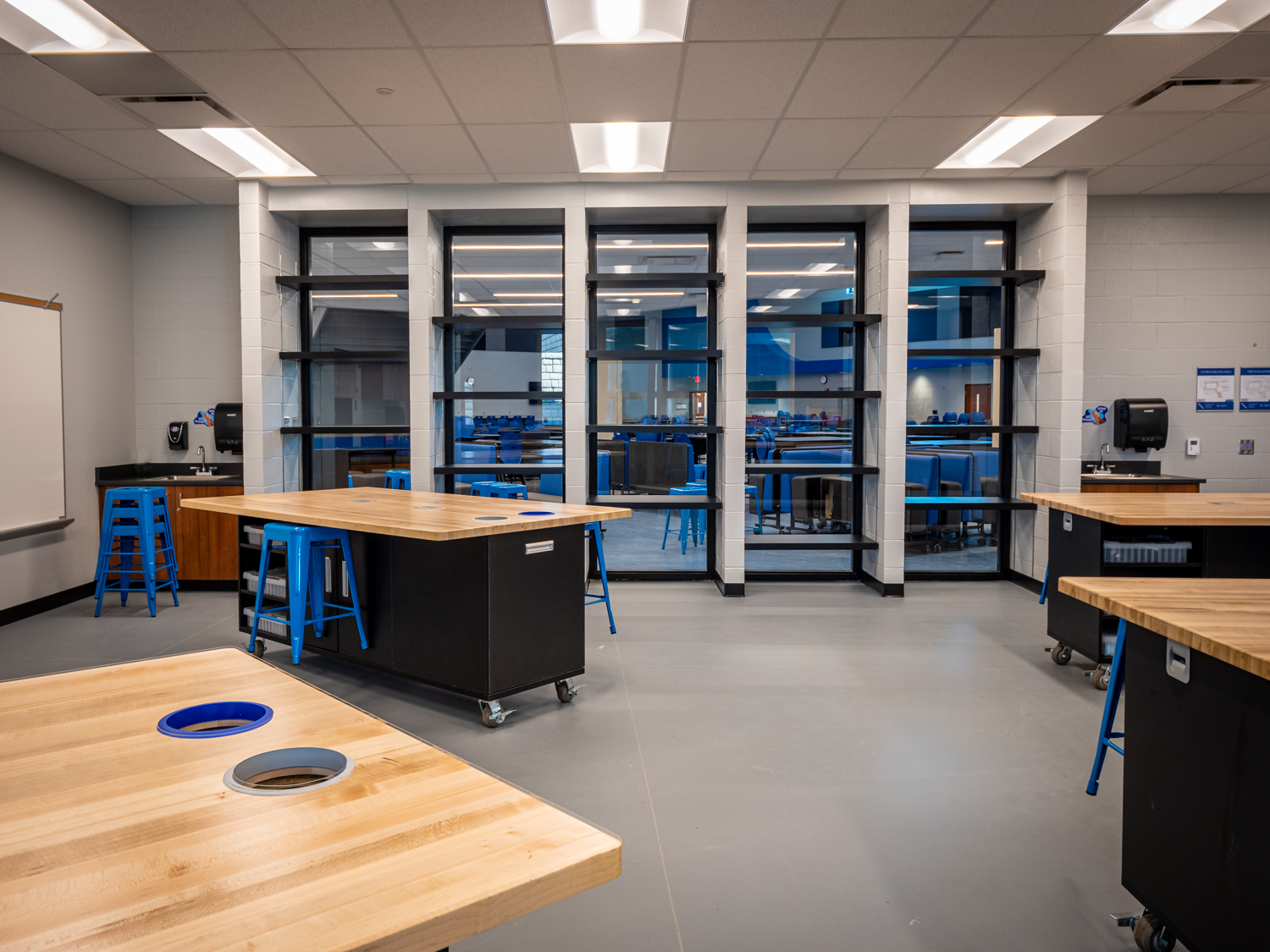
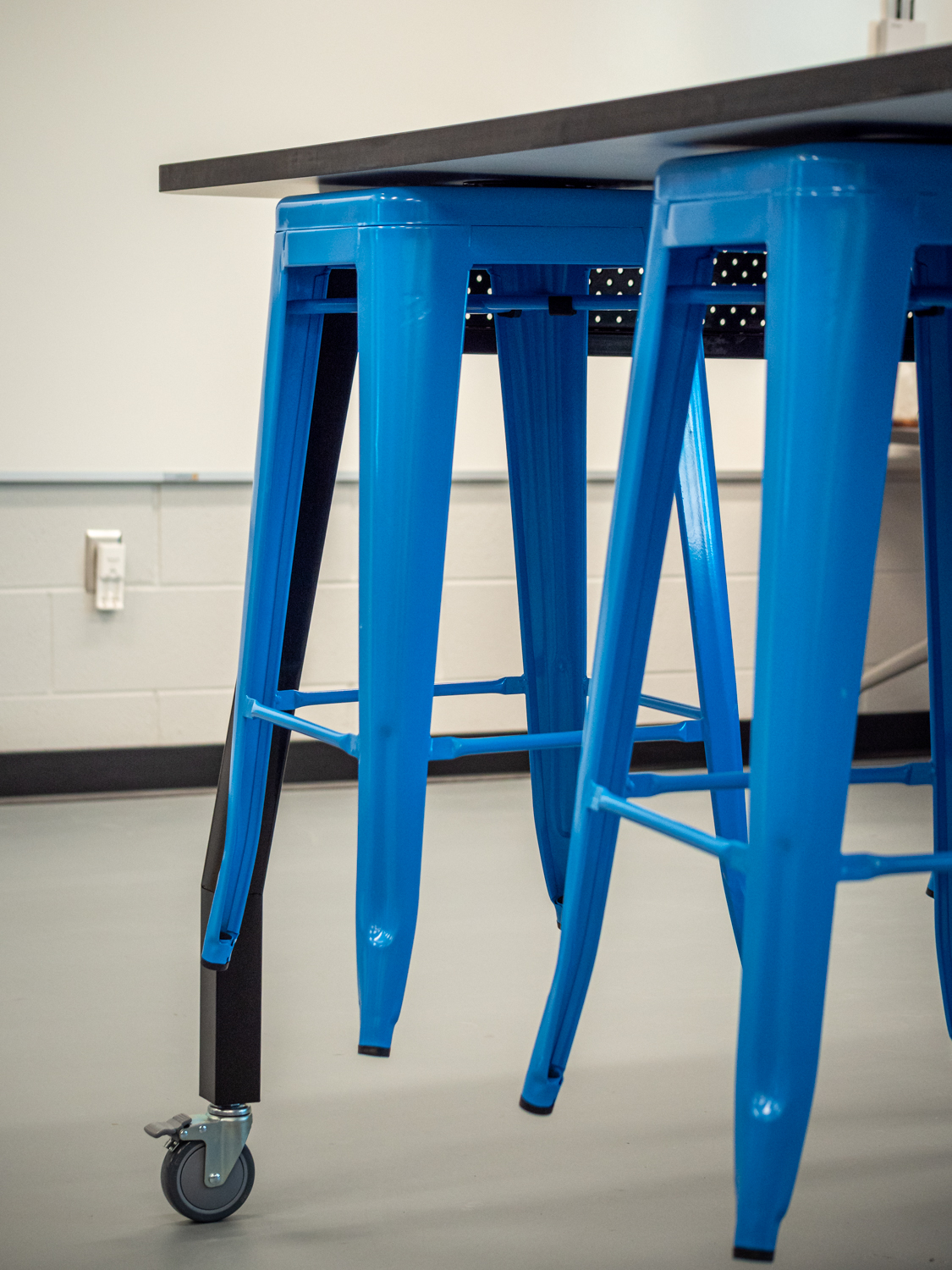
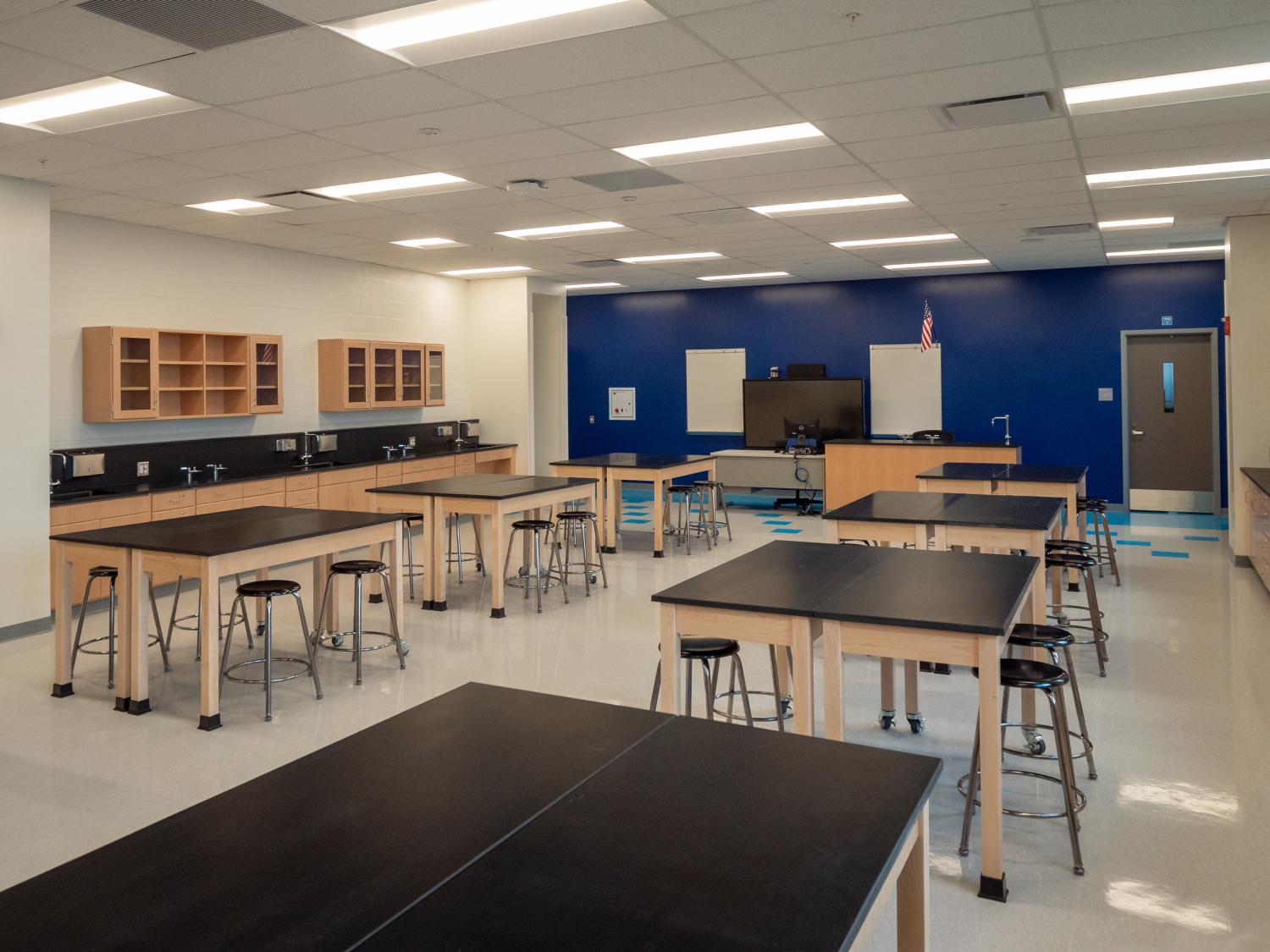
Additionally, the industrial arts program was refreshed. The old “shop classroom” was remade into a modern “innovation lab,” for the engineering program. Since it was an underutilized space, the existing hardwood floors were refinished and now features 3D printers, band saws and other tools which are shared by the robotics lab next door. Interior windows allow for natural light to spill into the corridor and allow students to look in during classes.

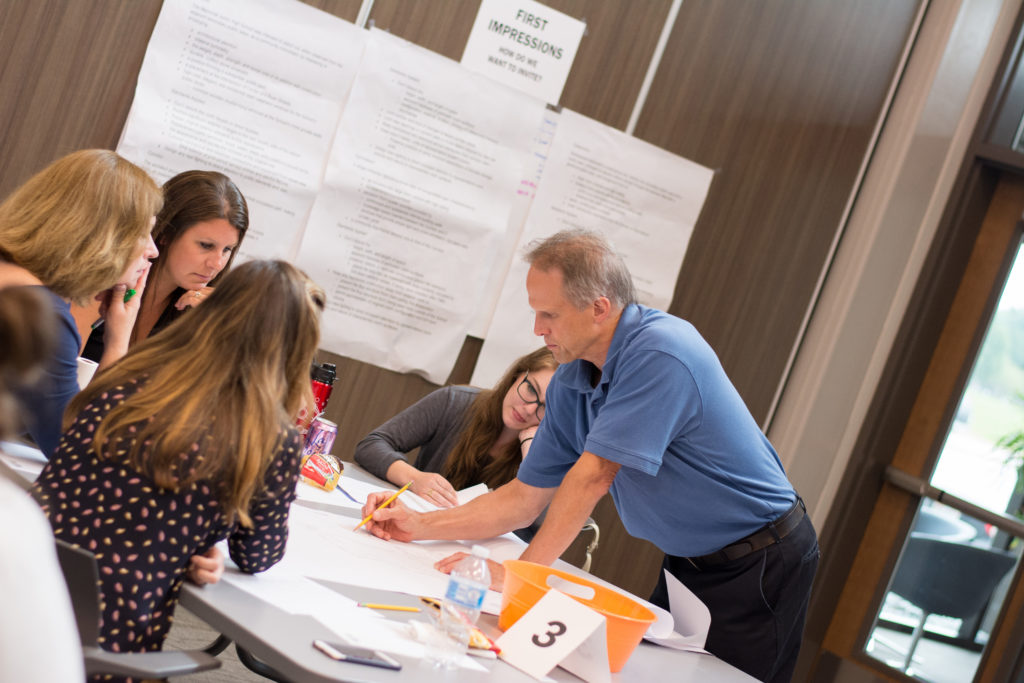
We met with the district and went through their core values and strategic plan through 2023. We wanted the project to not only improve the buildings, but announce to their core values.
Adam Parris

Brush High School's Renovation

Towards the end of construction, Adam Parris, the architect on the project commented, “The district had a lot of ideas about how to use that building and they set the roadmap for us to follow. In many instances the spaces turned out better than we envisioned and I found a lot of joy in reusing the existing spaces, while refurbishing the existing materials. It’s one thing to do a “renovation project” and just knock down part of the building, then rebuild it. It’s a completely different task to reuse something that’s existed for a hundred years.”

At the outset of the project, the district had a clear vision for how to adapt historic Brush High School and renovate it for the demands of a modern educational environment. The result is a large school built in 1927, that has been modernized through strategic renovations that will serve the community for years to come.

Project Design Challenges:

Let’s work together to make education better. Interested in speaking with us? Get in touch!

Ryan Caswell

Ryan Caswell

Ryan is a communications specialist who is passionate about using digital media to further the goals of organizations and communities in Northeast Ohio. With a background in construction and a degree in architecture, he spent over a decade in corporate video production and brings this mindset to videography, editing, photography and content marketing. He is passionate about supporting the arts, and can be found hiking in the parks system.

Brunswick Middle School – Brunswick Ohio

Brunswick Middle School – Brunswick, Ohio
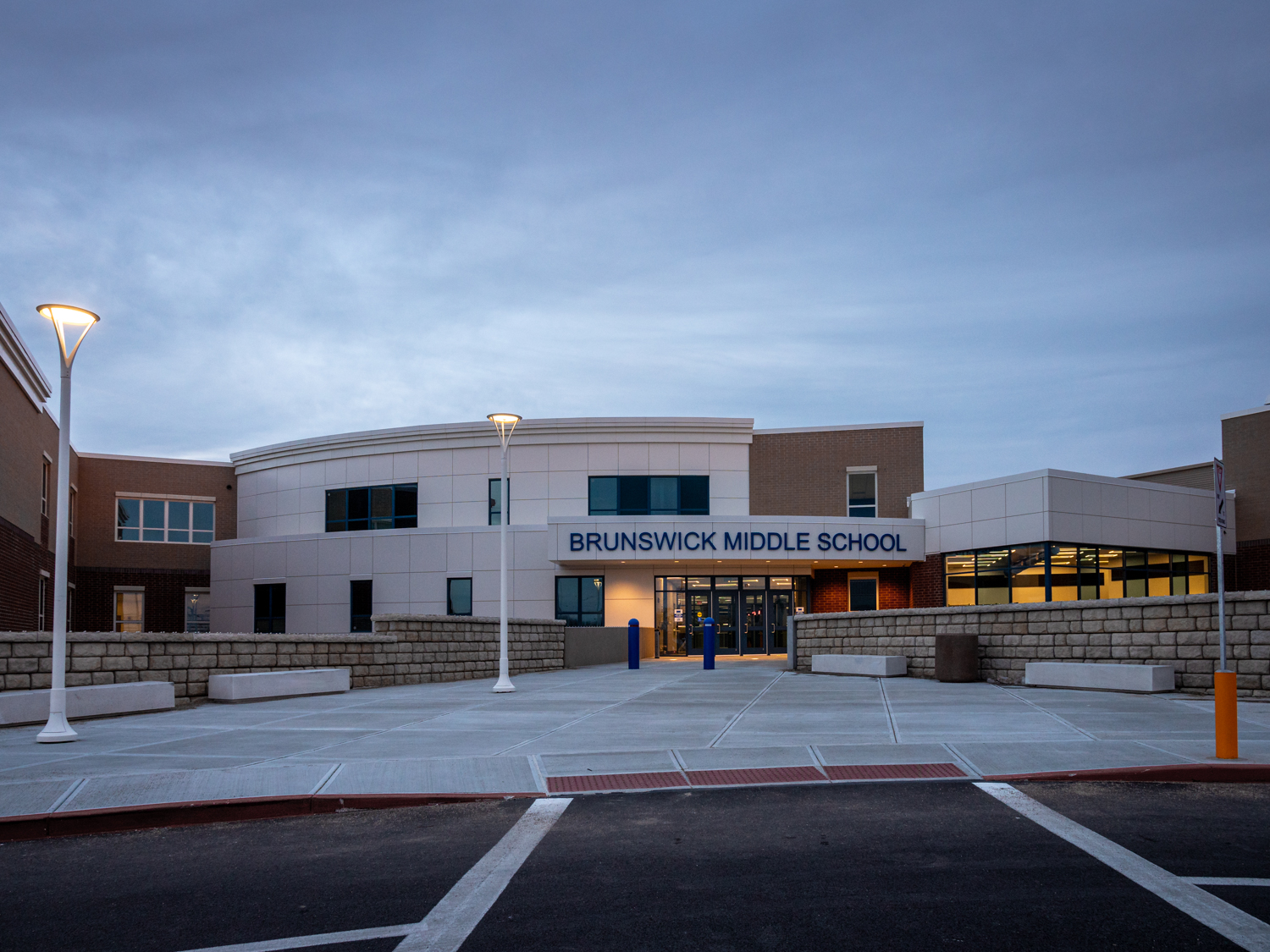
The Brunswick Middle School is a 21st century learning facility designed to serve grades 6-8 in the Brunswick City School District. This LEED Silver, 243,000 SF building houses 1,660 students and replaces three aging middle schools. Learn more about what went into this project below.

The Brunswick Middle School is a 21st century learning facility designed to serve grades 6-8 in the Brunswick City School District. This 243,000 SF building houses 1,660 students and replaces three aging middle schools, two of which were previously on the site. A design concept for the building was to create a network of 18 “learning pods,” connected to a “central hub” of shared spaces. This LEED Silver project includes four classrooms per pod, with six pods dedicated per grade. The “central hub” consists of student dining, a media center and “Project Lead the Way,” STEM classrooms. Adjacent to the hub are two gyms, and an auditorium with music rooms. A stadium and athletic field is also connected to the hub on the east side of the property.

Under a tight design and construction deadline, the district, architects, and construction professionals worked closely to keep the project moving forward and on budget, despite the ongoing Covid-19 pandemic.

Brunswick Educational Visioning Session

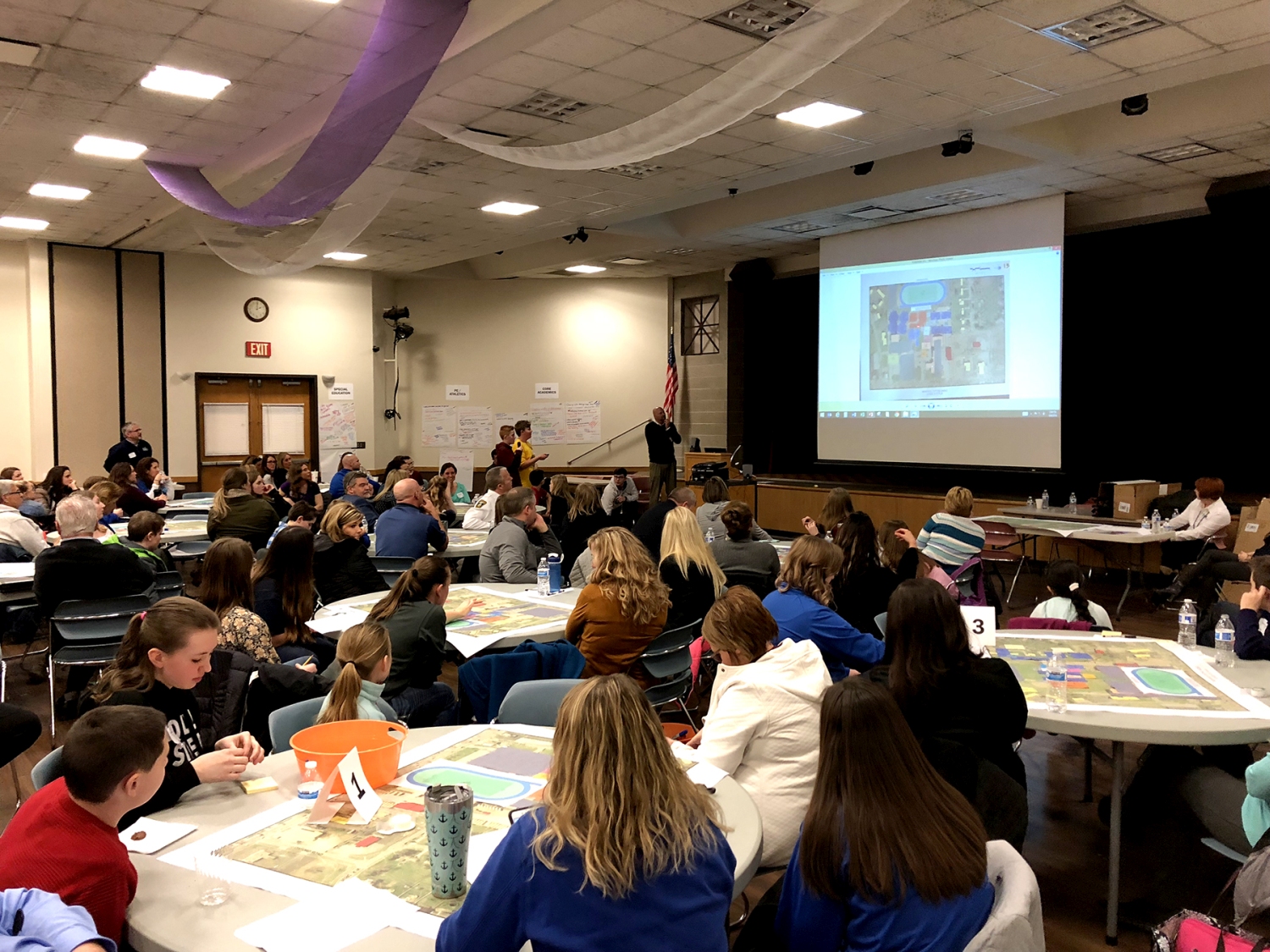
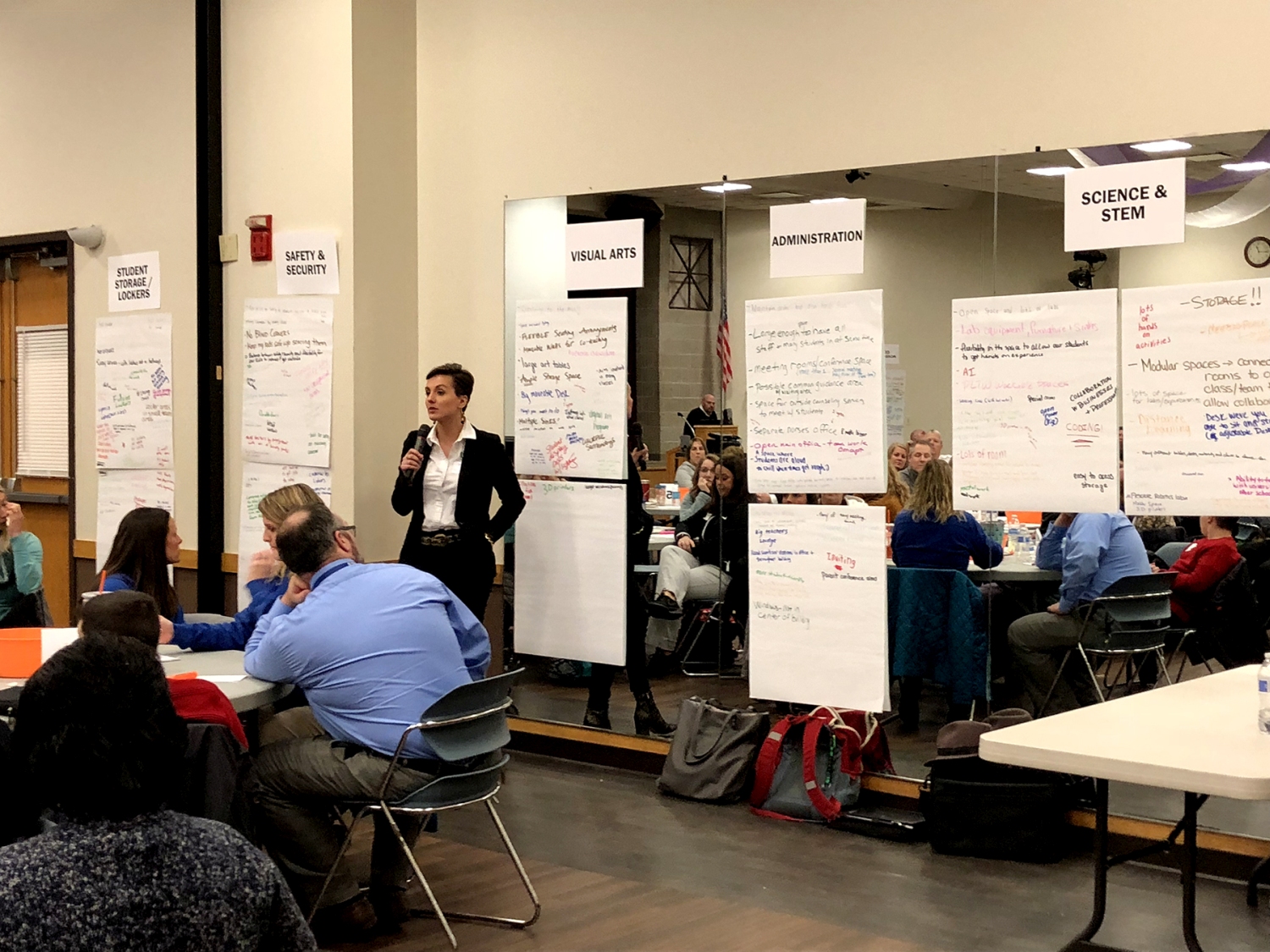
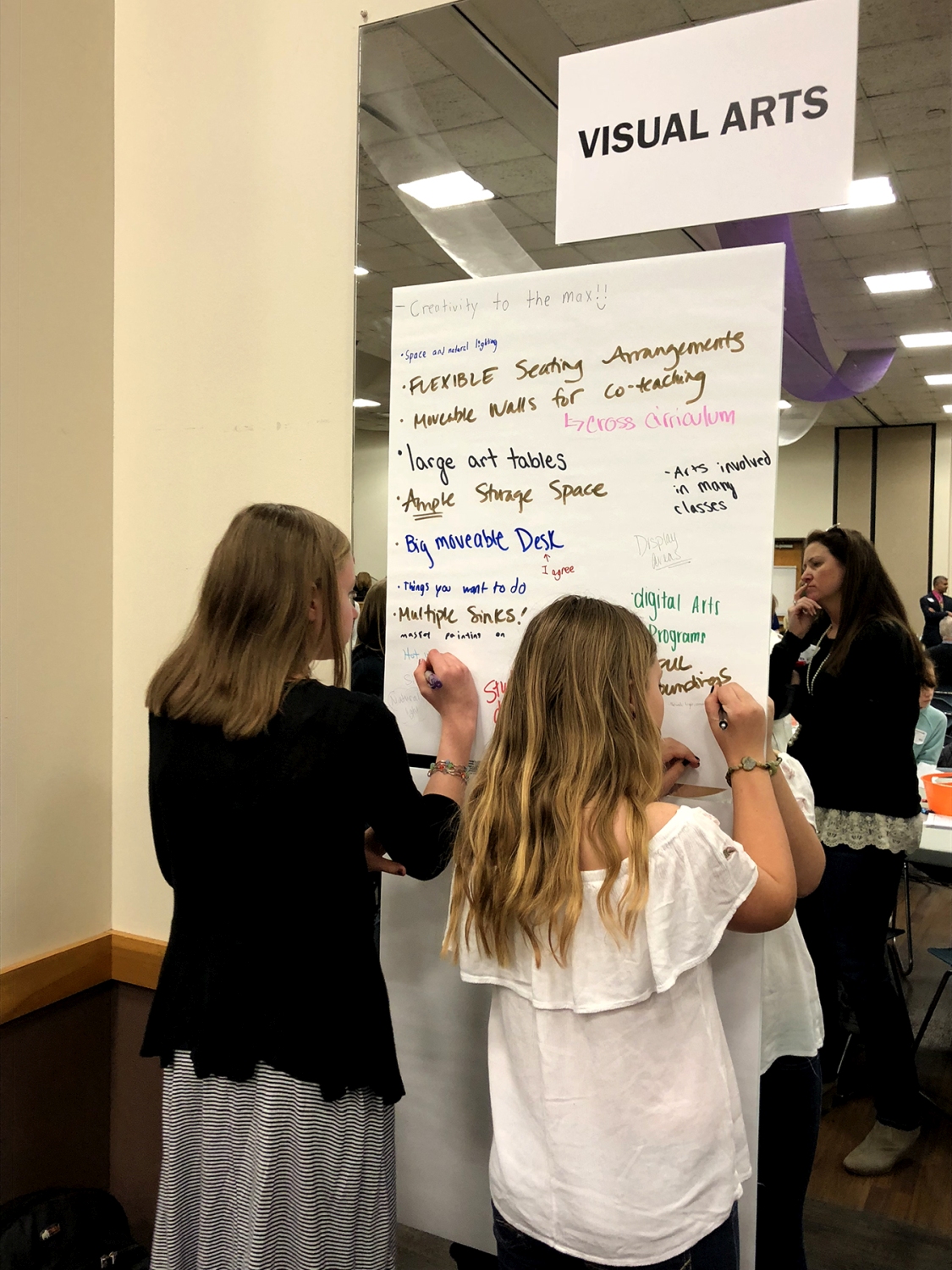
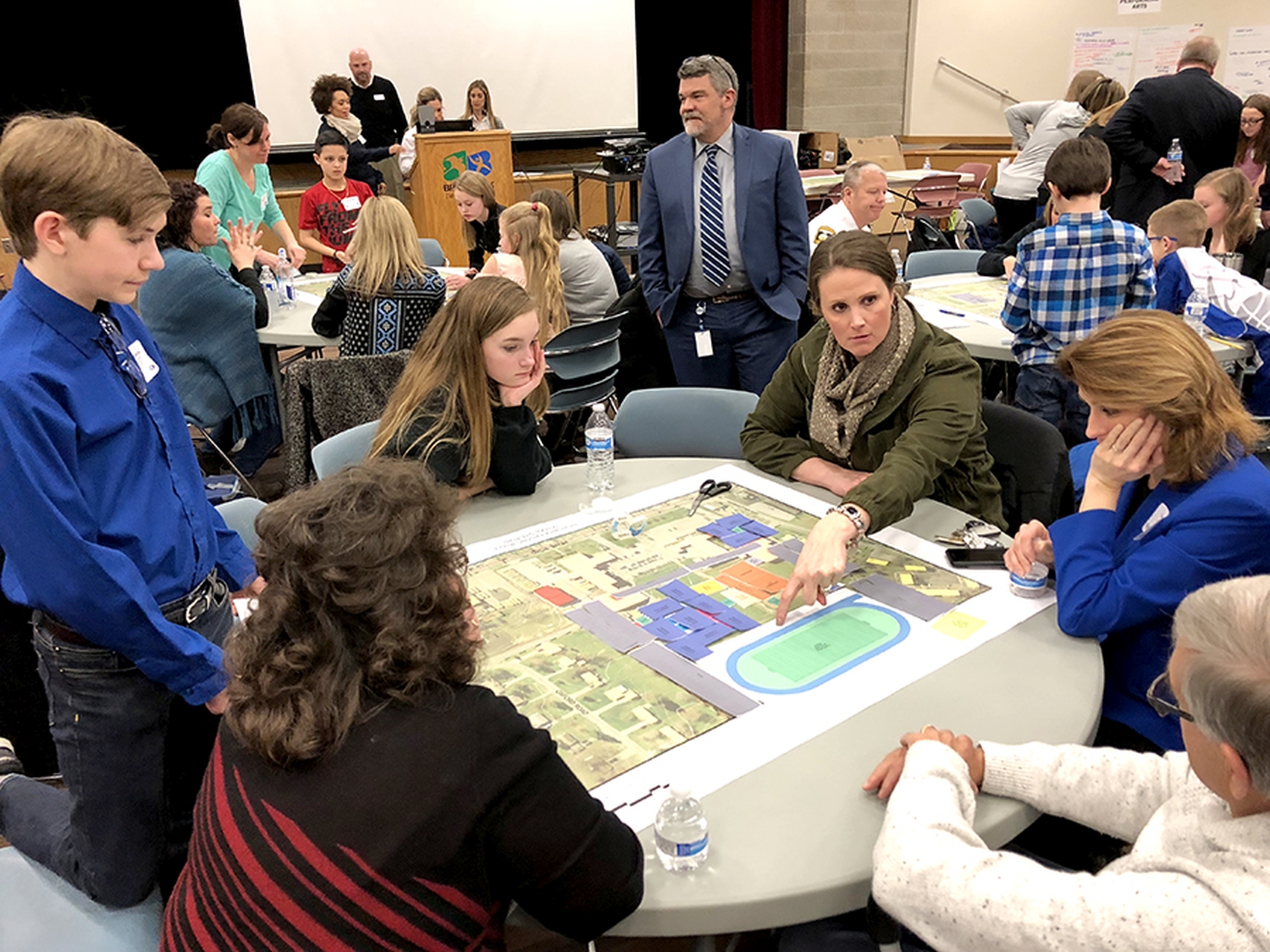
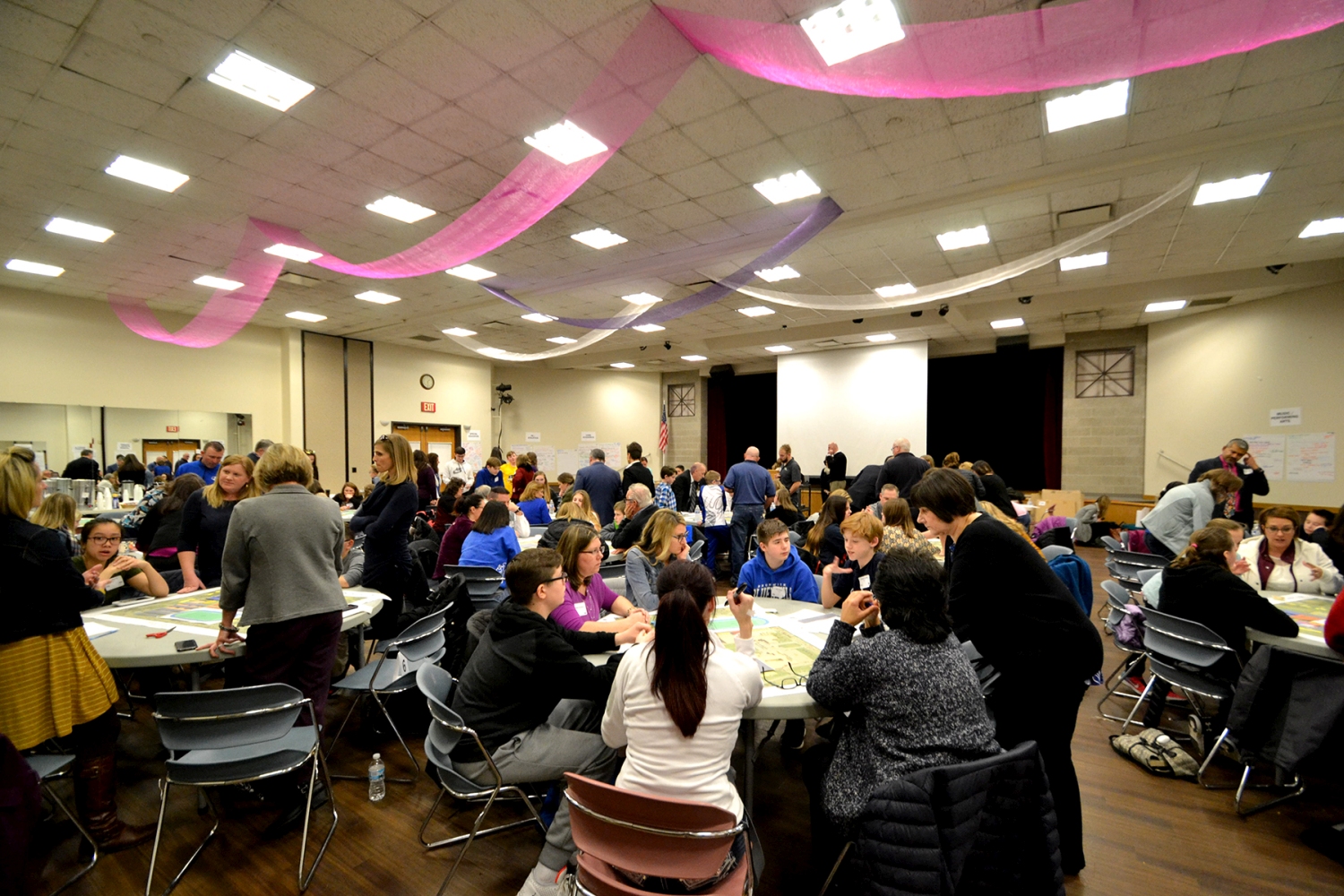
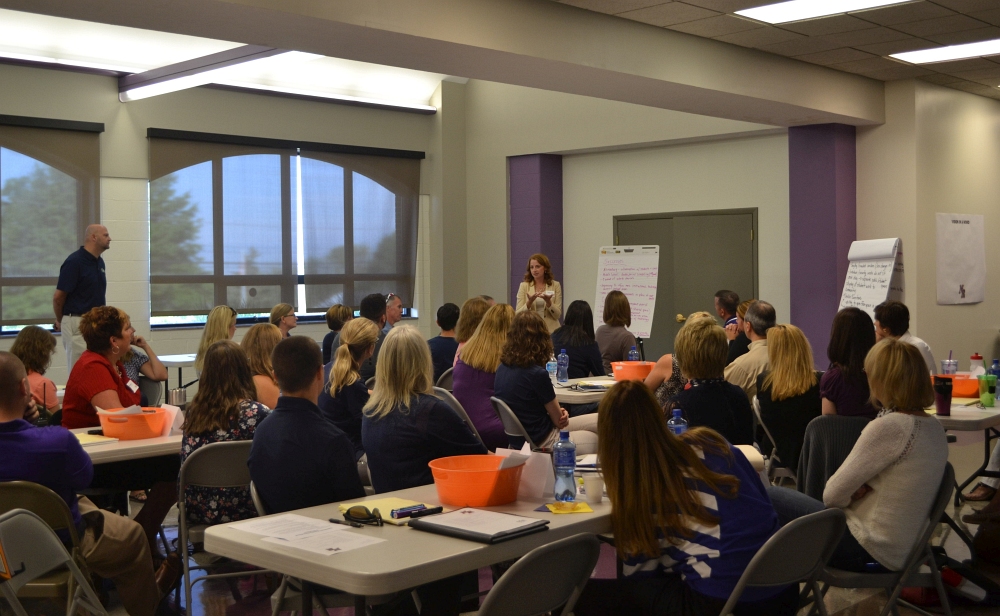
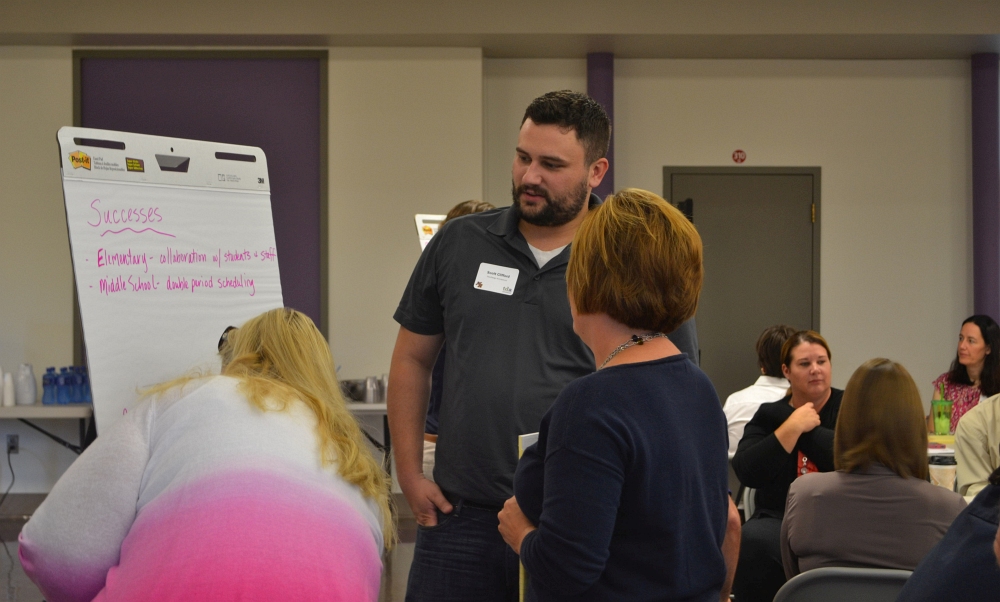
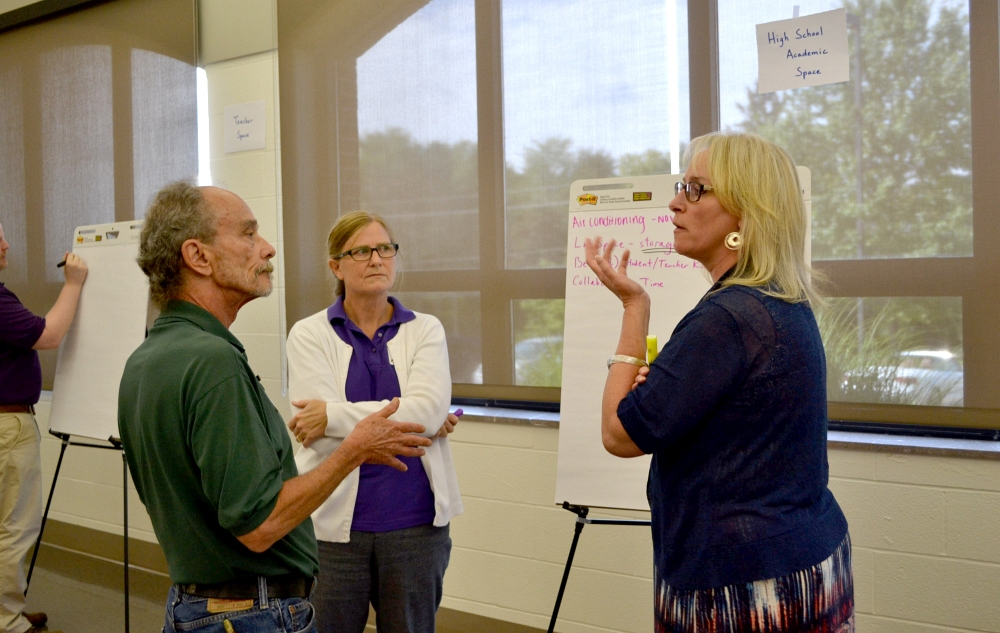
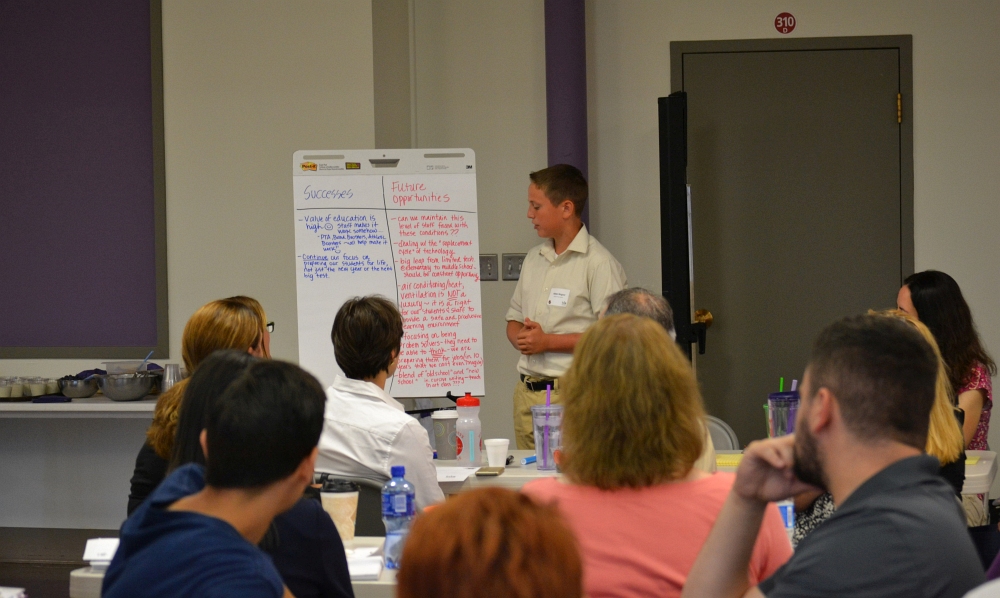
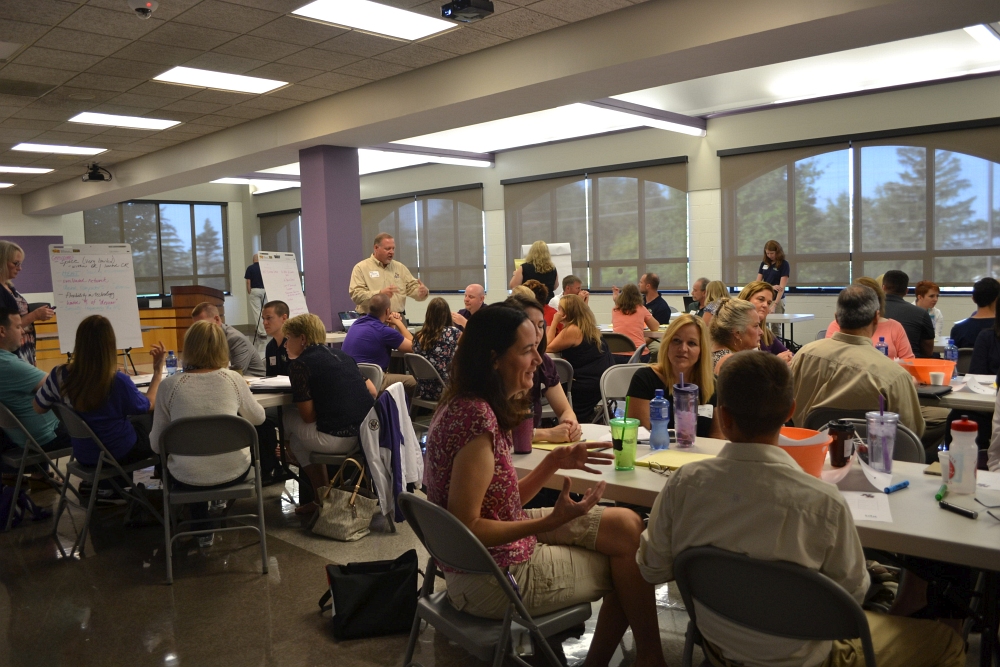
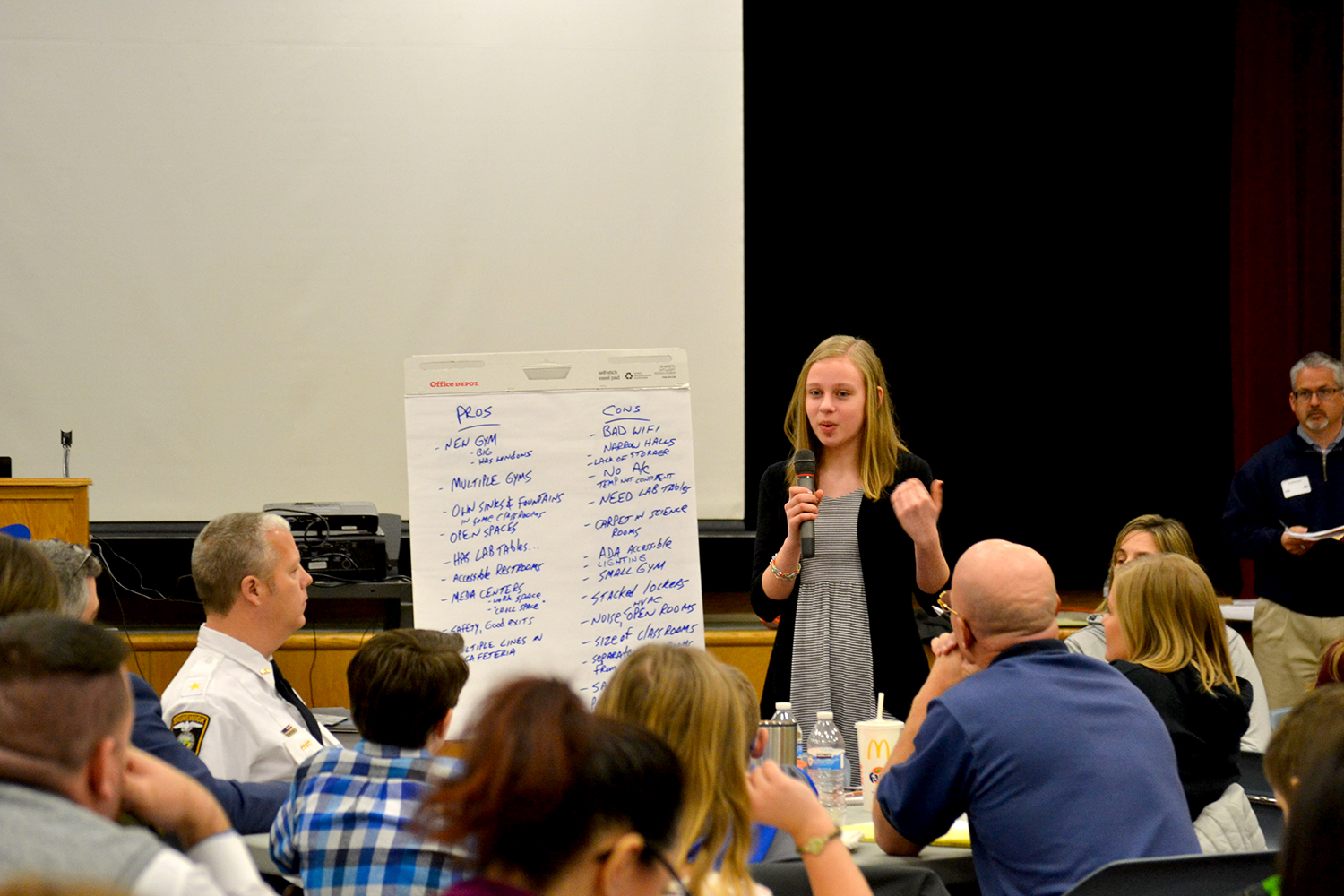
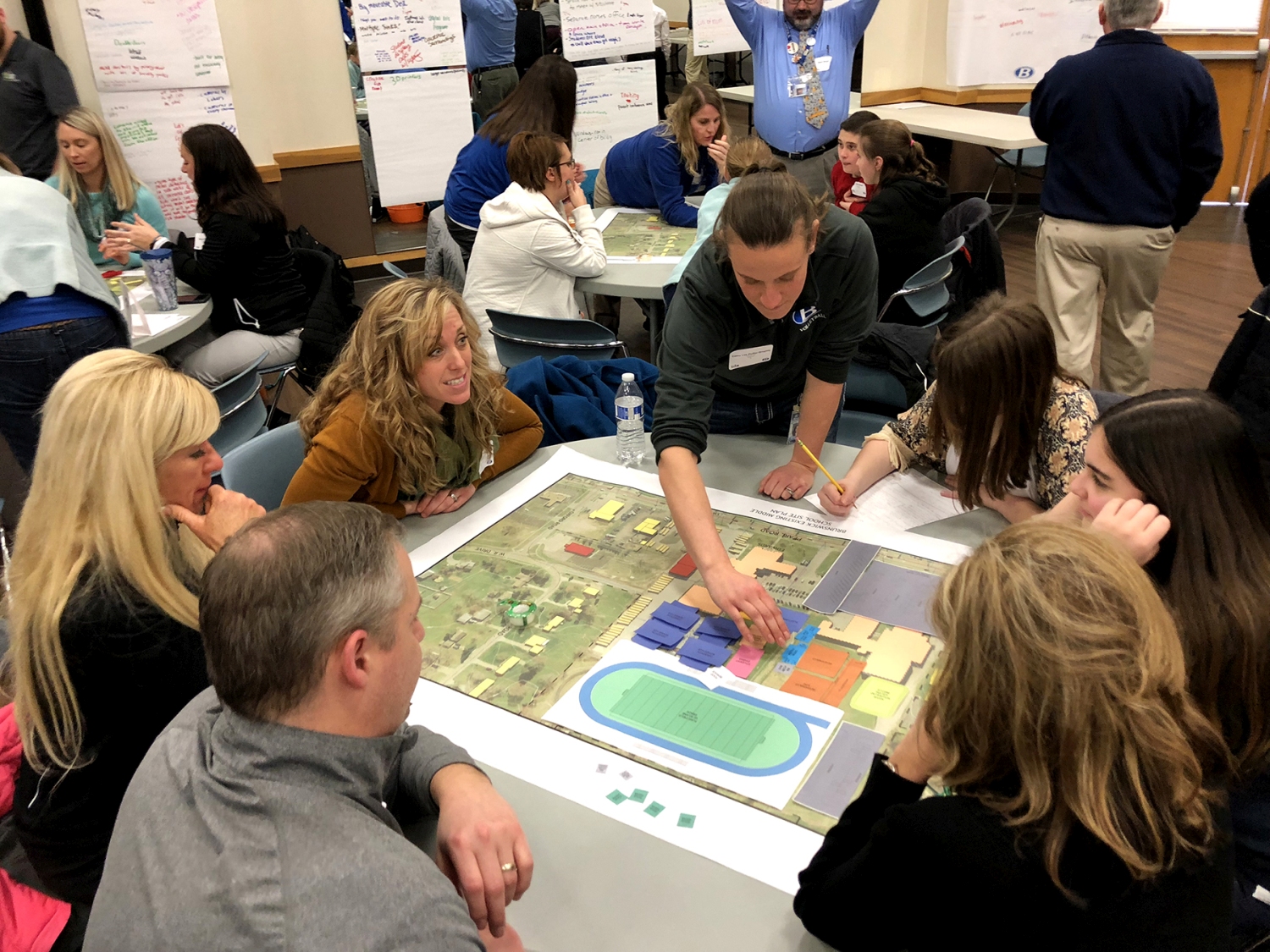
Early in the building’s design, Brunswick City School District had a clear vision for implementing a modern and collaborative educational curriculum. They wanted teachers to have the freedom to create customized lesson plans for each student, instead of following a standardized plan. This flexible approach directly impacted the architecture and new educational spaces were needed. The community was engaged through an “educational visioning session” early in the design process. Over 100 attended this session and stakeholders engaged on school program analysis, building layout and elevation designs. Through this, stakeholders saw how architecture could support their curriculum goals.
Site Influence

A major design hurdle was dealing with the 34’ grade change distributed among three existing plateaus at different elevations on the site. Designers used these plateaus to situate the major elements of the facility. Parking was located on the top plateau which gradually sloped to the middle plateau where an exterior bridge connected the sidewalk to the building’s main entry and interior “connecting hub.” This hub fed circulation to the athletics field and stadium on the lowest plateau.

Two existing middle schools, Visintainer and Edwards Middle Schools, were on the site and had to remain operational throughout construction. When it was completed, the team only had three months to demolish these and build the parking lot for the new facility in order to open for the 2020-2021 school year.

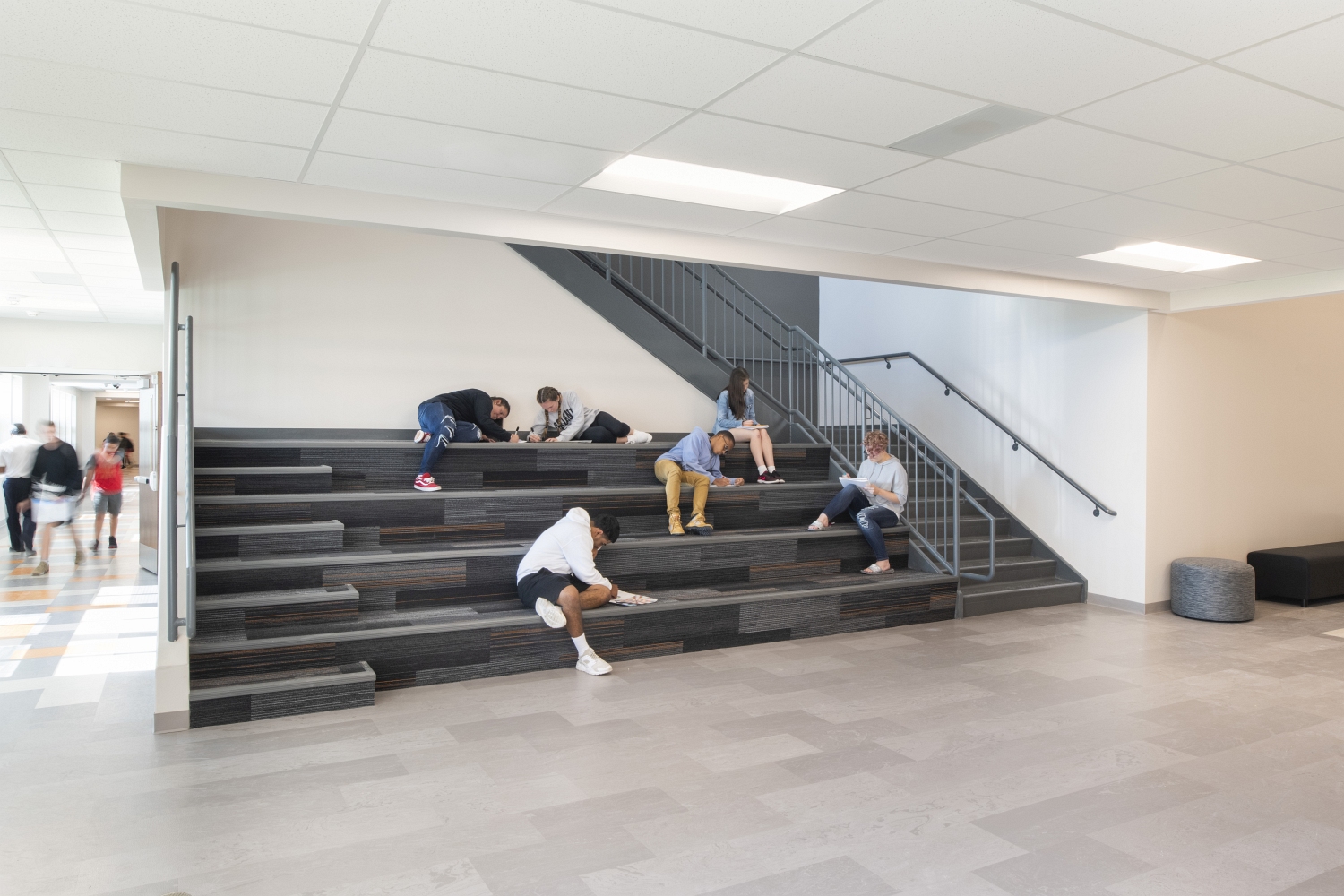
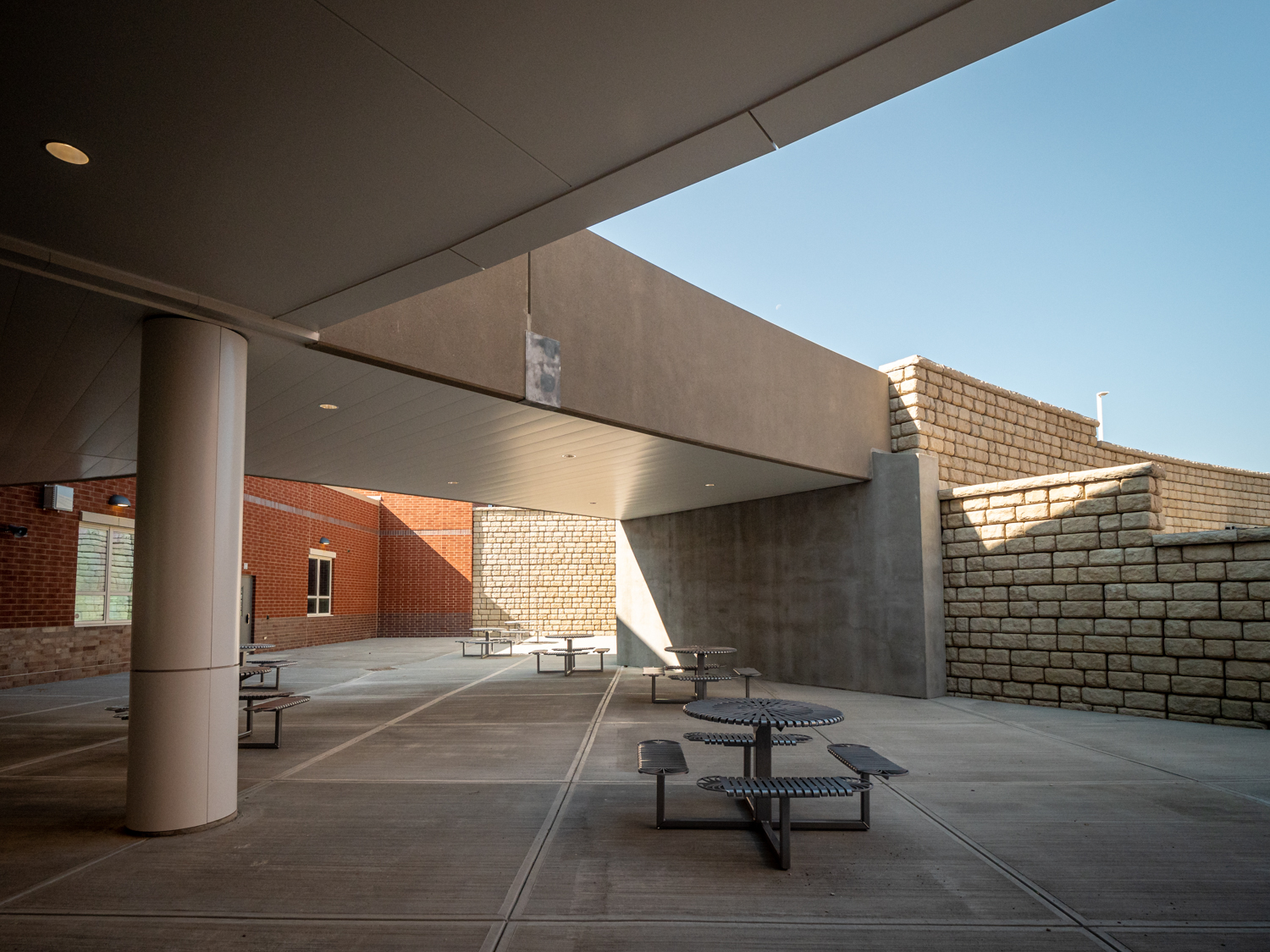
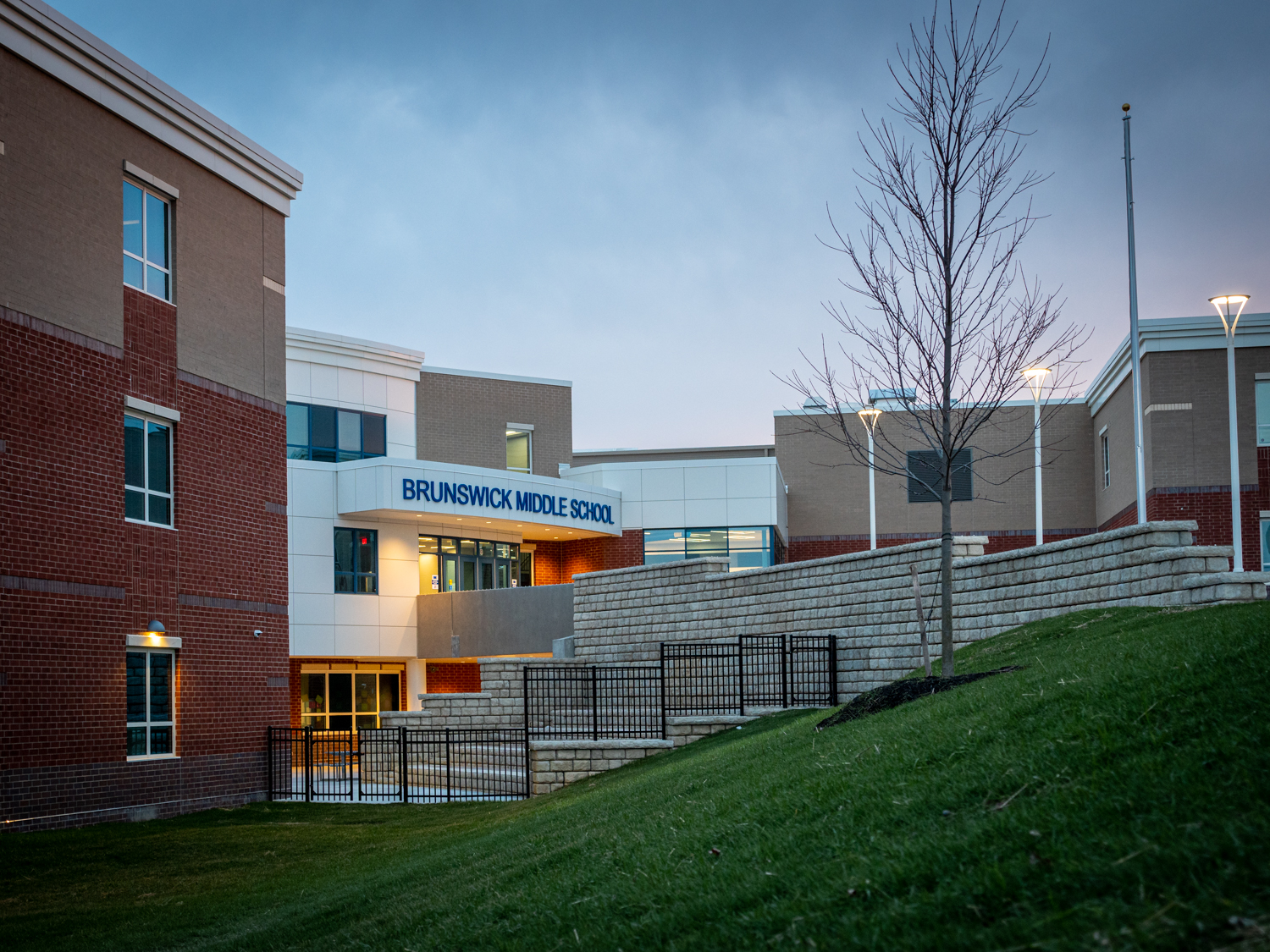
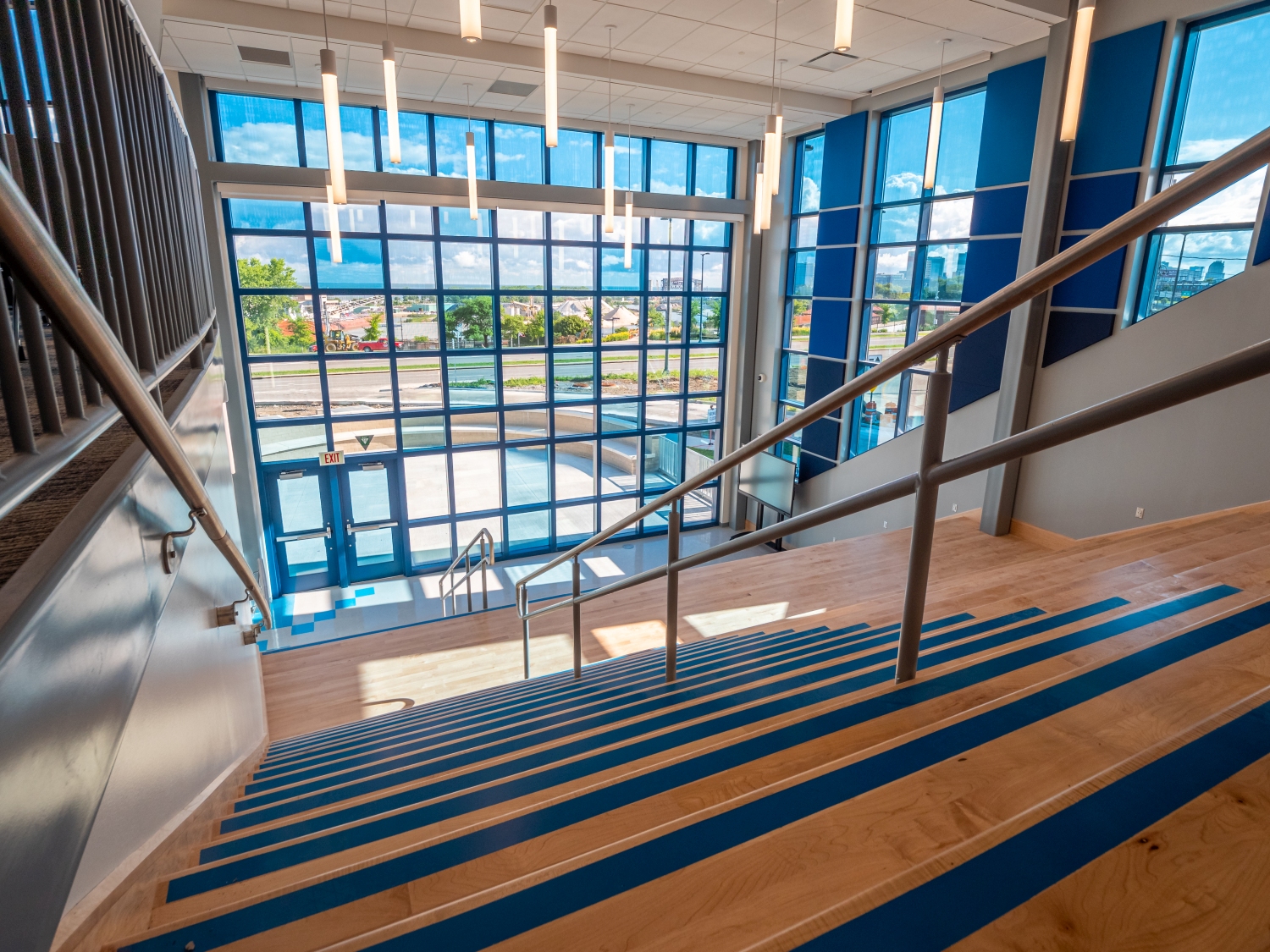
The entrance bridge is a striking feature of the Brunswick Middle School. It created a large public entrance, allowed for exterior windows on the “Project Lead the Way” STEM classrooms and carved out a unique exterior plaza below. This became an extension of student dining and hosts a large collaborative stair for outdoor gatherings, performances, and classes.

Brunswick Middle School Interior Design

Student dining serves as the “connecting hub,” located on the middle plateau of the site. Its interior design colorfully displays Brunswick’s signature blue and networks together the “learning pods” and other major interior spaces.

Since the district intended small groups of students and teachers to work together, each of the eighteen “learning pods,” consist of a central collaborative space surrounded by four classrooms. While each classroom serves a specific subject, the collaborative area is a flexible, extended learning area that houses technology, white boards, student lockers and educational furniture for its small group of students. Six pods are dedicated to each grade in the Brunswick Middle School. Architectural and interior designers paid careful attention to the lighting in these collaborative spaces. To enhance lighting and the overall aesthetic, special ceiling soffits and lighting fixtures add texture to the ceiling, ensuring plenty of light for group activities.

Auditorium and Gymnasium

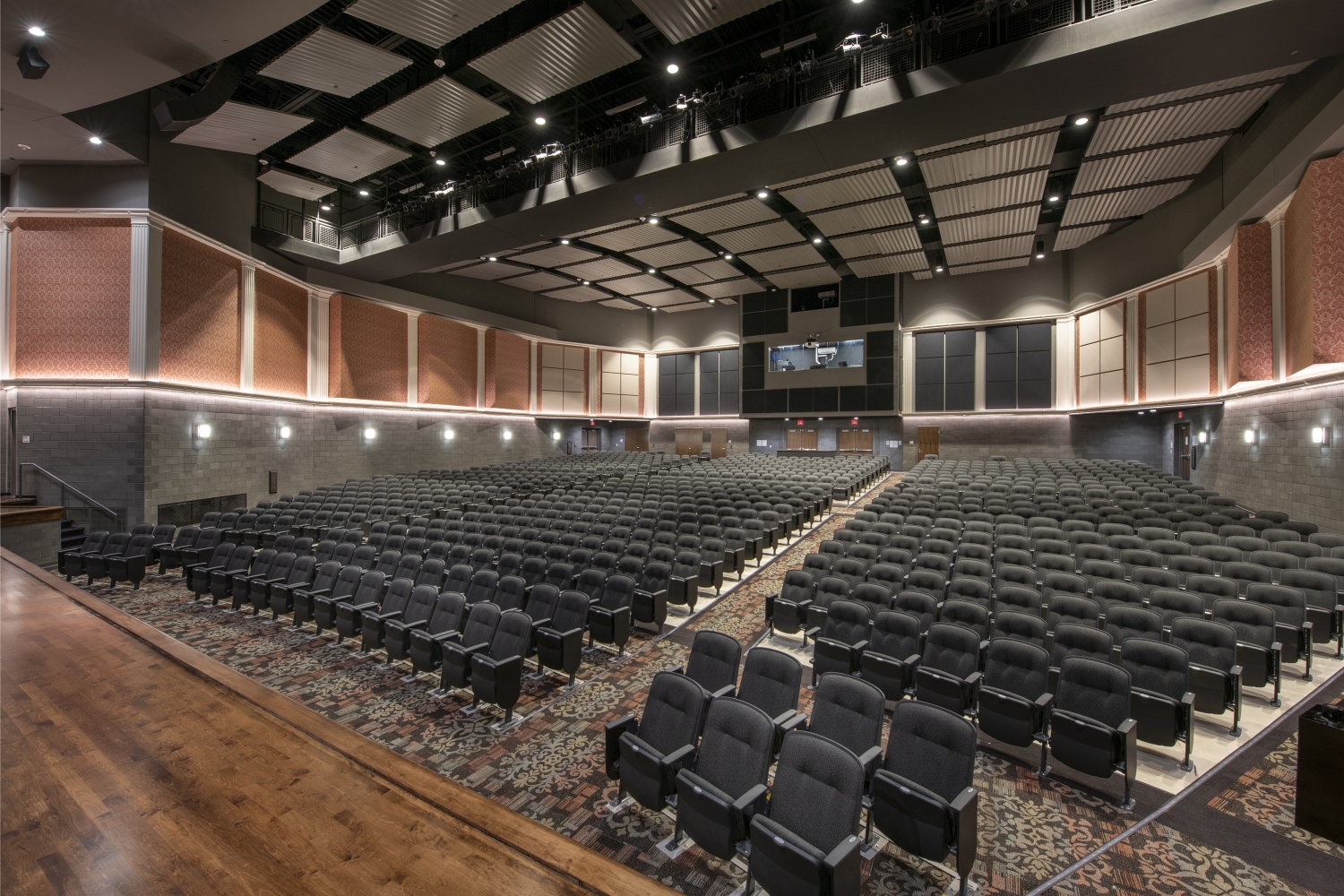
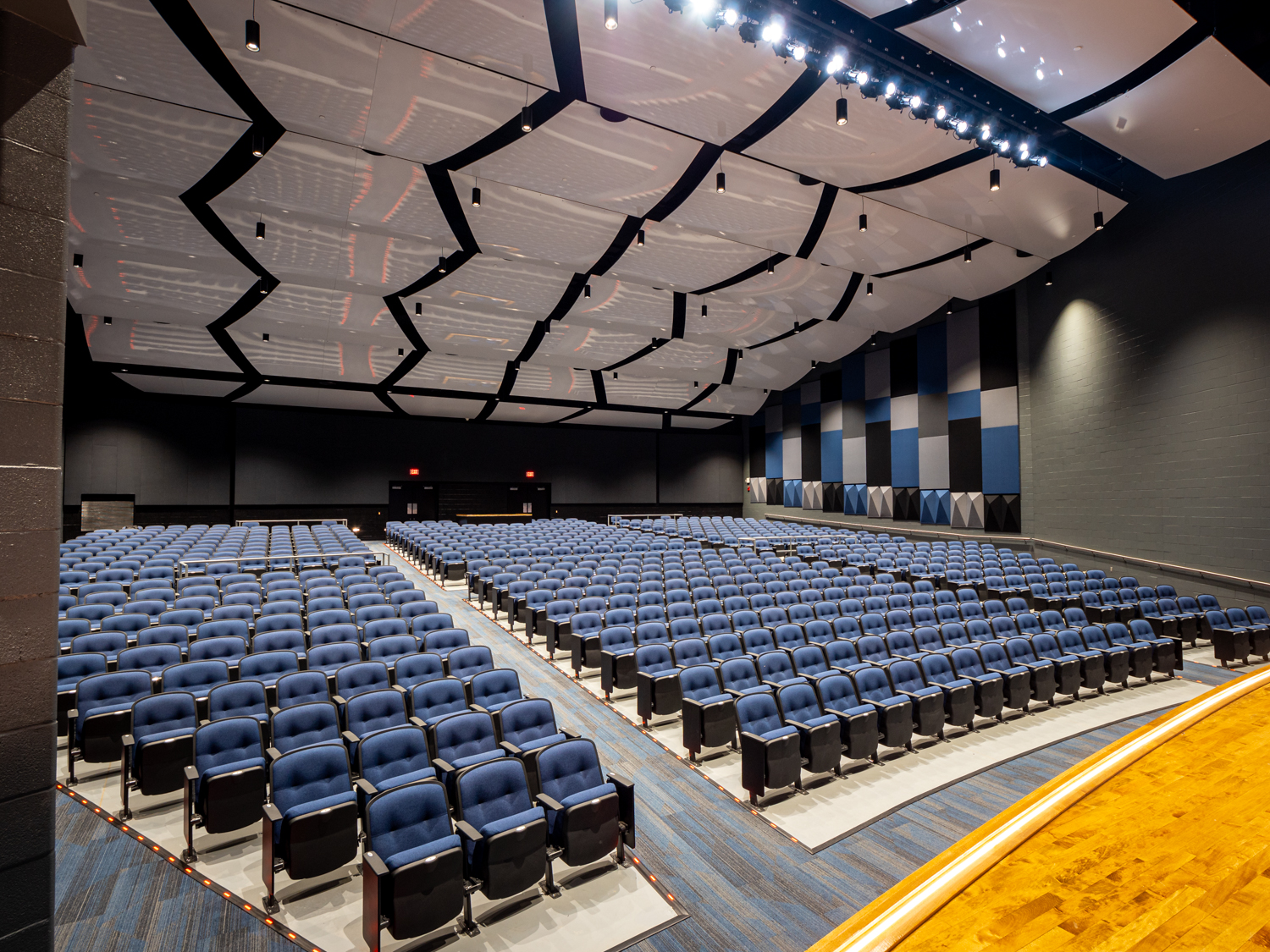
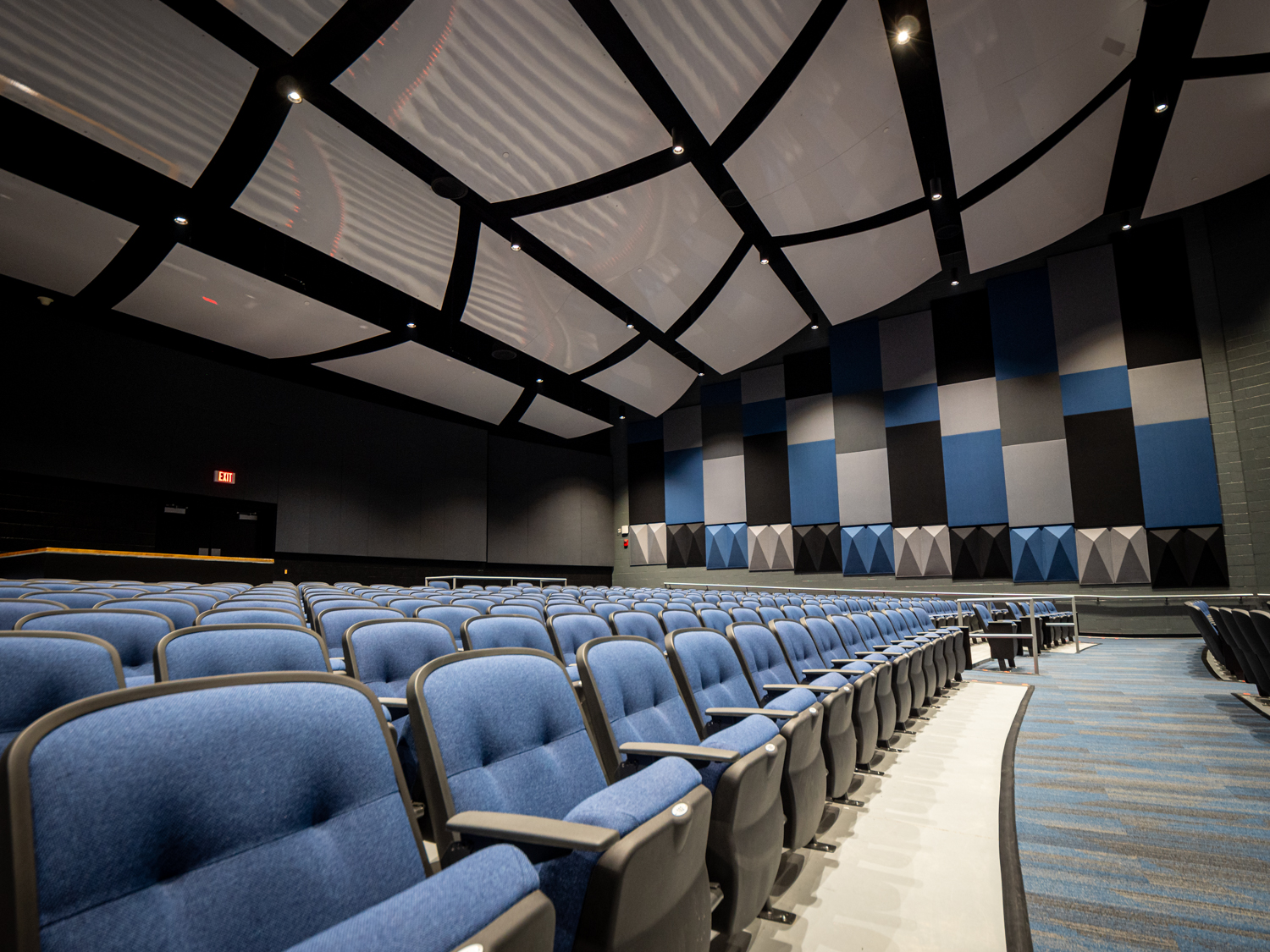
To expand the music program, the district included a new performing arts center in the Brunswick Middle School. The auditorium seats 700 people and is connected to several large music rooms for vocal, orchestra and instrumental practice. One semester of music is a district requirement for Brunswick students and an important part of their education.

The Media Center, while still containing physical books, was designed to accommodate modern, digital media. It includes a small “maker’s space” and a dedicated green screen recording studio.

The Brunswick Middle School now has a full gymnasium and auxiliary gym which will support their expanding sports program. An eight-lane track, synthetic turf sports field and stadium are situated at the rear of the site. These new facilities will become an important venue for future athletic events in the district.
Project Design Challenges:

Let’s work together to make education better. Interested in speaking with us? Get in touch!

North Royalton High School Renovation and STEM Wing Addition

North Royalton High School Renovation and STEM Wing Addition
The North Royalton High School renovation and STEM Wing addition project modernized the school's building systems, spaces, and infrastructure across the 260,000sf facility, better preparing it for the demands of modern education. Take a look at what went into the design of the facility.

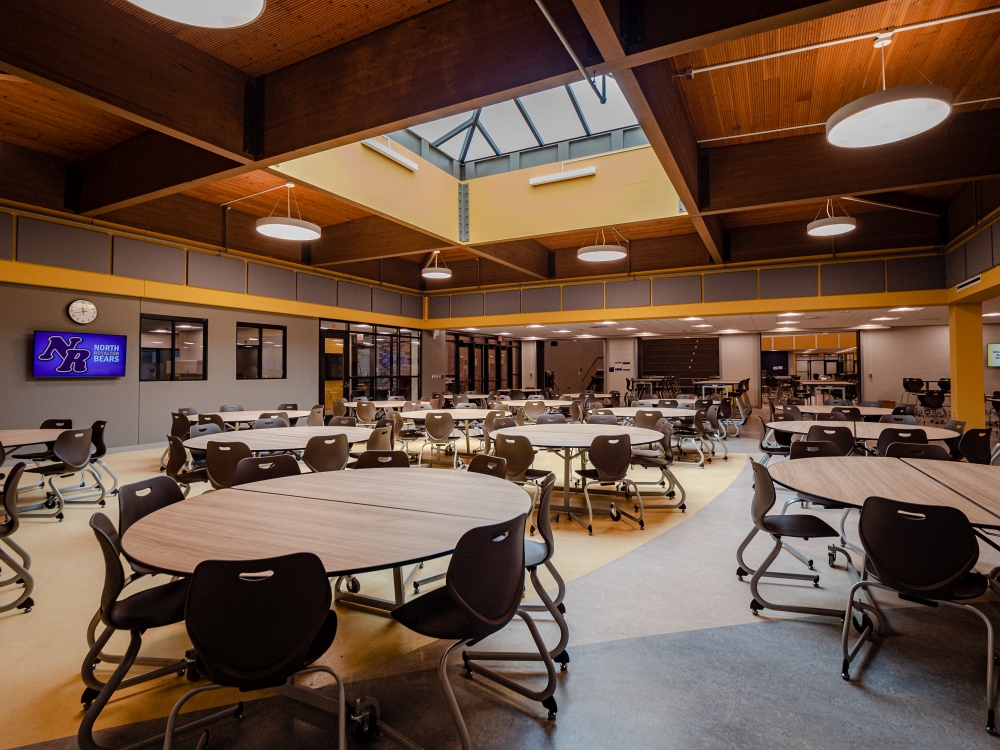
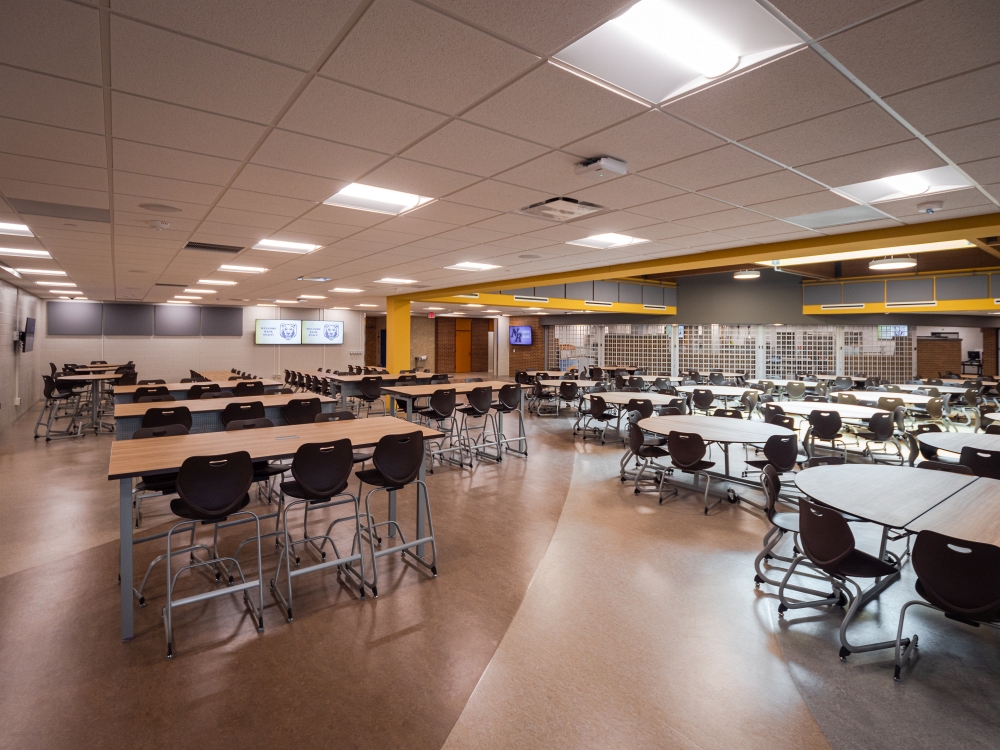
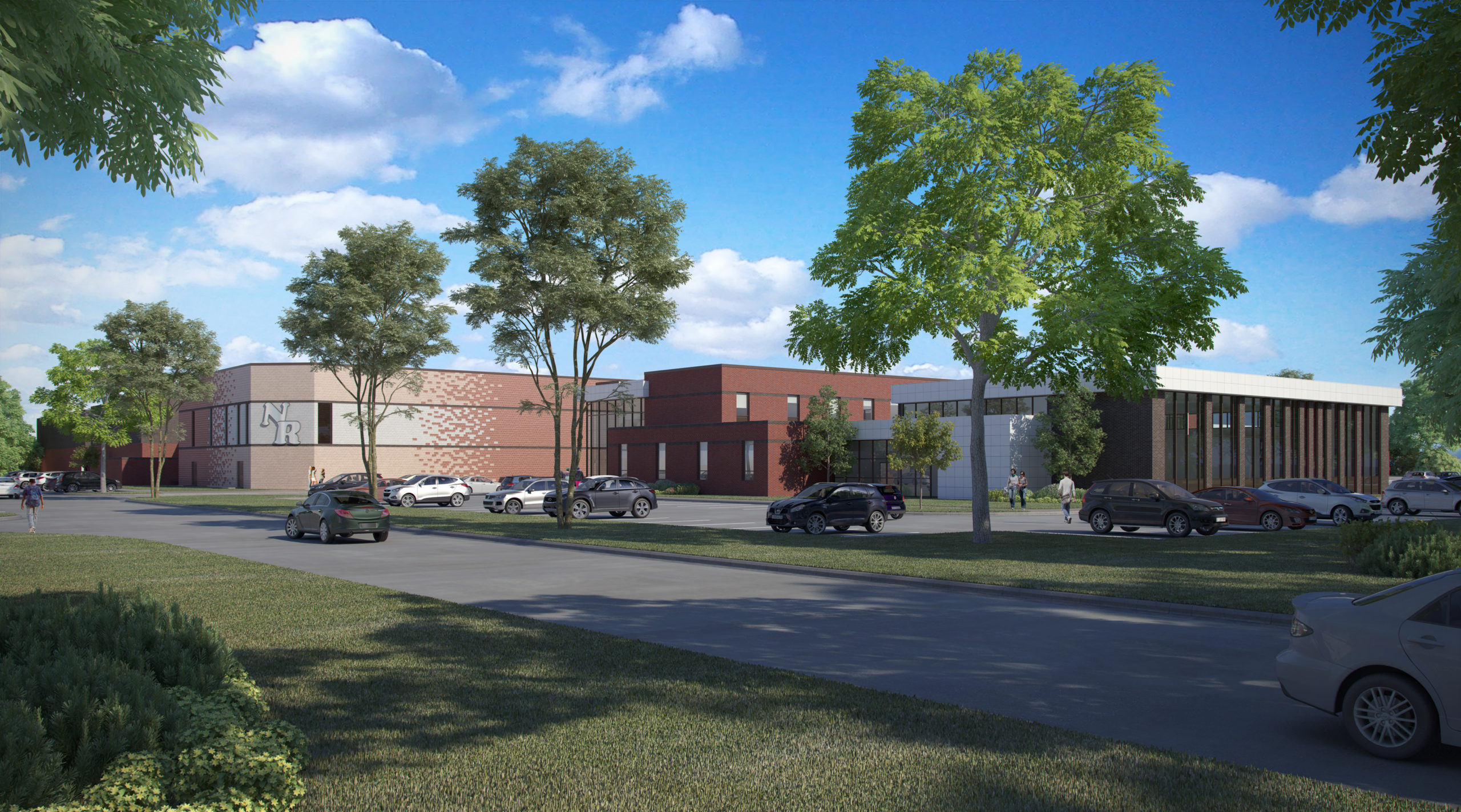
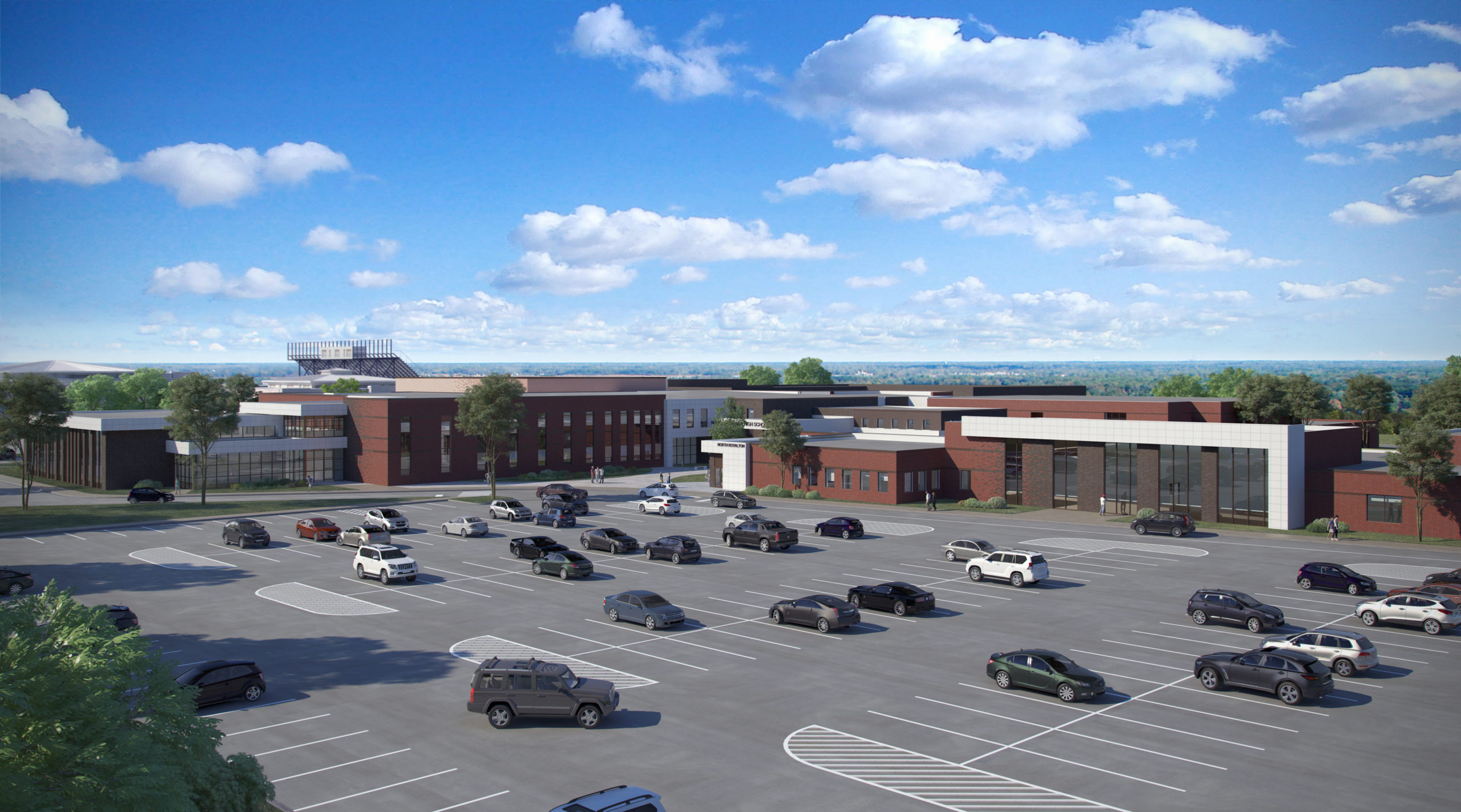
The North Royalton High School renovation and STEM Wing addition project modernized the school’s building systems, spaces, and infrastructure across the 260,000sf facility, better preparing it for the demands of modern education. A central component of this capital improvement included a 100,000sf STEM addition which added a new gymnasium, technologically advanced classrooms, flexible collaborative spaces, and additional circulation space. The addition, which is LEED Silver rated, also creates a new student hub that connects student dining and the media center which are renovated existing spaces, integrating the new and the old spaces on the ground level. This open interior space also provides a second-floor pathway connecting the new structure to the existing areas. The district can now consolidate classes into centralized “hubs,” enabling better student and educator collaboration.

New STEM Wing Interior

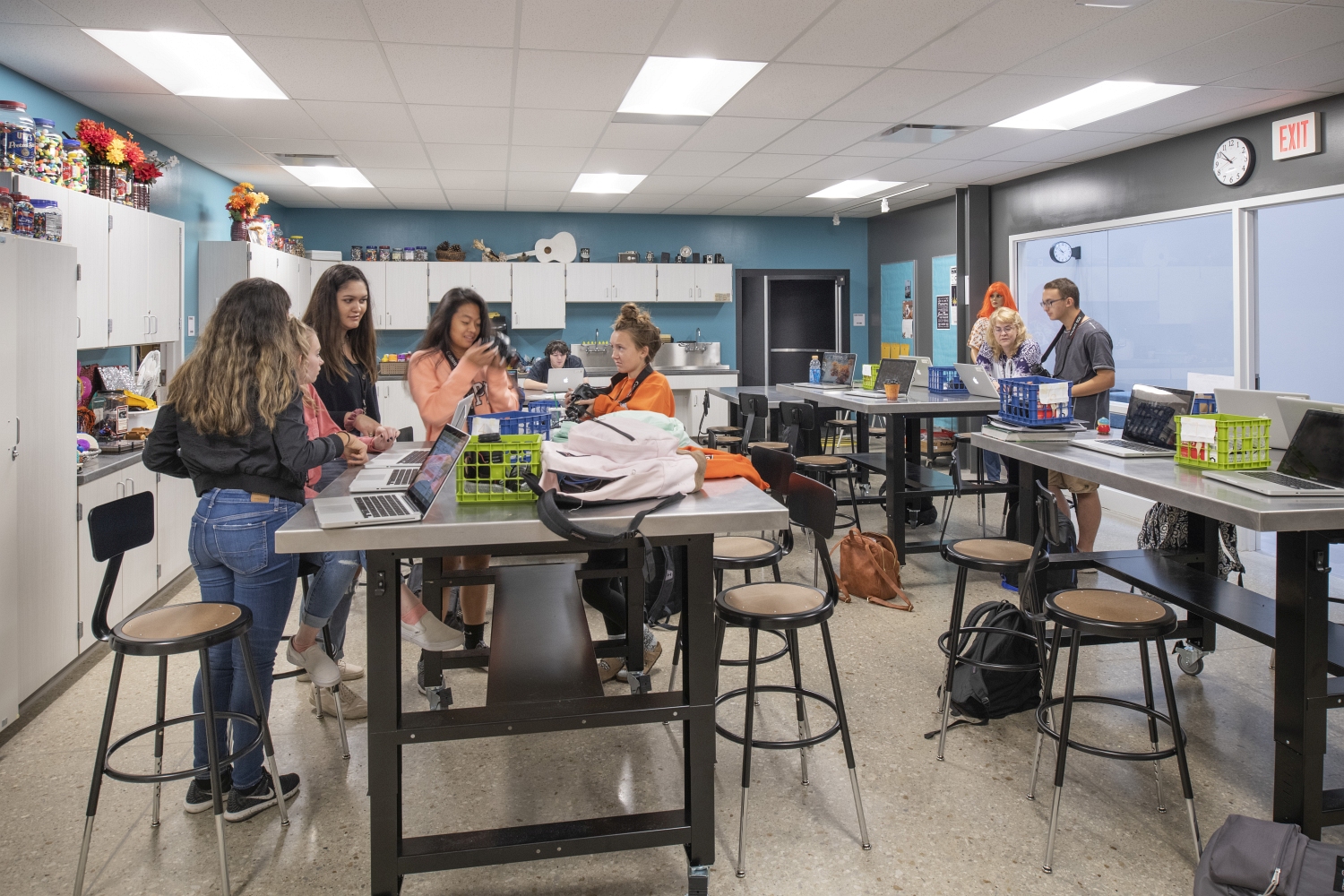
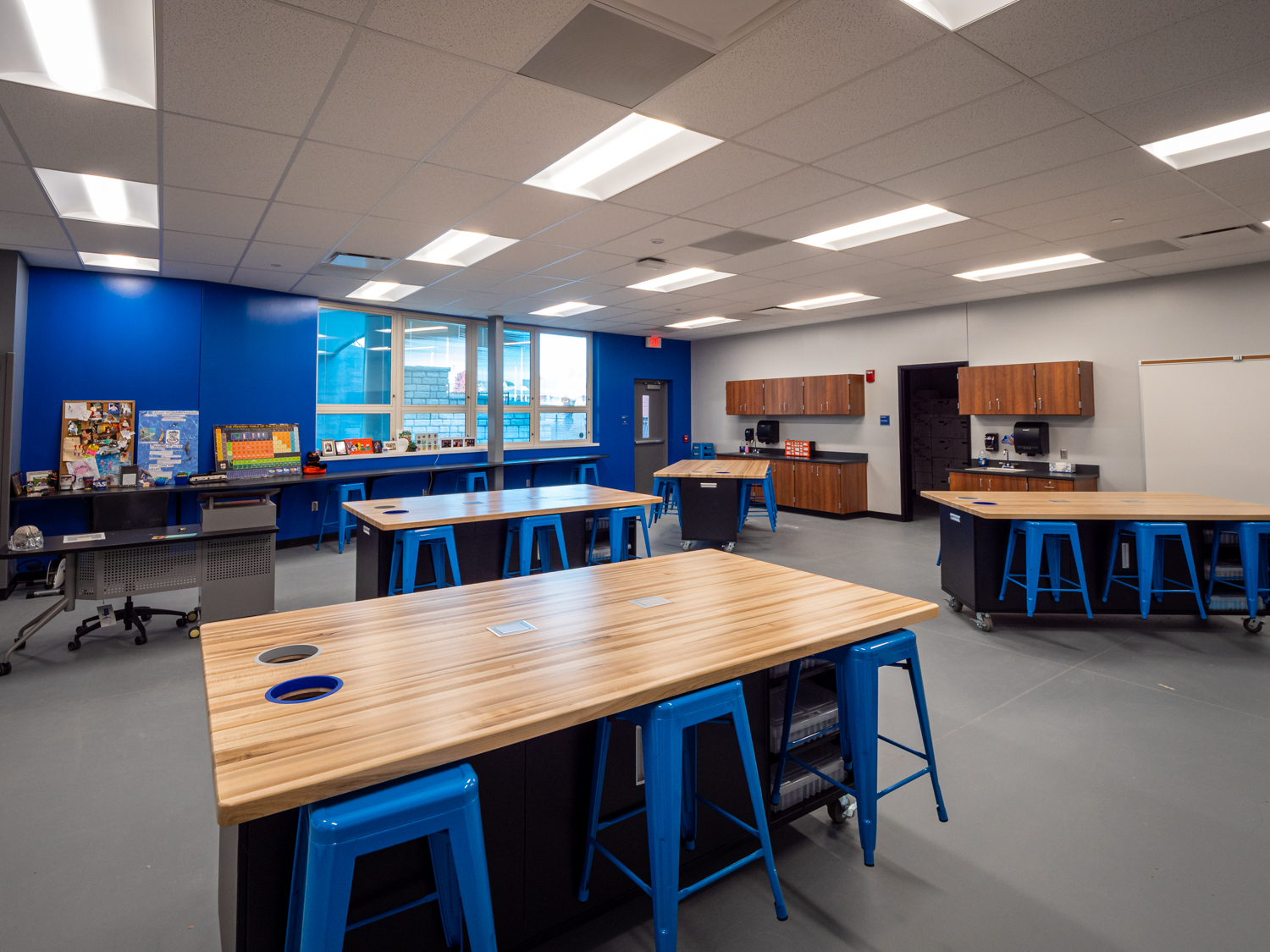
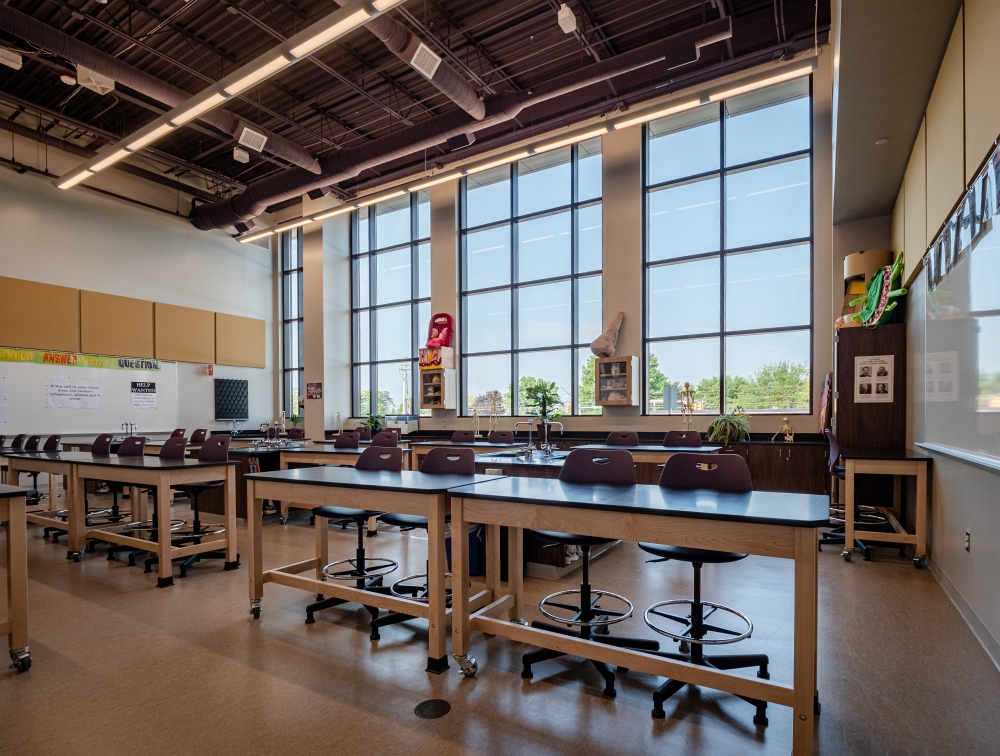
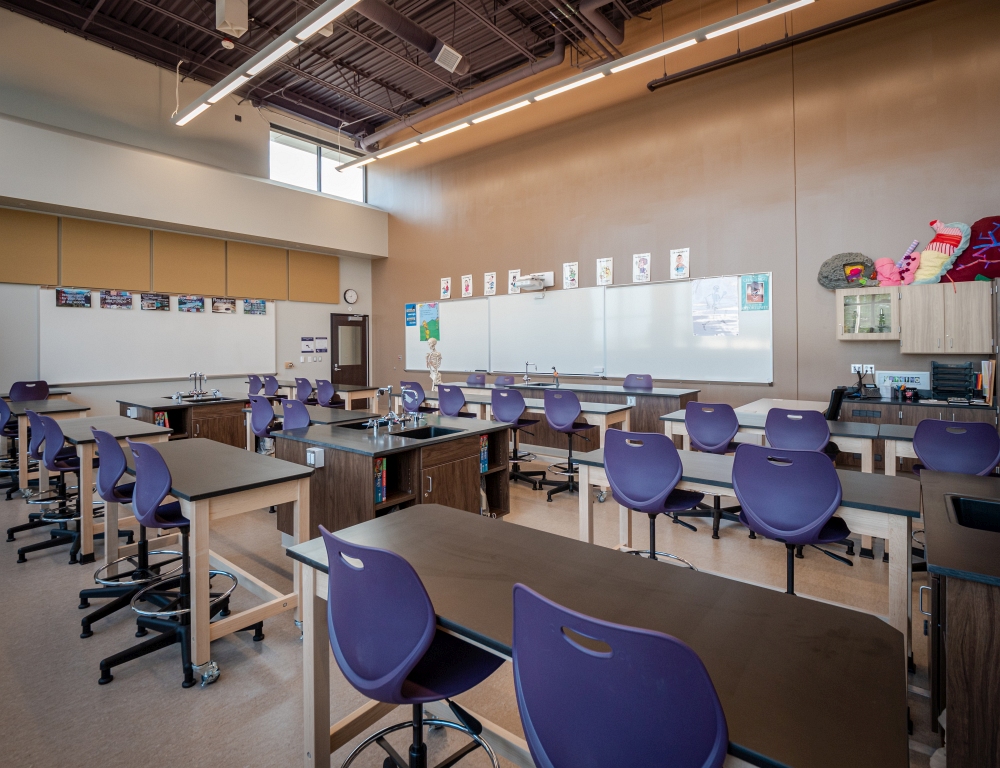
The STEM Wing addition sits at the front of the existing high school and adds 20 classrooms, various collaborative hub areas, a new auxiliary gym, an extended student dining area and new “maker spaces,” or digital shop rooms that host 3D printers and other fabrication equipment.

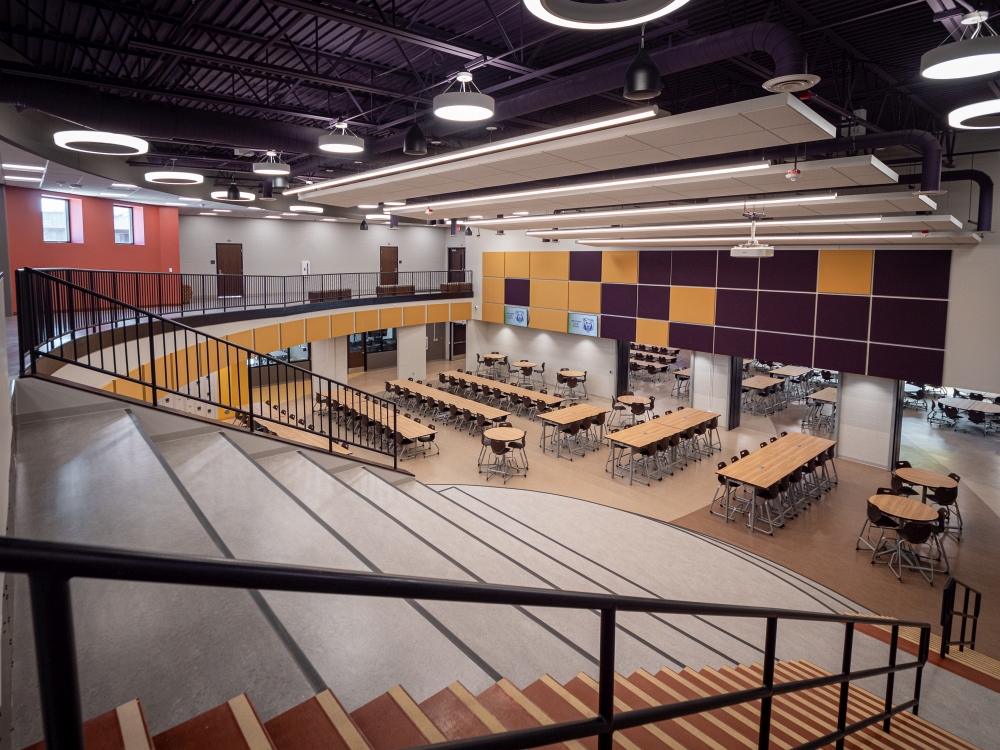
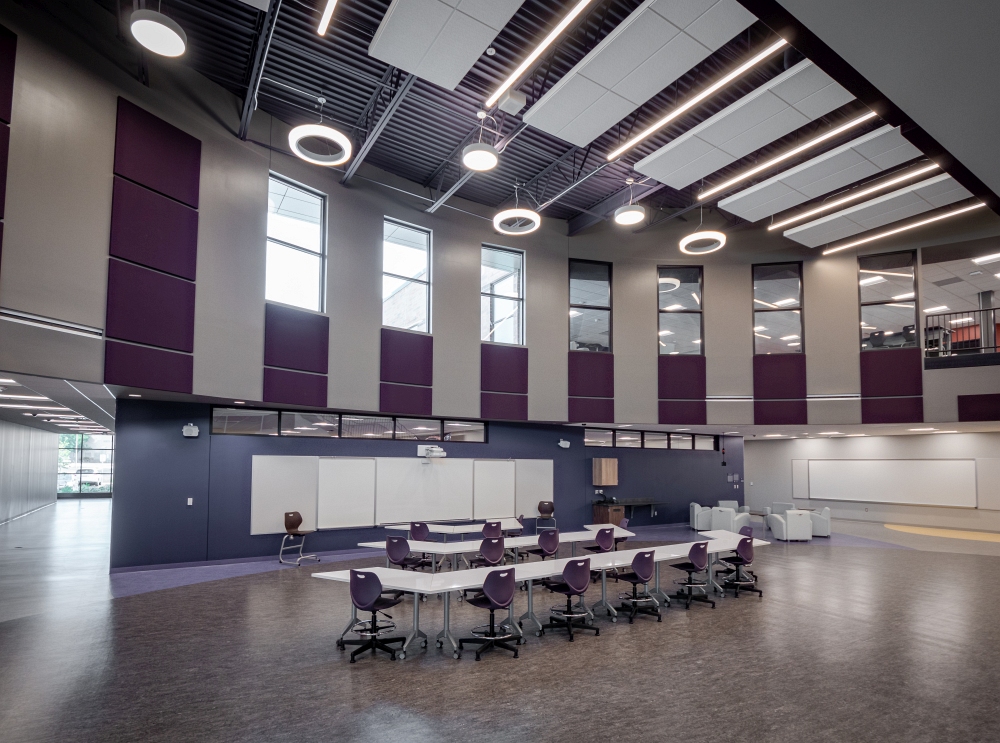
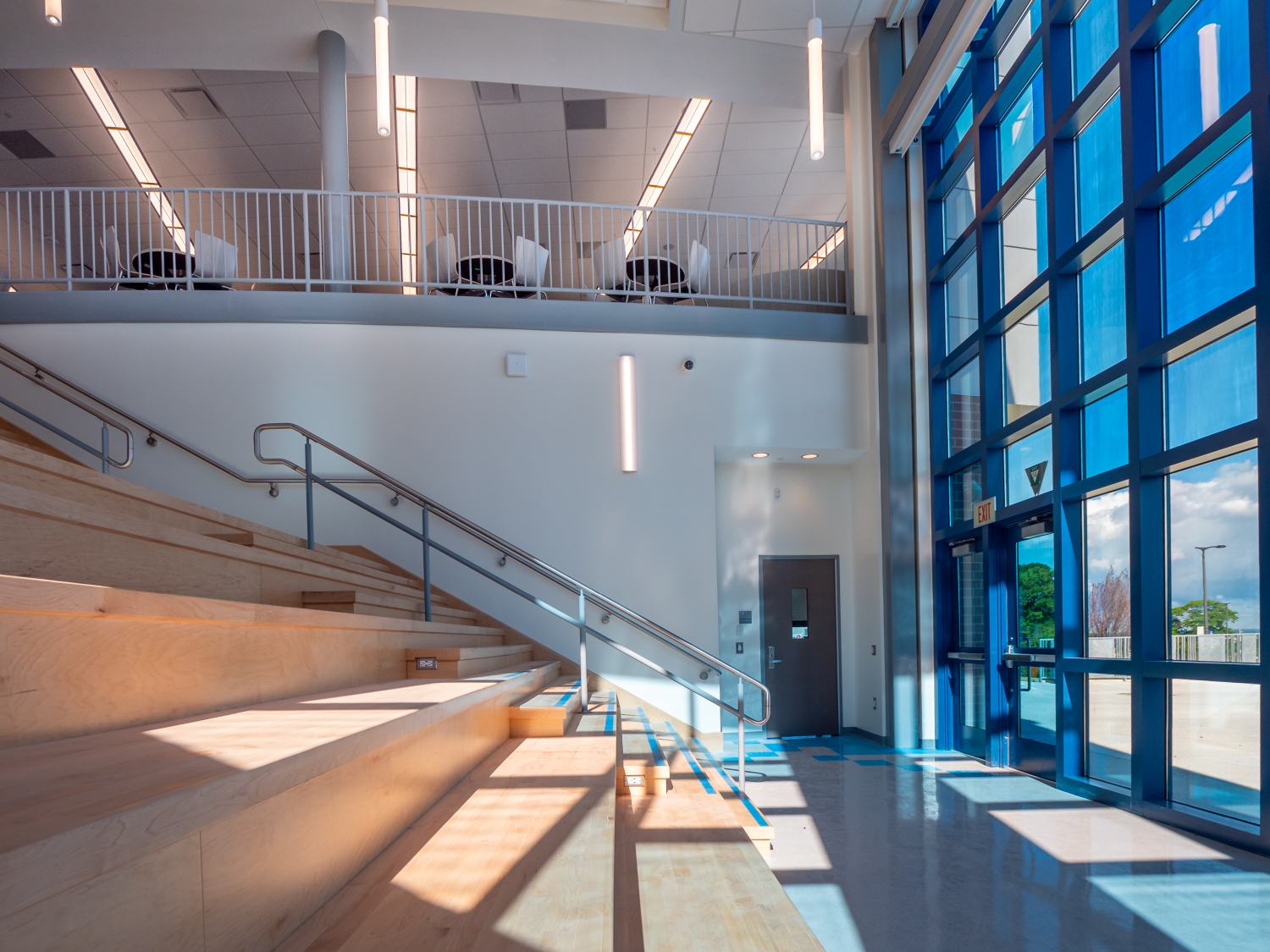
Conceived as a physical bridge between the “old and new,” this new construction project becomes a central circulation hub which literally joins the new and old structures. There was previously a “choke point” on the ground level for students trying to get from one second floor to the other, since there were no second-floor connections between the existing wings of the building. At the center of the space is an extended student dining area, lockers, charging ports for educational devices and a large collaborative stair. Located adjacent to the renovated media center and main student dining areas, these spaces are now connected allowing for much better flow.

Prior to the new wing’s completion, classes for science, math and the humanities were scattered throughout the school making collaboration between both educators and students difficult. With the new space, these related fields have been reorganized. Classrooms for a particular field are now consolidated around “hubs,” or extended learning areas that can be used for work outside the classroom and oriented towards small group interactions and teaching opportunities.

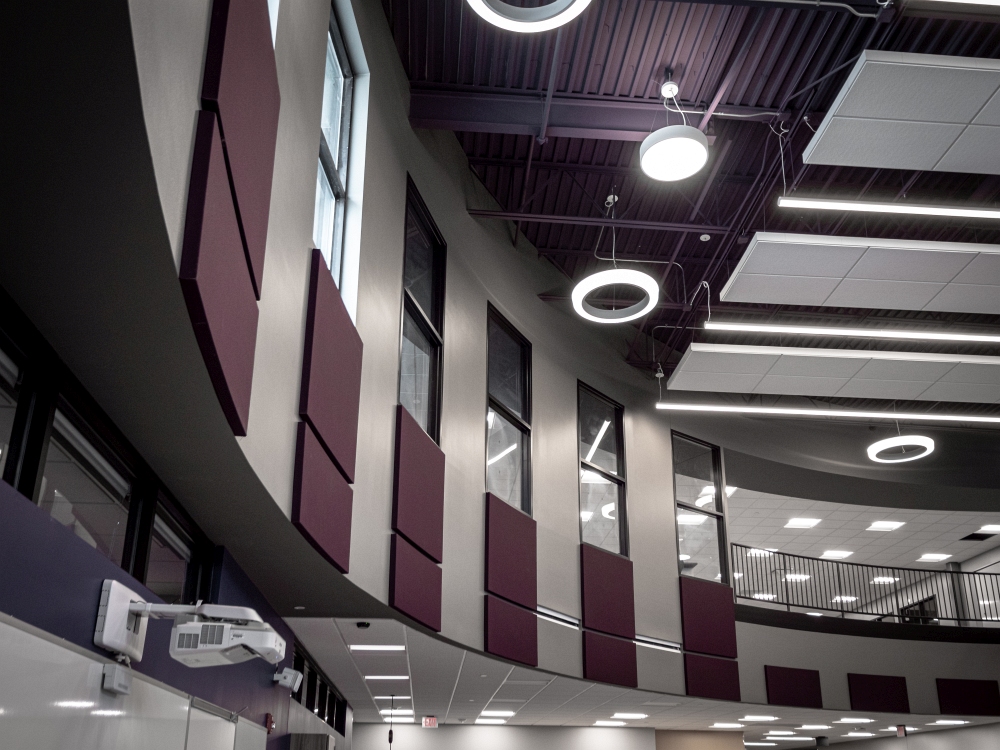
Overall geometry in the interior was inspired by natural circulation, as the new wing features a series of circular curves repeated throughout the building which helps students flow from class to class, eliminating tight choke points and emphasizing the school’s modern aesthetic.

Interior Spaces

Public Corridor

In addition to classroom and collaboration spaces, the North Royalton High School renovation project adds a new axillary gym which sits at the head of a corridor that now connects to the larger competition gym and the school’s performing arts center. This connecting hallway becomes an “interior public corridor” that can be closed off from the rest of the school when hosting large public events and activities. A media hub is connected to this corridor and furthers opportunities for adult education.

Exterior

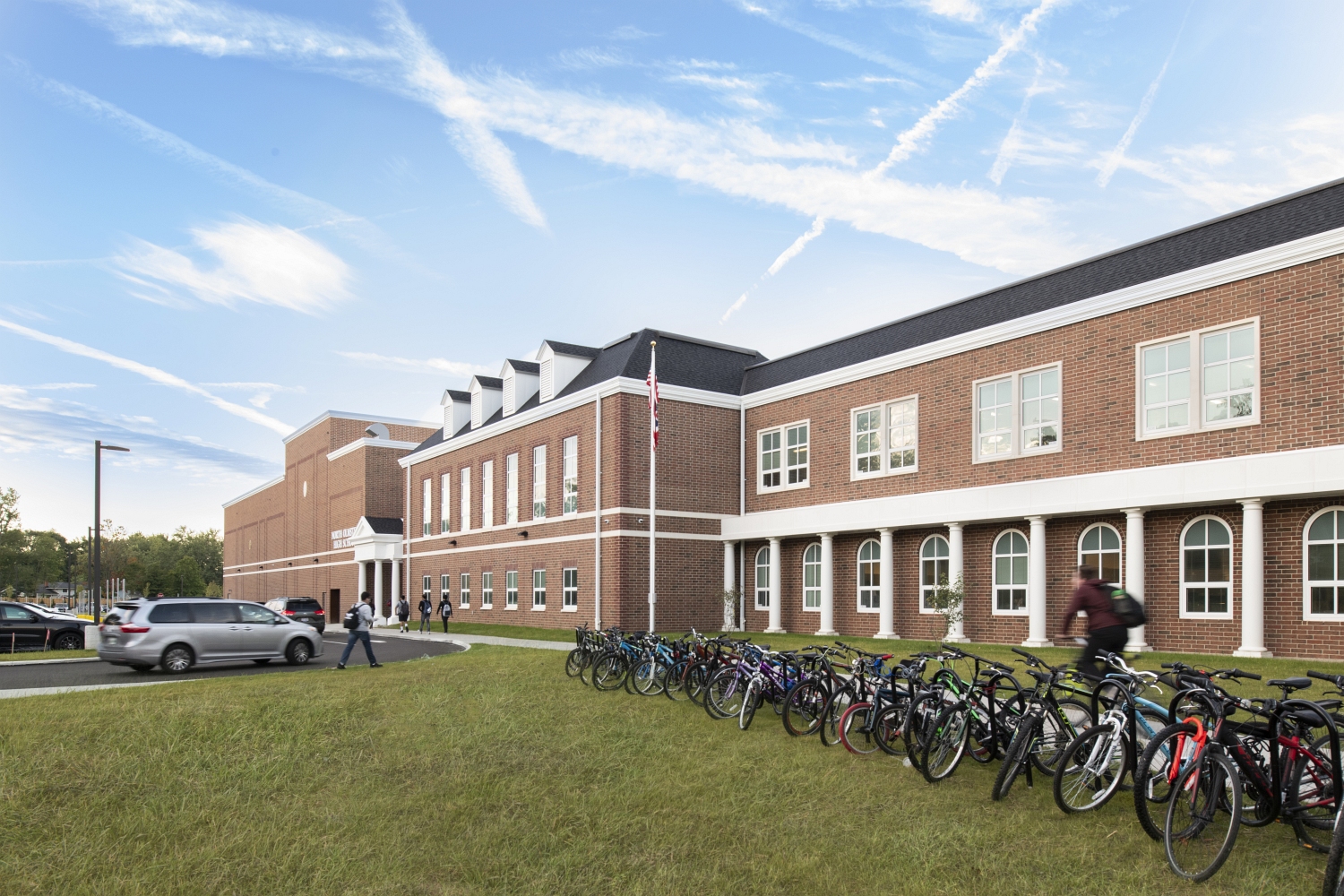
The existing high school was largely split into two large masses which appeared to be separate buildings. This caused confusion with the building’s entrance, leading to challenging traffic flow. To solve this, the new addition was designed to sit at the front of the site giving the school more visual presence from the site entrance and better representing the district.

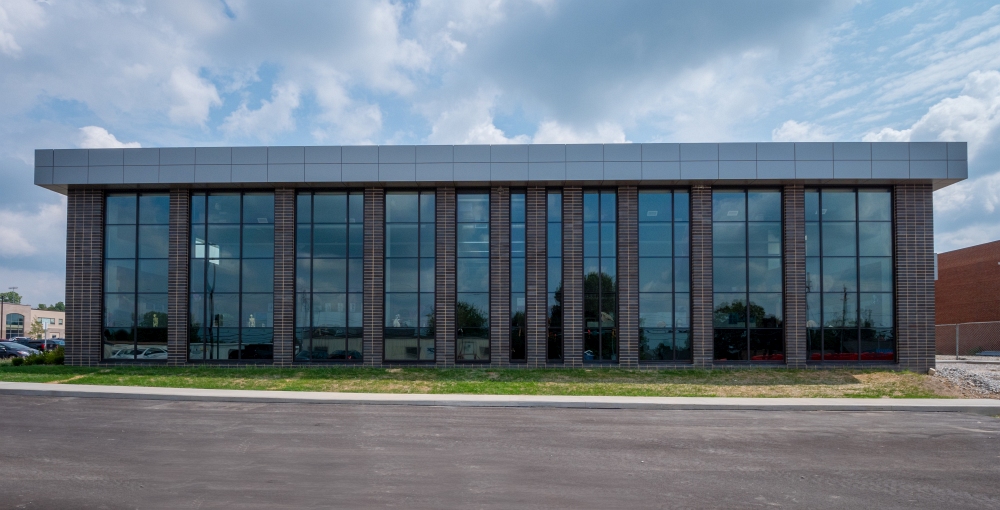
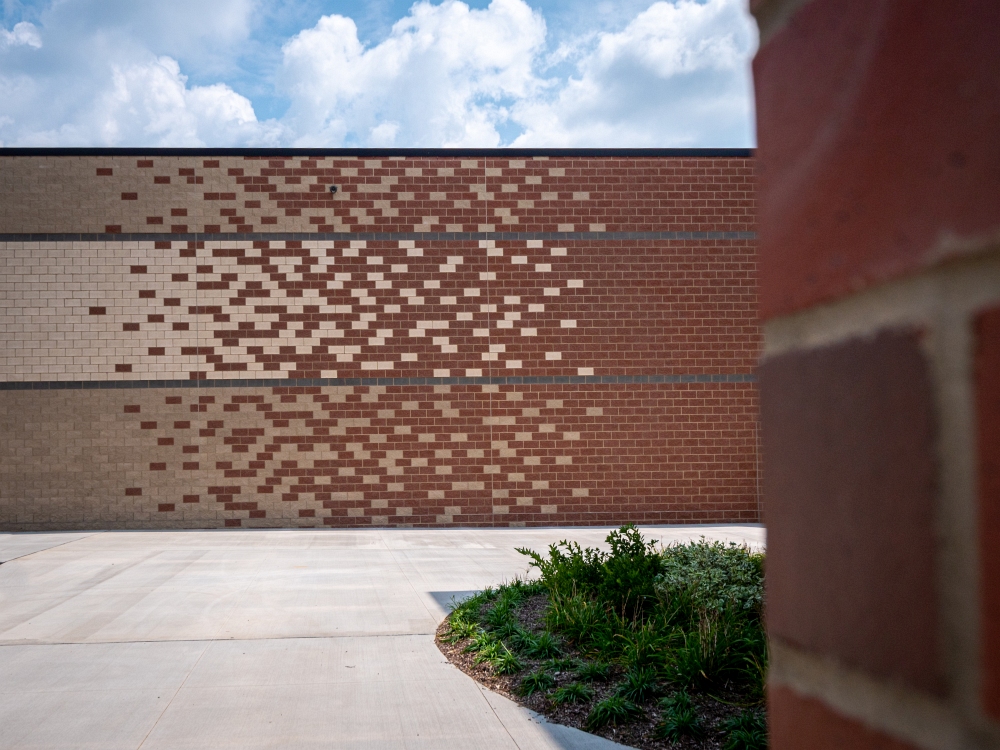
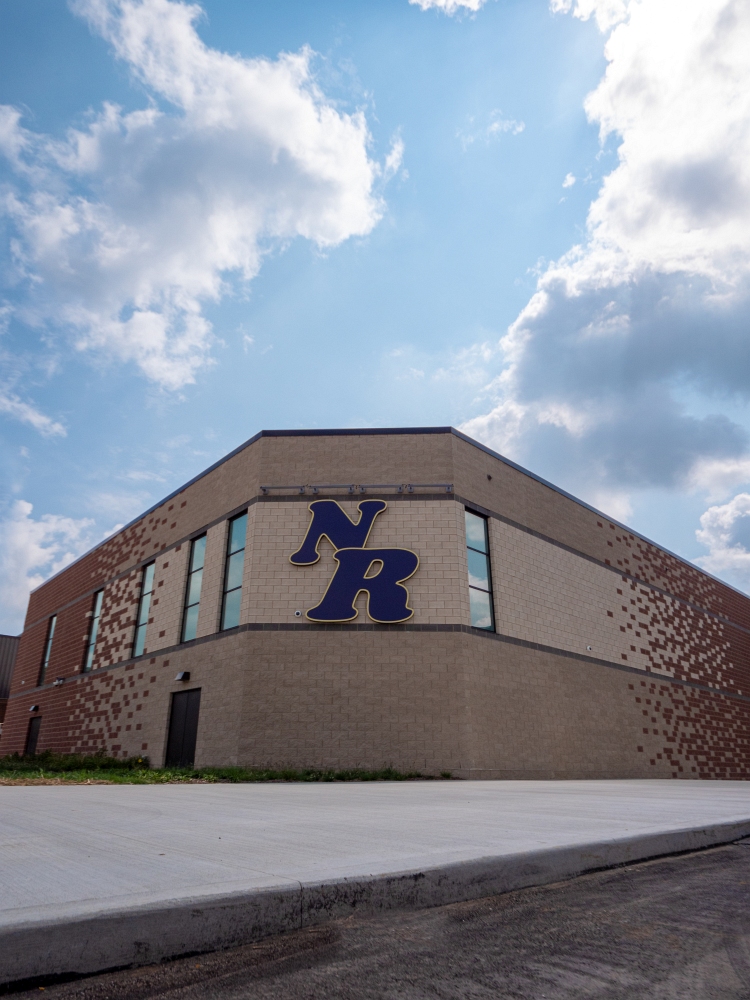
Brickwork that was similar to the existing building visually blended the new construction with the two existing building masses. The patterns and rhythm of window openings from the original building were carried over, then stretched and morphed to highlight the central spaces and provide more daylight in the interior. Entrances were emphasized by incorporating more glass along with dynamic brick patterning.

Educational Visioning with the North Royalton Community

Before the school project broke ground, the North Royalton City Schools had been developing their vision for education and how to best move their schools forward in the coming decades.

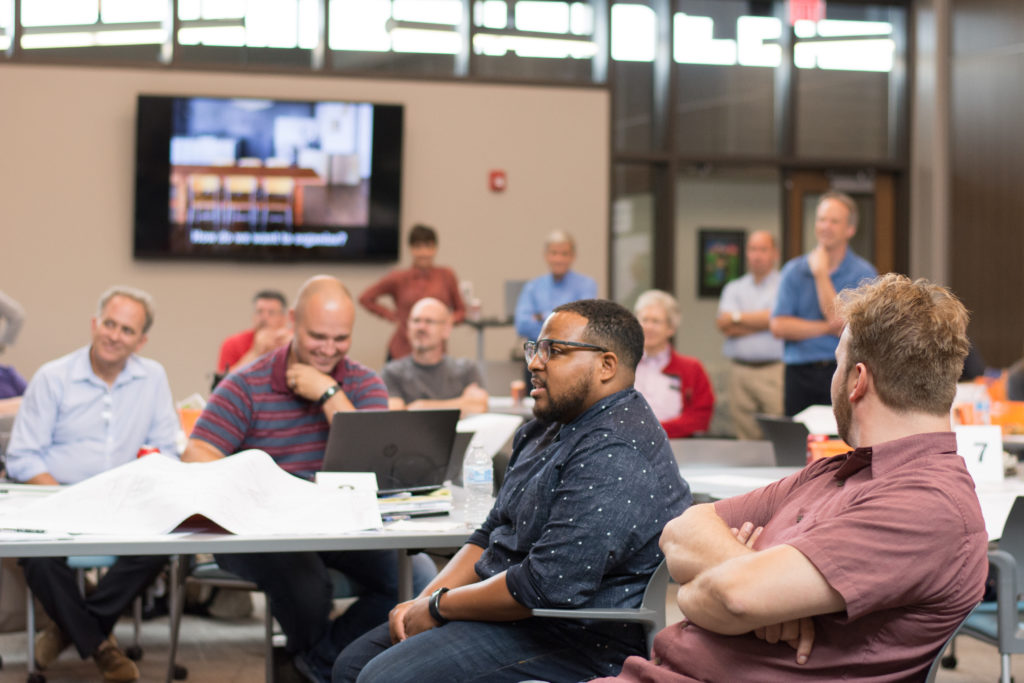
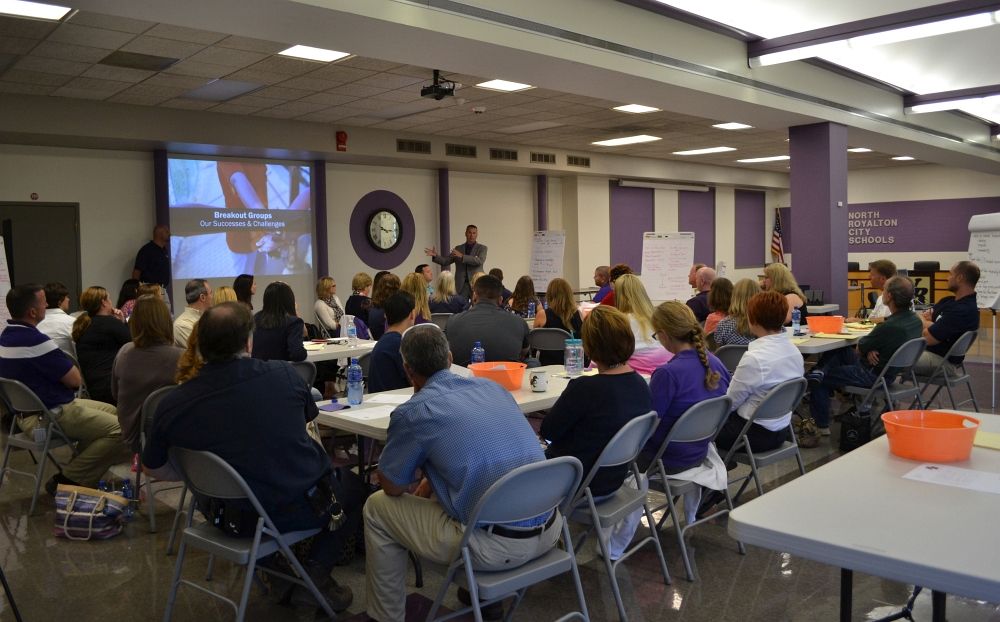
As they worked to pass a bond issue to fund their plan, including the renovations to the high school, ThenDesign Architecture partnered with NRCS, to assist them in building community support for this project. Jointly, we hosted an Educational Visioning Session which involved community members, educators, students, and administrators all working together, involving these stakeholders in the layout and design of the high school. As a result of the groundwork laid by the district and these engagement efforts, the bond issue passed, and the project design fully commenced. Throughout the project’s early design phases, community support was very positive as participants rallied around the district’s vision, initial designs, and educational philosophy for their community.

The North Royalton High School renovation and STEM Wing addition project modernizes the building and will serve the district’s educational goals for decades into the future.

Project Design Challenges:

Let’s work together to make education better. Interested in speaking with us? Get in touch!

Garrett Morgan High School – Cleveland Ohio

Garrett Morgan High School - Cleveland Ohio
ThenDesign Architecture is proud to be a part of the Garrett Morgan High School building project. This academic facility is located along Detroit Ave. near downtown Cleveland and will serve students in the district for decades to come.

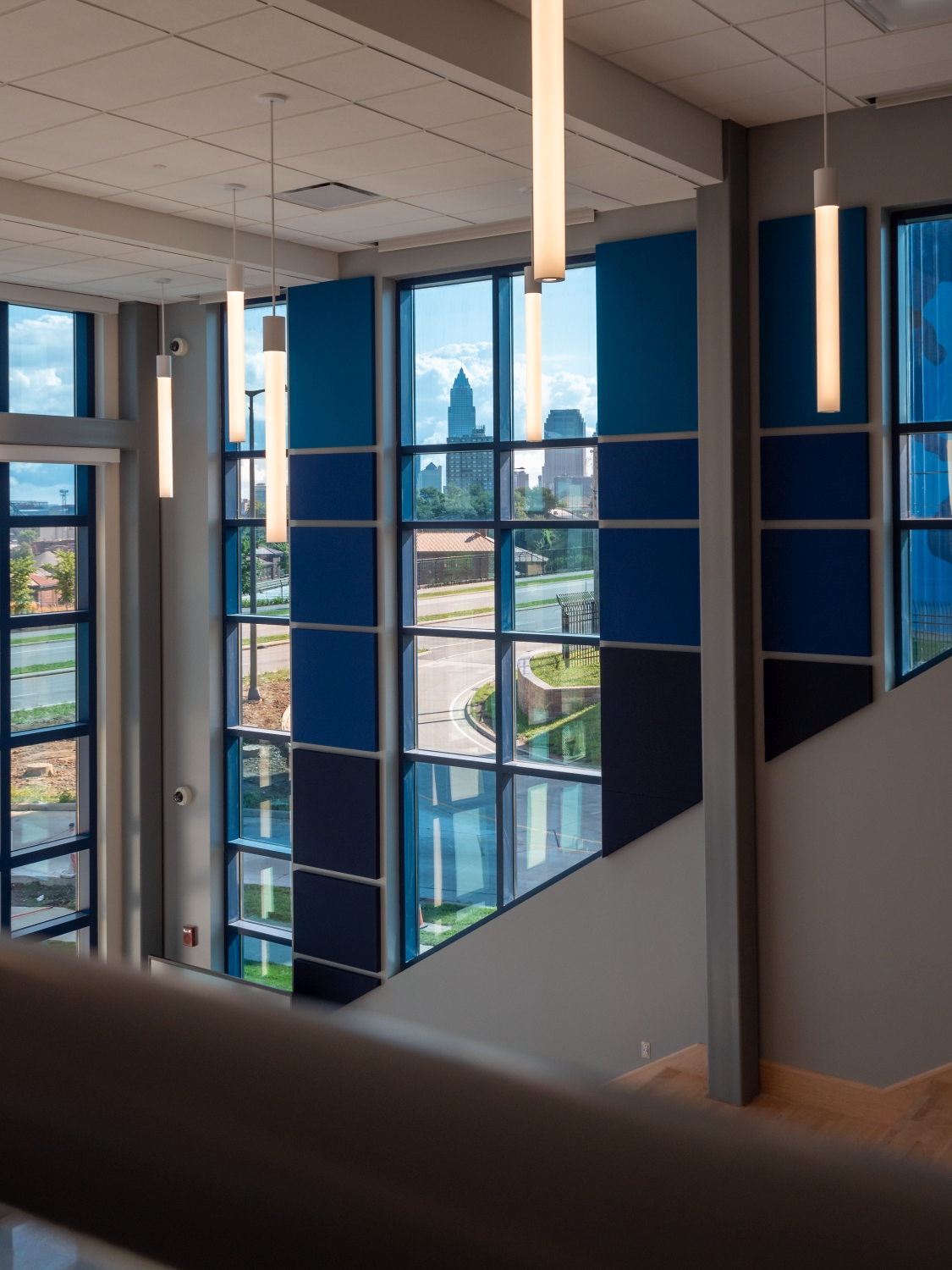
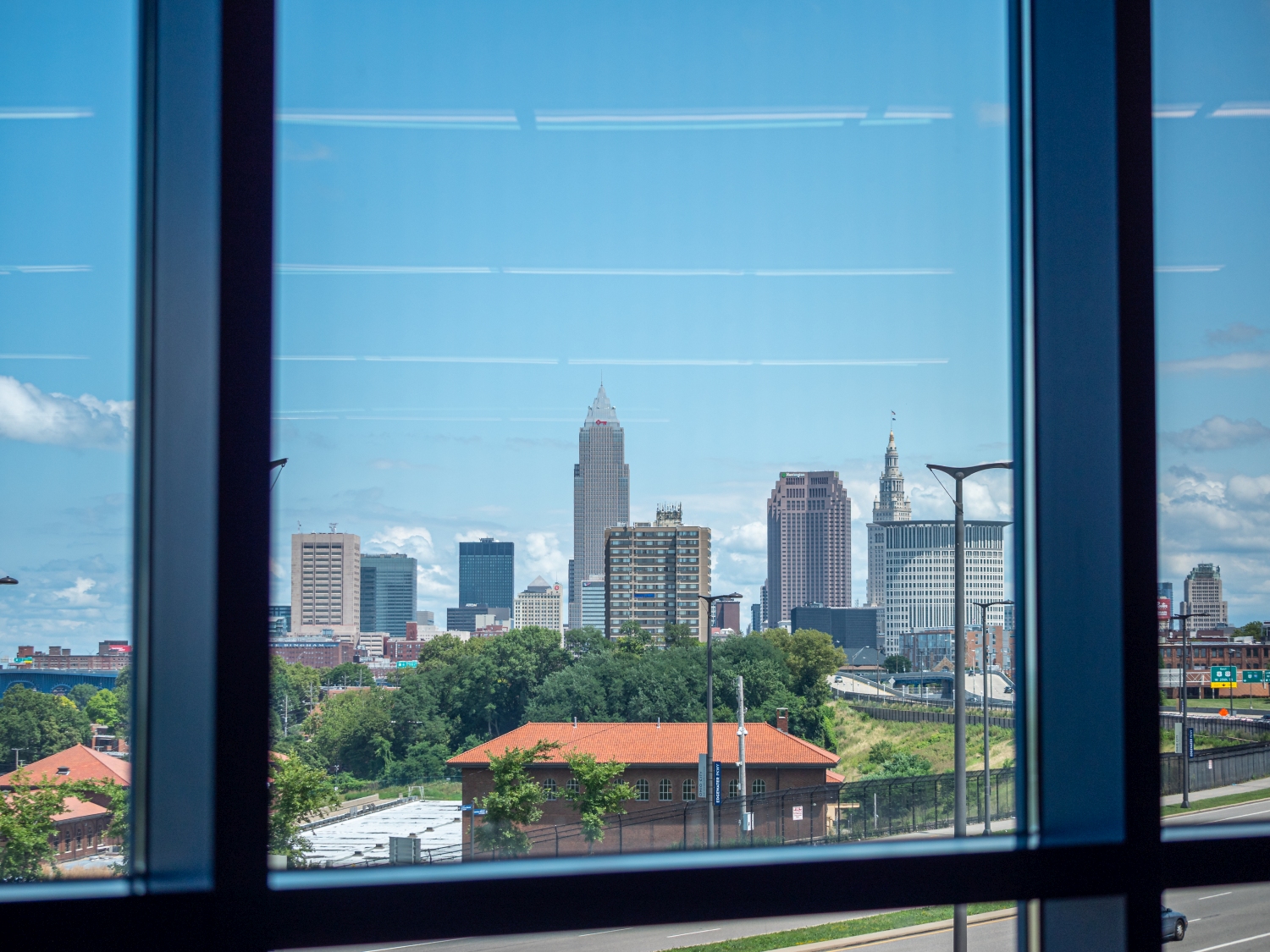
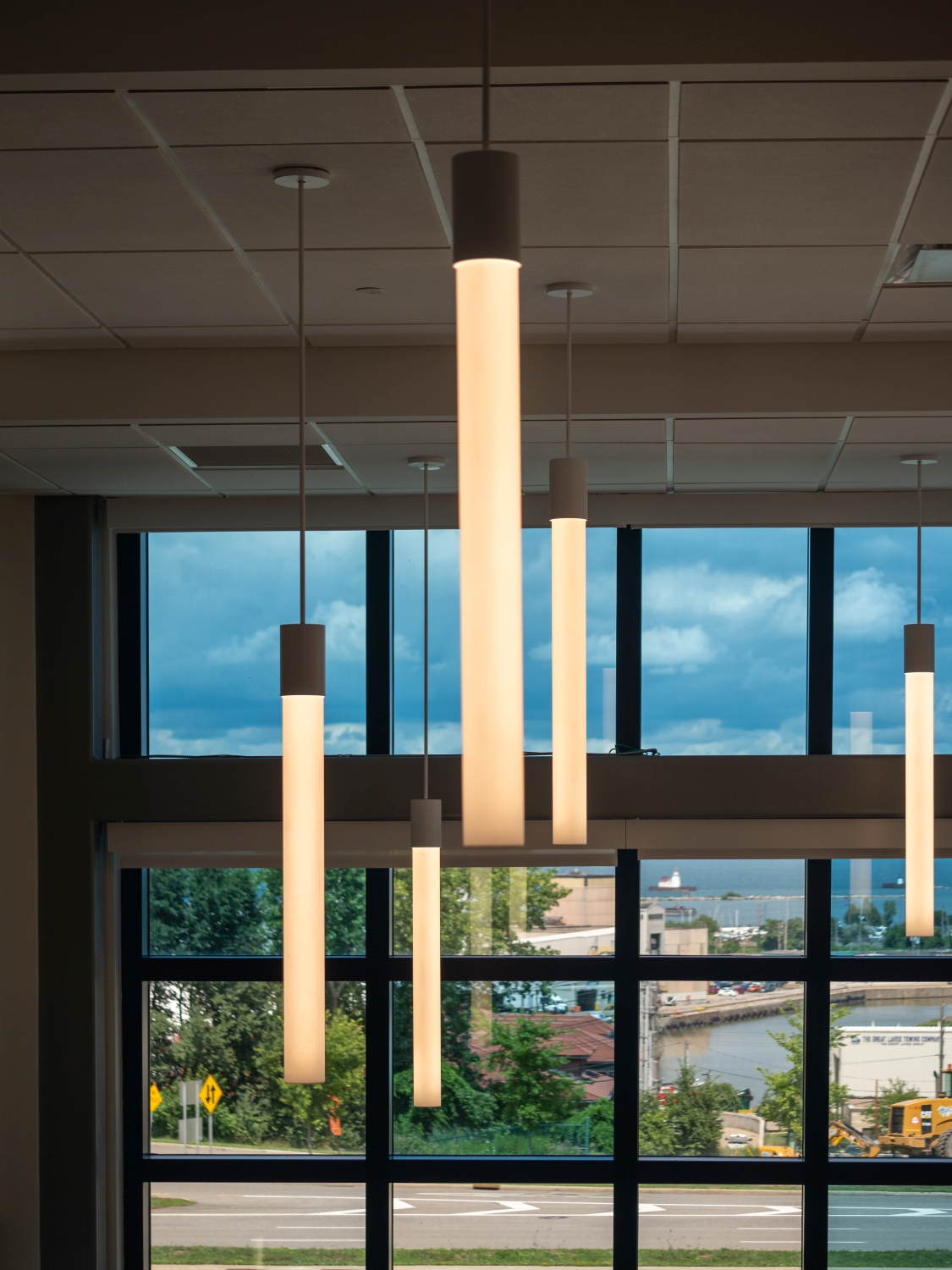
The Garrett Morgan High School (GMHS) is an academic building designed in an urban context, with a curriculum that focuses both on the humanities and technology. Situated on a 5 acre site, this 133,000 sqft building carried a budget of $35 million and is located along the Cleveland Memorial Shoreway, adjacent to Lake Erie, near downtown Cleveland. Occupying a highly sought after site, GMHS boasts incredible views of downtown Cleveland, in addition to its flexible technologically advanced classroom spaces.

The project, located in the Gordan Square Landmark District, was a collaboration between many stakeholders including the Cleveland Metropolitan School District, Ward 15’s Councilman Matt Zone, the Cleveland Landmarks and Planning Commission, the Detroit Shoreway Community Development Organization and residents of the local community. Throughout the design process, these stakeholders were regularly consulted in a variety of engagement events to identify design goals and encourage collaboration.

Exterior Views:

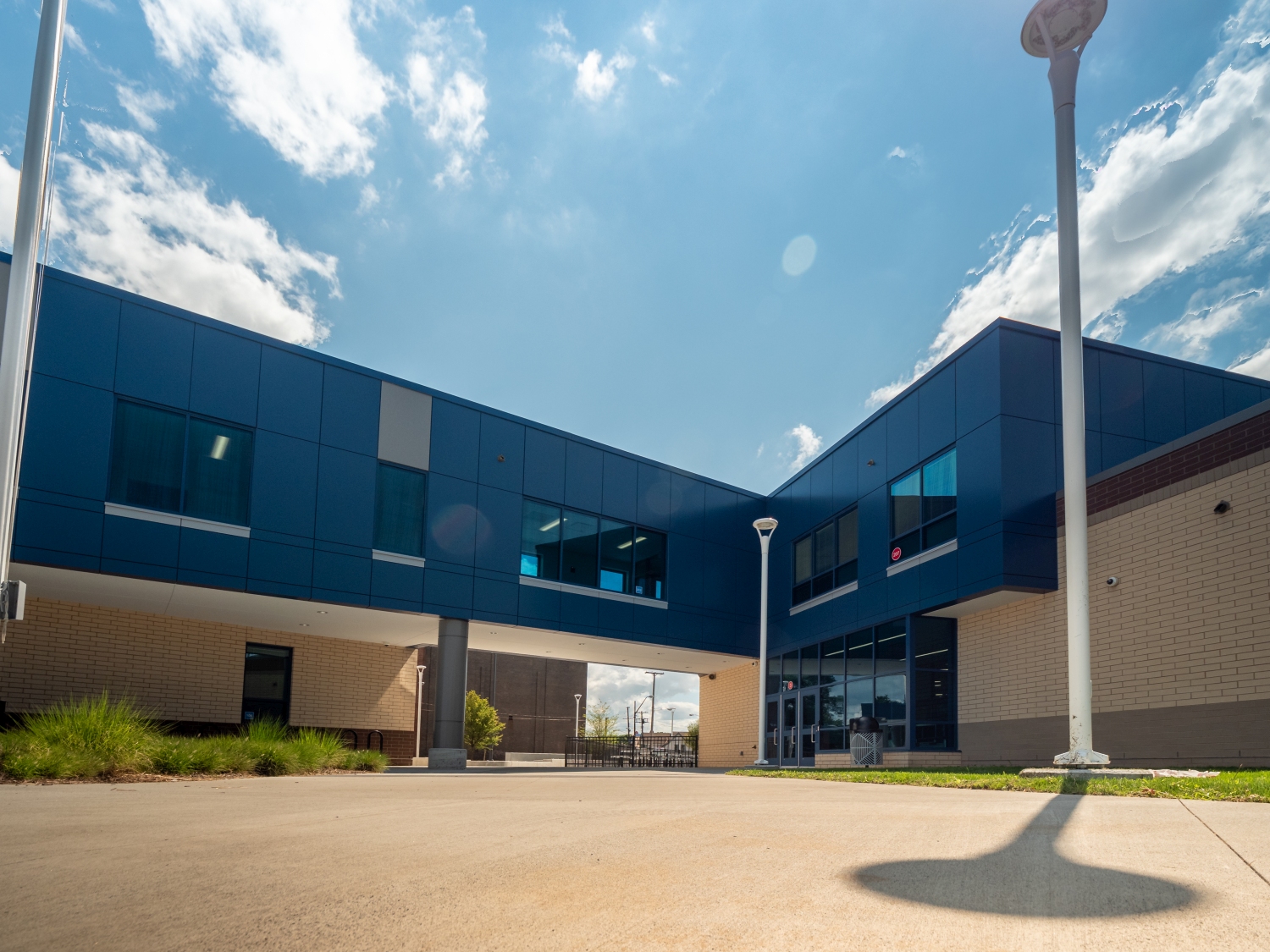
Located in a tight urban context, the building seeks to reflect the urban fabric it’s located in and the energy of the street activity in its façade and spacial arrangements. Student dining and music spaces are located along Detroit avenue (a commercially zoned environment), which historically hosted restaurant and music venues. The schools’ main entrance is also located along Detroit Ave., adjacent to the main circulation bridge which is raised, allowing easy access from the parking lot to the rest of the urban context.

Interior Spaces:

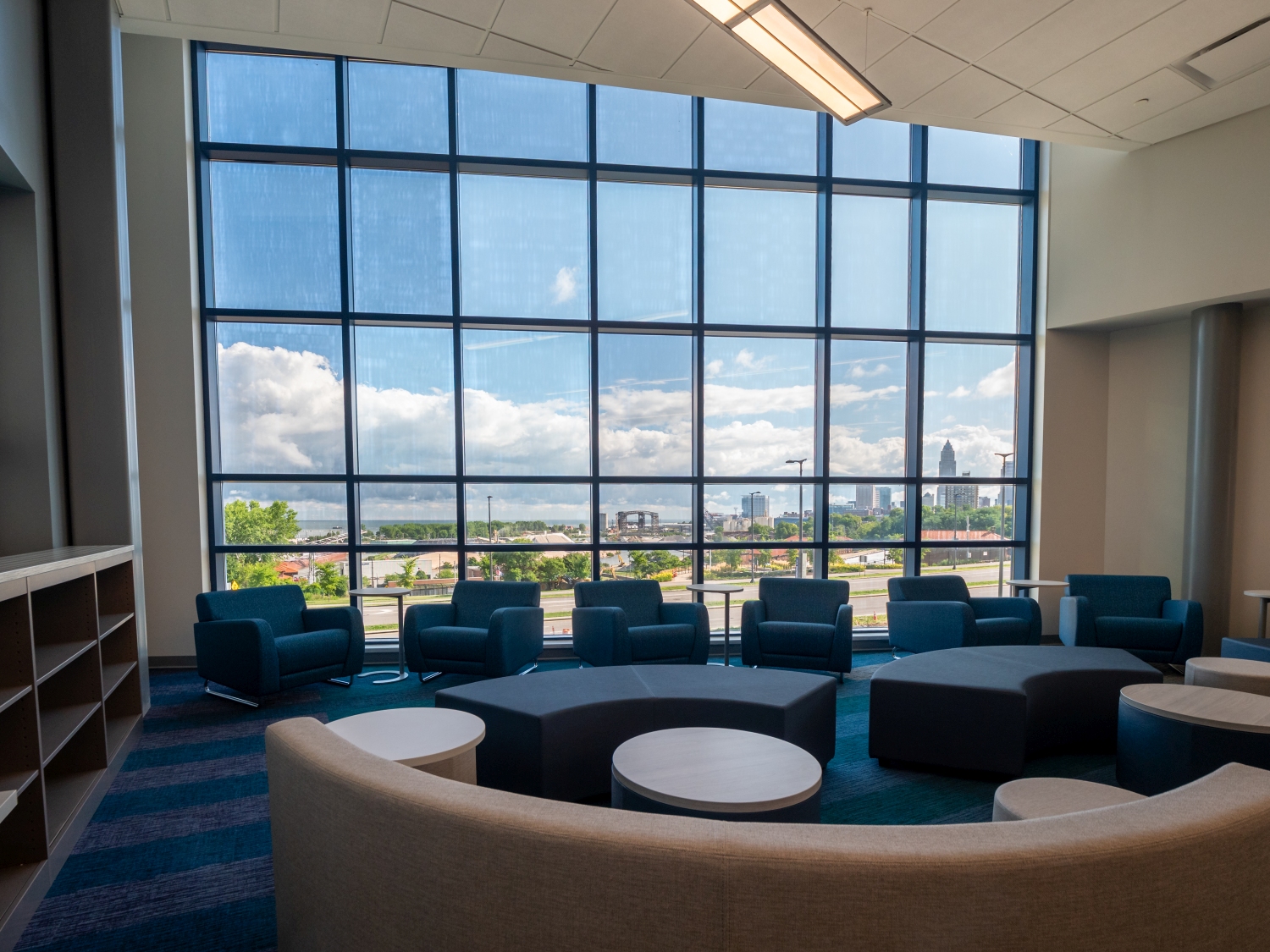
Collaborative spaces include a Media Center that supports large gatherings, offering stunning views of downtown Cleveland, this also hosts a large collaborative stair. Recognizing it’s location in a commercial sector, glazing is emphasized throughout the building. The school offers key views to interior activity spaces and also to exterior landmarks. During the engagement process, a potential collaboration with community partners in the Gordan Square Arts District was identified which could allow students to use existing auditoriums on Detroit Ave. Due to this potential partnership, the district decided against building a dedicated auditorium space.

Architectural Details:

Since there was no space for outdoor athletics, the site hosts a walking path along it’s perimeter, (identified by unique pavers) and features distance markings to provide some outdoor activity spaces. In addition, it connects outdoor patio spaces to support bus stops regularly used by the student body and community.

In order to learn more about the unique design process for this project, get in touch with us, or view the short film

Let’s work together to make education better. Interested in speaking with us? Get in touch!