Path to Leadership: TDA Names New Class of Principals

Path to Leadership: TDA Names New Class of Principals
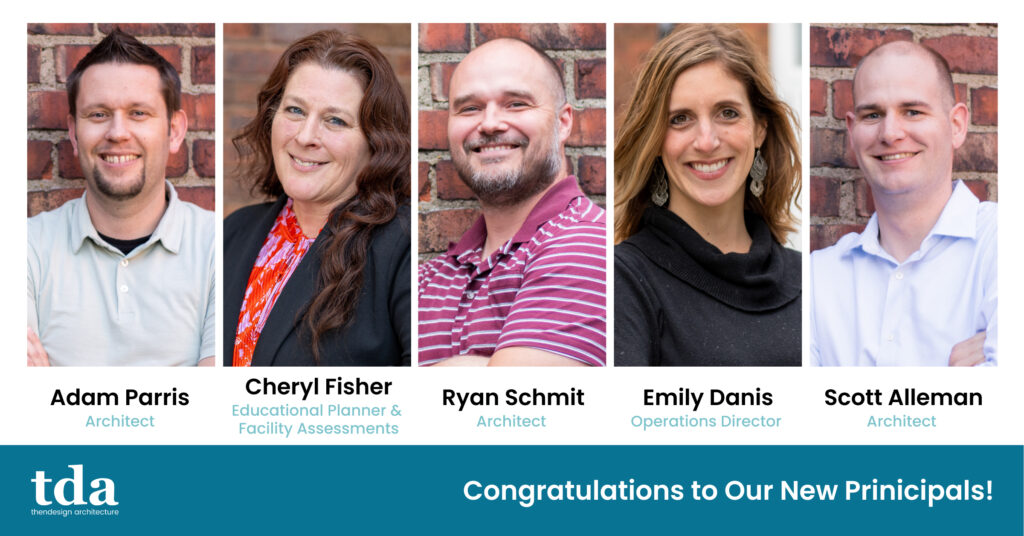
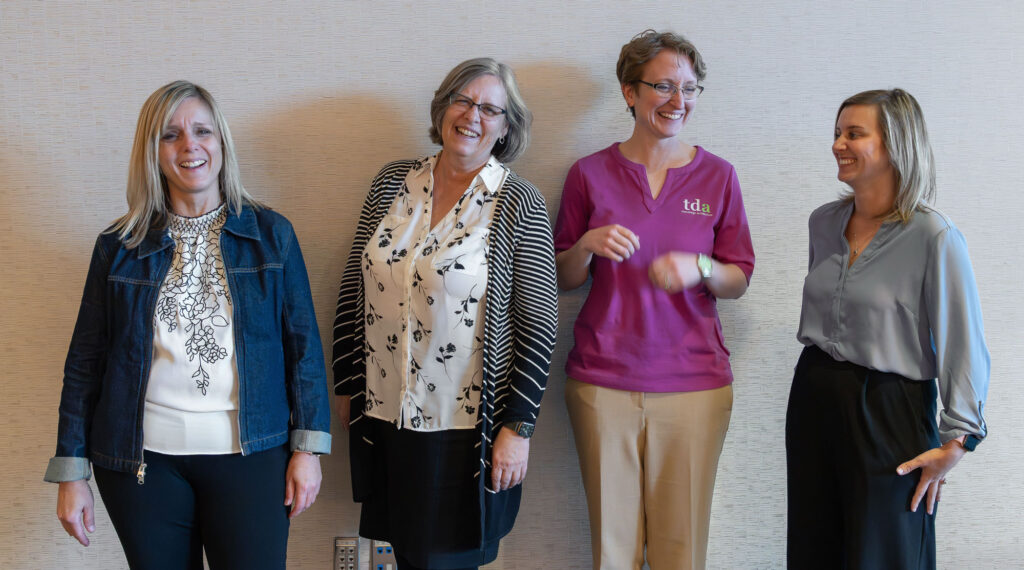
We are proud to announce the designation of five new principals at TDA. With each of them having participated in TDA's Path to Leadership program, they are assuming new responsibilities for guiding the future of our firm.

Path to Leadership: TDA Names New Class of Principals

ThenDesign Architecture (TDA) is a “teaching and learning” architecture firm with a 75-year history that specializes in educational and civic design across Ohio and Western Pennsylvania. Resulting from the evolution of our “people first” philosophy, we are proud to have transitioned to a 100% employee-owned company and named our first cohort of five firm principals. This next generation of leaders will continue to guide TDA in the decades ahead.

In 1989, Huston Associates became TDA after Founder and Board Member Robert Fiala, AIA, NCARB, APA, guided the architecture firm into the modern era. With a robust future in mind, Bob promoted President and CEO Chris Smith, Ph.D., AIA, NCARB, LEED AP BD+C, to partner in 2004 and continued to expand the people-centric culture to better serve both our clients and staff.

For decades, TDA has embraced our staff by helping them develop relationships and leadership skills that provide the best opportunities for personal and professional growth.

Bob and Chris knew that as TDA grew, so would the importance of creating a focused succession plan to develop leaders from within the company to guide the firm. Based on our core values, the Path to Leadership program was created to provide hands-on experience in business development, project leadership, and company management to prepare the next generation of TDA leaders.

Qualified associates who exemplified characteristics that include leadership, creativity, and collaboration were given the necessary training and tools to foster growth through greater responsibilities and guided engagement. Inaugurated in 2024 and working alongside Bob and Chris, the first group has developed into firm principals.

On a parallel track for retaining strong leaders and a talented staff, Bob and Chris turned over ownership of TDA to the people who continue to make it successful. In early 2026, we proudly announced that TDA is now a 100% employee-owned firm. The implementation of this development encourages well-being and employee retention so that experienced professionals would see TDA as a long-term workplace to call home.

Being a “people first” company is not just an idea. It is how we operate.

Turning over 100% of TDA’s financial ownership to the employees is a natural progression of the company’s legacy. It becomes an additional economic benefit for the staff while also reinforcing the unique culture that has earned us recognition as one of the top places to work in Northeast Ohio.

This first class of participants has embraced TDA’s core values and exemplify them across their respective projects. The promotion to principal is an official acknowledgment of their existing roles and responsibilities at TDA, while establishing their official leadership position within the company. We congratulate our new principals on their achievements and continual dedication.

TDA Principals

  • Architect, Scott Alleman, RA, NCARB
  • Operations Director, Emily Danis
  • Educational Planner, Cheryl Fisher, LEED AP, BD+C
  • Architect, Adam Parris, RA
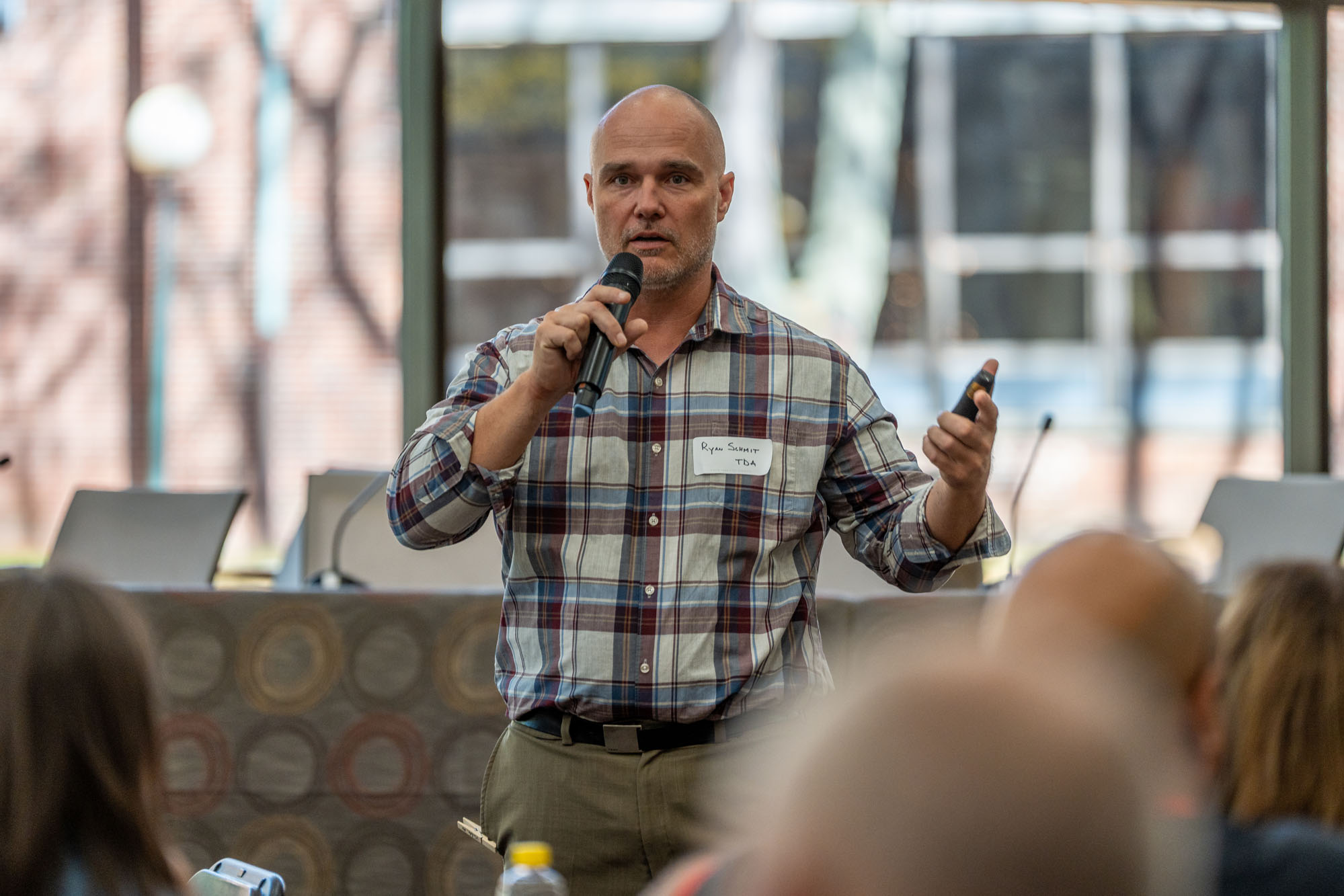
  • Architect, Ryan Schmit, RA, NCARB, LEED AP

Each principal will continue in their current capacity on projects and with clients, but will assume a greater and more direct role in the continuing direction of TDA. We continue to train our future leaders today and are grateful for the passionate, dedicated team we have.

See what opportunities we currently have on our Careers page. If you would like to learn more about us and see if you may be a good fit, contact us.

TDA Partners with Habitat for Humanity on House 100

TDA Partners with Habitat for Humanity on House 100
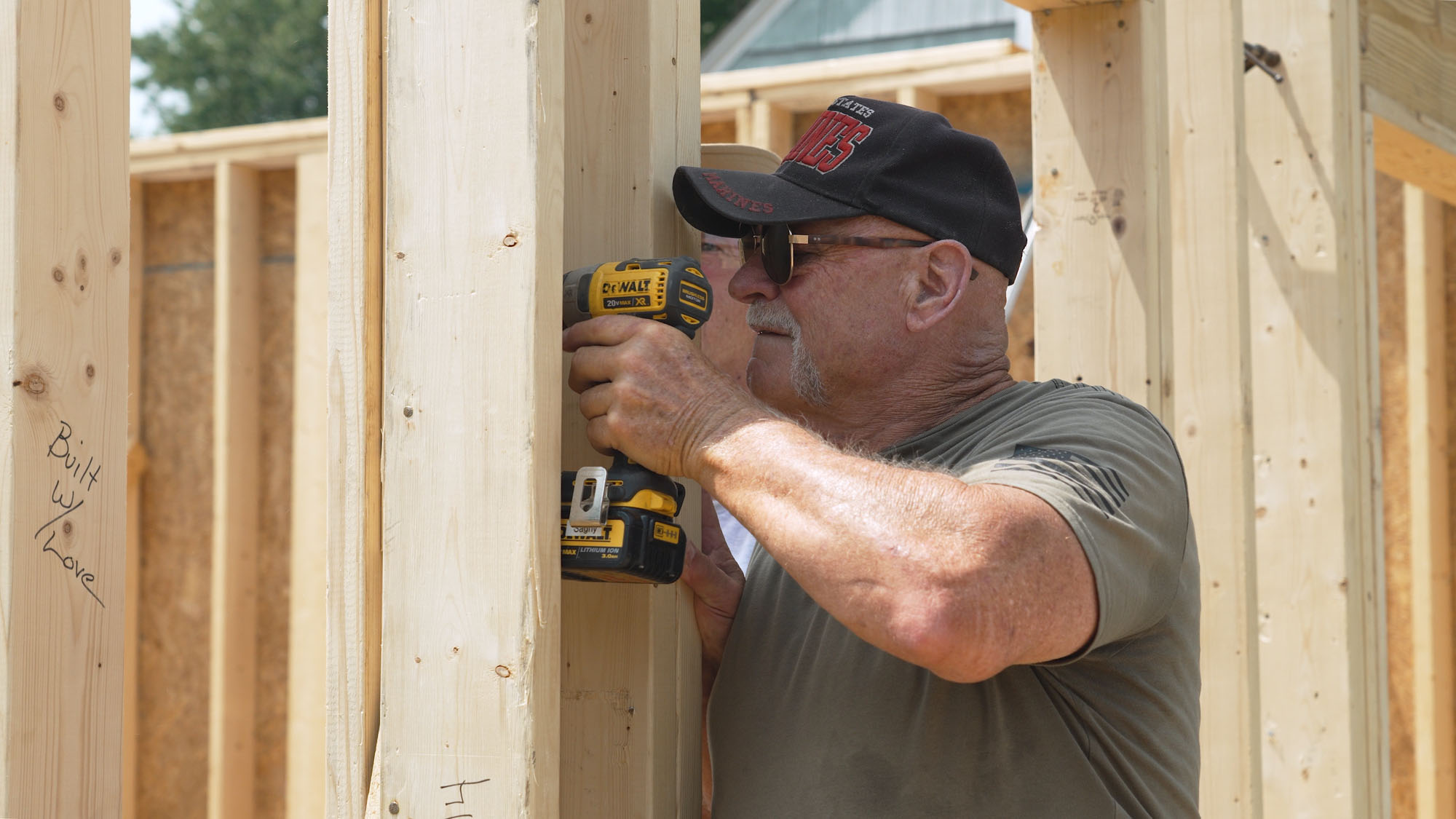
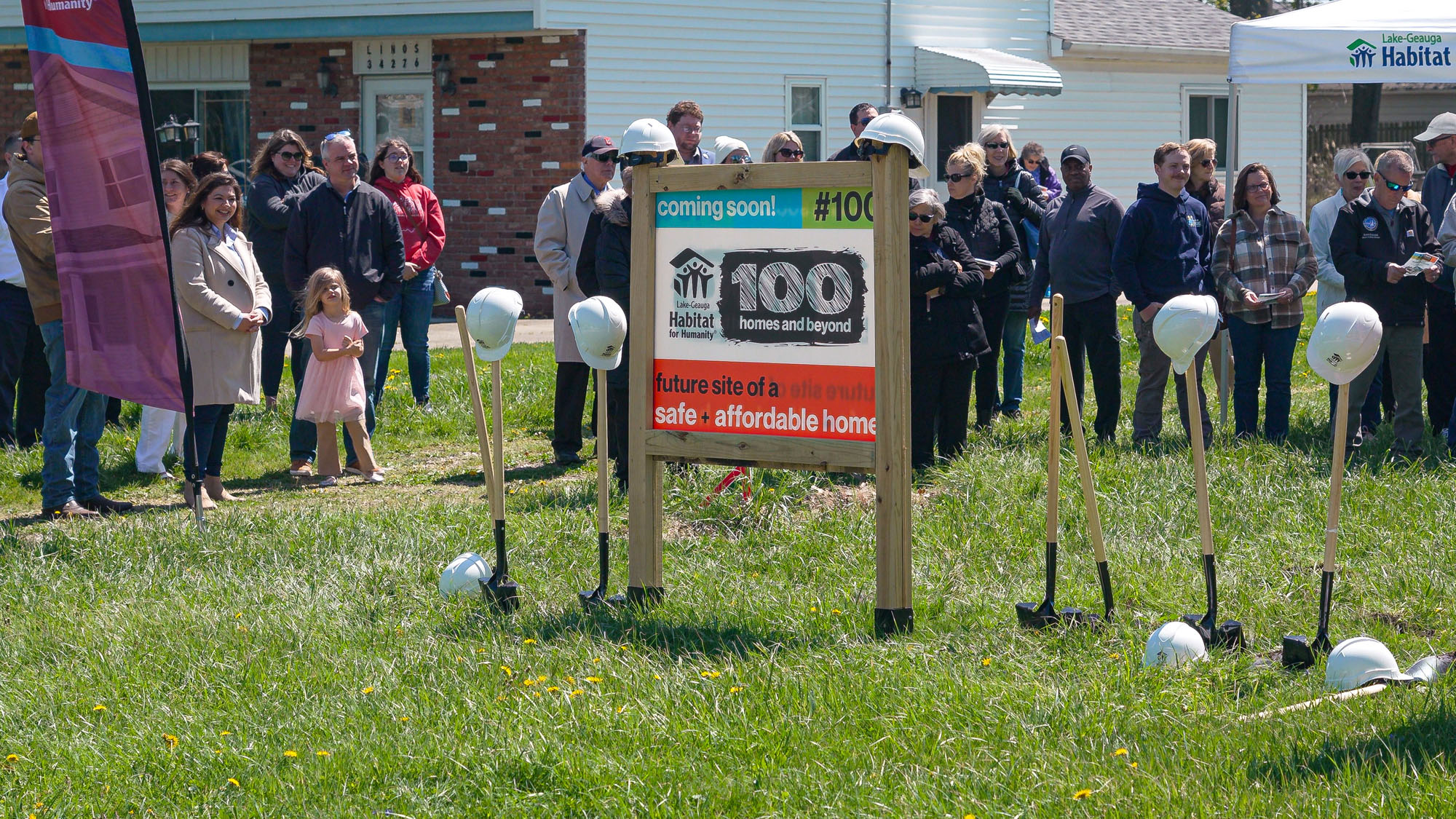
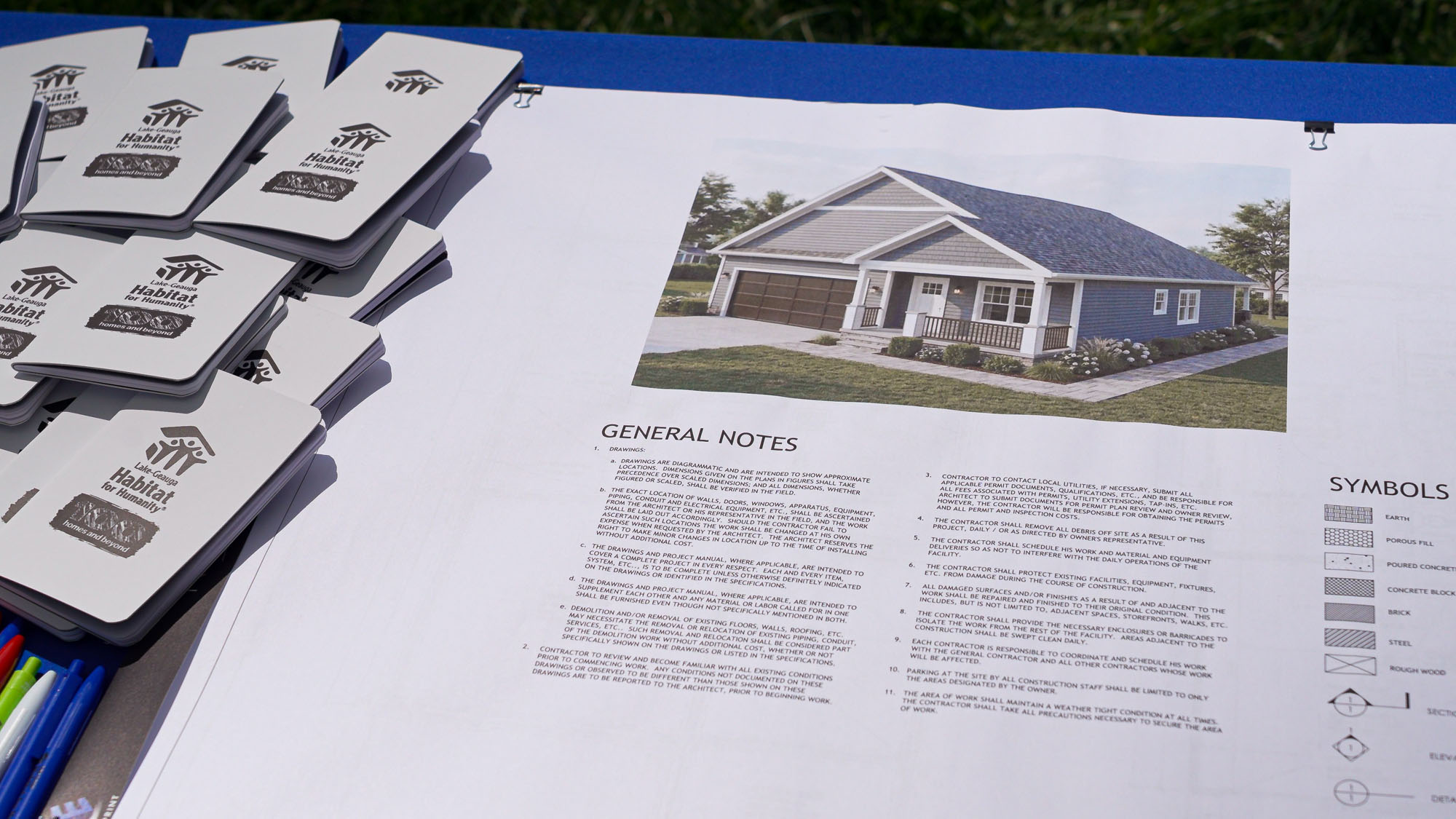
TDA partners with Habitat for Humanity on the House 100 project in Lake and Geauga Counties. The 100 Homes & Beyond Campaign brings the community together to volunteer in building safe, affordable homes for families in need. We are proud to donate our architecture and communications services for the 100th home project.

TDA Partners with Habitat for Humanity on House 100

We are proud to announce our partnership with Lake-Geauga County Habitat for Humanity on their 100 Homes & Beyond Campaign. TDA is donating our architecture and communications services for the 100th home project of Lake and Geauga Counties.

TDA has a long history of being a “people first” architectural design firm and is also 100 % employee-owned. Our partnership with Lake-Geauga Habitat for Humanity is a natural fit, and we are excited to collaborate with them.

Habitat for Humanity is an international nonprofit organization founded in 1976 with a mission to seek to put “God’s love into action” by bringing people together to build homes, communities, and hope. Through a movement of people in local areas and around the world, they strive to build more prosperous and vibrant communities by making sure everyone has a decent, safe, and affordable place to call home.

Habitat’s 100 Homes & Beyond Campaign in Lake and Geauga Counties is designed to provide a home to families who would not otherwise have the opportunity for homeownership. Lake County resident, Juana, and her family were accepted into the program and have agreed to invest 200 “sweat equity hours” by assisting in the construction process, volunteering at Habitat’s ReStore, helping with Habitat events, and taking financial management courses. She will be participating in the construction of her new home.

TDA Partners with Habitat for Humanity on House 100

House 100 Groundbreaking Ceremony

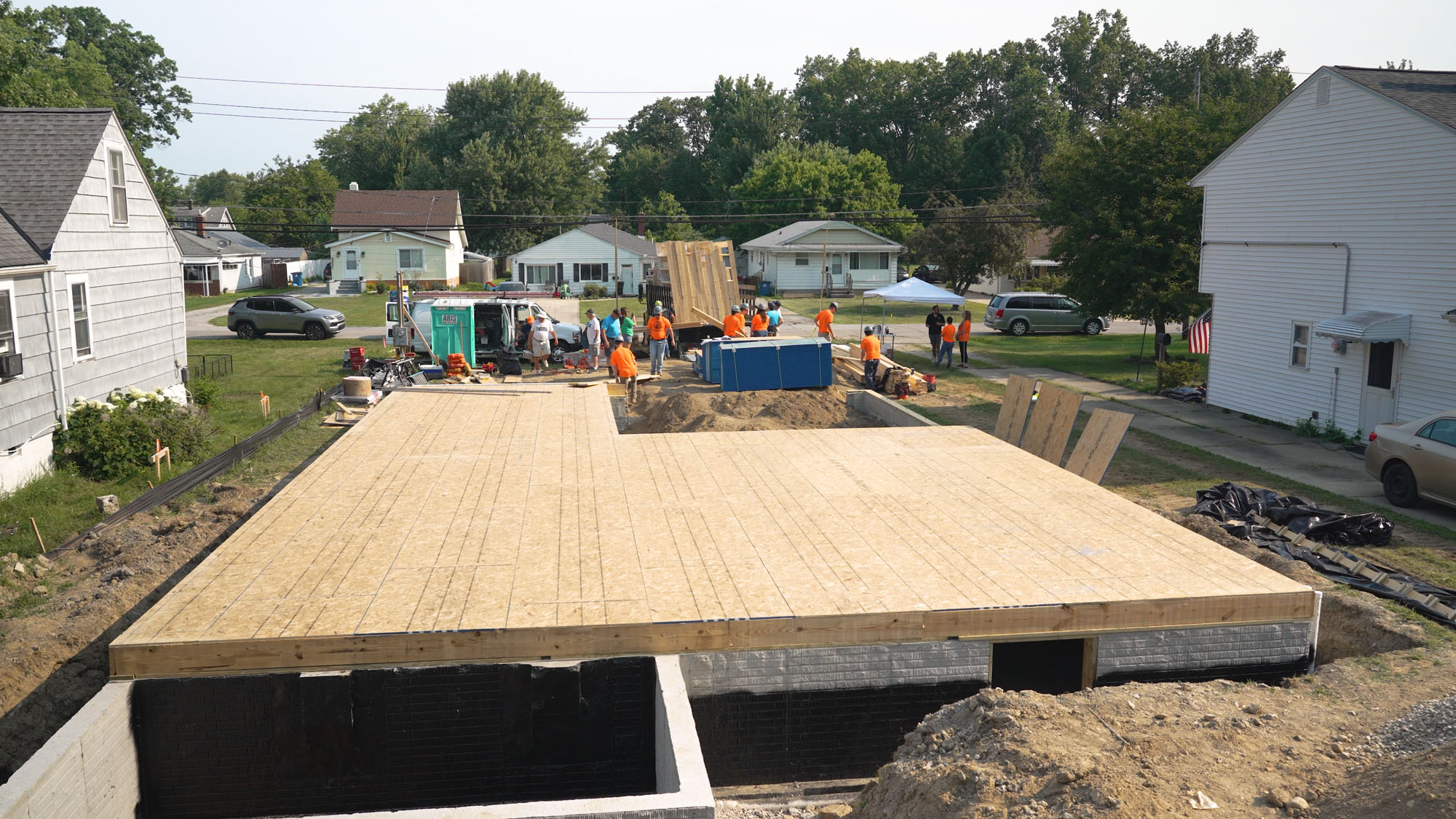
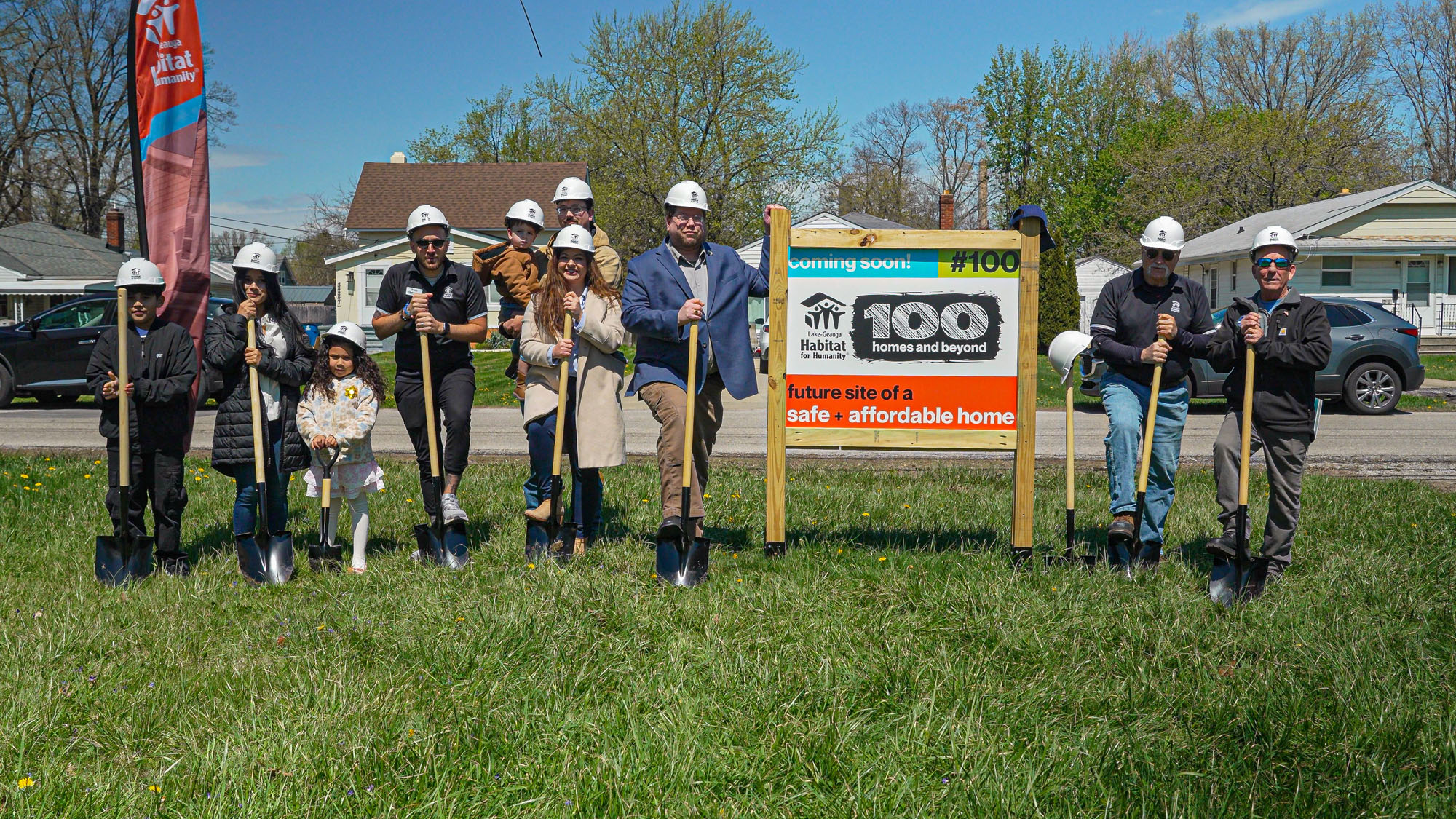
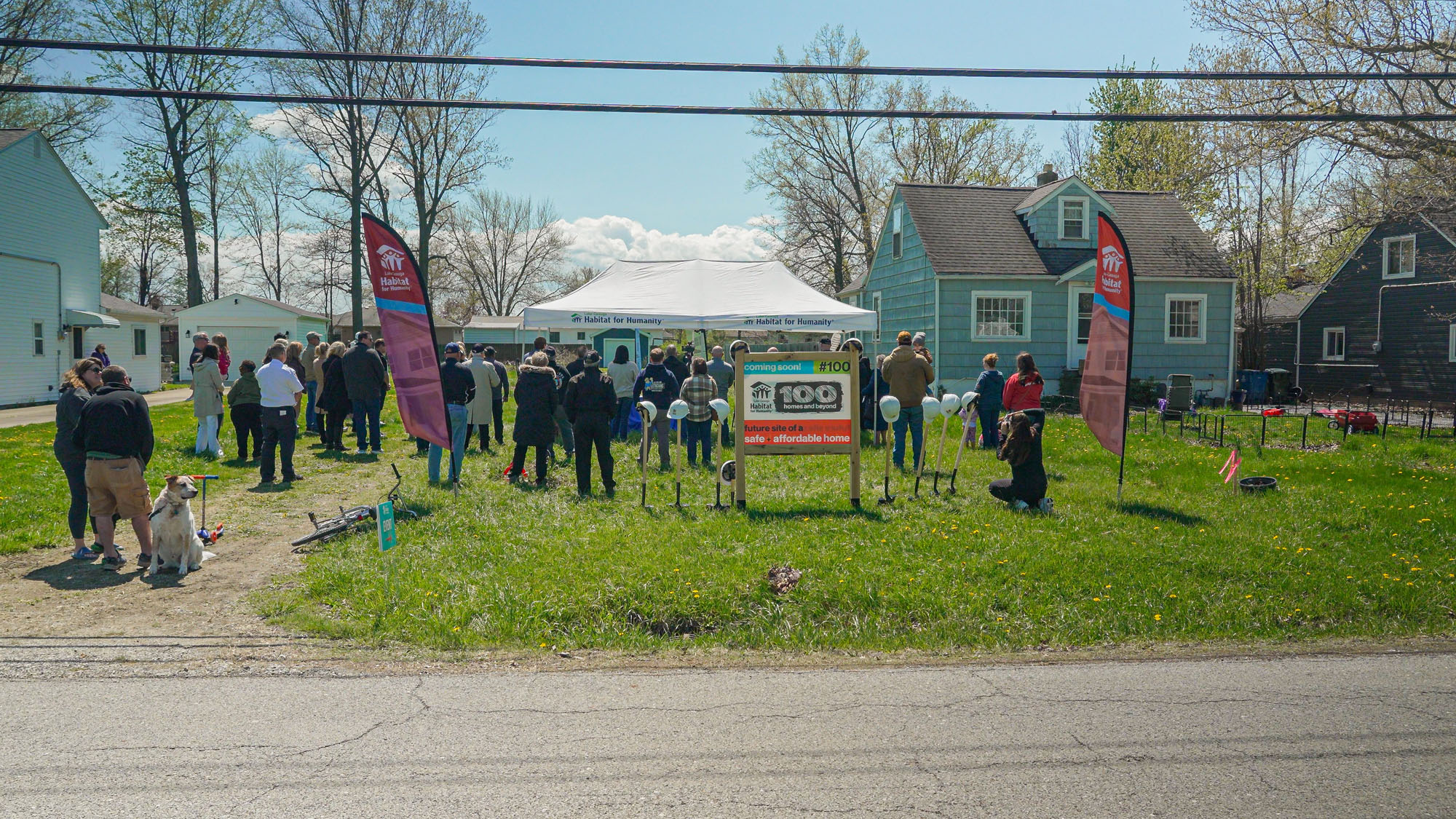
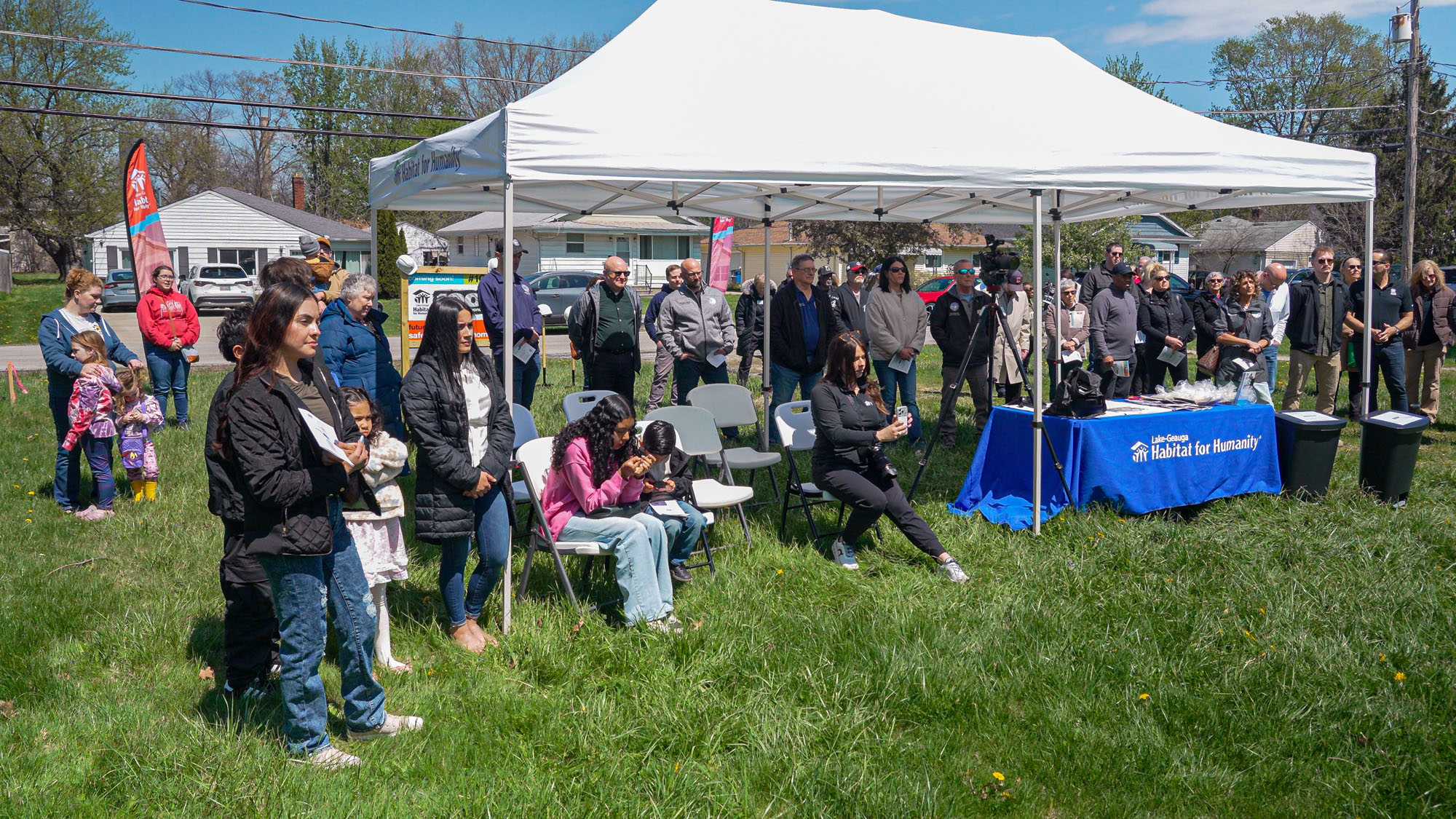
This past Sunday, Lake-Geauga Habitat for Humanity held a groundbreaking ceremony to celebrate Juana and her family’s new home in Eastlake, Ohio. Neighbors, local leaders, and invited guests gathered to mark the start of construction for House 100.

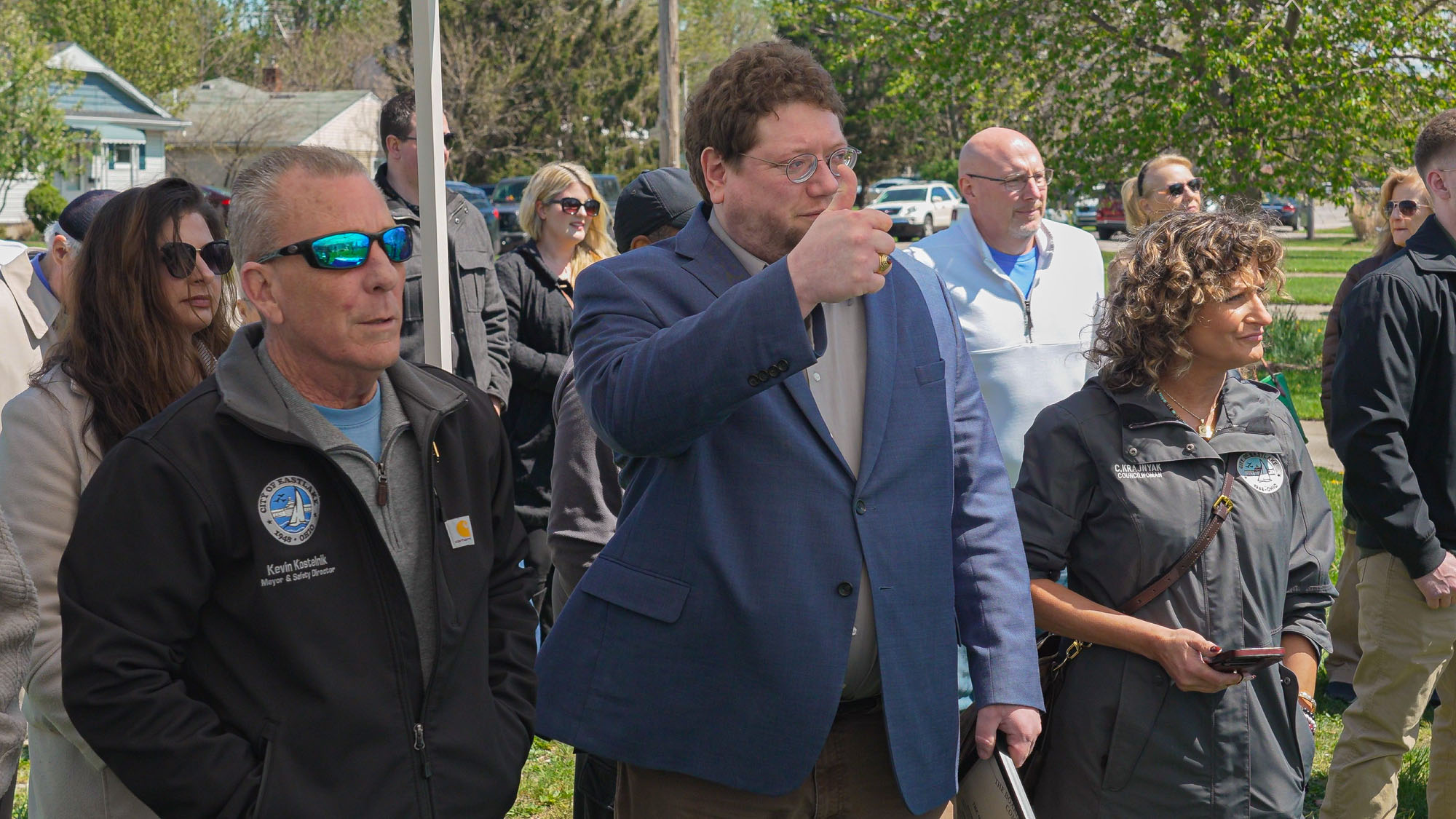
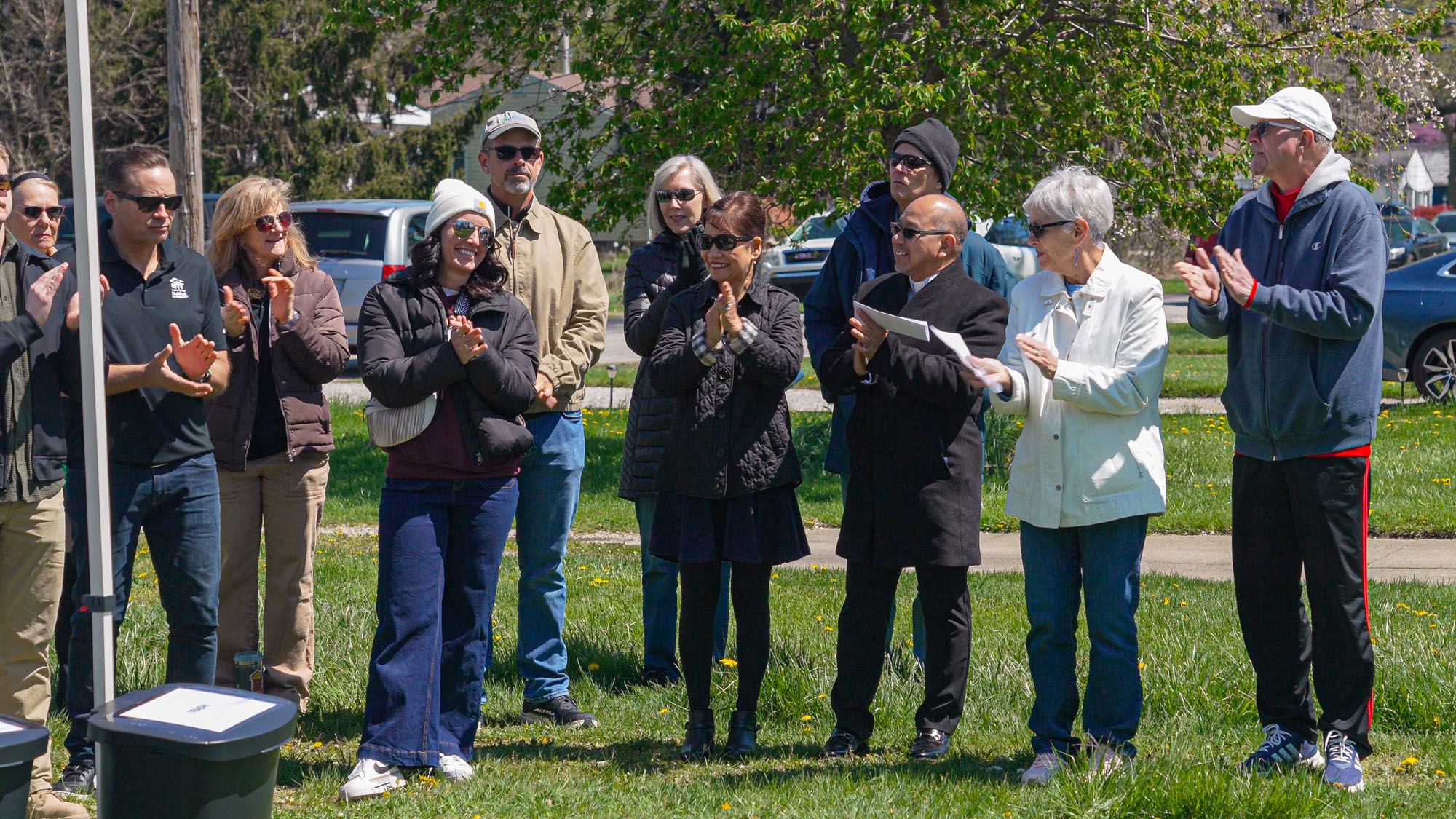
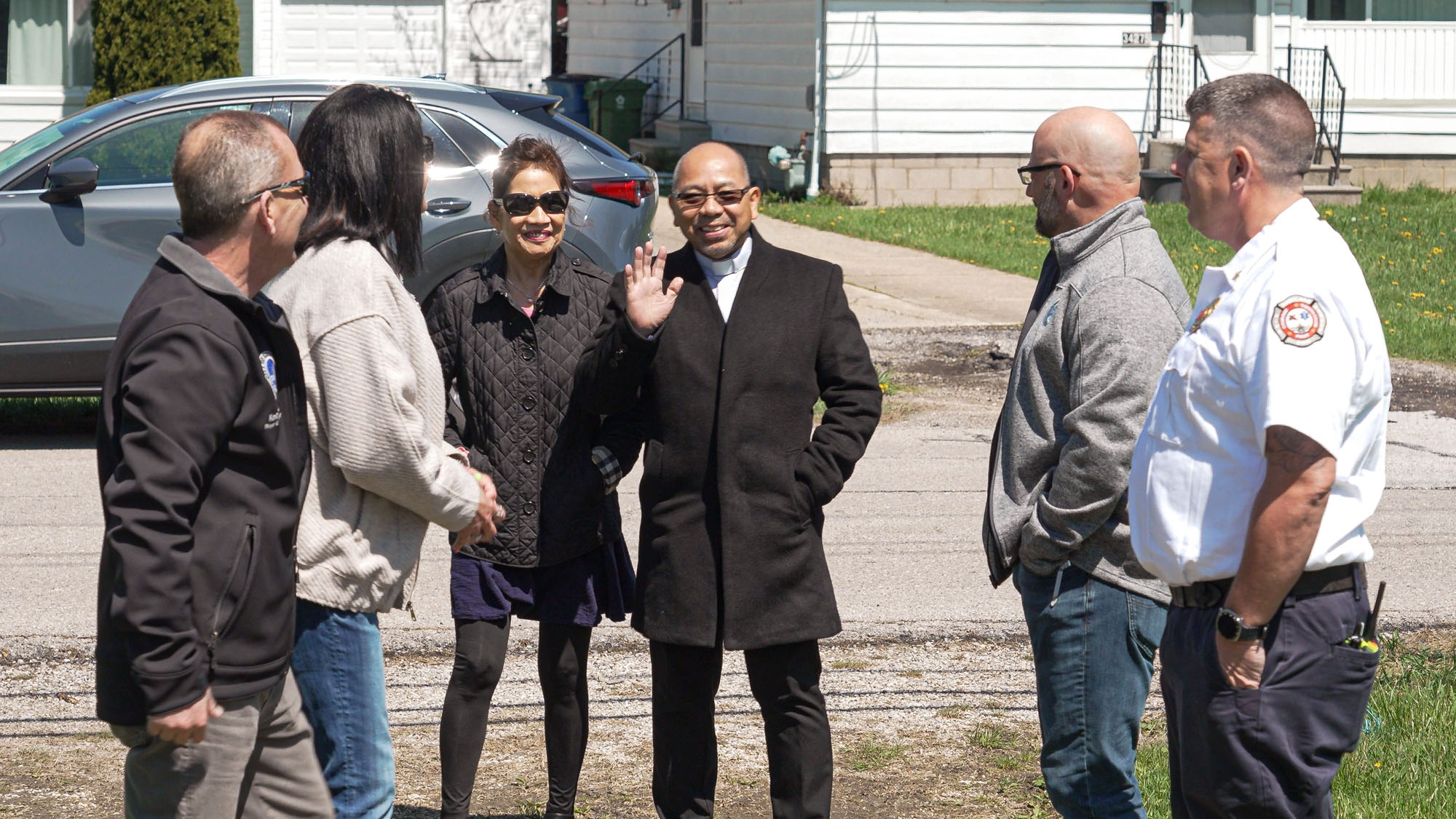
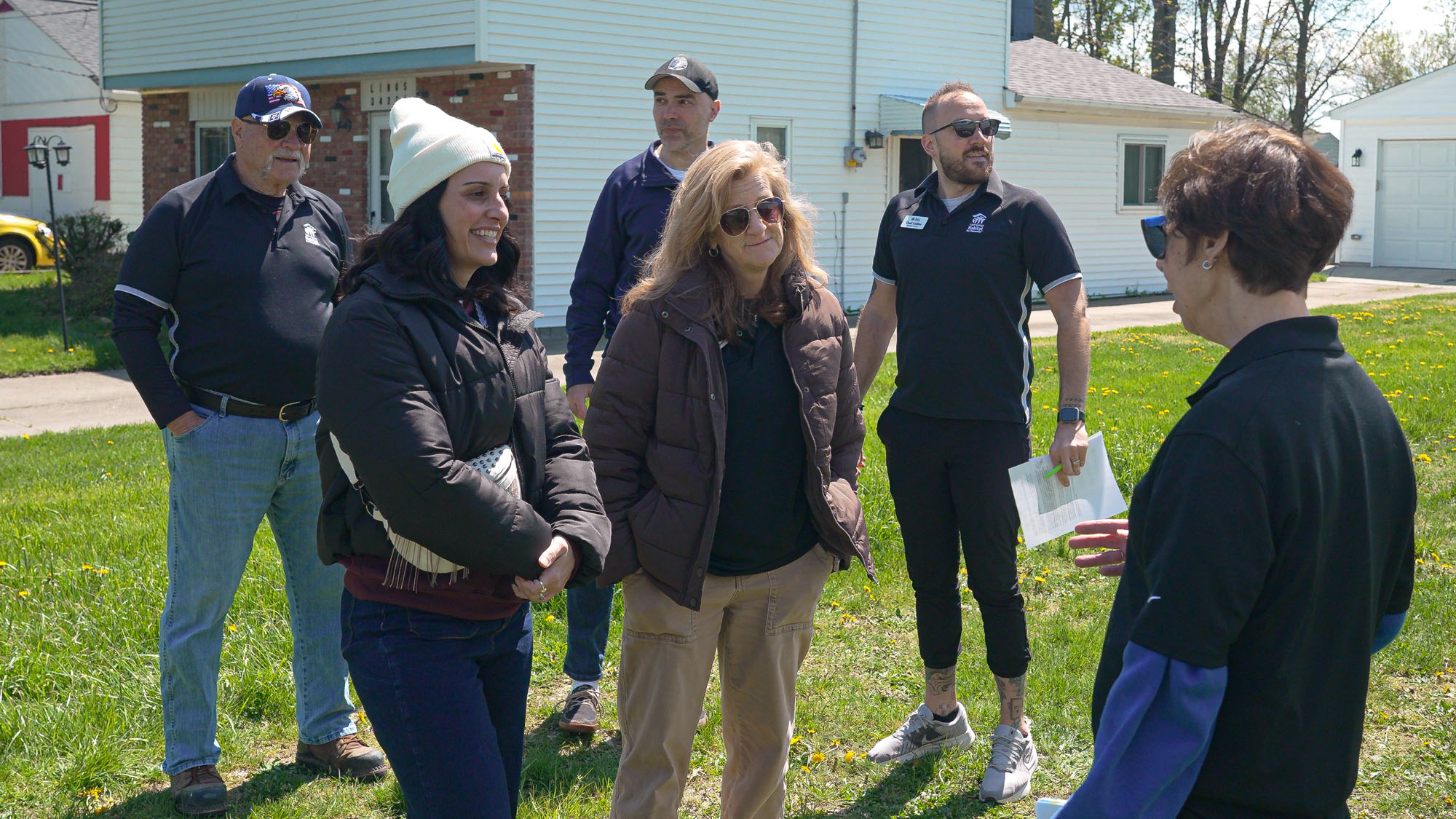
More than 50 people convened on a brisk and sunny afternoon to mark this special occasion by showing their support for Juana and her family. Among those in attendance were Eastlake Mayor Kevin Kostelnik, Lake County Commissioner John Plecnik, Fire Chief Frank Kovacic, and members of the Eastlake City Council. Reverend Dr. Armando Arellano of the Shoregate United Methodist Church led special prayers.

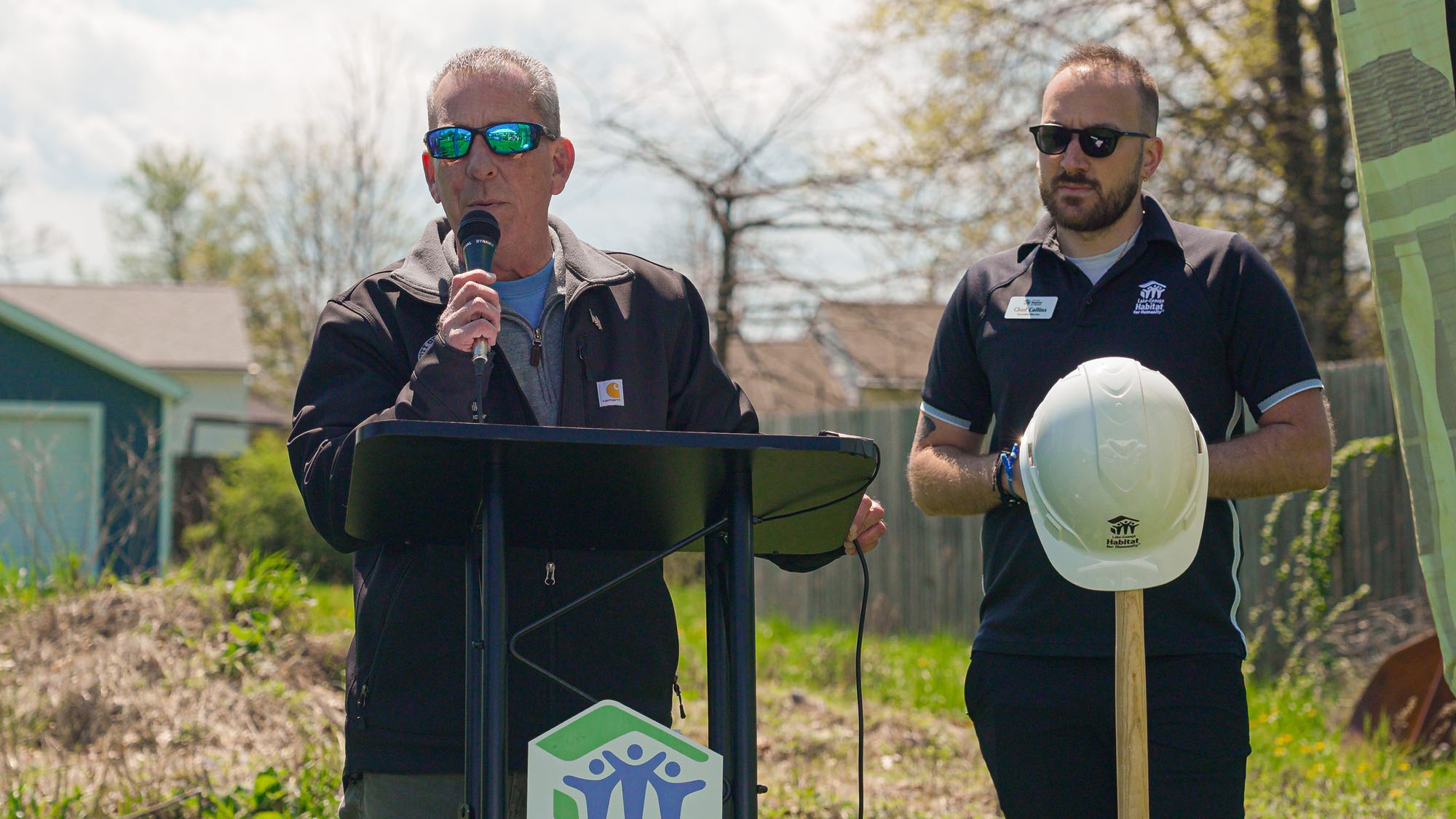
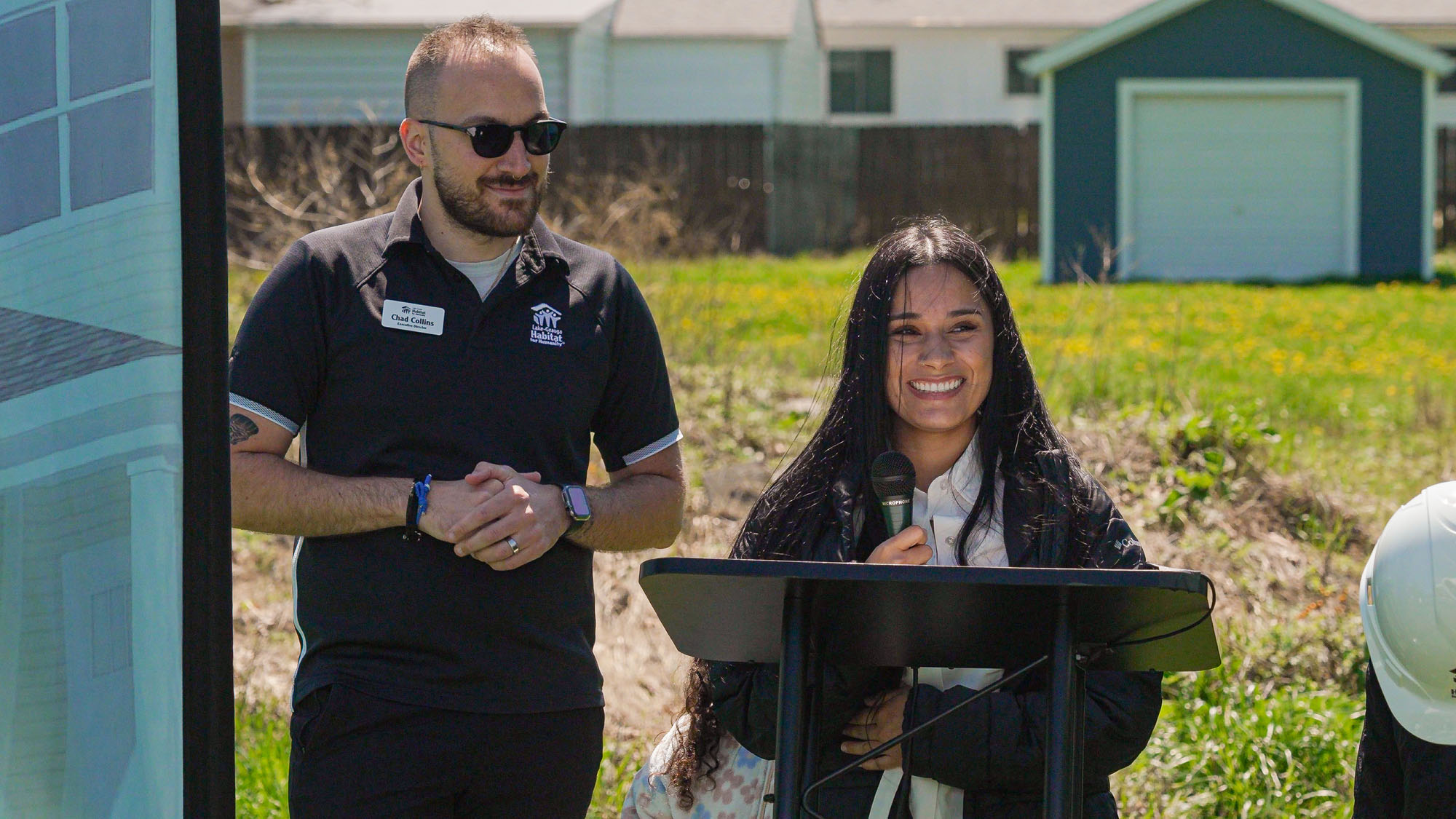
“We’re really happy to be celebrating our 100th home right here in Eastlake,” said Lake-Geauga County Habitat for Humanity Executive Director Chad Collins. “This achievement belongs to the entire community. When families have a stable home, communities thrive. Affordable housing isn’t just shelter, but it’s about opportunity.”

One of the purposes of providing a safe, stable home is to help families build financial independence by giving them a foothold in an affordable living space, which instills dignity and well-being that benefits the surrounding community.

Mayor Kostelnik said, “It’s an honor and a privilege to be a part of this. And we could not be more happy to have the 100th home being built here in our community.”

“This moment is about reflection when community comes together to answer a simple, yet powerful yes,” said Lake-Geauga County Habitat for Humanity Board Chairwoman Juliana Petti. “A simple and powerful yes to the call to love our neighbors as ourselves, as Jesus said. It’s every yes and every act of generosity that matters.”

She concluded, “We don’t just build homes. We build hope, stability, and a future.”

Lake County Board of Commissioners John Plecnik expressed the significance of this being Home 100, “All three commissioners are so passionate about the work you do, and we are proud to support Habitat for Humanity. We’re all excited for the 99 homes you’ve already built here and for the future that we see in Eastlake.”

Juana thanked everyone for coming and was overwhelmed by the outpouring of support. “Thank you to everybody that’s here today and part of this 100th home,” she said. “We’re very excited to soon live here.”

Lake-Geauga Habitat for Humanity 100 Homes and Beyond

Volunteer Opportunities

Alongside ThenDesign Architecture, many local businesses are contributing their time, expertise, and resources to make such an affordable residential living space possible. Lake-Geauga County Habitat for Humanity has partnered with Help Build Hope, 4 Seasons Construction & Roofing, Firenza Stone, Powers Roofing & Exteriors, Polaris Engineering & Surveying, Inc., NEO Electrical Supply Co. & Lighting Center, and Blue Collar Electricians, all of which are generously contributing to make the project a success.

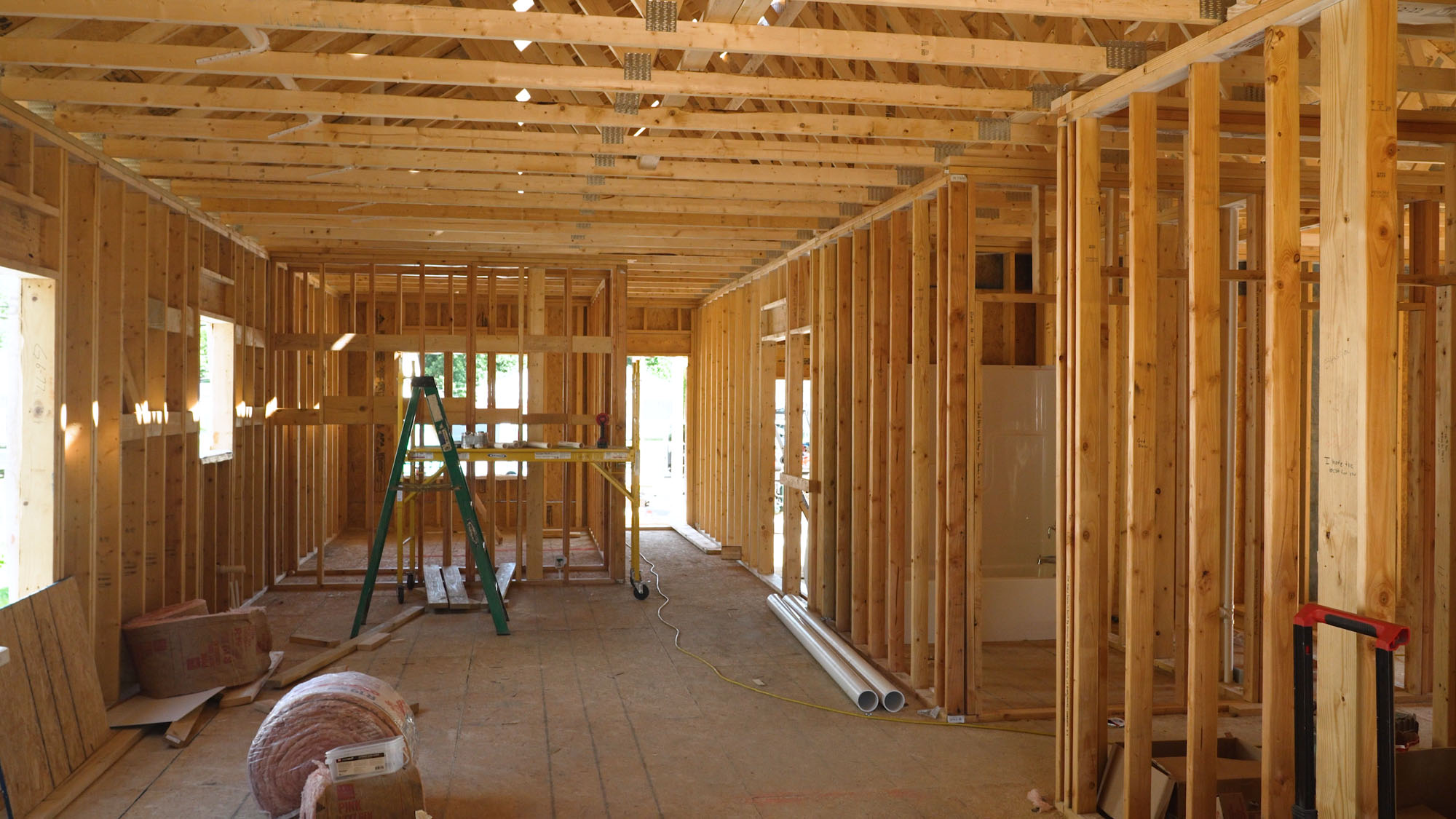
Construction of House 100 began this week, and it will be completed in July.

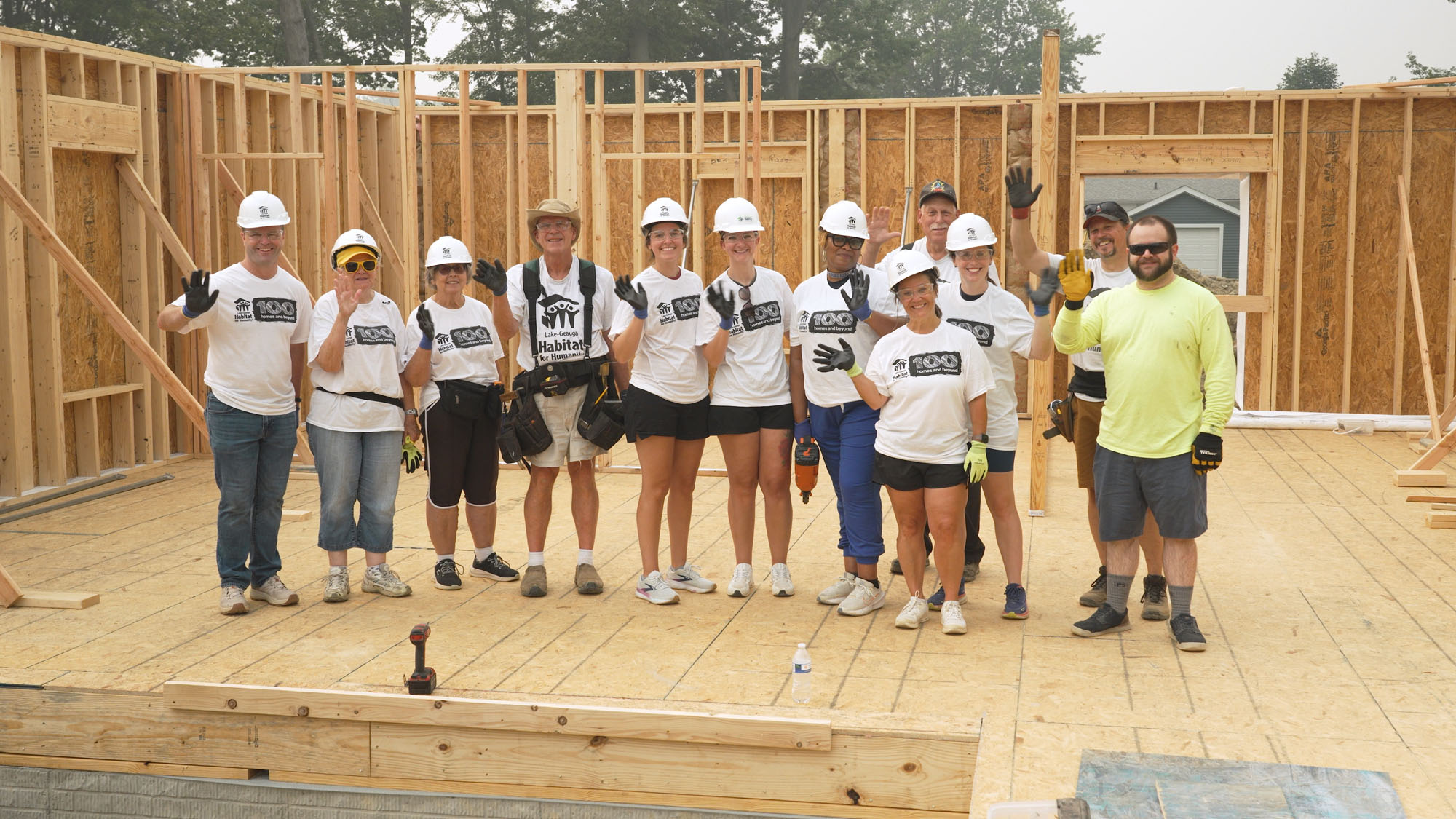
On Saturday, May 9, between 8:30 AM and 3 PM, 120 volunteers are needed at the wall assembly event for Juana’s house in the Lake-Geauga Habitat for Humanity ReStore parking lot (34225 Vine Street in Eastlake). You can check out the Facebook event page or visit the informational website: https://www.lake-geaugahabitat.org/buildhome100.

For those interested in other volunteering opportunities, visit https://www.lake-geaugahabitat.org/volunteer for more information.

A Celebration of House 100

The Cleveland Church of Christ Weathers the Storm

The Cleveland Church of Christ Weathers the Storm
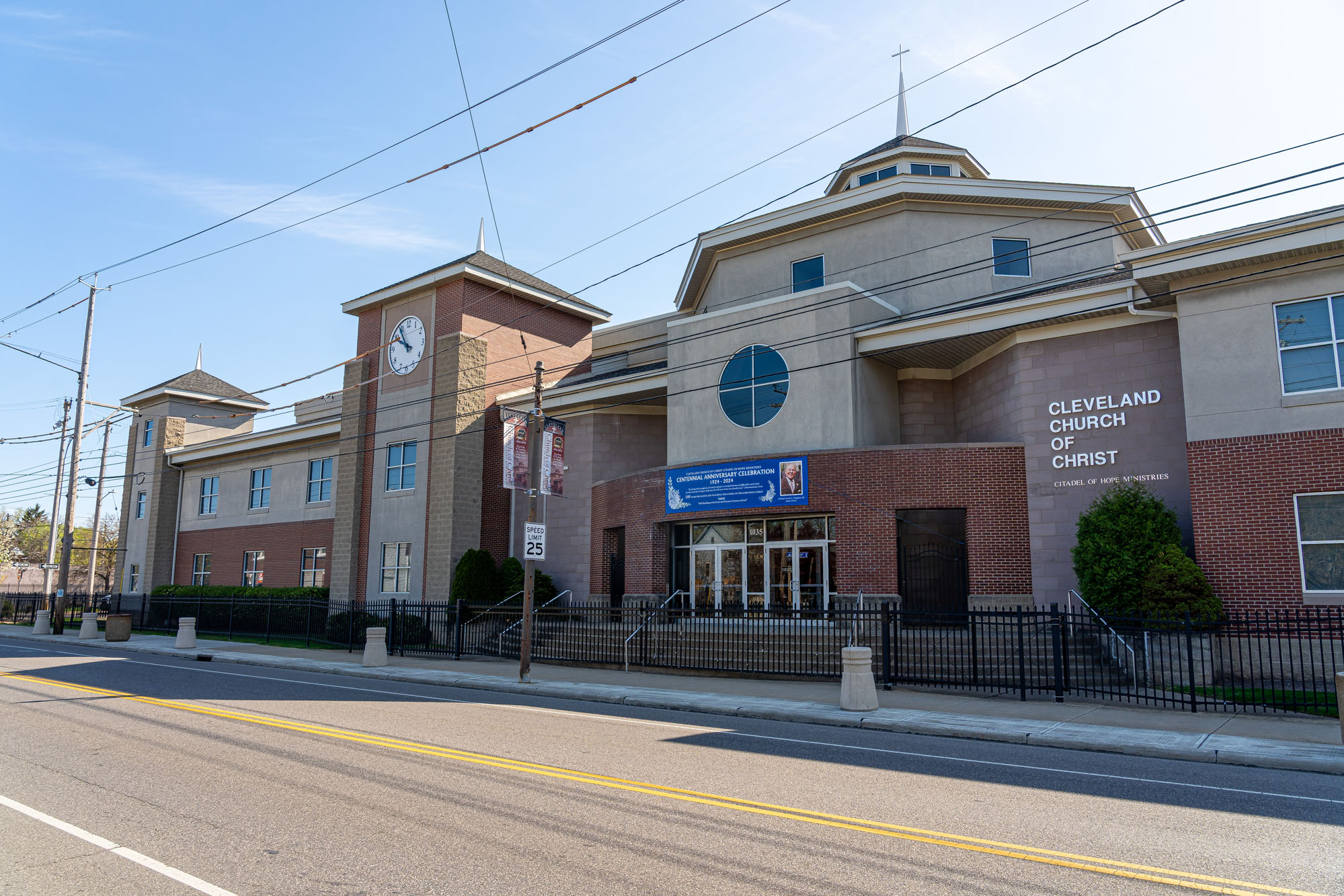
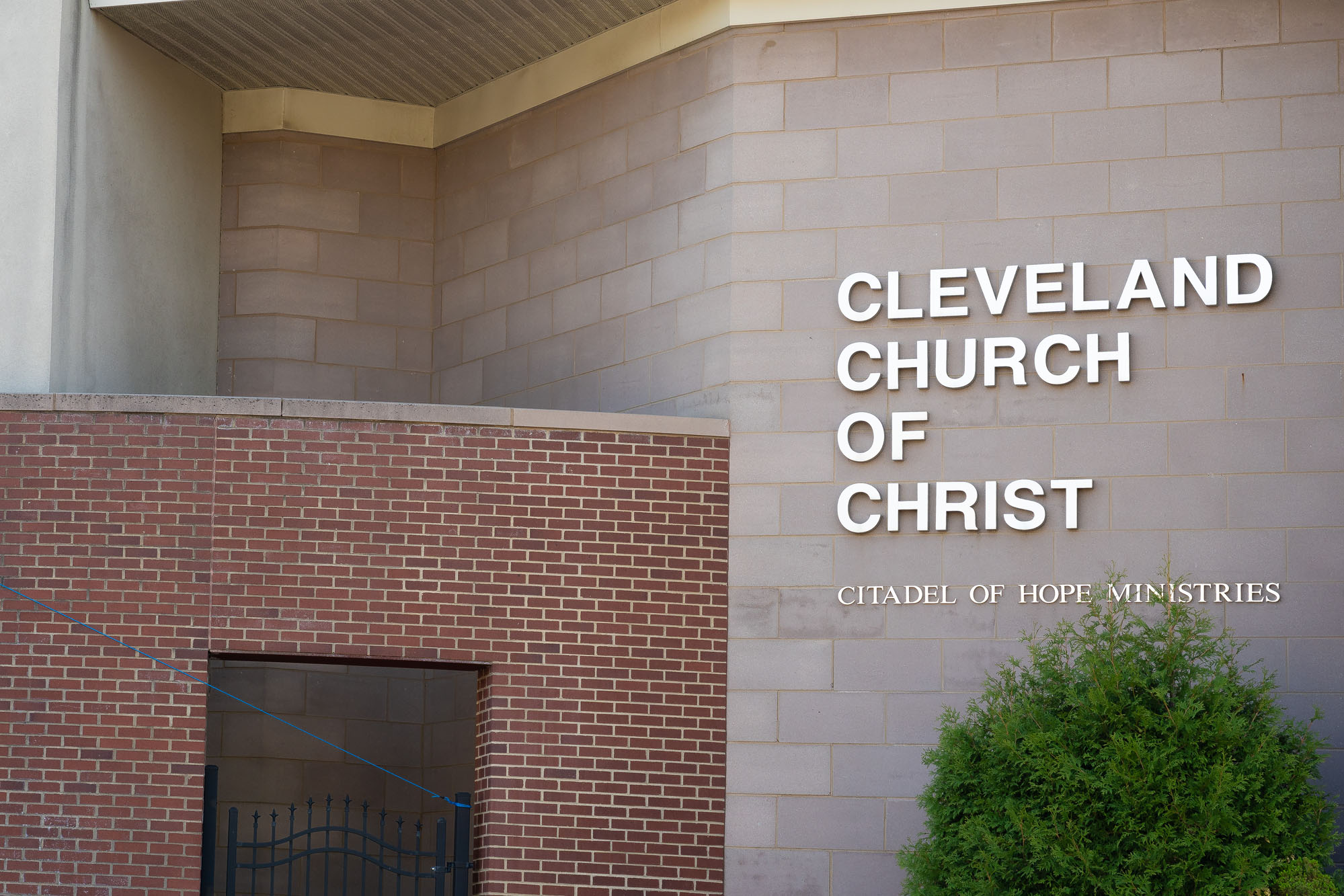
The Cleveland Church of Christ Citadel of Hope Ministries weathered a storm of difficulty when an unforeseen disaster caused catastrophic damage to the first floor of their building, requiring extensive renovations and repairs. They reached out to the original designers of the church to seek support and counsel. A relationship forged twenty years earlier bore more fruit.

The Cleveland Church of Christ Weathers the Storm

An alarm was triggered in the middle of the night at the Cleveland Church of Christ in January 2025. The fire department was dispatched, but after inspecting the building, it was assessed that there was no fire danger. The incident was thought to be just a sensor malfunction.

The next morning, the staff discovered that most of the back half of the first floor was flooded after a water pipe froze and burst. When the utility room door was opened, the water poured down the hallways like a river, cascading down the steps into the church sanctuary. By the time the ruptured sprinkler line was shut off, office supplies were floating everywhere. Carpet, walls, furniture, and equipment were ruined overnight.

“The sudden water damage was shocking,” said Senior Pastor and CEO Bishop Lincoln C. Haughton, III. “The water just gushed and gushed and gushed all through the offices and sanctuary. Who could ever have thought that one busted pipe could do so much damage?”

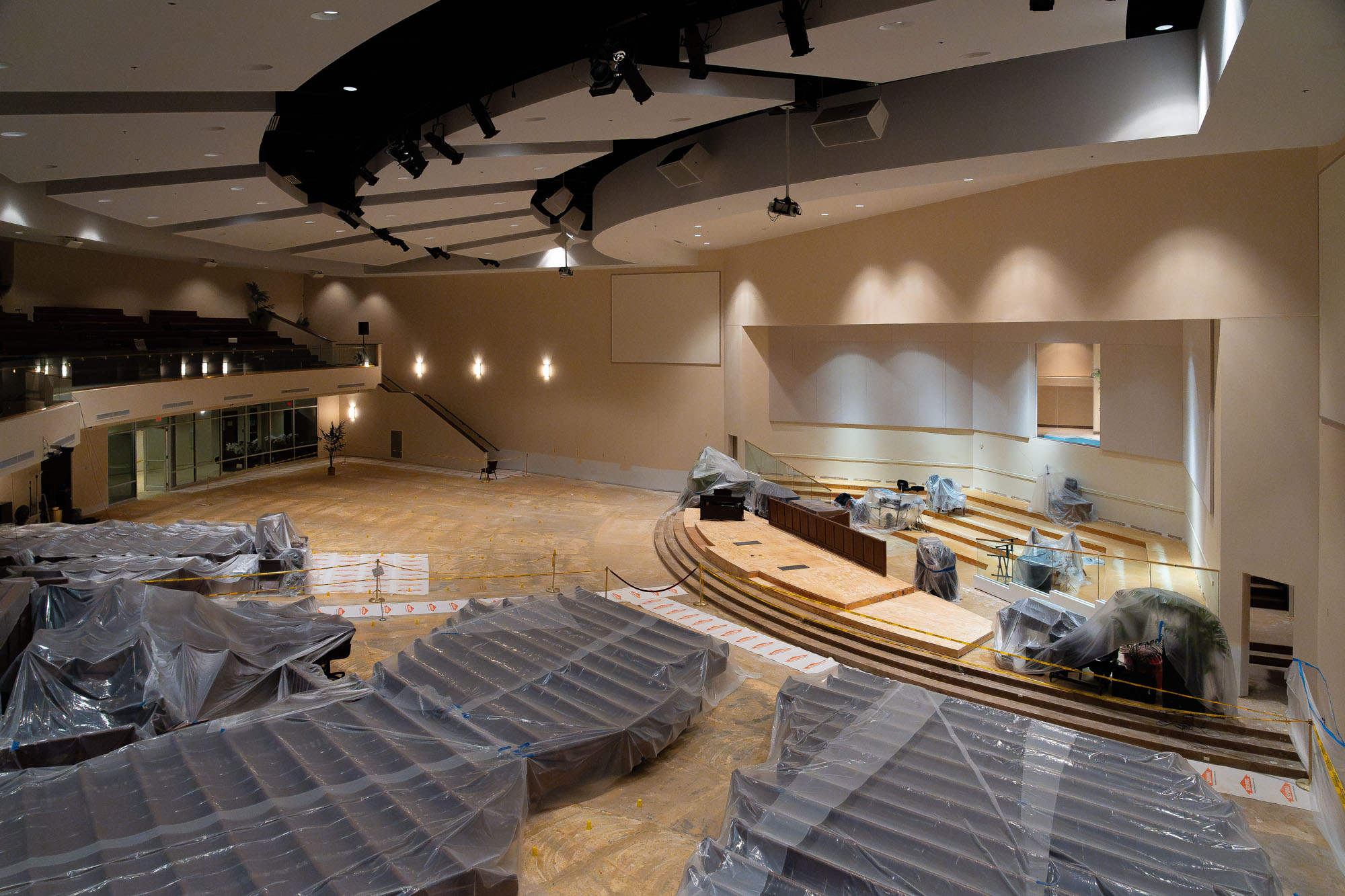
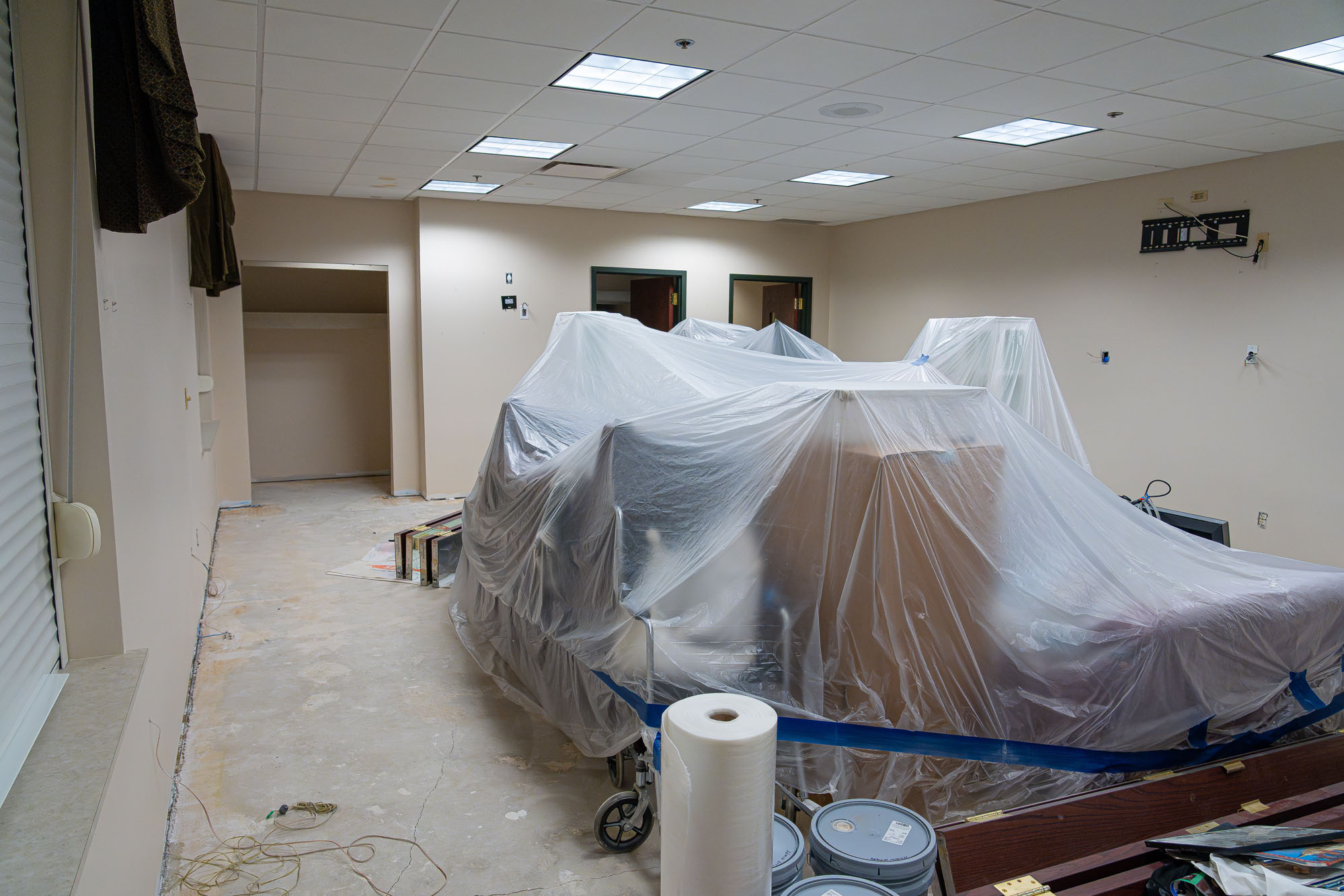
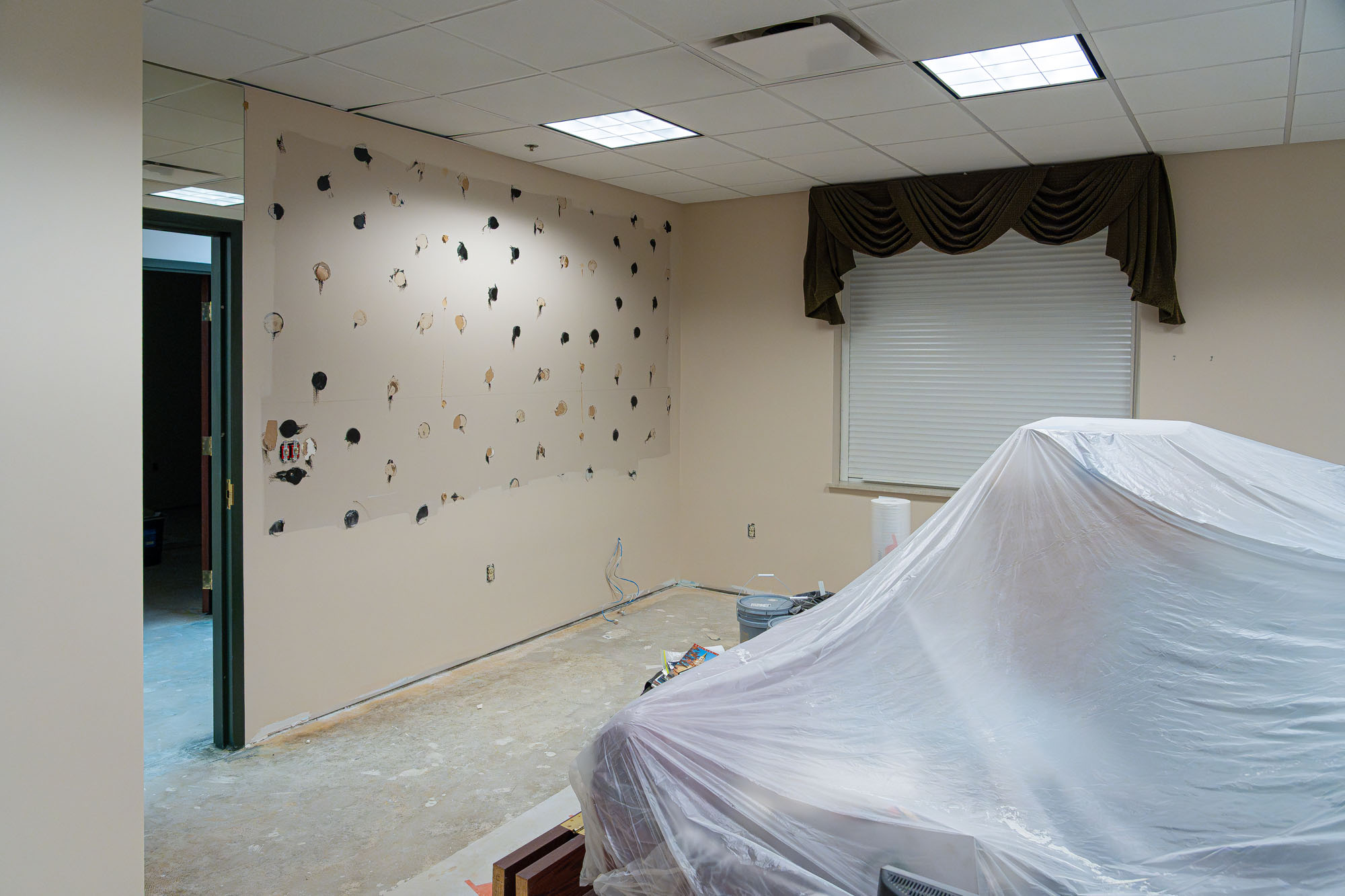
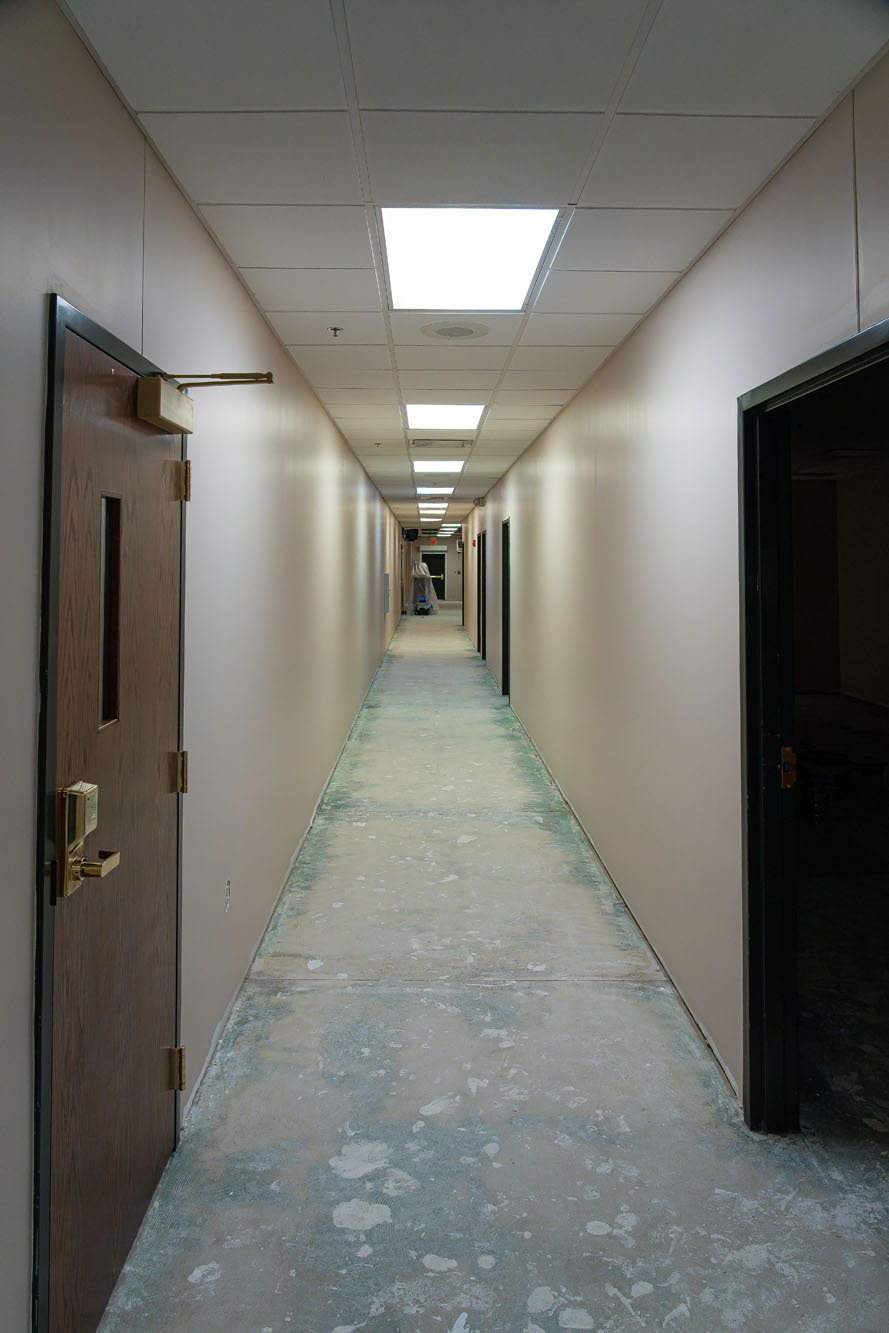
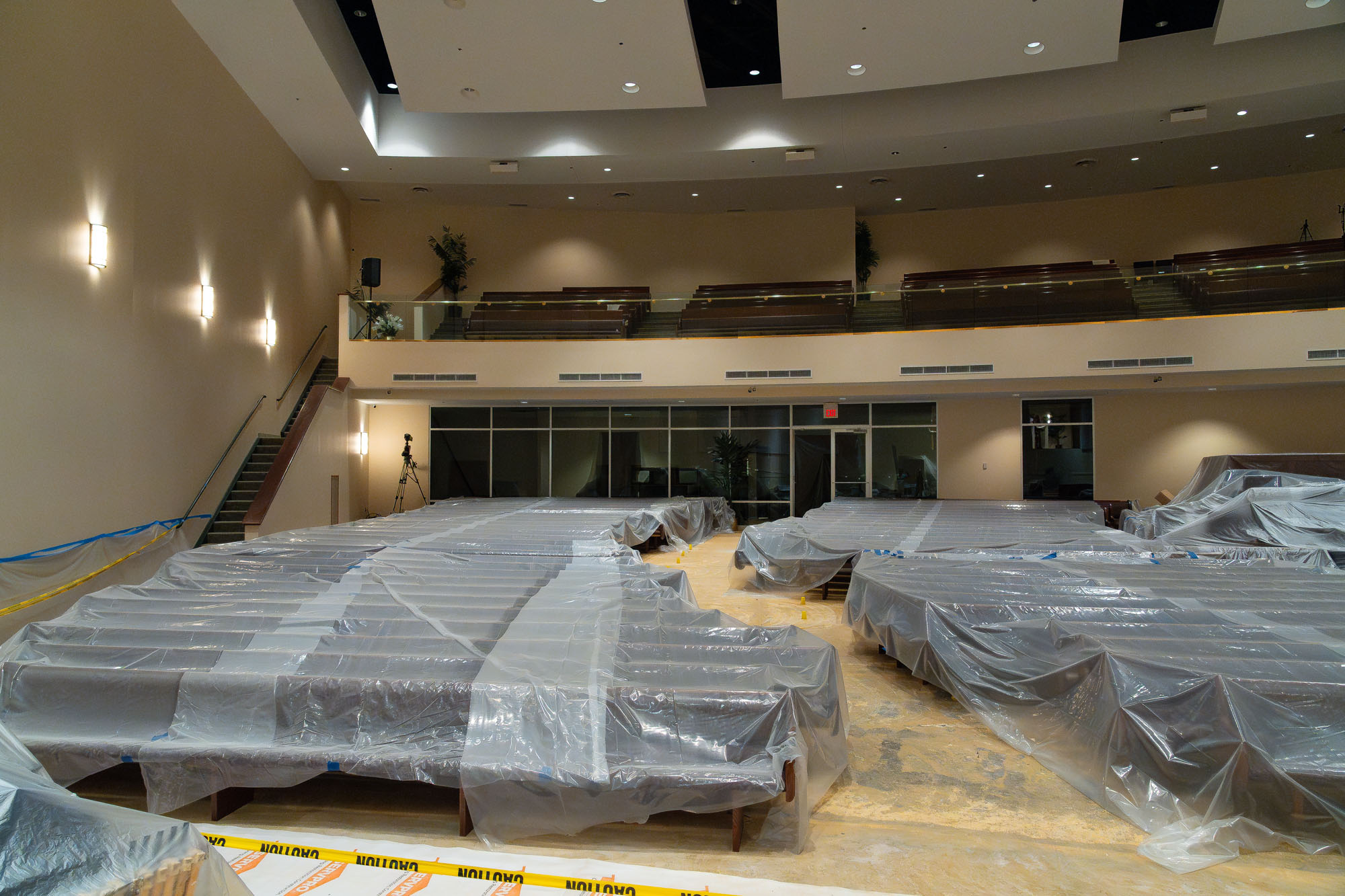
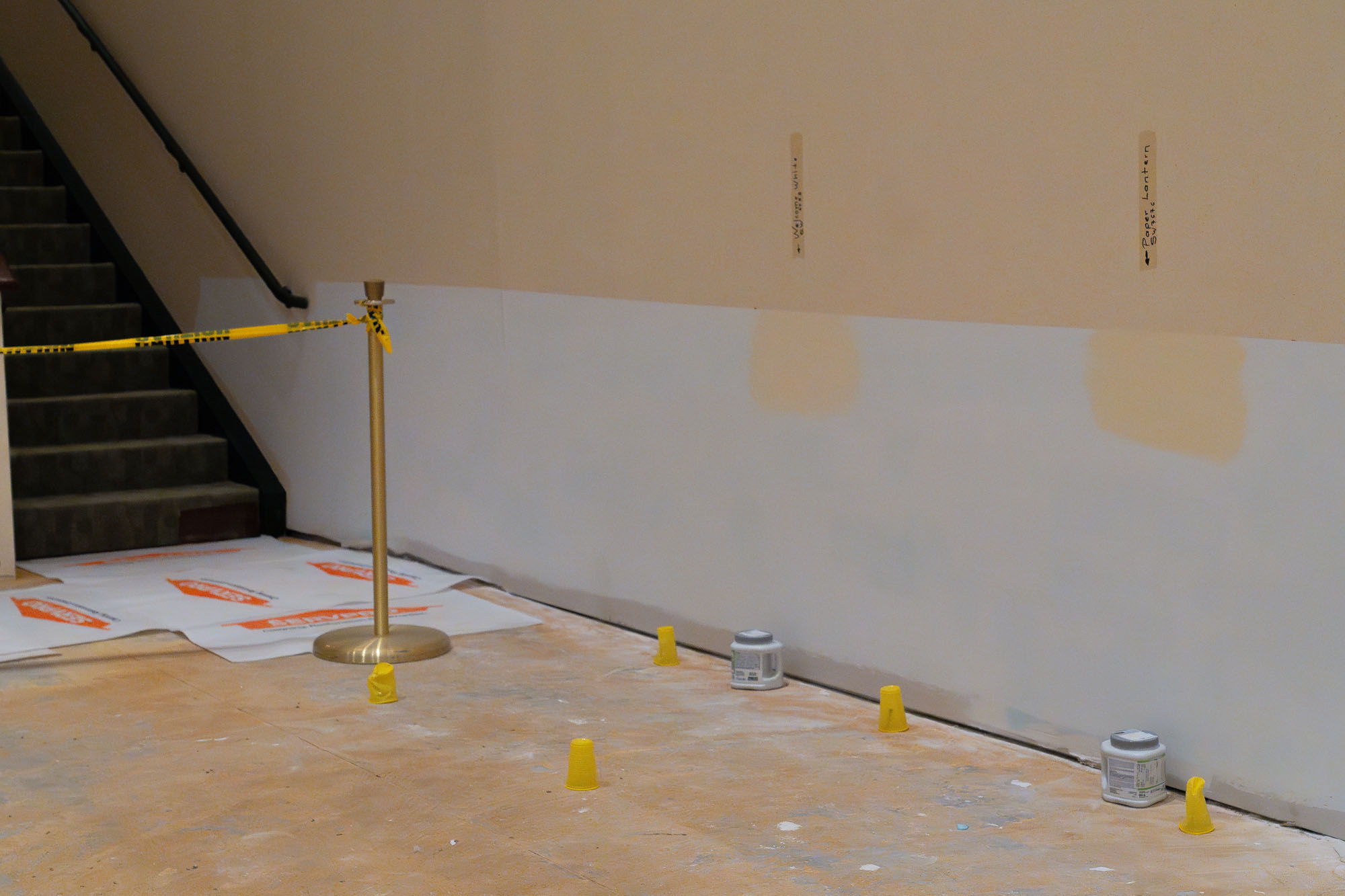
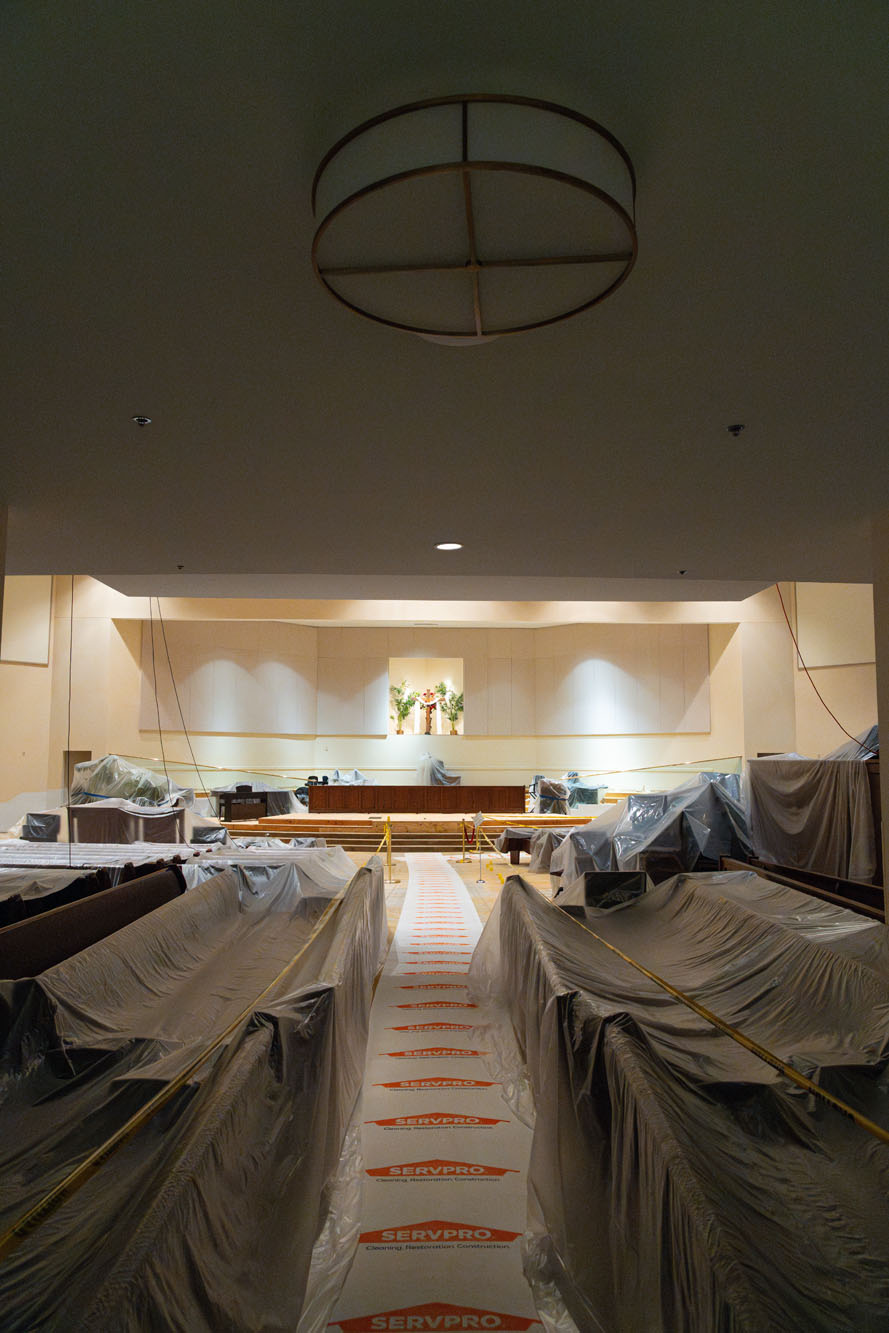
The toll on the church building was more apparent after it dried out. Repairs and renovations would be extensive—all the flooring and the lower half of the drywall needed to be completely stripped out. Ruined furniture and desks had to be discarded. Most significantly, the primary location for weekly worship services on the first floor was unusable.

With ample insurance to cover the repairs, a remediation contractor was assigned and began the nine-month process of renovating the space. The storm the Cleveland Church of Christ faced did not end with the flooding.

Bishop Haughton recalled experiencing the building stripped back down to its construction components. “When I saw the bare walls, concrete floors, and steel and pipes, it looked like it did when we first built the church,” he said. “When questions came up about new floors, paint, and carpet, I immediately thought about ThenDesign Architecture.”

The Cleveland Church of Christ building was originally designed by ThenDesign Architecture and opened in November 2002. At the time, then TDA President Robert Fiala, Project Manager Chris Smith, and Interior Designer Jeanne Klecker were involved in the project.

Nobody could have guessed how significant that rewarding, personable experience would prove to be twenty-three years later.

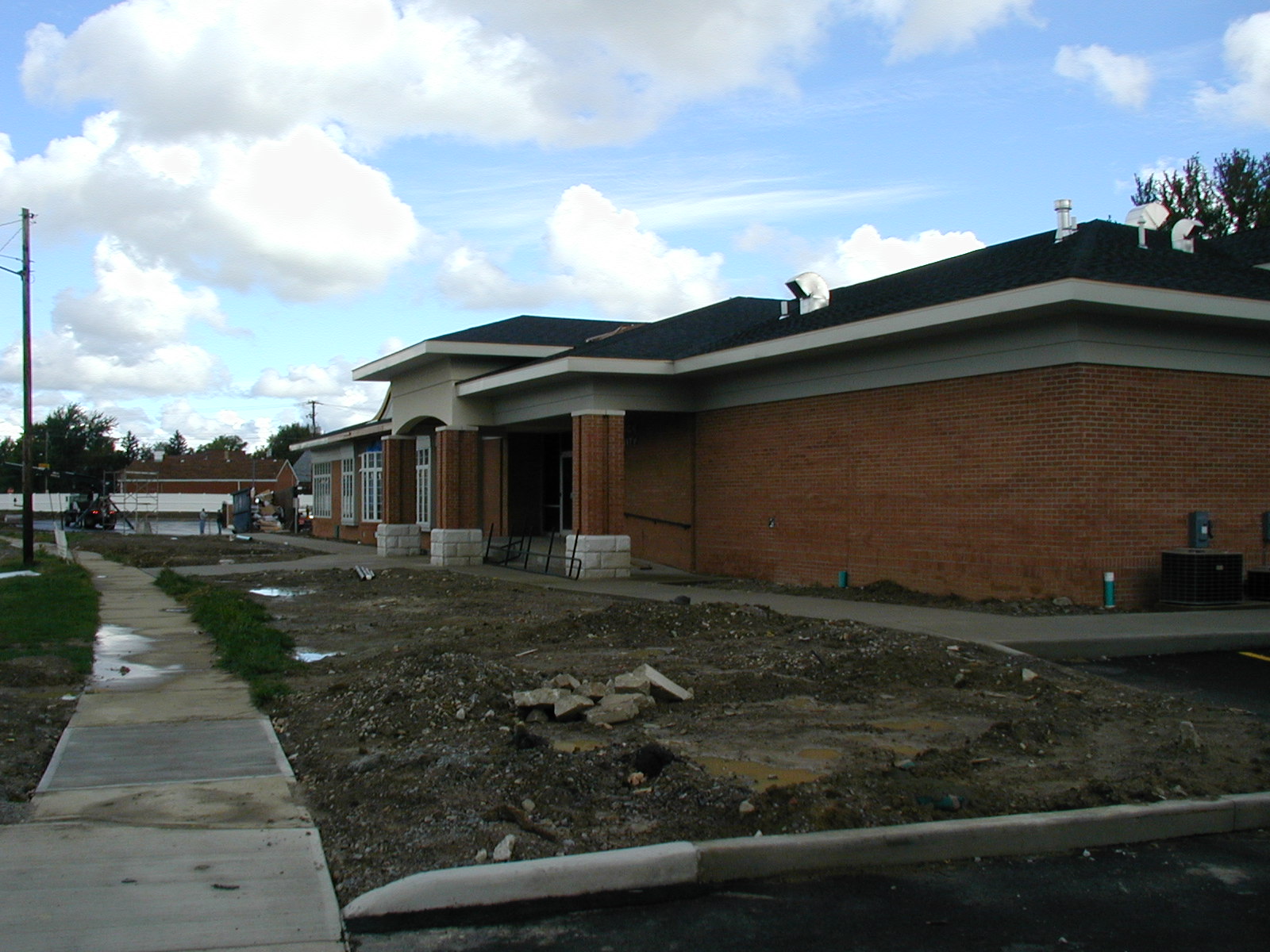
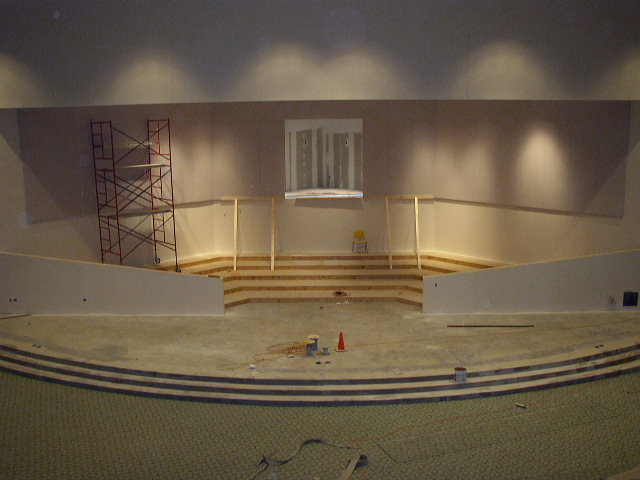
Cleveland Church of Christ Original Construction in 2001-2002

Way Back Then

In the late 90s, the Cleveland Church of Christ realized they needed a new building to support their expanding ministries. A plot of land was purchased across the street from the location on East 105th Street that had served the local community since 1968. In 1998, ThenDesign Architecture was awarded the $6 million project, with Chris Smith serving as the architect, and Jeanne Klecker was later brought on board to handle interiors.

“When we first met with Chris and Mr. Fiala, we just had that click,” recalled Deacon James R. Haughton, Jr., Pastor of Music and Fine Arts & COO. “It was the same when we met Jeanne. They heard what we wanted to do and really listened to us. They took our ideas and developed them from the architect’s side of things. During the process, we developed a close relationship with them because our personalities fit so well.” He added, “They’re very nice people, and we liked them from the start.”

“We knew Elder Haughton because he was a regional superintendent for CMSD at the time,” said current TDA President and CEO Chris Smith, AIA, NCARB, LEED AP BD+C. “It’s always important to understand a client’s needs, but this felt unique. We were not only struck by the close tie to the immediate community, but their outreach and pastoral services that reached much further.”

After spending an Easter Sunday at their church, it became more personal for Chris, “Very soon after the kickoff, we felt an obligation to deliver for them because we simply didn’t want to let our friends down. As the project progressed, our relationship grew even more.”

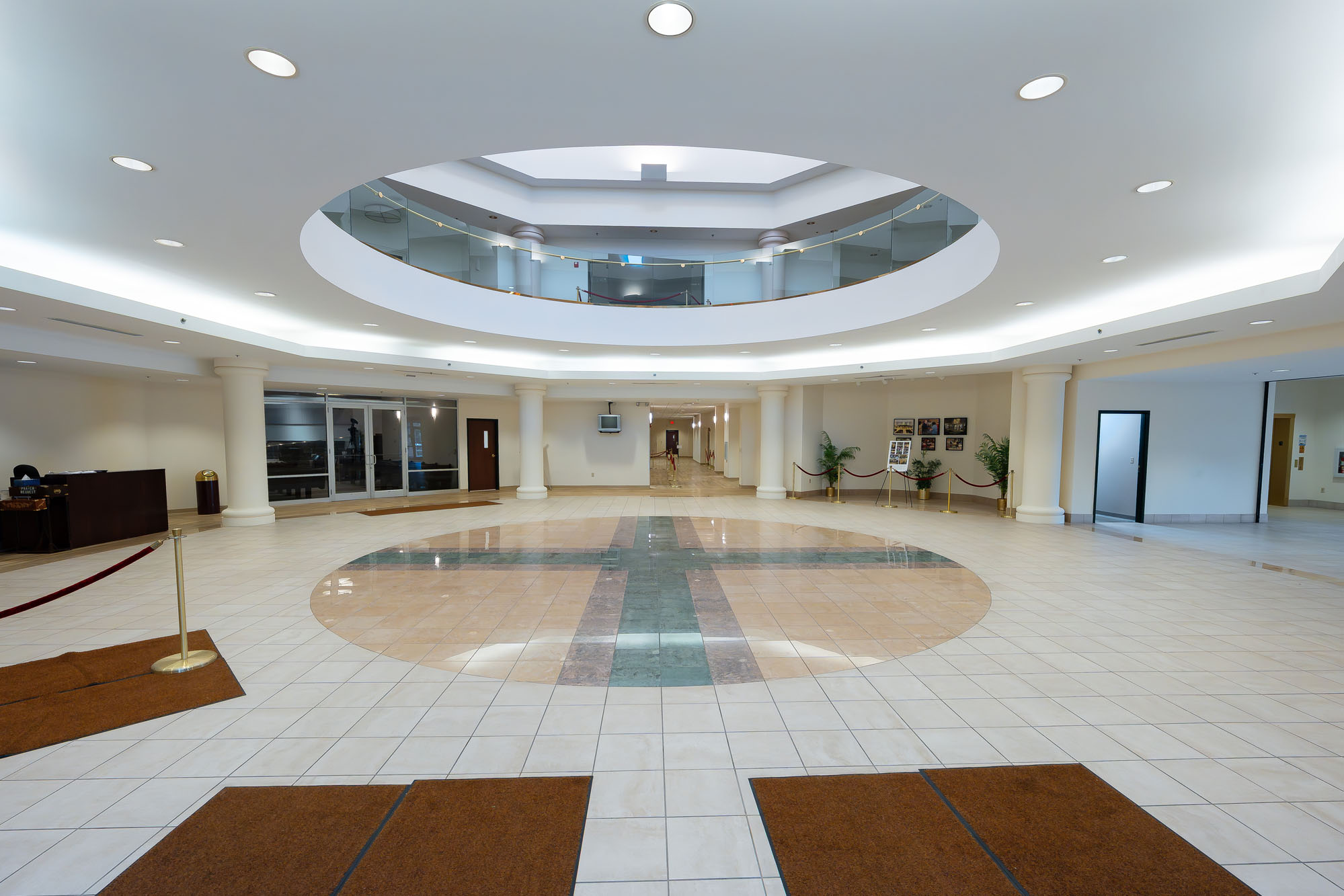
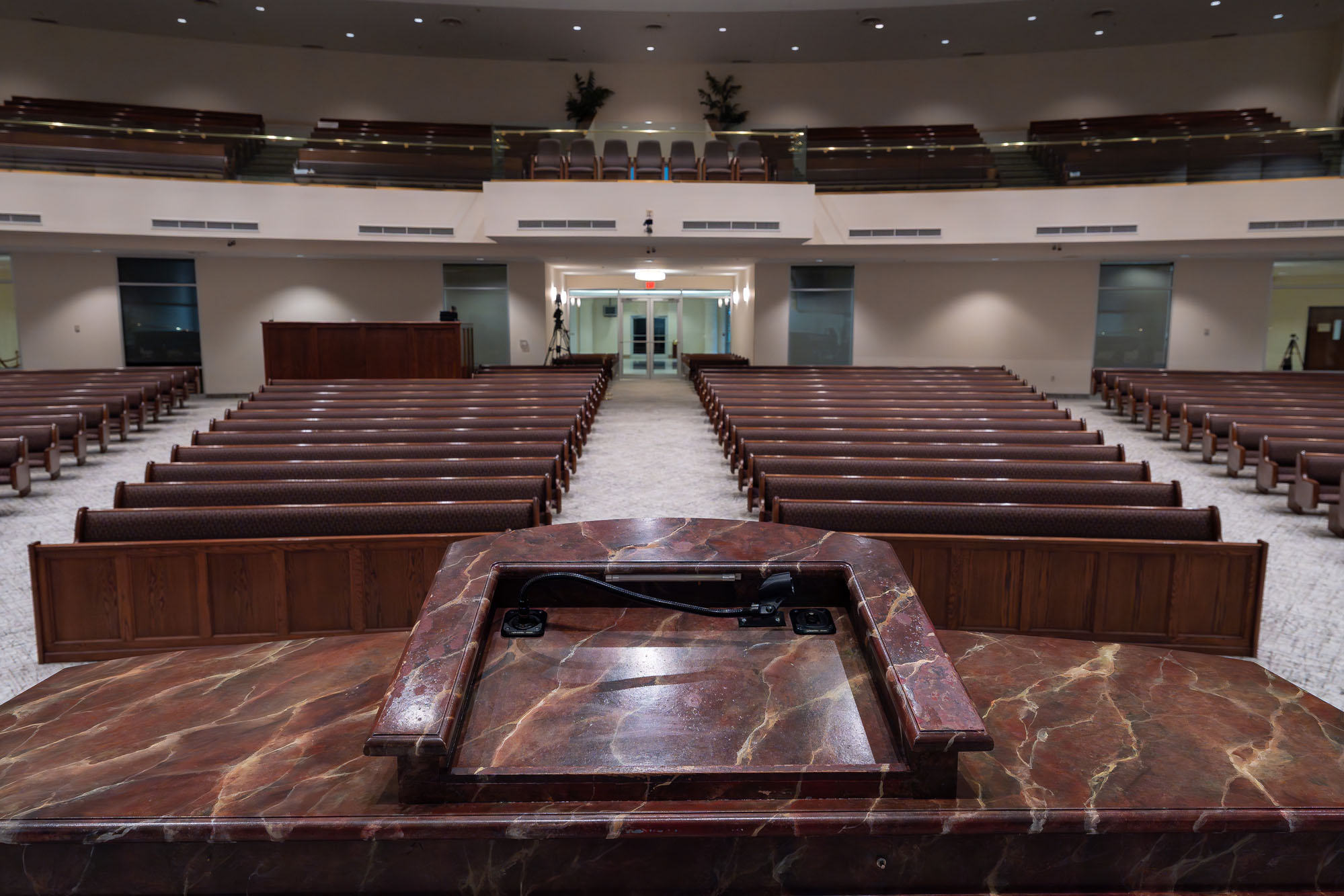
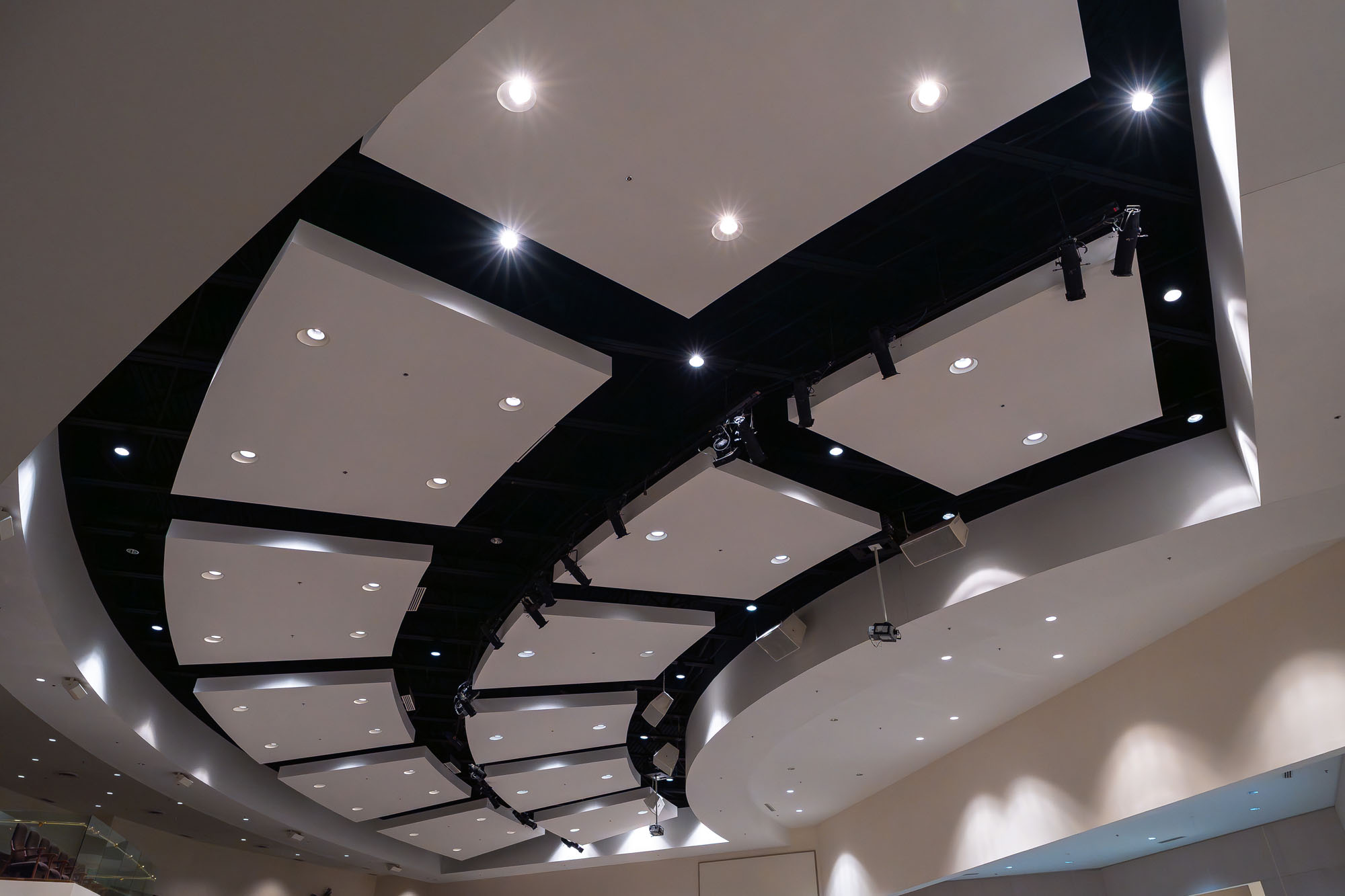
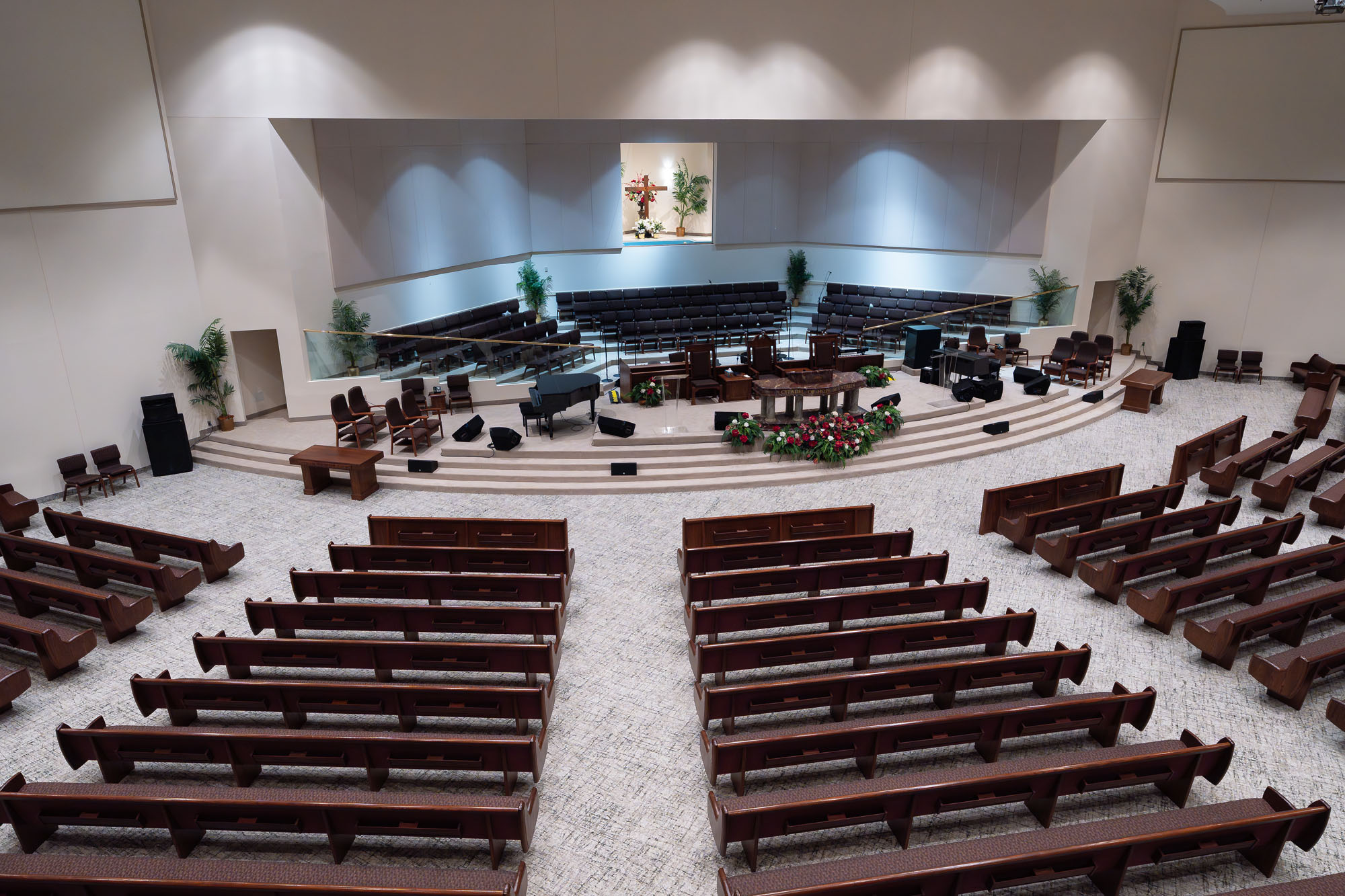
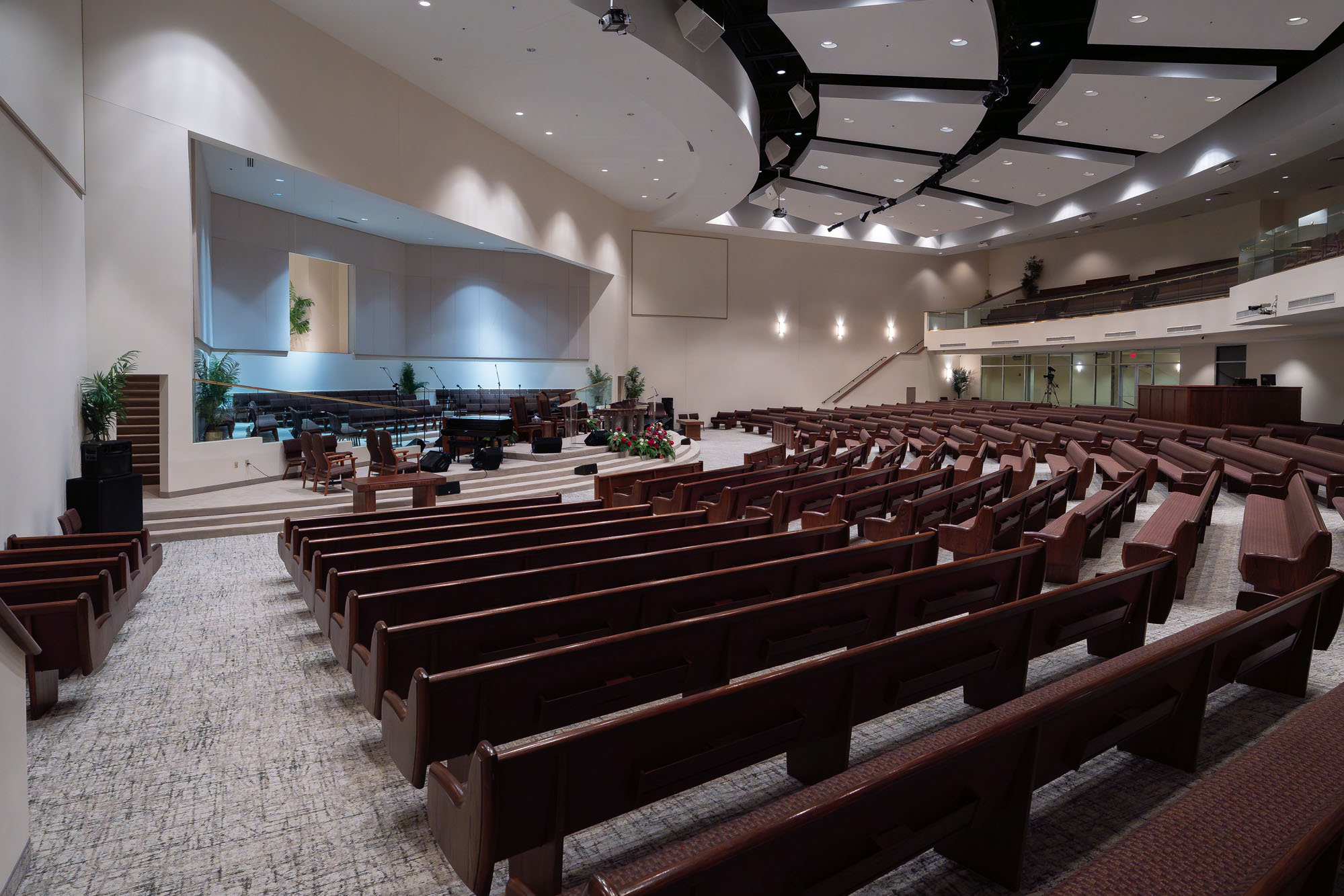
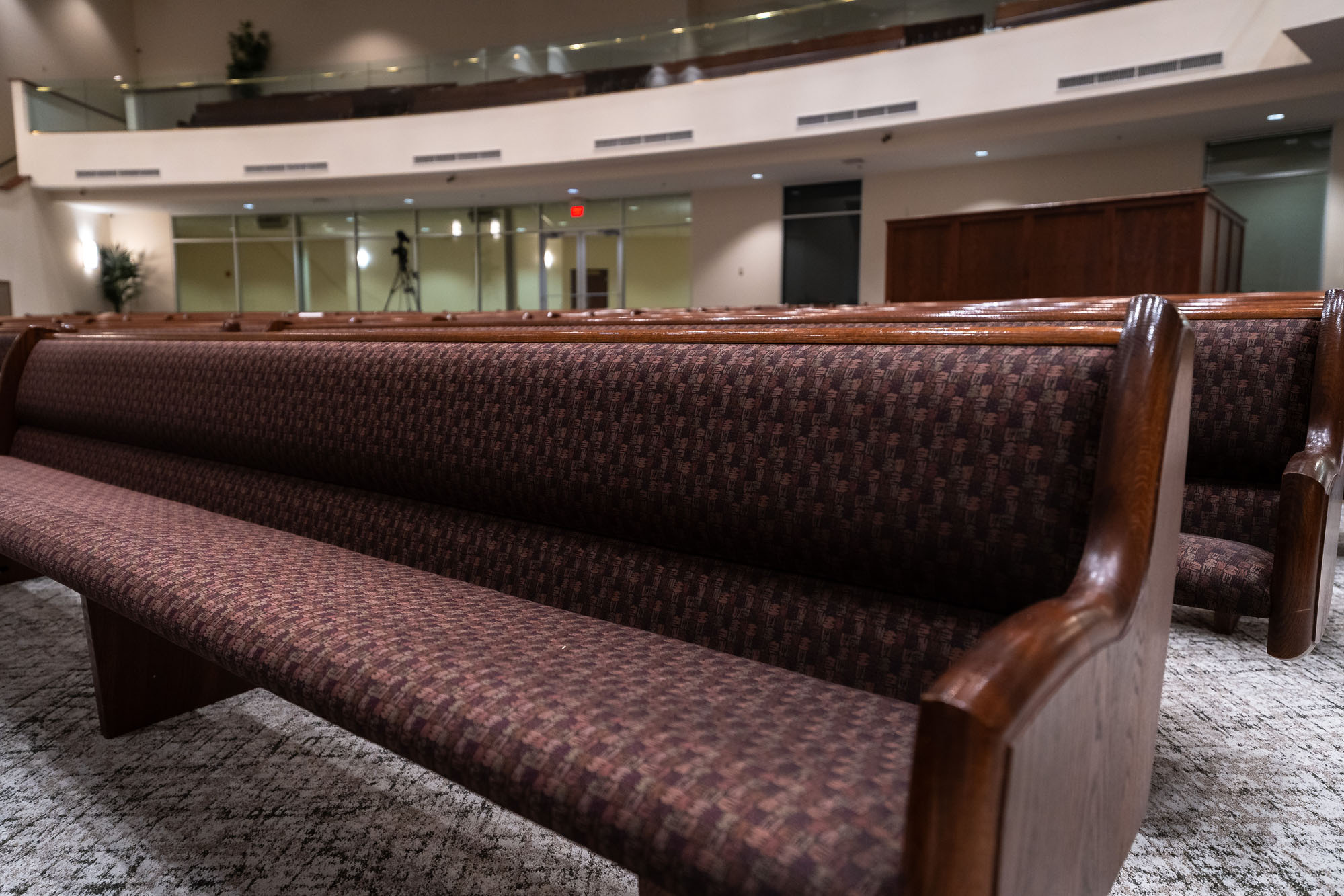
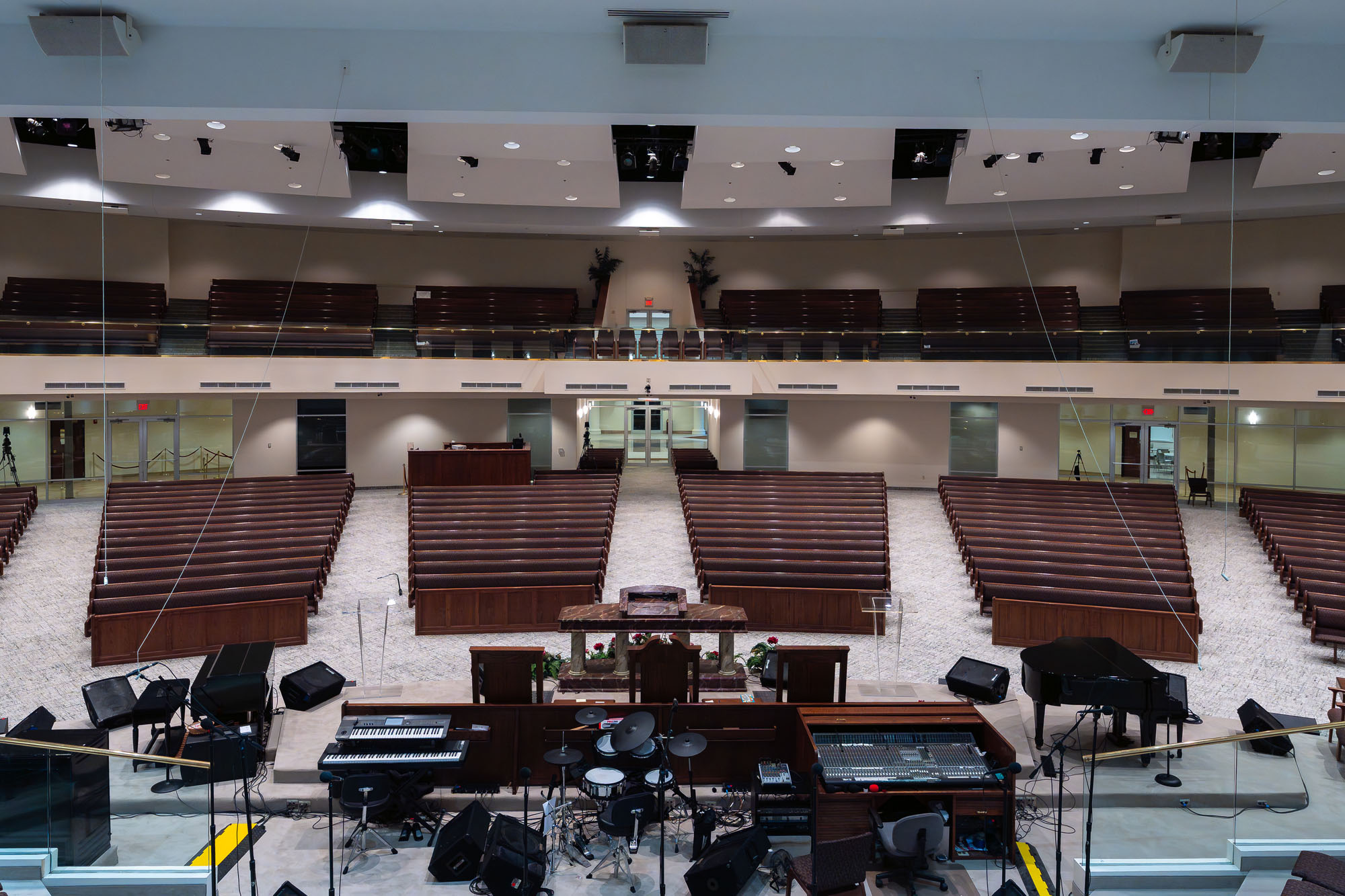
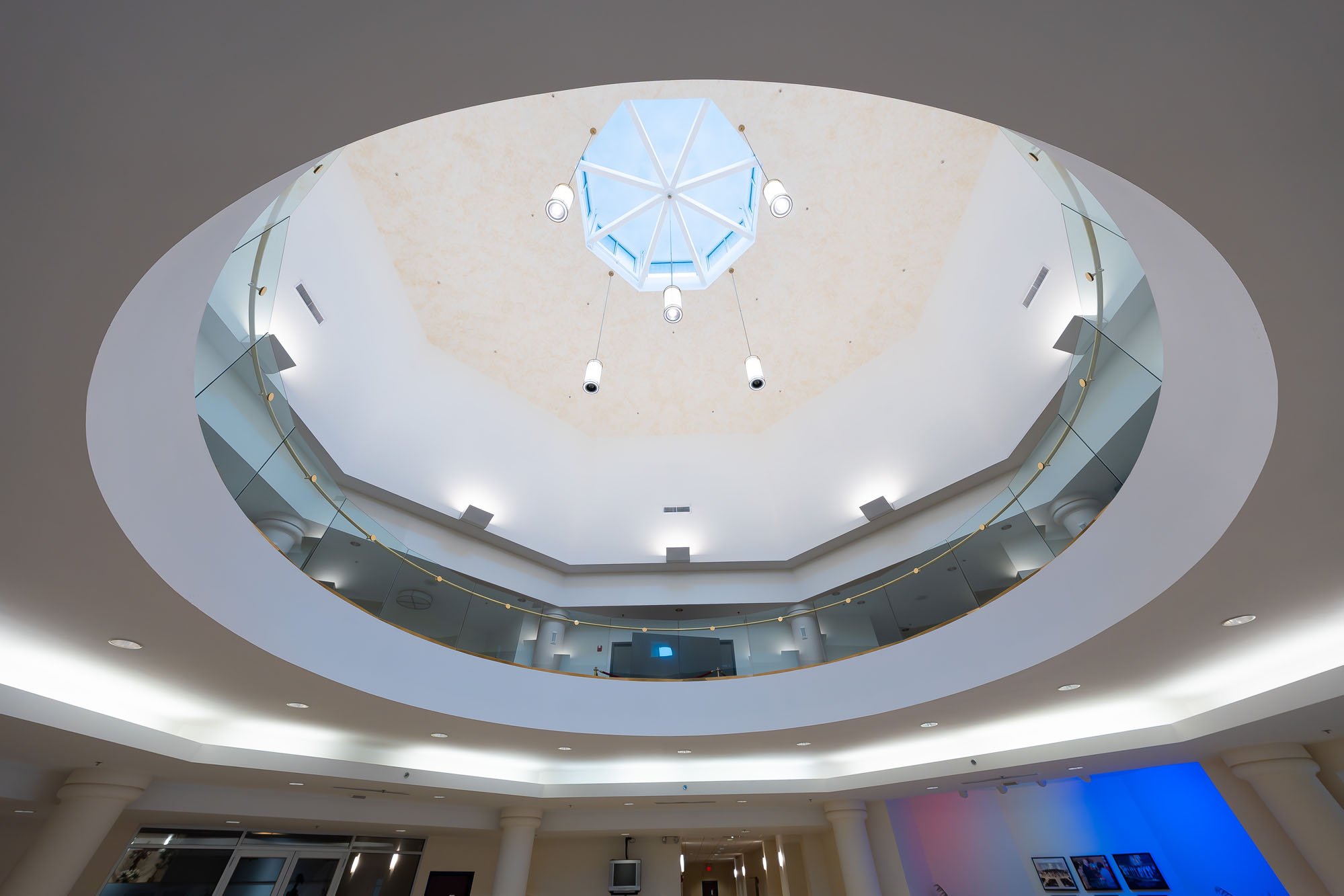
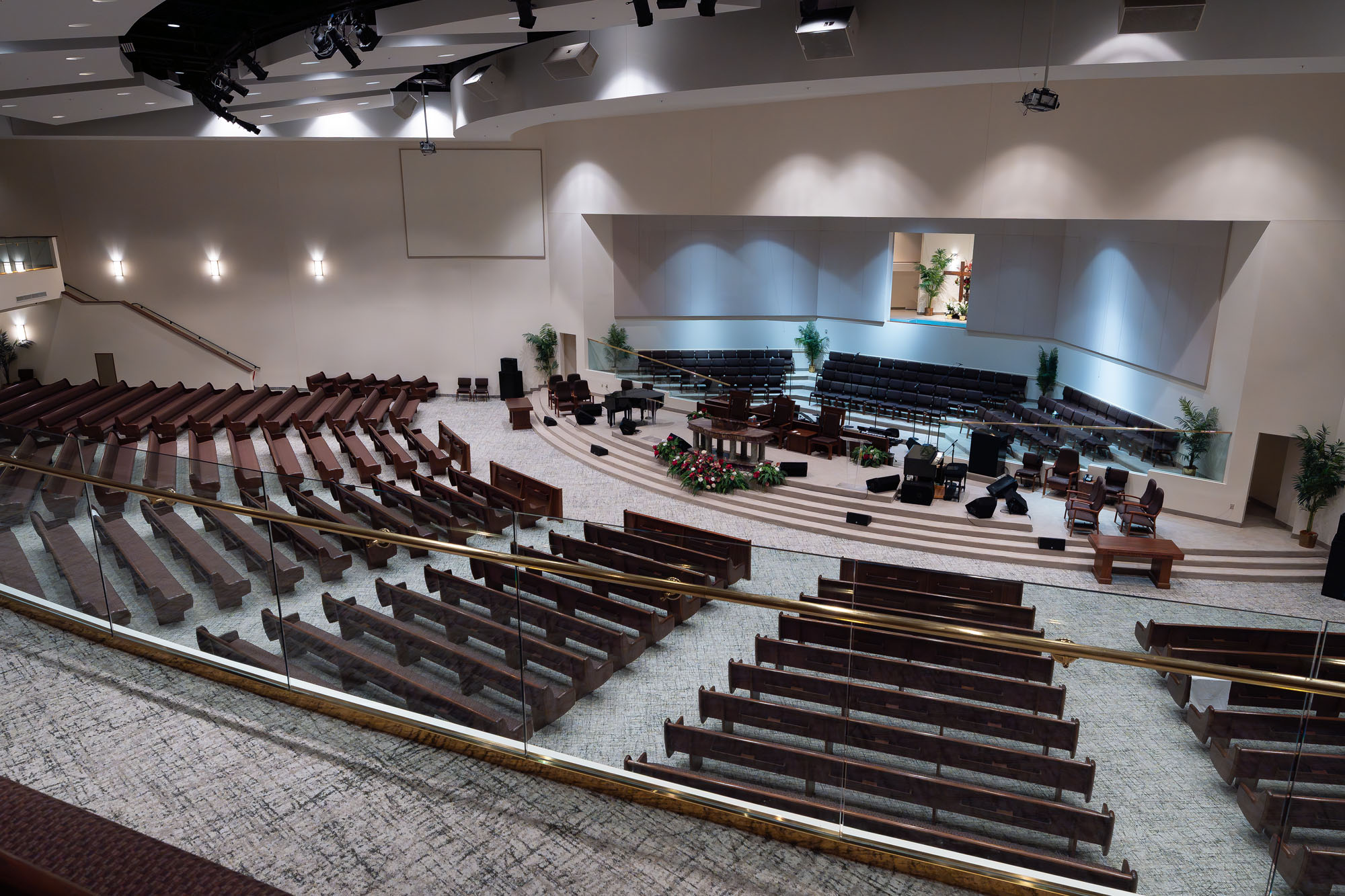
Throughout the design process, discussions were had about avoiding placing columns in the sanctuary so that the pulpit, stage, and baptismal pool were visible from every seat on the first floor. The decision to add the optional second-floor mezzanine proved to be essential decades later. From an architectural and interior finishes perspective, the entrance, the two-story atrium with dome rotunda, sanctuary, and supporting spaces reflected a reverence for the church. As a house of worship, being functional and visually pleasing were equally important. The team created a texture, color, and lighting palette that fostered an inviting, warm atmosphere that was also appropriate for hosting social gatherings.

Bishop Haughton said, “They were with us through the design process, through the building process, and through the dedication services. They shepherded us all the way through to the end. The design that was delivered was all letter-perfect.”

The new Cleveland Church of Christ building opened in November 2002. That is usually where the story ends, but a blisteringly cold Ohio winter changed that.

"As far as the building today, we were satisfied then. We're satisfied now."
Deacon James R. Haughton, Jr.
Pastor of Music and Fine Arts and COO

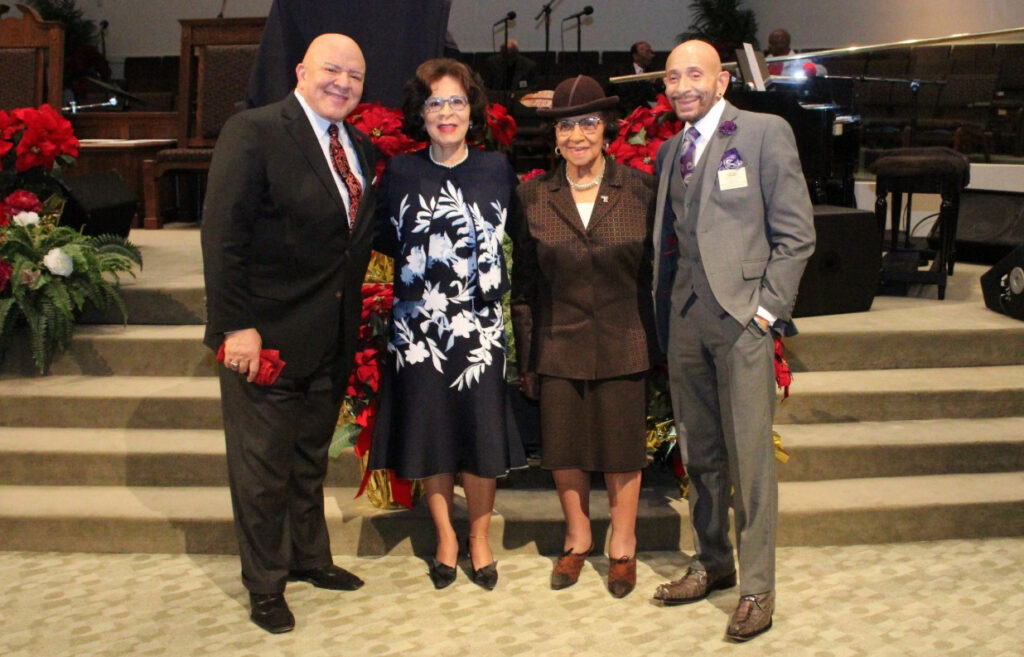
Bishop Haughton and His Family

A Place Prepared For You

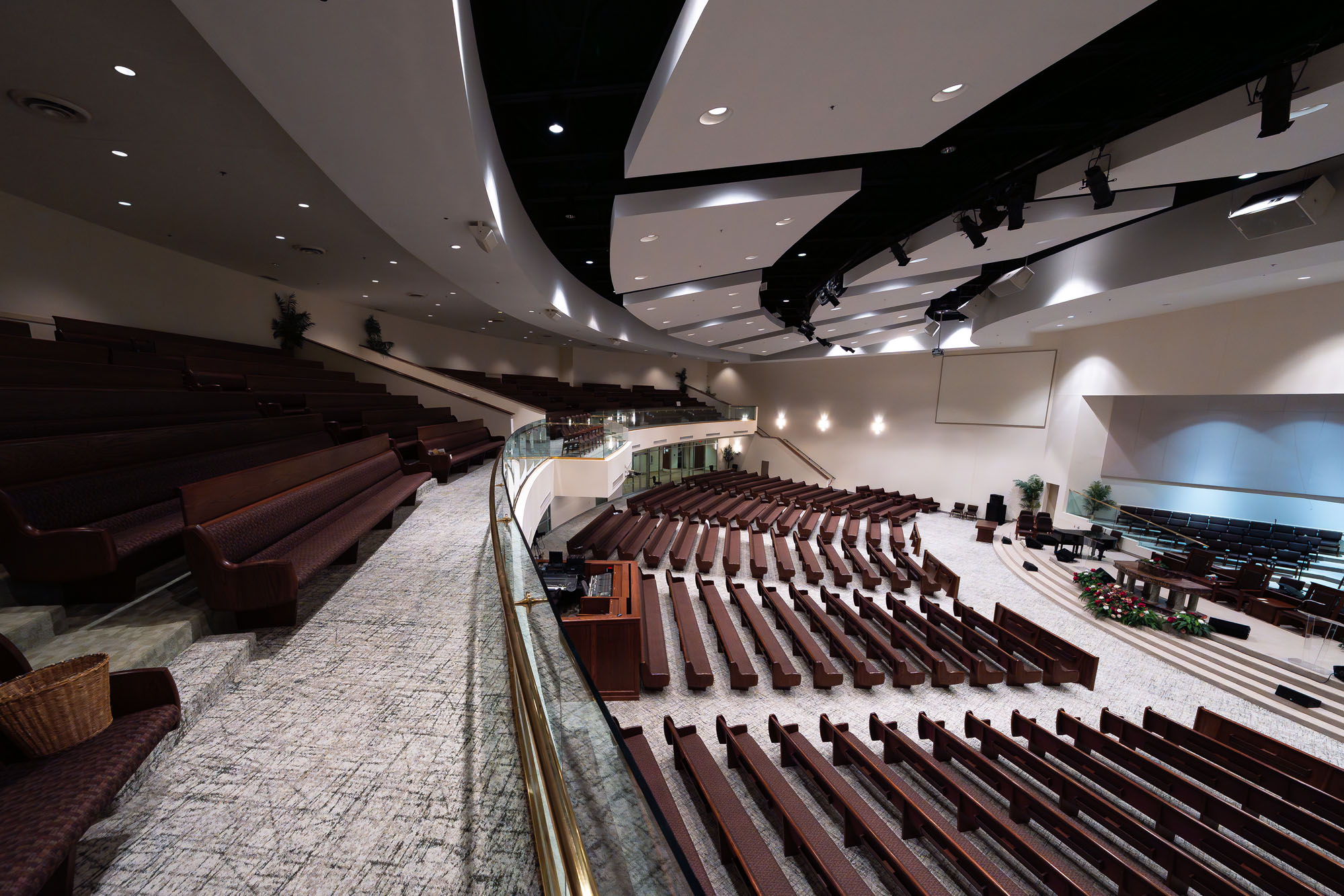
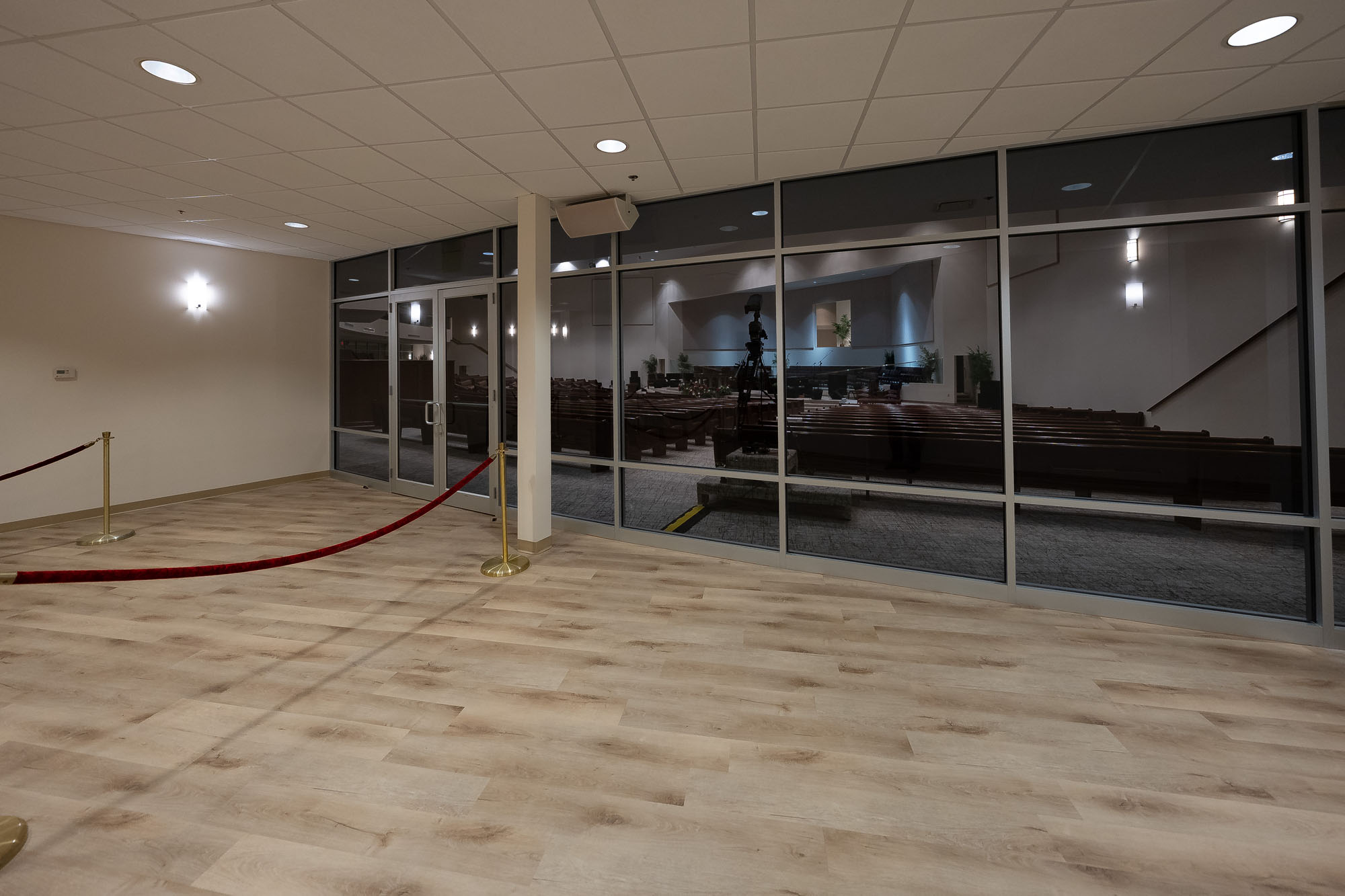
During the renovation and repairs to the sanctuary in 2025, the congregation and band temporarily relocated to the second-floor mezzanine for services, with ministers still able to preach from the pulpit on the elevated stage below. This allowed services to continue without difficulty.

If the decision during the original construction had been made not to include a mezzanine, the Cleveland Church of Christ’s story would be very different today.

“When the church was first built, there was a question about having a mezzanine or not,” Bishop Haughton recalled. “We didn’t know, but God knew one day we would need it. If not for the mezzanine, we might not have had a place somewhere else to worship. But because we did choose to have a mezzanine, we were able to move the congregants upstairs while the repair work was still being done. This let us know that the Lord sees into the future and knows of what you have need of before you need it.”

A Friend in Need

After occupying the building for over twenty years, a ruptured water pipe created a harrowing situation for the Cleveland Church of Christ ministry and congregation. A storm of distress and activity began. Instead of it simply being a disaster of time and chance, Bishop Haughton saw it as a blessing in disguise because the damage was fully covered by insurance.

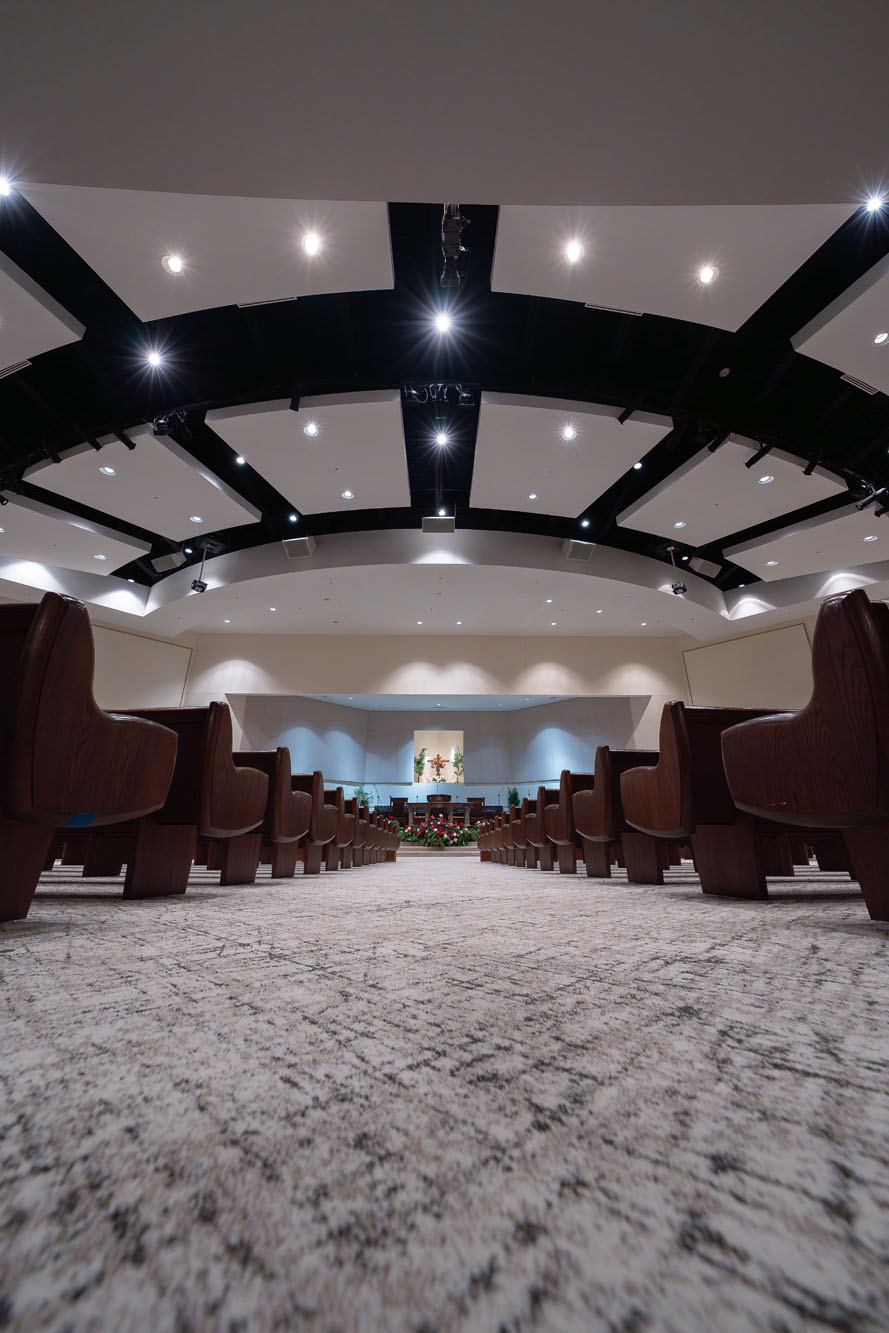
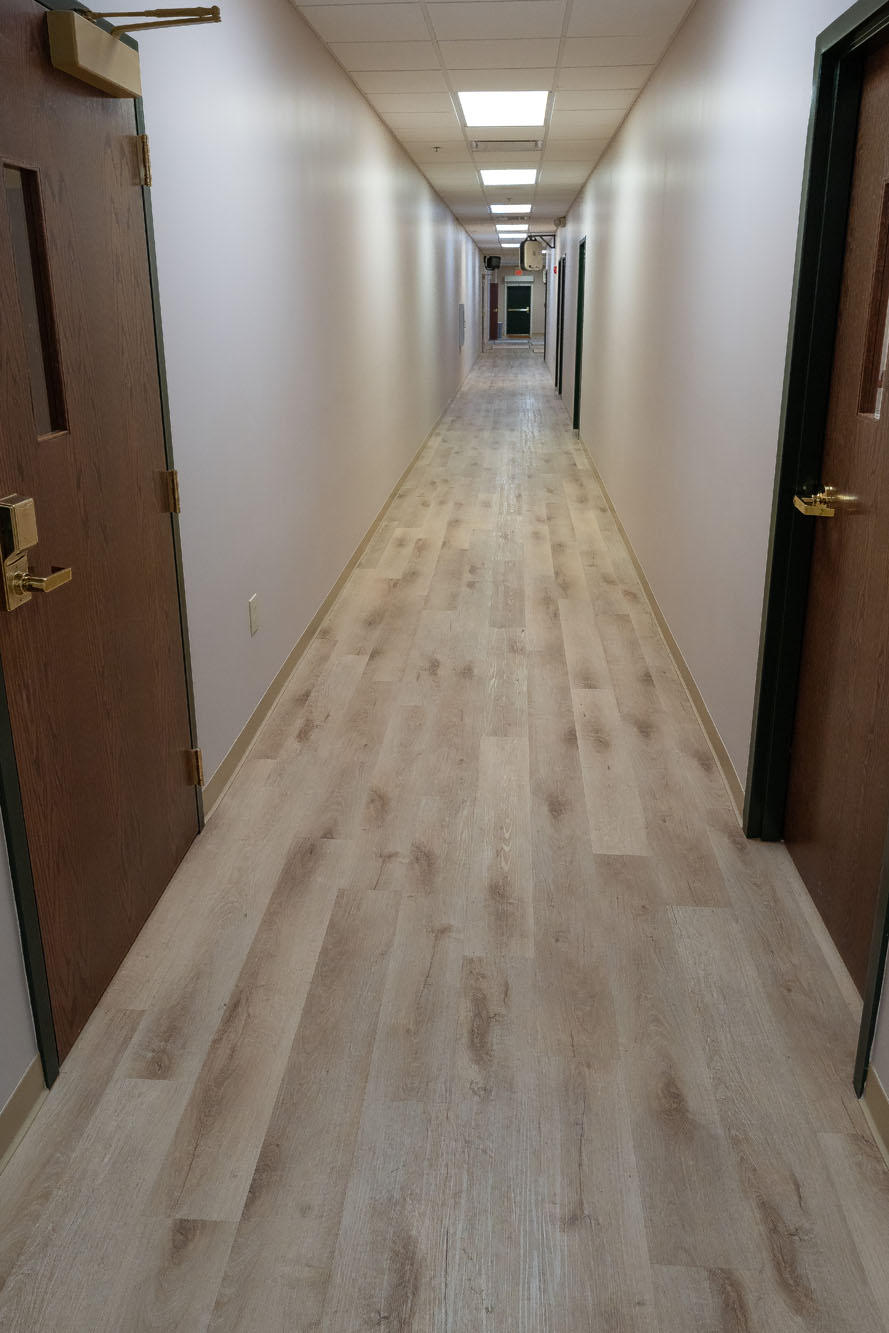
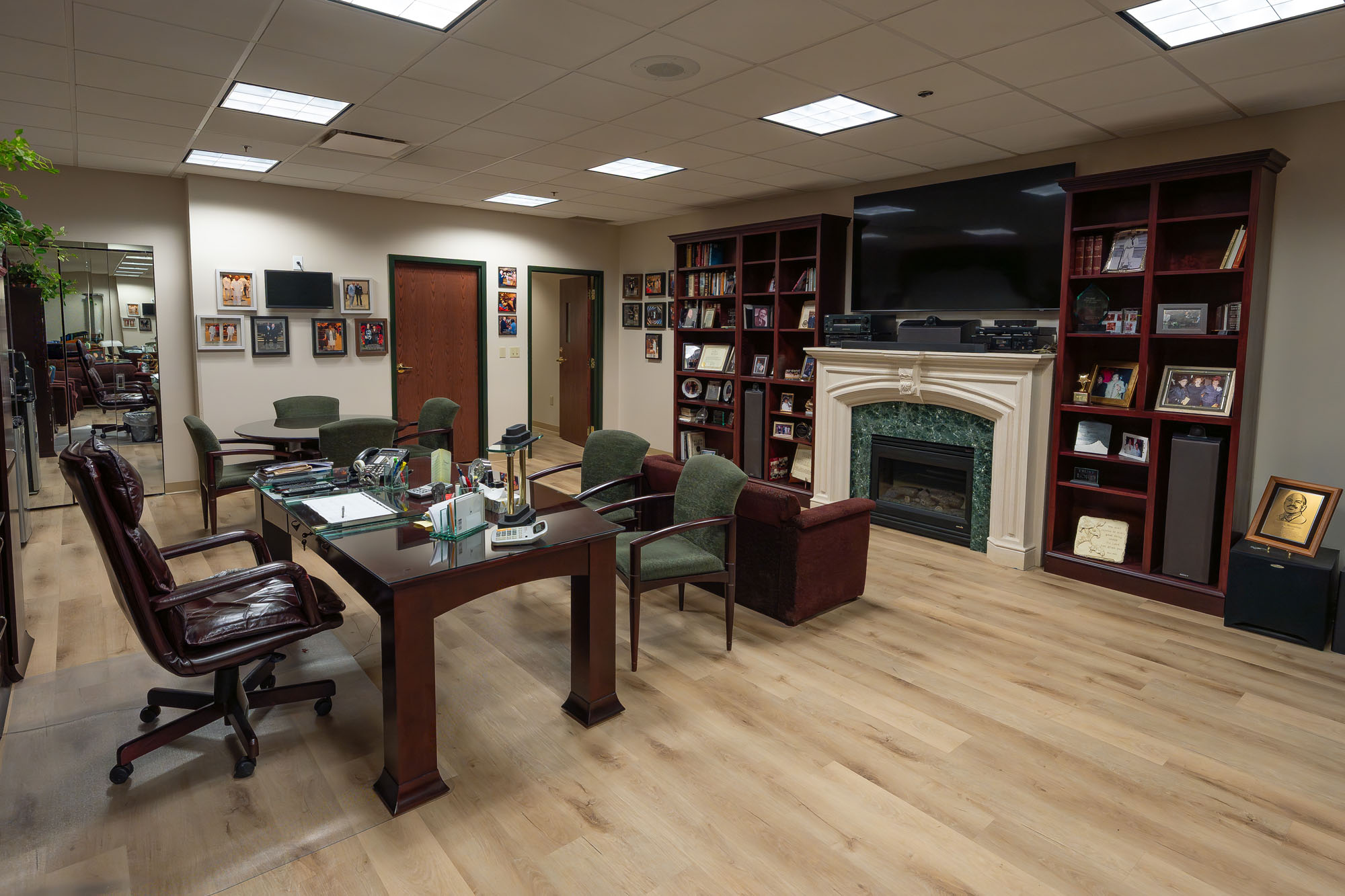
The carpeting in the offices was replaced with vinyl planking, but one of the bigger concerns for Bishop Haughton was finding a suitable replacement for the sanctuary carpet because the original was no longer manufactured. Many samples were presented, but there was a growing uncertainty that an acceptable option that suited the look, feel, and respect for the space was going to be found.

Then, Bishop Haughton had an idea.

“I told my brother that we should call Jeanne and Chris at ThenDesign Architecture. They helped us build the church. Maybe they can help us fix it,” he said.

While seeking advice from TDA, the dynamics of that first phone call were mutual on both sides: There was an immediate comfort. Jeanne said, “Even though we worked on that project together over twenty years ago, Bishop Haughton’s voice was immediately familiar.”

Bishop Haughton explained the situation and their design struggles to Interior Designer Jeanne Klecker, NCIDQ. He also expressed other concerns regarding some aspects of the construction progress. Jeanne said, “I had a really strong sense of needing to do the right thing and not just because they were a former client. I understand the struggles of things not going right on a project and how stressful that can be.”

After the initial phone call, Jeanne summarized the situation to Chris. He immediately agreed that TDA would do whatever was needed at no charge. “Even though Bishop Haughton wanted to be billed for our time, Chris was adamant that we would not accept his money,” Jeanne said.

“TDA has a long history of accepting worthwhile pro bono projects,” Chris said, “but this time we had friends in need. I can’t imagine responding differently.”

"We watched God bless us in the midst of the storm. We never gave up, and we knew somehow everything would come together."
Bishop Lincoln C. Haughton, III
Senior Pastor and CEO

Cleveland Church of Christ Renovation in Progress

An Interior Challenge

Bishop Haughton came to the TDA offices to drop off carpeting samples for reference. Jeanne said seeing him was like reconnecting with an old friend. “Every conversation with him was positive, and I smiled each time I saw his name appear on my phone.”

“It felt like we were interacting with family in mind,” Bishop Haughton said. “It was like a good security blanket that you could reach for. They freely offered their expertise, freely offered their advice, and freely offered any type of support we wanted. They are always looking out for the people they work with.”

While the project progressed, Bishop Haughton and his team were also seeking Jeanne’s professional guidance to navigate through construction difficulties due to various schedule delays, supply issues, budgetary limitations, and communication challenges.

“It became a deeper commitment to me,” Jeanne said. “I felt a different sense of responsibility. This wasn’t a place of work or education. It’s a person’s place of worship, and I wanted to be highly respectful of that.”

While not official consultants on this phase of the project, Jeanne and Chris provided their professional experience to help Bishop Haughton decipher cost estimates and other construction-related technicalities. Jeanne educated the Cleveland Church of Christ team on modern construction practices so that they could make their own informed decisions with the remediation contractor.

While acting as an advisor, Jeanne was still determined to find a compatible pattern and color way that blended naturally with the entire space, but also felt appropriate for a religious environment. Bishop Haughton wanted to have a carpet wall base instead of the original rubber so the room would feel more inviting and comfortable. He shared his color preferences so Jeanne could understand the feeling he was aiming for.

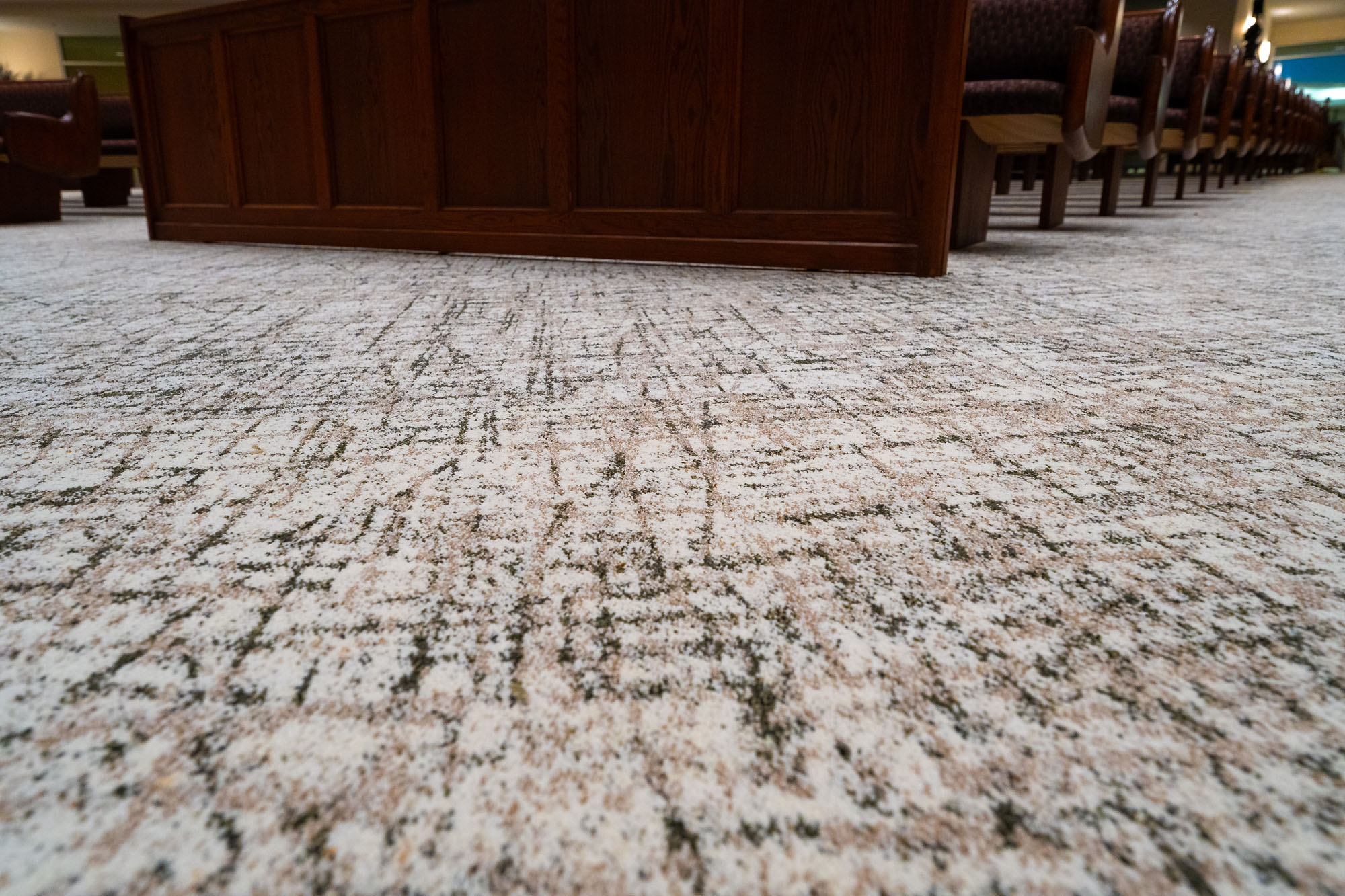
“I came across a really beautiful broadloom carpet that was well-priced,” Jeanne said, “and everyone loved it.”

“We found a sample we were all really happy with,” Bishop Haughton said. “It was like a sign we made the right decision because Jeanne was involved with picking out the original carpet, and it was fitting she helped us to choose the new one.”

"It’s really been a journey, but we’re glad to be at the finish line."
Bishop Lincoln C. Haughton, III
Senior Pastor and CEO

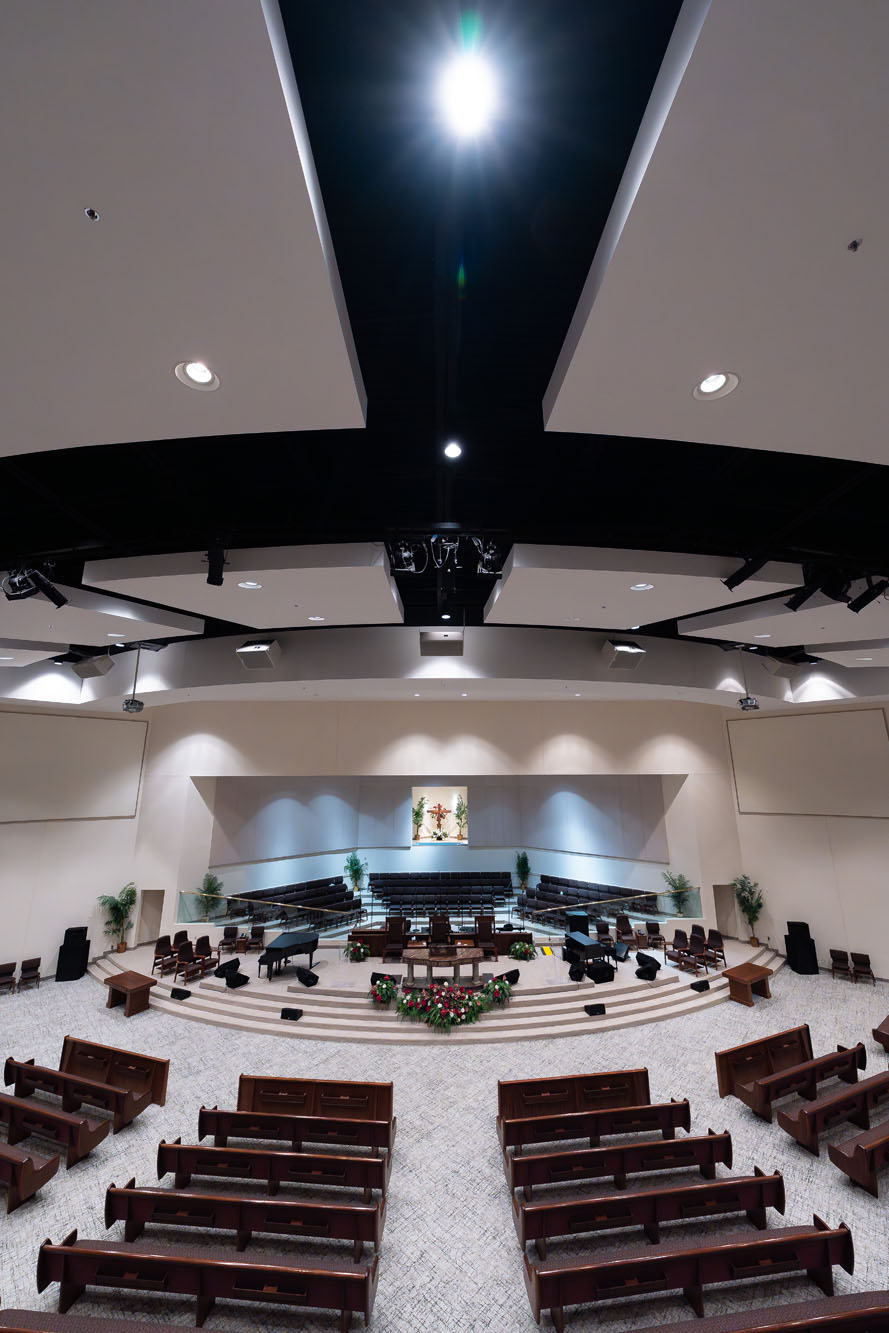
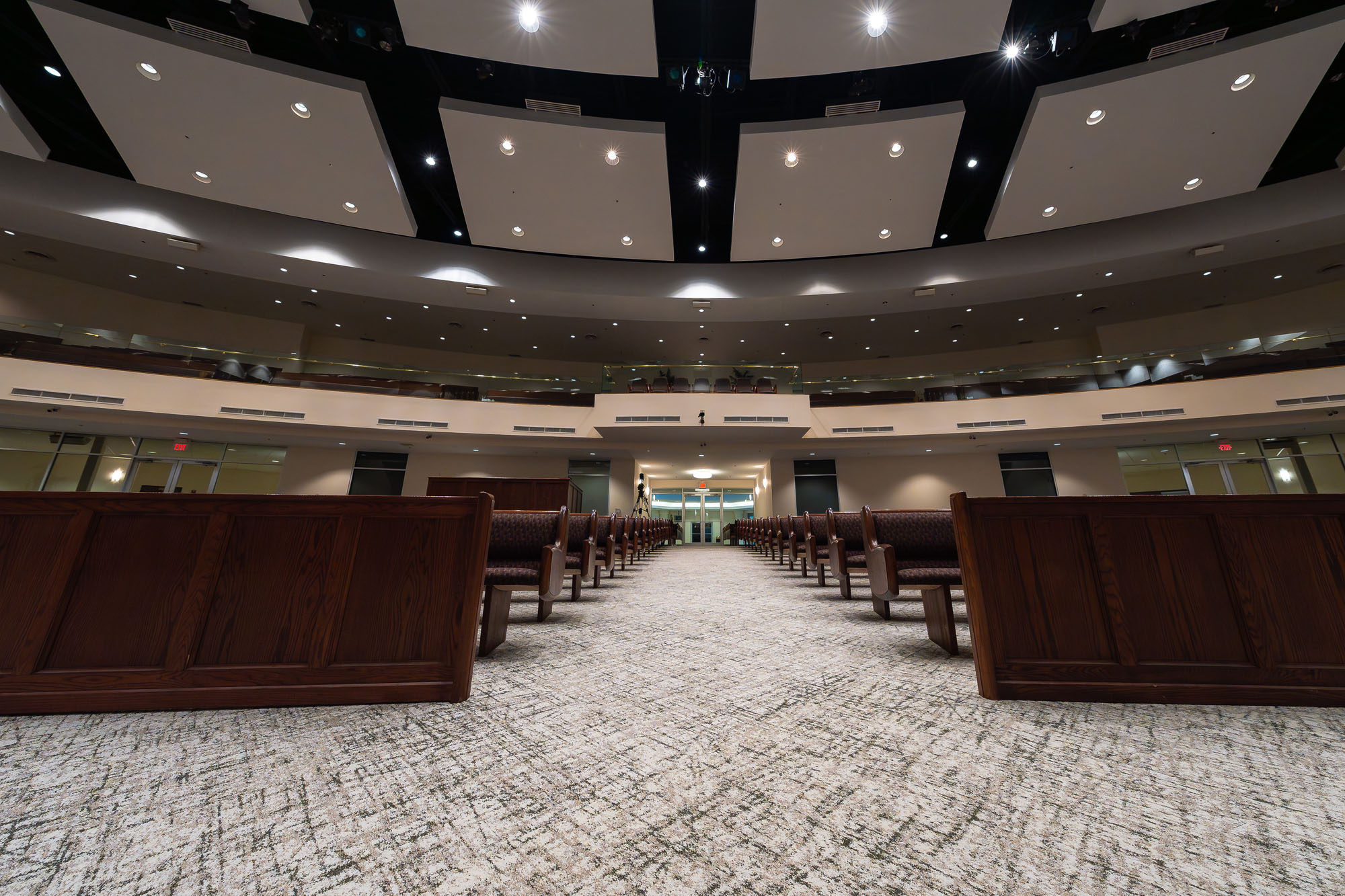
The Cleveland Church of Christ Renovated

A Revival

Bishop Haughton reflected on the church flooding due to a frozen water pipe from the perspective of the eventual outcome that was paid for by insurance. “The entire church, the entire sanctuary, all the offices, all the hallways on the main floor have been refreshed. It was very timely that the physical revival happened in our 101st year. It was clearly God’s will that we got a refresh. It was a trial for about nine months, but now it will look great for years.”

The fresh, new sanctuary was officially opened for services on September 21, 2025. Deacon Haughton remembers how their parishioners received the finished room: “The response was very positive. They loved the new carpet and how everything looked and was brighter now.” He smiled and nodded, “They loved what they saw.”

Referencing the original building design and the renovation, he said, “If we needed to do this all over again, we wouldn’t change anything.”

“The first Sunday when everything was finished was very joyous. Very joyous. Very joyous,” said Bishop Haughton. “The congregants were thrilled to see the sanctuary back together. They were just thankful for what the Lord had done. The sermon that day was on the topic of revival. I went through the blueprints that God has provided for revival. The building has had a much-needed revival, but we can also see that in the spiritual sense, so we can remember what God has done in this church.”

"The building has grown with us over the years. It's just as relevant today as it was back then. The building has enabled us to do what we needed to do."
Deacon James R. Haughton, Jr.
Pastor of Music and Fine Arts and COO

Cleveland Church of Christ's Interior Revival

Building Bridges. Keeping Bridges.

Bishop Haughton summarized his experience with TDA, “You should not forget the bridges you come over. You have to be thankful for them and make sure that you keep relationships and make sure you deal with people in the right way.”

Jeanne said, “By the end of this whole process, I felt my friendship with Bishop Haughton was a continuation of one that started so long ago.”

“TDA has built a legacy on forging relationships,” Chris said. “To look back and appreciate the relationship we still have with clients from long ago, like Bishop Haughton, is incredibly fulfilling. We were happy to help and glad that everyone is pleased.”

“Consistently, Bob and Chris see the value in doing the right thing regardless of whether or not we get future work from a client. But if we do, that’s kind of a bonus. Other firms may do pro bono for that primary reason, but with TDA, when you see a client struggling and in need of professional assistance with architectural or design issues, but they don’t really have the funds to cover it, stepping up and helping your neighbor or that community is the right thing to do.”

Jeanne concluded, “It’s a moral choice that may not benefit us financially, but we help build that relationship. They know that when they needed help, we were there for them. And we were happy to do it.”

"God can bless you to build, and He can bless you to rebuild."
Bishop Lincoln C. Haughton, III
Senior Pastor and CEO

The Storm Was Weathered

Designing Beyond ADA Supports All Students

Designing Beyond ADA Supports All Students
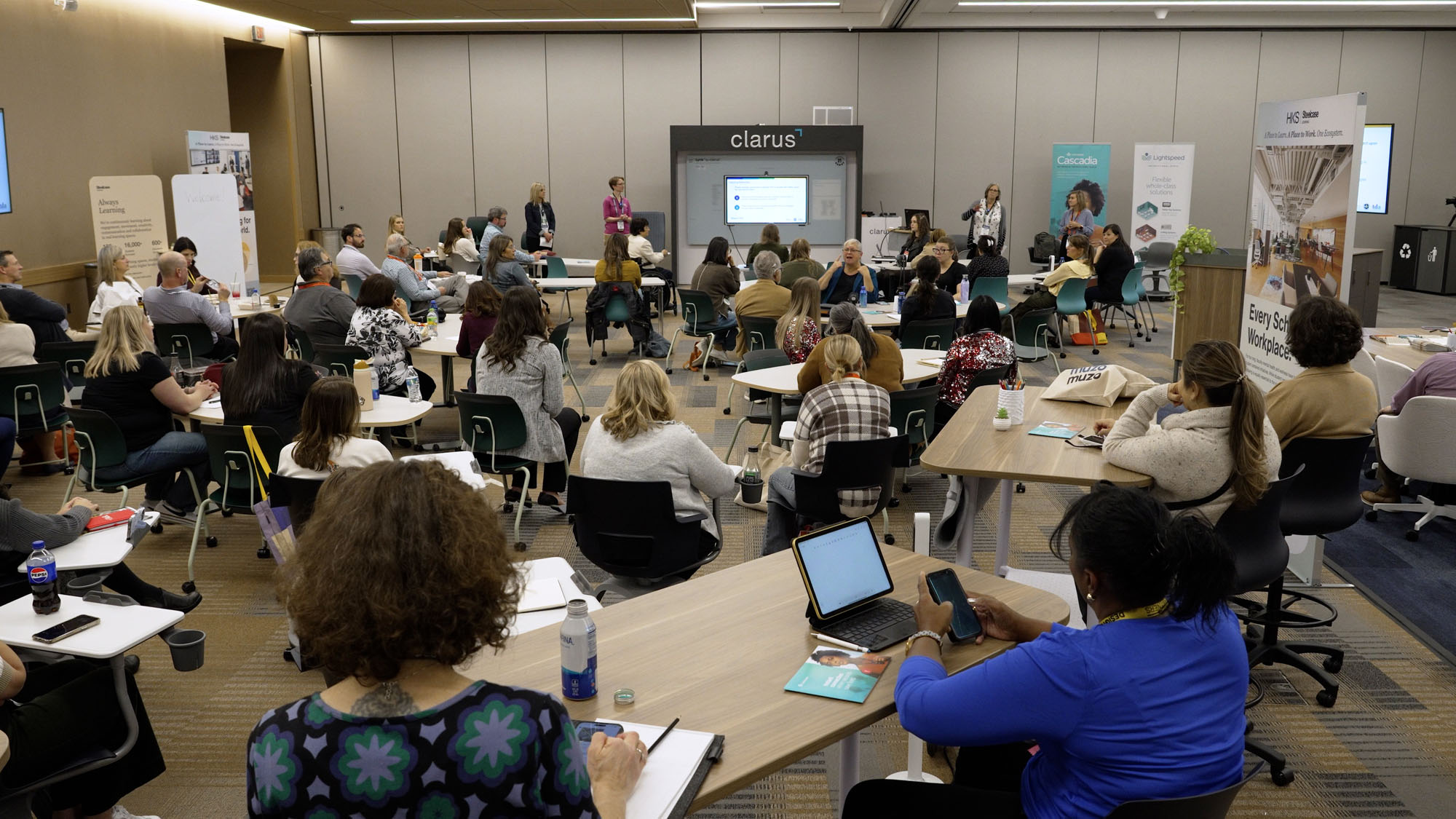
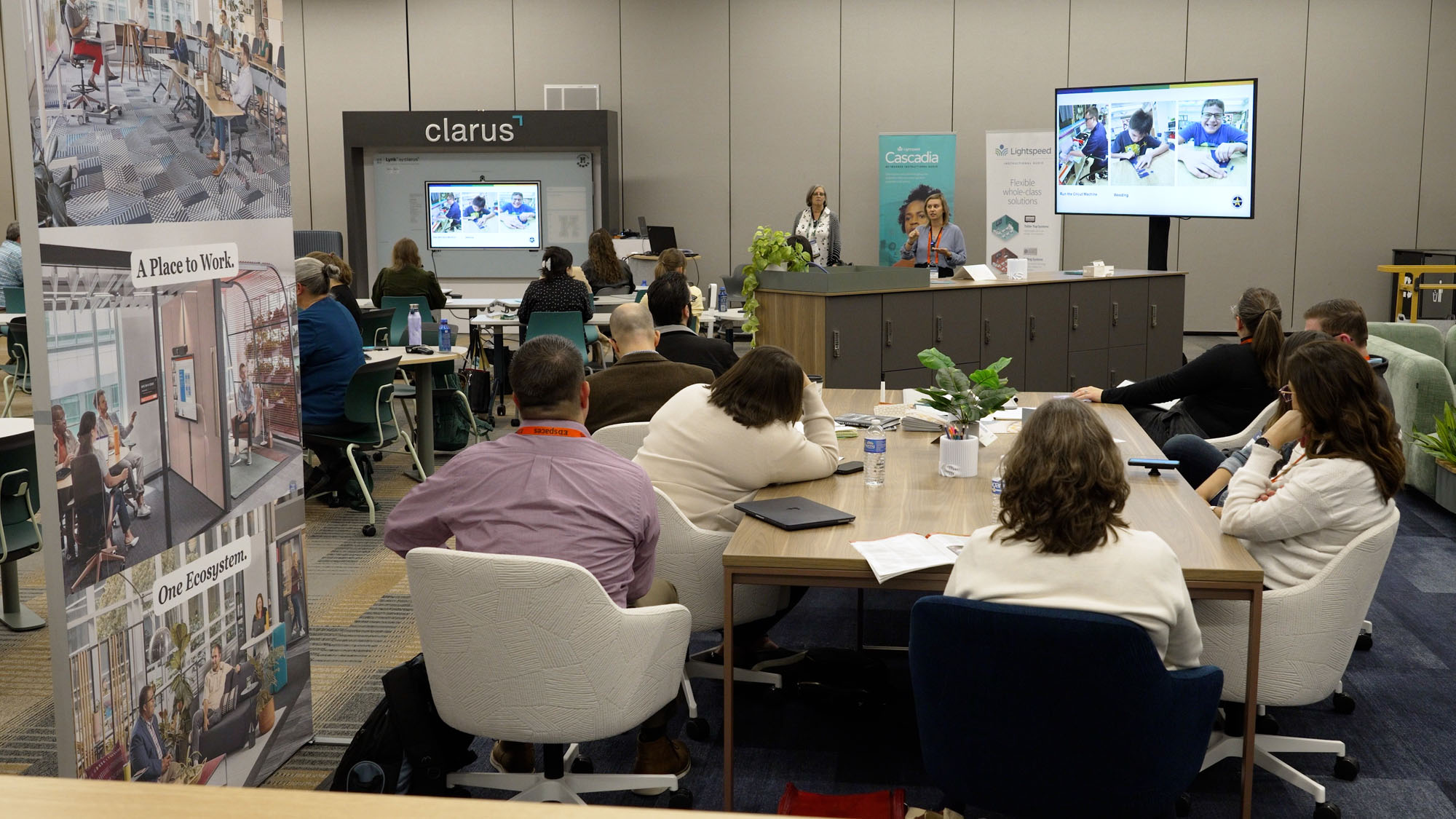
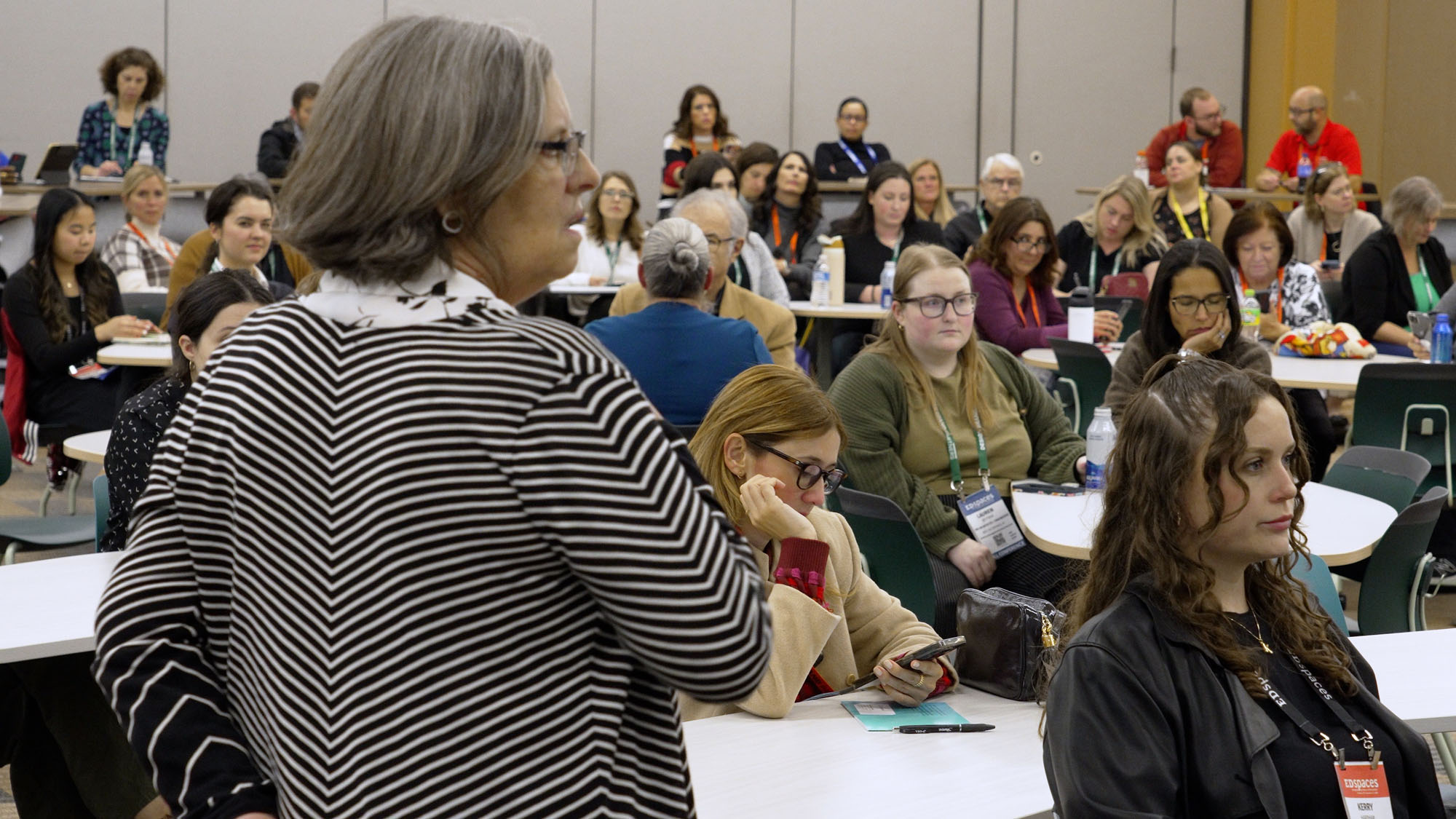
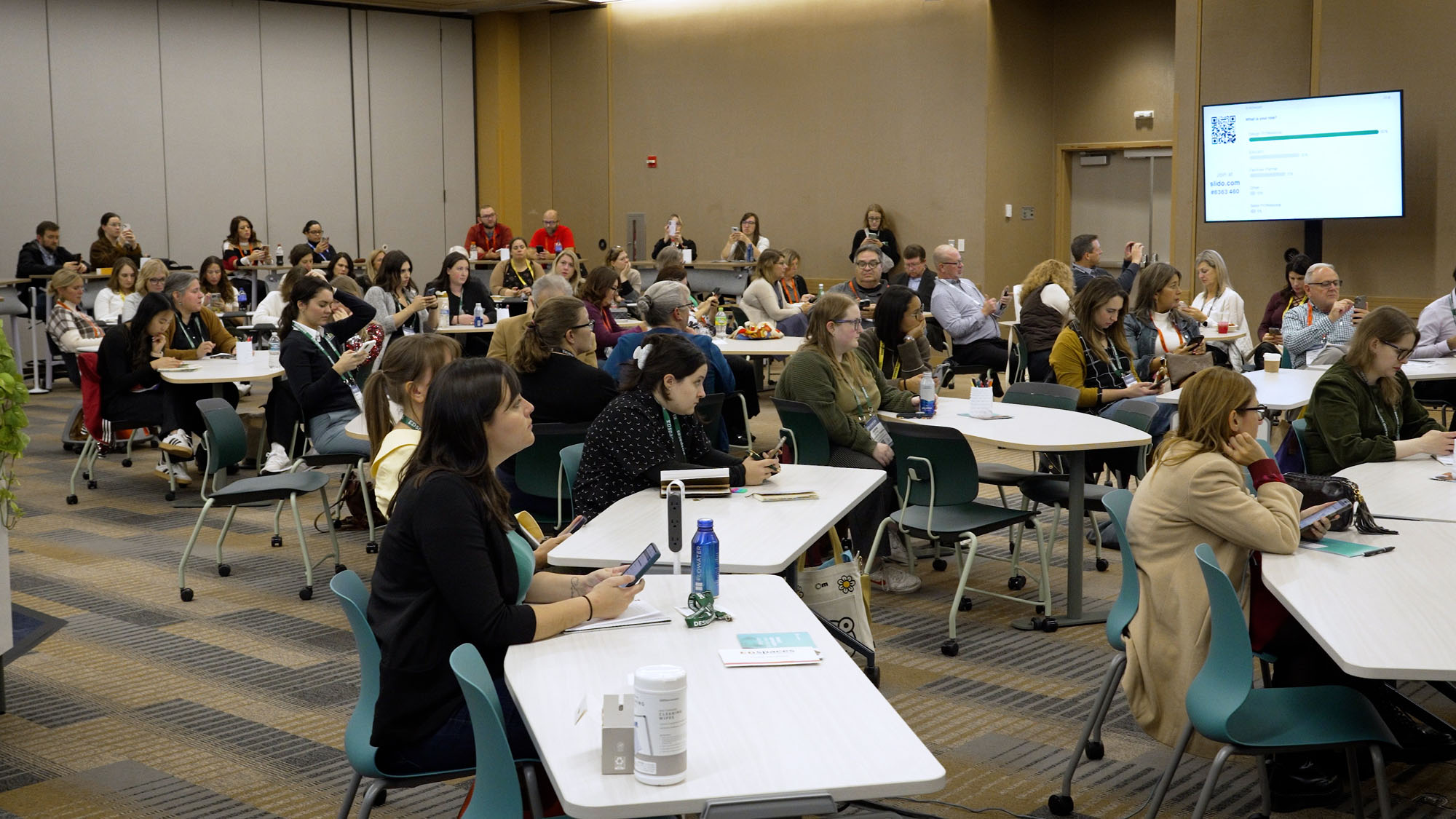
The "Beyond ADA" presentation at EDspaces inspired conversations about effective design considerations for enabling students with special needs. The intent was that attendees could take that information back to their schools and districts to implement what they learned. ThenDesign Architecture partnered with North Ridgeville City Schools and the Franklin County Board of Developmental Disabilities to create an engaging workshop to spark ideas and offer creative solutions to accommodate students with special needs, but also benefit the general student population.
Designing Beyond ADA Supports All Students

Architects and interior designers consider safety, comfort, and flexibility for the students and their teachers when creating modern educational facilities. All new schools are ADA-compliant, but some require more specialized features, equipment, and spaces to support a diverse population of students with disabilities.

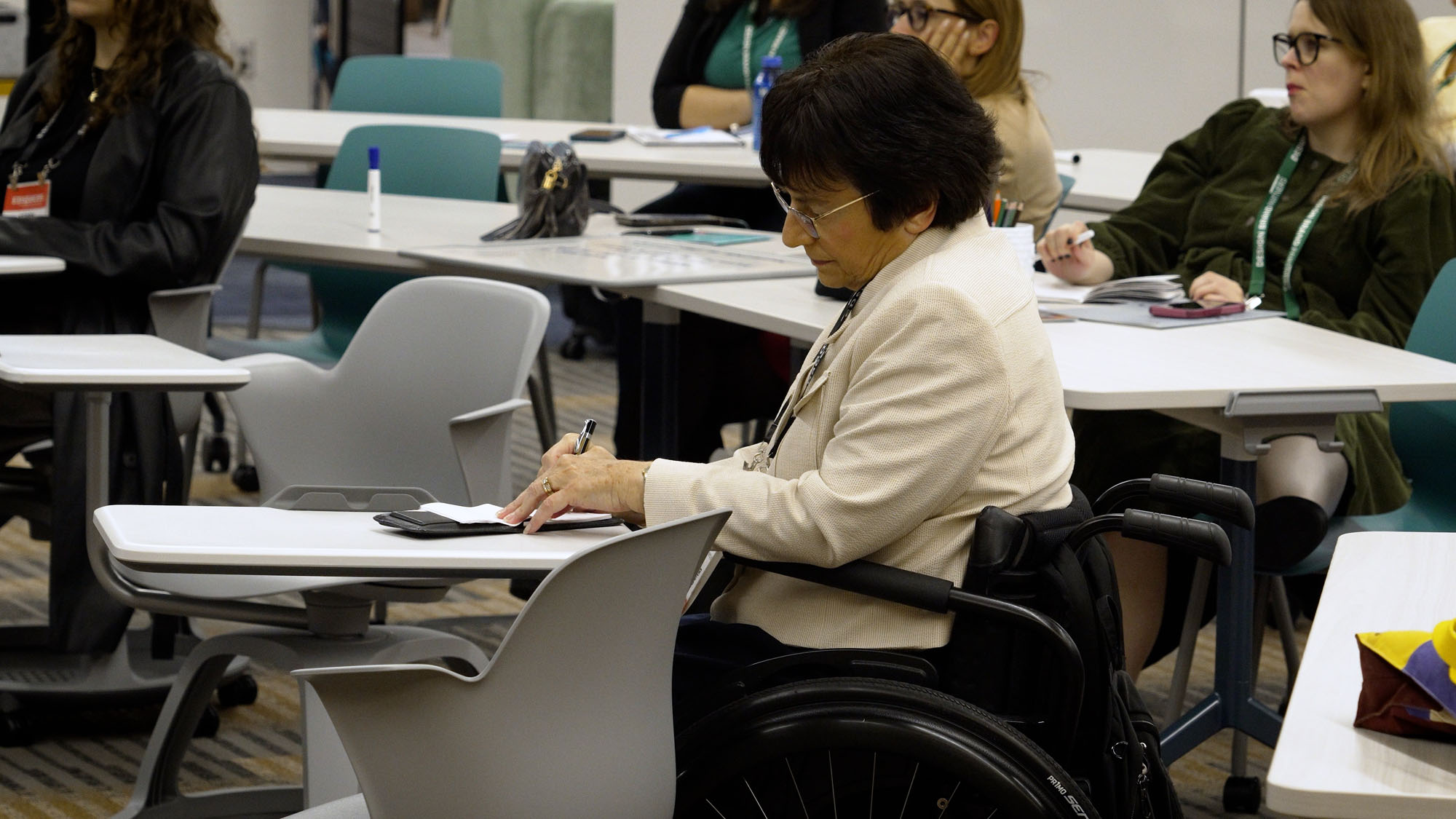
Modern considerations go far beyond wheelchair access. Conditions such as blindness, deafness, autism, cognitive limitations, physical disabilities, and anxiety disorders can influence the design of a school, depending on the needs of the district.

One of the difficulties for designers is balancing the requirements for students receiving special education services among the general population. Classrooms, hallways, collaborative areas, and common spaces need to accommodate everyone without excluding anyone. That is not an easy task, but passionate, dedicated designers welcome the challenge.
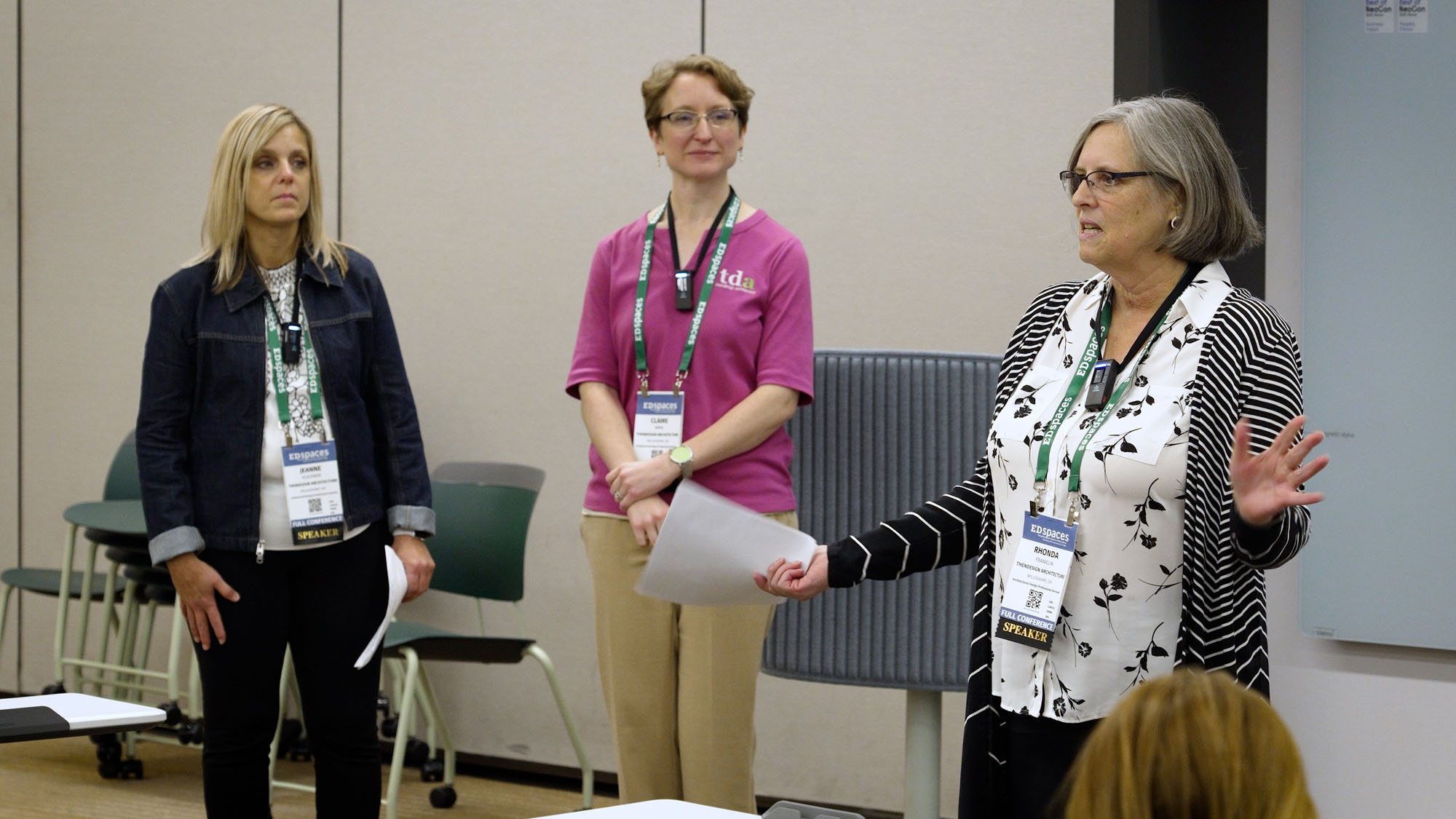
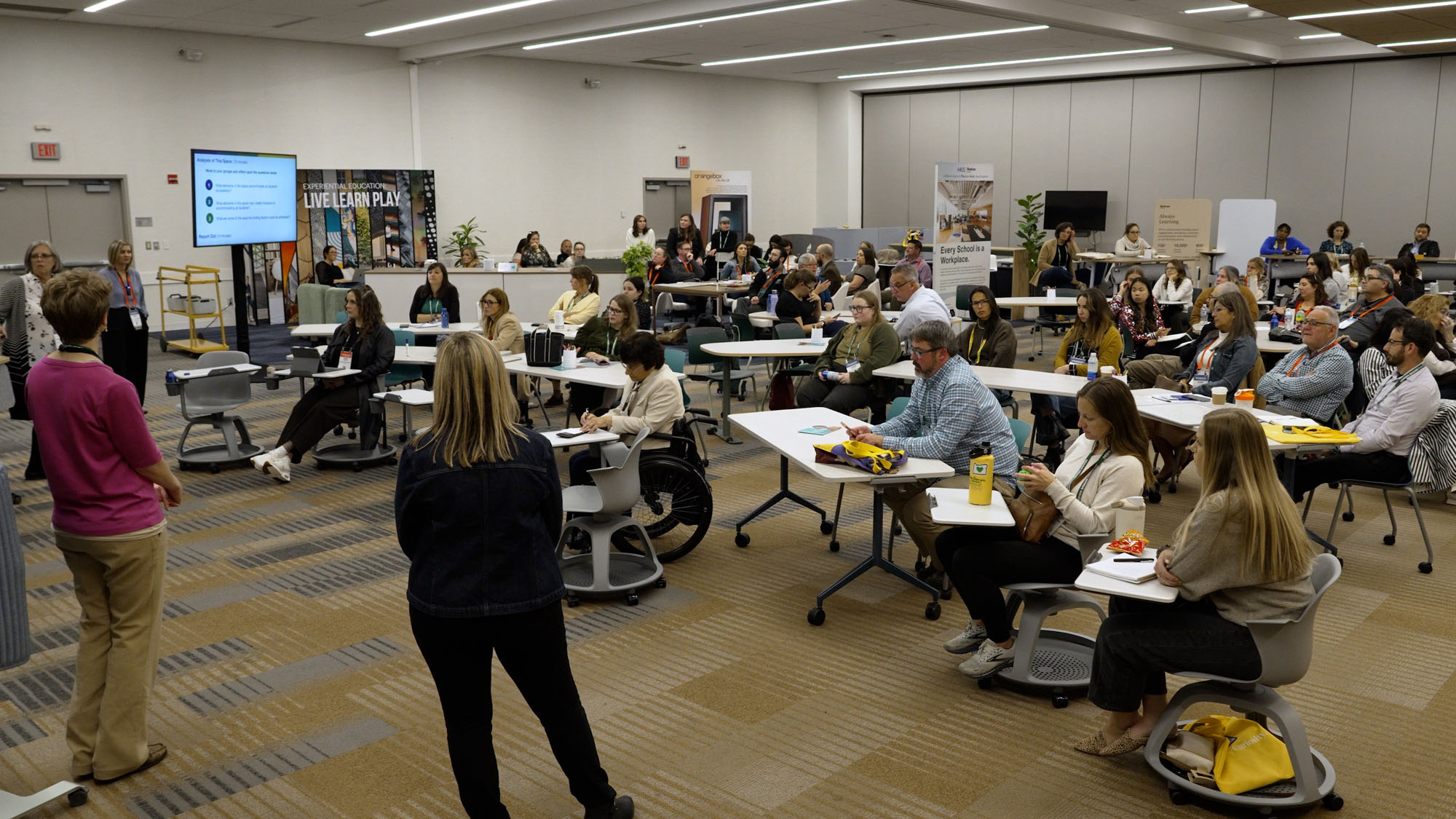
ThenDesign Architecture (TDA) partnered with North Ridgeville City Schools and the Franklin County Board of Developmental Disabilities to present “Beyond ADA: How Designing for Special Needs Supports the Needs of All Students,” at the EDspaces conference in Columbus, Ohio.

The primary objectives of the workshop included identifying specific environmental factors that can be modified to support diverse student populations and improve engagement, understanding how thoughtful design can help reduce stress and improve mental well-being, brainstorming actionable ideas, and learning how to balance academic, social, and emotional needs.

Beyond ADA: Designing for Special Needs Students

Play Video

The EDspaces Inclusive Workshop

EDspaces hosts an annual event bringing together educators from across the country to share experiences and ideas to improve learning environments. According to the website, “EDspaces is the future-facing hub where learning, design, and innovation converge. …it’s where education decision-makers and industry leaders reshape what learning environments can be.”

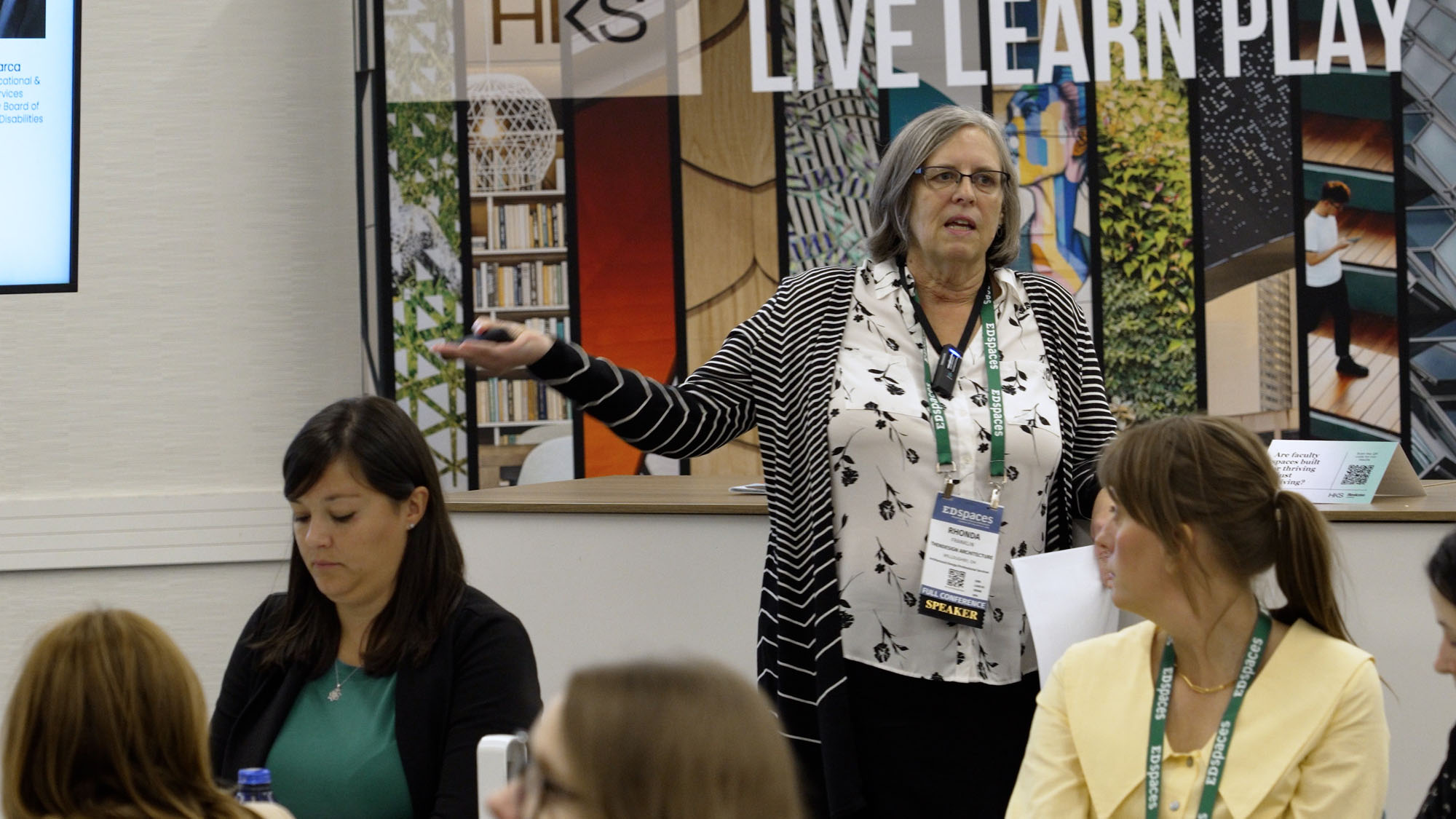
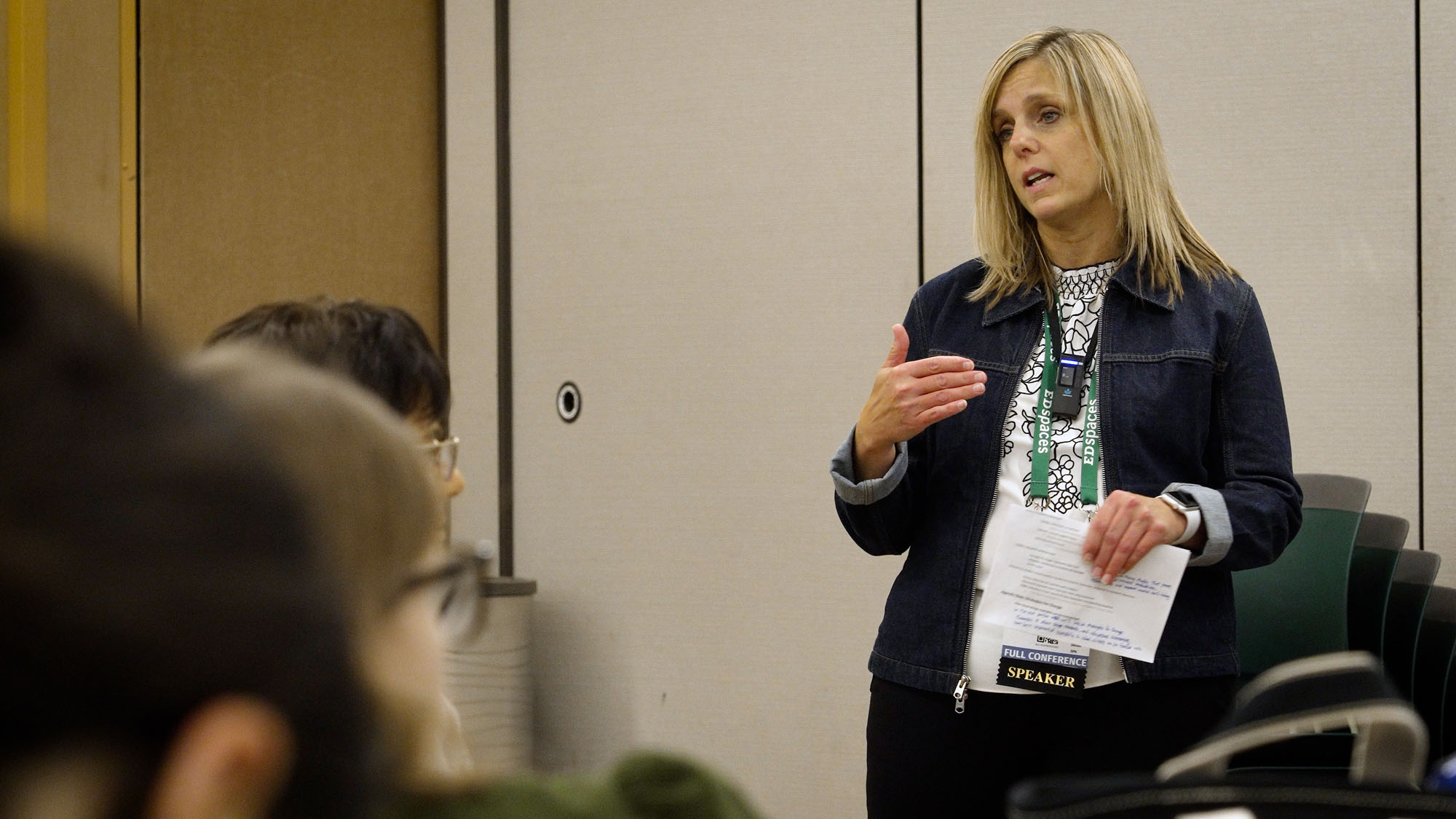
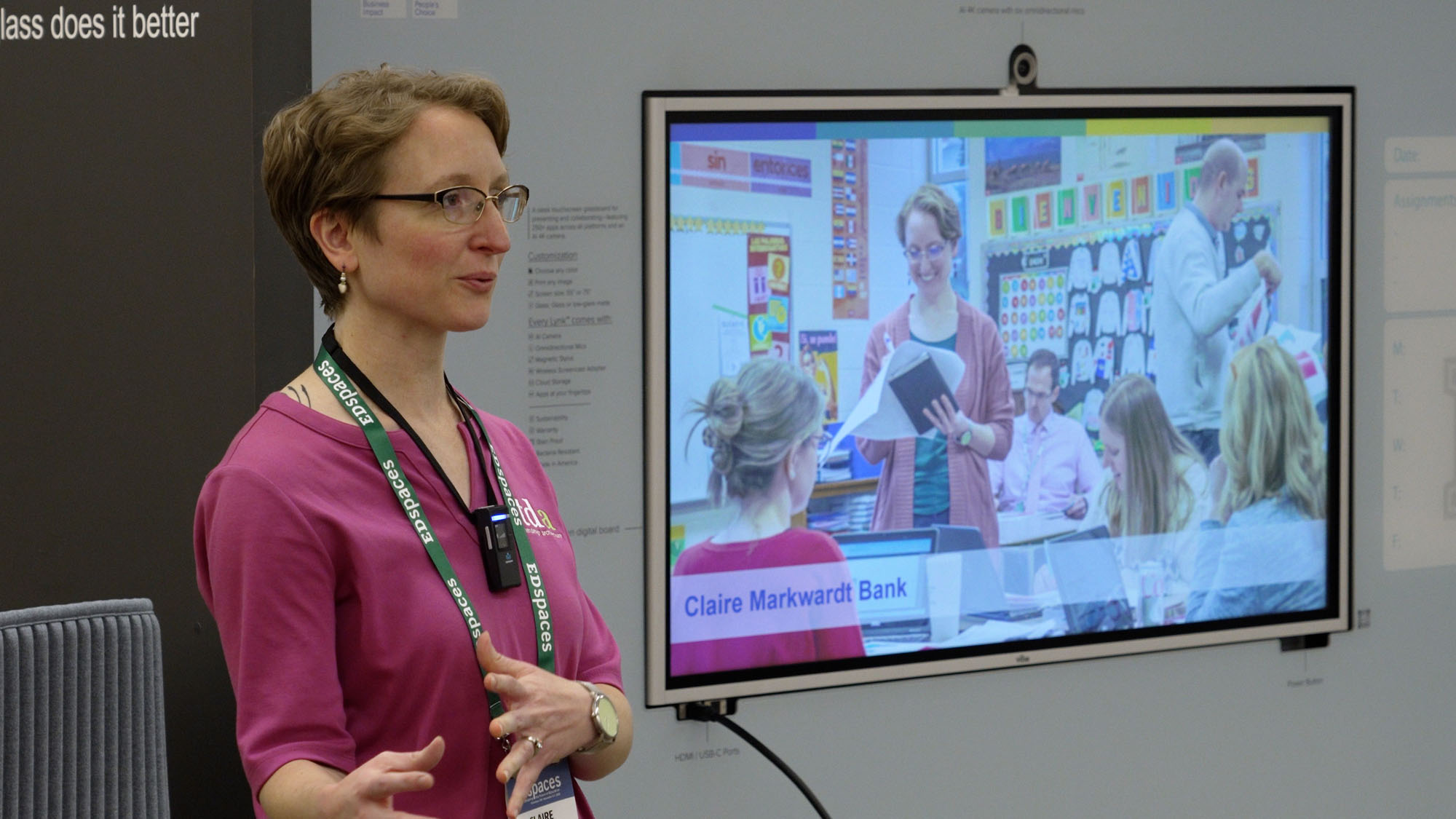
“I really enjoy the engagements with students, faculty, and staff, and understanding how best to provide them with a space that works for them,” said TDA Interior Designer Rhonda Franklin, NCIDQ, LEED AP ID+C, WELL AP. She led the presentation utilizing her 25 years of educational design experience.

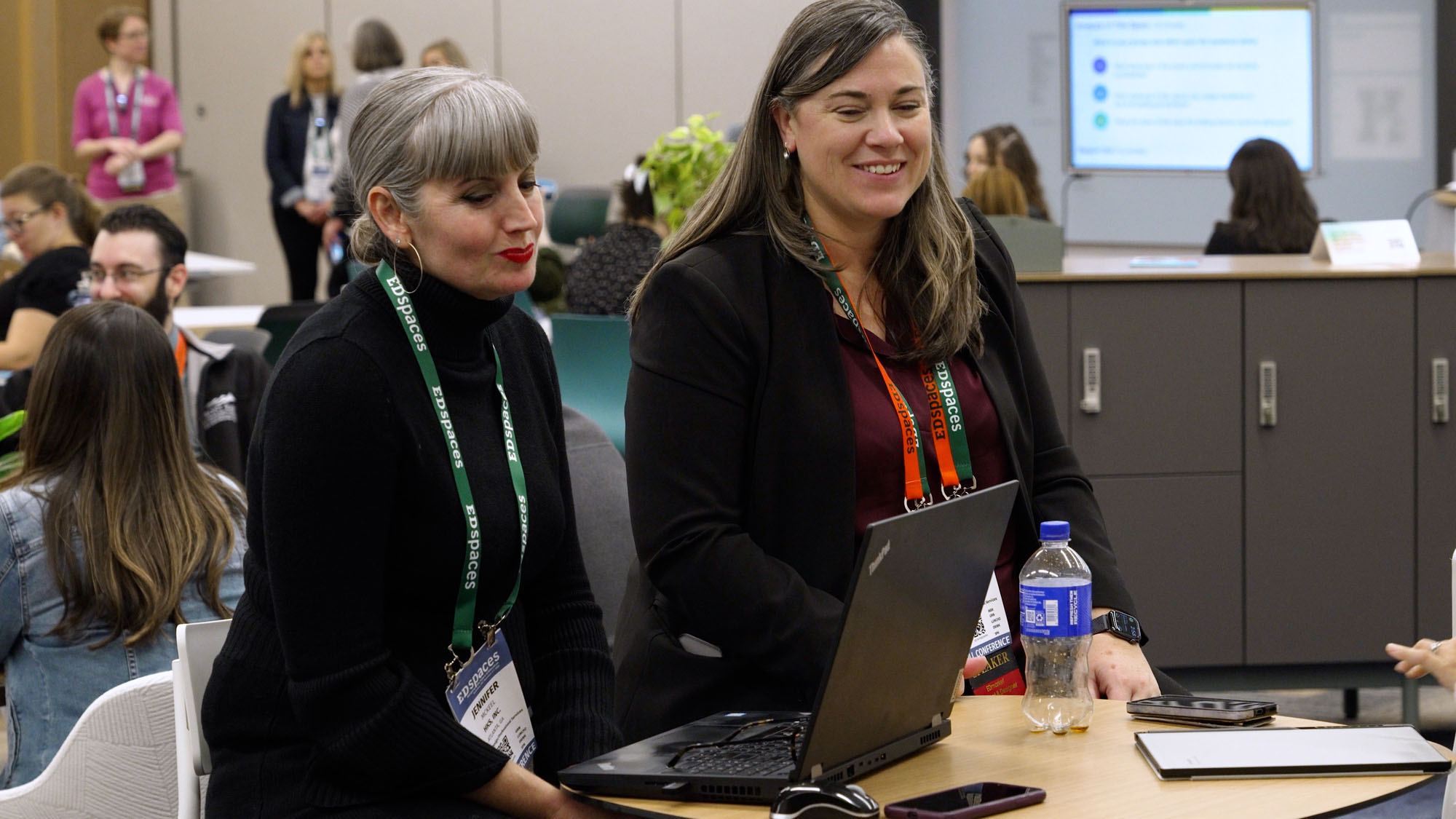
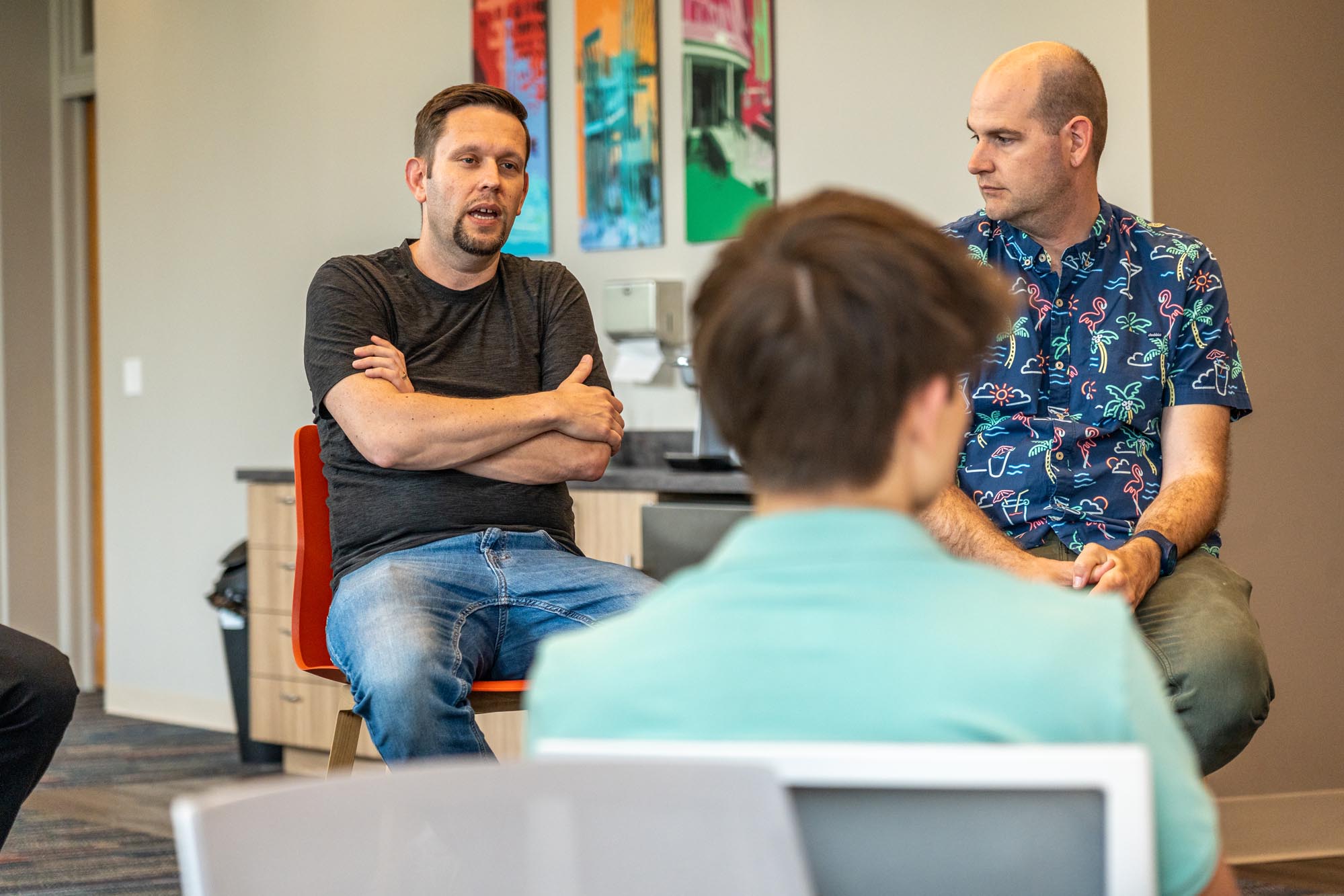
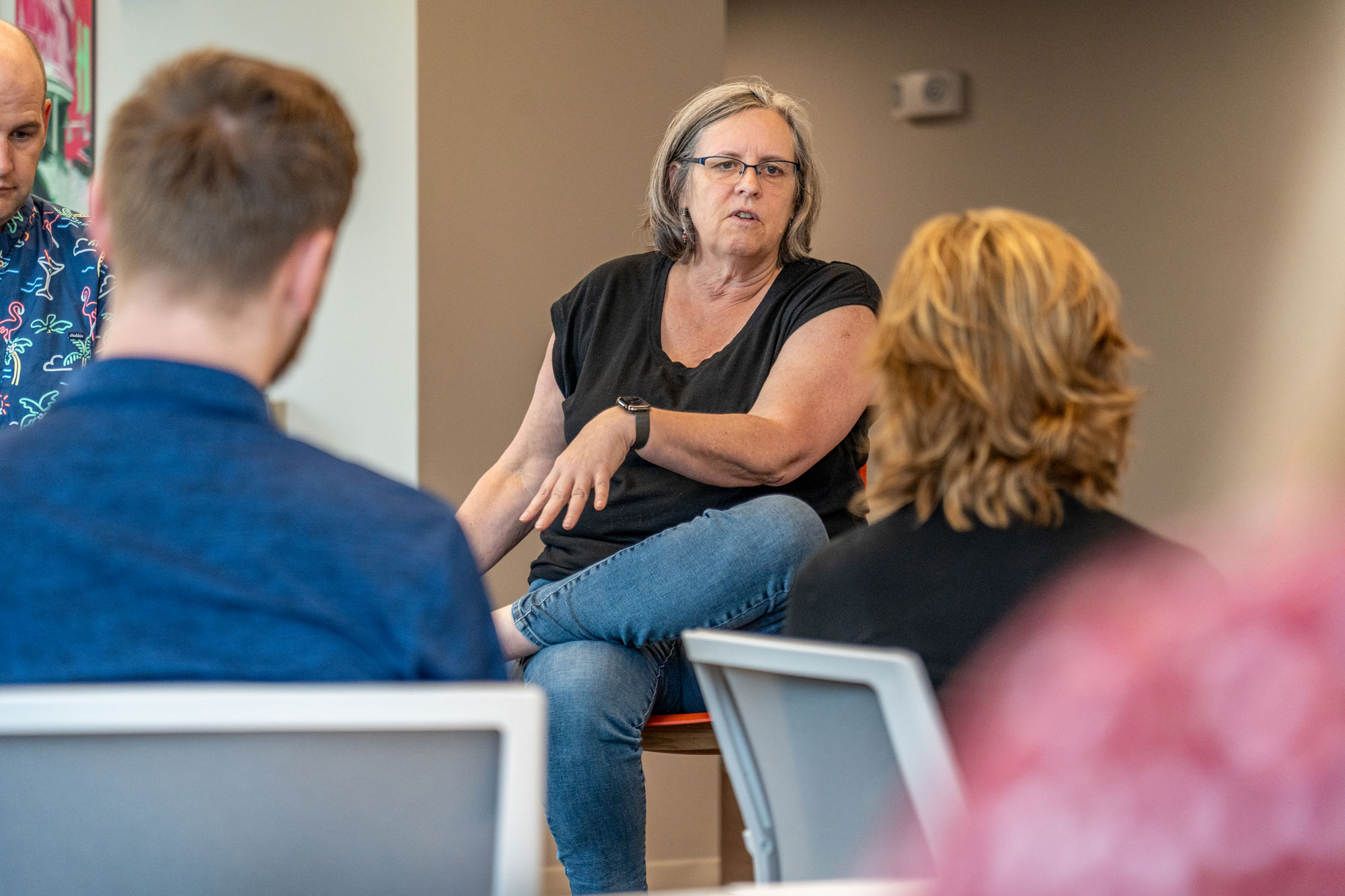
“We designed this workshop to be engaging,” Rhonda said. “The attendees brought a wealth of life experience to the learning process, and we encouraged open discussions of their experiences to help find new problem-solving approaches.”

The workshop focused on how adopting school design strategies that support special needs can improve academic outcomes for all students and was presented with research that supported how design decisions can positively affect learning, engagement, and wellness.

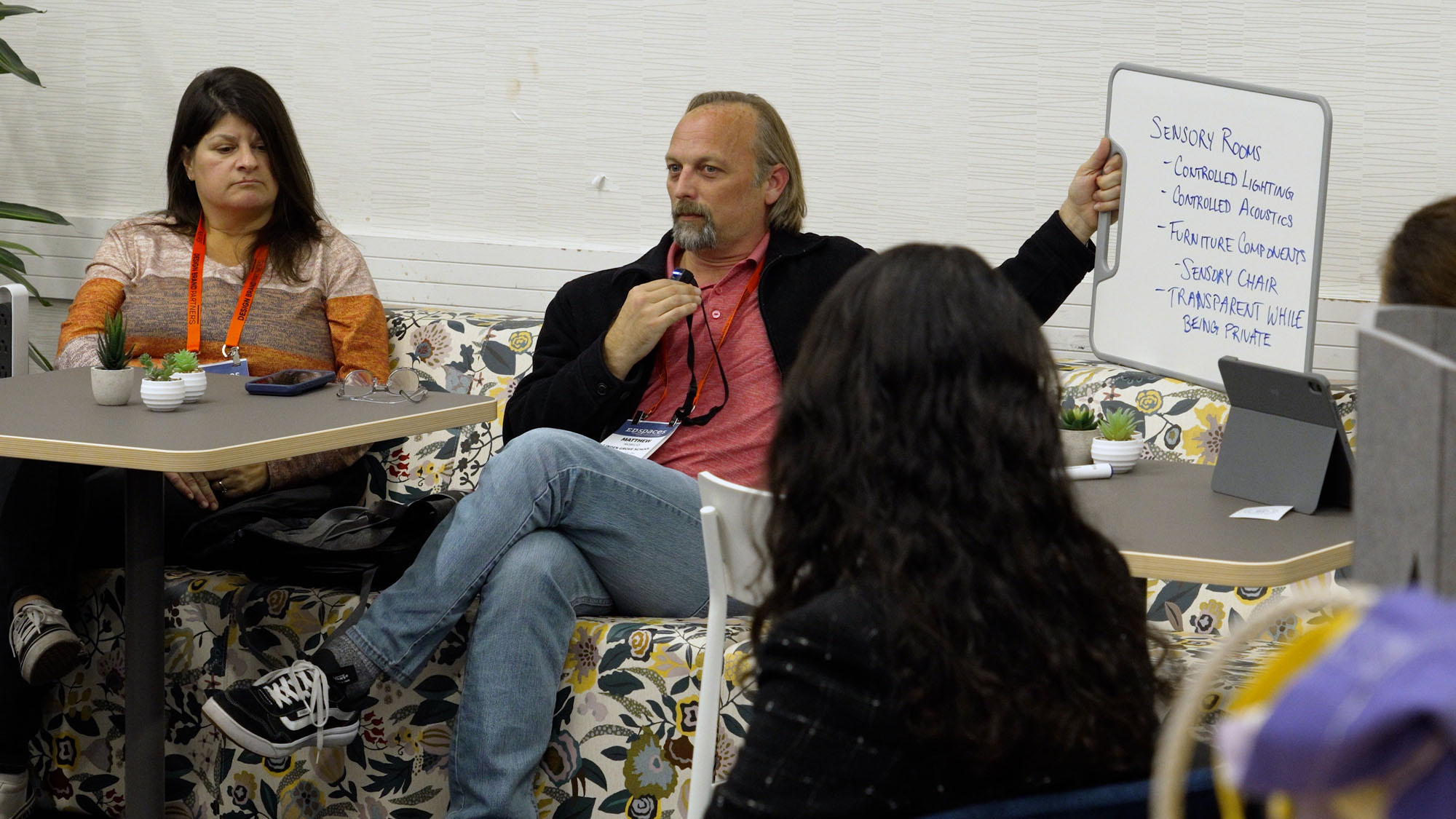
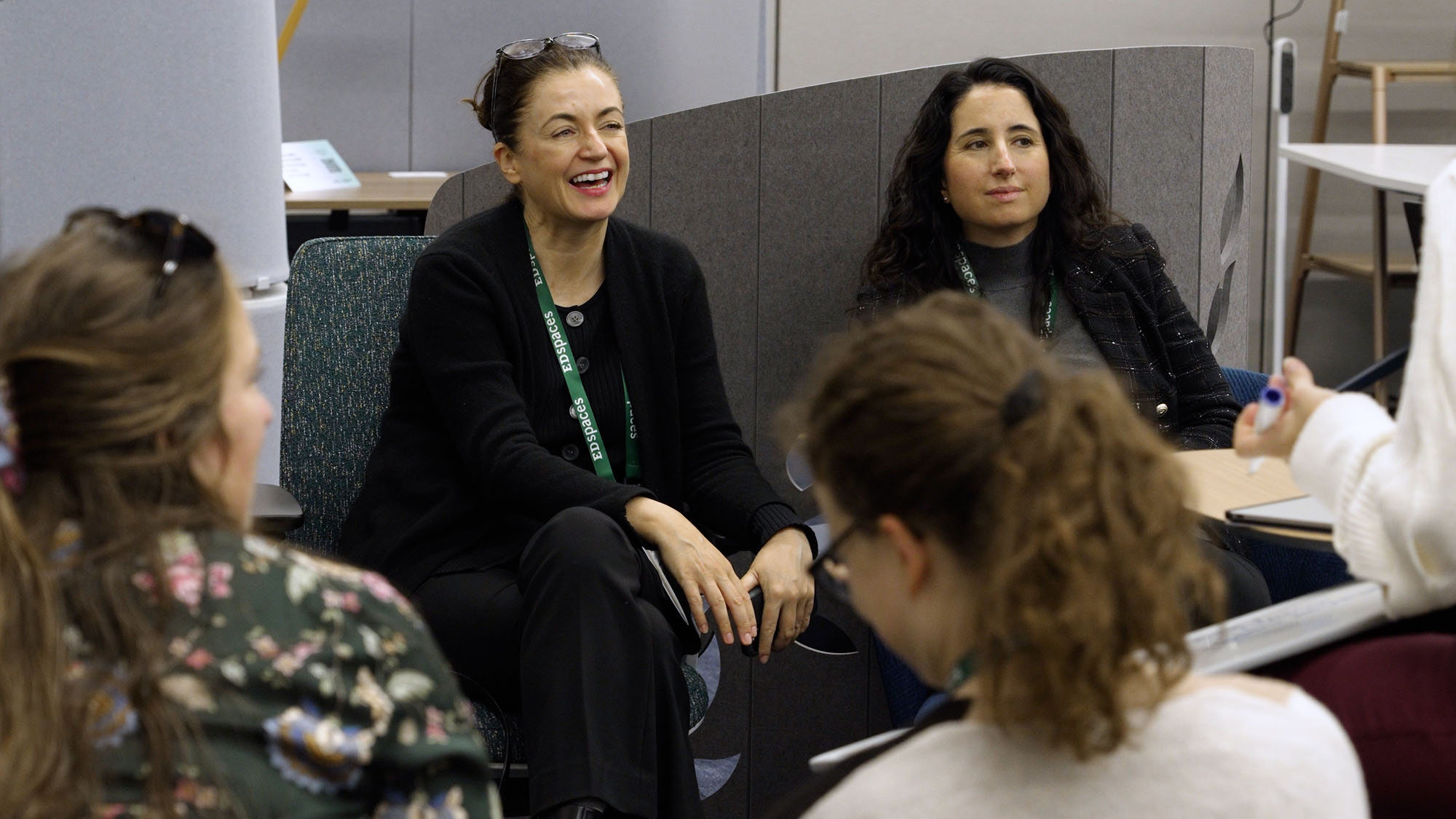
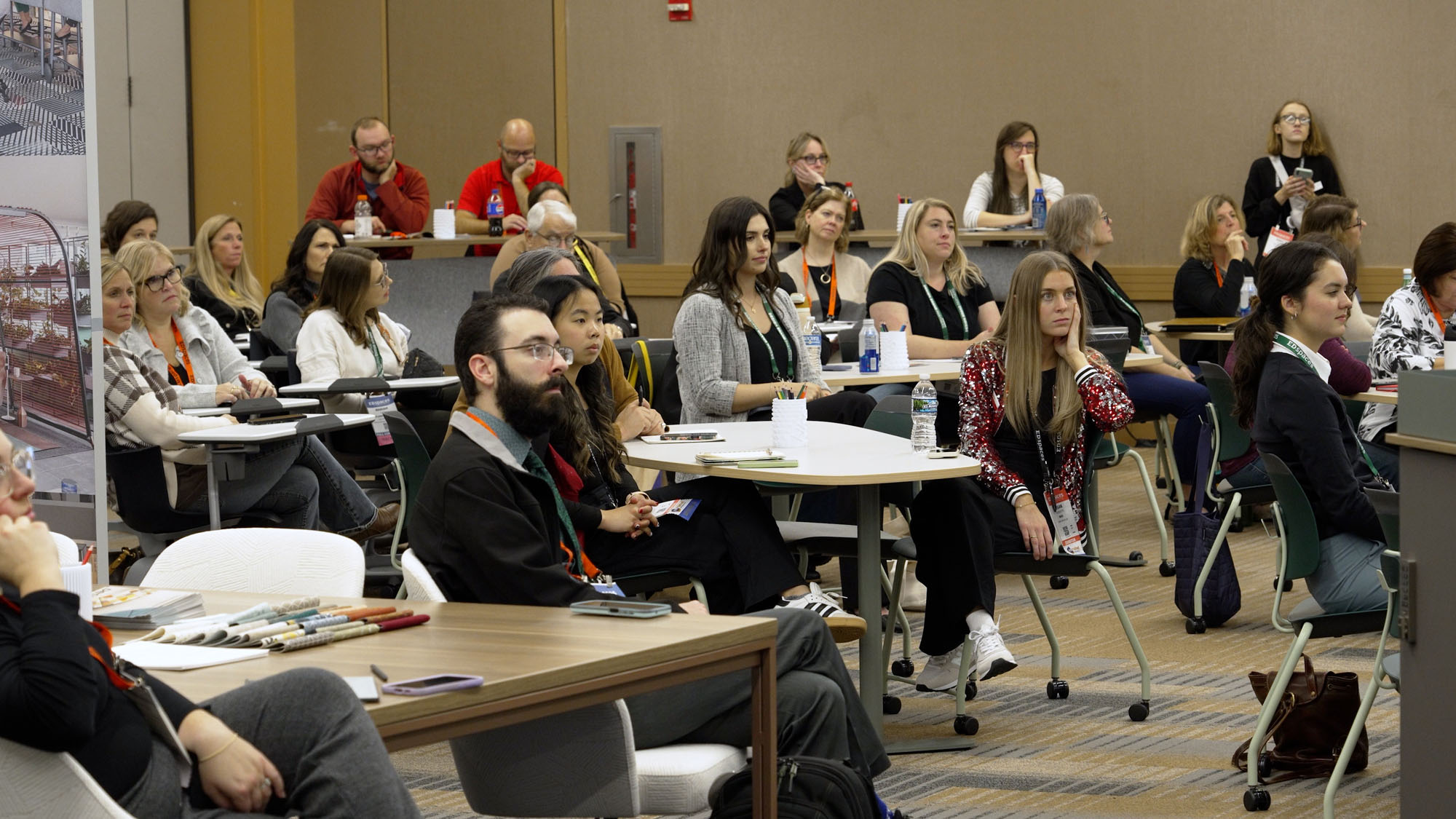
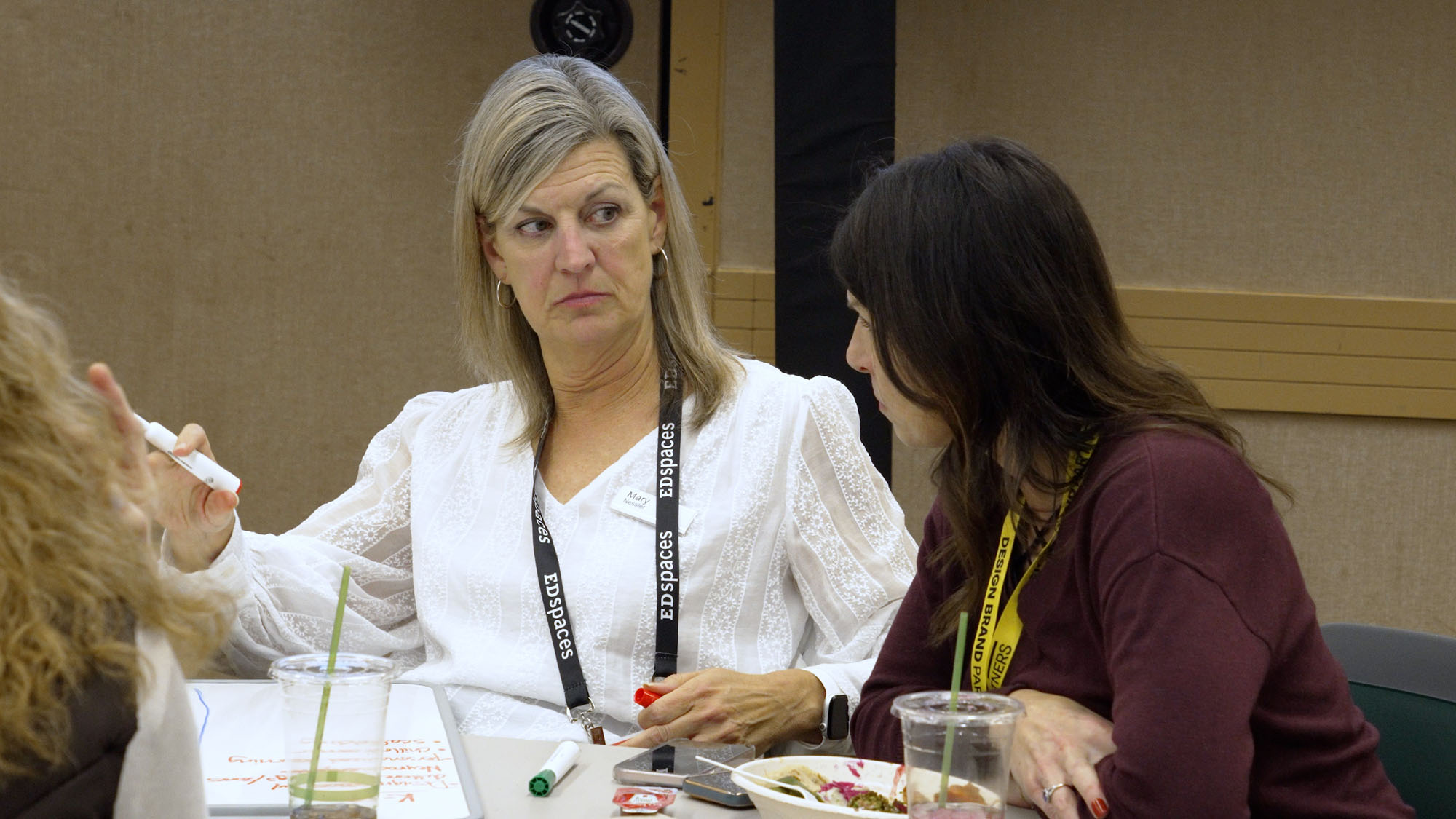
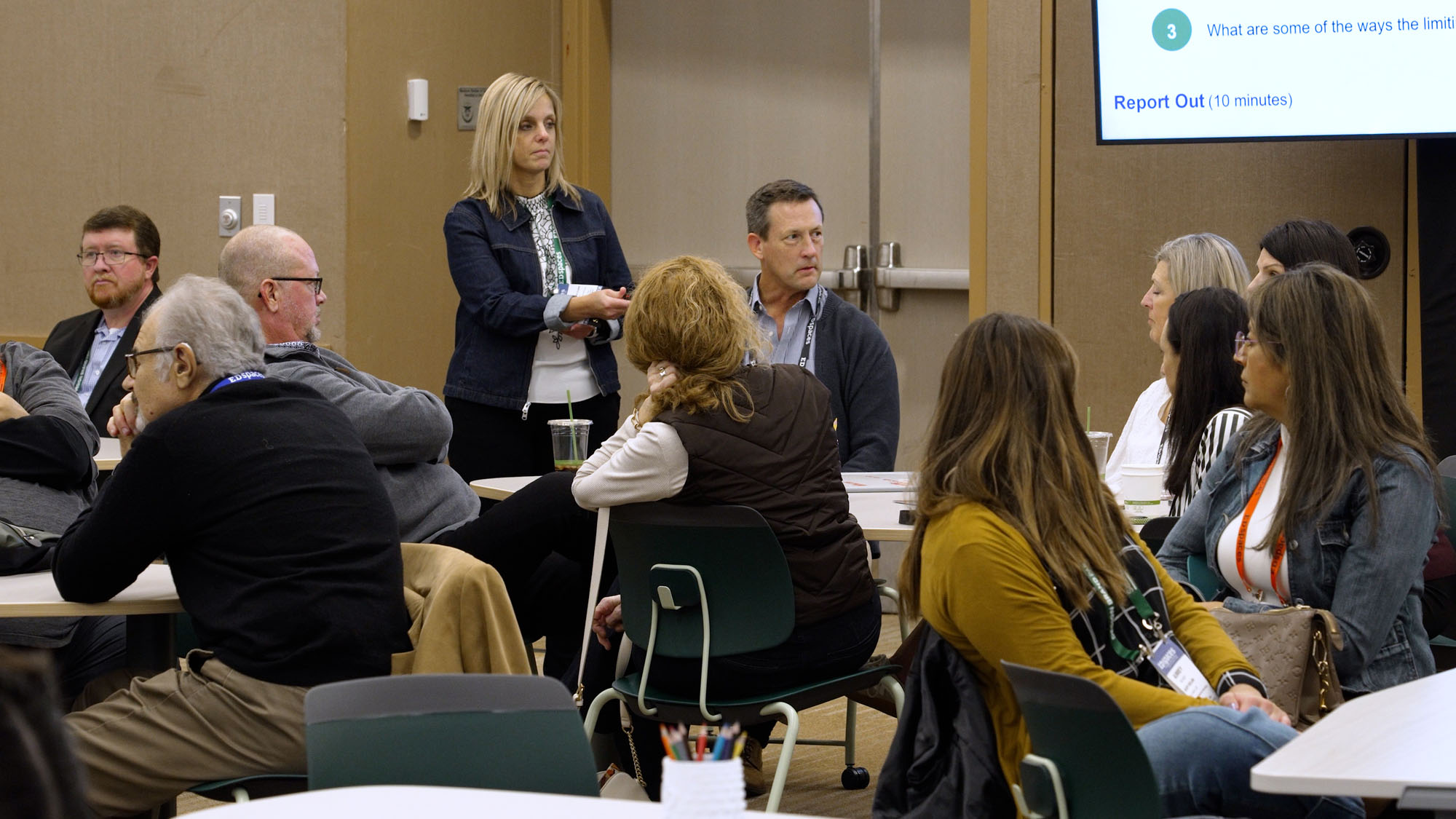
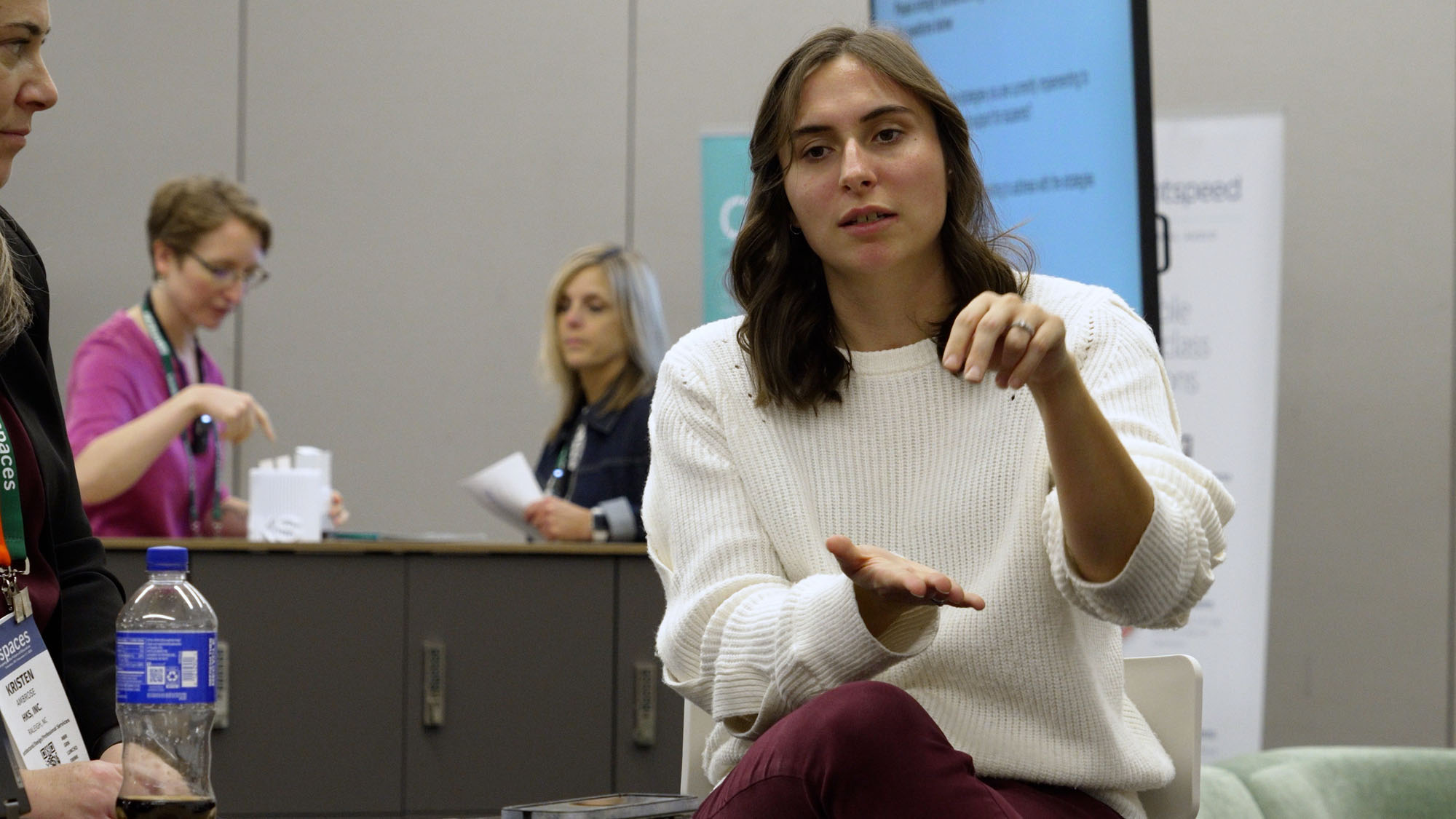
The engagement consisted of a series of short lectures, followed by group discussions and report-outs of participants’ ideas. The session was intended to discover ways educators could tailor the learning experience by identifying new design strategies to create a safer, more accessible, and more emotionally comfortable environment for students.

Joseph Petrarca, the former Director of Educational and Shared Services with the Franklin County Board of Developmental Disabilities, spoke via pre-recorded video, “There’s a variety of disabilities that respond well to the same type of outcomes. Visual schedules work for a lot of kids, even those without disabilities,” he said. “You see more and more visual supports in classrooms because it helps the kids make sense of what’s coming next. It can even reduce anxiety in students without an individual education plan (IEP).”

Joe concluded, “We’ve seen a big shift from just getting kids in the building to having inclusive elements in a general education classroom.” By tailoring the learning experience to meet the needs of disabled students, educators can foster a more engaging and rewarding learning environment for all.

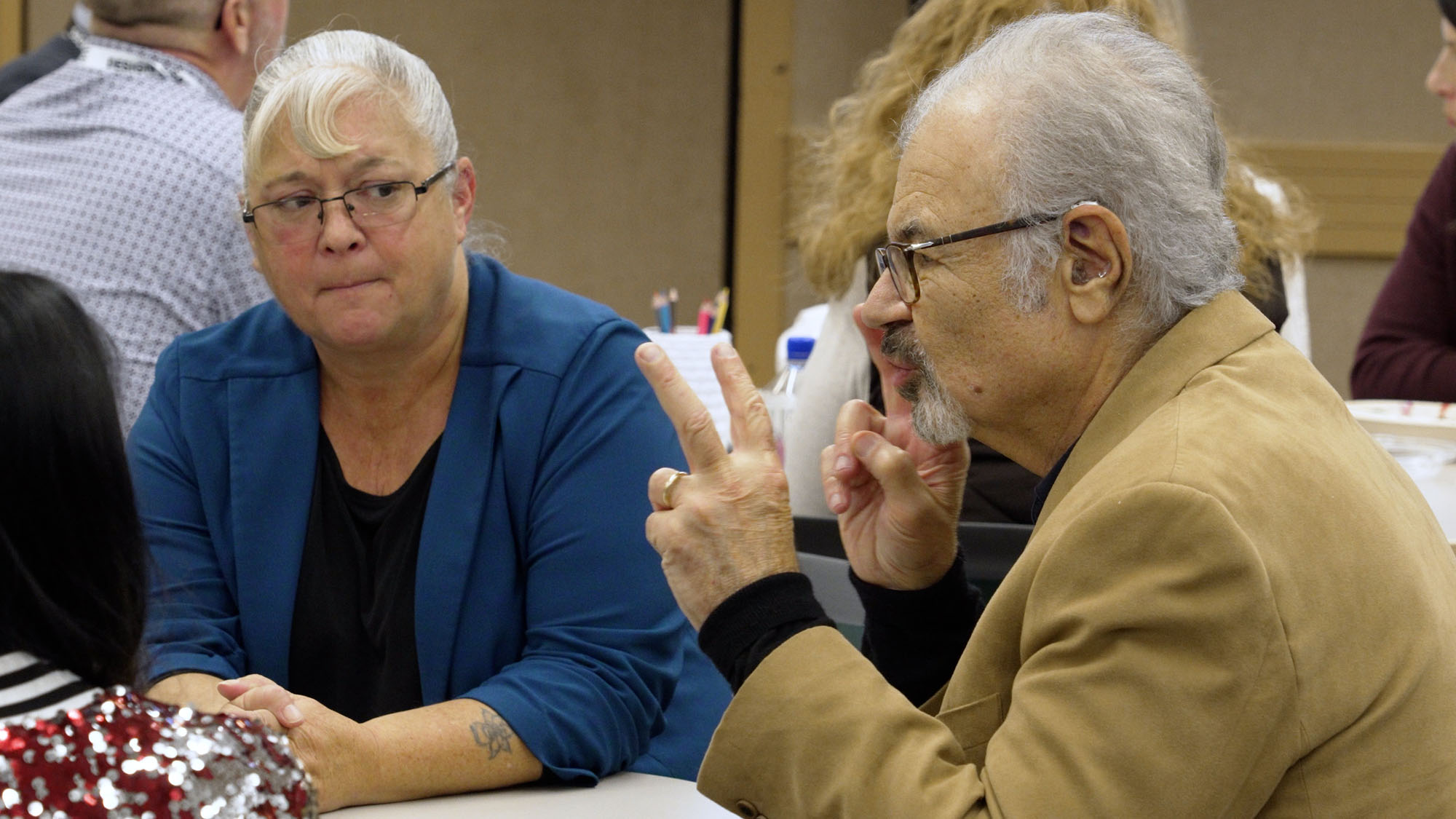
“It was really awesome to see all the real exchanges between the audience members,” Rhonda said. “Seeing their group discussions, sharing their personal situations, and informing each other about what’s important to them is exactly what we wanted. As a designer, I’m constantly learning, and I learned quite a bit today.”

EDspaces "Beyond ADA" Presentation

North Ridgeville Encourages Student Independence

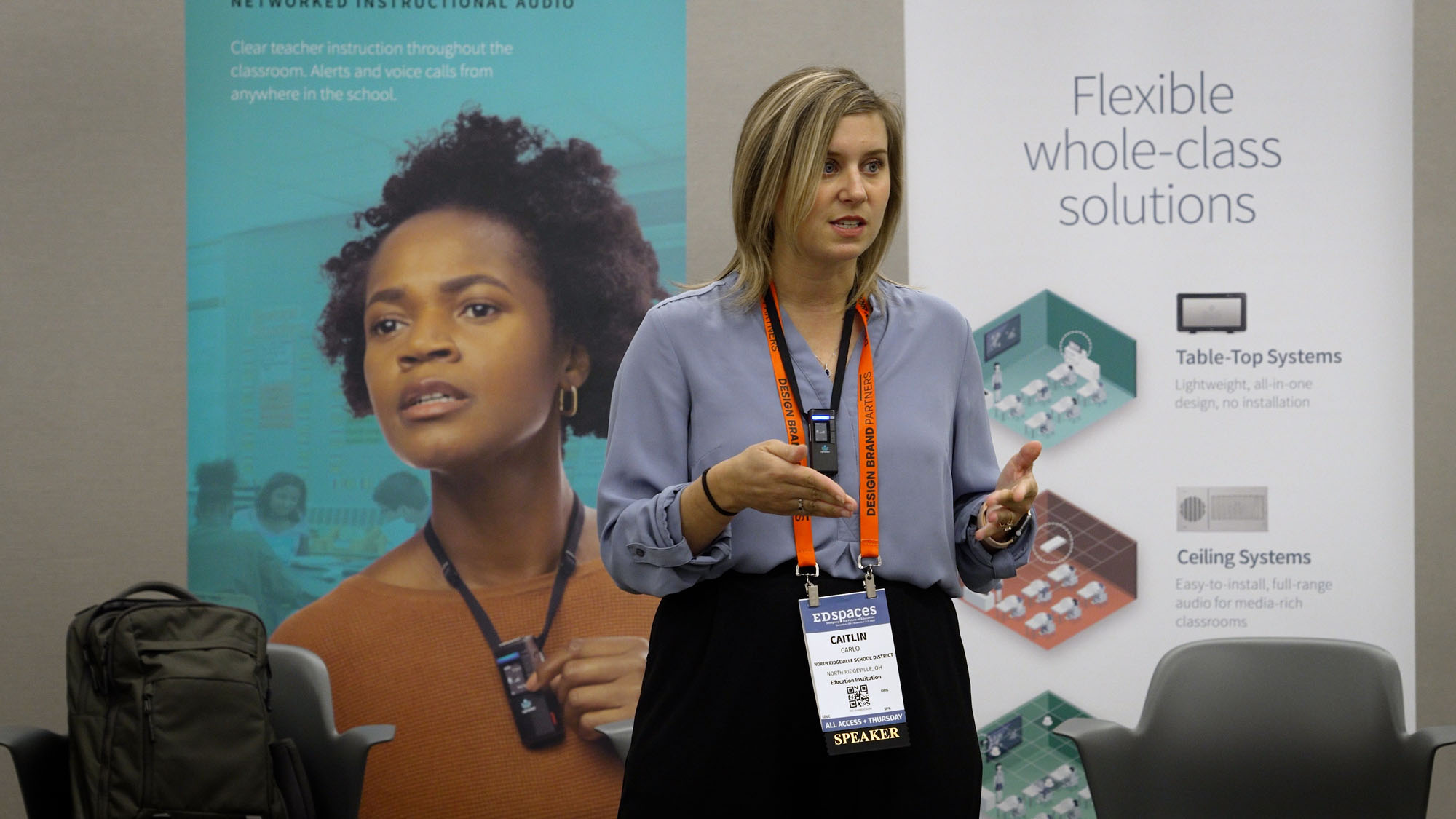
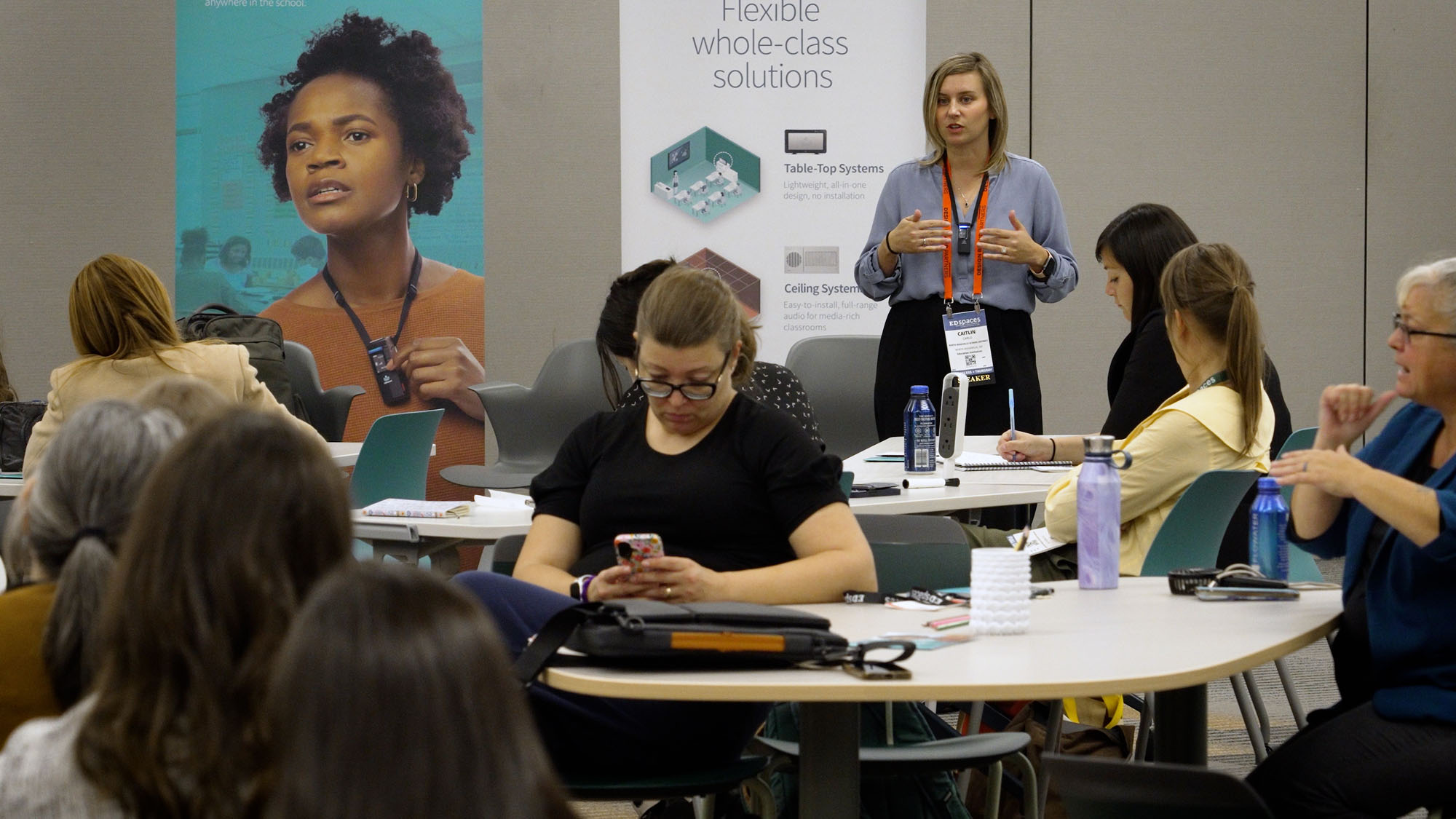
“I want my students to have as much independence as possible,” said North Ridgeville City Schools Intervention Specialist Caitlin Carlo. “I really want them to be able to do things on their own. That’s why I like letting people know what we’re doing in North Ridgeville.”

North Ridgeville City Schools has unique programs based in the high school that were created specifically for students with special needs. This supports the district’s philosophy to focus on the development of the whole child to ensure success.

Able Not Label is a program where special needs students use job skills and talents to create school-themed merchandise. Students participate in the design, manufacturing, and sale of items in the Able Shop. Capable Confections is a new student-run baking program developing food service industry skills.

“I’ve been teaching students with significant disabilities for 13 years,” Caitlin said. “They are unique and amazing and make me smile every day.” Her involvement in the presentation was driven by a desire to raise awareness and inspire meaningful change by influencing ideas and solutions that attendees can take back to their school districts.

“We were able to talk about the flaws we have in our school systems and share the struggles we have to work through,” Caitlin said. The workshop afforded a unique opportunity for those passionate about the well-being and success of students with disabilities to share ideas and speak frankly about current conditions.

Caitlin continued, “All students have the right to belong and be accommodated and to participate with their peers. So, it’s really important we make sure we do our best to provide what they need to learn, thrive, be happy, be successful, and contribute to society.”

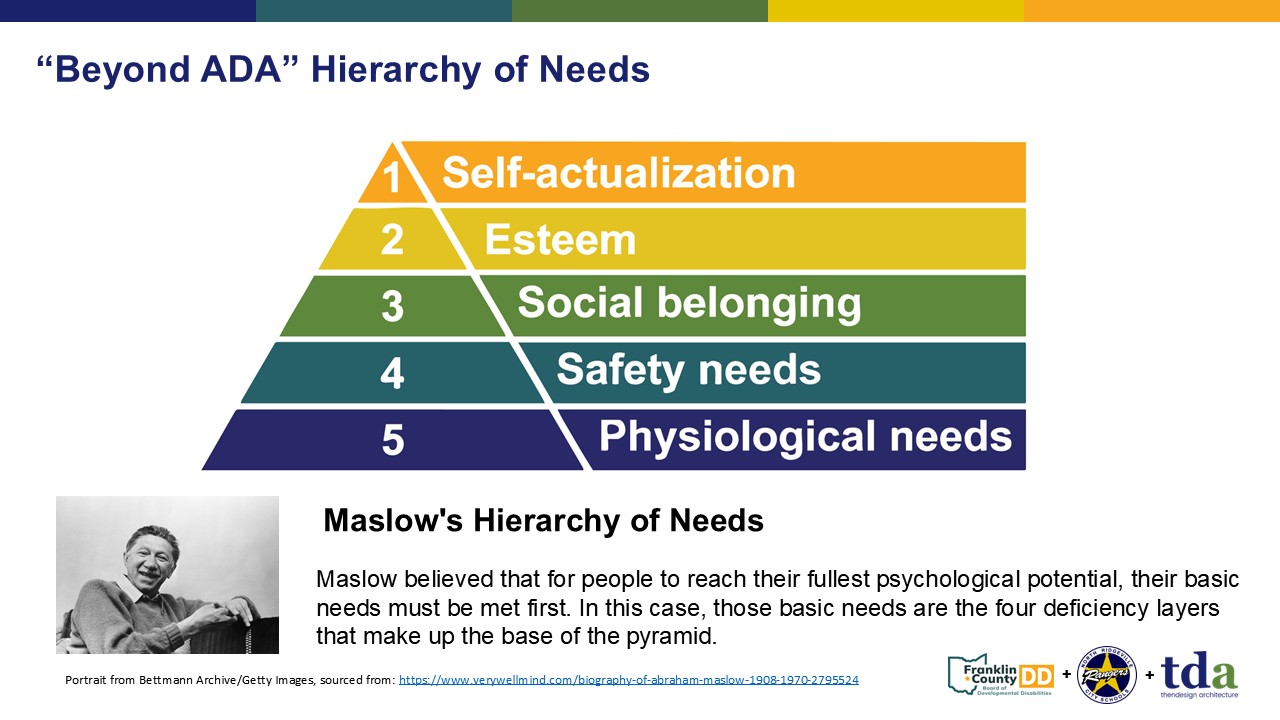
EDspaces Beyond ADA Presentation Slides

Inclusive Design Considerations

“The educational segment is especially rewarding because it’s always adapting,” said ThenDesign Architecture Interior Designer Jeanne Klecker, NCIDQ. “ADA is mandated, but our presentation was titled ‘Beyond ADA’ because that is what we’re encouraging people to think about. Having discussions about going beyond the requirements to make sure we’re accommodating every student and every teacher the best we can.”

One pathway to achieve this is by looking beyond special education classrooms to consider every space within the building. Jeanne said, “We need to be looking at spaces like art classrooms, labs, gymnasiums, and student dining spaces so we can think about what we can do to make it better for everyone.”

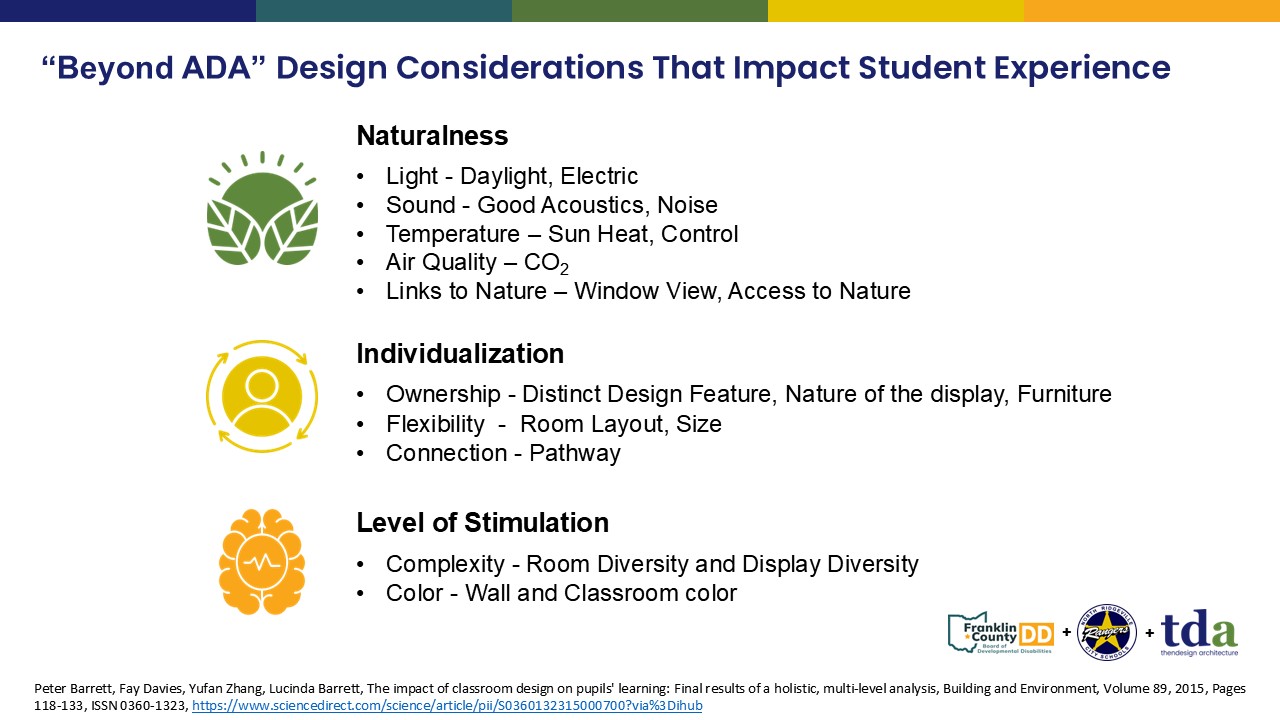
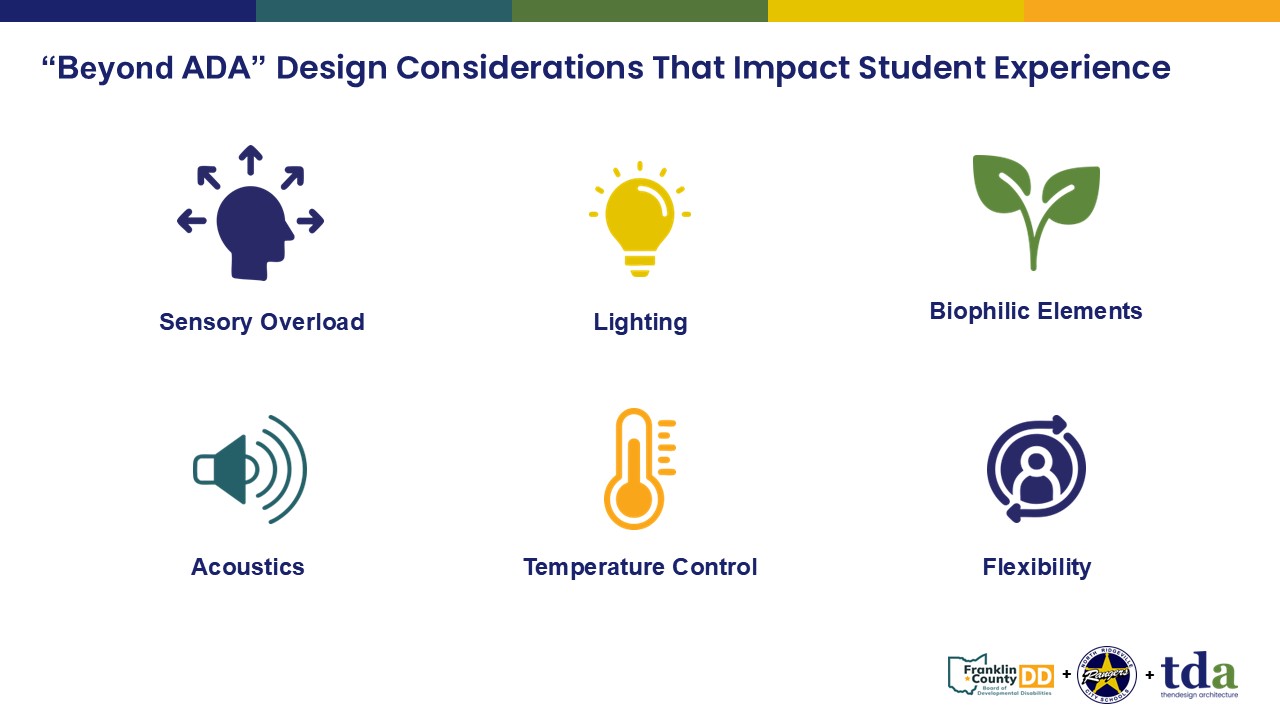
Some of the topics discussed during the presentation were acoustics, lighting, temperature, colors, textures, furniture, and elements of the student experience that impact emotional and physical needs. Certain environments that are colorful or loud have the potential to overstimulate some students.

One of the universally accepted stress-relieving design techniques is incorporating natural light, natural colors, and shapes like trees, leaves, flowers, and bodies of water into a school environment. Biophilic elements can be a wooden tree stand in a media center or patterns of leaves on a classroom wall. These interior finishes, along with large windows with a view of the outdoors, can have a soothing effect.

Jeanne said, “It’s important for interior design to understand all of the goals that go into a school building, because it’s more than just the finishes, the colors, and space planning. Thinking through how students or teachers will move through that building independently and confidently is important. Using those spaces to learn and teach effectively is vital to a design.”

EDspaces "Beyond ADA" Presentation

Even Teachers Are Still Learning

“It’s very important to me that students don’t feel excluded,” said TDA Educational Design Lead Claire Bank, AIA, ALEP, NCARB. “We all want students to thrive and focus on learning. Not to be distracted or face barriers to their needs.”

The workshop gathered an engaged group of professionals with a variety of backgrounds and experiences. Despite the collaboration and planning for the event, Claire admitted there were topics of discussion that had not been considered. “We covered lighting, acoustics, and temperature control, but in one of the breakout sessions, we heard about accommodating deaf students. That was something we hadn’t really addressed,” she said. “But it raised some interesting questions and something for us to consider as we move forward with future designs.”

The workshop collaborations and group activities were not intended to answer all questions, but at least broaden the topics of discussion by inspiring driven, creative minds to address bettering the educational environments for all students and teachers.

One of the attendees shared their experience about a special disability school. “Learning about the disability school that has blind and deaf students was really interesting,” Rhonda said. “Especially hearing about the visual aids and other forms of communication. It seems like a very complicated design problem to figure out. I don’t know that I have a solution yet, but I would love to learn more.”

Claire said, “Anything we can do to accommodate students to help them feel comfortable and see that their needs are met throughout a school building is very important to me.”
EDspaces "Beyond ADA" Presentation

Caring Beyond ADA

“Incorporating universal and ADA design principles into schools is important to me personally,” Rhonda said. “We need to care about each other. We need to think about how we can all live together and work together. This is a global mindset, not just for schools.”

“It’s important that we’re changing our educational practices. We need to stay progressive to prepare our students for their futures,” Cailtin concluded. “I have a passion for students with significant disabilities. I see the value in what they can bring to the community, and I want the community to see that.”

The “Beyond ADA” workshop at EDspaces sparked conversations on effective design considerations for students with special needs that attendees can take back and implement in their schools and districts. Creating inclusive spaces through flexibility, visual support, acoustics, lighting, temperature controls, sensory considerations, and biophilic elements can improve the design to maximize the potential benefit for all students.

The Beyond ADA Team

Beyond ADA Team: Claire Bank, Rhonda Franklin, Jeanne Kleckner, Caitlin Carlo

Inside Wickliffe’s Family Resource Center: Strengthening Communities

Inside Wickliffe's Family Resource Center: Strengthening Communities
The Wickliffe Family Resource Center, operated by the Wickliffe City School District, teamed up with ThenDesign Architecture to produce a series of informational videos showcasing the free services provided to community members and students, including primary care, behavioral health, and oral care. It is designed to be a model for resource centers across the country. In close partnership with Signature Health, the non-profit organization is connected to the new PreK-12 Campus in Wickliffe, Ohio.

Inside Wickliffe's Family Resource Center: Strengthening Communities

The Wickliffe Family Resource Center (WFRC) is operated by the Wickliffe City School District in partnership with Signature Health. It is a unique organization that brings together support services and educational resources to enhance the well-being of students, families, and community members.

A series of documentary videos was created to explain what the Wickliffe Family Resource Center is and how it can assist those in need. Offering physical resources such as food, clothing, and household supplies through the WicKloset program is in addition to Signature Health’s free primary care, behavioral health, and oral health services.

Part 1: Who Are We?

“The Wickliffe Family Resource Center is a one-stop shop for members of the community, students, and staff to get any of their needs met,” commented former superintendent Joe Spiccia on the WFRC.

The FRC has become a community hub, operating under the guiding principle: “We never say no.” Built from a careful examination of Wickliffe’s students and our families, the center’s vision, championed by Director of Strategic Innovation Julie Ramos, is to ensure student success by complementing the work of schools.

The FRC, which includes a secure on-campus clinic co-located within the PreK-12 school, provides critical food, clothing, medical, and mental health services. The initiative is designed to wrap around students and families, offering a safe location and the necessary supports so they can level up. Local leadership, including the mayor, emphasizes that the FRC is one way this tight-knit community provides for its neighbors and students who may be going through challenging times. The district’s student experience is impacted for the better because, as one community member noted, “If you needed any help, it was there.”

Part 2: Partnership with Signature Health

Many students have unmet mental or chronic health needs, and we know that those can negatively impact their attendance and their performance. Having a clinic at the WFRC allows us to address those needs and see success in students,” said Medical Director, Primary Care for Signature Health, Dr. Todd Wagner. They aim to provide students with key services that benefit their lives.

The success of the Wickliffe School District’s academic mission relies on students being “healthy, happy, and feeling good,” according to Superintendent Joe Spiccia. This led to the partnership with Signature Health, a community health center specializing in serving those at any socioeconomic scale.

Signature Health at the Family Resource Center (FRC) provides comprehensive, co-located healthcare, including primary care, behavioral health, and oral health. The service is unique in that it is open to anybody, regardless of zip code, status, or income.

This collaboration addresses significant barriers to academic performance—such as hunger, housing instability, or unmet mental health needs—that impede a student’s ability to learn. By offering vaccines and physicals on-site, students do not miss instructional time. Clinicians can work as a team with school staff to address chronic conditions like asthma or provide individual and family counseling for emotional needs. This proactive support system is critical for the student experience, allowing children who were once struggling to “thrive,” see their “grades improve,” and ultimately graduate. The goal is to expand the impact on the entire community.

Part 3: Making a Difference

The Wickliffe Family Resource Center (FRC) utilizes a unique “wraparound service” model to assist individuals in need. Director of Strategic Innovation for Wickliffe City Schools, Julie Ramos, stated, “By having a wraparound service, we aim to benefit each person outside of just an academic setting. If we don’t provide the service, we’re going to figure it out.” This approach sets Wickliffe apart by offering comprehensive resources in one location, ensuring that when a family or student presents a challenge, the FRC commits to providing a solution.

Core services include the WicKloset, which offers seasonal clothing, shoes, and dry storage food. Crucially, the FRC helps students by providing counseling services, an outlet that was unavailable to previous generations of struggling single-parent families. This support directly impacts the student experience, providing the necessary aid that allows young people to focus on their education.

The FRC is supported by the community, with citizens donating and volunteering to help out those in need. High school students are learning empathy and leadership by giving back, recognizing that helping others creates a positive “chain reaction” for the whole community. Grant support from the state and federal government recognizes the importance of this work, which provides significant downstream savings through early intervention.
Part 4: Measuring Success

Since opening in 2019, the Family Resource Center (FRC) has served over 10,000 people across 22 ZIP codes, demonstrating a significant community impact. Last year alone, the FRC served approximately 2,000 individuals through programs like the WicKloset, ensuring food and clothing for community members.

The FRC’s true measure of success is the tangible impact on family and student outcomes. By addressing non-academic barriers, the district has seen a 12% reduction in the chronic absenteeism rate and an improved graduation rate. There has also been an increase in participation in extracurricular activities, partially credited to the availability of free physicals at the center.
For struggling students, the center provides crucial primary care and behavioral health services, which have been proven to lead to better school attendance and performance. Success is measured in many ways—but the FRC’s data confirms that its “big mountain to climb” approach is making a direct, positive difference in the overall student experience and the community at large.

Part 5: Building the Campus

“We knew that if we served the whole community, we were then serving the students,” commented former superintendent Joe Spiccia on the construction of the new PreK-12 school.

The Wickliffe community is a close-knit entity. The schools, which are a central part of that community, launched meetings in 2017 to address their aging facilities. The result was a consensus to build a new Preschool through 12th-grade campus, consolidating all students into one secure location.

The design of the new campus and the attached Family Resource Center (FRC) was strategically executed with ThenDesign Architecture (TDA). The FRC, which was designed as a part of the new school, was created as a secure, safe location with its own outside entrance and connection to the school. This physical design ensures safety while maximizing accessibility.

The FRC’s success stems from extensive collaboration; the district met with every social service agency in Lake County, securing Signature Health as its primary partner. State government officials also provided crucial support to secure funding. The center operates on the premise that serving the whole community inherently serves the students, creating a supportive environment where students know, “We’ve got you. Even if you trip, you have somewhere to go.” This thoughtfully designed space ensures every student can get back up and continue moving forward.

Part 6: Setting the Example

“This is the future of education. It is really, truly addressing the entire human and by using our partnerships and working collaboratively to bring in those nonprofits, we benefit families and students,” states Director of Strategic Innovation for Wickliffe City Schools, Julie Ramos.

The Wickliffe Family Resource Center (FRC) is positioned as a successful model that needs to be replicated in communities nationwide. Stakeholders assert the FRC represents the future of education, stressing that its value goes “way beyond any return on investment” by creating happier, healthier communities.

The center’s mission is to support the whole child, whole family, and whole community. By addressing the entire human through strong partnerships with nonprofits, businesses, and foundations, the FRC ensures students receive comprehensive support. This holistic approach significantly improves the student experience by removing non-academic barriers.

Wickliffe leaders are inviting other school districts seeking to build similar programs to “call us.” They pledge to be an “open book,” sharing every step of their journey to demonstrate how any community—whether in Lake County or five states away—can benefit from this center and utilize its services. The existence of the FRC is a major asset that offers support to many families in need.

Learn more about the Wickliffe Family Resource Center by visiting their website: https://www.wickliffeschools.org/wickliffe-frc

TDA’s Claire Bank Receives ALEP Designation

TDA's Claire Bank Receives ALEP Designation

TDA's Claire Bank Receives ALEP Designation

ThenDesign Architecture is a learning and teaching firm. Even our most seasoned professionals see the value of furthering their educational experience to enhance their personal development and the expertise they offer to our clients. We are pleased to announce that Claire Bank, AIA, NCARB, has received the Accredited Learning Environments Planner (ALEP) designation from the Association for Learning Environments (A4LE). This notable mark of excellence was developed to reflect the knowledge, skills, and abilities of a competent educational facility planner.

The ALEP credential was designed to elevate professional standards, enhance individual performance, and identify those in the educational environment industry who demonstrate the knowledge essential to the practice of educational facility planning. All recipients meet rigorous eligibility requirements. Claire completed the A4LE Academy Advanced Certificate Program by participating in Cohort 11.

“A4LE is a neat organization because it pulls together a lot of different people who work in the educational sector,” Claire said. “It’s comprised of educators, facility directors, vendors, interior designers, and architects that pool a variety of perspectives to build a comprehensive view of project needs in the school environment.”

Blending career backgrounds from the educator and school district perspectives helped Claire gain valuable insights. Throughout five of the six modules, she worked closely with four teammates, completing assignments with them and meeting with them at least twice a week. One member of her project team had experience providing professional development guidance from the world-class Finnish education system. Another teammate was the head of renovations for a large school district in Texas. The other two were architects who head architectural practices in New Hampshire and Louisiana.

Listening to her teammates, Claire better understood the communication gap that all projects can experience when translating design concepts to school district members. The group discovered they had similar challenges and opportunities with their projects, even though they worked all over the world.

“It was really fun to have honest dialogues and discuss ideas that weren’t rooted in a specific project, but were reflections on our past challenges and what we’ve all learned over the years as we discussed course materials,” Claire said. “I really appreciated the coursework. We reviewed a lot of reports and studies on all sorts of elements in design features and environmental factors that affect student learning. Some of the most valuable information was how to positively impact students and enhance their ability to learn, while also examining how the staff uses the classroom spaces to teach.”

Design is not just about creating a cool space, but seriously considering how students and instructors will experience the learning environment. Stopping to ask if the spaces are meeting the basic needs appropriate for what is being taught may seem simple, but it challenges the designer to consider not letting the space itself be the focus. Instead, factors like temperature, acoustics, and natural light should be closely considered so that students and teachers can experience greater effectiveness and productivity.

An aesthetically pleasing design opportunity in a classroom may not always be the best choice for student and instructor comfort. Claire said, “We shouldn’t get people distracted by falling in love with ‘a thing’ in the project without totally understanding how it’s going to function. We’ve been giving students a variety of spaces and experiences to thrive in, but it works hand-in-hand with the classroom experience. We should hone in on the educational aspects of a project and understand the vision, then support with architecture.”

“This program has shown me there is more that we can do in the classroom,” Claire added.

One of Claire’s biggest takeaways is making sure the basic needs of students are being met as much as possible through building design. “Keeping the students and staff comfortable and giving them the resources they need to be successful should be the focus. This allows them to do what they need to do without being distracted by discomfort. It’s vital we keep people feeling safe, not only from a security standpoint, but from an emotional well-being standpoint, in addition to being comfortable,” she said.

Her completion of the A4LE Academy Advanced Certificate Program has given Claire a fresh perspective on the design process by exposing her to frank insights from school districts and educators, and access to relevant data. Claire concluded, “I’m grateful to A4LE for facilitating this great program where people from different sides of the table could have enriching dialogues. We quickly realized we were all striving towards the same goal: Providing great learning environments for students.”

To learn more about A4LE and ALEP, visit www.A4LE.org.

"Keeping the students and staff comfortable and giving them the resources they need to be successful should be the focus."
Claire Bank, AIA, NCARB
ThenDesign Architecture

You can find out what our interns say about us here

For more information on our open positions or internship programs, visit our Careers page.

TDA’s Summer Student Shadow Day

TDA's Summer Student Shadow Day
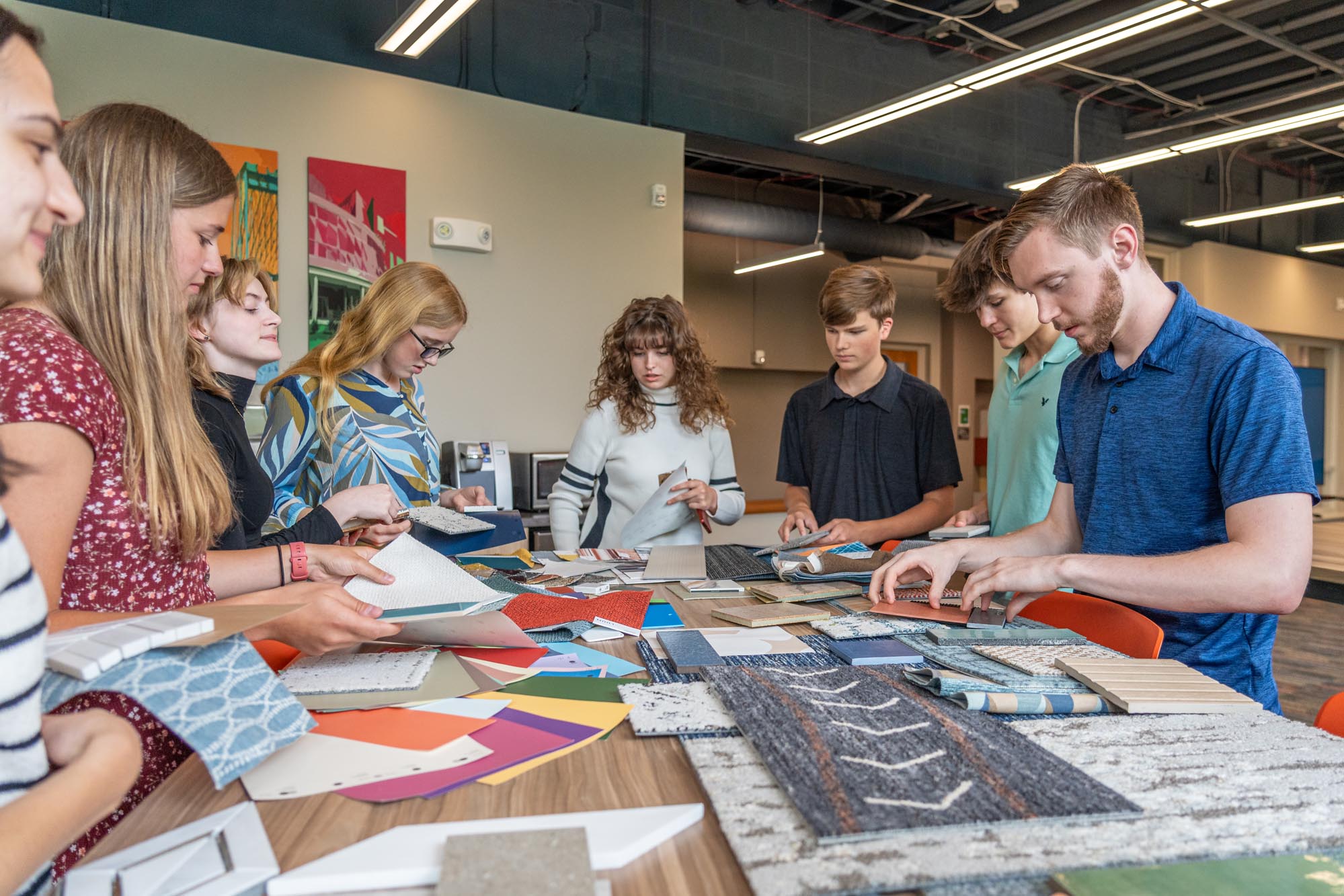
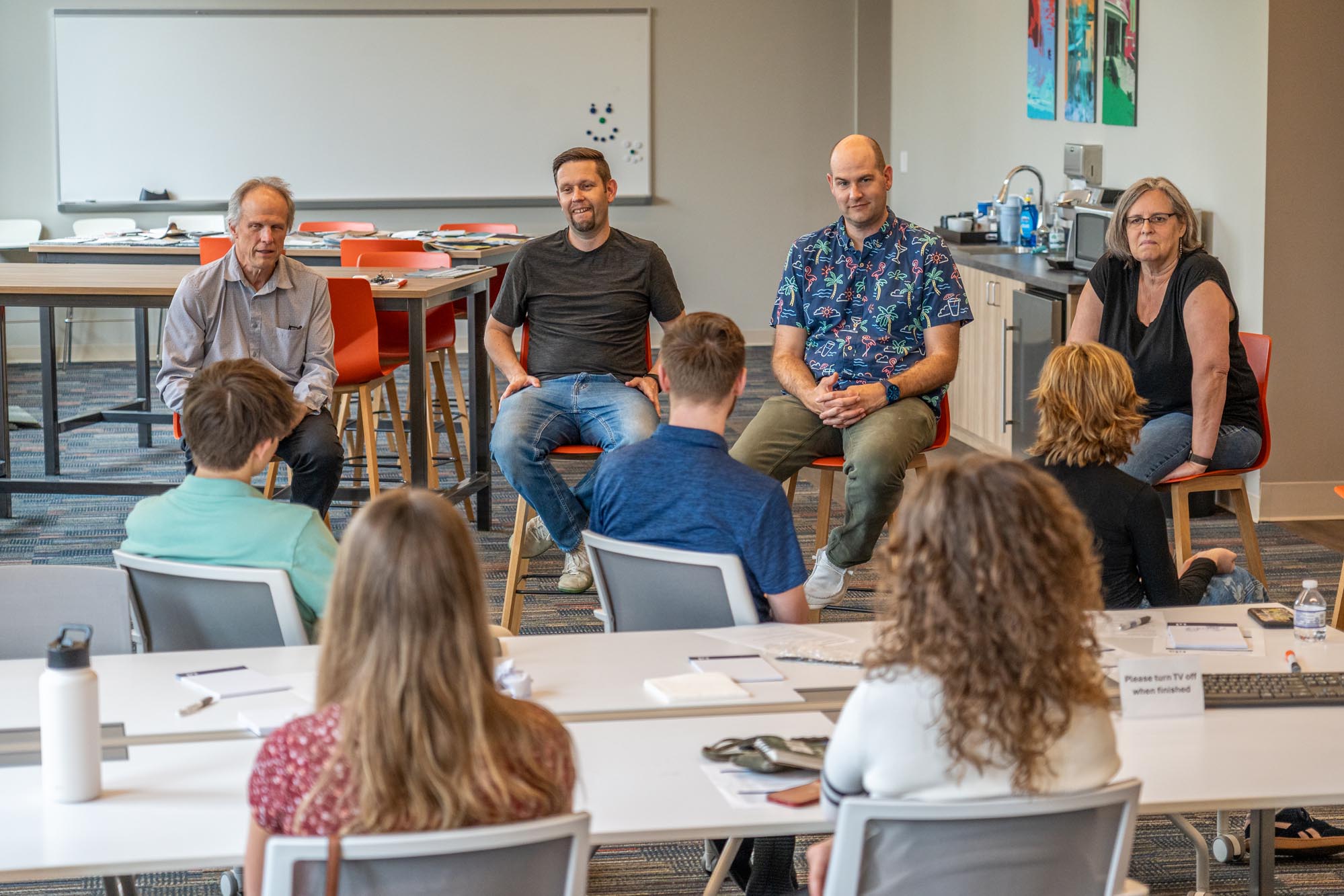
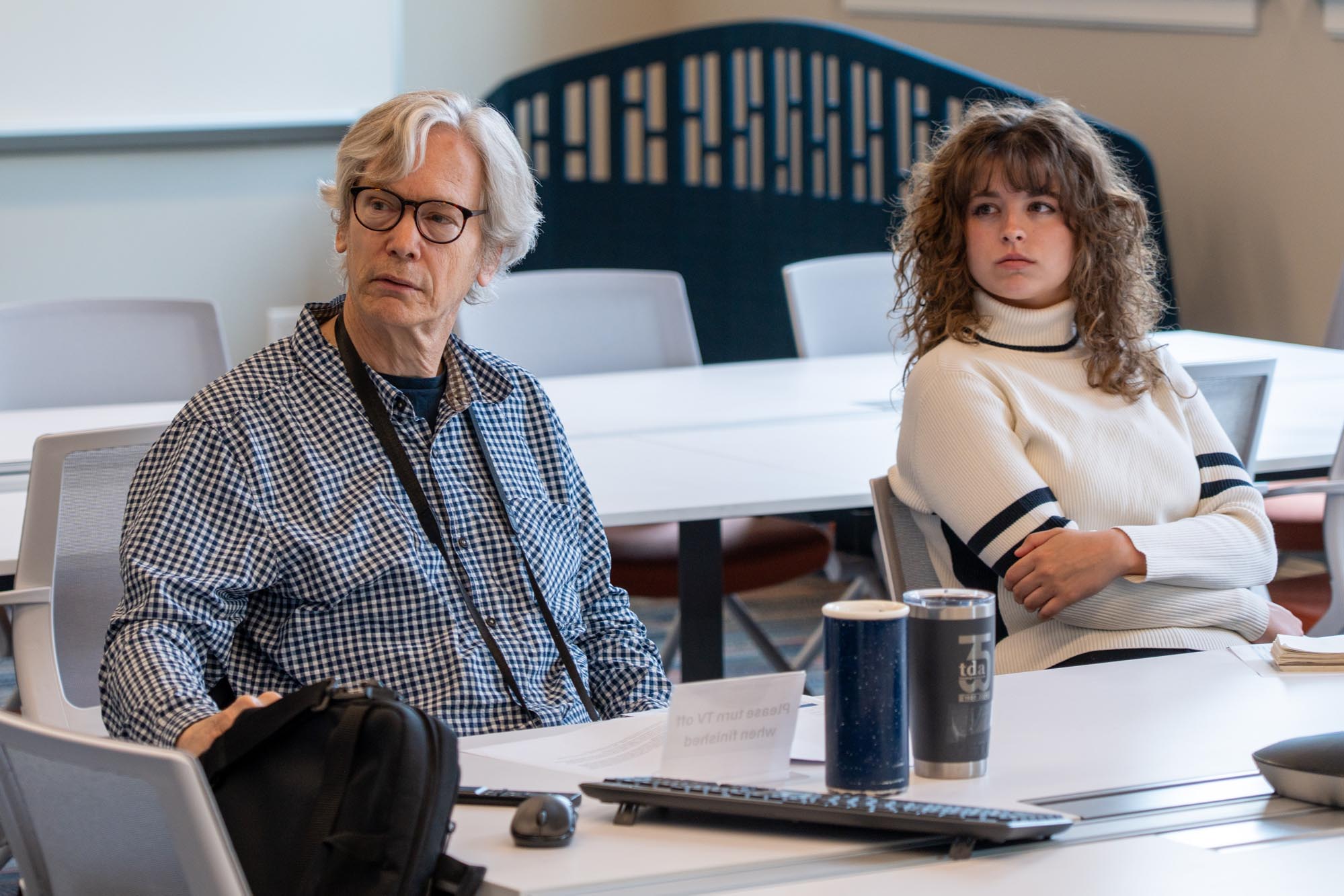
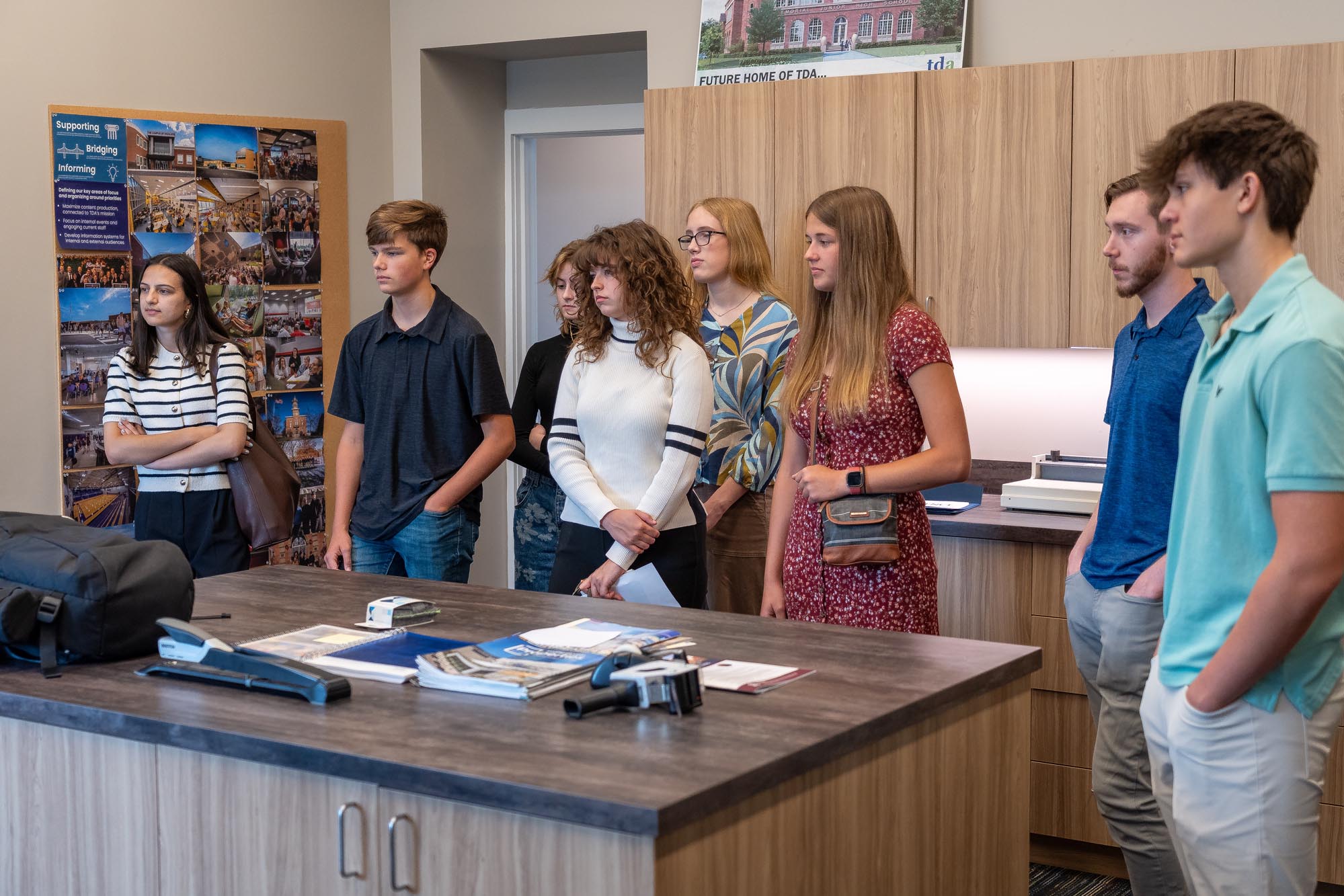
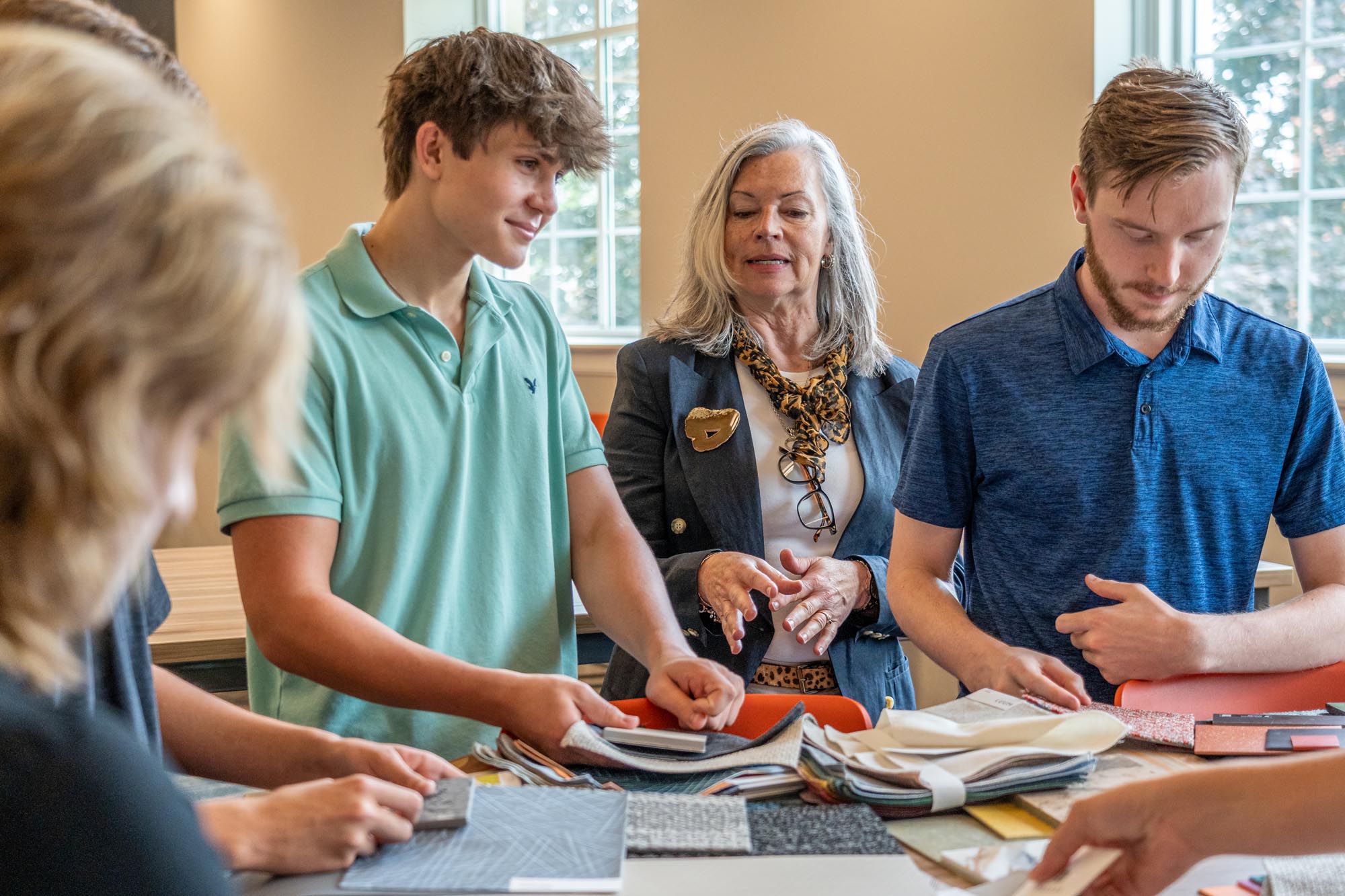
ThenDesign Architecture hosted an annual Summer Shadow Day, providing unique learning sessions, hands-on activities, and team-building opportunities for high school and college students interested in the architectural design or construction fields.

TDA's Summer Student Shadow Day

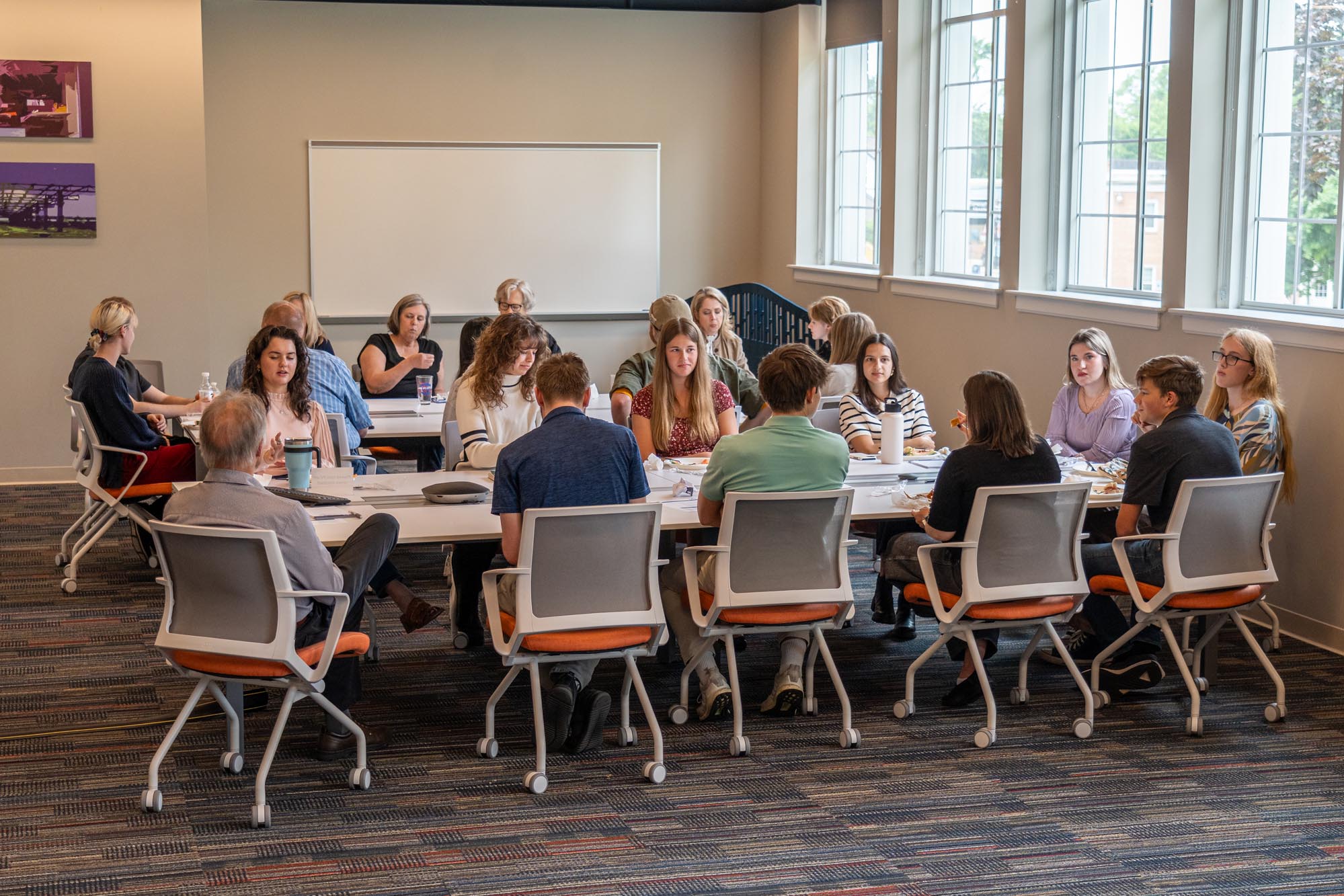
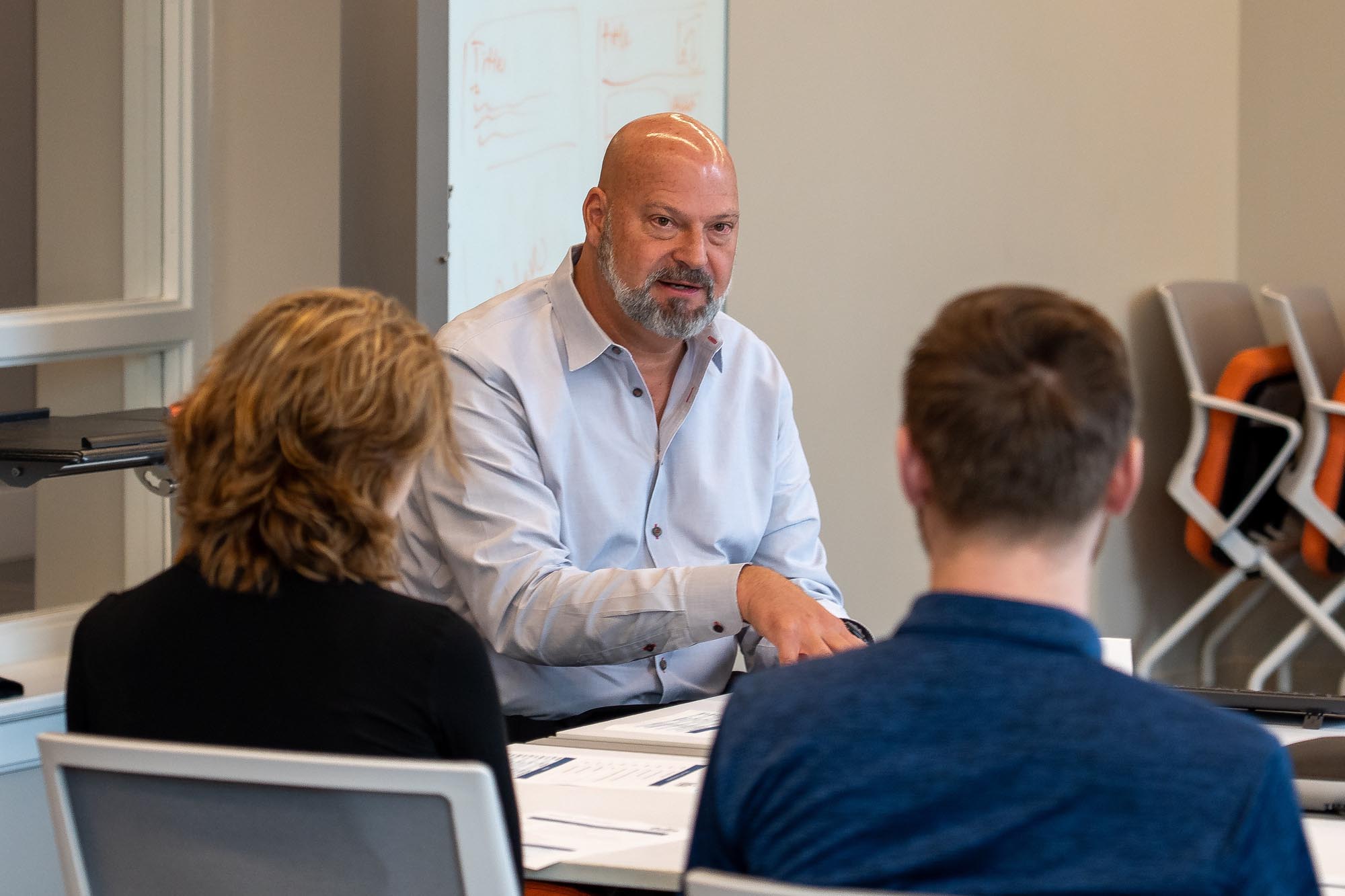
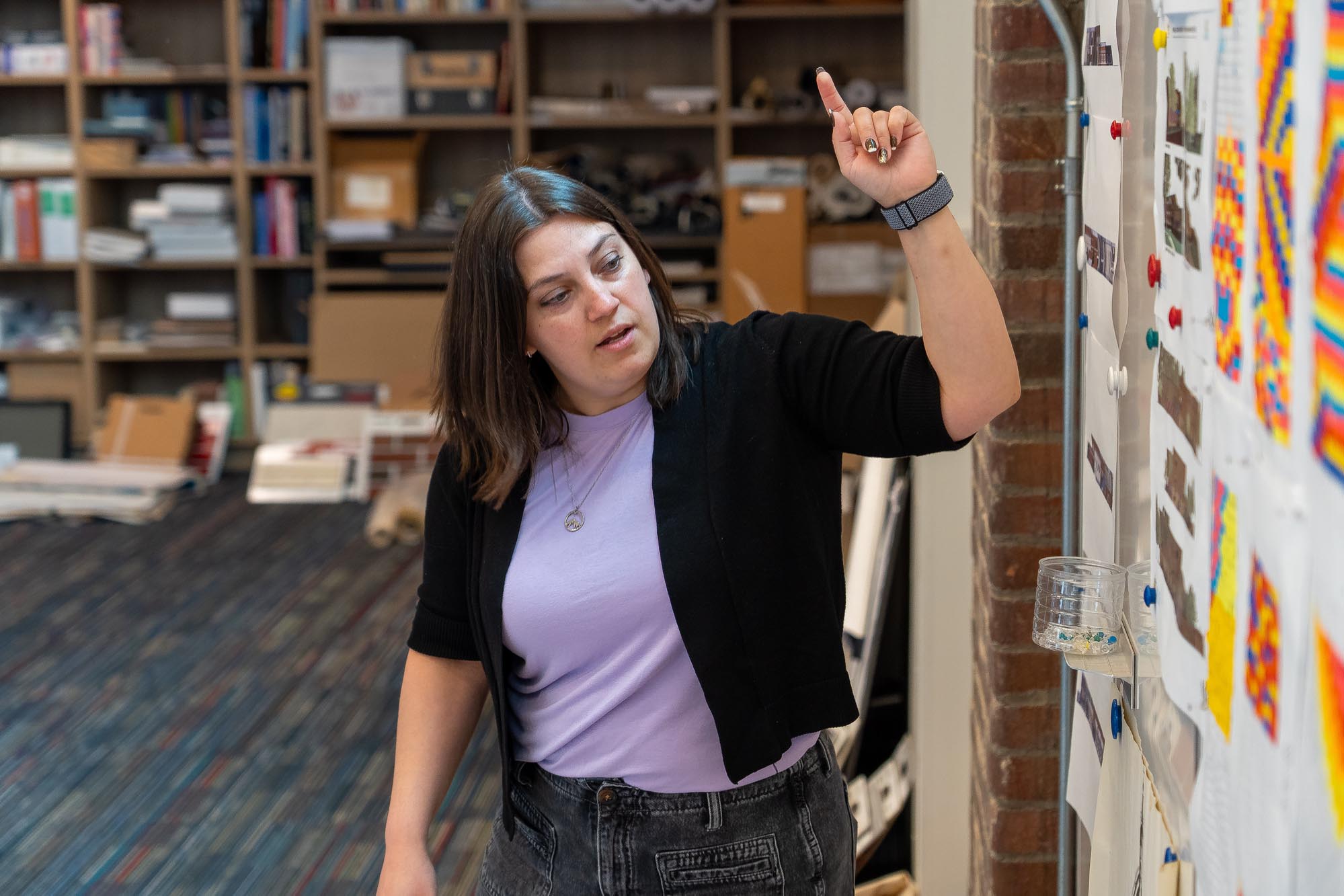
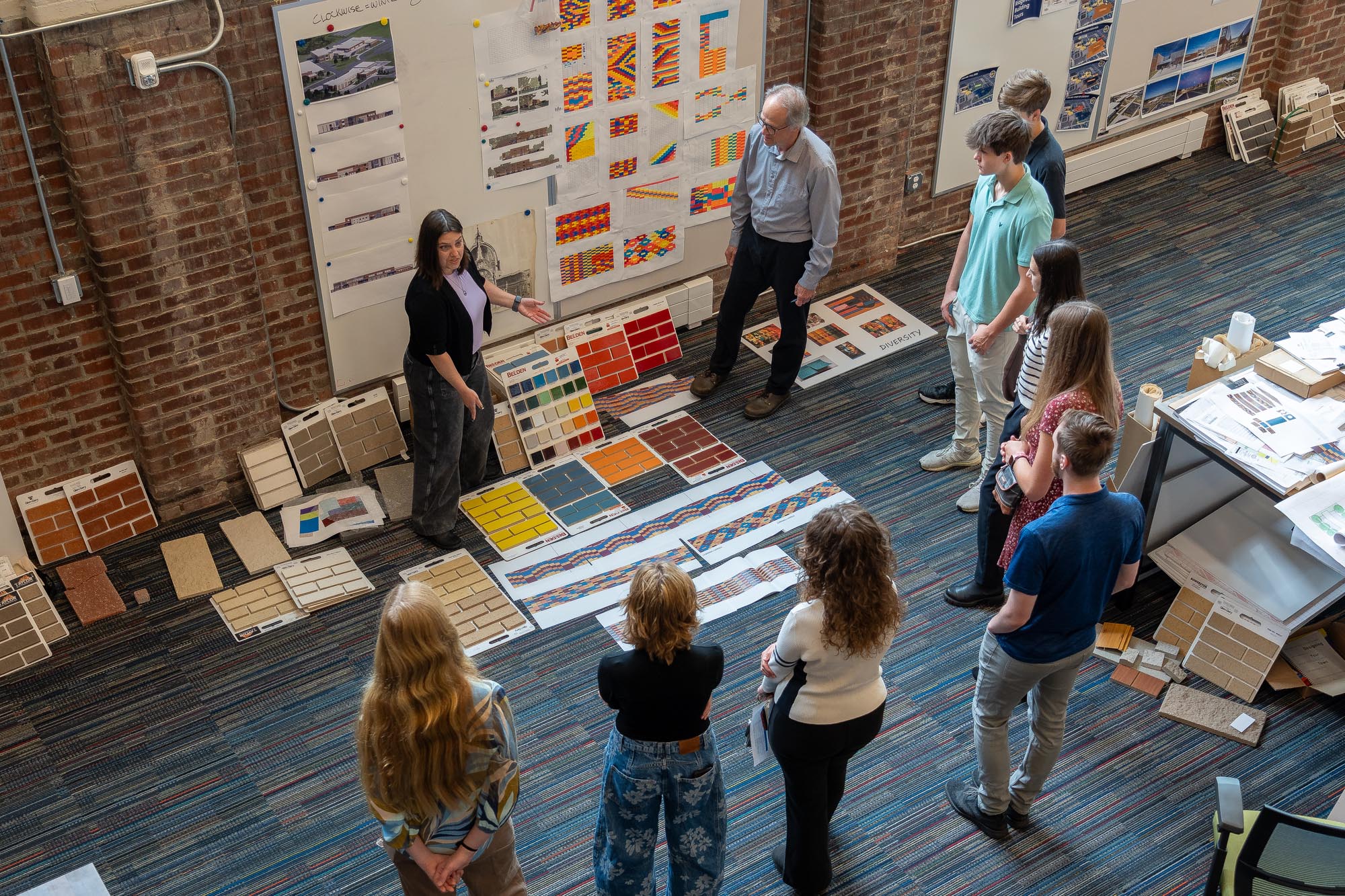
ThenDesign Architecture is a community-oriented learning and teaching firm, so hosting an annual Summer Shadow Day for current and recent students is a natural fit. Inviting future professionals who are curious about the architecture, interior design, and construction fields, the staff shared their love for the industry through a series of learning engagements at the TDA office in Downtown Willoughby at the reimagined Memorial Junior High School.

The Summer Shadow Day is aligned with our mission to serve communities through the work we do. TDA President Chris Smith, Ph.D., AIA, NCARB, LEED AP BD+C, expressed the importance of such outreach for young people: “When I was that young, there weren’t the same opportunities available, which makes it even more rewarding for us at TDA to host this kind of program that supports students while reflecting our core values.”

The goal of the day was to give students a practical view of the industry beyond their academic education. Christina Moran, Ph.D., is the leader of People Operations at TDA and came up with the vision and design for the event. “Sharing the experiences of our team, first-hand, is an excellent way to get students excited about the profession while also learning about who we are,” she said. “If we can inspire future designers and architects by assisting them in deciding if this is the right path for them, we are honored to have helped them along the way.”

TDA's Summer Student Shadow Day

First a Student, Then an Employee

Emerging Professional Logan Nelson was a guest at the Summer Shadow Day in 2024 and is now a full-time employee at TDA. “I first came into contact with TDA at the Career Fair at Kent State University. They were really welcoming and friendly, and that was the type of firm I was looking for.”

Logan said the experience at TDA’s Summer Shadow Day opened his eyes to how different companies can be, and it solidified his desire to be on staff. “The shadow day helped me sort out my professional focus. TDA has a very collaborative environment, and I was impressed by how kind and eager to help people were. I think the studio layout also got me excited about joining the team.”

“Education can be kind of abstract,” Christina said. “How people function as students doesn’t always equate to the professional workplace. The priorities emphasized in the process of developing academic rigor may not be as important in a practical setting. We want to help students see that translation to better enable them with a realistic perspective. During the shadow day, they came up with concepts, explained them to others, and then presented them in front of a group. That was more hands-on than some expected.”

“I hope the students use this experience to further refine their career and educational paths,” Chris said. “I urge all interested students to seek out exploration opportunities because they’re out there, whereas they weren’t 30 years ago. Take advantage of what’s available.”

The Summer Shadow Day provided unique learning sessions, hands-on activities, and team-building opportunities for interested high school and college students; the ThenDesign Architecture professionals developed content tailored for this audience. Sharing their technical expertise and enjoyment for teamwork, the TDA staff demonstrated that a humble professional never stops being a student and should always strive to continue learning.

"It's rewarding to give students opportunities I did not have at their age."
Chris Smith
President

TDA Staff Sharing Their Expertise

You can find out what our interns say about us here

For more information on our open positions or internship programs, visit our Careers page.

The Tiny House Challenge

The Tiny House Challenge
The Tiny House Challenge at North Ridgeville City Schools' Ranger High Tech Academy pushed students to design the smallest house that could still comfortably meet the occupants' needs. With a comprehensive set of parameters, students spent months crafting spaces using the same tools as modern architects and designers.

The Tiny House Challenge

During the intricate process of designing new educational facilities, there are invaluable moments to offer insight and feedback on student work. At TDA, our commitment extends beyond architectural plans, and as a firm deeply rooted in the philosophy of teaching and learning, we consistently seek opportunities to engage with the next generation of innovators.

This brought us to North Ridgeville City Schools’ Ranger High Tech Academy, where we participated in a compelling Project-Based Learning (PBL) initiative: the “Tiny Houses” project.

The “Tiny Houses” PBL tasked Ranger High Tech Academy students with a significant challenge: to design the smallest possible house that could still comfortably accommodate a client’s needs. They were given a comprehensive set of parameters, including family size, environmental considerations, and necessary daily activities. Their mission was to craft a “tiny home” that was both functional and innovative.

The Tiny House Challenge First Planning Session

Tiny Homes, Big Lessons

Megan Wood, seventh and eighth-grade science teacher at Ranger High Tech Academy, led the project. “Learners worked in teams to create sustainable and affordable tiny homes. They had to practice an understanding of blueprinting and scaling. They worked in teams to revise and prototype. Through that design and engineering process, they explored different energy sources, whether renewable or non-renewable, and they learned a little bit about electricity and how it works within a home.”

Over several months, these students embarked on an intensive design process. They moved from initial concepts to refined plans, having built physical scaled models, 3D prints, and drafting software. Professional architects and designers use similar tools. This immersive process allowed them to visualize and iterate on their ideas, culminating in comprehensive final presentations.

To ensure the students received real-world feedback and guidance, TDA was invited early in the process alongside other community members to review their prototypes and judge their final projects. This direct engagement allowed our team to offer professional critiques, highlight strengths, and suggest areas for further development, bridging the gap between academic learning and professional practice.

Megan added, “This project was very helpful because of all the career connections and future career opportunities that the kids discovered. Whether an architect, a project manager, or an interior designer, it was great for them to see how the different jobs are interconnected. They have never been exposed to this before.”

The Tiny House Challenge Final Judging Session

Real-World Skills, Future Careers

The impact on each student’s project was demonstrable. Participants walked away with an understanding of critical design principles. They learned how to effectively lay out interior spaces and merge furniture design with architectural constraints, environmental considerations, and manufacturing feasibility.

Project-based learning initiatives like this one are increasingly vital in preparing students for future careers by fostering critical thinking and problem-solving skills.

“I was surprised to see how each of the students prototyped their homes in different ways,” Megan said. “Each of them came up with different design solutions to a challenging problem. They had to ask, ‘How do you make a spiral staircase? How am I going to show this loft? How am I going to build this furniture?’ It was fascinating to see their perspectives on how they approached those projects.”

This collaboration with North Ridgeville City Schools exemplifies how educational institutions and industry professionals can partner to create richer, more relevant learning experiences for students. By providing direct exposure to real-world design challenges and expert feedback, TDA helps to cultivate not just future architects and engineers but also innovative thinkers prepared to tackle complex problems in any field.