3D Printing in Architecture

3D Printing in Architecture
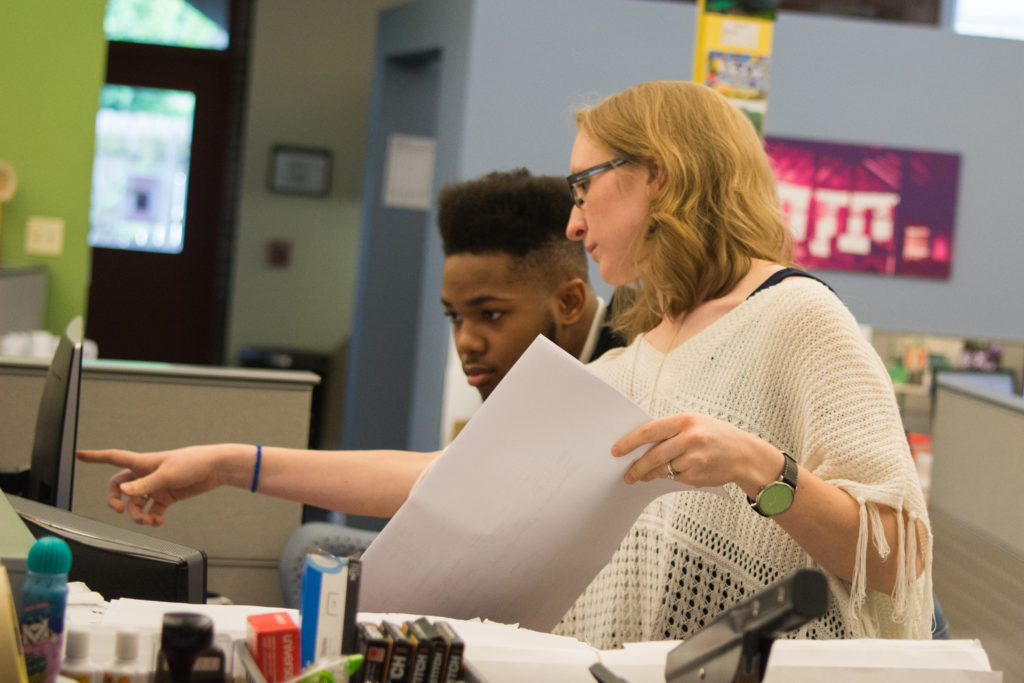
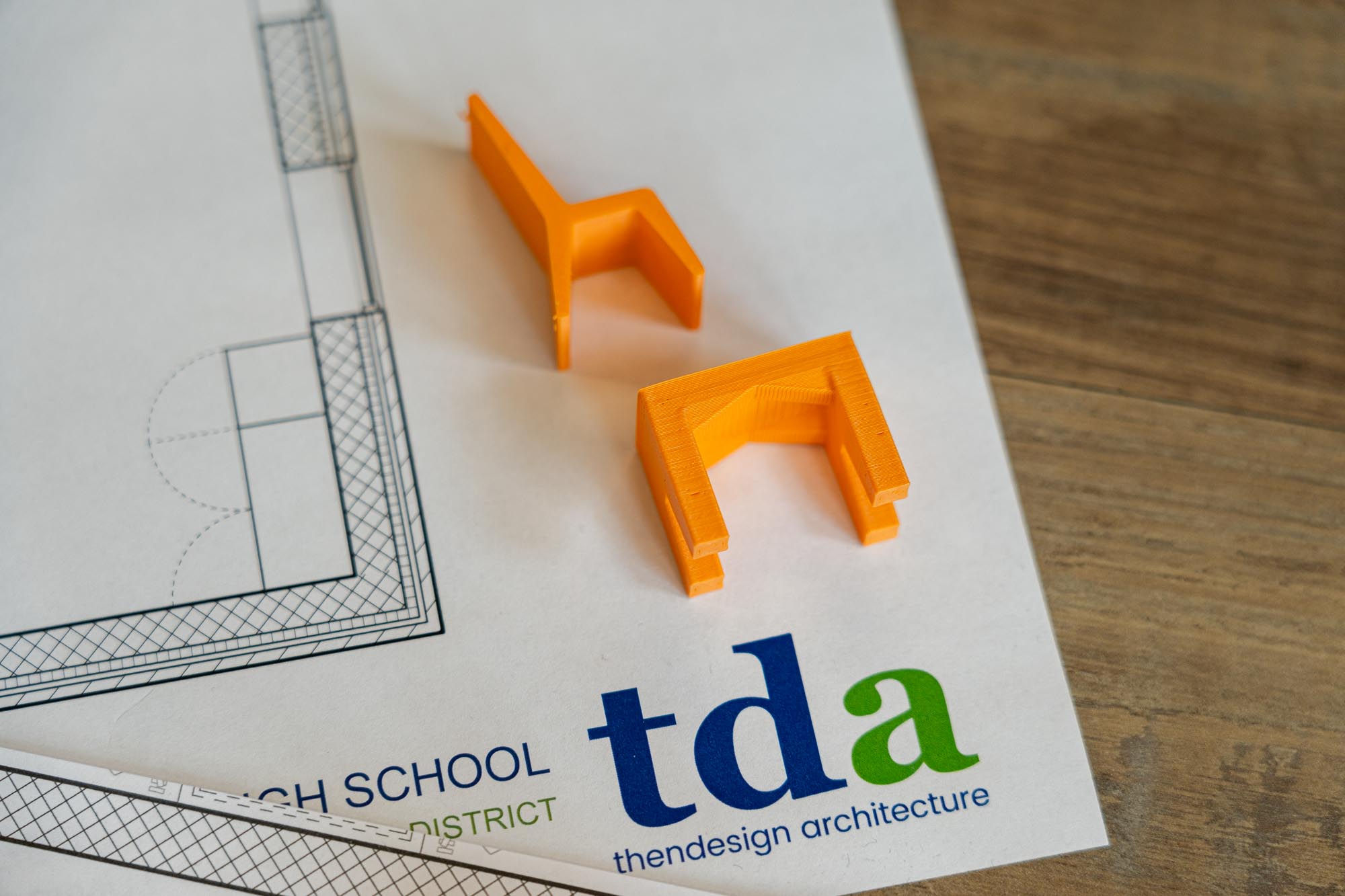
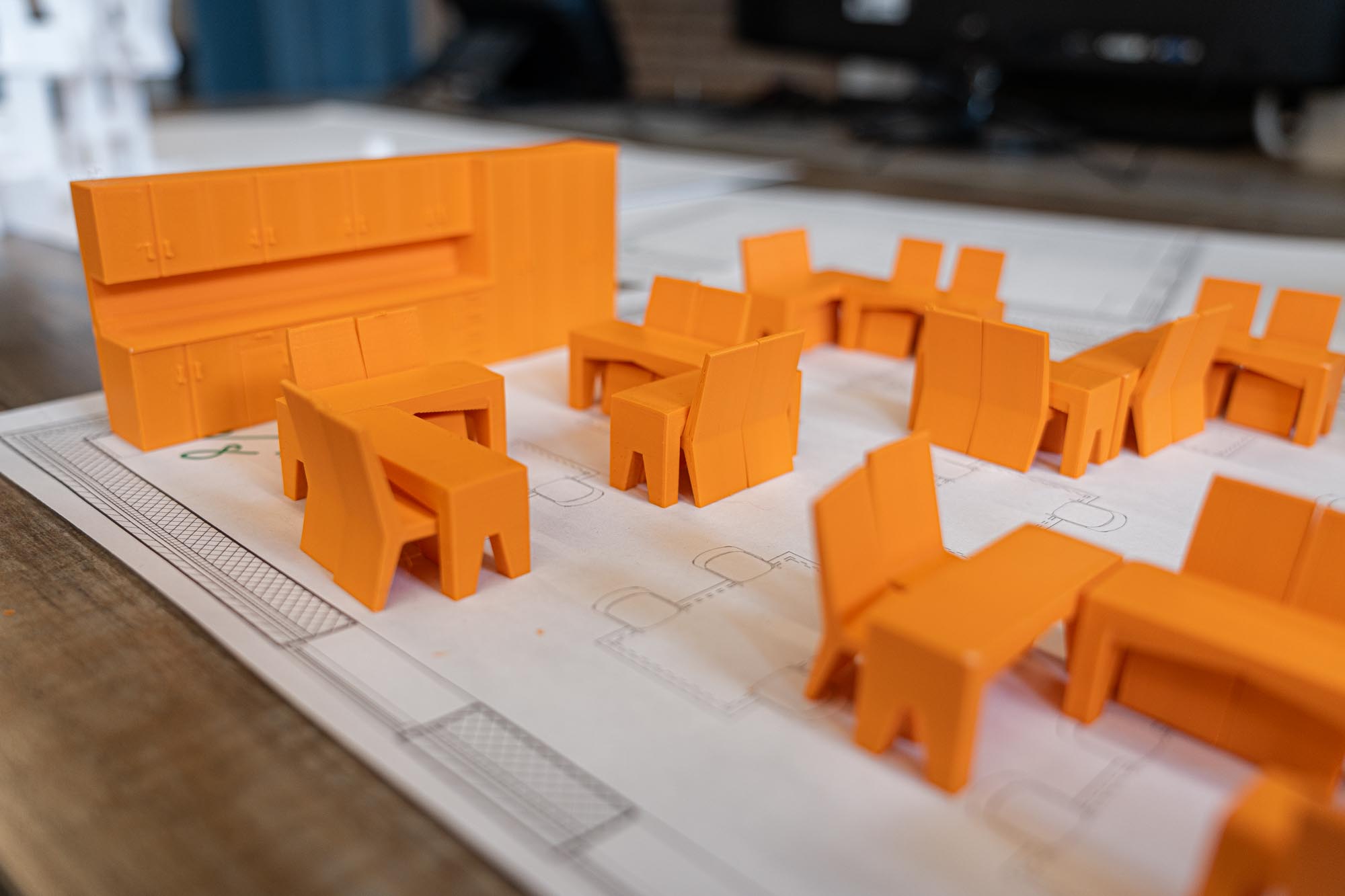
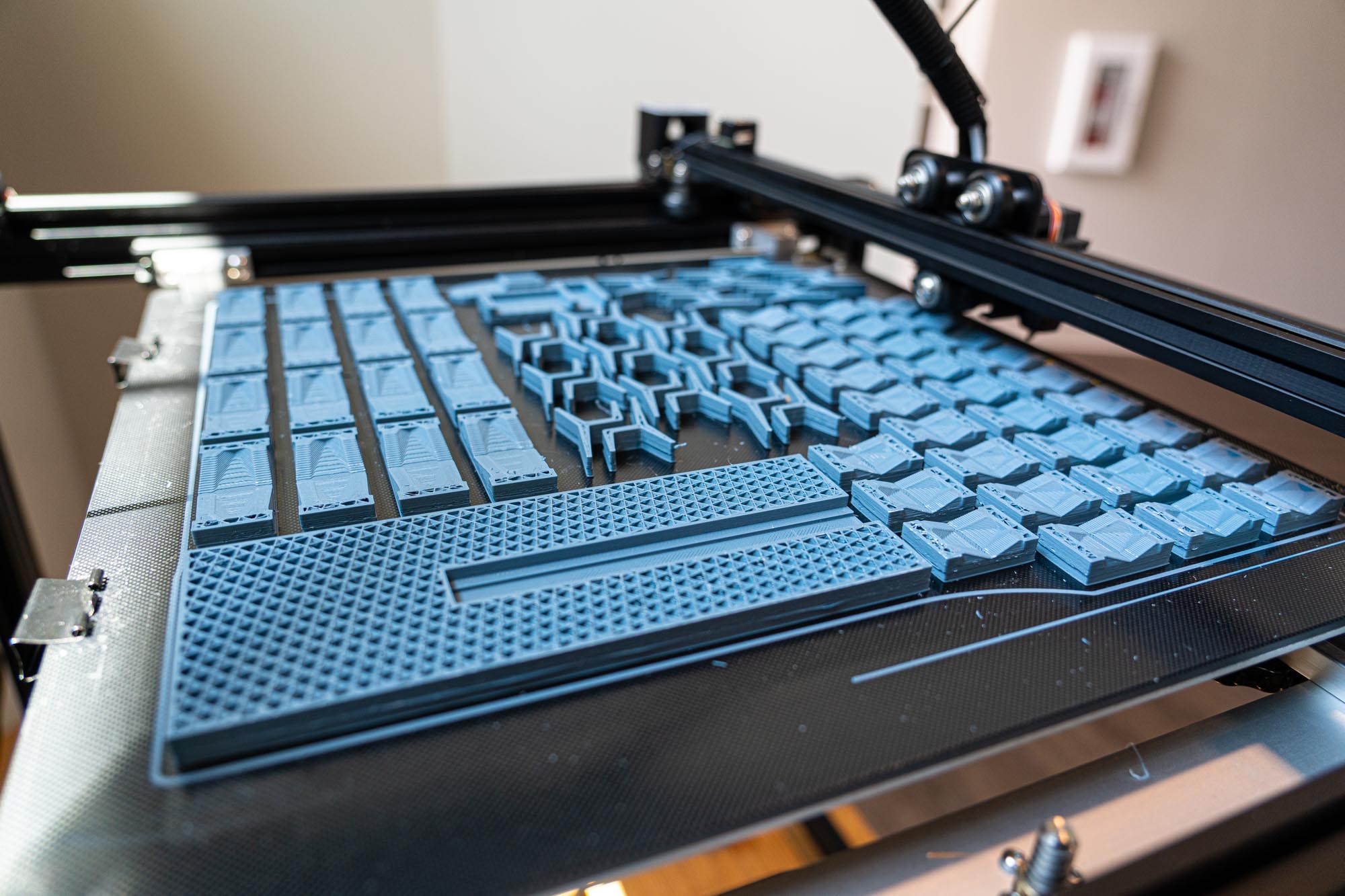
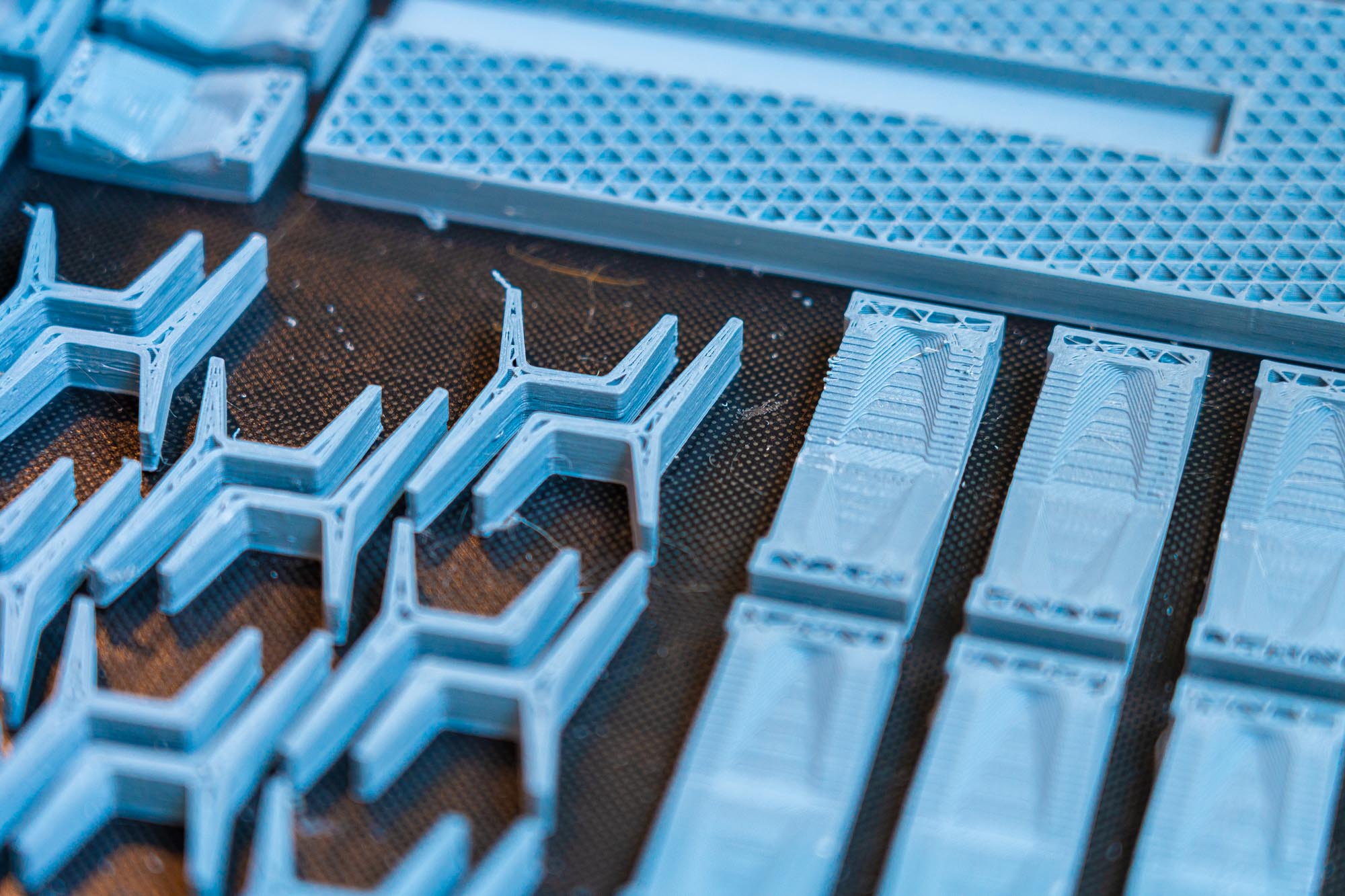
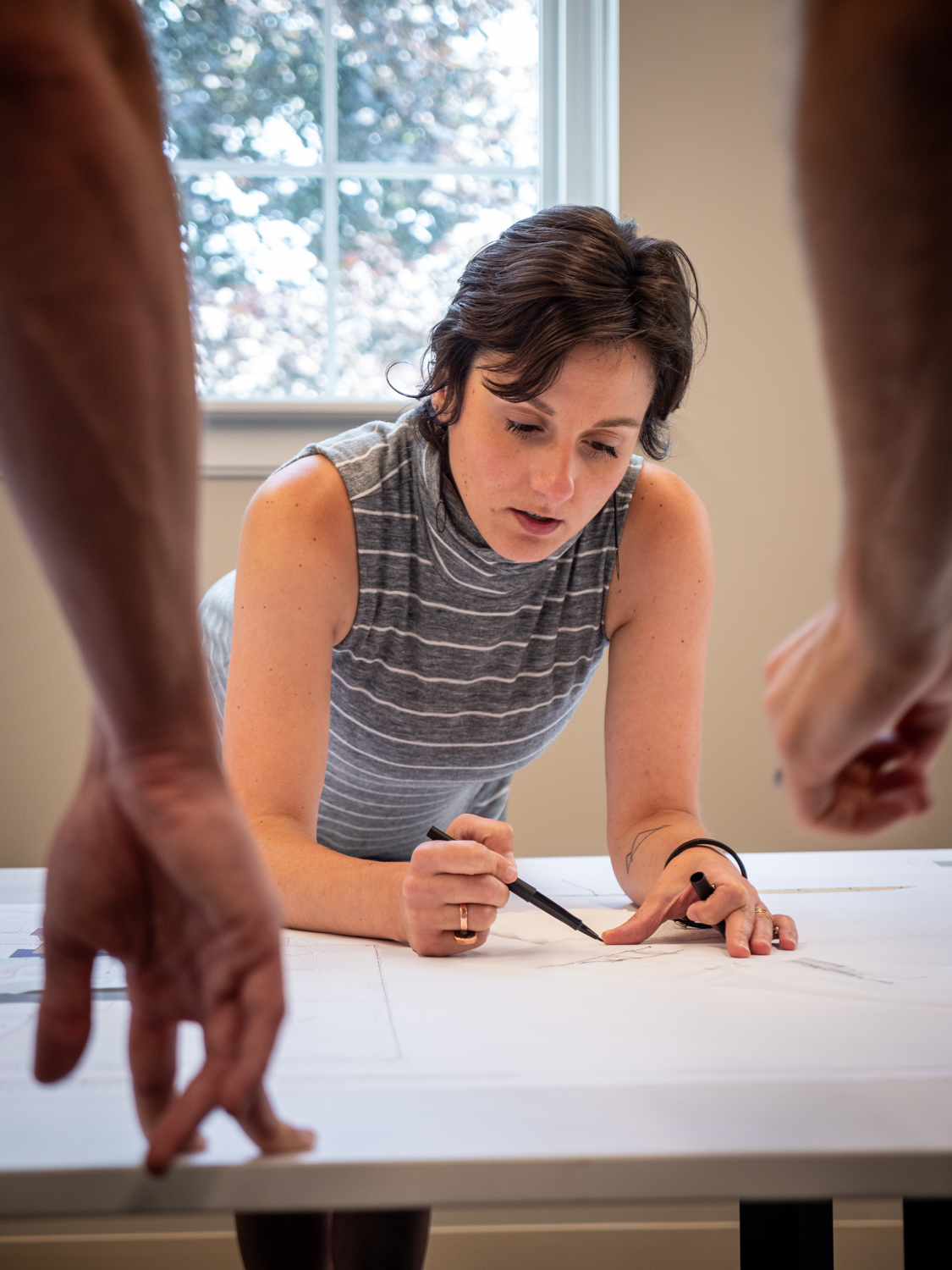
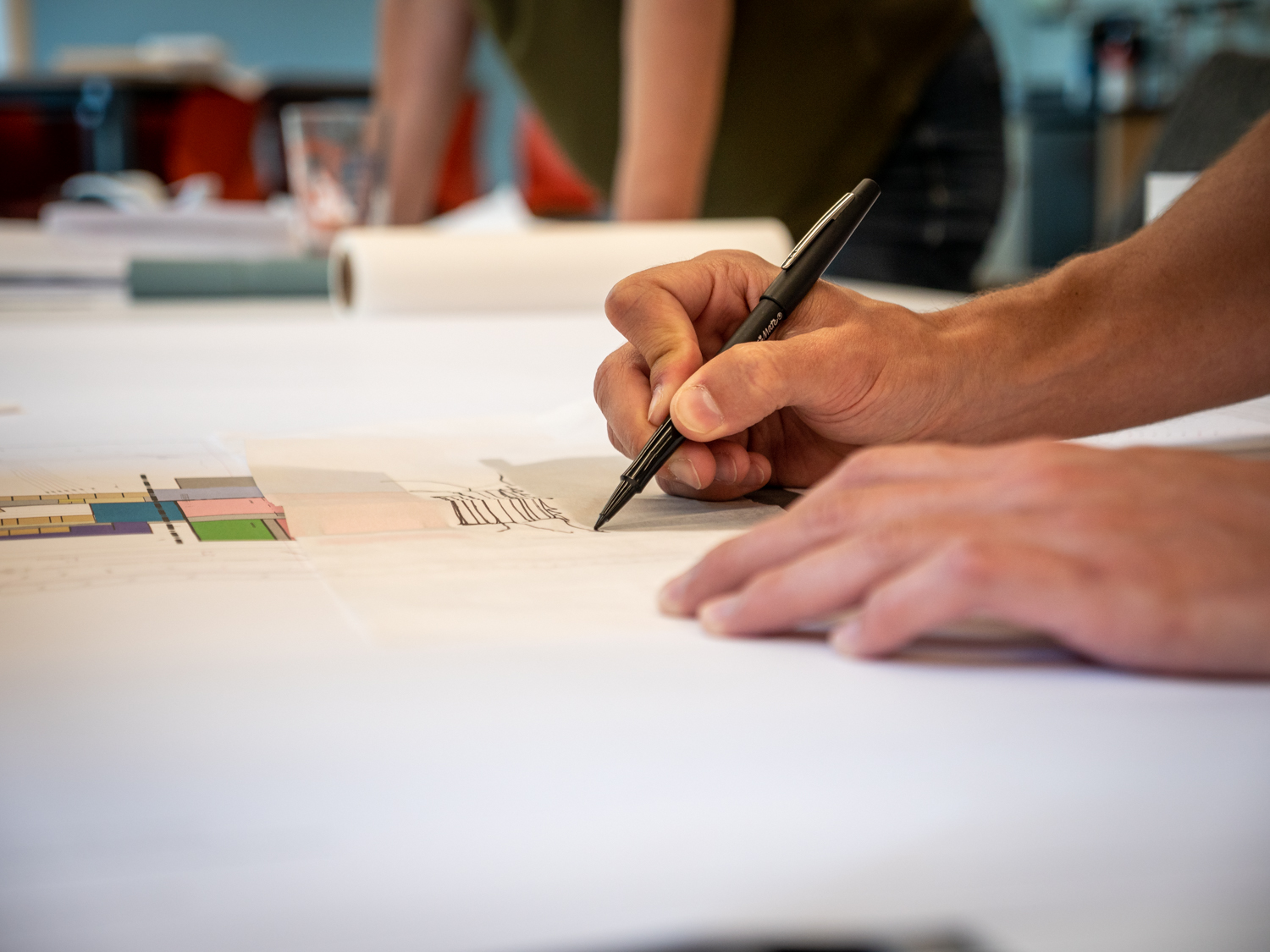
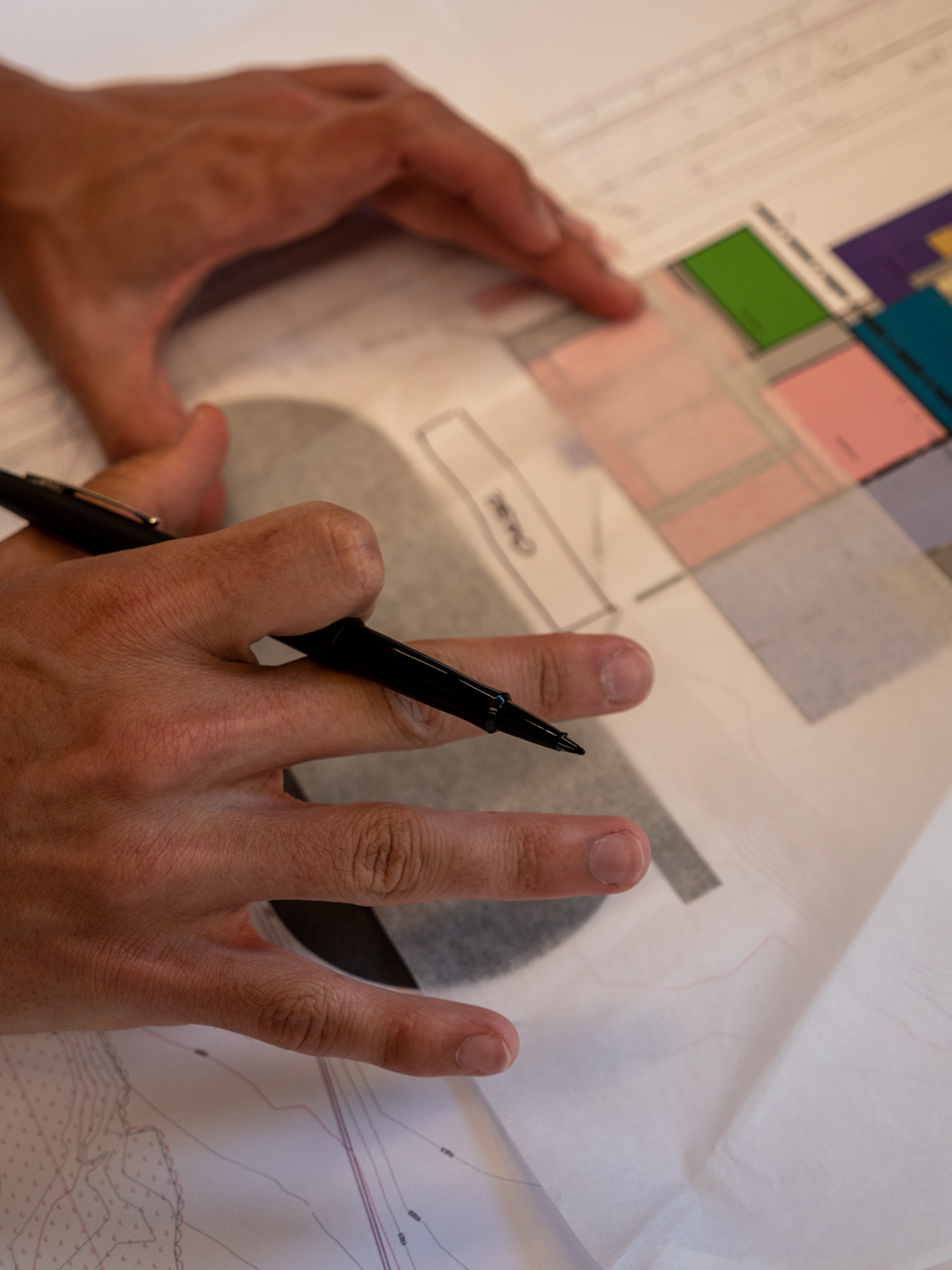
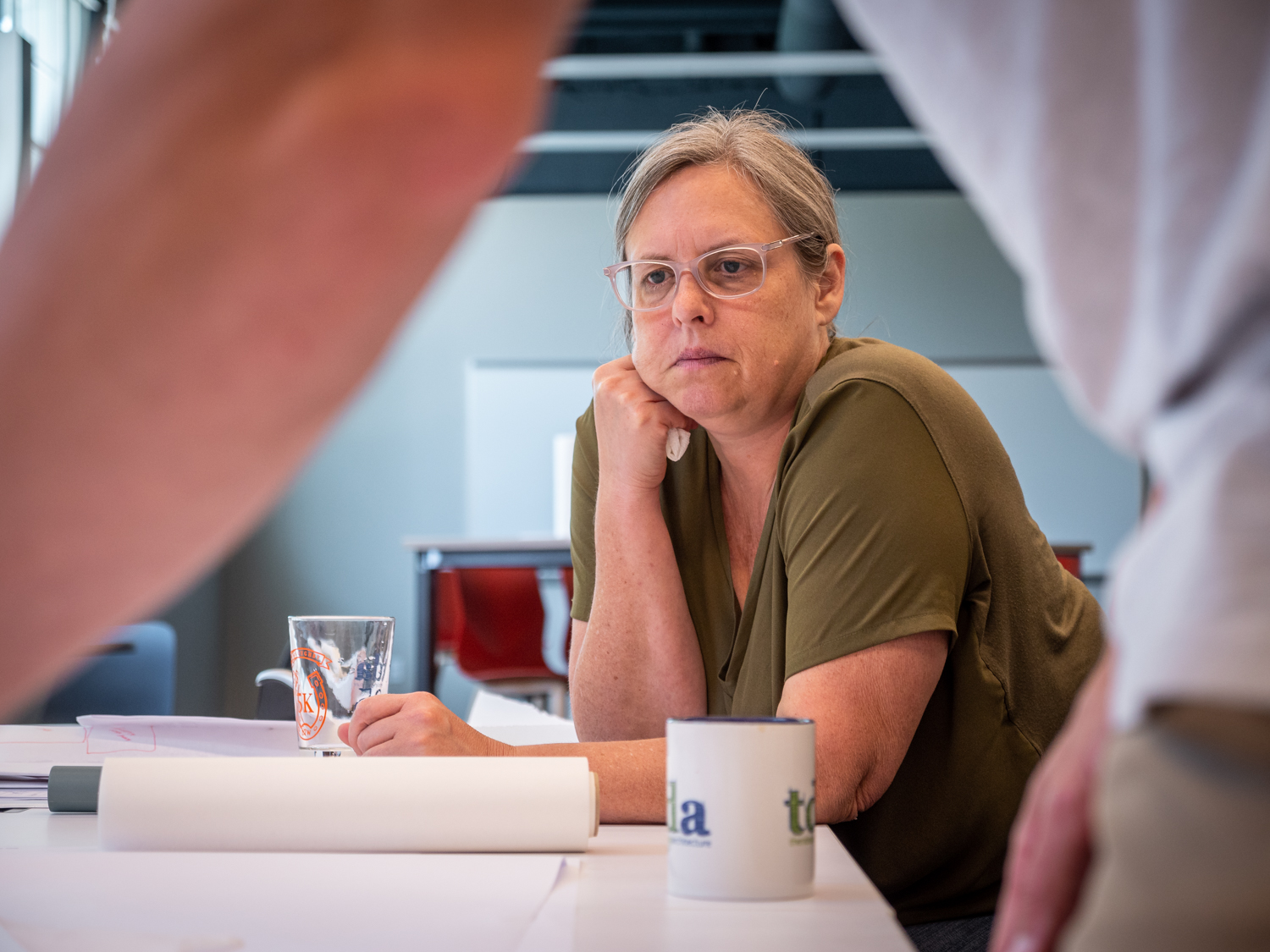
3D printing is a technology with growing benefits and expanding applications in architectural design. Clients can more easily understand spatial relations when seeing a physical miniature. Moving furniture around or changing the angle of elements can be quickly communicated with printed models. 3D printing in architecture is a versatile tool in the design process.

3D Printing in Architecture

“Some architectural drawings can be difficult to read and understand,” commented Archie Liptow, an emerging professional at TDA, “3D printing takes architectural visualization one step further, bridging the gap between designers and clients.”

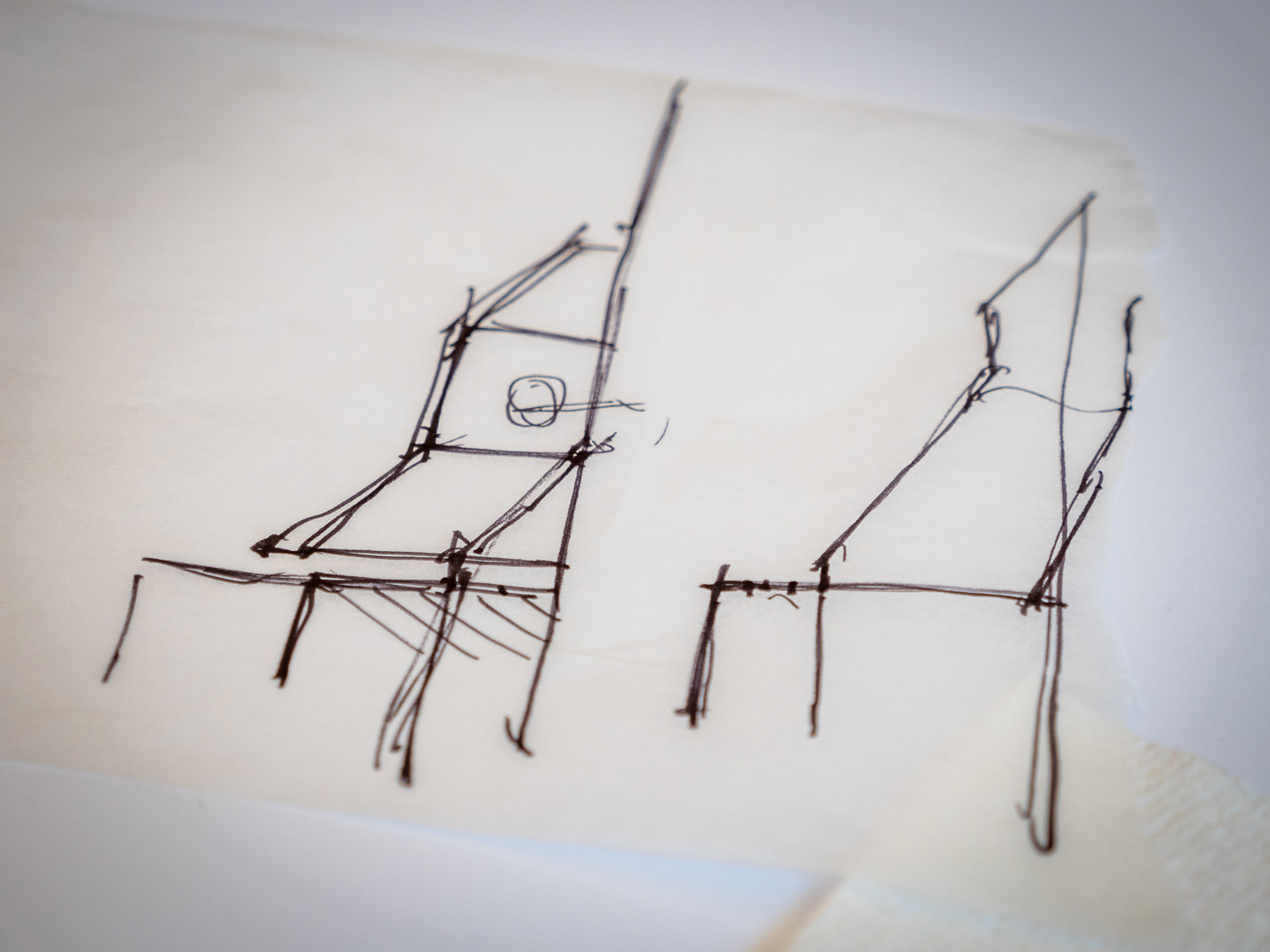
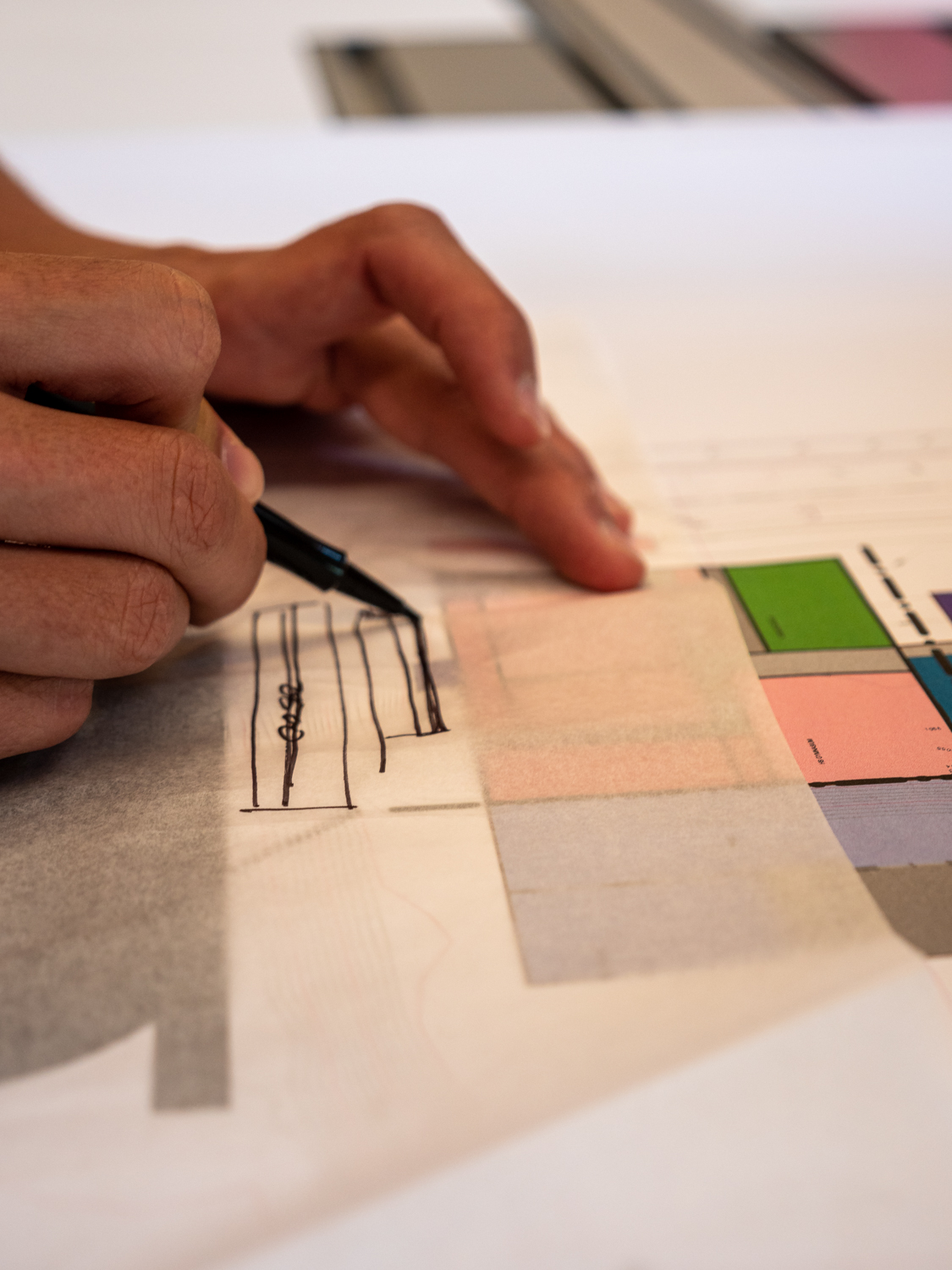
Embracing the use of flourishing technologies in the design process, TDA explores ways that new tools can be used alongside traditional sketching methods and computer-aided design (CAD) in architecture. One newer tool, 3D printing, has become an essential asset for many challenging visualization problems.

Archie has been experimenting with large and small-scale models. “This opens the door to a higher level of design experimentation. With this new tool, designers can quickly visualize their ideas and iterations before finalizing the design. 3D printing is also a powerful part of the communication process.”

Knowing how important communication is throughout the design phase, this is one more way that concepts can be explored and quickly adjusted based on tactile, real-world feedback.

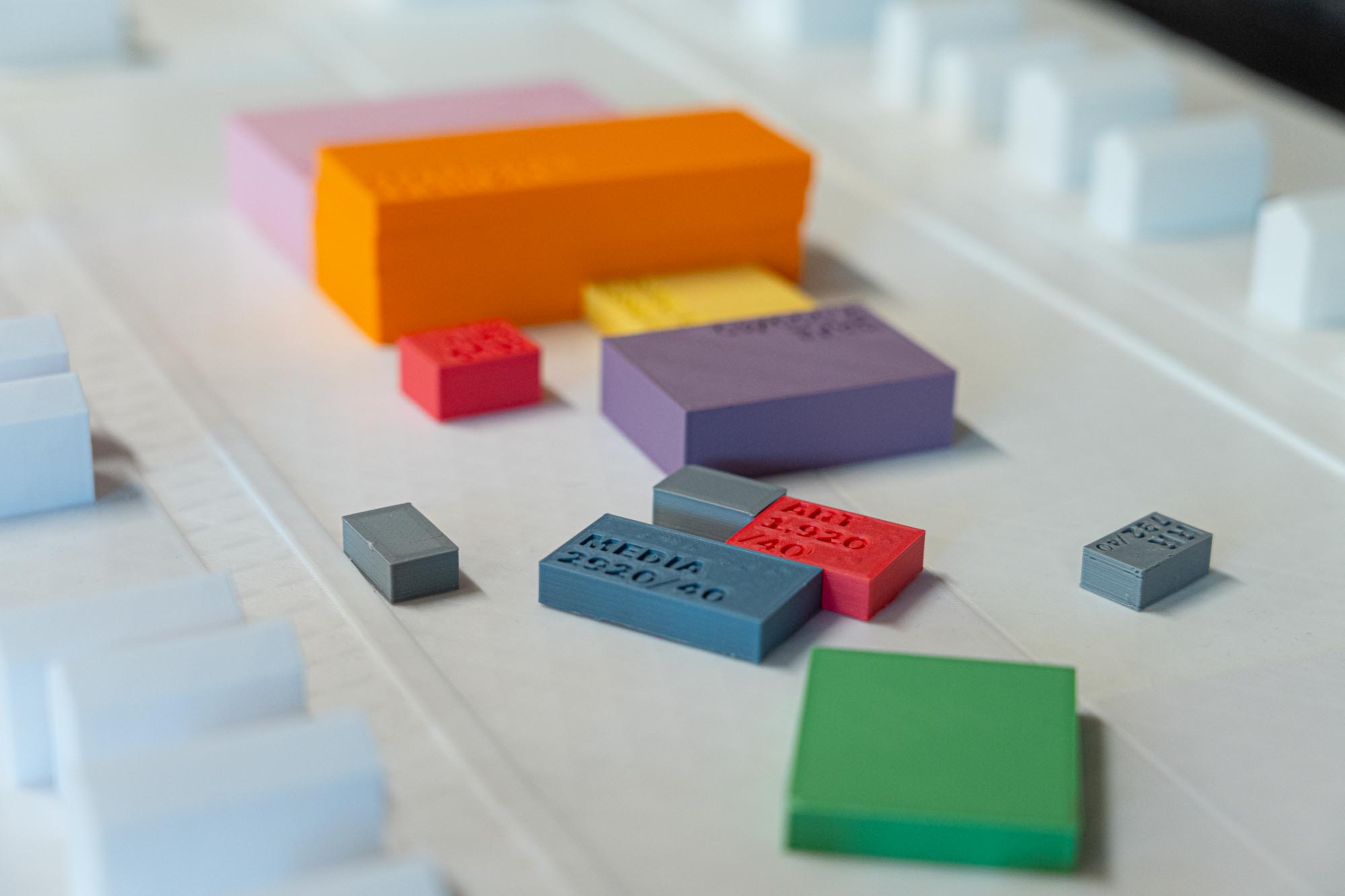
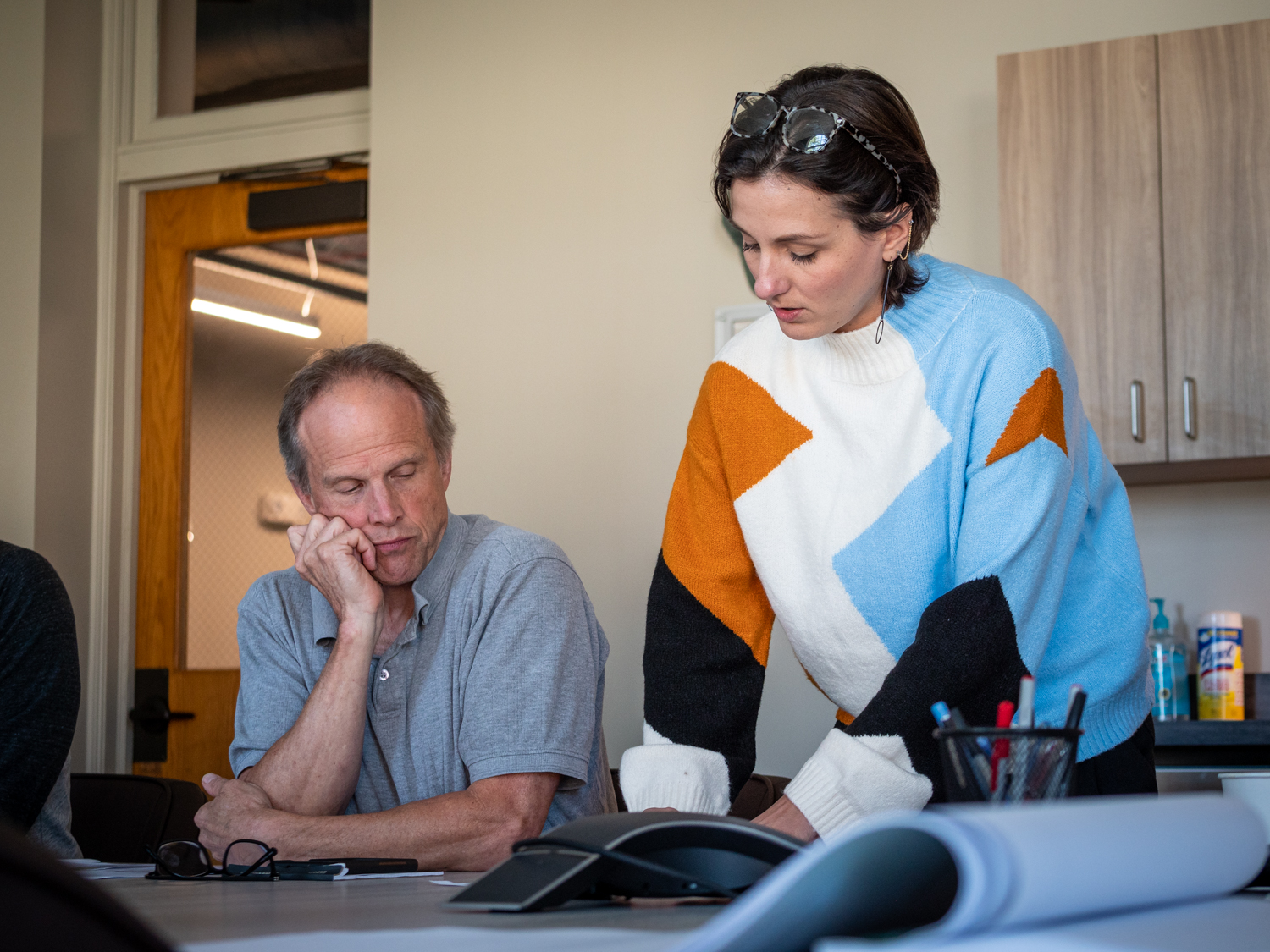
Archie continued, “Scale models of furniture and building segments are being used with our clients to tie them into the design process by determining their needs early on. When a design is in progress, physical models are the most effective way to visualize and understand a building before construction.”

While not everyone can understand architectural drawings, models are permanent objects that can be easily understood, arranged, and displayed. It is one way our design teams find new solutions to spatial challenges.

3D Printing in Architecture
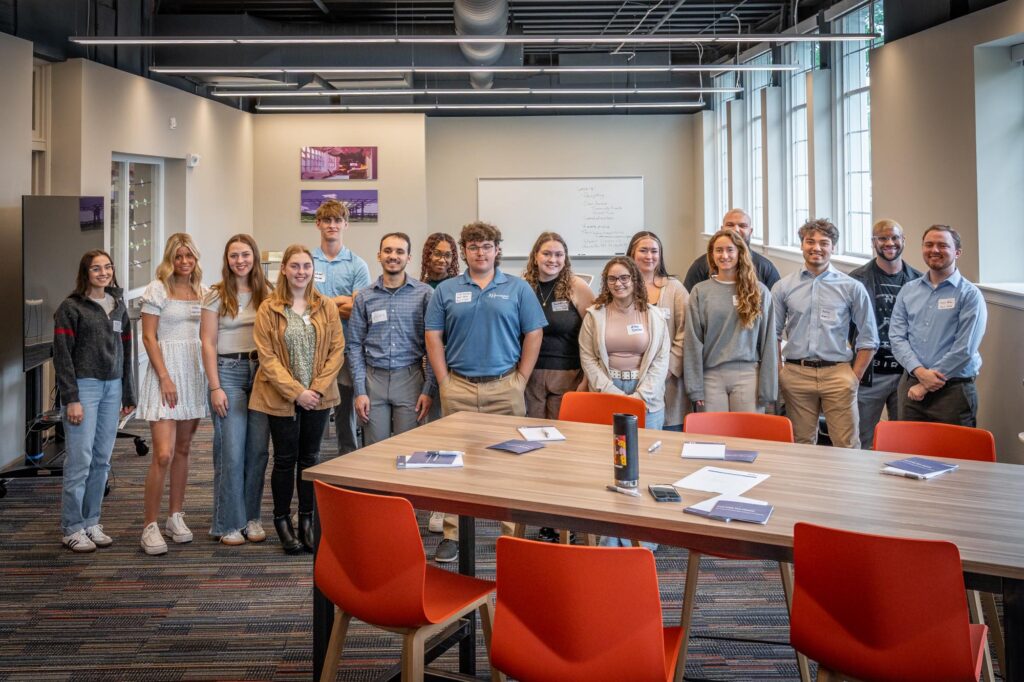
ThenDesign Architecture Student Shadow Day

You can find out what our interns say about us here

Let’s work together to make education better. If you would like more information on our open positions or internship programs, please visit our Careers page.

Ryan Caswell

Ryan Caswell

Communications

Get our newsletter with insights, events and tips.

Recent Posts:

A Comprehensive Update to the Ohio School Design Manual (OSDM)

A Comprehensive Update to the Ohio School Design Manual (OSDM)
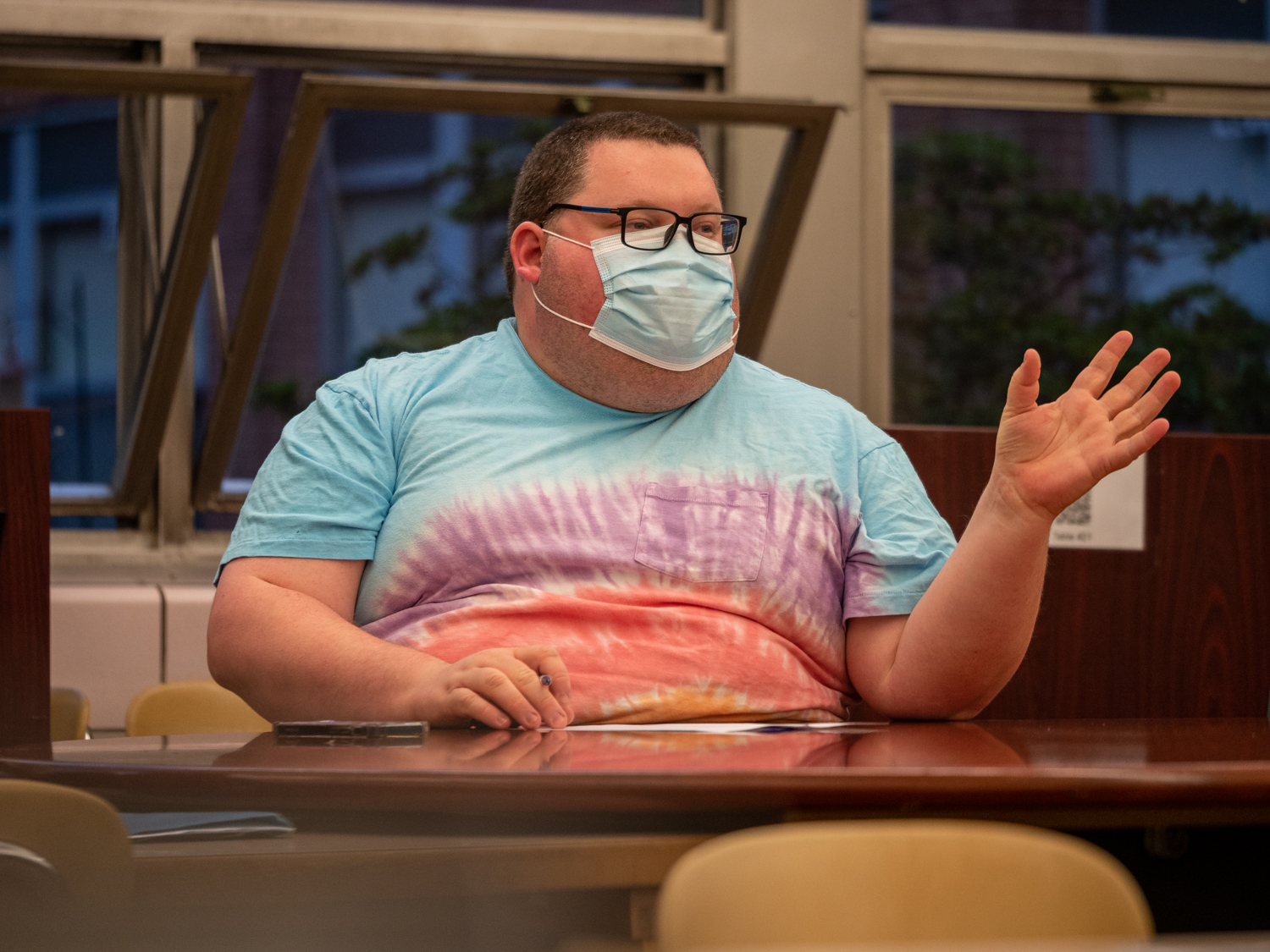
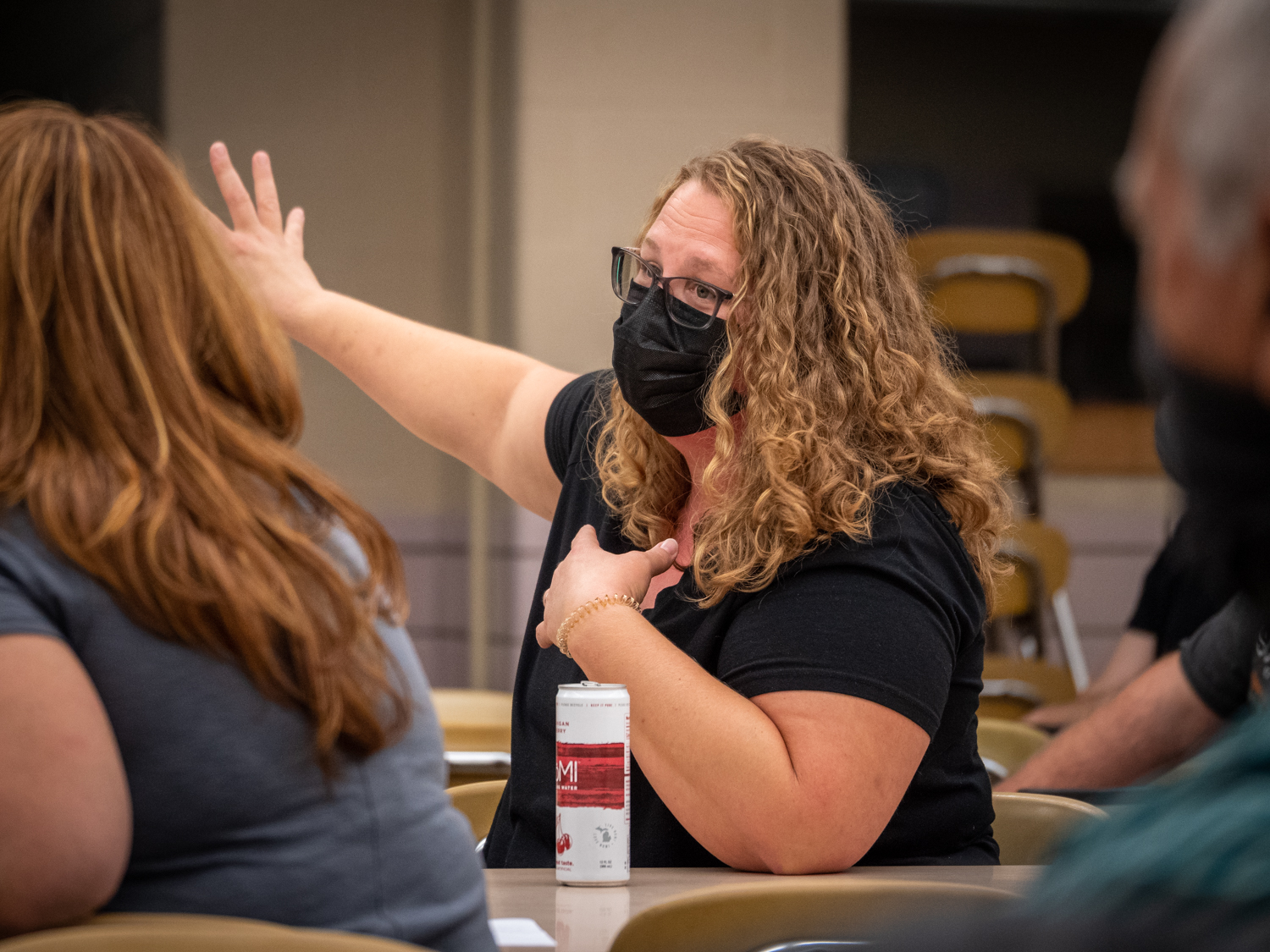
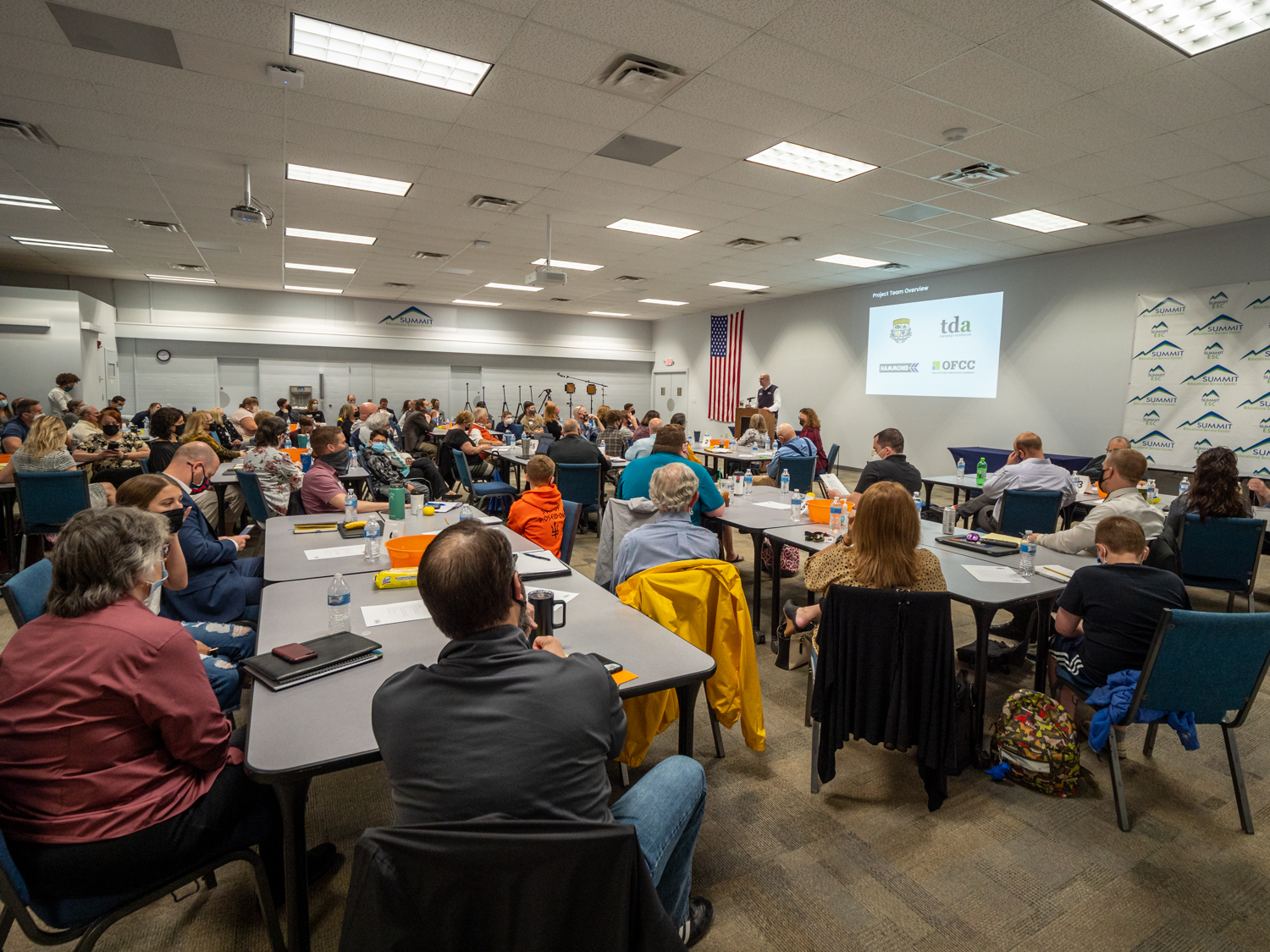
Throughout 2023, the Ohio Facilities Construction Commission (OFCC) planning team and ThenDesign Architecture (TDA) met with school districts, architects, the career technical community, engineers, and construction managers in Ohio to get their feedback and contributions to the comprehensive update to the Ohio School Design Manual. Specifically, during October 2023, the OFCC hosted a series of in-person and virtual meetings to gather feedback from these stakeholders. Known as the "OSDM Roadshow," a group of planners visited North Ridgeville CSD to give local educators and design professionals a preview of the new manual.

A Comprehensive Update to the Ohio School Design Manual (OSDM)

The Ohio Facilities Construction Commission (OFCC) participates in capital projects undertaken by schools, state agencies, and state-supported higher education institutions. Part of their function is to manage Ohio’s school facility programs, which support the construction and renovation of public K-12 schools, and administer the funding for community-based cultural and sports facilities projects.

Initially created in 1997, the Ohio School Design Manual (OSDM) is a comprehensive set of standard guidelines for the design of school facilities. The OSDM was created to address the need to provide positive learning environments for students, reduce design time, and ensure parity in the design options provided to school districts.

Educational practices and school design have evolved over the past 25 years, requiring a comprehensive update to the OSDM’s content and presentation. The OFCC selected ThenDesign Architecture (TDA) to assist with rebuilding the OSDM to make the technical guidelines for designing new educational facilities easier to use and more accessible for school districts and architects. The process involved rewriting, consolidating, and expanding the material to be converted into a searchable, web-based format alongside refreshed visual materials like 3D renderings, diagrams, and photographs.

Watch the OSDM Roadshow that took place in North Ridgeville, Ohio.

"We are excited. This is the right thing to do."
Bill Prenosil
Former OFCC Senior Planning Manager

A Long-Standing Relationship

Claire Bank, who is a licensed architect (AIA, NCARB), is the TDA Project Manager responsible for coordinating content development for the new manual. She commented, “This was a natural partnership between our firm and the OFCC because we have such a long history of collaborating together.”

TDA is uniquely qualified for the project, having worked on over $3 billion in K-12 projects over the past ten years. Since the vast majority of those projects used the original OSDM as a guide, designers have experienced the benefits and shortcomings of the OSDM. Operating as the largest architectural firm dedicated to K-12 architecture north of Columbus, TDA has worked with over 120 districts in northeast Ohio, and much of that work is done in conjunction with the OFCC.

This long-standing relationship adds to the extensive experience with OFCC programs, such as the Expedited Local Partnership Program (ELPP) and the Classroom Facilities Assistance Program (CFAP). This experience is significant when navigating the design and construction process for school facilities.

The OSDM Roadshow Comes to North Ridgeville

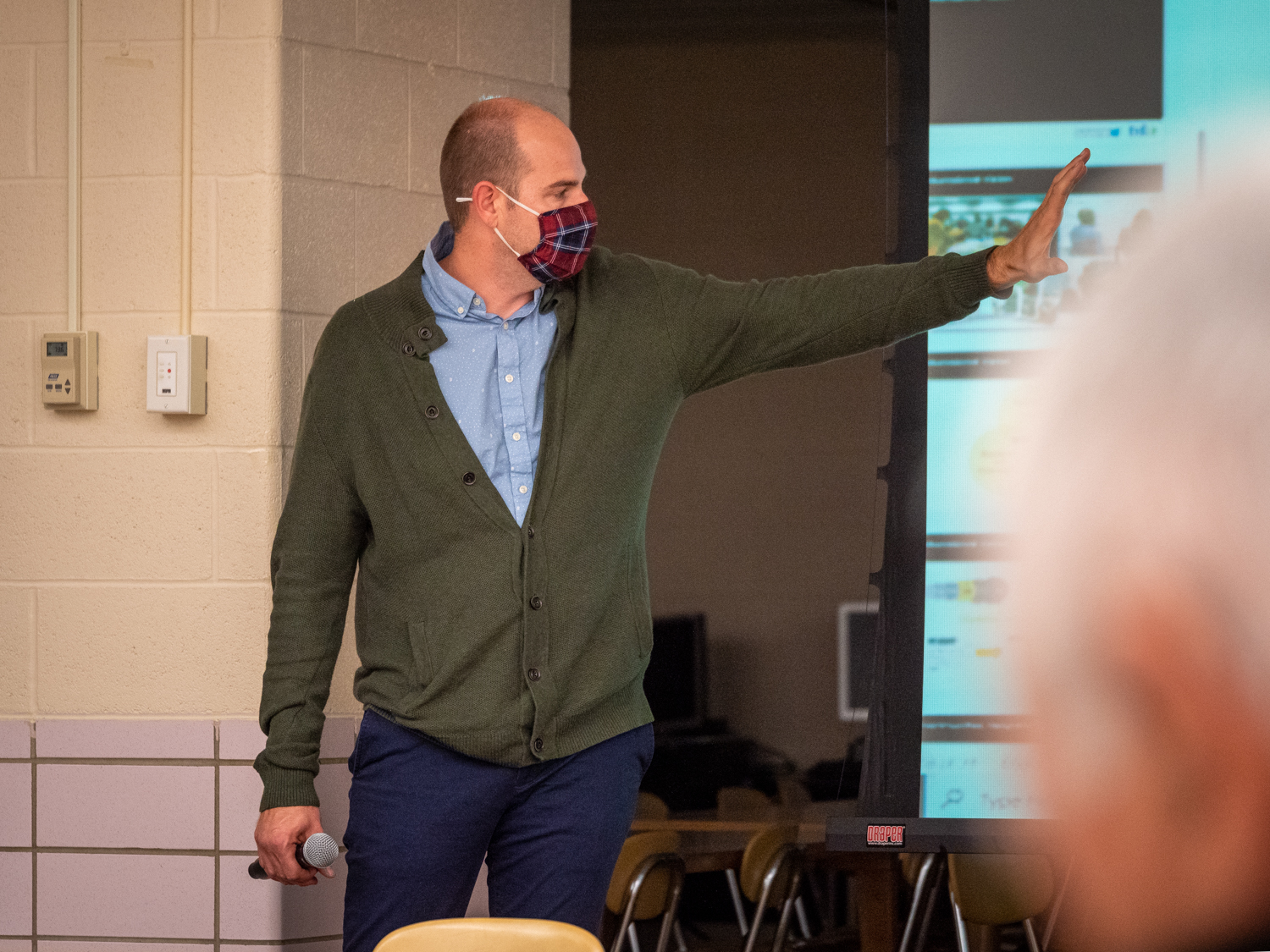
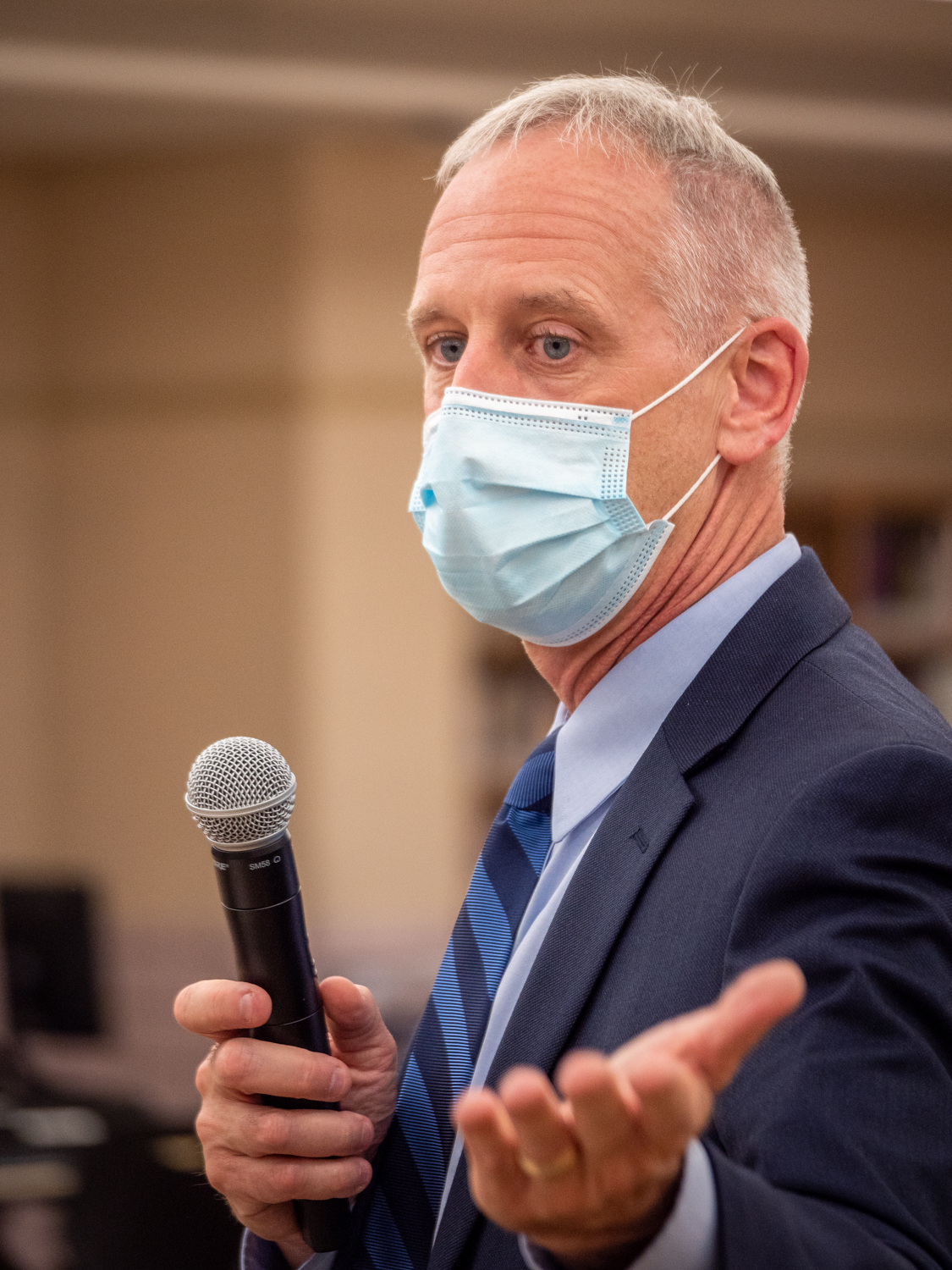
As part of the OSDM unveiling, the OFCC conducted in-person engagements across Ohio to give designers and educators a preview of the changes coming this year. In October 2023, the OSDM Roadshow came to North Ridgeville, Ohio, where the senior planning team presented a preview of the new design manual, answered questions, and solicited input.

Former OFCC Senior Planning Manager Bill Prenosil explained the purpose of the Roadshow, “The OSDM is far enough along that we can provide a preview of what’s in it and how it might be used, but also to get some feedback.” He added, “Some of the content will be a big relief to designers.”

Among the attendees was North Ridgeville City School District Superintendent Roxann Ramsey-Caserio, “The updated OSDM will be a huge benefit to school districts across Ohio. The OFCC has been working hand-in-hand with the school districts and architects to improve the elements contained in the design manual.”

"The OSDM update includes many new tools specifically designed to make it more approachable to school districts."
Claire Bank, AIA
ThenDesign Architecture

An Updated Manual Required an Updated Presentation

OFCC Planning Manager Dean Clouse explained the reason for moving away from a print document format, “The OSDM was previously available only as a PDF document on the OFCC website. We are now moving to a digital format that is itself a website. It will be more interactive, searchable, and accessible. Being web-based allows for future updates to be implemented much easier without the need for continuous addendums.”

Throughout October, the Ohio Facilities Construction Commission participated in several in-person engagements and virtual events, speaking directly with those who would use it. With guidance and support from ThenDesign Architecture staff, the updated Ohio School Design Manual will reflect the changing educational landscape by staying current with standards, practices, and state-of-the-art technologies to further support educational design across Ohio.

To learn more, visit the OFCC website.

"The OSDM update includes many new tools specifically designed to make it more approachable to school districts."
Dean Clouse
OFCC Planning Manager

To learn more about ThenDesign Architecture or our work partnering with the OFCC, feel free to reach out.

Perry LSD’s Southway Elementary Animation

Perry LSD's Southway Elementary Animation
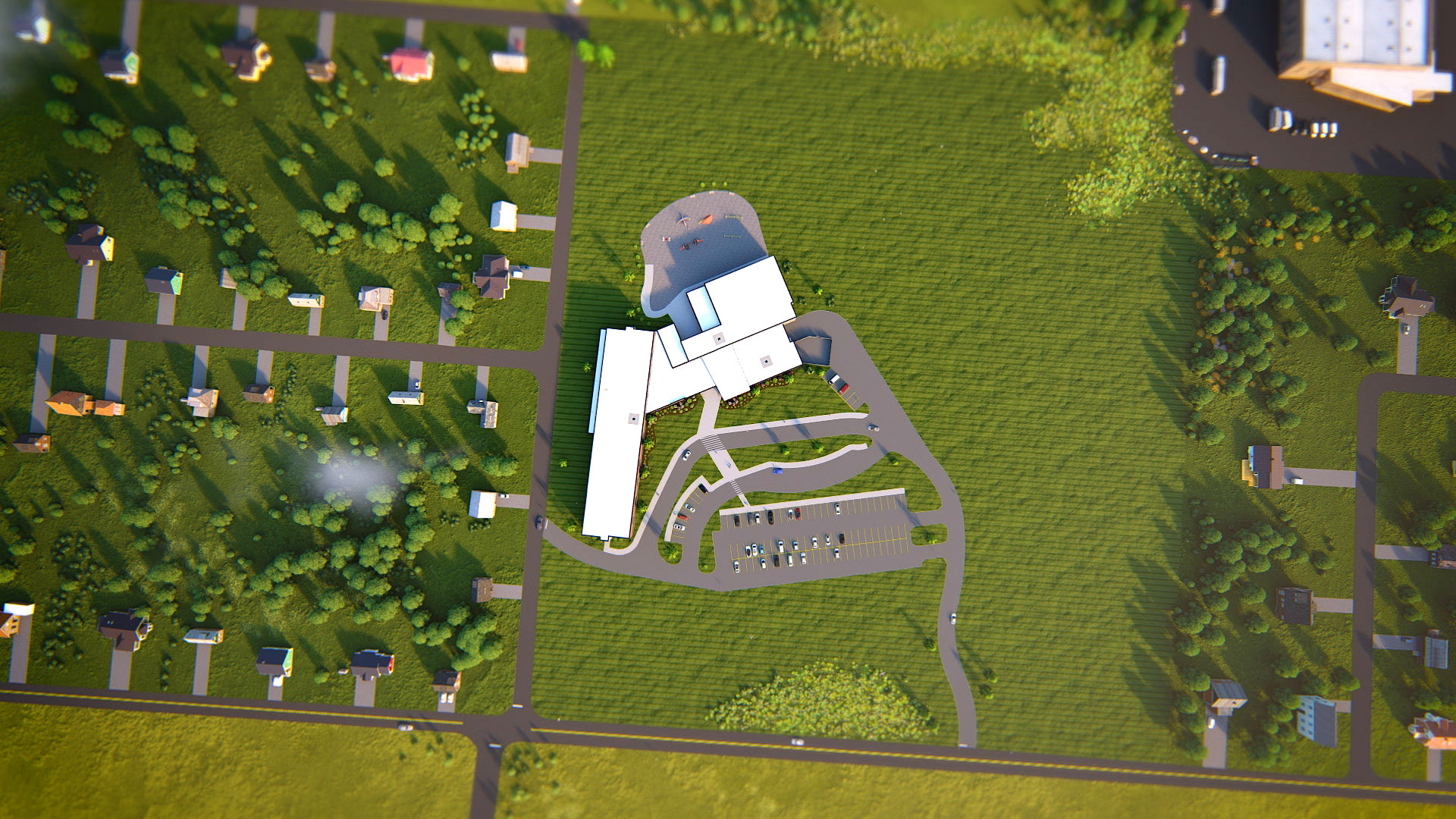
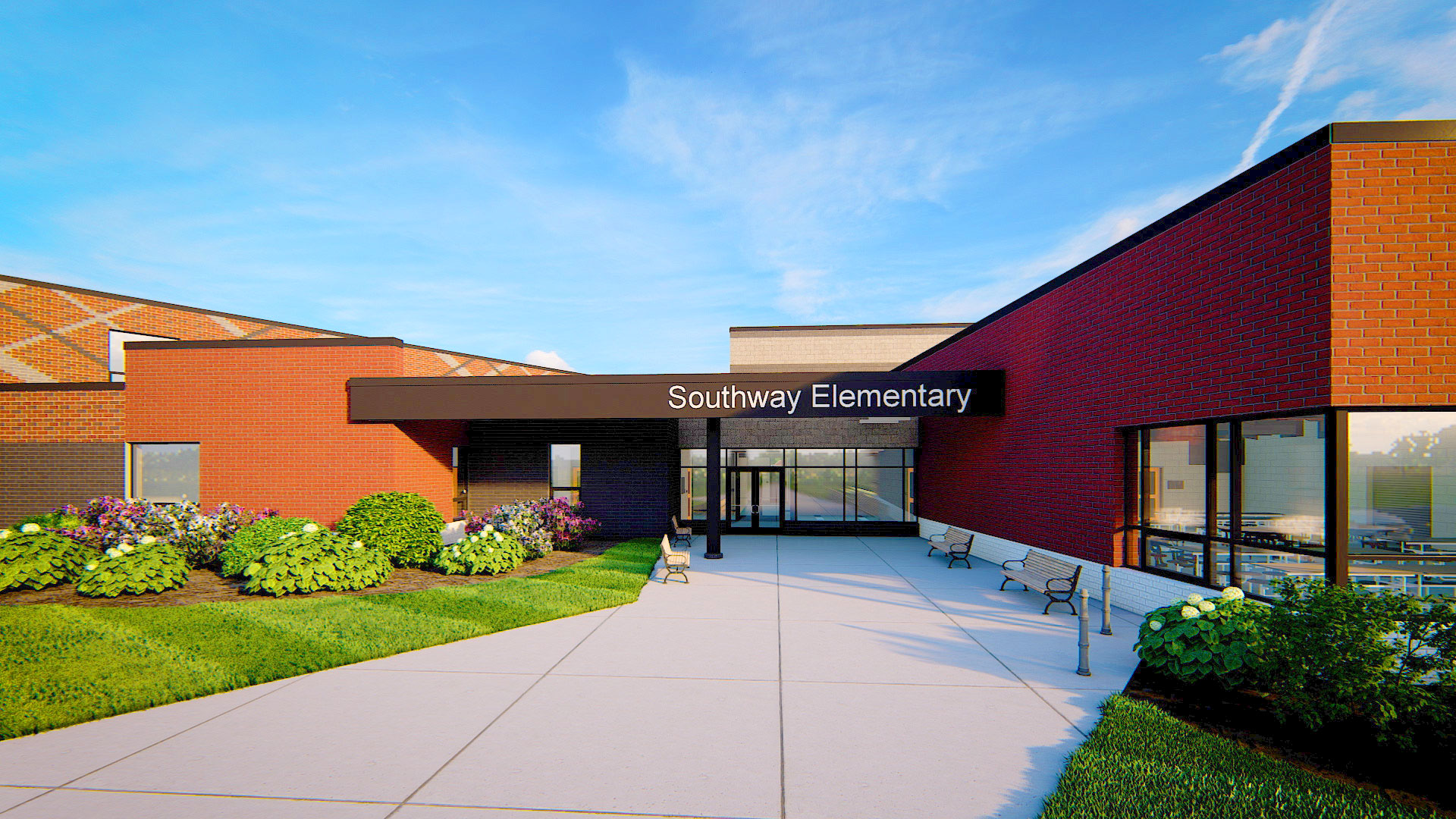
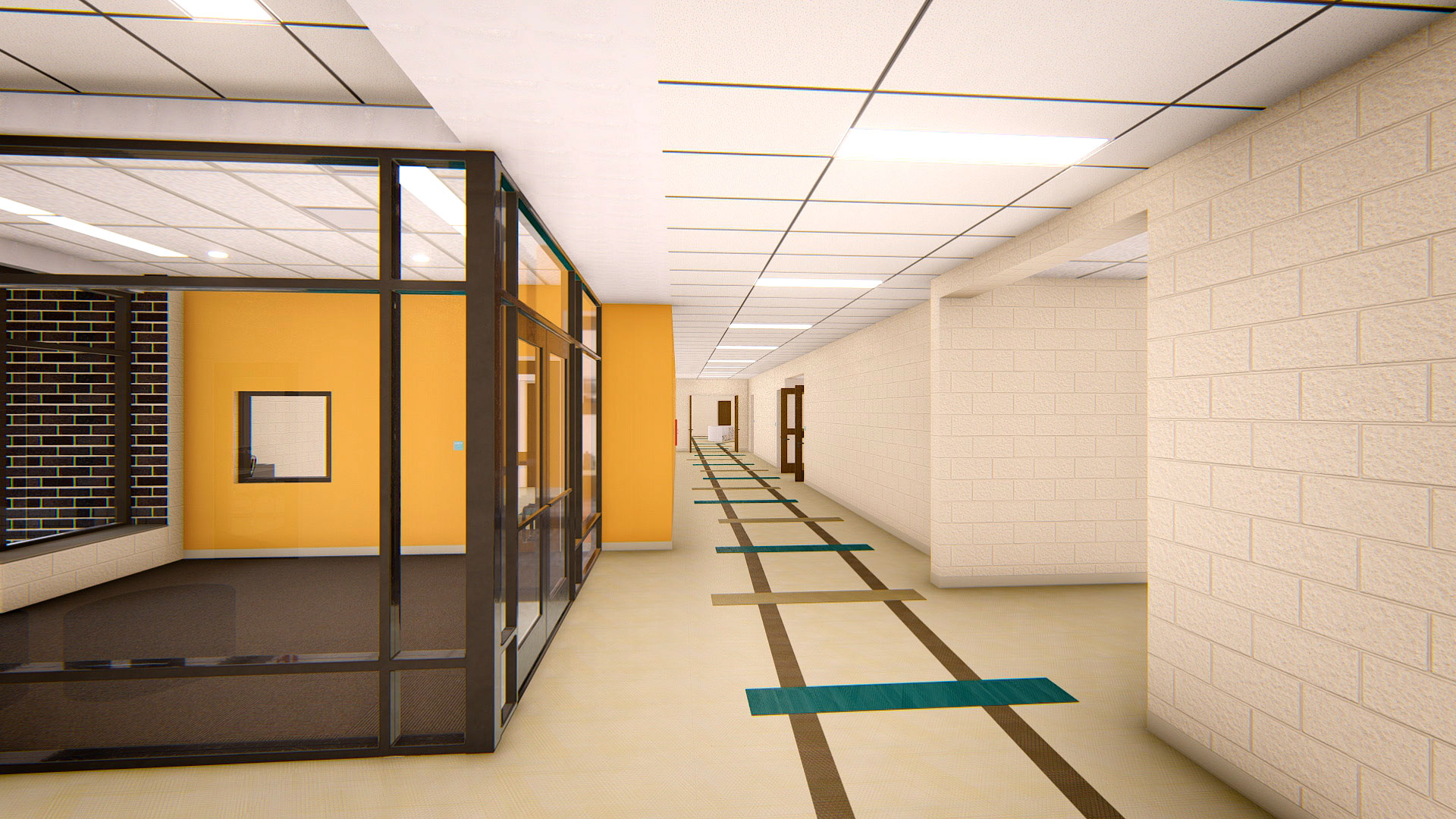
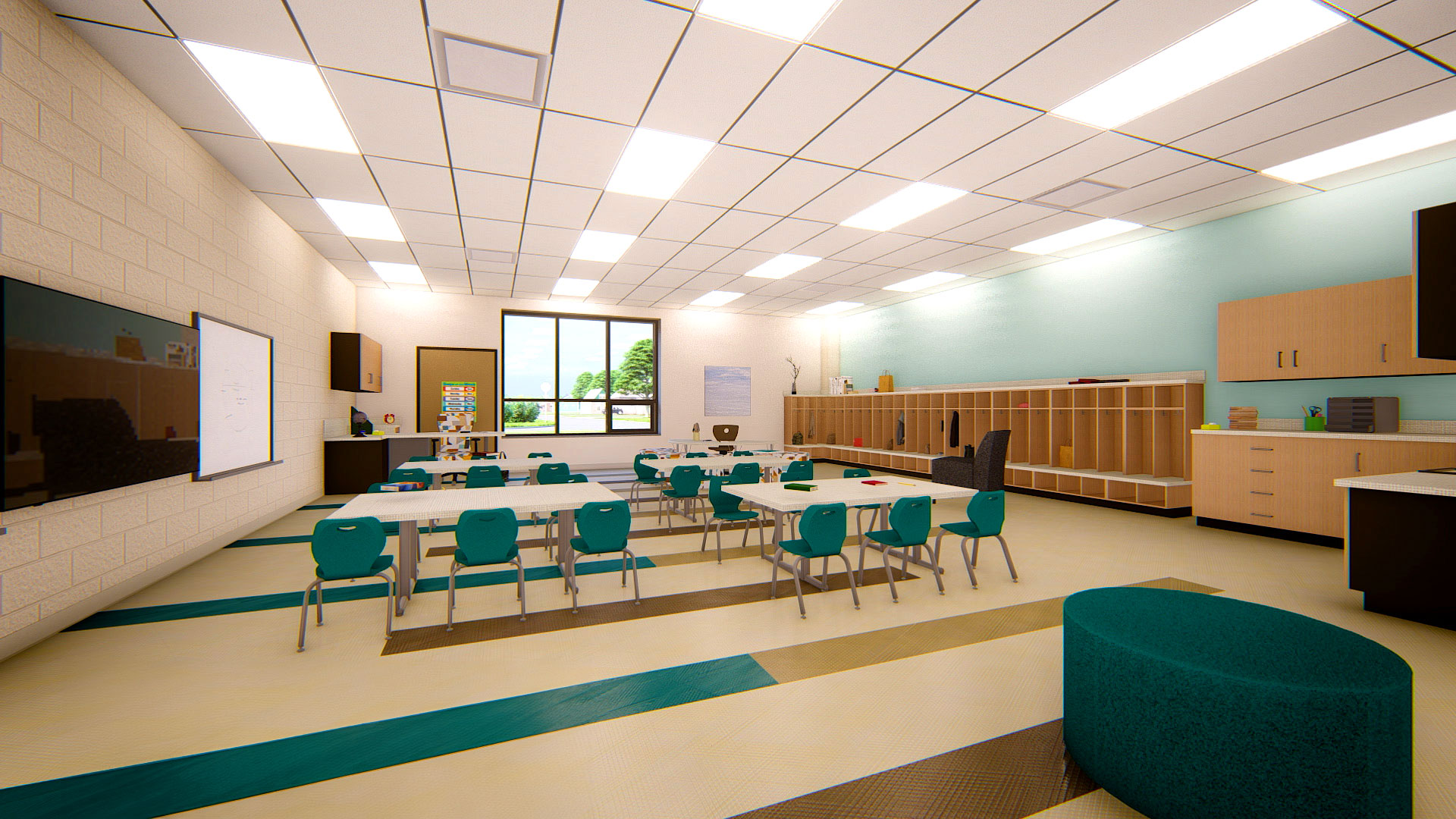
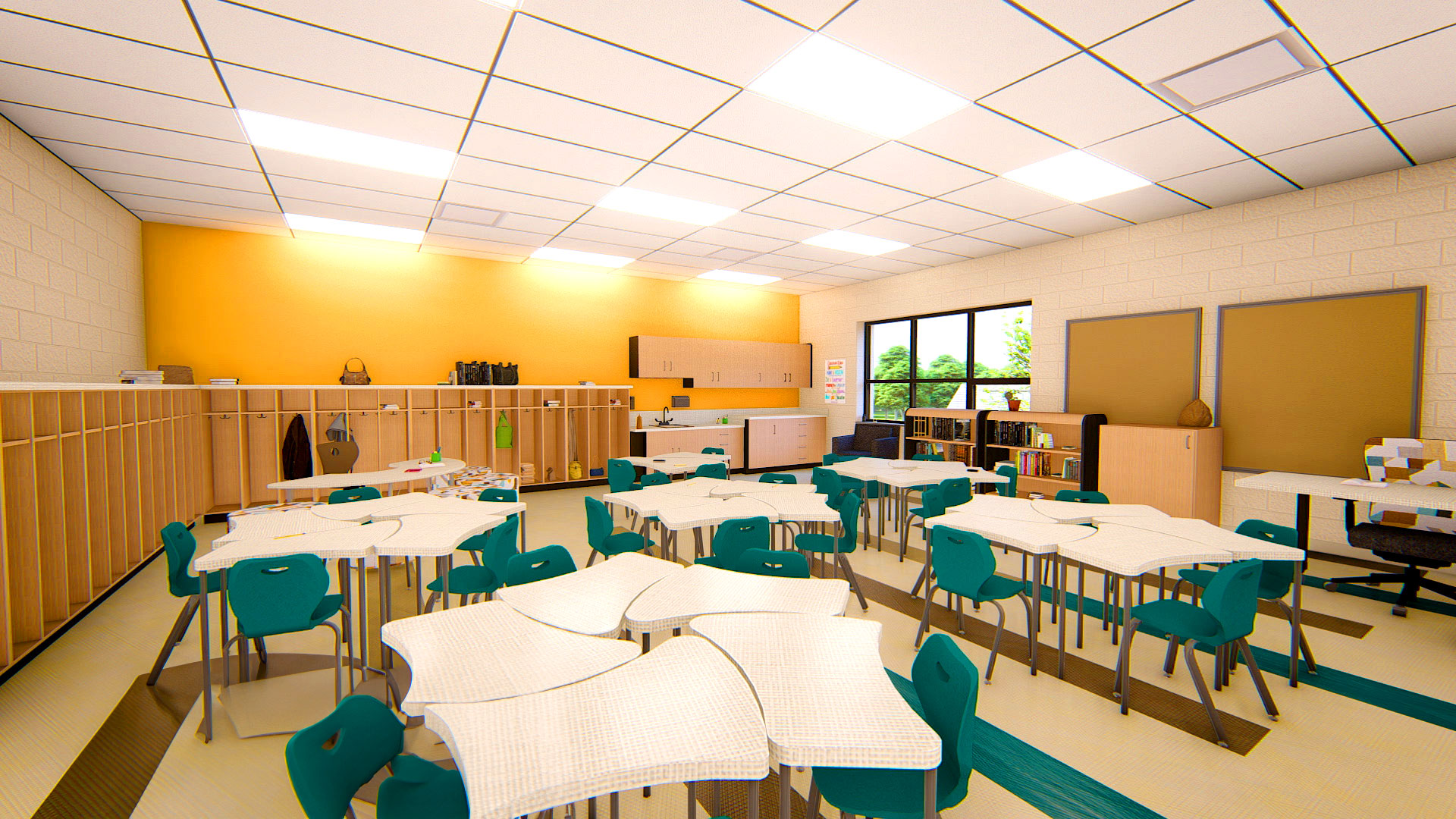
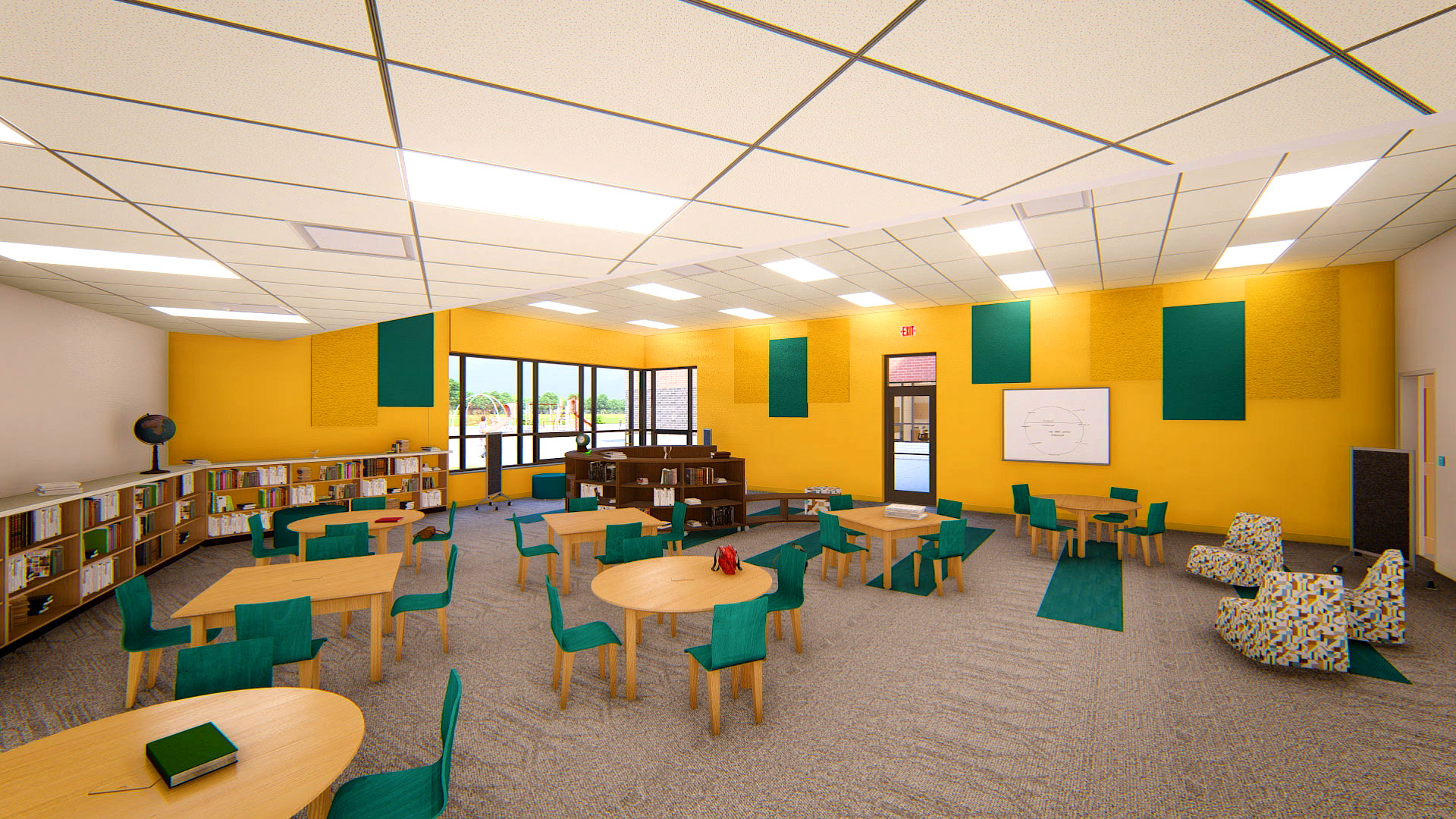
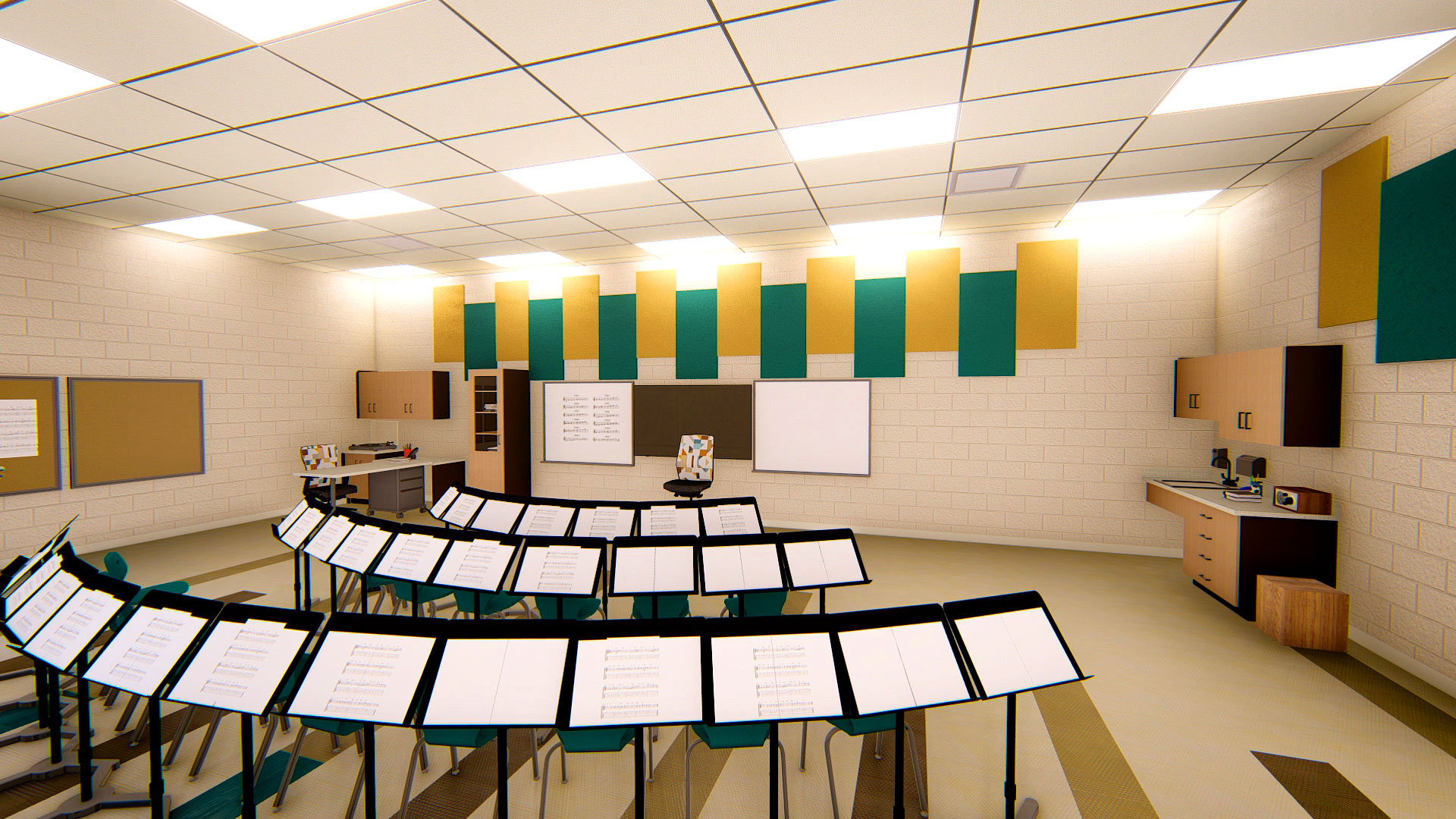
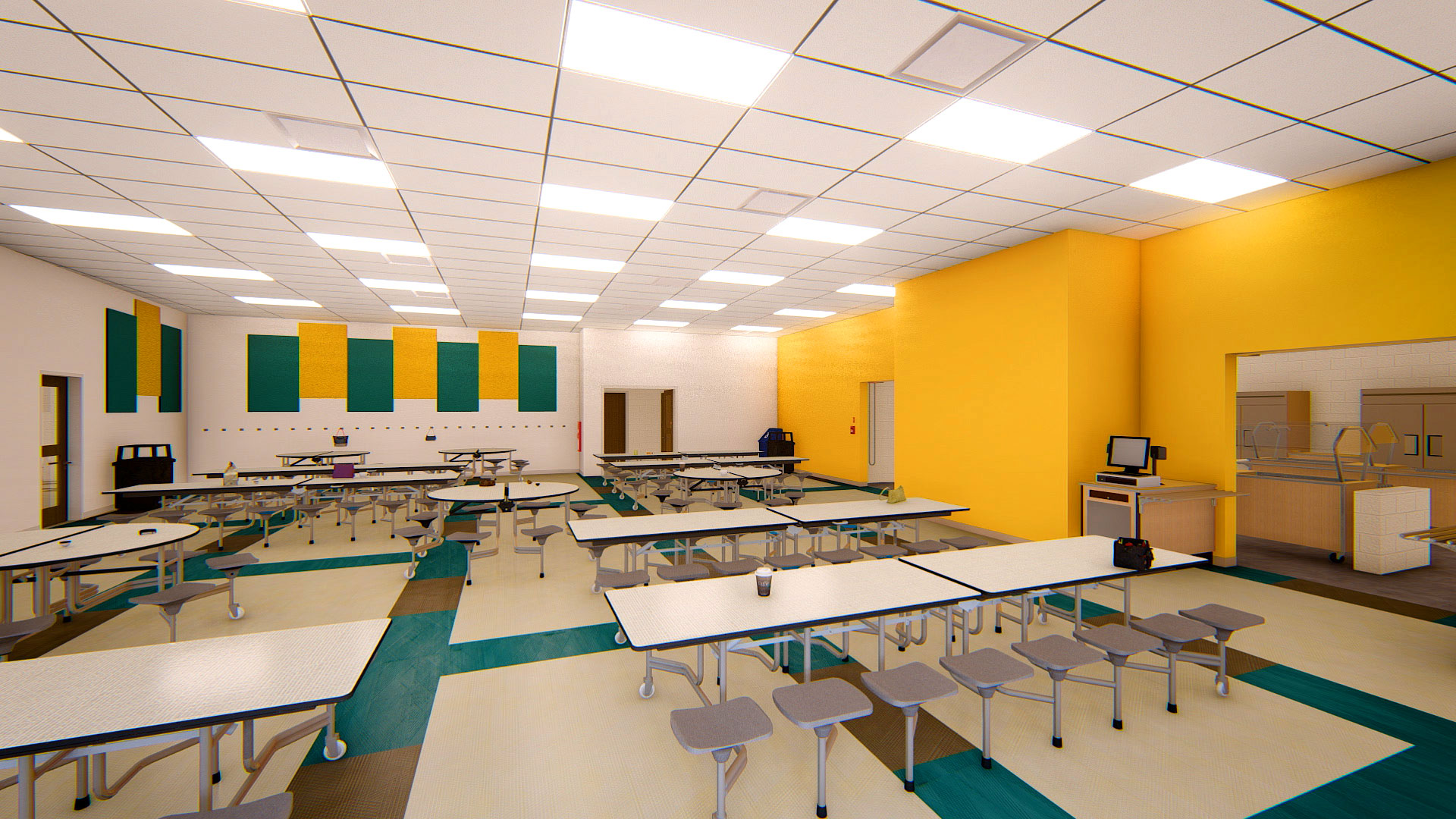
Created by ThenDesign Architecture artists, the Southway Elementary animation provided the Perry Local School District with a sneak peek of what the new school will look like once it is completed. Two elementary school students gave their impressions of the rendering and shared their initial reactions to the modernized spaces.

Perry Local School District's Southway Elementary Animation

As part of the design development process for the Perry Local School District, ThenDesign Architecture created a fly-through animation of what the completed Southway Elementary School will look like.

Representing their peers, Perry students, fifth-grader Veda and sixth-grader Jordan were shown the virtual walkthrough video to get their initial reactions and share their thoughts on the new school.

"It's very open. Everyone can find the entrance very easily."
Jordan
6th Grade Student

Perry Local School District's Southway Elementary Animation

Three Elementary Schools in Progress

The Perry Community approved a bond levy in early 2020 to secure funds to update its educational facilities. This successful bond passage, which raised $85 million from the community, was a crucial step in the district’s facility projects. It allowed the district to secure additional funds from the state through the Ohio Facilities Construction Commission (OFCC), which agreed to provide another $80 million towards the project.

With three elementary schools currently under construction, PJ Lohr, Watson, and Southway, the district has been providing regular updates to keep the community informed of the progress.

Understanding the benefits these new schools will bring to the district will maintain the project’s momentum, which is necessary to provide students with the best educational environment possible.

Southway Elementary Animation Frames

"I like all the colors and how the tables are different shapes and connect together."
Veda
5th Grade Student

Fairport Harbor EVSD Campus Walkthrough

Fairport Harbor EVSD Campus Walkthrough
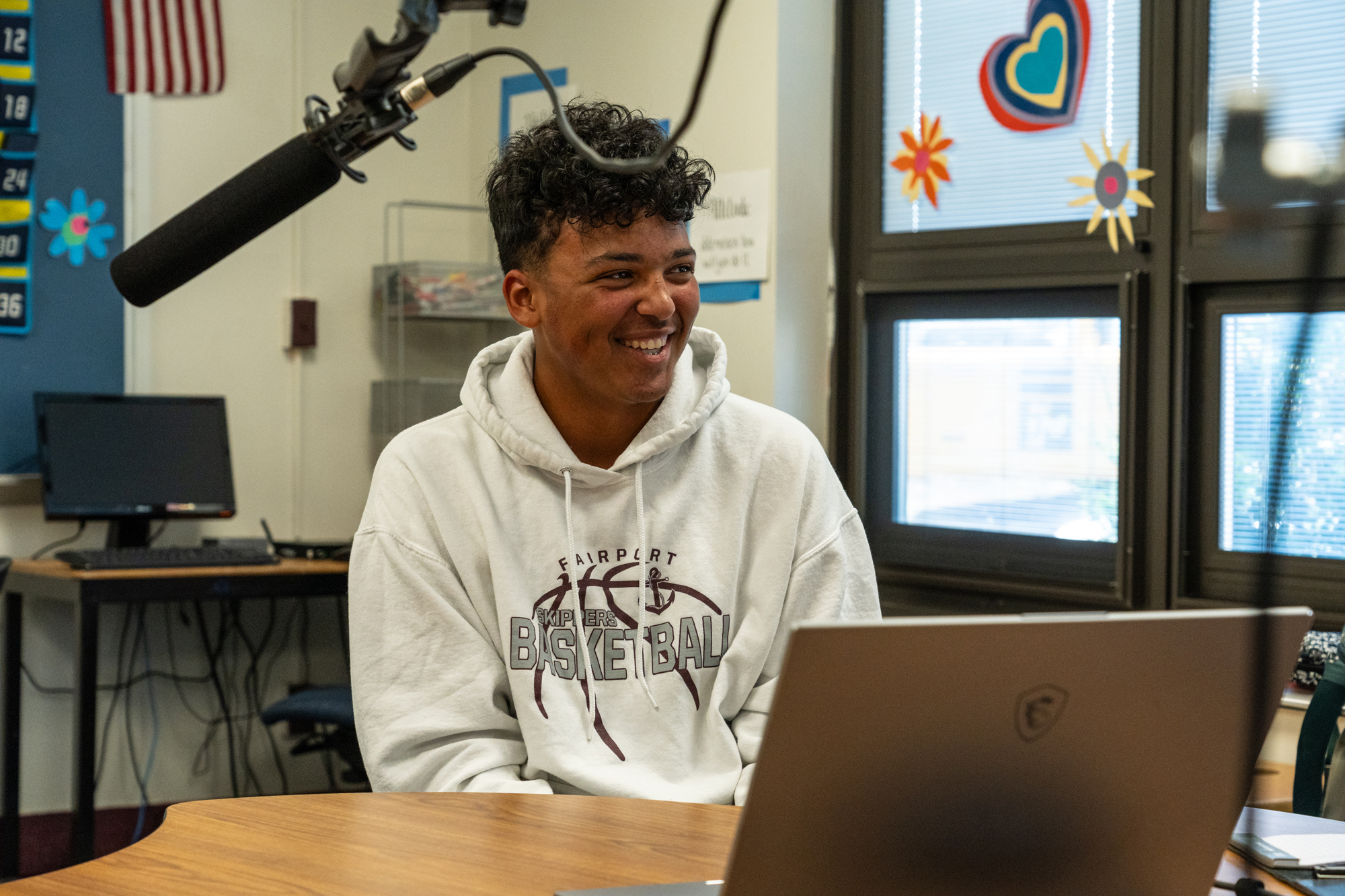
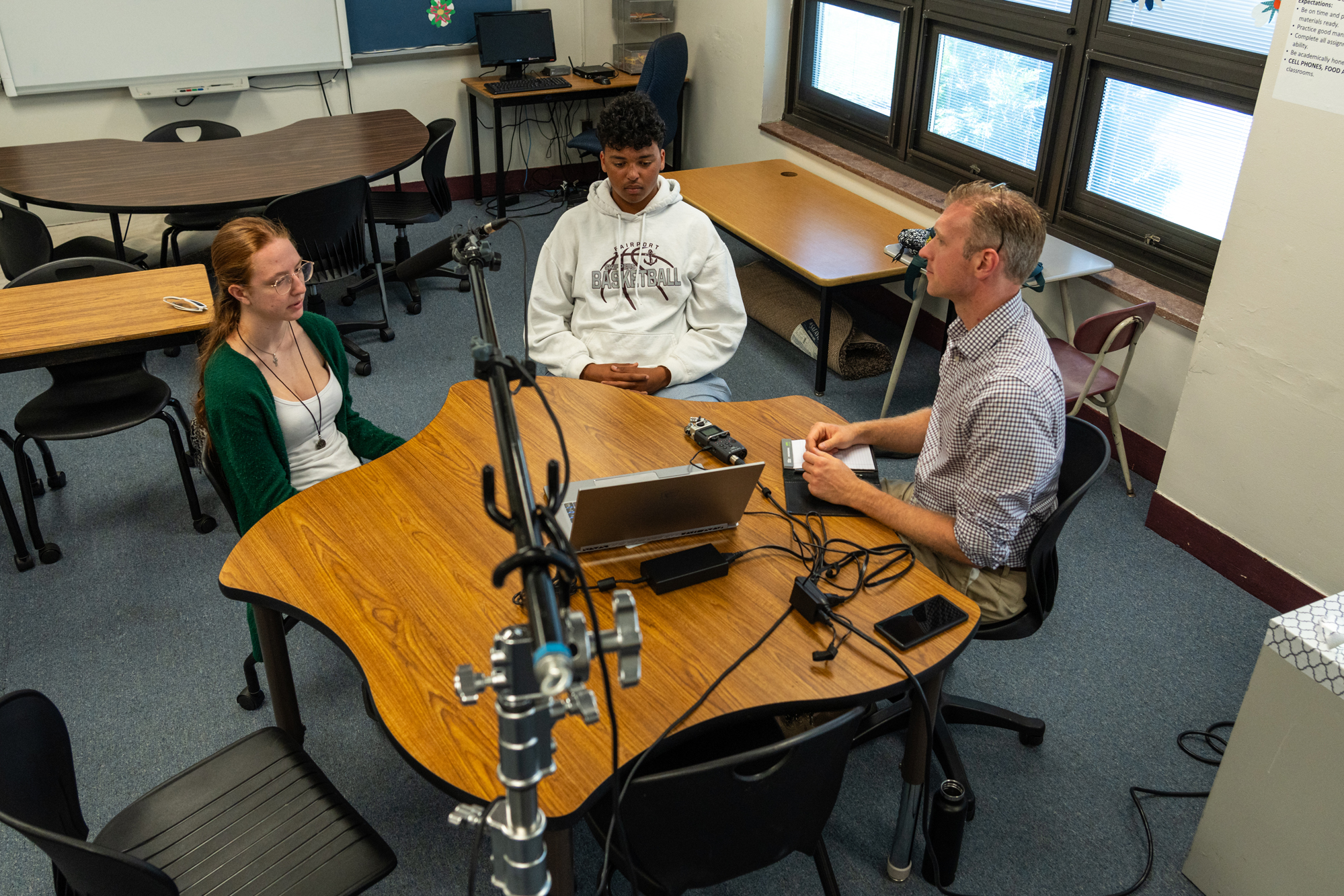
As part of the architectural design process, an animated walkthrough for Fairport Harbor's new school interior was presented to two high school juniors, Charlie and Hannah. They were the first in the district to see the design renderings and provided their impressions.

Fairport Harbor EVSD Campus Walkthrough

As part of the architectural design process, an animated walkthrough for Fairport Harbor’s new school interior was presented at the August School Board Meeting. The virtual walkthrough included commentary from two high school juniors, Charlie and Hannah.

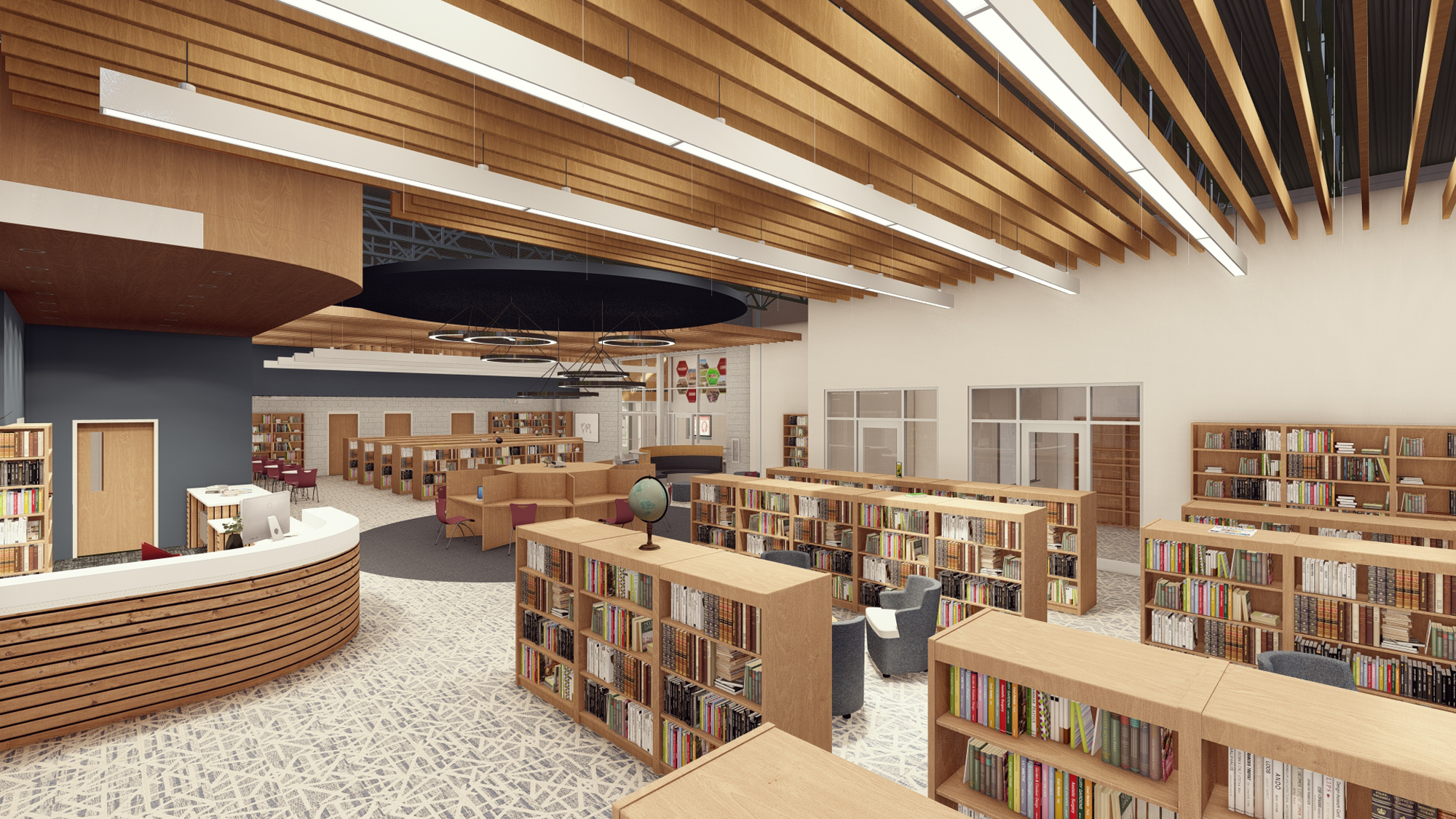
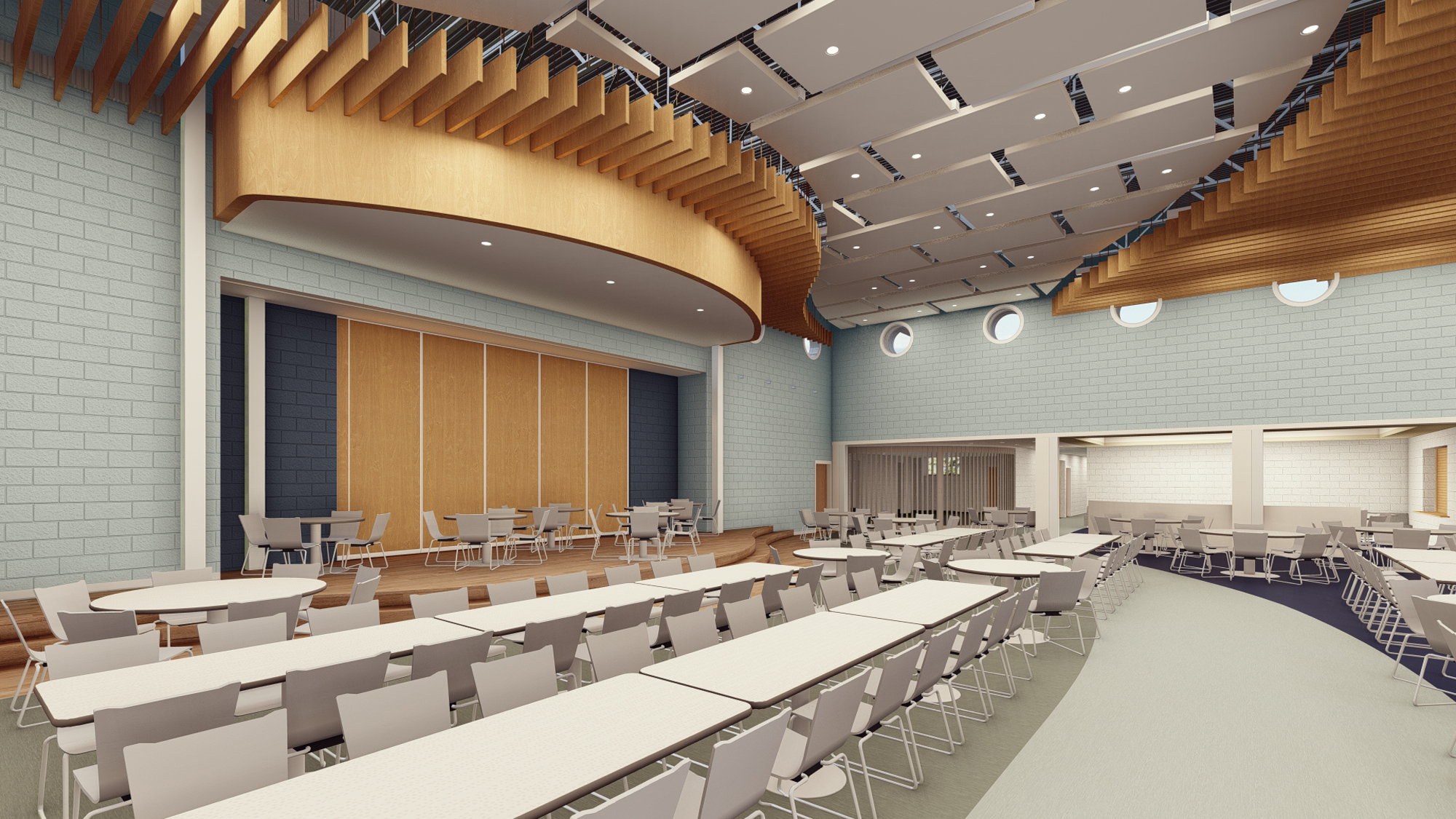
The new Fairport Harbor Exempted School District’s PreK-12 Campus 116,000 SF building replaces the existing Harding High School, McKinley Elementary and attached Fairport Harbor Public Library. This new modern educational and library environment will be enjoyed by the community and future generations of Fairport Harbor students.

Fairport Harbor EVSD Campus Walkthrough Video Animation

"This new facility will give this community a sense of pride for the next century, just like the previous school gave the community a sense of pride for the last century. It will provide all students with the opportunity to thrive in a 21st century learning environment, be proud of their accomplishments, and their future."
William Billington
Superintendent of Fairport Harbor EVSD

A Virtual Tour

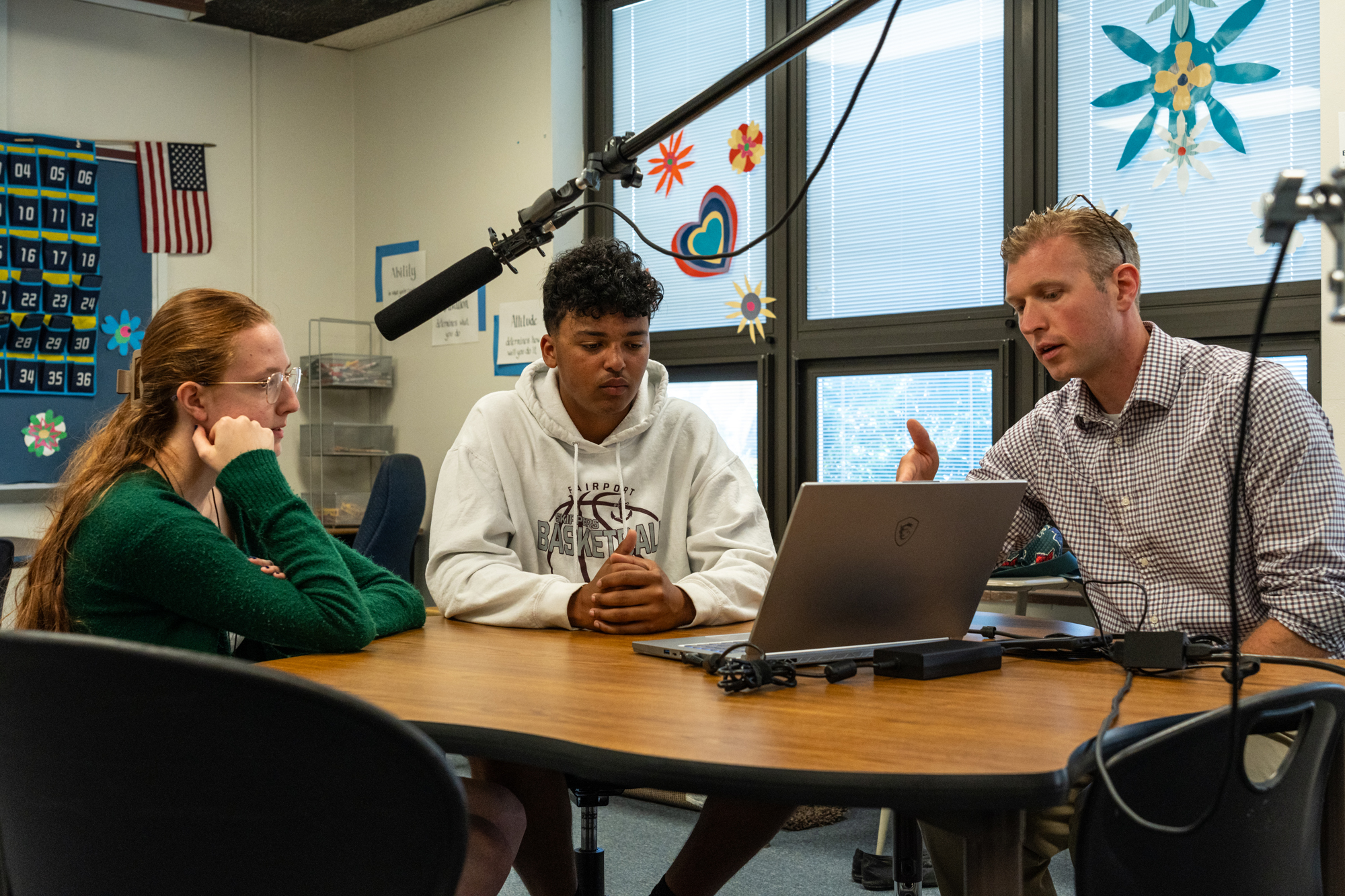
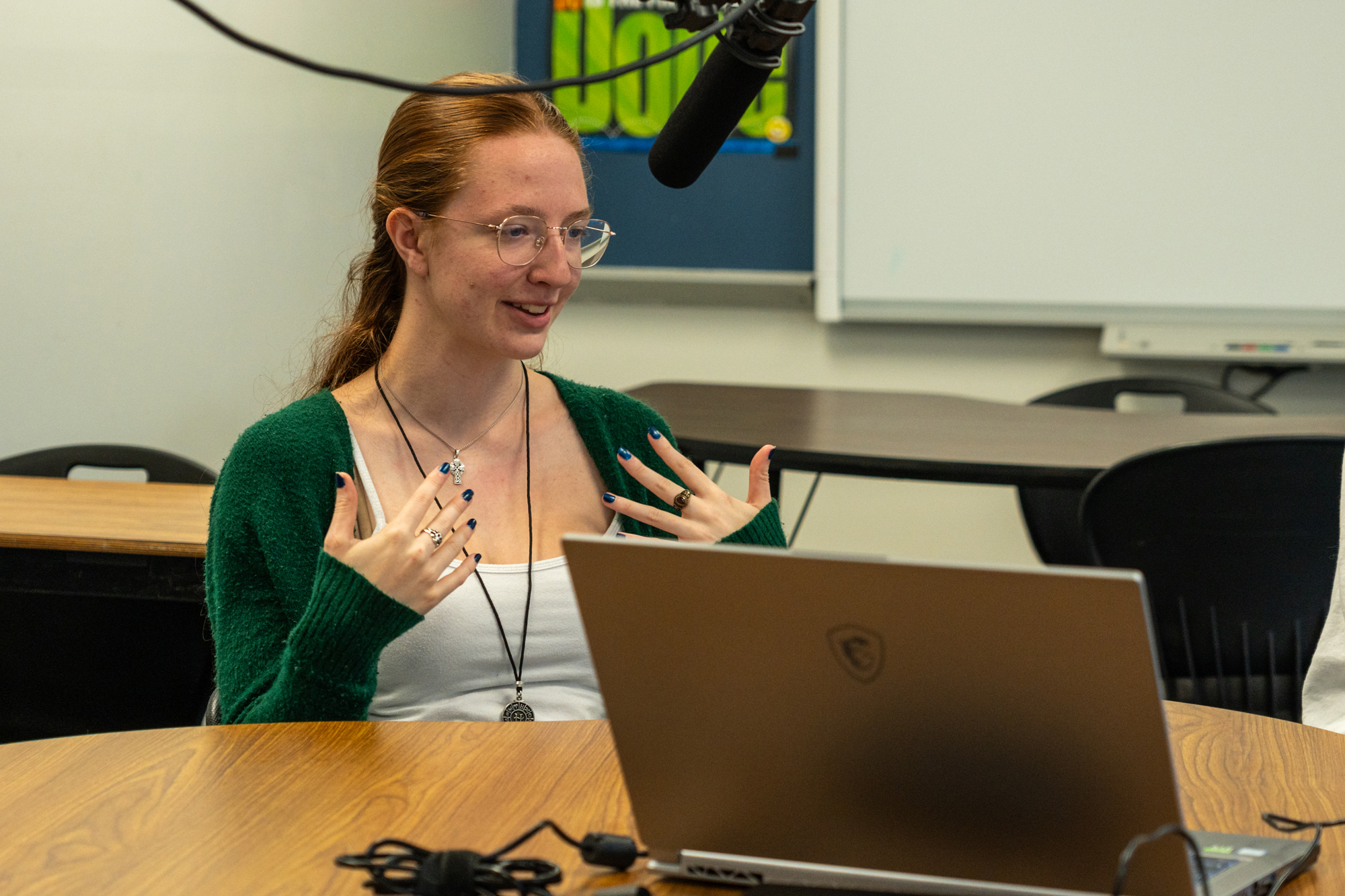
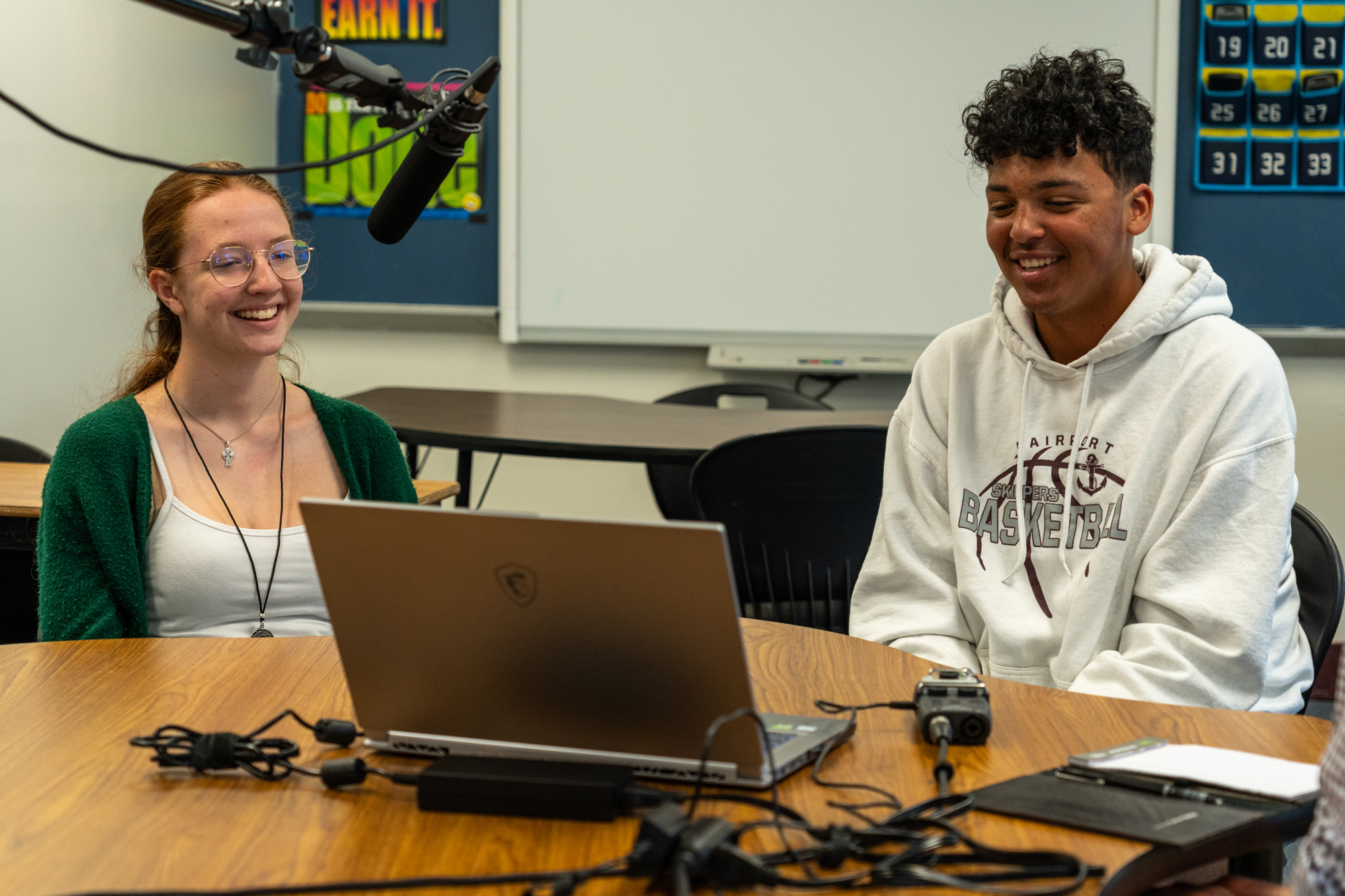
The students were the first in the district to see the design renderings and were recorded by ThenDesign Architecture (TDA) staff to provide their impressions and creative ideas on how to use the modernized spaces. Both were excited for future students who will occupy the new campus.

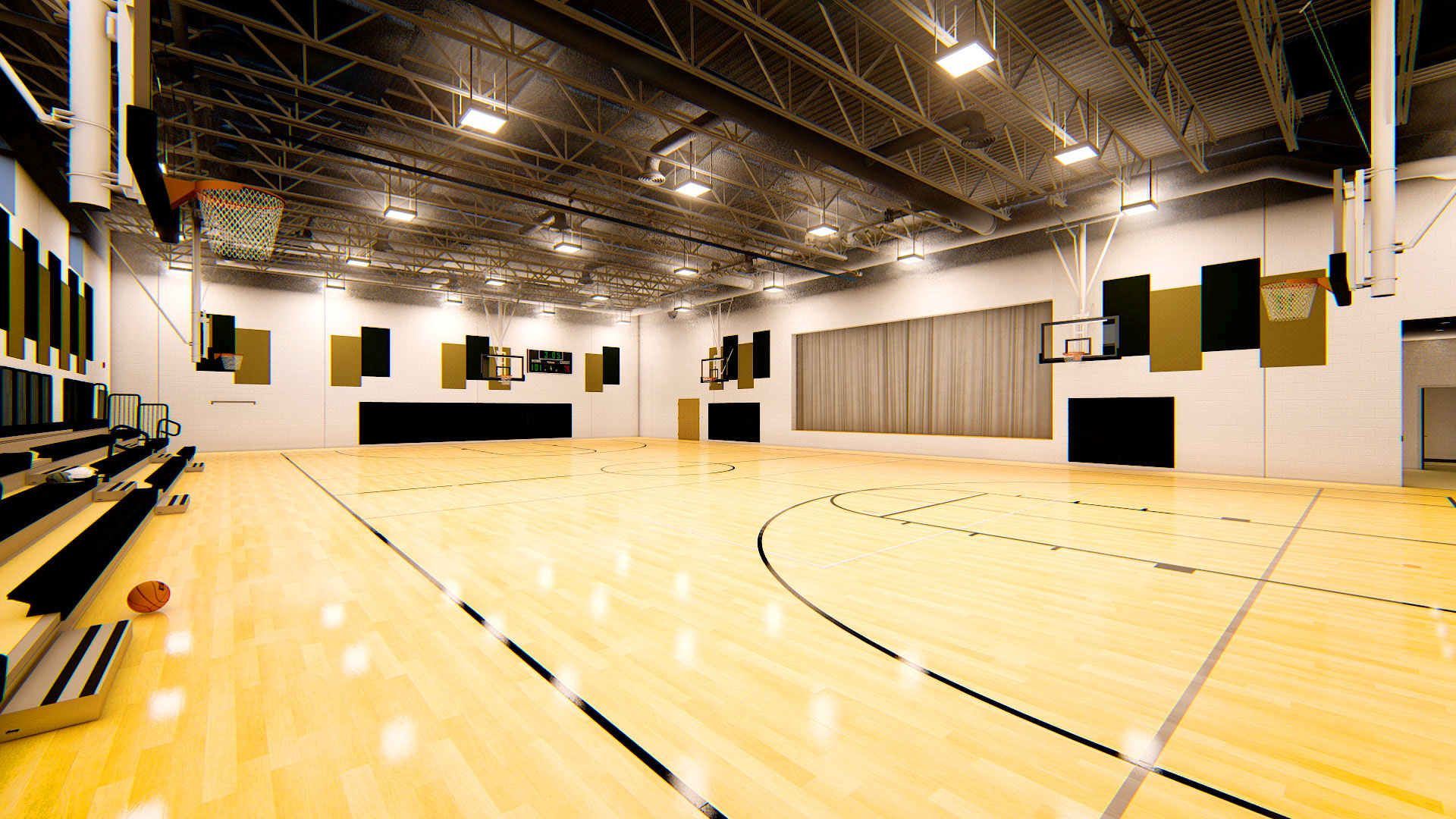
The video highlighted areas that included the main entrance, the public library and media center, the two gymnasiums, various ELA classrooms, a courtyard, and the two-level student dining and performance space.

Student Recording In Session

Creative Ideas For Future Students

Charlie hoped future students would utilize the expanded public library and media center to host more local community events. Upon seeing the courtyard, Hannah thought it would be an ideal location for dances or provide opportunities for a school garden club.

The presentation to the school board on August 22 was the public unveiling of the renderings. These concepts will continue to be developed as design phases continue. The PreK-12 Campus opens for the 2025-2026 school year.

Fairport Harbor EVSD High School Juniors Charlie and Hannah

Fairport Harbor EVSD Students

Fairport Harbor EVSD Celebrates the Groundbreaking for Their New School

Wickliffe Students Design Their Own Playground

Wickliffe Students Design Their Own Playground
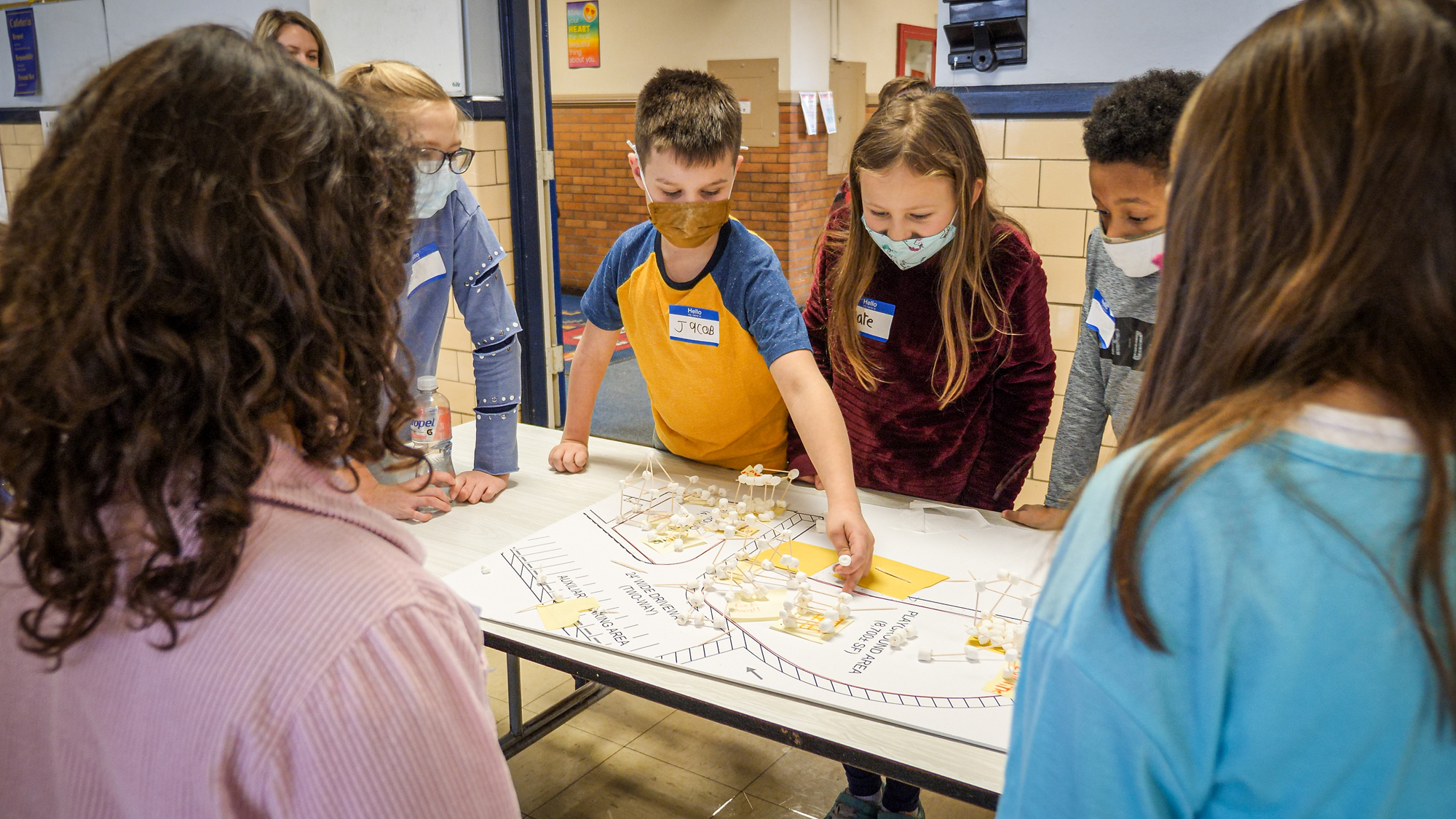
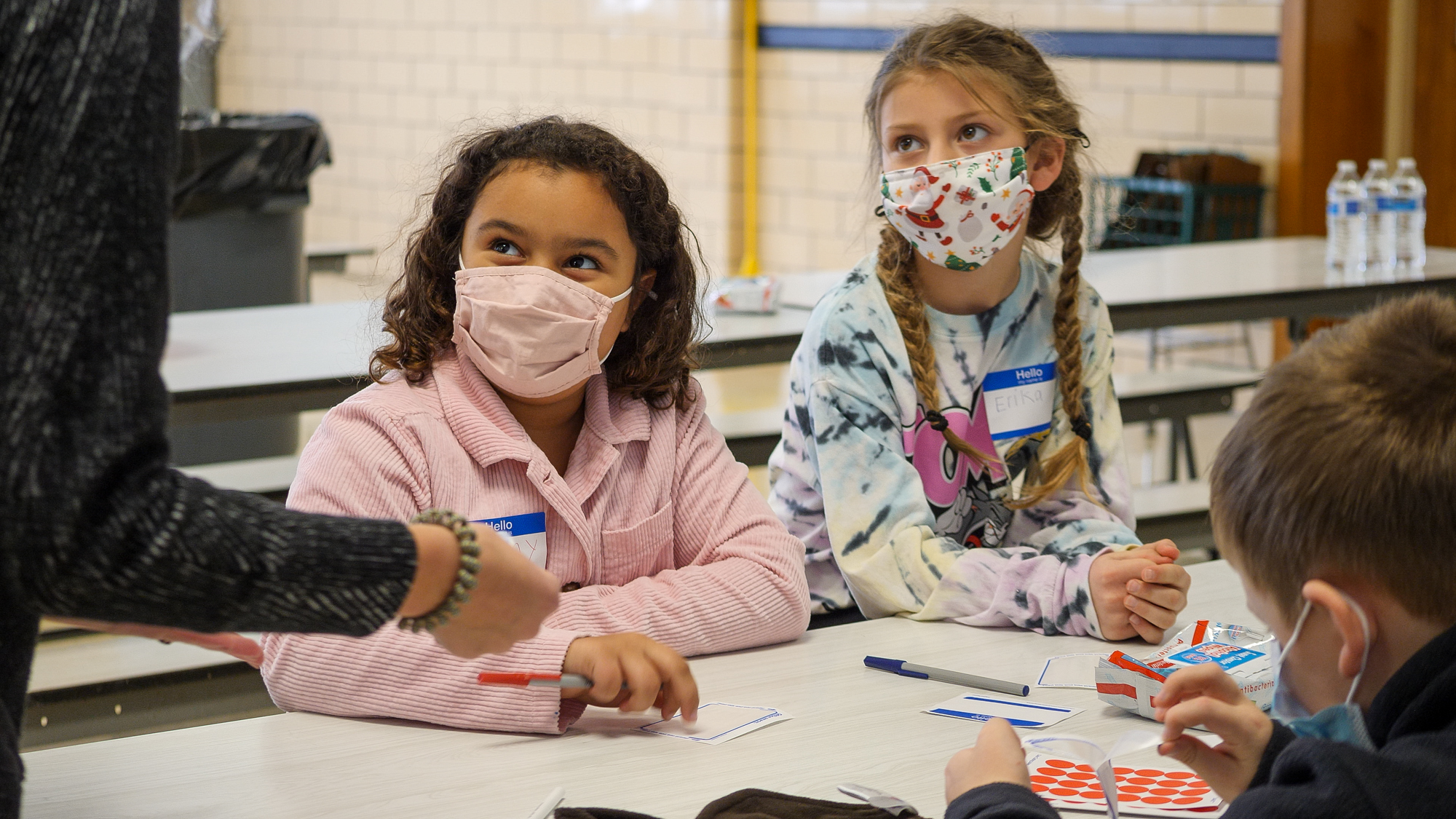
Who better to have a say about what a playground should look like than the children who will use it? Wickliffe Elementary students participated in a visioning session with ThenDesign Architecture and Wickliffe City Schools to share ideas about how to make “an awesome” playground.

Wickliffe Students Design Their Own Playground

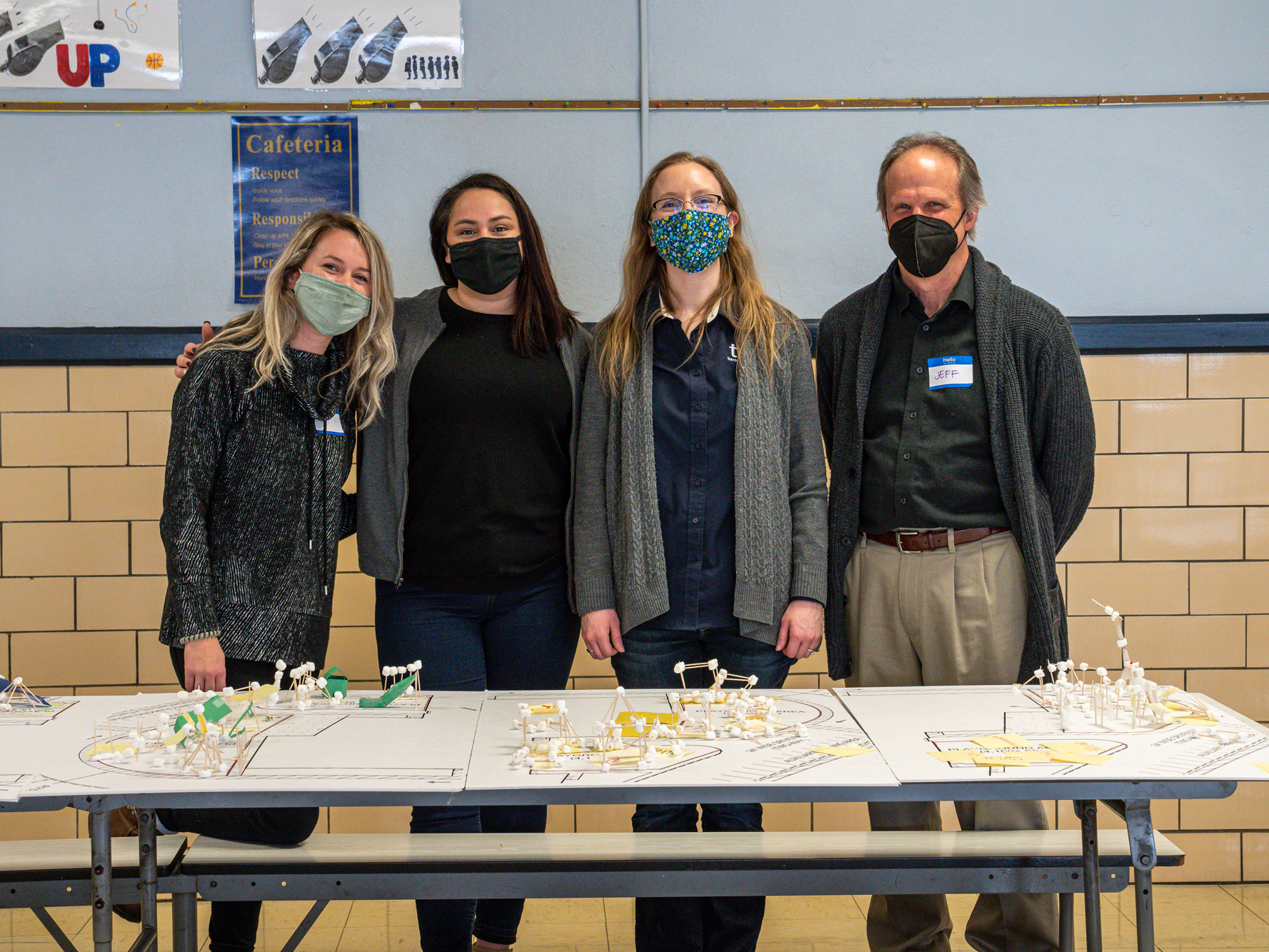
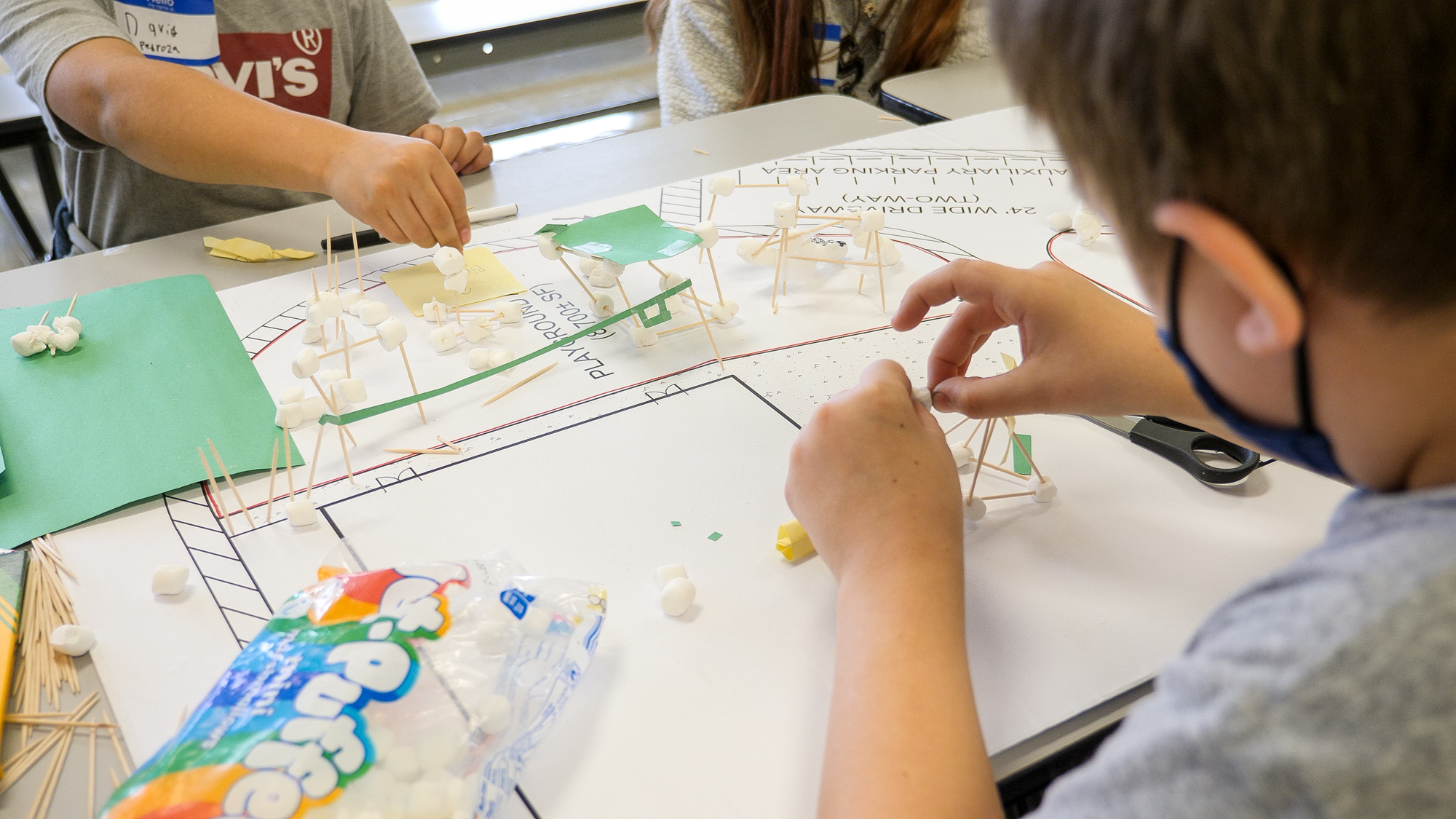
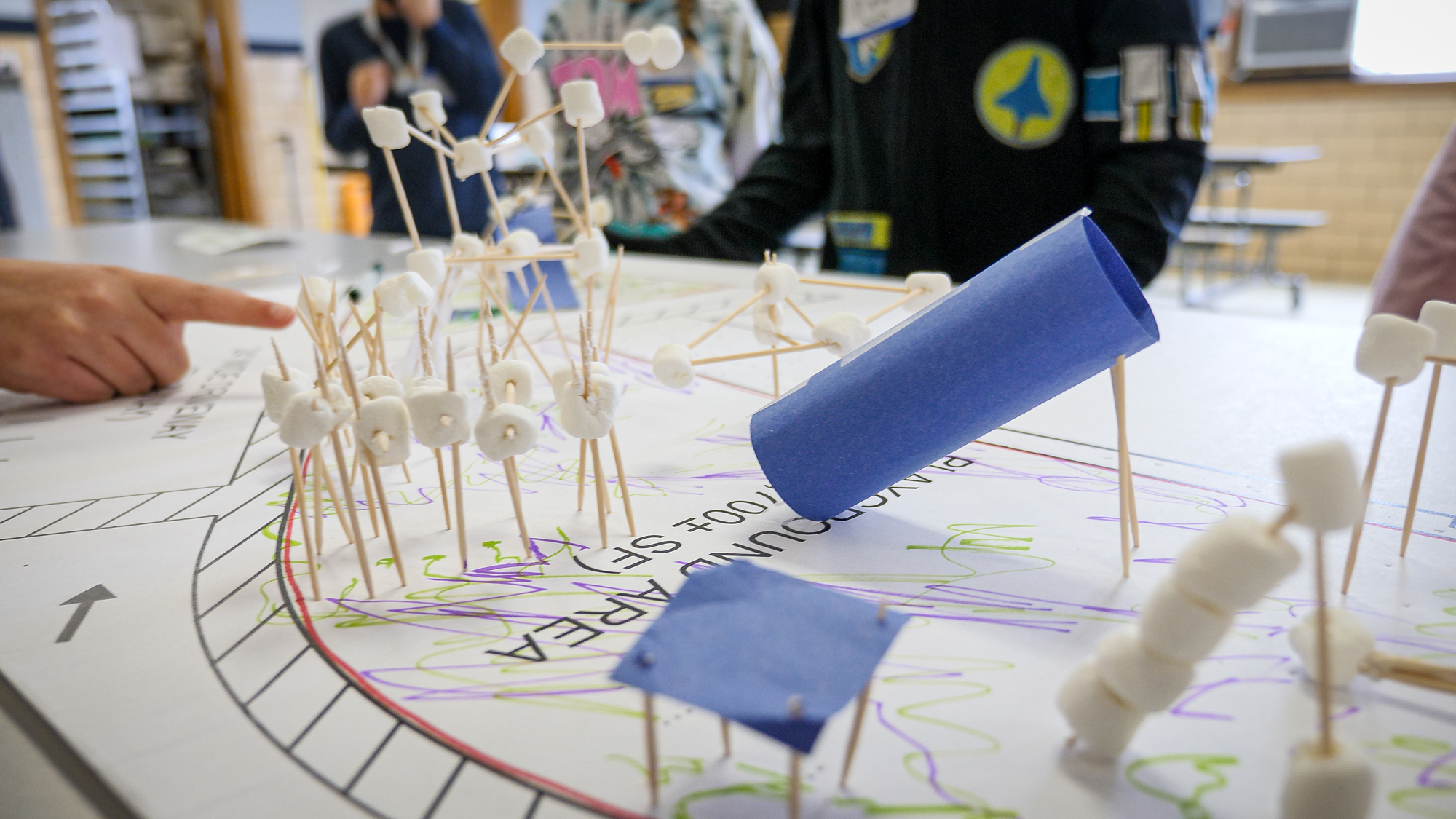
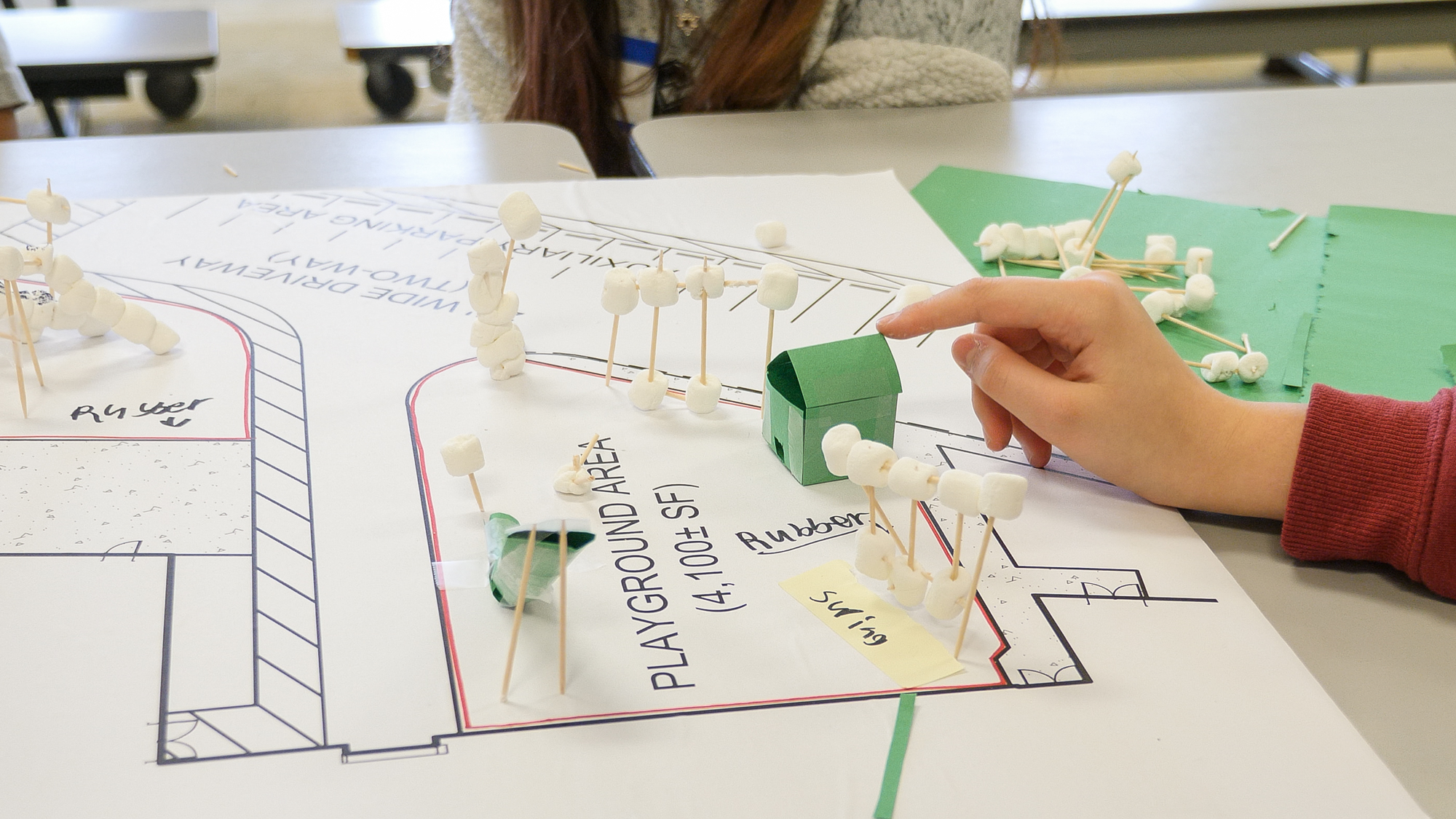
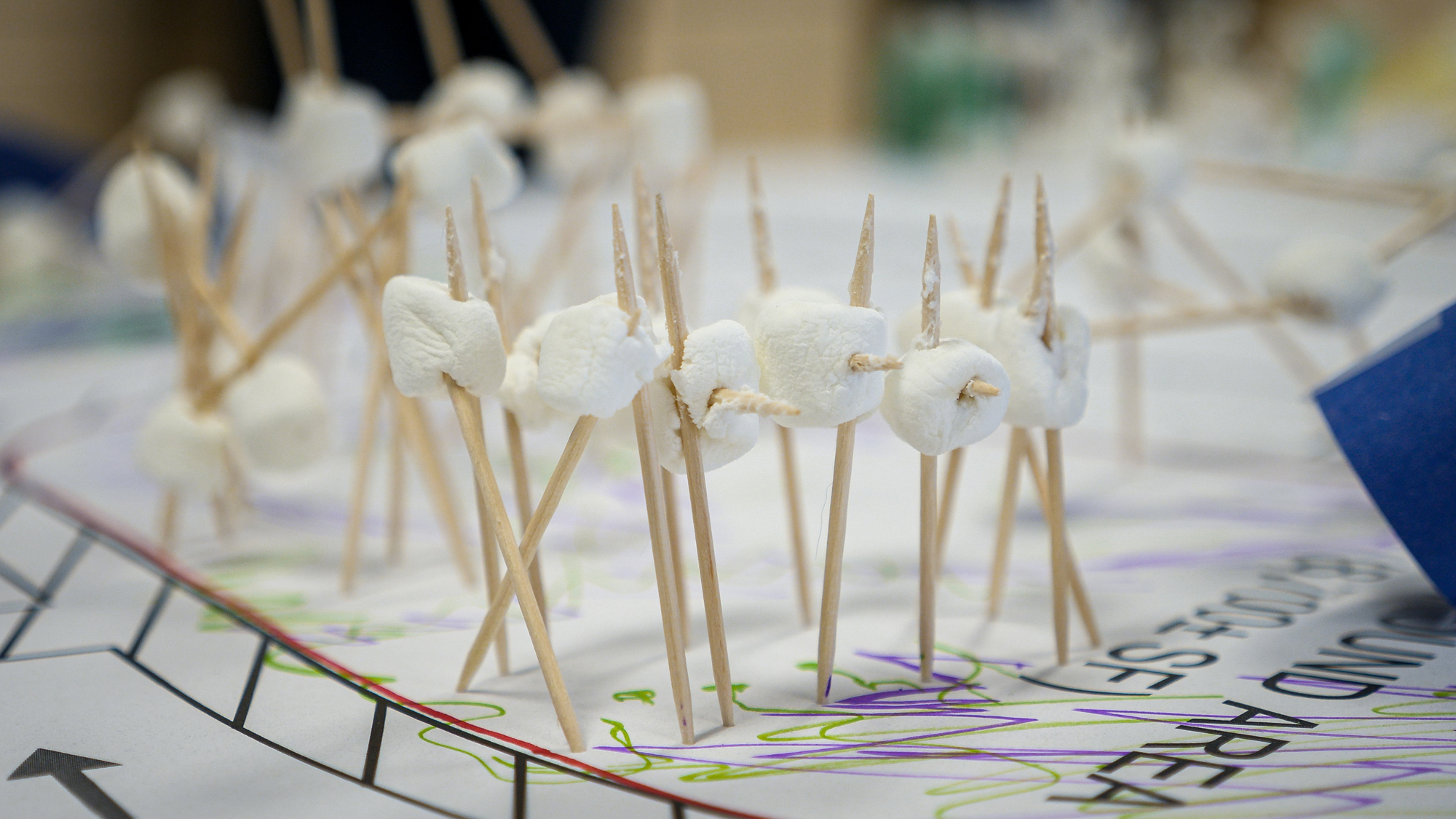
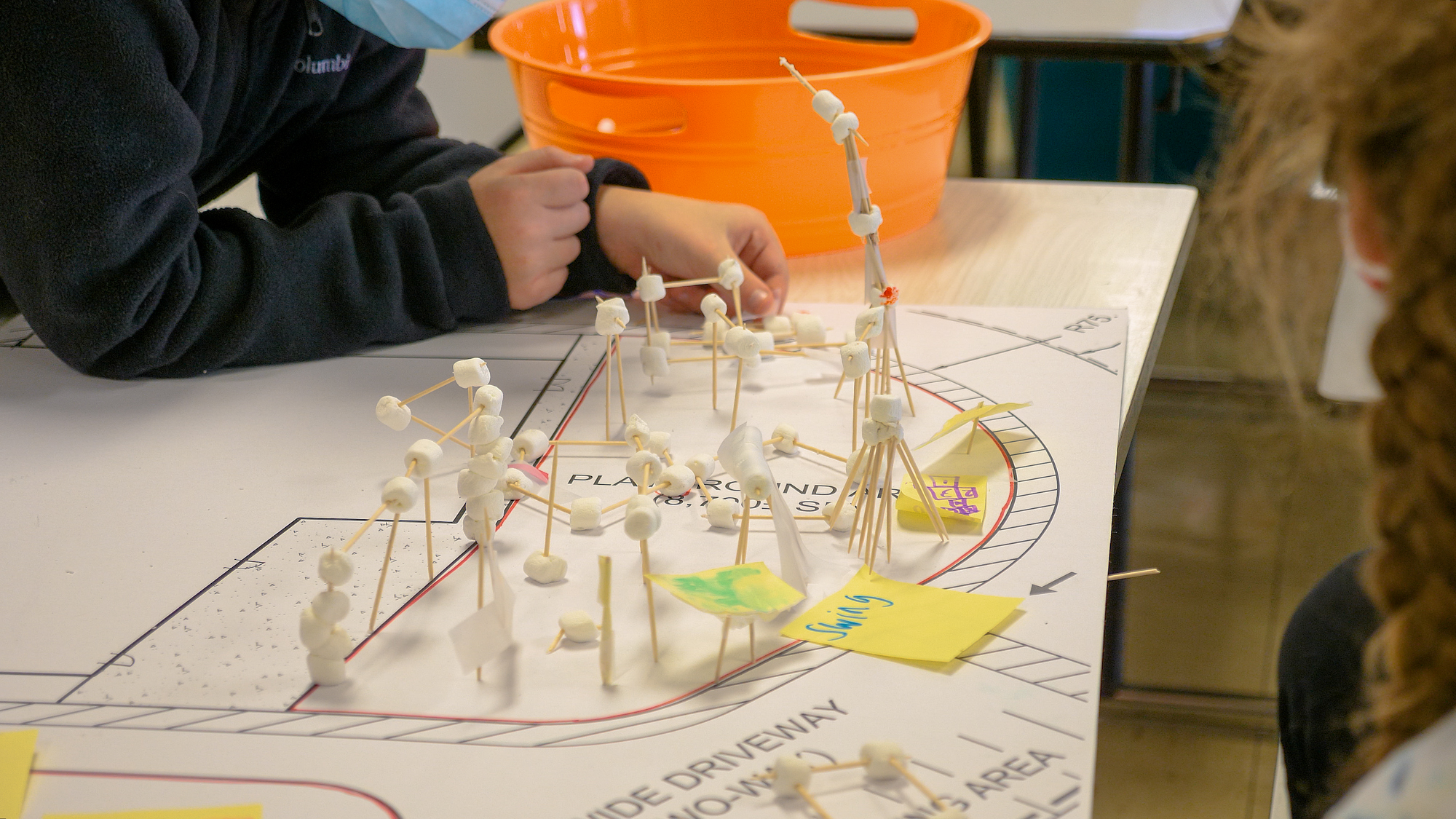
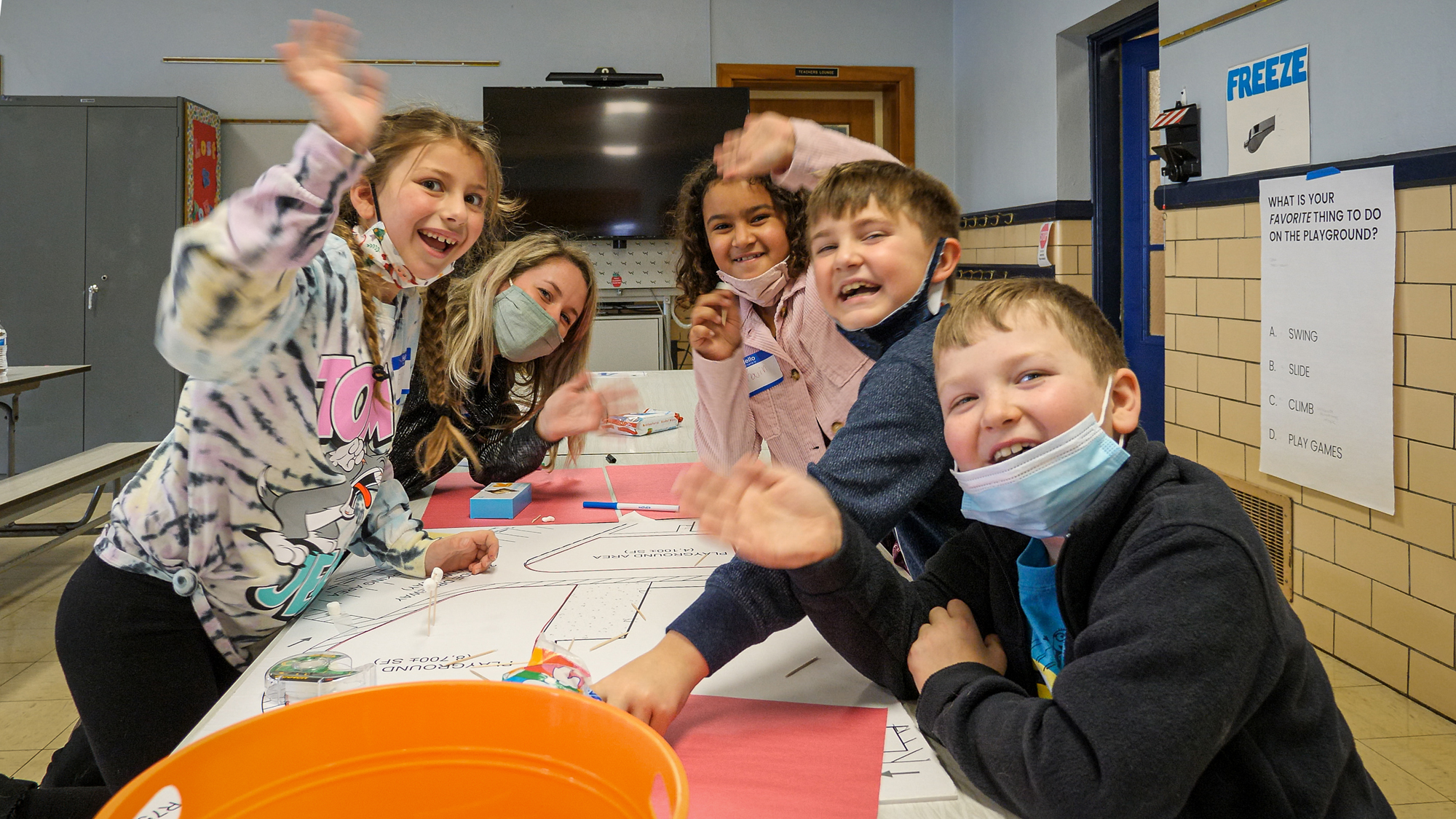
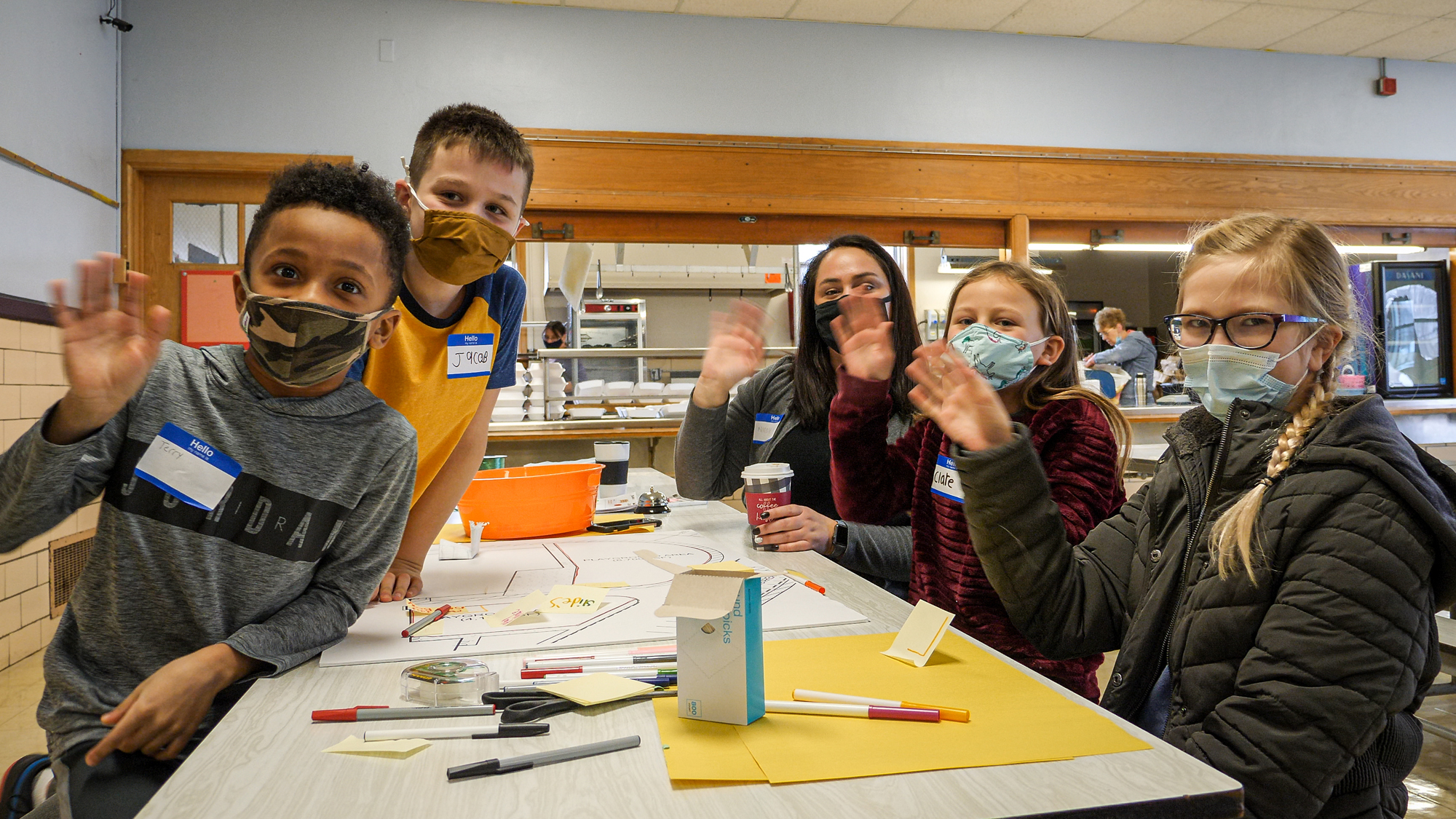
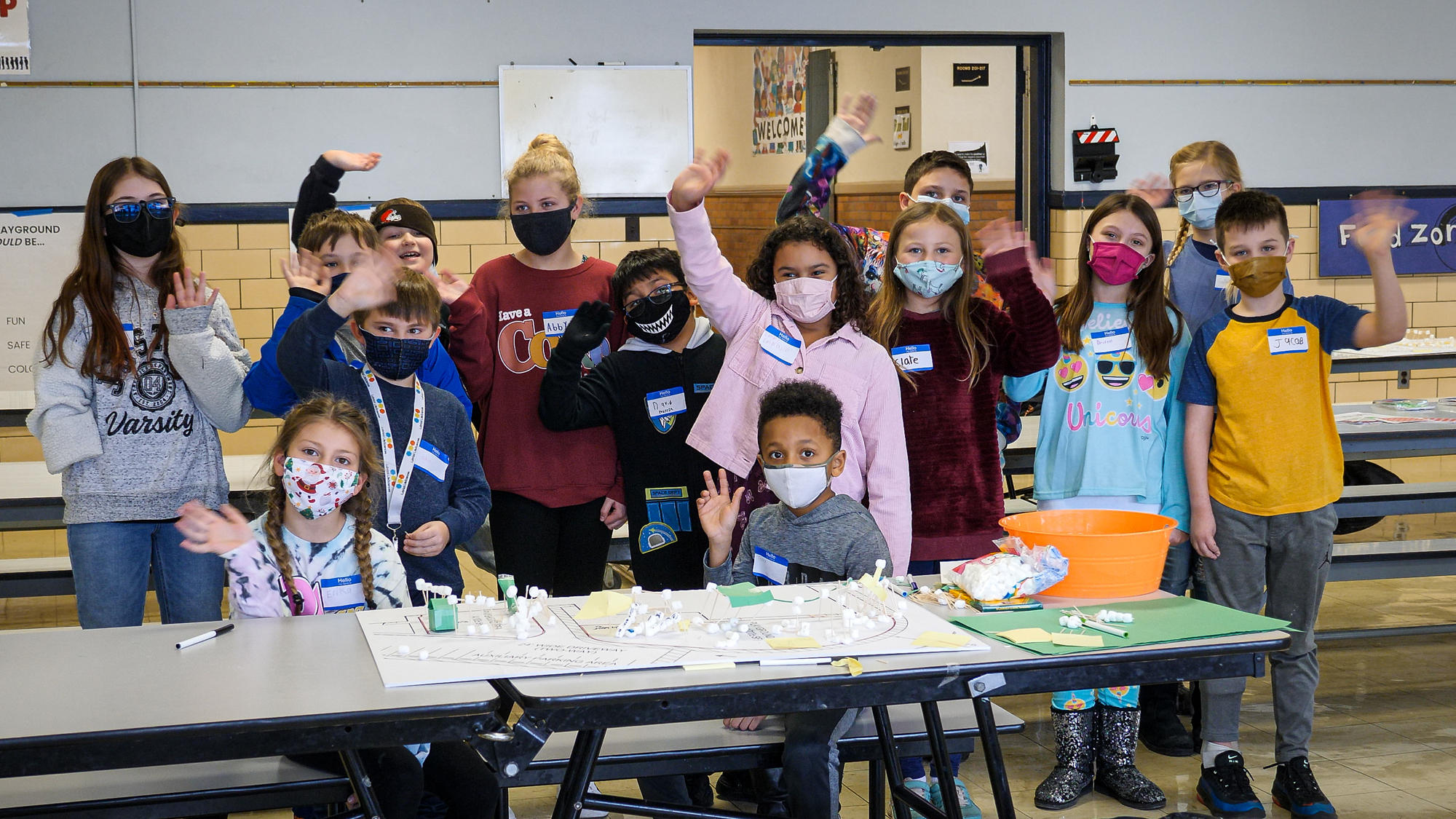
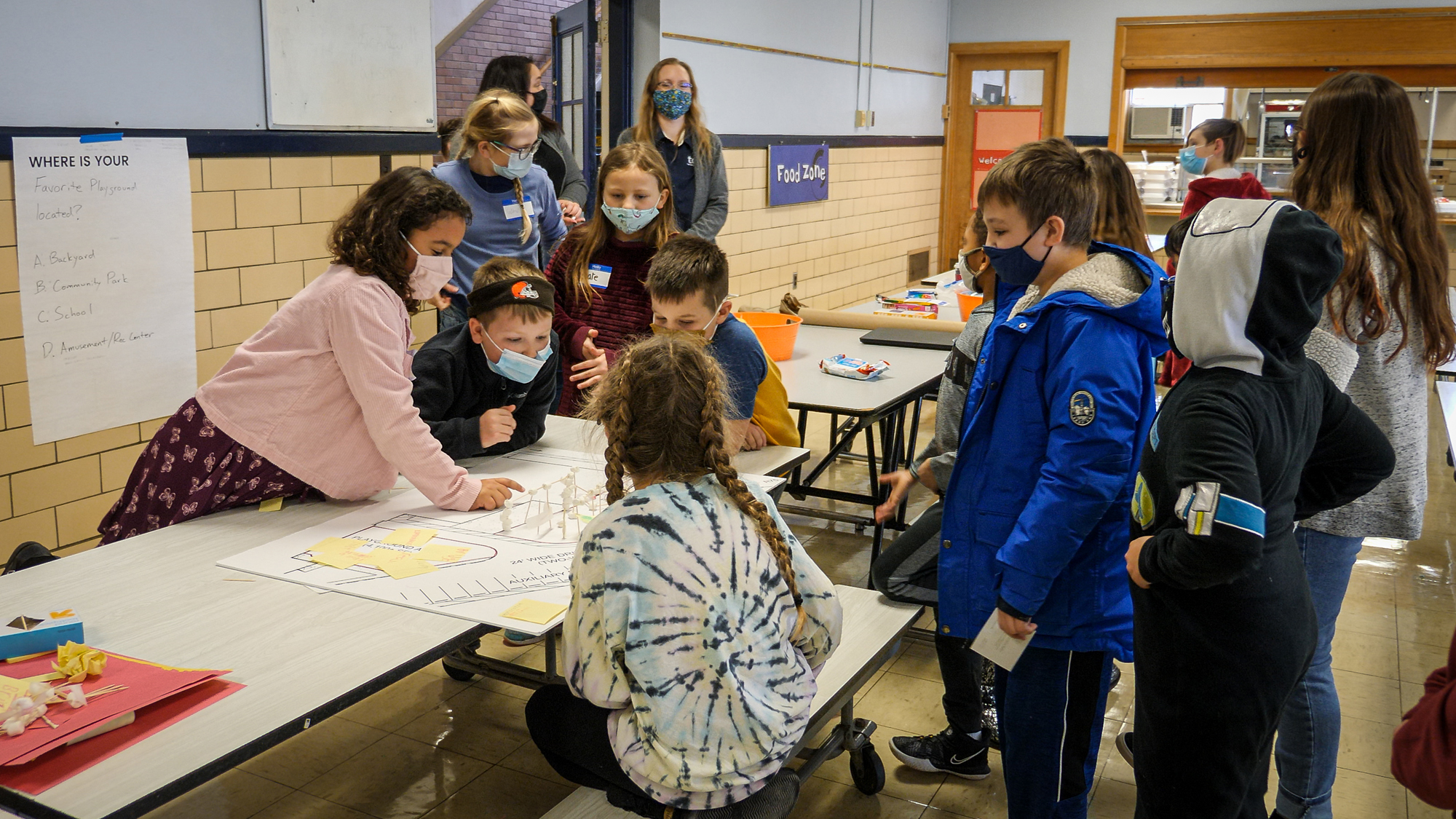
As a continuation of the design of the Wickliffe City School District’s new educational facility, and their “Reimagining Education” initiative, representatives of ThenDesign Architecture, educators from Wickliffe Schools, and students met in early 2021 to engage in a session focused on the layout of the school’s new playground. Dozens of students in grades 3-6 met in the cafeteria of the existing elementary school to discuss the best games and equipment to suit their time at recess. Then, they had the opportunity to build their ideal playground out of toothpicks, crayons, and marshmallows, before submitting it to the design team.

Watch the Playground Engagement

"It’s important we create flexibility for students and teachers so we can help them be successful."
Joseph Spiccia
Superintendent of Wickliffe City Schools

Fun With A Lasting Purpose

Upgrading aging facilities by bringing them to modern educational standards is not isolated to classrooms and collaborative spaces. In some ways, the layout of a playground can have just as much impact on the well-being of children as their indoor academic environment because learning continues through play. 

When involved in public architecture, it’s a designer’s responsibility to listen to their clients, even when those clients are in the third grade. The more the architect understands the needs of the space, the better the design can reflect that. The students know what their favorite activities and equipment on the playground are, so this will inform the potential for fun lasting decades. 

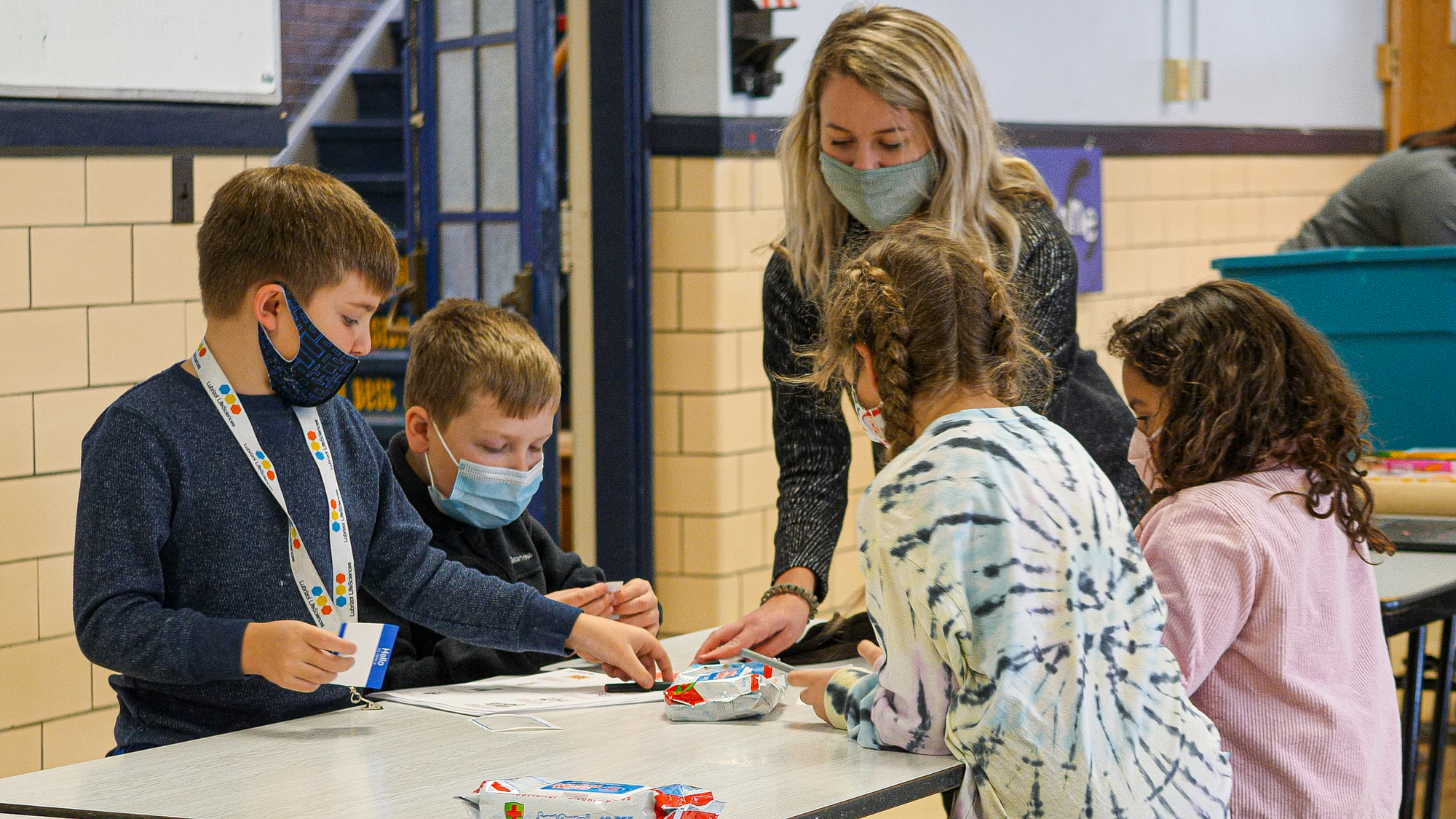
“We want to know what the kids think is working well in their school district, but also what can be improved,” noted Project Manager Claire Bank of ThenDesign Architecture. “Some groups were safety focused. It was neat to see how intuitively thoughtful some of the students are. They give us a young, fresh perspective.” 

The Students Had A Fun Time Creating A Fun Space

“I think this is going to make a big impact for everyone. They’re going to have so much fun at the new playground.”
Billy
Student

Youthful Perspectives

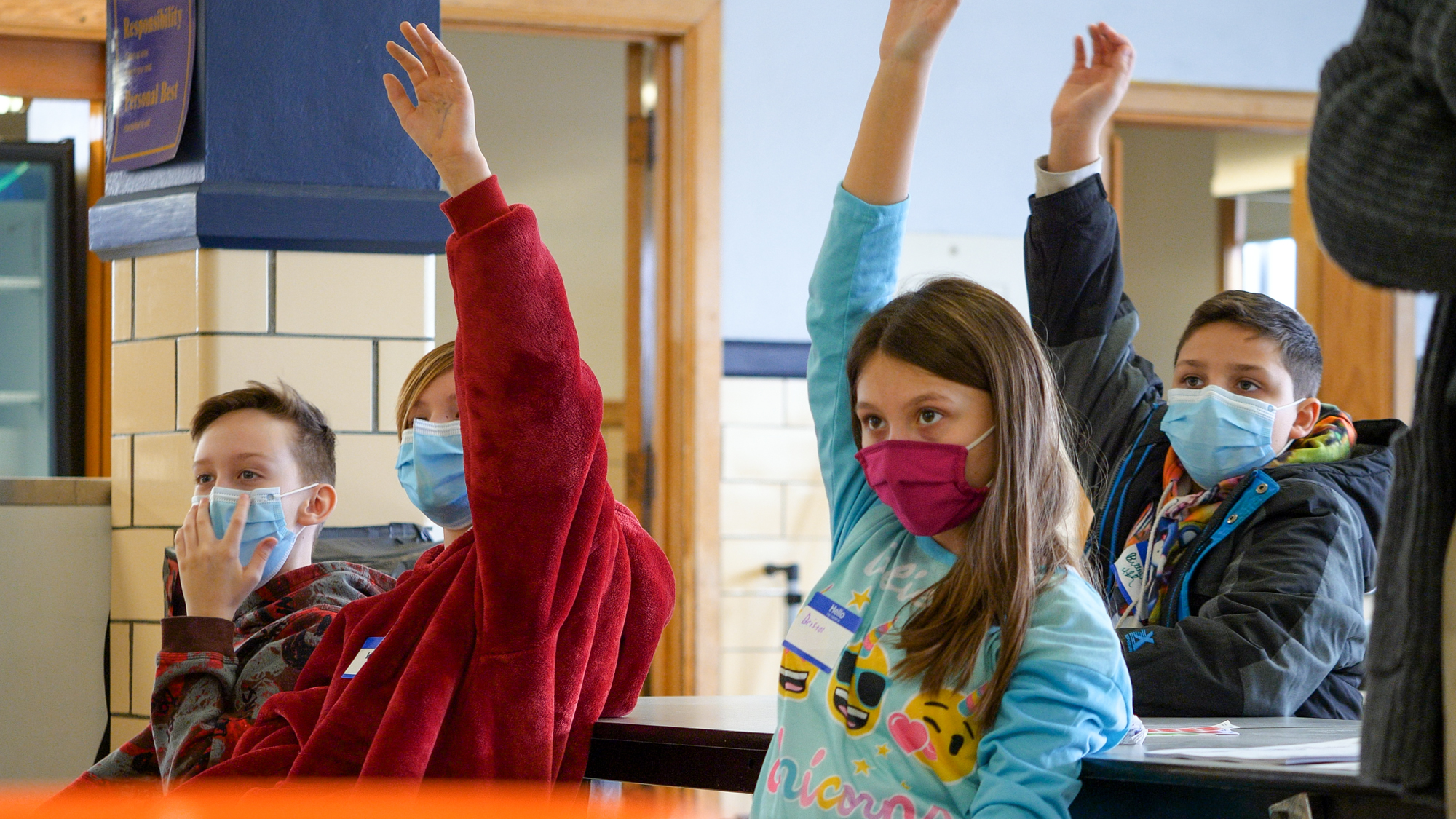
Engaging with third to sixth-grade students brings them into the design process. Their contagious enthusiasm fueled discussions, sparking more ideas. Multiple playgrounds required multiple designs, and the students joyfully met the challenge. 

Architects learn how important it is to express their creativity in their projects. This session became an art project of its own. Marshmallows, toothpicks, and Post-it Notes became essential design tools as students crafted their ideas into physical forms, letting their imaginations soar with possibilities. 

“The kids really enjoyed the marshmallows. The hard part was getting them to work with it without eating them first.”
Jeff Henderson, RA
ThenDesign Architecture

Educational Design With Smiles and Sweets

“I feel like it will be much more flexible for what the kids need now.”
Abby
Student

Incorporating Student Suggestions

Architect Jeff Henderson feels these types of engagement with students are essential so that future generations can benefit from today’s educational design efforts. “It’s good to stretch minds. Having a variety of ideas makes for a better design, and their young perspectives keep the architect’s minds fresh.” 

A zipline was one of the student suggestions from the engagement that made it into the final design. At the beginning of the next school year, the students who came up with the idea will be able to enjoy playing on it in their new playground at their new school campus. 

The new Wickliffe PreK-12 School will have its Ribbon Cutting Ceremony on August 26. 

“We want to know what they want so we can give them the best play spaces we can.”
Claire Bank, RA
ThenDesign Architecture

Rock Fest at Bolich Middle School – Cuyahoga Falls CSD

Rock Fest at Bolich Middle School
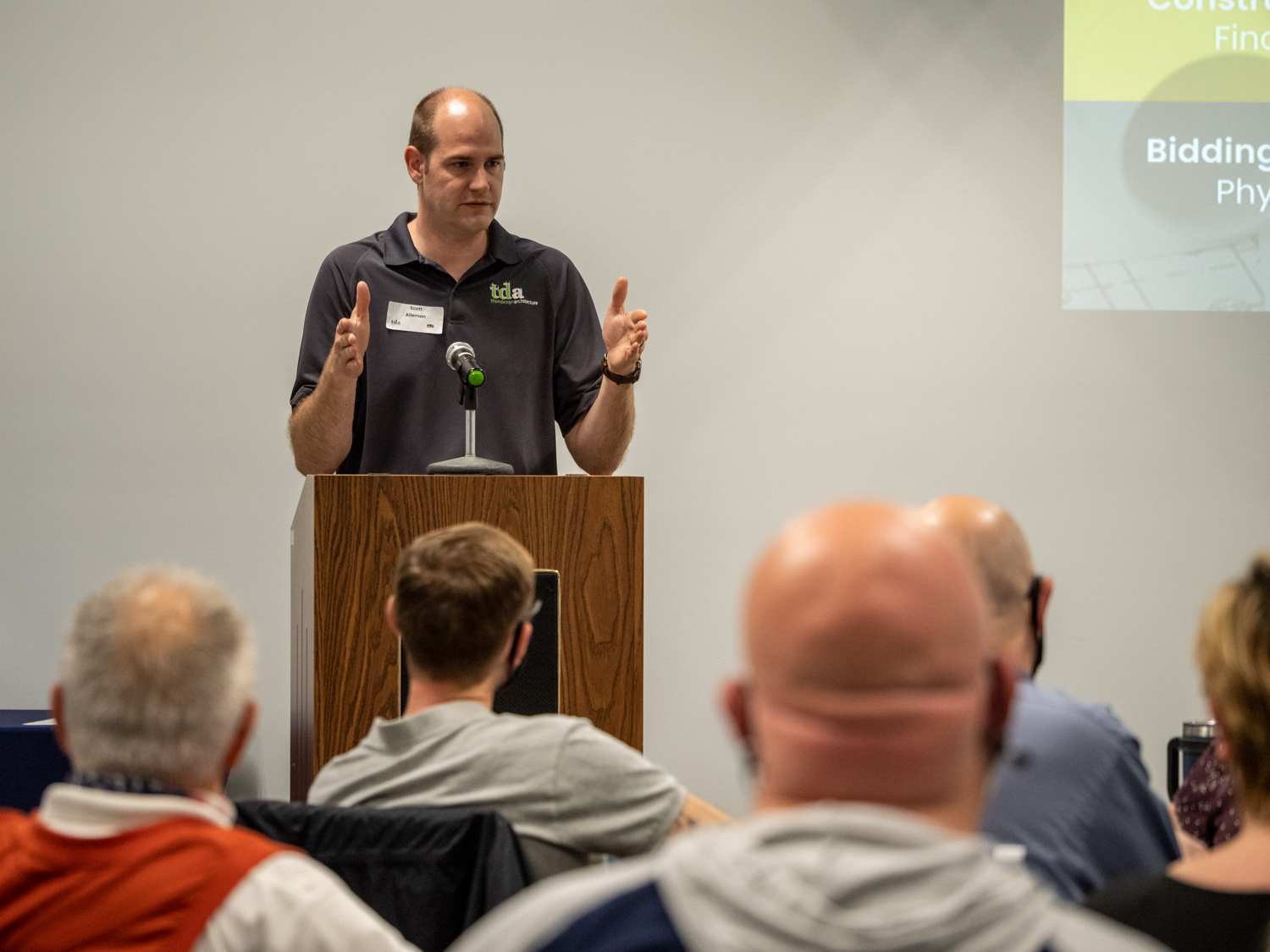
The team isn’t just working on drawings and cost estimates for the new building. Scott Alleman, project manager for the new school commented, "While we are working really hard to make deadlines, every once in a while, we take a break from our desks to engage with students during the process."

Bolich Rock Fest

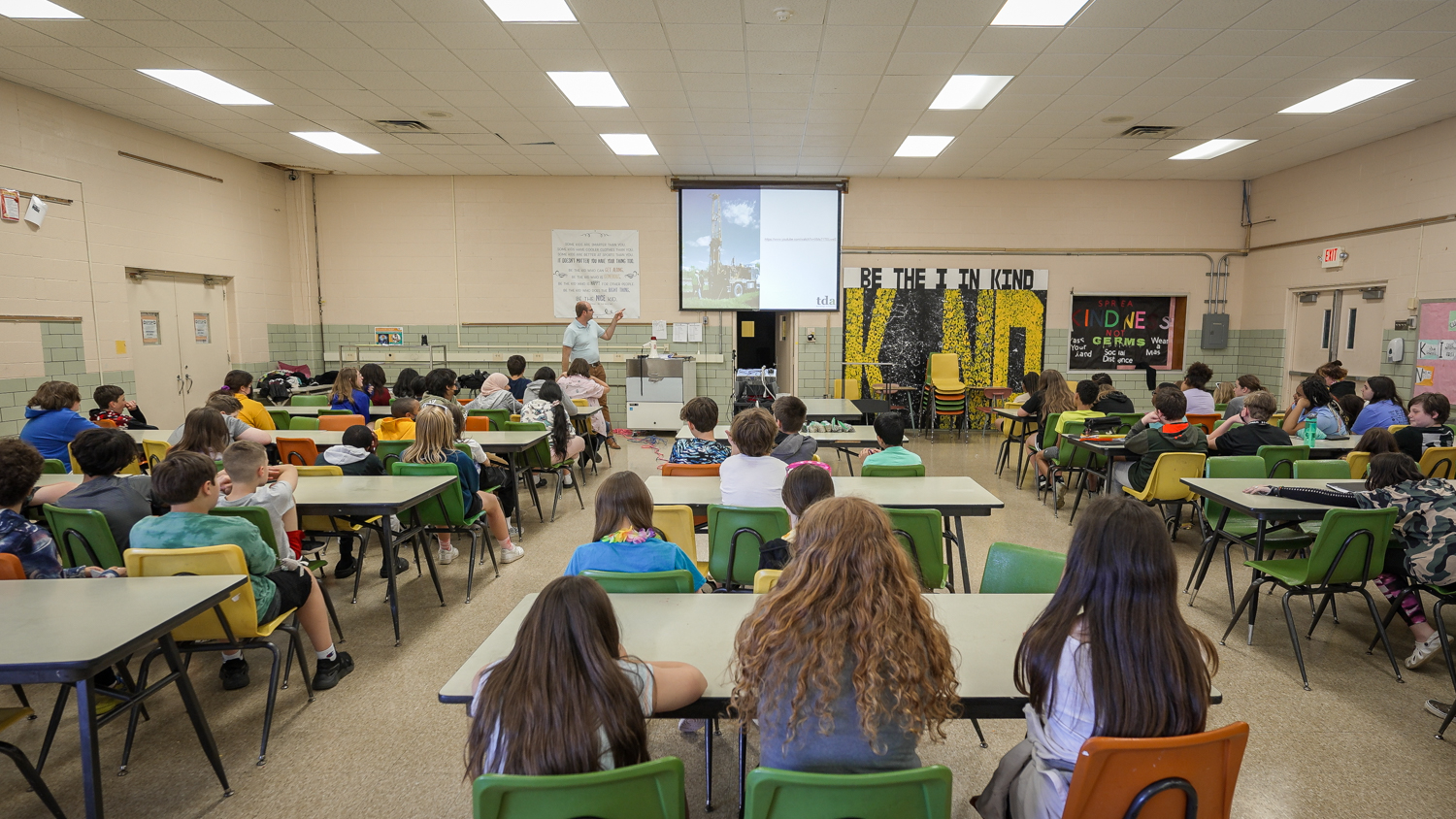
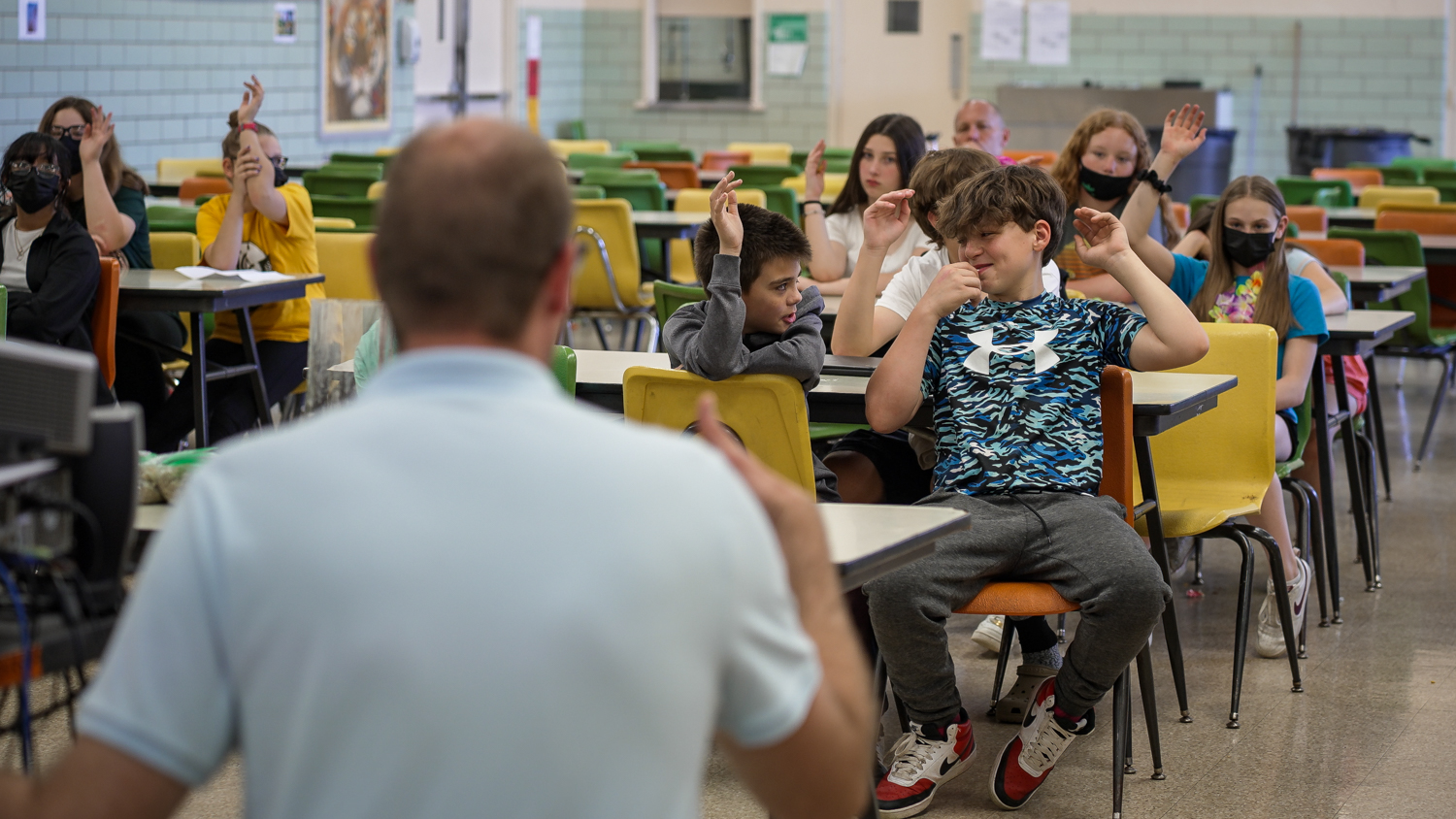
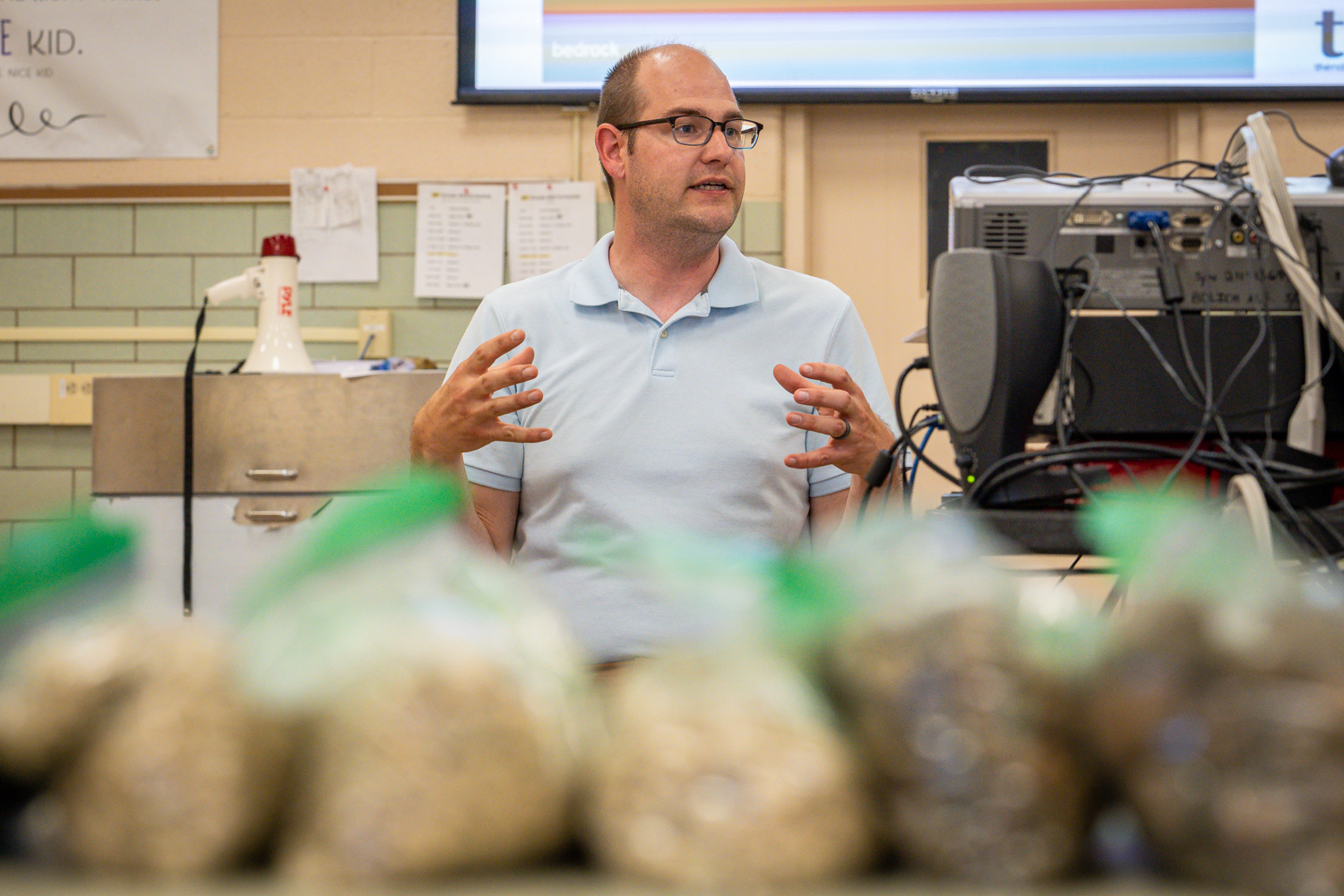
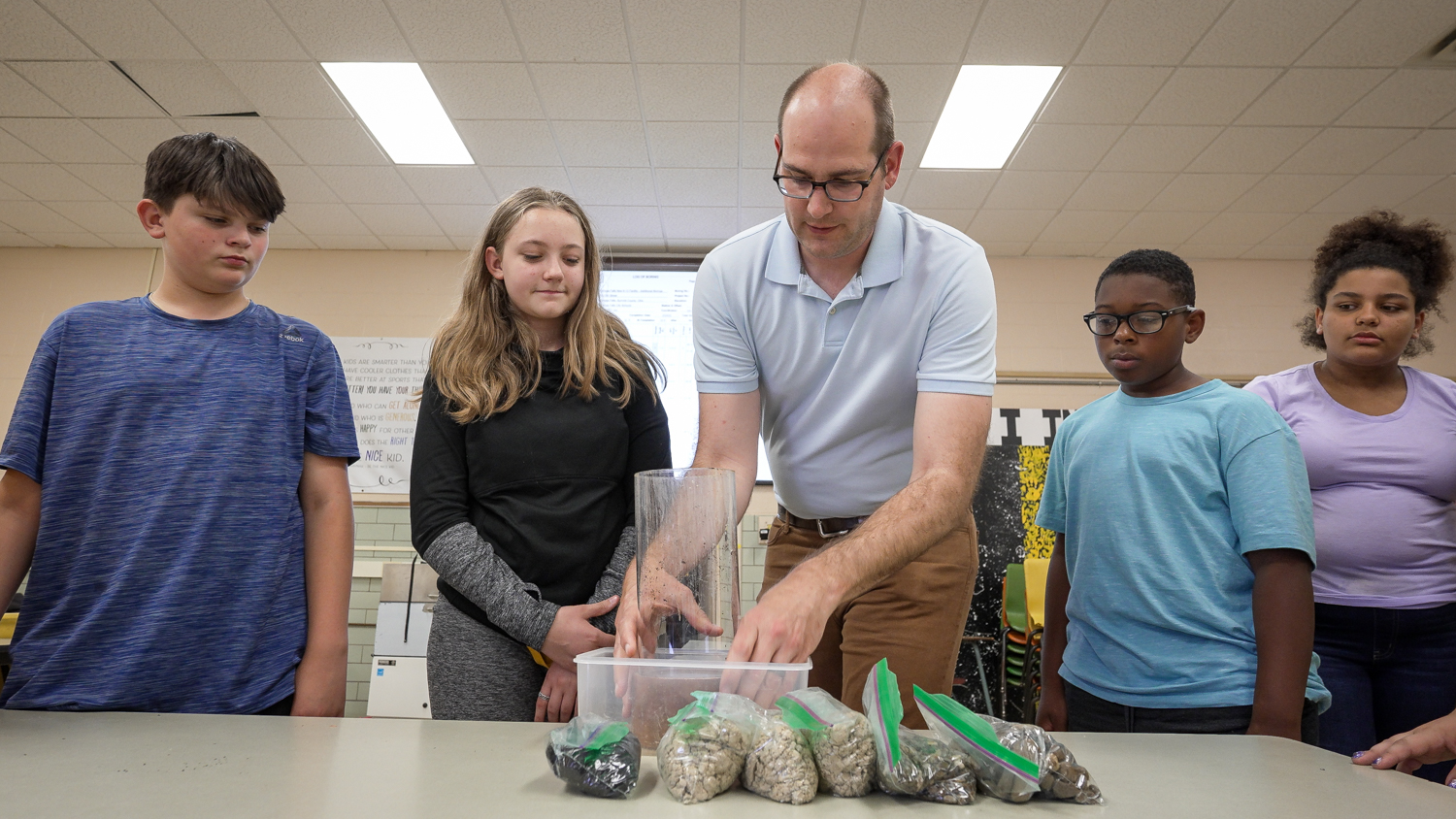
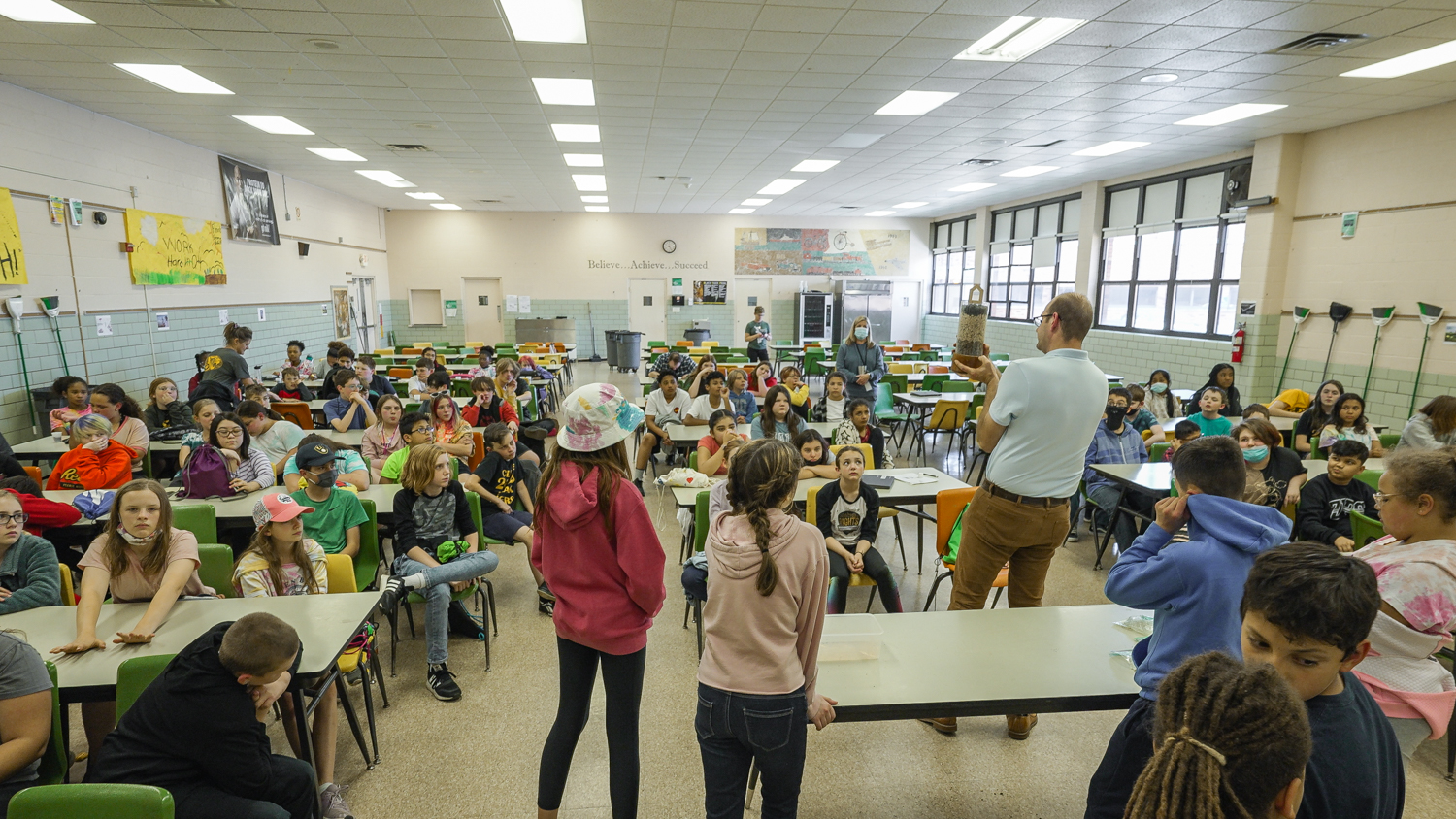
On May 24th, during “Rock Fest” at Bolich Middle School, designers met with two groups of 6th graders to explain the importance of geotechnical borings. Project Manager Scott Alleman for the new Cuyahoga Falls 6-12 school commented, “Understanding the soil makeup and how it supports new buildings is an integral part of the design and construction process.”

The team isn’t just working on drawings and cost estimates for the new building though. “While we are working really hard to make deadlines, every once in a while, we take a break from our desks to engage with students during the process.”

"I am really excited to explain this process to them, I am not a geotechnical engineer, but I think we can make it relatable and fun."
Scott Alleman
Project Manager

Rock Fest and Soil Borings

“Rock Fest” was an event hosted in Bolich Middle school, where educators in the science fields focused on earth science, rocks, and soil for several days towards the end of the school year. The timing tied in well with the design and construction process of the new school.

Recently consultants were conducting soil borings on the new campus site to better understand how the soil on the site will affect construction. If soil can’t support the building, then expensive stabilization methods will need to be used.

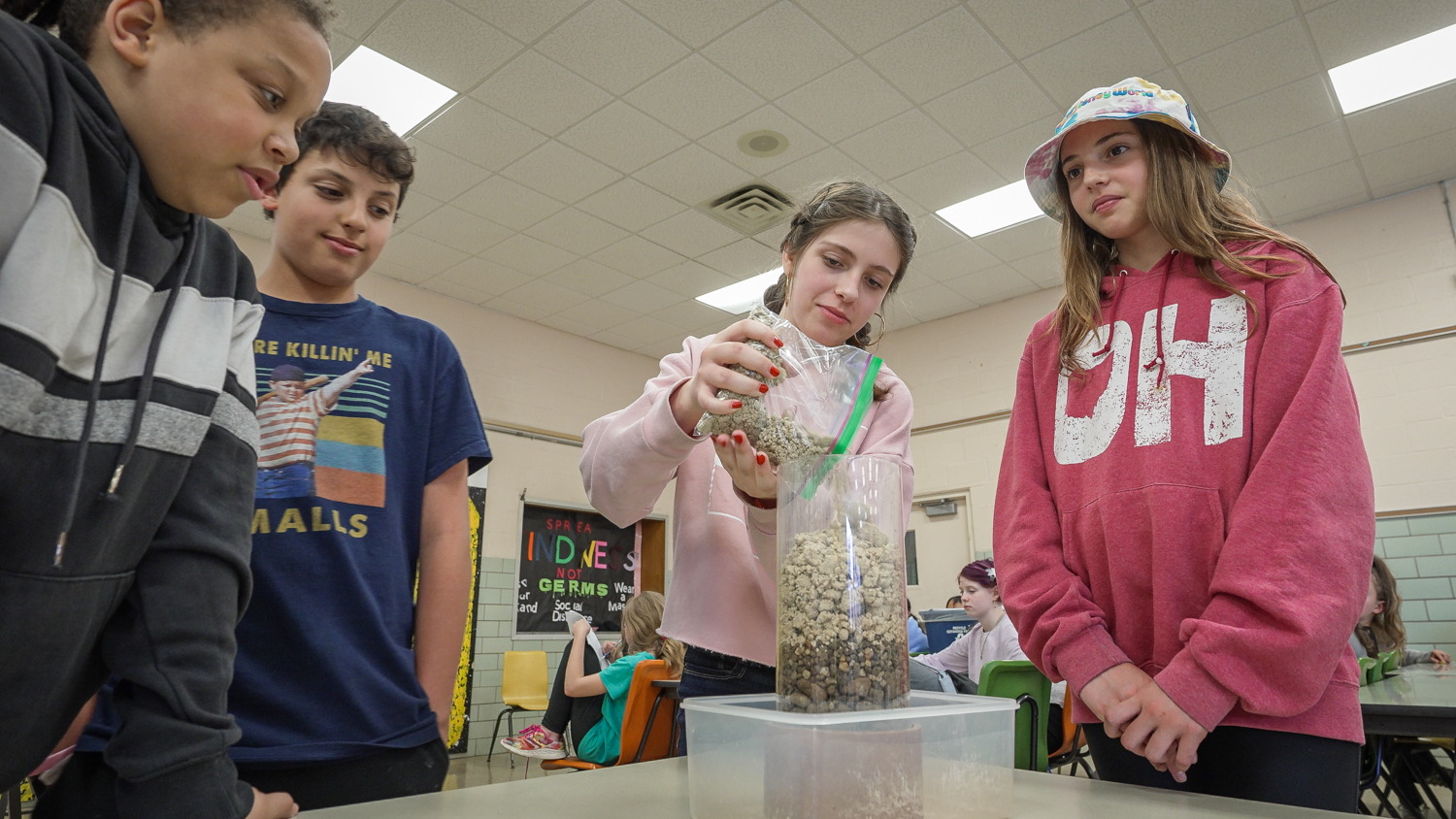
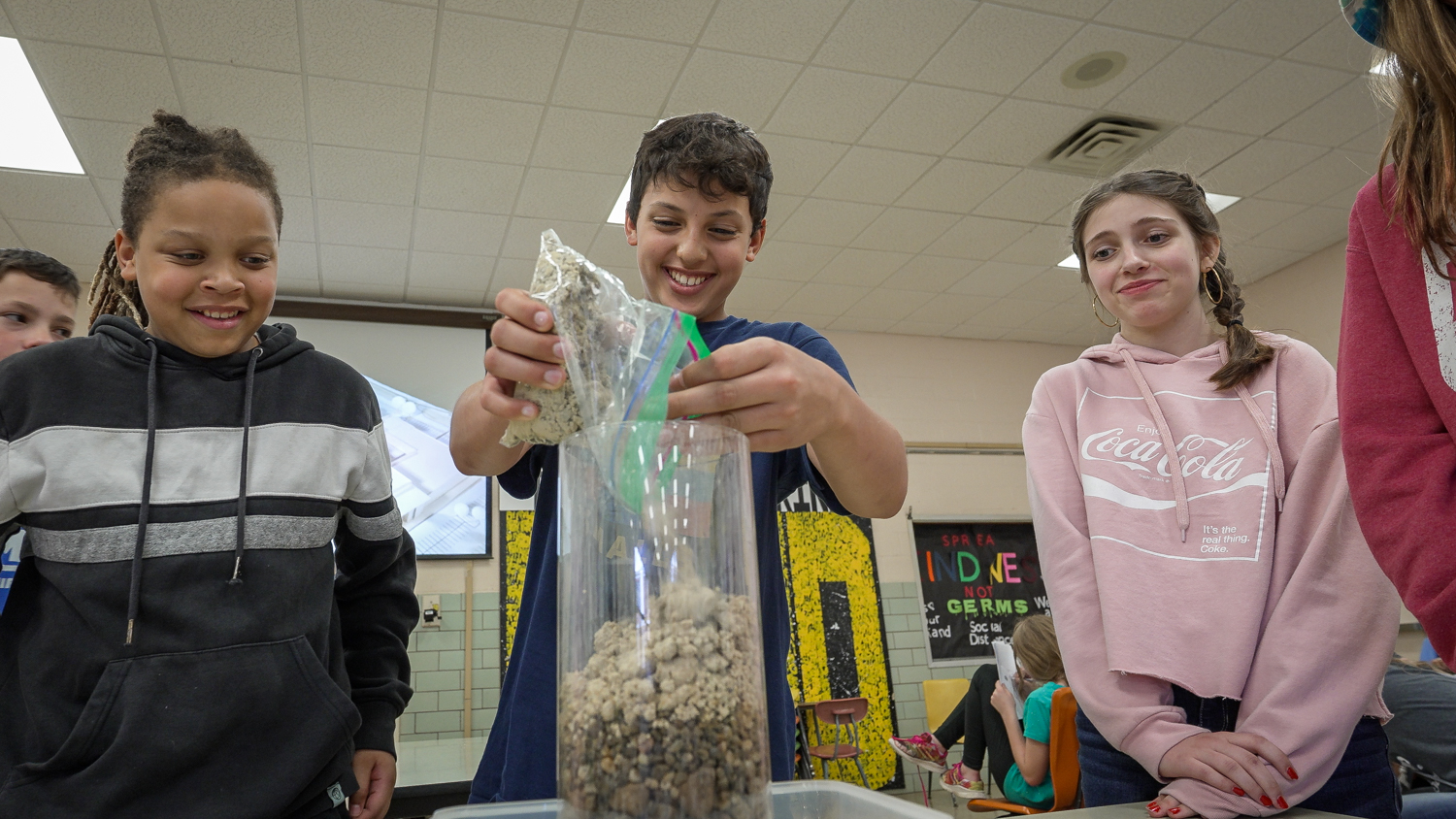
“Without the proper soil support, the building could collapse. Having a good foundation, ensures it will stand for a very long time.” Each session ended with groups of students making their own soil sample.

“I am really excited to explain this process to them, I am not a geotechnical engineer, but I think we can make it relatable and fun.”

Students at Bolich Middle School had an opportunity to "model" a soil sample and better understand their project site.

"While we are working really hard to make deadlines, every once in a while, we take a break from our desks to engage with students during the process."
Scott Alleman
Project Manager

After the session, students asked questions about the size, design, and layout of their new school. Questions ranged from the building’s cost, to how they will enter, to whether it will have air conditioning. Students enjoyed proposing new names for the school and are looking forward to seeing further work on the Bolich site this fall.

Scott concludes, “I think it’s important to teach students about everything that goes into their new school. It’s a big change for the District, and these sorts of opportunities make the process more real to them.”

Attending classes were all in 6th grade. They will be the first high school class to use the new building.

Cuyahoga Falls 6-12 Campus, Academic Design and Construction Estimation

Cuyahoga Falls 6-12 Campus, Academic Design and Construction Estimation
Progress continues on the Cuyahoga Falls 6-12 Campus. Learn about the schematic intent behind the academic design and how cost estimations play a part of the architectural process.

Academic Design and Construction Update

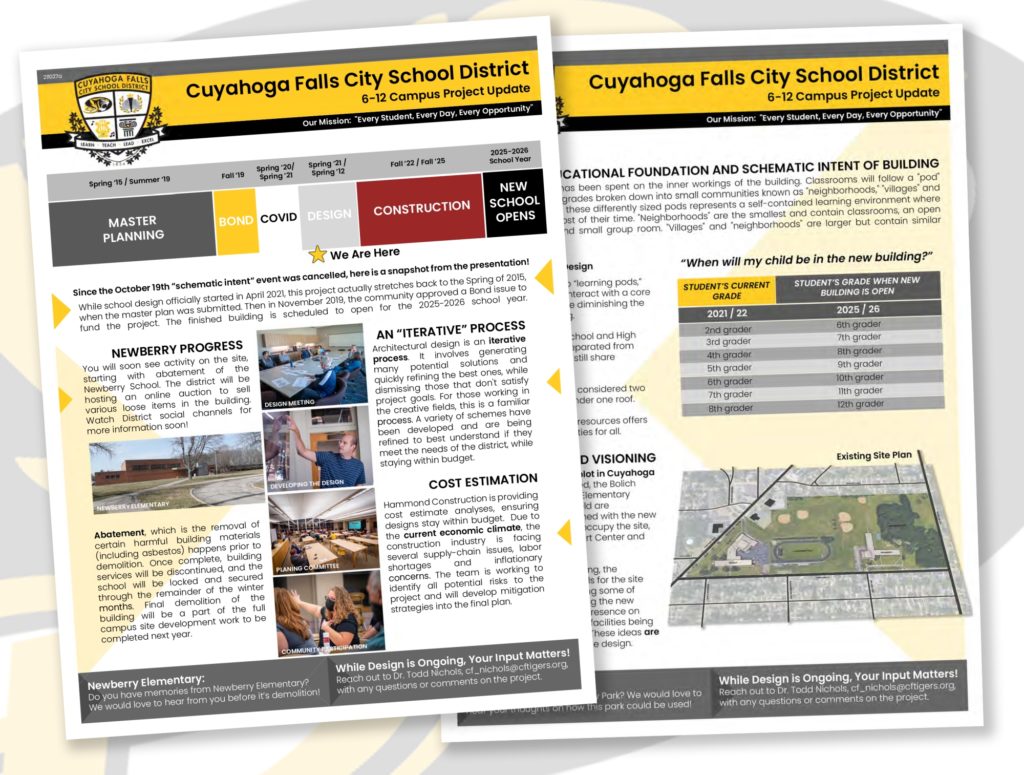
Since the October 19th “schematic intent” event was cancelled, below is a brief snapshot from that presentation.

Progress continues on plans for Cuyahoga Falls’ new 6-12 school and stadium complex. The Cuyahoga Falls City School District, the Ohio Facilities Construction Commission (OFCC), Hammond Construction and ThenDesign Architecture have been engaging with the school district administration and staff, board members, community members, city officials, and various specialists through meetings, engagement sessions, surveys, and presentations. Each of these parties have helped to shape the design of the new school and are committed to creating a facility that provides strong, innovative programs for students, safe and secure learning environments, and a gathering place for the Cuyahoga Falls community.

The design process involves three major phases: schematic design, design development and producing the final construction documents. Schematic design involves the overall look of the building, preliminary floor plans and the layout of the building on the site. The design development phase includes refining the look, selecting materials, and designing the building systems.

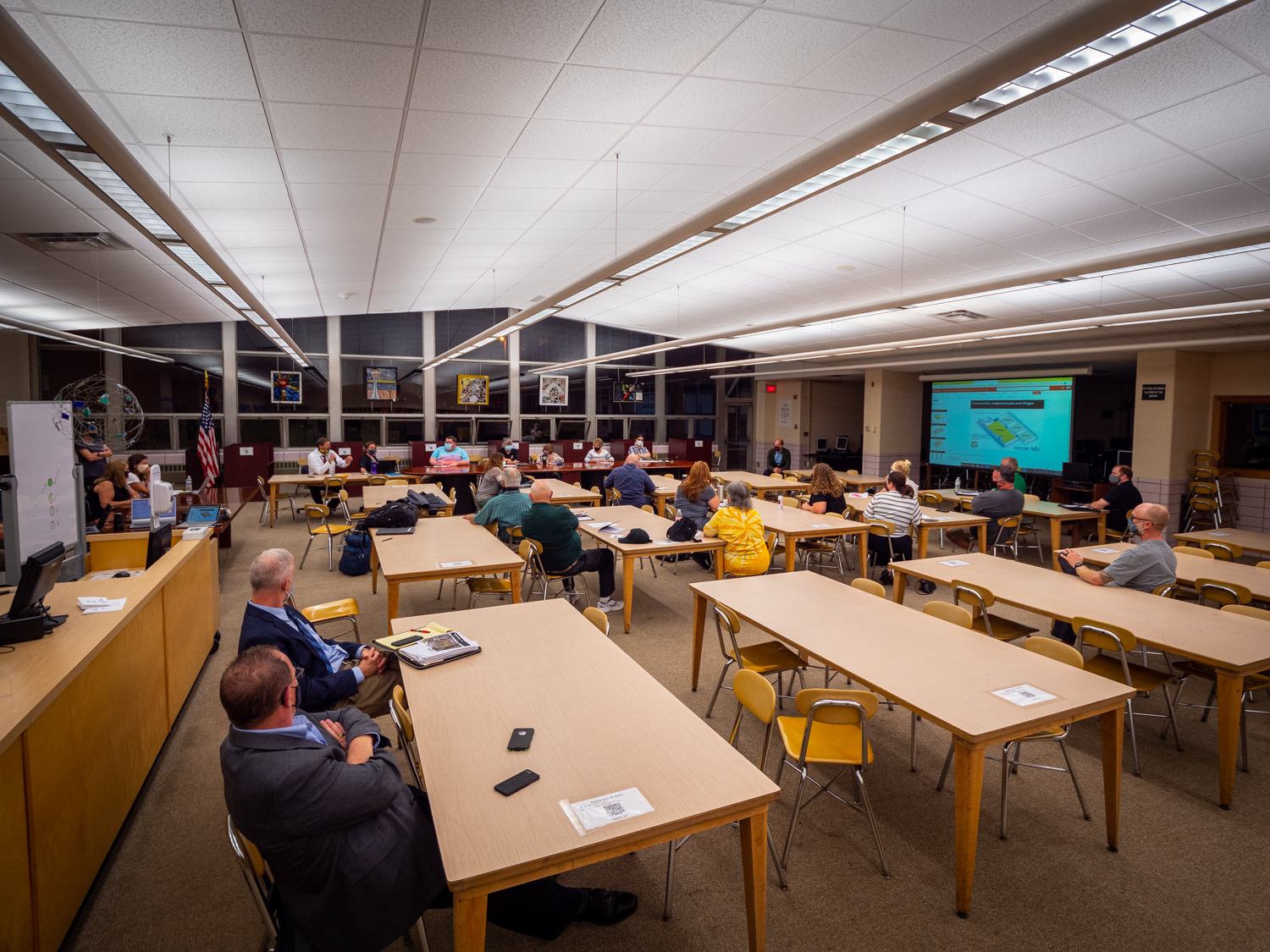
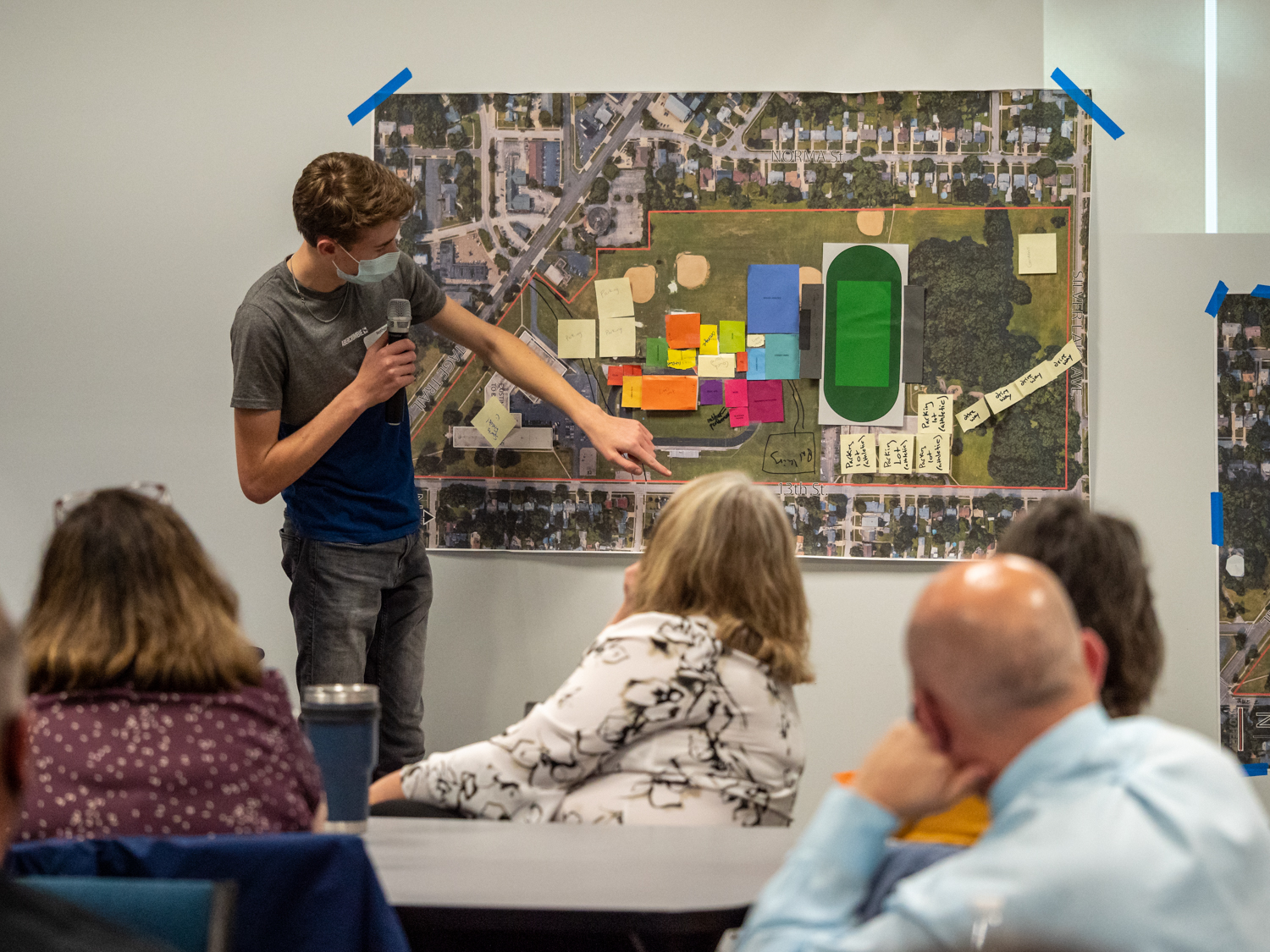
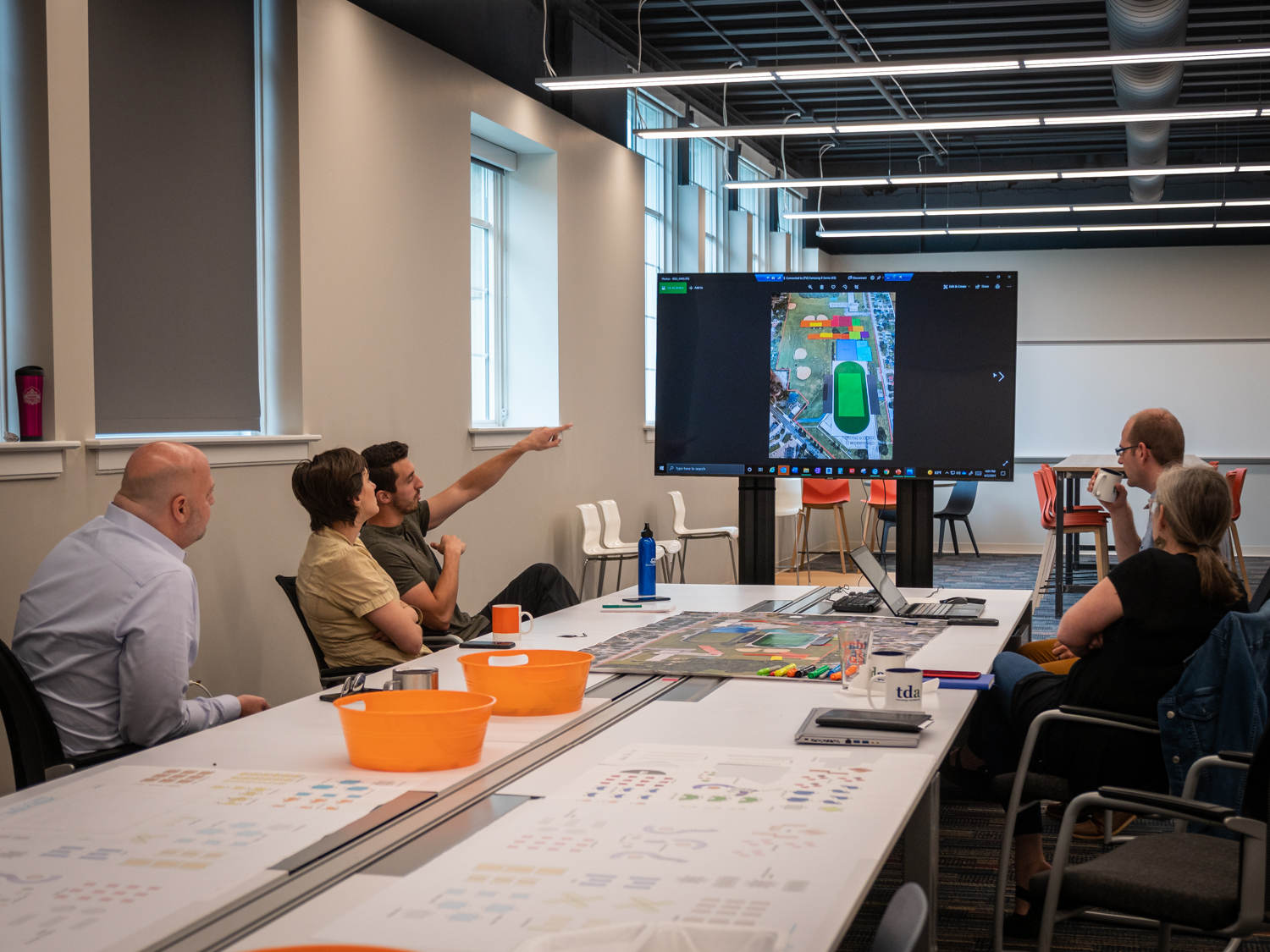
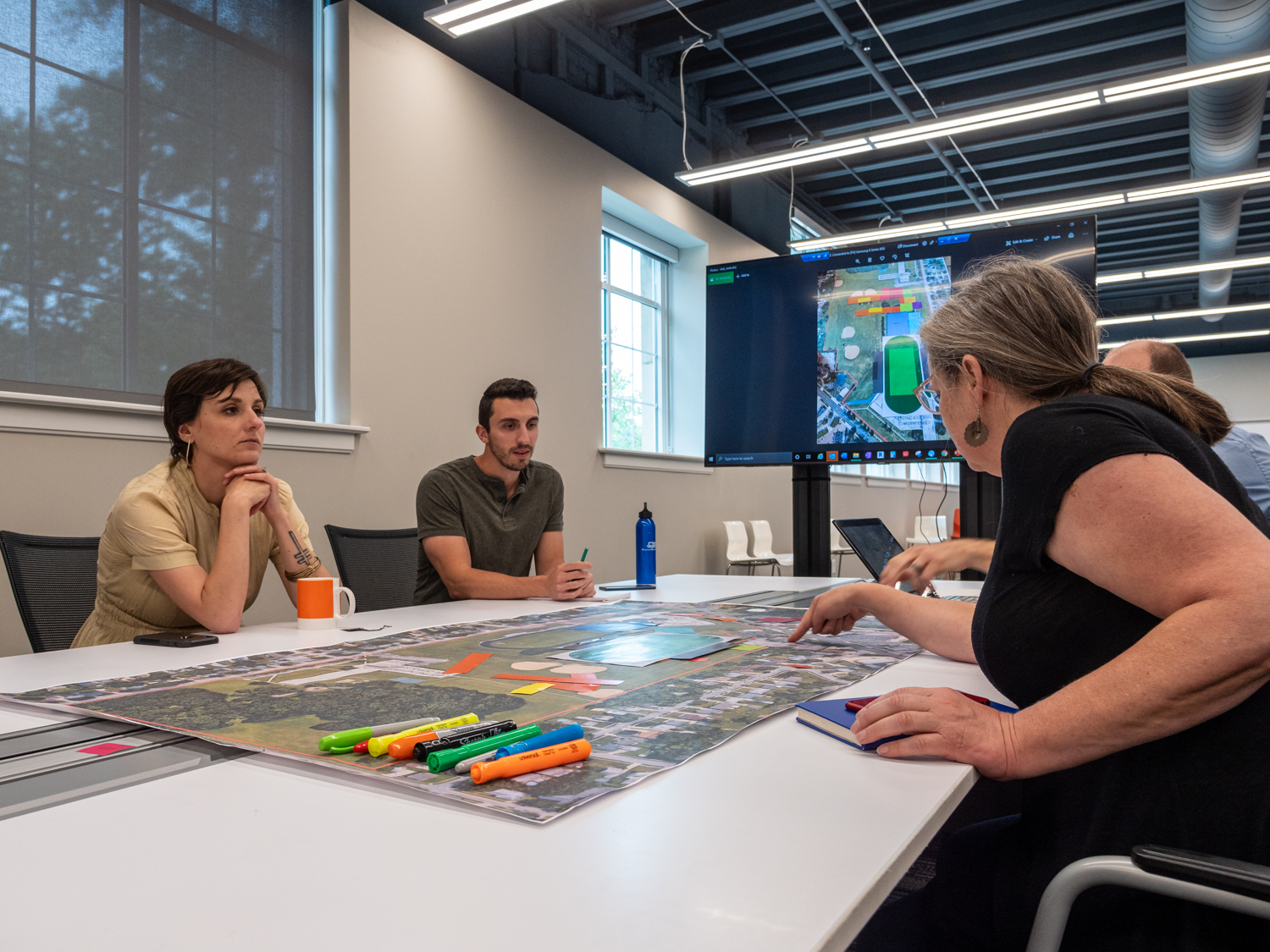
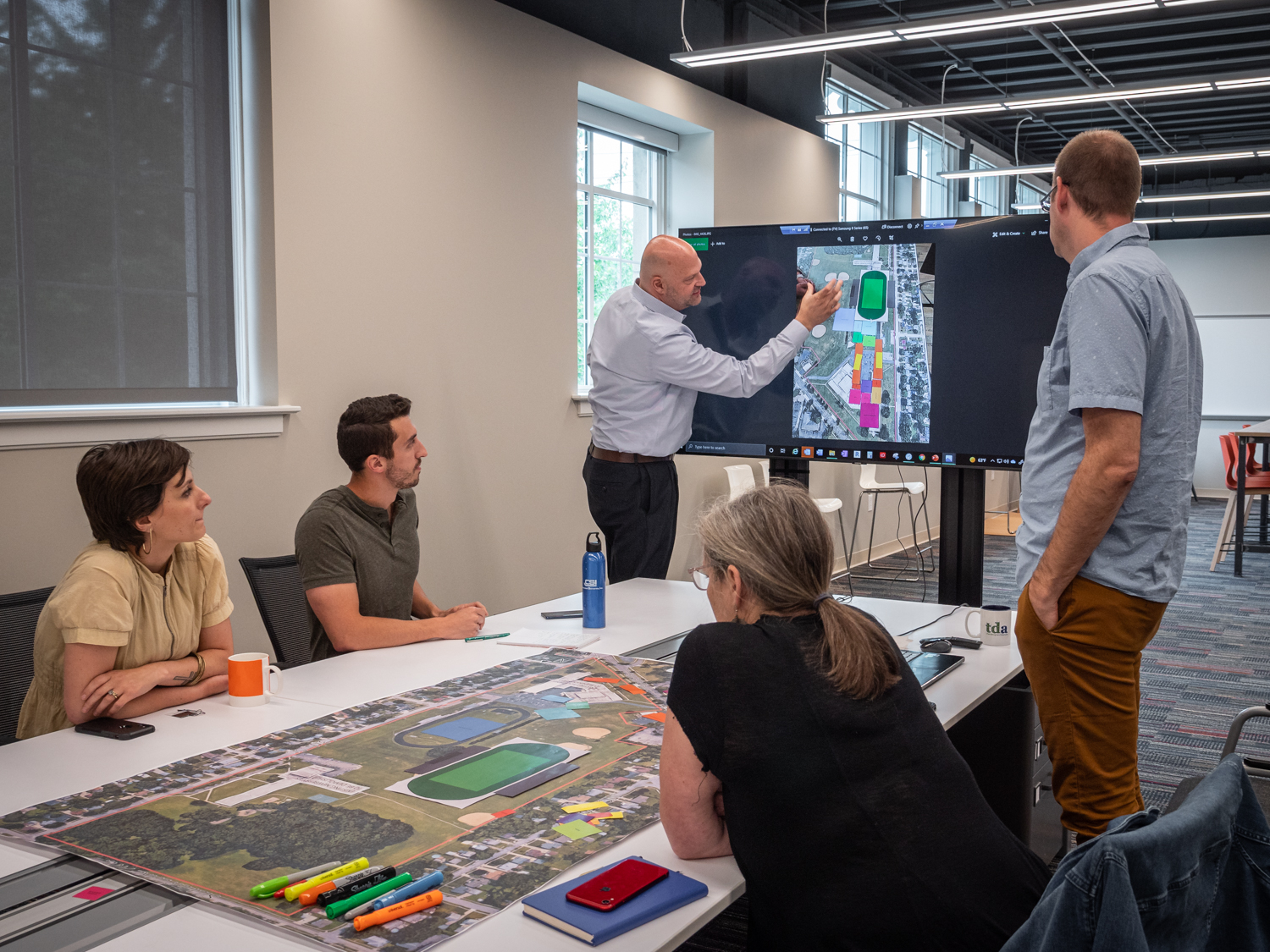
A Cuyahoga Falls 6-12 Campus Planning Committee Meeting

Site Plan

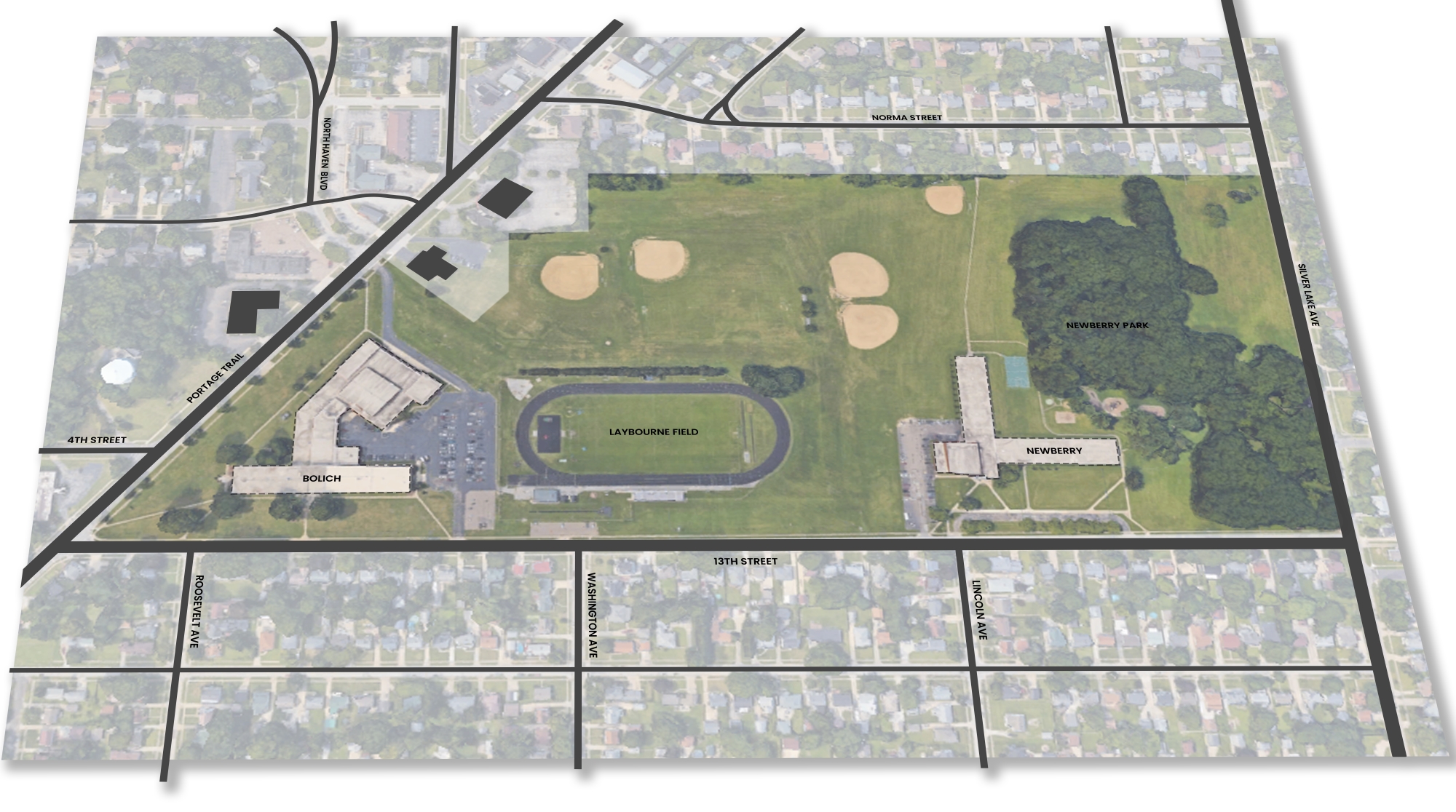
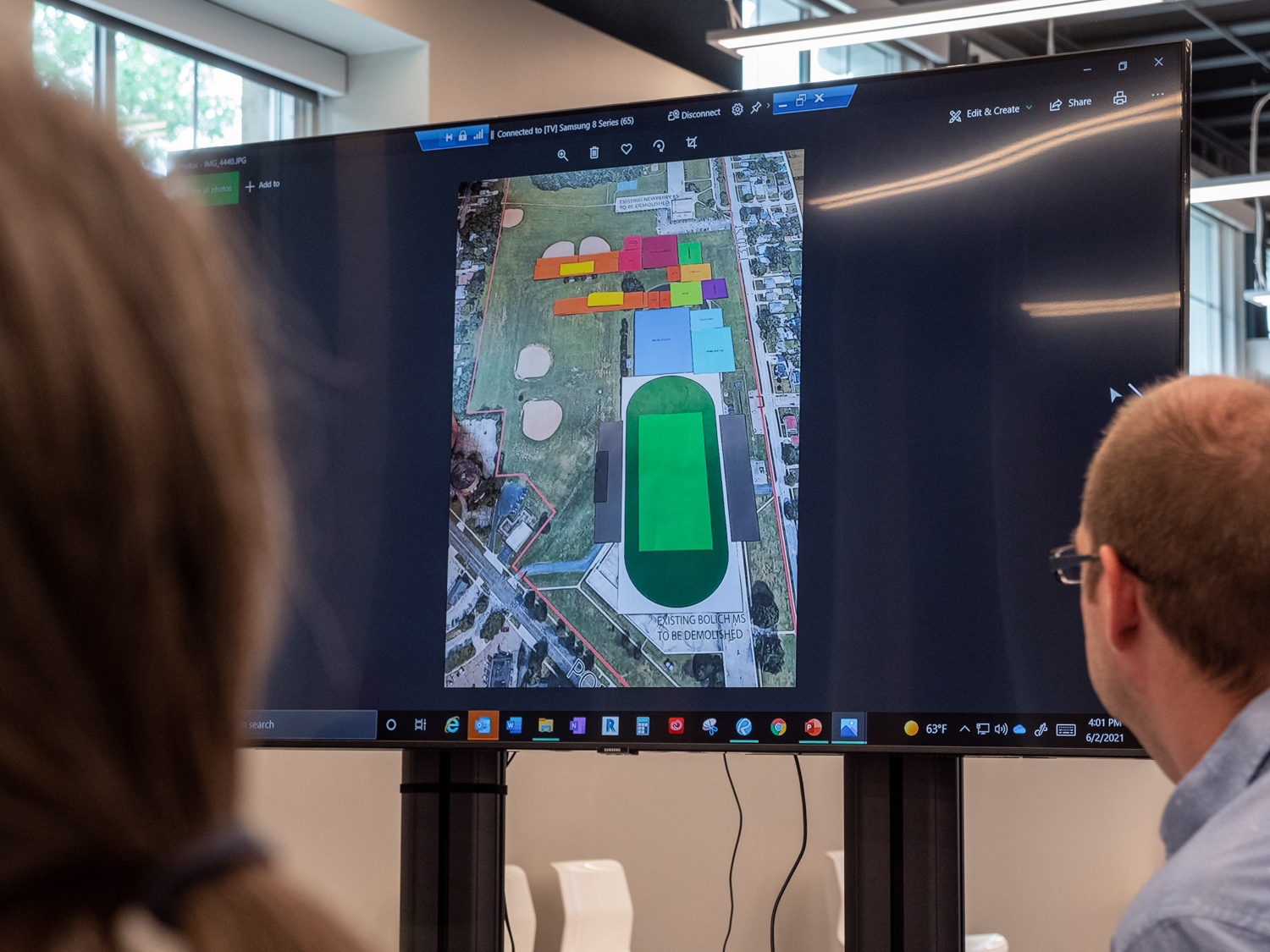
The site is a 45 acre plot in Cuyahoga Falls, where the Bolich Middle school, the old Newberry Elementary, LayBourne Field and Newberry Park are located. Bolich Middle School (opened in 1954) was the first junior high school in the Cuyahoga Falls City School System. It became a middle school in 1983 and since then has housed grades 6, 7 and 8. Newberry Elementary School, which was originally built in 1956, is a single-story building that has been leased by Summit Christian School and Summit County Educational Services since 2005.

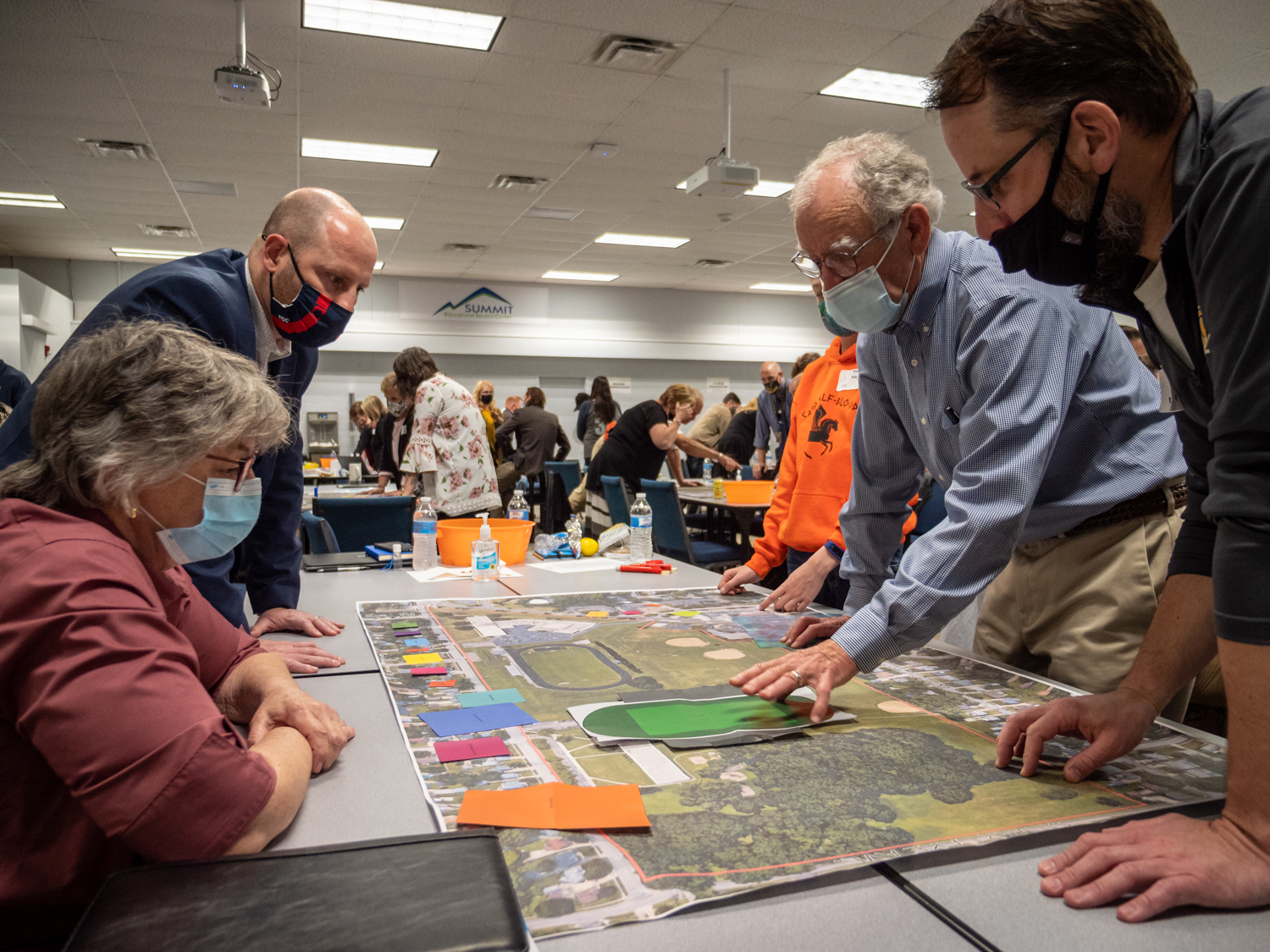
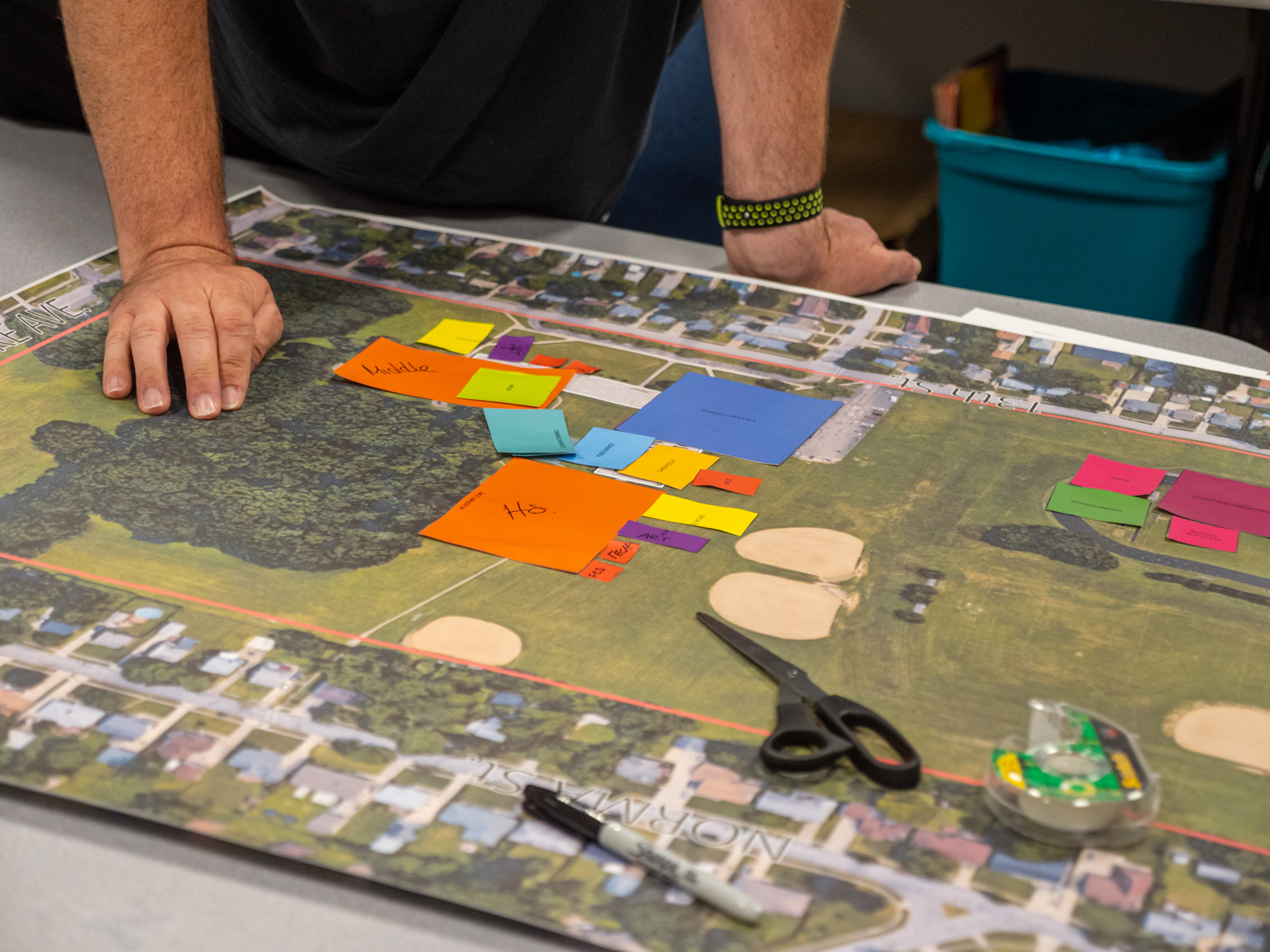
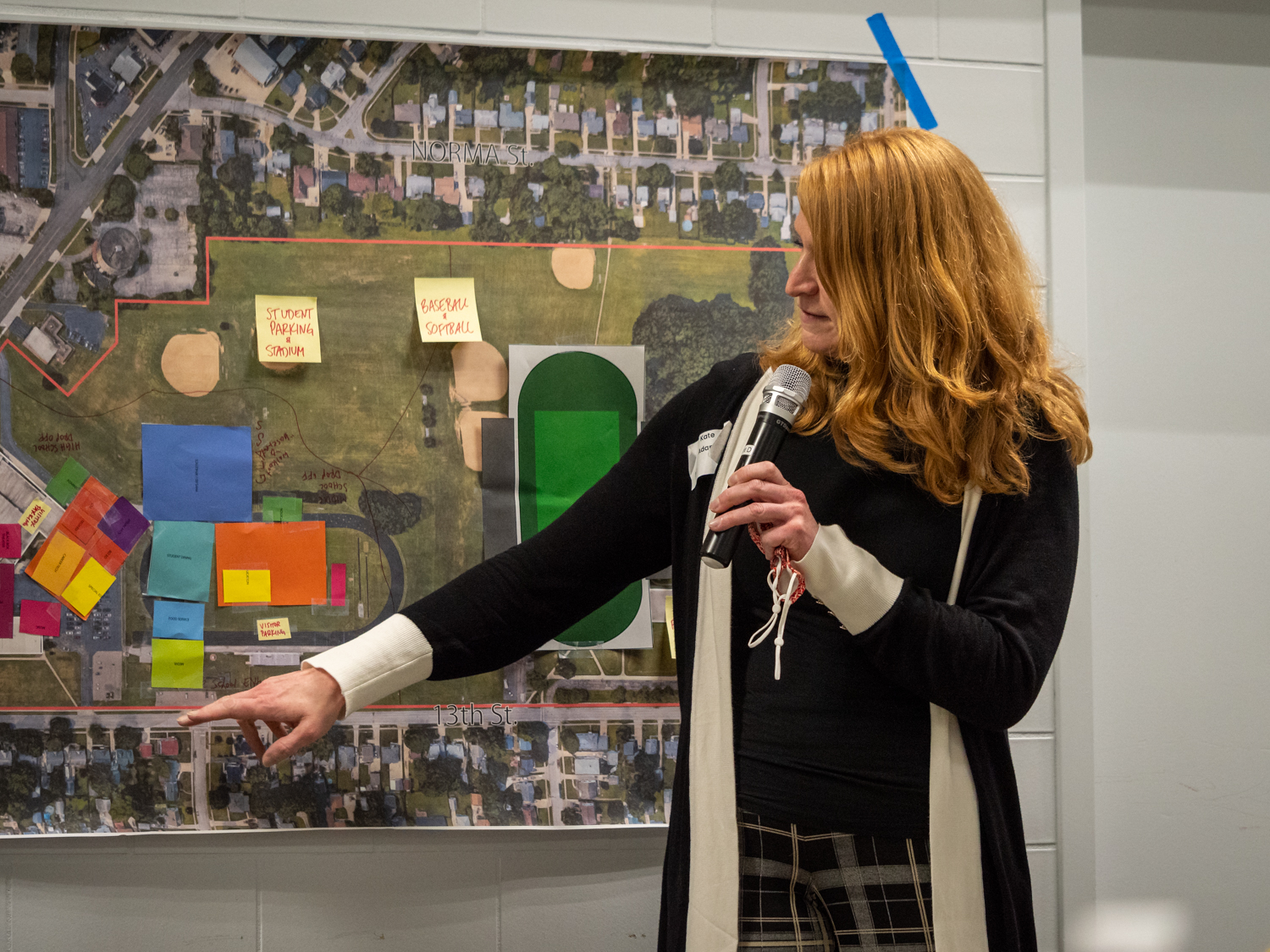
Bolich, Newberry and Laybourne Field are scheduled to be demolished with the new 6-12 building planned to occupy the site, along with a Performing Art Center and new athletic facility. During Educational Visioning, the community identified goals for the site, which included maintaining some of Newberry Park and allowing the new building to have a visual presence on Portage Trail, with athletic facilities being located towards Newberry Park. These ideas are being incorporated into the design.

The Existing Site for the Cuyahoga Falls 6-12 Campus
The District does a great job with their facilities, but this will be the "missing piece" to our city. Everything will be complete because the campus environment is perfect."
Don Walters
Mayor of Cuyahoga Falls

The Bond Process and Educational Visioning

While design officially started in April after an Educational Visioning Session, this project stretches back to the Spring of 2015, when the school District filed a master plan with the Ohio Facilities Construction Commission. In November 2019, the Cuyahoga Falls community approved a Bond issue that provided $80.6 million of the project, while the OFCC will contribute $33.2 million to the overall project. State funding was released to the district in May 2021, another large milestone that allowed all the team members to officially begin design.

The new facility is scheduled to open for the 2025-2026 school year. The Mayor of Cuyahoga Falls, Don Walters has called this project, “the missing link of the city,” in an interview earlier this year. The much-anticipated project will offer residents and students a modern environment and expanded educational opportunities.

Cuyahoga Falls City School District Educational Visioning

Architectural Design is an Iterative Process

Starting in April 2021, ThenDesign Architecture, the Cuyahoga Falls City School District and the OFCC have been developing schematics for the new structure. Throughout the spring and summer, a variety of engagements with community groups and educators have taken place. This has allowed the team to receive feedback from community members, teachers, and administrators that are being actively incorporated into the design process.

Architectural design is an iterative process. It involves generating many potential solutions, then quickly refining and testing the best ones, while dismissing those that don’t satisfy projects goals. For those working in the creative fields, this is a familiar process, and the development of the new school is no different. A variety of schemes have been developed, tested, and refined to best understand if they meet the needs of the district, while staying within budget.

We look forward to sharing more specifics on the 6-12 campus in the coming months.

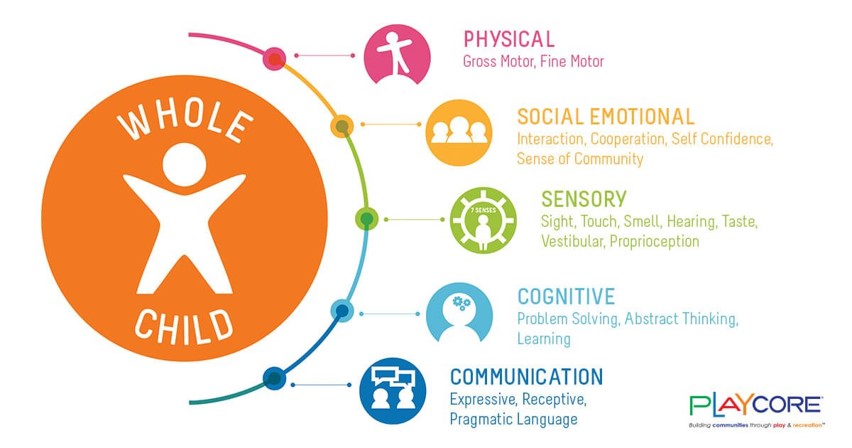
Development for "The Whole Child"

Developing the "Whole Child"

Educational Foundation of Building

A great deal of time has been spent on the inner workings of the building with the schematic intent for the academic design being outlined. Classrooms follow a “pod” structure, with various grades broken down into small communities known as “neighborhoods,” “villages” and “communities.” Each of these differently sized pods represents a self-contained learning environment where students will spend most of their time. “Neighborhoods” are the smallest and contain classrooms, an open collaborative space and small group room. “Villages” and “communities” are larger but contain a similar academic design.

Educational research indicates that each person can maintain 150 meaningful social relationships at once. Dividing spaces in this way allow students to remain with a core group of their peers. This diminishes the overall building scale, while allowing all grades to efficiently share the common areas such as student dining, the gymnasiums, and performing arts center.

Examples of the neighborhoods include the three-6th grade learning “neighborhoods.” These small educational pods are separated from the middle and high school. This way sixth graders enjoy a welcoming and safe environment as they navigate the crucial transition out of elementary school. This new pod environment allows them to acclimate naturally to the new educational environment, while eliminating another jarring facility transition in future grades.
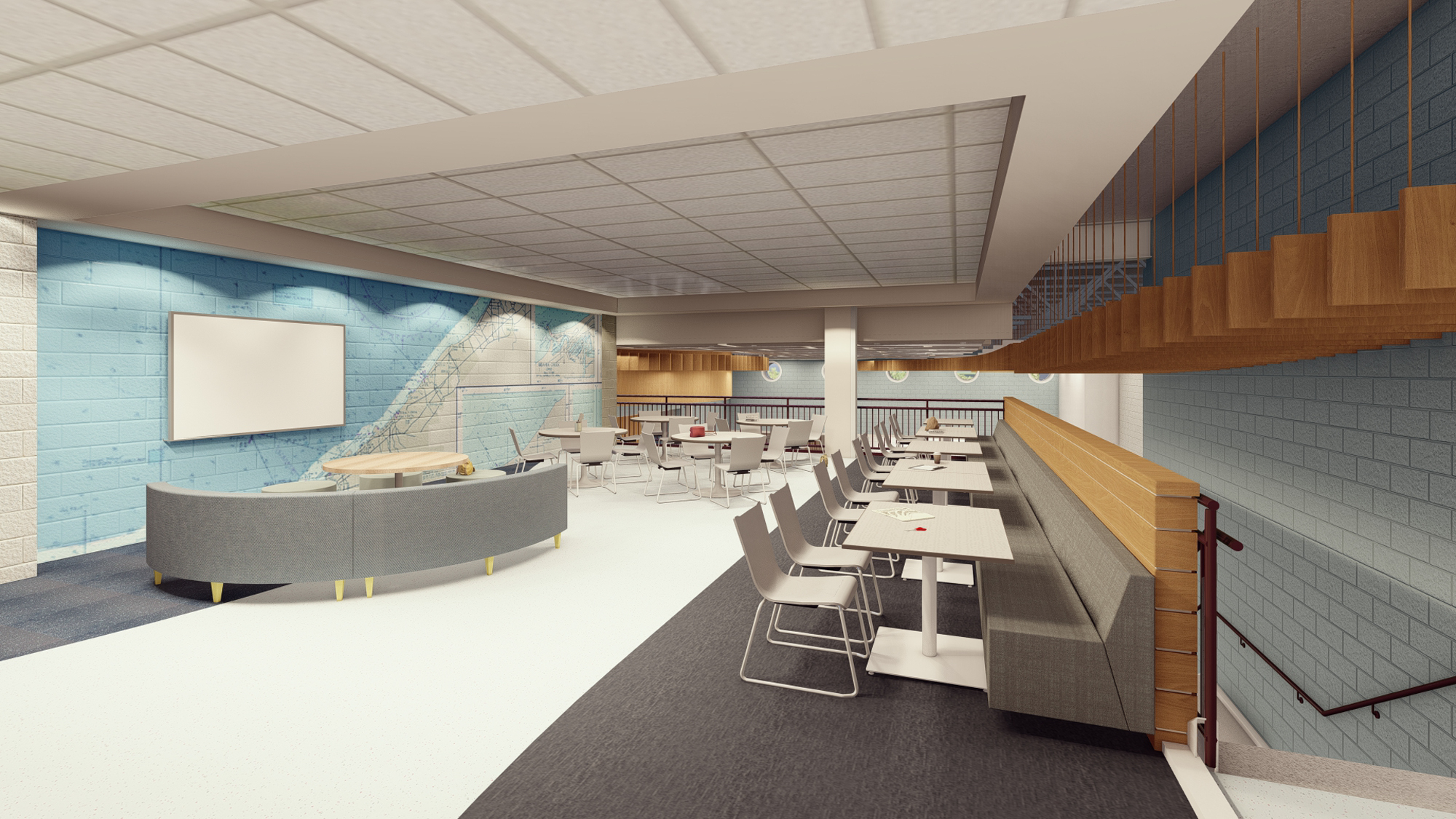
Similarly, the middle school “villages” are separated from the high school pods and the middle and high school have separate entries. It is best to think of this complex as two separate buildings under one roof. While there are opportunities for to share common spaces, students will remain separated in their academic areas but still benefit from pooled educational resources in a single building. This is the direction that many school districts are moving in and a lot of research demonstrates its effectiveness in public education.
A Design Team Meeting

The Role of a Construction Manager
As we move through the phases of design, Hammond will provide cost estimate analyses, ensuring the design stays within the financial commitment made to the community.  With the current economic climate, the construction industry is facing several supply chain issues, labor shortages and inflationary concerns. Our team is currently working to identify all potential risks to the project, and will develop mitigation strategies into the final plan.
You will soon see activity on the site, starting with abatement of the Newberry School. In the next few months, the district will be hosting an online auction to sell various loose items in the buildingThe abatement of the building will follow, which includes the removal of specific materials prior to demolition of the facility.  Once abatement is complete, the building services will be discontinued, and the school will be locked and secured through the remainder of the winter months. Final demolition of the building will be a part of the full campus site development work to be completed next year.
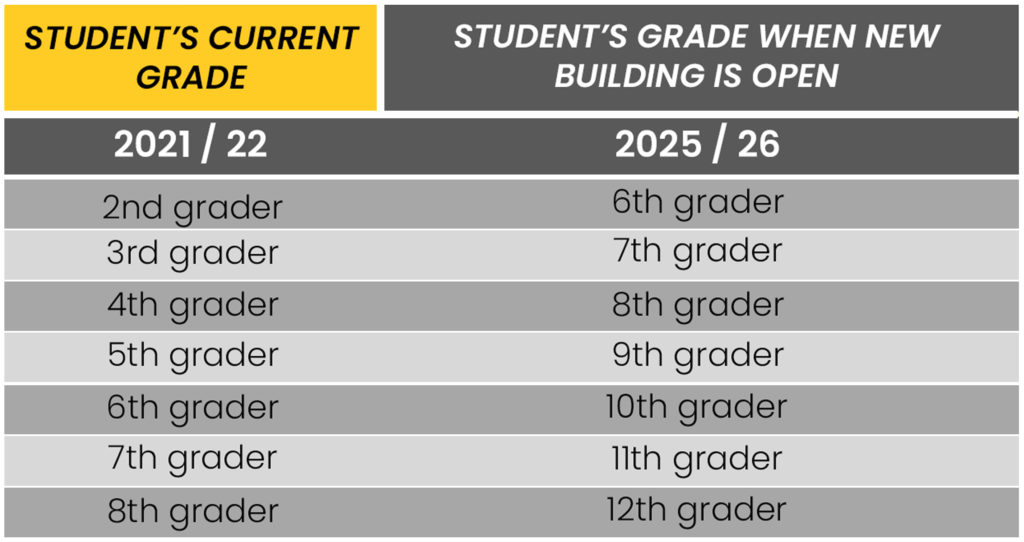
When will my child be in the new building?

Next Steps:

We look forward to releasing more information on the building as details around the floor plan, interior spaces and exterior renderings are developed. In the meantime, if you have specific questions, feel free to reach out to: cf_nichols@cftigers.org.
Let’s work together to make education better. Interested in speaking with us? Get in touch!

Ryan Caswell

Ryan Caswell

Ryan is a communications specialist who is passionate about using digital media to further the goals of organizations and communities in Northeast Ohio. With a background in construction and a degree in architecture, he spent over a decade in corporate video production and brings this mindset to videography, editing, photography and content marketing. He is passionate about supporting the arts, and can be found hiking in the parks system.

Cuyahoga Falls 6-12 Campus – Summer Design Update

Cuyahoga Falls 6-12 Campus: Summer Design Update
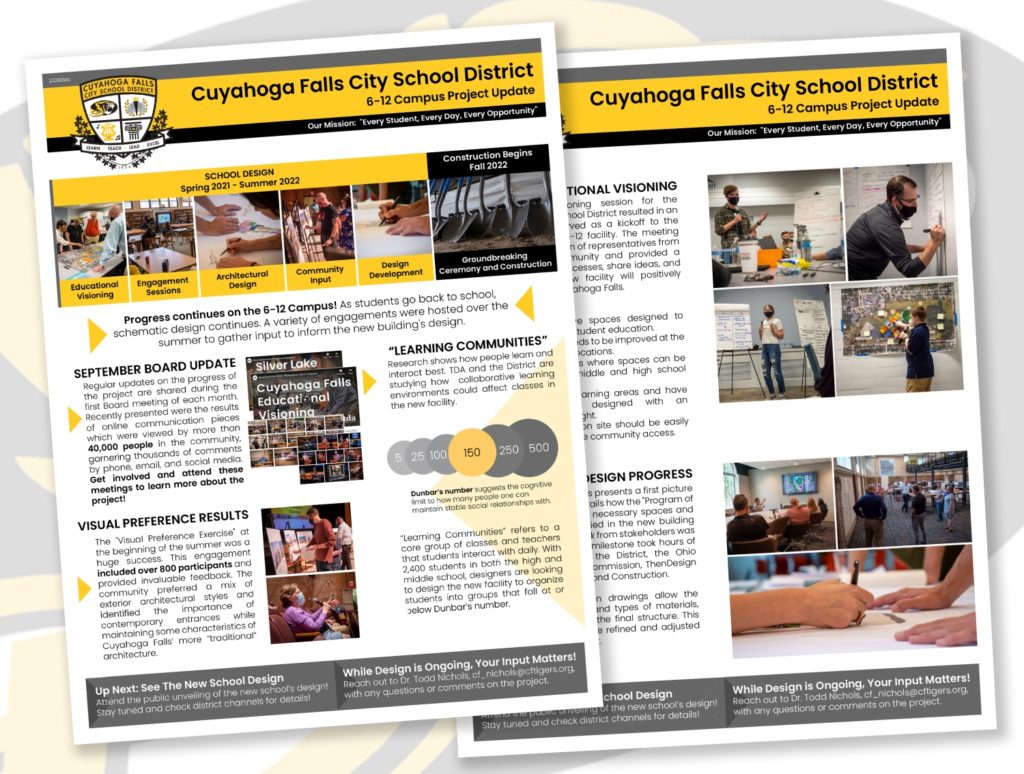
Over the summer, the design team continued to hit milestones in the design of the new Cuyahoga Falls 6-12 Campus. A variety of recent engagements have allowed the team to develop initial “schematic design drawings” that will be further developed in the months ahead.

Cuyahoga Falls 6-12 Campus: Summer Design Update

Since Educational Visioning in late April, the Cuyahoga Falls City School District, construction professionals, the Ohio Facilities Construction Commission and the design team at ThenDesign Architecture (TDA) have been working to develop solutions for the new 6-12 Campus. After initial engagements with the community and educators, the team has been busy cataloging and incorporating feedback into strategies for the new school. Now, after hundreds of hours of meetings, conversations and collaboration over the summer, they are hard at work integrating that input from stakeholders and drafting plans for the new facility.

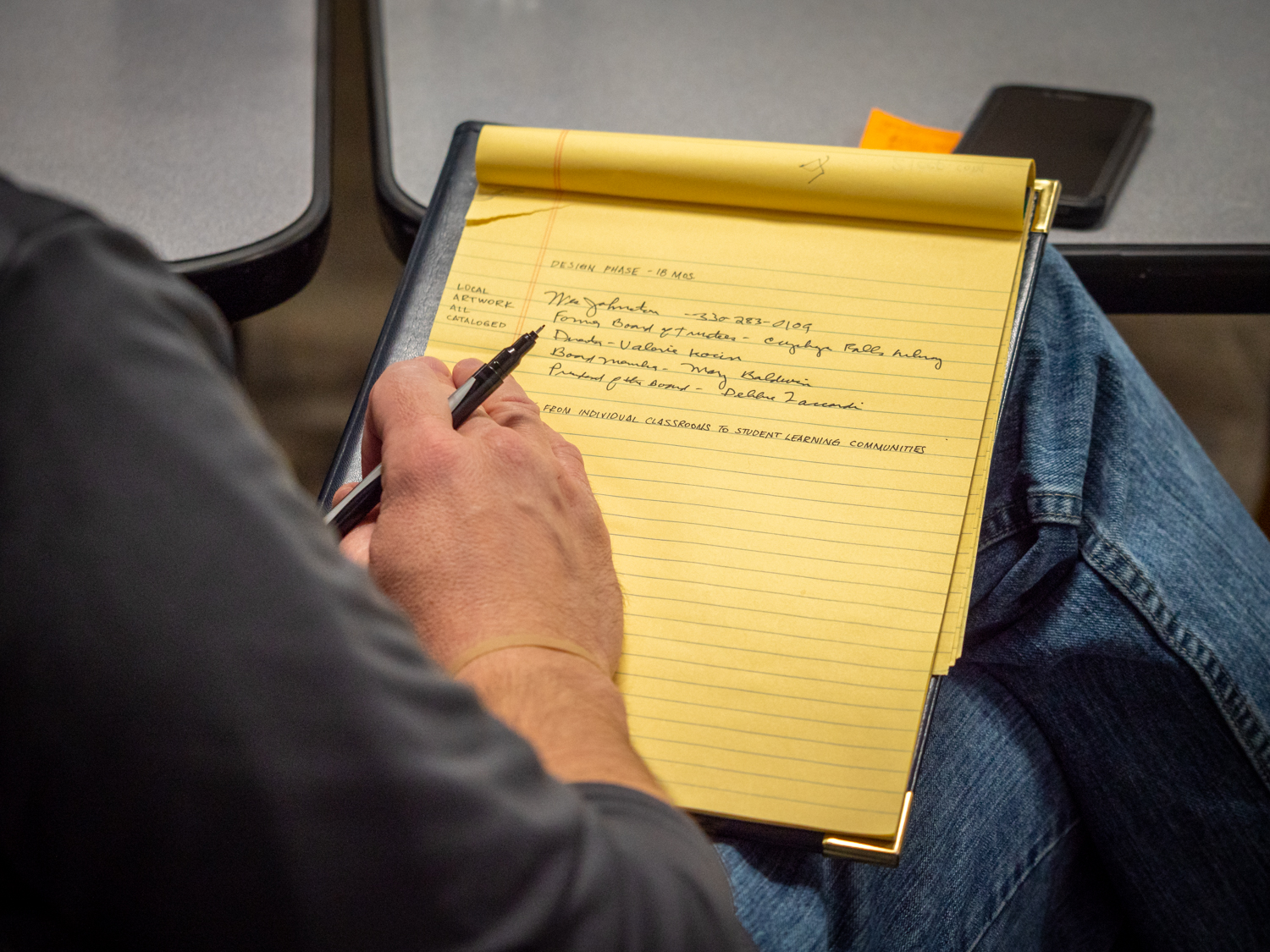
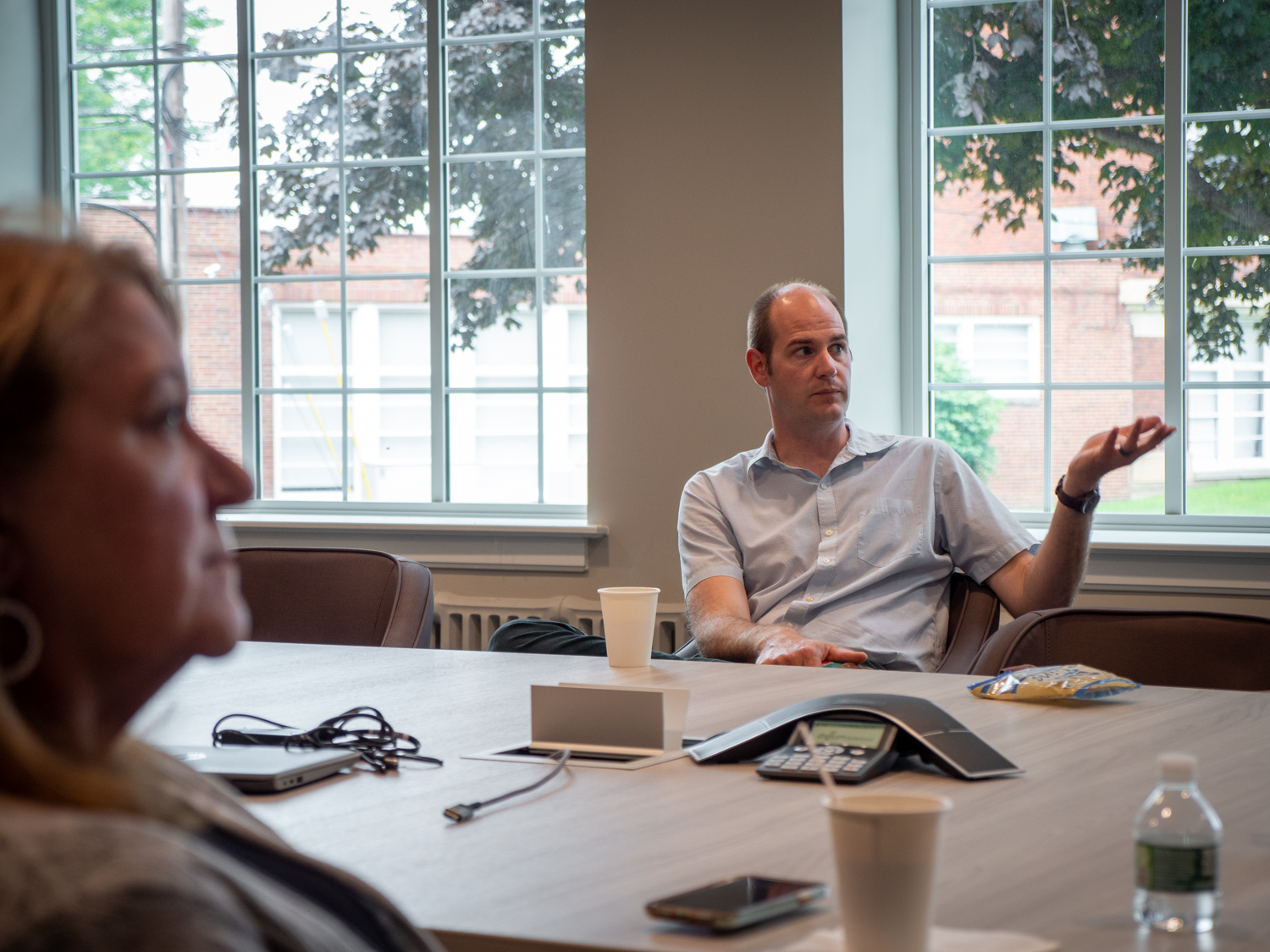
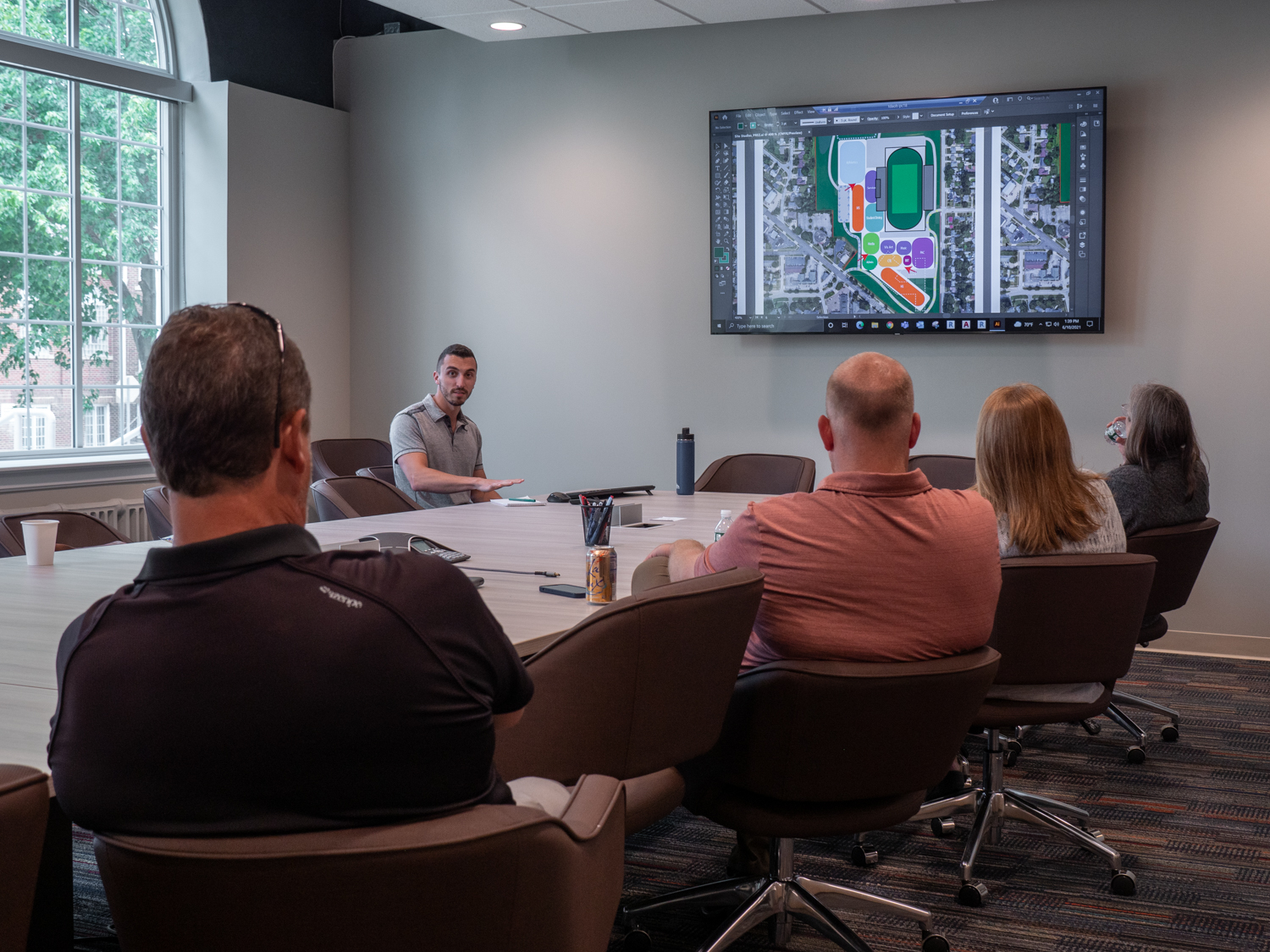
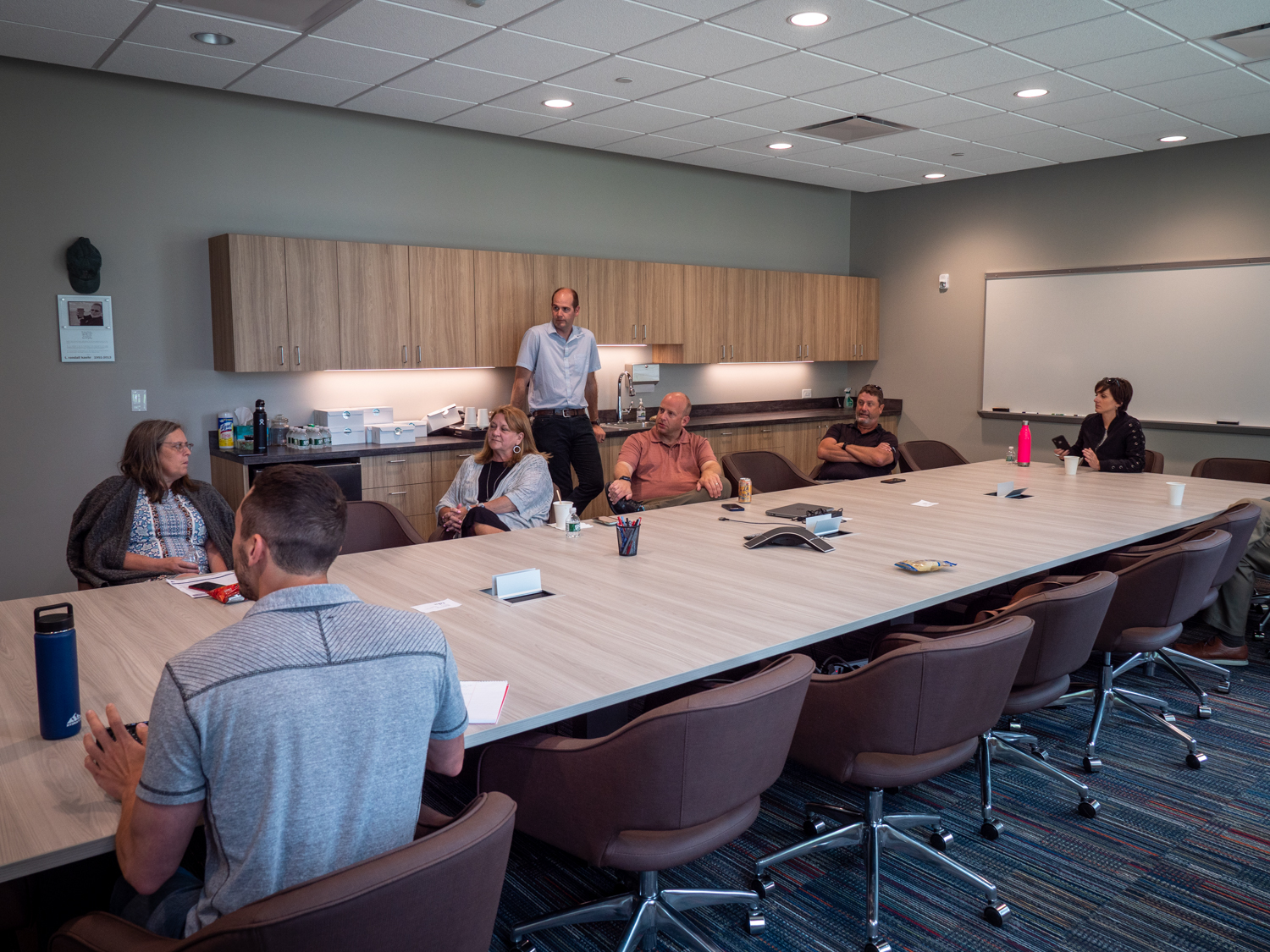
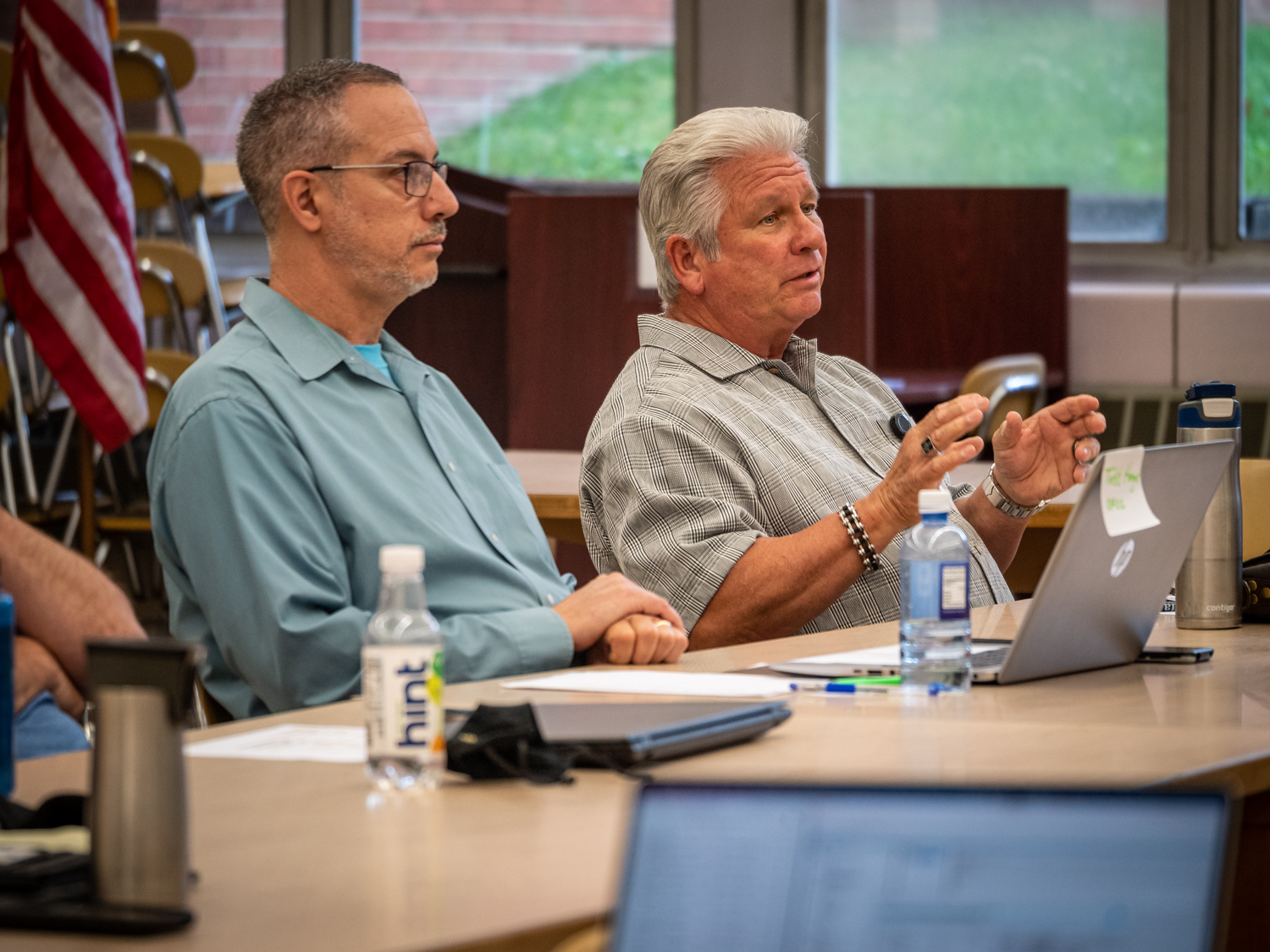
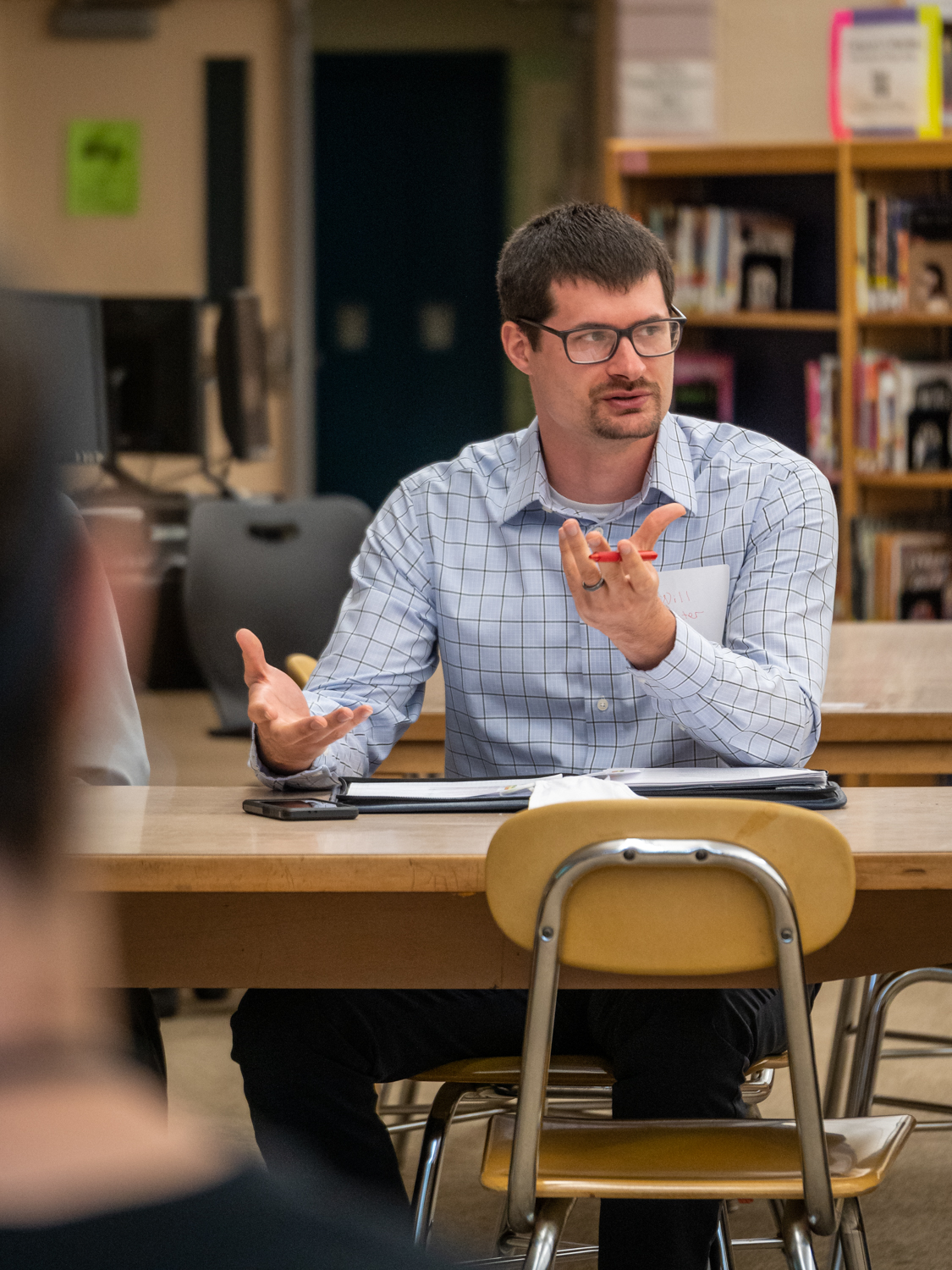
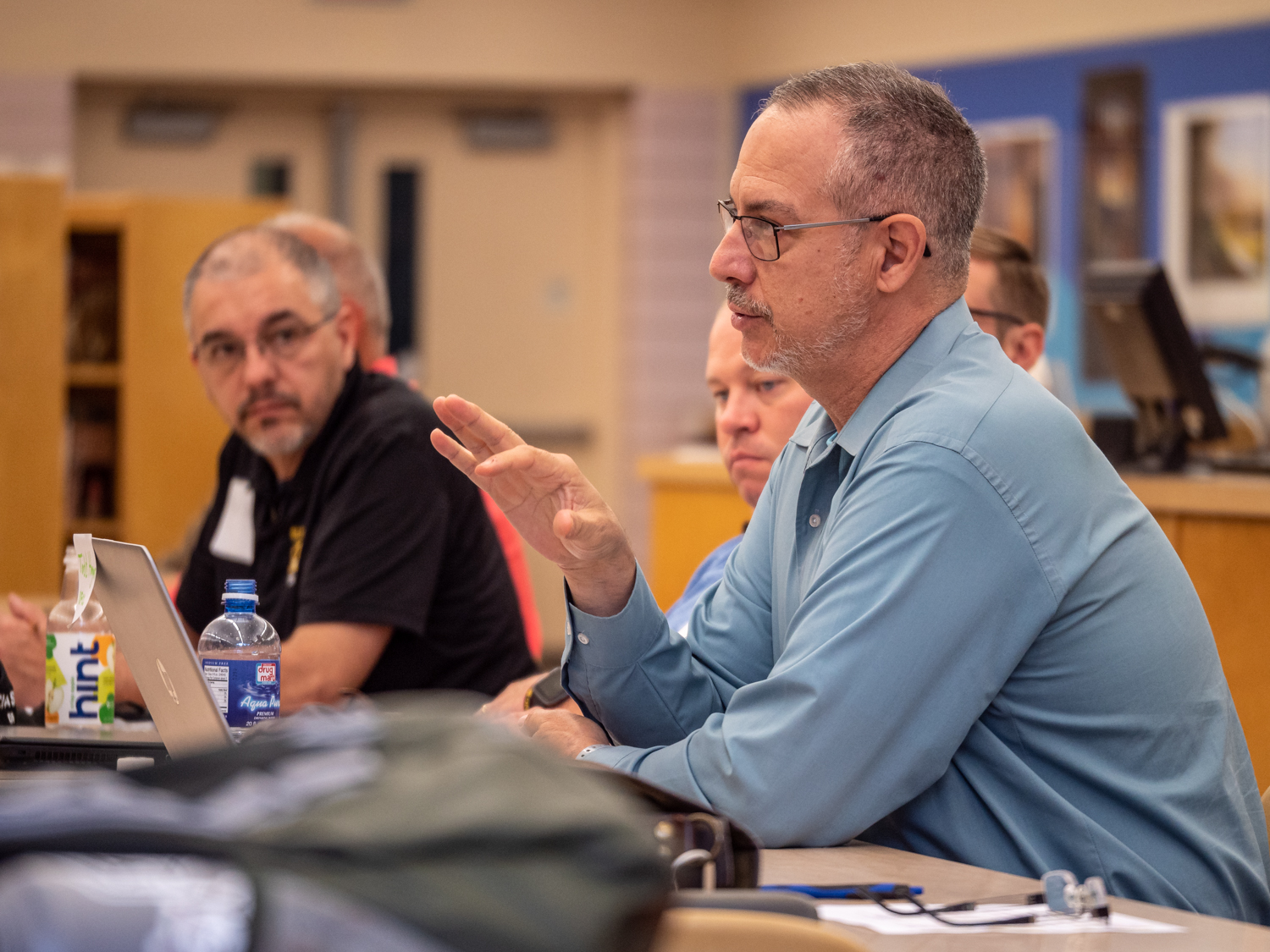
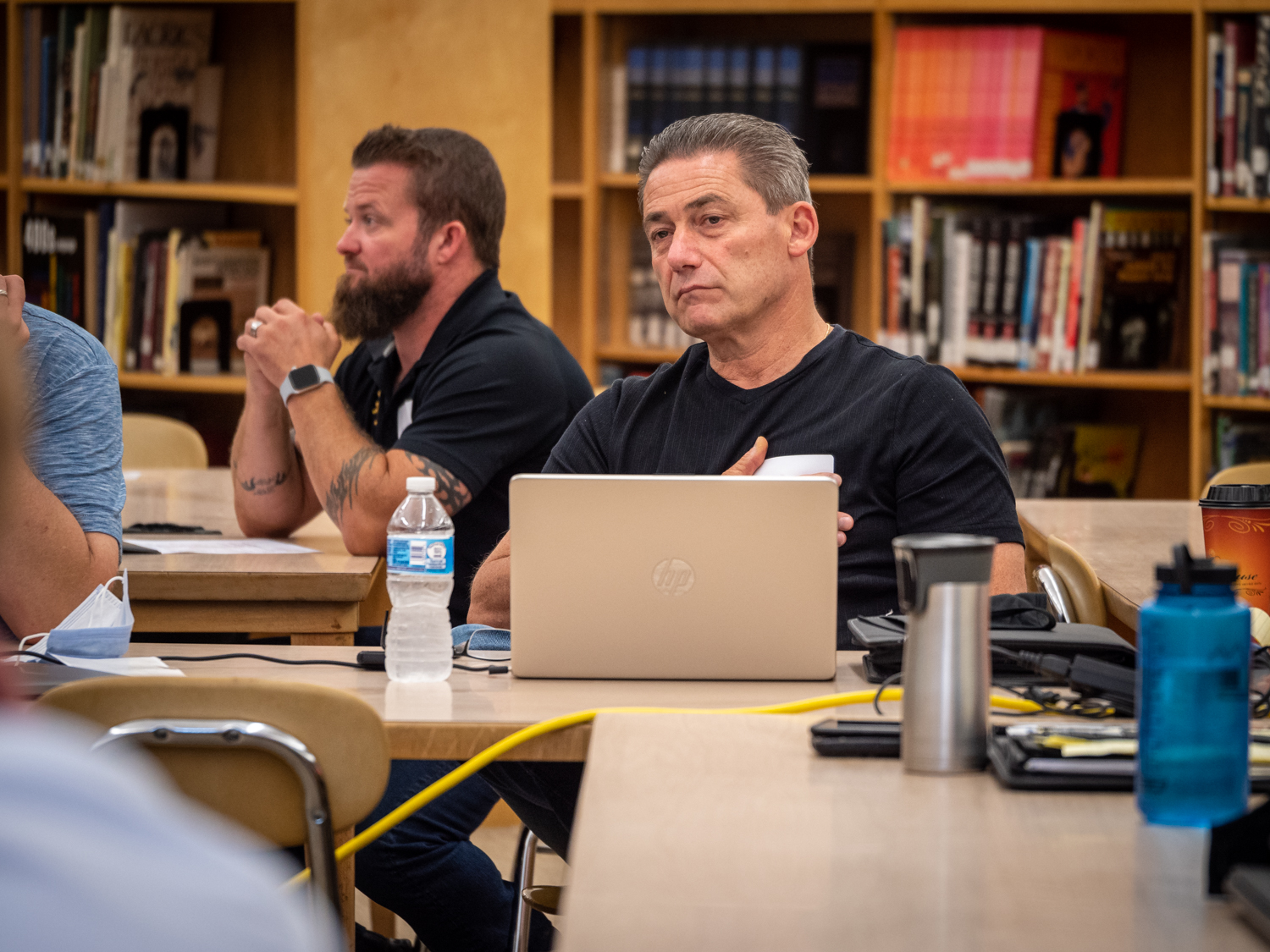
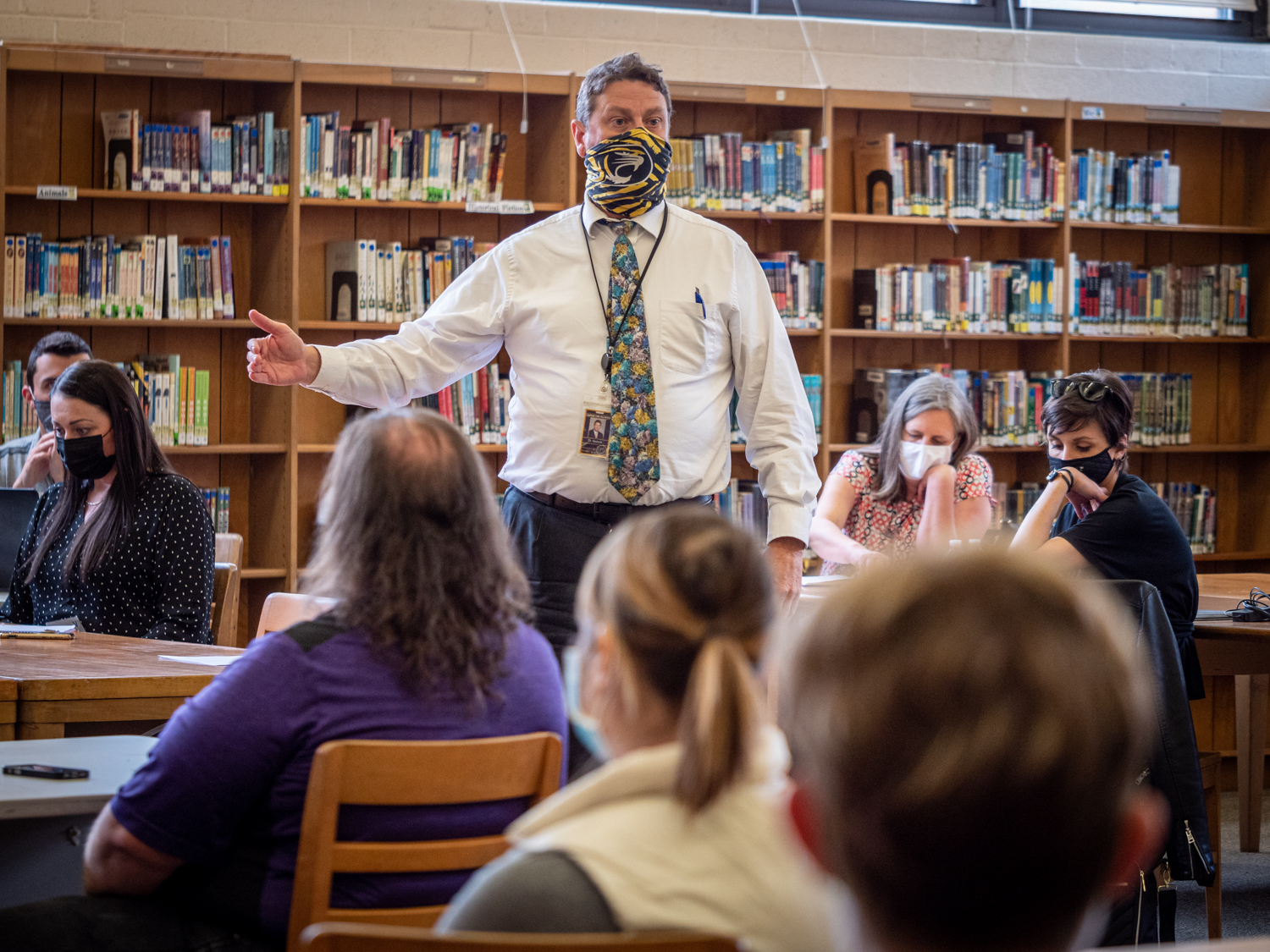
District officials met with designers from ThenDesign Architecture at their office in Willoughby Ohio, for design meetings.

Important Aspects of Design from Educational Visioning

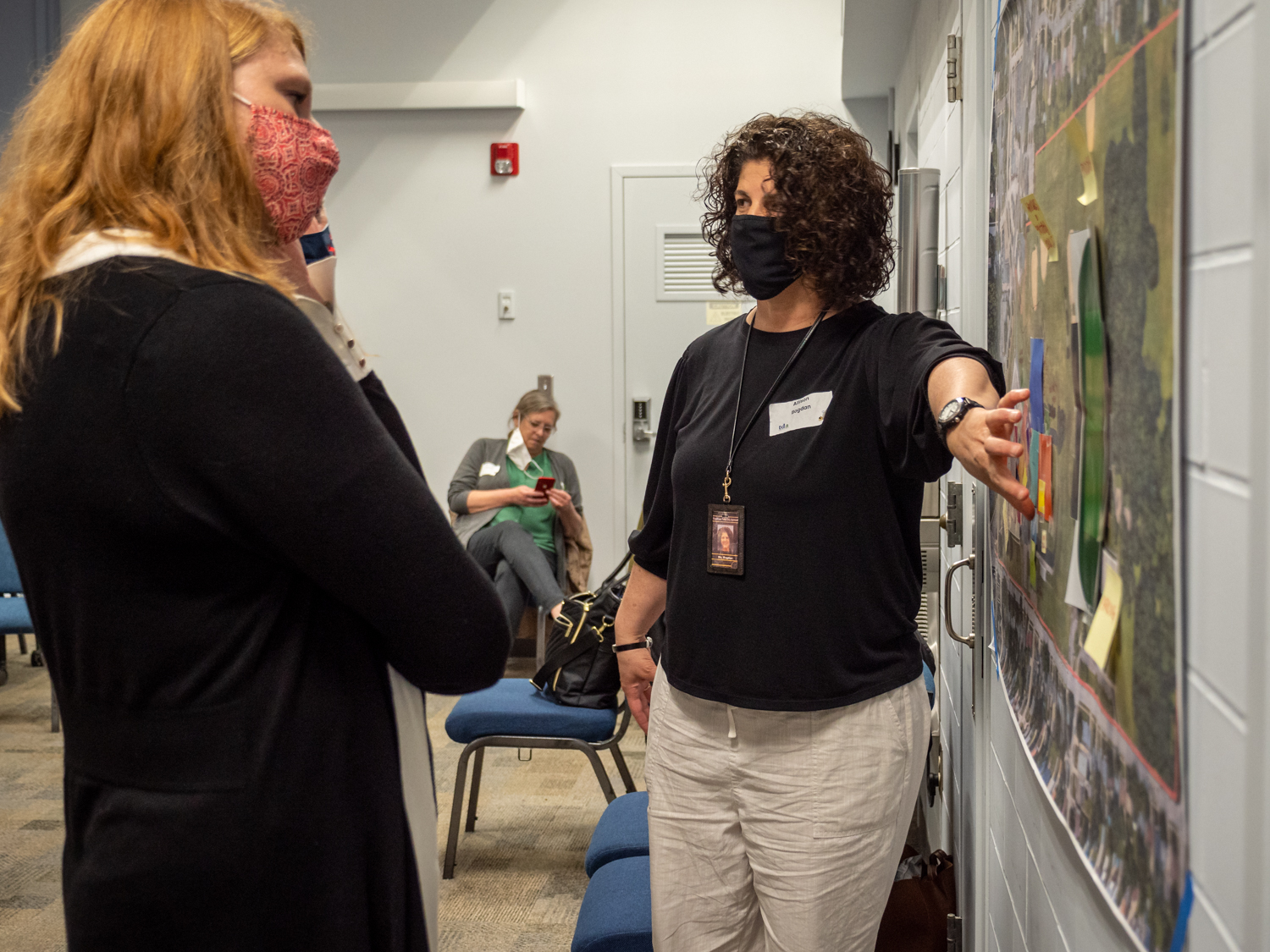
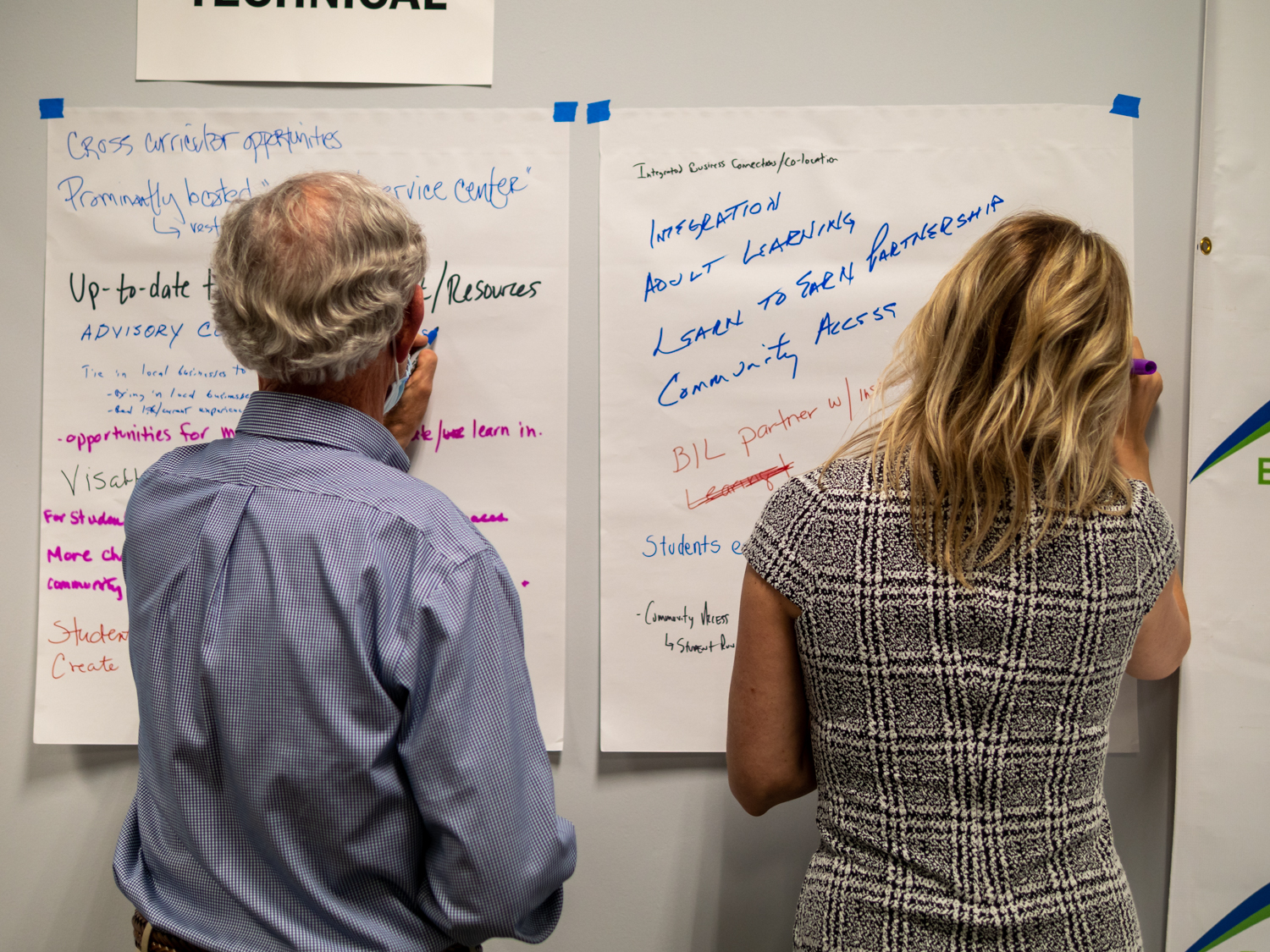
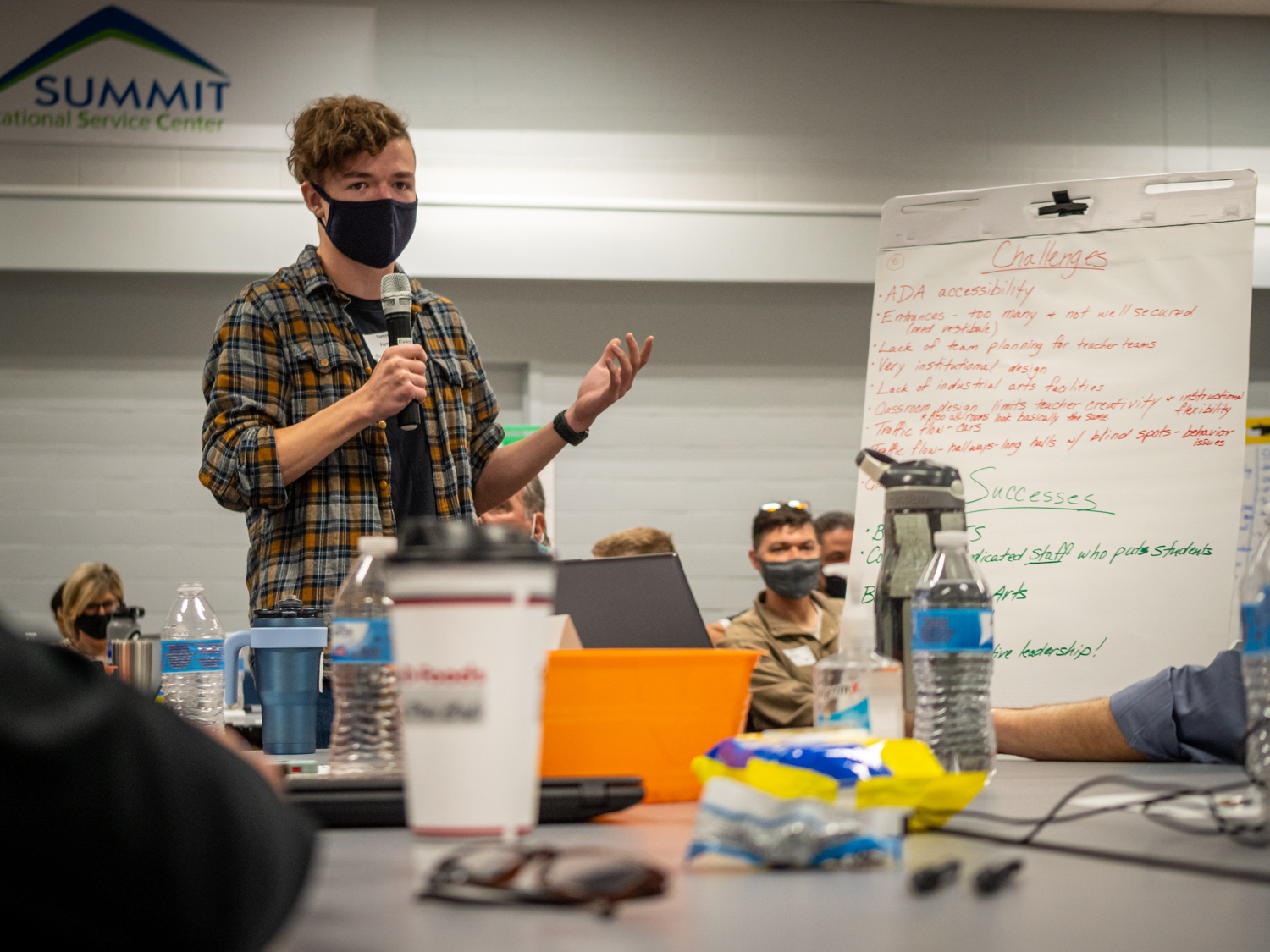
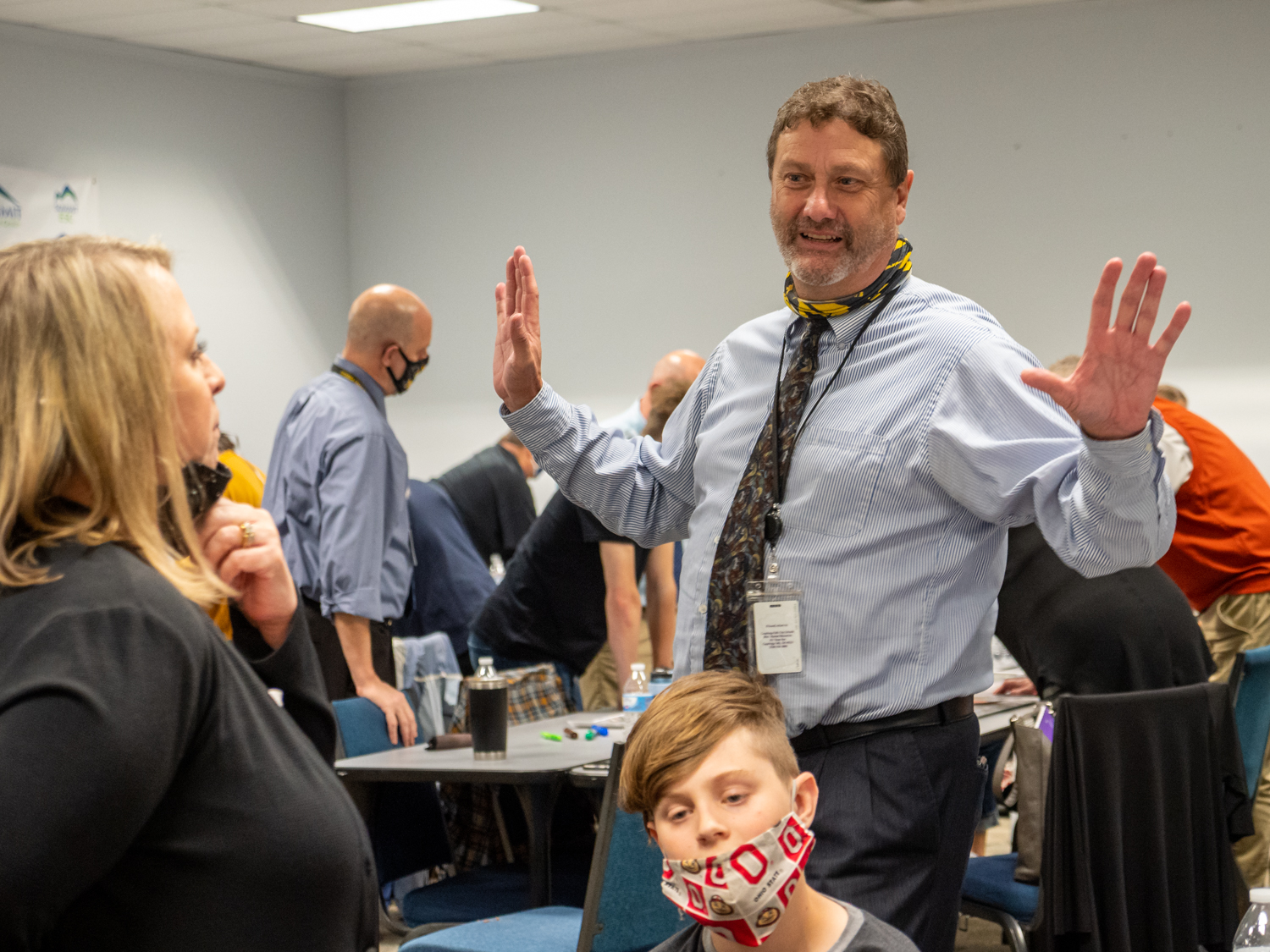
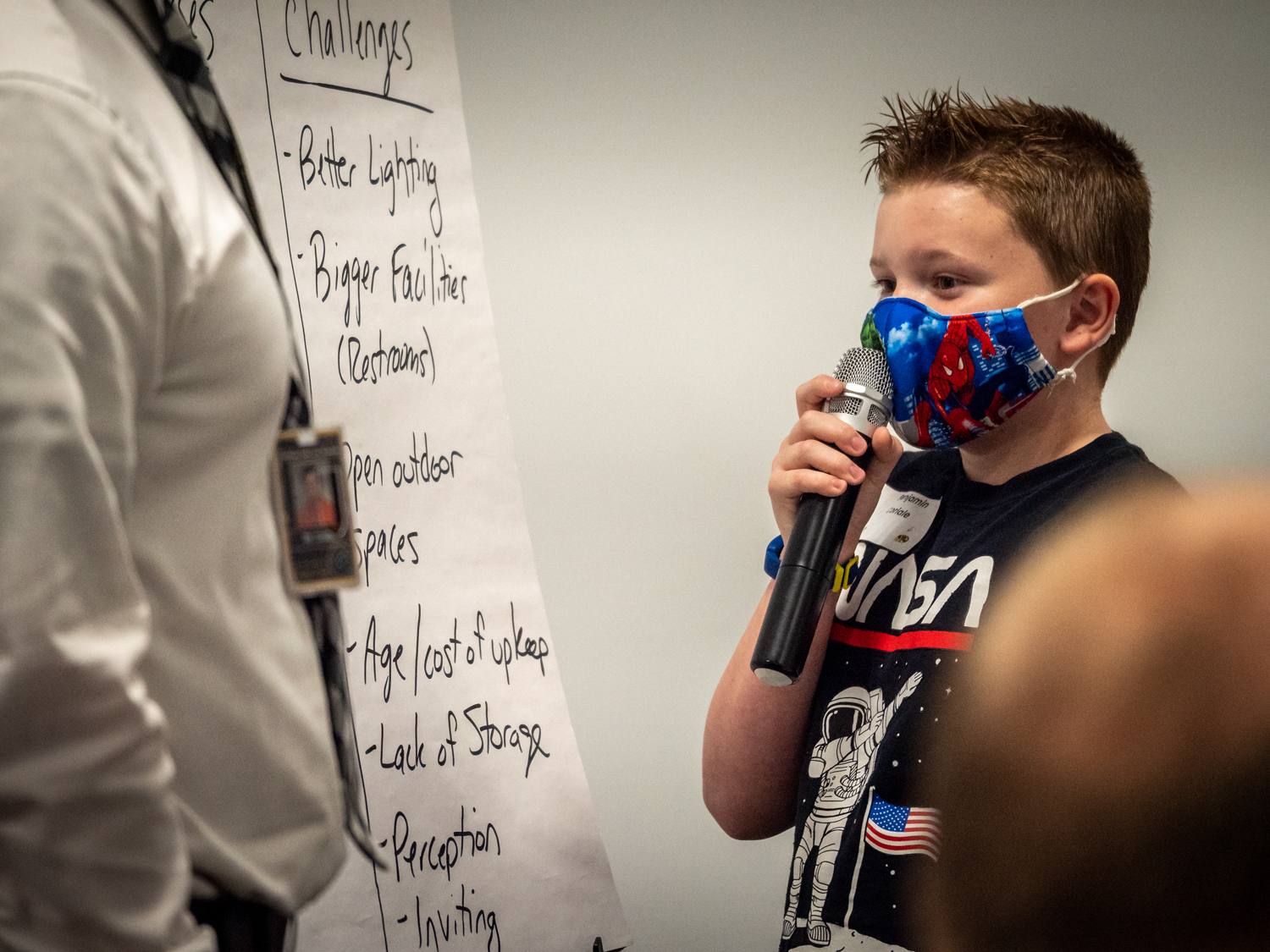
The Educational Visioning session in early May was critical to lay the “conceptual foundation” for the new school. At this event, around 100 attendees from the community, district and the design fields outlined key design points for this new “hub of the community.” These findings were outlined in the Educational Visioning Report, released in June.

A Recap of Those Key Points:

    • Flexible, collaborative spaces designed to promote independent student education.
    • Traffic circulation needs to be improved at the high school and other locations.
    • Identify opportunities where spaces can be shared between the middle and high school students.
    • Integrate outdoor learning areas and have collaborative spaces designed with an abundance of natural light.
    • Building entrances on site should be easily identifiable and promote community access.
    • Integrate athletic facilities with the building to maximize usage.

An Education Visioning Session in Cuyahoga Falls in early May.

"We had a great cross section of our community at Educational Visioning. We will have a building that provides the absolute best opportunities for our students."
Dr. Todd M. Nichols
Superintendent/CEO

Partnership with the Ohio Facilities Construction Commission

To build the school, the district is funding $80.6 million of the project, which was generated from a 2019, community approved 9.83-mill tax levy, that included a 5.33-mill, 36-year bond issue. Additionally, the district is participating in the Ohio Facilities Construction Commission (OFCC), Classroom Facilities Assistance Program (CFAP). By participating in this program, the OFCC will provide an additional $32.8 million in project costs and participate in building’s design.

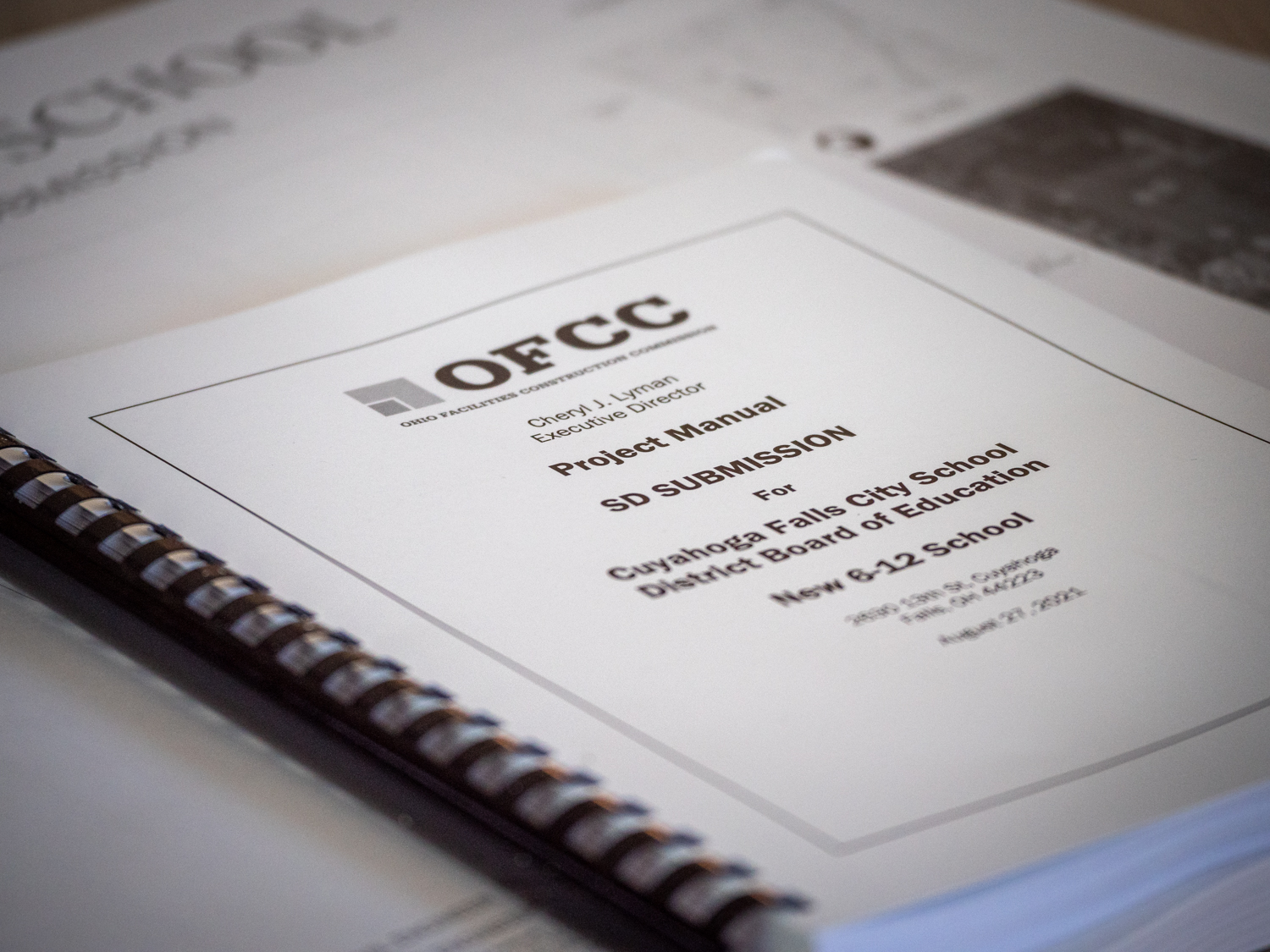
To qualify for this assistance, designers will follow guidelines from the OFCC that ensure the educational needs of the building are met. These guidelines come in the form of a “Program of Requirements” (POR). This is essentially a checklist of spaces and square footage that must be met inside the building.

This way, the OFCC ensures key academic spaces are included, sustainability goals are met, along with a variety of other priorities.

There are several standard POR options to choose from. One is the “Traditional POR.” This is the most rigid in terms of how square footage can be allocated, another is a “Partial Order Reduction POR,” this allows some flexibility in spatial requirements in how square footage is allocated. Another type is the “High Performance Learning Environment (HPLE) POR,” which is the most flexible design plan.

For the Cuyahoga Falls 6-12 Campus, the district is working off the High-Performance Learning Environment POR, based on Educational Visioning and academic feedback. Doing so, ensures maximum spatial flexibility with how spaces are arranged to deliver a collaborative and modern curriculum. Using this POR allows designers more freedom to program collaborative, student-centered spaces alongside core academic areas.

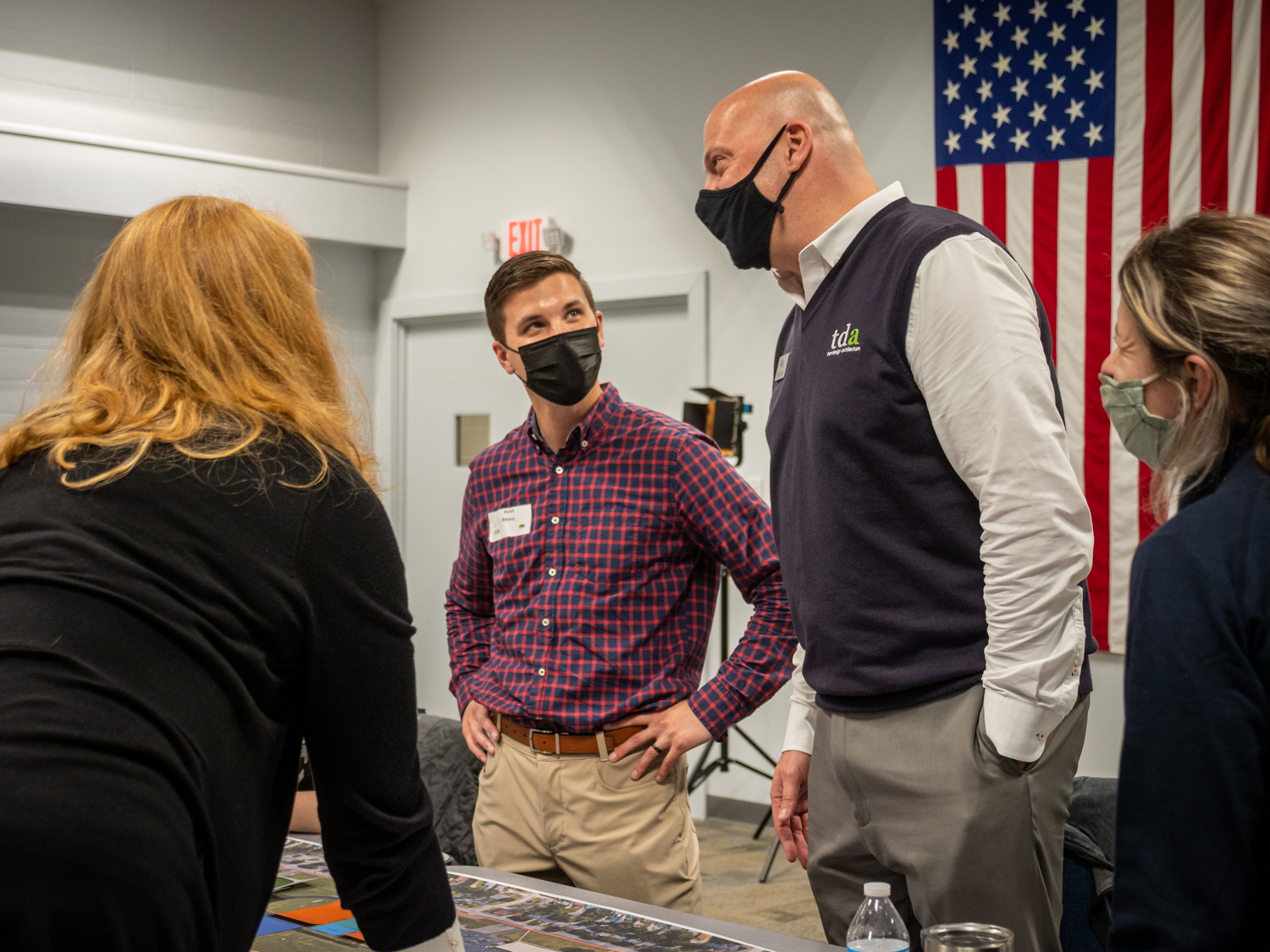
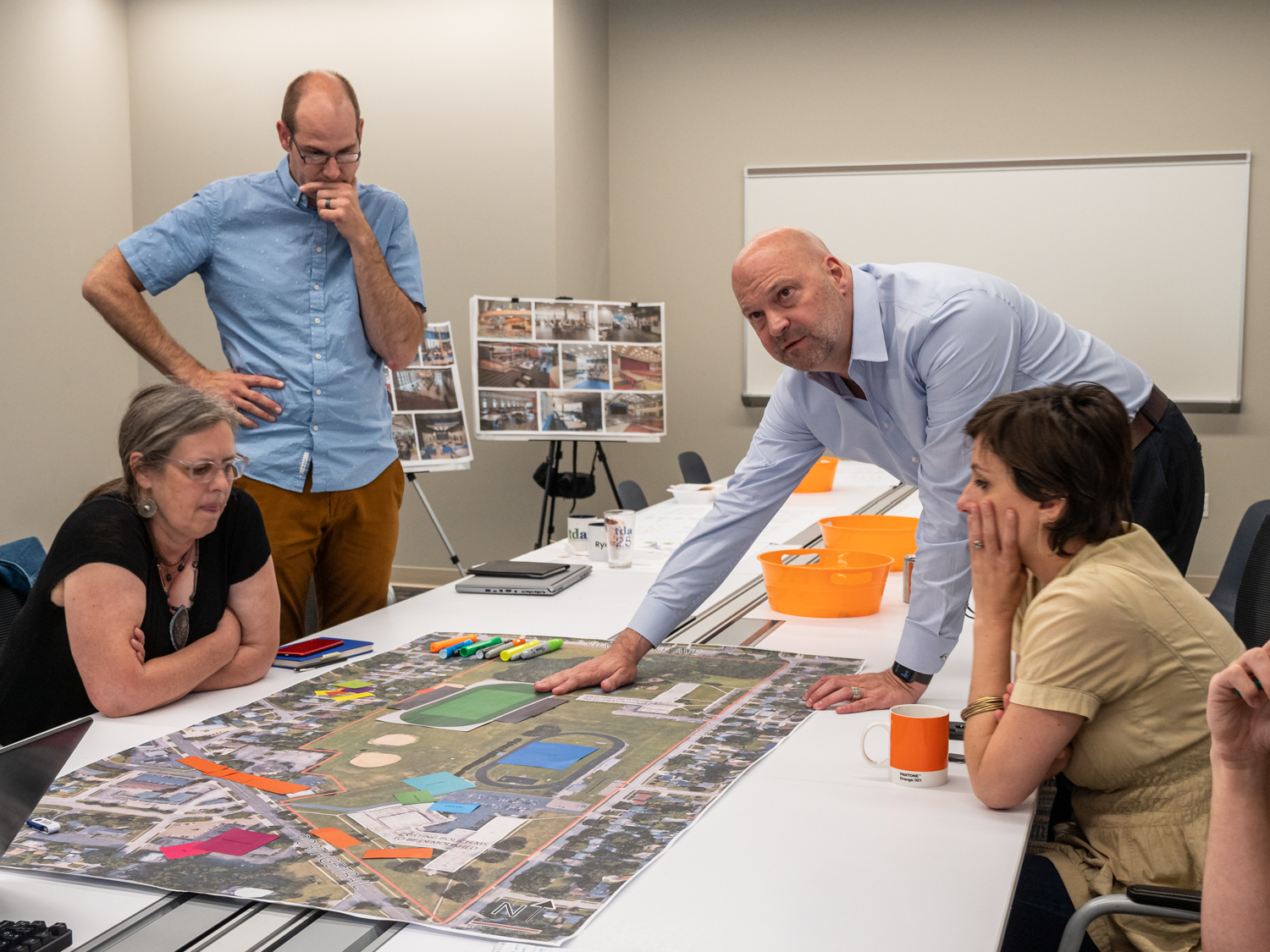
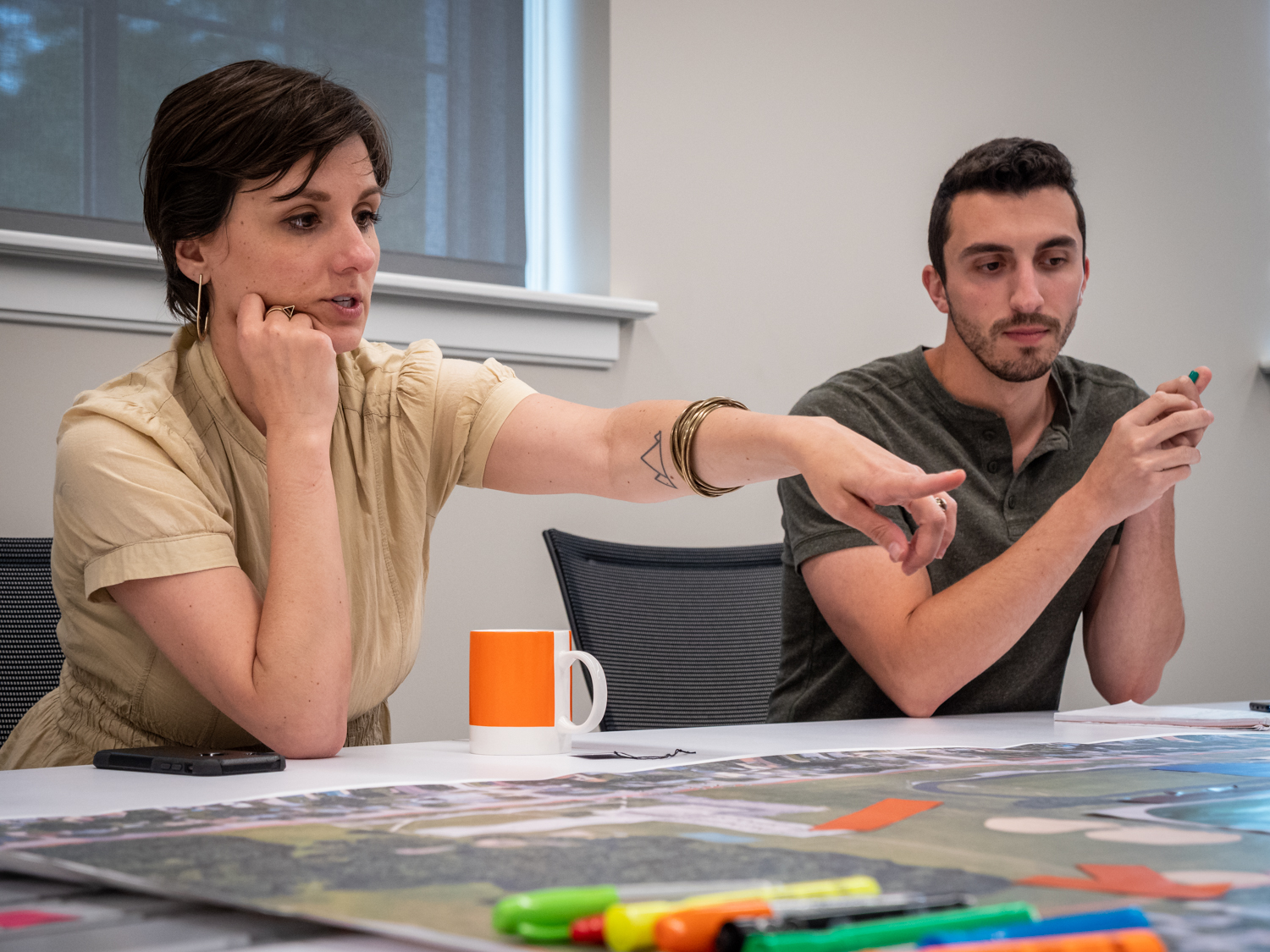
Designers at ThenDesign Architecture incorporated feedback from the Educational Visioning Session into the new facility.

"We heard how welcoming and central the school is to parents, students and residents. So we really are designing it to become a "hub of the community."
Abby Rainieri
Educational Design Lead

Sustainability Features and the Eco-Charette

Each project the OFCC funds is required to meet the U.S. Green Building Council’s (USBGC) LEED Silver rating. The USBGC oversees Leadership in Energy Efficient Design (LEED) standards which is the most widely used green building rating system in the world. LEED provides a working framework for healthy, efficient, and cost-saving buildings.

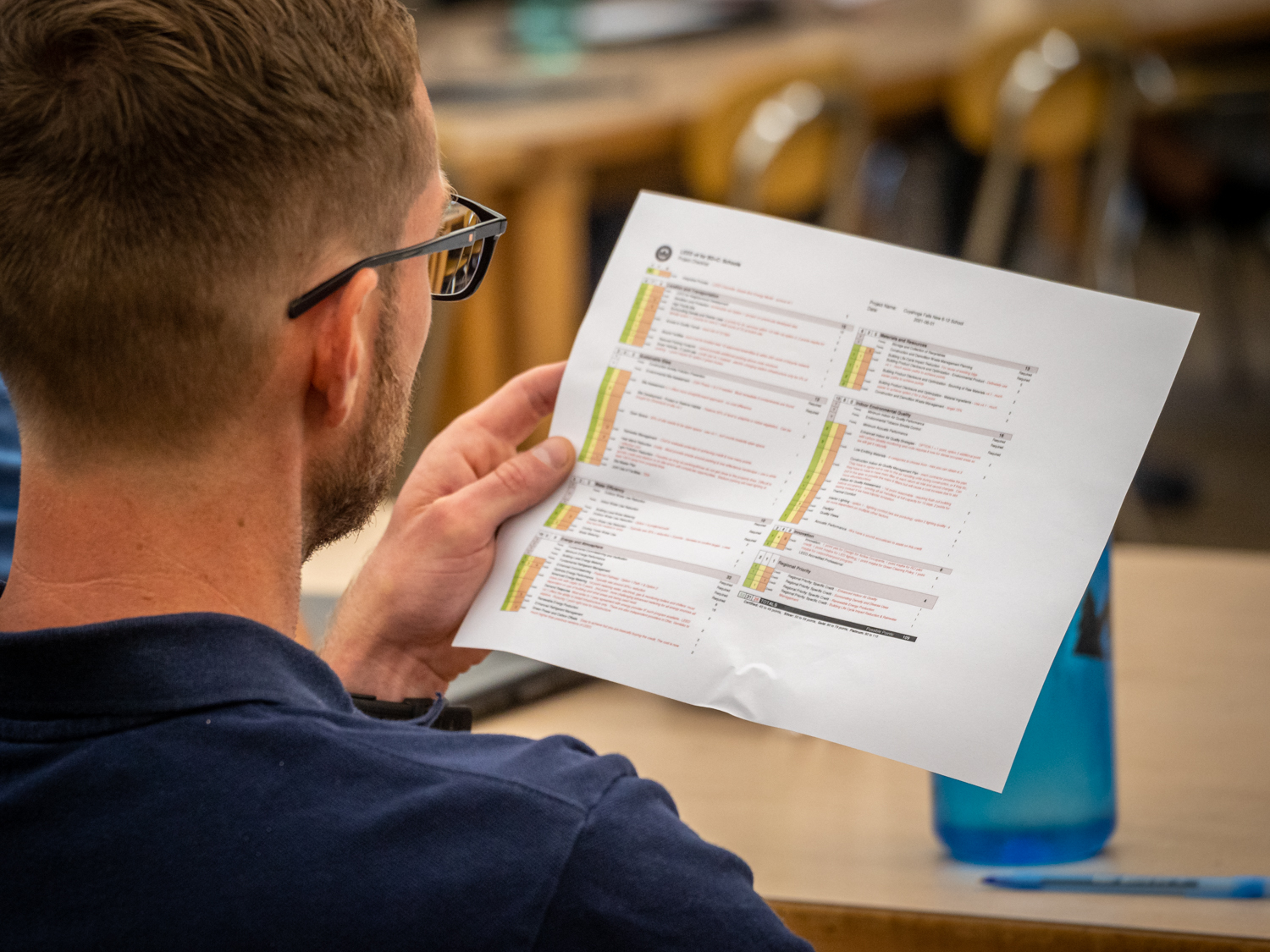
Within the program, there are several tiers that a building can achieve by employing eco-friendly features. The four tiers are: certified, silver, gold and platinum and are determined by a structure’s ability to achieve points on LEED project scorecard. This scorecard is designed to measure how the building responds to its location and transportation options, sustainable site features, water efficiency, energy and atmosphere, materials and resource usage, indoor environmental quality, and other innovative design elements.

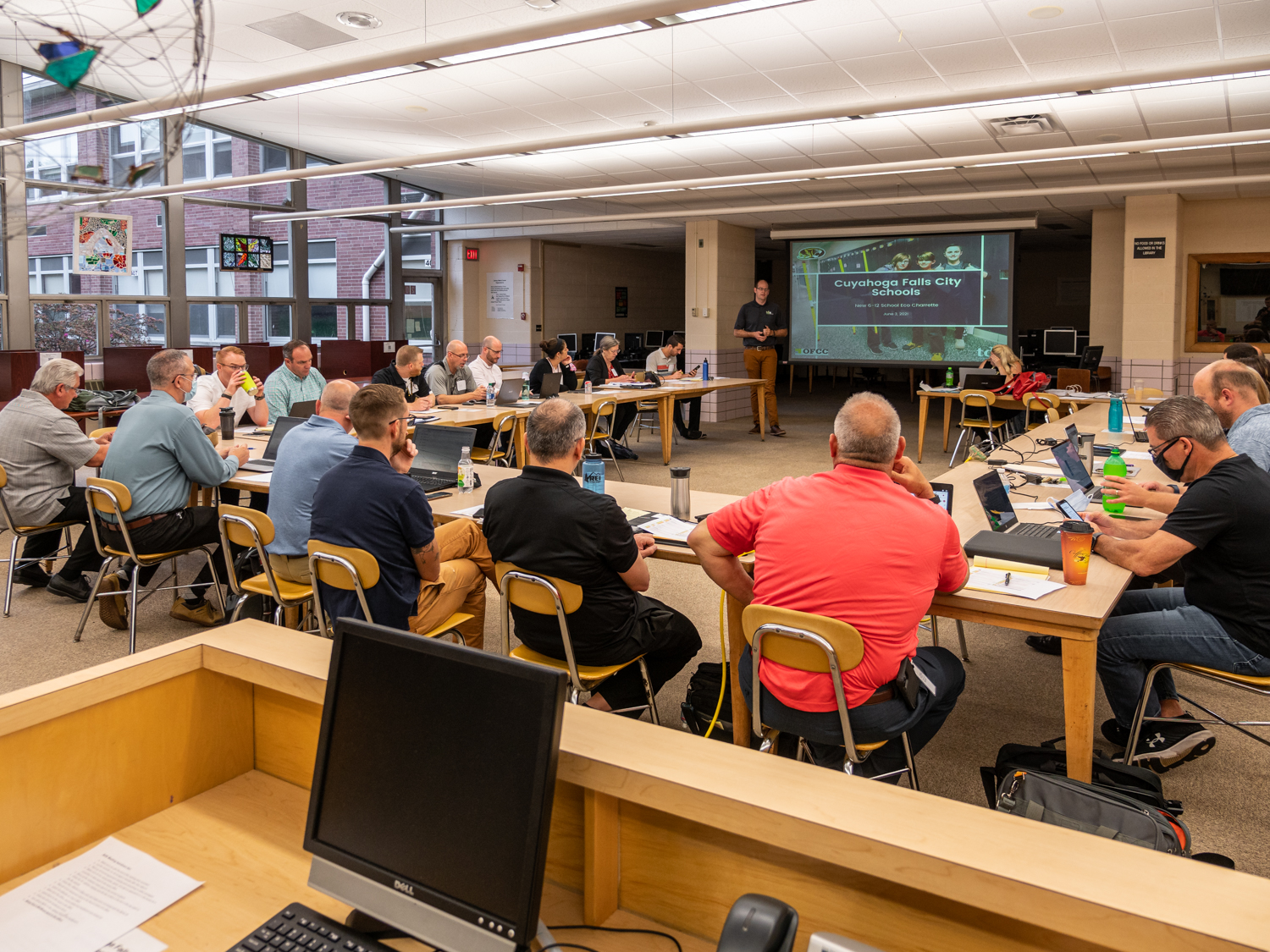
To determine the 6-12 Campus’ desired environmental features, the design team met early in the summer for an “eco-charrette.” Here the team outlined a strategy to meet the LEED Silver Rating.

Project Manager, Scott Alleman describes the eco-charrette, “It’s a work session where the district, educators, designers and construction professionals set our goals for the environmental and sustainability items we want to pursue.”

Specific features could range from adjusting the buildings orientation and windows to take advantage of daylight, minimizing windows on southern exposures to prevent excessive heat intake, better insulation in the building envelope, improved exterior lights to limit light pollution and rainwater management systems.

Alleman continues, “Sustainability is important to school projects. When you have a 350,000 sf building, we want to make sure it’s designed to be as thermally optimal as possible while making sure mechanical systems are laid out and operating as efficiently as possible.”

For Cheryl Fisher, an educational planner on the project, achieving this rating is a balance between managing costs and the districts goals for sustainability.

“I’m impressed at the level of detail that goes into this part of planning,” Fisher notes, “the manual guiding these scorecards are 600+ pages. We want to achieve the district’s goals for sustainability, while scoring points that make the most budgetary sense. It’s a challenge.”

Engaging early on sustainability goals affects the building’s early design.

Cheryl continues, “We want to gain all the points we can while protecting the overall budget. To achieve all the points, would impact the budget greatly. If we decided to add underground parking, covered by greenspace, that would significantly impact both the design and budget. We need to be realistic about what we can achieve.”

An eco-charrette was hosted in the Cuyahoga Falls High School to set sustainability goals for the new 6-12 Campus.

"Sustainability is important to school projects. When you have a 350,000sf building, it needs to be designed to operate as efficiently as possible."
Scott Alleman
Architect

Visual Preference Exercise

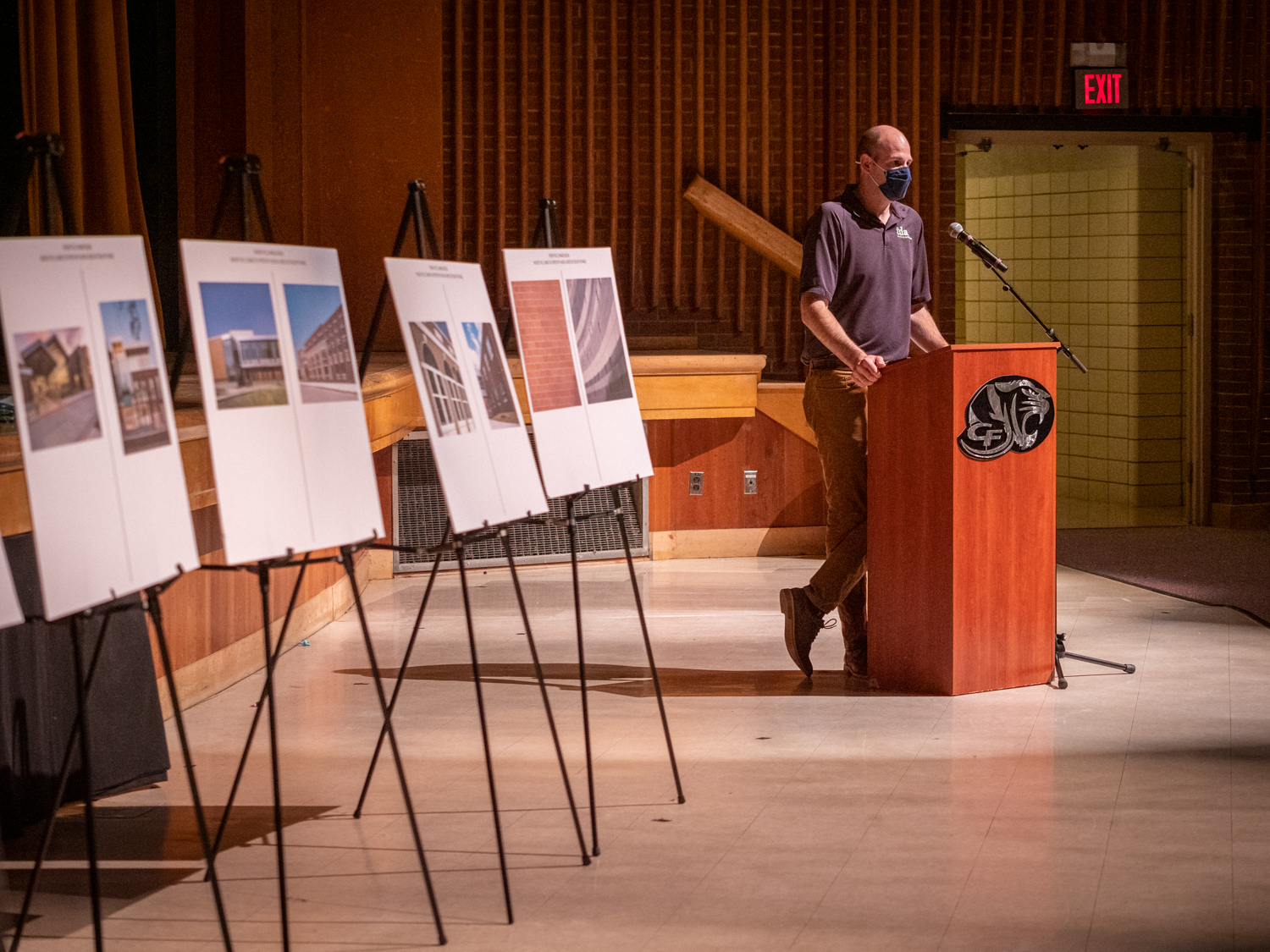
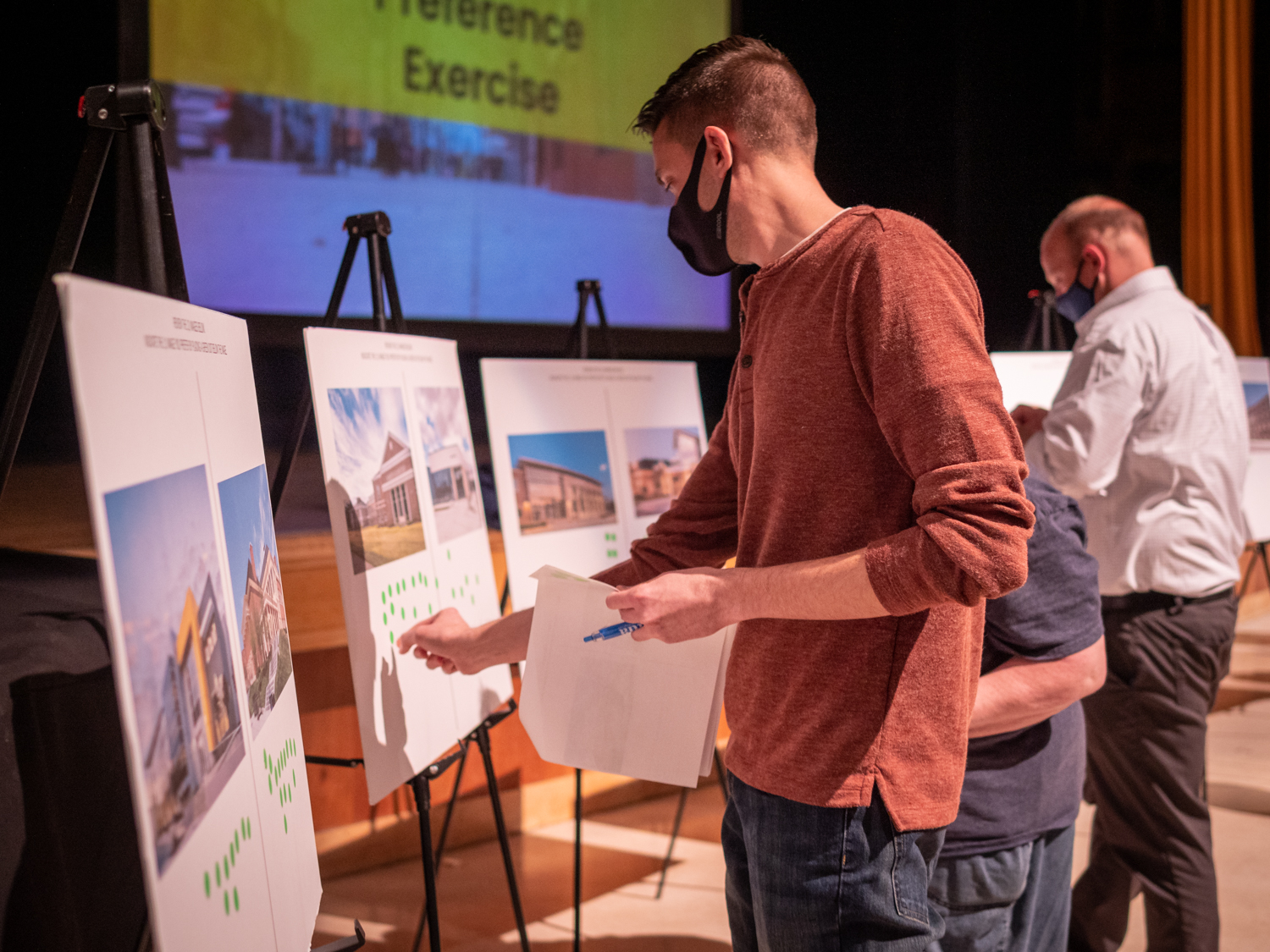
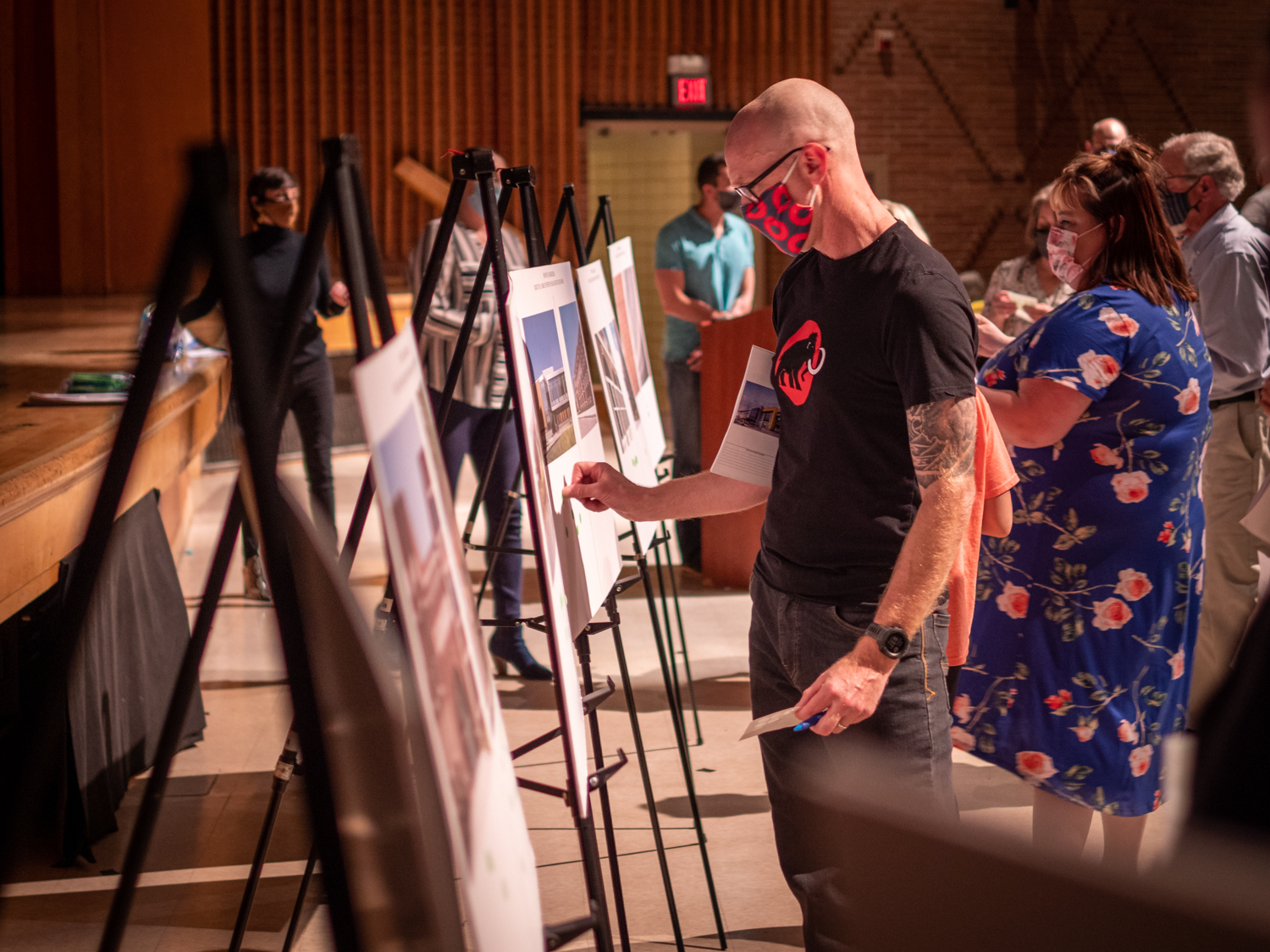
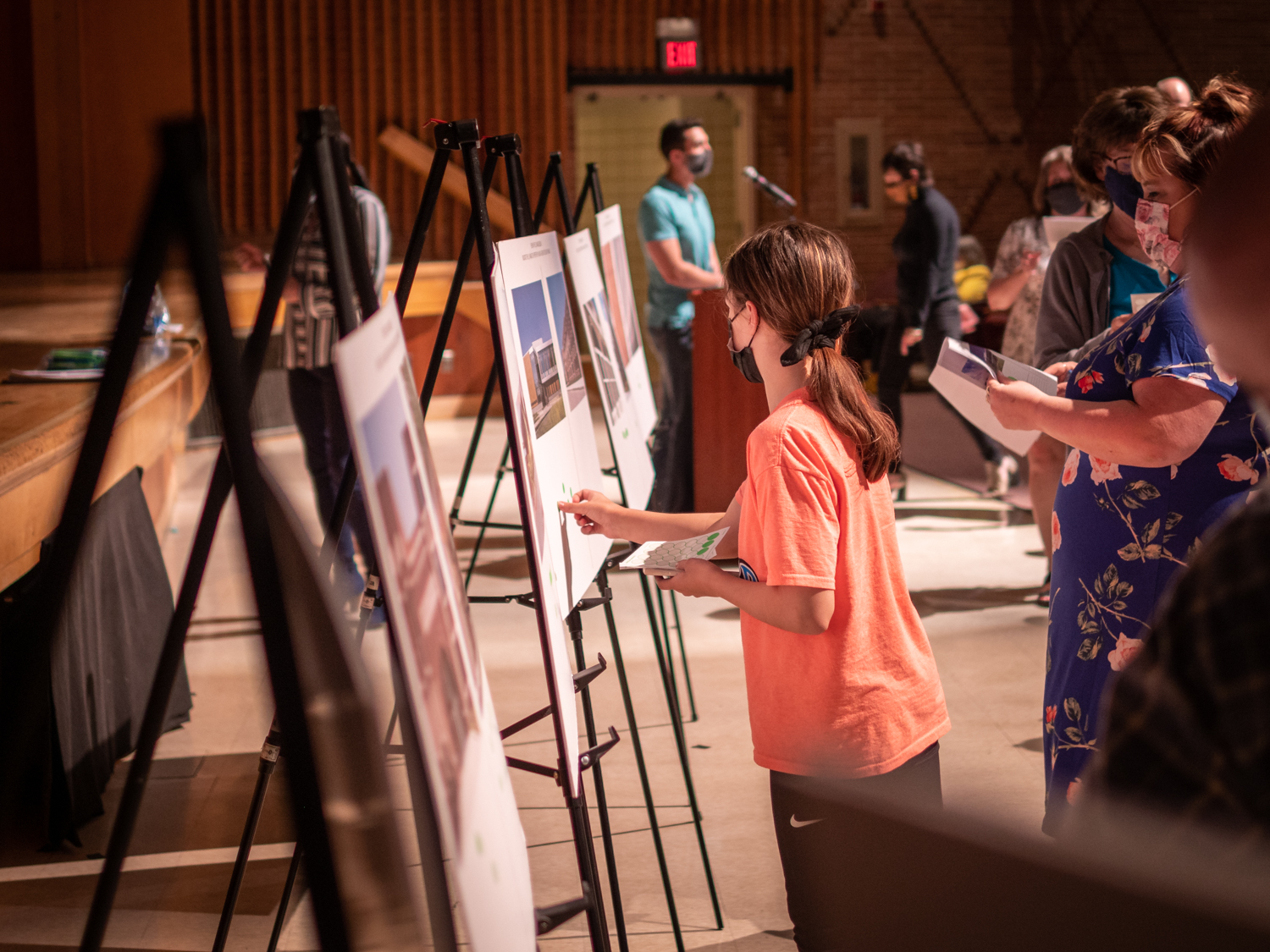
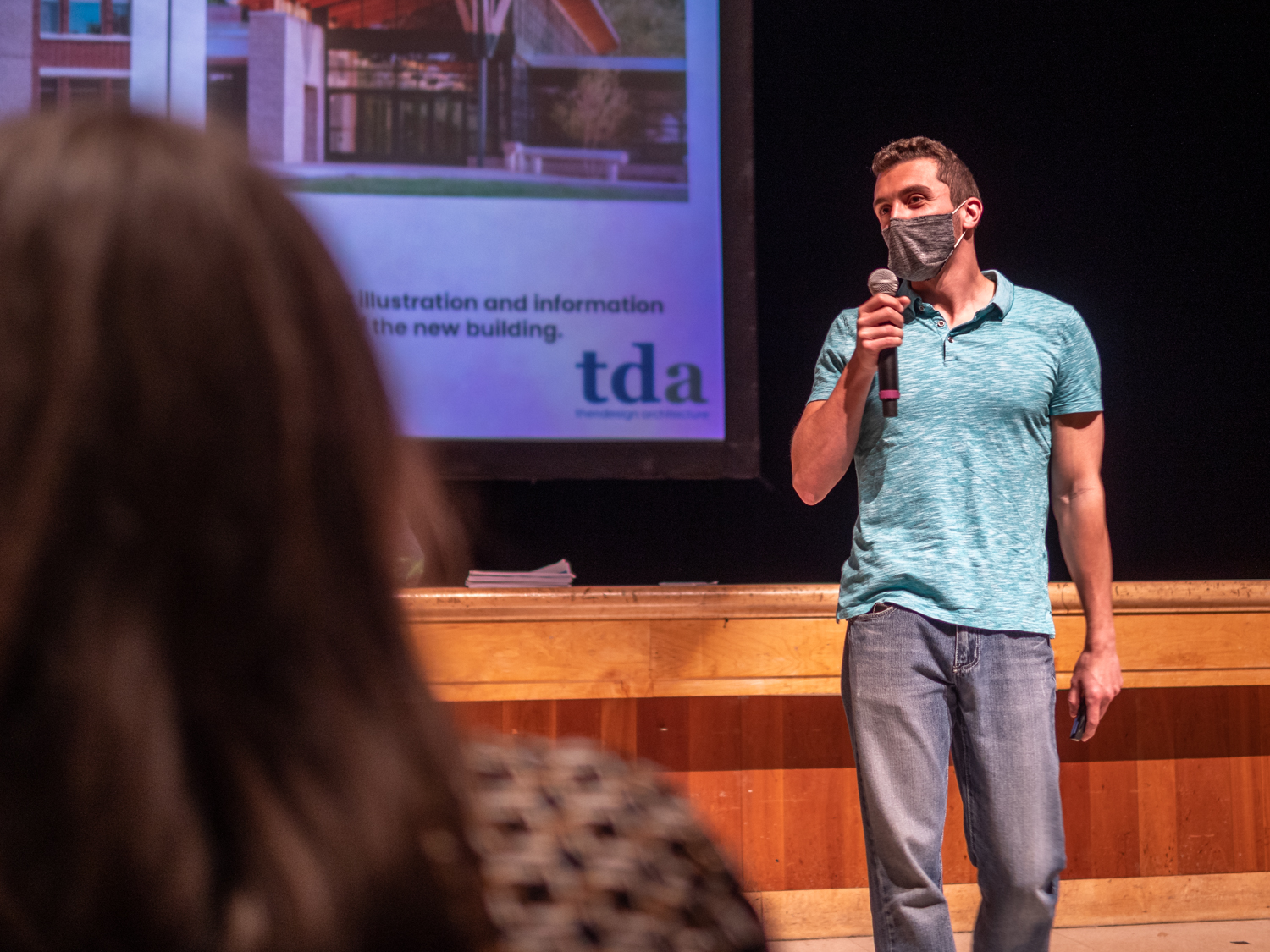
Early in the summer, the design team held a “Visual Preference Exercise” to receive input from the community on how they think the exterior of the building should look. During this engagement, over 800 community members provided feedback on various exterior styles for the building.

Many participants expressed a strong affinity to various buildings in Cuyahoga Falls. Notably, the Natatorium and downtown Clock Tower were beloved architectural examples.

The design team found the community preferred a mix of exterior architectural styles, while identifying the importance of defined, “contemporary entrances” while maintaining some characteristics of Cuyahoga Falls’ more “traditional” architecture.

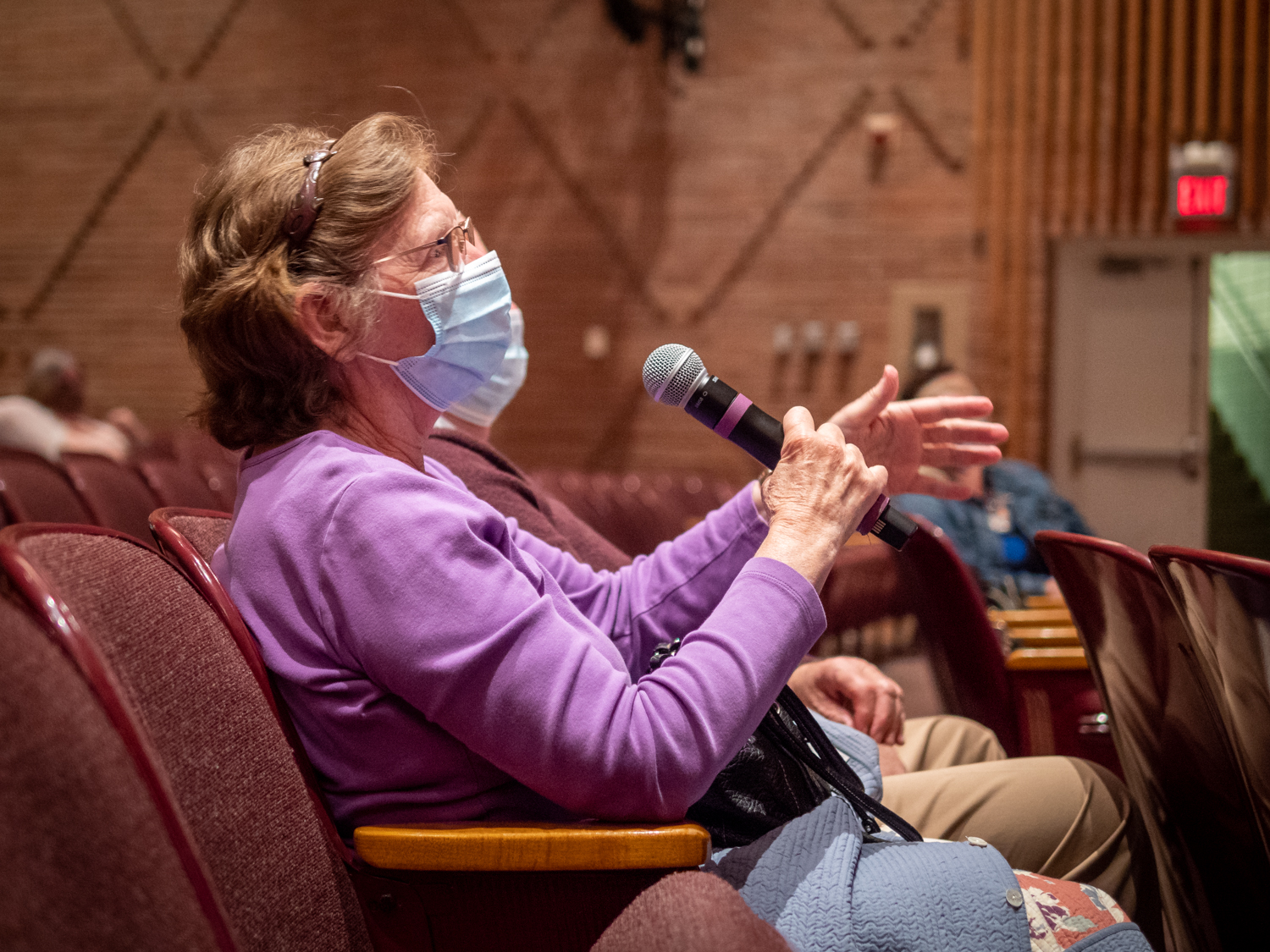
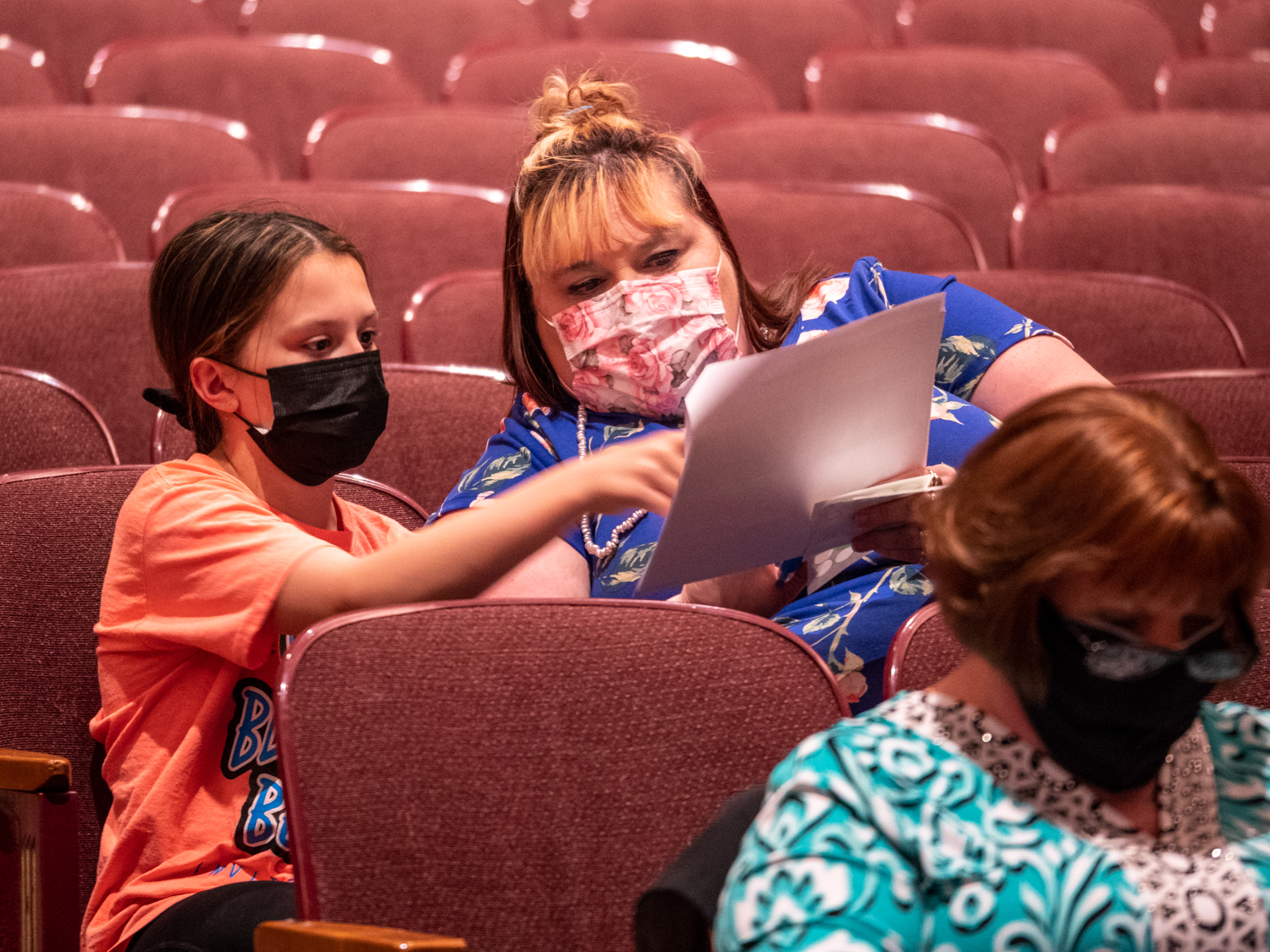
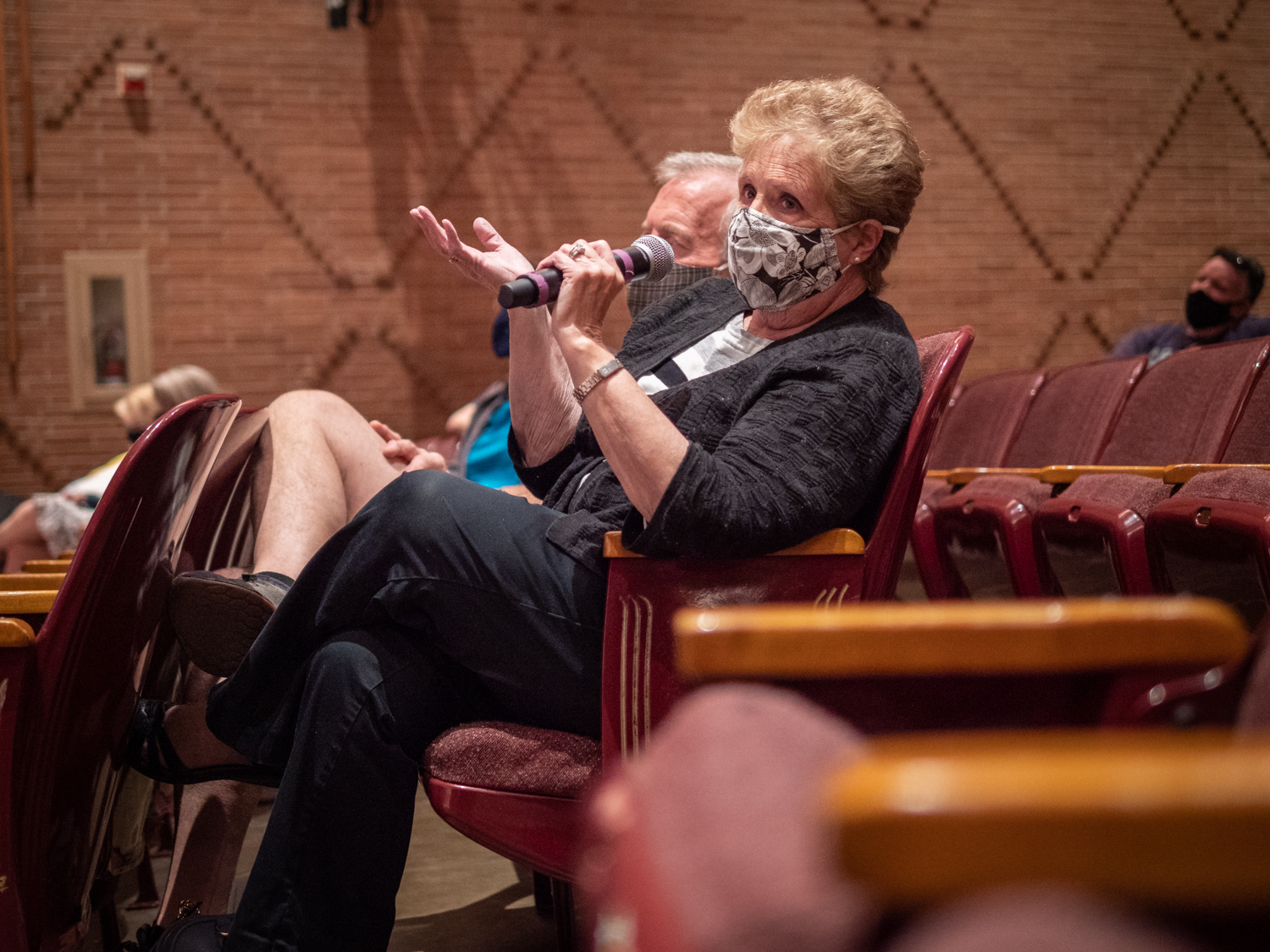
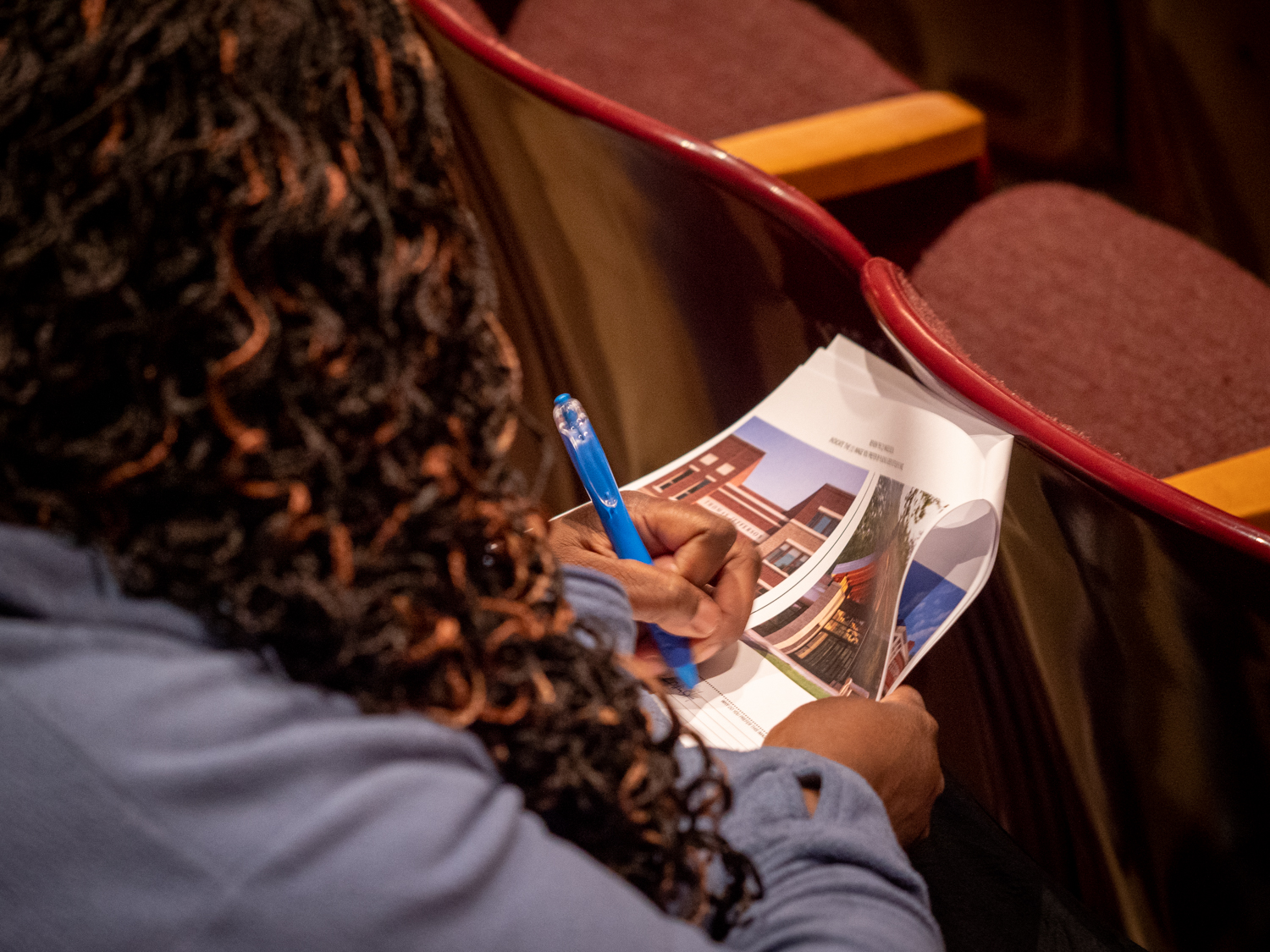
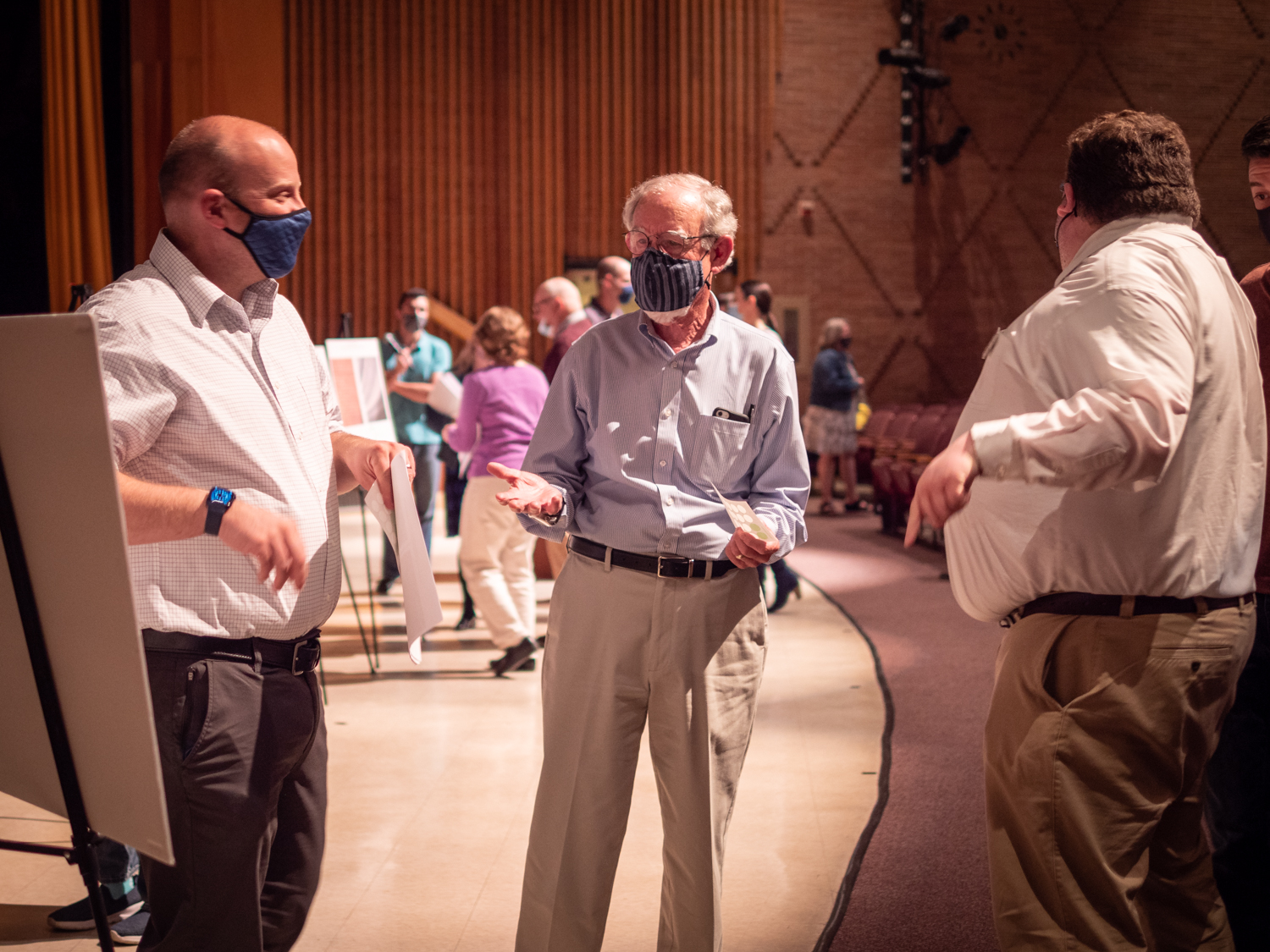
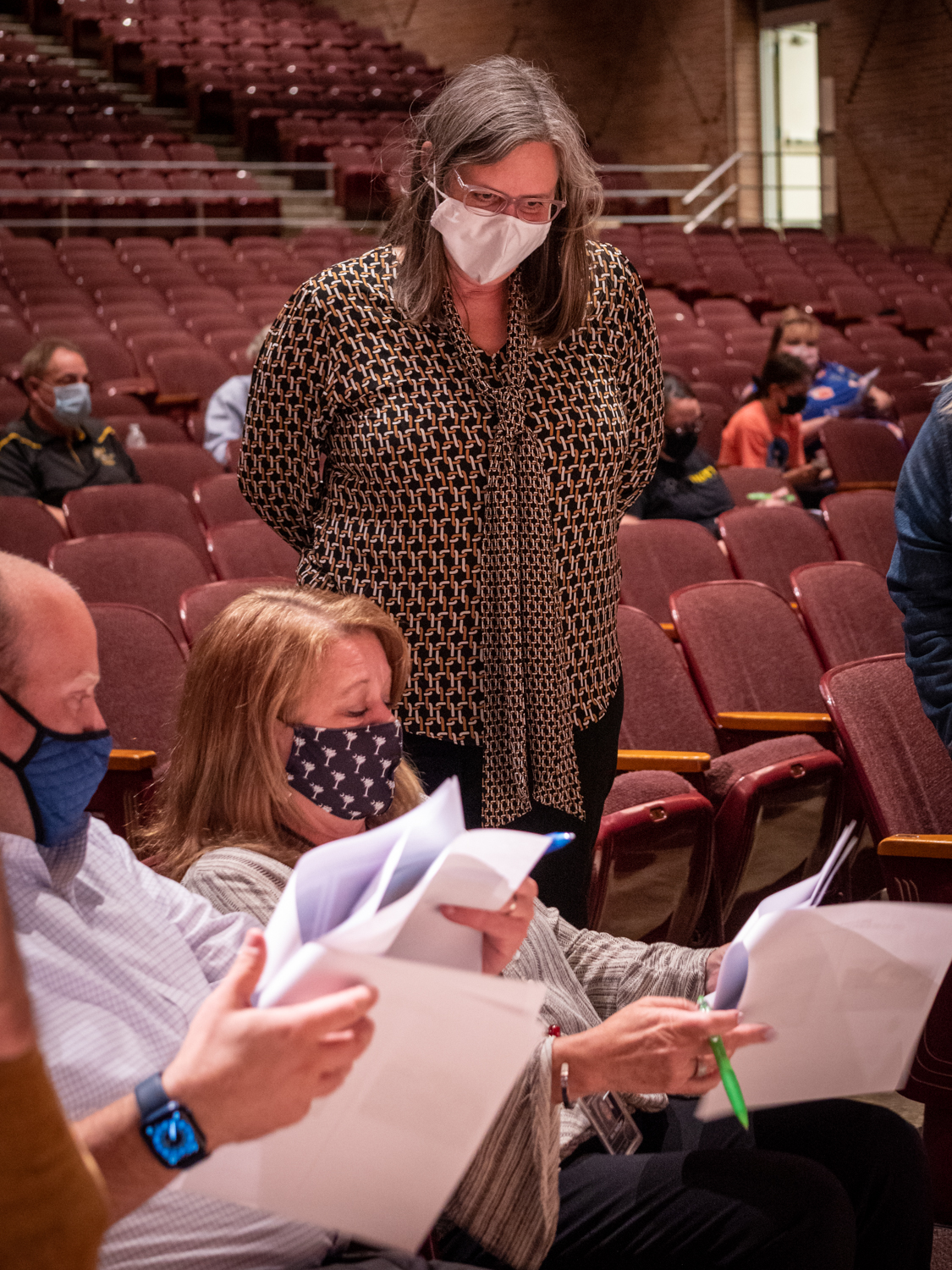
A "Visual Preference Exercise" was held in the Cuyahoga Falls High School Auditorium to gather input on the exterior design of the new facility.

"I love this city, I moved back to the Falls recently and can't wait to see this project built. The buildings down on Portage Trail are my favorite, they have so much character."
Cuyahoga Falls Resident
Visual Preference Exercise

Building Tours and Educator Engagement

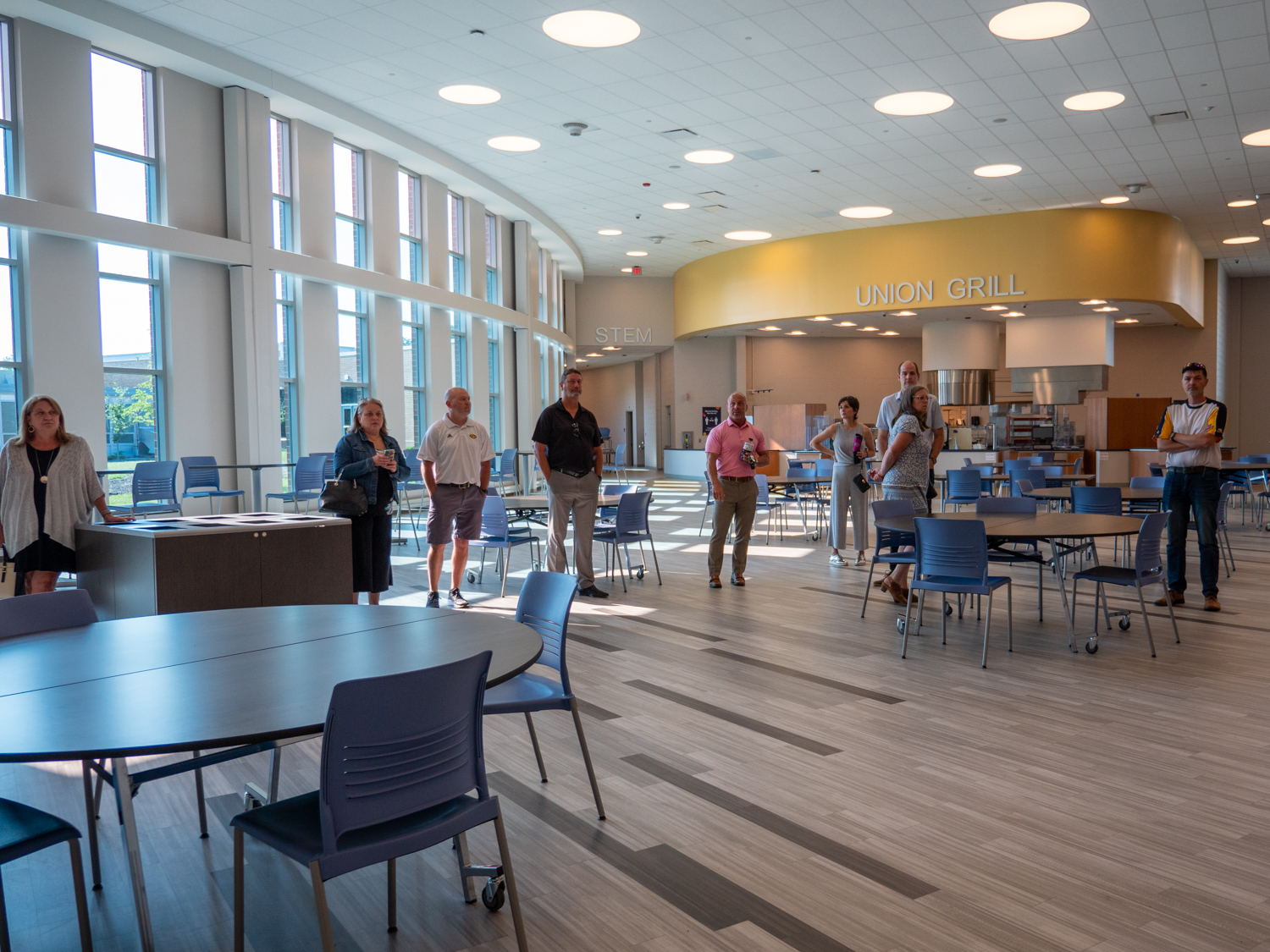
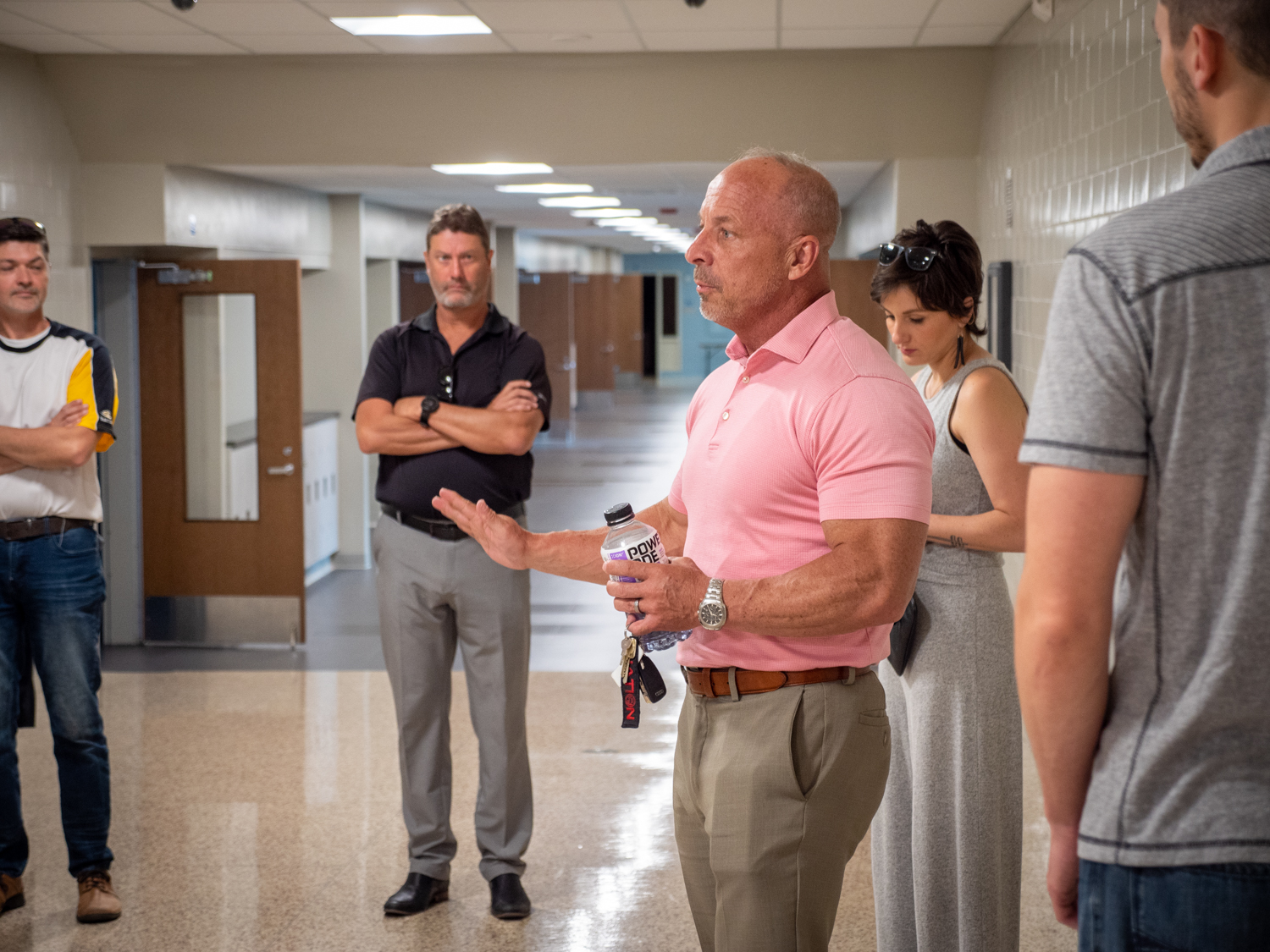
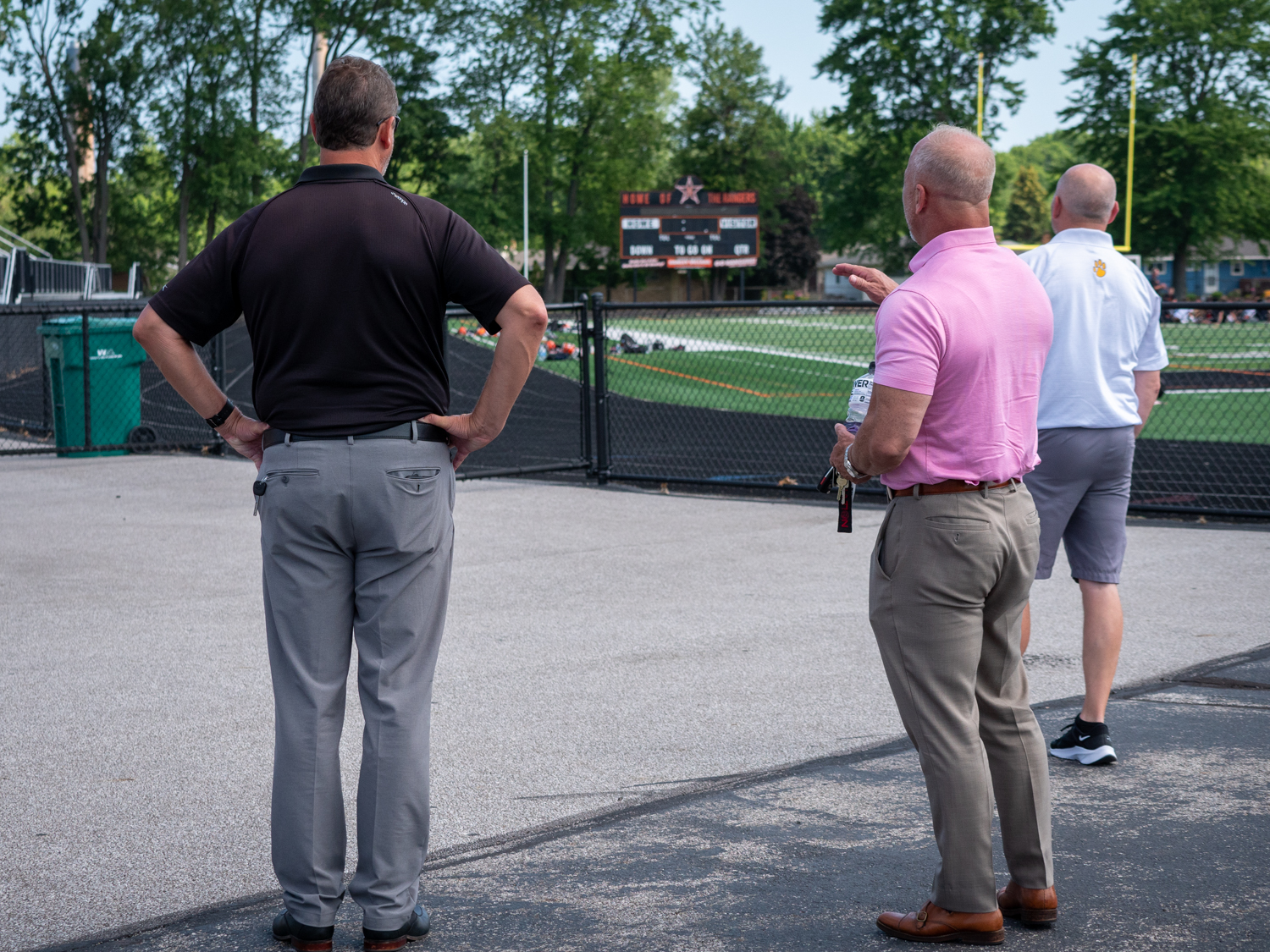
Also over the summer, the district and representatives from the construction leadership team had the opportunity to tour schools in neighboring communities that have transitioned to new, more collaborative, student centered facilities. Facilities toured included schools in the Willoughby/Eastlake District and North Ridgeville City Schools among others. They walked through collaborative spaces, classrooms, and student dining areas, while hearing educators’ overall impressions of them in use.

Visiting these facilities provide valuable insight into the spatial layout of 21st century educational environments and how other districts planned and executed their building projects.

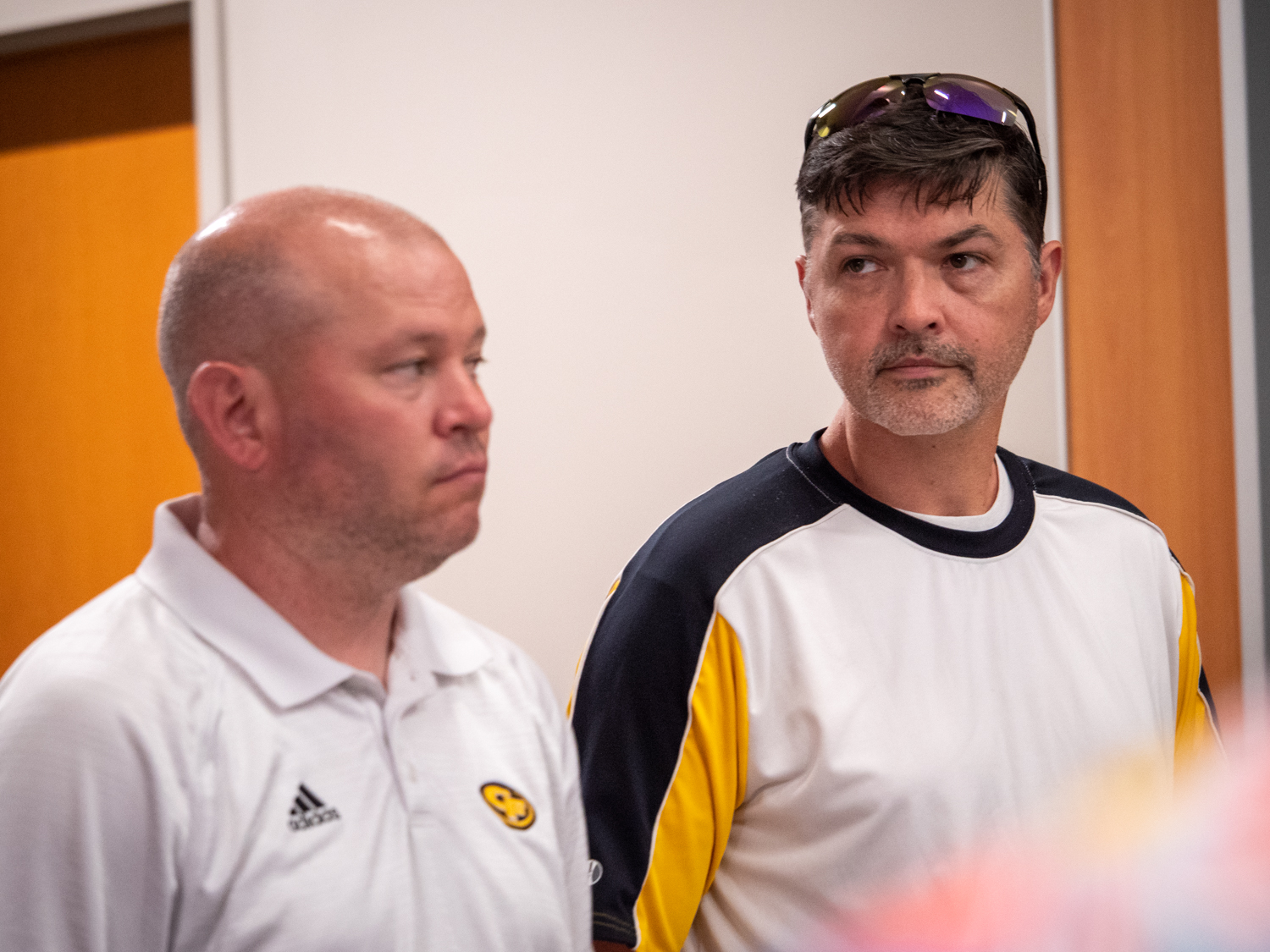
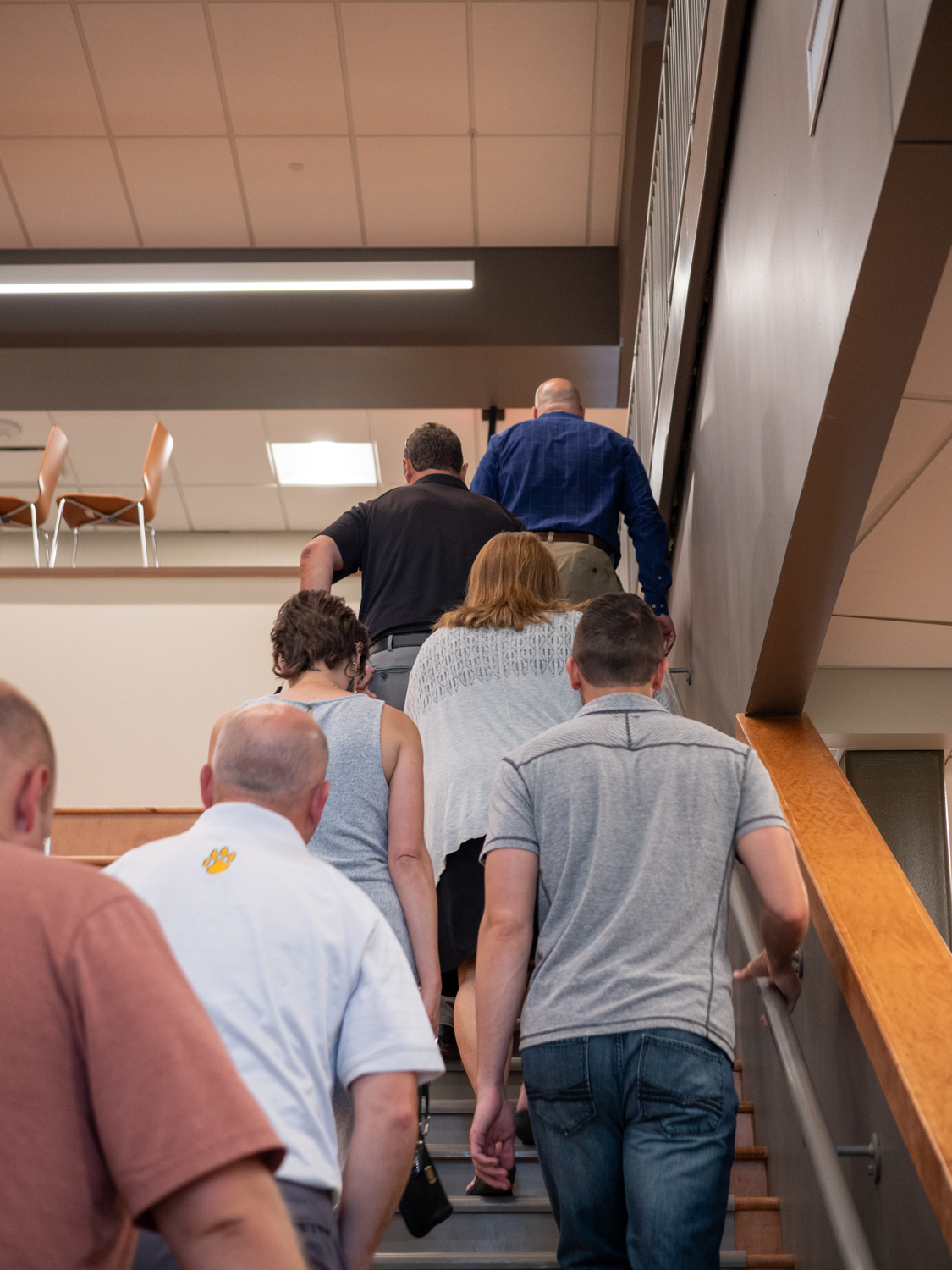
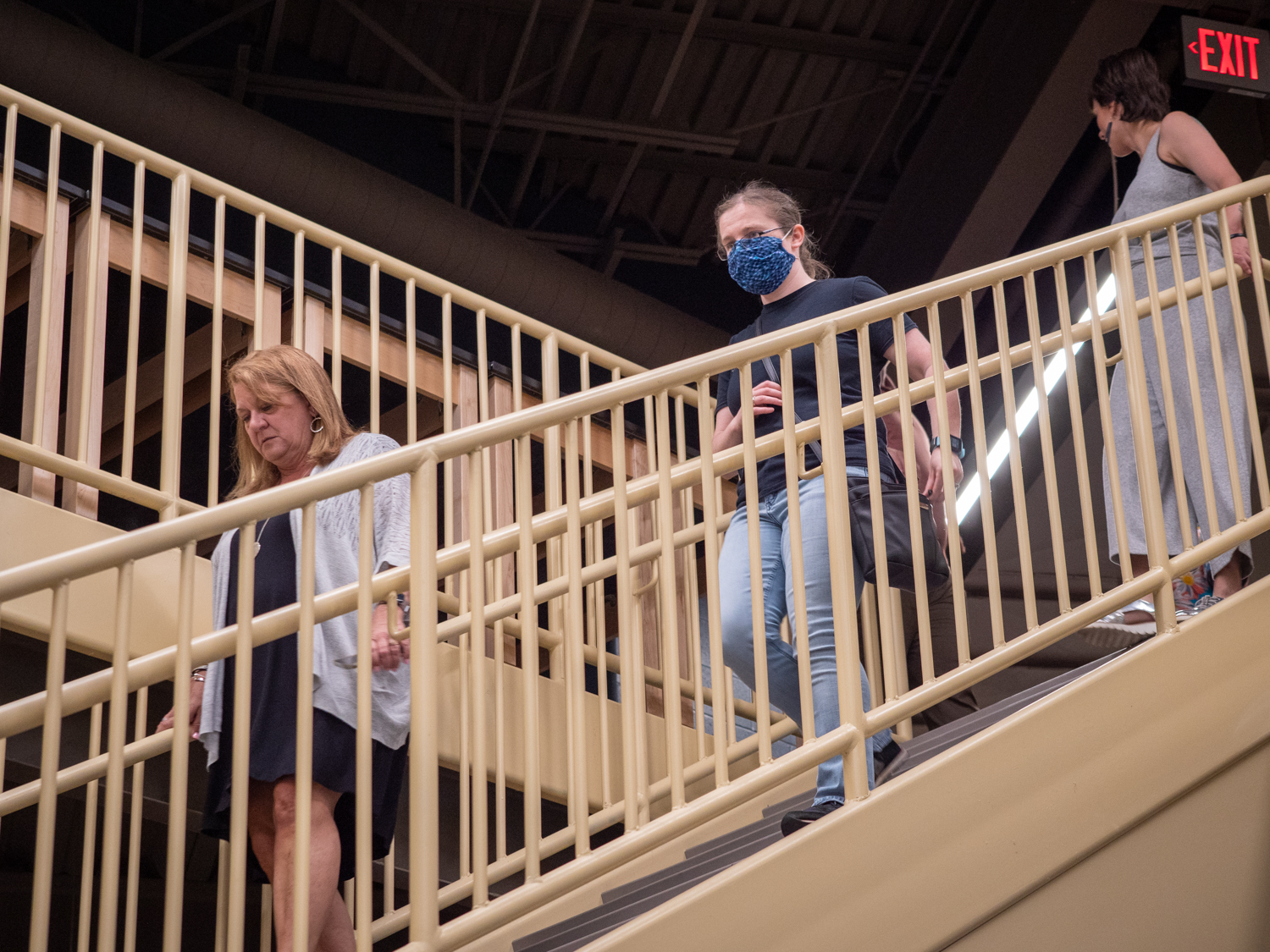
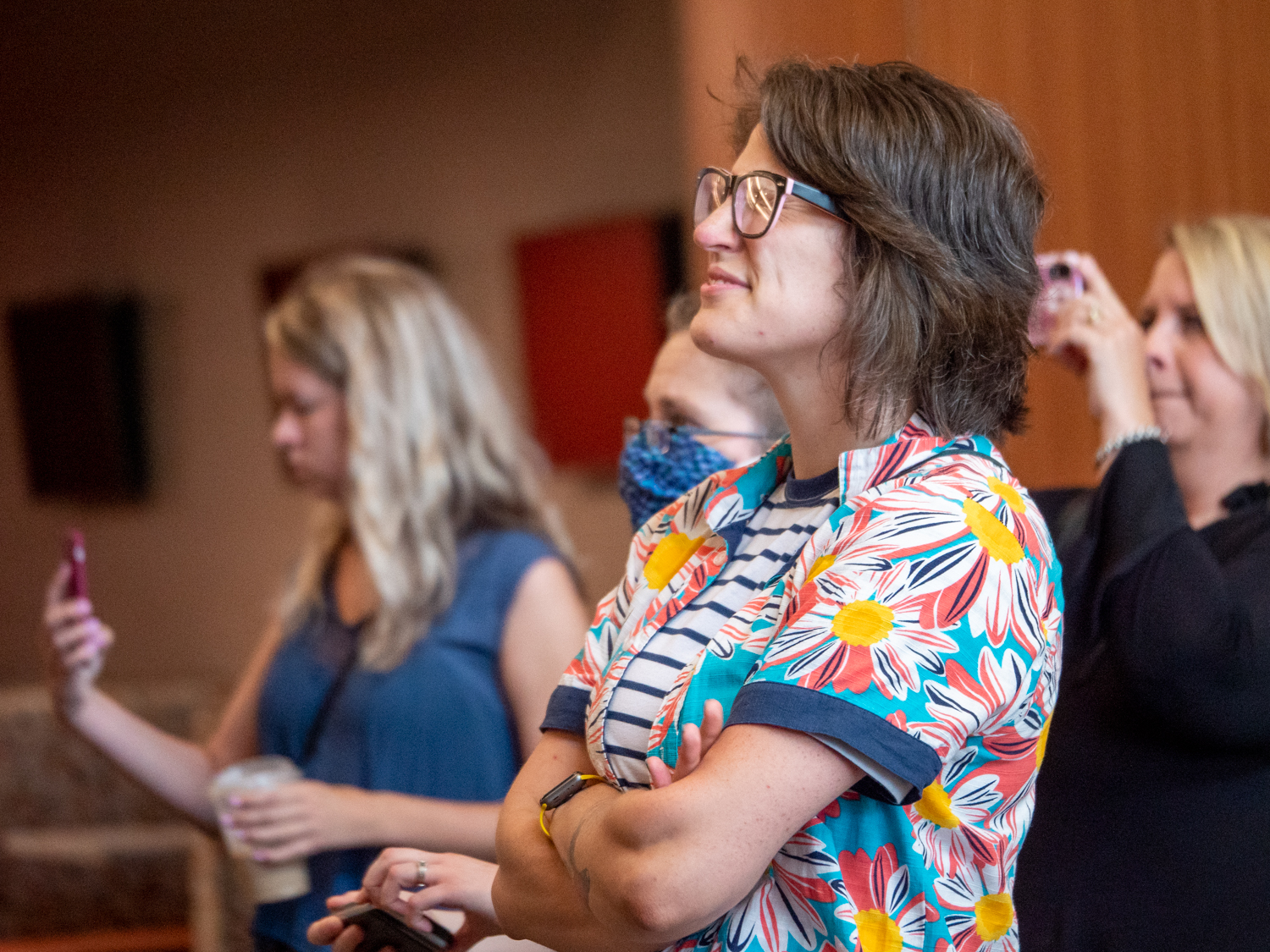
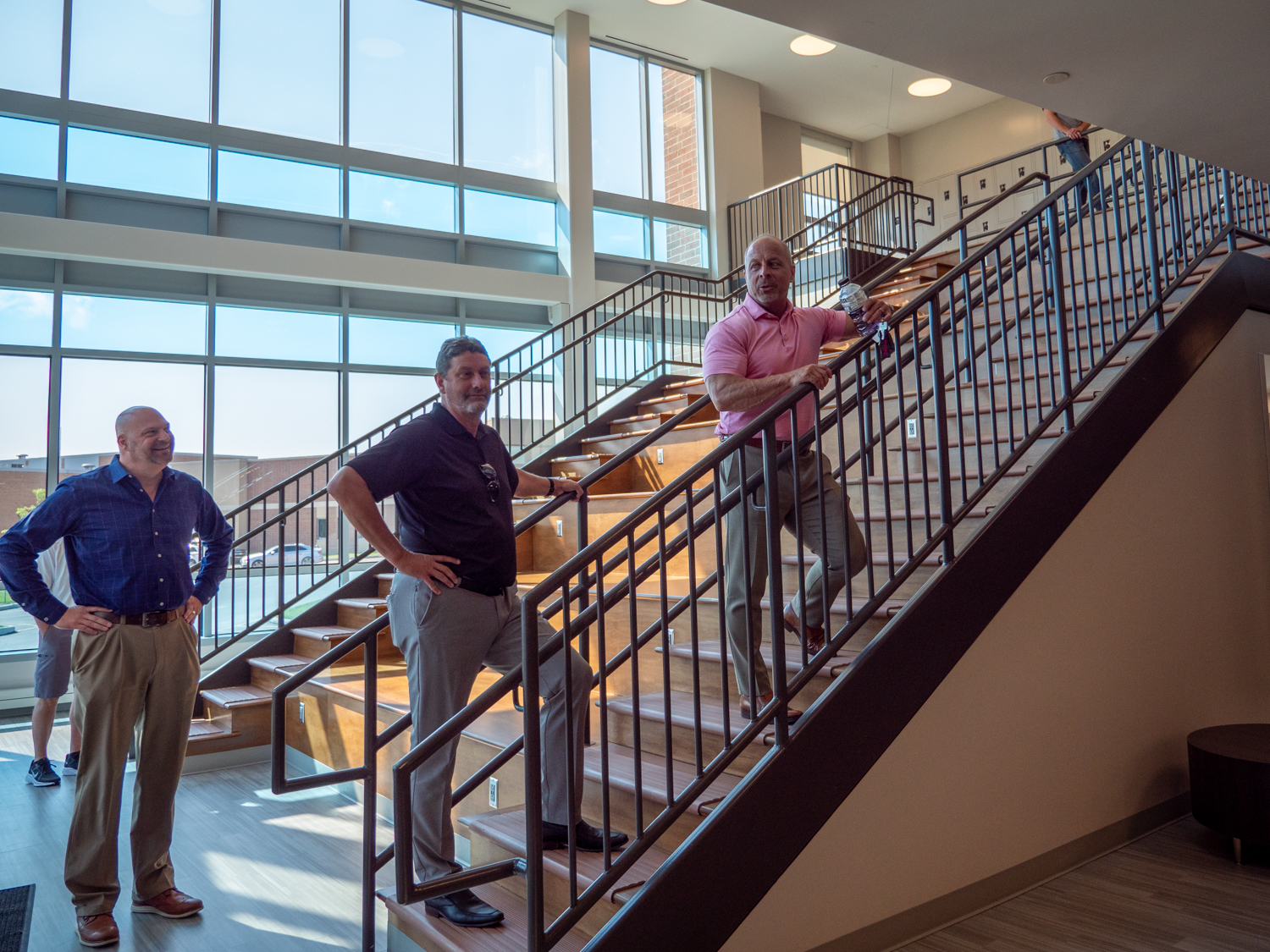
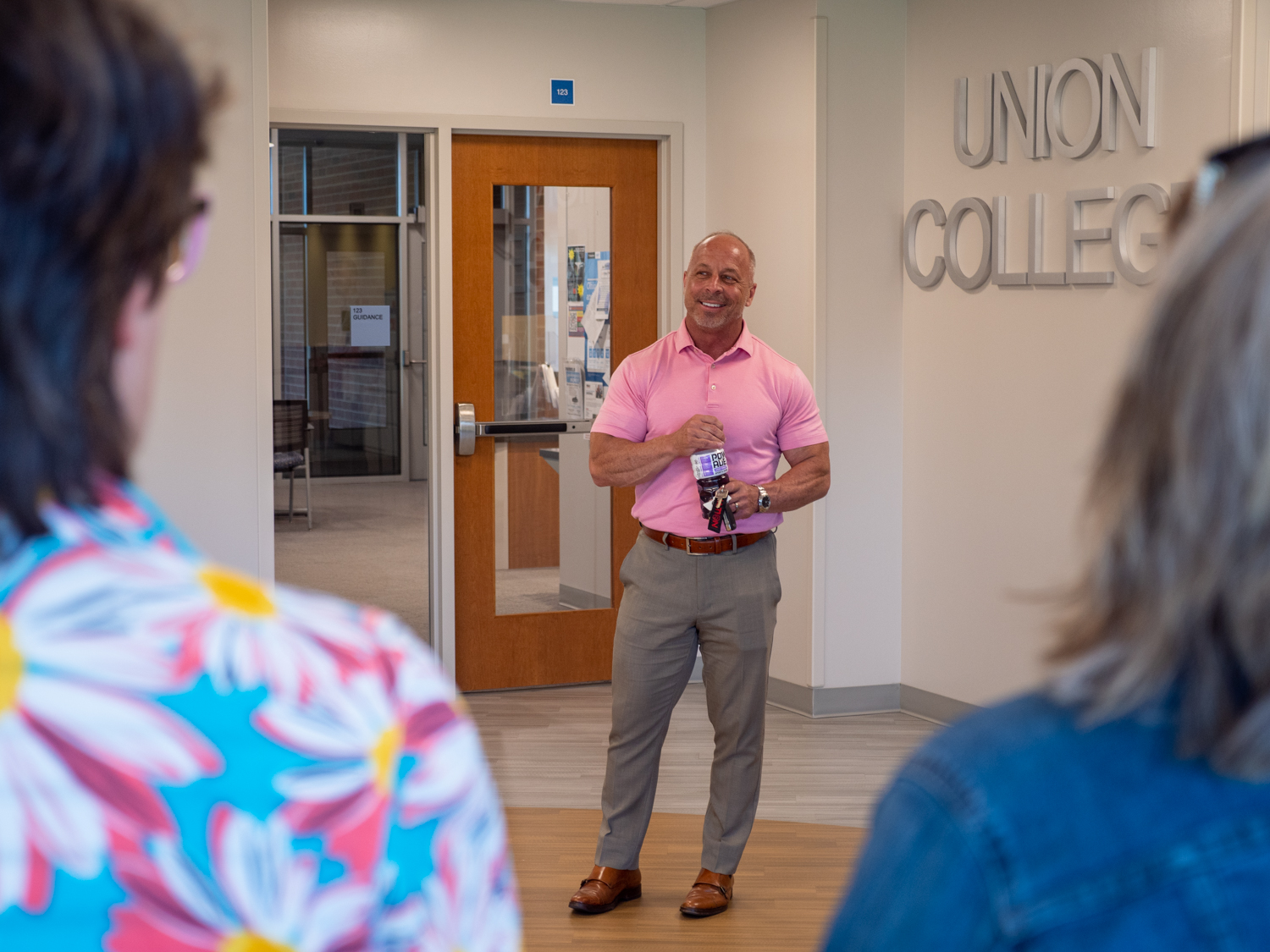
District officials and TDA designers toured educational facilities in the Willoughby-Eastlake City School District.

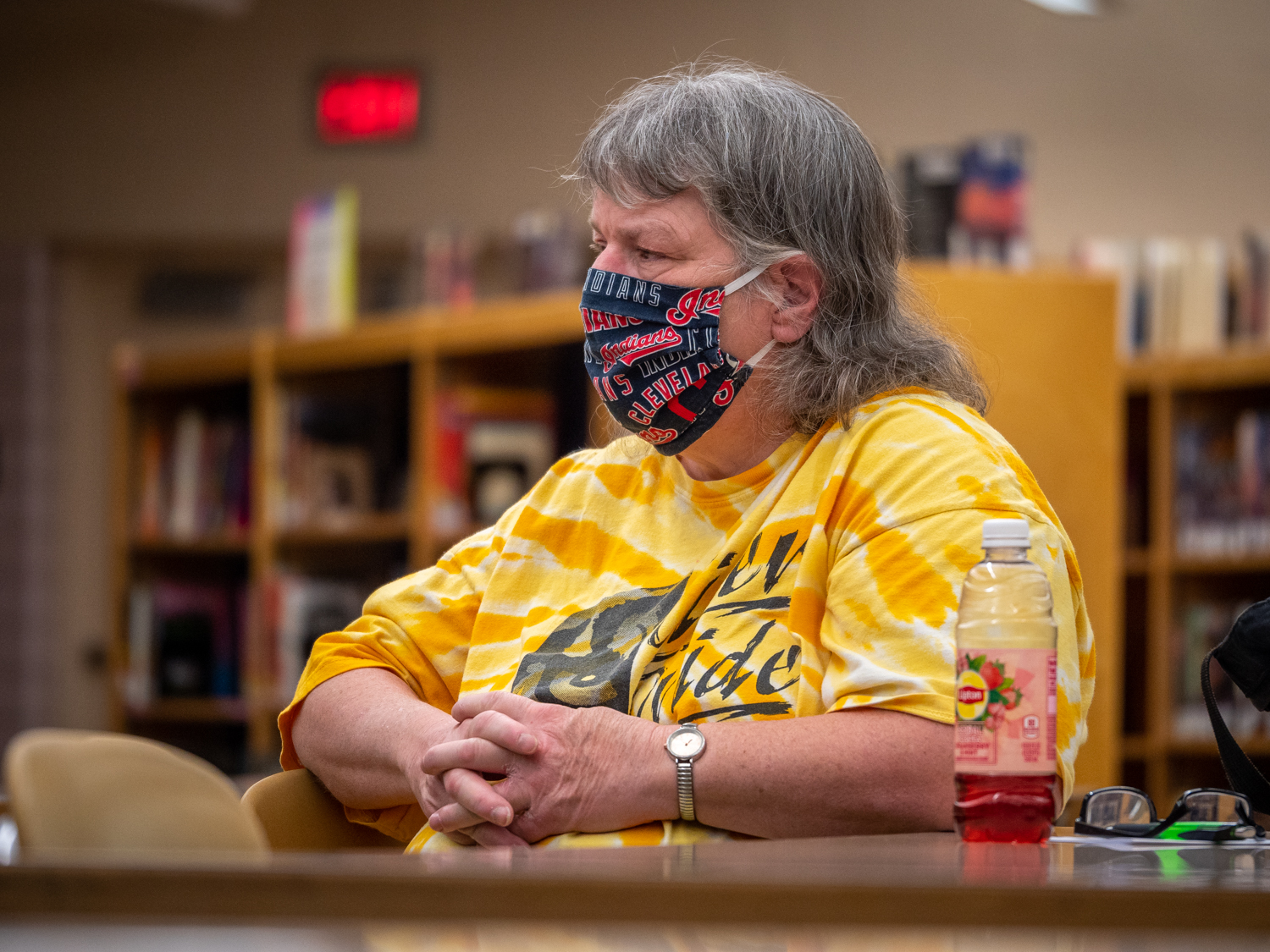
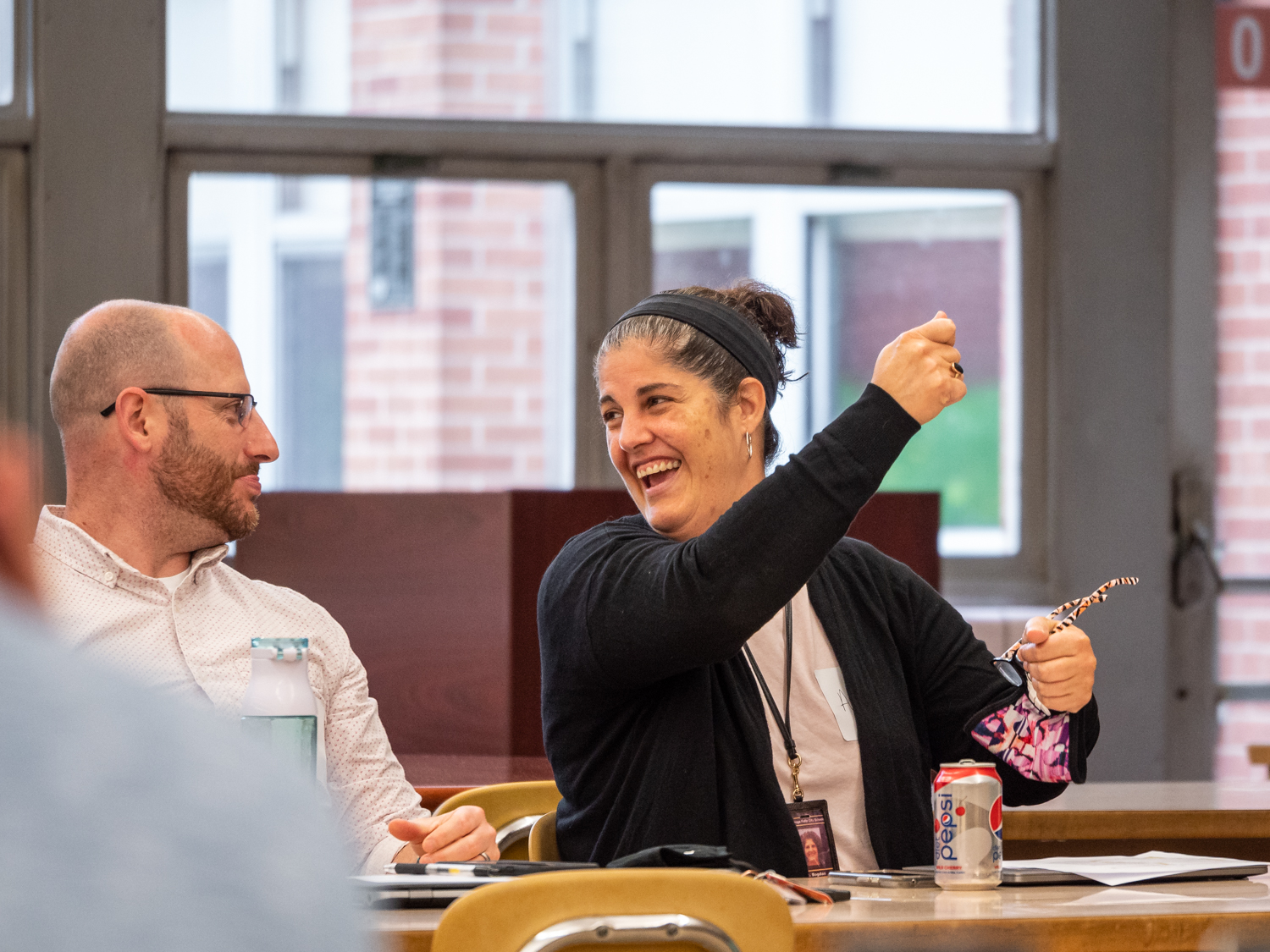
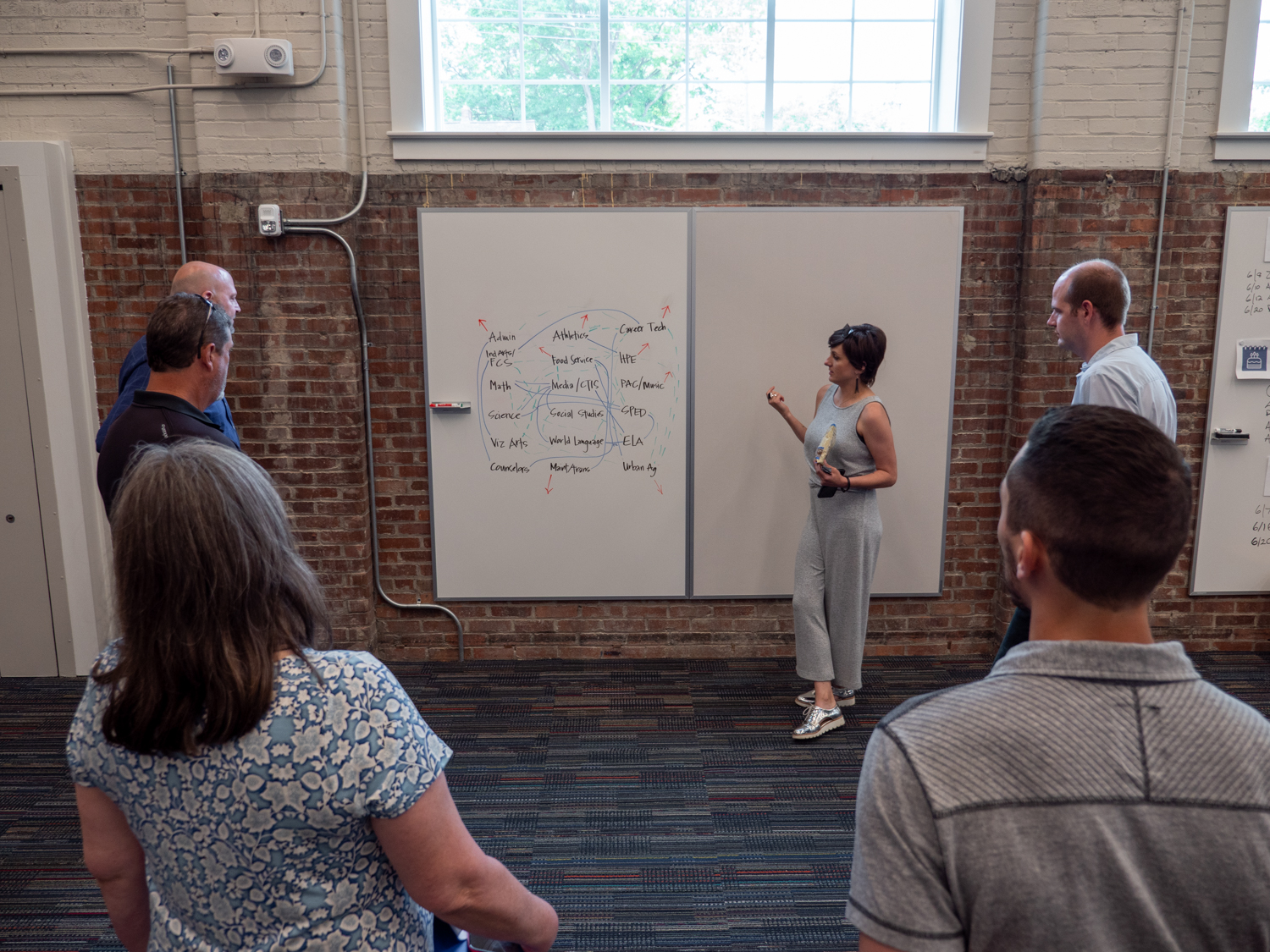
The design team facilitated a series of engagements with educators from the Cuyahoga Falls High School, Bolich and Roberts Middle Schools designed to gather input on the new school’s interior layout. Teachers discussed their current classrooms, assessed storage needs, and adjacencies between departments. These sessions allowed staff to explain key points for inclusion in the new building and helped the district understand better how curriculum can be advanced in the new facility.

Some key findings included:

    • A desire to collaborate more among educators. There was excitement over consolidating into one facility that would make collaboration between educators easier.
    • An interest in interconnected rooms that could make co-teaching a possibility for classes in the same department.
    • Using the architecture itself as a teaching tool by exposing building systems in limited areas for students to examine and explore.
    • Including flexible spaces outside the classroom so students could divide up for a variety of activities in small groups.
    • Connecting some science classrooms to exterior space for outdoor experiments. Possibly integrating exterior courtyards into the building for natural lighting and access.
    • More options for equipment storage and space for some long-term science experiments.
    • Organizing the new facility by department, instead of classrooms spread out across the school.
    • Flexible spaces big enough to host 2 different classes to interact and have mixed assignments.

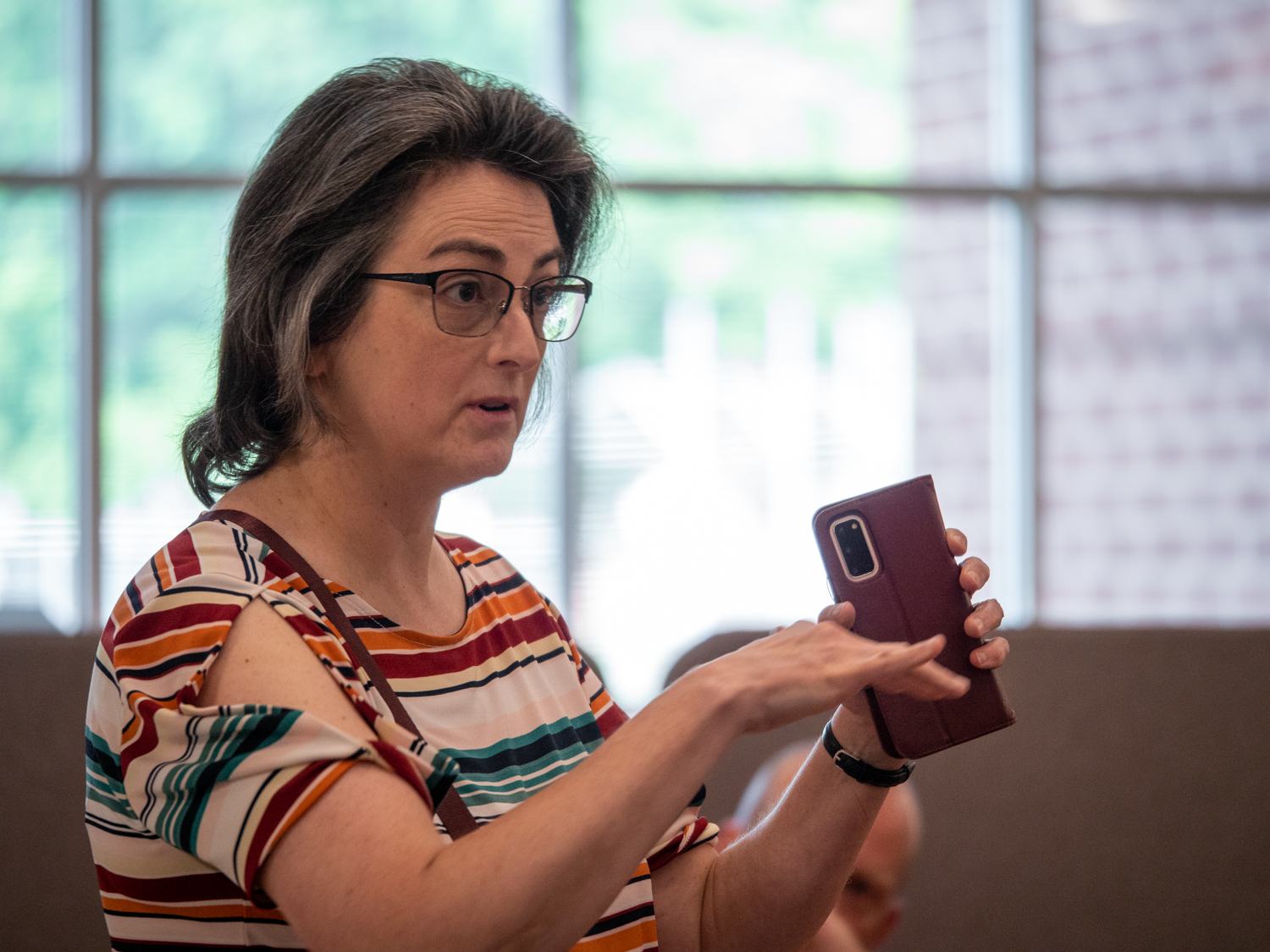
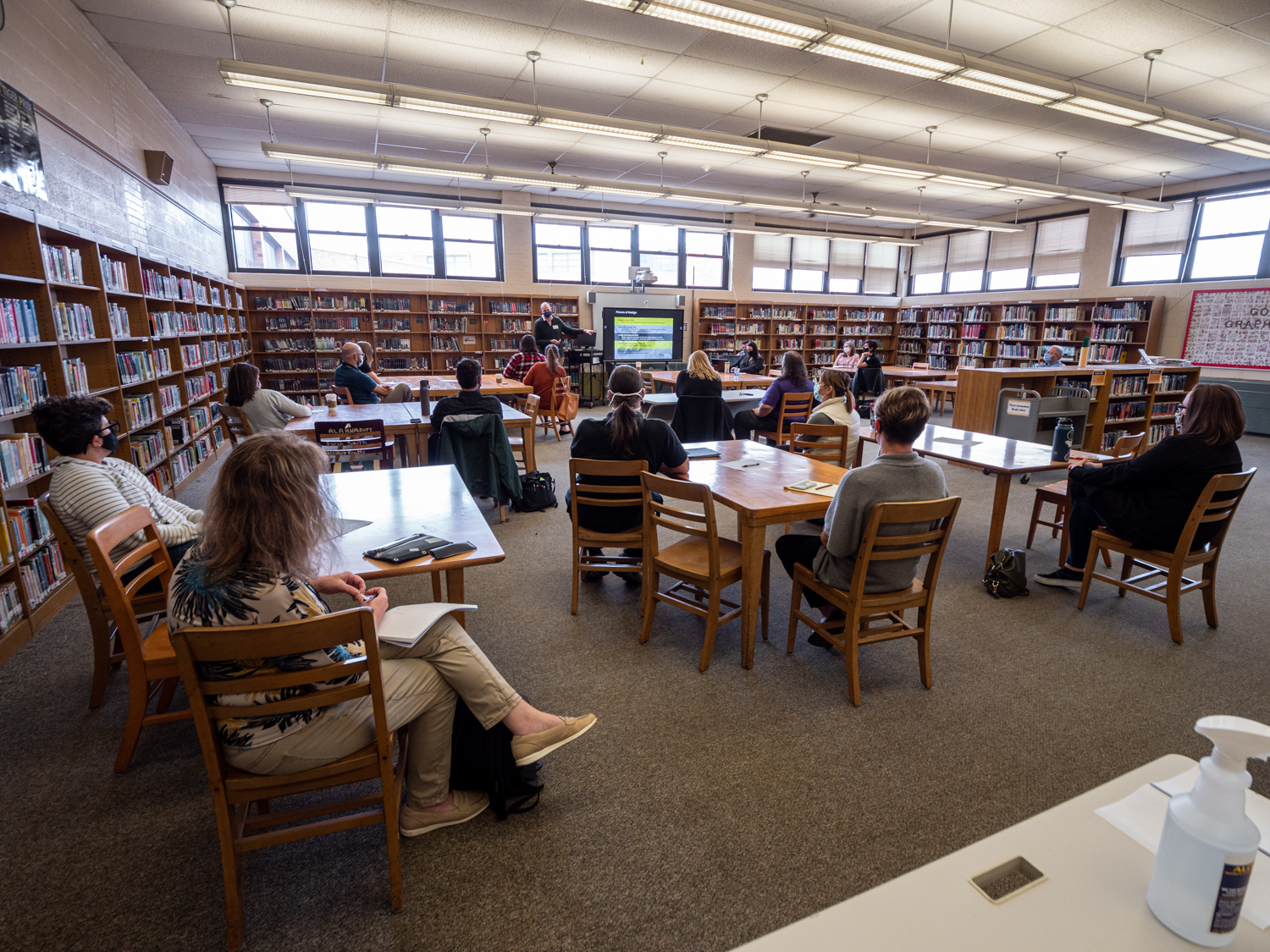
Educators were engaged early in the process to better understand how they could use space in the new facility.

Schematic Design Continues

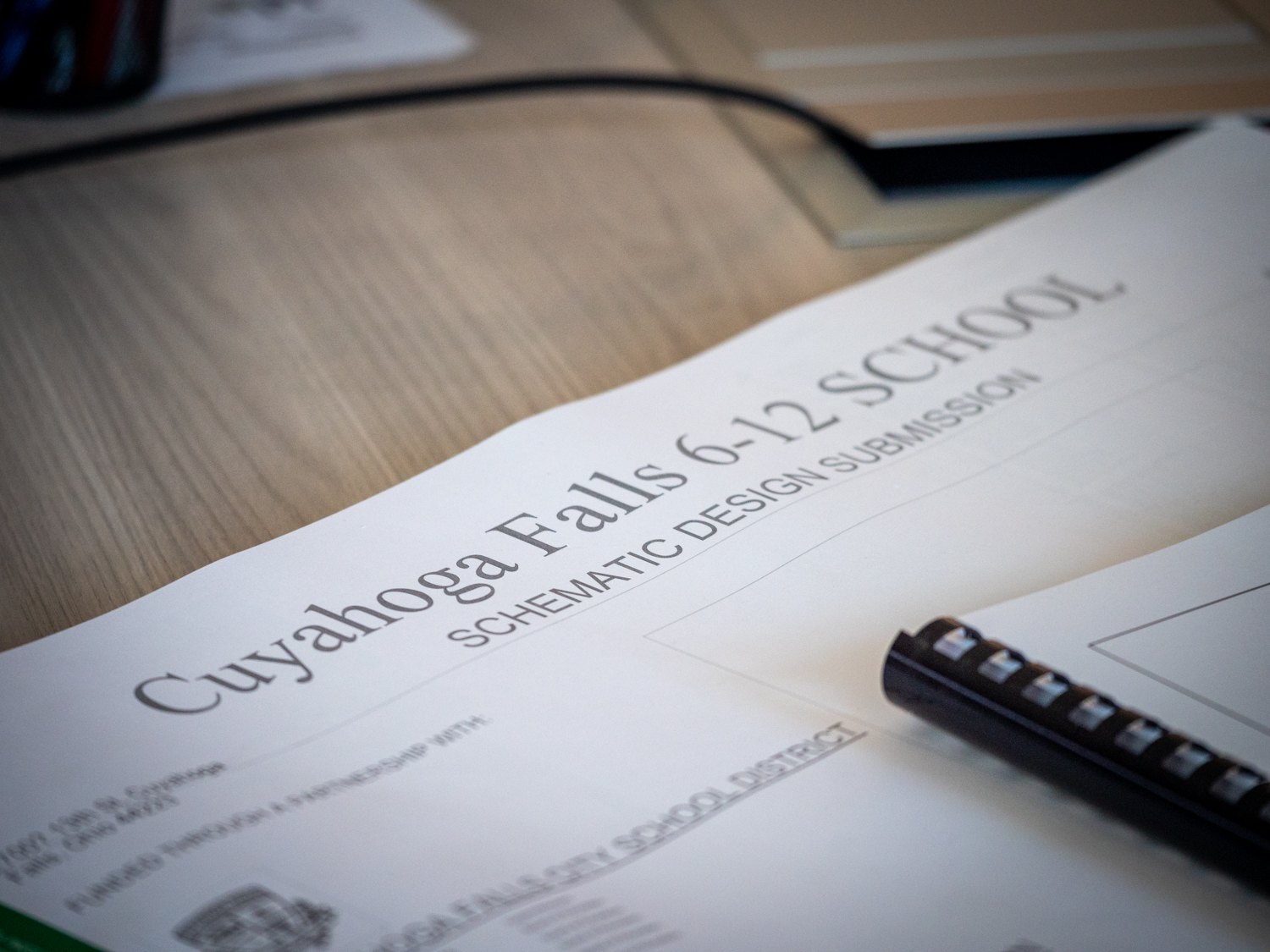
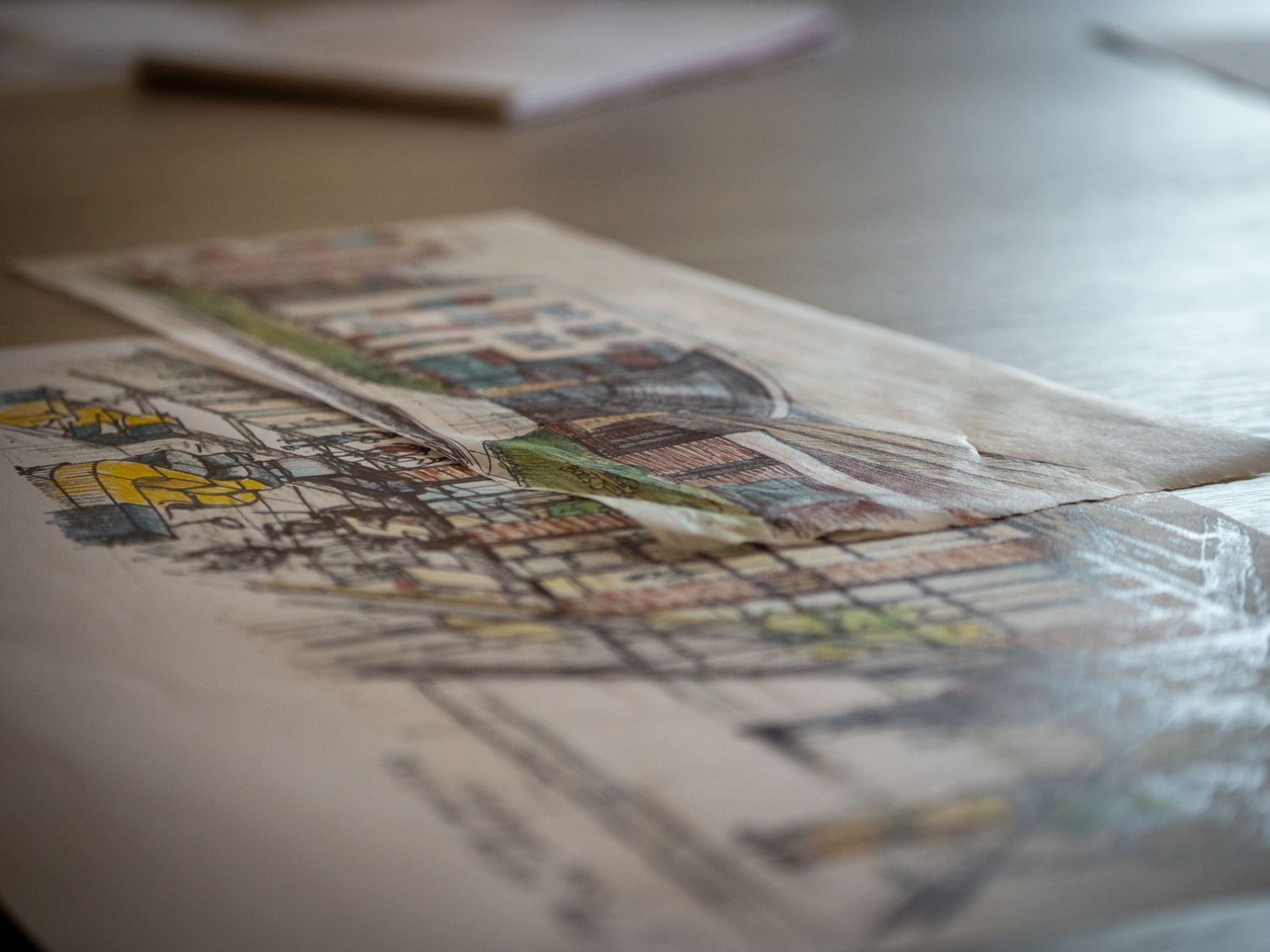
With Educational Visioning, OFCC input, educator feedback, visual preferencing, and sustainable features outlined, this has allowed designers to put “pencils to paper” and develop a building layout. This initial set of conceptual designs are known as “schematic drawings” and helps the process in a variety of ways.

First, these drawings detail how the “Program of Requirements” (or list of necessary spaces and square footage) is applied in the new school. This milestone took hours of collaboration among the Cuyahoga Falls City School District, the Ohio Facilities Construction Commission, ThenDesign Architecture and Hammond Construction. Areas of the building such as classrooms, collaborative spaces, athletics, student dining and other keys spaces are all incorporated into the design.

Secondly, these drawings allow the team to begin exploring building materials, colors, and textures for the final structure. This submission also shows how feedback from the early informational gathering process has been applied. This will continue to be refined and adjusted with further conversation.

Thirdly, the initial drawings allow the team to better examine building costs and validate budget decisions. While “rule of thumb” costs have been applied throughout the process, these drawings can be analyzed by the construction manager to provide more accurate feedback on material availability and project cost breakdowns.

The schematic drawings will continue to be developed as the design project continues.

Countless hours have been spent developing schematic drawings for the Cuyahoga Falls 6-12 Campus.

"This building is a reflection of the community, the district's educational goals and input from many other stakeholders. We are excited to present what we have developed."
Scott Alleman
Architect

Next Steps in the Design Process

With this information gathered and schematic designs in development, the team looks forward to providing an early glimpse of the conceptual design of the building in late October. These designs will be refined in the months ahead and this initial release will give community members a glimpse into the direction of the design.

Your input on this project matters! Feel free to reach out to Dr. Todd Nichols, cf_nichols@cftigers.org, with any questions or comments on the design’s progression. Watch the Cuyahoga Falls City School District channels for details on when the schematic designs will be released. Currently this is planned as both an in-person and online event on October 19th. We look forward to seeing you there!

Let’s work together to make education better. Interested in speaking with us? Get in touch!

Ryan Caswell

Ryan Caswell

Ryan is a communications specialist who is passionate about using digital media to further the goals of organizations and communities in Northeast Ohio. With a background in construction and a degree in architecture, he spent over a decade in corporate video production and brings this mindset to videography, editing, photography and content marketing. He is passionate about supporting the arts, and can be found hiking in the parks system.