The Renovated Sandusky Aquatic Center Opens

The Renovated Sandusky Aquatic Center Opens
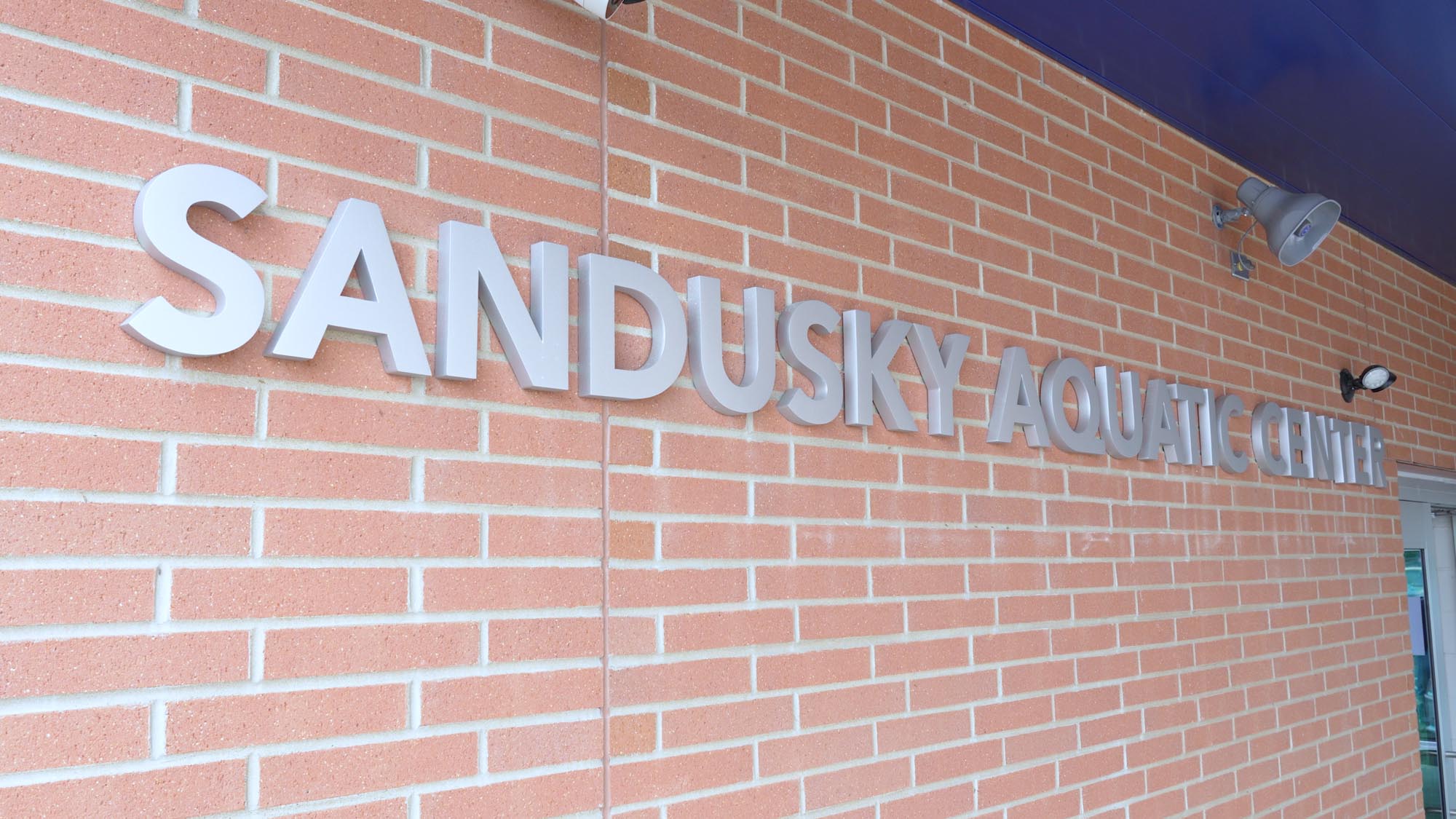
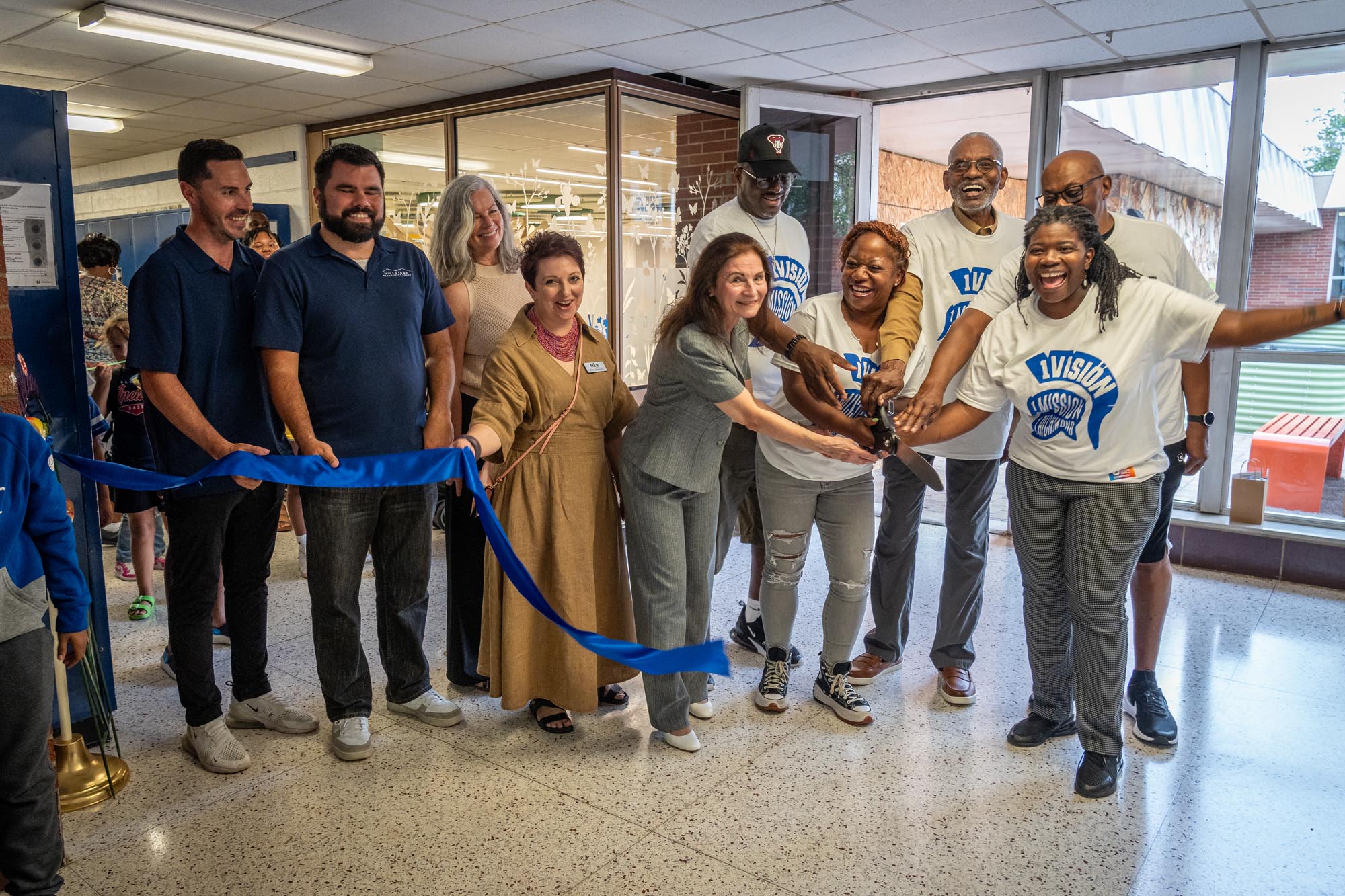
The renovated Sandusky Aquatic Center opens after nearly ten years of planning with a grand opening ribbon cutting ceremony and community tour. Intended for the youngest swimmers to seasoned athletes to active seniors, the renovated Sandusky Aquatic Center is a cornerstone of wellness and recreation in Sandusky, Ohio, providing a safe, positive, and enjoyable experience for all.

The Renovated Sandusky Aquatic Center Opens

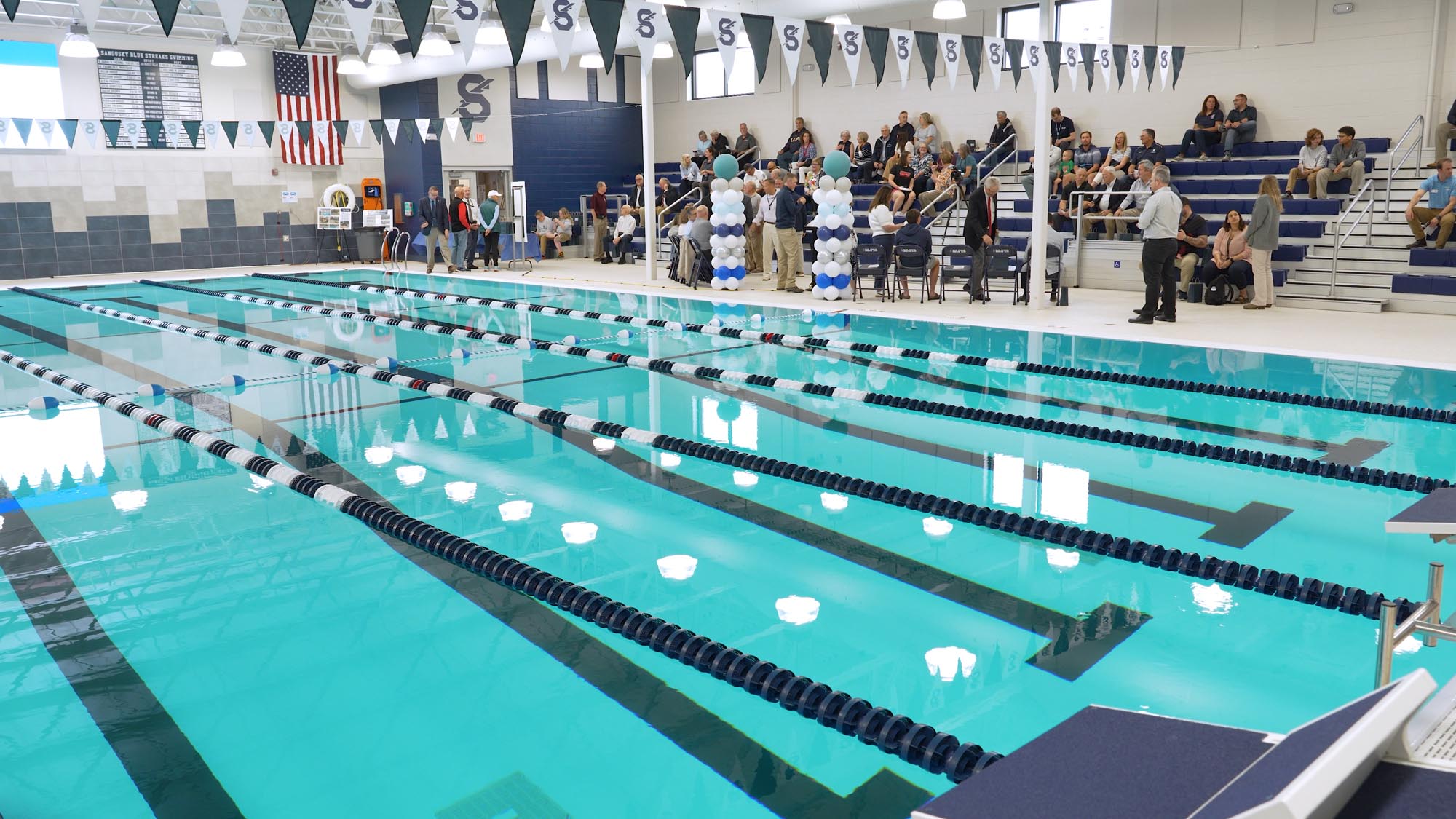
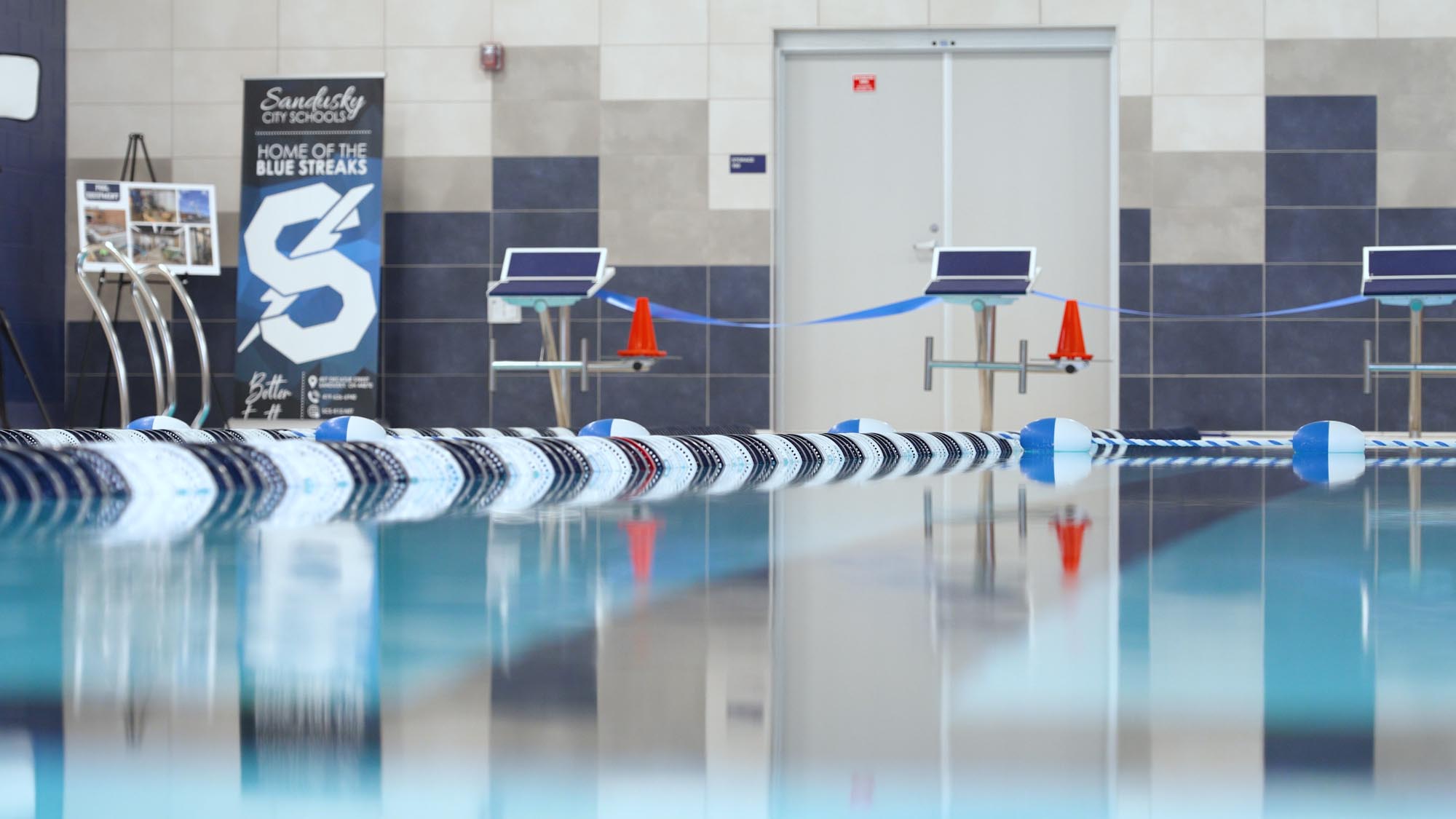
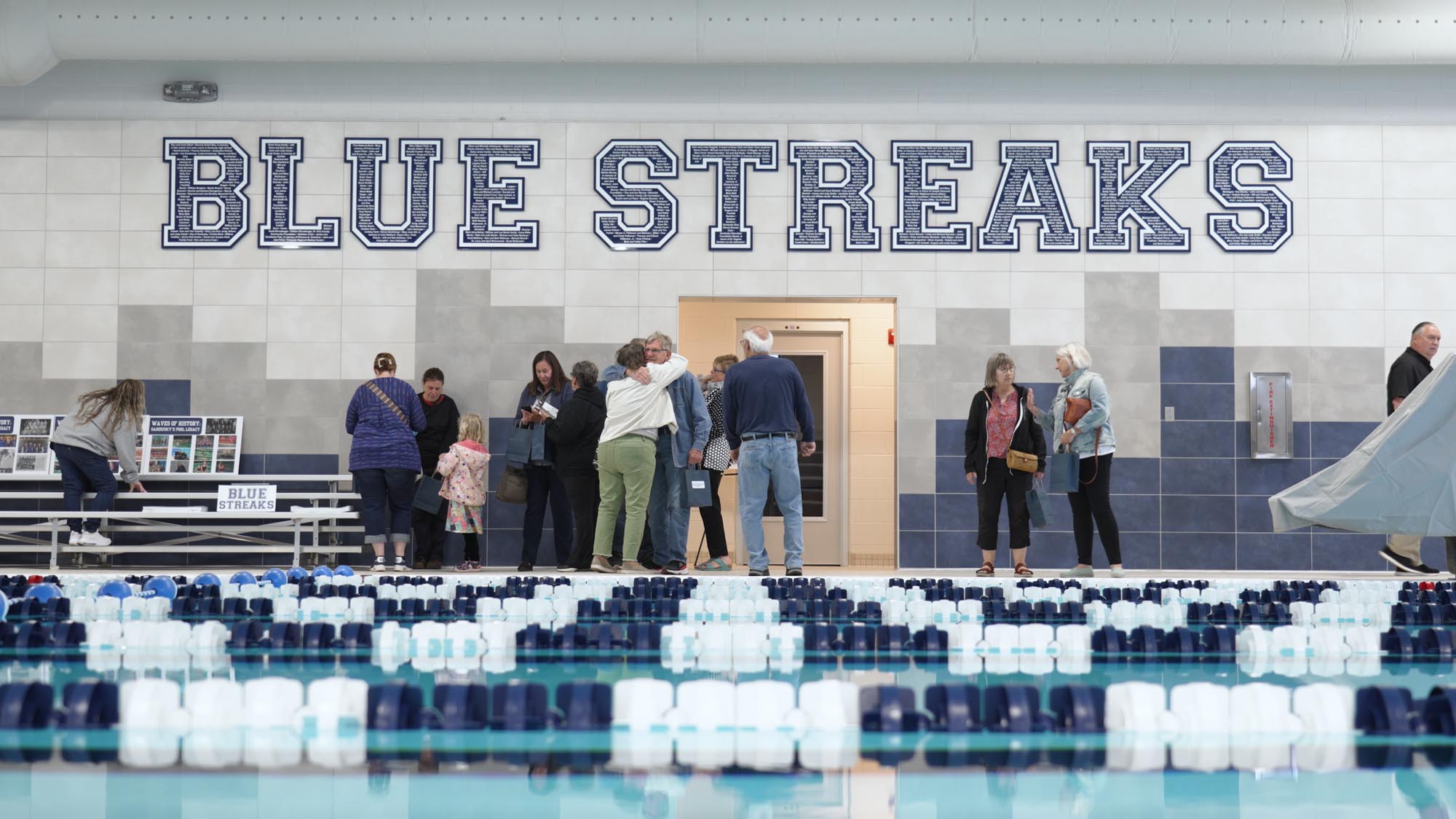
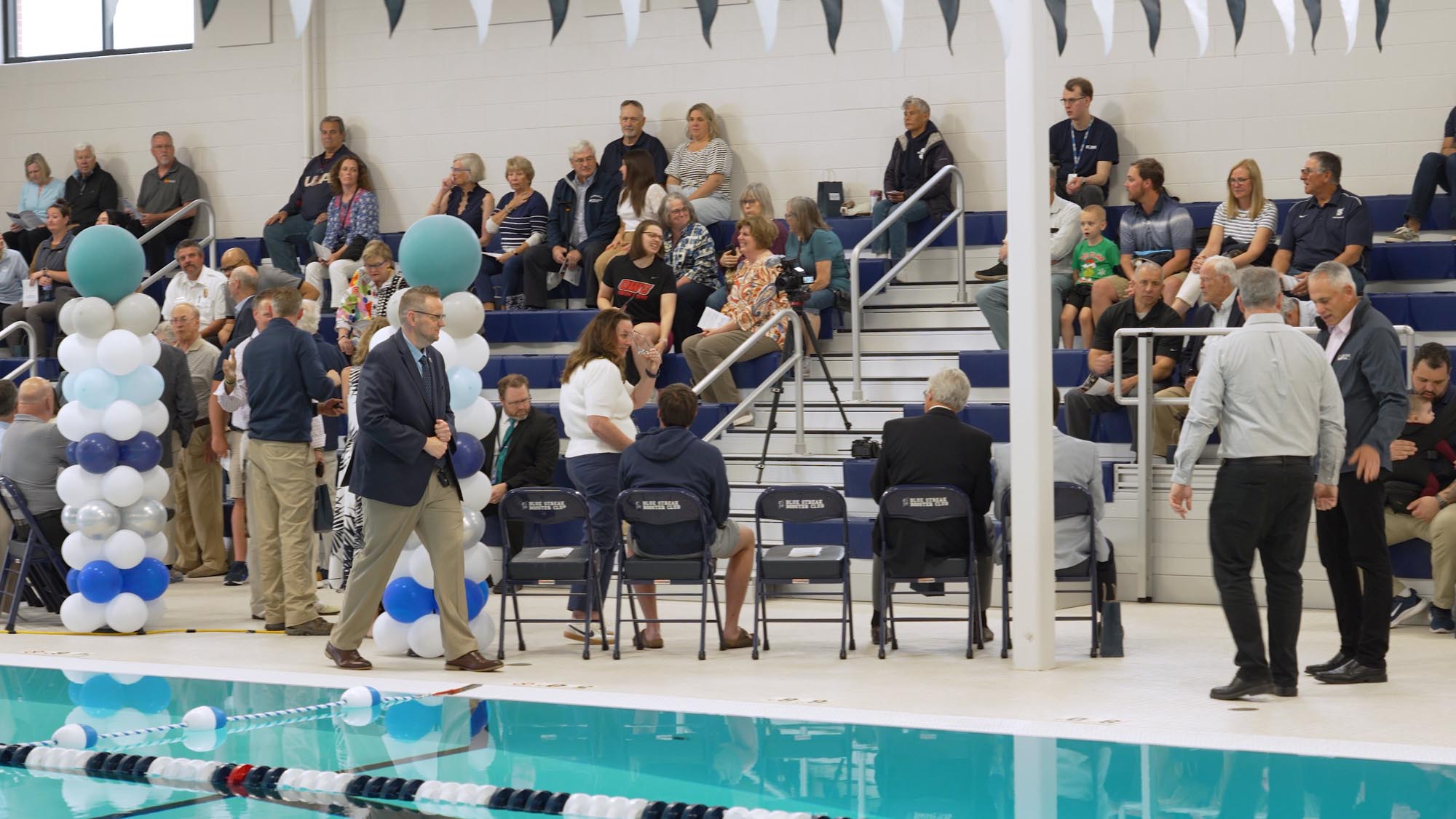
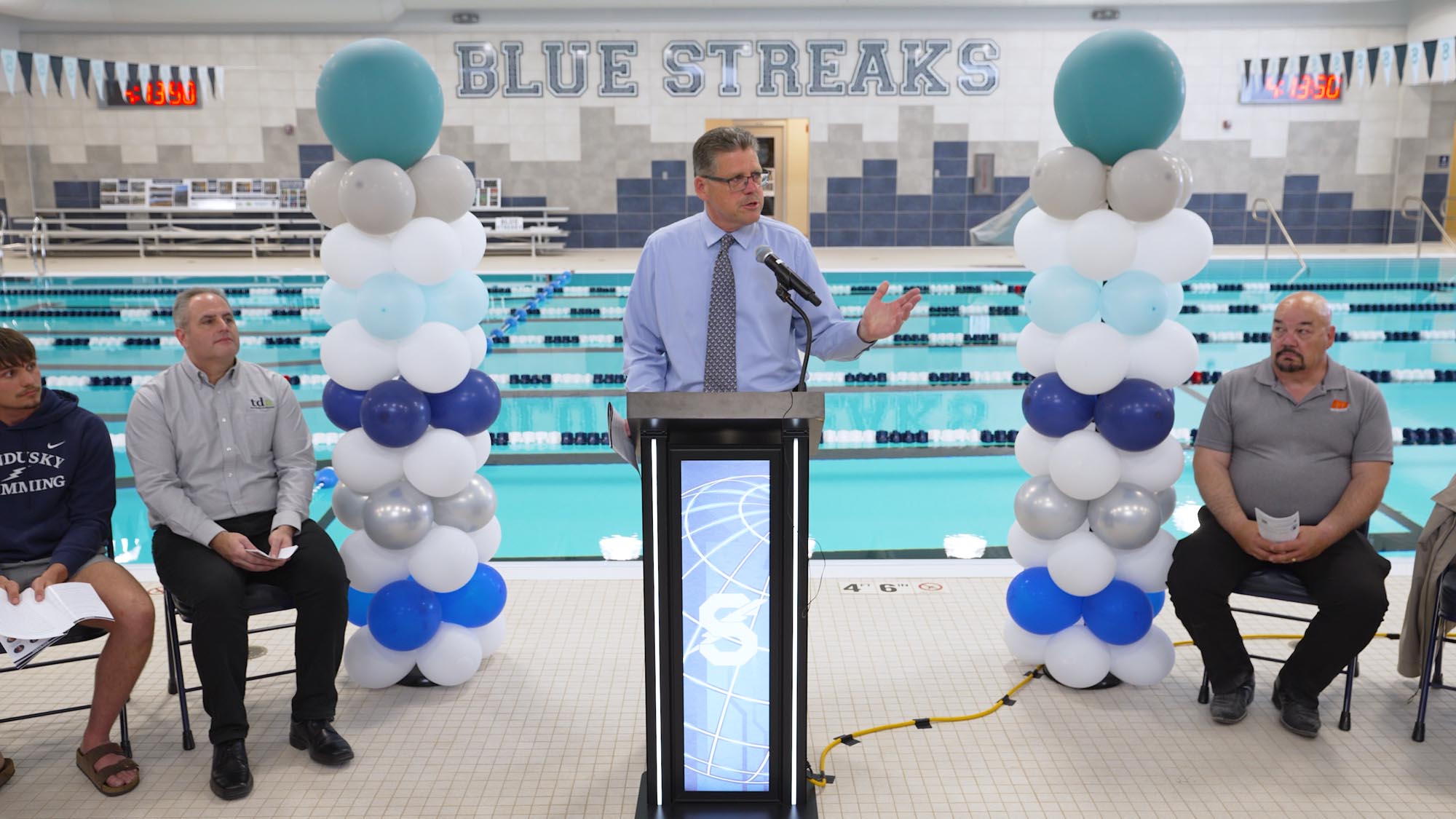
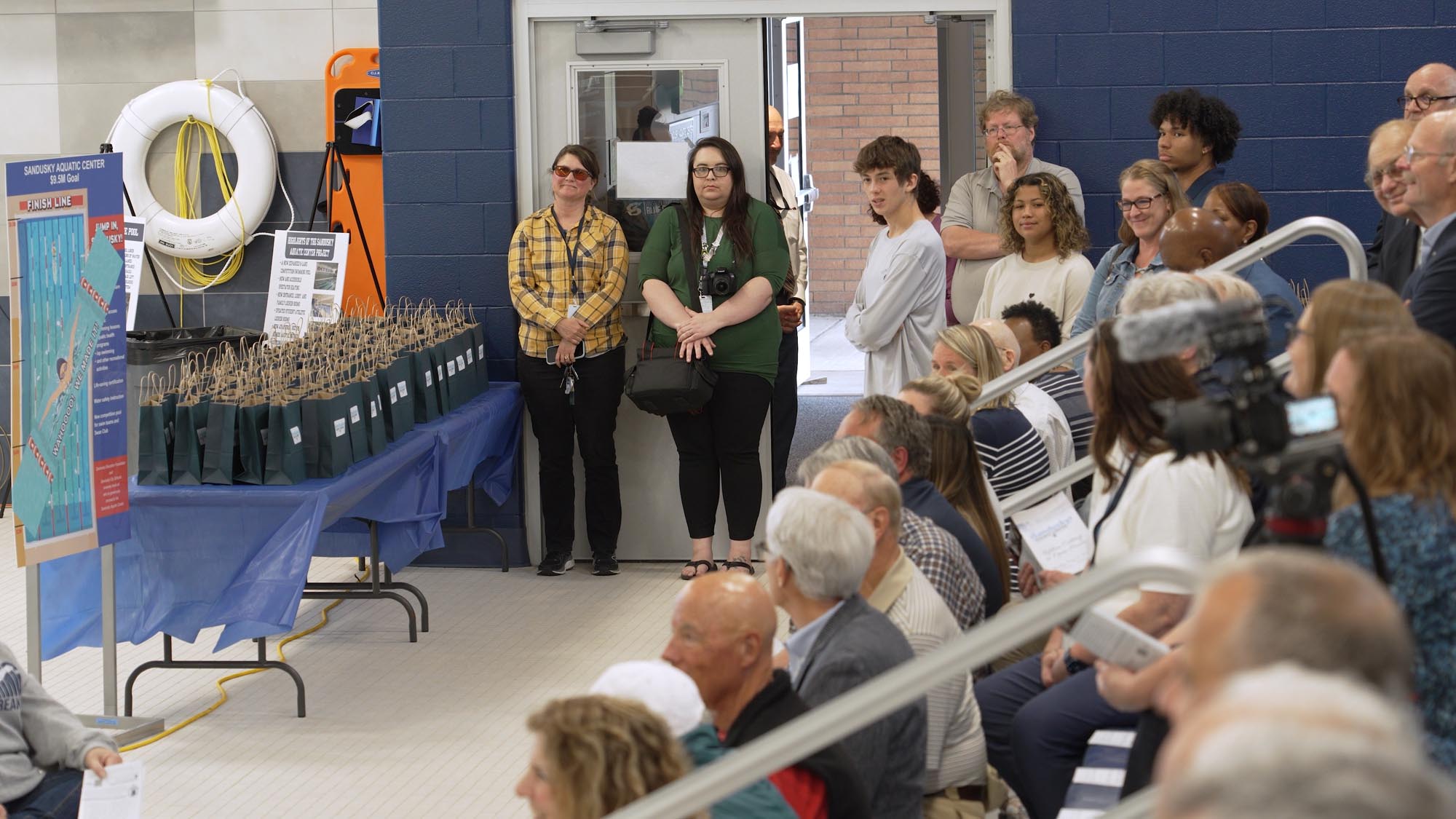
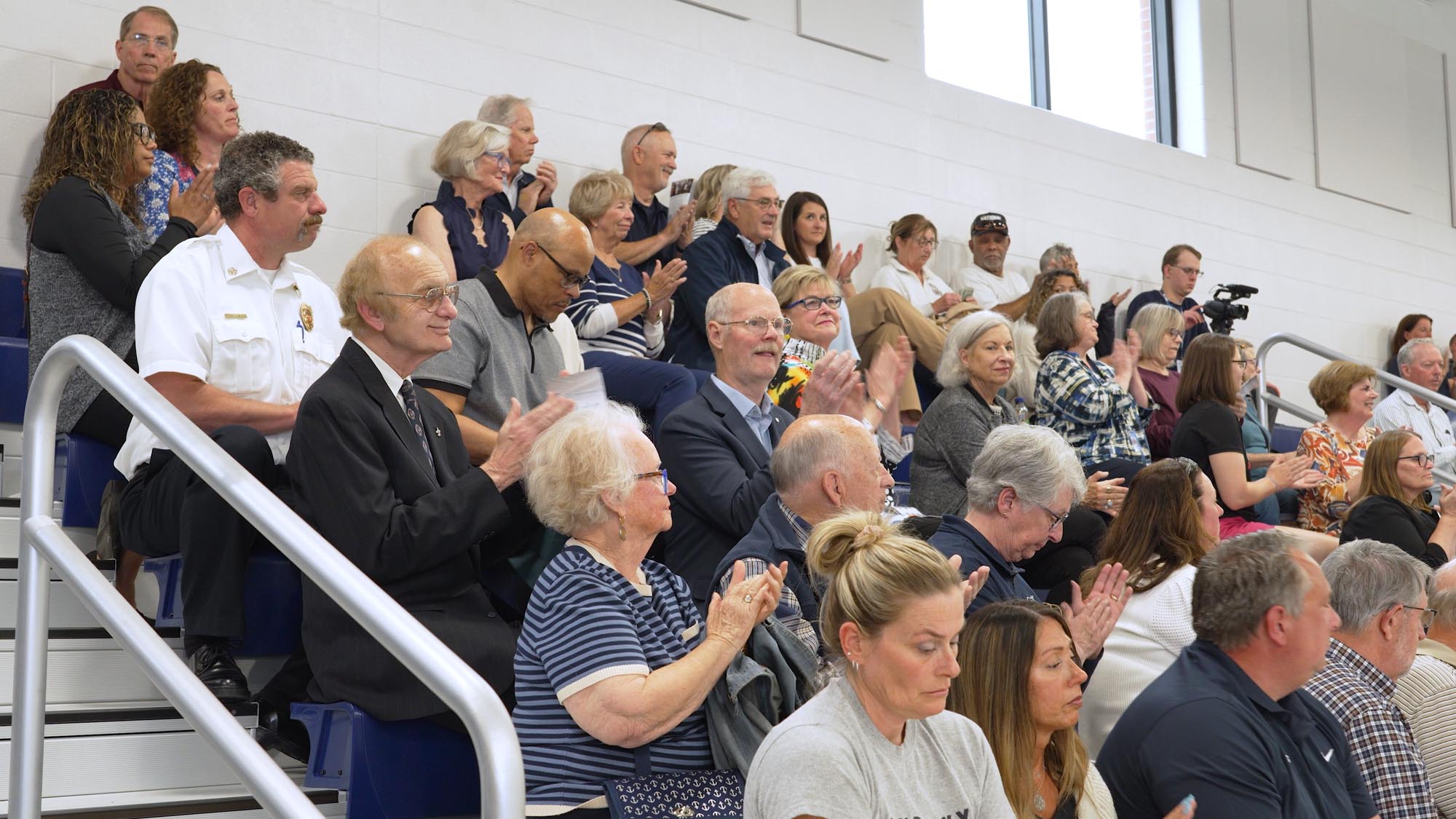
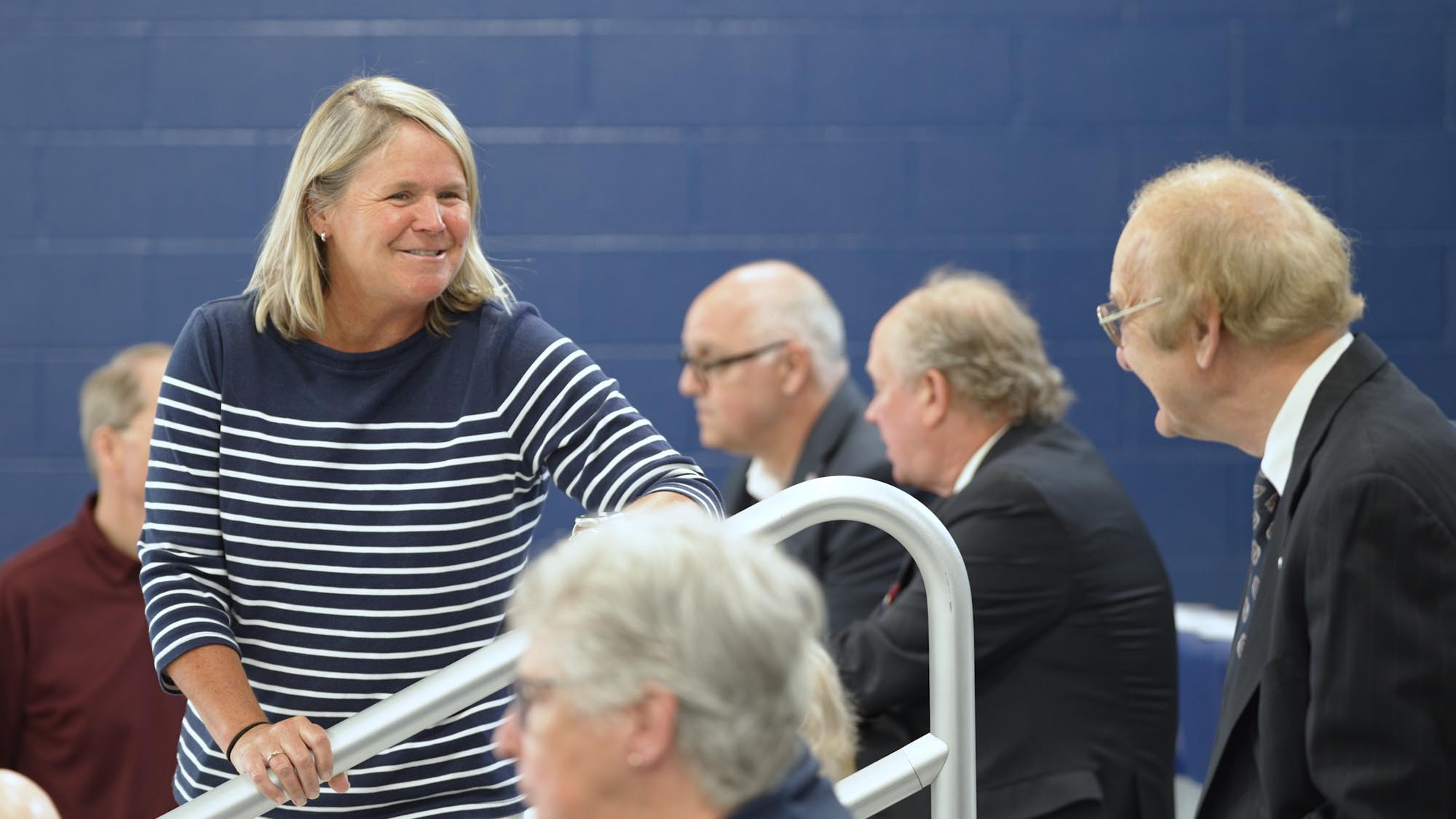
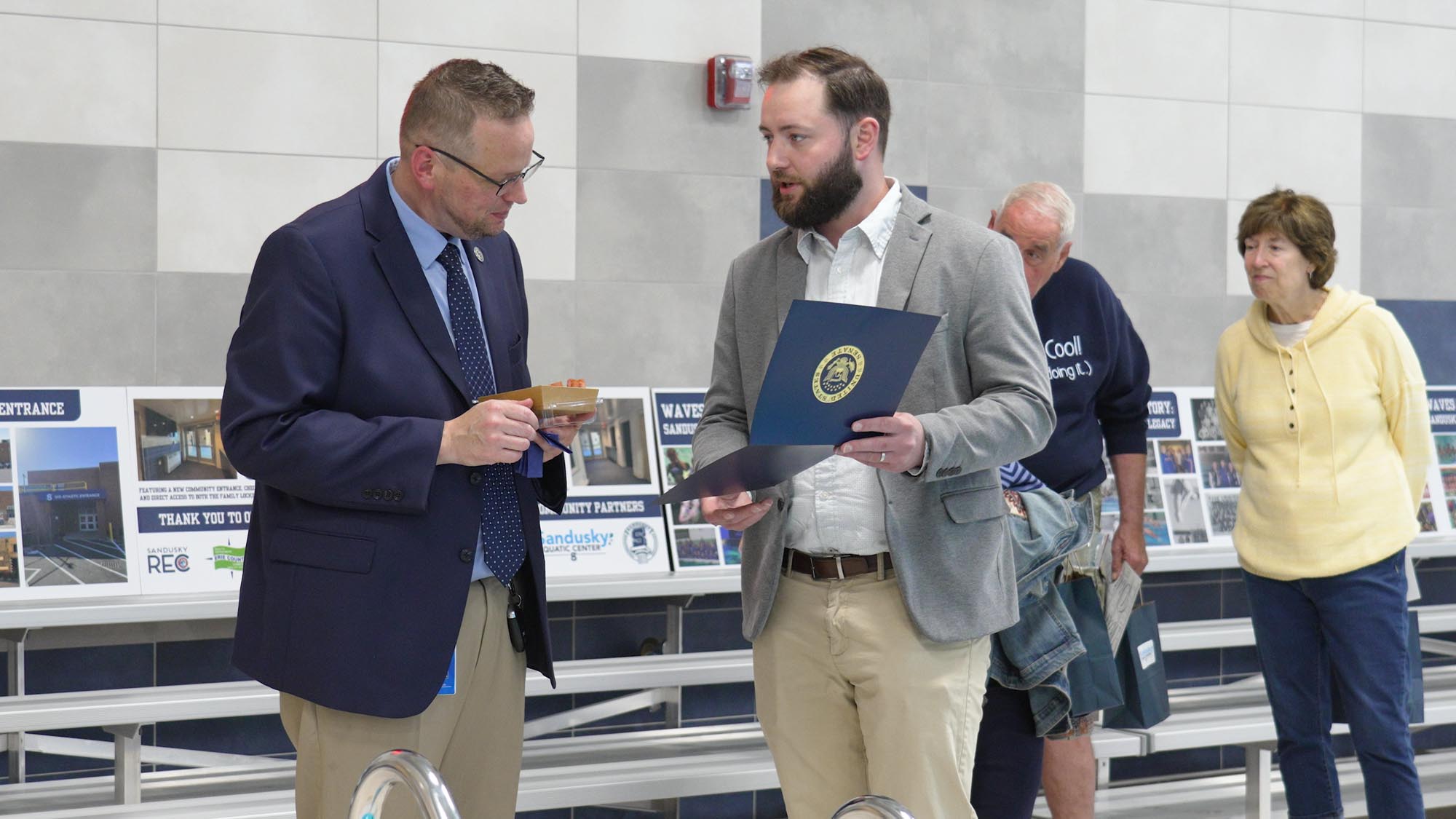
With the completion of the nearly ten-year project, Sandusky City Schools celebrated the grand opening of the renovated Sandusky Aquatic Center with a ribbon-cutting ceremony and community tour. Students, staff, alumni, and guests were some of the first to experience the state-of-the-art facility that will also be available to the community in partnership with the Erie County Health Department.

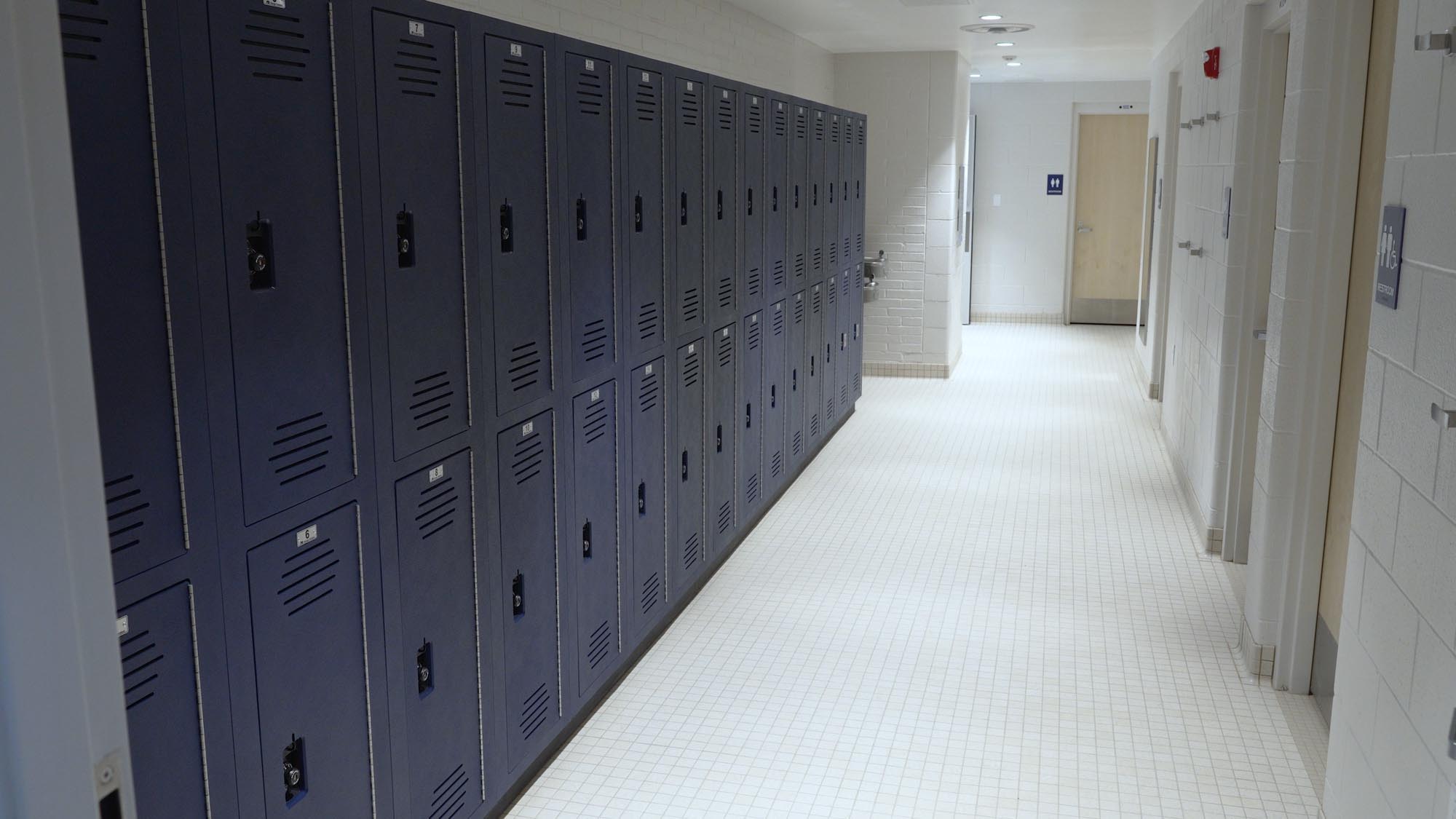
Due to its proximity to Lake Erie, swimming is a significant element of the Sandusky culture, and the new facility will provide a sense of pride for local residents. Designed for competition and training, the renovated Sandusky Aquatic Center includes a family locker room with bathroom/changing rooms.

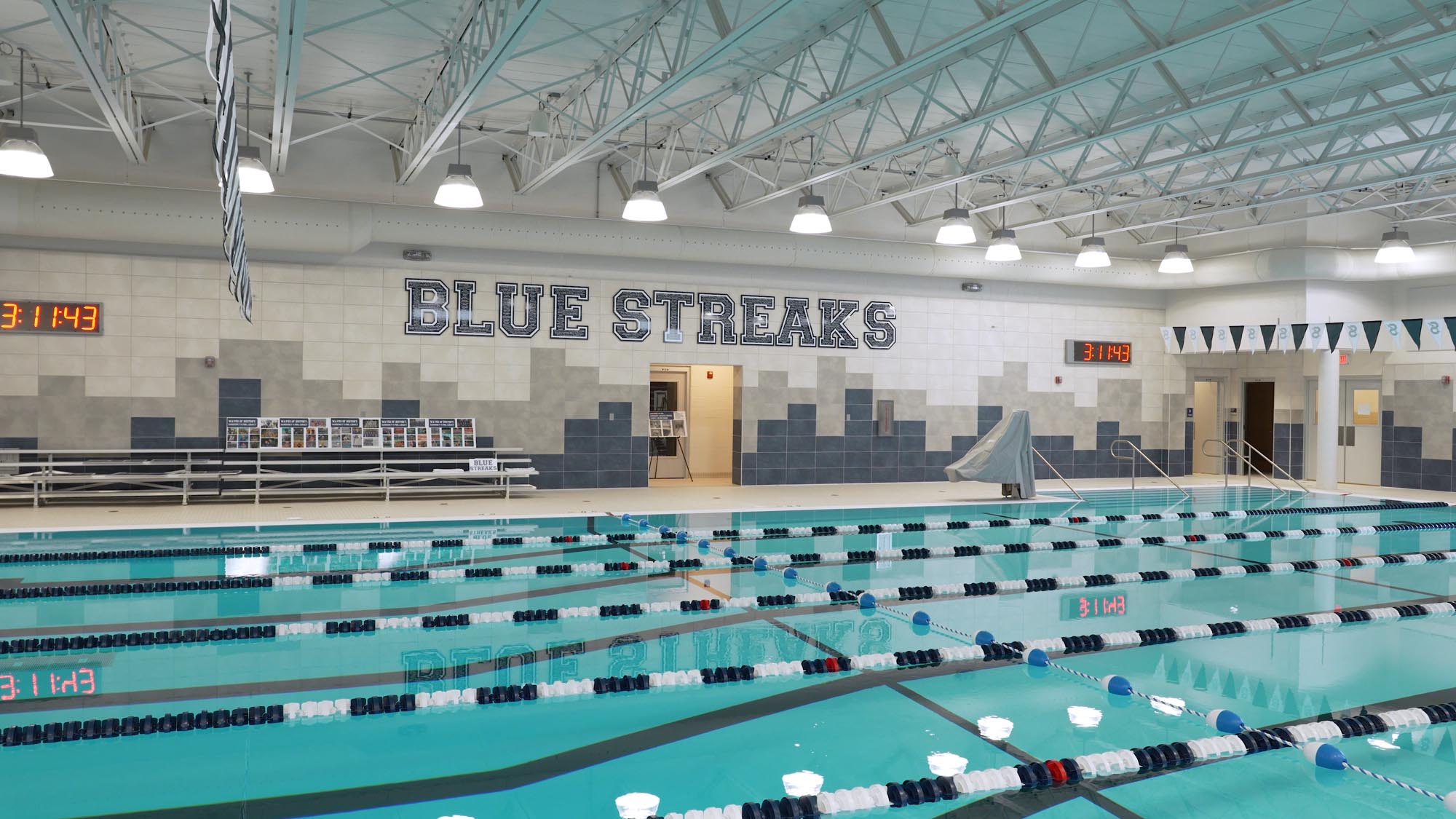
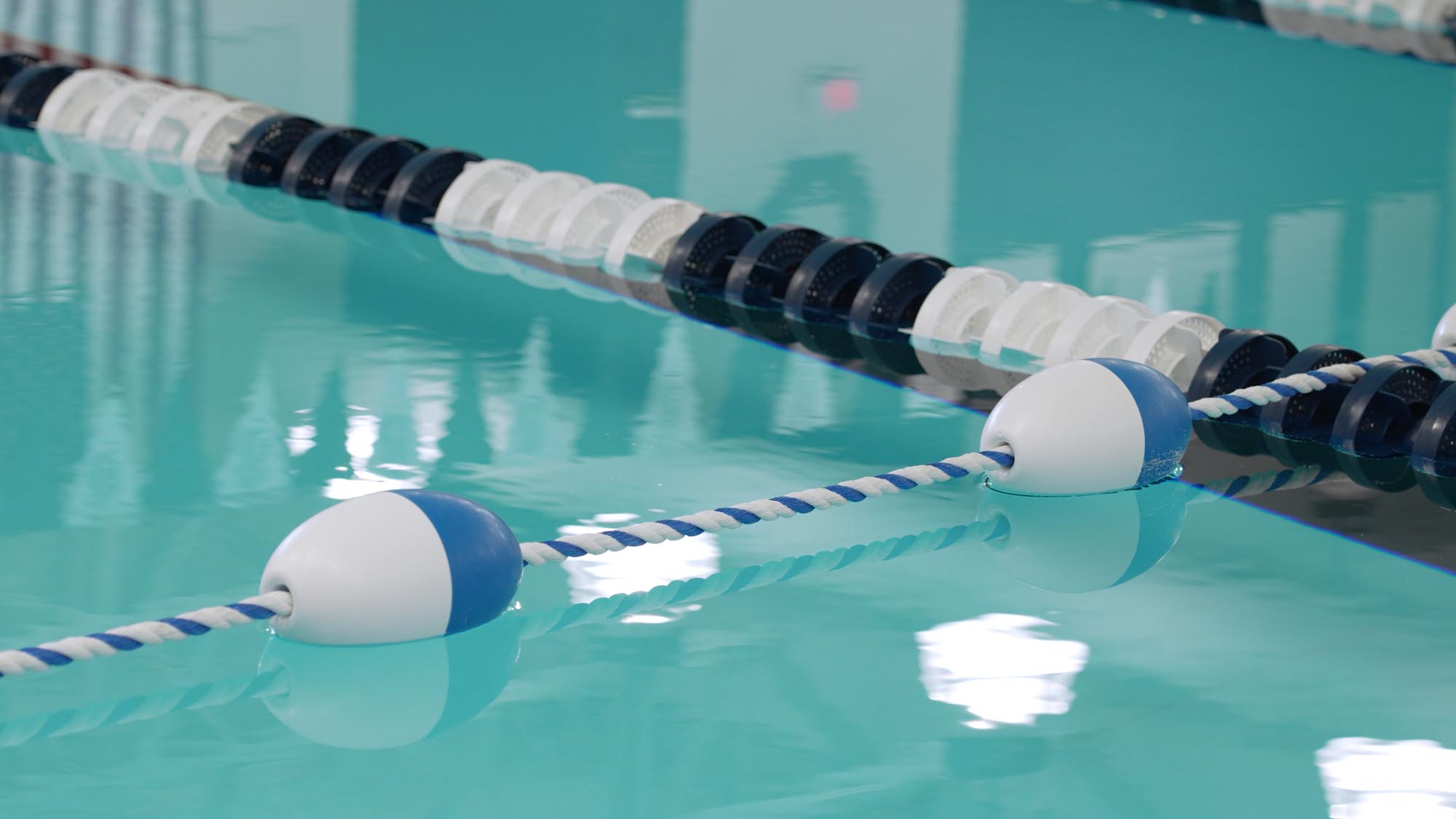
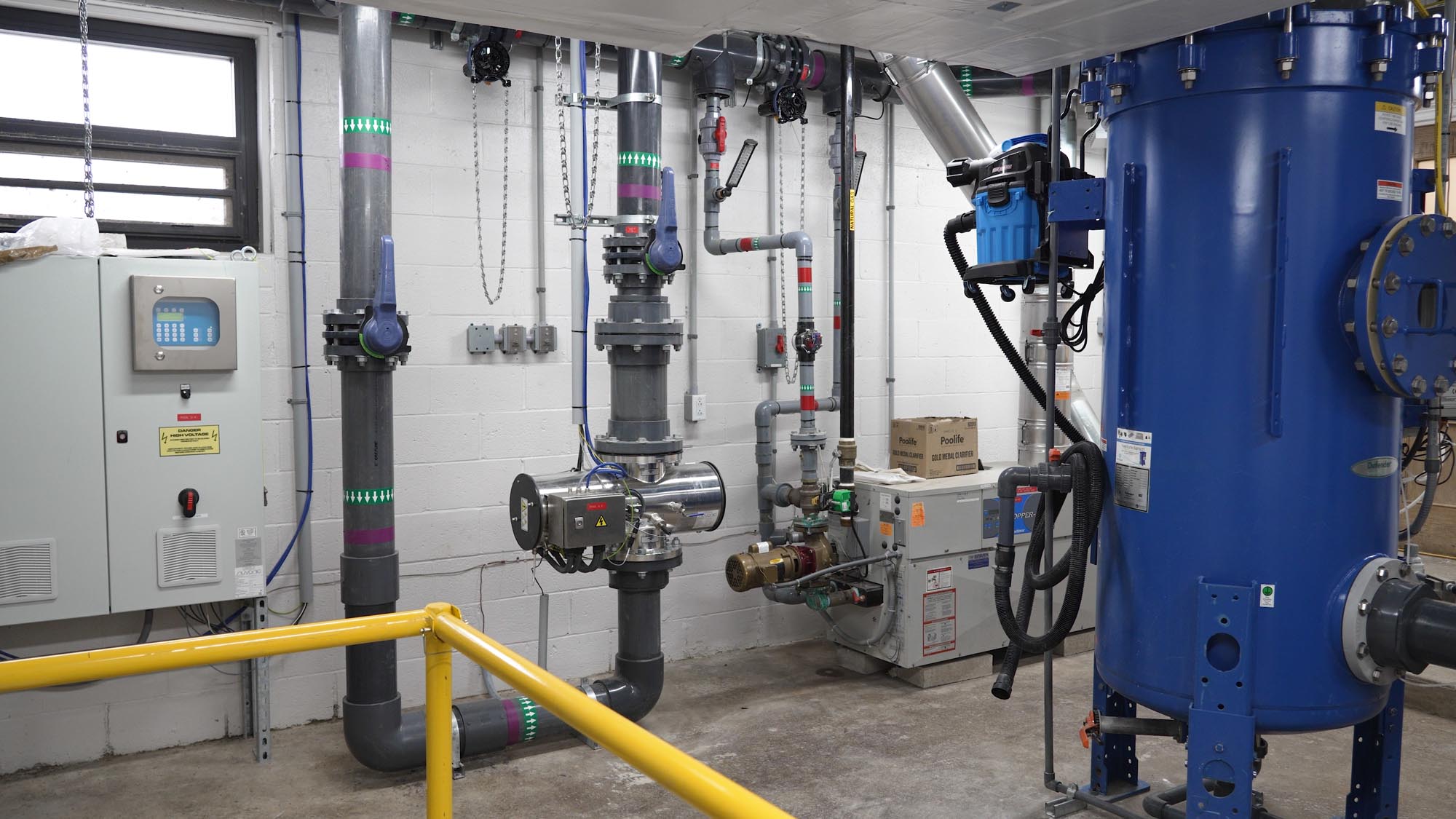
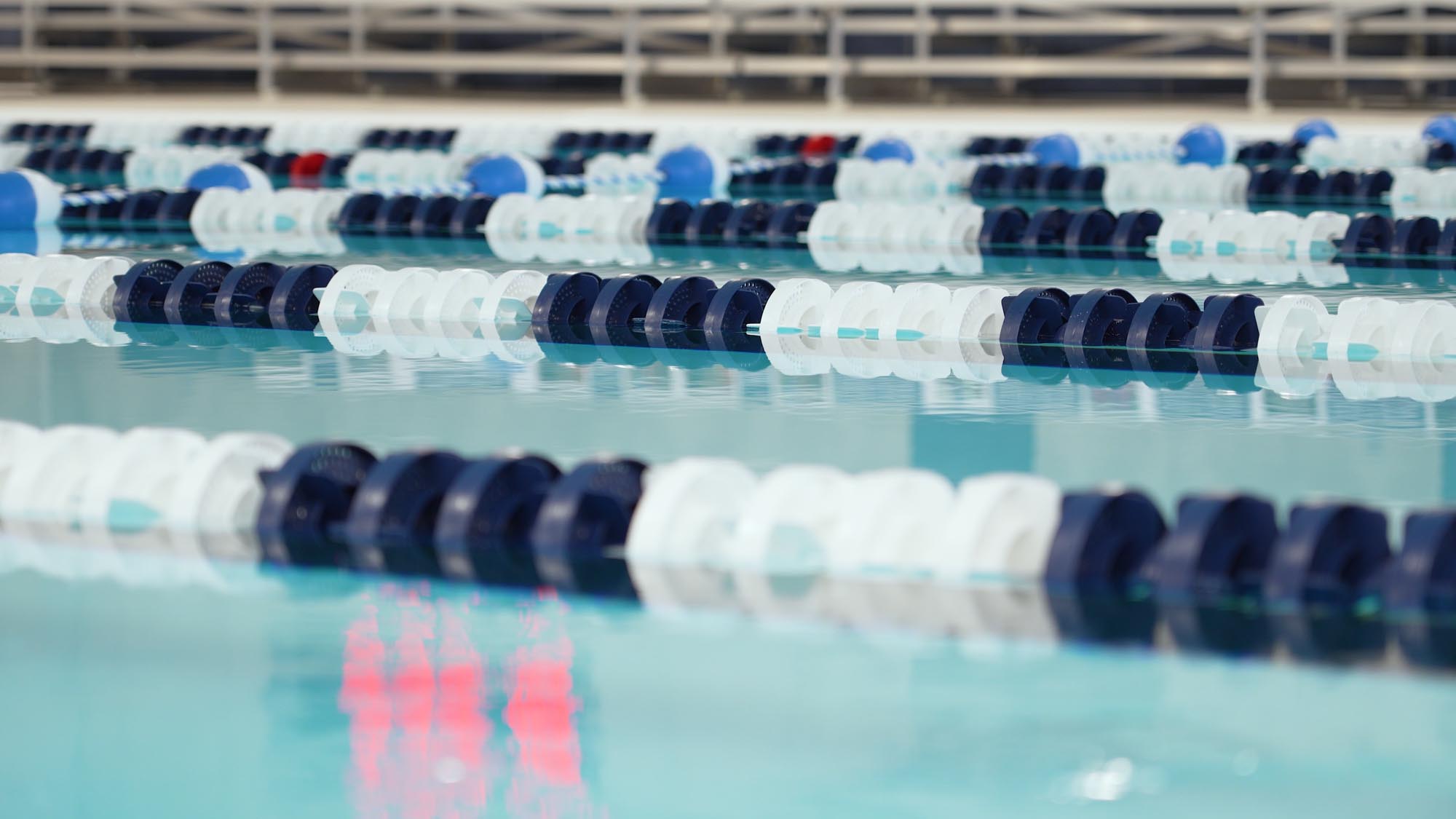
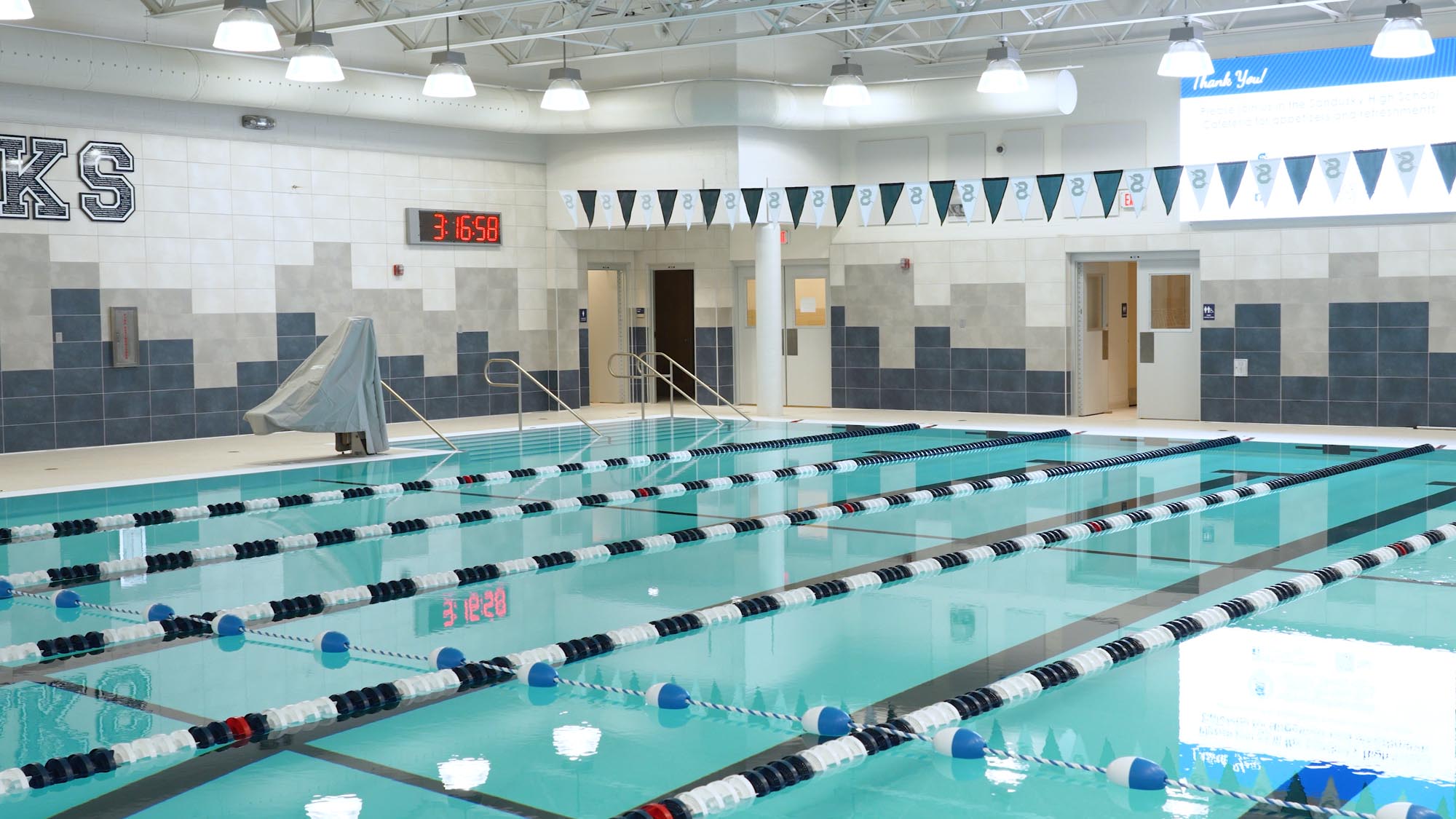
Central to the facility is the 6-lane, 8-foot-deep, 75-foot competition pool that is monitored and maintained by an advanced filtration and treatment system. The 141,390 gallon pool is handicap accessible through the specially designed extended entry stairs or a motorized lift. Swimmers will experience enhanced communication through the underwater sound system.

Spectators will enjoy the plentiful 7-row, 250-seat bleachers alongside the pool, giving them a clear view of the action and timing system with a digital scoreboard.

“This center is much more than just a pool. It’s a space for learning, for growth, for connection, and for safety,” said Sandusky City Schools Superintendent Daniel Rambler, “It reflects our district’s ongoing commitment to student success, community engagement, and lifelong wellness.”

"This incredible milestone has been a true testament to collaboration, with many people working toward a shared vision."
Daniel Rambler
Superintendent

More Than Just A Pool

Intended for the youngest swimmers to seasoned athletes to active seniors, the renovated Sandusky Aquatic Center is a cornerstone of wellness and recreation in Sandusky, Ohio, providing a safe, positive, and enjoyable experience for all.

ThenDesign Architecture Project Manager Arie Swirsky, RA, was the architect for the project. “This pool is more than a renovation,” he said, “It stands as a symbol of resilience, collaboration, and vision. We had unique challenges to overcome, like COVID, bedrock, and inflation. We navigated through those complexities within an existing building.”

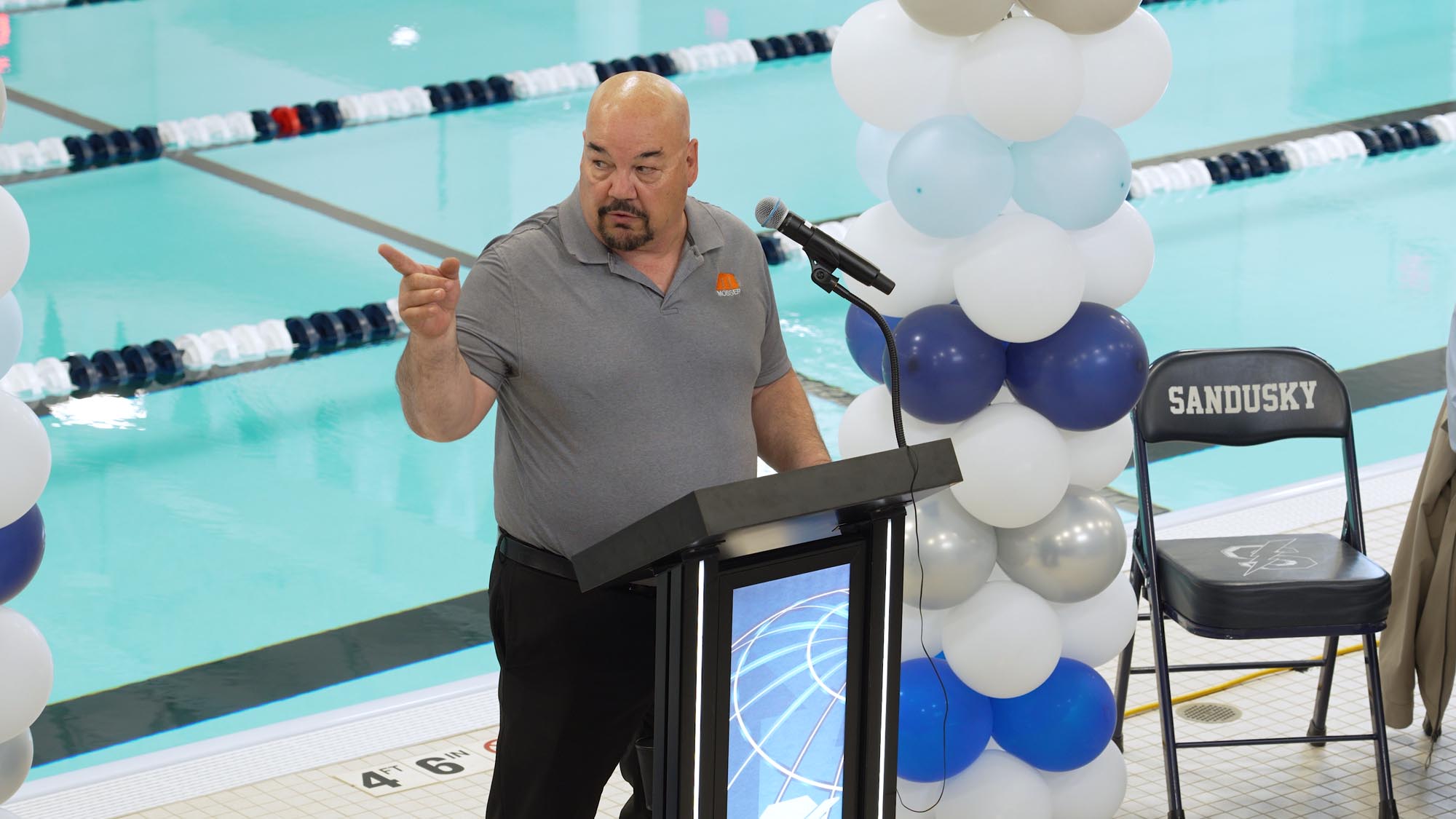
One of the engineering challenges was explained by Senior Project Manager Rick Kusmer with Mosser Construction Group. He shared a story about using a large excavator fitted with a ramming hoe for one month straight in the deep end of the pool. The excavator hammered out rock five feet deep and eight feet across.

After a support wall was removed, the roof of the building was held up by steel stilts. Rick said, “Many nights I’d wake up at about three in the morning thinking, ‘I hope those things hold.’ We do a lot of engineering, but even contractors sit up at night worrying about that stuff.”

“The project is an achievement that reflects the heart, vision, and collaboration of our entire community,” said Interim Athletic Director Steve Camella. “This is more than just a pool. This is a place where dreams begin, where confidence grows, and where champions in the water and in life will be made.”

The renovated Sandusky Aquatic Center is meant to be a resource for the community. Whether visitors take swim lessons, join in water fitness classes, or want to spend quality time with family and friends, the clean and welcoming atmosphere is intended to be a shared space that strengthens community ties.

"This facility will serve as a place of growth, connection, and creation of unforgettable moments."
Arie Swirsky, RA
Project Manager

The Renovated Sandusky Aquatic Center Opens

A Community Comes Together

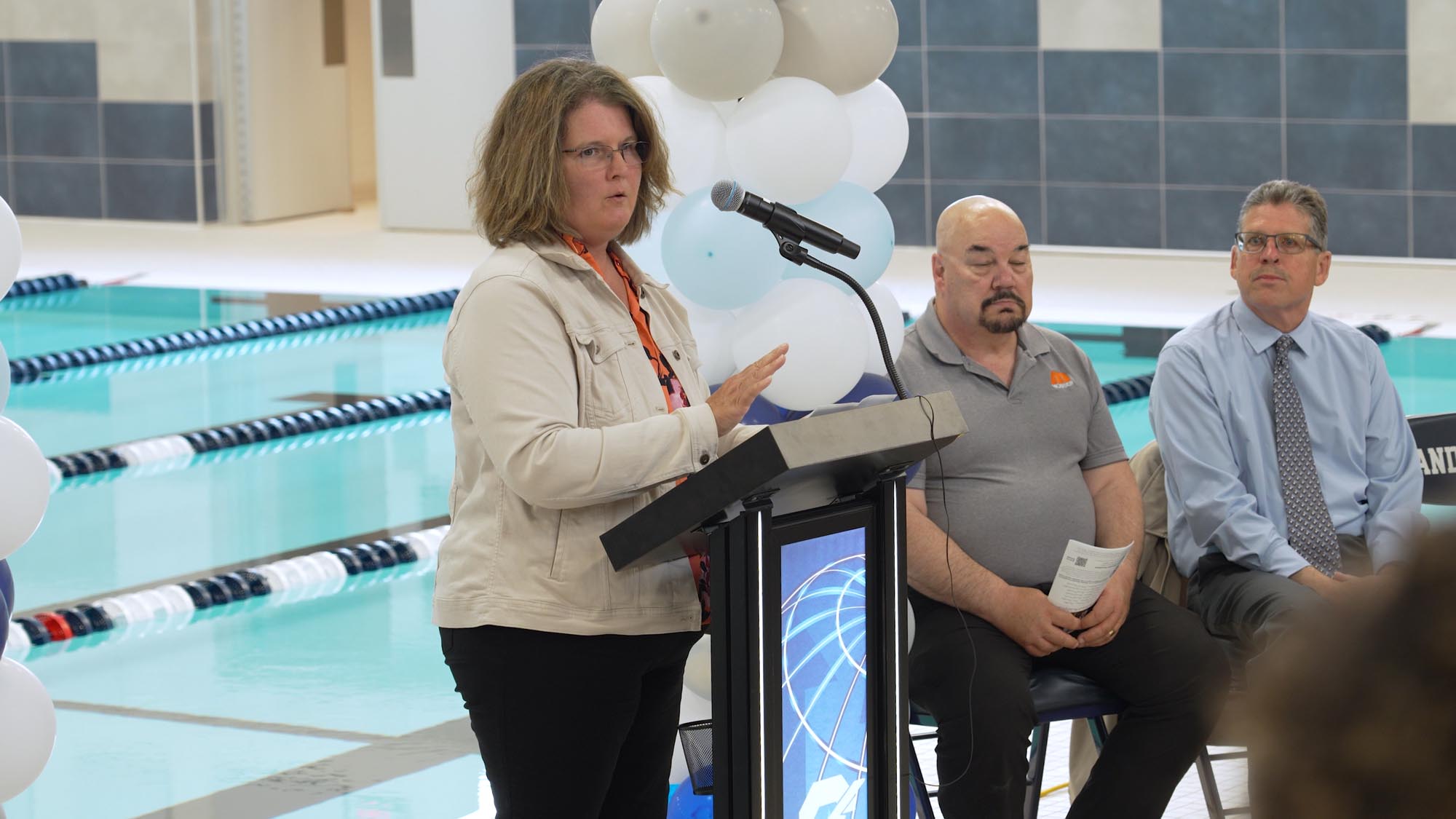
“This couldn’t have happened without all the generous donations,” said Sandusky City Schools CFO and Treasurer Yvonne Anderson, who expressed her gratitude and hope for the future. “I’m sure our community and students will cherish this wonderful aquatic center for many years to come.”

The renovated Sandusky Aquatic Center was made possible because of the kindness of over 500 organizations and individual donors, with the support of the Sandusky Education Foundation. The foundation had a significant impact on the project’s development.

During the ribbon cutting ceremony, Past-President James Hart explained how the organization began, “A little over eight years ago, a group of Blue Streak alums and supporters met on numerous occasions to talk about the condition of the SHS swimming pool that was built in the 1950s. A group fondly called the Pool Committee was formed.”

The Pool Committee became the Sandusky Education Foundation, and their efforts made the vision of a cutting-edge athletic facility become a reality. Open to the community and other school districts, the renovated Sandusky Aquatic Center is the gold standard for fostering athletic excellence by providing a dedicated space for student athletes to train, grow, and compete.

“This renovation ensures that swimmers of all skill levels can enjoy a safe, inclusive, and high-quality experience,” Arie said. “Whether learning to swim, training for competition, or simply enjoying time in the water, this facility will serve as a place of growth, connection, and forging unforgettable moments.”

Placing a high value on health and wellness for people of all abilities and ages, the center promotes swim lessons and water safety to ensure students and community members have access to life-saving learning opportunities.

With a successful open house ribbon cutting ceremony and tour, the newly renovated Sandusky Aquatic Center and competition pool will serve Sandusky City Schools, the Erie County Health Department, and surrounding communities for decades to come.

"This is your space. Treat it with pride. The lessons you learn here will follow you far beyond these walls."
Steve Camella
Interim Athletic Director

The Renovated Sandusky Aquatic Center Ribbon Cutting and Tour
The Tiny House Challenge

The Tiny House Challenge
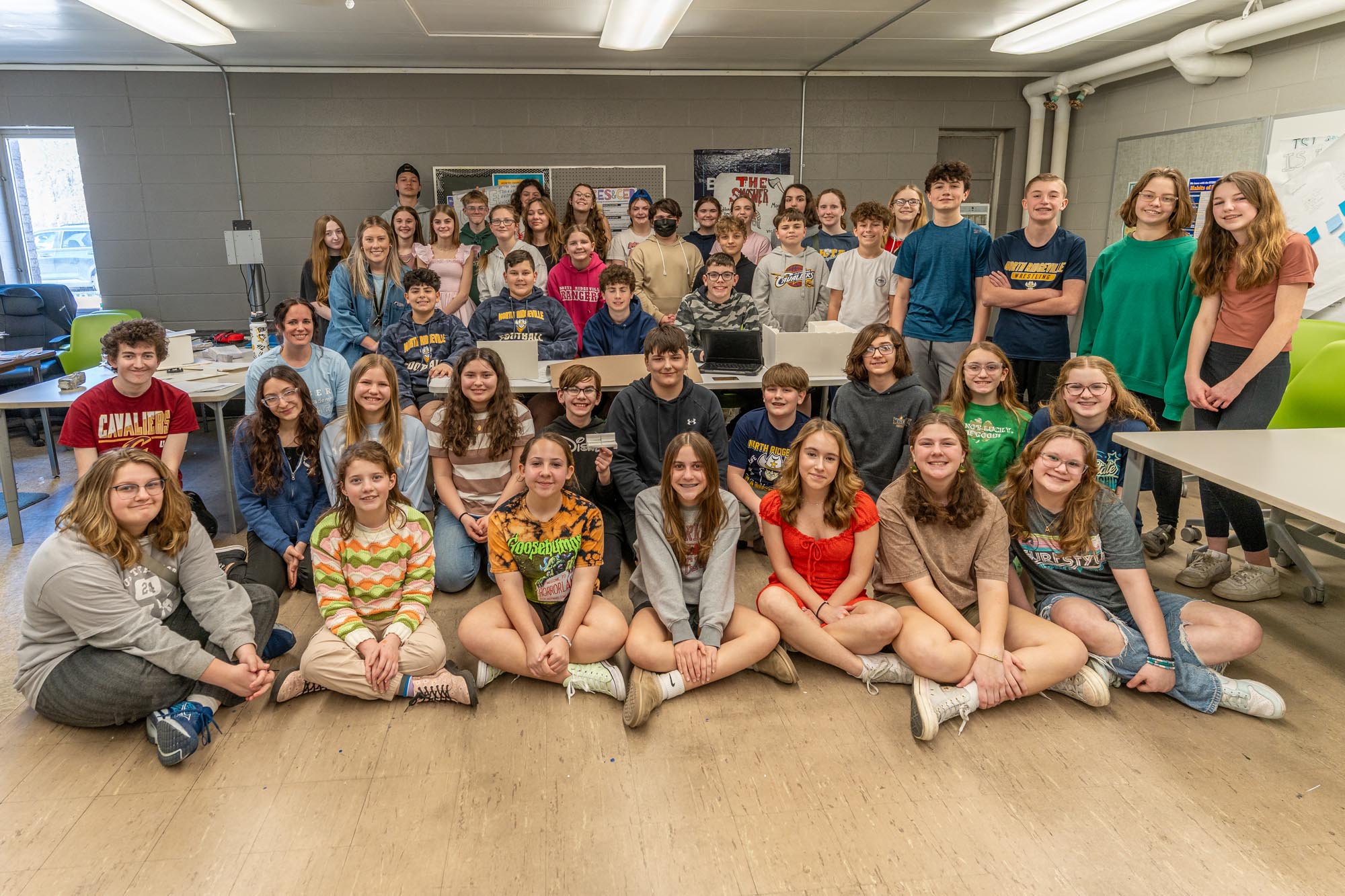
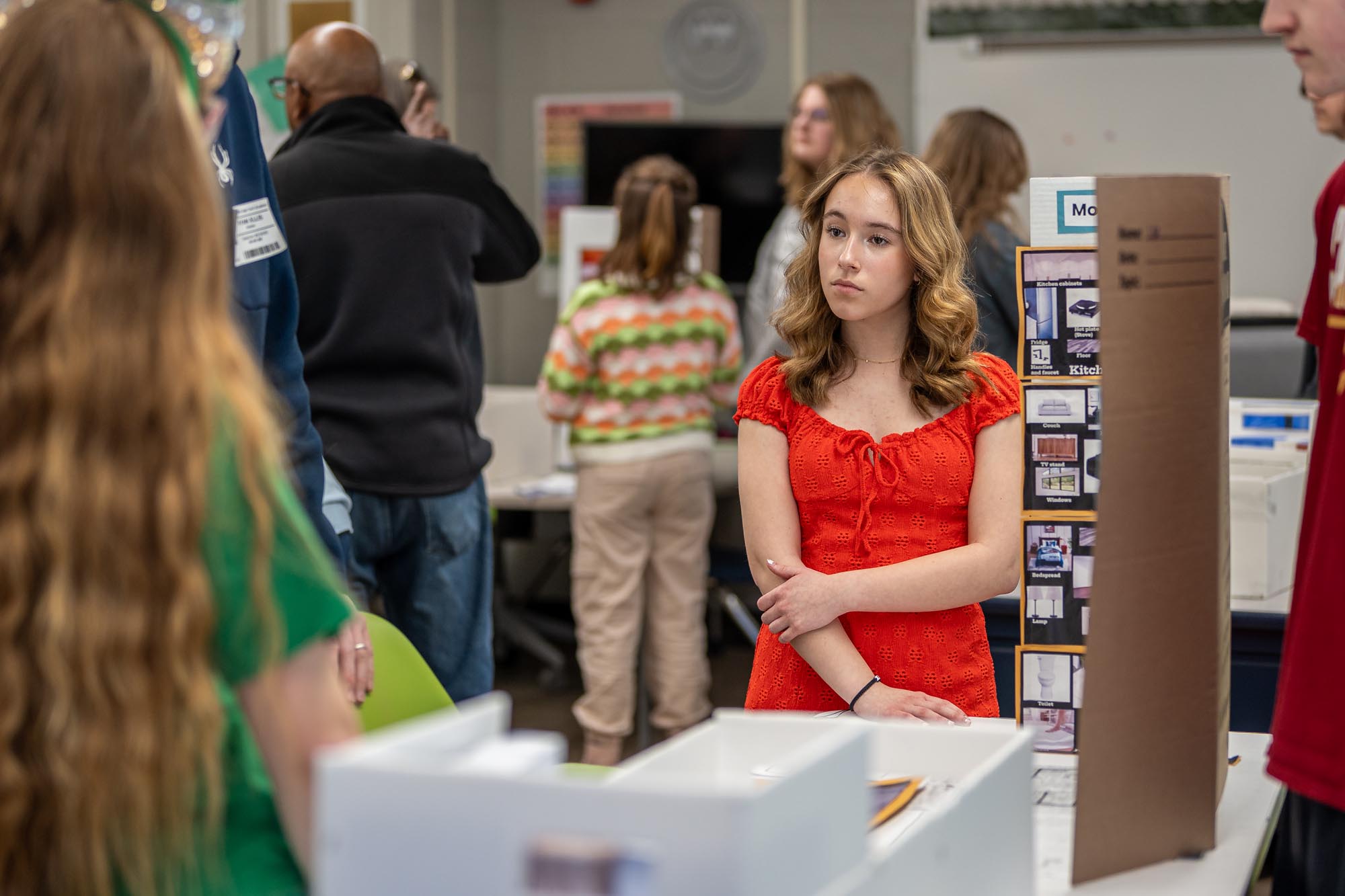
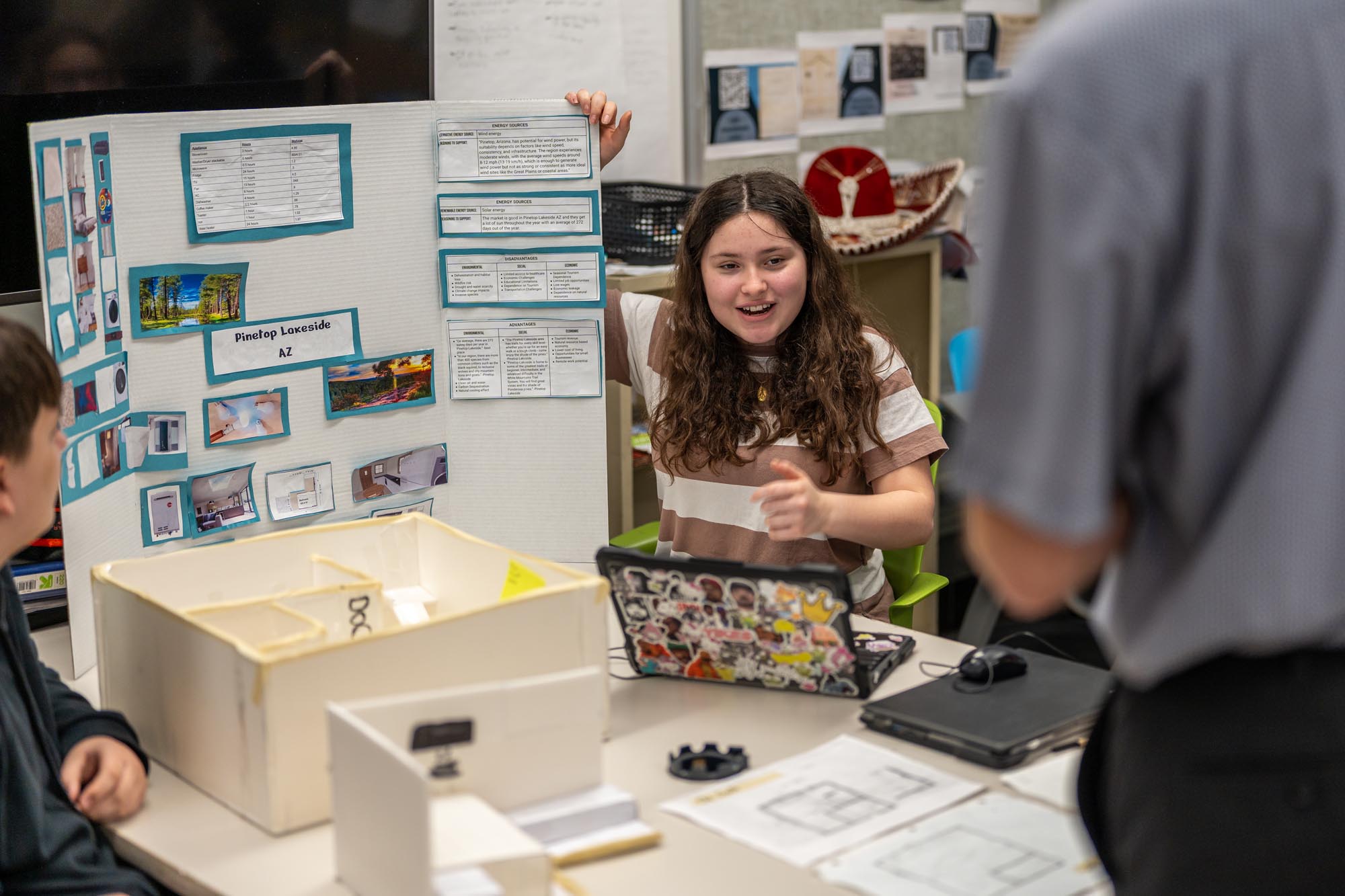
The Tiny House Challenge at North Ridgeville City Schools' Ranger High Tech Academy pushed students to design the smallest house that could still comfortably meet the occupants' needs. With a comprehensive set of parameters, students spent months crafting spaces using the same tools as modern architects and designers.

The Tiny House Challenge

During the intricate process of designing new educational facilities, there are invaluable moments to offer insight and feedback on student work. At TDA, our commitment extends beyond architectural plans, and as a firm deeply rooted in the philosophy of teaching and learning, we consistently seek opportunities to engage with the next generation of innovators.

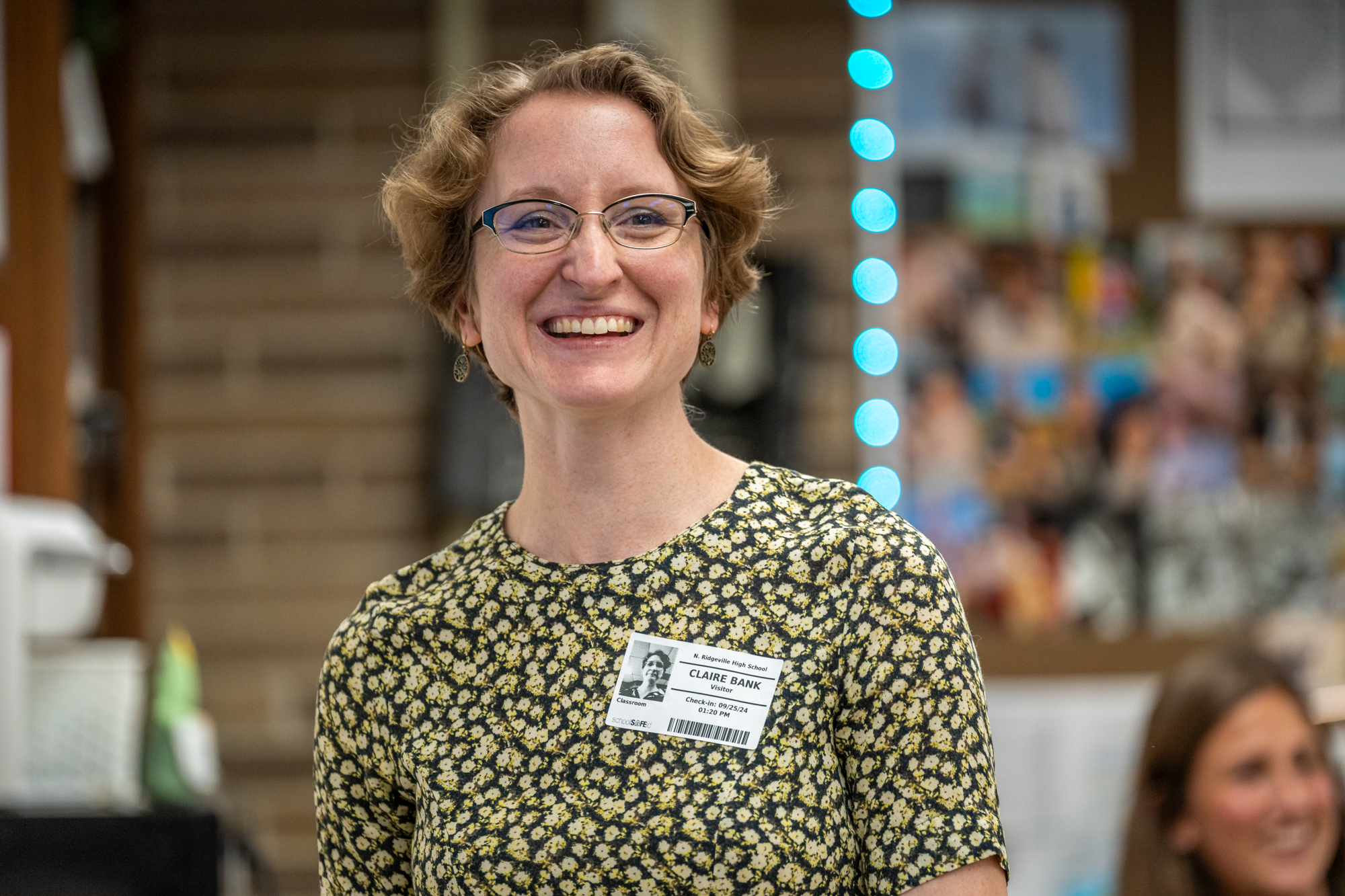
This brought us to North Ridgeville City Schools’ Ranger High Tech Academy, where we participated in a compelling Project-Based Learning (PBL) initiative: the “Tiny Houses” project.

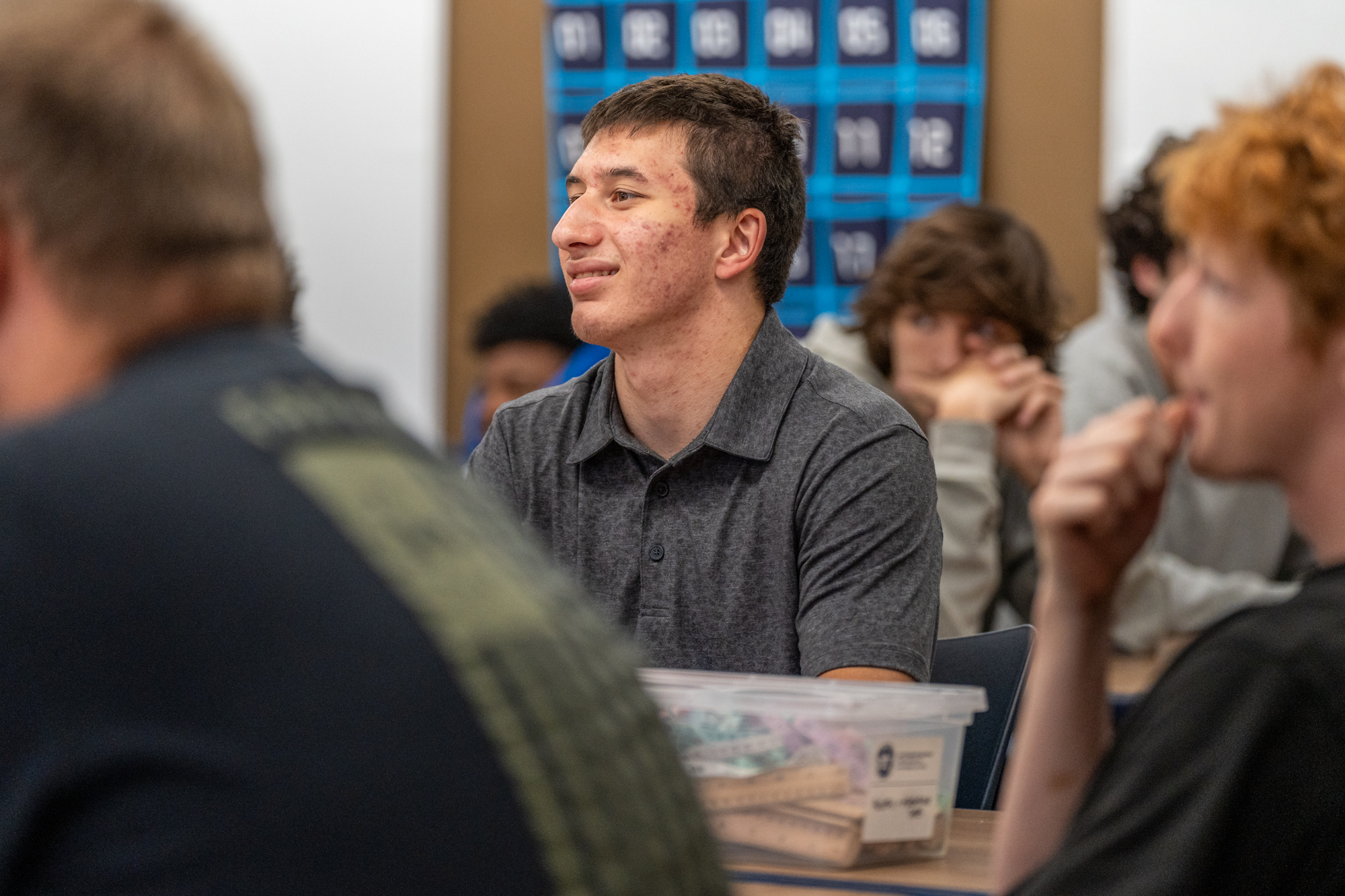
The “Tiny Houses” PBL tasked Ranger High Tech Academy students with a significant challenge: to design the smallest possible house that could still comfortably accommodate a client’s needs. They were given a comprehensive set of parameters, including family size, environmental considerations, and necessary daily activities. Their mission was to craft a “tiny home” that was both functional and innovative.

The Tiny House Challenge First Planning Session

Tiny Homes, Big Lessons

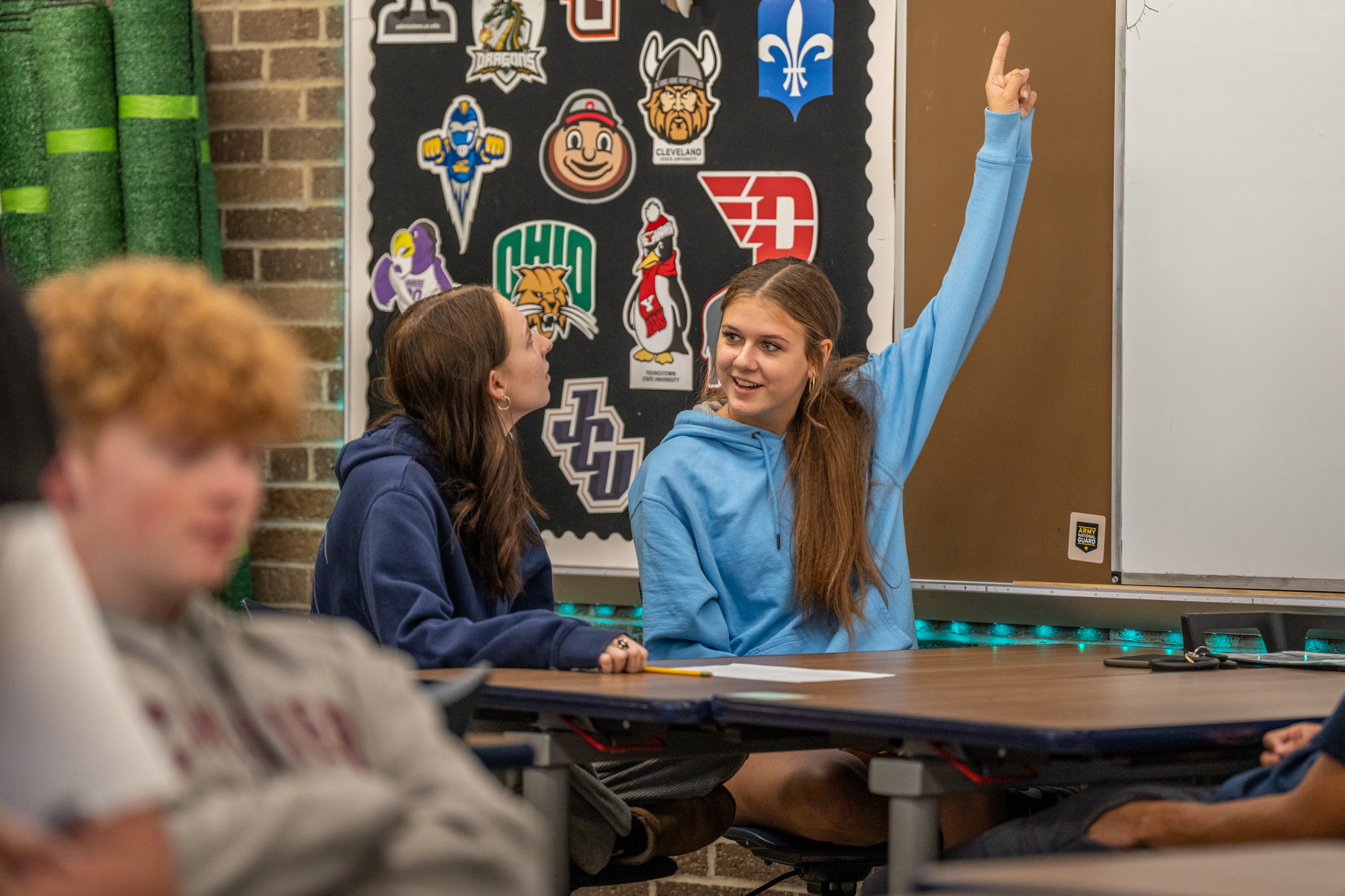
Megan Wood, seventh and eighth-grade science teacher at Ranger High Tech Academy, led the project. “Learners worked in teams to create sustainable and affordable tiny homes. They had to practice an understanding of blueprinting and scaling. They worked in teams to revise and prototype. Through that design and engineering process, they explored different energy sources, whether renewable or non-renewable, and they learned a little bit about electricity and how it works within a home.”

Over several months, these students embarked on an intensive design process. They moved from initial concepts to refined plans, having built physical scaled models, 3D prints, and drafting software. Professional architects and designers use similar tools. This immersive process allowed them to visualize and iterate on their ideas, culminating in comprehensive final presentations.

To ensure the students received real-world feedback and guidance, TDA was invited early in the process alongside other community members to review their prototypes and judge their final projects. This direct engagement allowed our team to offer professional critiques, highlight strengths, and suggest areas for further development, bridging the gap between academic learning and professional practice.

Megan added, “This project was very helpful because of all the career connections and future career opportunities that the kids discovered. Whether an architect, a project manager, or an interior designer, it was great for them to see how the different jobs are interconnected. They have never been exposed to this before.”

The Tiny House Challenge Final Judging Session

Real-World Skills, Future Careers

The impact on each student’s project was demonstrable. Participants walked away with an understanding of critical design principles. They learned how to effectively lay out interior spaces and merge furniture design with architectural constraints, environmental considerations, and manufacturing feasibility.

Project-based learning initiatives like this one are increasingly vital in preparing students for future careers by fostering critical thinking and problem-solving skills.

“I was surprised to see how each of the students prototyped their homes in different ways,” Megan said. “Each of them came up with different design solutions to a challenging problem. They had to ask, ‘How do you make a spiral staircase? How am I going to show this loft? How am I going to build this furniture?’ It was fascinating to see their perspectives on how they approached those projects.”

This collaboration with North Ridgeville City Schools exemplifies how educational institutions and industry professionals can partner to create richer, more relevant learning experiences for students. By providing direct exposure to real-world design challenges and expert feedback, TDA helps to cultivate not just future architects and engineers but also innovative thinkers prepared to tackle complex problems in any field.

New Brunswick High School Groundbreaking Ceremony

New Brunswick High School Groundbreaking Ceremony
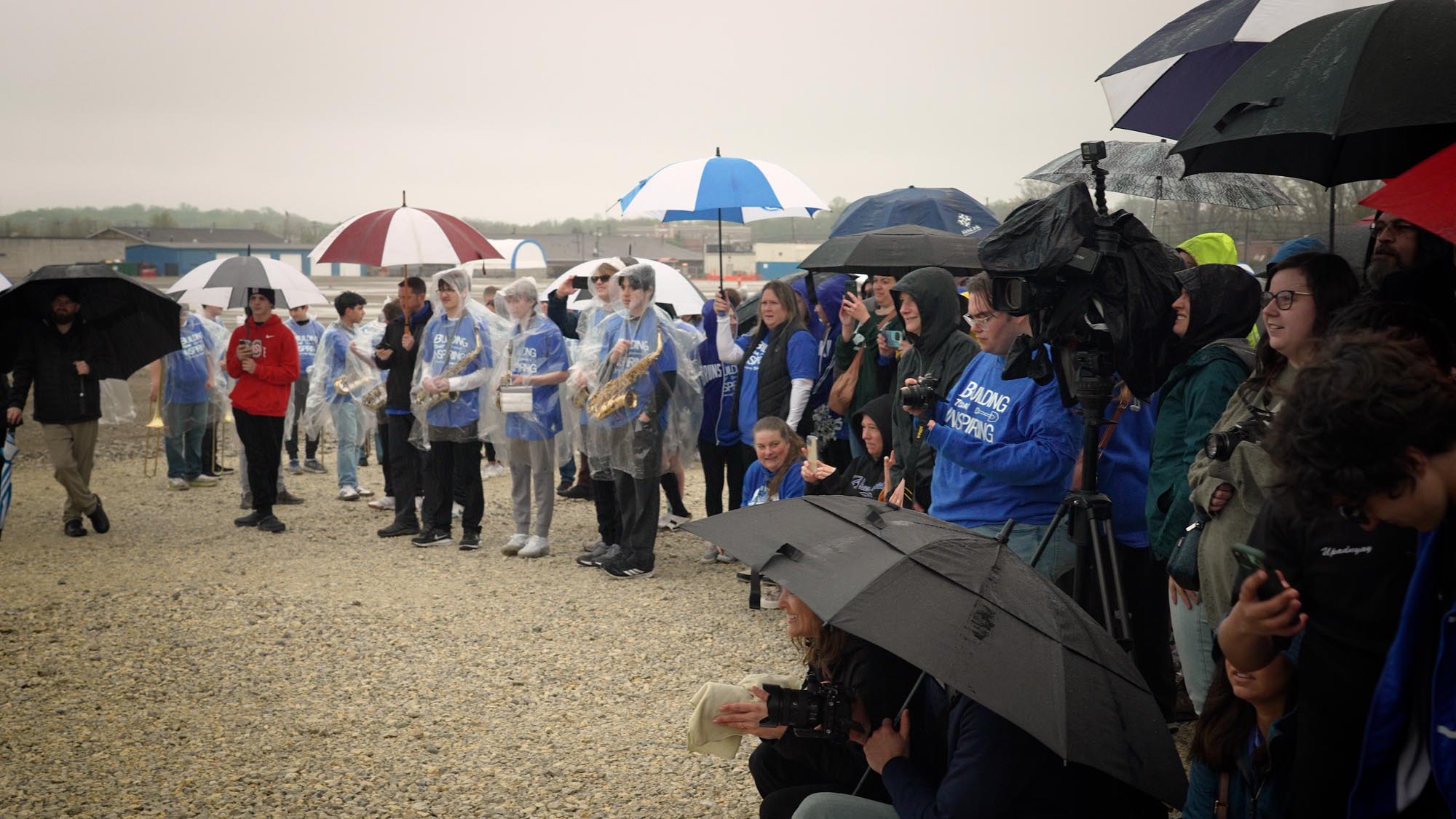
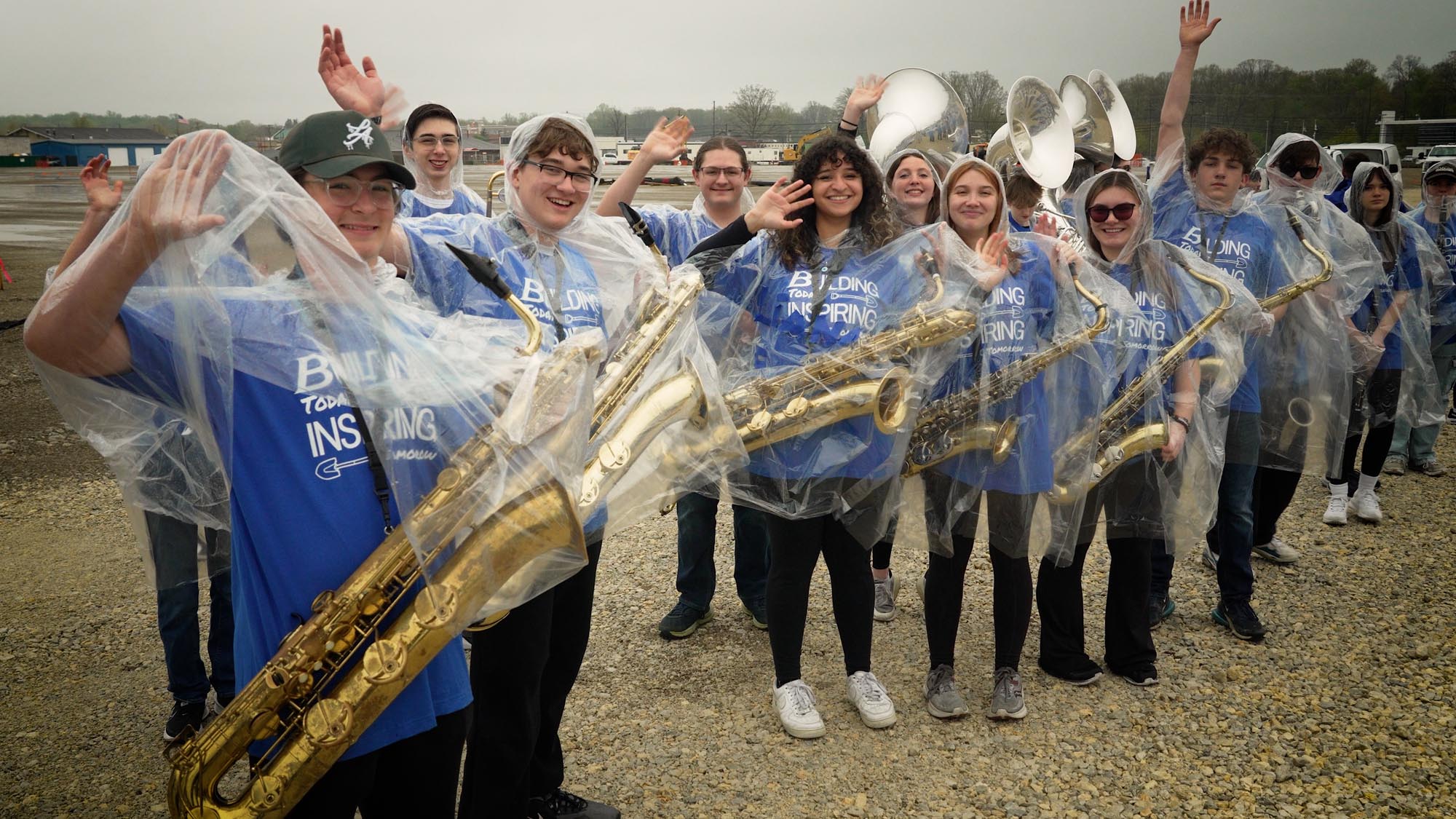
The new Brunswick High School Groundbreaking ceremony enjoyed a robust turnout from the community despite the wet weather.

New Brunswick High School Groundbreaking Ceremony

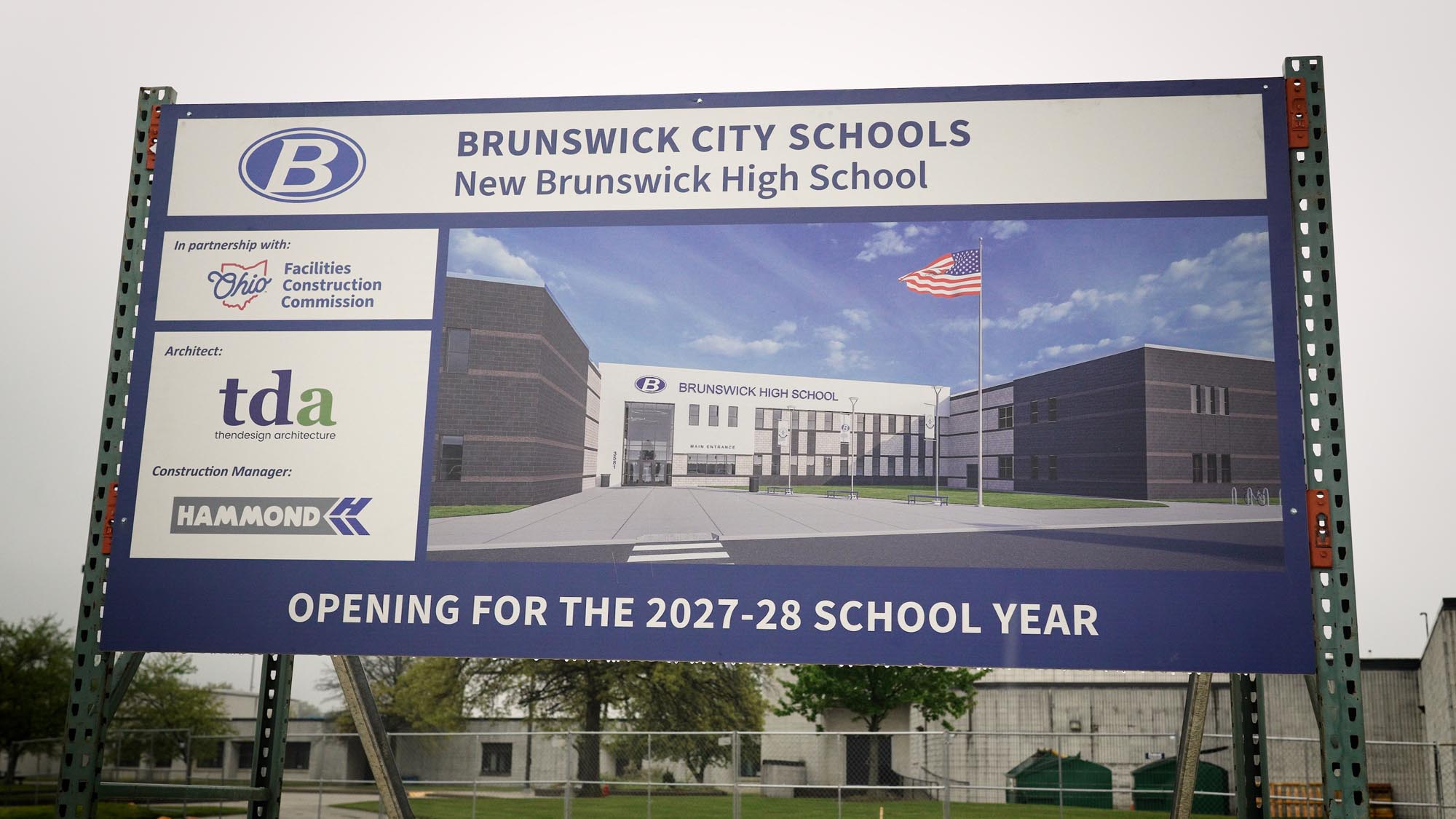
Despite the wet and chilly weather, the Brunswick community turned out to celebrate the groundbreaking ceremony for Brunswick High School’s new construction project on May 3, 2025. Under the welcoming cover of tents and beside the prepared site, the Brunswick City School District hosted a lively event with musical performances by the middle and high school choir and the high school marching band to mark the significant milestone in the project’s progress.

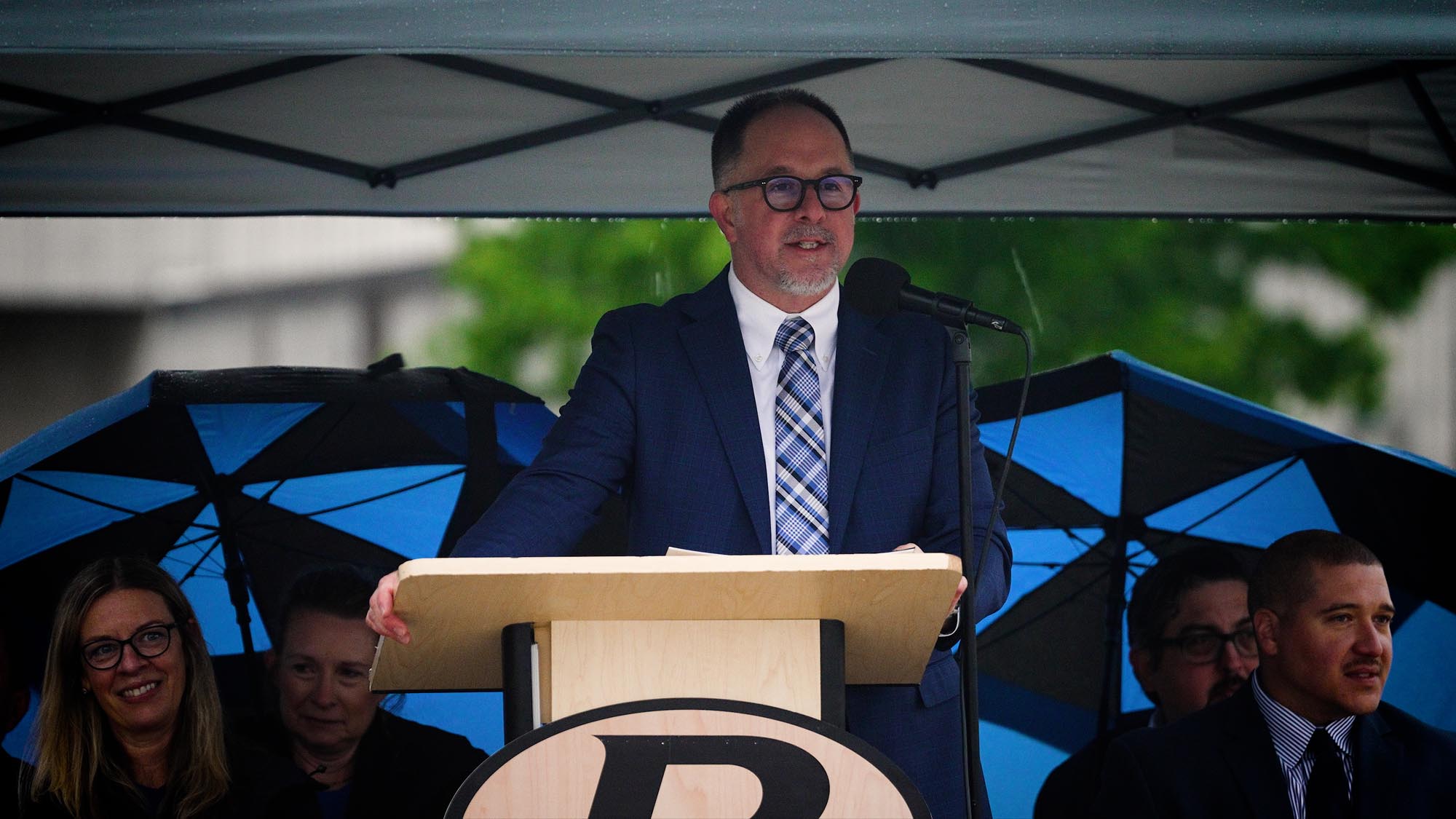
With construction work set to begin within a few days afterward, brief speeches were given by Superintendent Jason Neidermyer, Mayor Ron Falconi, High School Principal Keith Merrill, and School Board President Mary Weinhauer. Representing Hammond Construction, Derrick Semilia informed the attendees that the project was on schedule for the students to occupy the new campus in August 2027.

The skies may have looked gloomy, but the atmosphere was optimistic and cheerful. 11th grader Emily and 8th grader Vish remarked on how consequential the new educational facility will be, enhancing the learning environment of future students.

New Brunswick High School Groundbreaking Ceremony

The Brunswick community passed a bond issue in early 2023 and also secured co-funding for $42.6 million from the Ohio Facilities Construction Commission (OFCC). The school district expressed profound appreciation to the people of Brunswick for their continued support in making the new high school project possible.

New Brunswick High School Groundbreaking Ceremony

The new construction project camera is now streaming on YouTube.

Mentor’s CARES House: Autistic Education Comes Home

Mentor’s CARES House: Autistic Education Comes Home
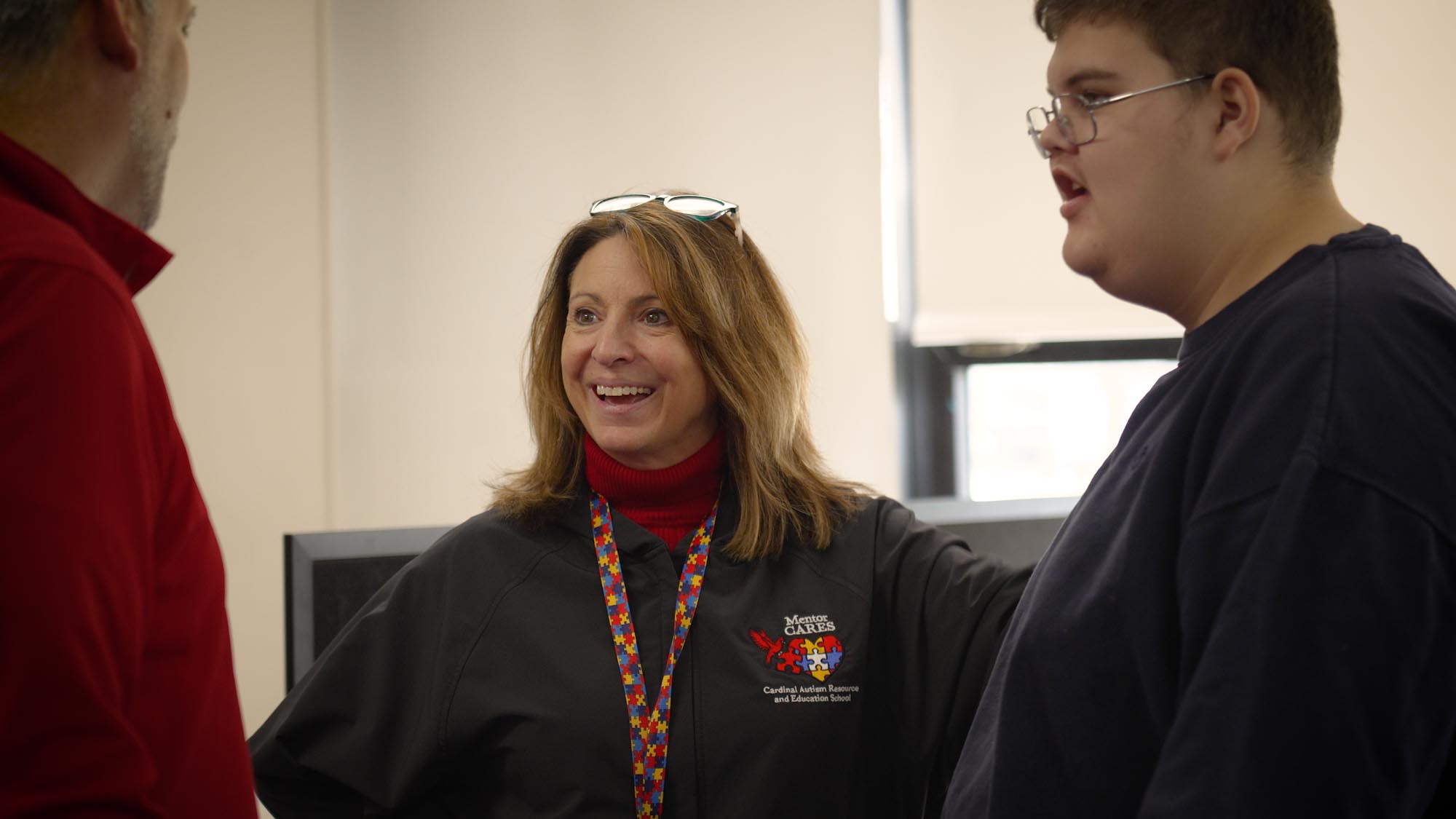
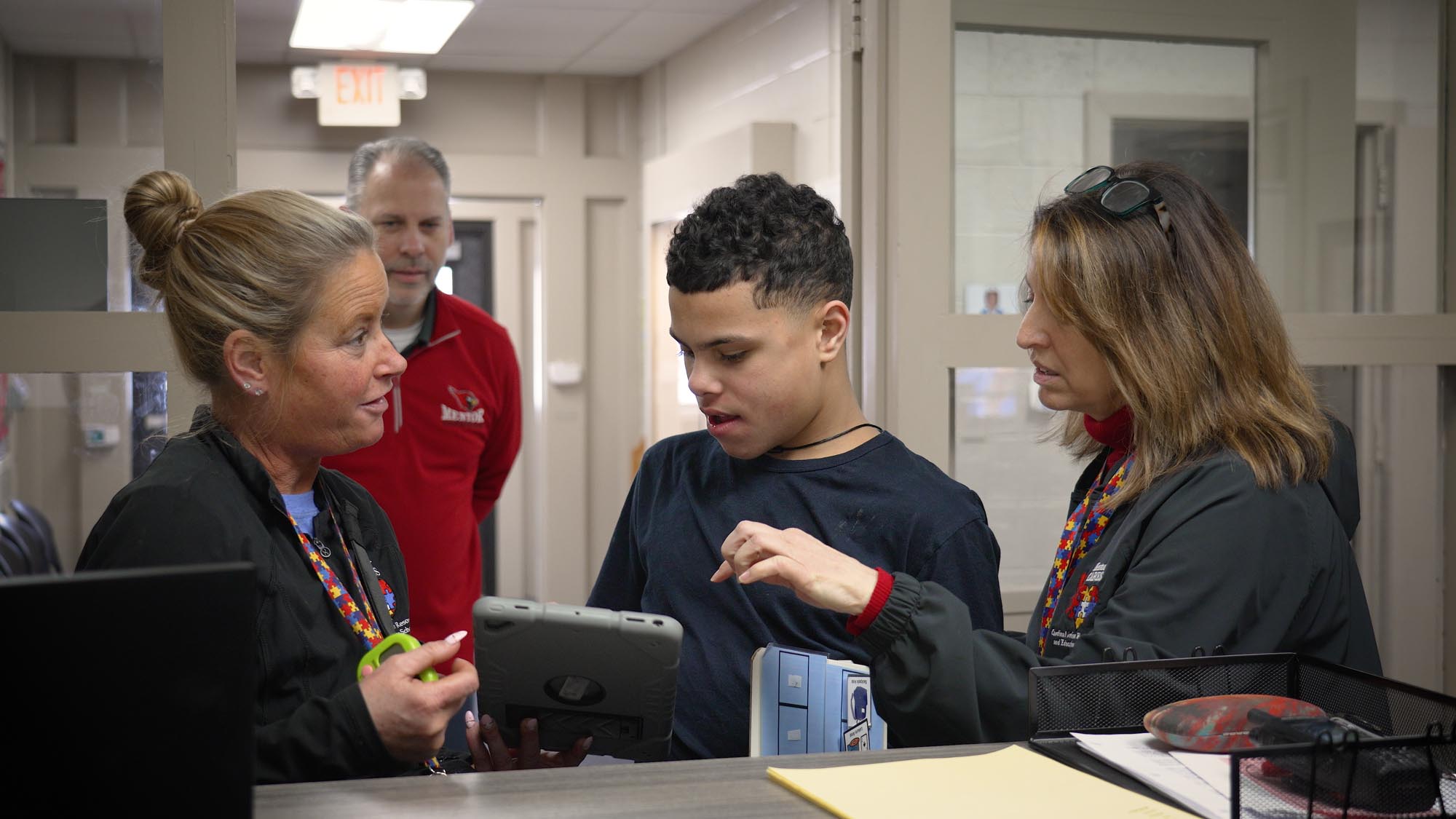
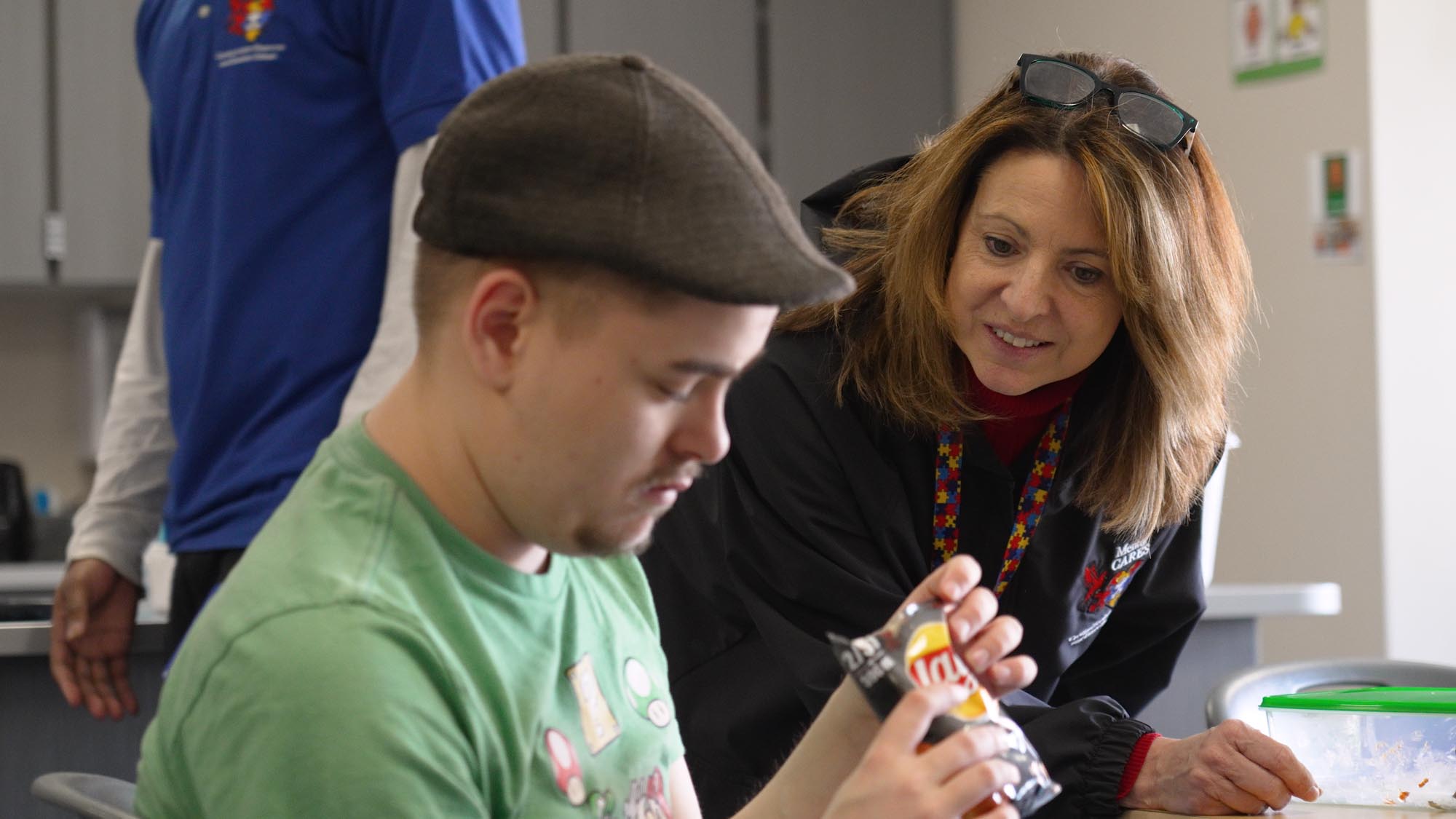
The Cardinal Autism Resource and Education School (CARES) is an educational program that develops independence skills for autistic students. The CARES House is a unique residential home custom-built to empower autistic students by teaching them real-life skills in an authentic home environment. The CARES House is a school that looks like a house and was the vision of Christy LaPaglia of Mentor Public Schools in Northeast Ohio. Christy designed the program and the house to be replicated in other school districts nationwide.

Mentor's CARES House: Autistic Education Comes Home

The Cardinal Autism Resource and Education School (CARES) was created fourteen years ago with the support of Mentor Public Schools in Northeast Ohio to further develop independence skills for autistic students aged 5 to 22. Autism is a neurodevelopmental condition related to brain growth that impacts how a person perceives and associates with others, causing difficulties in social interactions and communication. CARES is a public educational, training, and resource facility for children and young adults with autism, their families, and professionals entrusted with their care.

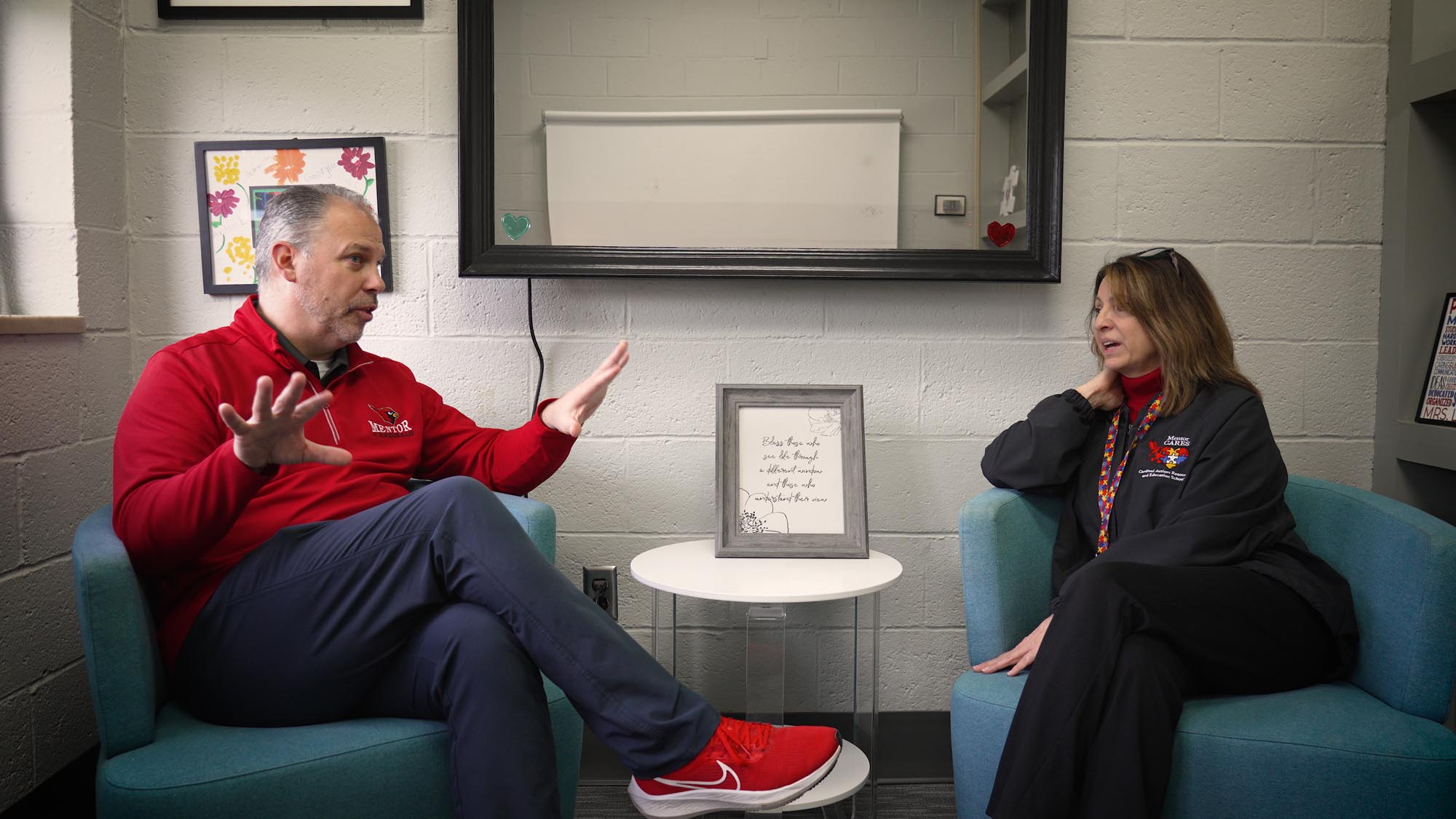
CARES began with two classrooms serving six students. By the end of the first school year, enrollment doubled to twelve students. The program was the inspiration of Christy LaPaglia when she was a teacher. She is now the Director of CARES and CARES Independent Living and Learning Environment. Christy reflected on the early years, “In our second year, we opened a lab to support students in learning Activities of Daily Living (ADLs). The space had a small kitchen, bedroom area, and a washer and dryer to expose students to a real-life experience.”

Families sometimes struggle to find an adequate educational system that supports students with autism. “My initial experiences with autistic students revealed the limitations of traditional teaching methods,” Christy recalled. “It wasn’t until I received targeted training and support from Mentor Public Schools that I understood the importance of ‘out-of-the-box’ thinking. This shift, adapting my approach to match their individual learning styles, made all the difference.”

To download the 16-page brochure, click HERE.

Mentor's CARES House: Autistic Education Comes Home

The CARES website explains that the program is a partnership with parents and the community, which provides a nurturing environment to develop the full potential of differently-abled students on the autistic spectrum using a multidisciplinary approach that addresses individual needs. It evolved by consolidating successful elements from other programs to create a unique curriculum.

The CARES Philosophy
CARES’s overriding goal is to provide a nurturing educational environment where students with autism can build on their strengths. To achieve its far-reaching mission, the school takes a comprehensive developmental approach, encompassing every aspect of a student’s life: social, emotional, academic, and behavioral. We believe that if students are given the right set of challenges and supportive strategies to overcome them, they will grow and achieve success.

The original vision for CARES was to serve the greater autism community by developing students’ strengths with the intent of later spreading the format to other school districts to help families and communities. Continued results and experimentation led to the conclusion that realistic environments better promote student achievement. The emerging successes in Mentor created the opportunity to open attendance to other school districts. CARES currently hosts students from sixteen school districts in Northeast Ohio.

"Along with academic skills, we wanted to teach kids how to live independently."
Christy LaPaglia
CARES Director

Mentor CARES Program in Mentor

The Big "House" Idea

The CARES program continued to be refined with increased demand. “As we grew and saw the successes that kids were having, our vision became larger,” Christy recalled, “And I kept thinking: We need a house.” A house would embody an authentic learning environment to best produce lasting results. Mentor Public Schools’ incorporation of an additional autistic school lab increased the student population while providing specialized advancement in teaching personalized skills.

Christy explained that the CARES House did not come about by the vision of one person. It was a collaboration of many passionate people who care deeply about educating students with autism. After Mentor Public Schools shared their support for the CARES expansion, Christy pursued input from parent panels to create a cutting-edge program focused on teaching life skills with the goal of student independence after graduation. Parents were asked about the issues they experienced with their children and provided invaluable feedback about the ideal components the new house should have.

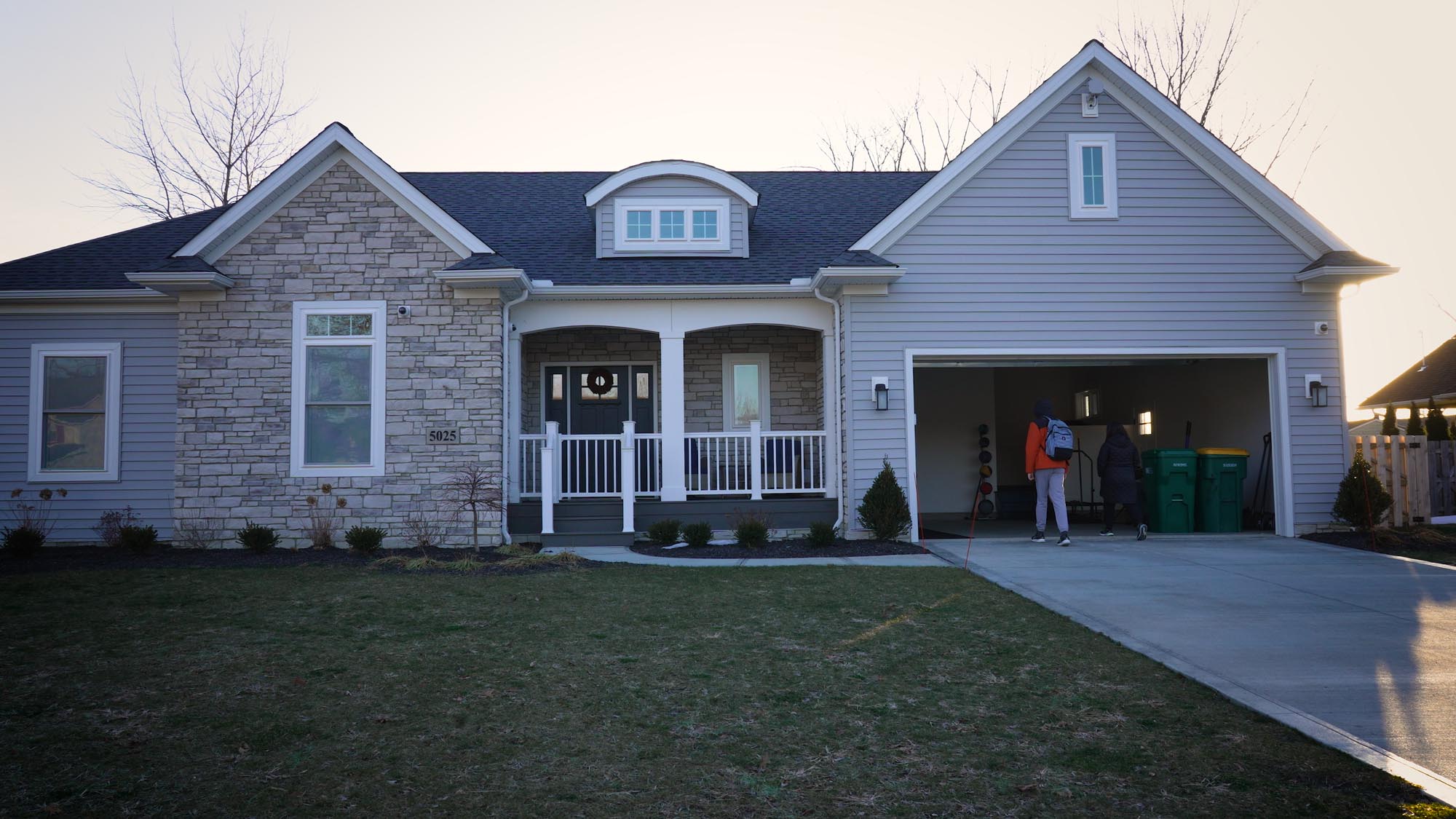
A property across the street from CARES was up for sale, and Christy approached the school district about using the location to build the CARES House. It was seen as a necessary piece of the educational process to better advance children with autism, and the project was approved. The property was purchased in June 2022.

The City of Mentor stipulated that the new house had to maintain the character of the existing neighborhood and be a beneficial, saleable property should the program cease. It would be a school that looked and functioned like a residential home that also had several amenities not offered in a typical house.

The CARES House was a shared vision designed to be a model home that could offer students a more realistic experience for learning life skills that could be seamlessly utilized in their own homes. The house would implement customized technologies with practical functionality to better serve a family with autistic children.

ThenDesign Architecture has had a strong relationship with Mentor Public Schools spanning decades. In 2011, the renovation of a wing in an elementary school converted the space into the CARES autism school and resource center. The school has grade-level specific rooms with specialized equipment to teach students general curriculum, life, and social skills. Since then, TDA has partnered with the district on numerous projects.

“Even before TDA did our high school renovation, I established a great working relationship with their architect, Ryan Schmit,” Christy said. “When I was ready to start this innovative independent learning house, I pitched Ryan my crazy ideas. He understood how my mind worked and suggested things I never even thought about.”

ThenDesign Architecture President Chris Smith, AIA, NCARB, LEED AP BD+C, was enthusiastic about the pro bono project and understood the importance of the CARES House for the autistic community. “TDA enjoys a long history of giving. The concept for the CARES House has the potential to impact lives and make a significant contribution to the autism community. When the opportunity to participate in this incredibly noteworthy project arose, we didn’t hesitate to donate our services.”

“It was exciting to be a part of the CARES project,” said TDA Project Manager Ryan Schmit, RA. “The program does amazing work and has positively affected hundreds of children and families since the facility opened. It has been so successful that families have moved to Mentor just to be closer to it.”

“Our history with Mentor Public Schools is a great example of how we create powerful relationships with our clients and become more than consultants but trusted advisors,” said ThenDesign Architecture Founding Partner and Executive Chair Robert Fiala, AIA, NCARB, APA. “We value the privilege of providing expertise to our clients and adding value to their communities.”

"The CARES House provides a nurturing environment for an overlooked population."
Robert Fiala, AIA
Founding Partner, ThenDesign Architecture

From the Ground Up

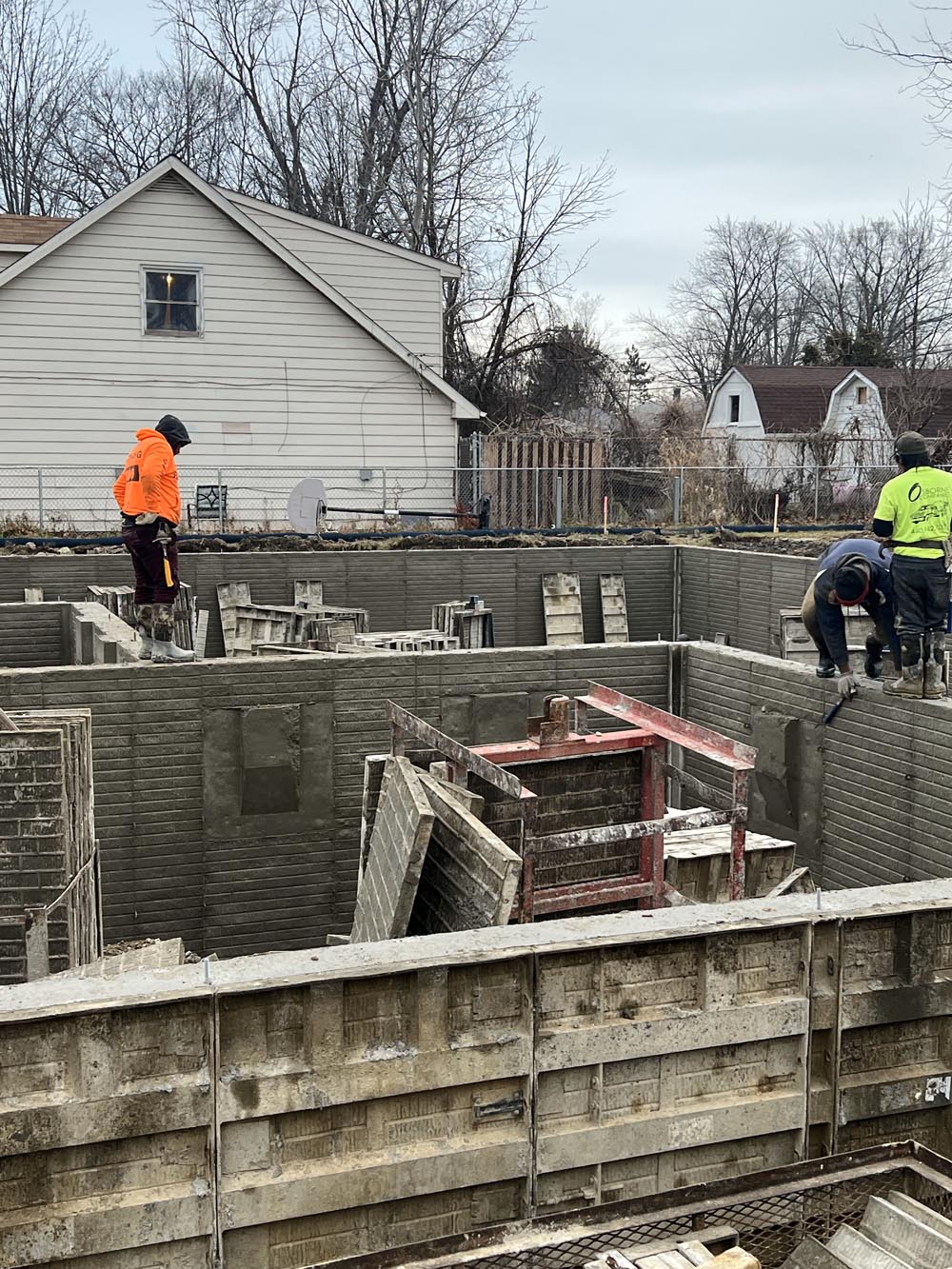
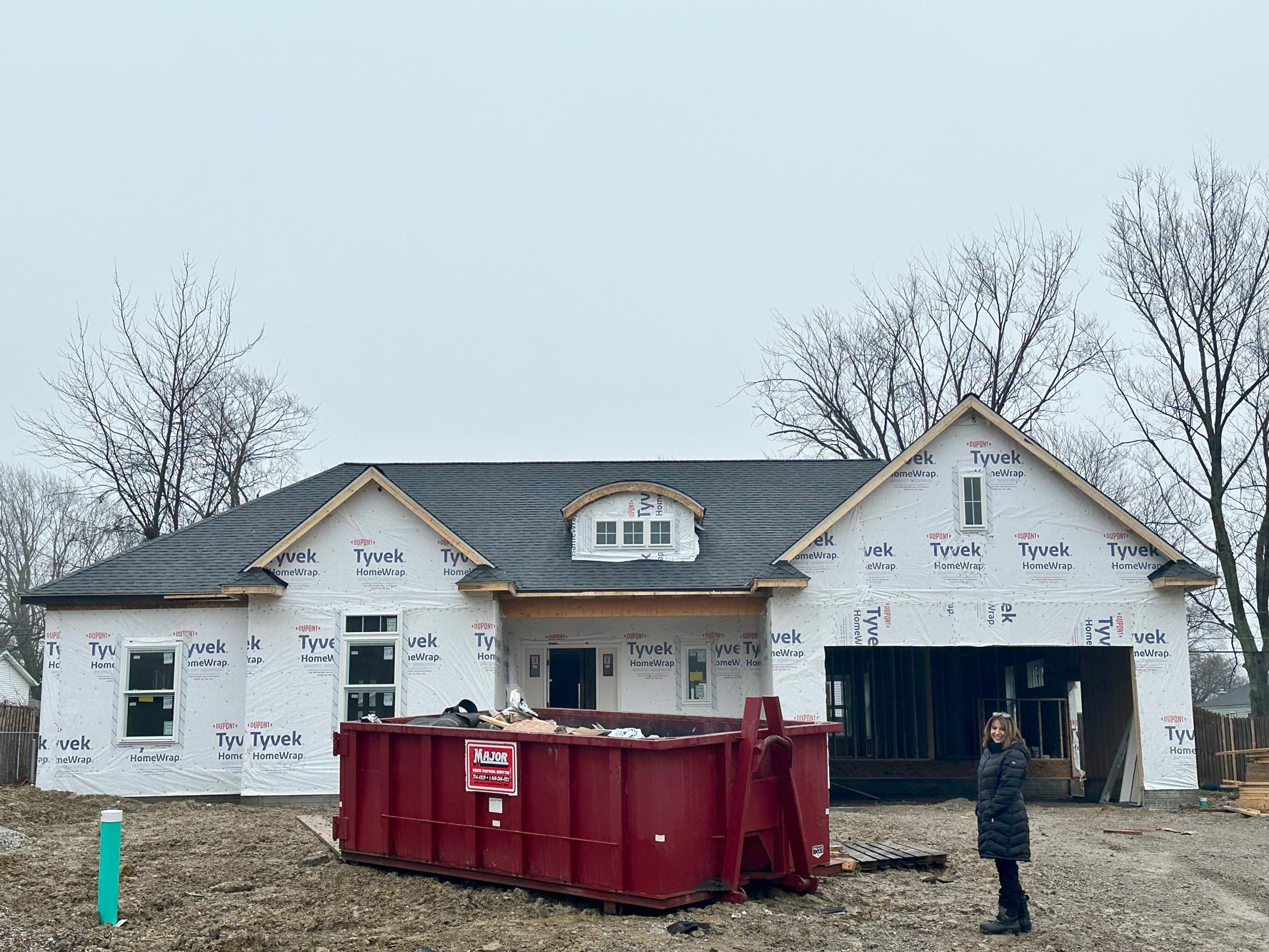
Having a school look and function as a residential home created design and construction challenges. The team had to find creative solutions to practical problems to attain a dual permit. After deciding that TDA would be the designer of choice, the next hurdle was finding an experienced residential construction company with the skills to accomplish unique goals while respecting the tight budget.

Christy sought assistance from various vendors in the area. “Many builders were intrigued by the project but not interested. ProBuilt Homes was the first to express genuine curiosity,” Christy recalled. “We sat down, and I explained the project and what we wanted. They agreed to collaborate, and it proved to be a wonderful partnership.”

The house was planned to be a comfortable, warm, and inviting space that served as a school in a suburban neighborhood. The blend of commercial and residential materials, technology, amenities, and design features made the project a unique opportunity for ProBuilt Homes and ThenDesign Architecture.

“It was exciting to take on such an unusual project,” said ProBuilt Homes Director of Operations Bob Myers. “Working closely with TDA, we helped Christy realize her dream. We typically work on homes that have seven or eight pages of blueprints. Ryan designed the house with a hundred. It was quite challenging, but the end result is where we shined. It fits well into the neighborhood, and nobody driving by would know that this house is actually a school.”

The key to success in constructing the CARES House was gathering enthused, dedicated partners. Horner Networks worked closely with the Mentor Public Schools’ IT Department to overcome the unusual challenges of the house’s customized technology needs. Other vendors included Ohio Desk and Kruger International (KI).

ThenDesign Architecture Architect Ryan Schmit gained support from the managing partners because the project aligned perfectly with the company’s core values of serving the community and improving students’ lives. Due to the healthy relationship established during past projects with Mentor Public Schools, the driving forces behind the decision to support CARES by donating time and resources was based upon the chance for the firm to help empower autistic students.

“The innovative depths of the CARES House run parallel with our firm’s mission,” said Robert Fiala. “The project combined our core values, social conscience, and expertise in educational design to create something for a broader audience. Our core values are more than creating relationships with clients and running a successful architecture firm. It has to do with investing in the communities we serve. We are proud to support the CARES program that empowers autistic students.”

The CARES House officially opened for the 2024-2025 school year.

"Working directly with families inspired what the house became."
Christy LaPaglia
CARES Director

Mentor's CARES House Construction

Technical Features Support Autistic Students

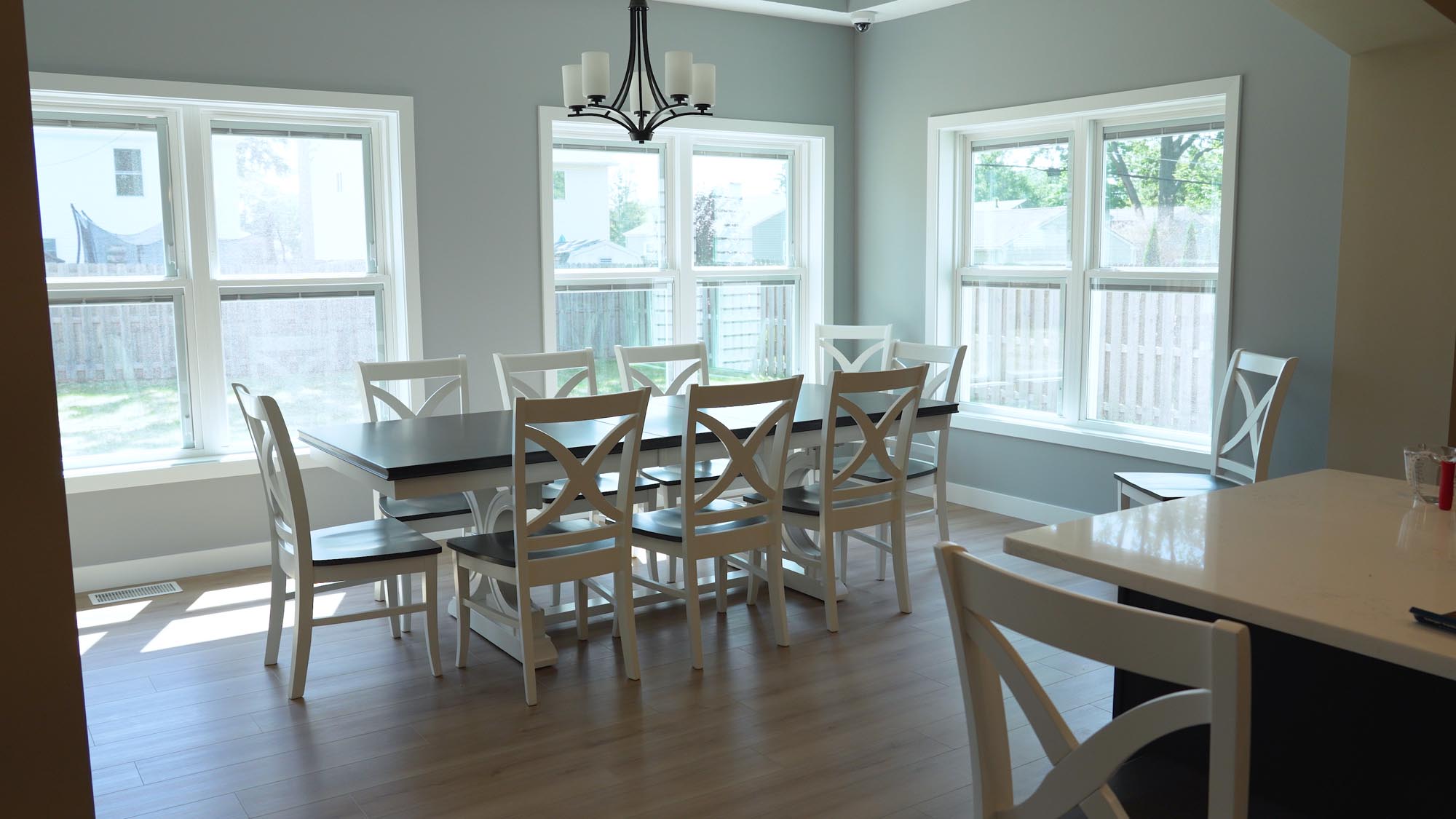
Safety was at the forefront of all design considerations. The 2,540 SF single-story CARES House is a natural learning space that provides a one-of-a-kind experience with specialized amenities that offer a comfortable and safety-centric environment.

TDA, ProBuilt Homes, and other vendors worked closely with Christy to implement unique technologies to support autistic families. Based on parent feedback and wish list items, the features evolved far beyond standard doors and bathtubs.

CARES House Features Include:

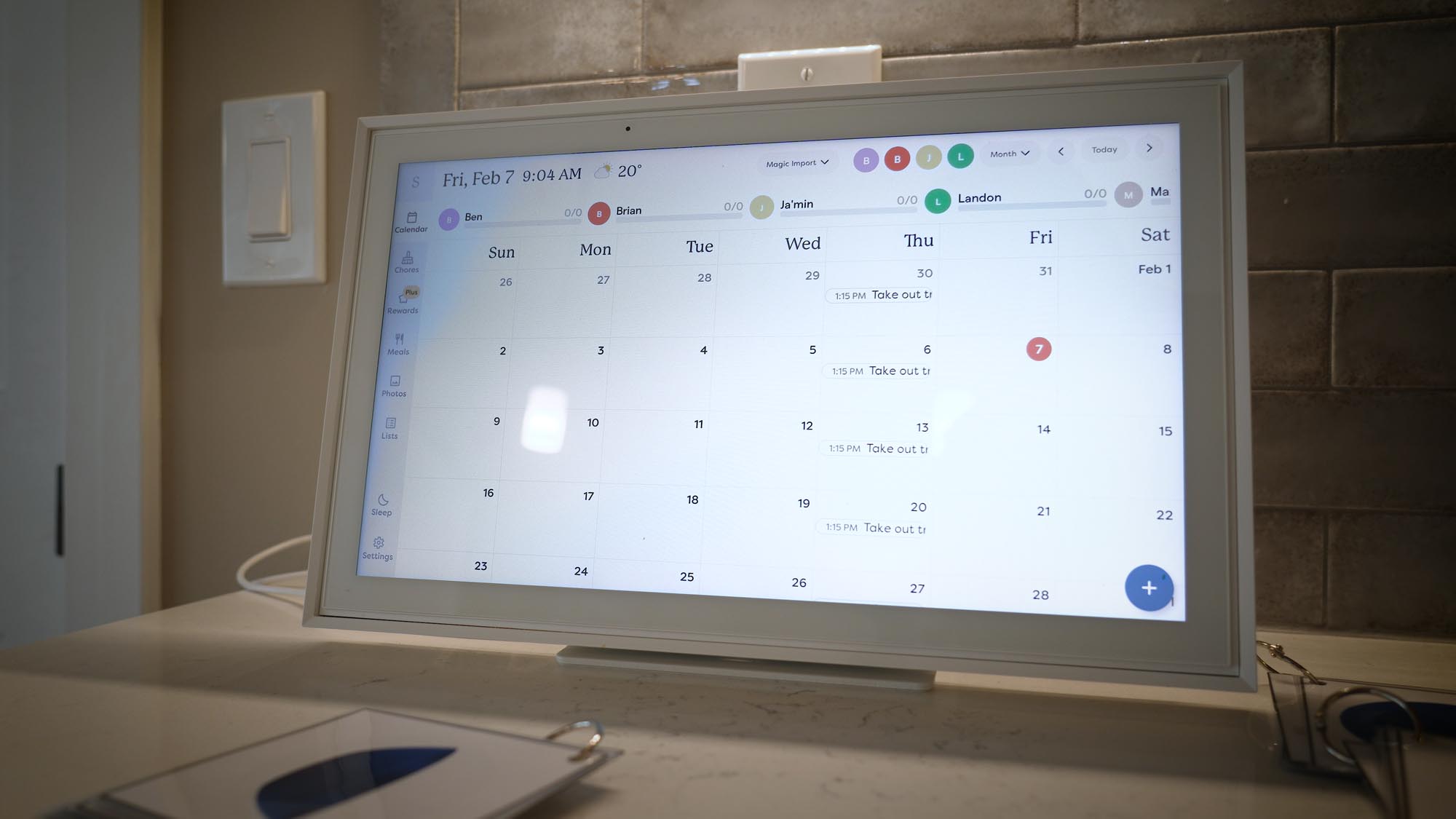
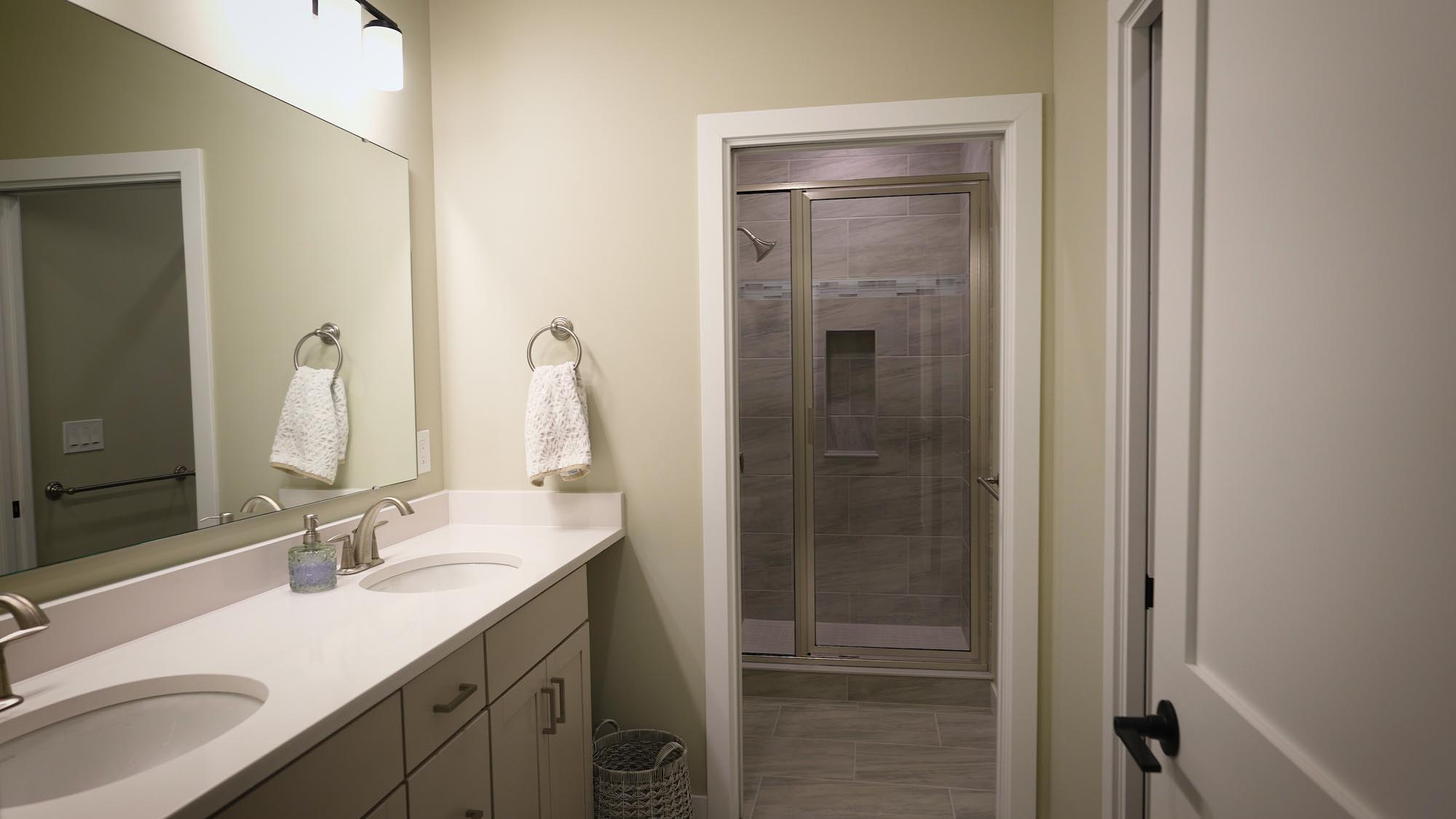
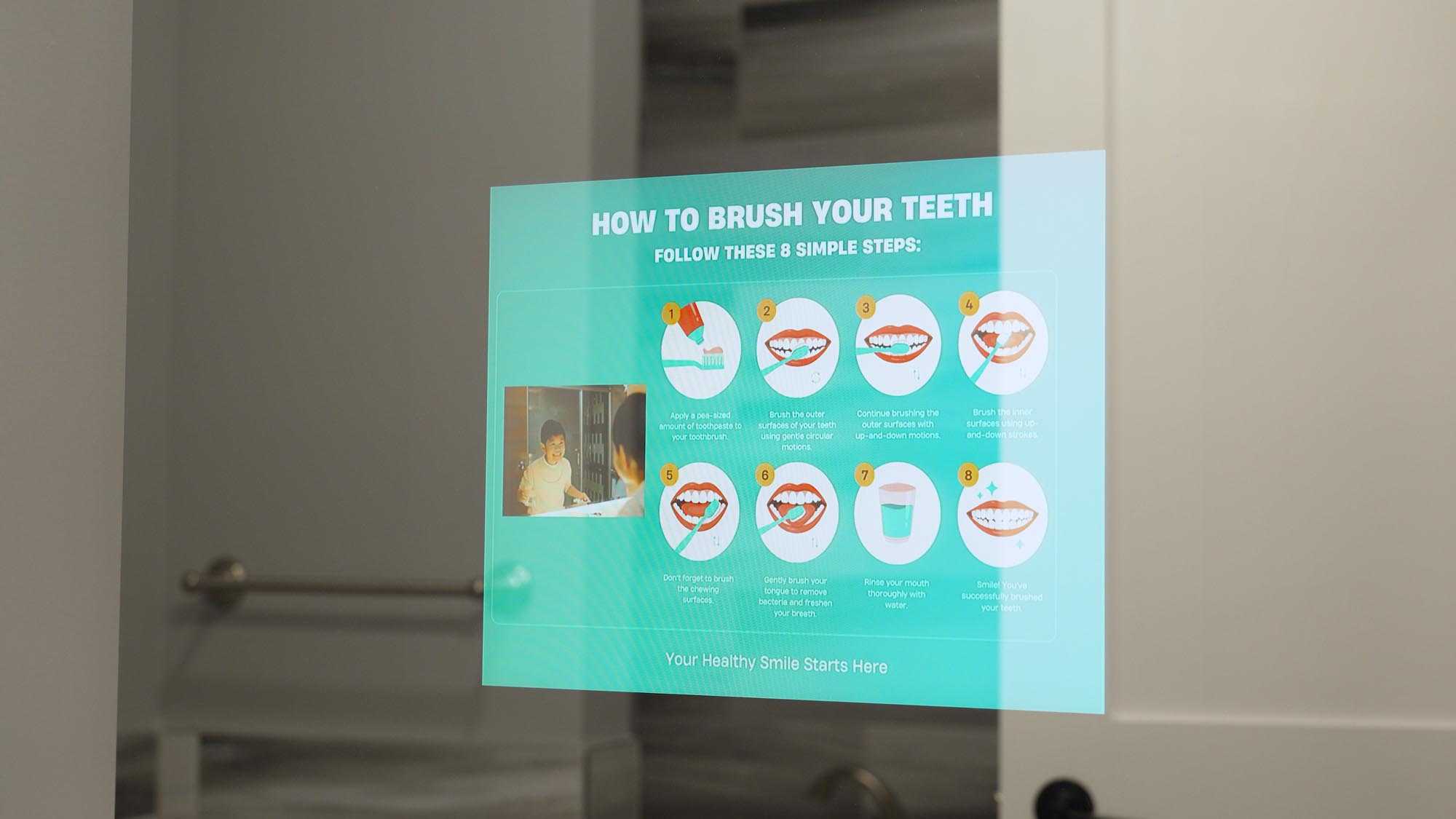
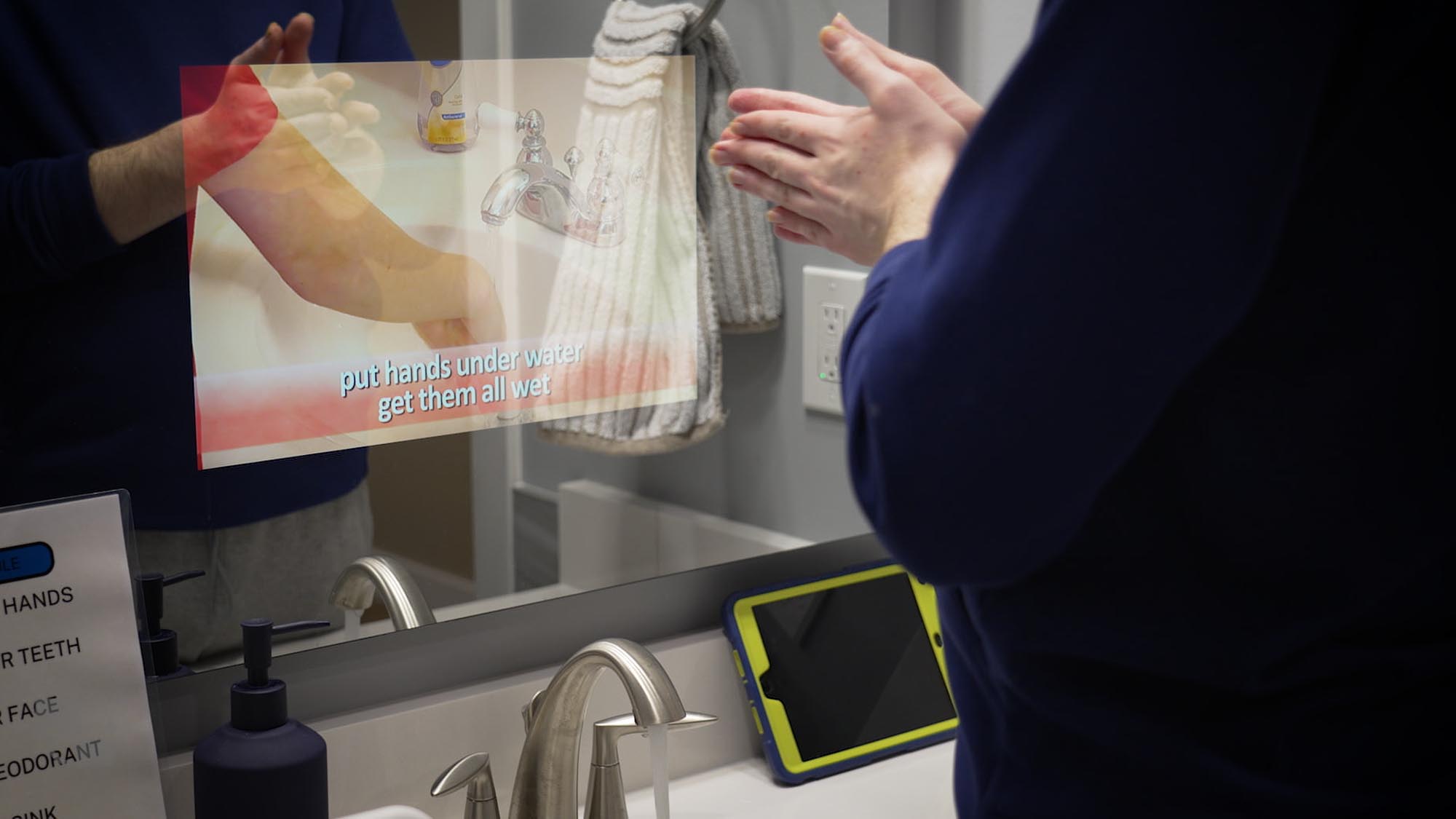
      • A video display built into the bathroom mirror steps through various hygiene instructions.
      • The wet restroom features a sensory bathtub that utilizes bubbles and lights.
      • The simple button toilets use concealed water tanks.
      • A house-wide sound system plays verbal cues to assist with the transition between activities.
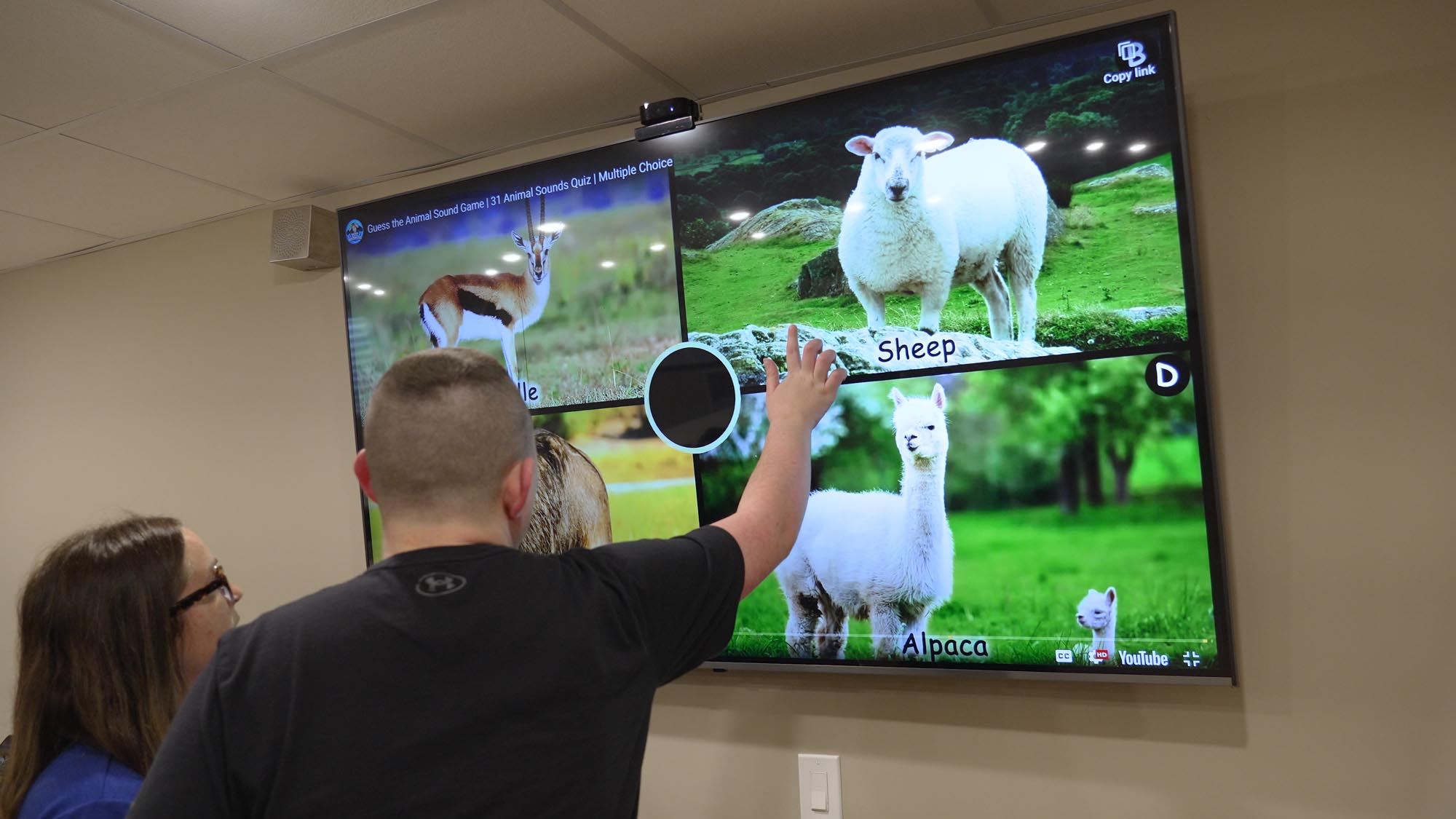
      • Non-verbal students can communicate ideas by pushing designated buttons on the walls.
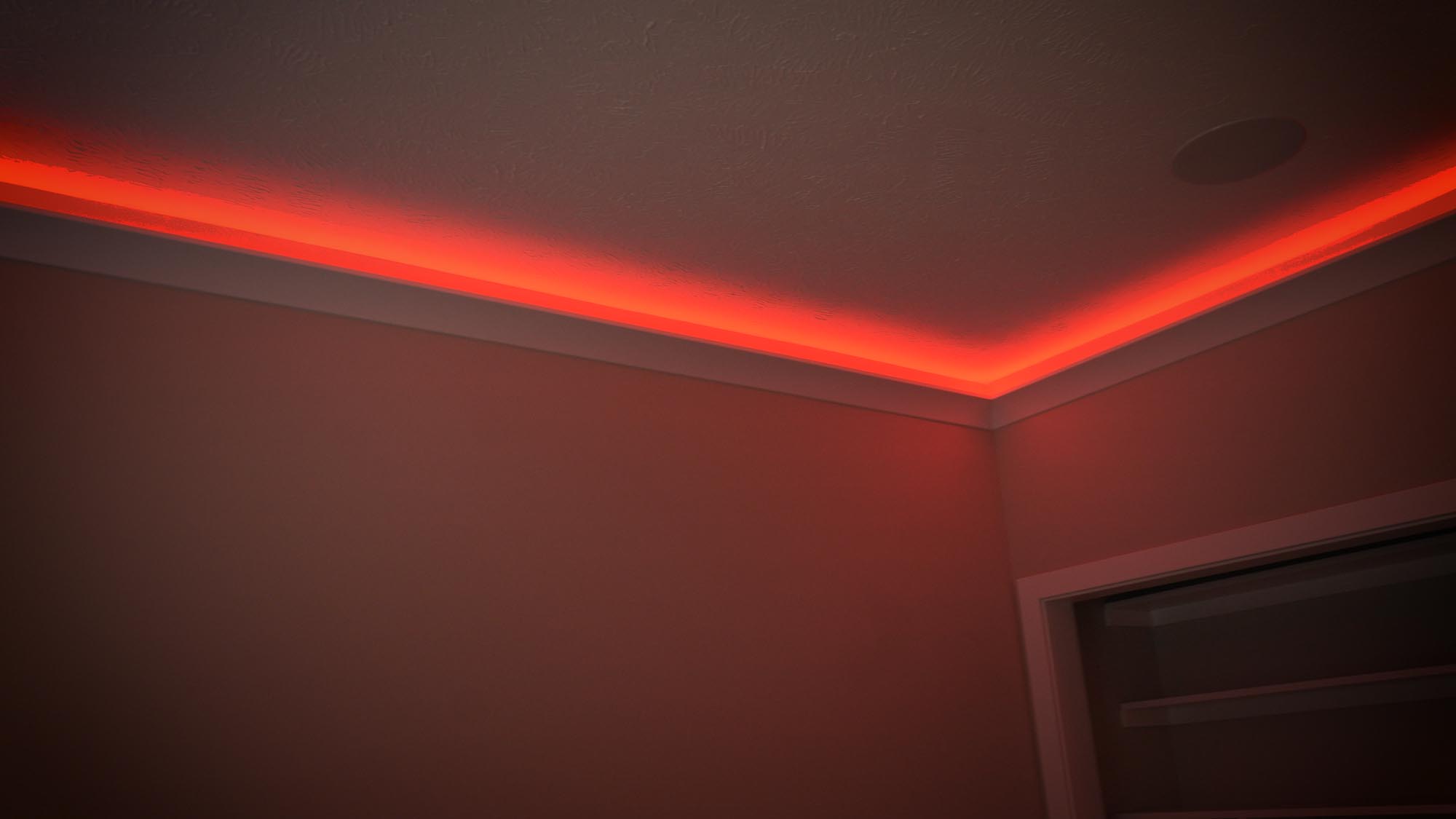
      • Specialized lighting adjusts colors to indicate bedtime, wake-up time, or conclusion of an activity.
      • Monitors instruct students by displaying tasks and chores.
      • Parents can observe activities from a monitor or phone through an in-house camera system.
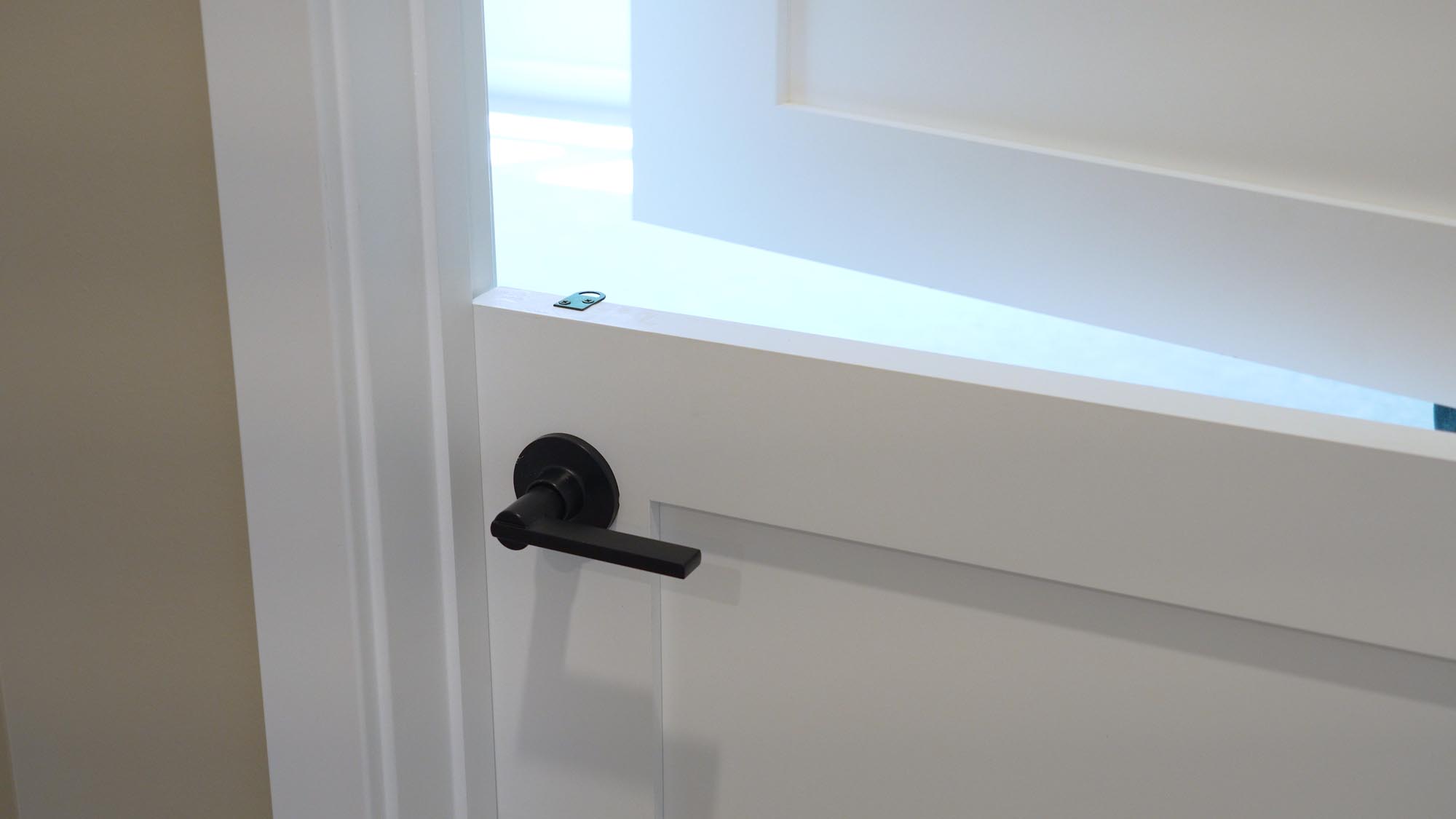
      • Dutch doors can be half-closed, allowing parents to supervise activities while providing a sense of privacy.
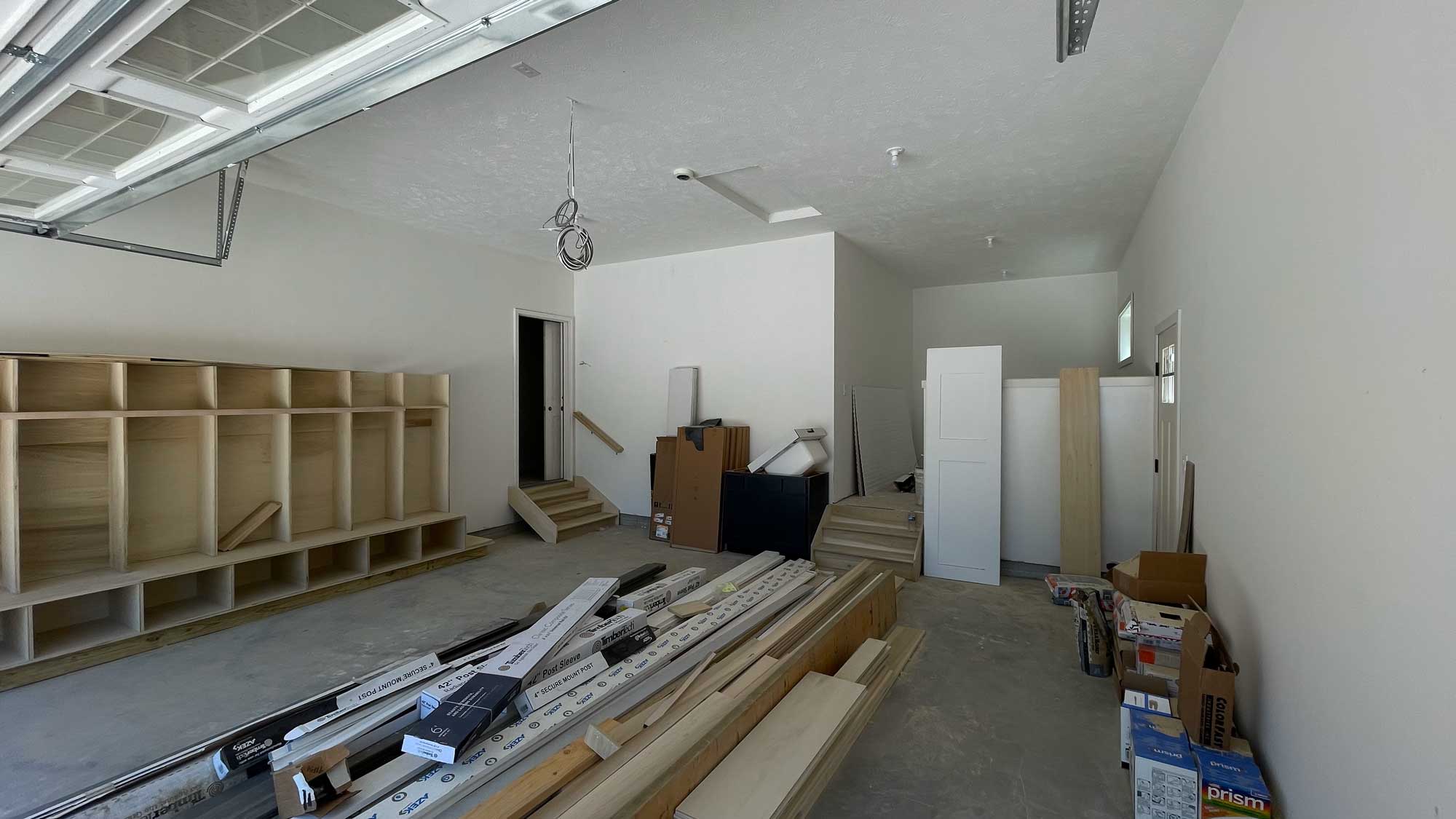
      • The garage has changing station lockers and a sensory area.
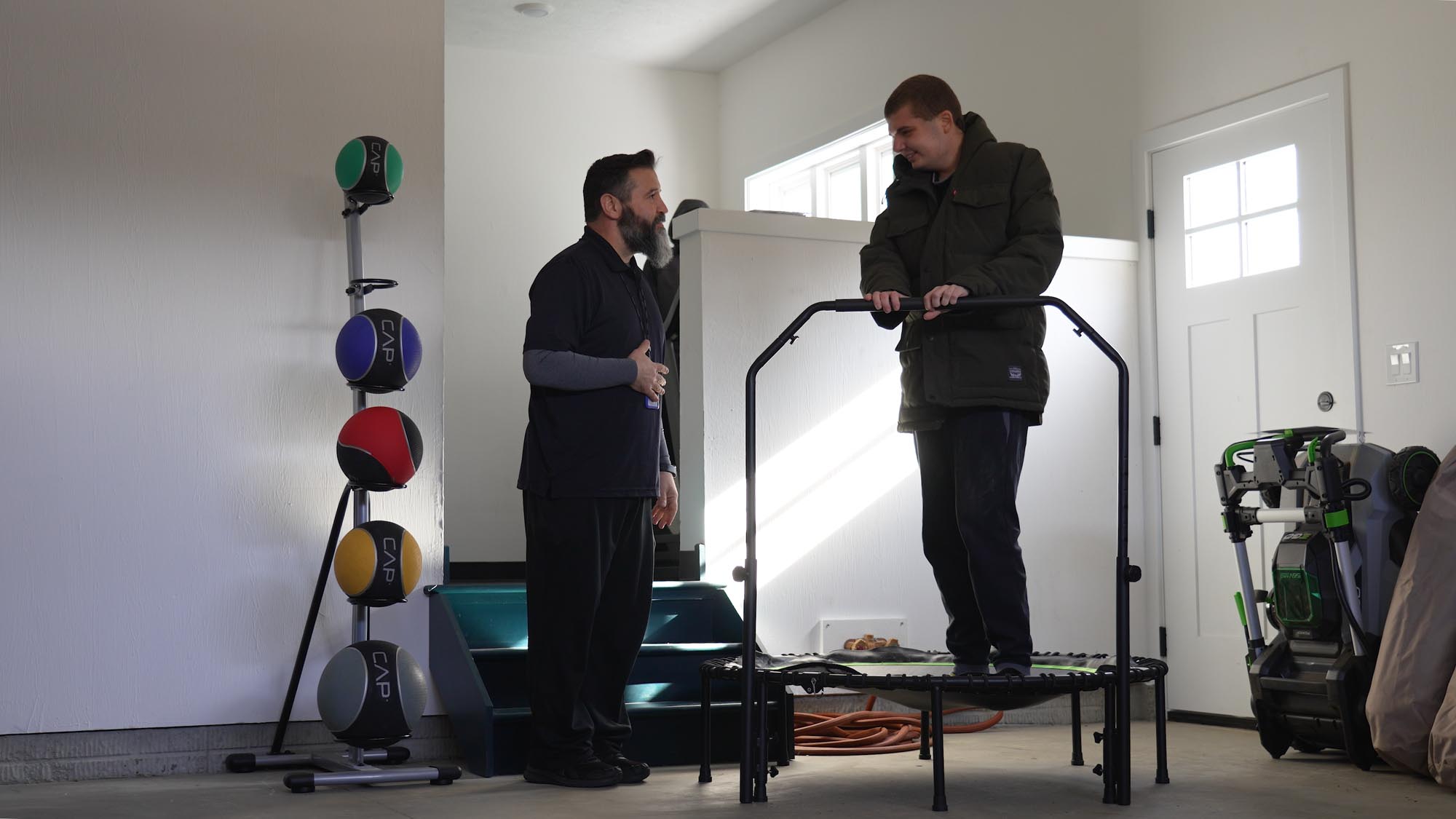
      • The exercise space in the garage has a treadmill, weights, and trampoline.
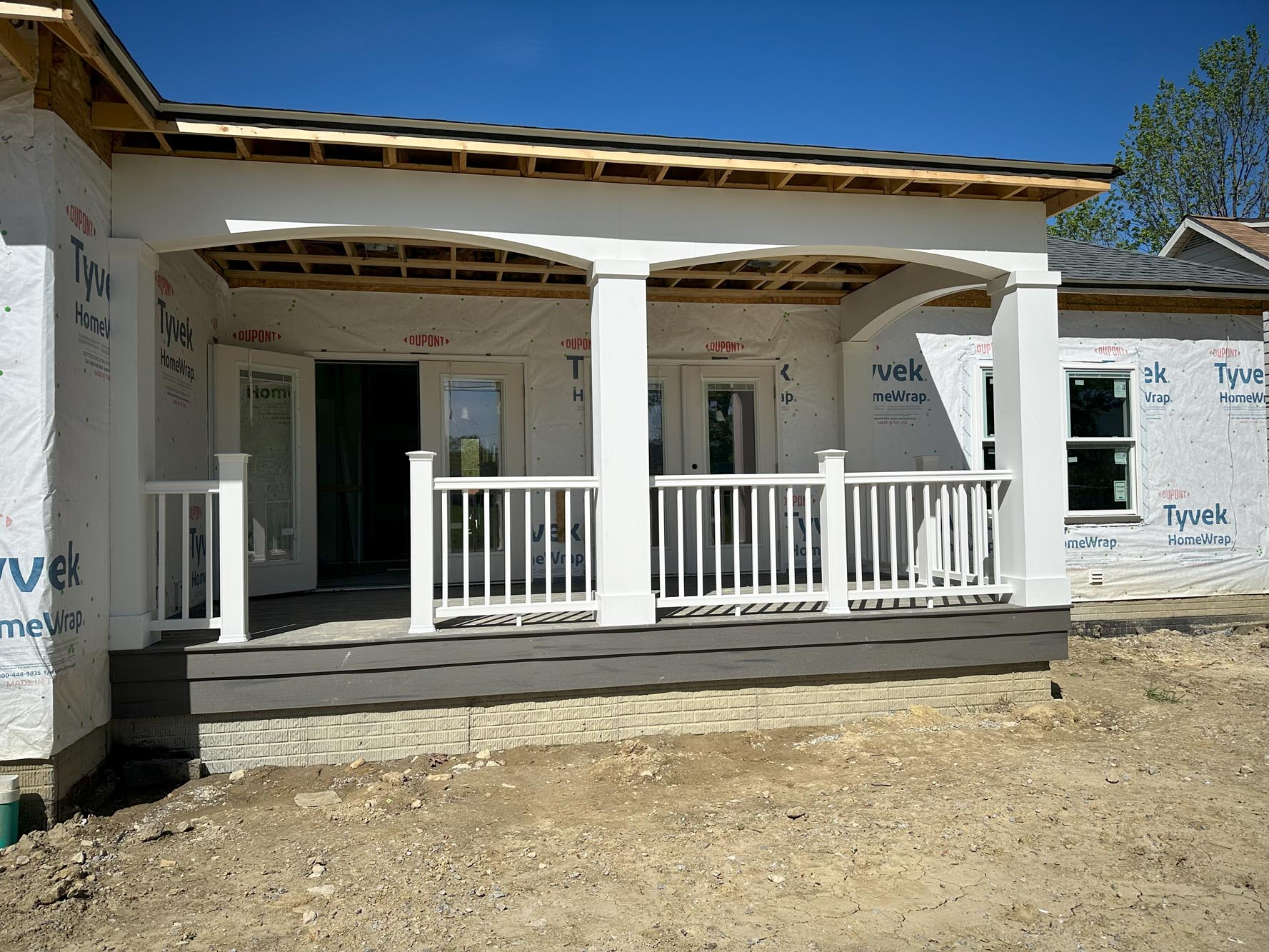
      • Patio railings and a gated porch allow younger children to be outside in a more controlled environment.
      • Exterior doors beep when they open to indicate that someone is entering or exiting.
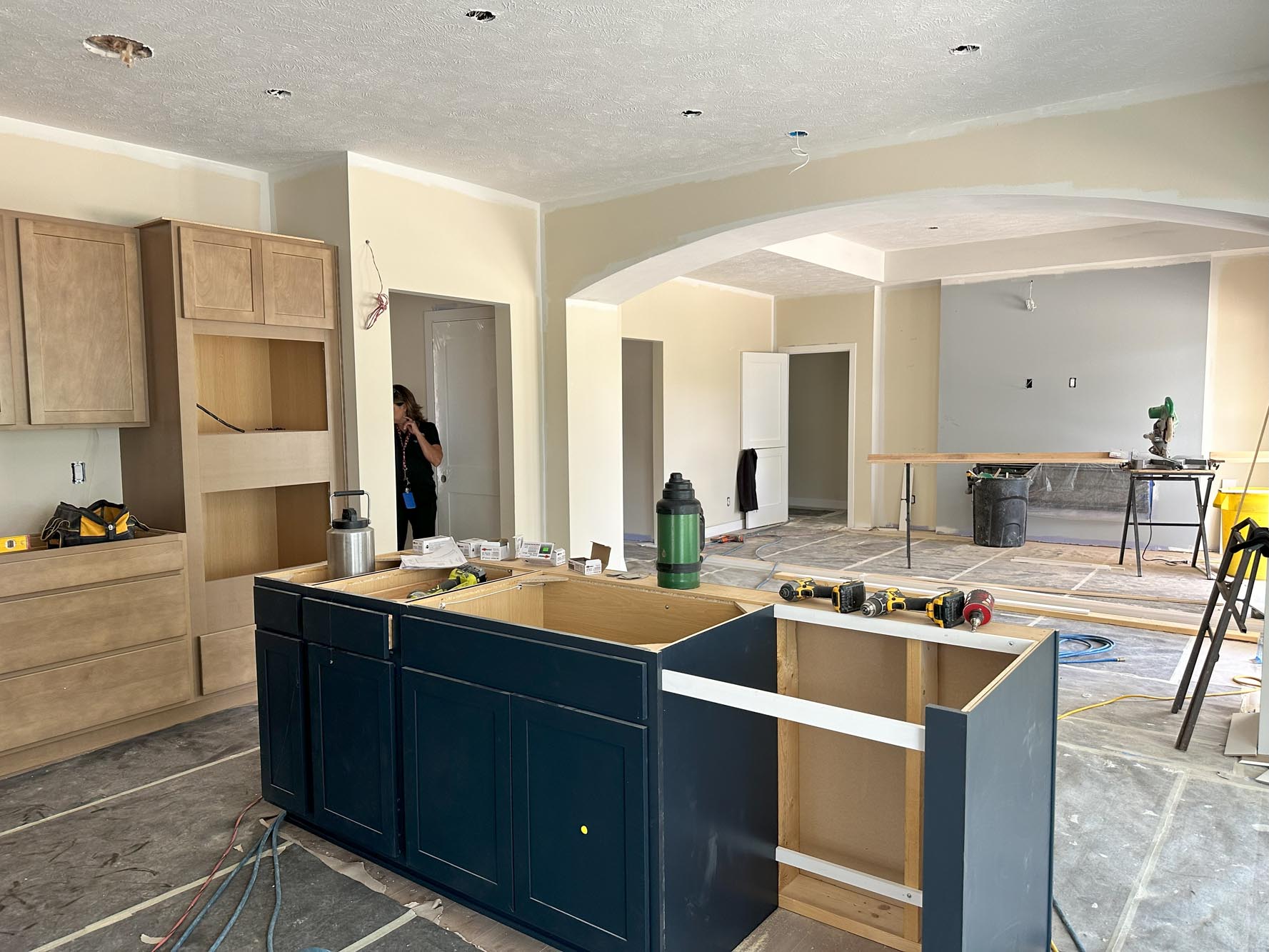
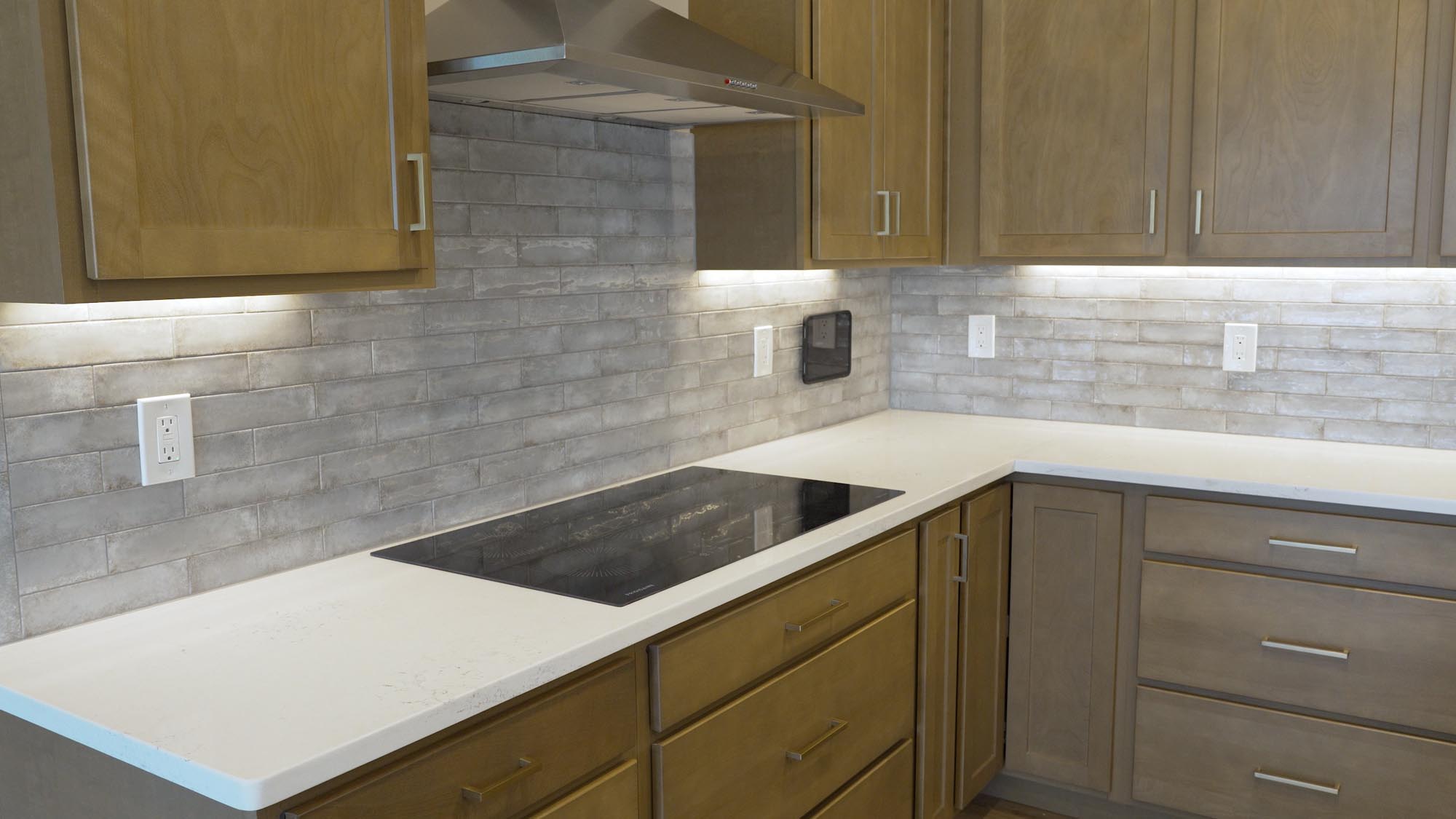
      • The kitchen range is a cool touch inductive stove for advanced safety.
      • The lockable refrigerator is inside the butler pantry behind lockable doors to prevent unsupervised access.
      • Adjustable window blinds are encased inside the glass.
      • TVs are built into the bedroom walls to prevent damage.
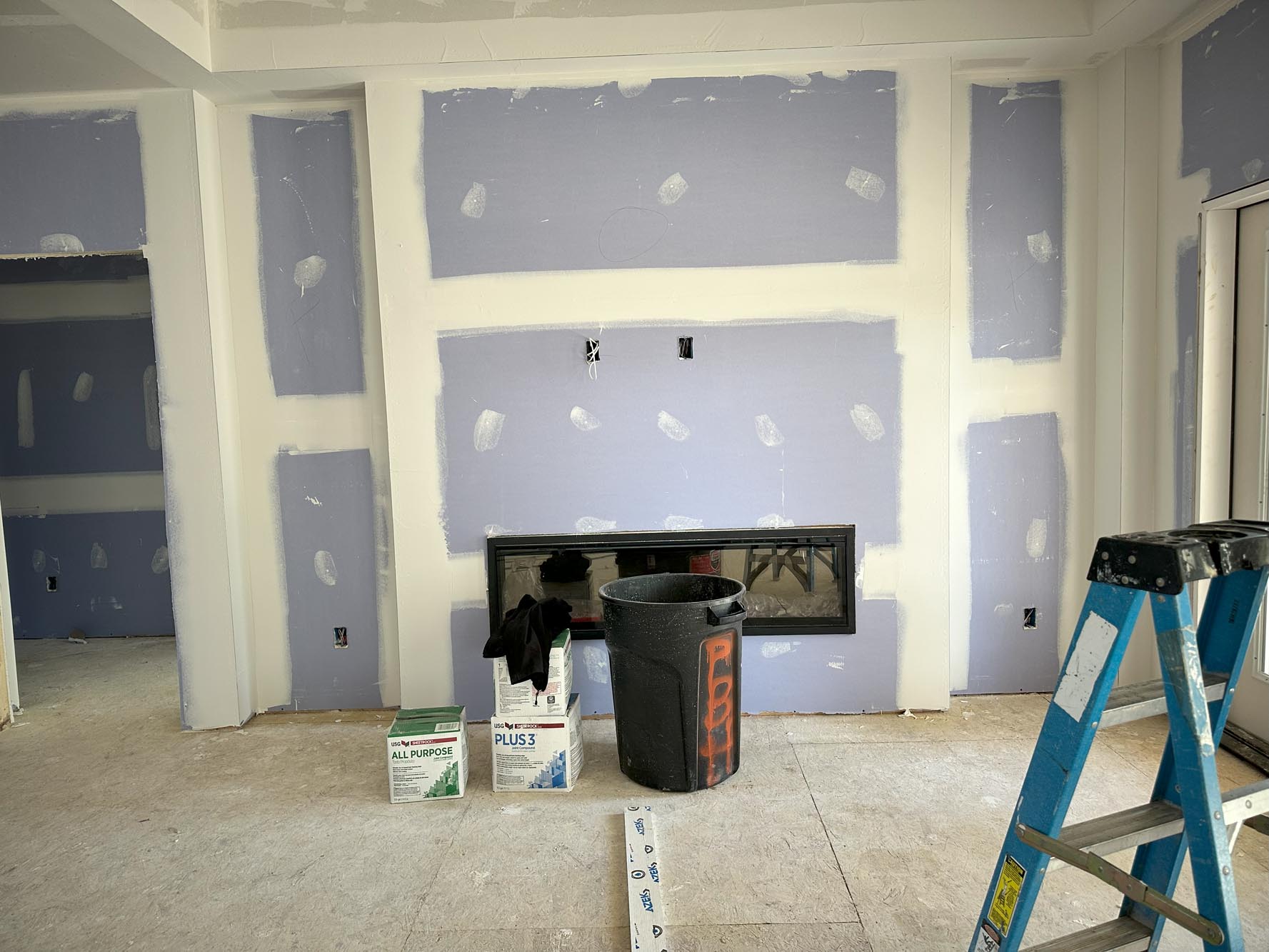
      • The living room fireplace is a no-heat video display.

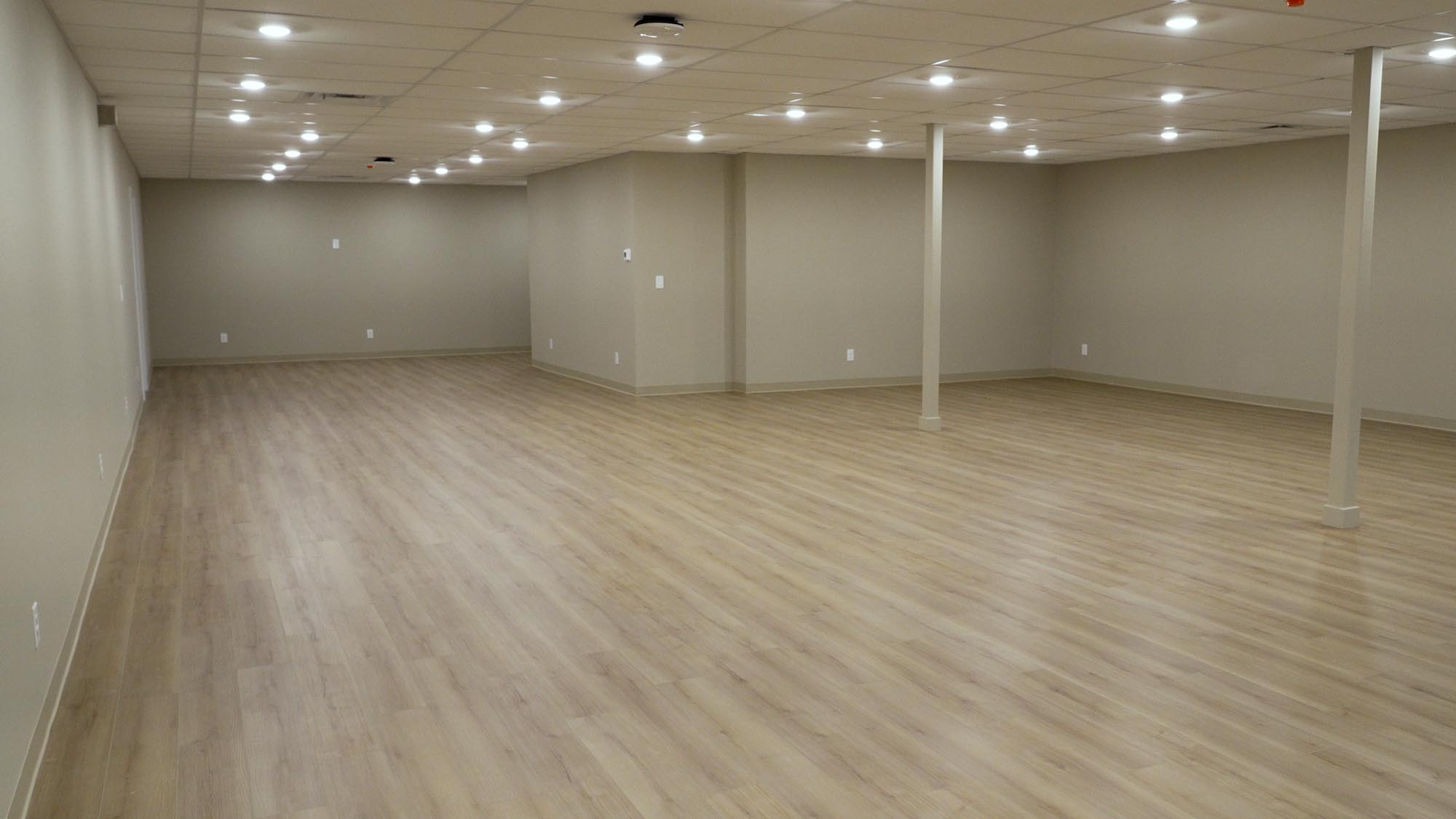
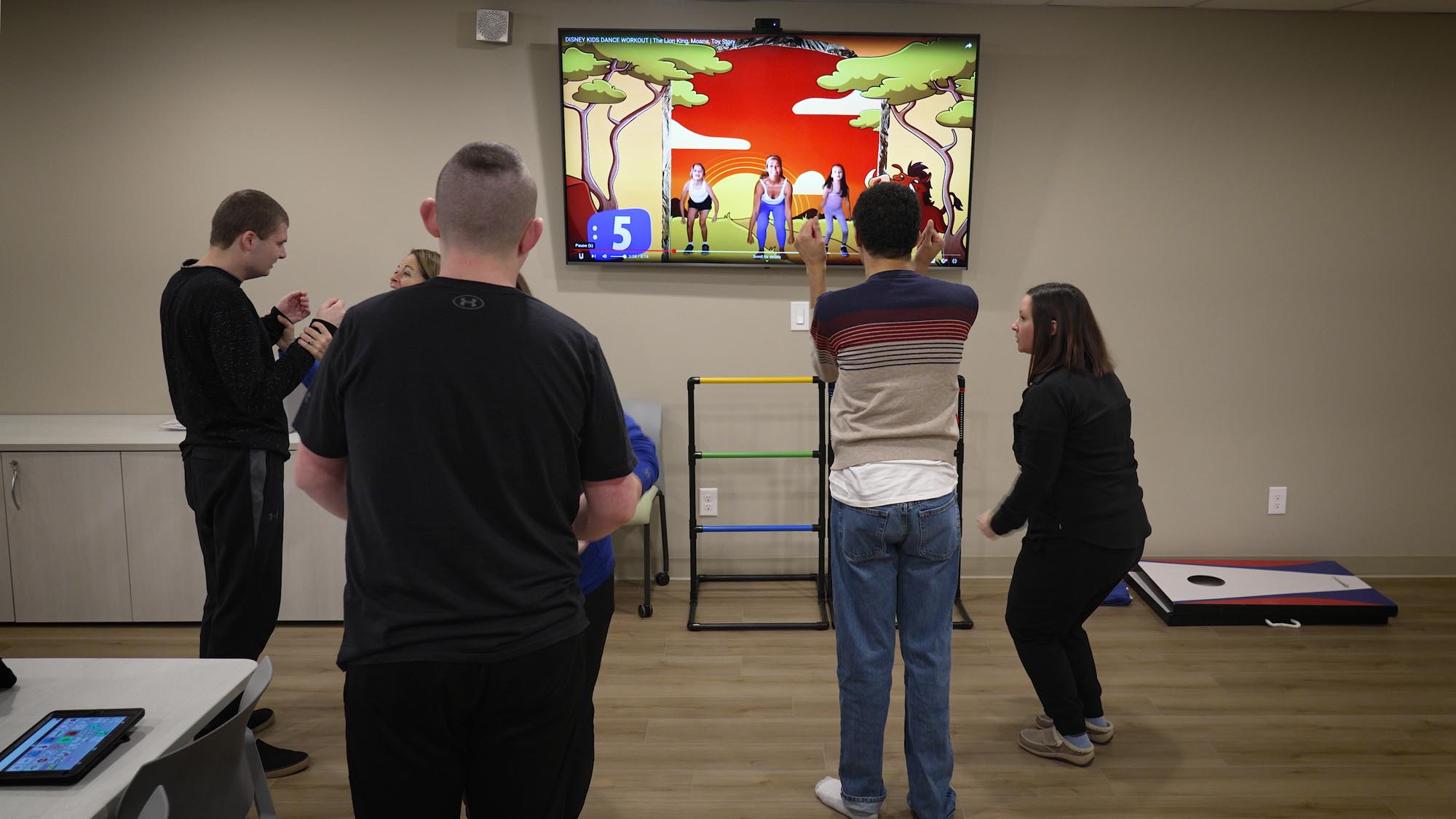
The basement is the staff and parent training center, but it is also used for student movement exercises and playing games. When parents are invited to the house, they can participate in interactive lectures and group discussions. Every part of the house serves to better assist autistic students and their families.

“It was nice to collaborate with others who shared the vision of the CARES House,” remarked CARES Assistant Director Brittni Mejac. “They found clever solutions to the features we wanted to have. Now, the sky’s the limit.”

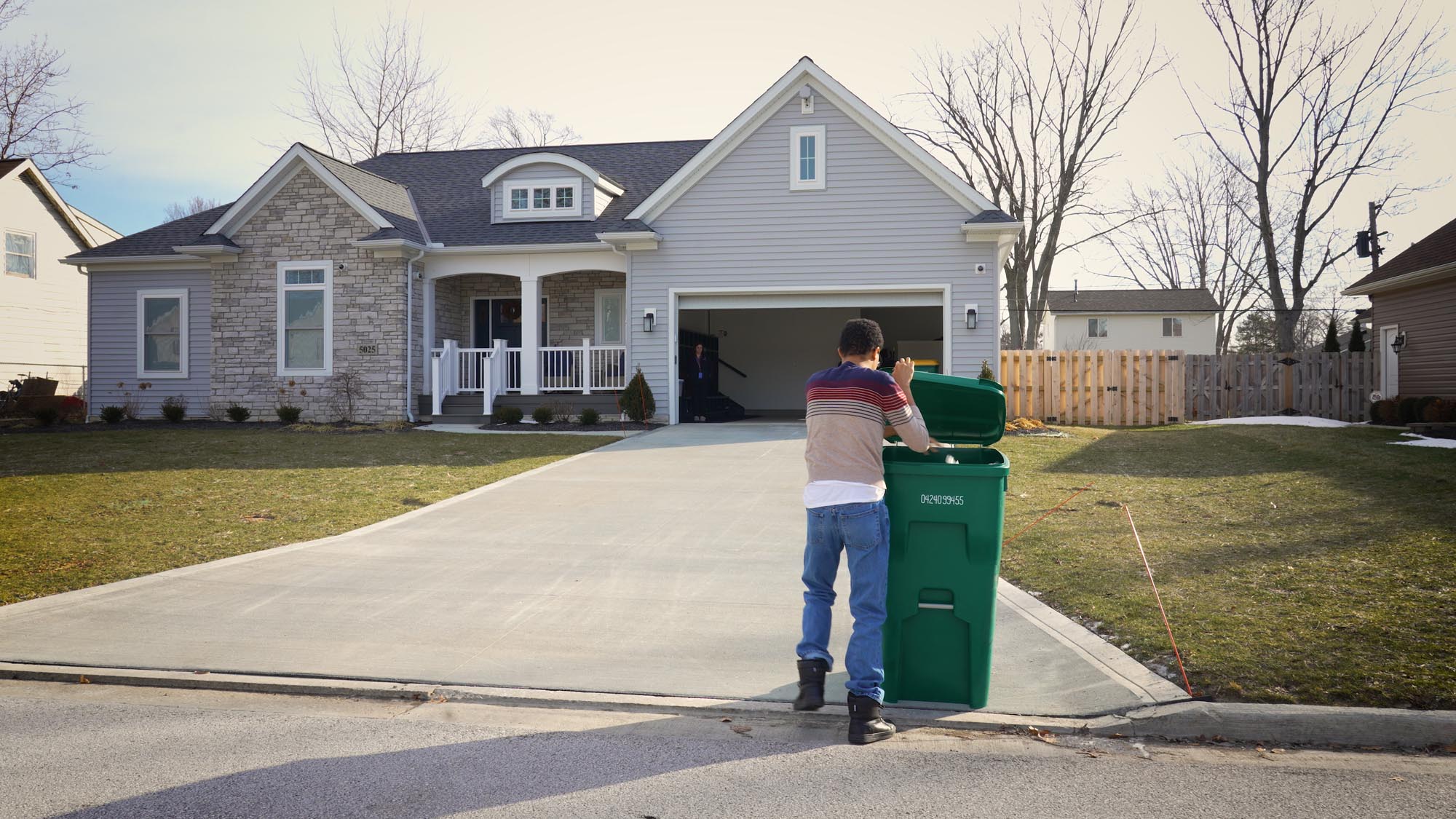
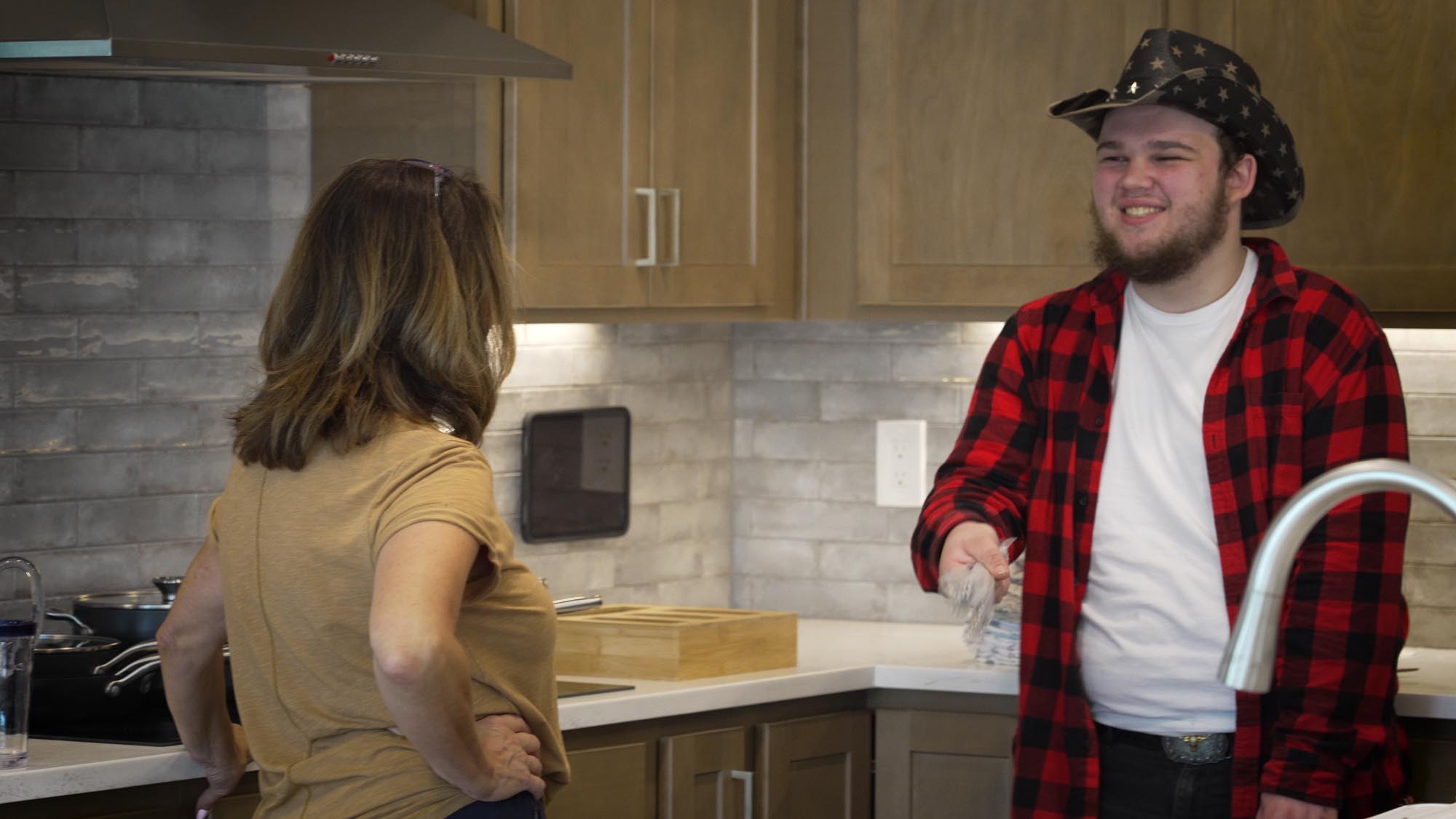
“We wanted to expand the skills we could provide, like cooking, maintaining a house, taking out the garbage, landscaping, and washing windows,” Christy said. “They will also learn how to live with others.” The goal of the house is to have students become an independent, productive part of the job force and community.

"The students thrive, and the students have so much success."
Dawn Budziak
Parent

Mentor's CARES House Details

A Very Active House

“At the heart of our success is the ‘CARES Way,’” Christy said. “It’s a commitment to continuous learning, embracing change, and fostering a culture of kindness. Our team, who face demanding challenges daily, embody these principles. Their dedication is unparalleled, and I’m incredibly fortunate to work alongside such exceptional individuals.”

The experienced, highly-trained staff provides specialized instruction for each student with different needs. Students on the autism spectrum can range from verbal to non-verbal, requiring different approaches to suit their cognitive circumstances. Due to this, students and staff adapt activities and instructions on an individual basis.

CARES in Mentor has three occupational therapists, three speech therapists, three behavioral specialists, and one transition coordinator. Intervention Specialist Lindsey Hesson noted the progress in the first year of the CARES House, “The things that we’ve been working on for three years are being mastered here because it’s real life. It’s what they do at home. I’m blown away by how much they’ve grown.”

Autistic students can struggle to learn through traditional academics but have found success in retaining information by experiencing functional skills like reading and math in real-life situations. Checking a grocery list, organizing chores, measuring meal ingredients, and managing money using a credit card provide practical circumstances supporting independence.

The CARES House program is customized for maximum impact and success. Employing thoughtful routines, the students gain skills from repetition and personalized instruction. Lindsey described an outline for a day in the life of a CARES House student.

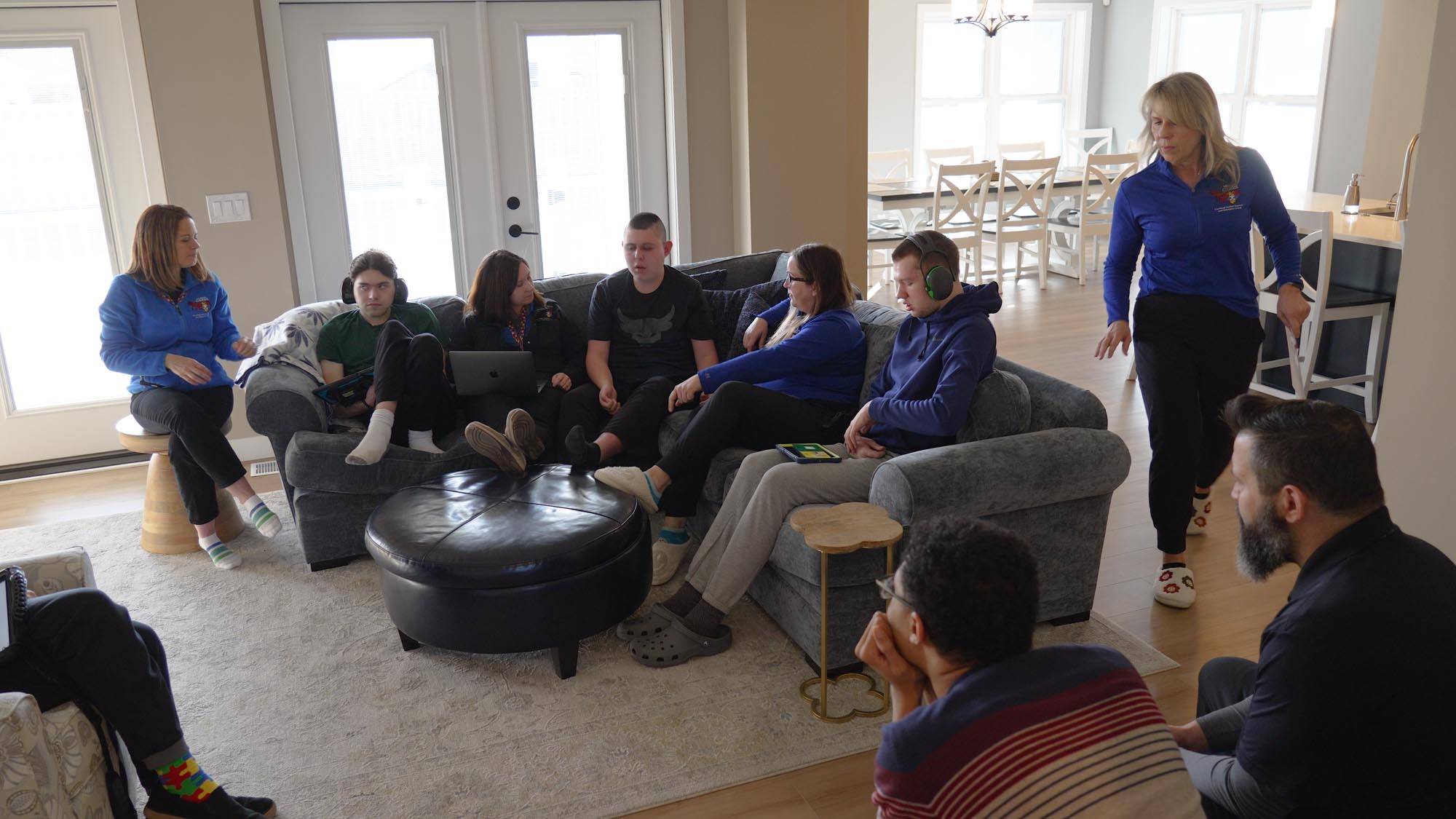
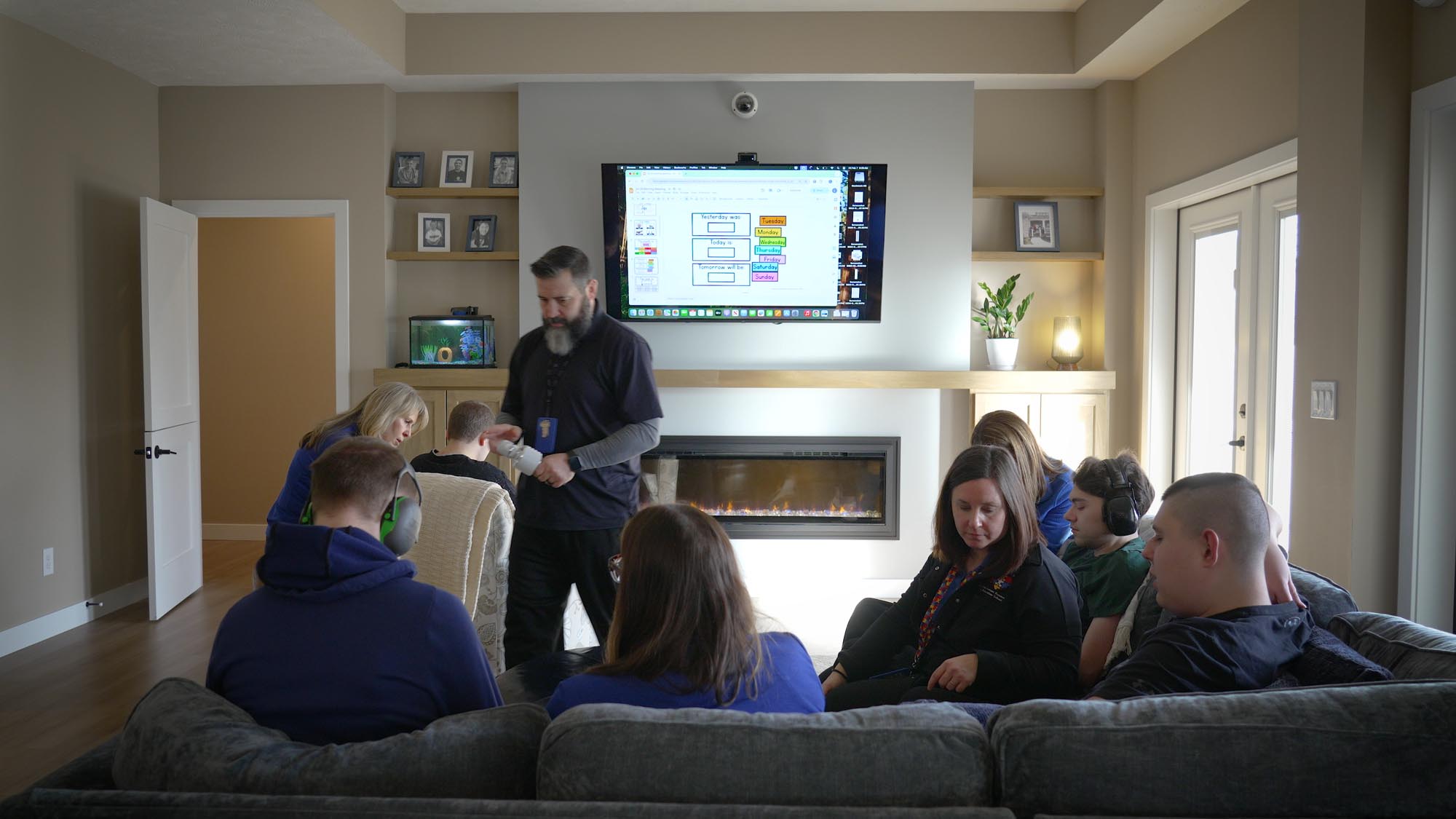
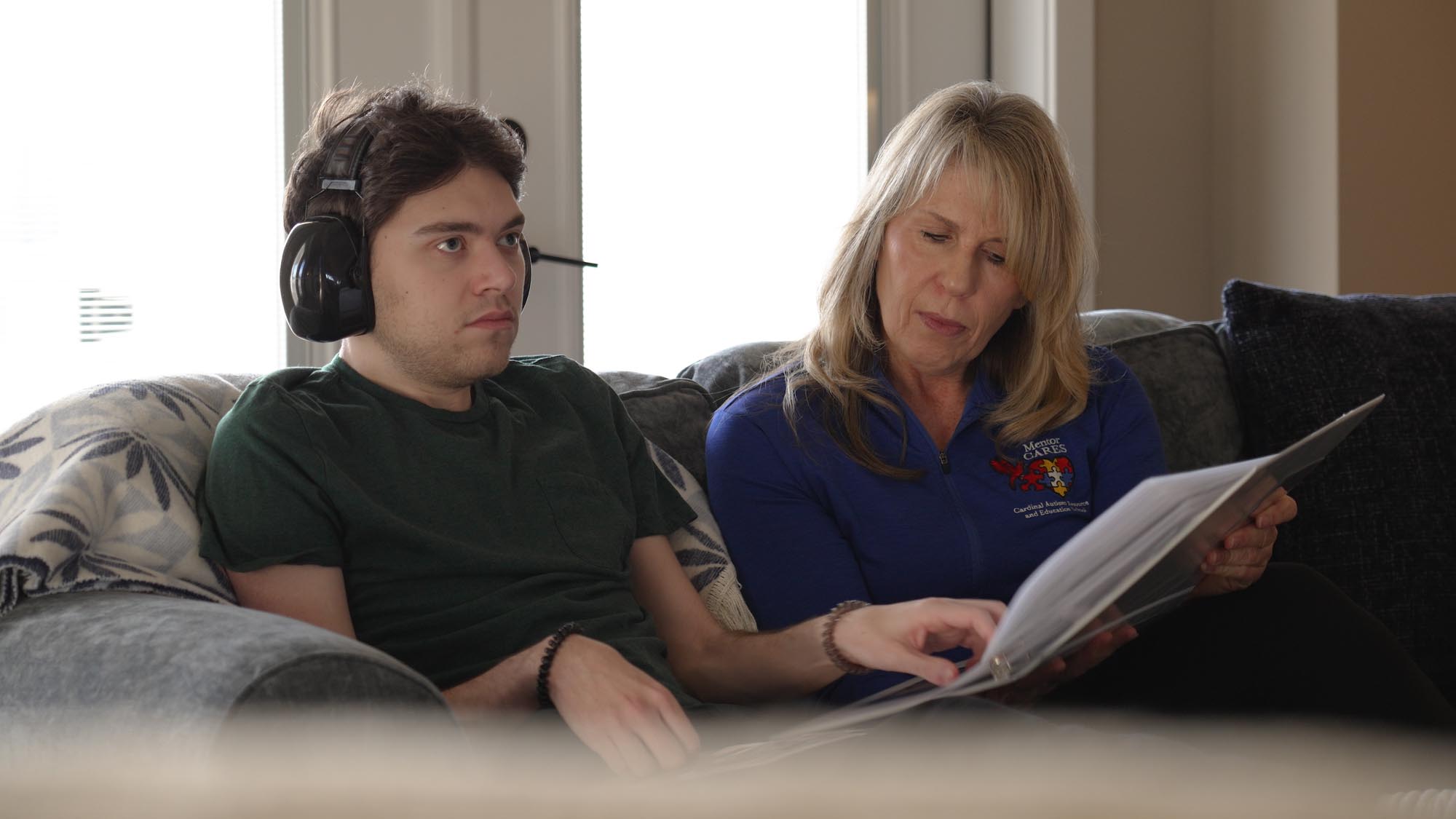
After the students arrive and enter through the garage, they use their designated lockers to put away coats and switch into their indoor shoes. They enter the house and check the daily schedule. Each student chooses which order to complete their morning routine of breakfast, hygiene, or sensory activity. Some enjoy bouncing on a ball in a quiet room, while others walk around the neighborhood. All staff and students meet in the living room to discuss the forthcoming day. Binders supply rotating chores and leisure activities to choose from and assign.

Some activities are weather-dependent, requiring creativity to maintain. This may include walking a designated path in the large basement rather than outside.

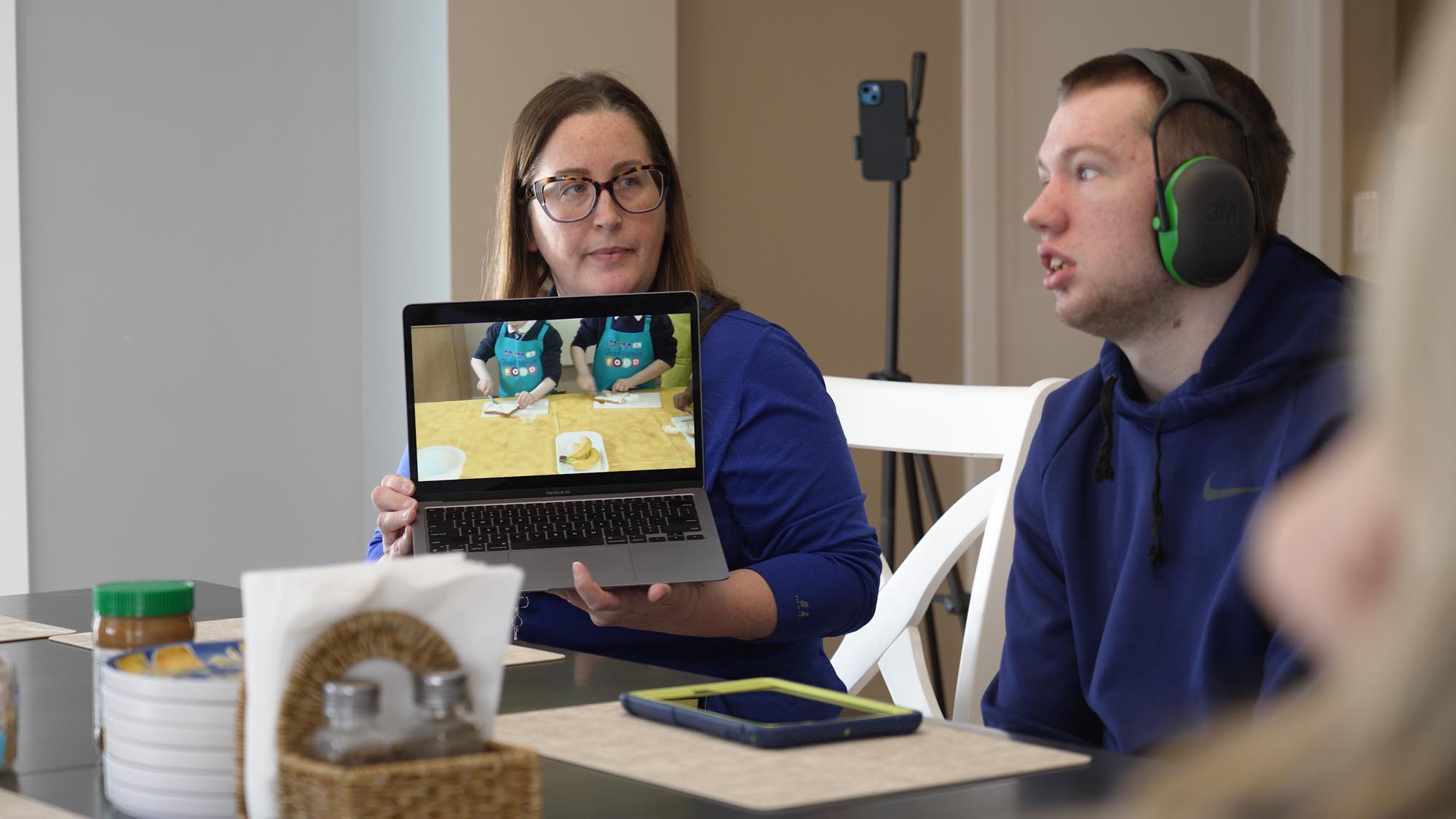
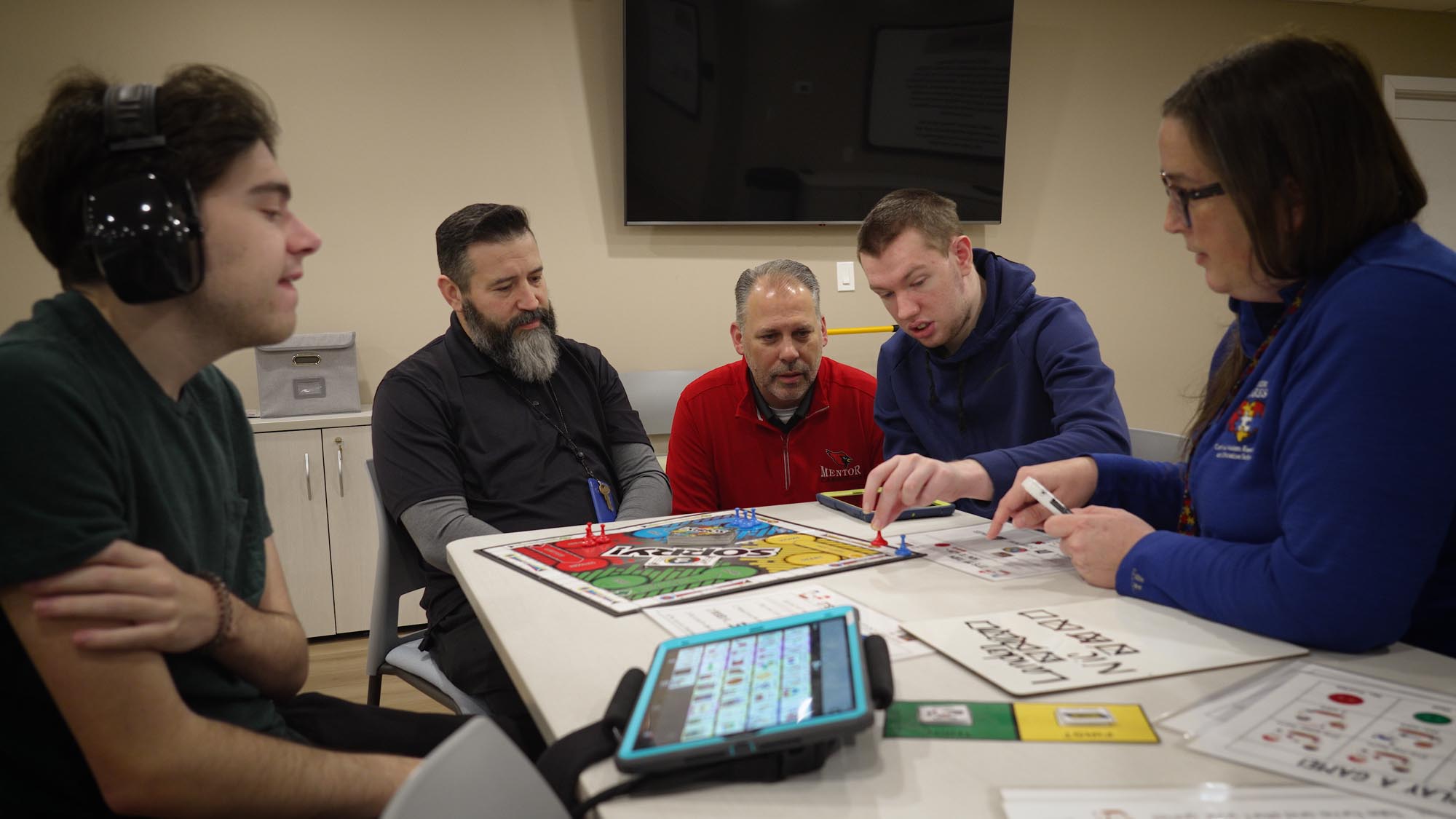
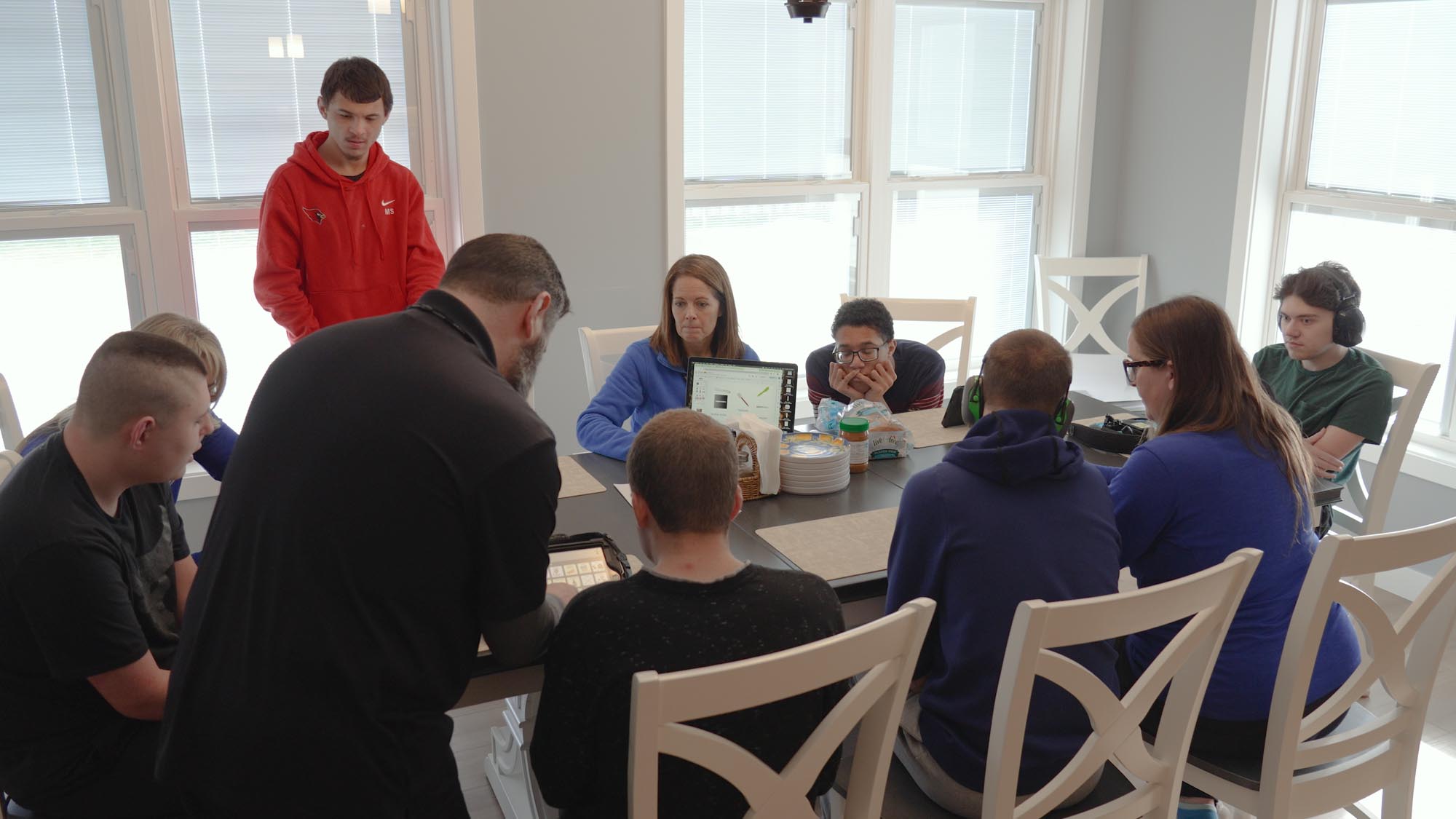
Students enjoy group activities like cooking, following an exercise video, or playing board games. Individual instruction to work on speech and set personal goals is implemented. They will also engage in service projects like preparing meals for teachers across the street to acclimate them to public interactions and serve the community.

“We make our lunches and sit down together,” Lindsey said, “This is one of my favorite parts of the day.”

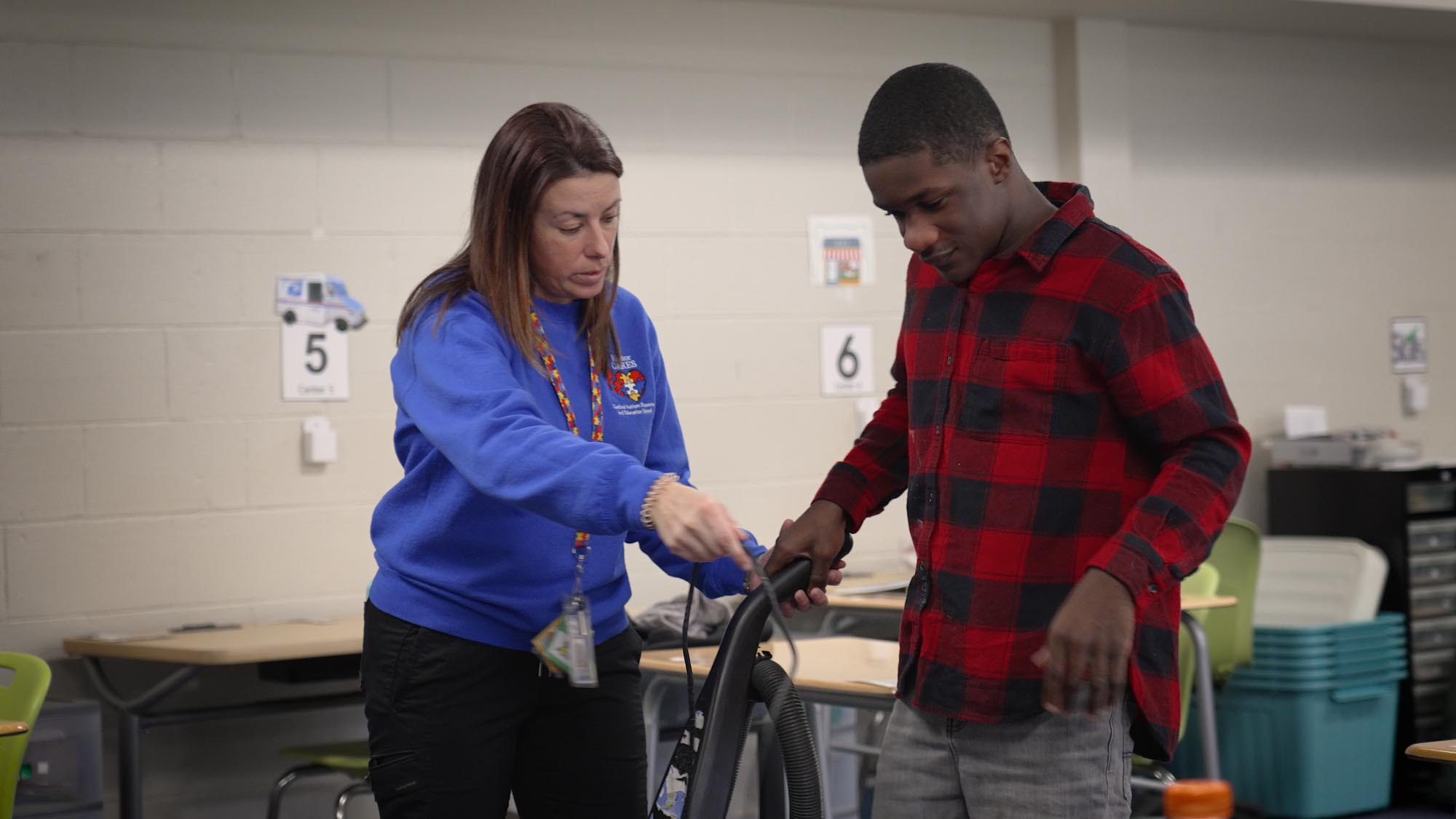
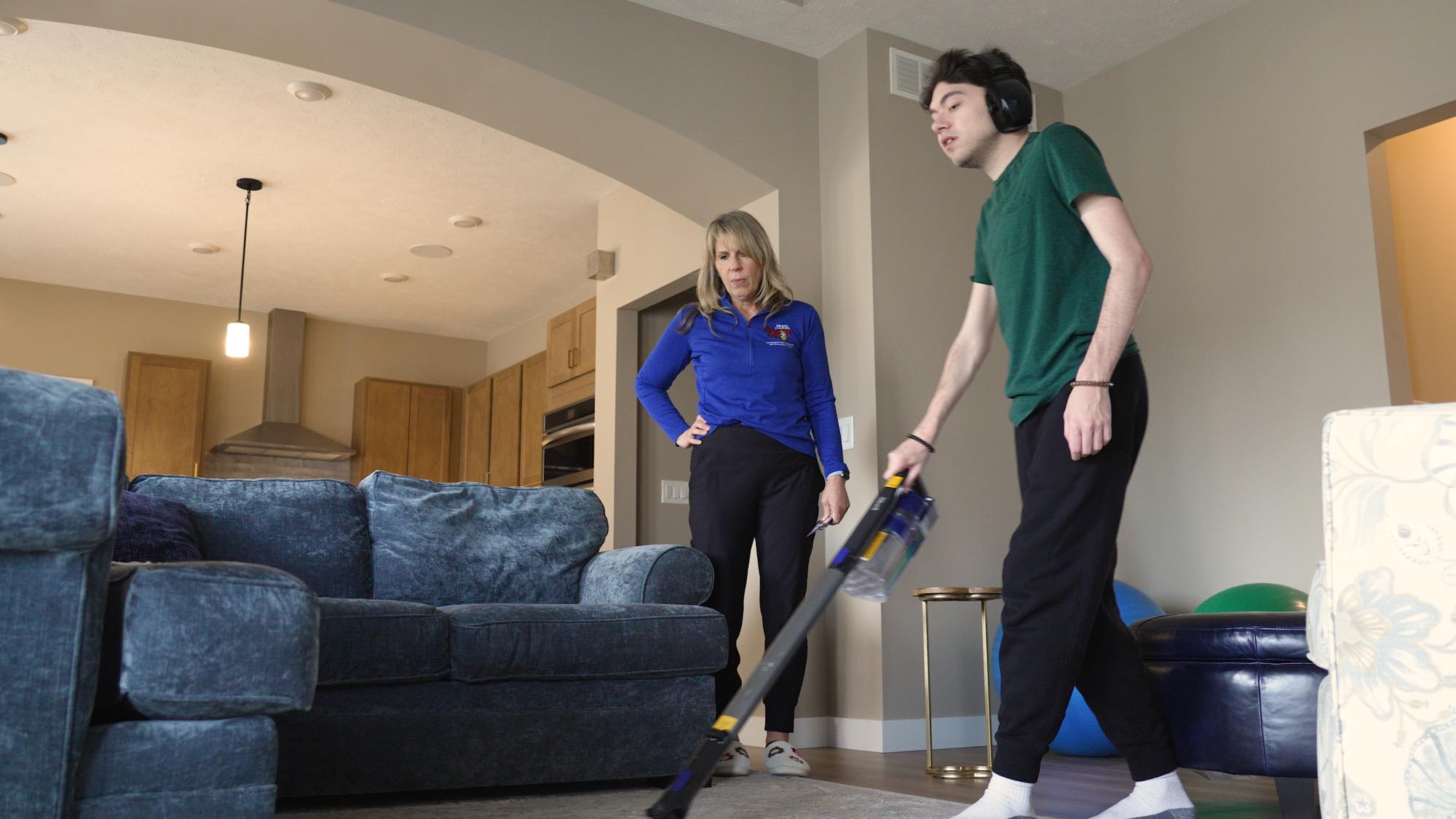
After the meal, the students do their afternoon chores, such as cleaning the bathroom, vacuuming, or doing laundry. These household tasks teach personal responsibility while instilling a healthy work ethic to promote independence. Most afternoons end with leisure or movement activities or a group walk.

Community outings to the mall or grocery store help them feel more comfortable in a public space, exposing them to personal shopping and financial management. Bowling has become a cherished group activity at the CARES House.

There is a strong belief that CARES students can be successful in helping their community. “Training students to be independent allows them to engage in public activities, but also to just be a good neighbor,” Brittni said.

"This house is the ultimate puzzle piece we were missing."
Tara Krall
Occupational Therapist

A Joyful House

Director of CARES Christy LaPaglia said, “Building the project was easy. Convincing people of its value was something else. It took just the right people to believe in the program and make it happen.” The early struggles of the program have paid off as momentum continues to build.

“Doing the unusual has made the program incredibly successful,” Christy noted, “Once parents came in to see what we have and I explained the program, they were fully on board. The CARES House provides an opportunity for parents to experience the features we have so they can implement them in their own homes.”

The CARES House helps parents see what their children are capable of. When a dedicated and passionate staff invests in the success and well-being of their students, the program can make a profound impact, delivering meaningful rewards for instructors, students, and their families.

Dawn Budziak has a son in the CARES program. “CARES has done a fantastic job planning and constructing this house. Every aspect of this home is tailored for students with autism. This year, there has been a 100% improvement in all aspects of Ben’s life.”

Another parent with a son in the CARES program is Clinical Psychologist Dr. Sherri McClurg, “We’ve just loved what they’ve done with the program. It has been phenomenal for Nic. We are blessed to be here in the house for the first year. We love what CARES has created both at the school and now at the house.” Sherri added, “We have been very, very happy.”

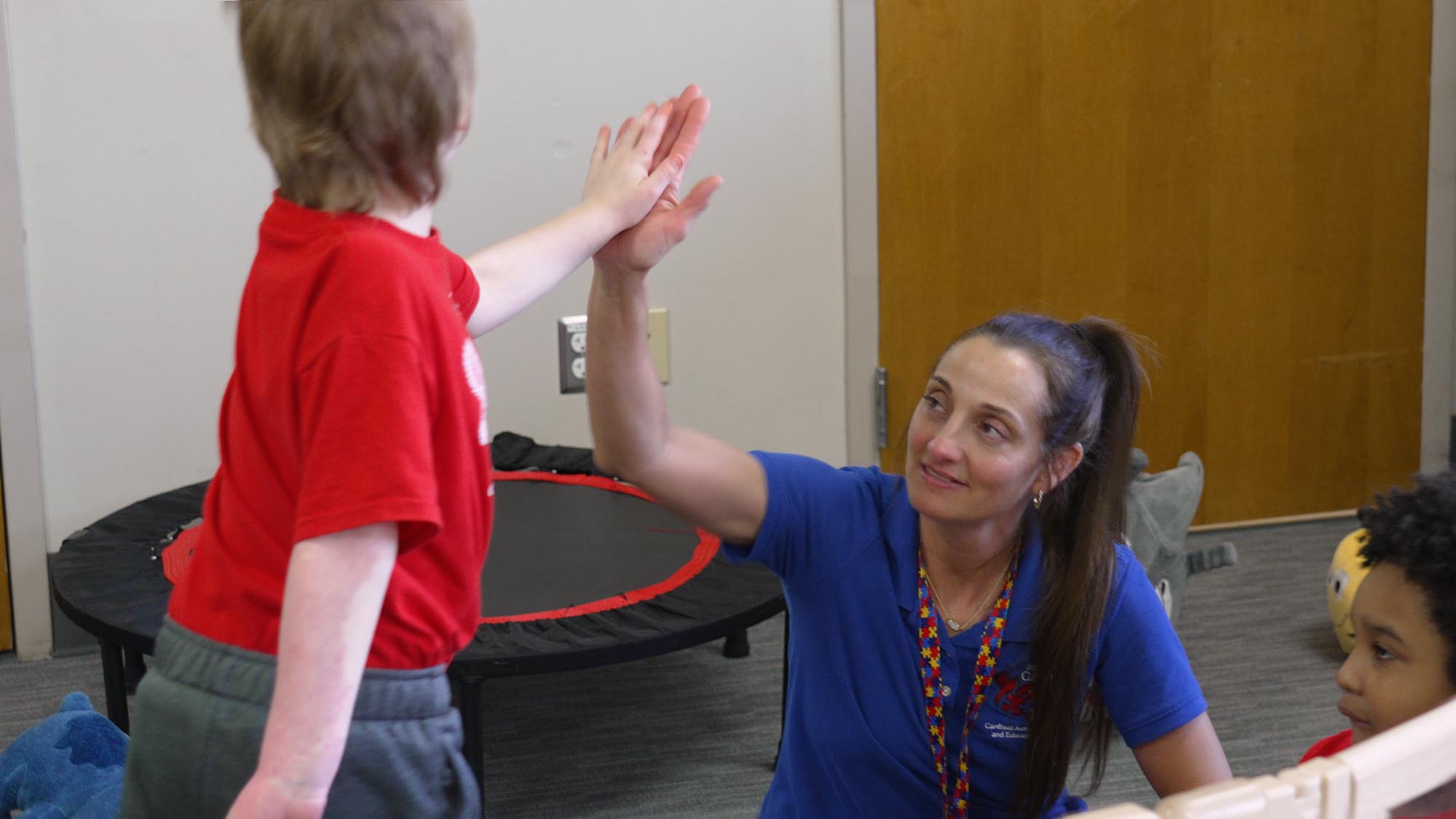
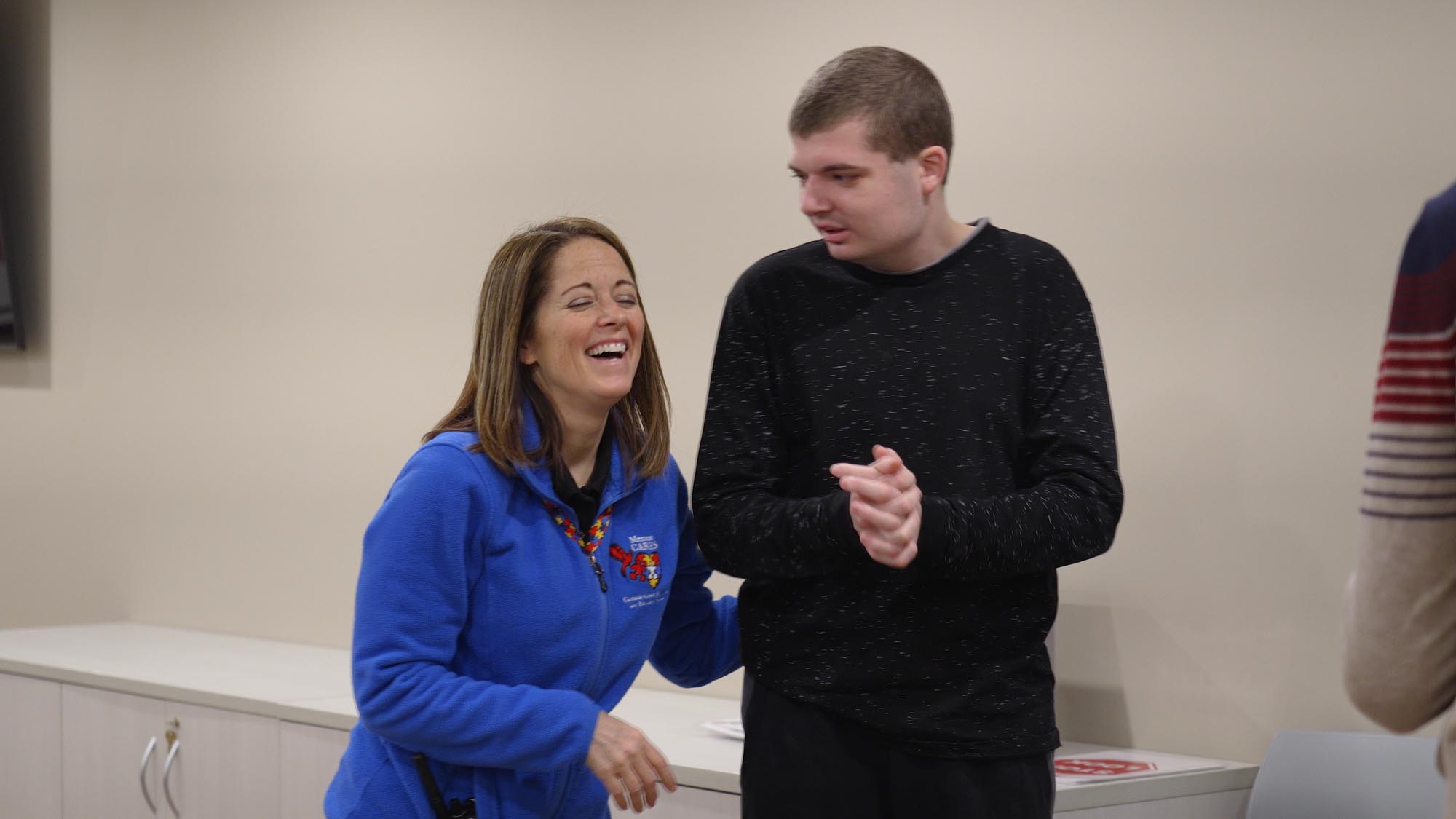
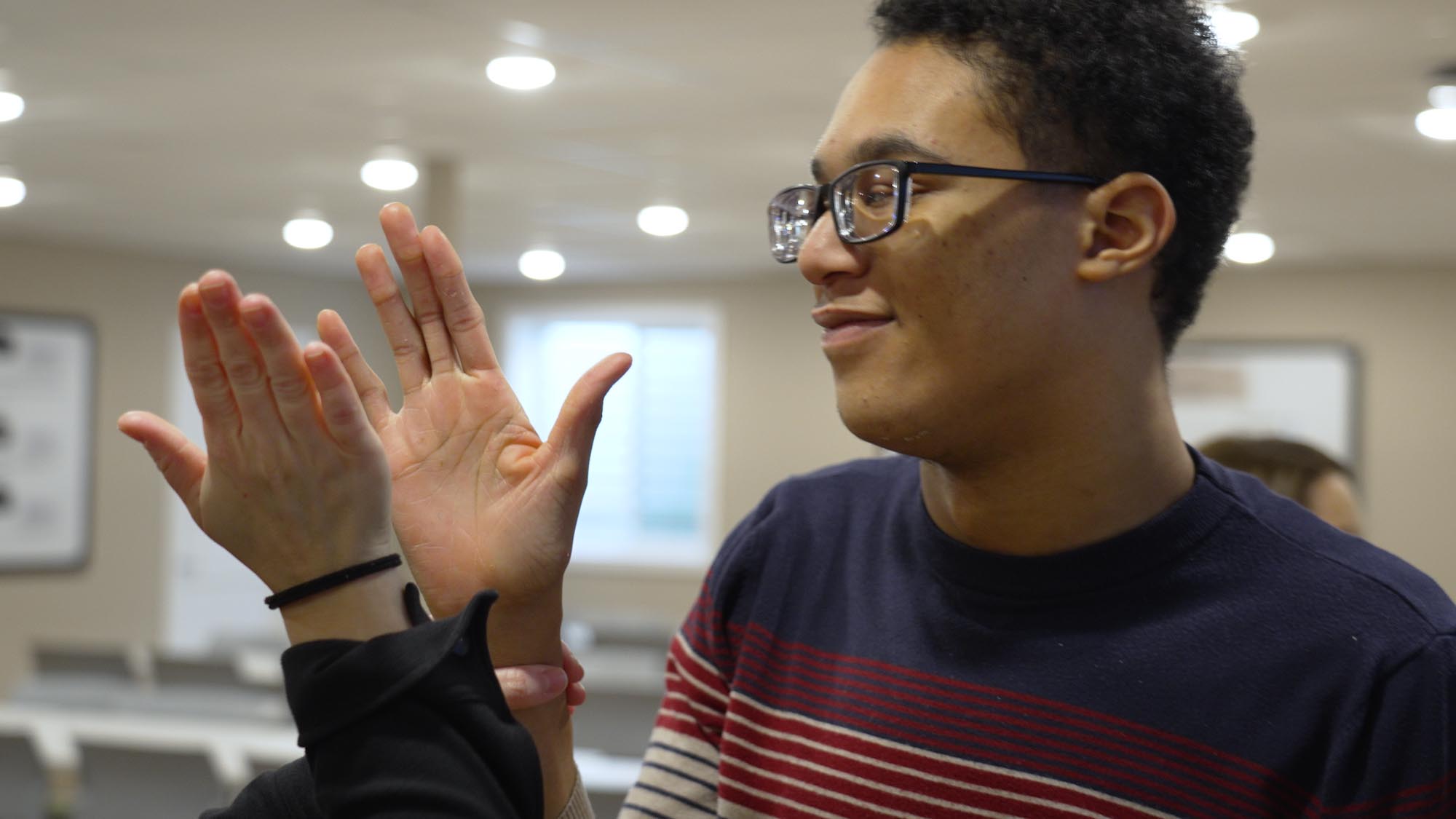
“I’ve noticed a lot of positives in my students,” said CARES Occupational Therapist Tara Krall. “I’ve seen them grow in their sense of pride. I’m getting a lot more smiles and high-fives now. It’s really exciting.”

“The kids love coming to school every day,” said CARES Intervention Specialist Lindsey Hesson. “They’re happy to be here, and that brings me a lot of joy.”

CARES Assistant Director Brittni Mejac echoed the sentiments of her fellow staff members, “The staff believes in this unique program because it provides endless opportunities. CARES is where my heart lies.”

Mentor School Board President Maggie Cook toured the CARES House and was impressed by the features it provides. “I’m so proud to support this innovative program. The students are being pushed to their highest potential, and we hear success stories.”

Mentor Public Schools Superintendent Craig Heath has been a staunch supporter of the CARES program from the beginning. He said, “Every single student has a gift. As educators, we help our students identify and nurture those gifts so they can grow academically, socially, and emotionally. This house provides unique tools for our students to develop the skills they need to share their gifts with the community.”

"I know what we've got here. This is gold."
Dr. Sherri McClurg
Parent

Mentor's CARES House Improves Lives

Graduating Into Independence

As students approach graduation from the CARES program at age 22, they work with Transition Coordinator Justin Bednarz to further develop their social and employment readiness skills. “We begin transitioning students from school-age services to the adult world so they can get a job or move into a group home,” Justin said. The CARES House utilizes natural settings to help students thrive.

Since the needs of each student are different, it is vital that the parents are involved because they have a significant role in student development. Justin works with parents, teachers, the Lake County board, and the Chamber of Commerce to spread community awareness and seek additional resources.

Justin explained, “The more comfortable the community and local businesses are, the more successful our students will be. They can spread their wings, but that is only possible with community support. A beautiful transition is when a student can move into a group home and get a job. It is never easy, but the skills they learn will increase their opportunities for success.”

"The CARES House provides unique student development tools to nurture their gifts."
Craig Heath
Superintendent, Mentor Public Schools

Mentor's CARES House in Action

Mentor CARES House: A Hopeful Future

The CARES program was designed to be adaptable so it can be replicated nationally and give autistic students a greater chance of a successful adulthood. Justin expressed his hopes for further prosperity, “I’m excited to see our growth. It would be great for this to be a model house where people can come and see what we do here.”

Christy said, “I’m so grateful to the Mentor administration and the Mentor Board of Education for supporting this project from the very beginning.” She continued, “I would love to see this program duplicated in other public school districts across the country.”

The CARES program in Mentor reaches its capacity every school year. “We’re full here, and it kills me that we can’t take on more students. I get calls every day,” Christy said.

Parent Dawn Budziak was grateful for the CARES House and its notable impact on her family. “I didn’t really understand how important something like this was until it was here. Every kid needs an opportunity to try something like this.”

TDA Project Manager Ryan Schmit, RA, expressed optimism for the potential of the CARES House as a prototype for other programs, “I’m excited because the house is very impressive. But I’m more excited to see how it evolves and grows into other areas.”

With the help of a supportive school board, other districts can build a similar program based on the CARES and CARES House framework. According to Christy, those willing to invest in the program will reap the rewards. “I hope more families tour the house to see the technologies and features so they can adapt them into their own homes.”

“This isn’t the first time TDA has partnered with our clients to create a new educational model,” said Chris Smith. “It’s always inspirational for our designers to actively participate in unique and inventive projects. We are truly proud of our longstanding partnership with Mentor Public Schools and the innovative CARES House.”

Christy shared her vision for opening the program to communities and families. “I want them to come to witness what we have done and see our successes. Then, they can take the bits and pieces that work for them and build their own.”

The Mentor Public Schools’ CARES program currently services sixteen additional school districts in the area. When programs open in other states, it would be possible to provide more autistic students with the same life-changing opportunities.

If you would like a PDF version of this article, click the link HERE.

"I would love to see the CARES program duplicated across the country."
Christy LaPaglia
CARES Director
Marc Cebrian

Marc Cebrian

Marc has over thirty years of media production experience with a wide variety of storytelling projects that include commercials, documentaries, and live events. He began his career in the feature film and television industry in Los Angeles, California. Naturally driven by a passion for the creative and analytical, he believes that people should be kind to one another, and strives to live by example.

Cuyahoga Falls 6-12 Campus Construction Tour

Cuyahoga Falls 6-12 Campus Construction Tour
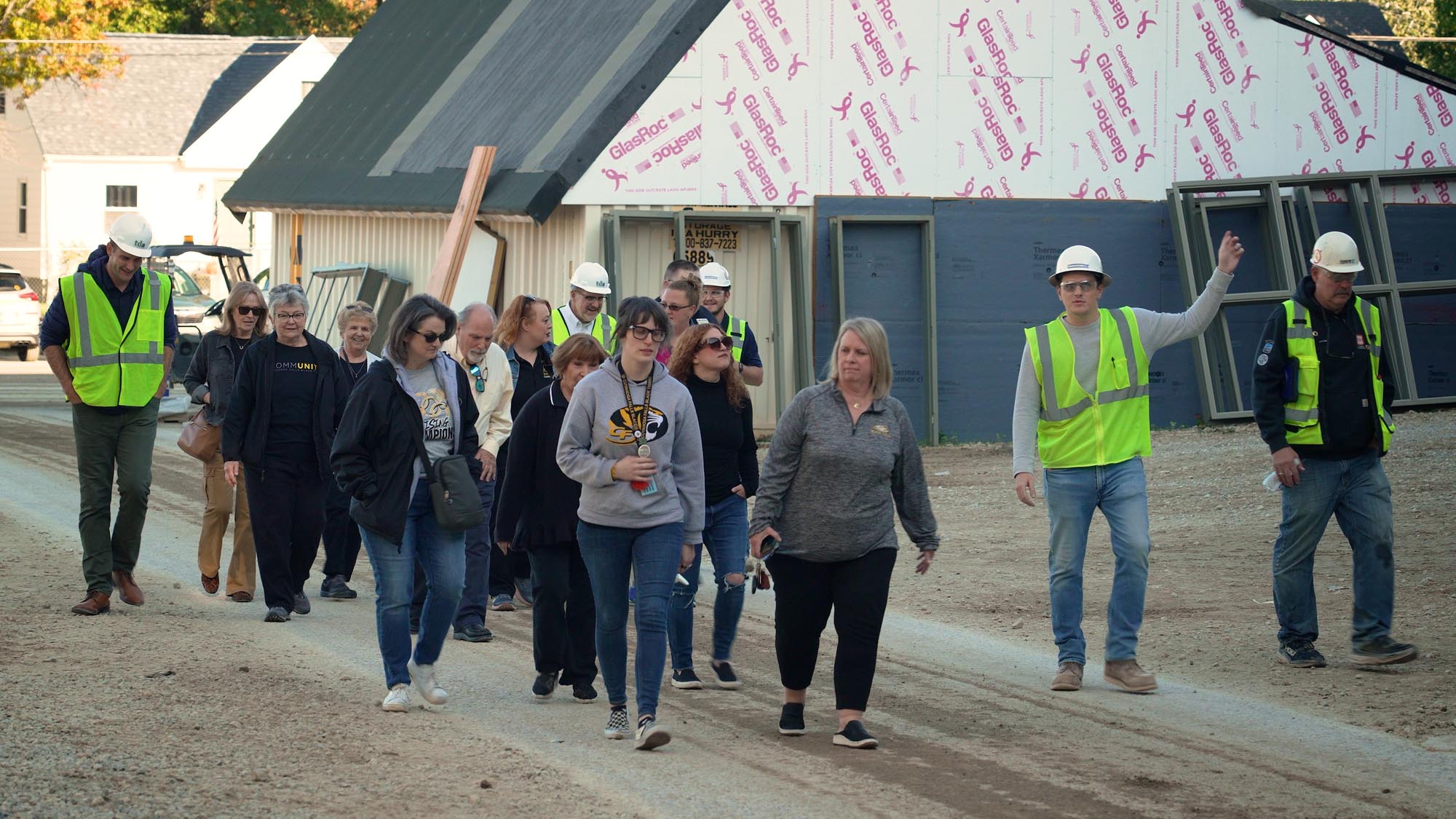
The Cuyahoga Falls 6-12 Campus Construction Tour was hosted by the Cuyahoga Falls City School District in partnership with Hammond Construction and ThenDesign Architecture. Community members were invited to explore specified paths of the active construction site to give them a sneak peek of the campus that will serve the Cuyahoga Falls and Silver Lake communities for several decades.

Cuyahoga Falls 6-12 Campus Construction Tour

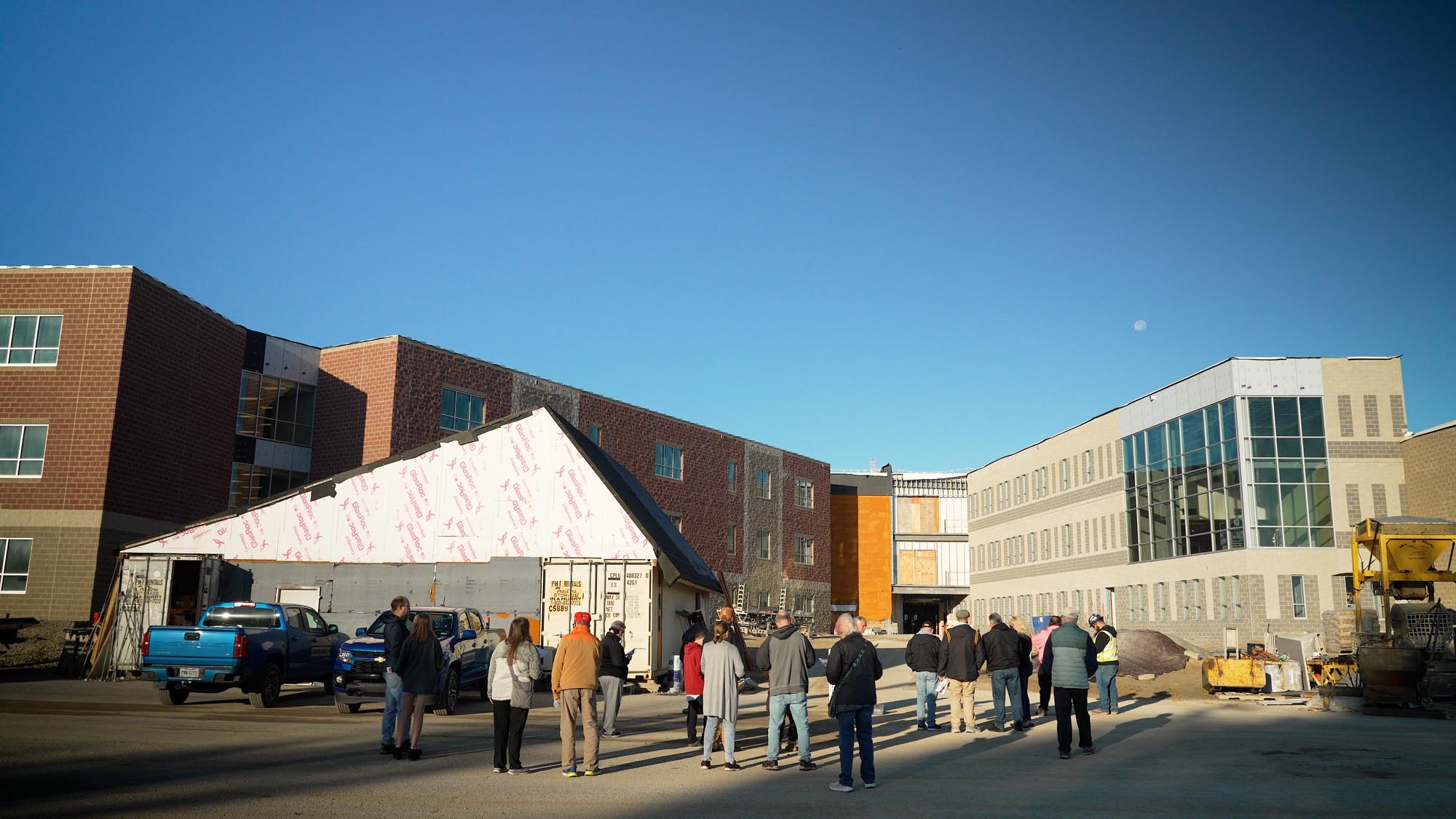
In late fall, the Cuyahoga Falls City School District hosted a new 6-12 campus construction site tour for the local community, the Construction Leadership Team, and the Board of Education. Residents, educators, students, and their families were invited to experience a walkthrough of designated areas inside this very active construction zone to showcase the project’s progress.

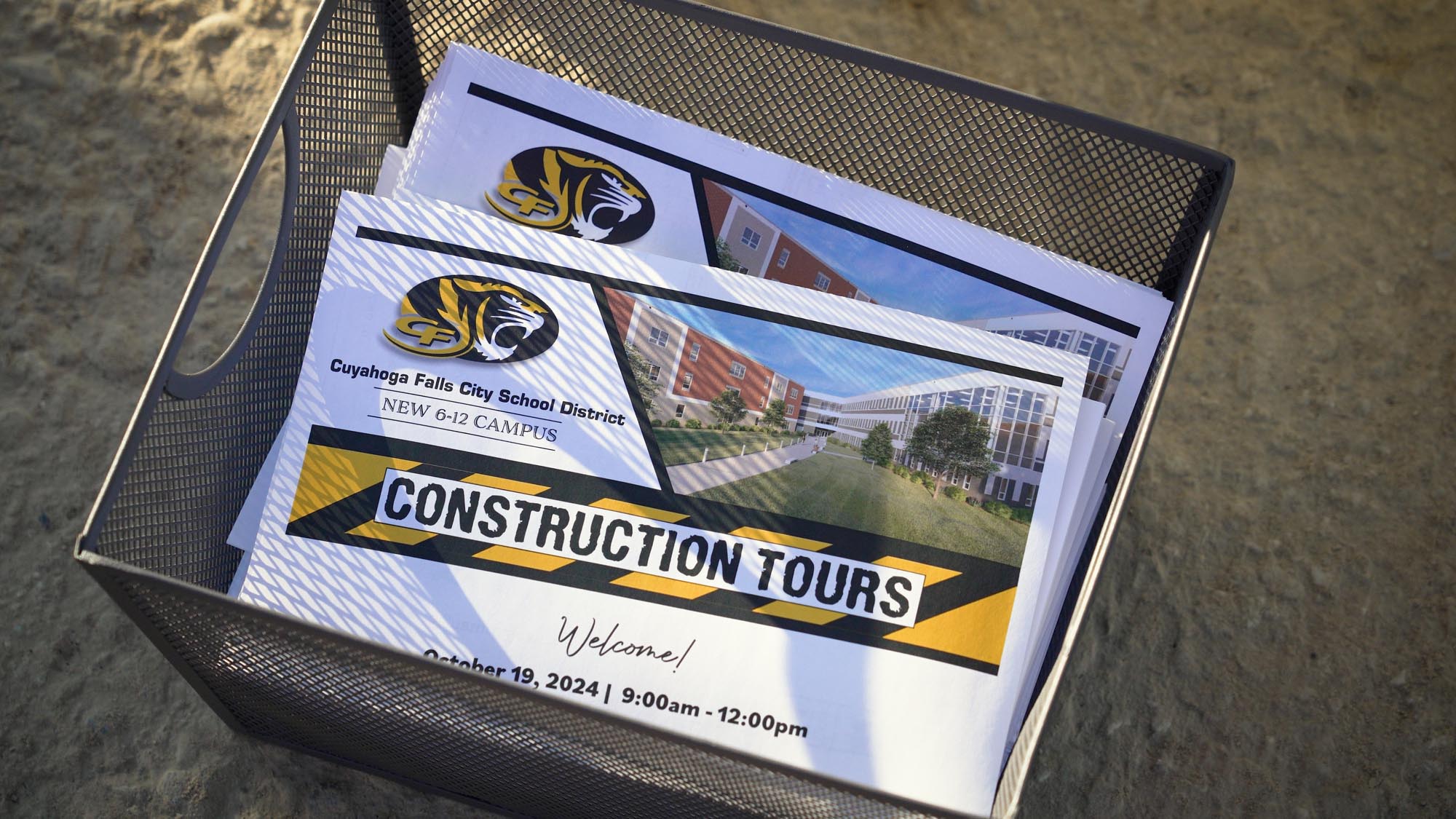
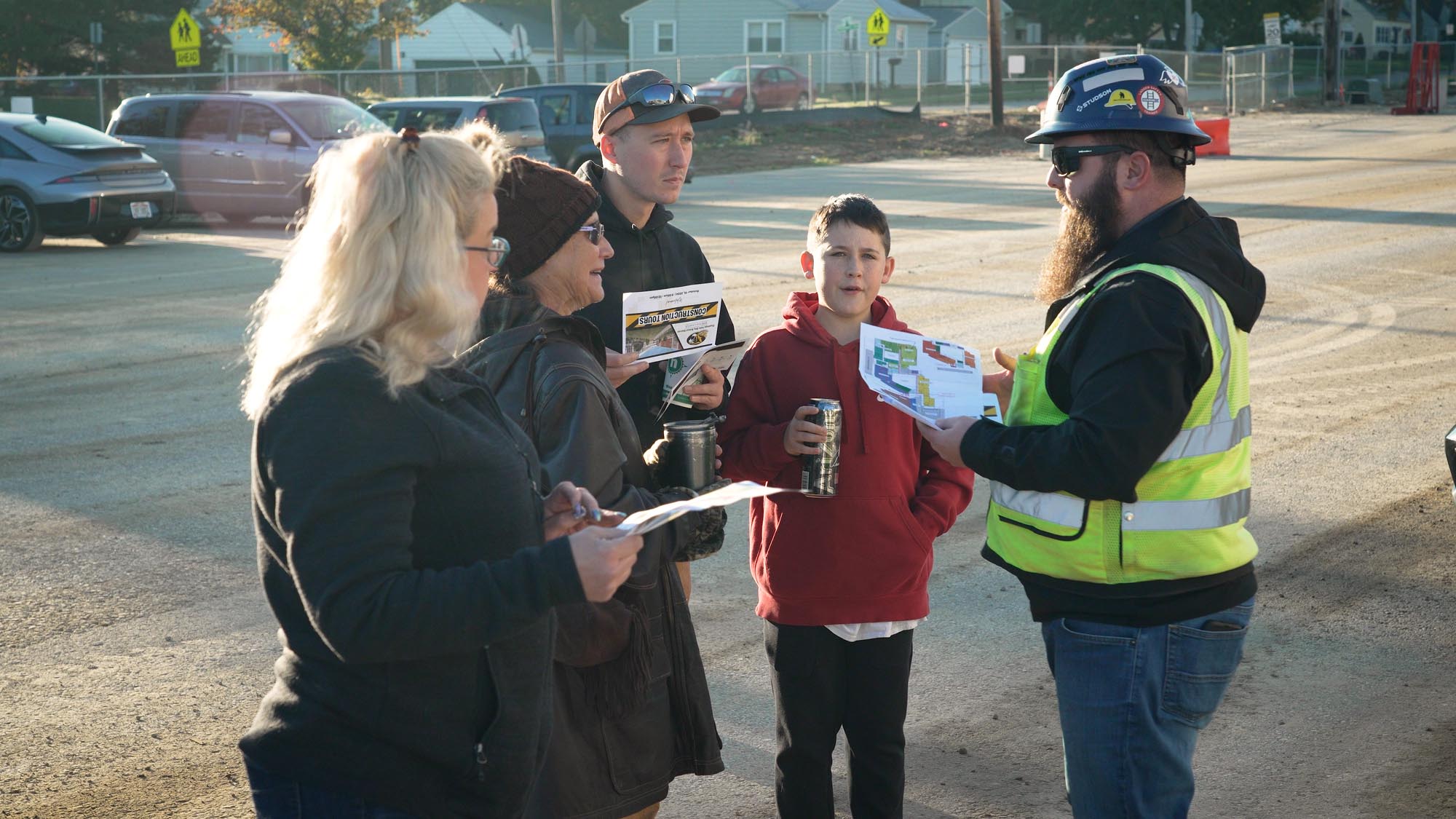
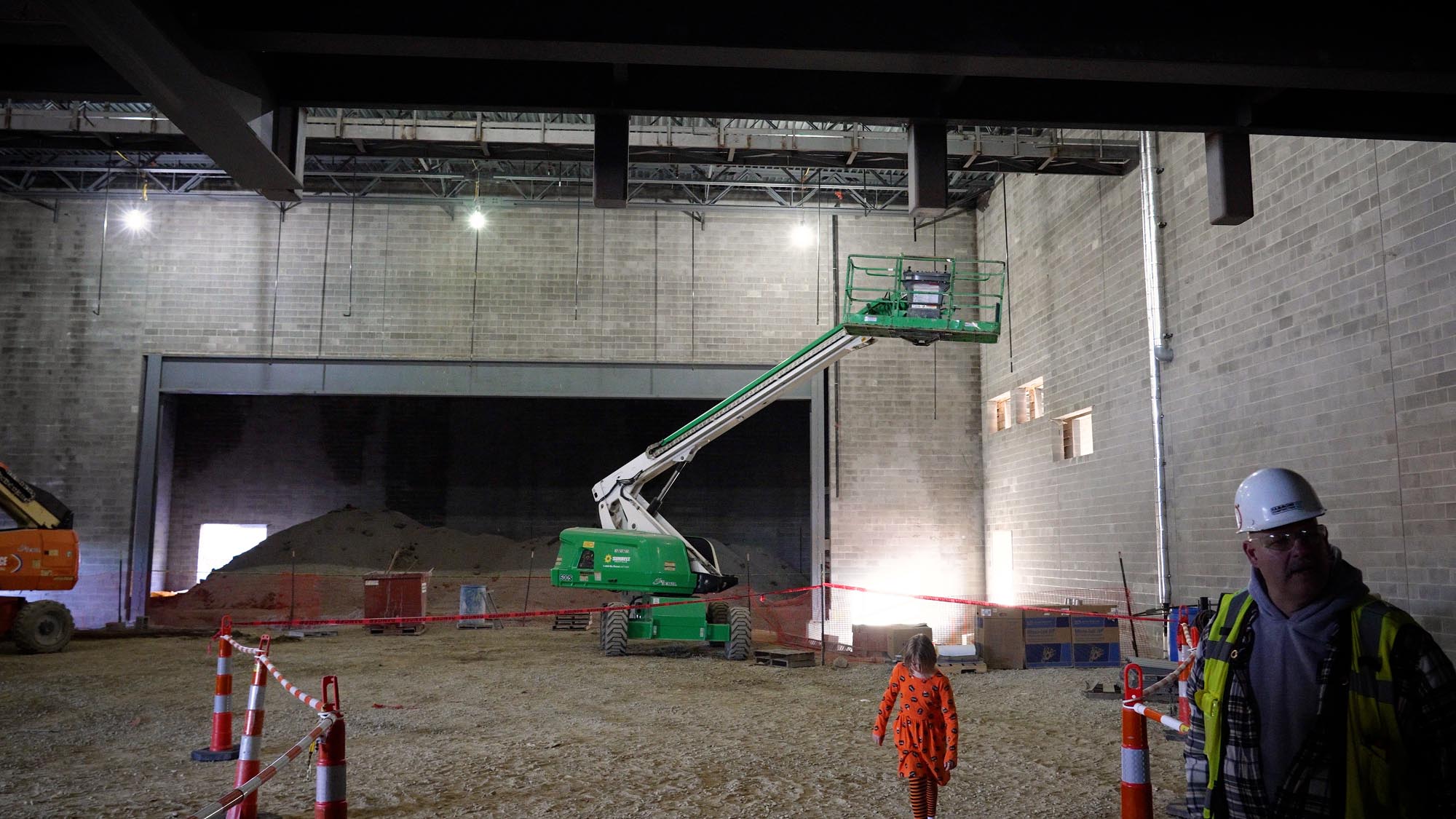
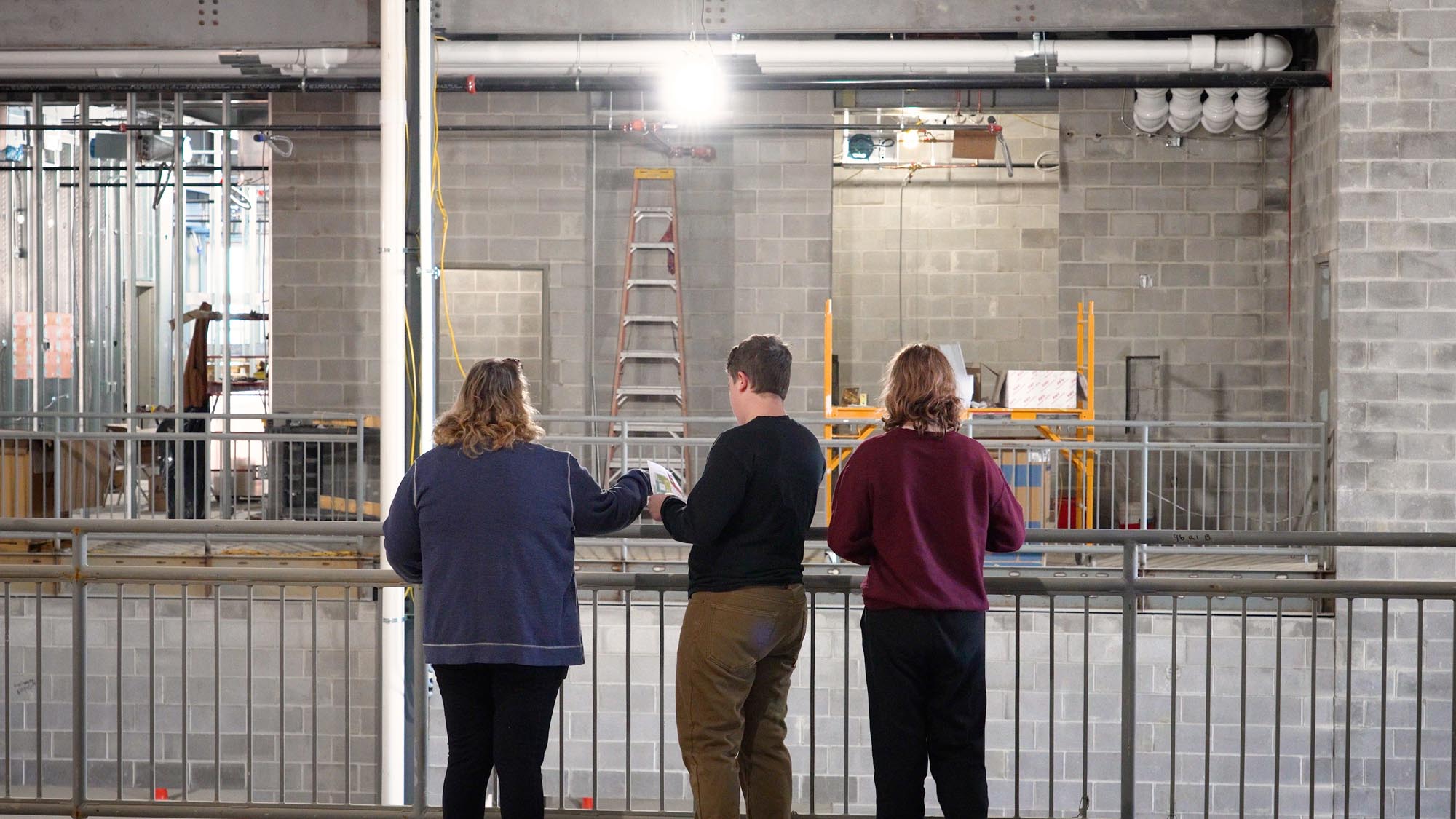
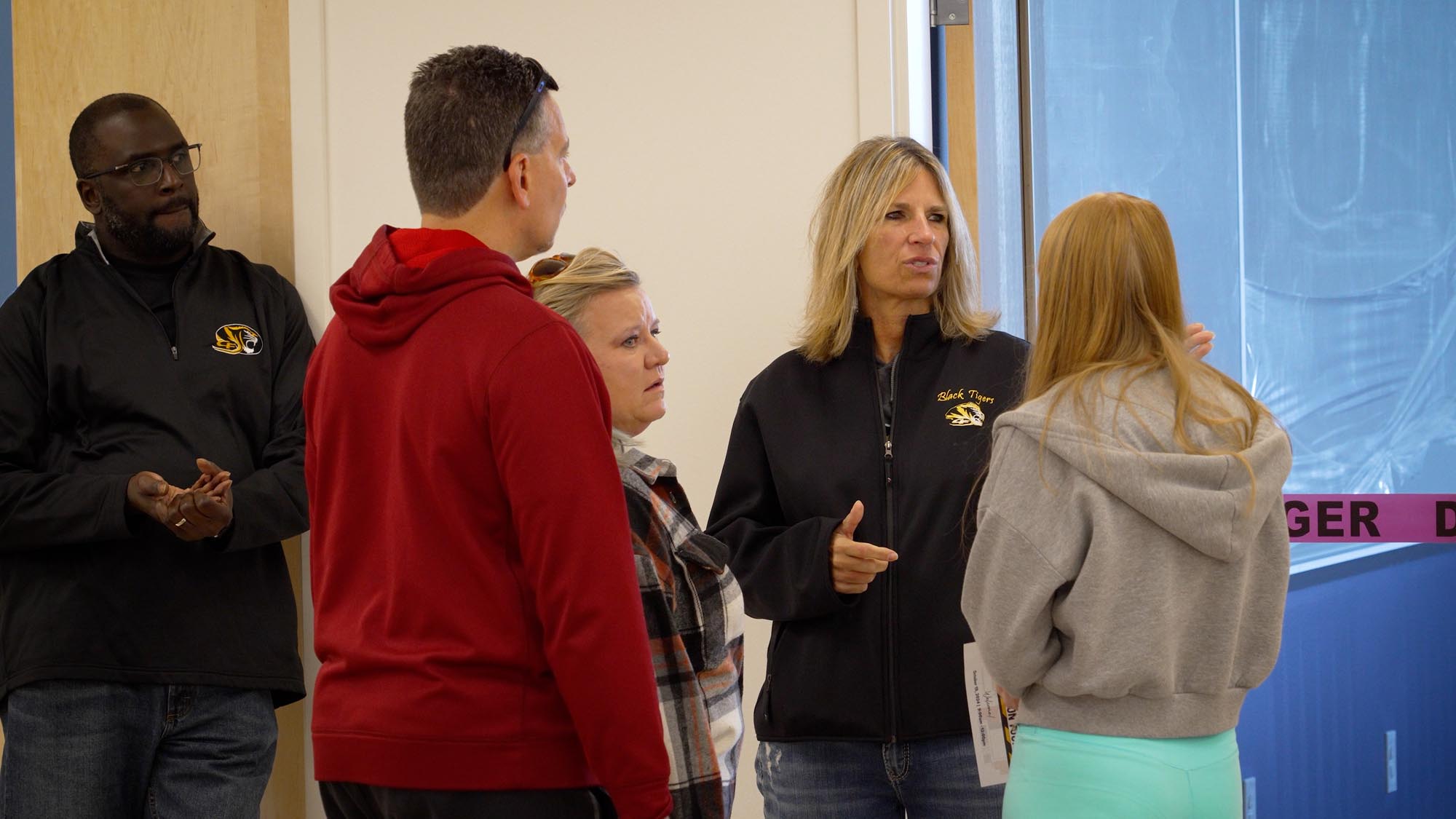
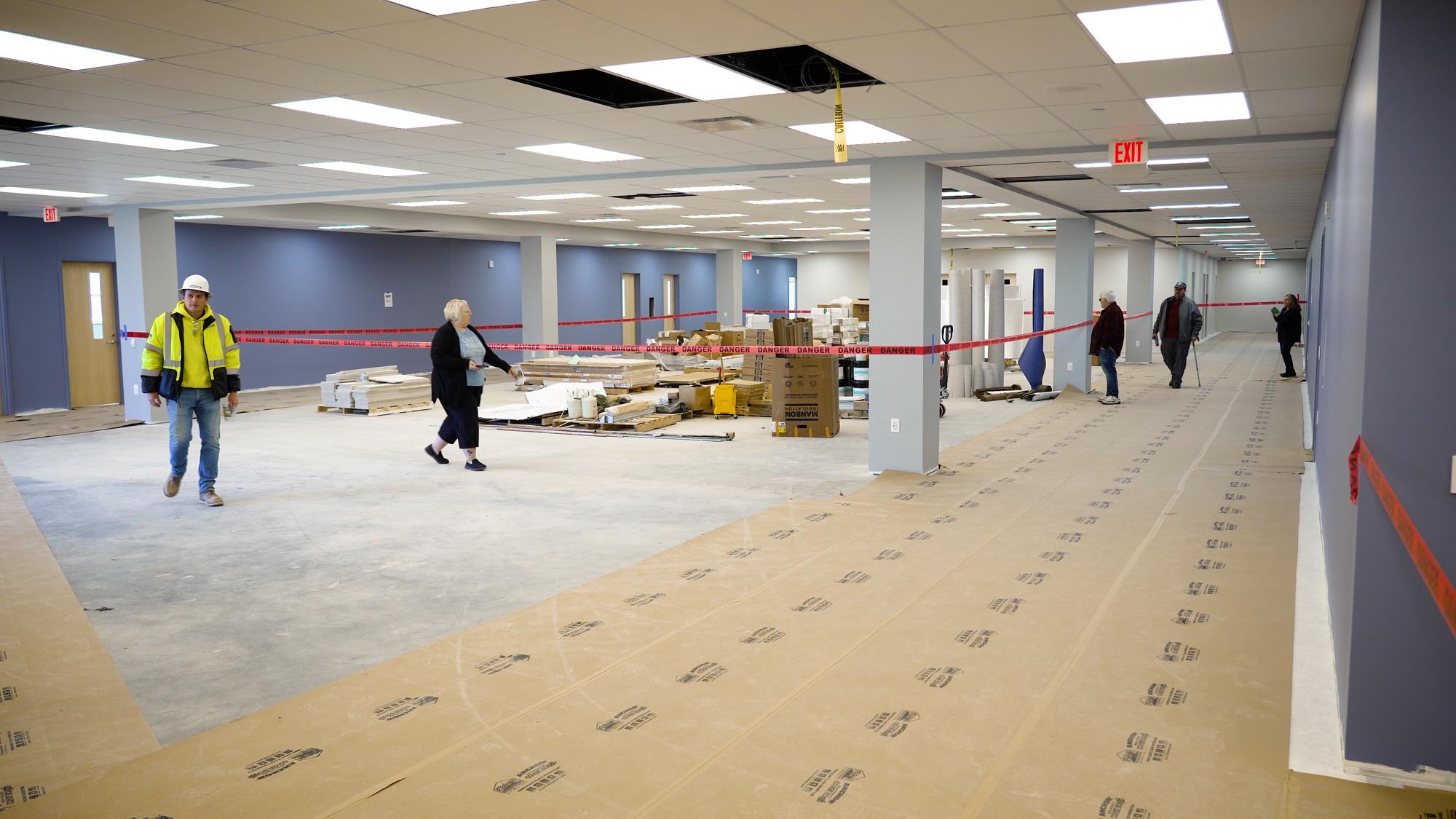
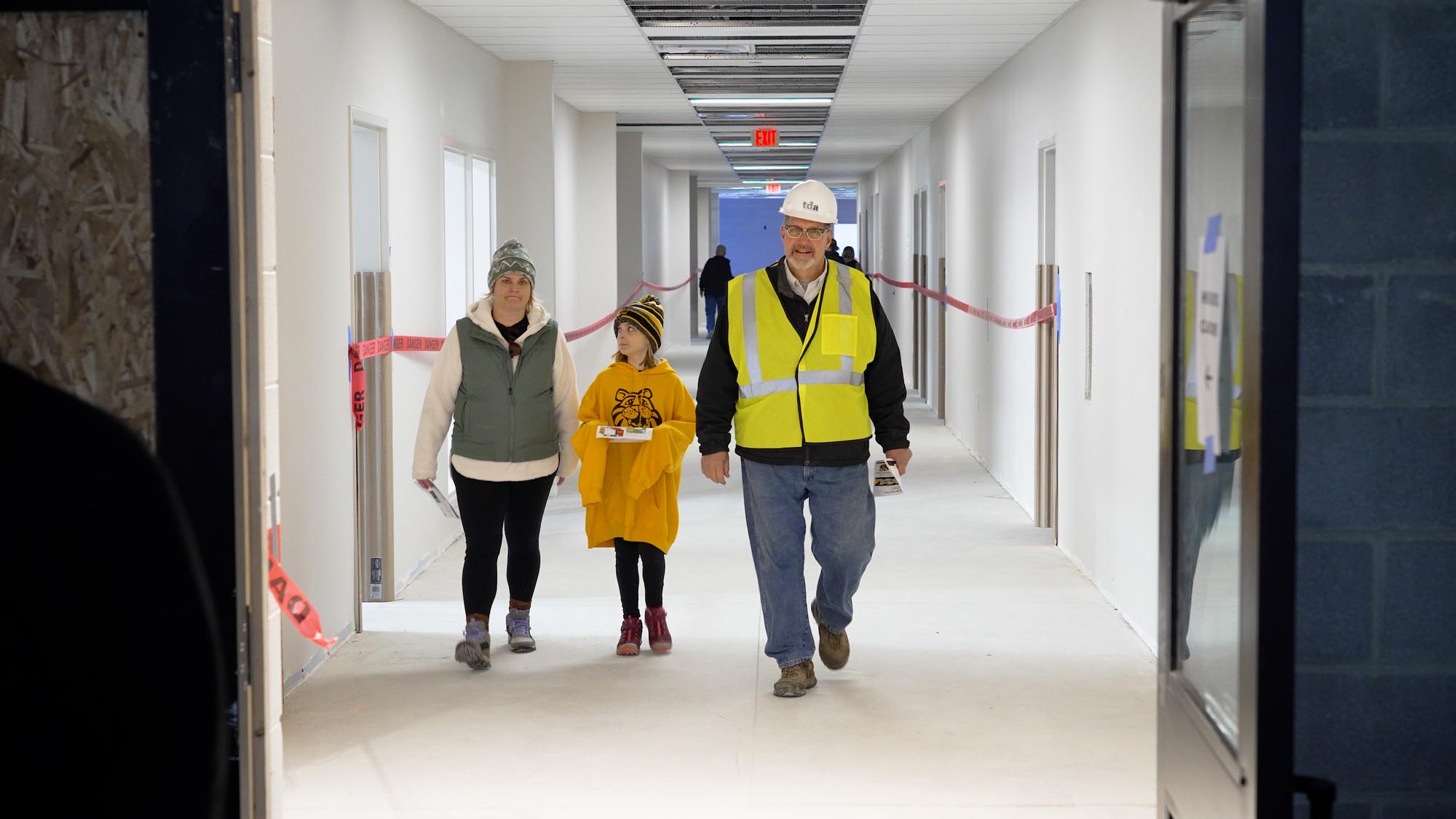
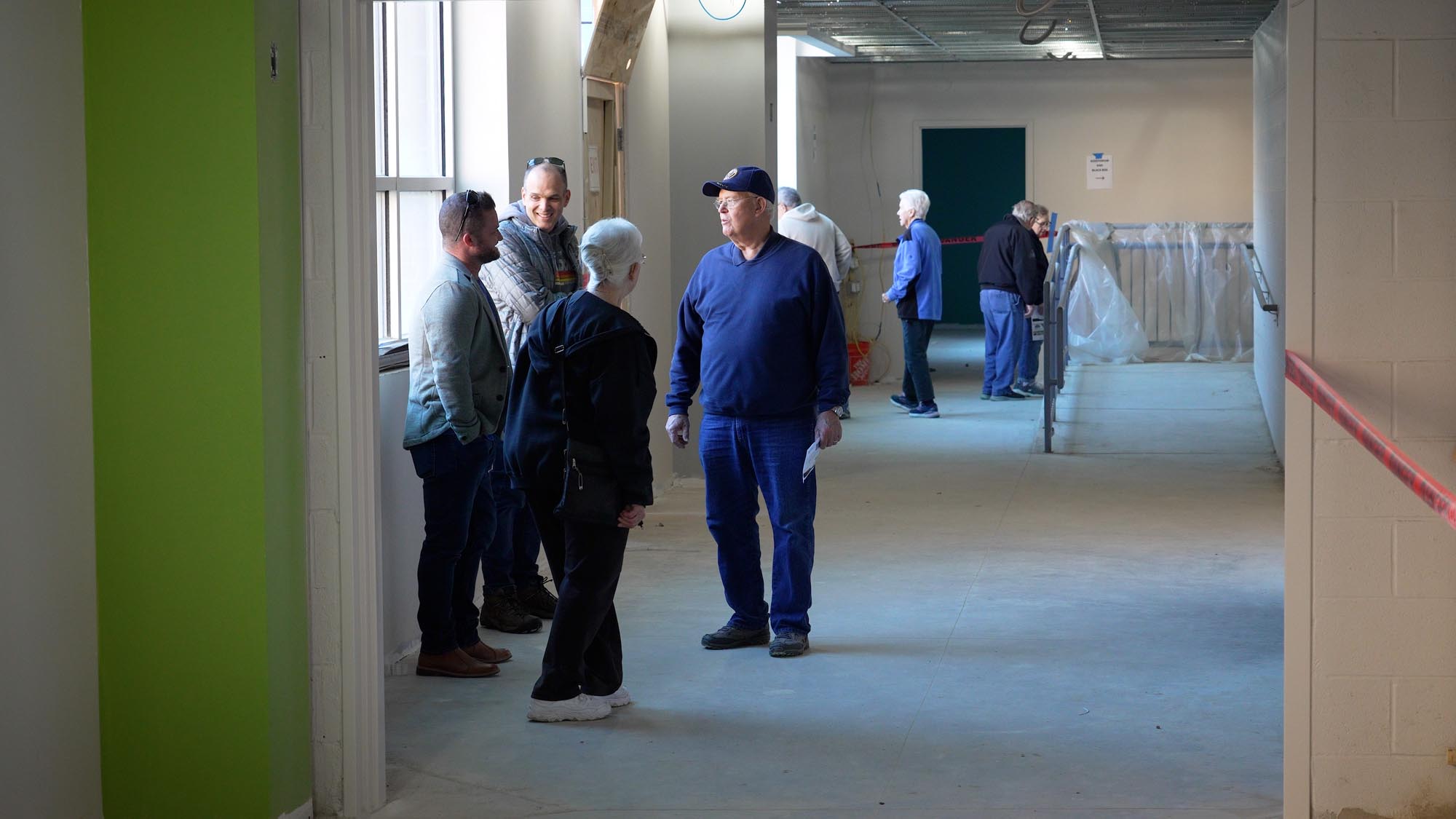
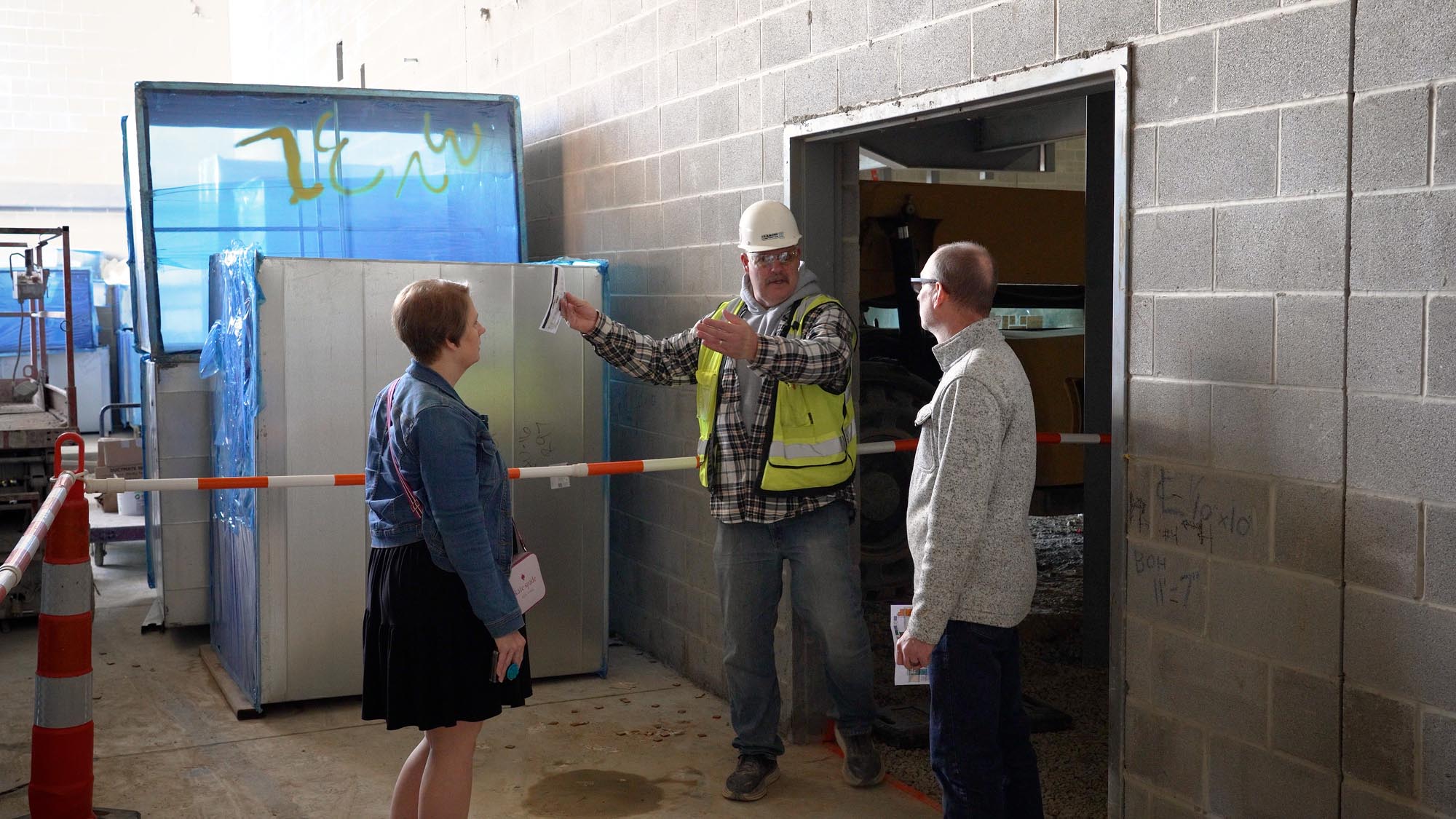
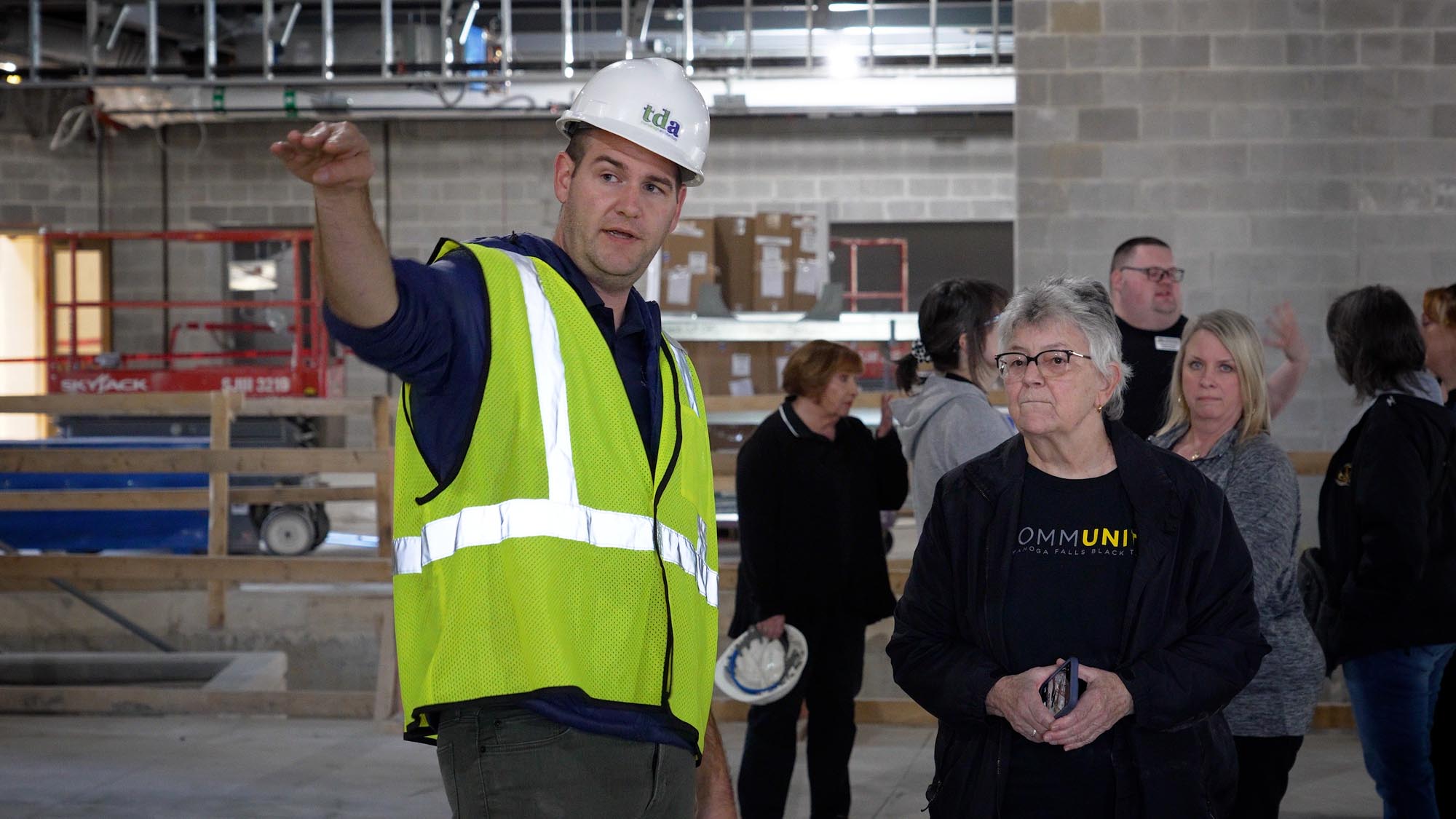
Facilitated by Hammond Construction, visitors were advised on safety protocols, given a printed map, and entered the unfinished building. They were encouraged to explore the specified paths at their own pace. Red construction tape and signs marked the appointed locations for the self-guided tour, which spanned two floors and extended the entire length of the building to the future performing arts center.

Families Tour the Construction Site

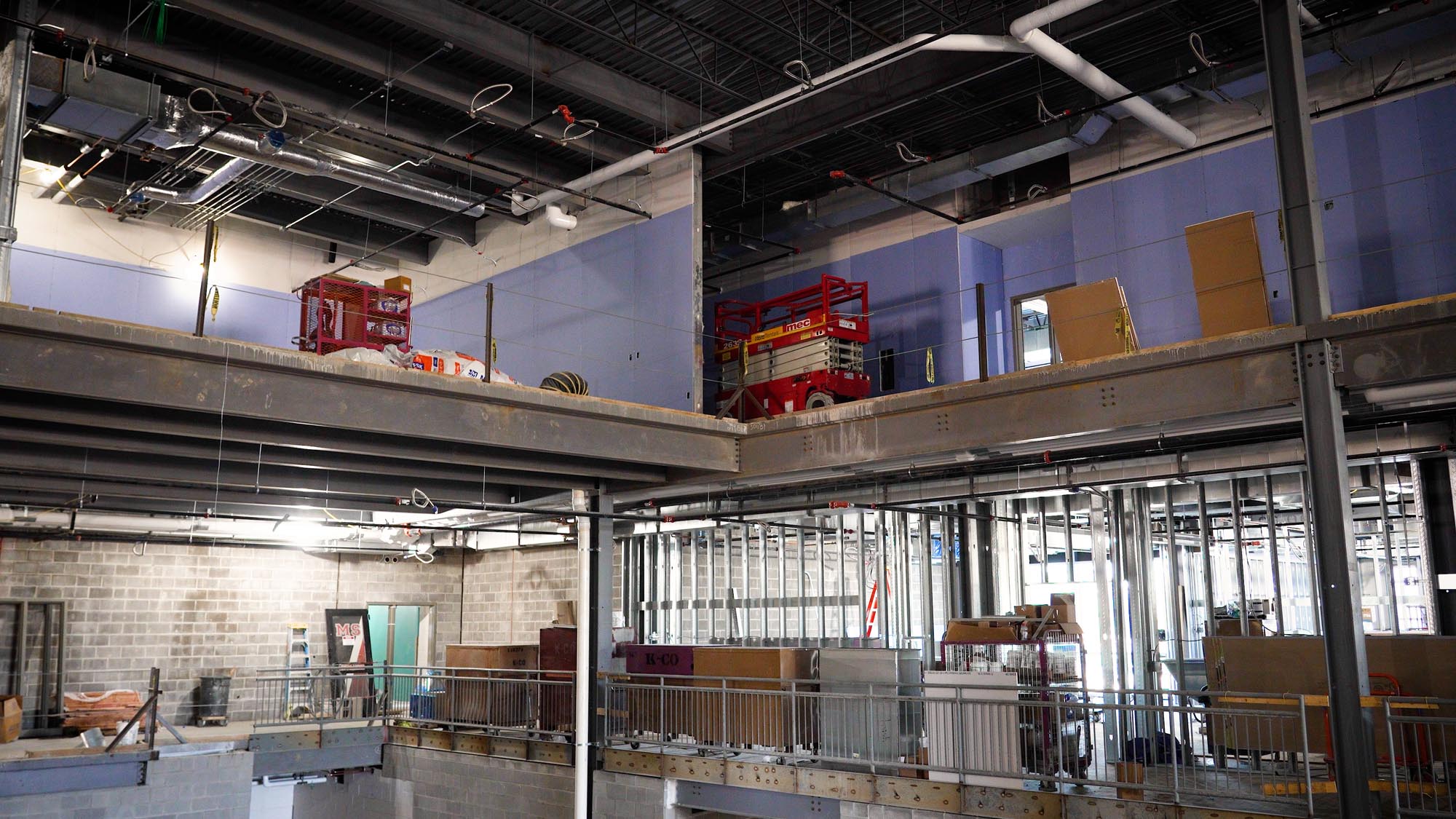
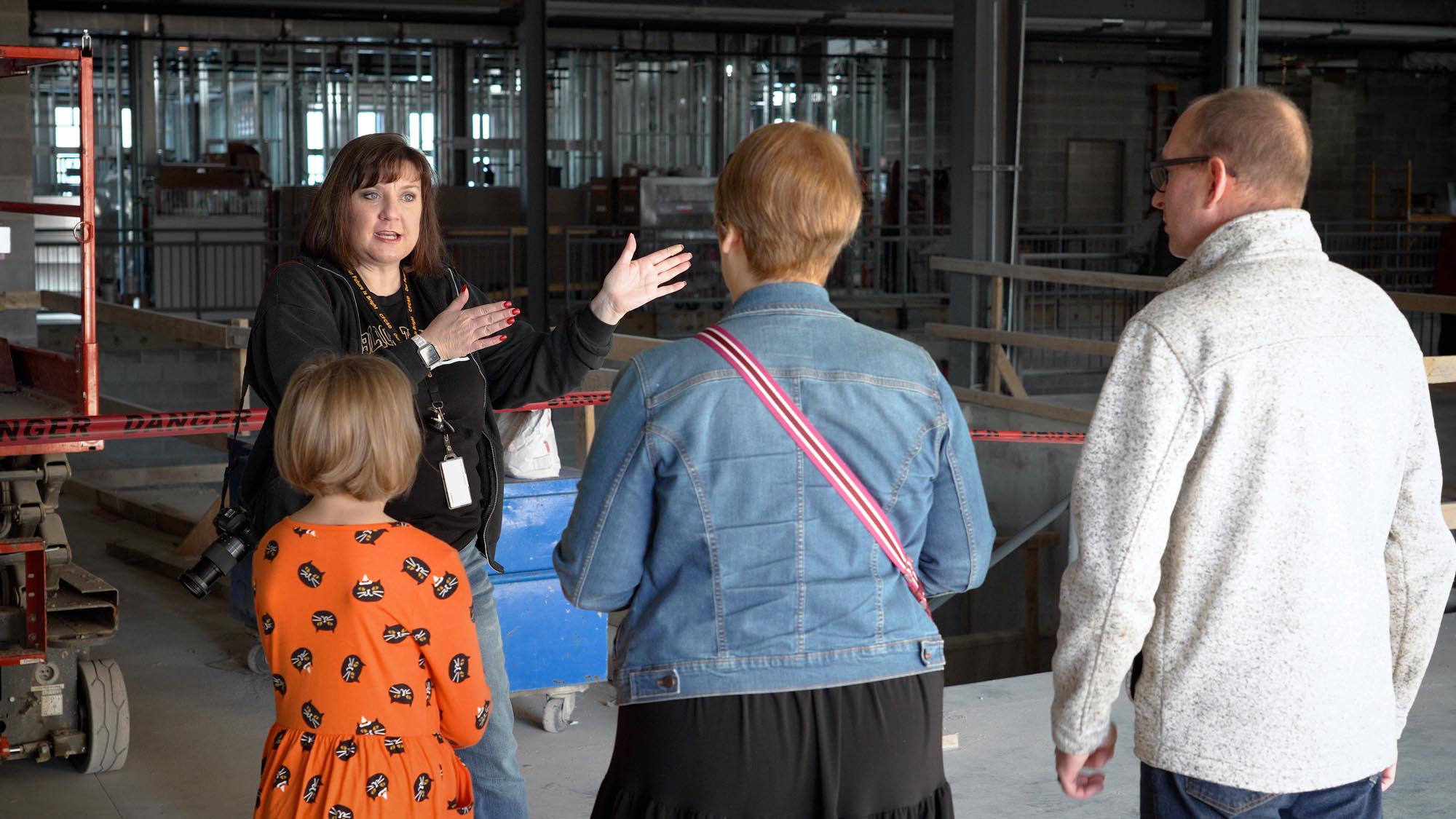
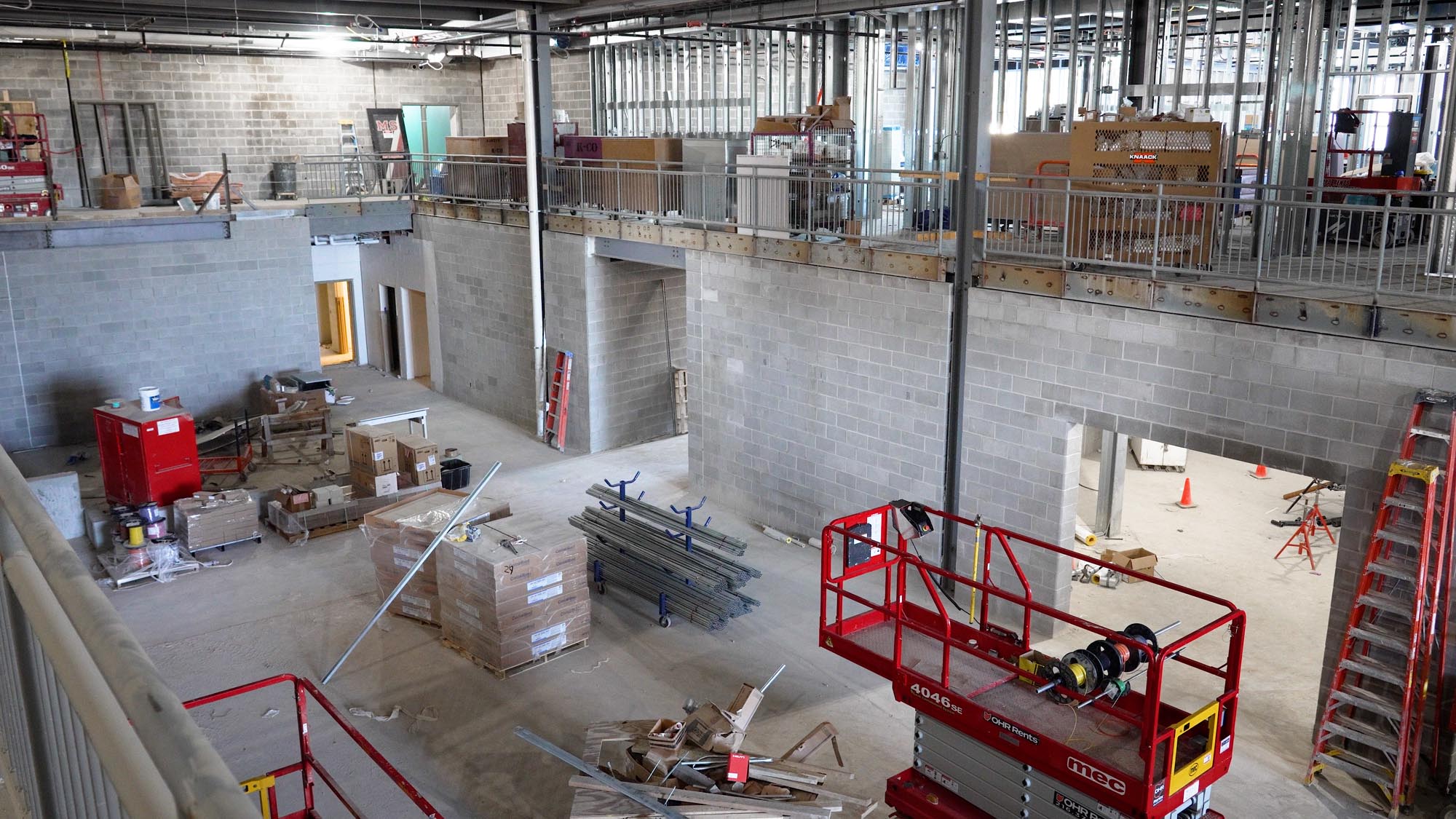
ThenDesign Architecture and Hammond Construction team members and school district administrators were stationed along the route to answer questions and highlight interesting school details. This unique event was an opportunity for families to walk through the location of their future school, observing unpainted walls, empty spaces, exposed ductwork, and concrete floors.
 
Project Manager Scott Alleman attended the event and answered questions about the project. “People have been eager to see what’s happening on the site,” Scott said. “It’s one thing to talk about a space and watch it in an animation, but it is really something else to walk around and experience the feel for how it is shaping up.”

The tour was an excellent opportunity for the district to show the community how things have progressed. Visitors witnessed a first-hand glimpse of the various stages of construction. Some levels had painted walls, casework, and light fixtures installed, while others still had dirt on the ground since the concrete slab had not yet been poured.

Cuyahoga Falls 6-12 Campus Construction Tour

The Community Witnesses Construction Progress

Hundreds of local community members took pictures and videos, imagining the finished campus. Many were impressed by the building’s construction progress and design layout, envisioning the structure that will serve the Cuyahoga Falls and Silver Lake communities for decades to come.

During the tour, many were excited about the two-story dining area. This impressive space provides a dramatic view of the stadium and creates a dynamic experience for students, staff, and visitors.

The Cuyahoga Falls 6-12 Campus is a 365,000 SF building that includes a performing arts center, black box theater, athletic stadium, planetarium, collaborative spaces, two-level student dining area, and three gymnasiums. Through the Ohio Facilities Construction Commission (OFCC), the State of Ohio is funding $33.6 million of the total $133 million cost. The active construction project is progressing on schedule, tracking to open in January 2026.

The campus construction tour is another way the Cuyahoga Falls City School District continues to educate residents and families about the project’s development. It keeps them engaged by instilling a sense of pride and ownership of the campus that will benefit generations of students.

The 6-12 Campus in Various Stages of Construction

Design and Construction Plans Unveiled for North Ridgeville City School’s New High School

Design and Construction Plans Unveiled for North Ridgeville City School’s New High School
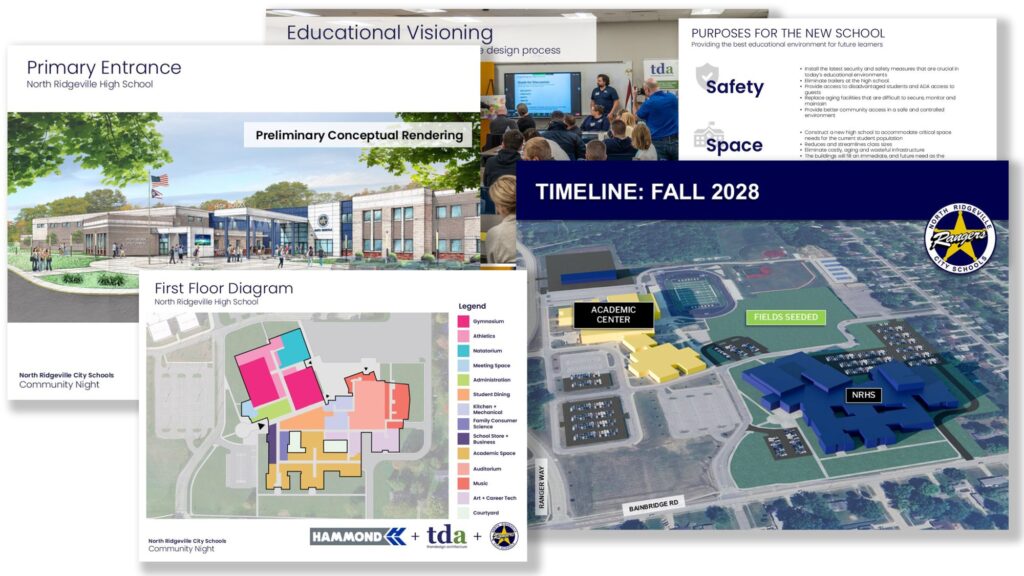
In the early autumn, plans were unveiled for the design and construction of North Ridgeville City School's new high school and maintenance transportation facility. The new 340,000 SF 9-12 high school is more than double the size of the existing school and signals a bold new chapter for the district's educational future.

Design and Construction Plans Unveiled for North Ridgeville City School’s New High School

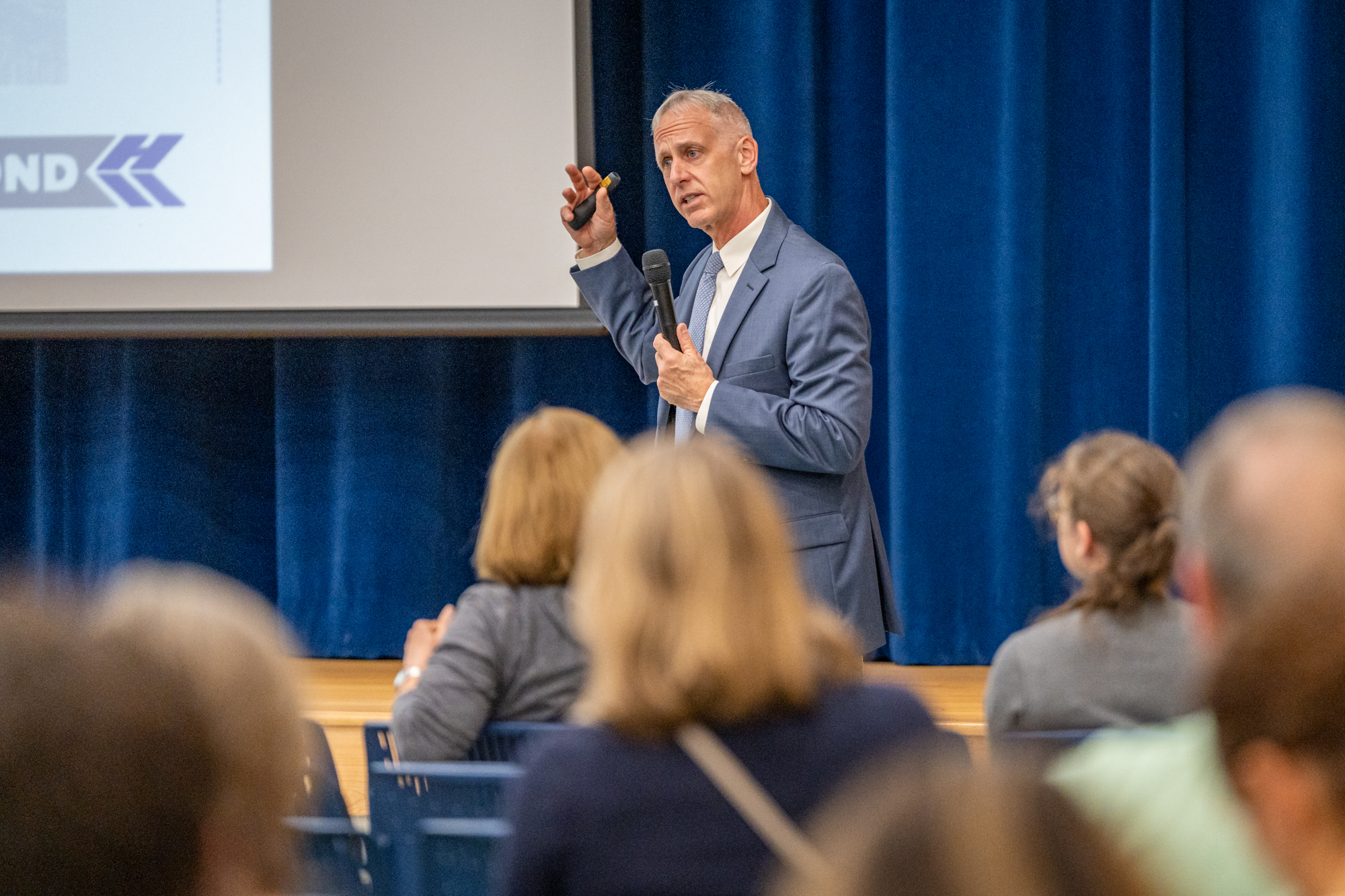
In the early autumn, team members from ThenDesign Architecture, the North Ridgeville City School District, and Hammond Construction unveiled the design and construction plans for the district’s new high school and maintenance transportation facility. The new 340,000 SF 9-12 high school is more than double the size of the existing school and signals a bold new chapter for the district’s educational future.

The new school includes a performing arts center, competition gymnasium, natatorium, and flexible, modern educational spaces for students.

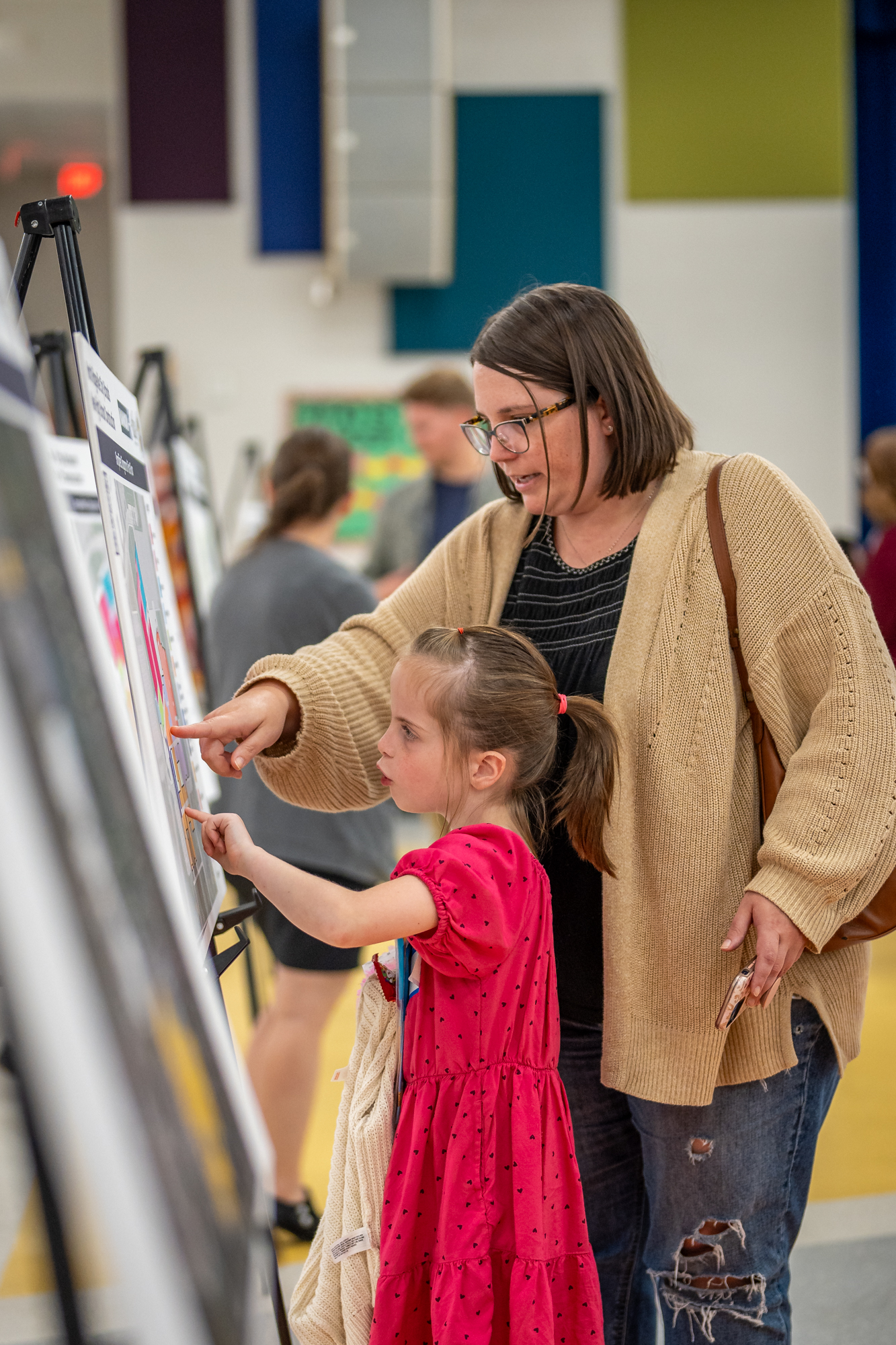
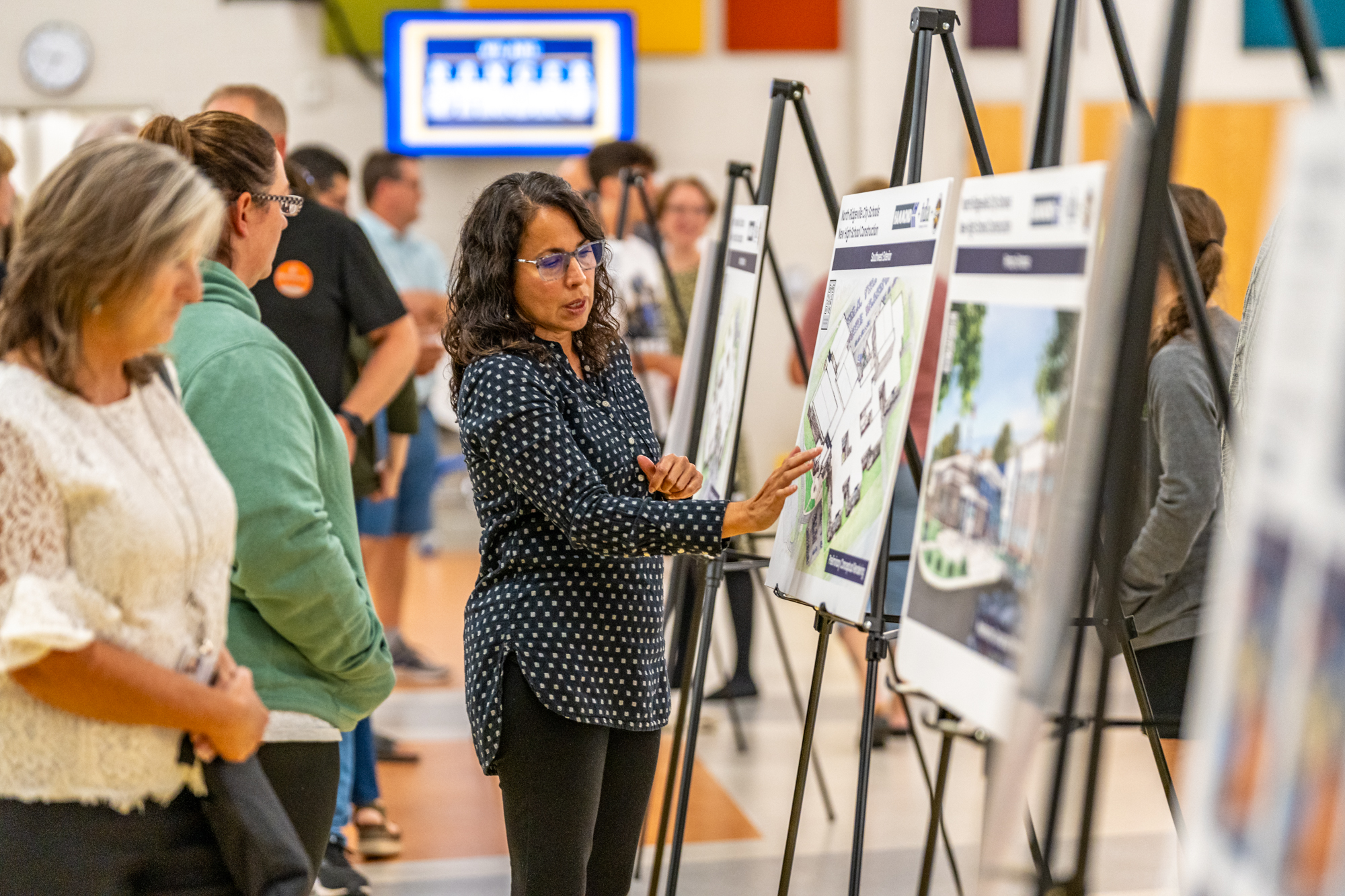
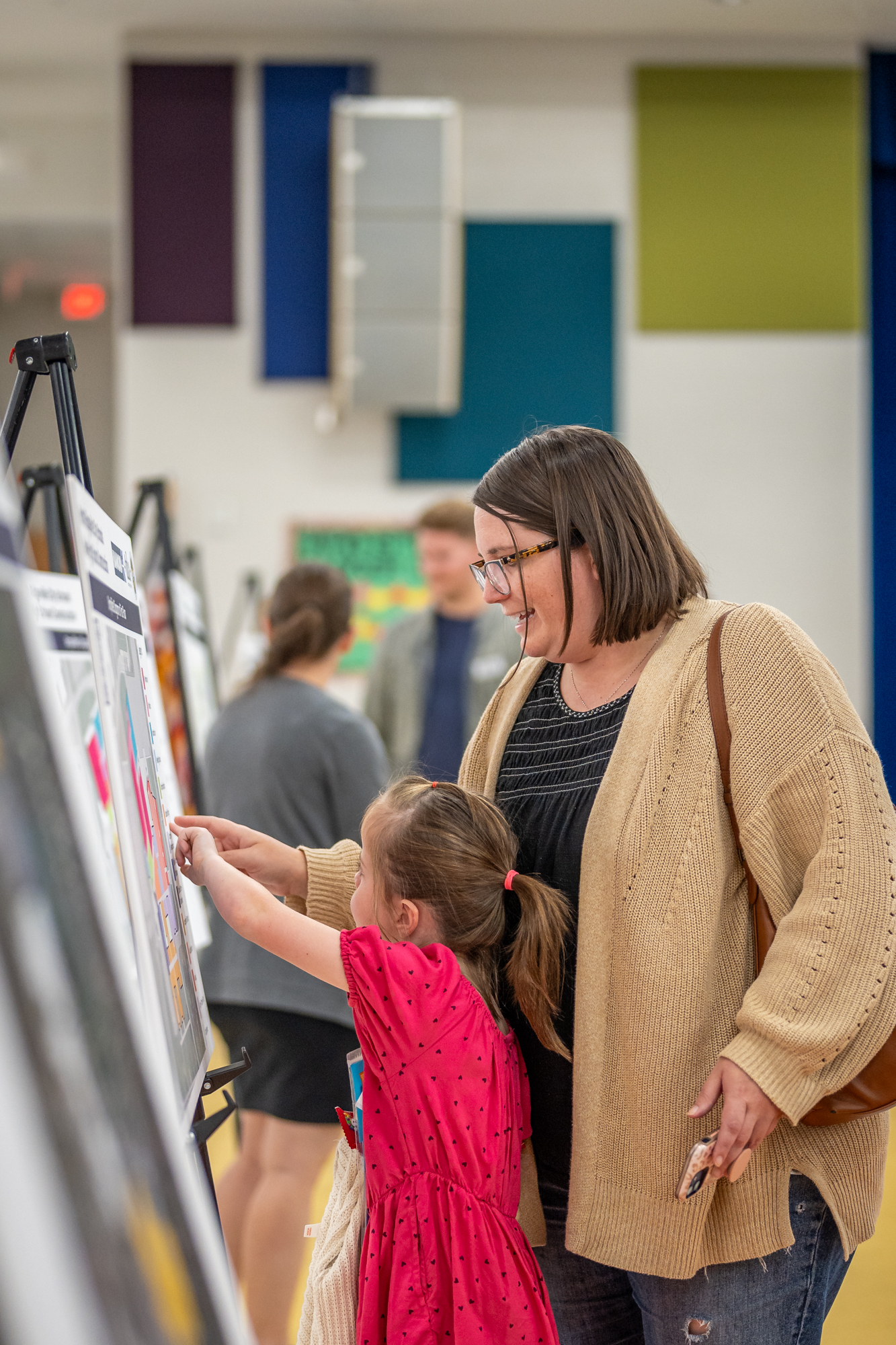
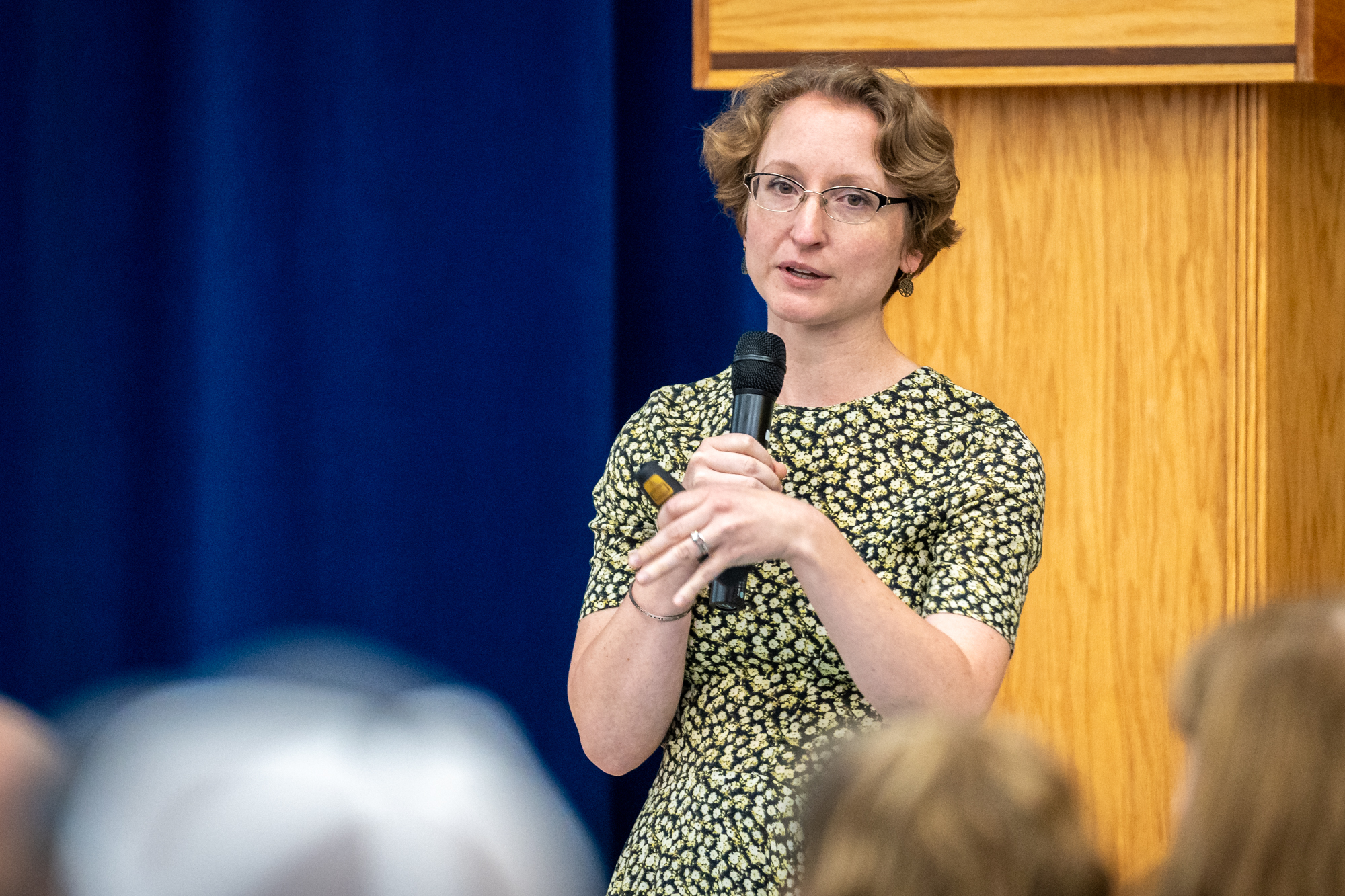
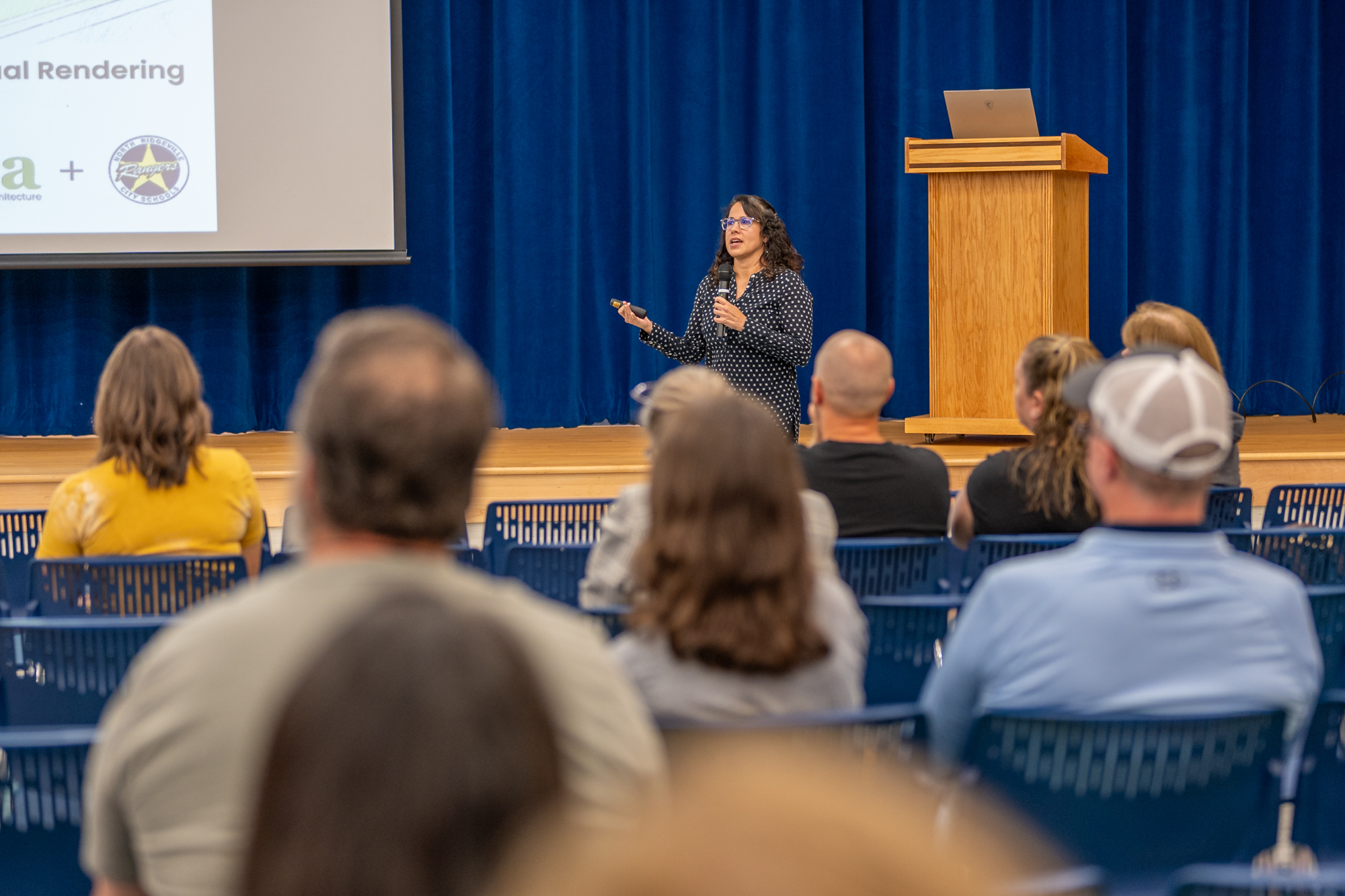
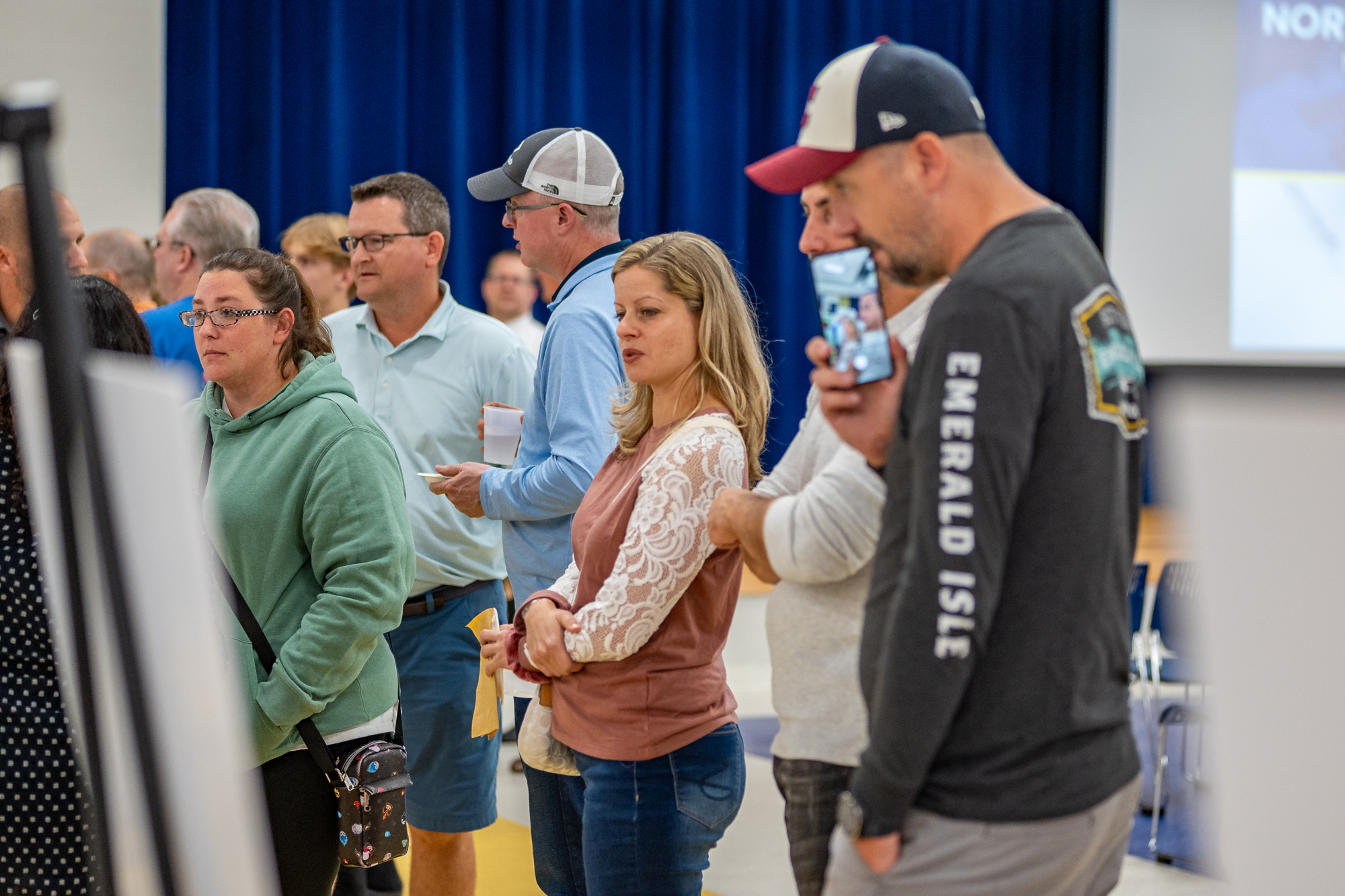
Community Members Attended the Update Meeting in North Ridgeville

Gathering Feedback from Stakeholders

The project incorporates feedback from various groups involved early in the design process. It includes ideas gathered from an educational visioning session, a visual preference community survey, and regular staff engagement meetings. The more than 75 academic spaces will have a collegiate feel by incorporating collaborative and flexible spaces that give students more autonomy. They are designed to foster relationships between students, their peers, and district staff.

Based on feedback the district gathered, they are prioritizing four key aspects of the new school:

    • “Collegiate Environment” – Developing spaces that promote student autonomy, preparing them for life after high school.
    • “Future Thinking” – Develop spaces that are adaptable for future learning opportunities and will still be relevant 20 years from now.
    • “Collaborative” – School designs that encourage student interaction and collaboration.
    • “Relationships” – A school that fosters partnerships with business and community initiatives.

Community Members Attended the Update Meeting in North Ridgeville

Features of the New North Ridgeville High School

In addition to providing a modern educational environment that incorporates daylighting into classrooms and offices, the school also prioritizes sustainability features and environmental controls to regulate temperatures in the building and promote a healthy indoor environment.

Two main entrances separate the functions of the school. One is dedicated to academic entry, while the other event entry provides access to athletic and art spaces.

There is one clear main entrance for visitors throughout the school day. This entry will also serve as the athletic entry after hours for the main gymnasium. A separate, dedicated entrance is designed for the performing arts center. The large spaces that can be open for events after hours are easily separated from the rest of the school.

Just inside the academic entrance is a central dining hub connecting the school’s various areas and creating a large common space for students.

Other notable spaces include a performing arts center that provides the necessary space to support the district’s growing arts program and a competition gymnasium to host large athletic events. Also included is a state-of-the-art natatorium to support the district’s swim team. The inclusion of the swimming pool is a significant feature of the school. It provides training and competition space along with a potential revenue stream for the district through rental opportunities for other swim teams in the area.

Various student groups have also been involved in the new school's design

Timing and Schedule Explained in the Design and Construction Plans

Hammond Construction also provided a timeline for the project, laying out the key construction phases. The project is aligned with current budget and schedule estimates and is planned to be completed by the 2028-2029 school year. Once the new building is complete, the current high school will be demolished, and the area will be transformed into new practice fields.

Community members who attended were very supportive of the plans for the new school. The designs result from hundreds of hours of input from the school district, community, students, and design professionals. The school plans reflect the educational priorities for the district by solving the challenges of overcrowding at the existing school and creating spaces for new educational opportunities for future generations of North Ridgeville students.

View the Presentation from the Design and Construction Meeting for North Ridgeville City School’s New High School

Richmond Heights Invites the Natural World In

Richmond Heights Invites the Natural World In
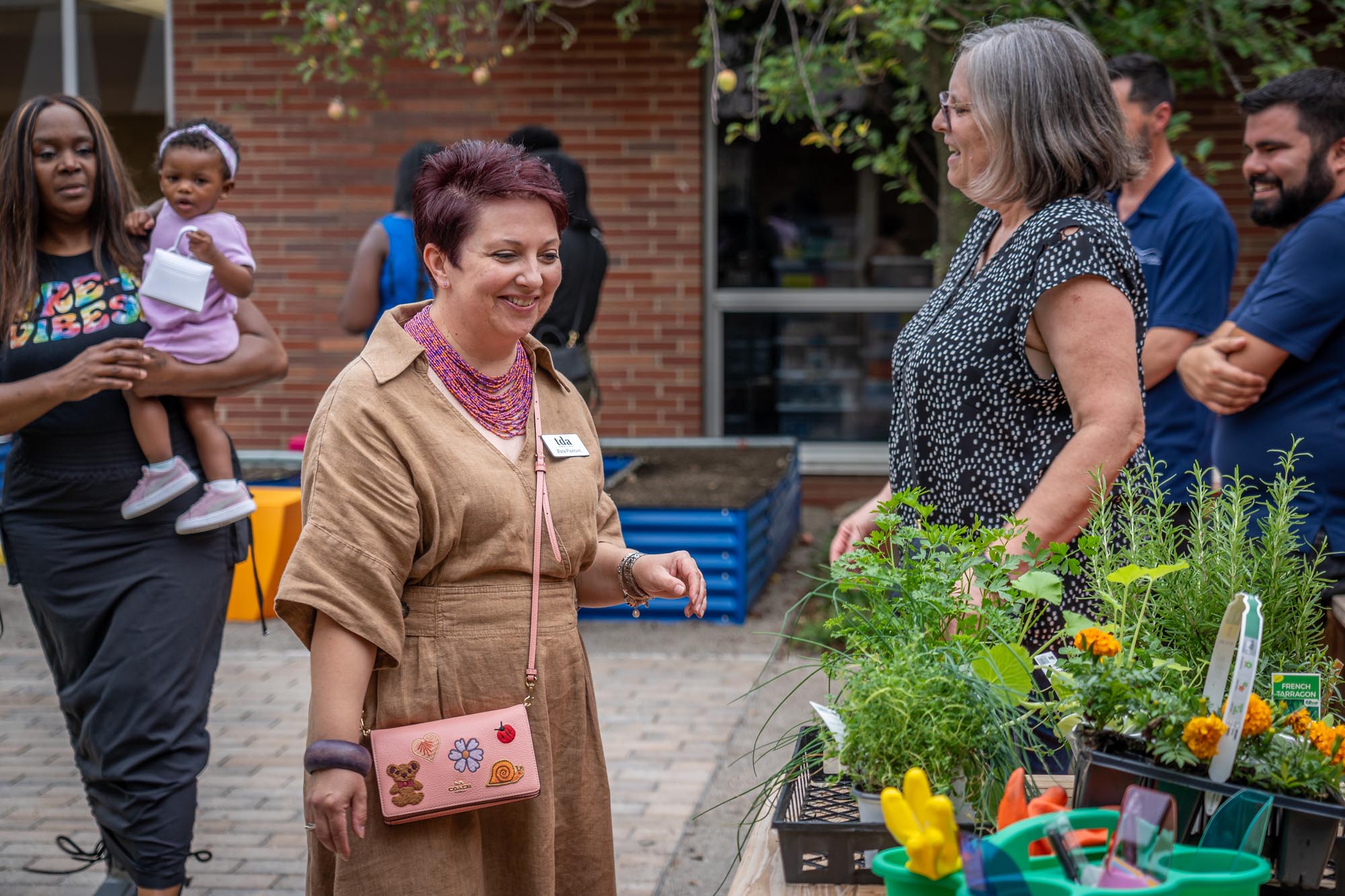
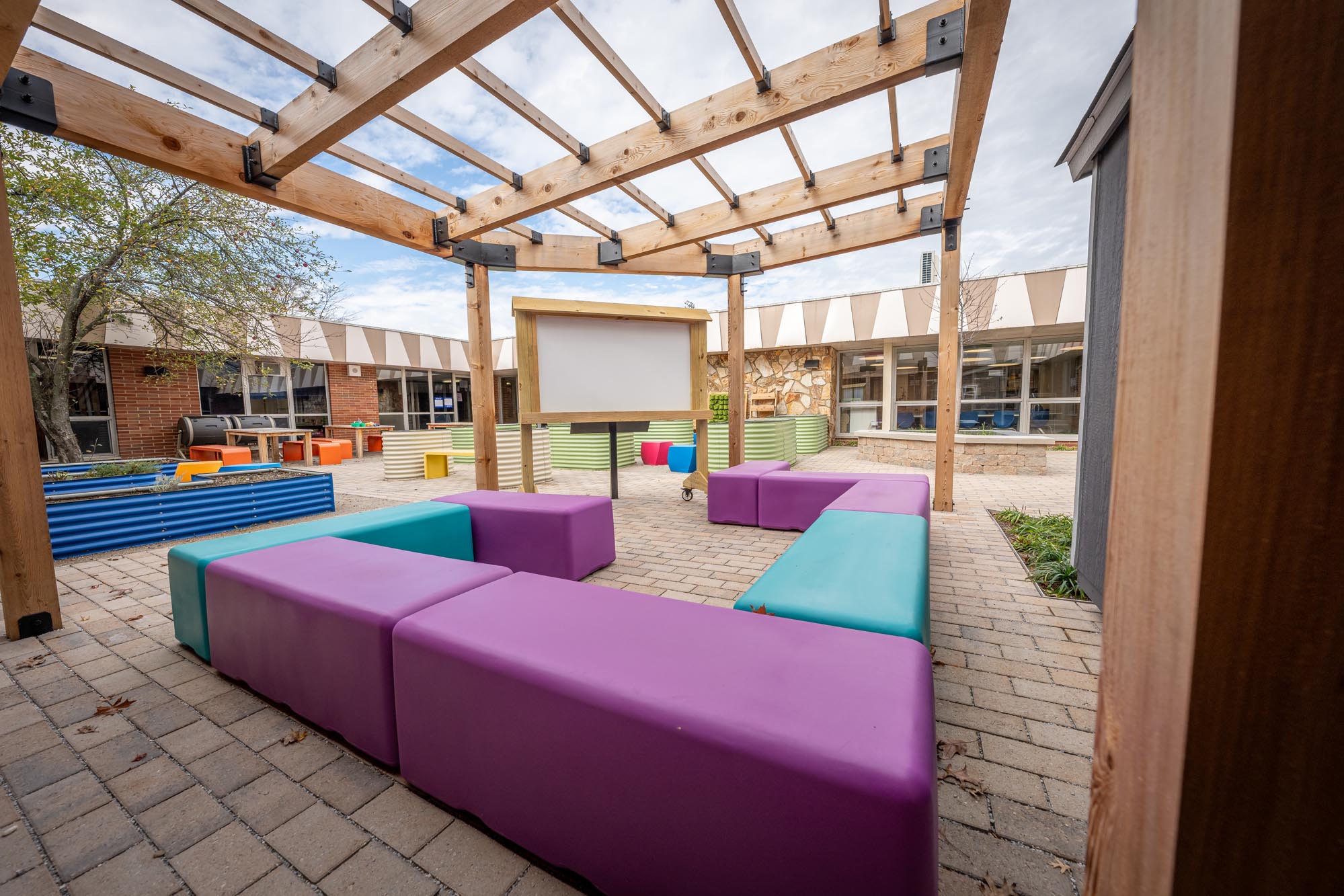
Richmond Heights invites the natural world in by opening a new Innovation Station and renovated courtyard at its elementary school. A special Back-to-School event hosted by the school district invited community members, students, and parents to experience learning spaces that feature colorful, organic design elements, including stones, trees, and gardens. Incorporating modern technology with a nature theme promotes student curiosity about the world around them.

Richmond Heights Invites the Natural World In

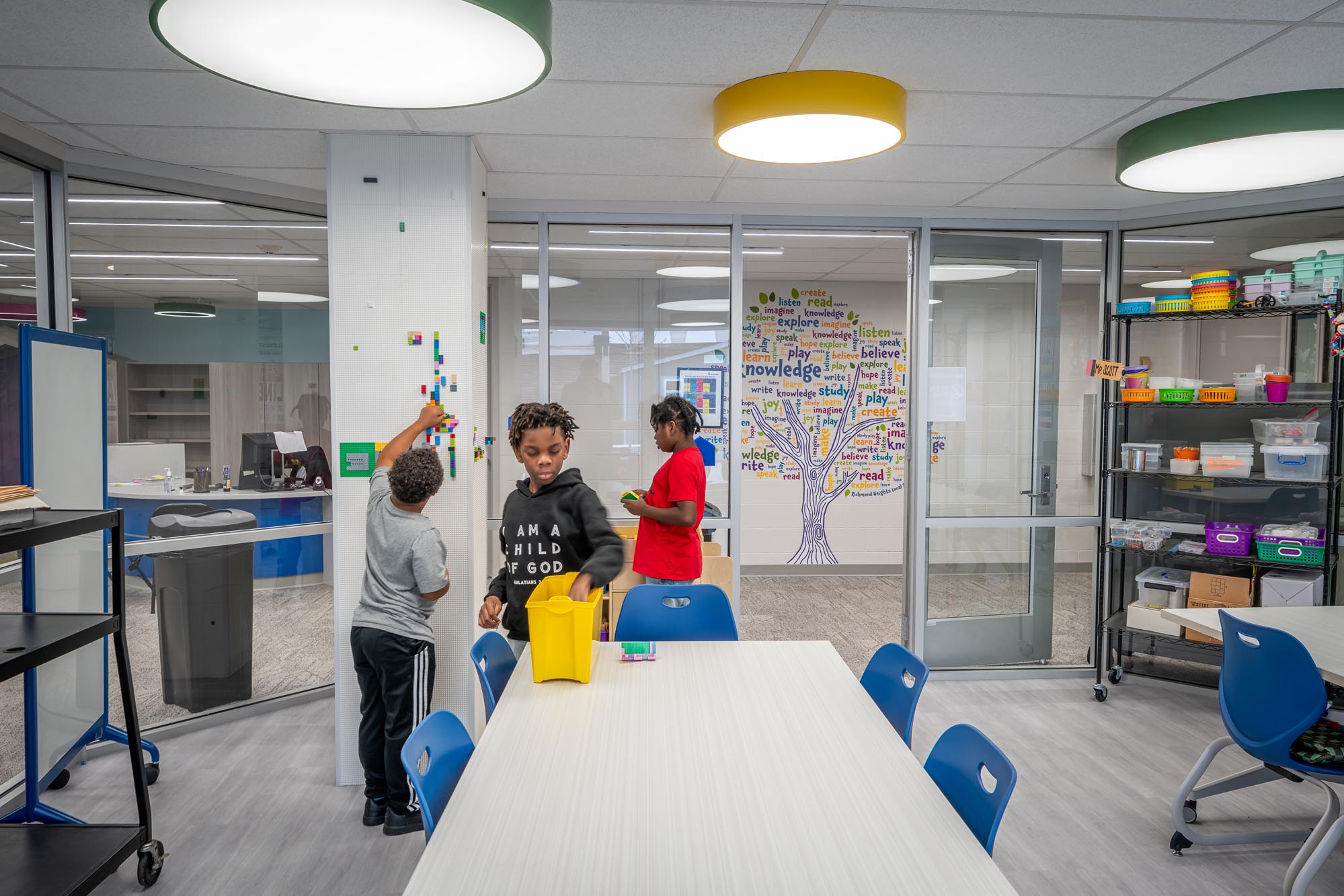
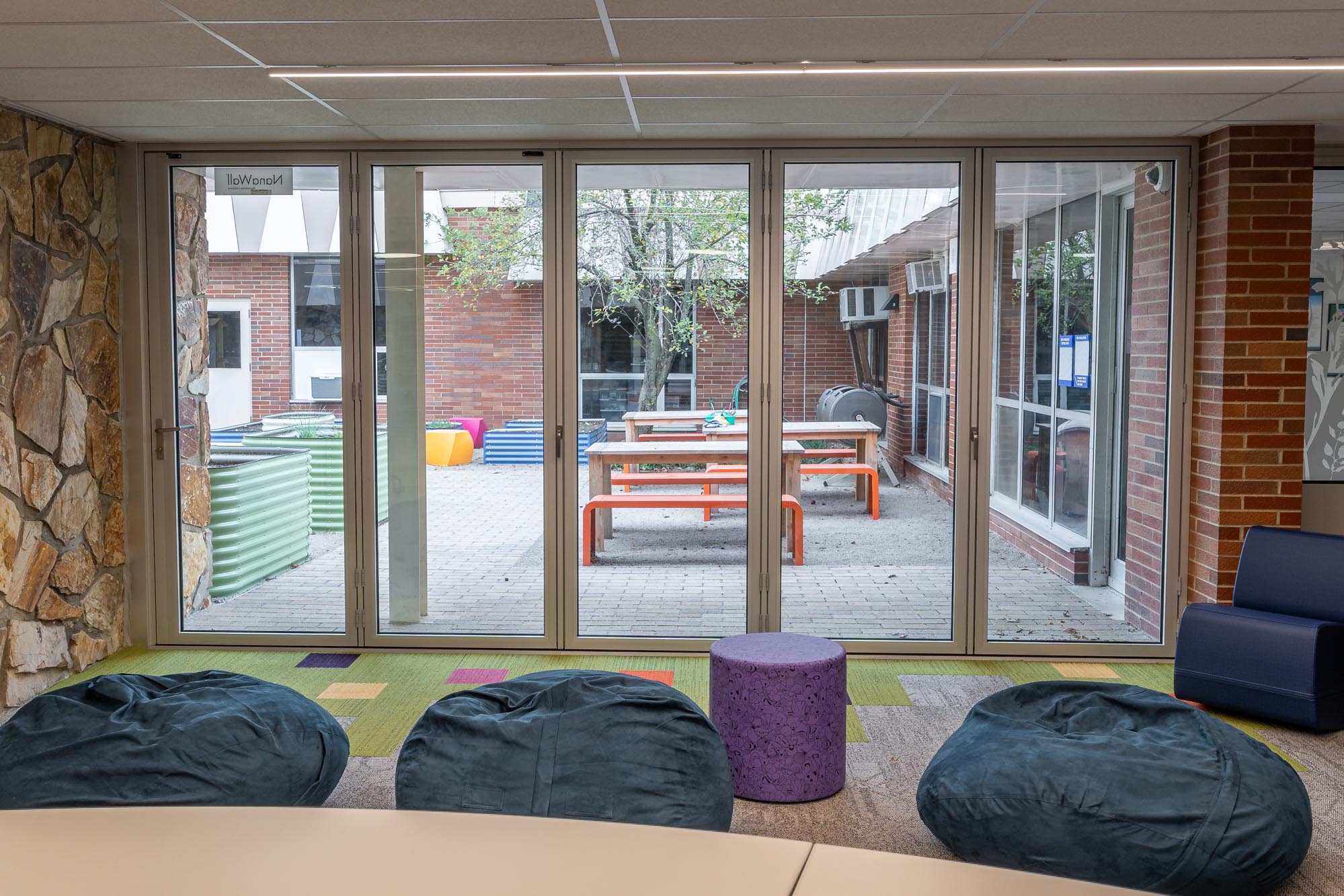
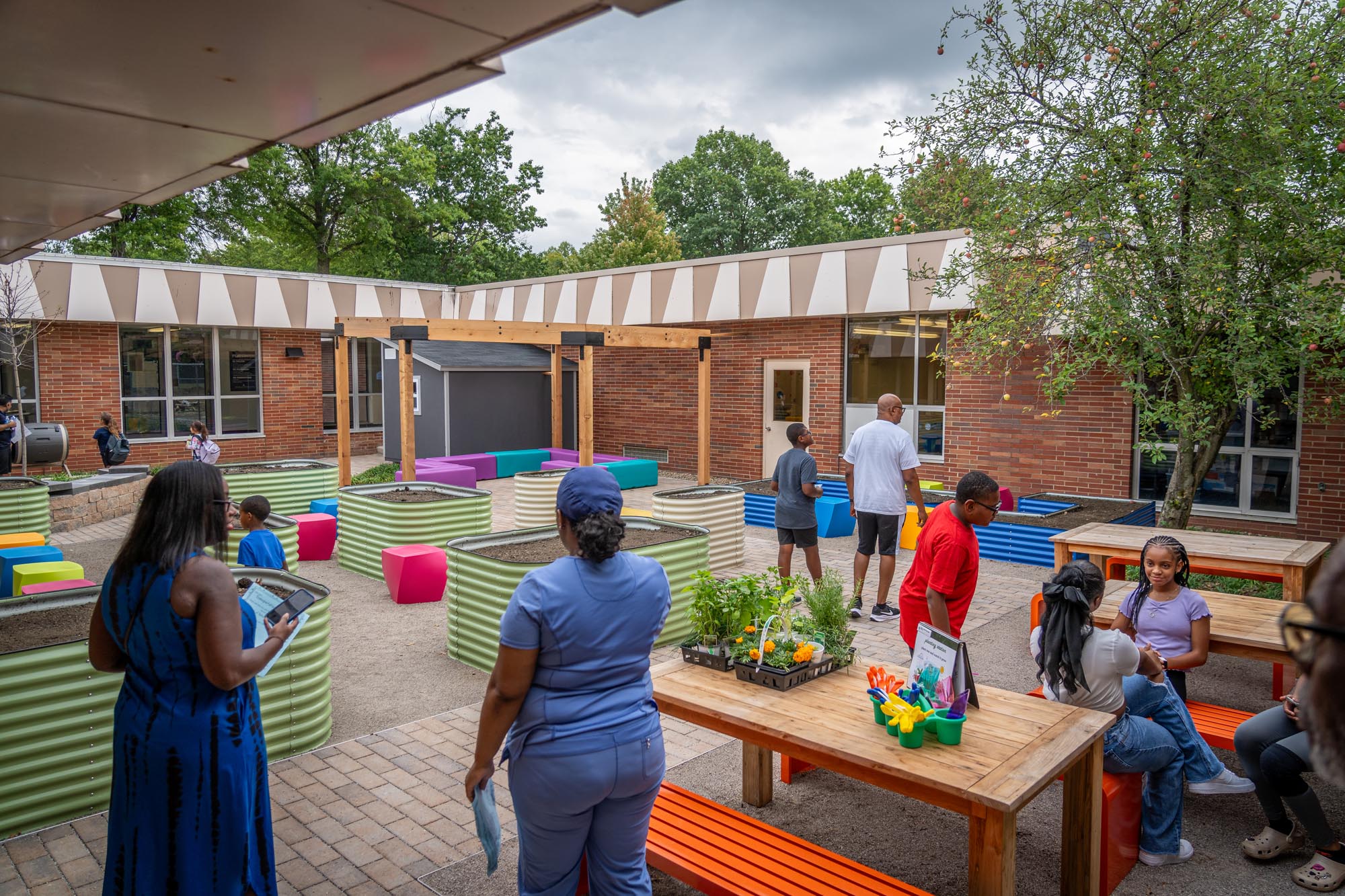
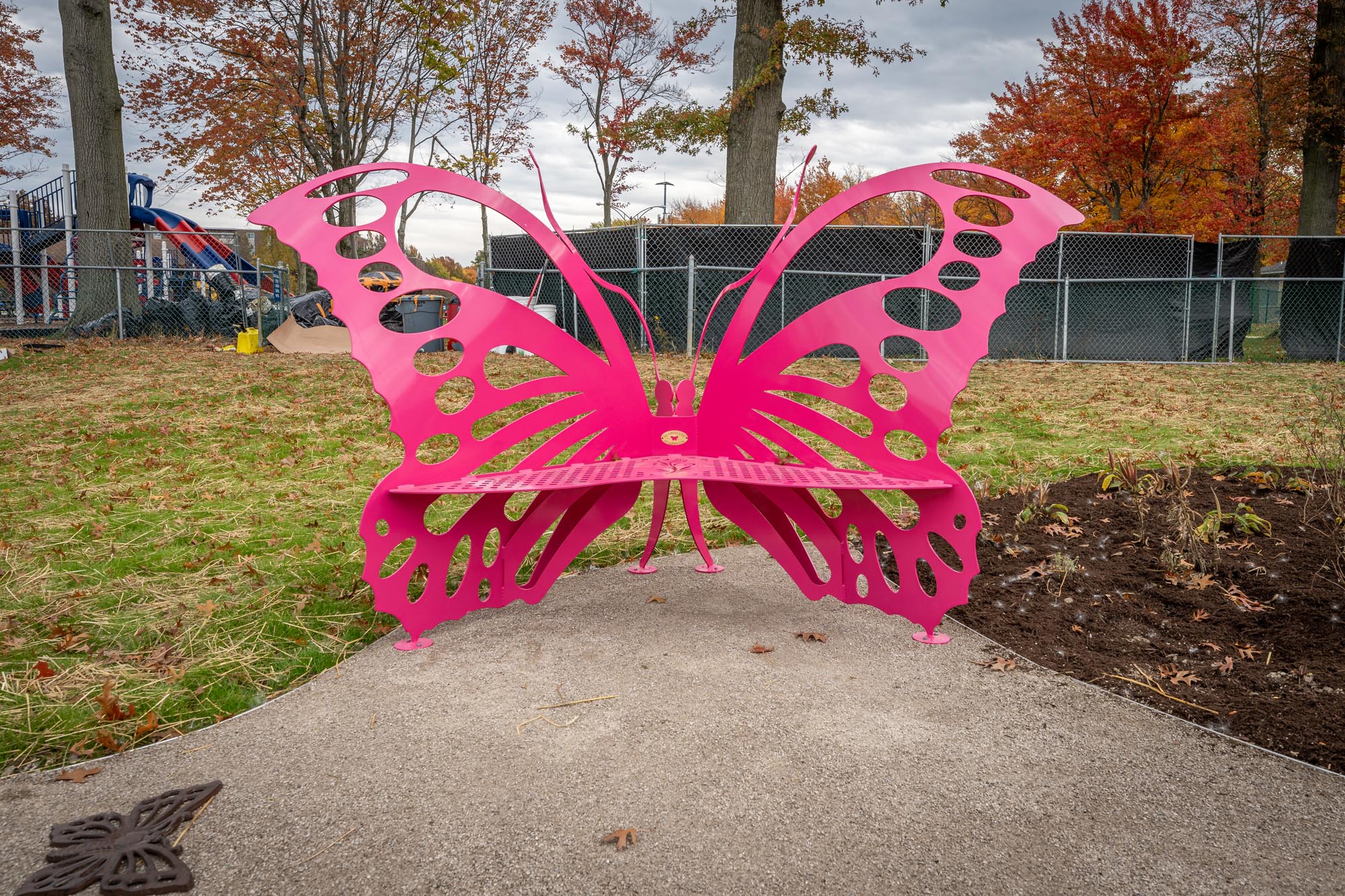
At a Back-to-School event on August 8, Richmond Heights Local Schools officially opened their new Innovation Station and courtyard renovation at the district’s elementary school. The $1.4 million project features a 2,320 SF renovation that reclaims an unused courtyard, storage room, and underused library, transforming them into an innovative makerspace, meeting area, and outdoor learning courtyard. Phase Two of this project is scheduled to be opened in the Fall of 2024 and includes a new PreK-K Playground, Safety Town, playground for grades 1-6 with a half-size basketball court and butterfly garden.

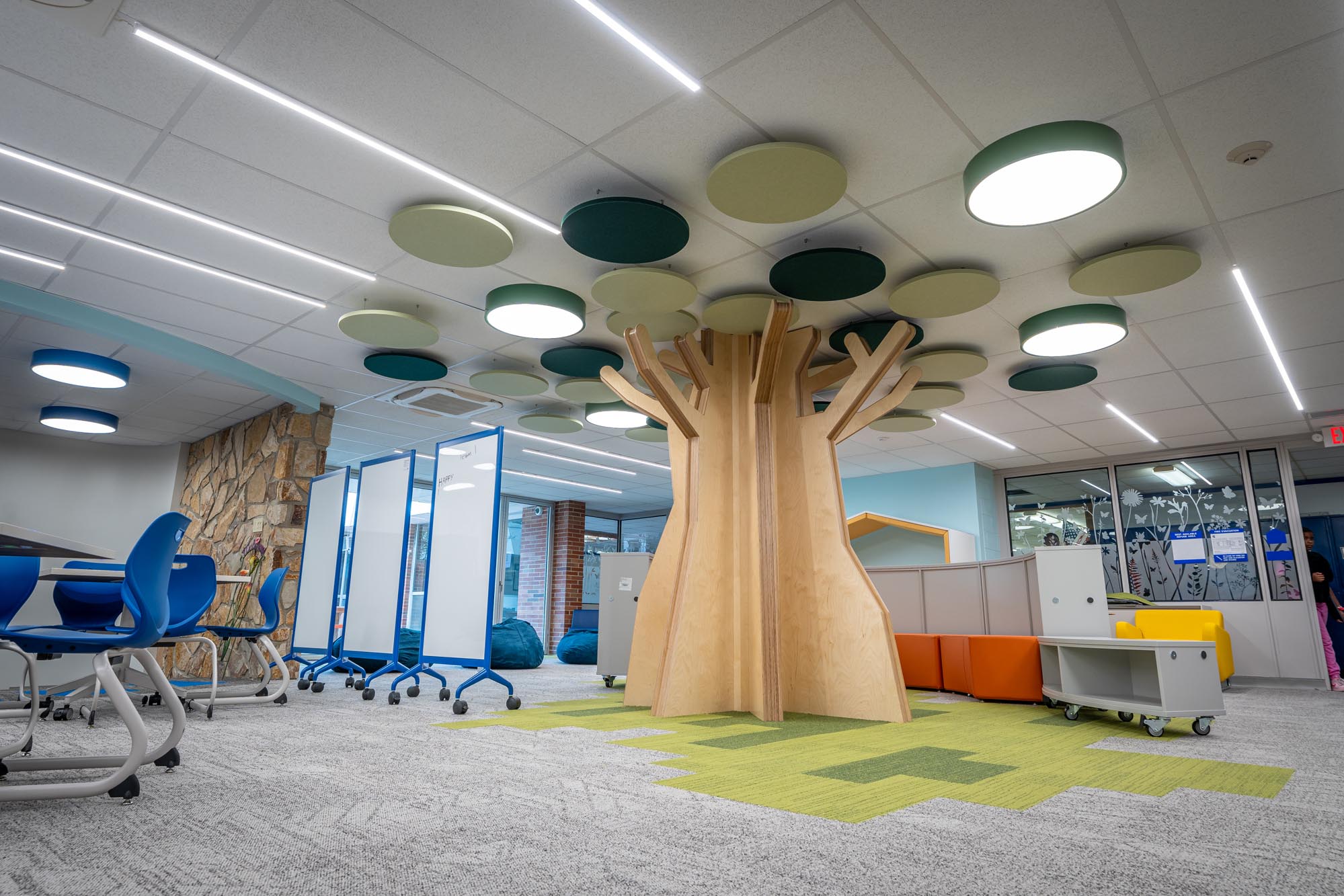
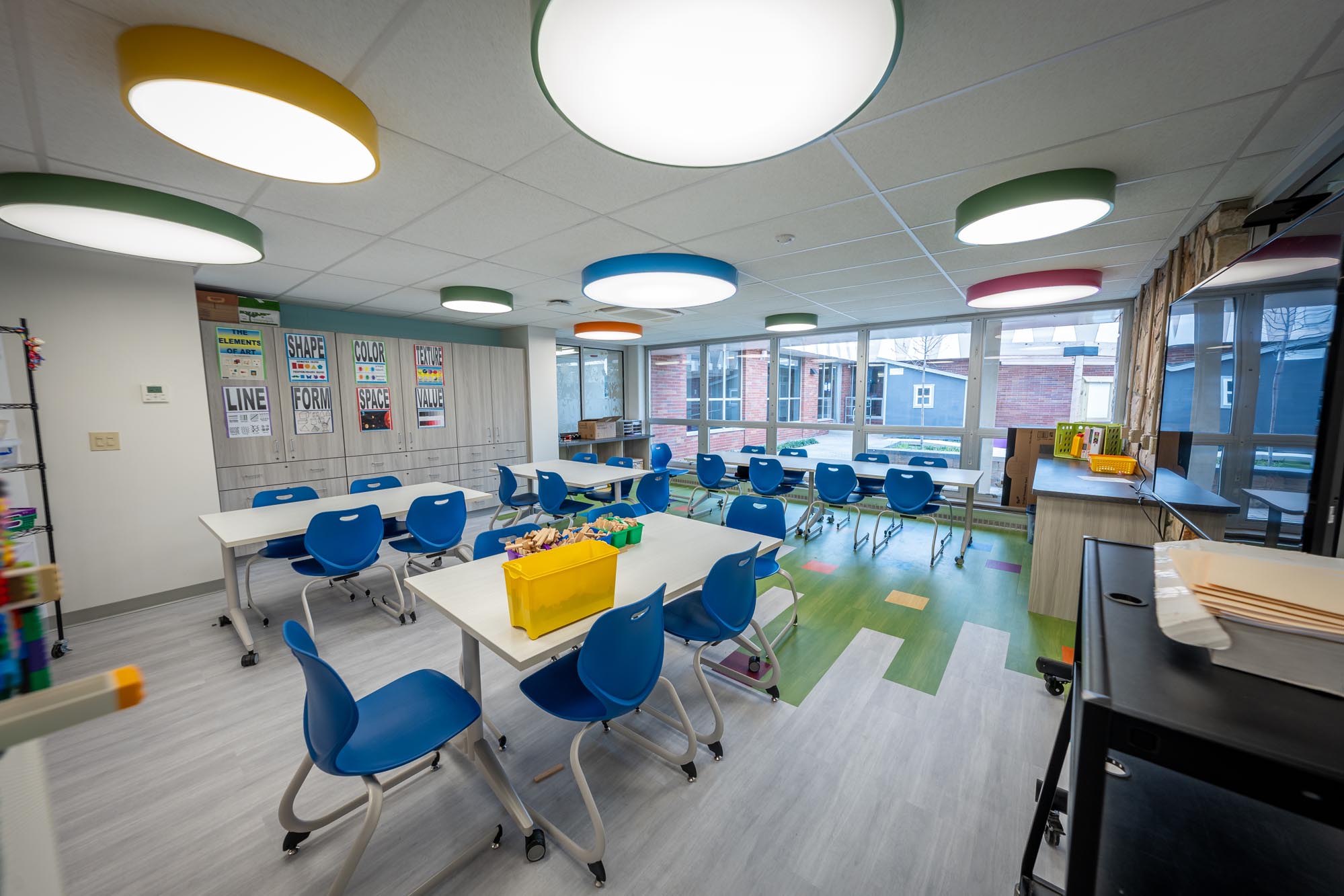
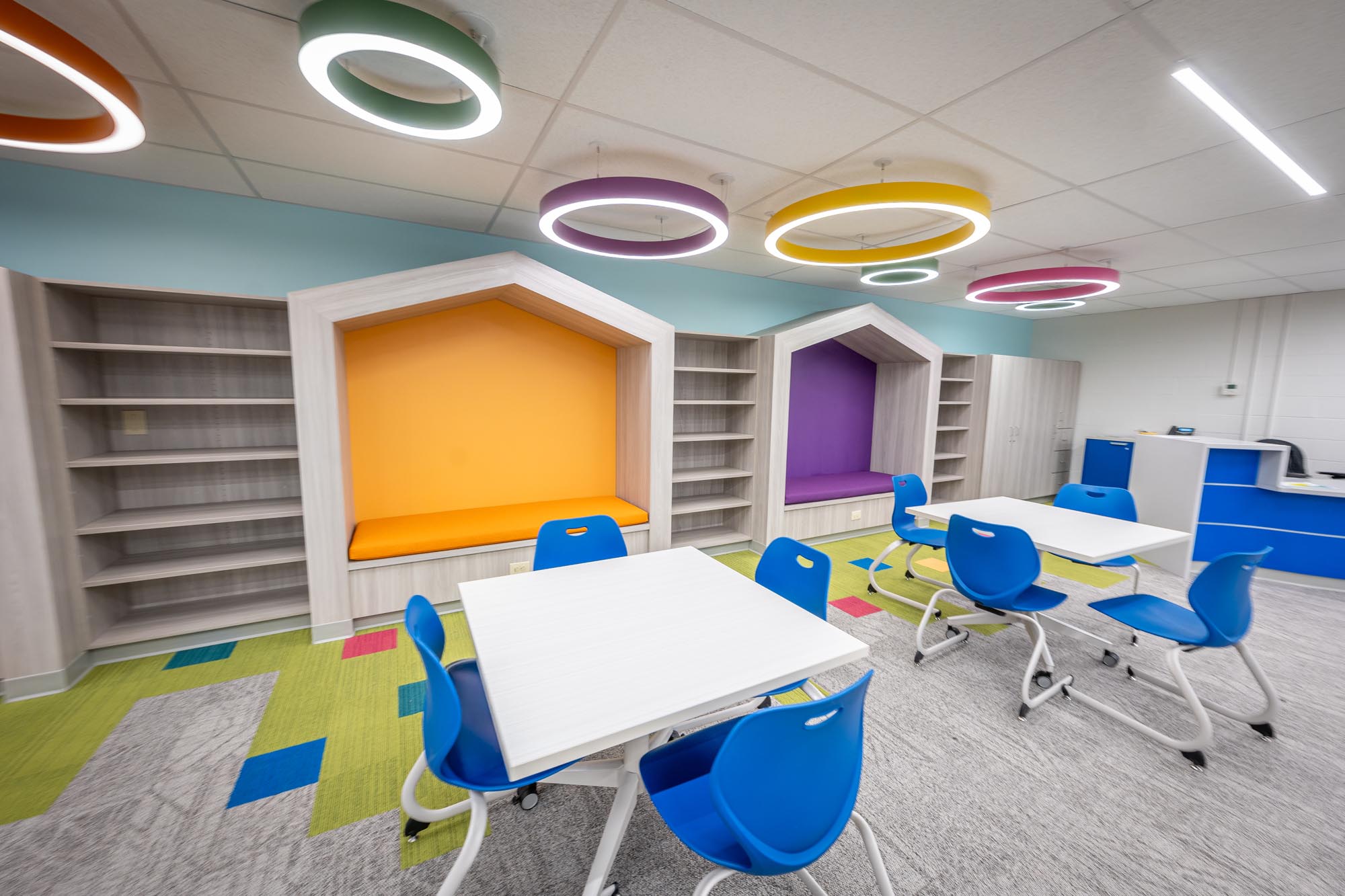
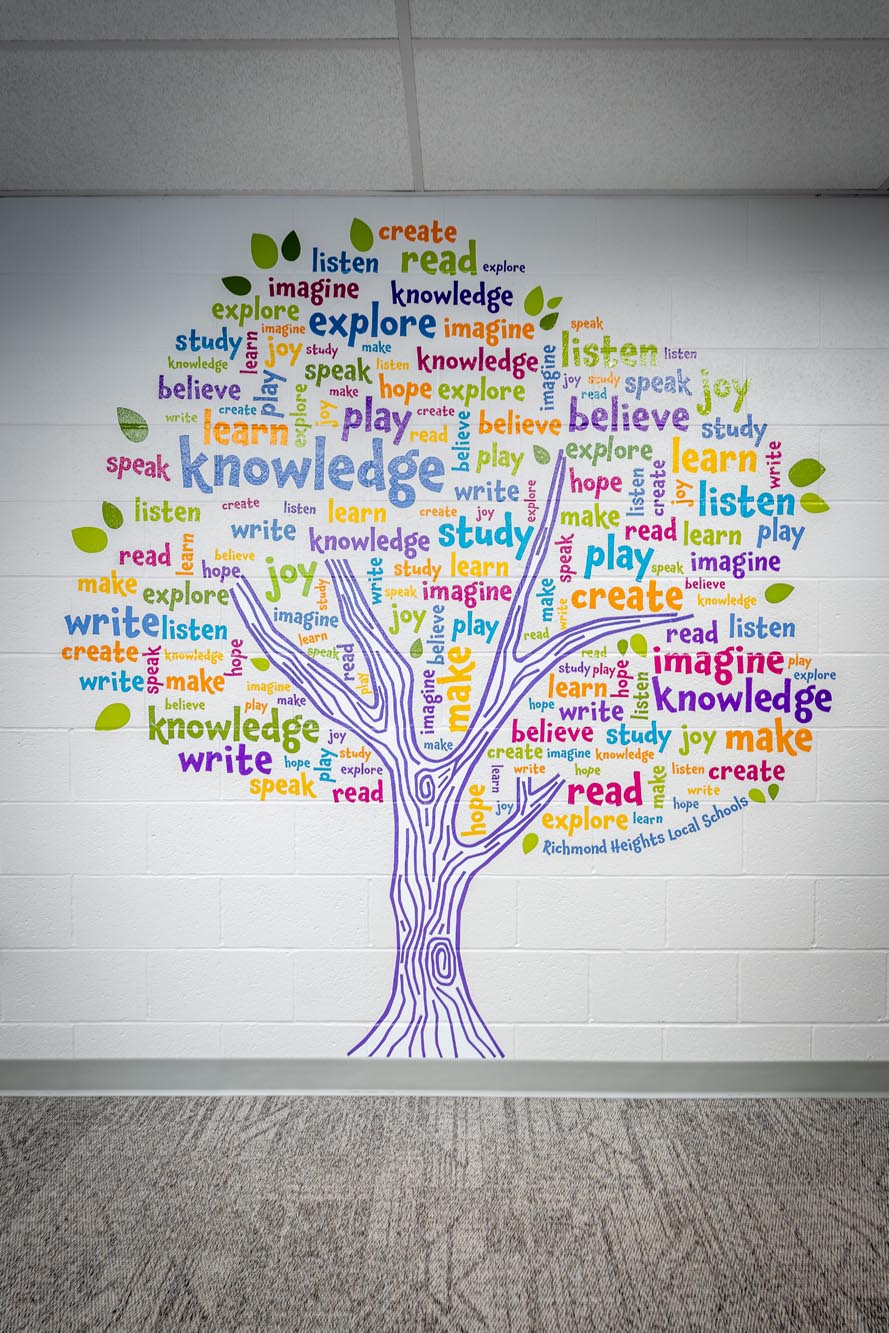
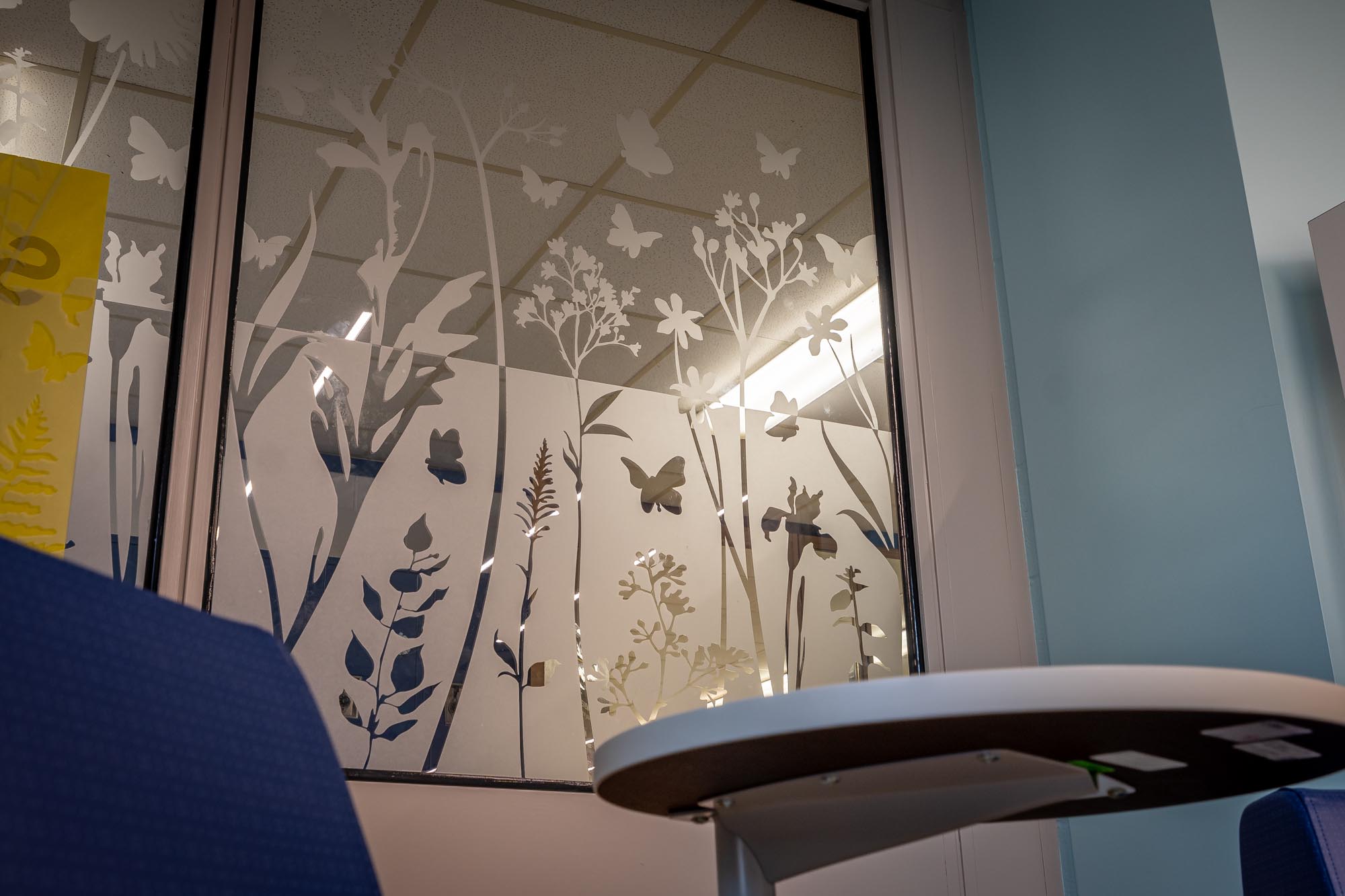
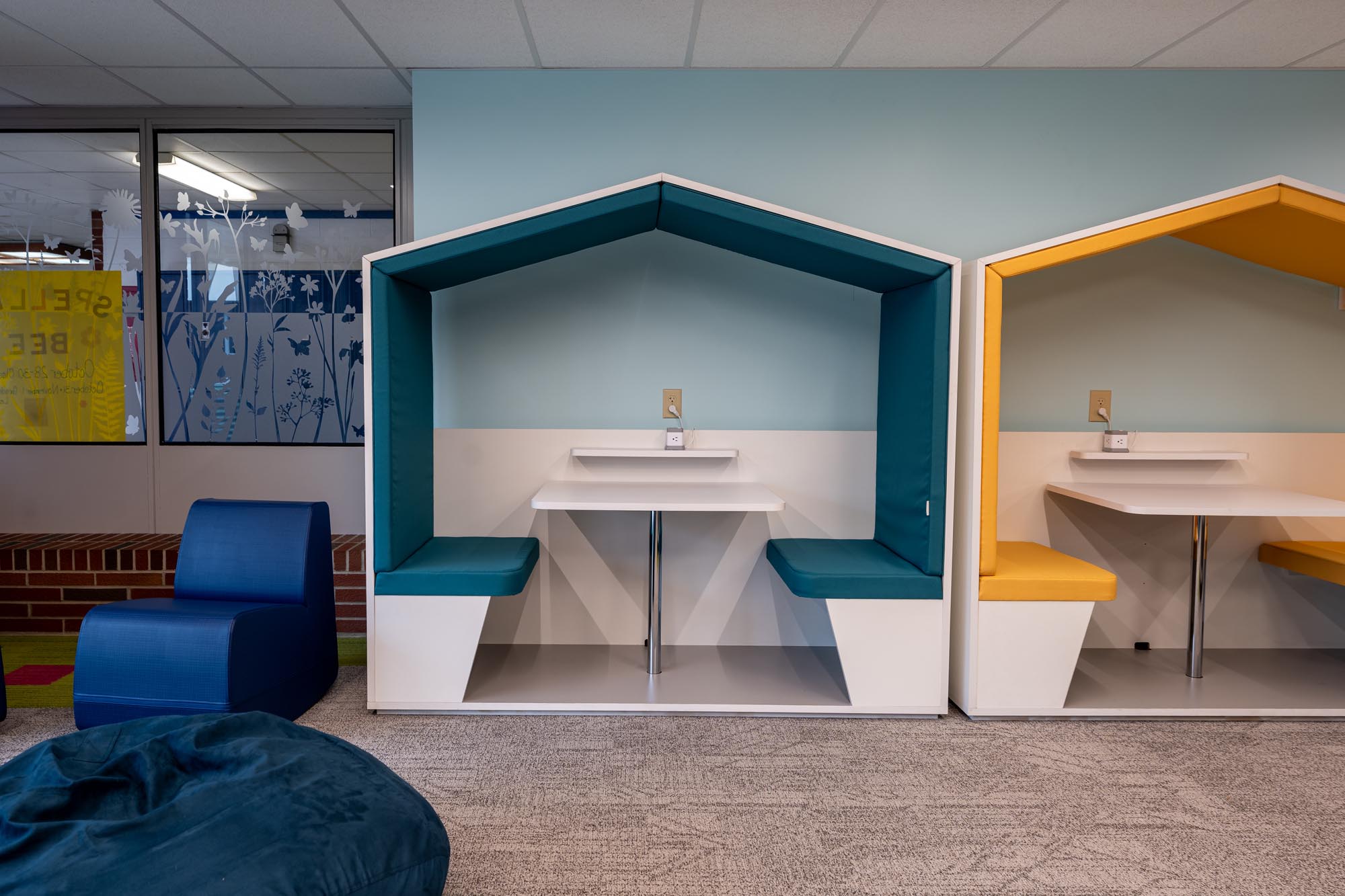
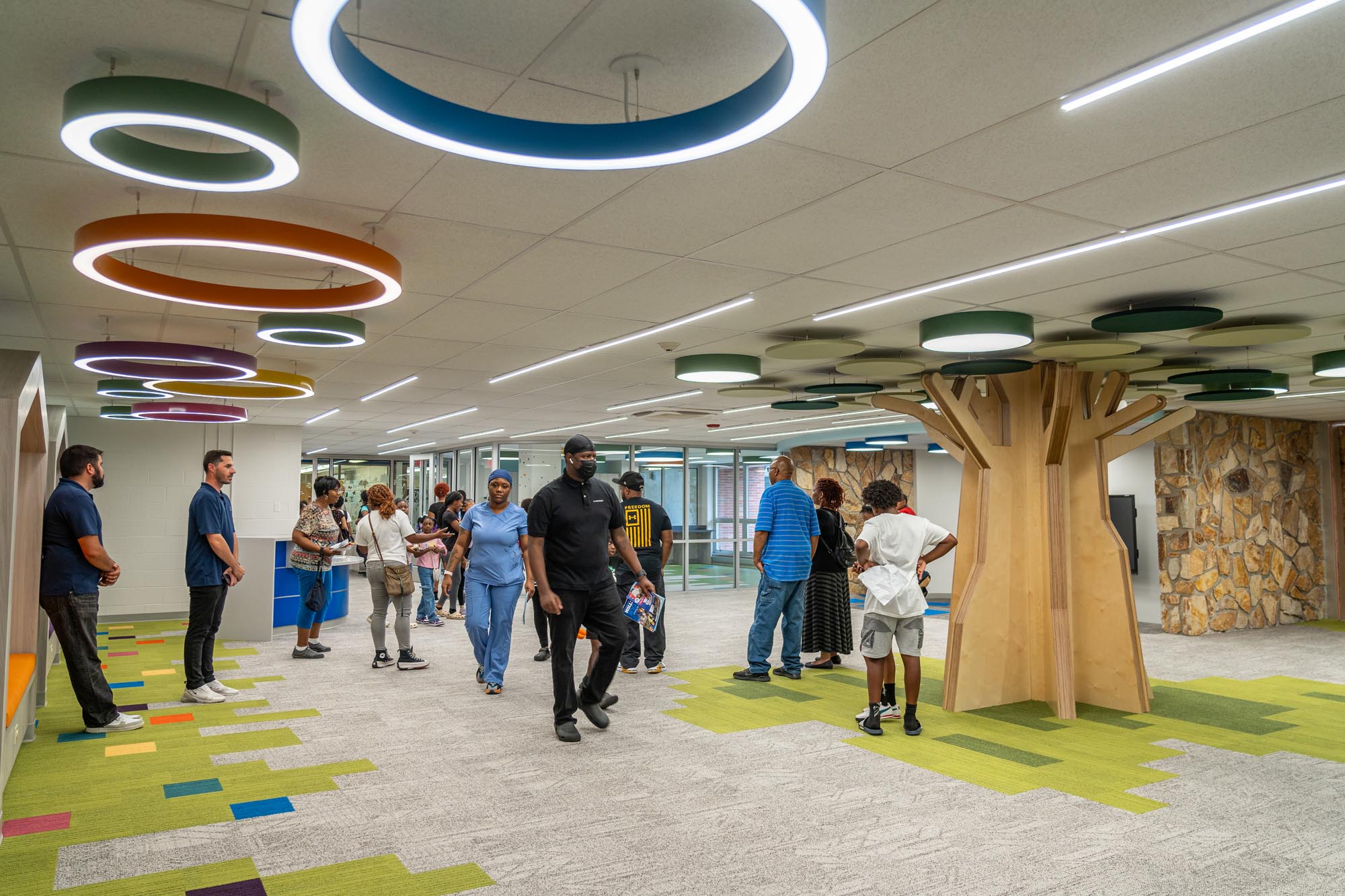
Drawing on the symbolism of houses, trees, and gardens, the Innovation Station features natural colors, a free-standing custom-built tree, cabinetry that mimics a community of homes, glass with organic plant-shaped screening, and a garden courtyard. Natural light floods interior spaces through glass walls, promoting views of the courtyard.

The natural world is blended with technology and encourages students to explore both worlds in a hands-on way.

"Now we have an area that enables our students to imagine, learn, grow, and explore. I love how this space does just that."
Dr. Marnisha Brown
Superintendent

Richmond Heights Invites the Natural World In

Back-to-School Extravaganza

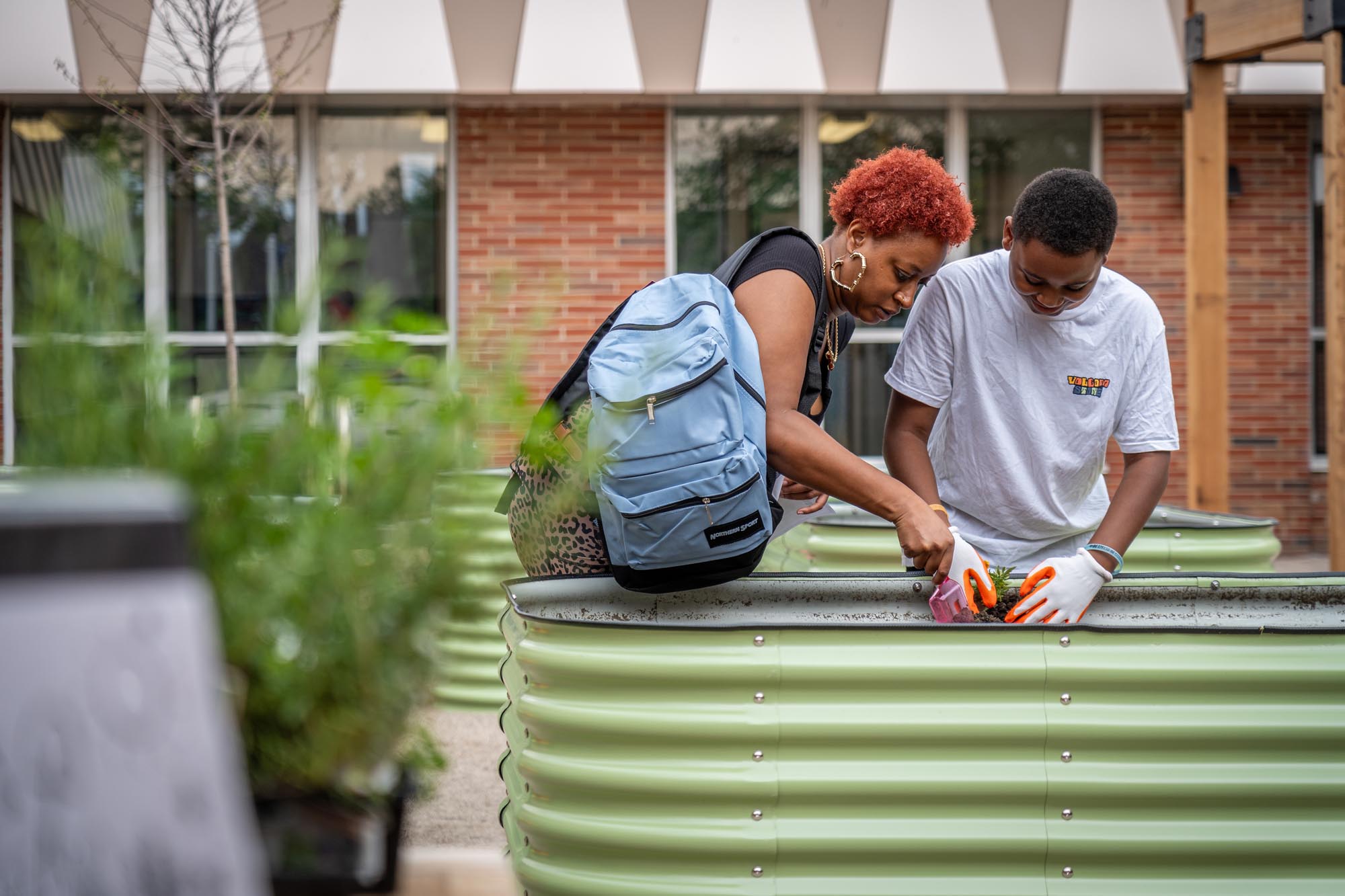
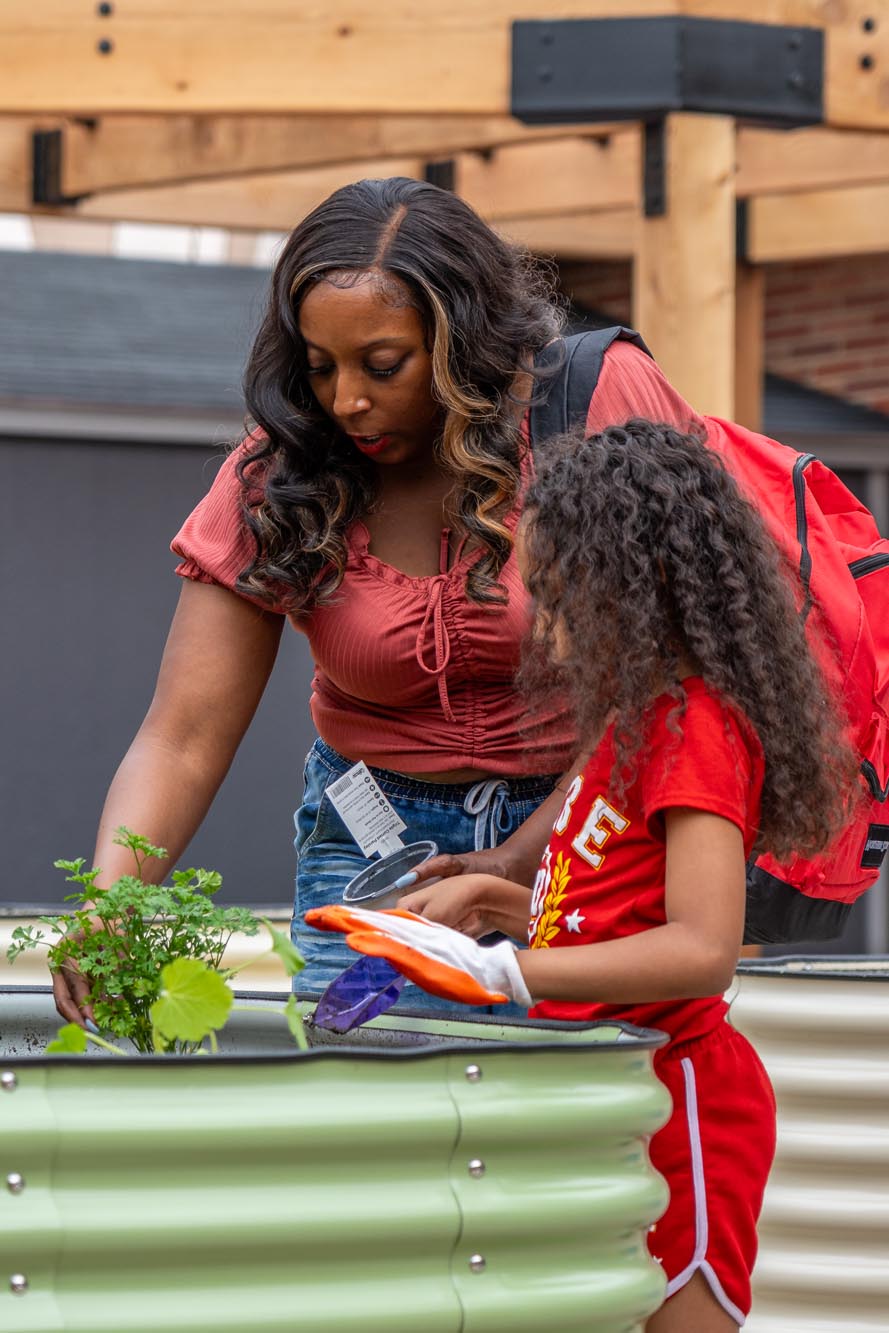
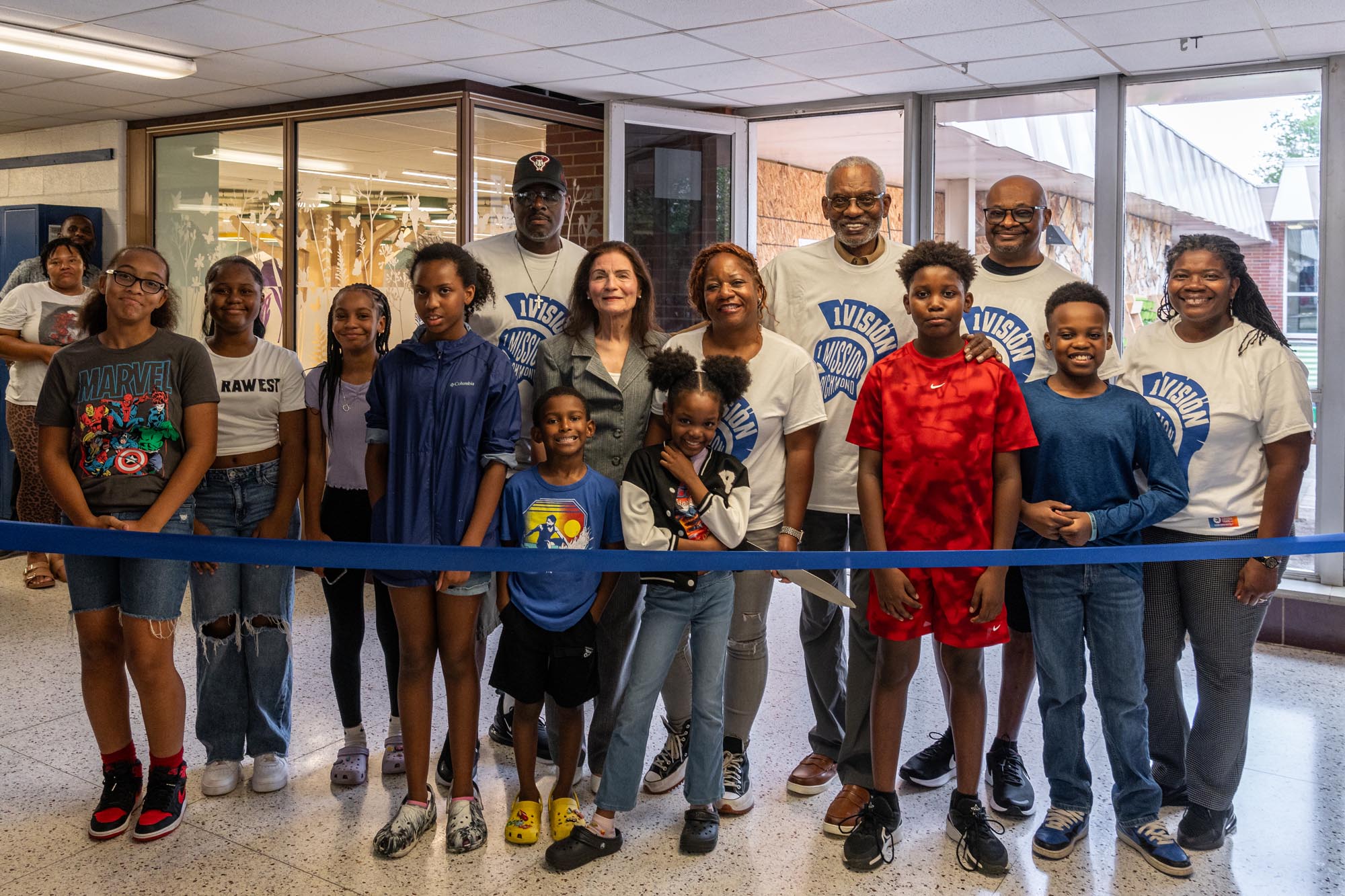
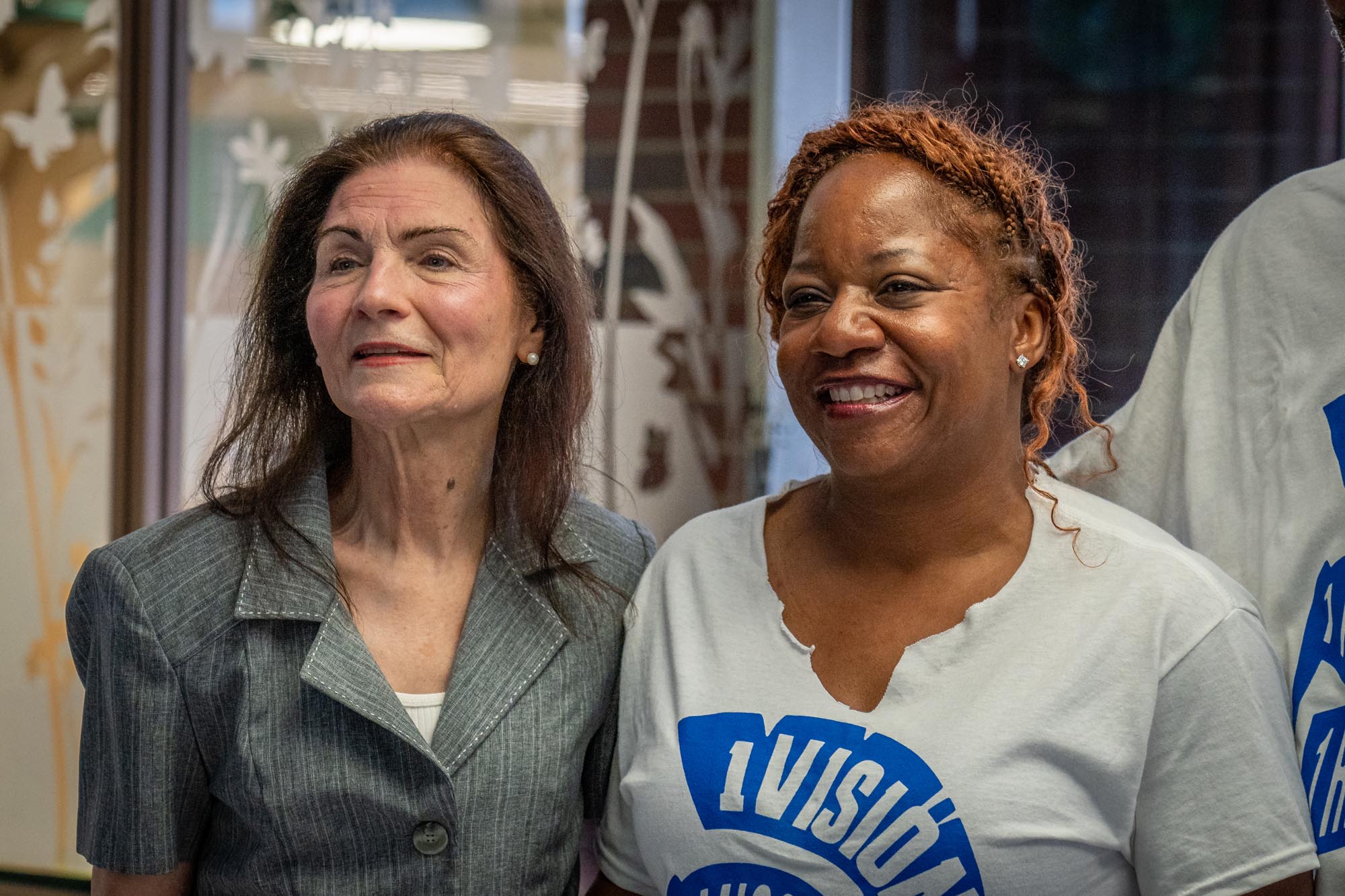
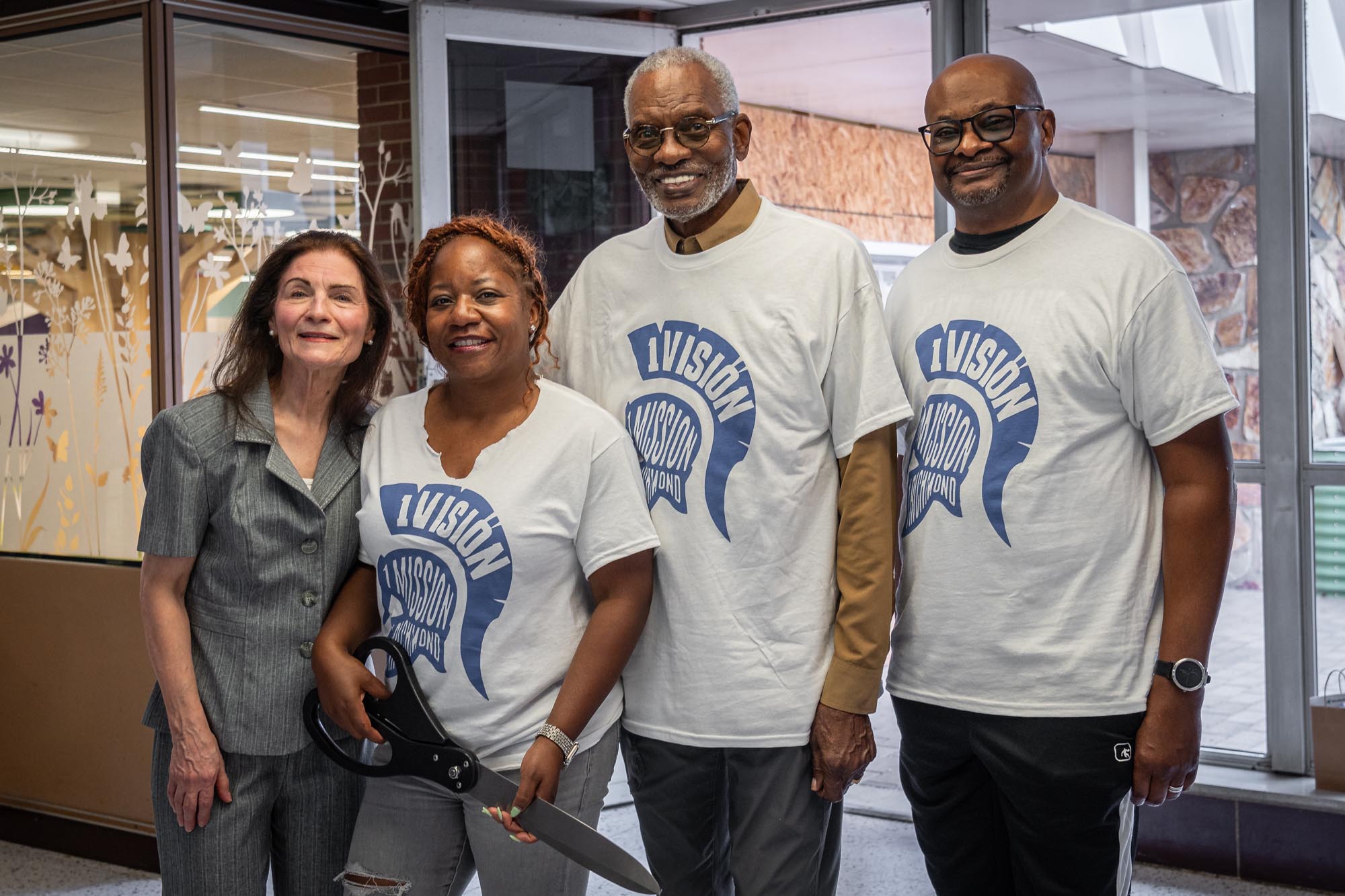
The Back-to-School event was attended by hundreds of community members, including students, parents, and district staff, along with Superintendent Dr. Marnisha Brown, members of the Board of Education, and city officials. They officially cut the project’s ribbon, opened the community’s new spaces, and encouraged participants to plant vegetables and herbs in the courtyard and visit the Innovation Station and makerspace.

At the ribbon cutting, Dr. Brown reflected on the opportunities for students in the new Innovation Station and courtyard. “I am very excited about the possibilities for our younger students. Our elementary school staff has been working very hard to find innovative ways to engage students. These new spaces do just that.”

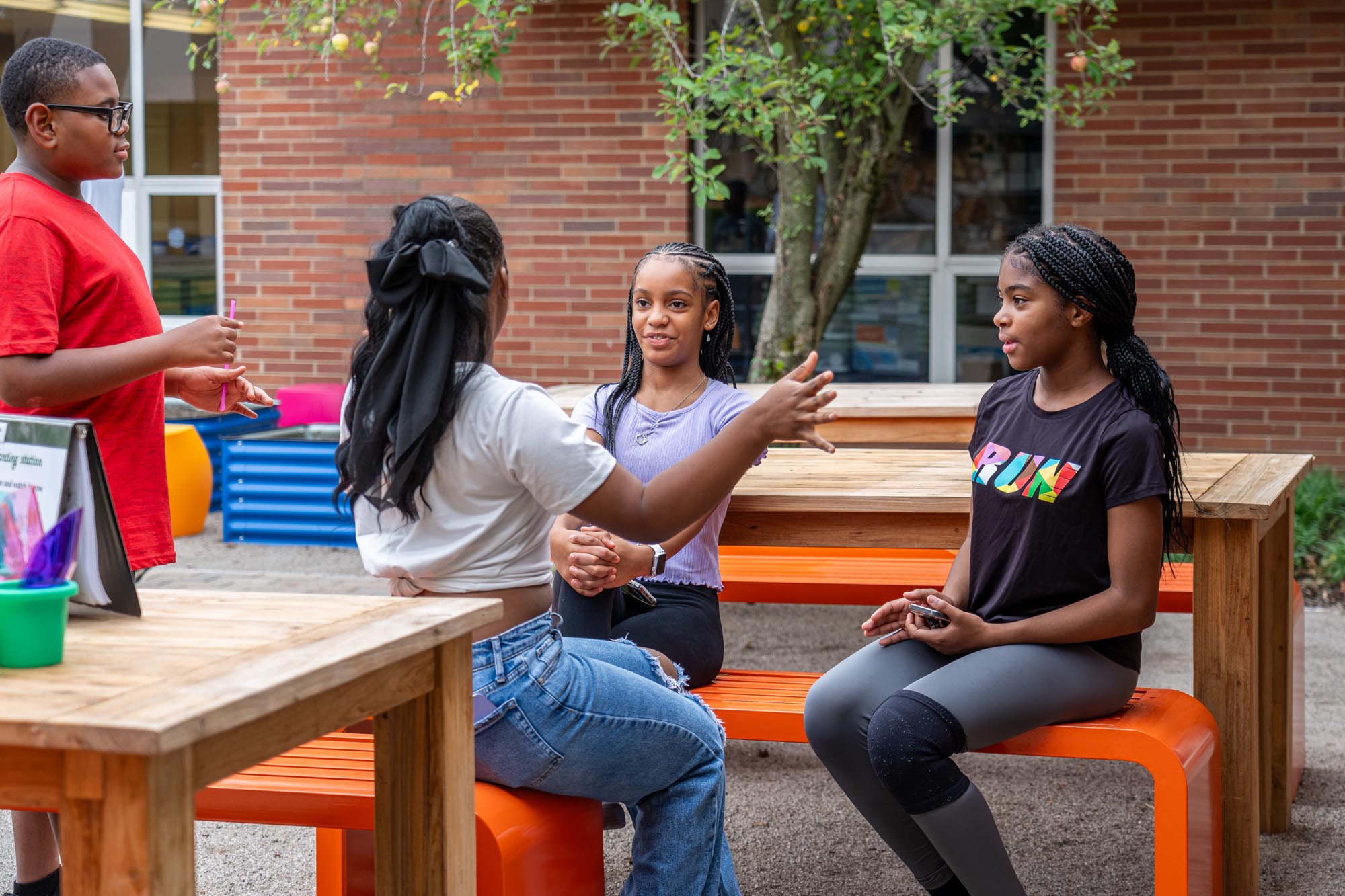
The previous courtyard in the elementary school was mostly unused but has now been transformed into an environment that can be used all year. Students can explore gardening, composting, and tending a butterfly garden. These unique spaces are activated by students who can connect with nature in a community located near the city of Cleveland.

"The district didn't want another traditional library full of books. They wanted an innovative space that encouraged creativity. We wanted to bring the outdoors in."
Zora Pavlovic
ThenDesign Architecture

Outdoor Spaces for Outdoor Learning

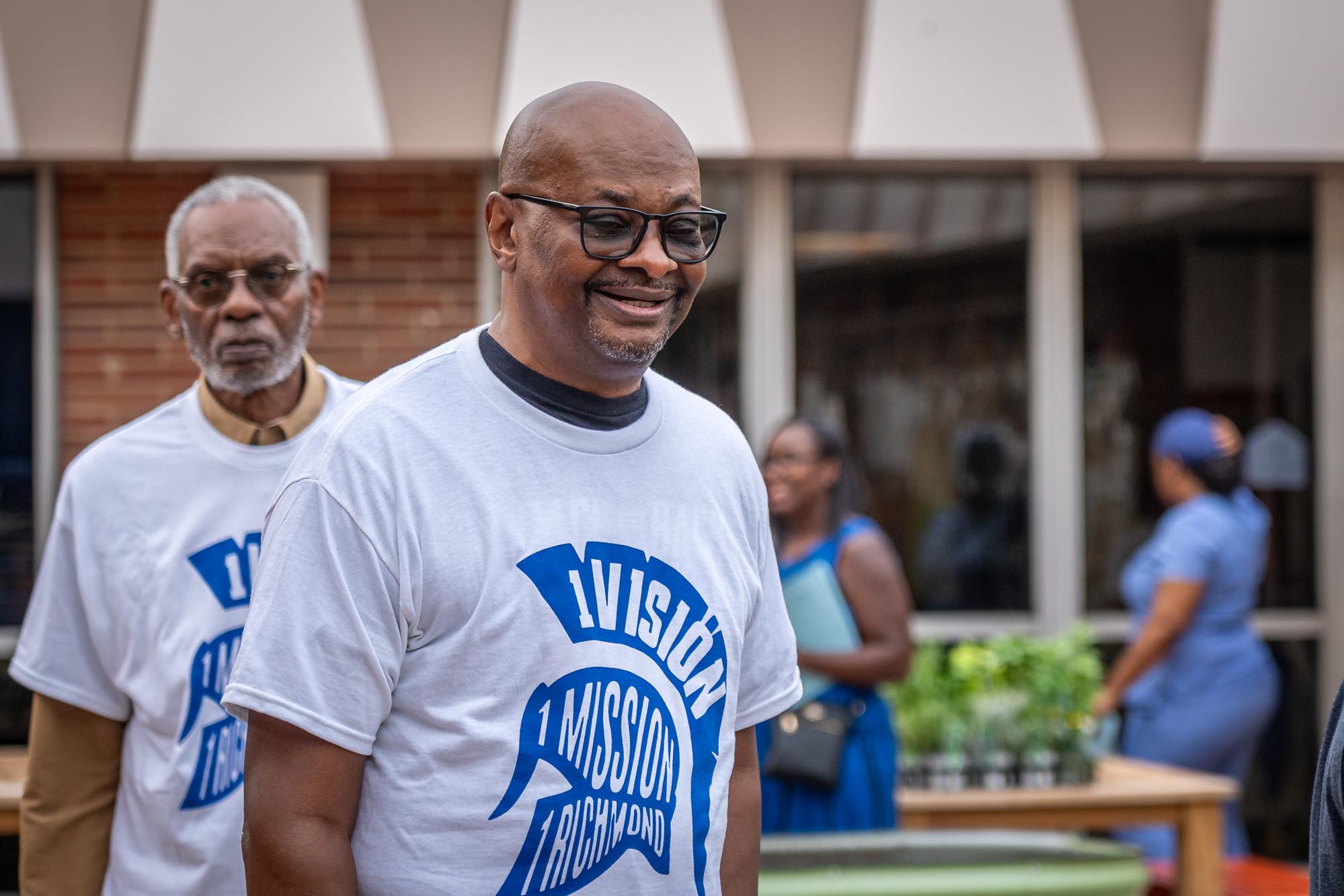
One Vision. One Mission. One Richmond.

Project Manager Zora Pavlovic used nature as a theme to connect the Innovation Station with the courtyard. “We designed this custom tree element to create a sense of protection, peace, happiness, and friendship. We also created a movable glass wall that allows students to access the courtyard directly from the Innovation Station.”

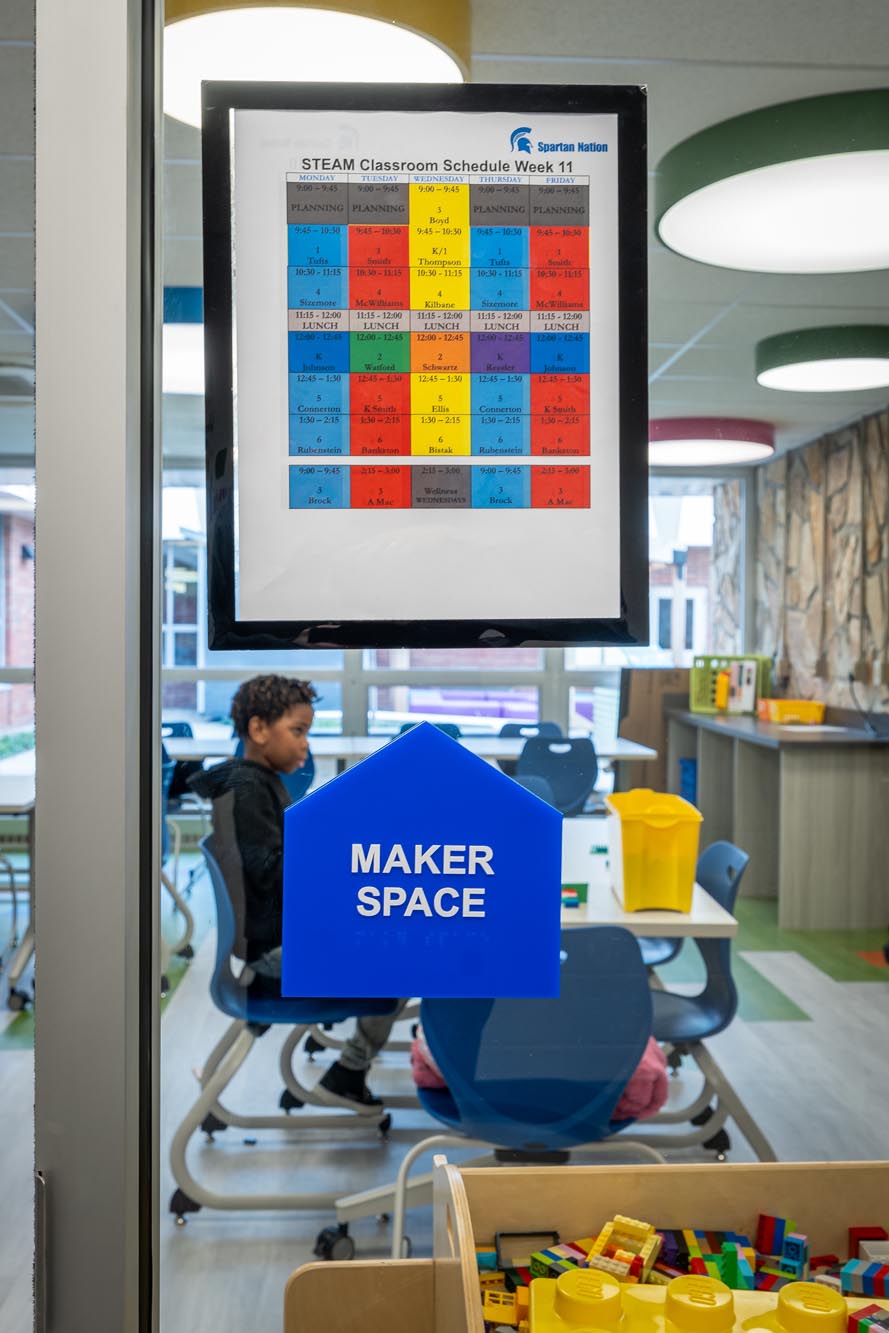
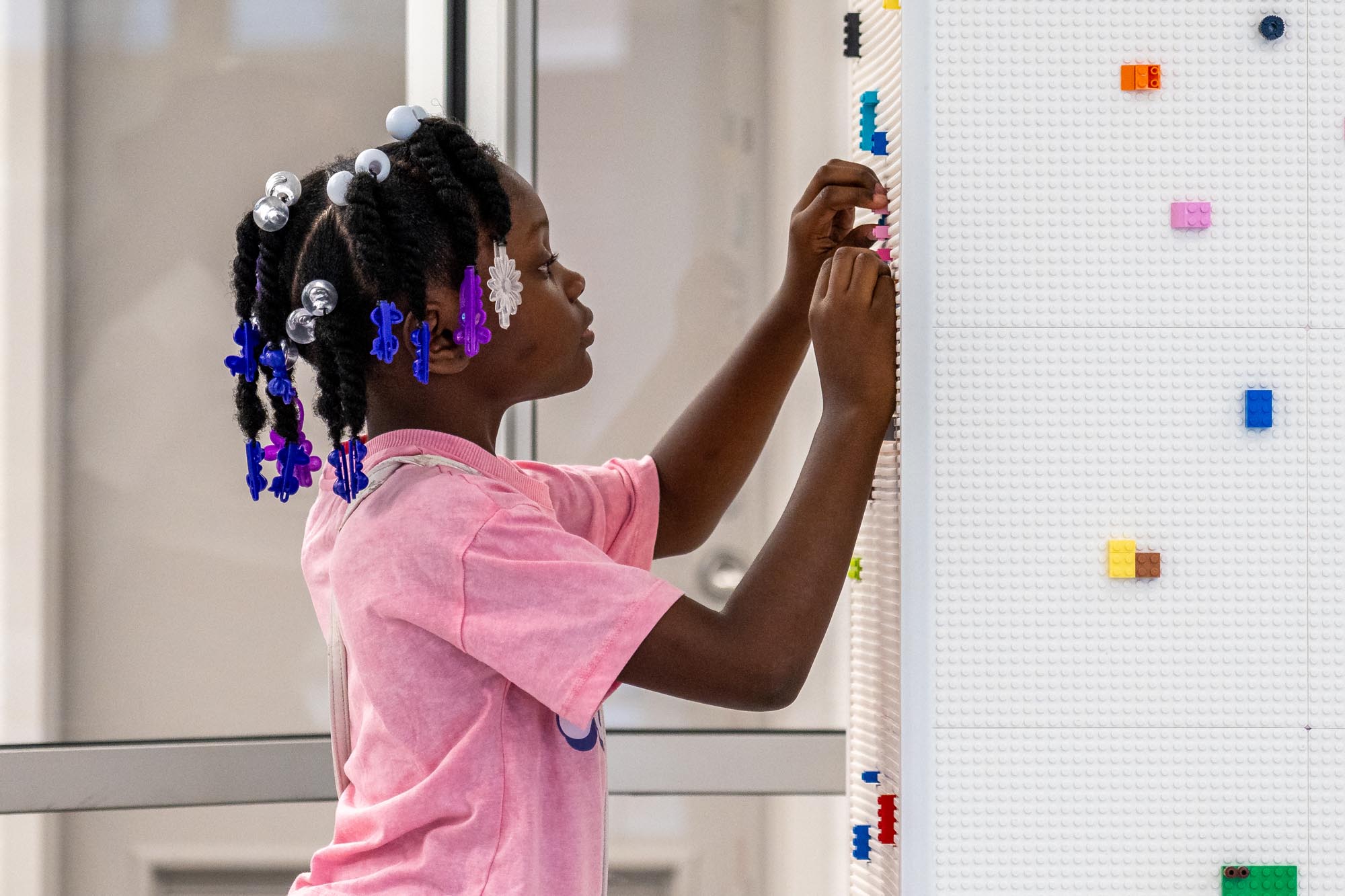
3D printers, Cricut machines, advanced computers, and a Lego wall are located in the makerspace, while creative and flexible furniture in the Innovation Station simultaneously accommodates up to two classes. “It’s not just about learning through lectures. It’s about creating with your hands, whether with nature or technology,” commented Zora.

For Dr. Brown, this newly renovated space will foster a love of learning and encourage continued community support for the district.

“Our mantra is ‘One Vision. One Mission. One Richmond.’ Richmond Heights is a small community, and we have no choice but to be united. By opening this new space today, it allows for students, parents, and everyone to be a part of it. The community understands that investing in our students and education will only benefit the community in the future—it’s one Richmond Heights.”

Richmond Heights Ribbon Cutting Ceremony
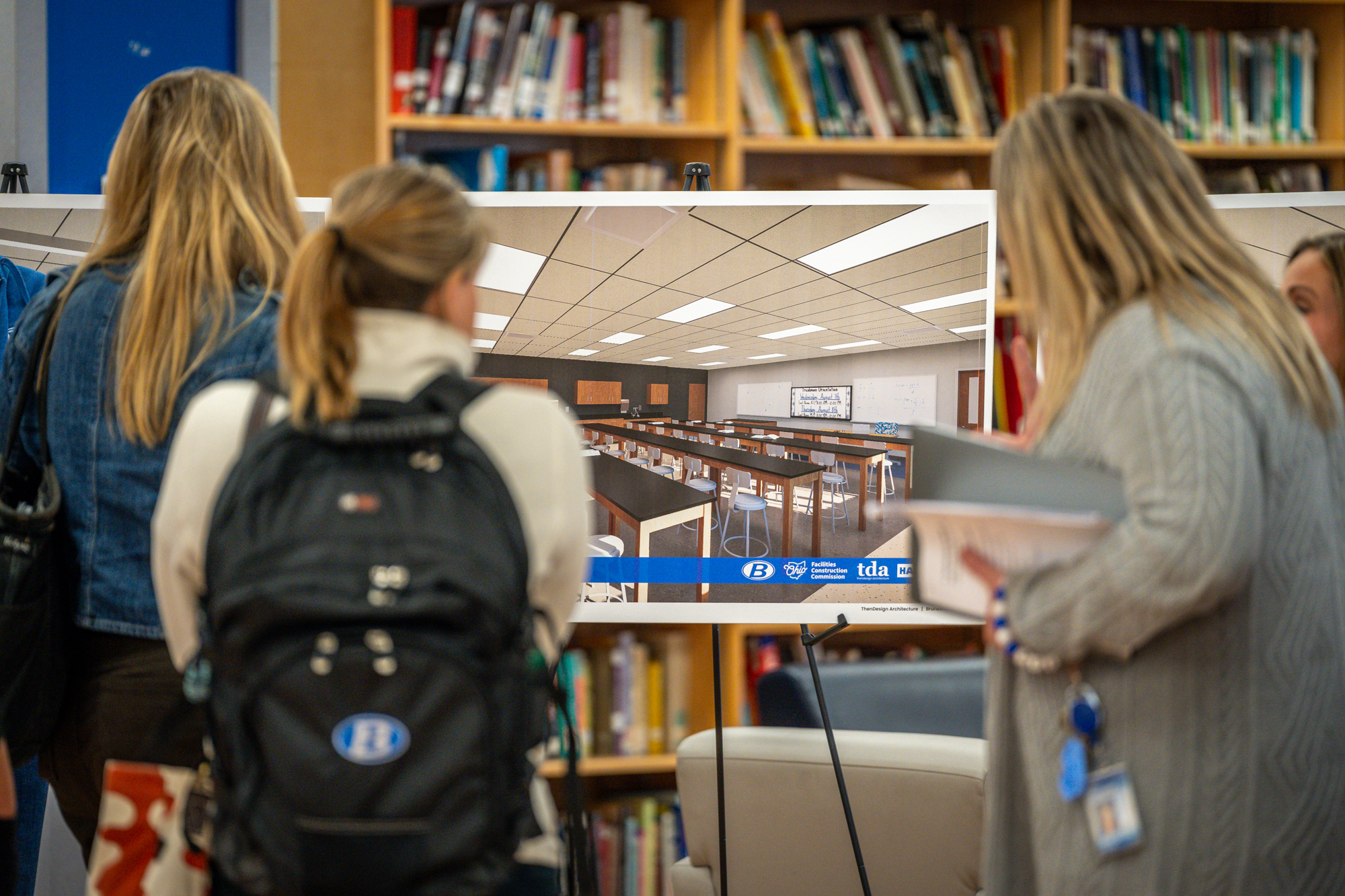
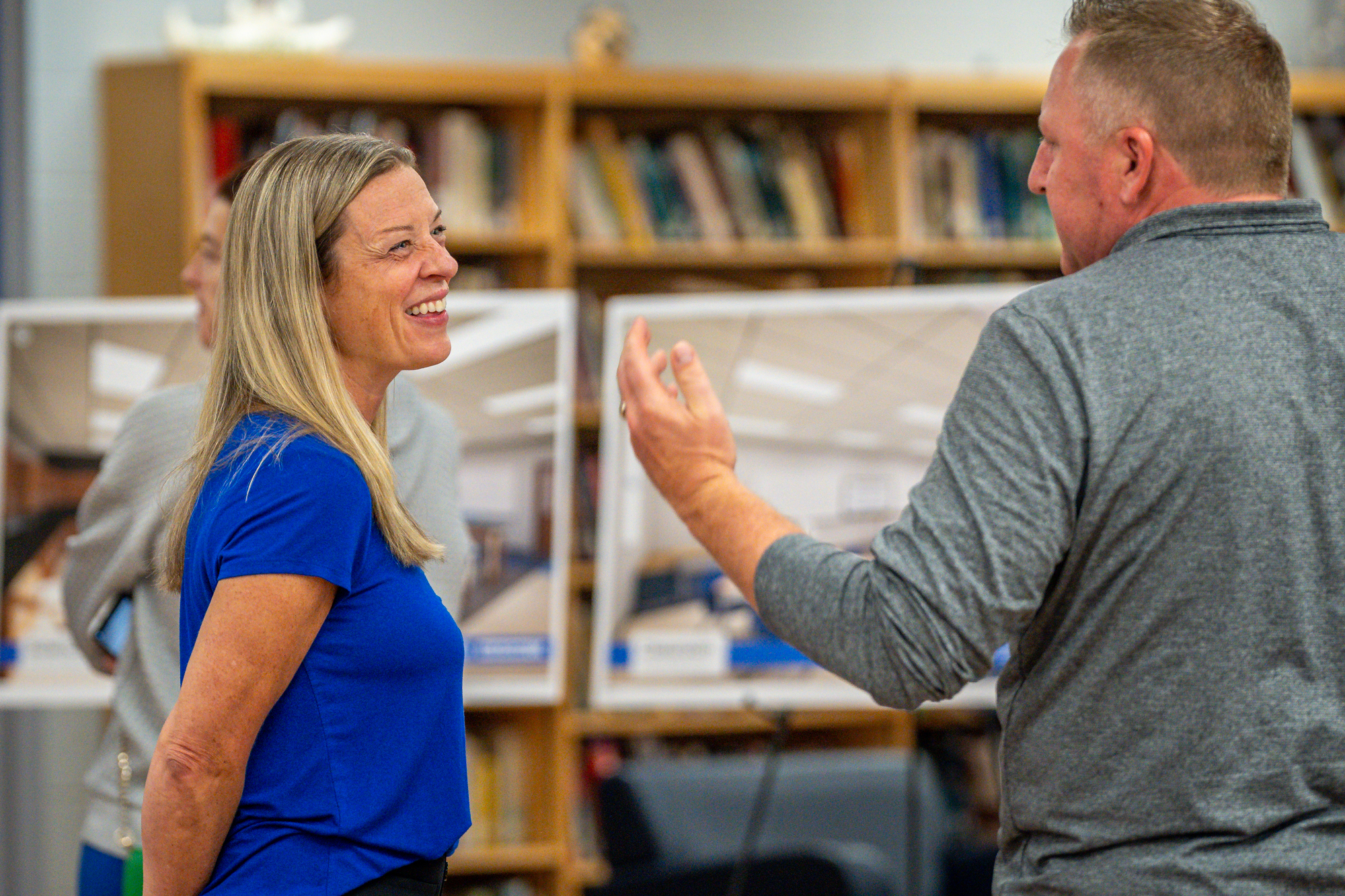
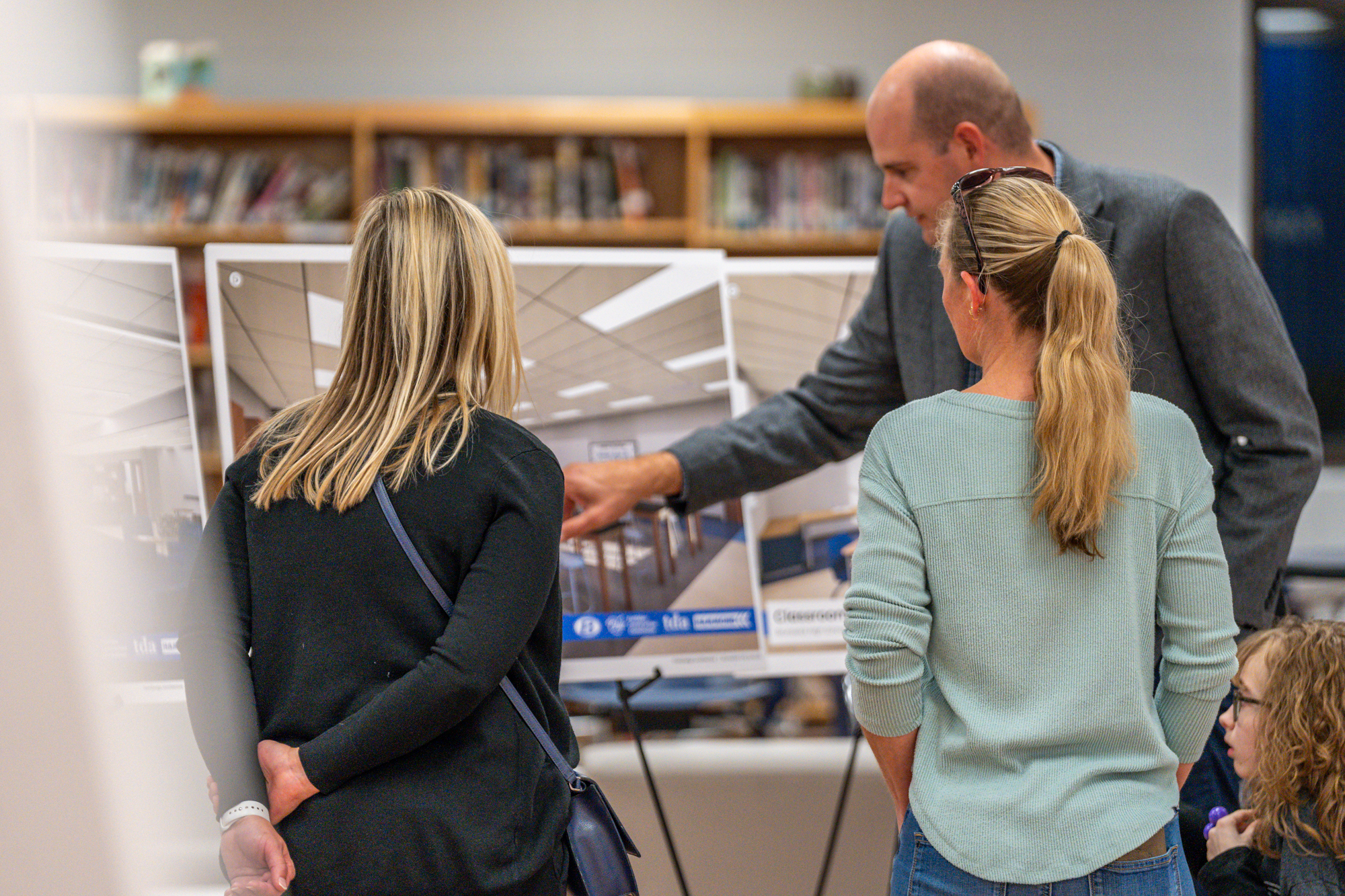
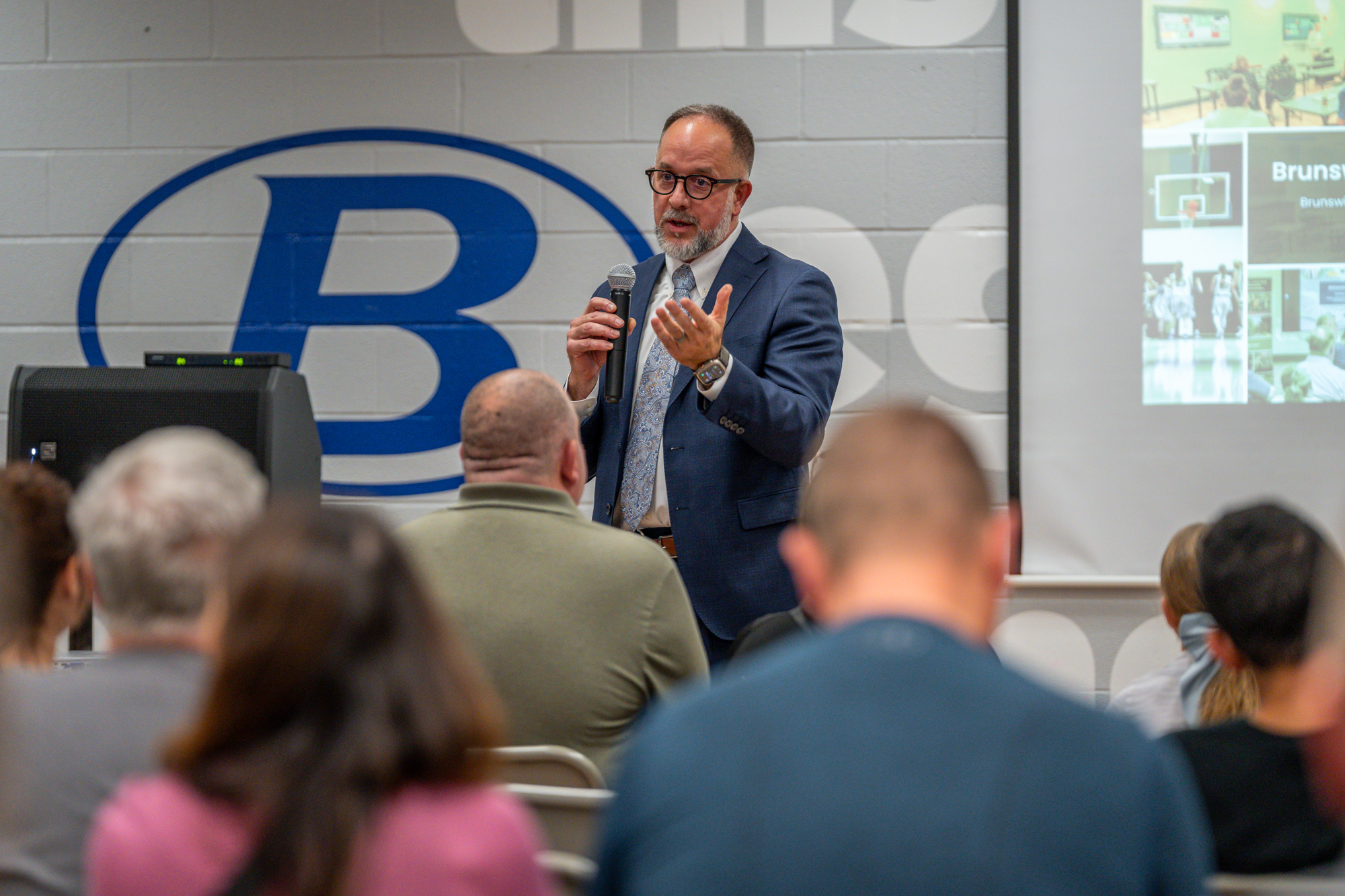
Brunswick City Schools New High School Design Reveal

New High School Design Reveal Community Meeting
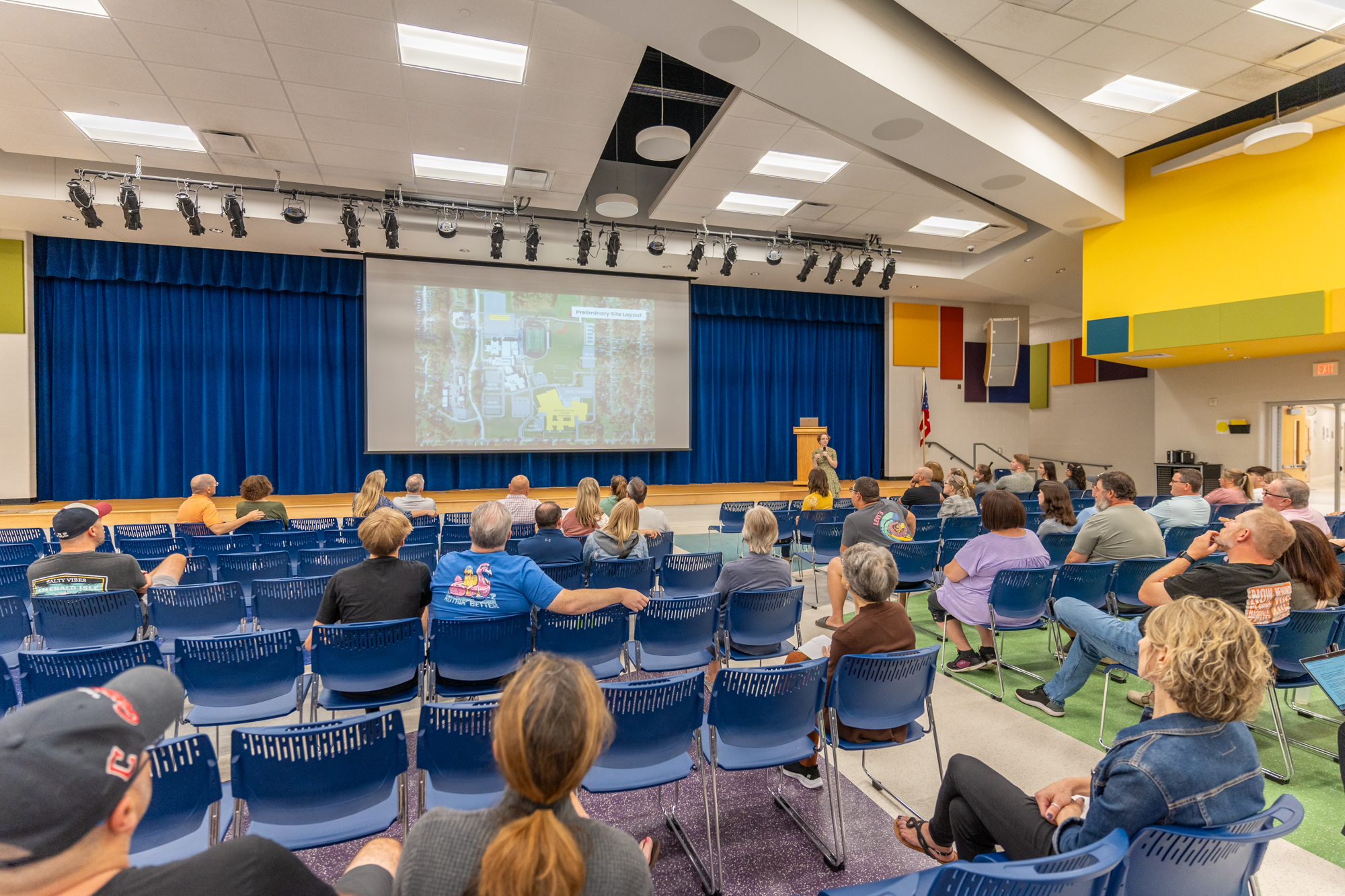
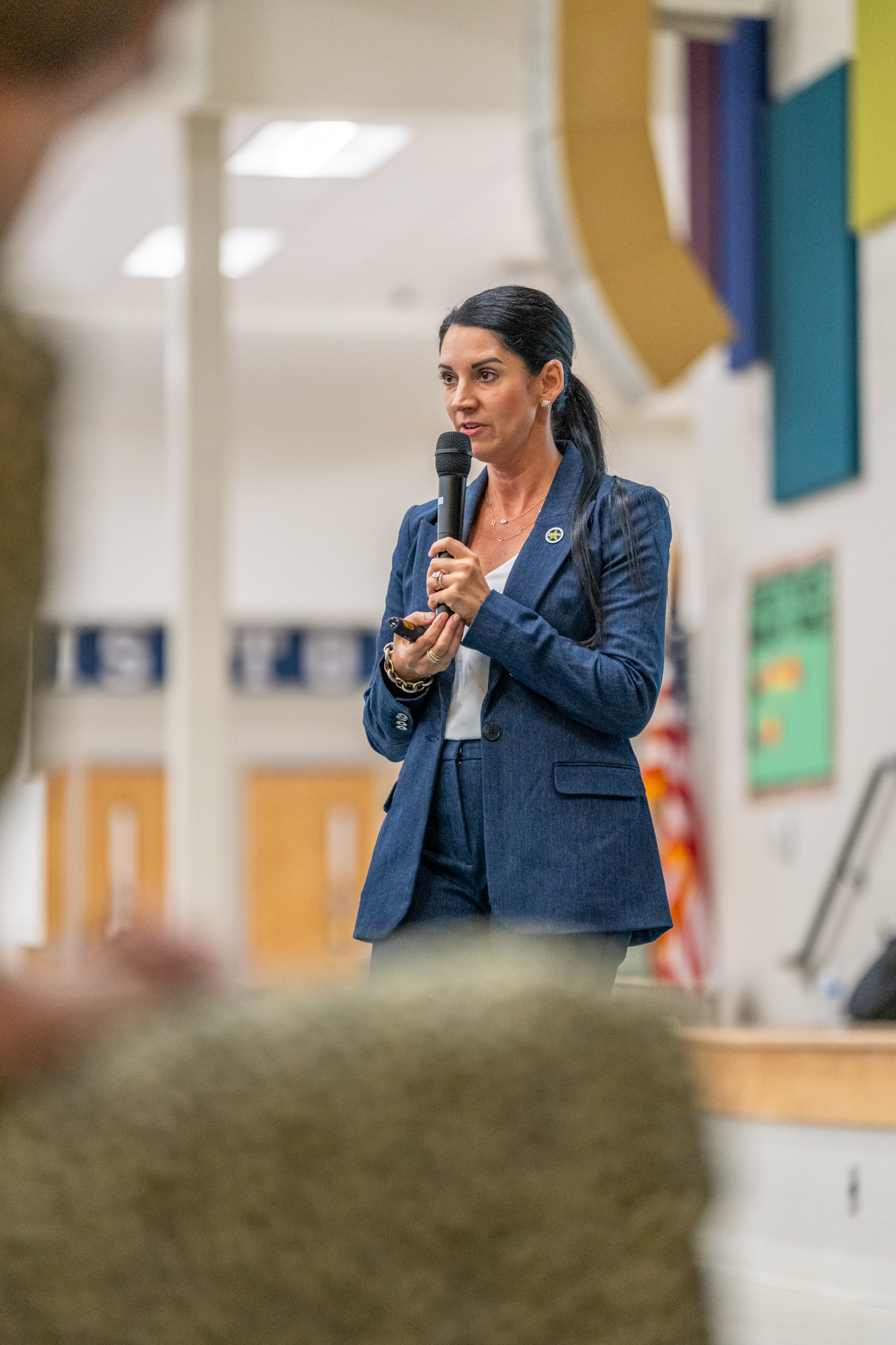
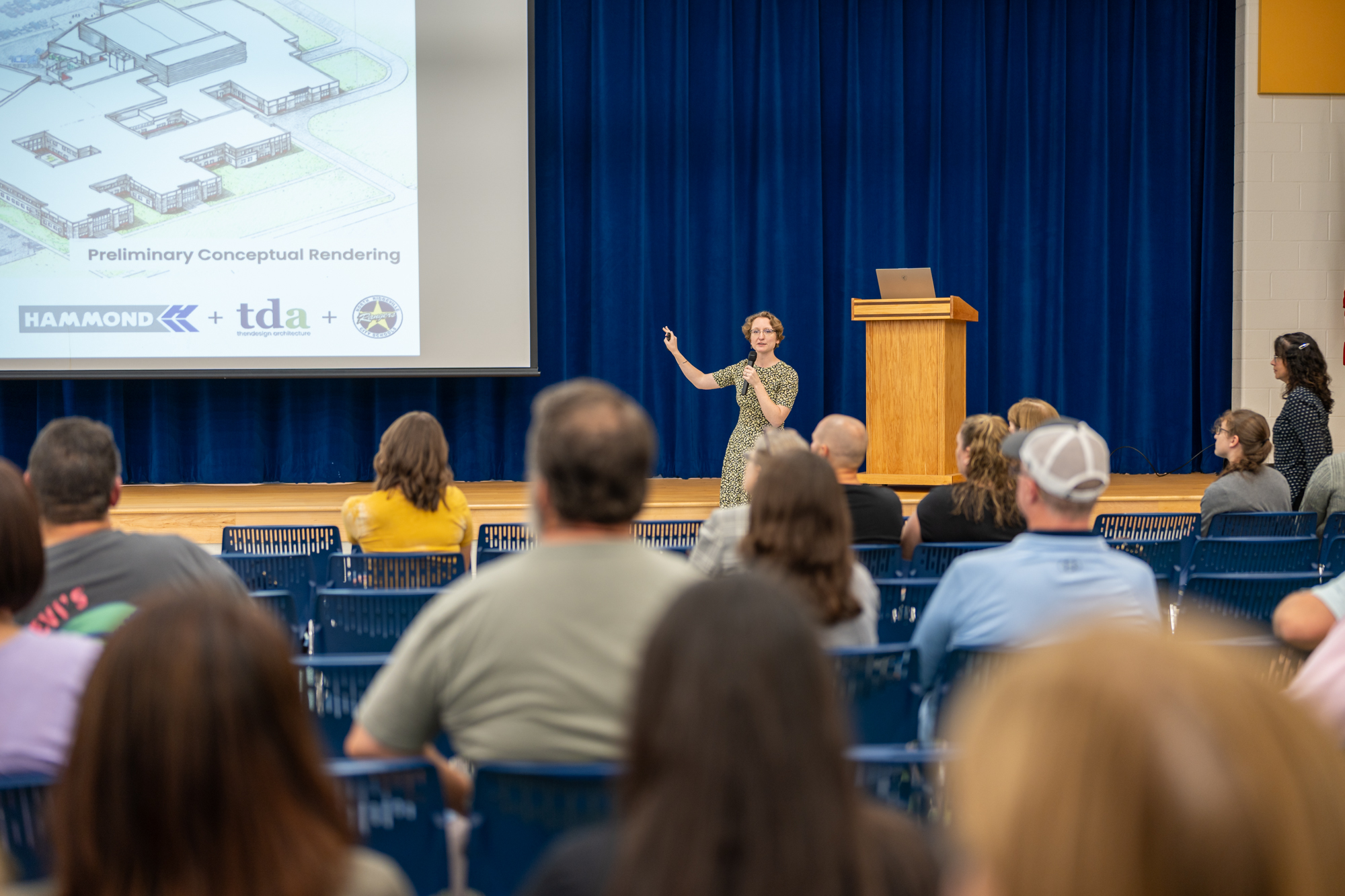
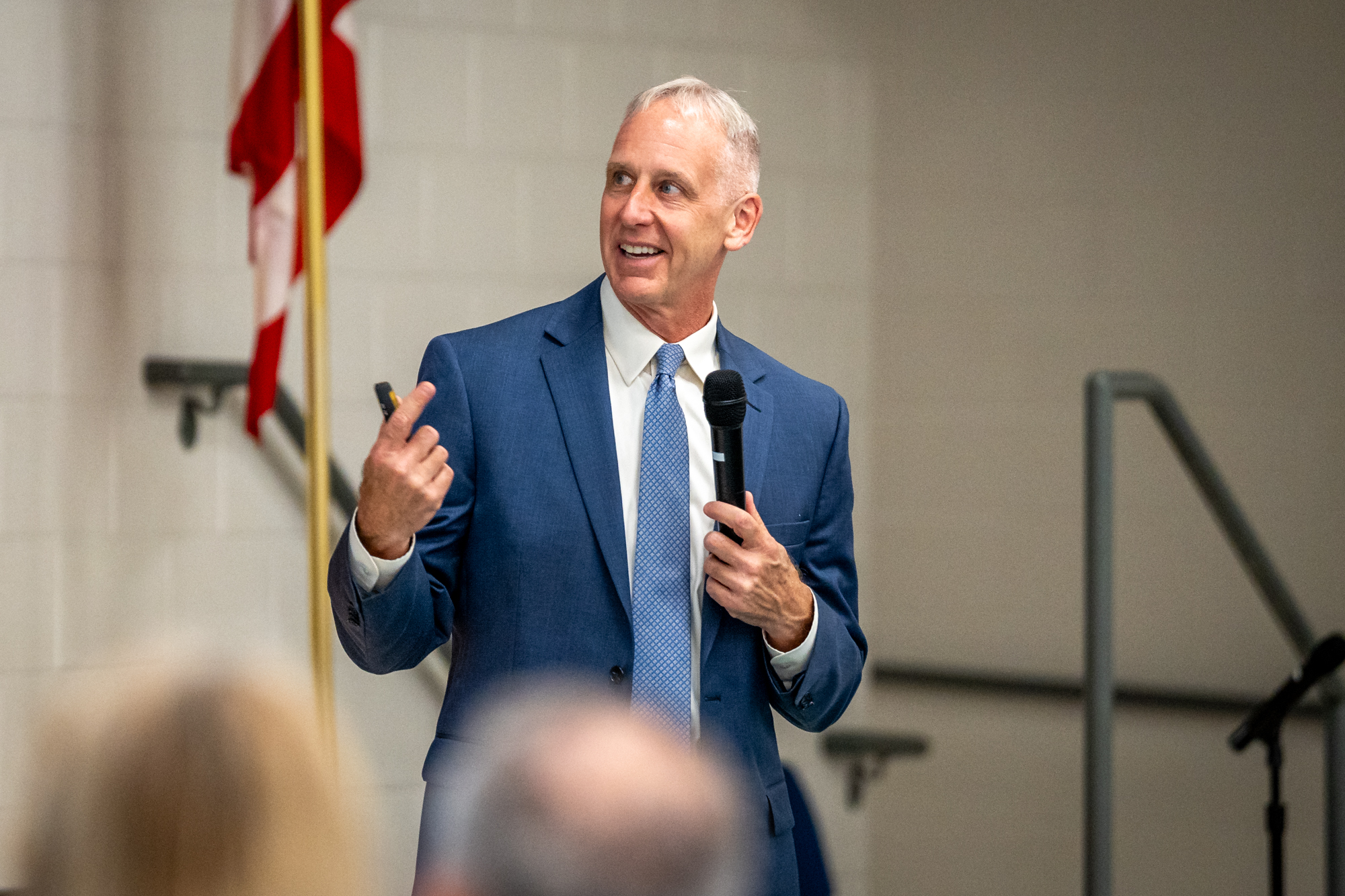
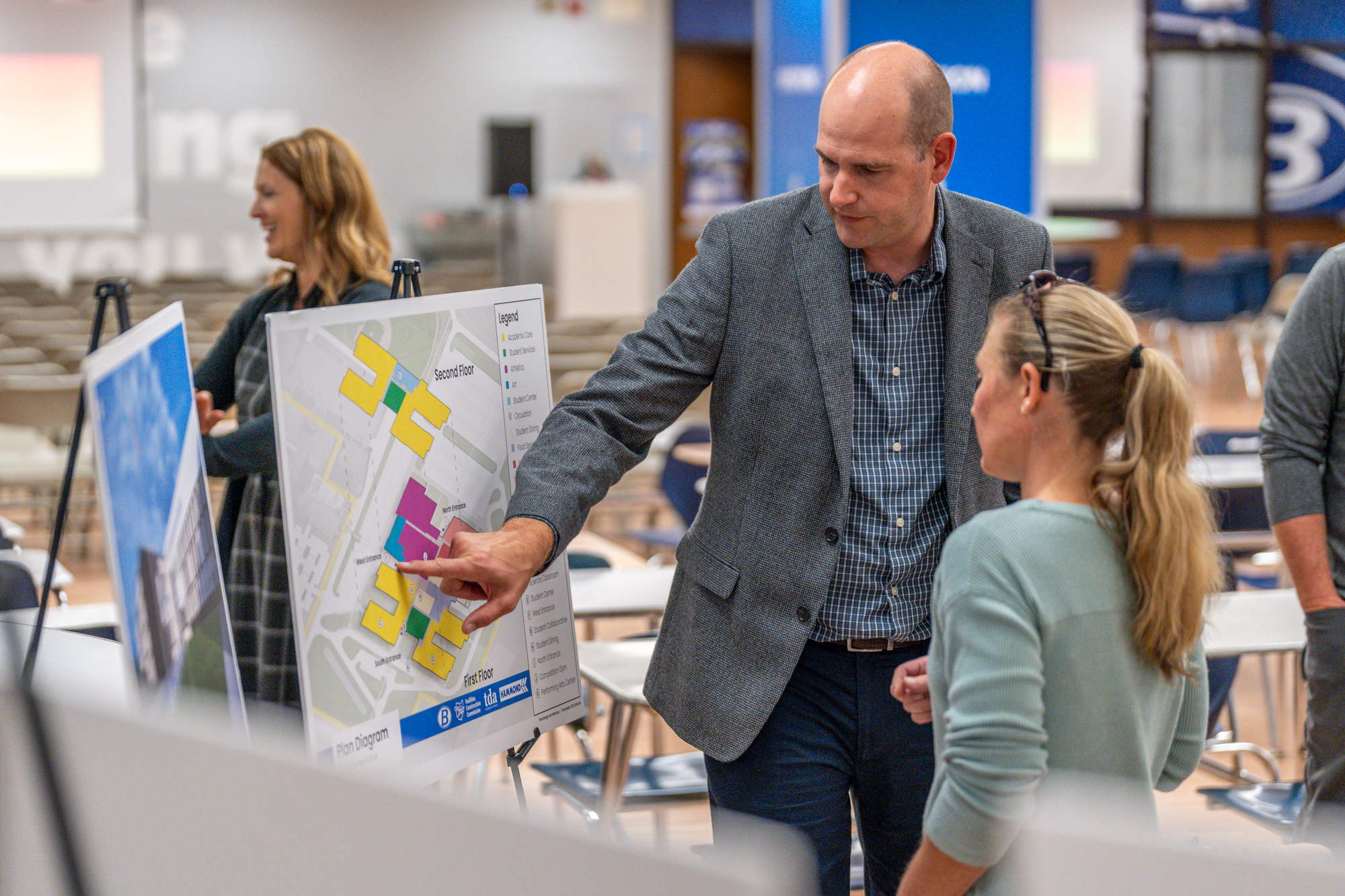
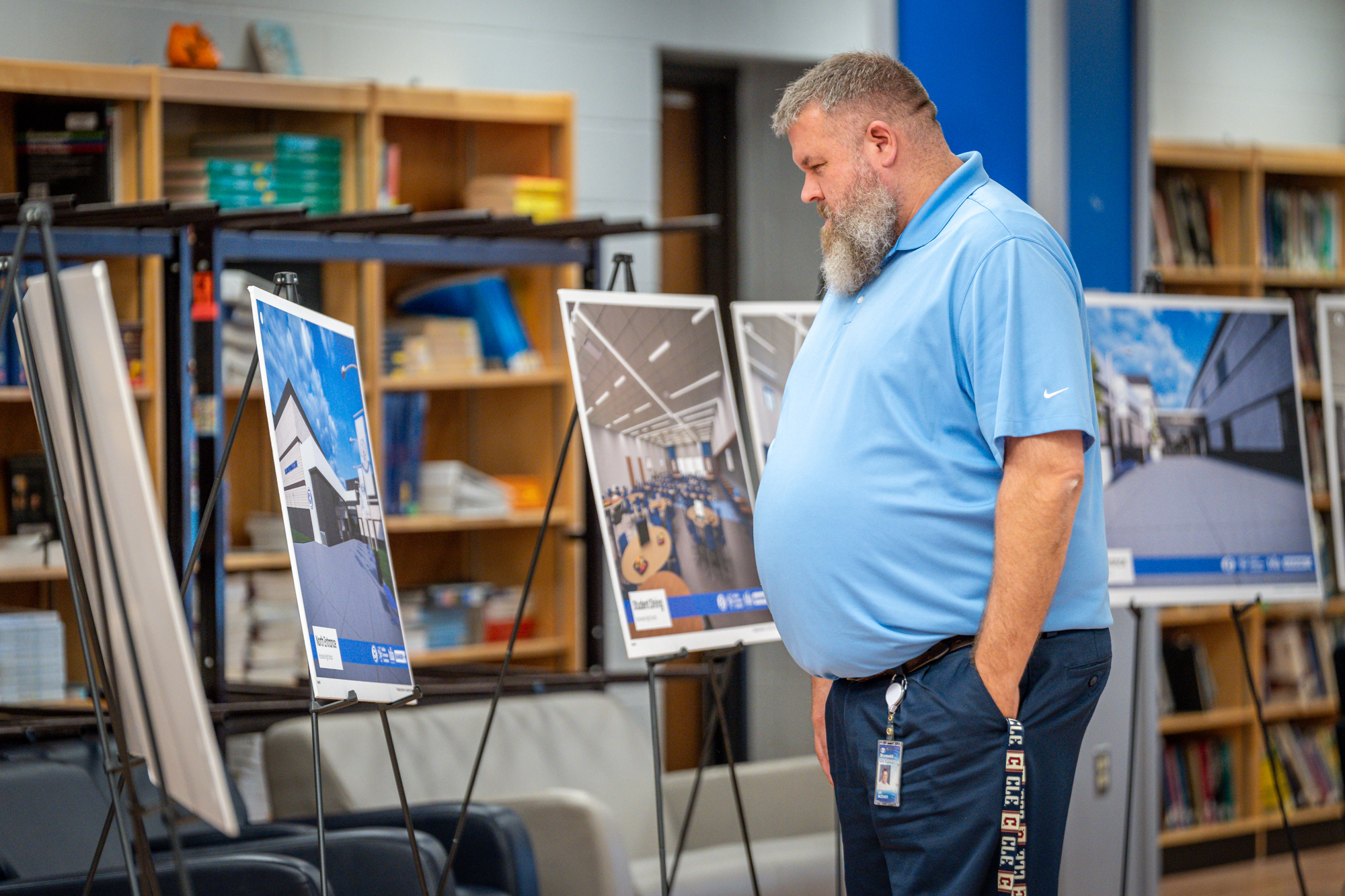
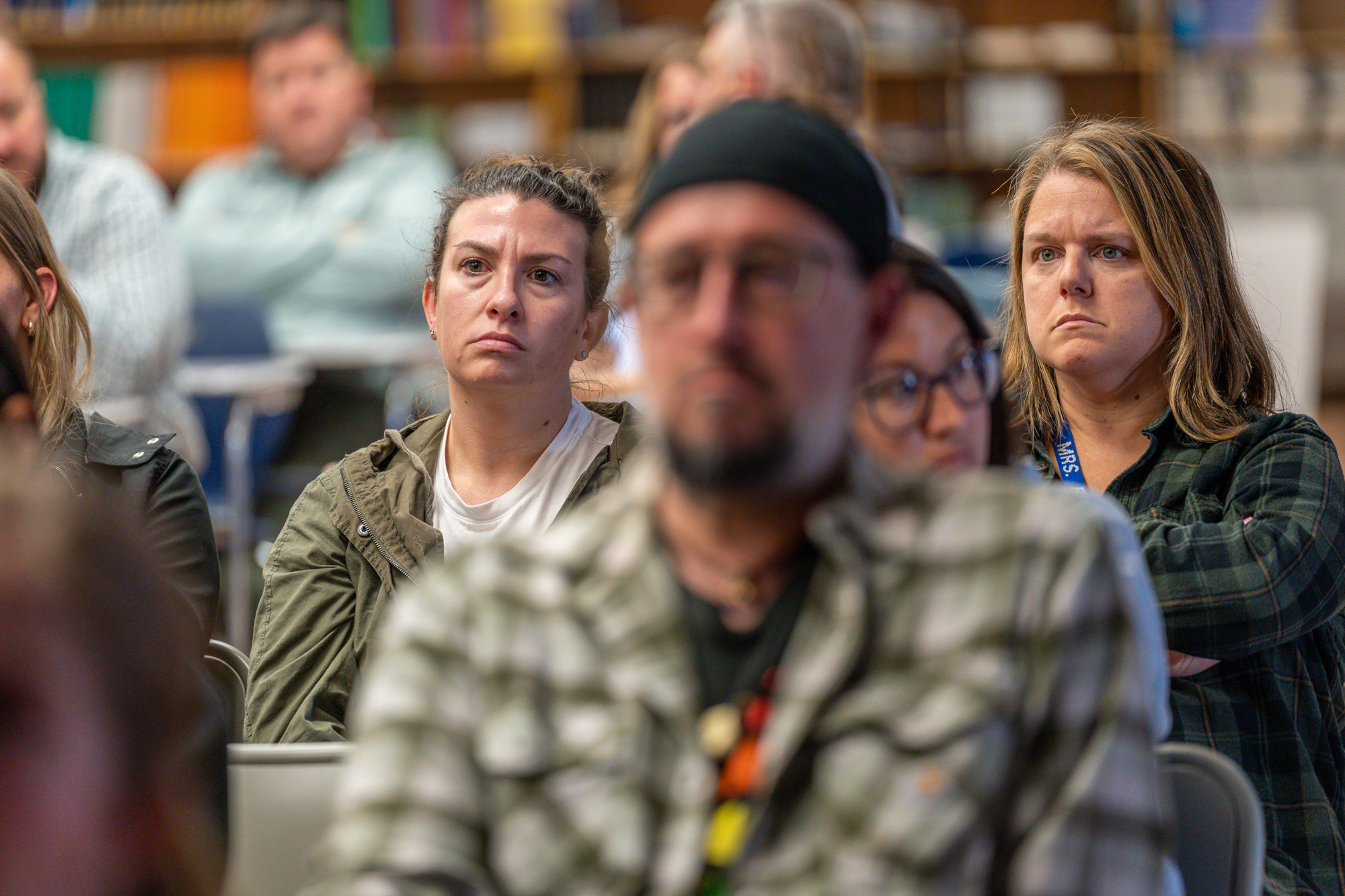
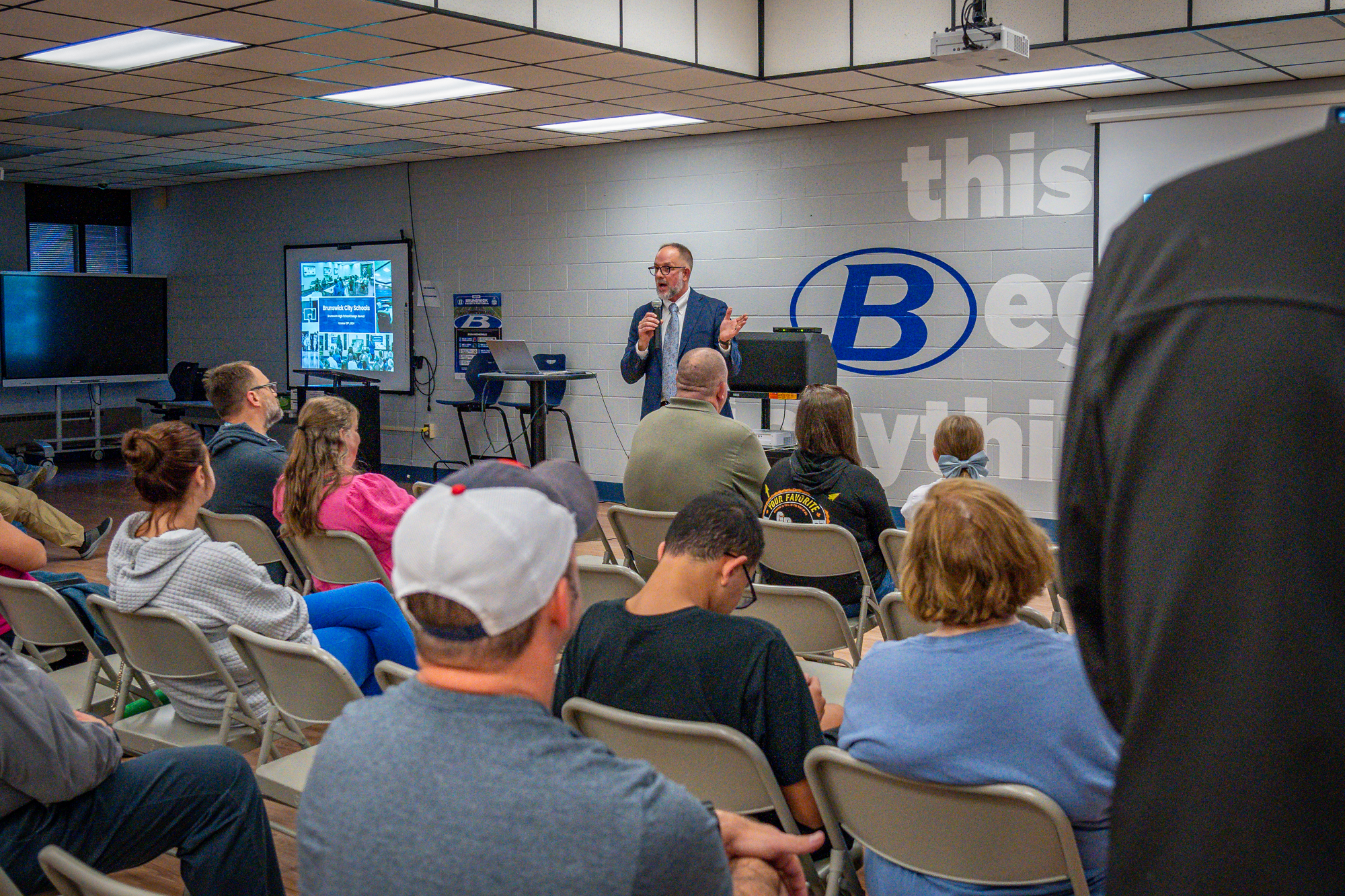
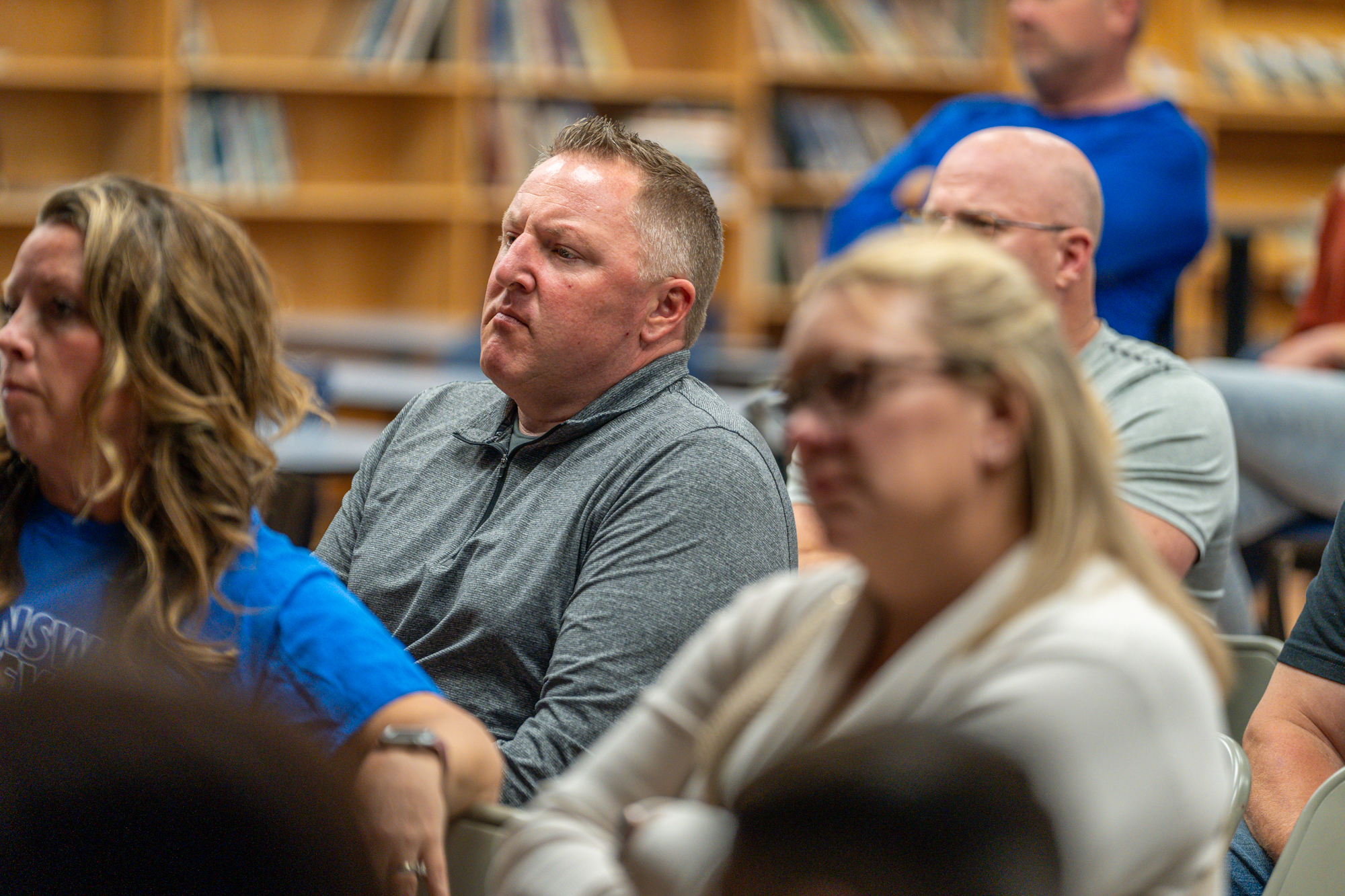
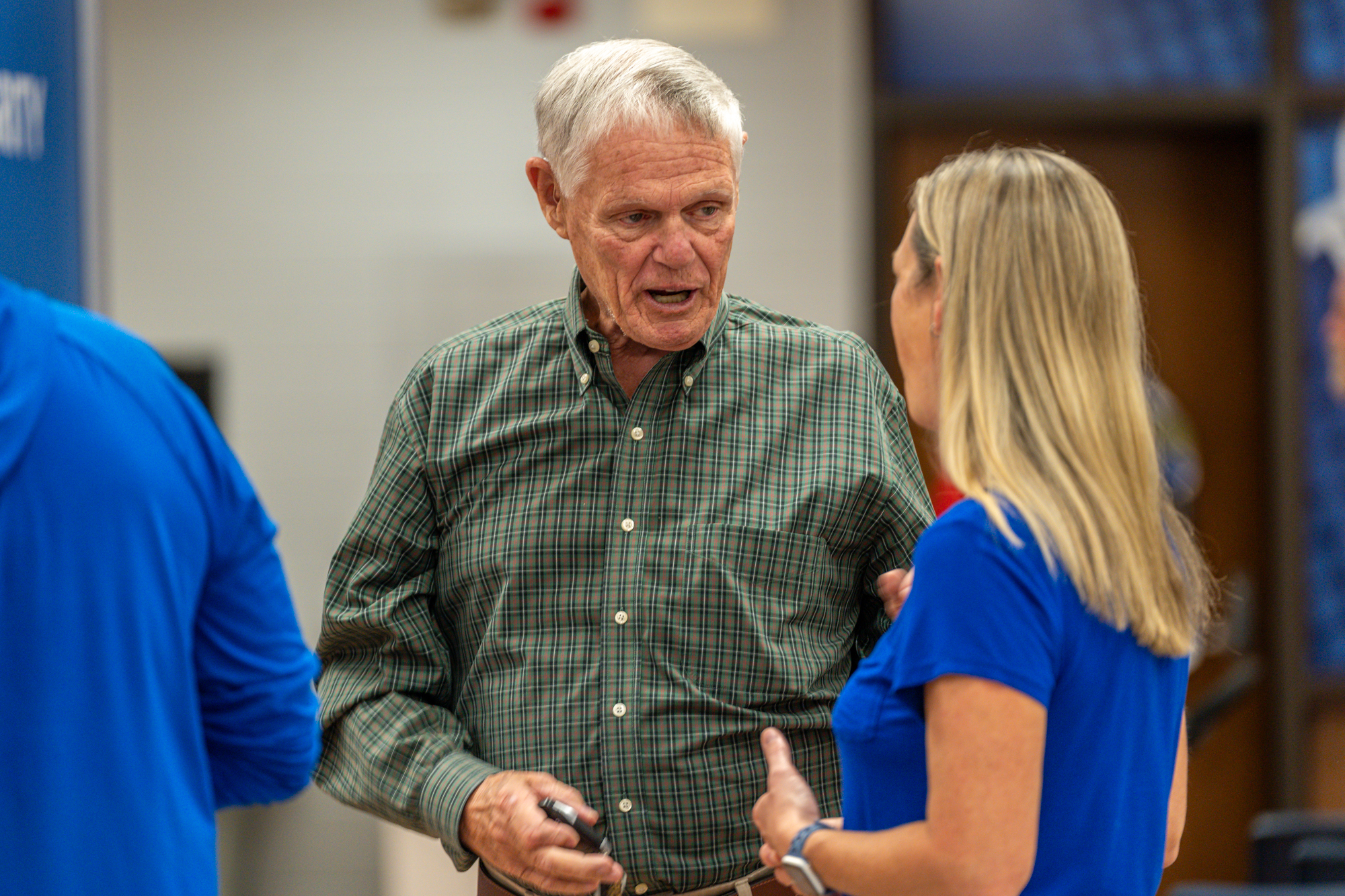
ThenDesign Architecture, Brunswick City Schools, and Hammond Construction held a community focused "Design Reveal" Meeting to provide a vision for the district's new 9-12 high school.
New High School Design Reveal Community Meeting

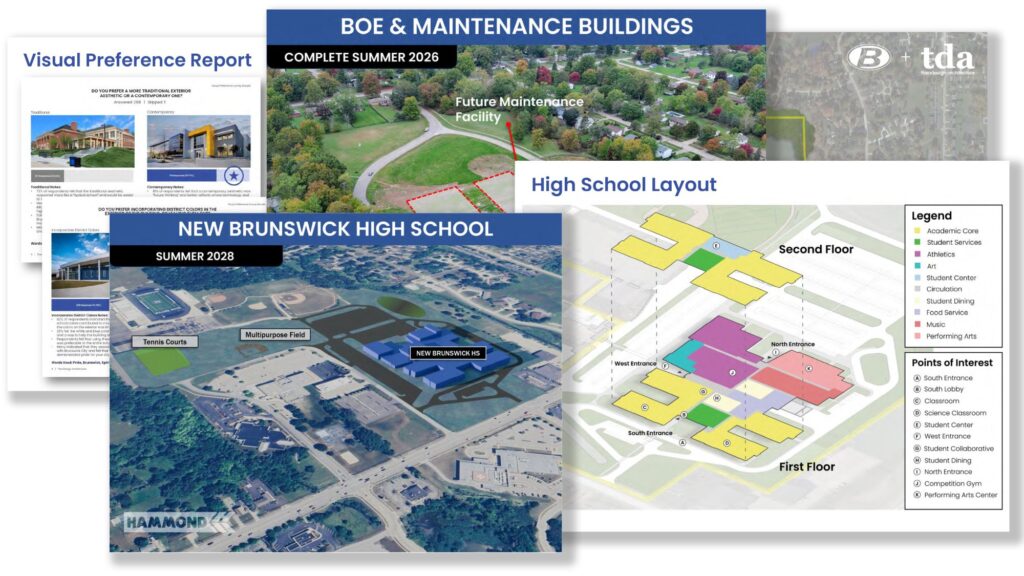
In early autumn, ThenDesign Architecture, Brunswick City Schools, and Hammond Construction held a “Design Reveal” Community Meeting to lay out the vision for the district’s new 302,000 SF high school and provide an update on progress for the overall project. With many different components as part of the total project, it was an opportunity to present a holistic view of all the accomplished milestones.
Brunswick CSD's Design Reveal Animation

Design Reveal Animation

Additionally, an animated walkthrough of the new school was revealed to provide community members with an inside view of the various planned spaces for the new high school. Narrated by Brunswick High School students Anderson and Addison, they brought the vision to life by providing context for how the new spaces could be used in the school. These students are two of the many voices who have helped shape this project from the start.

Since September 2023, the construction team (Brunswick City School District, the Ohio Facilities Construction Commission, ThenDesign Architecture, and Hammond Construction) has transformed ideas and concepts from district staff, administrators, and the community into an extraordinary learning environment that will inspire generations of Brunswick students. The Ohio Facilities Construction Commission is partnering with BCSD, funding 39% of the new high school construction.

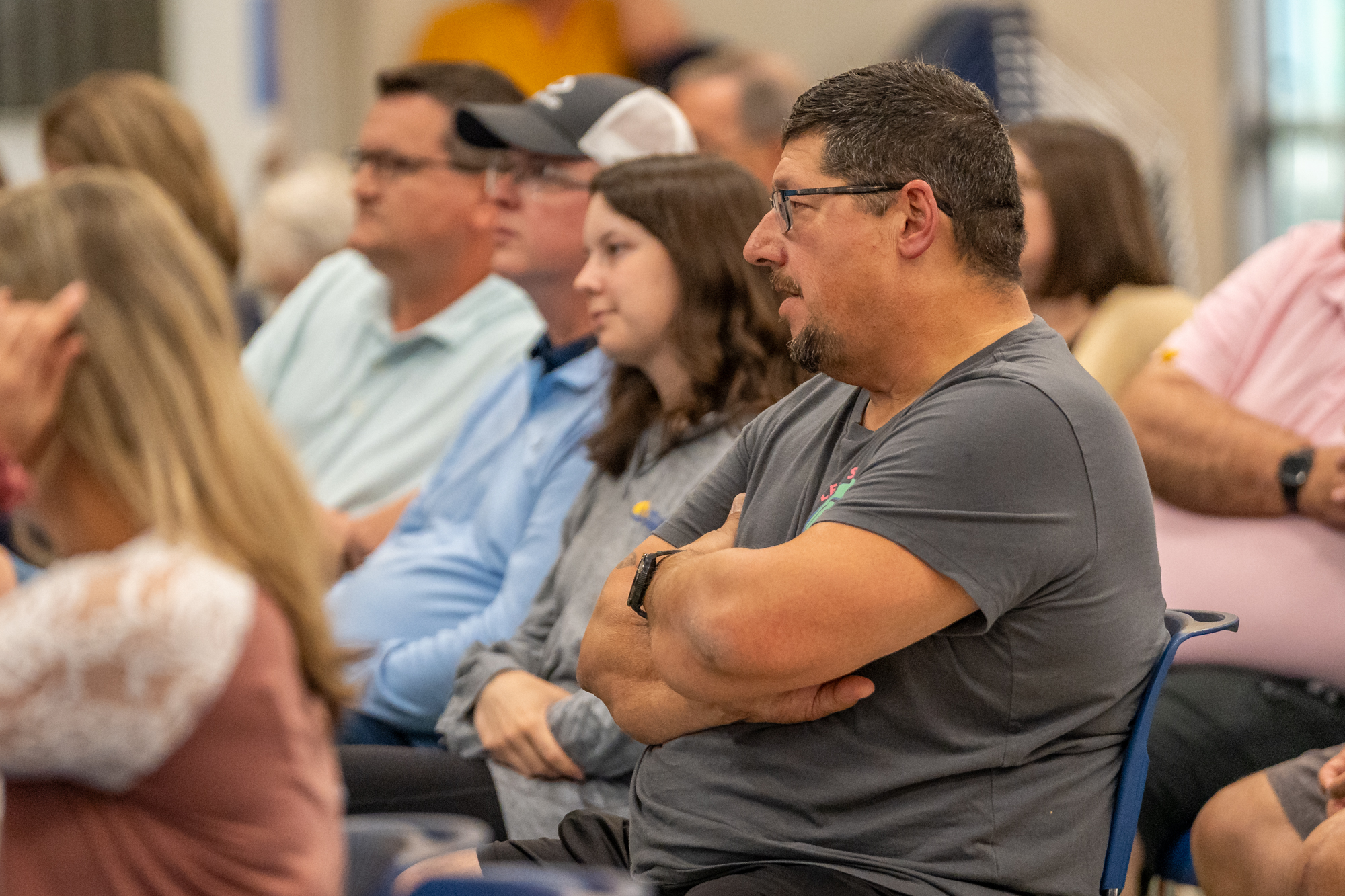
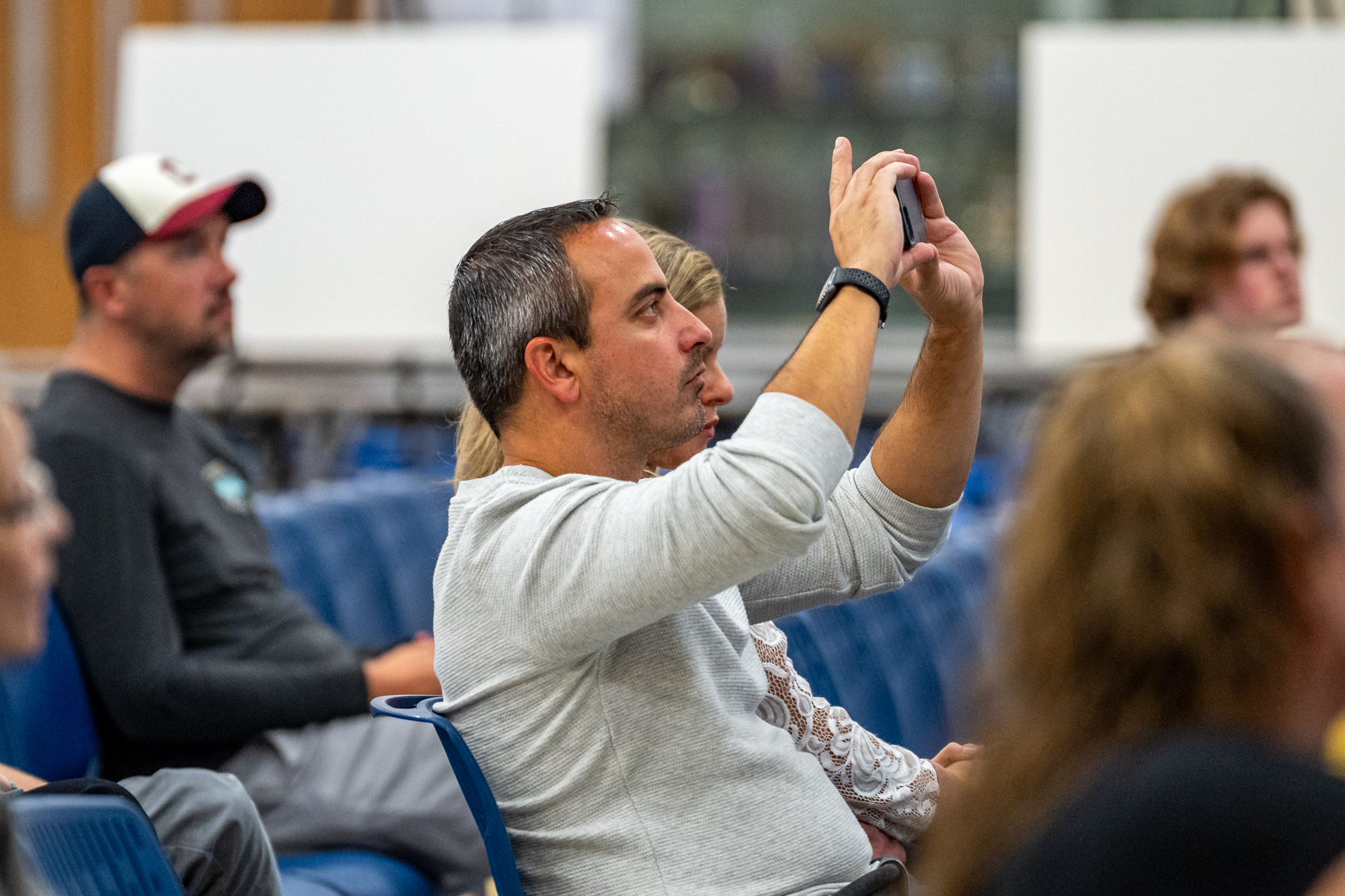
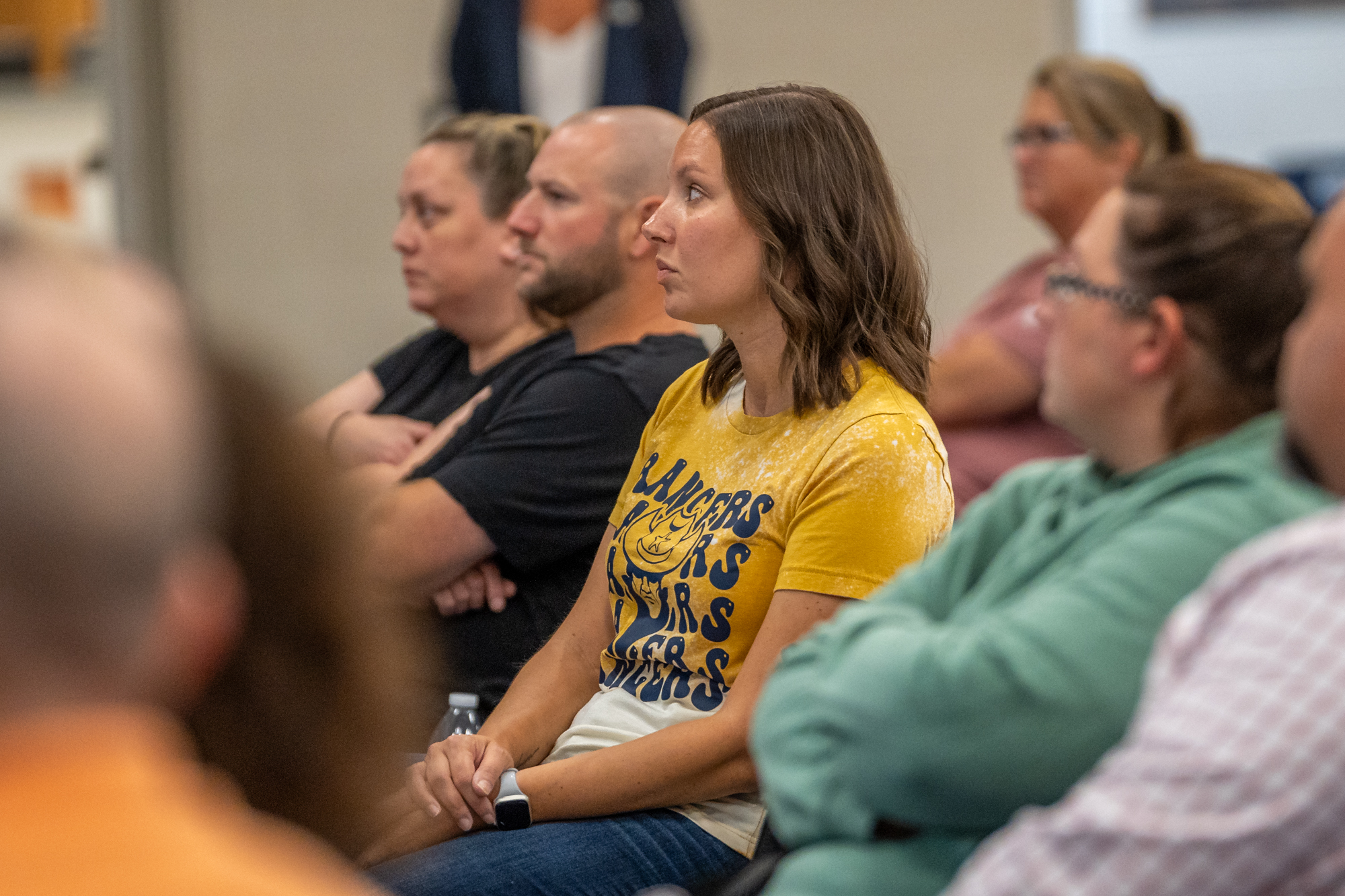
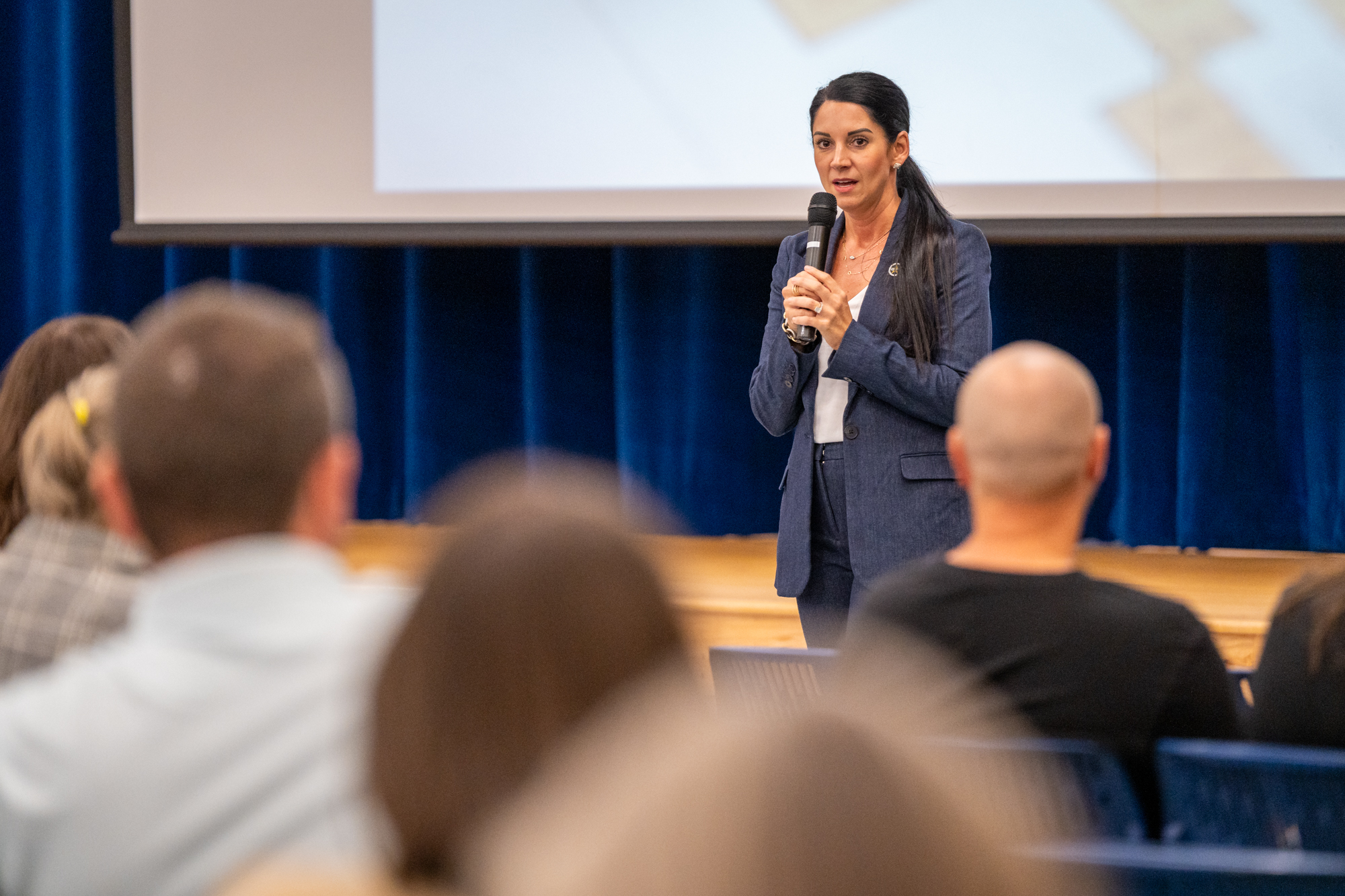
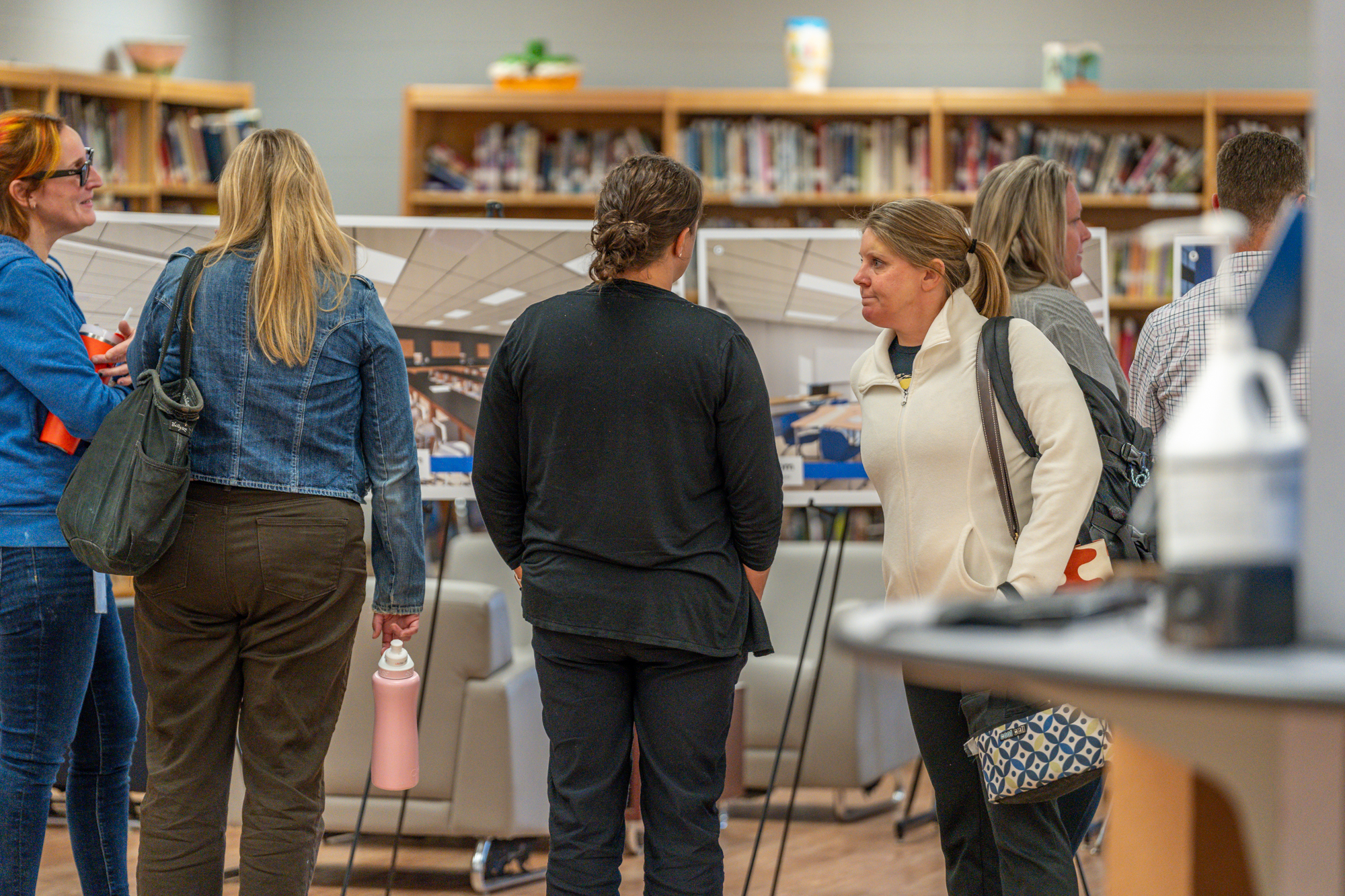
Community Members Participate in the Meeting
The overall construction project includes:

      • A new two-story 302,000 SF high school with a performing arts center, competition gymnasium, and state-of-the-art classrooms and learning spaces
      • A multipurpose athletic field with synthetic turf, tennis courts, and a full-sized baseball practice field
      • A new maintenance facility and board of education office at the site of the current Willetts Middle School
      • Additional classrooms and site improvements at Applewood and Kidder Elementary schools
      • Demolition of the current Willetts Middle School, Towslee Elementary School, and ultimately, the existing Brunswick High School
Early site work is currently underway on the location of the new high school, and the project is on schedule and within budget. Additionally, new classrooms and site improvements are taking place at the Applewood and Kidder elementary schools while the new maintenance facility and board of education office are progressing.

Site work at Applewood Elementary wraps up this month, and the new maintenance facility breaks ground in the winter.

View the Full Presentation Below

Next Steps in the Process

The input process from district staff, students, and the community helps inform the new school’s overall design. It is reflected in the exterior design, color palette, interior arrangement of space, and the building’s features. These early crucial steps allow for the delivery of a better school that is completed on schedule and within budget and maximizes the learning opportunities for future generations of Brunswick City School students.

This New High School Design Reveal Community Meeting was also covered by Cleveland.com.