The Tiny House Challenge

The Tiny House Challenge
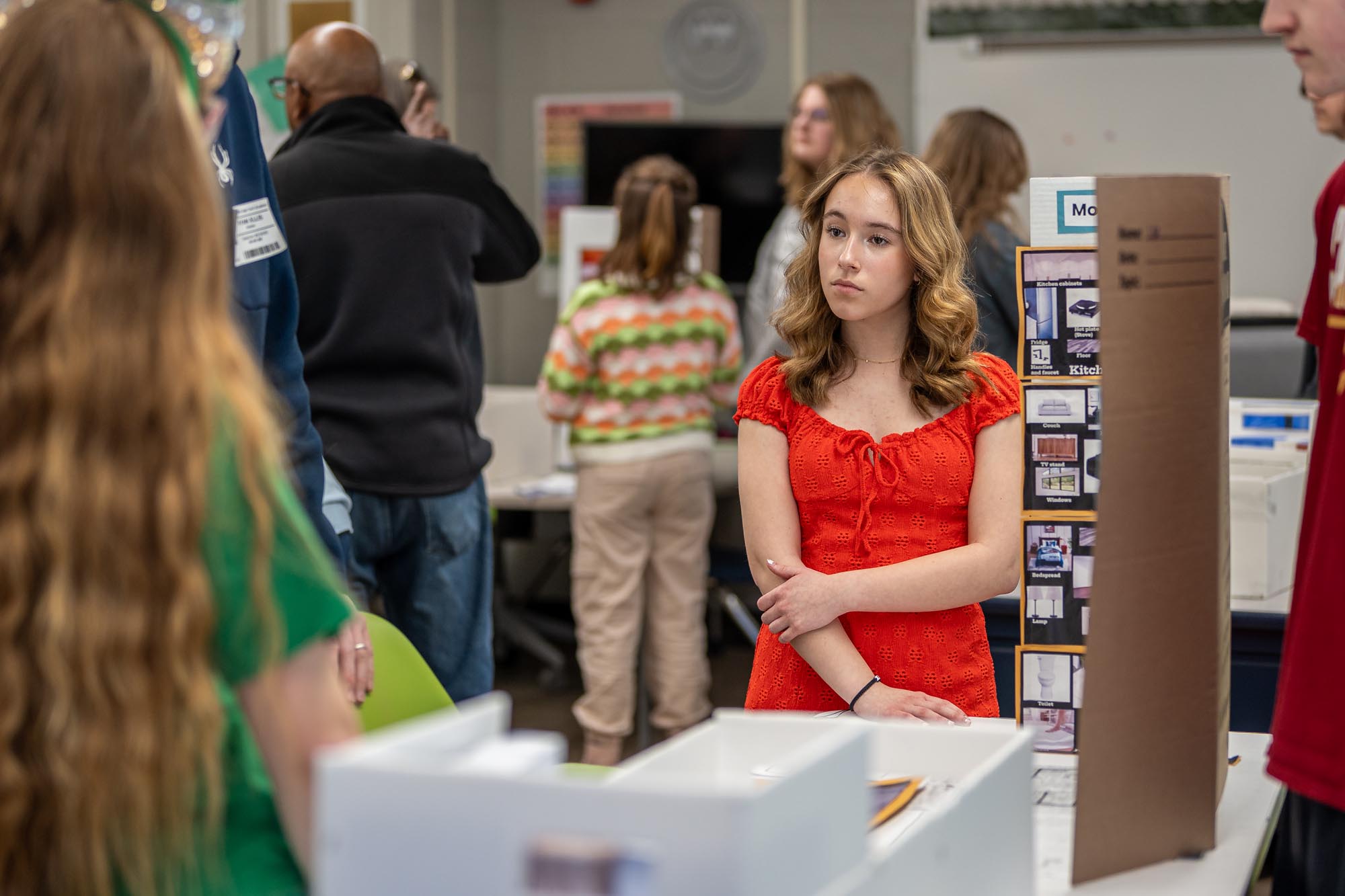
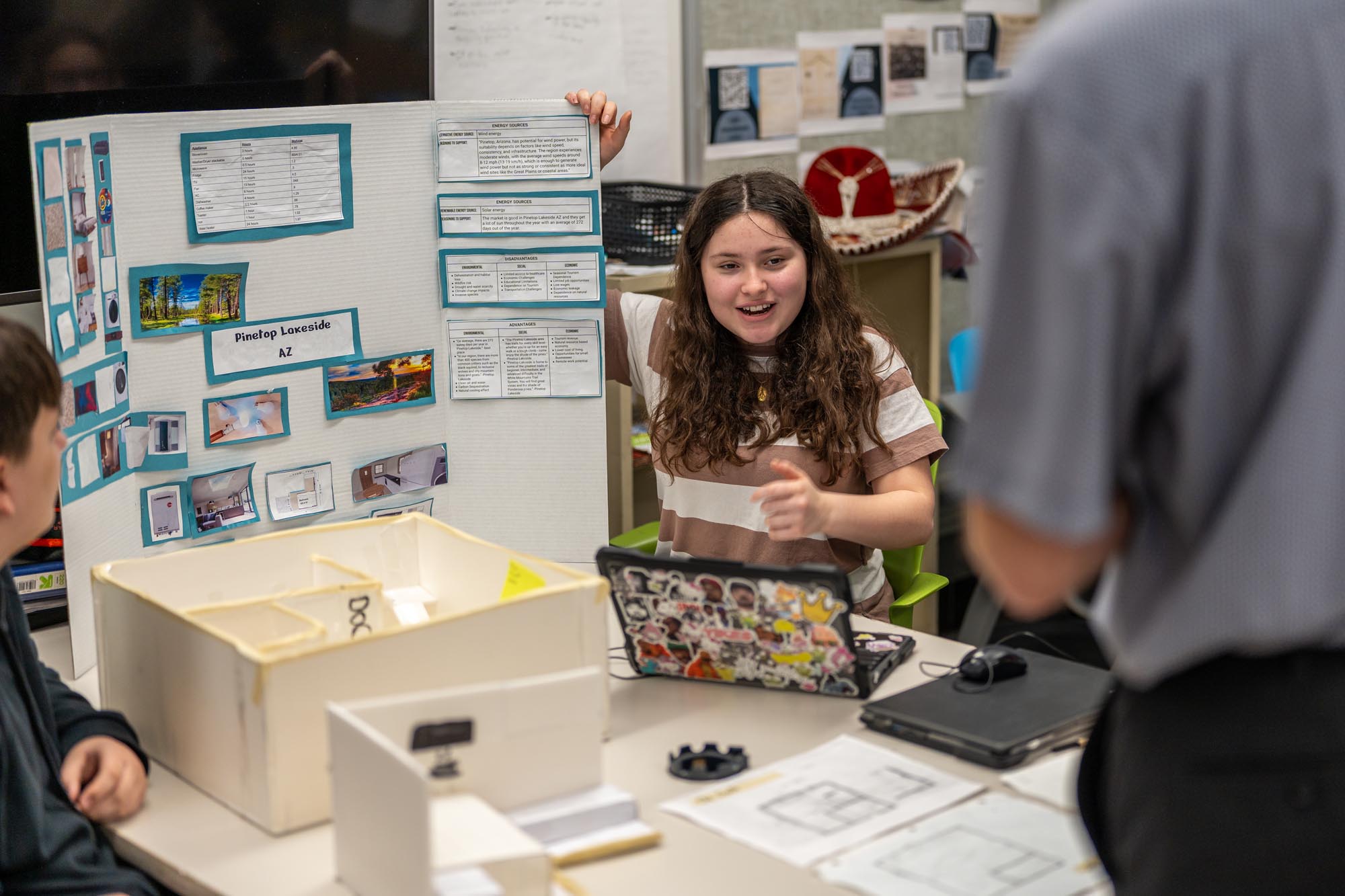
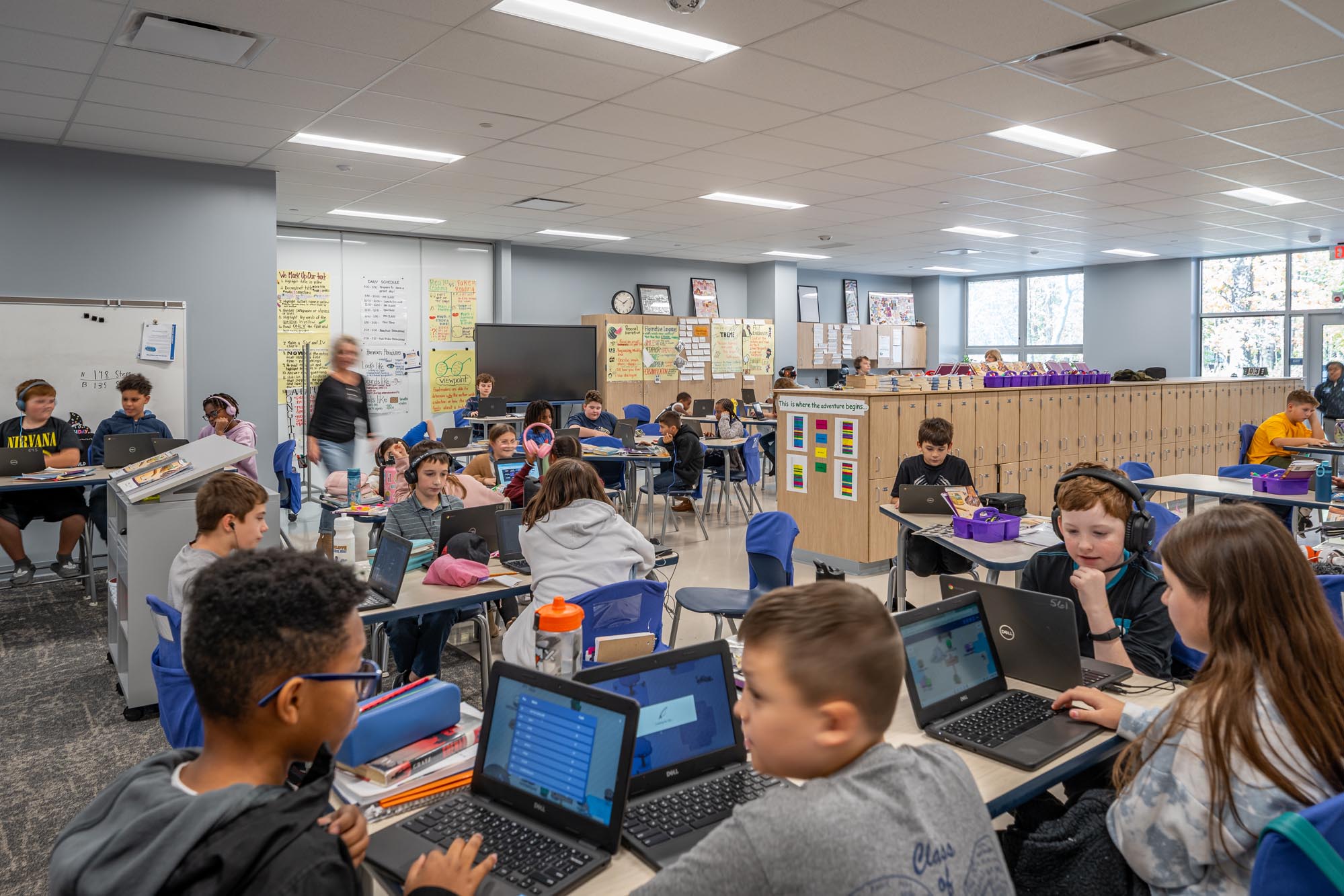
The Tiny House Challenge at North Ridgeville City Schools' Ranger High Tech Academy pushed students to design the smallest house that could still comfortably meet the occupants' needs. With a comprehensive set of parameters, students spent months crafting spaces using the same tools as modern architects and designers.

The Tiny House Challenge

During the intricate process of designing new educational facilities, there are invaluable moments to offer insight and feedback on student work. At TDA, our commitment extends beyond architectural plans, and as a firm deeply rooted in the philosophy of teaching and learning, we consistently seek opportunities to engage with the next generation of innovators.

This brought us to North Ridgeville City Schools’ Ranger High Tech Academy, where we participated in a compelling Project-Based Learning (PBL) initiative: the “Tiny Houses” project.

The “Tiny Houses” PBL tasked Ranger High Tech Academy students with a significant challenge: to design the smallest possible house that could still comfortably accommodate a client’s needs. They were given a comprehensive set of parameters, including family size, environmental considerations, and necessary daily activities. Their mission was to craft a “tiny home” that was both functional and innovative.

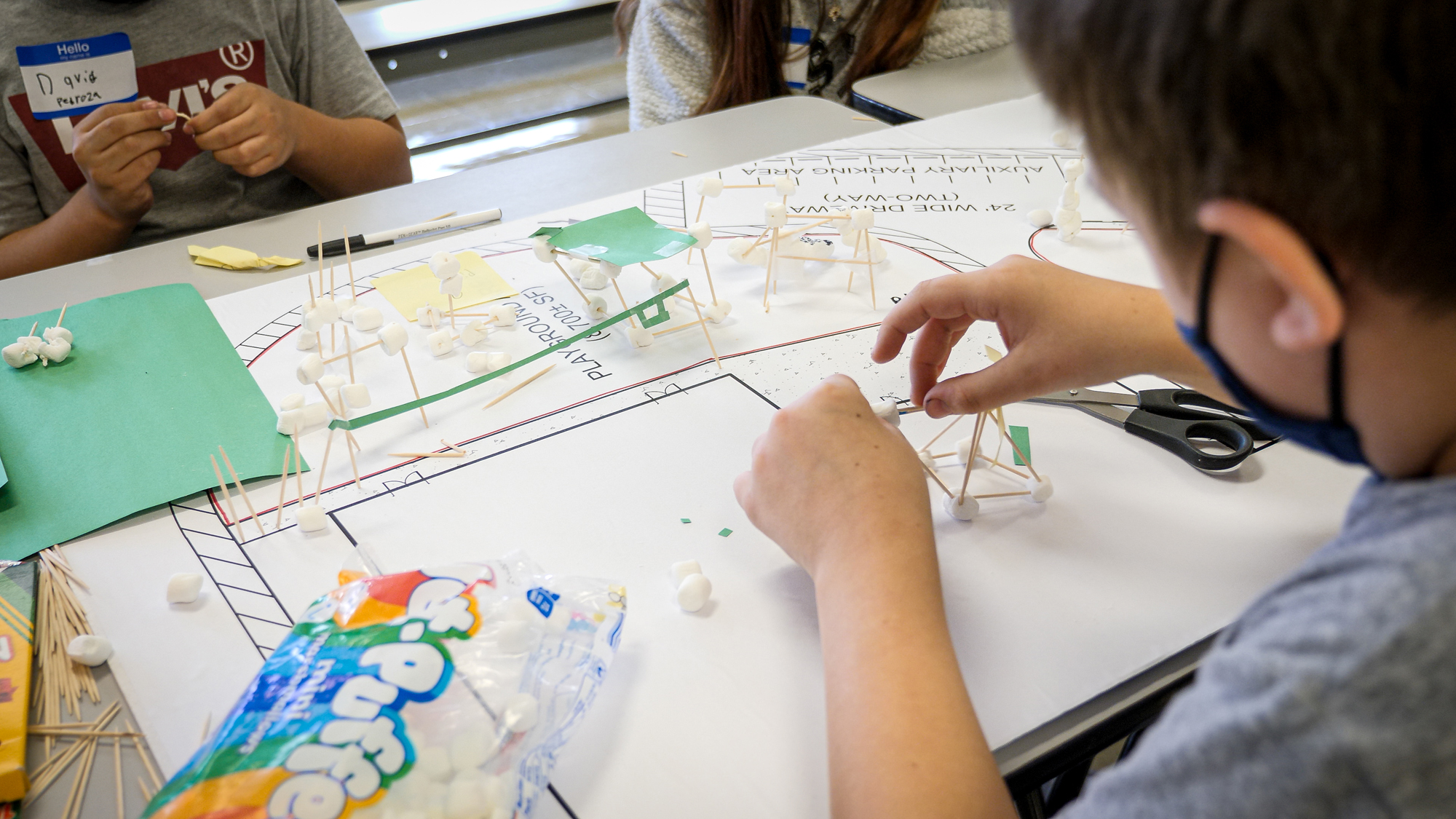
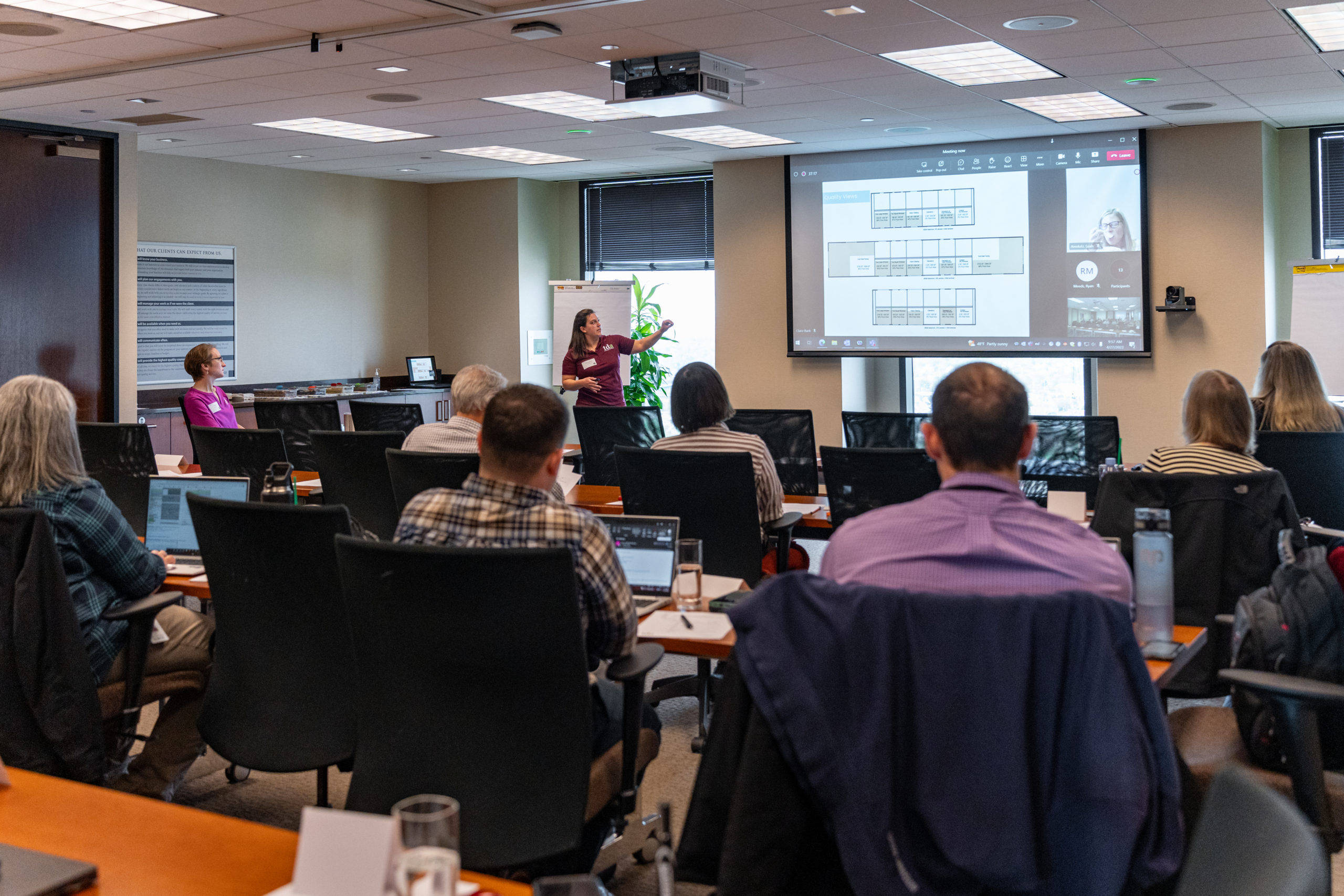
The Tiny House Challenge First Planning Session

Tiny Homes, Big Lessons

Megan Wood, seventh and eighth-grade science teacher at Ranger High Tech Academy, led the project. “Learners worked in teams to create sustainable and affordable tiny homes. They had to practice an understanding of blueprinting and scaling. They worked in teams to revise and prototype. Through that design and engineering process, they explored different energy sources, whether renewable or non-renewable, and they learned a little bit about electricity and how it works within a home.”

Over several months, these students embarked on an intensive design process. They moved from initial concepts to refined plans, having built physical scaled models, 3D prints, and drafting software. Professional architects and designers use similar tools. This immersive process allowed them to visualize and iterate on their ideas, culminating in comprehensive final presentations.

To ensure the students received real-world feedback and guidance, TDA was invited early in the process alongside other community members to review their prototypes and judge their final projects. This direct engagement allowed our team to offer professional critiques, highlight strengths, and suggest areas for further development, bridging the gap between academic learning and professional practice.

Megan added, “This project was very helpful because of all the career connections and future career opportunities that the kids discovered. Whether an architect, a project manager, or an interior designer, it was great for them to see how the different jobs are interconnected. They have never been exposed to this before.”

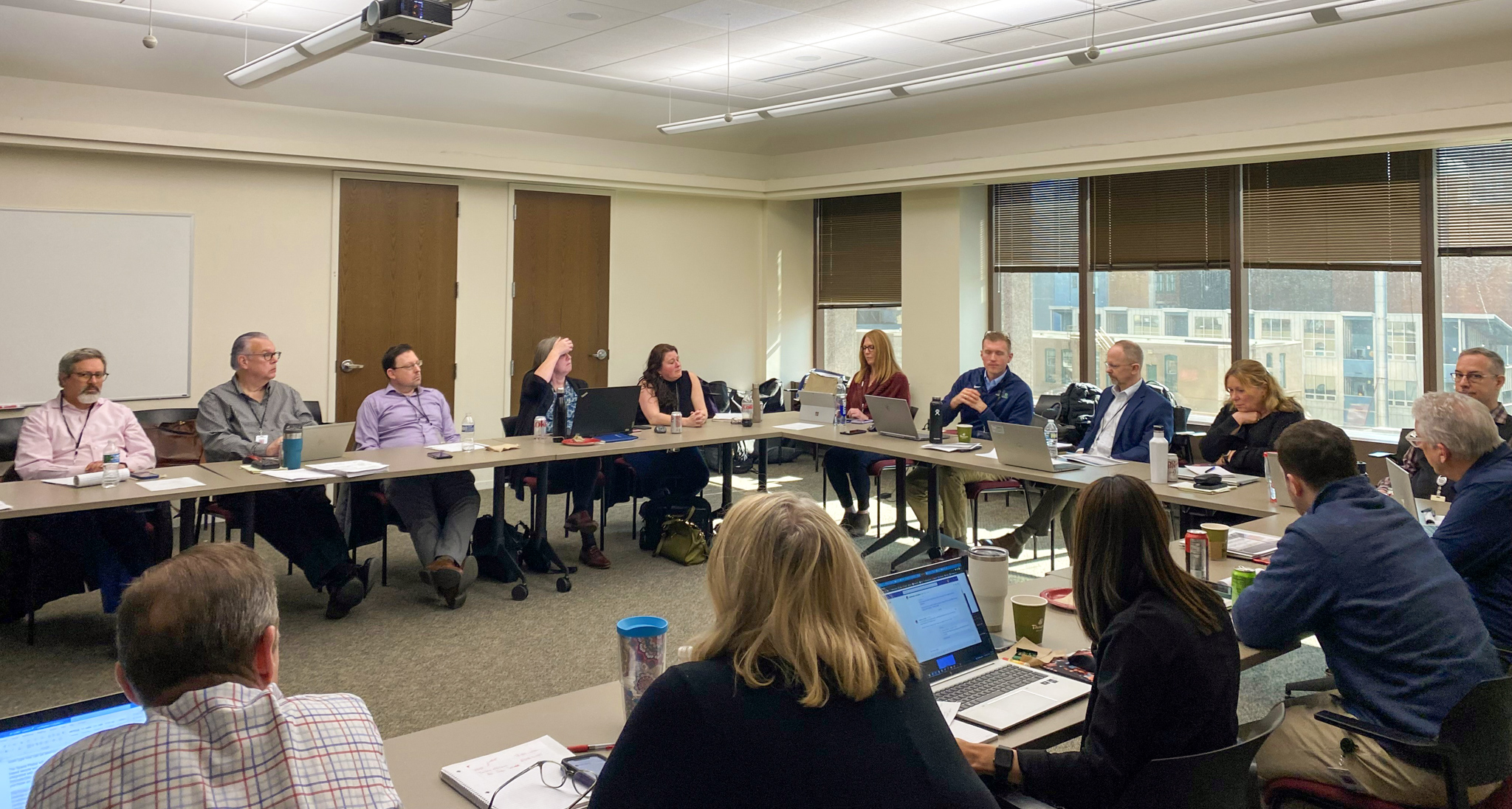
The Tiny House Challenge Final Judging Session

Real-World Skills, Future Careers

The impact on each student’s project was demonstrable. Participants walked away with an understanding of critical design principles. They learned how to effectively lay out interior spaces and merge furniture design with architectural constraints, environmental considerations, and manufacturing feasibility.

Project-based learning initiatives like this one are increasingly vital in preparing students for future careers by fostering critical thinking and problem-solving skills.

“I was surprised to see how each of the students prototyped their homes in different ways,” Megan said. “Each of them came up with different design solutions to a challenging problem. They had to ask, ‘How do you make a spiral staircase? How am I going to show this loft? How am I going to build this furniture?’ It was fascinating to see their perspectives on how they approached those projects.”

This collaboration with North Ridgeville City Schools exemplifies how educational institutions and industry professionals can partner to create richer, more relevant learning experiences for students. By providing direct exposure to real-world design challenges and expert feedback, TDA helps to cultivate not just future architects and engineers but also innovative thinkers prepared to tackle complex problems in any field.

The Campus of Wickliffe Receives an Outstanding Project Award

The Campus of Wickliffe Receives an Outstanding Project Award
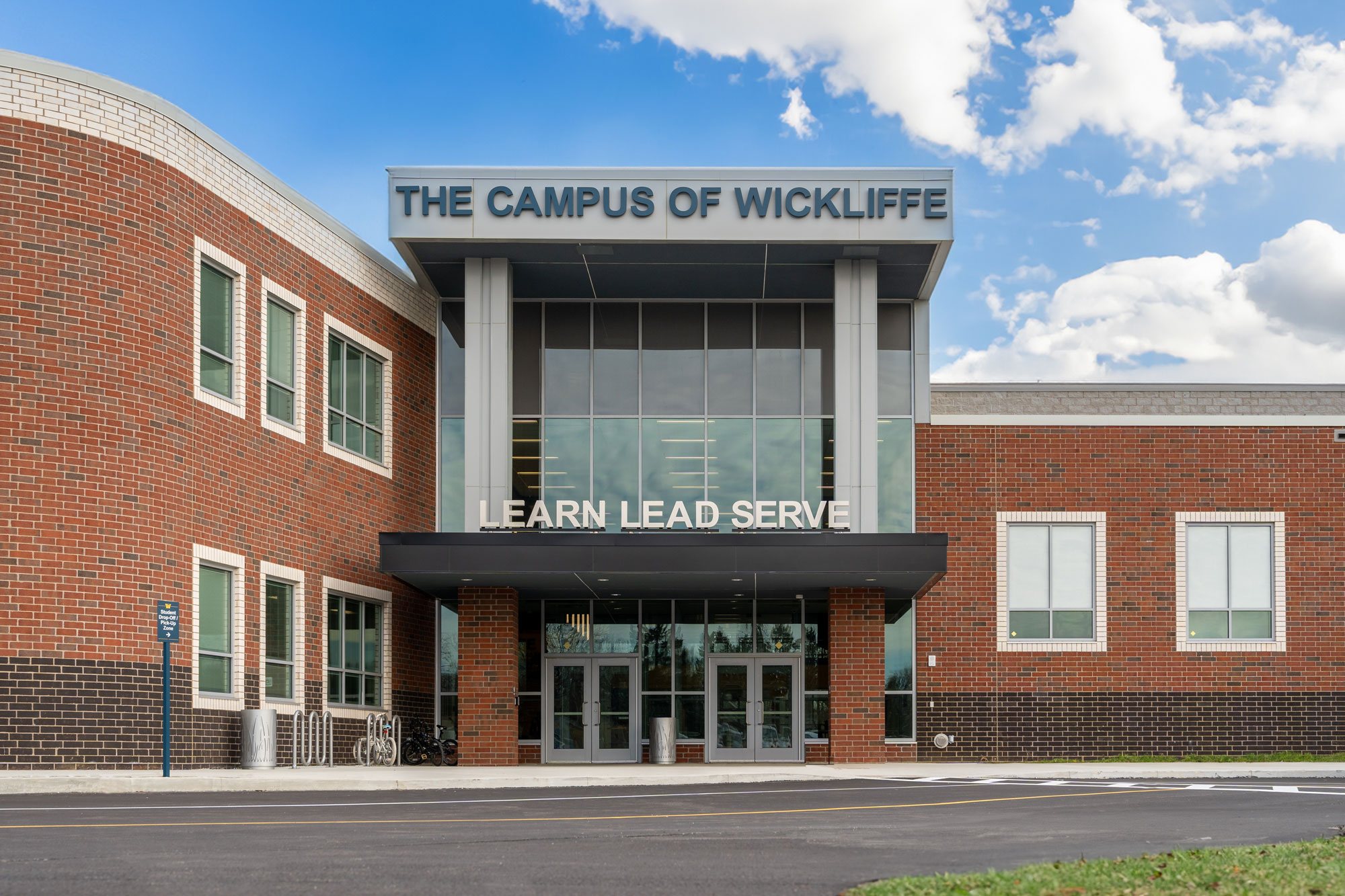
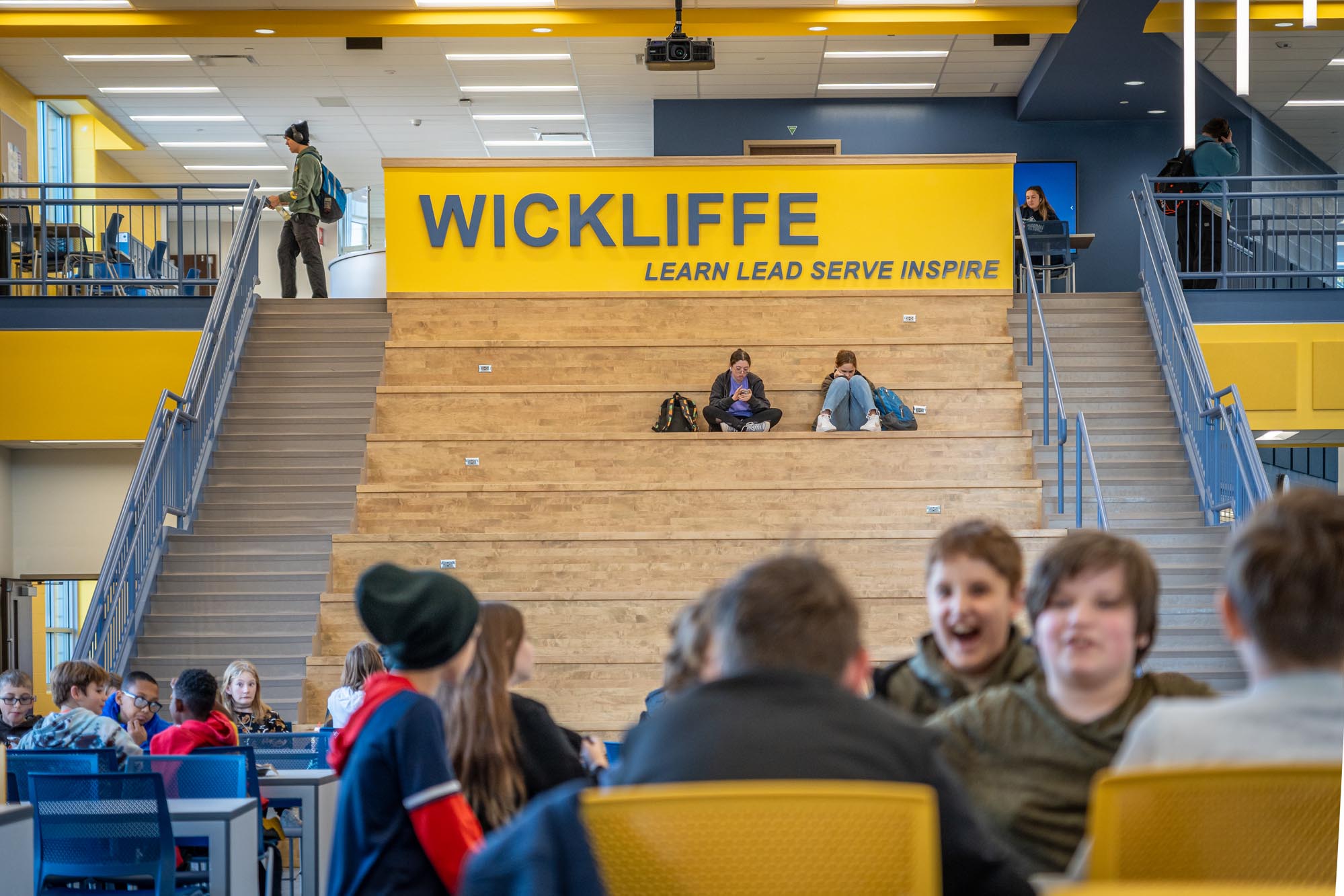
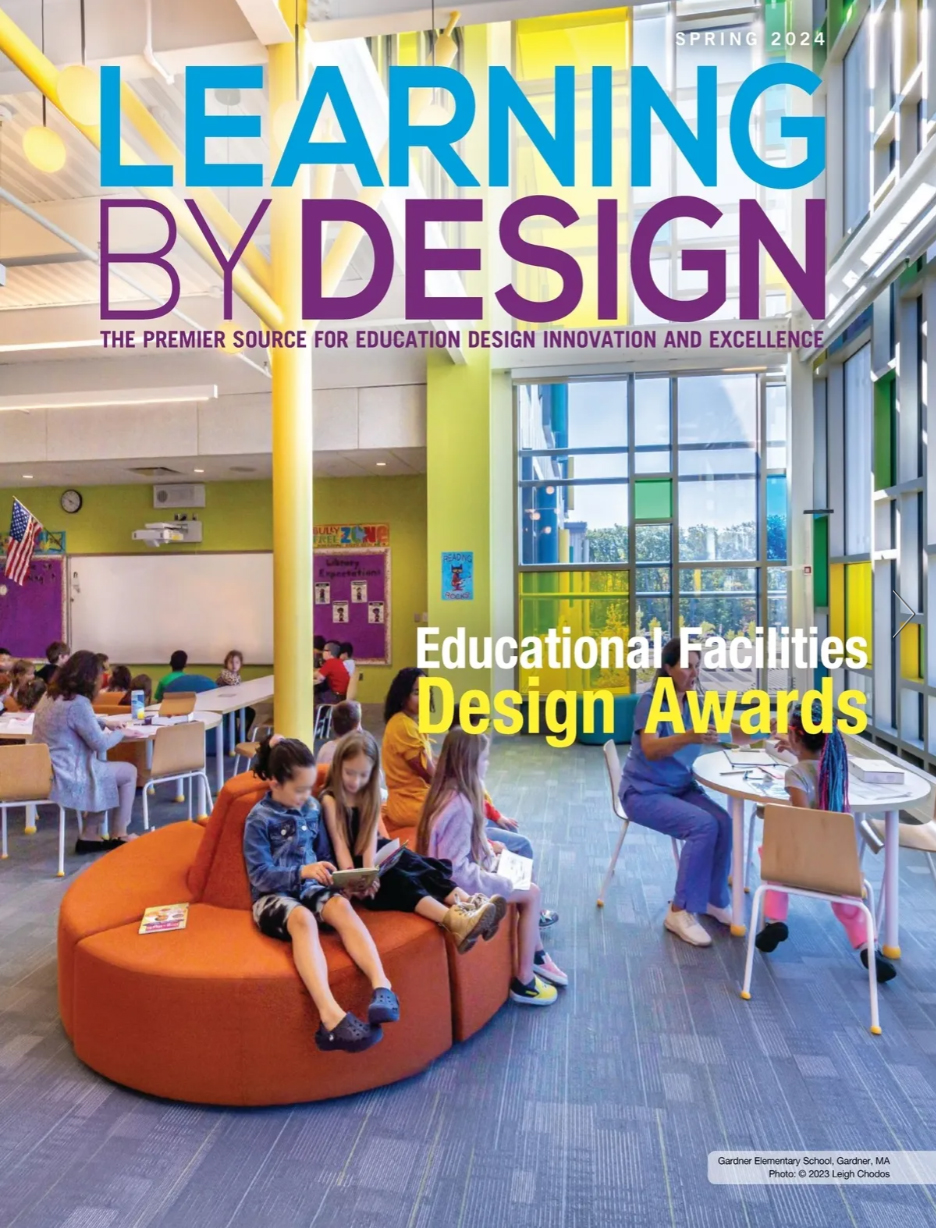
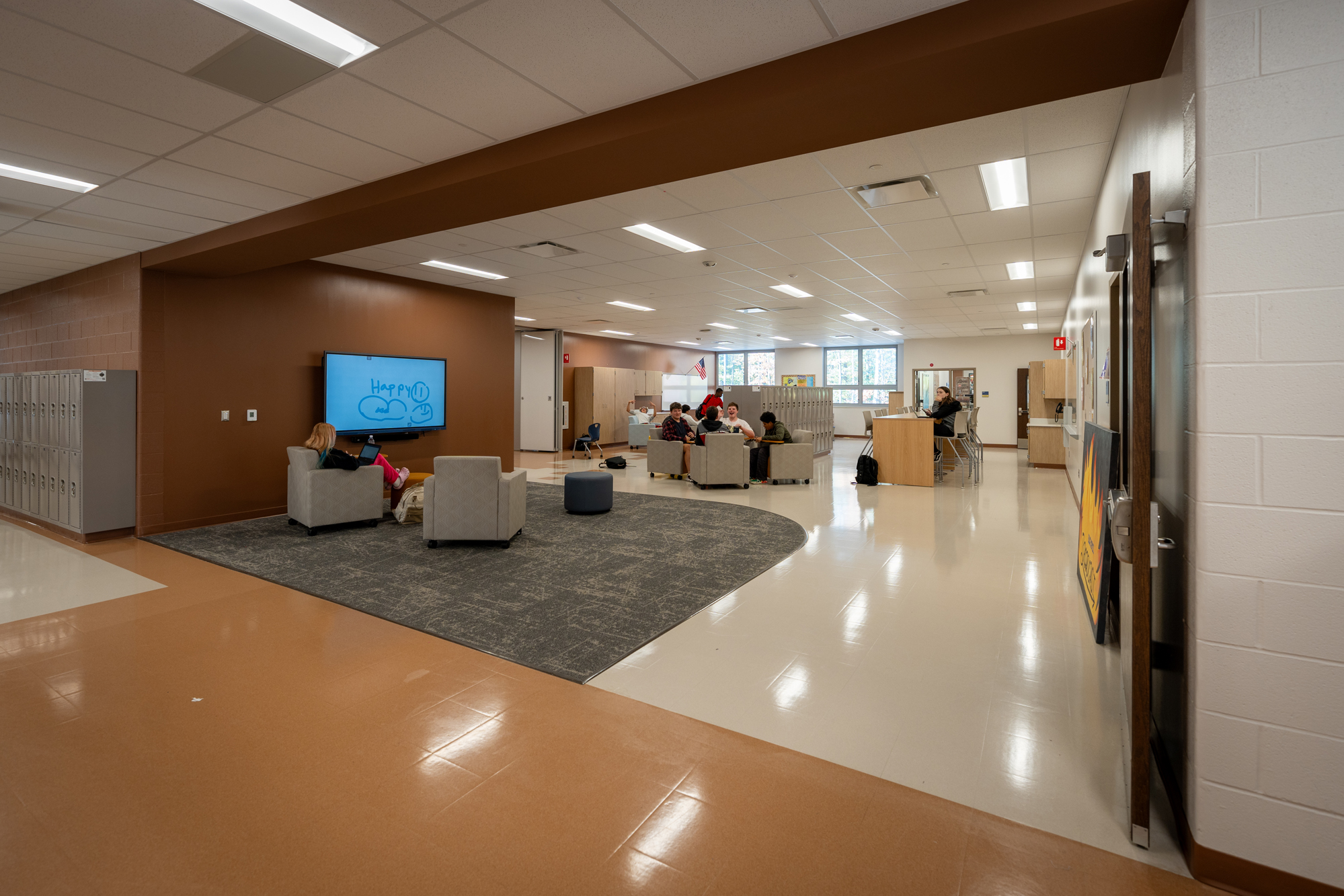
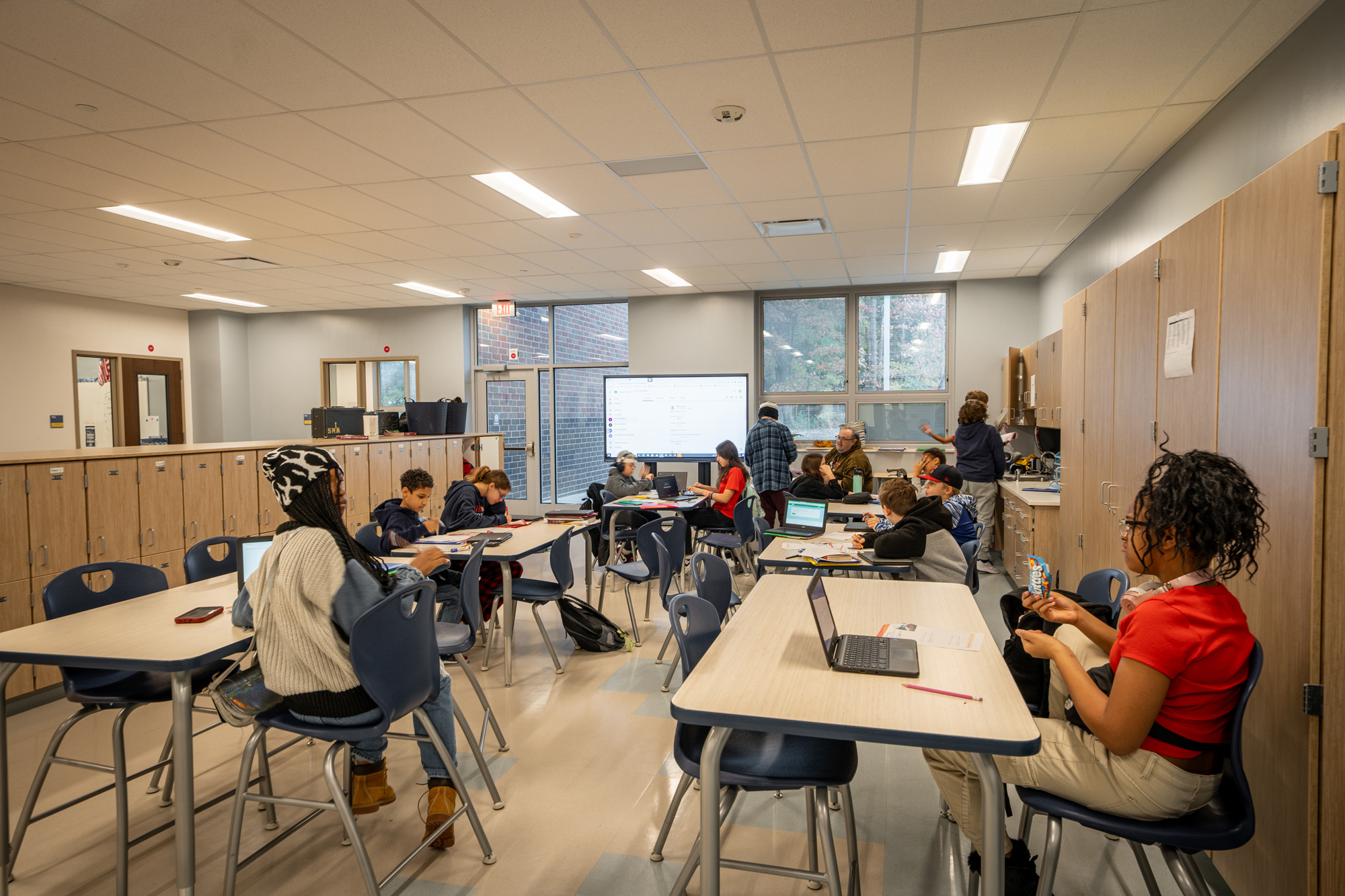
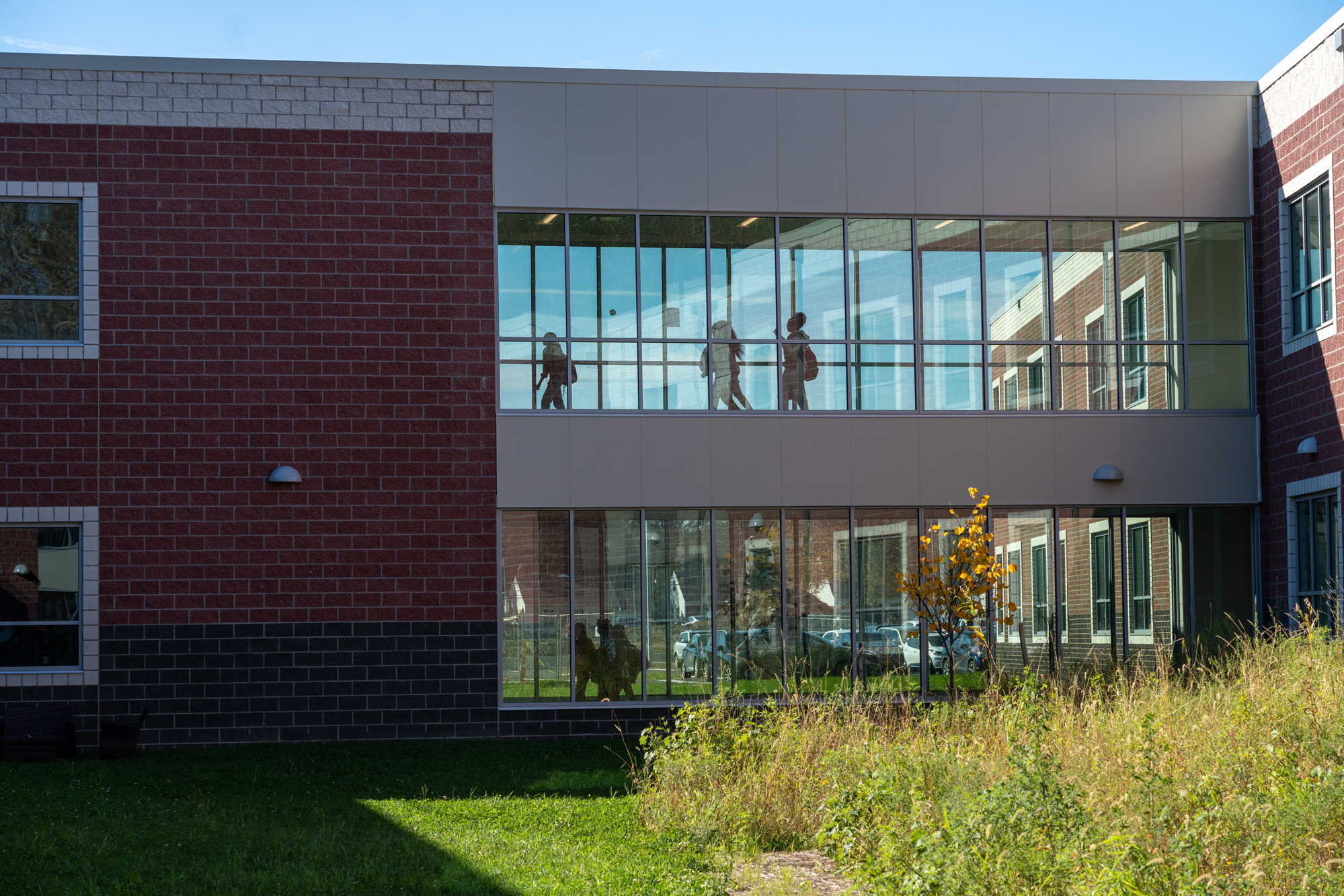
The Campus of Wickliffe receives an Outstanding Project Award in the Spring 2024 Educational Facilities Design Awards Showcase by Learning By Design Magazine. The Wickliffe PK-12 Campus was designed to be forward-thinking, an educational facility designed for flexible learning. The Wickliffe design supported the district's goals by providing a flexible educational environment that encouraged learning and mentoring to contribute to the greater good.

The Campus of Wickliffe Receives an Outstanding Project Award

As a dedicated partner to Wickliffe City Schools, ThenDesign Architecture is thrilled to announce that The Campus of Wickliffe has been selected for an Outstanding Project Award by Learning by Design Magazine’s Spring 2024 Educational Facilities Design Awards Showcase. The Campus of Wickliffe has been recognized as a benchmark facility for incorporating next-generation learning space design and planning methodologies.

To view the publication award page, click on this link.

"This is not the work simply of the school staff or administration, but the work of an entire community. This is your work."
Joseph Spiccia
Superintendent, Wickliffe City Schools

The Campus of Wickliffe in Action

An Outstanding Achievement in Design

A jury of American Institute of Architects (AIA) members and education design professionals evaluated submissions nationwide from architectural firms, schools, and universities. The judges determine each project’s worthiness, unique qualities, and the architectural design and planning concepts that were successfully implemented.

The printed publications were recently distributed to over 50,000 subscribers within the education field throughout the United States, and spotlight the efforts of Wickliffe City Schools during this project.

A Journey of Dedication

A Catalyst for Change is Just the Beginning

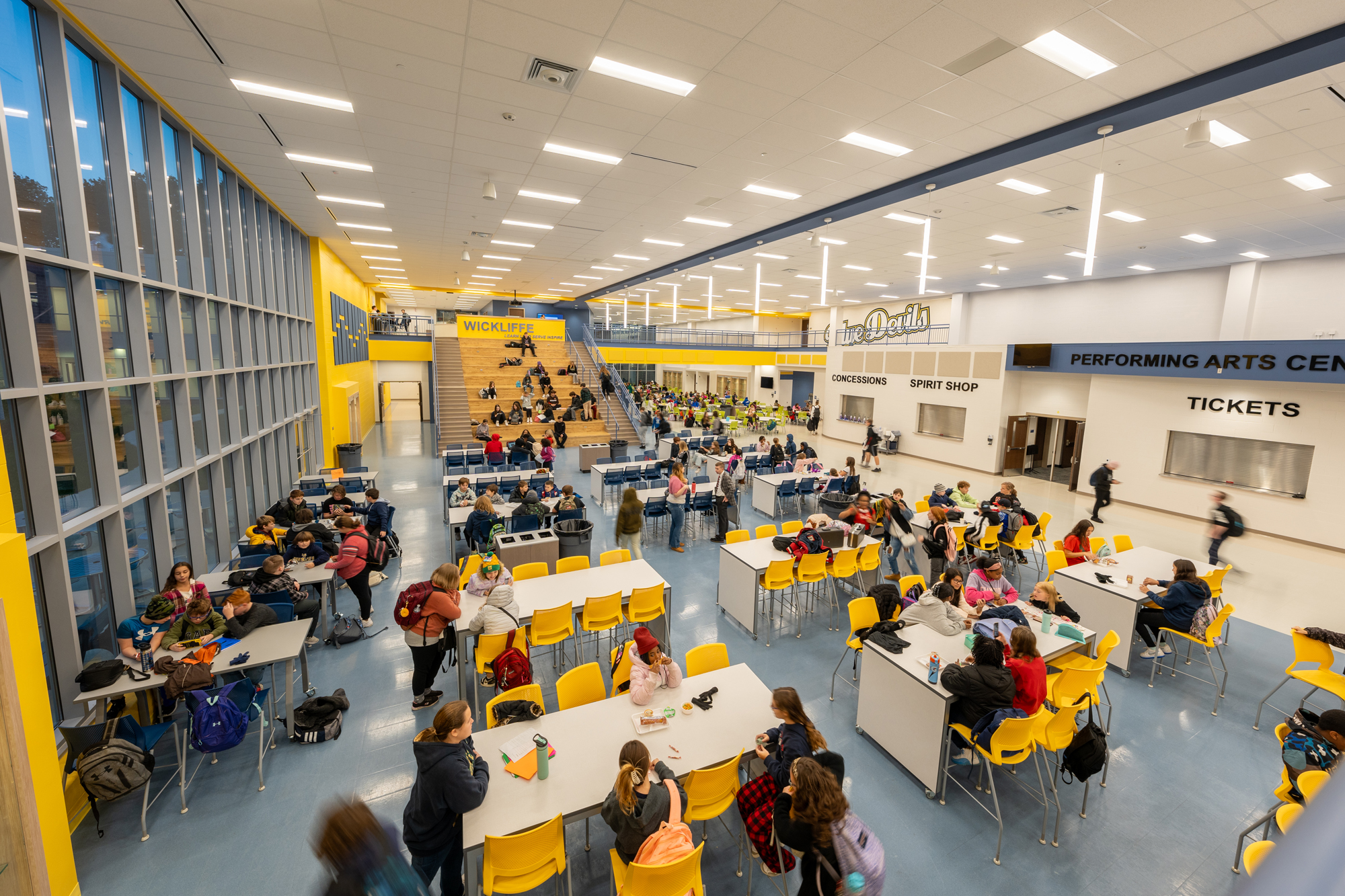
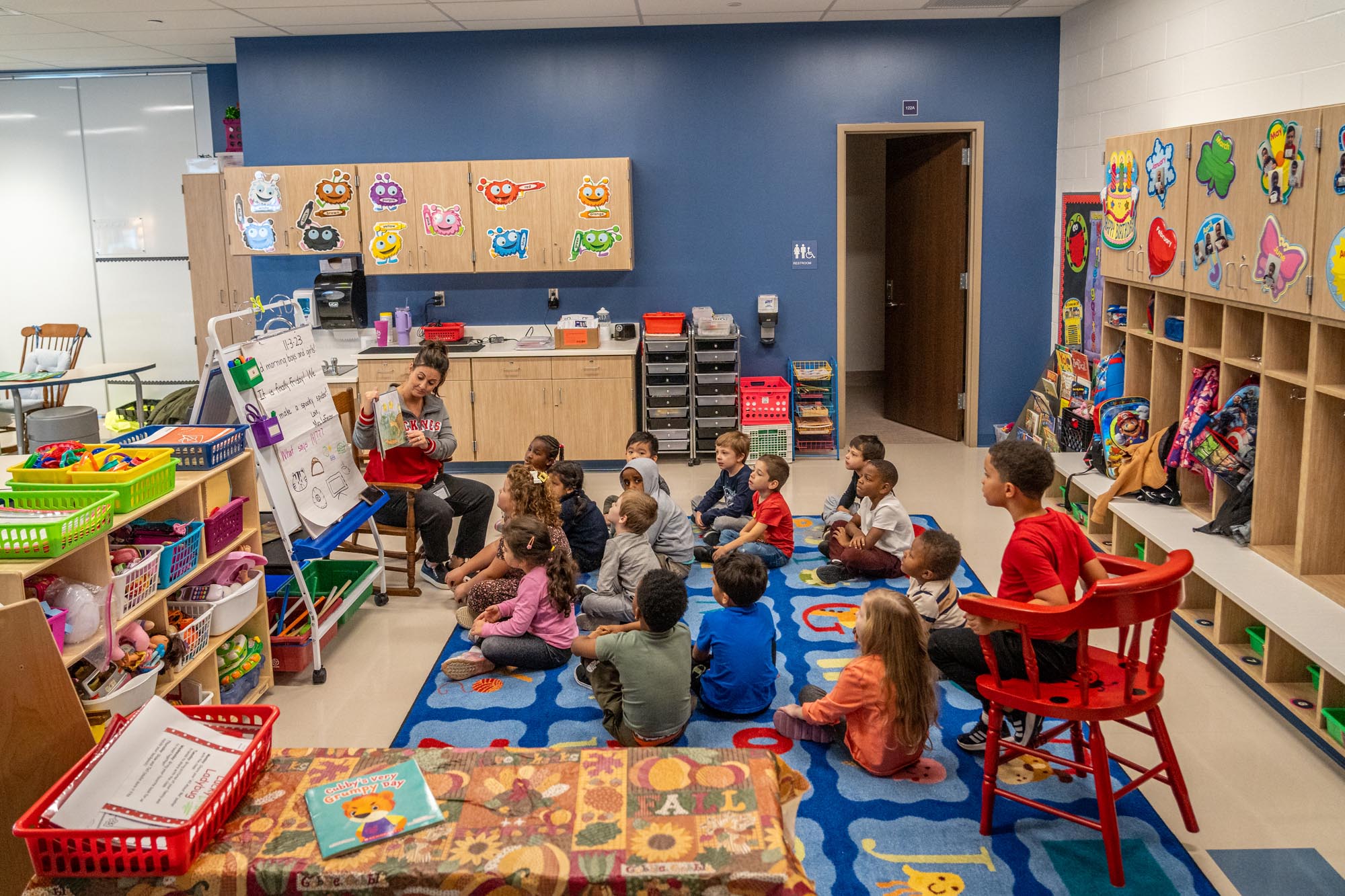
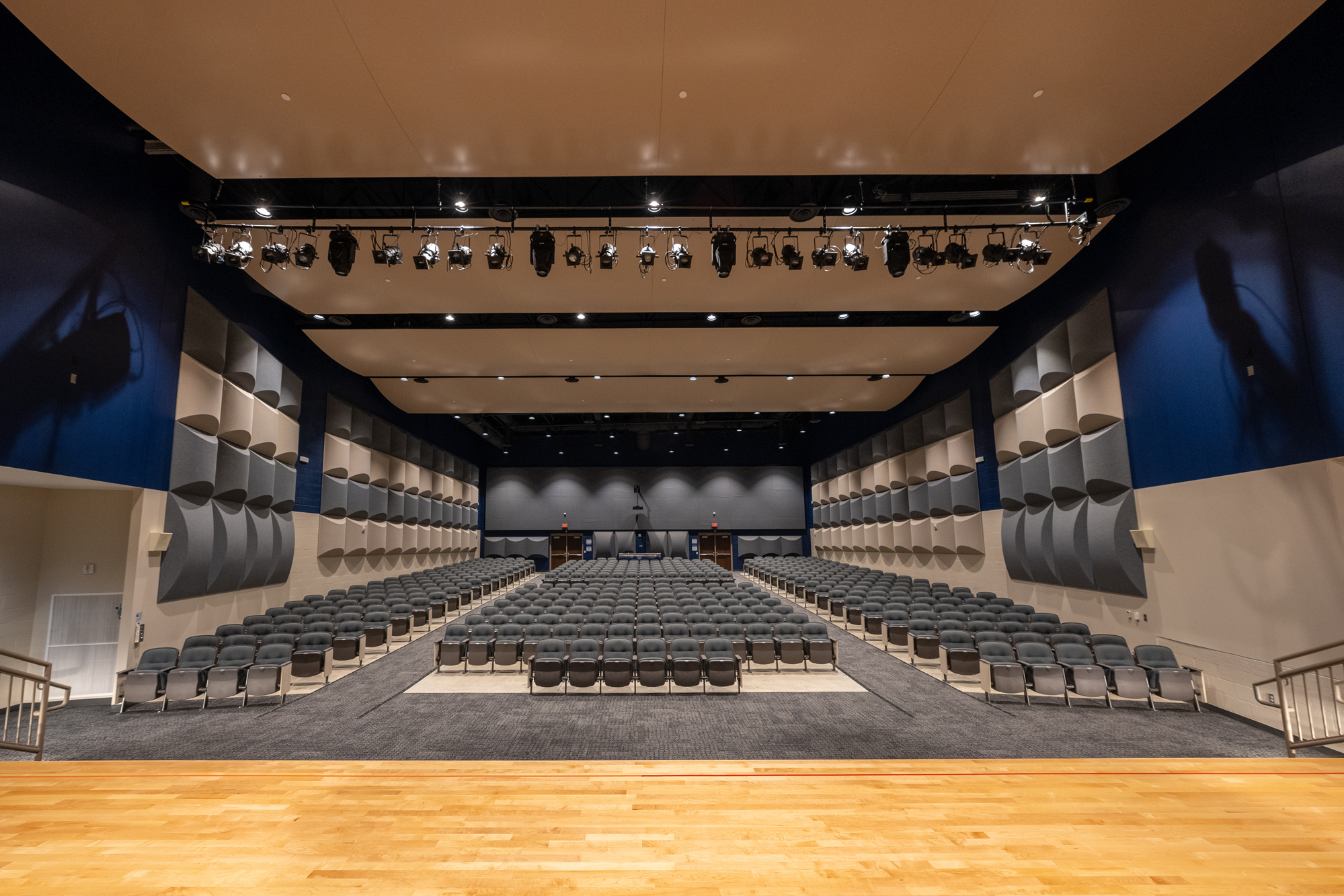
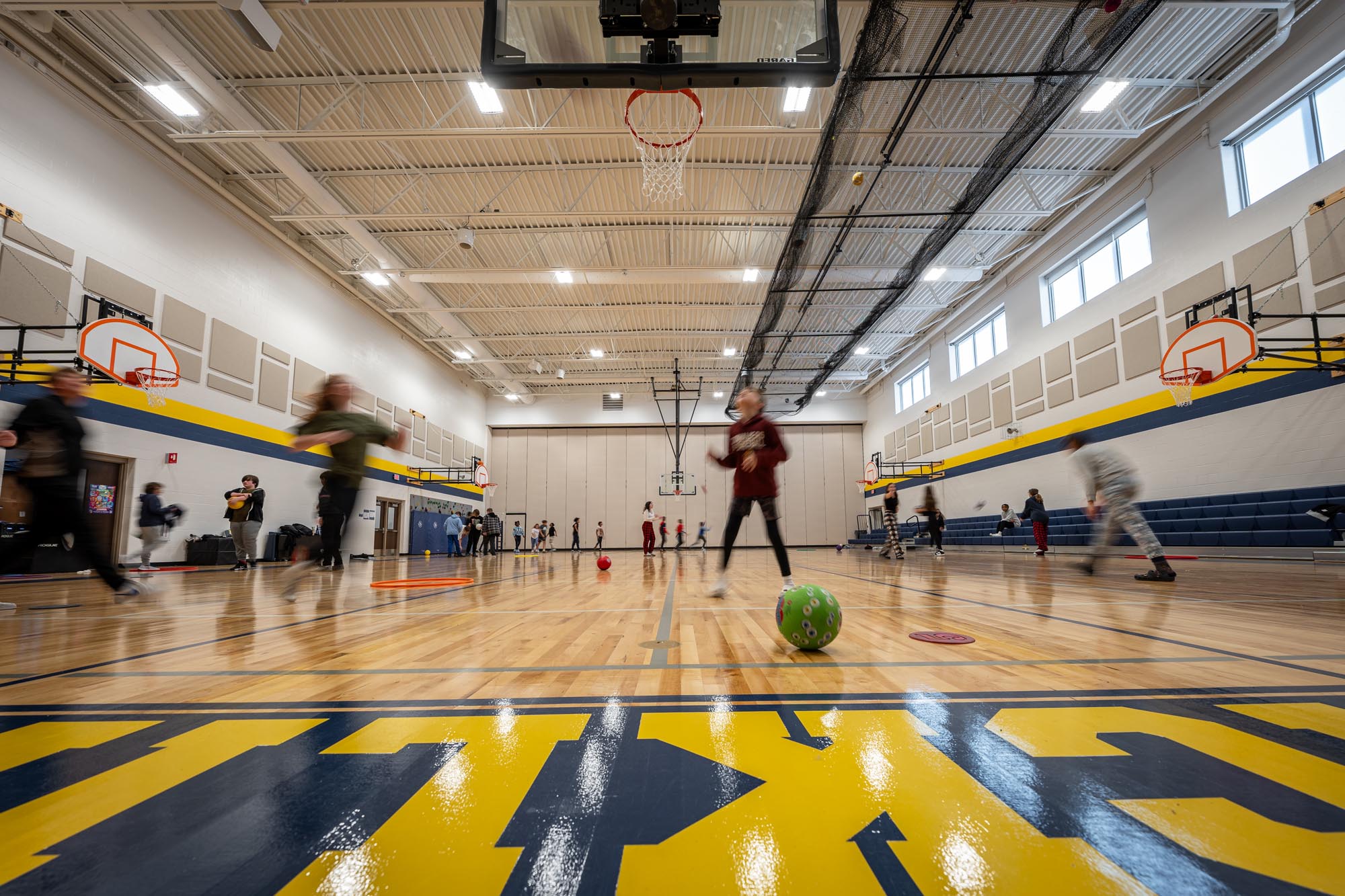
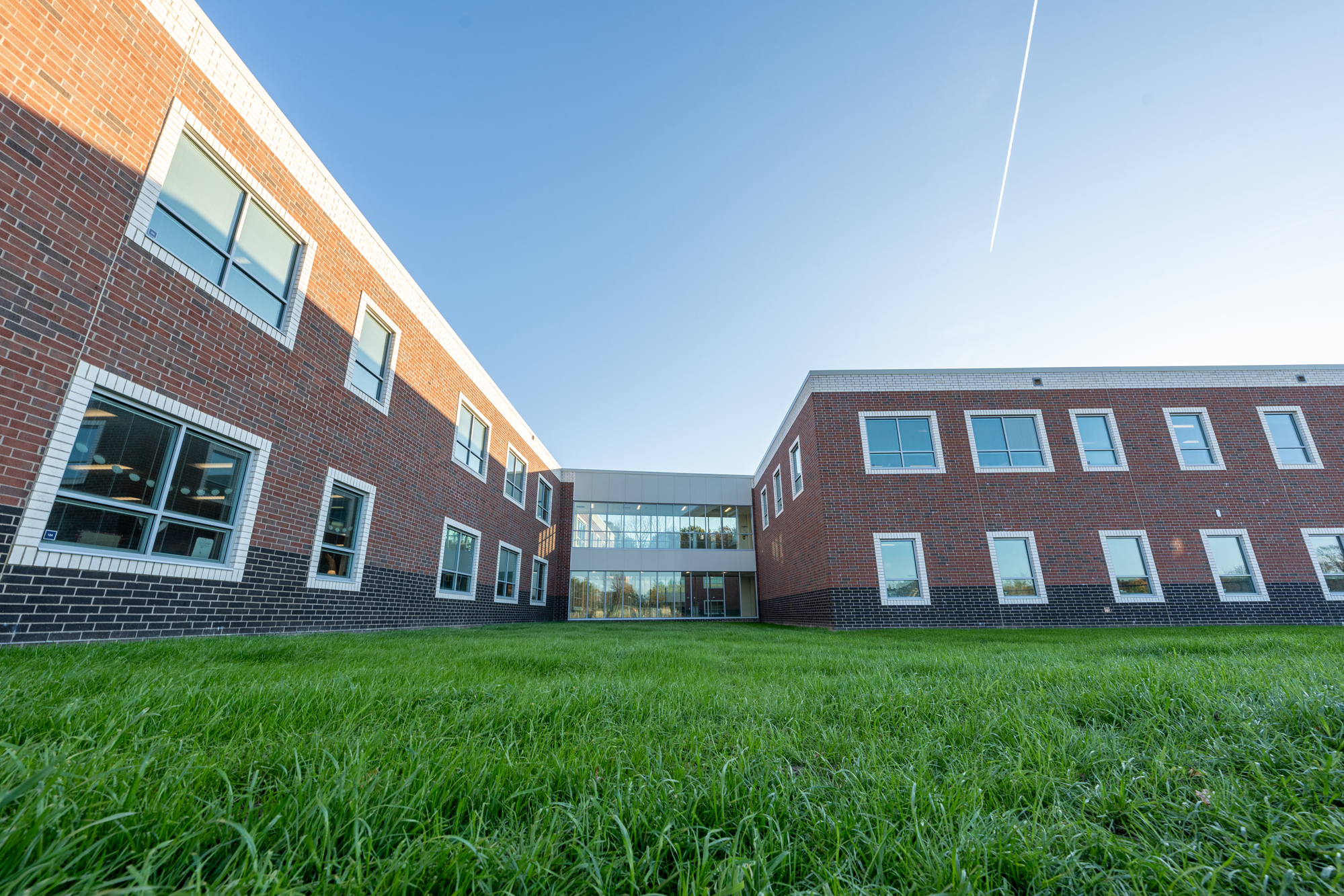
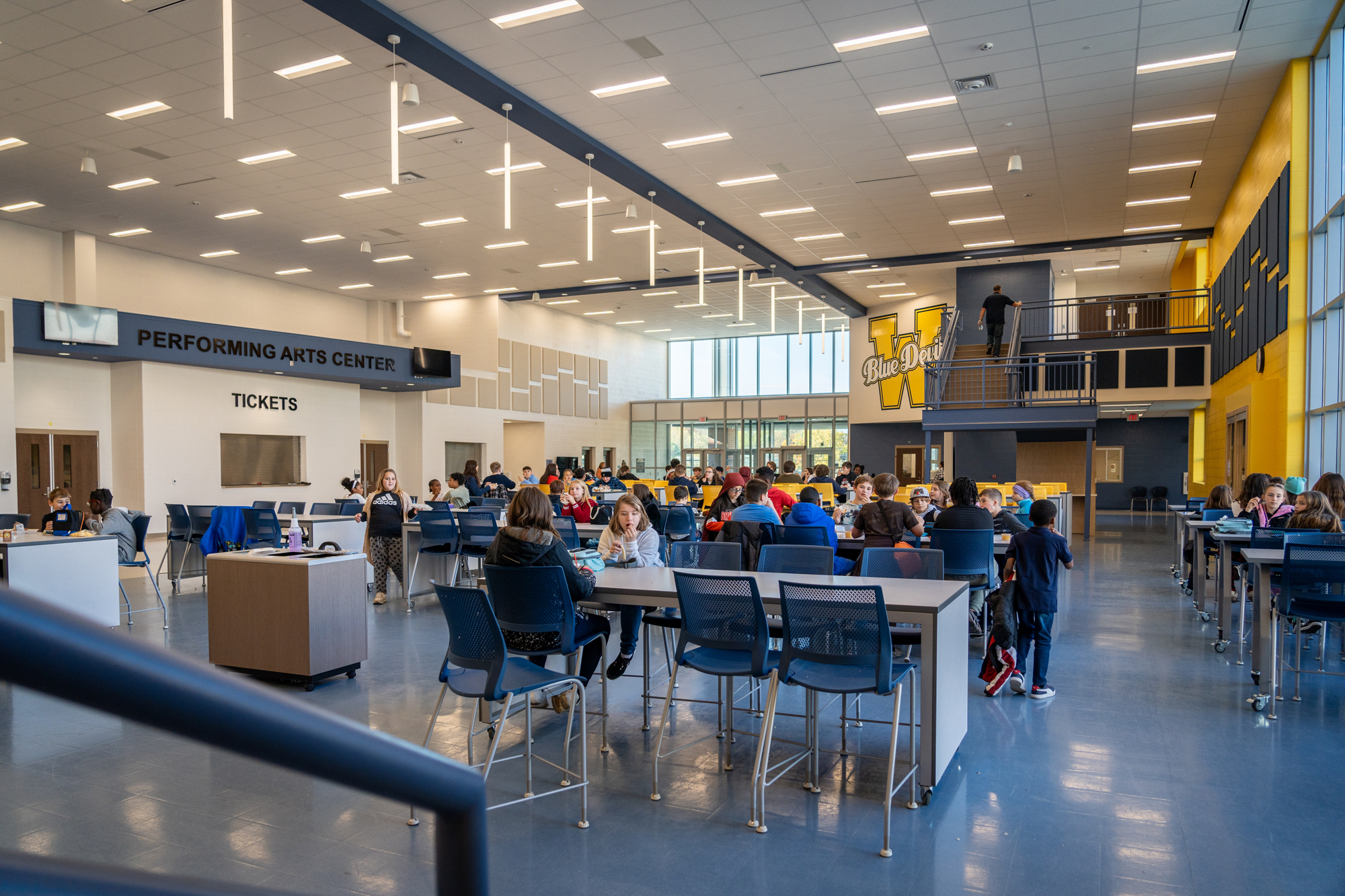
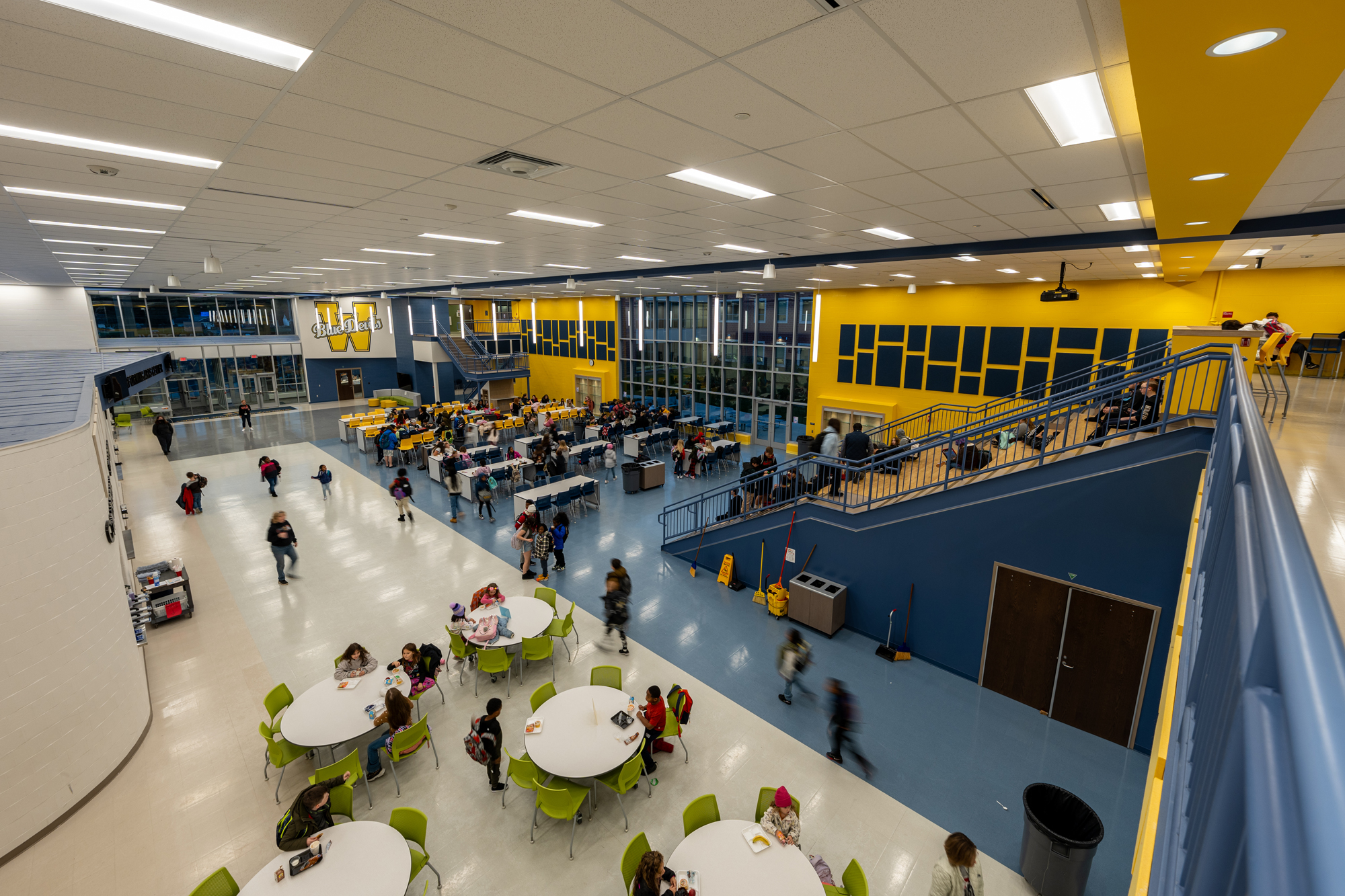
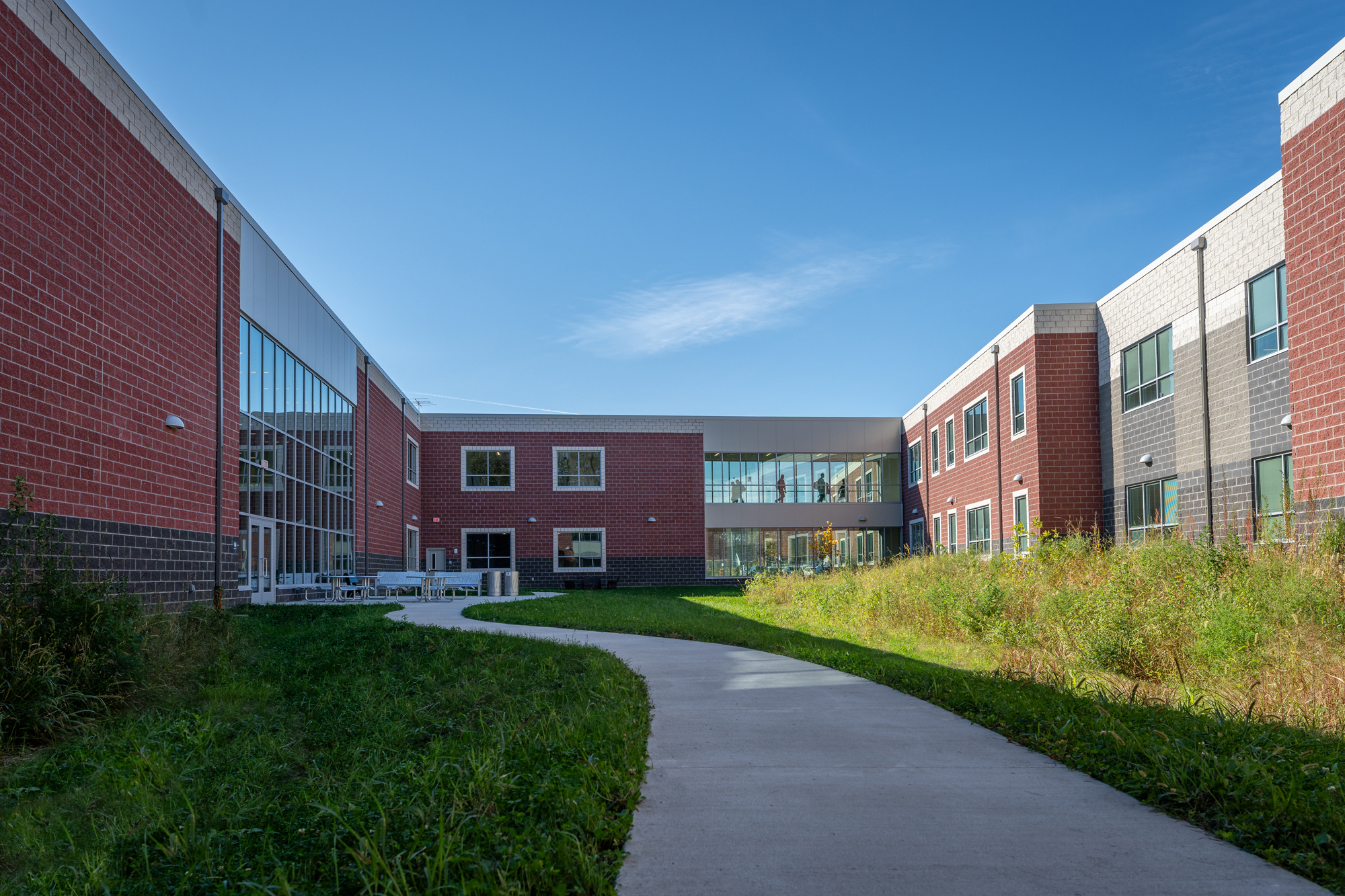
As part of the “Catalyst for Change” initiative, the 204,000 SF Wickliffe PreK-12 Campus was designed to create flexible learning spaces for the Wickliffe City School District that could adapt to future educational needs. The new campus sits on the former high school site, reorganizes site circulation and reflects a mutual partnership with the community. A 500-seat Performing Arts Center, two full-sized gymnasiums, and a cafeteria are integrated into a main “Community Hub,” accessible for public events.

Career technical and STEM-focused spaces provide opportunities for students to explore a variety of academic and skills-based pursuits. Additionally, a new state-of-the-art stadium was completed adjacent to the school, becoming a new home for the Wickliffe Blue Devils.

The district participated in the Expedited Local Partnership Program (ELPP) through the Ohio Facilities Construction Commission (OFCC), and this $60 million project consolidates the aging elementary, middle, and high schools into a single PreK-12 building. In addition, the new facility hosts space for the Family Resource Center. This community center offers free services to many in need.

The new, two-story school officially opened at the beginning of the 2023-2024 school year.

"We are excited to see the extraordinary educational opportunities that will be afforded to our students now and into the future."
Carl Marine
President, Board of Education

The Campus of Wickliffe – Designed for Flexible Learning

TDA Article Featured in BASA’s AdminiScope

TDA Article Featured in BASA's AdminiScope
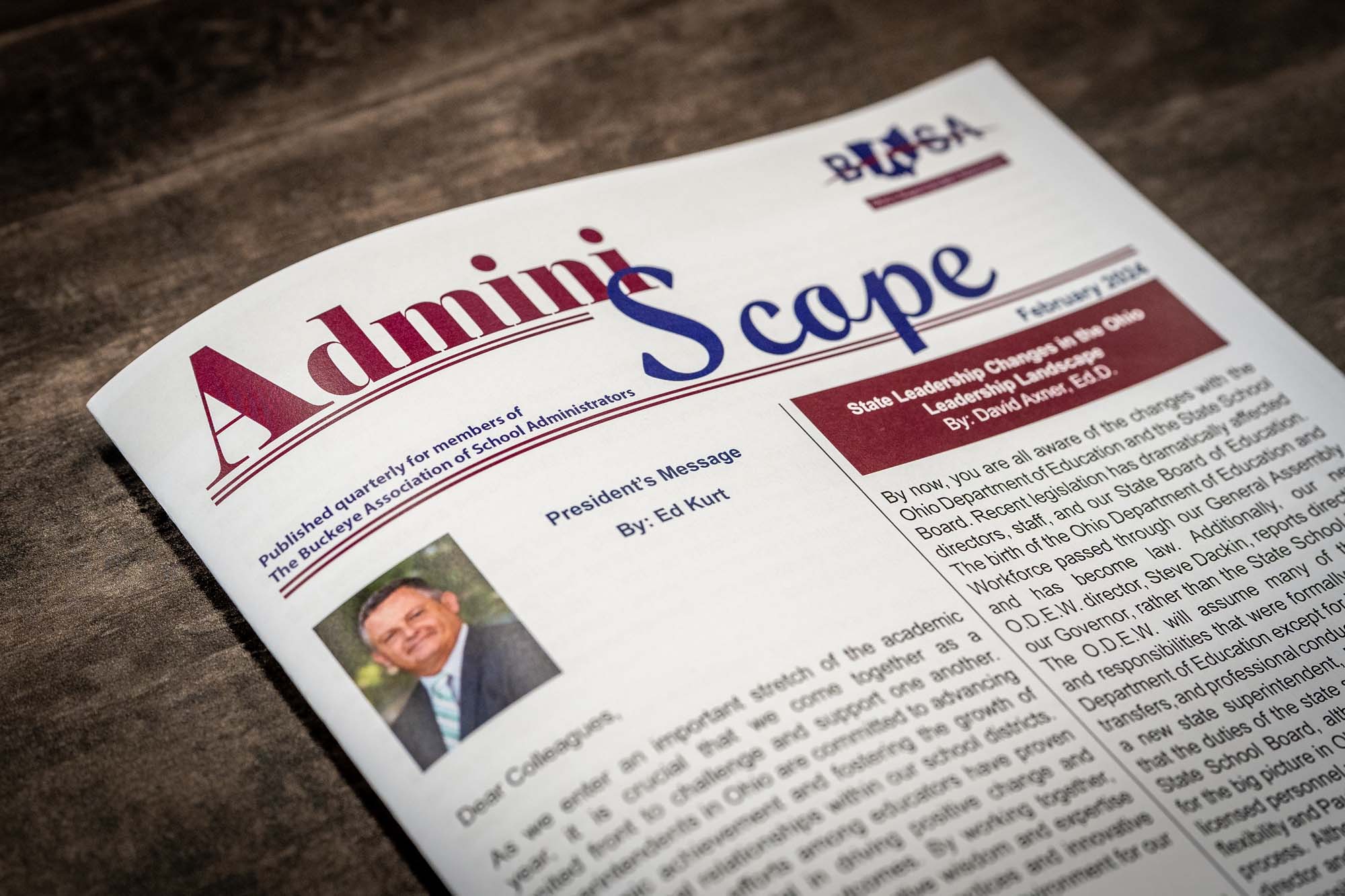
The Buckeye Association of School Administrators (BASA) produces a quarterly publication informing its members of important updates that affect the school districts in Ohio. ThenDesign Architecture was recently featured in an article in the February 2024 AdminiScope reporting on our collaboration with the Ohio Facilities Construction Commission (OFCC) on comprehensively updating the Ohio School Design Manual.

TDA Article Featured in BASA's AdminiScope

The Buckeye Association of School Administrators (BASA) is a non-profit organization that serves school superintendents and other administrators throughout Ohio. Established in 1969, BASA is an affiliate of the American Association of School Administrators and releases a quarterly “AdminiScope” publication that keeps members informed on current issues that school systems face.

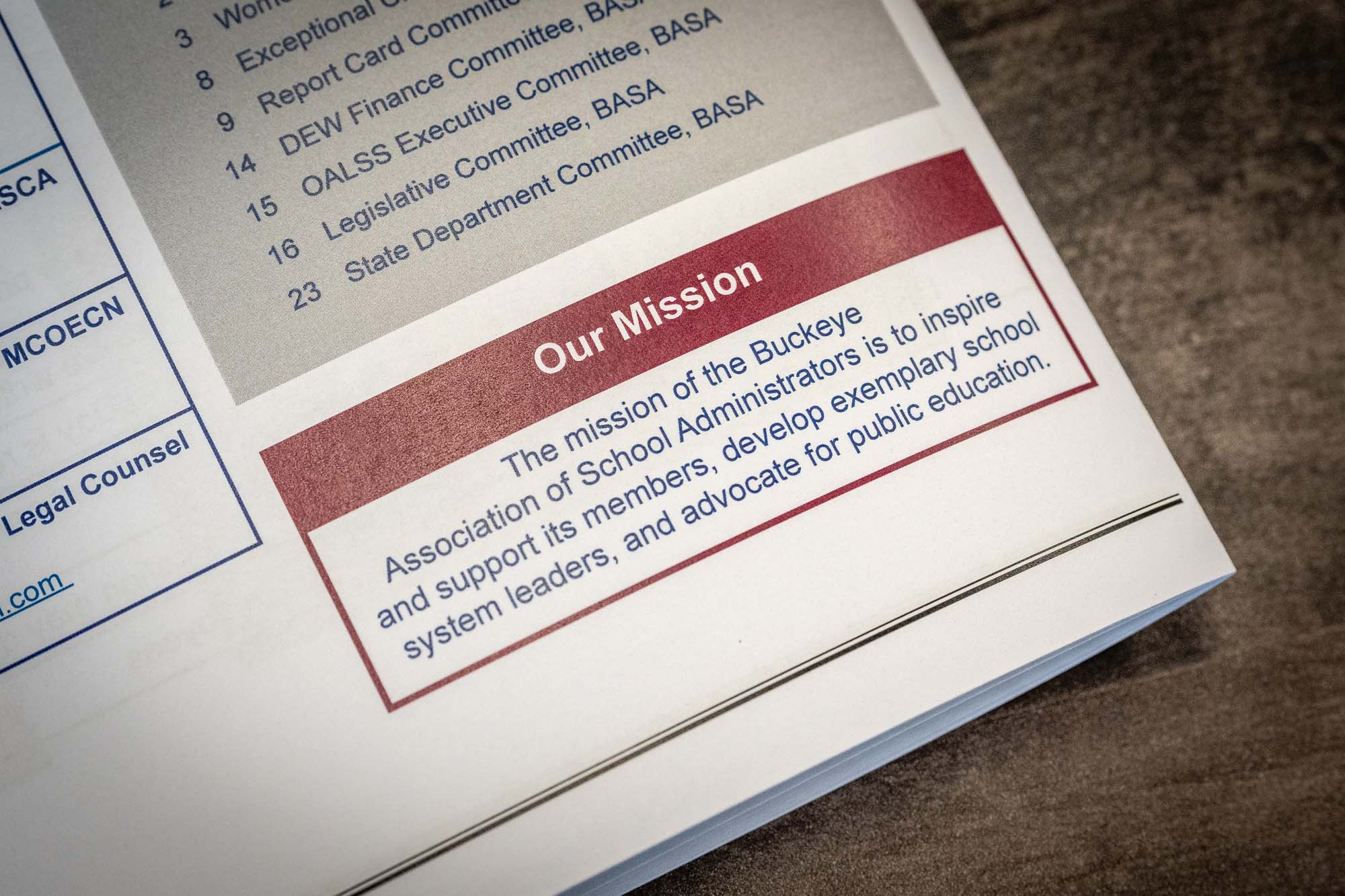
According to the BASA website, “The mission of the Buckeye Association of School Administrators is to inspire and support its members, develop exemplary school system leaders, and advocate for public education.”

ThenDesign Architecture (TDA) was featured in an article published in the February 2024 issue covering our collaboration with the Ohio Facilities Construction Commission (OFCC) as we comprehensively updated the Ohio School Design Manual. These updates reflect the changing educational landscape, including new standards, practices, and building technologies that will further support educational design across Ohio.

BASA's February 2024 AdminiScope

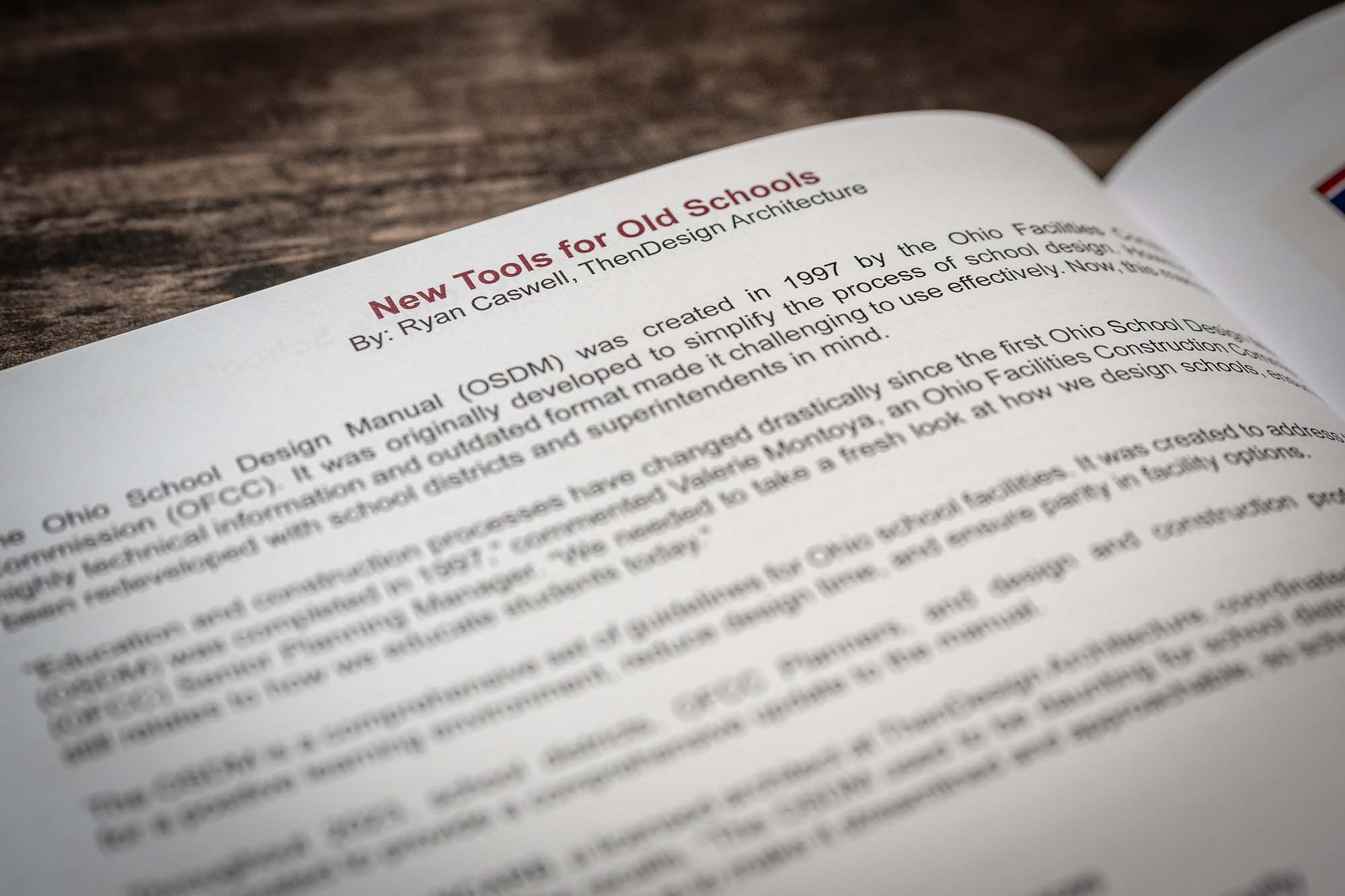
New Tools for Old Schools

The Ohio School Design Manual (OSDM) was created in 1997 by the Ohio Facilities Construction Commission (OFCC). It was originally developed to simplify the process of school design. However, the highly technical information and outdated format made it challenging to use effectively. Now, this manual has been redeveloped with school districts and superintendents in mind.

“Education and construction processes have changed drastically since the first Ohio School Design Manual (OSDM) was completed in 1997,” commented Valerie Montoya, an Ohio Facilities Construction Commission (OFCC) Senior Planning Manager. “We needed to take a fresh look at how we design schools, ensuring it still relates to how we educate students today.”

The OSDM is a comprehensive set of guidelines for Ohio school facilities. It was created to address the need for a positive learning environment, reduce design time, and ensure parity in facility options.

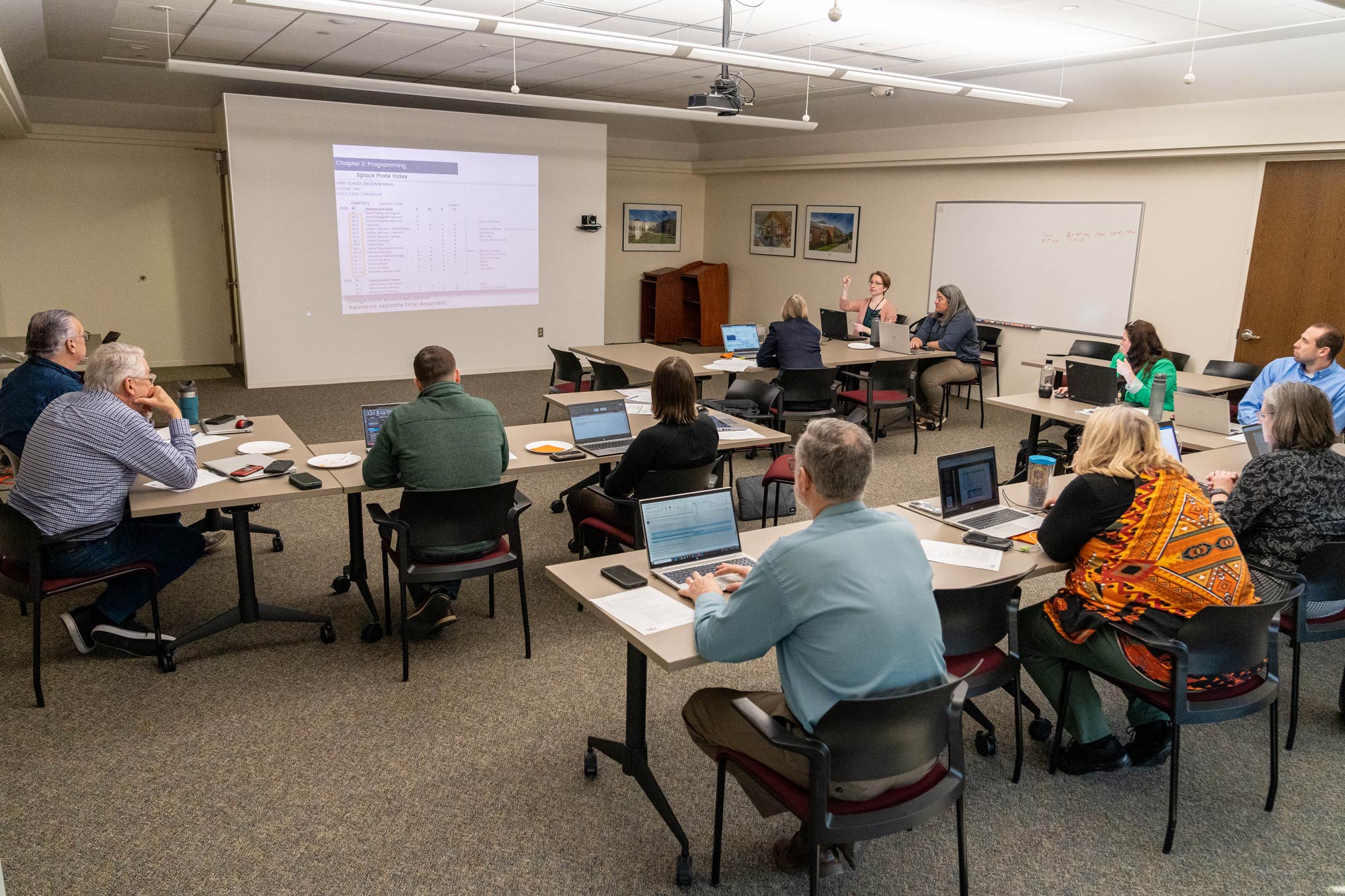
Throughout 2023, school districts, OFCC Planners, and design and construction professionals have collaborated to provide a comprehensive update to the manual.

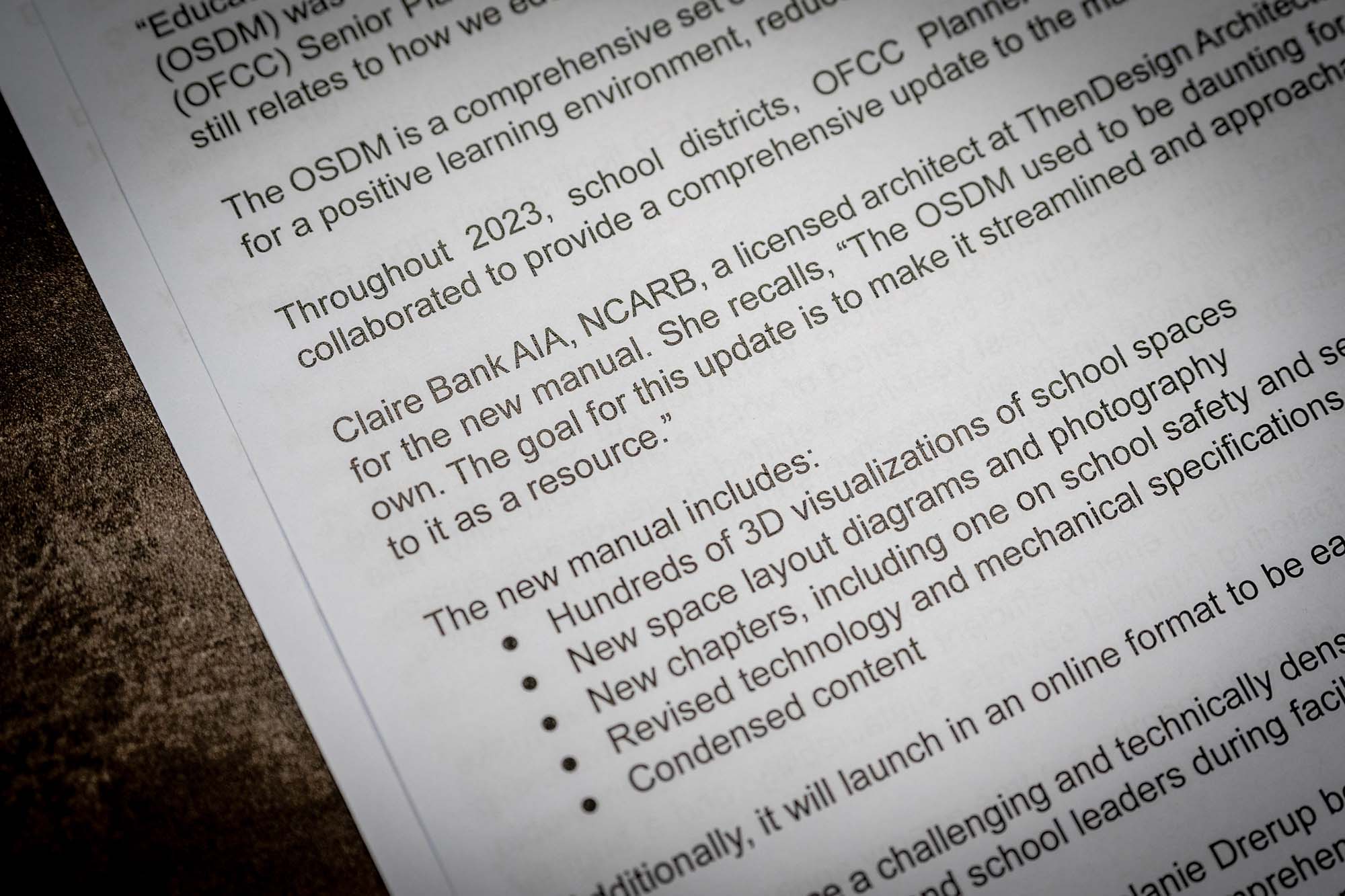
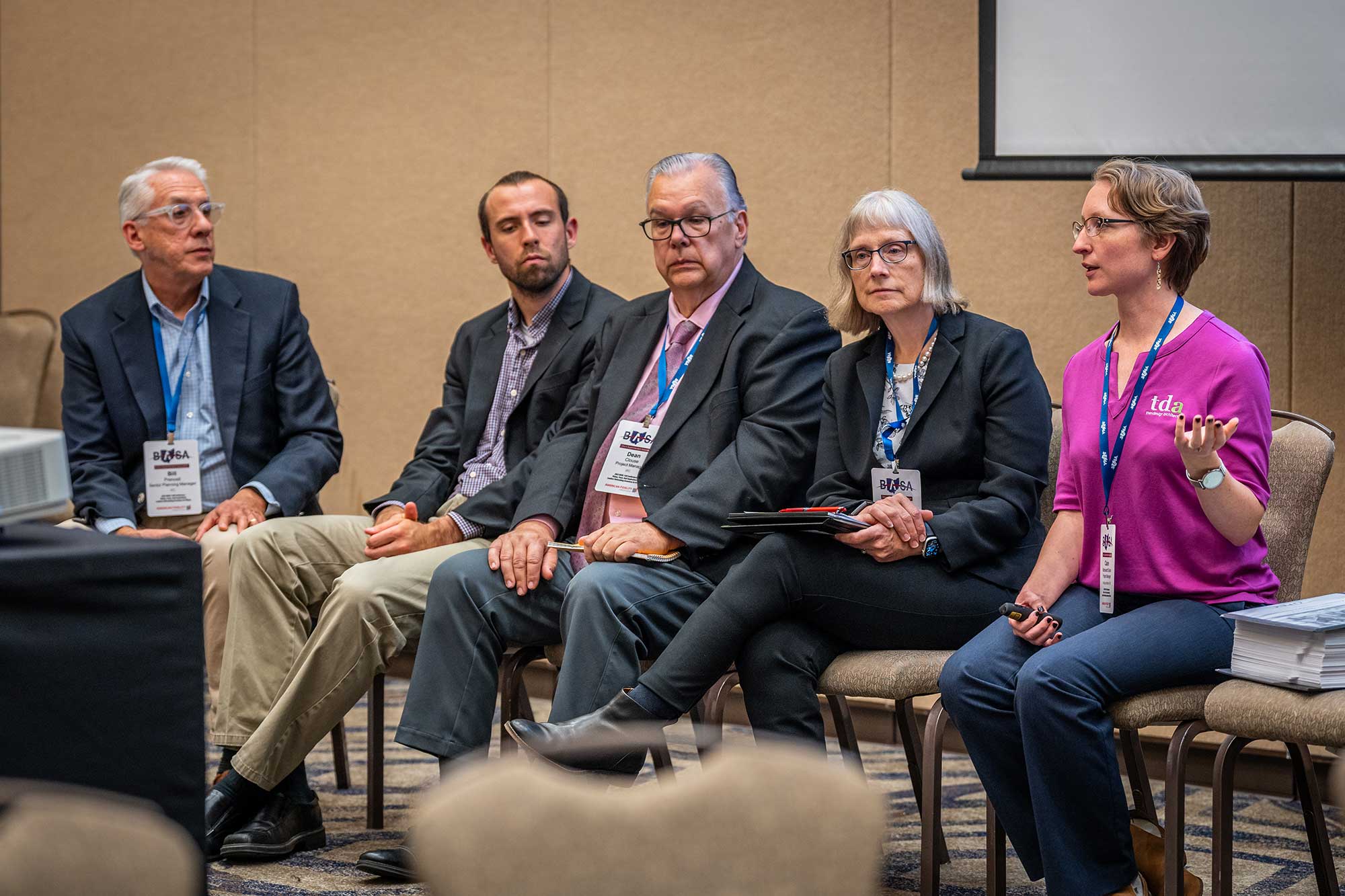
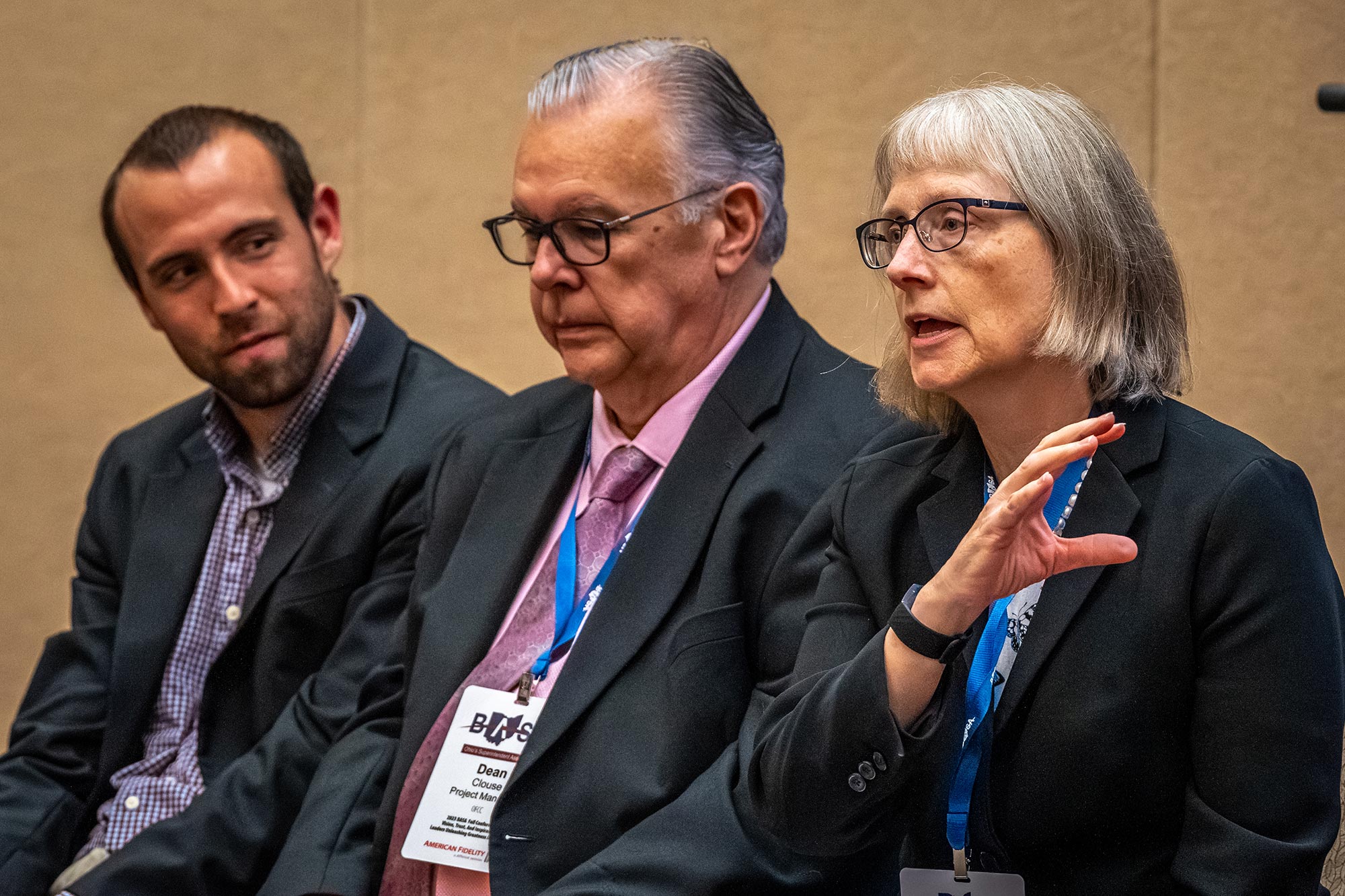
Claire Bank AIA, NCARB, a licensed architect at ThenDesign Architecture, coordinated content development for the new manual. She recalls, “The OSDM used to be daunting for school districts to approach on their own. The goal for this update is to make it streamlined and approachable, so school leaders can easily refer to it as a resource.”

The new manual includes:
      ● Hundreds of 3D visualizations of school spaces
      ● New space layout diagrams and photography
      ● New chapters, including one on school safety and security
      ● Revised technology and mechanical specifications
      ● Condensed content

Additionally, it will launch in an online format that will be easily referenced and searchable.

What was once a challenging and technically dense manual is transformed into a new, visual, and interactive tool for designers and school leaders during facility projects.

Chief of Planning at OFCC Melanie Drerup believes this will better allow superintendents to educate their staff during school design. “This comprehensive update is a continuation of a process started in 1997. We are working to best support our district partners and give them a new “next generation,” interactive, digital tool.”

The new manual and website is expected to launch in early 2024.

TDA and the OFCC Team Up to Reimagine the Ohio School Design Manual

This is one example of how different organizations can collaborate to help build a sense of community.

If you would like to learn more or become part of the team, please get in touch with us.

Marc Cebrian

Marc Cebrian

Marc has over thirty years of media production experience with a wide variety of storytelling projects that include commercials, documentaries, and live events. He began his career in the feature film and television industry in Los Angeles, California. Naturally driven by a passion for the creative and analytical, he believes that people should be kind to one another, and strives to live by example.

The Campus of Wickliffe – Designed for Flexible Learning

The Campus of Wickliffe – Designed for Flexible Learning
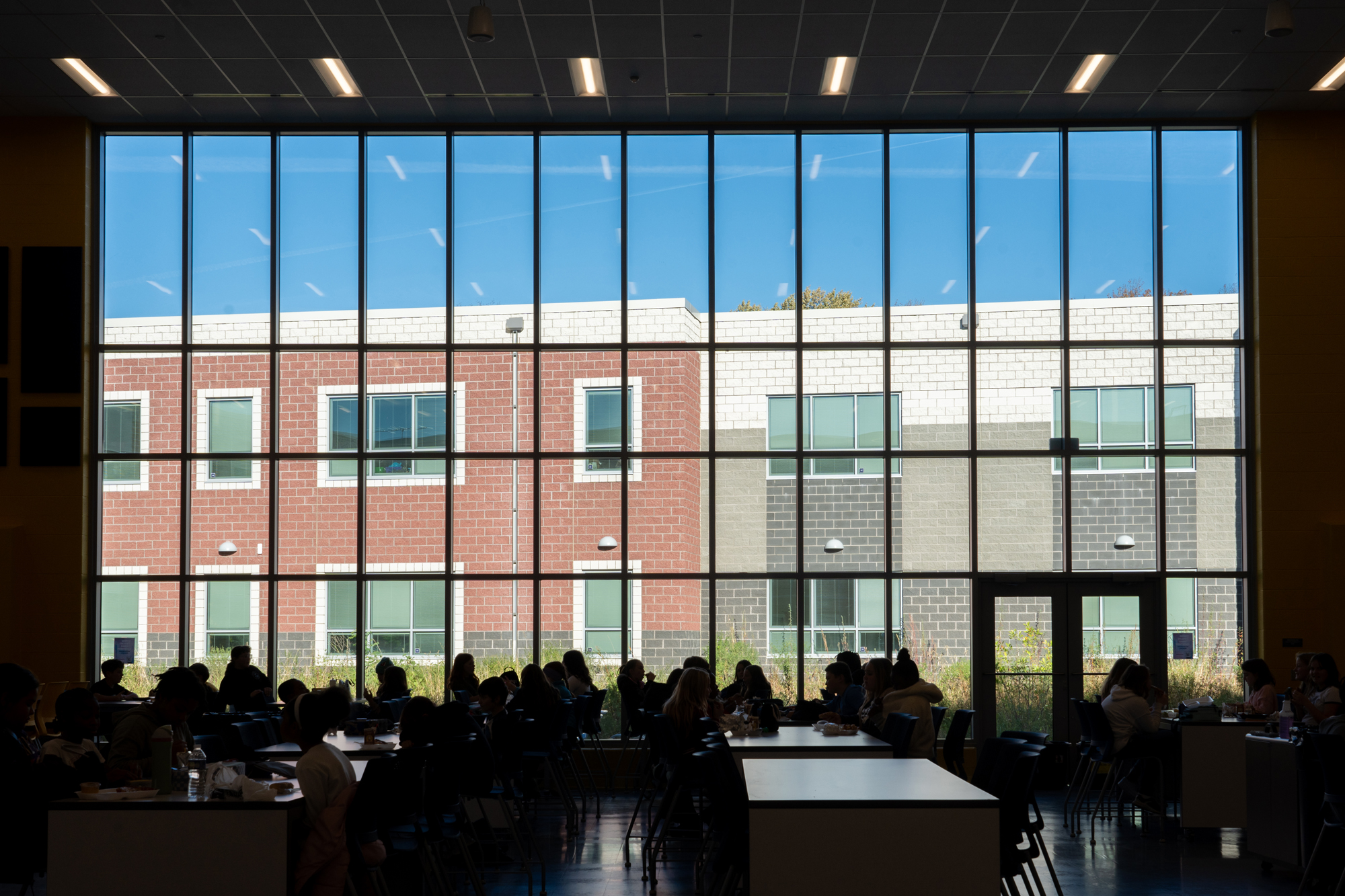
From the ground up, the Campus of Wickliffe was designed for flexible learning. The Wickliffe City School District focused on creating educational spaces that would serve the needs of students today and provide adaptability for generations to come.

The Campus of Wickliffe – Designed for Flexible Learning

As part of the “Catalyst for Change” initiative, the 204,000 SF Wickliffe PreK-12 Campus was designed to create flexible learning spaces for the Wickliffe City School District that would be capable of adapting to future educational needs. The district participated in the Expedited Local Partnership Program (ELPP) through the Ohio Facilities Construction Commission (OFCC), and this $60 million project replaces the aging elementary, middle, and high schools with a single PreK-12 building. In addition, the new facility hosts space for the Family Resource Center, a community center that offers free services to many in need.

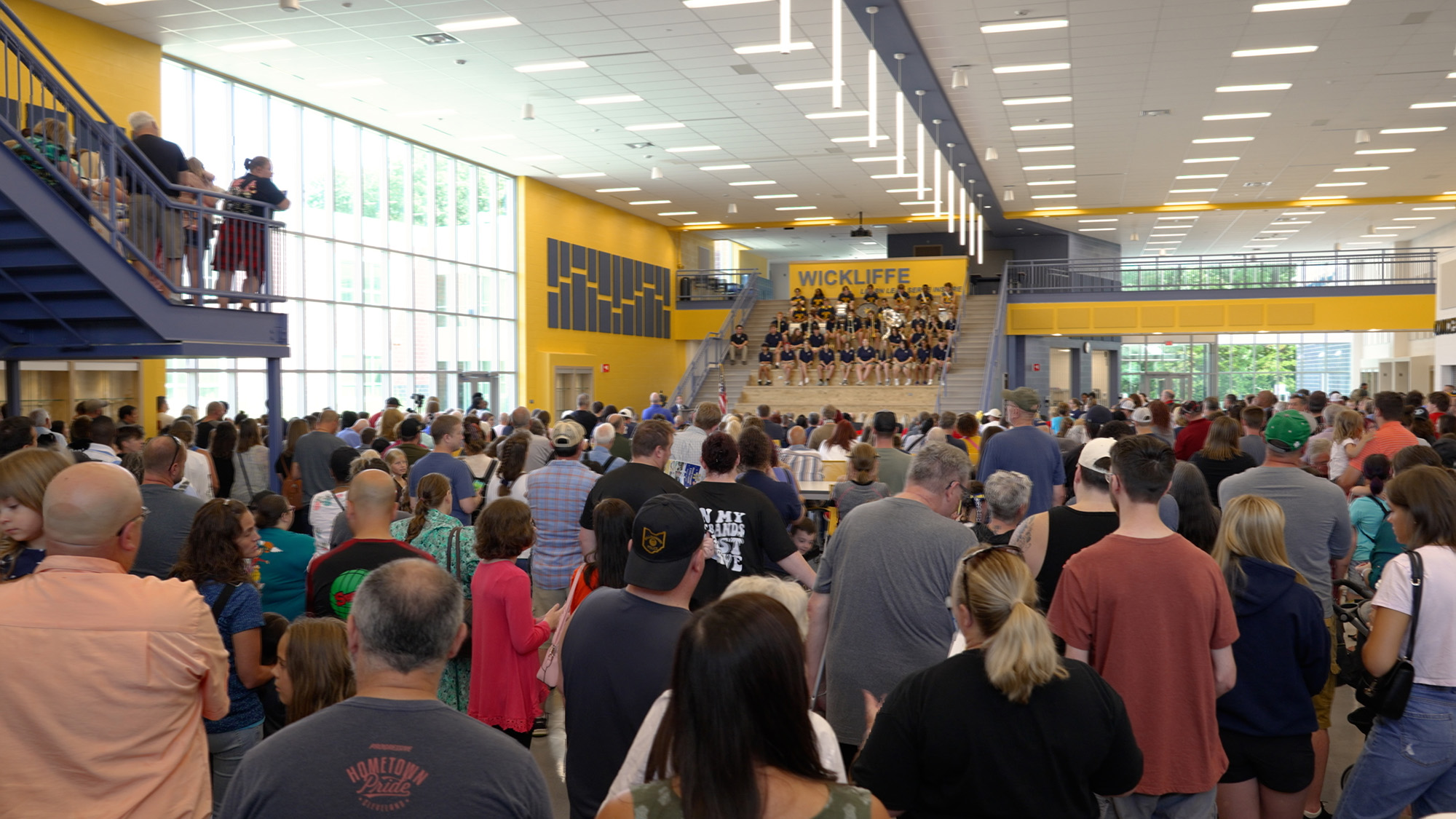
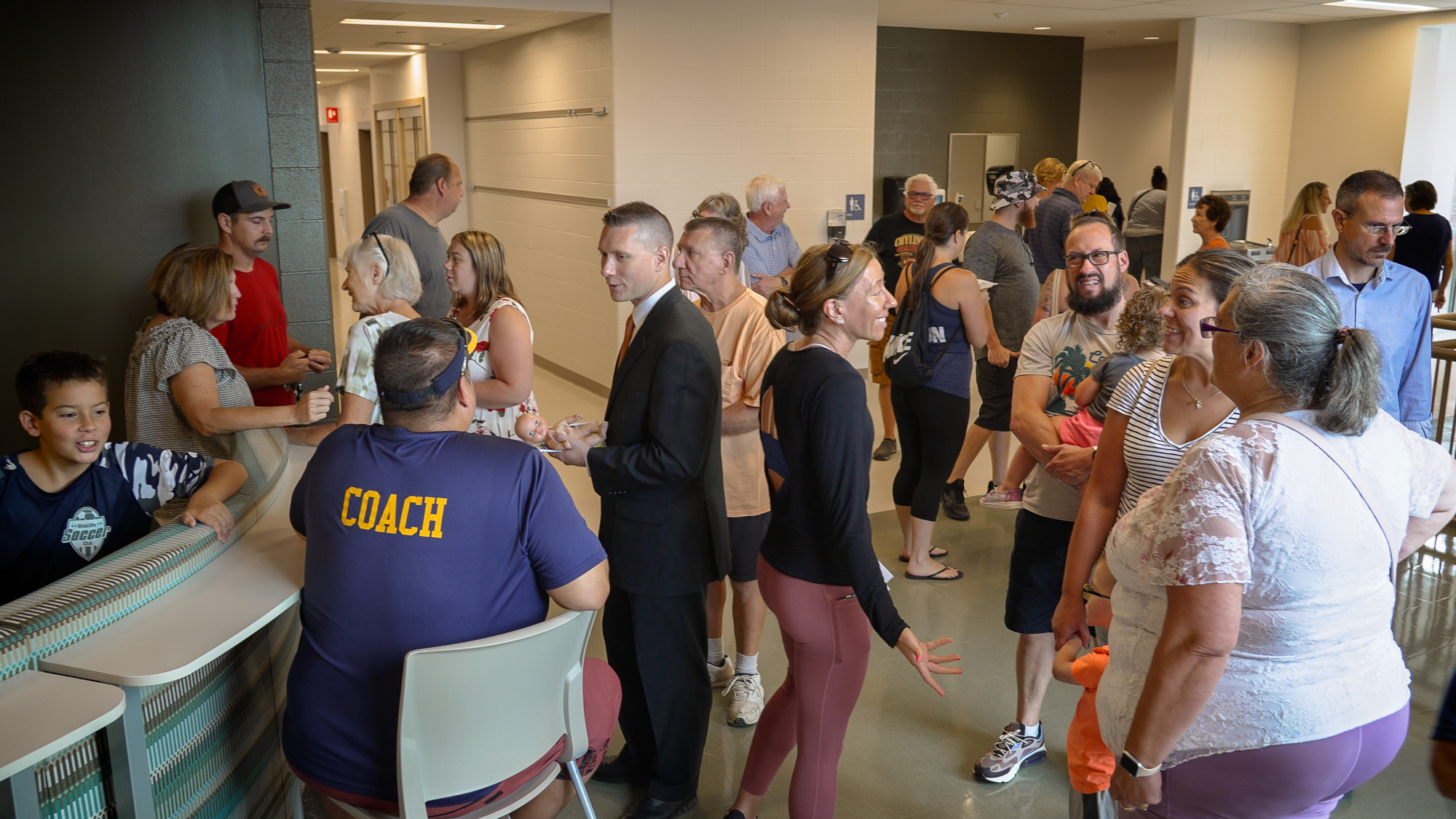
The two-story school officially opened at the beginning of the 2023-2024 school year. More than 1,000 community members, state and local government officials, students, educators, and parents came to the Open House and Ribbon Cutting ceremony.

The Campus of Wickliffe was Designed for Flexible Learning

"If a student is ready to excel, our goal has been to ensure we provide them with that opportunity. That all exists under one roof now."
Joseph Spiccia
Superintendent of Wickliffe City Schools

Wickliffe – A District Transforms

Built by Hammond Construction, the Wickliffe PK-12 Campus was designed by ThenDesign Architecture (TDA), with Claire Bank, AIA NCARB, serving as the project manager. She commented on the significance of the campus, “Wickliffe has some unique and powerful ideas for how their district can transform. We were able to design non-traditional spaces that provide more options for the students and educators.”

From the beginning of the design process, a fresh look at learning techniques was necessary. Wickliffe City School Superintendent Joseph Spiccia noted, “The educational program is being retooled to be in line with the flexibility of the future. This building allows us to be dynamic and to change with the needs of our students.”

The Campus of Wickliffe in Action

"A lot of thought was put into how every grade level is customized to the needs of that grade."
Claire Bank, AIA, NCARMB
ThenDesign Architecture

The Community Tours The Wickliffe Campus

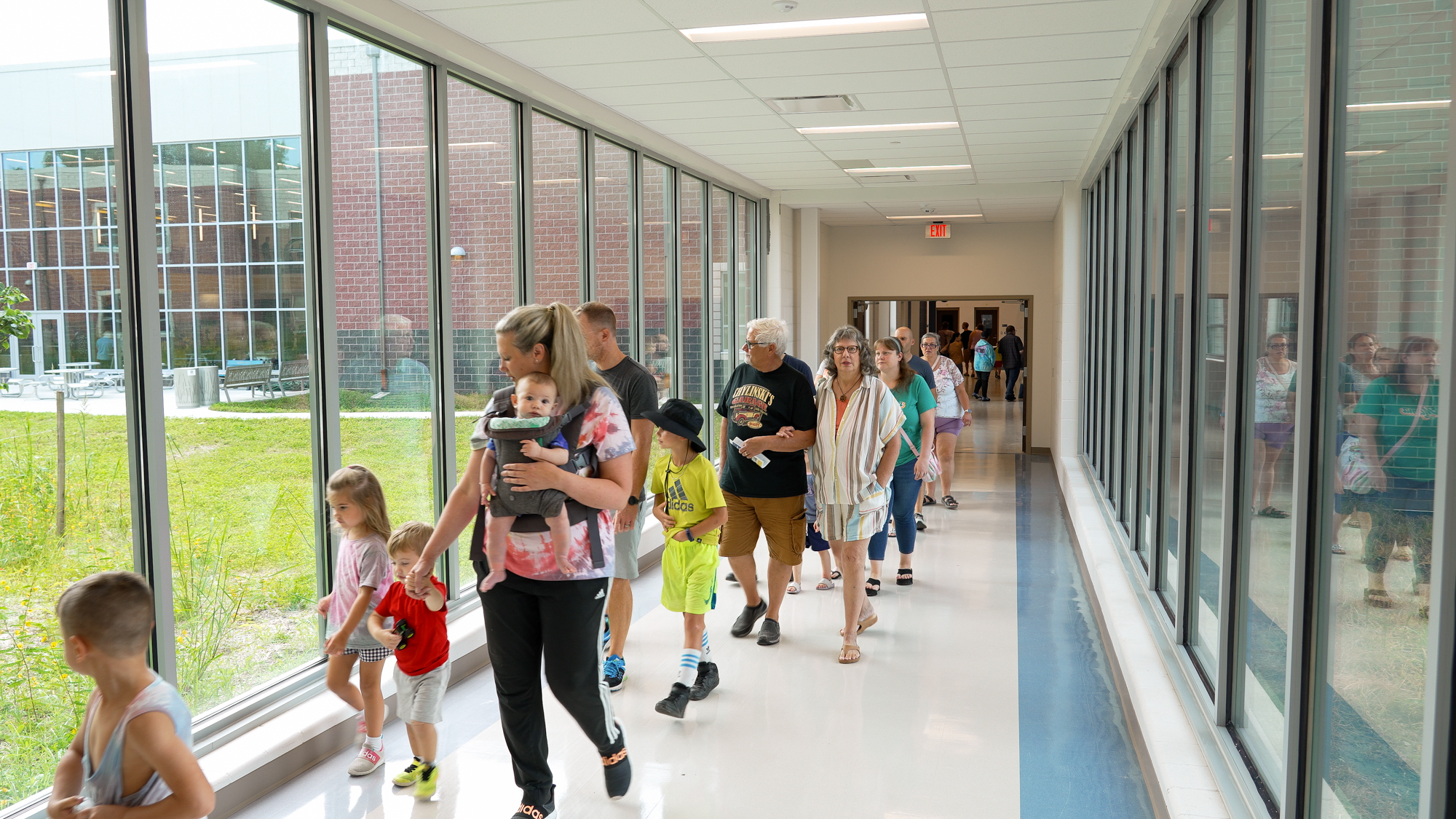
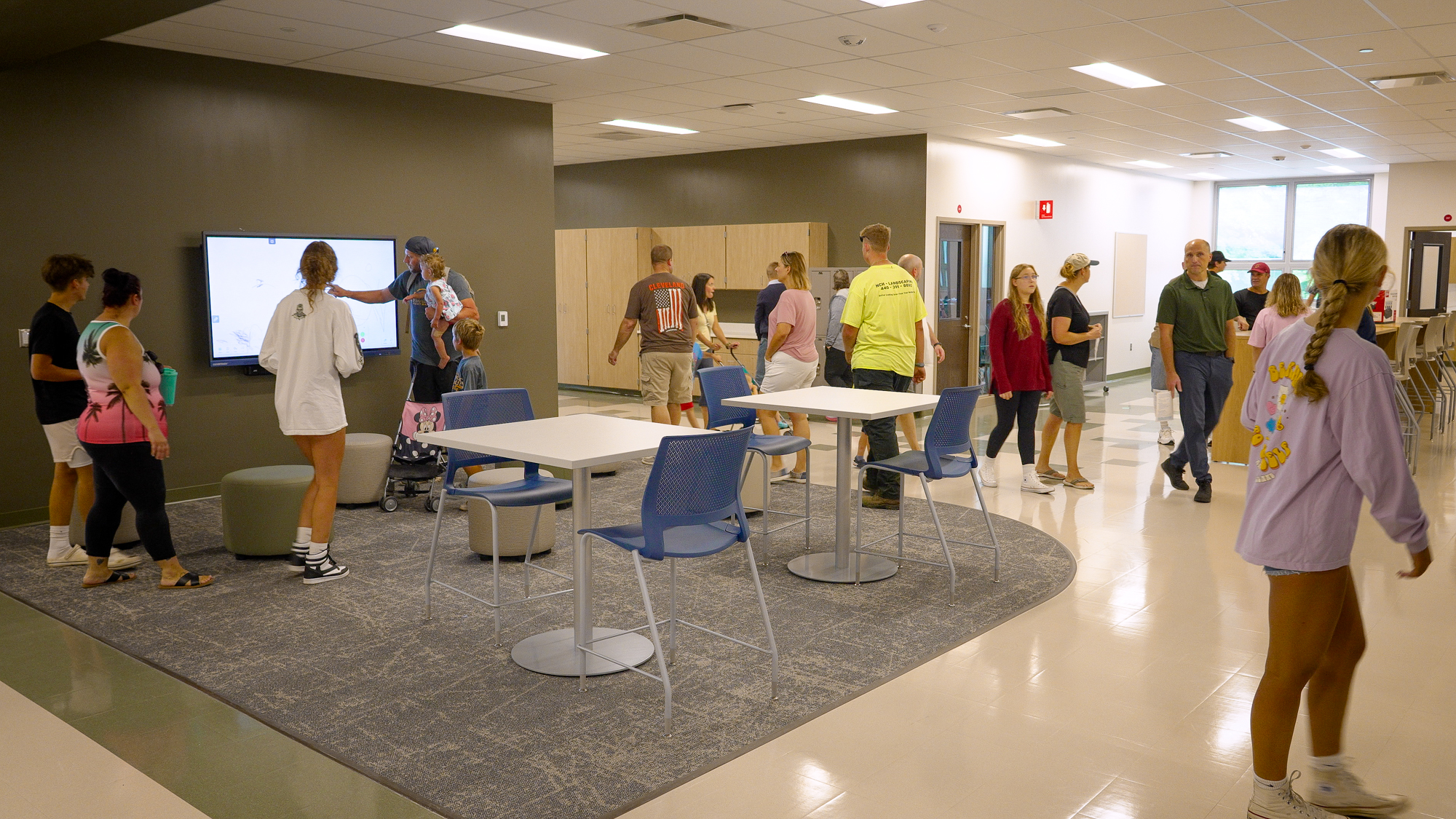
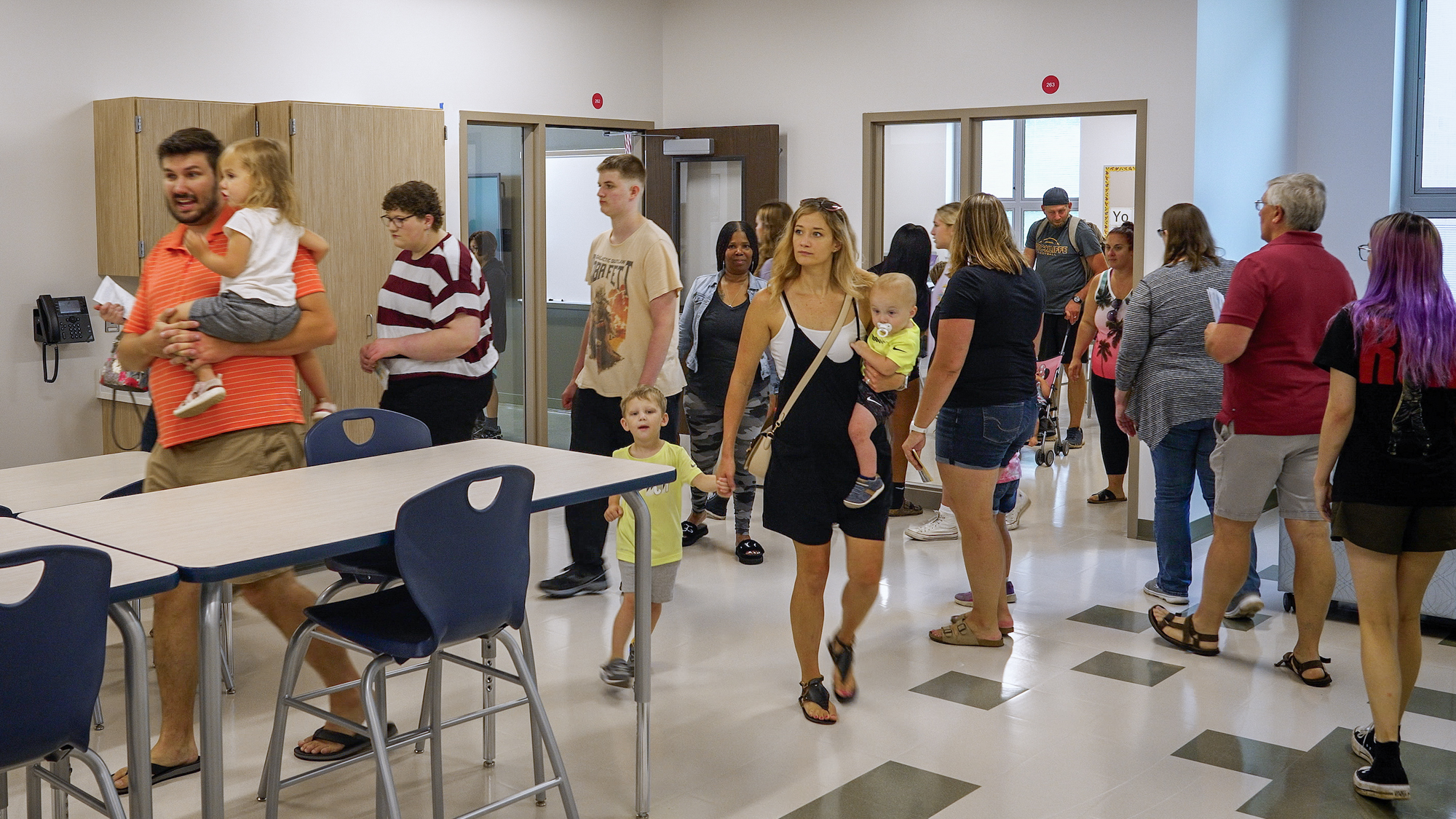
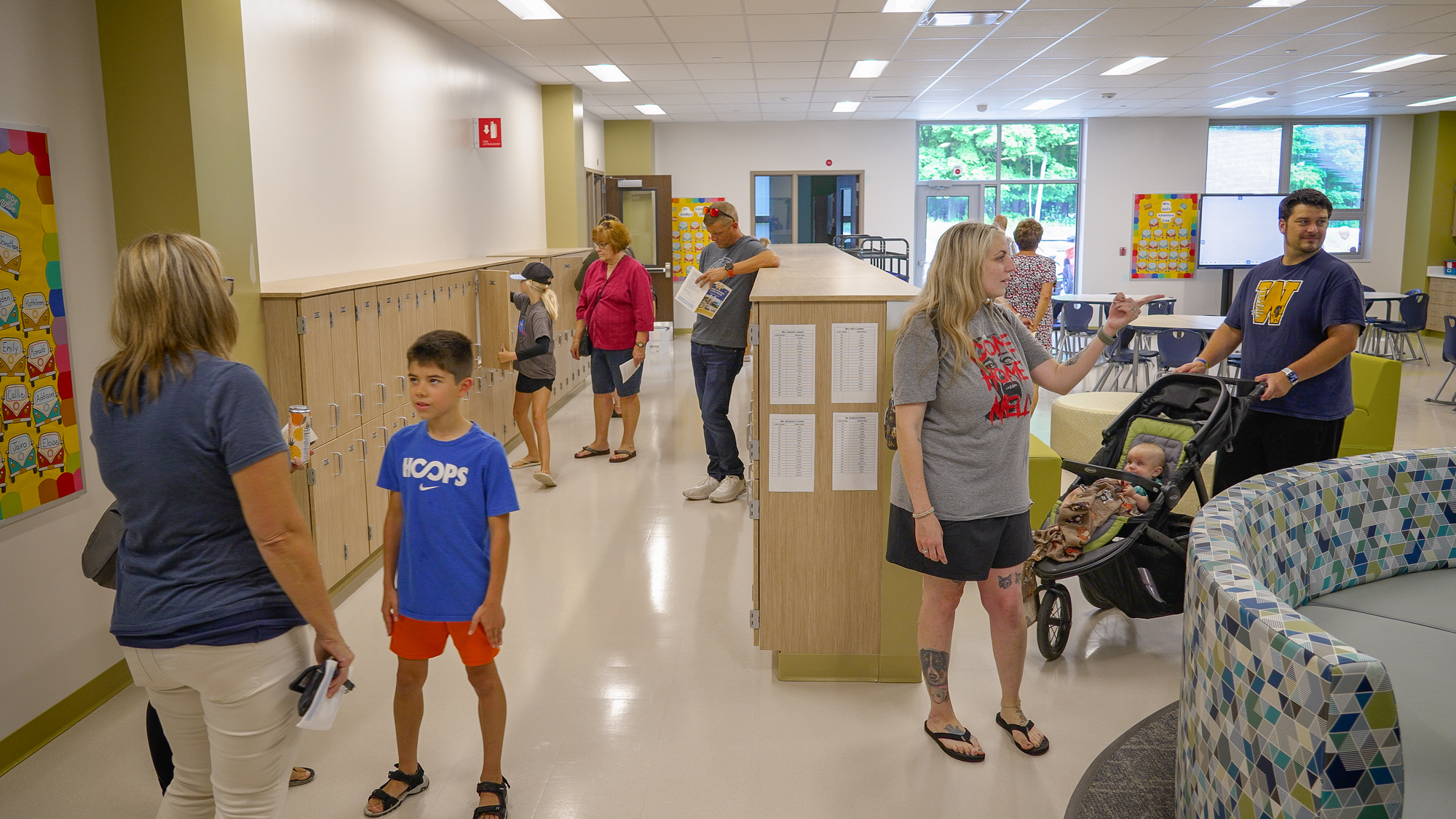
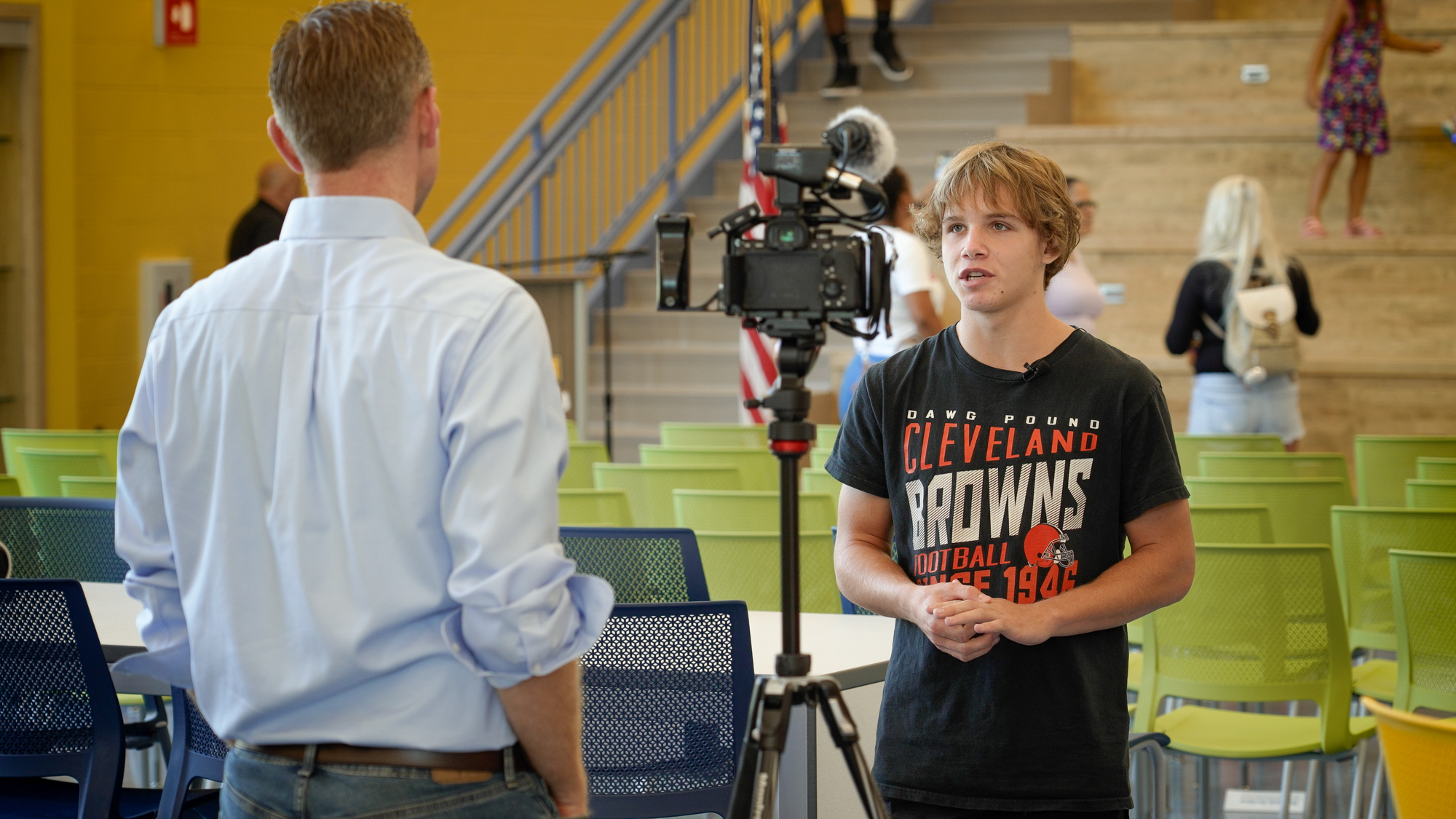
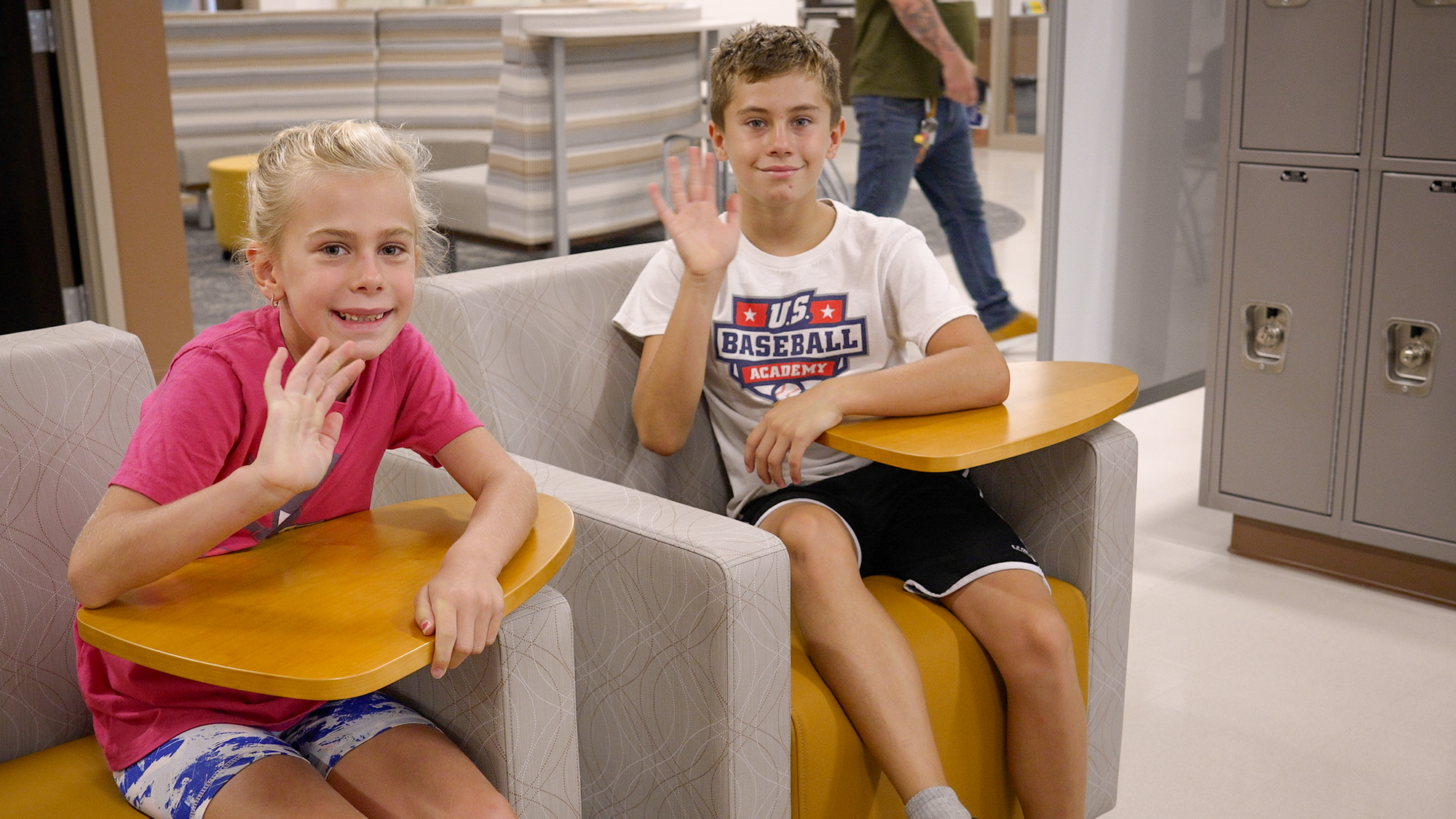
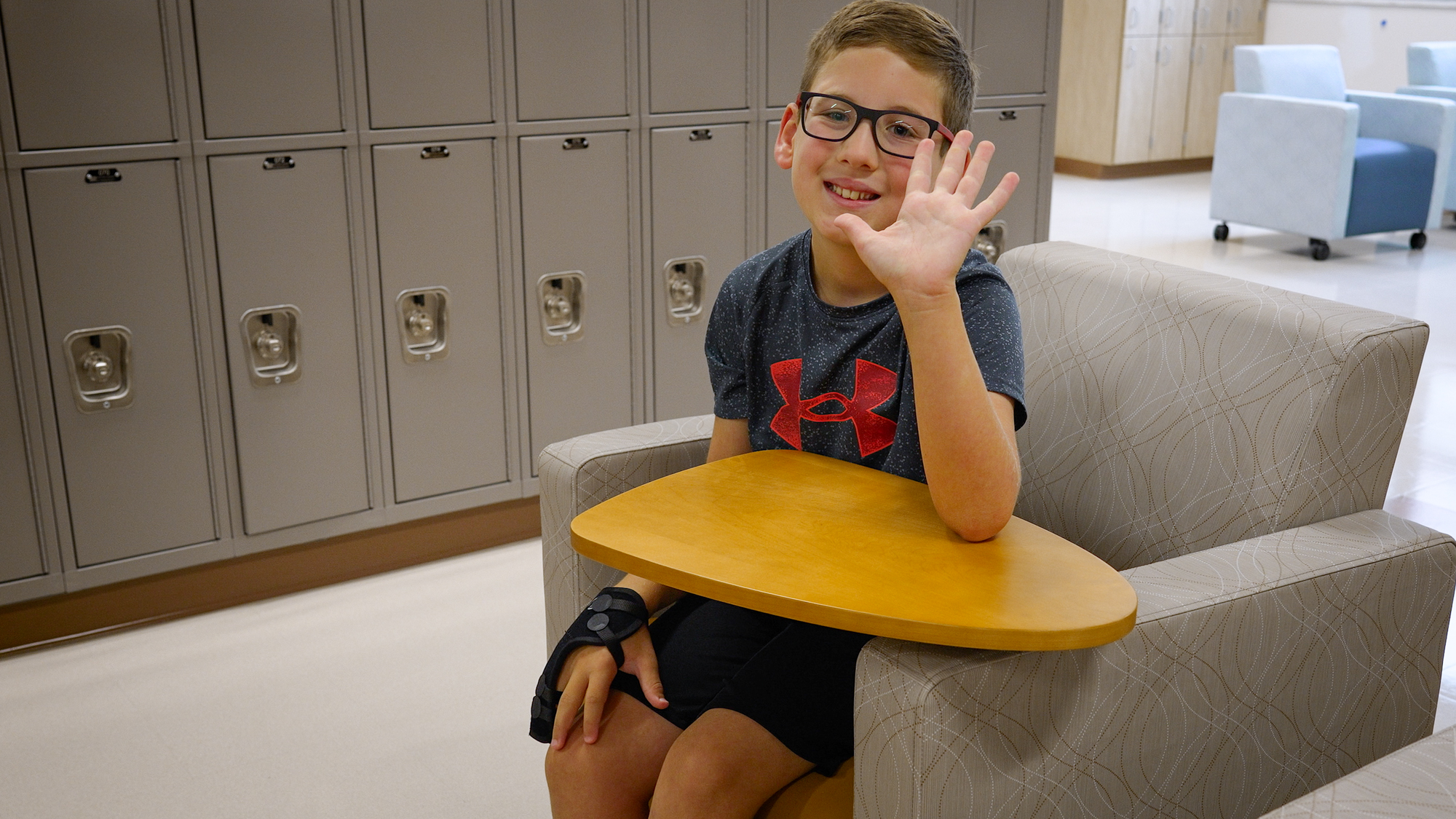
Open House attendees were excited to tour the spaces for the first time. Among those there were students who would begin attending the following week. 7th Grade Student Robert commented, “What’s so exciting is that it’s big, and all the classes are new and improved.” Seneca is an 11th-grade cheerleader, “It’s more of a chill place and cool to be in.”

The Wickliffe PK-12 Campus was designed to be forward-thinking, an educational facility designed for flexible learning. The district saw a rare opportunity to incorporate three schools and the Family Resource Center into one building. During the construction phase, they also brought significant change to their classroom educational model by training educators ahead of the building’s completion to facilitate the smoothest transition possible.

The Campus of Wickliffe Open House Event

"They were in three separate buildings. It's a rare opportunity to get to rebuild an entire district all at once."
Claire Bank, AIA, NCARB
ThenDesign Architecture

The re-imagination of education that has taken place at the Wickliffe PK-12 Campus is an example of what is possible with modernized facilities. The district can offer its students the latest technology and present unique educational programming that is only possible by having the entire district together under one roof. Flexible learning opportunities encourage students to diversify their talents and reach their full potential.

The Campus of Wickliffe Ribbon Cutting
"I think the new school will bring everyone together like one big family."
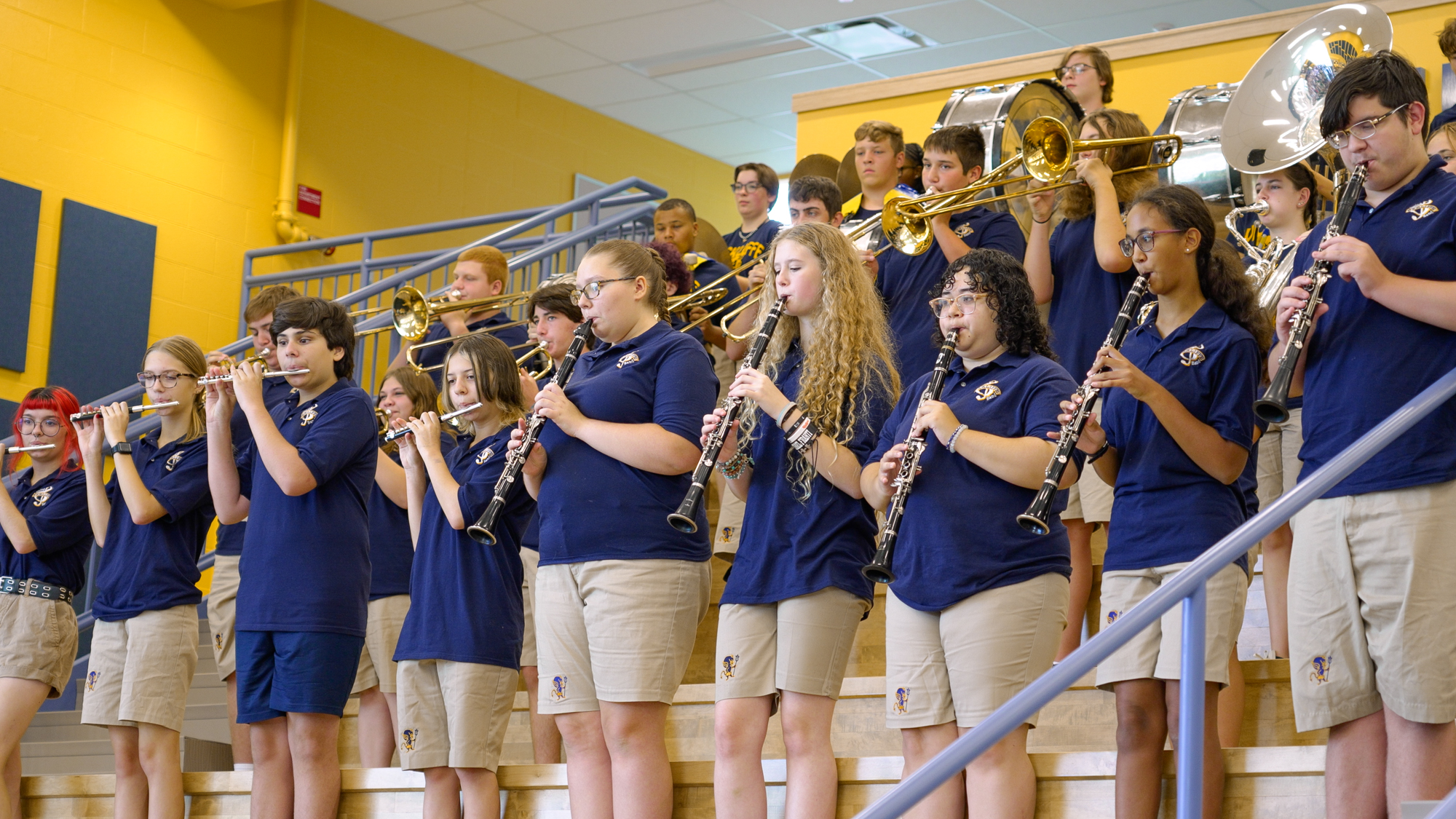

Jules
11th Grade Student