Designing Beyond ADA Supports All Students
Architects and interior designers consider safety, comfort, and flexibility for the students and their teachers when creating modern educational facilities. All new schools are ADA-compliant, but some require more specialized features, equipment, and spaces to support a diverse population of students with disabilities.
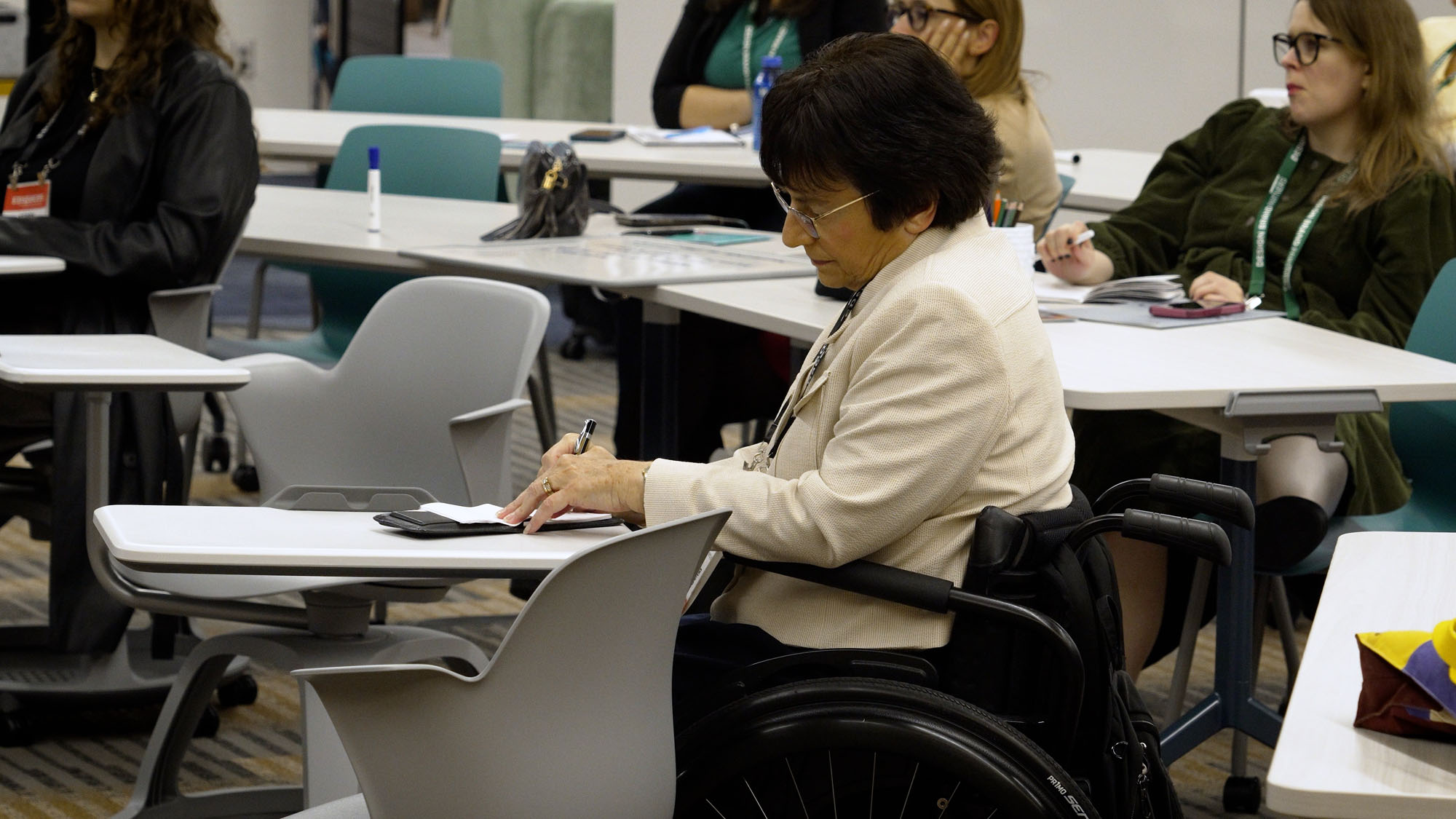
Modern considerations go far beyond wheelchair access. Conditions such as blindness, deafness, autism, cognitive limitations, physical disabilities, and anxiety disorders can influence the design of a school, depending on the needs of the district.
One of the difficulties for designers is balancing the requirements for students receiving special education services among the general population. Classrooms, hallways, collaborative areas, and common spaces need to accommodate everyone without excluding anyone. That is not an easy task, but passionate, dedicated designers welcome the challenge.
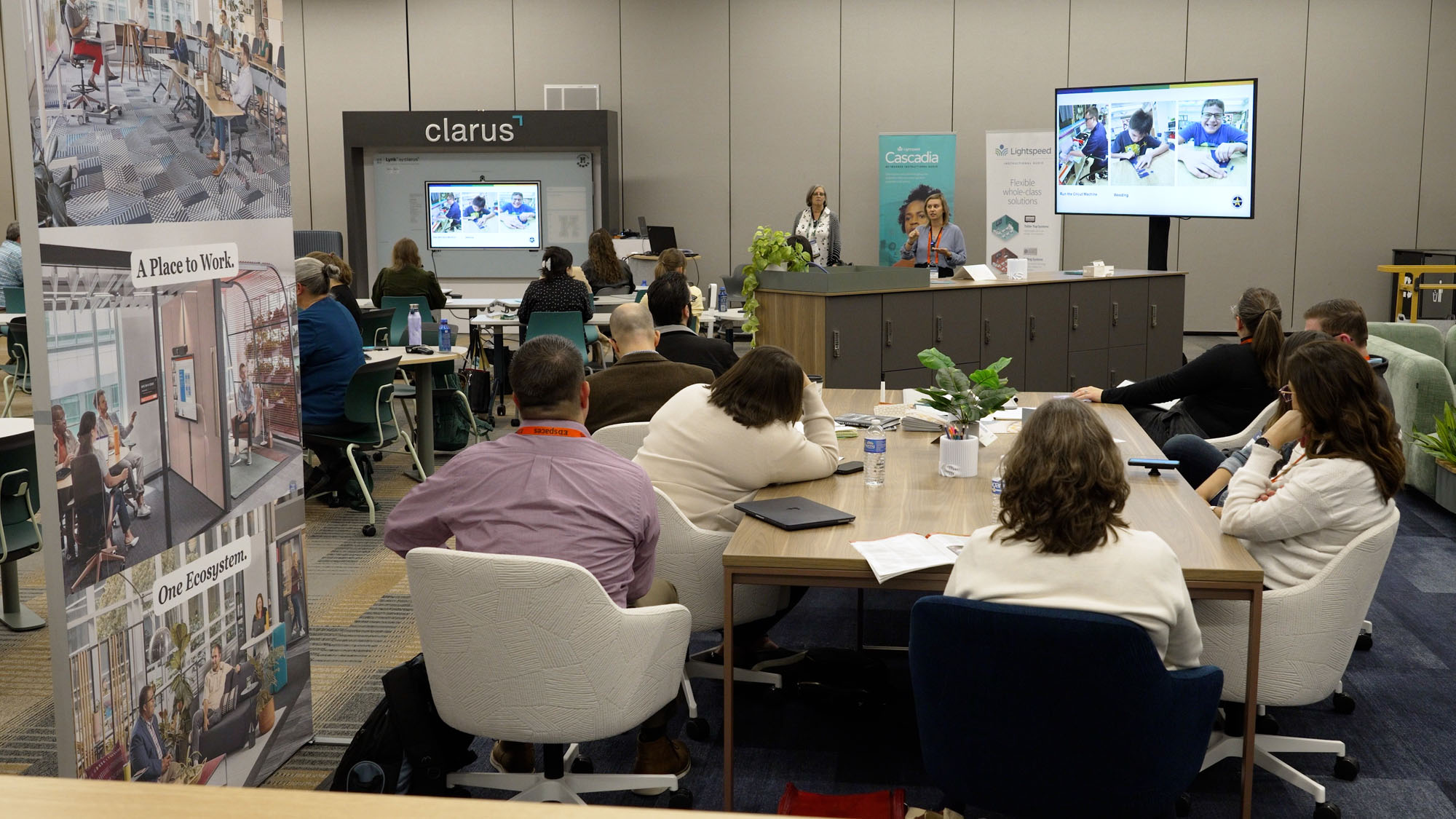
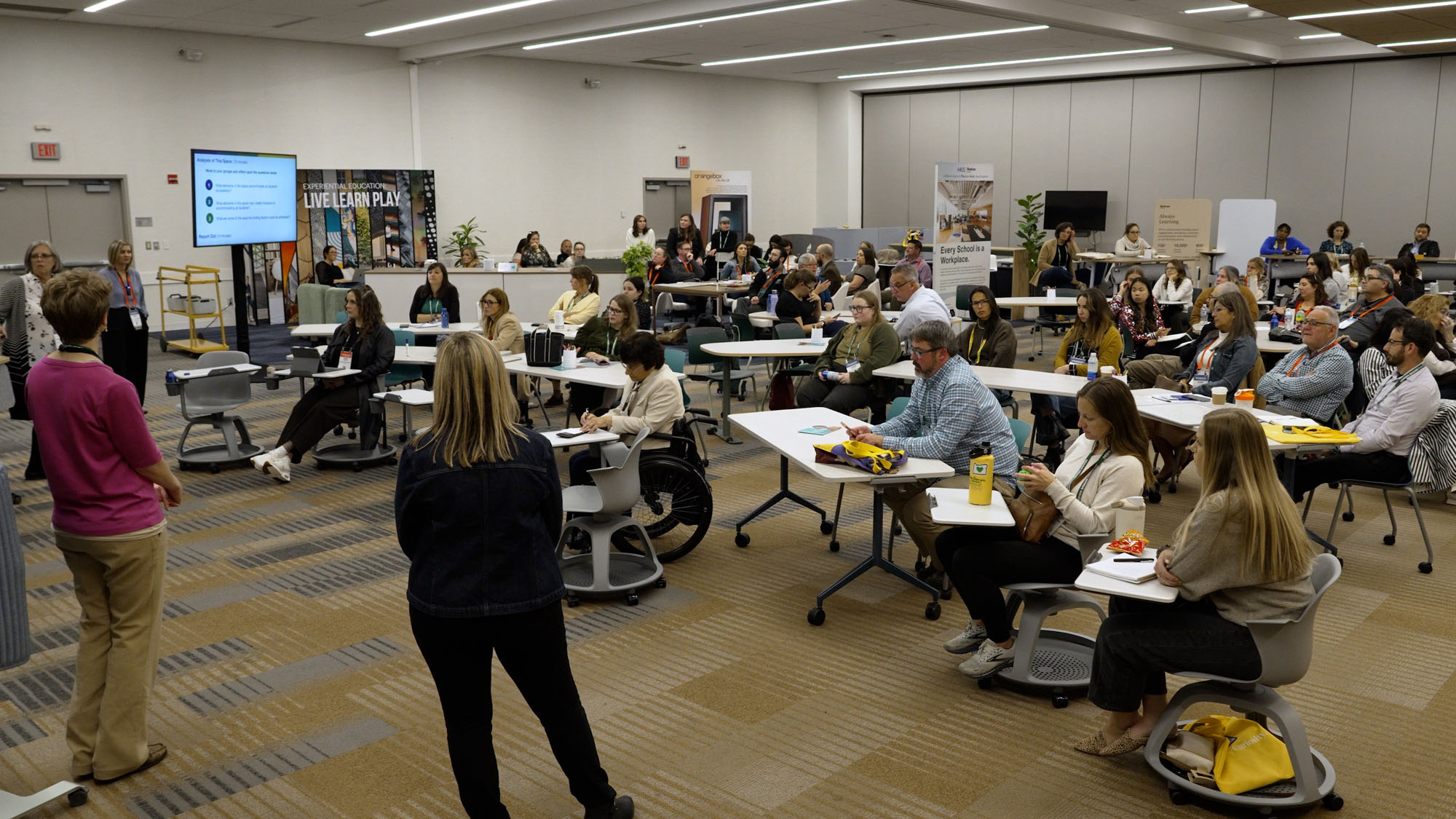
ThenDesign Architecture (TDA) partnered with North Ridgeville City Schools and the Franklin County Board of Developmental Disabilities to present “Beyond ADA: How Designing for Special Needs Supports the Needs of All Students,” at the EDspaces conference in Columbus, Ohio.
The primary objectives of the workshop included identifying specific environmental factors that can be modified to support diverse student populations and improve engagement, understanding how thoughtful design can help reduce stress and improve mental well-being, brainstorming actionable ideas, and learning how to balance academic, social, and emotional needs.
Beyond ADA: Designing for Special Needs Students
The EDspaces Inclusive Workshop
EDspaces hosts an annual event bringing together educators from across the country to share experiences and ideas to improve learning environments. According to the website, “EDspaces is the future-facing hub where learning, design, and innovation converge. …it’s where education decision-makers and industry leaders reshape what learning environments can be.”
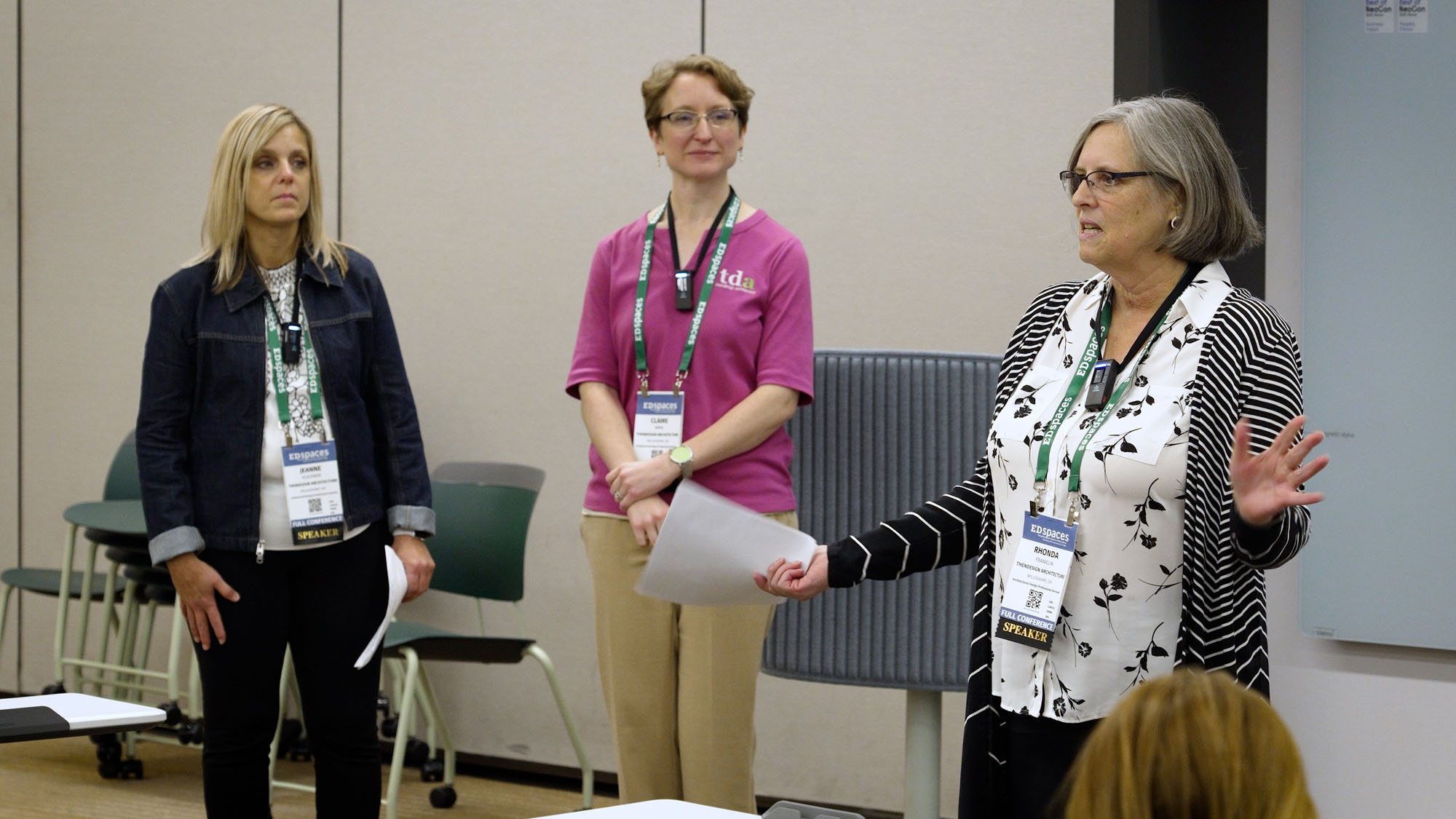
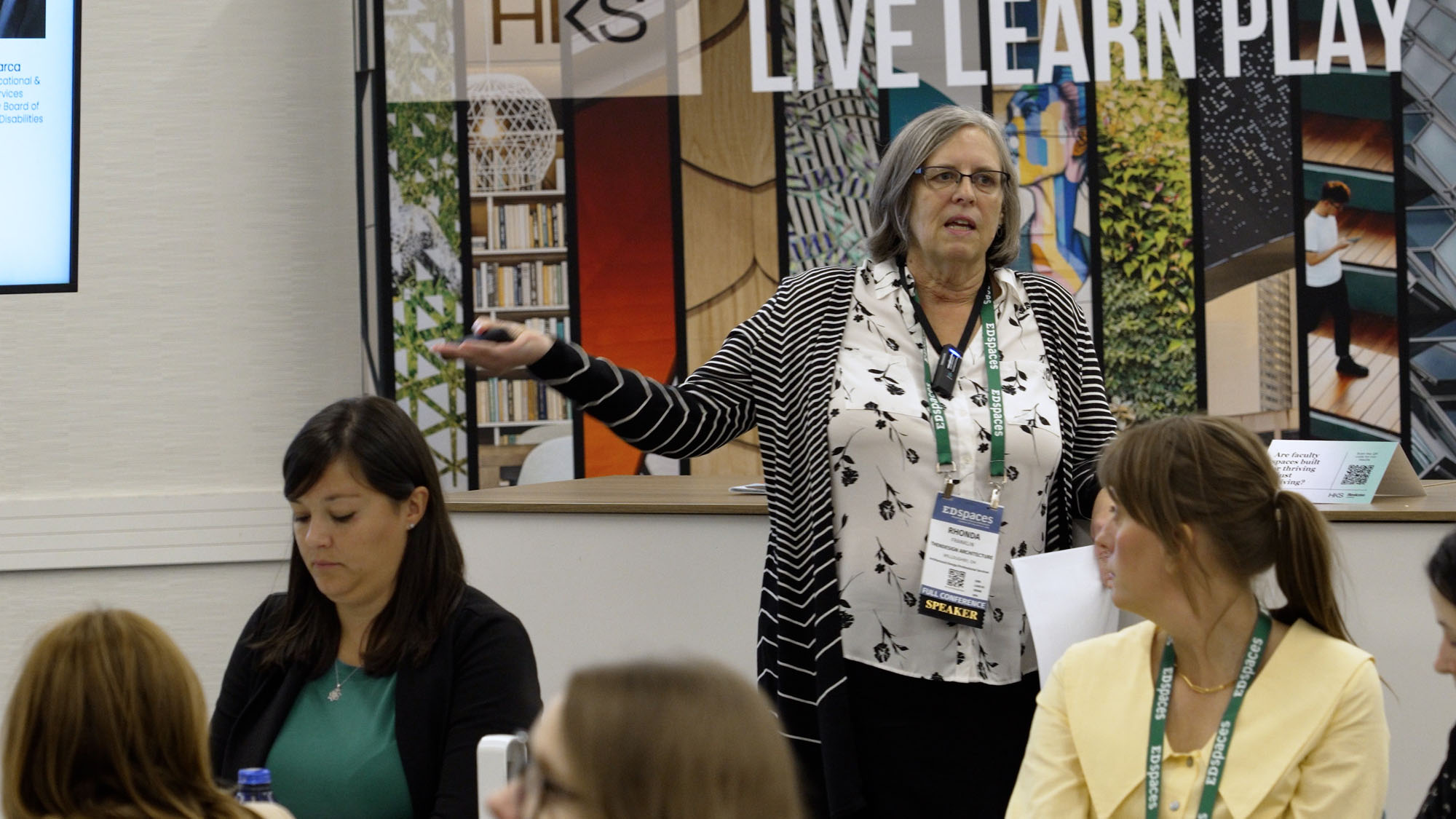
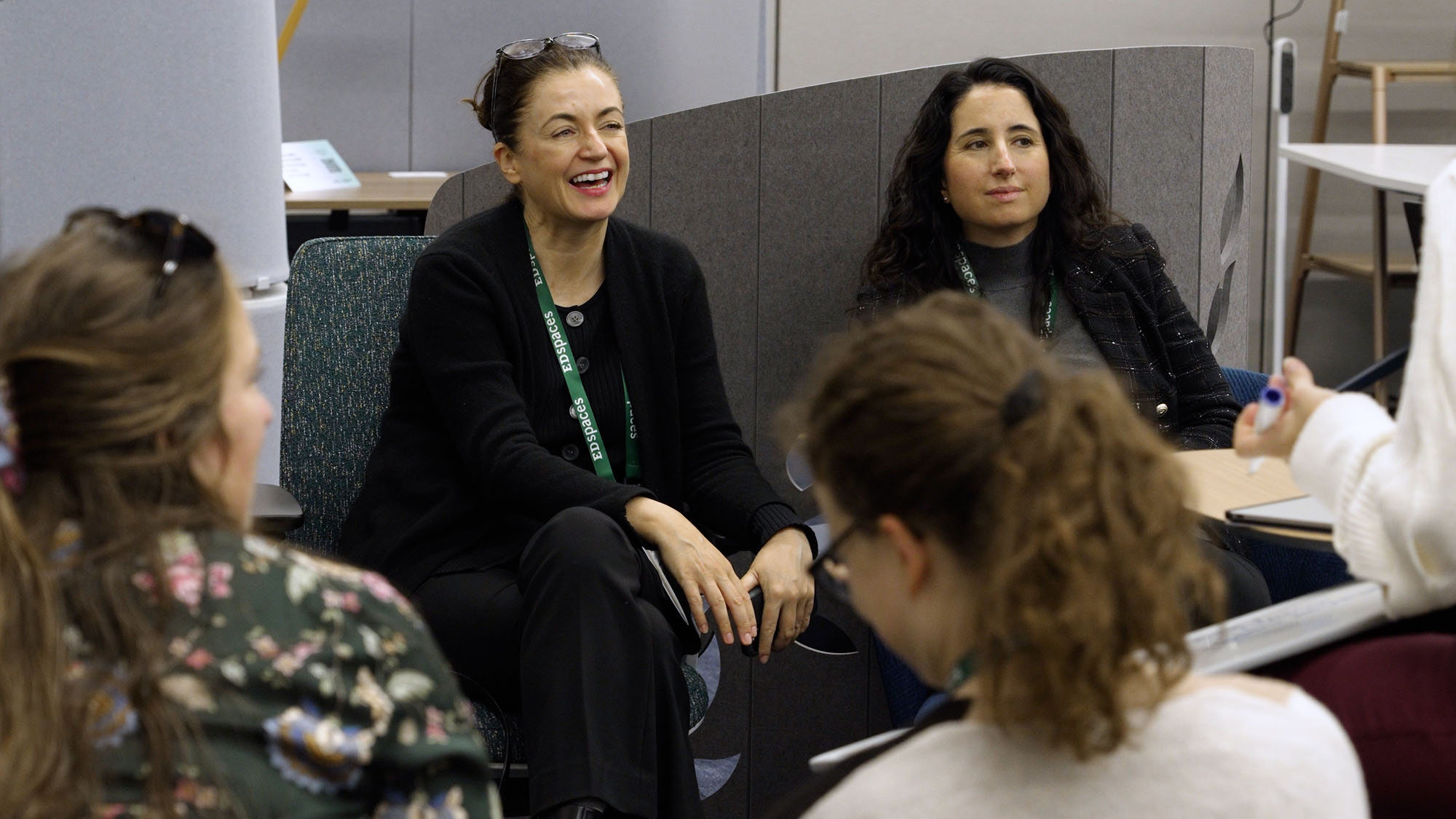
“I really enjoy the engagements with students, faculty, and staff, and understanding how best to provide them with a space that works for them,” said TDA Interior Designer Rhonda Franklin, NCIDQ, LEED AP ID+C, WELL AP. She led the presentation utilizing her 25 years of educational design experience.
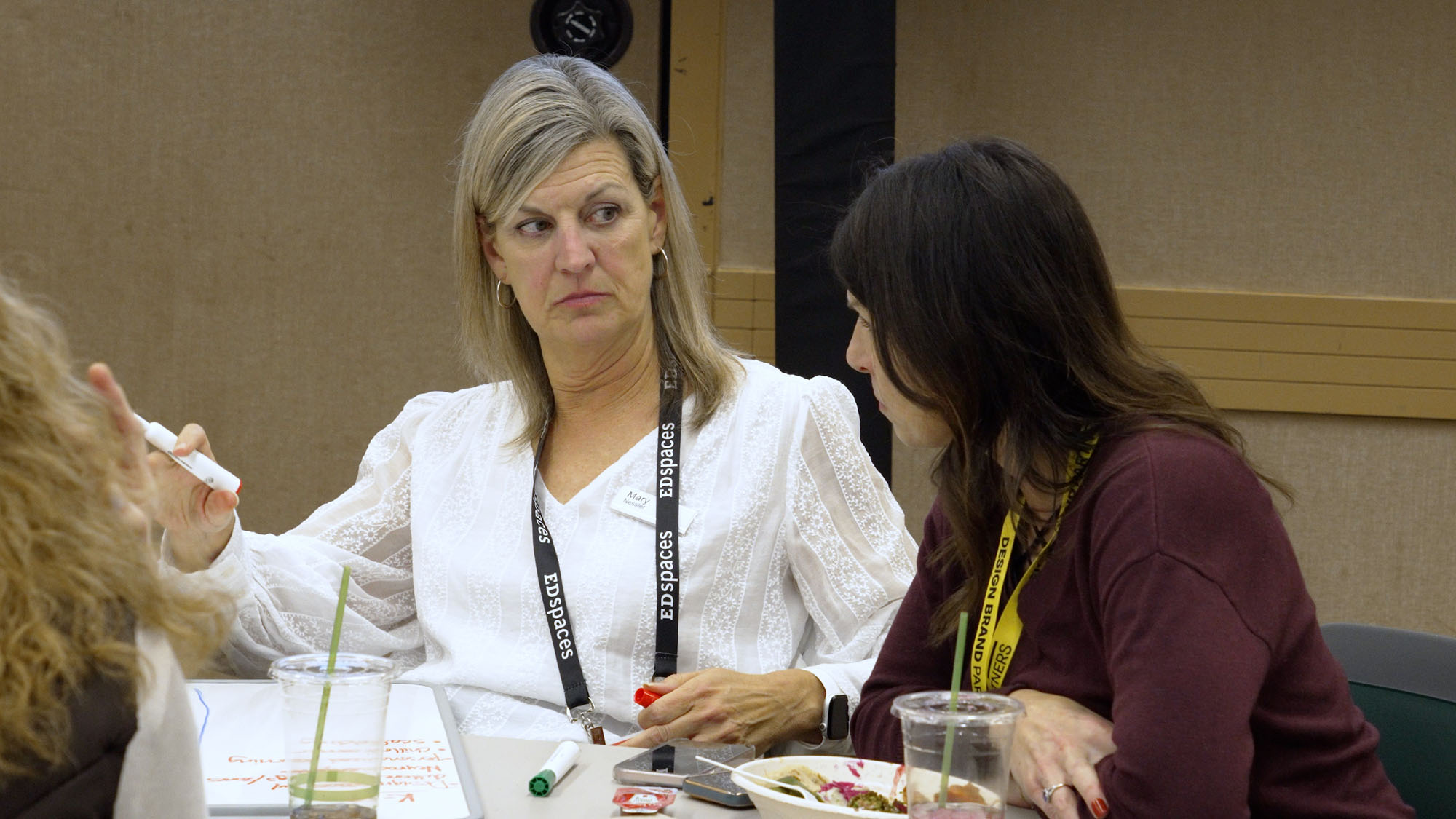
“We designed this workshop to be engaging,” Rhonda said. “The attendees brought a wealth of life experience to the learning process, and we encouraged open discussions of their experiences to help find new problem-solving approaches.”
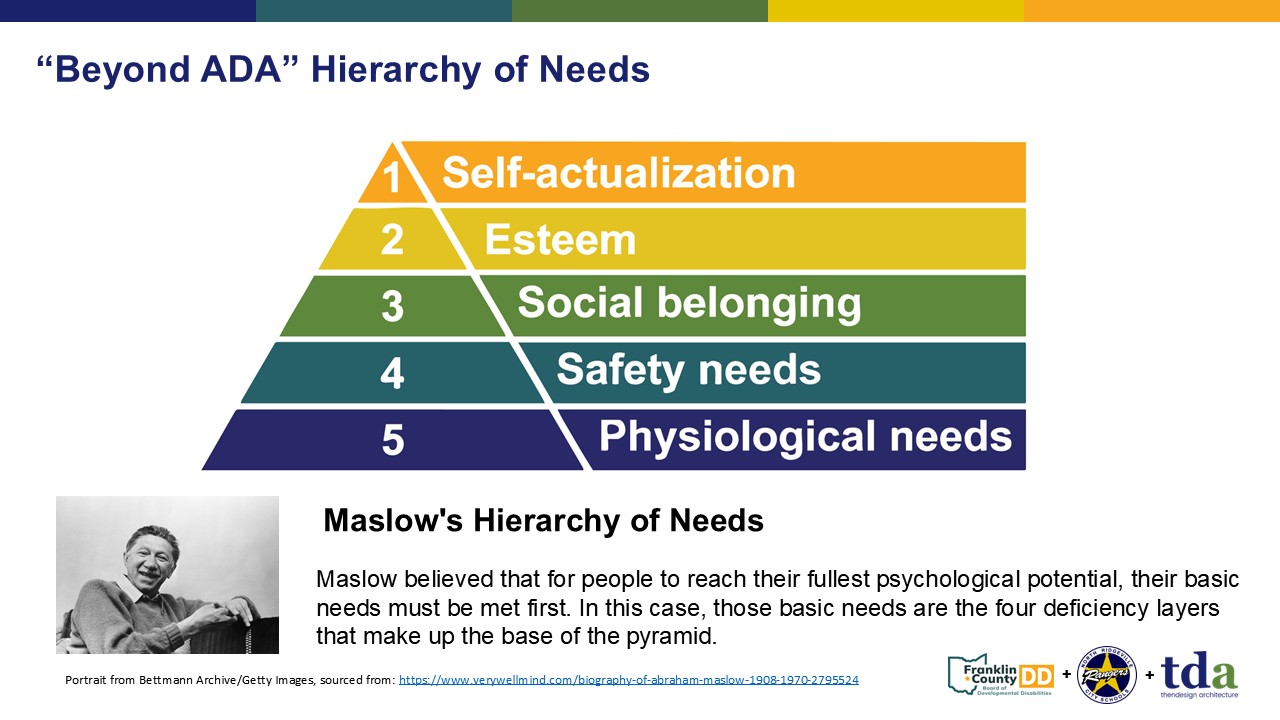
The workshop focused on how adopting school design strategies that support special needs can improve academic outcomes for all students and was presented with research that supported how design decisions can positively affect learning, engagement, and wellness.
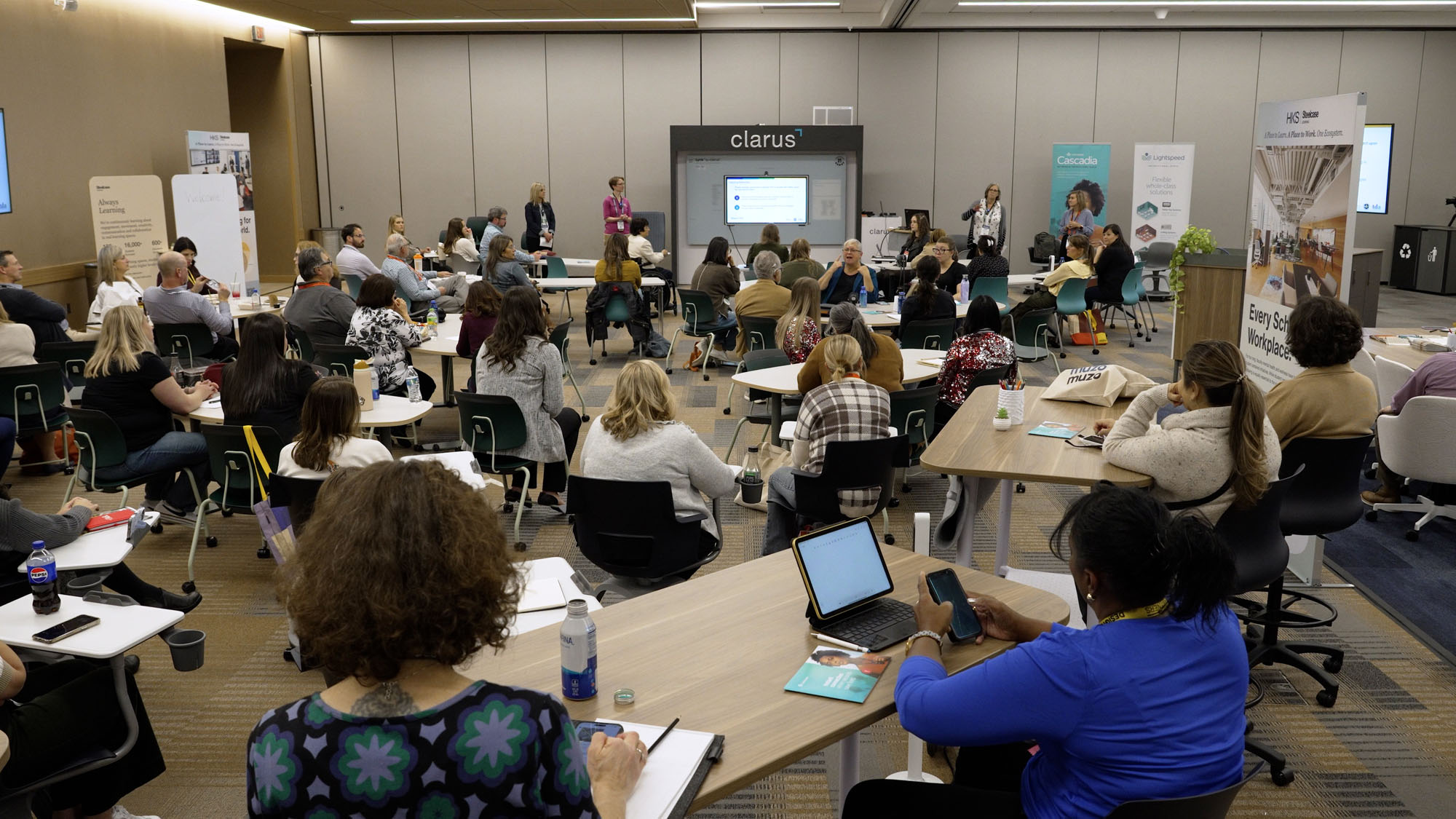
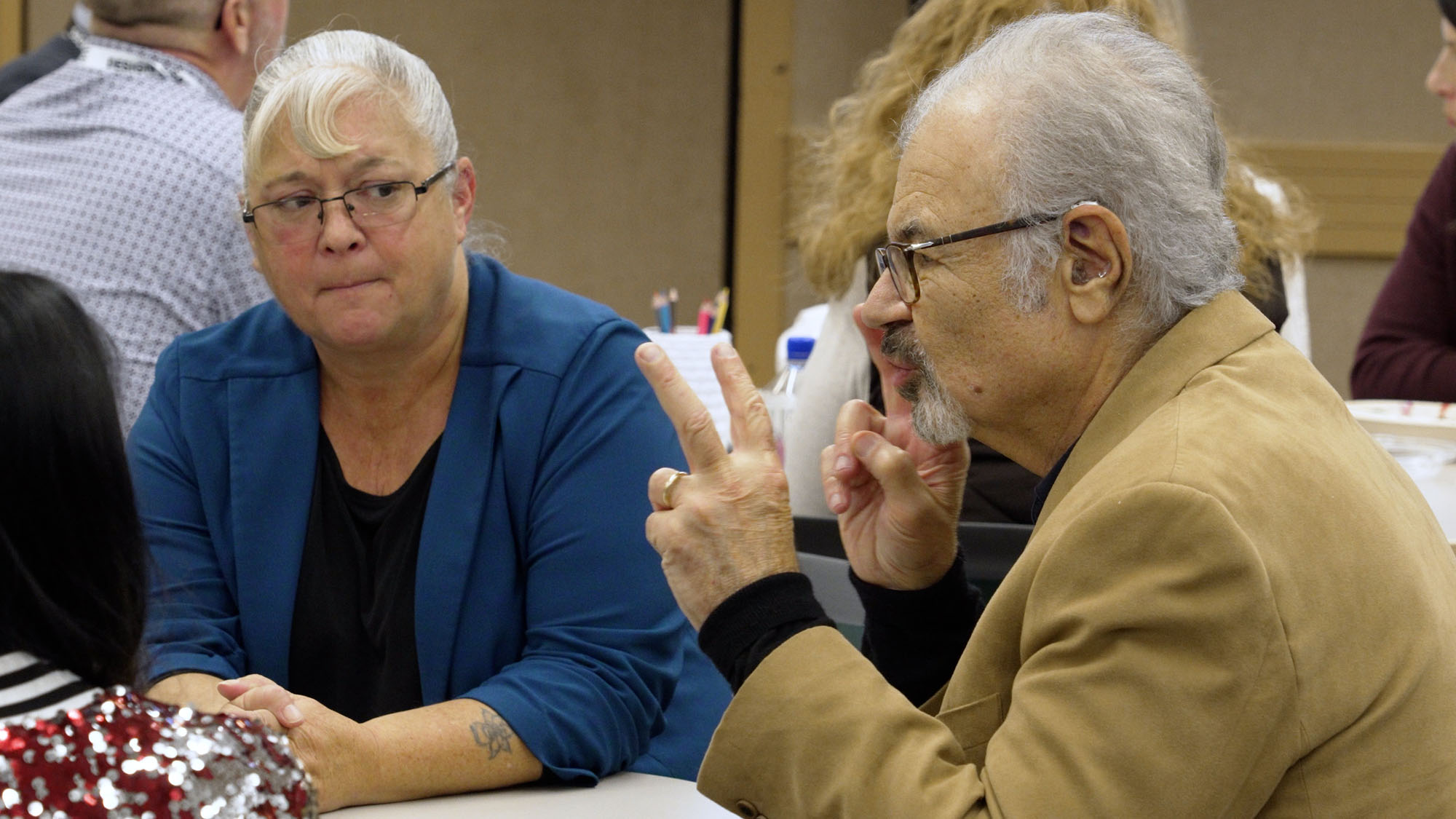
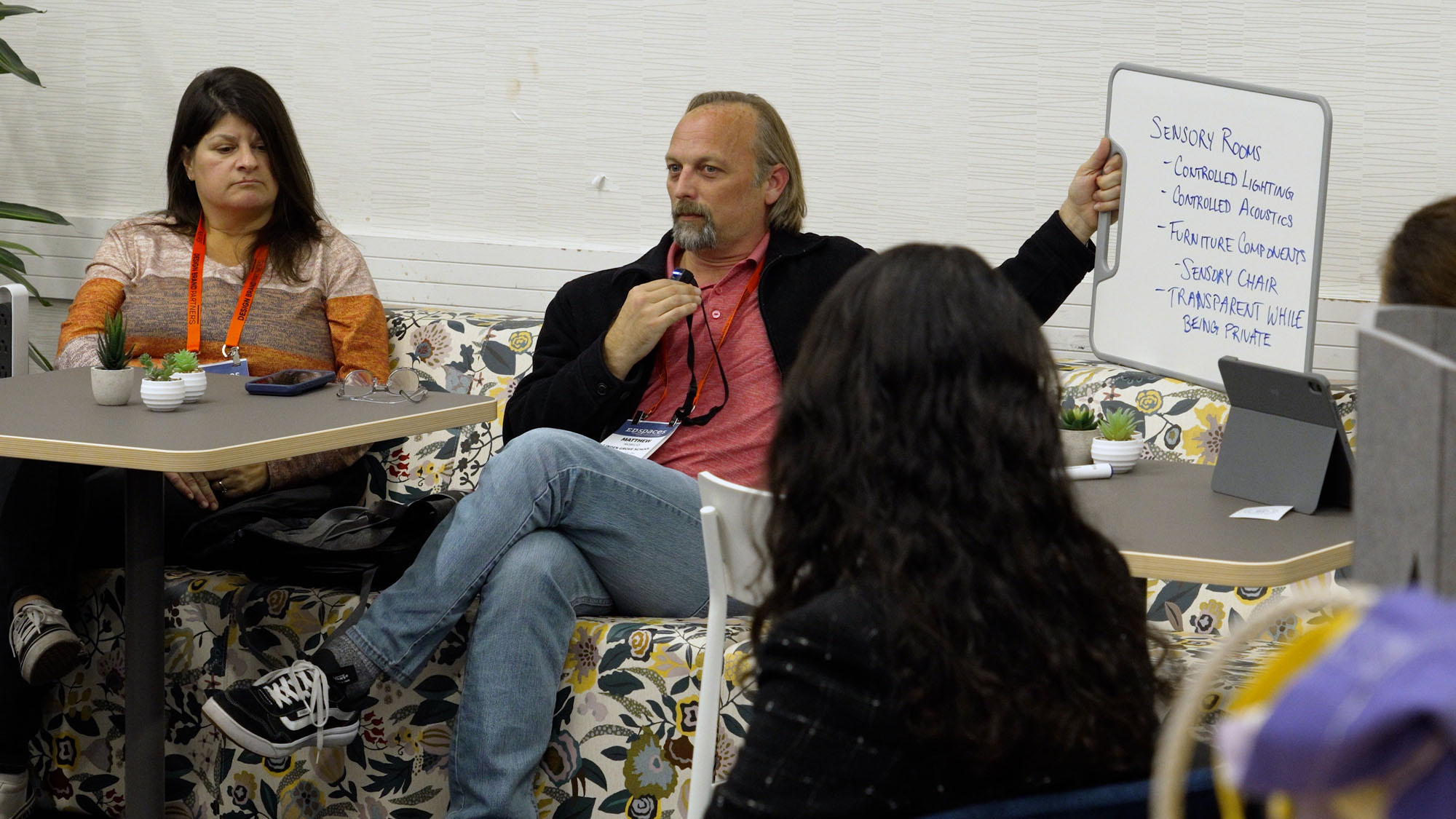
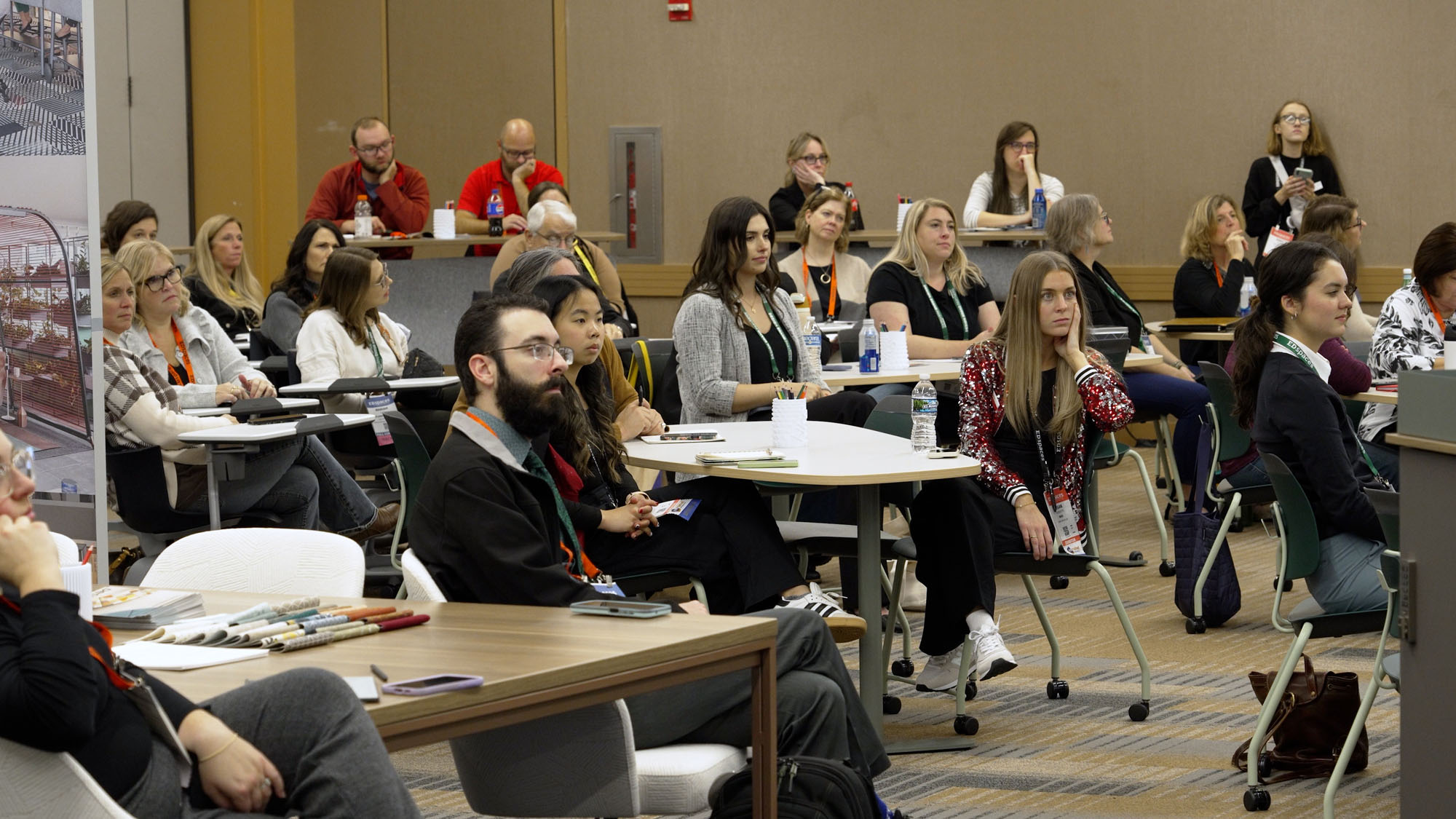
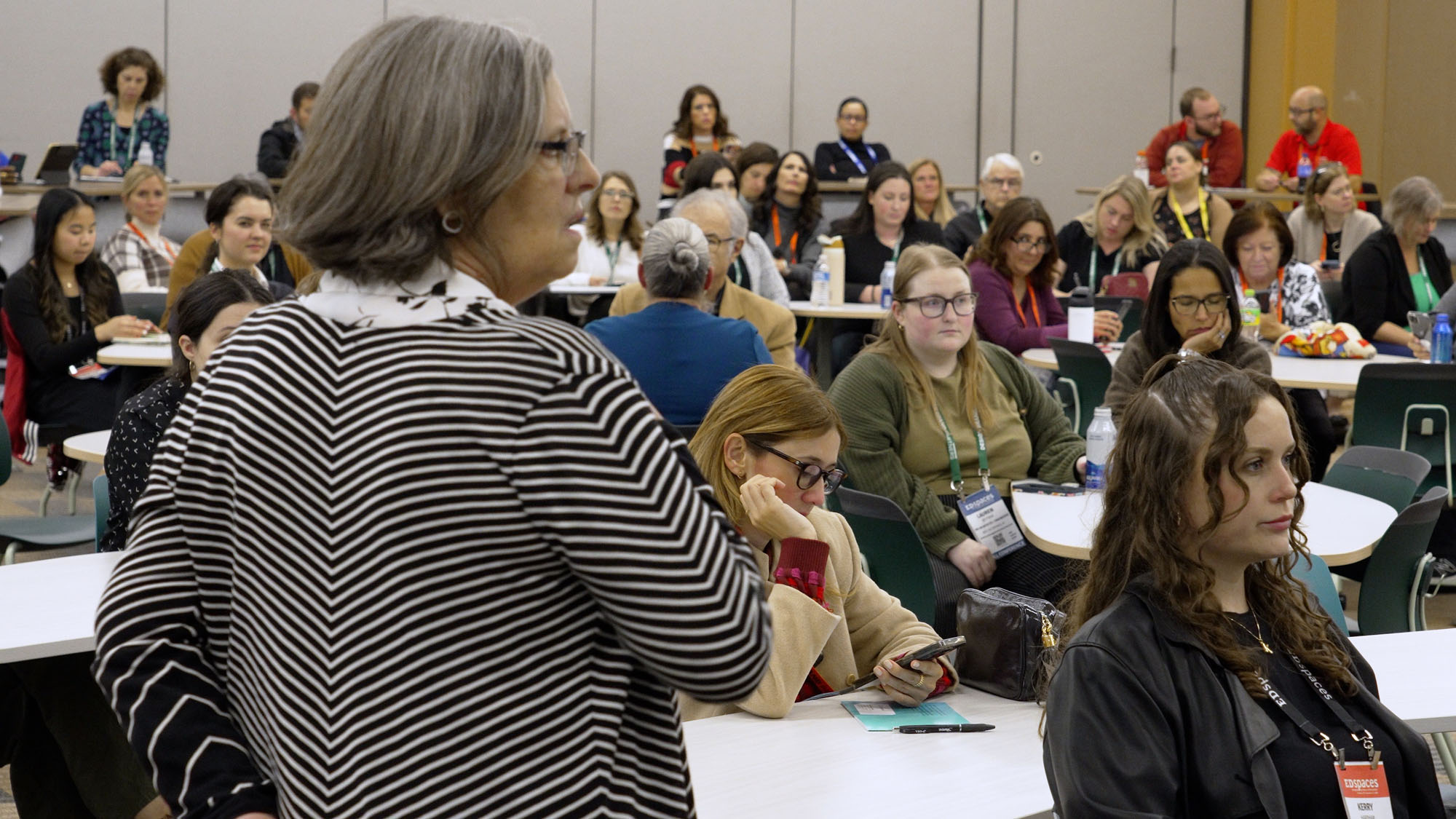
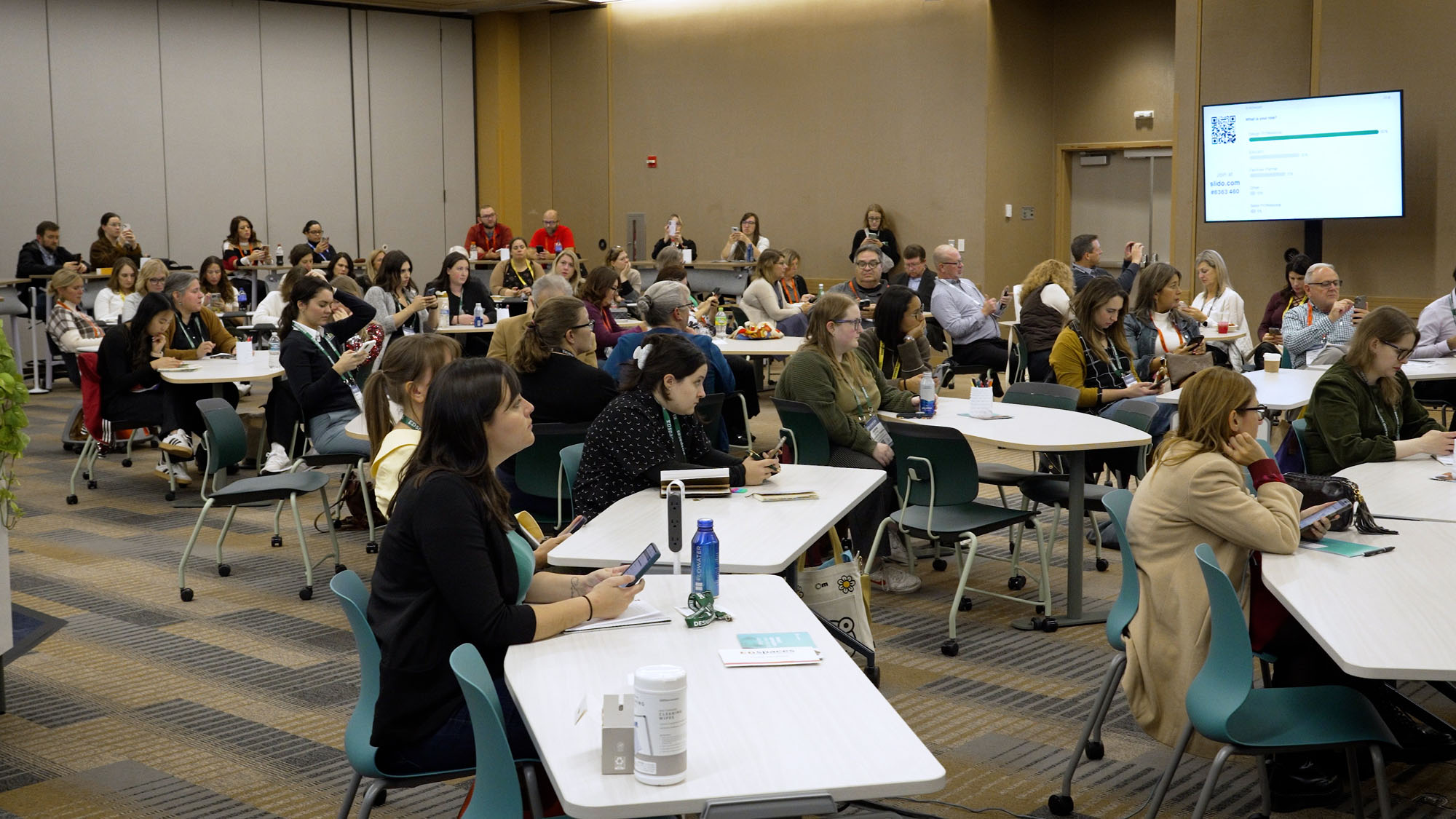
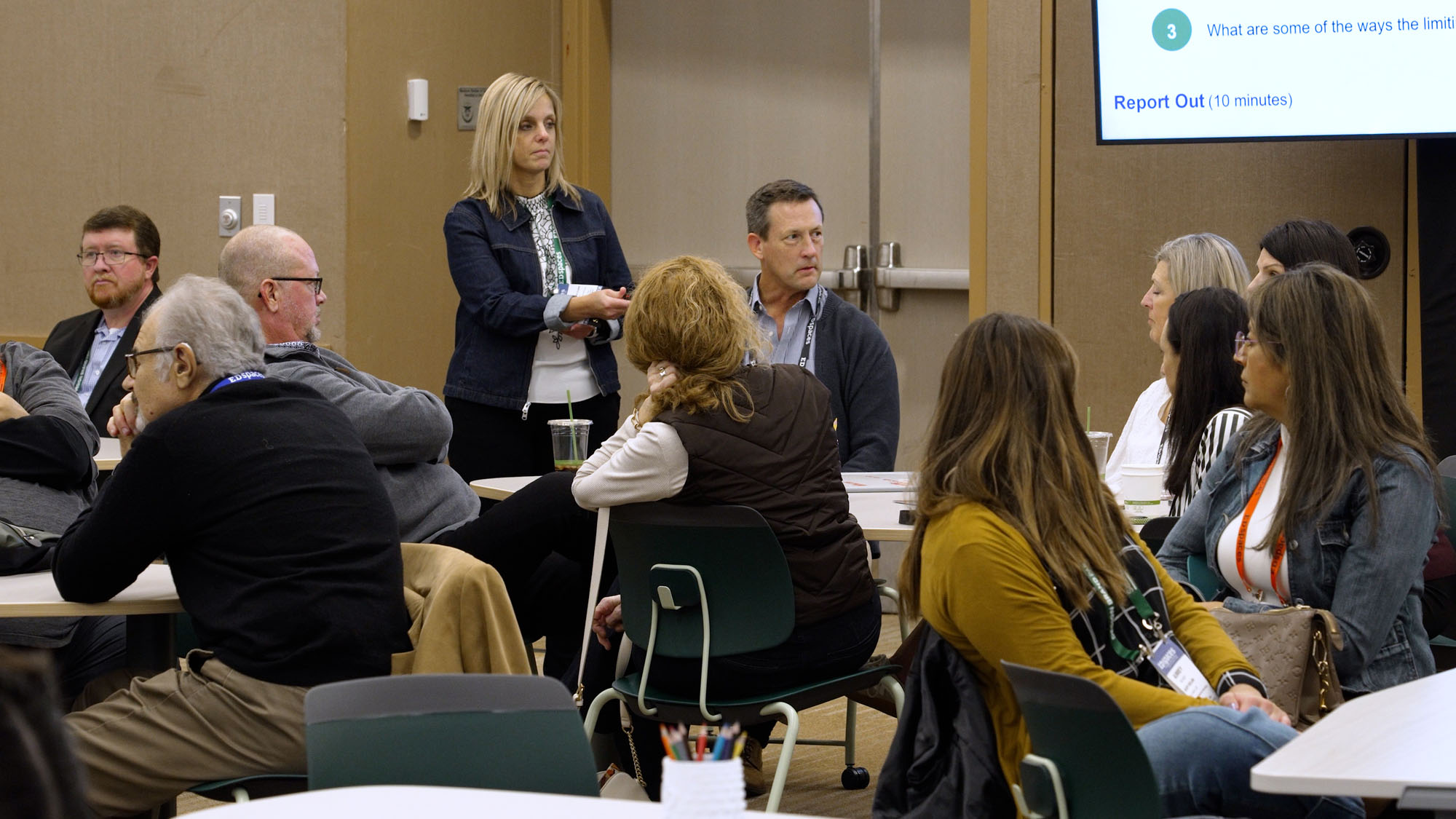
The engagement consisted of a series of short lectures, followed by group discussions and report-outs of participants’ ideas. The session was intended to discover ways educators could tailor the learning experience by identifying new design strategies to create a safer, more accessible, and more emotionally comfortable environment for students.
Joseph Petrarca, the former Director of Educational and Shared Services with the Franklin County Board of Developmental Disabilities, spoke via pre-recorded video, “There’s a variety of disabilities that respond well to the same type of outcomes. Visual schedules work for a lot of kids, even those without disabilities,” he said. “You see more and more visual supports in classrooms because it helps the kids make sense of what’s coming next. It can even reduce anxiety in students without an individual education plan (IEP).”
Joe concluded, “We’ve seen a big shift from just getting kids in the building to having inclusive elements in a general education classroom.” By tailoring the learning experience to meet the needs of disabled students, educators can foster a more engaging and rewarding learning environment for all.
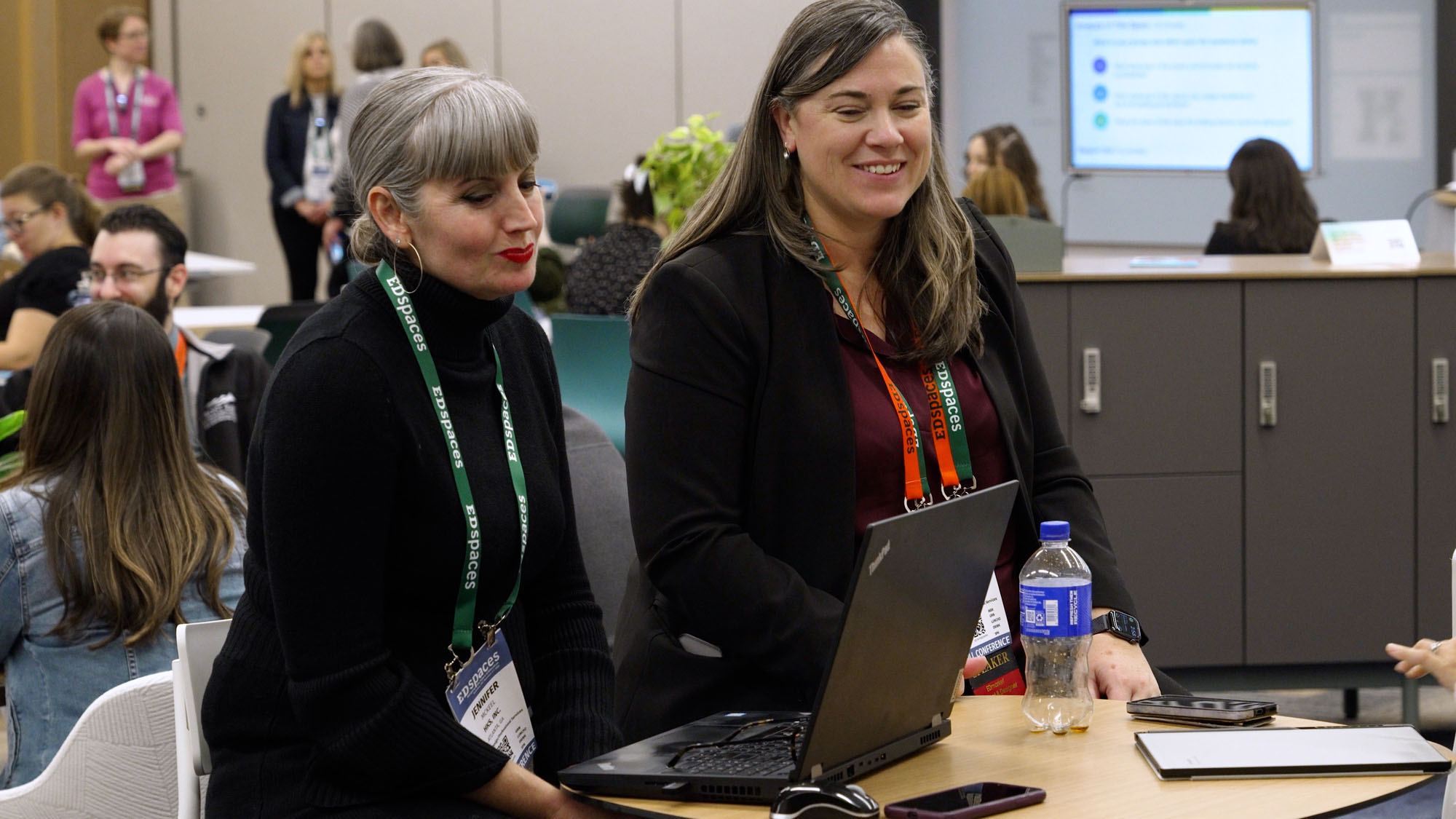
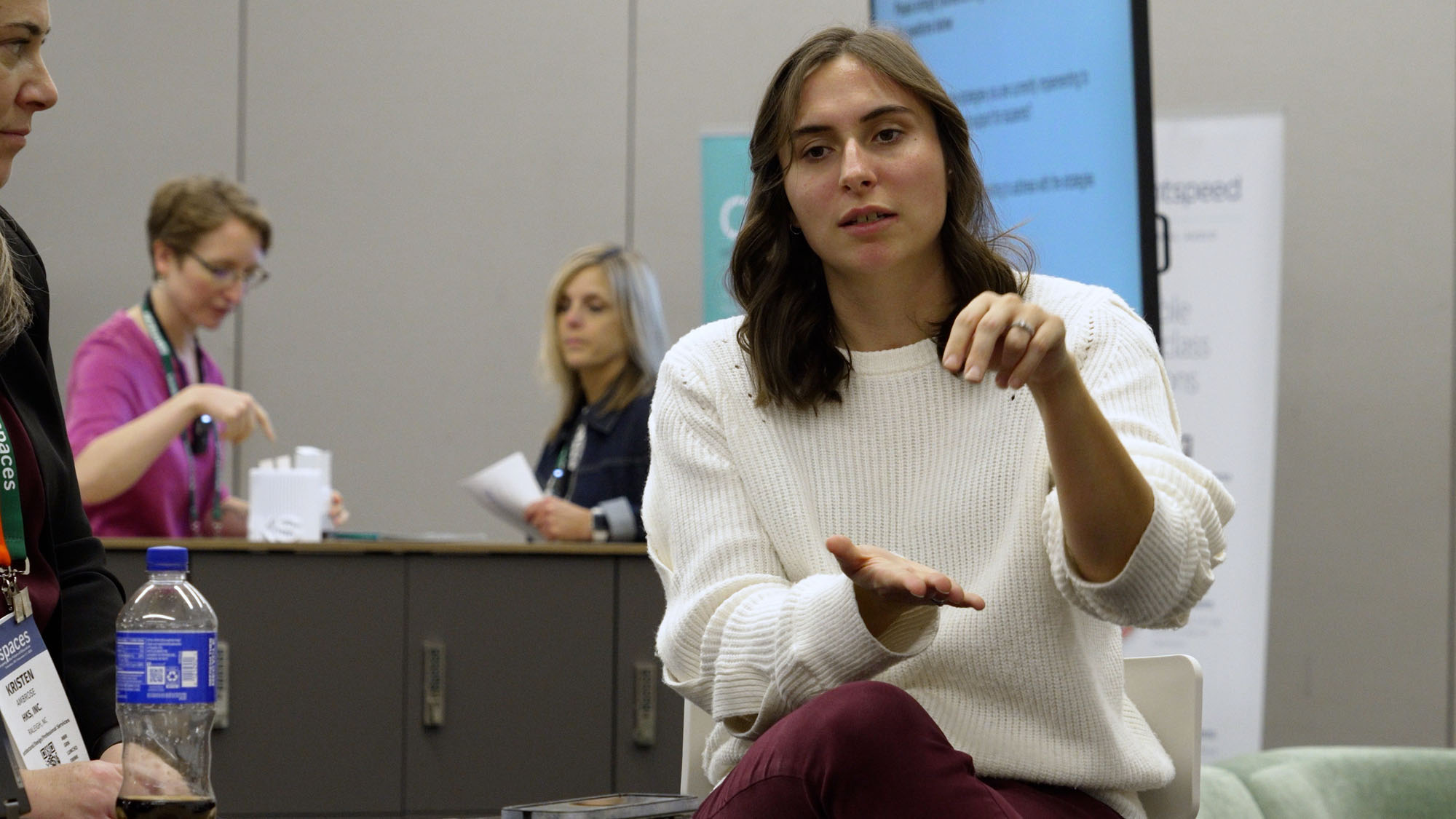
“It was really awesome to see all the real exchanges between the audience members,” Rhonda said. “Seeing their group discussions, sharing their personal situations, and informing each other about what’s important to them is exactly what we wanted. As a designer, I’m constantly learning, and I learned quite a bit today.”
EDspaces "Beyond ADA" Presentation

North Ridgeville Encourages Student Independence
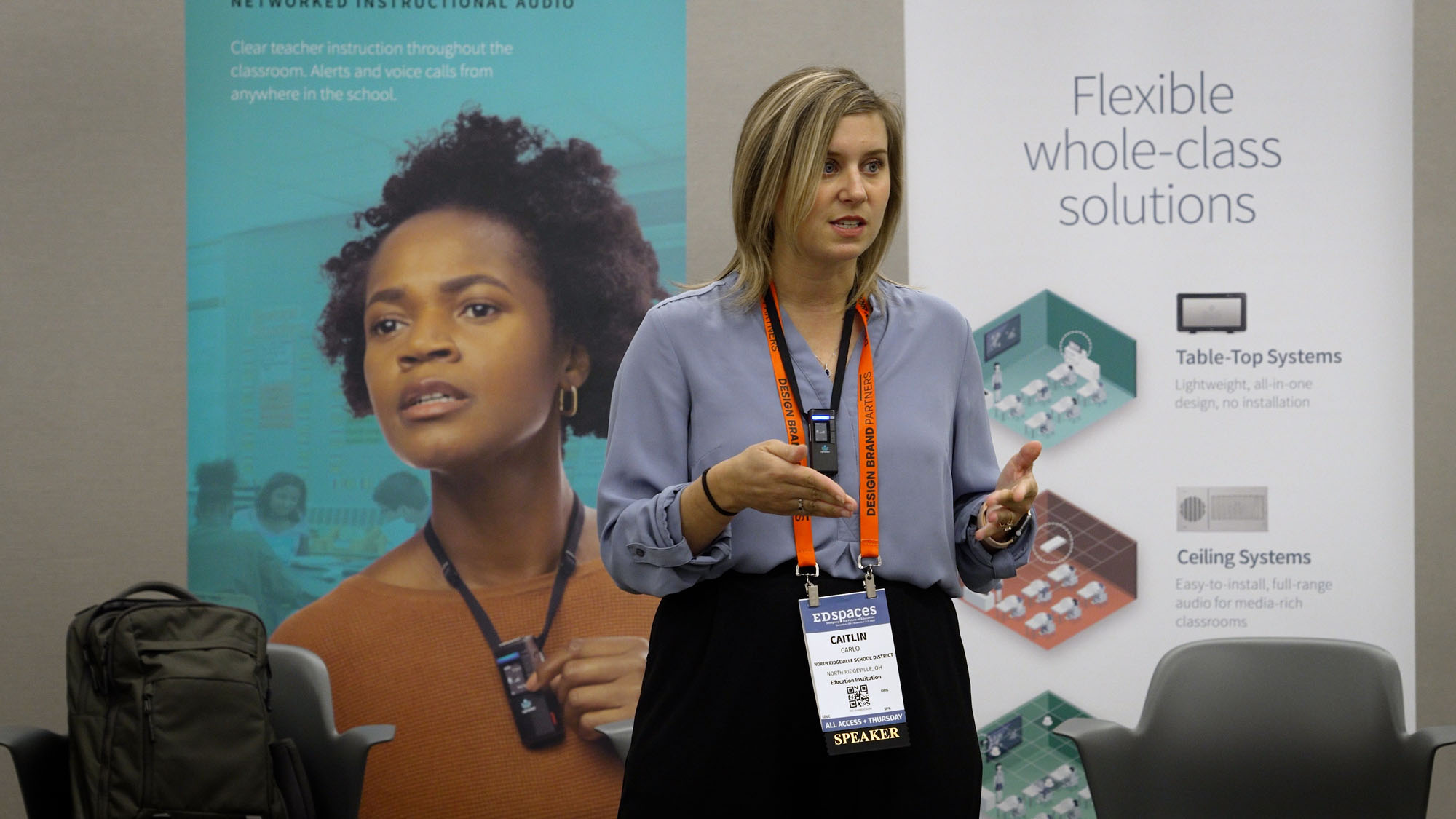
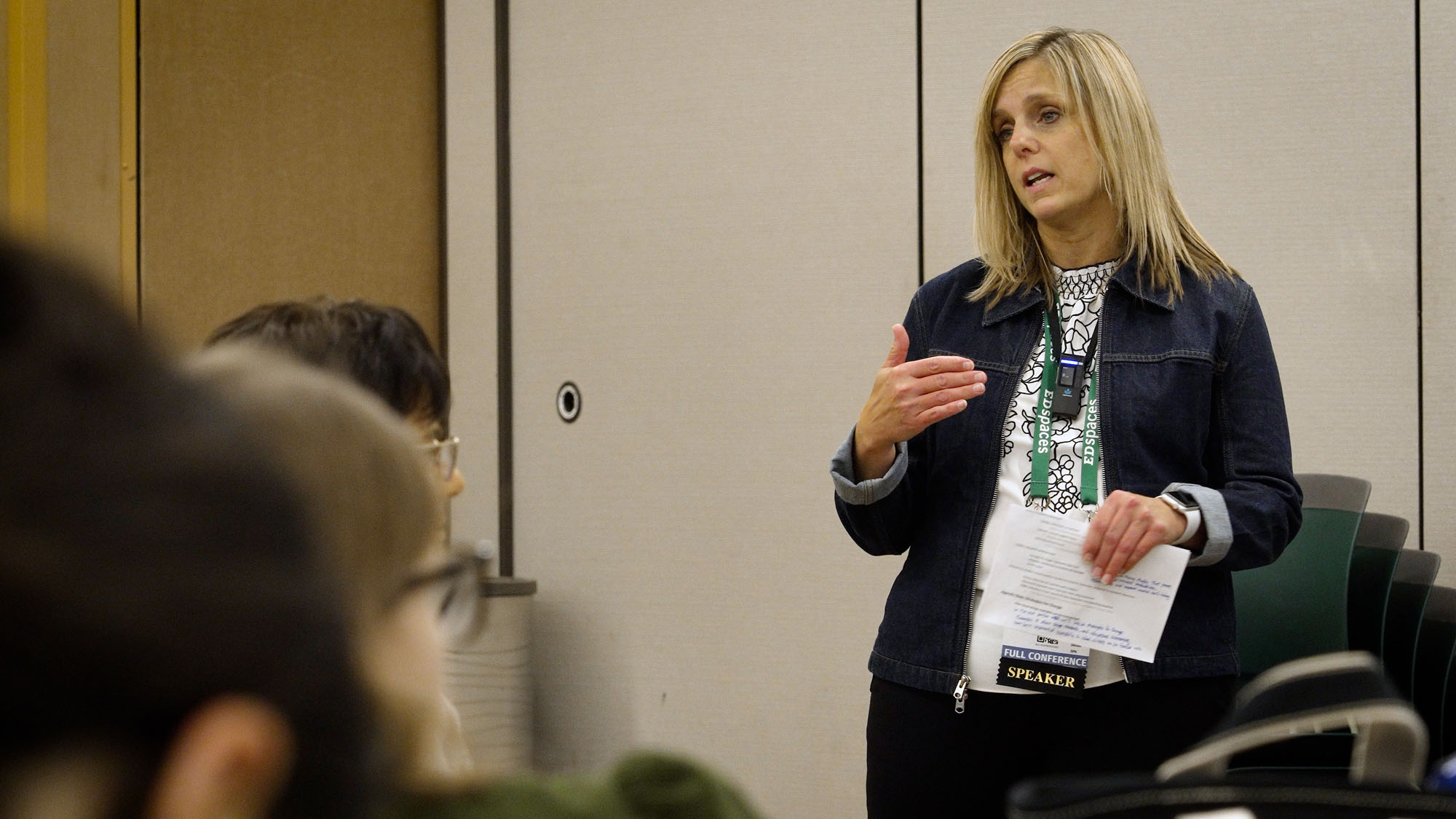
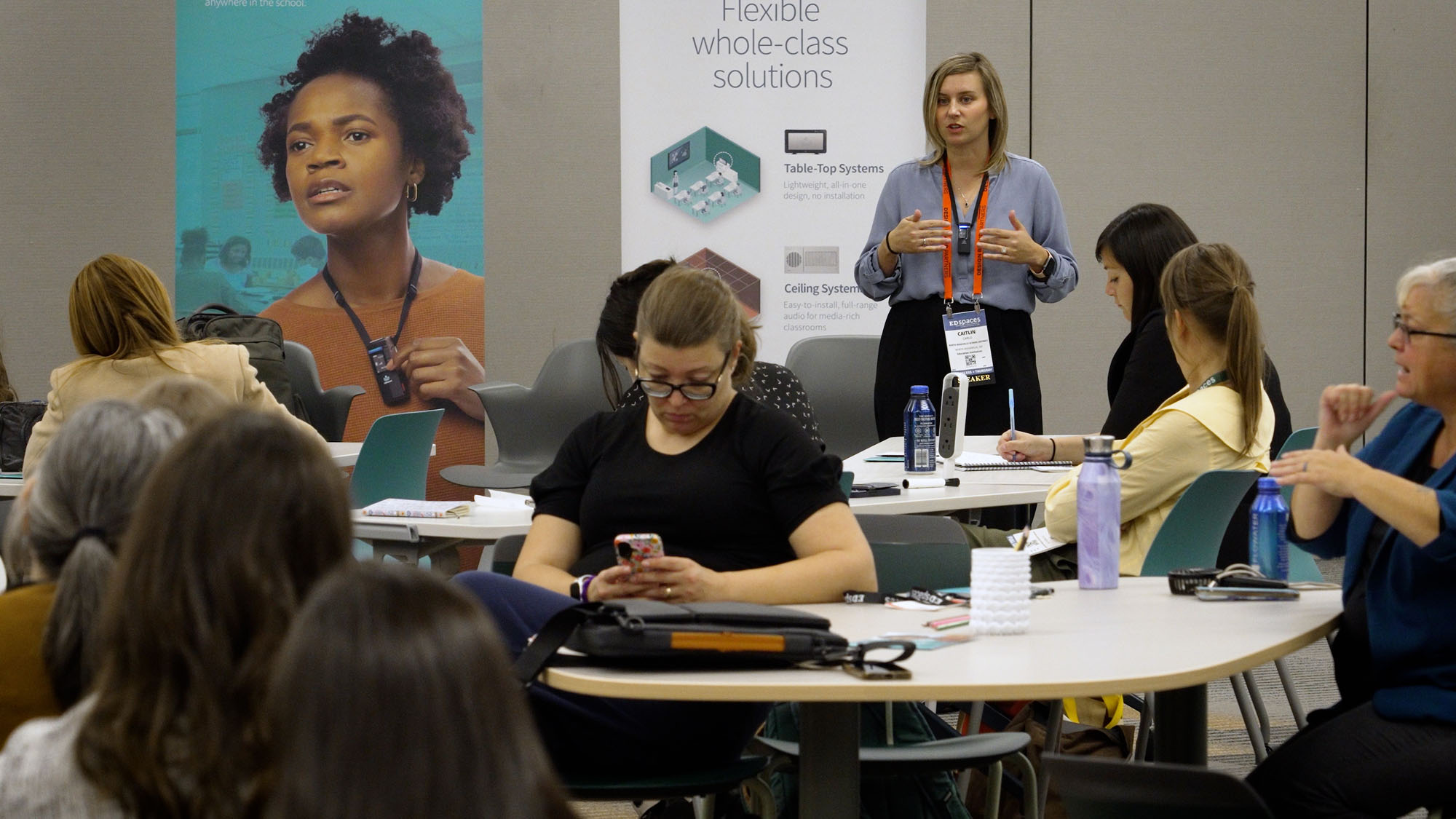
“I want my students to have as much independence as possible,” said North Ridgeville City Schools Intervention Specialist Caitlin Carlo. “I really want them to be able to do things on their own. That’s why I like letting people know what we’re doing in North Ridgeville.”
North Ridgeville City Schools has unique programs based in the high school that were created specifically for students with special needs. This supports the district’s philosophy to focus on the development of the whole child to ensure success.
Able Not Label is a program where special needs students use job skills and talents to create school-themed merchandise. Students participate in the design, manufacturing, and sale of items in the Able Shop. Capable Confections is a new student-run baking program developing food service industry skills.
“I’ve been teaching students with significant disabilities for 13 years,” Caitlin said. “They are unique and amazing and make me smile every day.” Her involvement in the presentation was driven by a desire to raise awareness and inspire meaningful change by influencing ideas and solutions that attendees can take back to their school districts.
“We were able to talk about the flaws we have in our school systems and share the struggles we have to work through,” Caitlin said. The workshop afforded a unique opportunity for those passionate about the well-being and success of students with disabilities to share ideas and speak frankly about current conditions.
Caitlin continued, “All students have the right to belong and be accommodated and to participate with their peers. So, it’s really important we make sure we do our best to provide what they need to learn, thrive, be happy, be successful, and contribute to society.”
EDspaces Beyond ADA Presentation Slides
Inclusive Design Considerations
“The educational segment is especially rewarding because it’s always adapting,” said ThenDesign Architecture Interior Designer Jeanne Klecker, NCIDQ. “ADA is mandated, but our presentation was titled ‘Beyond ADA’ because that is what we’re encouraging people to think about. Having discussions about going beyond the requirements to make sure we’re accommodating every student and every teacher the best we can.”
One pathway to achieve this is by looking beyond special education classrooms to consider every space within the building. Jeanne said, “We need to be looking at spaces like art classrooms, labs, gymnasiums, and student dining spaces so we can think about what we can do to make it better for everyone.”
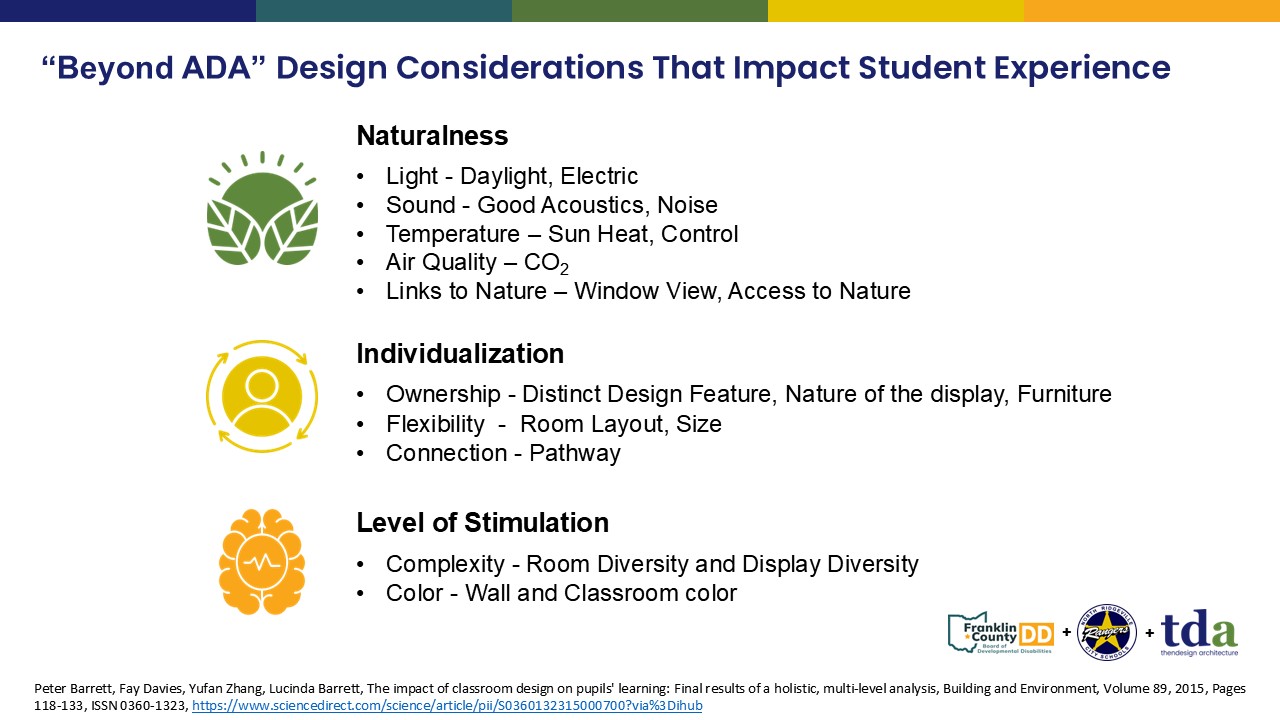
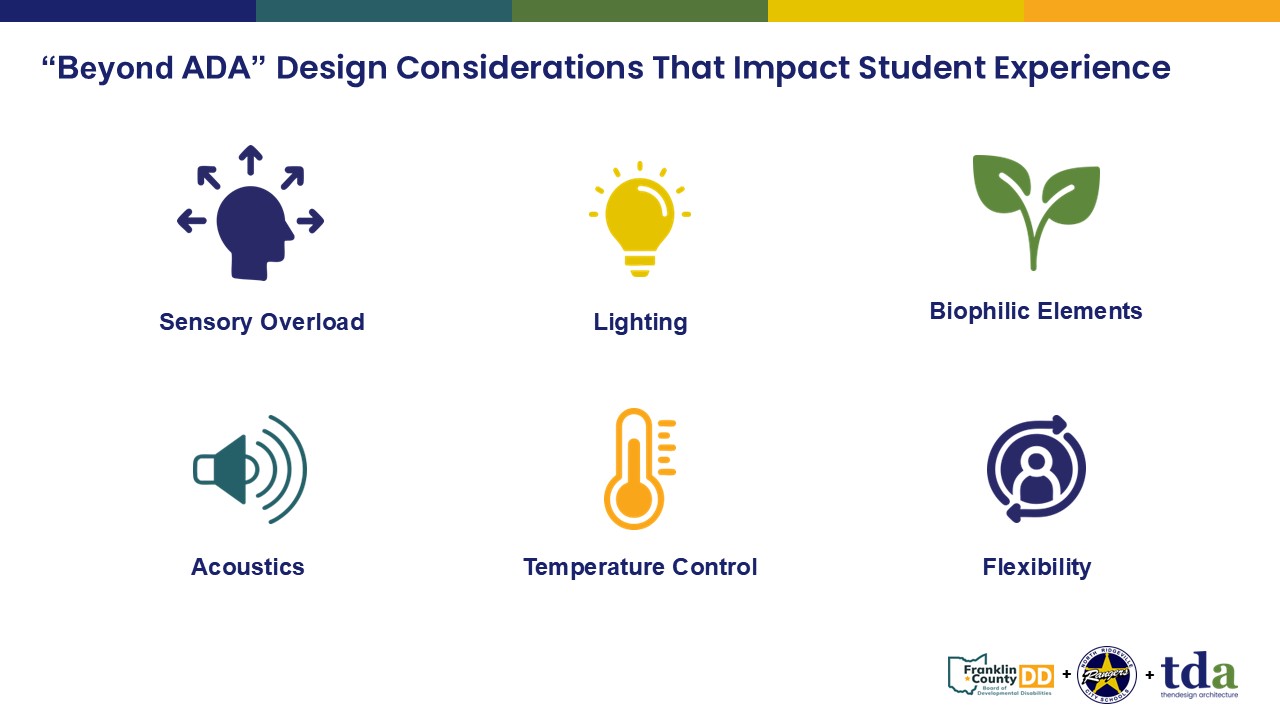
Some of the topics discussed during the presentation were acoustics, lighting, temperature, colors, textures, furniture, and elements of the student experience that impact emotional and physical needs. Certain environments that are colorful or loud have the potential to overstimulate some students.
One of the universally accepted stress-relieving design techniques is incorporating natural light, natural colors, and shapes like trees, leaves, flowers, and bodies of water into a school environment. Biophilic elements can be a wooden tree stand in a media center or patterns of leaves on a classroom wall. These interior finishes, along with large windows with a view of the outdoors, can have a soothing effect.
Jeanne said, “It’s important for interior design to understand all of the goals that go into a school building, because it’s more than just the finishes, the colors, and space planning. Thinking through how students or teachers will move through that building independently and confidently is important. Using those spaces to learn and teach effectively is vital to a design.”
EDspaces "Beyond ADA" Presentation
Even Teachers Are Still Learning
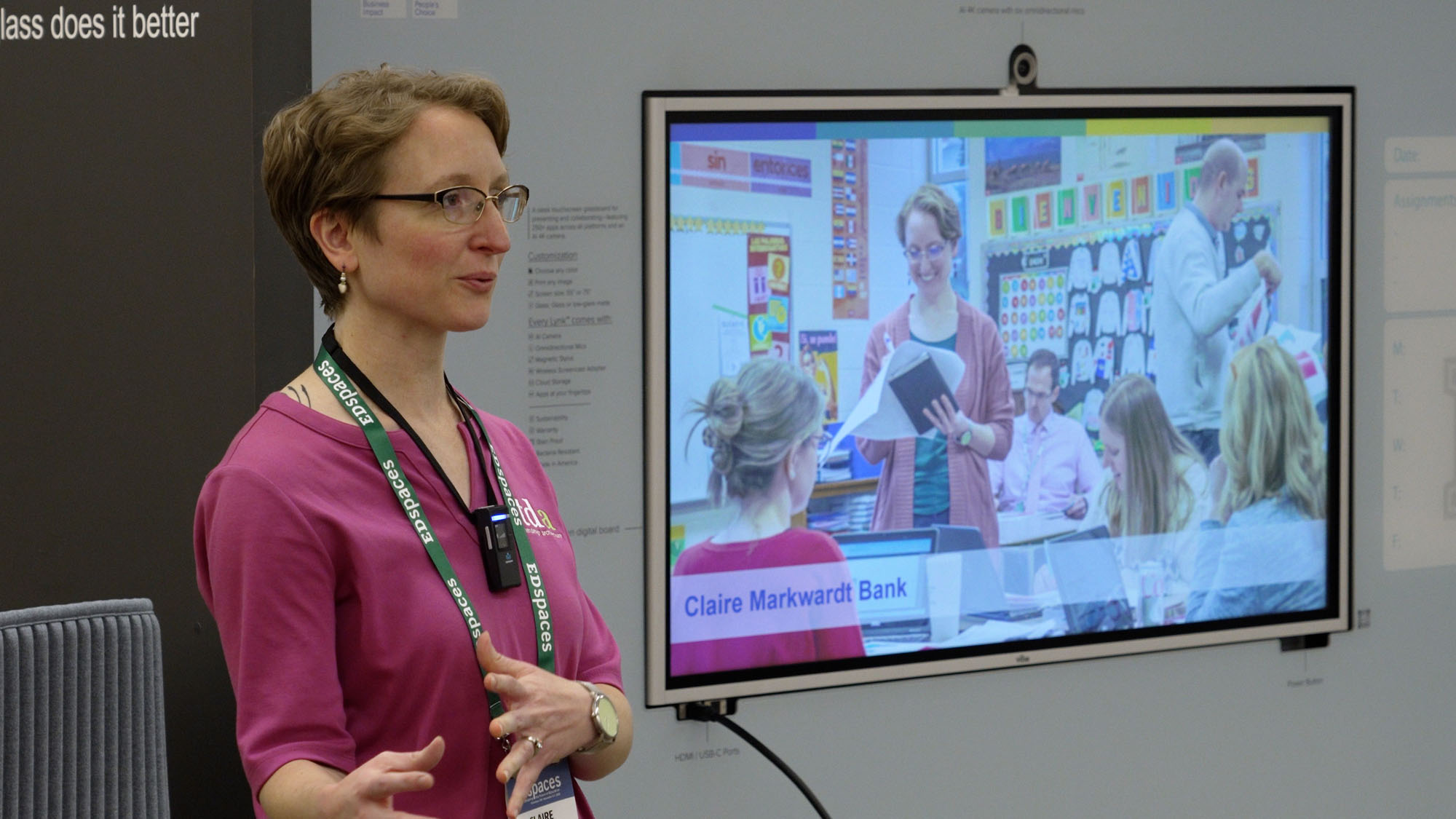
“It’s very important to me that students don’t feel excluded,” said TDA Educational Design Lead Claire Bank, AIA, ALEP, NCARB. “We all want students to thrive and focus on learning. Not to be distracted or face barriers to their needs.”
The workshop gathered an engaged group of professionals with a variety of backgrounds and experiences. Despite the collaboration and planning for the event, Claire admitted there were topics of discussion that had not been considered. “We covered lighting, acoustics, and temperature control, but in one of the breakout sessions, we heard about accommodating deaf students. That was something we hadn’t really addressed,” she said. “But it raised some interesting questions and something for us to consider as we move forward with future designs.”
The workshop collaborations and group activities were not intended to answer all questions, but at least broaden the topics of discussion by inspiring driven, creative minds to address bettering the educational environments for all students and teachers.
One of the attendees shared their experience about a special disability school. “Learning about the disability school that has blind and deaf students was really interesting,” Rhonda said. “Especially hearing about the visual aids and other forms of communication. It seems like a very complicated design problem to figure out. I don’t know that I have a solution yet, but I would love to learn more.”
Claire said, “Anything we can do to accommodate students to help them feel comfortable and see that their needs are met throughout a school building is very important to me.”
EDspaces "Beyond ADA" Presentation
Caring Beyond ADA
“Incorporating universal and ADA design principles into schools is important to me personally,” Rhonda said. “We need to care about each other. We need to think about how we can all live together and work together. This is a global mindset, not just for schools.”
“It’s important that we’re changing our educational practices. We need to stay progressive to prepare our students for their futures,” Cailtin concluded. “I have a passion for students with significant disabilities. I see the value in what they can bring to the community, and I want the community to see that.”
The “Beyond ADA” workshop at EDspaces sparked conversations on effective design considerations for students with special needs that attendees can take back and implement in their schools and districts. Creating inclusive spaces through flexibility, visual support, acoustics, lighting, temperature controls, sensory considerations, and biophilic elements can improve the design to maximize the potential benefit for all students.
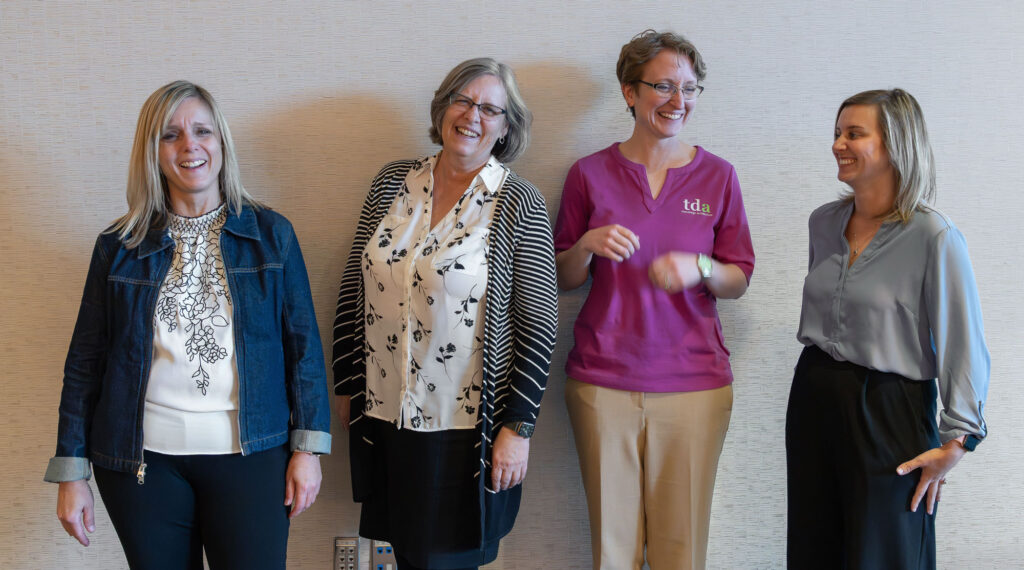
The Beyond ADA Team
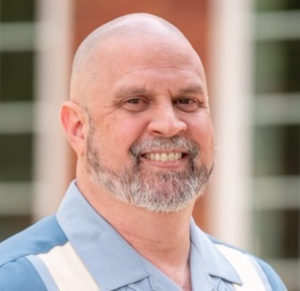
Marc Cebrian
Communications
Get our newsletter with insights, events and tips.
Recent Posts:
Fairport Harbor Village: A Small Town with a Big School
Avon Lake City Schools’ 5-8 Visioning Workshop
TDA Staff Tours the New Geauga County Courthouse Addition
CMSD Celebrates the Clark PreK-8 School Ribbon Cutting Ceremony
The New Bryden Elementary School Ribbon Cutting